
Revel Recap: Feb 23-27
Important Upcoming Dates
March Mammal Madness Brackets are Due - Friday, March 6th
Spark Field Trip to the Fire Station - Monday, March 16th from 1:00 - 2:00 pm
Session 5 Exhibitions
Discovery Exhibition - Tuesday, March 31st
Spark Exhibition - Wednesday, April 1st
Exploration Exhibition - Thursday, April 2nd - Doors Open at 4:00 pm
Good Friday - No School - Friday, April 3rd
Easter Monday - No School - Monday, April 6th
Sessional Break - Tuesday, April 7th - April 10th
Guardian Book Club: The Gardener and the Carpenter by Alison Gopnik - Thursday, April 16th
Spark Studio
Mindfulness and Launch
Welcome to Session 5! On Monday, the Sparks were excited to be reunited after the break. We spent time sharing stories about our time away before learners illustrated and wrote about their experiences. They shared wonderful memories of visiting Winterlude, playing hockey, attending art camp, celebrating birthdays, going to Funhaven, and much more! Throughout the week, our Mindfulness time focused on building empathy and connection. From Tuesday to Thursday, we explored I Heard Your Feelings: Conversation Cards, which are designed to strengthen communication skills and social-emotional awareness. In one activity, Rebels observed animals watching a movie, each showing a different facial expression, and reflected on questions such as: What kind of movie are they watching? Why isn’t the piglet looking at the screen? What could Pig say to the piglet? Their thoughtful responses showed growing empathy and perspective-taking. To wrap up the week, the Sparks worked together to create a banner poster for our upcoming Exhibition and enjoyed a few extra minutes of mindful play, building with Duplo and engaging in imaginative dramatic play to end the week on a joyful note.
During Launch each day, we continued to build background knowledge and spark curiosity. On Monday, we revisited our Transportation Timeline poster, reviewing when inventions such as canoes, chariots, the wheel, and airplanes were introduced, followed by a lively game of Would You Rather. Learners chose between scenarios like riding in a buggy or on a bicycle, walking through a forest or crossing a log over a river, and sitting by the airplane window or next to the pilot. On Tuesday, the Sparks watched a short clip titled History of Transportation and reflected on questions such as: What kinds of transportation did you see? How did people travel long ago compared to now? Why do people need different ways to travel? Their responses showed a growing understanding of how transportation evolves to meet people’s needs. Wednesday’s Launch focused on Pink Shirt Day, where learners explored kindness and inclusion through a presentation and the story Willow Finds the Way. They discussed what it means to be a bystander and how they can stand up for others in kind and thoughtful ways. On Thursday, we revisited Lunar New Year and learned that this year is the Year of the Horse. The Sparks enjoyed a Cosmic Kids Yoga session and had fun discovering which zodiac animal represents the year they were born. To warp up the week, we held a goal-setting discussion about managing time effectively and working toward completing tasks. The Sparks shared strategies such as setting focused work periods and supporting one another. As a class, they decided that earning extra free exploration time and visiting the Maker Space for more arts and crafts would be wonderful incentives for their hard work.
Quest
The Sparks geared up and took a trip through time as we explored the history and timeline of transportation. We journeyed back to a time of horse-drawn buggies, walking, canoes, and the creation of early roads. Along the way, we discovered how rivers once served as natural highways, how logs can float without modern tools, and how much effort it took to train horses and build sturdy buggies. Through discussion and exploration, the Sparks gained a deeper appreciation for the creativity, perseverance, and innovation that shaped transportation long ago and are eager to learn what the future of transportation might hold.
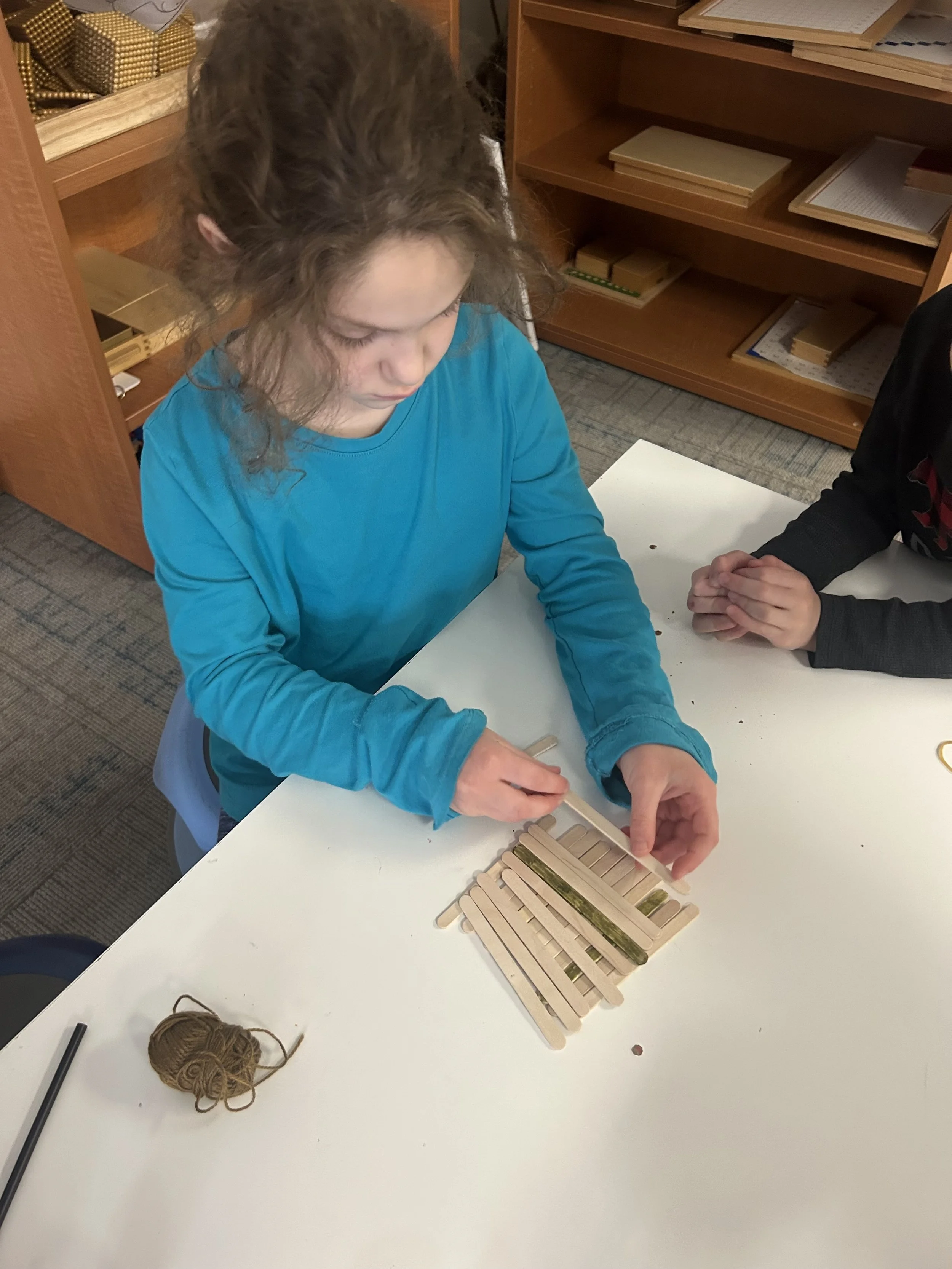
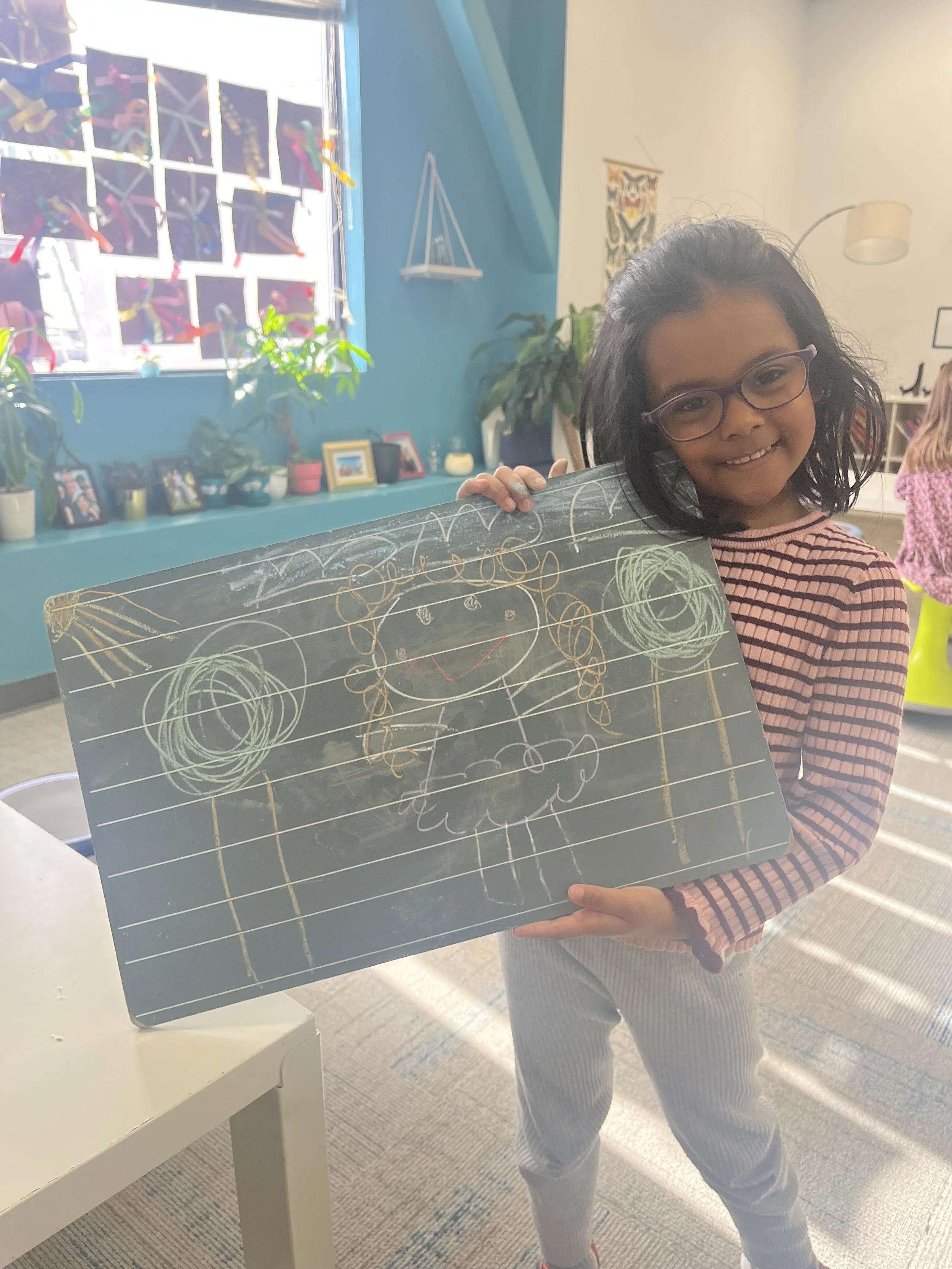
For our first hands-on project, the Sparks built canoes using loose parts, an activity that pushed many learners into their panic zone. It was especially challenging because they had only a limited number of materials to work with. Although they wanted to use glue and tape, these were unavailable, as they had to imagine they were living in the early 1800s. Despite the constraints, every group successfully created a wonderful canoe. During their presentations, learners shared their thinking and explained the reasoning behind their design choices with the rest of the class. Tuesday, we read Transportation Past and Present by Kerry Dinmont. The book explores how transportation has evolved over time. In the past, people rode horses, paddled boats, and relied on trains as one of the fastest ways to travel. Today, we drive cars, boats have motors, and airplanes can take us across great distances faster than ever before. After reading, the Rebels engaged in a thoughtful discussion about how transportation has changed and what that means for us. They shared that walking is often a better alternative to driving because it keeps us healthy and active while also reducing air pollution. They also reflected on how, even in the “olden days,” people were resourceful and determined when traveling. They recognized that with problem-solving skills and perseverance, people were able to reach their destinations, and that those same qualities are still important today. On Thursday, the Sparks created a timeline poster to showcase the evolution of transportation throughout history. We began with Ancient Times, exploring early forms of travel such as walking, using animals, the invention of the wheel, boats, and the development of roads. Next, they added the Middle Ages through the 1800s to their timeline, learning about innovations like horseshoes (which helped horses travel longer distances), steam trains, and bicycles. Finally, they completed their timeline with the Modern Era (1990s to present), highlighting transportation such as airplanes, cars, and even spaceships. The Sparks carefully illustrated each form of transportation, adding detailed drawings to bring their timeline posters to life.
Art
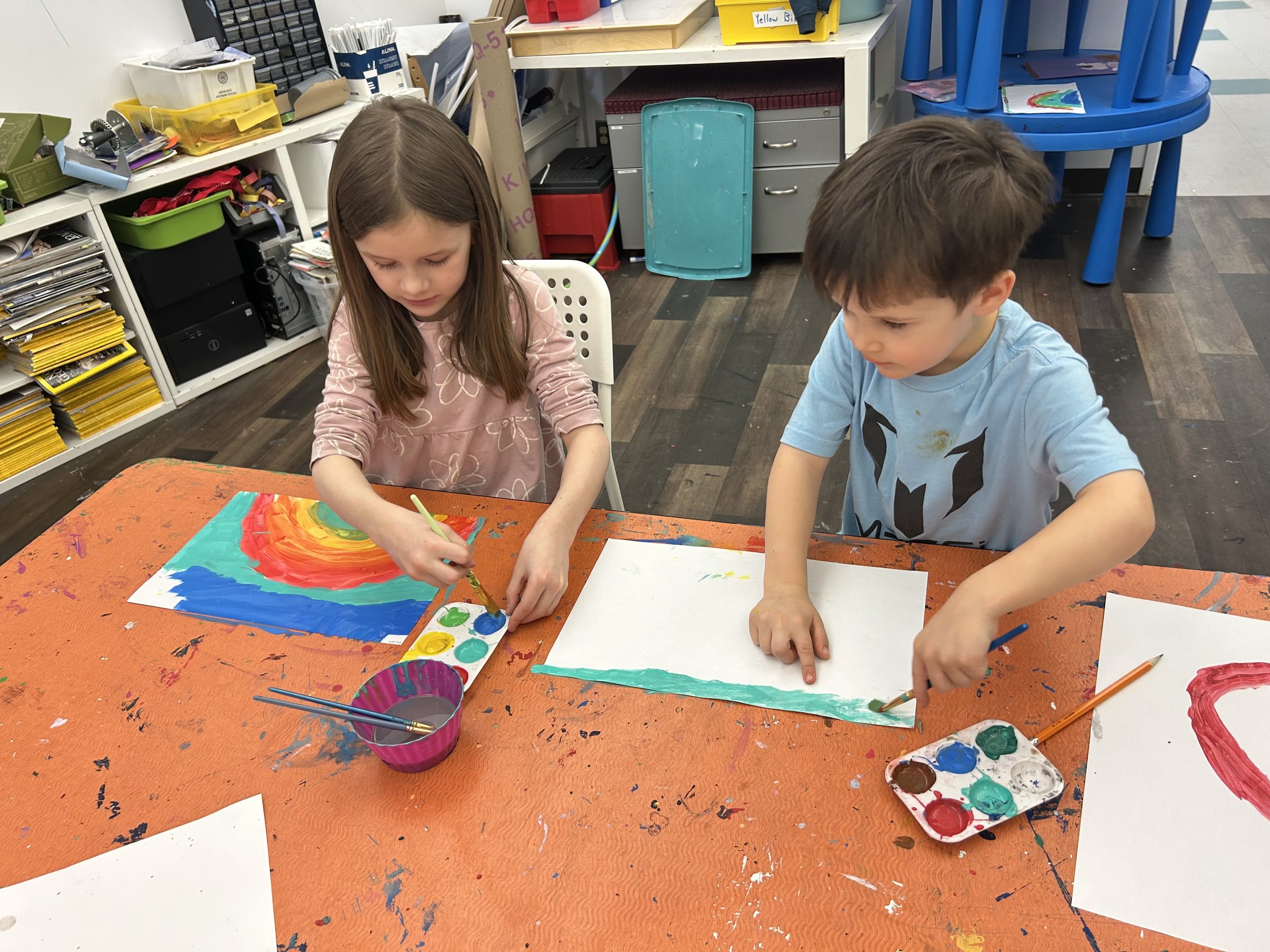
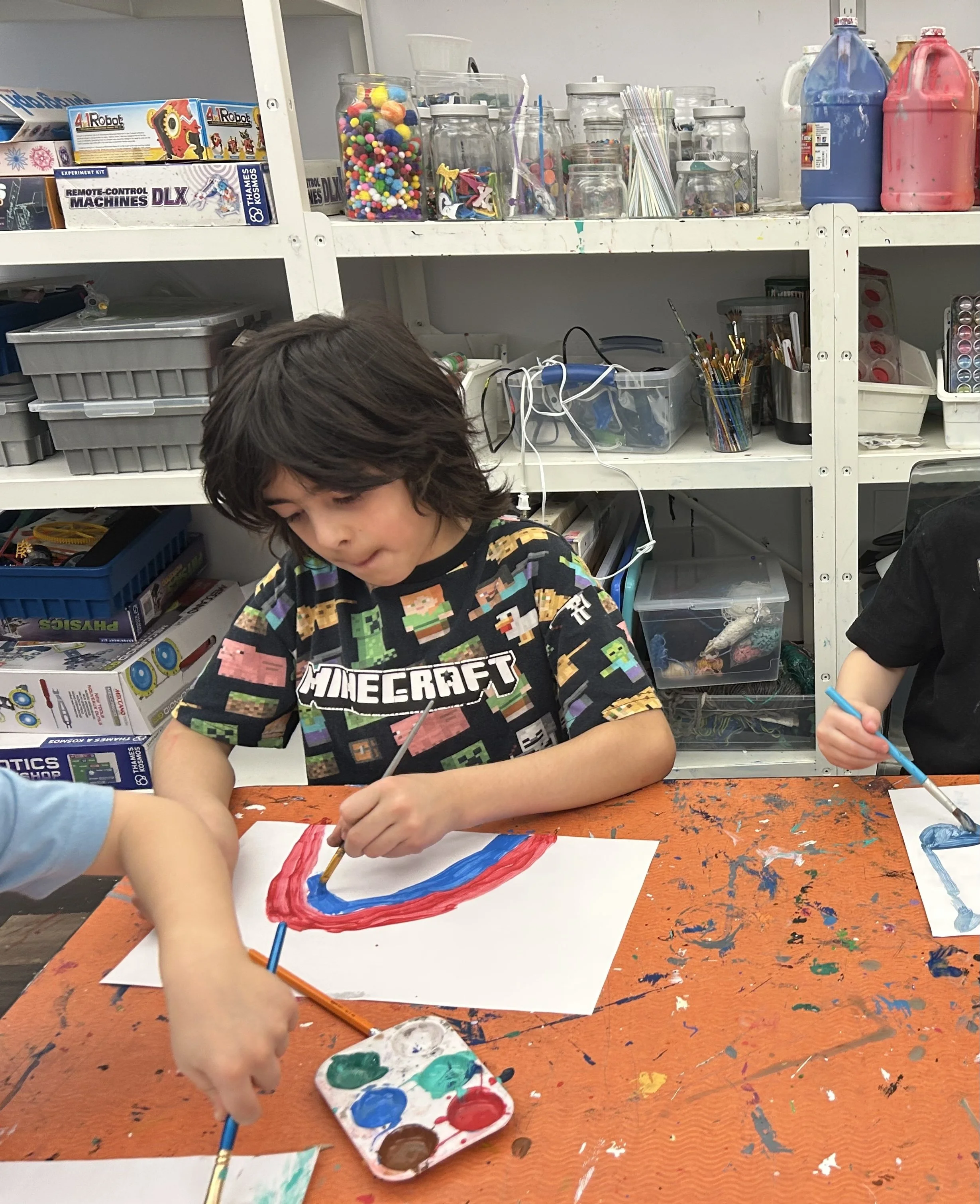
Art was connected to Wednesday’s Quest as learners became engineers and built their own horse and buggy using cardboard. To start, they drew a horse that would help pull their buggy. Then, using cardboard, they constructed their buggy (chariot) and attached it to the horse. The Sparks can’t wait to share their masterpieces at Exhibition!
Reader/Writer Workshop
Group One has continued to work one-on-one with a Guide reading their Bob Books. By starting with only a few letters and simple words, the Sparks experience the thrill of reading a full book, which boosts their confidence and motivates them to read more. They look forward to their time reading with a Guide! This session, Group One is working in Explode the Code Book 1. This book introduces Sparks to the sounds of short vowels. The exercises begin with short a, followed by short i, short u, short e, and short o. Sparks will practice blending sounds to read and write CVC words. In addition, several review lessons are included in this booklet. Each week, we will work together to complete 2–3 pages.
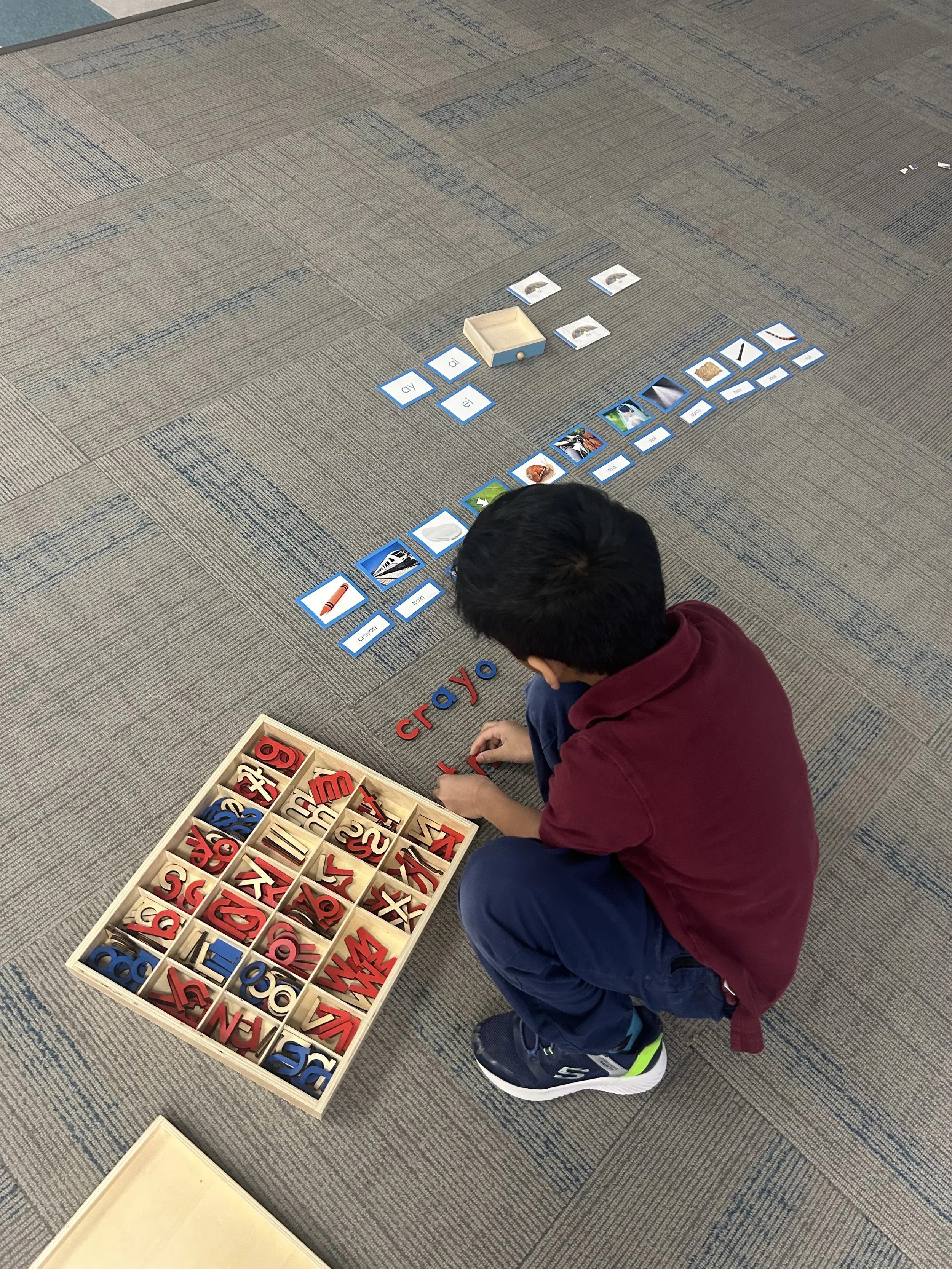
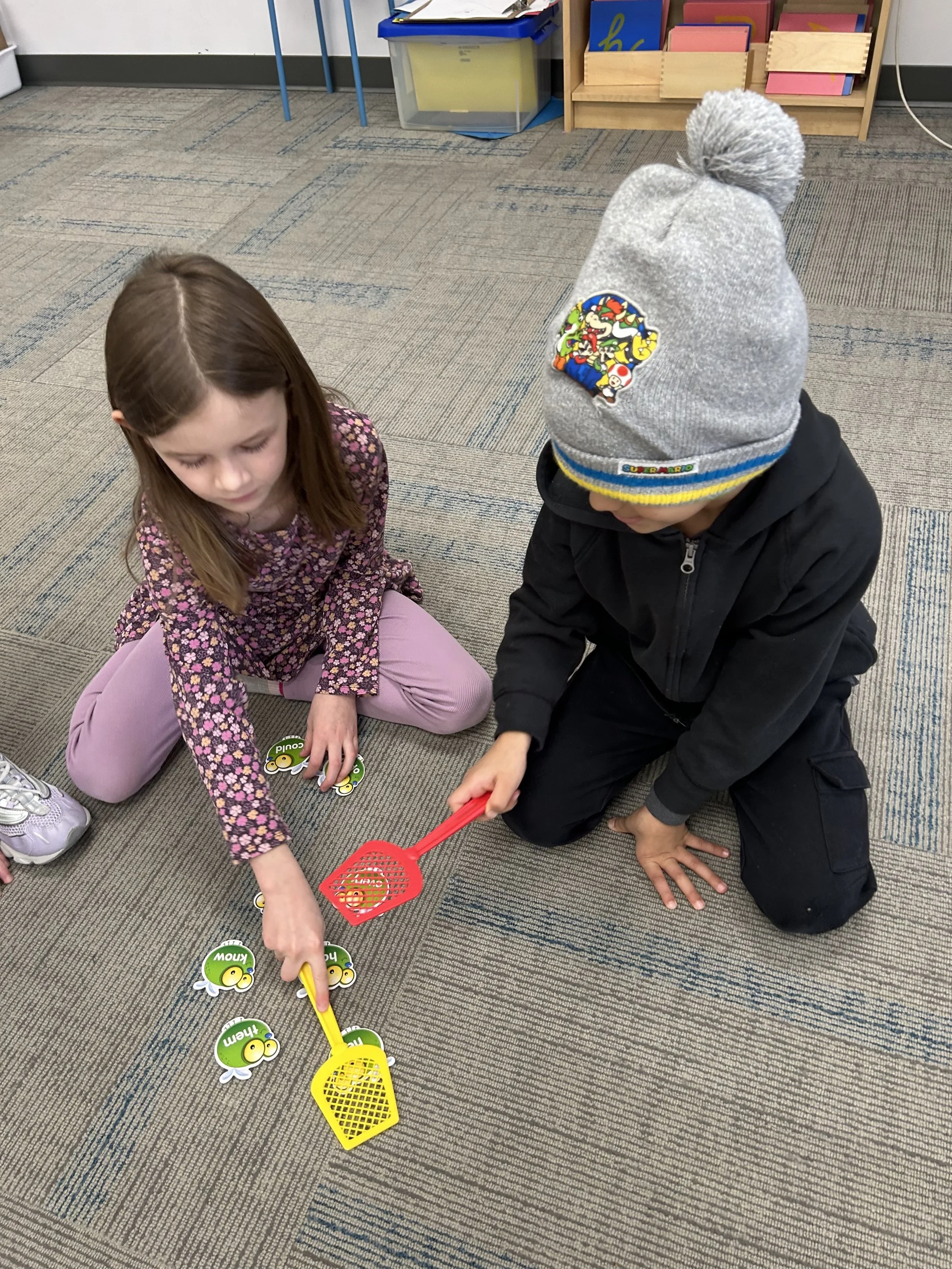
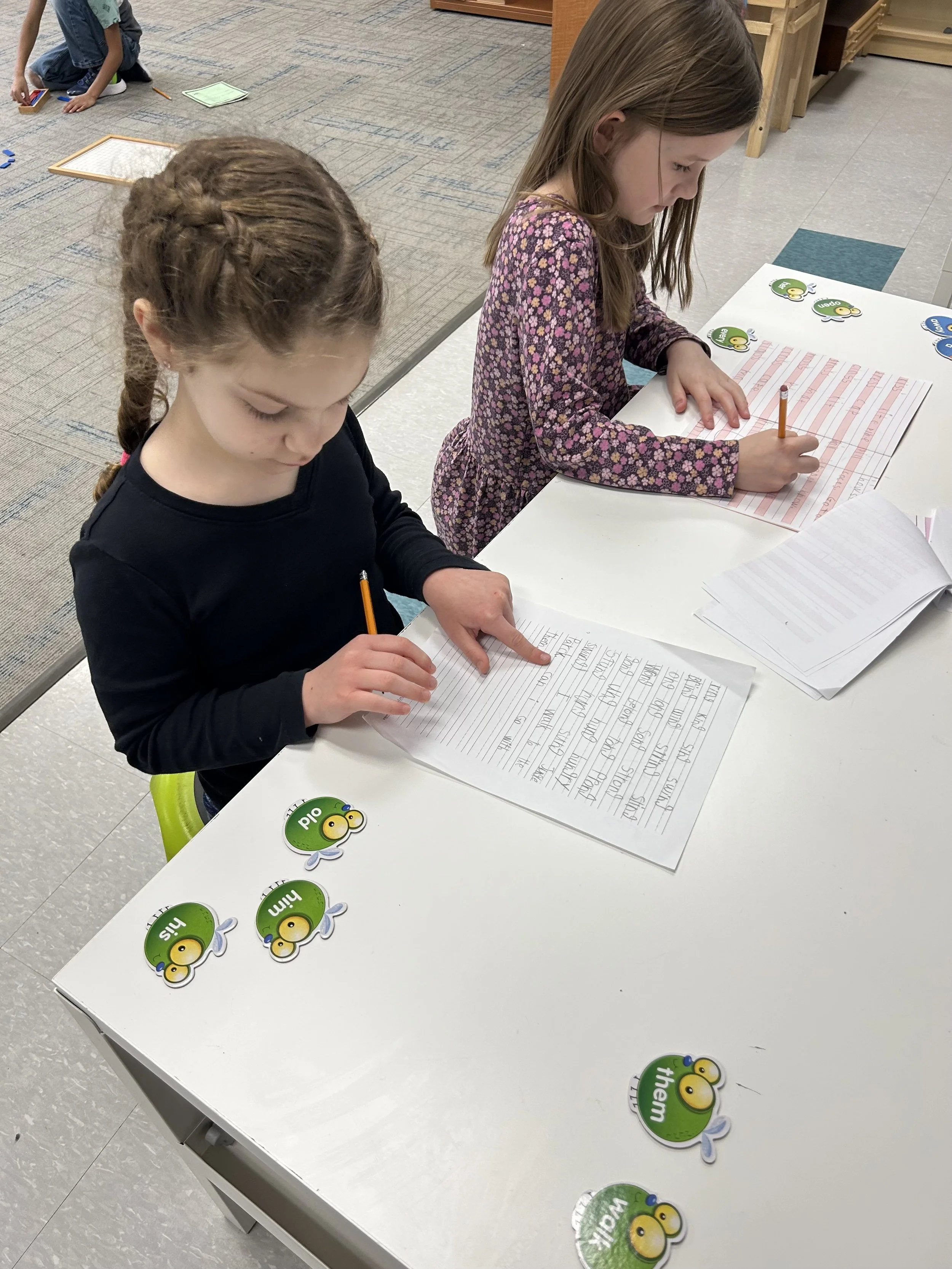
This week, Group Two began learning about a new phonics rule, focusing on the “magic e,” also known as silent e. We learned that when an e appears at the end of a word, it is silent, but it has a very important job. The magic e makes the vowel in the word say its long sound (its name) instead of its short sound. For example, the word tap changes to tape, and cap changes to cape. Even though we do not hear the e, it changes the sound of the vowel. To introduce this concept, learners listened to an engaging song that explained how the magic e makes short vowel sounds long. This helped them understand the rule in a fun way. We then worked through our Blue Waseca reading booklet, identifying and reading words with a silent e at the end. Learners practiced recognizing the pattern and noticing how the vowel sound changes when the magic e is added. Afterward, learners completed a worksheet where they blended sounds and practiced both reading and spelling magic e words. Some of the words we worked with included tale, game, mane, rake, cake, tape, date, and cape. Keep an eye out for magic e words at home and encourage your learner to explain what the vowel is doing in the word!
Book Study
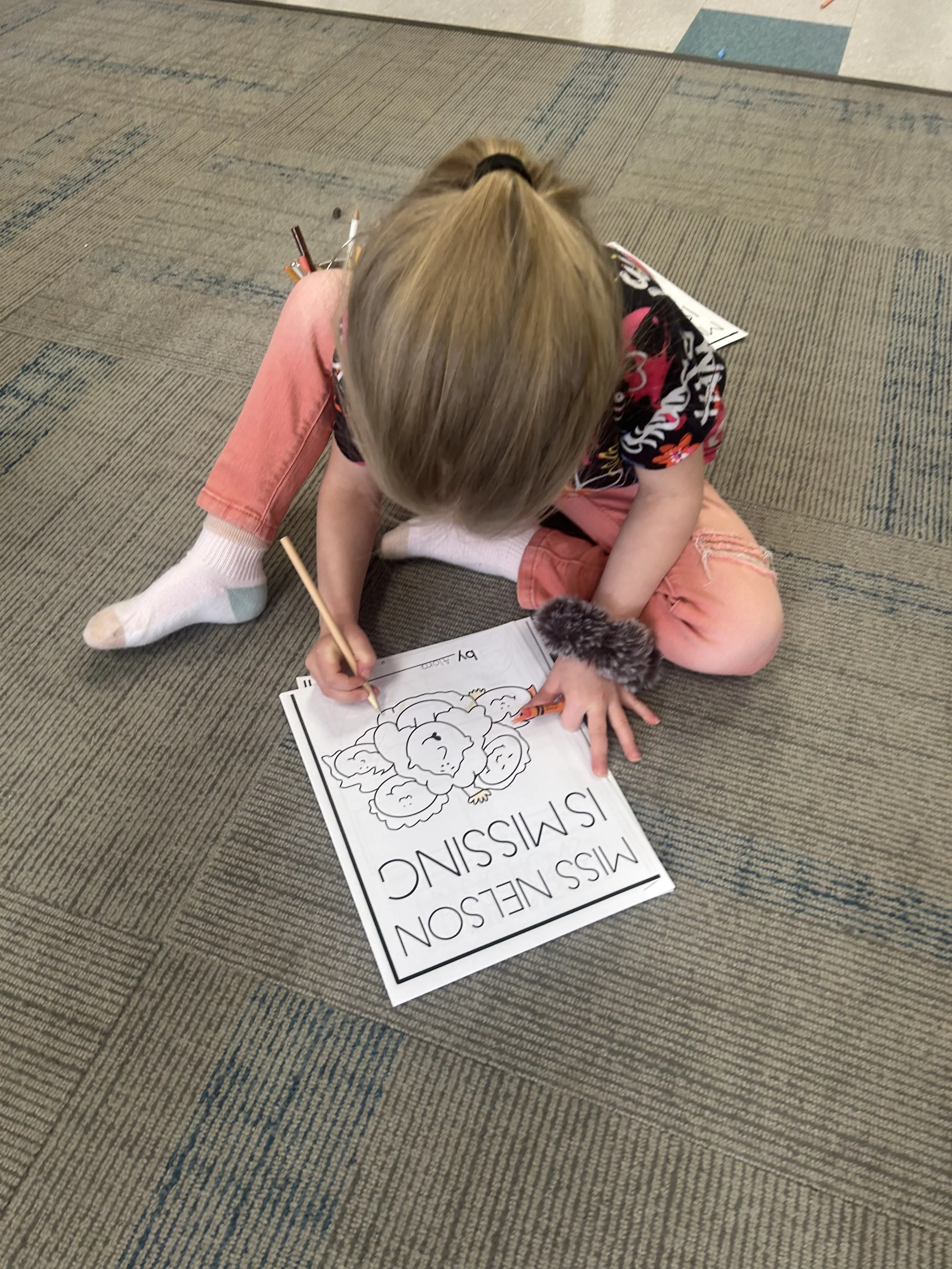
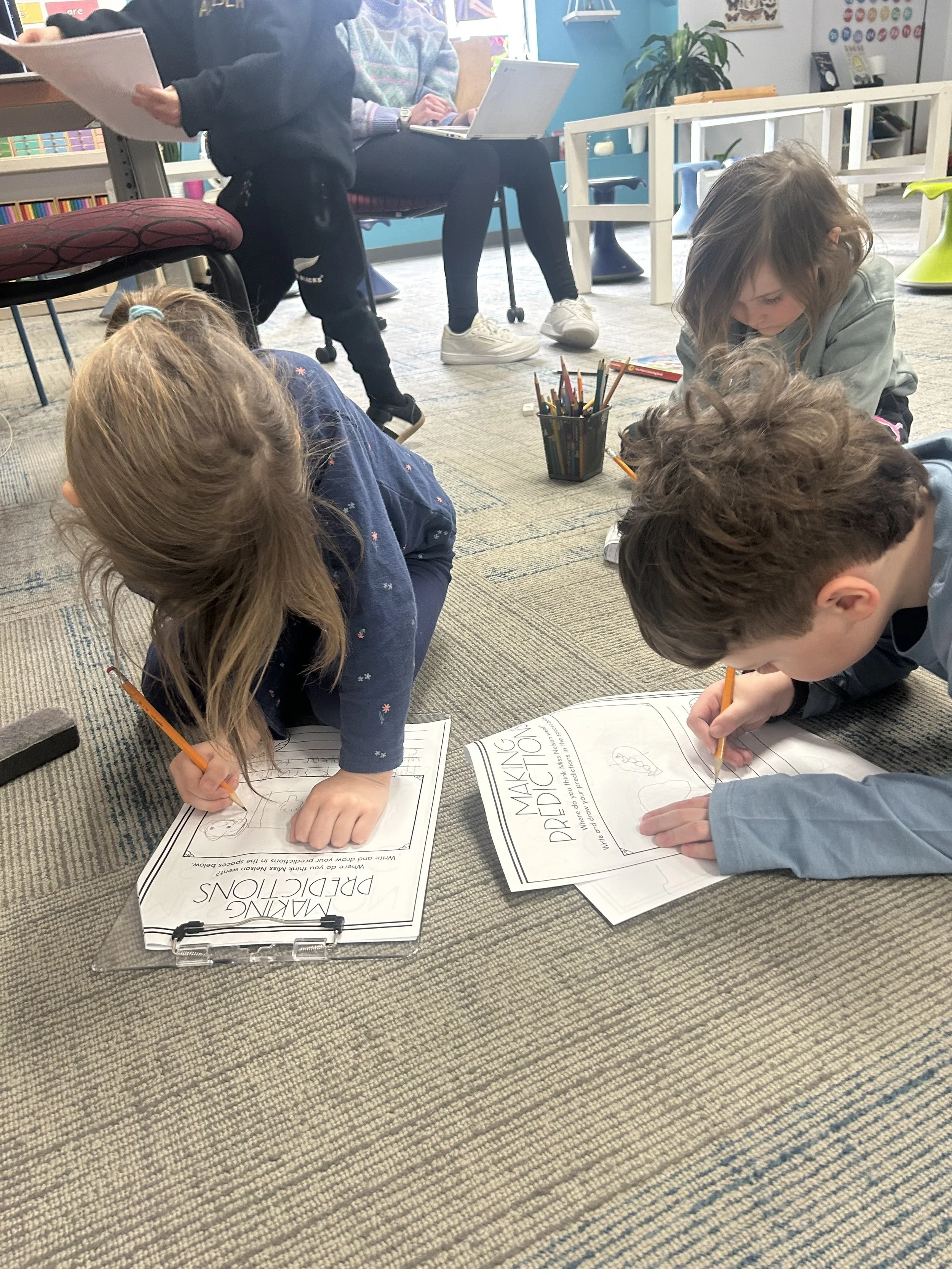
This session, we began a new book study with Miss Nelson Is Missing! by Harry Allard, illustrated by James Marshall. This week, we explored the cover of the book and made predictions about where we think Miss Nelson might have gone. Rebels used clues from the cover illustration to spark their ideas and discussions. They predicted she might have gone to sleep, on trips to places like Australia, South America, or the USA, to the beach to relax, or even to Texas based on a clue on the front cover! After our conversation, the Sparks illustrated and wrote their own predictions about what might have happened to Miss Nelson and where she could be. We are excited to continue reading and see how our predictions compare to the story!
Math Workshops
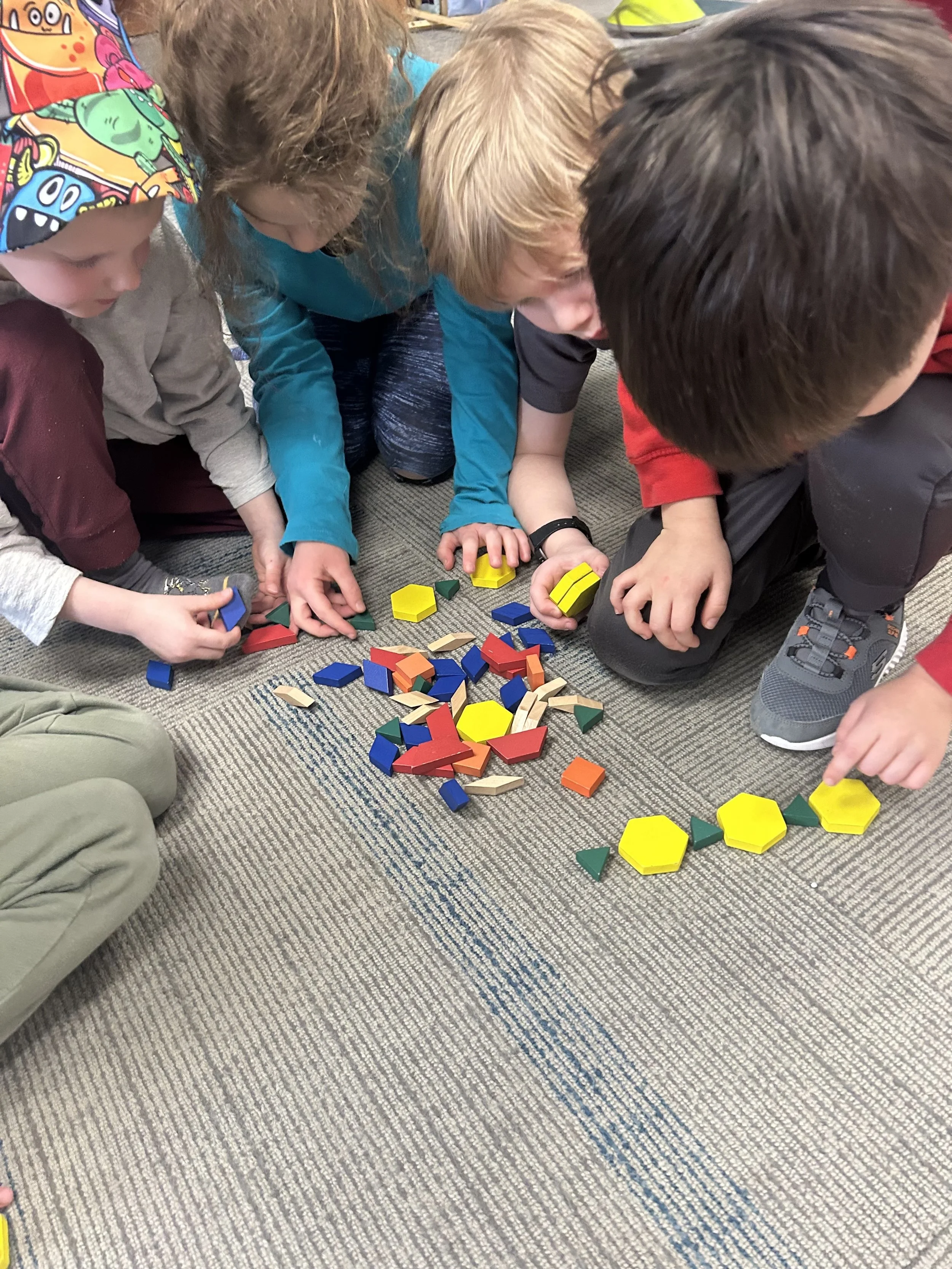
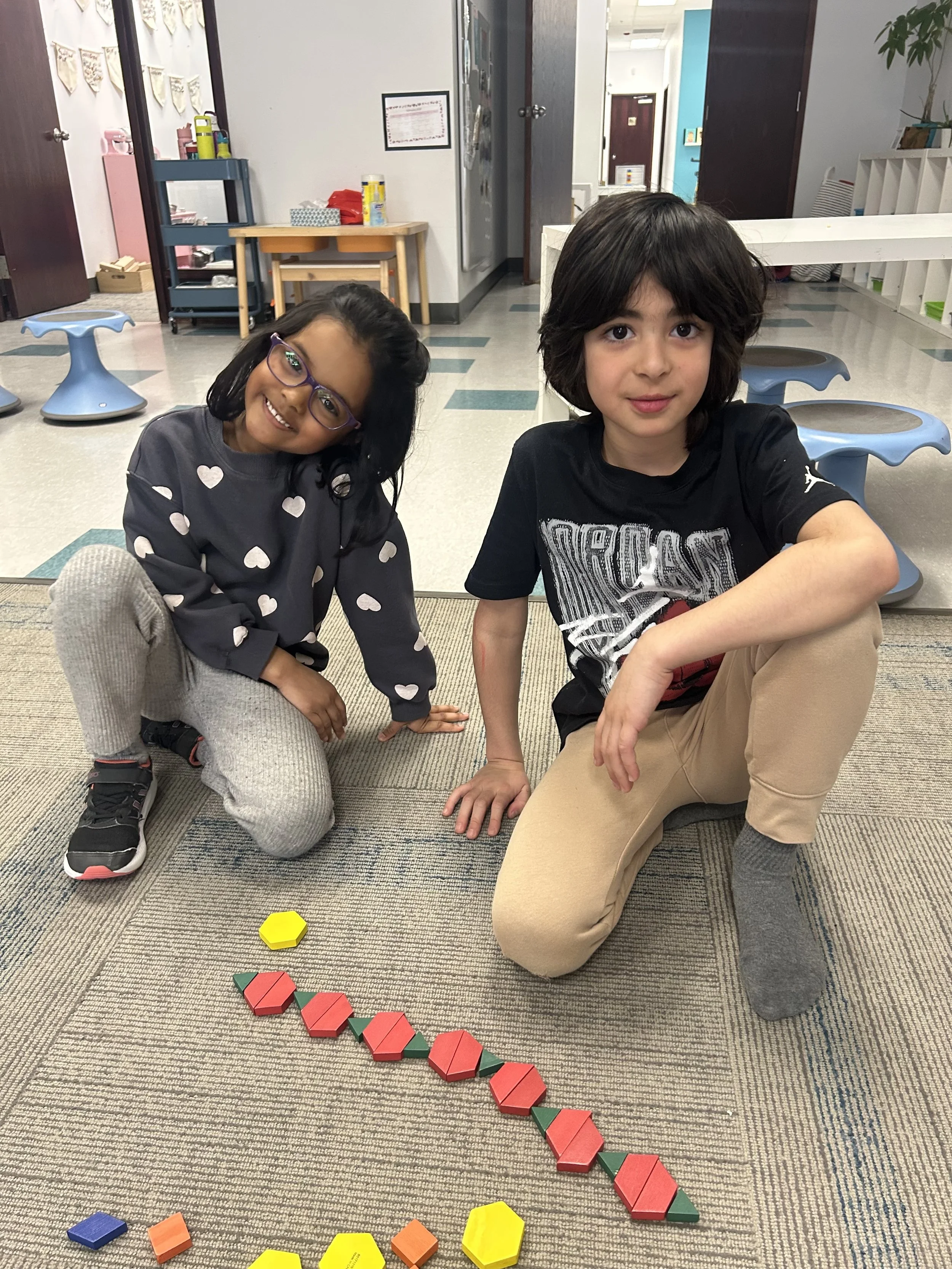
For Math Lab this session, we’re learning all about patterns! Both groups came together to be introduced to this topic as we launched this session’s series of workshops. We started by watching a Scratch Garden video about patterns. From the video, we learned that patterns are things that repeat in a predictable way. We talked about how patterns are all around us (in colors, shapes, numbers, movements, and even sounds). The video helped us understand that a pattern must repeat the same rule over and over again, and if we know the rule, we can predict what comes next. Next, we explored a poster that showed a variety of colored patterns, including AB, AAB, ABB, and ABC patterns. We practiced identifying the “pattern core,” which is the part that repeats, and naming the rule for each one. We also looked at examples that were not patterns. This was an important discussion! We realized that if something doesn’t repeat in a predictable way, or we can’t figure out what comes next because there is not a consistent core, it means it isn’t a pattern. After our whole-group learning, Rebels broke into smaller groups and used wooden shape blocks to create their own patterns. They practiced building, extending, and explaining their patterns to others. It was wonderful to see them thinking carefully about the rule and checking to make sure their pattern truly repeated.
French
This session in French workshop, Rebels are learning to name animals in French. During our first week, we focused on farm animals such as chat (cat), chien (dog), poule (chicken), canard (duck), vache (cow), mouton (sheep), and cheval (horse). On Monday, we began learning the vocabulary by singing a song and watching part of a Mini Soleil episode about farm animals. On Tuesday, learners completed a farm animal colouring activity where they asked for colours in French and said which animal they were colouring. On Wednesday, we played a farm animal Bingo game to continue practicing the vocabulary in a fun way. On Thursday, we went to the gym and played an animal charades game, where Rebels acted out different animals while others guessed the word in French.
Songs we explored:
Découvrir les animaux de la ferme en français – Comptines pour enfants
♫ La Chanson des Animaux ♫ French Animals Song ♫ Les Animaux en Français ♫ Learn French Basics ♫

Additional Highlights
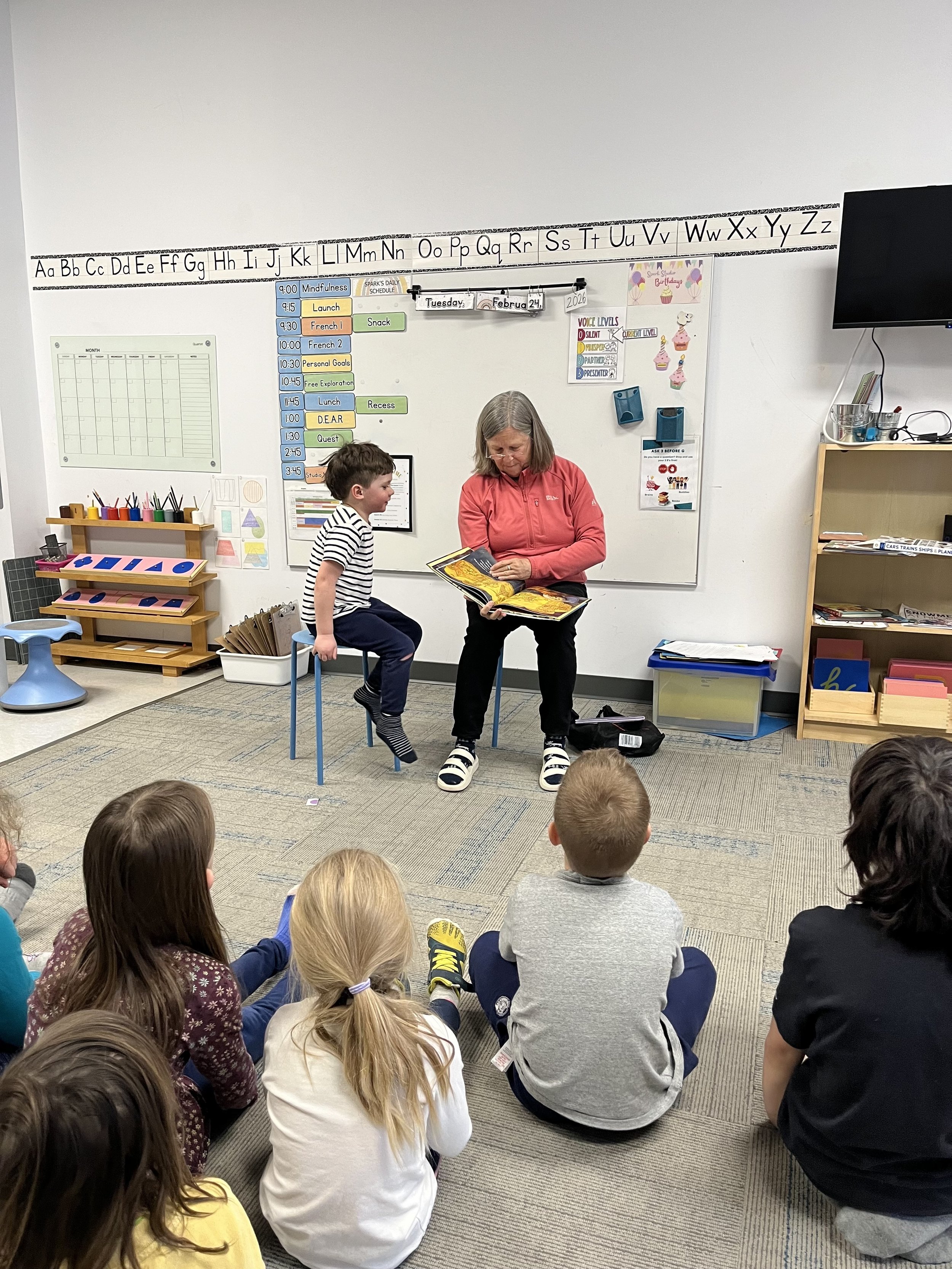
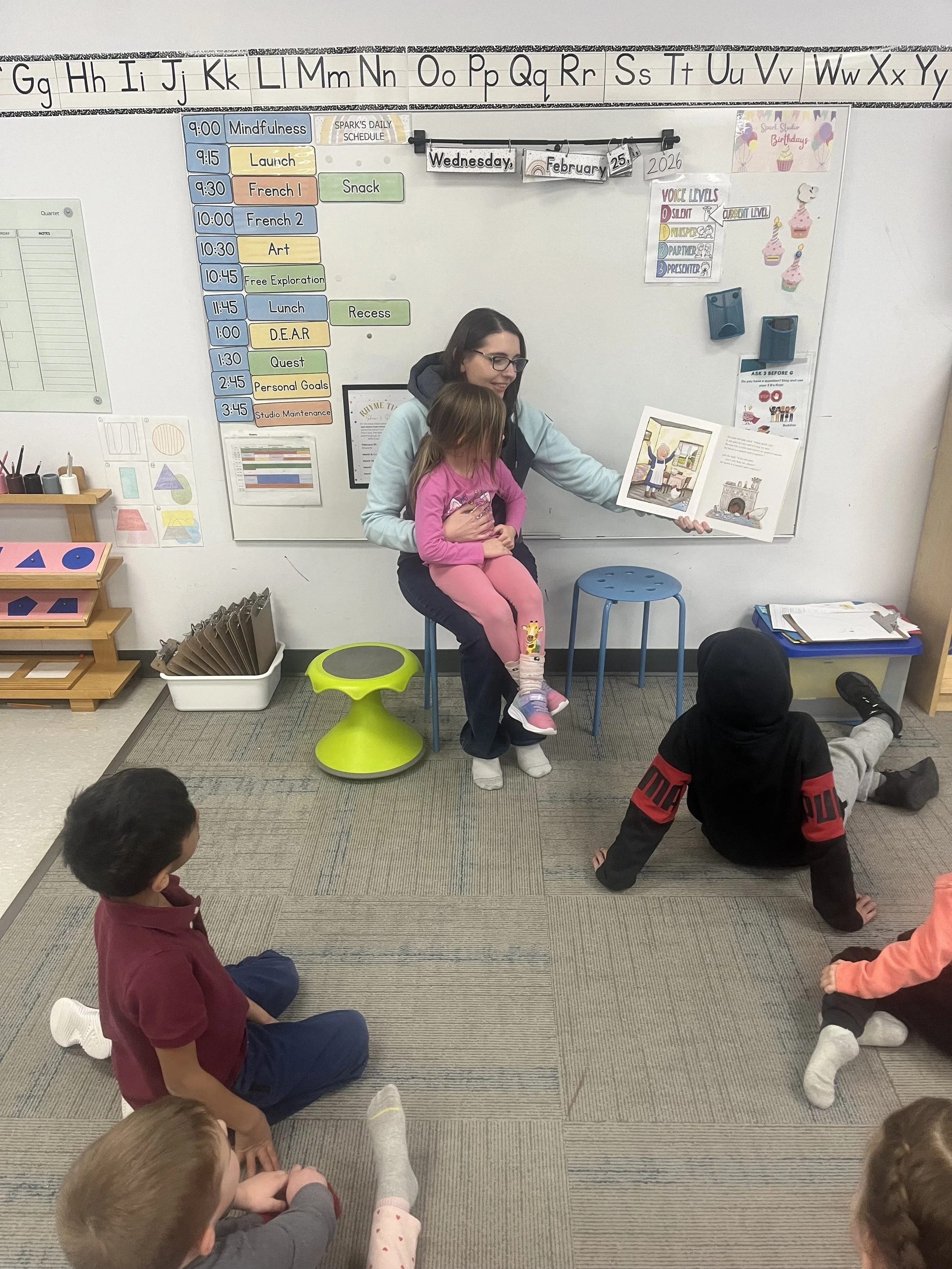
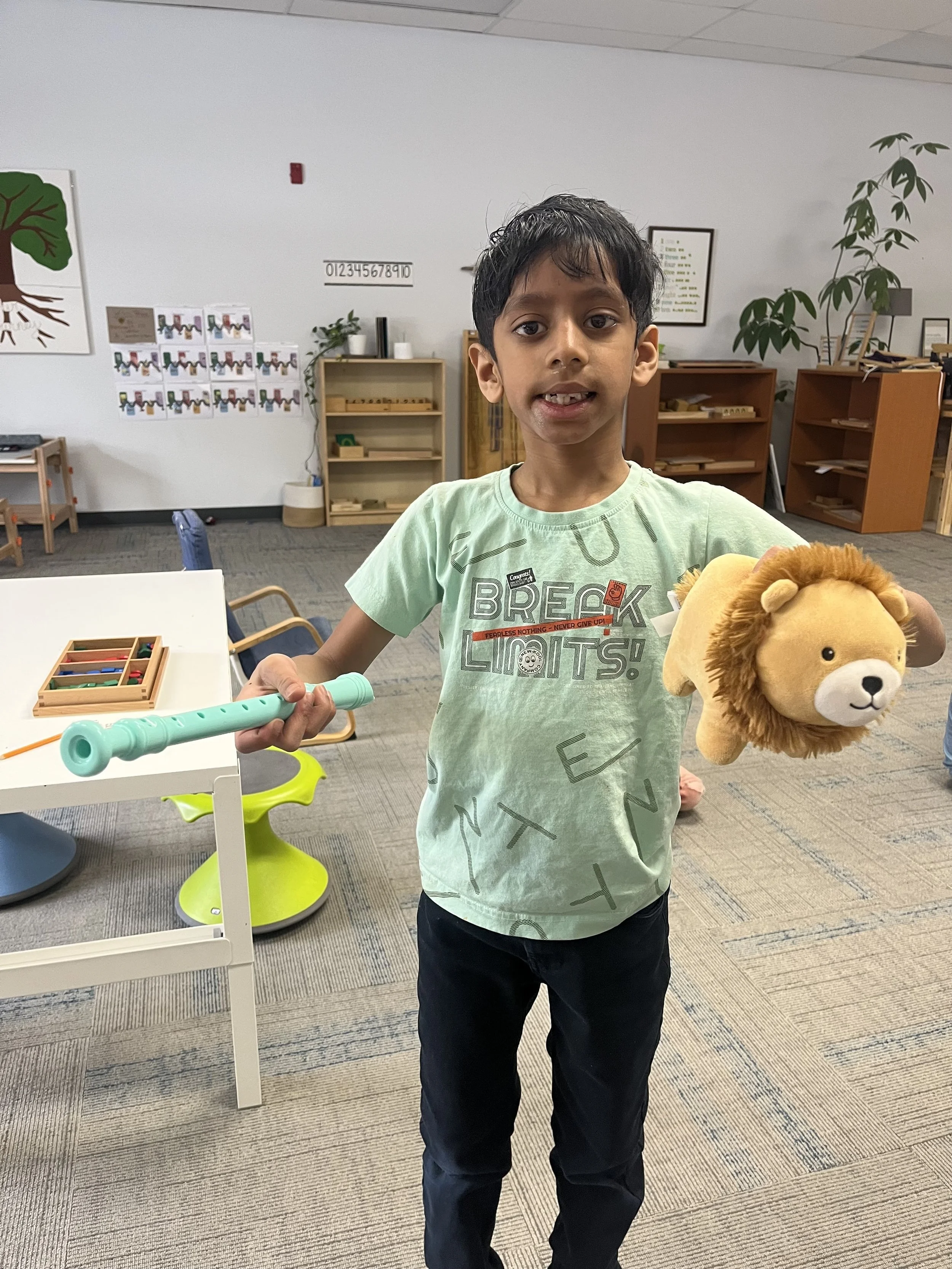
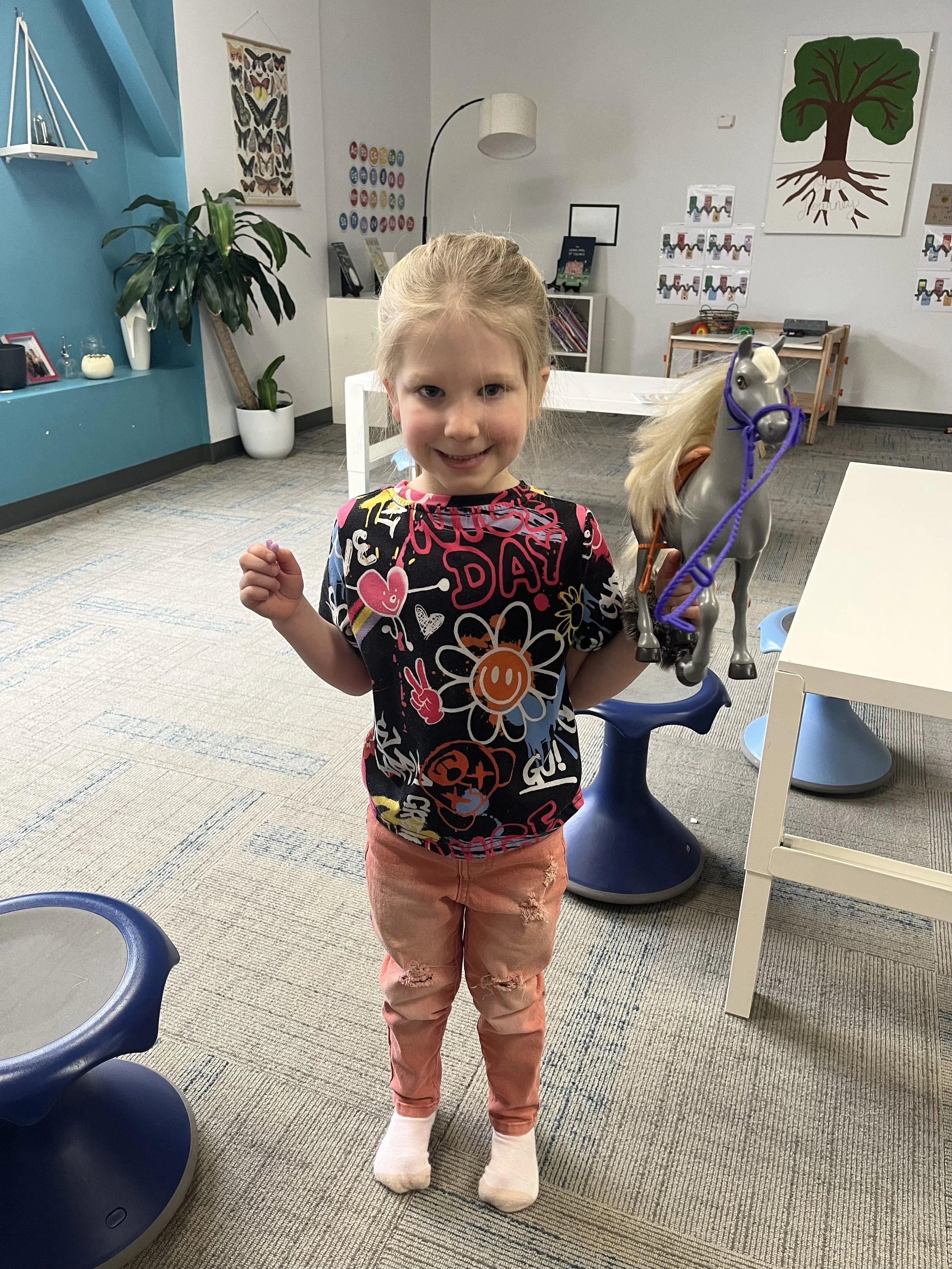
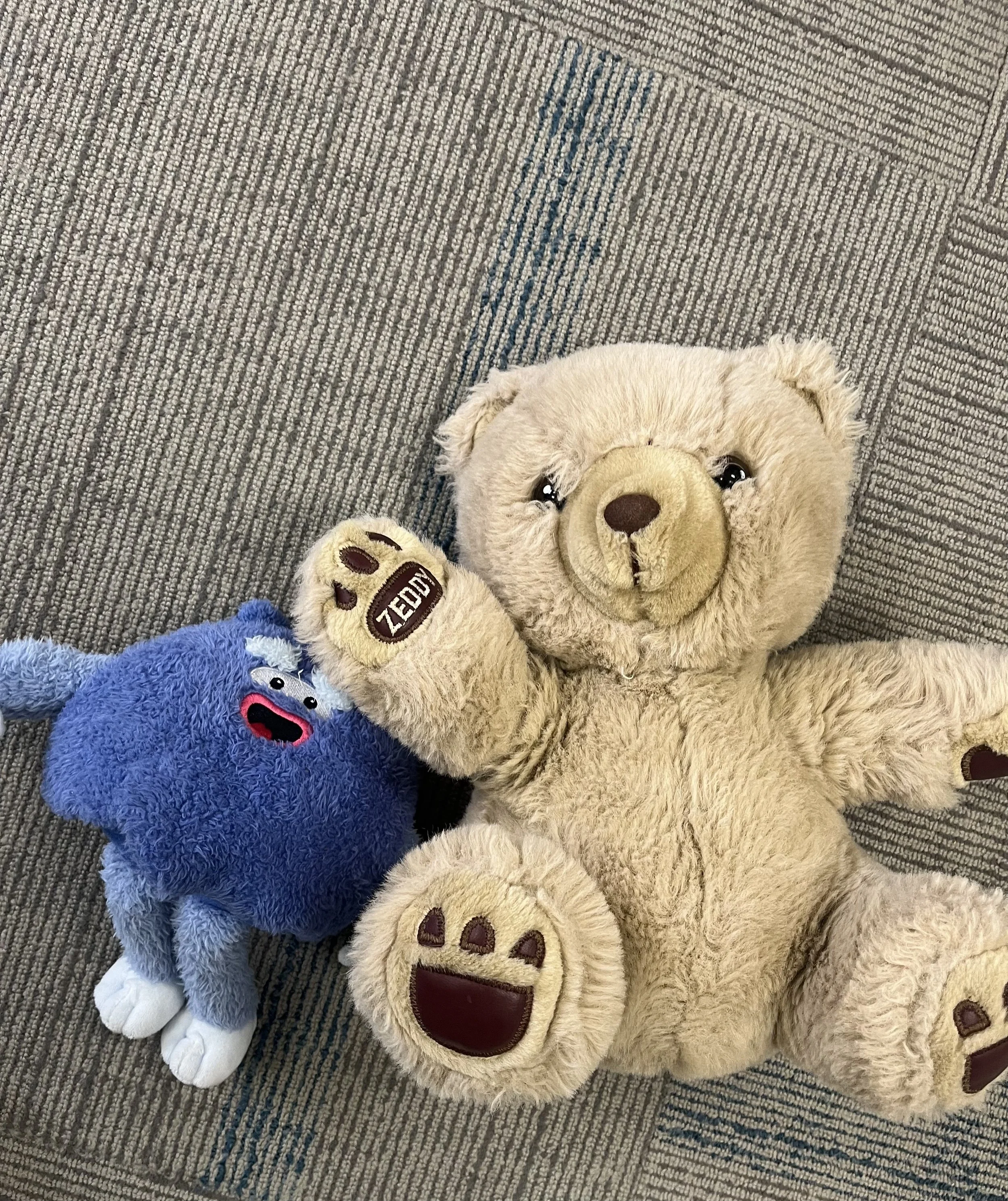
Rhyme Time Show and Share is in full swing! This week, we put our rhyming skills to the test as we discovered some fun matches: flute–cute, dish–fish, steed–bead, and yeti–teddy. Thank you for bringing such unique items and for participating in this fun activity.
The Guides are very proud of the Sparks once again this week. They have been crushing their goals and coming up with great rewards for the end of the week. This week, they chose extra free exploration and time in the Maker Space. While using the Maker Space, Sparks were painting, building with loose materials, and using their imagination with all the wonderful materials available in the room.
Discovery Studio
Mindfulness and Launch
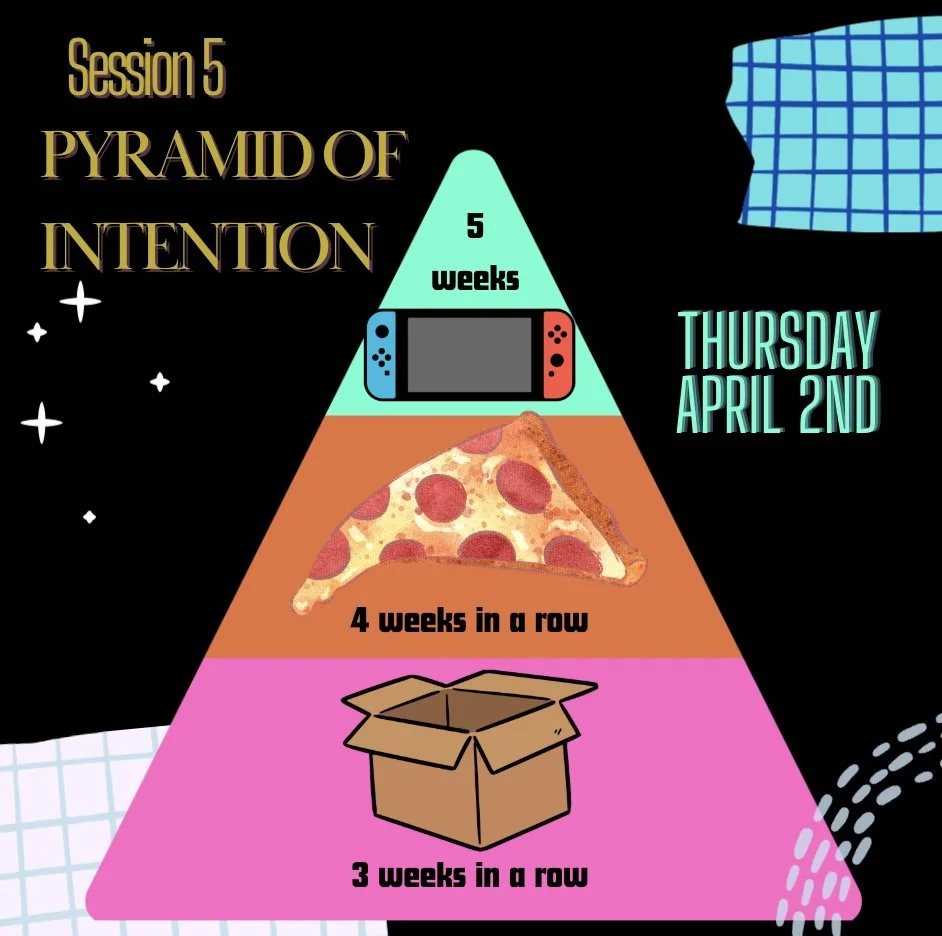
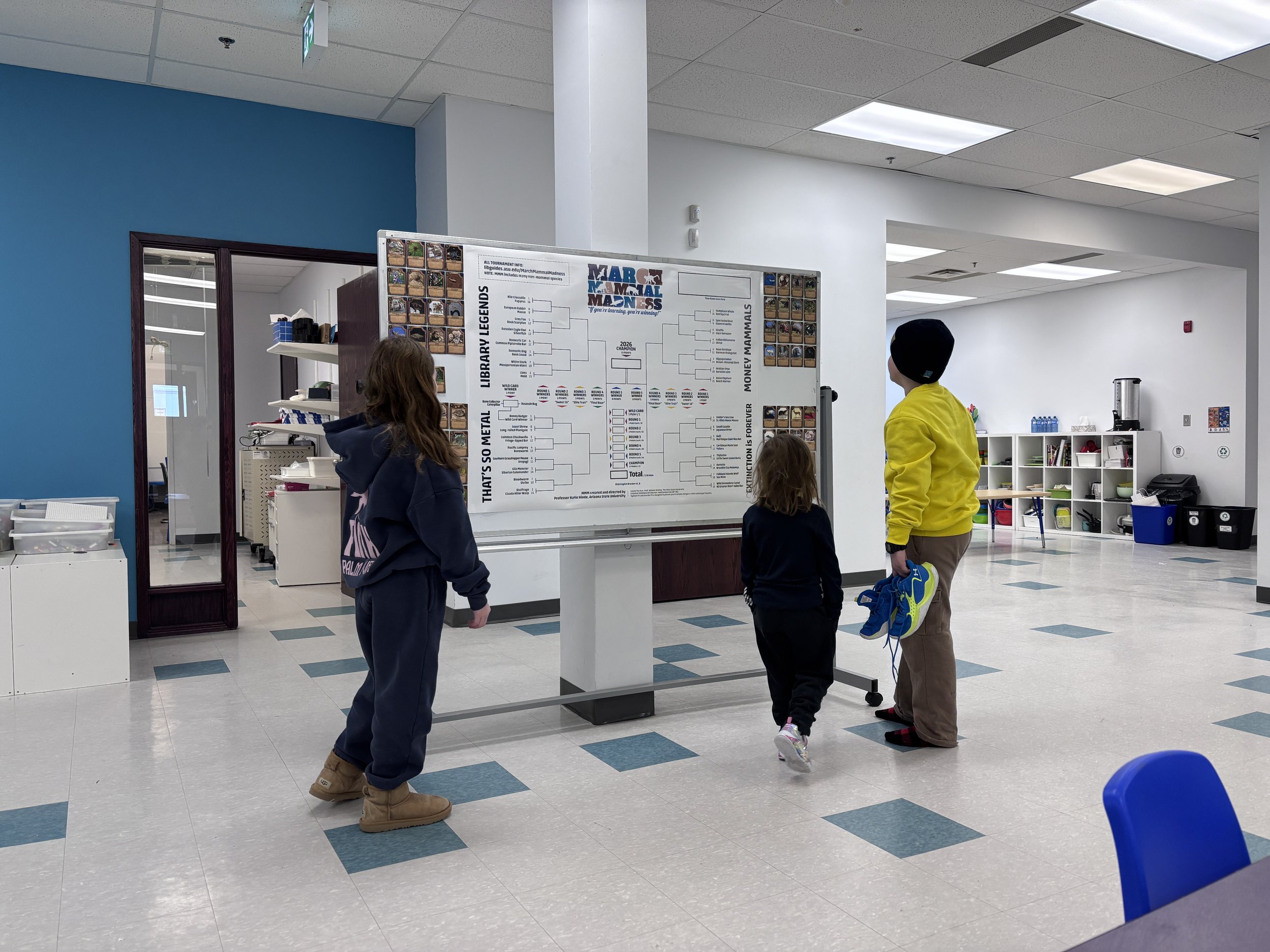
Welcome to Session 5, Rebels! We kicked off our first day back with a meditation to improve focus and boost motivation. Rebels started off the meditation thinking about a quote, “Keep your head where your feet are,” a mantra used often by an NFL coach, Sean McVay. Rebels reflected on the importance of setting goals, especially at the beginning of a new session. We agreed that goal-setting and planning for the future can give us a sense of direction and purpose, but what happens if we become hyper-fixated on the future? Can that cause us to lose sight of the present? When we’re not grounded in the here and now, can it impact our ability to attain the goals we set? Rebels reflected on and shared about strategies they use to focus, and then listened to the Headspace meditation. This was an excellent segue to our first launch of the session as we re-introduced our Pyramid of Fantastic Fun Fridays! Rebels have the opportunity to participate in an intentionality challenge by completing their goals and earning Fun Friday for a set number of weeks in a row to unlock a specific reward. The catch: they must show evidence of working in their true challenge zone each week. As we enter the final sessions of the school year, it can be easy to become complacent in our goals and work habits. Our pyramid challenge is an experiment that encourages Rebels to reflect on their challenge zones, think about how far they’ve come since Session 1, and what changes can they make to their weekly goals to reflect where they’re truly at now. On Tuesday, Rebels completed several zen doodles and mindful colouring activities. At launch, we looked at some inspirational posters and discussed the differences and overlap between external and internal motivation. We pointed to prize boxes, pizza, and screen time as examples of extrinsic rewards. On the other hand, we referenced feelings of happiness, pride or belonging as intrinsic rewards. One Rebel described how screen time together, feeling connected and included in a group, could count as both types of rewards. Wednesday morning we played two New York Times puzzles: Capture and Wordle. Rebels solved all five levels of the chess-style board puzzle and were able to correctly guess the word of the day in only five attempts! For their morning meeting, and in honour of Pink Shirt Day, Rebels met with their squads to answer: what is one thing you admire about each other? For Thank You For Sharing Thursday, Rebels discussed what they most enjoyed about the sessional break and who they would trade places with for a day if the could! At Launch, Rebels watched and discussed a short clip from Inside Out 2 about more complex emotions (such as envy, anxiety and embarrassment), how those emotions show up for us in our day to day, and what strategies do Rebels use to cope with them. For Feel-Good Friday we played “Shake It Off” on the Boomwhackers. The Current Events report featured Norway’s impressive showing at the Winter Olympics and discussed whether or not their culture of sports is a key contributor to their success at the Olympics, and the rundown on this year’s upcoming March Mammal Madness competition!
Reader/Writer
Draw and Anchor: We introduced our newest workshop series, “When Things Get Stuck: Stories of Engineering Problems”. Rebels enjoyed our mentor text read aloud, The Most Magnificent Thing by Ashley Spires and worked independently to complete a series of comprehension questions about the story. How did the failures turn into the entire story? Rebels spent time discussing how failures themselves are fascinating and informative narratives, and worked together to create an engineering word wall. Up next week, we’ll focus on identifying failure points and creating detailed problem sentences to support their observations.
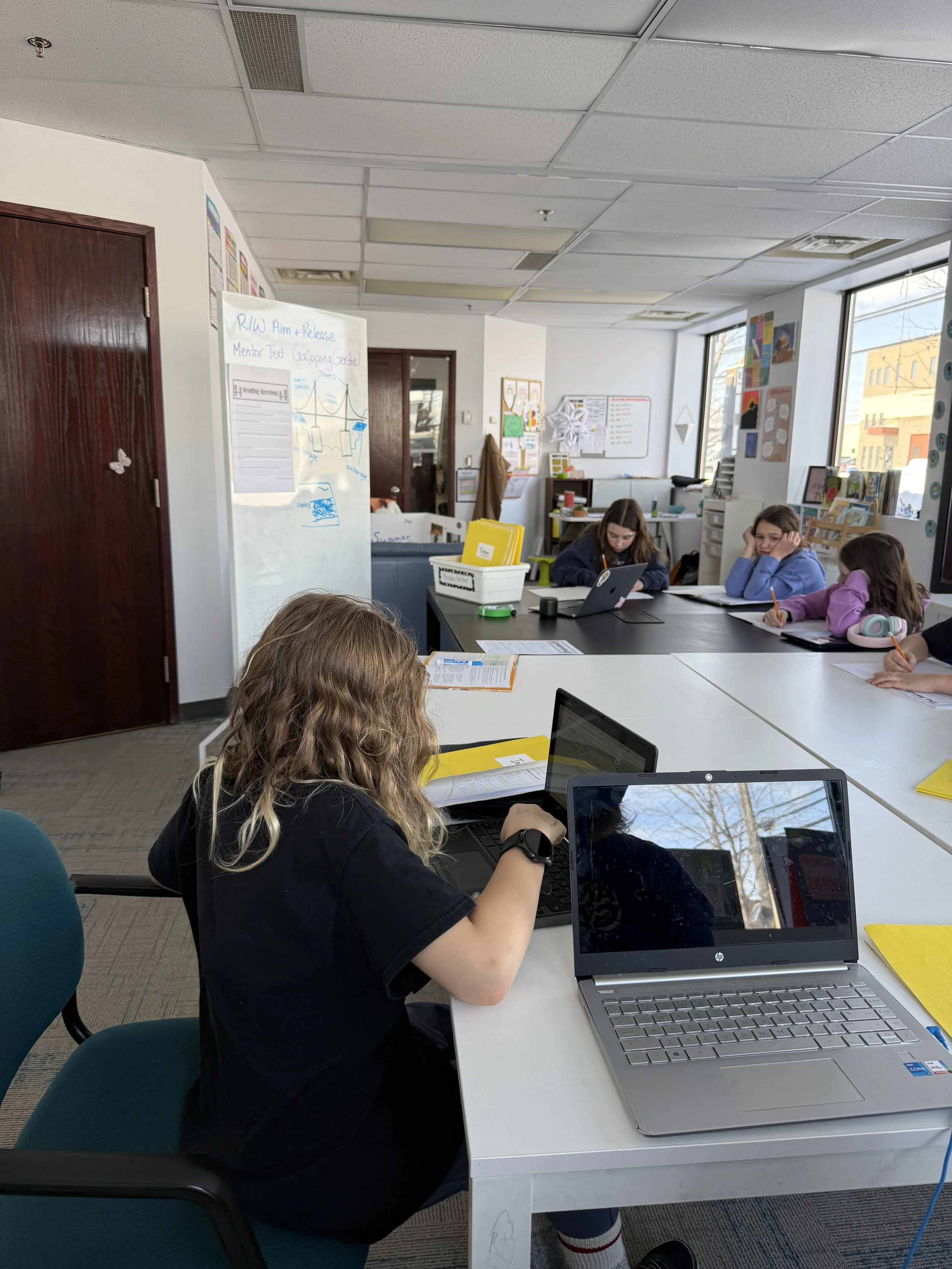
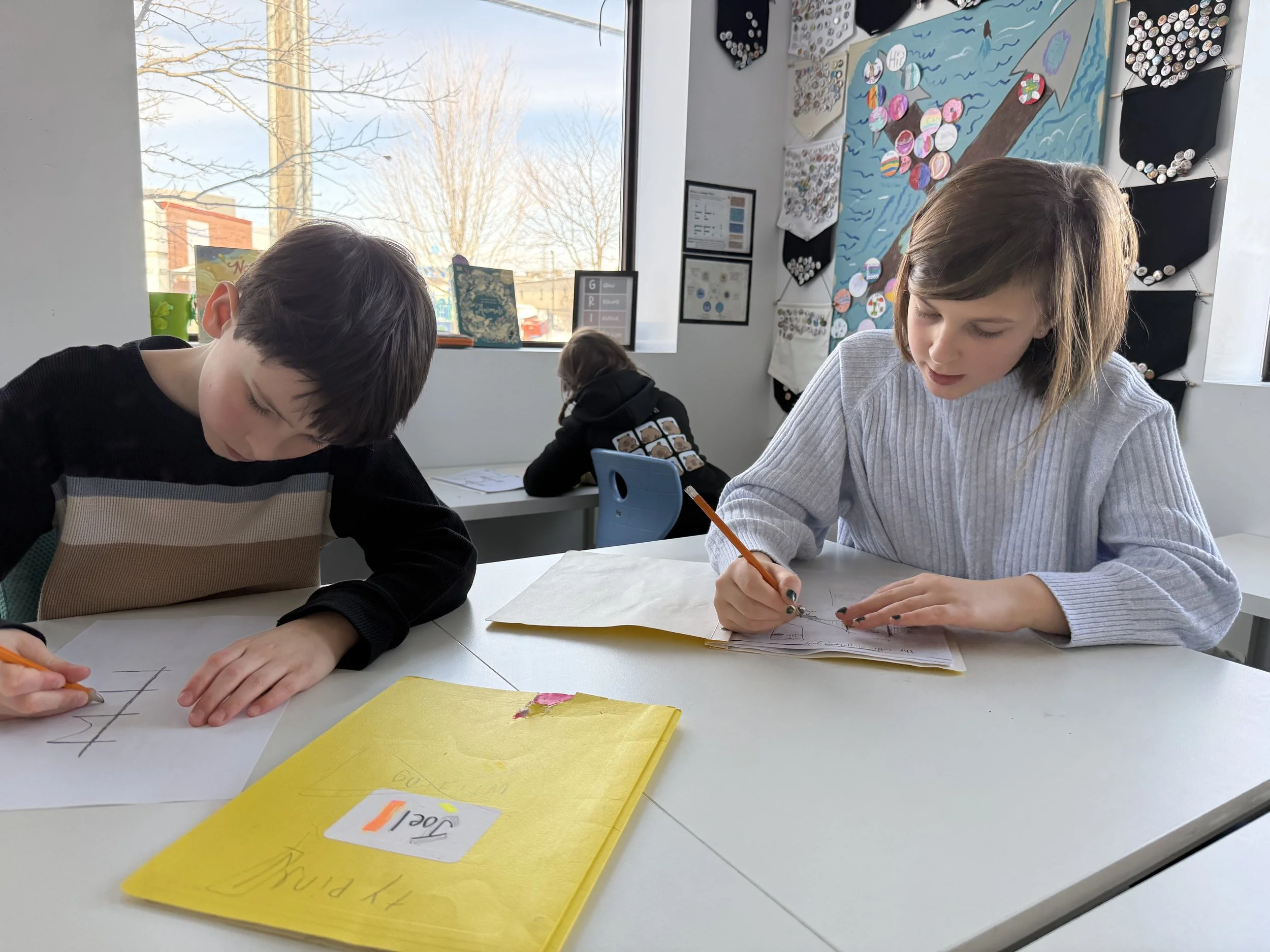
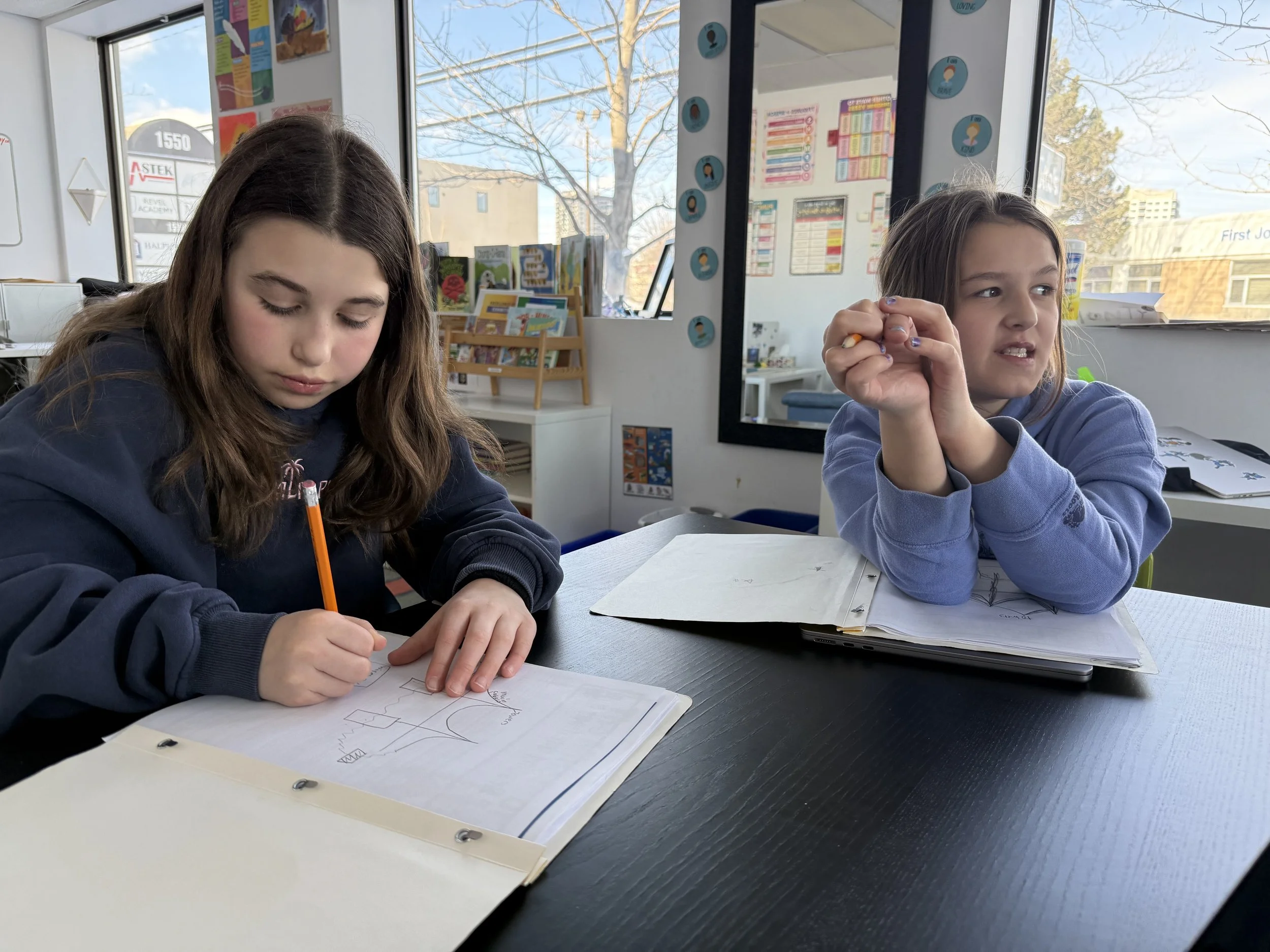
Aim and Release: Rebels jumped into our first “Failure is Data” workshop eager to learn all about the infamous Tacoma Narrows bridge. Our mentor text for this session is Galloping Gertie: The True Story of the Tacoma Narrows Bridge Collapse by Amanda Abler. Rebels were beside themselves that this was a true story, and participated in a deep discussion about several parts of the story. What forces were acting on the bridge? What design problem made the bridge unsafe? What lesson did engineers learn from this failure? Rebels responded to these questions and more as they completed a comprehension response challenge. We wrapped up our workshop analyzing a blueprint of the suspension bridge as they attempted to narrow down a specific point of failure in the bridge’s design. Up next week, we’re writing cause and effect paragraphs as we explore more engineering case studies.
Math Lab
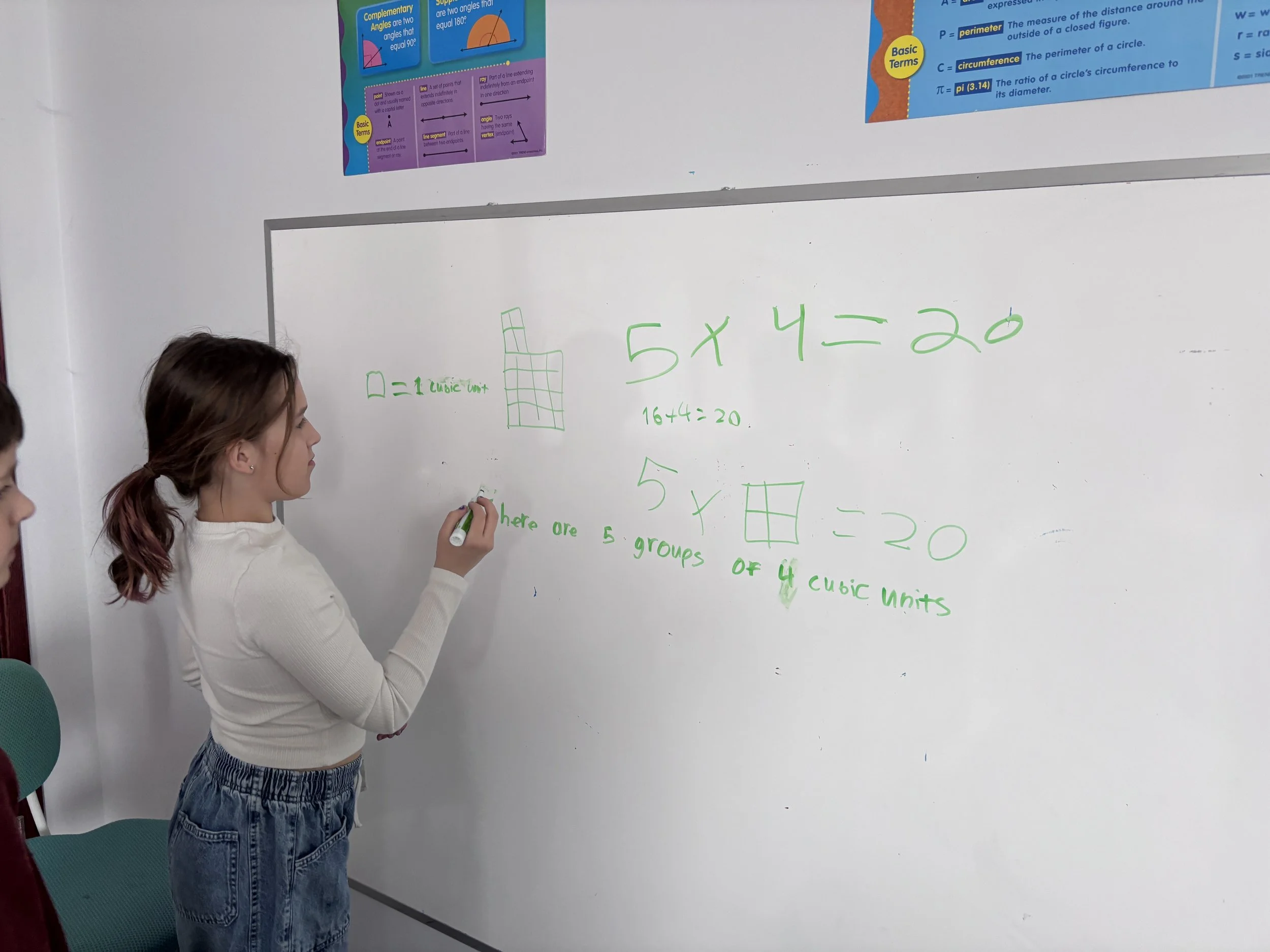
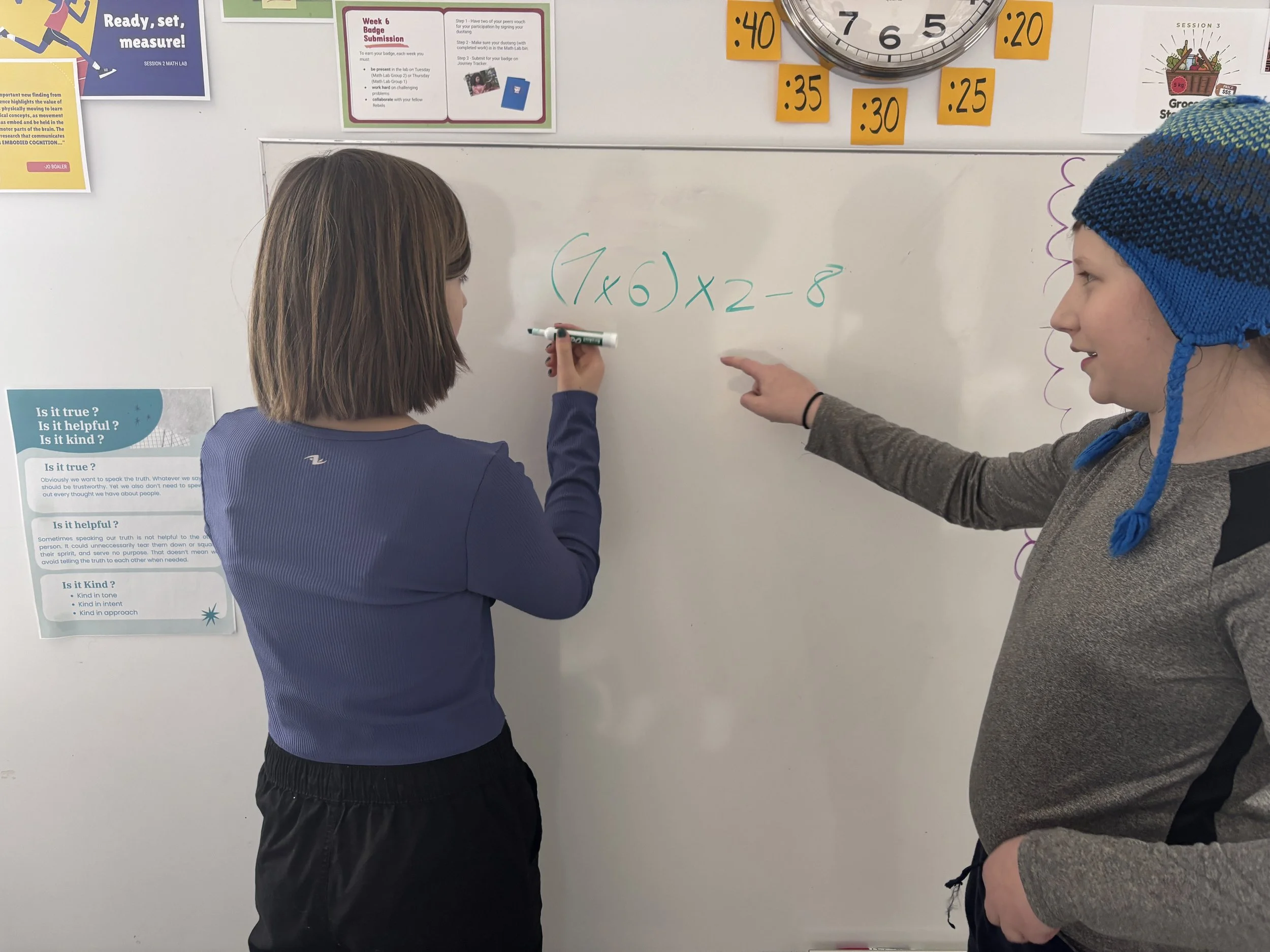
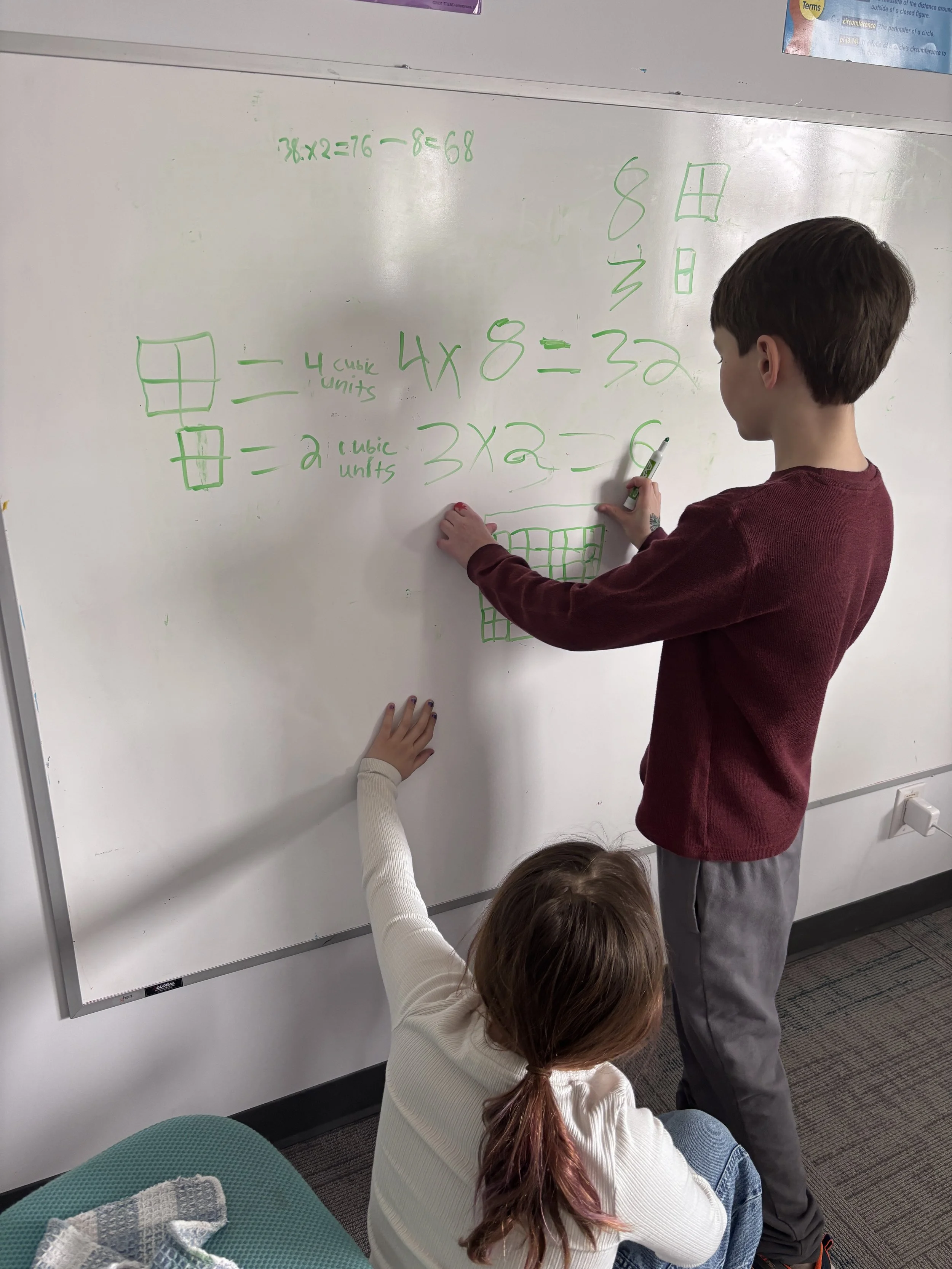
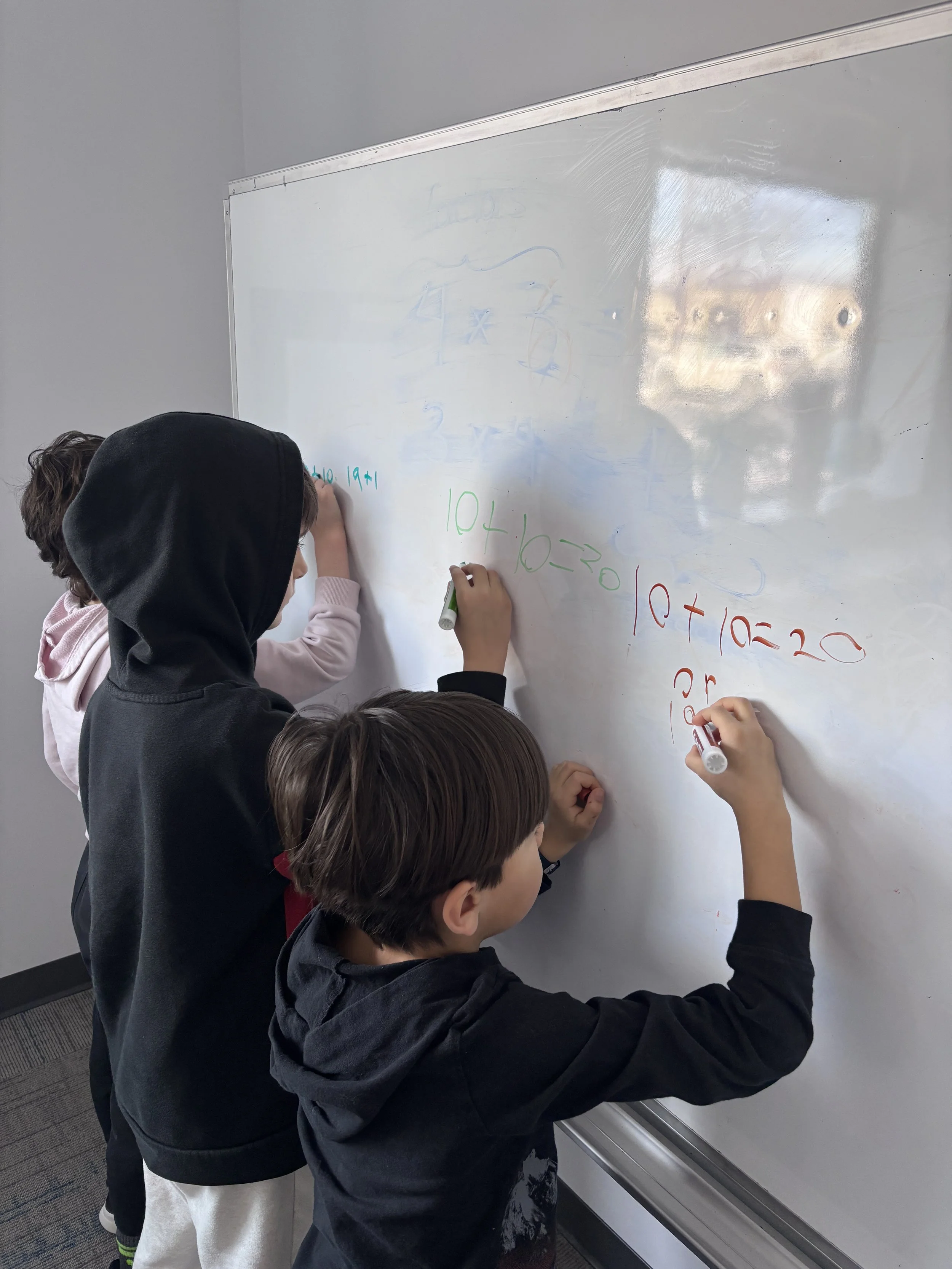
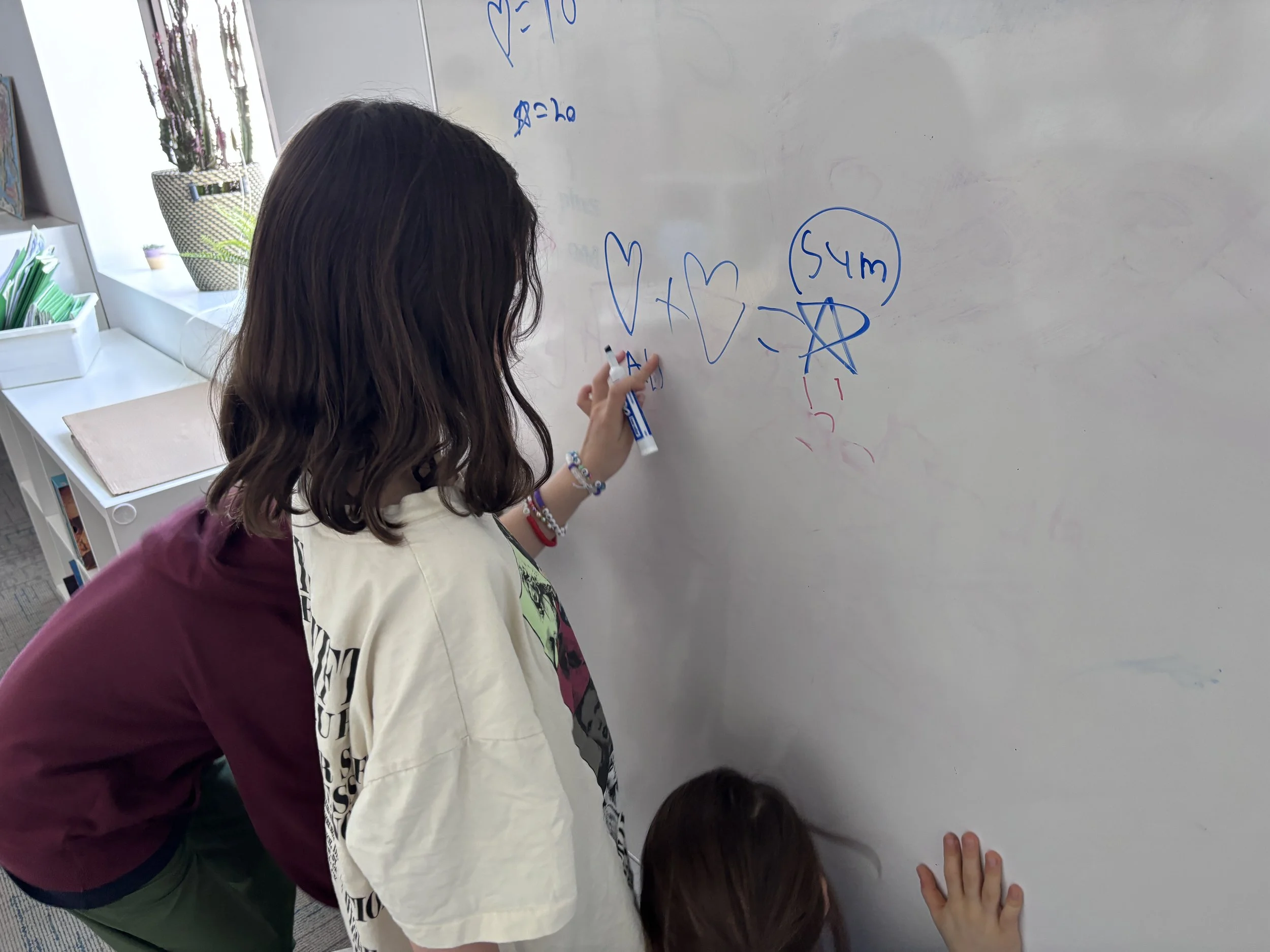
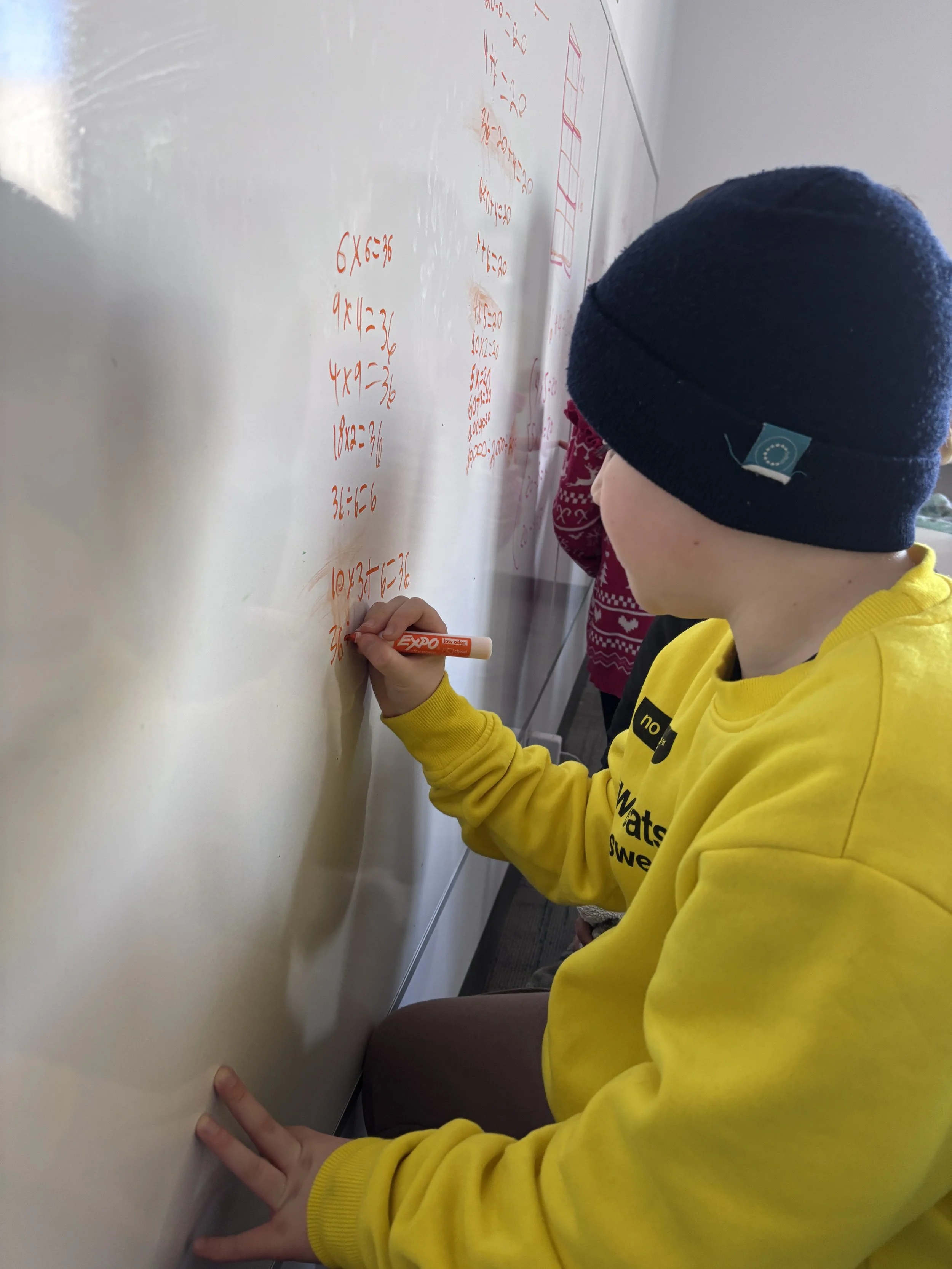
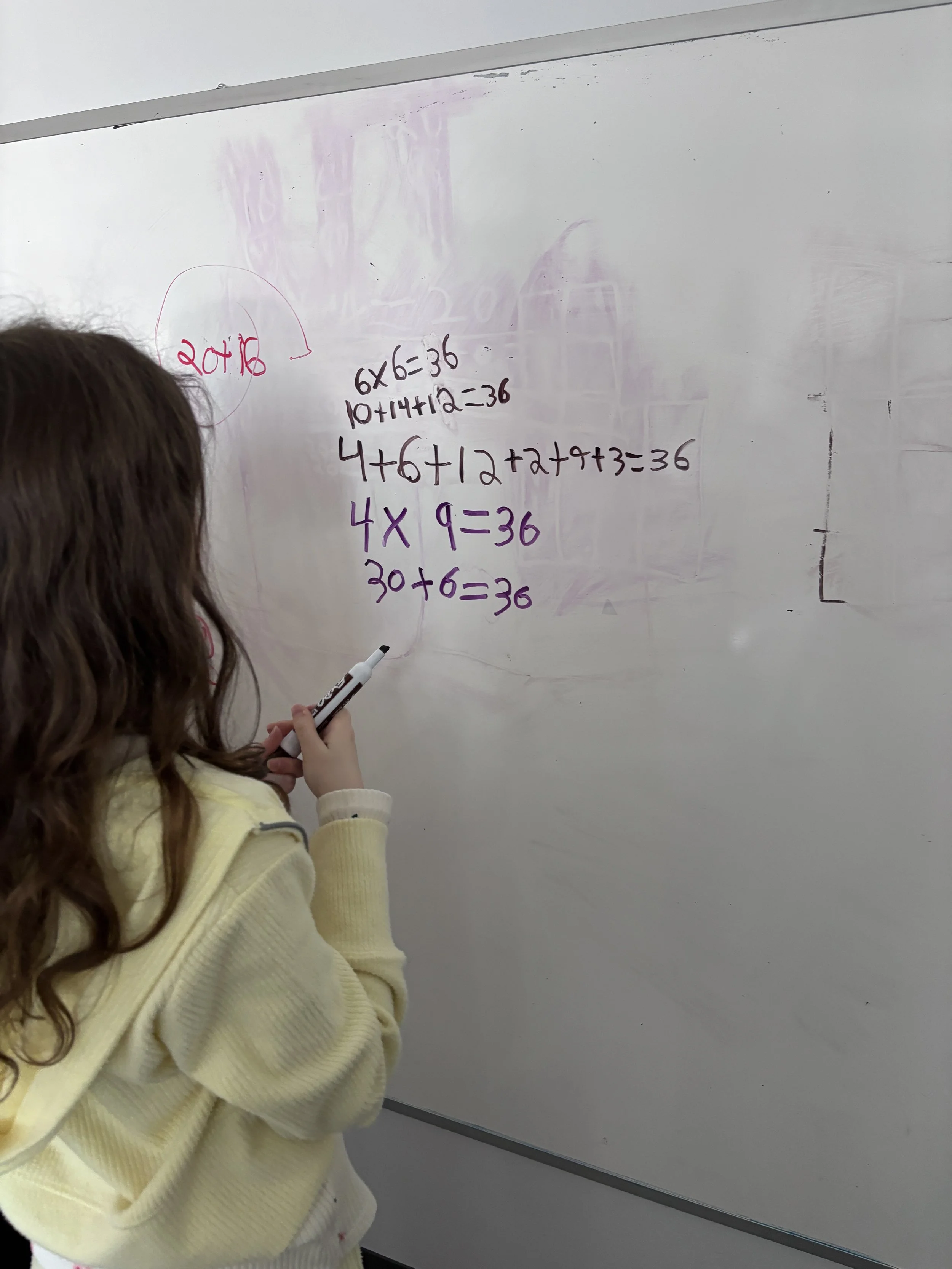
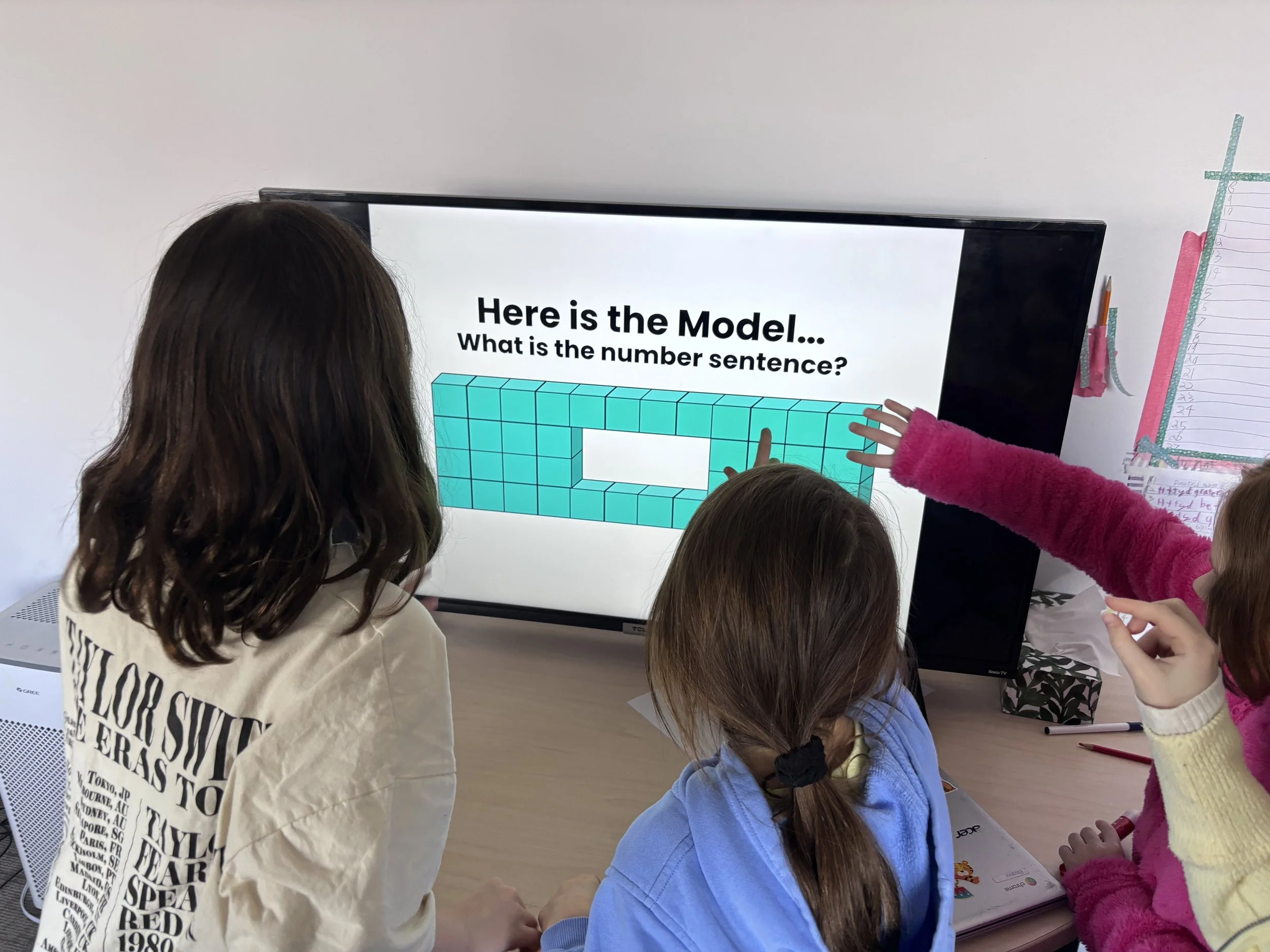
This session Rebels are working closely with VARIABLES! They started on Tuesday by engaging in a series of “Here is the model… what is the math sentence?” visual prompts. First, we reviewed the vocabulary for parts of equations with different operations: words such as addend, sum, difference, factor, product, quotient etc. and Rebels were challenged to try and use these words when discussing with their team and to describe the visuals in more than one way. On Tuesday with Group 2 we also discussed the order of operations (aka BEDMAS or PEMDAS) as Rebels were trying to use more than one operation (e.g. multiplication and subtraction) when they were describing pictures with more than one layer of blocks and/or “holes” of blocks removed. On Thursday with Group 1, we focused more on fact families. For example, when one group noticed that a visual could be described by the math sentence 4 x 5 = 20, we took time to list the other three facts we automatically know: 5 x 4 = 20, 20 / 5 = 4, and 20 / 4 = 5. This also helped ground some ideas about the commutative property (i.e. the order of addends or factors doesn’t change the sum or product).
Civilizations
This week in Civilizations, Rebels listened to stories about Alexander the Great and focused on three major points of his story:
The transition from power between him and his father, King Philip, when he was just twenty years old.
Alexander’s invasions, leading to the largest empire in world history.
His death and his legacy.
Rebels demonstrated strong critical thinking skills as they engaged in some incredible discussion questions together, from stepping into the role of Alexander, imagining themselves as leaders of an early civilization, to why they would be more likely to vote for a young politician or an older one to lead their country today. Rebels ended their workshop this week analyzing the different meanings of the word “great”, and how it changes drastically depending on the context. Rebels agreed that the word is commonly used to describe something positive, above average or enjoyable. They also pointed out that “great” can also be used to describe something or someone as important, powerful, strong and mighty, especially when it is attached to a person or figure in history.
French
This session in French, Rebels are exploring how the French language came to be in Canada. We began by discussing learners' hypotheses and ideas about how a language may have arrived in our country.
To start learning more about the topic, we read parts of the book Parlons-en du français, which introduces the history of the French language and how languages can develop and evolve over time. Learners also watched two short videos that explain the arrival of French in Canada and discuss the question of whether French could disappear or be at risk in the future. These activities help learners connect language, history, and culture while encouraging curiosity and discussion.
Le français et le Canada! Une histoire d’amour?
Quest
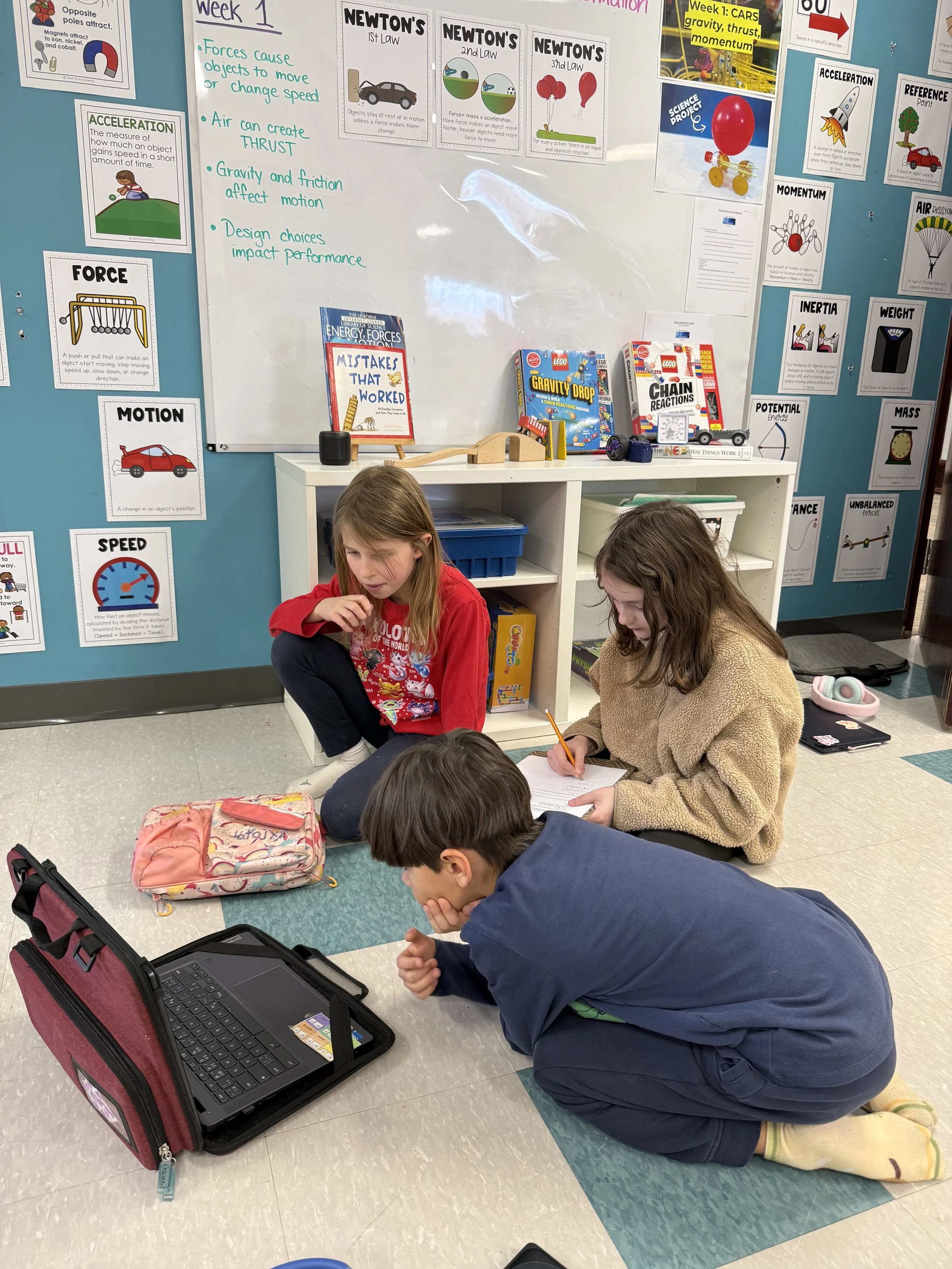
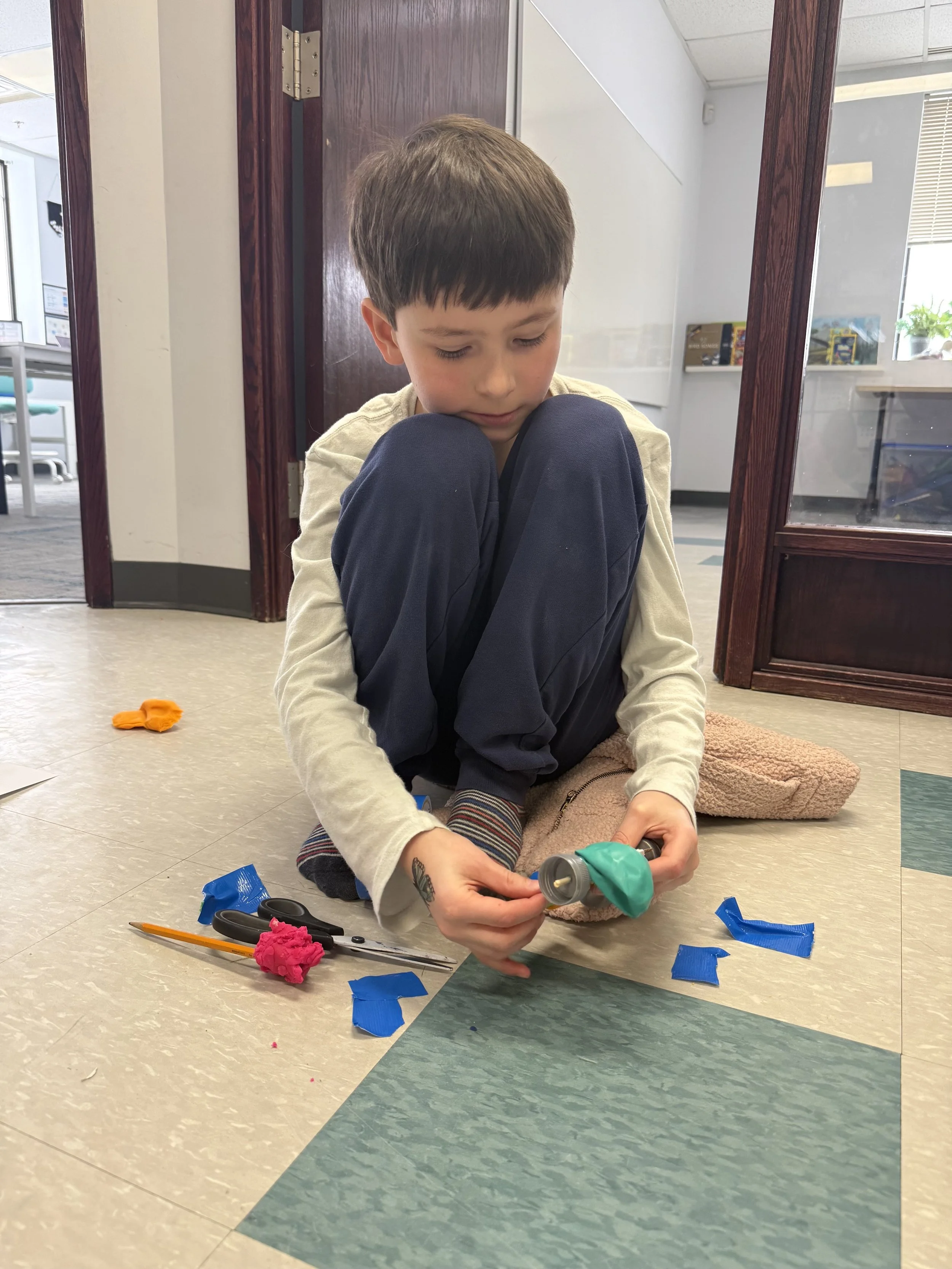
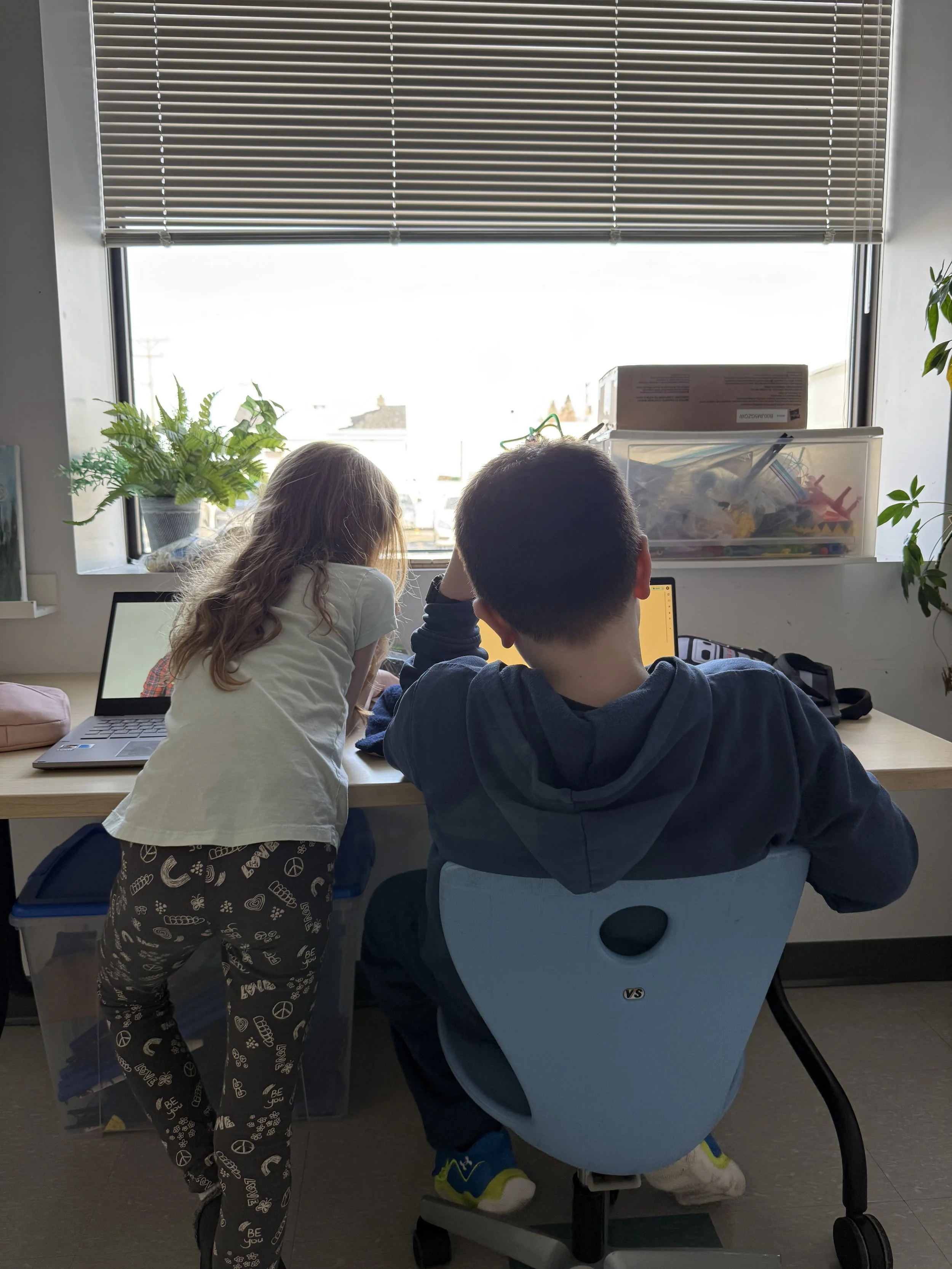
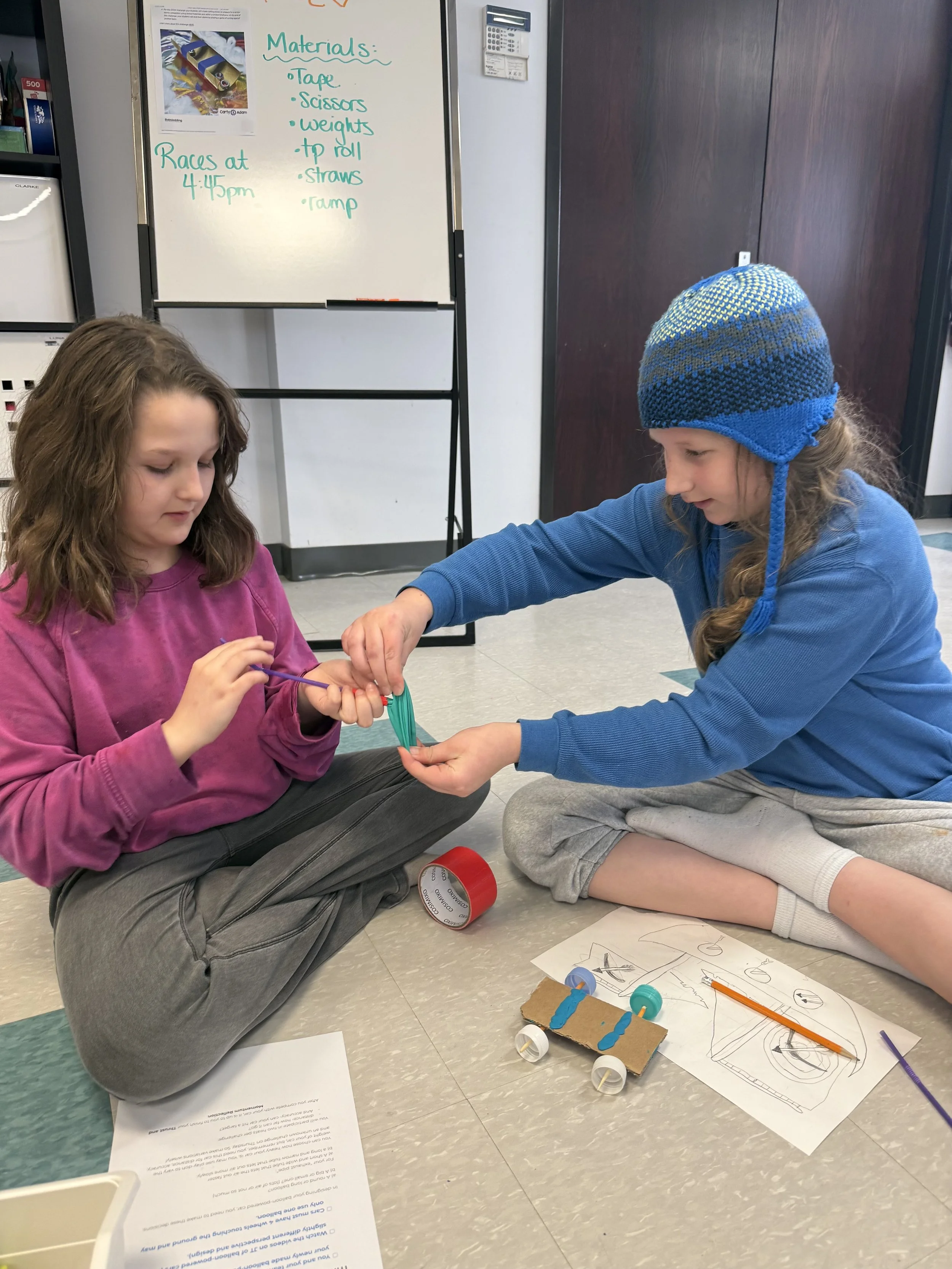
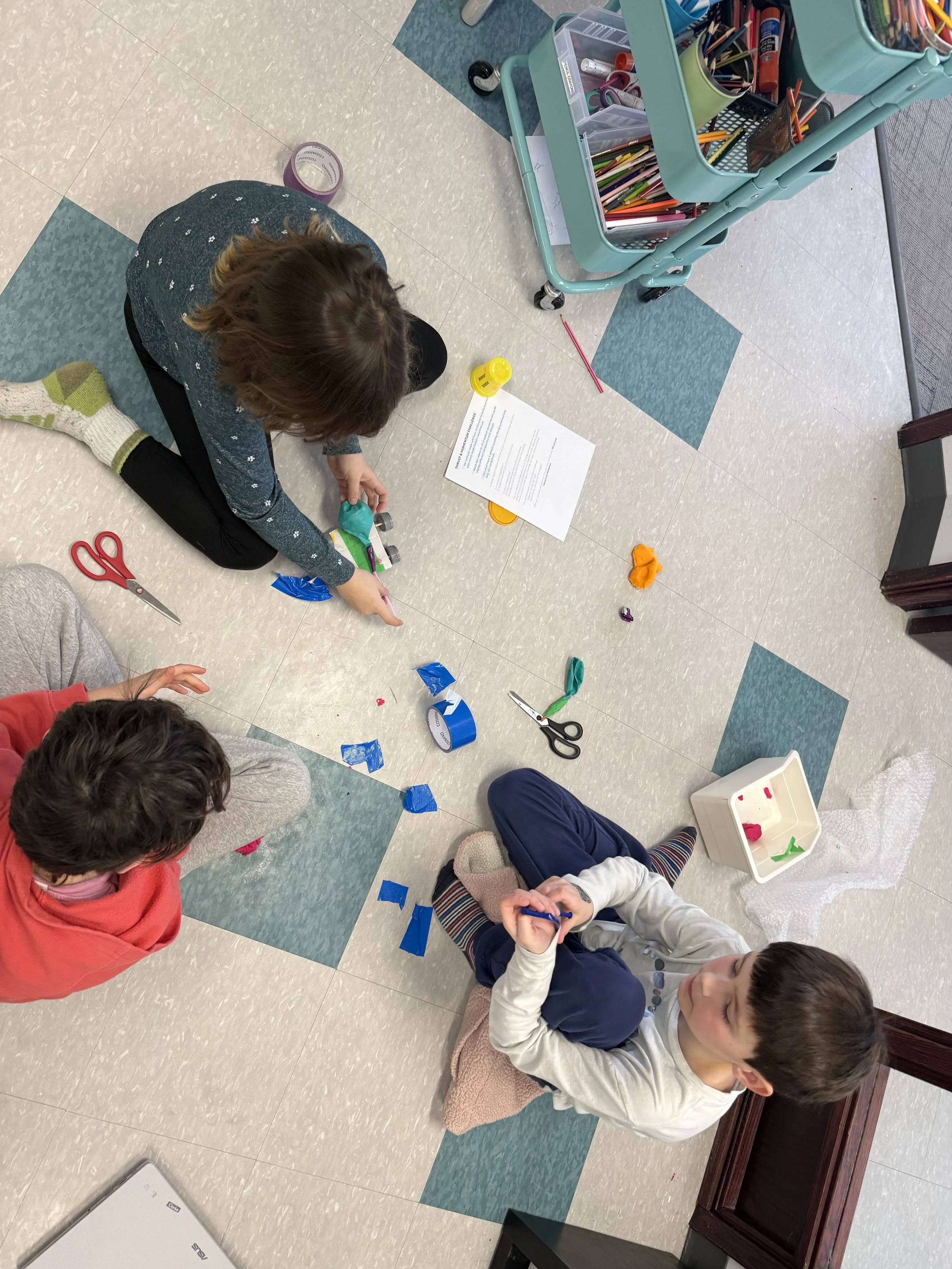
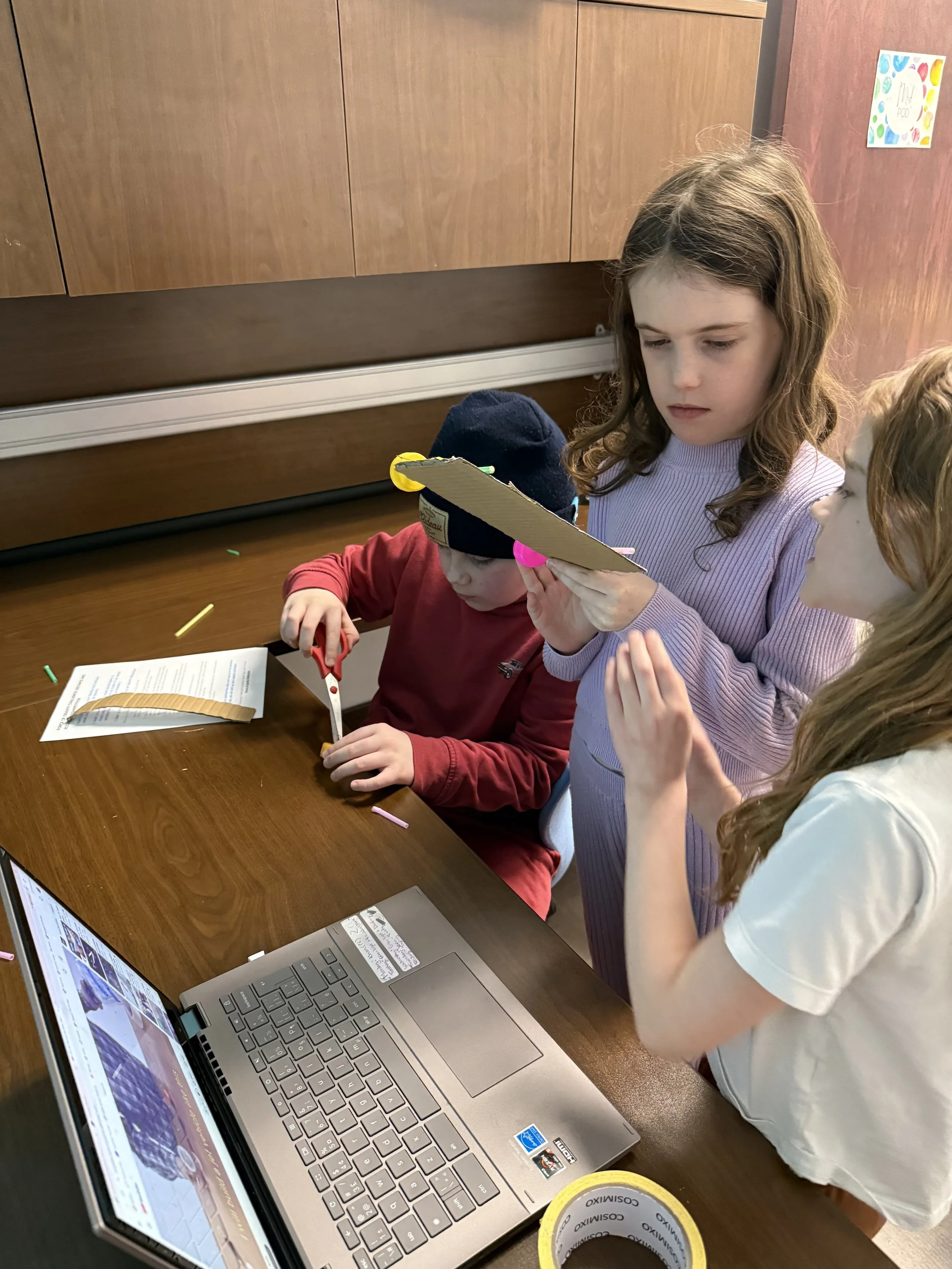
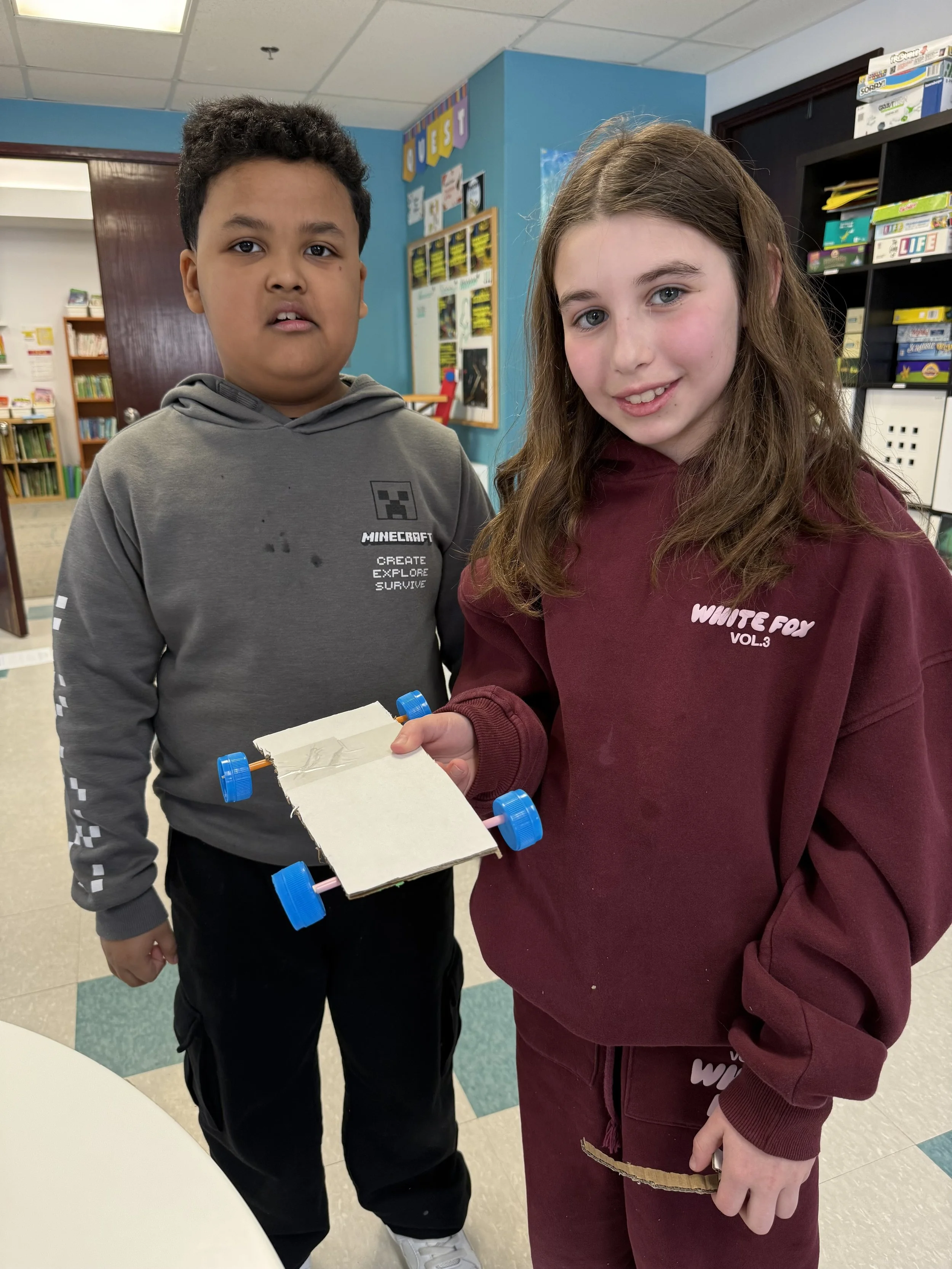
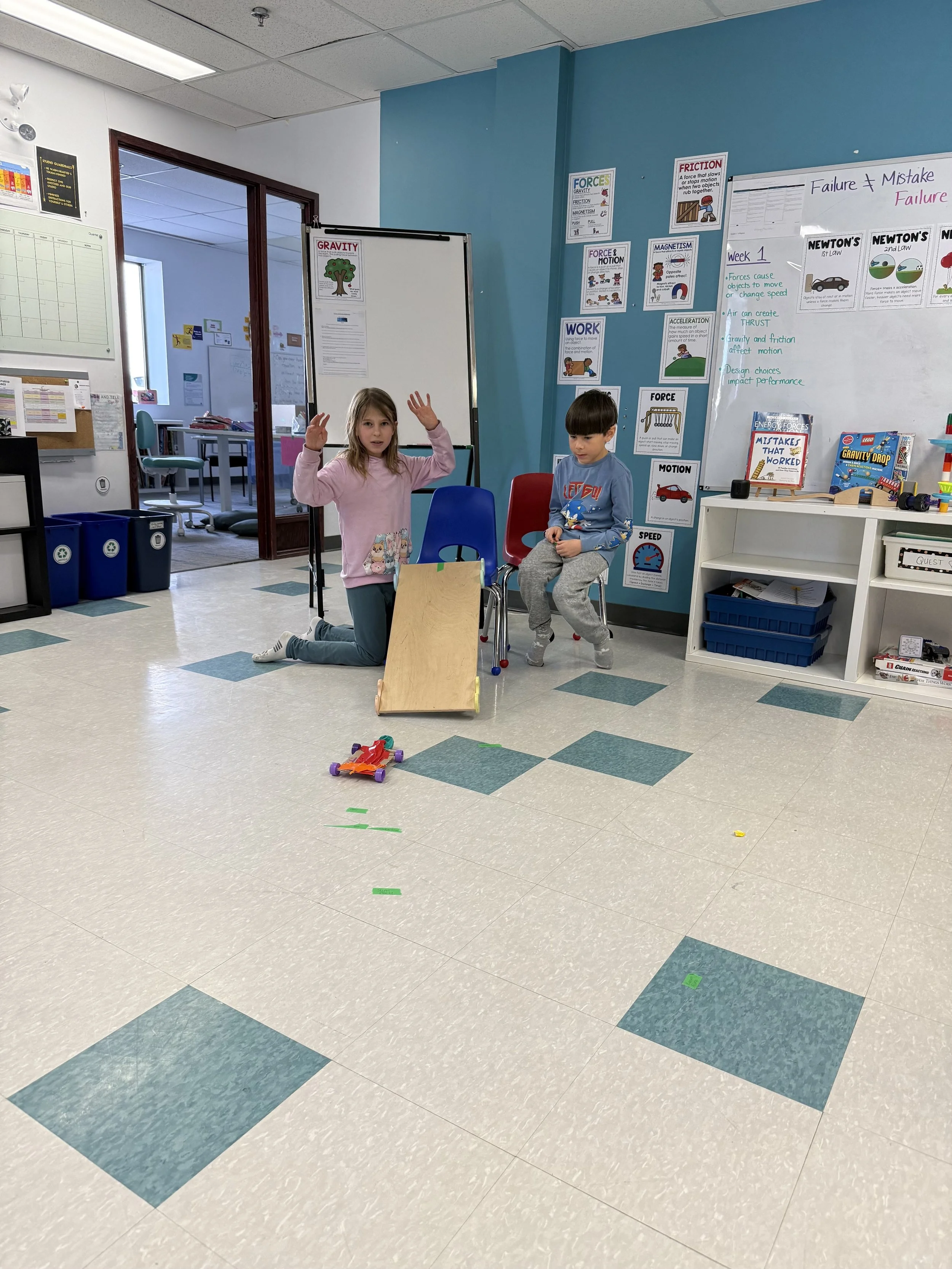
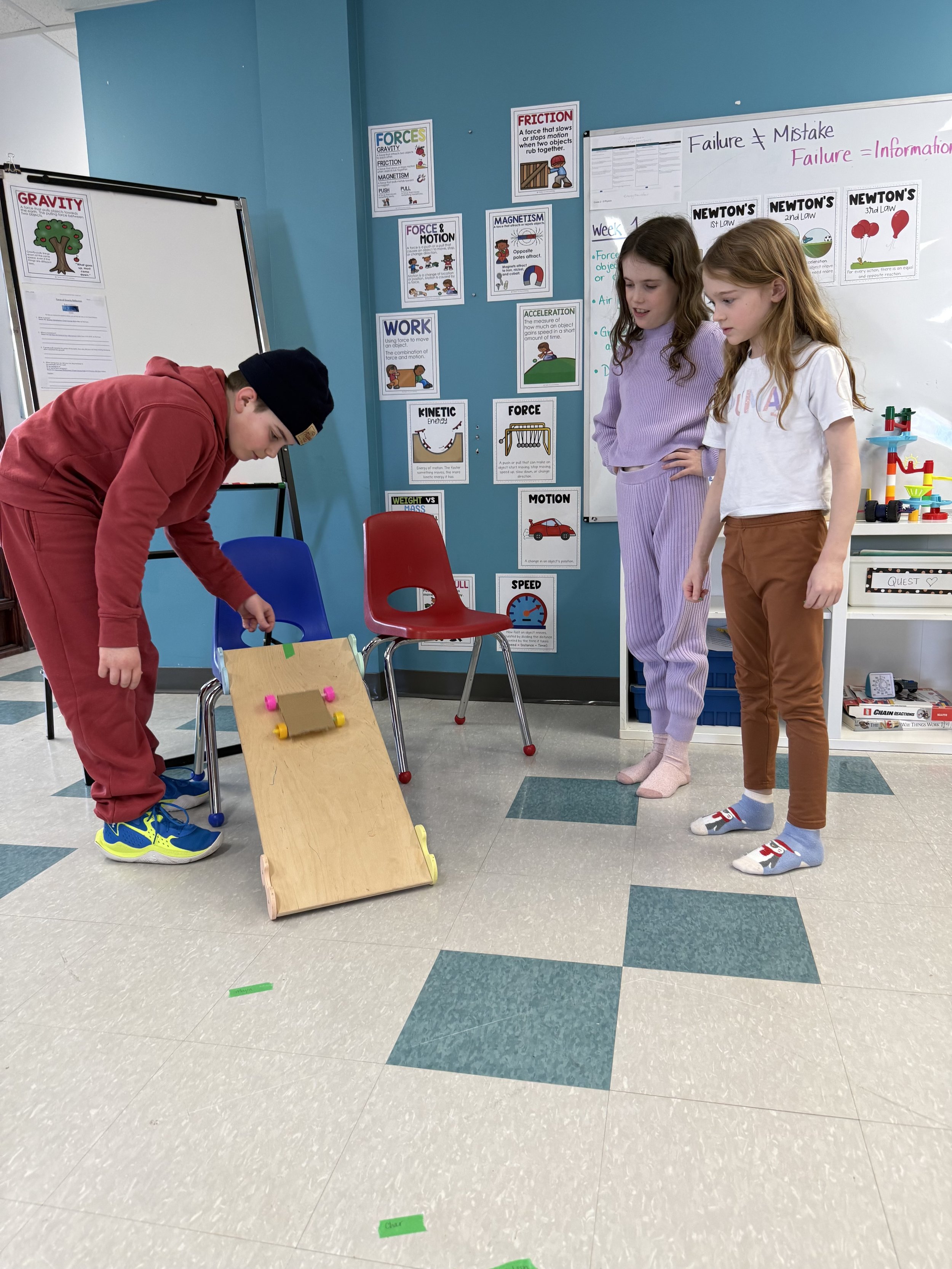
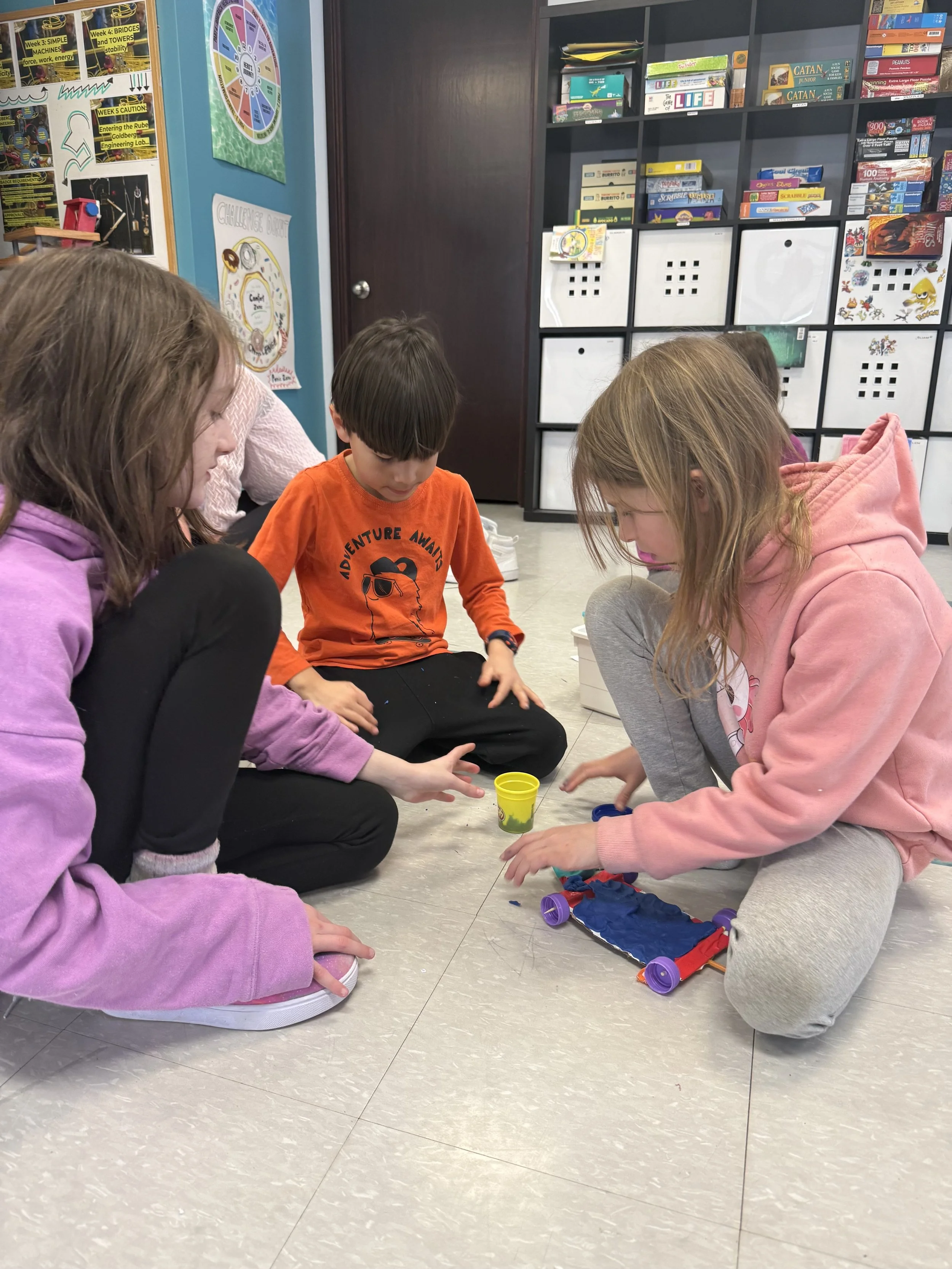
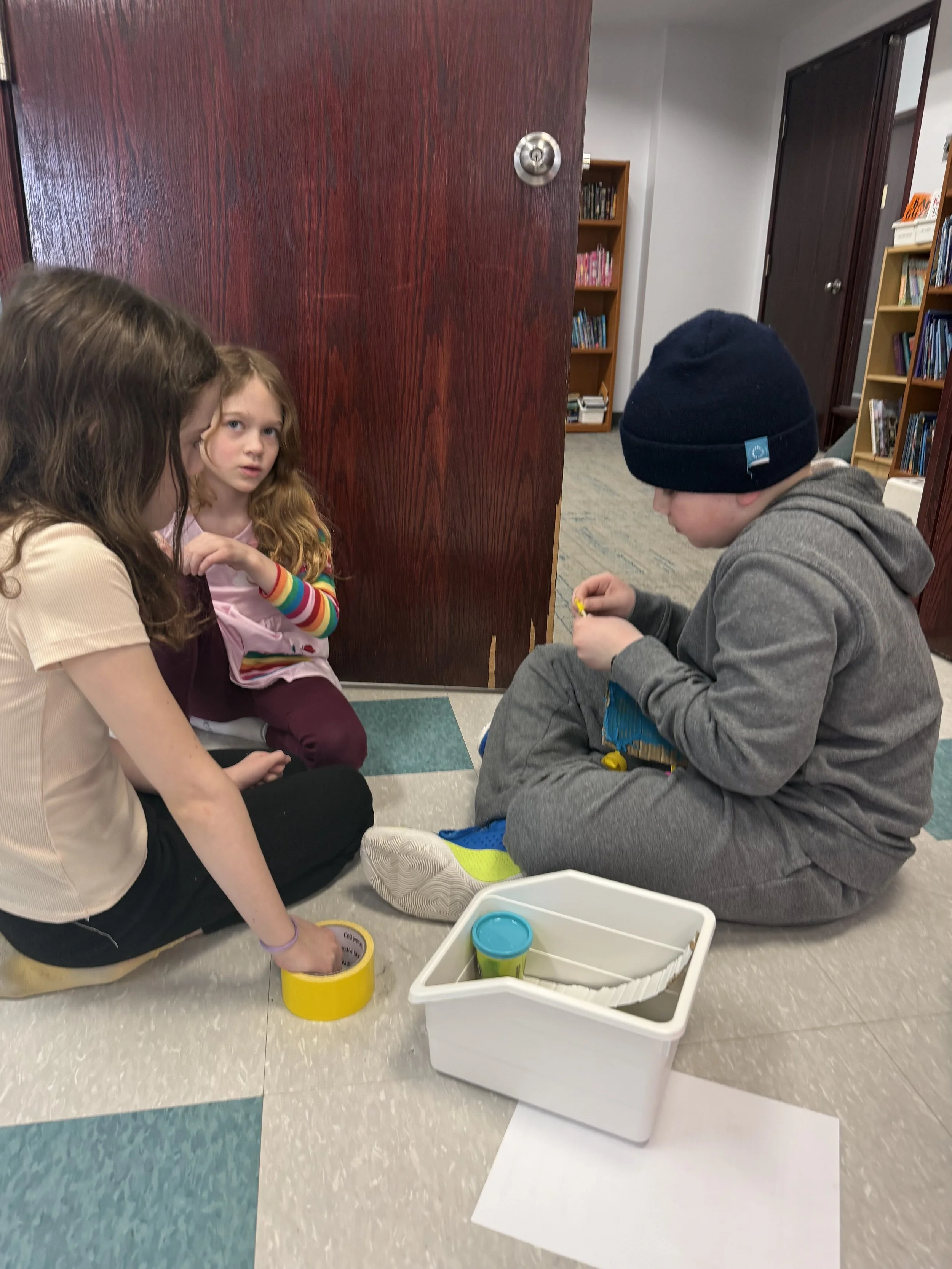
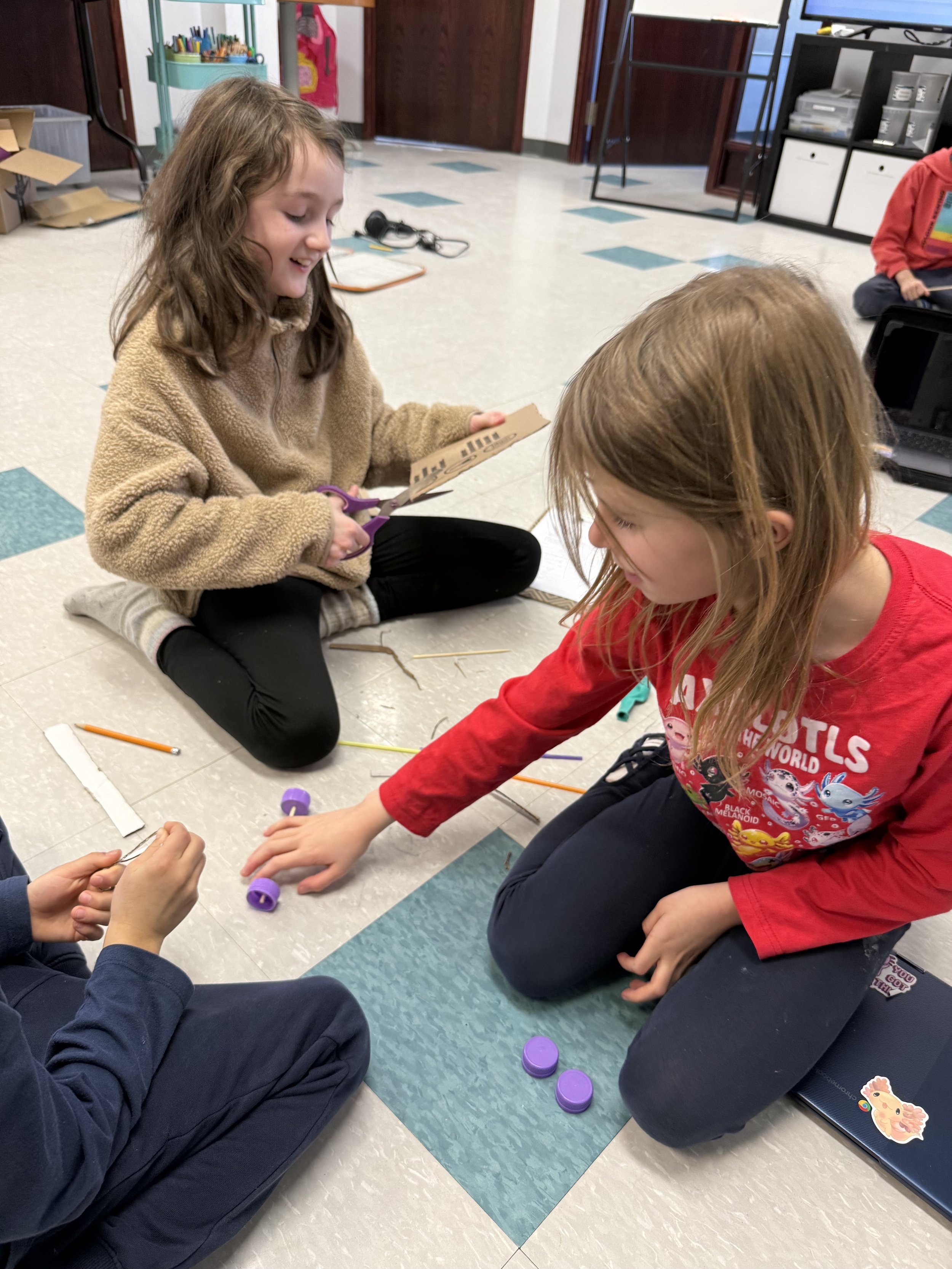
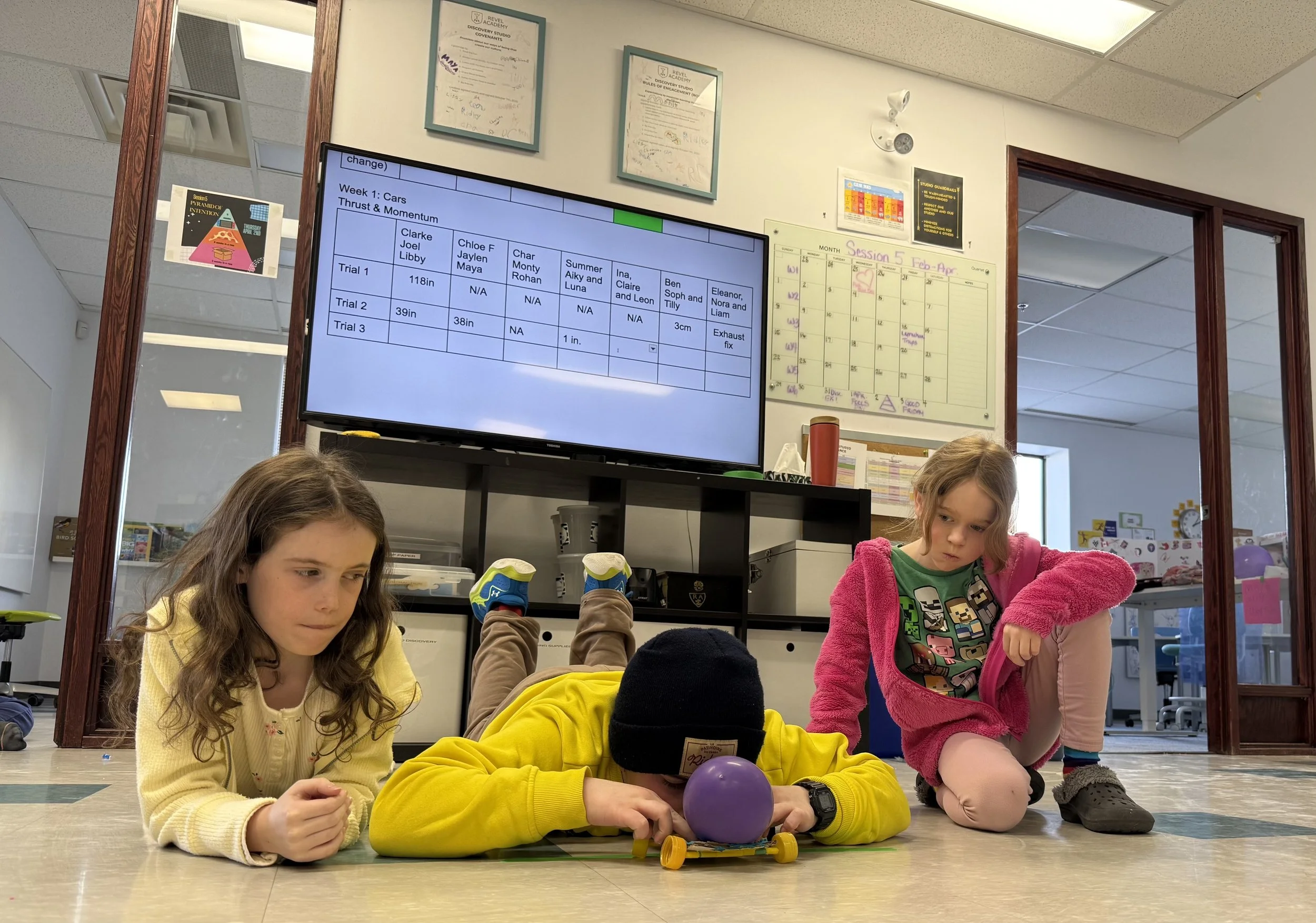
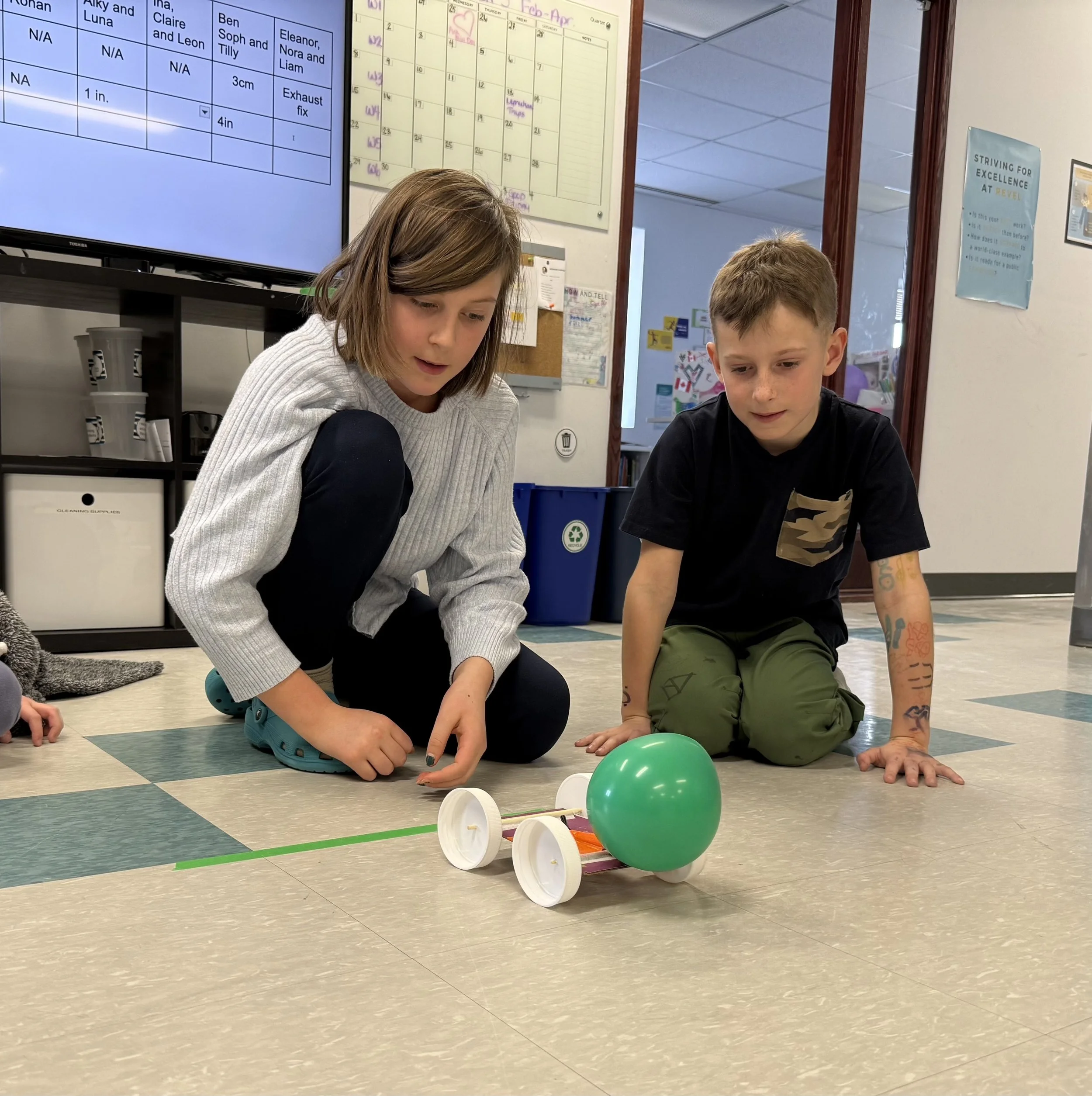
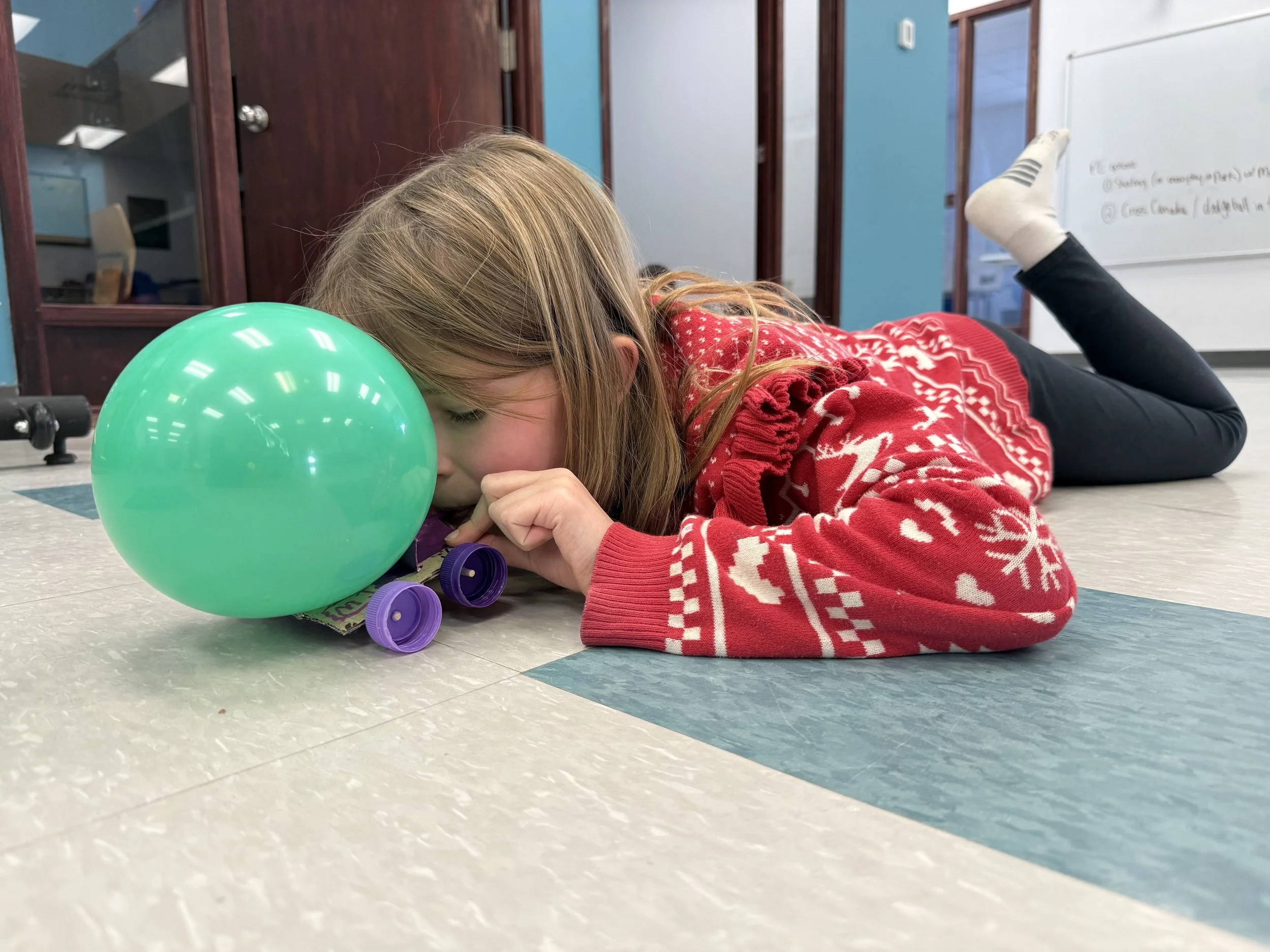
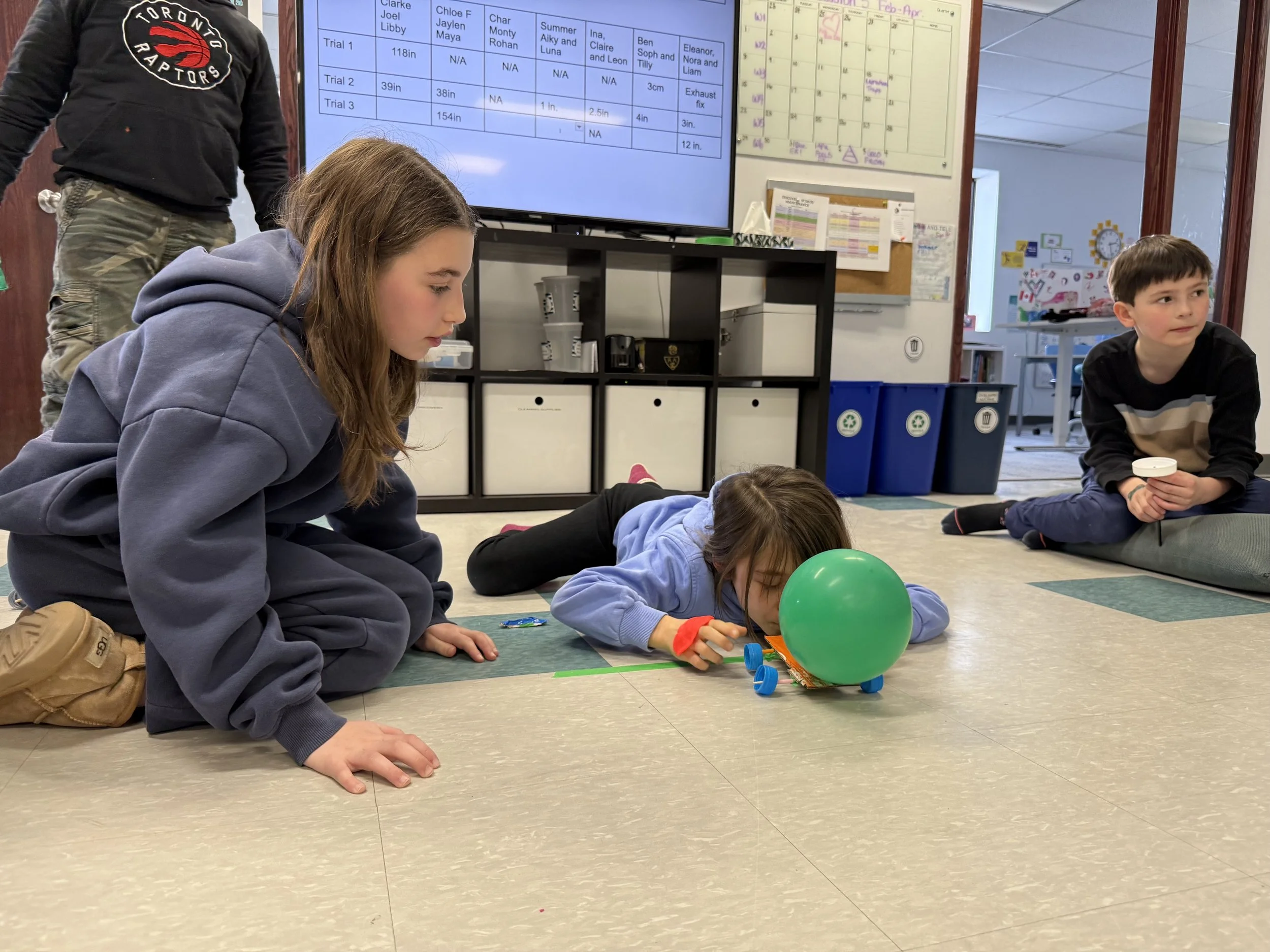
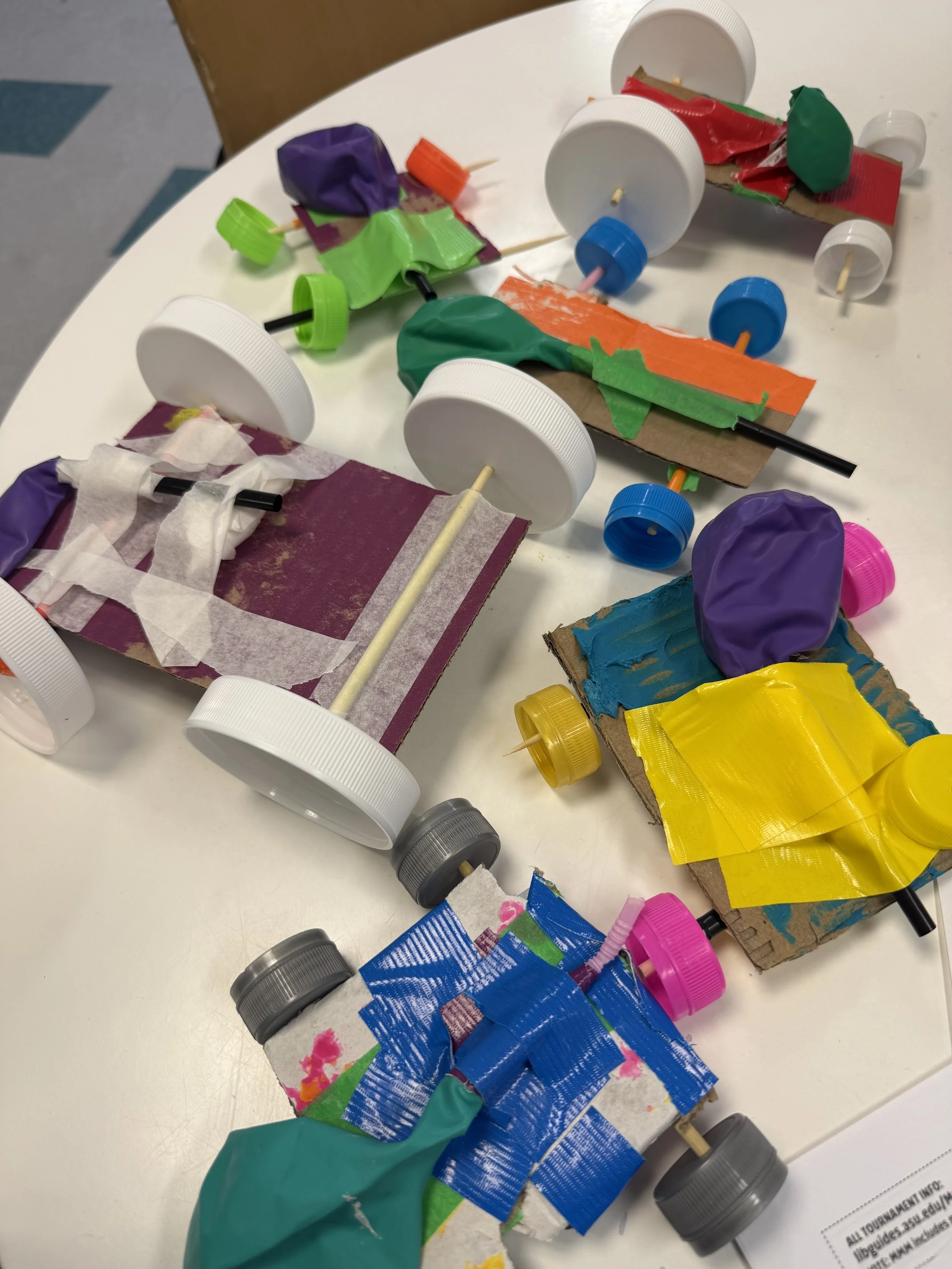
Simple forces, when working together, can do extraordinary things! Welcome to the Rube Goldberg Machine Quest! Rebels kicked off our fifth Quest with a crash course on gravity, thrust, and momentum as they tackled their first engineering challenge: designing and building a toy car to compete in both a gravity challenge and a thrust and momentum challenge. Rebels jumped right in on Monday, completing comprehension questions about gravity with their teammates and then creating materials lists for their first car build. On Tuesday, Rebels engaged in trial-and-error research on concepts such as drag, downforce, and friction before finalizing their cars for their first runs down the ramp. For this challenge, teams aimed to get their car down the ramp and stop as close as possible to a target without hitting it. Each team then had an opportunity to make adjustments before the second heat of races to improve their results.Why did some cars travel faster down the ramp than others? What role does friction play?
On Wednesday and Thursday, Rebels took on their Thrust and Momentum Challenge by transforming their cars into balloon-powered vehicles. As they tested, tweaked, and raced their creations, the studio was buzzing with excitement! Learners explored questions such as: How does the size of the balloon affect speed? How does the length of the straw affect the thrust of the vehicle? Through multiple trials, learners quickly discovered that success in engineering rarely happens on the first attempt. Designs that veered off course or stalled entirely became powerful learning moments, prompting teams to dig deep, problem-solve, and redesign. By embracing both teamwork and grit, Rebels experienced firsthand that failure isn’t an endpoint, it’s information that drives solutions.
Additional Highlights
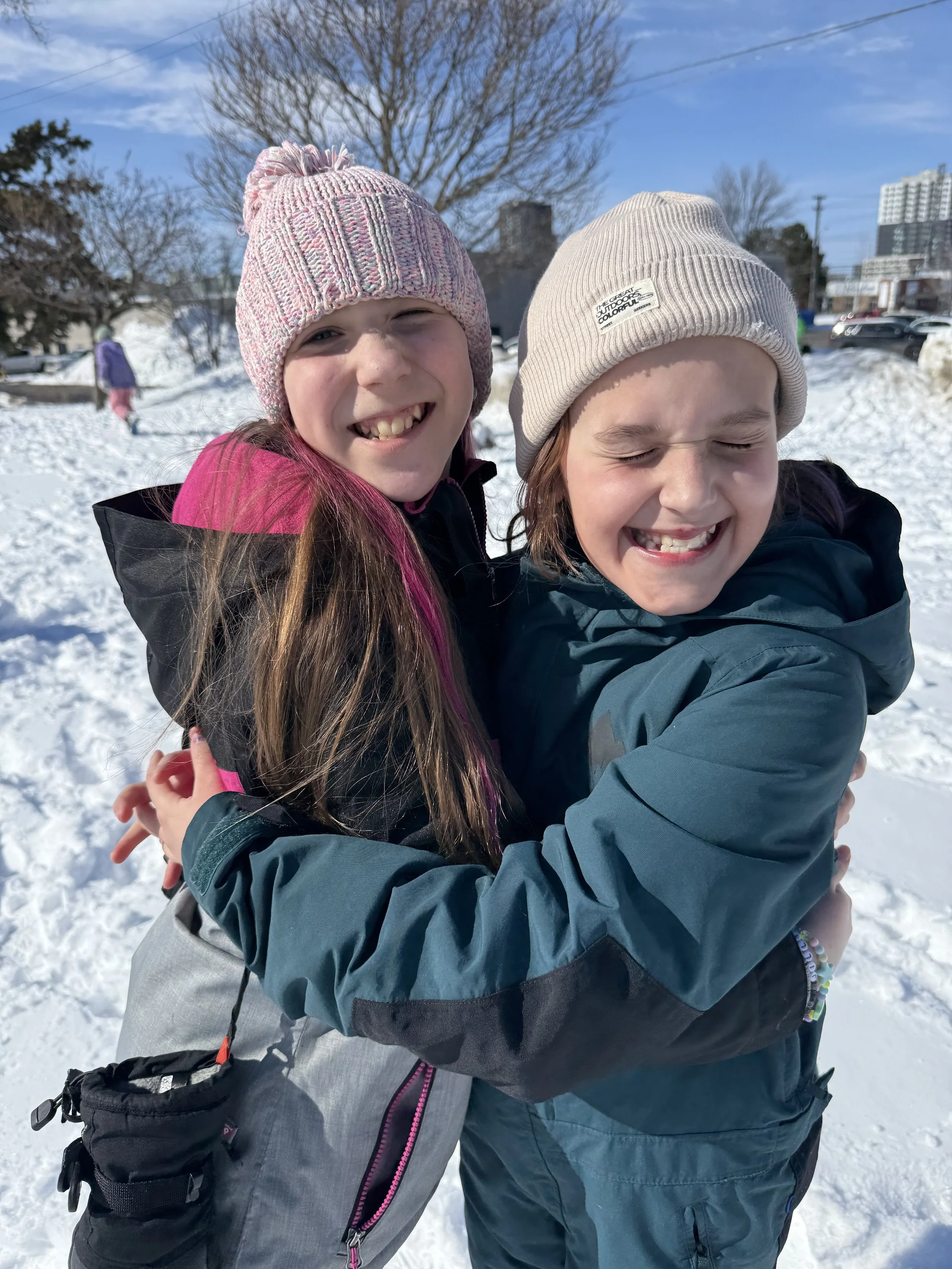

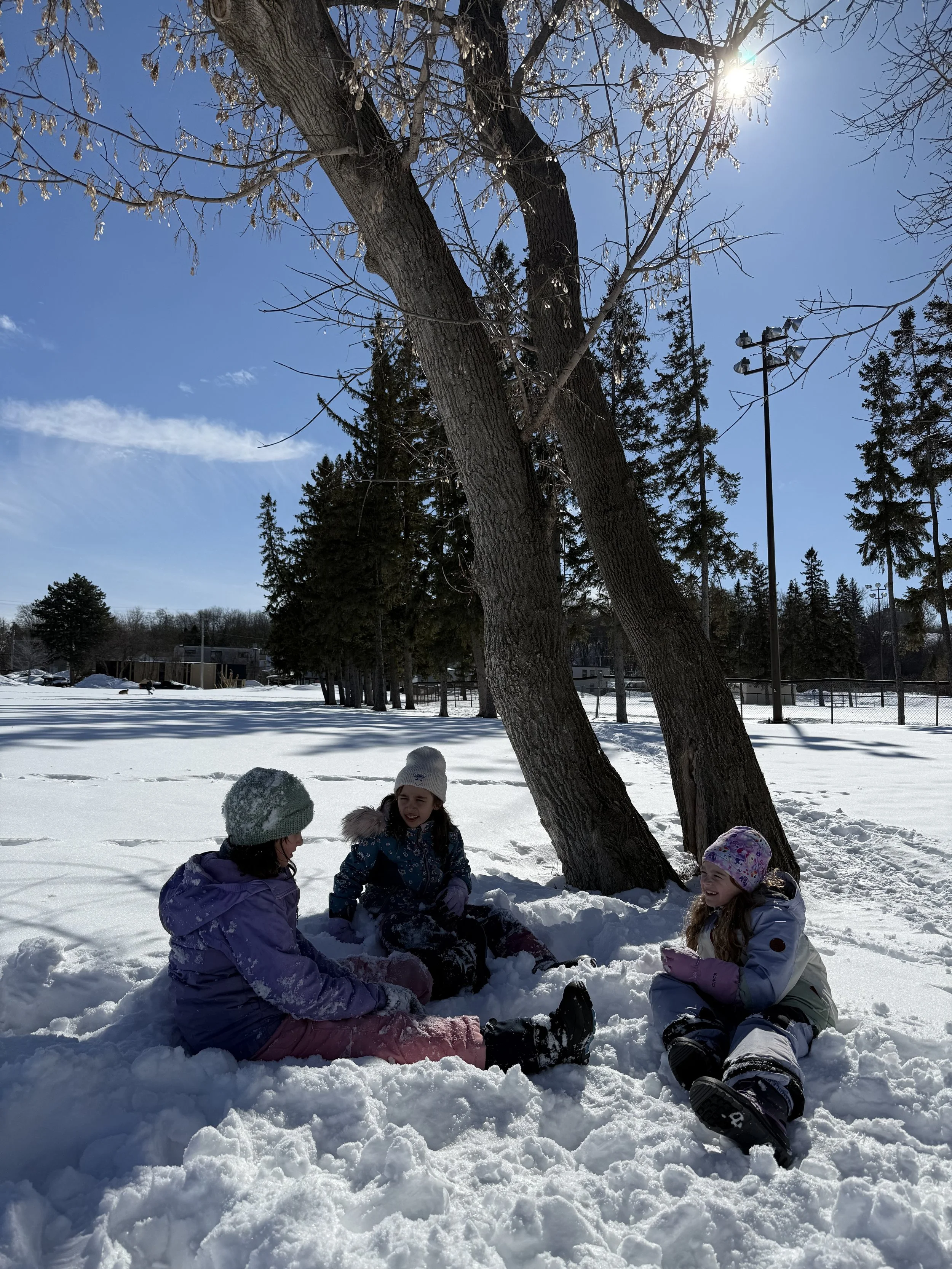
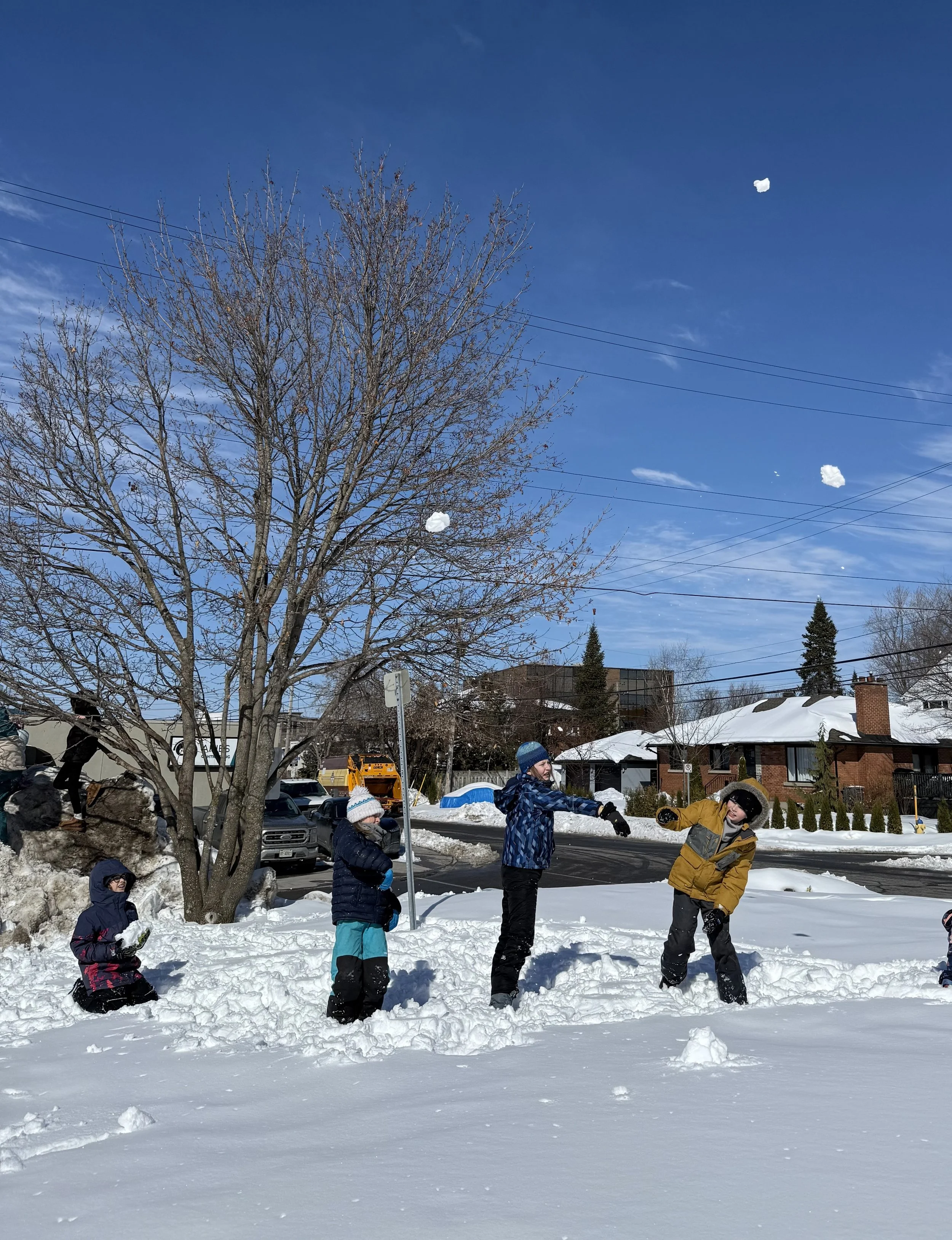
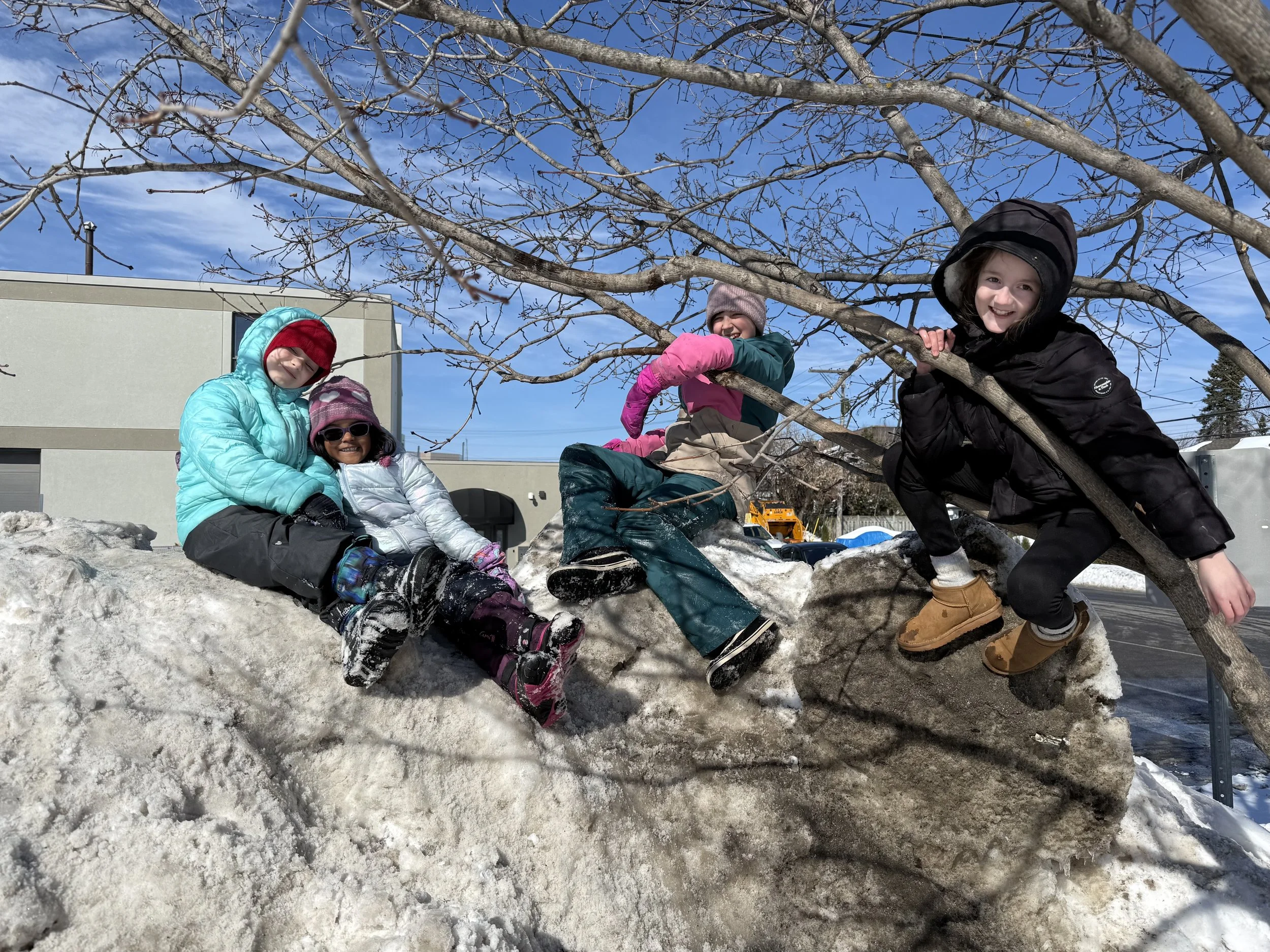
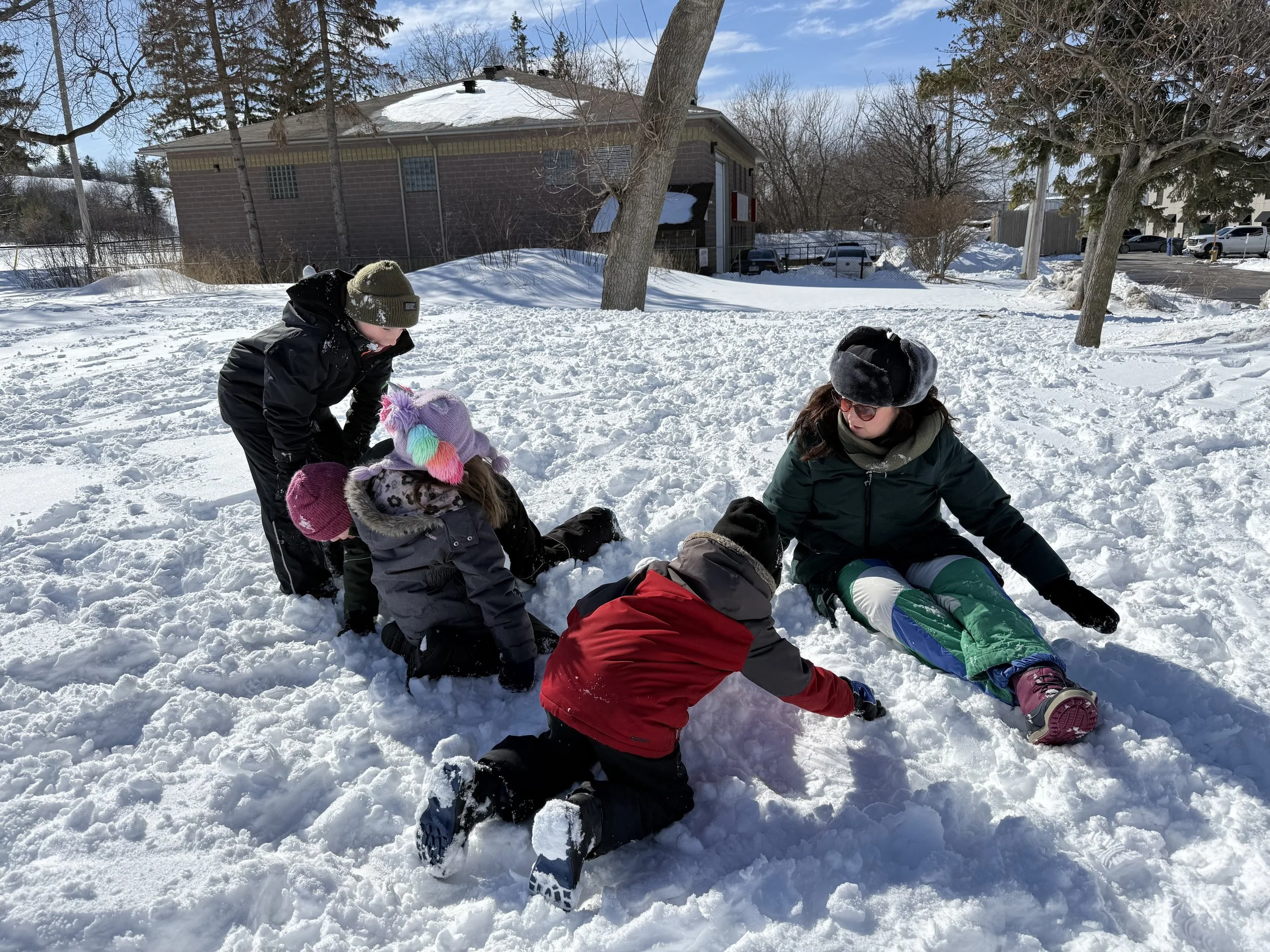
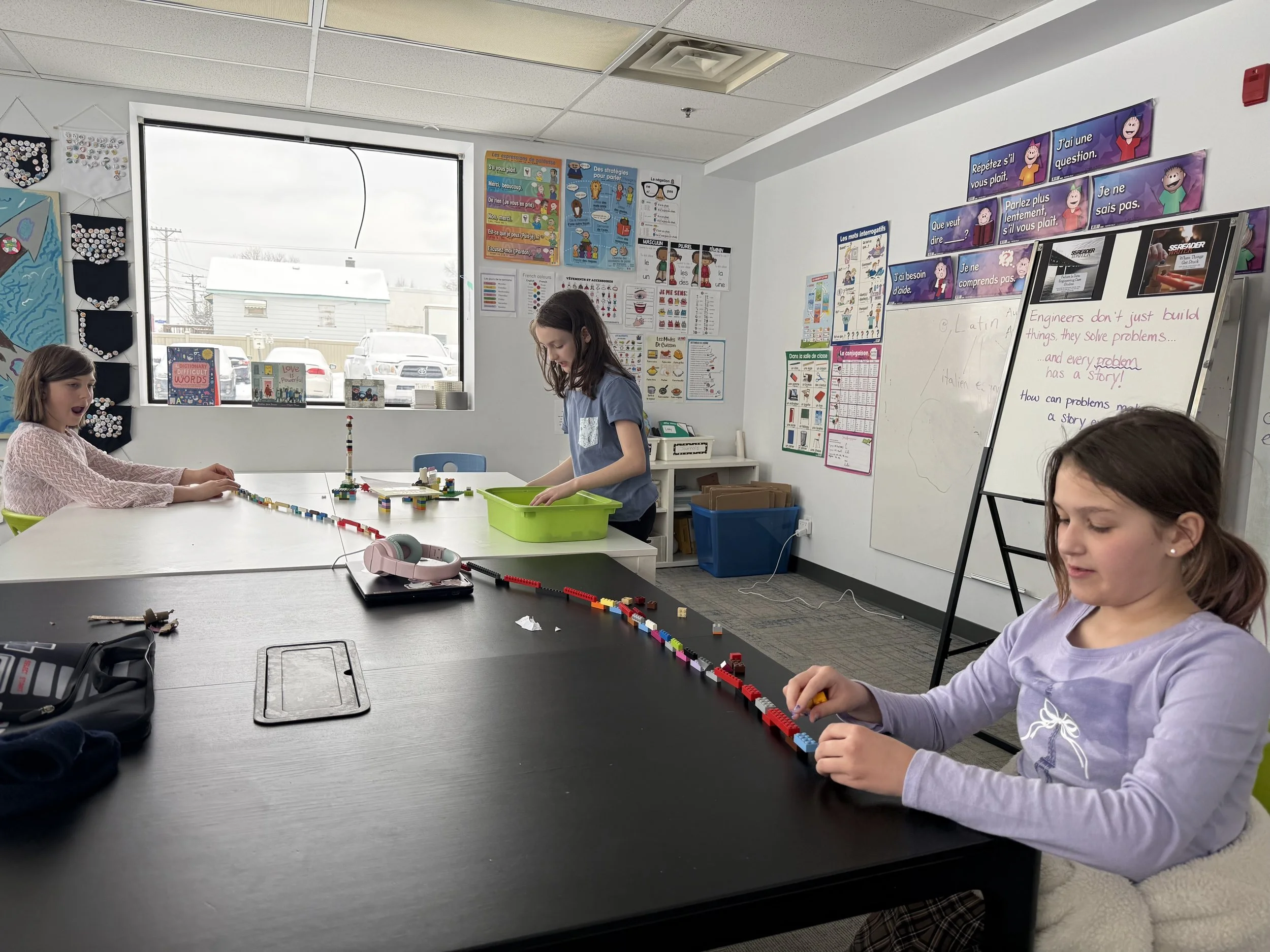
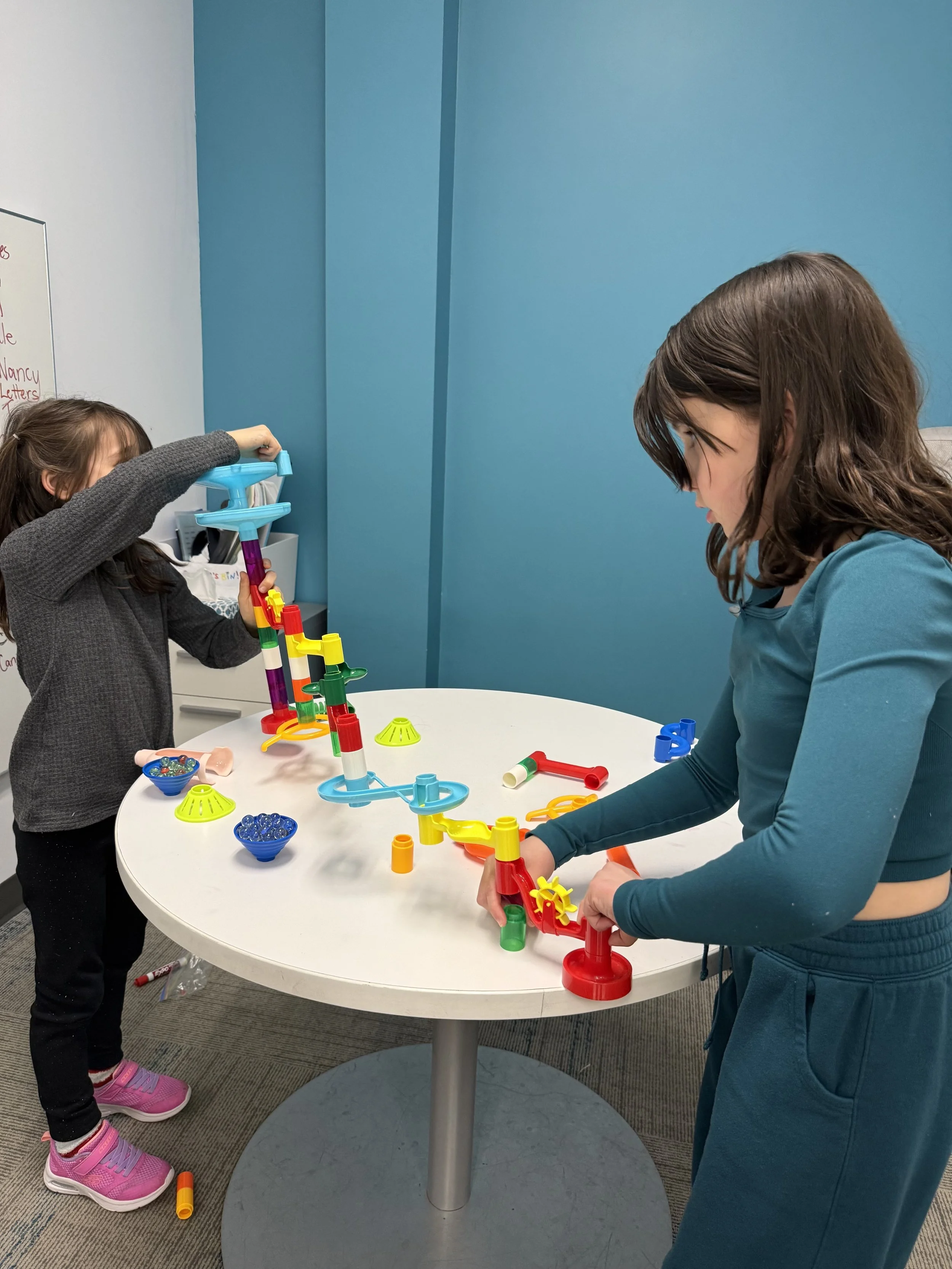
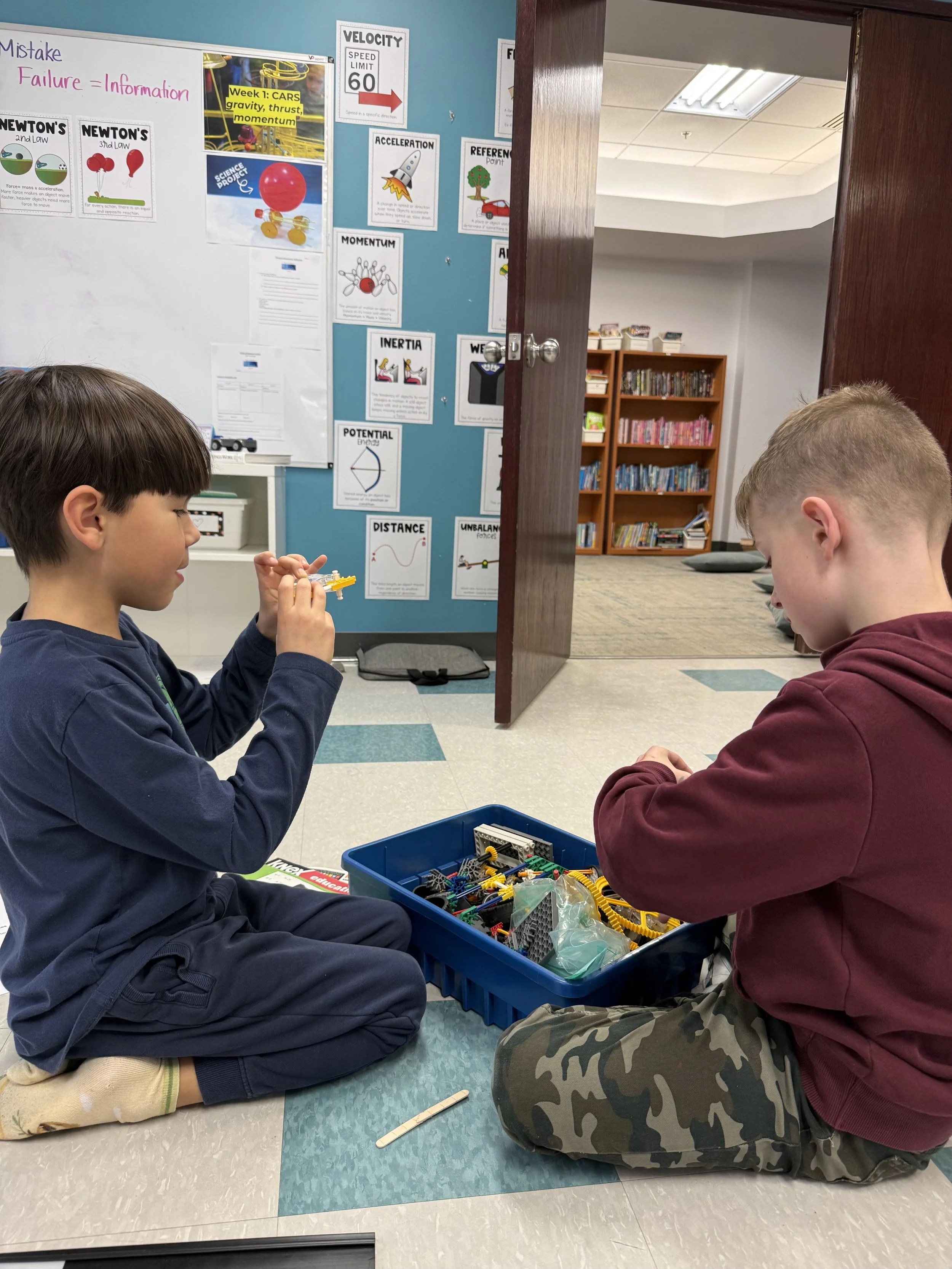
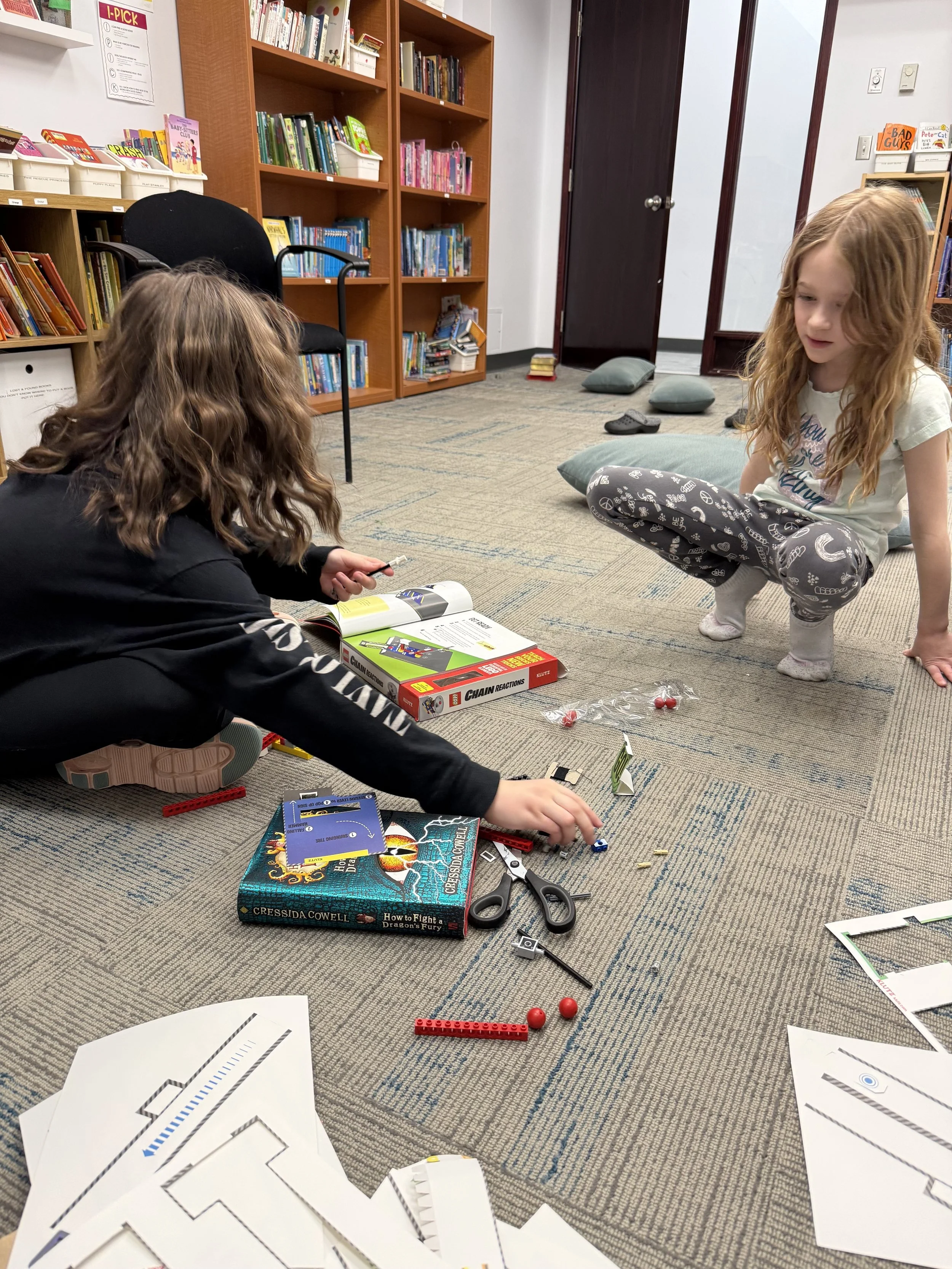
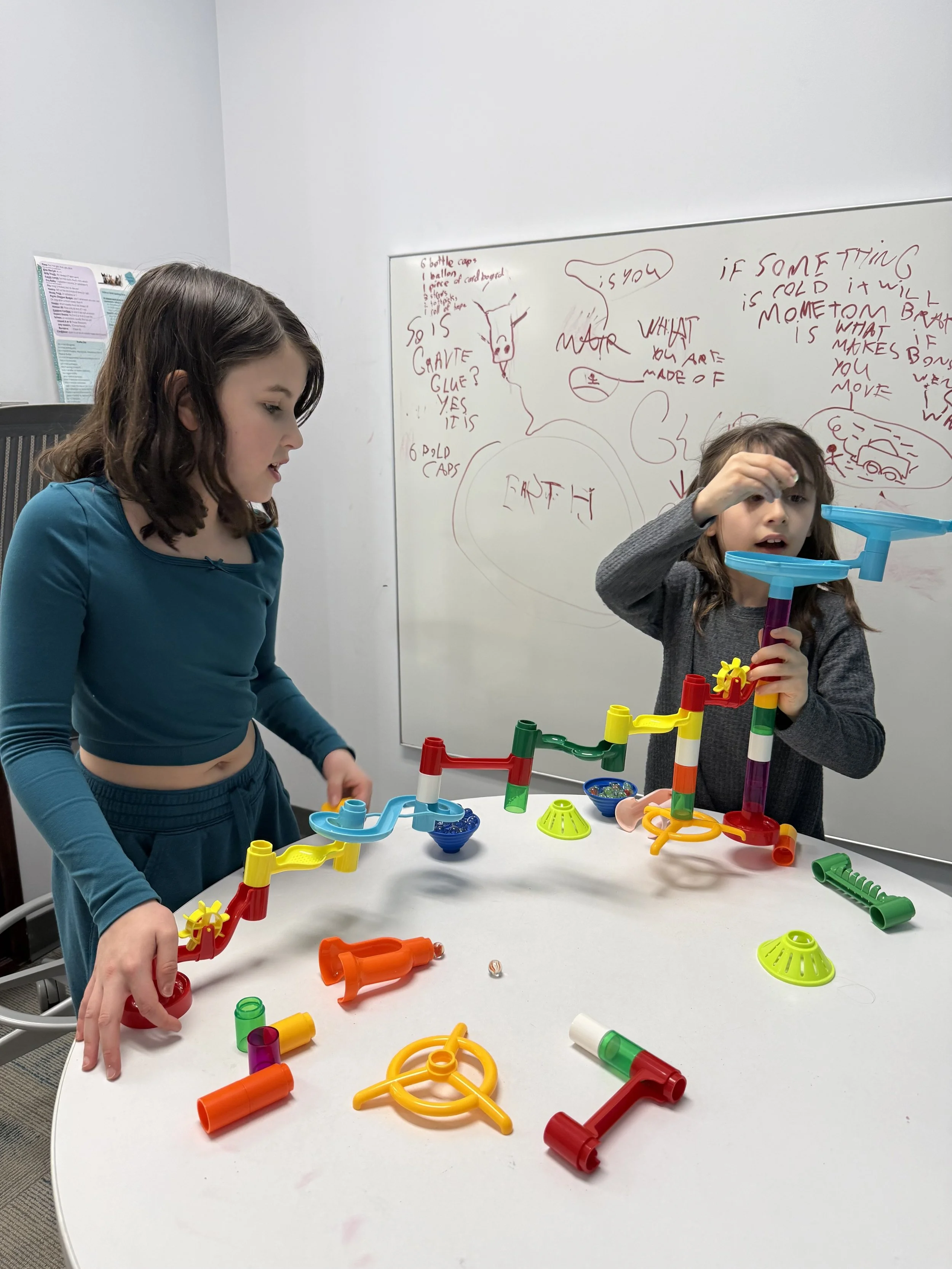
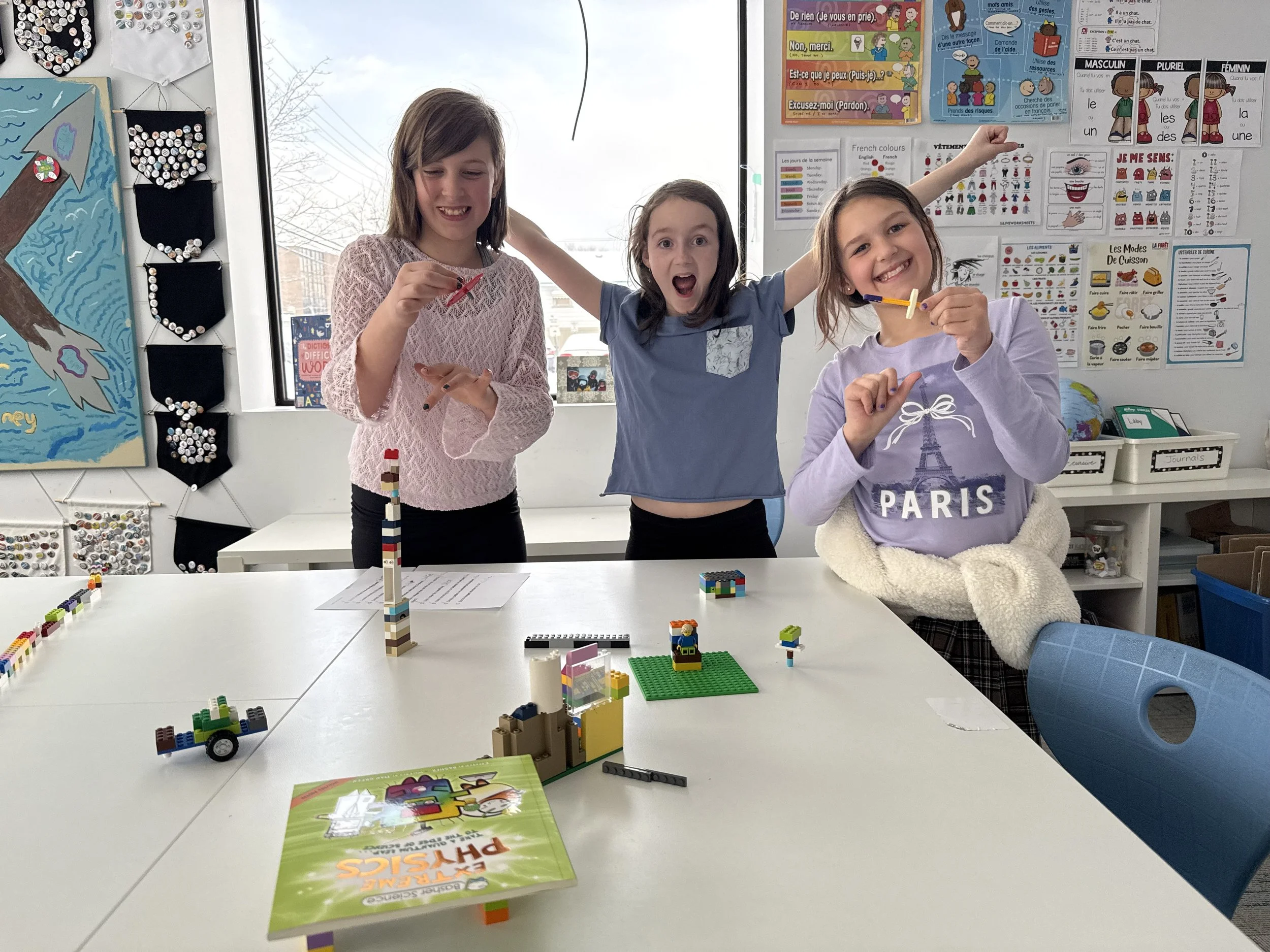
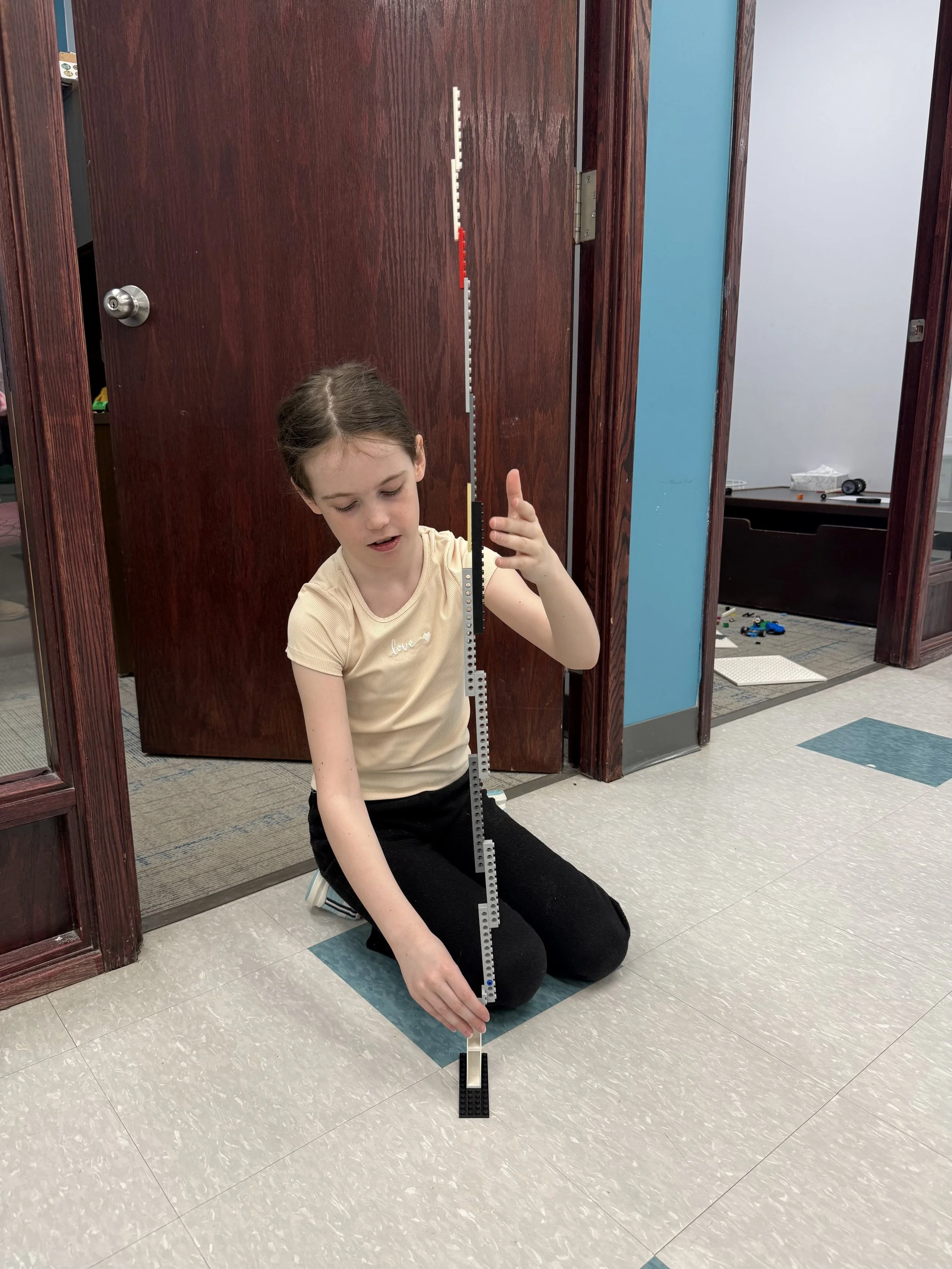
For Elective this session, Rebels have the opportunity to work on a variety of different engineering challenges using KNEX, Lego, marble run sets and more! With a goal of exploring and attempting challenges at each station over the course of six weeks, Rebels will apply concepts they’re learning in Quest to attempt various design challenges. With the warmer temperatures this week, Rebels had an absolute blast outside for recess and PE workshops to maximize their time in the sun and snow!
Exploration Studio
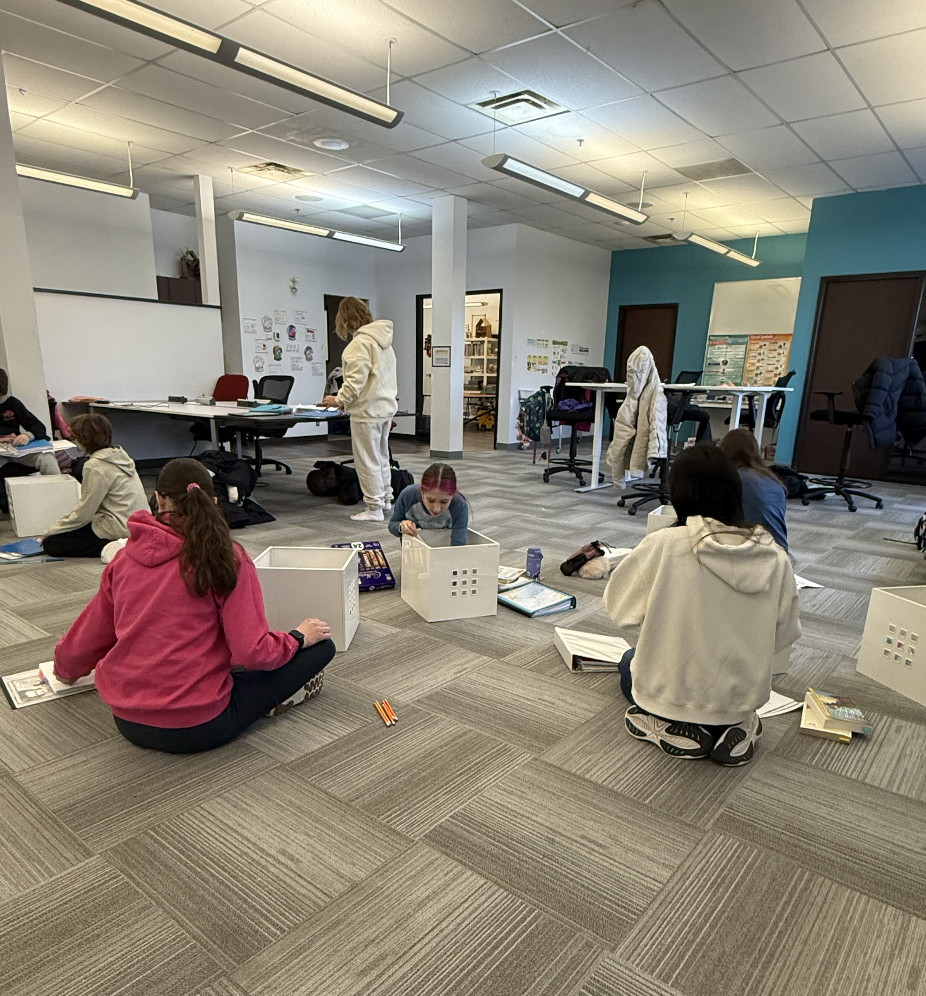
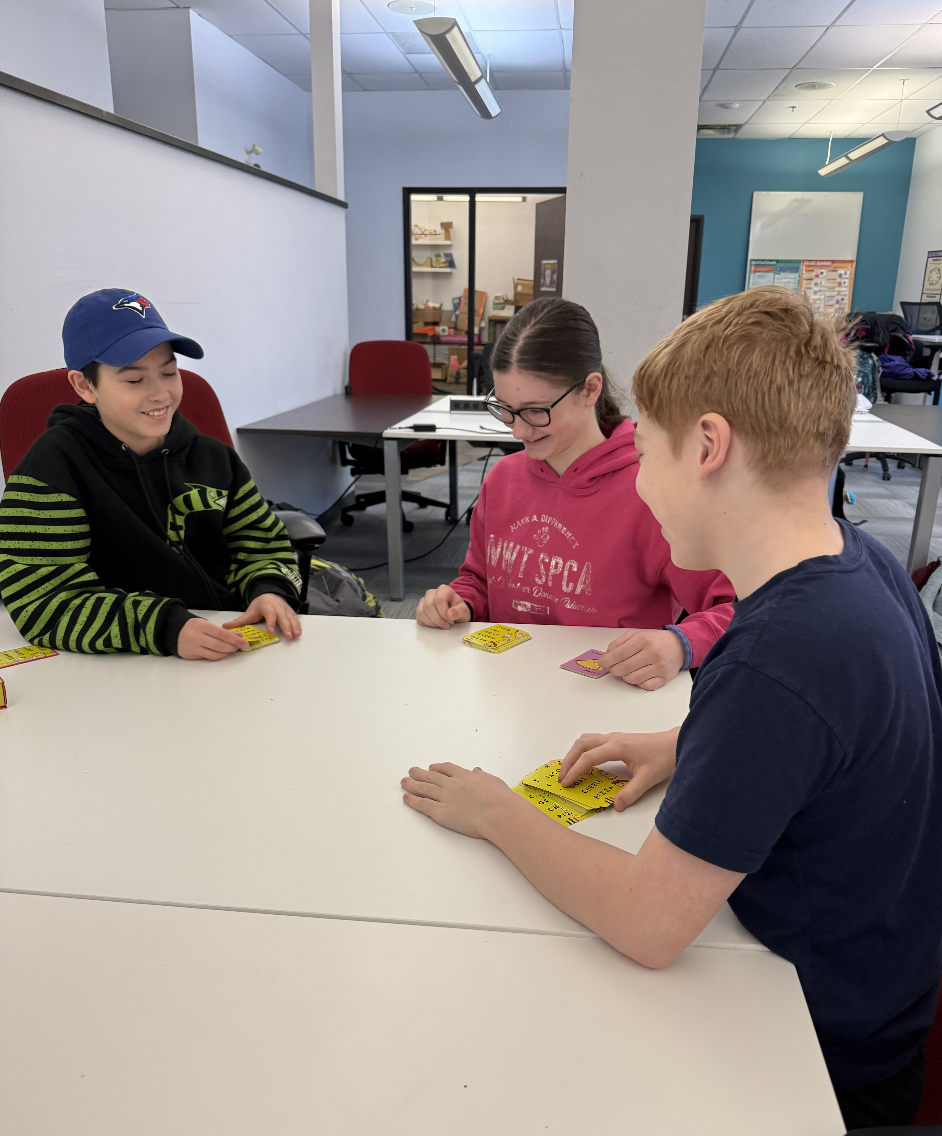
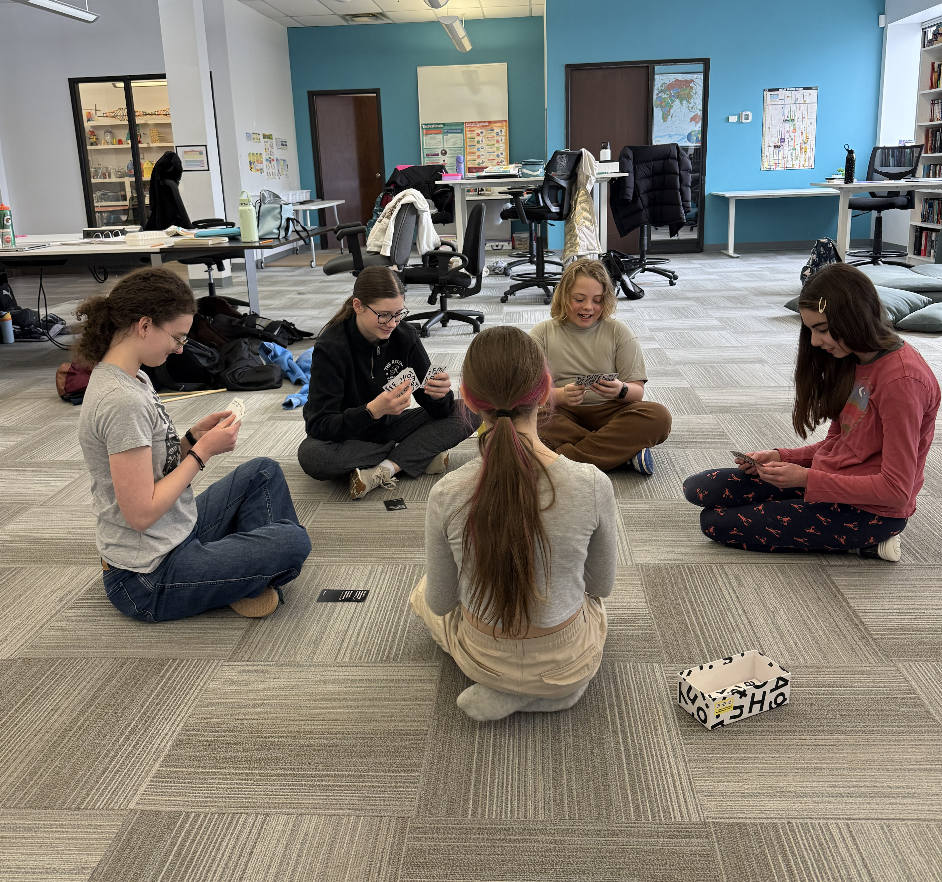
Mindfulness & Launch
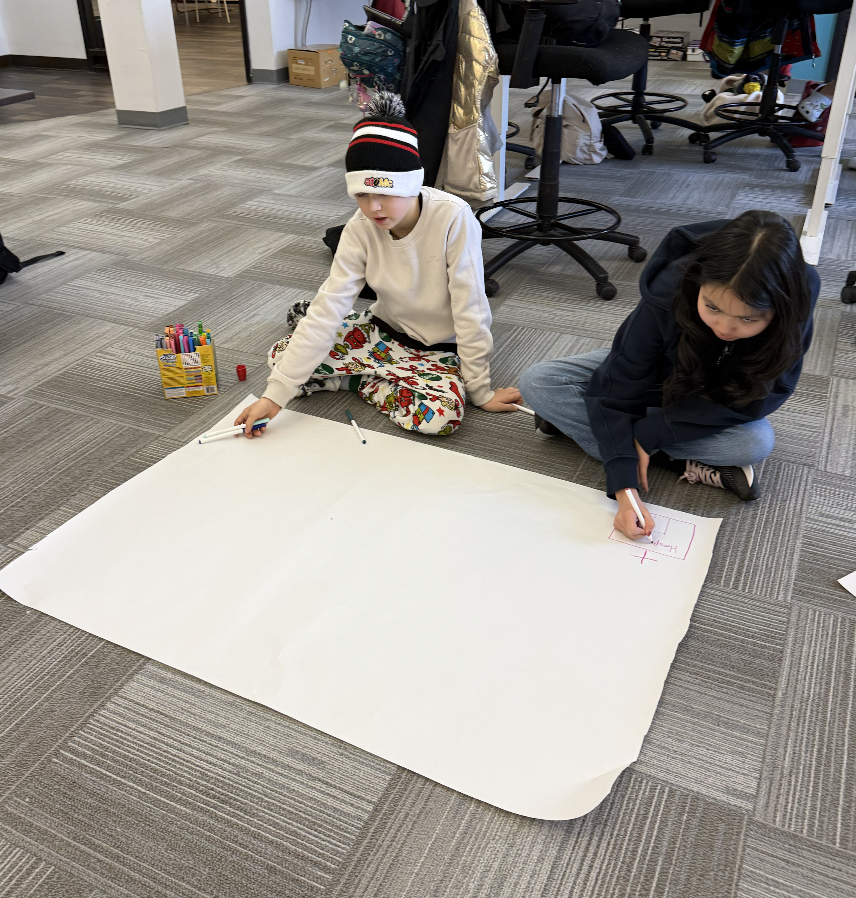
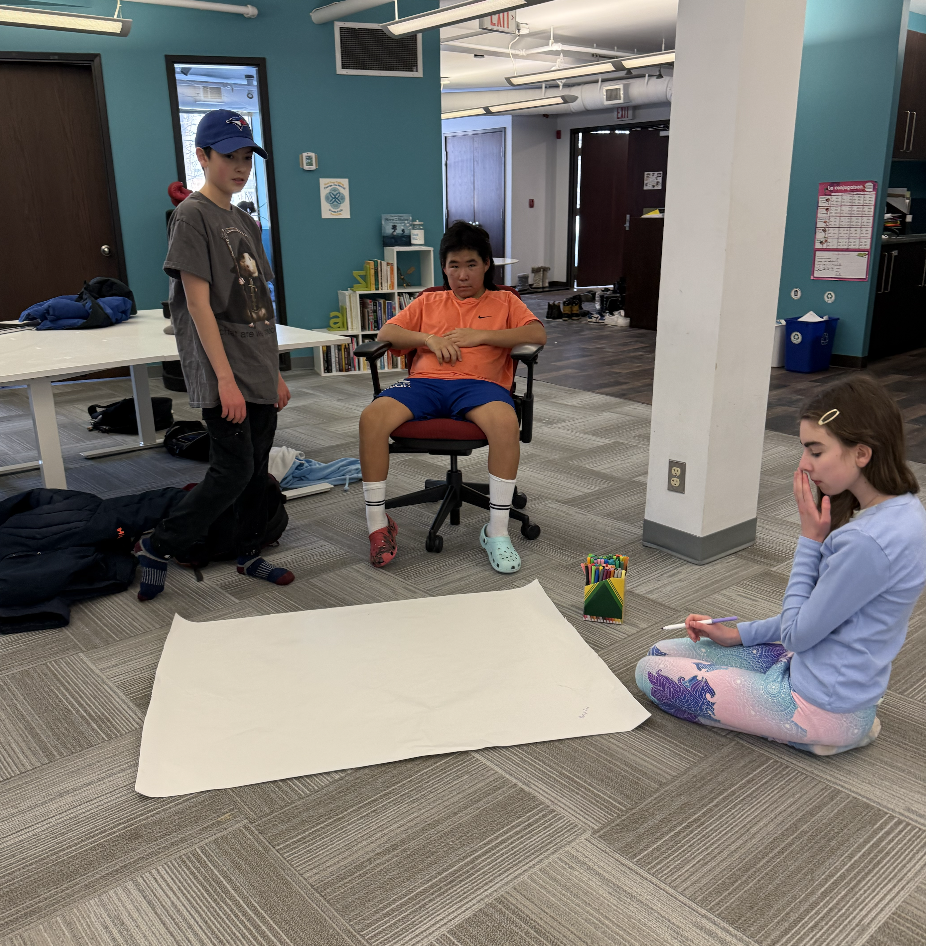
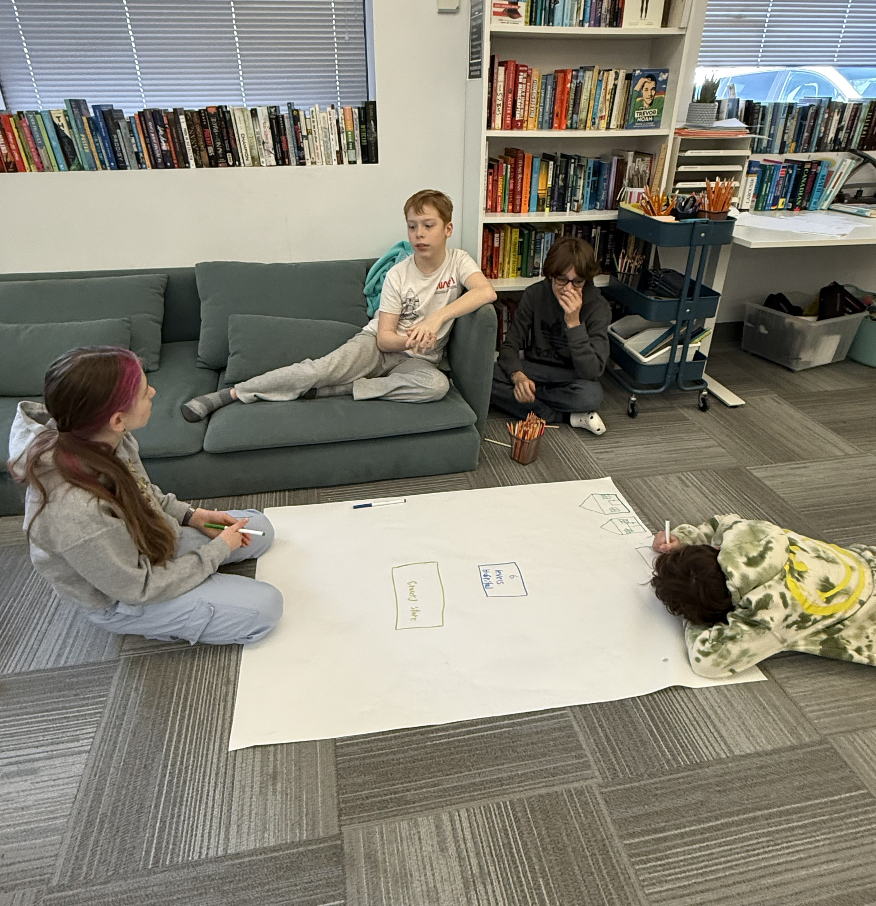
After welcoming all the Rebels back from their sessional break, learners spent the first 15 minutes cleaning their bins and binders to start the session fresh. We then introduced the seasonal areas of study for Quest, Reader/Writer, Math Lab, Big History, and French, and set expectations for the next six weeks. In our Becoming a Critical Thinker lesson on Tuesday, Rebels read about perspective-taking and tolerance. By deconstructing familiar stories and asking better questions, Rebels learned to monitor their reactions and tolerate discomfort as they unearthed new information. To end the lesson, Rebels imagined they were meeting with someone with a different perspective and wrote a series of viewpoint questions they would ask to gain better insight. On Wednesday, we discussed the importance of public art and our favourite sculptures and murals in Ottawa. What type of art would you want in your ideal city? Rebels will each create a proposal and art piece (mural, sculpture, etc.) for their Quest city that illustrates their community values, brings a smile, or serves a purpose, with thought given to location and cost. On Thursday, the Rebels went for their weekly walk around the neighbourhood before returning for a city brainstorm. What will their city need? Is there a layout they feel is most efficient and aesthetically pleasing? On Friday, our Current Events team presented on the new HPV cancer vaccine, the damage weather is inflicting on roads, and the origin of Black History Month.
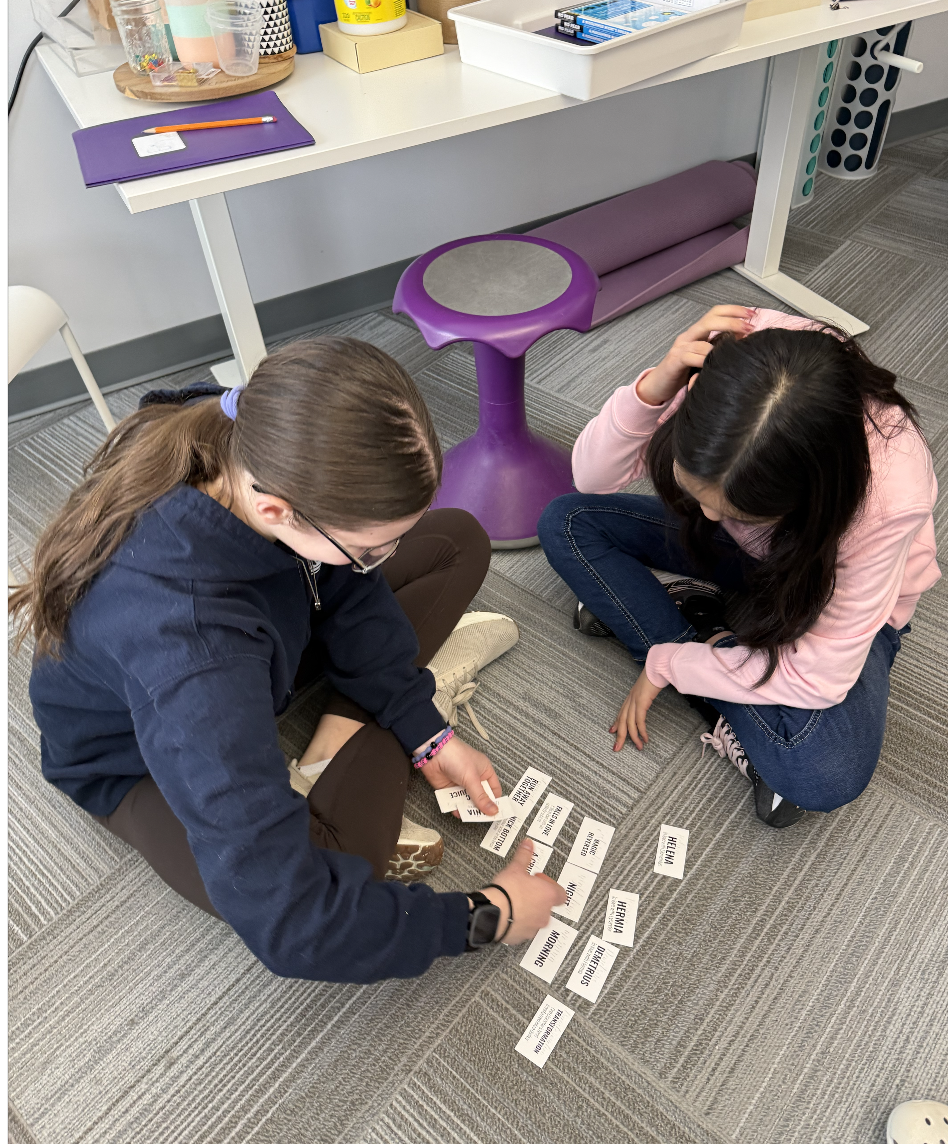
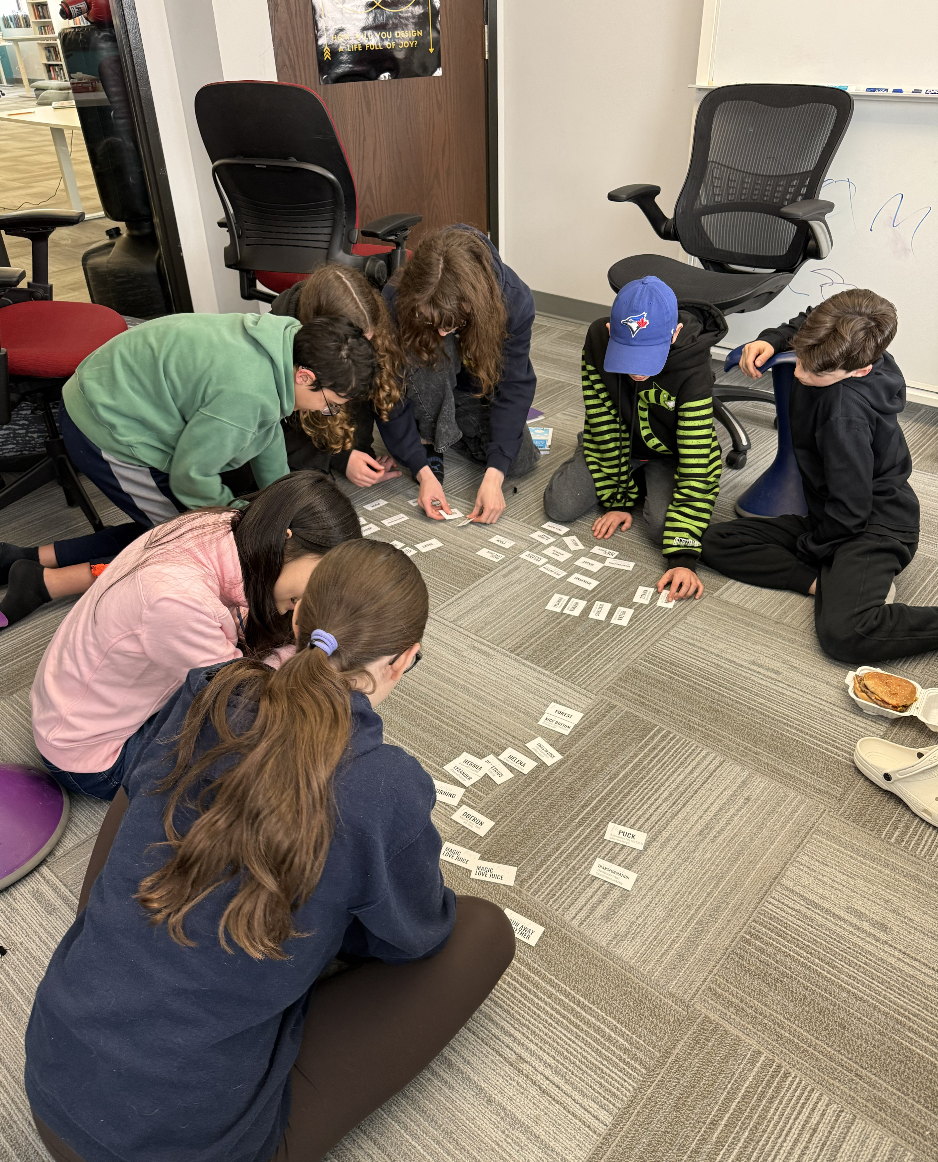
A Midsummer's Nights Dream
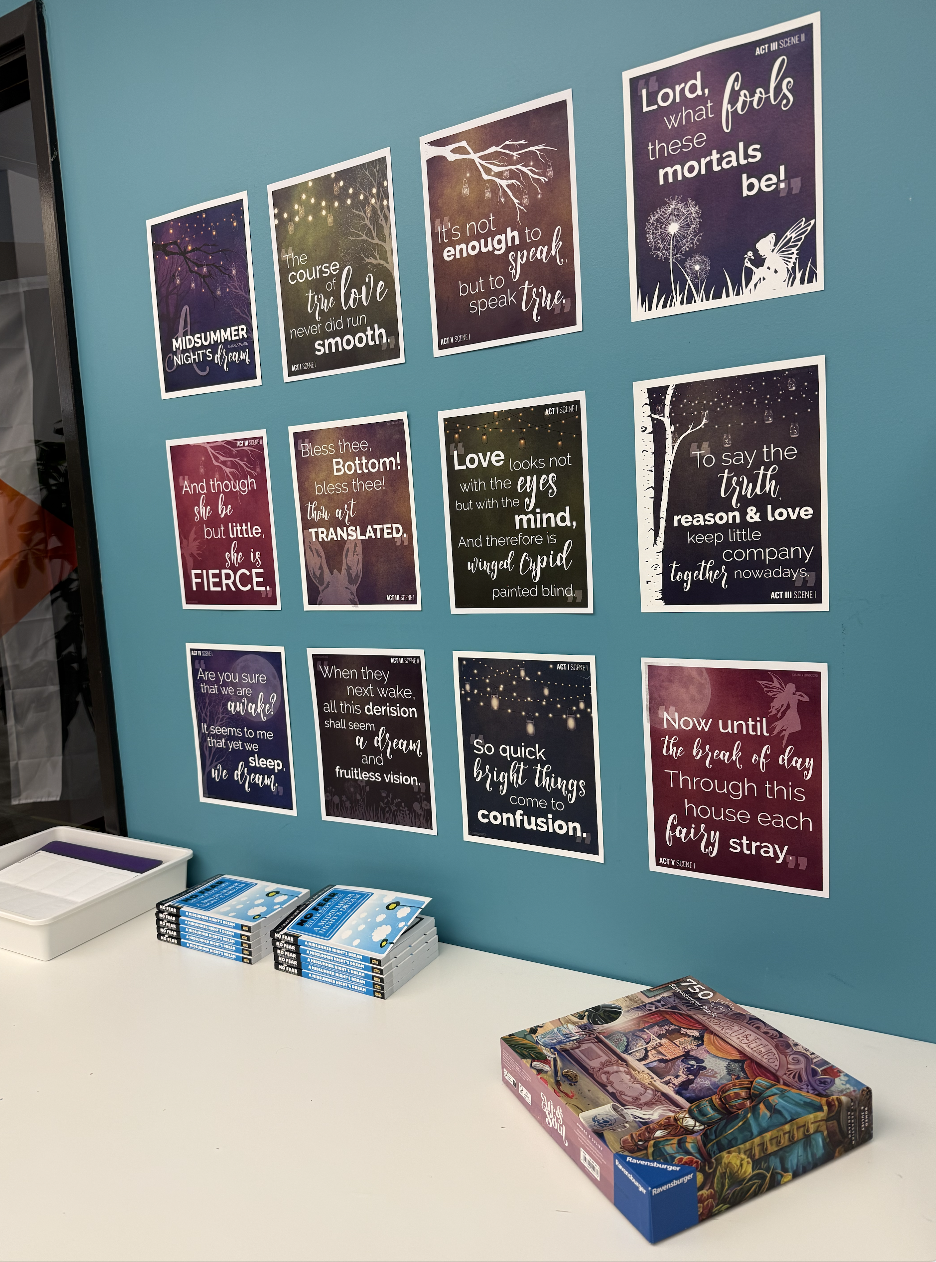
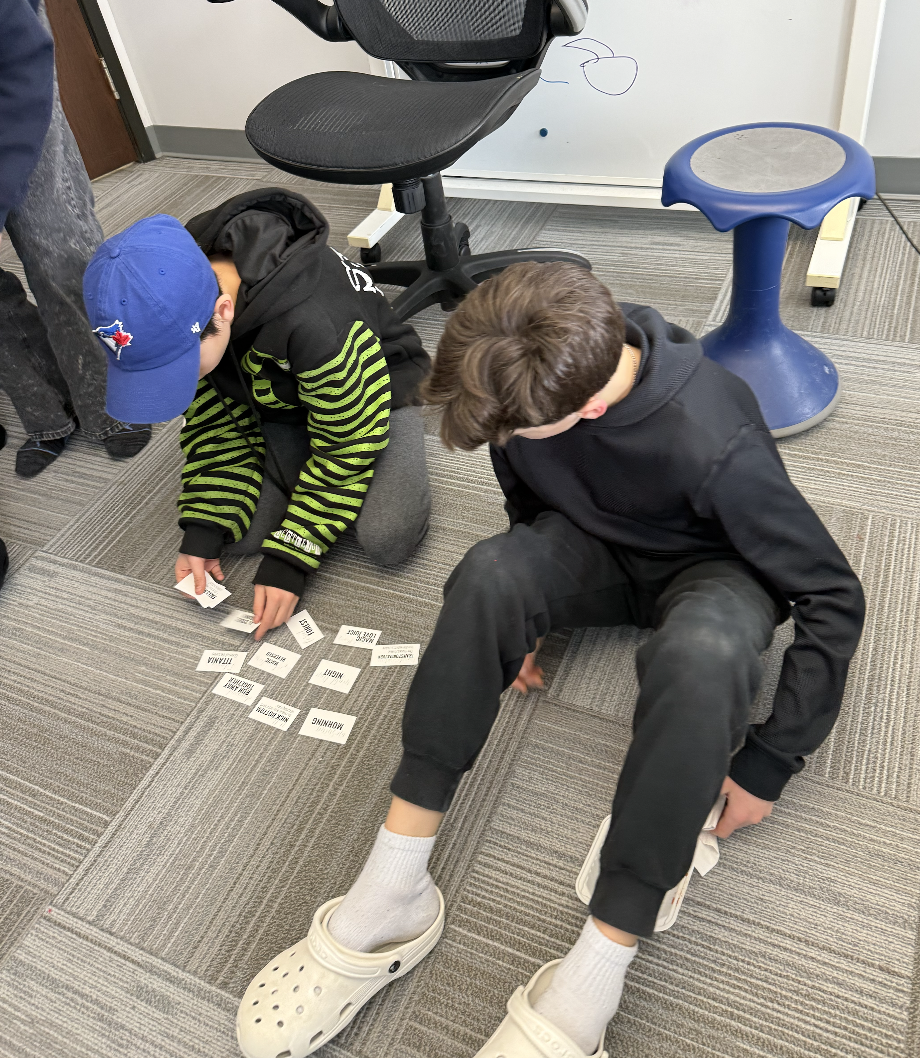
A group of learners has taken on the additional challenge of reading, analyzing, and performing Shakespeare's A Midsummer Night's Dream. This week, Rebels learned about the bard before reading some background information on the play and getting a grip on Shakespearean language. On Wednesday, the learners used a set of task cards to predict the play's plot, then shared their stories. We then read a version of the plot and watched a trailer. Lastly, on Friday, we read excerpts from each character and then divided the roles so we could begin our choral reading next Monday.
Reader/Writer Workshop
In six weeks, Rebels will give a five-minute persuasive speech entitled "I Have a Dream for my Community." They will make a specific proposal and be able to tell a story about why it matters to them personally. If their proposal involves spending money, they must state how the funds will be raised. After an introduction, Rebels watched a TED talk on the mathematics of cities for both tips for their "I Have a Dream for my Community" speech and their Quest city design. With the remaining time, the Rebels chose a few topics from a list to research, began their Works Cited page, and focused on pre-writing to help frame their potential arguments. Rebels chose topics including public education, youth sports, libraries, affordable housing, renewable energy, homeless shelters, and more. Next week, learners will need to finalize their topics and begin writing their outline.
Reading Challenge and Grammar
This week's Reading Challenge focused on irony. After learning about the three types: verbal, dramatic, and situational, Rebels were given a variety of examples to identify before beginning this week's assignment. The grammar concept of the week was Me vs. I. After learning about the three rules, Rebels corrected a series of sentences and edited multiple paragraphs to ensure the correct use of both "I" and "me."
Math Lab
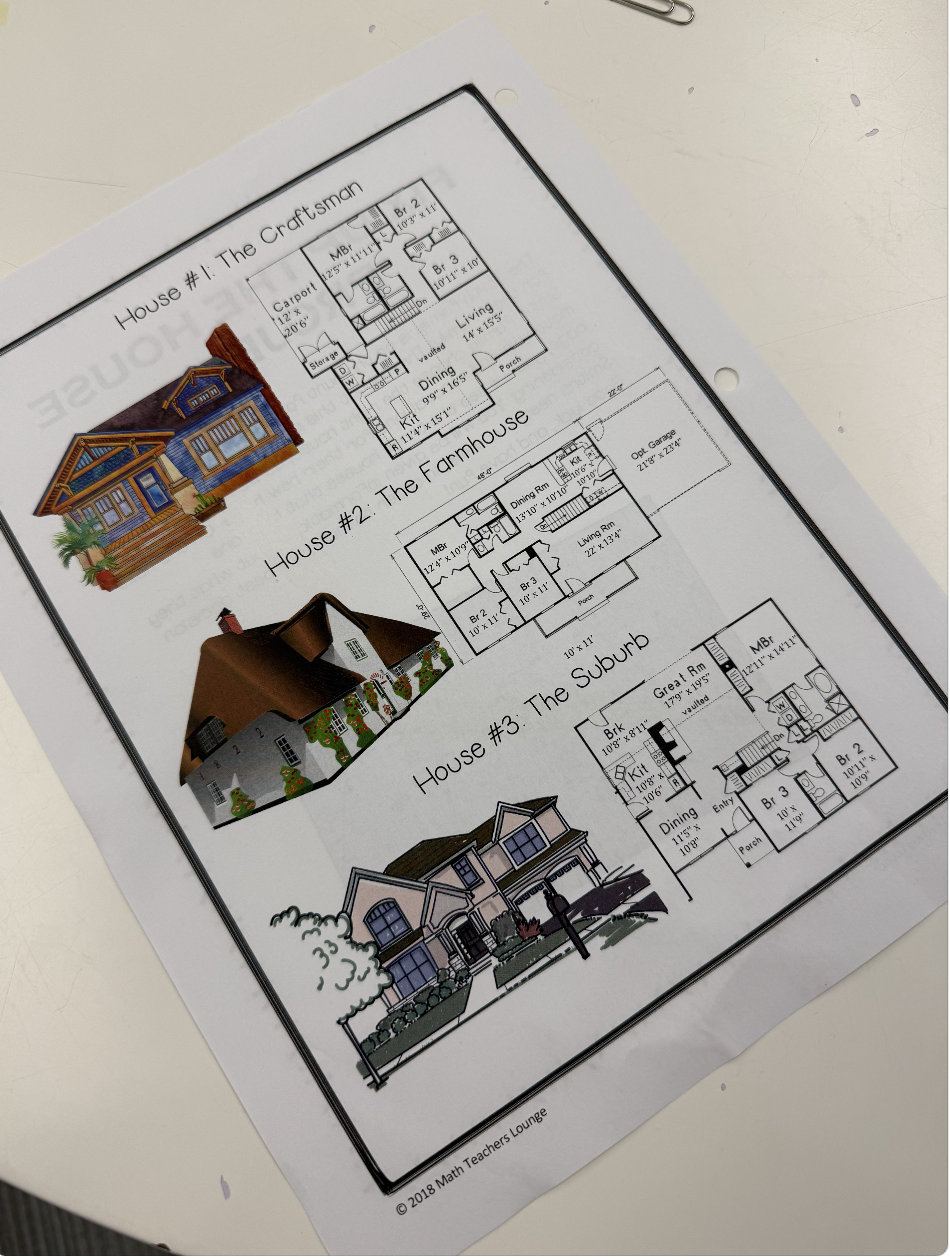
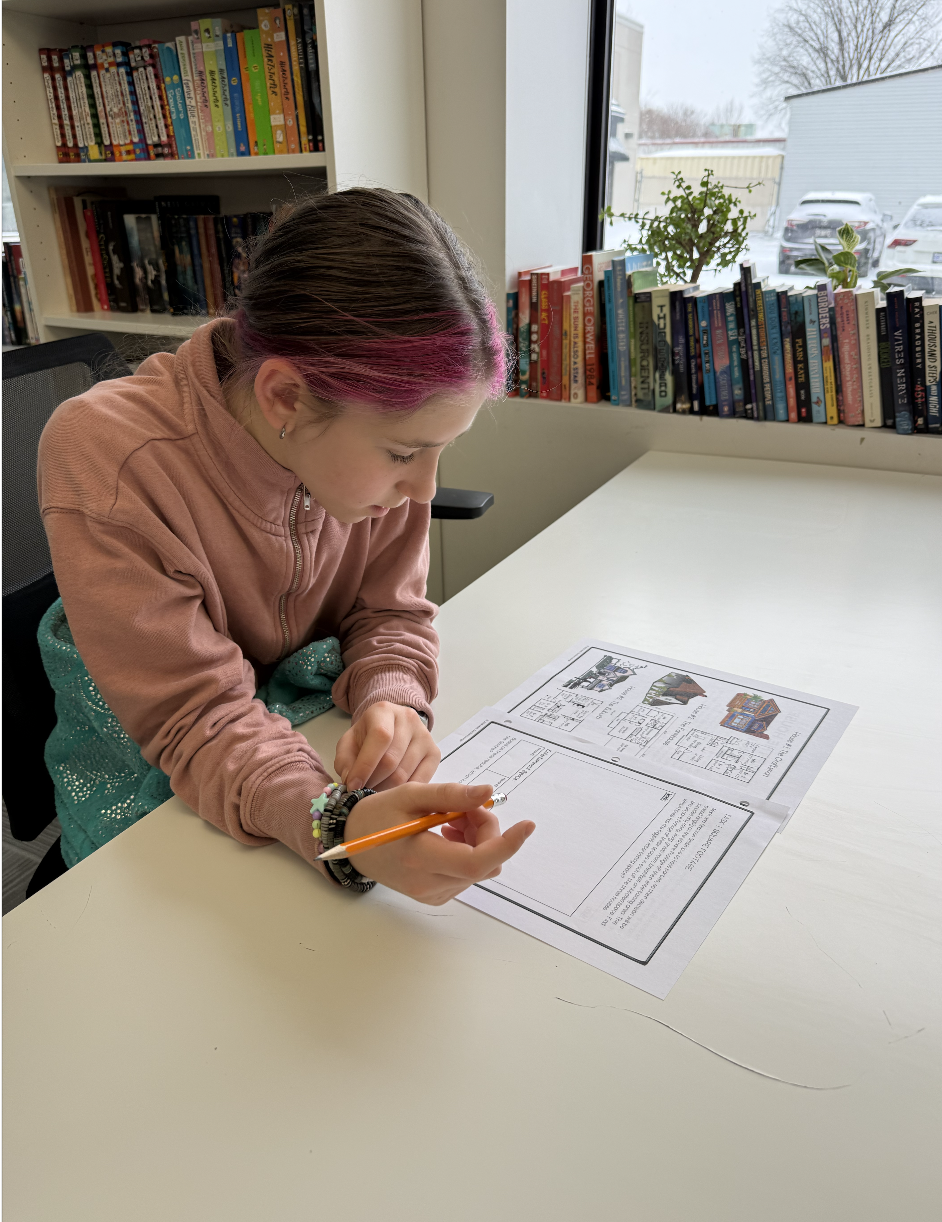
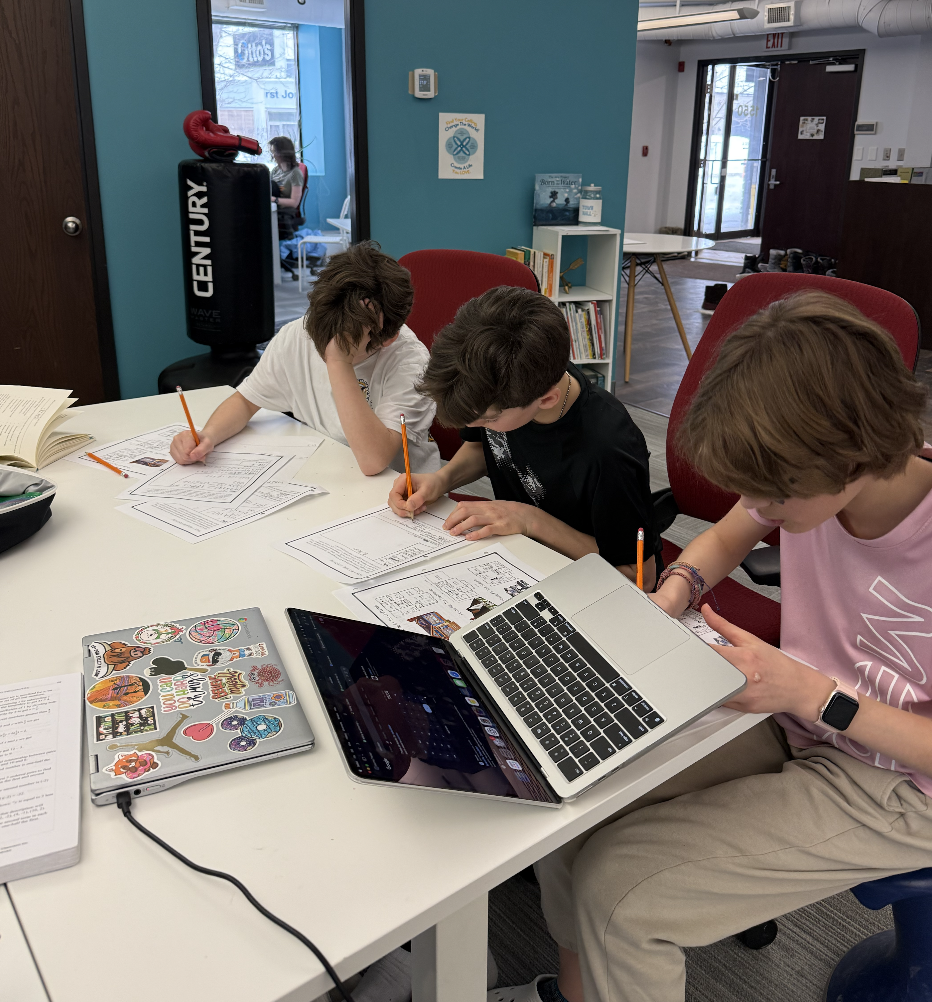
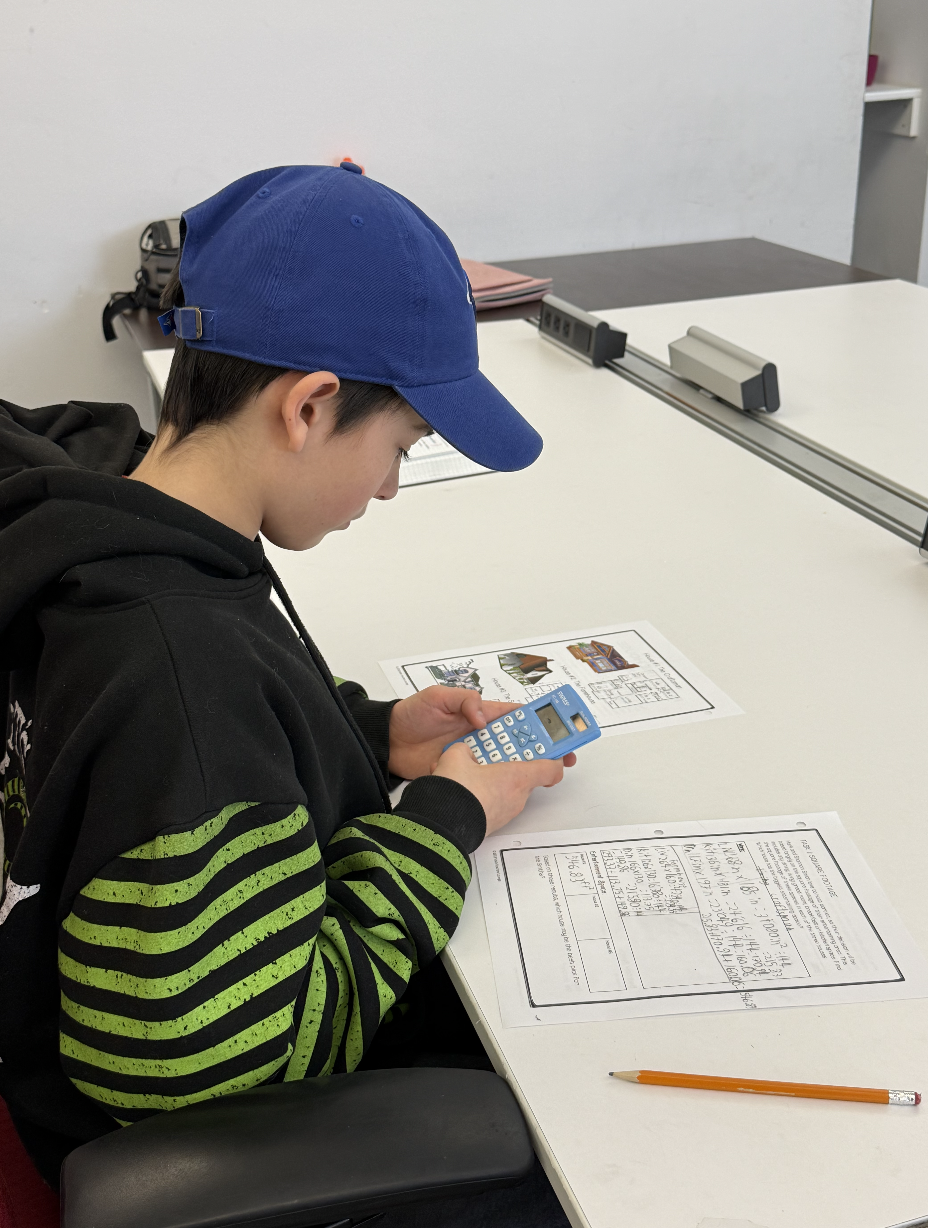
This week in Math Lab, the learners assisted the Smith family in their hunt for the perfect fixer-upper home! The Smiths have narrowed down their search to three houses that they are considering. Rebels were told that Mark and Shannon love to host parties, so their decision will be based largely on the square footage of their entertaining area. This includes any dining, living, great room, breakfast or kitchen space. Rebels used their Math Lab workshop to find the square footage of these spaces in each of the three houses to determine which home had the biggest entertaining space. Once finished, learners determined which house had the largest bedroom area and, using all their calculations, recommended one of the houses for purchase. What made the task more difficult was that learners had to take the given measurements in feet and inches, convert them to inches before finding the area, and divide by 144 to convert their answers to square feet. Next week, learners will calculate a series of potential renovations to determine which fit the family's wants and budget.
French
This Session, Rebels will be learning about French history and its origins in Canada (Les origines du français au Canada). Exploration Rebels will explore how the French language came to Canada and how it evolved over time. Rebels investigate early Indigenous languages, the arrival of French settlers in New France (Comment la France a perdu le Canada ? - Documentaire sur la Nouvelle-France), and the impact of British rule following the Treaty of Paris. Through short readings, maps, oral language activities, and cultural case studies (e.g., Québec and Acadian communities), Rebels will build historical understanding while developing vocabulary and communication skills.

Quest
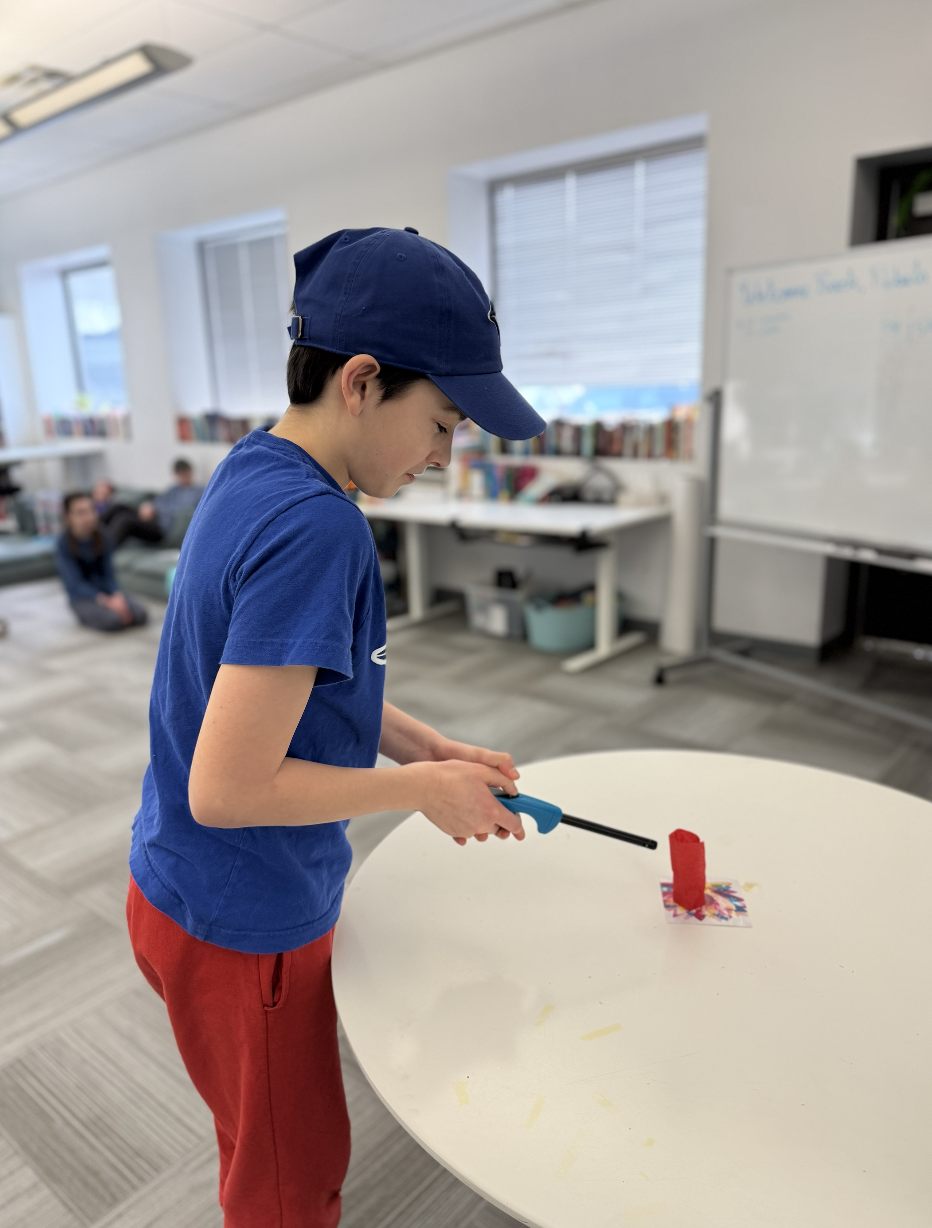
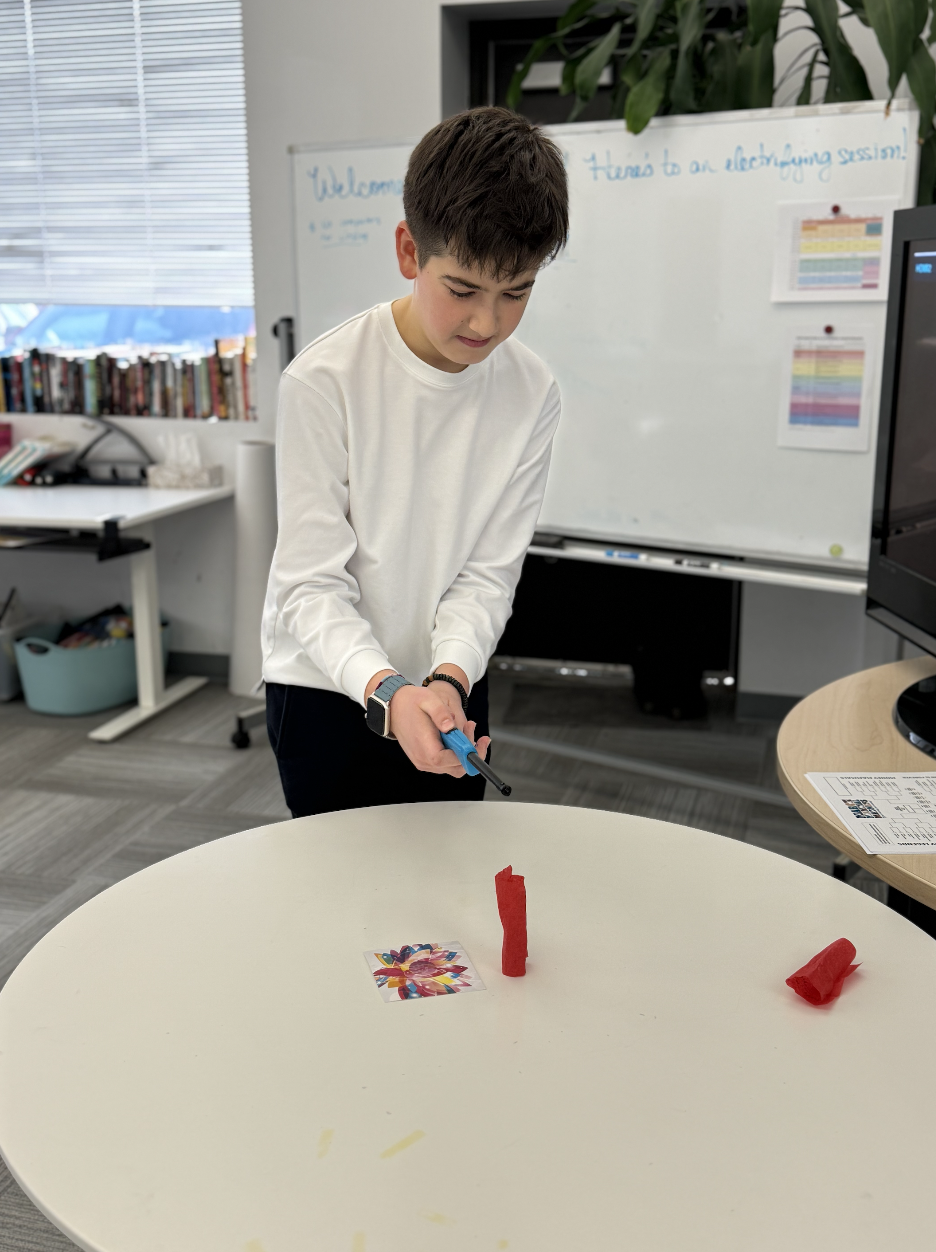
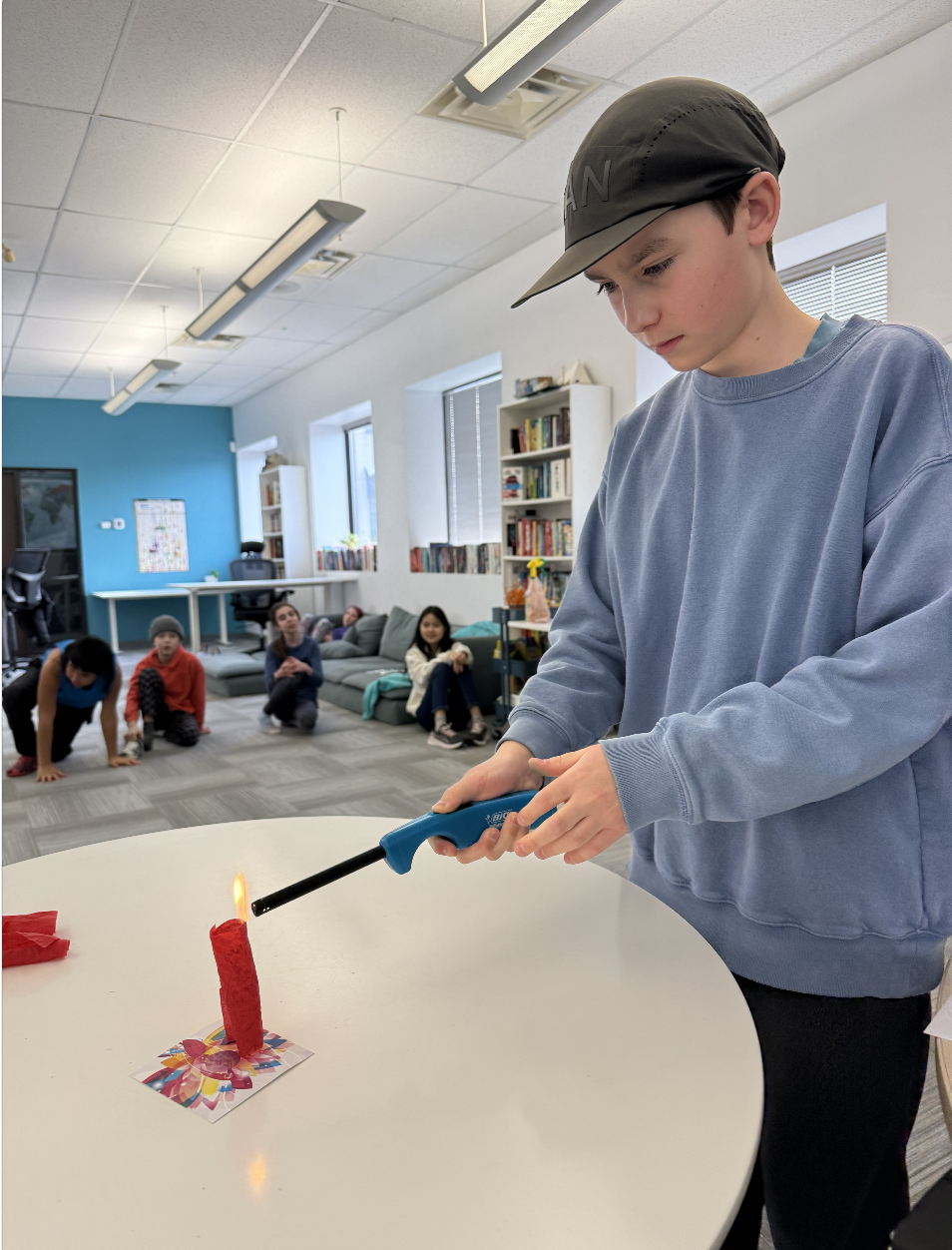
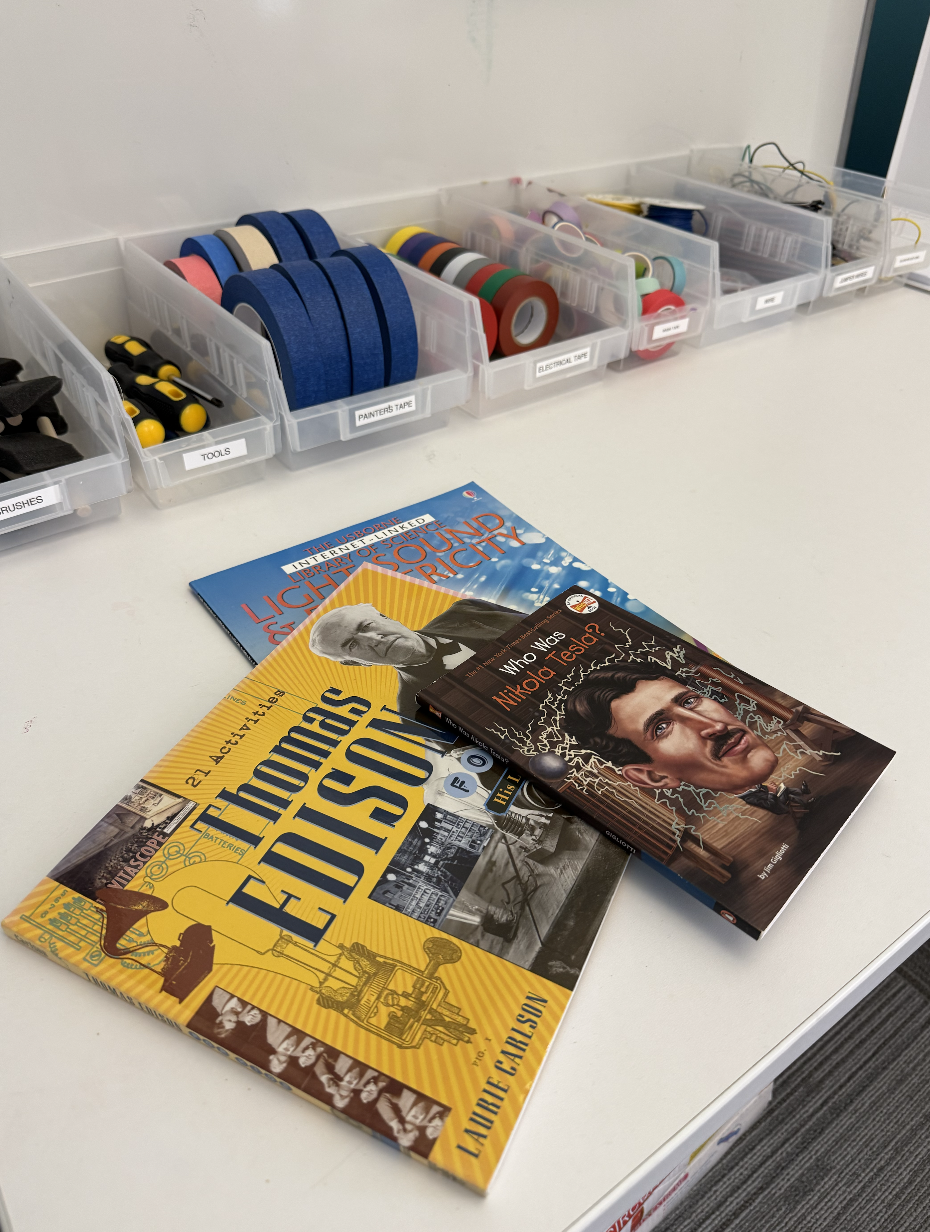
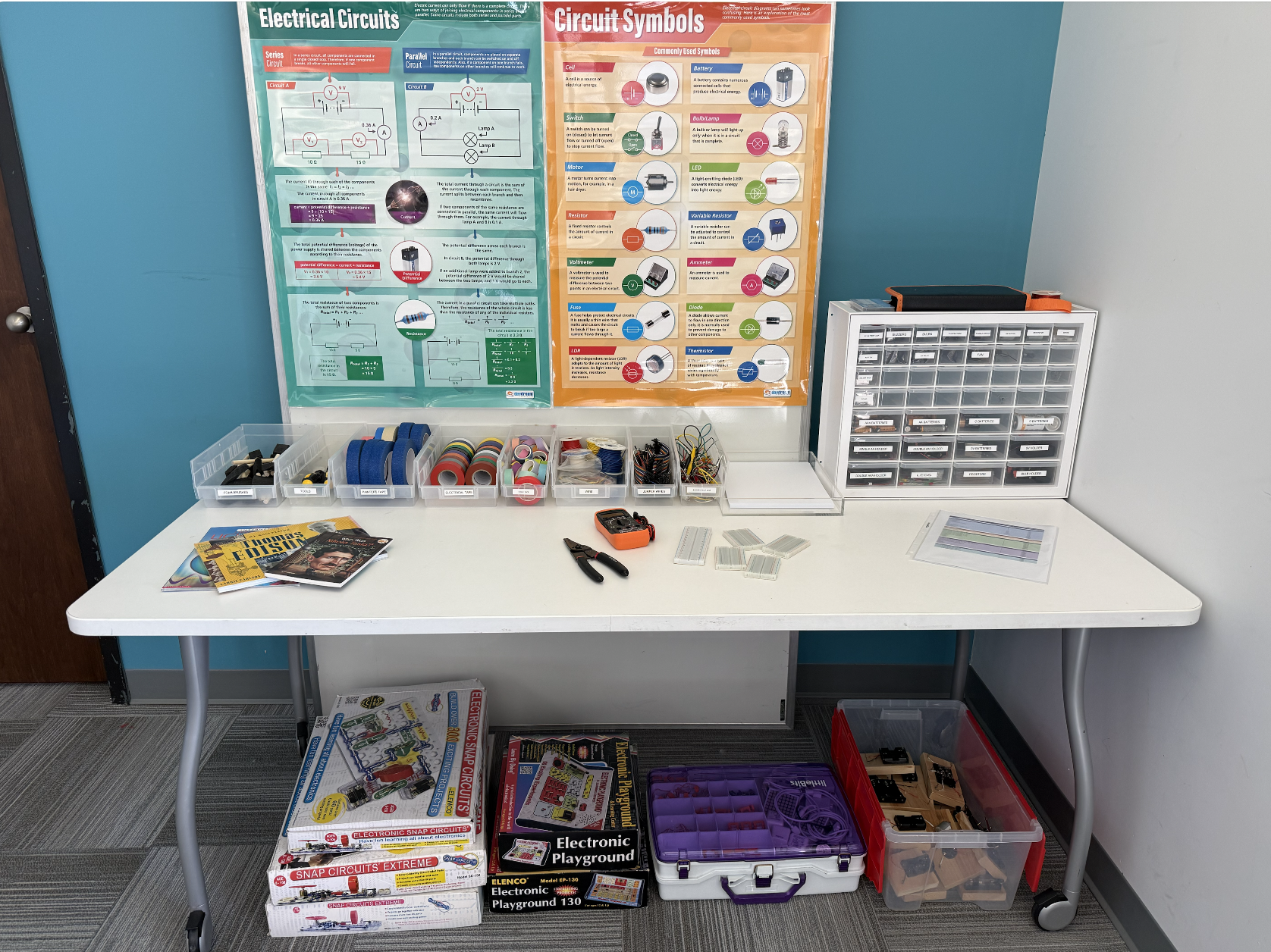
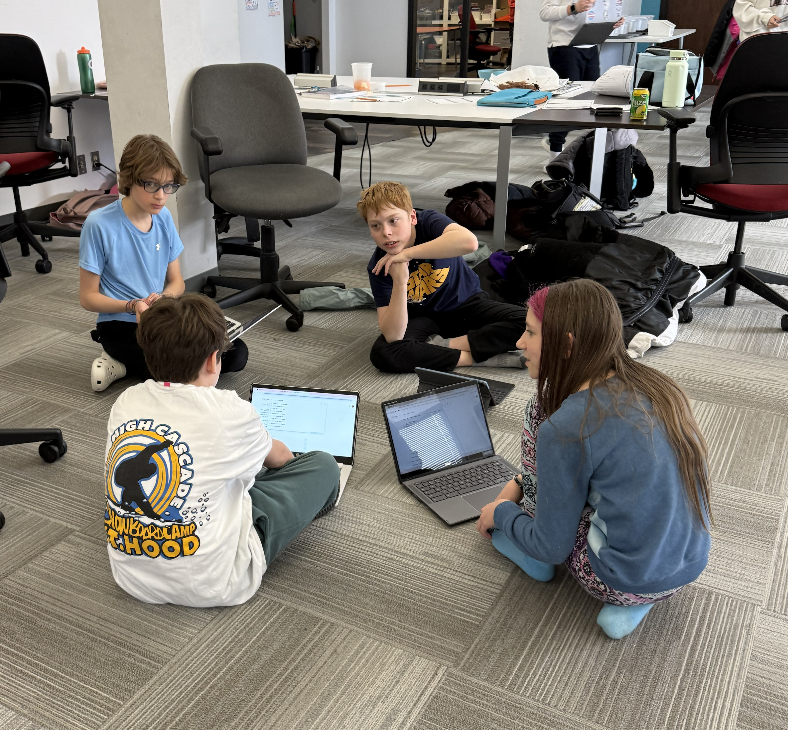
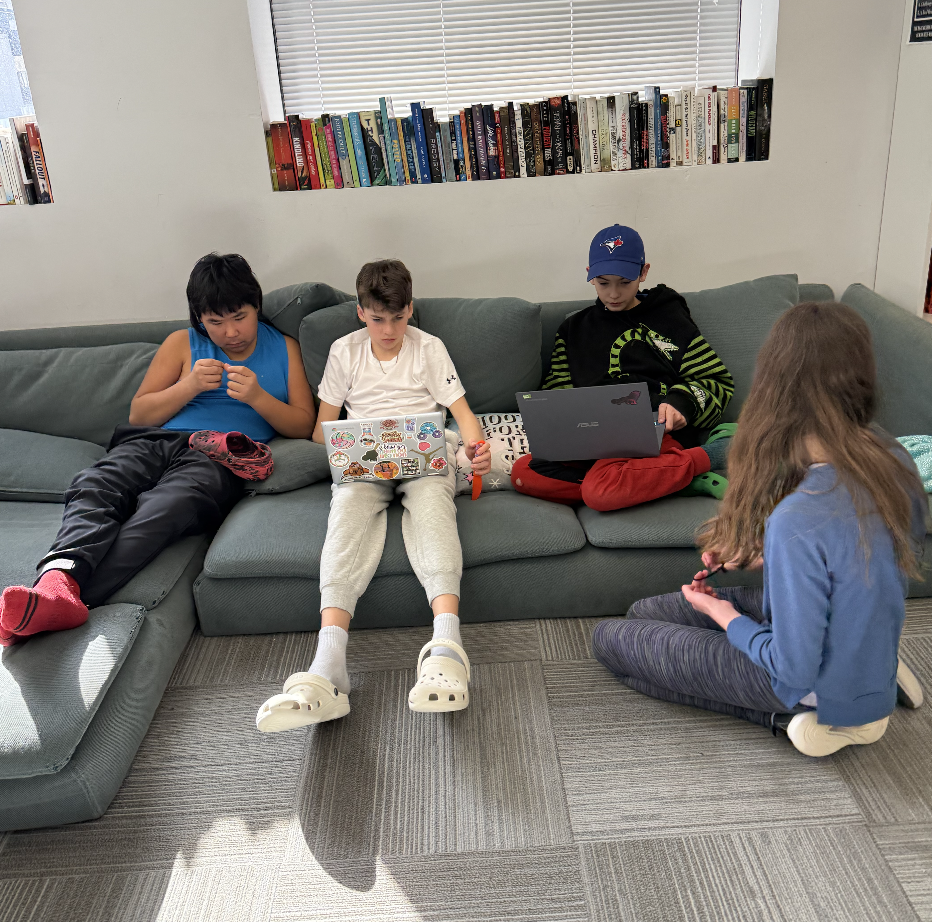
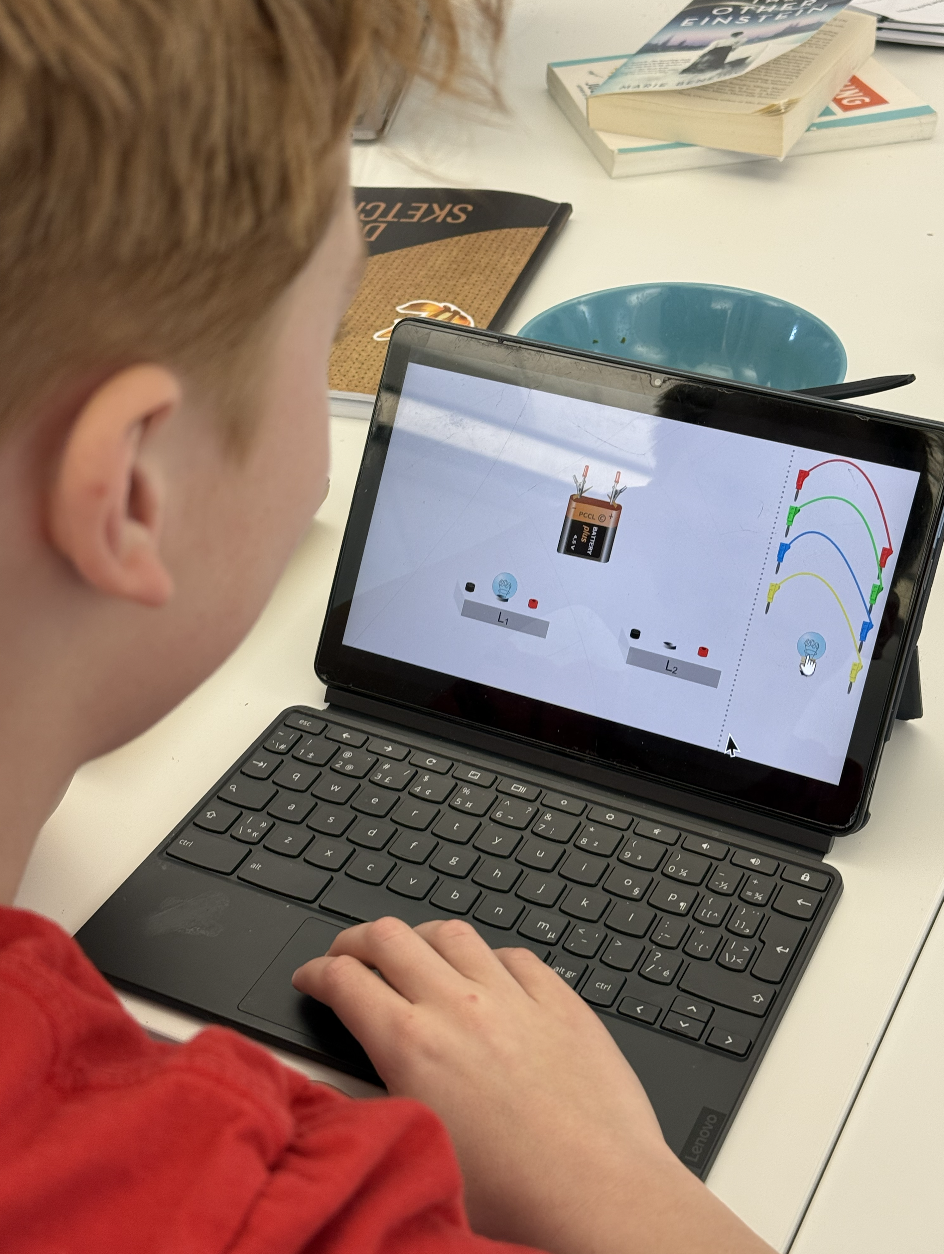
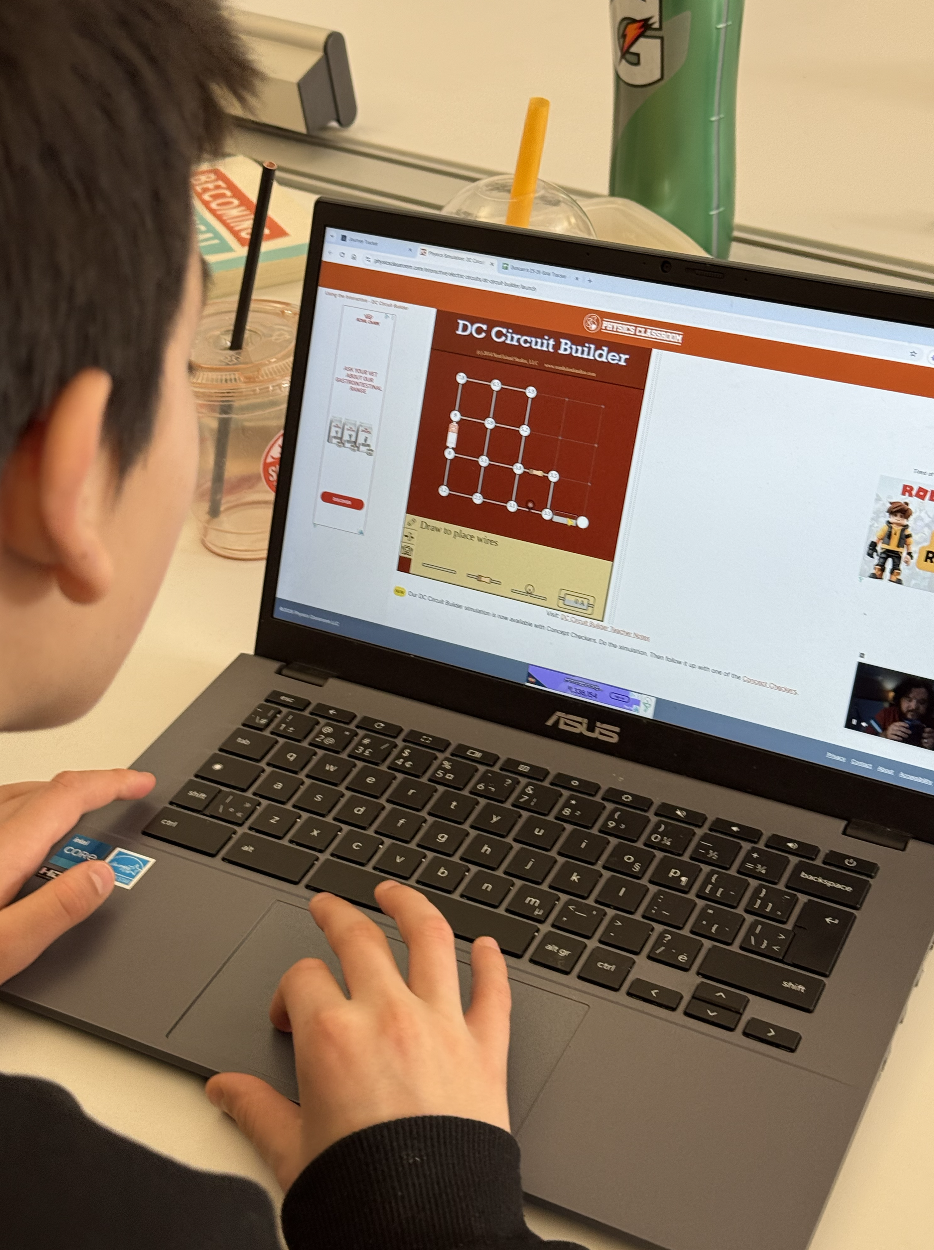
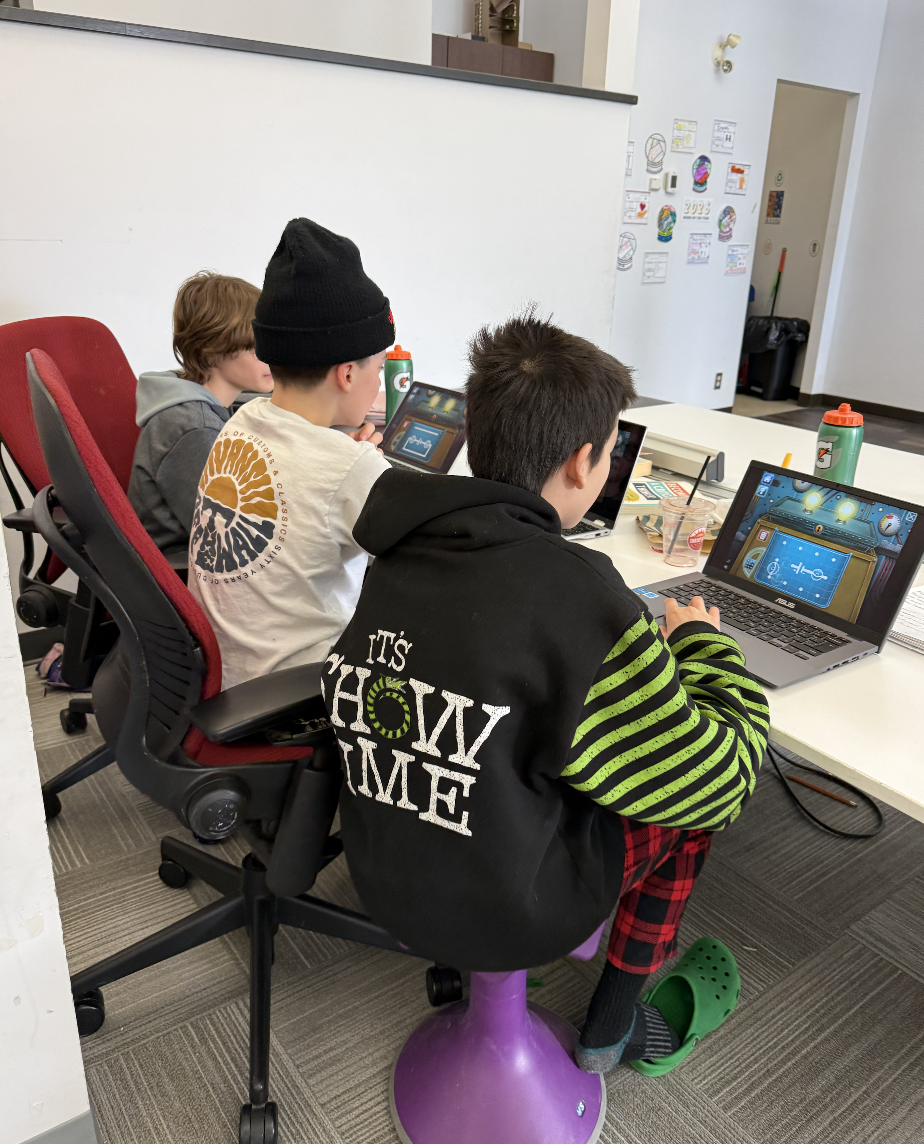
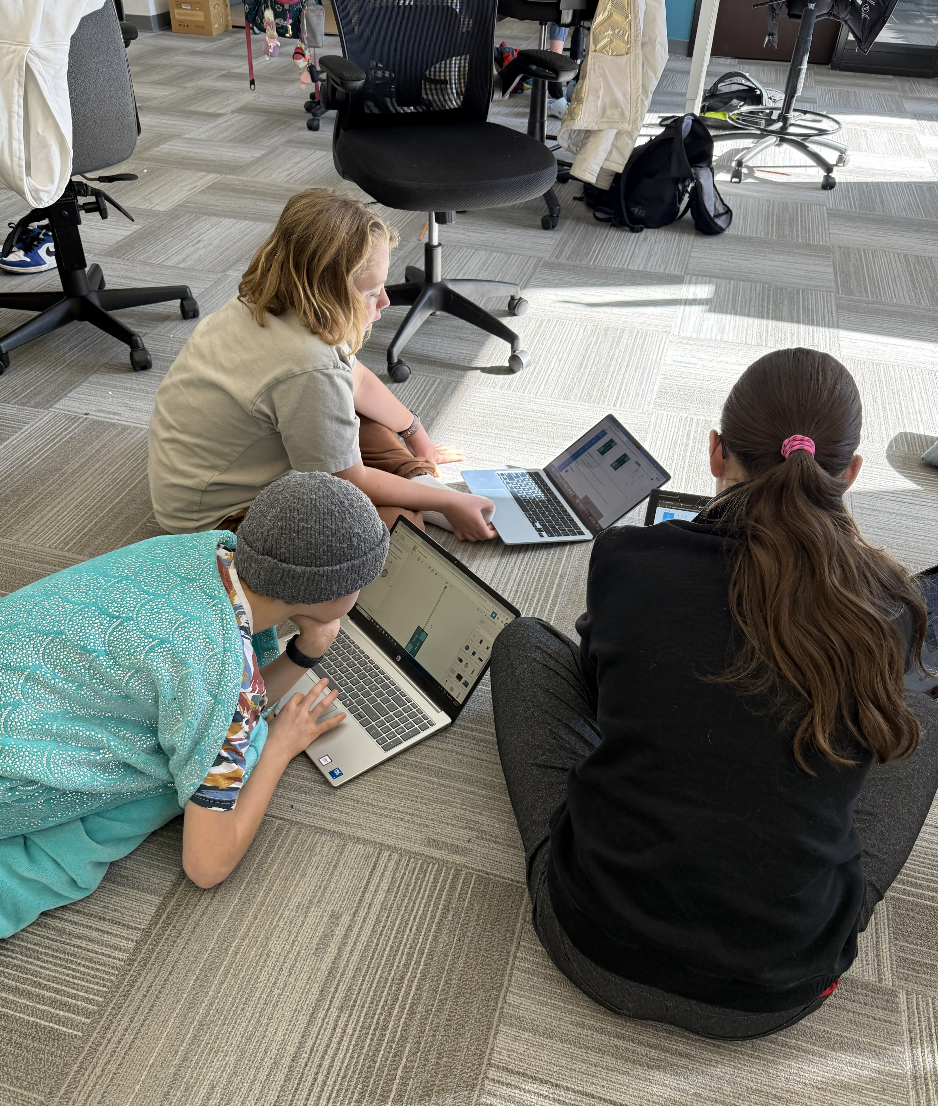
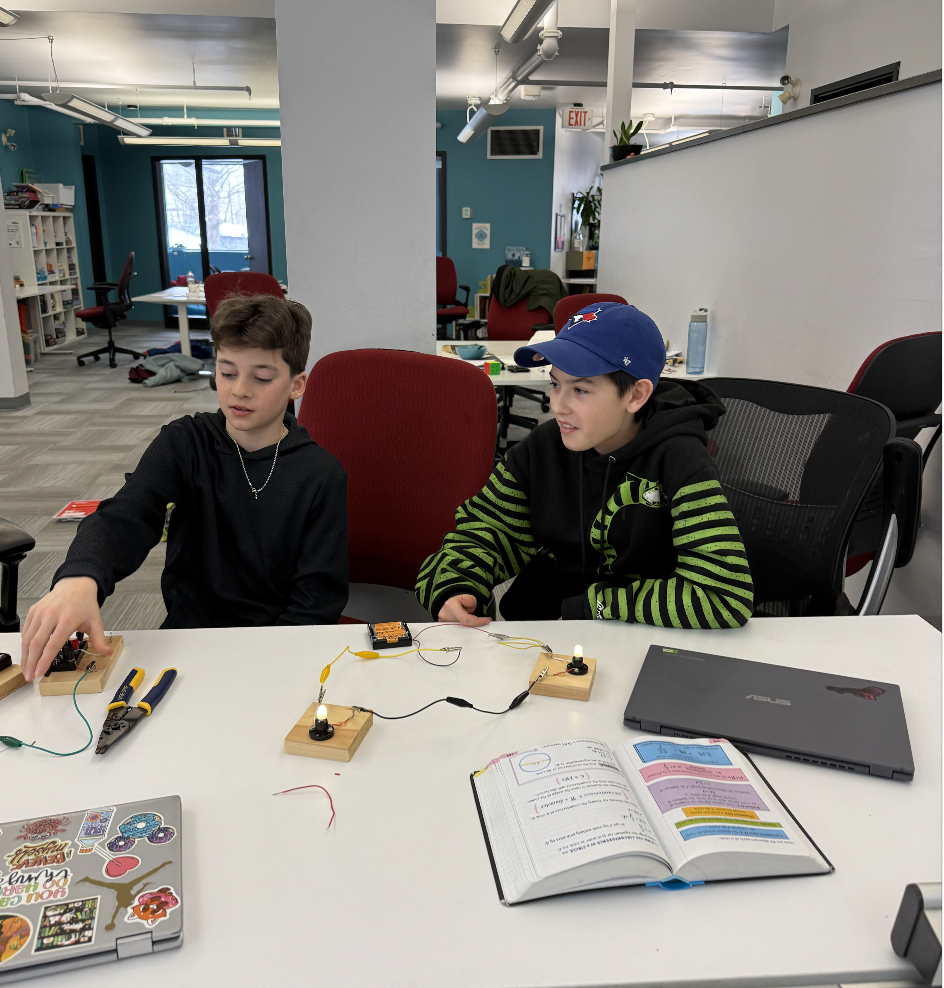
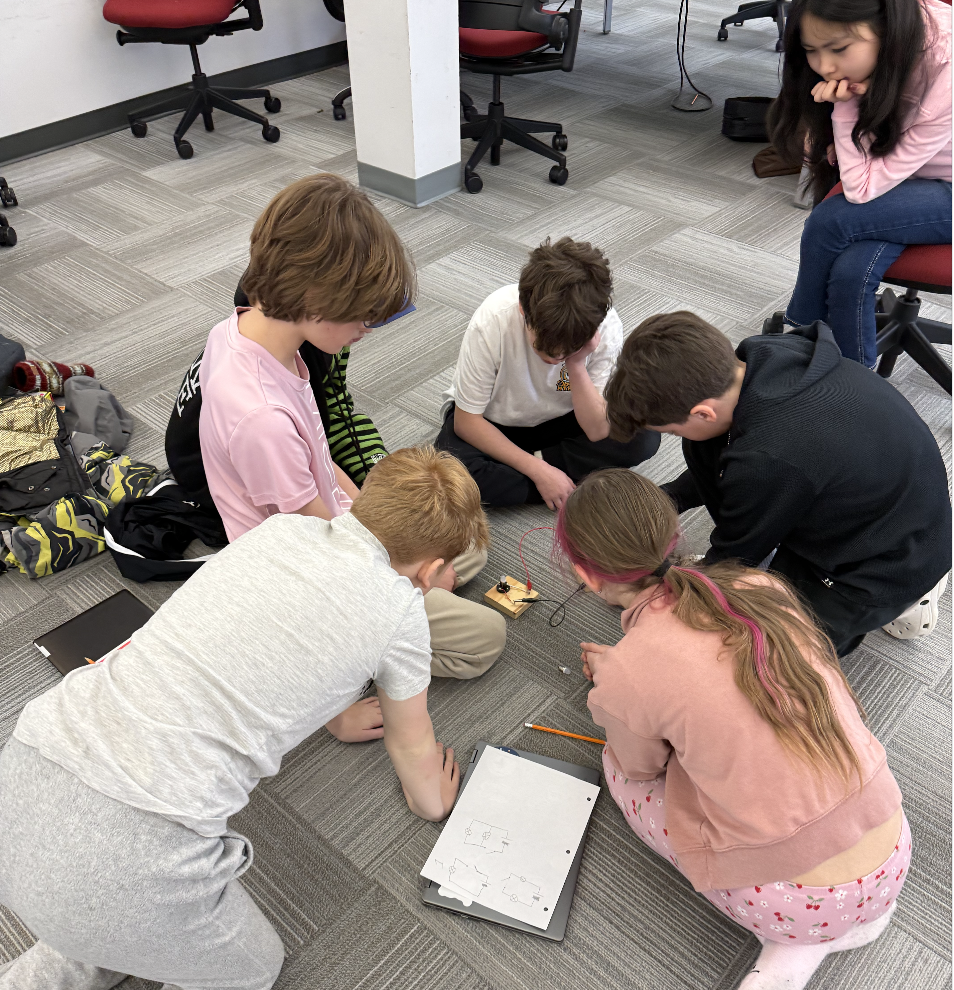
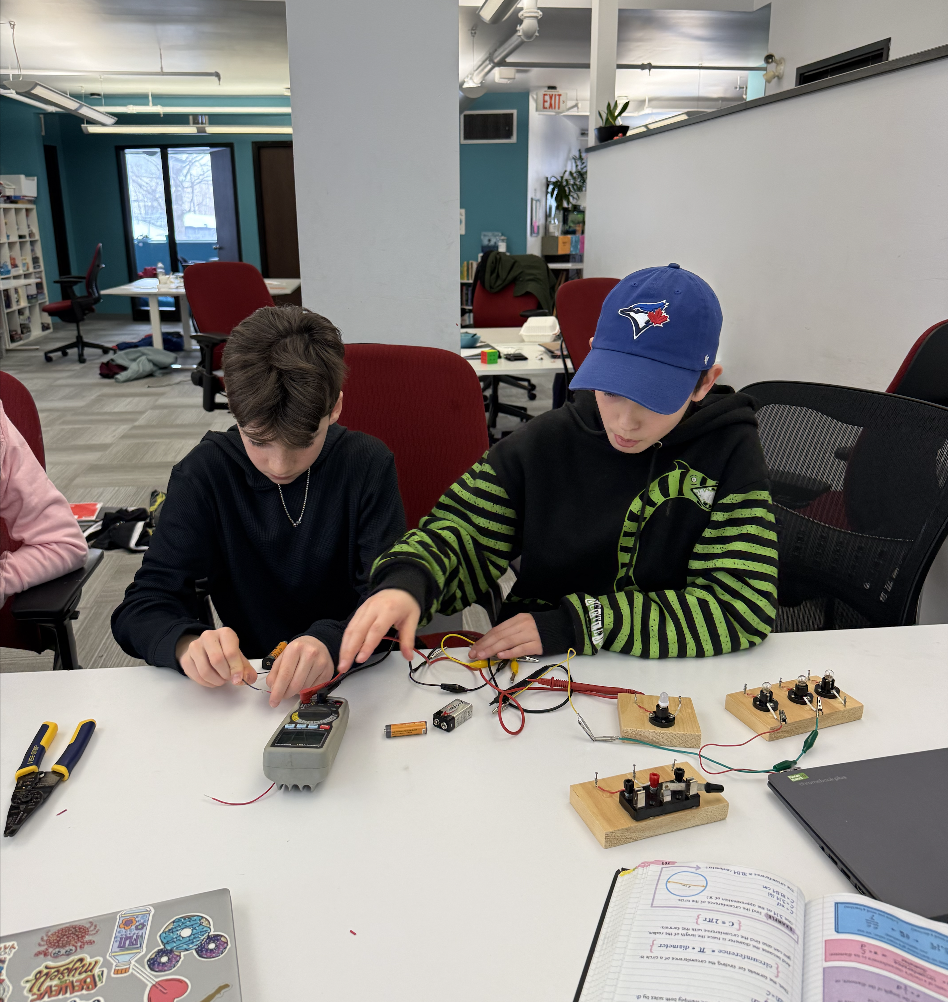
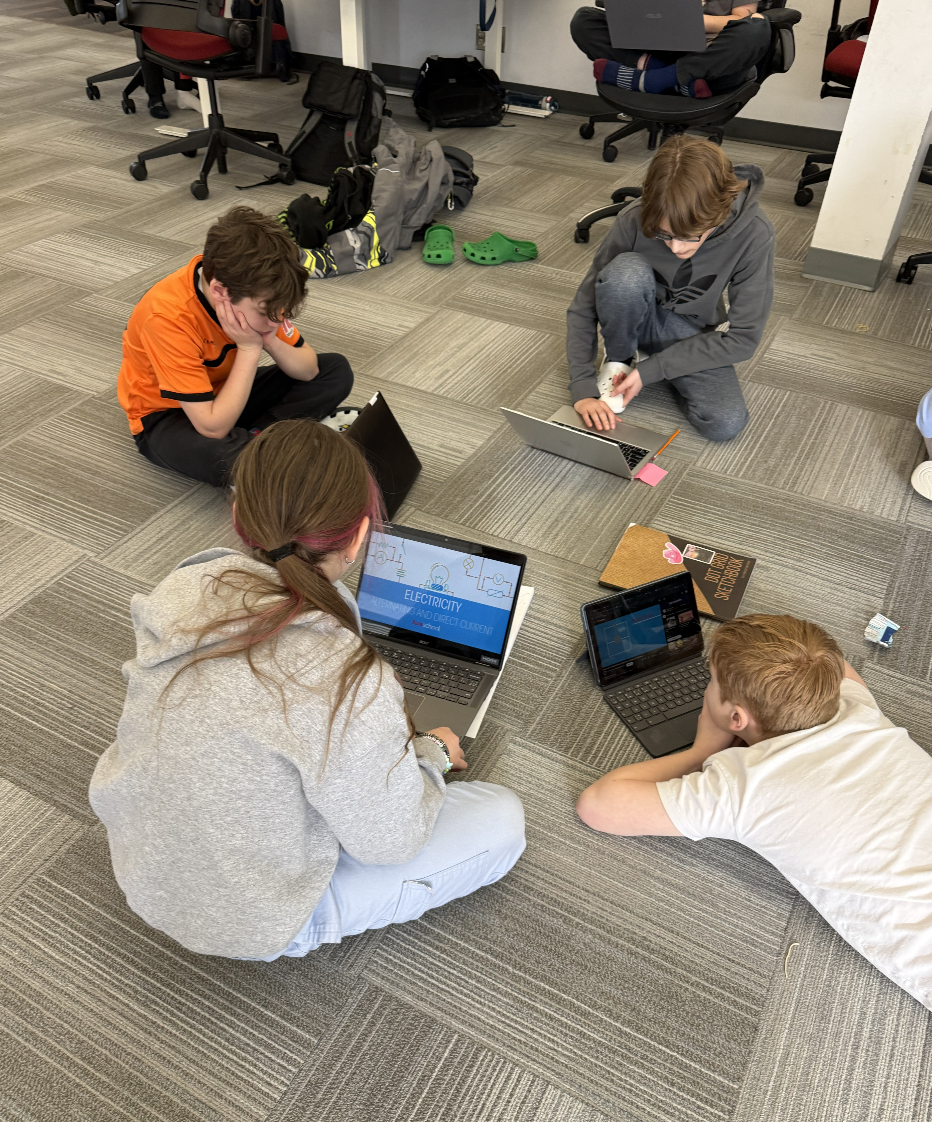
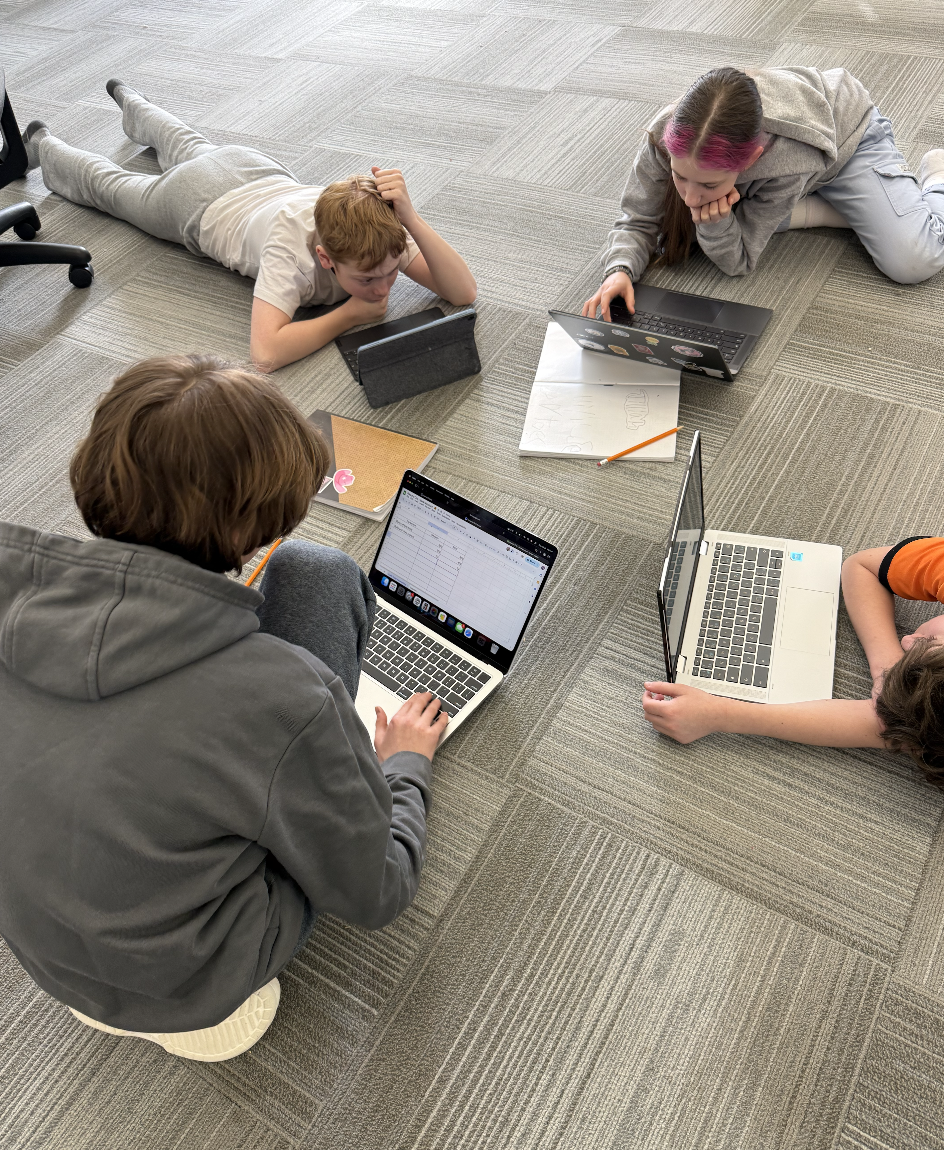
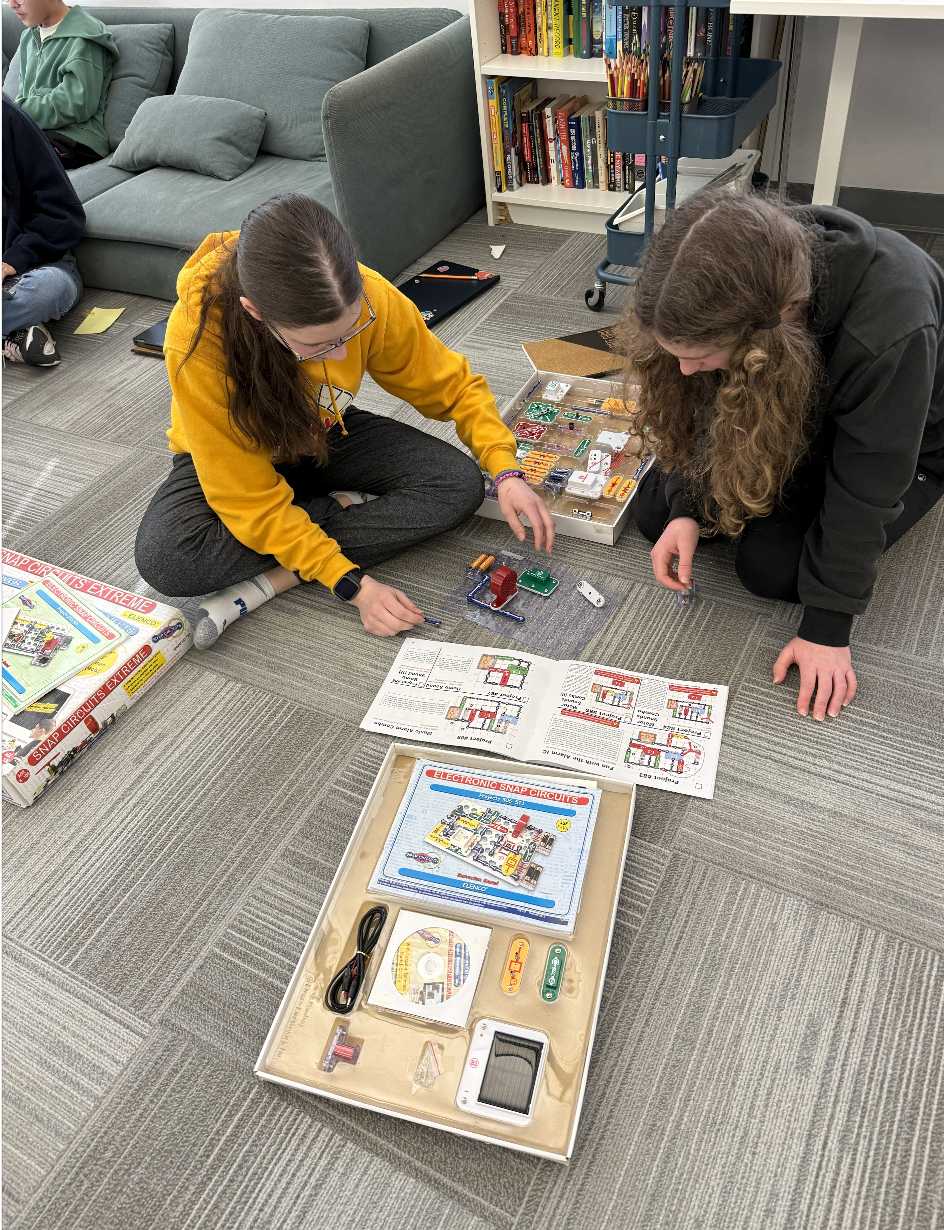
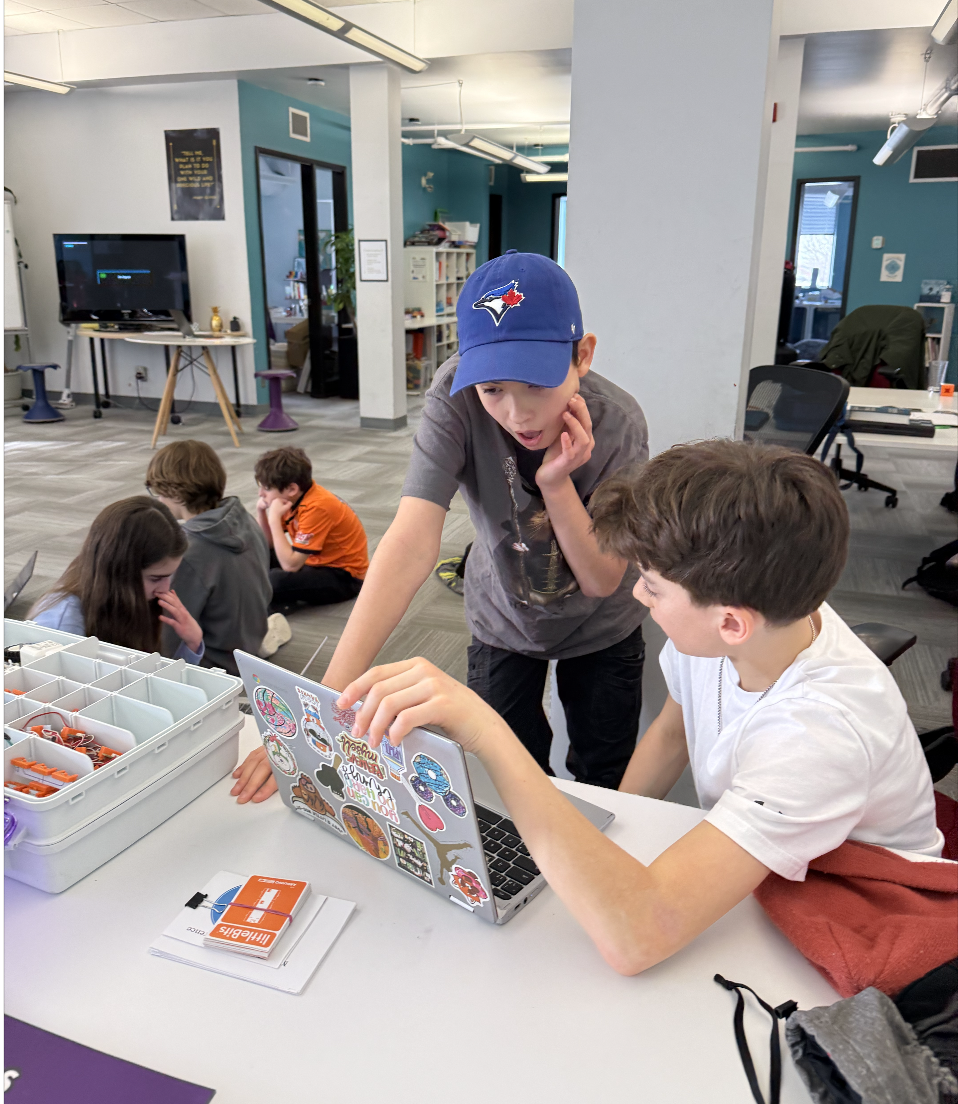
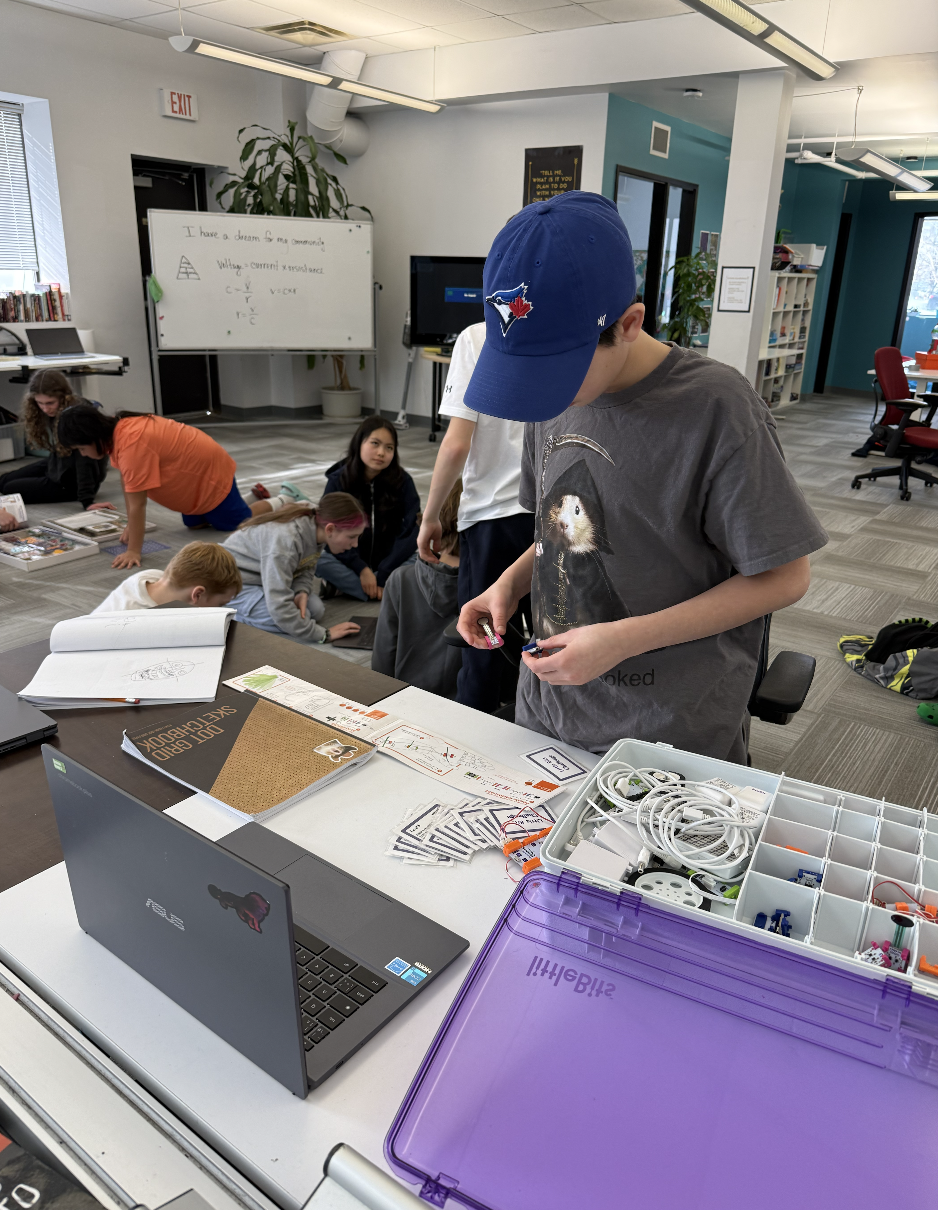
This session, Rebels will step into the shoes of electrical engineers and city planners! This Quest will be a little like the computer game "Sim City," but with a physical model and a focus on electricity. Rebels must decide how to lay out city streets, consider services, and, of course, keep electricity flowing without breaking the bank. Will they set a vision and plan every detail before building, or will they experiment as they go? This week, our challenges focused on learning the basics of electricity and earning both Quest Bucks and the beginning toolkit! After reviewing the Quest expectations, learners were given free rein to research the basics of electricity, circuits, and Ohm's Law. On Tuesday, we began our Quest on the pros and cons of gentrification. The Merriam-Webster definition of "gentrification" is "the process of repairing and rebuilding homes and businesses in a deteriorating area (such as an urban neighbourhood), accompanied by an influx of middle-class or affluent people, and that often results in the displacement of earlier, usually poorer residents". Notice how there are terms often perceived as positive, and also ones deemed negative, in that sentence; repair and rebuild, displace and poorer. Rebels took part in a passionate discussion, complete with examples we've witnessed in our own city, and what they would do in the shoes of landlords, renters, and the city government. After the Launch, the Rebels used a variety of simulators to experiment with different simple circuits, series and parallel circuits before working with the real thing! Rebels then used the Tikercad Circuits site to build a circuit online, better understand schematics, and learn a new way to practice before purchasing materials. On Wednesday, teams began filling in their accounting and supply sheets with the materials and Quest Bucks they've earned so far. They will need to ensure their transaction log is complete in order to stay on budget. Teams then learned more about circuit diagrams and the various symbols that represent components such as batteries, capacitors, and resistors, as well as the lines representing connections, such as wires. Each rebel was challenged to draw three circuit diagrams: one with one light bulb, one with two or more light bulbs in series, and one with two or more light bulbs in parallel. If there was confusion, they had a set of sources to check and experiment with. Once the drawings were complete, they began putting what they had learned to the test with our Quest supplies. While they didn't have to purchase the materials this time, they were made aware that mistakes and short-circuiting in the future will be expensive, so they need to ensure they understand the voltage and amperage limitations of any device or battery they want to include. To end our week, Rebels were reminded that not all electrical circuits are the same. After completing their research on series and parallel circuits, learners posted a response as to the differences in voltage, current, and resistance between the two. Once finished, teams had time to ensure their accounting and supply sheets were up to date, ask for bonus Electricity Bee questions to earn their team more money, play with the Electric Playground, SnapCircuits, or Little Bits sets, or begin designing their city more concretely.
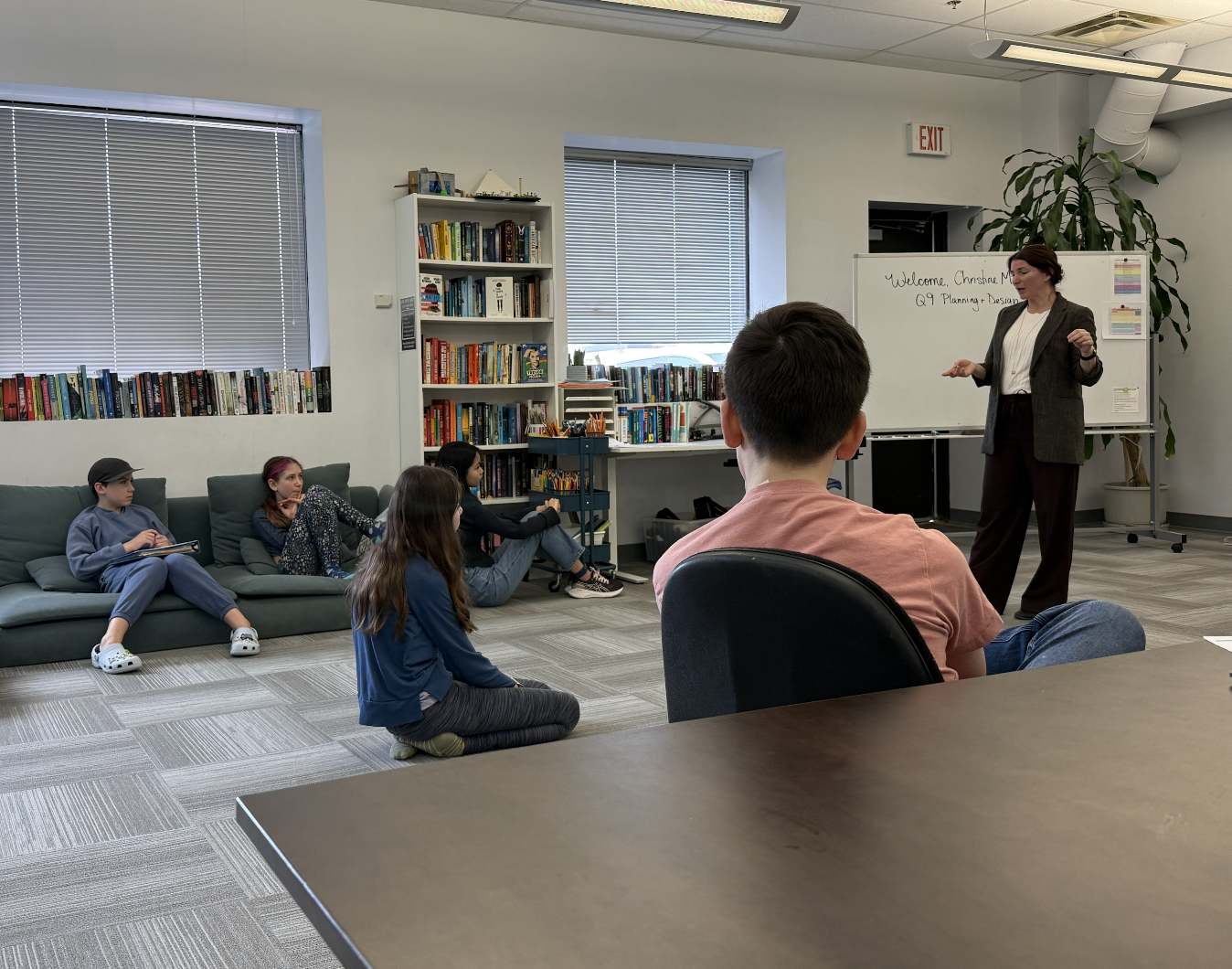
Friday morning, we were joined by Christine McCuaig, MCIP RPP, the Principal Senior Planner & Project Manager from Q9 Planning + Design. With Christine's help, we had the opportunity to dive into the fascinating and surprisingly complex world of city planning. From balancing environmental impact and infrastructure to understanding zoning, transportation, housing, and community needs, the Rebels gained a deeper appreciation for the thoughtful collaboration required to build thriving cities. We learned about how essential teamwork is and how planners, engineers, architects, scientists, government officials, and community members must work together to create spaces that serve everyone. It was a powerful reminder that great cities don't just happen; they are carefully designed through communication, compromise, and vision. The Rebels asked great questions, and we have a lot to think about as we create our communities!

Big History & Black History Month
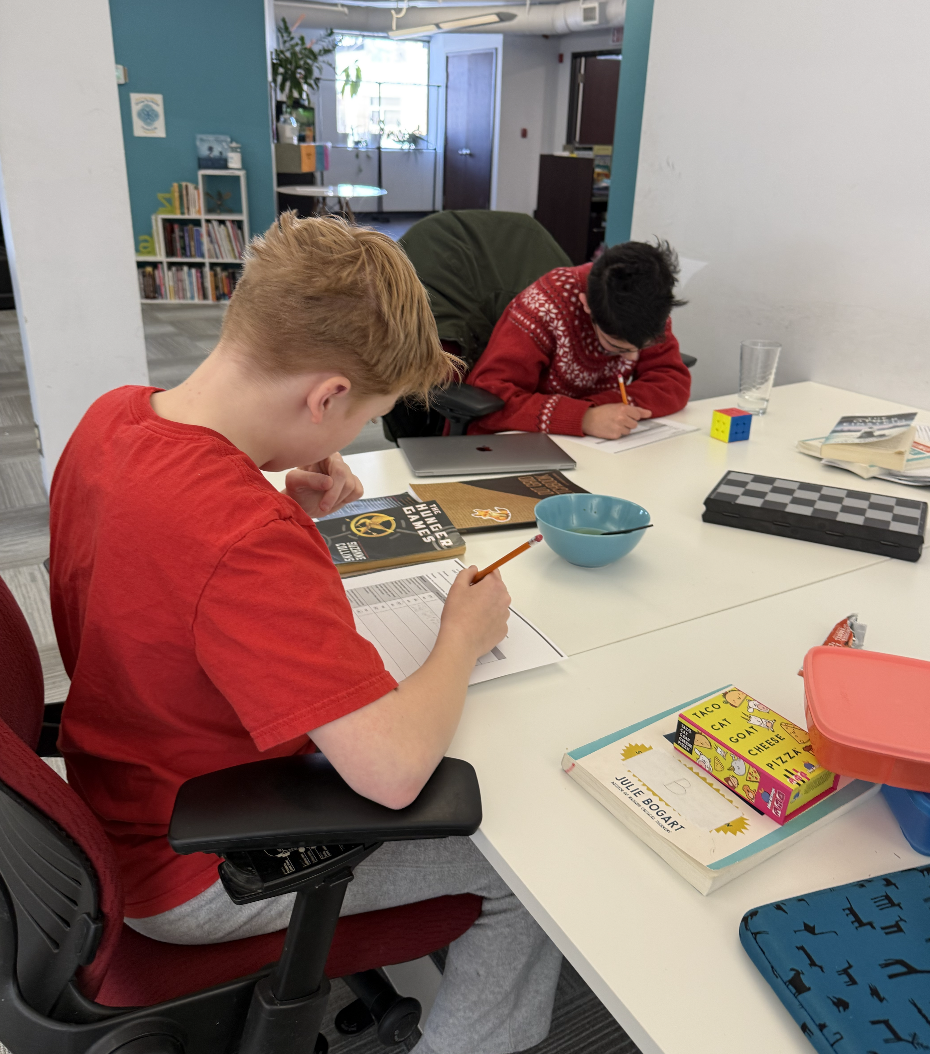
This week, we began studying agriculture and complex societies from 10,000 BCE/12,000 BP to 1500 CE. How did the transition to farming lead to new complexity? After reading an article on the beginning of agriculture, Rebels answered a series of questions before learning about the ingredients, the Goldilocks conditions, and the new complexity that emerged.
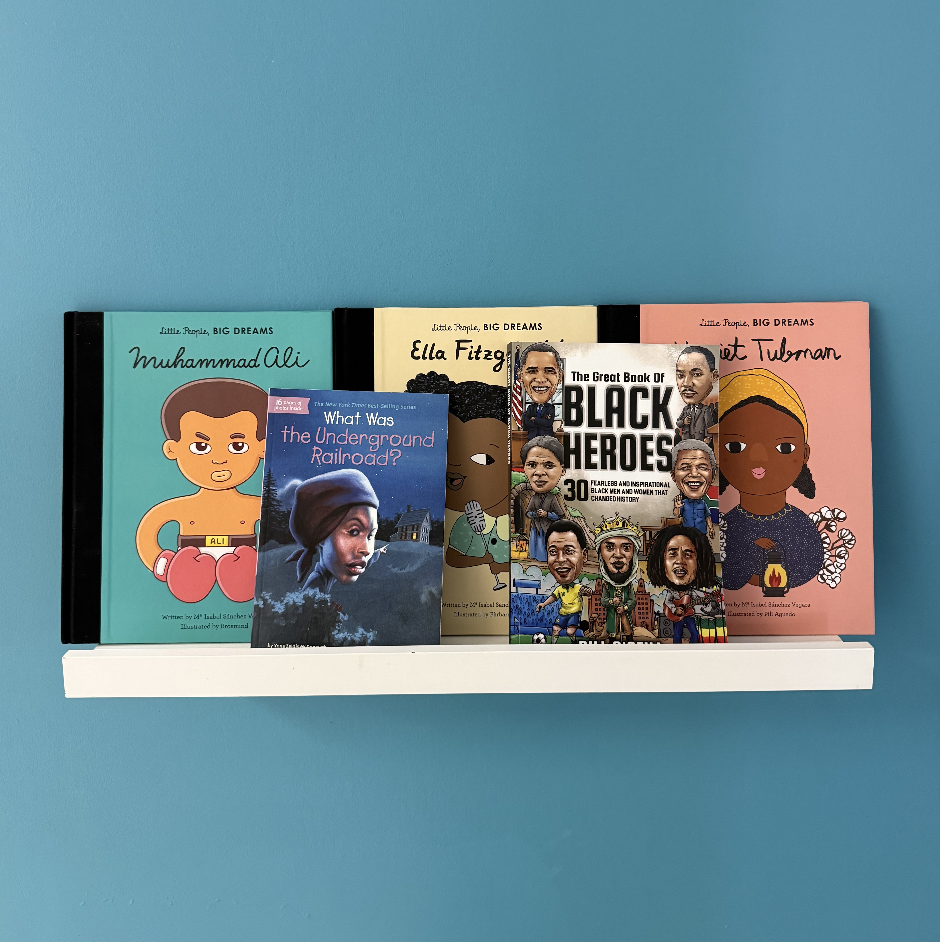
To honour Black History Month and reflect on how to give a powerful speech, Rebels watched Martin Luther King's "I Have a Dream" speech. Before watching the monumental oration, Rebels reviewed ethos, logos, and pathos, and listened for each, as well as for Dr. Reverend King's hook, theme, and call to action.
Additional Highlights
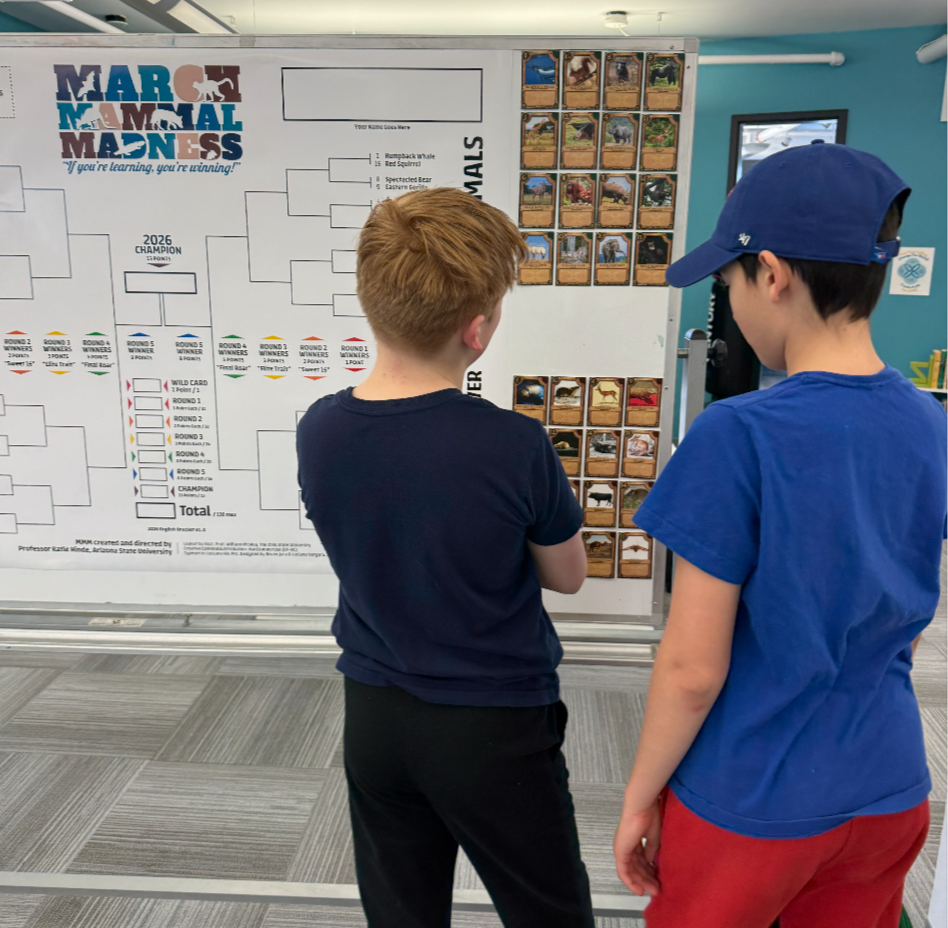
March Mammal Madness has begun! After going over the rules of this year's tournament, the Rebels began researching the various combatants. We started with the Legendary Legends and the Extinction is Forever groups and will research the remaining two next week. Final brackets are due next Friday, March 6th, for the school-wide competition.
Potential Questions/Ideas to Ask Your Rebel
Spark Studio:
How were horses a helpful mode of transportation?
What can you share about Pink Shirt Day?
Which type of transportation would you have liked to use in ancient times the most? Why?
French: How do you say “cow” in French? (Vache)
Discovery Studio:
What are some parts you can use in a math sentence?
How do we remember the order of operations in a math equation?
French: Why do people speak French in Canada?
What was your most important failure this week in Quest?
What do you think was the most important factor in your car’s success: strong teamwork or excellent design?
Reader/Writer Aim & Release: What was the story “Galloping Gertie” about? What do you think was the key failure point that caused the bridge to collapse?
Reader/Writer Draw & Anchor: What was the story “The Most Magnificent Thing” about?
Exploration Studio:
As a mayor, would you enact rent control policies that protect low-income families while intervening in consumer-to-consumer economics? Or let a free market dictate the price and popularity of residences?
Does ethos, logos, and/or pathos inspire you more when listening to a speech?
Imagine you are the Chair of the World Health Organization. Many representatives are seeking a coalition to provide clean, universal energy, calling upon all member nations to fund such an undertaking. But the first step is finalizing energy classification worldwide. In a formal declaration, do you, as the chief representative of the World Health Organization, classify energy as a right or a privilege?
French: How do you think a new language is created?