
Revel Recap: Jan 26-30
Important Upcoming Dates
Revel Information Session: Tuesday, Feb. 3rd, 4:00-5:30pm
Session 4 Exhibitions
Discovery Studio Exhibition - Tuesday, February 10th
Spark Studio Exhibition - Wednesday, February 11th
Exploration Studio Exhibition - Thursday, February 12th
Spark
Mindfulness and Launch
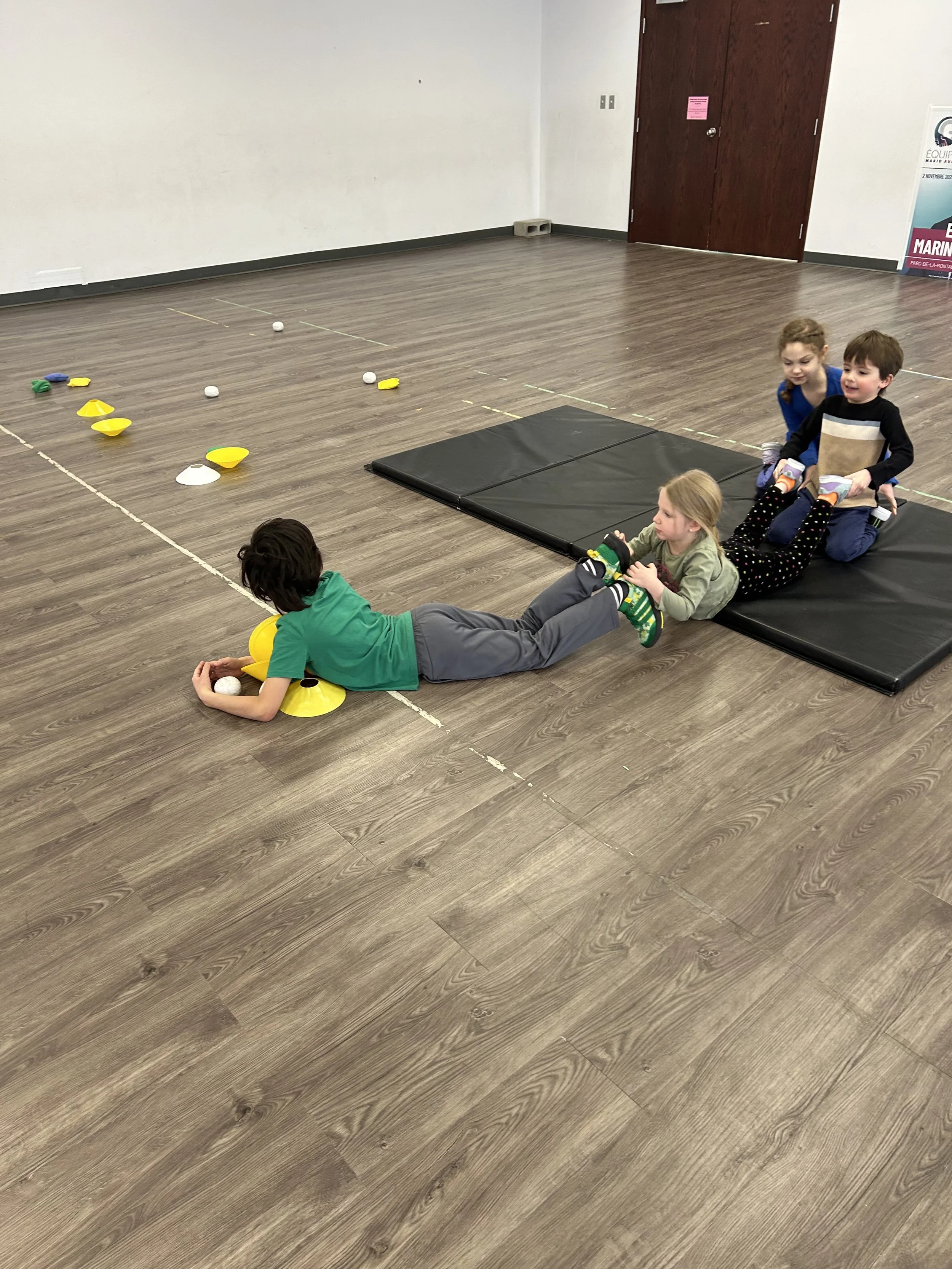
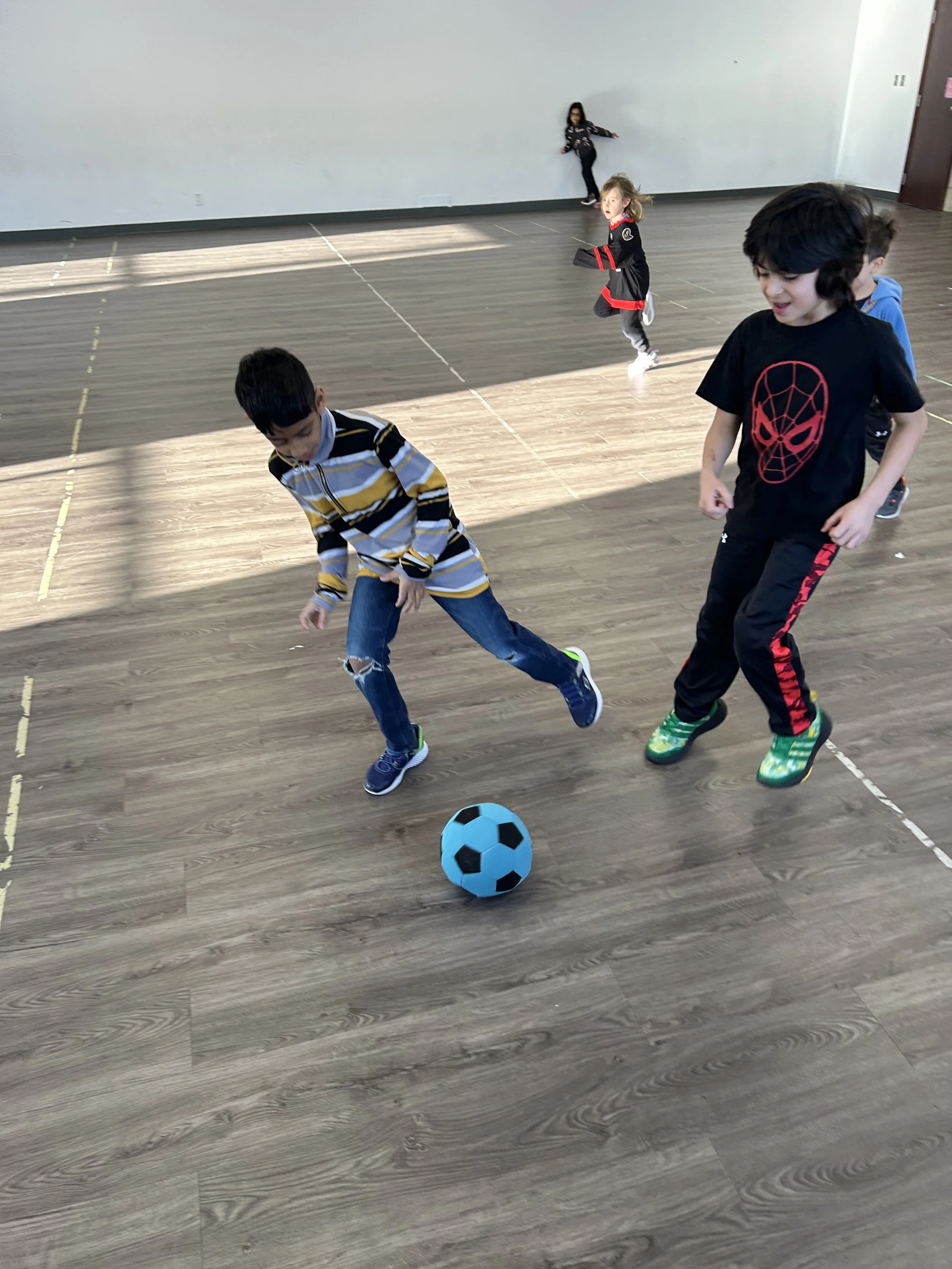
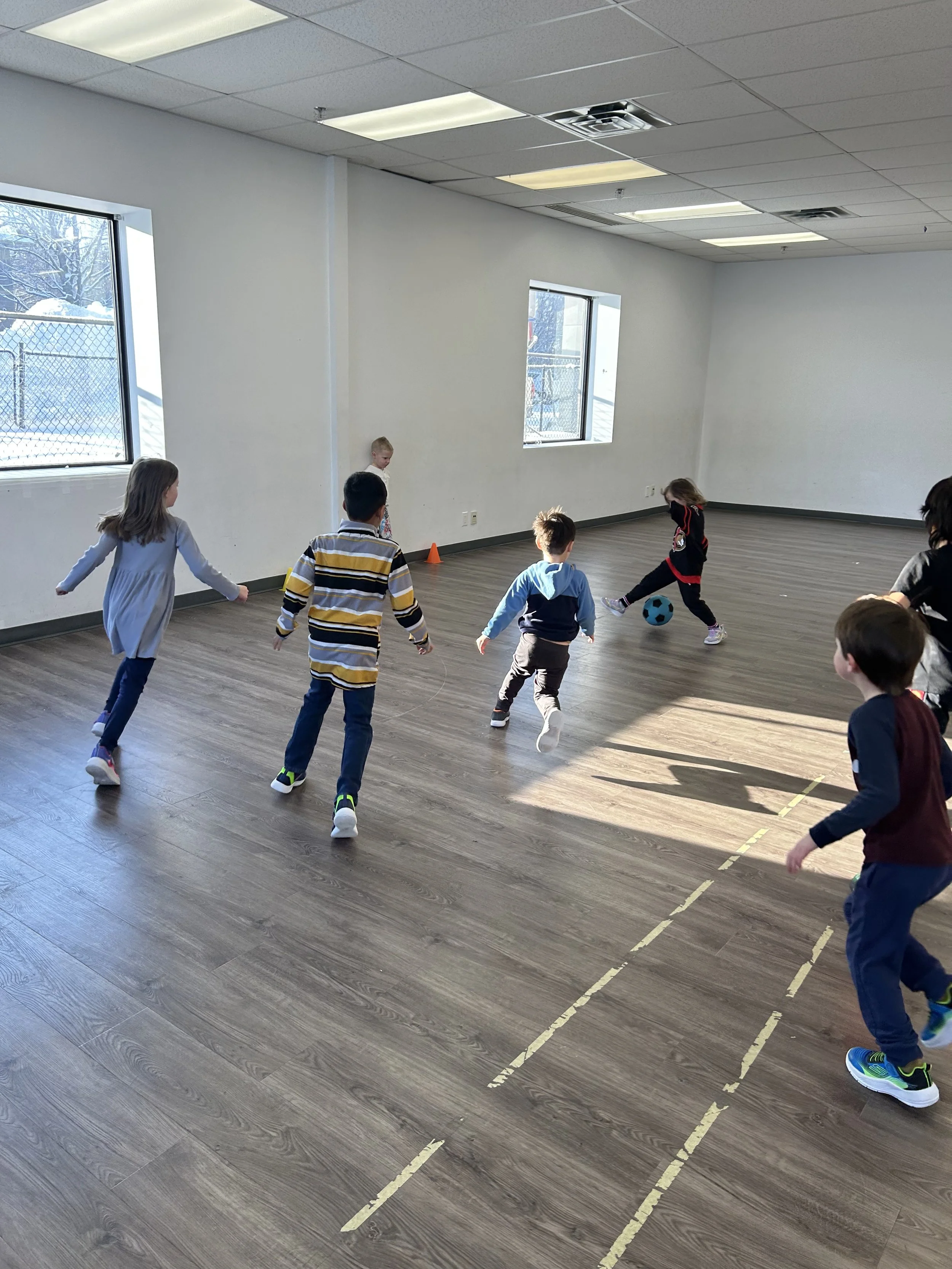
This week, we spent each morning in the gym engaging in energetic, movement-based games that supported both physical activity and mindful awareness. As mindfulness strengthens the connection between the mind and body, the Sparks were encouraged to be present in each movement, empowering them to push beyond their limits with confidence and intention. The learners participated in a variety of collaborative games including Red Light/Green Light, Hungry Hungry Hippo, soccer, Four Corners, a HIIT workout, and yoga. During soccer, we took time to share and discuss the rules of the game, emphasizing teamwork, safety, and fair play. While playing Hungry Hungry Hippo, the Sparks also integrated math skills as they collected their items and practiced counting by 1s, 2s, and 5s. After each movement activity, we gathered together to reflect with the help of our affirmation cards. These cards prompted meaningful discussions such as “Health is my power,” where learners shared healthy choices they made, “Safety is my power,” recalling moments when they felt safe and how it made them feel, “Confidence is my power,” reflecting on times they felt confident, and “Responsibility is my power,” where learners identified moments when they took responsibility for their actions.
Quest
On Monday and Tuesday, the Sparks continued working on the materials they are preparing to sell at our upcoming Exhibition, which is now just a few weeks away! During this time, learners also engaged in thoughtful discussions around product pricing, considering how much items should cost and why. On Wednesday and Thursday, the Sparks began practicing how to use money within a store setting. We set up a pretend store and bank, with three learners taking on the role of cashiers while the remaining learners visited the bank to receive Canadian currency. Each learner was given a different amount of money and presented with specific spending scenarios. In the store, items were clearly labelled as $1, $2, or $5. Some learners were challenged to spend only $4, others $5, while another scenario required learners to receive the correct change from the cashier. Toward the end of the activity, Sparks were encouraged to spend all of their money!
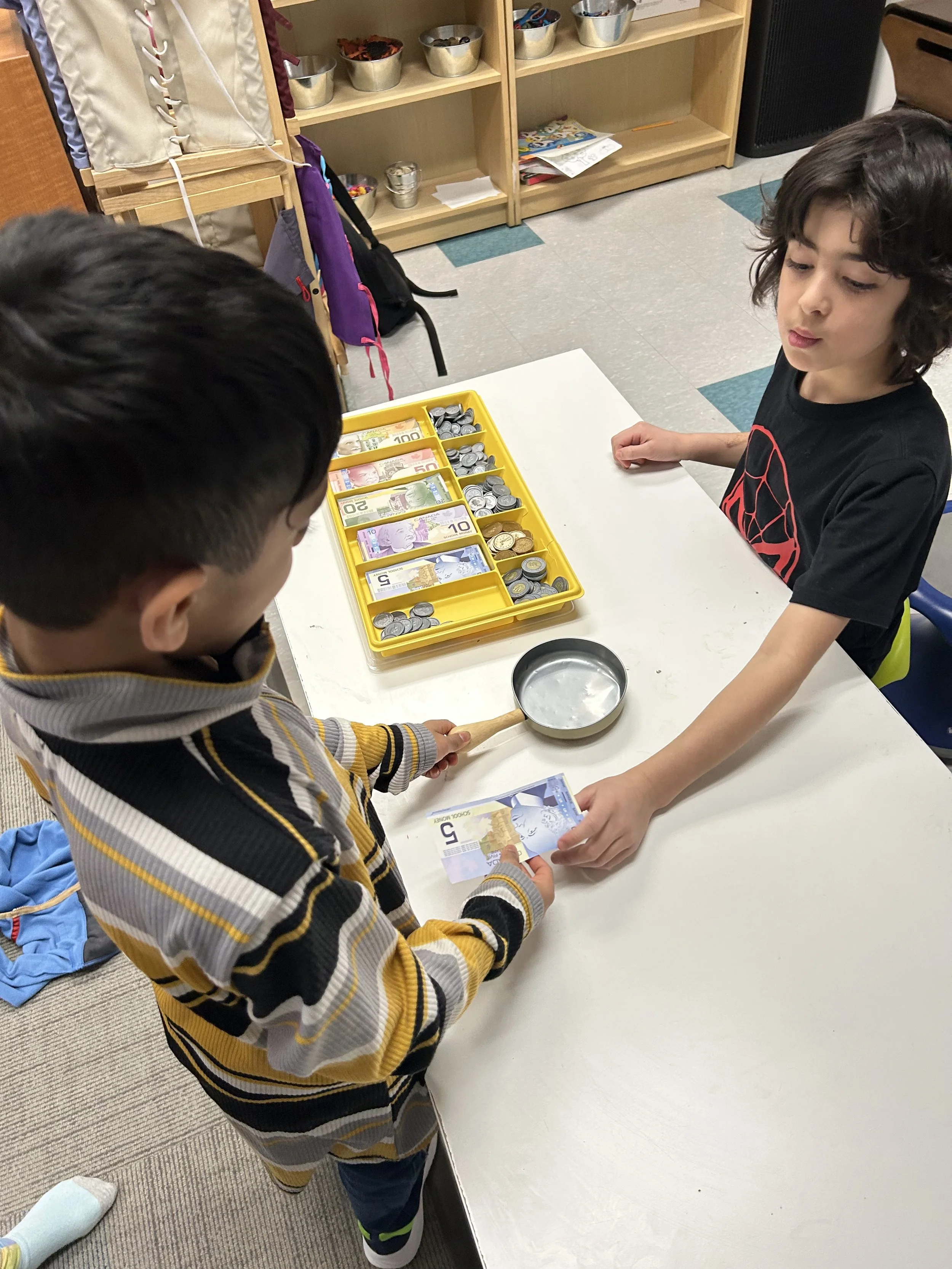
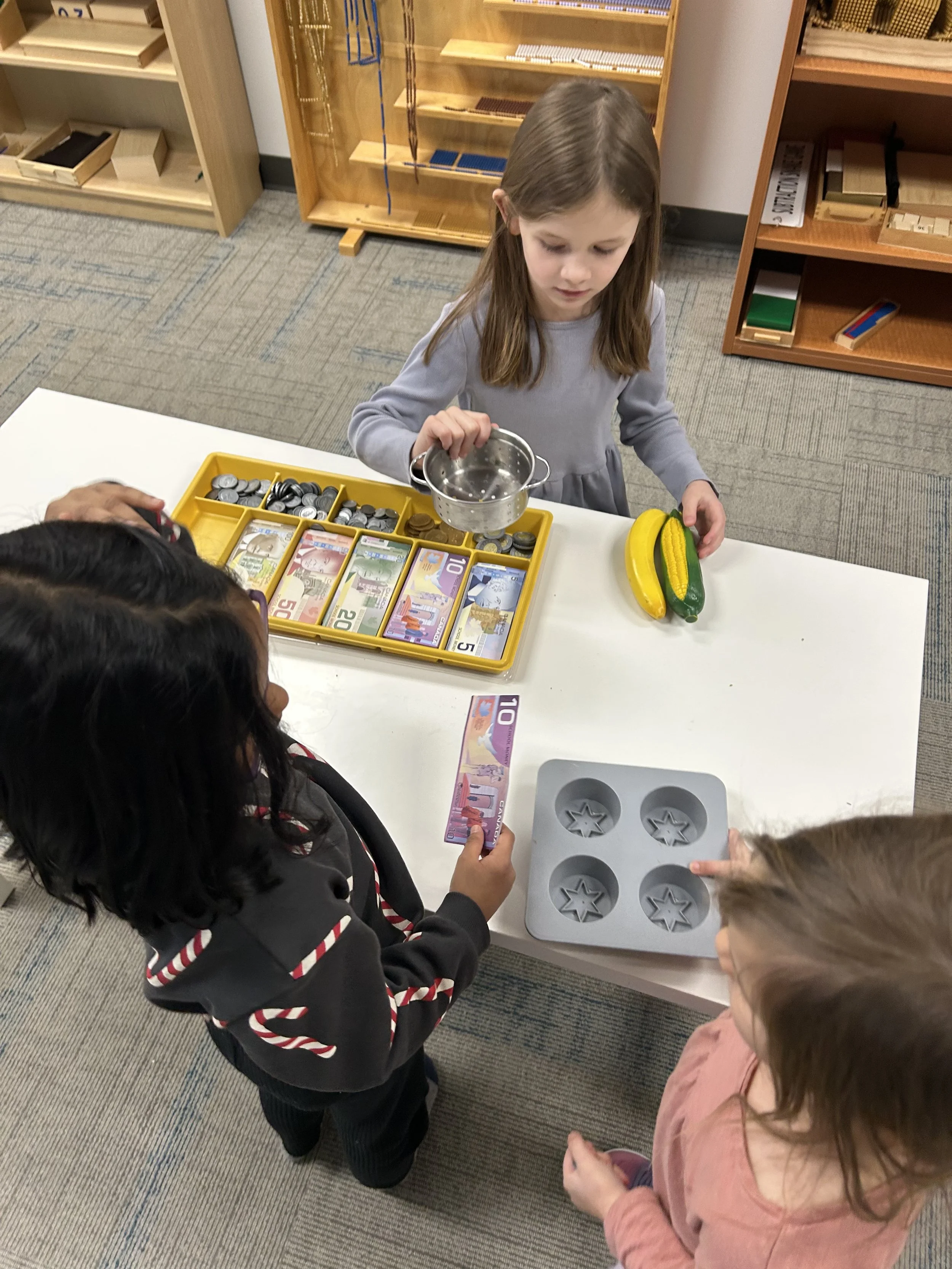
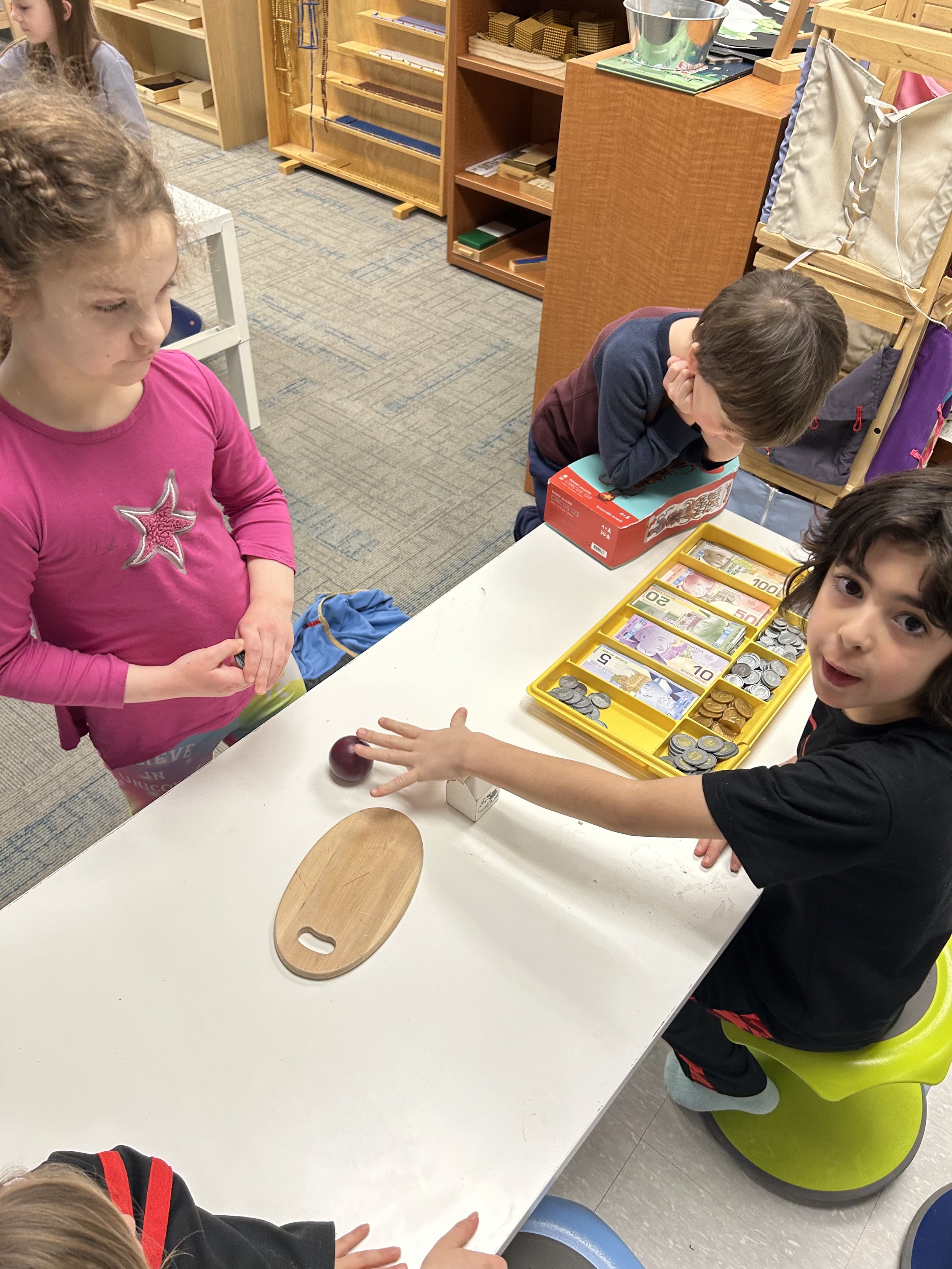
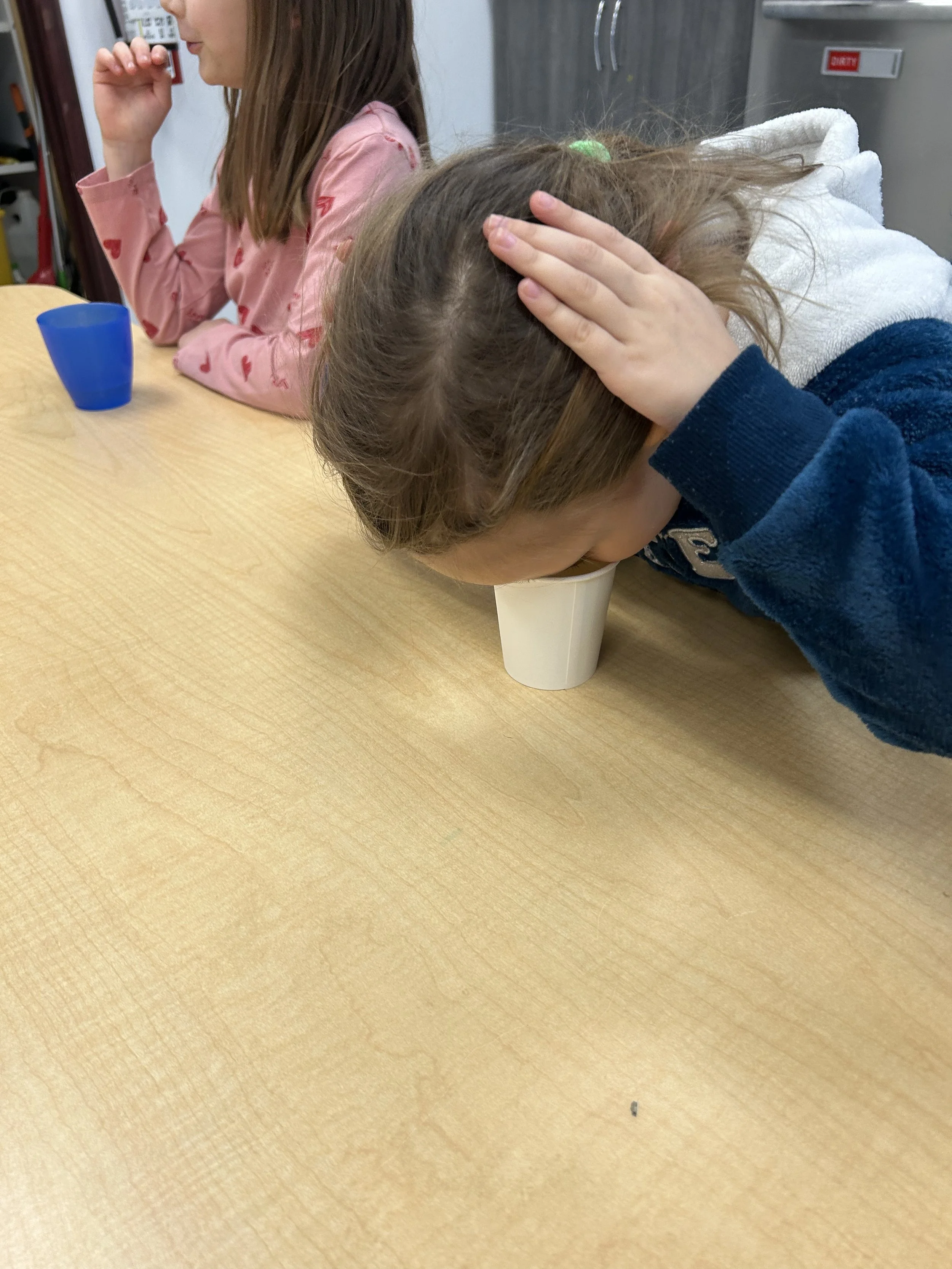
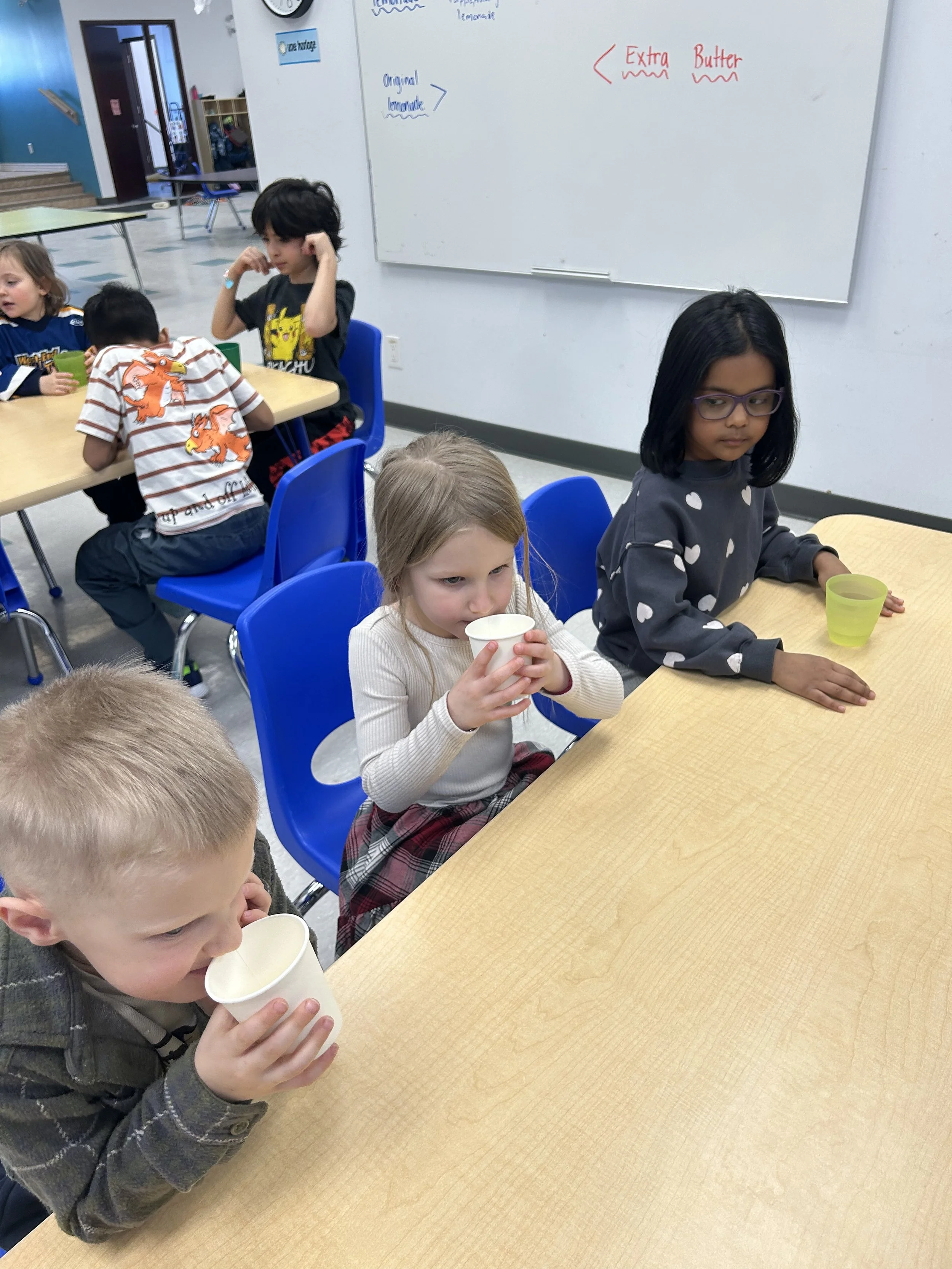
Towards the end the week, the Sparks participated in taste-testing potential food products that may be sold at our Exhibition. They sampled a variety of lemonade and popcorn options and shared thoughtful feedback for each brand. Learners discussed the importance of meeting the needs of a wide range of people who may visit their stand. They even thought of considering options such as gluten-free choices for special dietary restrictions! The Sparks shared that the popcorn varieties tasted different from one another - some were buttery, oily and salty whereas another one was plain and tasted more bland. They even got into experimenting popcorn dipped in ketchup. Would you ever try dipping your popcorn in ketchup? Ask your Spark how it tasted! Overall, the Sparks came to a general agreement that they would sell more than one type of lemonade and popcorn at Exhibition.
Art
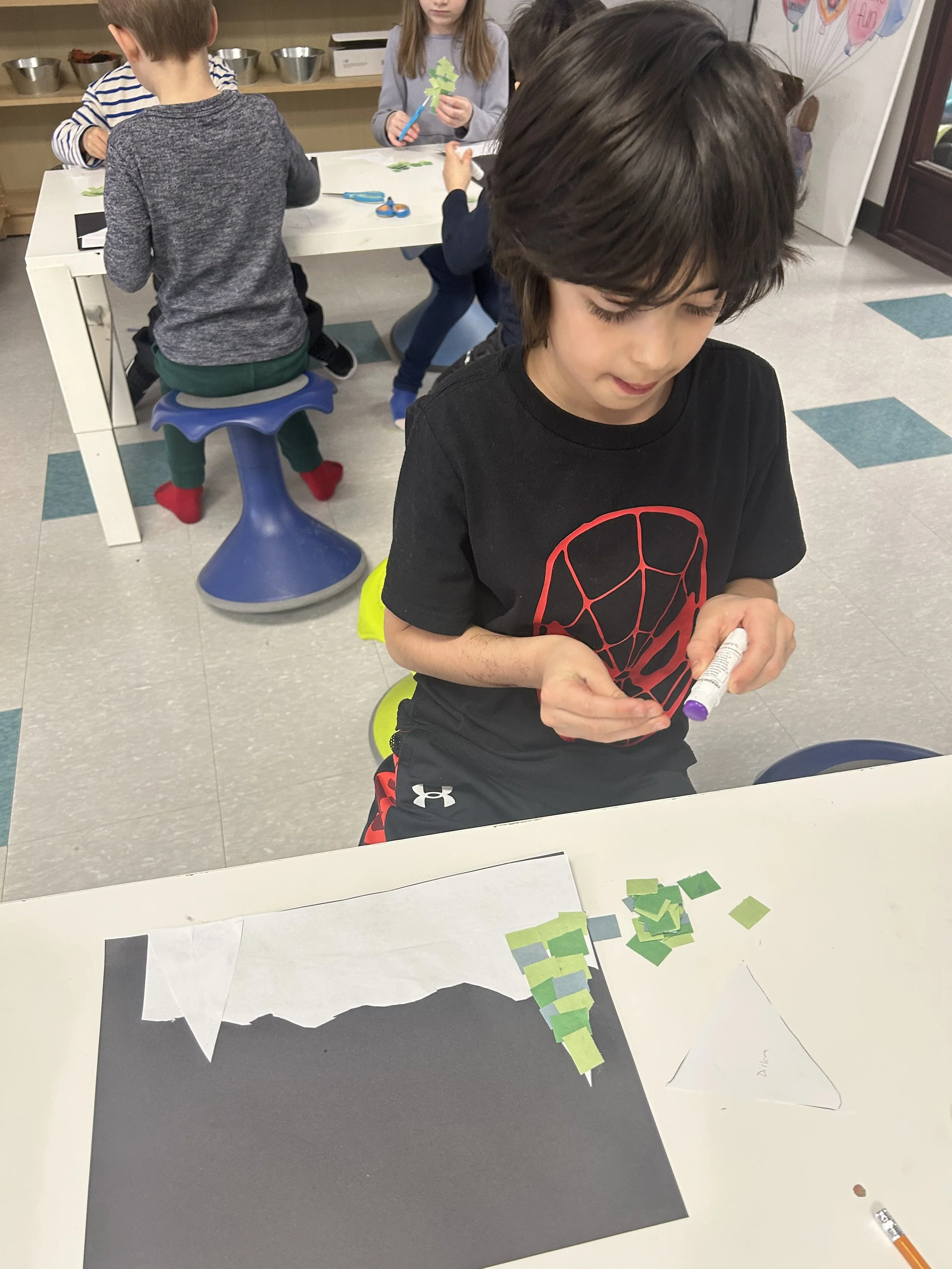
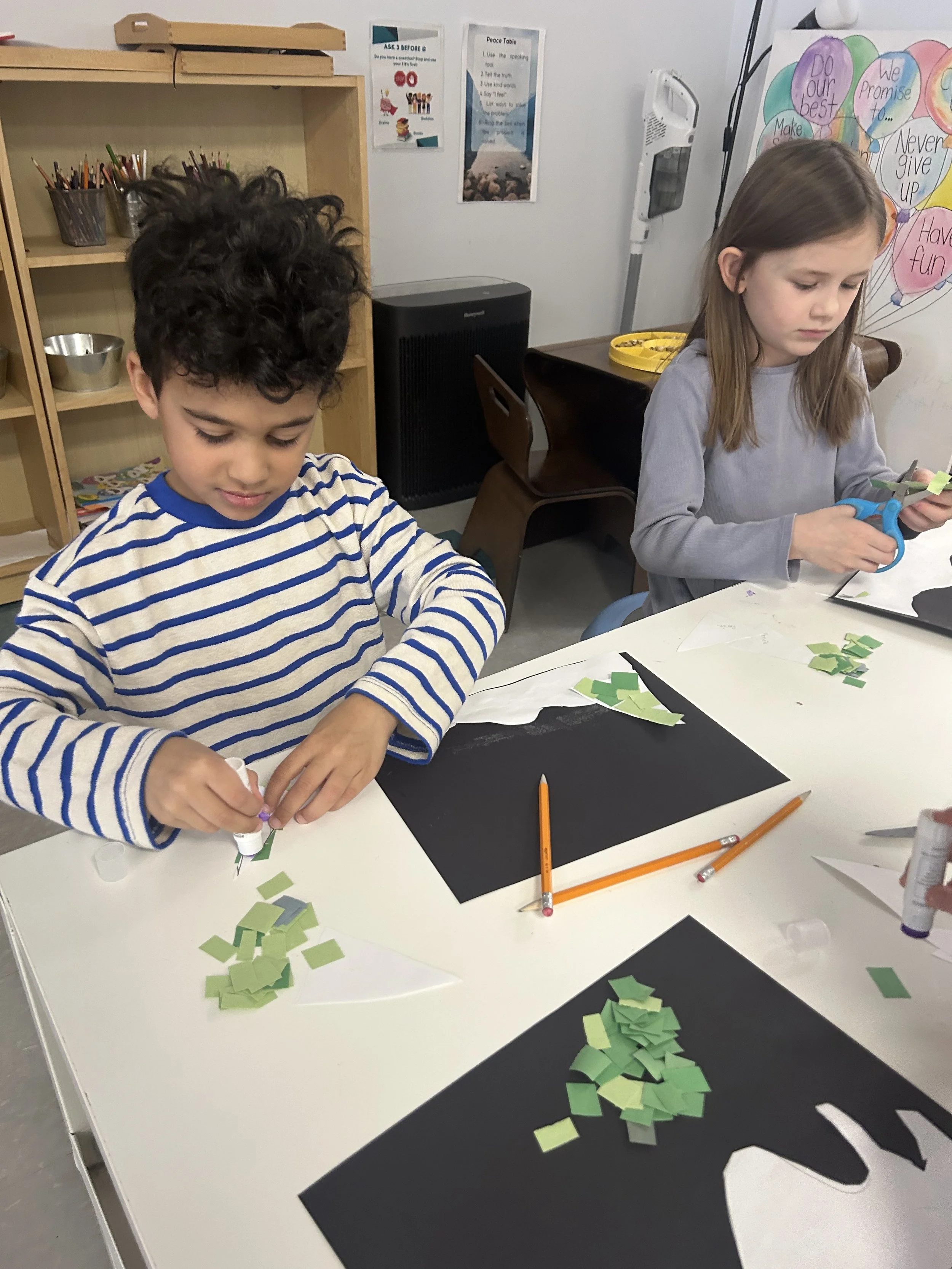
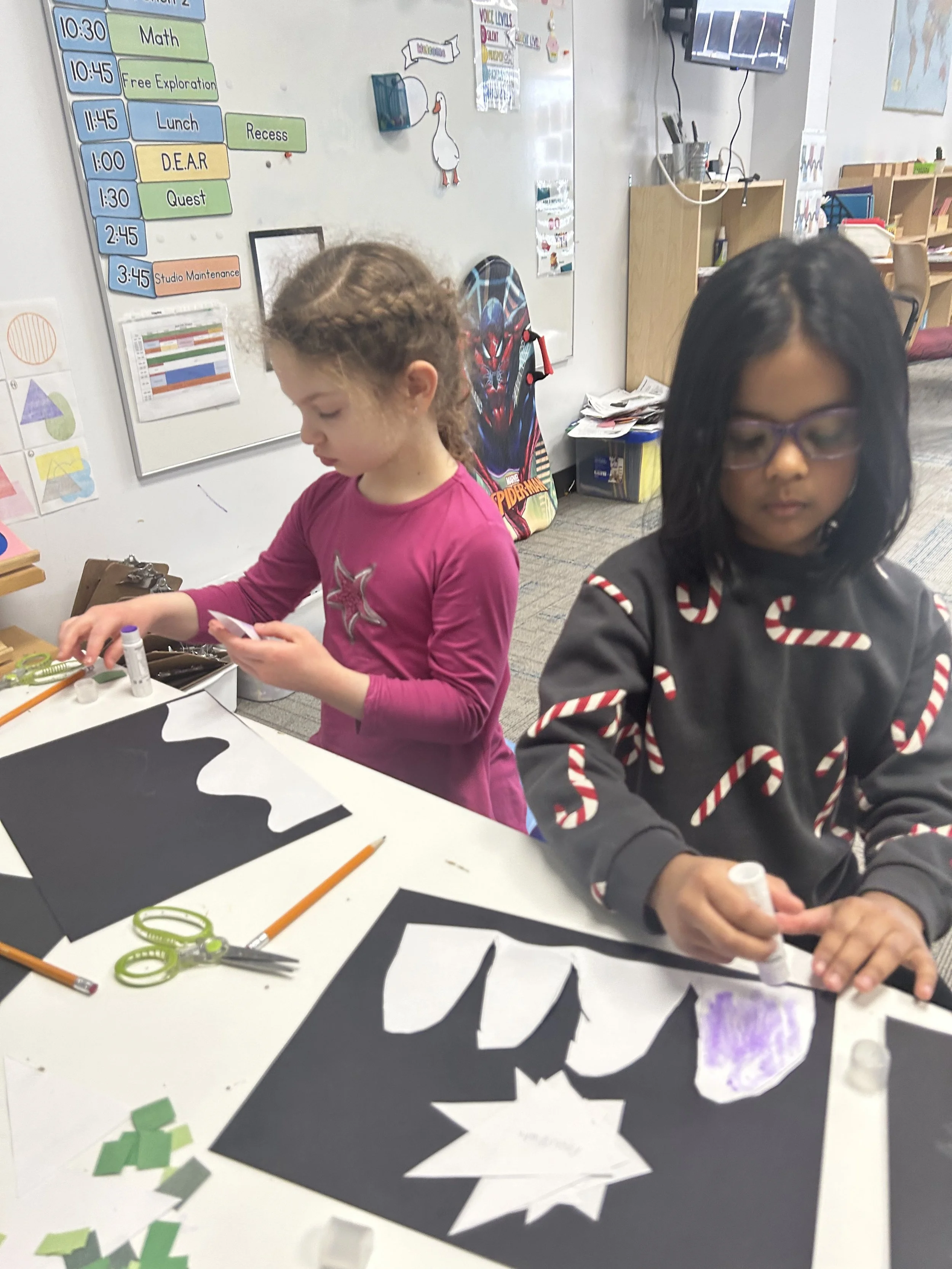
In this week’s art workshop, we continued to draw inspiration from the winter season with a winter wonderland landscape craft. The Sparks began by constructing triangular shapes to form the base of their evergreen trees. Next, they designed snowy mountain landscapes, thoughtfully deciding where their trees would be placed. Using a variety of small, square pieces of green construction paper, learners carefully layered and arranged the shapes onto their triangles, which supports fine motor skills and an understanding of shapes and patterns. To complete their winter scenes, they added delicate snowflakes in the background, making their artwork look even more realistic.
Reader/Writer Workshops
As we continue with our book study, Snowmen at Night, we reflected on all the fun activities the snowmen did in the snow. After our discussion, the Sparks completed an opinion page where they shared their thoughts on what their favourite things are to do in the snow. Some of the activities they mentioned included skating, skiing, sledding, snowboarding, playing at the park, and of course…building snowmen!
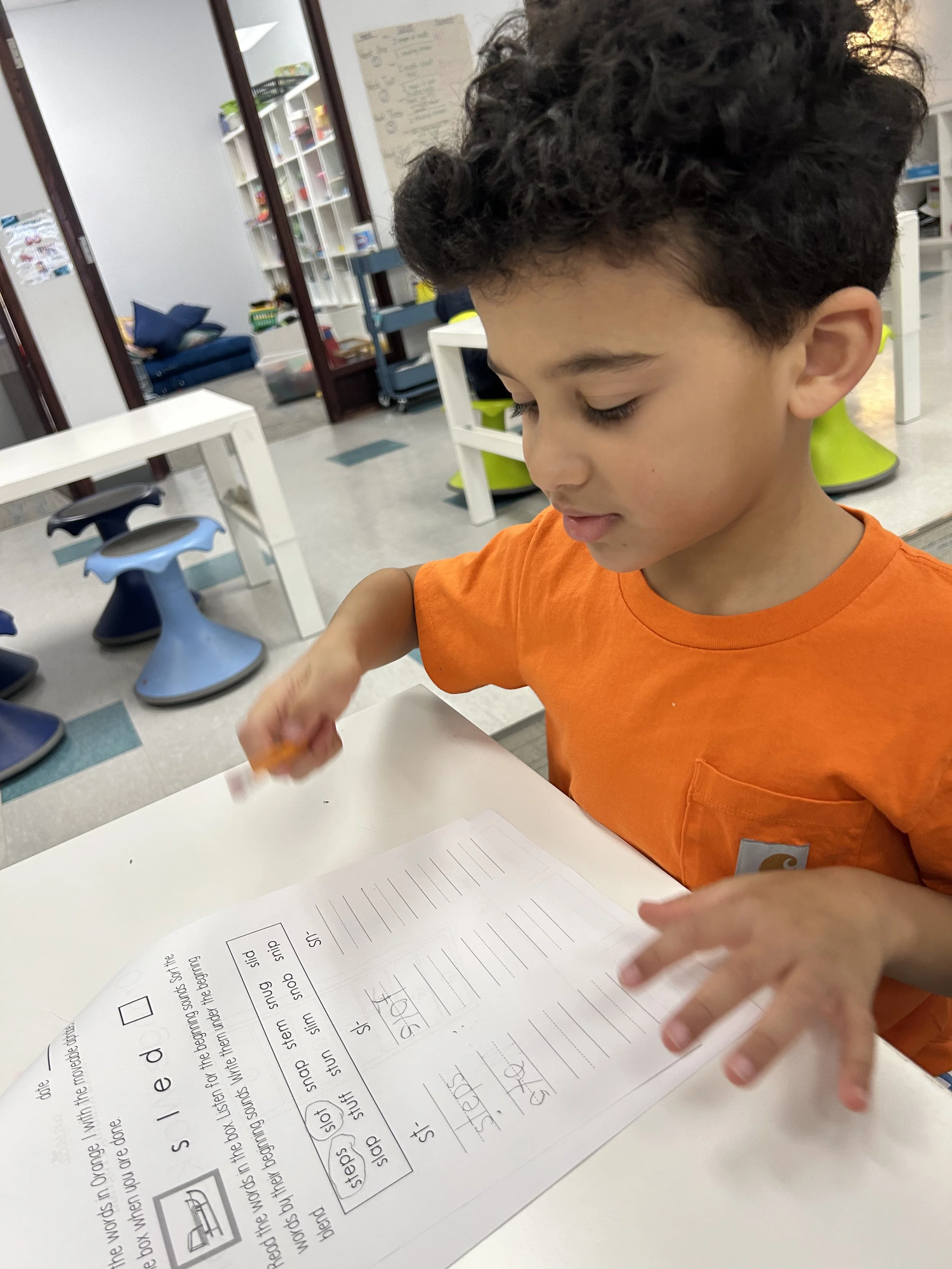
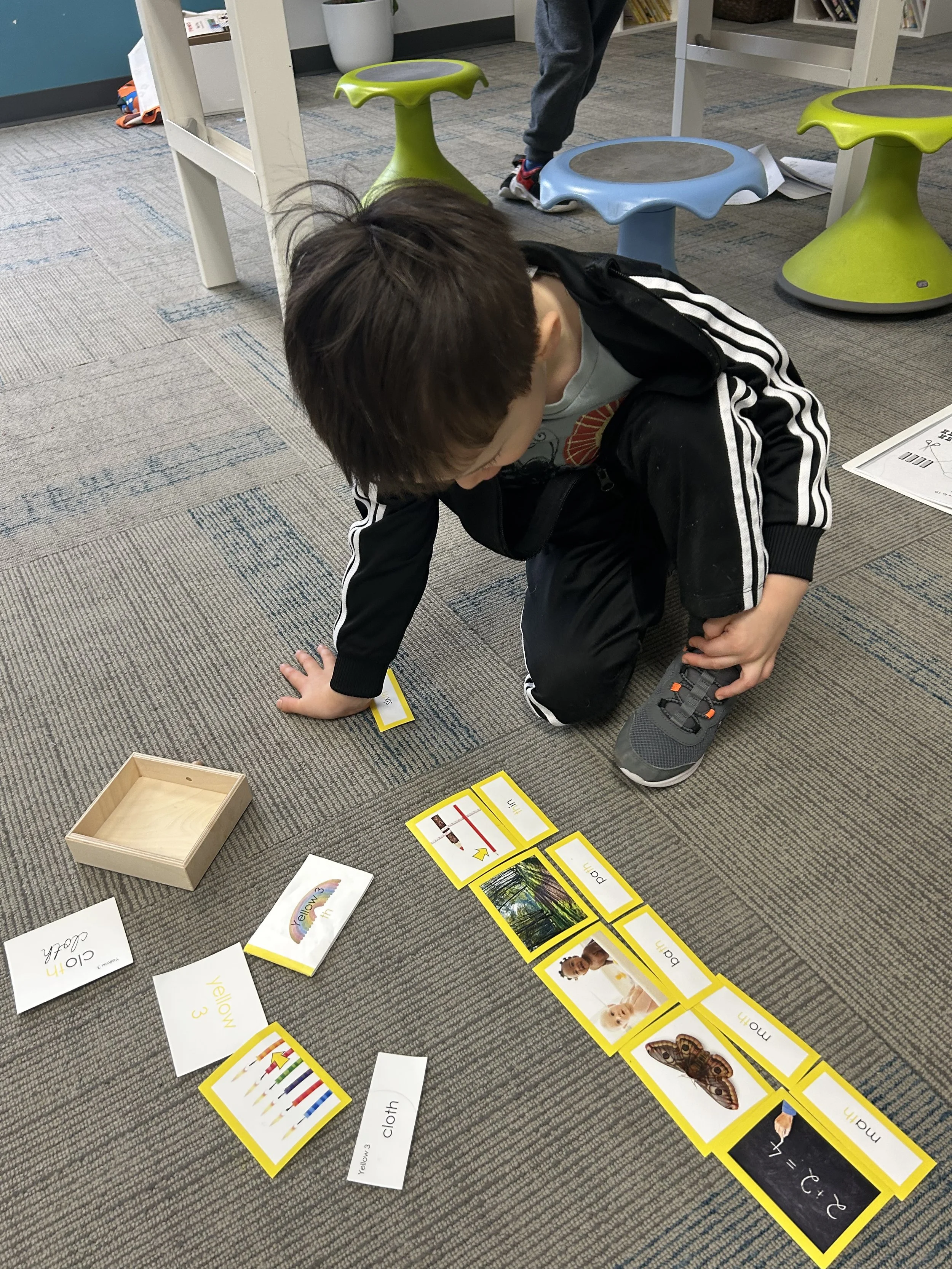
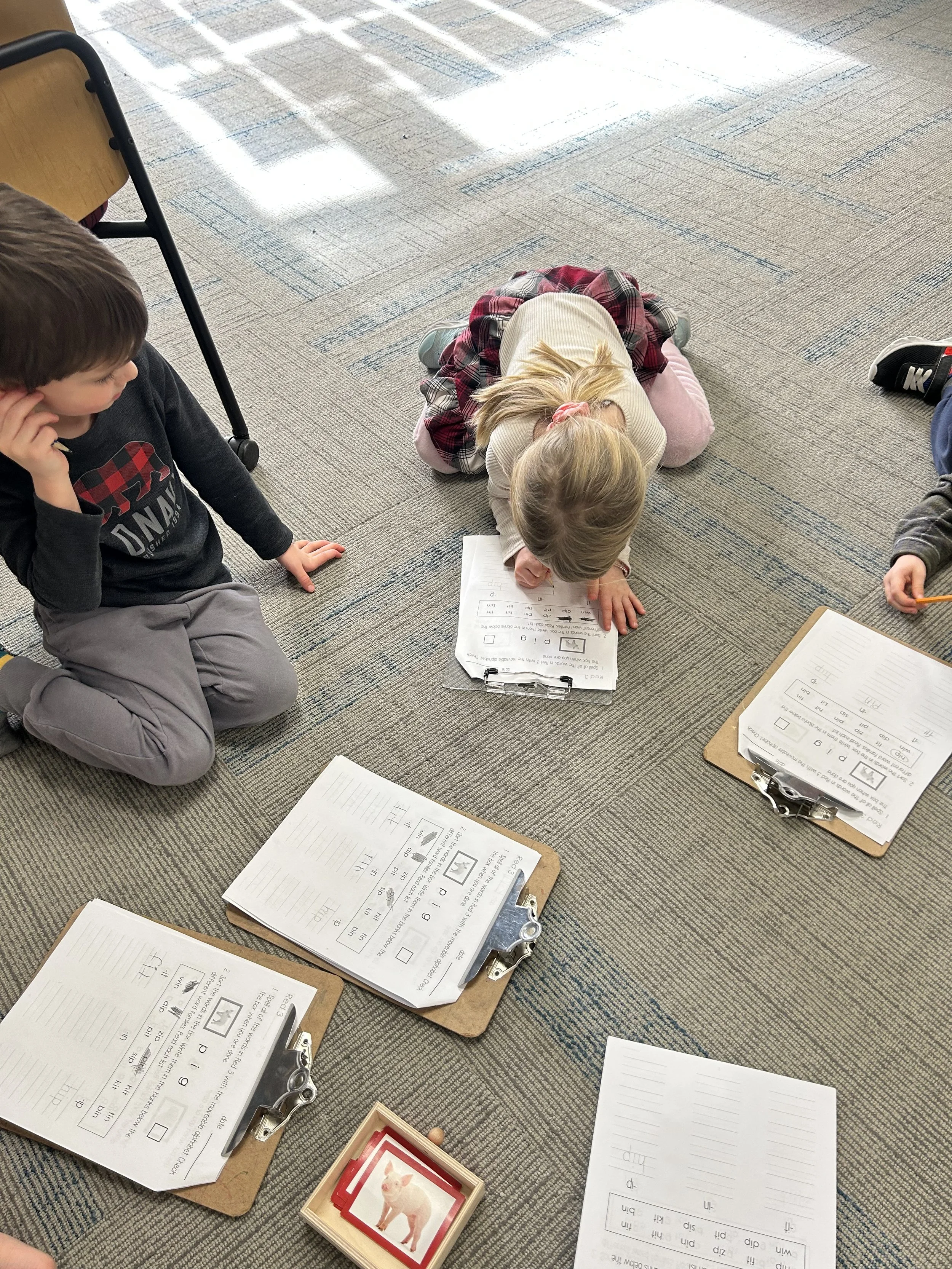
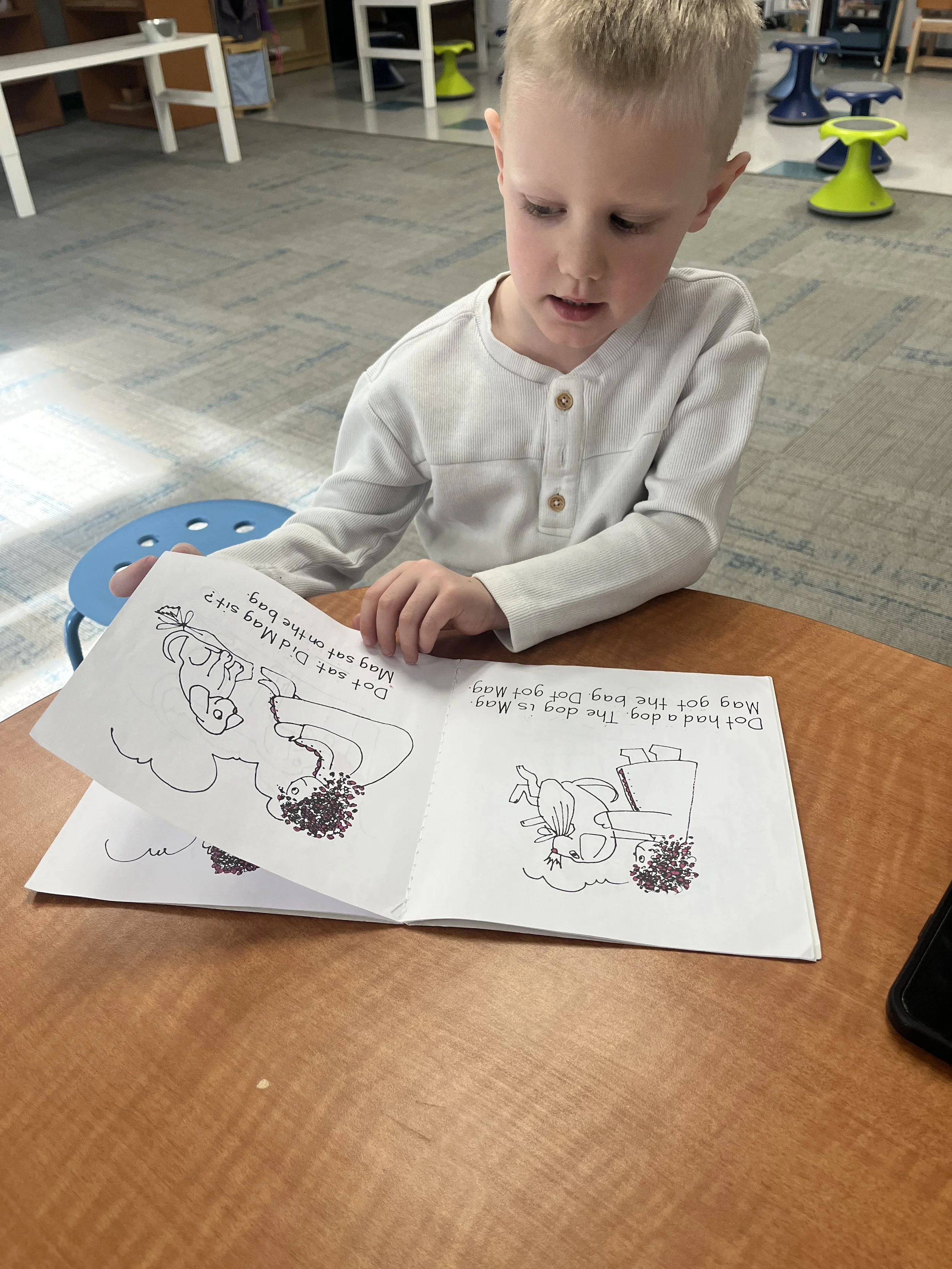
This week, Group One worked on WASECA Red 3: i. Our focus was reviewing the sounds of each letter of the alphabet to strengthen the Sparks phonemic awareness and support their reading development. Using the phonetic sound i, Rebels saw the words pig, pin and tin inside the drawer. The Sparks practiced spelling words using the movable alphabet and then transferred those words into their Red Reading Drawer workbook. They also worked on oral presentation skills, creating sentences using each word.
Group Two focused on the “ung” sound. We used our Waseca reading booklets to help learners identify words with this sound, practiced sounding them out, and wrote them down. Some of the words we worked with included hungry, stung, sung, rung, and jungle. Afterwards, each learner reviewed other sounds we have been focusing on this session by completing a word search that included different “ng” endings, such as string, lung, and gong.
Math Workshops
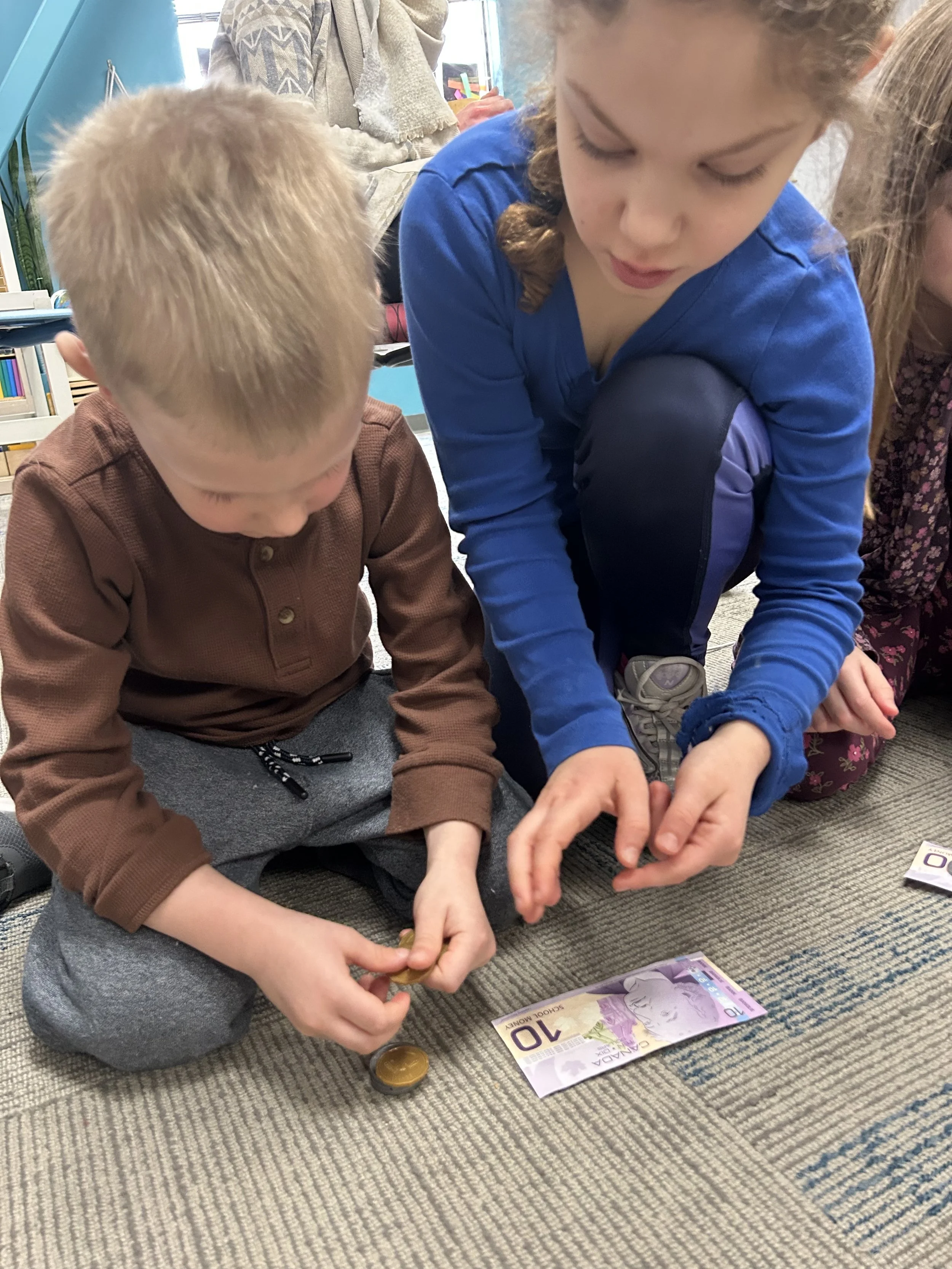
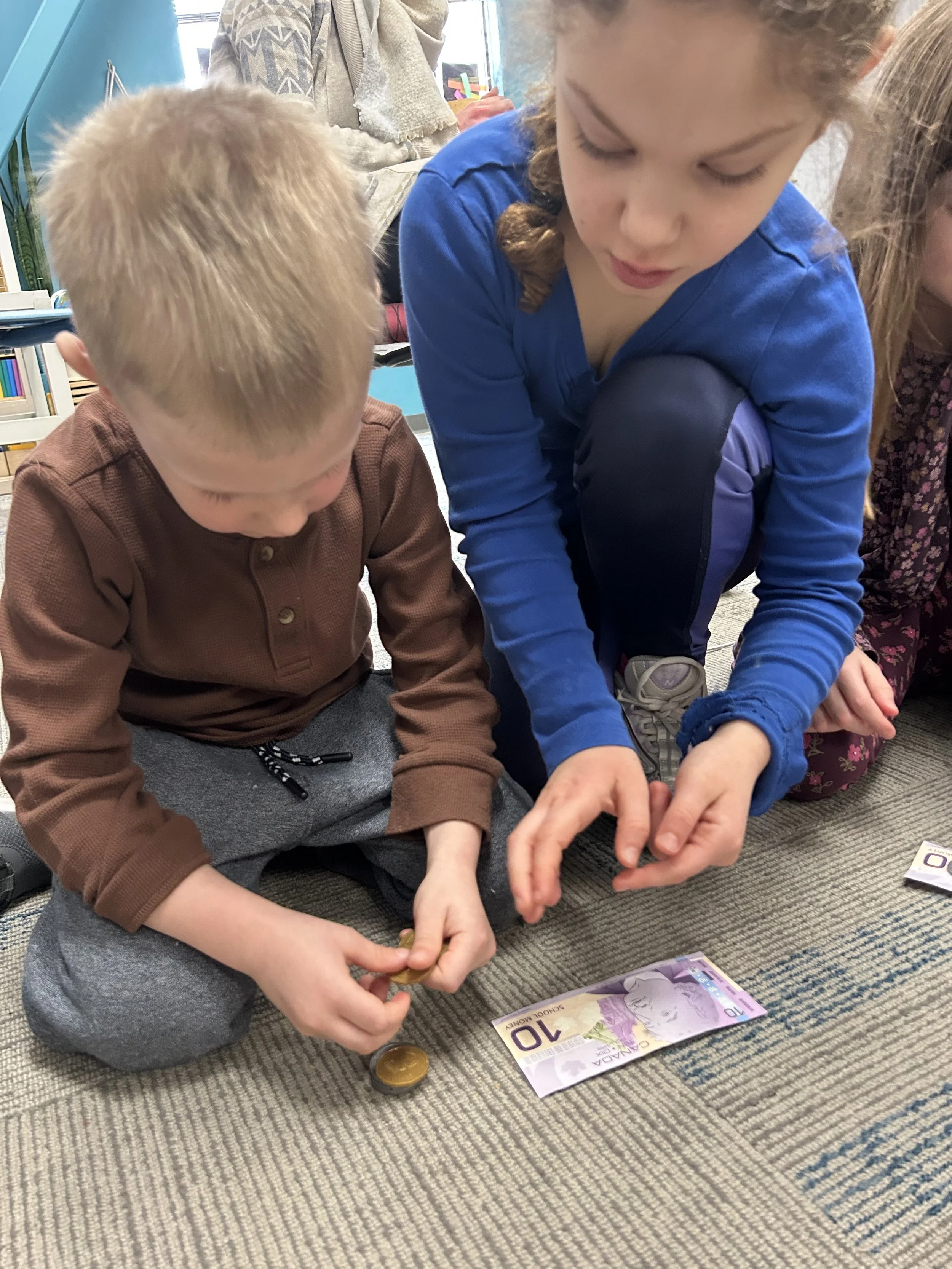
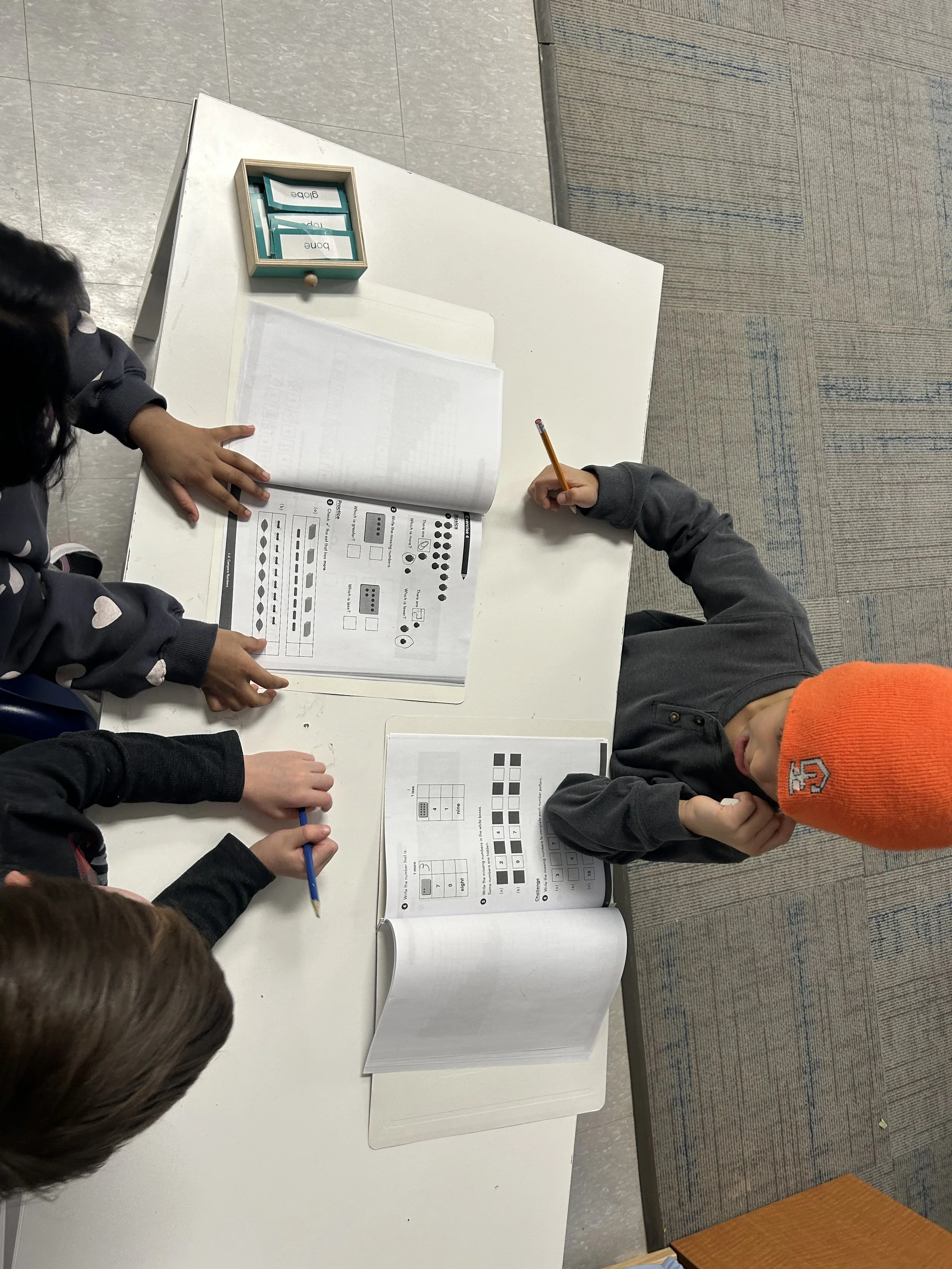
As a whole studio, we reviewed the Canadian coins and practiced counting with them. Sparks were then introduced to Canadian dollar bills. To start the lesson, they were presented with the 5 different bills and were asked to observe each one closely. Learners shared that they are each worth a different amount, the colours are different, different images are on each one and they even noticed the peace tower on the twenty dollar bill. Starting with the five dollar bill, they explored that skip counting by 5’s is how they count with this specific bill. A Guide would pick a handful of five dollar bills off the floor and they would count together how much money had been collected. Rebels continued to do this with the ten and twenty dollar bills. With the 50 dollar bills, they shared that two fifties make a one hundred dollar bill. Afterwards, Sparks were paired off with either a 5 or 10 dollar bill. They were then provided coins to see if they could make an equal dollar amount using coins to match the bills they were given. Each group shared a different way of thinking as they demonstrated several different ways that they used their coins to make 5 or 10. This week many learners were introduced to their new Singapore Math workbooks and are keen to work on them! The Sparks now have this activity added on their weekly goals and they show excitement when they get to work on it during personal goals.
French
This week in French workshops, learners continued building their food and kitchen vocabulary through a variety of activities. Monday, we watched half an episode of Mini Soleil, all about vegetables in French. Apprendre les fruits et les couleurs en français – Jeux et chansons pour enfants Tuesday, Rebels completed a colouring activity focused on bakery and pastry vocabulary, practicing words related to bread and desserts such as cake (gâteau), pie (tarte), tart (tartelette), croissant, and baguette. Wednesday, they worked on another vocabulary sheet about kitchen items, including the fridge (frigo), oven (four), sink (évier), table, etc. To wrap up our week, the learners went to the gym to play Seek-a-boo, a favourite movement-based game that helps reinforce vocabulary through listening and quick recognition.
Additional Highlights
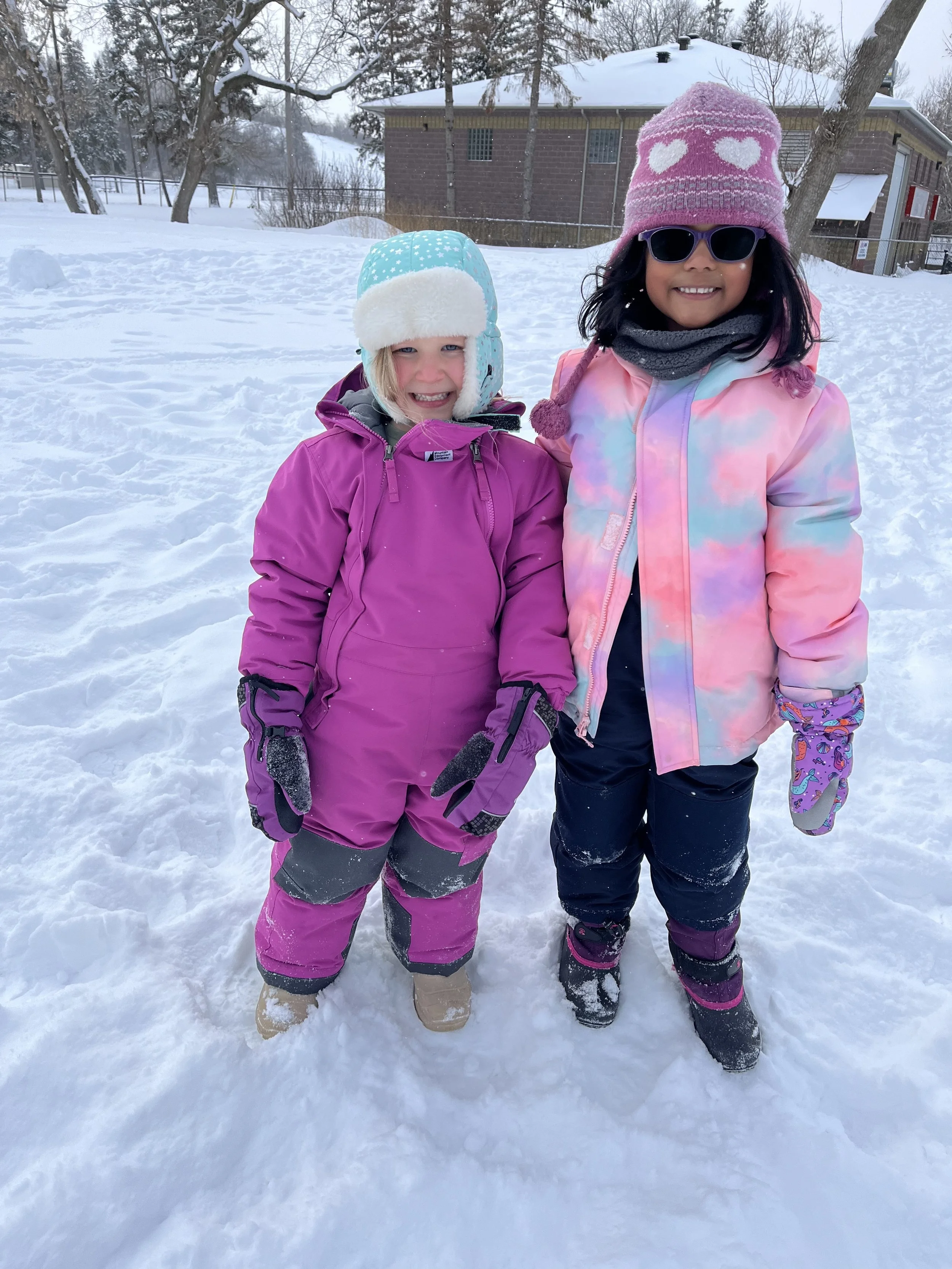
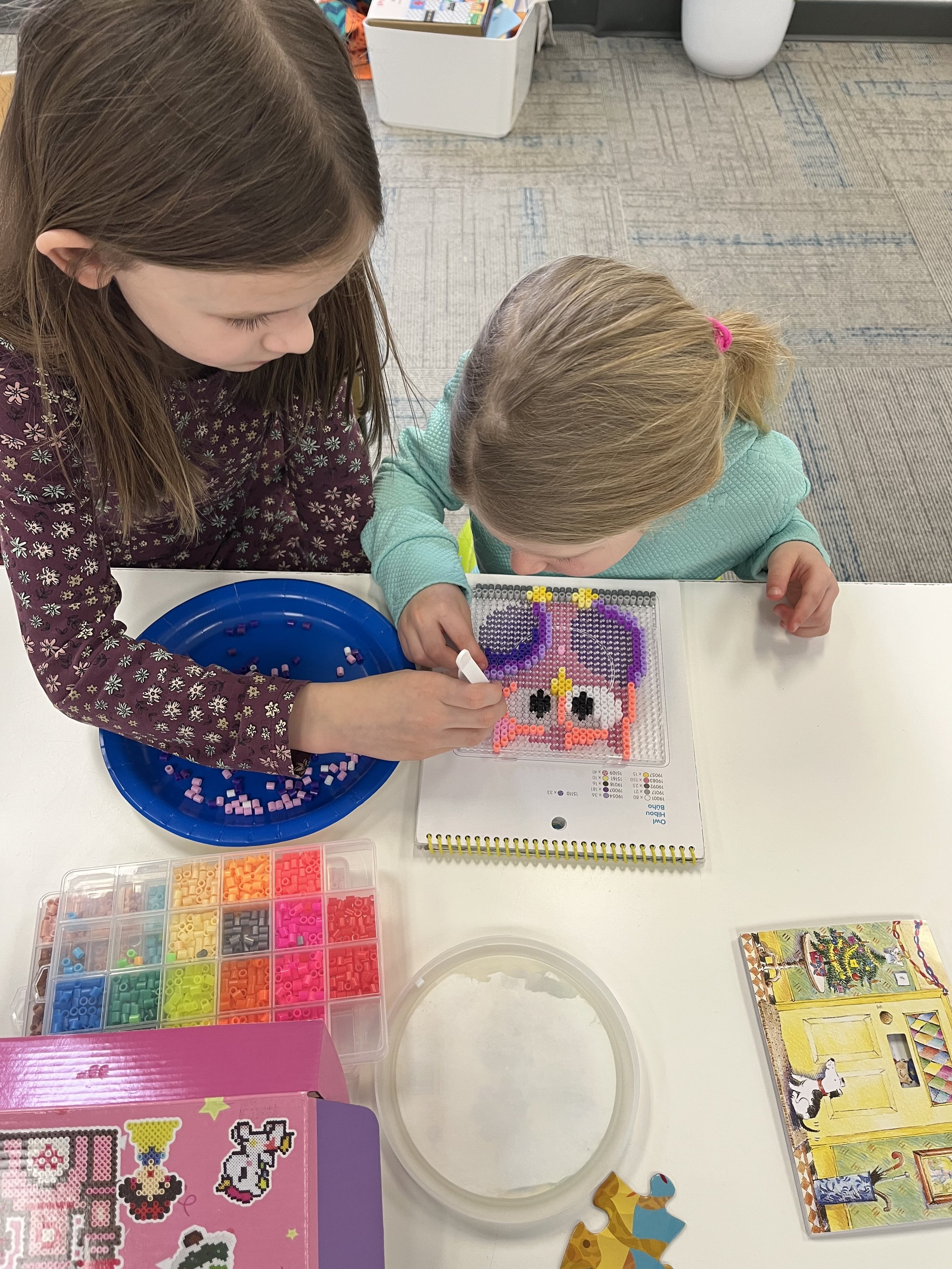
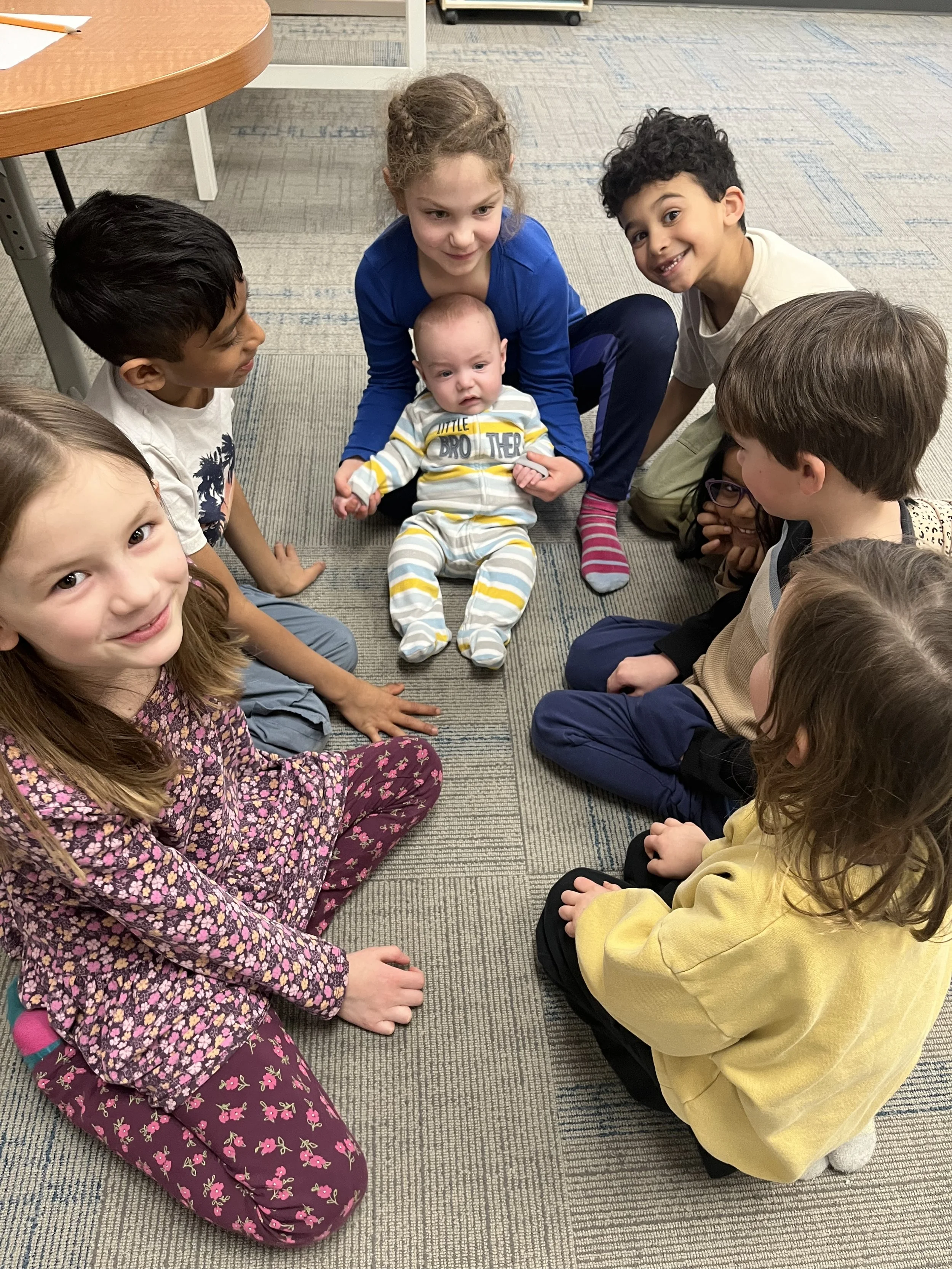
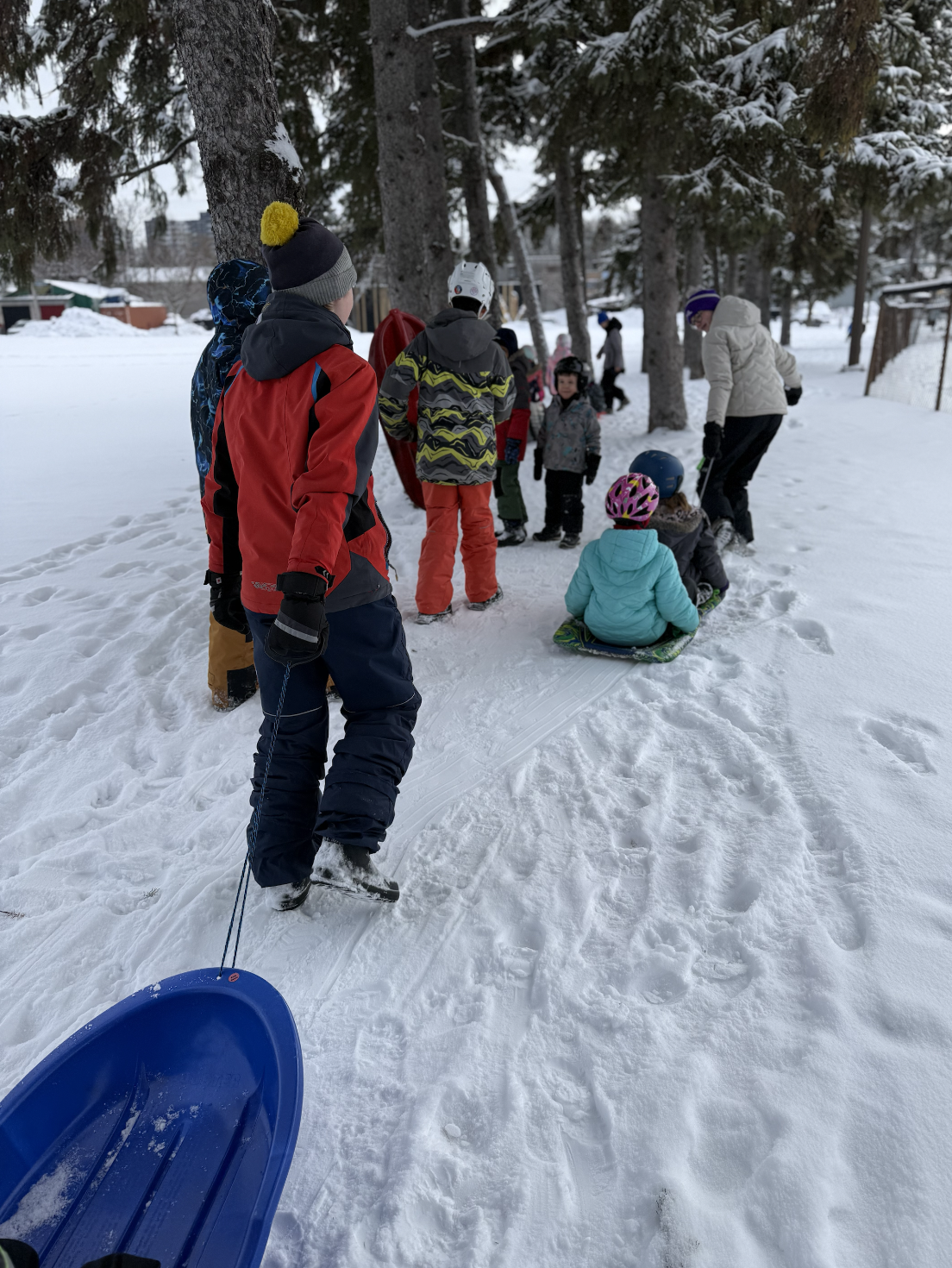
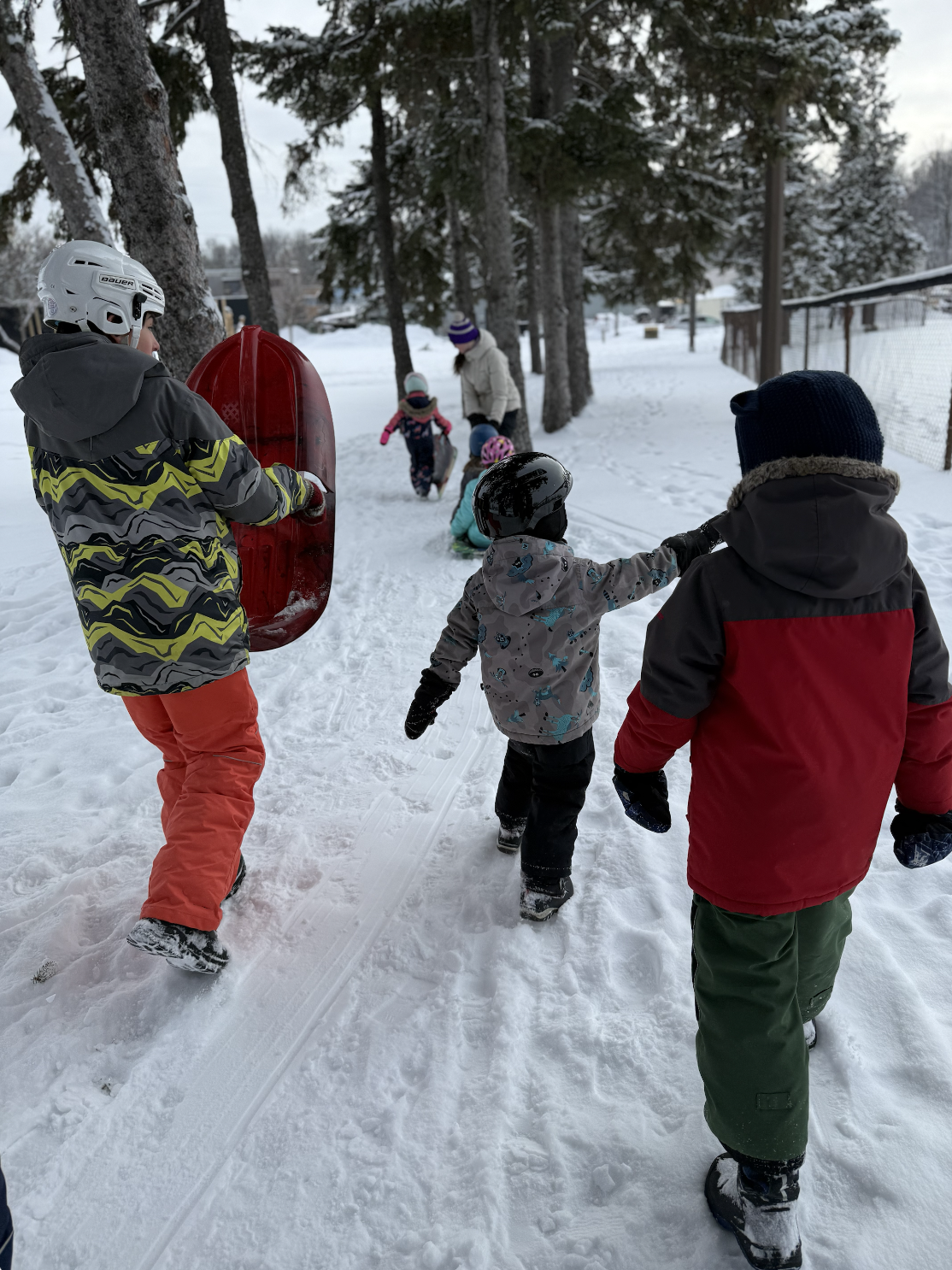
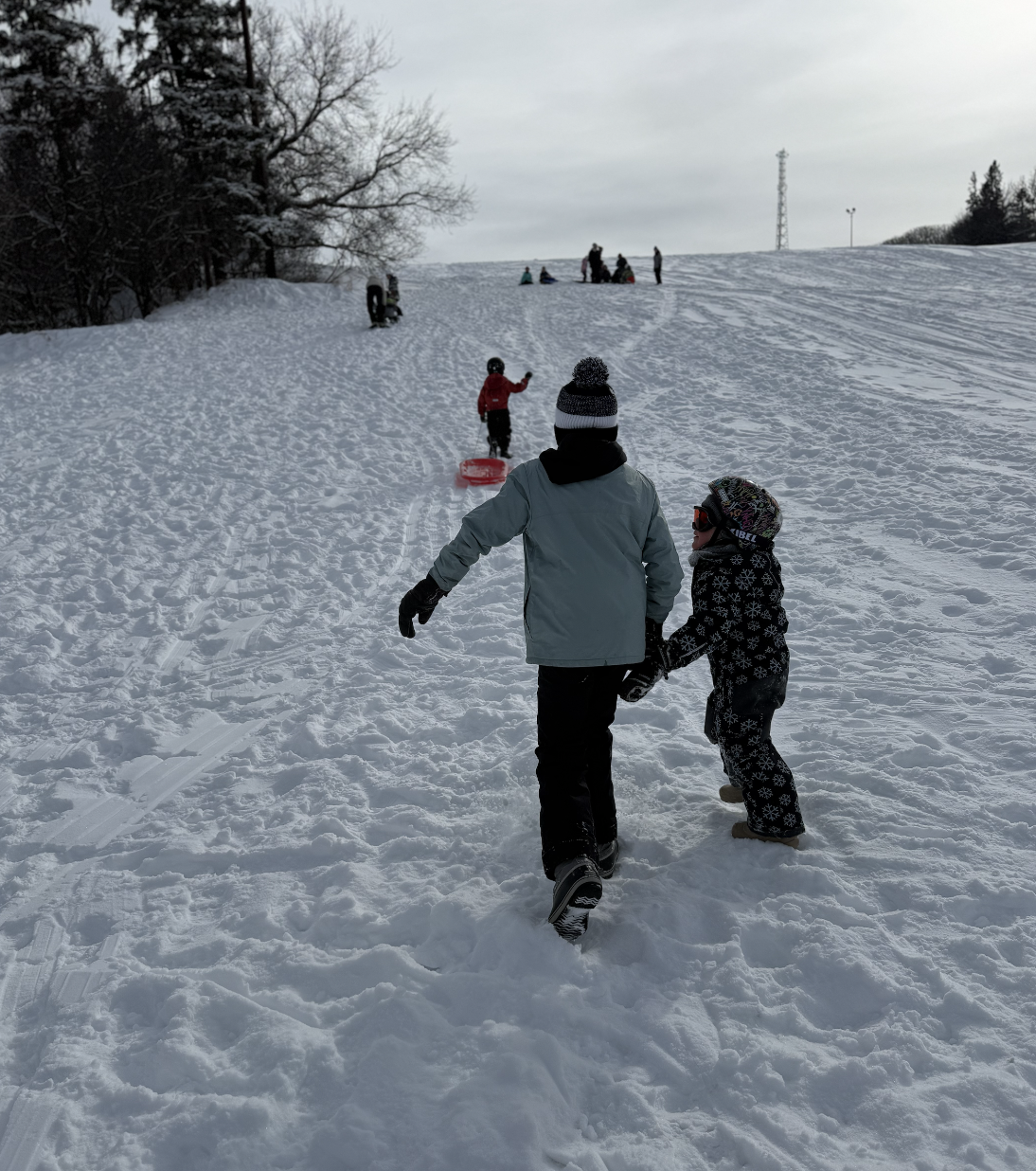
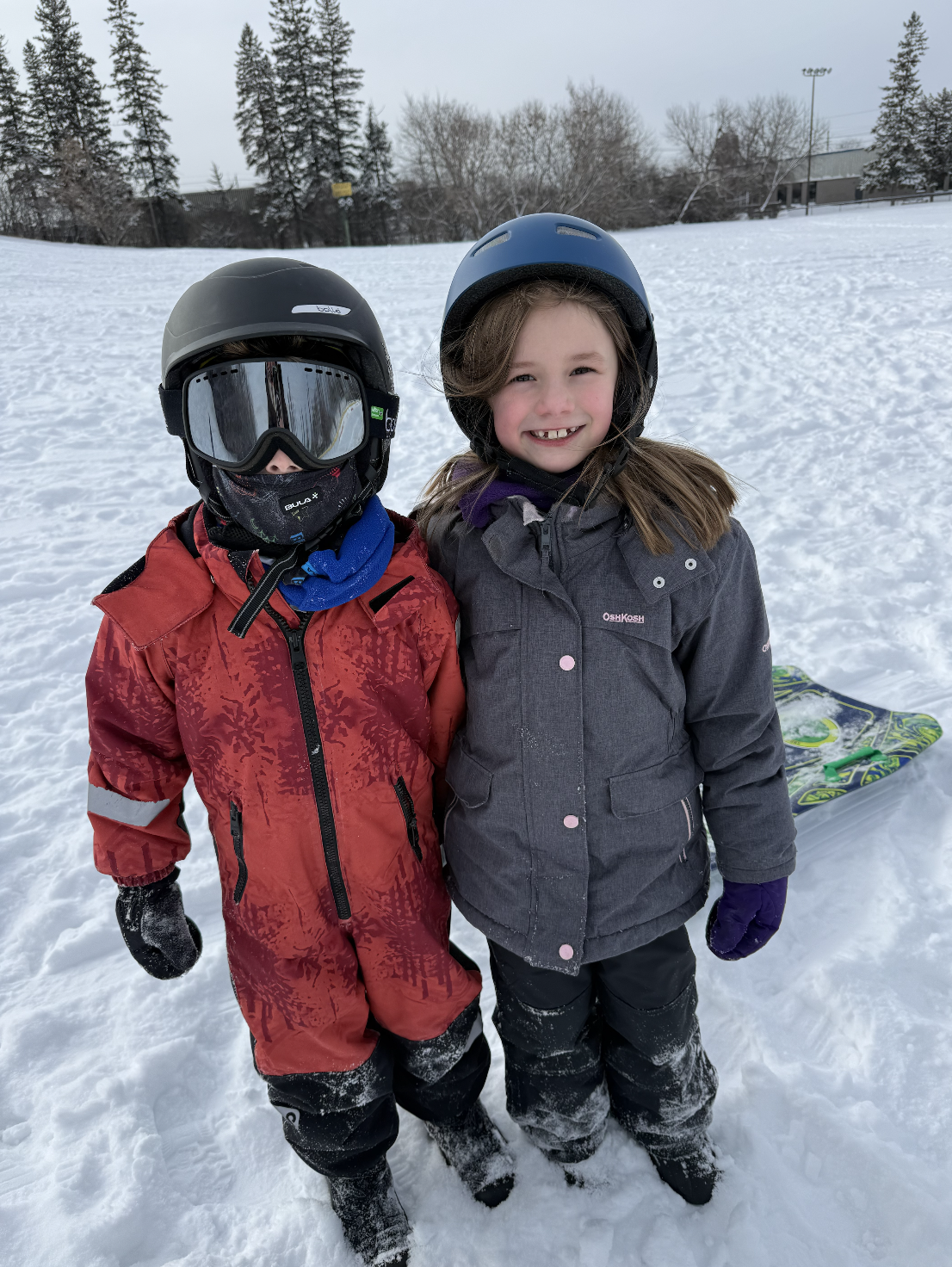
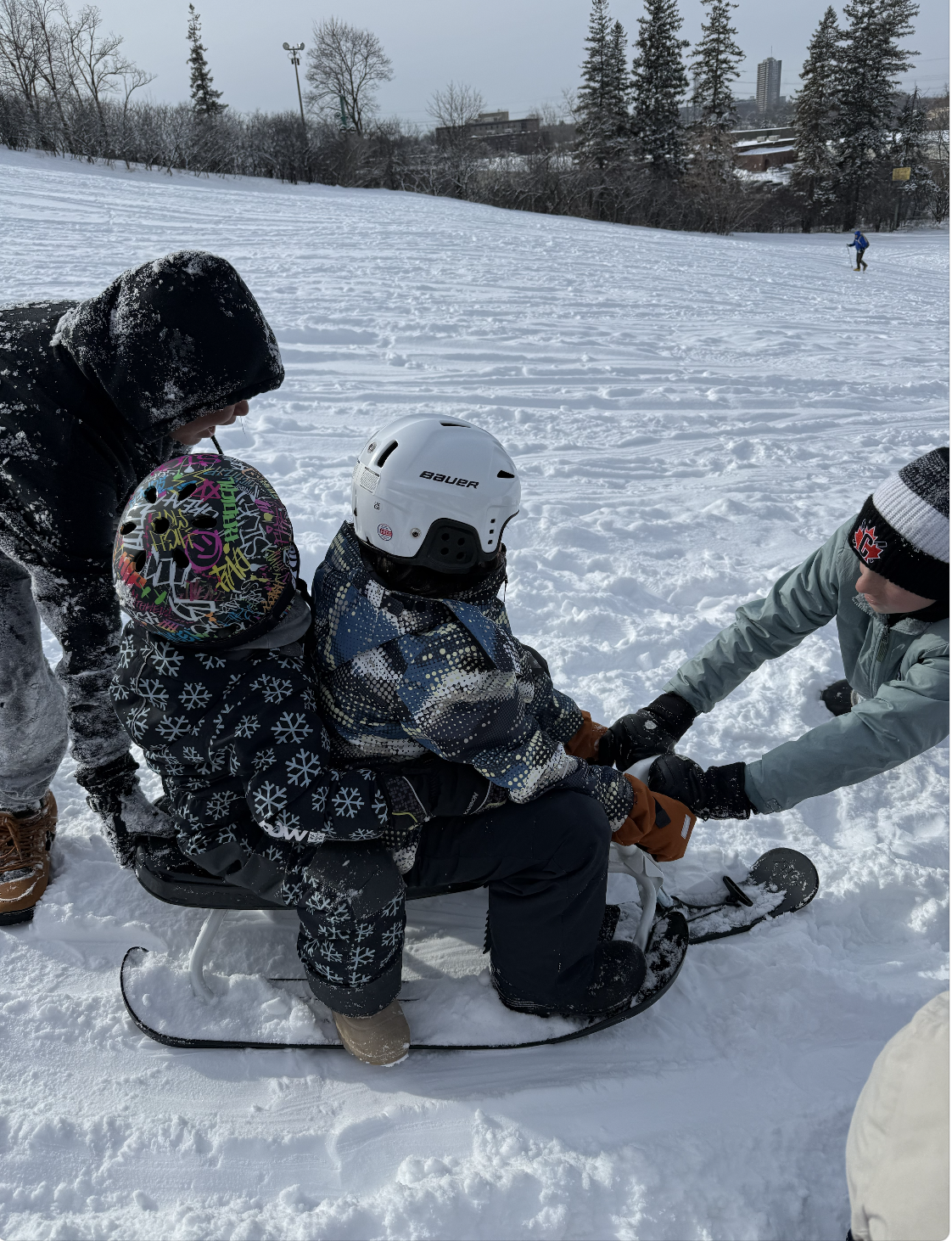
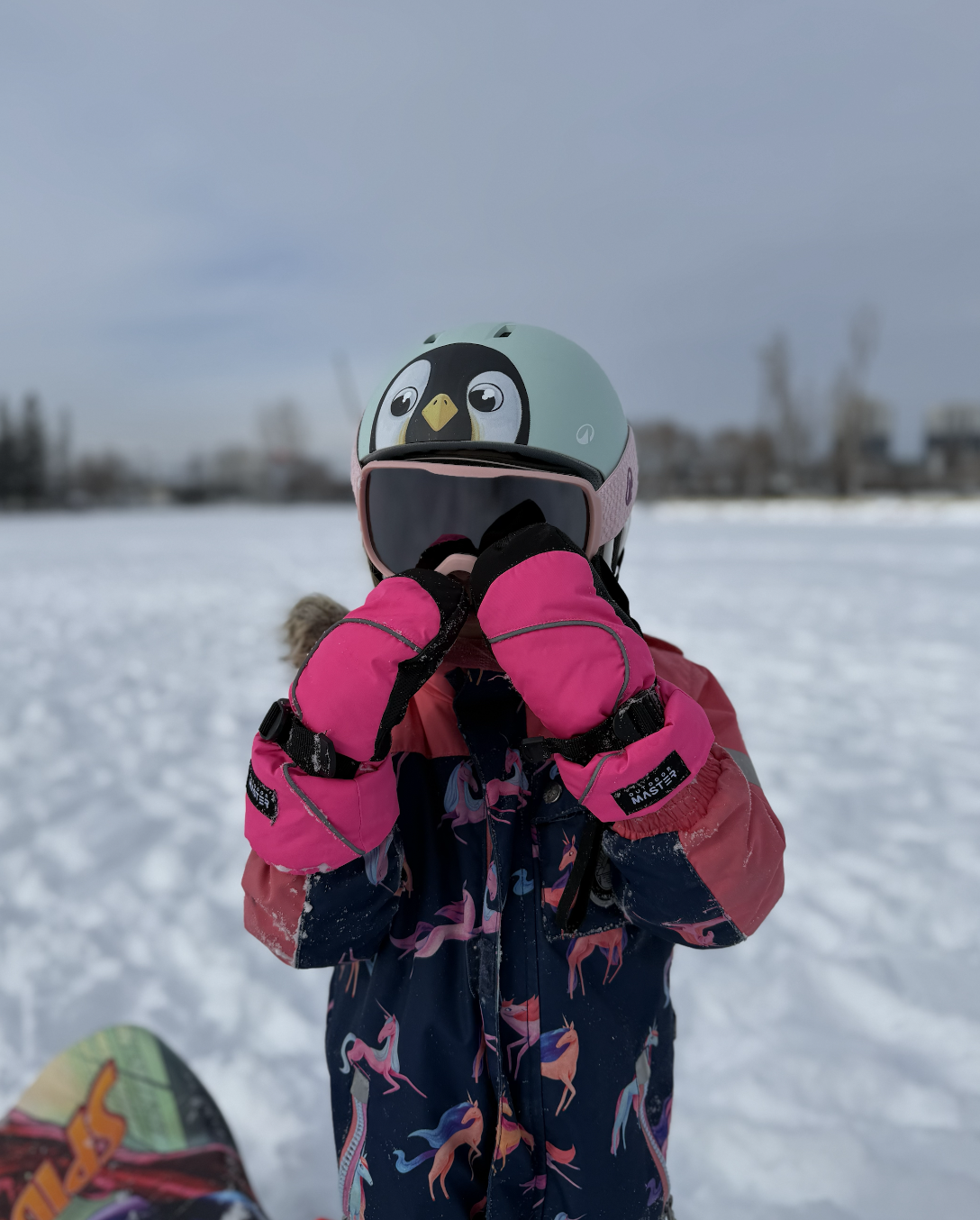
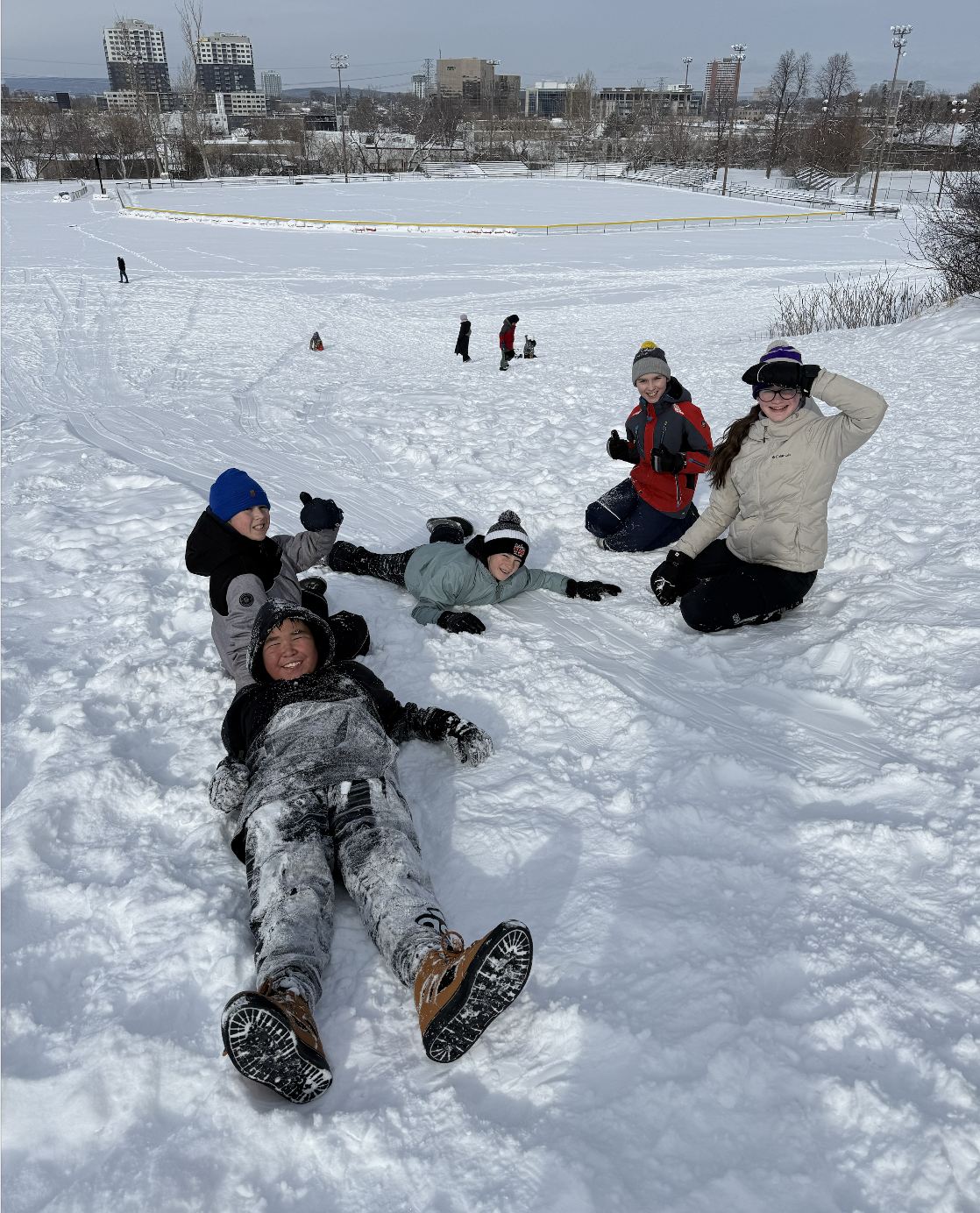
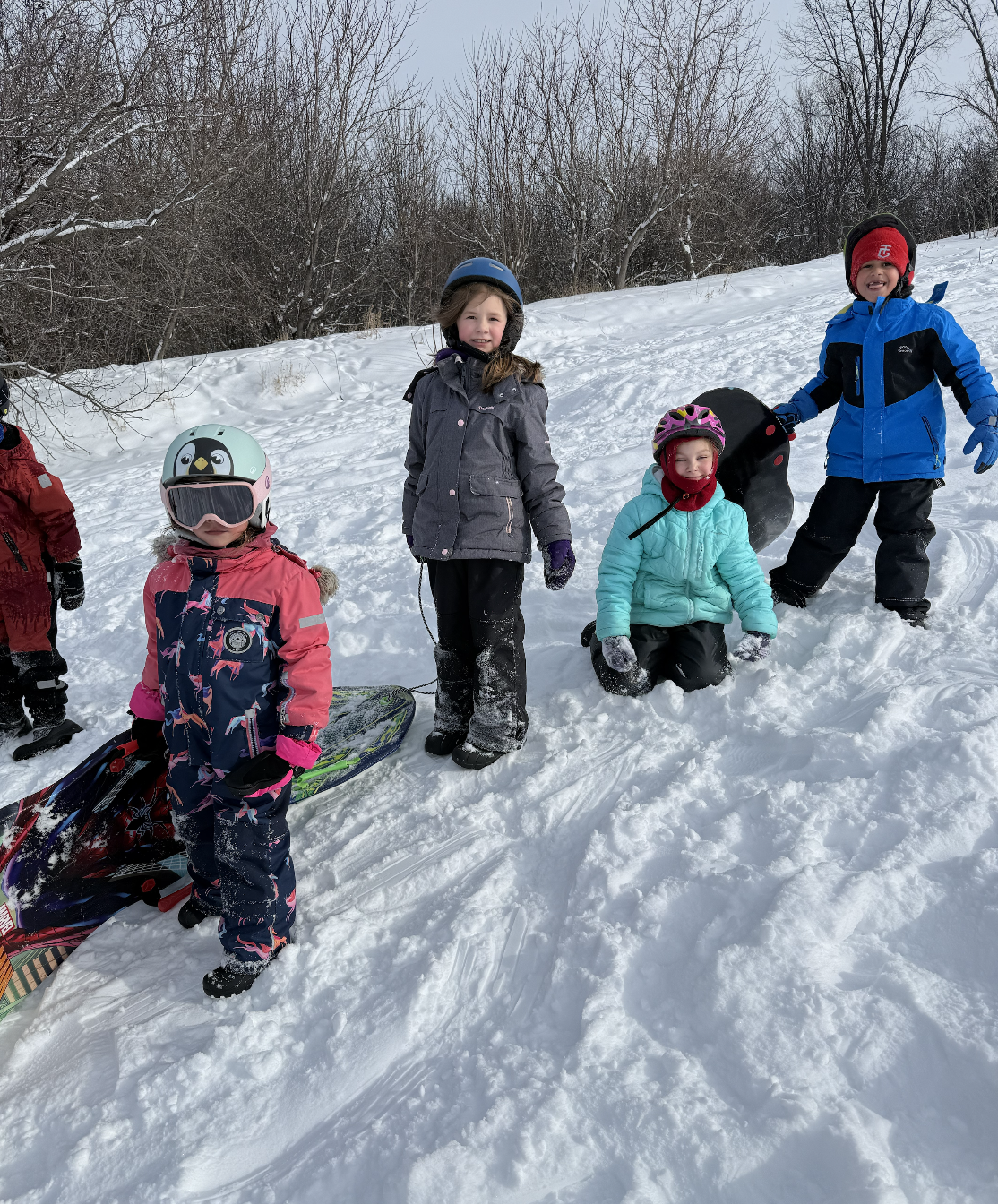
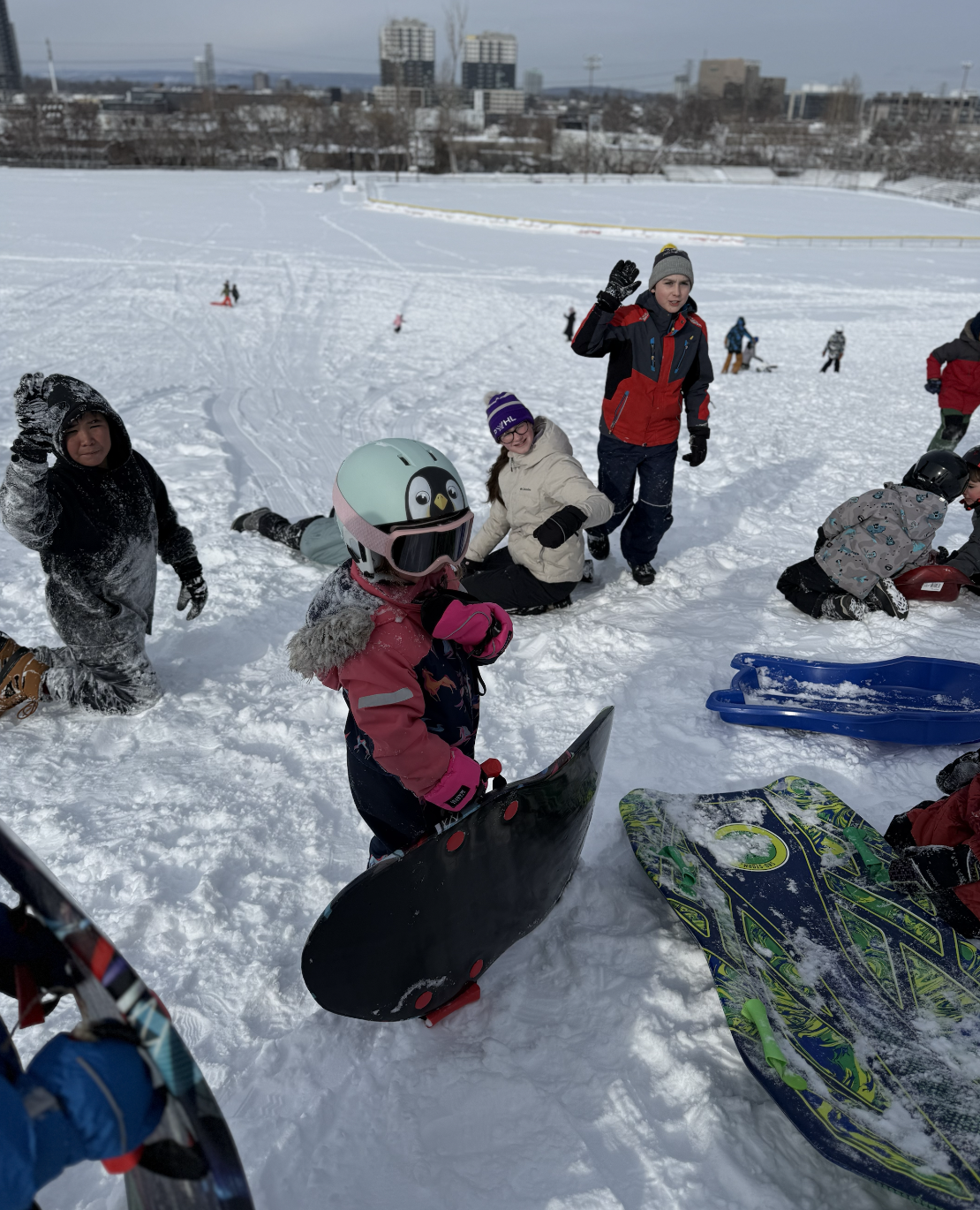
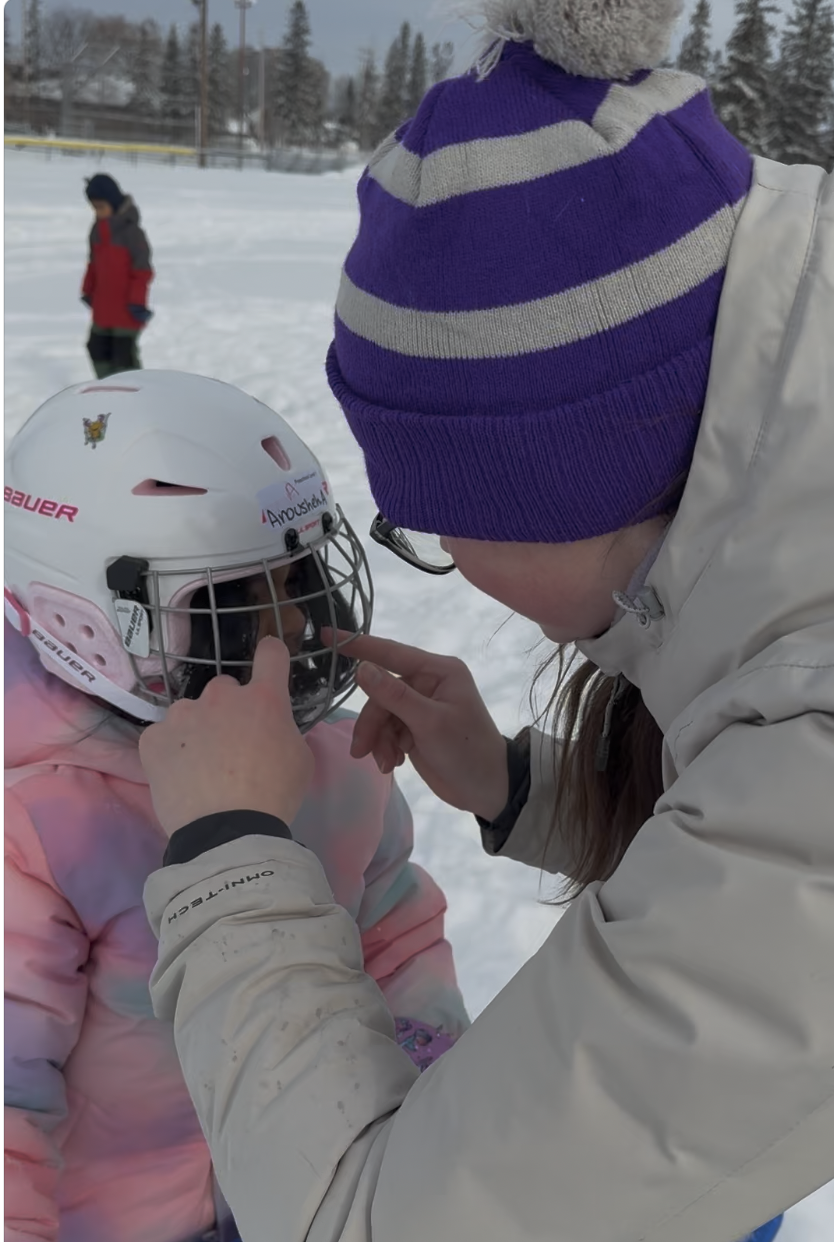
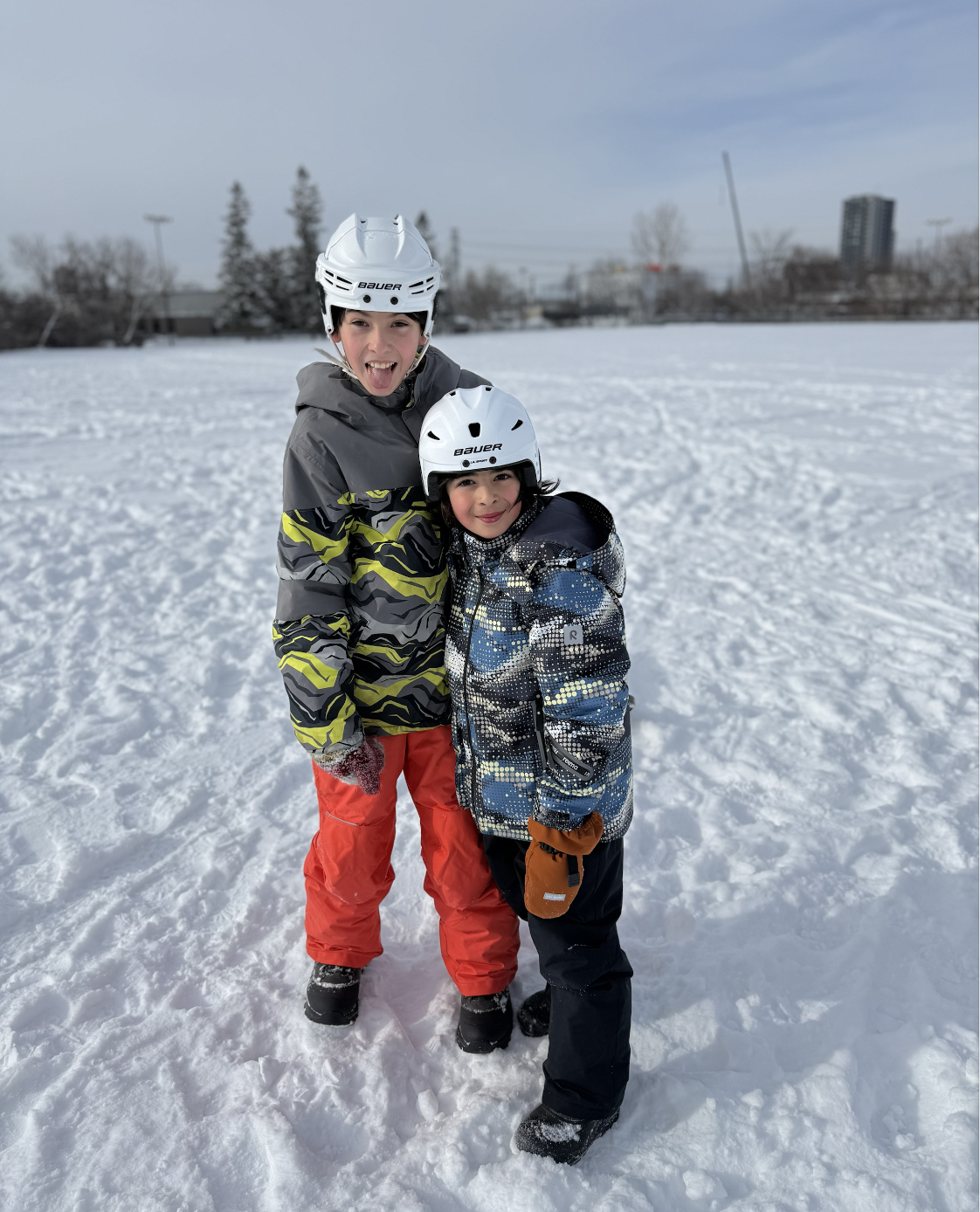
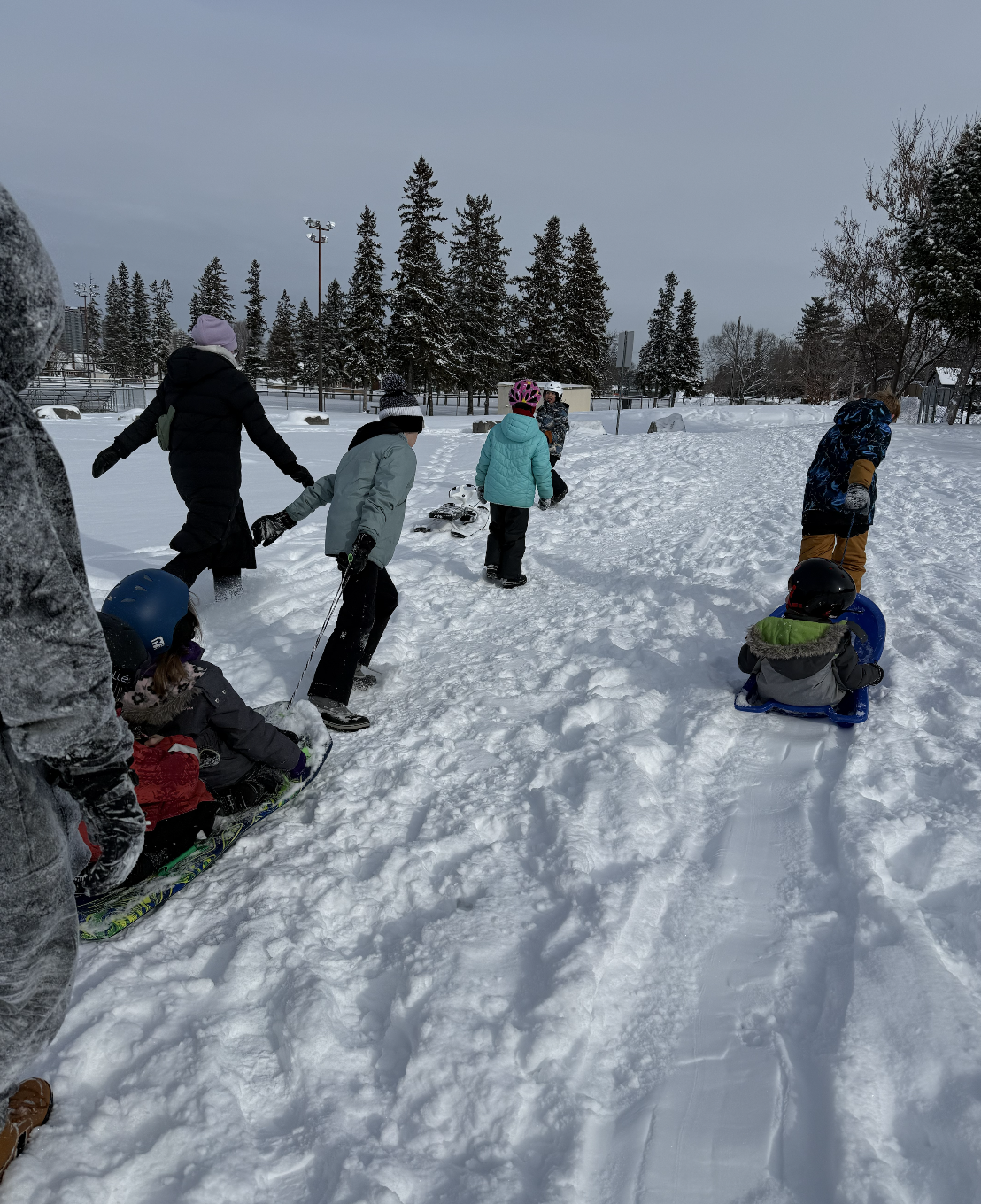
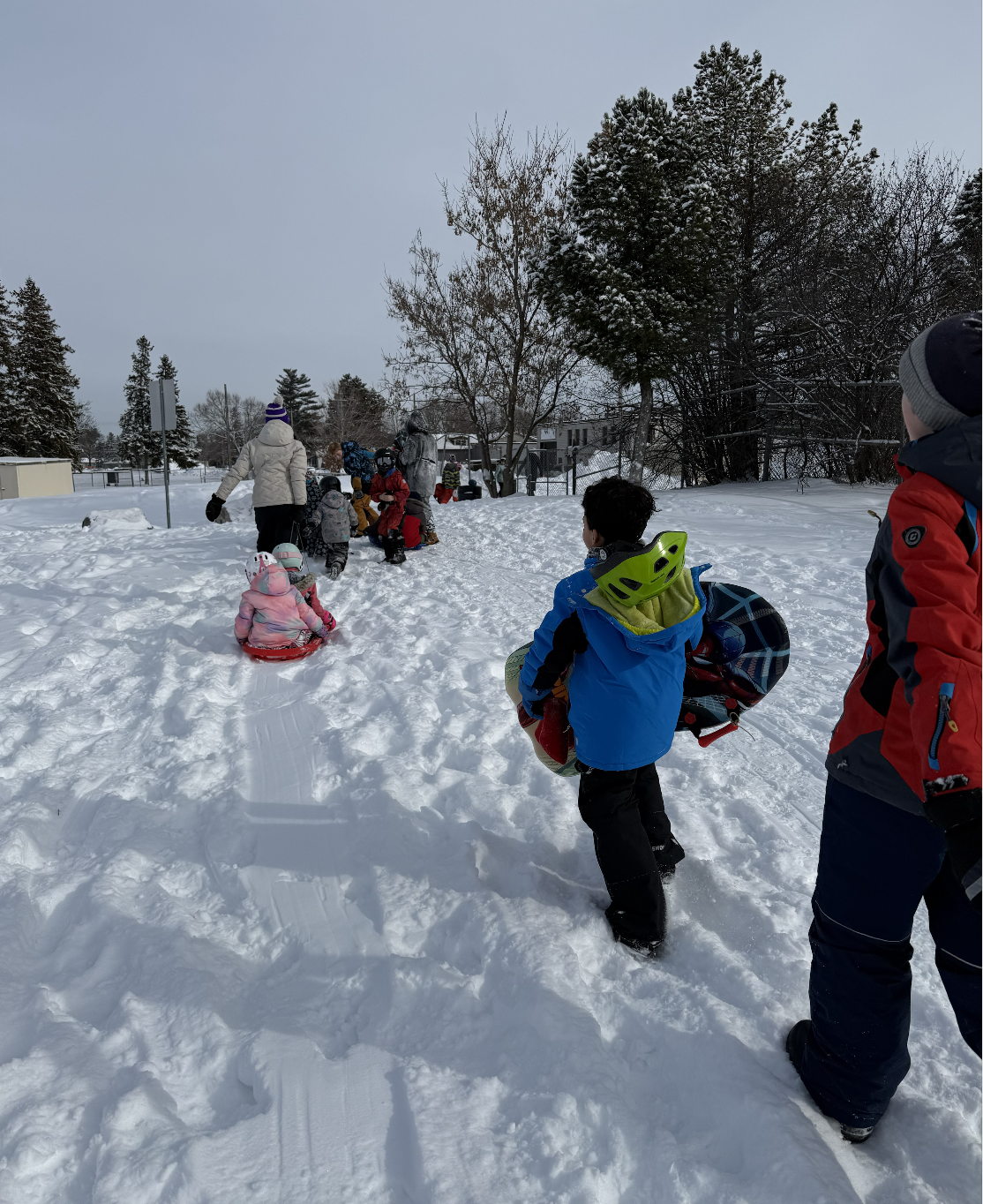
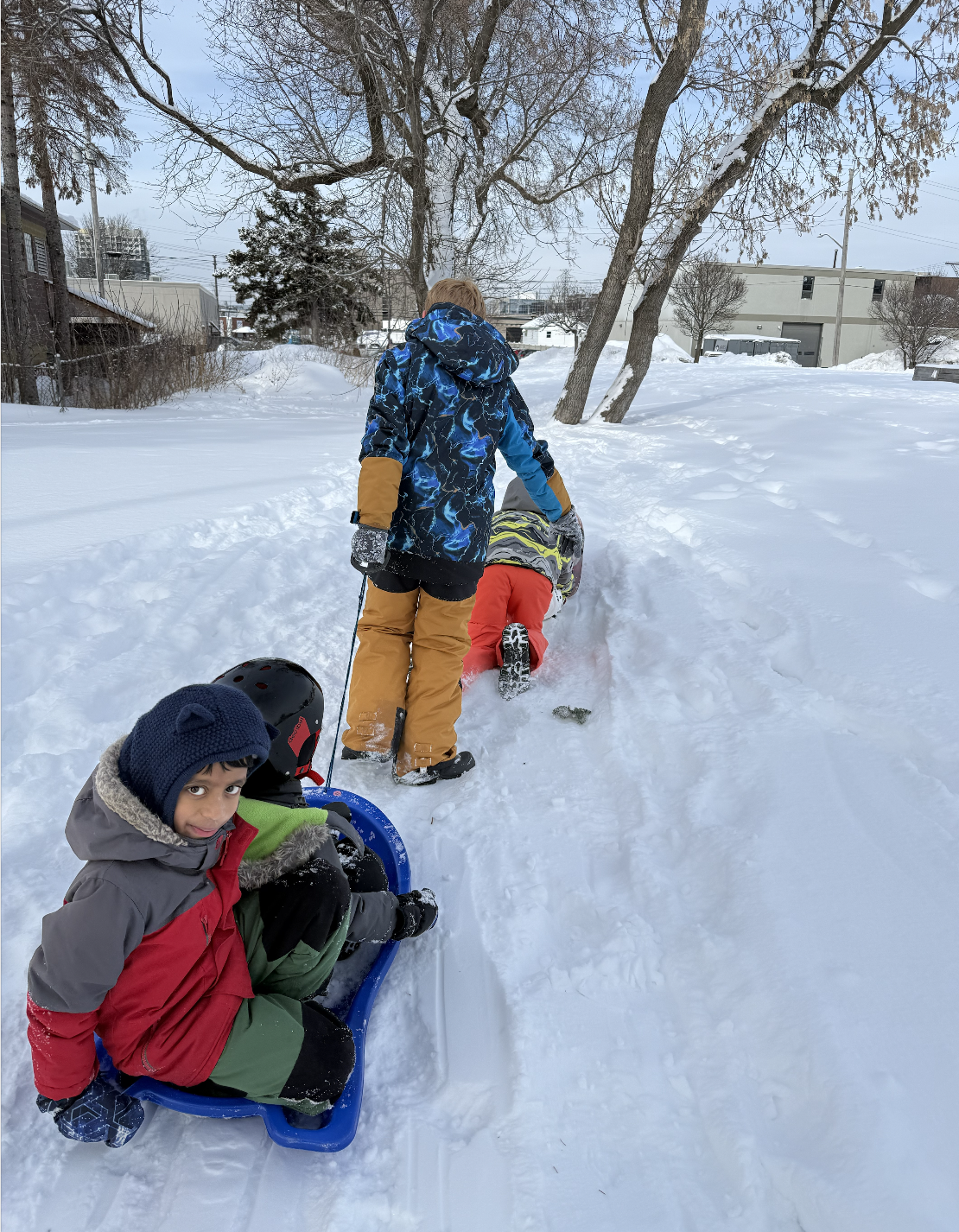
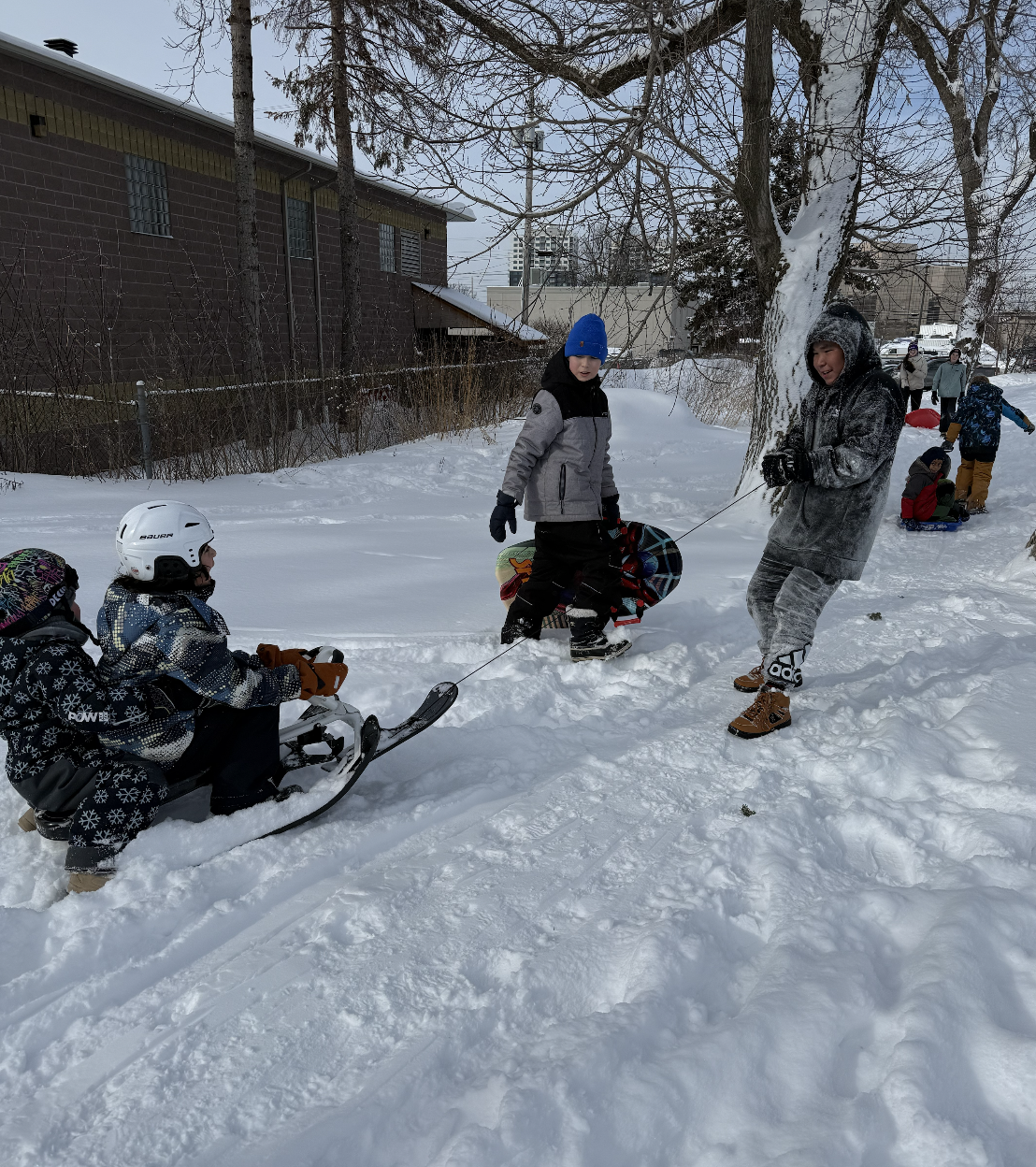
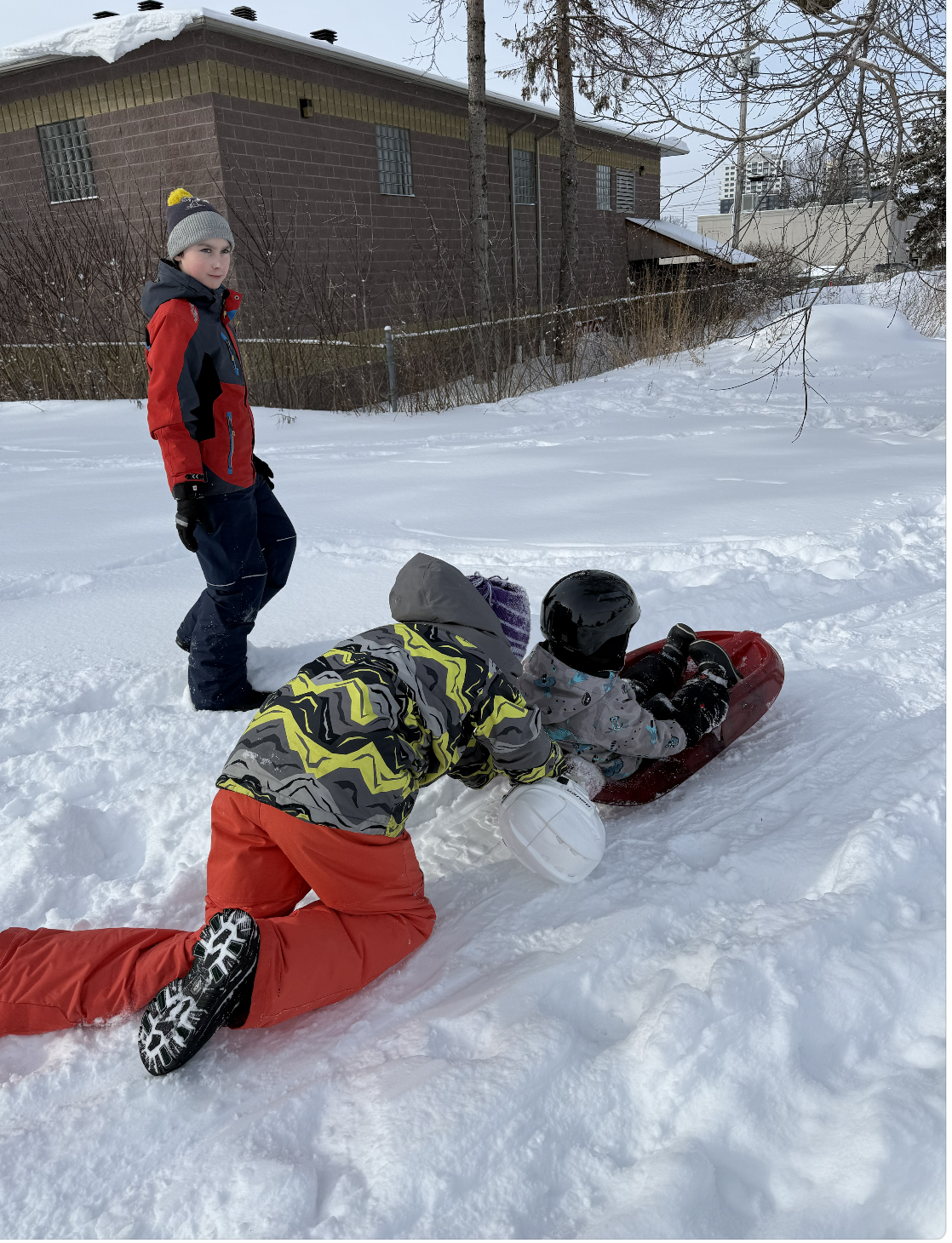
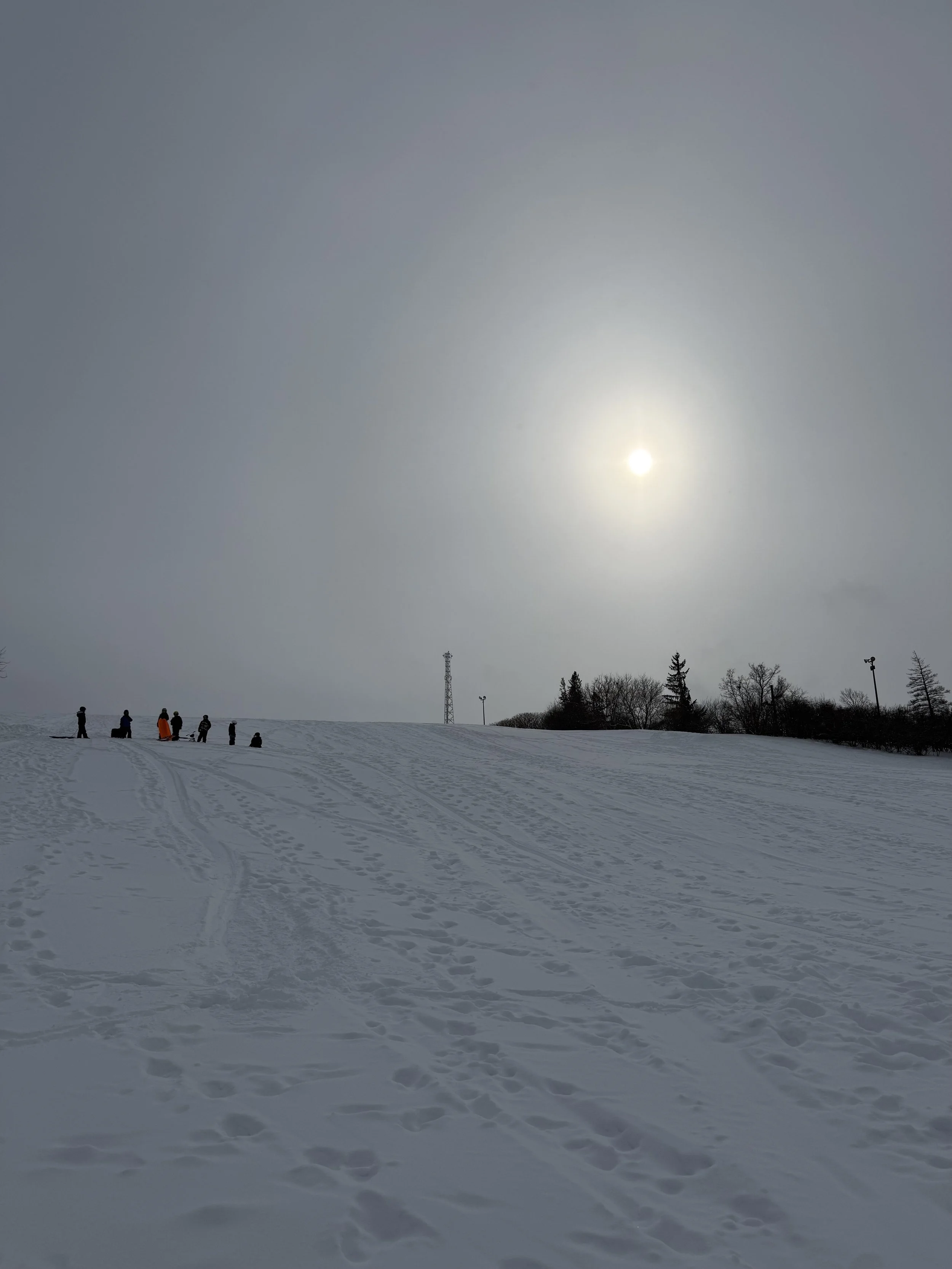
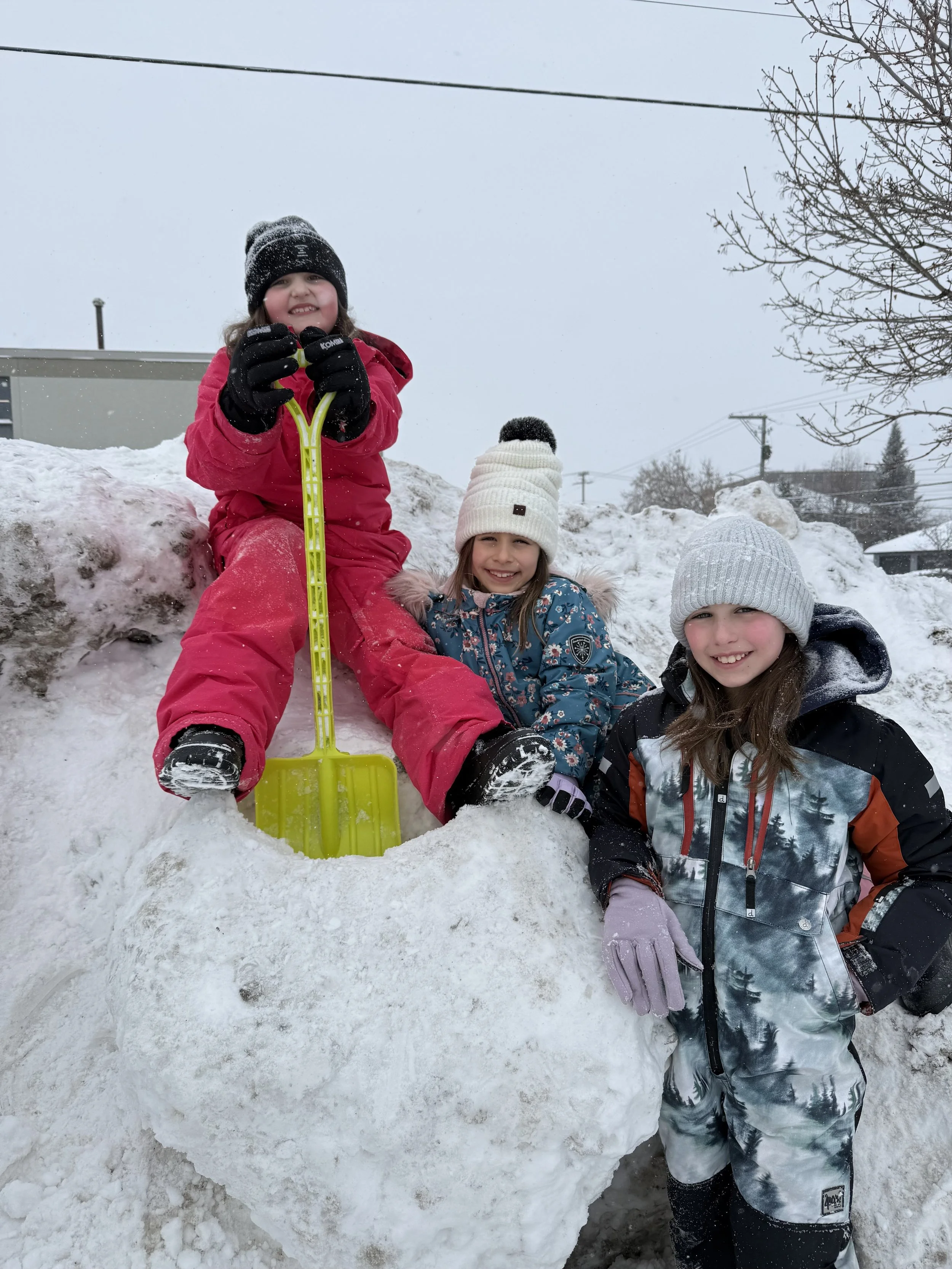
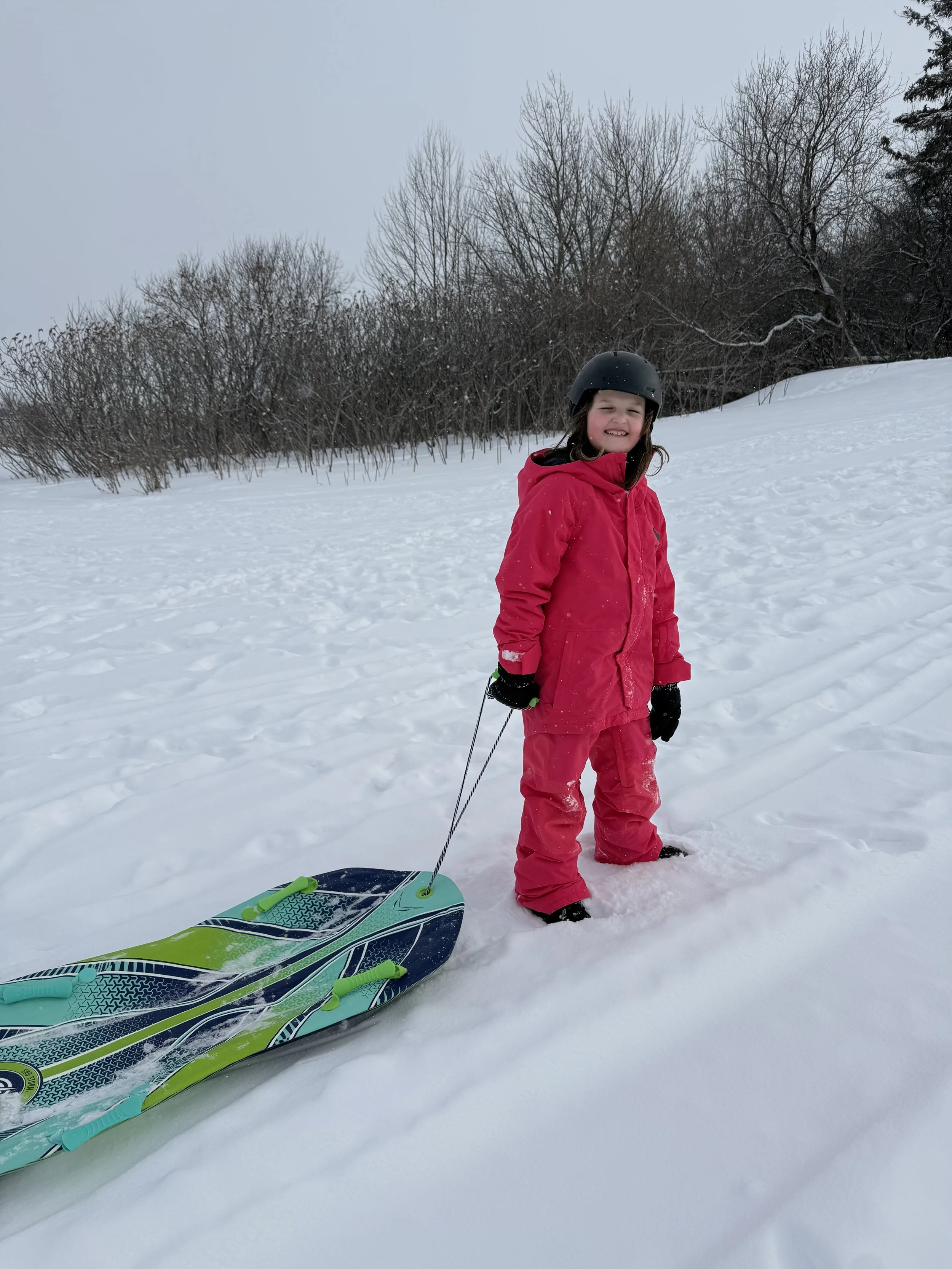
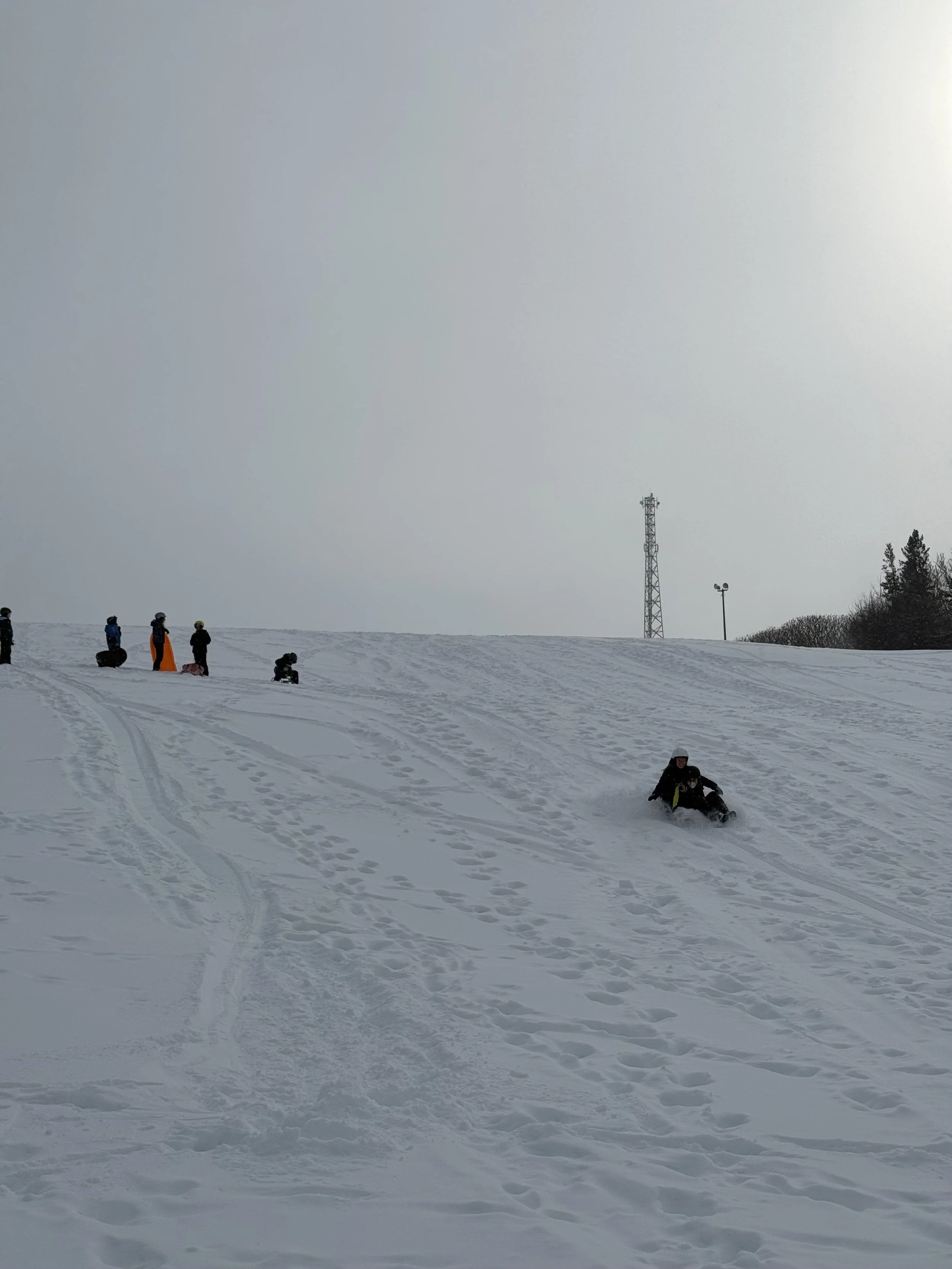
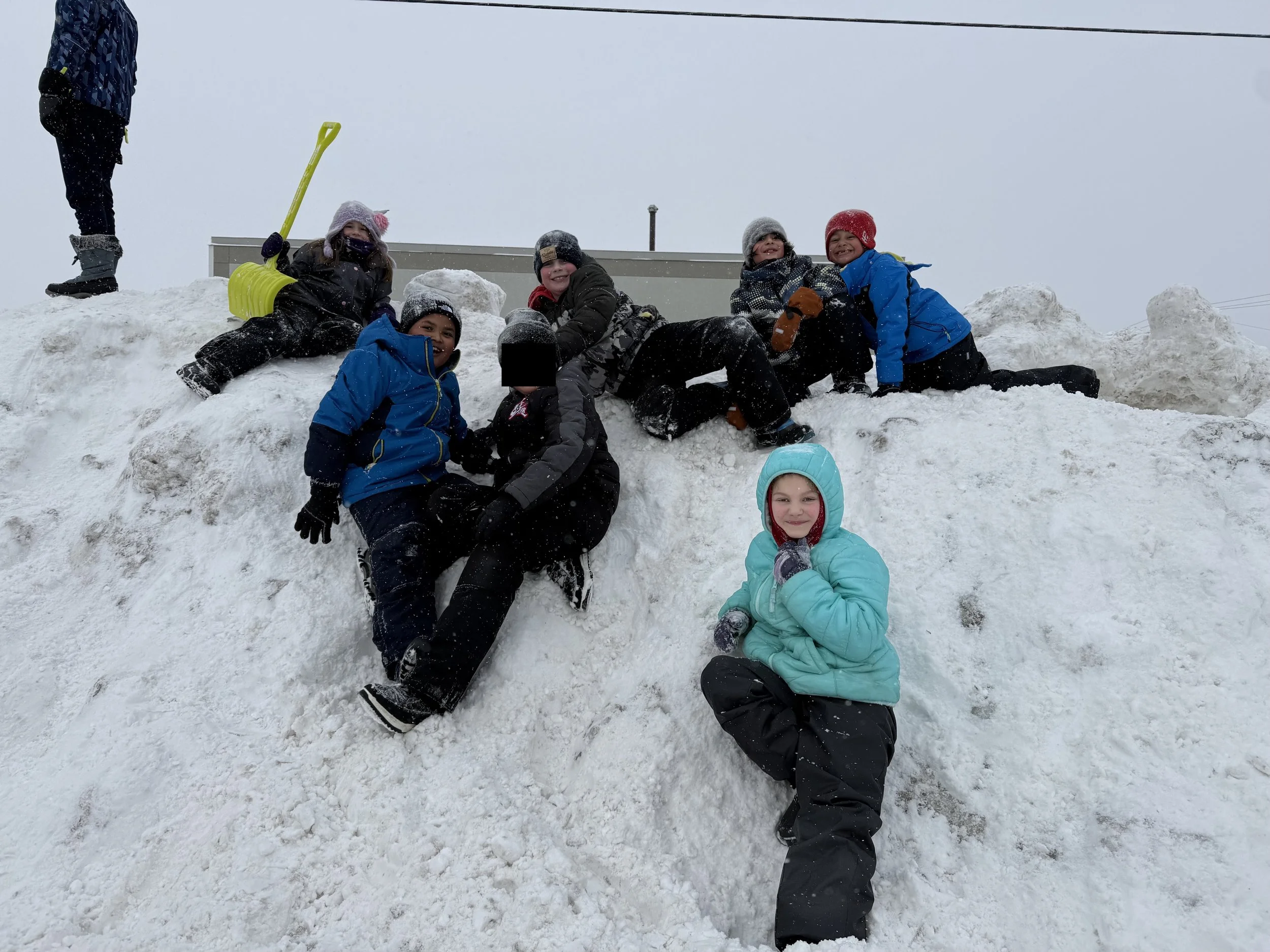
Overall, this was a fun and exciting week in the studio! The Sparks had a wonderful opportunity to go sledding, which brought lots of smiles as they sped down the hill! We were grateful for the support from our Exploration Studio Rebels, who took time out of their labs to help make this special experience possible.
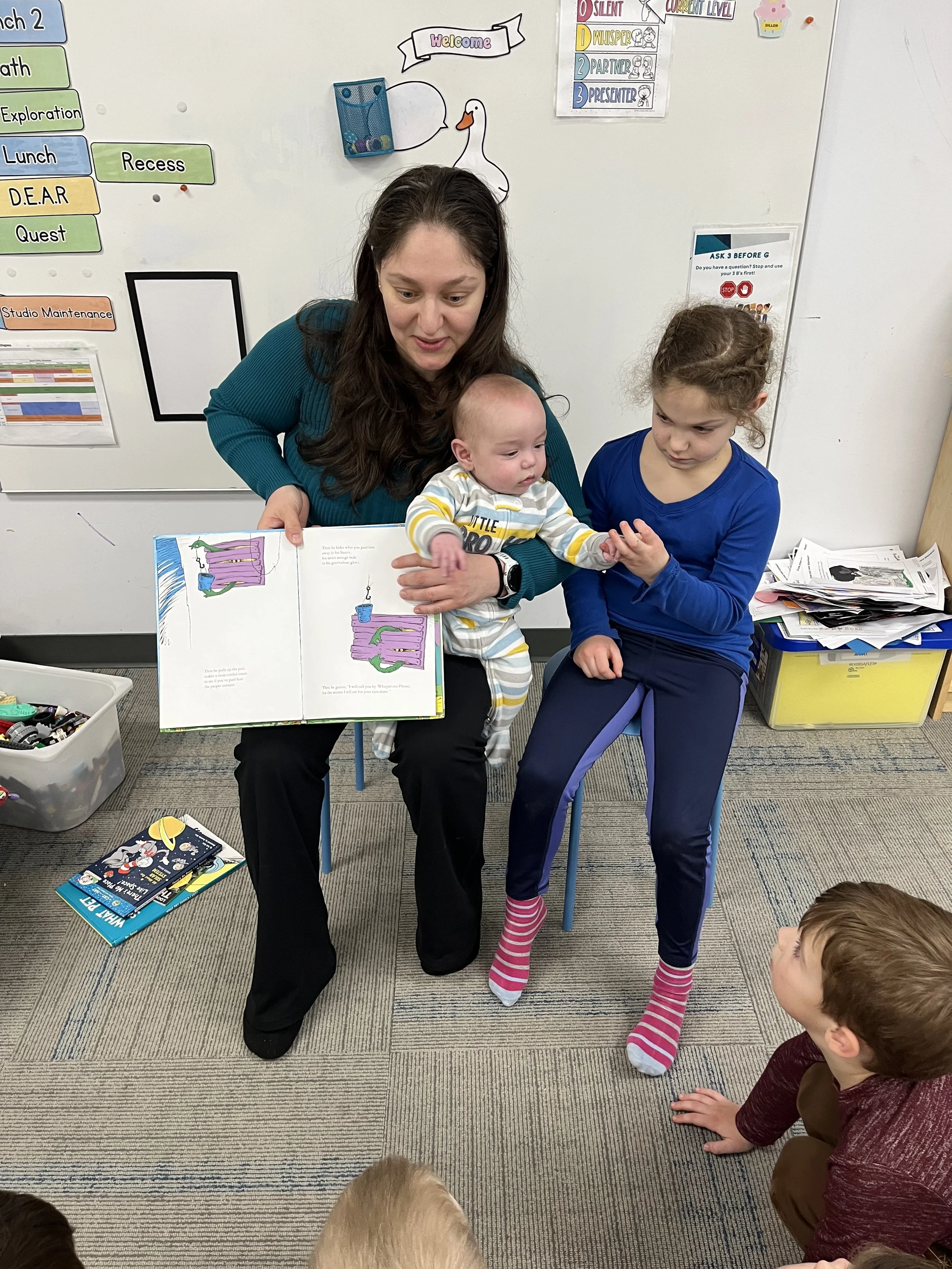
We welcomed many mystery readers again this week and they read some really fun books such as We Don’t Eat our Classmates and The Lorax. During the Sparks’ free time, many learners have been engaged and have gravitated towards playing chess. They were learning new rules or making up their own in a fun imaginative way.
Discovery Studio
Mindfulness and Launch
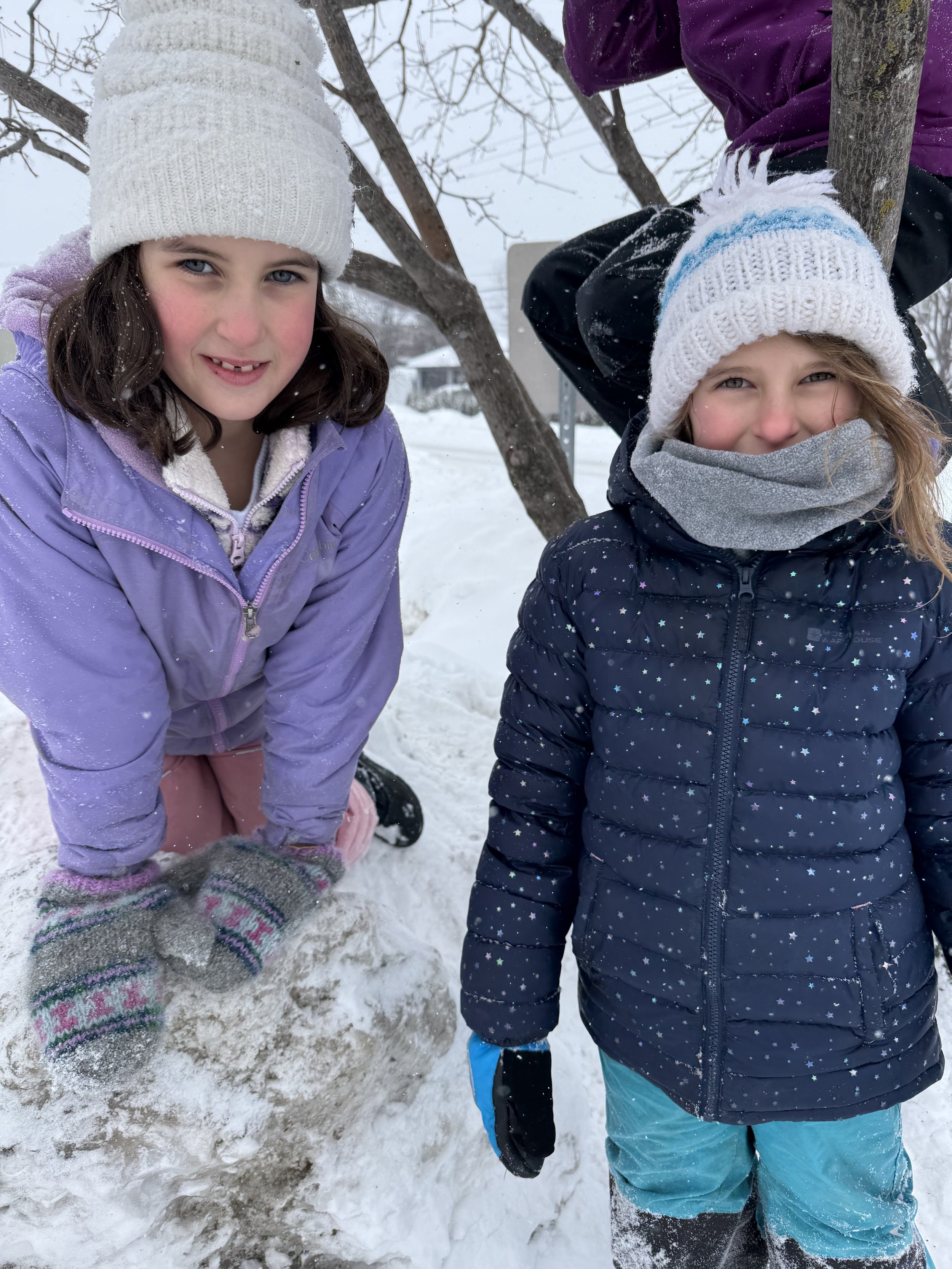
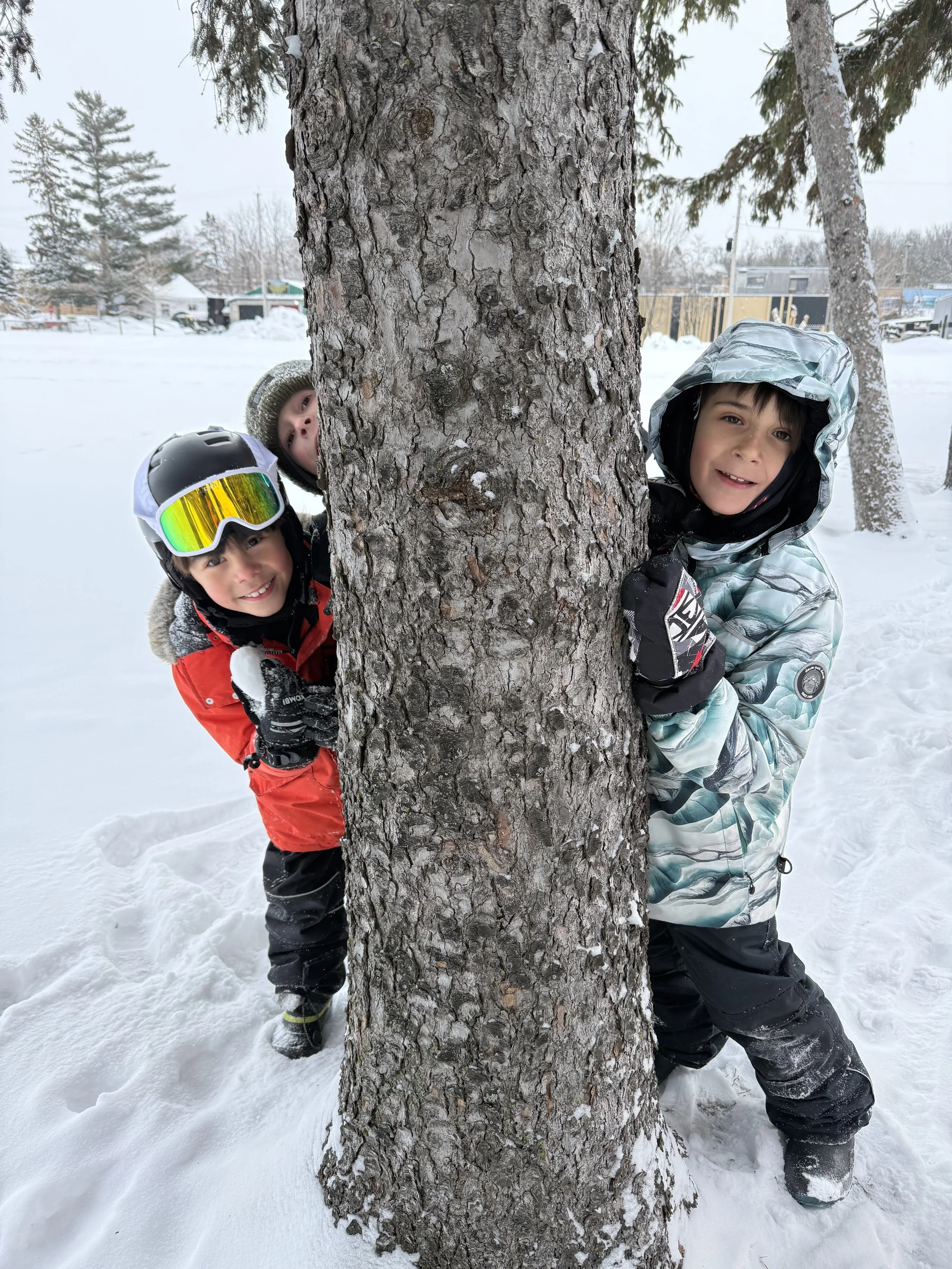
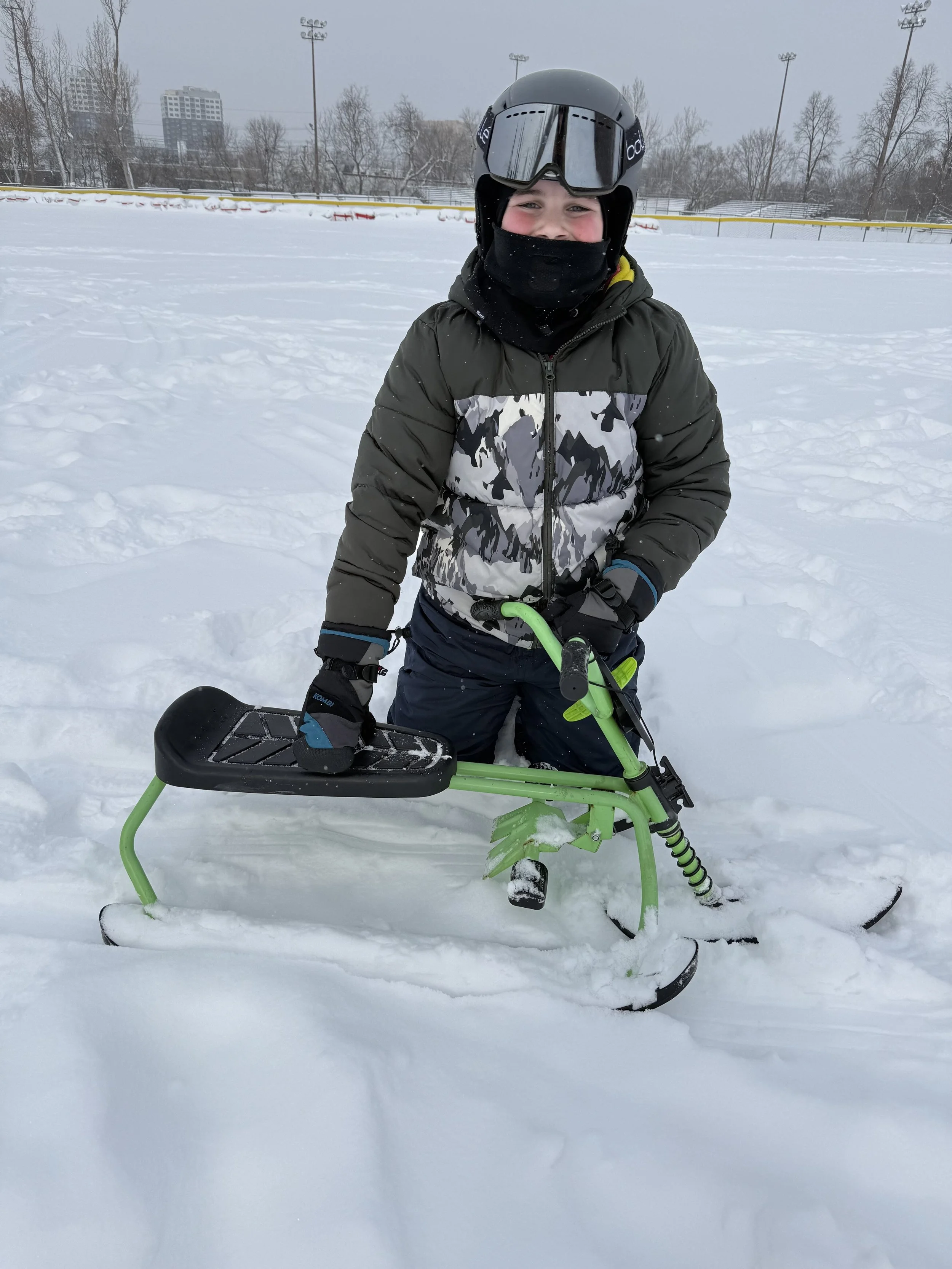
Monday morning Rebels mindfully jumped back into their vision boards! For Launch, we looked at our schedule for the week and made a game plan for our MAPS Testing Challenge. Rebels would try two tests, one for reading and one for mathematics, and so we looked at how much time it would take away from their Core Skills schedule, and how to best revise their Core Skills goals. Rebels agreed that each of them might wish to adjust their goals differently. For example, some might wish to do all goals but only half the typical work load, where others may wish to pause certain activities for the week and “lock in” only a few key goals. On Tuesday morning, the Exploration Rebels came to help us set up our tech for the challenges, ensuring we could all login to the tests. Then, we took some important time to reset our minds through a Headspace meditation with the mantra “let your mind flow like water.” Wednesday morning we played the New York Times Sudoku puzzle and didn’t get to finish the entire thing but it was cool to see the team work together to use their logic and reasoning to determine where the numbers must go. For the weekly squad check-ins, Rebels reflected on their their goals and progress given the additional MAPS challenge and worked with their leaders to make any necessary adjustments for a successful week! On Thursday morning, we met for our Thank You For Sharing circle and debated pop versus juice and then shared their favourite things about themselves. It was more challenging for some than we expected but beautiful to listen to their ideas. For Feel-Good Friday, we played a few different songs on the Boomwhackers including “It’s Corn!”, a viral internet song and The Fate of Ophelia by Taylor Swift . The Current Events report featured a warm update that we have made it through the 10 darkest weeks of the year, a very exhilarating recap of Alex Honnold’s free-solo urban climb of Taipei 101, and the Rebels were excited to learn that KPop Demon Hunters was nominated for two Oscars this year!
Math Lab
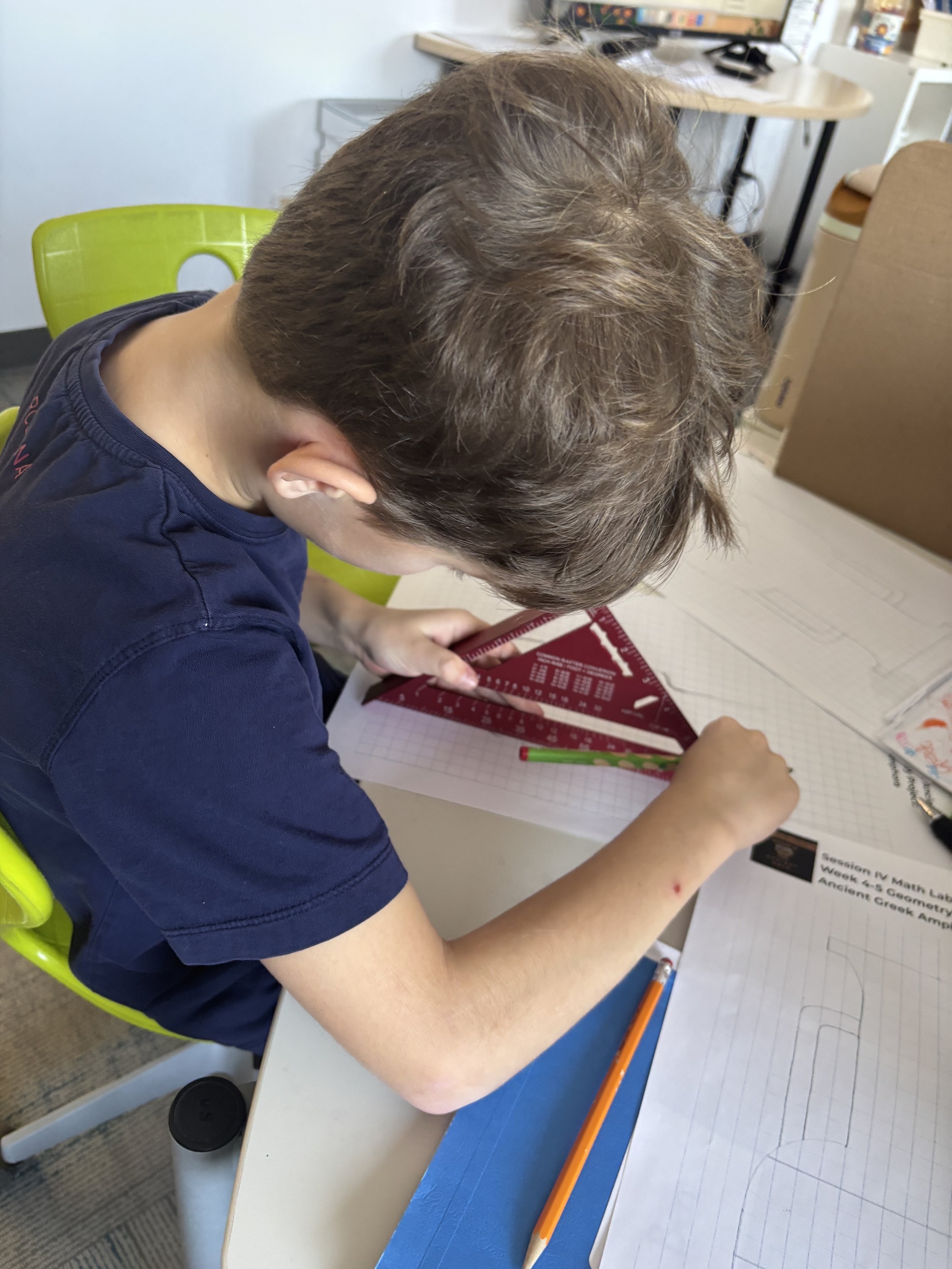
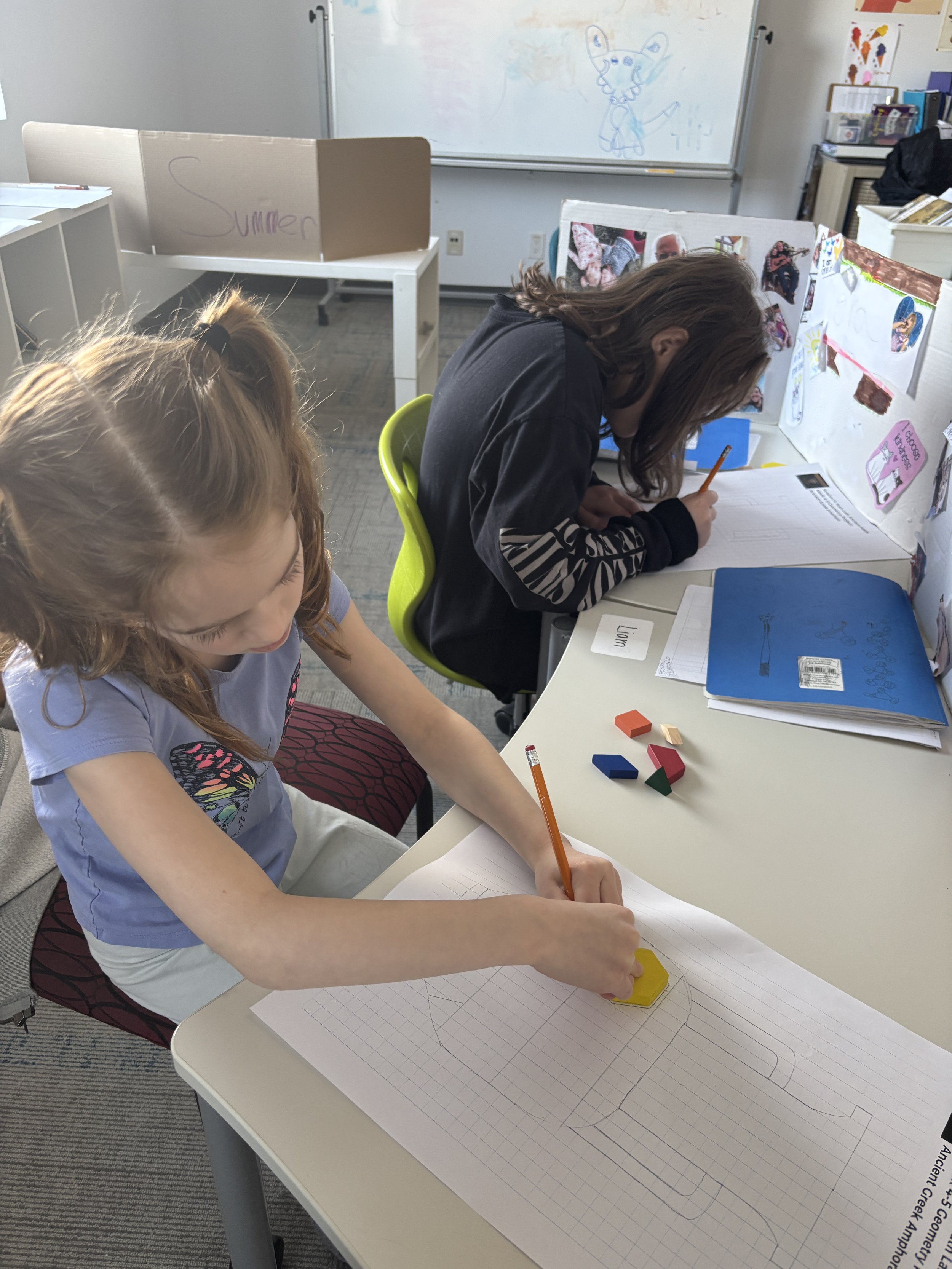
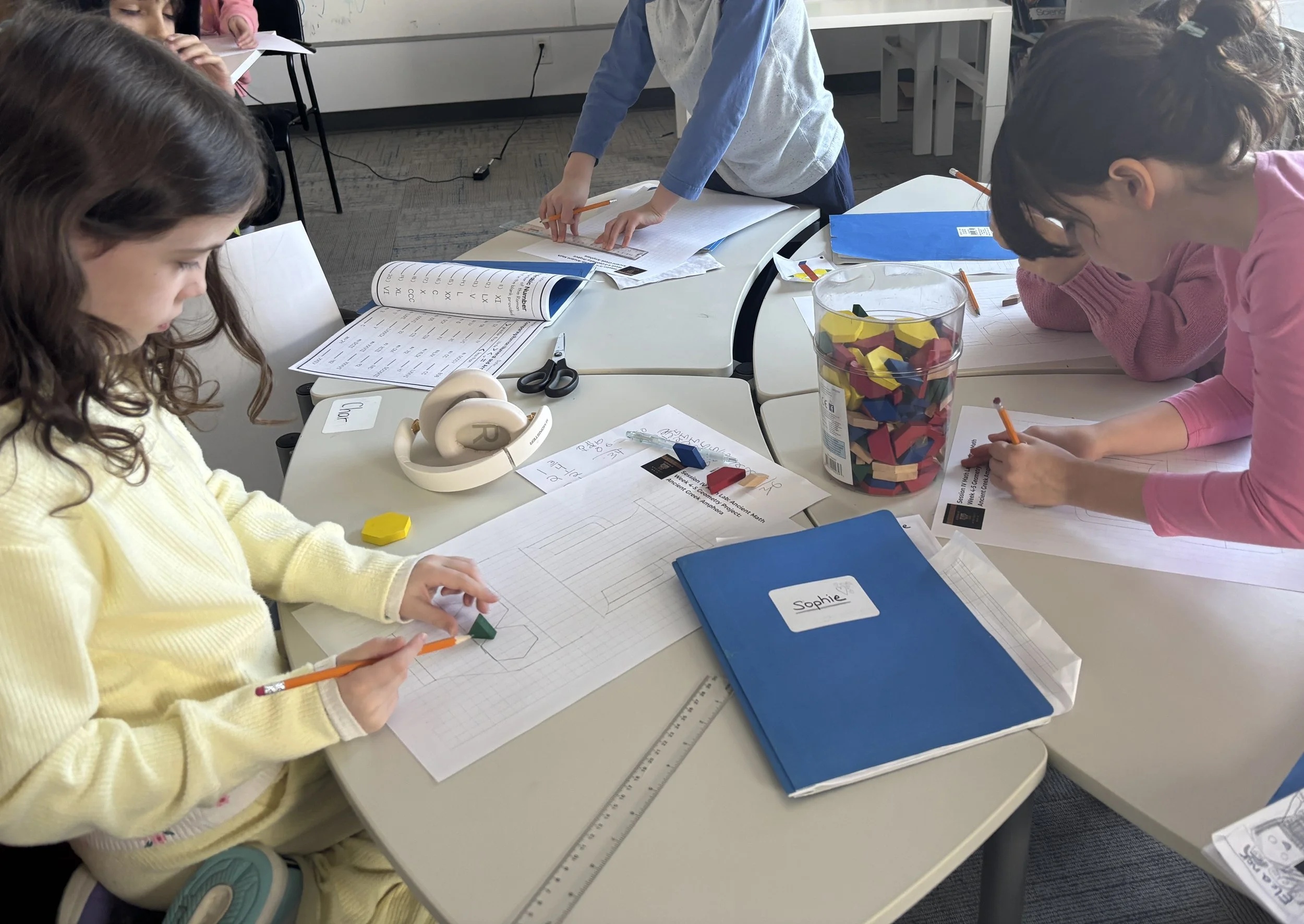
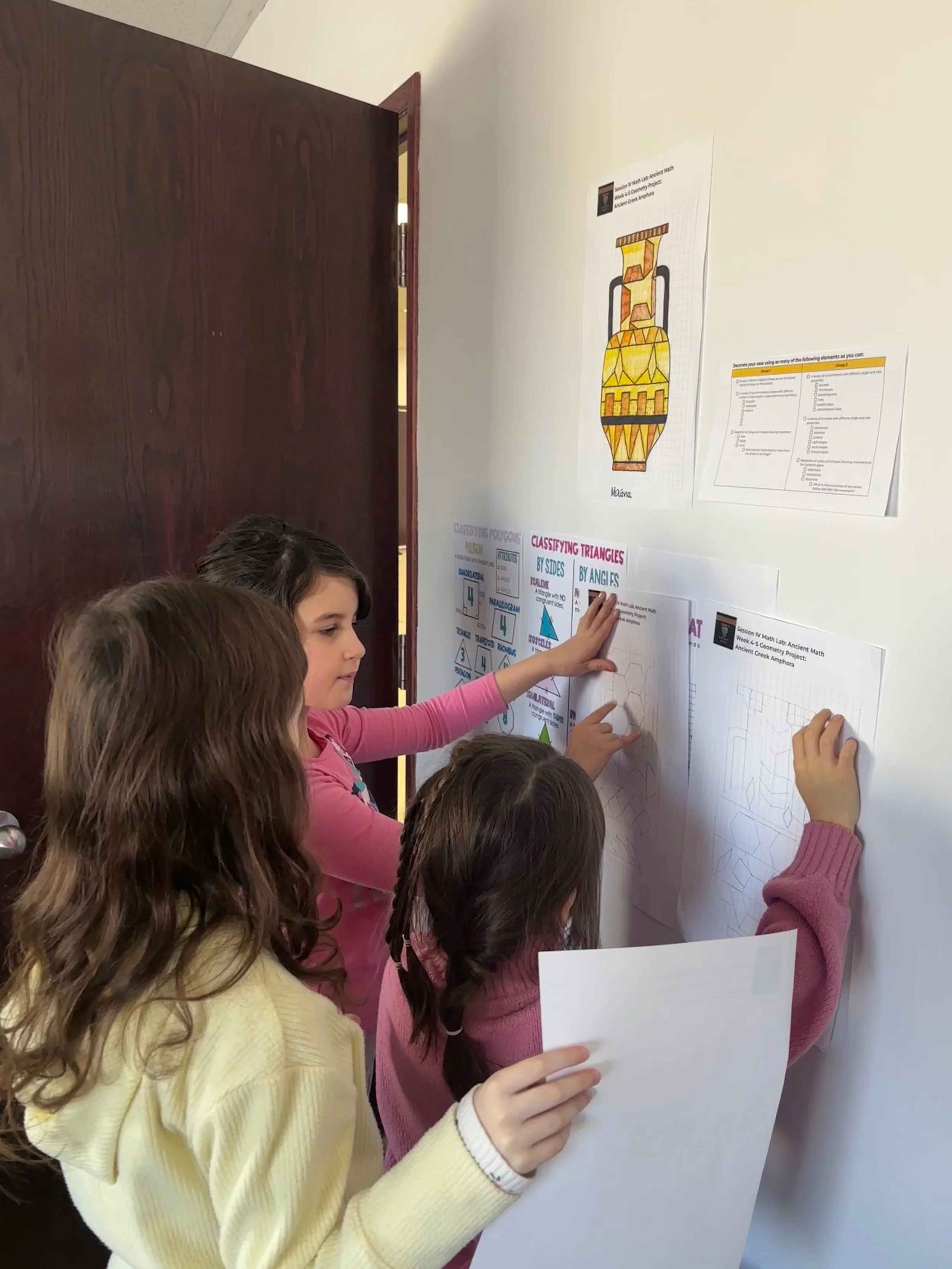
This week Rebels explored ancient Greek mathematicians like Pythagoras and Euclid, and we began our final task for this session: a Greek geometric vase design! On Tuesday with Group 2, we took a closer look at types of angles, special characteristics of quadrilaterals and examples of the three types of transformations. We also reviewed the conventions used to show attributes of shapes (for example: matching hatch marks show equal side lengths). On Thursday with Group 1, we focused mostly on using concrete tools (e.g. pattern blocks) to make and better visualize the movements a shape can perform and how to describe these slides, flips and turns in their designs. The team had a lot of energy while describing them, noticing that there are times when you can describe a move in more than one way (e.g. a flip over a vertical mirror line can also be described as a slide to the right).
Reader/Writer
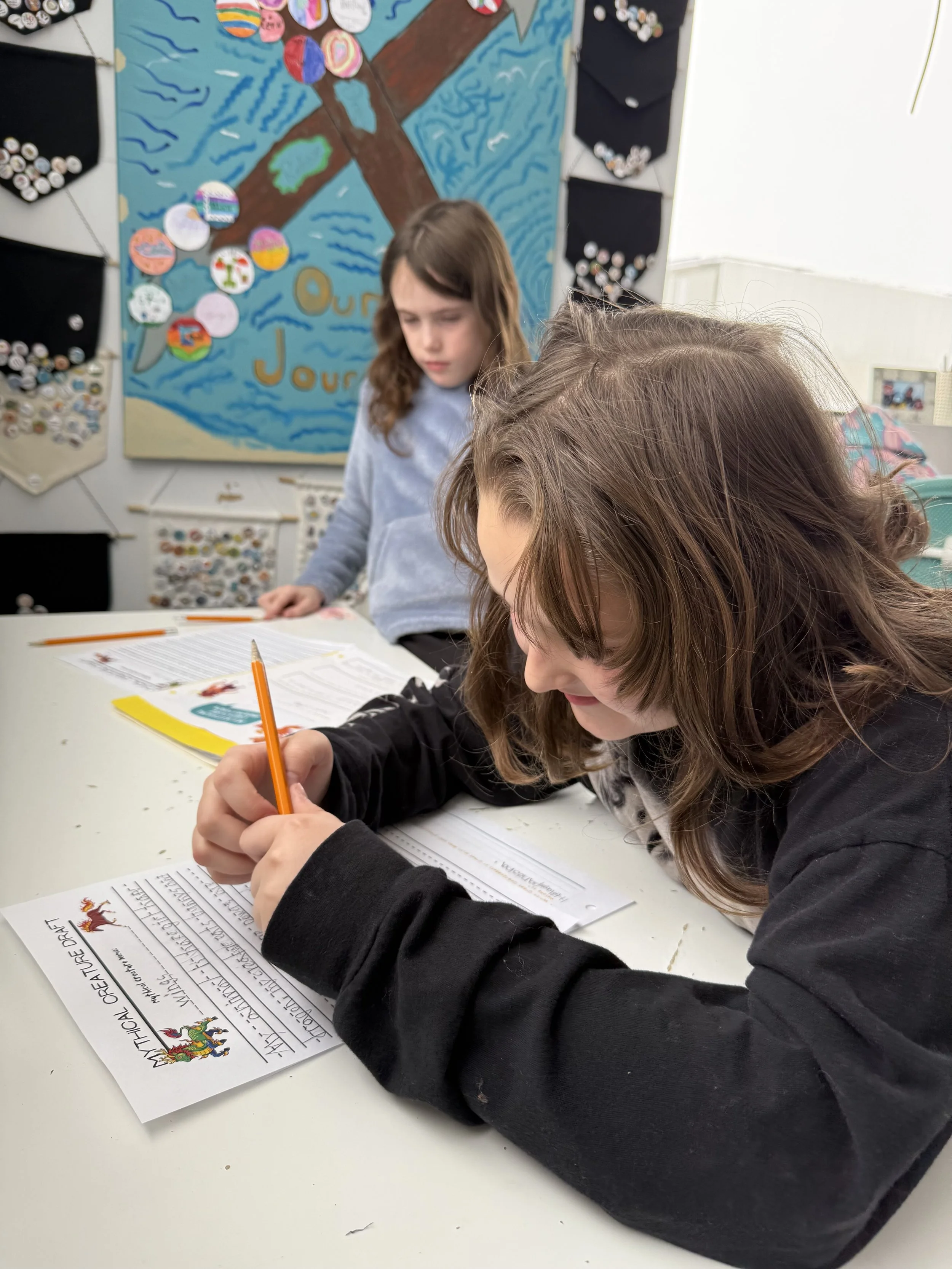
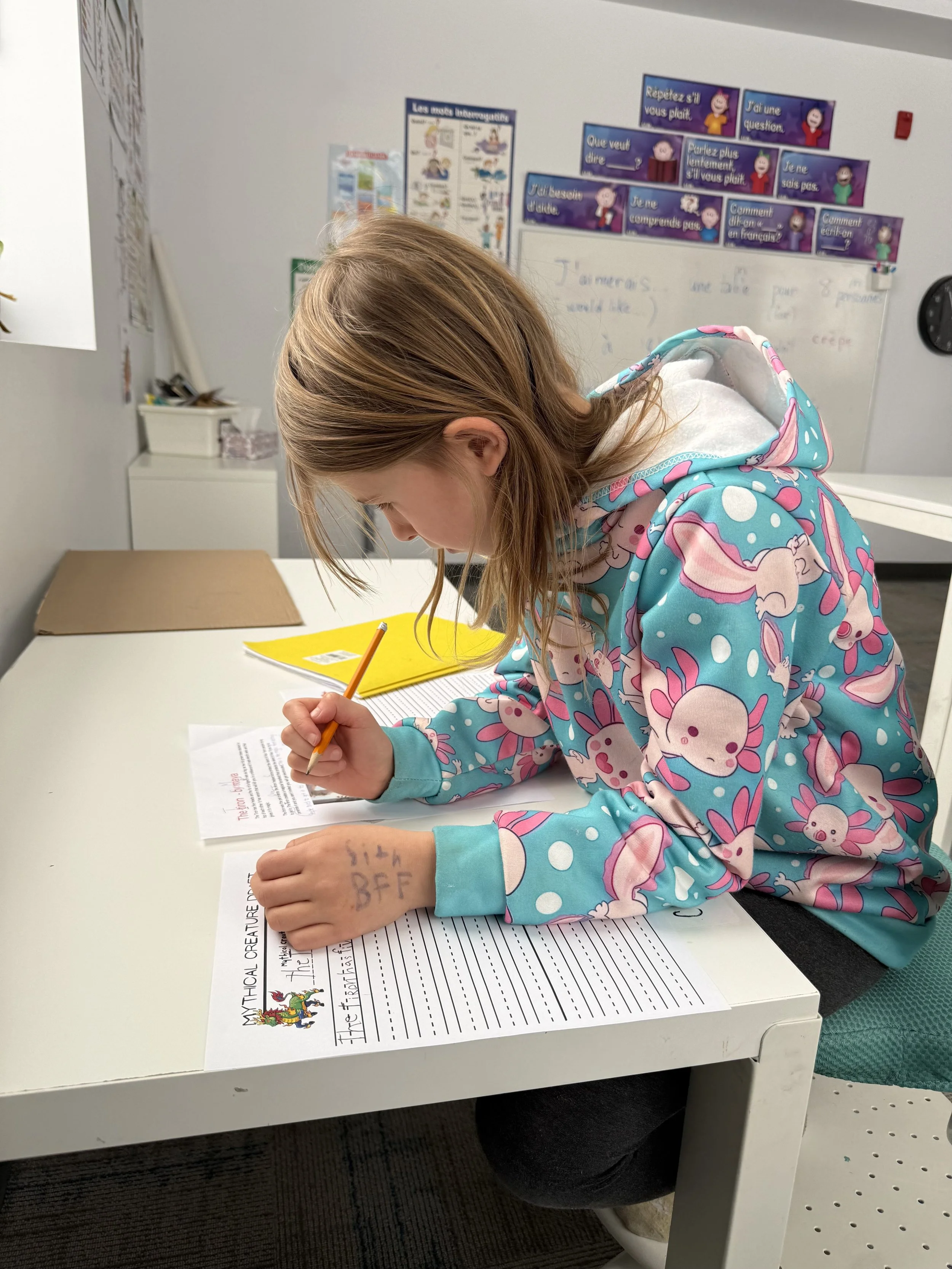
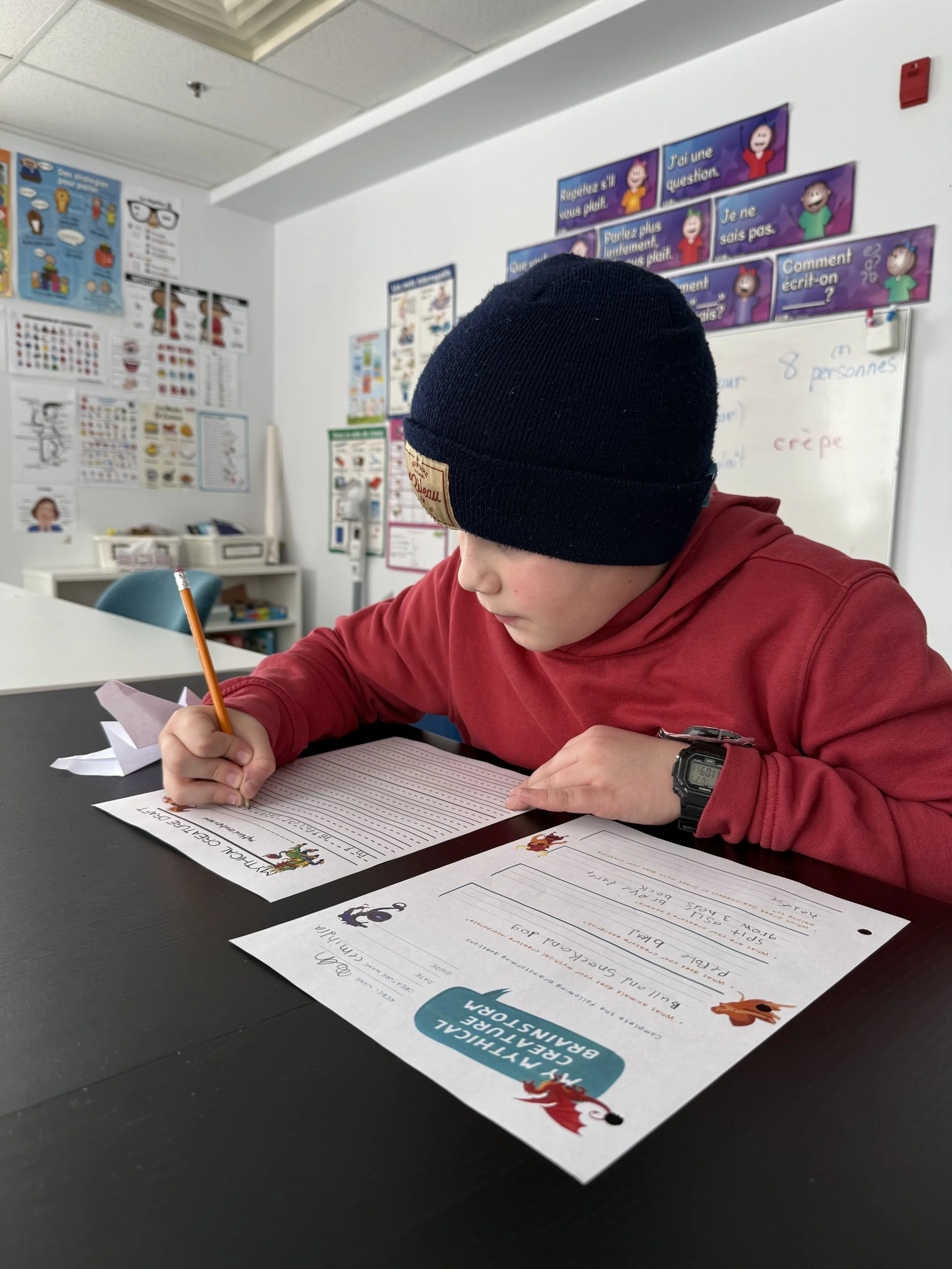
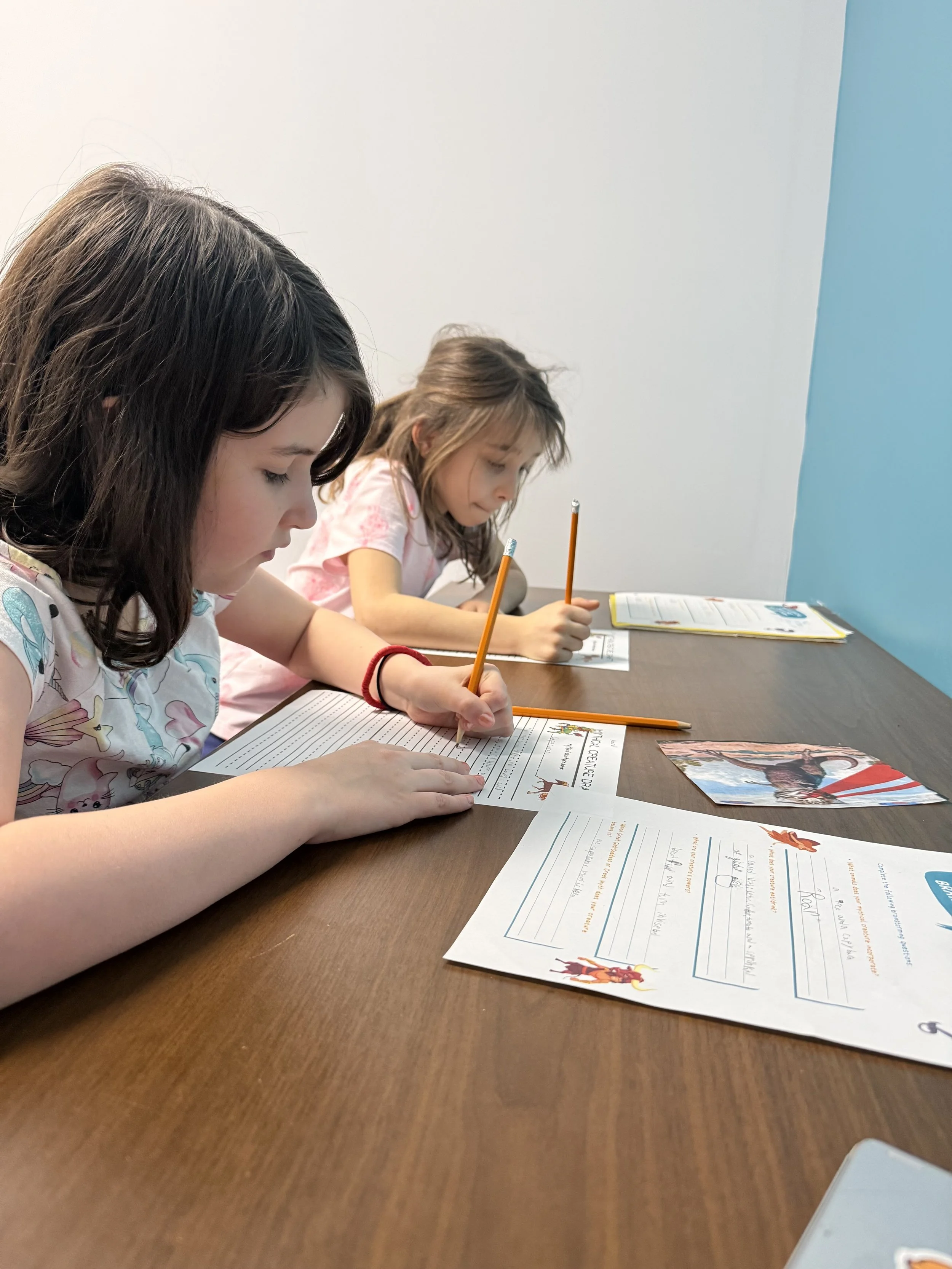
Week four saw the Rebels in each workshop hard at work brainstorming and drafting their mythical creature origin stories. Rebels have been writing their stories intentionally, whether it be blending vocabulary from places and people in Greek Mythology to create a name that best represents what their creature symbolizes, using maps and images to inspire characteristics and details about where their creature lives, what it eats, what its strengths or weaknesses are, and more! Rebels who completed their brainstorming maps began writing their drafts, with some moving on to editing and feedback from fellow Rebel writers. Some Rebels have also been enjoying experimenting with a two different AI tools to generate pictures of their creatures! With clear boundaries and guidance, this process has encouraged Rebels to strengthen their descriptive writing, visualize their ideas and has given them the chance to work on some early digital and media literacy skills while learning how to use emerging technologies in a safe and responsible way. We can’t wait for you to see their finished creations at Exhibition in a few weeks!
Civilizations
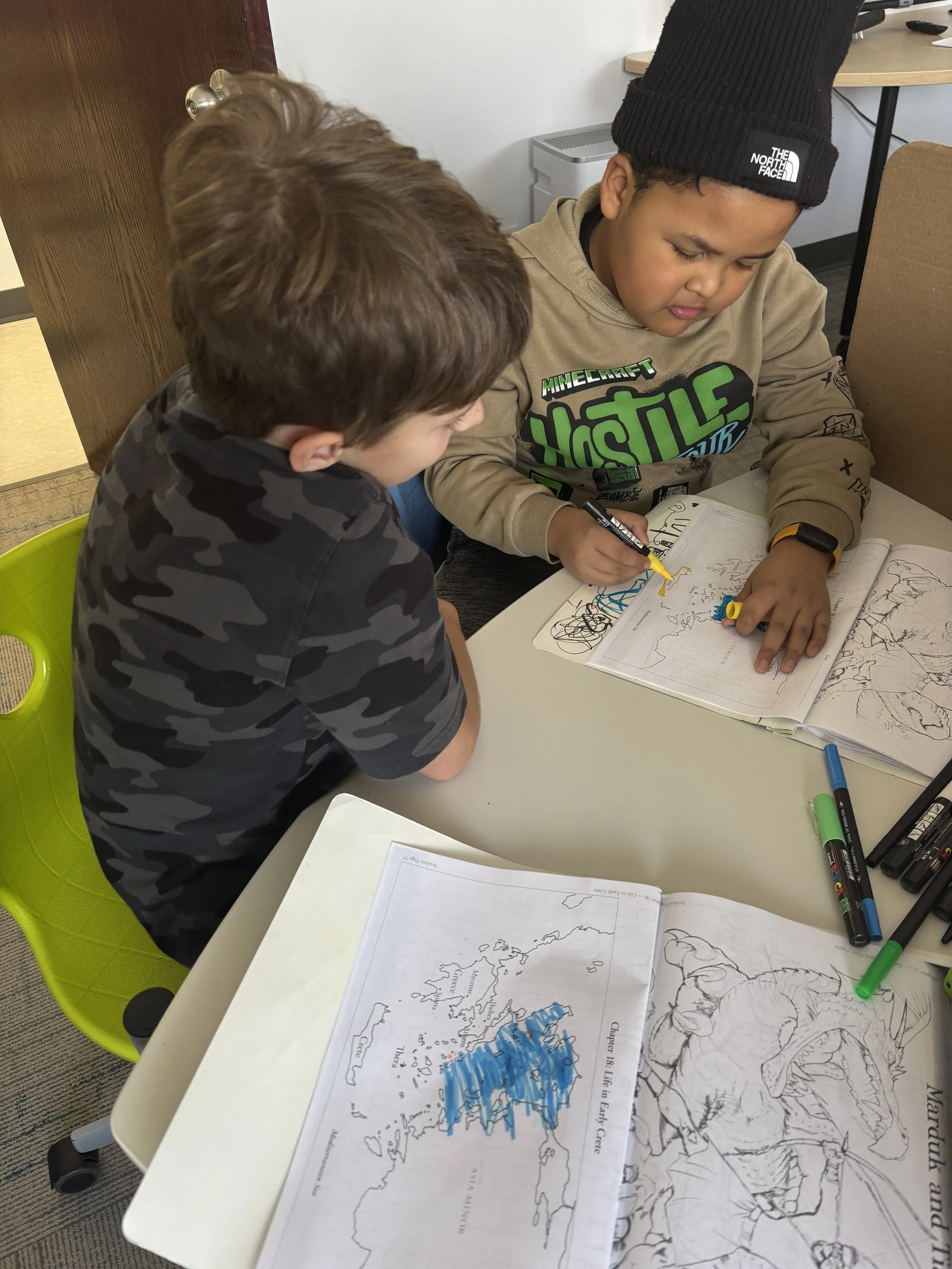
This week’s story took us to the island of Crete and told tales of the early Greeks! Rebels mapped the pathway from the mainland city-state of Athens to the island of Crete, shading the Aegean Sea. They also labelled the island of Thera with a red triangle to show that a volcano is thought to have erupted there thousands of years ago! Rebels listened to the story of the Minoans, and the mythical tale of Aegeus, Theseus and King Minos. The Rebels were already familiar with the story of the Minotaur and the annual shipment of fourteen Athenian children who would try to battle the monster in a labyrinth and made many connections between our quest, the myths and different characters. At the end, we discussed the ancient sport of bull-jumping compared to modern day gymnastics, piracy on the Mediterranean Sea and whether or not Theseus is responsible for his father Aegeus’ death.
Quest
Why did the ancient Greeks create the Olympic Games? How did the Olympics reflect what different Greek societies valued? What can the Olympics tell us about power, competition and cooperation in ancient Greece? Rebel spies, welcome to week four: OLYMPIA - “Who will wear the olive crown?” Rebels kicked off the week with a deep dive into the history of the Olympic games. Learners split off into pairs and groups of three to complete a digital presentation all about the games, seeking to better understand the purpose and origin stories of what is now the world’s biggest sporting competition.
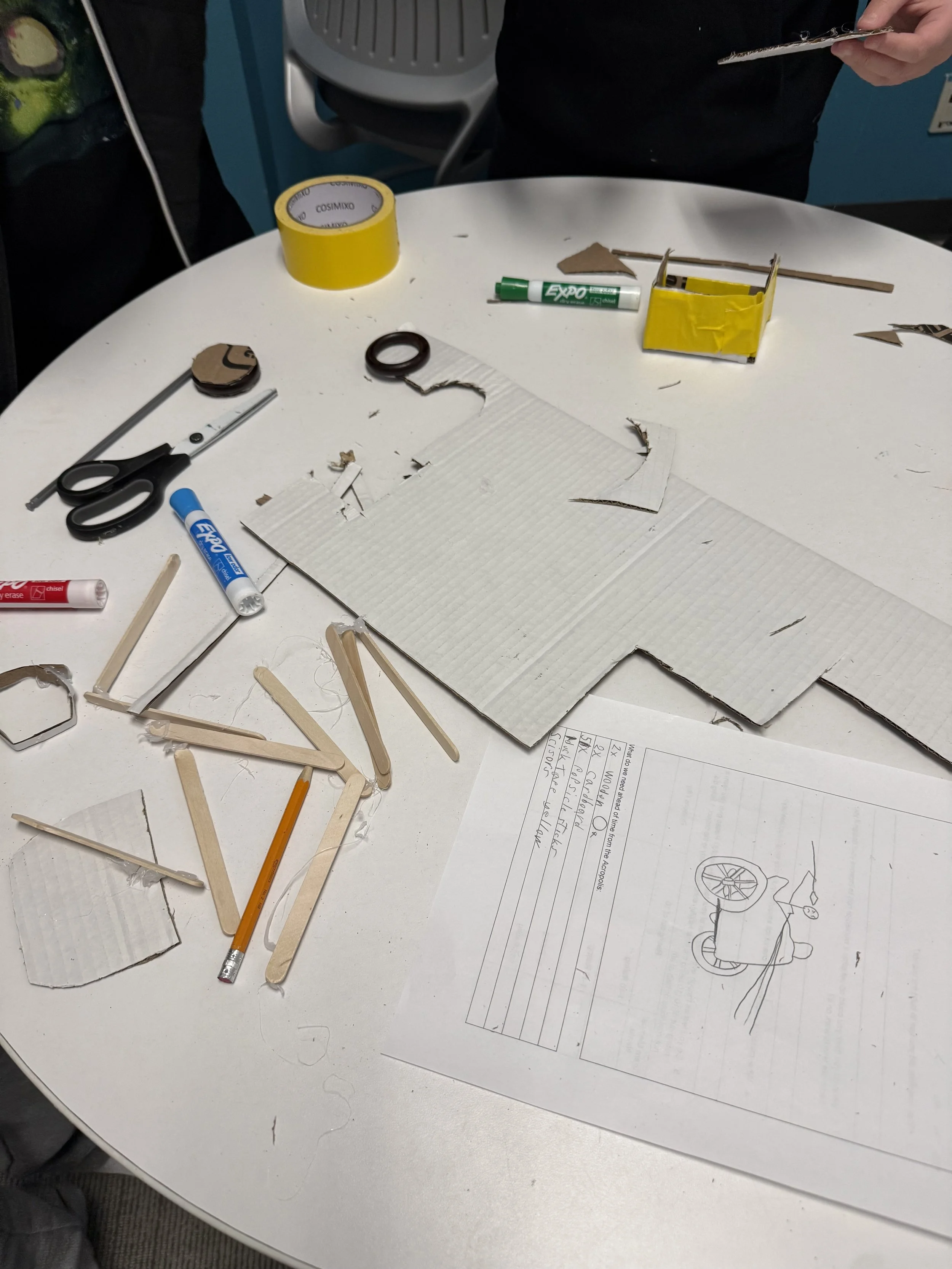
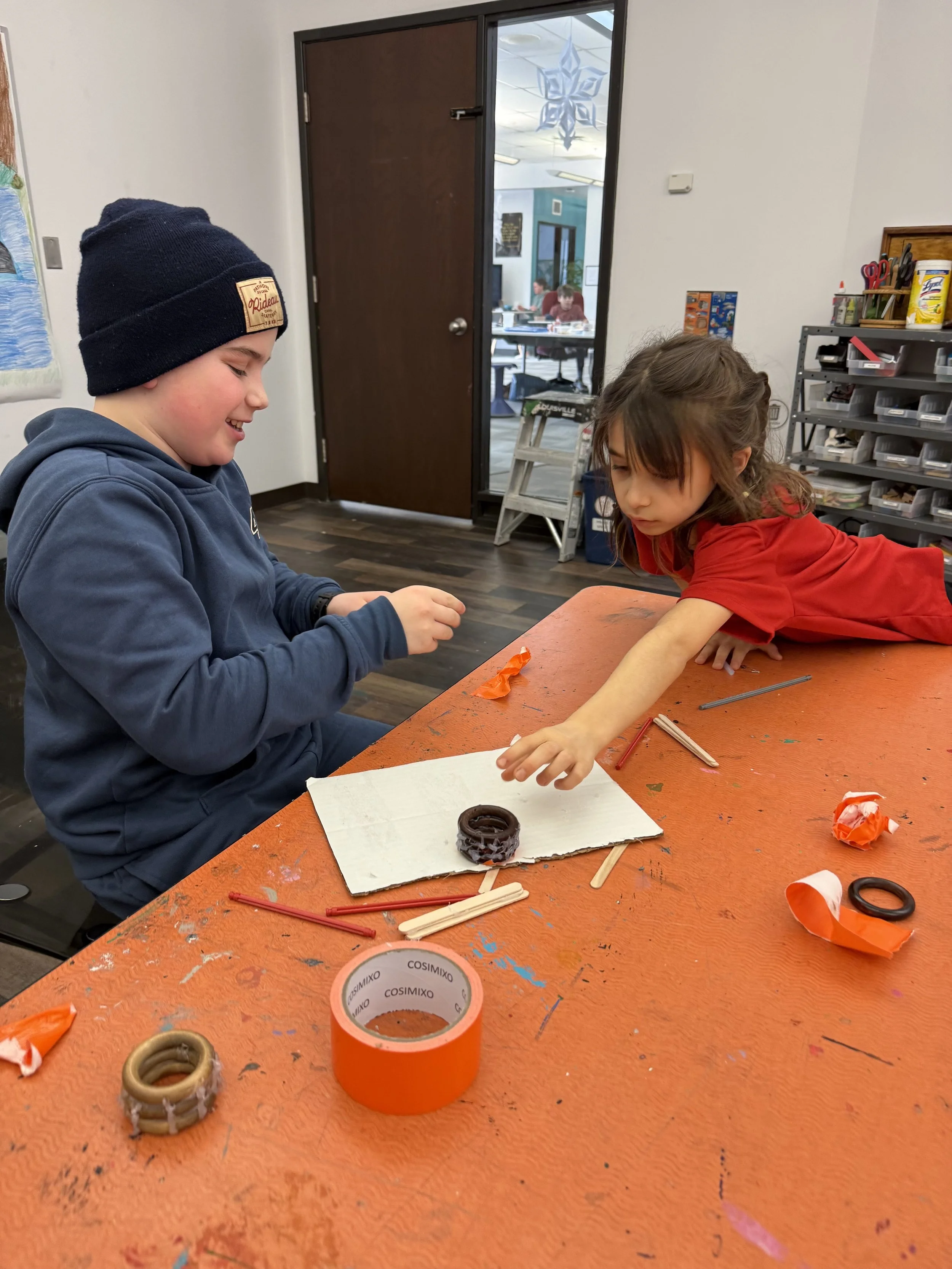
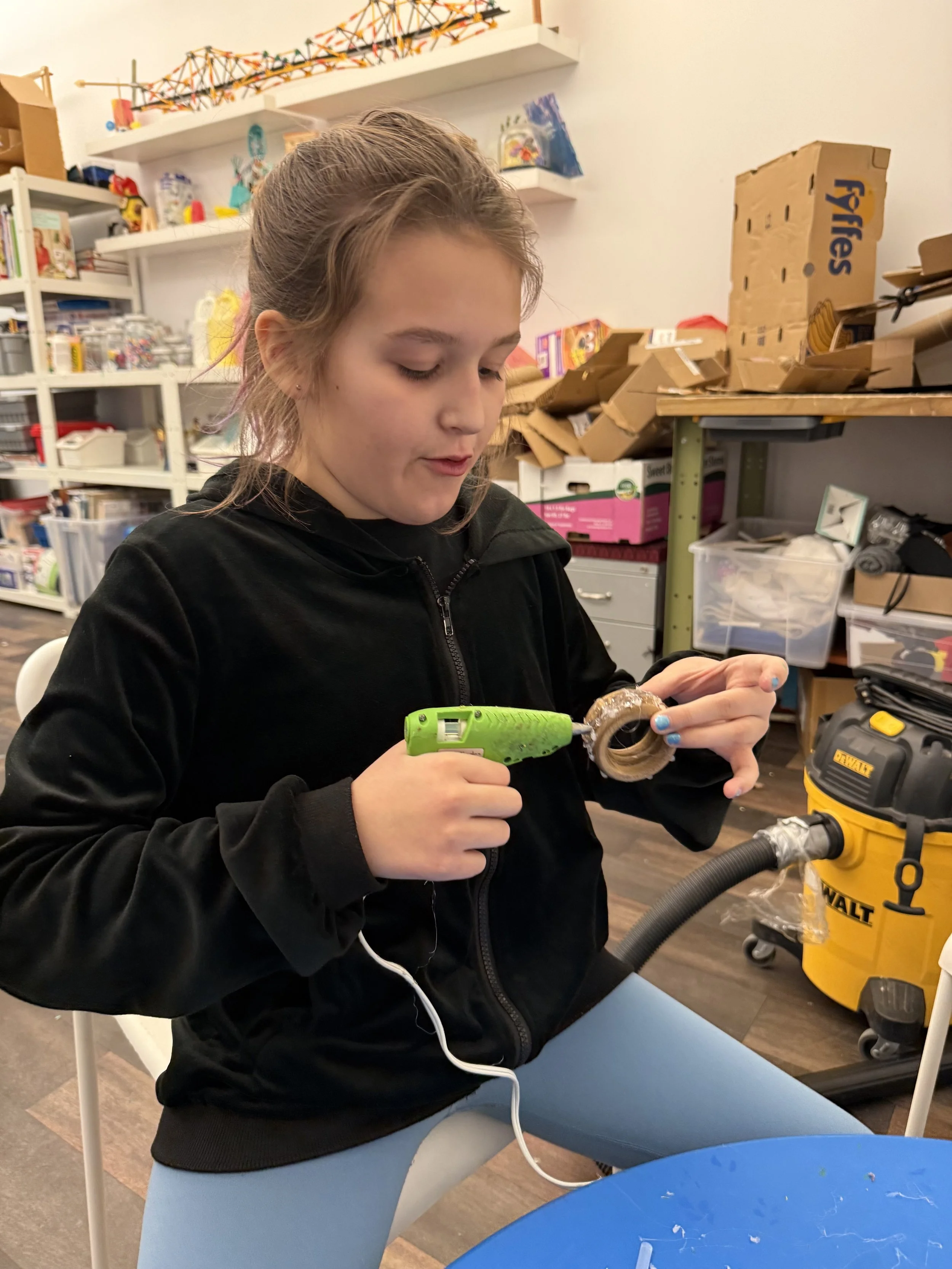
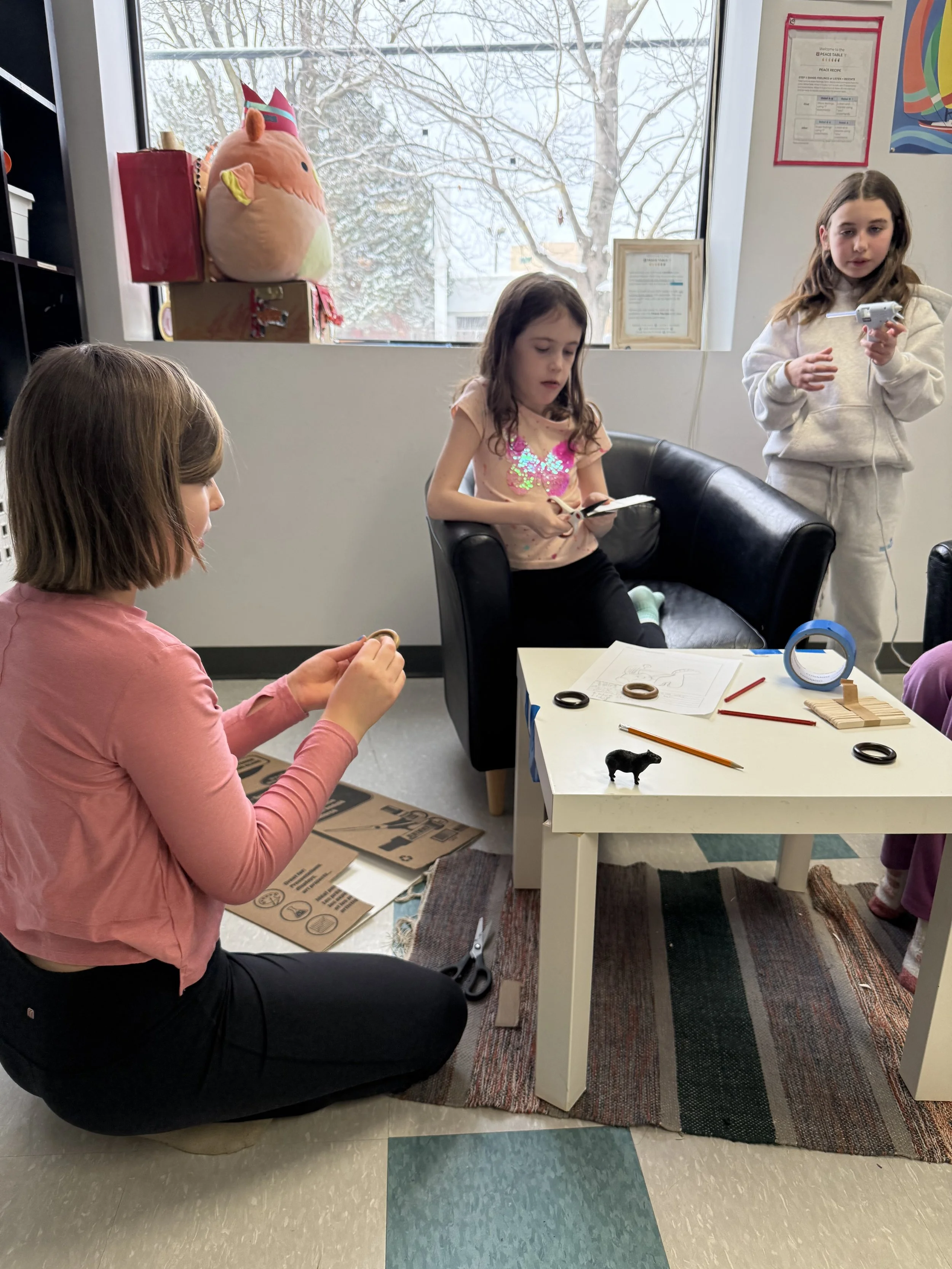
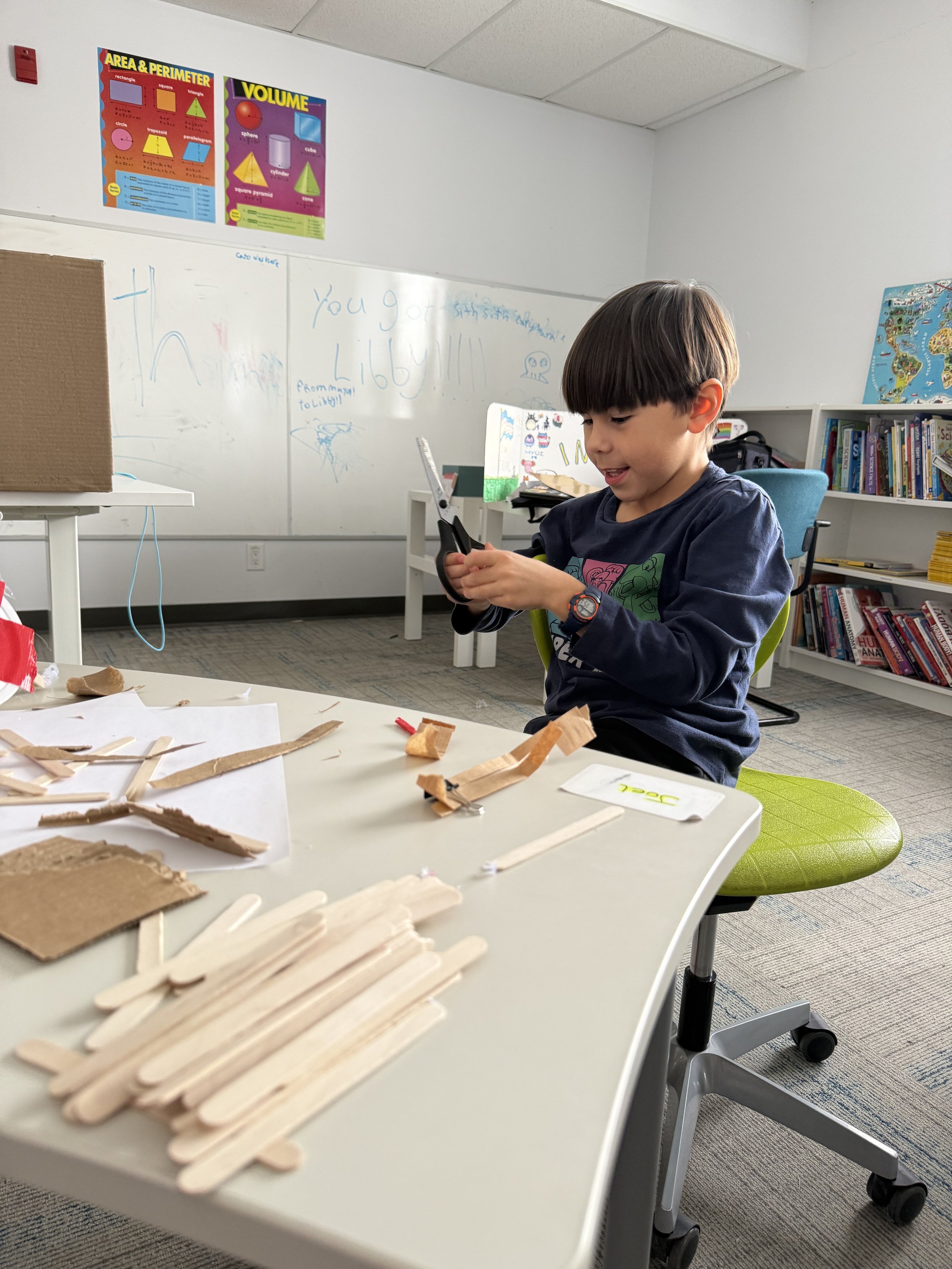
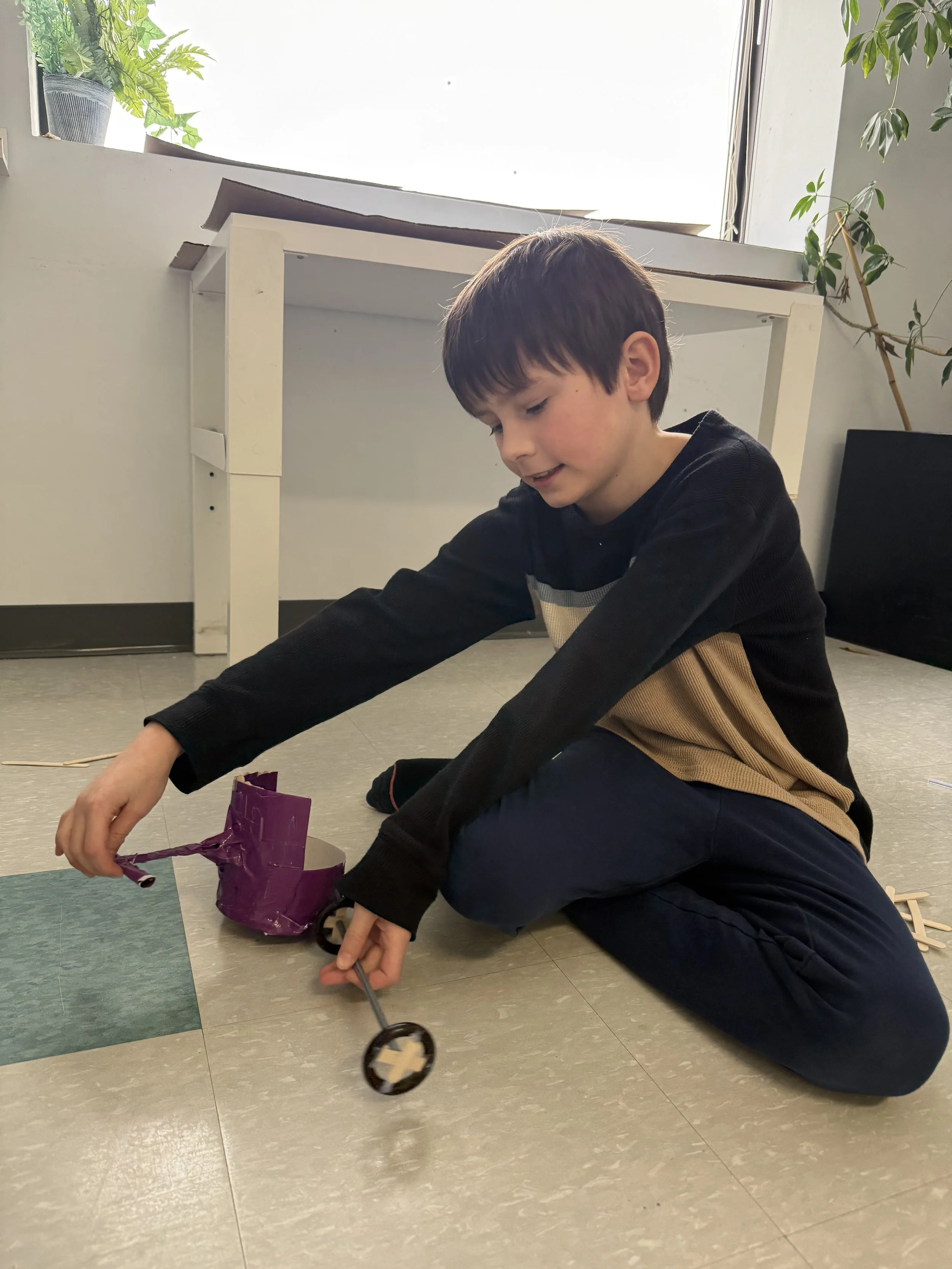
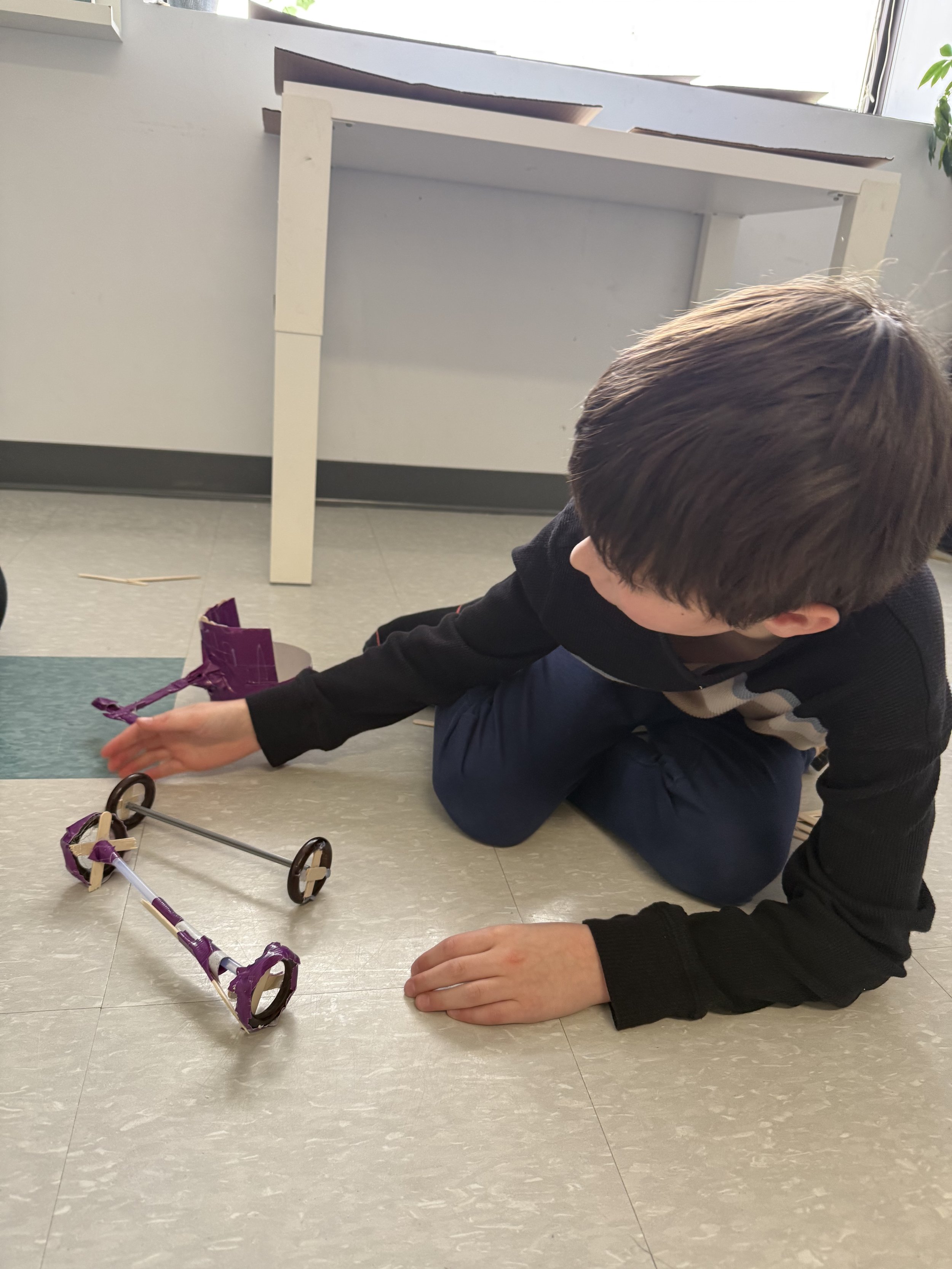
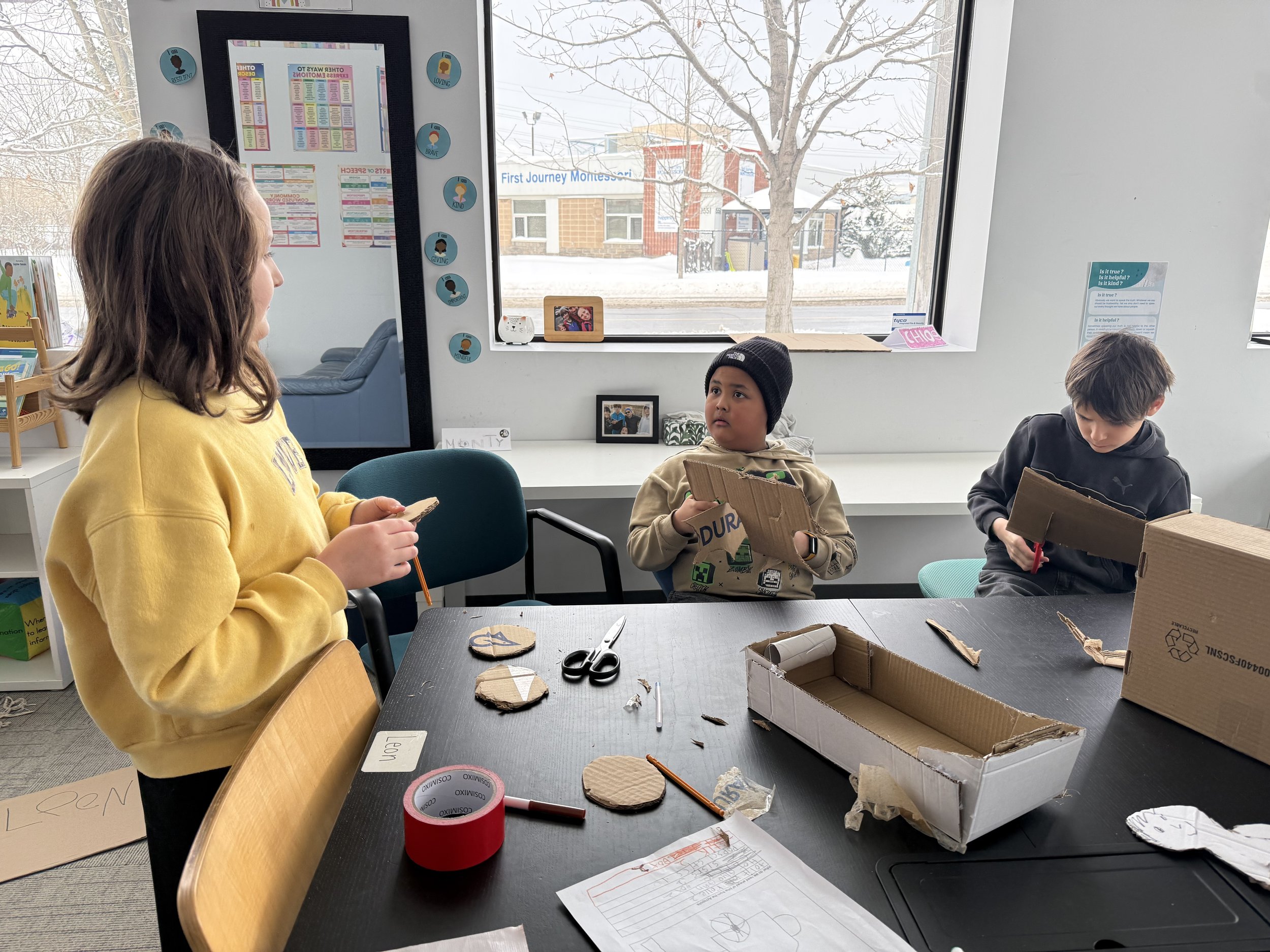
On Tuesday, Rebels were challenged with a STEM group project on ancient Greek chariots. As we explored the ancient Olympic games, we learned that the Olympics were not just about strength, they celebrated skill, design and training. We discussed the importance of technological innovation and advancements in any time period, and how they reflect some ancient Greek values (innovation and problem solving). Rebels made connections between the advancements in tools and machines like the chariot, and how it helped shape daily life, war and even celebrations like the Olympics. On Wednesday, Rebels embarked on another team challenge to build a ancient Greek catapult, a powerful machine invented in 400 BCE, most commonly used in war (and demonstrated how Greeks used science, math and engineering to solve problems). Rebels created some incredible replicas, with some teams successfully constructing working chariots and catapults that we took to the Gym on Thursday to present to each other.
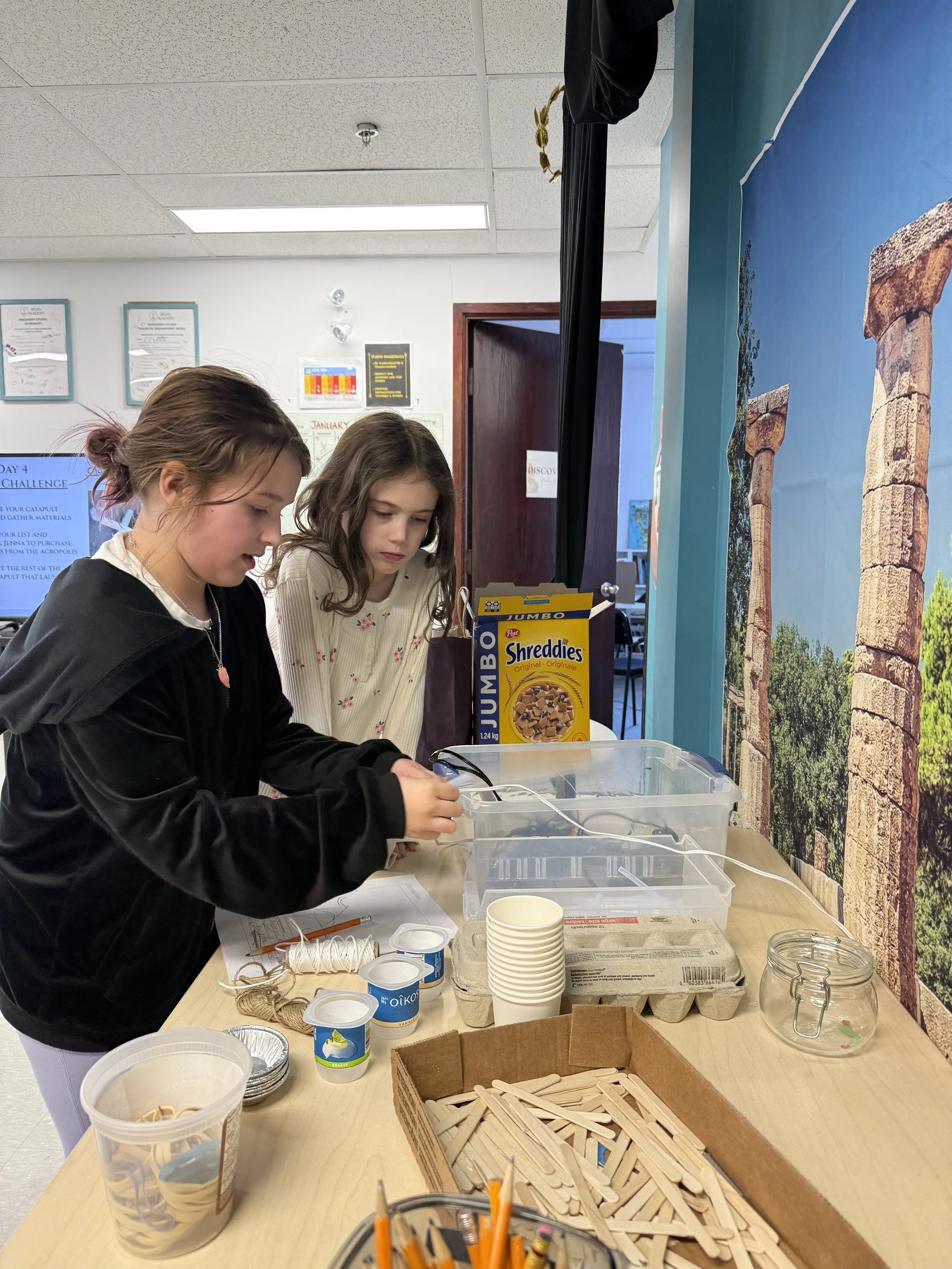
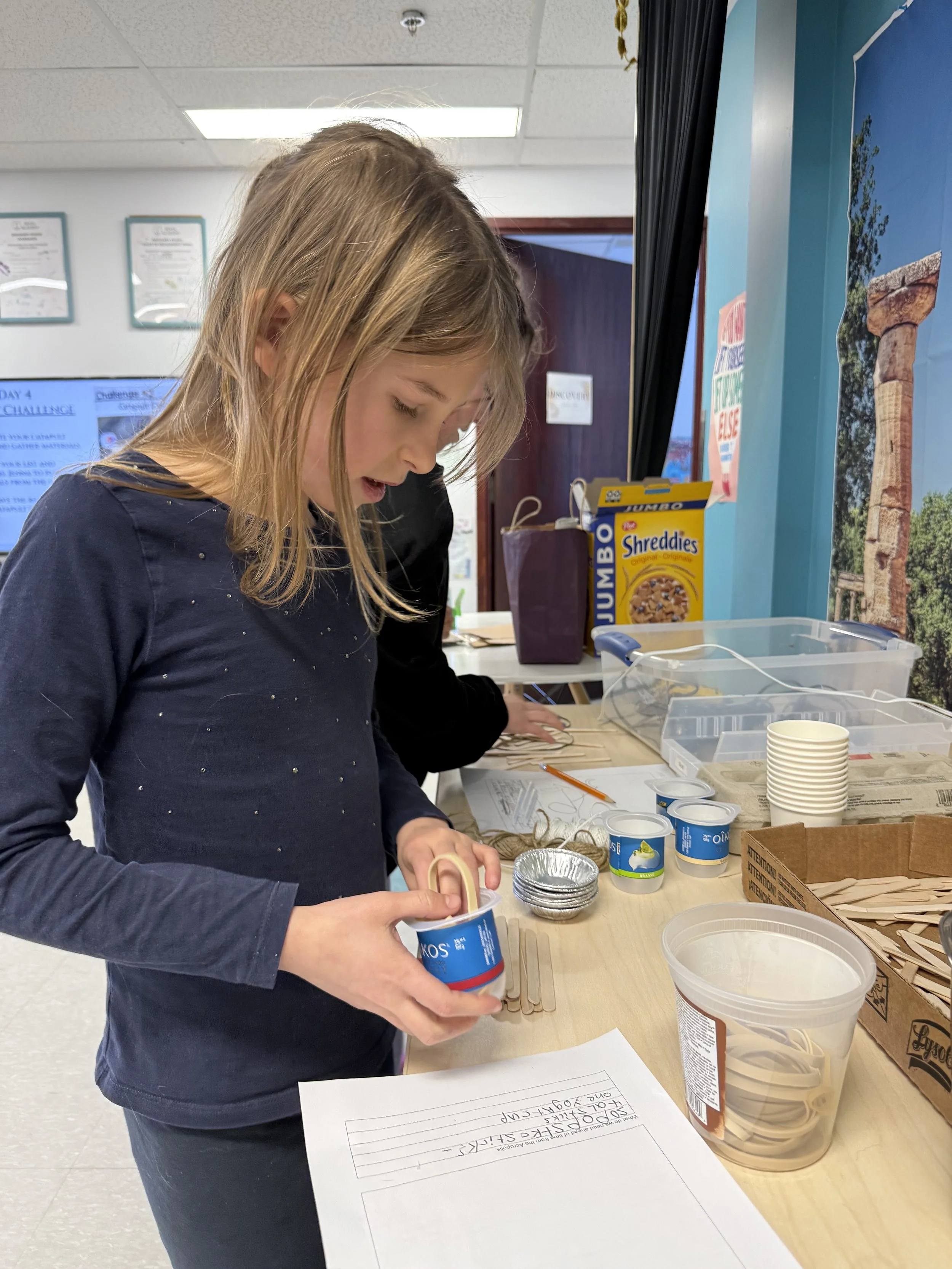
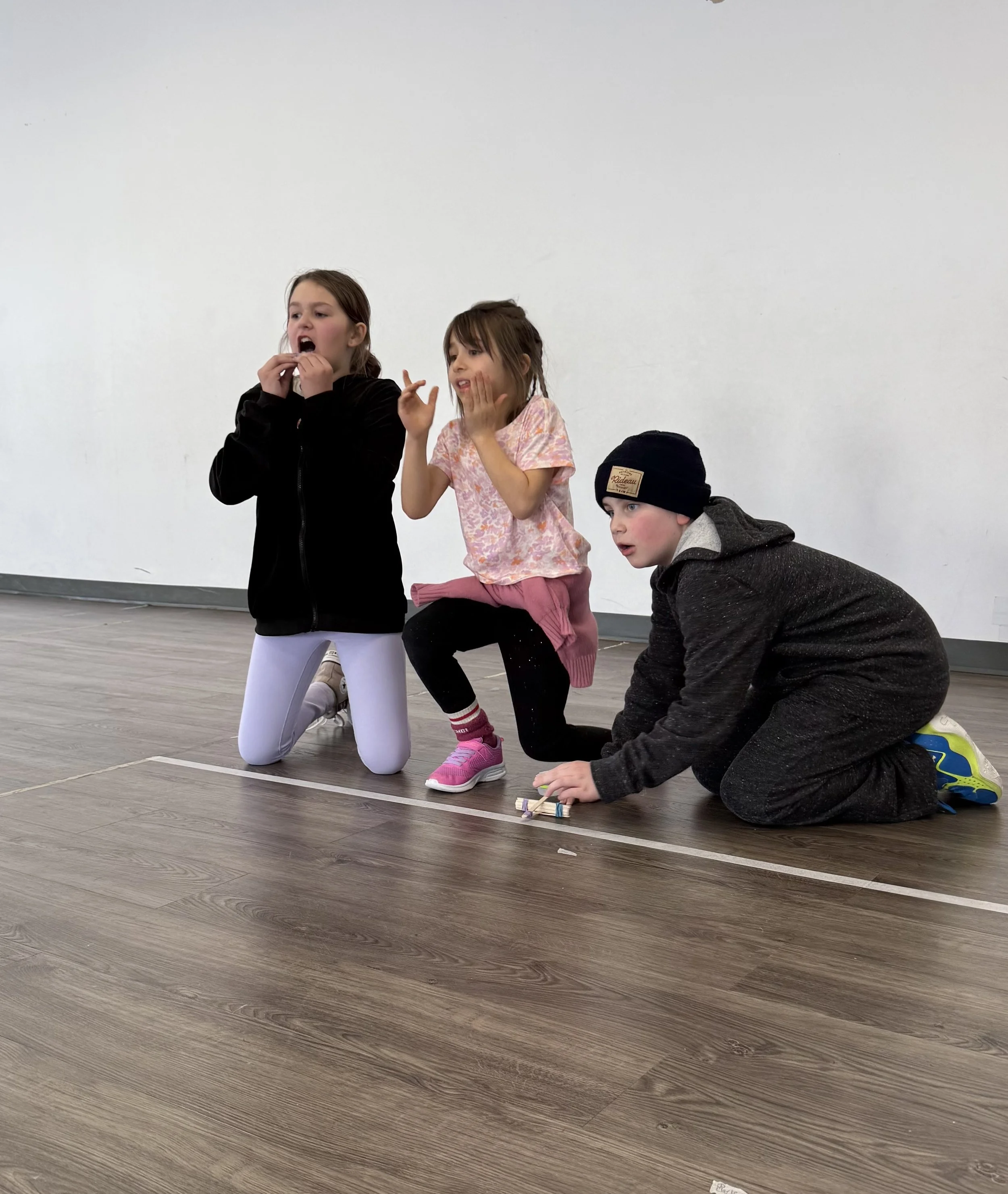
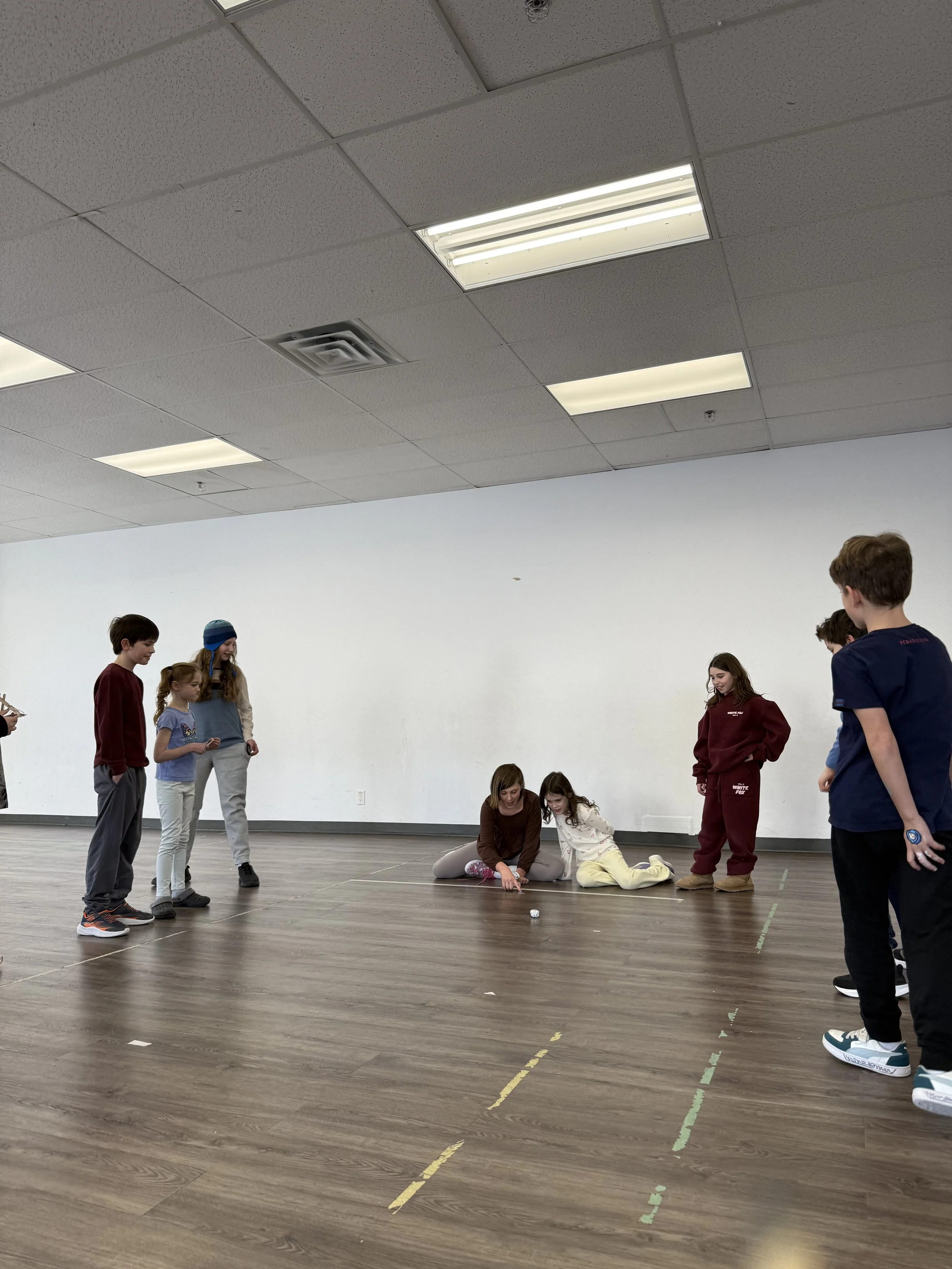
Rebels closed out the week reflecting on our big questions about the Olympics. Some Rebels noted how much importance was placed on things like power, competition and strength in ancient Greece. Ancient societies, in general, always seemed to be in a race to develop, grow, invent and adapt in order to be recognized as powerful. What do our sports and competitions today say about what we value as a society? Is it fair when technology gives some people or countries an advantage over others? (Ancient chariots were expensive and only some could compete, is this still true in sports/school/daily life today?) Rebels participated in some excellent deep discussions to close out our week. Up next, Rebel Spies head out on their next adventure to Persepolis, the home of Darius the Great.
French
This week in French workshops, we continued working on our restaurant projects. Rebels drew their restaurant, gave it a name, and created a menu with prices. Throughout the activity, they applied their knowledge of French vocabulary related to food and restaurants while describing their ideas. This project encouraged creativity while also helping learners practice reading, writing, and oral communication in French. We’re excited to show you what we’ve been working on at our upcoming Exhibition!
Additional Highlights
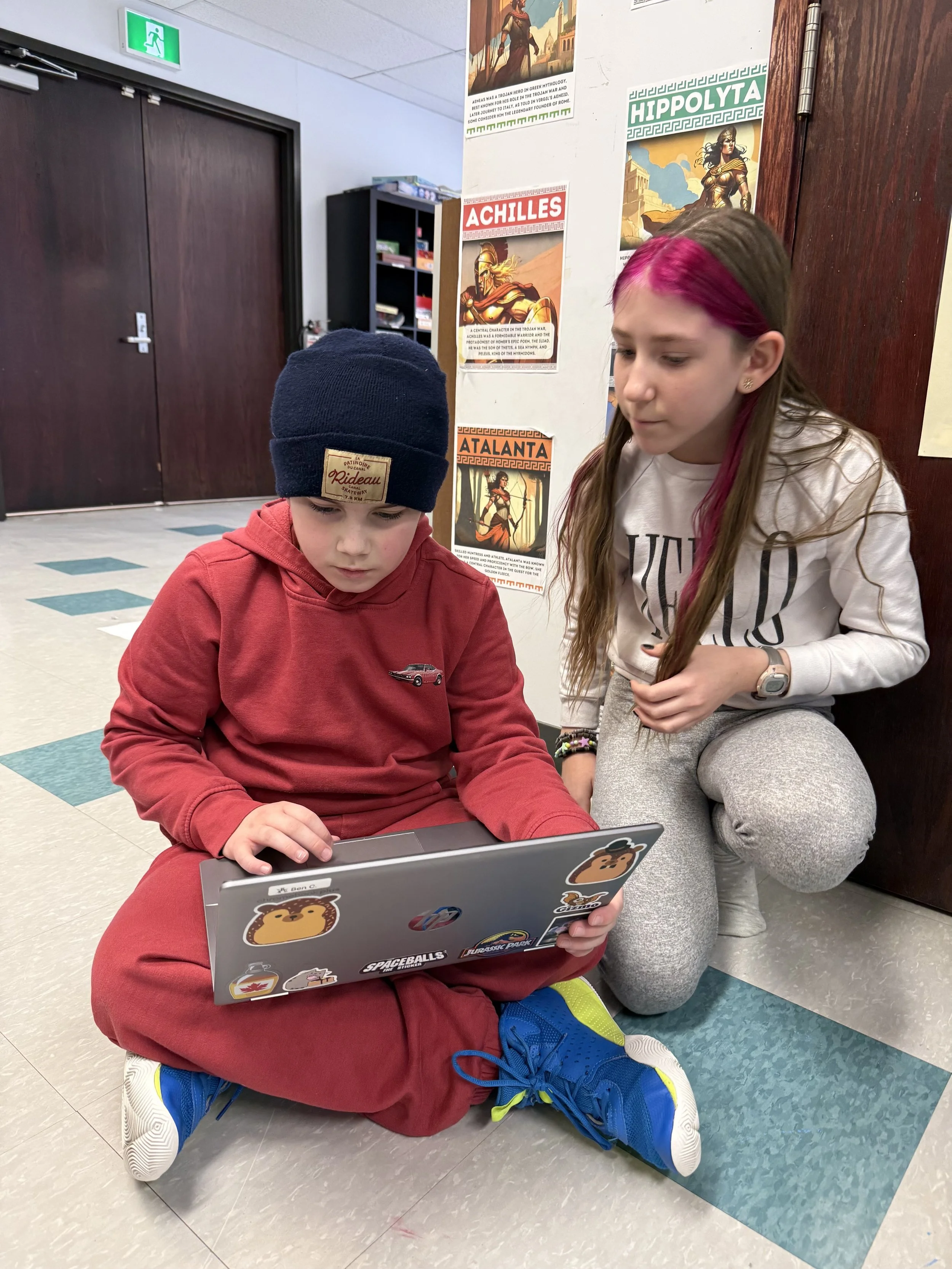
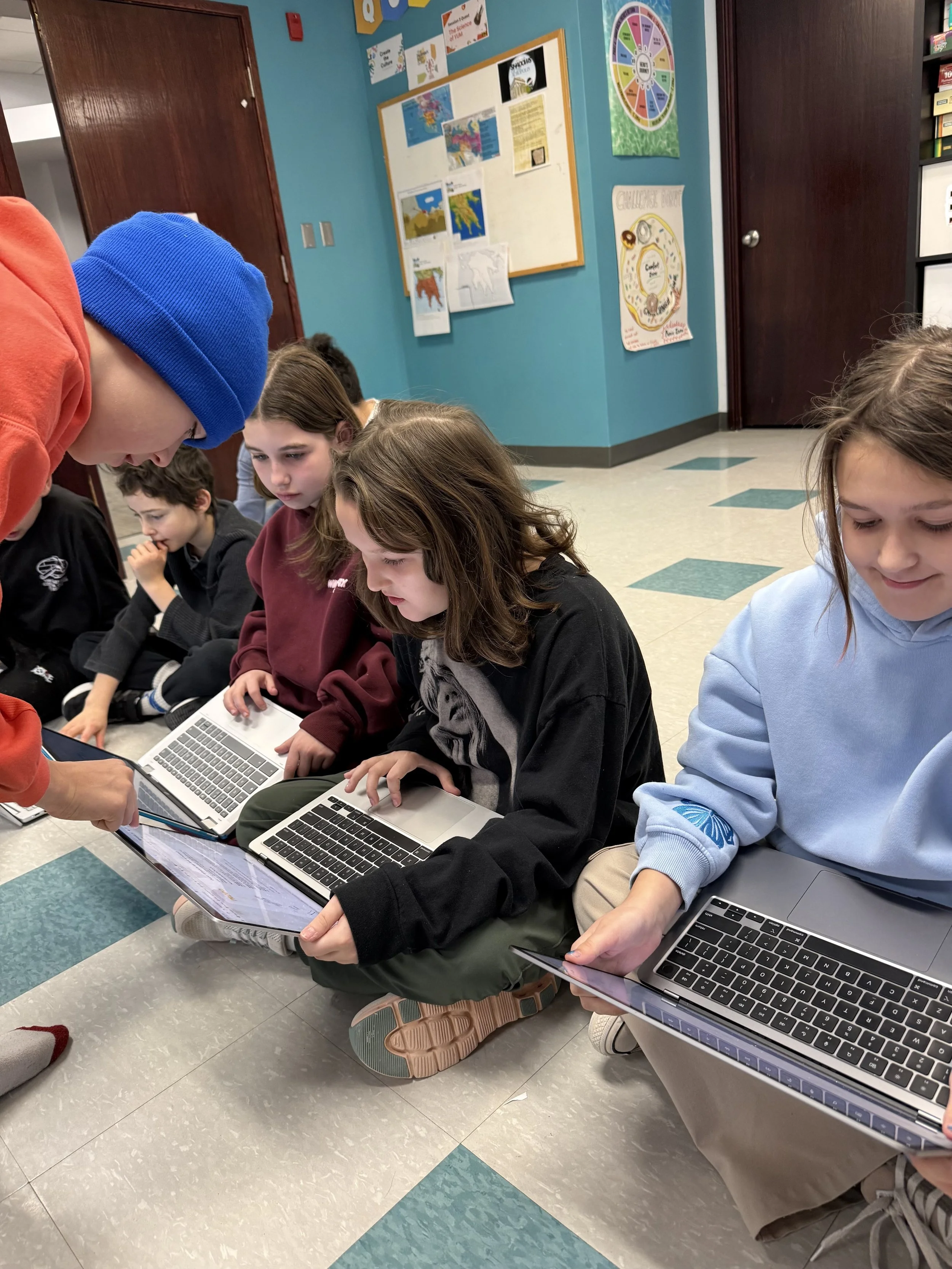
MAPS testing is underway this week! NWEA’s Measures of Academic Progress (MAP) is a computer-adaptive test for K-12 learners that measures growth in Reading, Language, Mathematics, and Science. The difficulty adjusts to the learner’s skill level, producing a consistent RIT score to track progress over time. The Discovery Rebels worked on two tests this week, Reading and Math, and demonstrated strong executive functioning skills as they planned out their week and coordinated which goals they’d work on to accommodate the MAP testing blocks on our schedule this week. Way to go, Rebels!
Exploration
Mindfulness & Launch
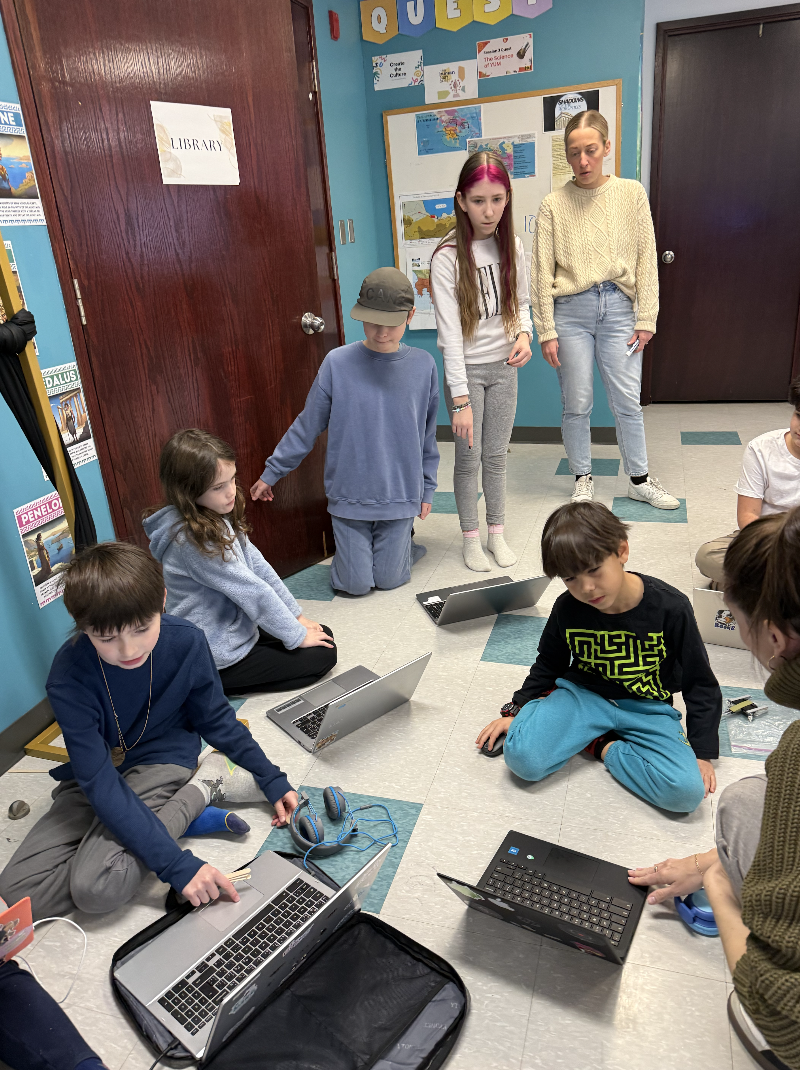
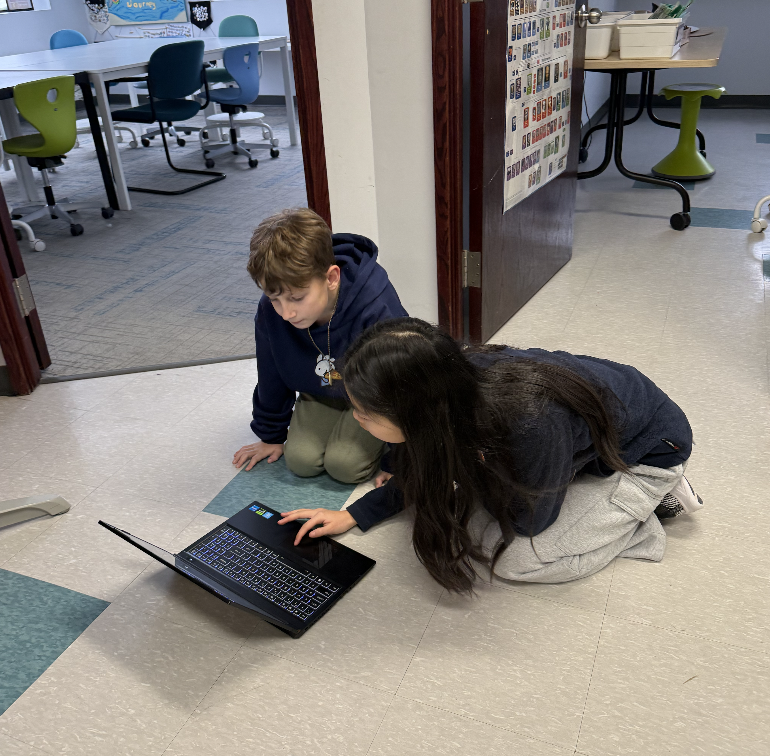
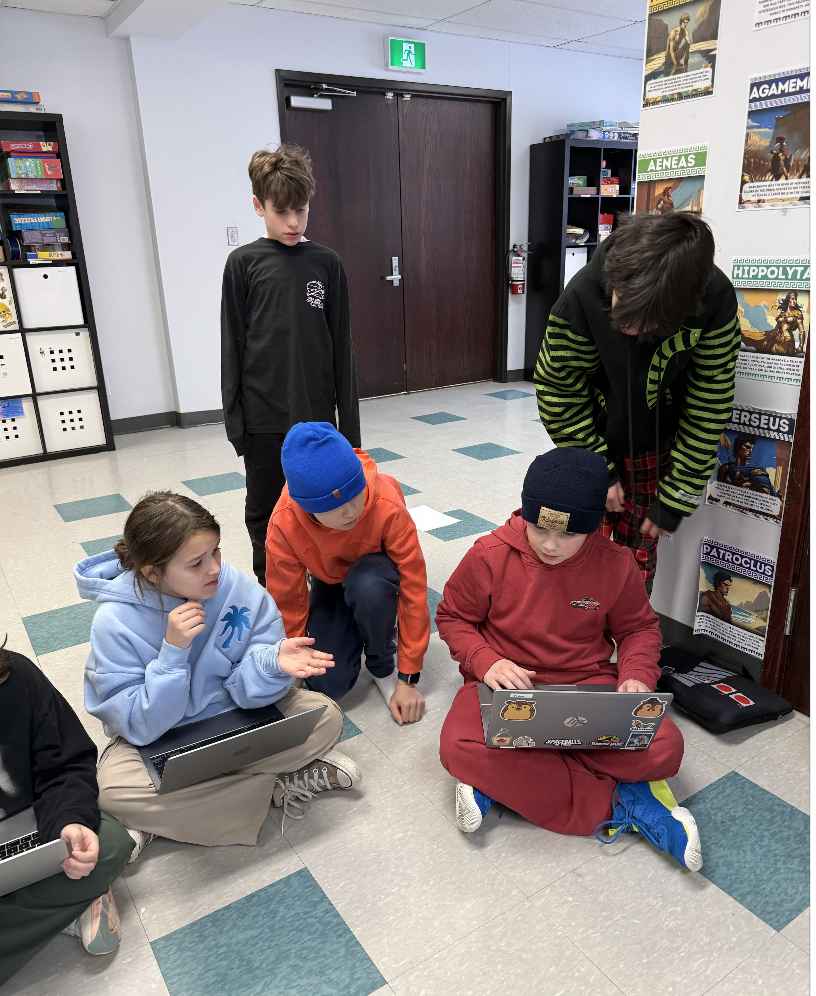
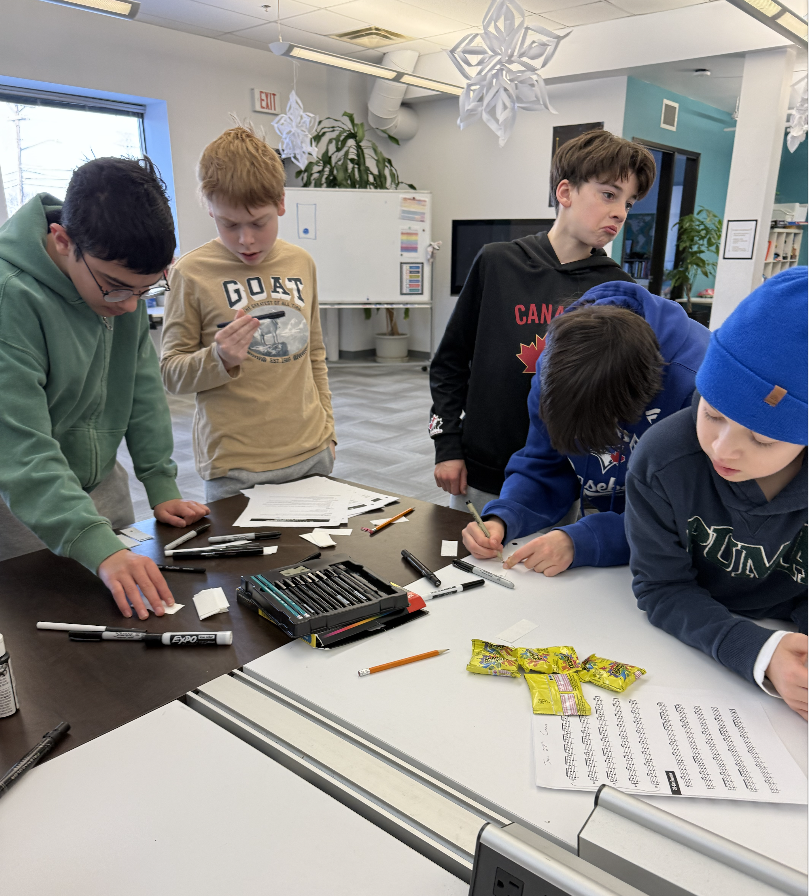
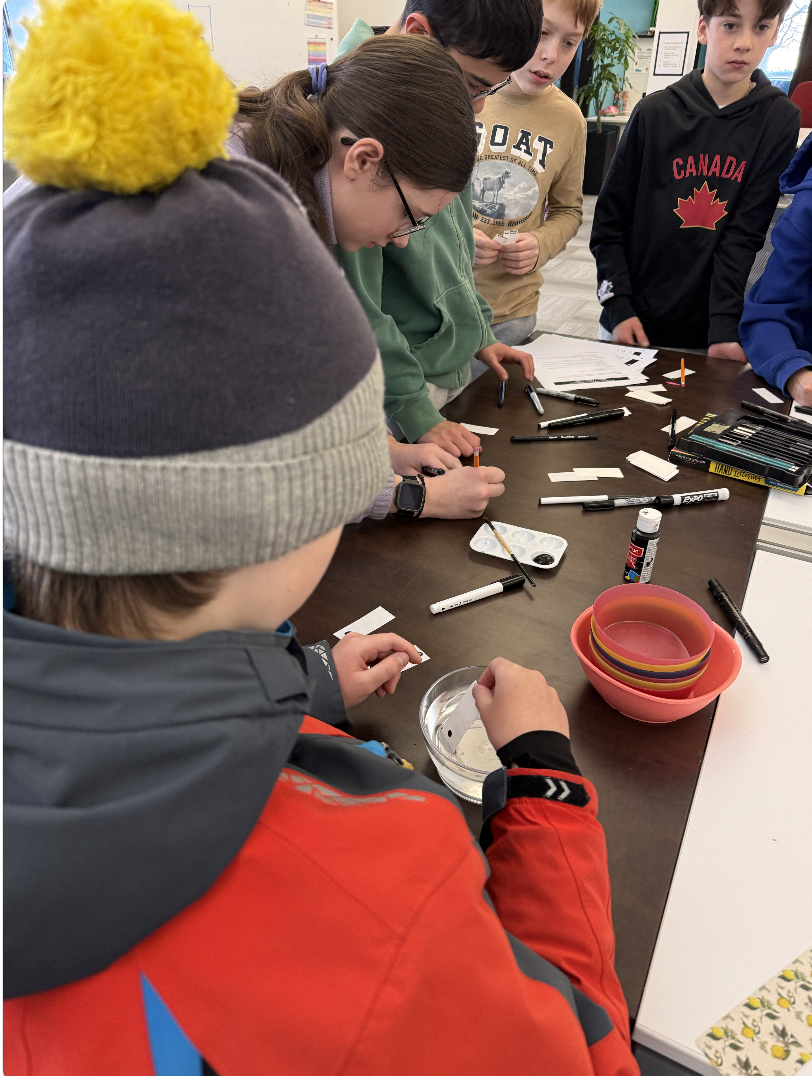
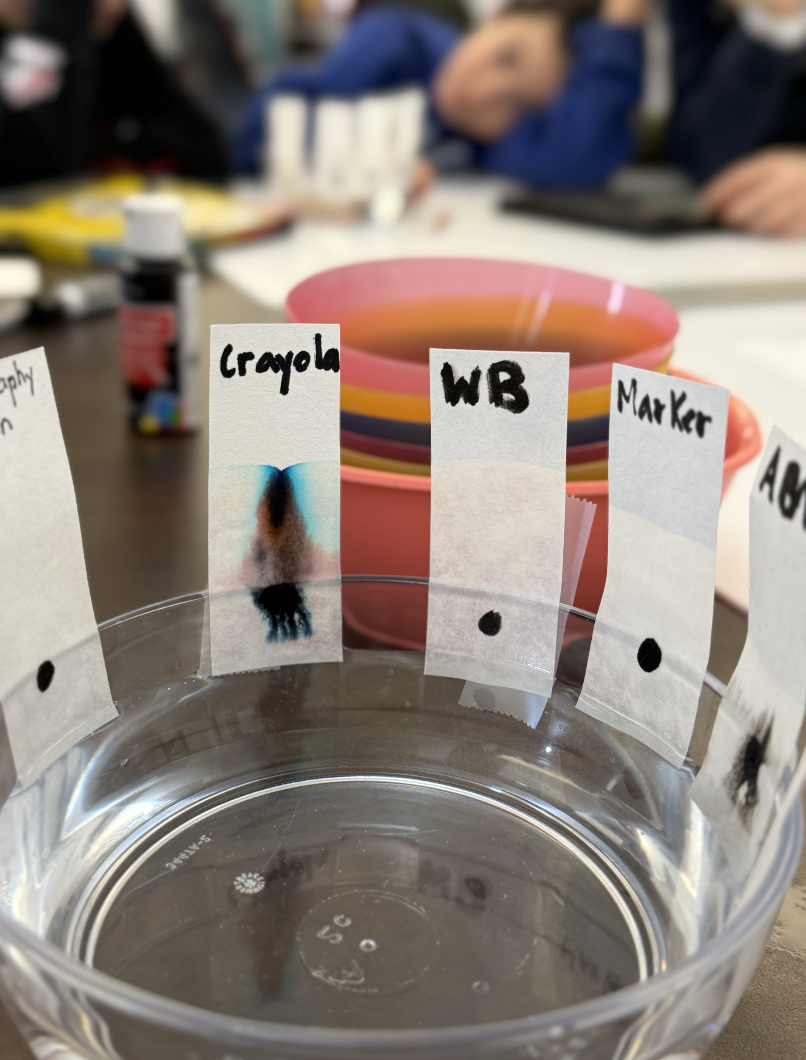
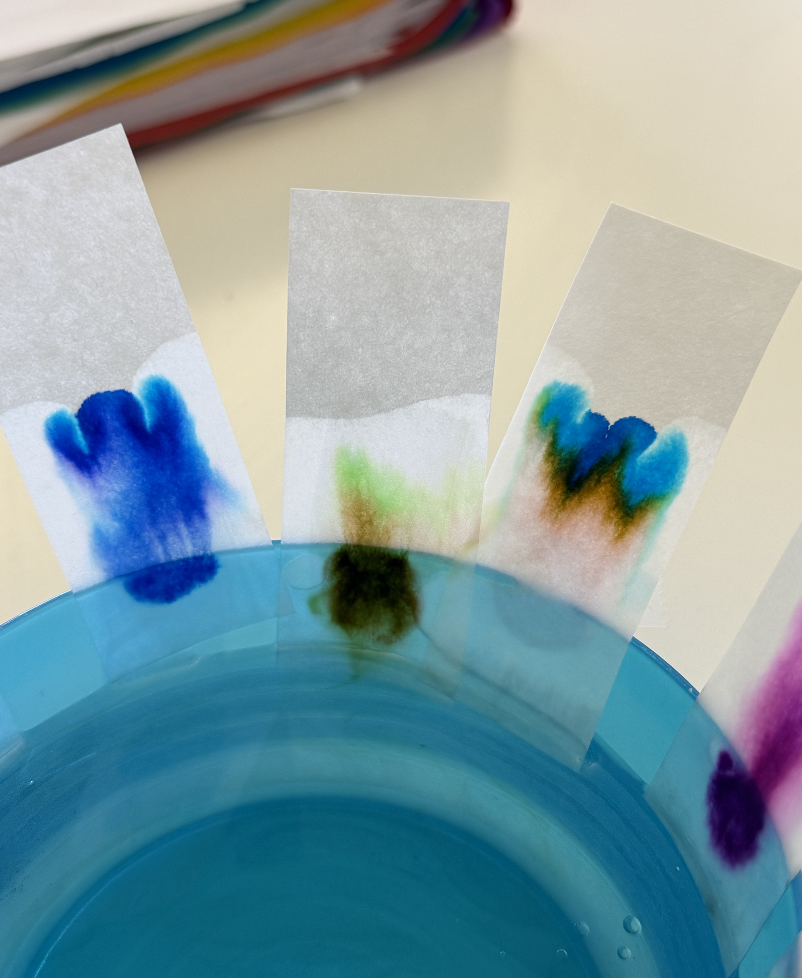
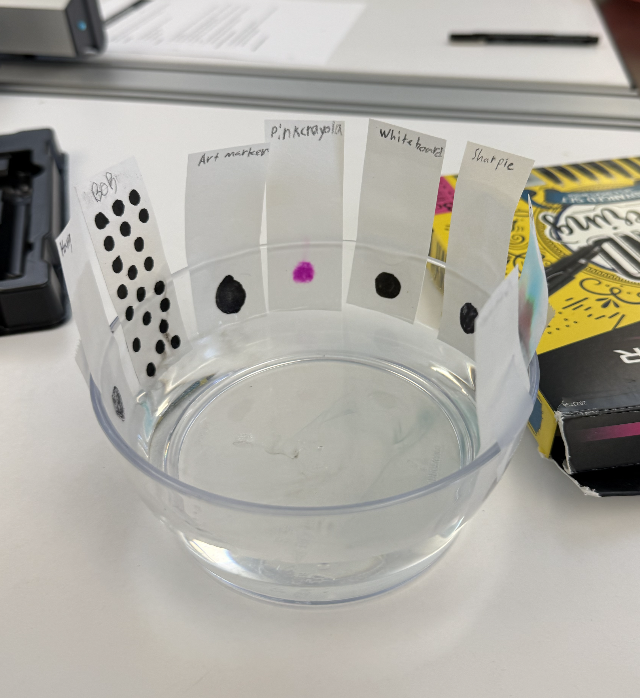
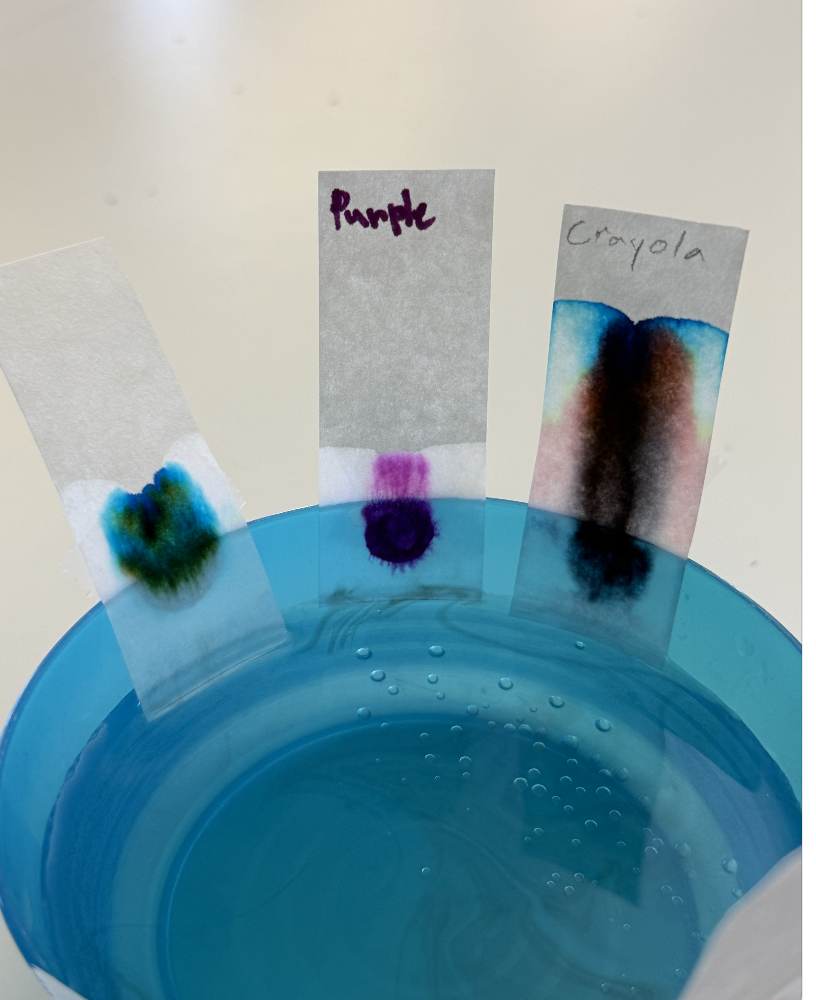
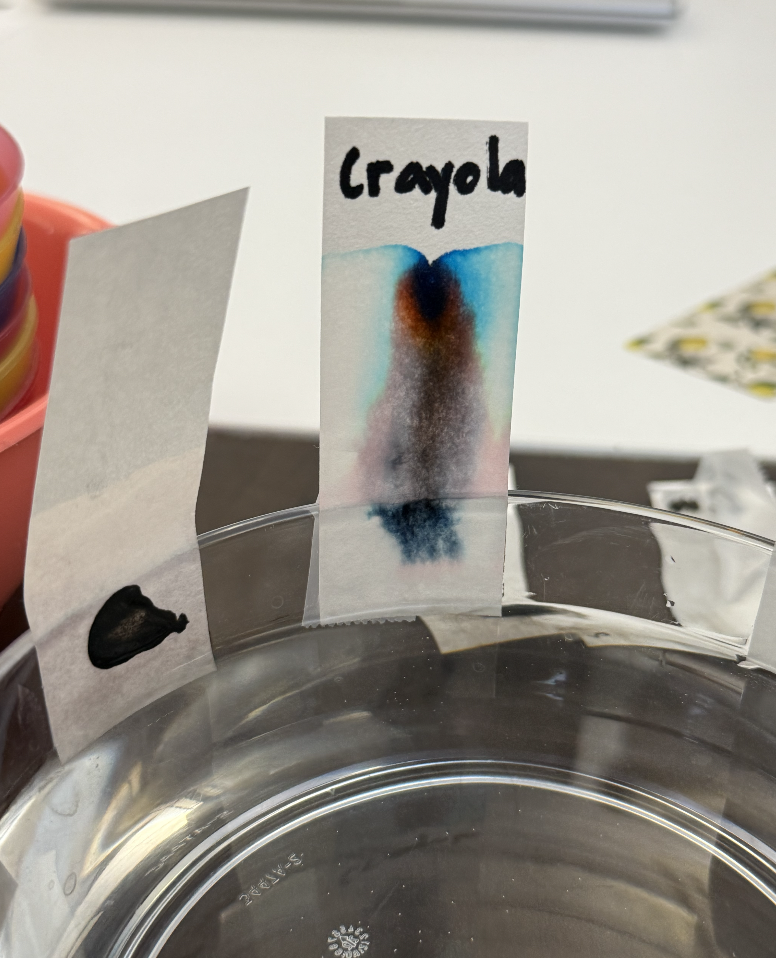
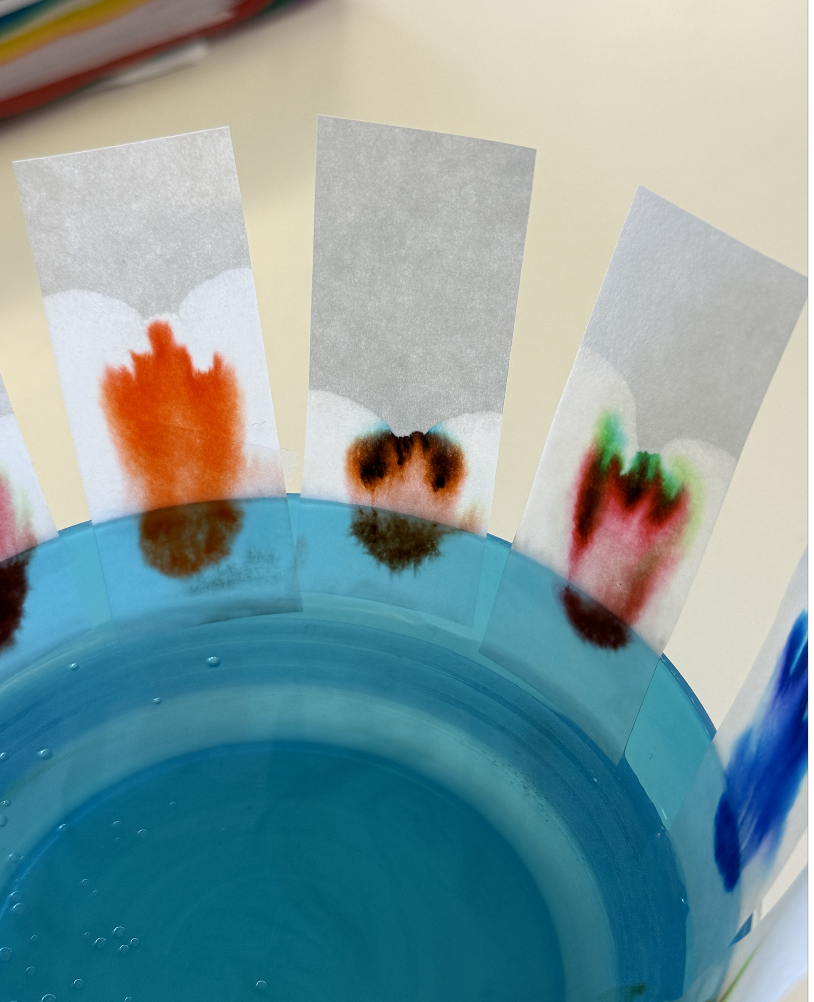
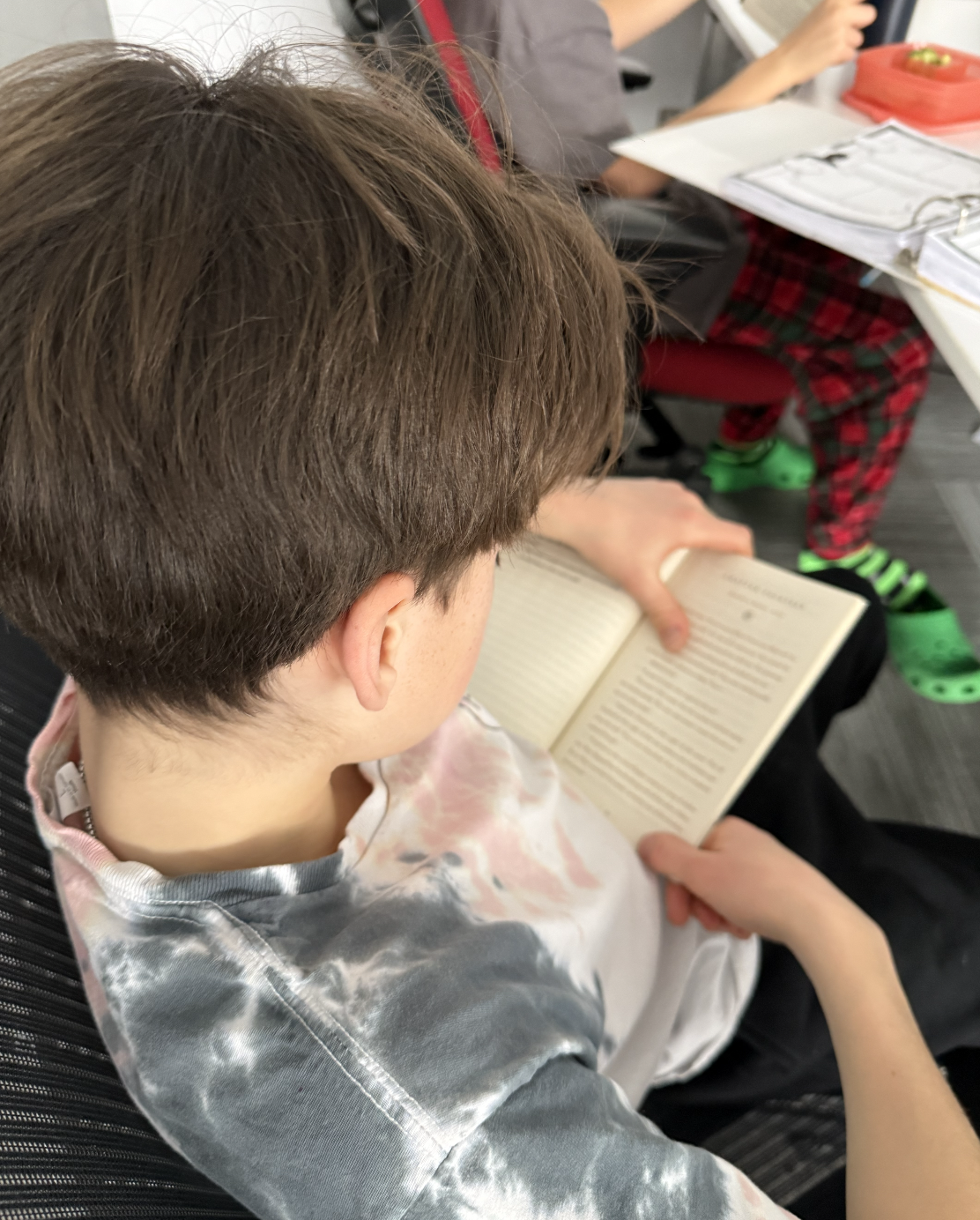
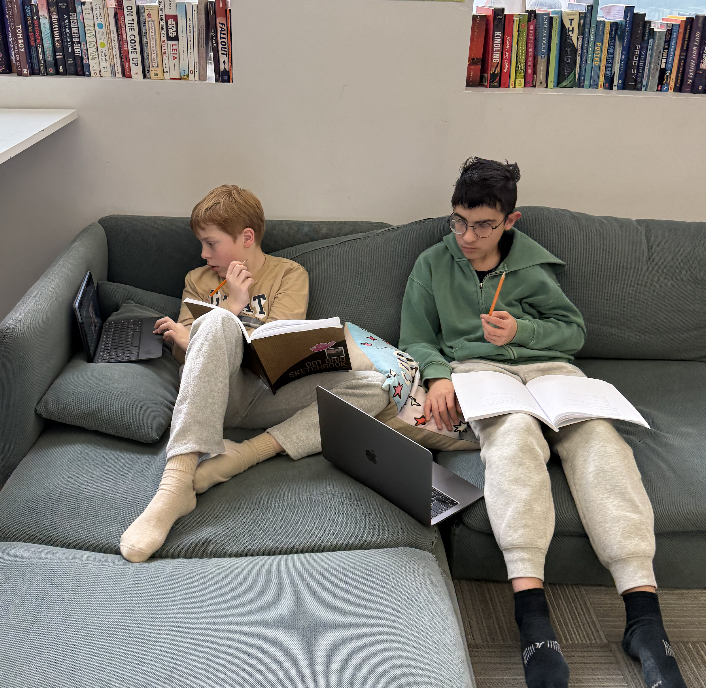
After our Free Choice Mindfulness, we spoke about depression and mental health. January can be a difficult time for people in Ottawa, so we took time to learn more about chemical imbalances, genetic predispositions, environmental factors, and the importance of seeking help when needed. On Tuesday morning, some of our Rebels went for a chilly walk, while the others helped the Discovery learners get set up for their MAP testing, ensuring pop-up blockers were turned off and that learners could log in. Wednesday morning, we used chromatography to determine which colours are mixed together to make black in various inks. Rebels chose a selection of black colours, such as felt-tip markers, paint markers, acrylic paint, Sharpies, and more, drew a black circle on absorbent paper, suspended it over a bowl of water so that the edge touched the water, and observed what happened as the water continued up the paper. After testing with black, the learners also began exploring with other Crayola colours and were excited by the results. On Thursday, we started our Becoming Critical Thinkers lesson on Reading Deeply. We learned that putting our devices in a separate room truly helps us to develop our deep focus, so we practiced by silencing everything and reading for 15 minutes. Rebels were then tasked with increasing their time each day throughout the week and journaling about their experience. Ask your Rebel if they noticed a difference when they avoided all distractions! Friday Rebels came together for puzzles and our Current Events presentation before beginning their last Core Skills period for the week.
Reader/Writer Workshop
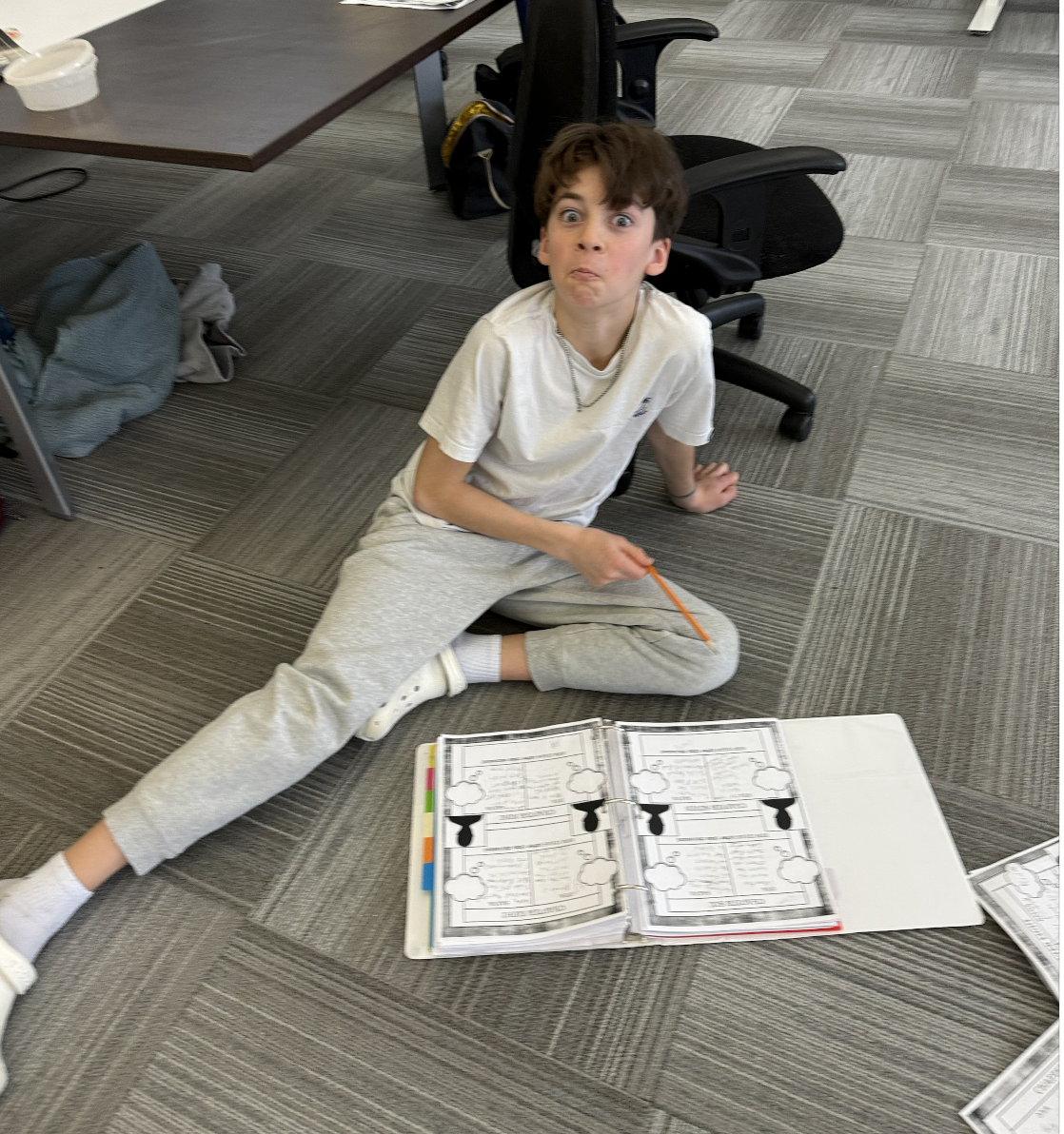
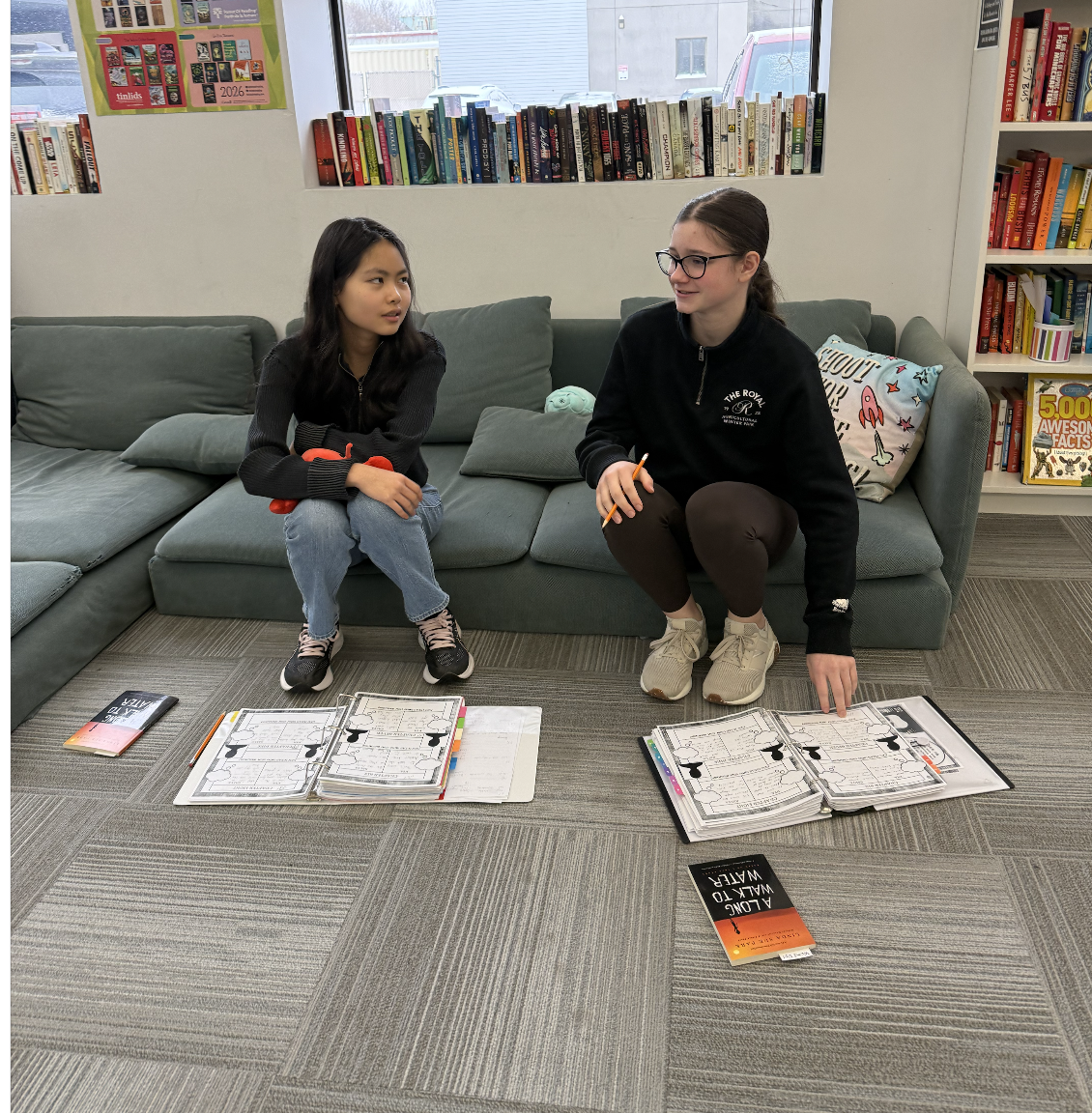
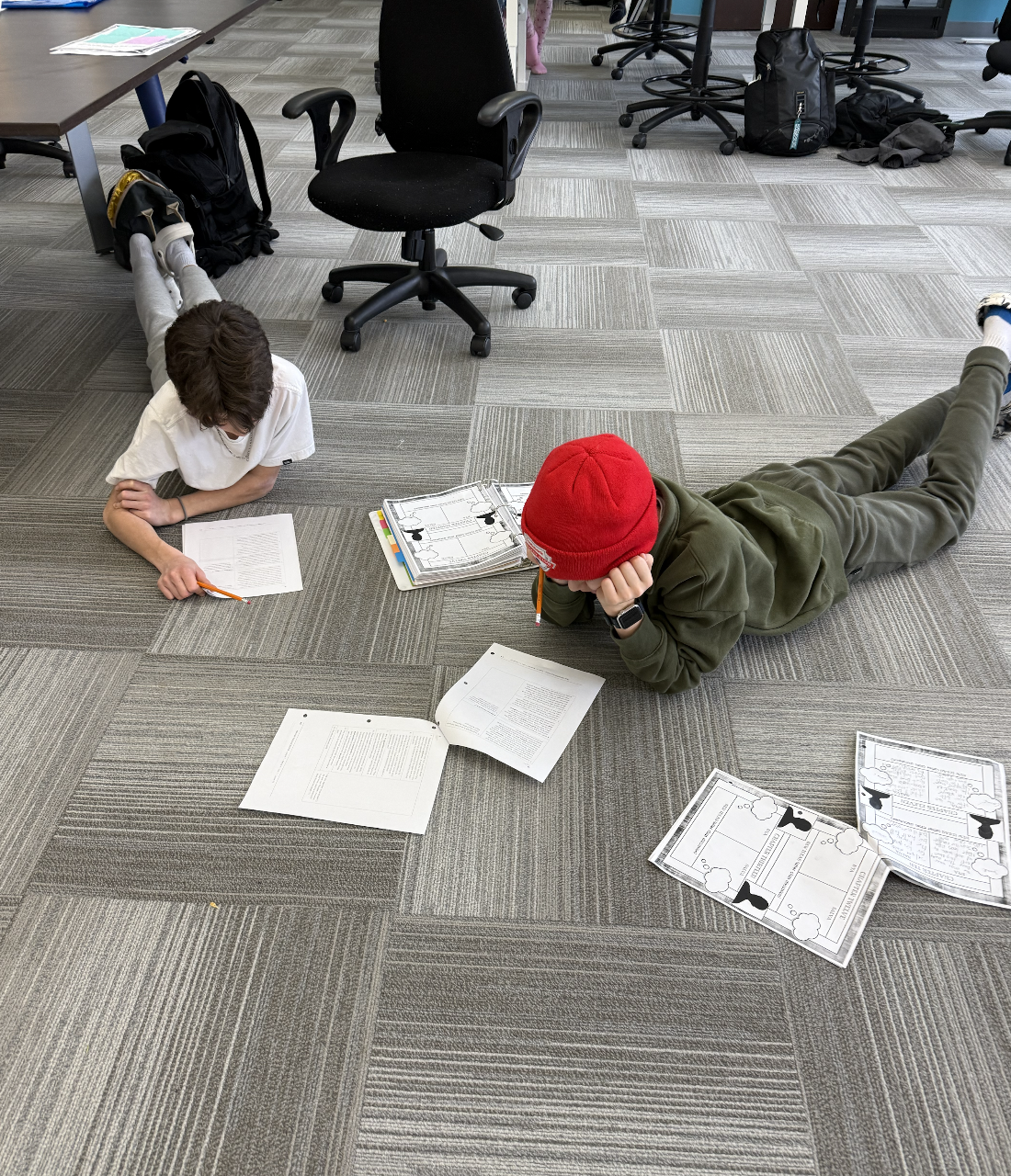
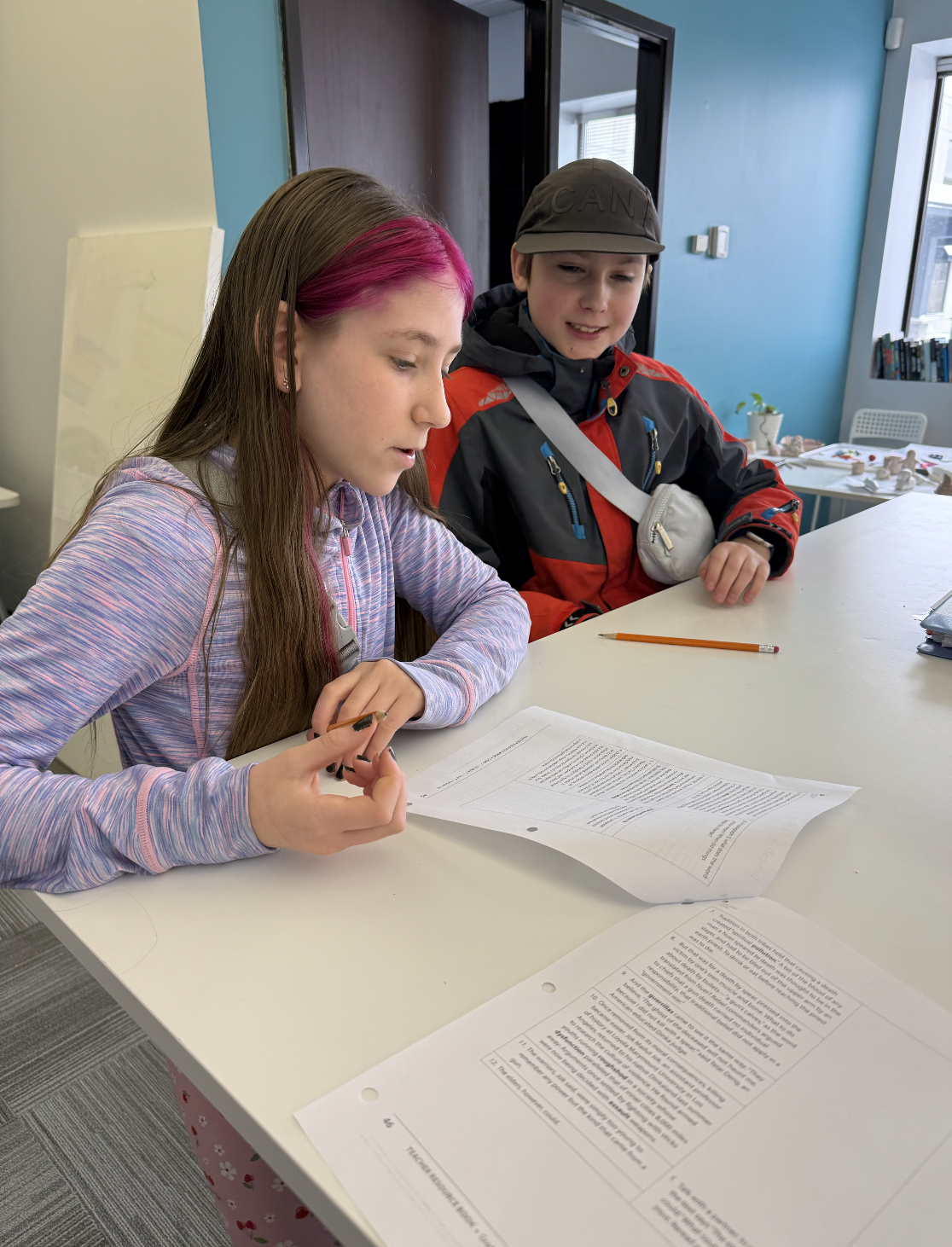
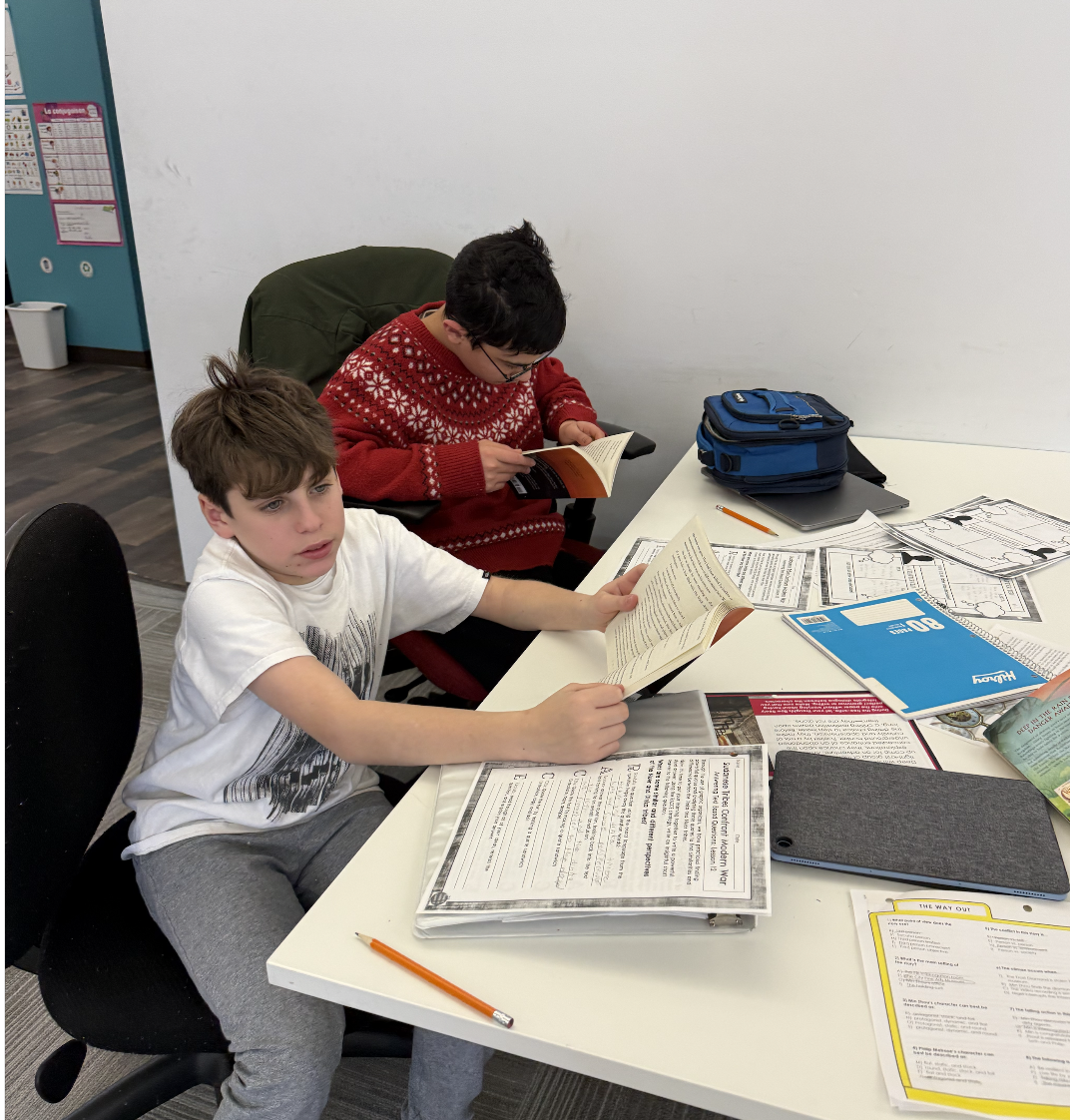
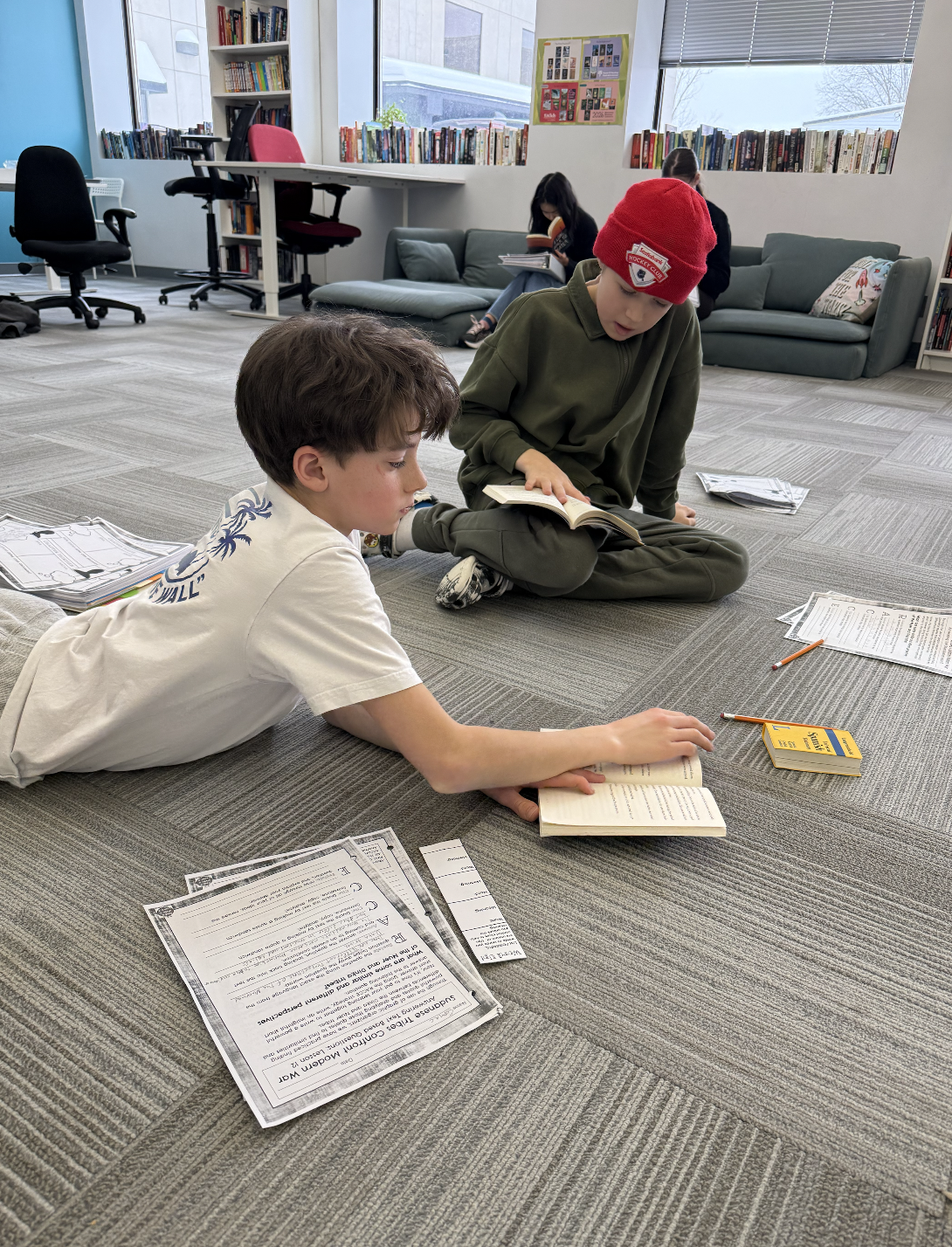
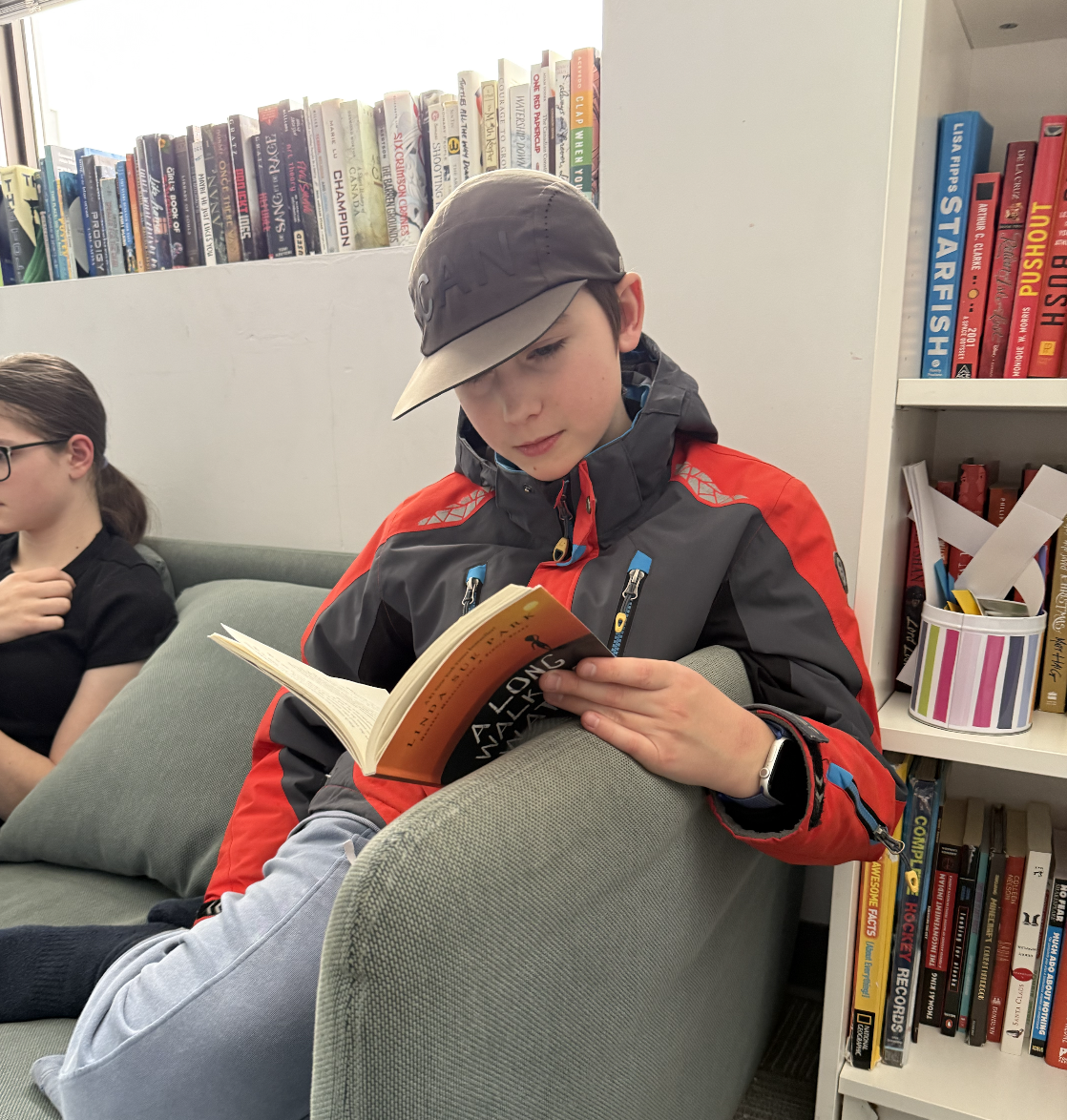
This week, we met to discuss Chapters 8 - 11 in A Long Walk to Water. Once again, Rebels were shocked by the story and begged to read more than the assigned chapters. Learners then finished reading the article "Sudanese Tribes Confront Modern War" and, using a series of prompts, deeply analyzed it. To practice writing powerful short answers, we learned the RACCE method. We practiced as a full studio, answering the following question: What are some similarities and differences between the Nuer and Dinka tribes? We R: Restated the question using the exact language from the question, A: Answered the question, looking back into the text and coming to an overall conclusion, C: Cited/Quoted the text by making a quote sandwich (introduce, copy, analyze), C: Cited/Quoted the text by making a quote sandwich, and E: Explained our answer. Next week, Rebels will be given a choice of two questions and will complete the RACCE strategy independently.
Reading Challenge, Paragraph of the Week and Grammar
This week, we pulled our learning from the last several weeks together as we reviewed the eight story elements: setting, character, point of view, plot, conflict, theme, mood, and tone. After an independent review, learners worked alone or in pairs to solve this week's "Escape from the Hypnotic Trance" challenge.
This week's narrative paragraph asked learners to write about a group of friends who discover an underground bunker and then realize they are not alone. During the free-write, they ensured they integrated dialogue between the characters, and on Tuesday, they identified areas where they could apply a pacing tip to build suspense. On Wednesday, they improved their paragraph by integrating at least one example of personification, then corrected any errors they made with introductory commas. Learners made their final edits before submitting their final copy on Friday.
On Monday, we learned about modifiers, which are groups of words that add extra detail to something in a sentence. A well-placed modifier makes your sentence clear; a misplaced modifier can confuse the reader by making it sound like it describes the wrong thing. After learning how to fix misplaced modifiers, learners rewrote sentences to make it clearer what the modifier was describing. After writing a paragraph, they worked together and independently to locate and correct misplaced modifiers.
French
This week in French, we continued working on our food truck project. The Rebels designed their food truck, gave it a name, created a menu, and set prices. On Thursday, they presented their food truck to the class and received feedback from their peers. This feedback helped learners reflect on their ideas and consider possible improvements to their project.
Math Lab
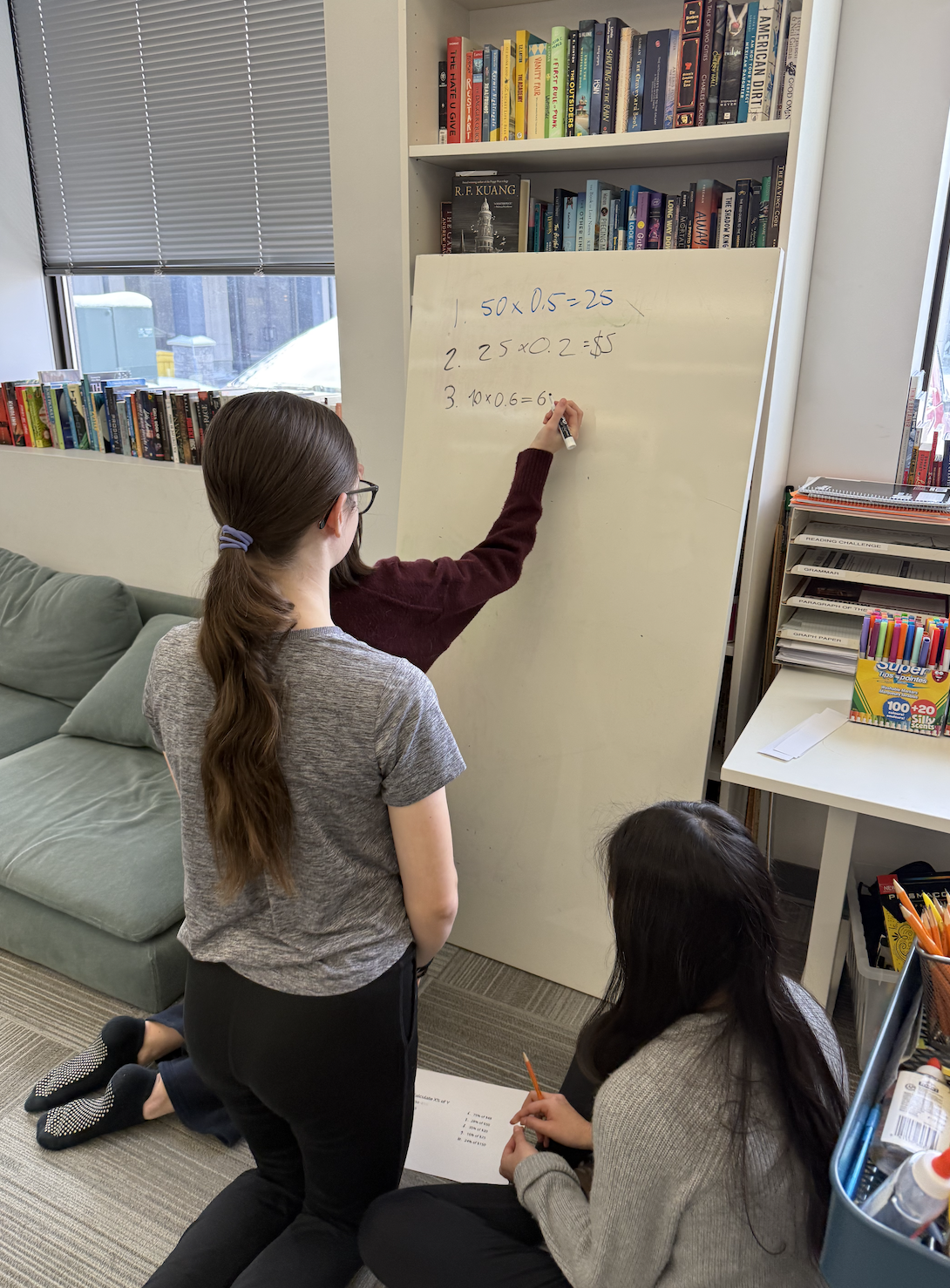
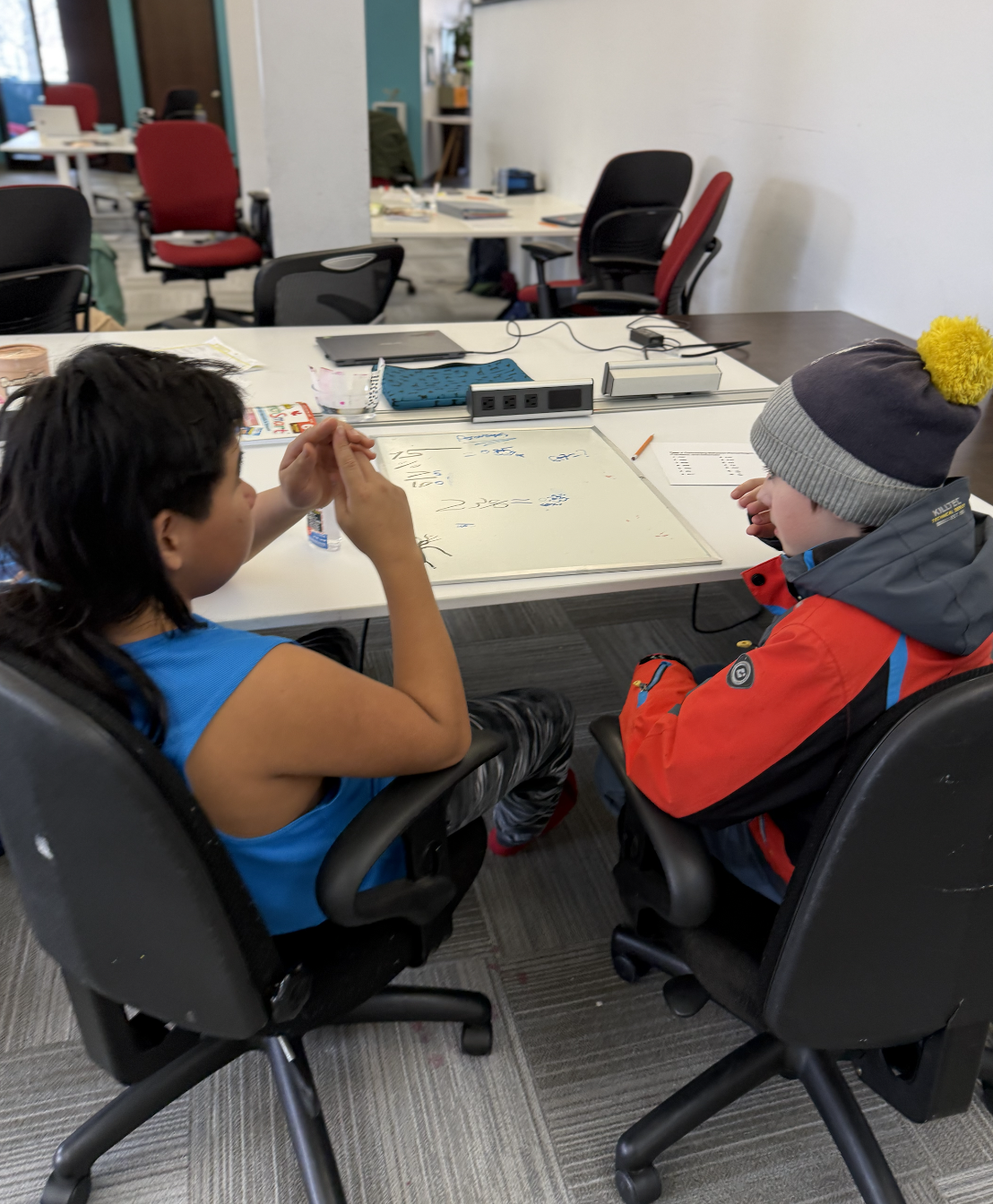
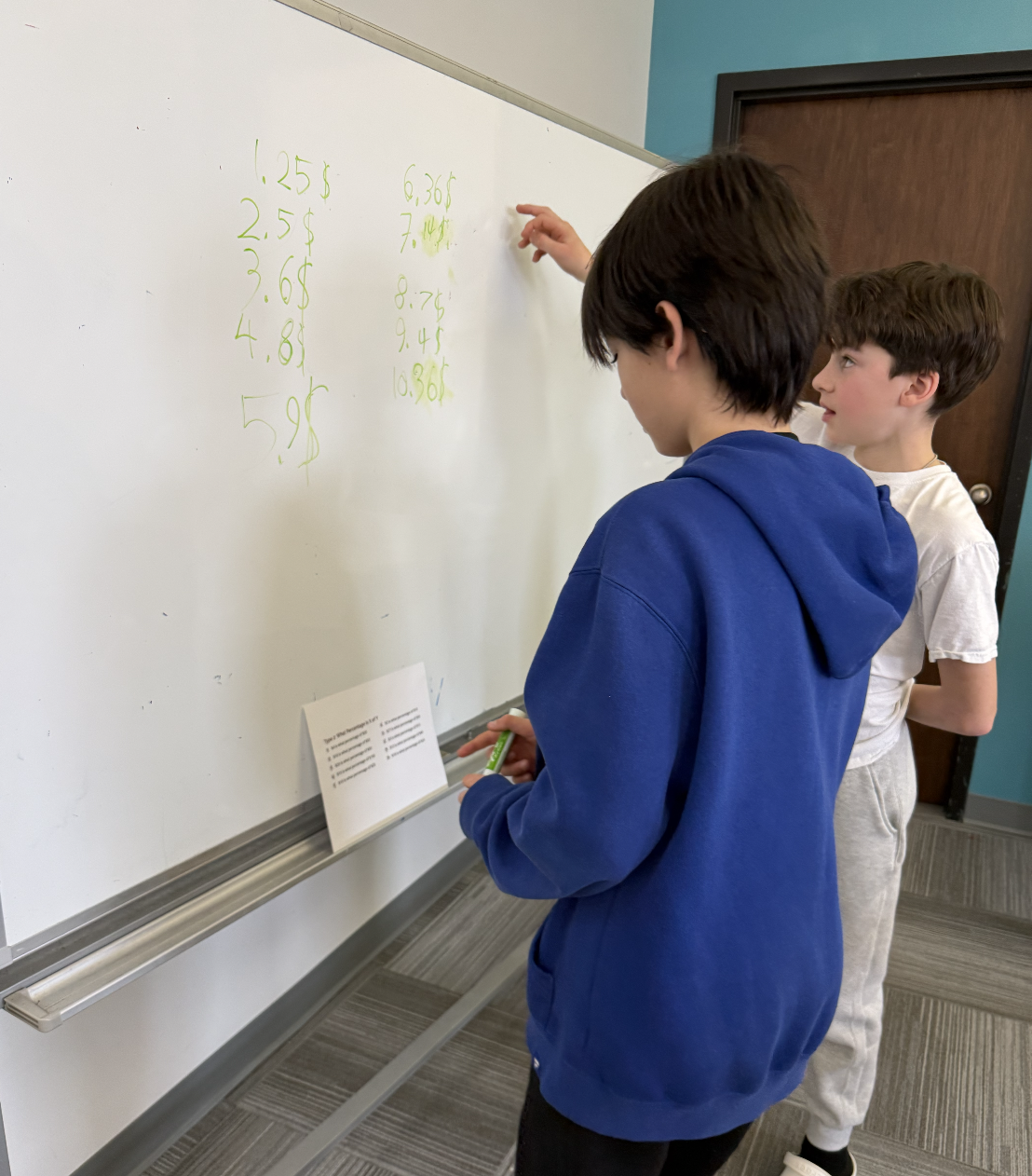
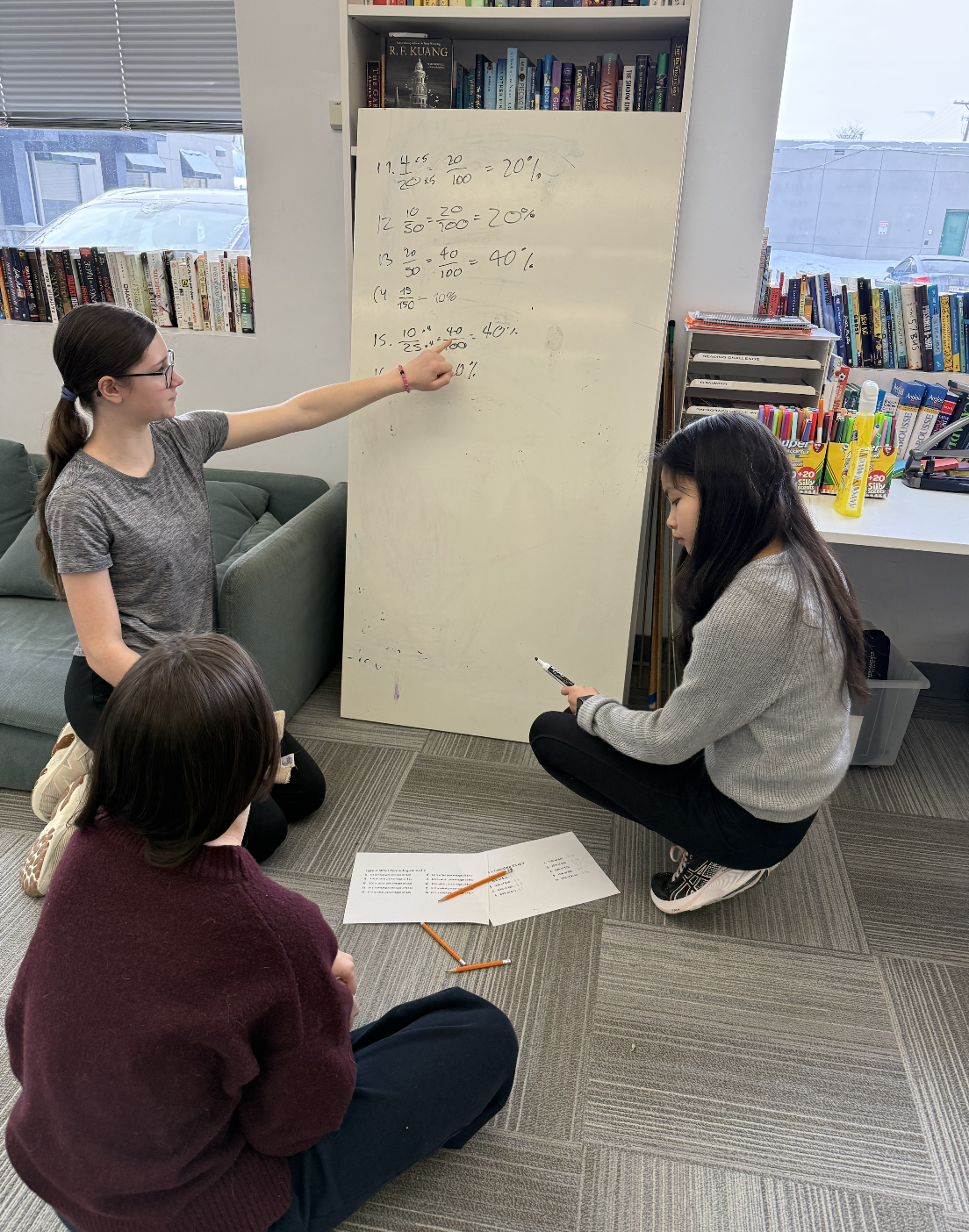
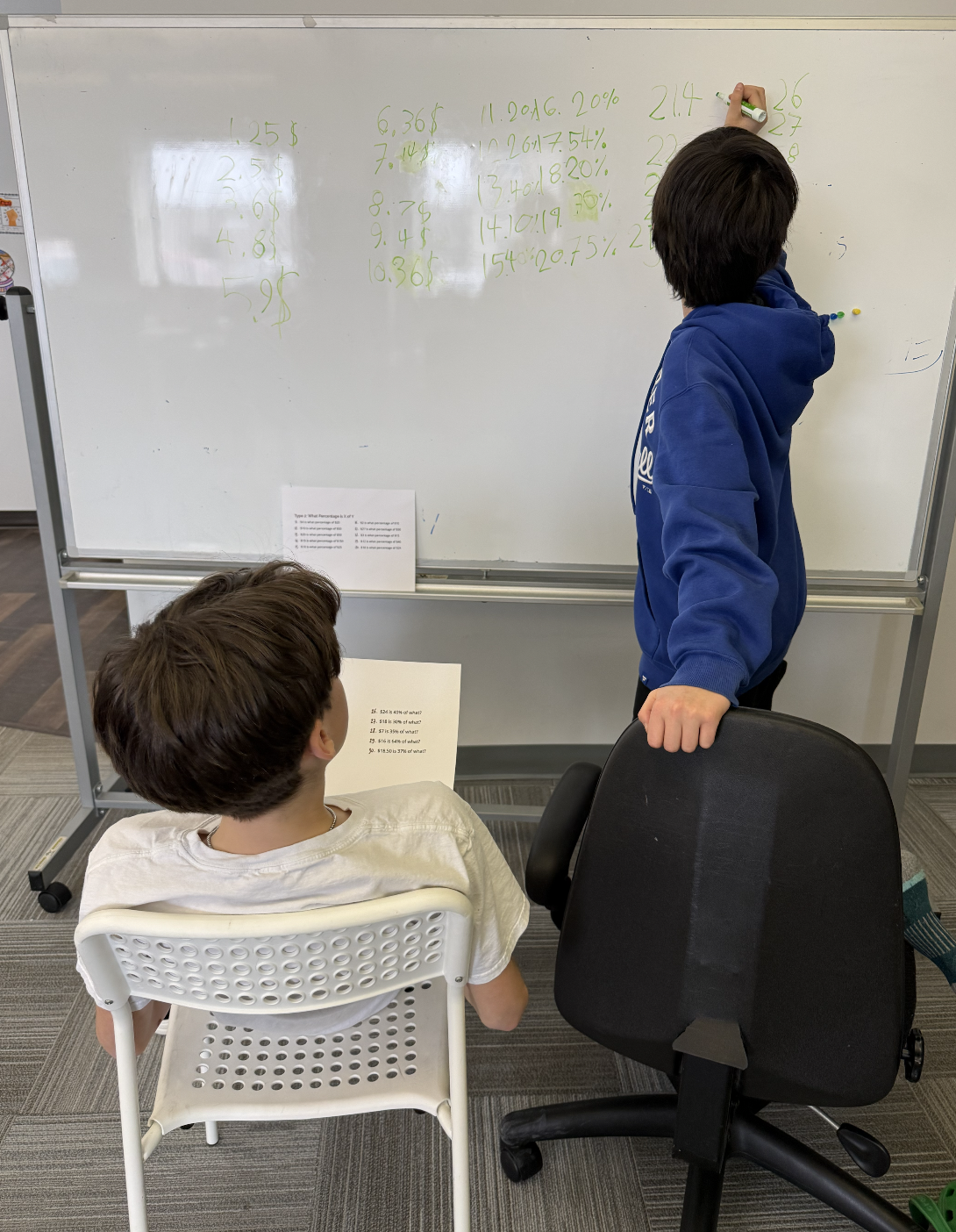
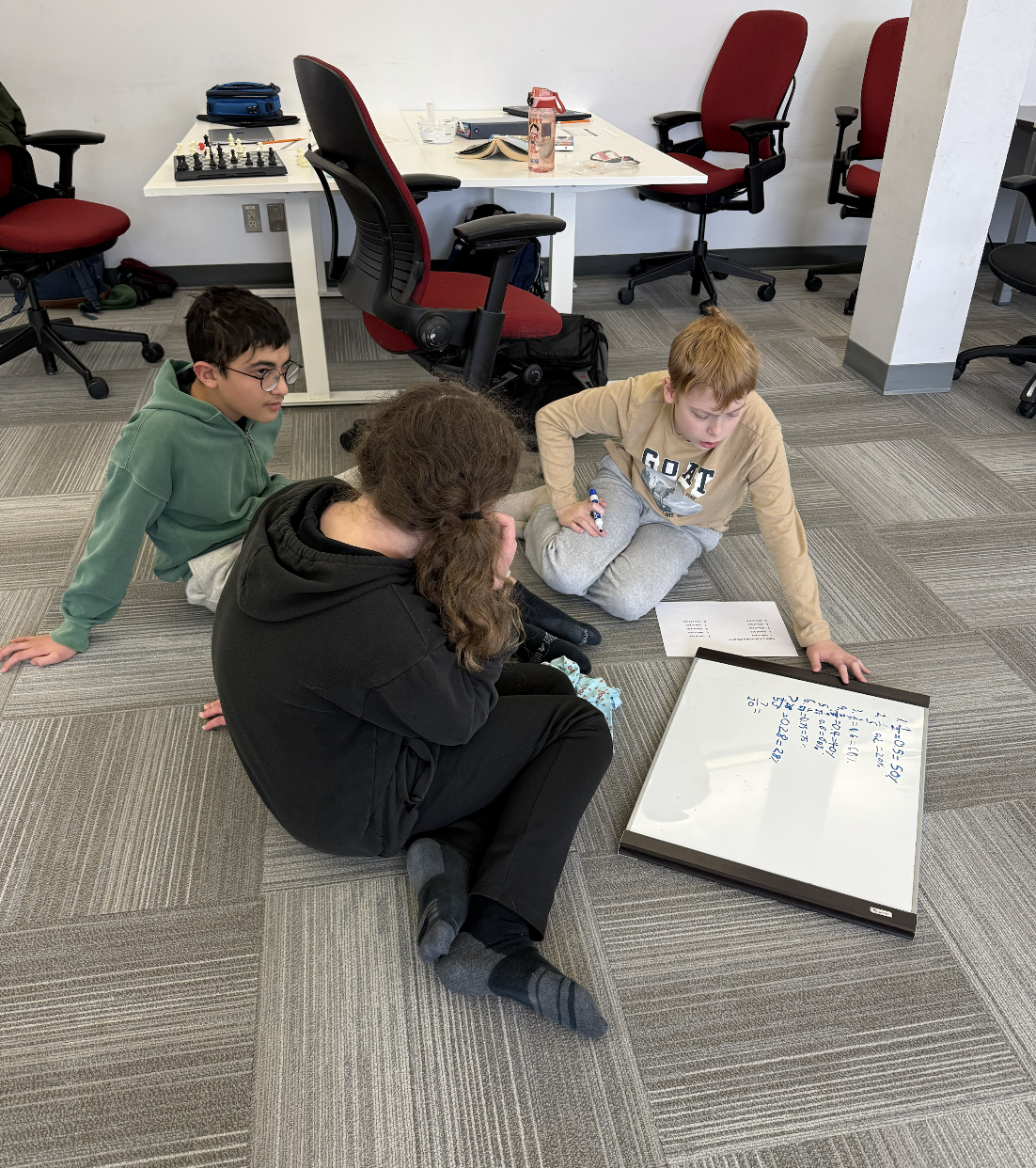
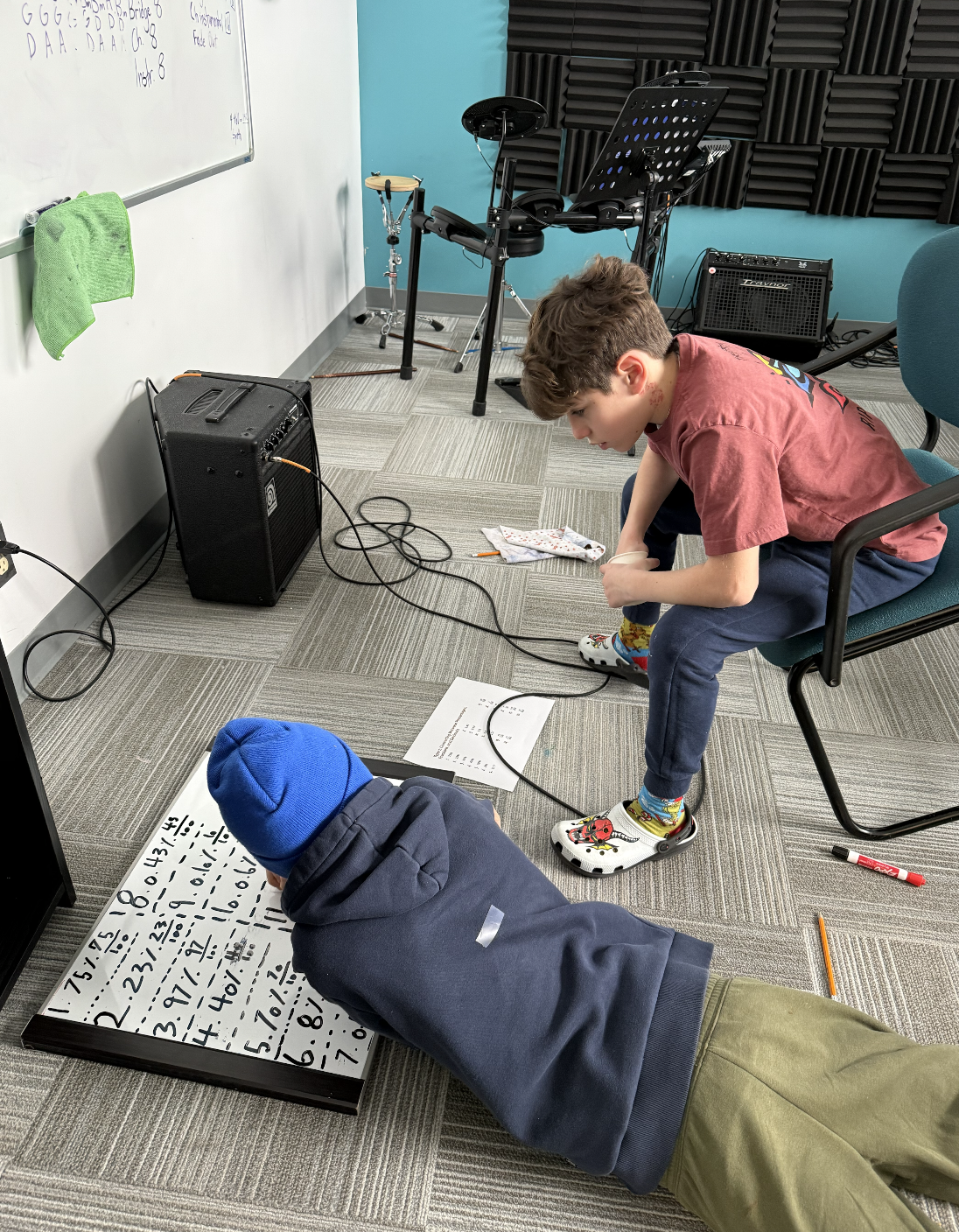
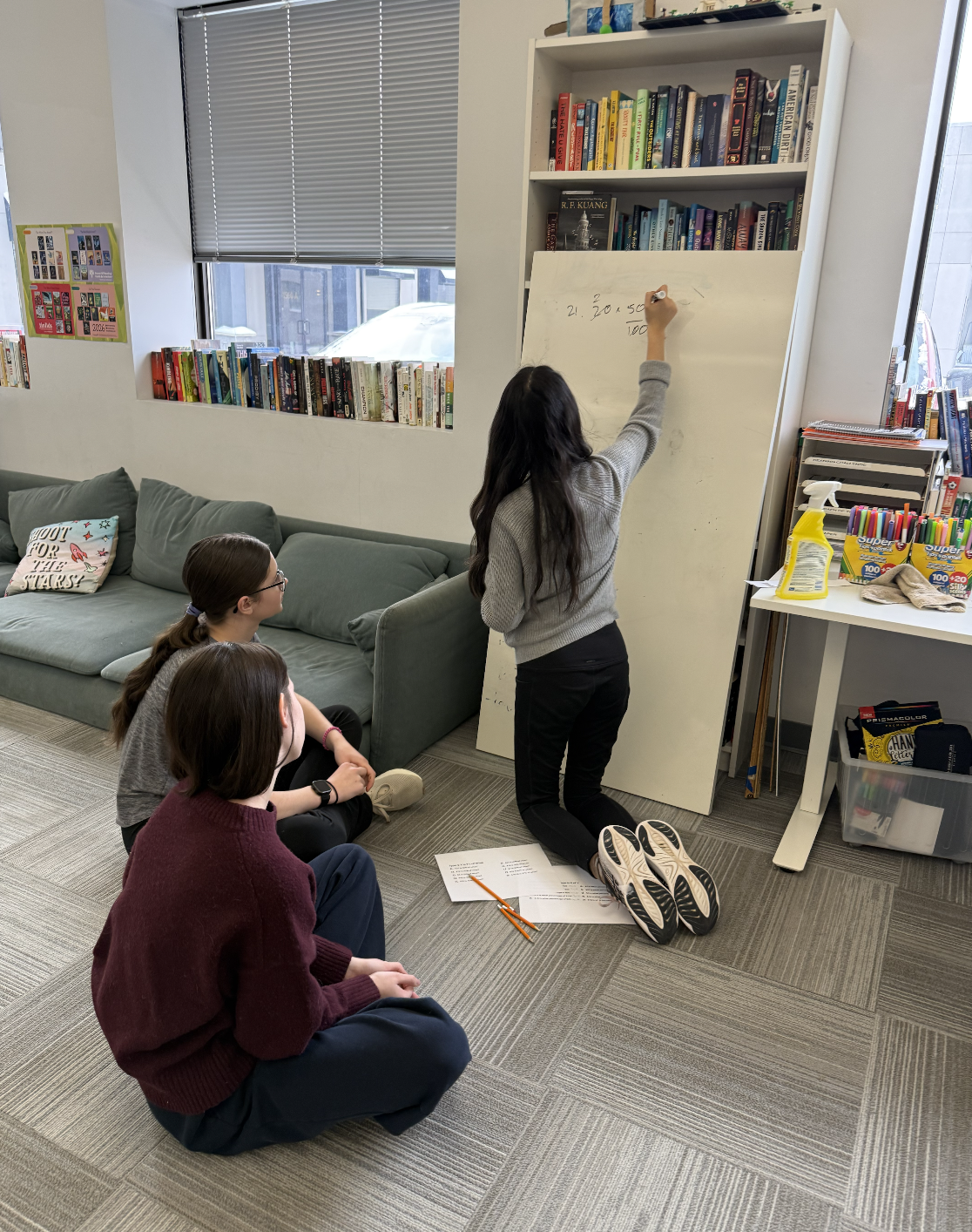
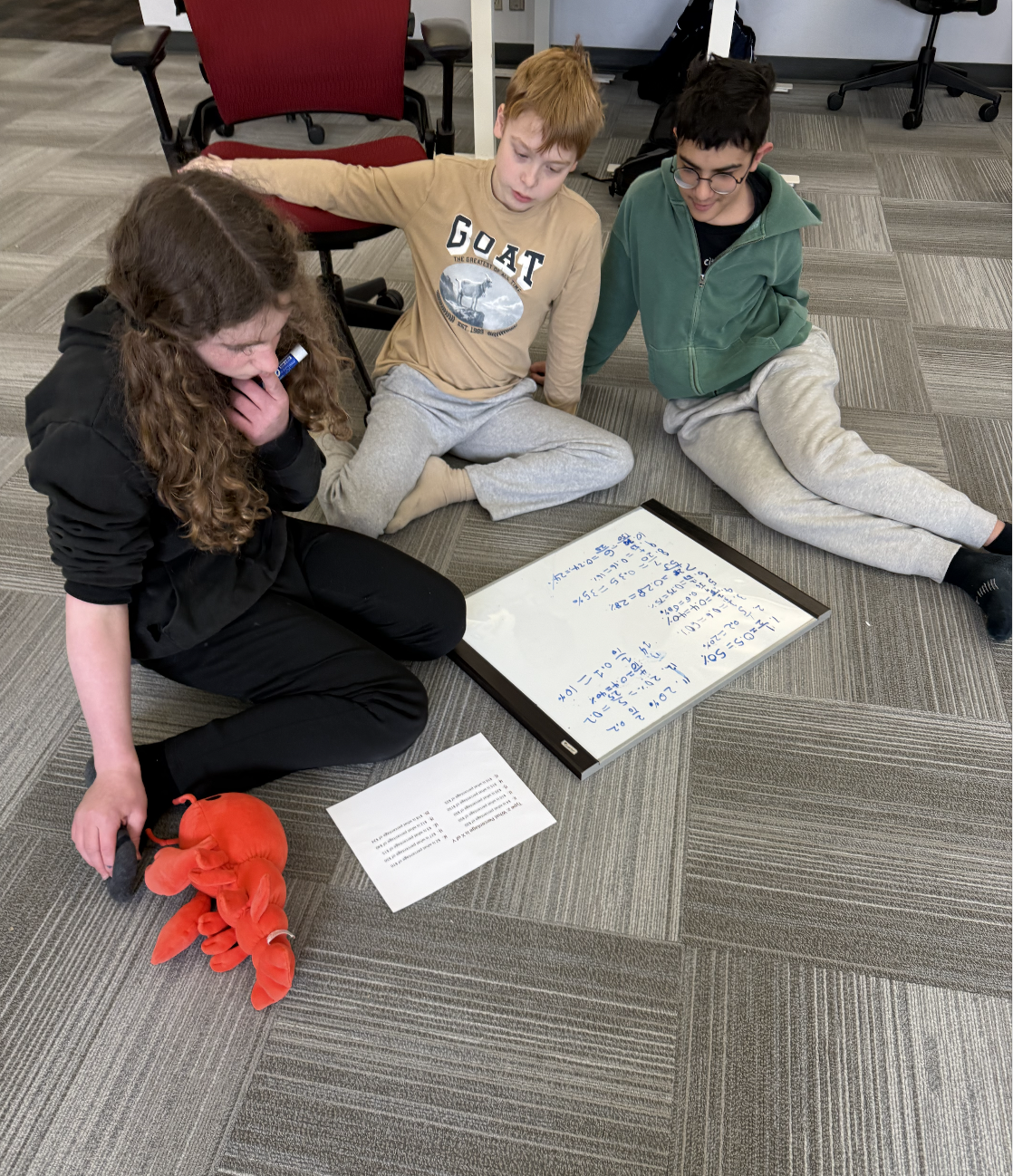
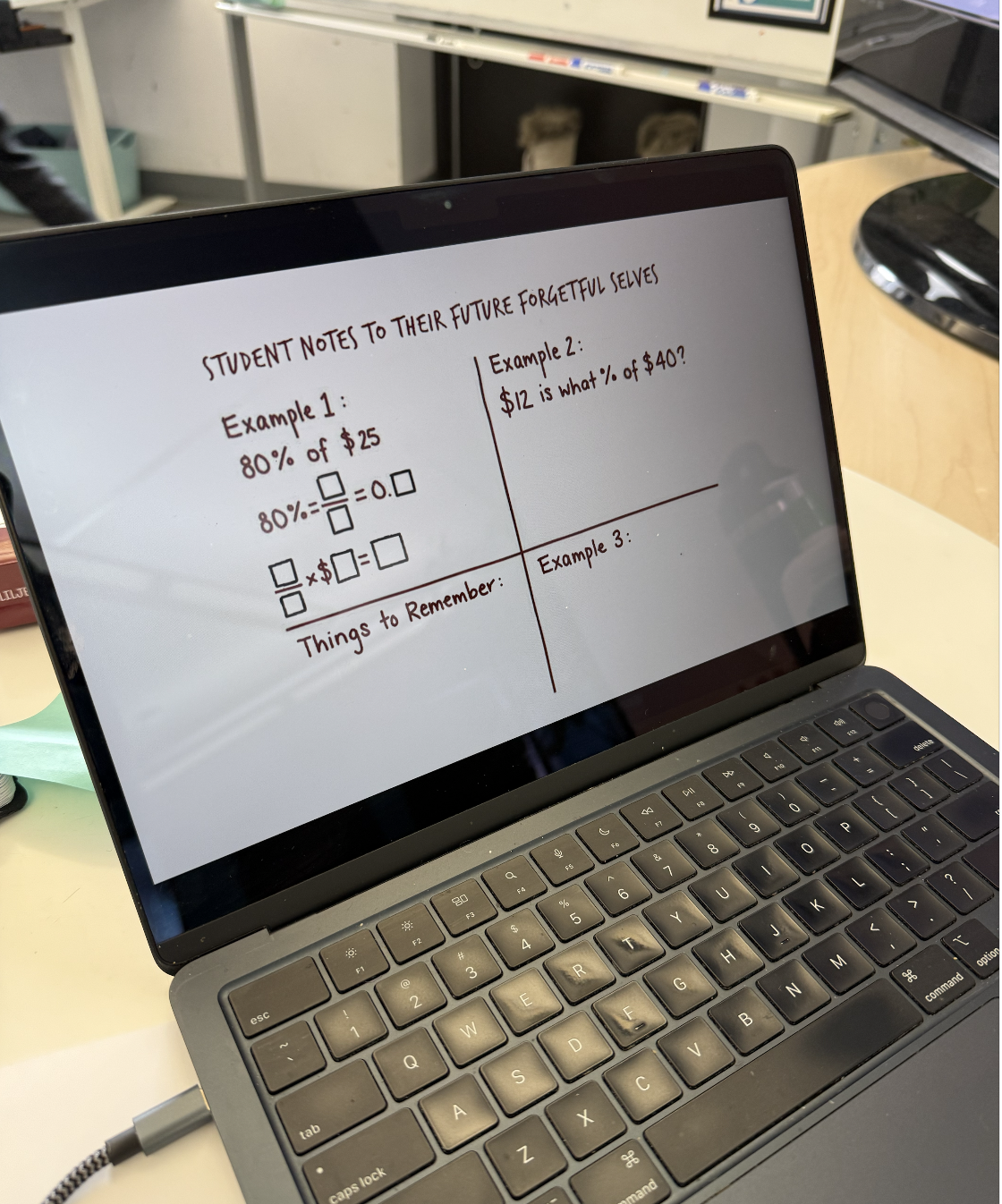
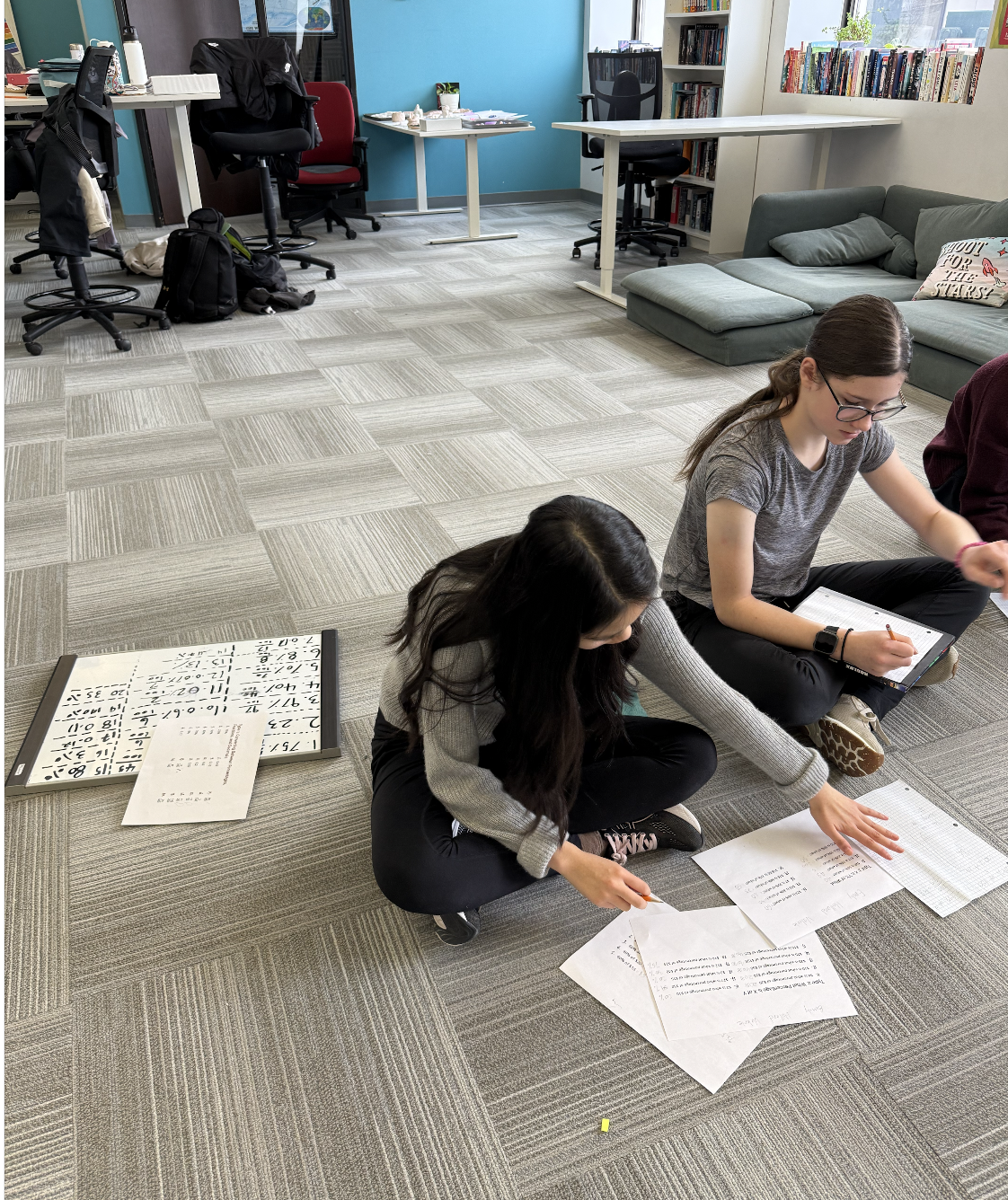
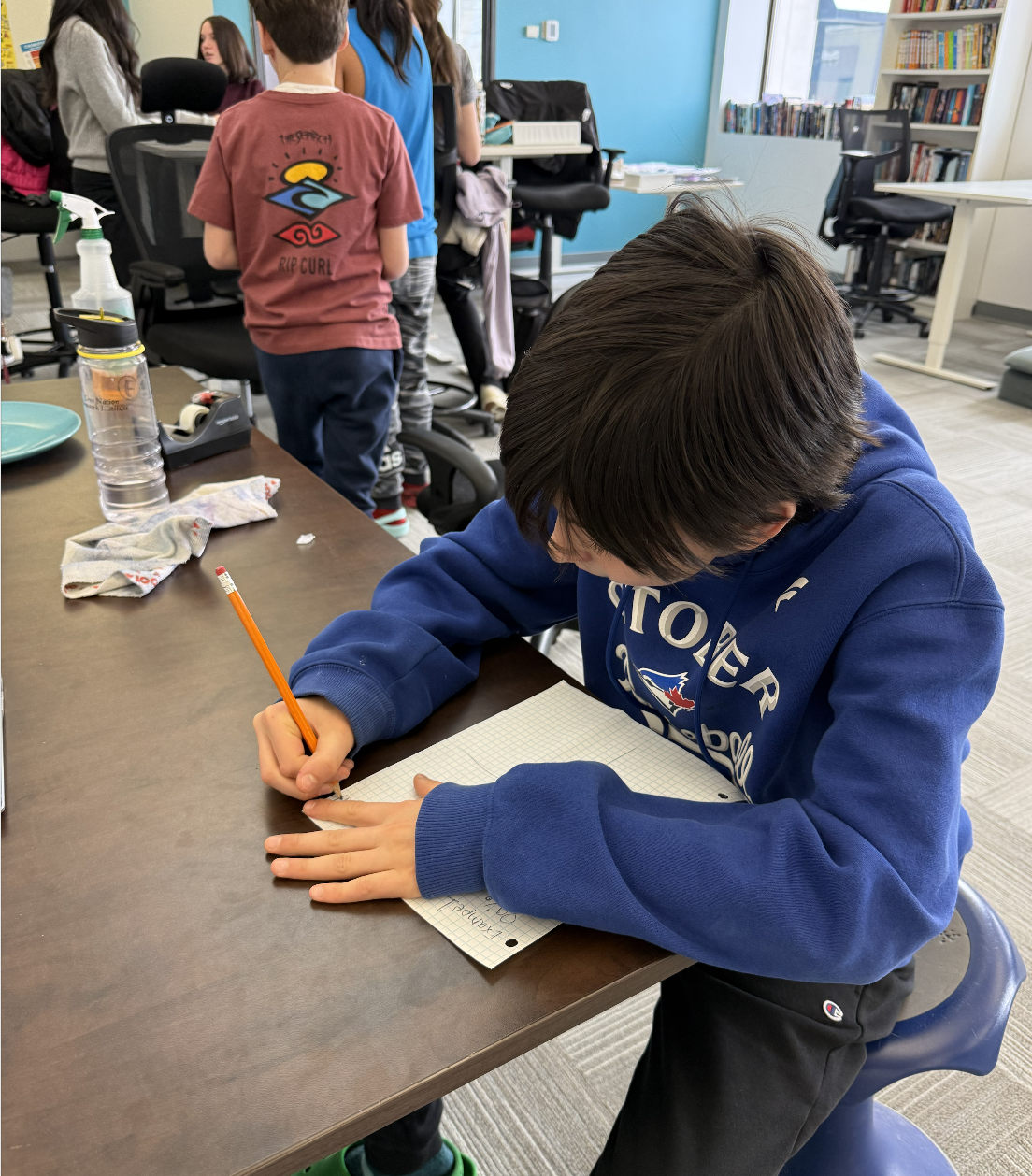
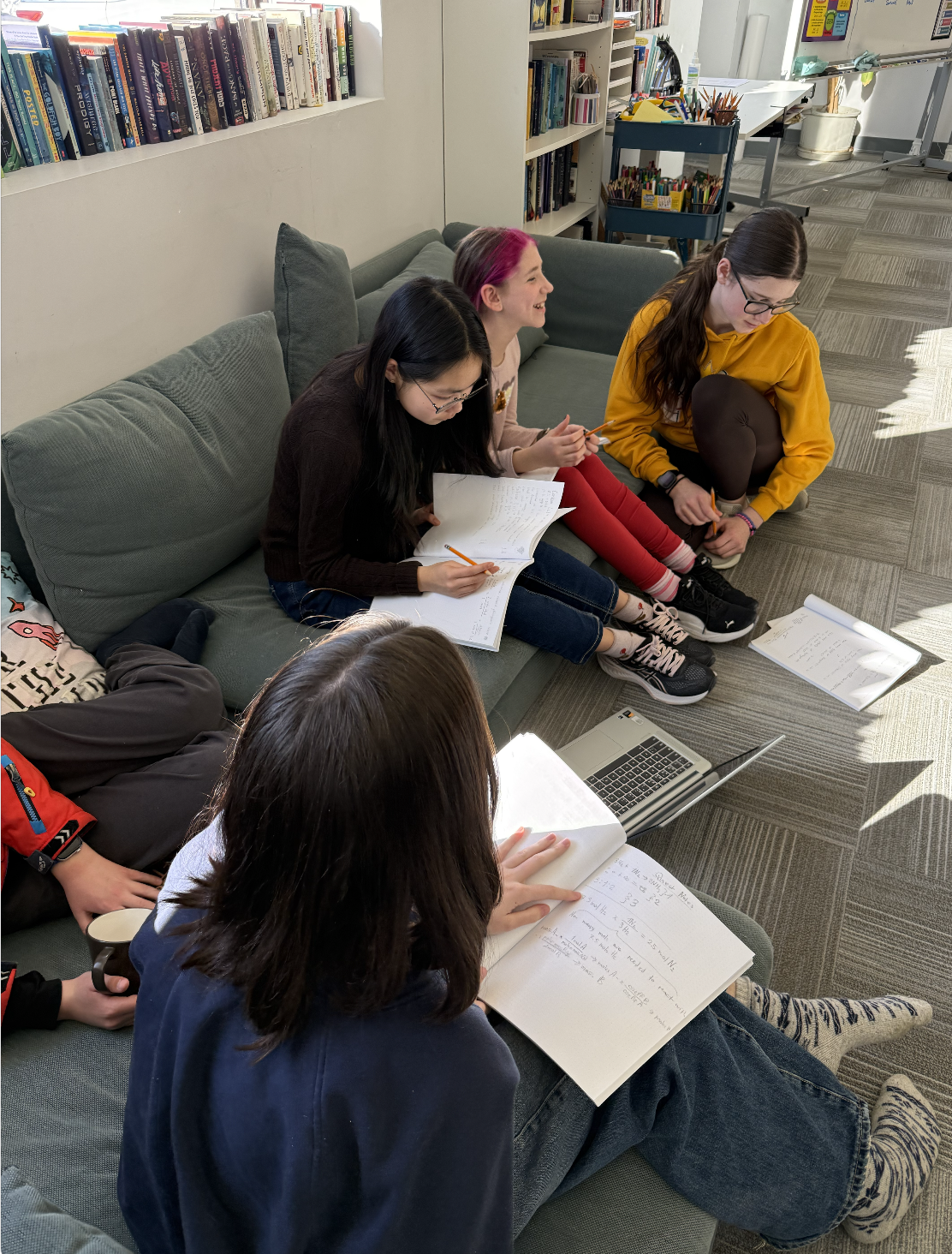
This week, we worked on conversions between percentages, decimals, and fractions in our Building Thinking Classroom session. Rebels were split into two groups to ensure every learner was working at their challenge level. Group 1 learners worked on converting between percentages, fractions, and decimals, calculating the percentage of a number, and building up a percentage of a number. Meanwhile, Group 2 learners worked on tasks calculating X% of Y, determining what percentage is X of Y, and X is Y% of what number. The Rebels learned some great strategies, and everyone stretched their mathematical muscles! We then met as a group to complete a consolidation task and write our student notes.
Civilizations - Big History
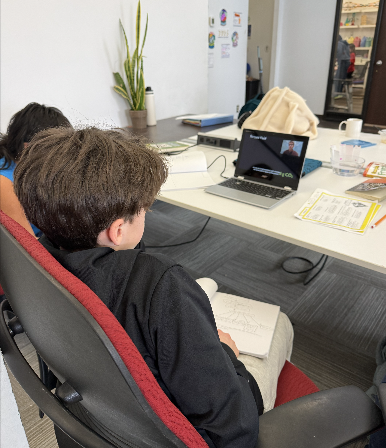
How did early humans share and improve upon knowledge? Can you imagine trying to tell someone how to play a sport without using words or gestures? The ability to create stories and improve on ideas sets humans apart from other species. The key to our success lies in our use of symbolic language, which enables us to participate in collective learning. Rebels began their Big History lesson by analyzing an image of early human cave paintings. After describing what they thought the picture depicted and how it was an example of collective learning, we read an article about how we pass on knowledge over time. Lastly, learners watched a video on "reading" petroglyphs, then put their skills to the test by attempting to decode a couple of paintings.
Quest - Cooking with Chemistry
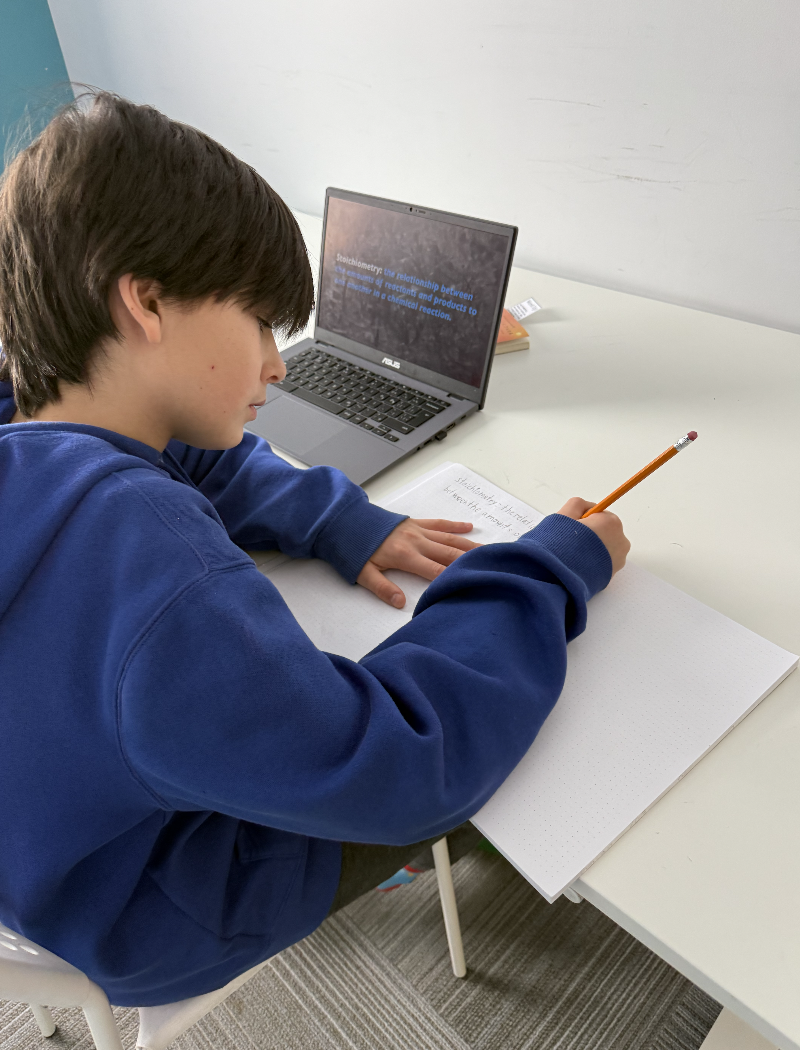
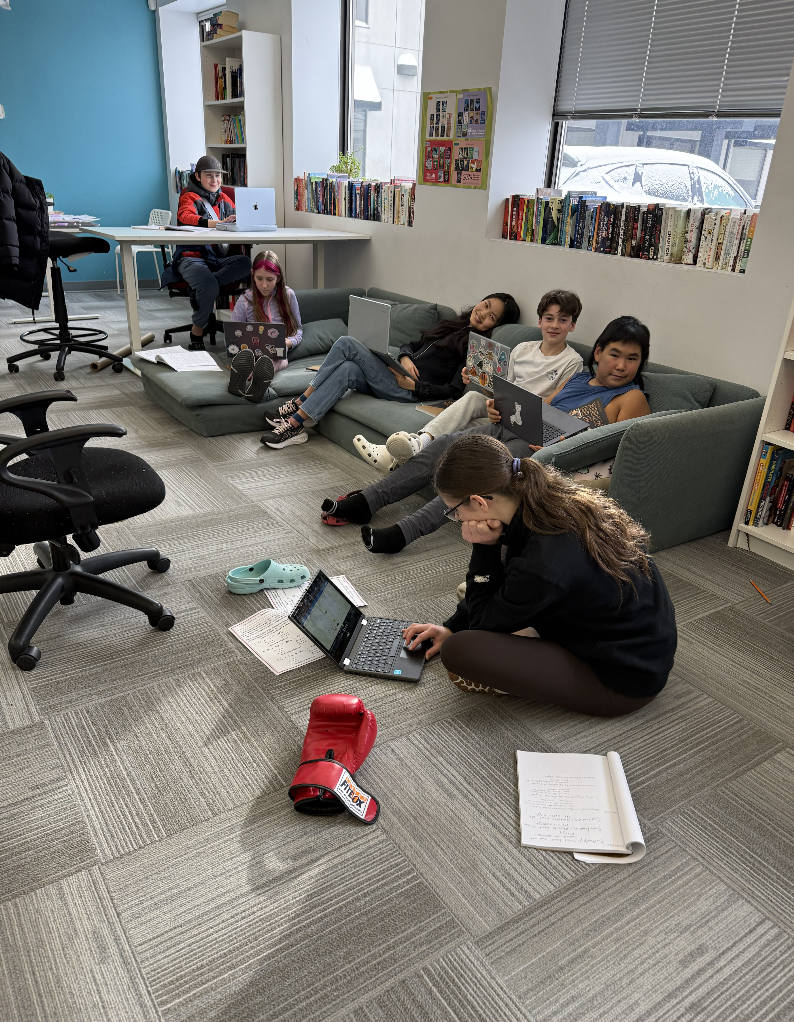
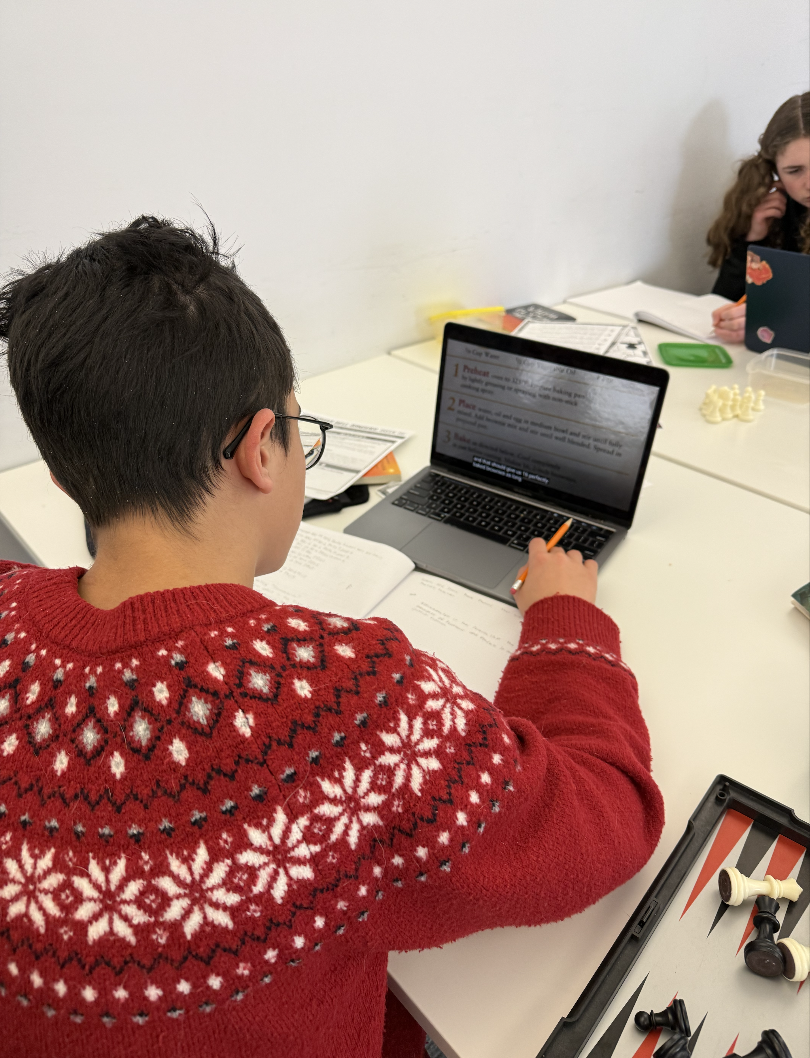
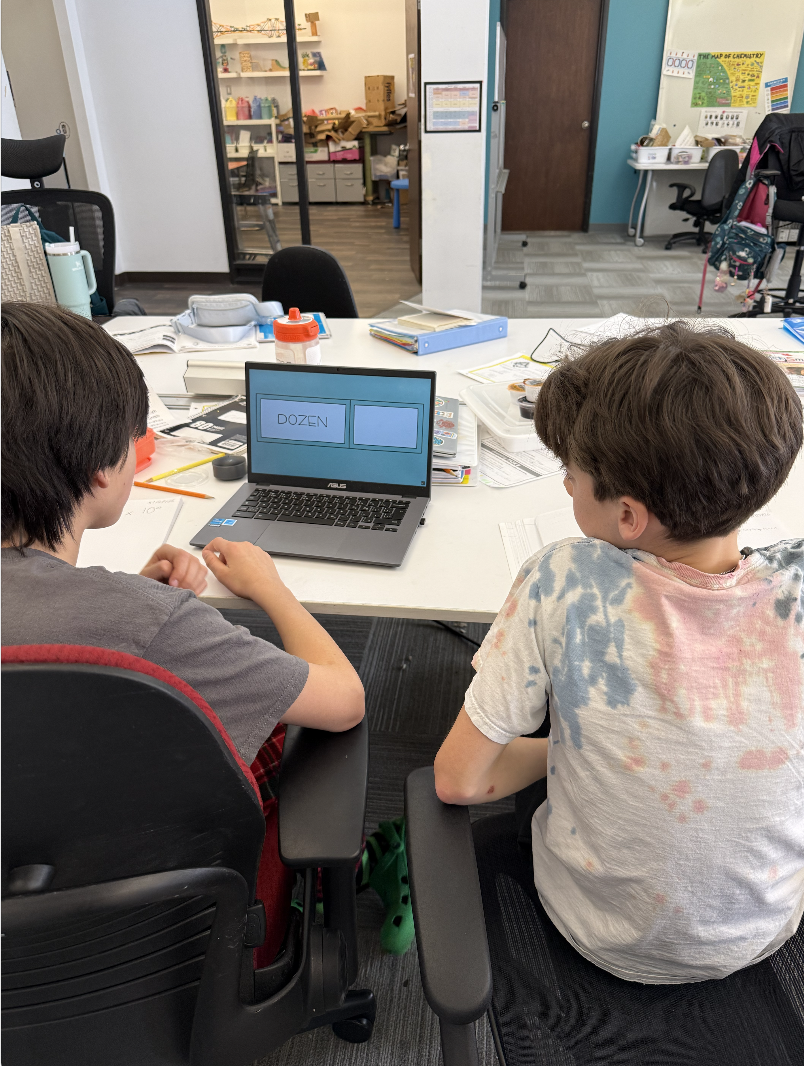
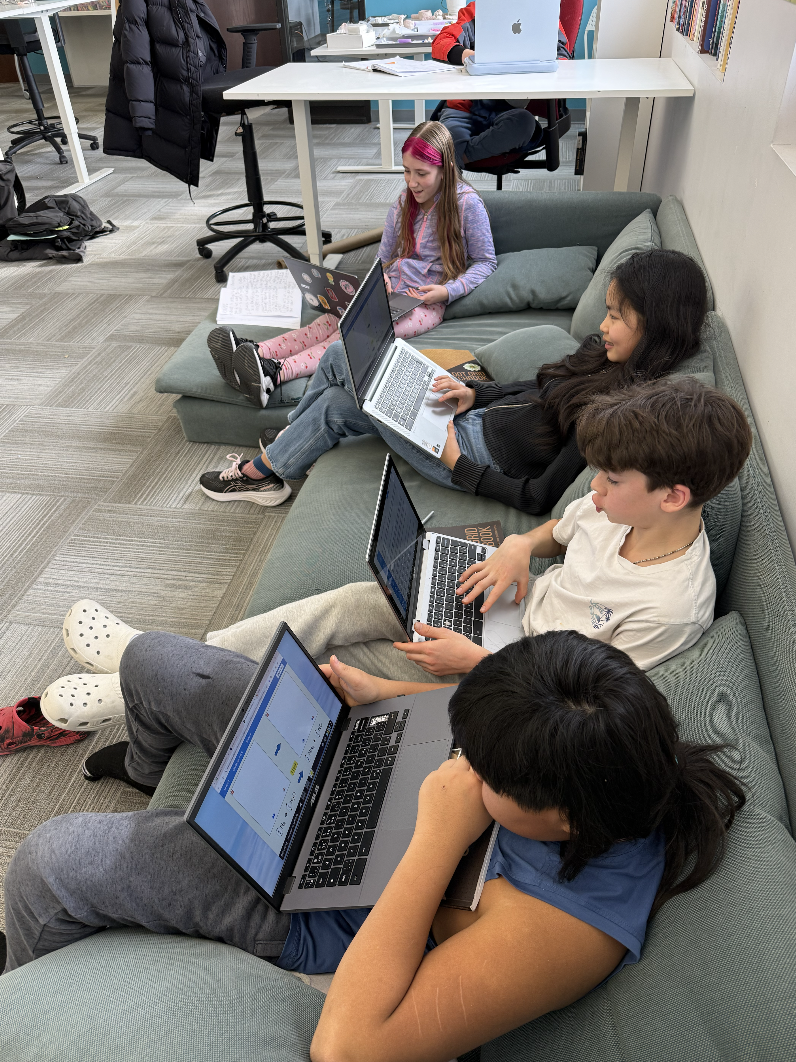
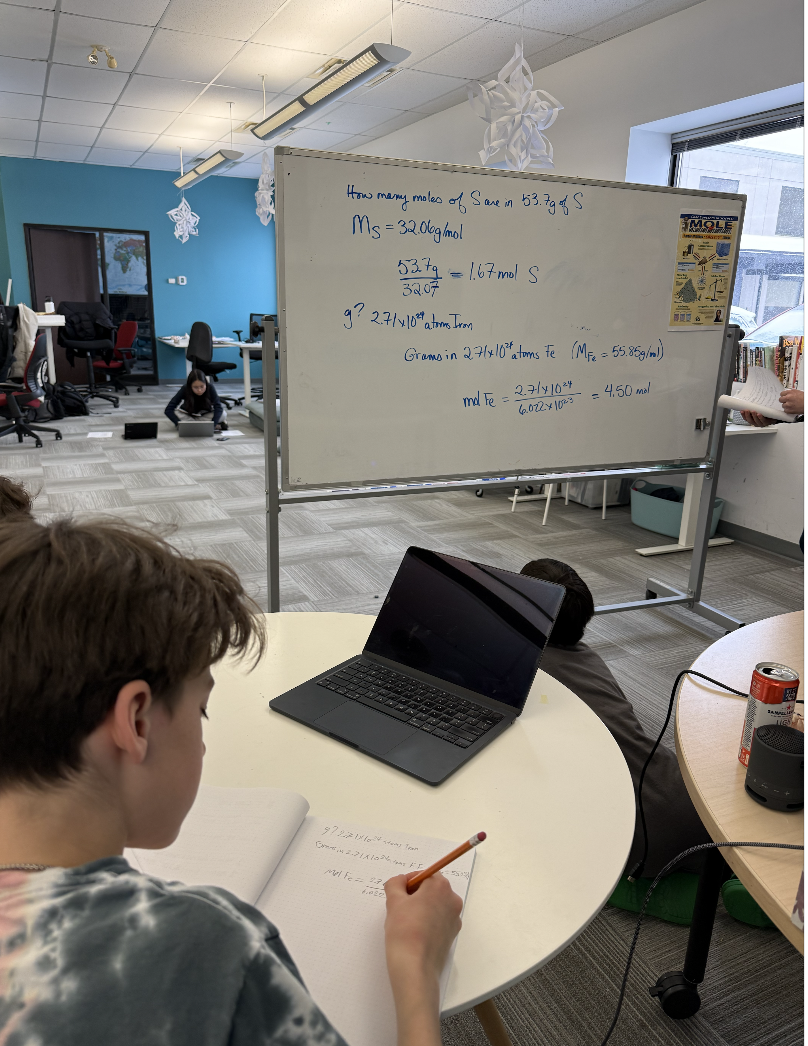
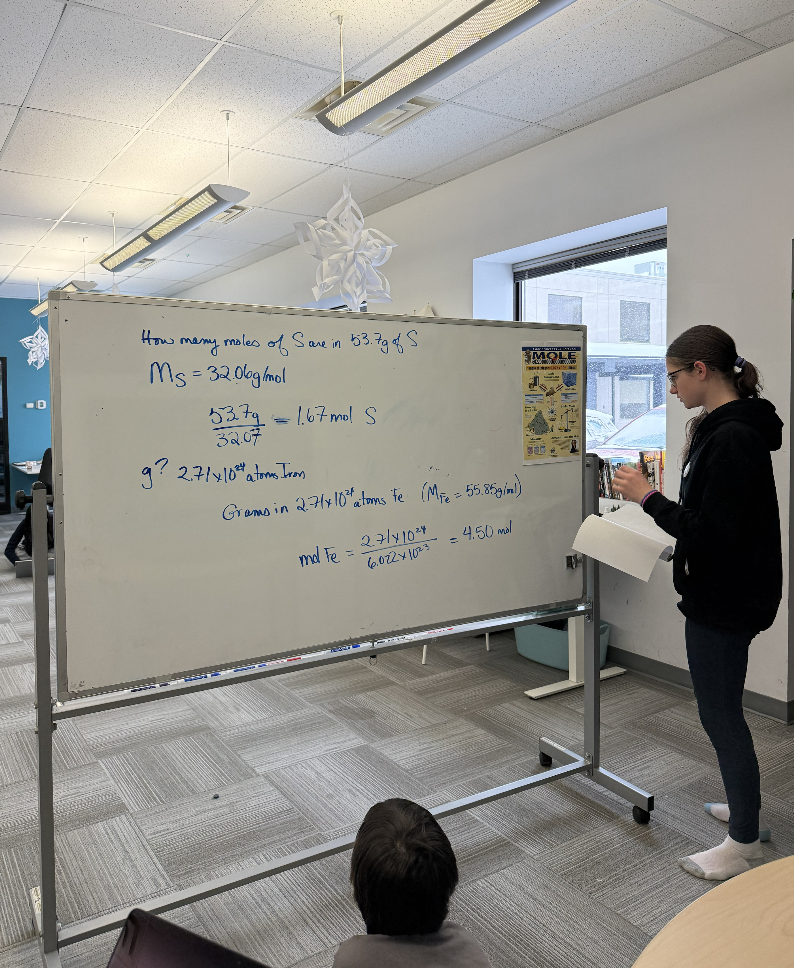
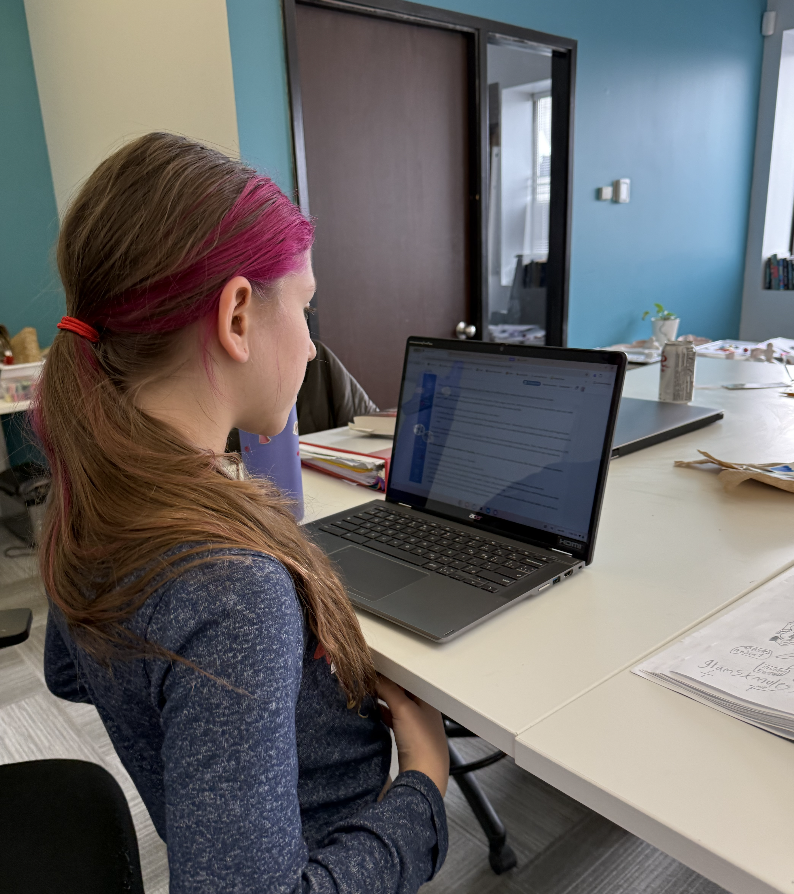
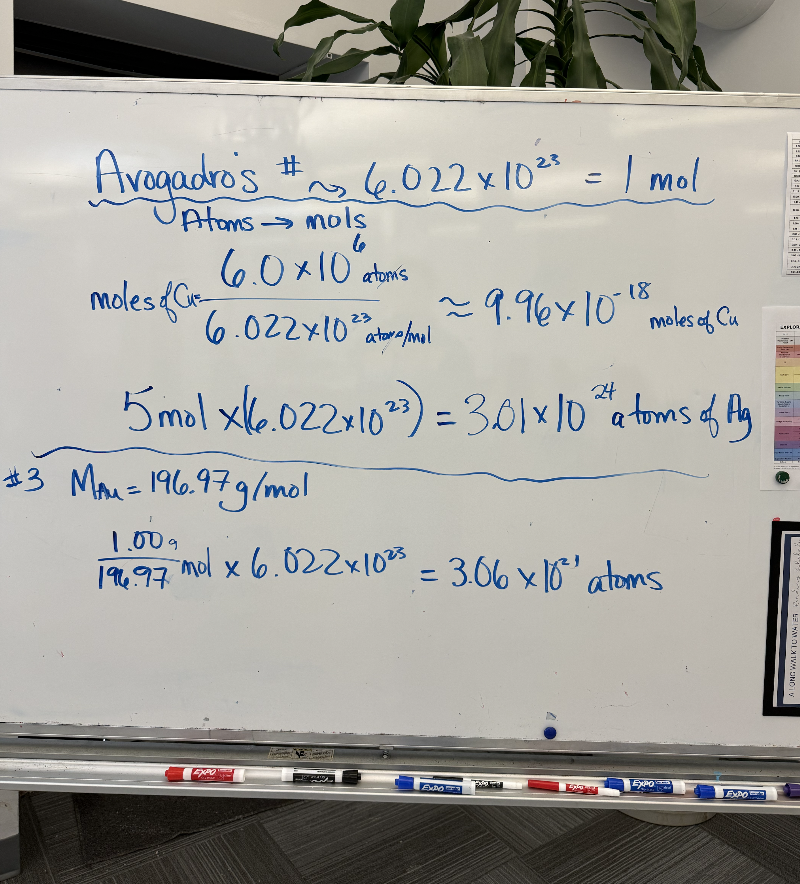
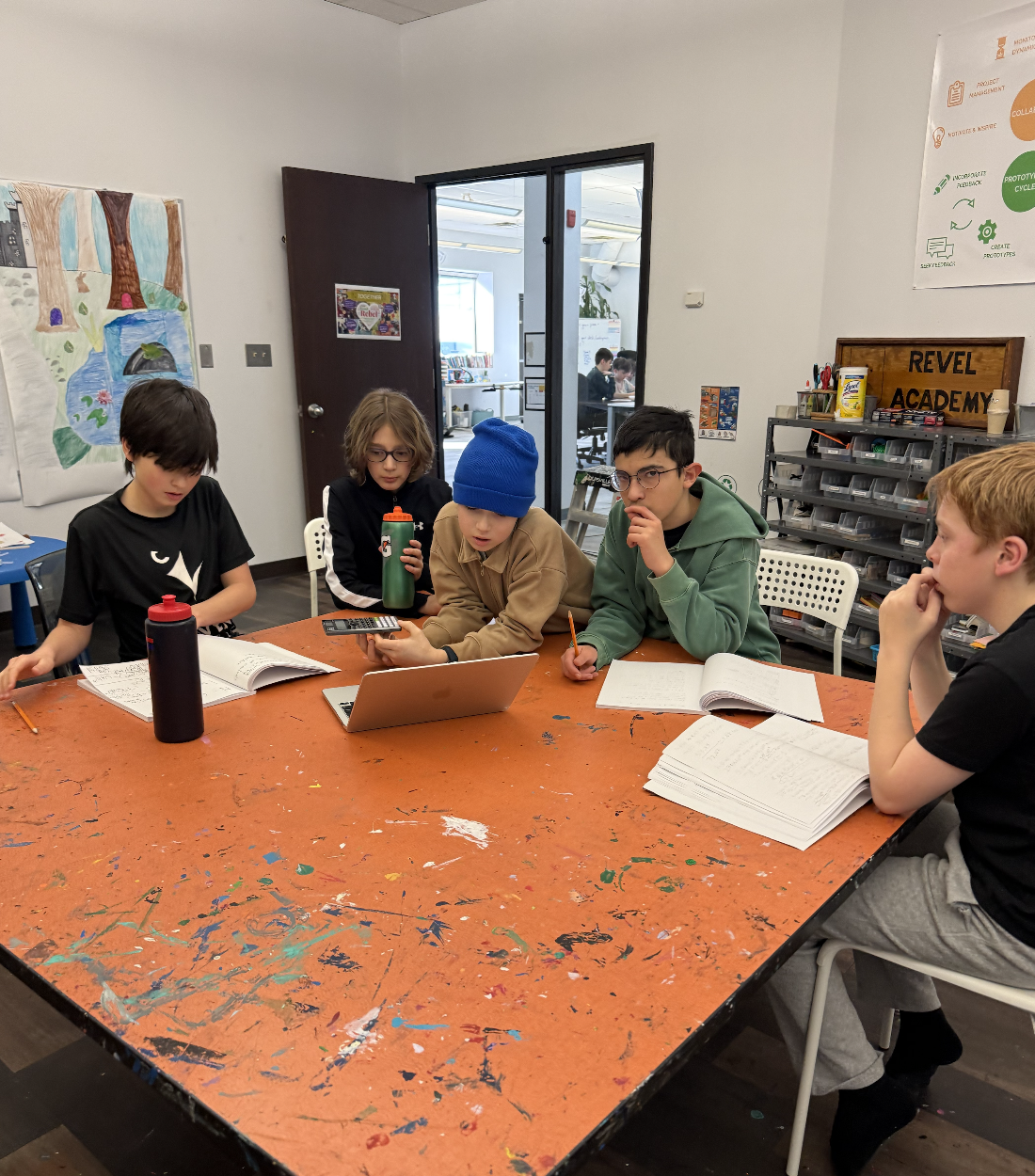
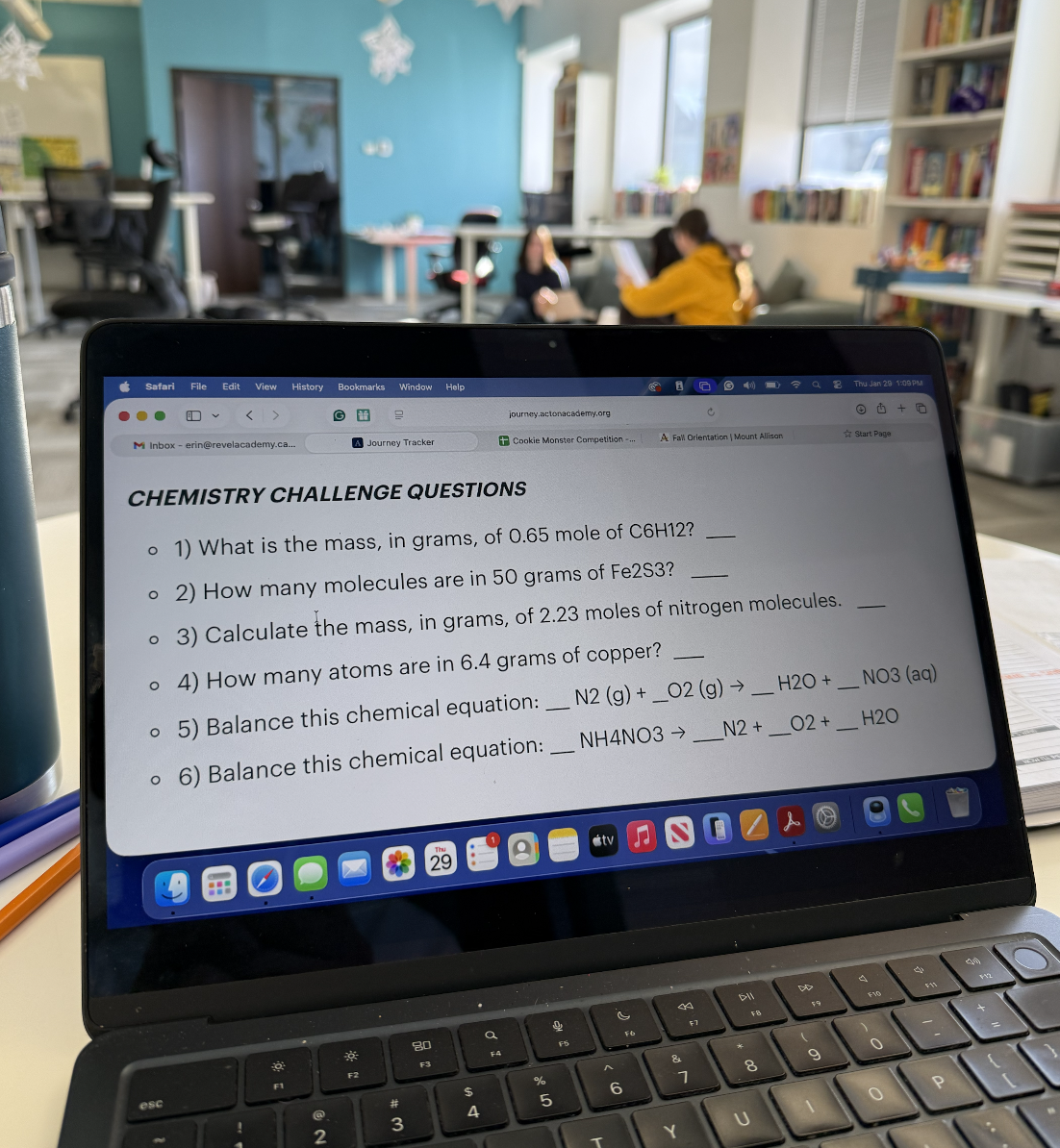
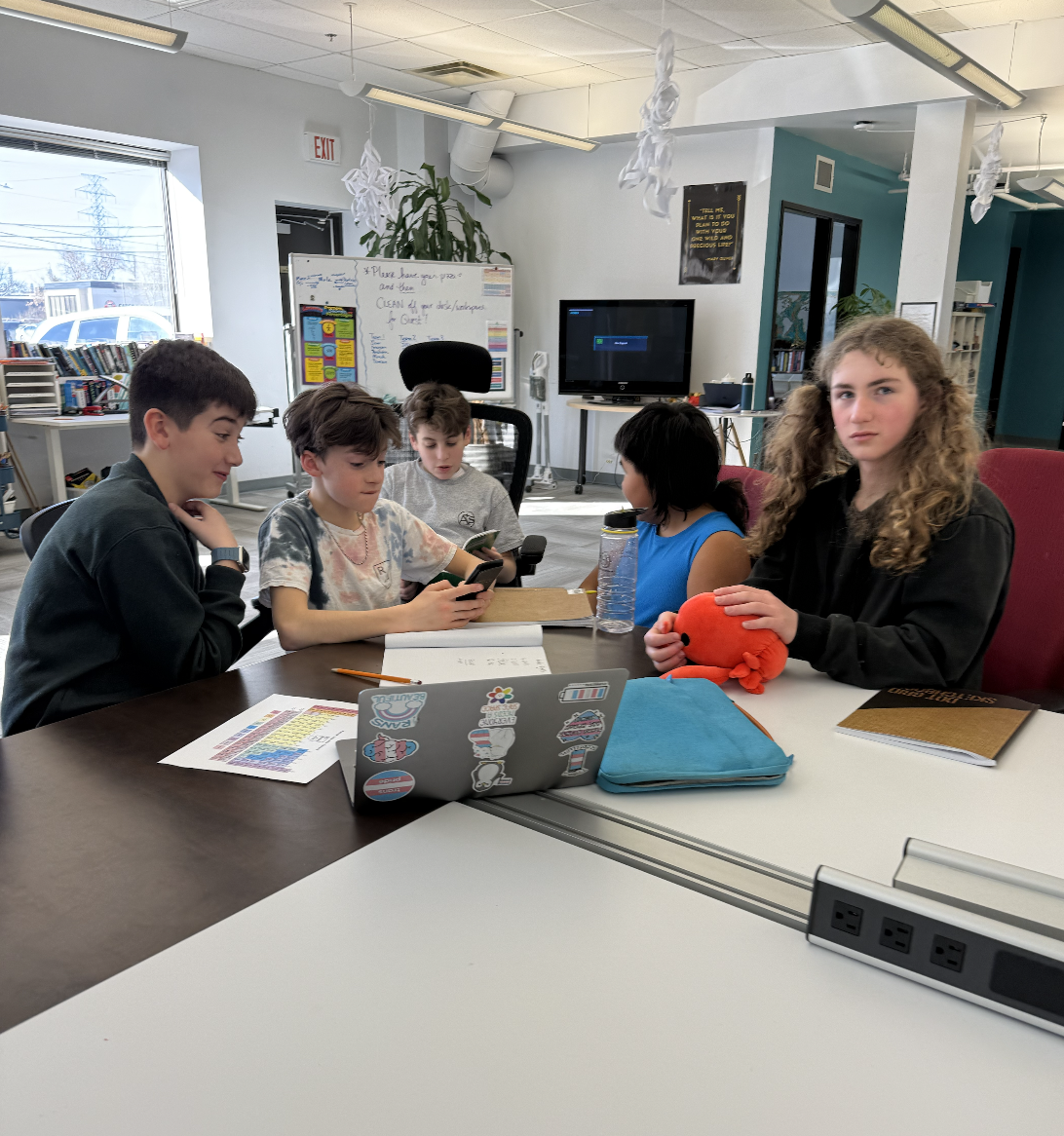
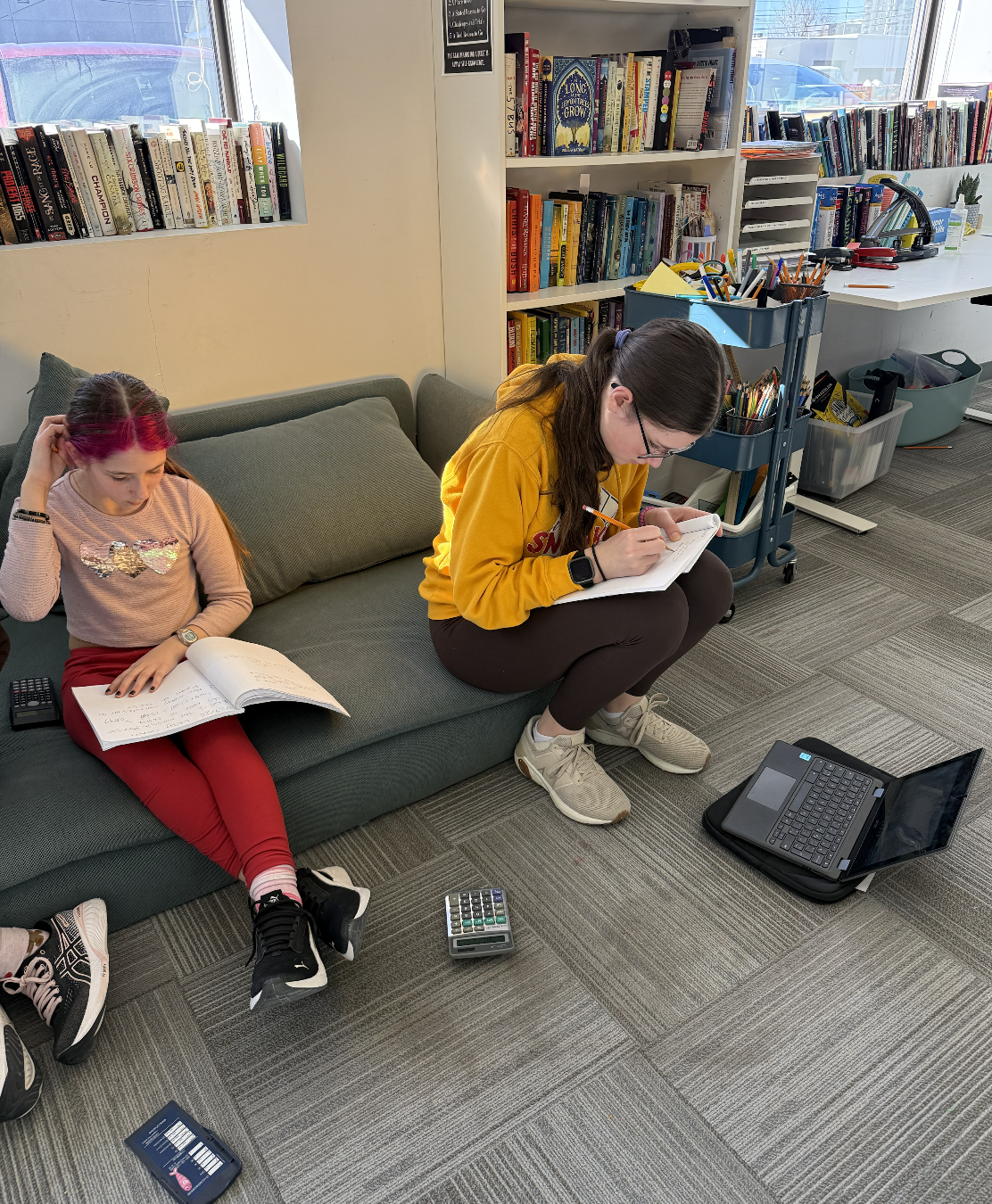
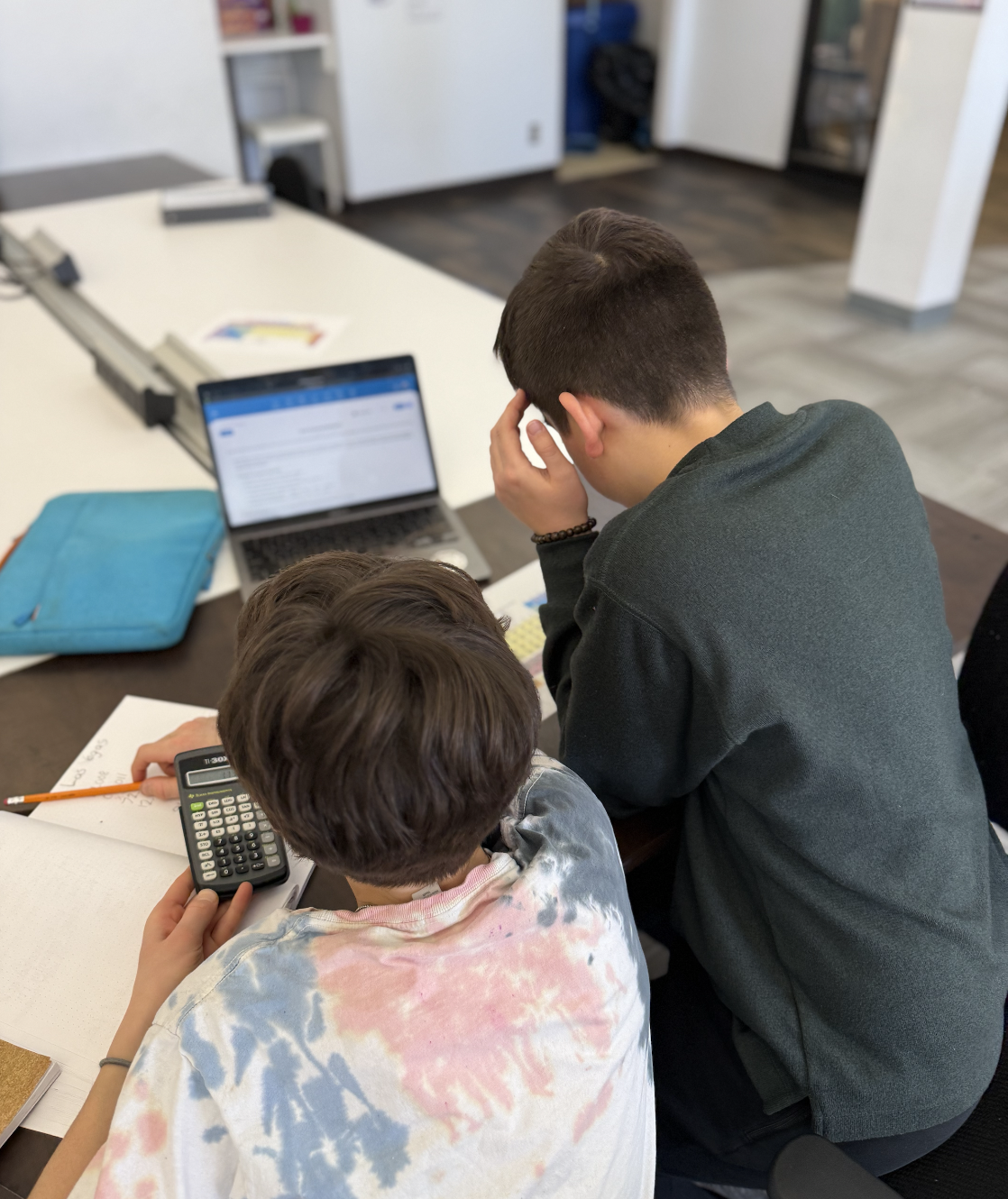
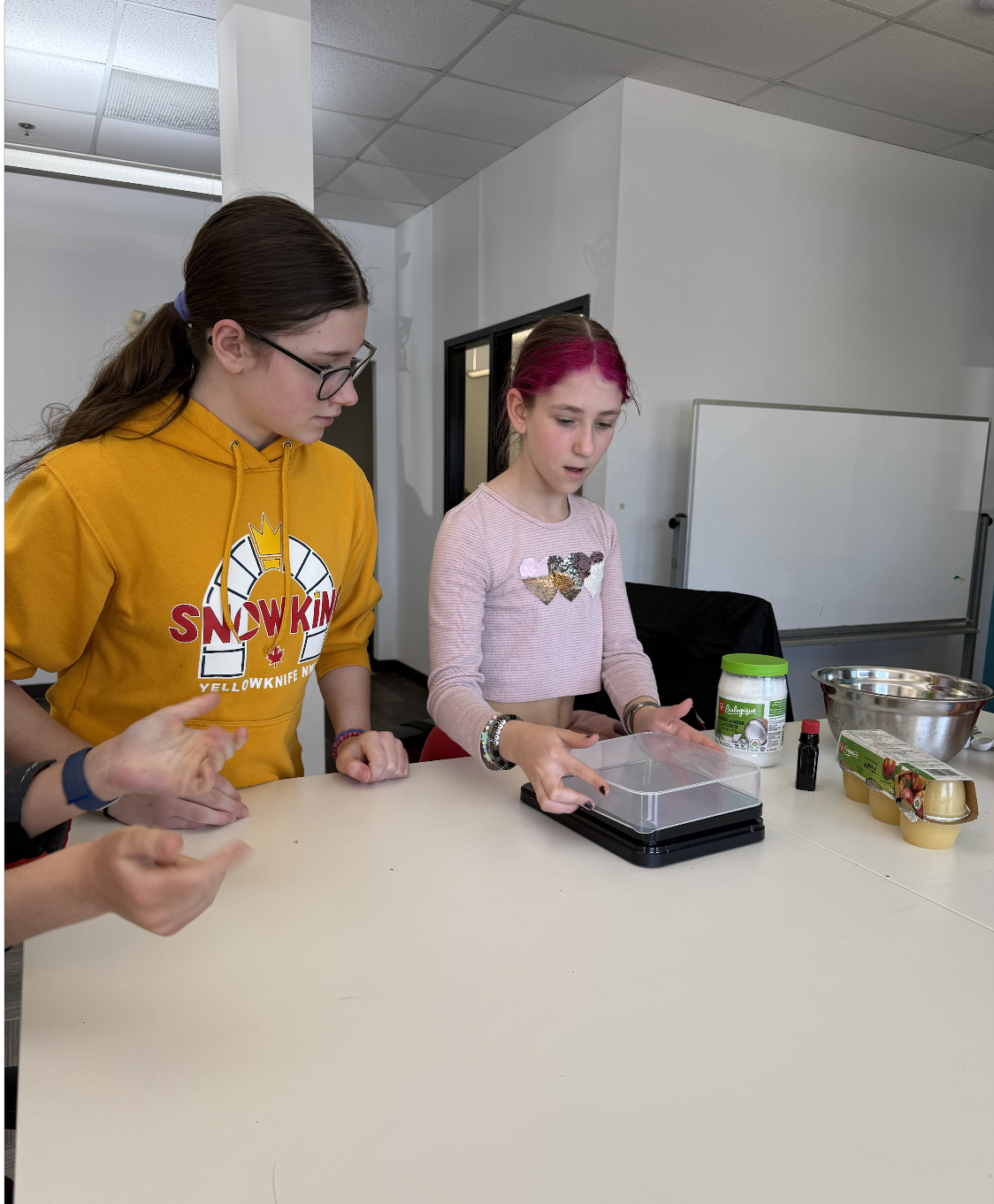
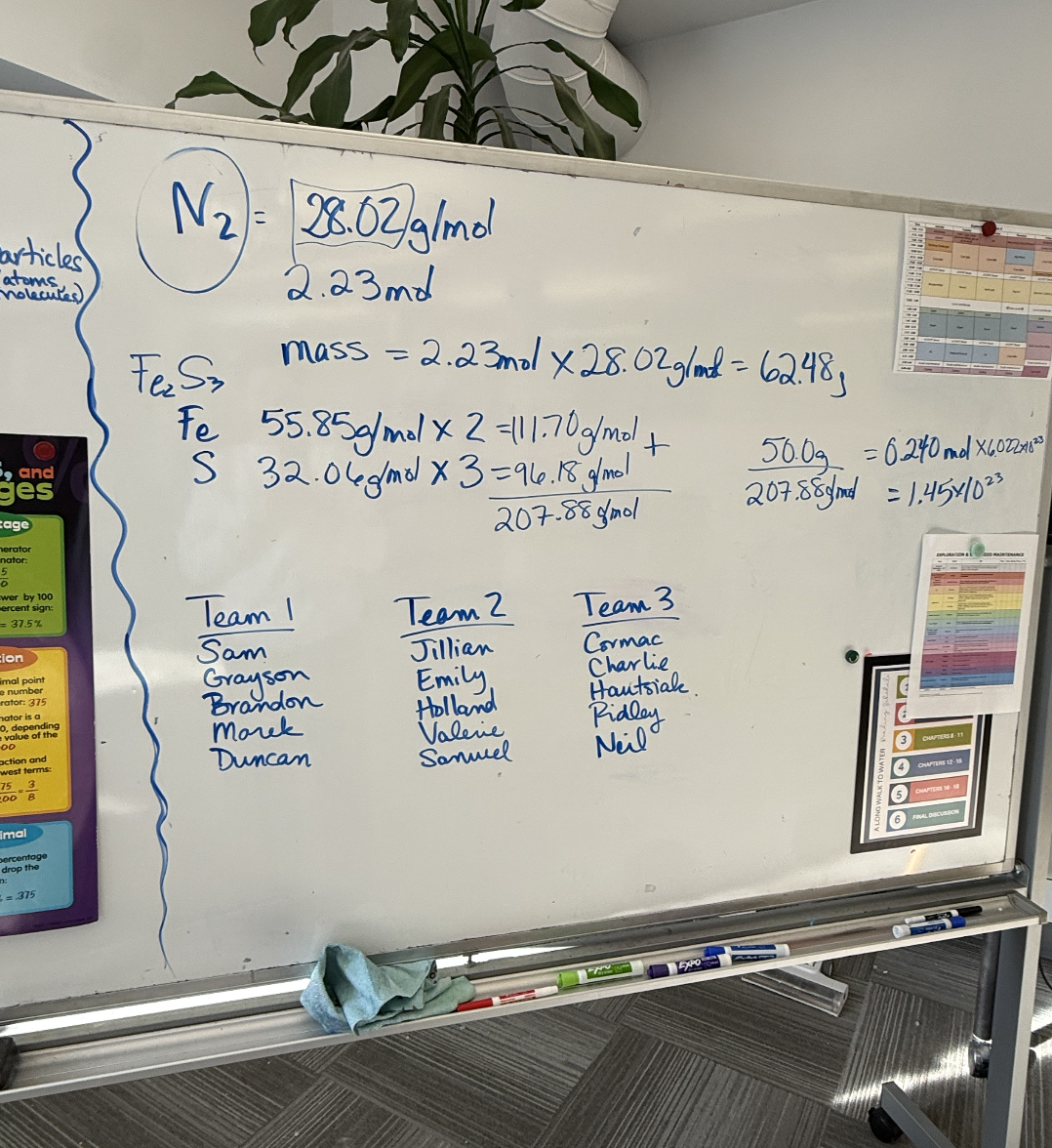
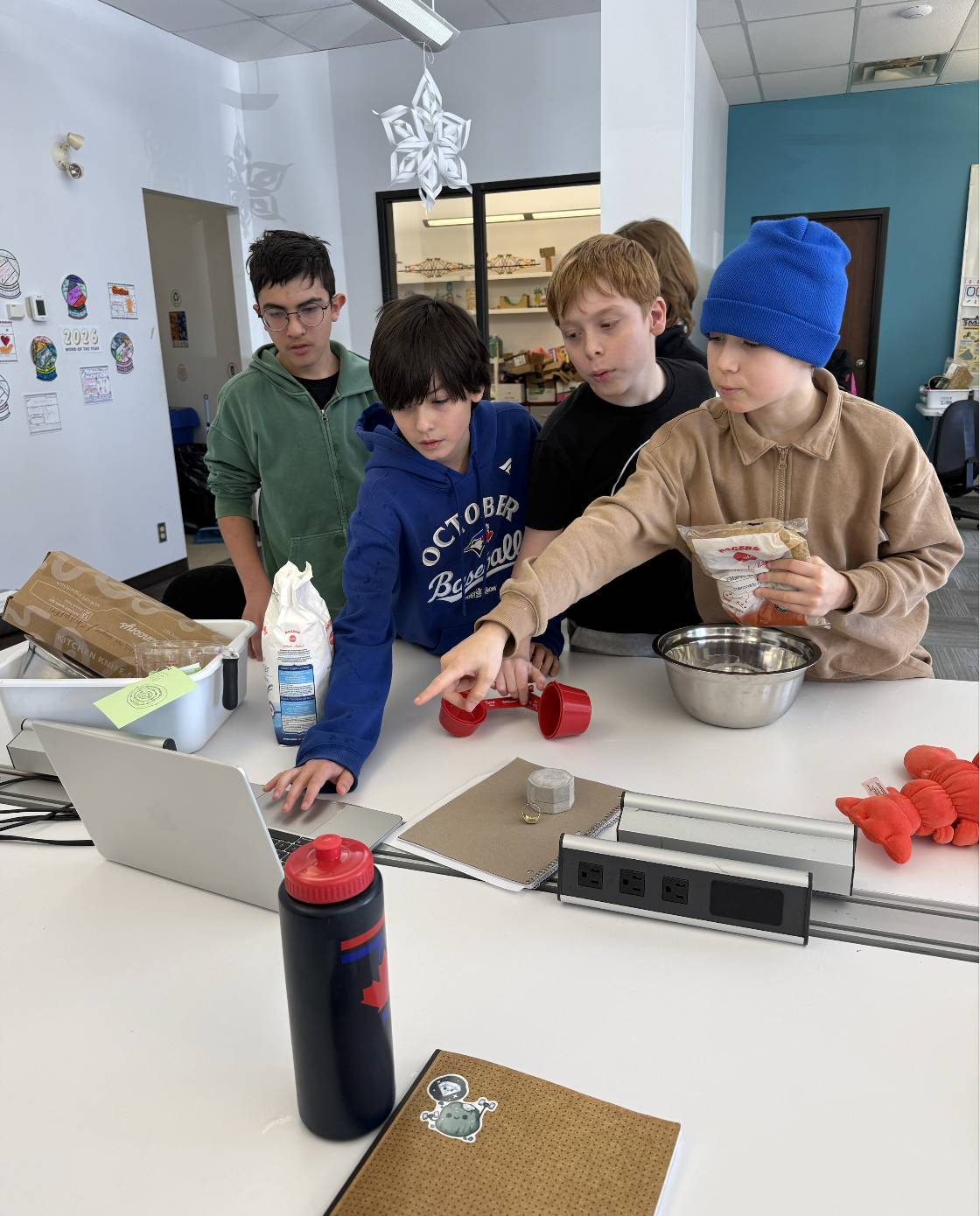
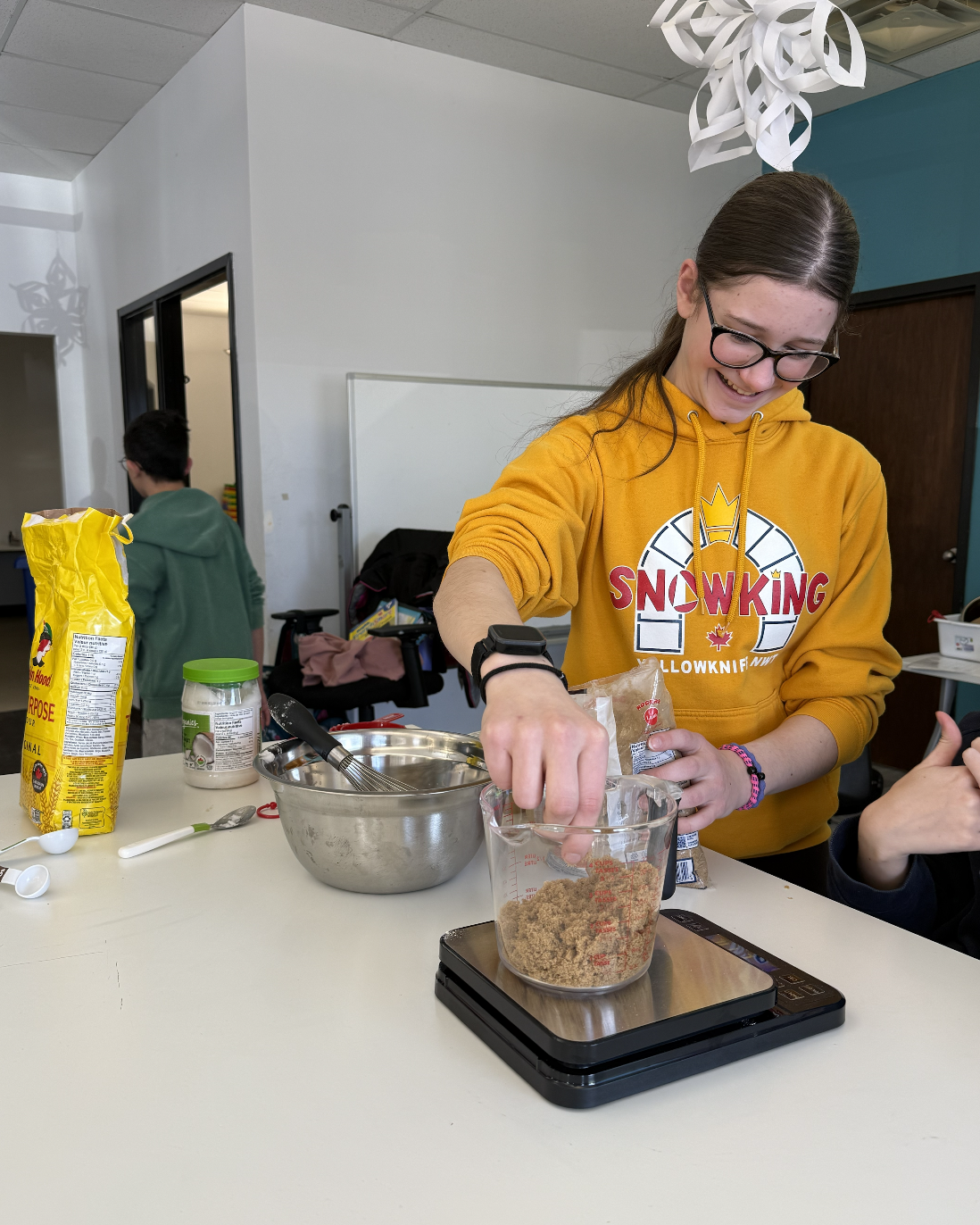
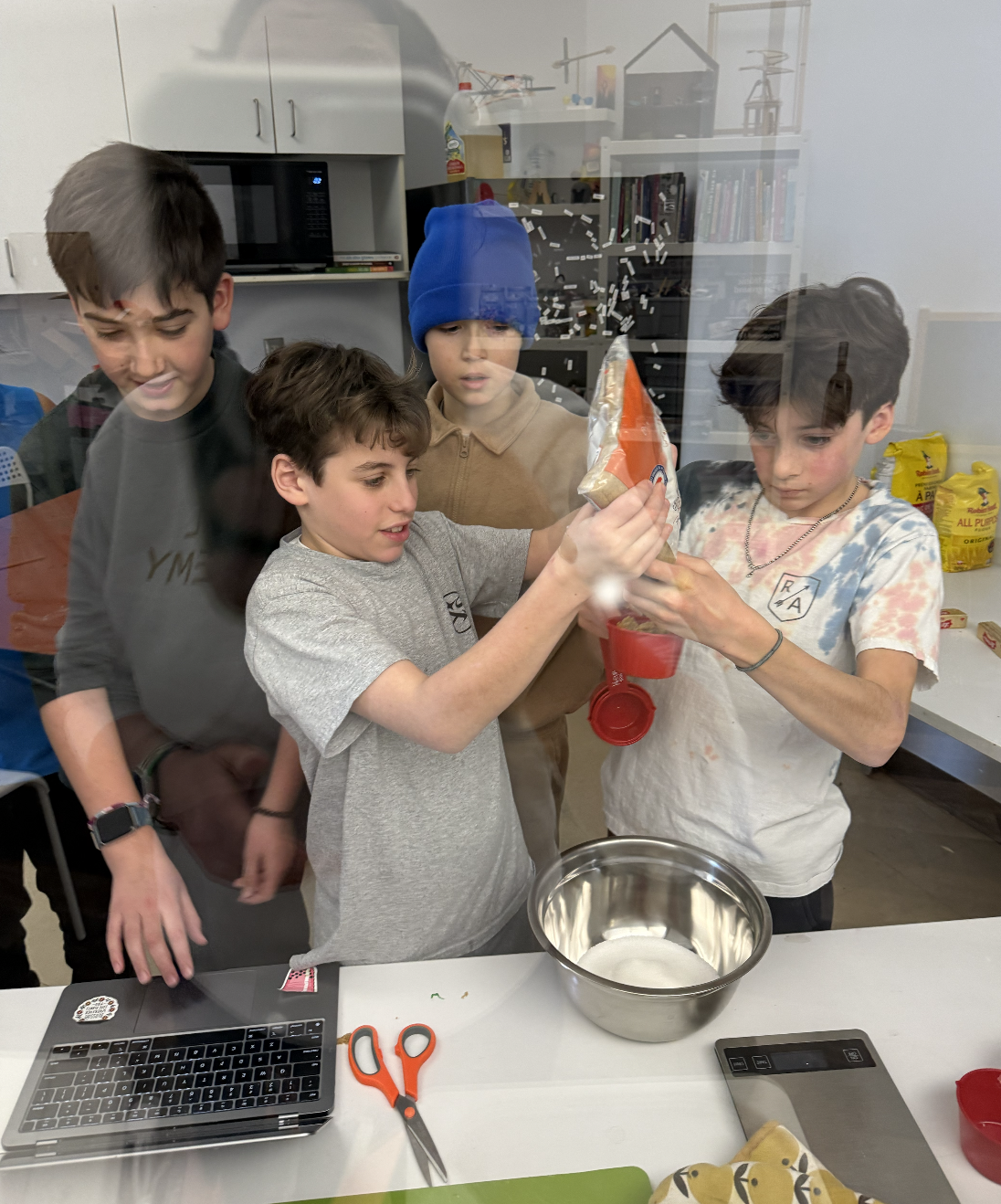
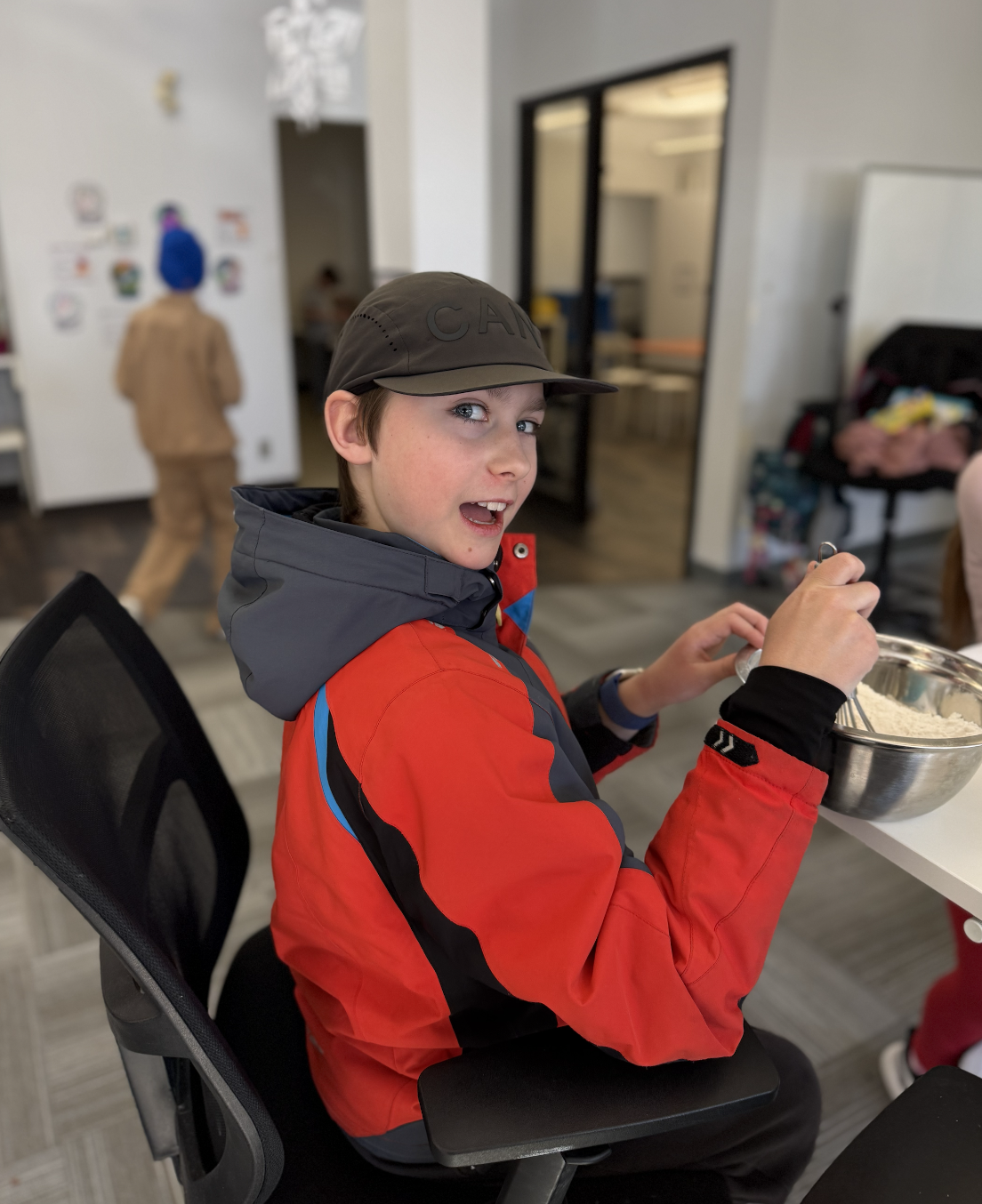
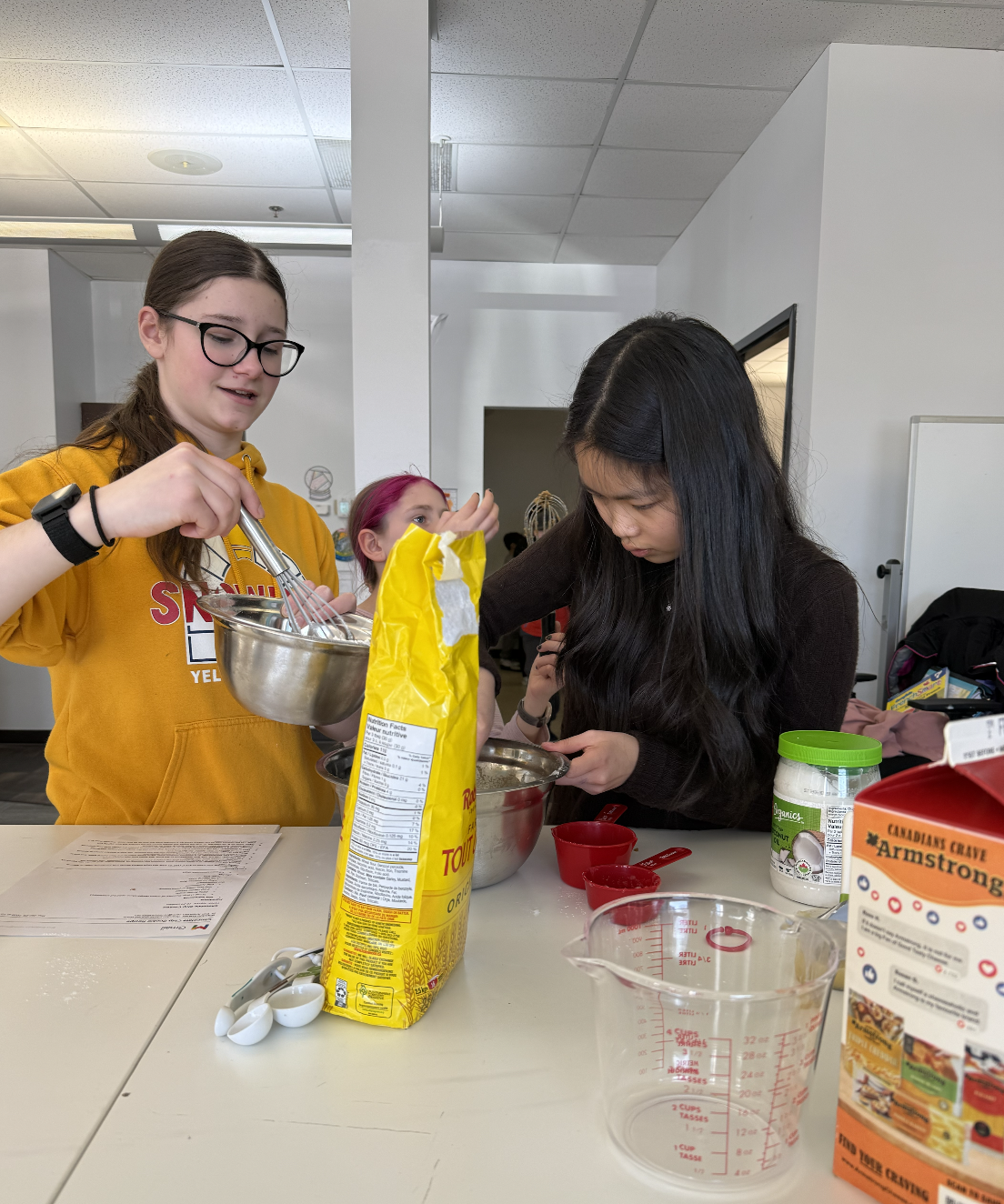
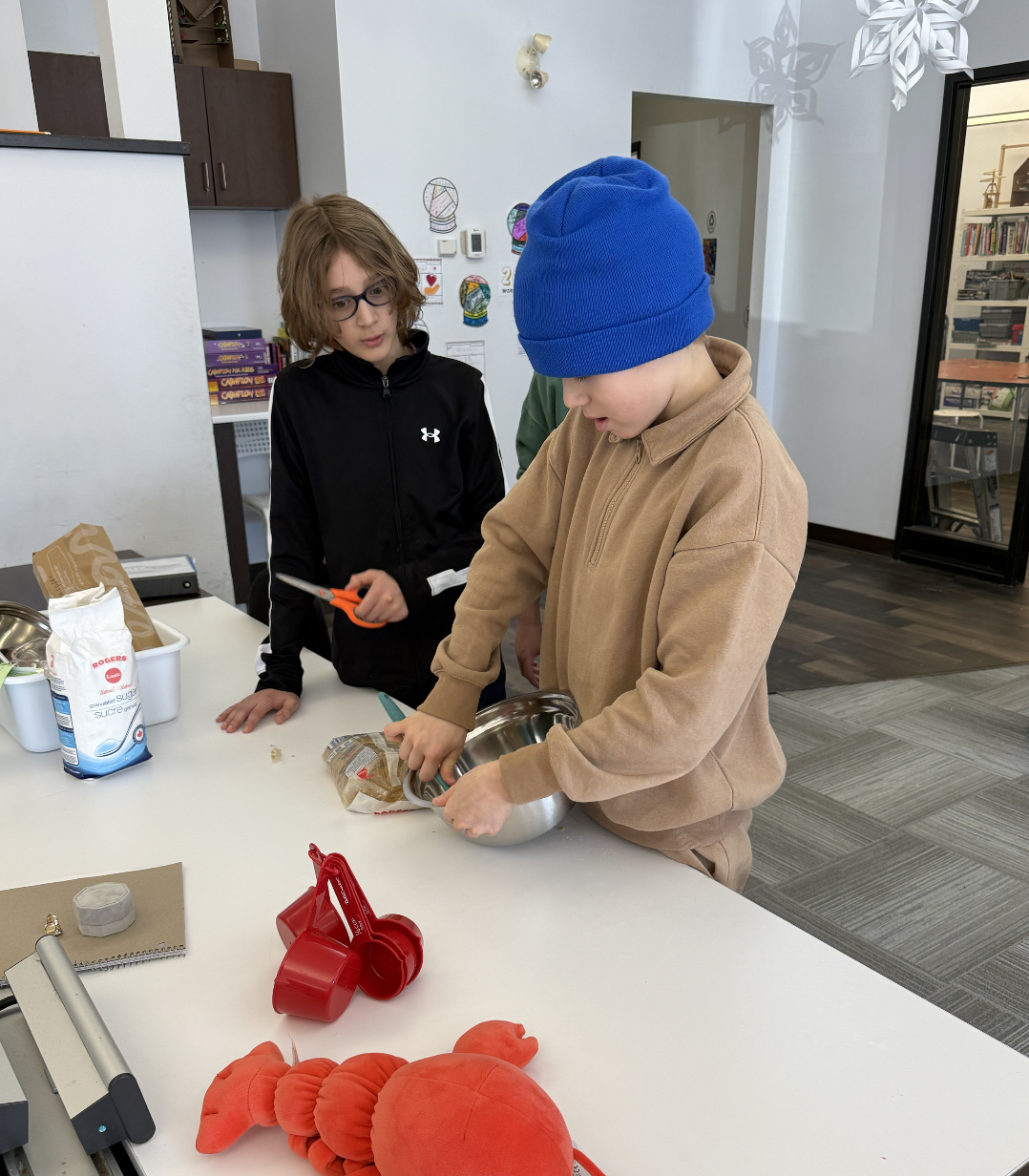
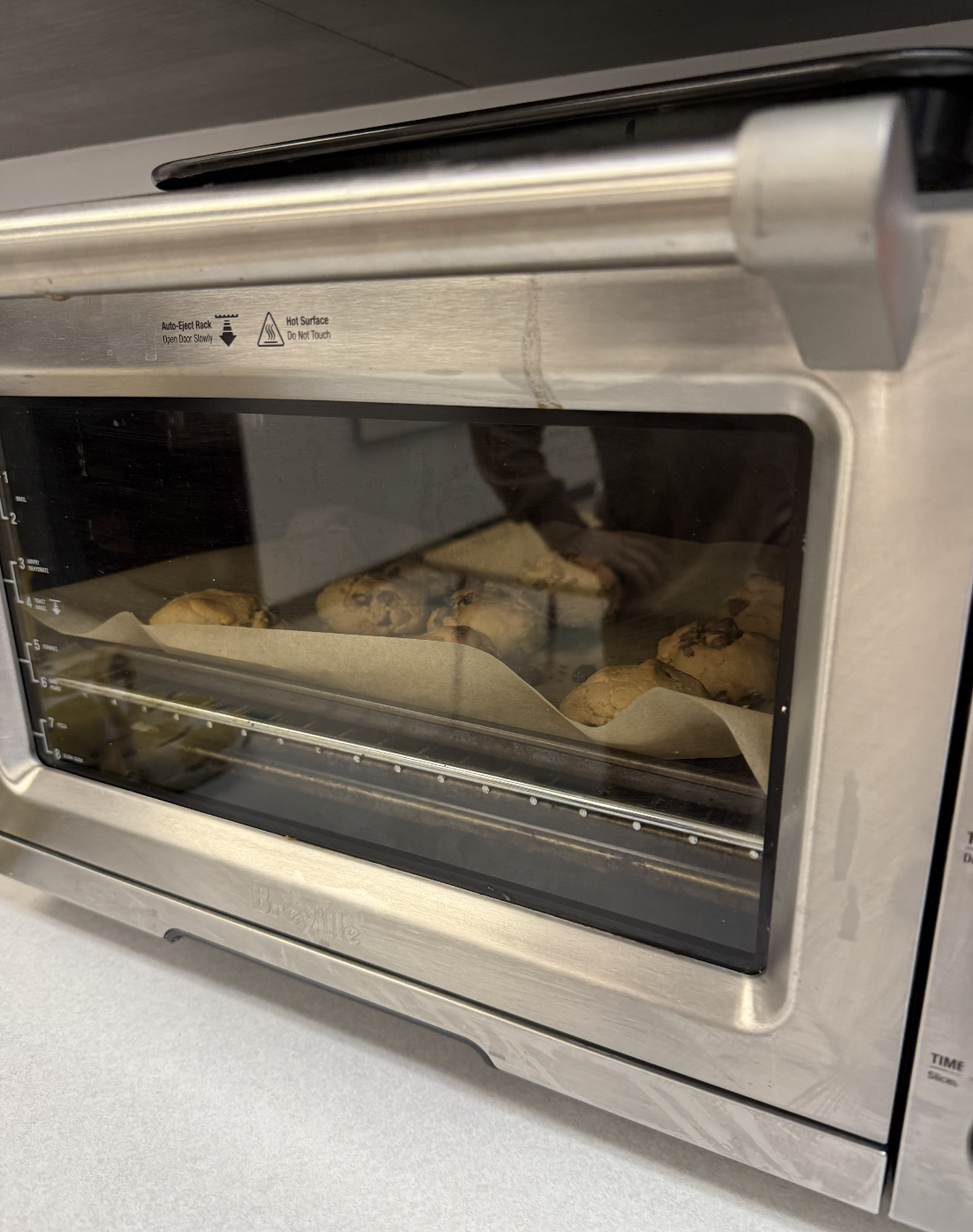
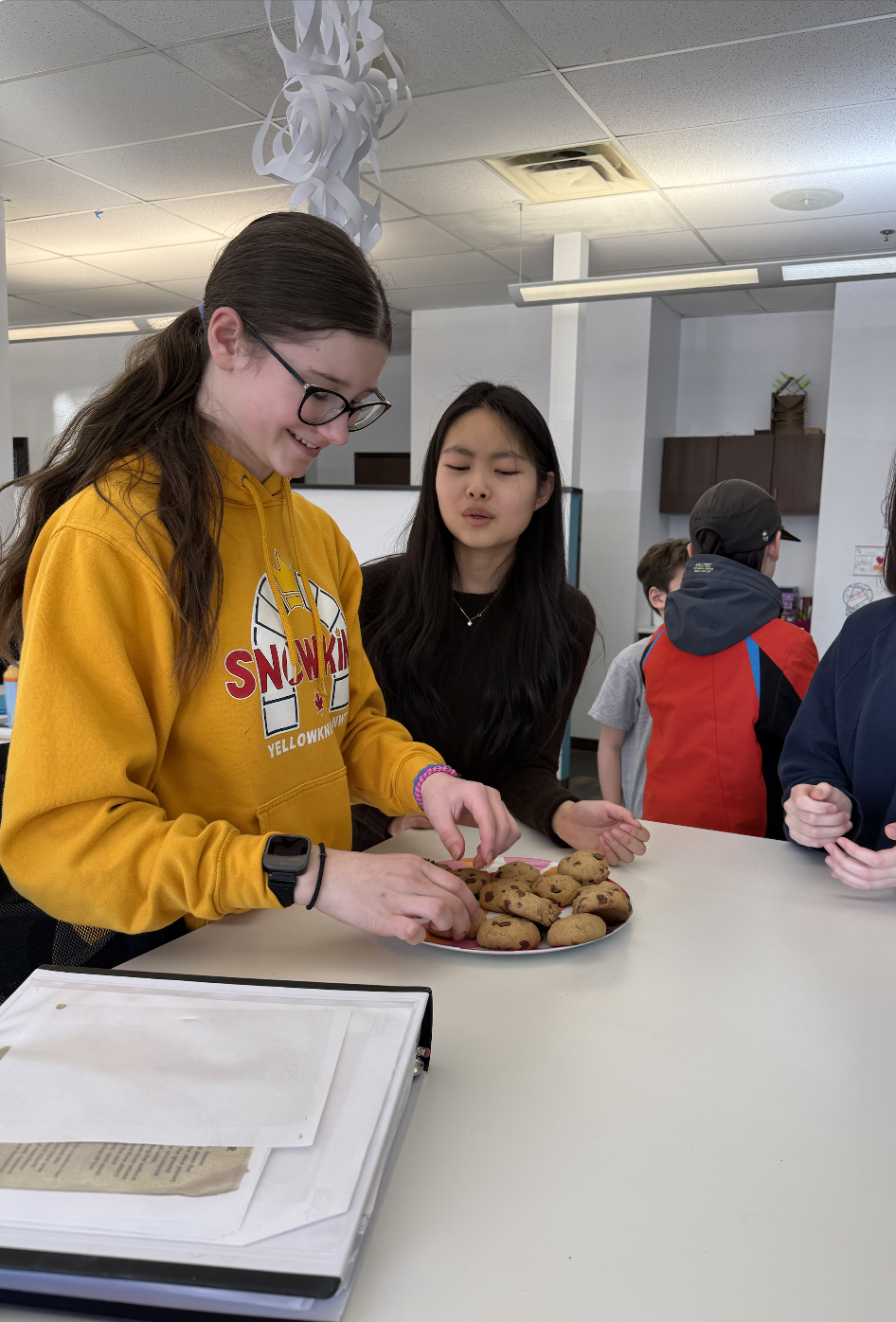
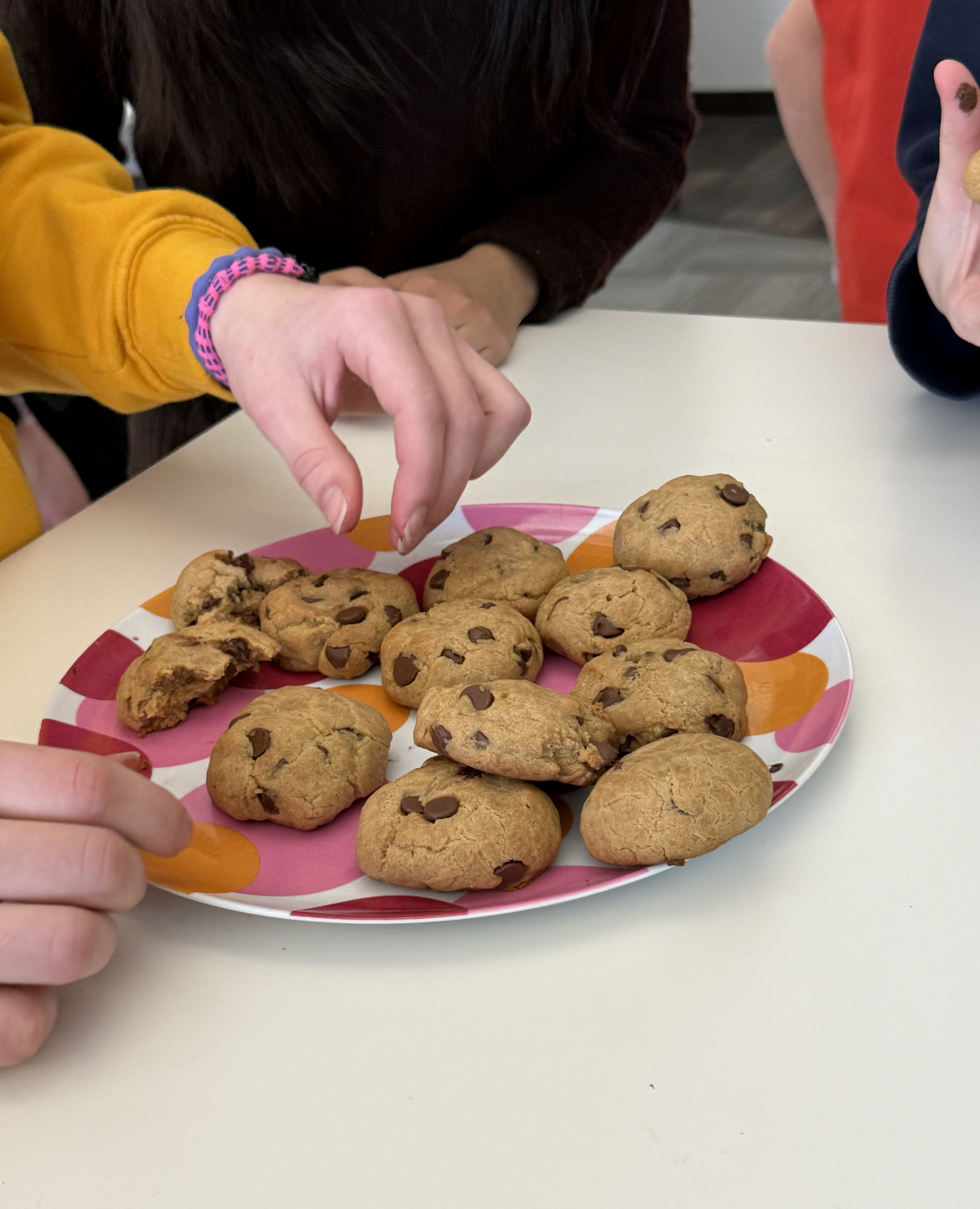
Chemical equations and stoichiometry are like recipes for cooking; you must know how much of each element or molecule to mix to get the "dish" you want in the end. Our focus this week was on chemical equations, which, much like math equations, must be solved (balanced) to predict how many units of each molecule or element (reactants) need to be mixed to create the new mix of elements or molecules (products) you want in the end. We learned that moles are a unit of measurement for molecules, much like a dozen is a unit of measurement for eggs. Moles and the atomic weight of the reactant molecules allow us to calculate how many grams of each reactant we need to mix to get a certain amount of product. On Monday, Rebels used a series of videos and handouts to learn about chemical equations and how to balance them using clay models and a simulator to practice. On Tuesday, we focused more on moles, and learners were tasked with solving 10 challenging problems that required them to calculate conversions between moles, atoms, and grams. At the end of Quest, we went over the first five questions and solved them together. To be prepared for Thursday's cooking challenge, Rebels prepared by watching a couple of videos and taking notes on Wednesday. After trying some problems on their own, we reviewed how to solve them as a full studio. We also finished going over all of our problems from Tuesday with several audible "Oh, now I get it!" moments as the formulas "clicked" for the learners! On Thursday, Rebels put their stoichiometry skills to the test in a Cookie Monster Cook Off for their Fourth Cooking Challenge! Only after answering a series of questions that included finding the mass in grams given the number of moles, calculating how many molecules and atoms are in a given amount of grams, and balancing a couple of chemical equations did teams receive their ingredients. The cookie-baking competition then commenced! Following a set of instructions, Rebels make chocolate chip cookies (one group made an eggless version due to allergies), learning new ways to soften butter and a special folding method to incorporate the eggs in the batter. Once the cookies were cool enough, the Rebels taste-tested and gave each team a "Yum" score and their feedback. What a delicious way to end a highly challenging week of chemistry!
Personal Finance
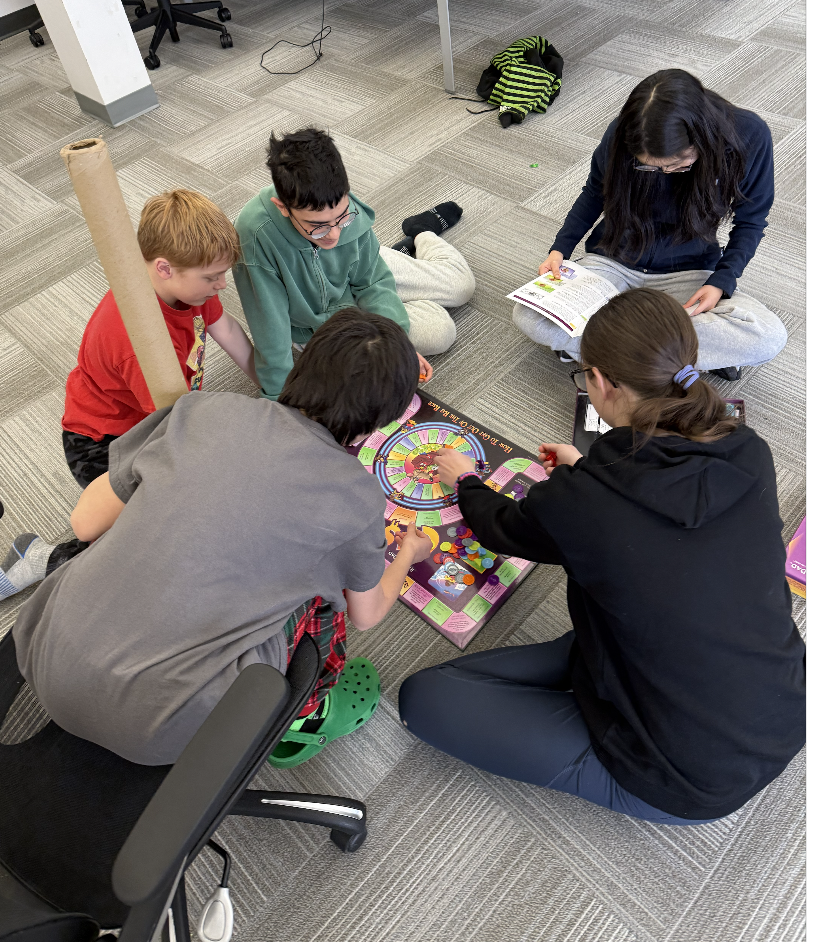
On Tuesday, Rebels learned about the differences between ETFs, Mutual Funds and Bonds. ETFs are a relatively new way to buy a large group of stocks, assets, or other securities at once. ETFs trade just like a stock. You can buy and sell shares of an ETF while the markets are open on an exchange. ETF funds are not usually actively managed. Instead, they work like an index, with the fund tracking a basket of stocks or other assets within a pre-existing class. Mutual Funds are a way to buy into a wide range of stocks, bonds, money markets, and other securities at once. They are professionally managed, so when you invest in a mutual fund, you're buying a piece of a larger portfolio. Mutual Funds typically fall into one of three categories: open-ended, closed-ended, and unit investment Trusts. Bonds are essentially a formal I.O.U. (I owe you) used to borrow money. When a corporation or government needs money, they issue bonds that people buy. In turn, the issuer (the person who sells the bond) takes the money. However, no one would buy something if they didn't get something in return, so the issuer will offer not only to pay the person back by a specified date but also to provide some interest along the way. After the lesson, Rebels came up with three questions for next week's Portfolio Manager's visit. Learners with time remaining were able to update their online portfolio and play CashFlow or Stock Shock.
Potential Discussion Ideas or Questions to Ask Your Rebel:
Spark Studio
What is your favourite thing to do in the snow?
Why is it important to sell both varieties of lemonade and popcorn?
What games did you enjoy in the gym during mindfulness?
Have your family play store and get your learner to practice counting money.
French: How do you say “fridge” in French? (frigo)
Discovery Studio
With the extra MAPS challenge this week, how did you adjust your goals? Was your plan a SMART plan?
Which shapes are you including on your Greek vase design for Math Lab?
What was it like using AI to generate an image of your mythical creature in Reader Writer this week? If you haven’t gotten to that step yet, what do you think will be important to add in your description so the image reflects what you’ve created in your imagination?
Which challenge was more difficult this week in Quest: building a chariot with rotating wheels, or buildng a catapult that could successfully launch an object? Why?
Tell me the most interesting thing you learned about the Ancient Olympics?
Do you think King Darius would be more concerned about a society who invents new weapons, or a society with stronger fighters?
French: What is the name of your restaurant and what is its specialty?
Exploration Studio
If you want to be happier, you should:
Do something for yourself.
Do something for someone else.
Is this universally true or situational?
What strategies could you use to calculate 28% of $5?
Though Robert Boyle firmly believed in the importance of experimentation, facts, and science, he never stopped his alchemical practices. Do traditions primarily impede or accelerate progress?
How many moles of oxygen (O) are in 1 mole of calcium carbonate (CaCO3)?
How many moles of oxygen are in 2.71 x 1025 molecules of carbon dioxide (CO2)?
French: What feedback did you receive on your food truck, and did you make any changes?