
Revel Recap: Mar 23-27
Important Upcoming Dates
Session 5 Exhibitions
Discovery Exhibition - Tuesday, March 31st
Spark Exhibition - Wednesday, April 1st
Exploration Exhibition - Thursday, April 2nd - Doors Open at 4:00 pm
Good Friday - No School - Friday, April 3rd
Easter Monday - No School - Monday, April 6th
Sessional Break - Tuesday, April 7th - April 10th
Cooking Camp with Mme. Marianne (200$ per learner, registration info on Band)
Guardian Book Club: The Gardener and the Carpenter by Alison Gopnik - Thursday, April 16th
Spark Studio
Mindfulness and Launch
It was the first weekend of spring, and the Sparks shared what they did over the weekend. Many learners spent time swimming with their families, celebrating Eid, playing outside, and having playdates. Afterwards, the Sparks completed a directed drawing of an excavator. On Tuesday, everyone participated in yoga, where their moves required a lot of flexibility. The Sparks held their poses for a long time! On Wednesday, the studio prepared for their upcoming field trip, with a group discussion focused on bus and field trip safety. On Thursday, the Sparks spent lots of time in the gym playing games such as dodgeball and four corners. Finally, to end the week, they completed a directed drawing of a bulldozer to be added to their exhibition posters.
Quest
This week, the Sparks began an exciting new exploration into construction vehicles! To launch their inquiry, the learners brainstormed a list of vehicles they have seen in their community, in books, or on television. Their ideas were impressive and included cement mixers, excavators, cranes, bulldozers, dump trucks, and many more. Throughout the week, the Sparks participated in daily votes to choose the top five vehicles they were most interested in learning about. The week began with a read-aloud focused on excavators. The Sparks learned about the different parts of the machine and discovered that the operator sits in a section called the “house,” where they control the excavator’s movements. Later in the week, the focus shifted to cranes. Through their reading, the Sparks learned that cranes are powerful machines designed to lift and move heavy objects from one place to another. They also explored different types of cranes, including truck cranes, crawler cranes, and railroad cranes.
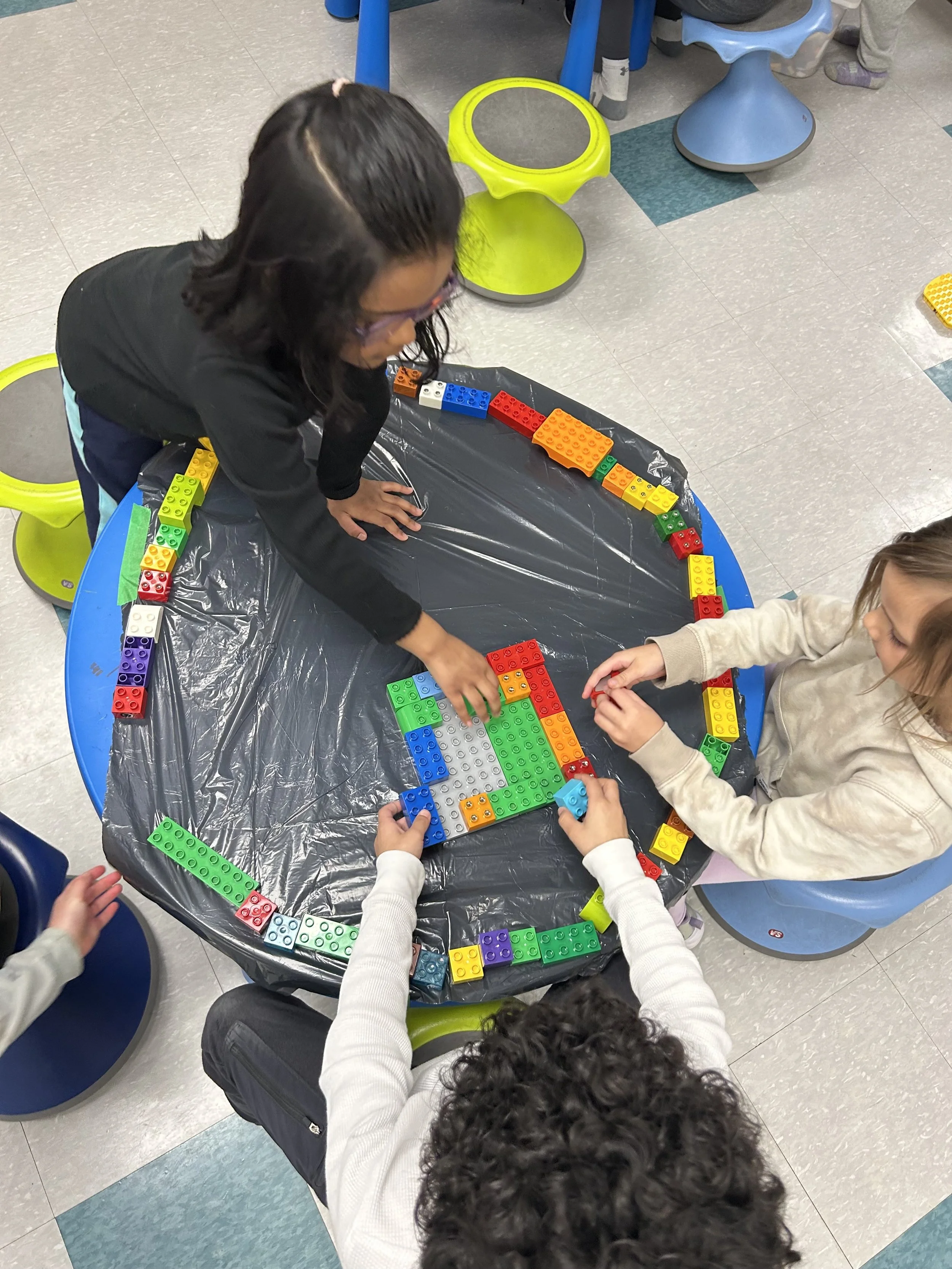
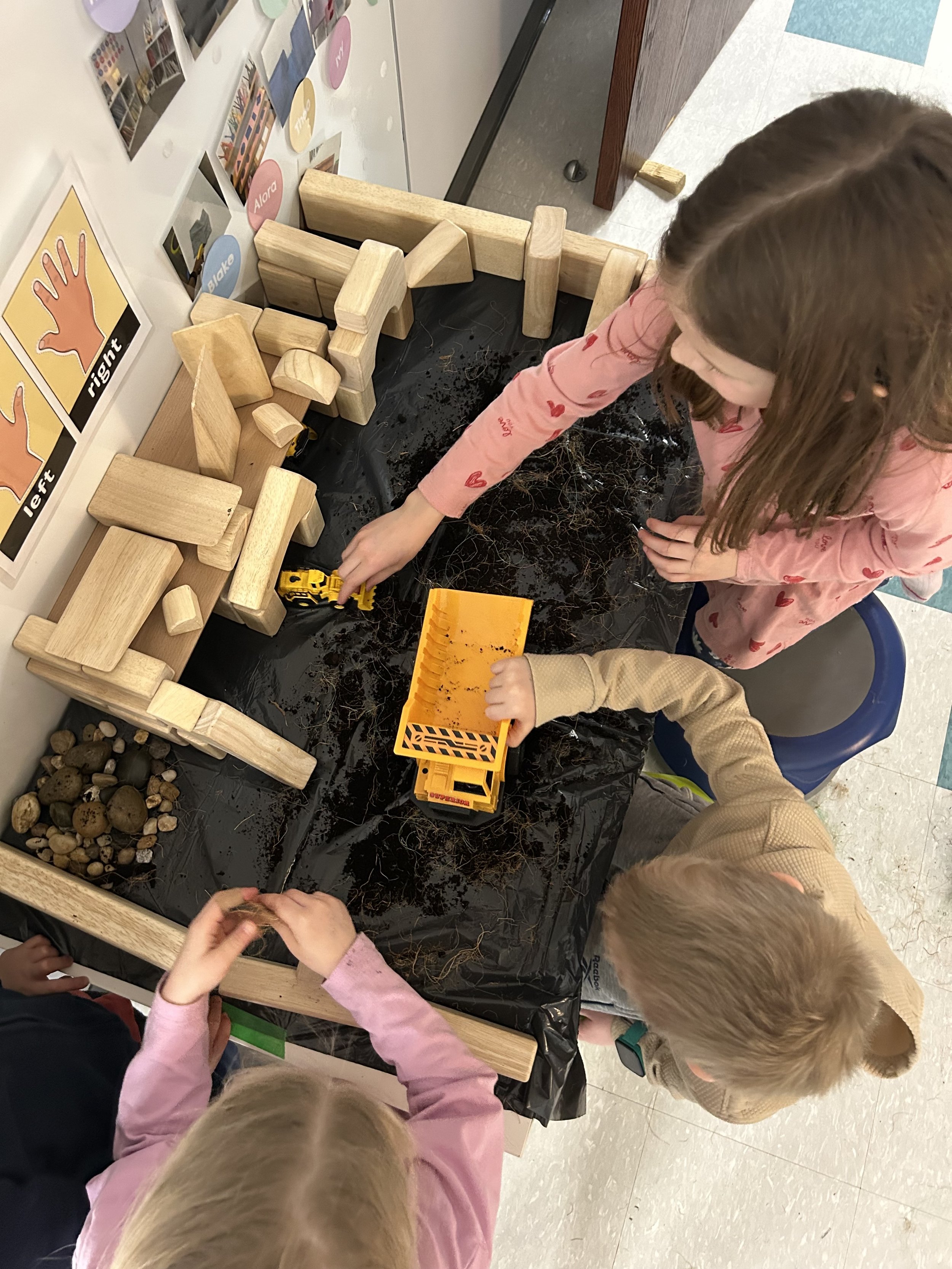
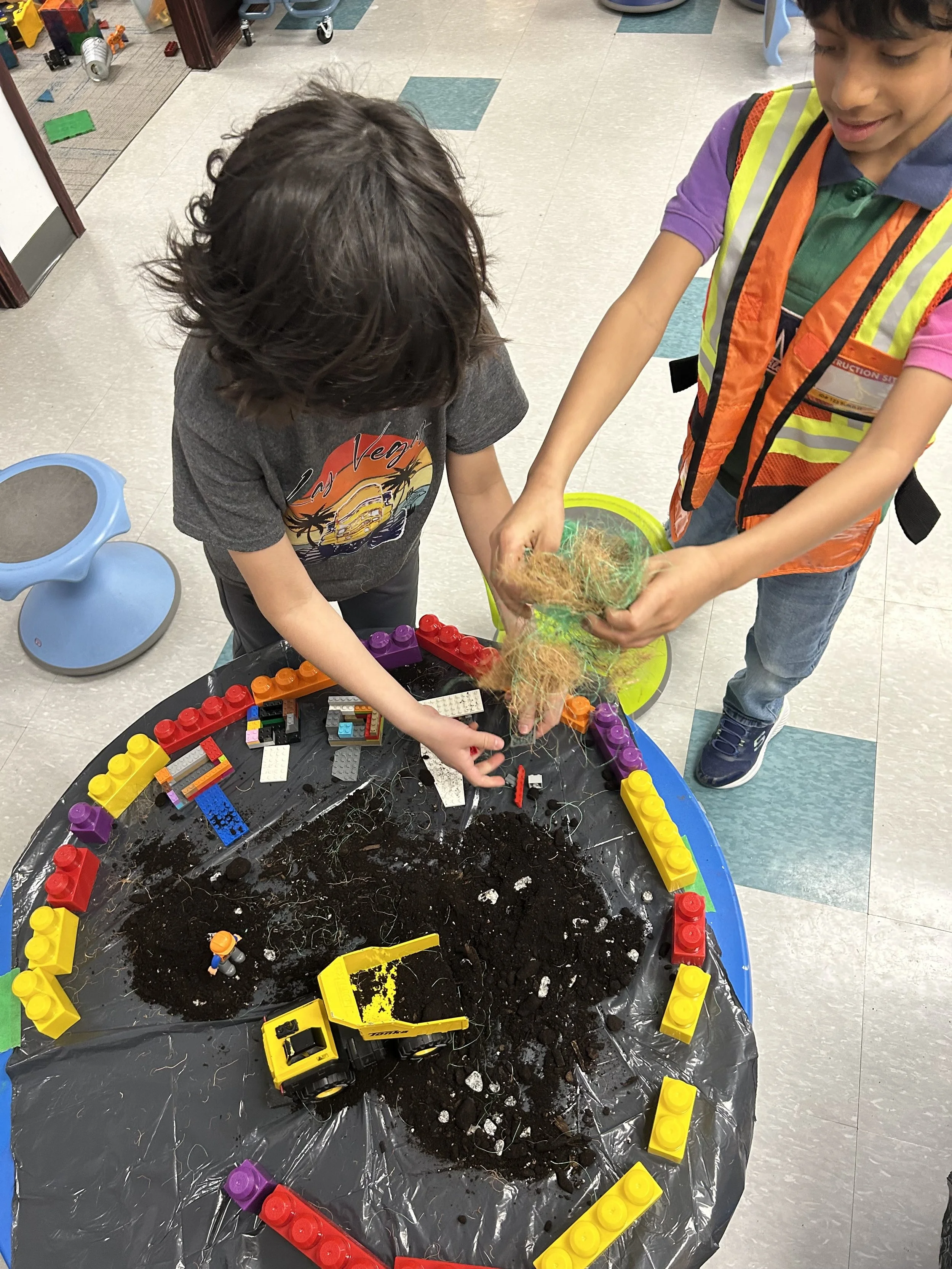
Finally, it was time to put their knowledge into action. The Sparks worked in small groups to create their own construction zones. Each group was assigned a different type of site, such as a school, apartment building, car garage, or neighbourhood. Before beginning their builds, the learners carefully planned their designs by creating a paper outline, identifying the materials they would need, and explaining the importance of safety features like fences. Using a variety of materials (including grass, rocks, sand, wooden blocks, Duplo, LEGO, and construction vehicles) the Sparks brought their construction sites to life. Their creativity, collaboration, and dedication were evident in their detailed and imaginative designs. We are very excited to showcase their hard work at next week’s exhibition! To wrap up the week, the Sparks completed one final drawing, this time focusing on a dump truck.
French
This week in French, learners explored the world of insects while building their vocabulary through a variety of interactive activities. On Monday, they watched a video to learn the names of common insects, such as papillon (butterflies), libellule (dragonflies), coccinelle (ladybugs), chenille (caterpillars), fourmi (ants), sauterelle (grasshoppers), abeille (bees), and guêpe (wasps). On Tuesday, learners completed a colouring activity and were introduced to the parts of an insect, such as ailes (wings) and antennes (antennae). On Wednesday, they reviewed their new vocabulary by playing Insect Bingo. Finally, on Thursday, learners participated in active games in the gym, including a colour game and charades, to reinforce both their insect and colour vocabulary.
Art
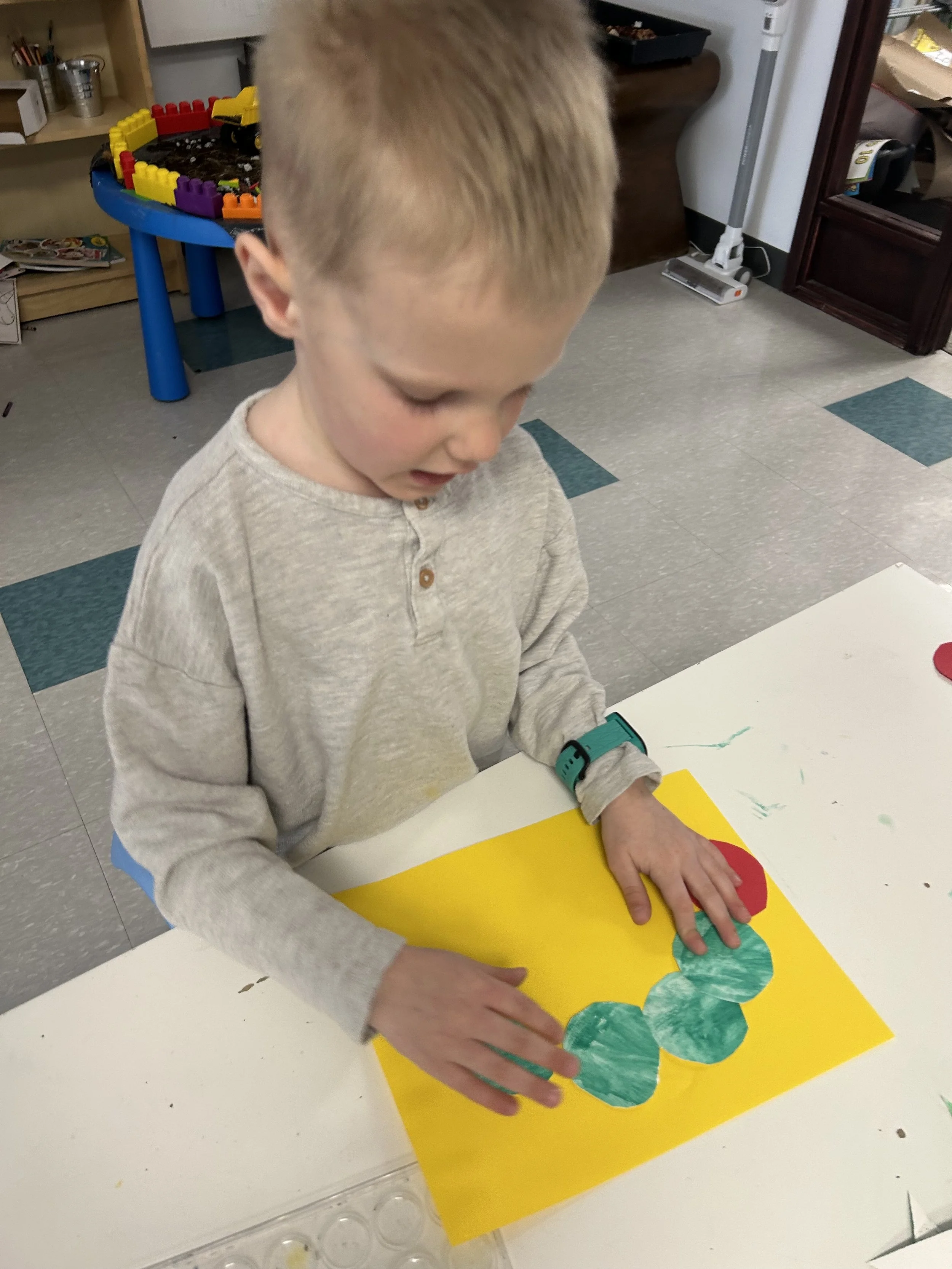
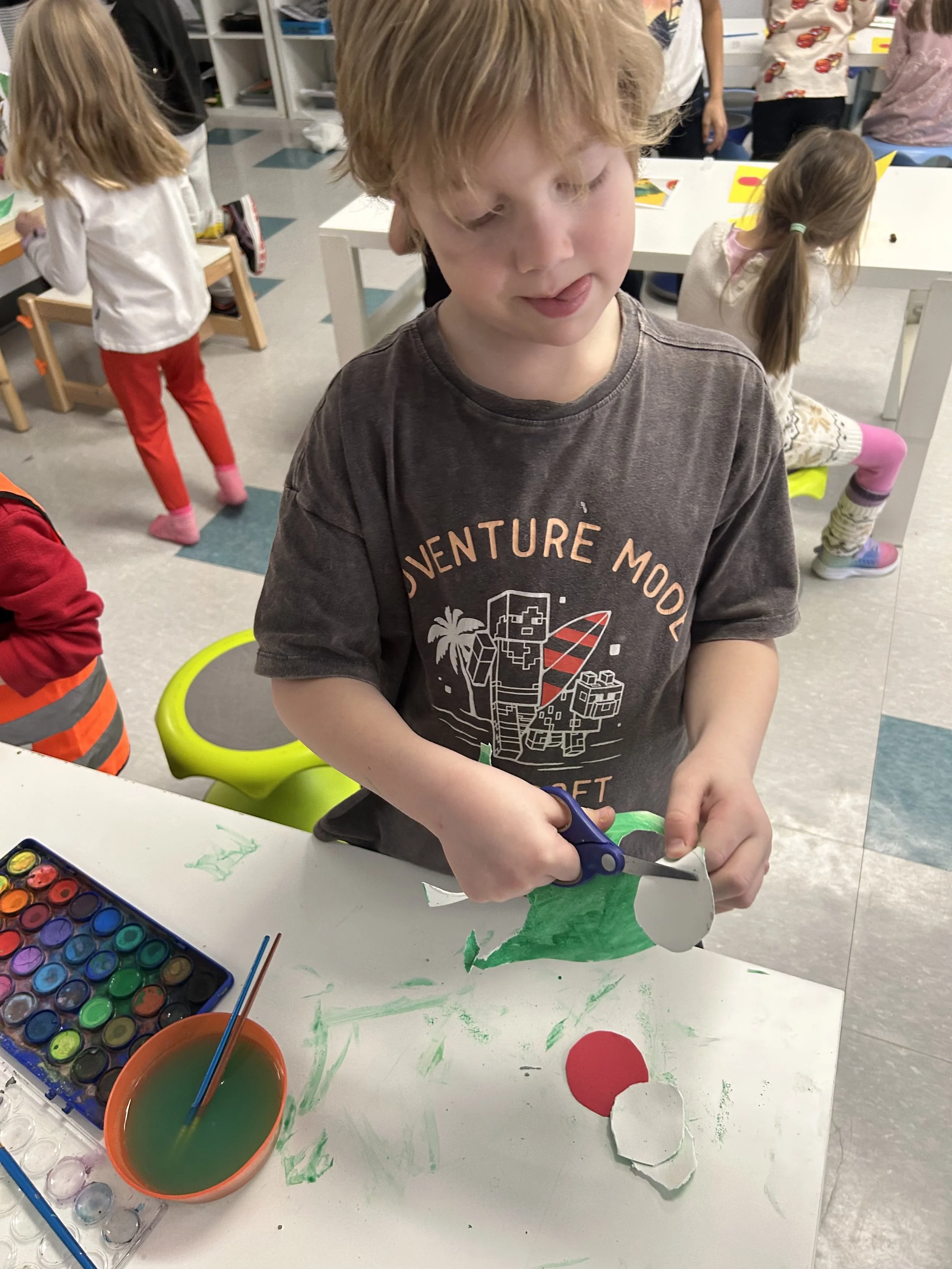
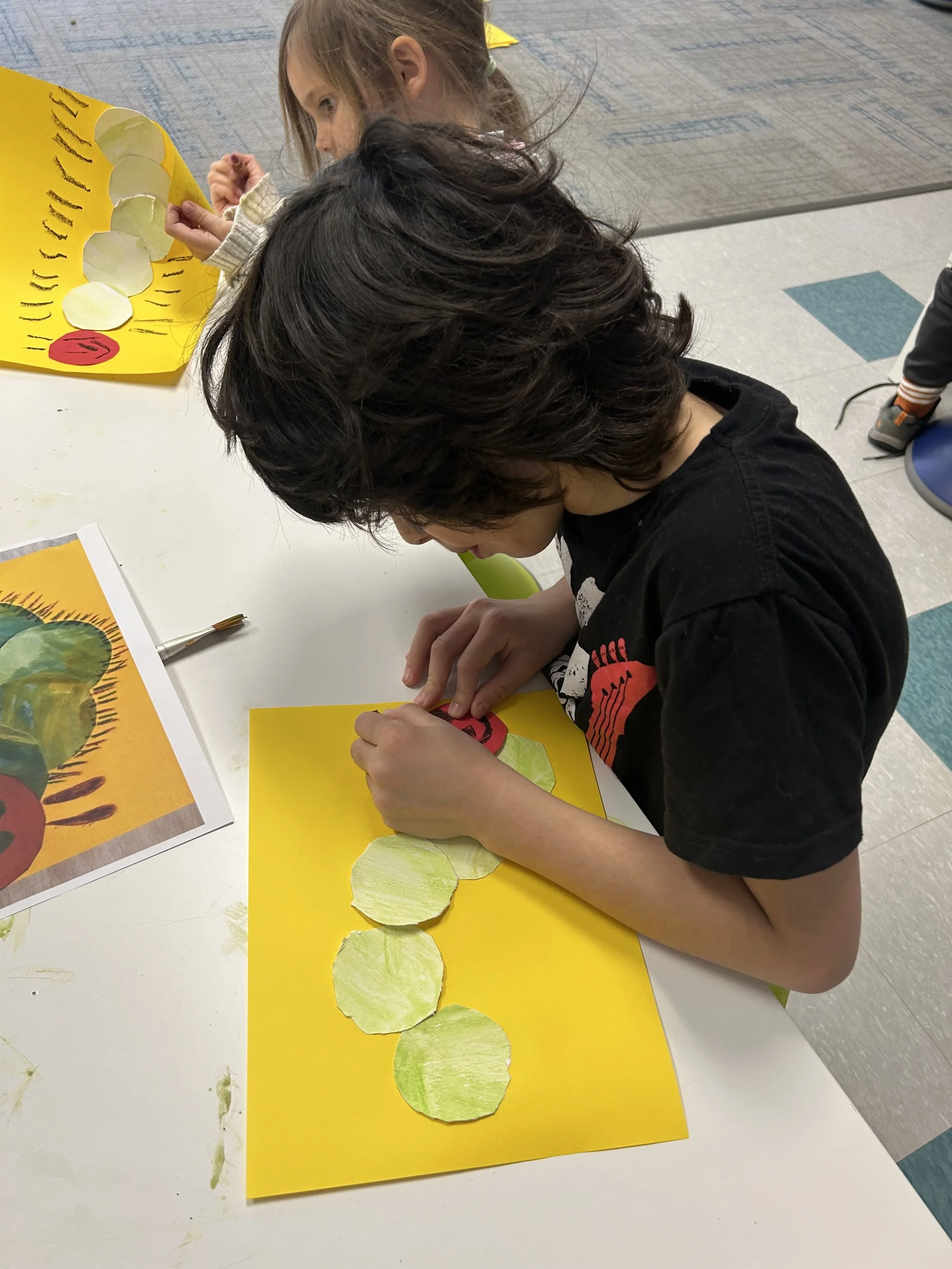
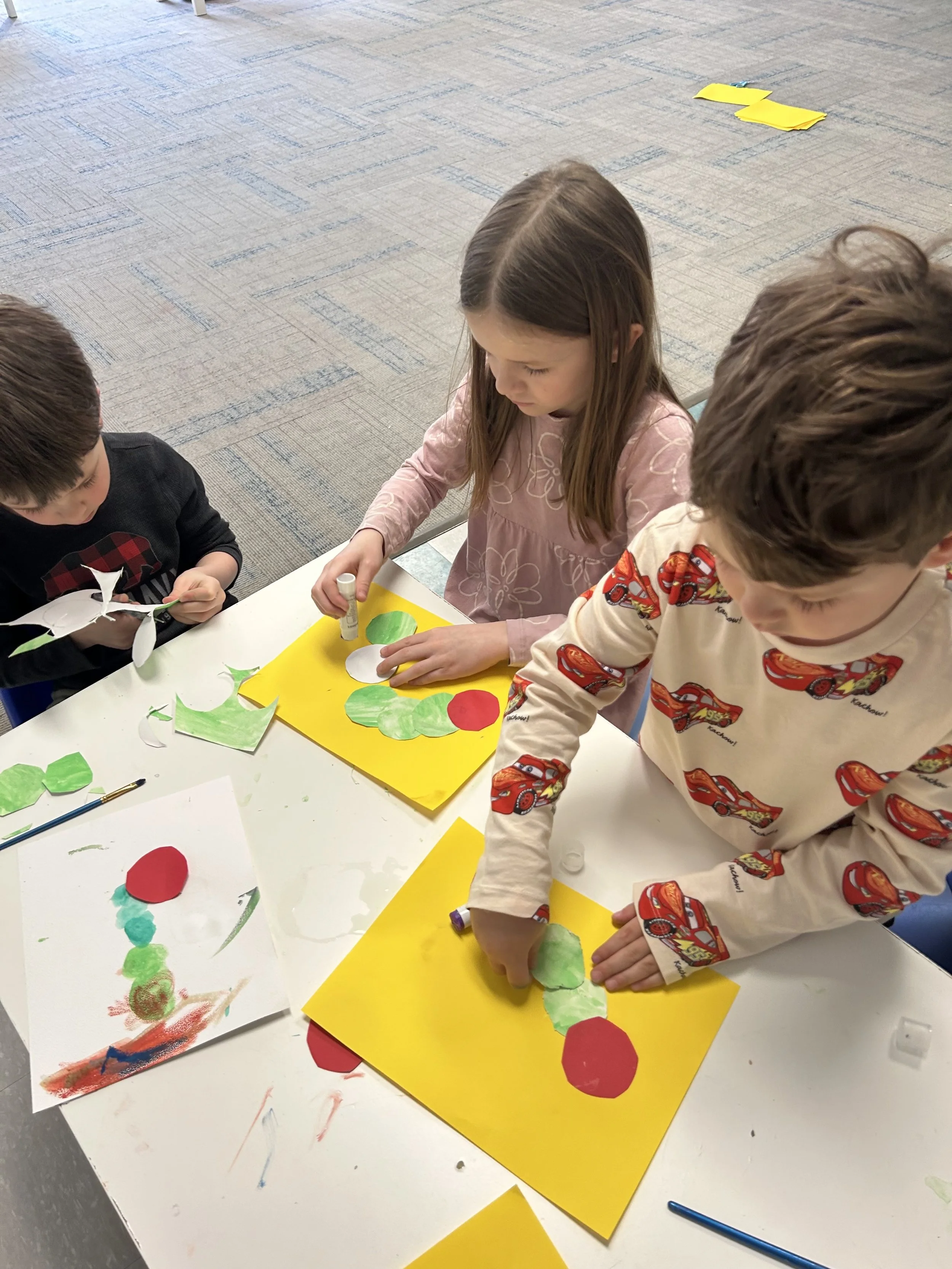
As spring begins to make its appearance, the Sparks read the story The Very Hungry Caterpillar by Eric Carle. This story follows a tiny, ravenous caterpillar that hatches from an egg, eats through a wide variety of foods over the course of a week, grows larger, builds a cocoon, and finally transforms into a beautiful butterfly. The Sparks then used green watercolours to paint five circles for the body of their caterpillar and cut out a red circle for its head. Once everything had dried, they glued the circles together to create their own caterpillars. Learners also added fuzzy hairs using crayon on top of their caterpillar’s back.
Reader/Writer Workshop
The Sparks’ weekly goals were full of reader-writer activities. Many learners engaged with UFLI, Bob Books, Explode the Code, reading comprehension tasks, WASECA reading drawers, and the movable alphabet. There was also lots of one-on-one reading with their Guides!
Book Study
It was the final week of this session’s book study, Miss Nelson Is Missing! by Harry Allard and James Marshall. The Sparks were asked, Would you like to have Miss Viola Swamp as your teacher? The learners all voted no! Four reasons they shared were: she is strict, she does not speak in a kind tone, she gives homework, and she always points at the students. The Sparks’ final page focused on making a connection. They reflected on how Miss Nelson played a trick on her learners by disguising herself as a substitute teacher who constantly assigned homework. The Sparks then drew pictures of tricks they have played on others. Some examples included pranking siblings with pretend spiders, putting a string on a cookie and pulling it away from a friend, and dressing up as a monster!
Math Workshops
Group One
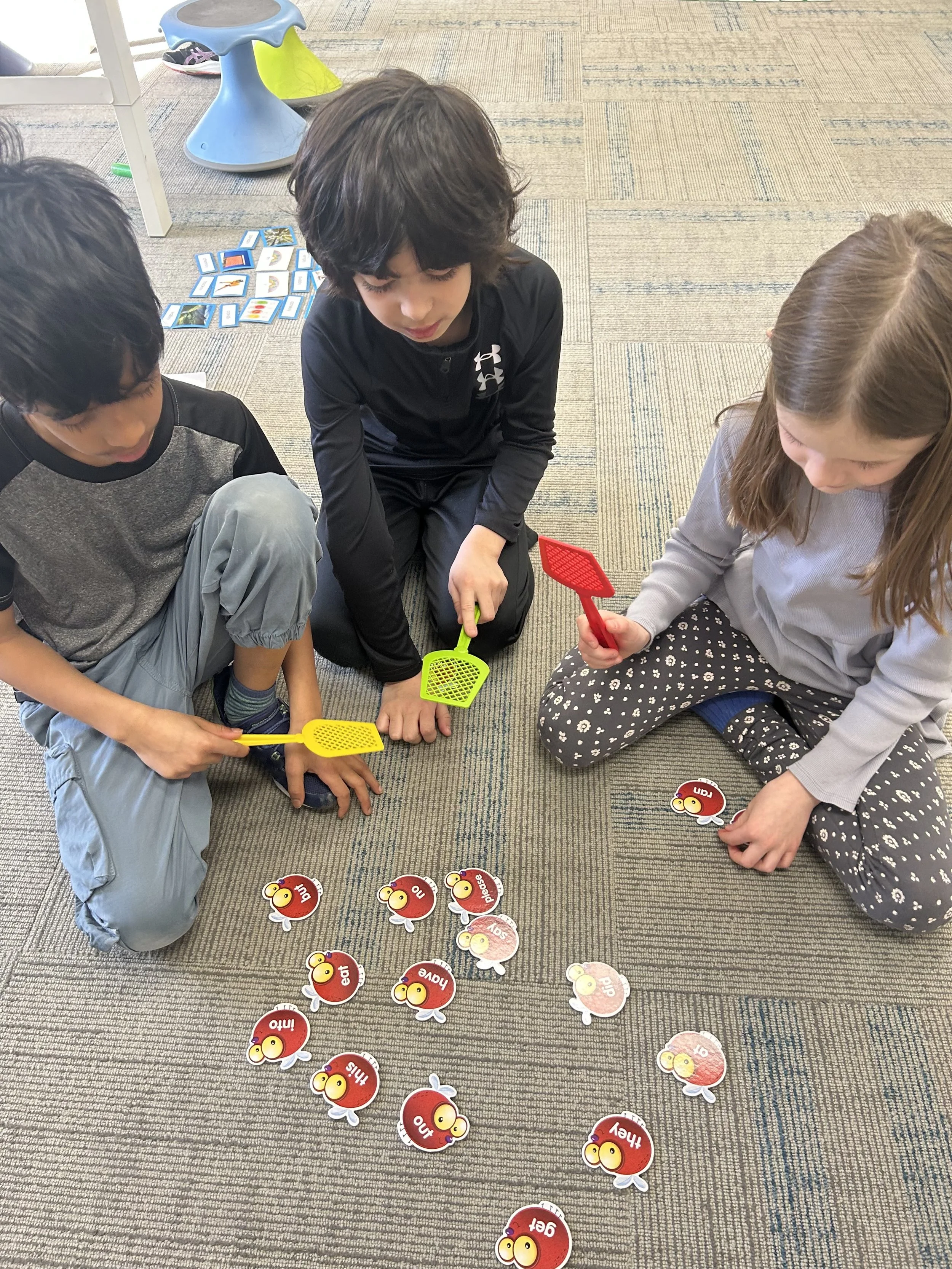
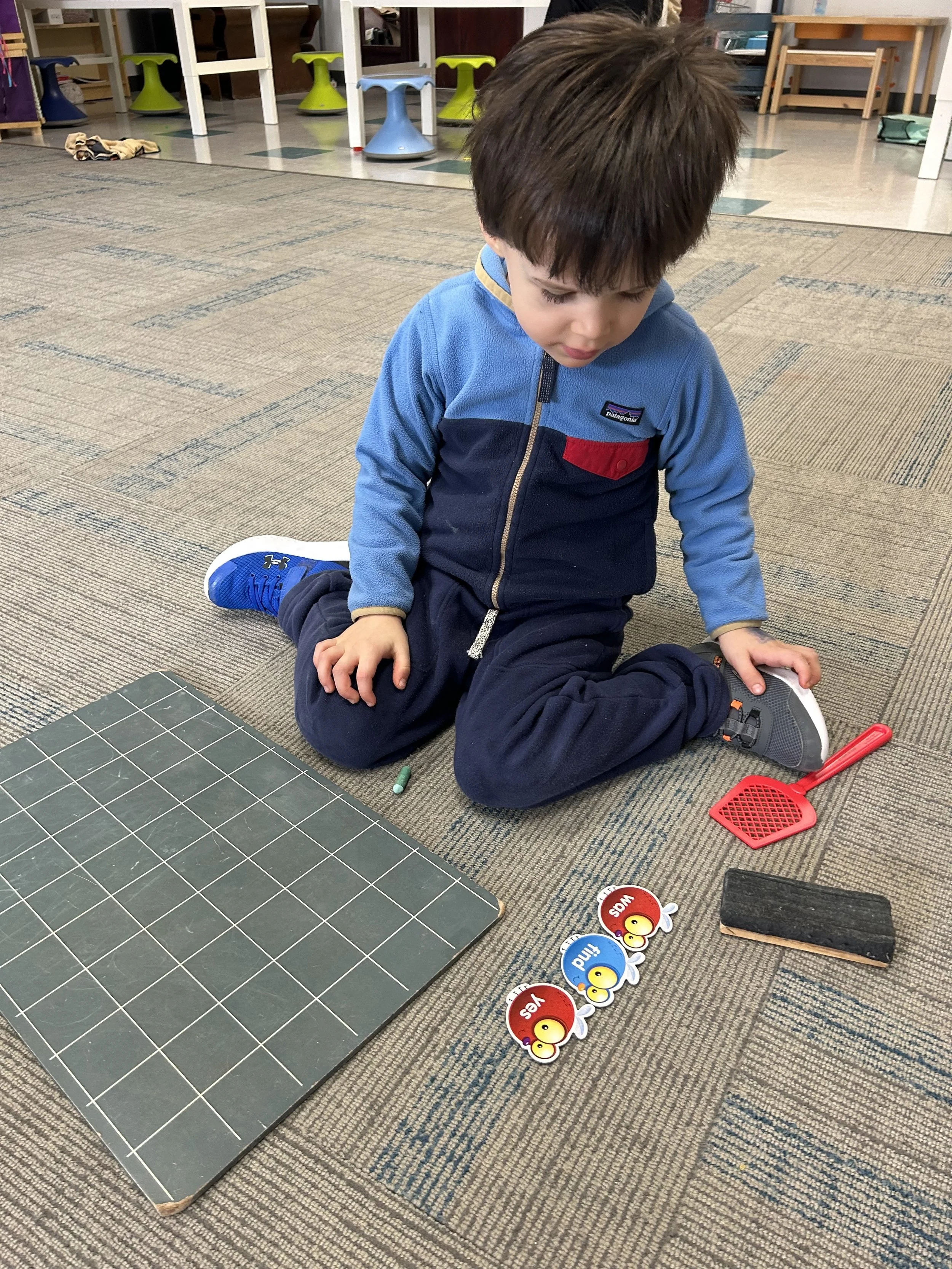
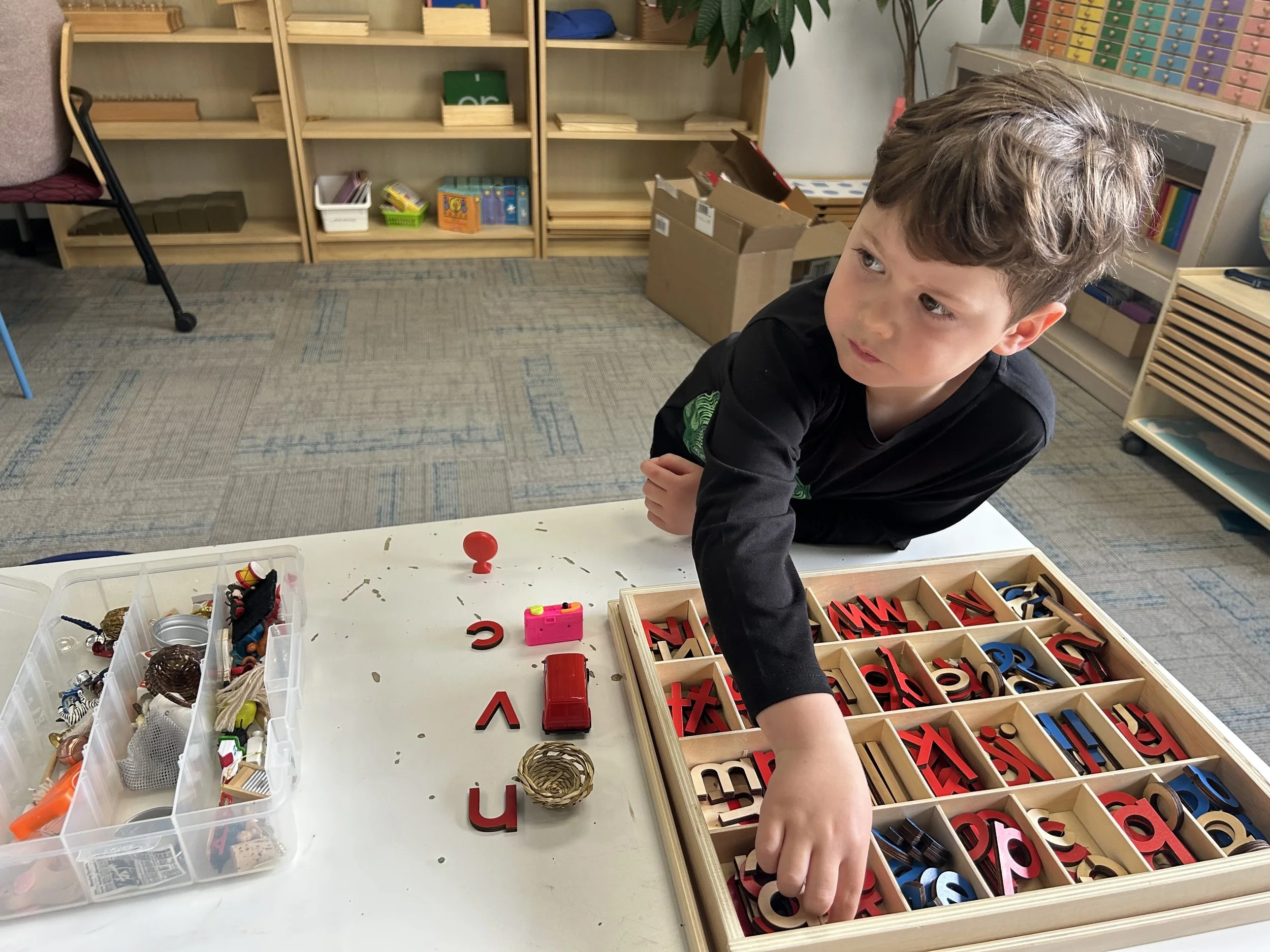
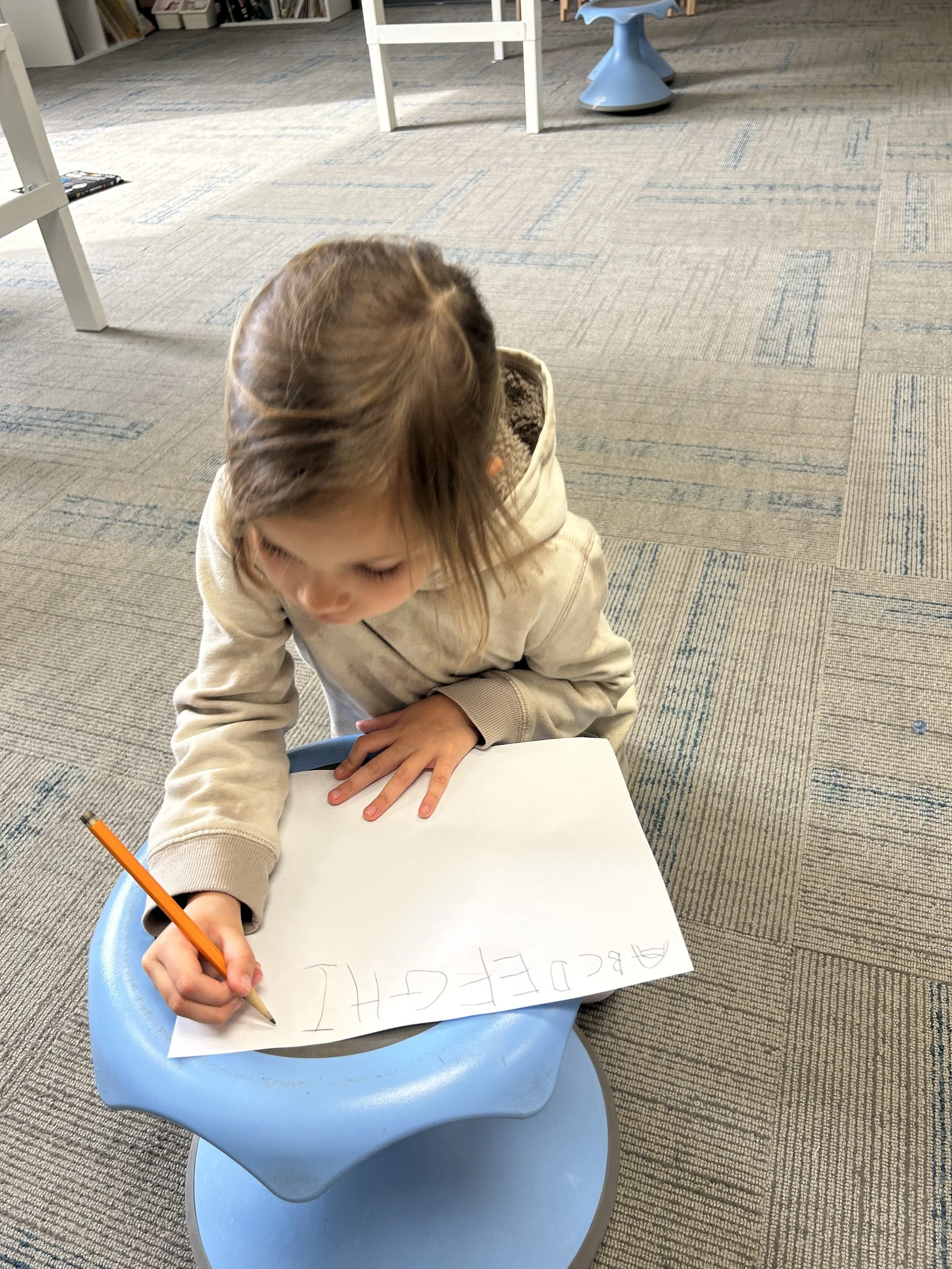
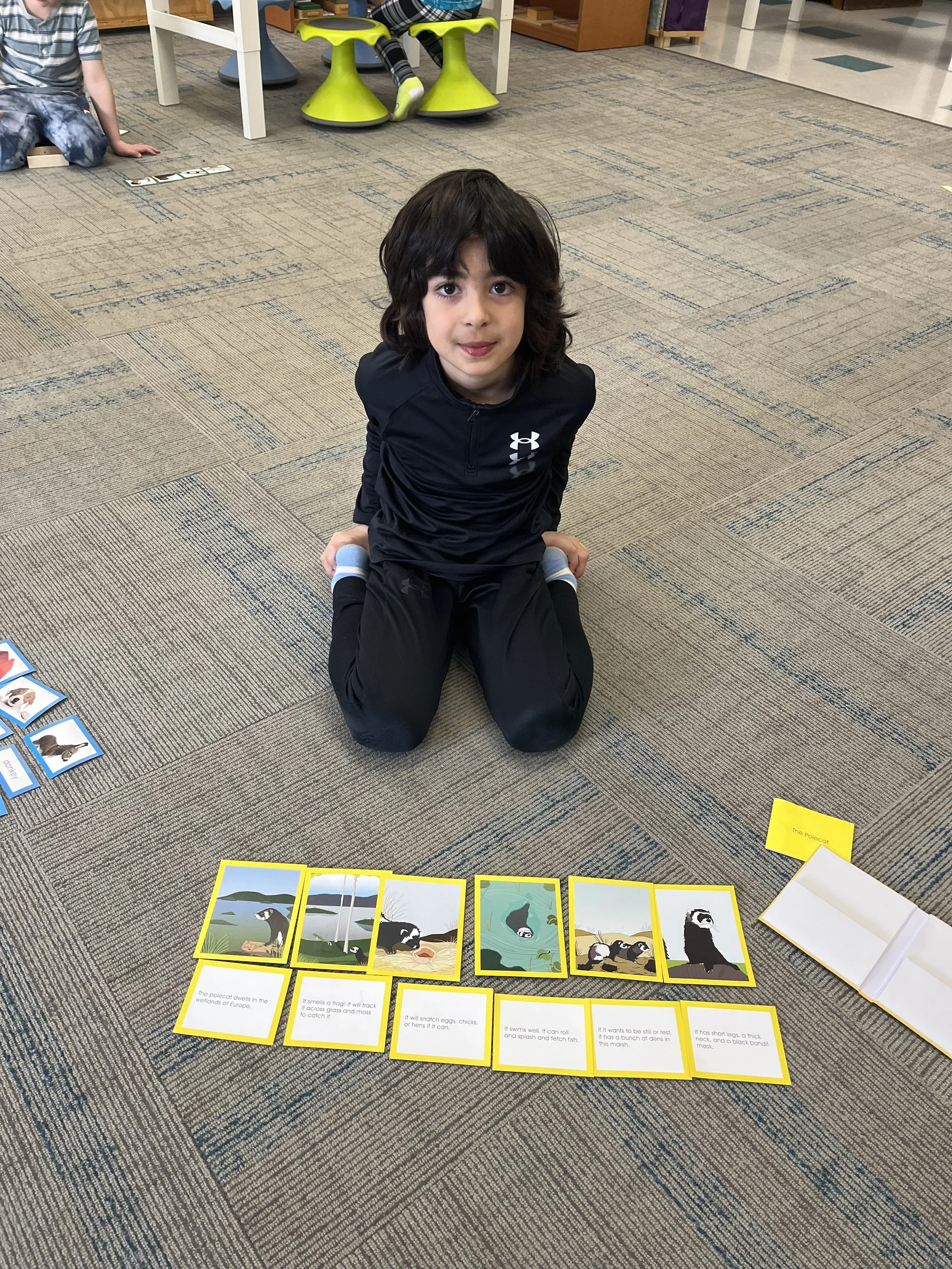
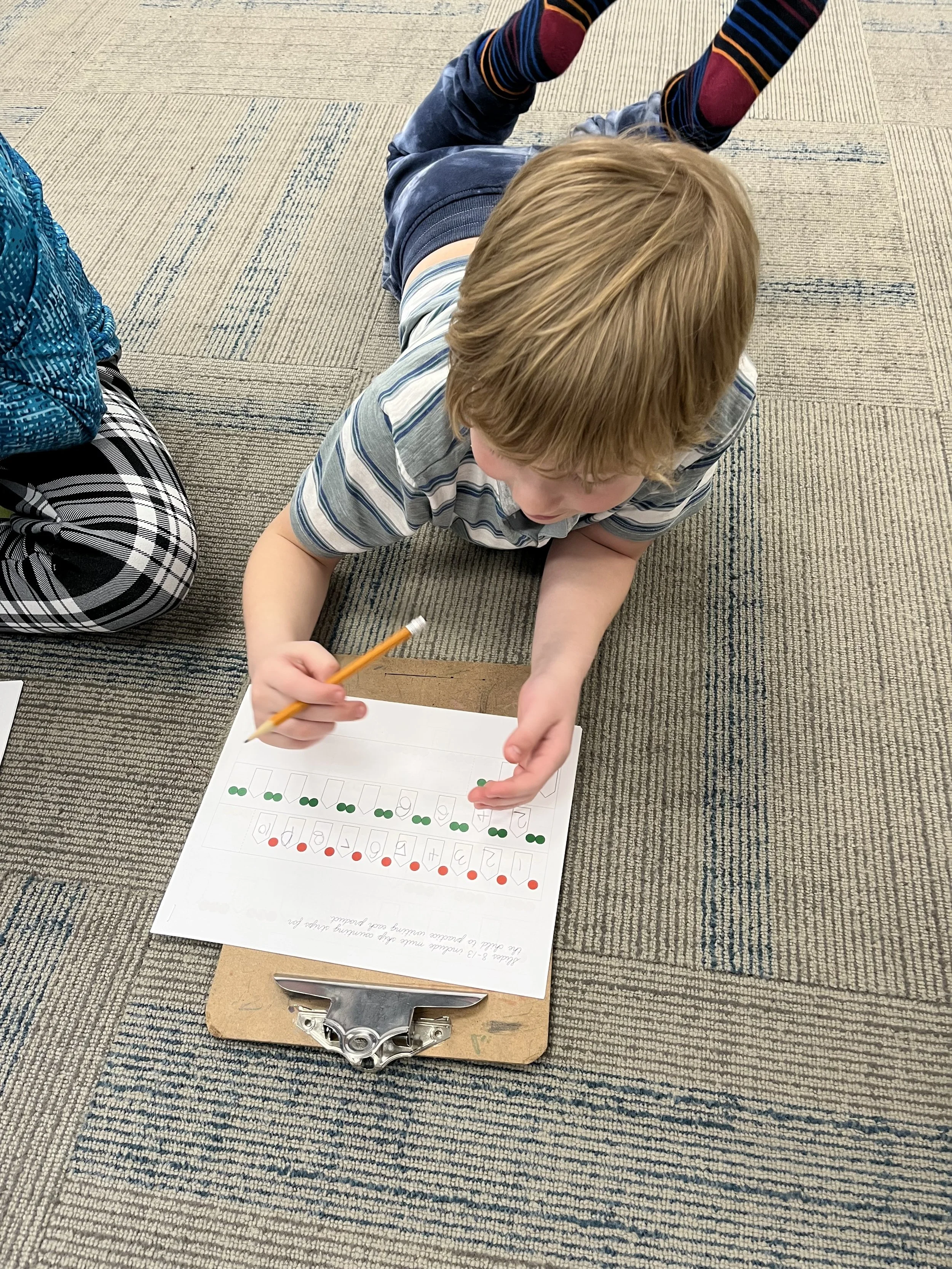
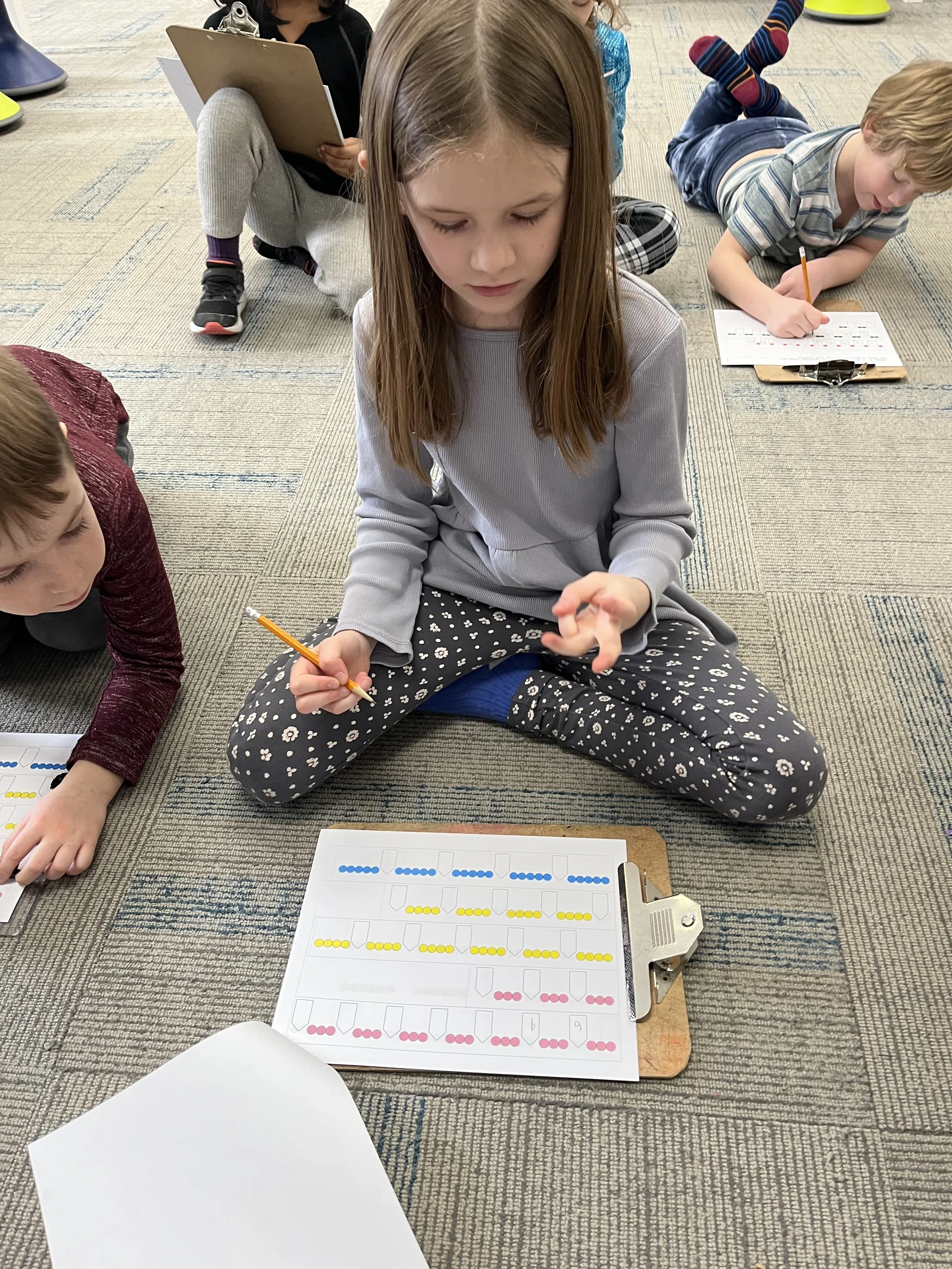
Group One had a variety of math goals this week. Learners worked with their Singapore 1A math workbooks, completed addition worksheets, and used Montessori materials to support their understanding. On Wednesday, during small group time, the Sparks completed a fun activity called Look and Find. They counted different construction trucks and tools, then recorded how many they found. They also continued working on patterns. Learners completed a cut-and-paste transportation pattern worksheet, practicing AB, AAB, ABB, and ABC patterns. Over the past five weeks, the Sparks have been strengthening their understanding of patterns. The Guides highly recommend asking your learner to create patterns at home!
Group Two
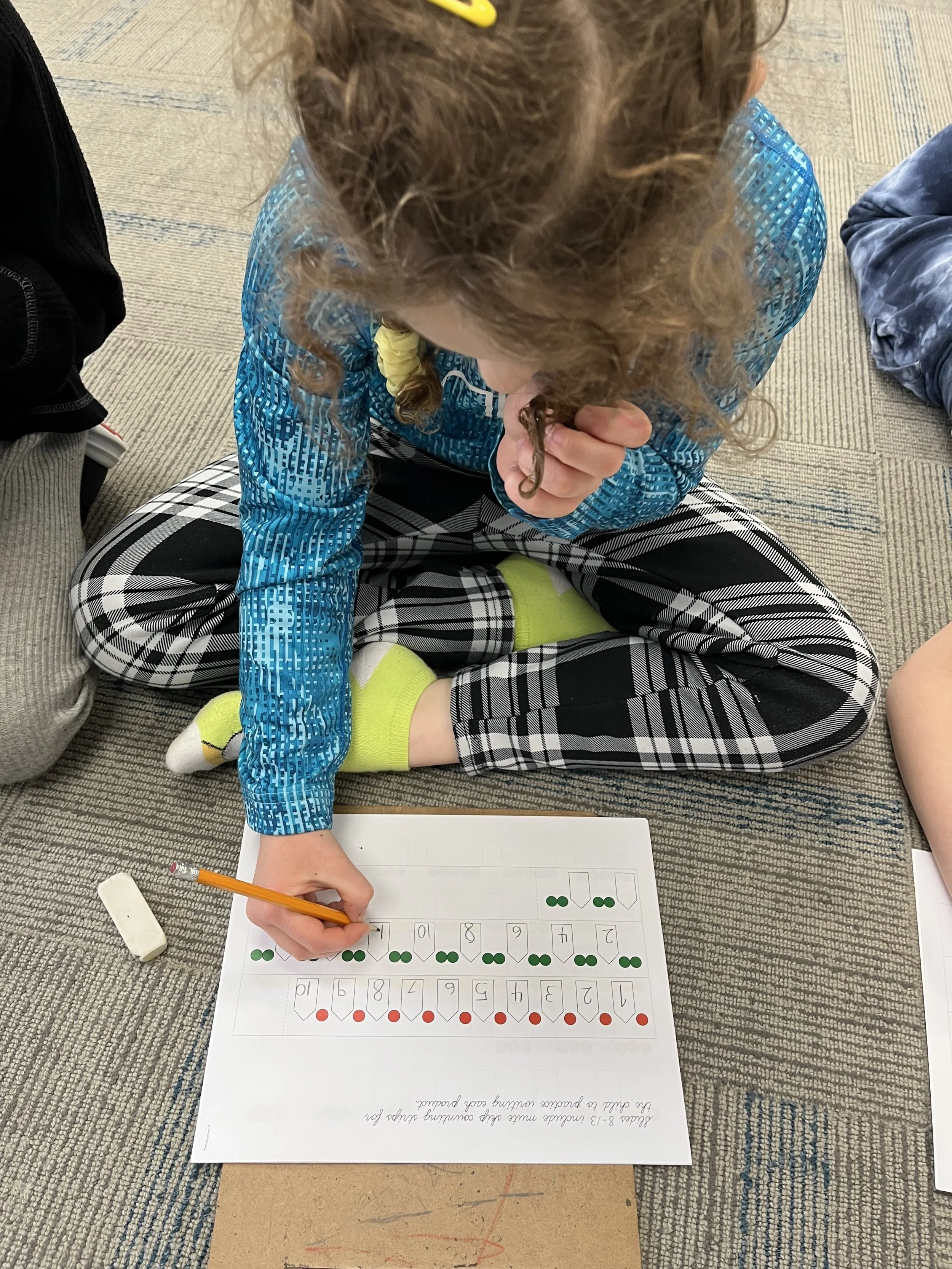
Group Two has been working incredibly hard on number patterns this session! This week, the focus was on understanding how skip counting is a type of pattern. Skip counting helps learners recognize patterns clearly, as numbers increase by the same amount each time (for example, counting by 2s: 2, 4, 6, 8… shows a repeating pattern of adding 2). Throughout the week, the Sparks practiced identifying and creating these patterns through skip counting. They worked independently on a skip counting chain booklet, exploring skip counting by 1s all the way up to 10s. This helped strengthen their understanding of patterns and number sense, while building a strong foundation for future math skills like multiplication.
Additional Highlights
Over the weekend, a family in our studio celebrated Eid al-Fitr. The learner shared how they spent their special time together, and we were delighted when they brought in delicious cake pops for everyone to enjoy. It was a wonderful opportunity to come together as a community, learn about different traditions, and celebrate alongside one another.
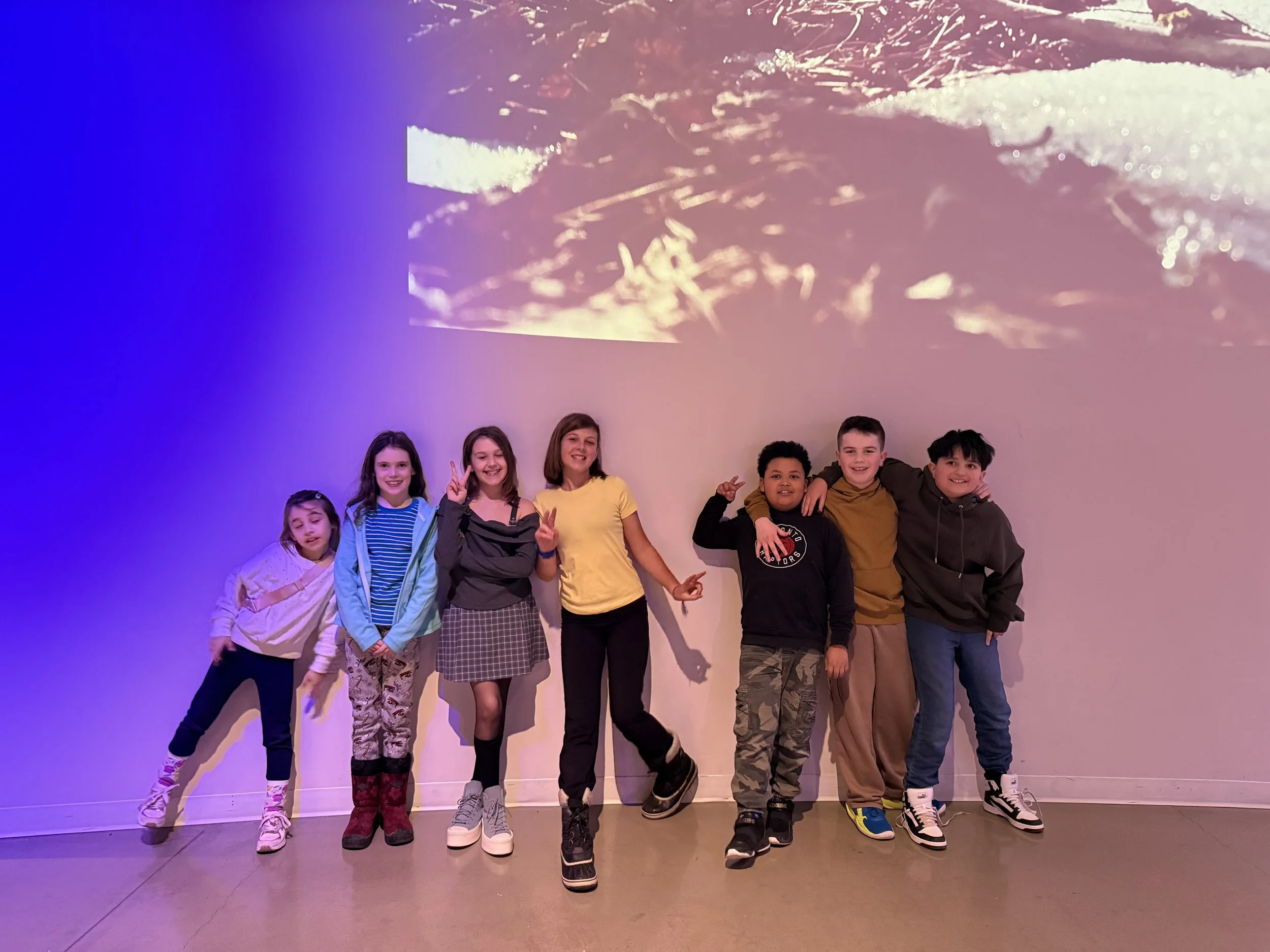
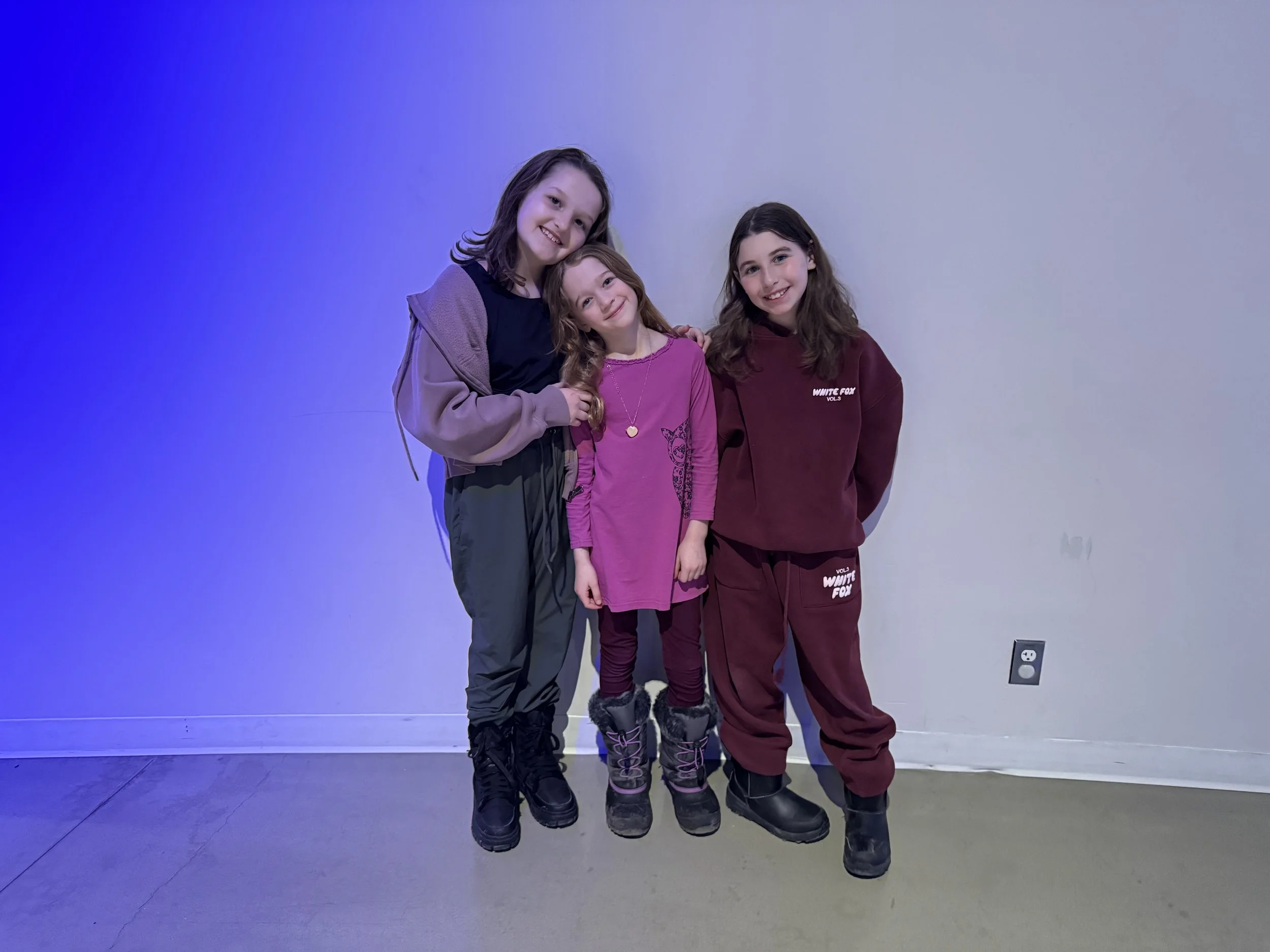
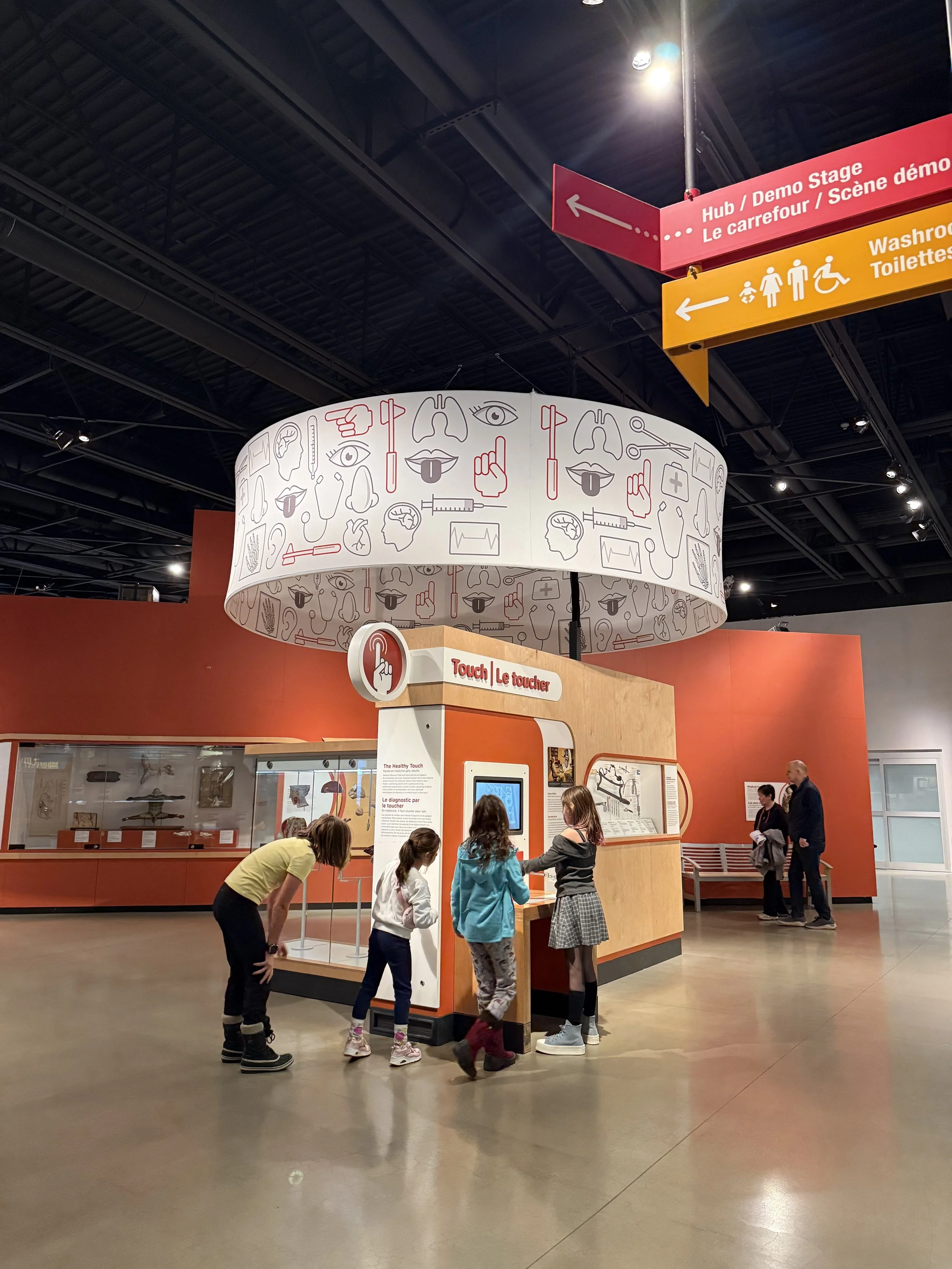
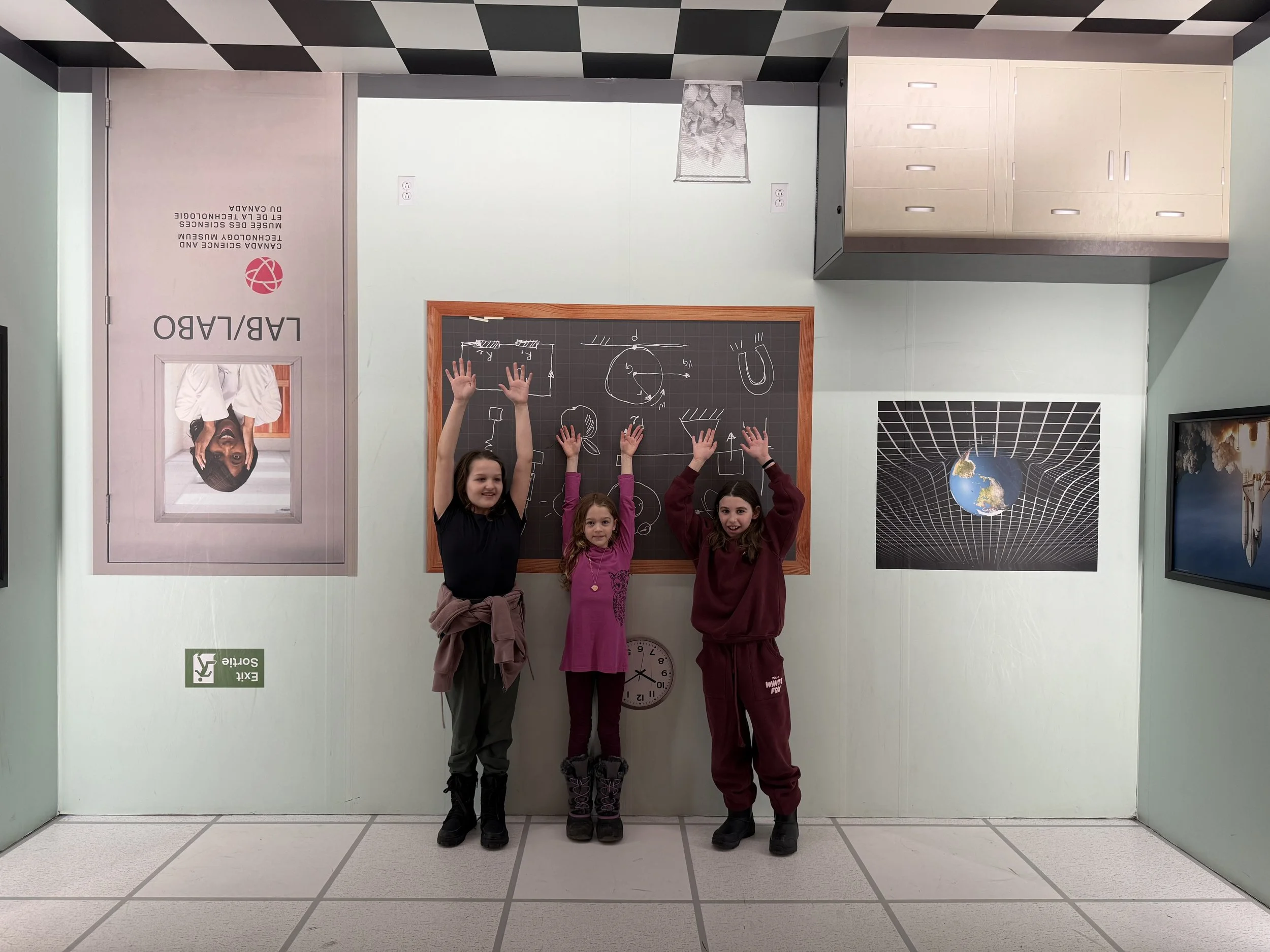
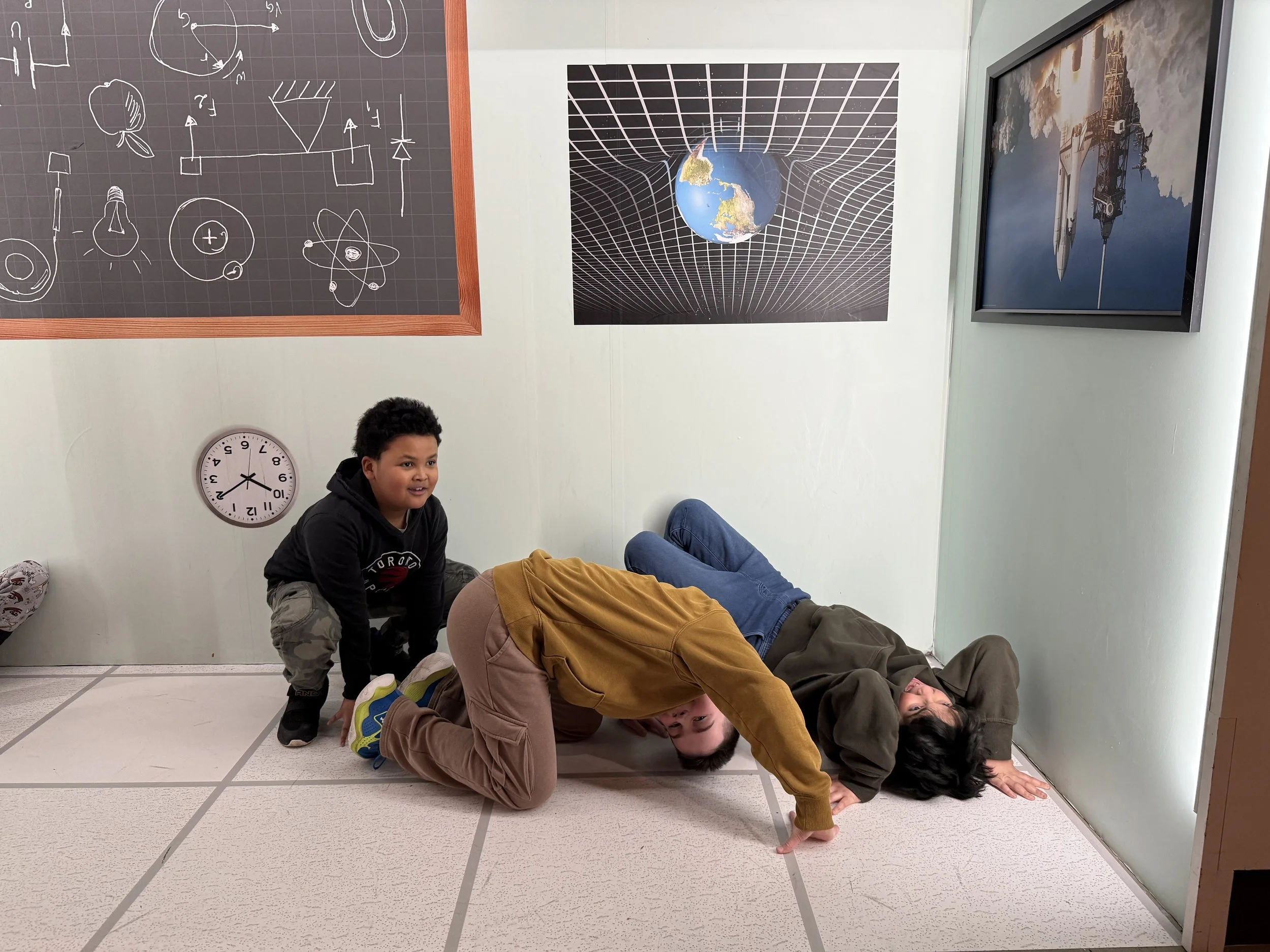
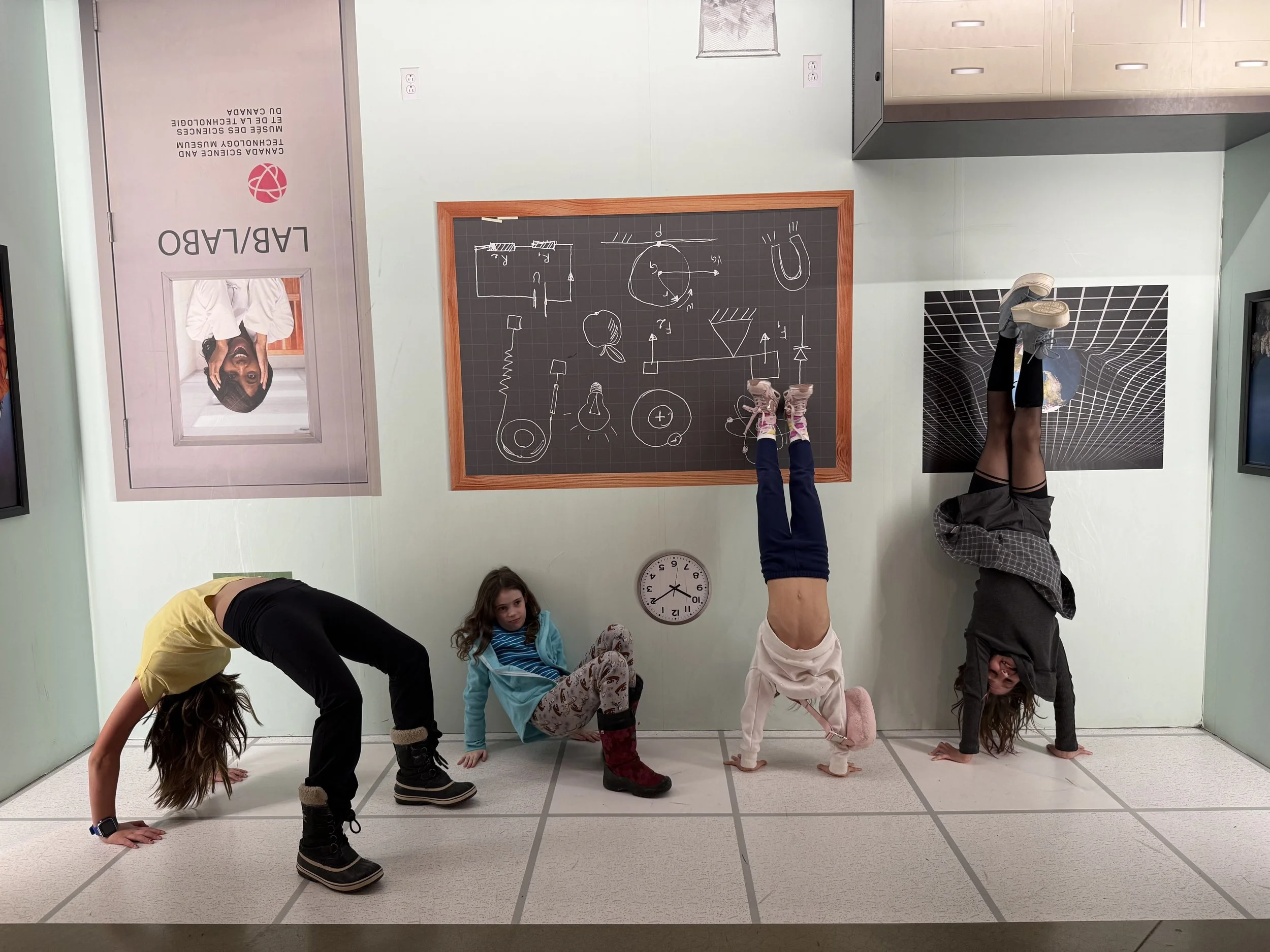
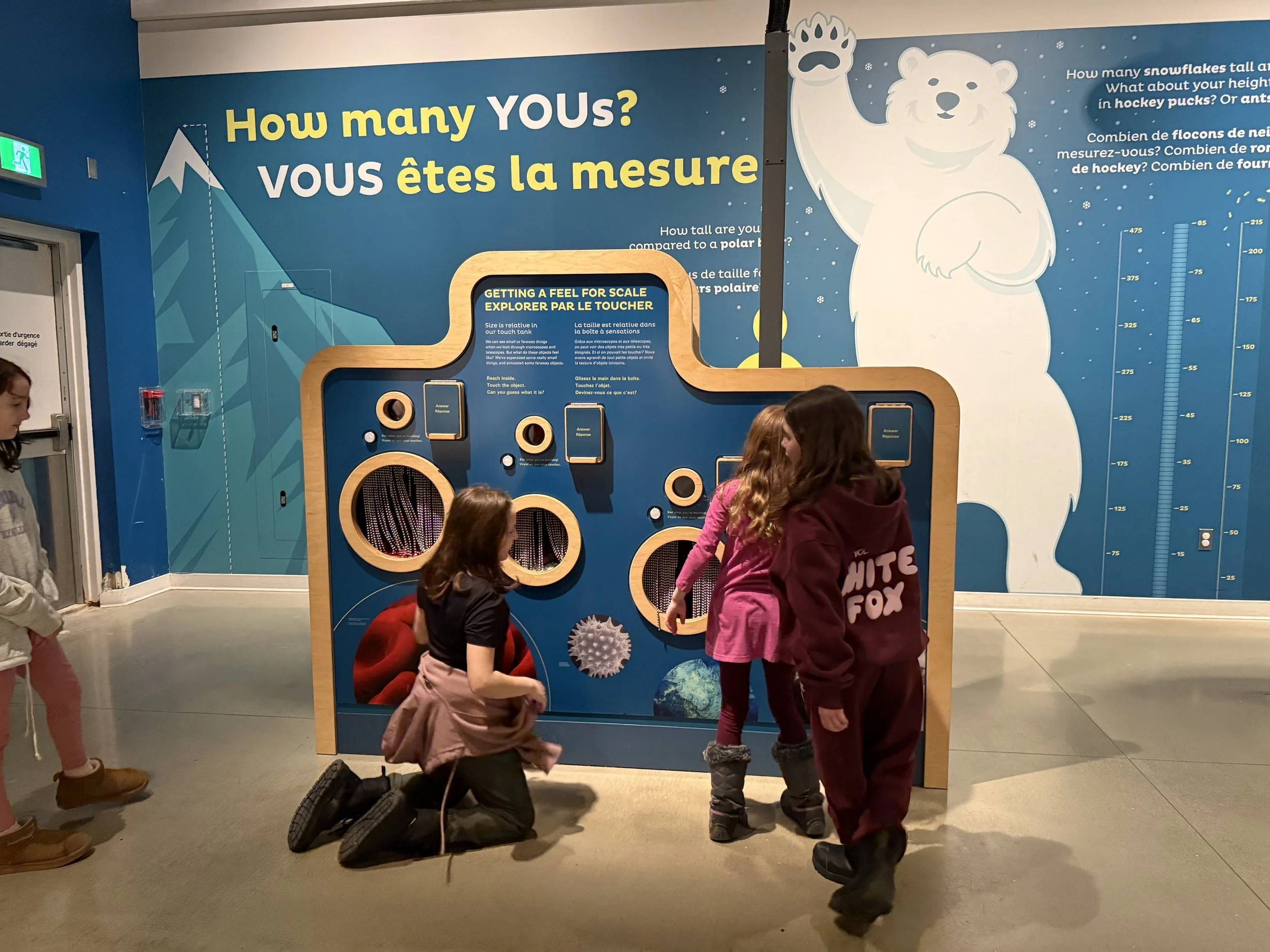
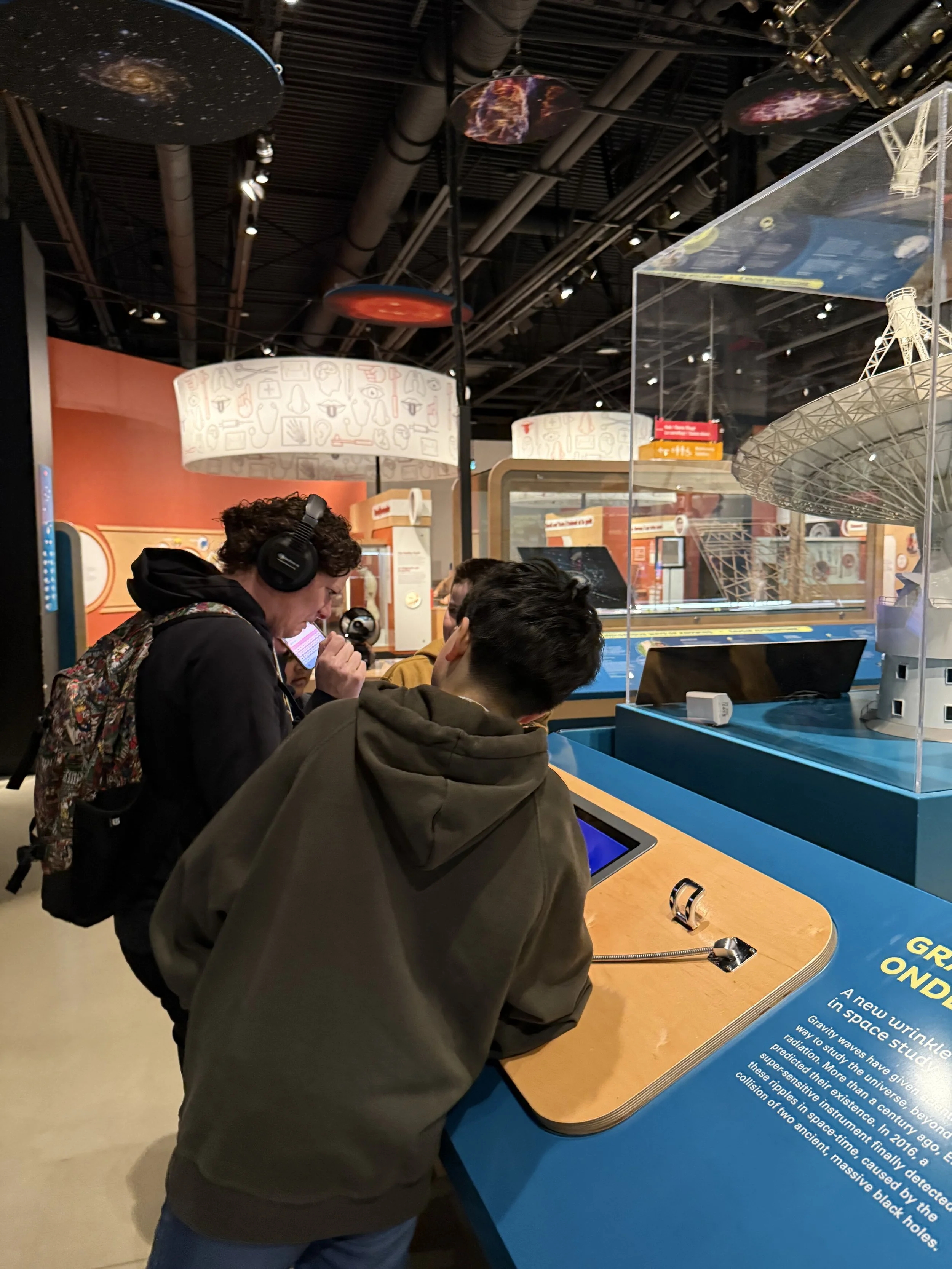
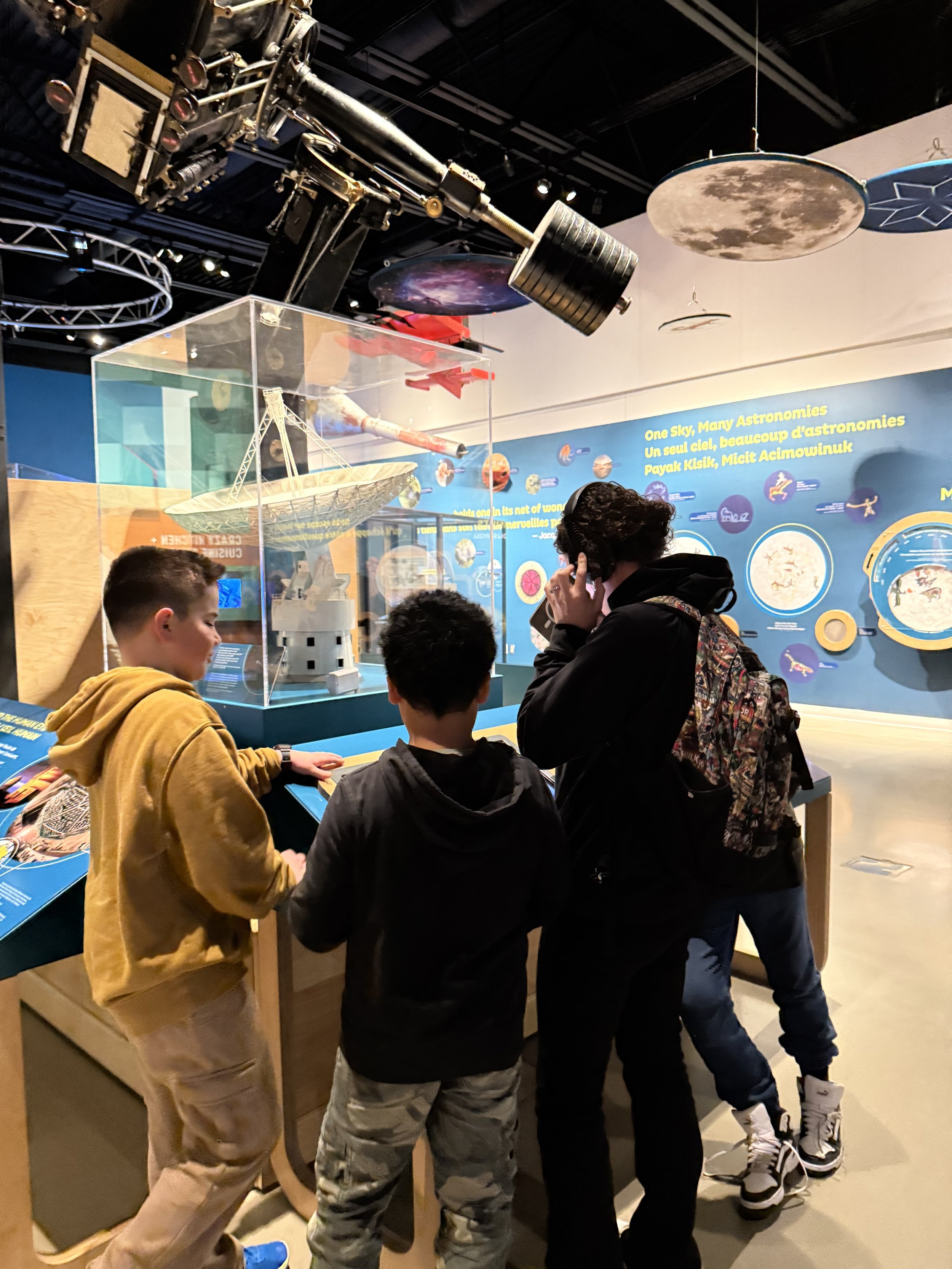
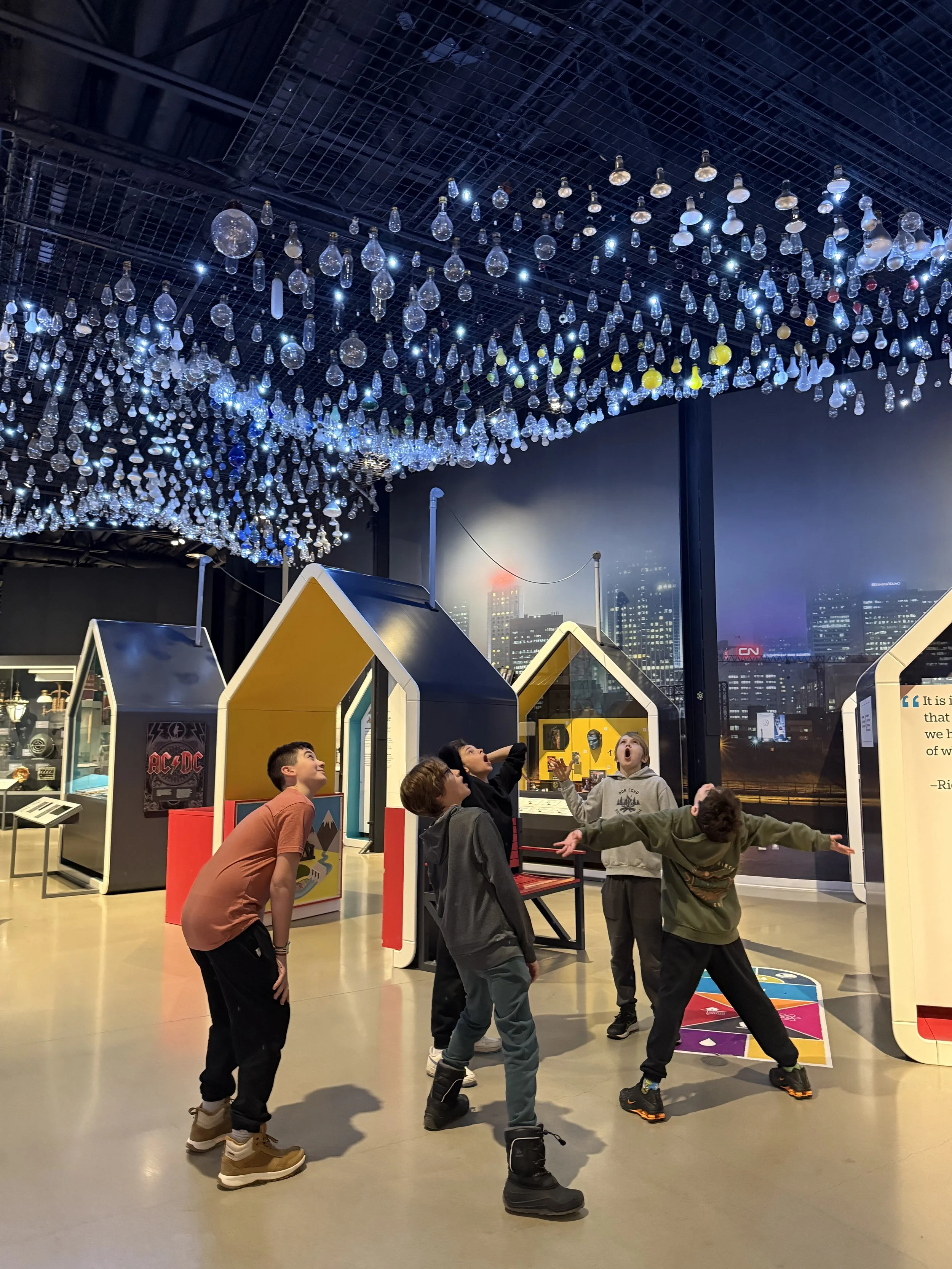
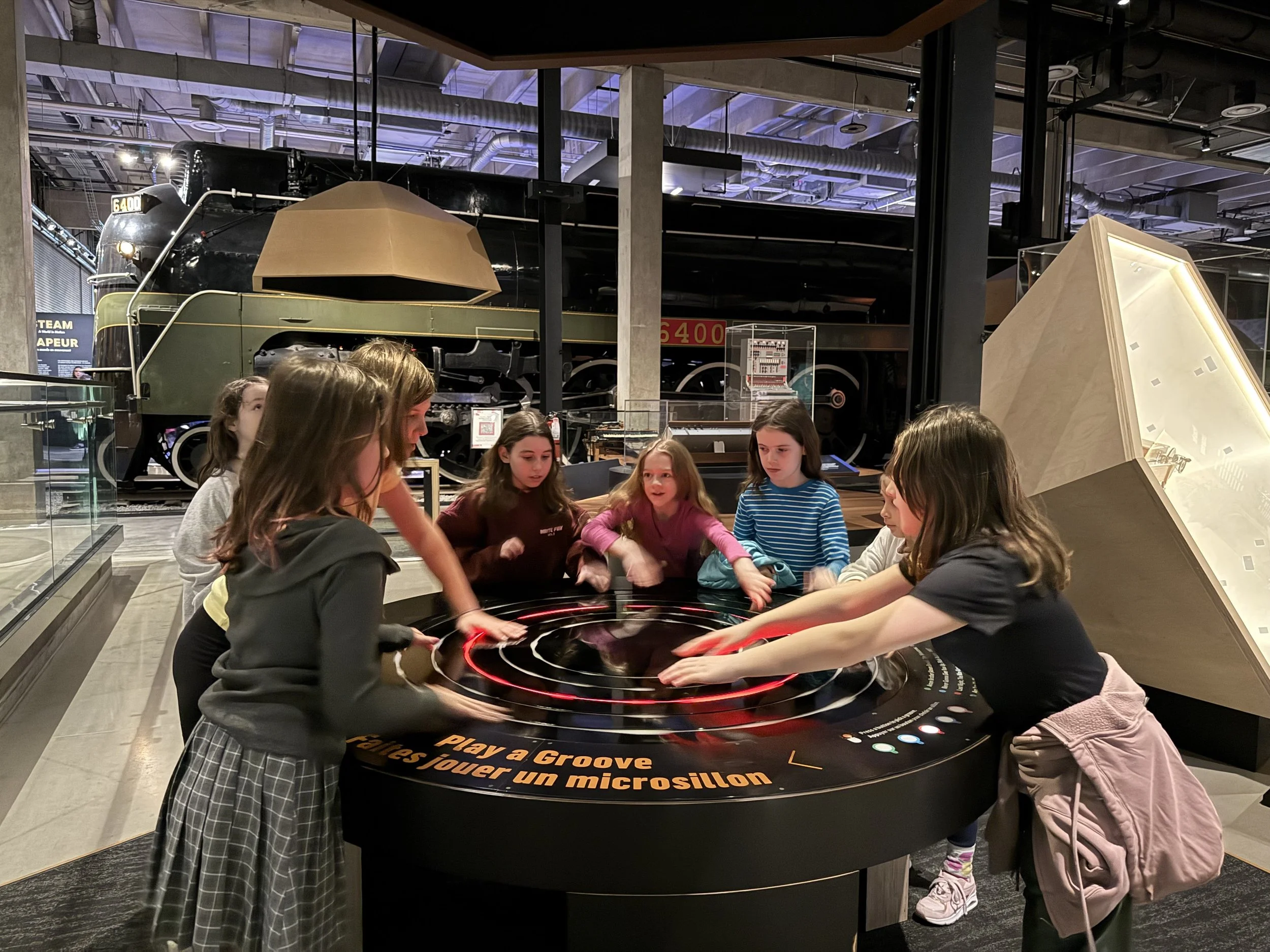
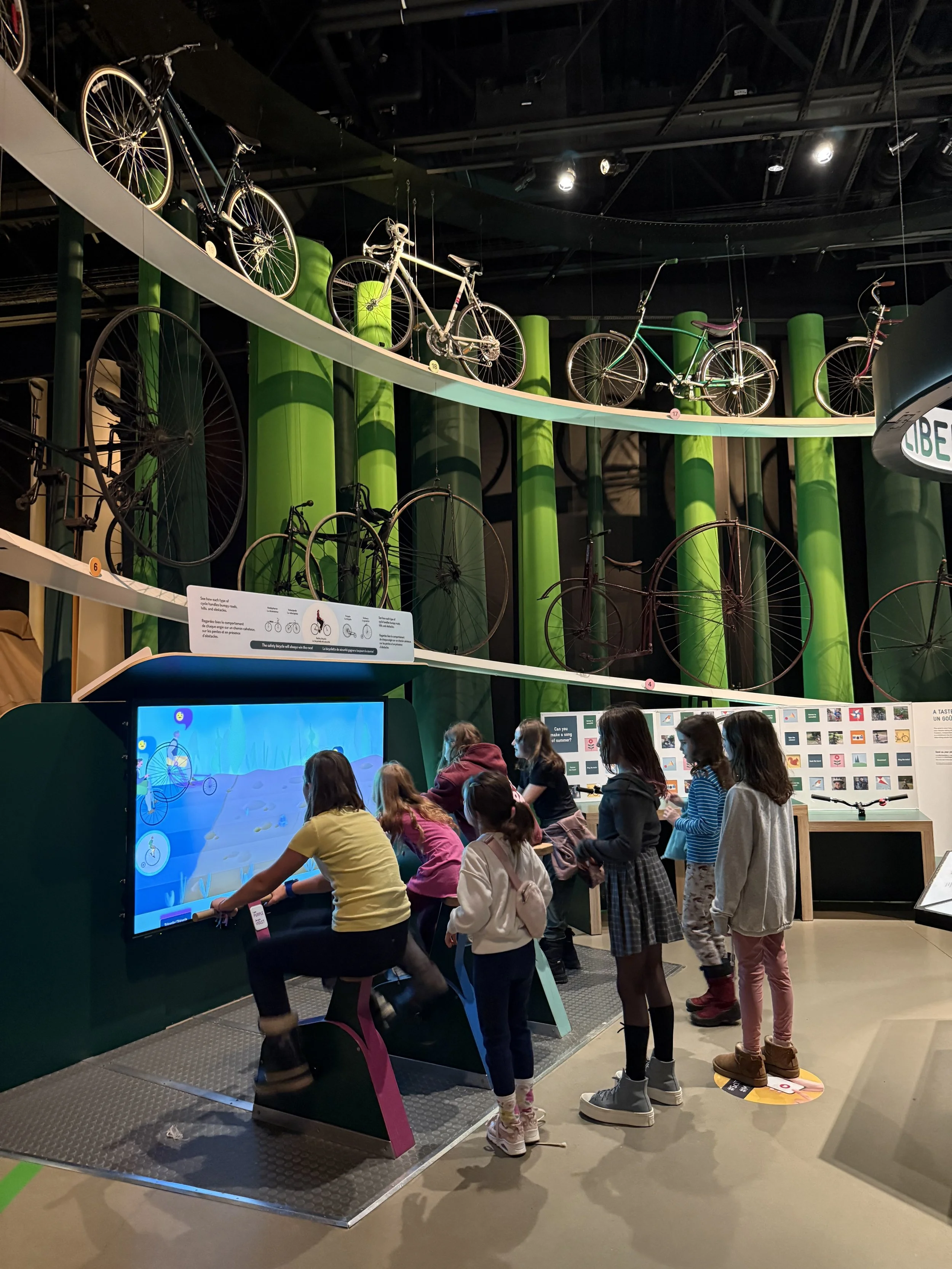
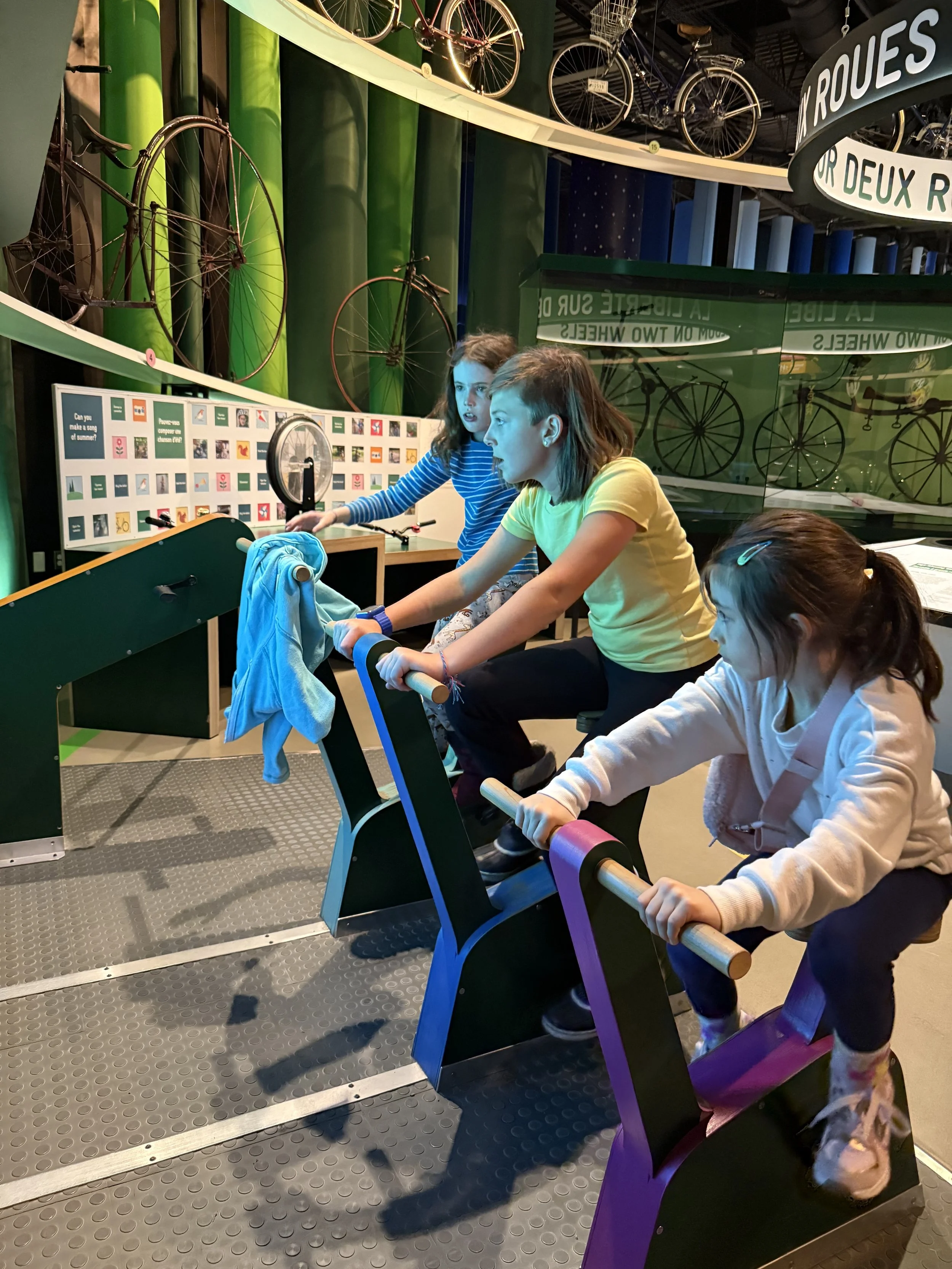
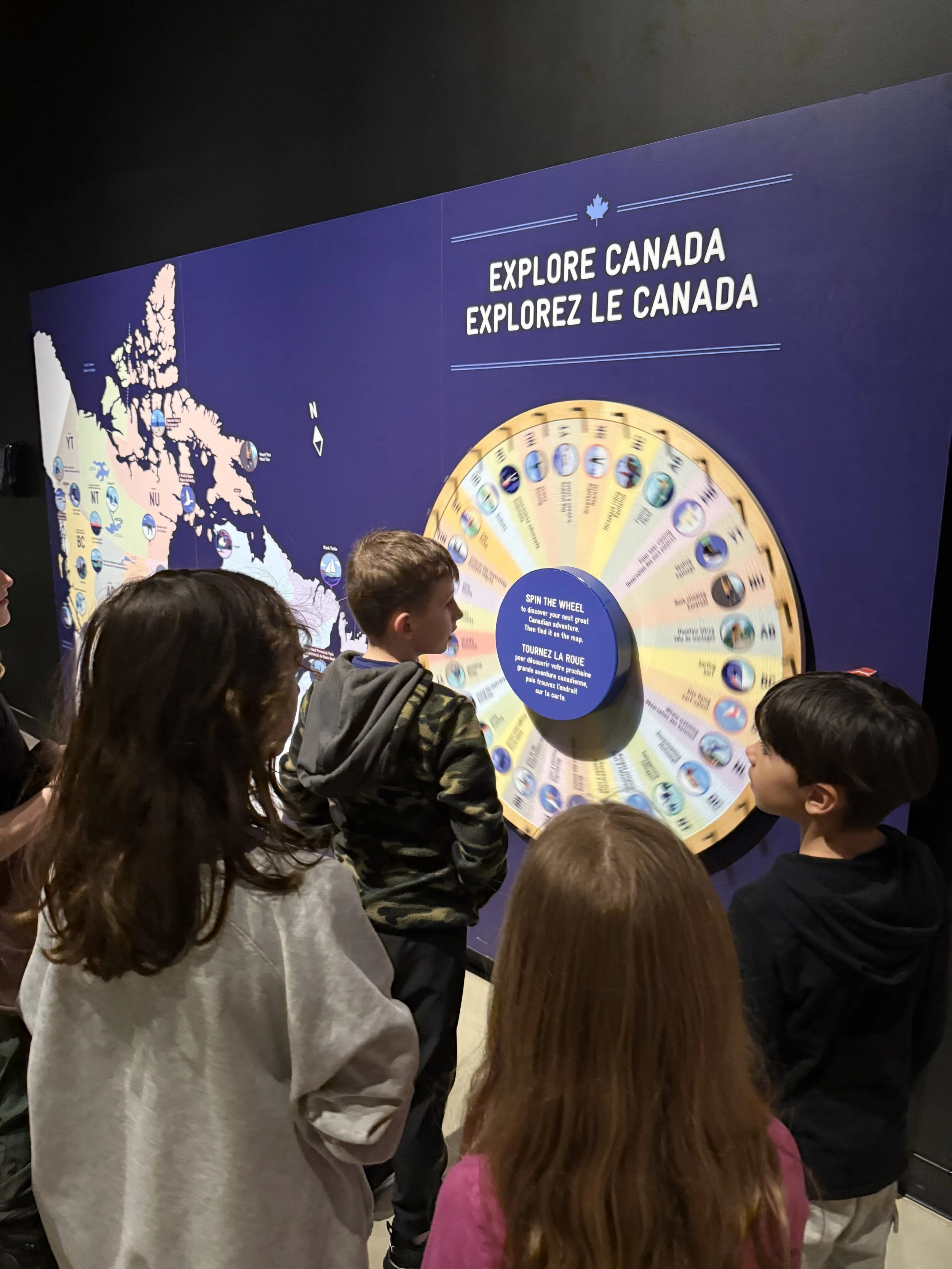
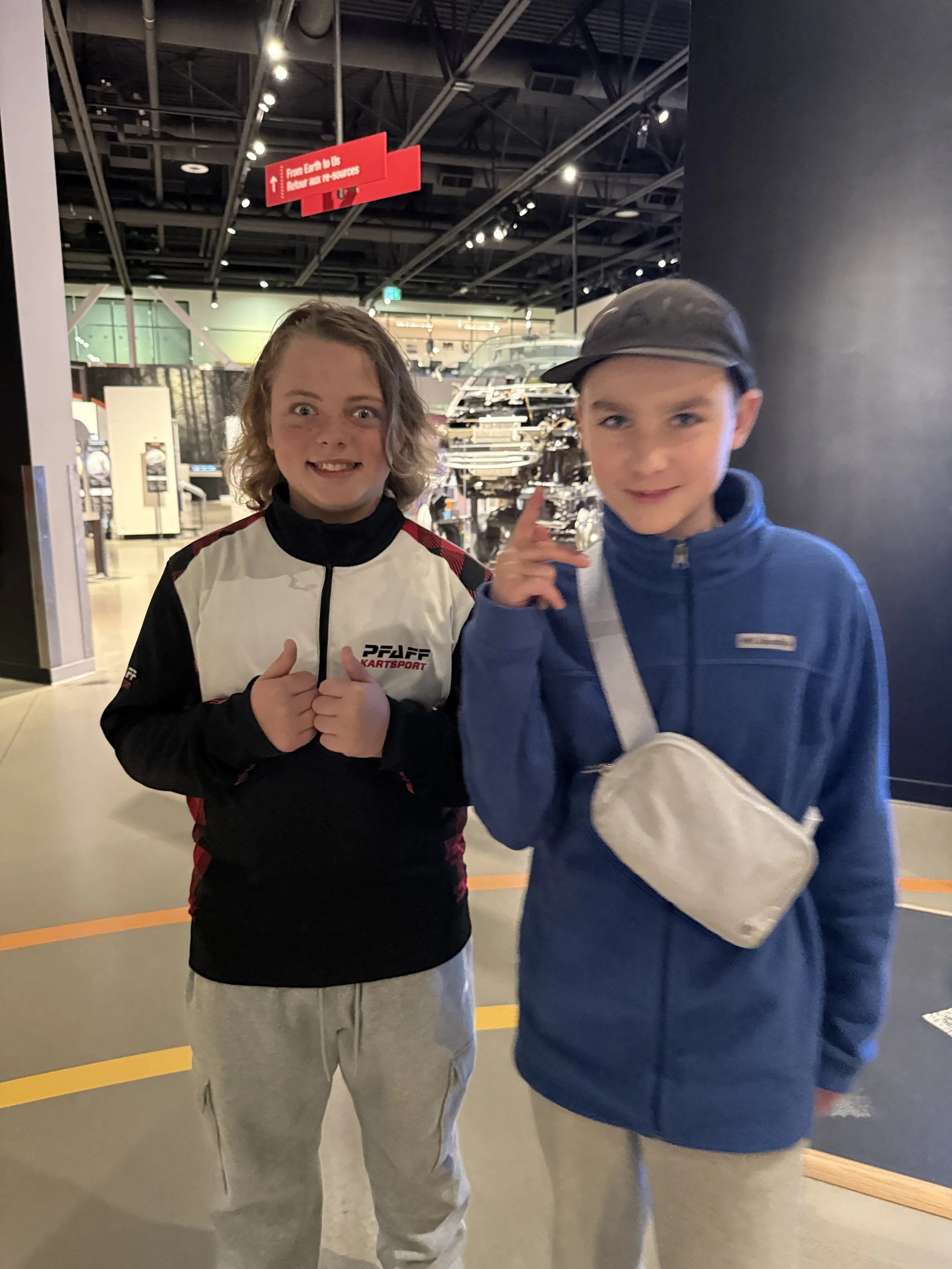
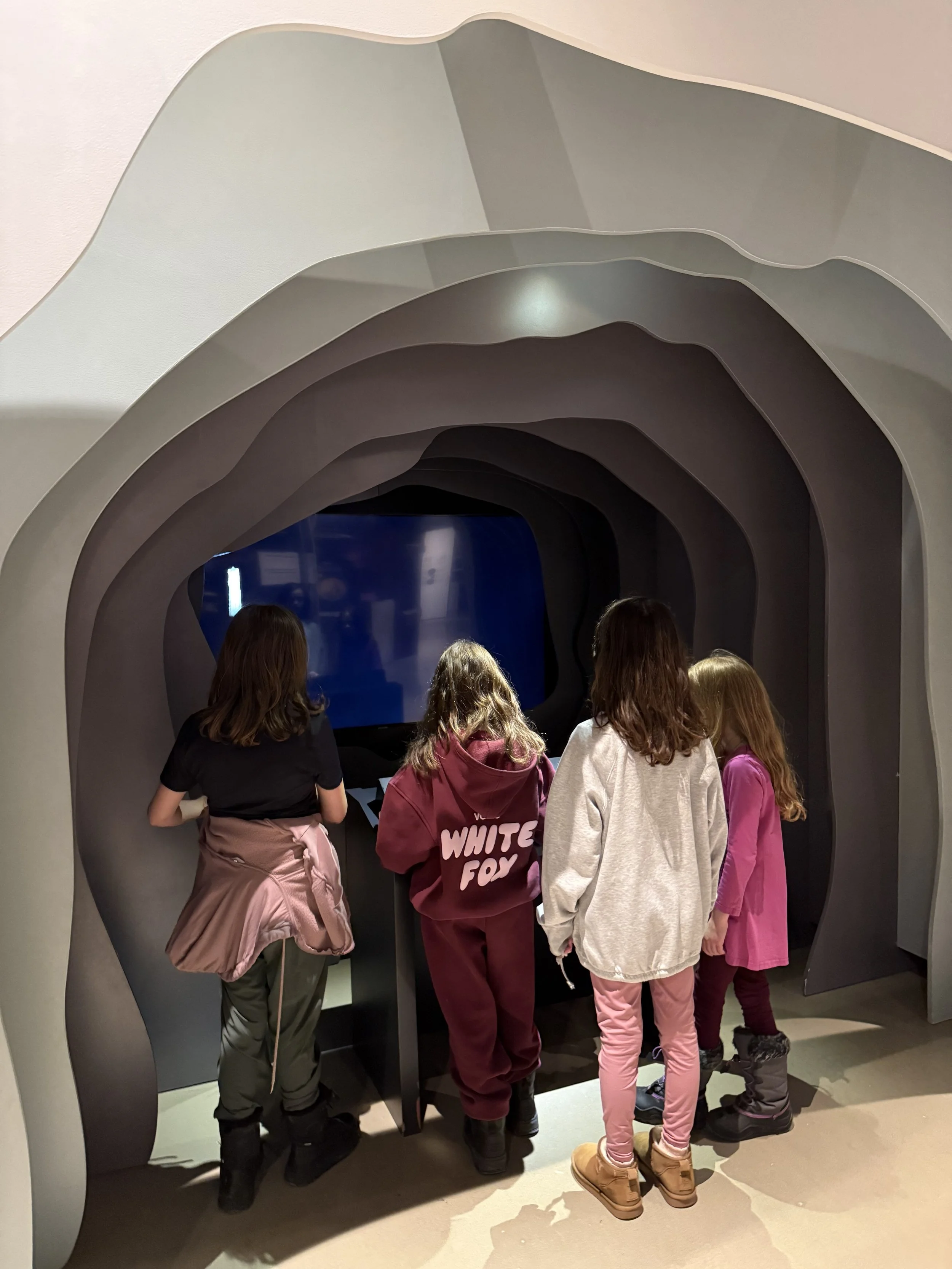
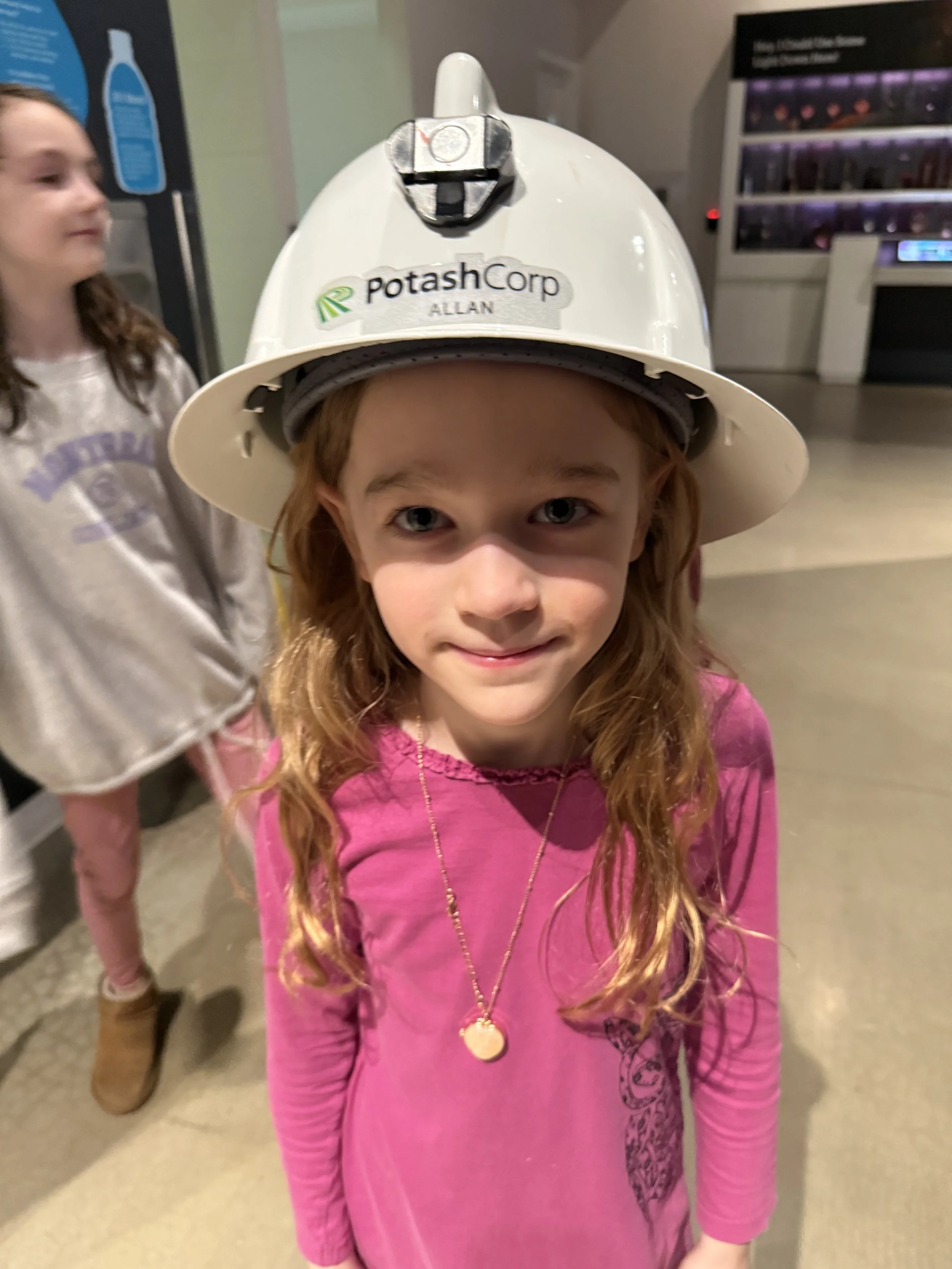
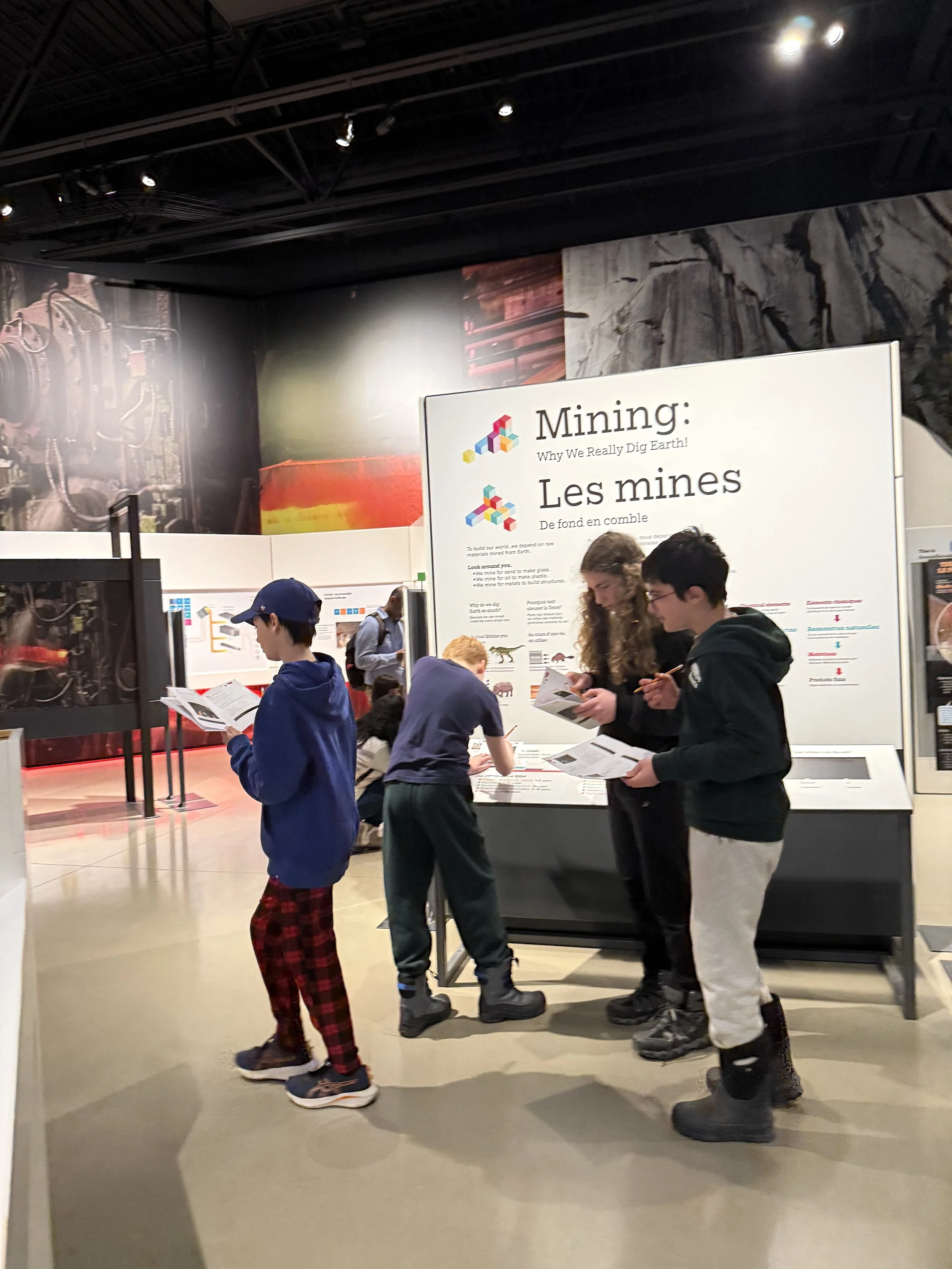
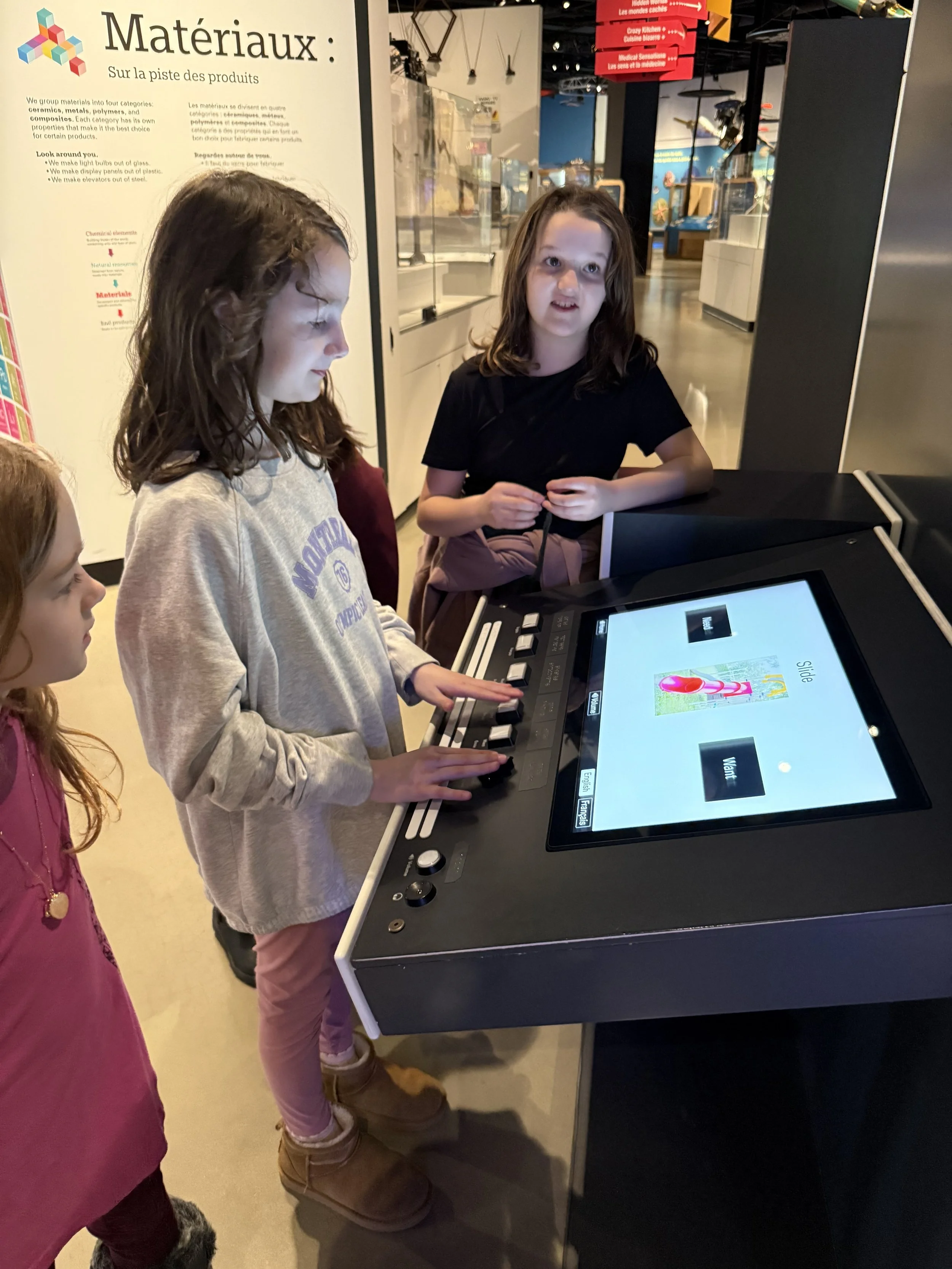
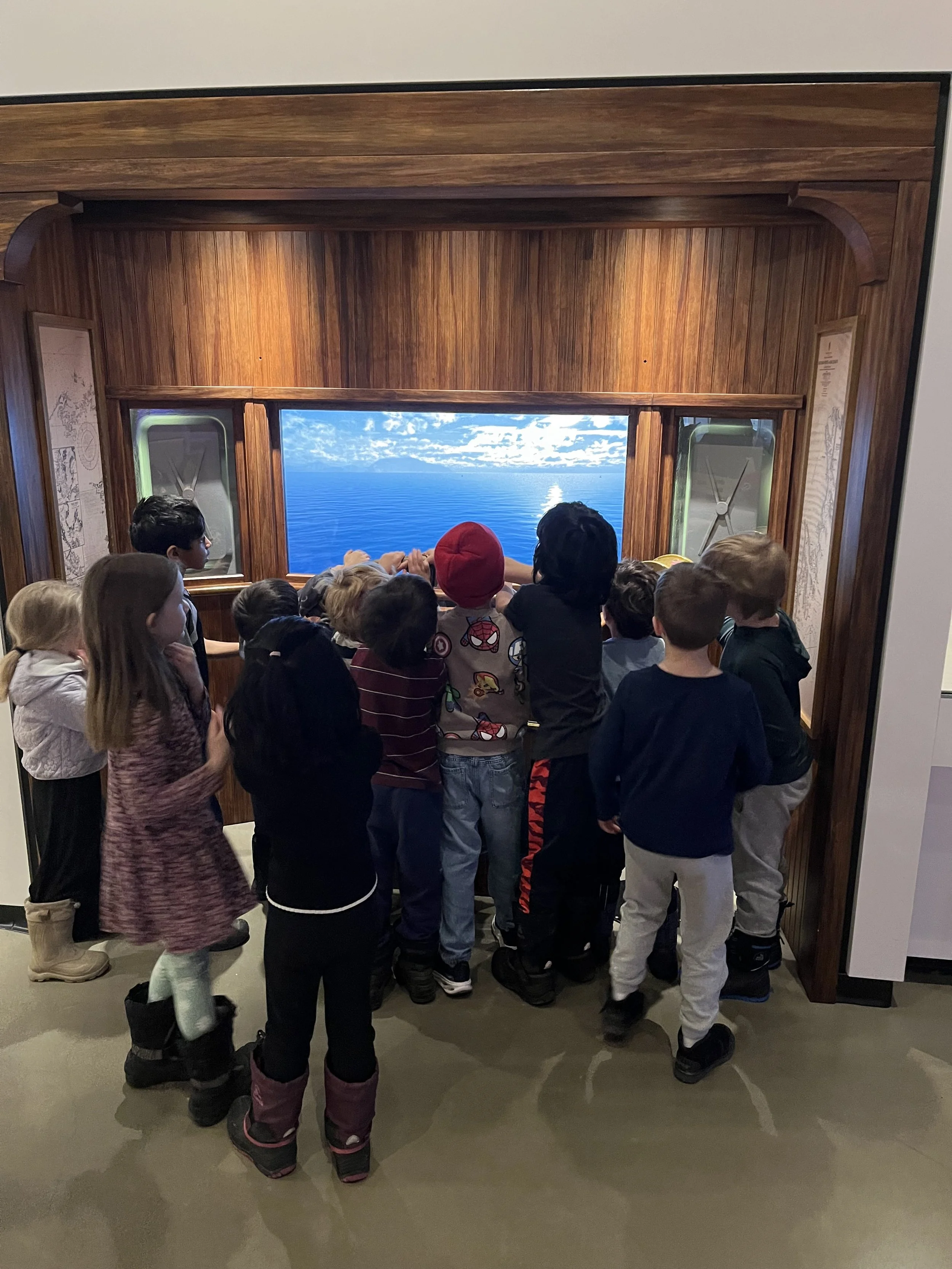
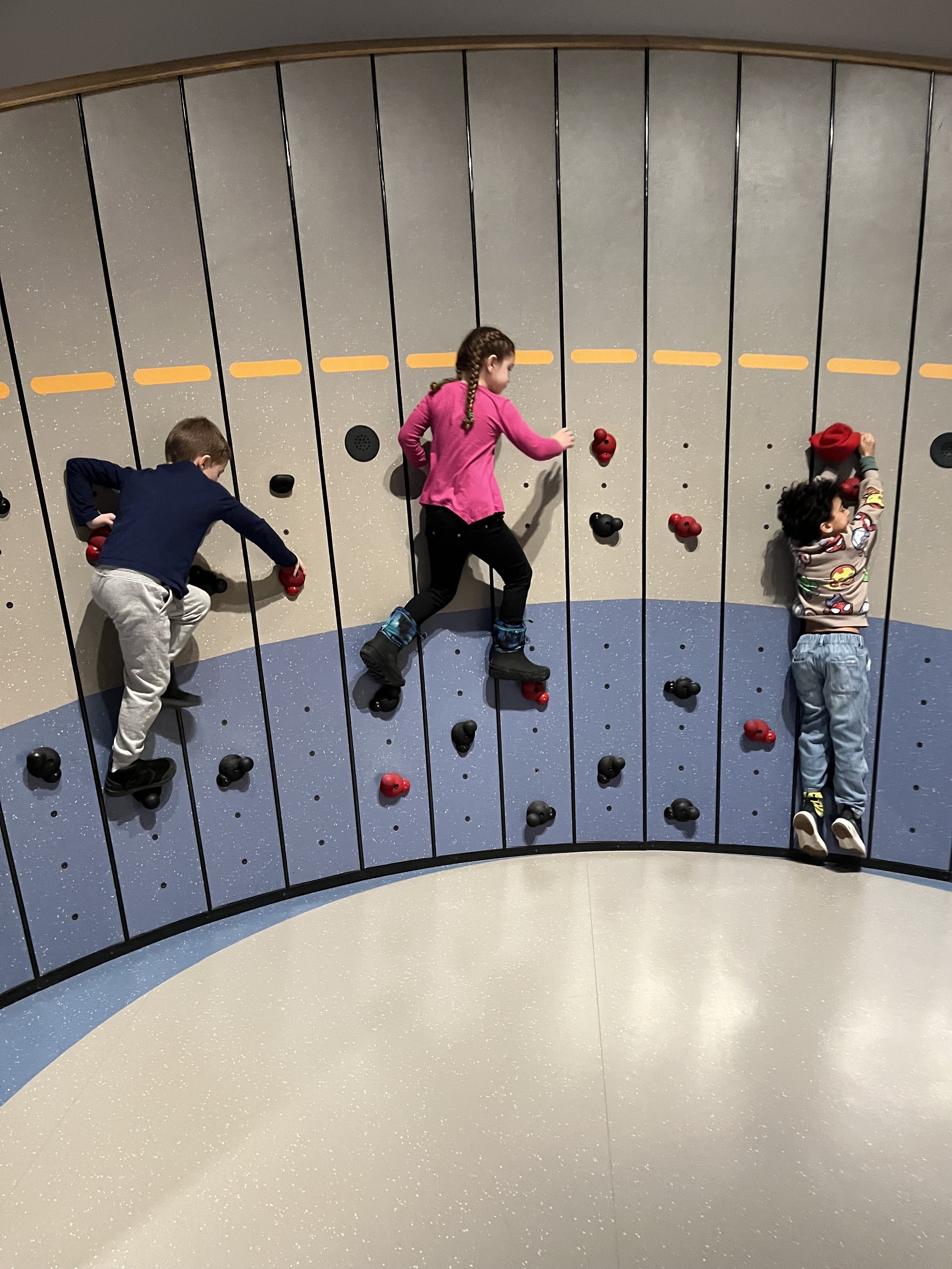
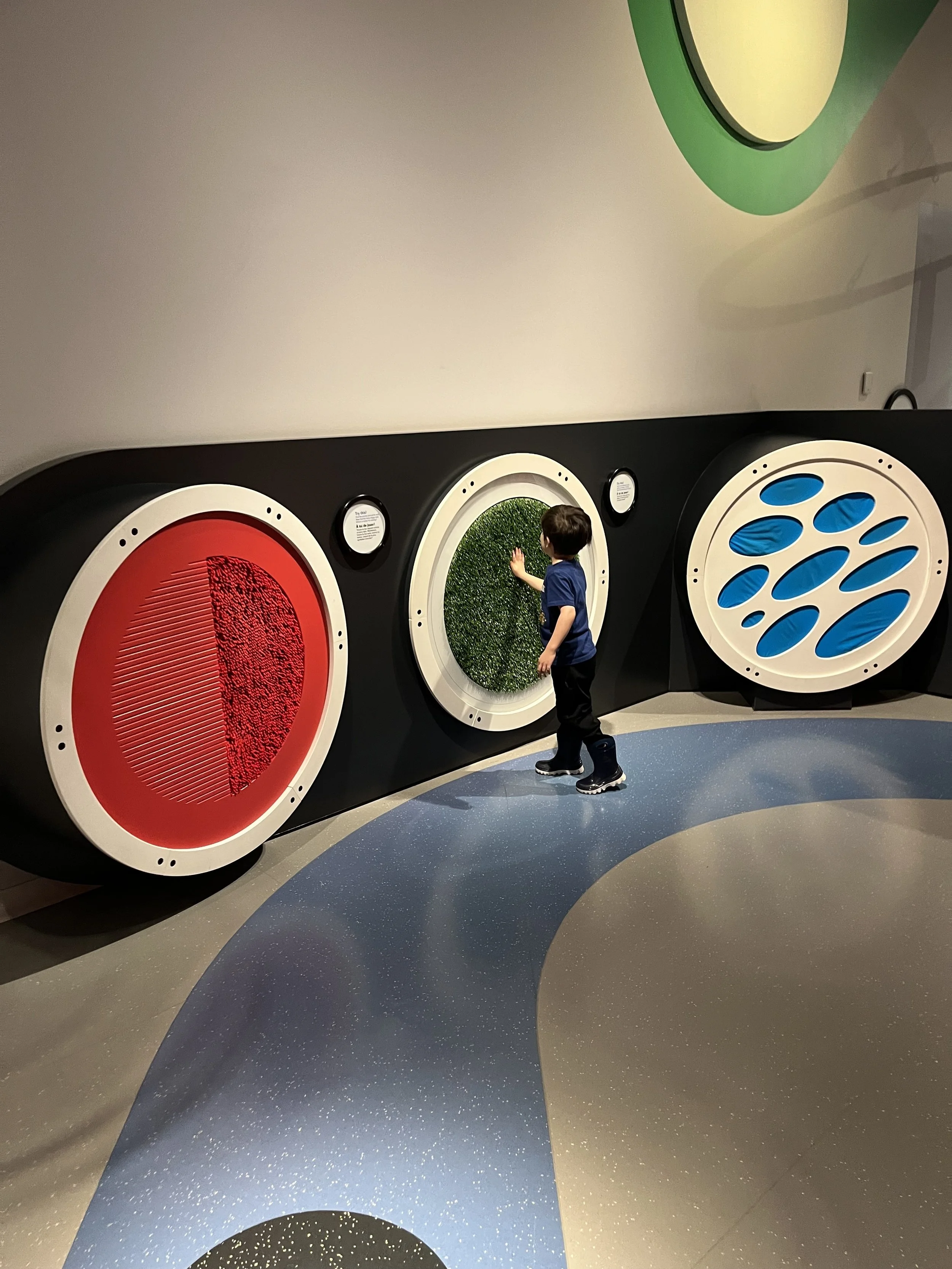
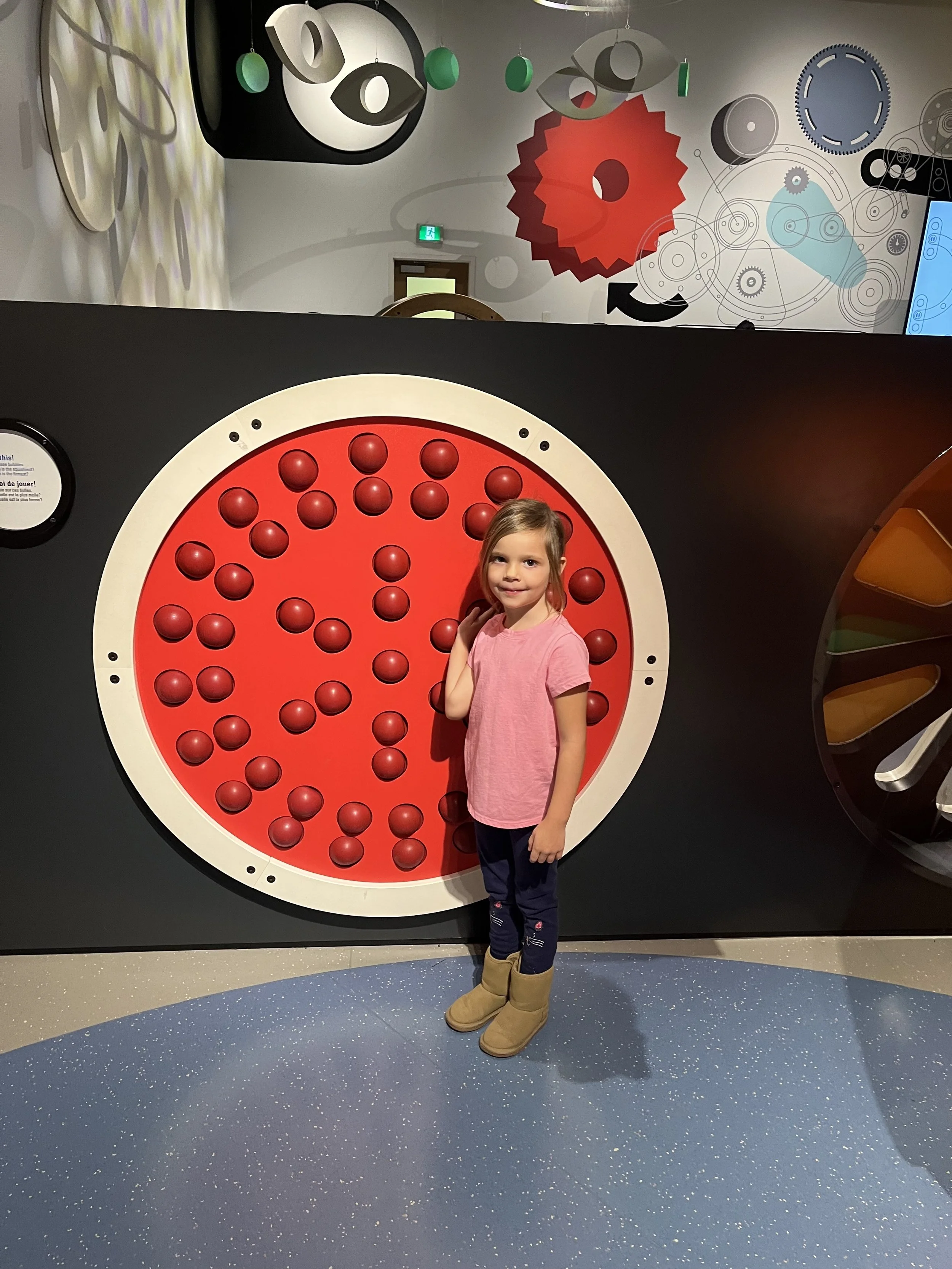
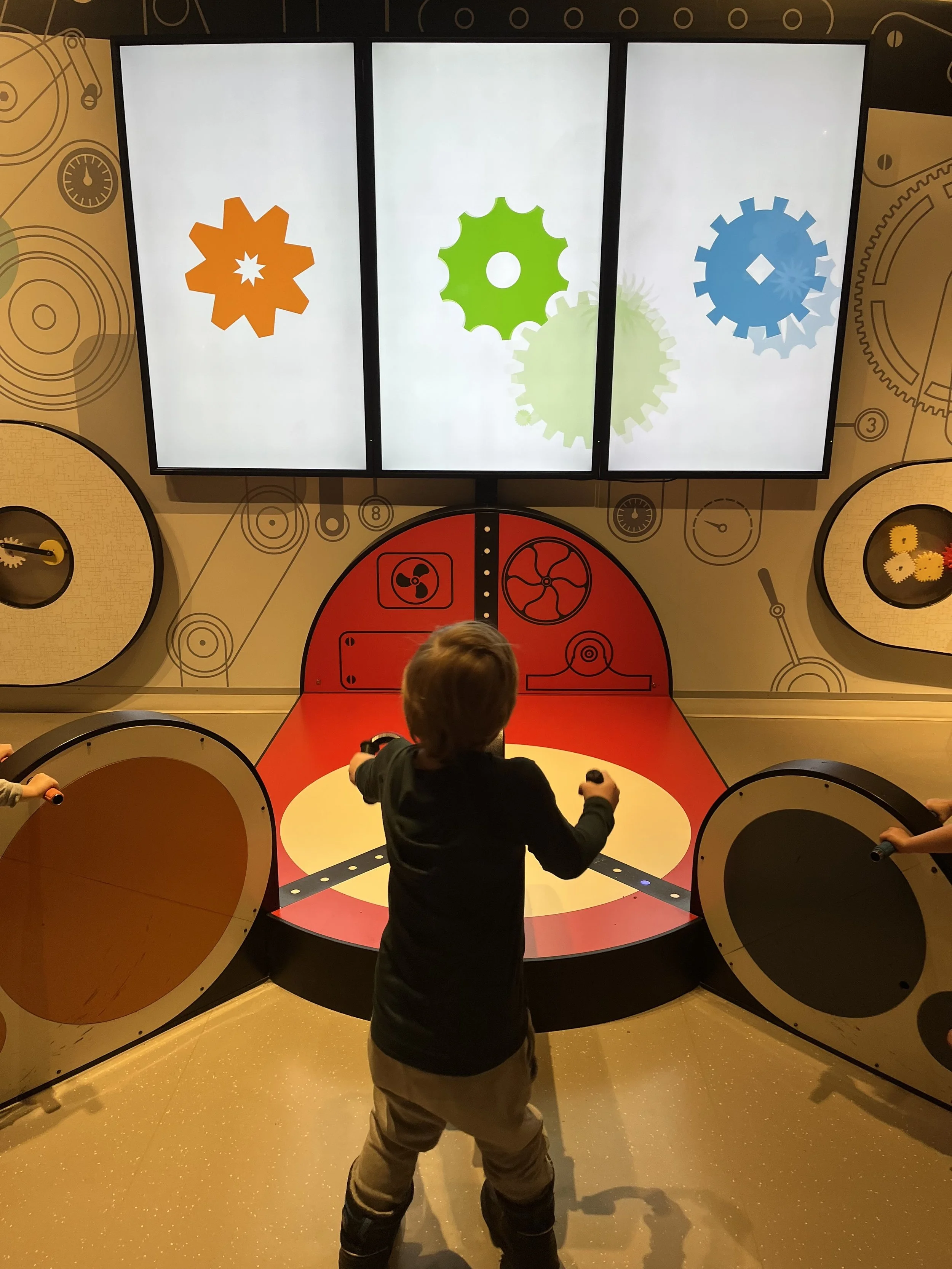
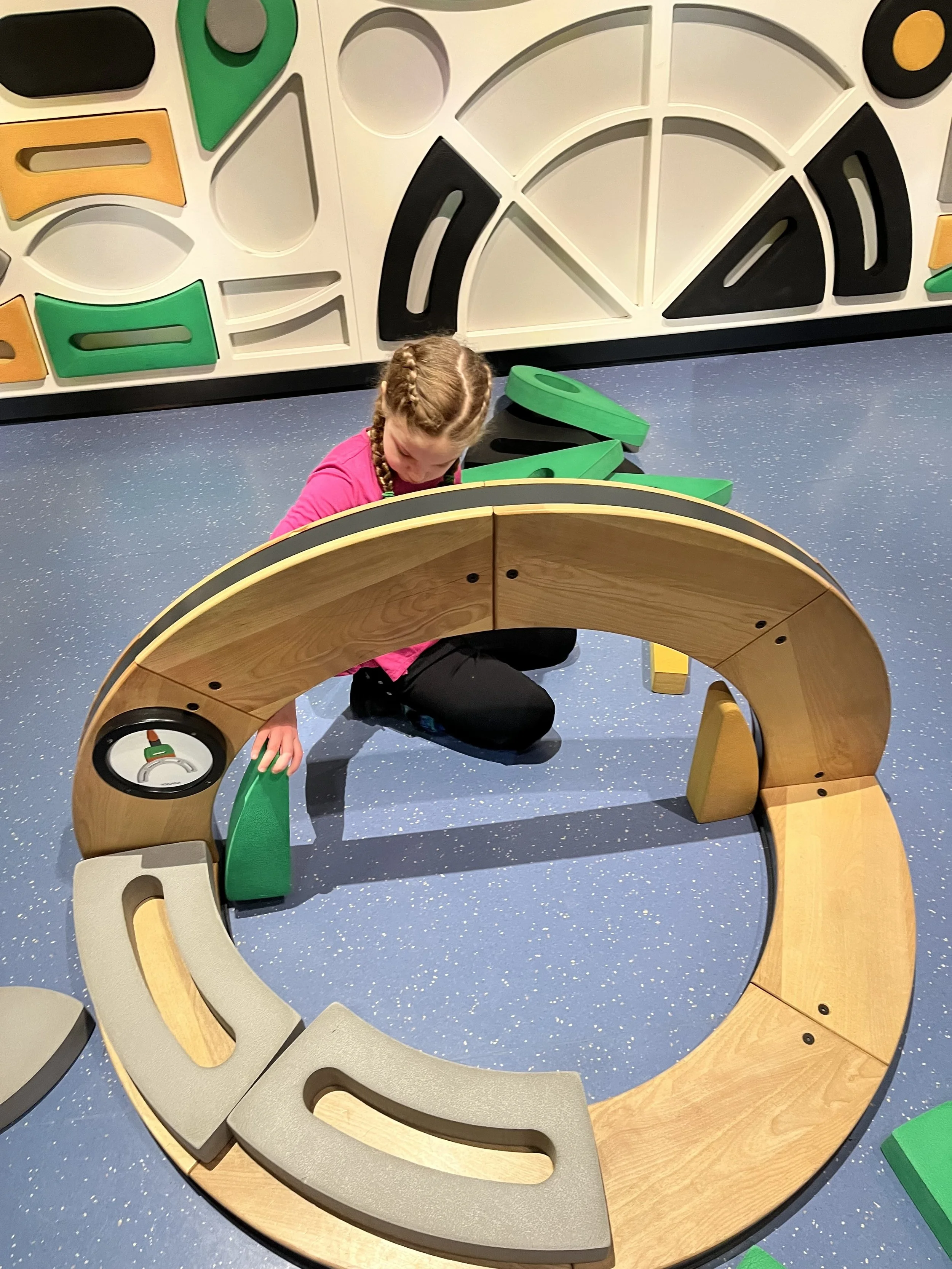
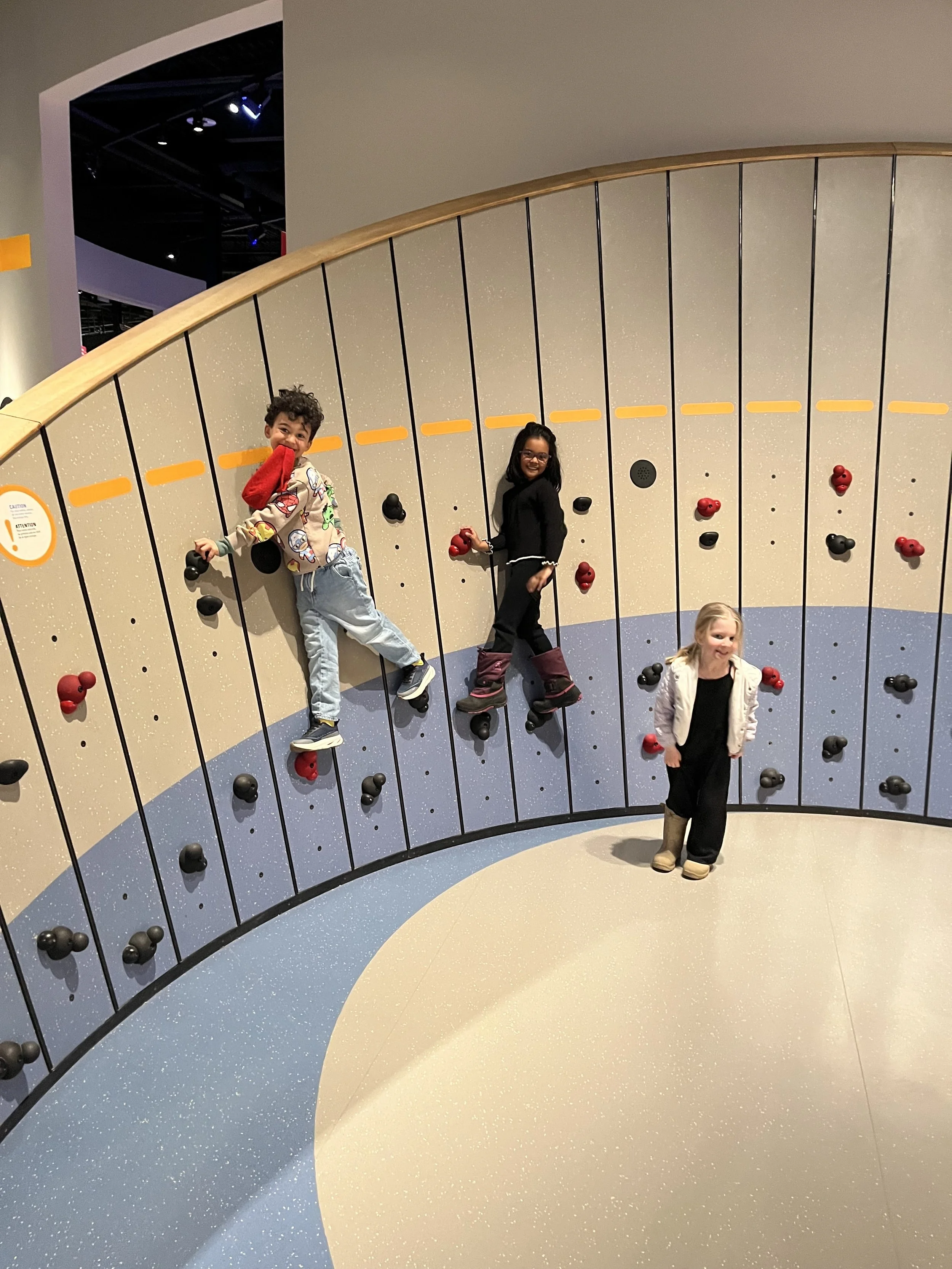
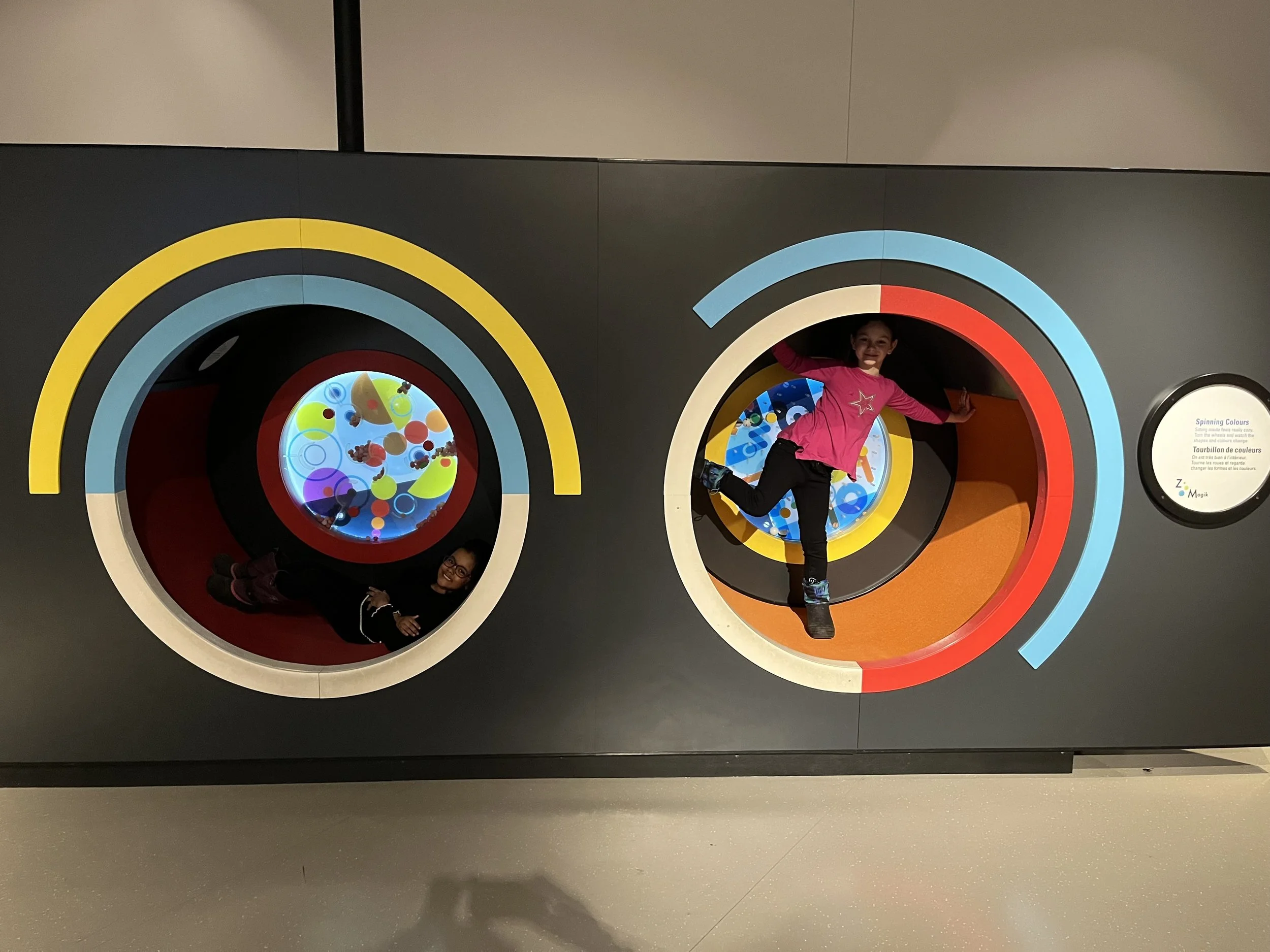
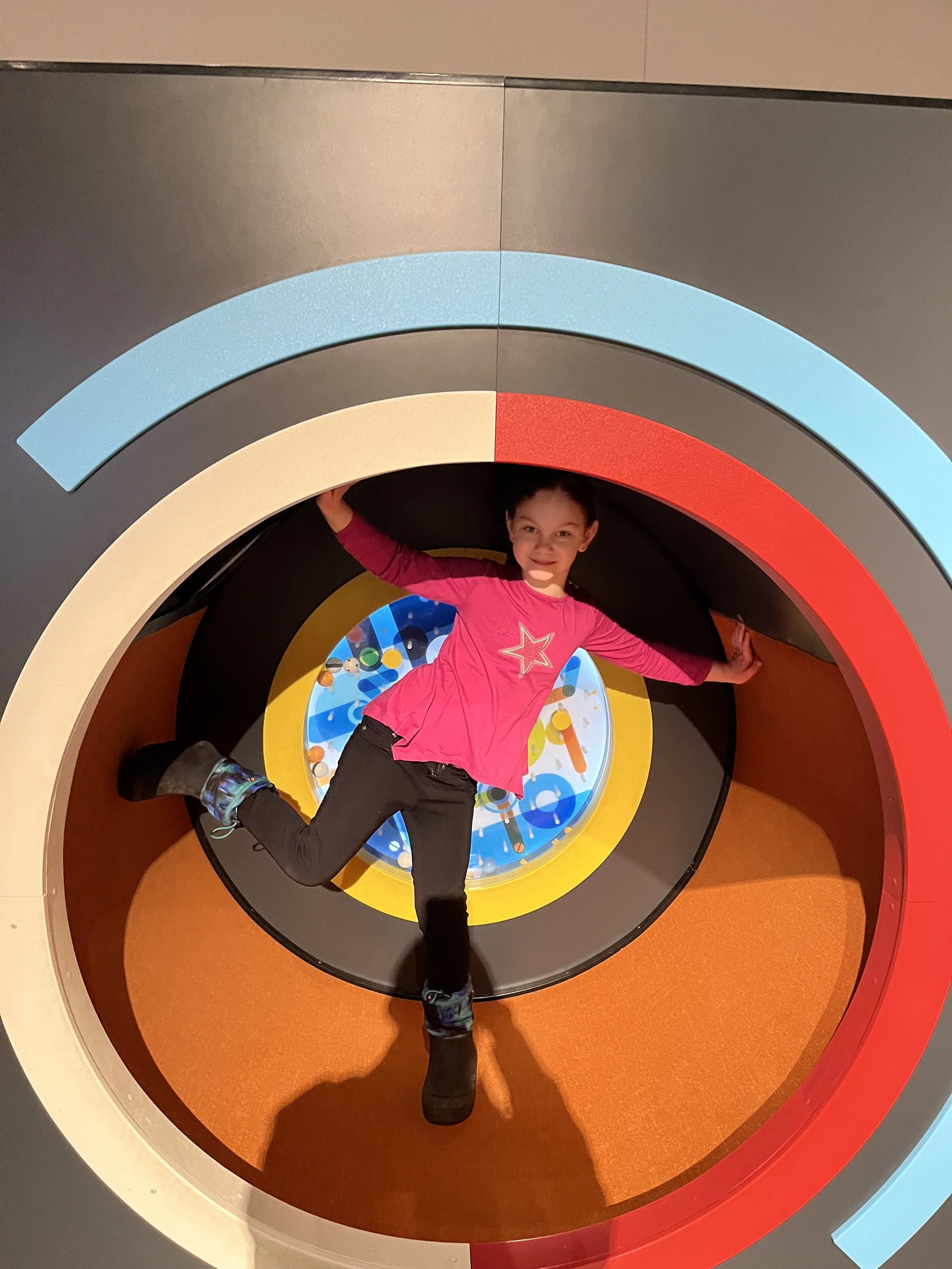
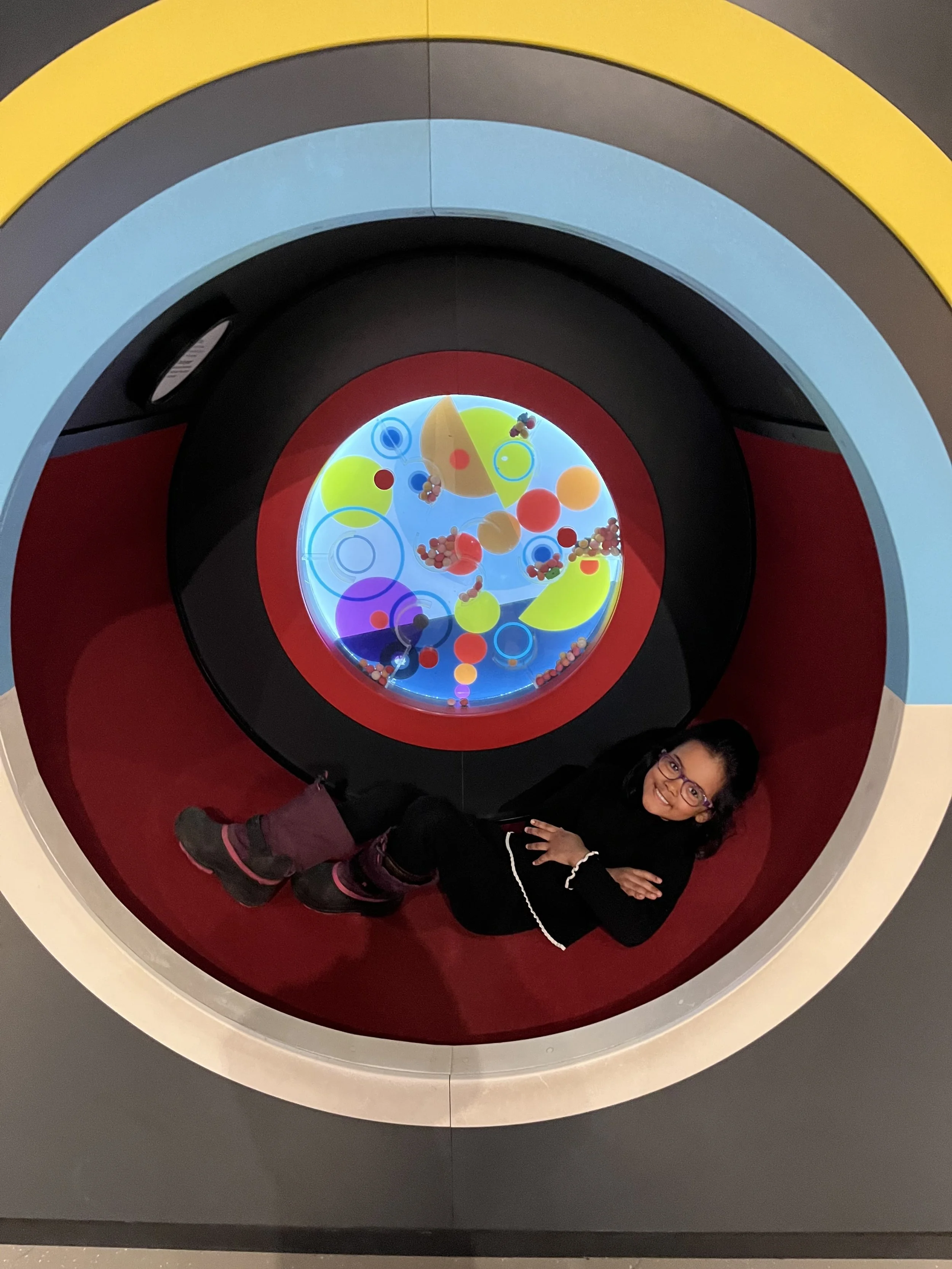
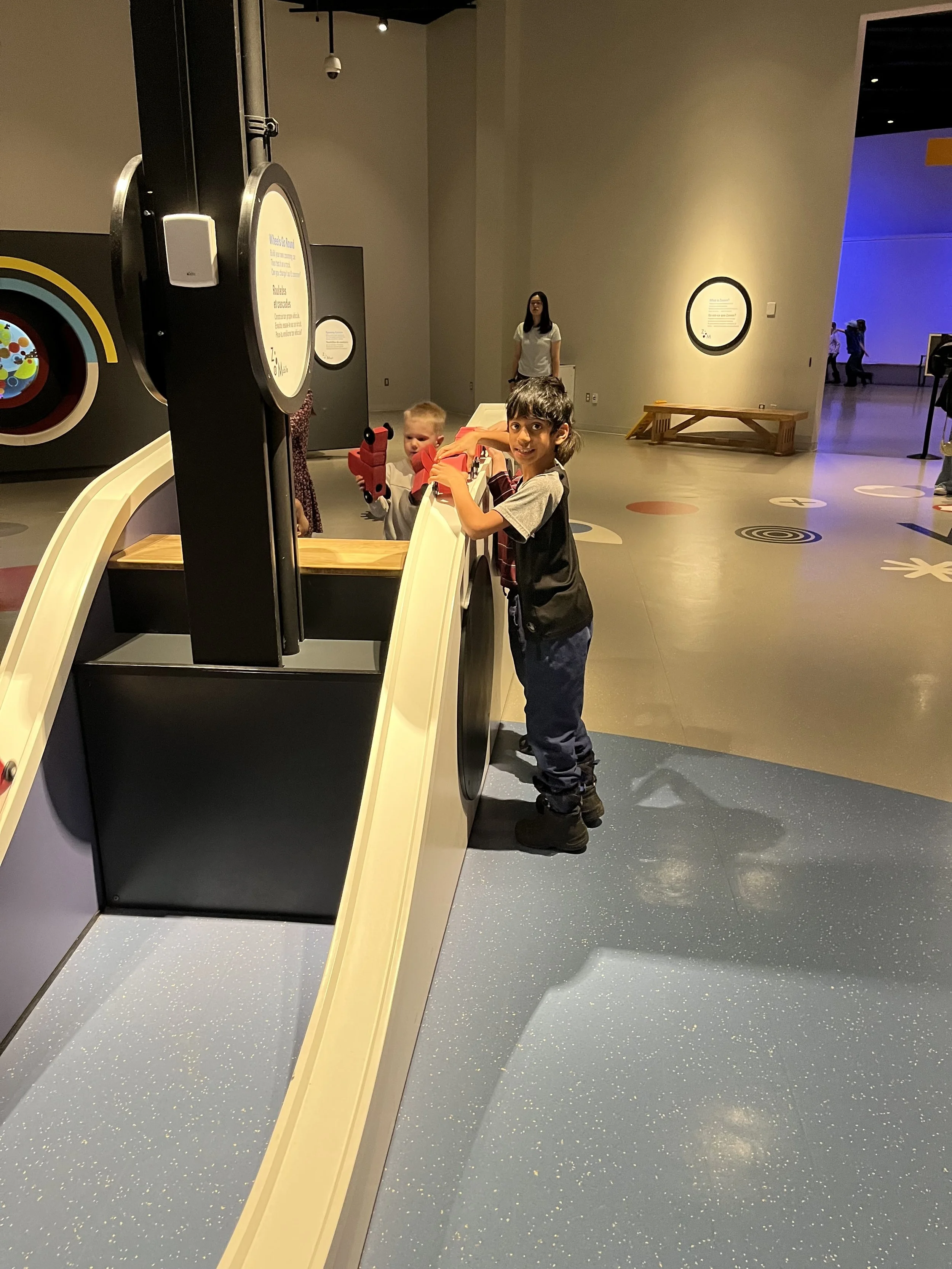
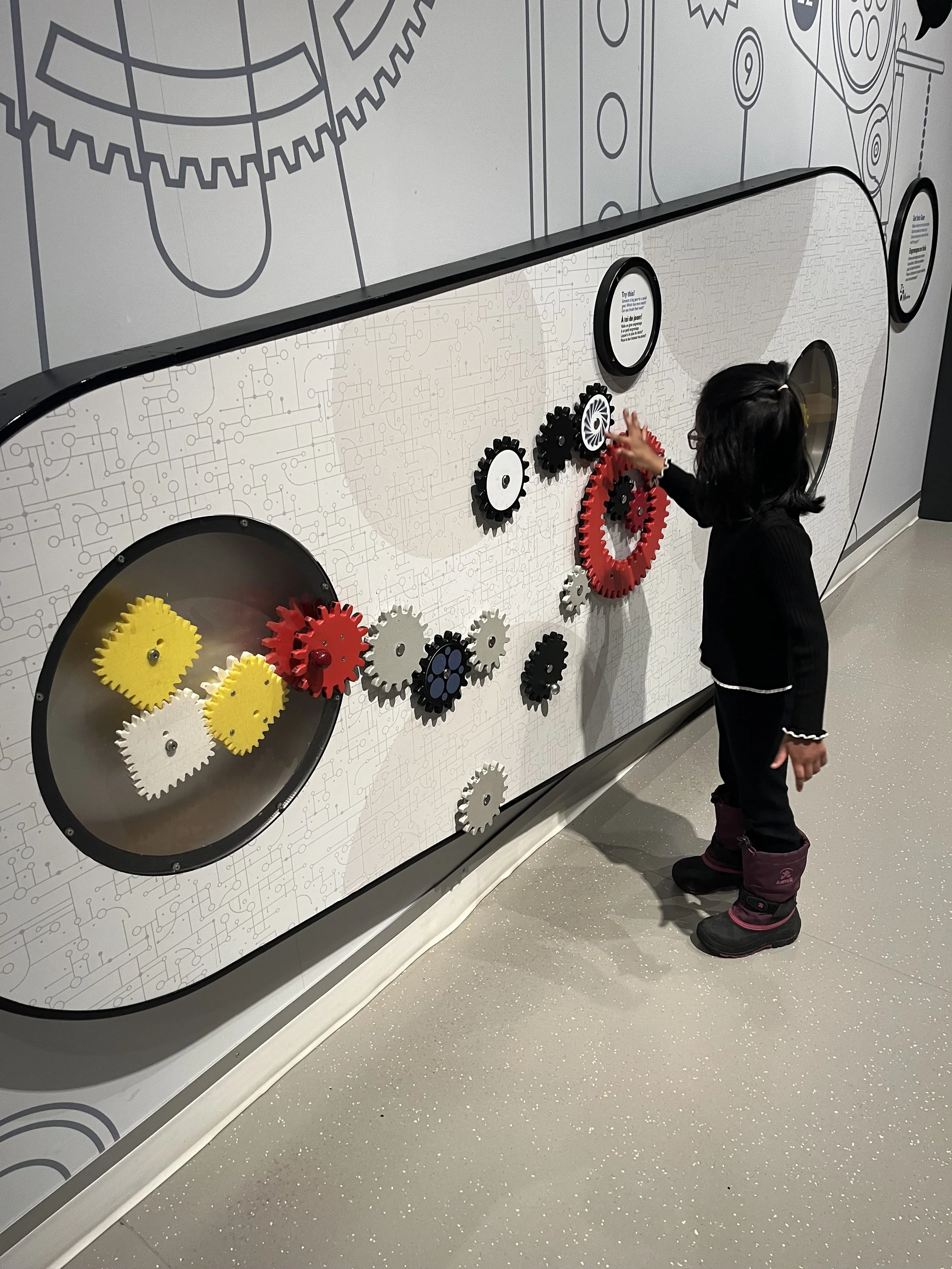
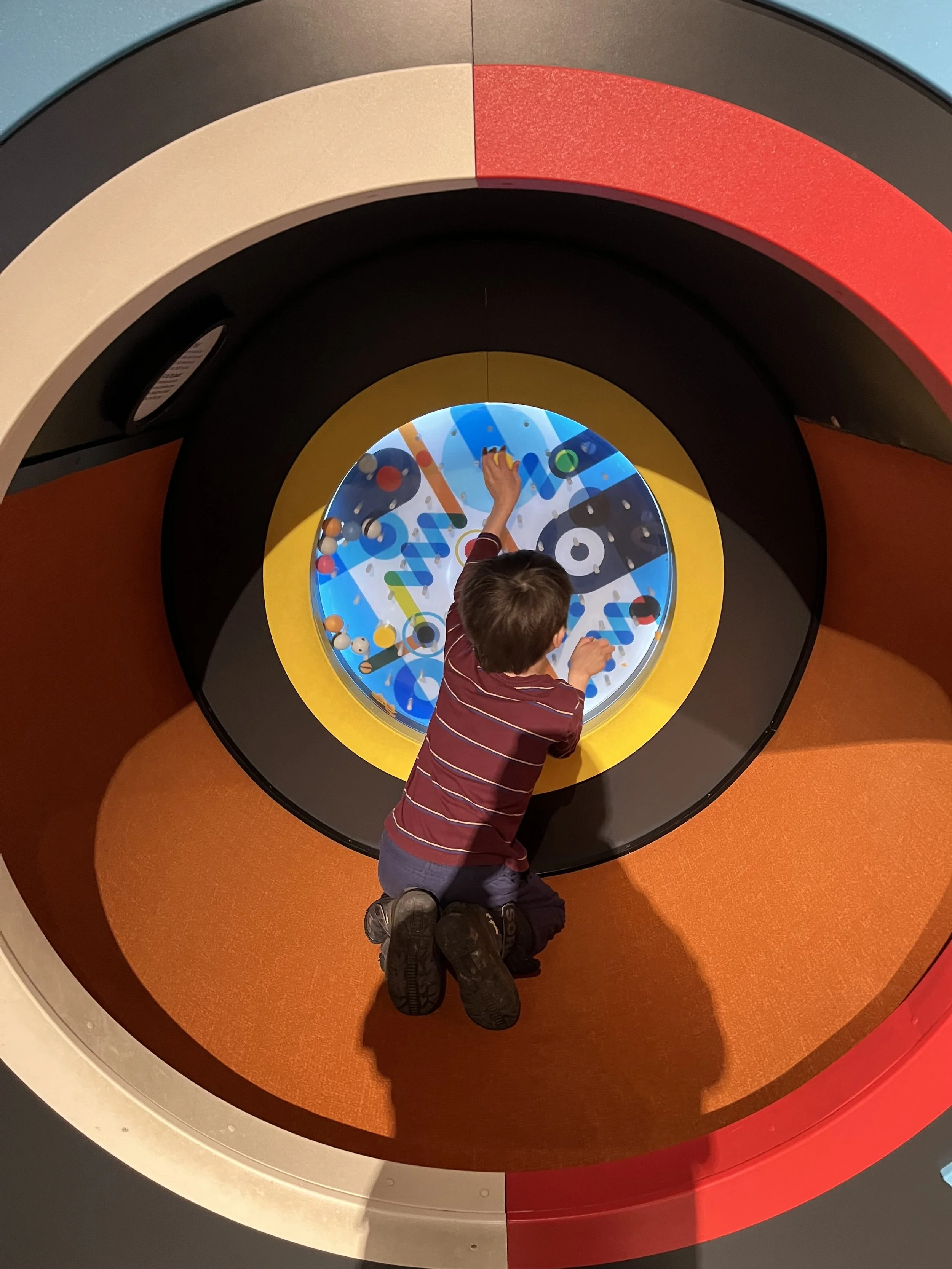
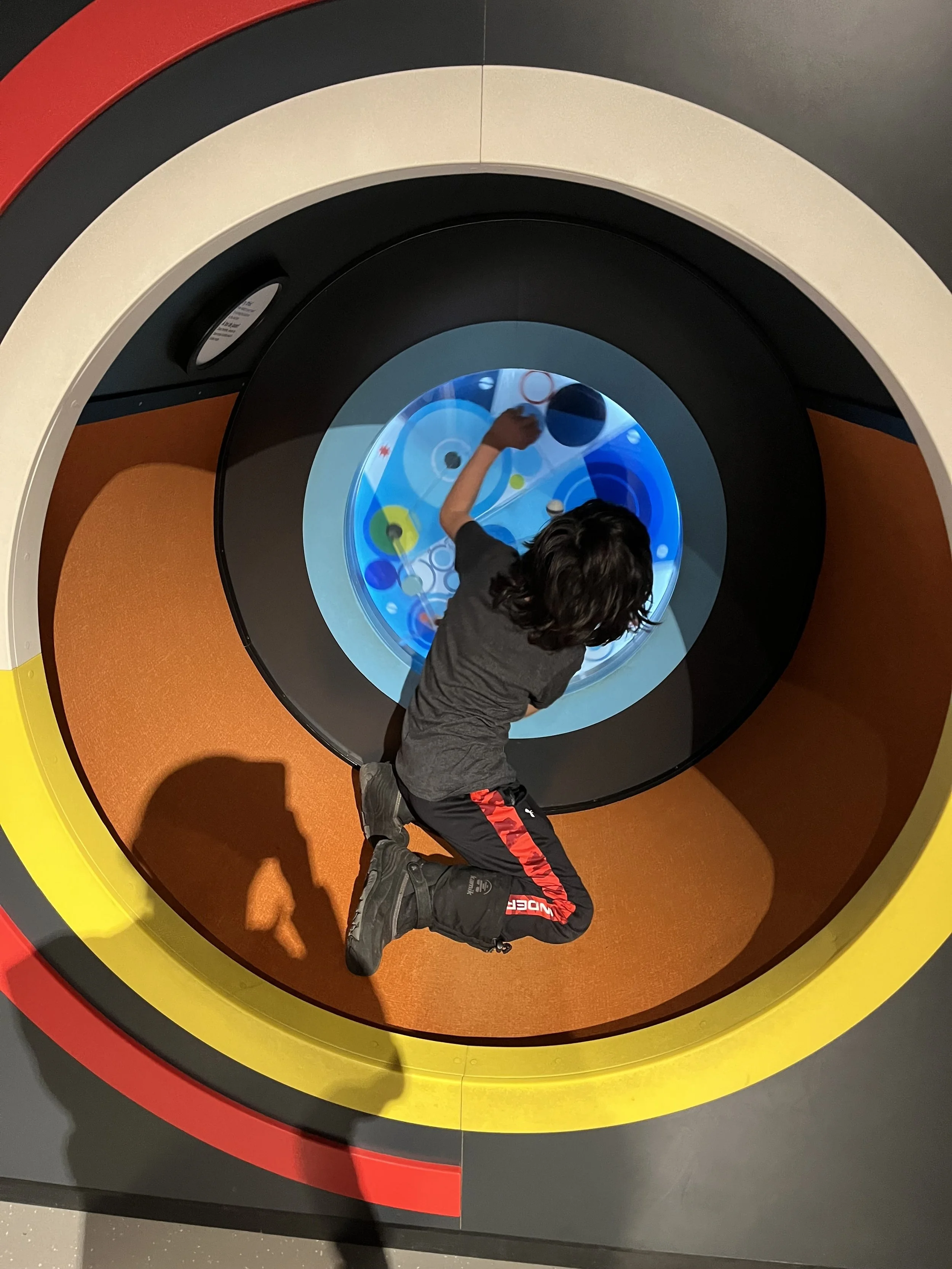
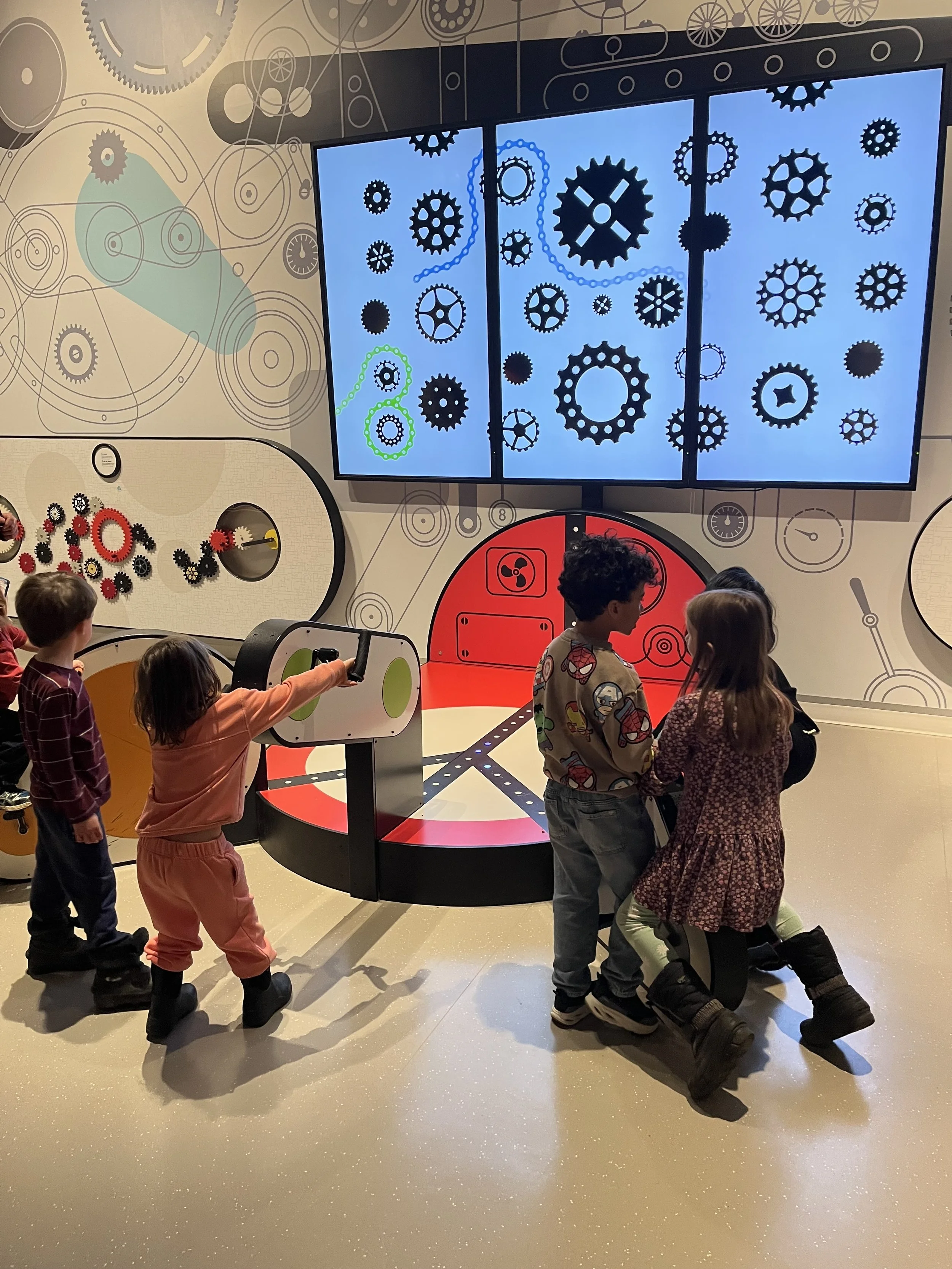
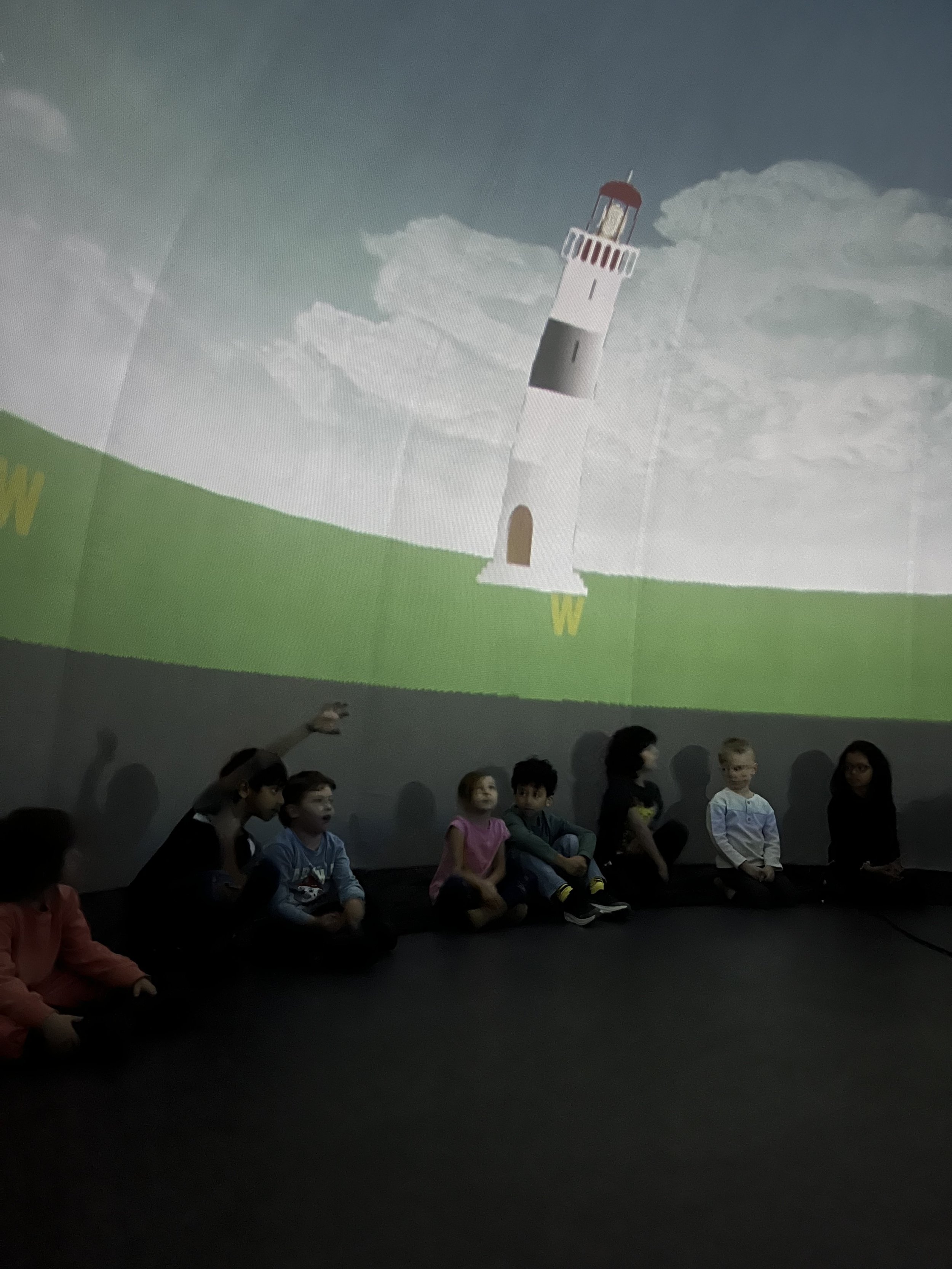
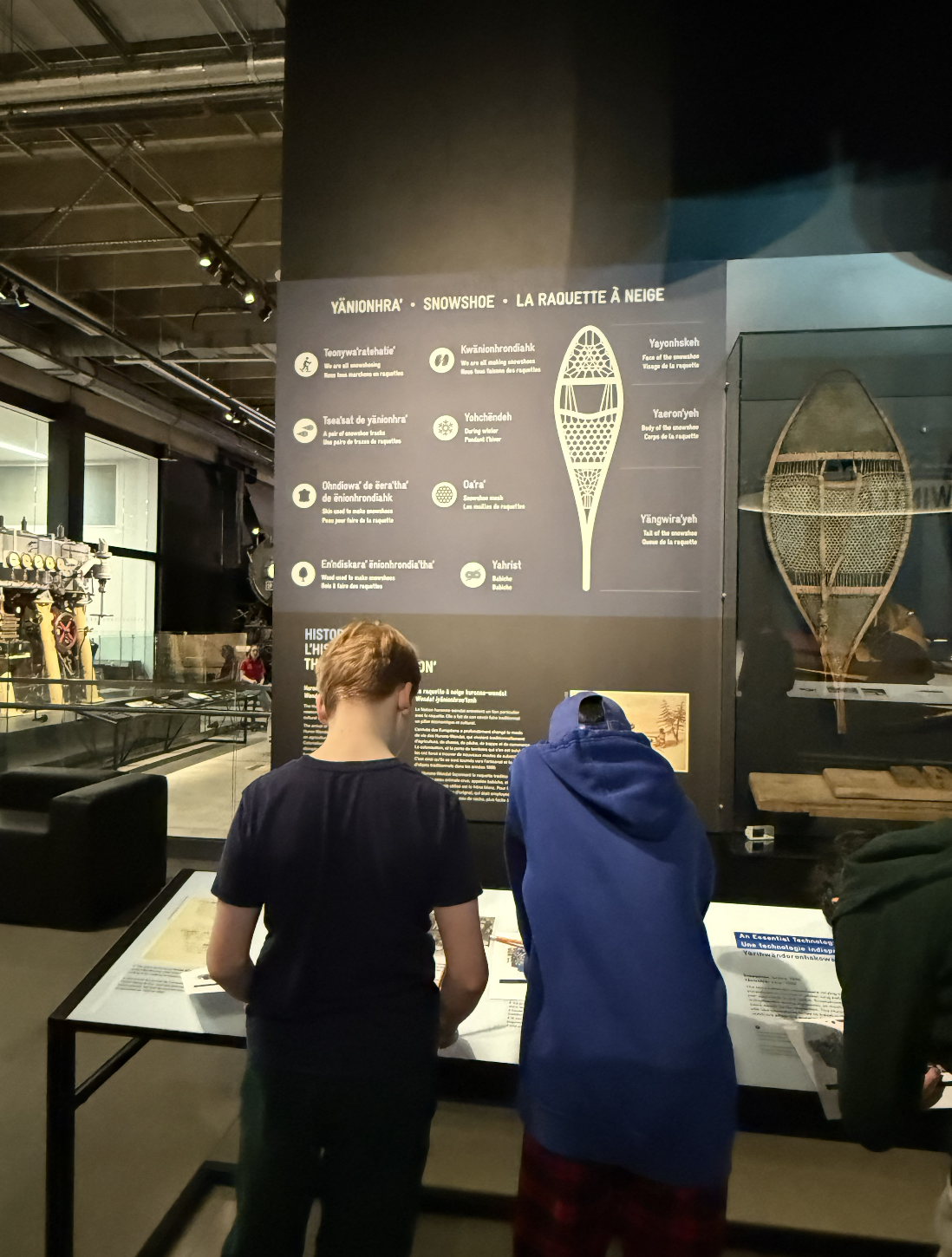
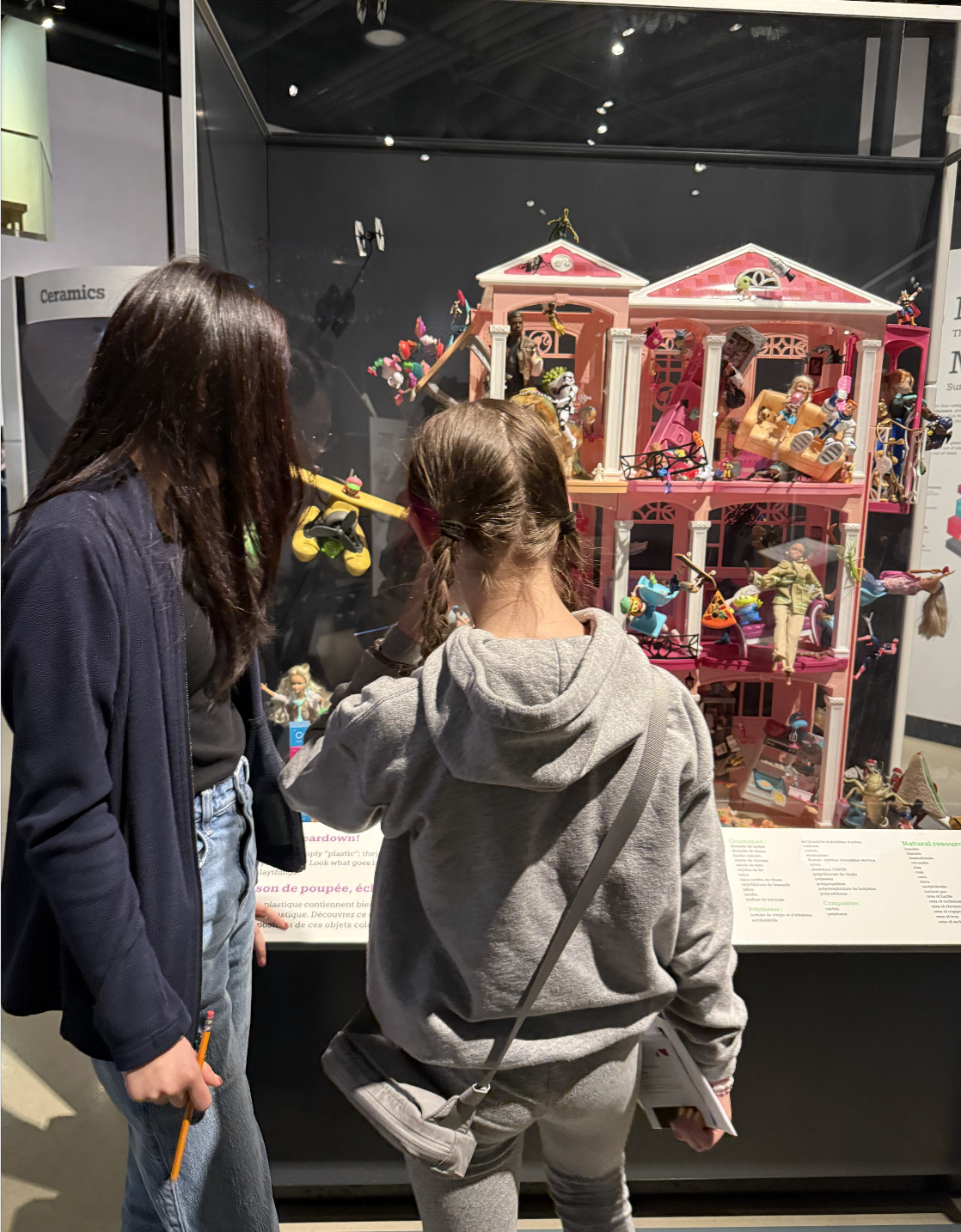
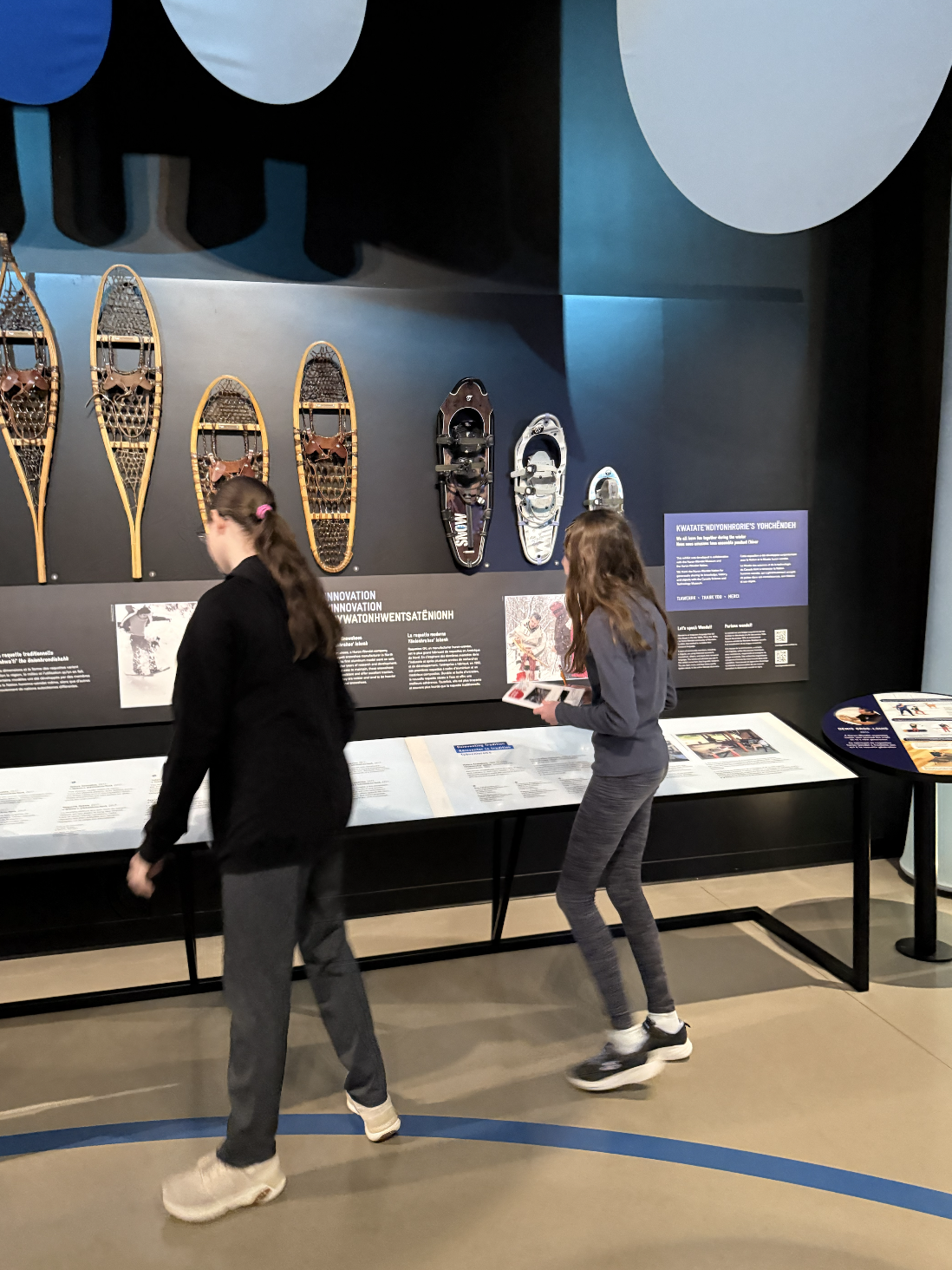
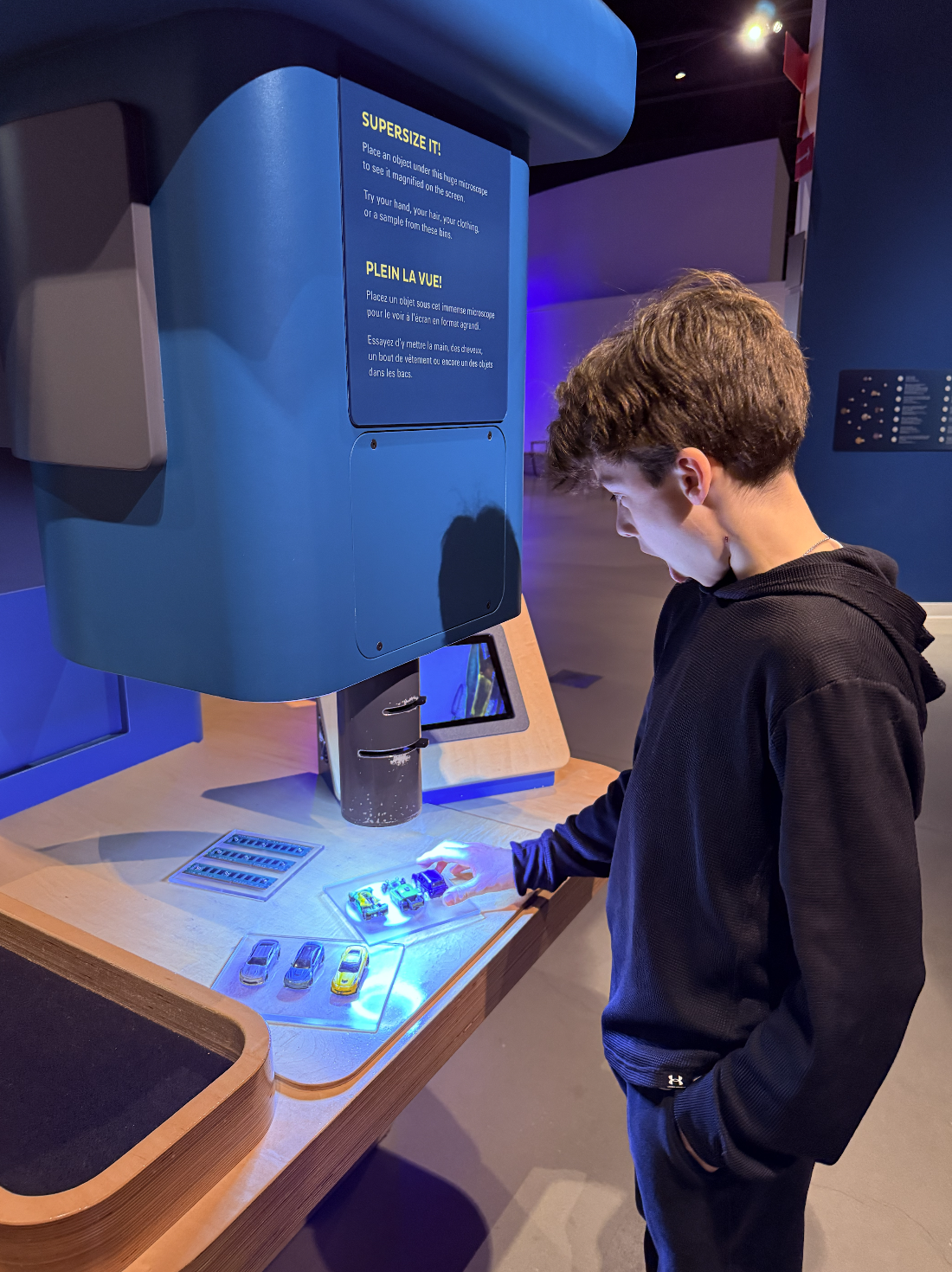
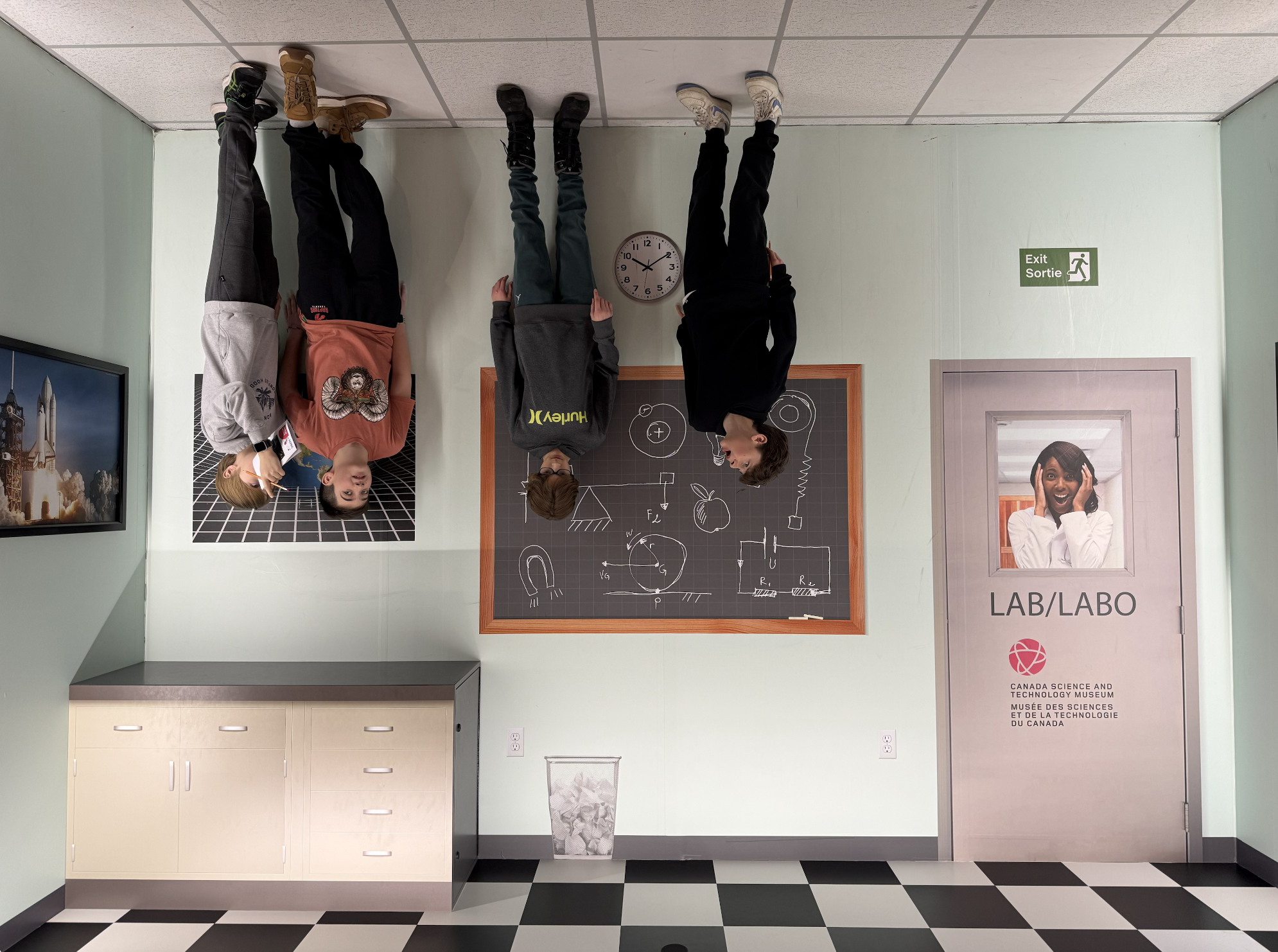
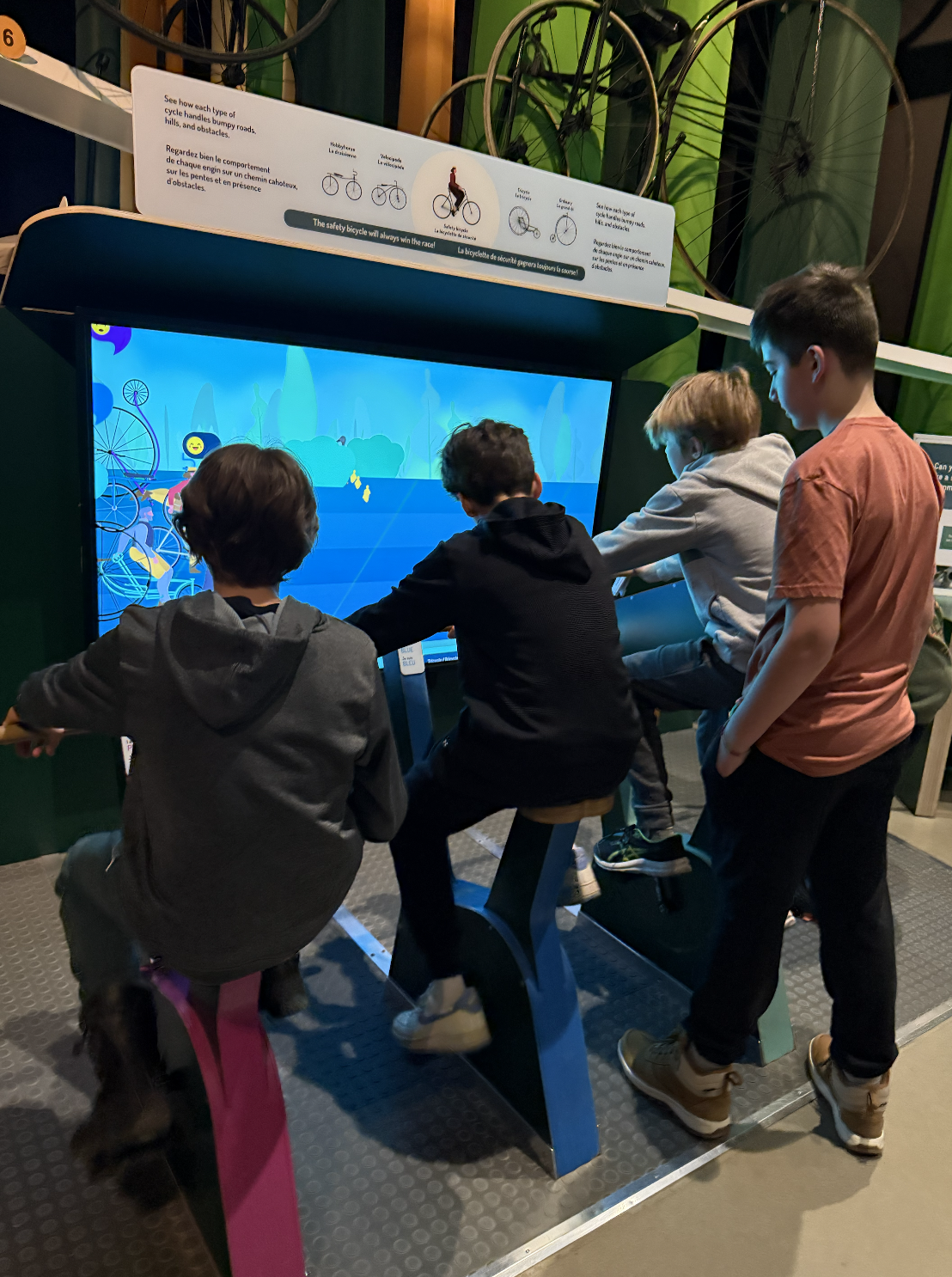
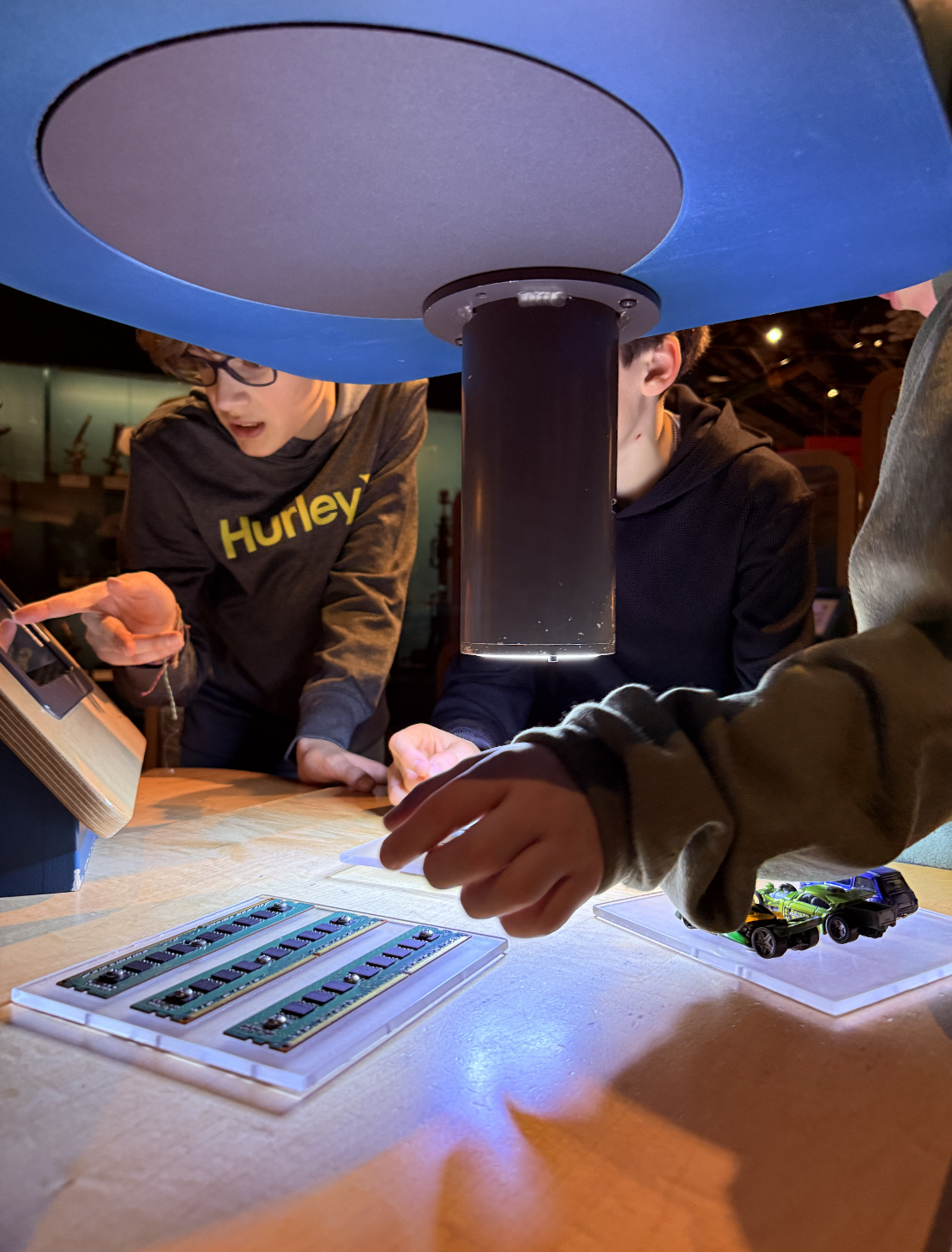
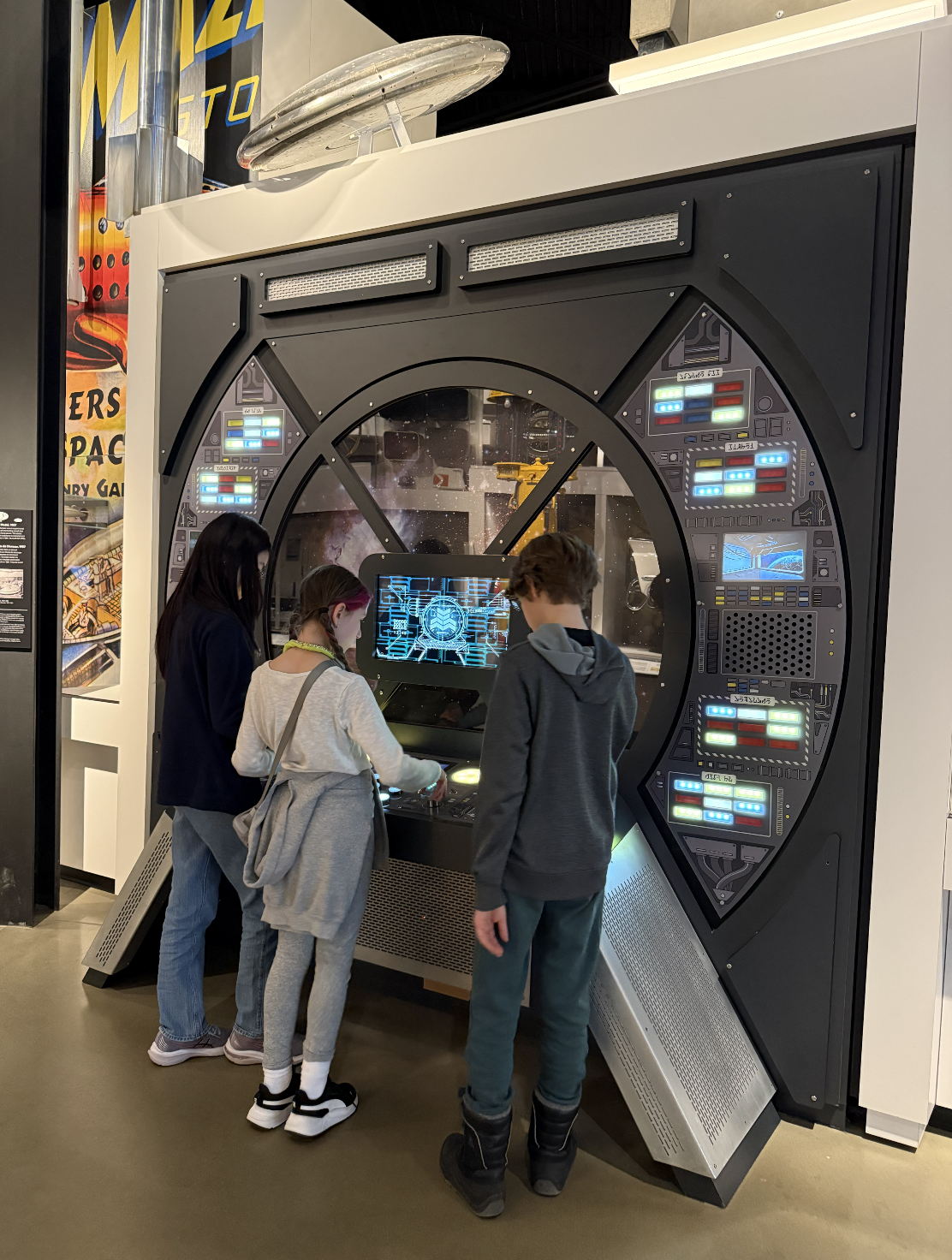
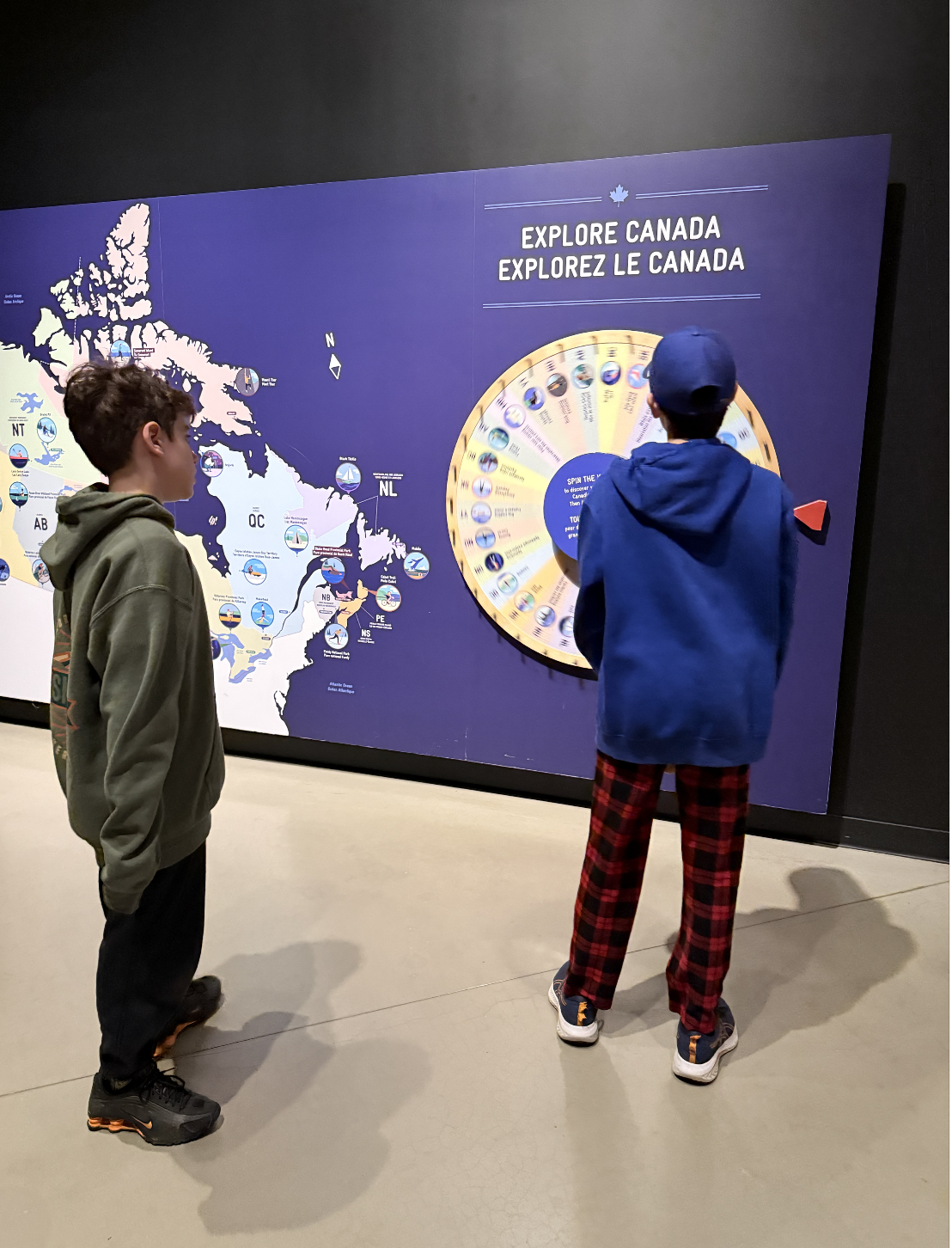
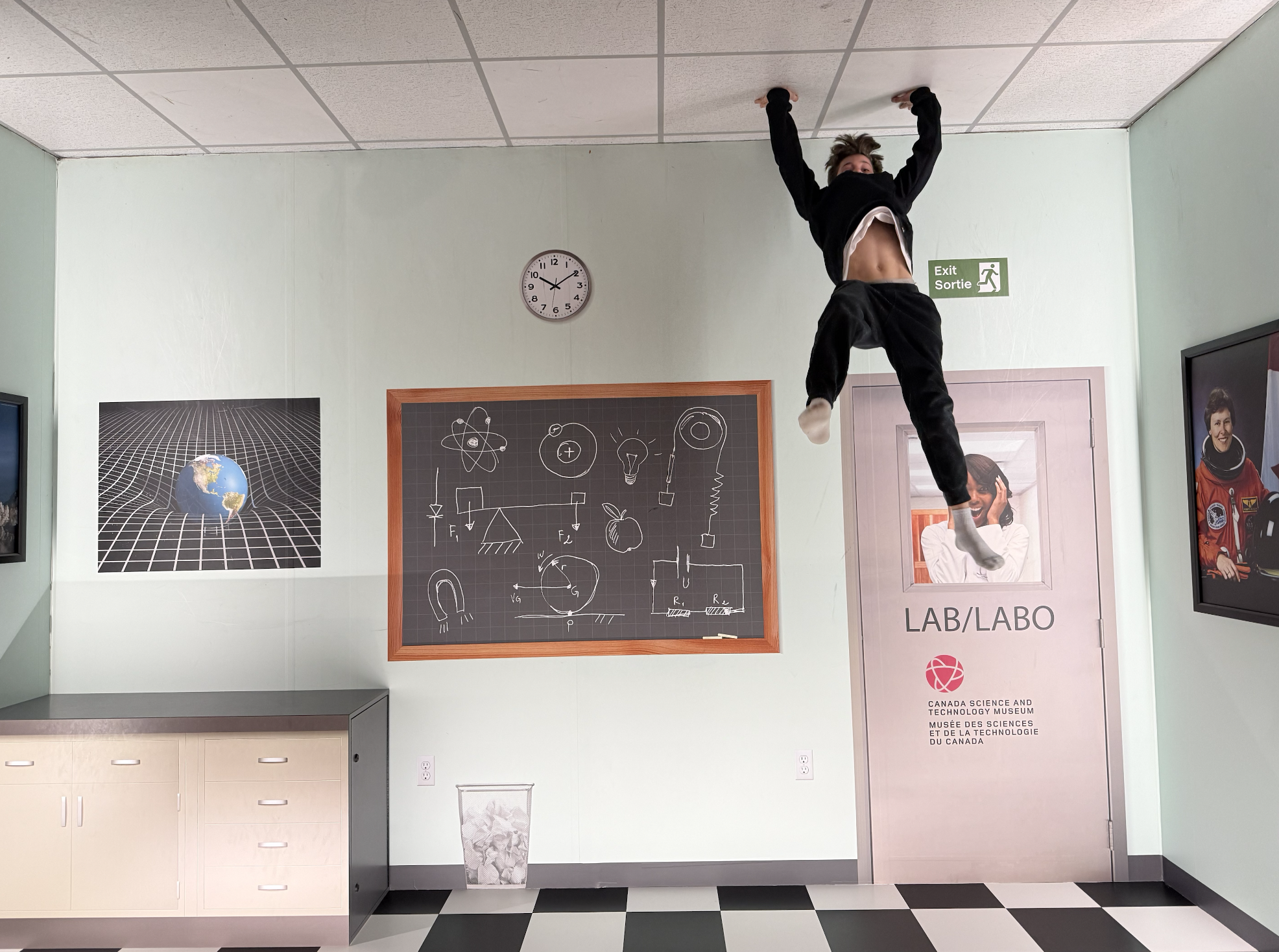
On Wednesday, the Sparks headed out on an exciting field trip to the Canada Science and Technology Museum. The group participated in a guided tour of the museum, where they explored a variety of fascinating exhibits. Some highlights included the bicycle gallery, the trains, and the mining sections. After the tour, the Sparks had time to explore the interactive kids’ zone. They challenged themselves on the rock climbing structure and experimented with building cars for ramps and the wind tunnel. One of the most memorable stops was the “Crazy Kitchen,” where the Sparks tested their balance in a tilted room. This led to lots of laughter and teamwork as they helped one another navigate the space! To end the day, the Sparks participated in an engaging, hands-on experience called Around the Sun. Through games and interactive exploration, they learned more about the seasons, the Earth, and the sun. They also ventured into a “black hole” exhibit, where they deepened their understanding of the galaxy and our place within it.
It was also the final week of show and share, and the rhyming fun continued! A few examples of objects shared included lion/Ryan, train/plane, and snake/fake. Way to go, Sparks!
Discovery Studio
Mindfulness and Launch
What are the sounds of spring? Monday morning we started with a lovely spring-themed meditation, grounded through an auditory collection prompt. For launch, we introduced the Discovery GOAT and Rebels discussed what are the criteria for earning it. Then we reflected on how to shift our awareness and attention to the positive routines and behaviours that already exist in the studio, and how focusing our energy there will help the positive to expand. Tuesday, Rebels completed an Easter egg mindful colouring activity which led into our March Mammal Madness school-wide launch where we caught up on Round 2 winners and school standings. Wednesday, Rebels came together for a special launch on the Science and Tech Museum and reviewed our field trip expectations as a studio. One of our squad leaders created the Bus Buddies list and as a team, they created a list of promises to ensure all Rebels could explore the museum independently and safely during our free-time. We looked over our itinerary, talked about workshop expectations and got ready to go on the bus! Thursday’s Thank You for Sharing featured one word to describe how Rebels are feeling, what time of the day to they feel most like themselves, and if animals could talk, which one would be the rudest and why? Friday morning’s Current Events featured Portugal’s new elephant sanctuary for elephants who have lived in captivity, a wildlife photography contest winner, and a very special announcement from Ms. Mel!
Reader/Writer
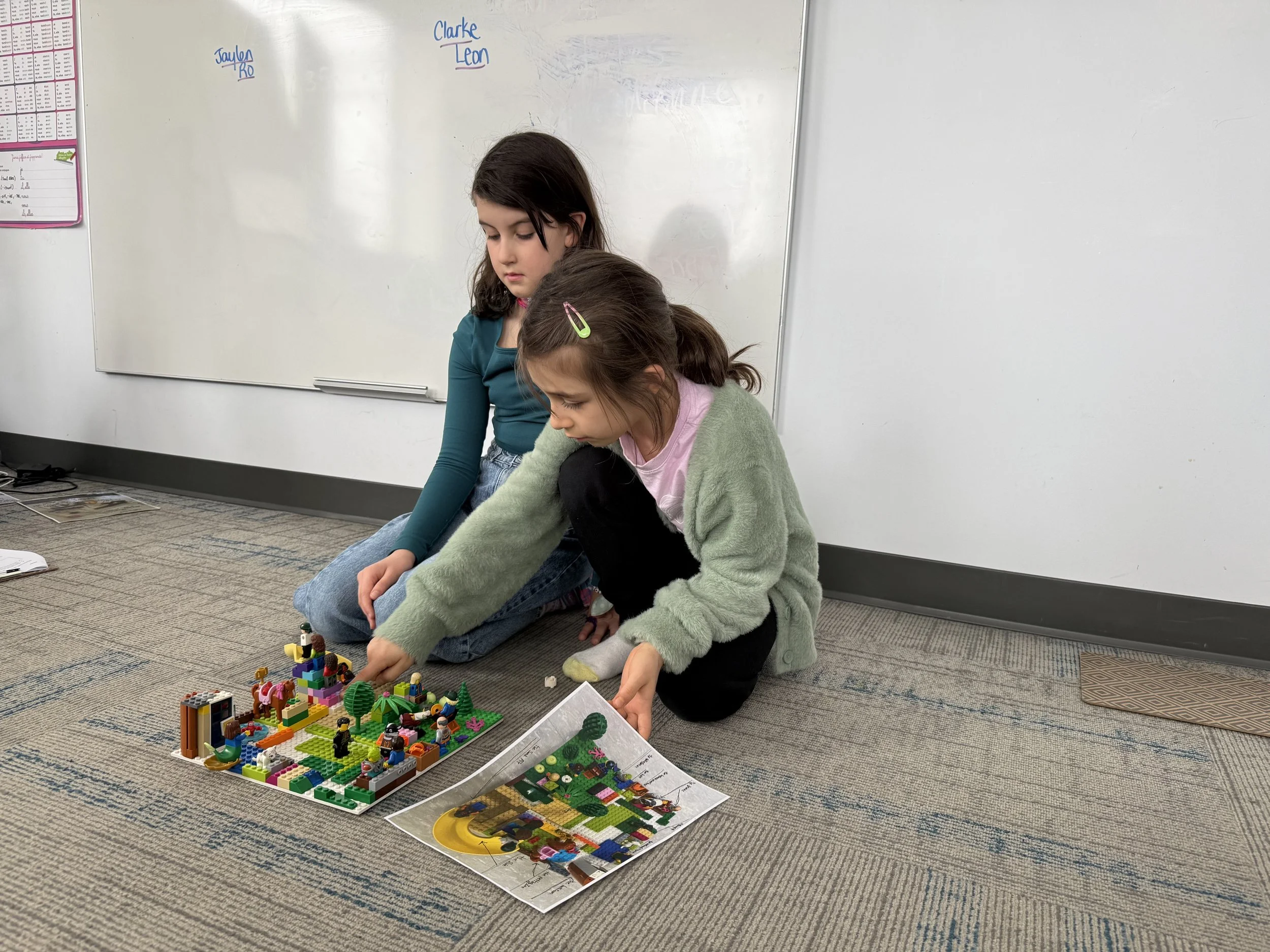
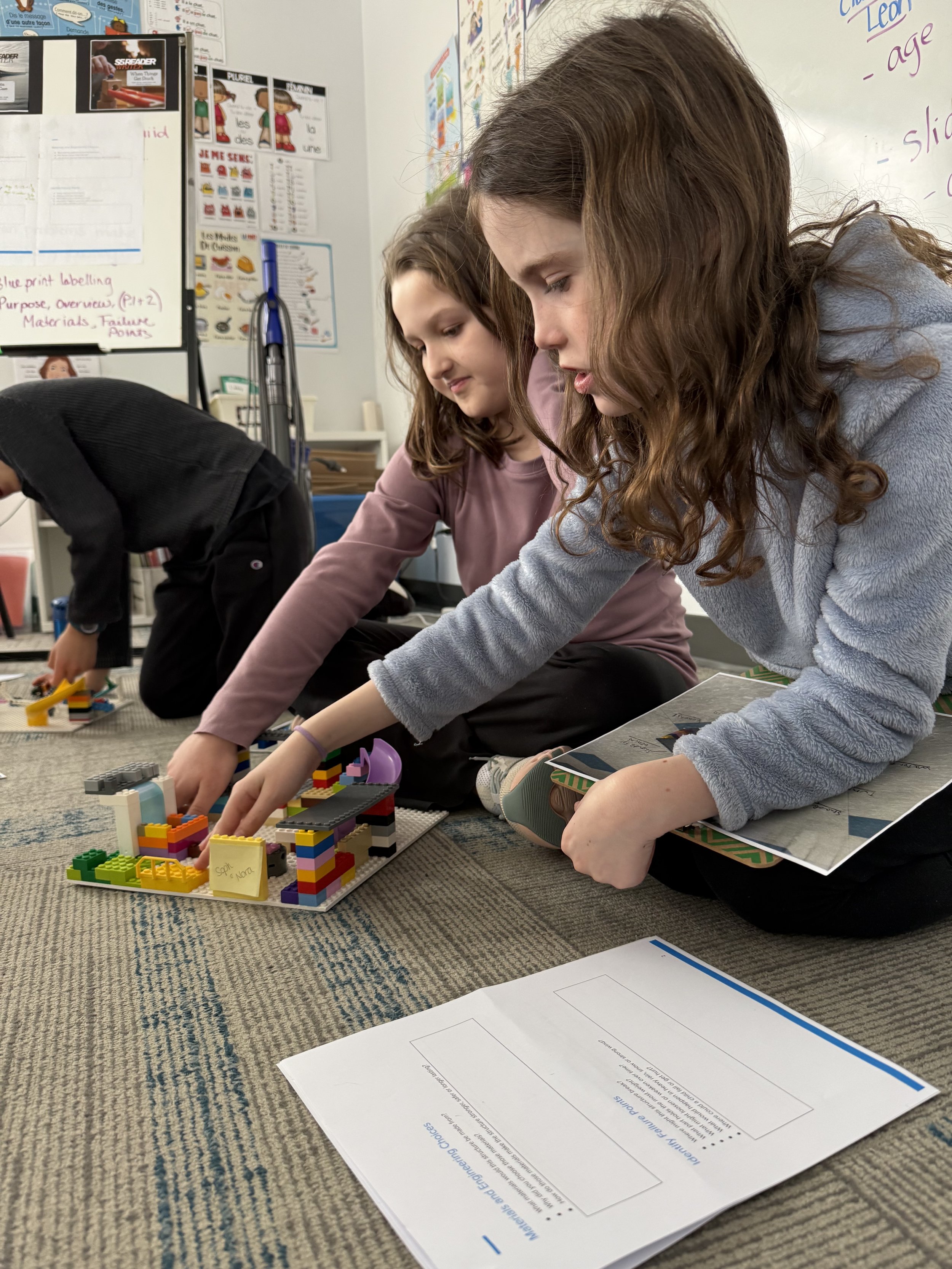
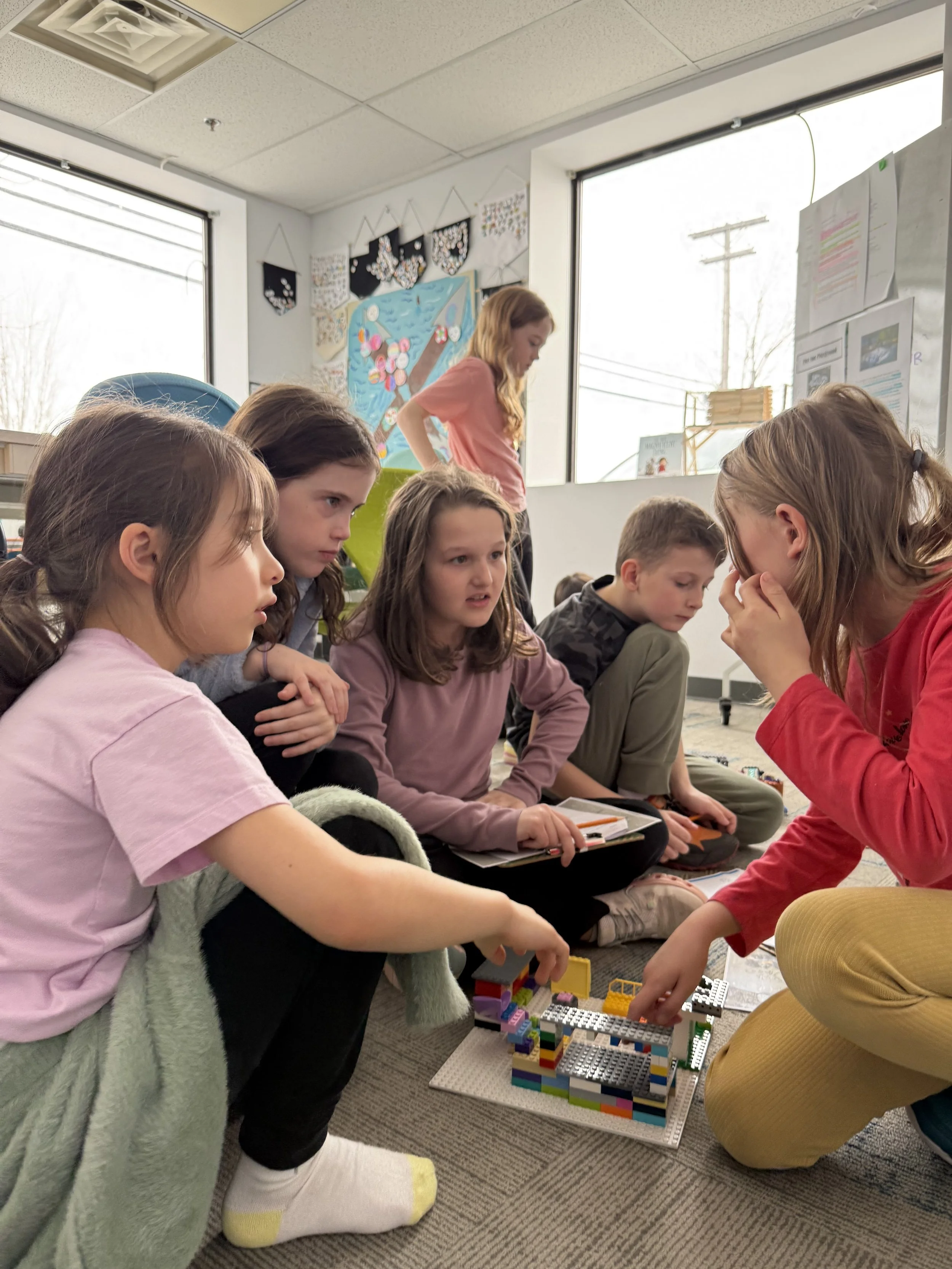
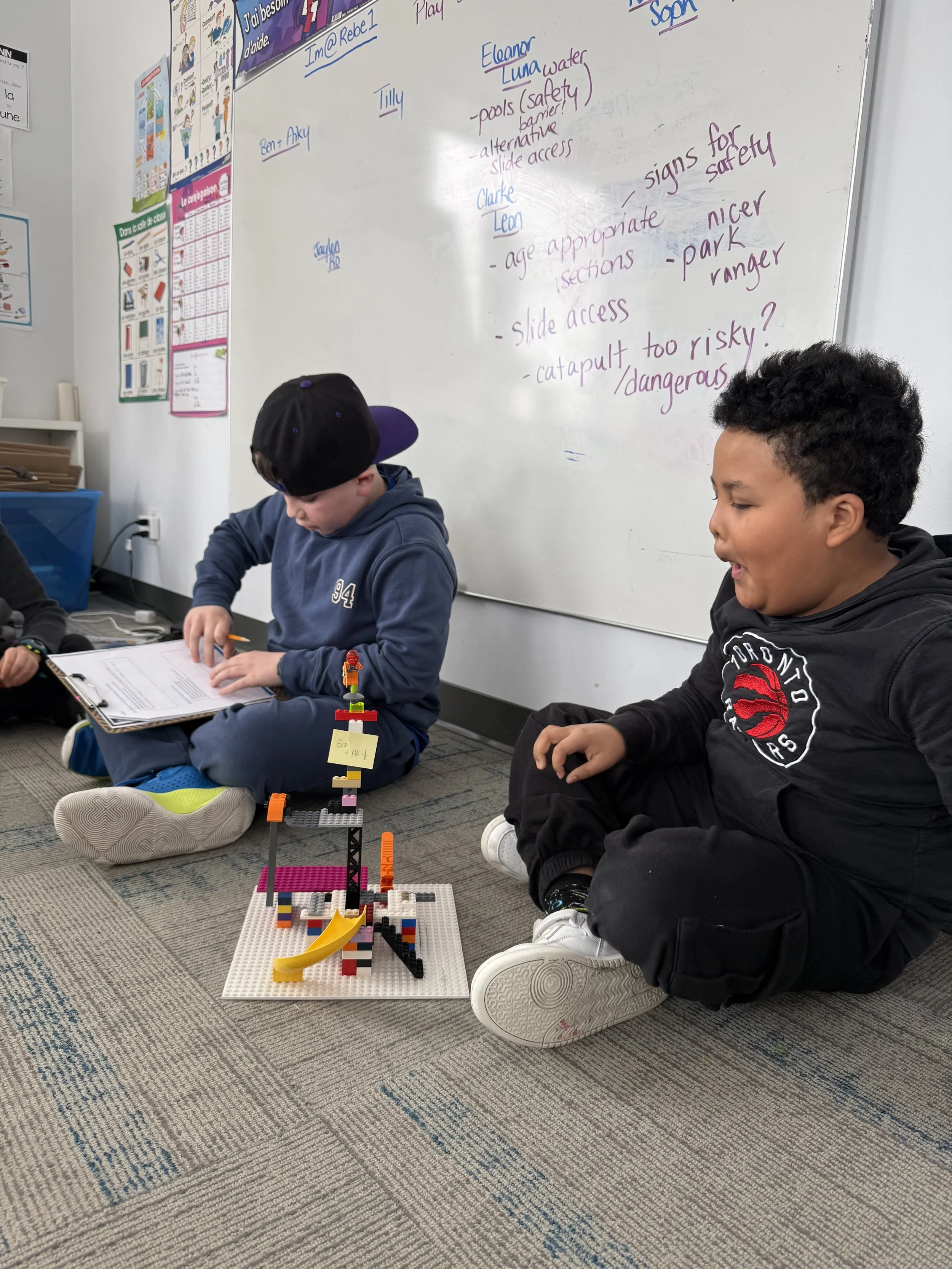
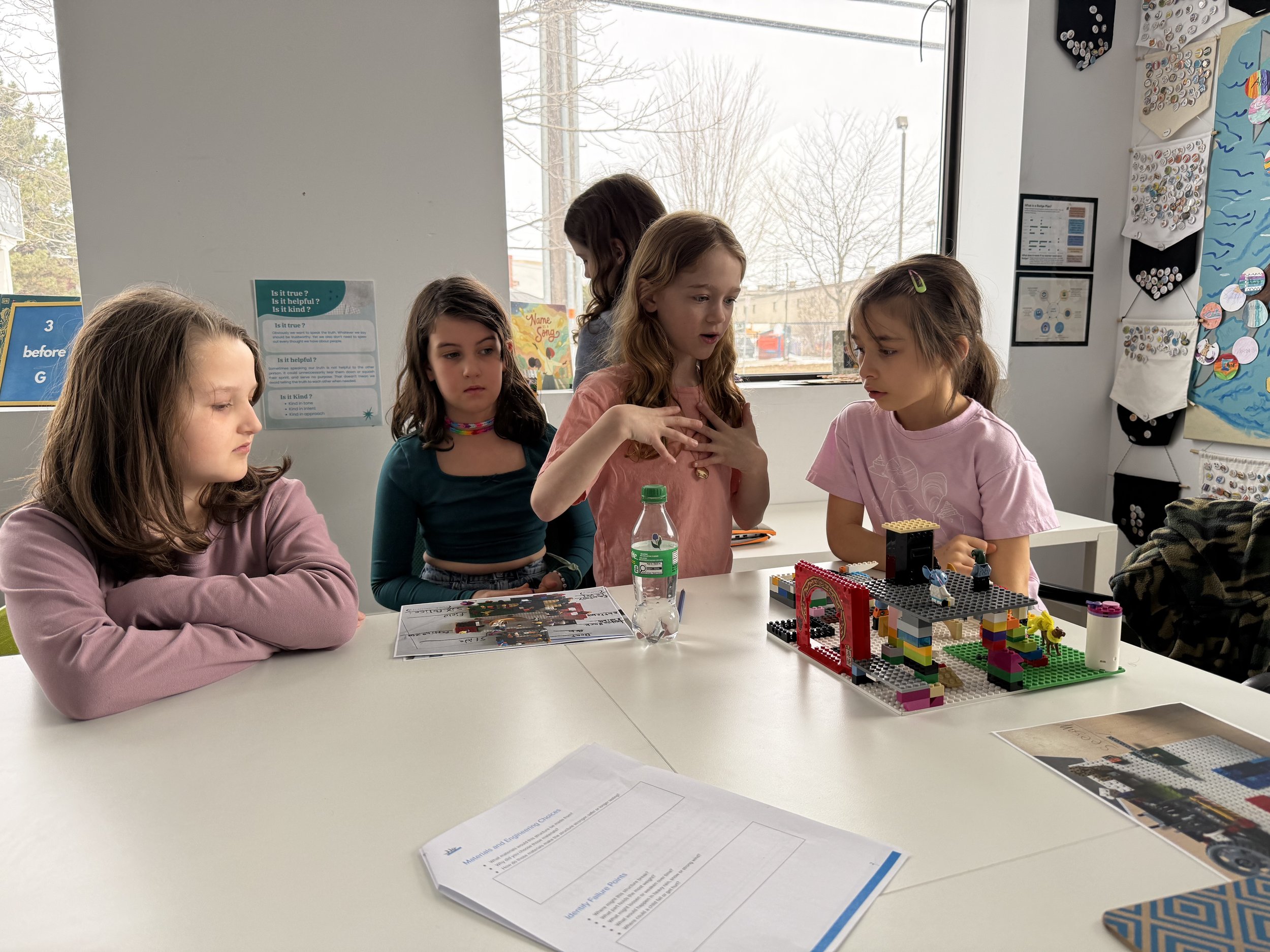
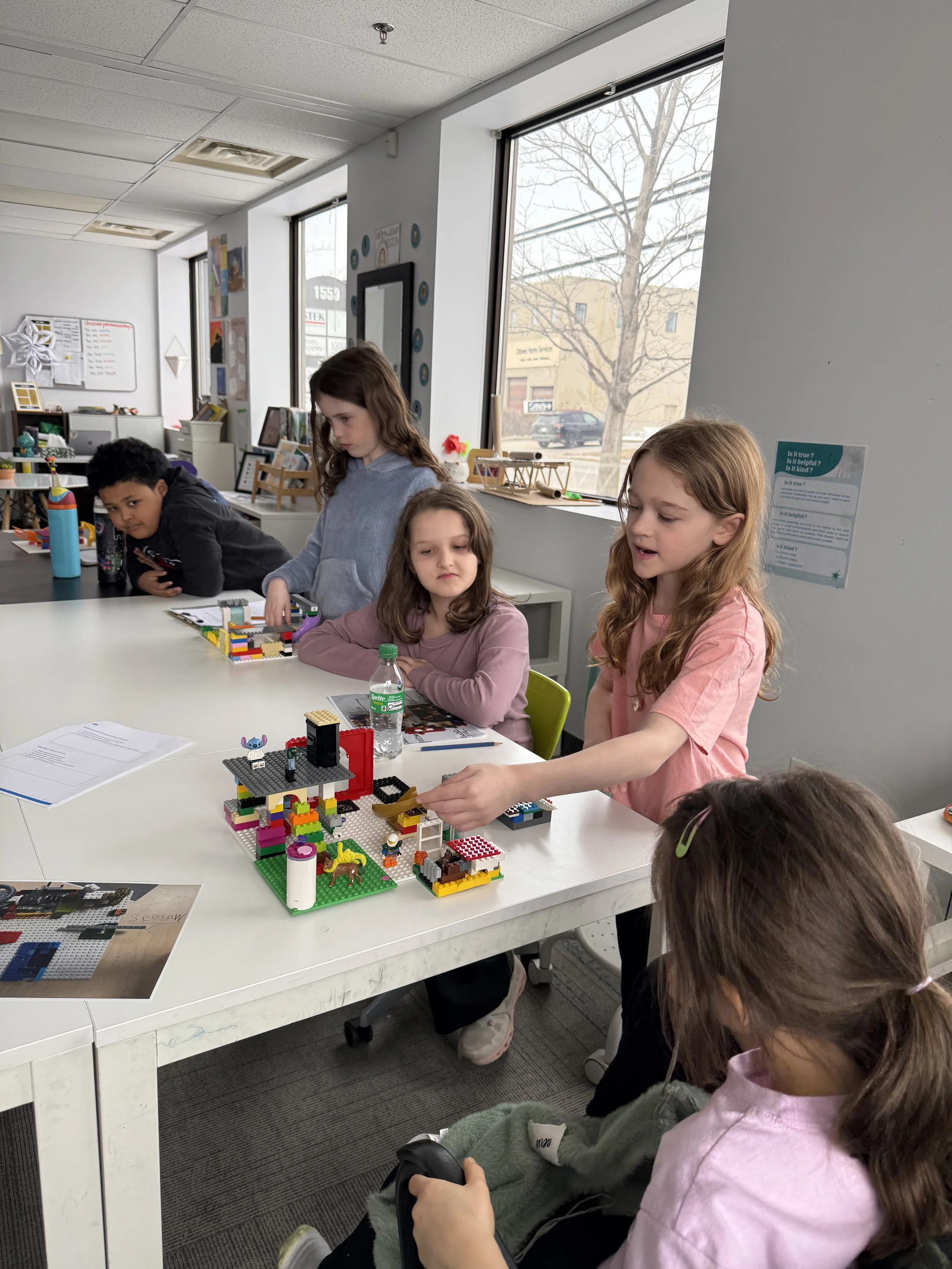
This week in both workshops, Draw, Anchor, Aim and Release Rebels all presented what they have completed for their bridge and play structure models as well as completed parts of their engineering proposals. The purpose of this week’s workshop was to help Rebels identify failure points in their structures. They presented their models to each other and received feedback based on their designs and materials. Rebels in each group demonstrated a lot of courage to present what they had done so far, especially with the sole purpose of their peers identifying what could fail or cause problems. However, even with the emphasis on failure and constructive criticism, Rebels gave and received each other’s feedback thoughtfully. Rebels identified some great suggestions for improvements, such as railings, barriers, signage, the need for more shaded areas, strengthening structural supports, adding trusses or additional beams to specific parts of their bridges, and more.
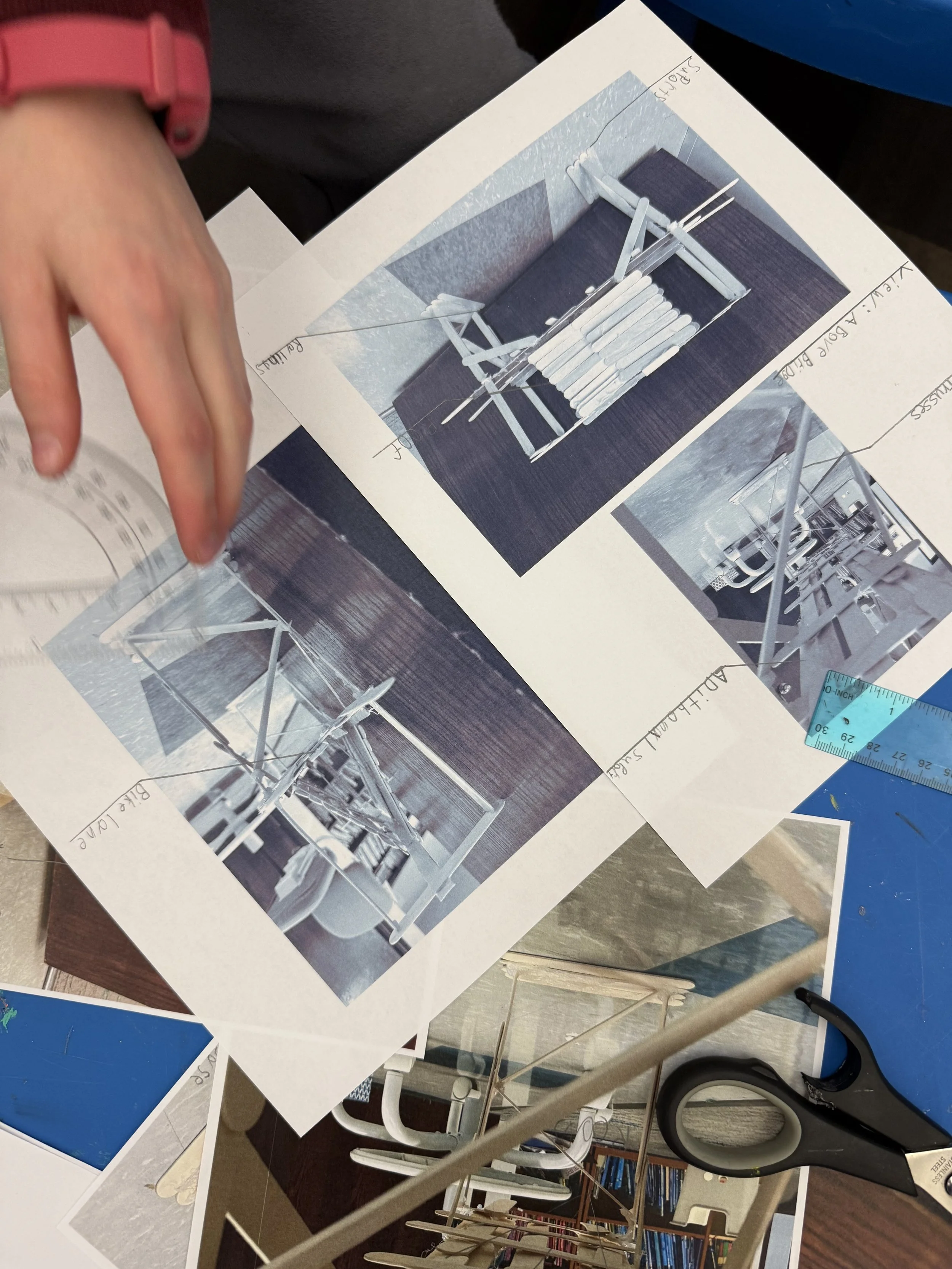
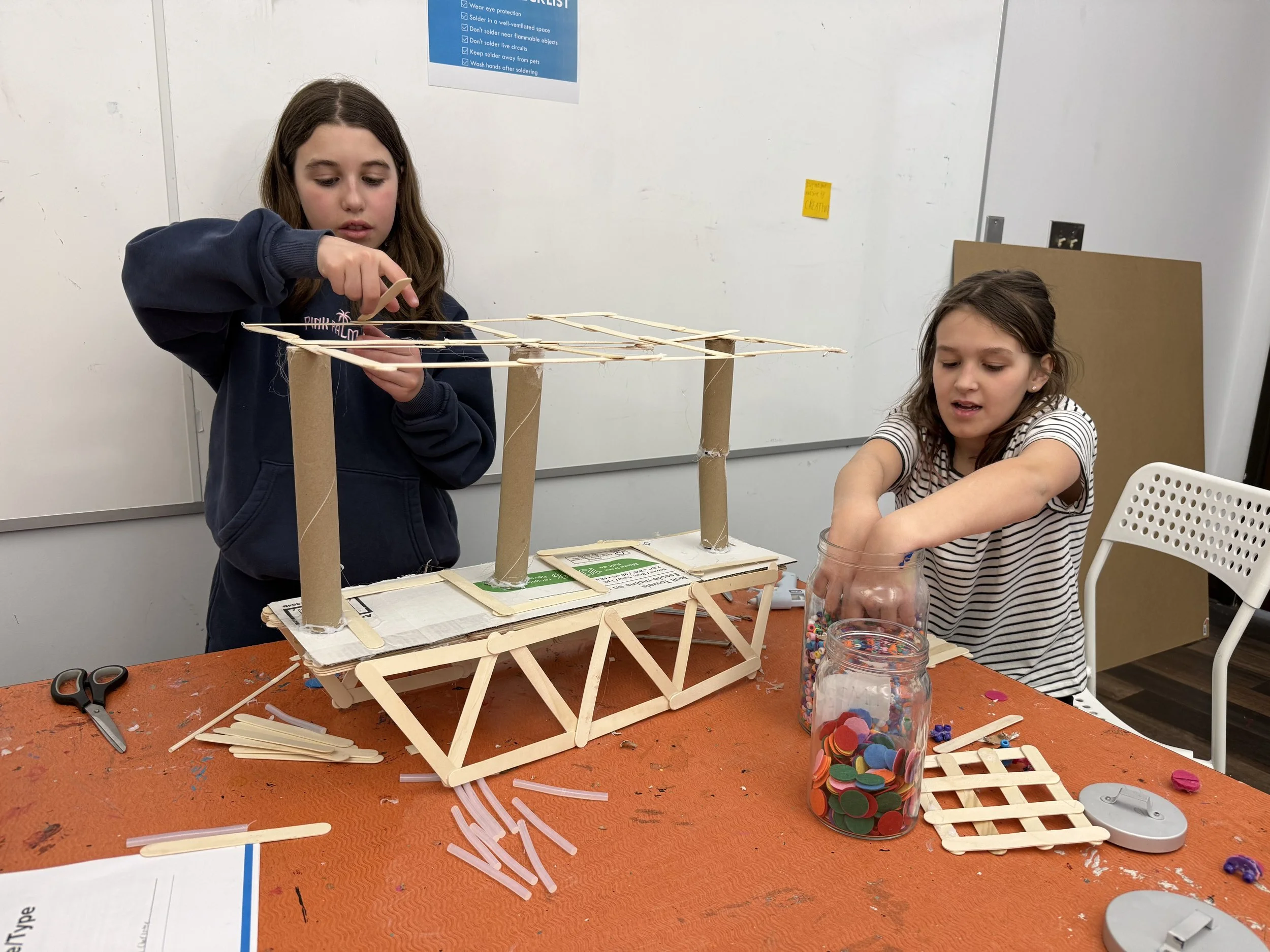
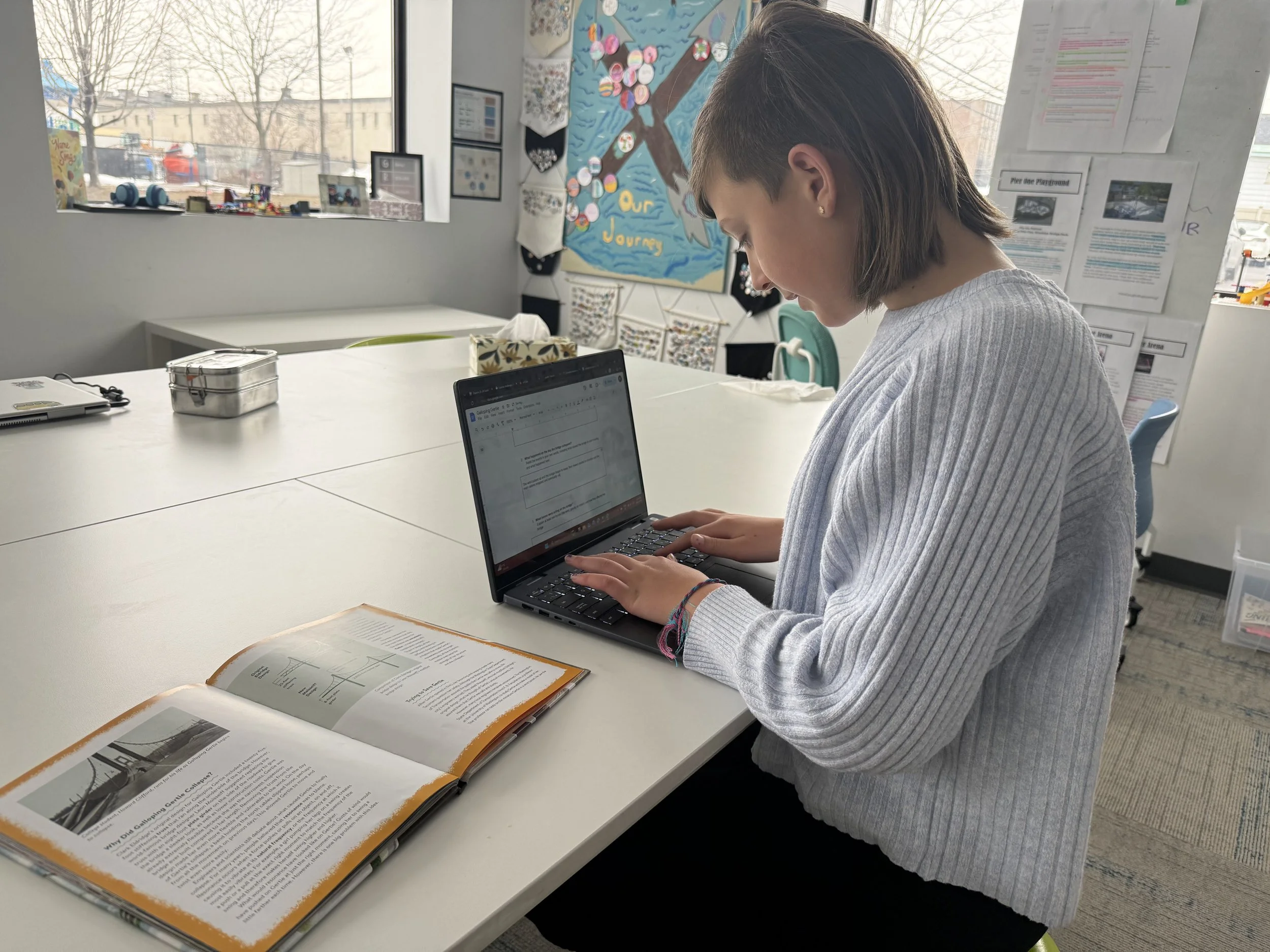
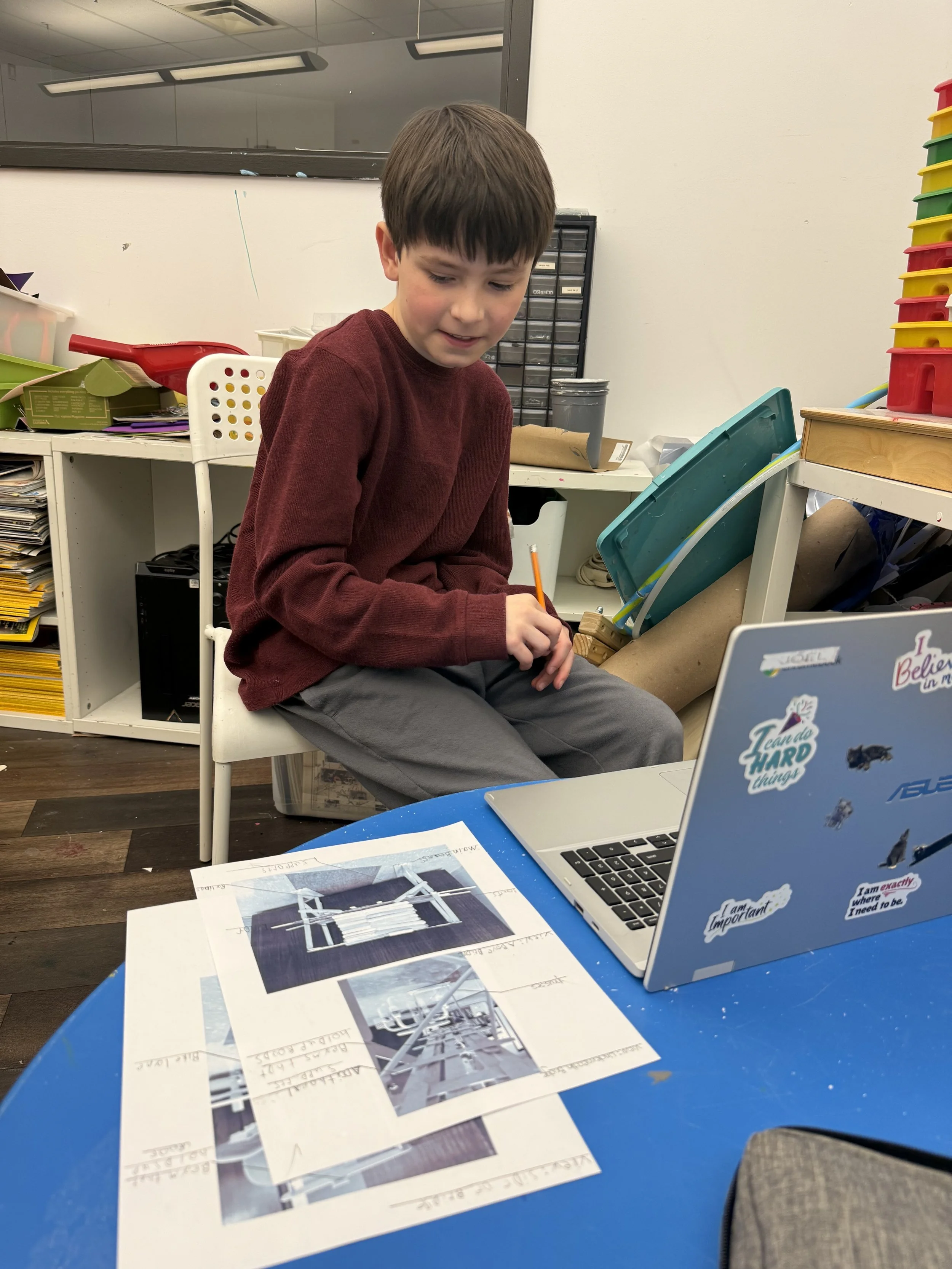
Rebels on each engineering team will propose improvements or design changes for every failure point that was identified this week. Some Rebels began to finalize good copies of their blueprints, labelling key parts of their structures. As we head into our exhibition week, Rebels will be editing their engineering proposals for spelling, grammar and finalizing good copies before putting them on display next Tuesday.
Math Lab
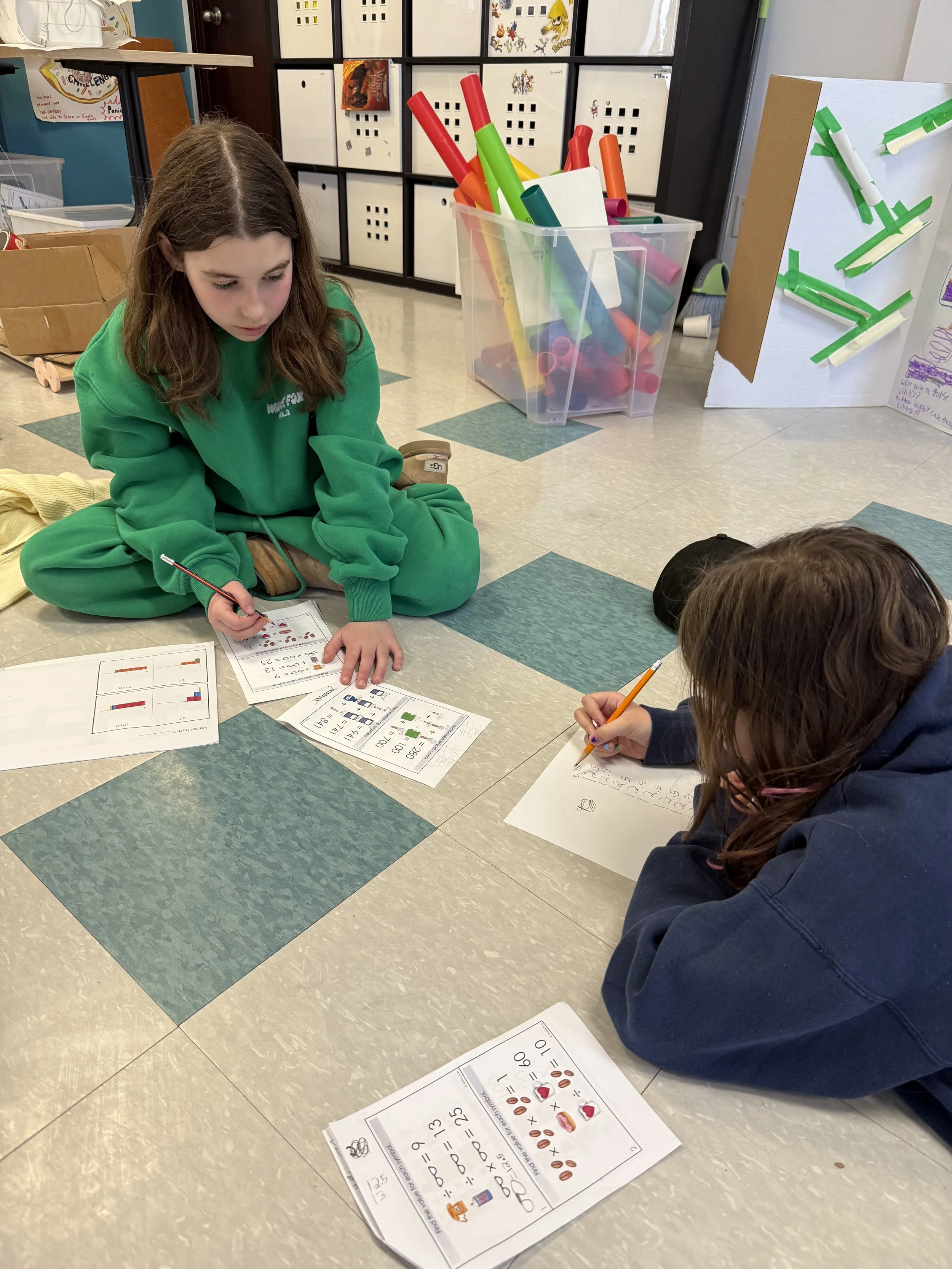
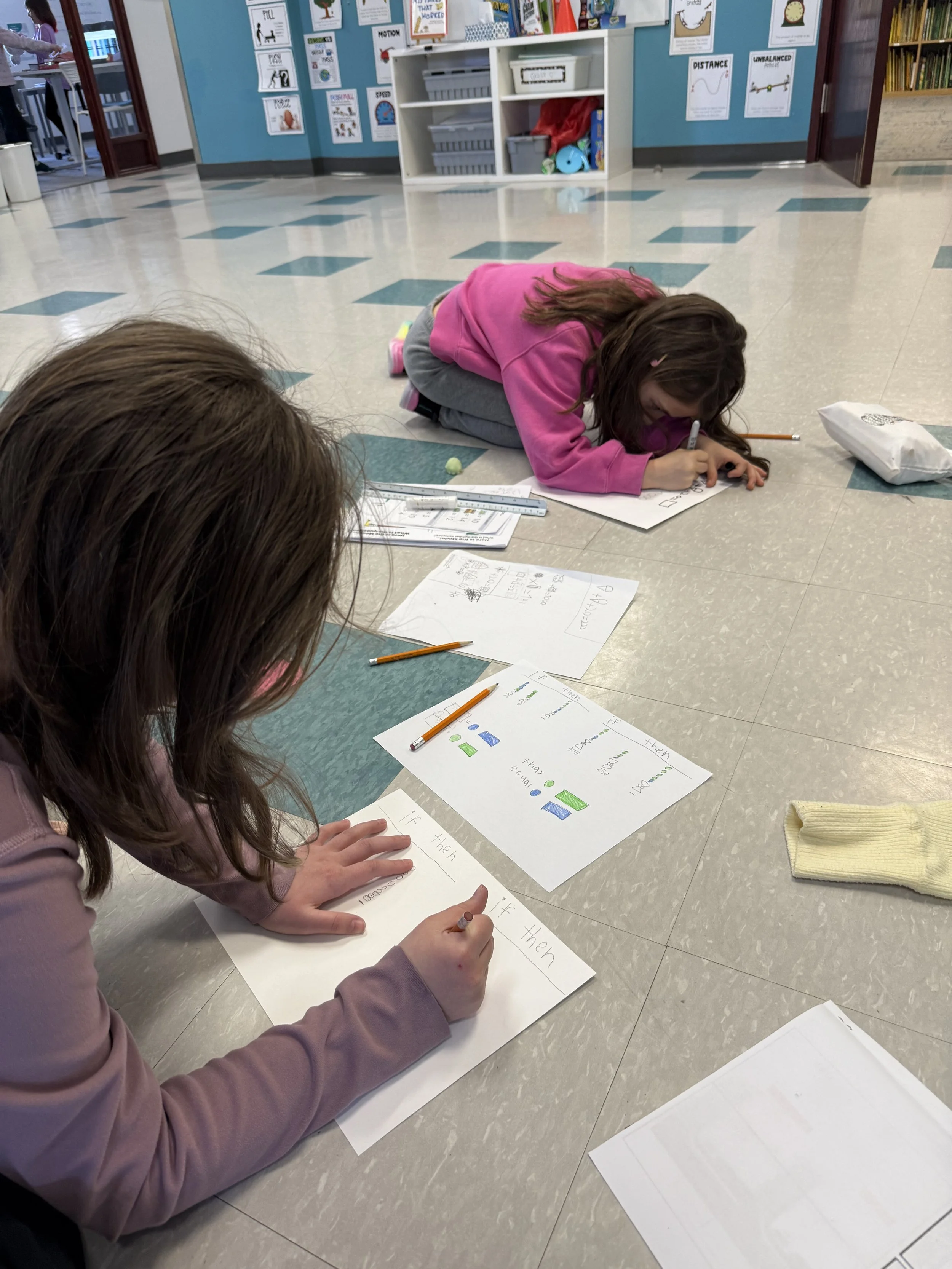
This week’s labs provided Rebels with an opportunity to complete all required work to earn their badge and then to apply everything they’ve been practicing by creating their very own variable puzzle to display at exhibition. They built upon peer approval routines from week’s past, confirming their solutions with another Rebel before moving on. We wish you could hear the studio during this time: thoughtful reflections and sharing of lines of thinking, how two Rebels solved the same puzzle differently, which strategy was more efficient etc. Make sure you’re ready to flex your algebraic reasoning skills next week at exhibition!
French
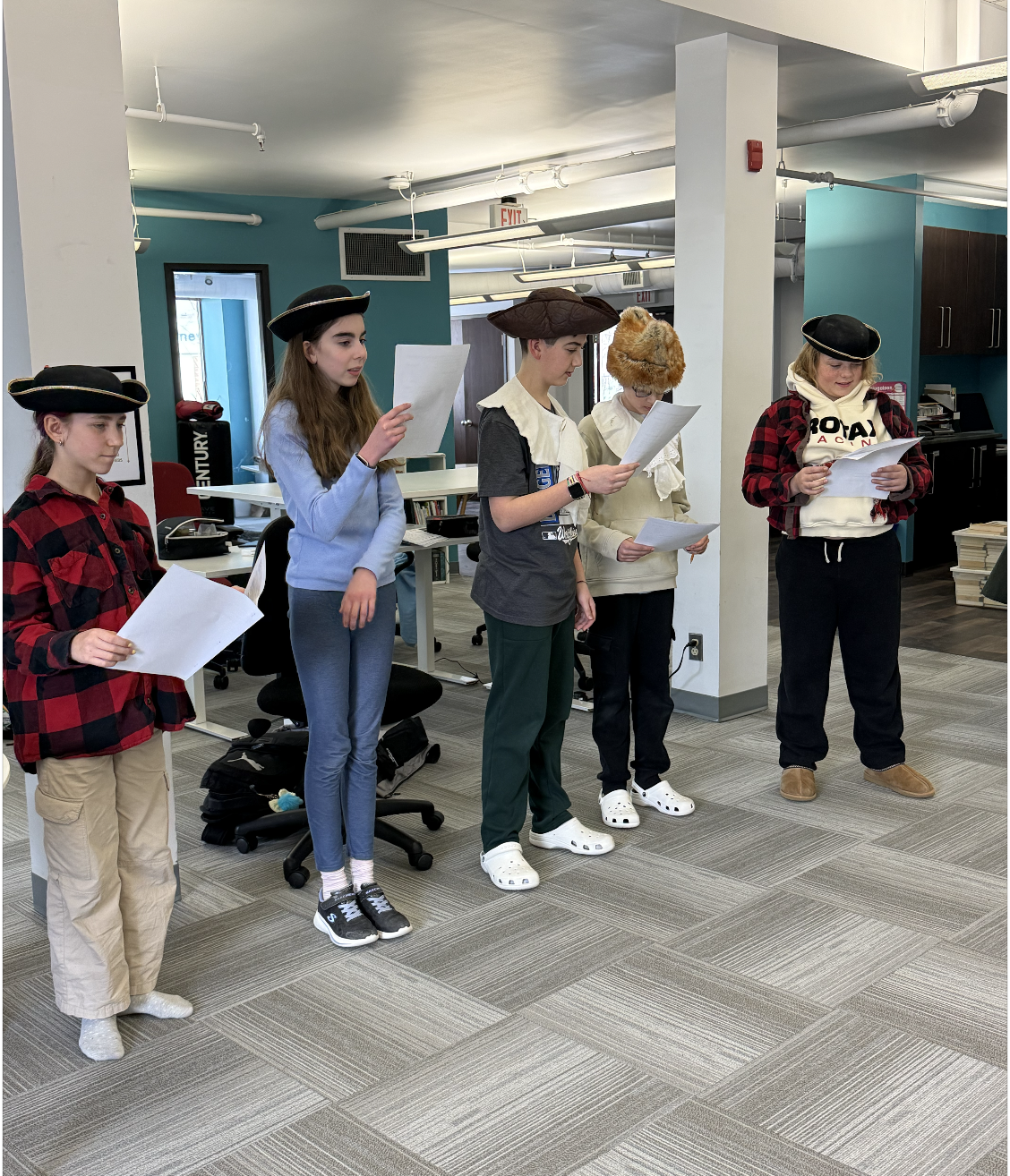
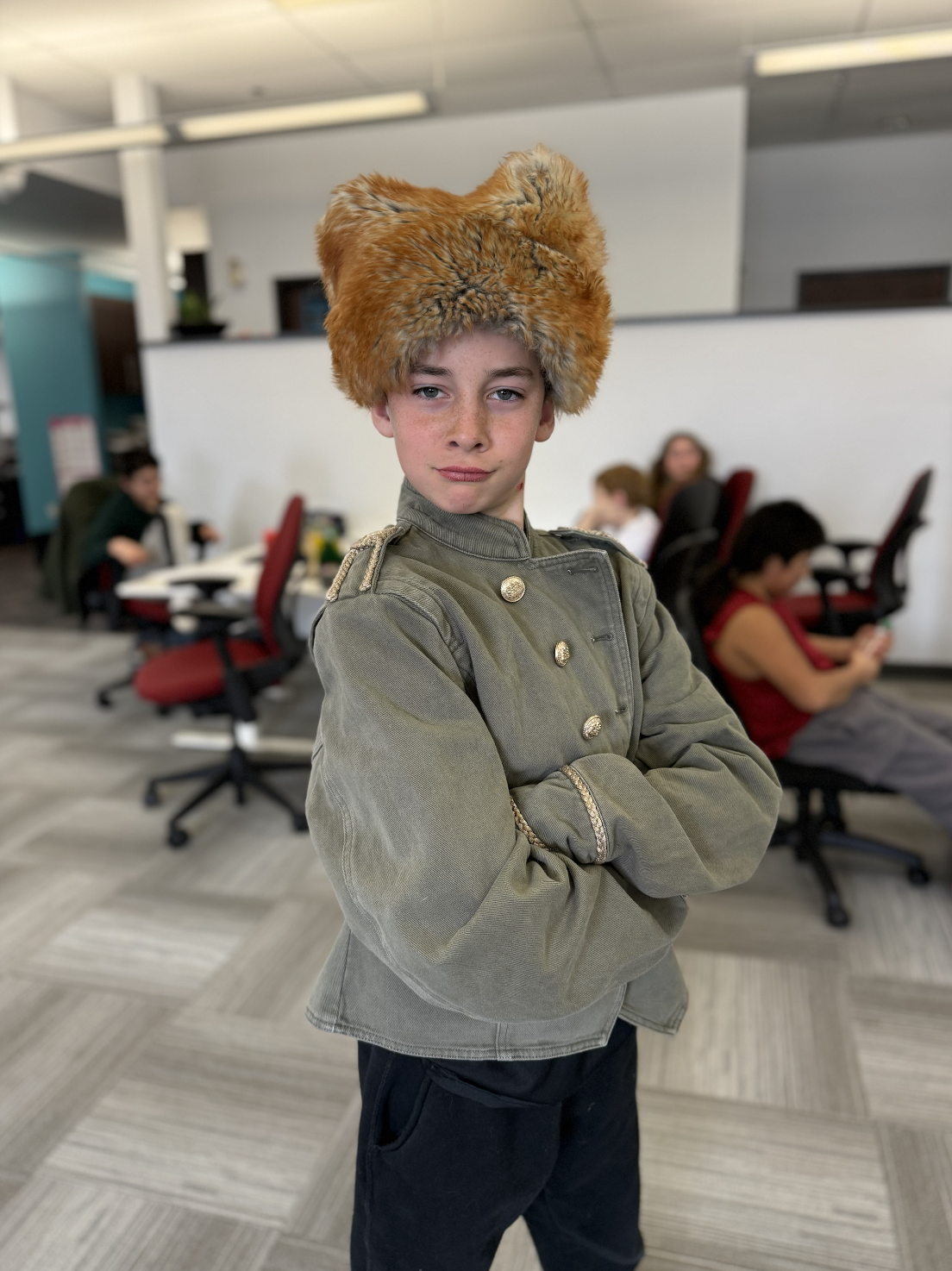
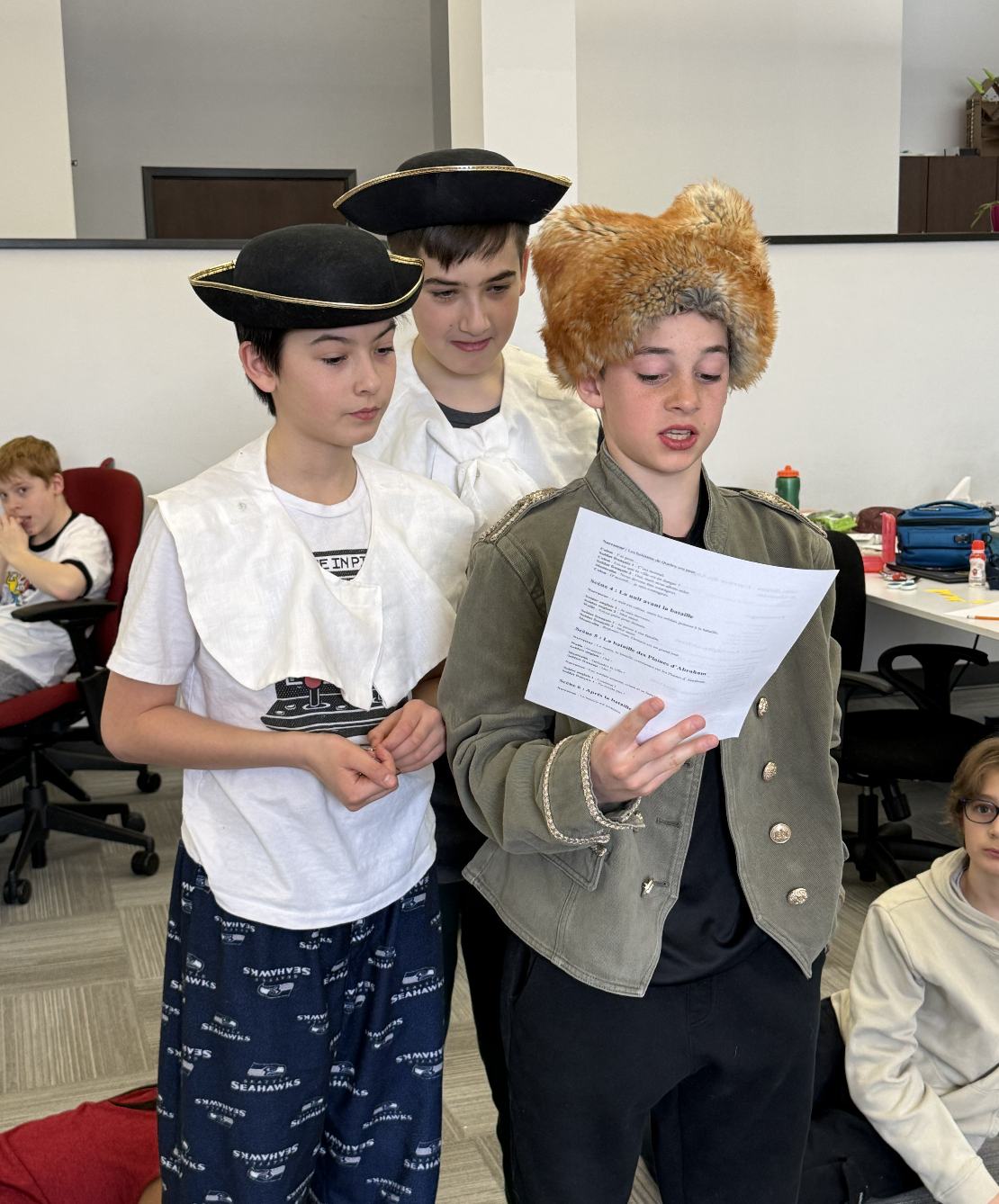
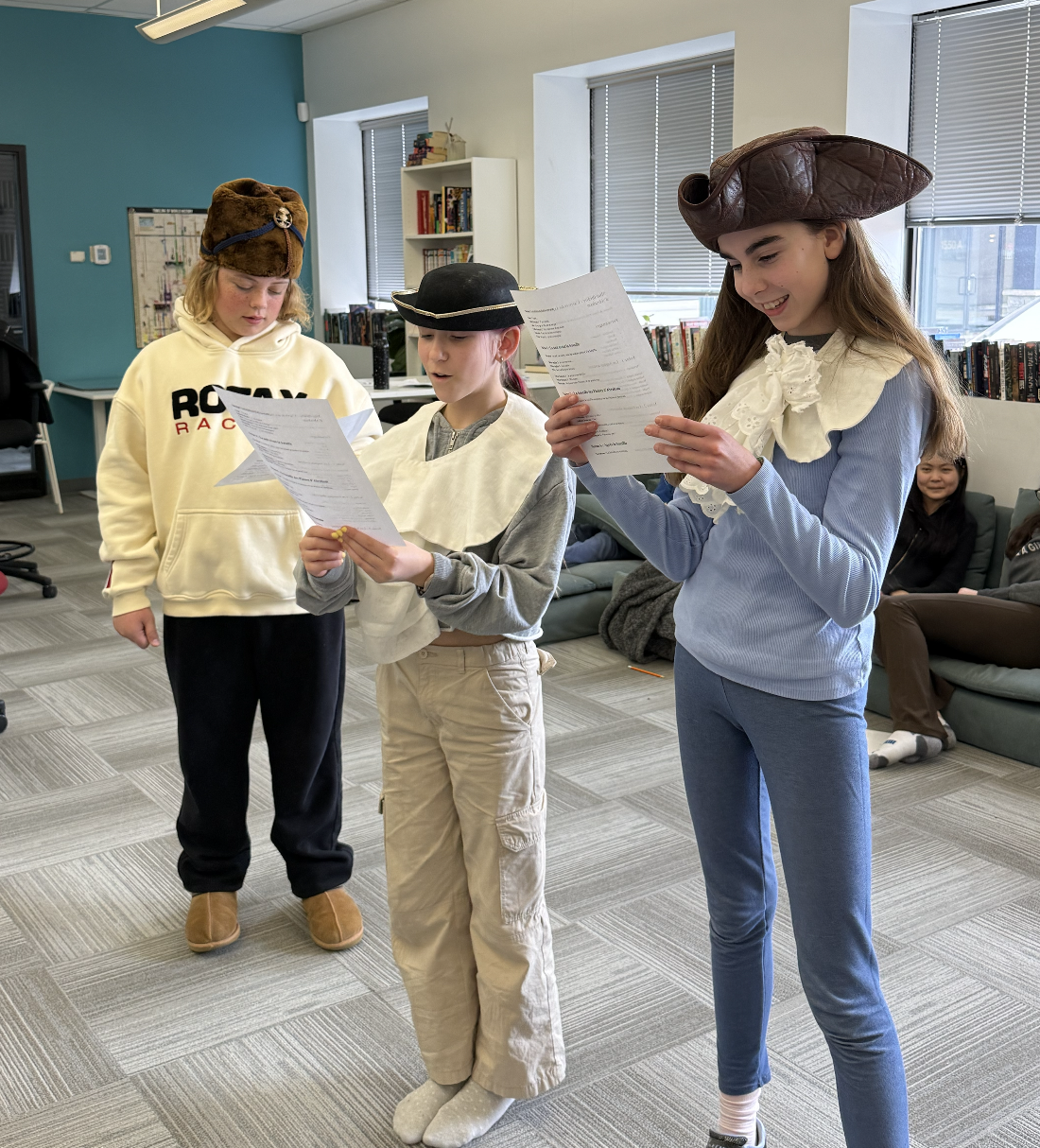
This week in French, Discovery Rebels took part in a role-play activity focused on key moments in Canadian history. Mme Marianne brought in period costumes, helping to bring the past to life and making the experience more engaging for the group. Rebels acted out short dialogues about the Treaty of Paris and the Constitutional Act, and explored the differences between Upper and Lower Canada. This activity gave learners the opportunity to practice speaking French in a more natural way, while also deepening their understanding of the historical context. It was a great way to build confidence, use new vocabulary, and make meaningful connections between language and history.
Civilizations
Did you know elephants were used in war? This week we heard the story of Hannibal and how he marched war elephants from Carthage to Rome in an attempt to disrupt the Roman Empire. The Romans and the Carthaginians were engaged in the Punic Wars for over one hundred years! Rebels mapped the location of Carthage in Africa and traced a path west and then north, crossing through Spain, Gaul and the Alps down into Italy. After hearing about these events, with special focus on the Roman navy, Rebels discussed whether or not a leader’s legacy should be based on what they did when things were good or what they did when things were bad? We also revisited an interesting topic that has come up before: is it appropriate for a leader to look to faith and heavens to improve their odds in battle? We’ve thought about this before in terms of leaders who made decisions based on messages from gods. This week, we extended the discussion based on the story of a Roman general who believed sacred chickens would keep his ship safe.
Quest
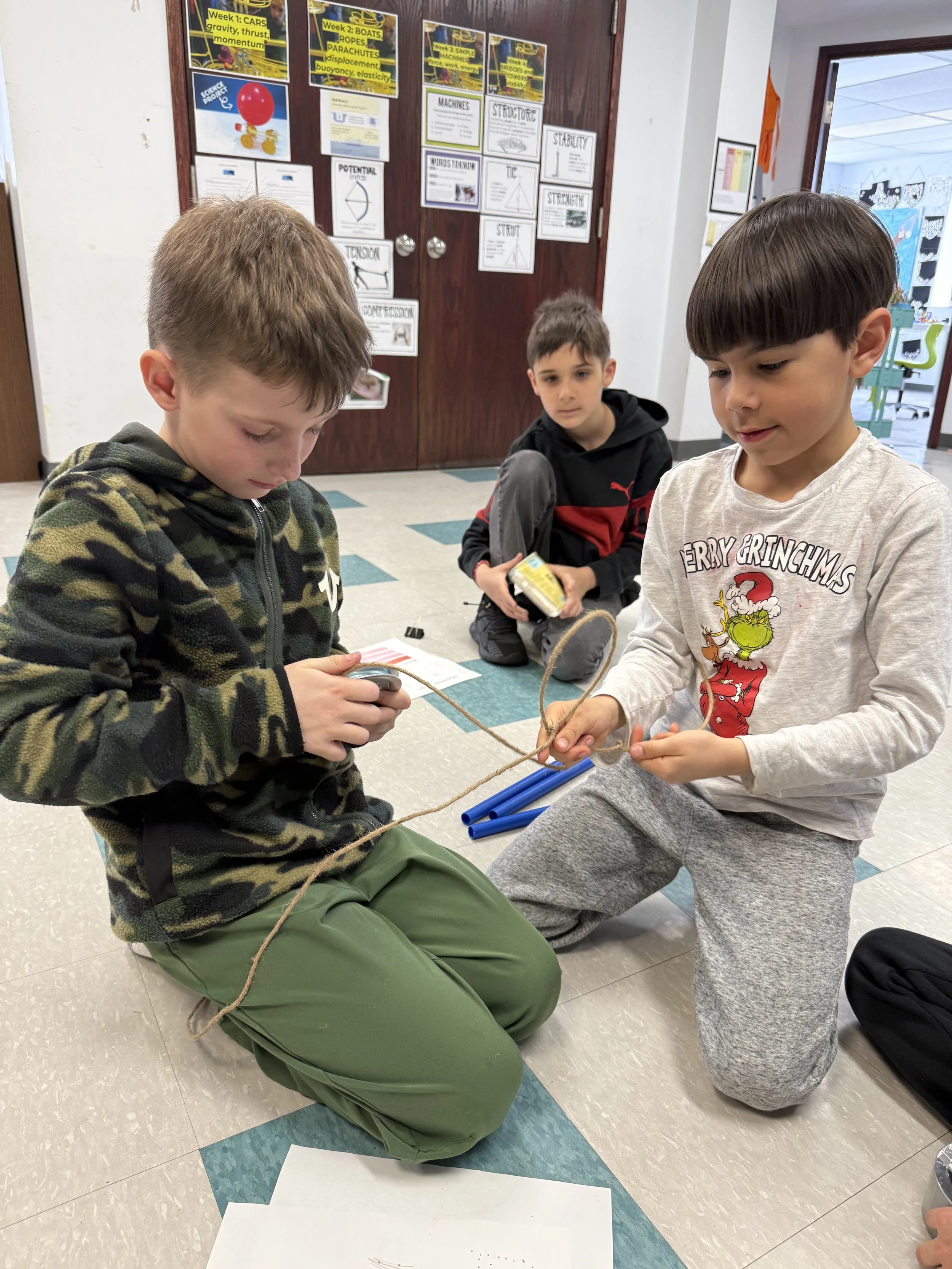
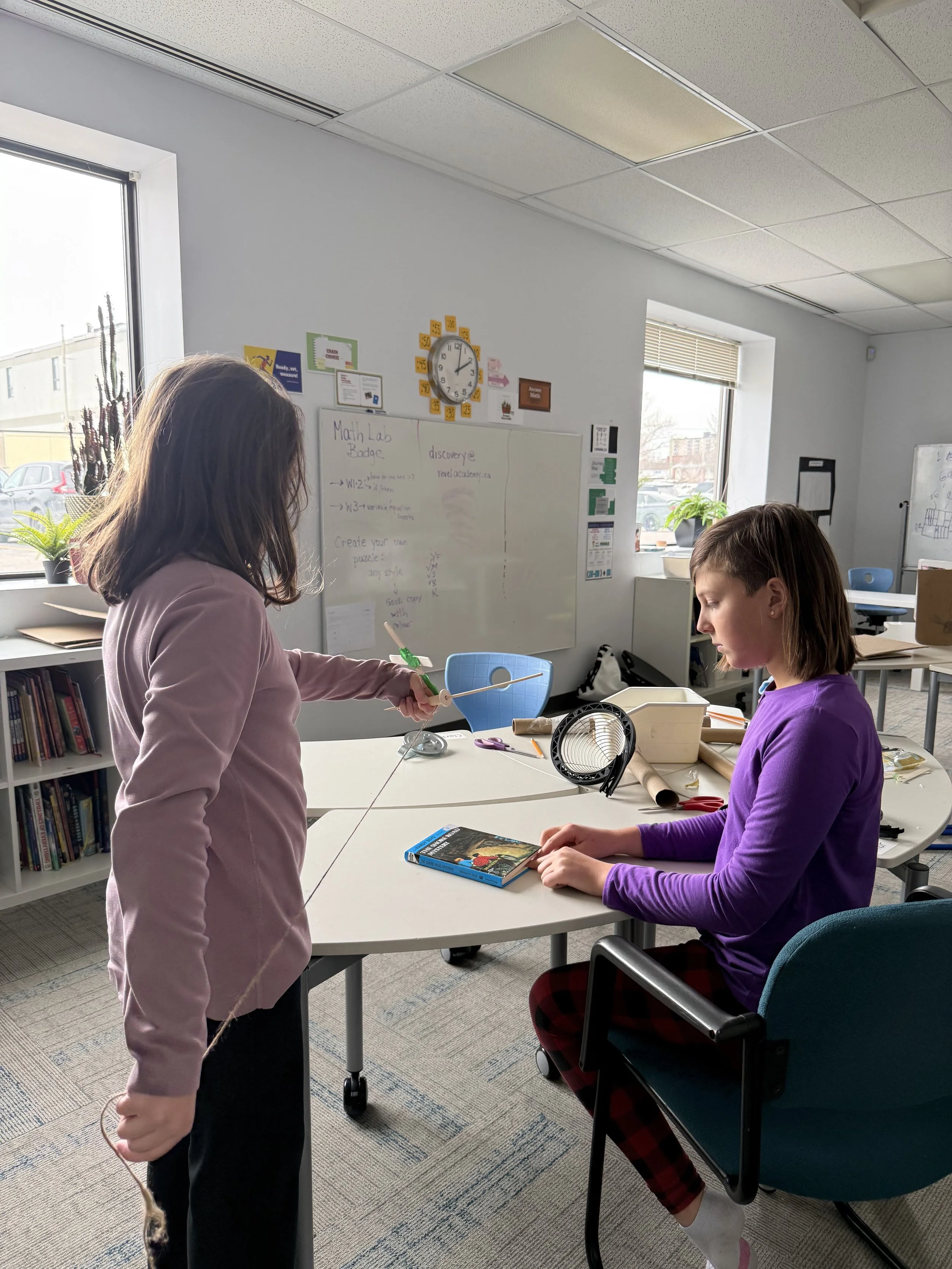
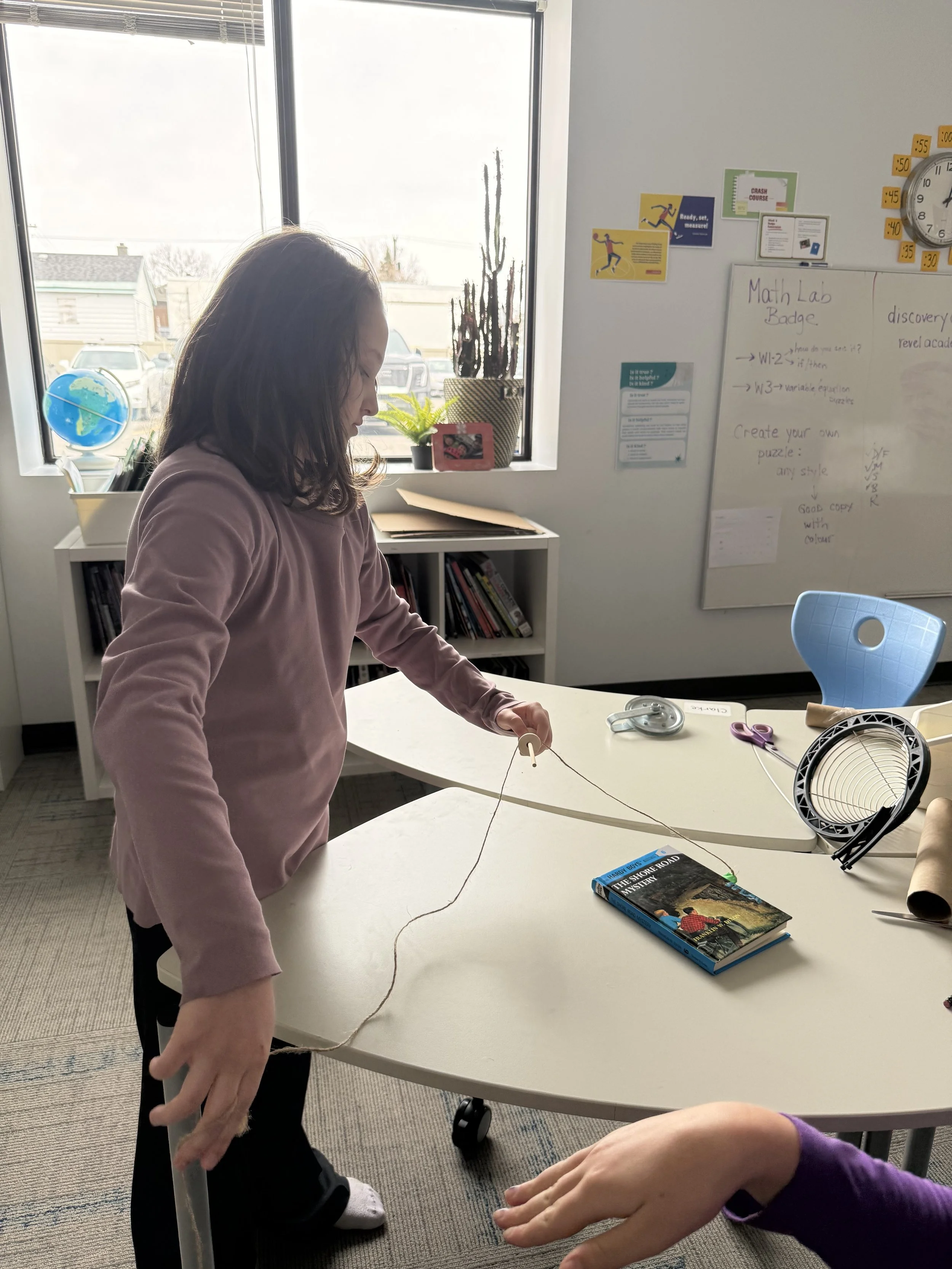
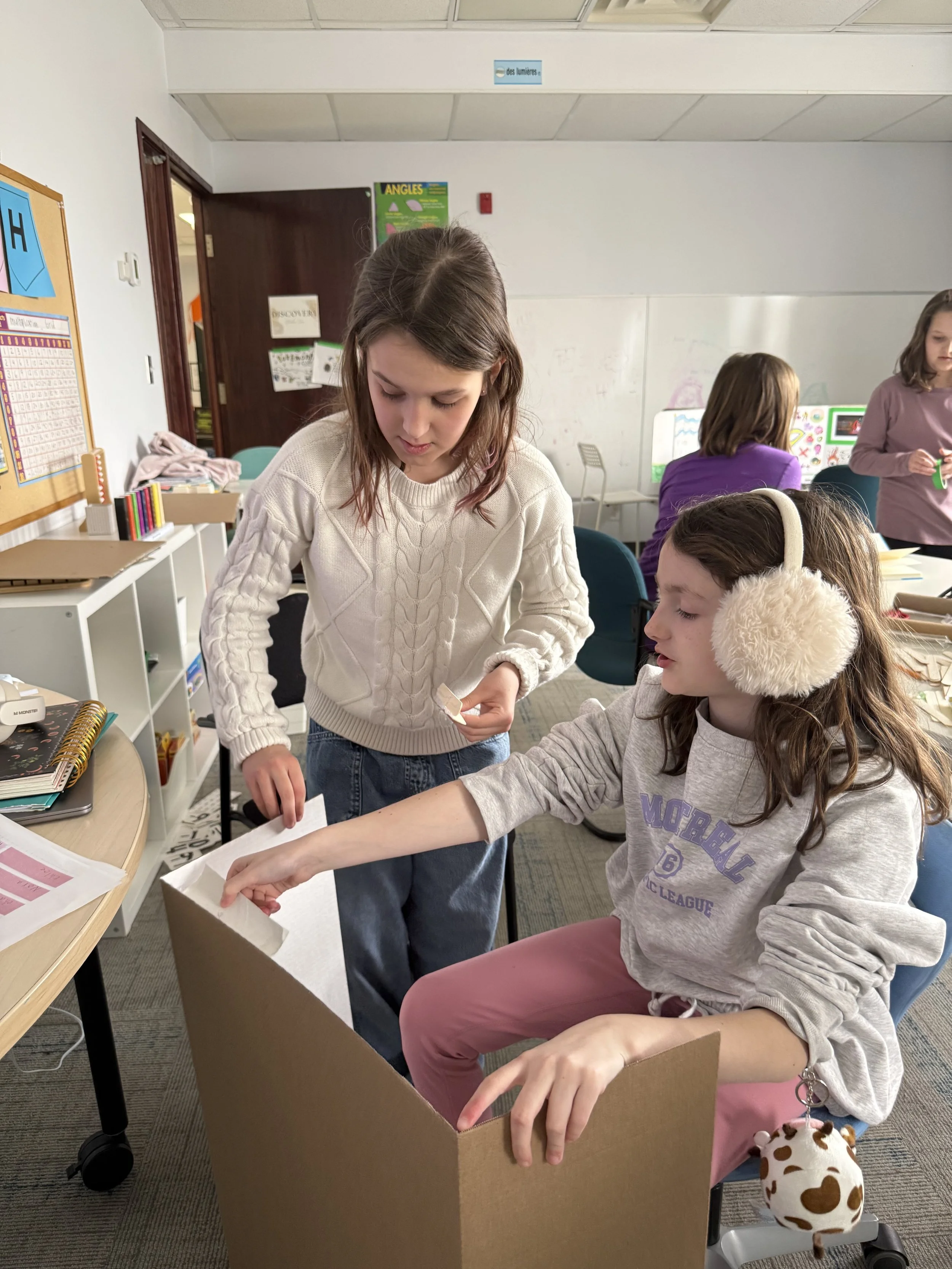
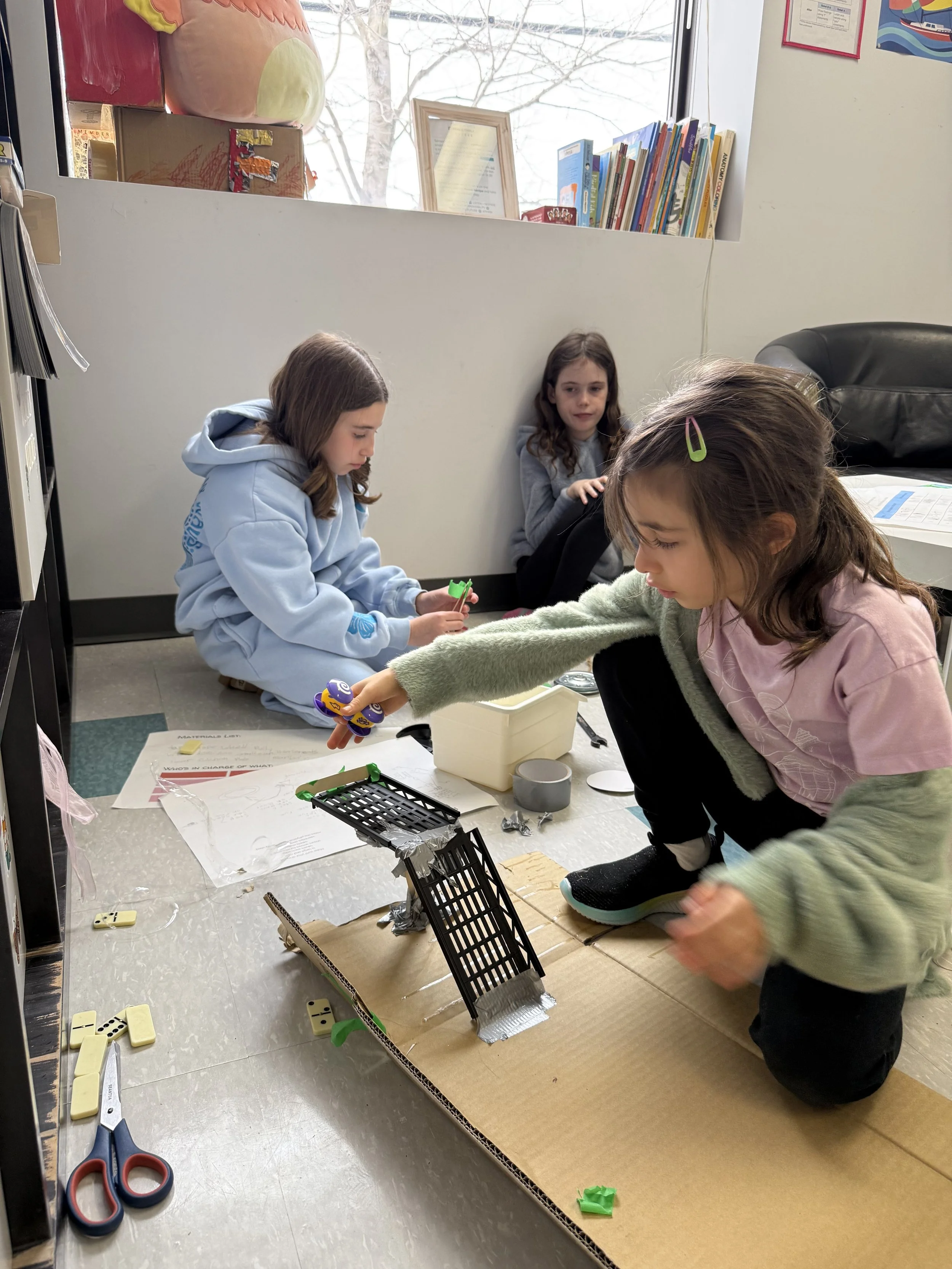
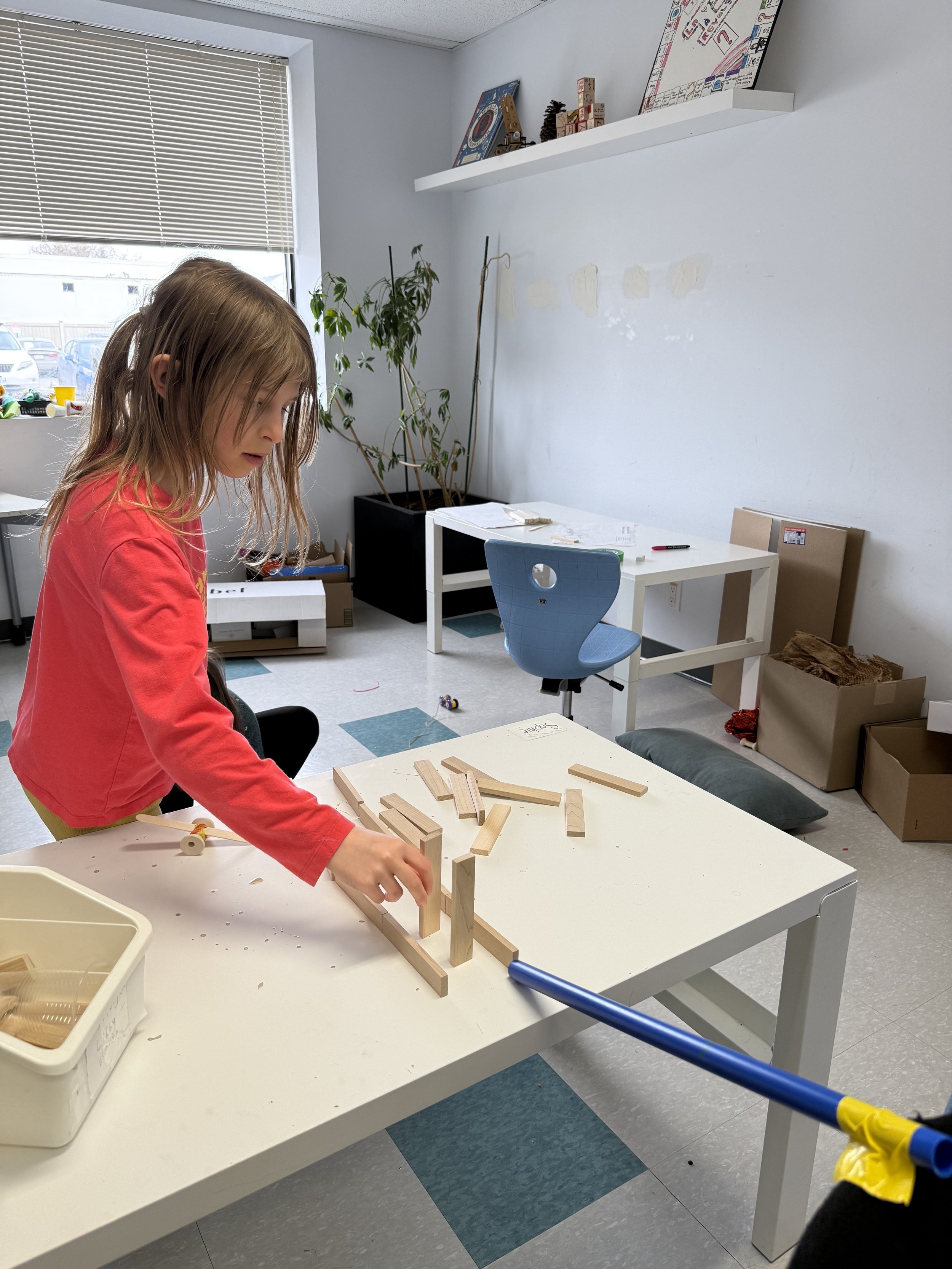
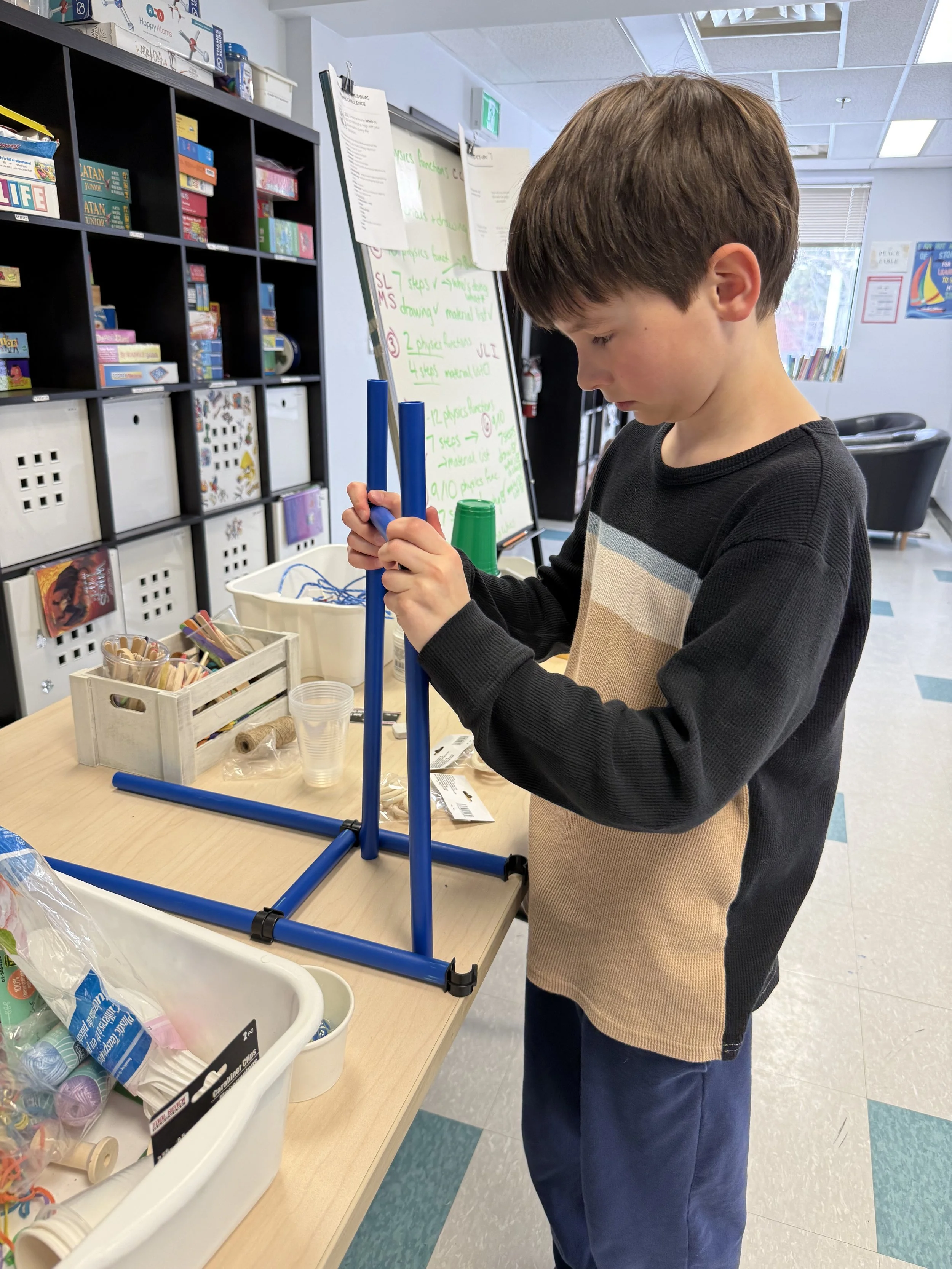
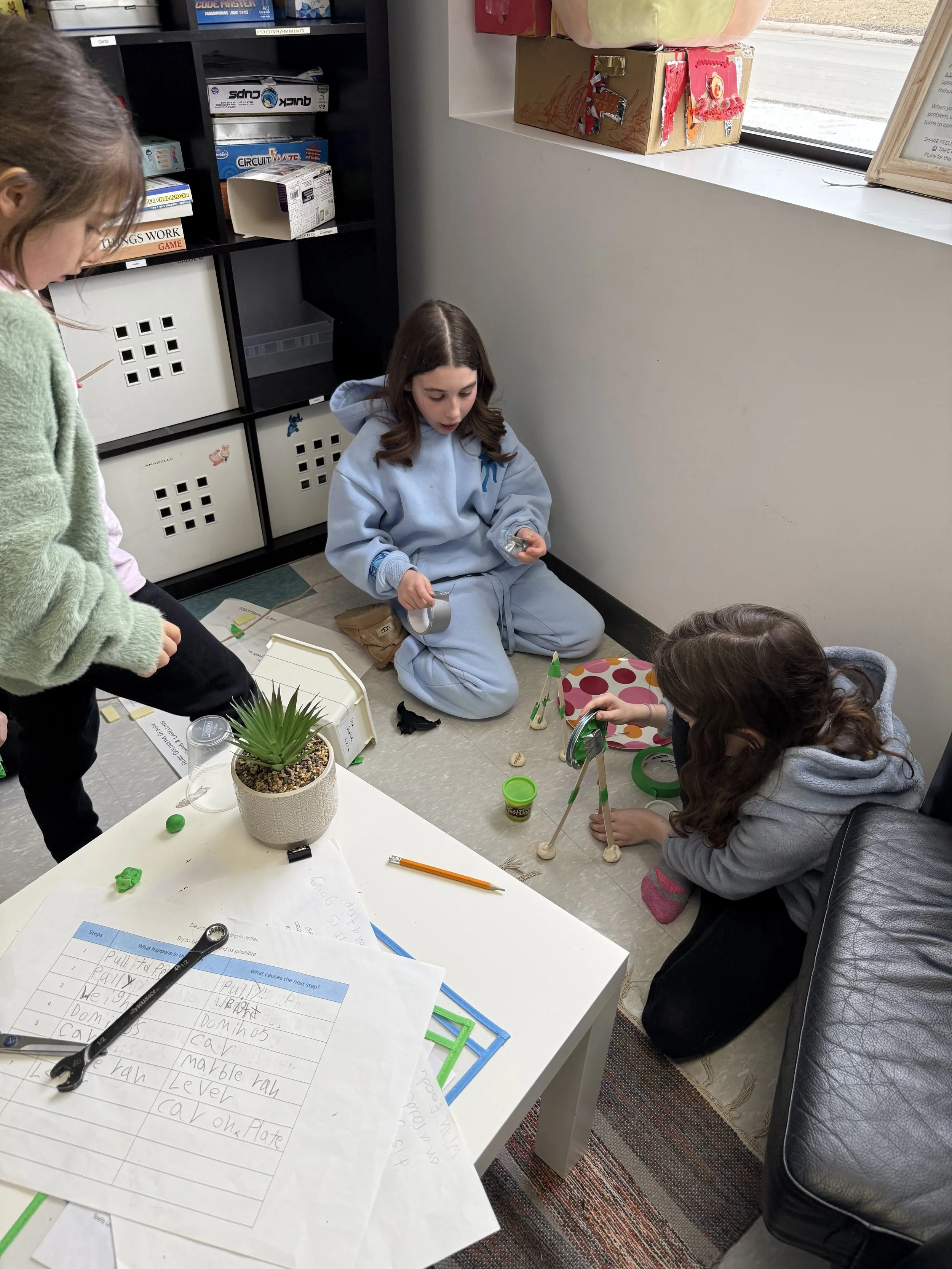
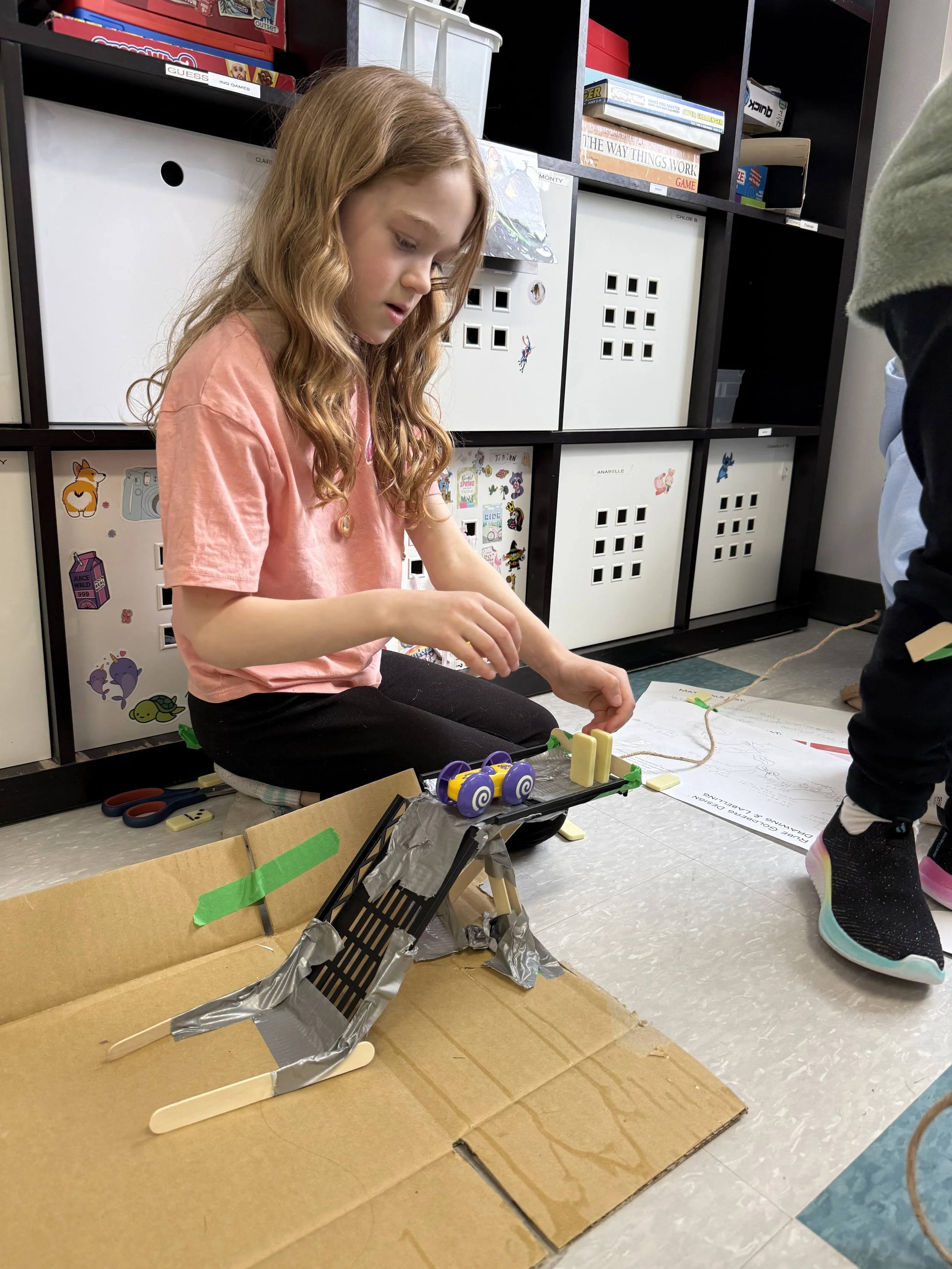
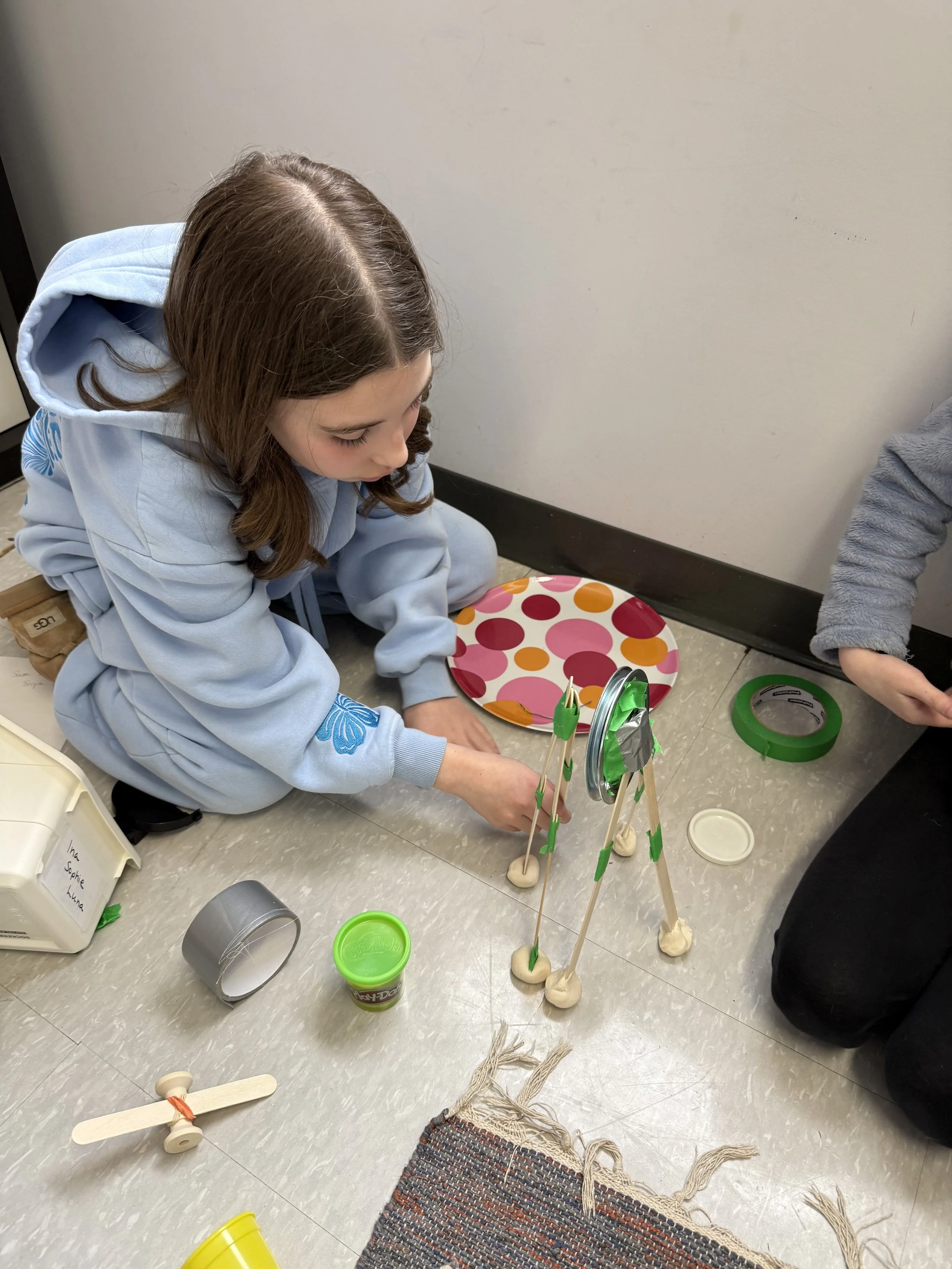
This week, the Discovery Studio was transformed into a buzzing Rube Goldberg Engineering Lab, where imagination met precision and every small idea had the potential to spark something extraordinary. As the Rebels stepped into the lab, they were invited into a new kind of challenge: How can we design a machine that completes a simple task… in the most complex, creative, and interconnected way possible? From the very start of our workshops on Monday, the energy was electric. Teams quickly moved into the roles of engineers, designers, and problem-solvers, sketching out their ideas and beginning to map the chain reactions that would bring their machines to life. What may seem like a simple outcome (popping a balloon, ringing a bell, or watering a plant) requires careful planning, sequencing, and collaboration when stretched across 7–10 intentional steps. Throughout the week, Rebels have been:
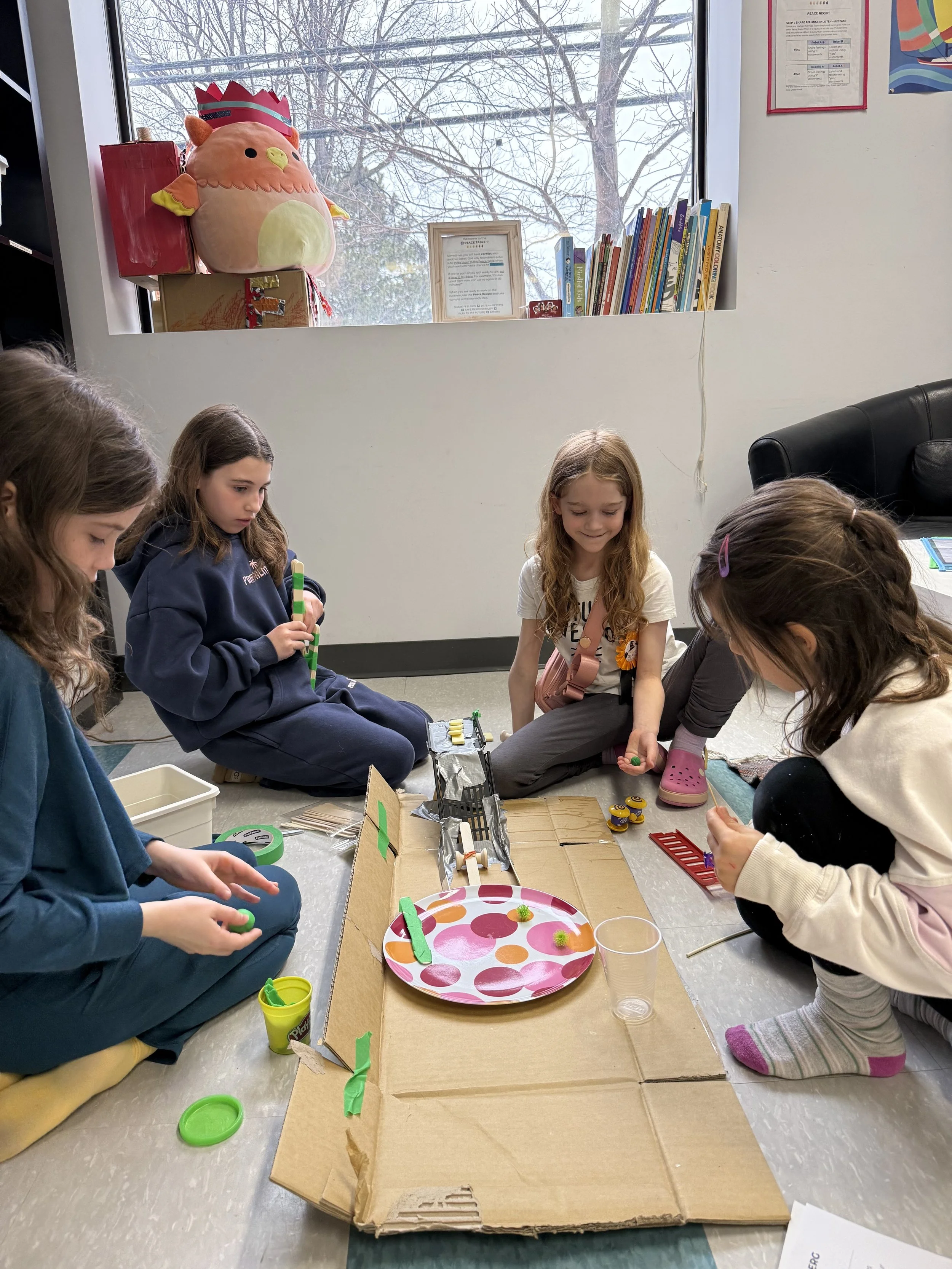
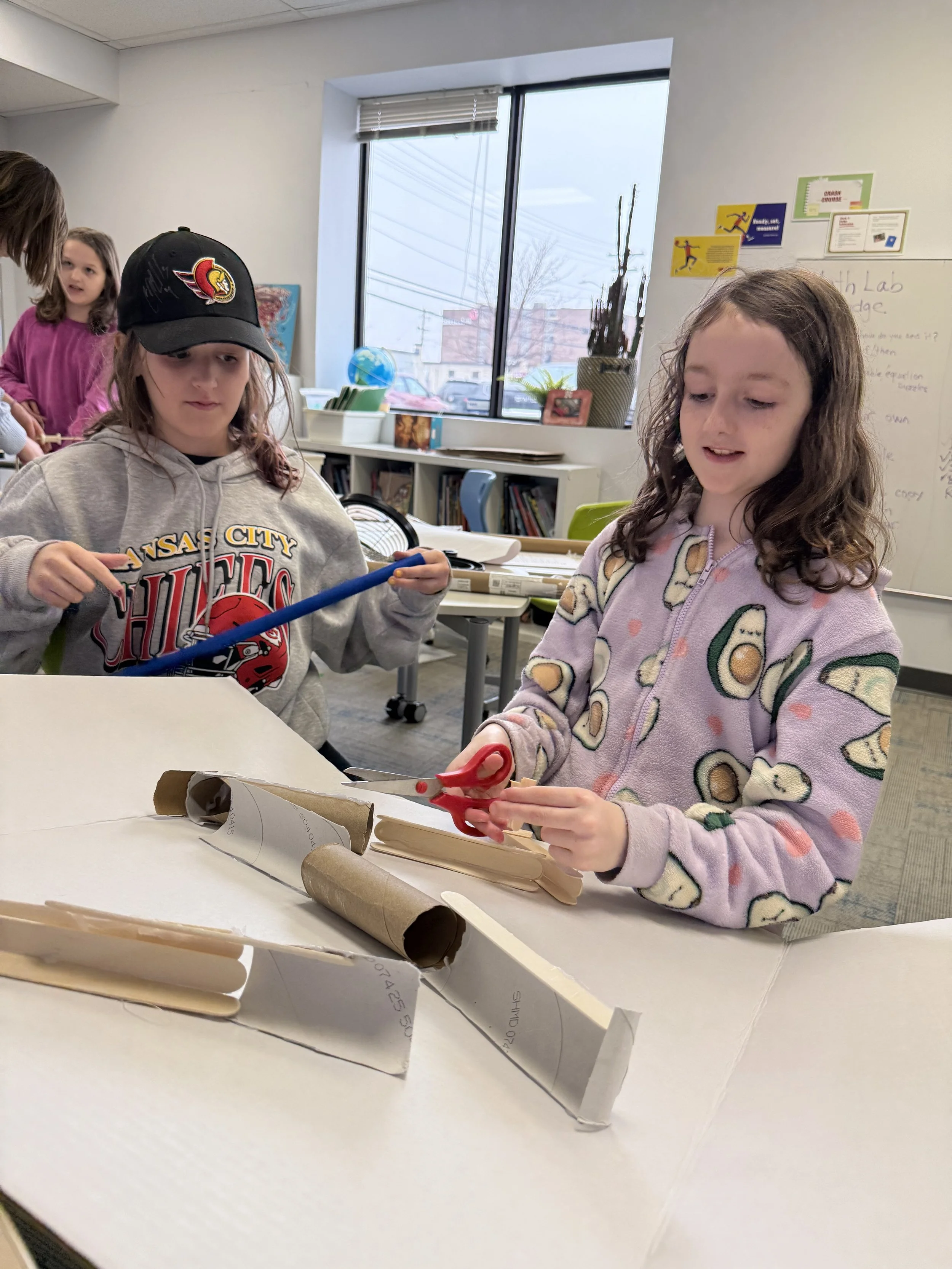
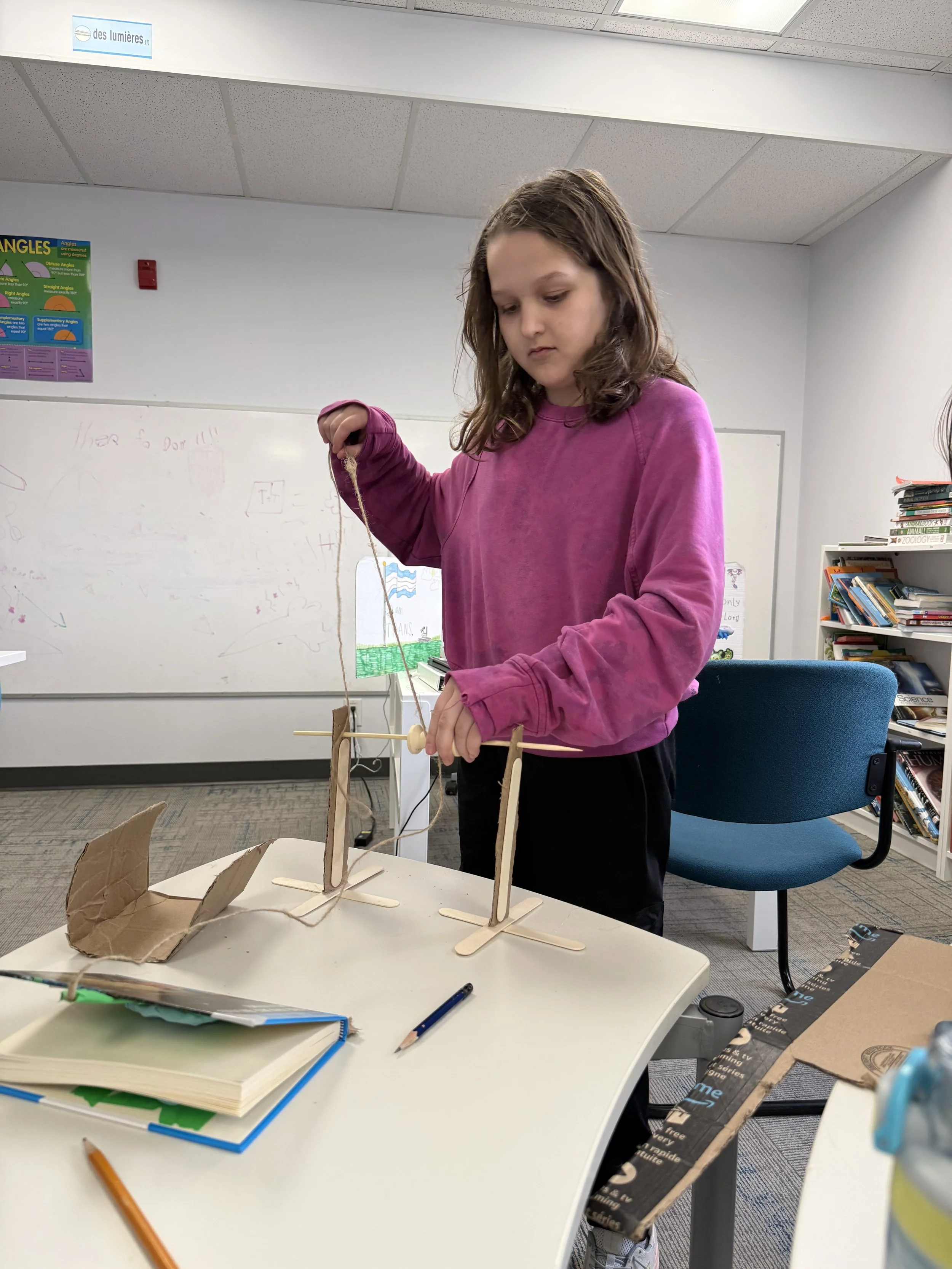
Planning their machines step-by-step, thinking deeply about cause and effect
Organizing roles within their teams to ensure every member contributes meaningfully
Creating detailed design sketches that bring their ideas into focus
Gathering materials thoughtfully, considering how each object will interact within their system
This work goes far beyond building. It is an exercise in perseverance, creativity, and systems thinking. Rebels are learning that when one step doesn’t go as planned, it’s not failure, it’s feedback! Each adjustment, each redesign, and each moment of trial and error is moving them closer to a working solution. What has been most exciting to witness is the way teams are beginning to anticipate challenges before they arise. Conversations are filled with questions like:
“What force will make this move?”
“How can we make this more reliable?”
“What happens if this step doesn’t work?”
These are the moments where true engineering thinking comes to life. As we look ahead, Rebels will begin building and testing their prototypes, refining their designs in preparation for our upcoming Exhibition of Learning. There, families and guests will experience these intricate machines in action, each one a reflection of thoughtful design, collaboration, and a whole lot of determination. In the Rube Goldberg Engineering Lab, it’s not just about completing a simple task. It’s about everything it takes to get there.
Additional Highlights
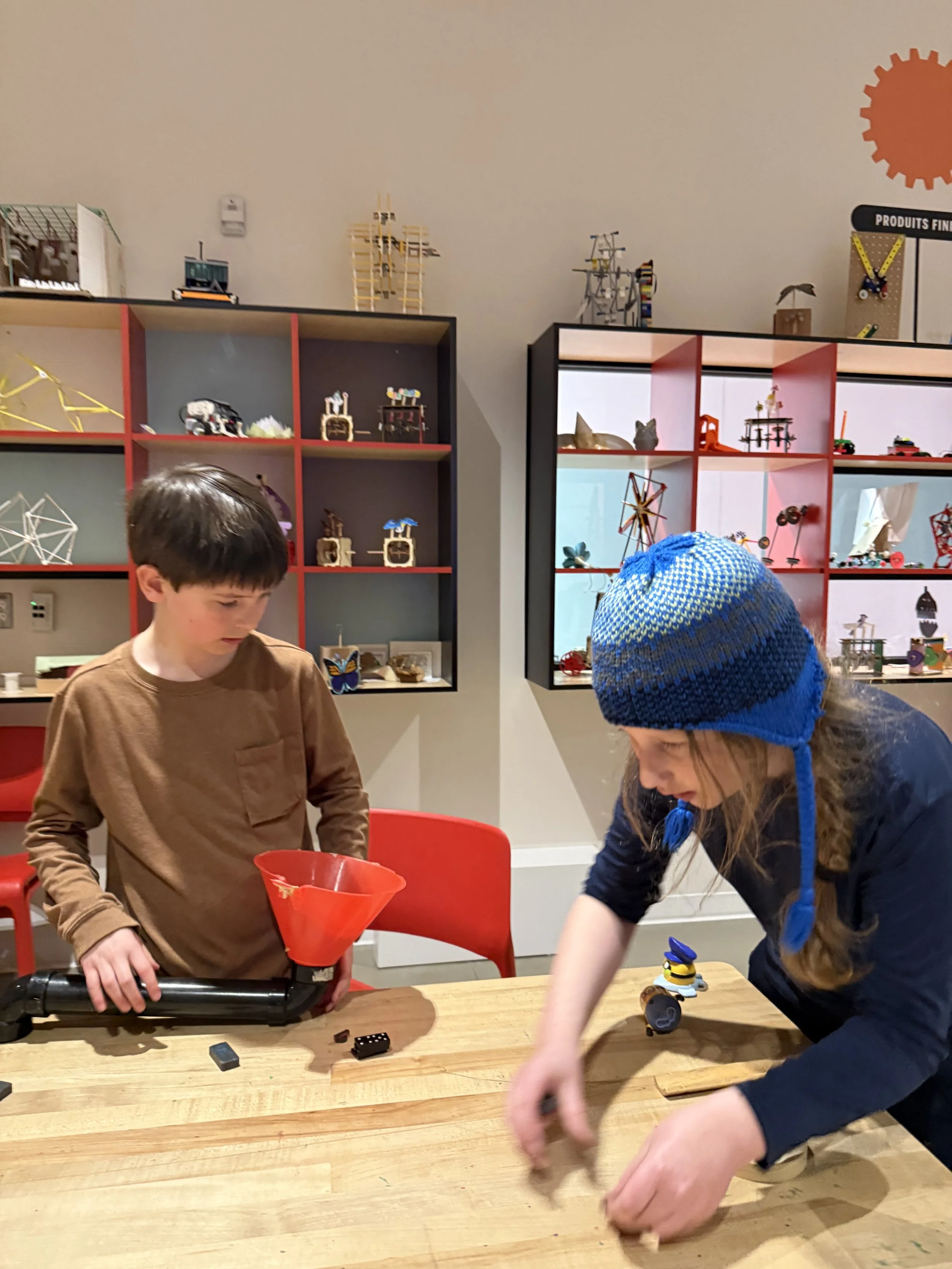
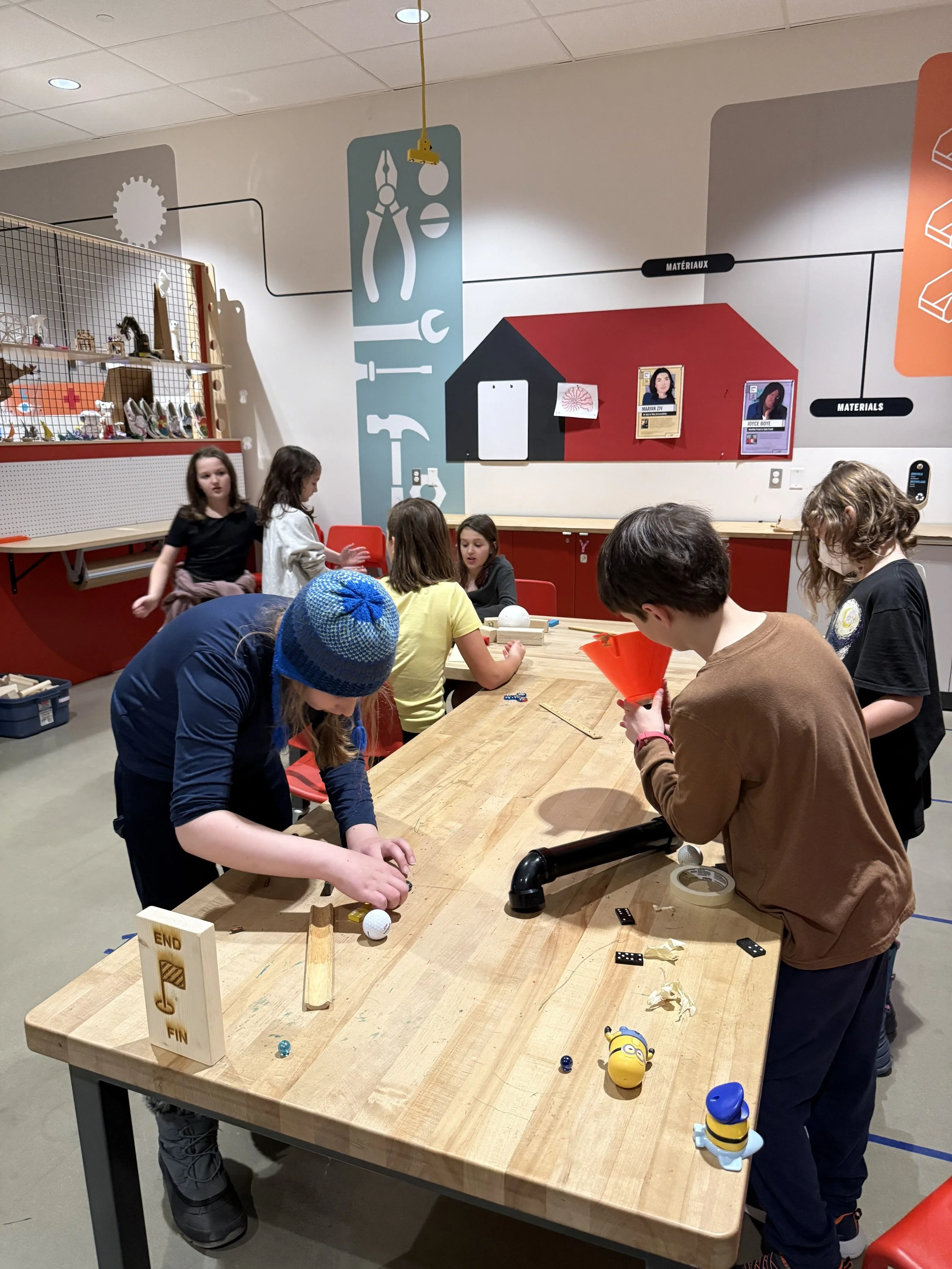
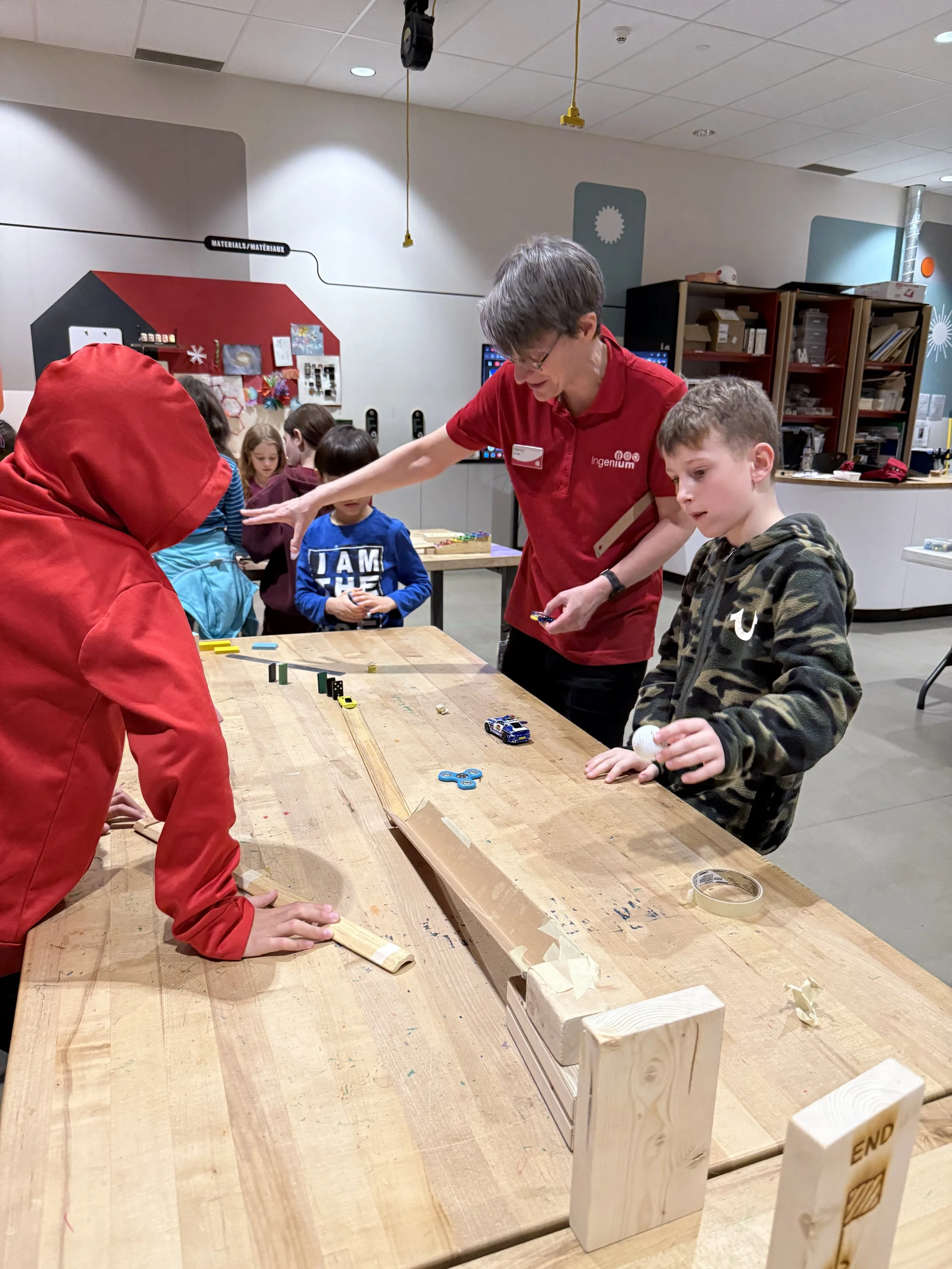
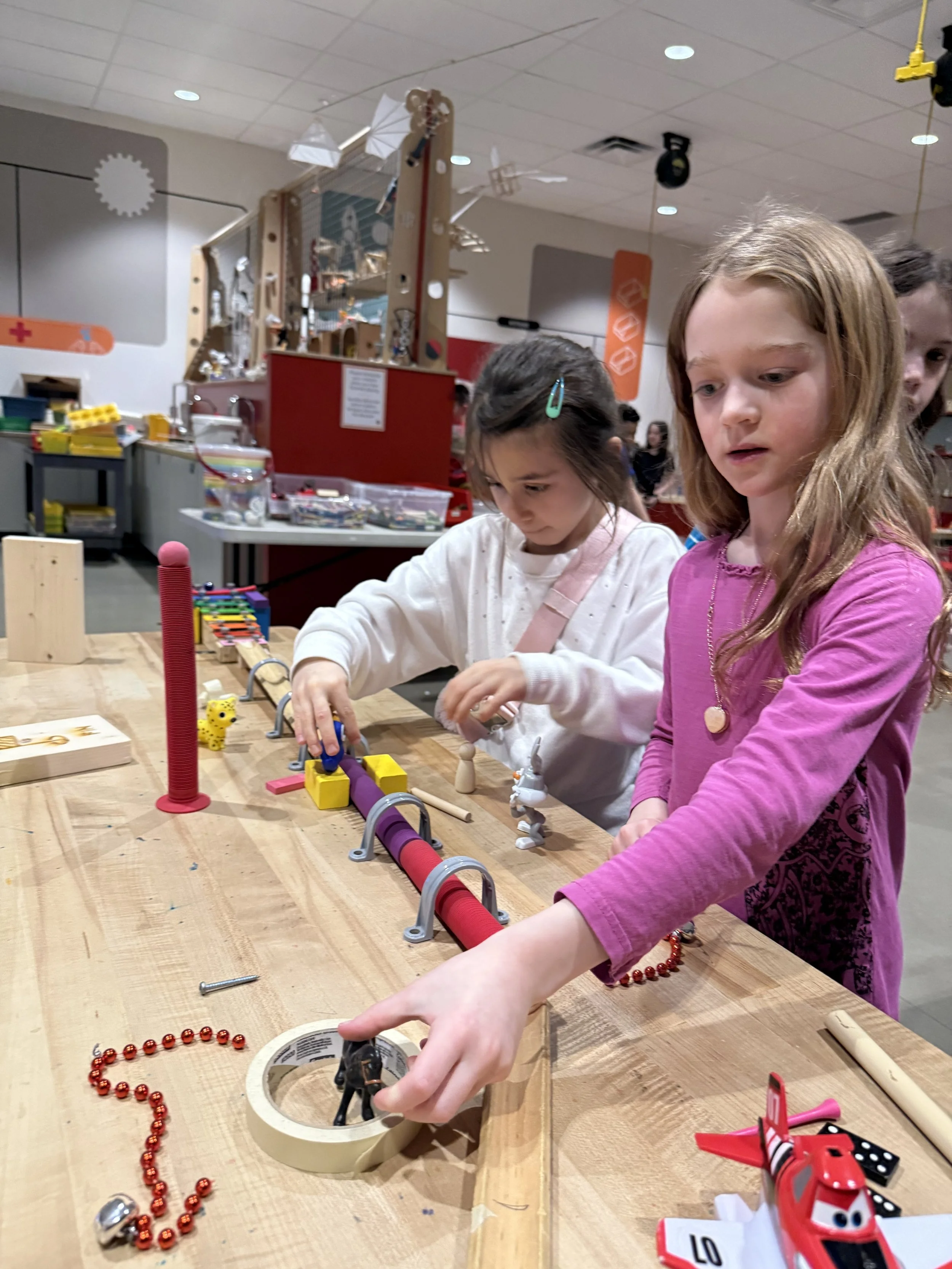
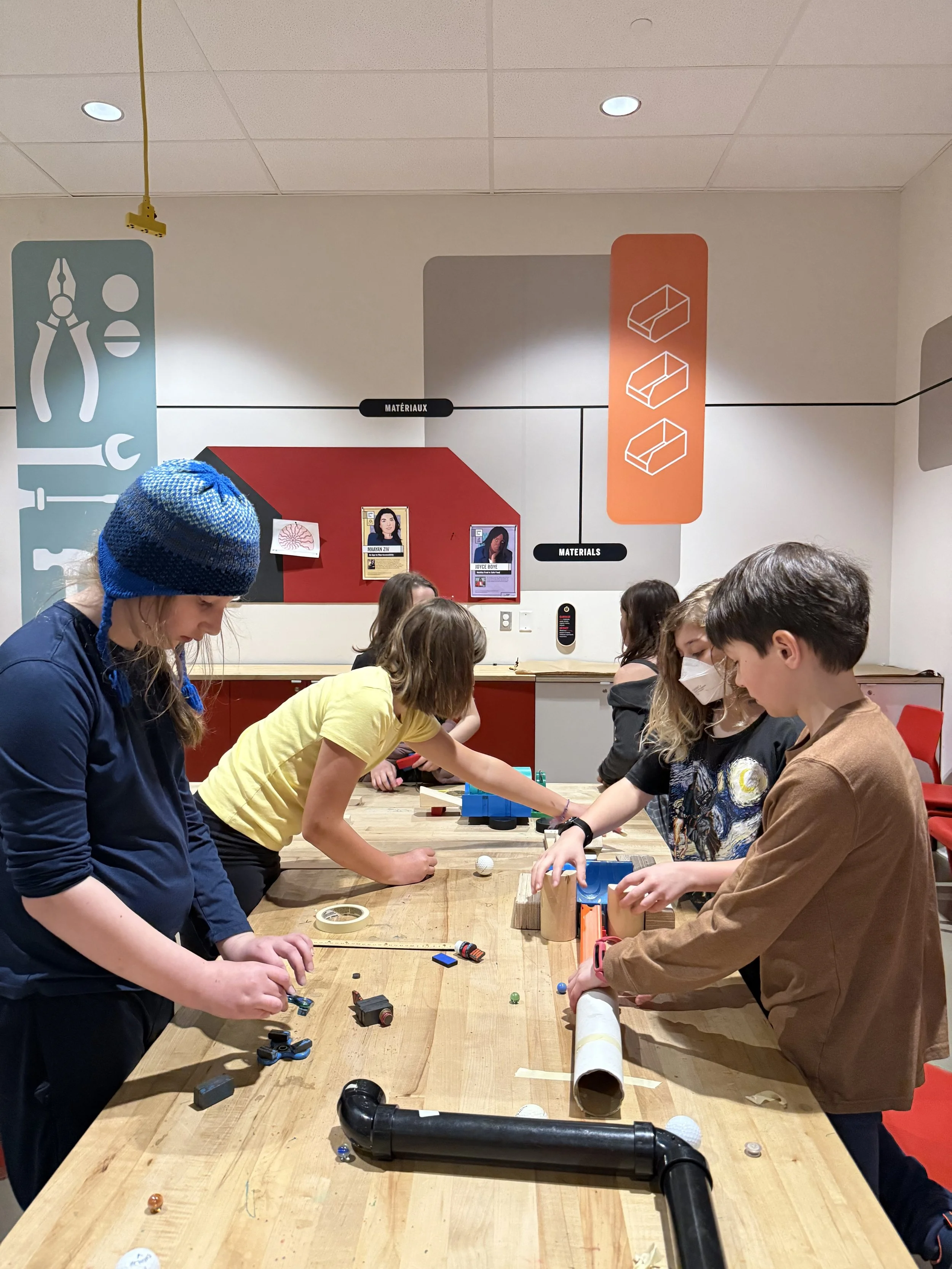
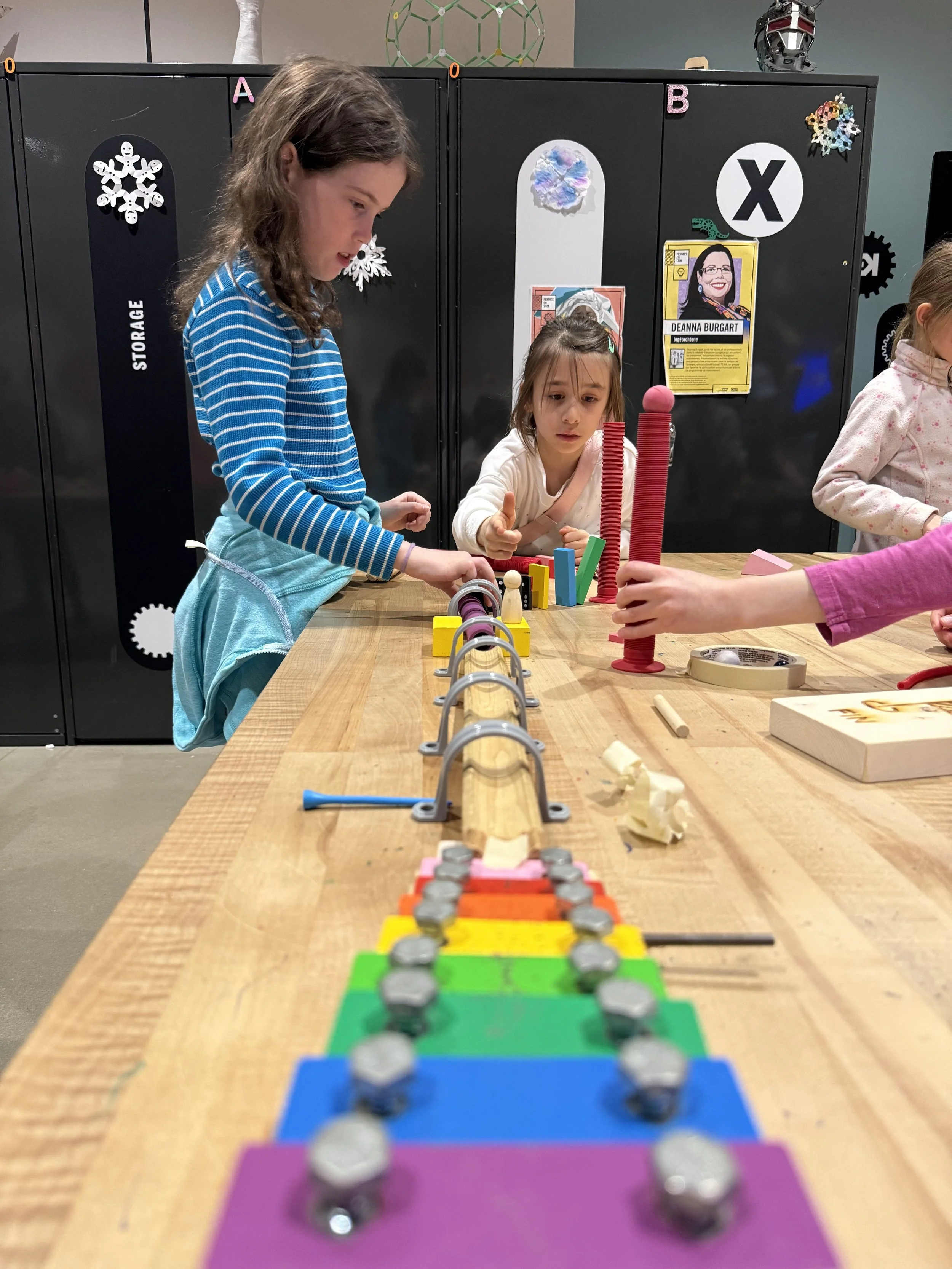
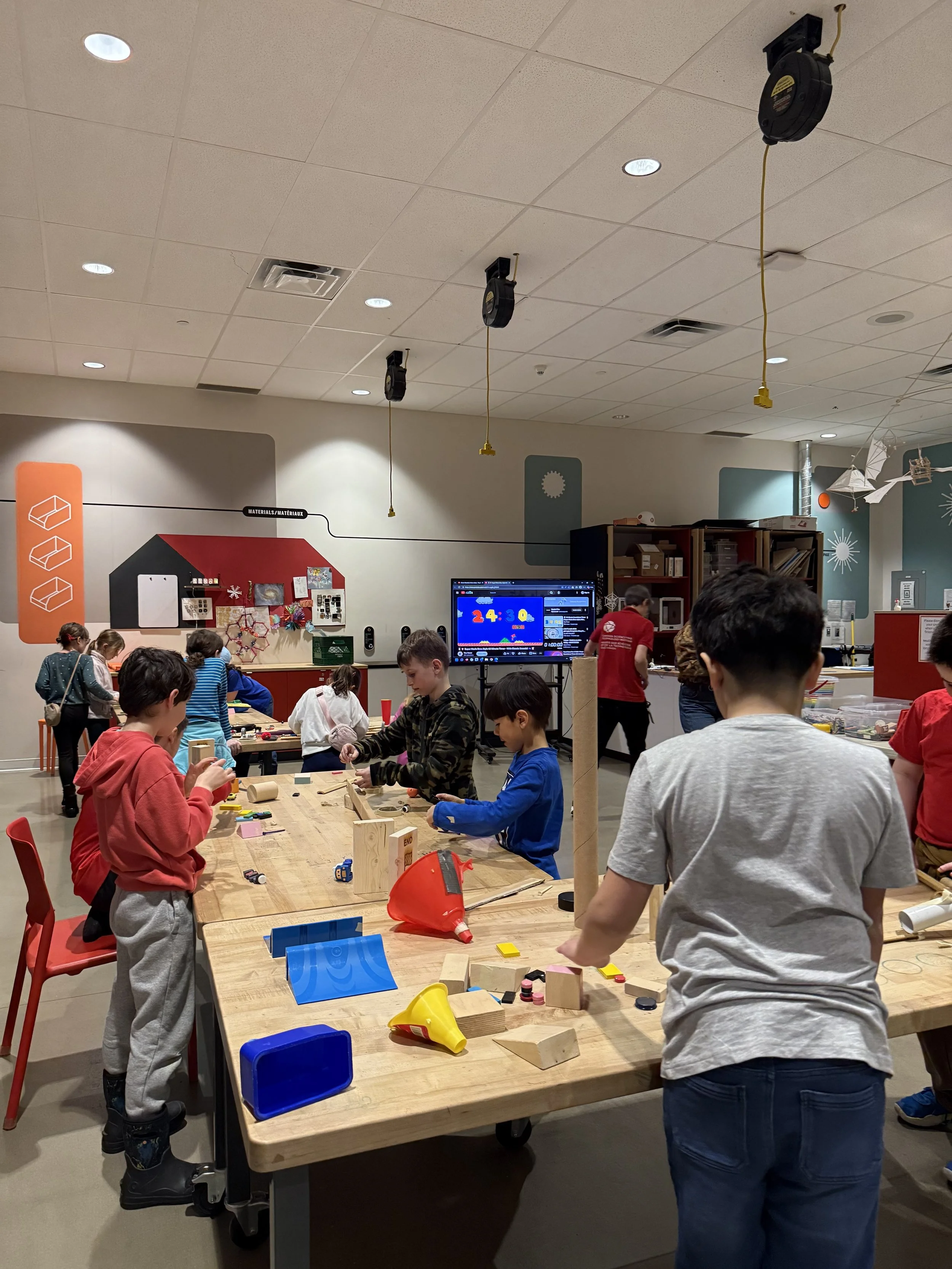
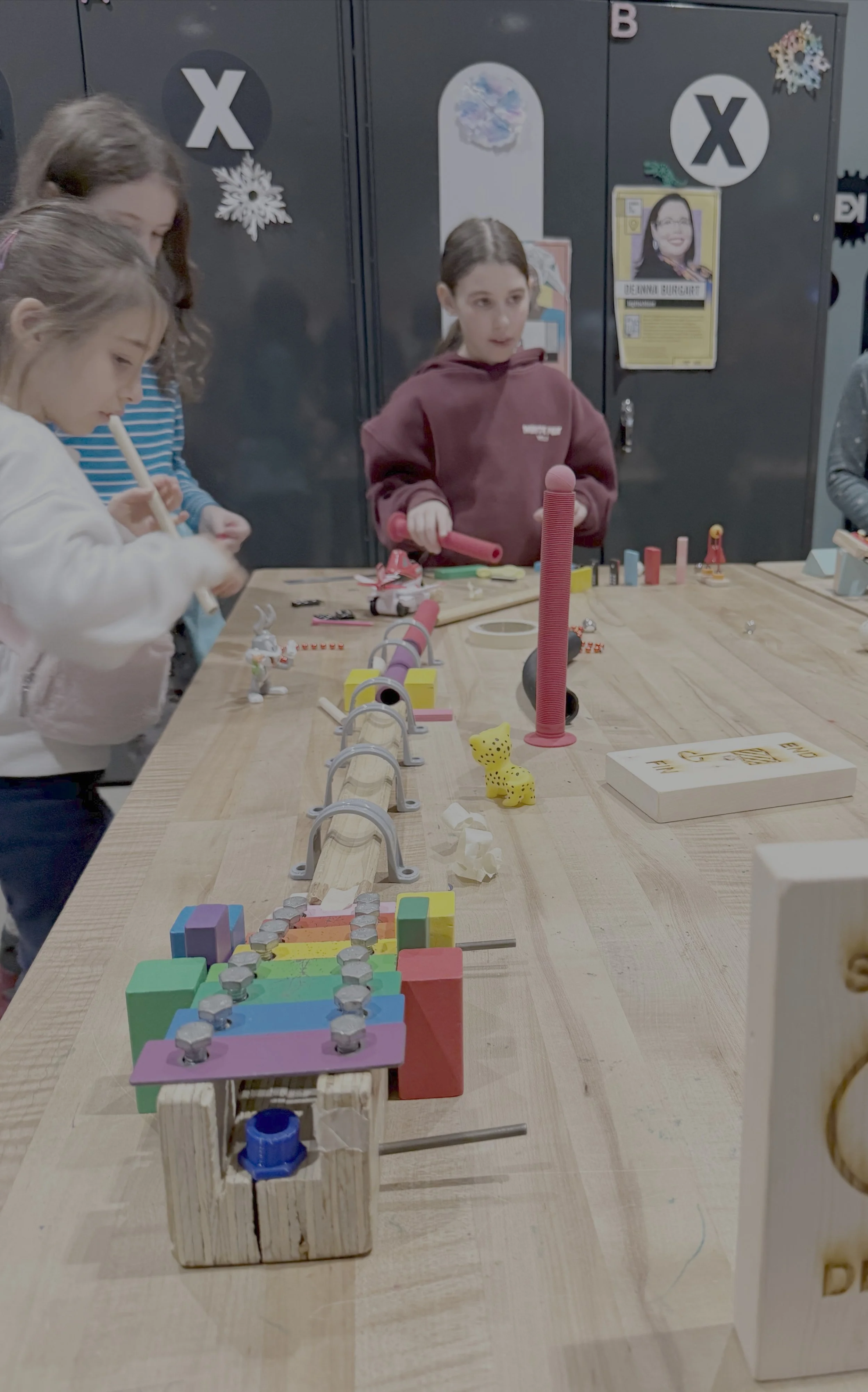
Discovery Rebels took on the Science and Tech museum! This week, Discovery Rebels joined Spark and Exploration Rebels at the Science and Technology museum! Rebels split into small groups and set off on self-guided tours, exploring a wide range of interactive exhibits. From hands-on engineering challenges to fascinating displays on transportation, sound, electricity and, of course, the “Crazy Kitchen”! The Rebels were curious, collaborative and explored all the museum had to offer. The highlight of our visit was a special Chain Reactions workshop where Rebels had the opportunity to bring their deep knowledge of physics and Rube Goldberg Machines to life. Building on everything we’ve been exploring in Quest, Rebels designed and tested their own chain reactions. There were plenty of moments of trial and error as each group worked to refine their designs and keep their chain reactions moving from start to finish. We never feel prouder of our Rebels than when we get to see them out in the world and learning in action. Our workshop guide was very impressed by our Discovery team and gave them multiple character call-outs for their excellent teamwork and problem-solving skills. Way to go, Rebels!
Exploration Studio
Mindfulness & Launch
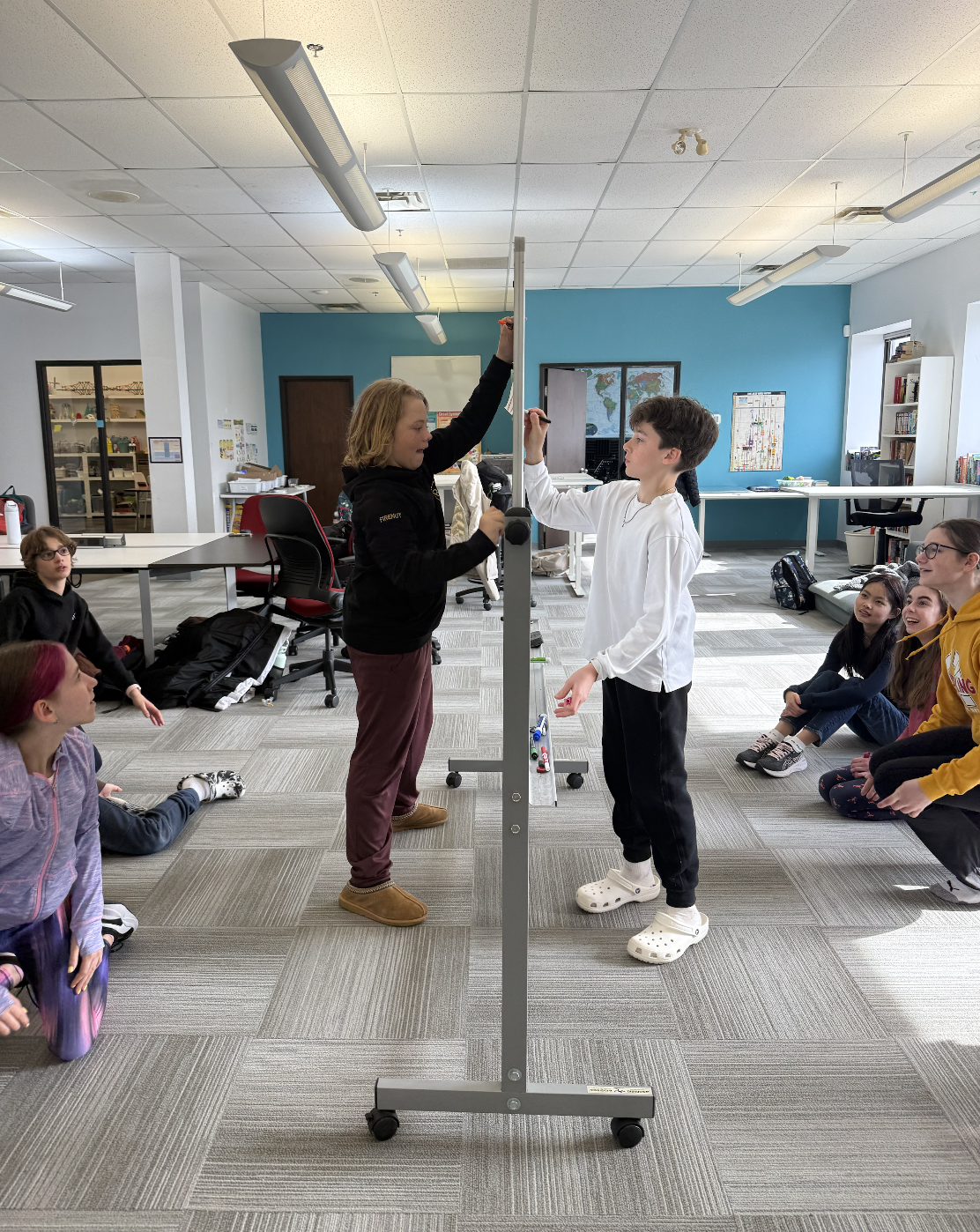
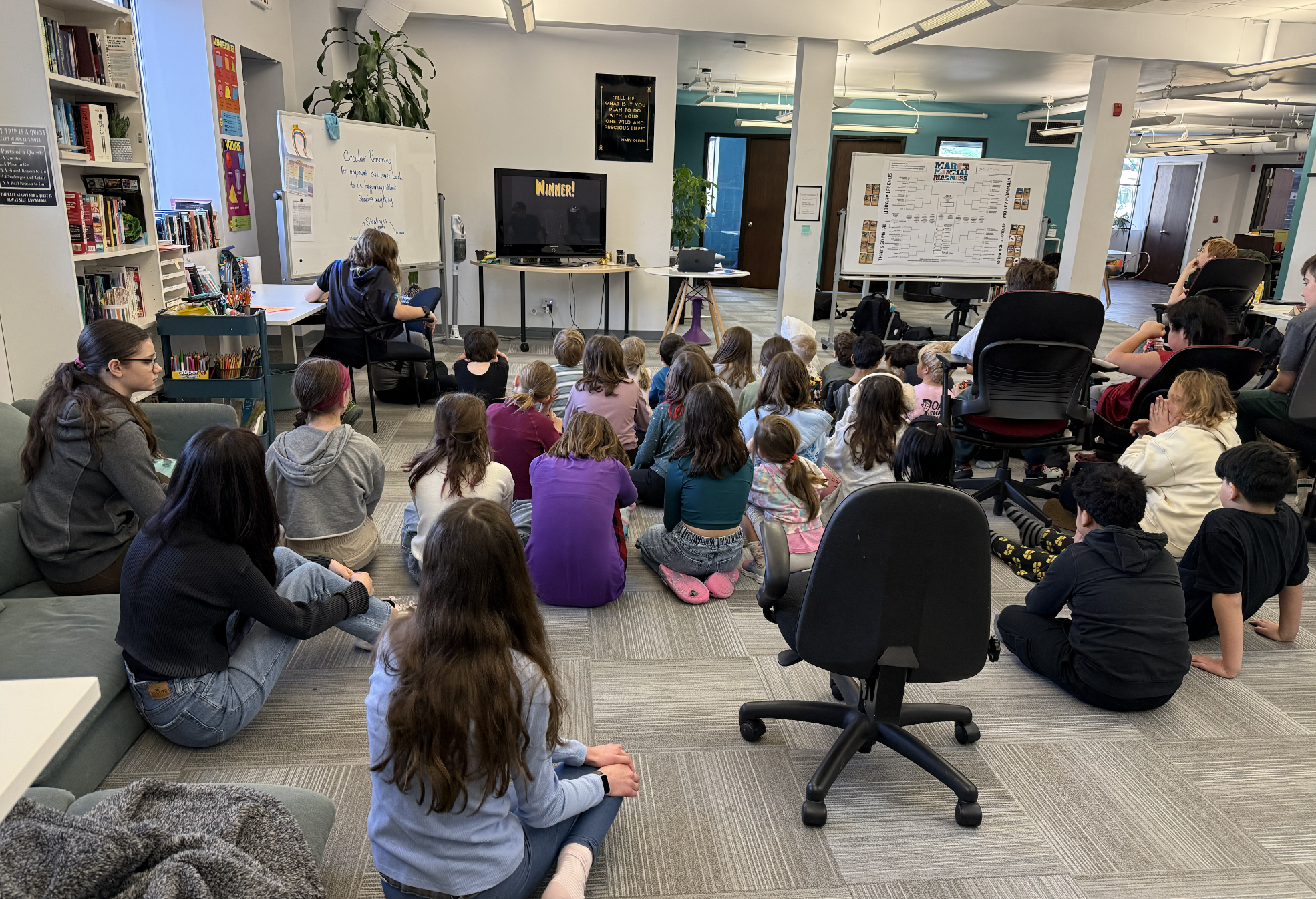
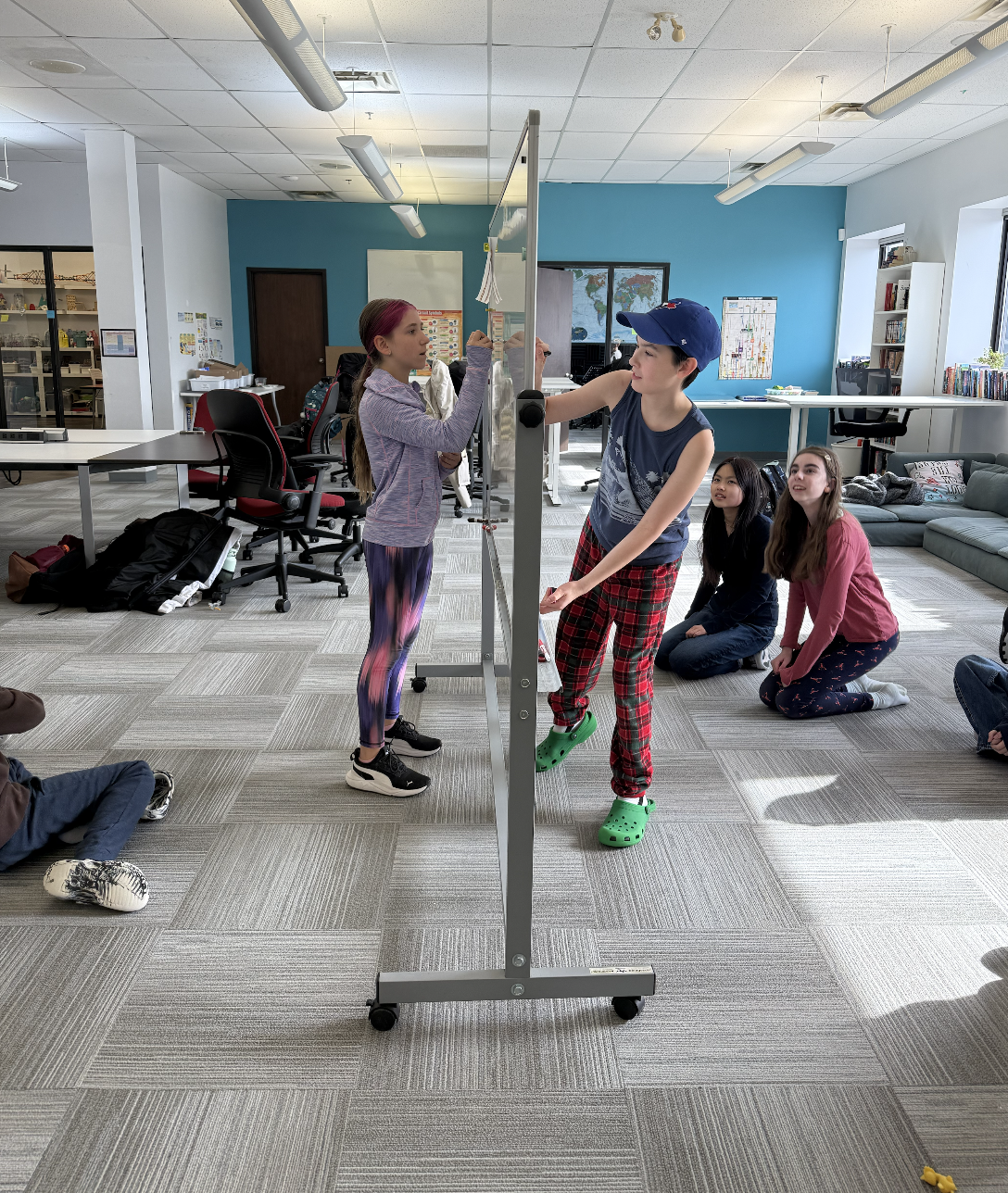
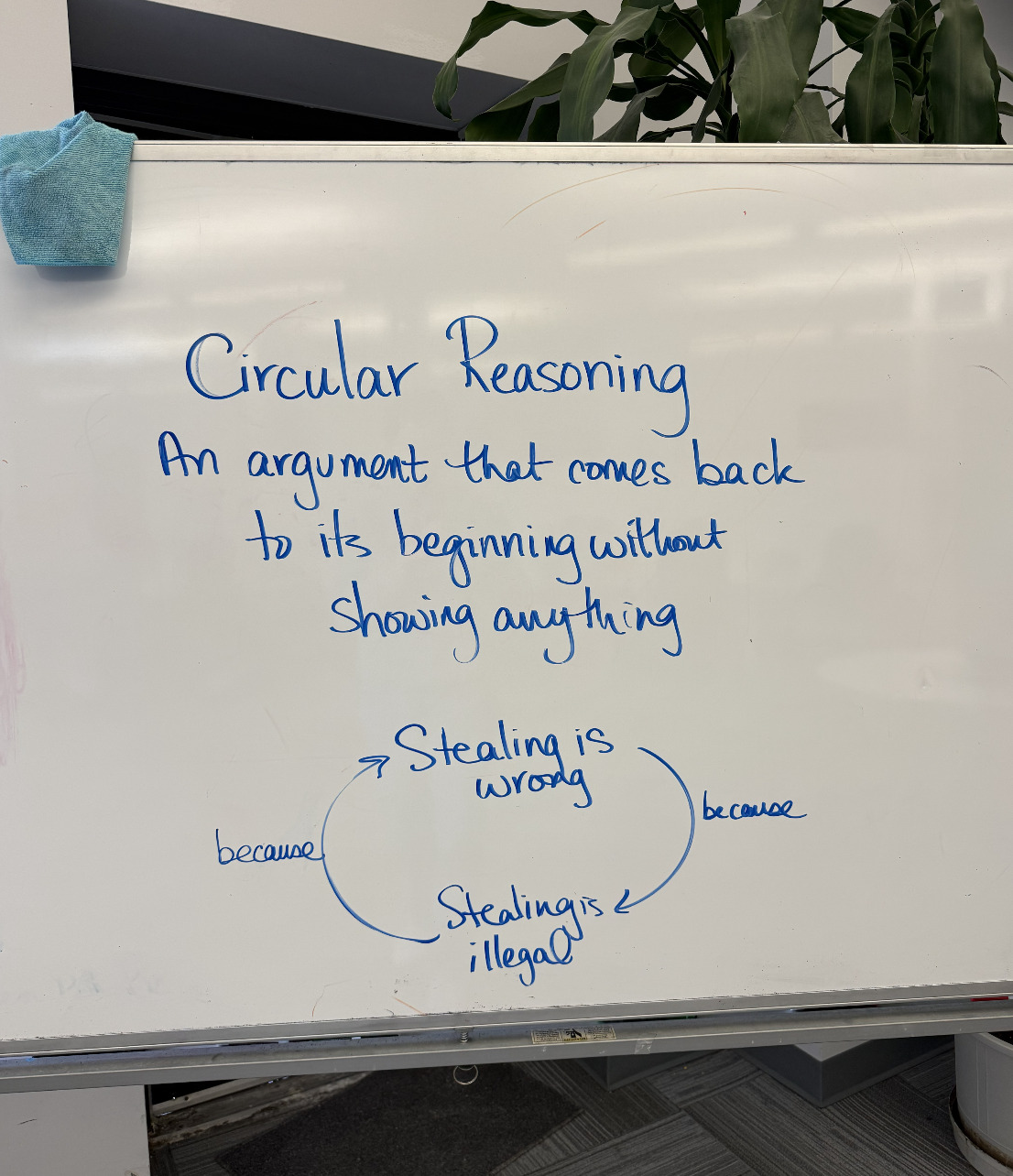
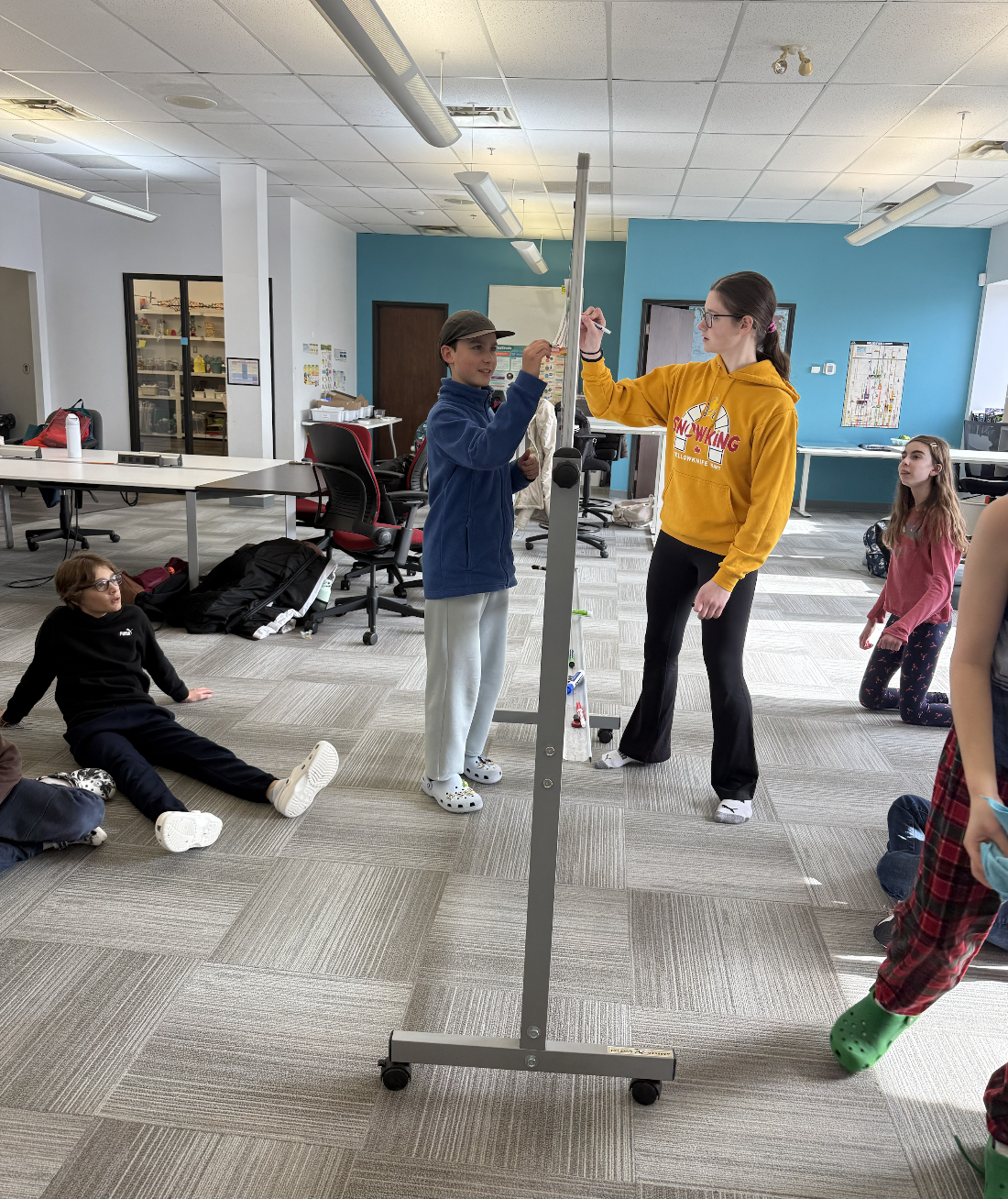
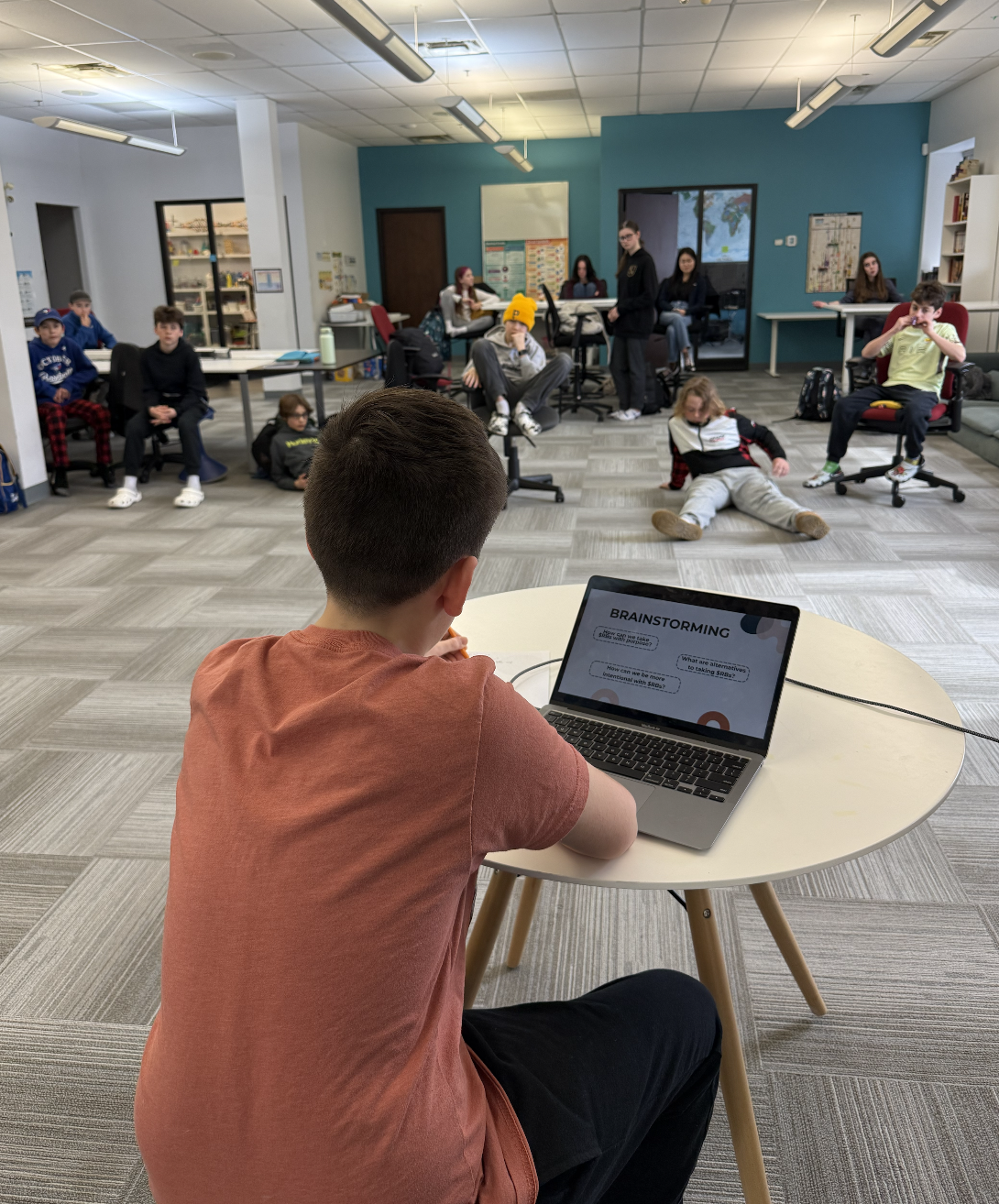
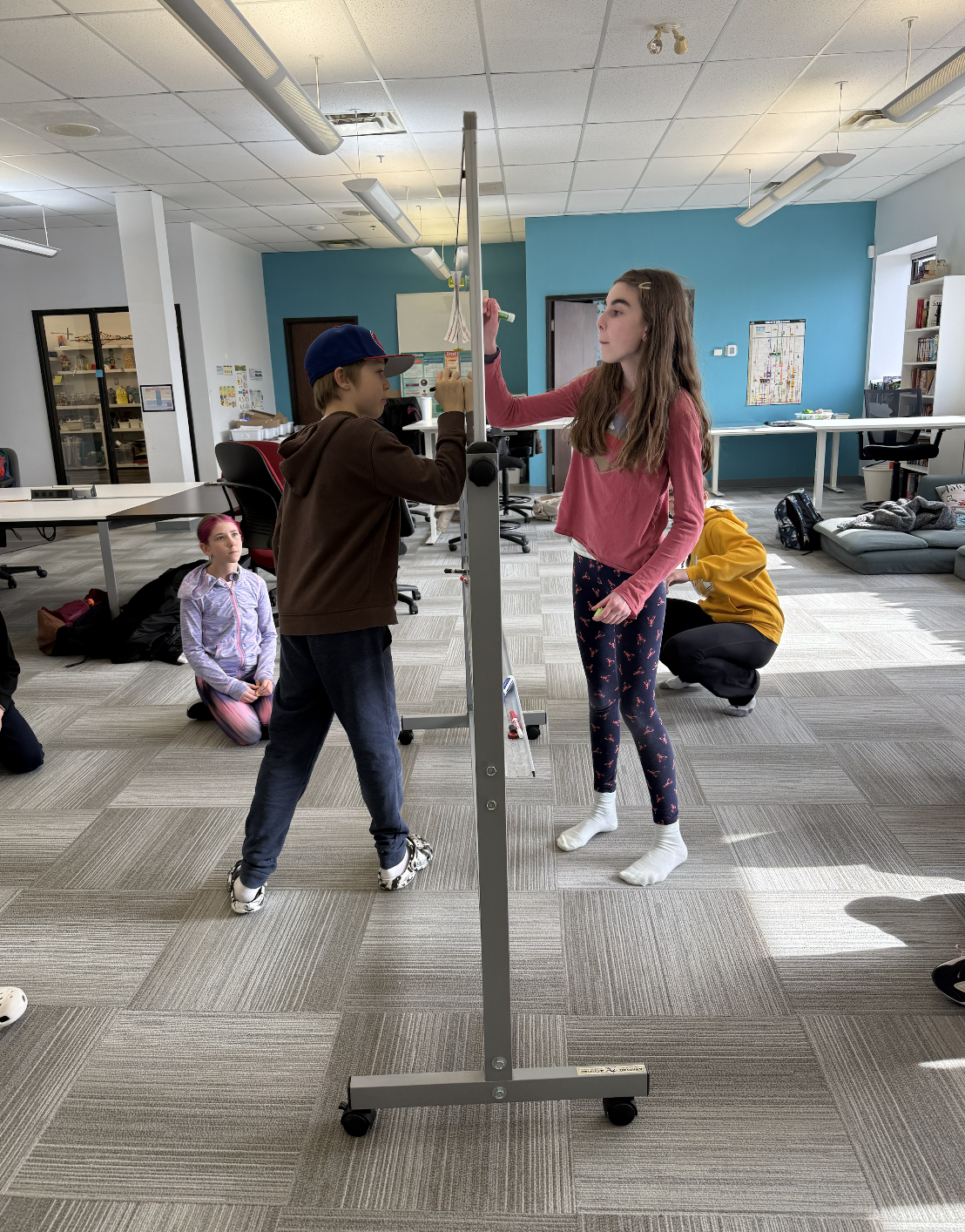
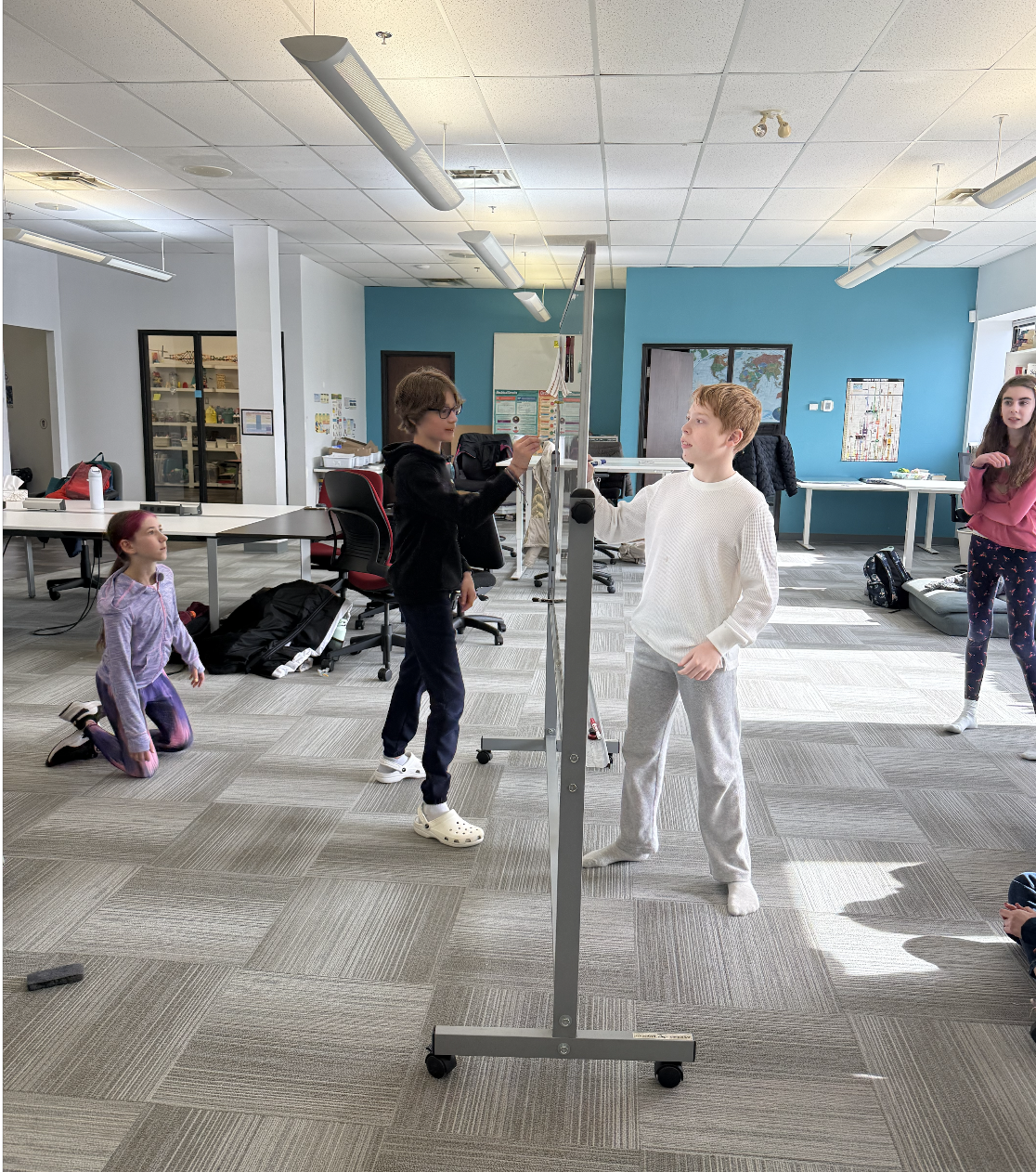
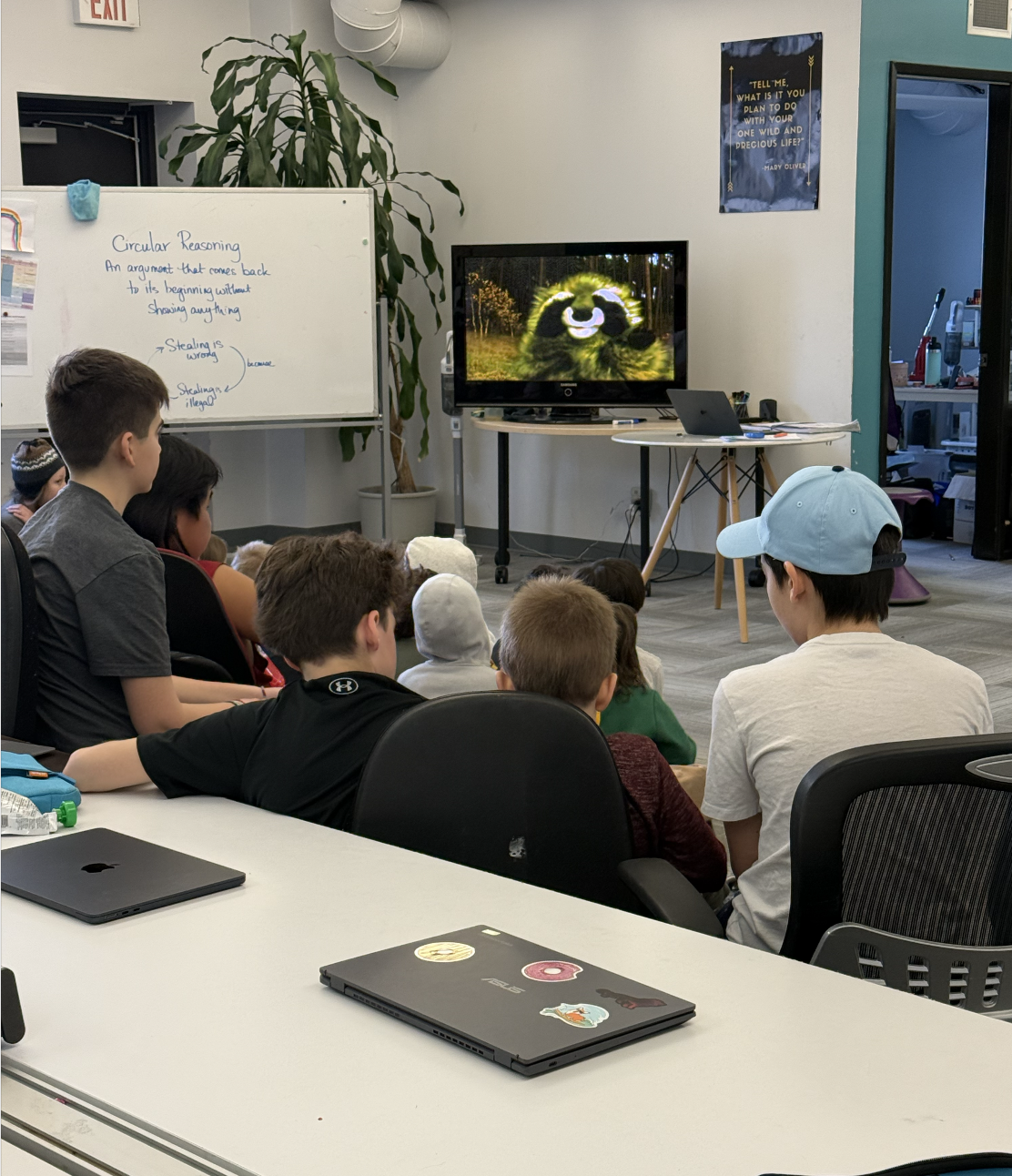
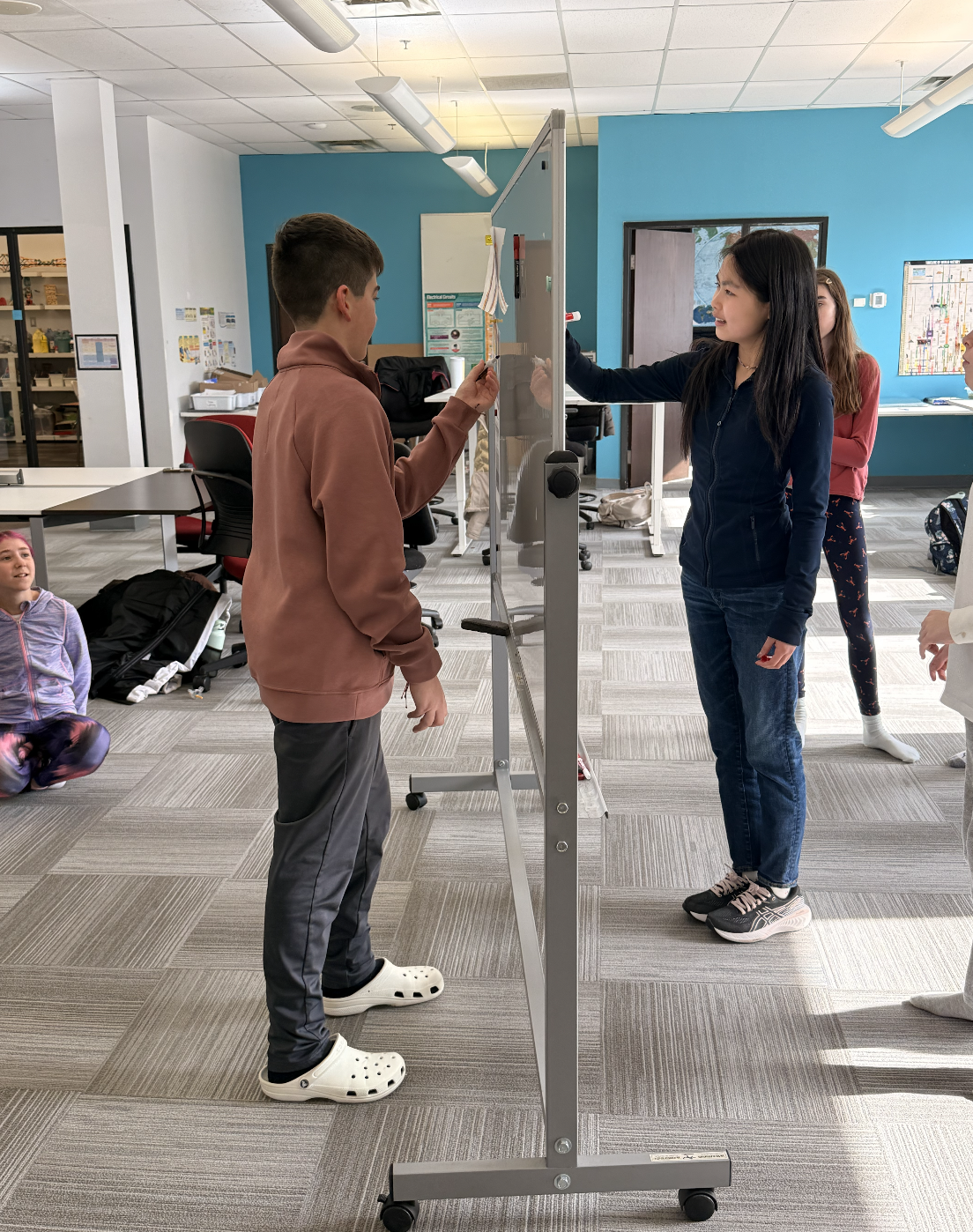
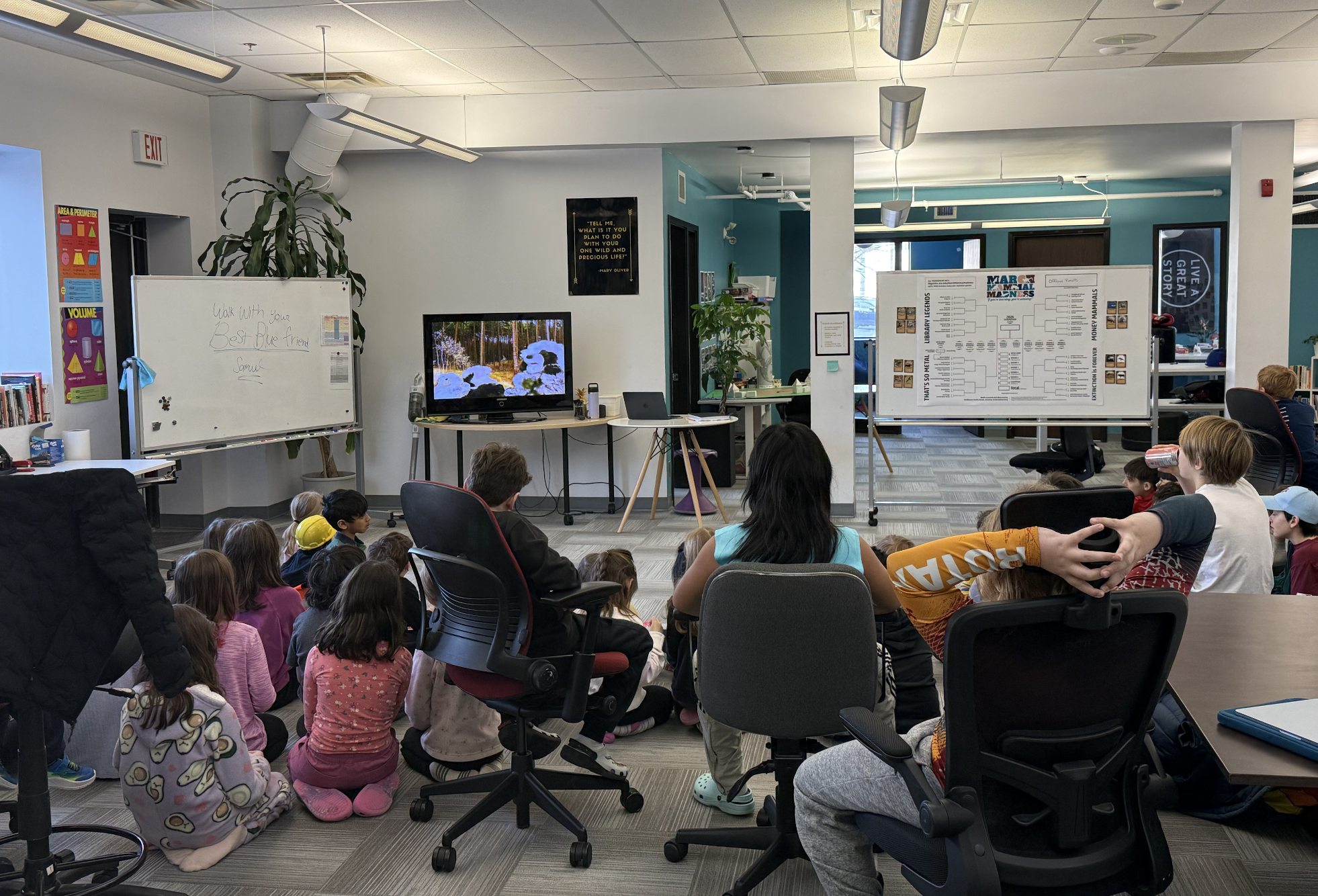
We began our week with our Becoming a Critical Thinker lesson, "The Body Inventory: Developing Self-Awareness." After reading the brief, which explained that, as humans, we make involuntary snap judgements the second we meet someone, we recognized that a self-aware thinker notices how a person, a conversation, or an issue triggers them. Learners then investigated a specific topic. Before studying, they asked themselves a series of questions and wrote a list of vocabulary, viewpoints, and prejudices they had, noting how their bodies responded. Were they relaxed, anxious or ambivalent? On Tuesday, learners helped beta-test a new program in logical and critical thinking, CritiKid! We began the lesson by learning about circular reasoning, an argument that circles back to its starting point without proving anything. We watched a fallacy detector video, went through a few examples, and then rewrote the statements to fix the arguments. The full school then met in our studio to watch Round 2 of the Extinction is Forever and That's So Metal divisions of March Mammal Madness. It was not a good morning for our learners who chose the Thylacine to win the championship, as it was defeated by the Aurochs! After reviewing our plans and action items on Wednesday, Rebels used their morning to work on their city art or core skills before boarding the bus for our field trip. Thursday, the learners went for a walk around the neighbourhood before watching the March Mammal Madness Sweet Sixteen recap. A learner ran our puzzles session on Friday morning before the full school came together for the "Elite Trait" battles in March Mammal Madness. We're excited to find out who will be the ultimate champion next week!
Reading Challenge and Grammar
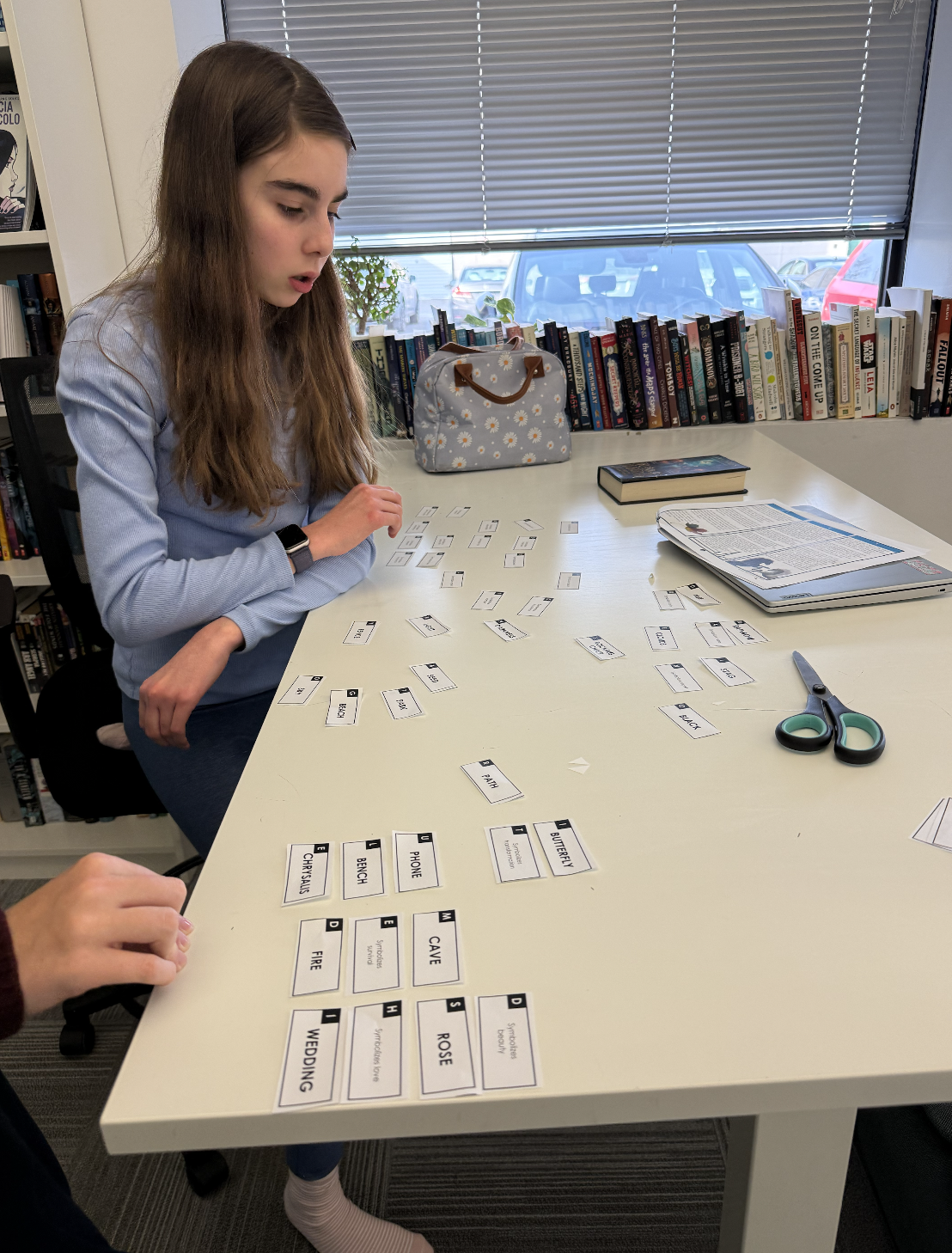
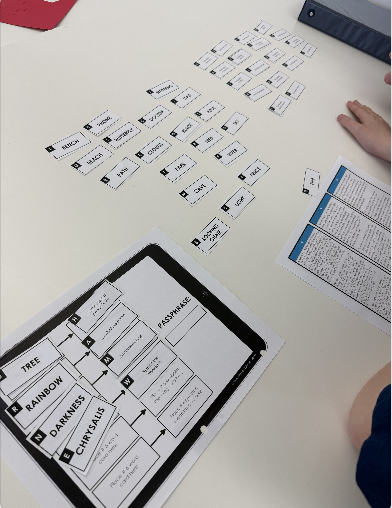
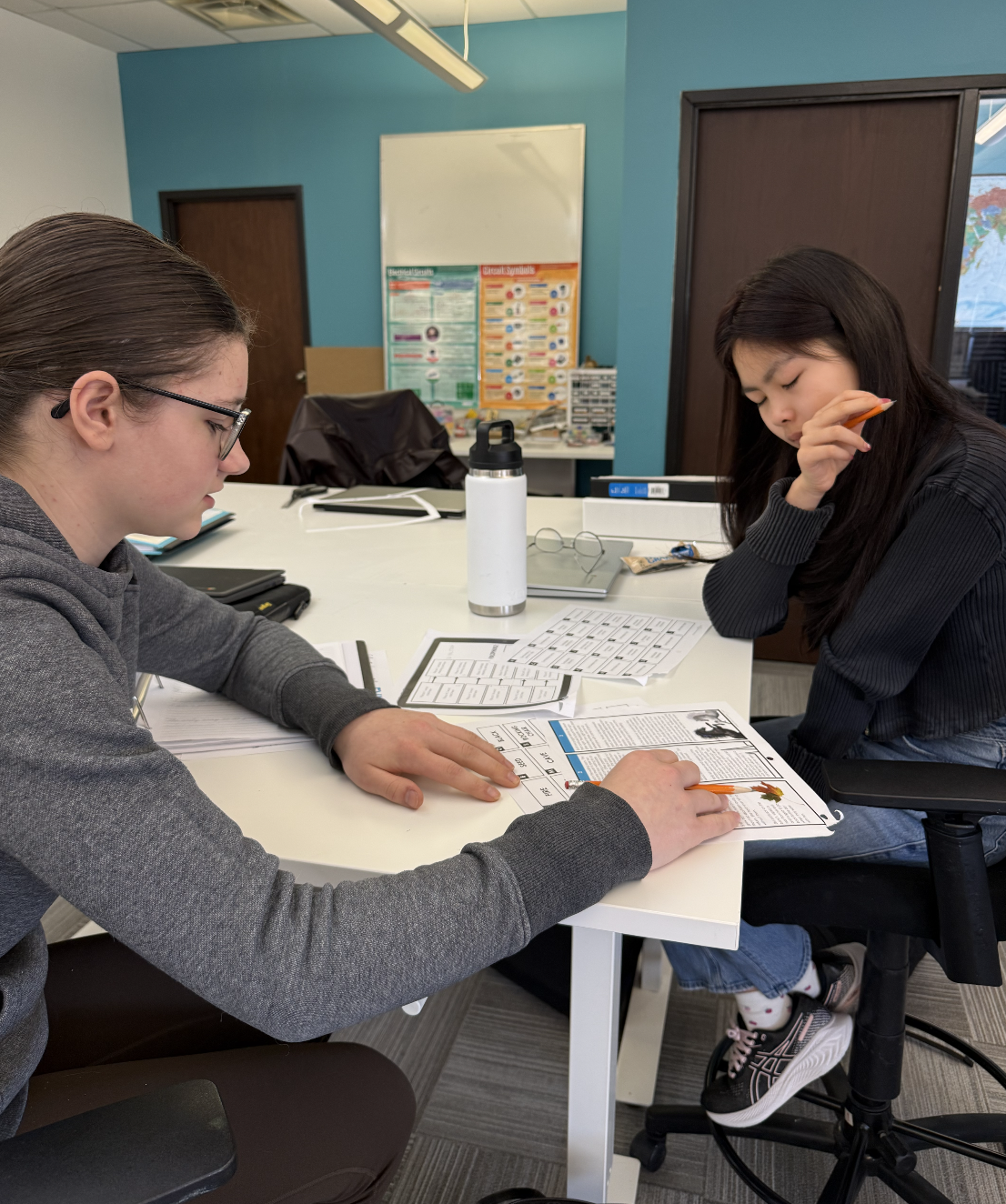
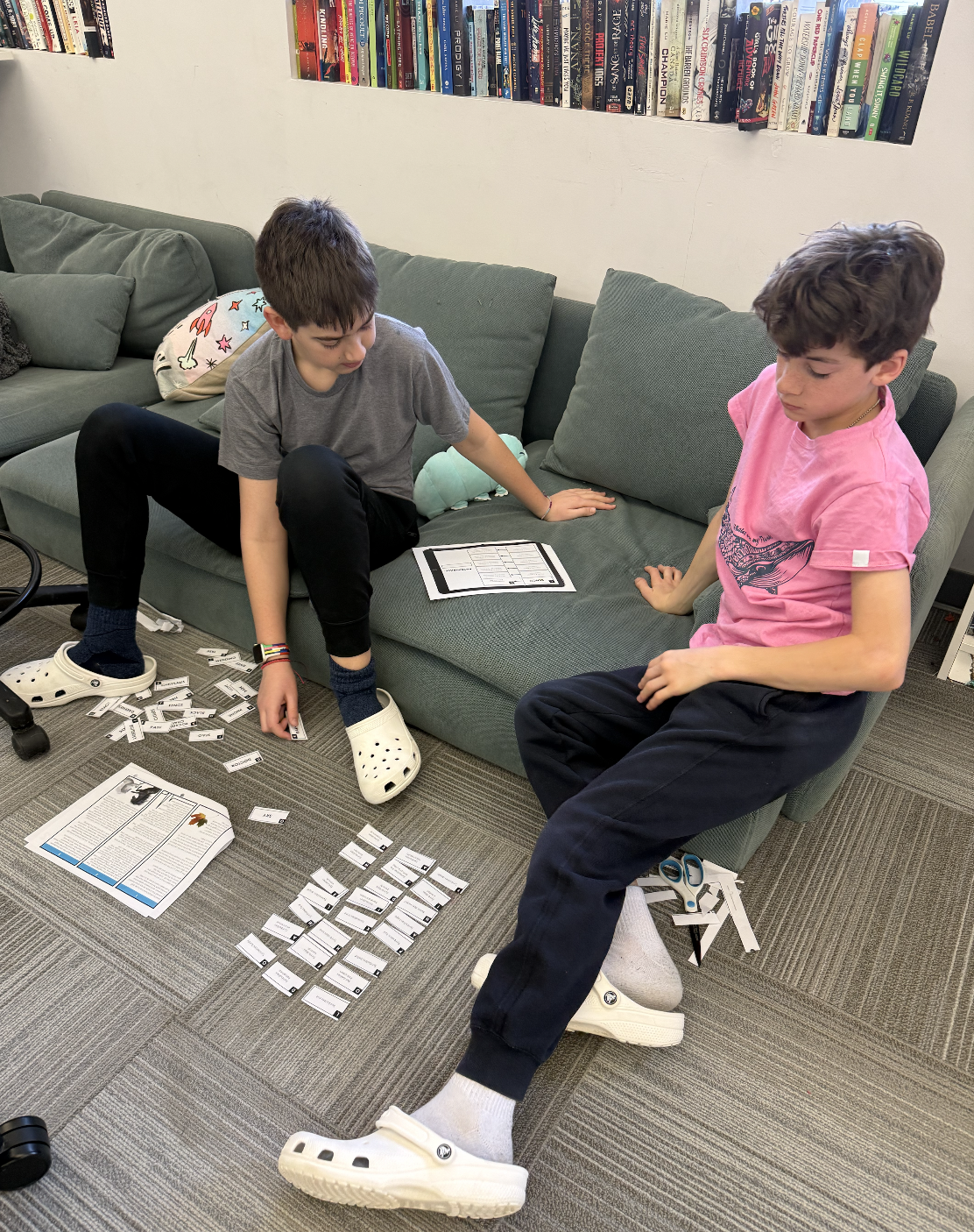
On Monday, learners reviewed that symbolism is the use of words, people, actions, objects, or locations to represent an abstract idea beyond their literal meanings. Authors often use symbols to bring greater meaning to a text to highlight a central theme, add deeper emotions, or help conceal an idea that might be controversial. After the mini-lesson, we discussed a series of colours, names, animals, objects, seasons, weather, and what they may symbolize in literature before Rebels paired off to complete this week's reading challenge.
Our grammar concept of the week was subject-verb agreement. After reviewing the topic, Rebels fixed a group of sentences by finding the subject-verb agreement errors on Tuesday, wrote a story on Wednesday, and corrected errors in paragraphs in teams on Thursday and independently on Friday.
A Midsummer Night's Dream
On Monday, we read Act 4, Scenes 1 and 2 as a full group. Since we were at the museum on Wednesday, learners had the remaining DEAR periods to work on their Act 3 handouts, where they summarized the plot and identified character motivation. They also considered how the conflict is resolved in Act 4, using a series of claims and evidence in the form of quotations. Next week, we will read Act 5 and finish the play! In Session 6, we will choose a scene to practice and perform at the Session 7 Exhibition.
Reader/Writer Workshop
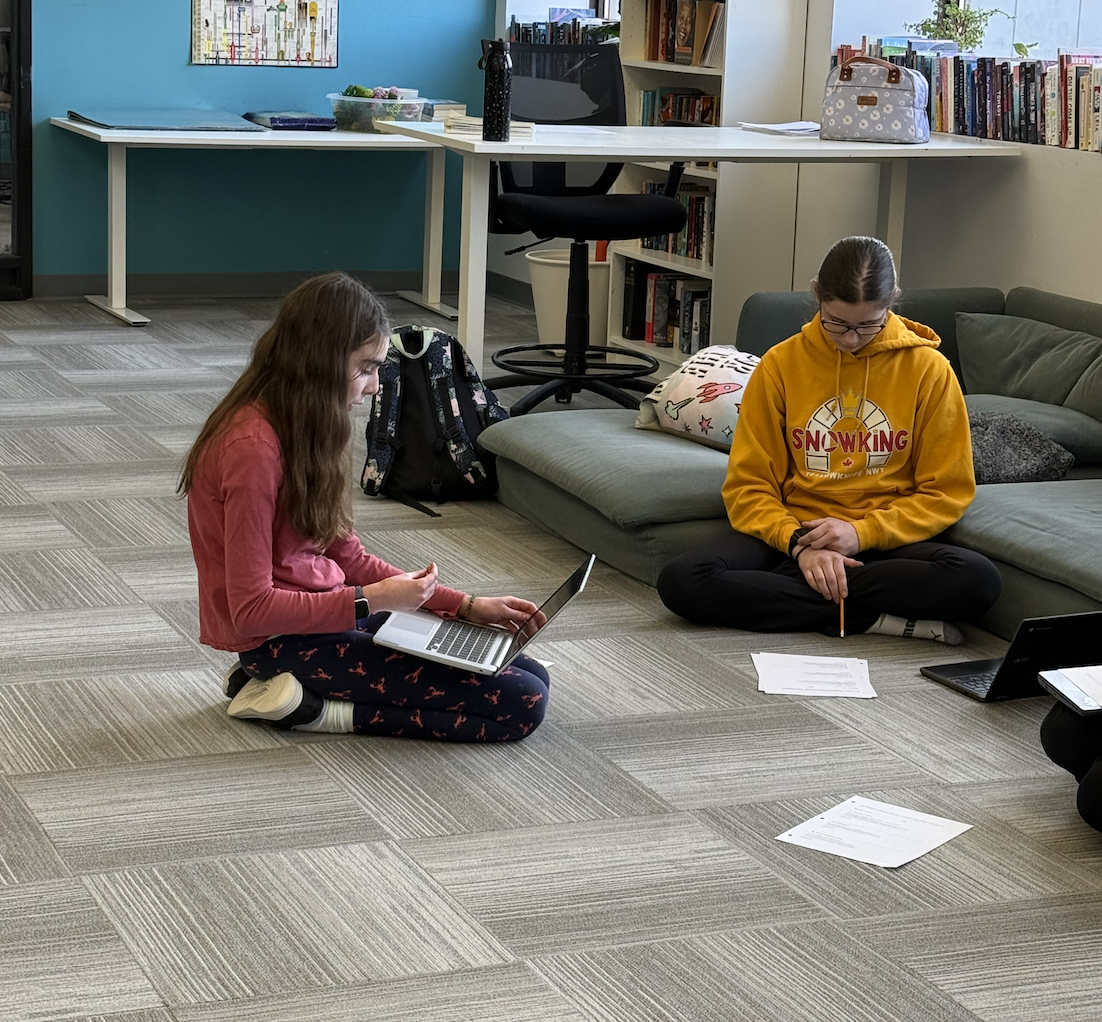
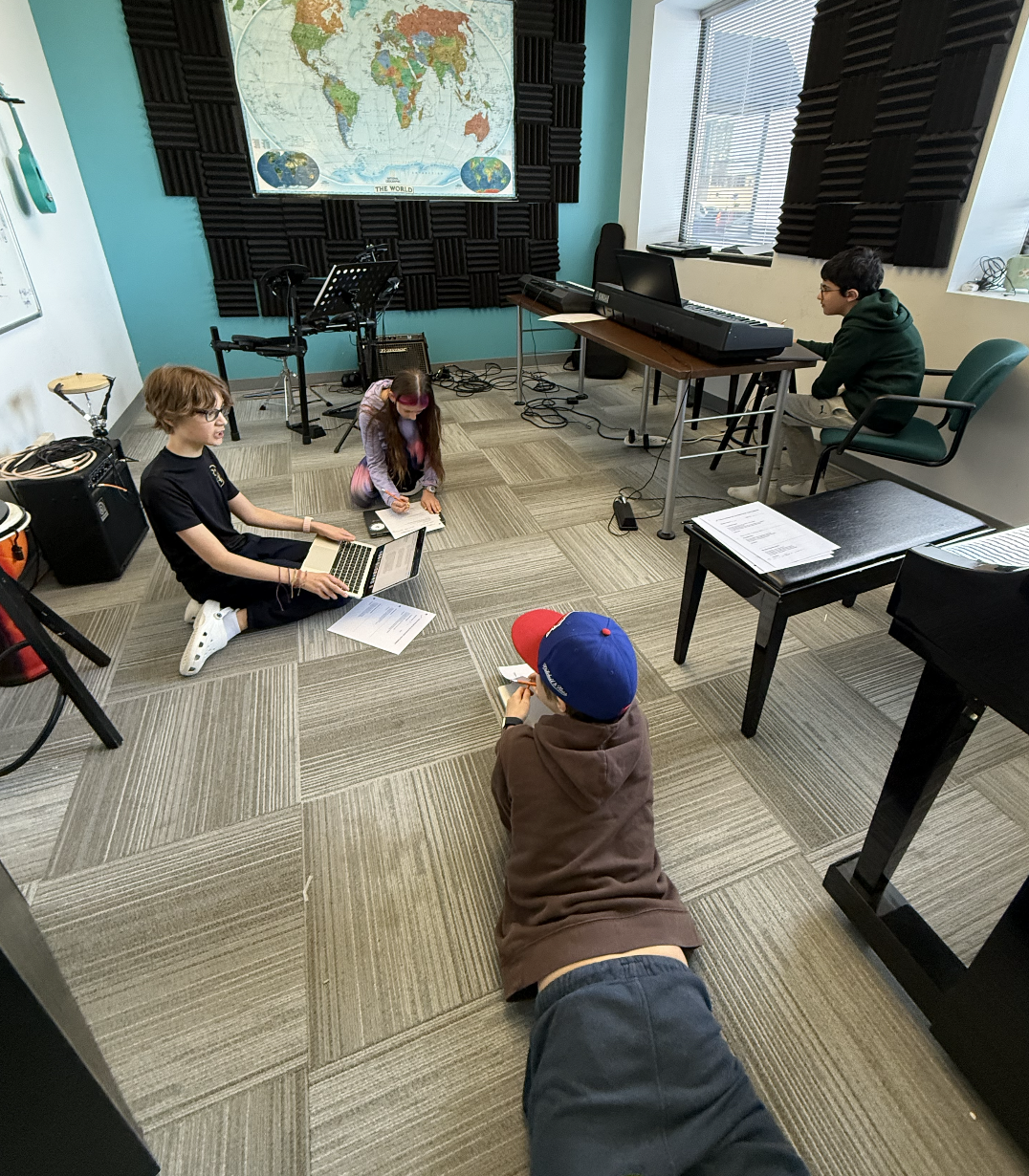
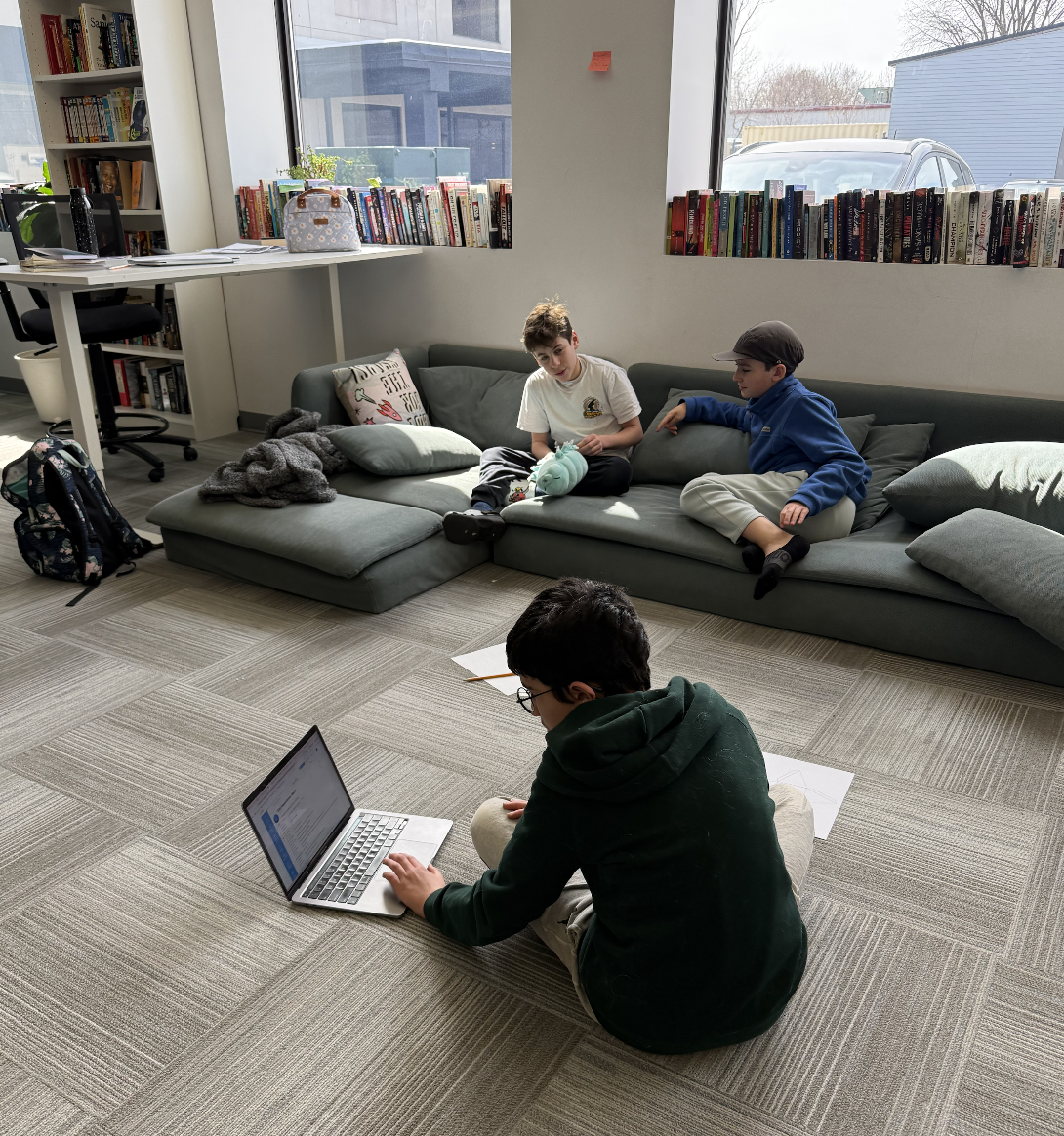
After reviewing and setting personal goals for improving their speech delivery, learners worked to complete their second draft and practiced saying it aloud. In groups of four, Rebels then met to listen to each other's speeches and provide feedback on content and ideas, organization, voice and speaking skills, as well as body language and confidence for each speaker. Next week, we will give our final presentations and vote on which speeches we'd like to be presented at the Exhibition.
French
This week in French, the Rebels participated in a word connection challenge, where they worked in teams to link together as many historical vocabulary words as possible. Each word was presented as a hexagon, making the task more complex, as each word needed to connect to six others. On Thursday, we celebrated the International French Day (Journée de la Francophonie). Learners watched a video showcasing the variety of French accents from around the world, helping them develop their listening skills and deepen their understanding of the richness of the French language. To conclude, learners took part in a Kahoot quiz focused on key facts about La Francophonie, including the celebration's key elements and the countries that make up the Francophone world.
Civilizations - Big History
People have traded goods and ideas for thousands of years. Once large societies and empires formed, trade routes expanded. But what else was traded as connections crossed longer distances? After viewing a map, we discussed how geography affected trade, including which features hindered and which eased travel. We then watched a video about how the world became interconnected, then broke into pairs to complete our World Travellers challenge. Rebels read a series of primary source passages from The Travels of Marco Polo. Using the famous fourteenth-century explorer's passages and their critical thinking skills, learners had to determine what he described in each section. After reviewing their answers, they participated in a Socratic discussion in which they put themselves in the shoes of a leader, a traveller, and a merchant of the times to solve dilemmas.
Quest - Light it Up!
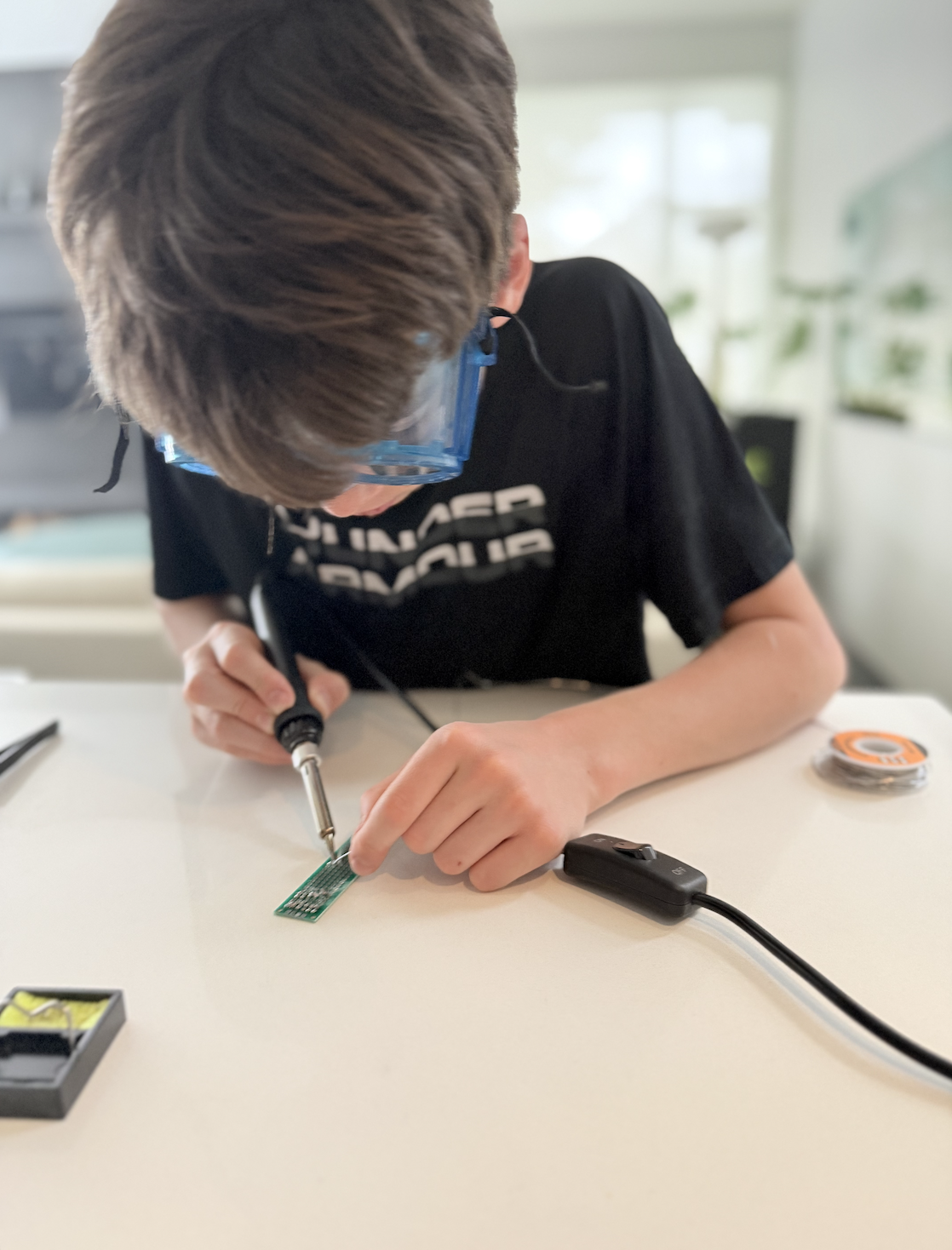
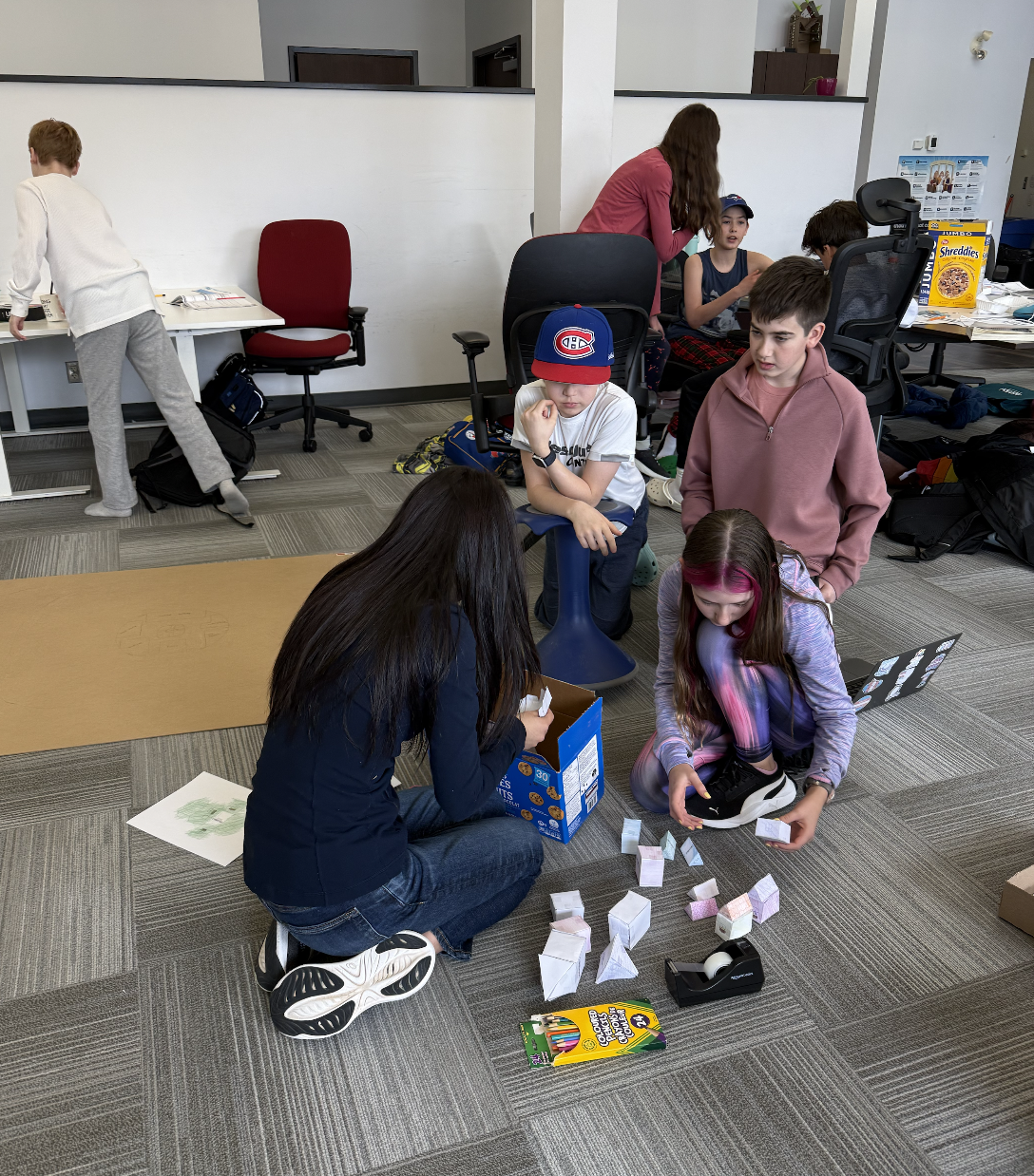
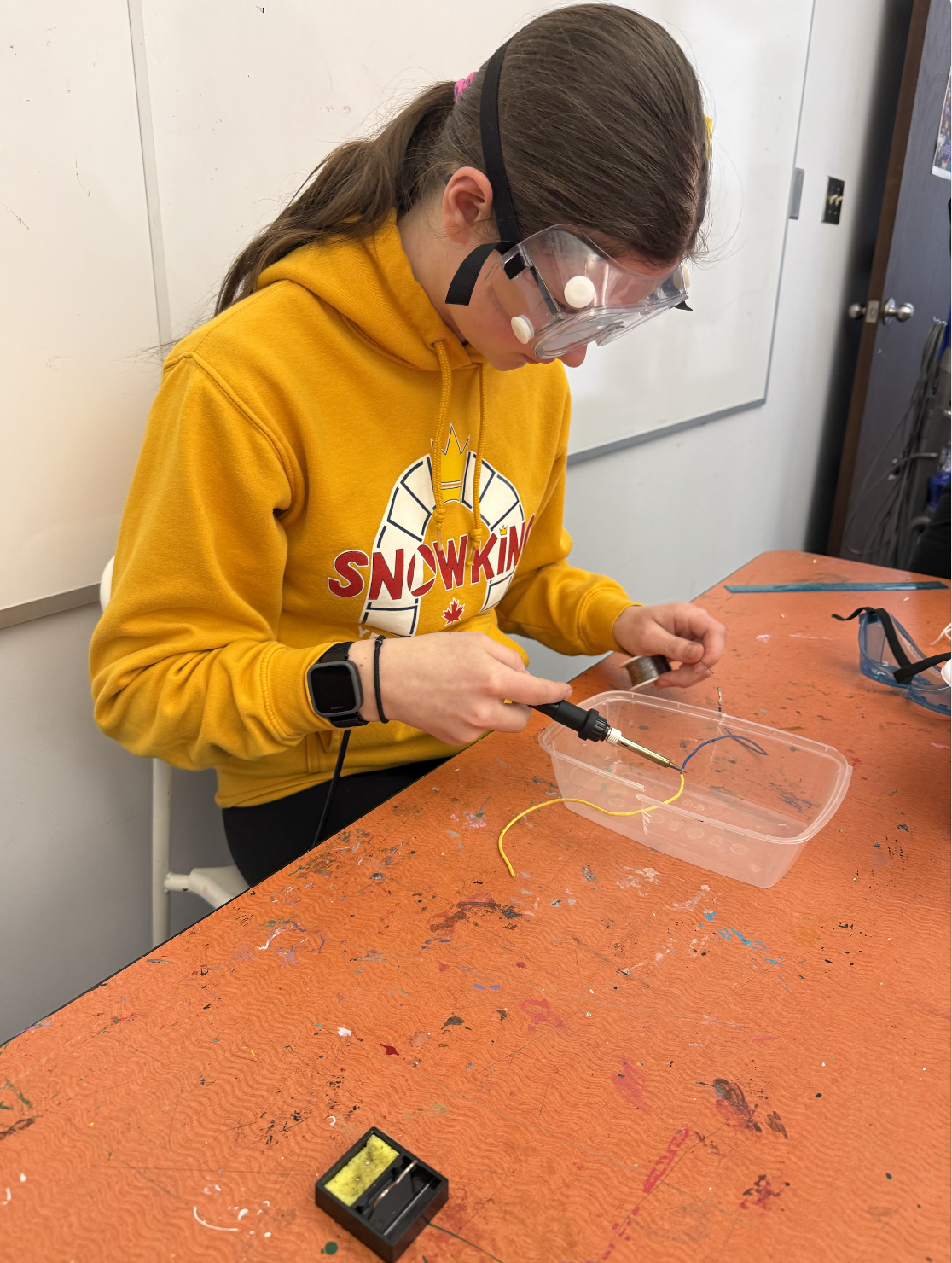
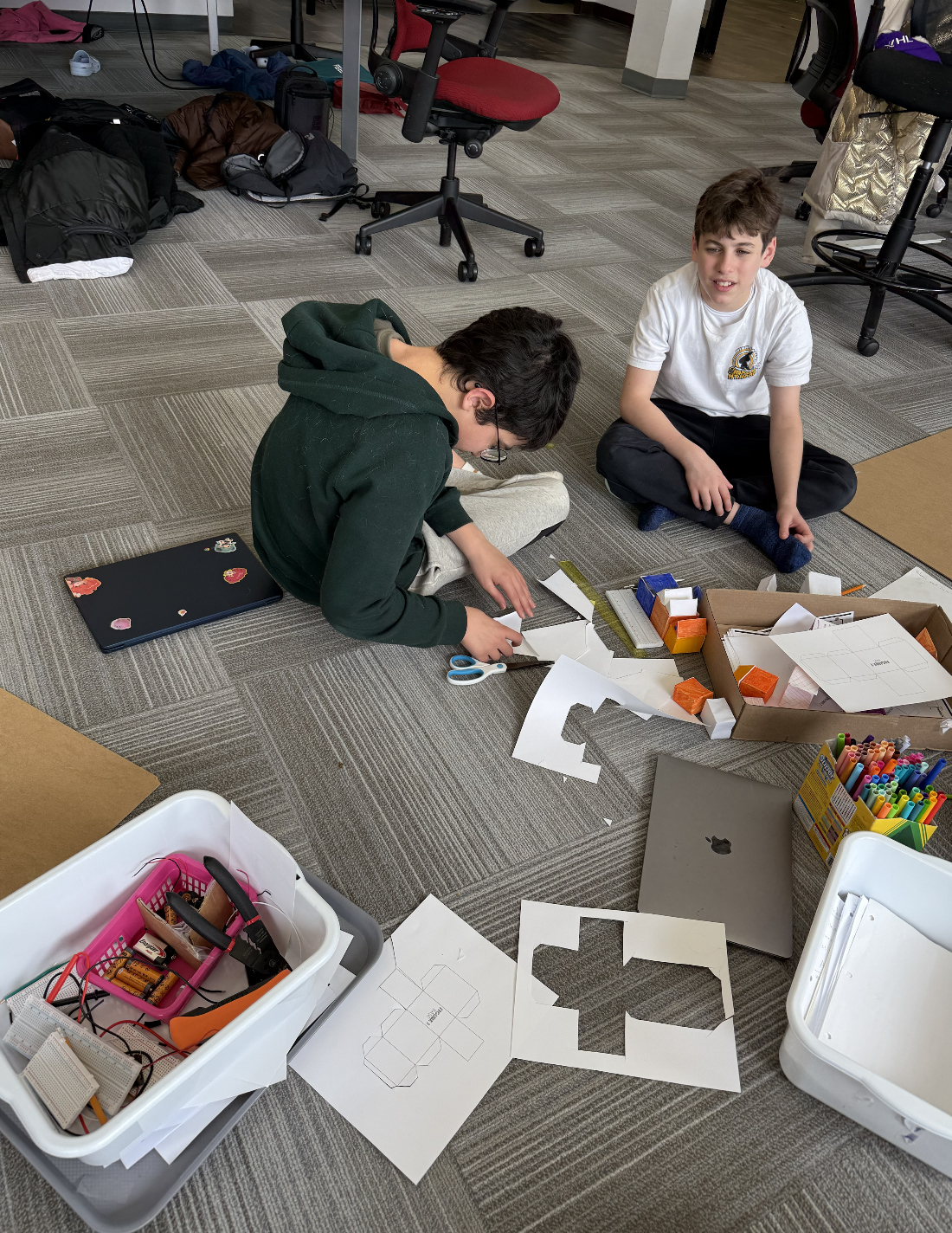
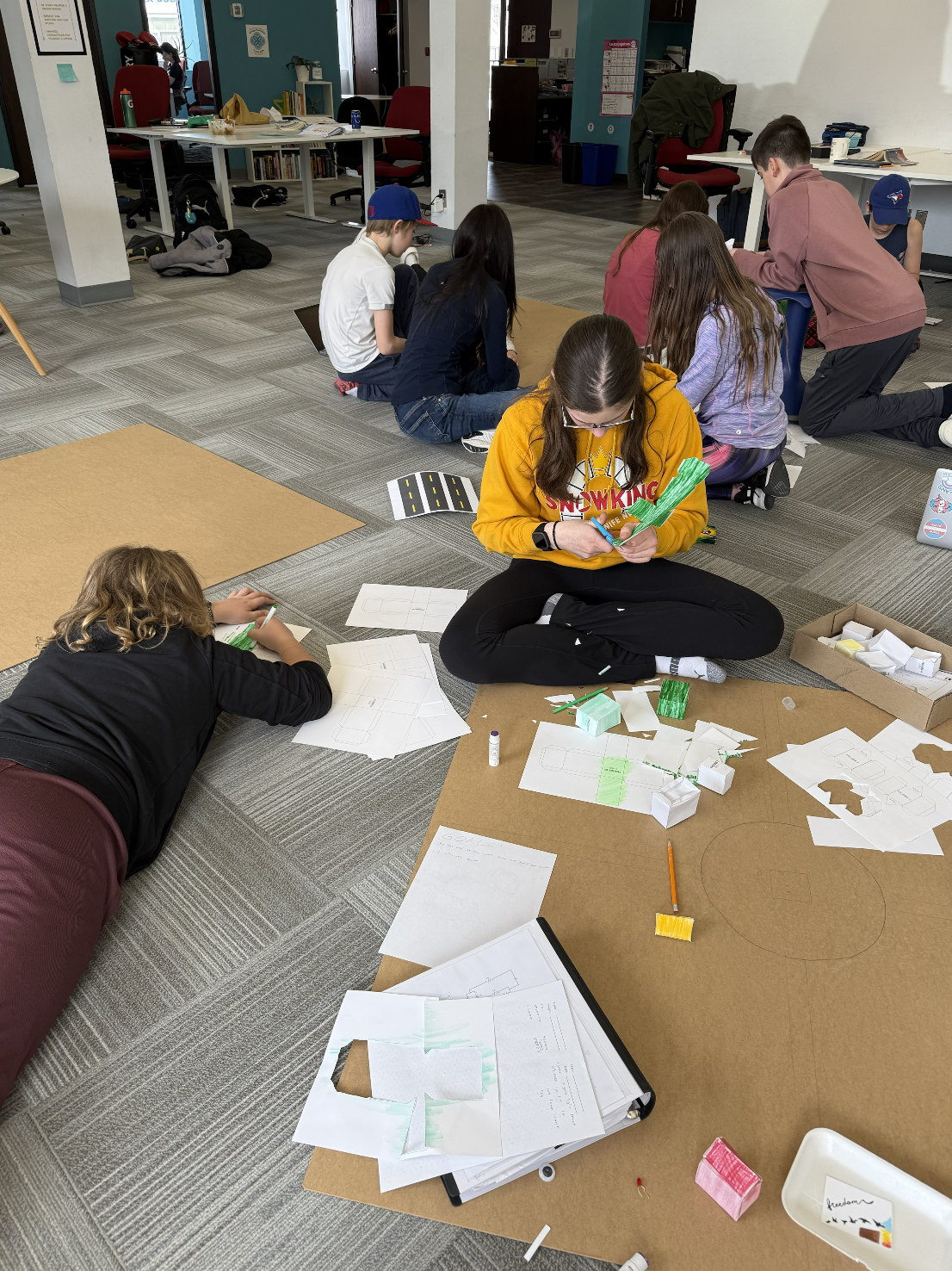
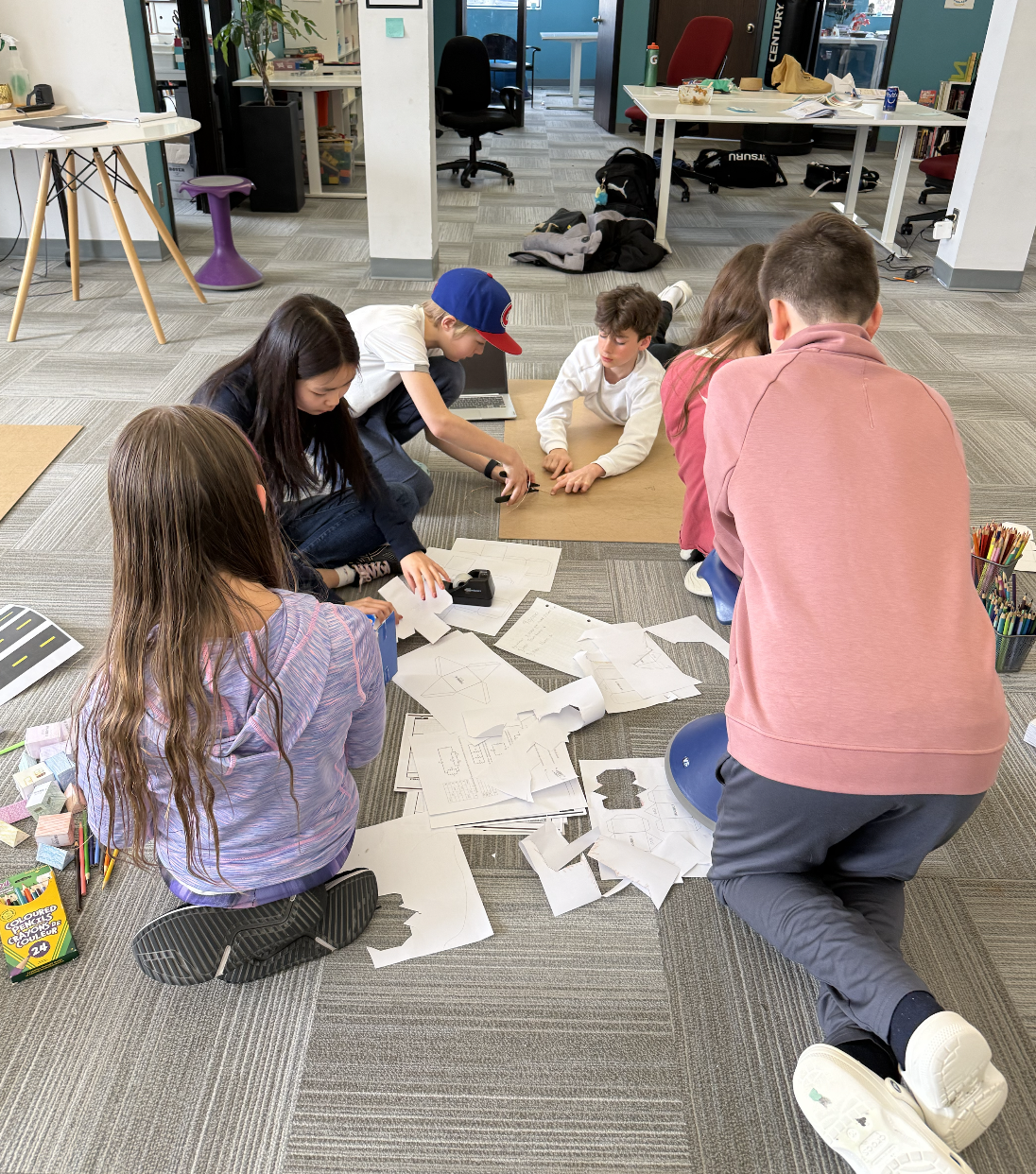
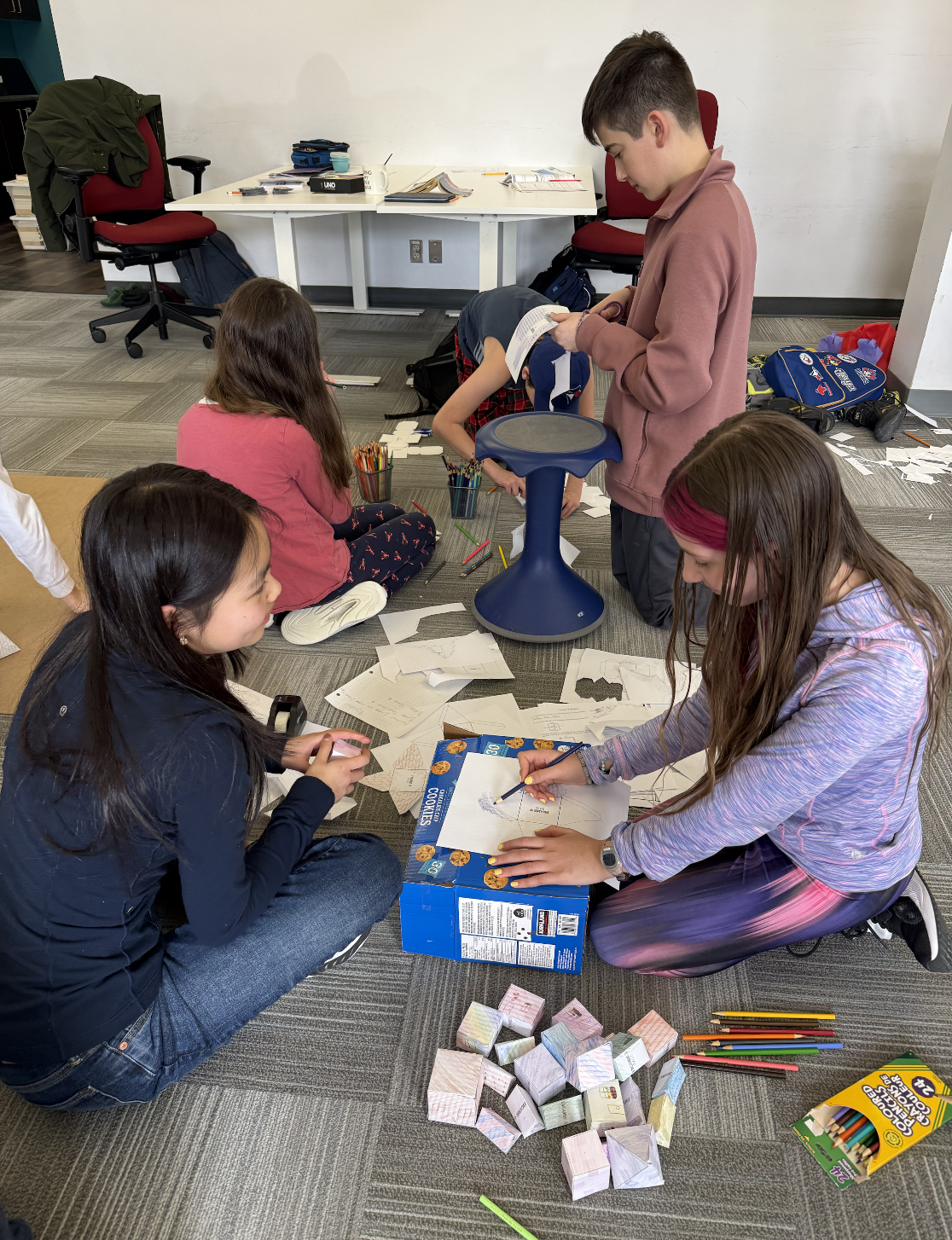
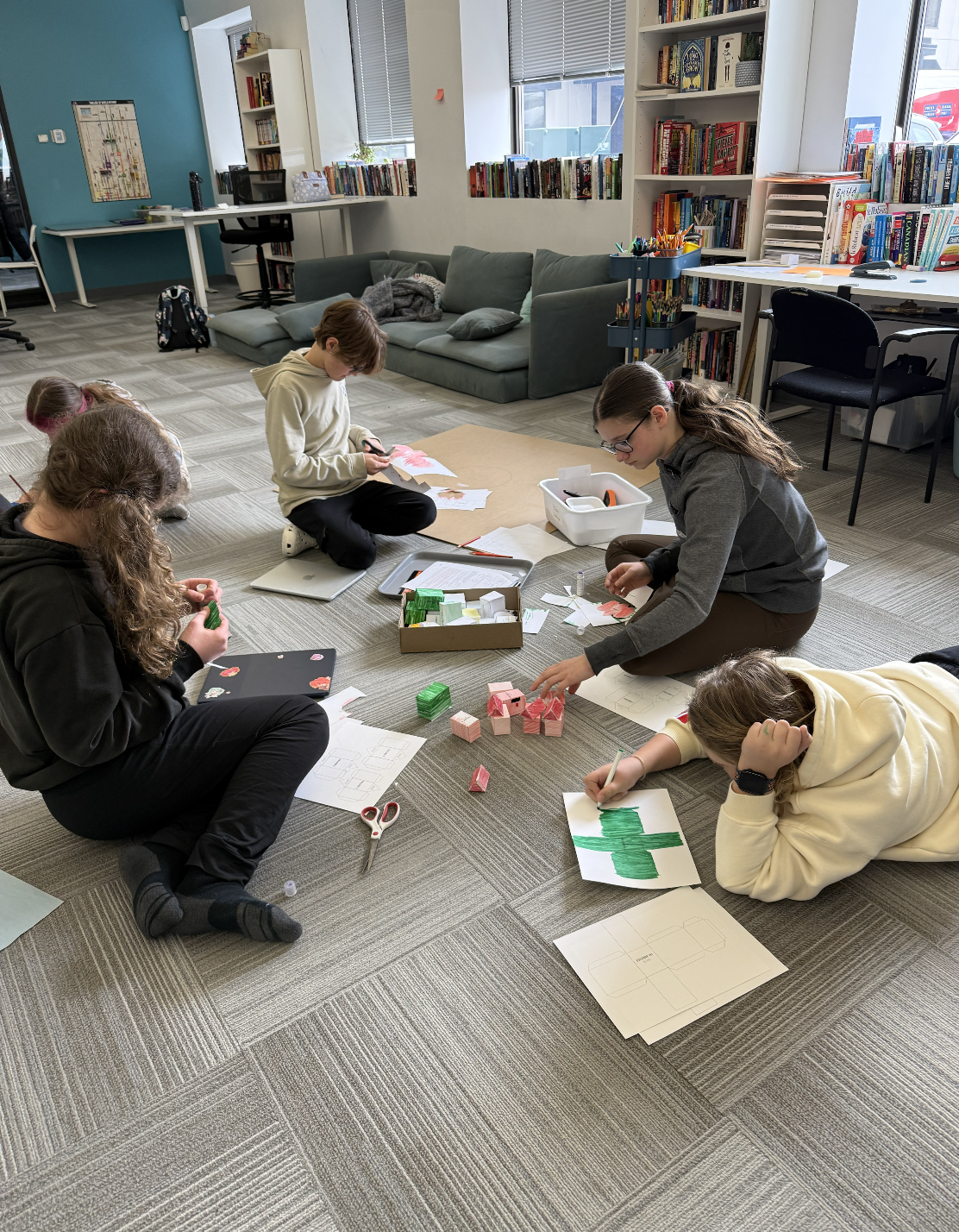
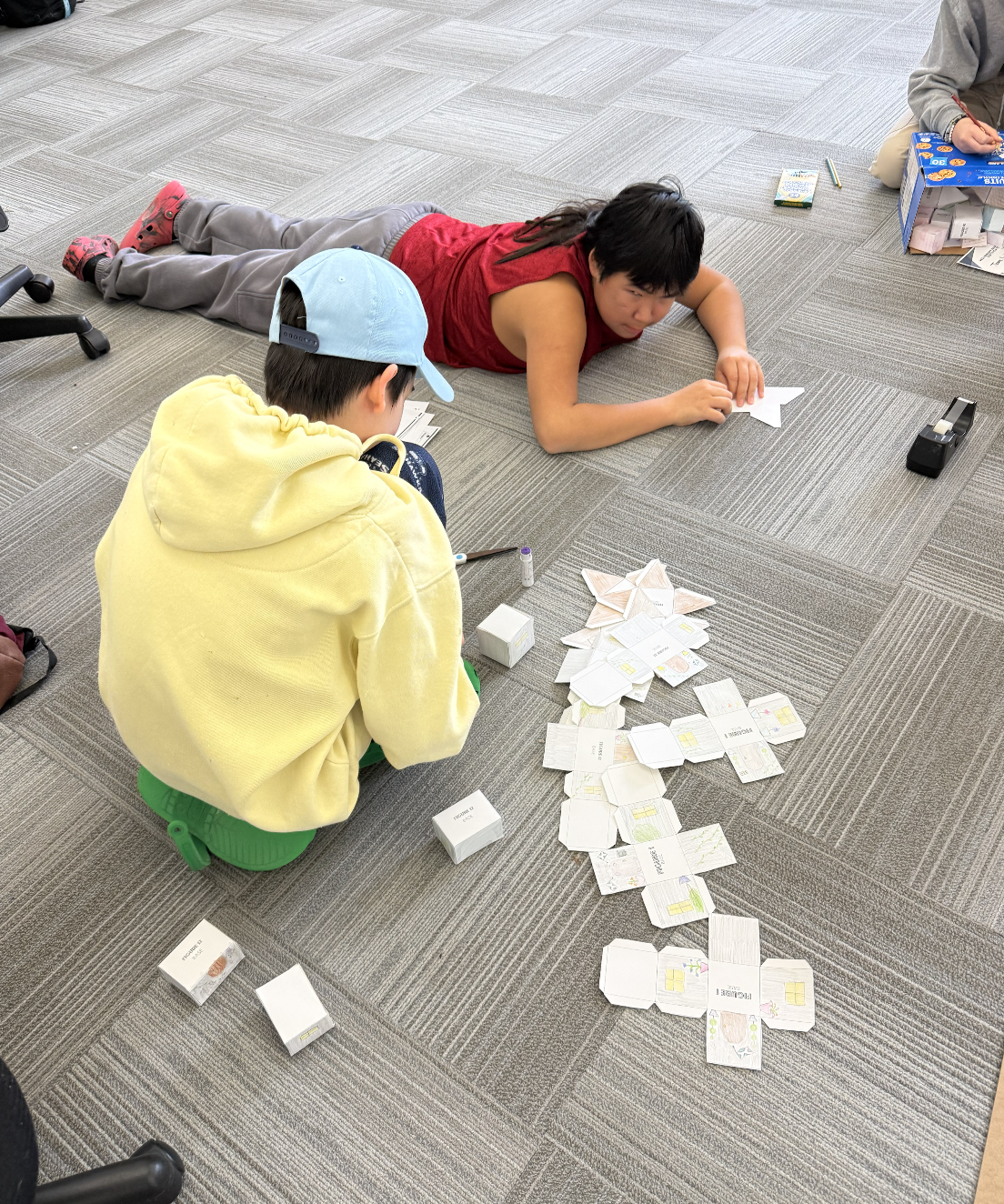
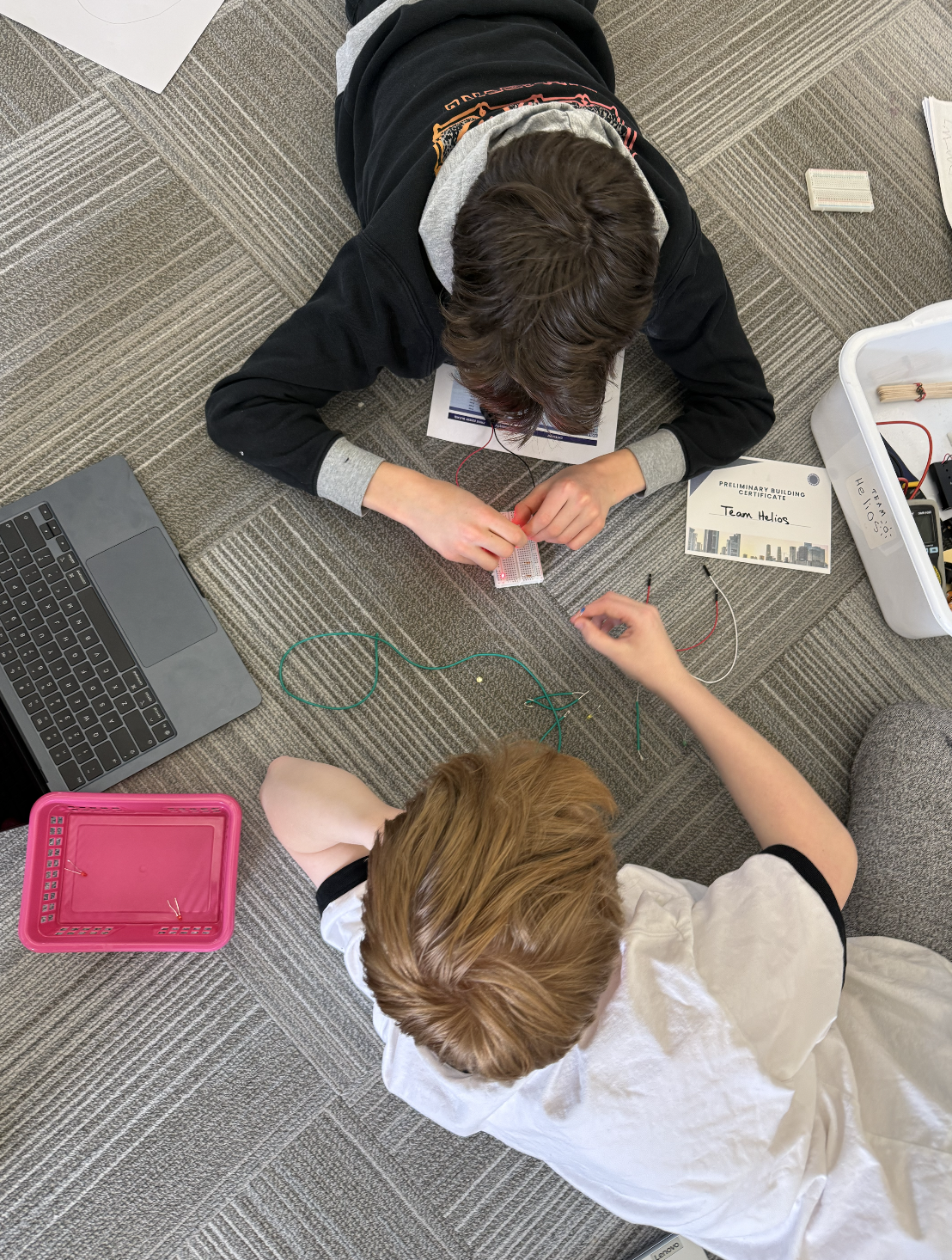
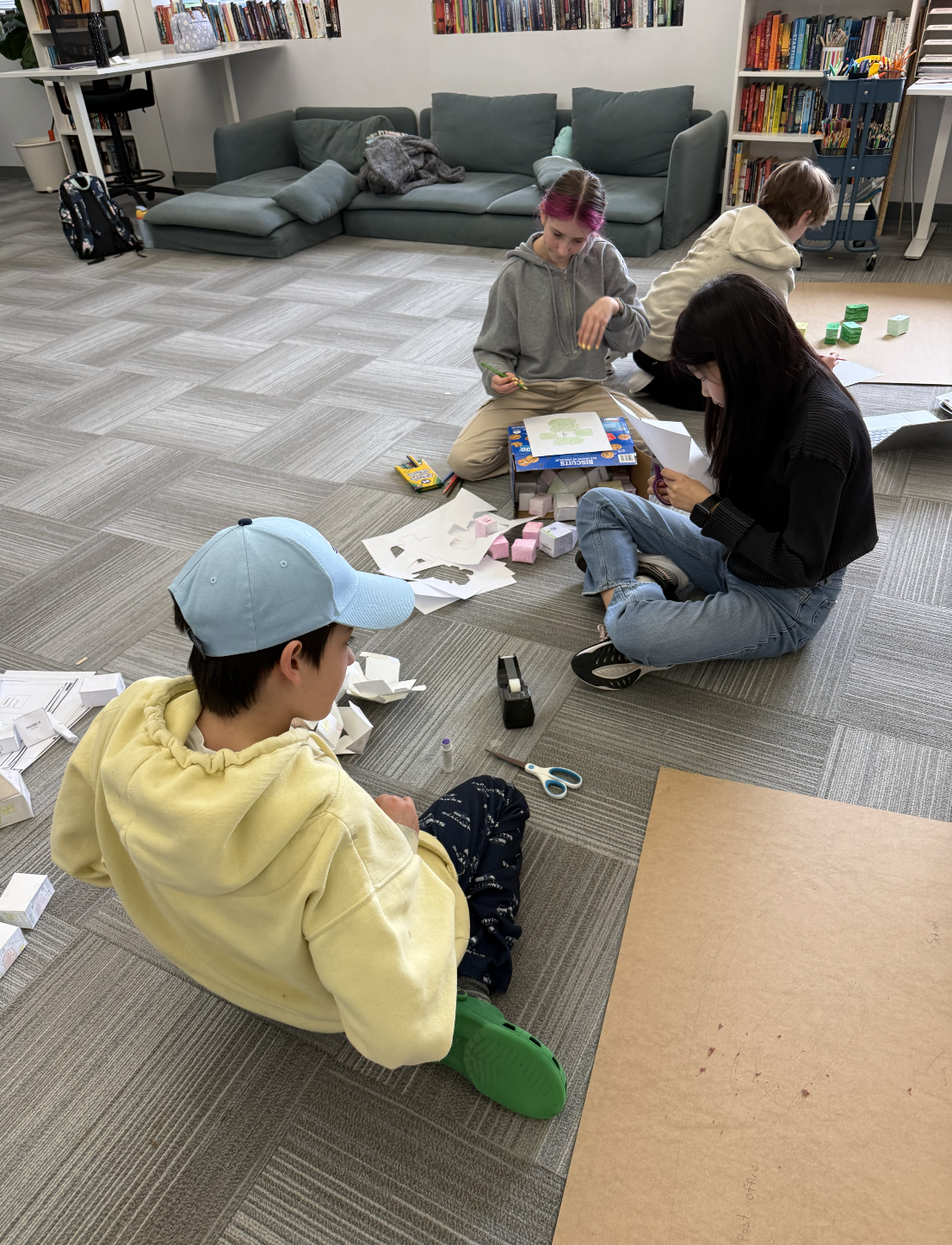
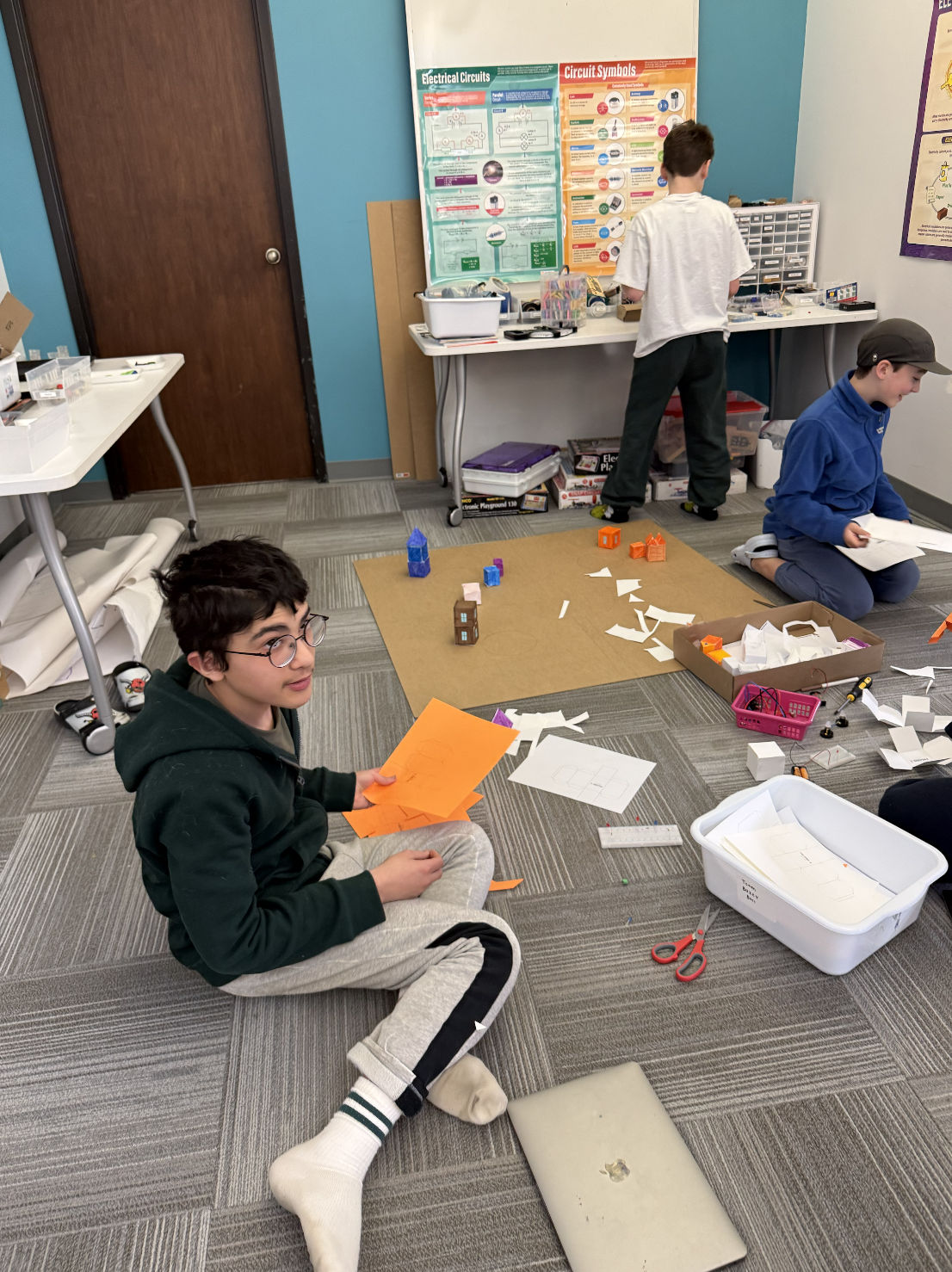
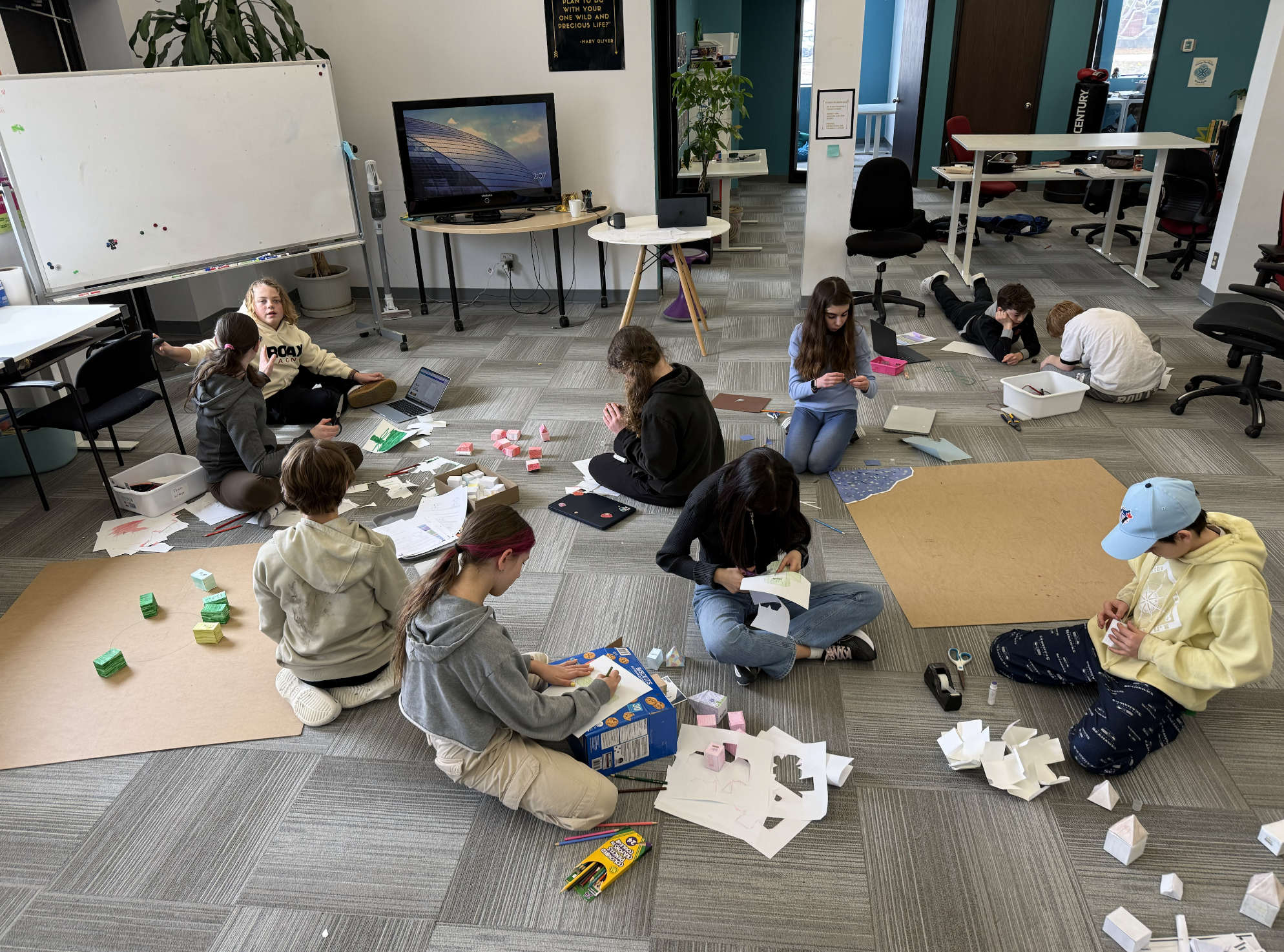
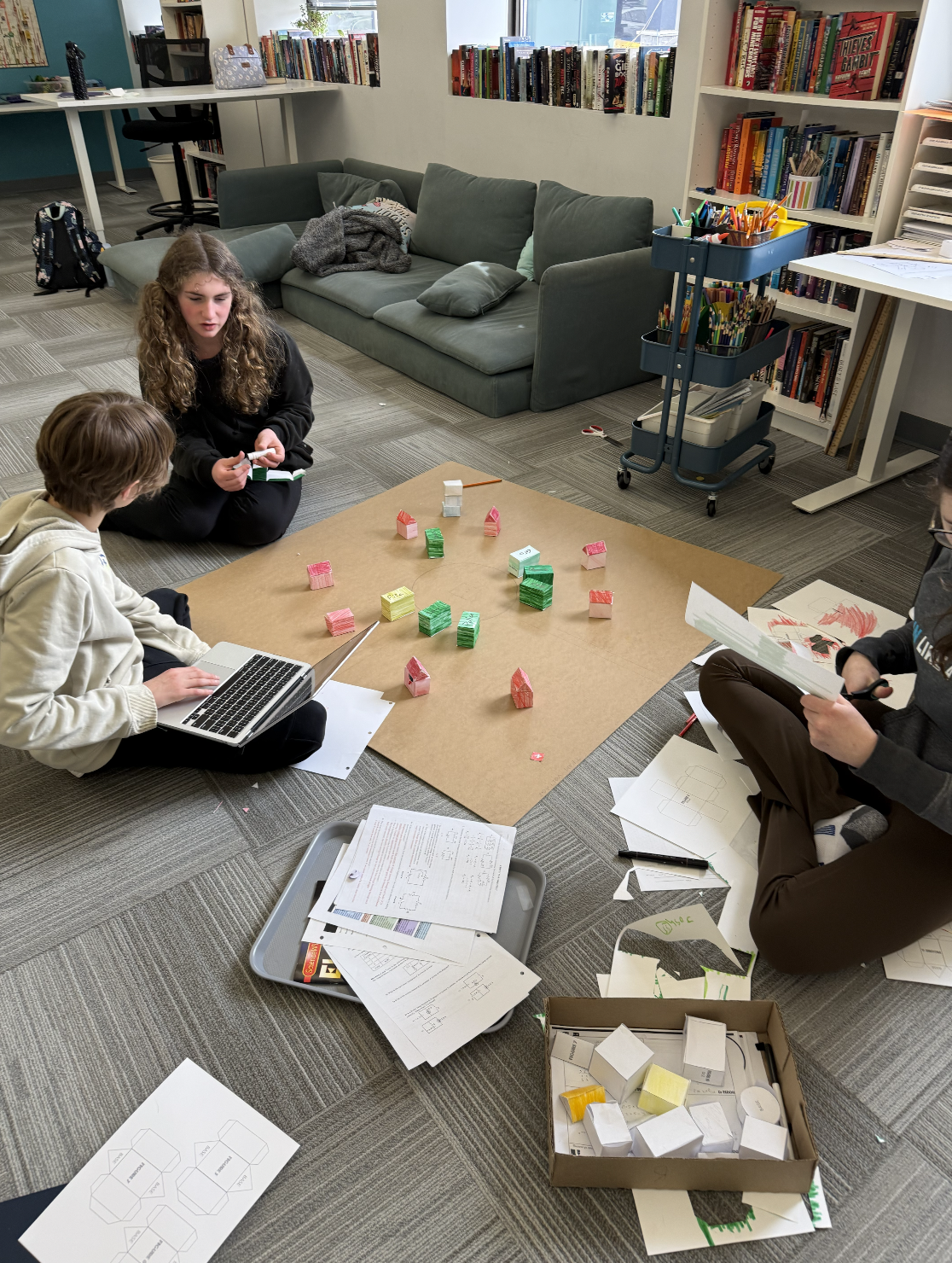
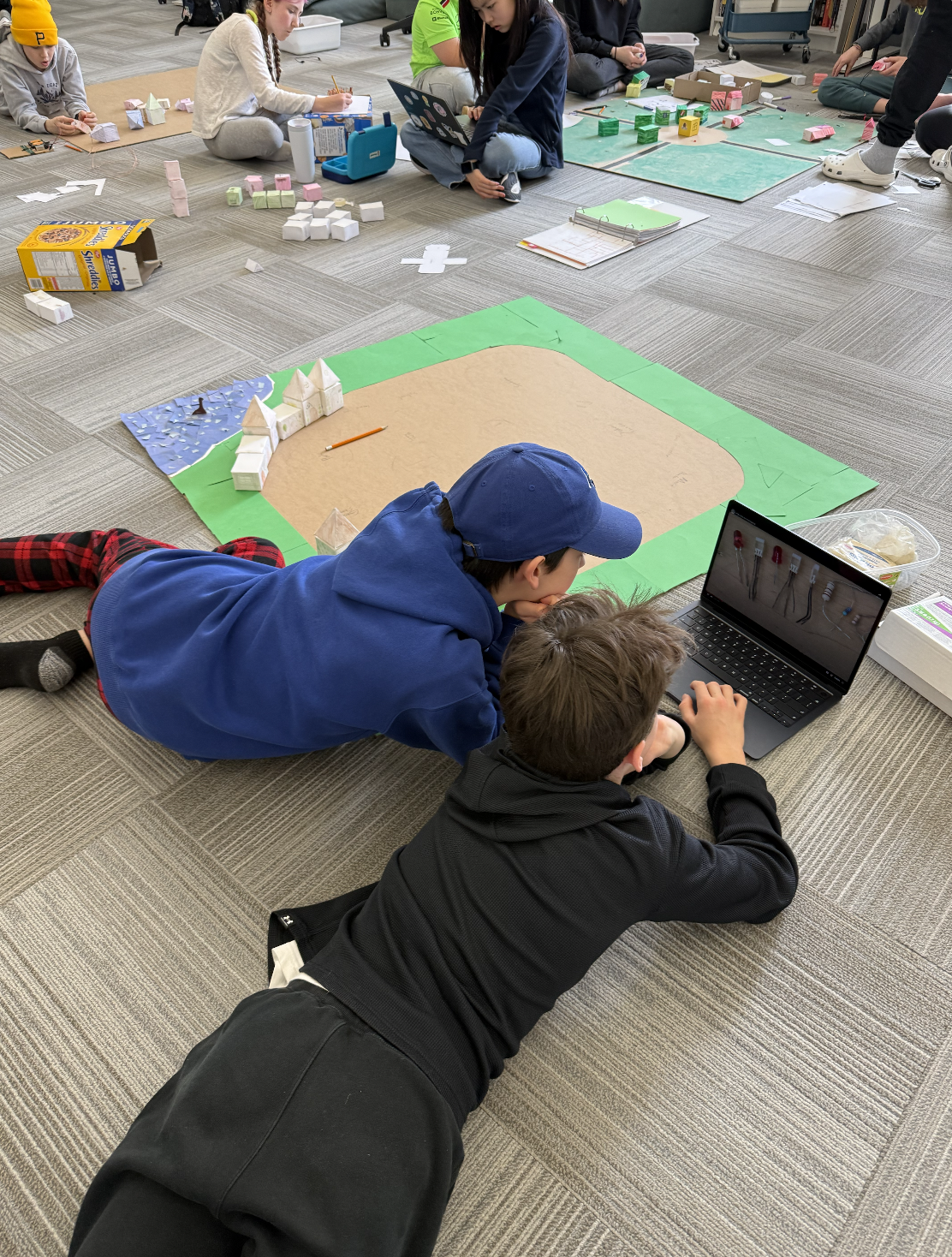
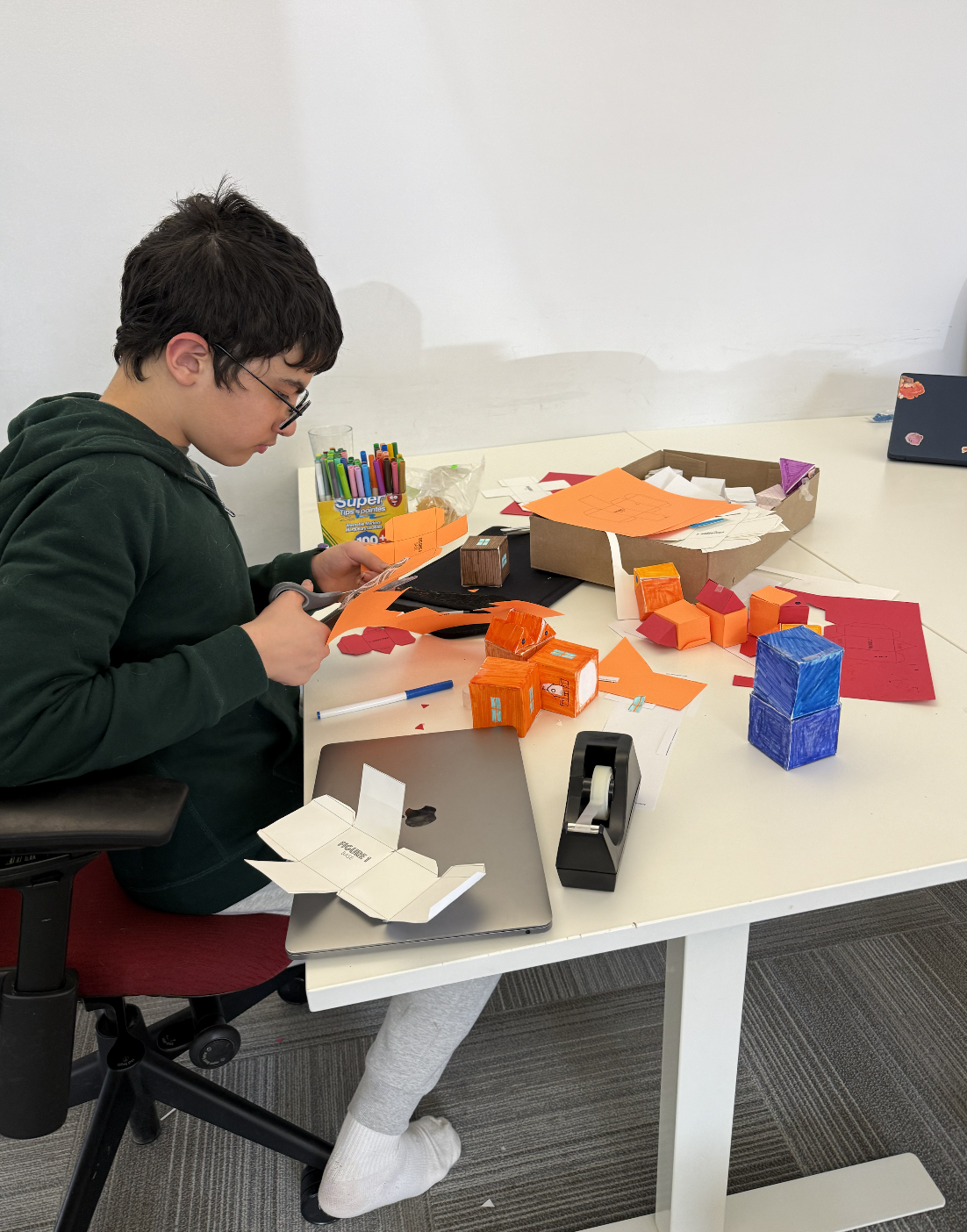
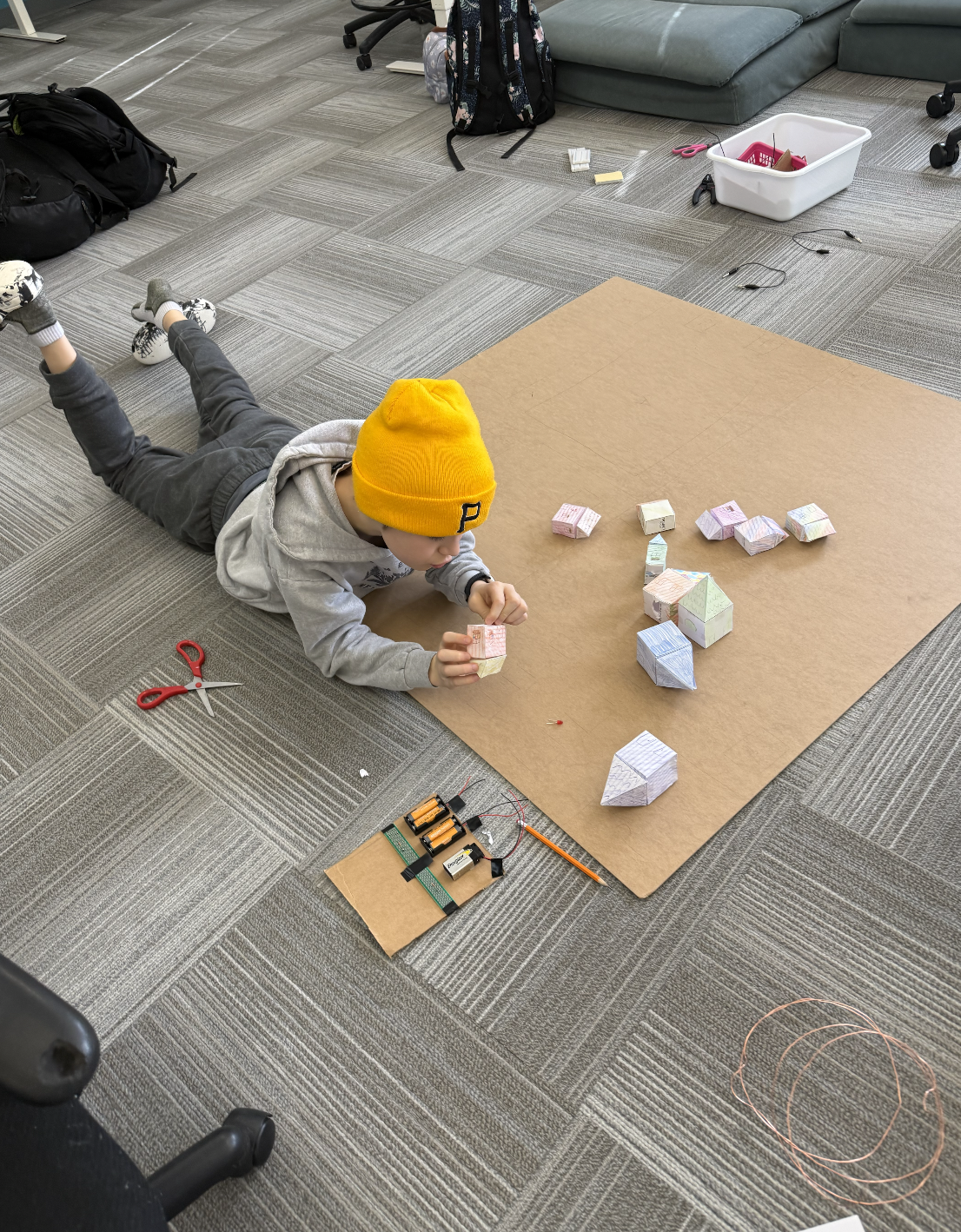
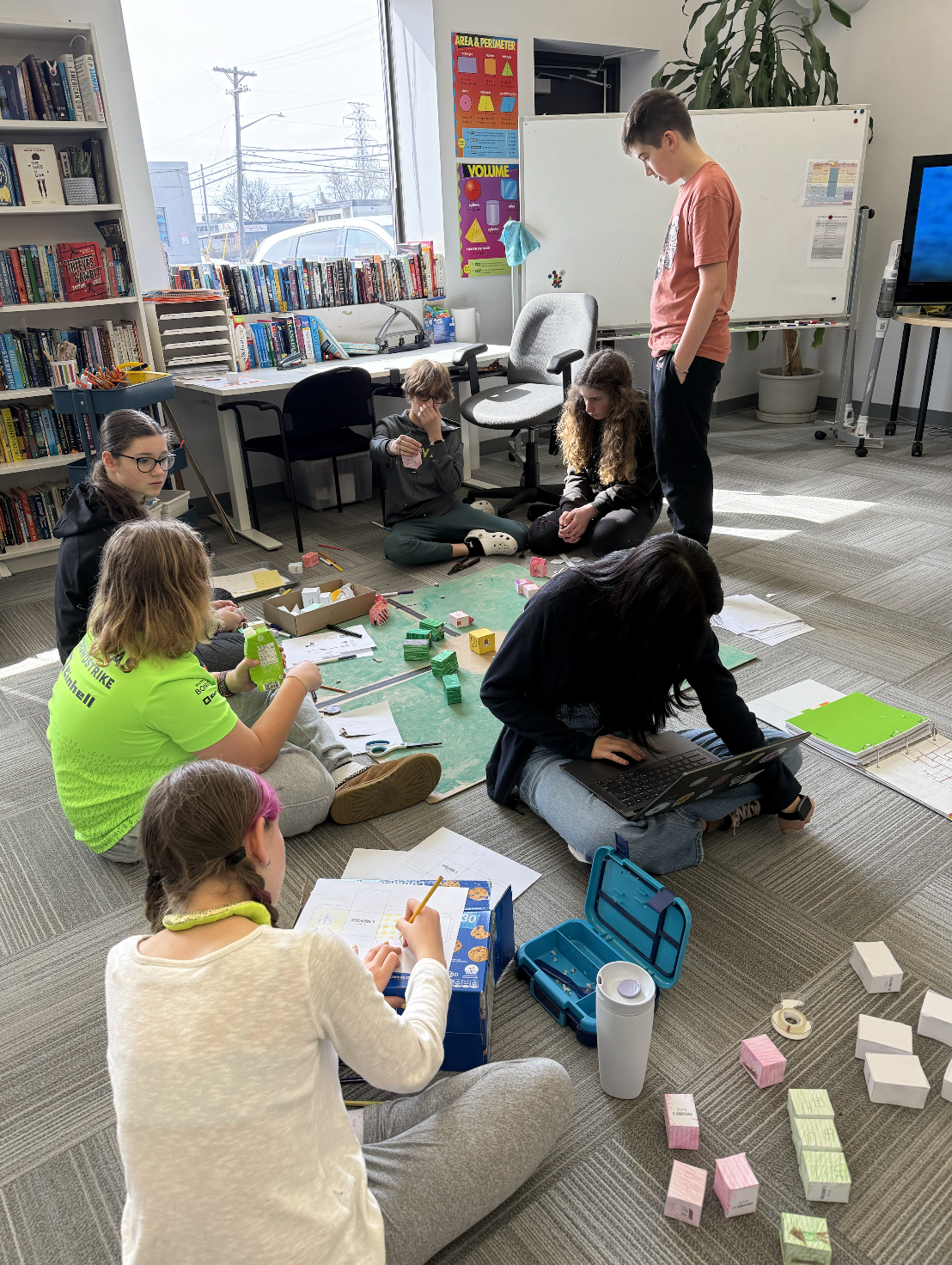
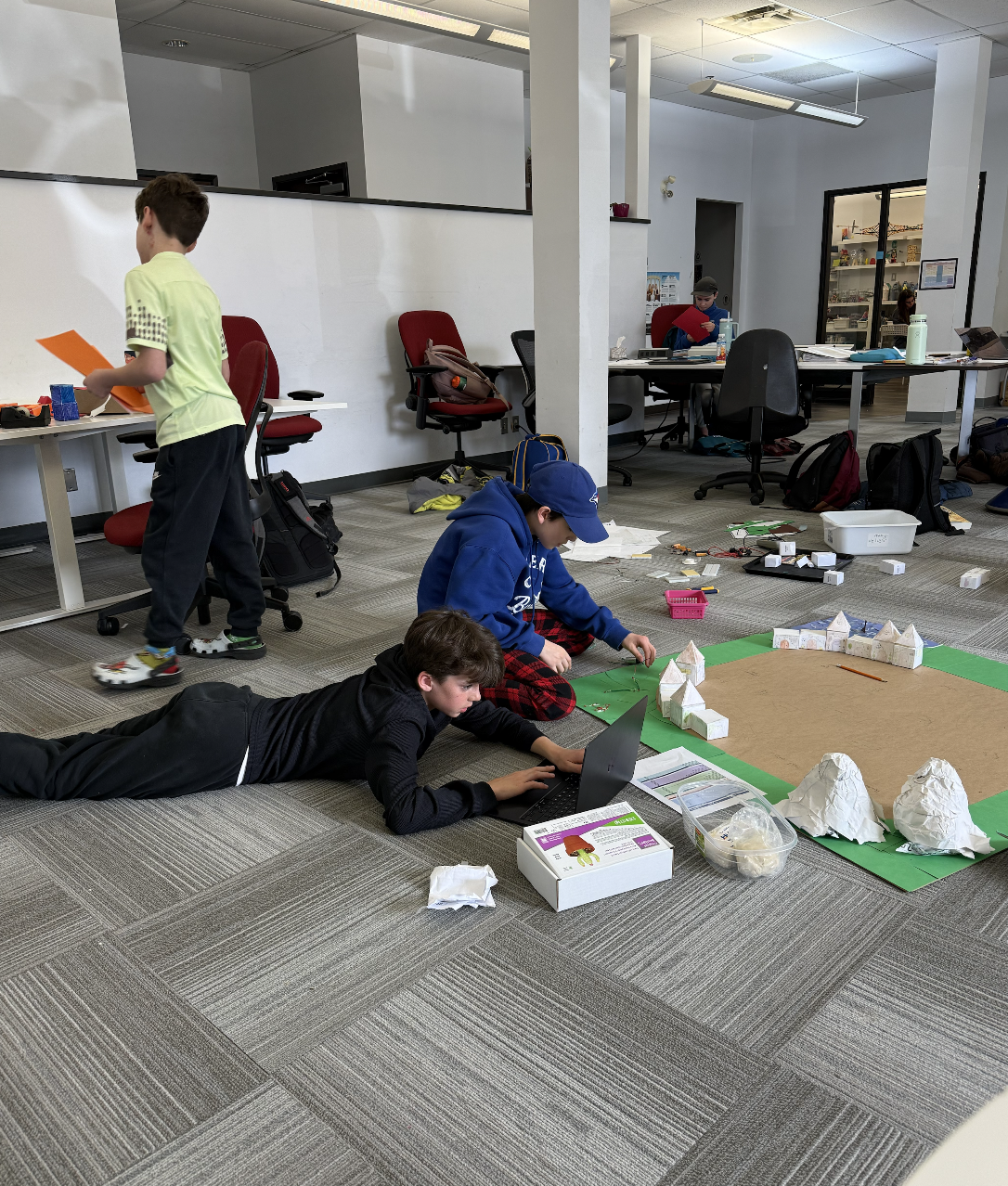
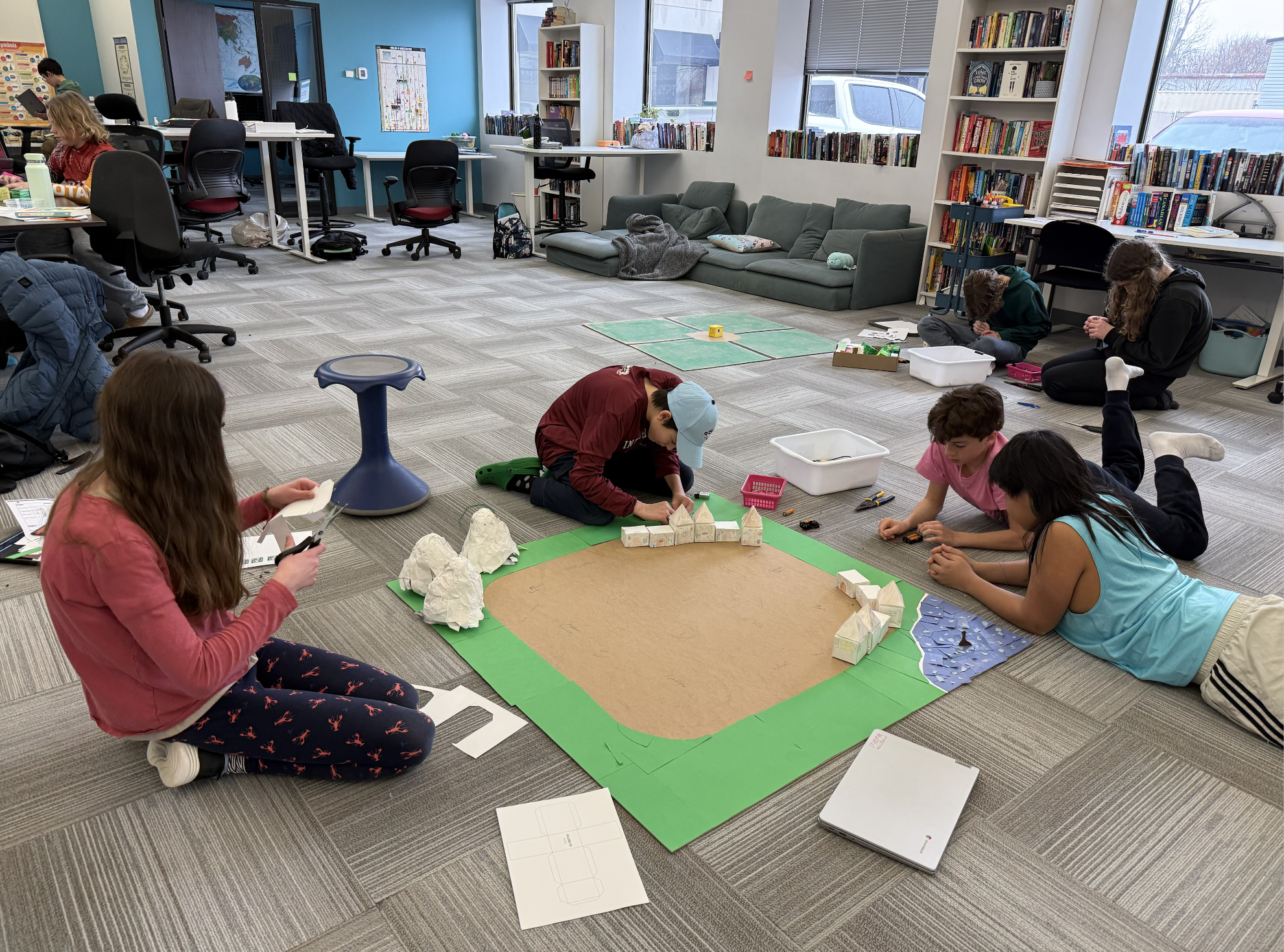
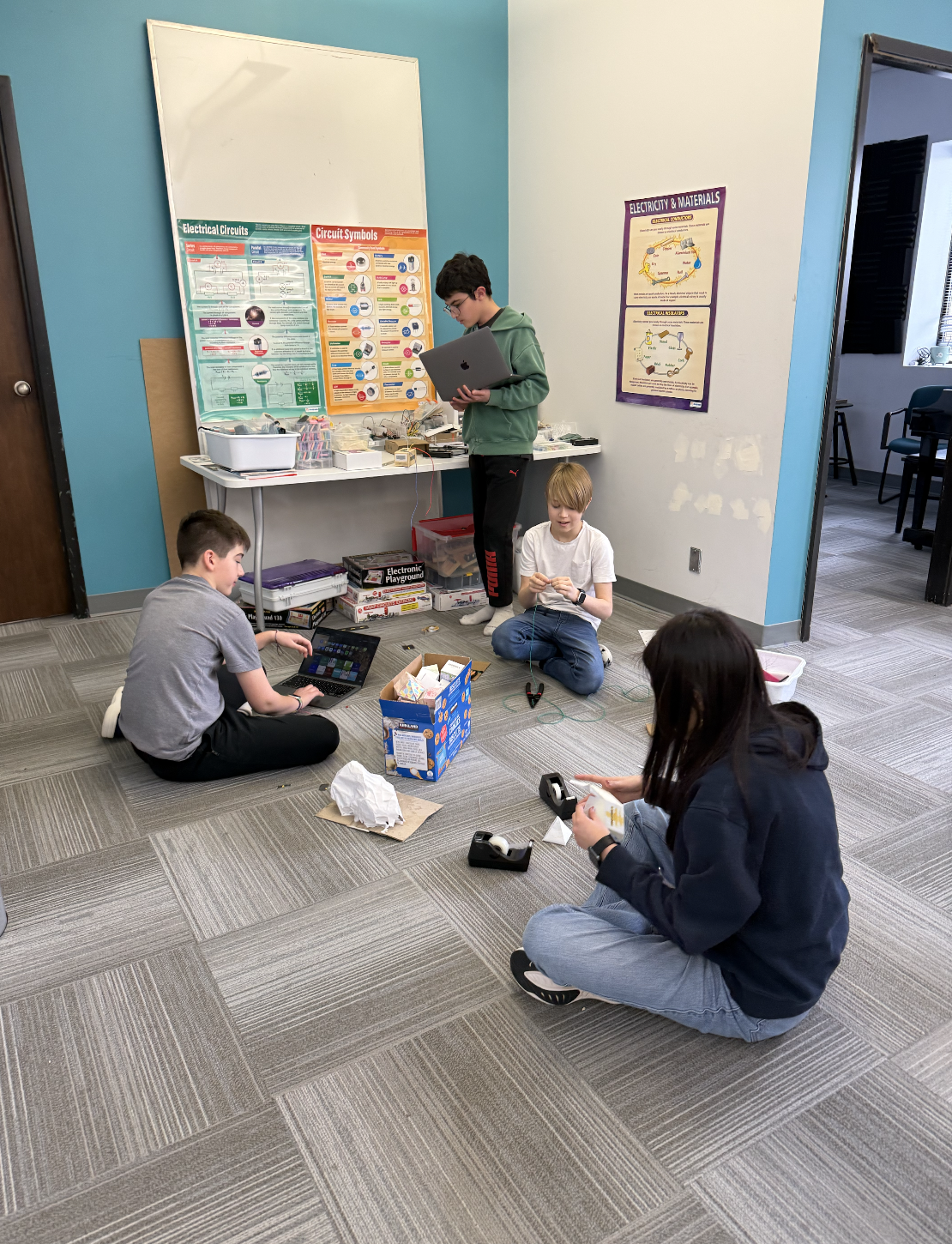
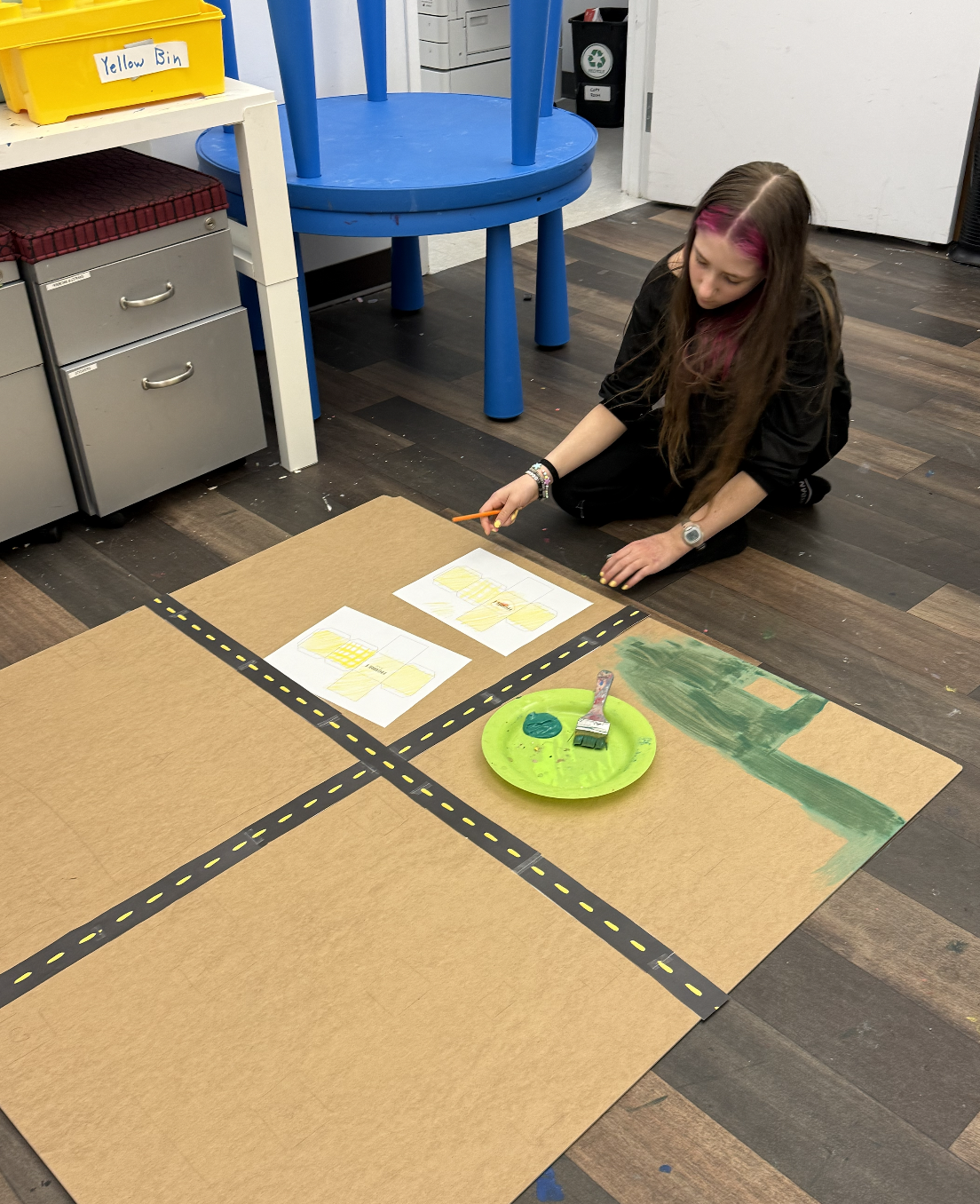
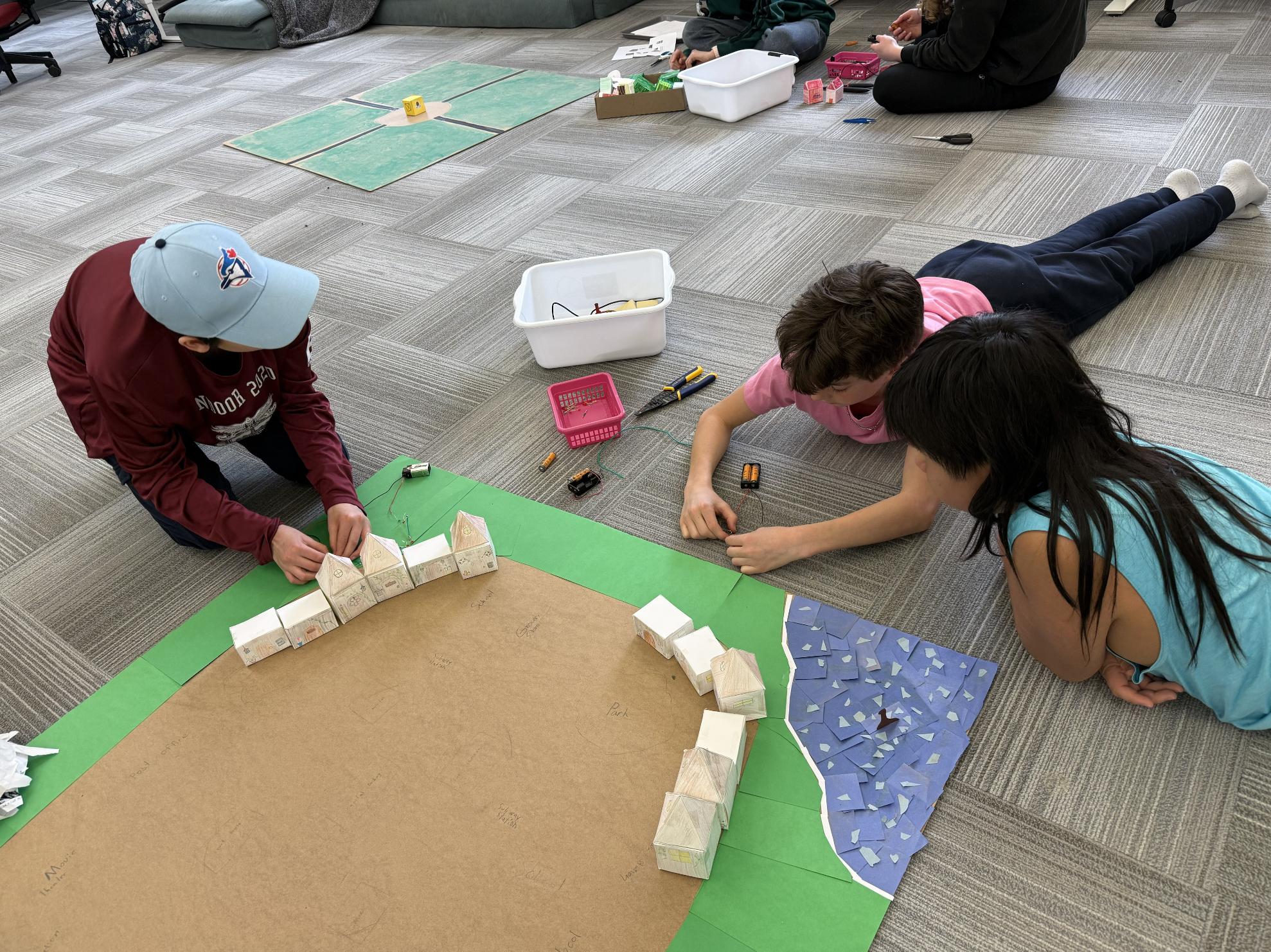
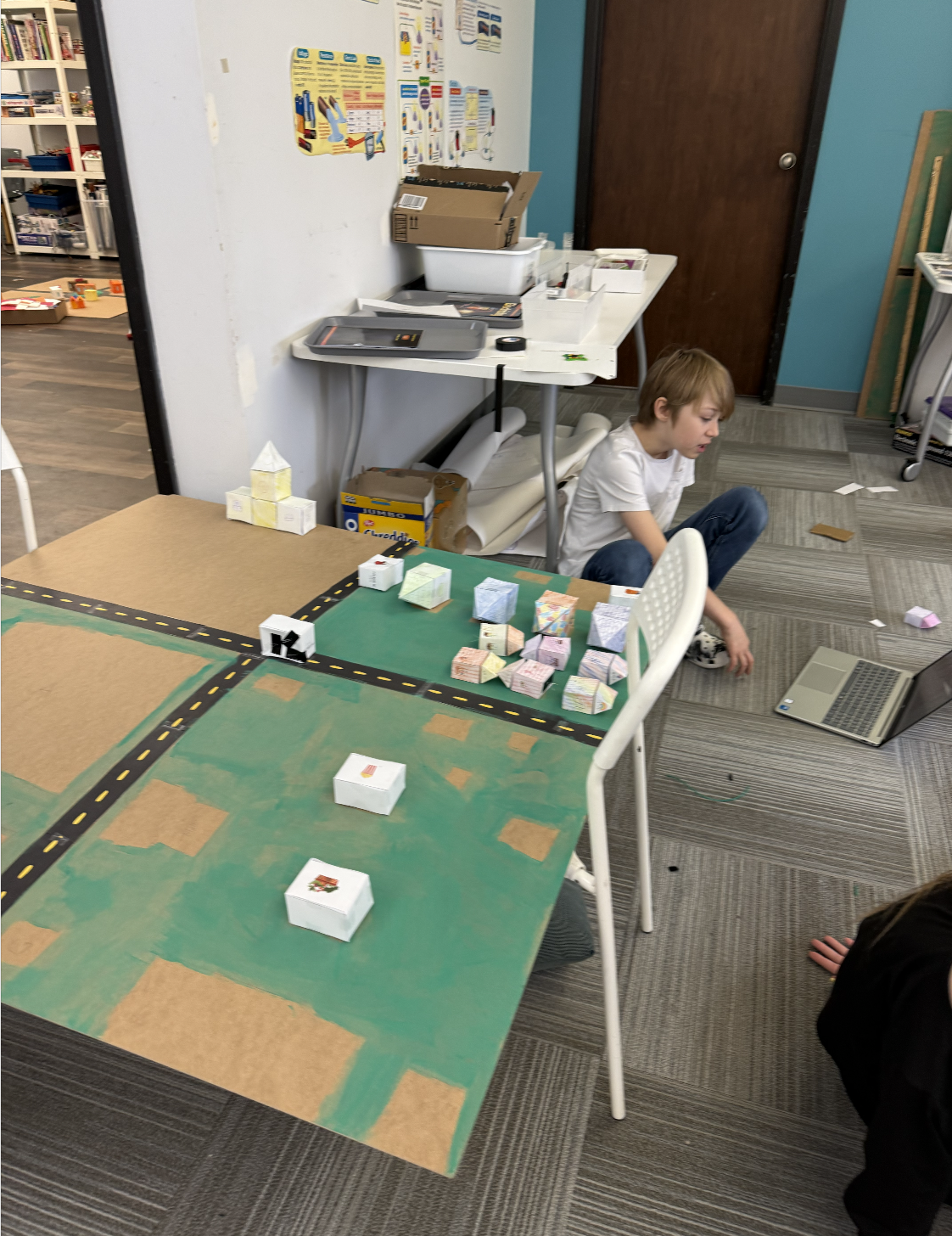
With Exhibition quickly approaching, Quest time this week was devoted to building and electrifying our cities. On Monday, teams gathered to create their group's SMART goals for the week, ideally outlining goals for each day to keep pace. Some questions they also considered were: Does our team have crystal-clear SMART goals for each day between now and Exhibition? Do we have enough Quest Bucks to make the purchases we need? If not, how can we earn more? Do we need to adjust our team's roles and responsibilities for planning, building and/or electrifying? Why? Are there any fundamental concepts in electricity we need to revisit before we move forward? If yes, which ones? Who could help? The rest of the week was spent hard at work, building the required buildings and amenities, planning circuits, and developing their land in line with their plans. As the week progressed, frustration increased as more teams felt the time crunch. There were also several breakthroughs once teams realized that time was of the essence, and they had to face the components of the project they were not confident about. We can't wait to see if the cities come together in time!
Additional Highlights
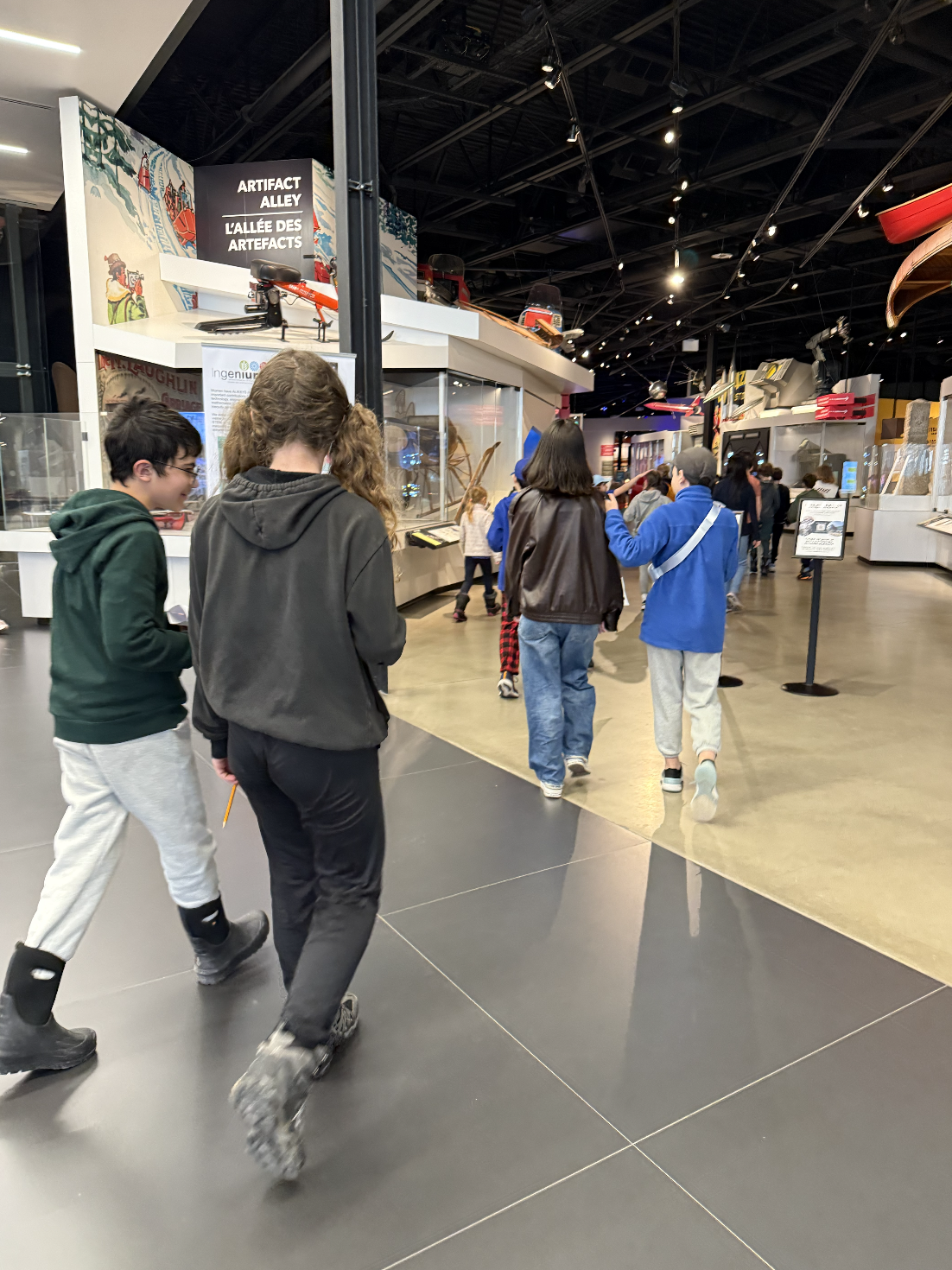
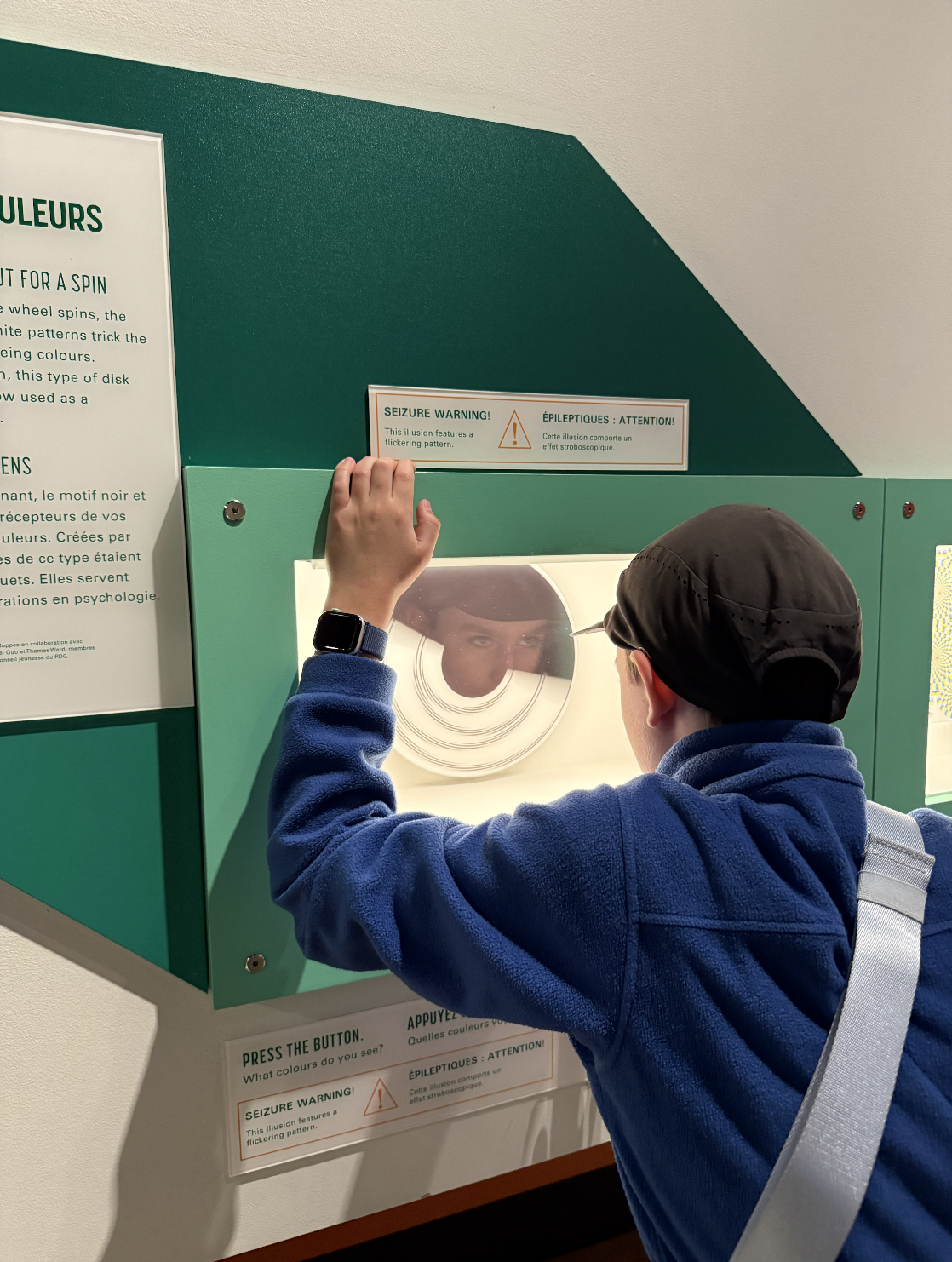
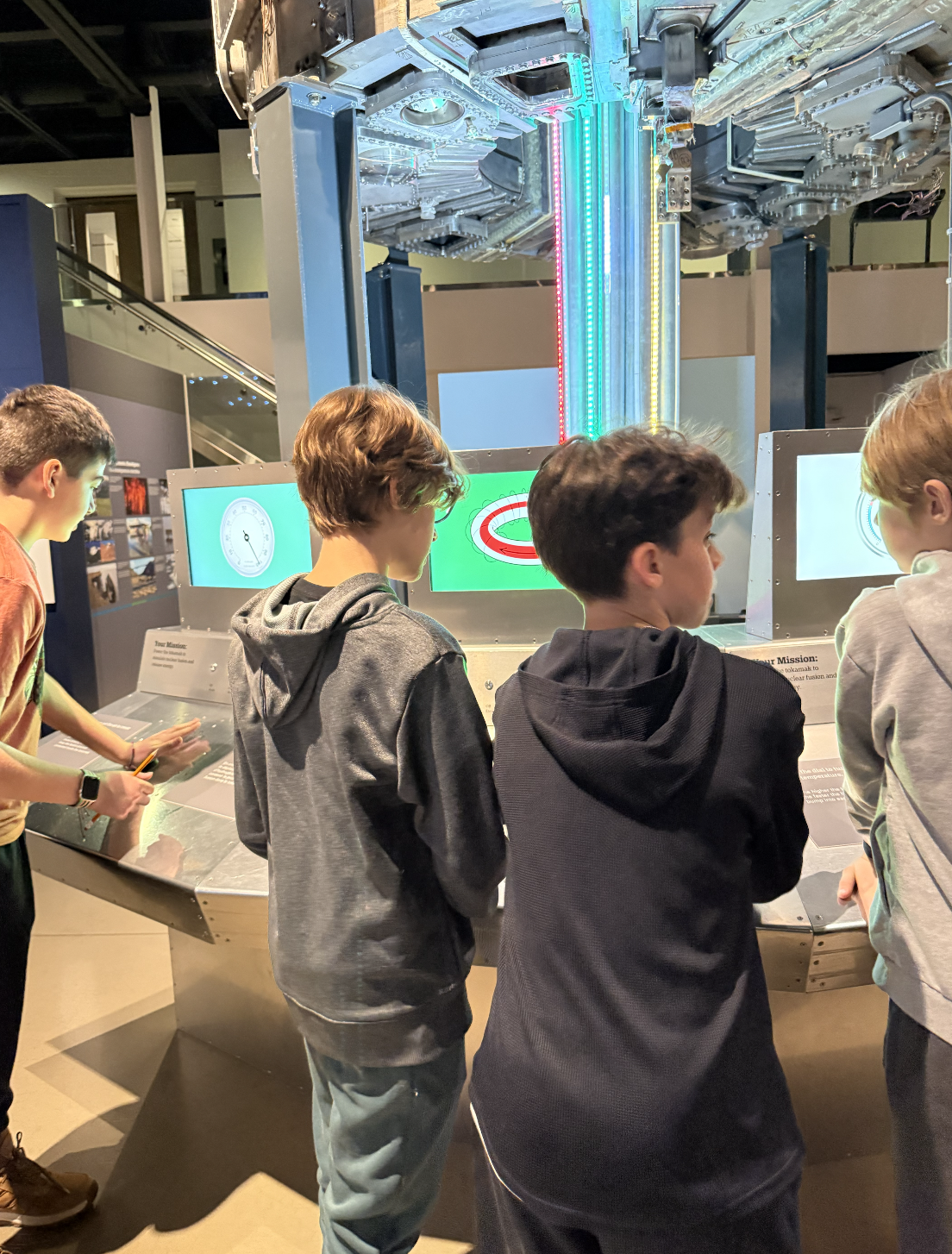
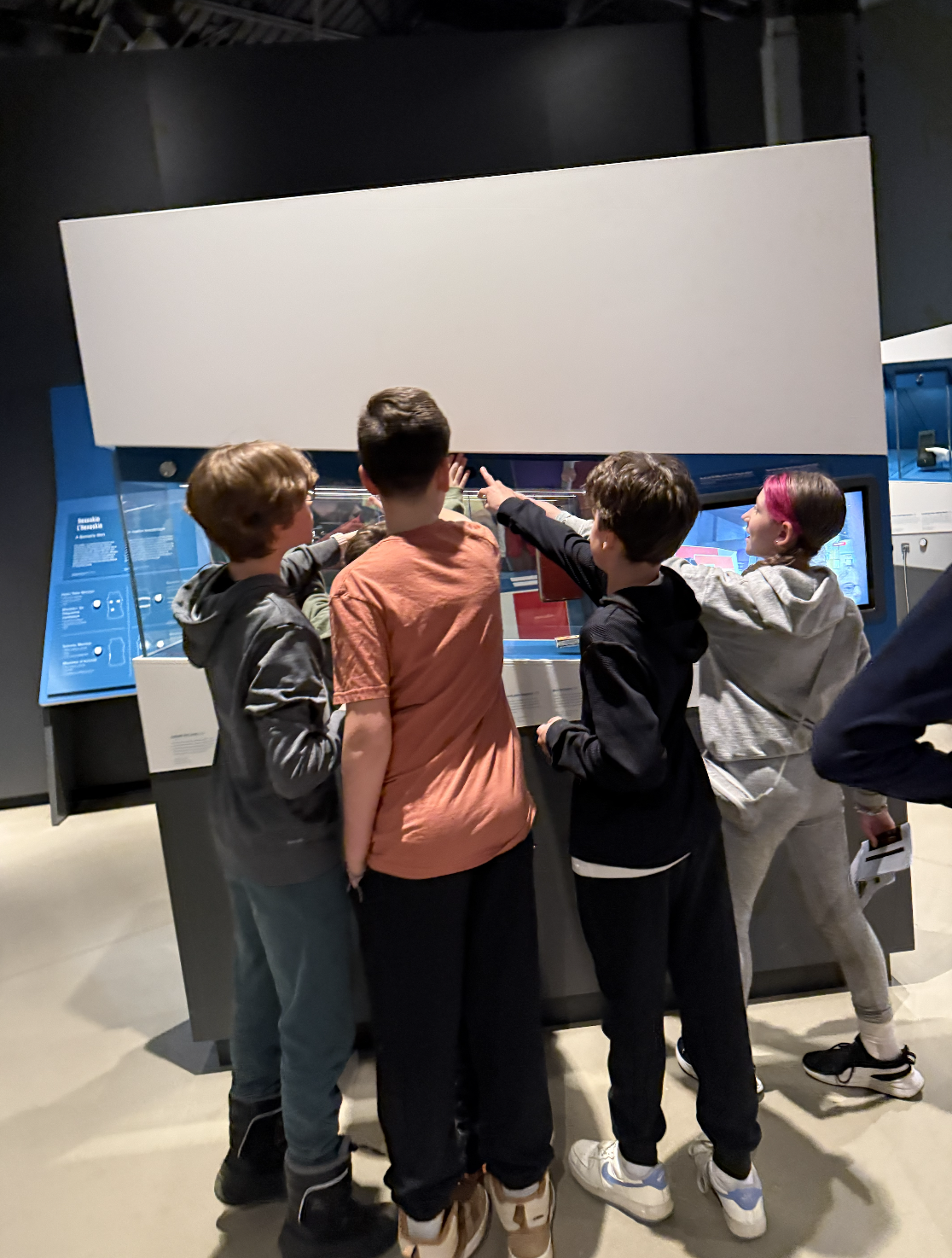
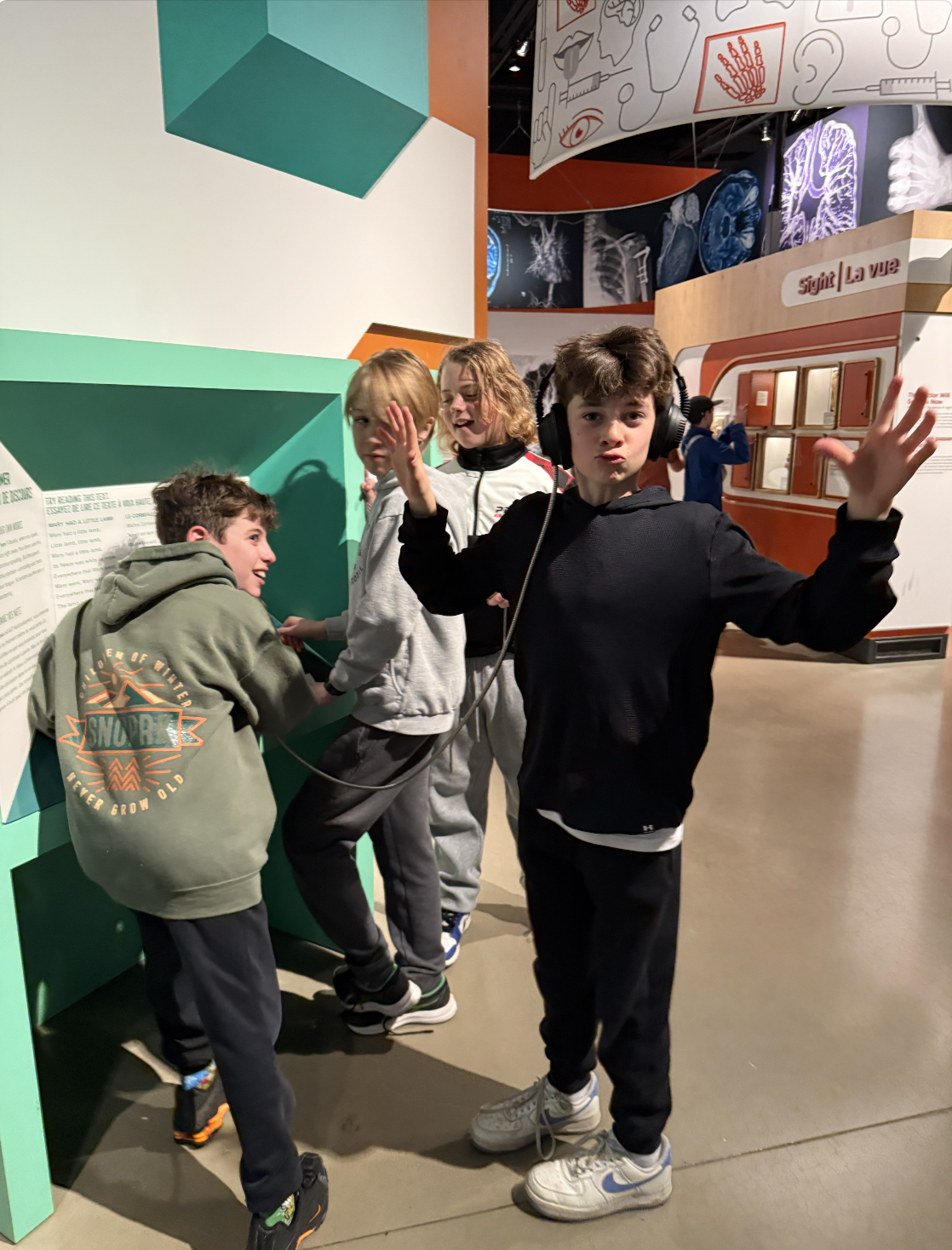
On Wednesday, the entire school loaded onto buses and headed to the Canadian Science and Technology Museum! Armed with Mission booklets, Exploration Rebels scoured the exhibits for answers about transportation innovations, sound, climate change, energy, medical sensations, microscopy, wearable tech, and consumer culture. Those who finished the whole hunt were rewarded with a prize at Friday's Town Hall!
Potential Ideas and Questions to Ask Your Learner
Spark Studio:
What types of cranes are there?
How did you design your construction zone?
At the museum what did you do inside of the big black tent?
What does N, E, S, W stand for?
Discovery Studio:
What type of variable puzzle (e.g. Here is the model/what is the number sentence?, if/then or series of equations) did you create for exhibition?
You’ve been trying to “praise the good, ignore the rest” in the studio. How is this going? Did your studio give more Rebel Bucks than you took this week?
How should we remember leaders: based on how they acted when times were good or based on how they acted when times were tough?
How are you feeling about your Rube Goldberg Machine for Exhibition? Do you think it will complete the simple task? Which step feels most unreliable/most likely to fail at this point?
What project or piece of work are you most proud of to have on display at Exhibition next week?
Exploration Studio
"You have to go to bed at 9:30 pm." "Why?" "Because 9:30 pm is your bedtime." This is an example of which logical fallacy? (Circular Reasoning)
What topic of study did you choose for your Becoming a Critical Thinker lesson? Could you identify any prejudgements or physical sensations when you thought about the topic?
As the leader of a country with high population growth, would you:
Limit the number of children per family as China did,
Build city walls and restrict entrances, or
Use your growing population as a source of cheap labour to attract foreign investors, giving your people jobs and food?
Does your Quest team need to adjust team roles and responsibilities for planning, building and/or electrifying this next week? Why?