
Revel Recap: Mar 16-20
Important Upcoming Dates
Spark, Discovery & Exploration Studios visit the Canadian Museum of Science and Technology - March 25th
Session 5 Exhibitions
Discovery Exhibition - Tuesday, March 31st
Spark Exhibition - Wednesday, April 1st
Exploration Exhibition - Thursday, April 2nd - Doors Open at 4:00 pm
Good Friday - No School - Friday, April 3rd
Easter Monday - No School - Monday, April 6th
Sessional Break - Tuesday, April 7th - April 10th
Cooking Camp with Mme. Marianne (200$ per learner, registration info on Band)
Guardian Book Club: The Gardener and the Carpenter by Alison Gopnik - Thursday, April 16th
Spark Studio
Mindfulness and Launch
Hooray for Spring! This week, our mindfulness activities focused on welcoming the new season and noticing the changes around us. On Monday, we read Don’t Touch That Flower. After reading, we talked about signs of Spring, such as flowers beginning to bloom, warmer weather, and animals becoming more active. The Sparks then completed some Spring-themed colouring pages. On Wednesday, we learned about the life cycle of a chicken and enjoyed a creative art activity where we made hatching chicks. On Friday, we read There Was an Old Lady Who Swallowed a Frog, and then took time to reflect and write about what we are most grateful for or what we like most about Spring. The Sparks shared ideas such as playing outside more, riding their bikes, playing in the mud, seeing flowers, and enjoying warmer days. On Tuesday and Thursday, we started our mornings with directed drawings of fire trucks and police cars. We also attended March Mammal Madness to watch more exciting animal “battles,” which the learners always look forward to. We are currently sitting at 37 points! Way to go, Sparks!
Quest
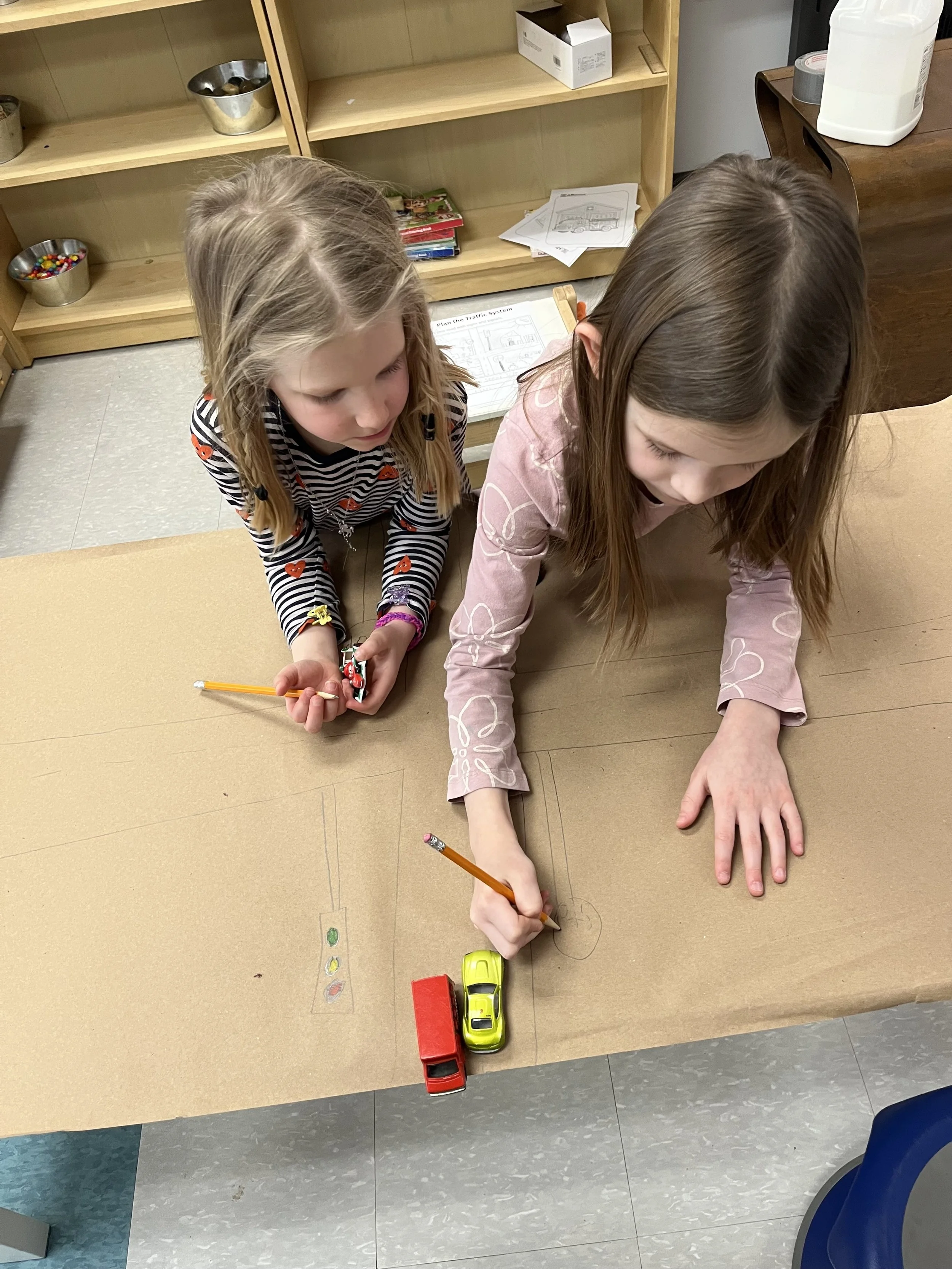
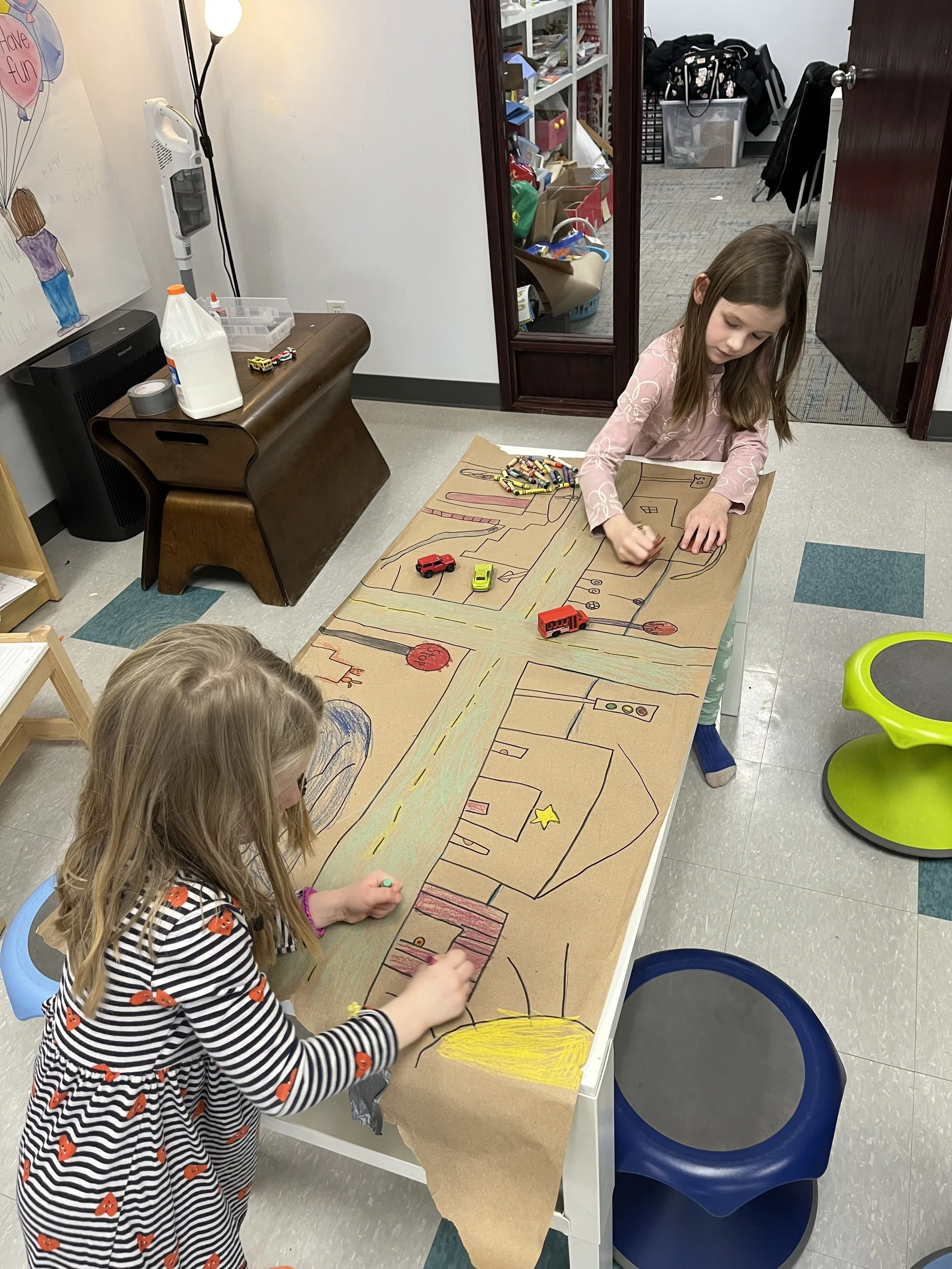
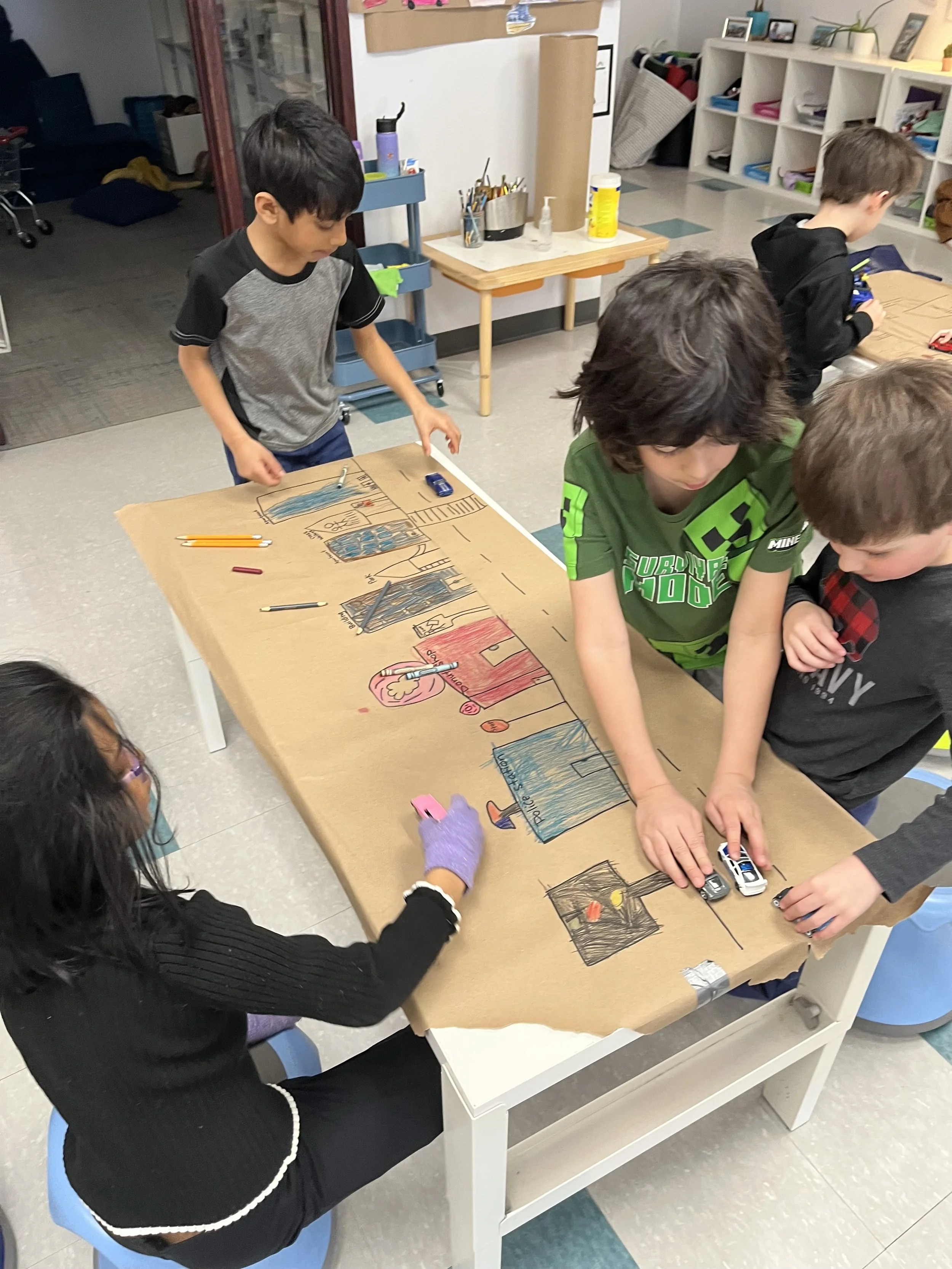
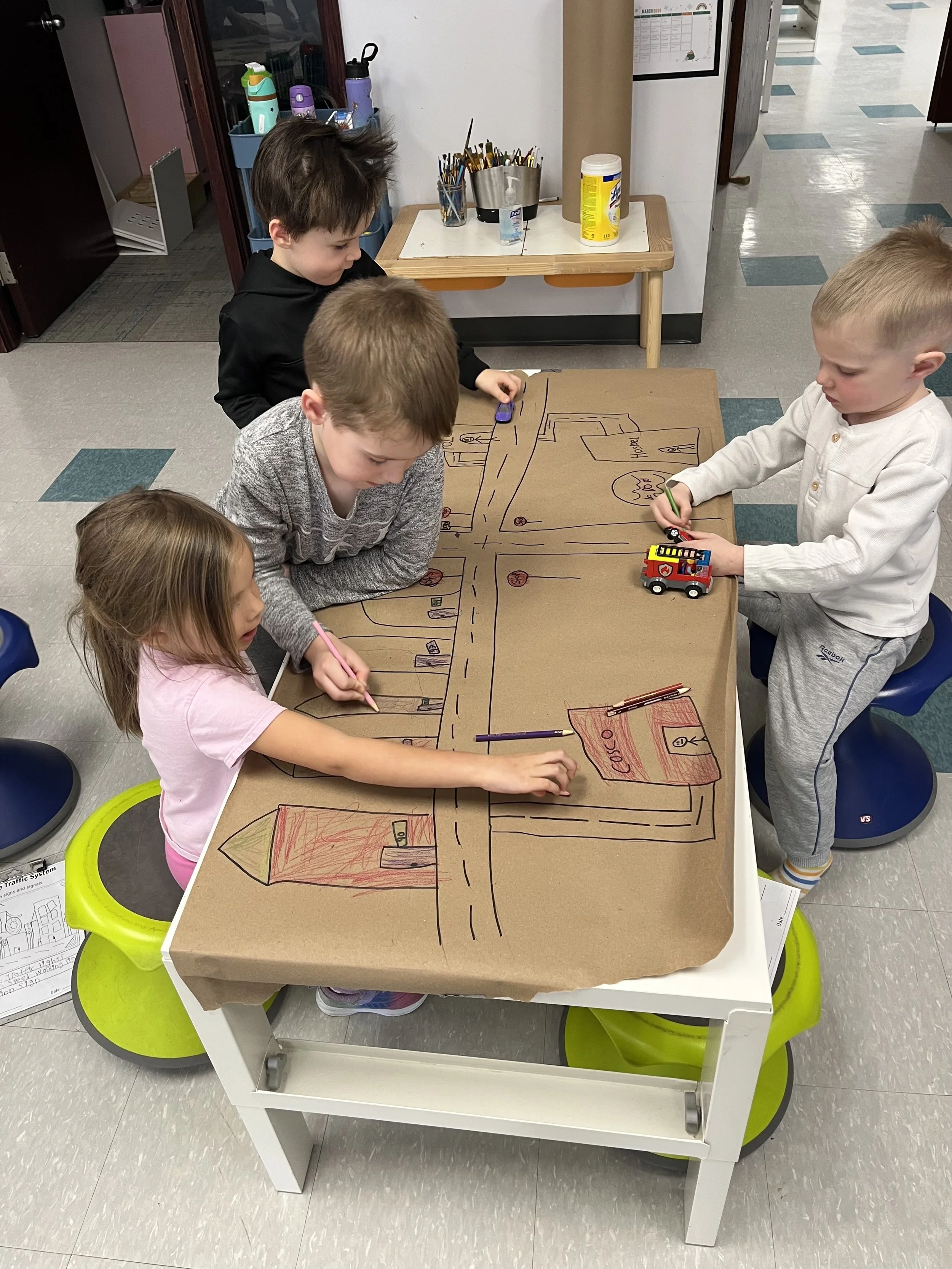
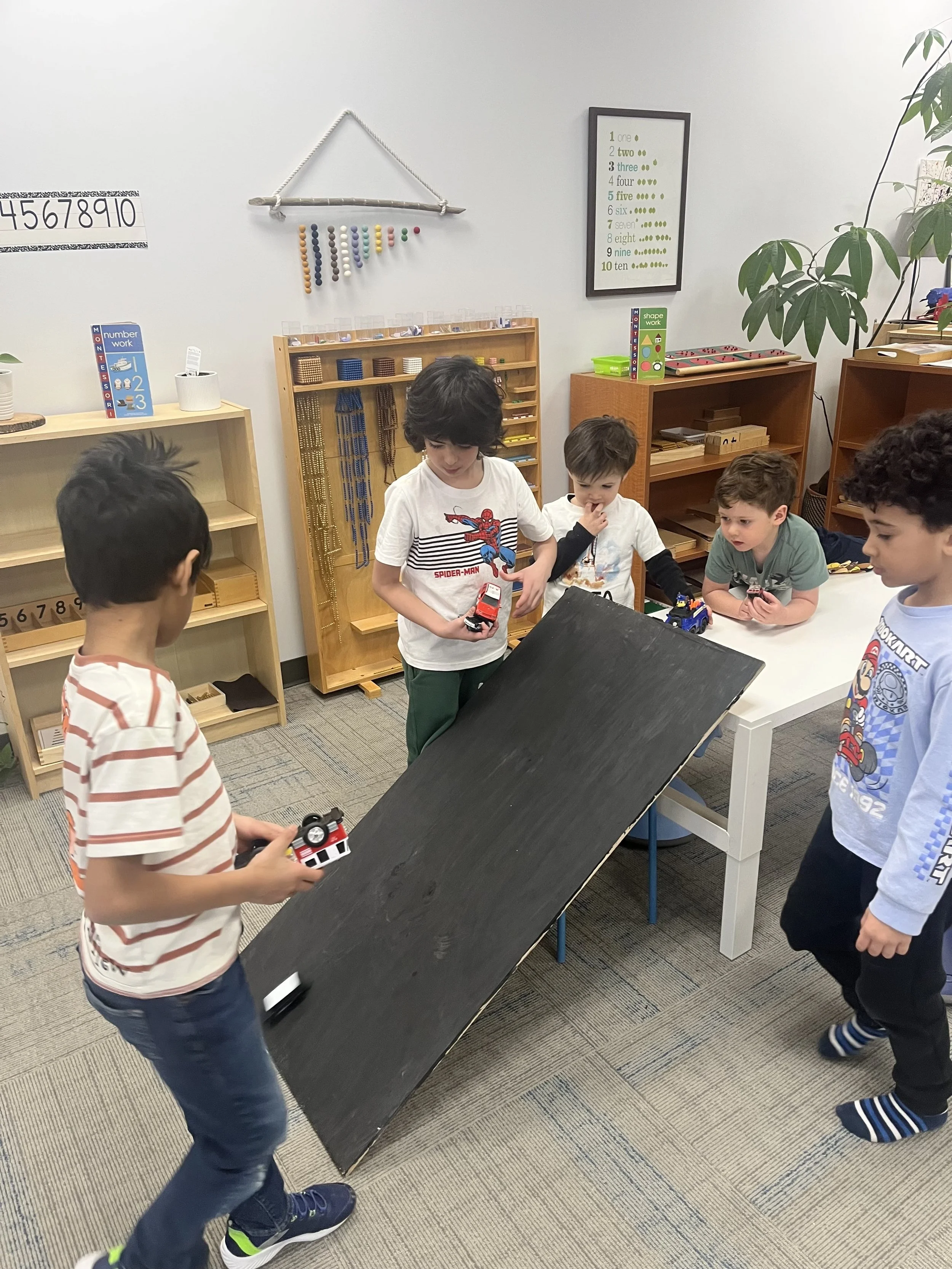
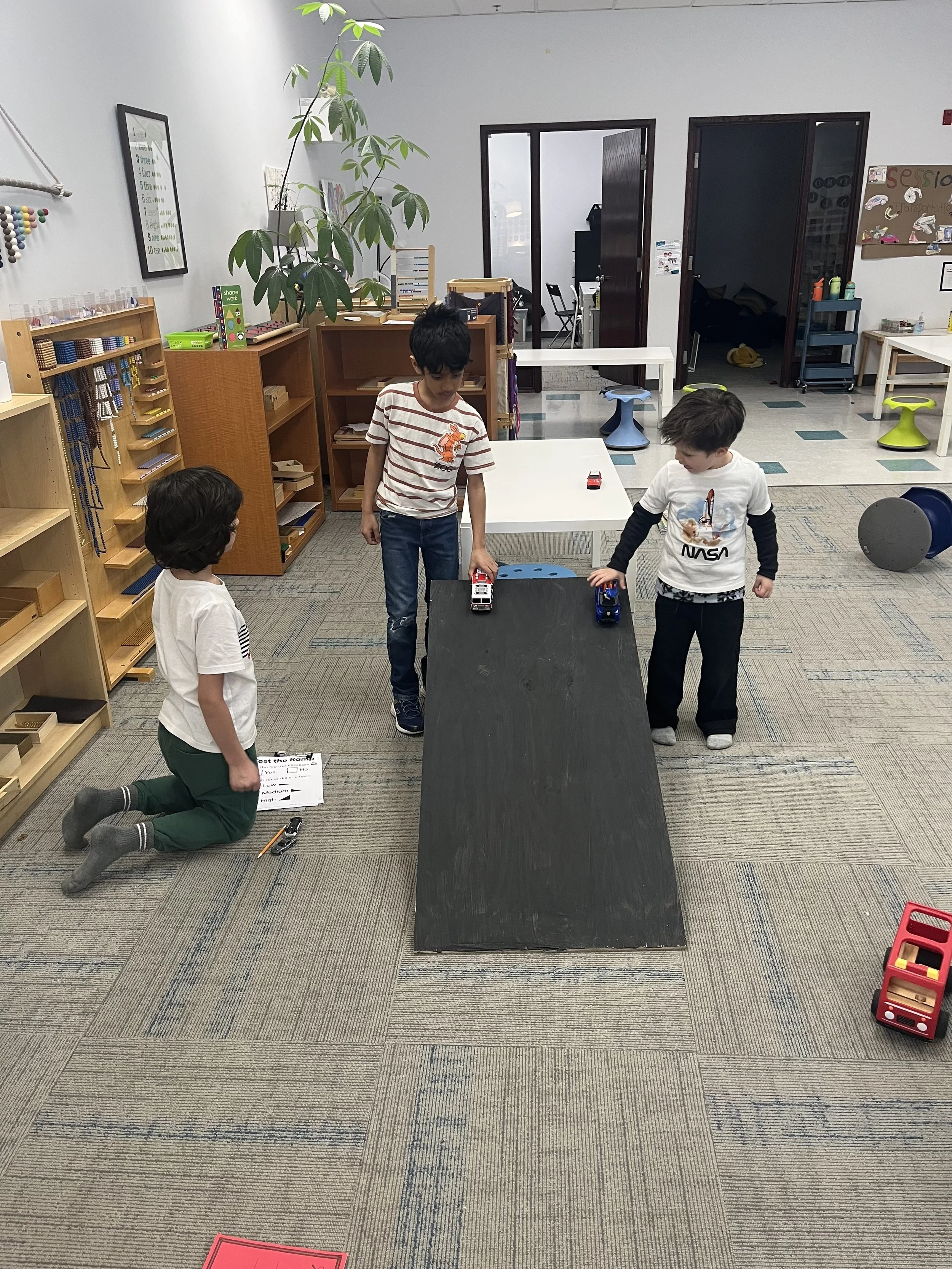
After our visit to the fire station, the Sparks were feeling inspired! We began by sharing and reflecting on what we had seen. Then, we read The Fire Station by Robert Munsch, which sparked even more ideas. Next, the Sparks worked in teams to plan and design their own fire stations using cardboard, paper, paper cups, and other makerspace materials. They started by carefully drawing and writing about their designs, making sure to include at least three important fire station features such as signs, doors, alarms, fire extinguishers, fire poles, and stairs. Finally, they brought their plans to life, working together to build their creative and unique fire stations. On Wednesday, we read a book about police officers and learned about the many roles they play, including helping with traffic safety. Inspired by this, the Sparks worked in groups to plan their own traffic systems and communities. They drew roads complete with traffic signs and signals, and each group identified three important features they wanted to include. Then, they brought their ideas to life on a large piece of paper. Their creations included roads, traffic lights, signs, community buildings, parks, and more. The Sparks had a great time testing their designs by driving toy cars through their communities. On Thursday, we shifted our focus to ambulances and paramedics, learning more about these important roles in our community. We discussed how emergency vehicles need to move quickly to help people in need. The challenge of the day was to explore ramps and test which designs helped vehicles travel the farthest. We asked questions like: What makes a ramp fast? Should it be steep, flat, smooth, or sticky? Working in groups, the Sparks used a variety of materials such as books, wood, cardboard, and Magnatiles to build and test their ramps with different emergency vehicles. We wrapped up the week with a fun game of Community Vehicles Bingo!
Art
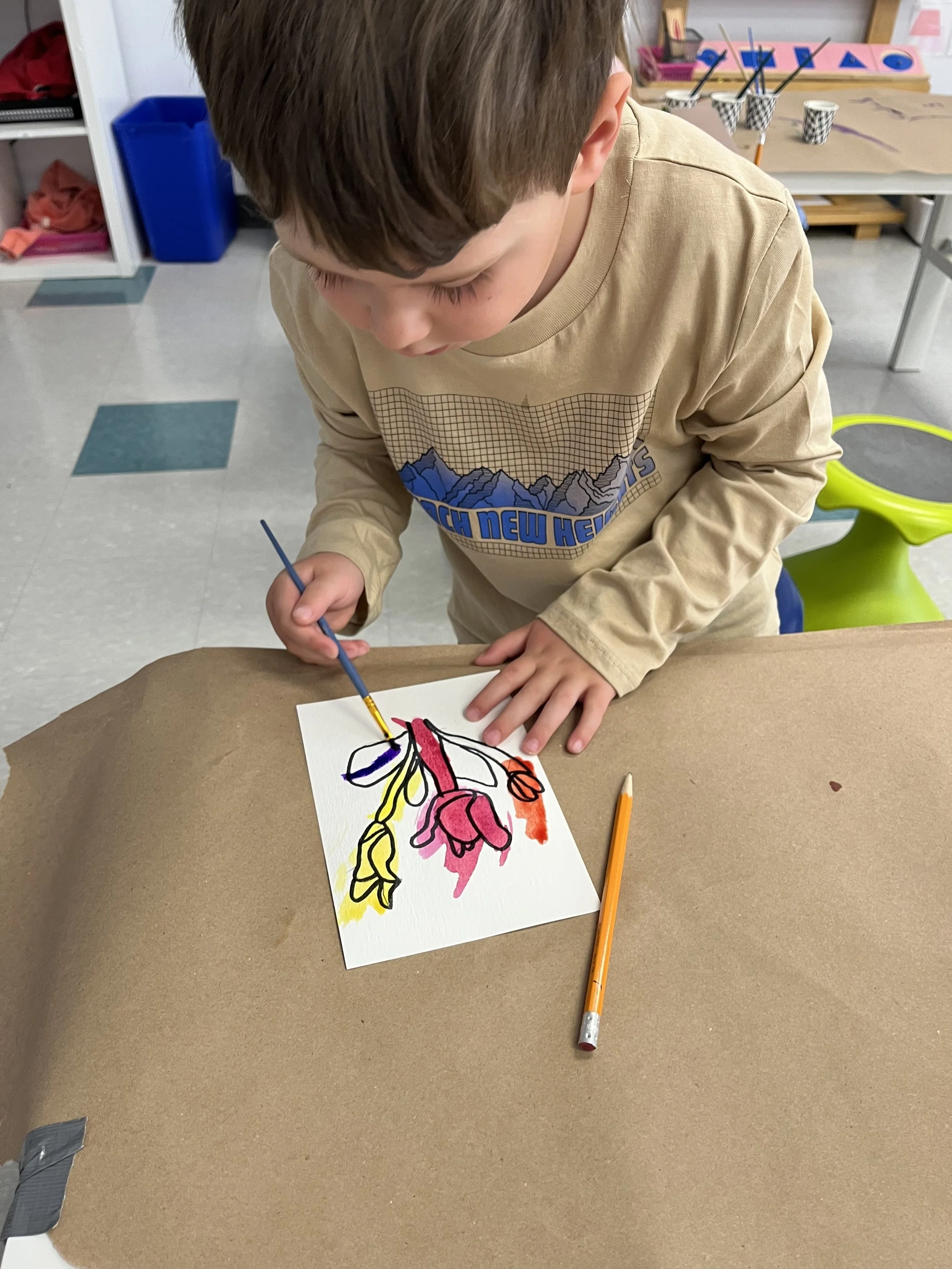
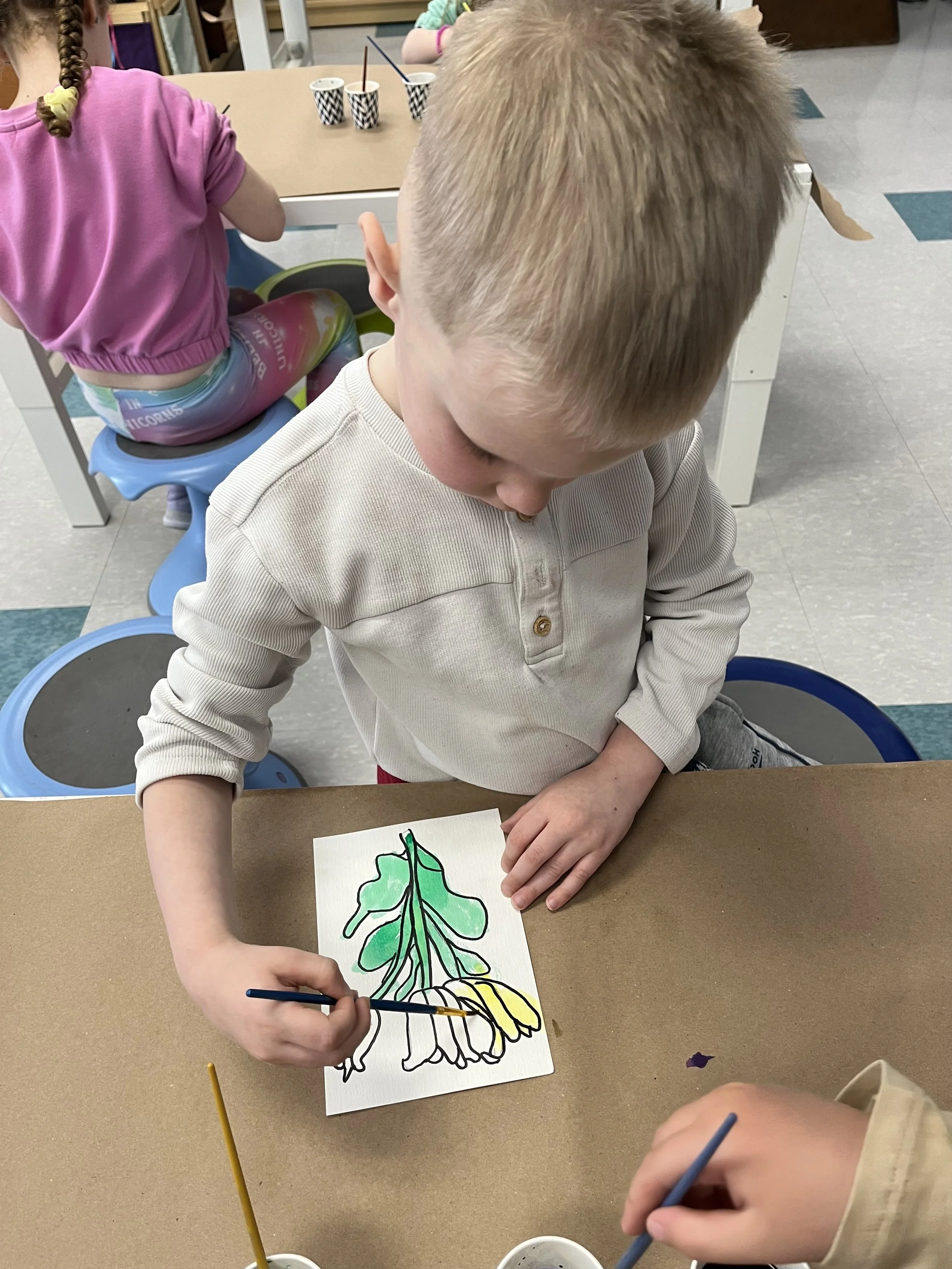
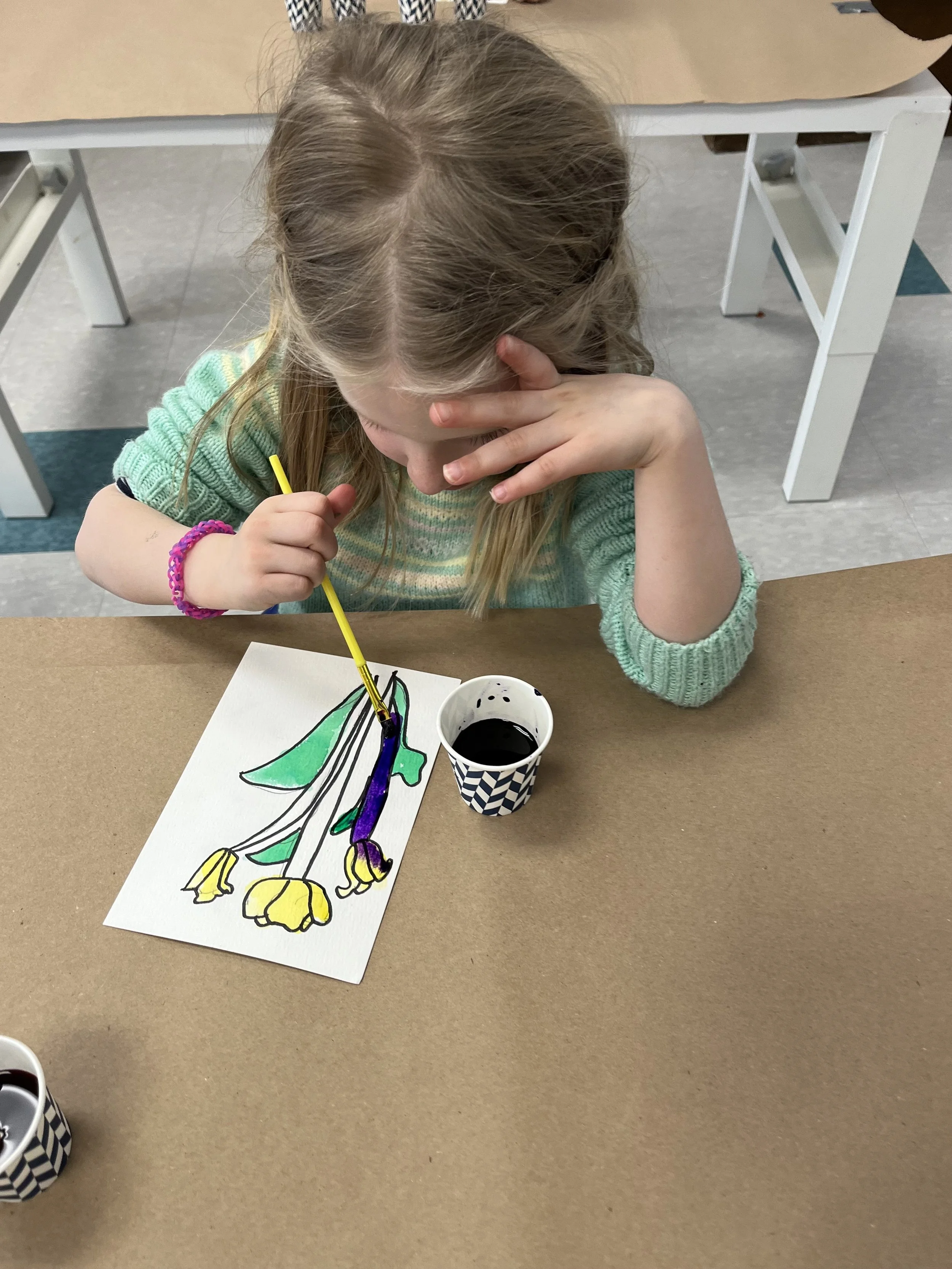
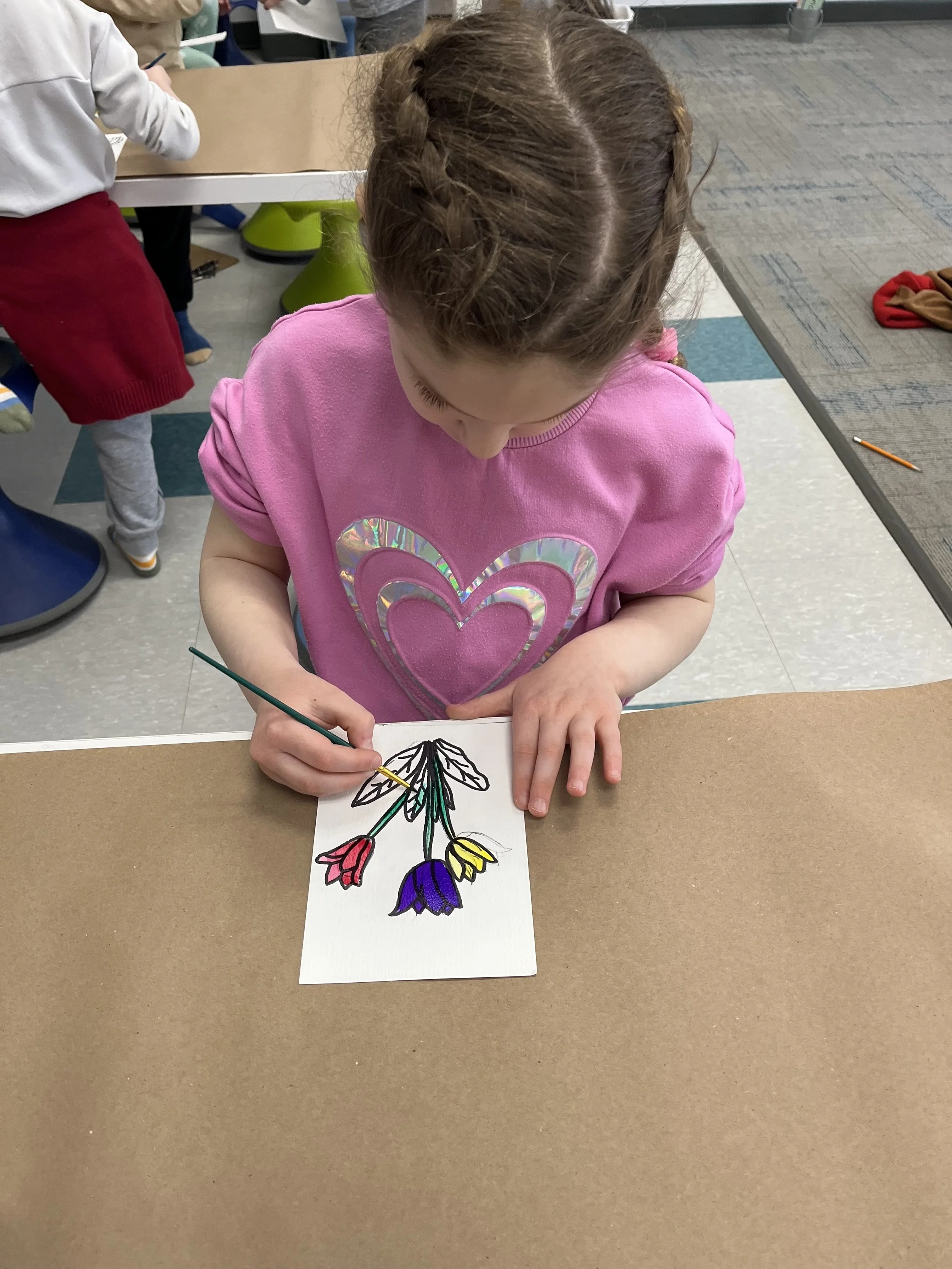
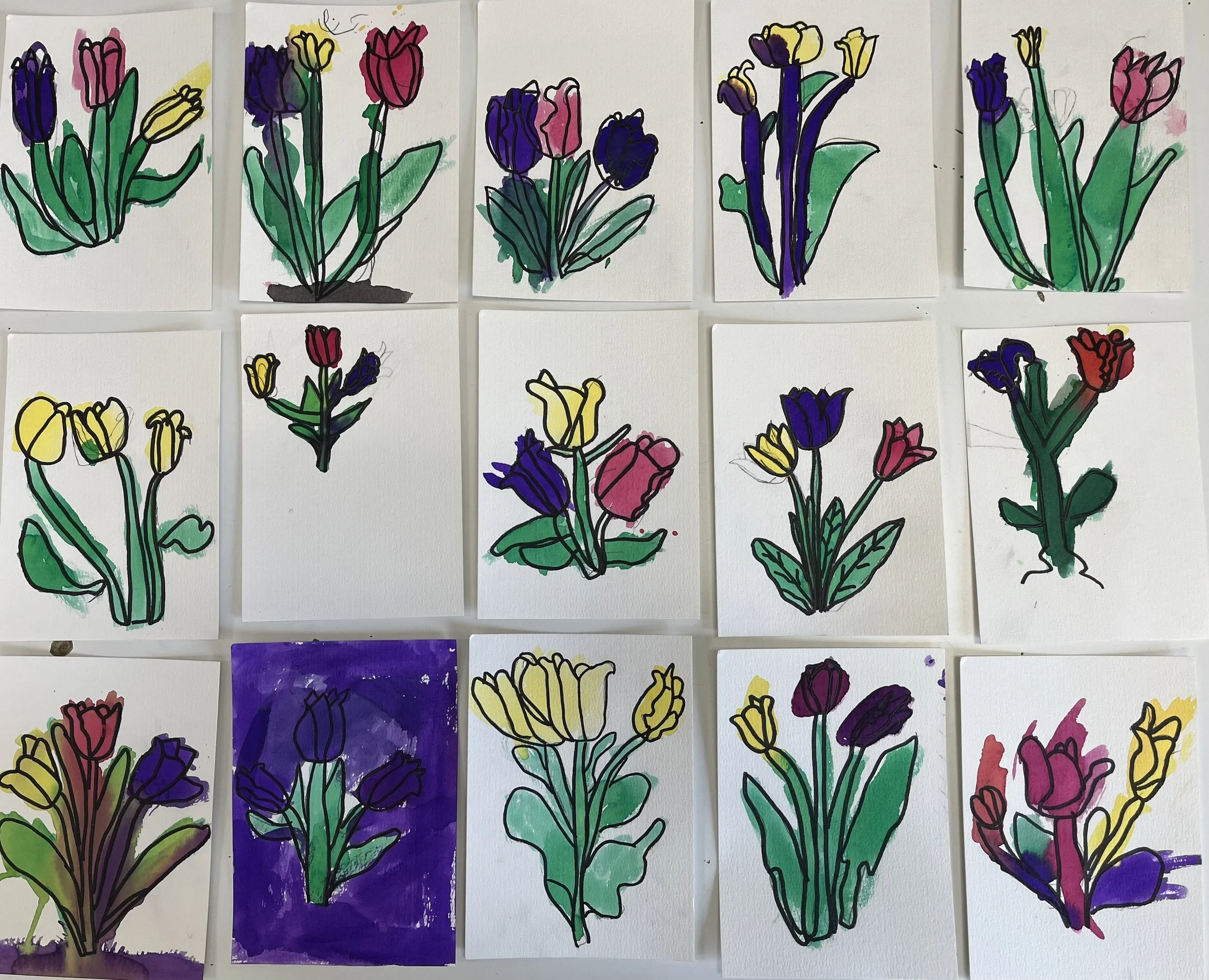
This week in our Art workshop, we explored the theme of the upcoming spring season. We began by discussing the Tulip Festival that takes place in our city each year, helping the Sparks connect their artwork to something they may soon experience in their community. The learners then learned how to draw tulips through a step-by-step directed drawing activity. Once their drawings were complete, they used liquid watercolours to bring their tulips to life, experimenting with colour blending and brush techniques. The end result was a beautiful arrangement of unique bouquets!
Reader/Writer Workshop
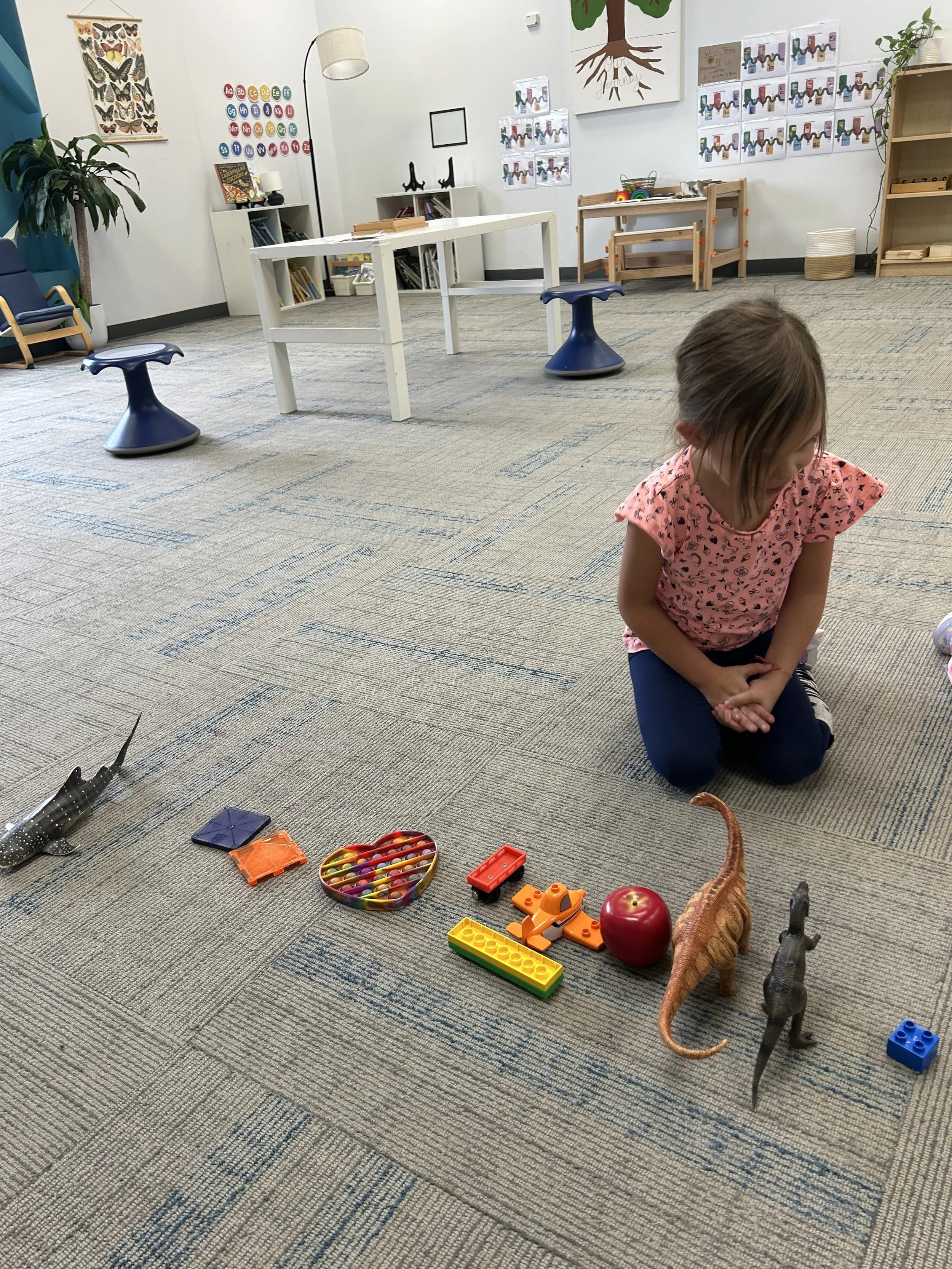
Group One began their learning with an interactive phonics game, where learners searched the studio for items that matched a given beginning sound. Using trays filled with carefully selected objects, they practiced identifying initial sounds, stretching out words, and recording their ideas on whiteboards. Following the game, the group worked together to complete two pages from their Explode the Code workbook, focusing on essential phonics skills.
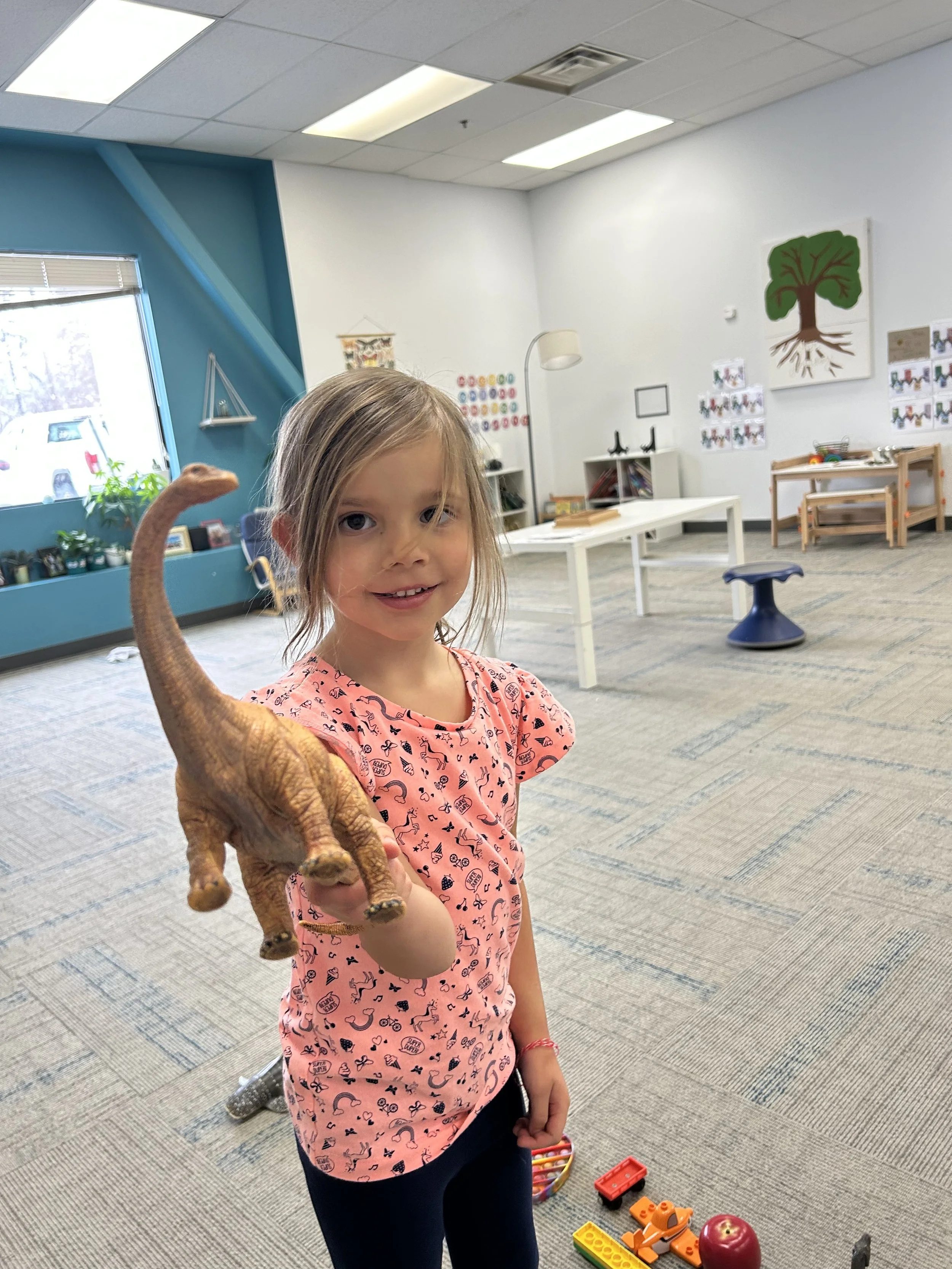
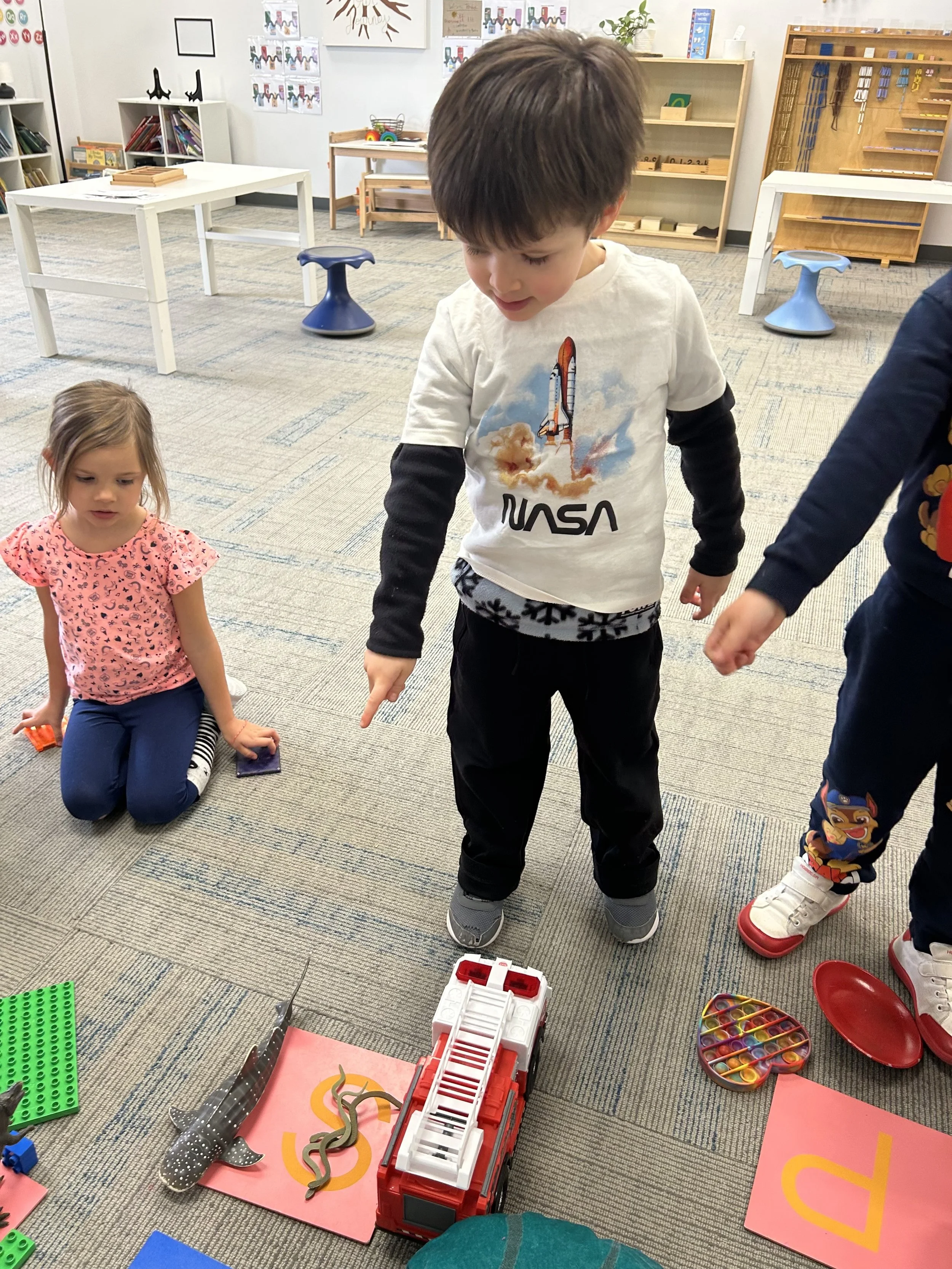
Group Two continued building on last week’s learning by focusing on the long i sound spelled with the i_e pattern. The learners practiced blending sounds to read words such as kite, quite, while, tide, tile, fire, twine, chive, and drive. They then worked on their spelling skills by completing words like hive, hike, hide, white, nine, live, and wipe, reinforcing their understanding of the pattern. To wrap up, they took turns reading aloud from a passage that included many i_e words. This helped strengthen their fluency, confidence, and ability to recognize the pattern in context. Great effort from everyone this week!
Math Lab
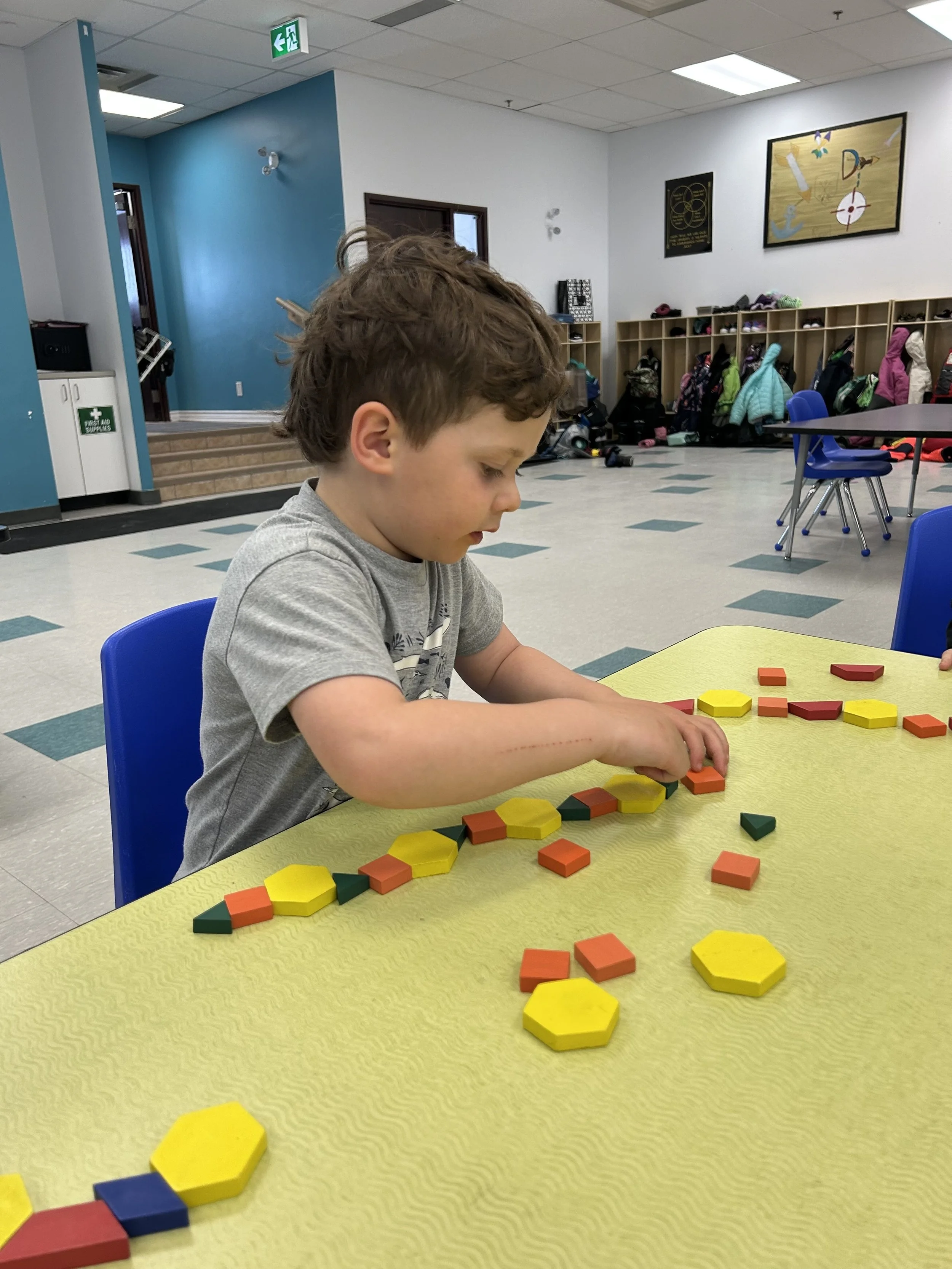
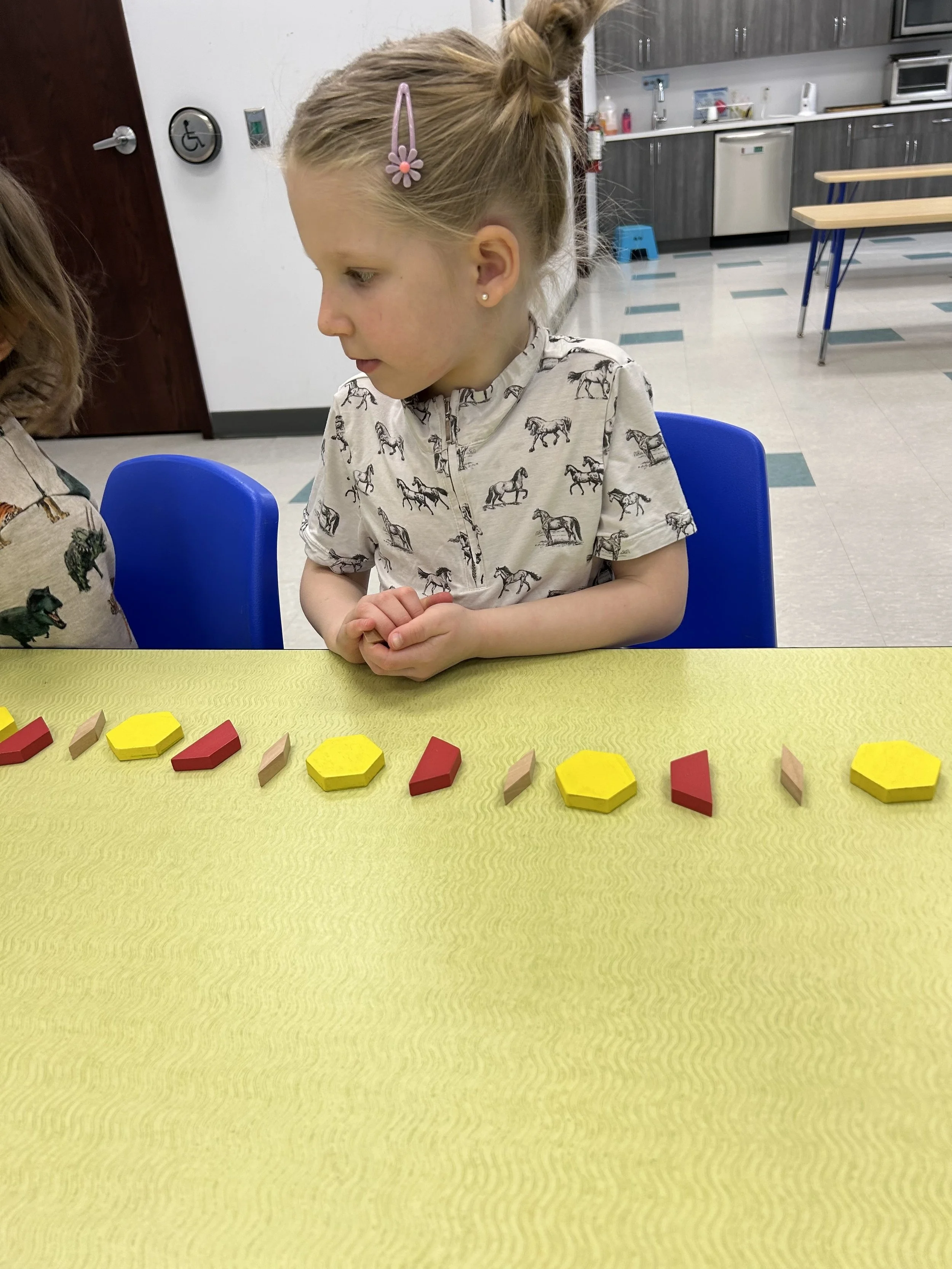
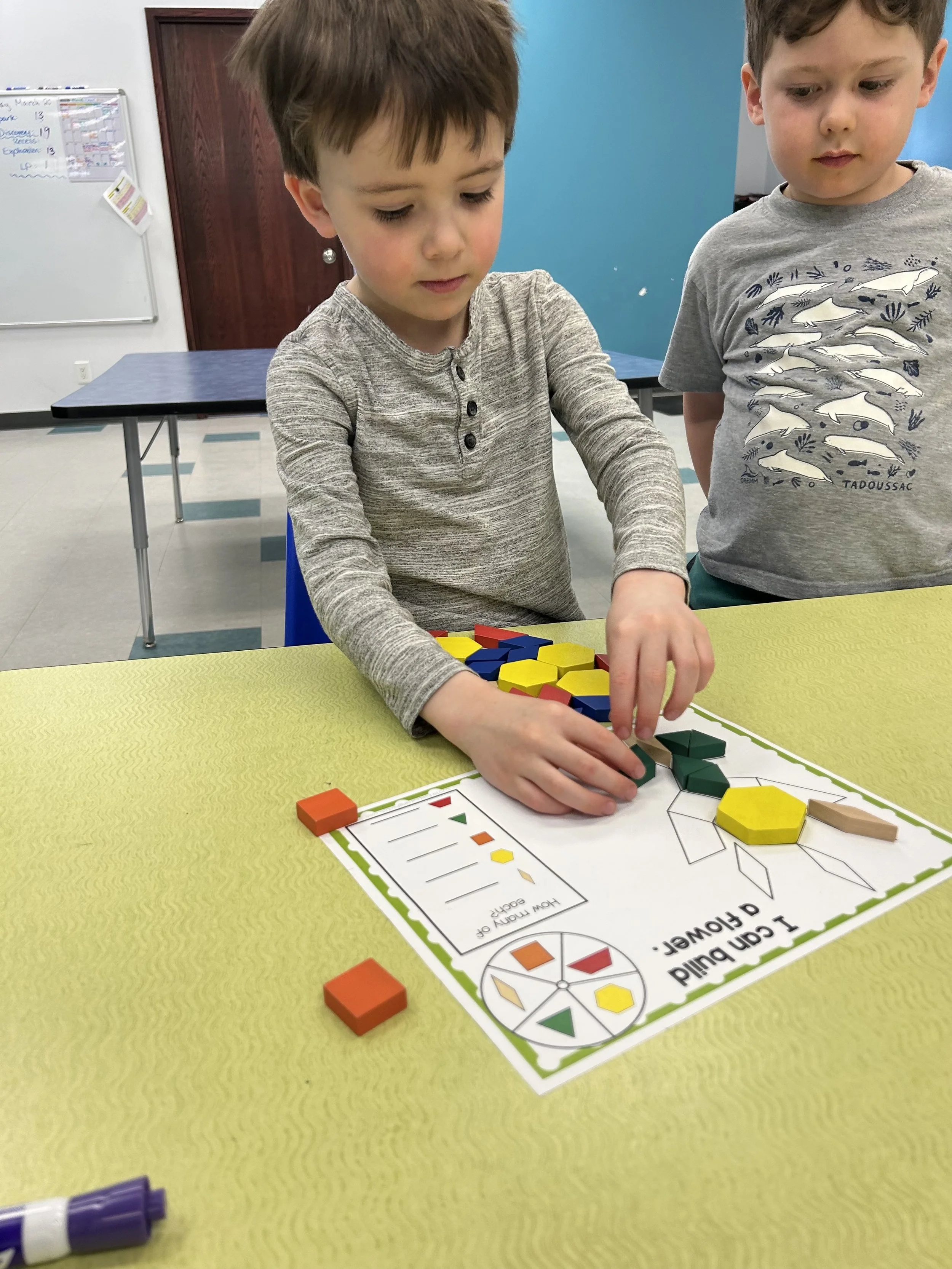
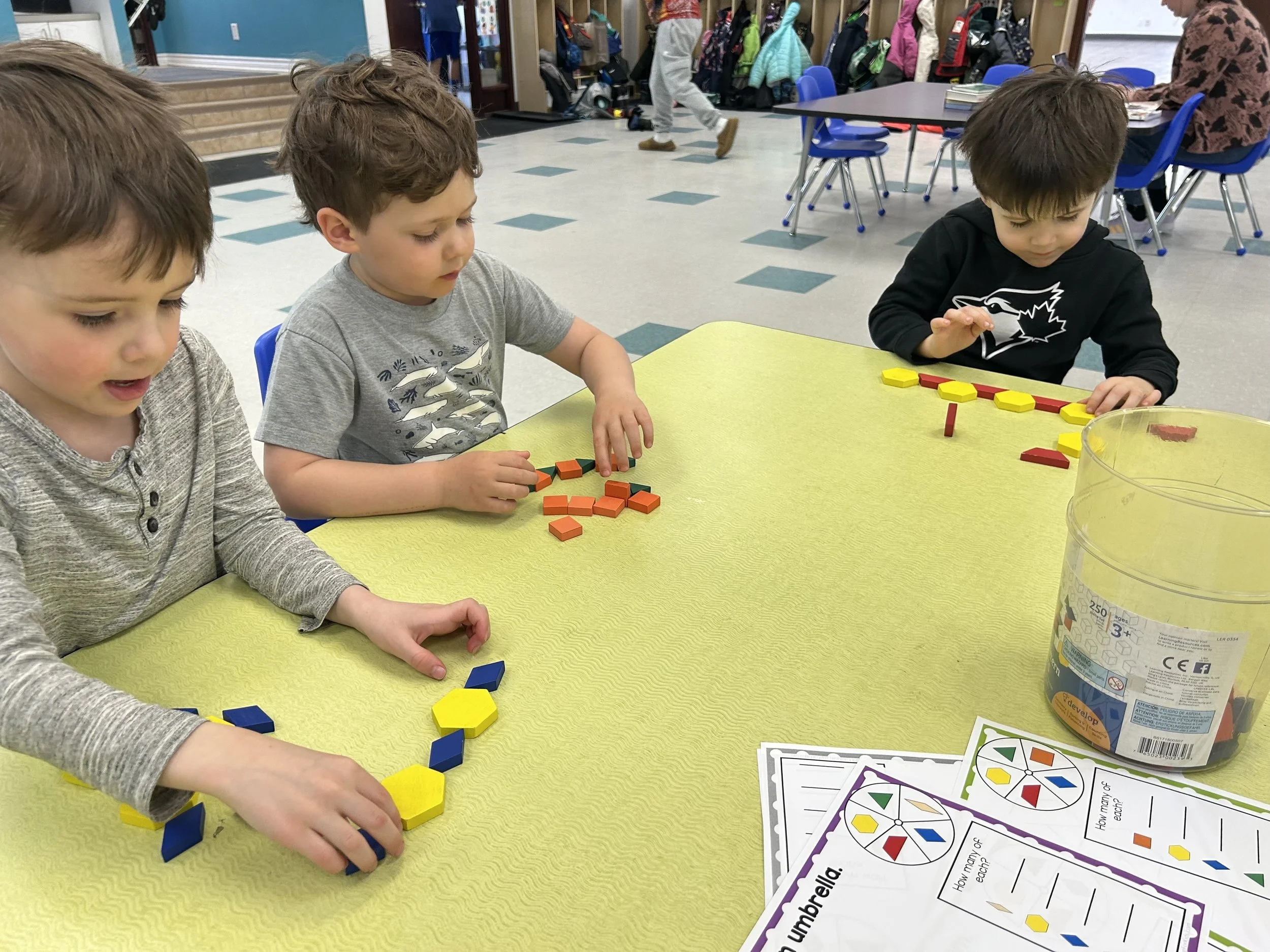
This week, Group One continued building their understanding of patterns with a fun spring theme! Using pattern blocks, learners created beautiful designs such as tulips, blossoms, birds, and bugs. After completing their designs, they were challenged to use the same blocks to create their own unique patterns. Afterwards, they took time to review and strengthen their knowledge of shape names, including hexagon, diamond, trapezoid, and square.
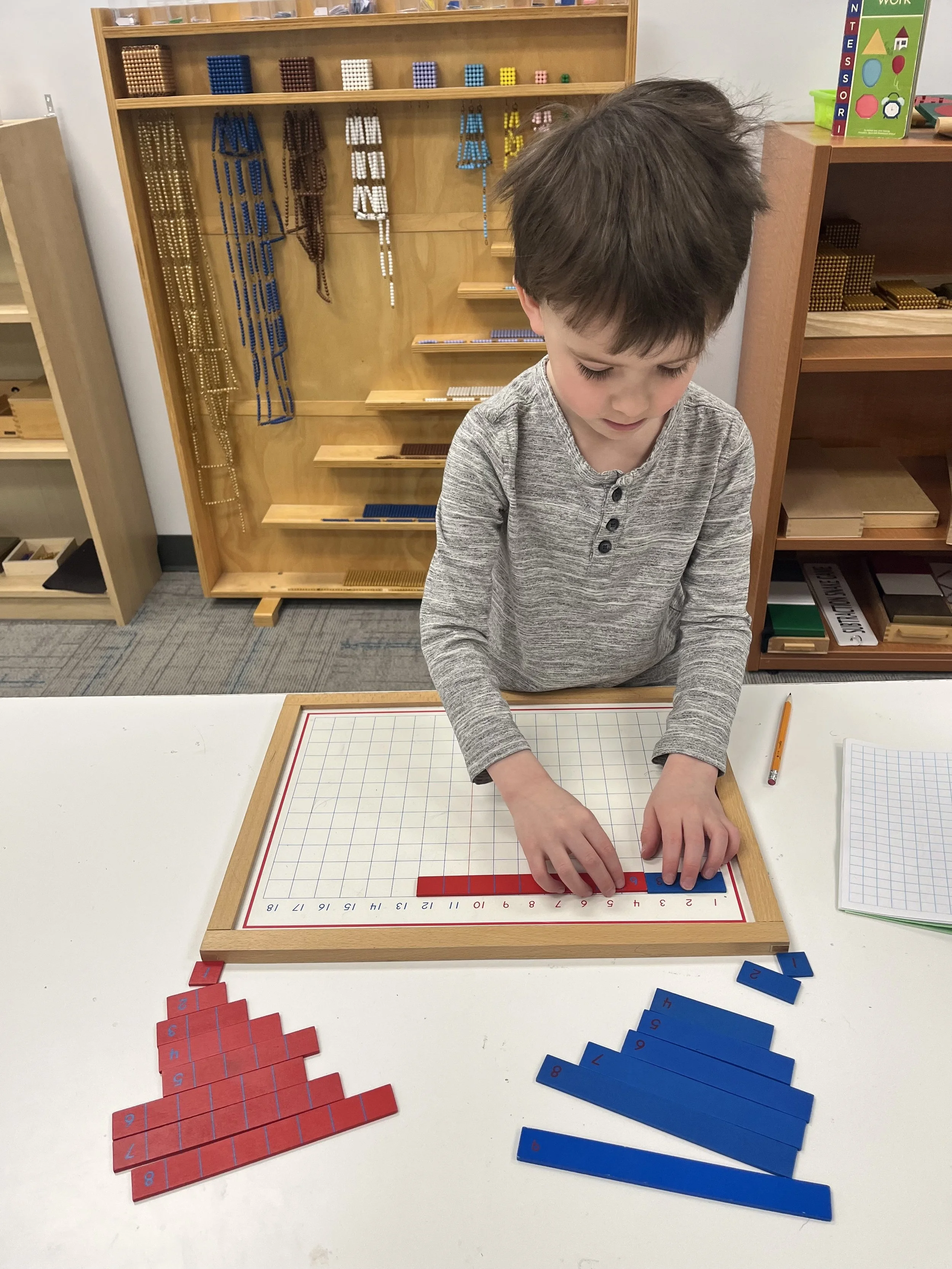
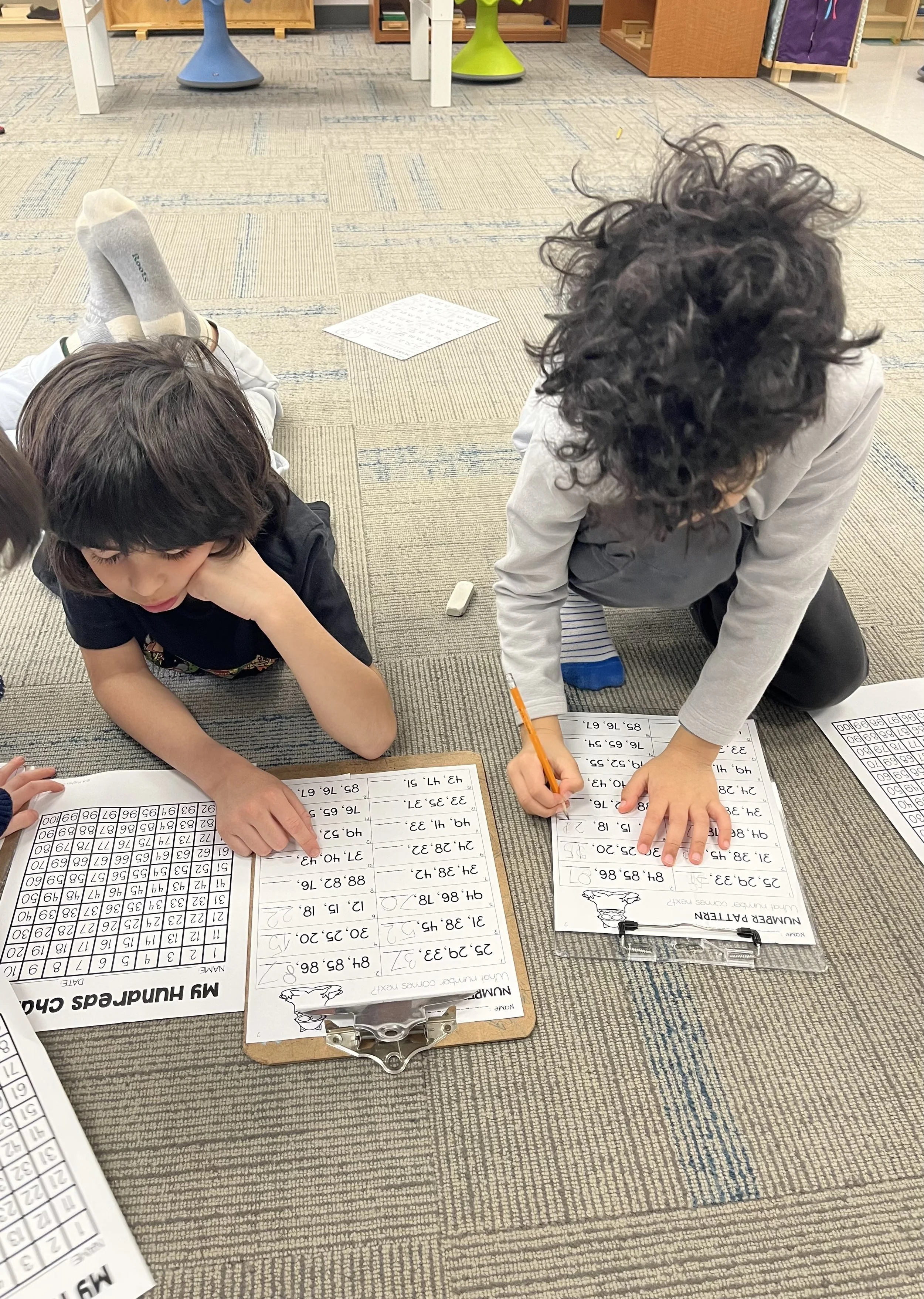
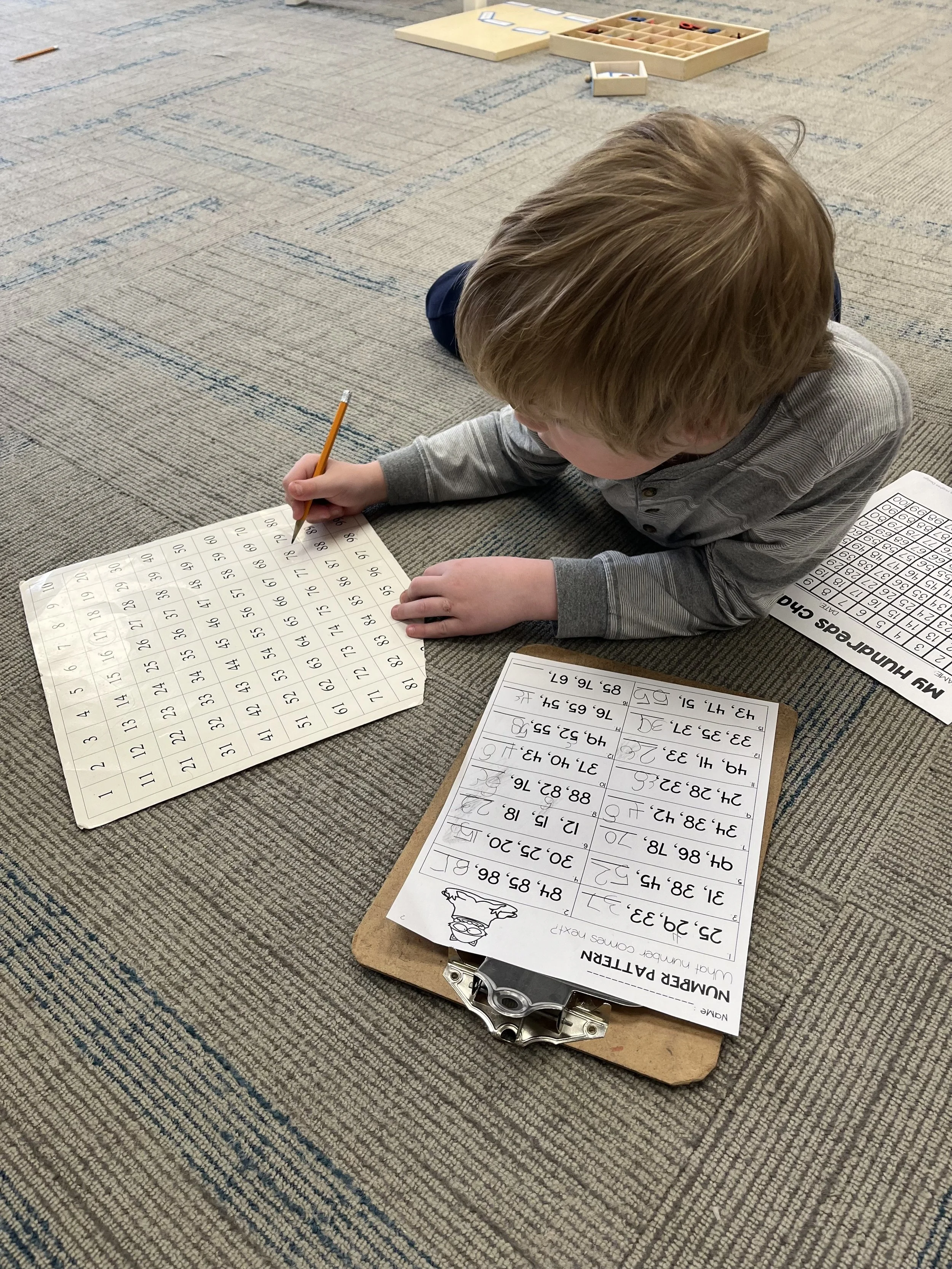
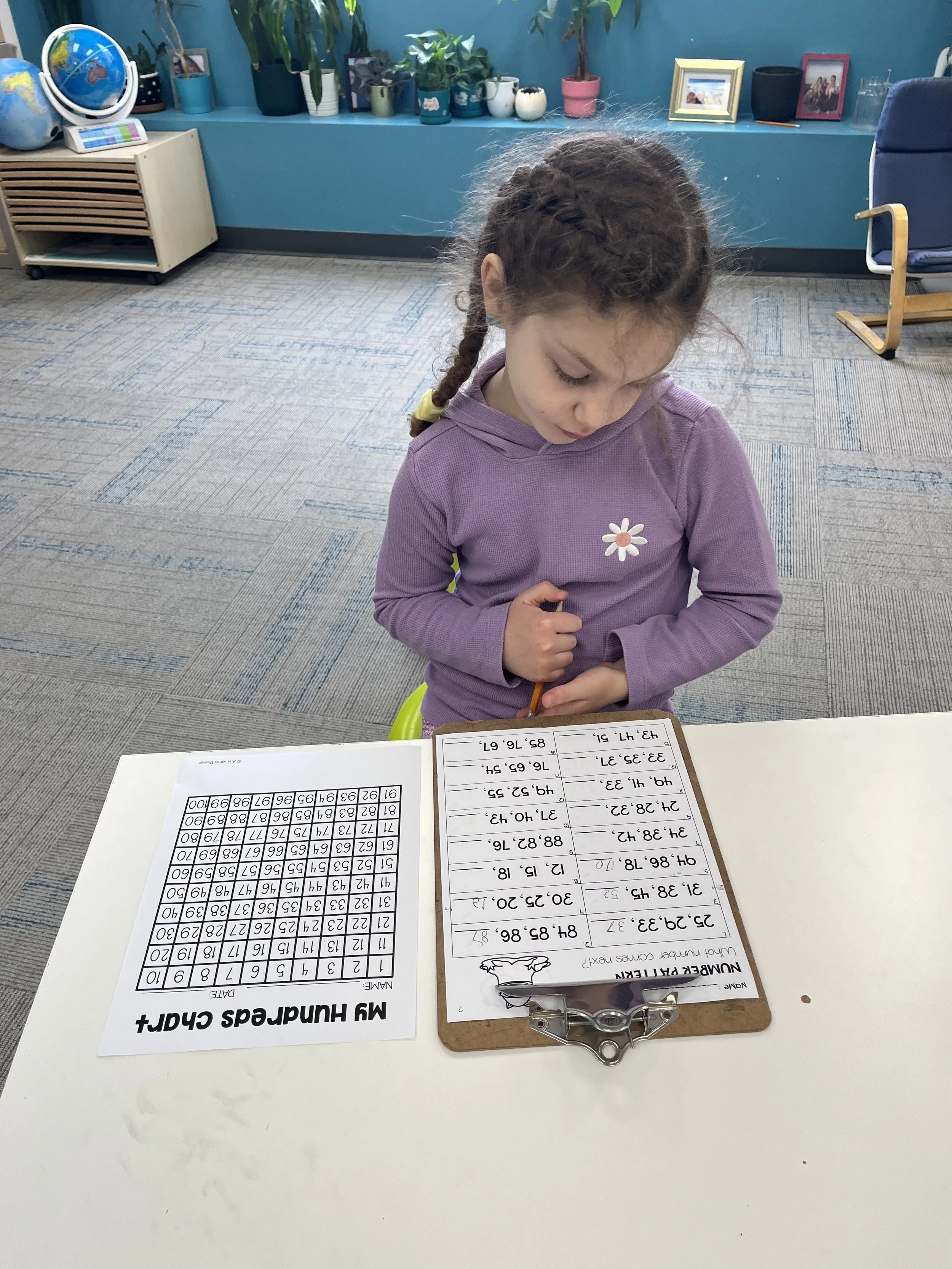
Group Two continued exploring number patterns. We began by working on group word problems, where learners collaborated to determine the next number in a pattern. This encouraged teamwork, discussion, and problem-solving strategies. Afterwards, the learners worked independently on number pattern activities. Some learners used 100 boards as a helpful tool to support their thinking and identify patterns more easily. A few of the patterns were quite challenging, but the Sparks demonstrated a strong growth mindset. They approached each problem with determination and a positive, “can-do” attitude. It has been wonderful to see their confidence and perseverance continue to grow!
Book Study
This week during our book study, we continued working on our booklet about the story Miss Nelson Is Missing!. The Sparks were encouraged to use their imagination to visualize a scene from the story. After thinking about what the scene might look like, they drew a picture to show what they imagined. This activity helped the Sparks practice an important reading strategy called visualization. By creating mental images while listening to a story, they can better understand the characters, setting, and events.
French
In French, we continued learning about animals through a variety of interactive activities. Monday, learners created a monkey art craft, which helped them learn and review body parts in French, such as tête (head), bras (arms), jambe (legs), queue (tail), and pattes (paws). On Tuesday, we watched a video about animals to reinforce vocabulary: Apprendre les animaux sauvages en français 🐅🦁🦒 Wednesday, Rebels participated in a surprise box game, where they had to name, in French, the different stuffed animals hidden inside a big box. To wrap up our week of workshops, Sparks played a bulldog colour game in the gym to review clothing and colours. We then ended with a game of charades, allowing learners to reuse their new animal vocabulary in an active way.
Additional Highlights
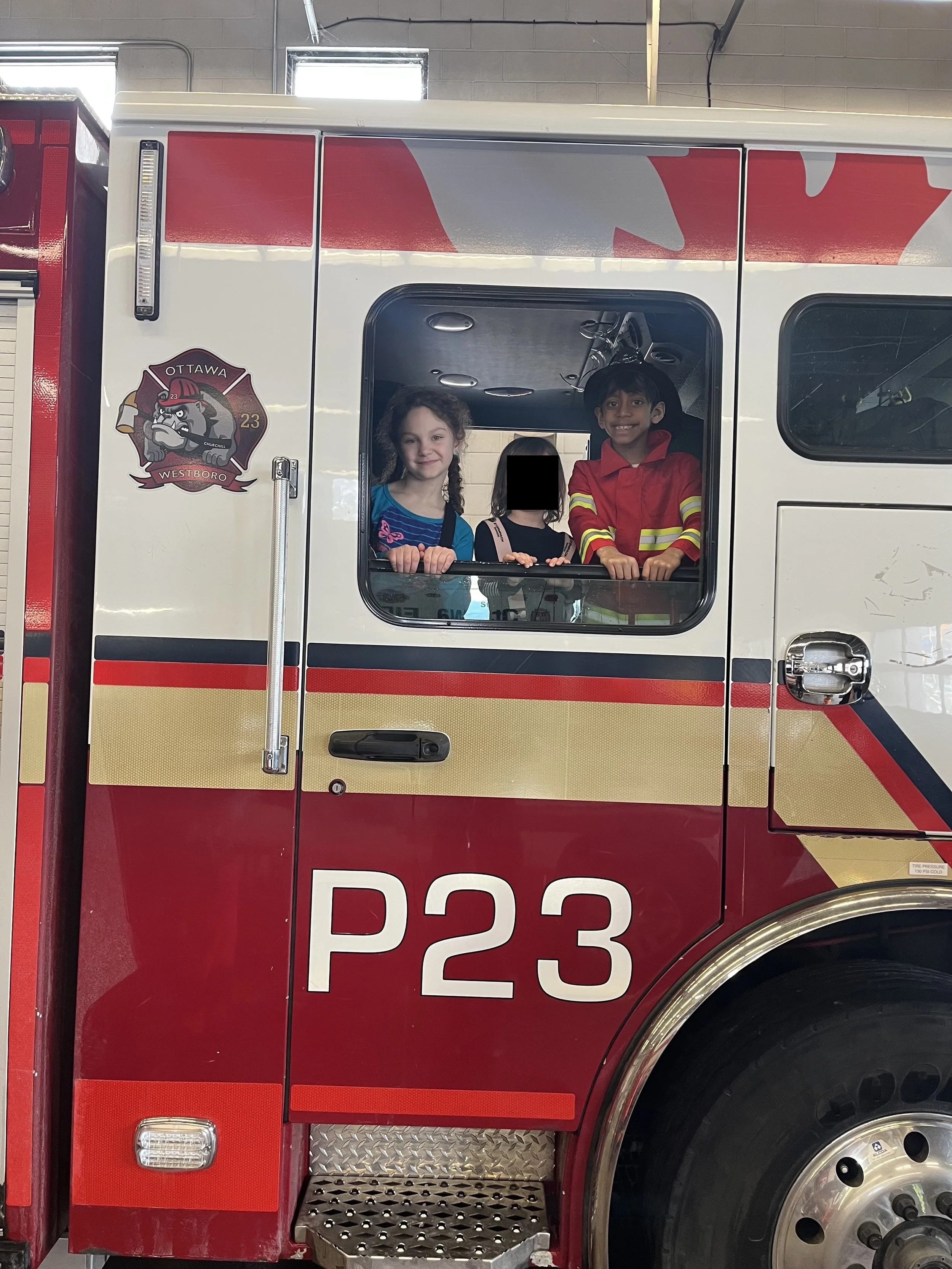
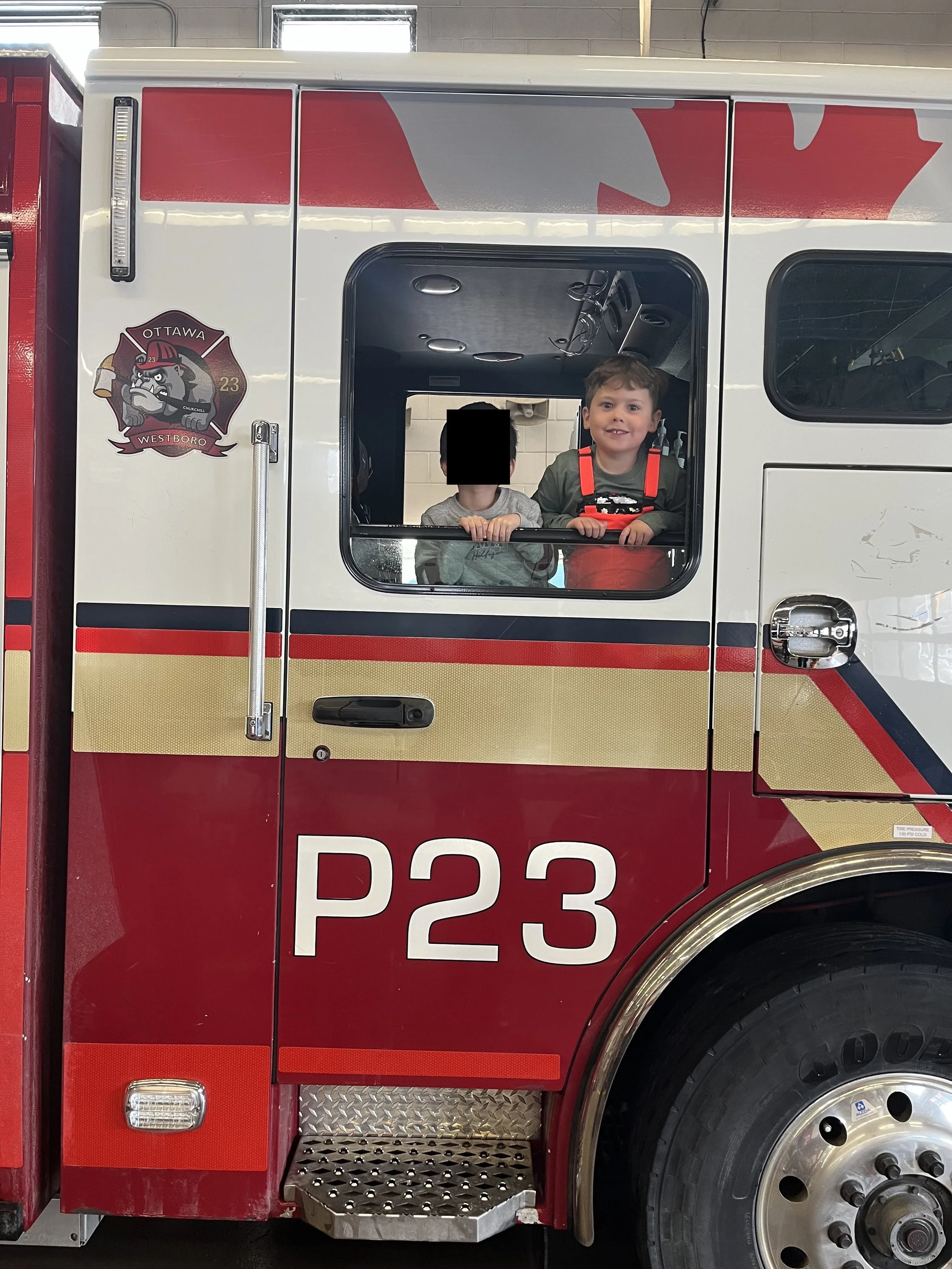
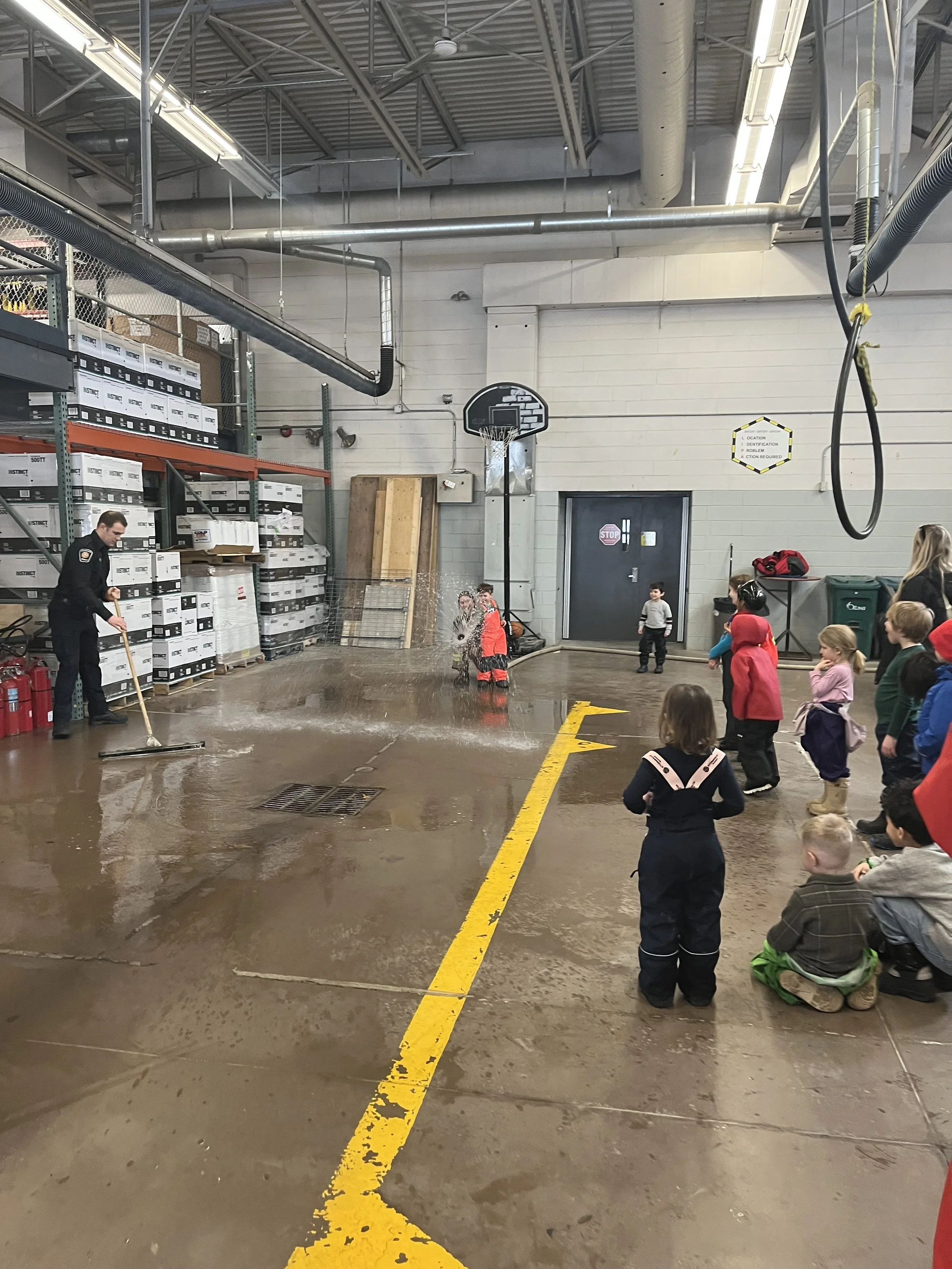
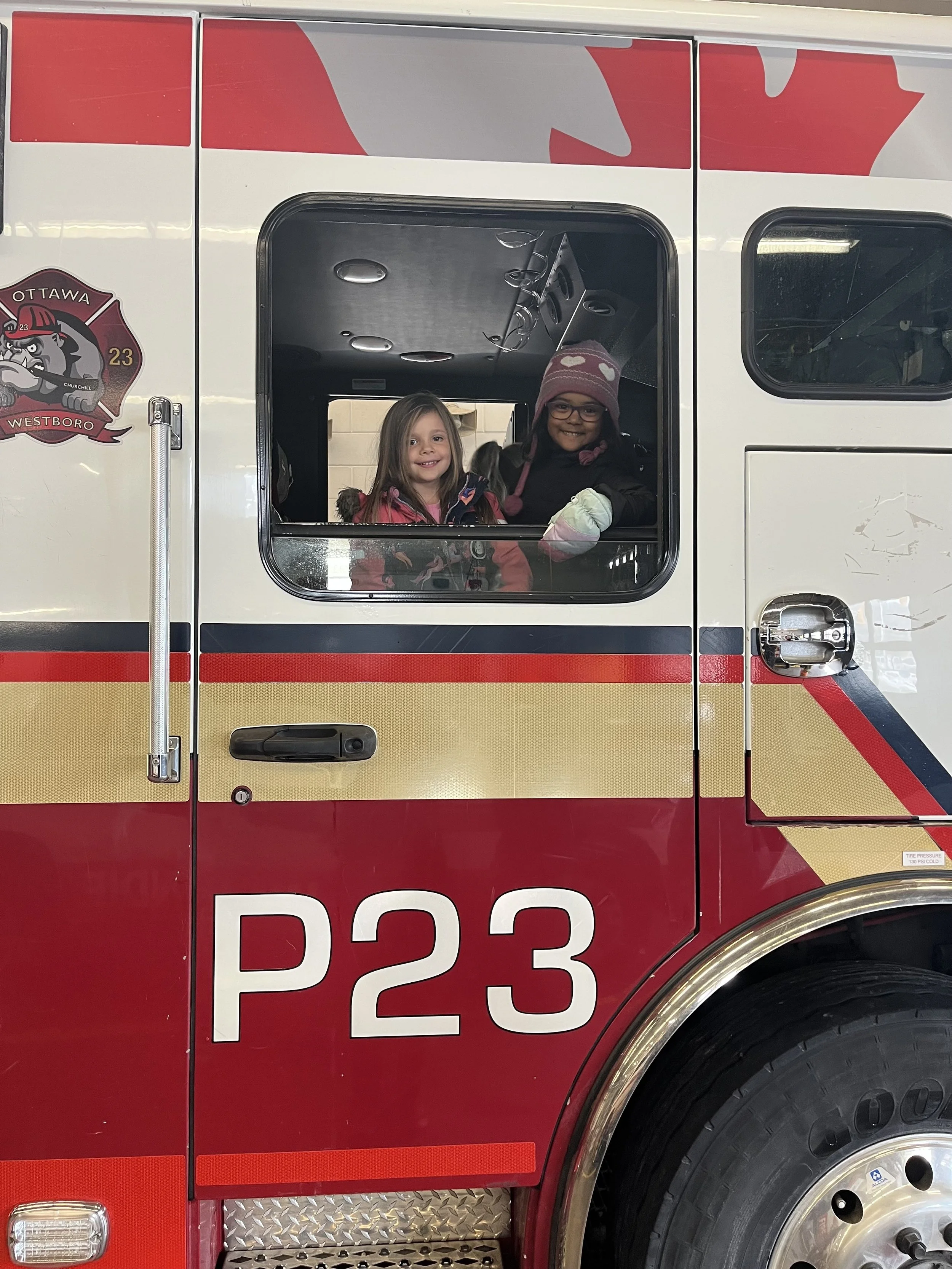
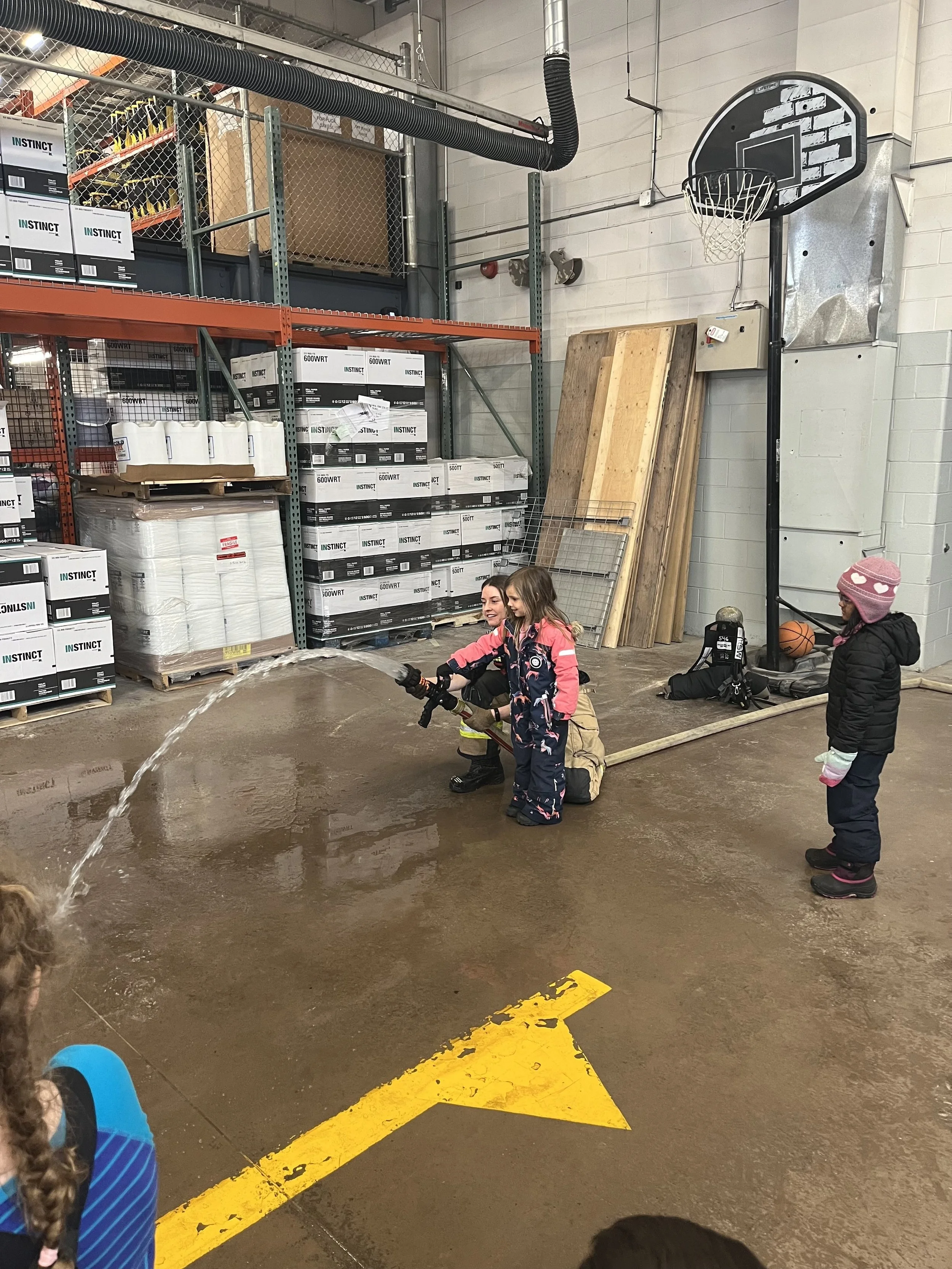
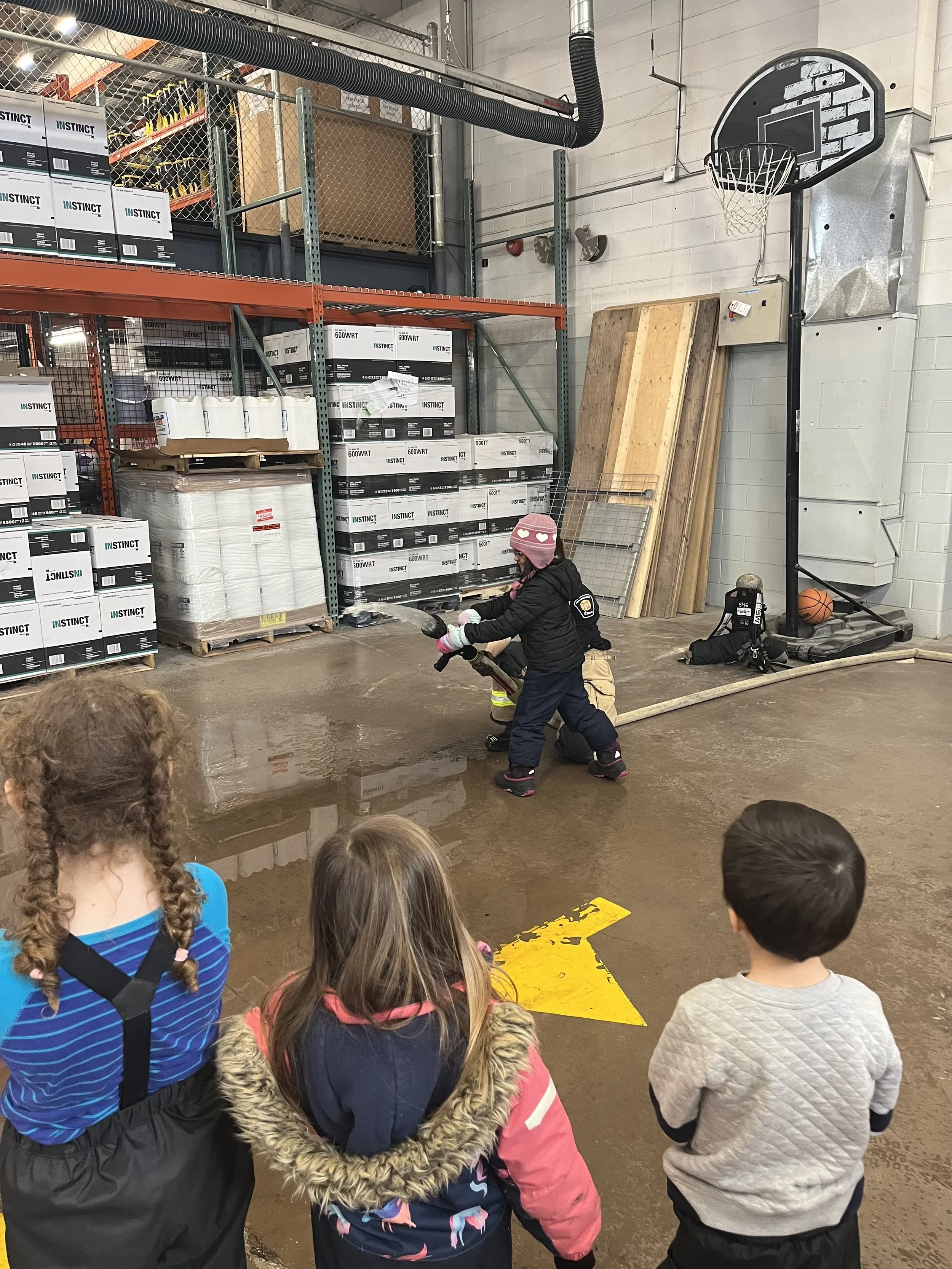
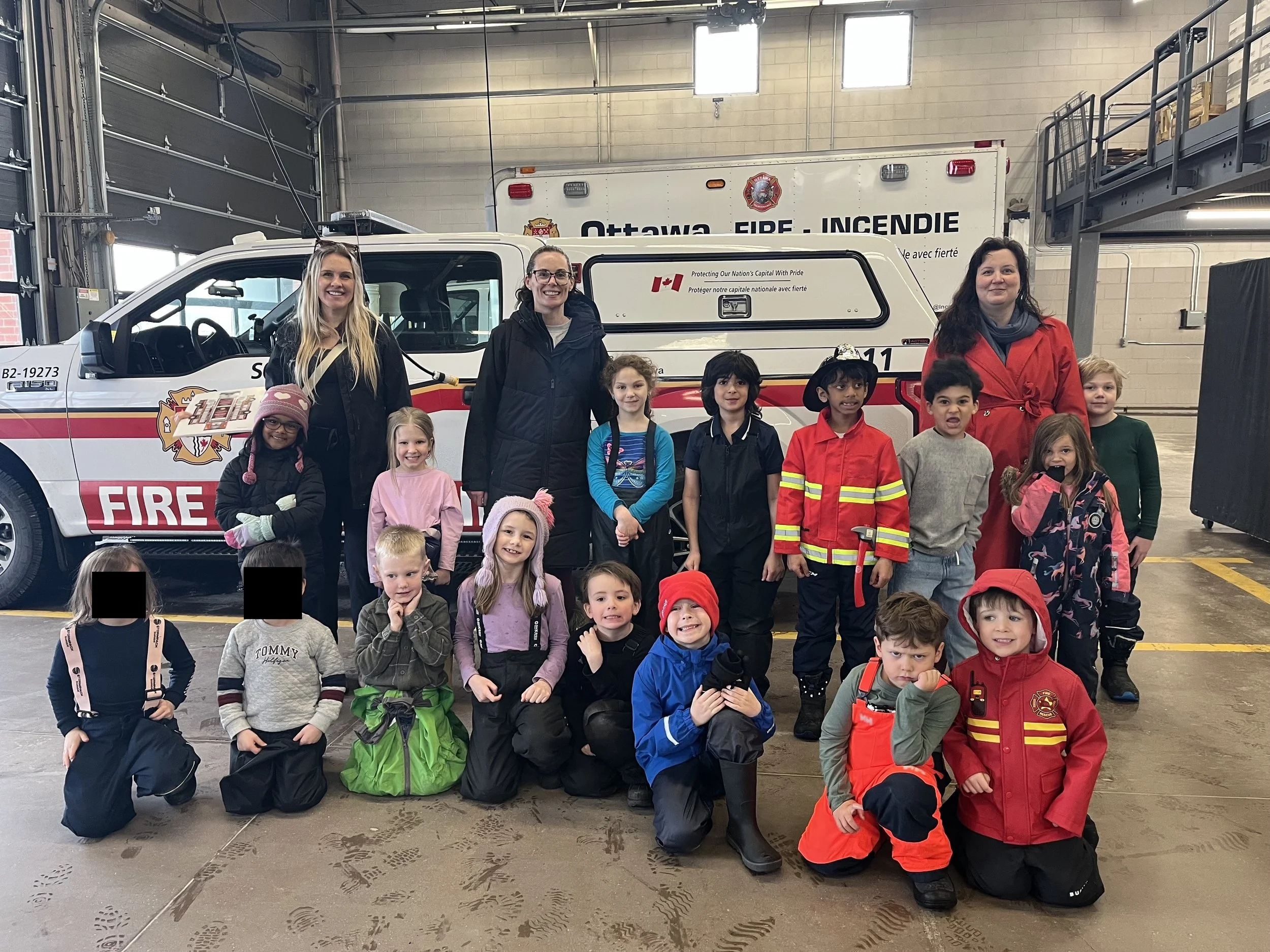
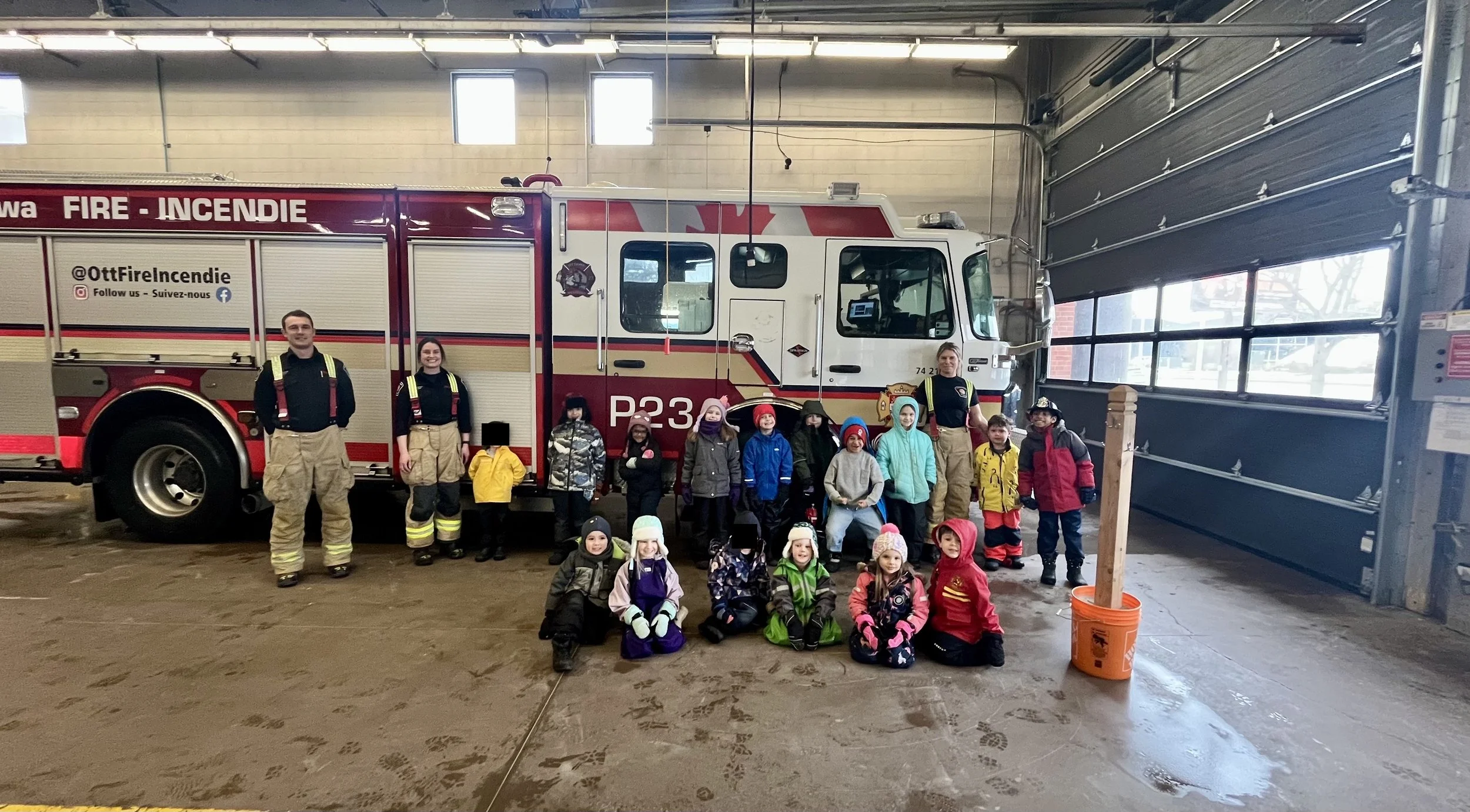
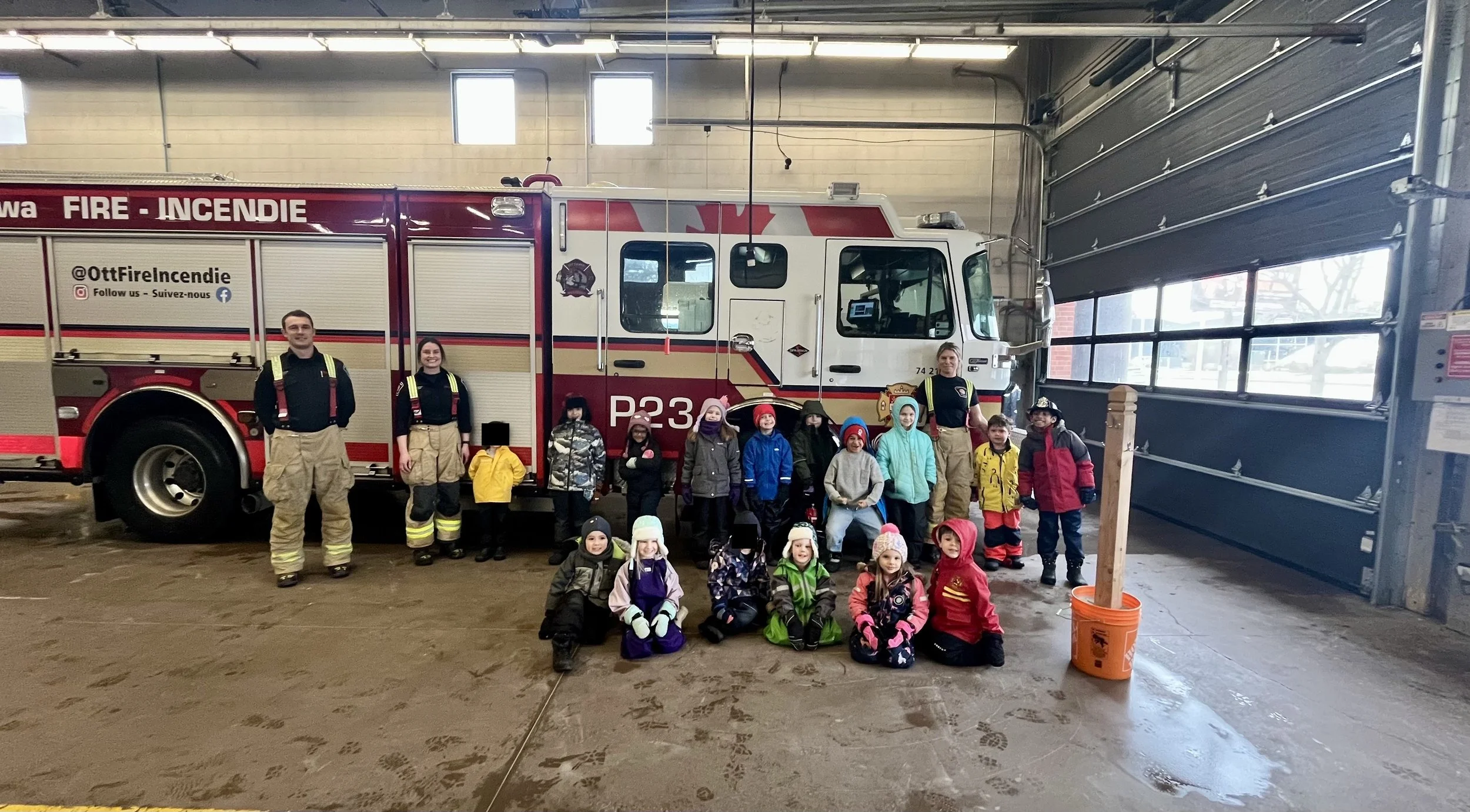
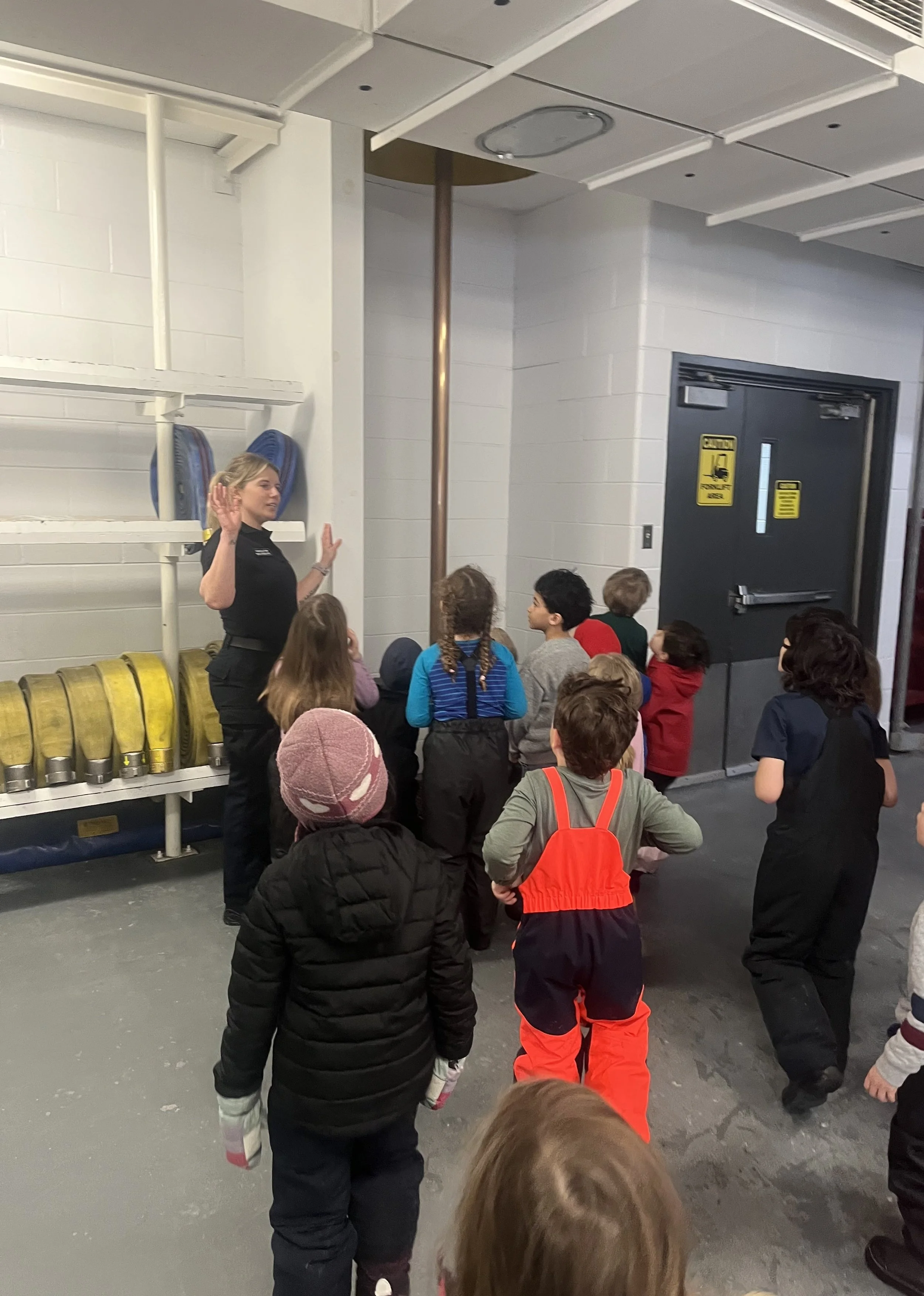
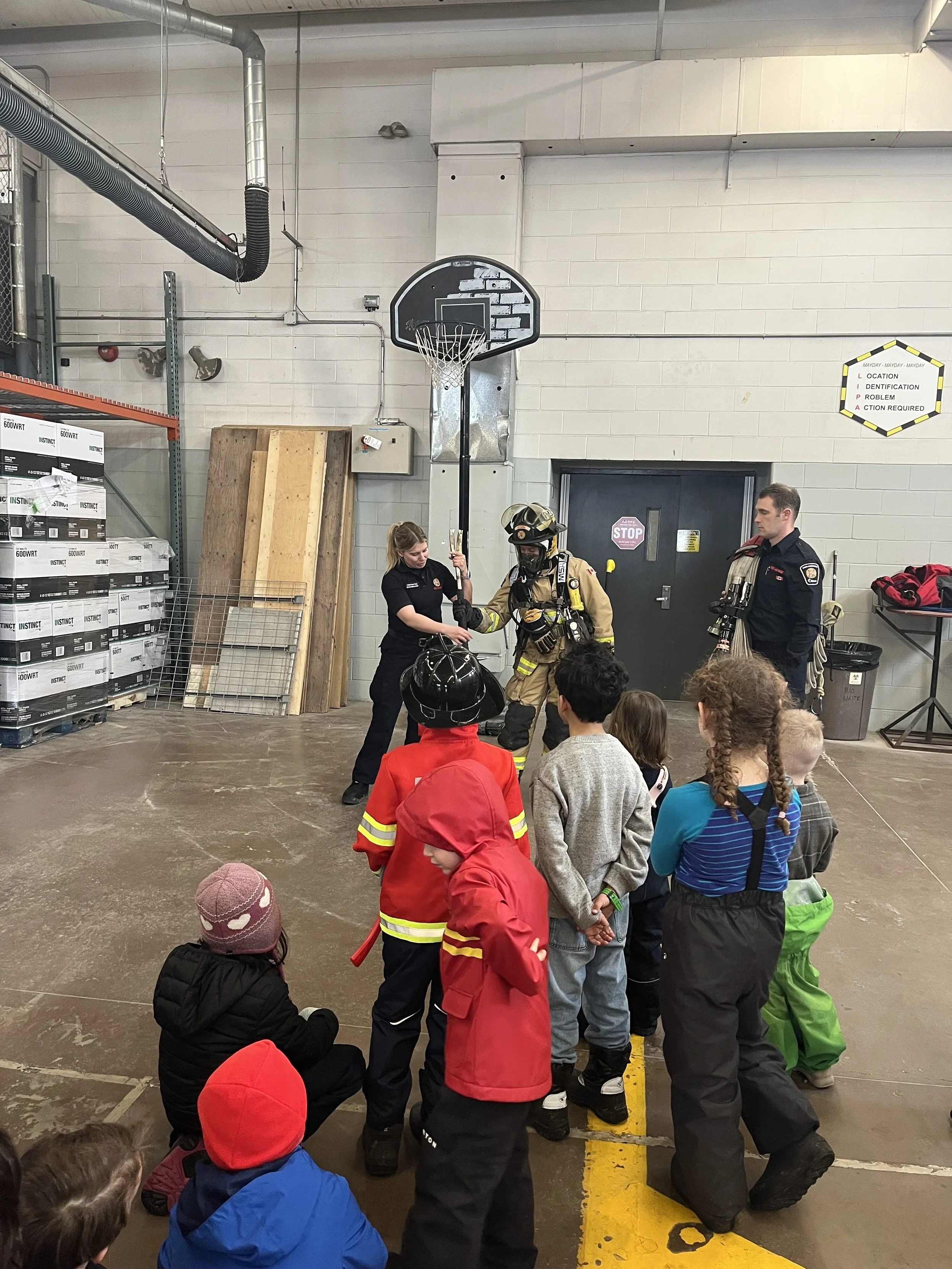
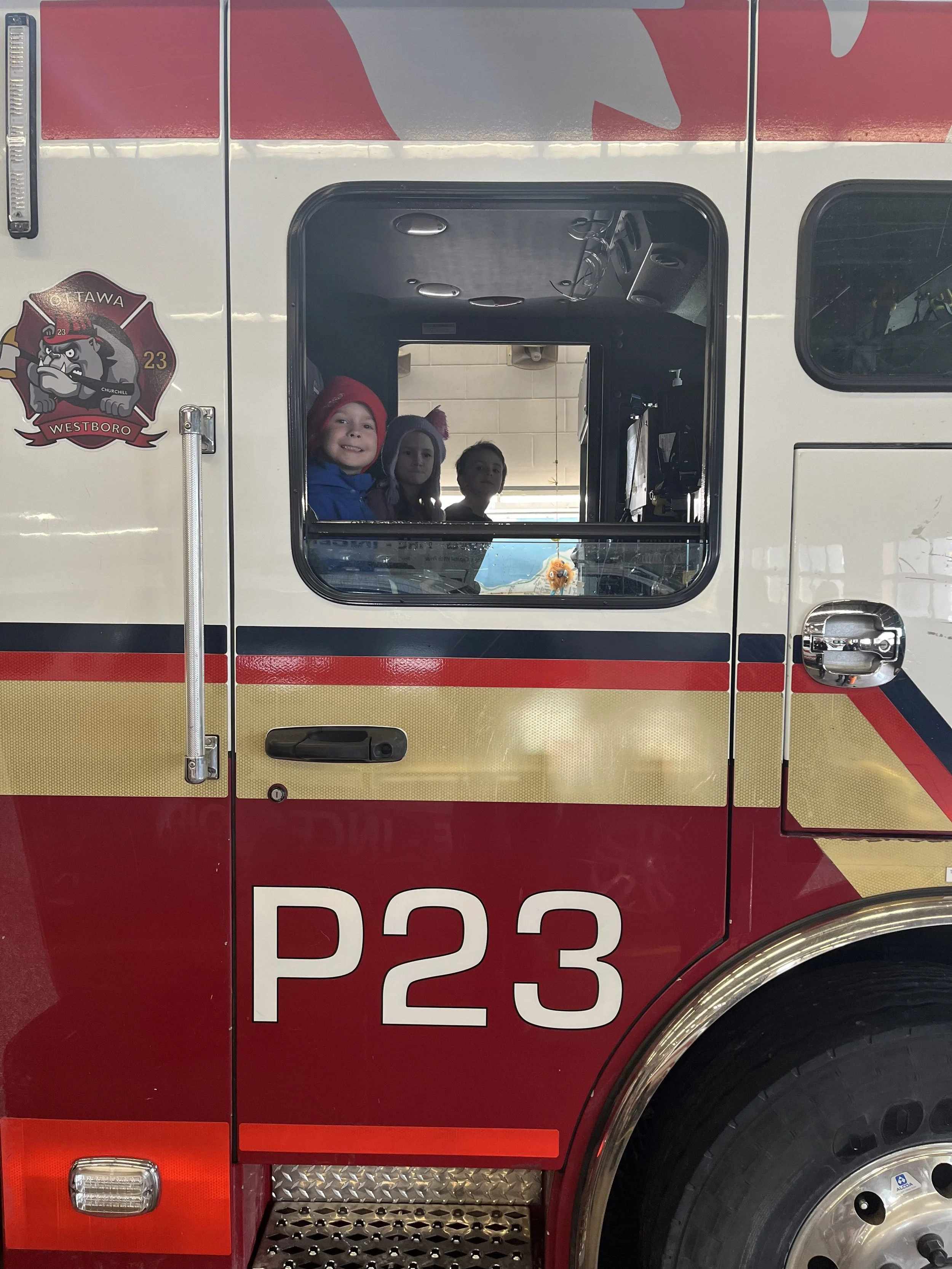
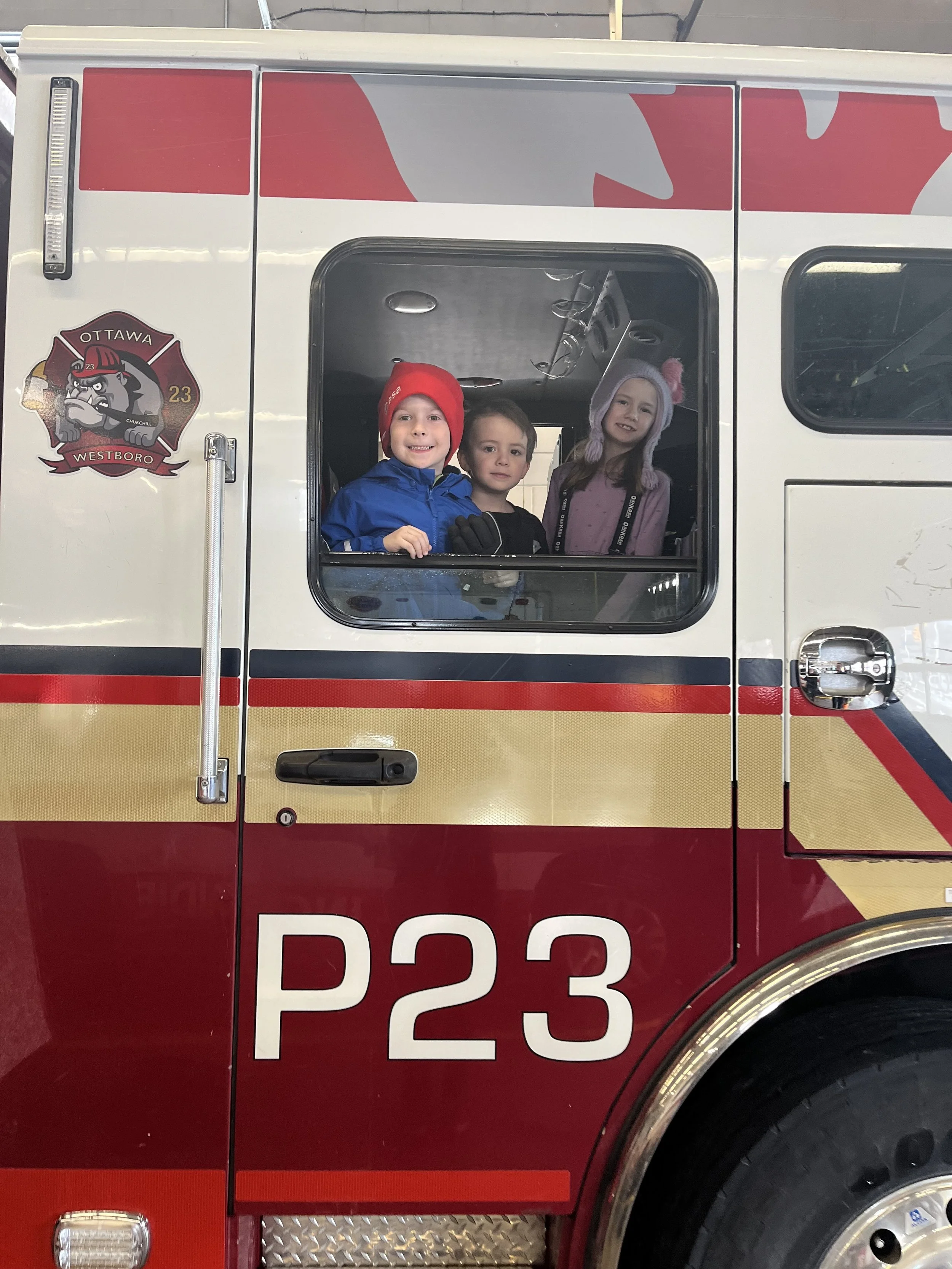
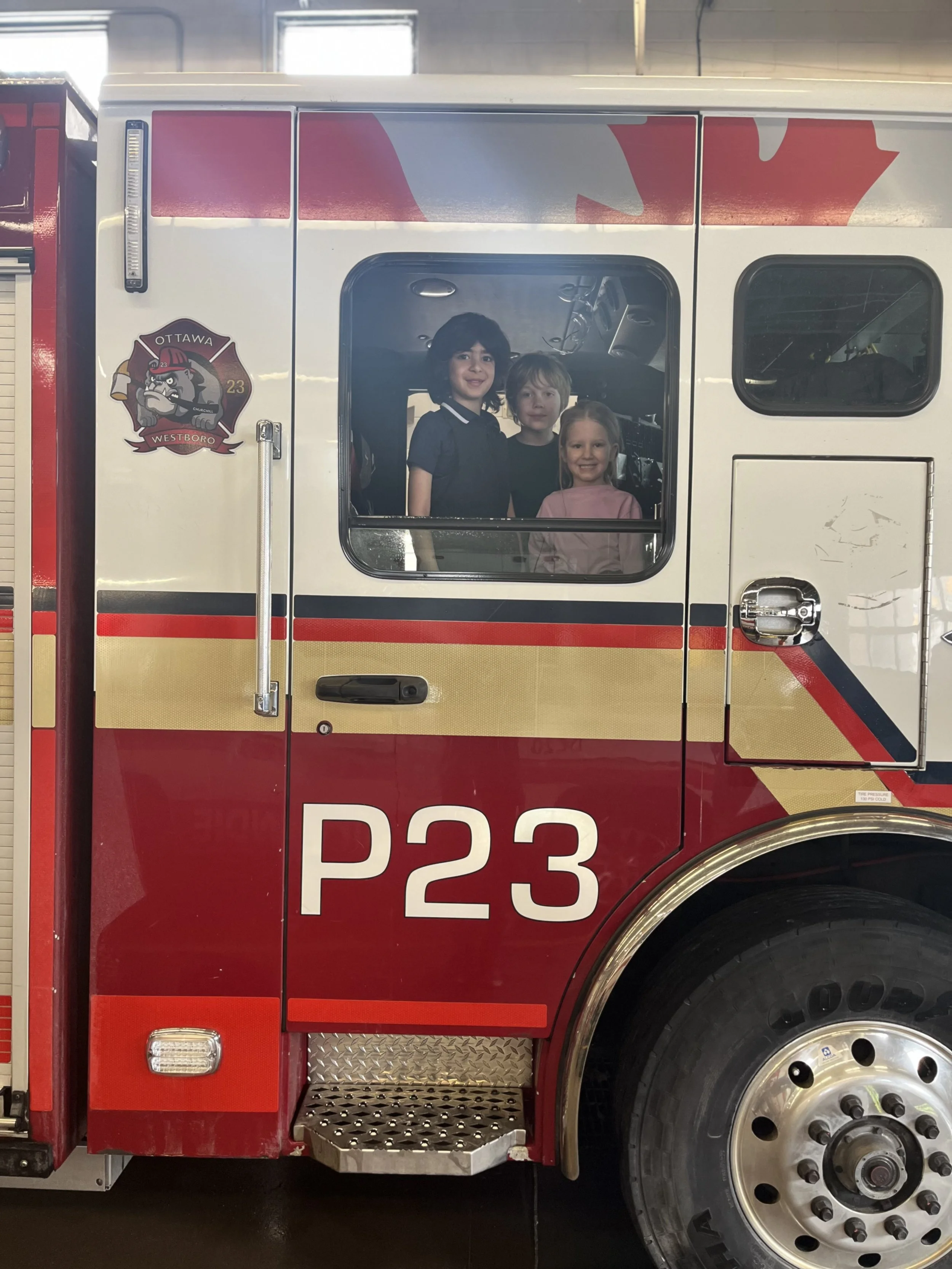
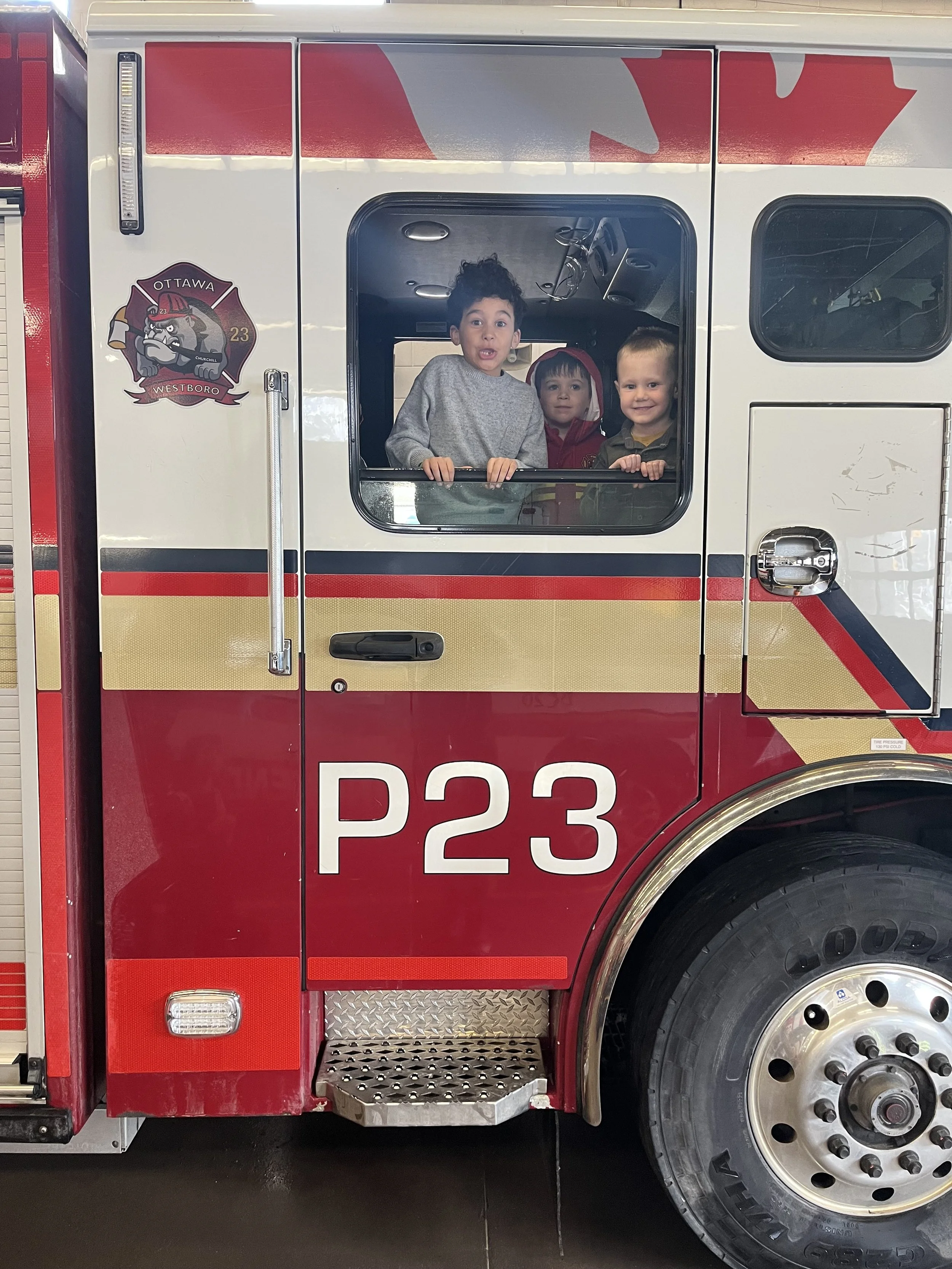
On Monday, we had an exciting adventure visiting Station 23! We walked through the community to get there and were greeted by a wonderful team of firefighters. They began by introducing themselves, showing us around the station, and sharing what their job is like. To help us understand what happens during an emergency, they even created a pretend call for us to watch. The learners got to see a firefighter slide down the fire pole and quickly put on their protective gear, just as they would during a real call. Next, we learned about the special equipment firefighters wear to keep them safe. The learners had a chance to see it up close and learn why each piece is important. Then came a highlight of the visit—stepping inside the fire truck! The learners sat in the back seats and explored the truck while the firefighters explained some of the equipment they use. After that, everyone had a turn trying the fire hose, which was a big hit! Before we left, the firefighters gave us some important safety “homework.” Learners were encouraged to ask their families where the fire alarms are located in their homes and to talk about a meeting place outside in case of an emergency. They also reminded everyone that in an emergency, the number to call is 911. We had such a fantastic visit and learned so much! A huge thank you to the amazing firefighters at Station 23 for taking the time to show us around. We are so grateful for everything you do to keep our community safe!
Discovery Studio
Mindfulness and Launch
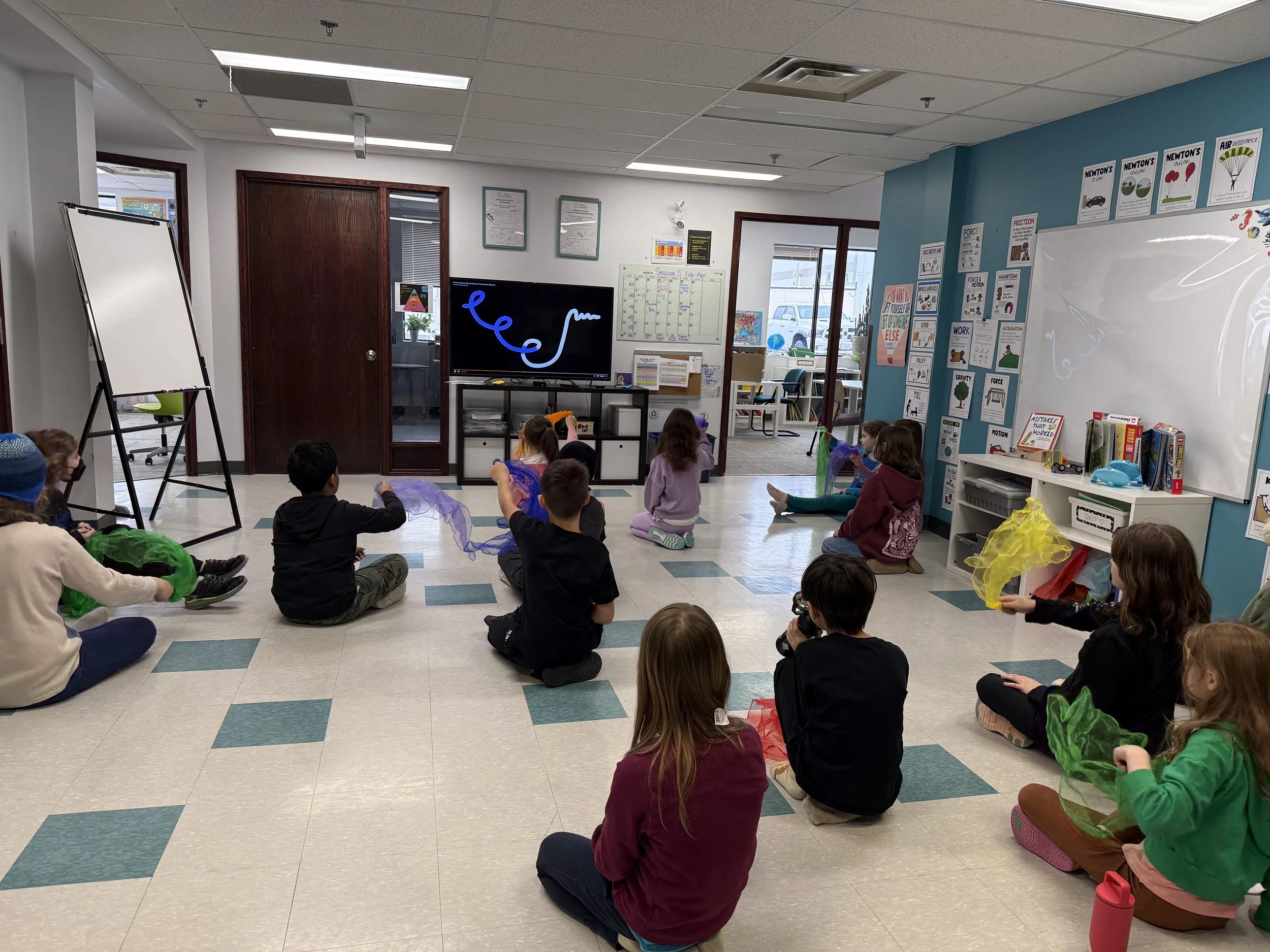
On Monday, Rebels returned to their mindful musical composing activity! They incorporated scarves this week, which added a whimsical flow to our listening activity. Rebels conducted melodies in Rondo Alla Turca by Mozart, and Toccata and Fugue in D Minor. Rebels reflected how the melodies made them feel, what the tunes reminded them of and where they may have heard these melodies before. At launch, they reviewed family questions that align with this point of the year, our Hero’s Journey narrative and the Journey Meetings that kicked off this week. It was a chance for them to reflect on the progress they will share, and what tools and systems we can refer to when showing families evidence of Rebel growth. To celebrate St. Patrick’s Day, the Rebels ended the day with a hilarious musical cup passing game to a popular song by The Dropkick Murphys!
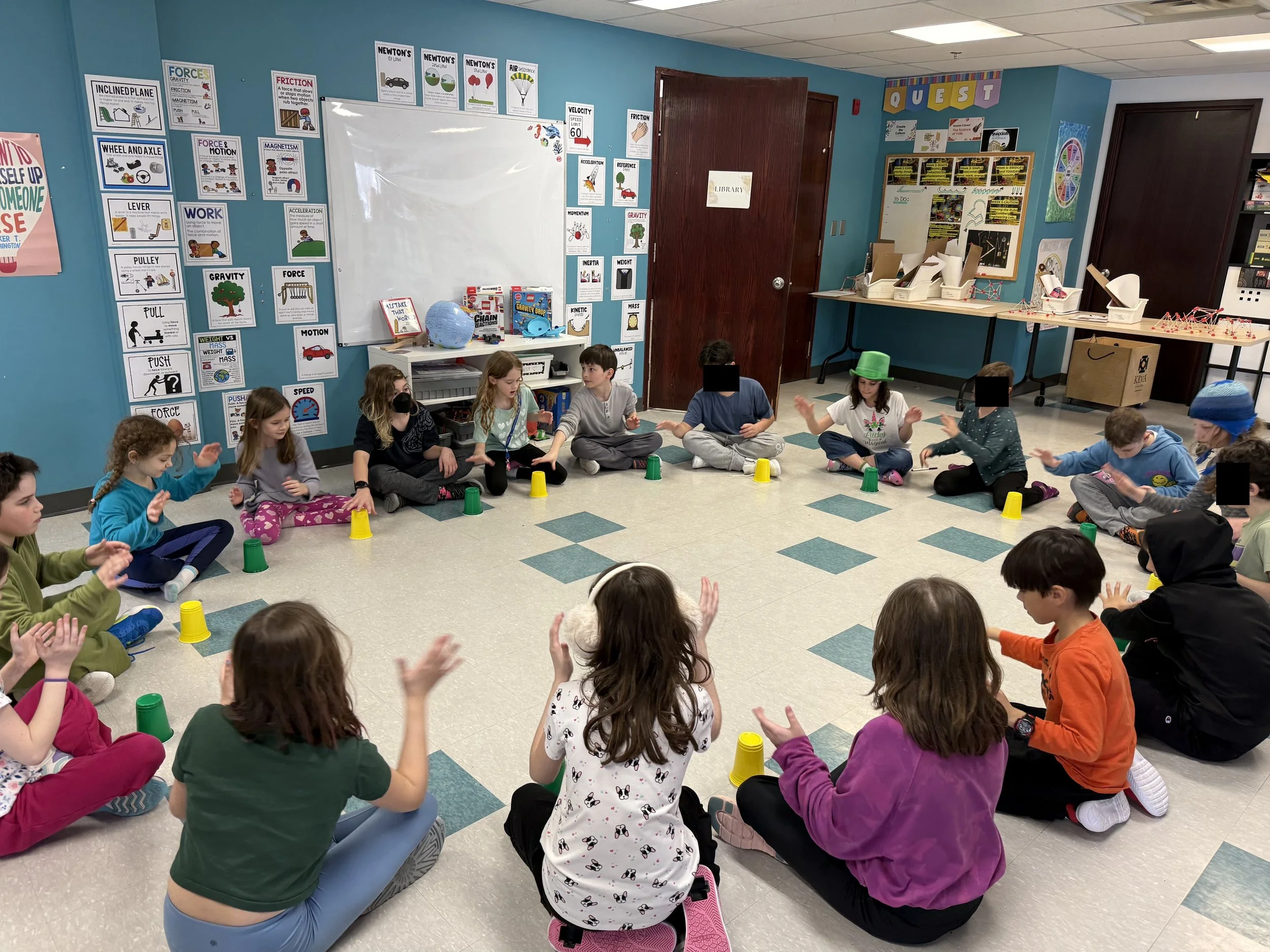
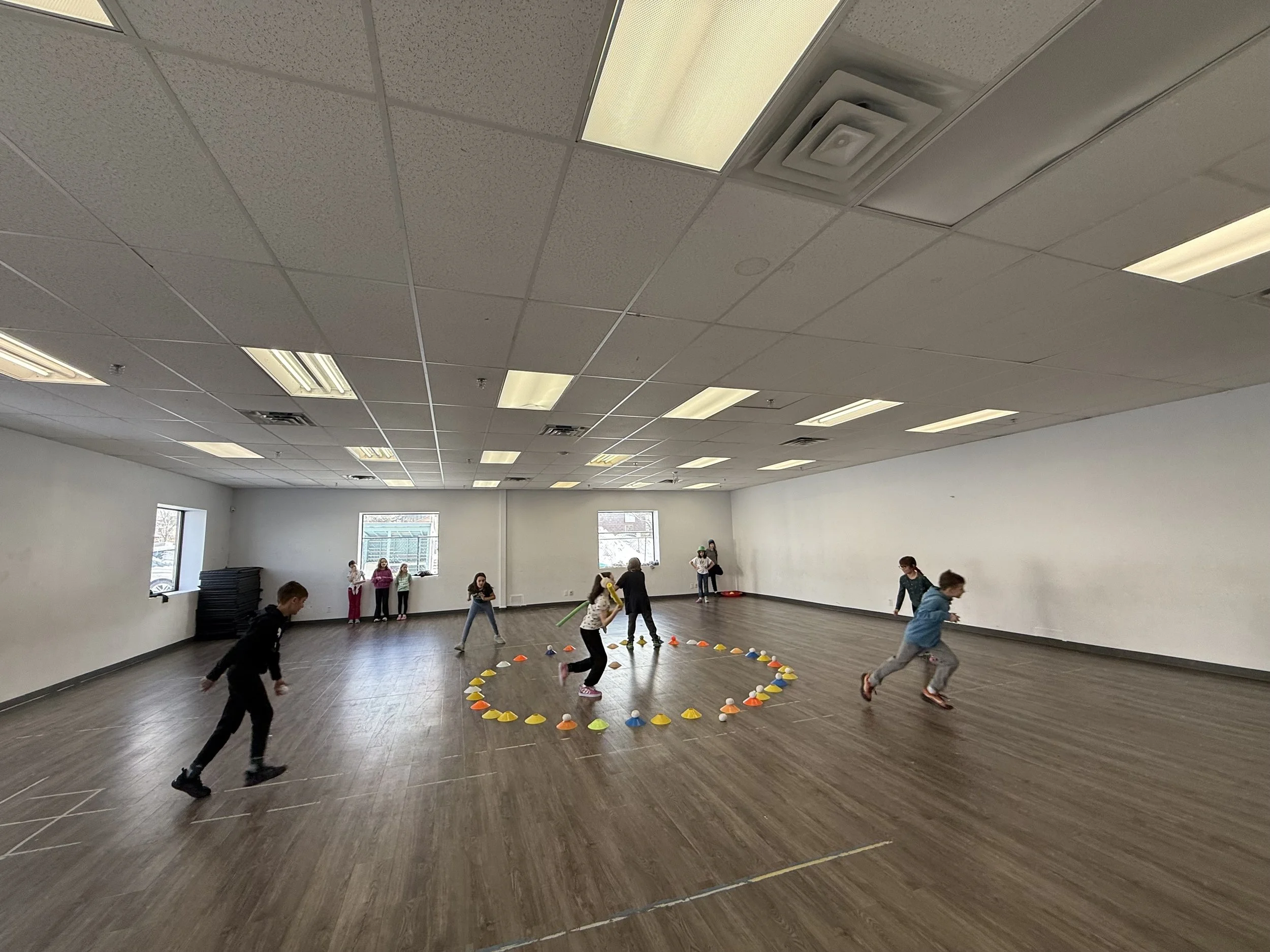
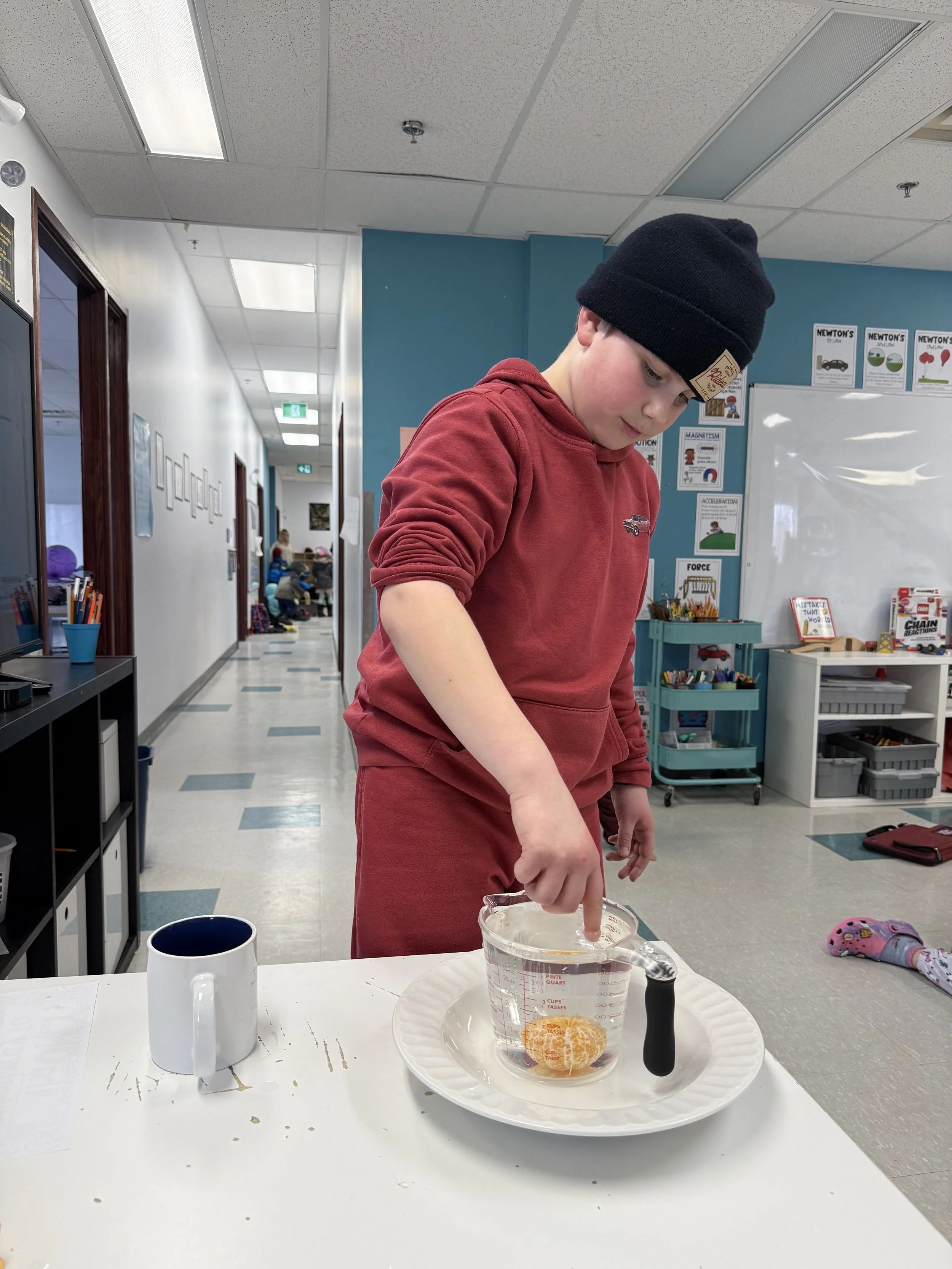
After an engaging round of New York Times puzzles Wednesday, Rebels revisited our ongoing conversation around rebuilding our Rules of Engagement and Covenants for Squad Chickens. After coming together in the beginning of the week to discuss ways that we think our ROEs and Covenants are breaking down, we utilized our Squad Chickens time to brainstorm some ideas for repair. Rebels came up with a great collection of ideas, from reopening the SWA (silent working area), being more intentional about our Rebel Buck system (what happens if a Rebel loses three $RB for the same reason in one week?) and whether or not privileges such as field trips off-site, Pyramid of Fantastic Fun Friday rewards etc., could be affected when breaking our contracts. Rebels not only came up with some excellent ideas for repair, they also put their ideas immediately into action, with many learners opting to change seats in Core Skills, work in the Silent Work Area, and we overheard many teammates working hard to remind others to listen when others are speaking, or to be mindful of others in flow when talking. Thursday we met for Thank You For Sharing and discussed whether Rebels would rather design a video game or a board game, and to share about something that feels easy for them but could feel hard for others. Friday’s Current Events featured Giant Pandas making a comeback out of the endangered species classification, Arctic Sports in the Yukon, and a very funny Live From Snack Time! For Launch, we caught up on the last of this week’s March Mammal Madness battles.
Reader/Writer
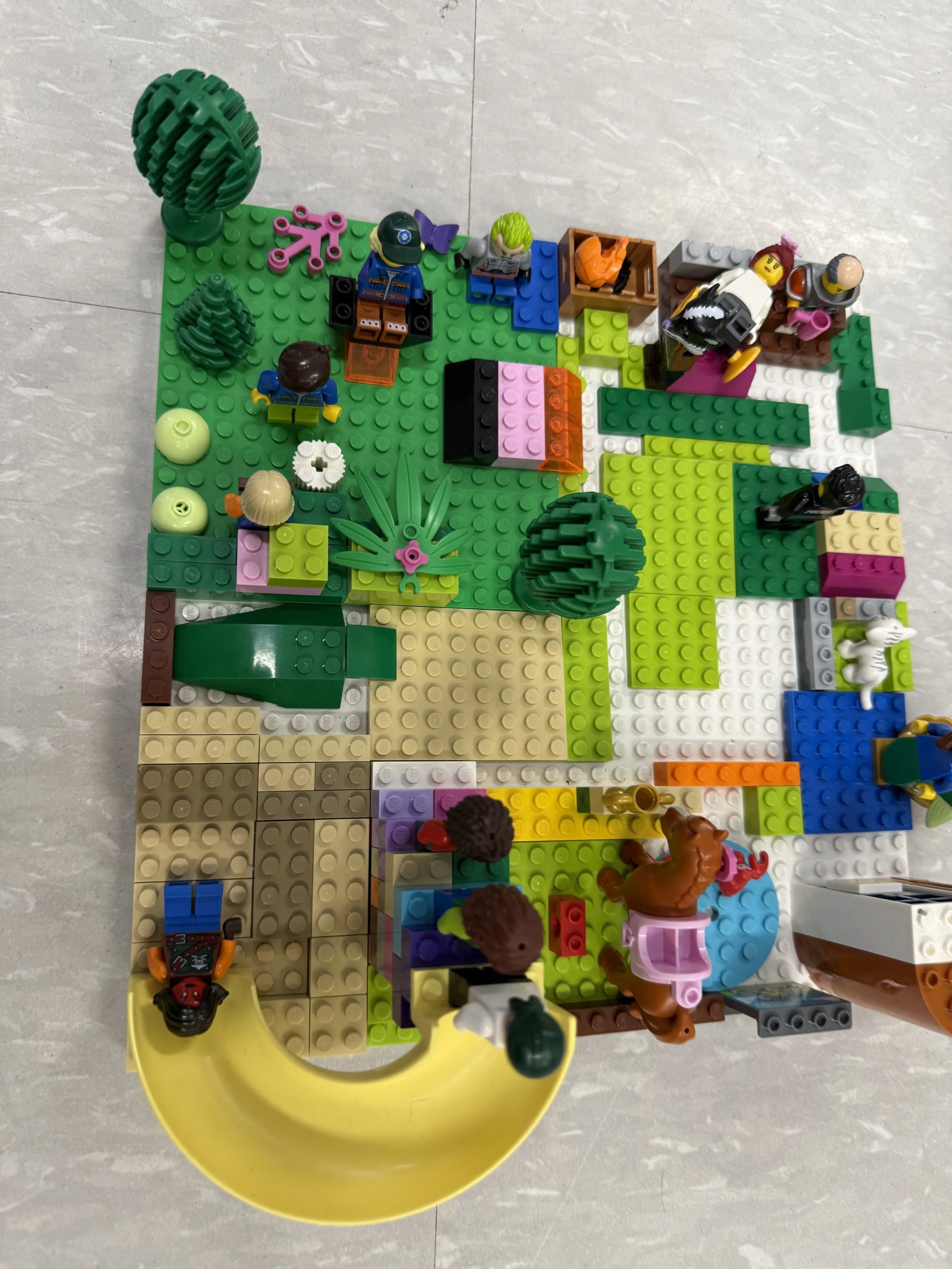
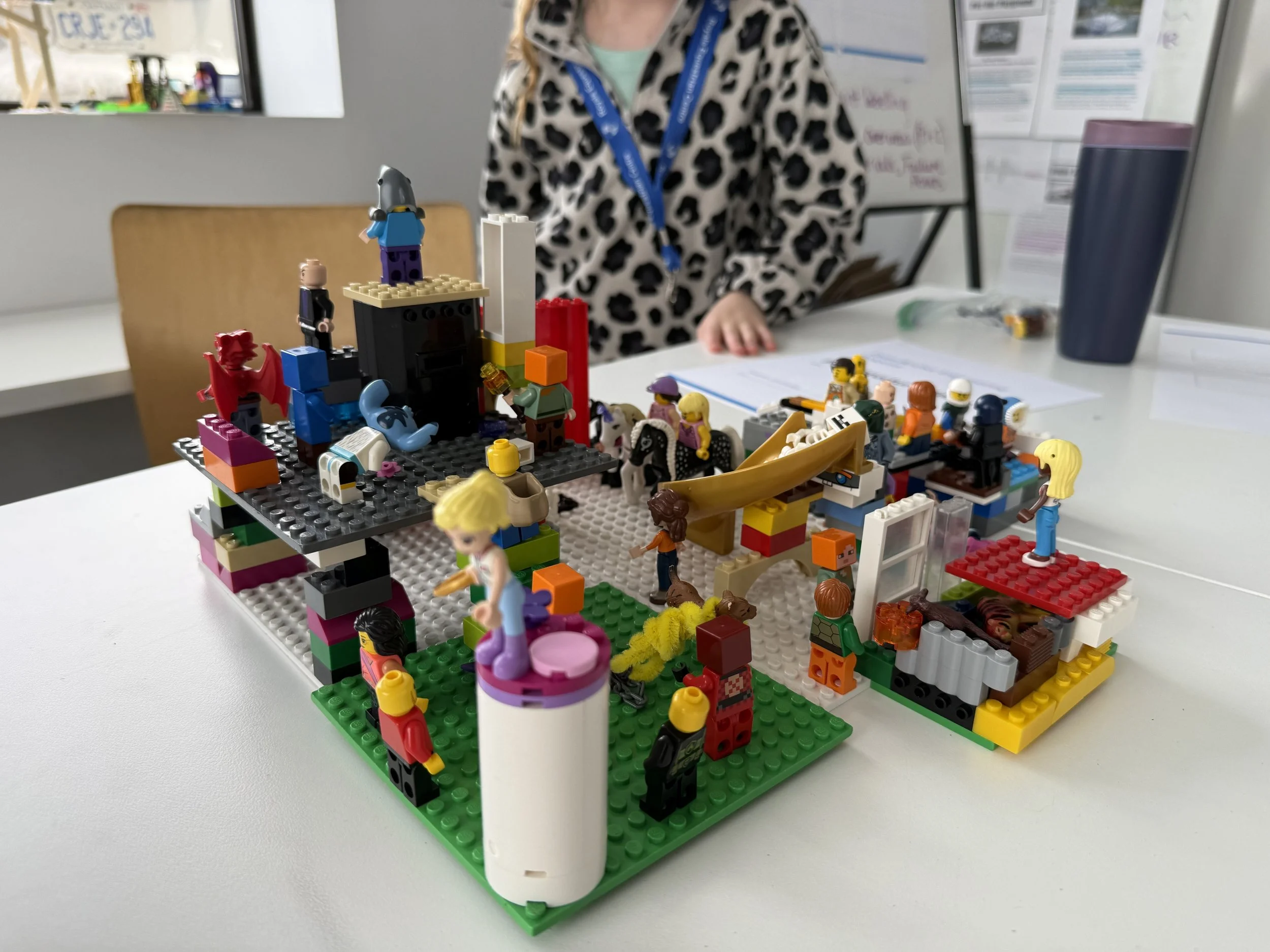
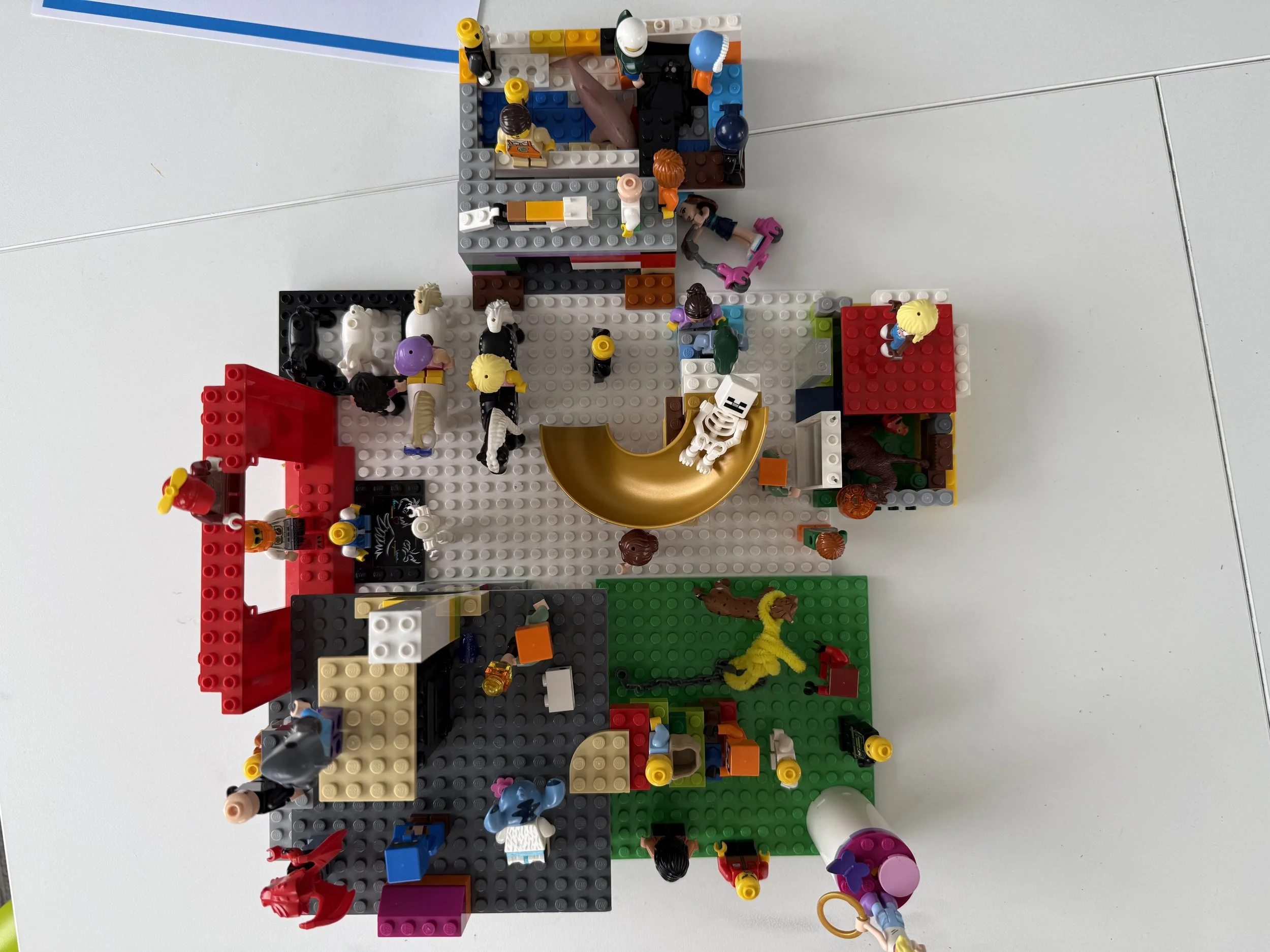
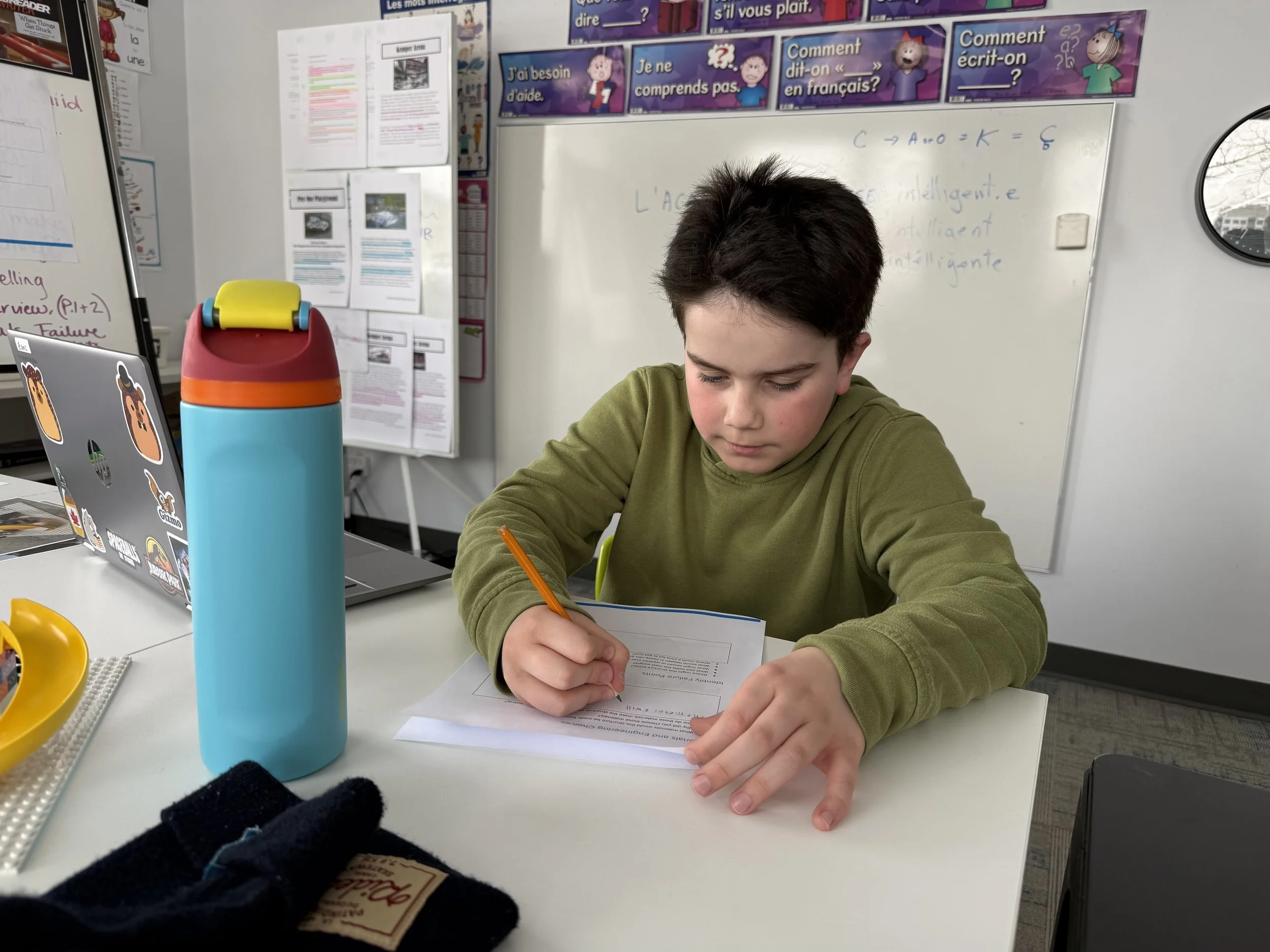
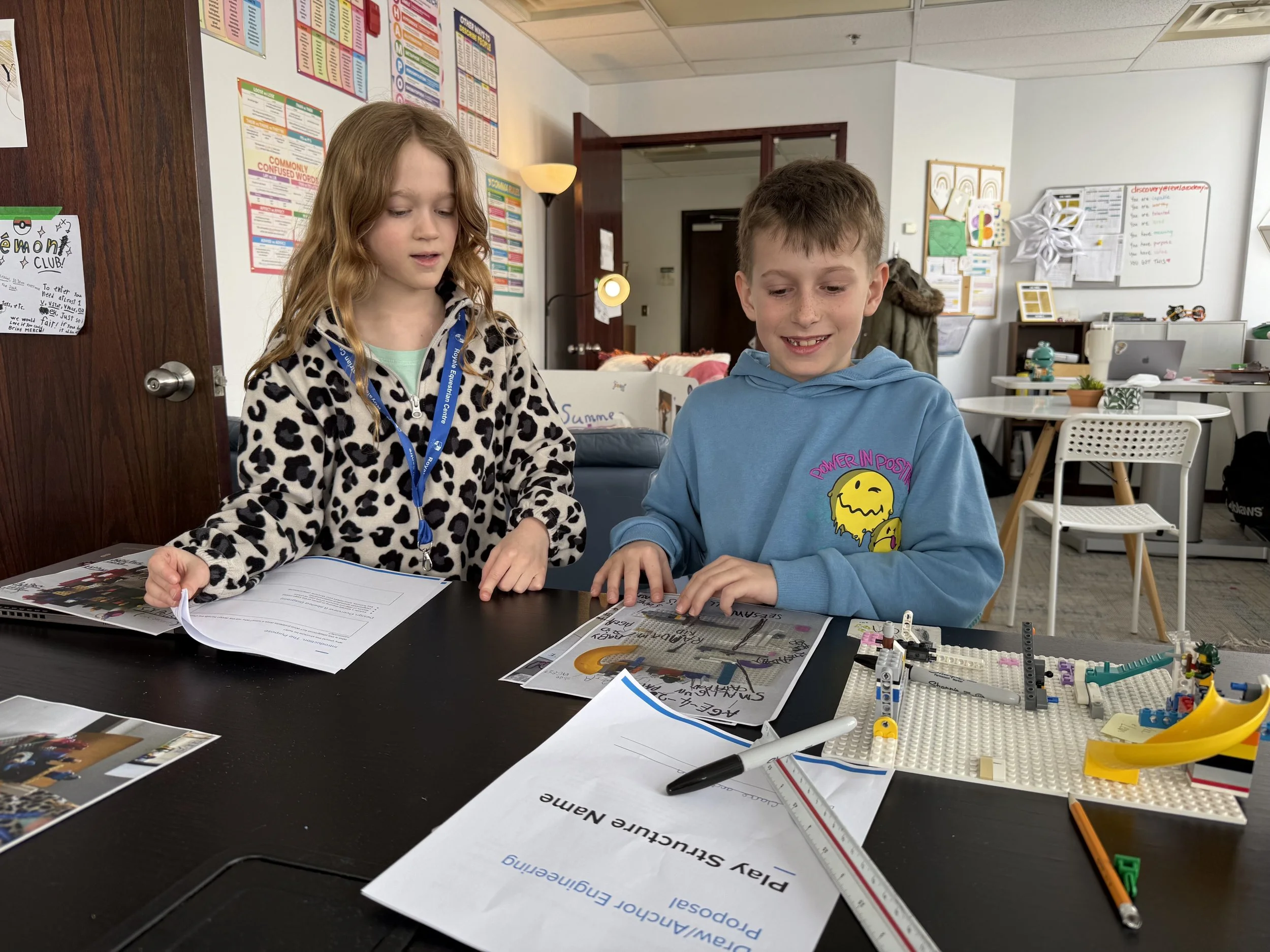
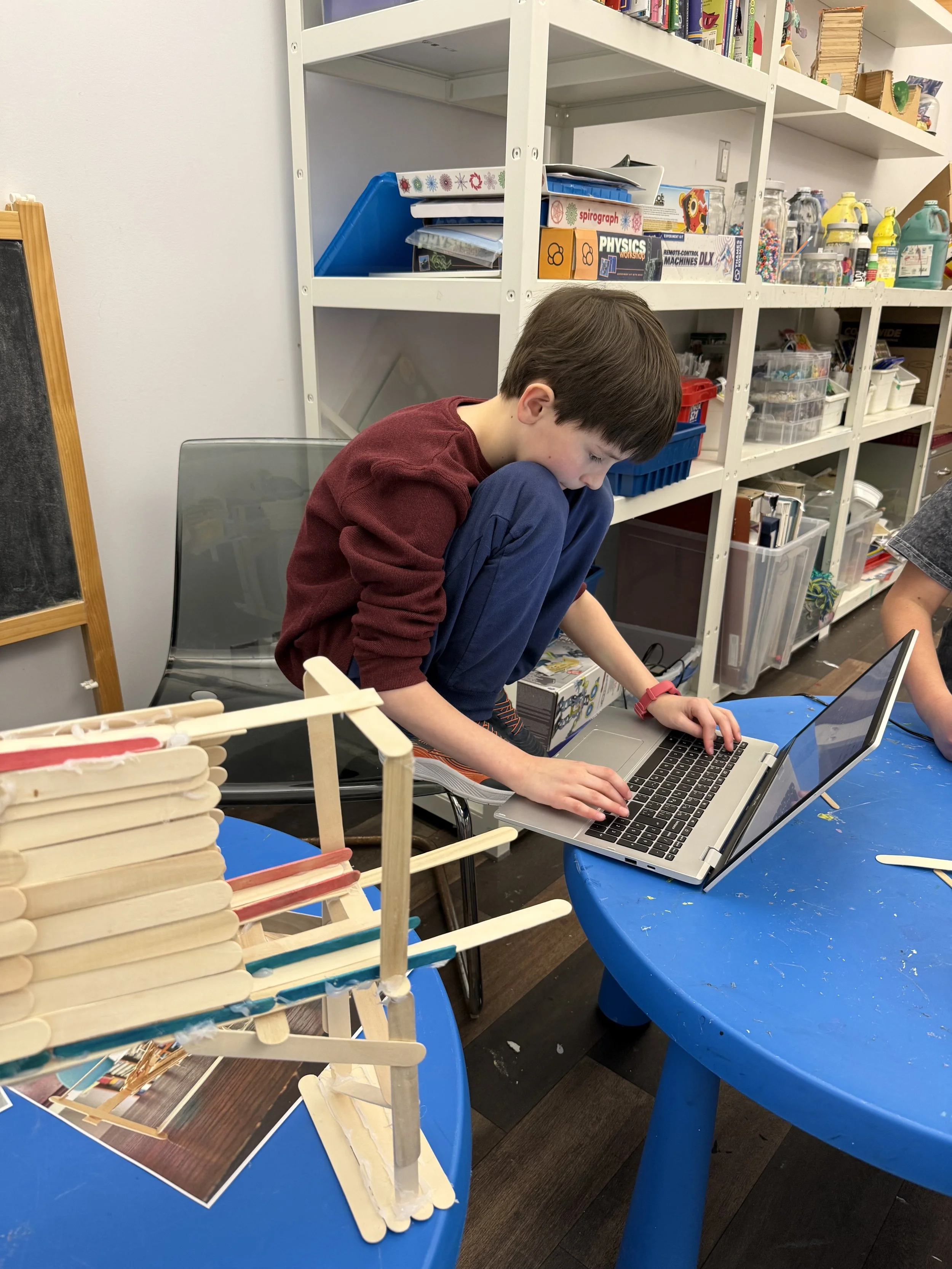
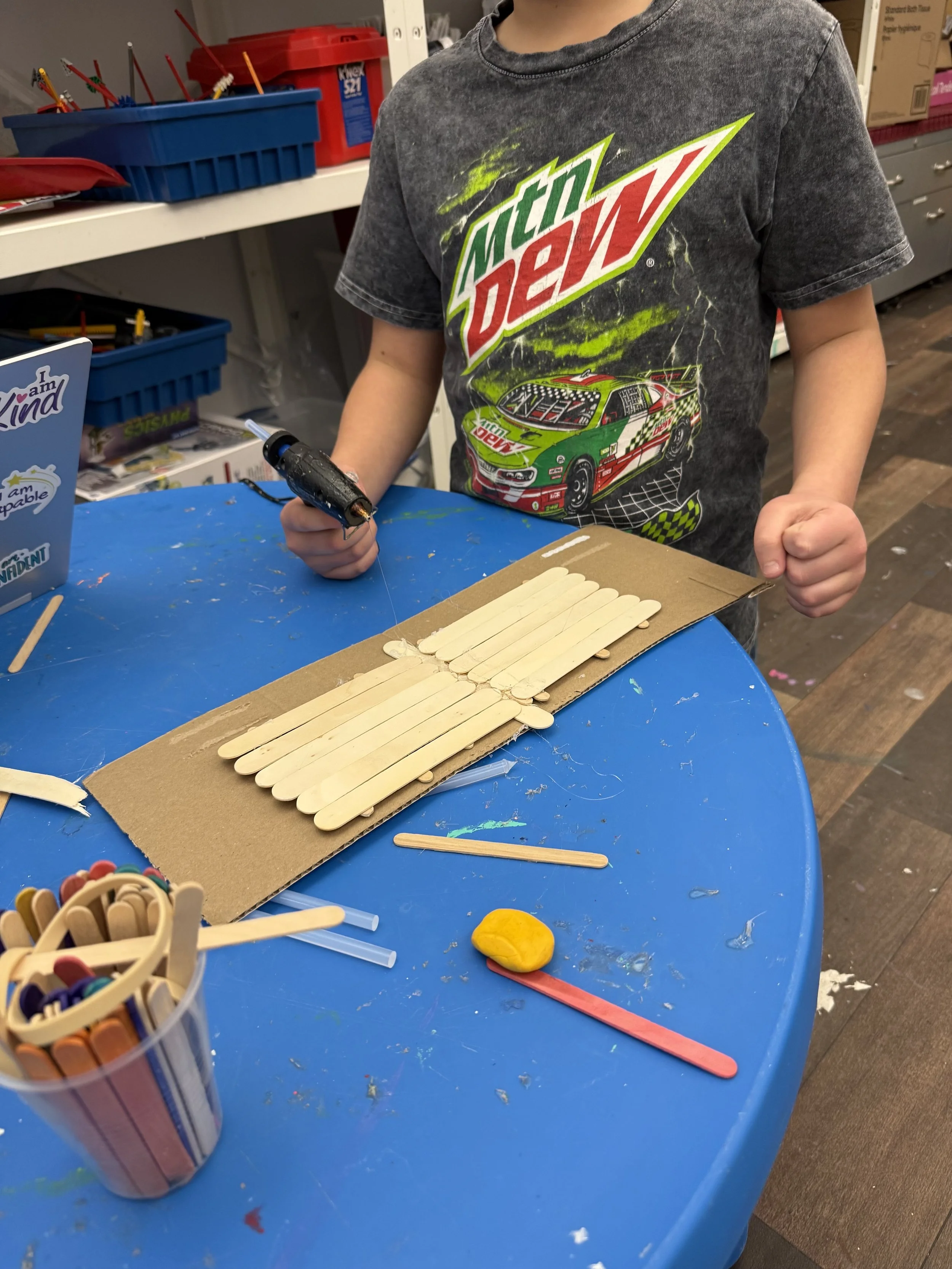
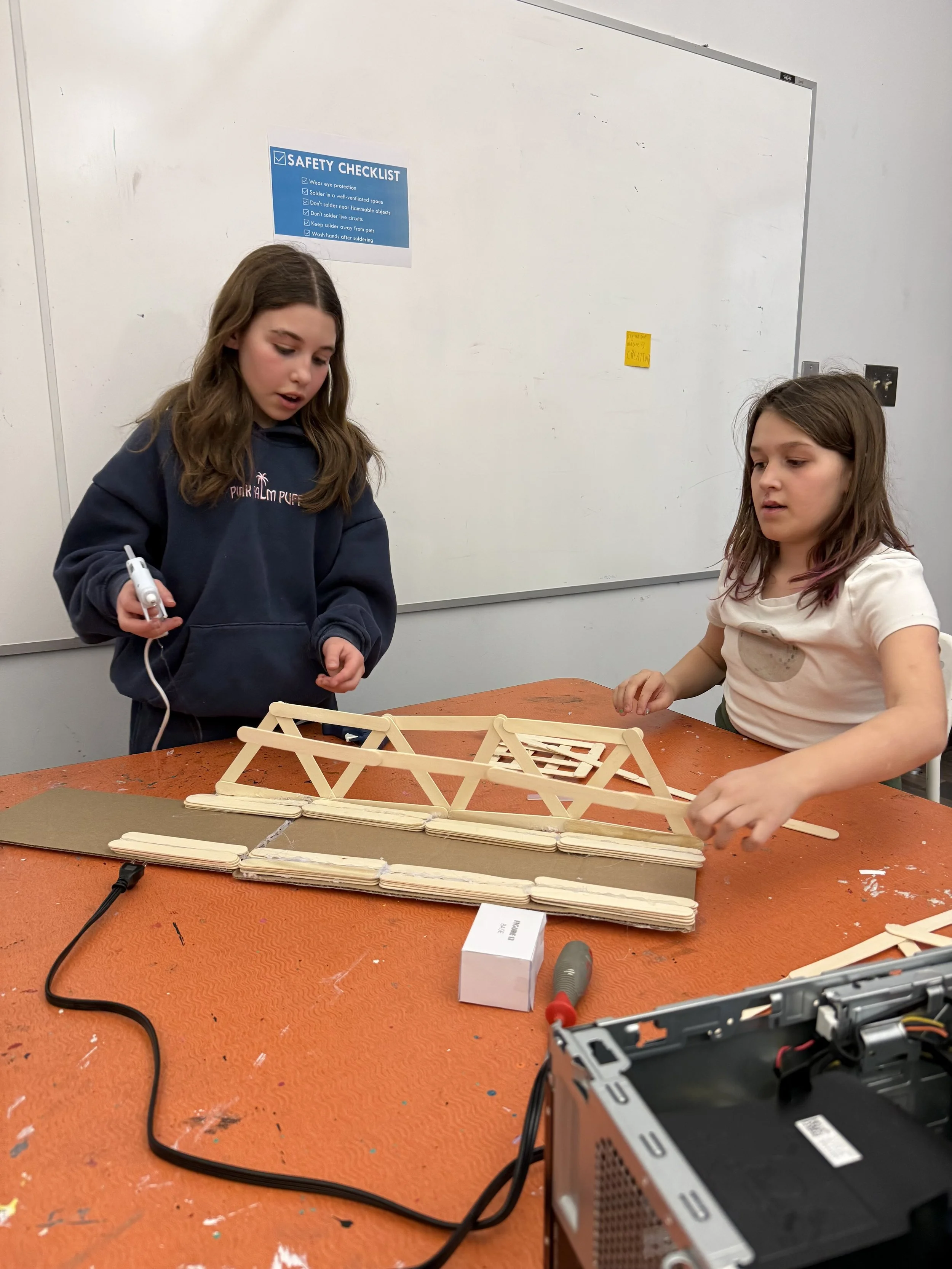
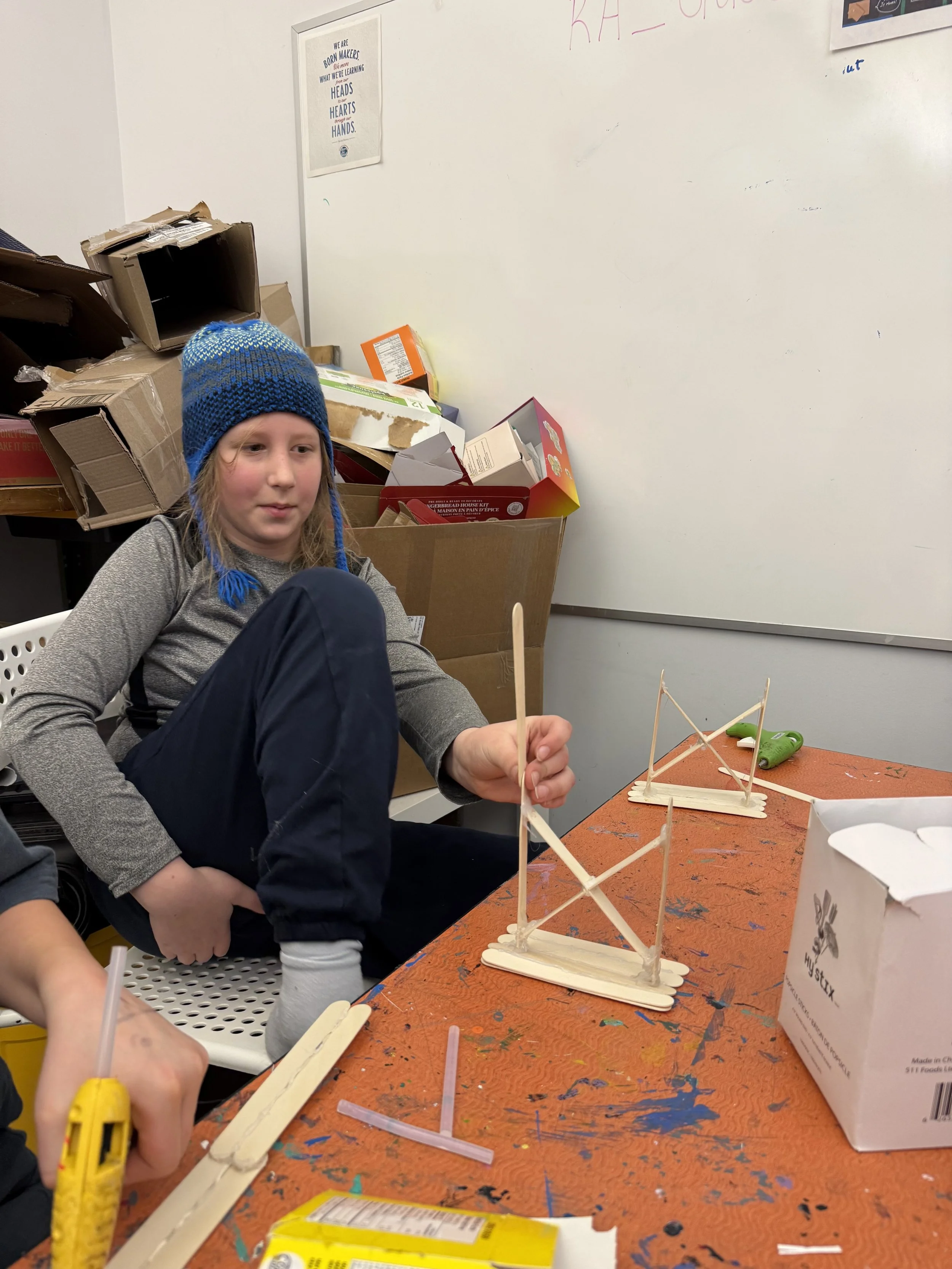
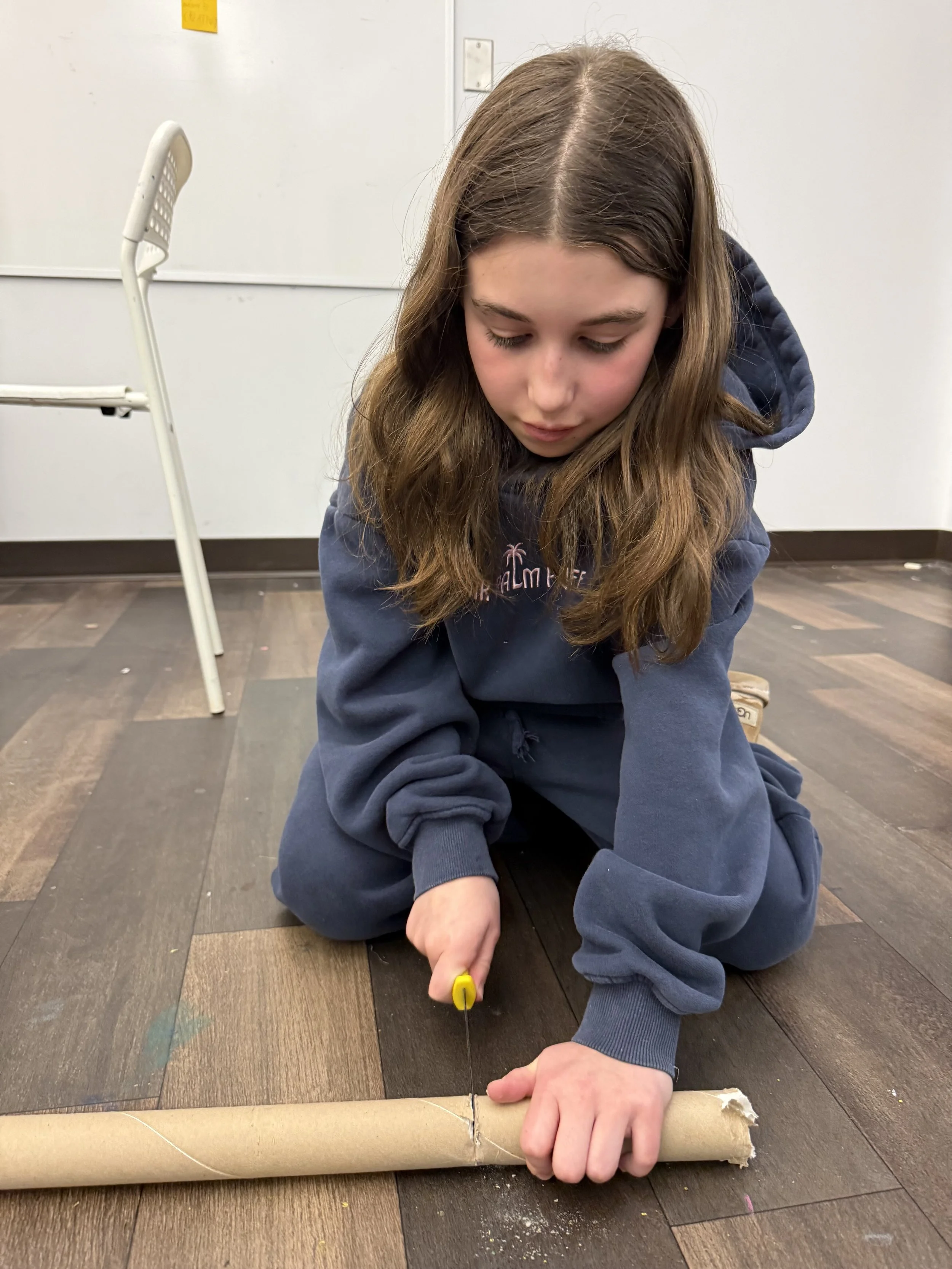
This week in Reader/Writer, both our Draw & Anchor and Aim & Release groups have been immersed in the design process, bringing their engineering ideas to life in the Maker Space through detailed, clearly labelled blueprints. Learners worked with incredible focus and intention as they labelled their play structures and bridges, carefully thinking through each component and how it all connects. It’s been exciting to see their plans evolve from initial ideas into thoughtful, structured designs that reflect both creativity and growing technical understanding. Many teams have now begun drafting their engineering proposals as we move closer to our upcoming Exhibition in just a few weeks! A big area of focus has been defining the purpose behind their structures. Why does this bridge need to exist? Who benefits from this play structure? What problem are they solving? Some of the responses have been incredibly thoughtful and heartwarming, showing a deep sense of empathy and awareness of their community. Rebels have also been diving into research around materials and construction. With Ottawa’s unique climate in mind, they’ve been considering how factors like snow, ice, wind, and seasonal changes impact design choices. From exploring durable materials to thinking about safety and longevity, they are beginning to understand what it truly means to build for the real world. We can’t wait to see how these ideas continue to develop as we move toward sharing them with our community.
Math Lab
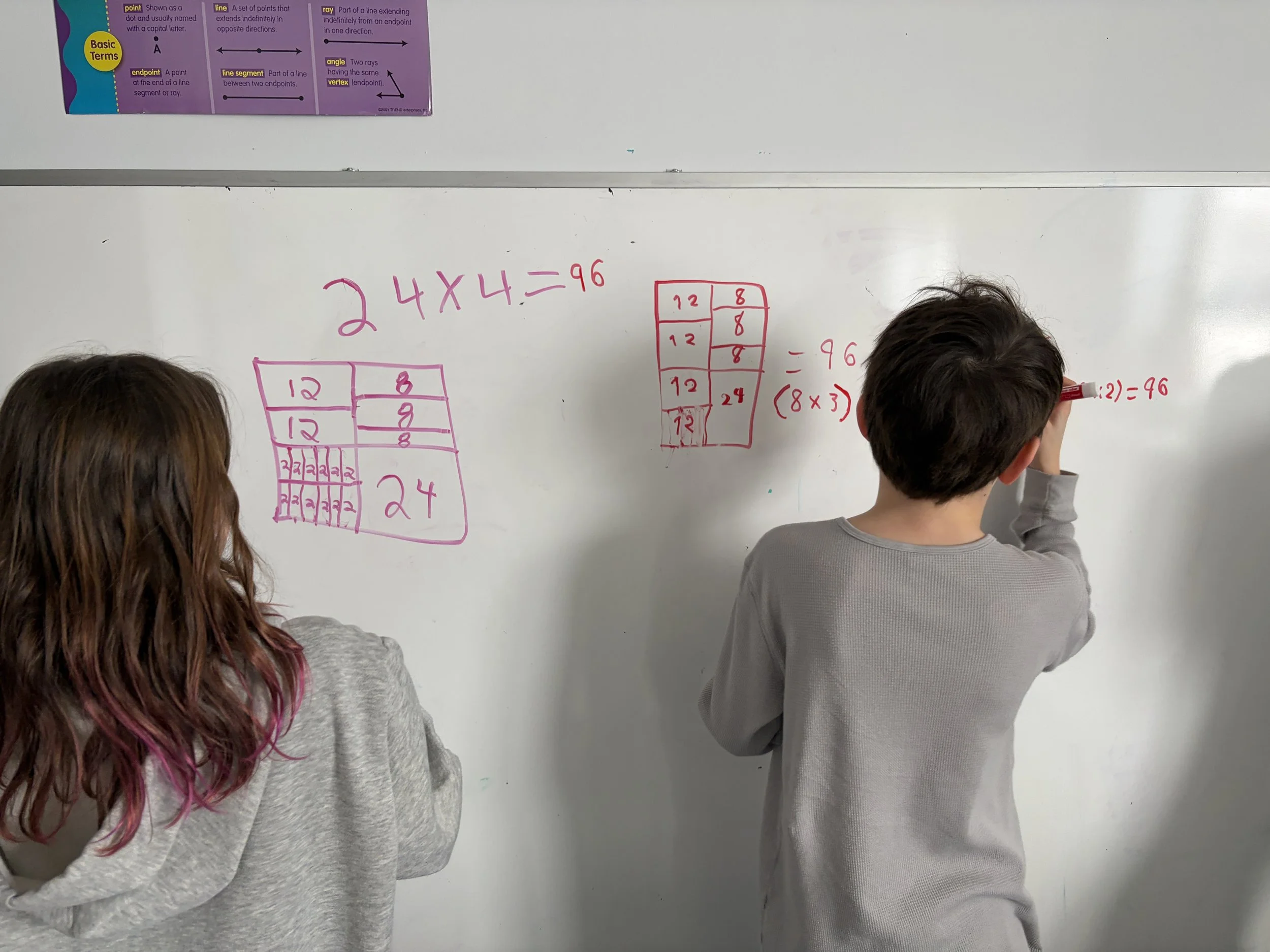
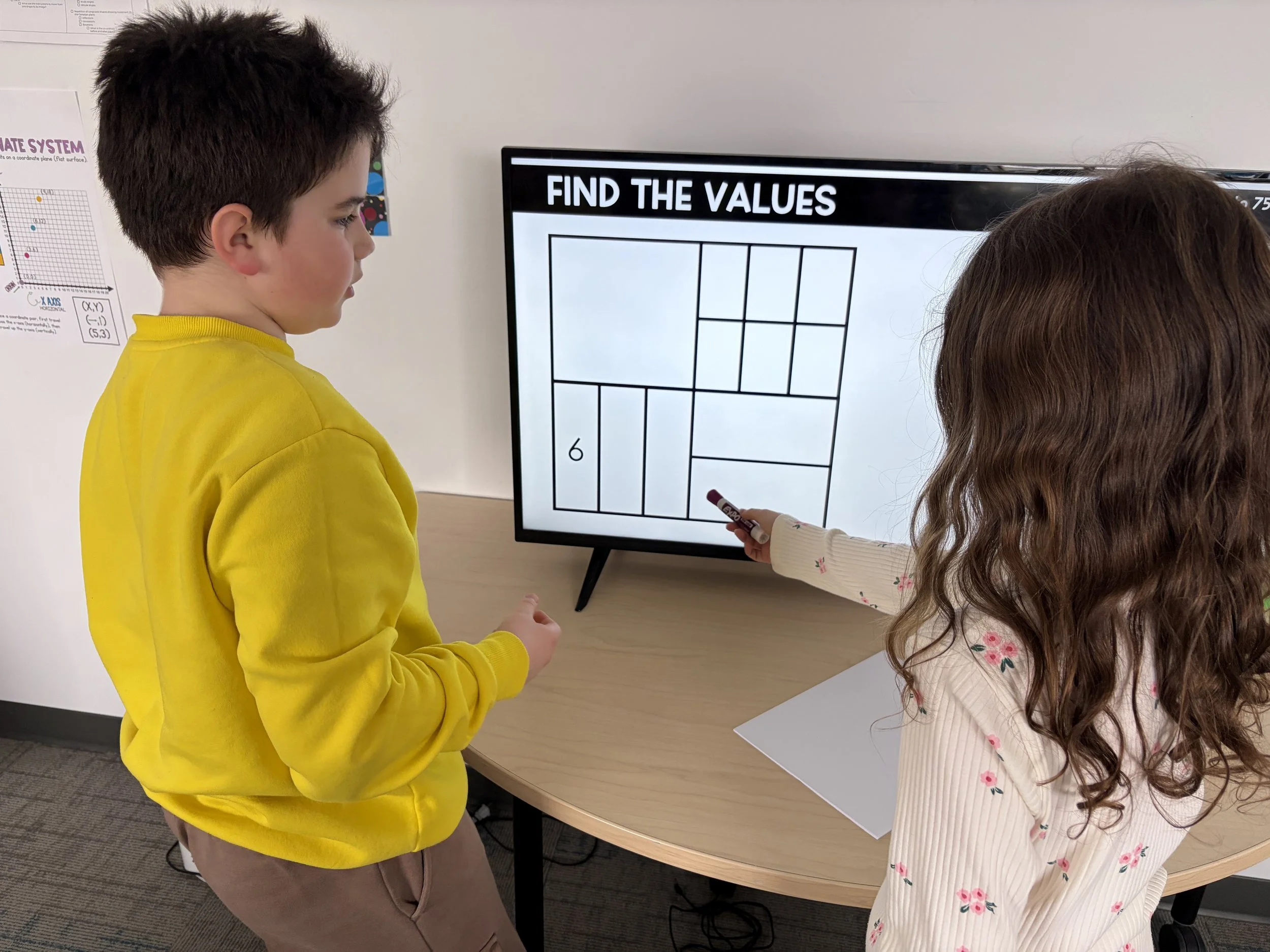
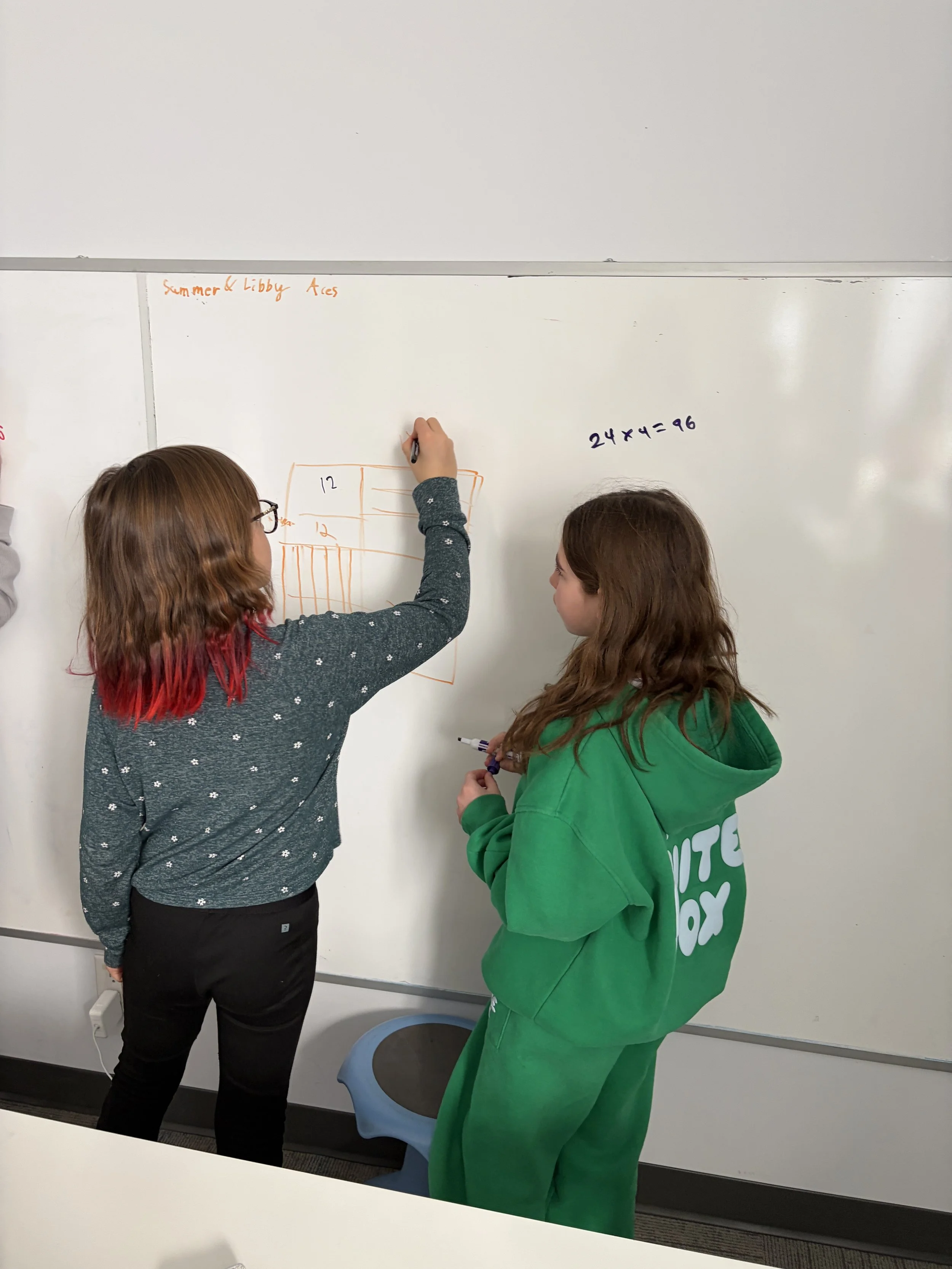
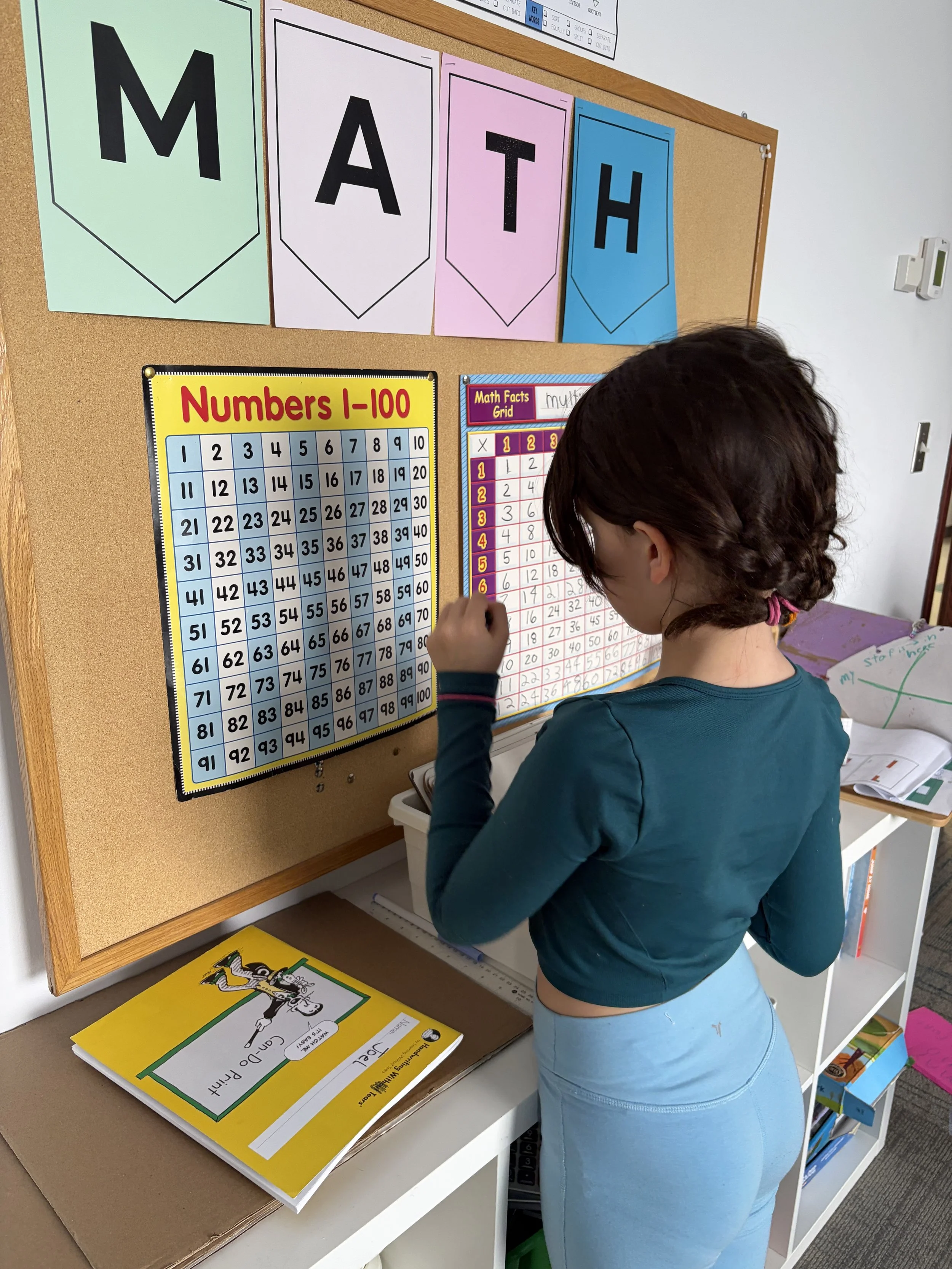
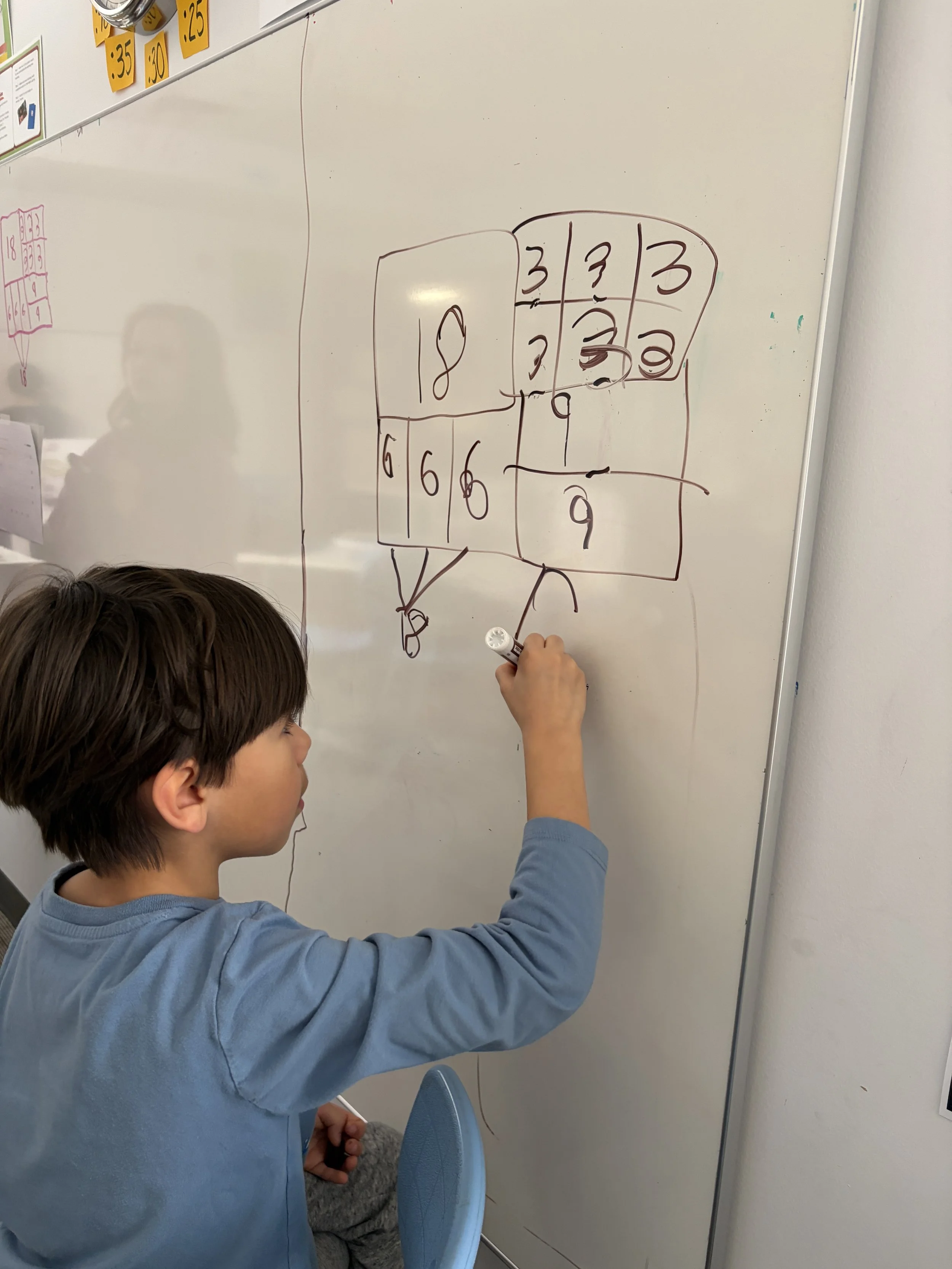
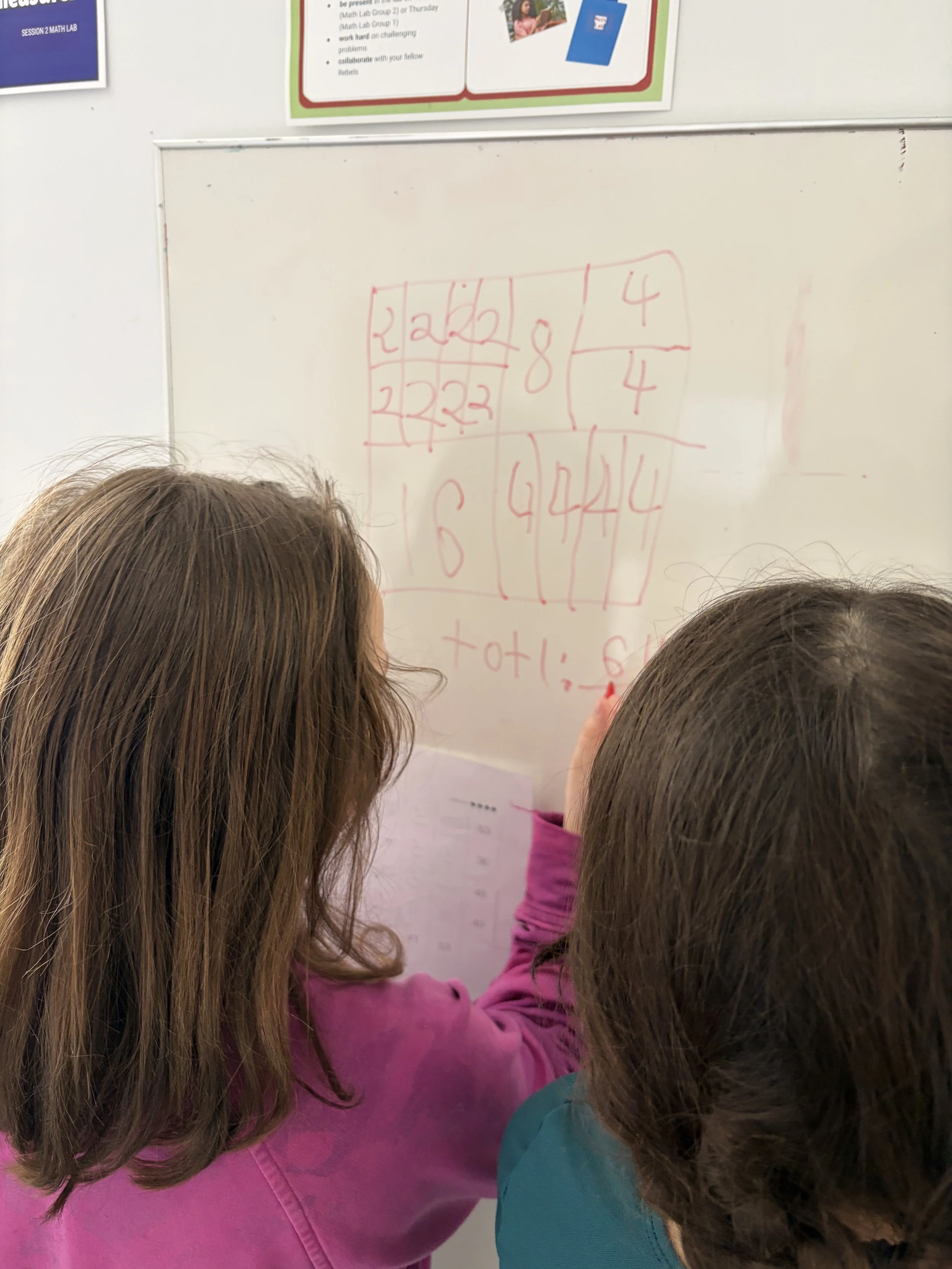
This week’s theme was equivalence. Rebels pulled together their emerging knowledge of parts of equations, their skills in writing expressions and equations with variables and their practice with if/then reasoning to solve area puzzles. On Tuesday with Group 2, we also had a mini-lesson on the long division algorithm as many pairs were using division to represent the total area of a space and then separating it accordingly based on partial quotients shown. On Thursday with Group 1, we focused on how patterns in the multiplication chart, and strategies like doubling and halving can help when trying to share space equally. To get ready for exhibition, both teams also started creating their own variable puzzles for families to solve!
French
In French this week, the Rebels participated in role-plays and short dialogues featuring key historical figures such as Samuel de Champlain, Jeanne Mance, and the Filles du Roy. These activities allowed learners to deepen their understanding of the historical context while practicing their oral expression in French. Following the role-plays, learners completed comprehension questions, as well as true-or-false activities, to reinforce their learning and assess their understanding of the material.
Quest
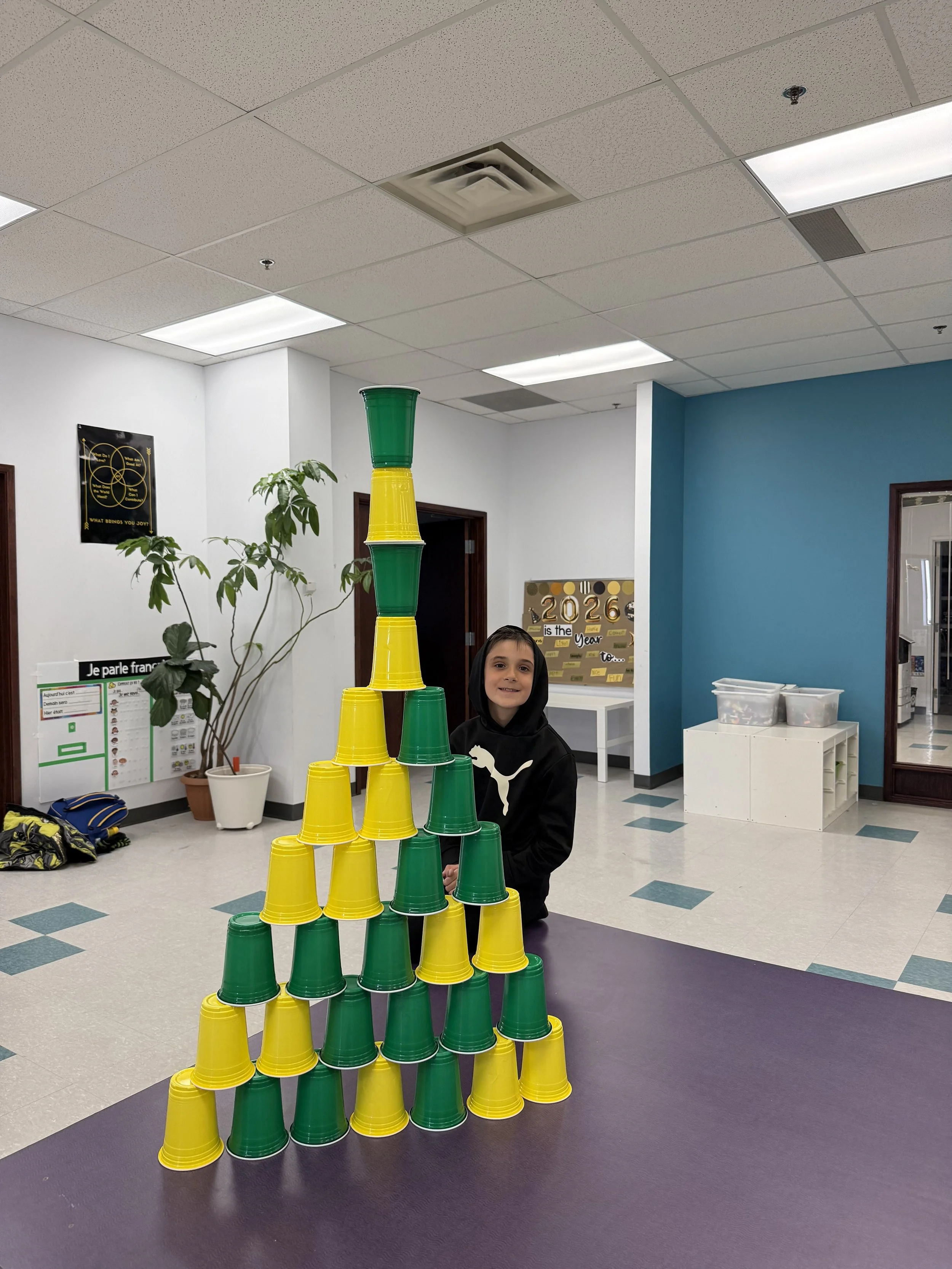
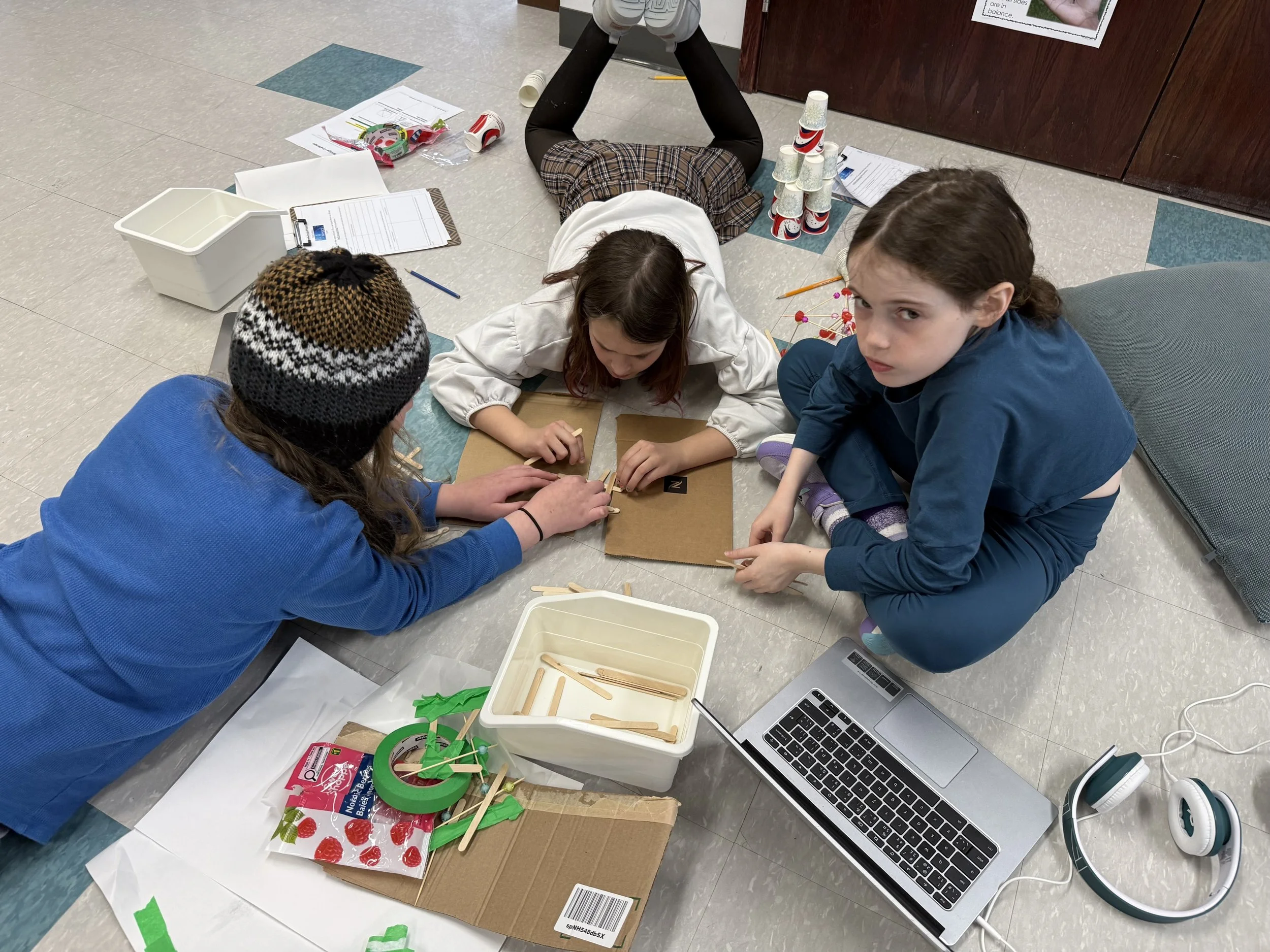
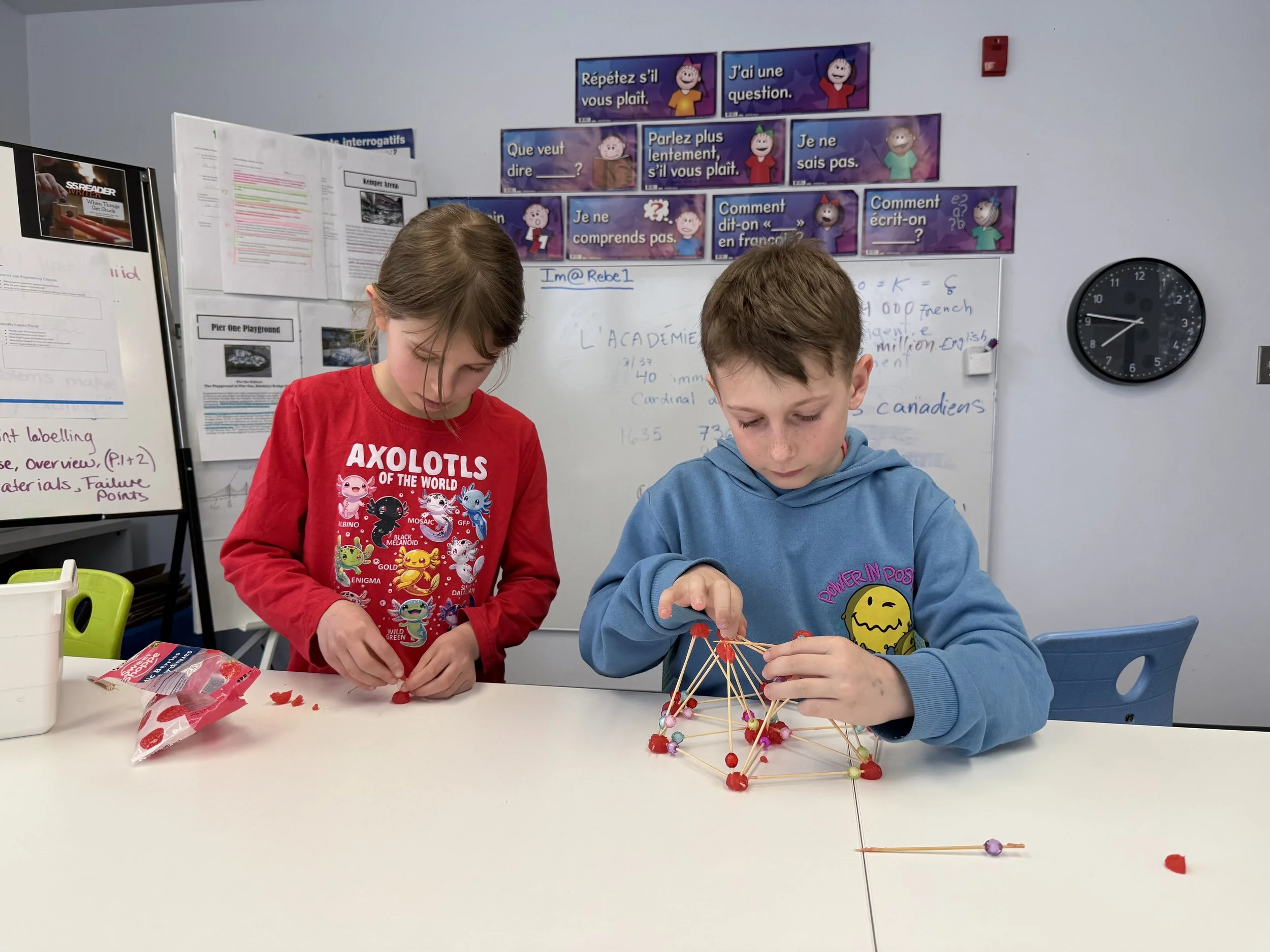
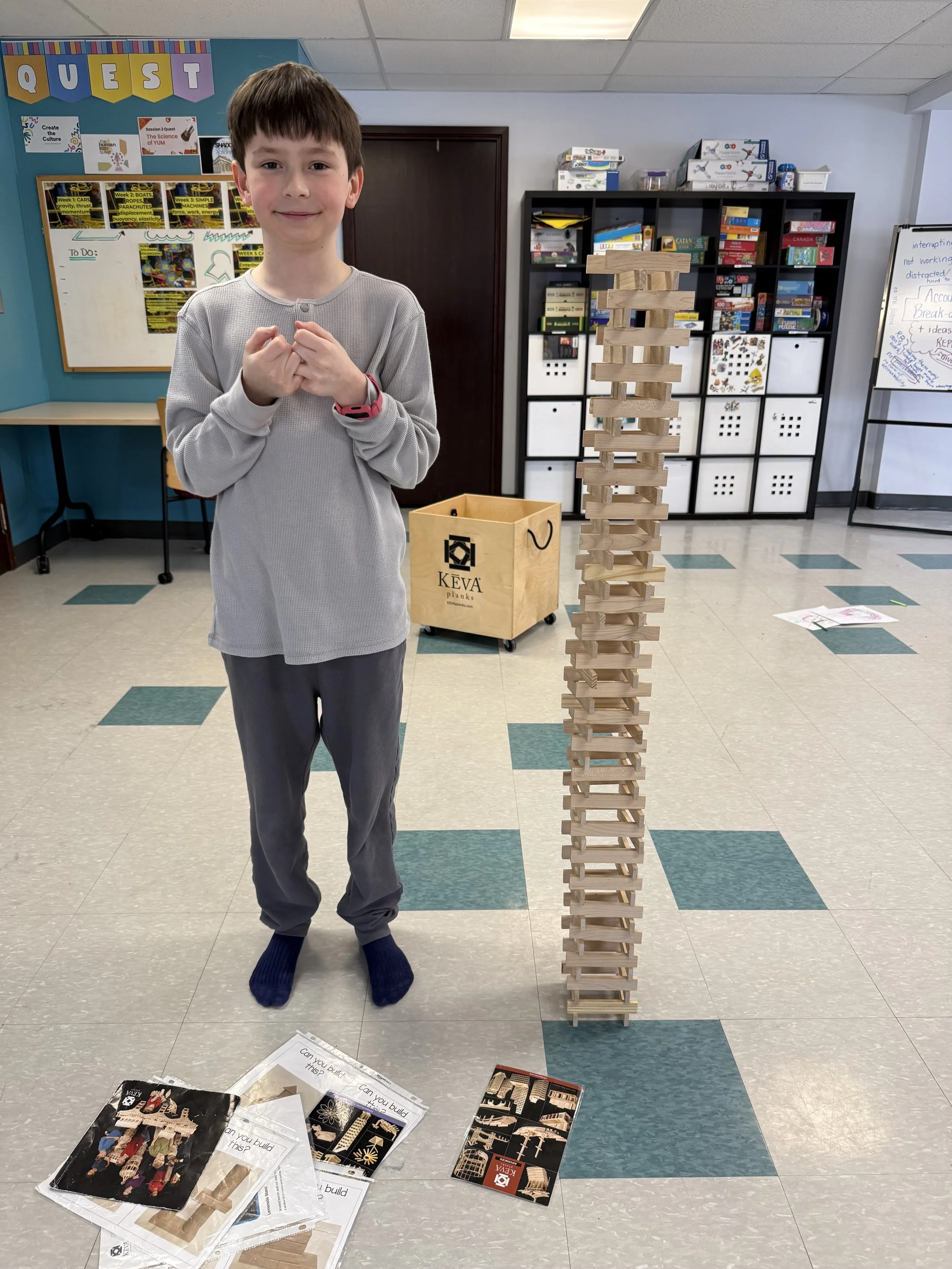
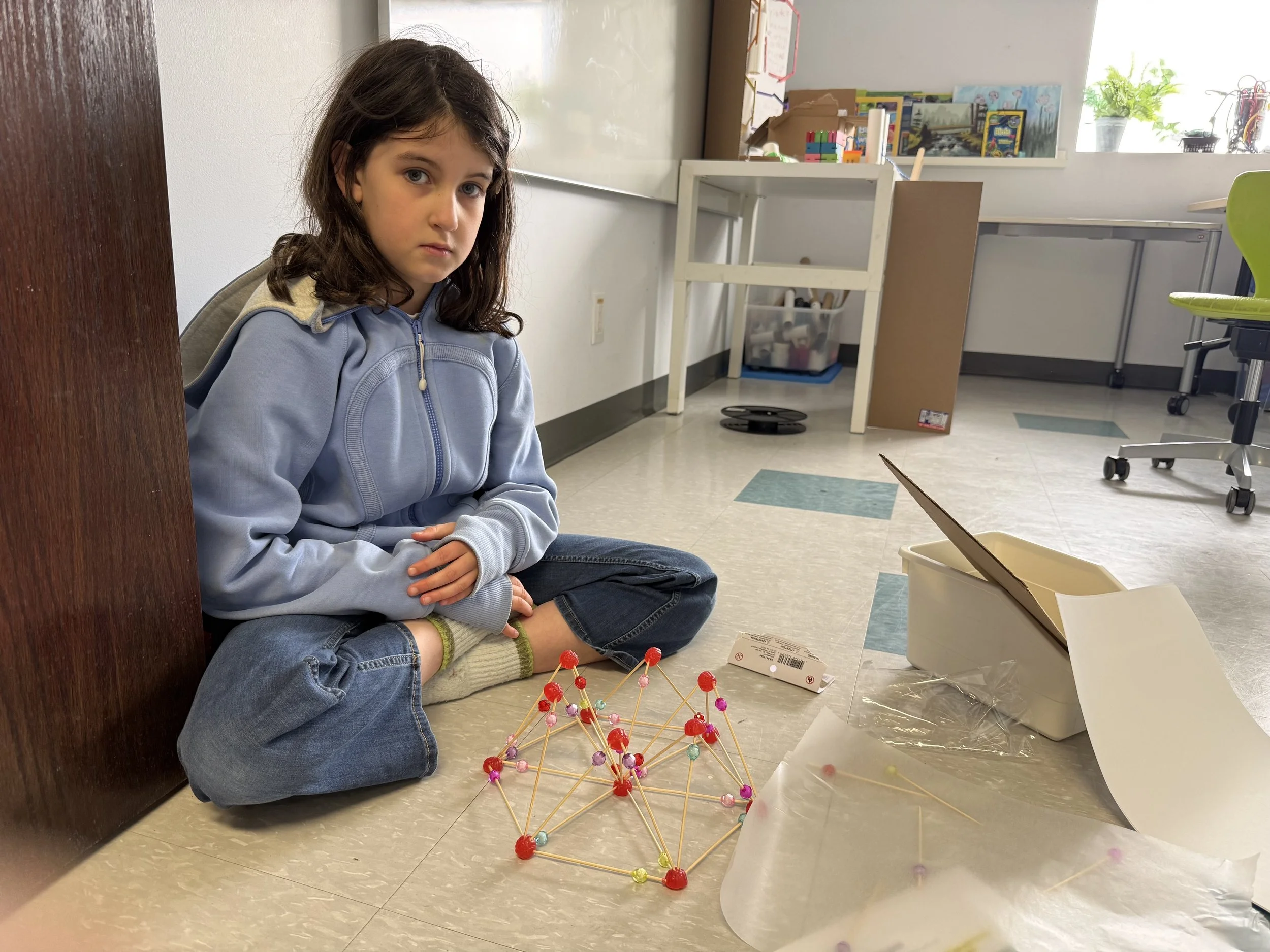
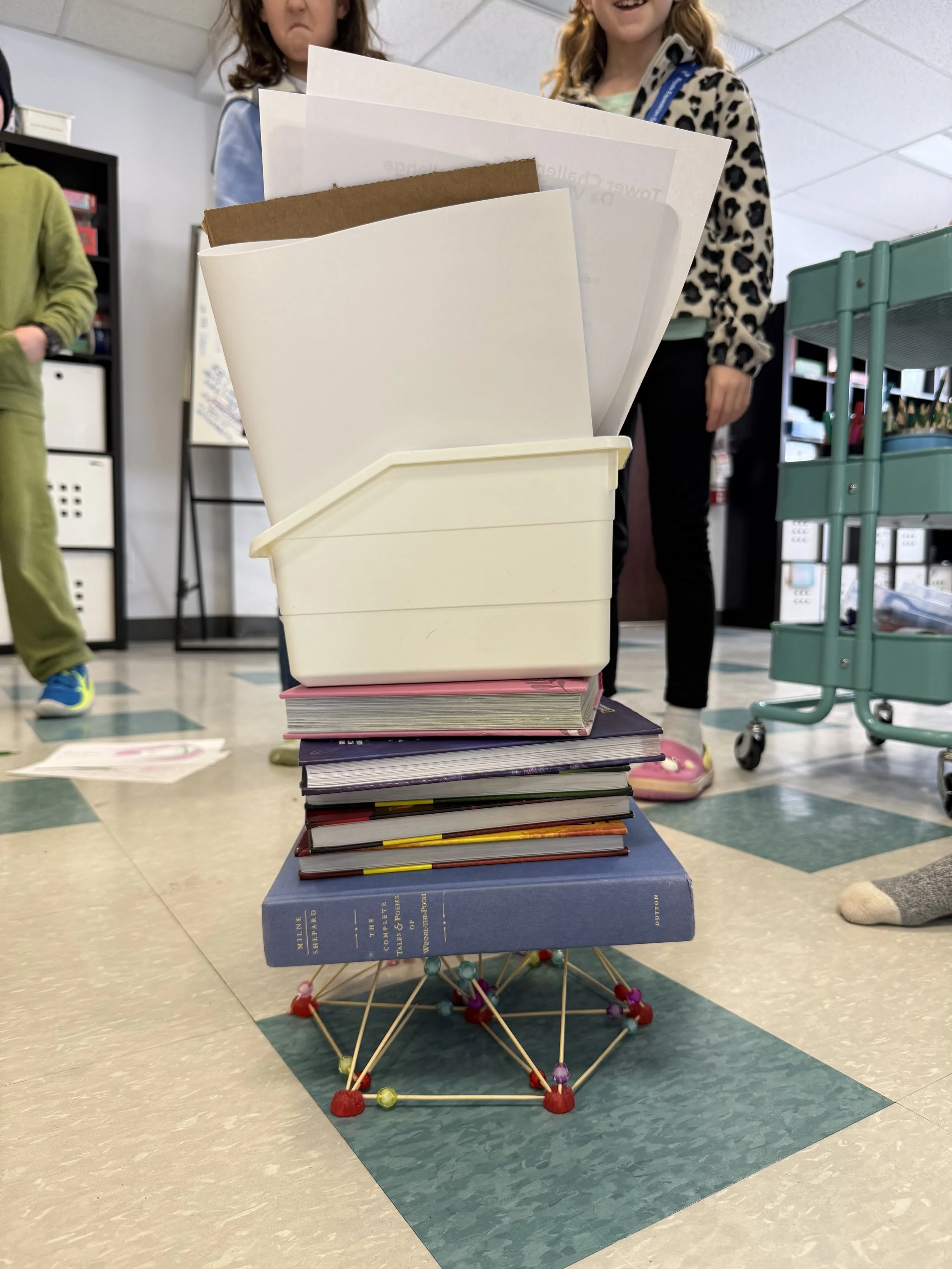
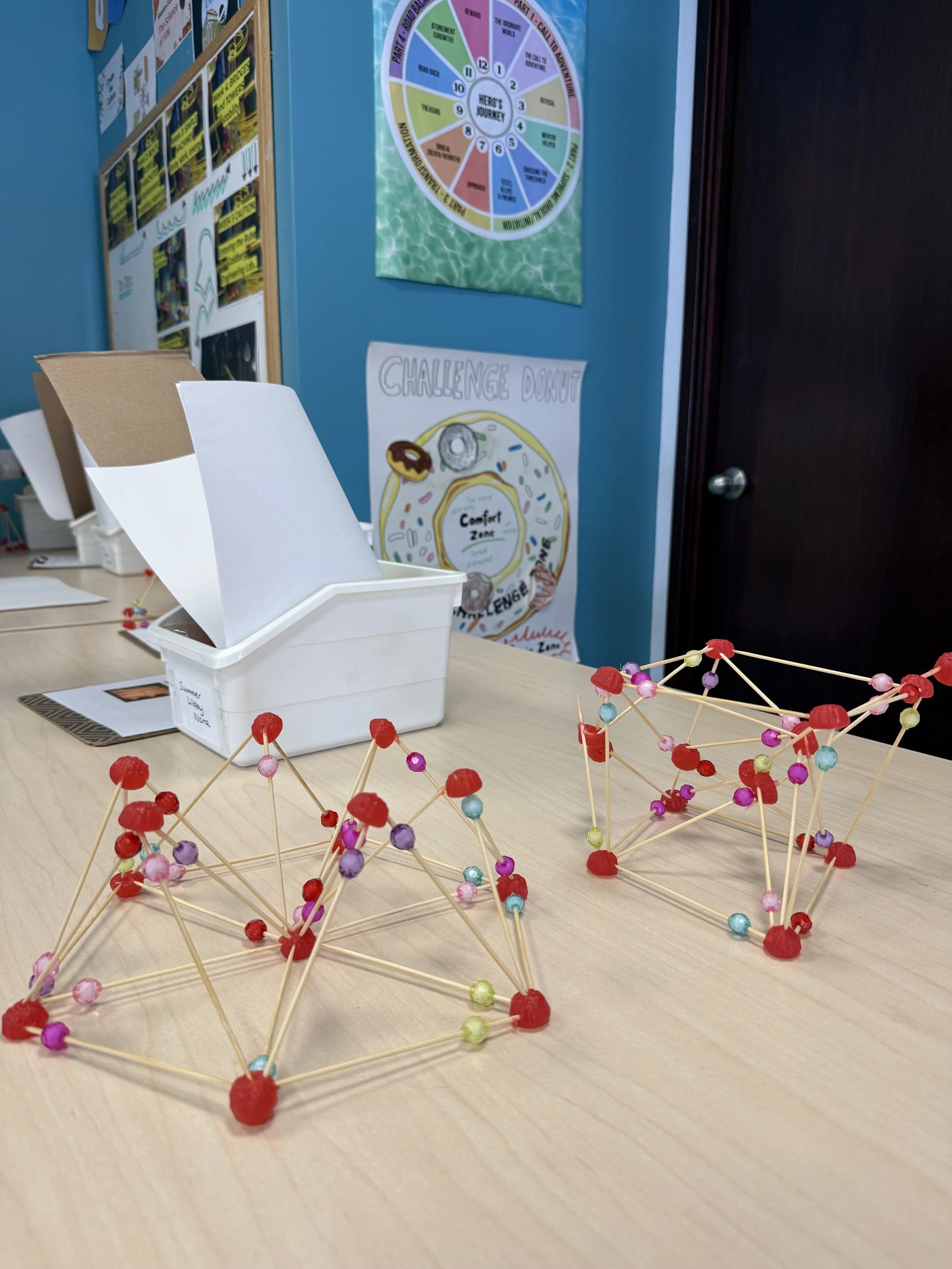
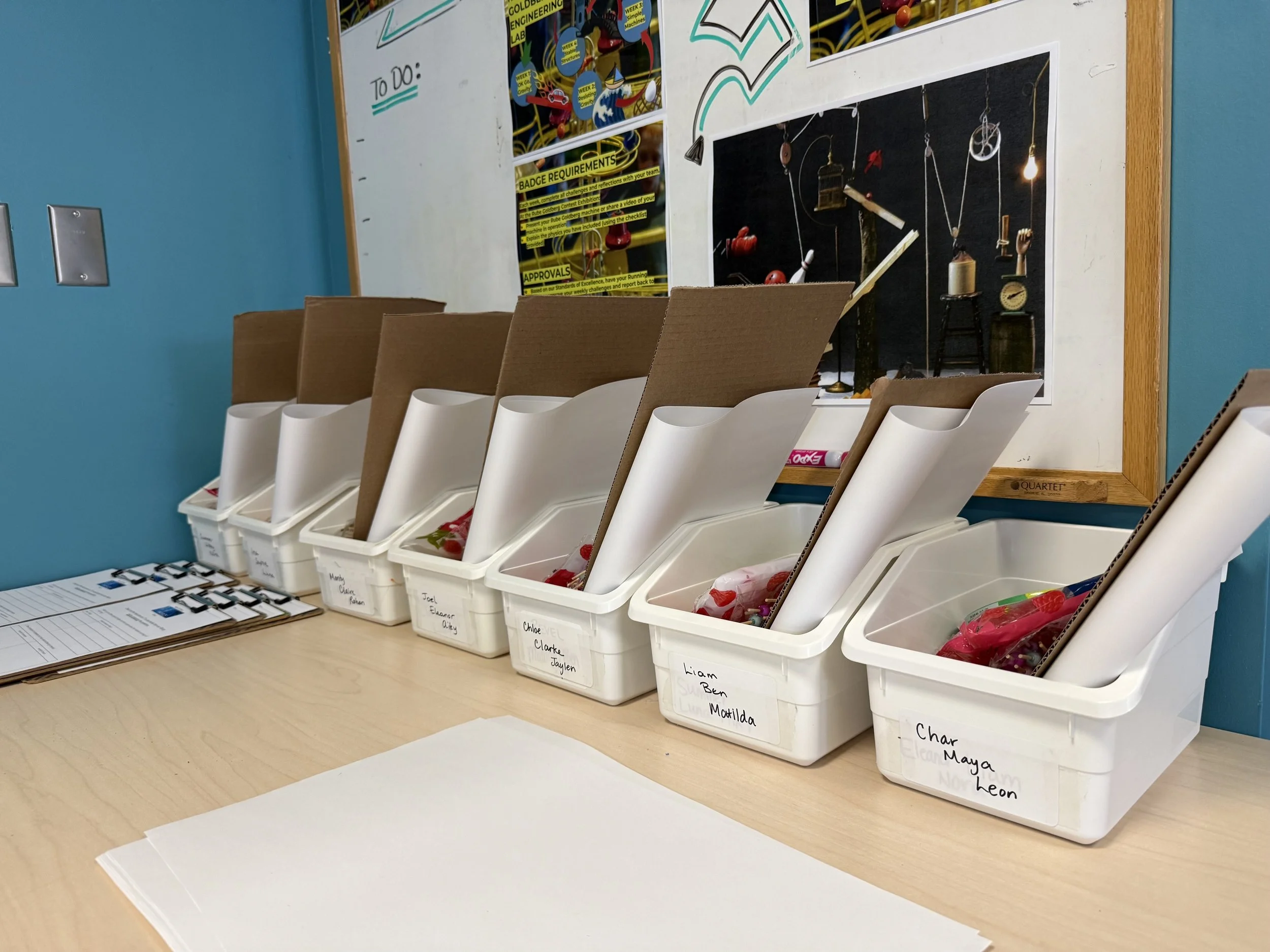
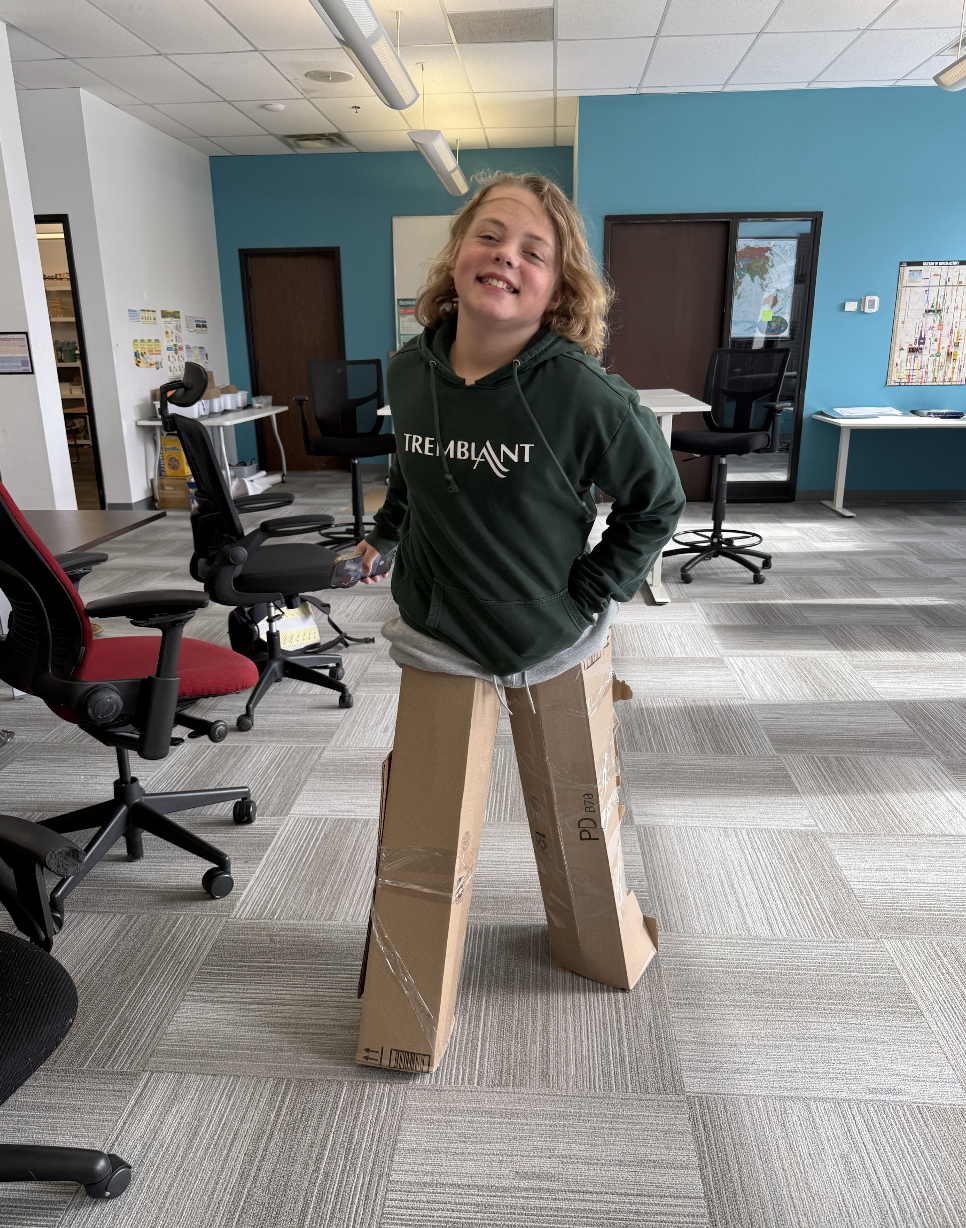
This week’s physics theme was strength and stability. Rebels researched famous structures like bridges and skyscrapers, focusing on their form and materials. Then we connected this to real-world applications and we were inspired by Miles Wu, a 14 year old from New York who won $25000 in an engineering contest for his work investigating the incredible strength of origami structures! For the rest of the week they were tasked with five construction challenges, each with different design constraints and design tests. Rebels worked in teams of three to design Da Vinci bridges (self-supporting, no adhesives), candy/toothpick towers and cardboard/paper/masking tape towers.
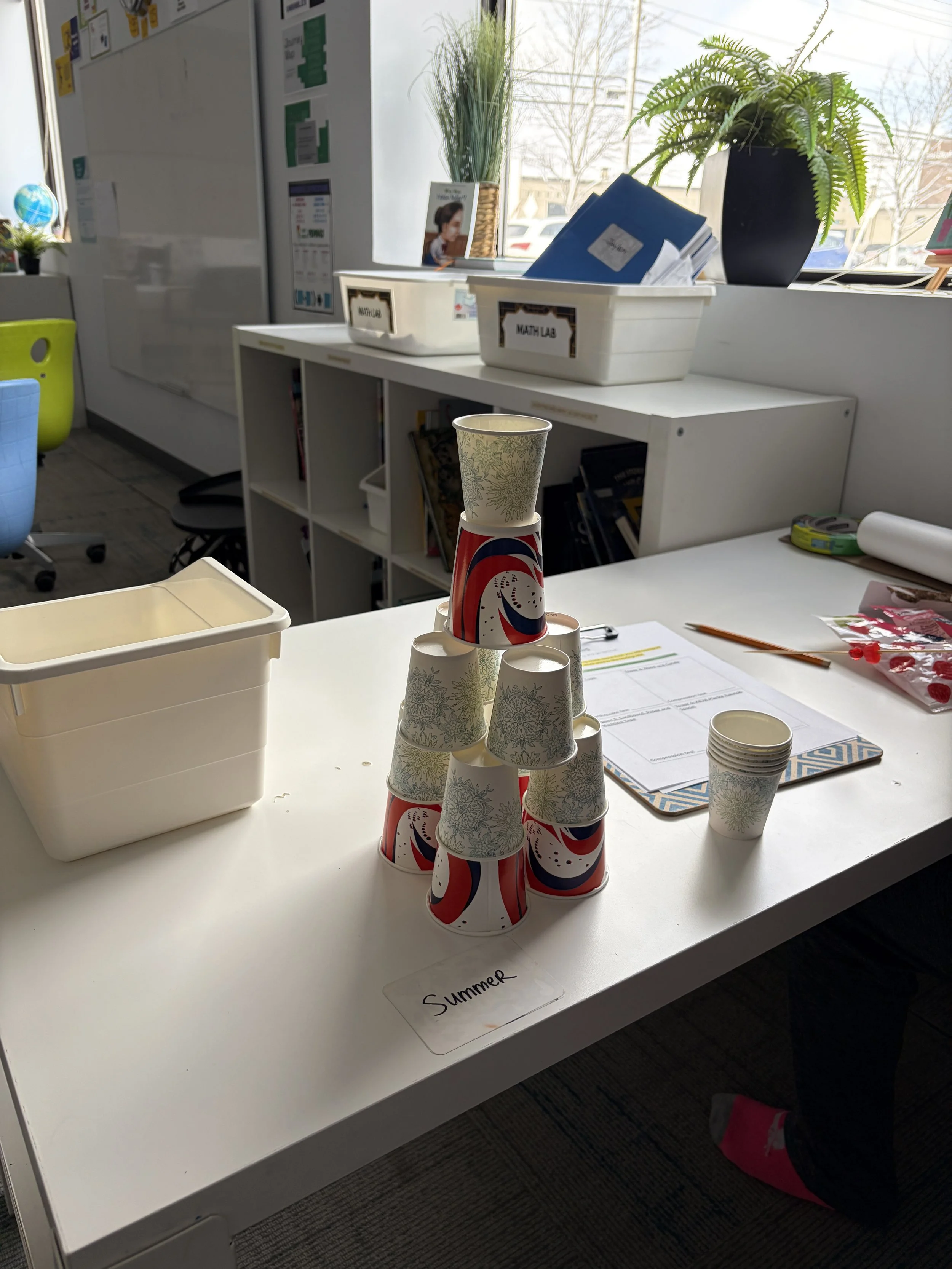
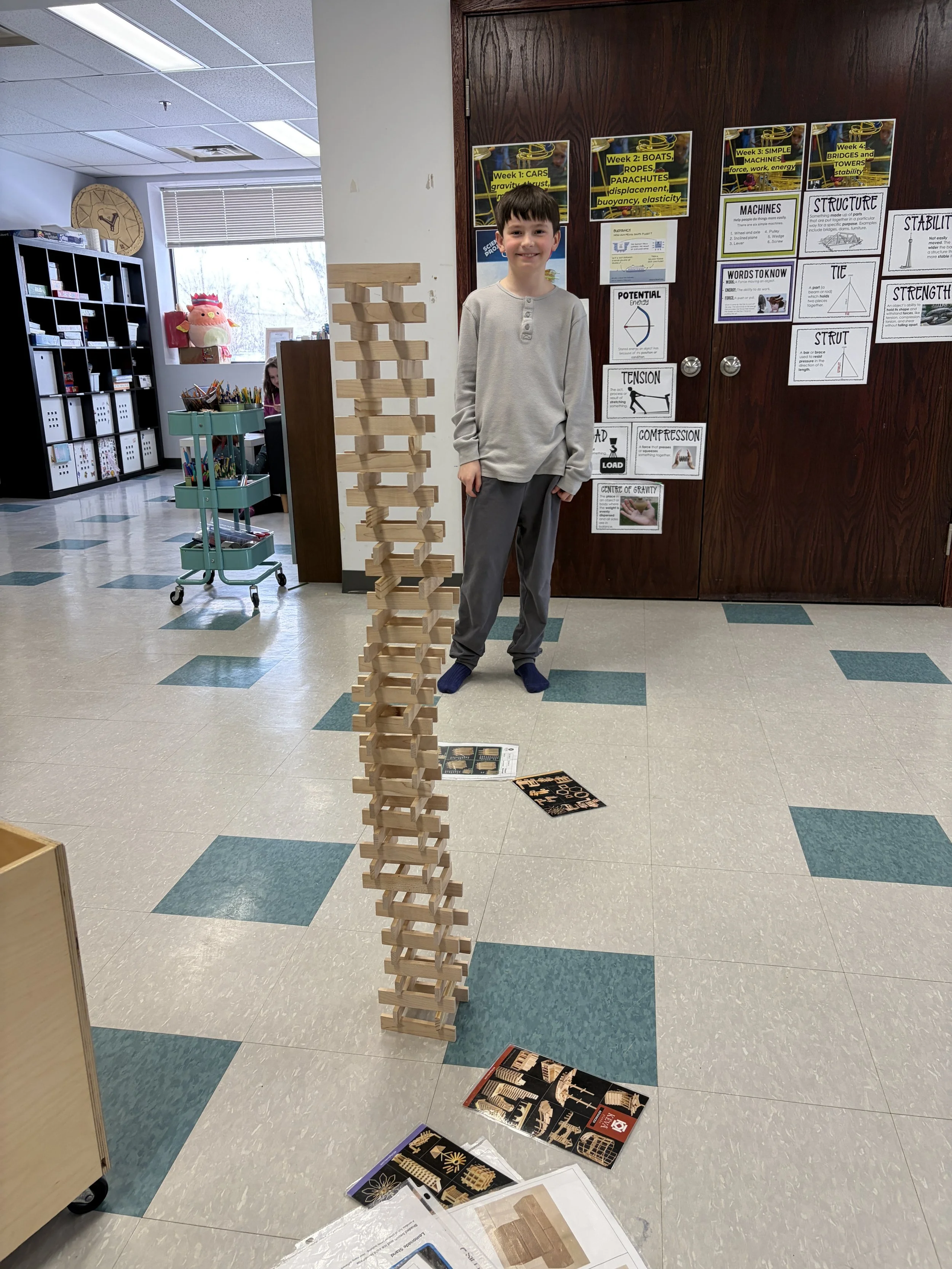
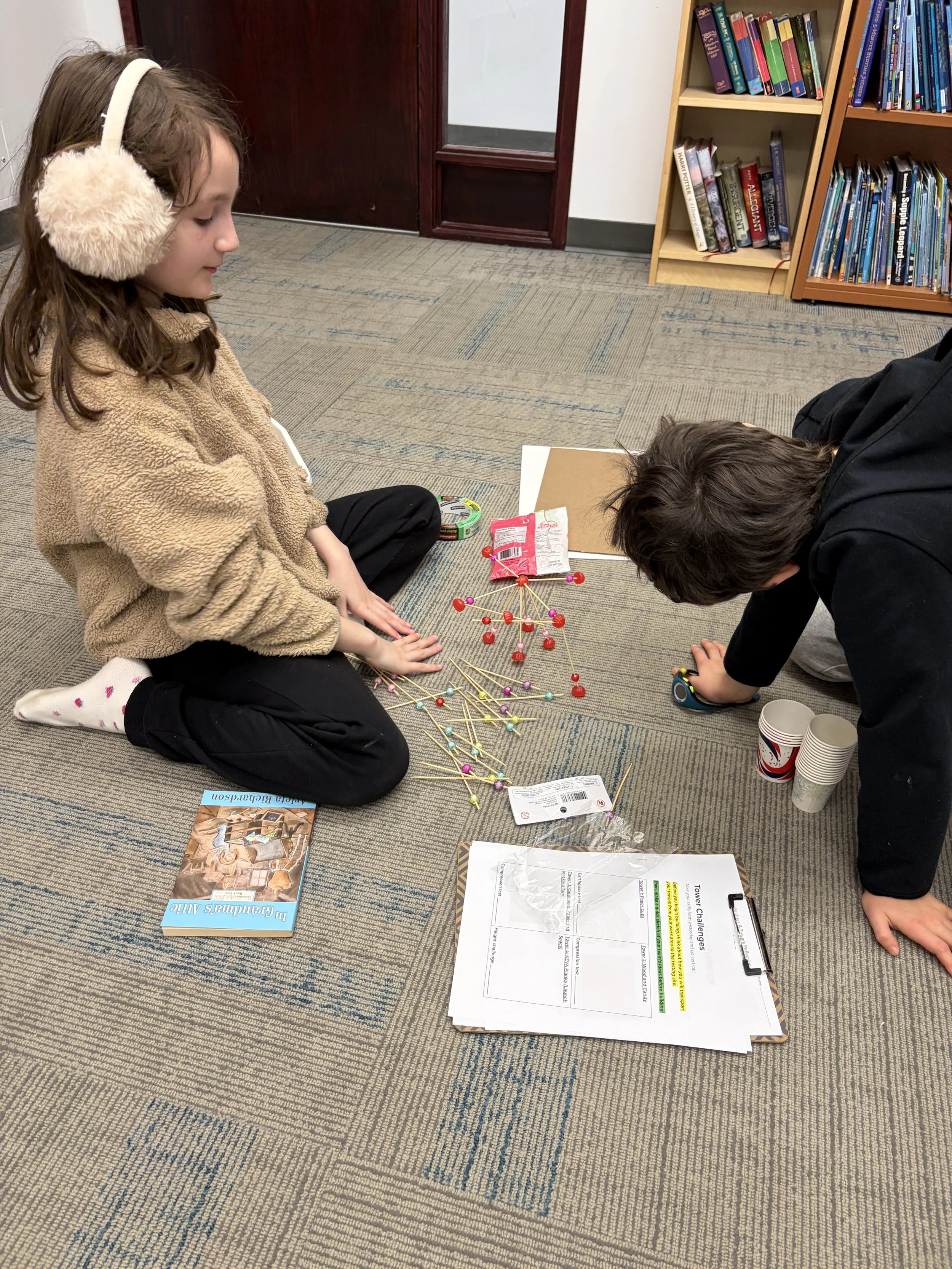
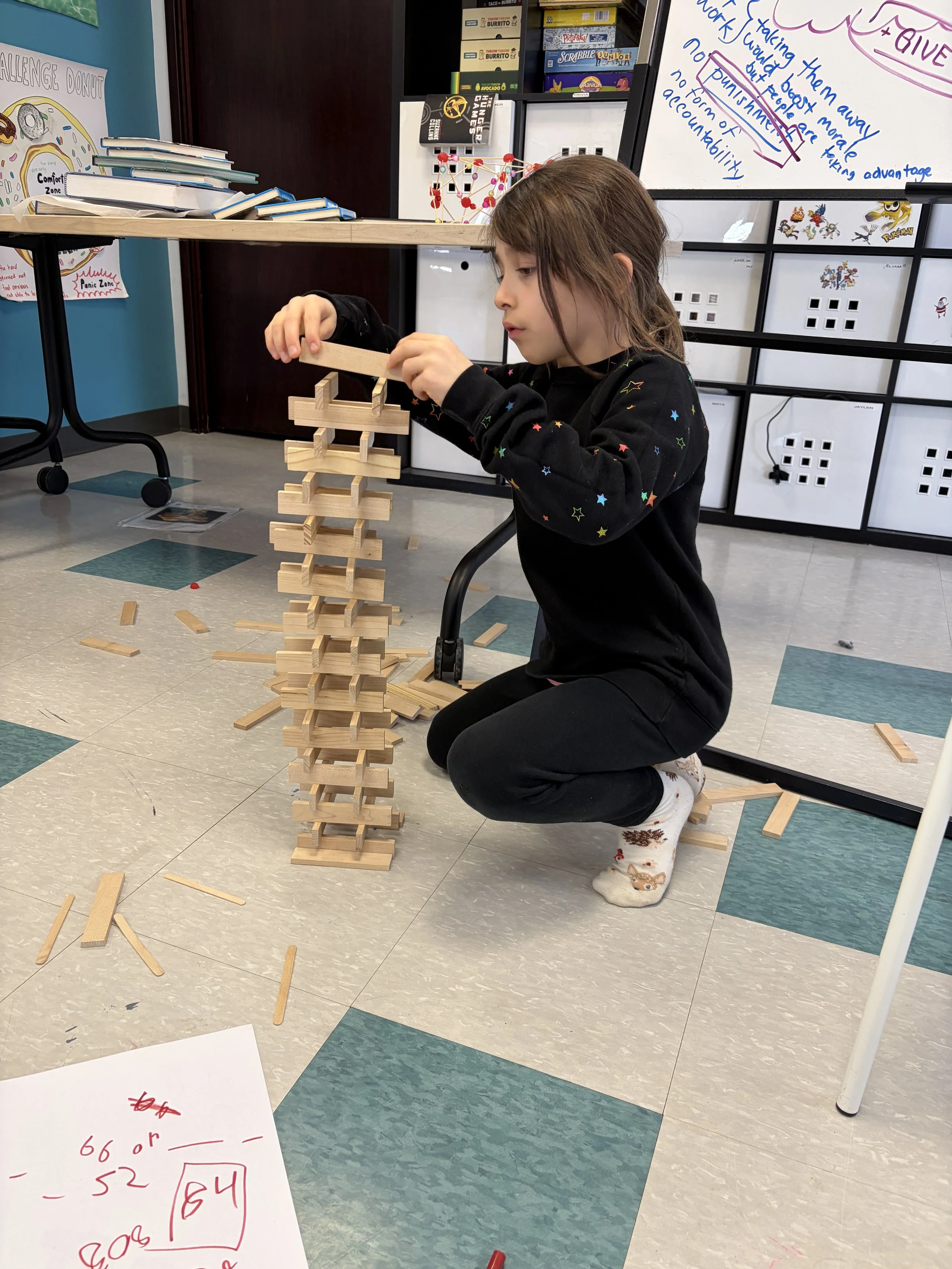
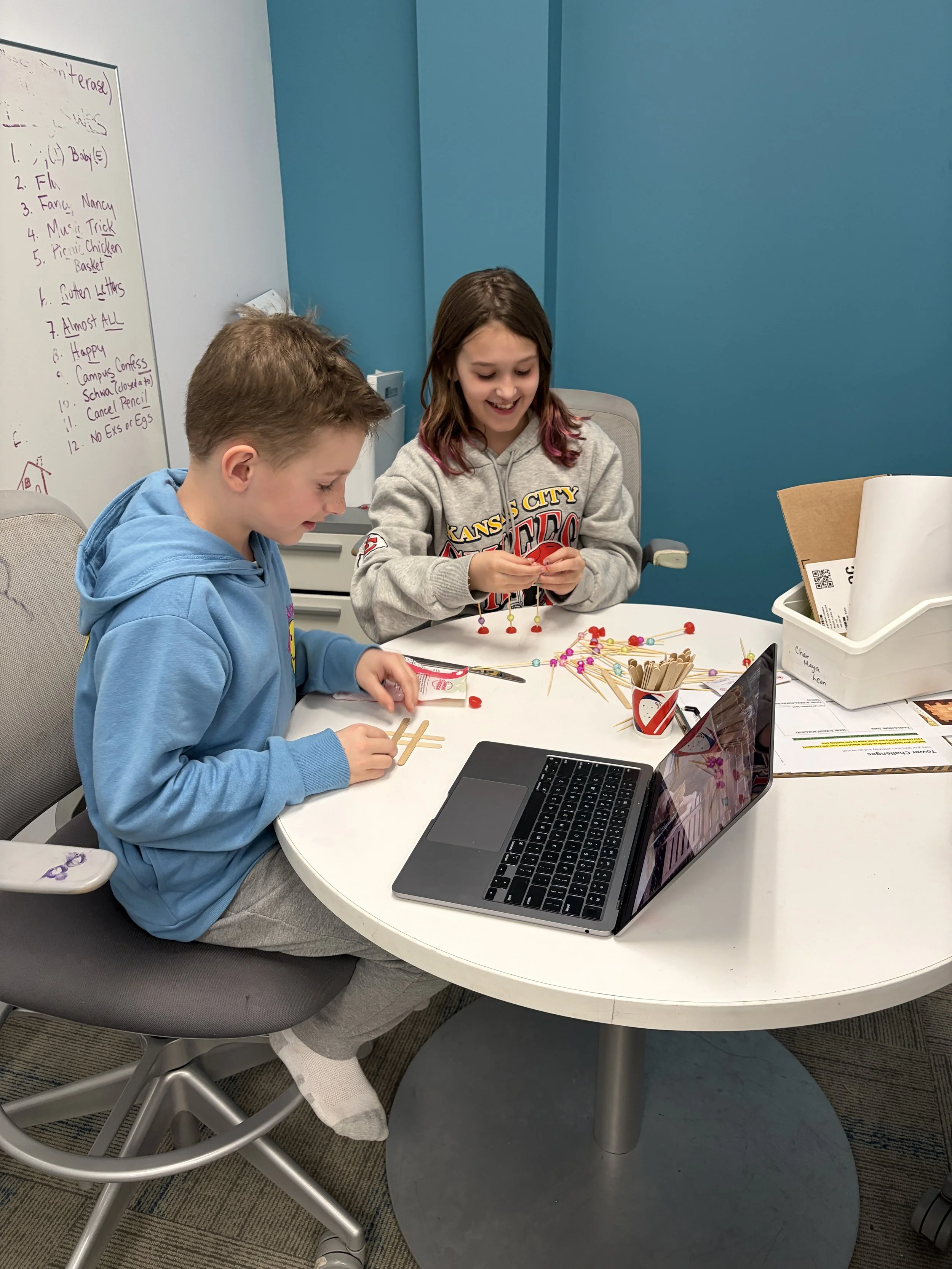
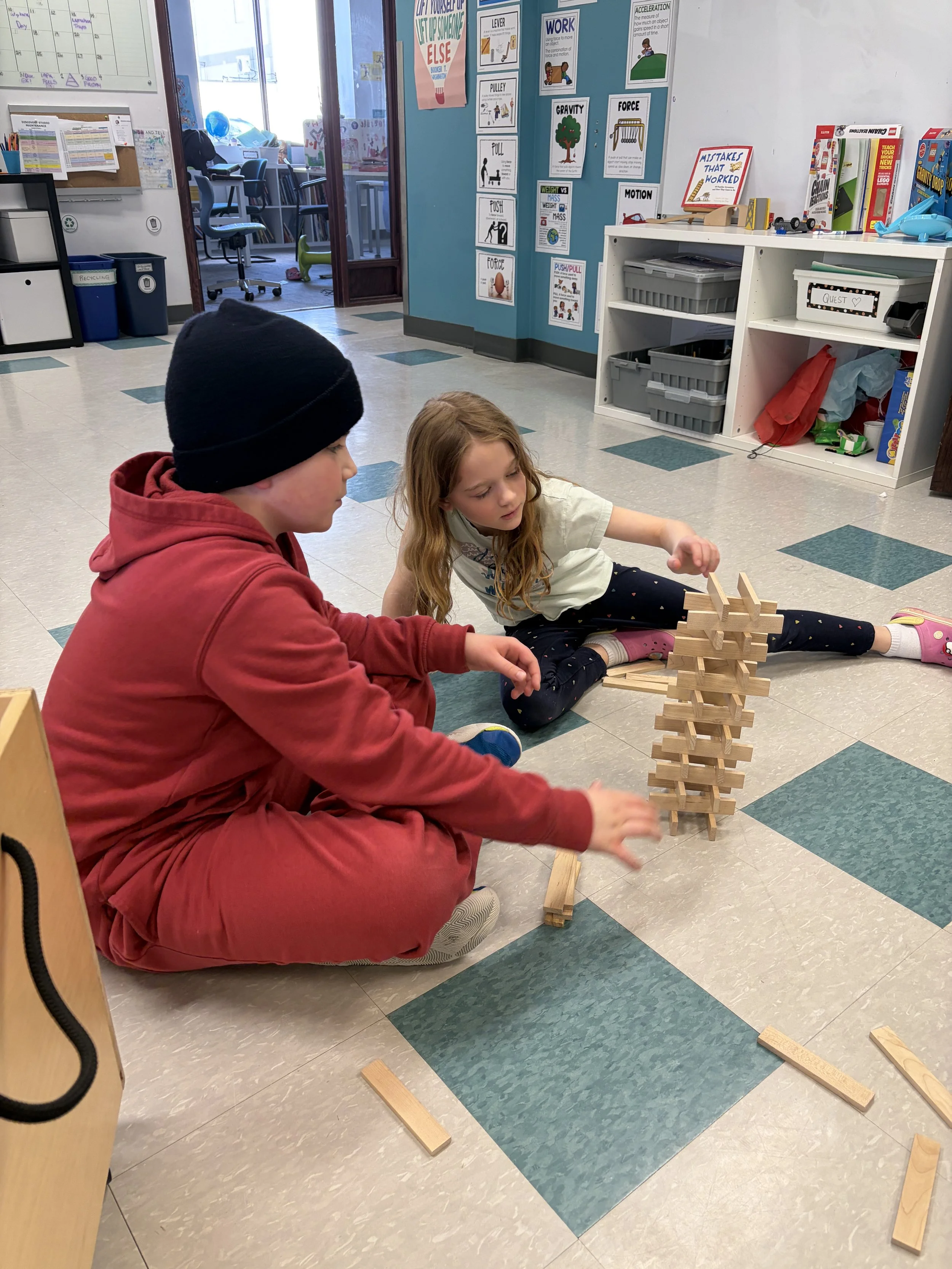
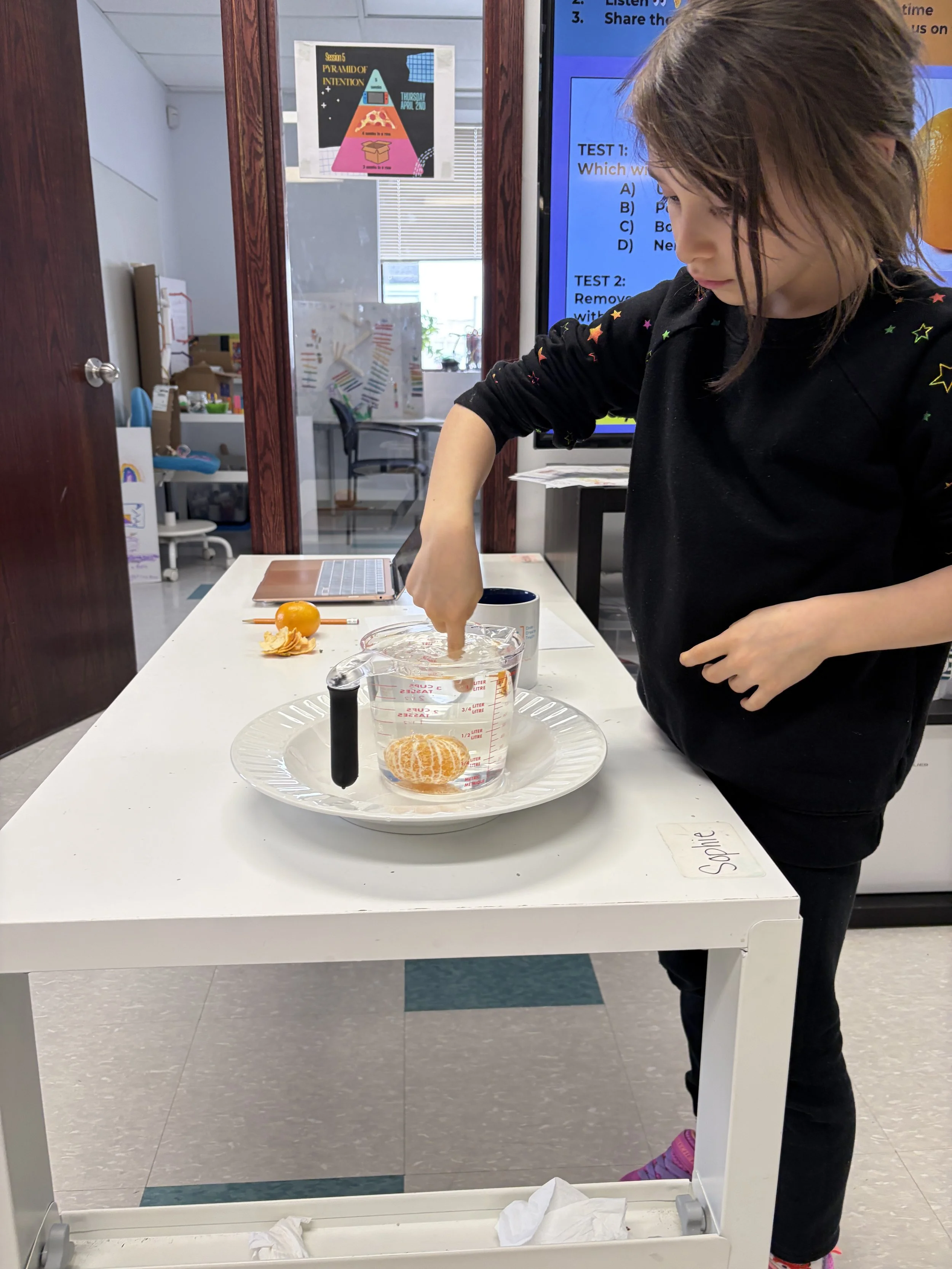
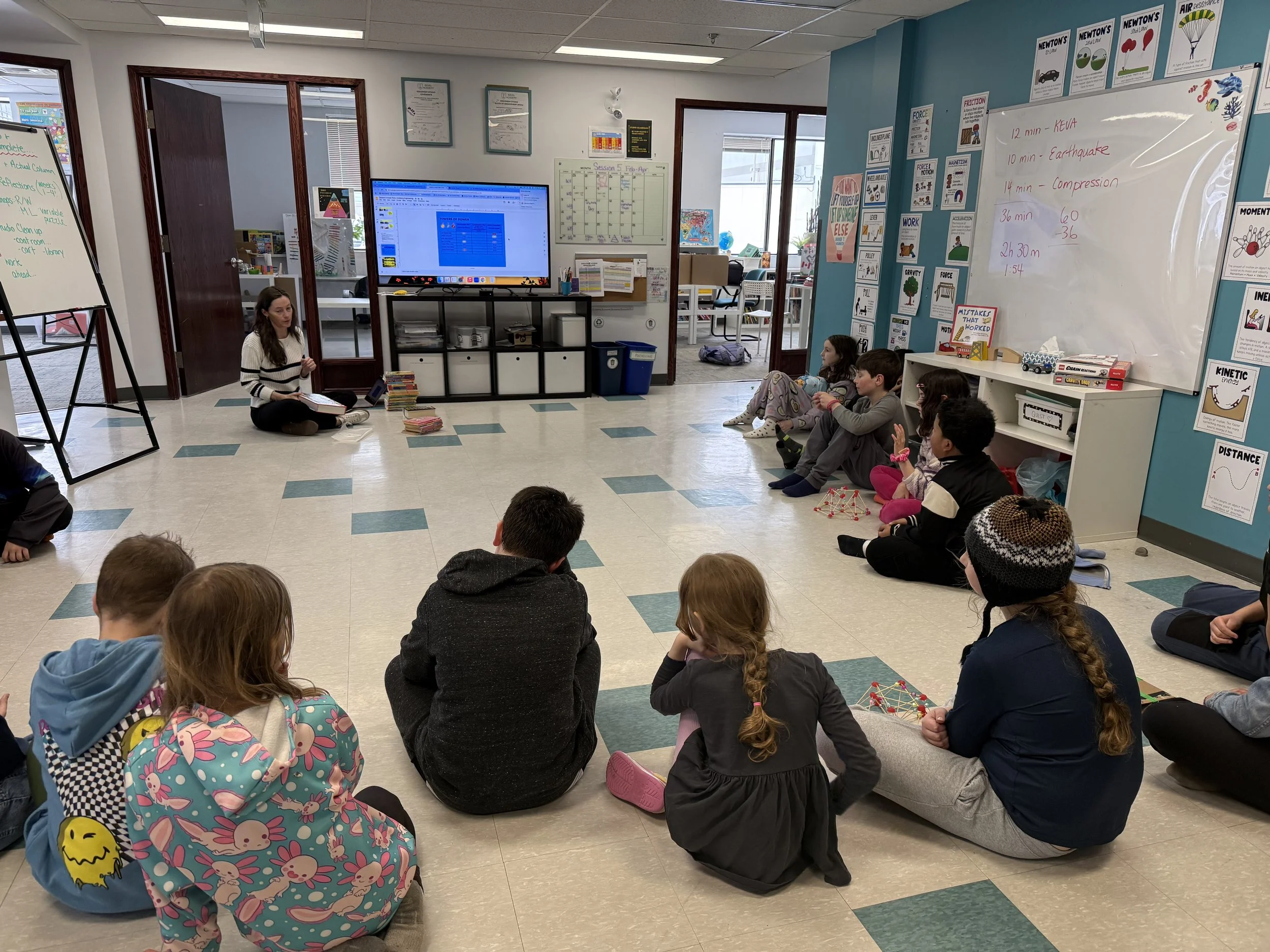
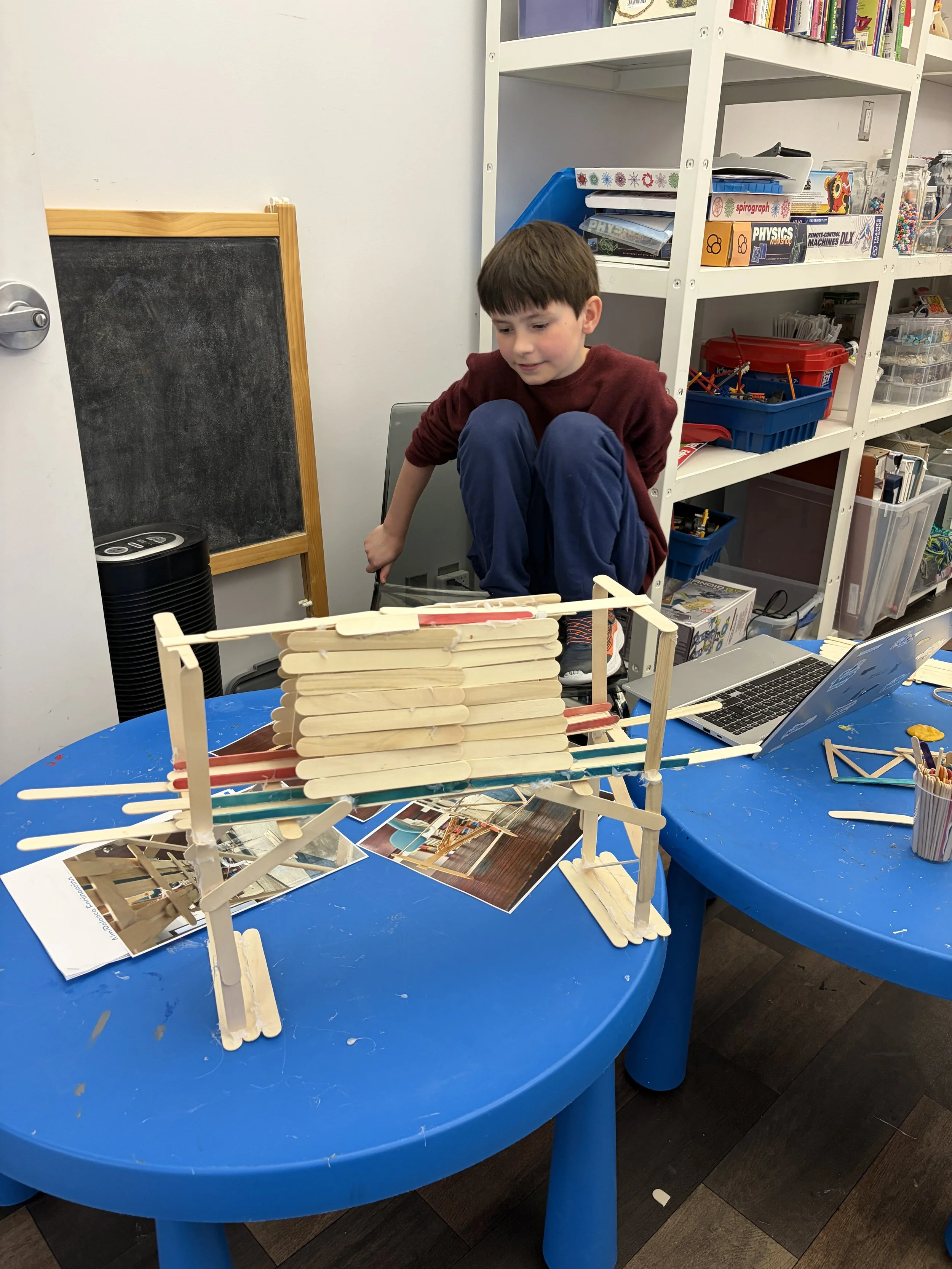
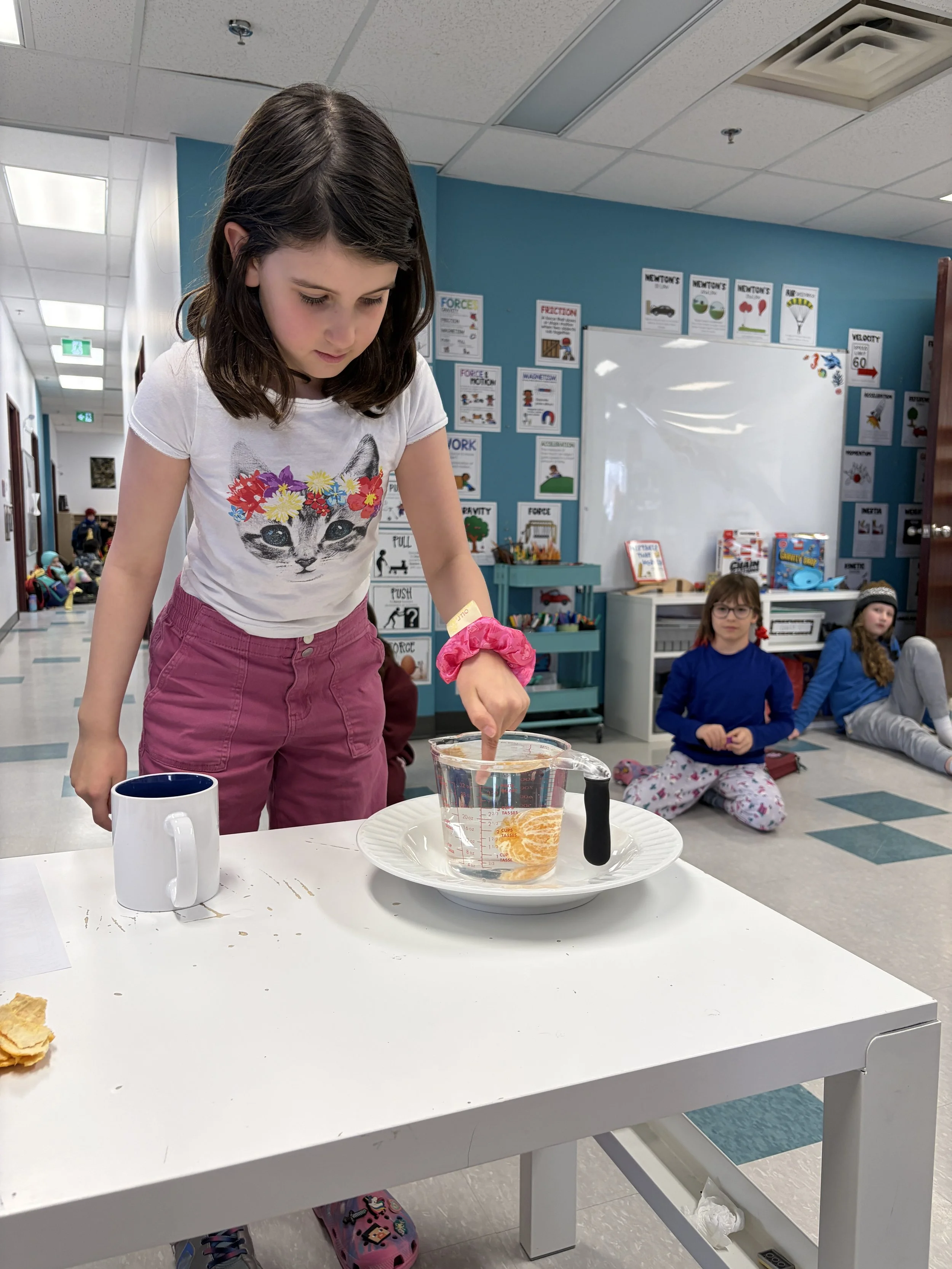
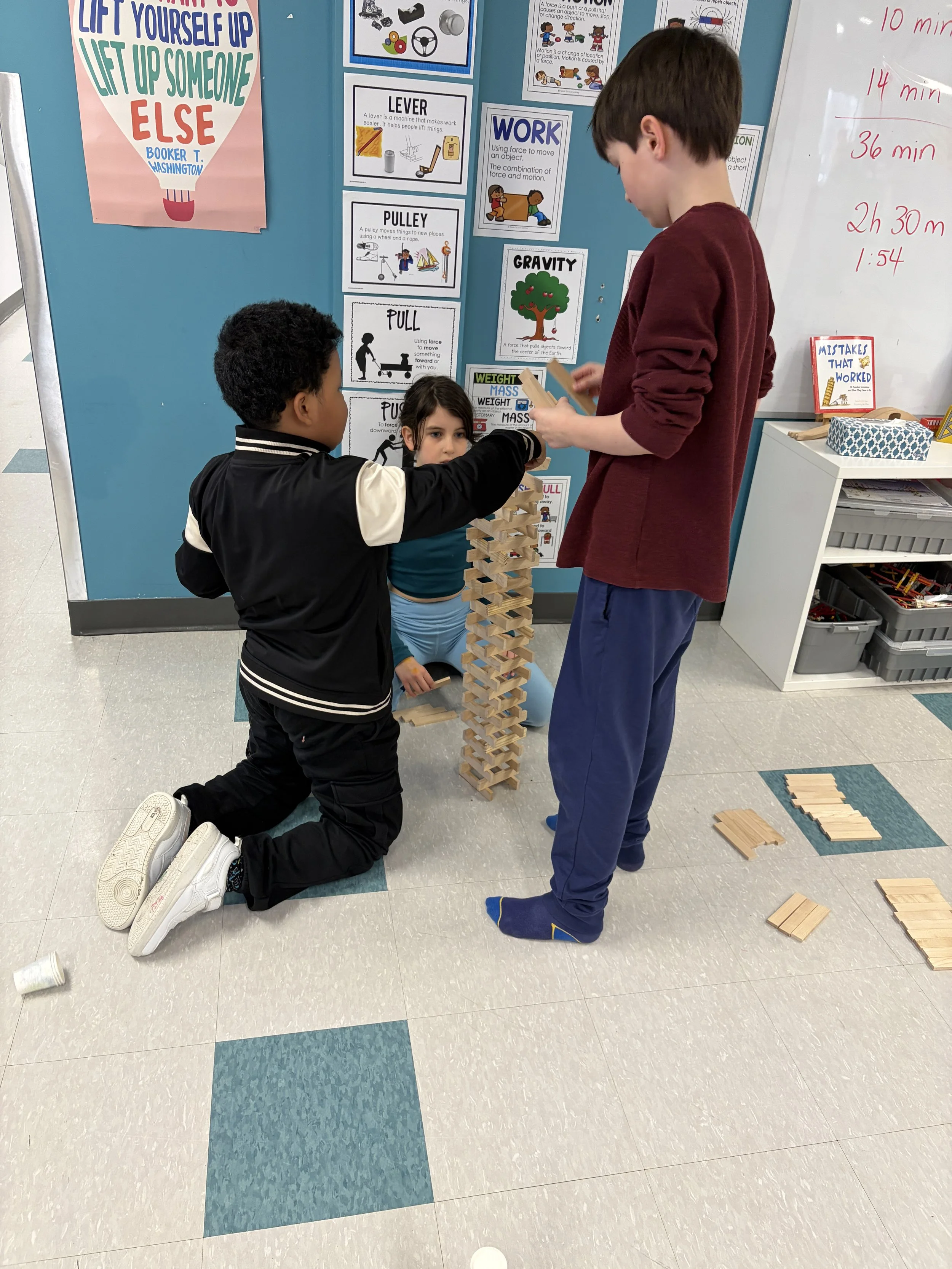
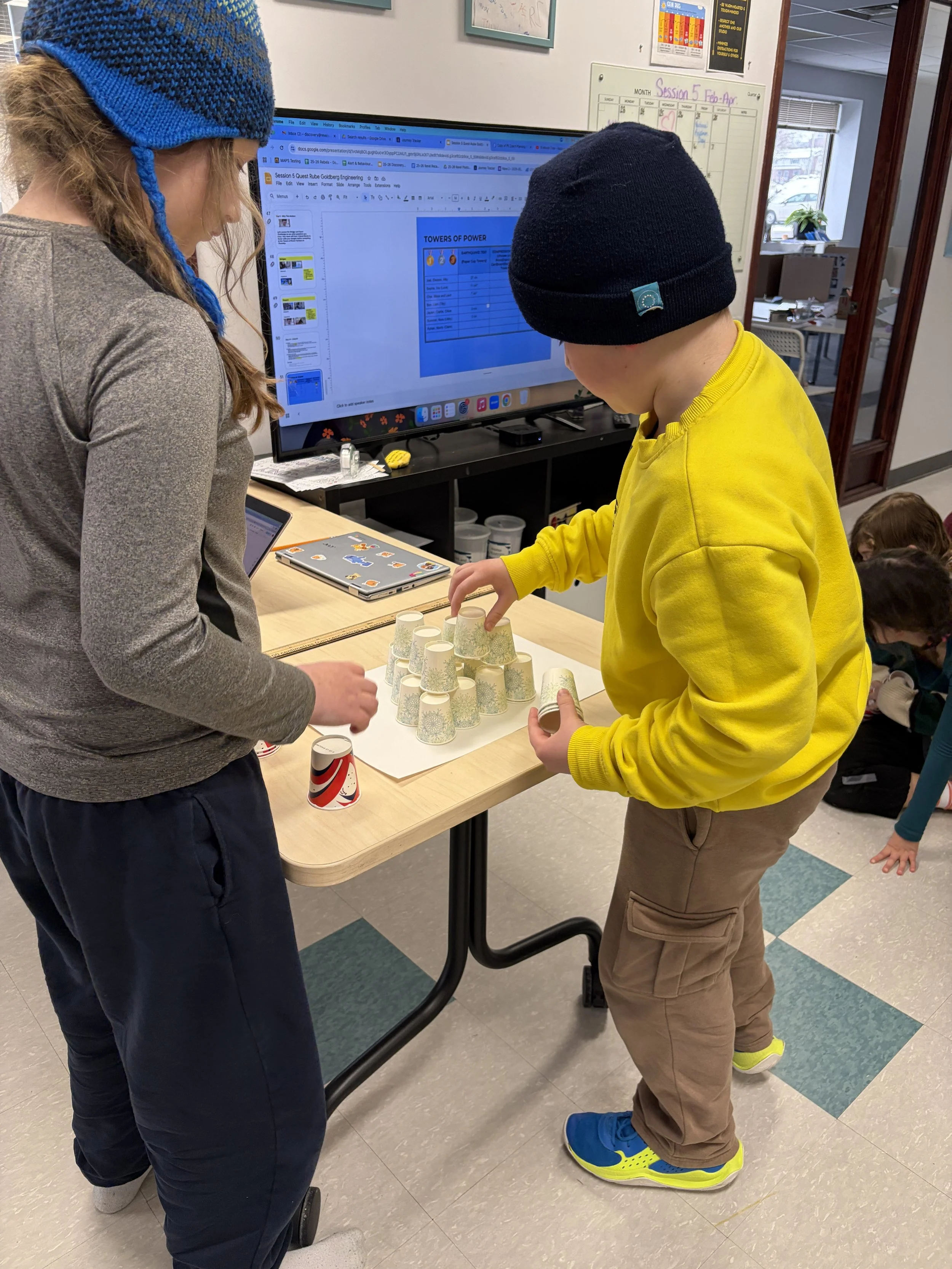
Each of these three structures were tested for compression by adding load. Additionally, Rebels designed paper cup structures that had to withstand an earthquake simulation. The last challenge was to design the tallest structure using only KEVA planks.By week’s end, Rebels reflected on what they learned about engineering for strength and stability: using tension and no adhesives is very challenging, arranging beams in triangles is stronger than squares, and a wider tower base uses more materials but stands up to earthquakes and wind better than smaller bases.
Civilizations
Our chapter this week focused on Roman gods and gladiators, as well as innovations of the empire like roads, aqueducts, apartment buildings and baths. To begin, we mapped the location of Sicily and visualized this island being kicked by the Italian peninsula! Then we heard a Roman version of the myth about where spring and winter come from - instead of the Greek Demeter and Persephone, we heard about Roman Ceres and Proserpine. After the read-aloud, Rebels had a fascinating discussion about what they would do if they were a gladiator faced with life or death in the arena.
Additional Highlights
Rebels have been enjoying a lot of exciting extra-curricular activities in our weekly schedule. From our read alouds on Tuesday and Thursdays, choir practice at lunch on Mondays and Wednesdays, Pokemon Club meetings and more! The Rebels are finding such meaningful ways to connect with each other and giving each other the space to explore their interests and passions together.
Exploration Studio
Mindfulness & Launch
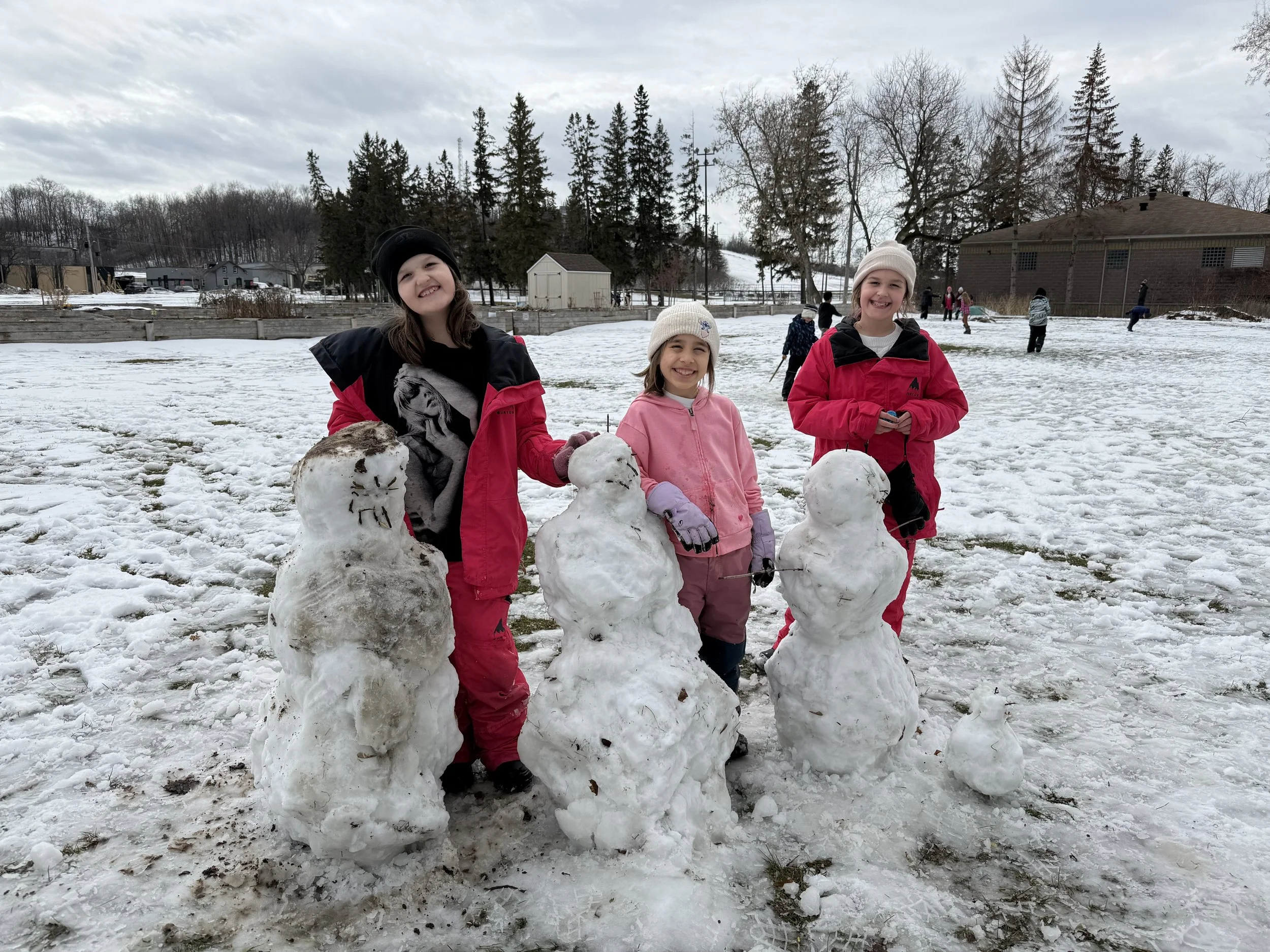
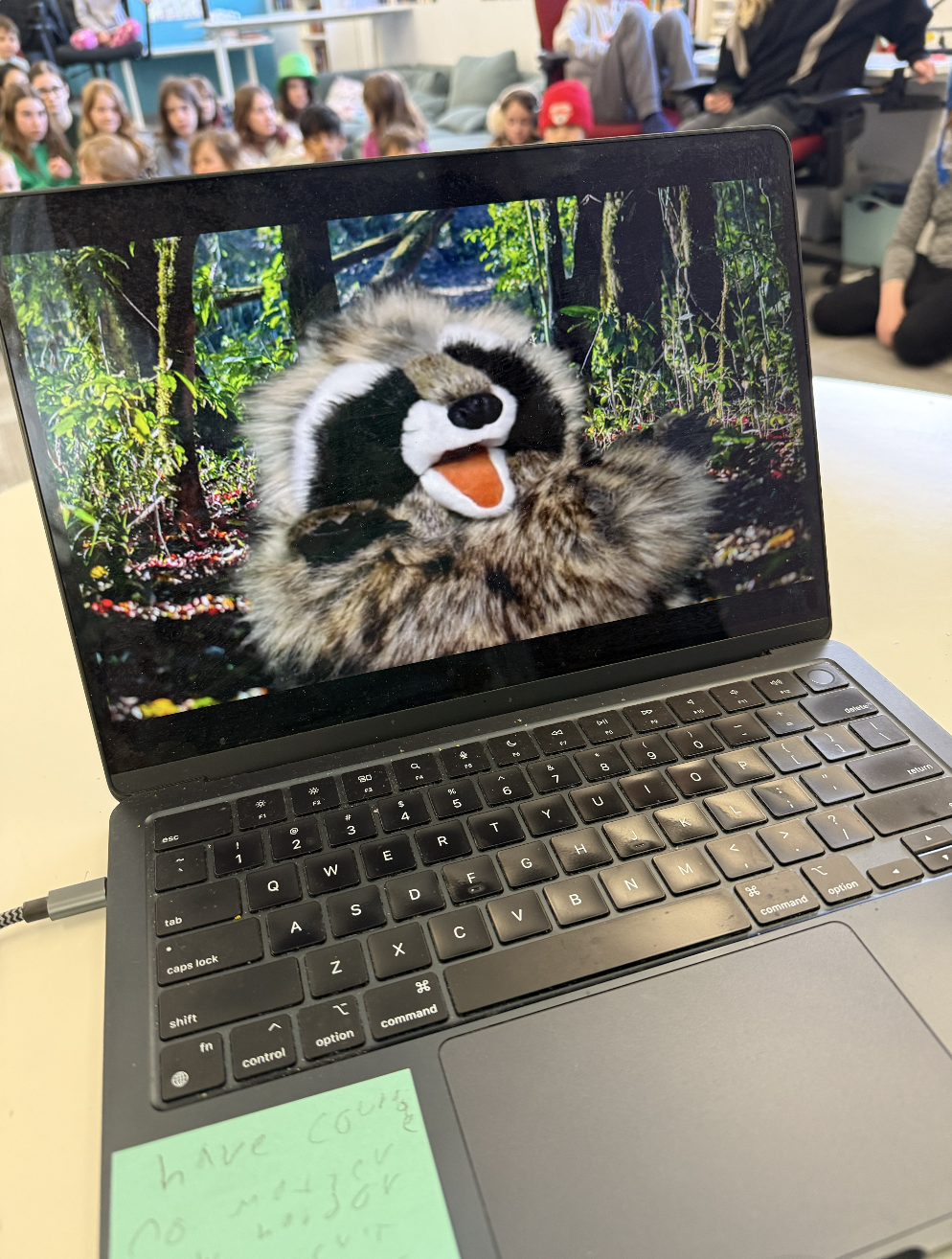
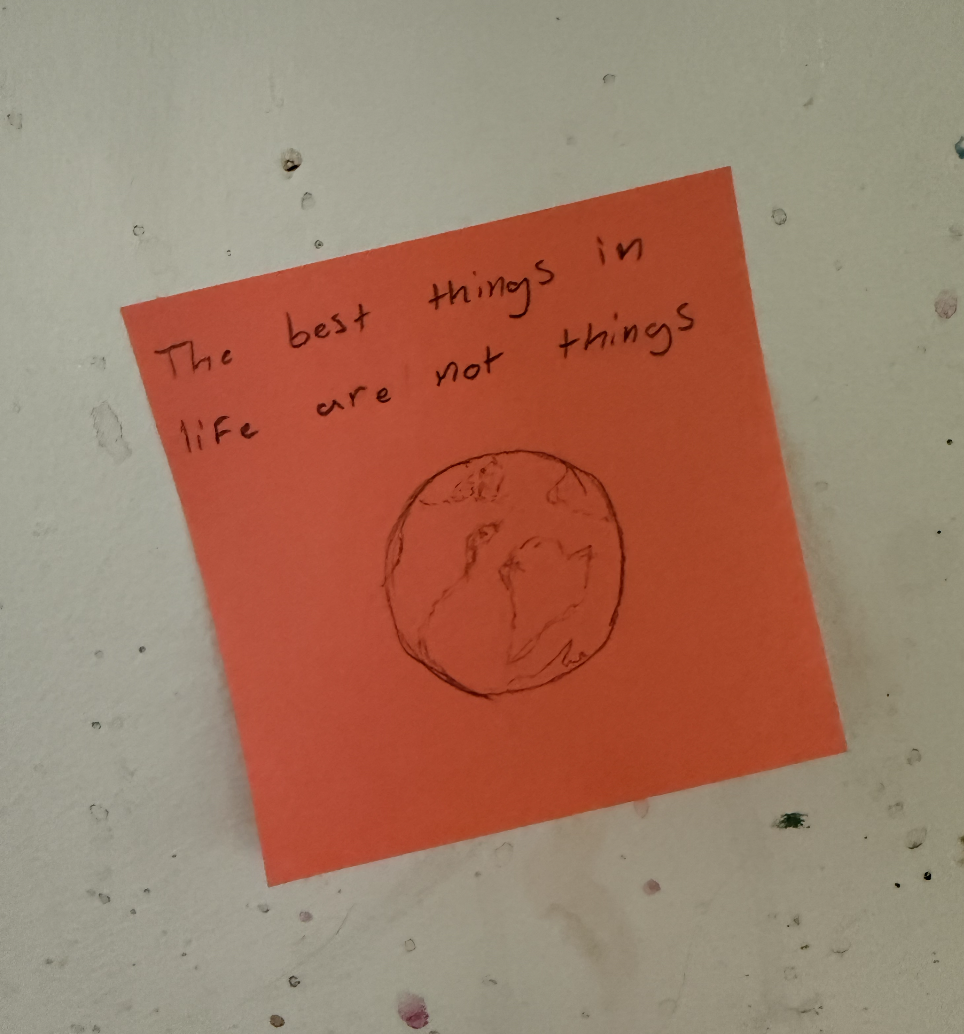
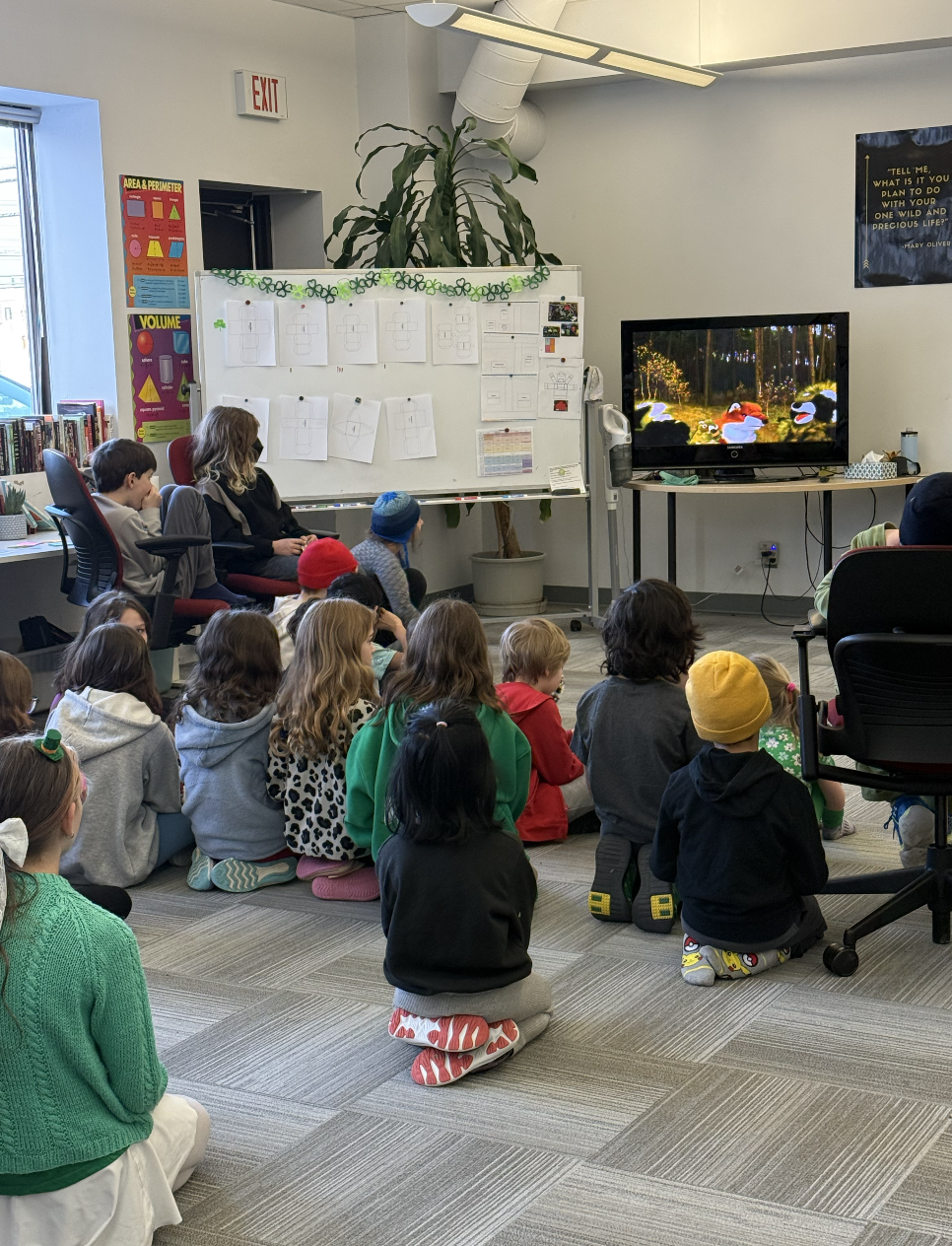
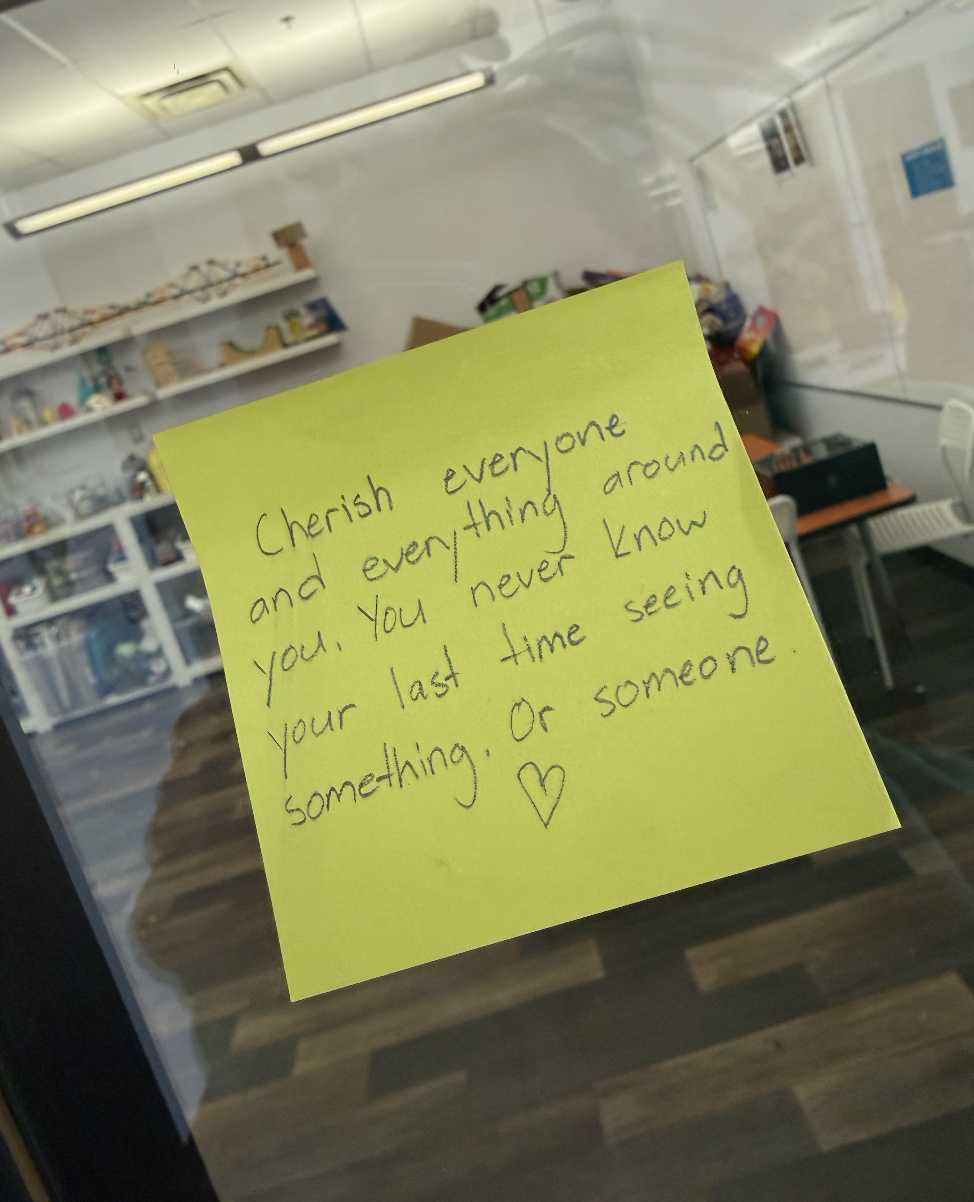
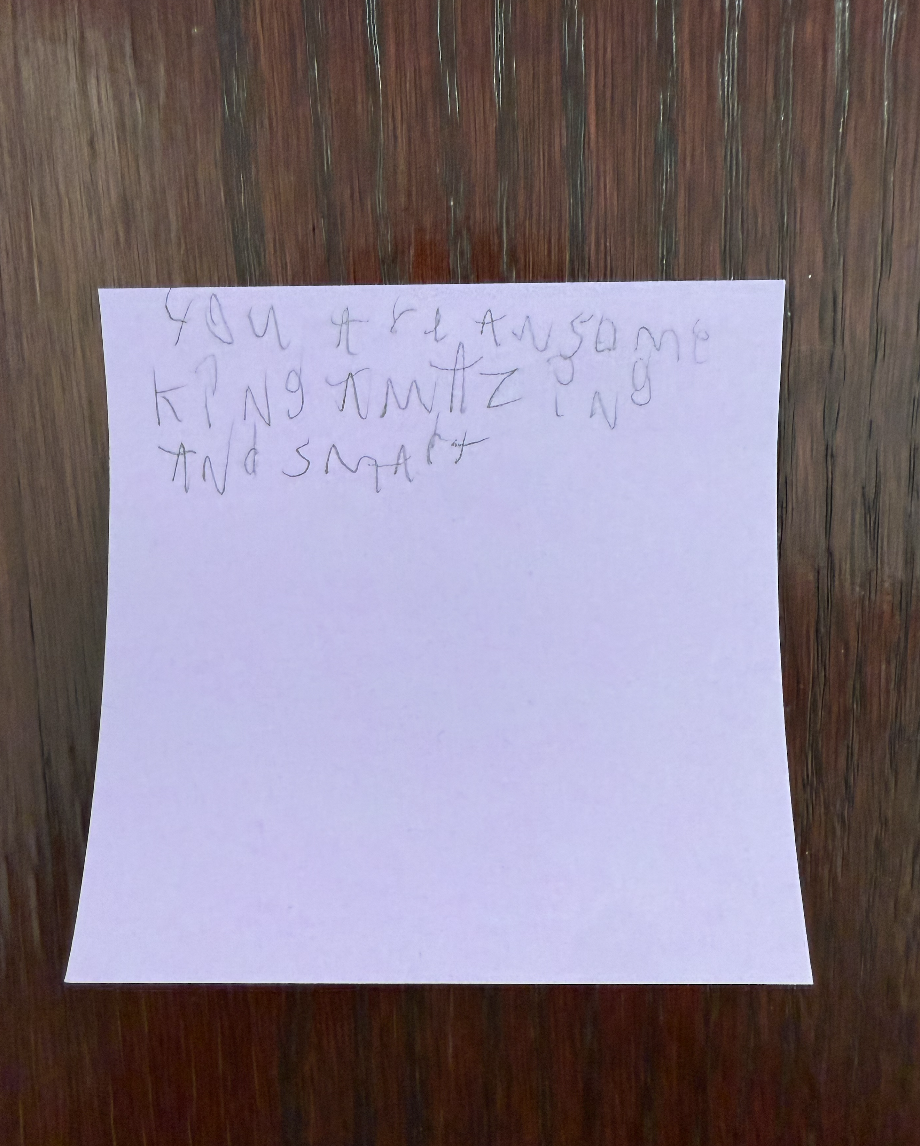
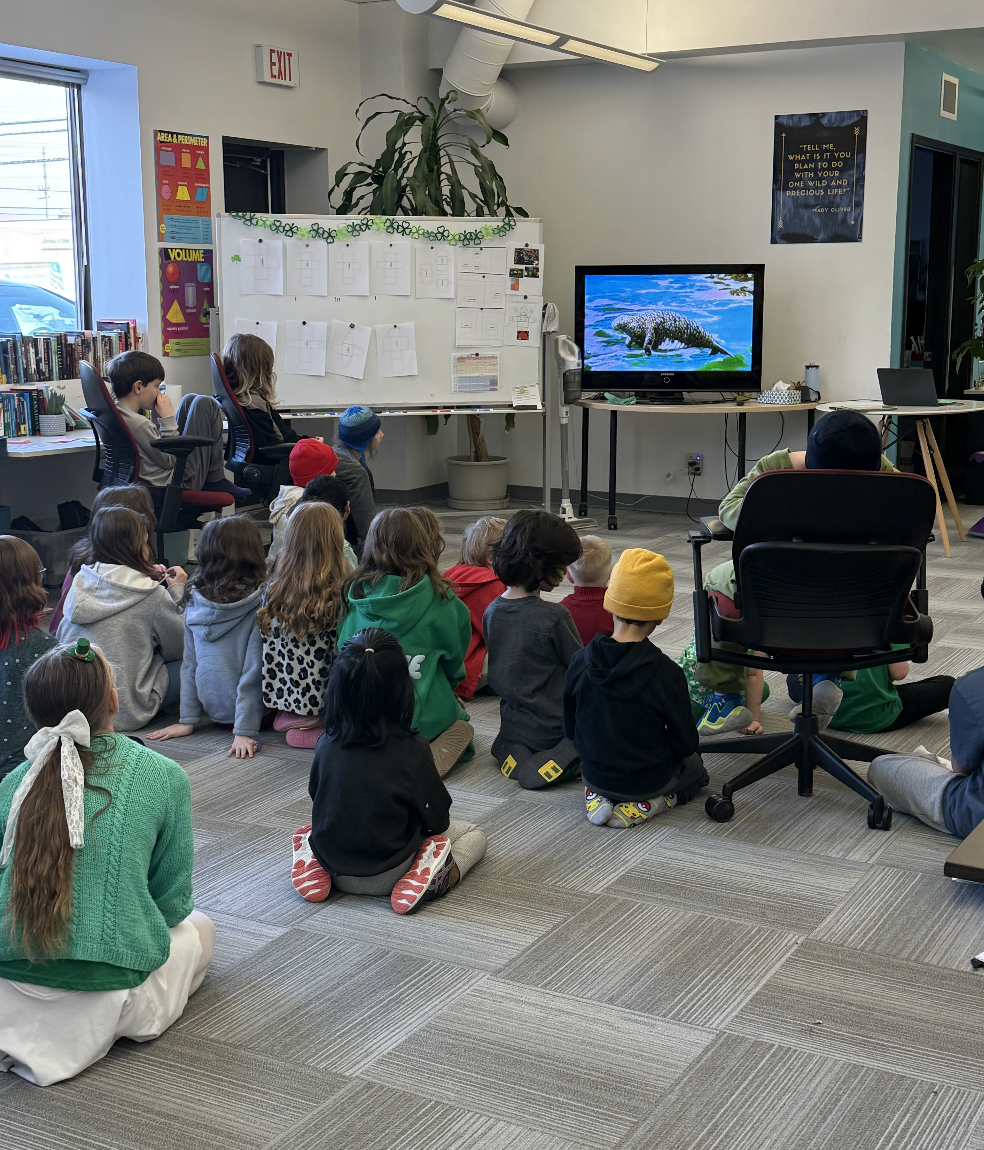
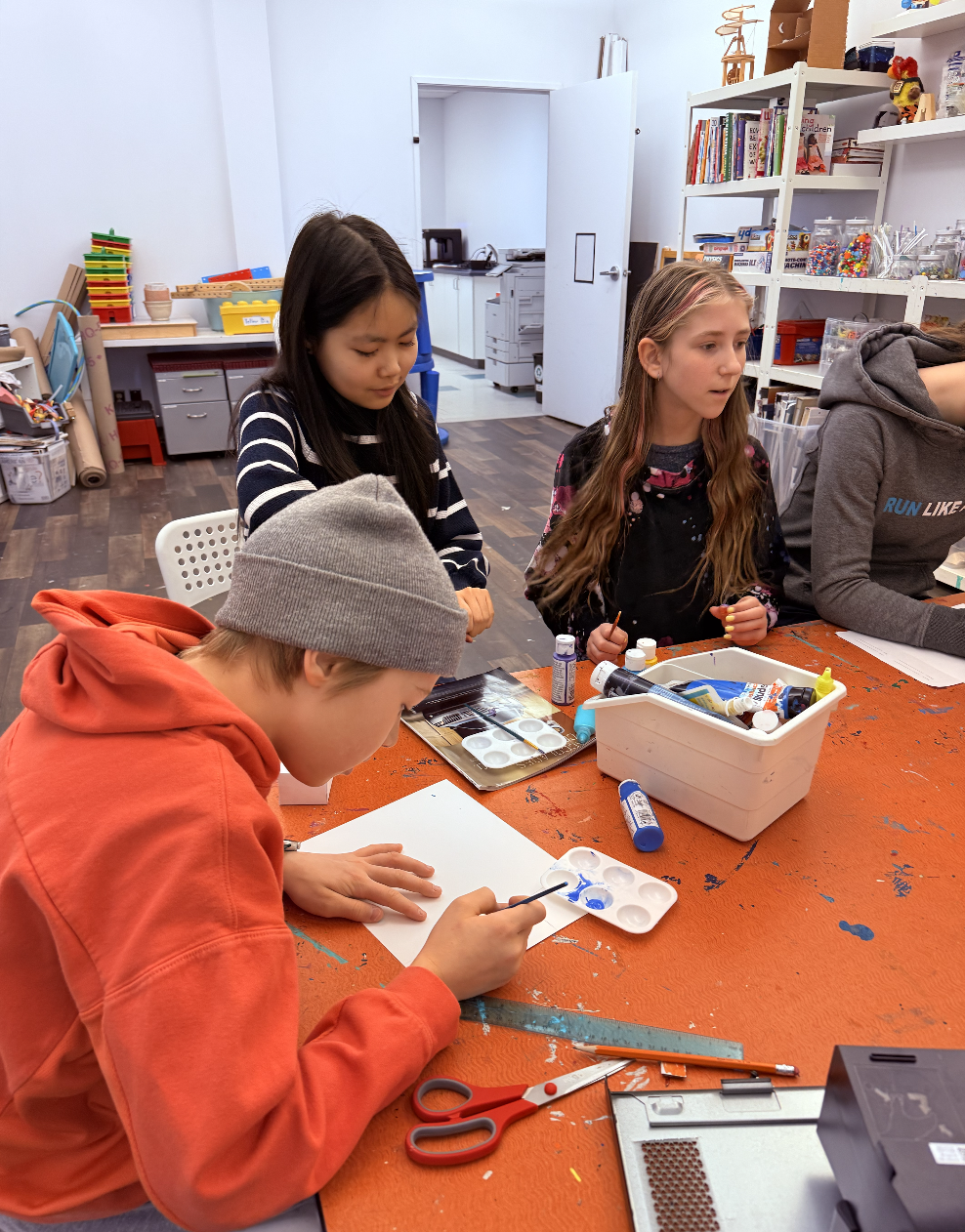
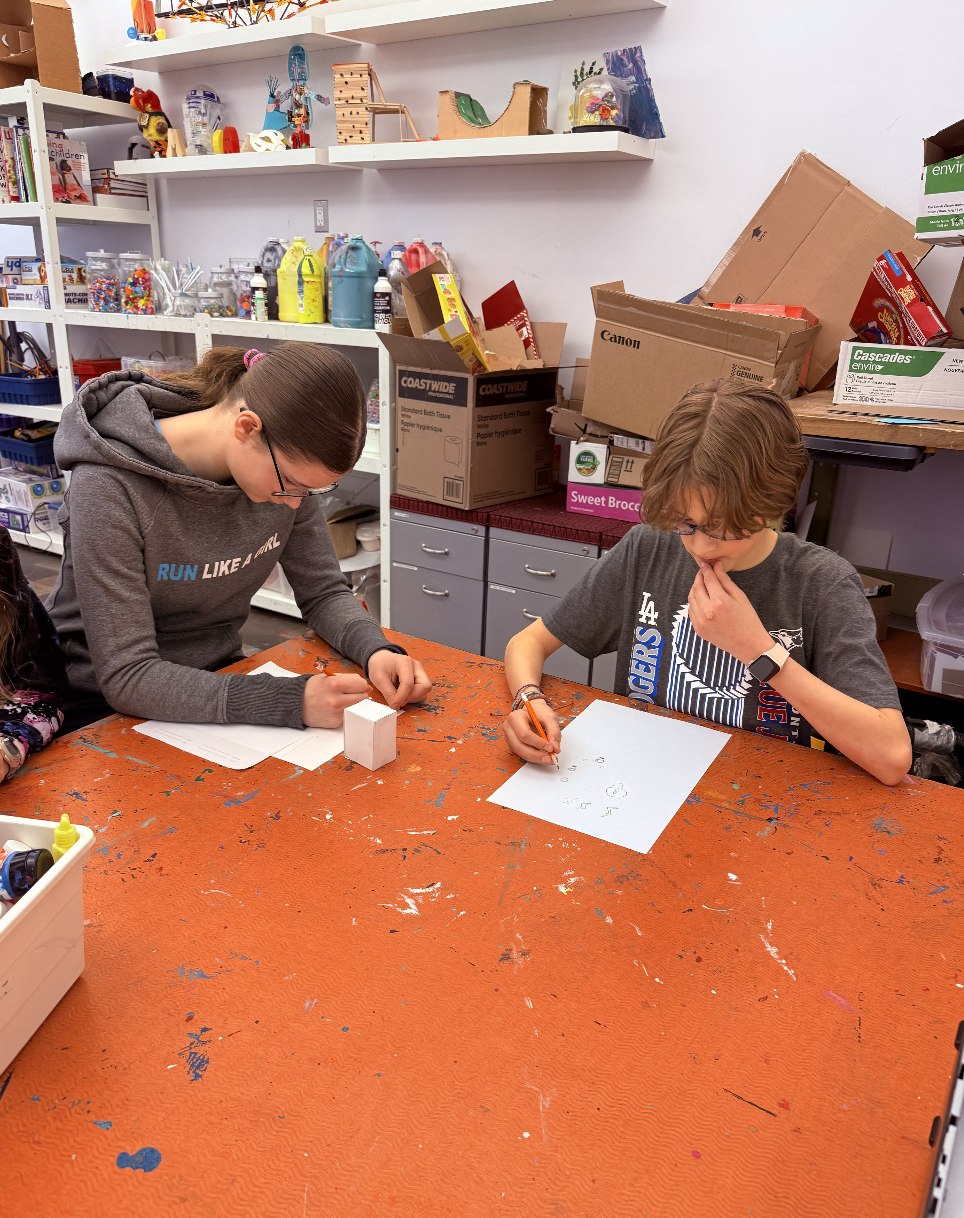
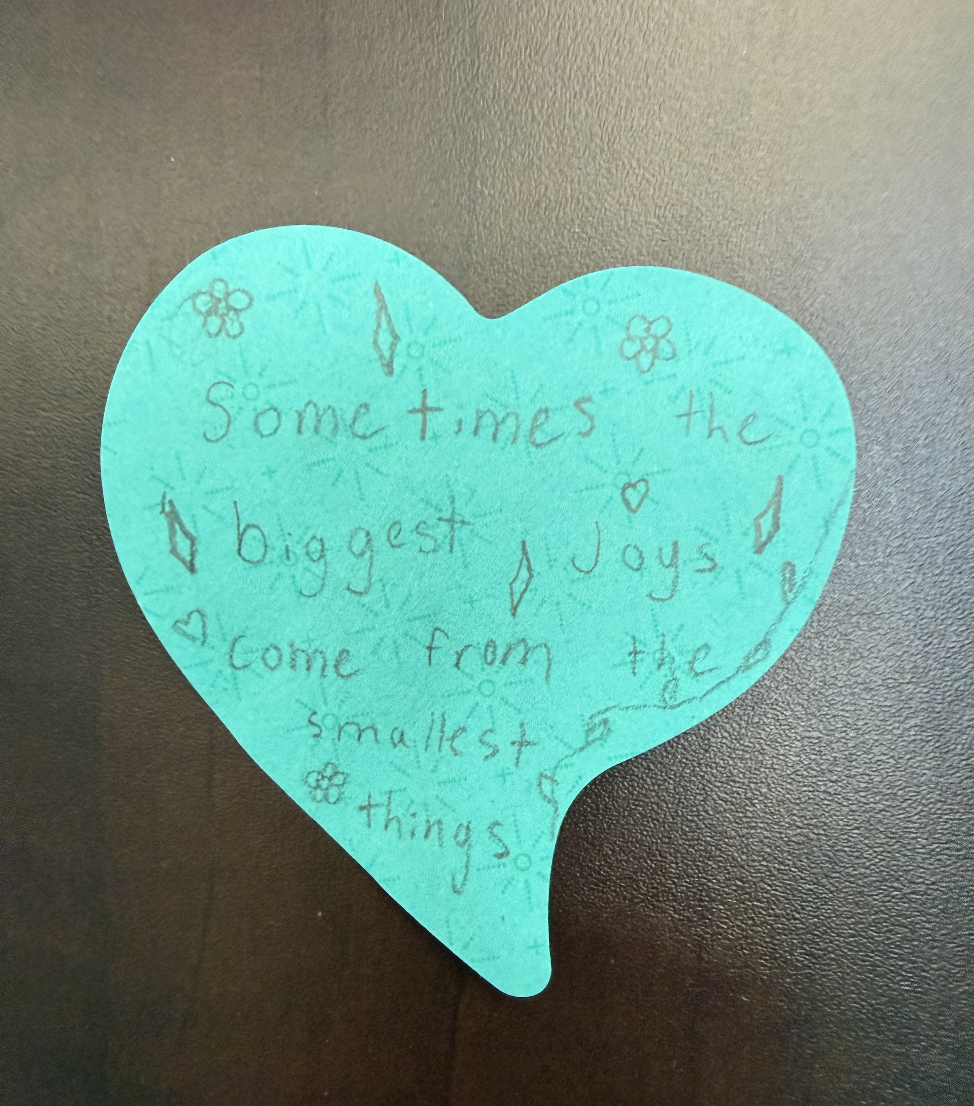
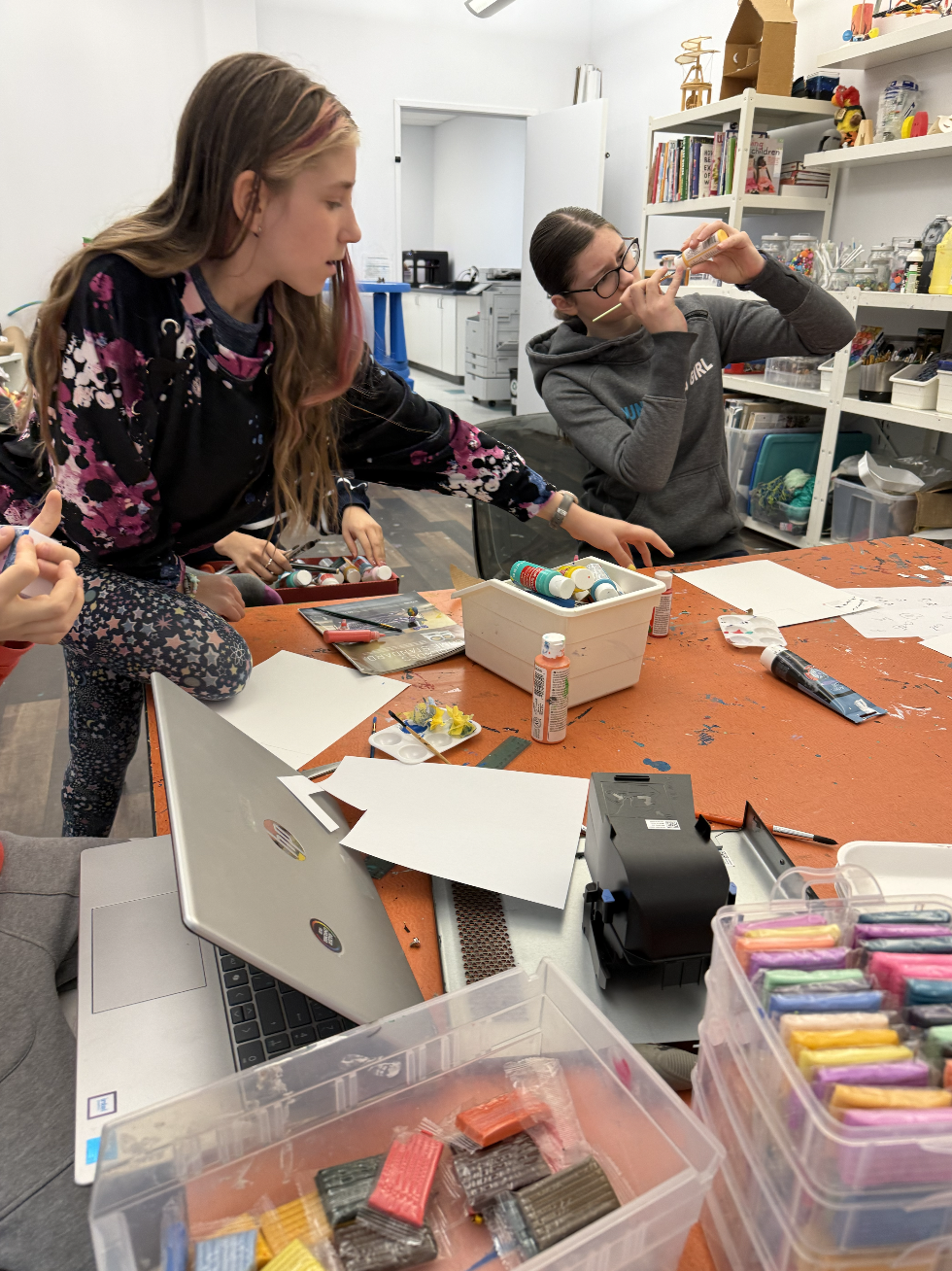
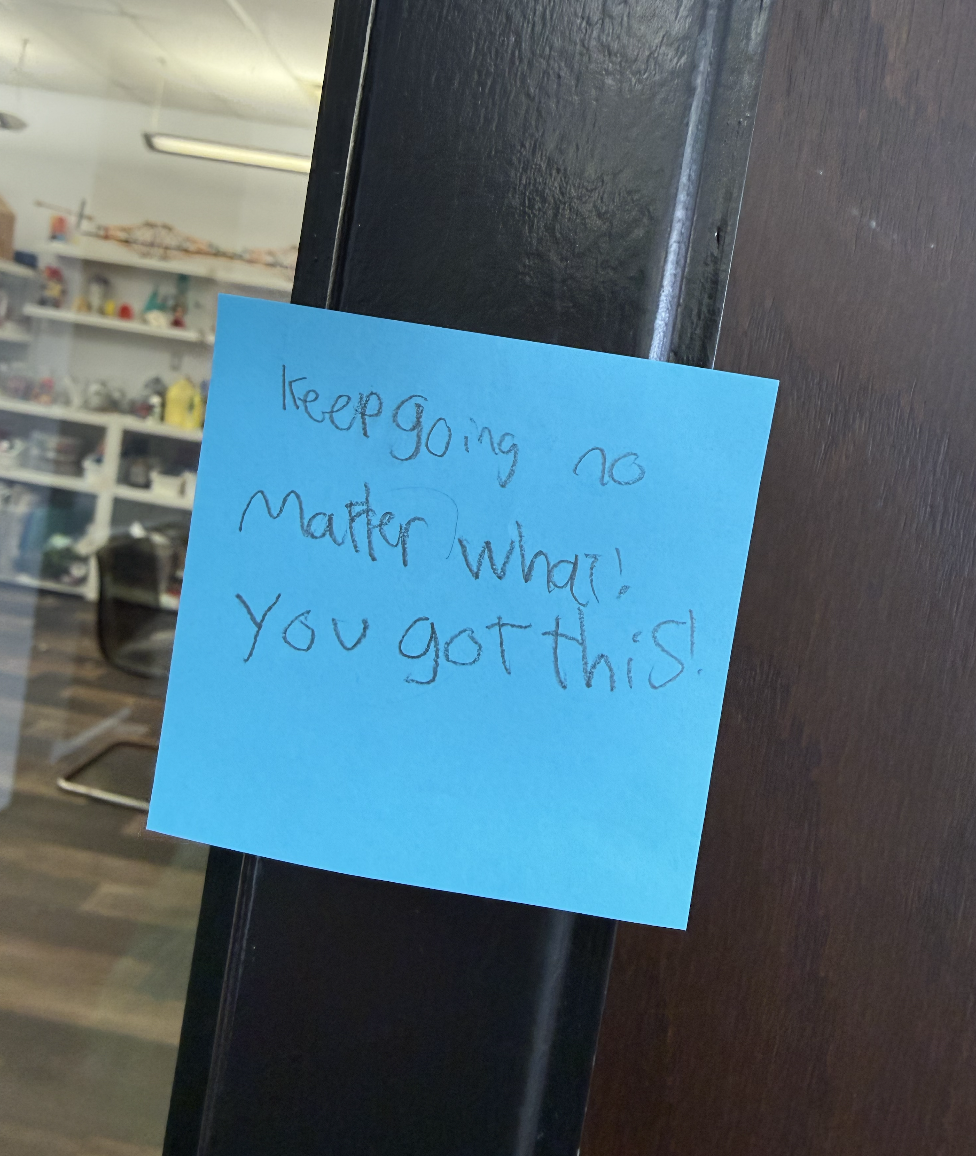
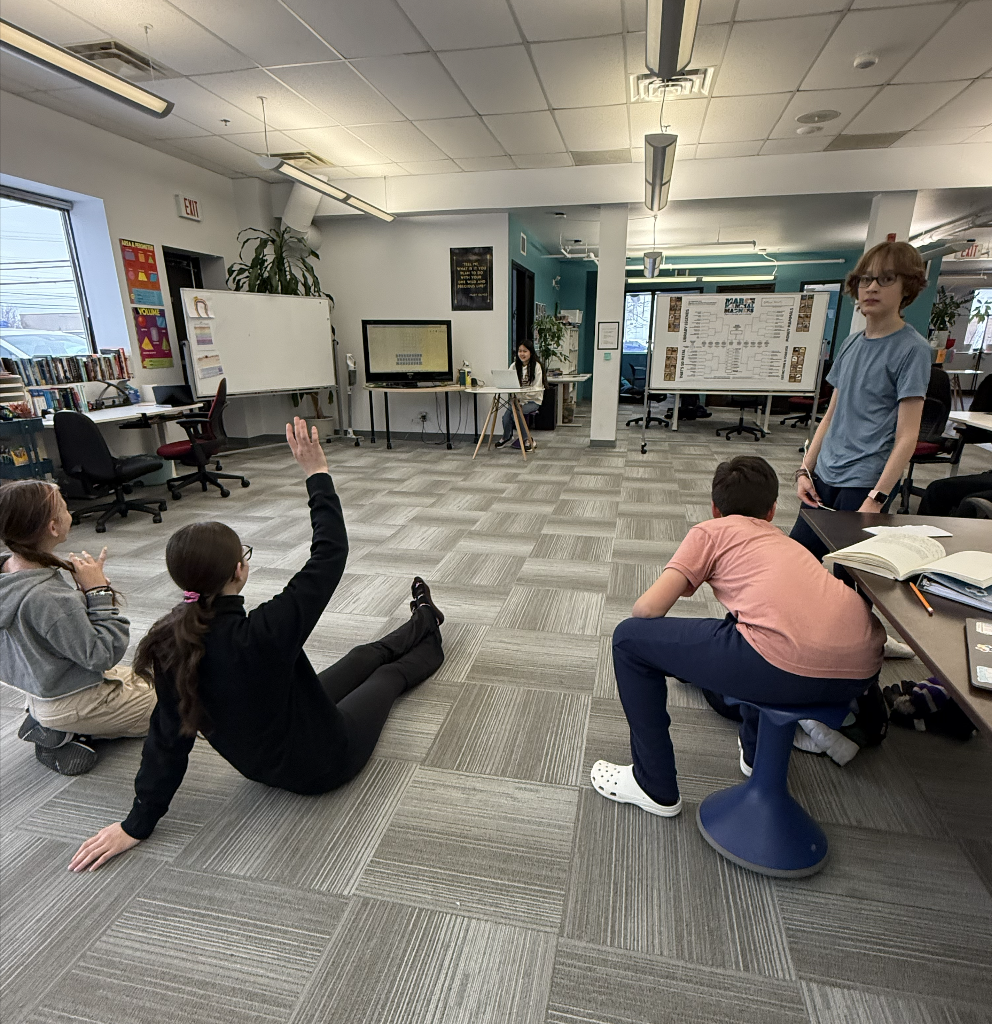
On Monday, Rebels worked on "Lesson 10: Clean Communication - Experimenting with Dissent" in our Becoming a Critical Thinker workbooks. Last week, Rebels realized that memories are not reliably the same for each person, we create stories from our memories to hold on to them, and our interpretations usually favour us. This week, we worked on becoming skilled at dissenting while preserving our relationships, which, especially in our current climate, is an art. Rebels identified one way of thinking they hold dear that doesn't align with someone they value in their life. They then considered a series of questions before drafting a conversation and reflecting on whether it accurately represented their views and the other person's viewpoint. At last week’s Town Hall, Rebels expressed that they wanted to work on the civility in the studio. Tuesday morning everyone took a few mintues to write kind messages and place them around the school or give them to someone having a tough time. The full school then joined together for Round 1 of the "Extinction is Forever" division of March Mammal Madness. As predicted, the Stellar's Sea Cow made it through, as did the Saudi Gazelle, Baiji, Thylacine, Aurochs, and Wild Dromedary Camel. The big upsets of the day, the Yallara and the Sea Mink, drew surprised gasps or claps from the Rebels. Learners used their art session on Wednesday morning to work on their City Art project. Some began sculpting their pieces in clay, designing them in TinkerCAD for 3D printing, or sketching their murals. After a snowy walk, Exploration Rebels returned to the studio for a full-school viewing of the March Mammal Madness - That's So Metal Round 1 results on Thursday. There were cheers abound for the Honey Badgers, with a few disappointed groans when the Shrike defeated the Bloodworm. After our learner-led puzzle session on Friday, we began the March Mammal Madness Round Two results watch party as a whole school. How is your bracket looking?!
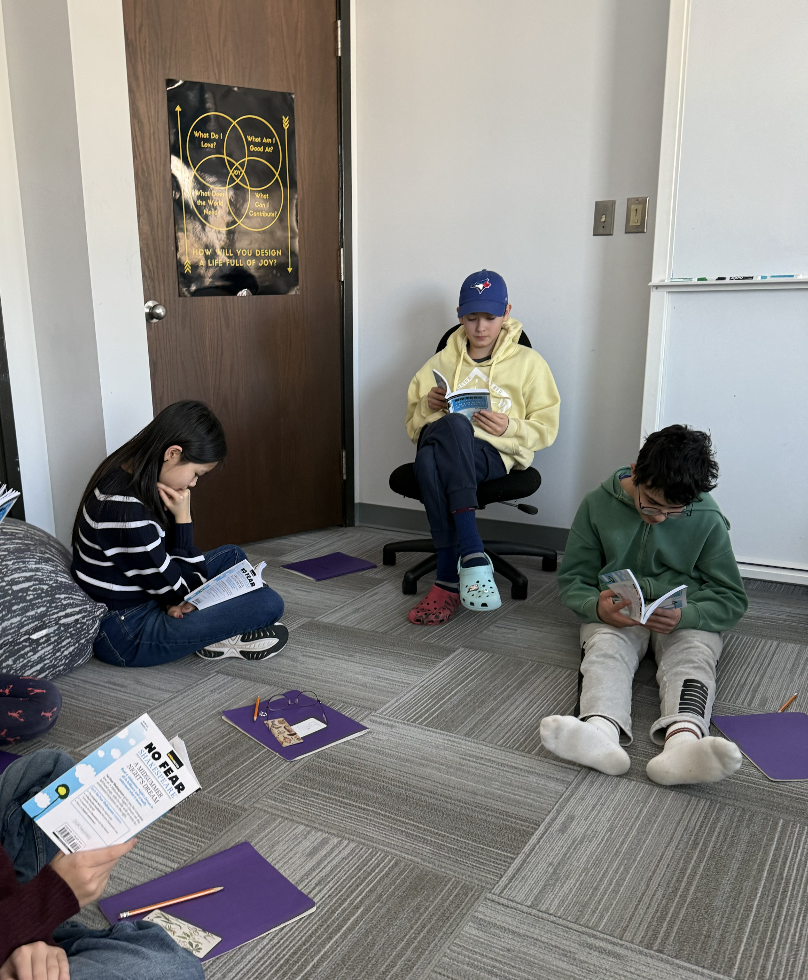
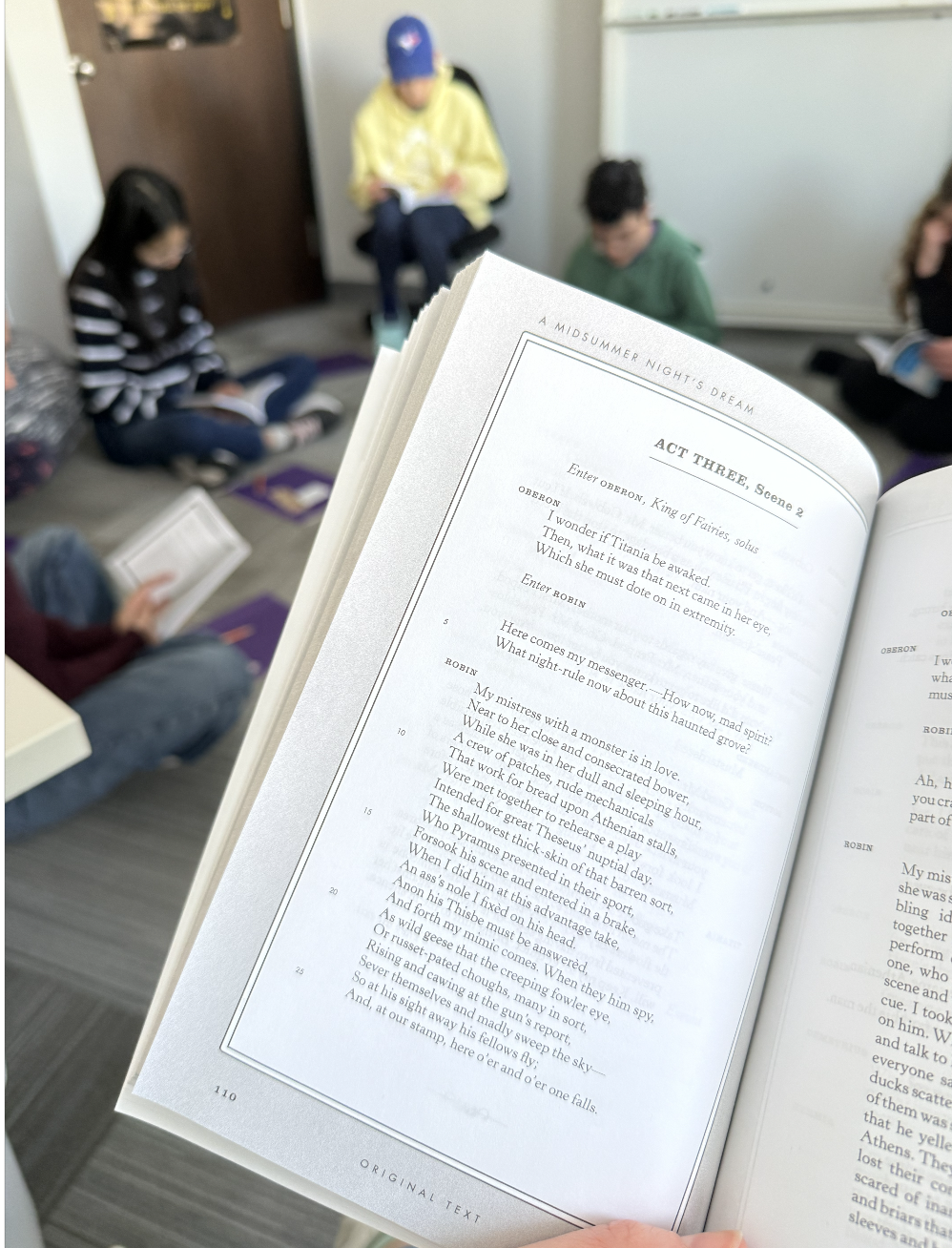
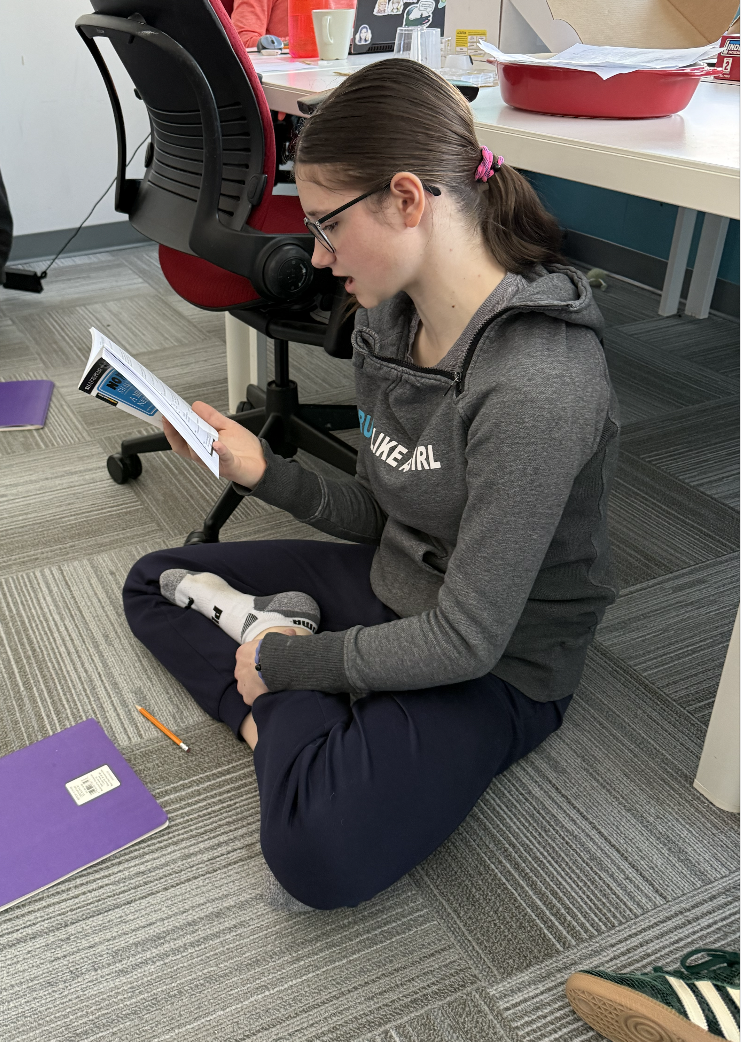
A Midsummer Night's Dream
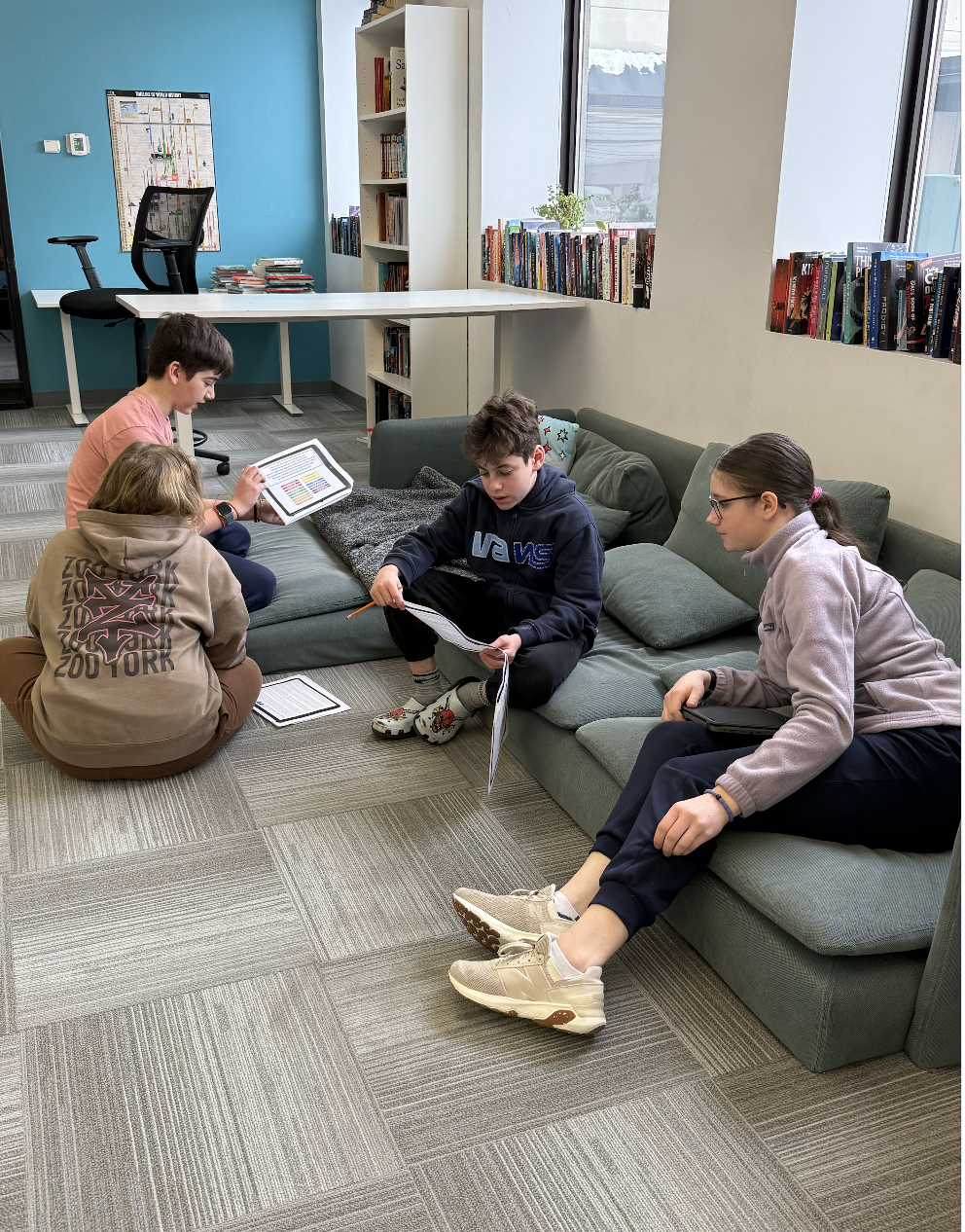
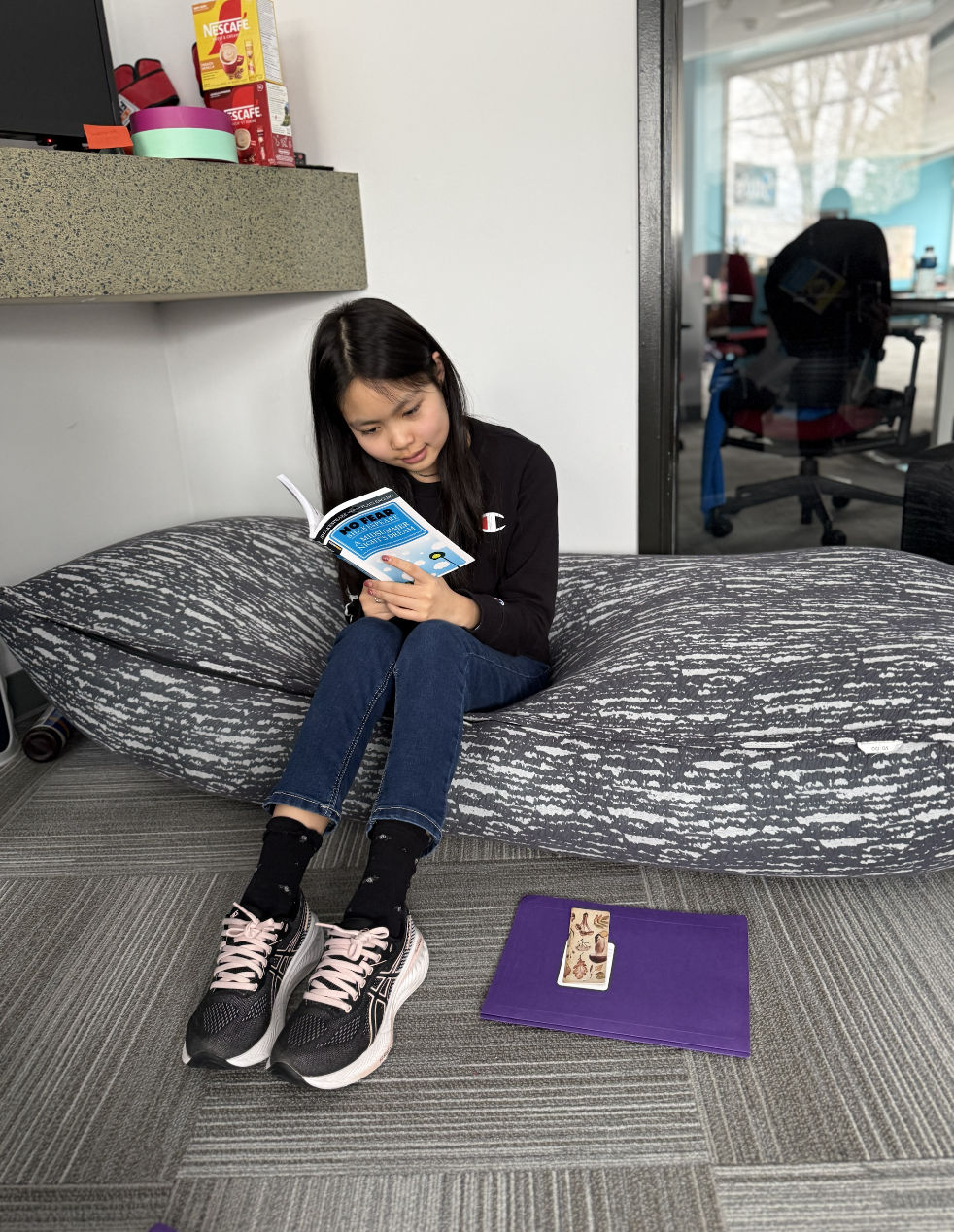
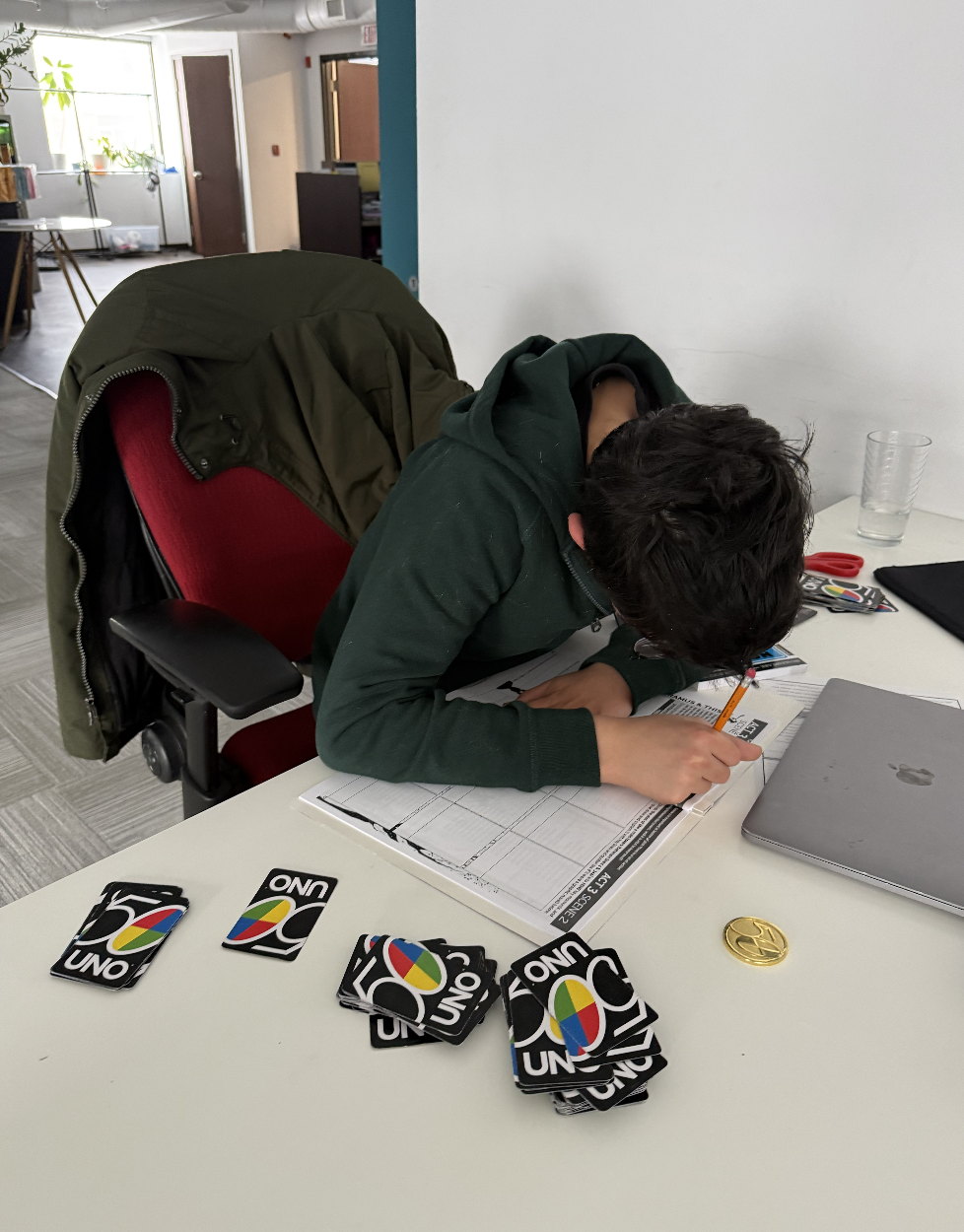
On Monday, we met to read Act 3, Scene 1 as a group. The learners are becoming increasingly comfortable reading aloud and are having a much easier time understanding Shakespearean language! We conjoined again on Wednesday to read Scene 2, and the Rebels found the insults slung between Hermia and Helena extremely amusing! Learners used the remaining DEAR periods on Thursday and Friday to complete their Act 3 handouts, where they annotated a passage, identified the characters that displayed a variety of emotions, and summarized the events of Act 3 by picking a colour, a symbol, and an image to represent the act.
Reader/Writer Workshop
With their speech skeletons or rough drafts in hand, Rebels met in pairs to give and get peer feedback, focusing on idea development, organization, and word choice. Rebels read one another's speeches to see if the main message is clear, the tagline is something the audience cares about, there are effective personal testimony and stories, and use of logos, pathos, and ethos. They also made sure that the main points were presented in a logical order, the hook is engaging, transitions assisted the flow, and there was a strong call to action. After receiving their peer suggestions, Rebels edited their pieces in preparation for reading them aloud to the full studio next week.
Reading Challenge and Grammar
Our reading challenge this week focused on idioms. Idioms are common phrases that don't make sense, but because they are used so often, people know their meanings. In English, there are an estimated twenty-five thousand idiomatic expressions, so we must become familiar with them to build up comprehension. We then reviewed a series of examples and learned that some had literal meanings in their origins, but the expressions often grow away from those roots over time. After our studio lesson, Rebels completed the reading challenge independently or in small groups. With our renewed awareness, there were several instances throughout the week when an idiom was used in random conversation, and the Rebels immediately shouted out, "idiom!"
The grammar concept we reviewed this week was parallel structure which means using the same pattern of words to show that two or more ideas are equally important. Rebels practiced by writing three sentences that use parallel structure correctly, using a list of verbs, a list of nouns, or a repeated phrase structure. They then adjusted a group of sentences to ensure they followed the structure before editing a couple of paragraphs to correct the parallel structure errors.
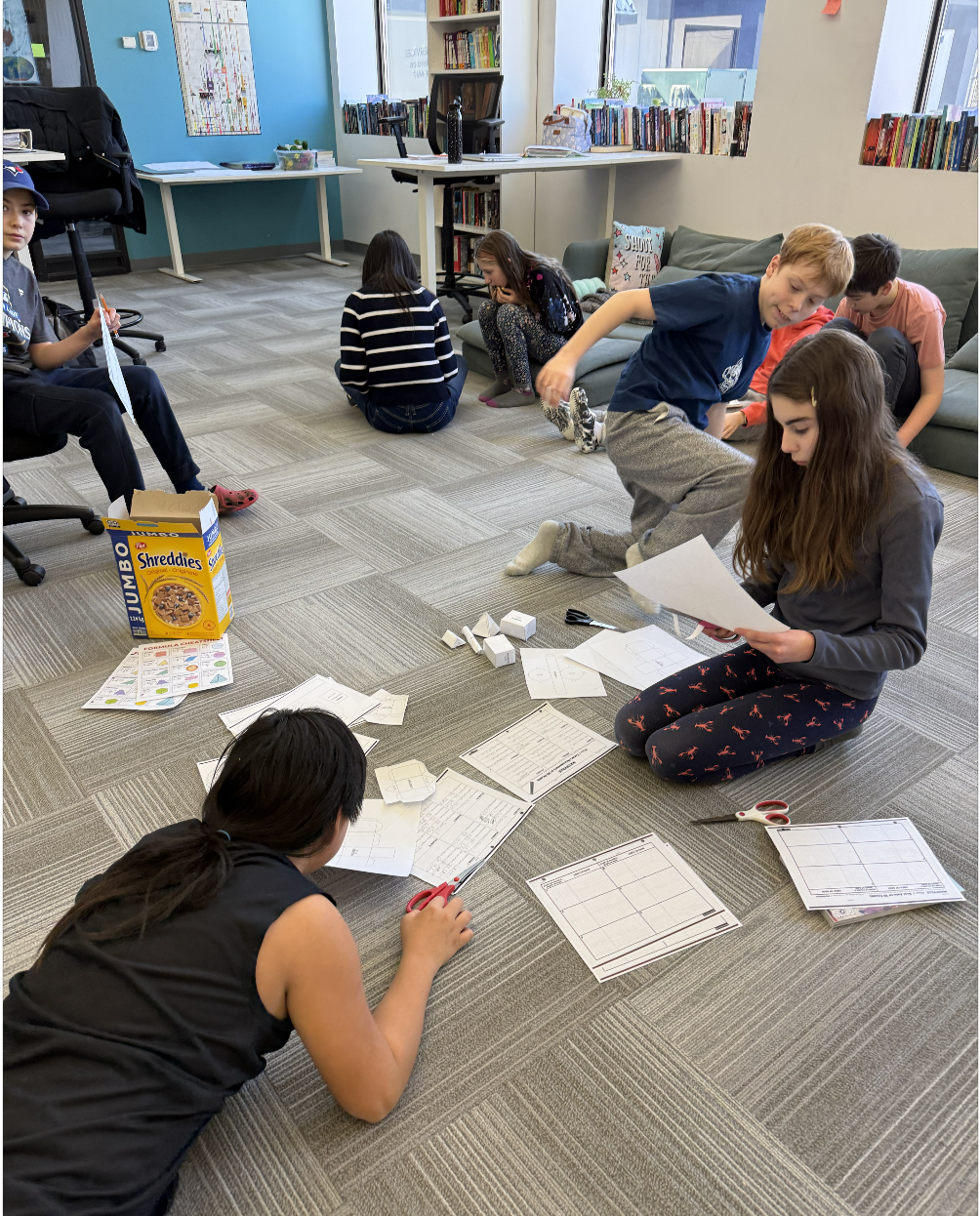
Math Lab
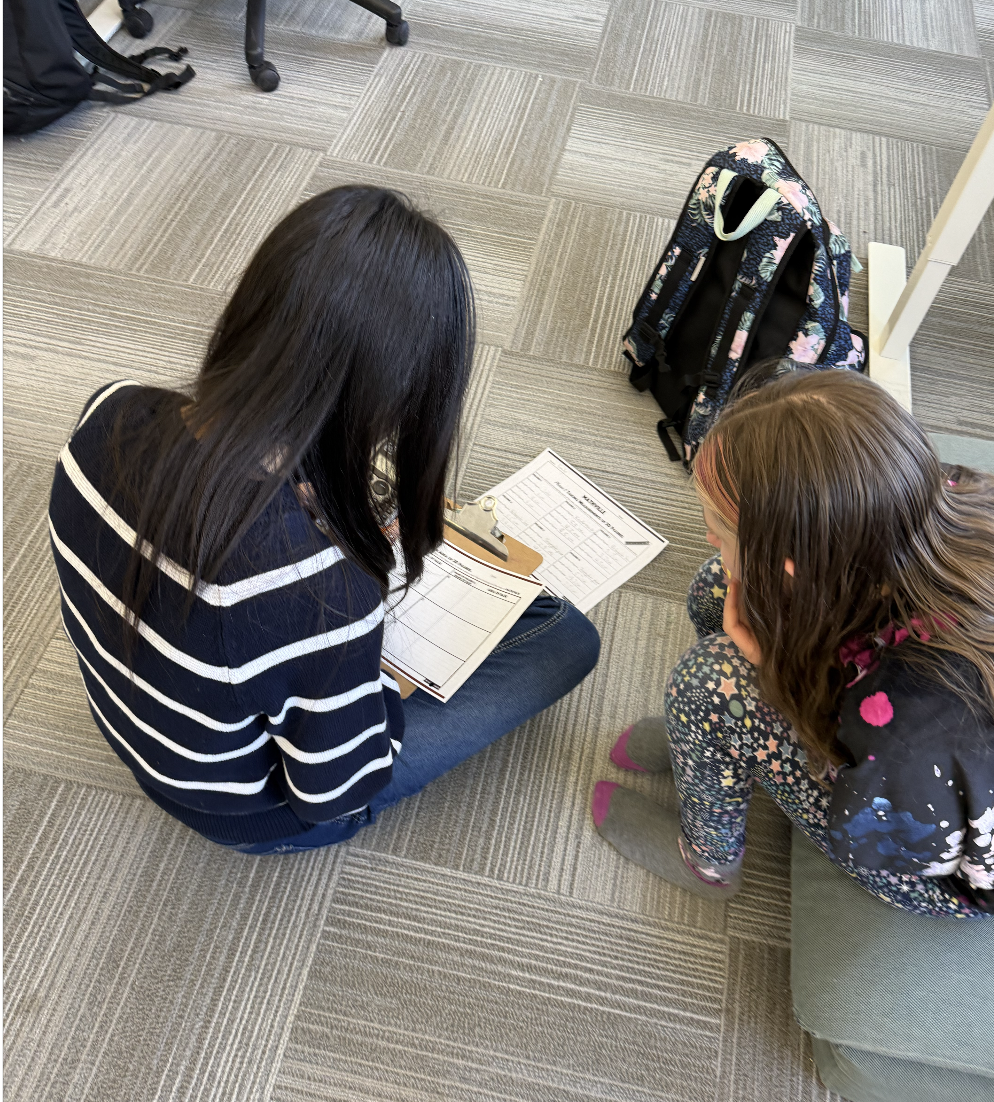
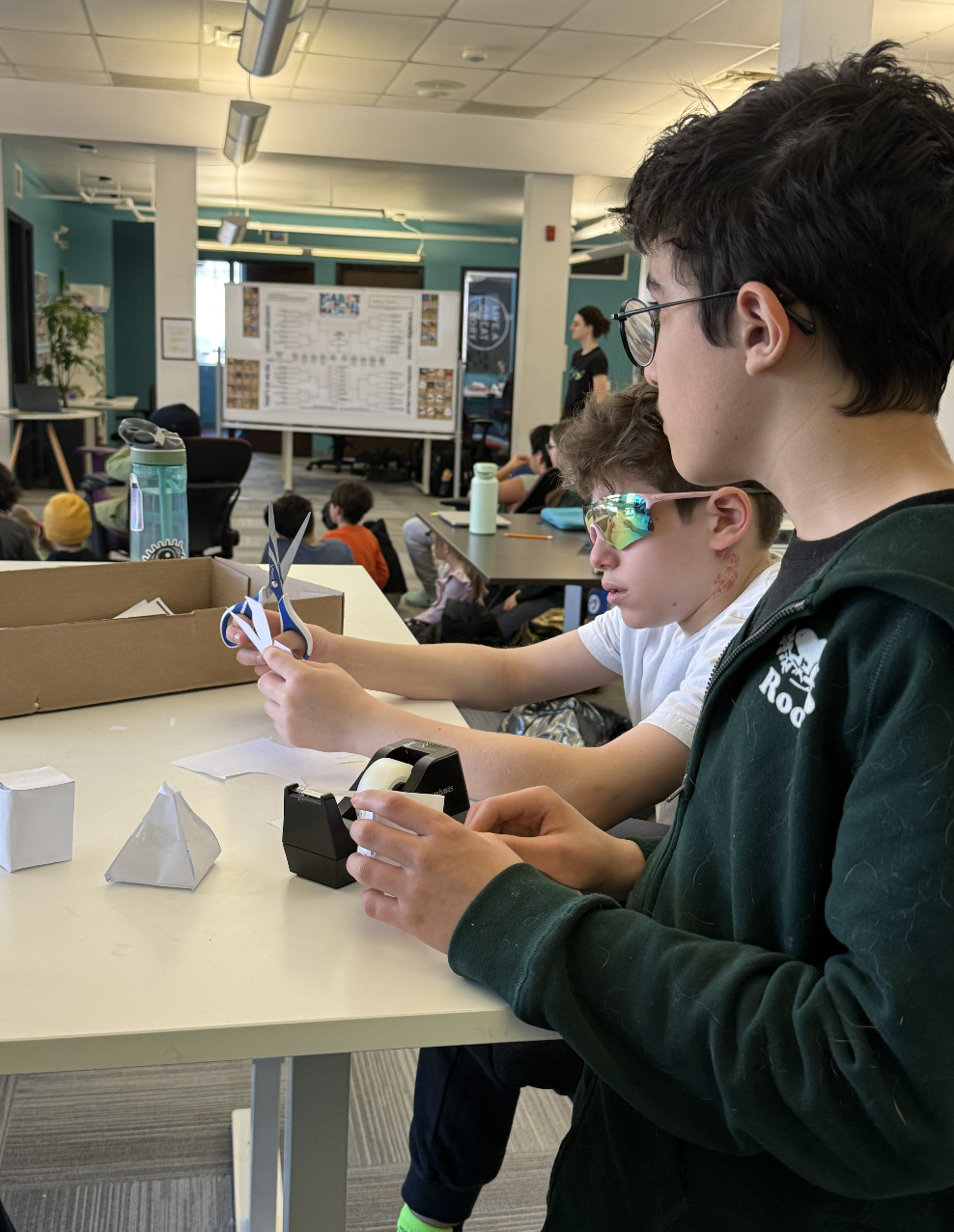
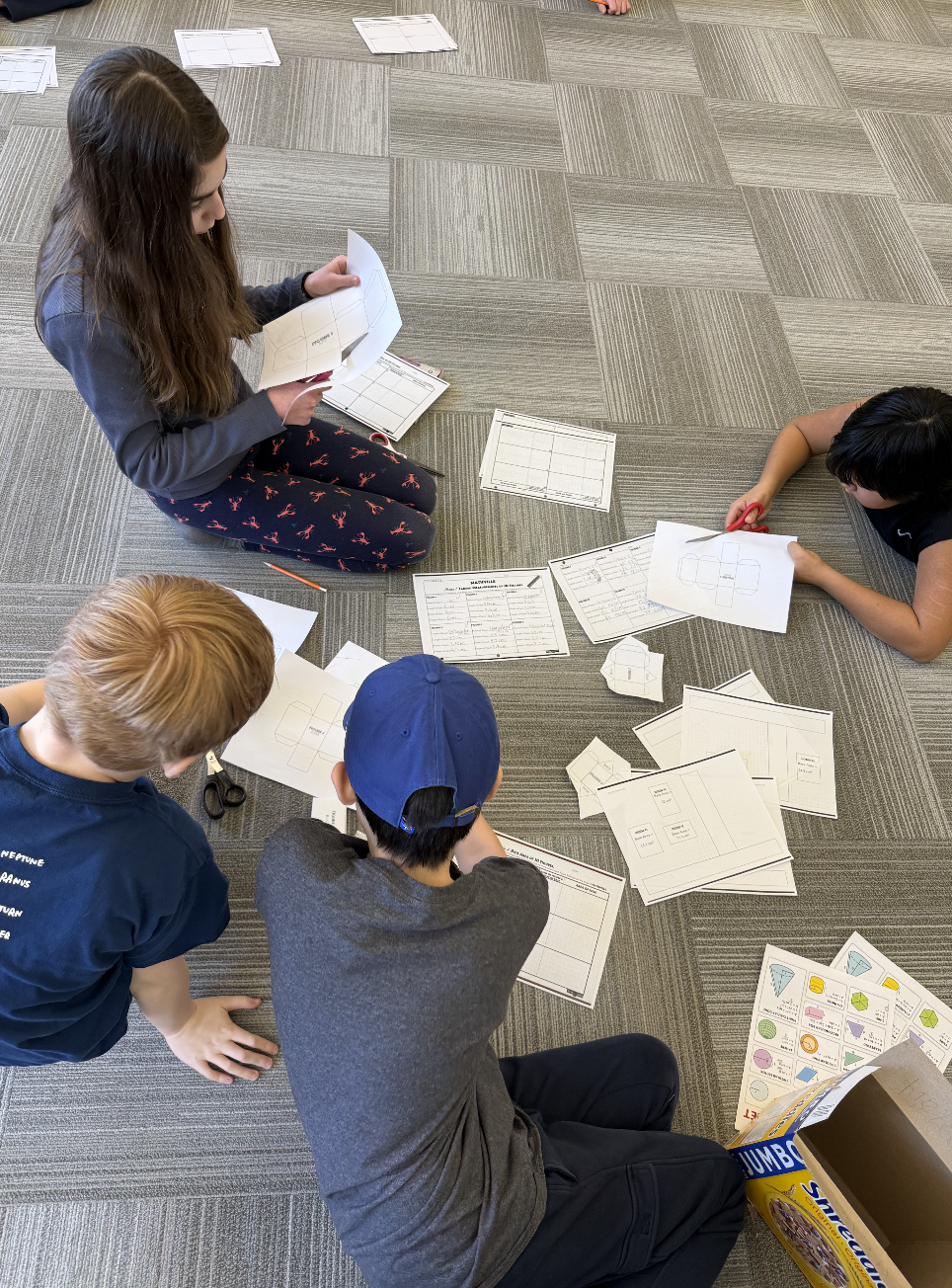
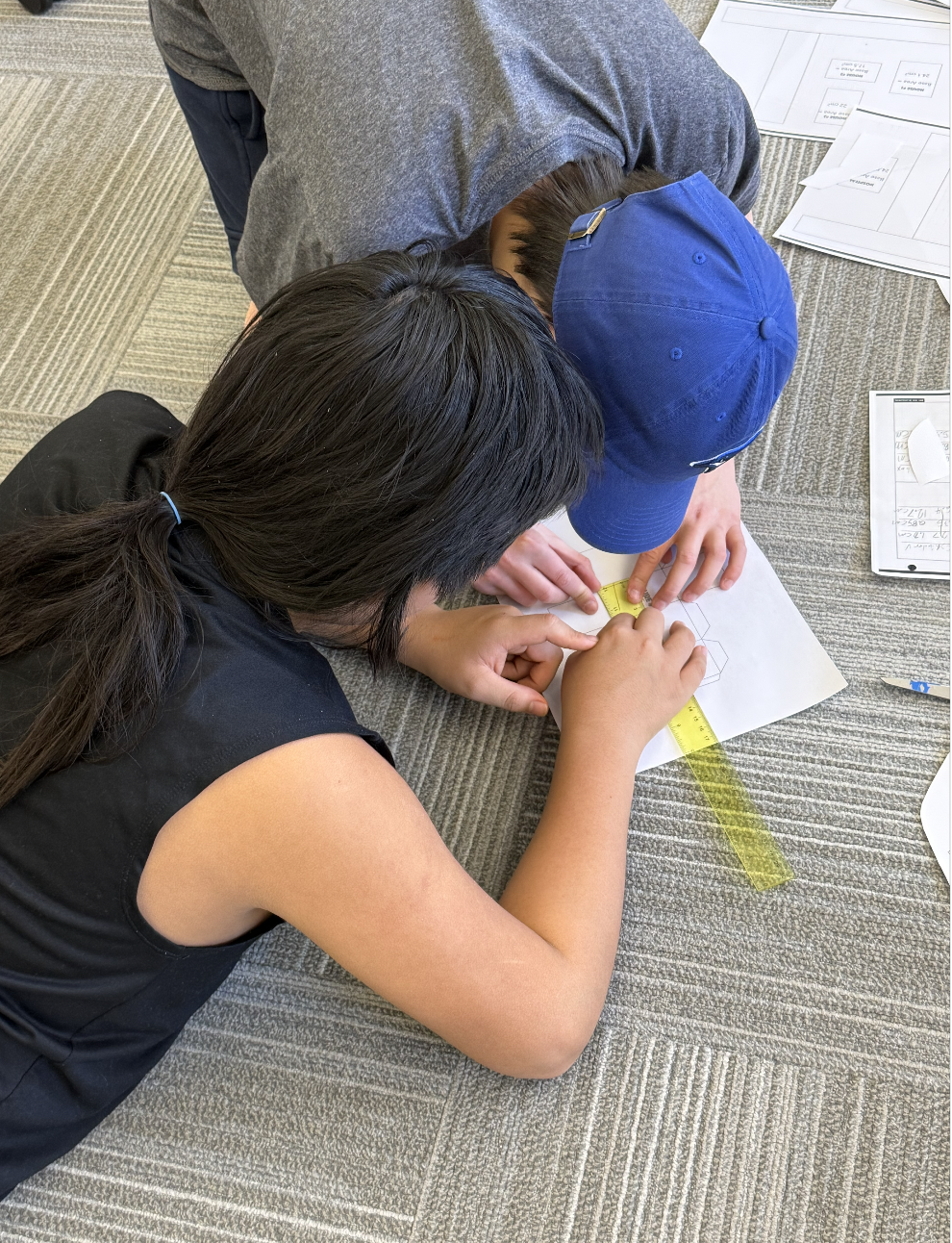
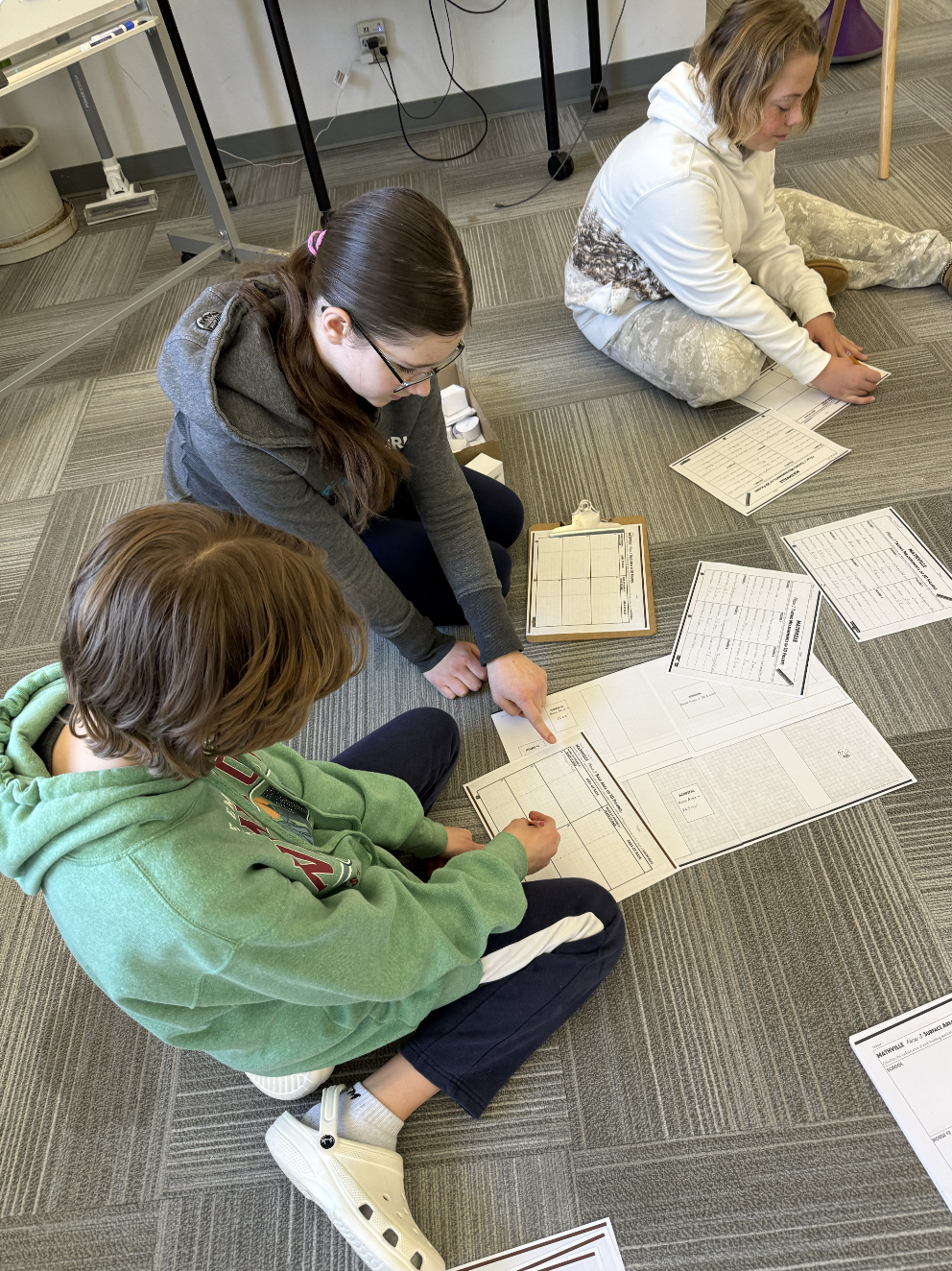
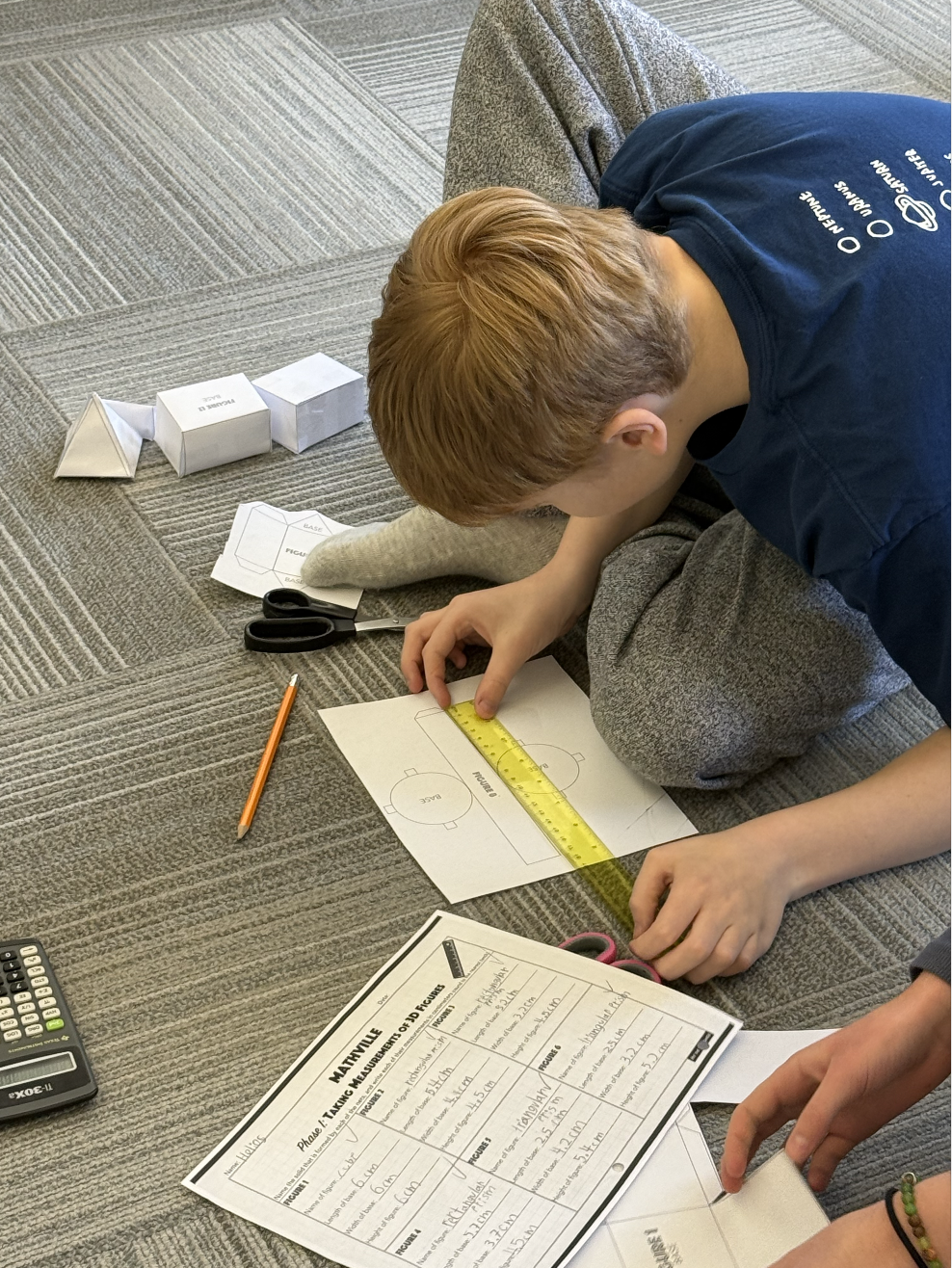
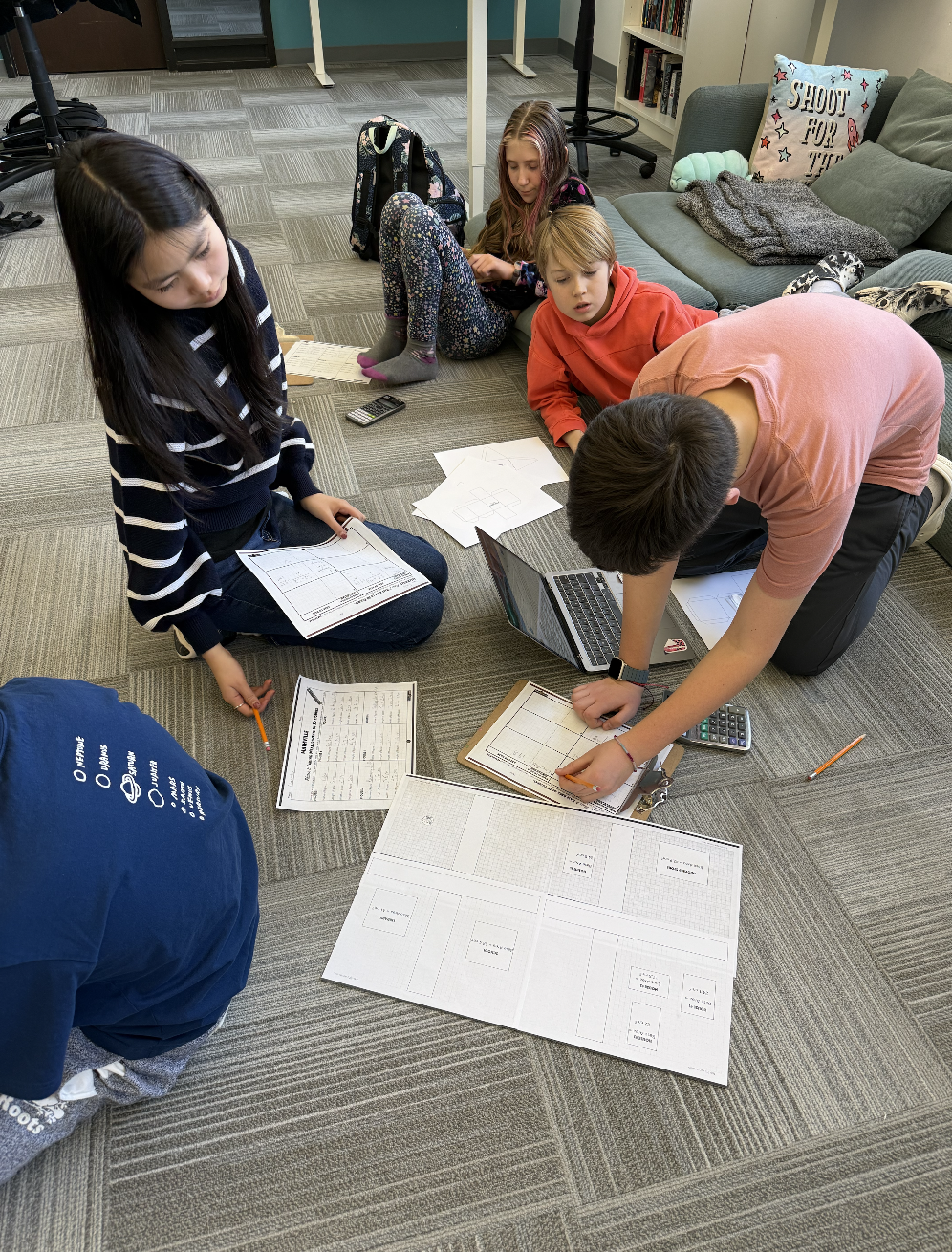
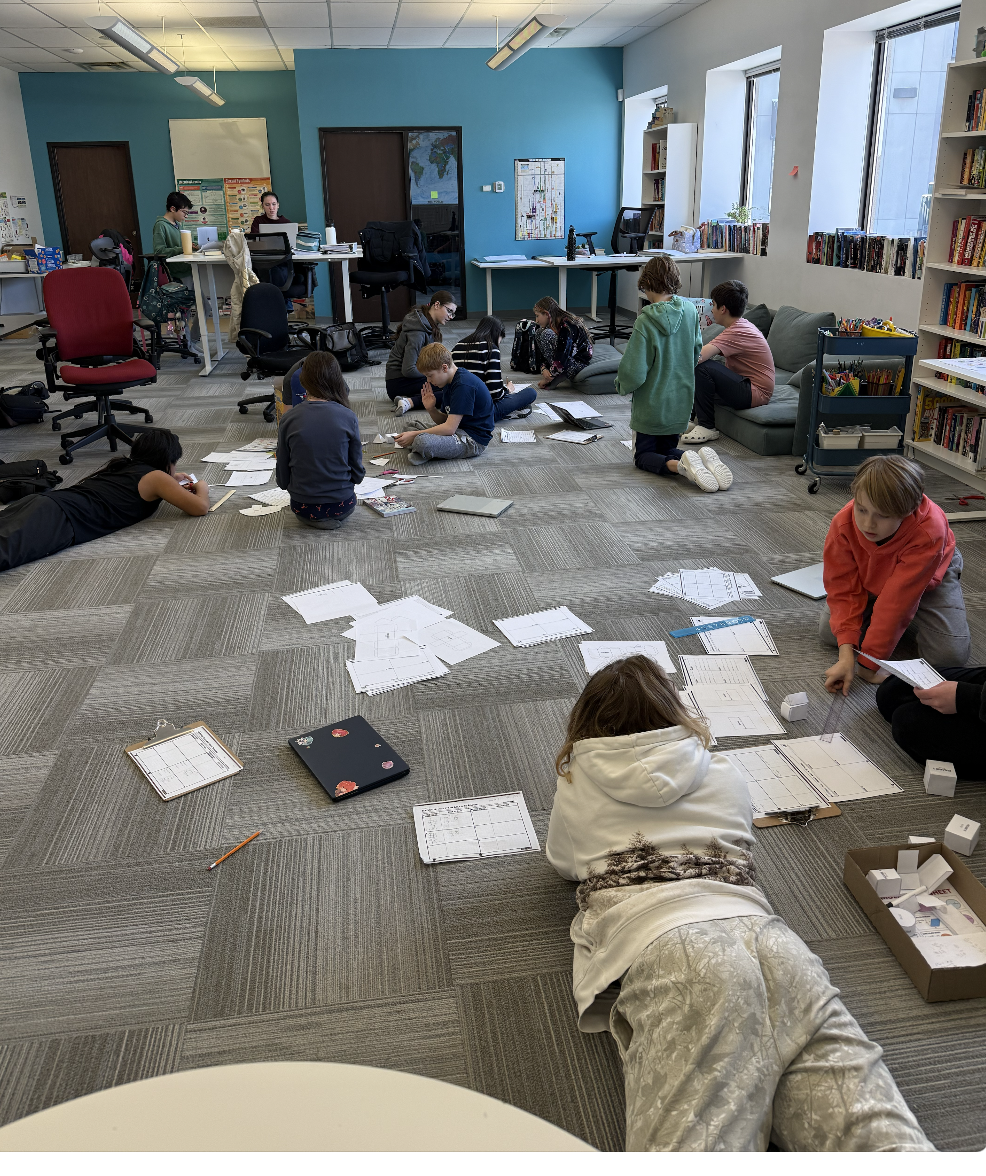
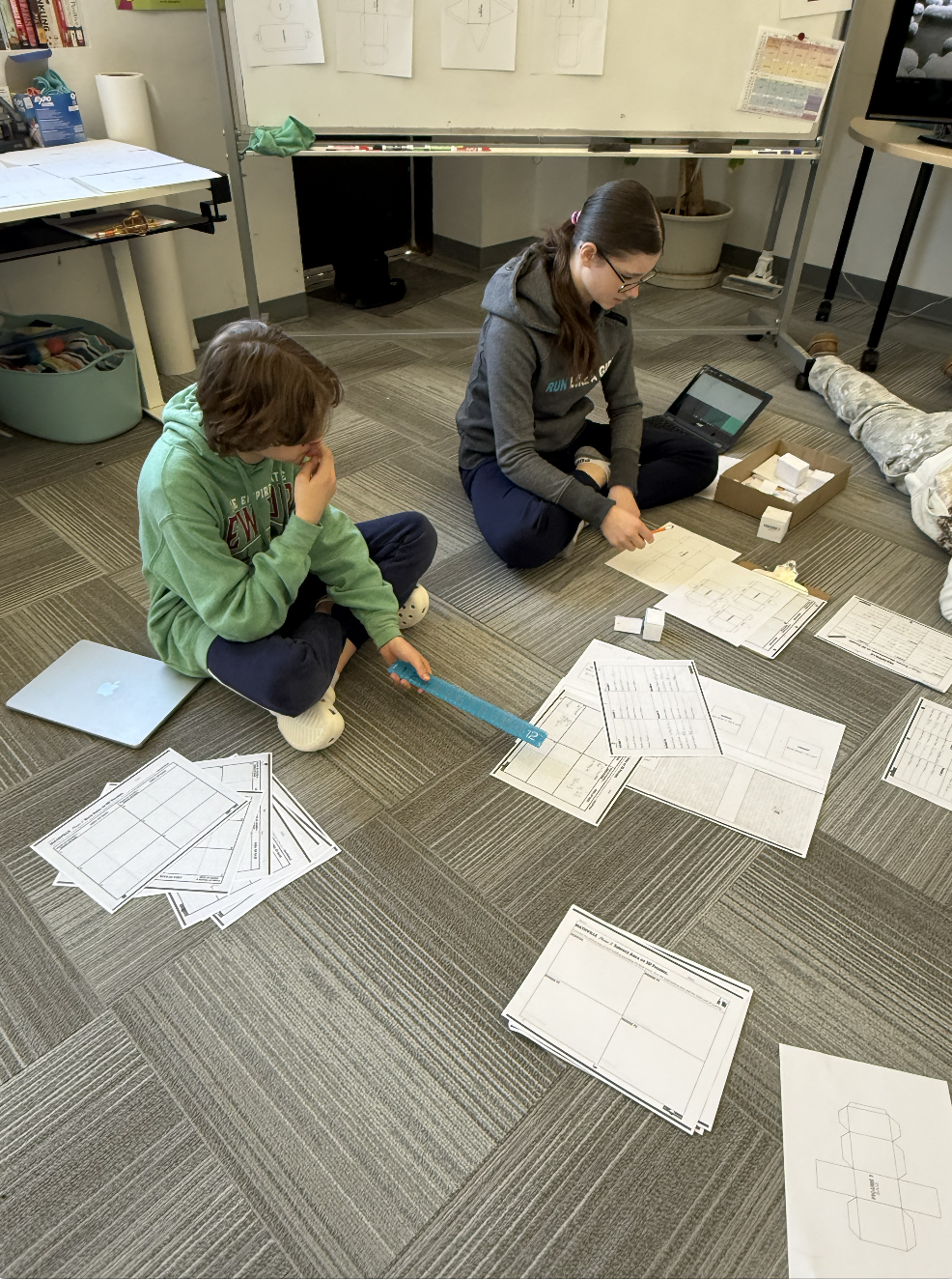
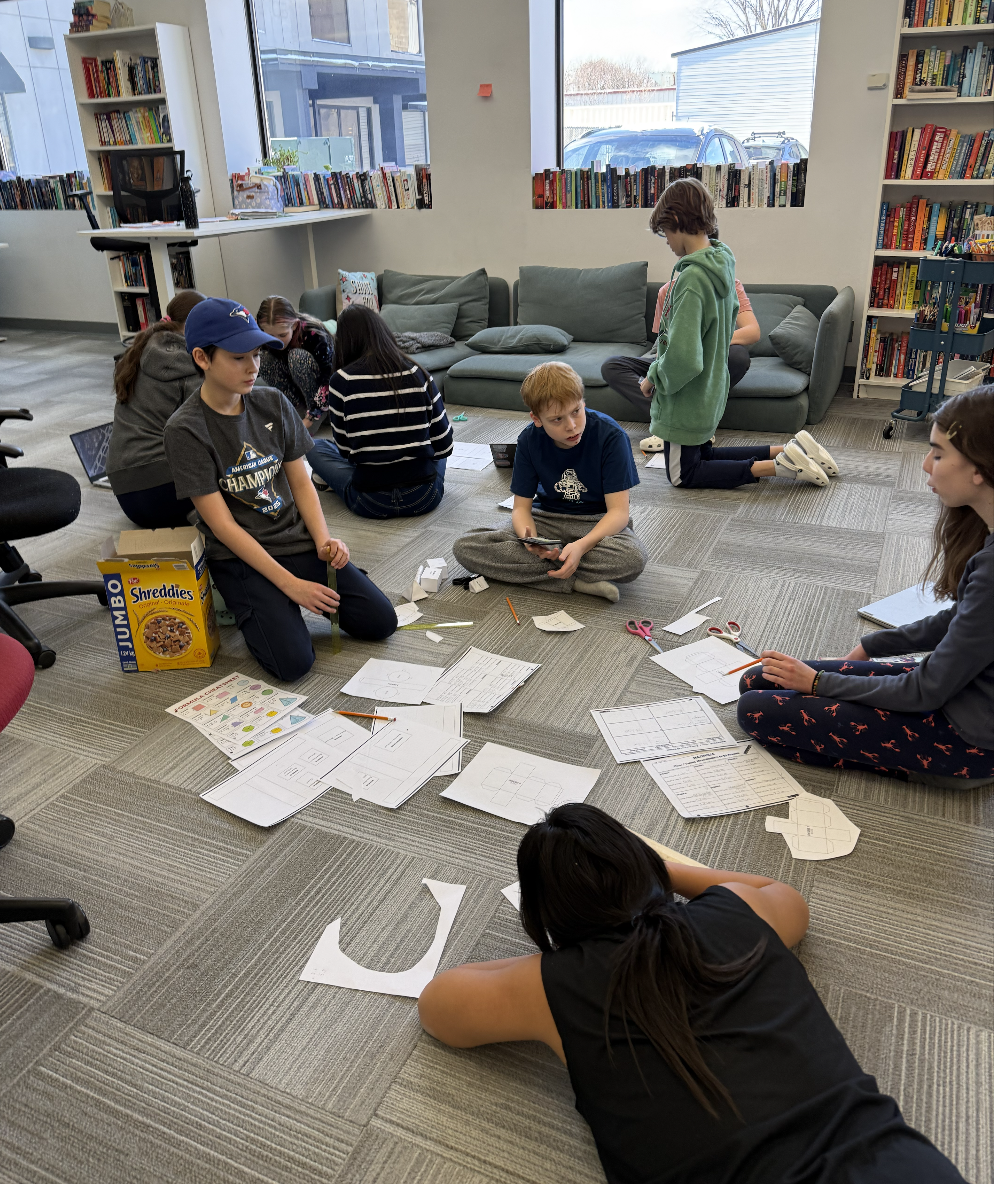
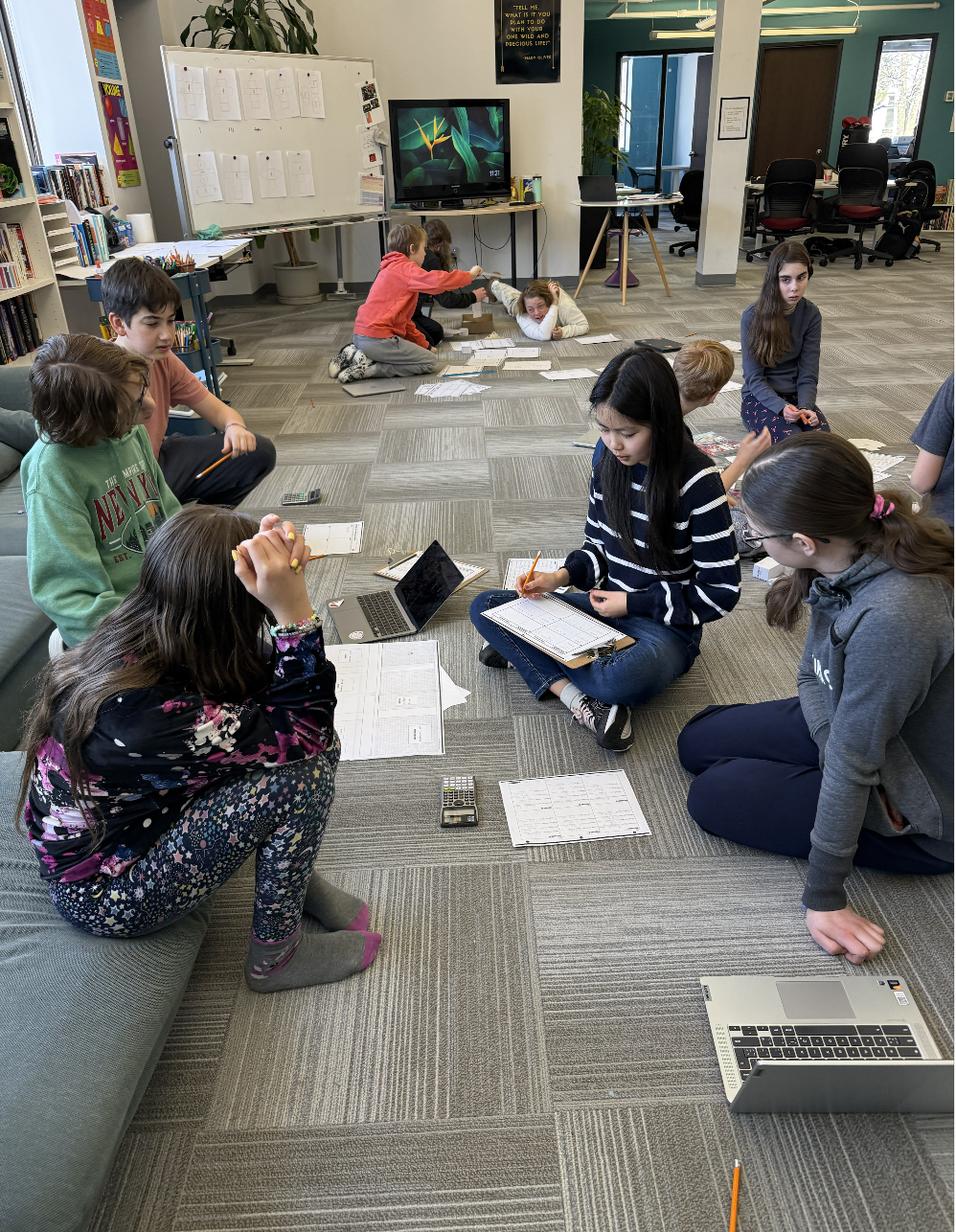
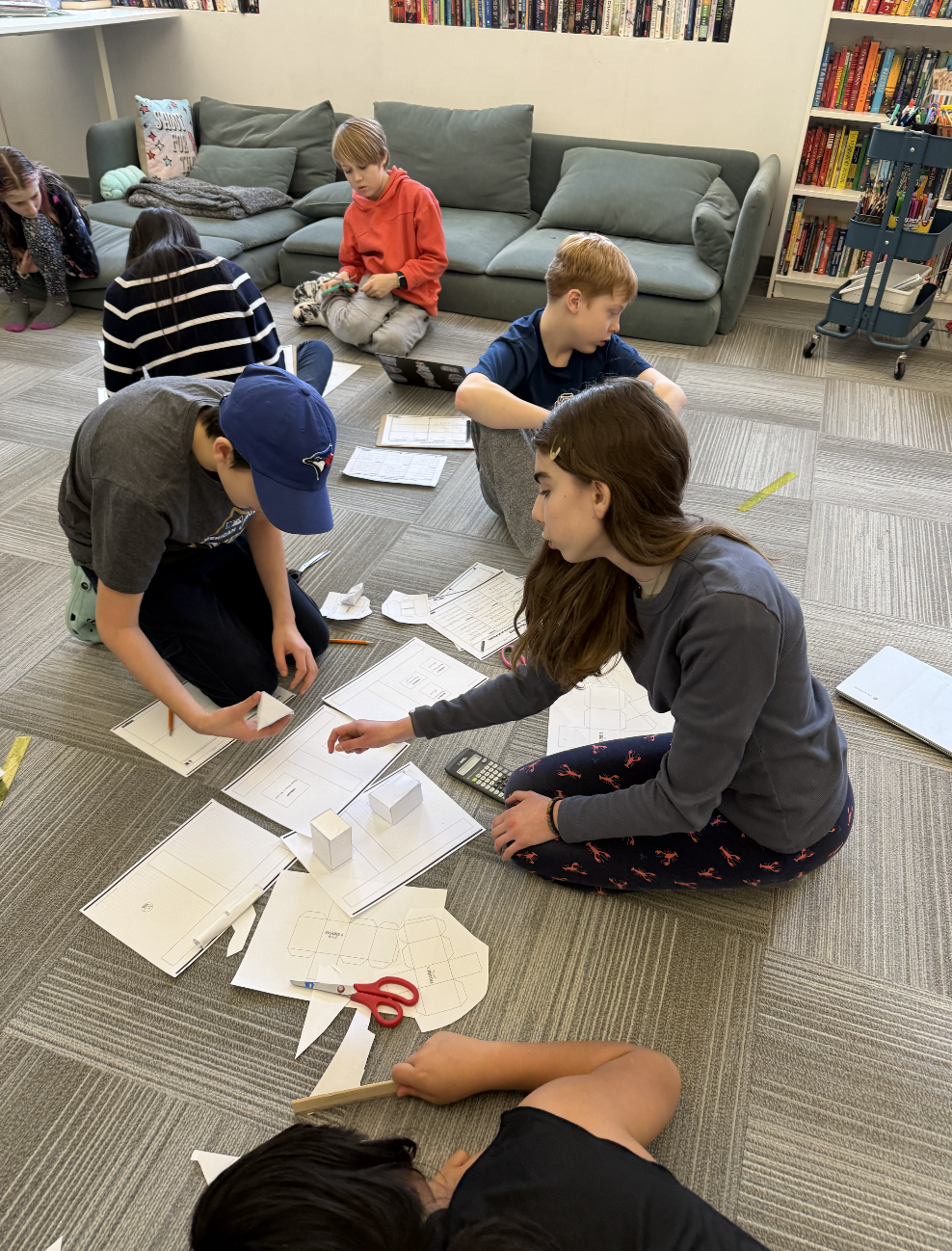
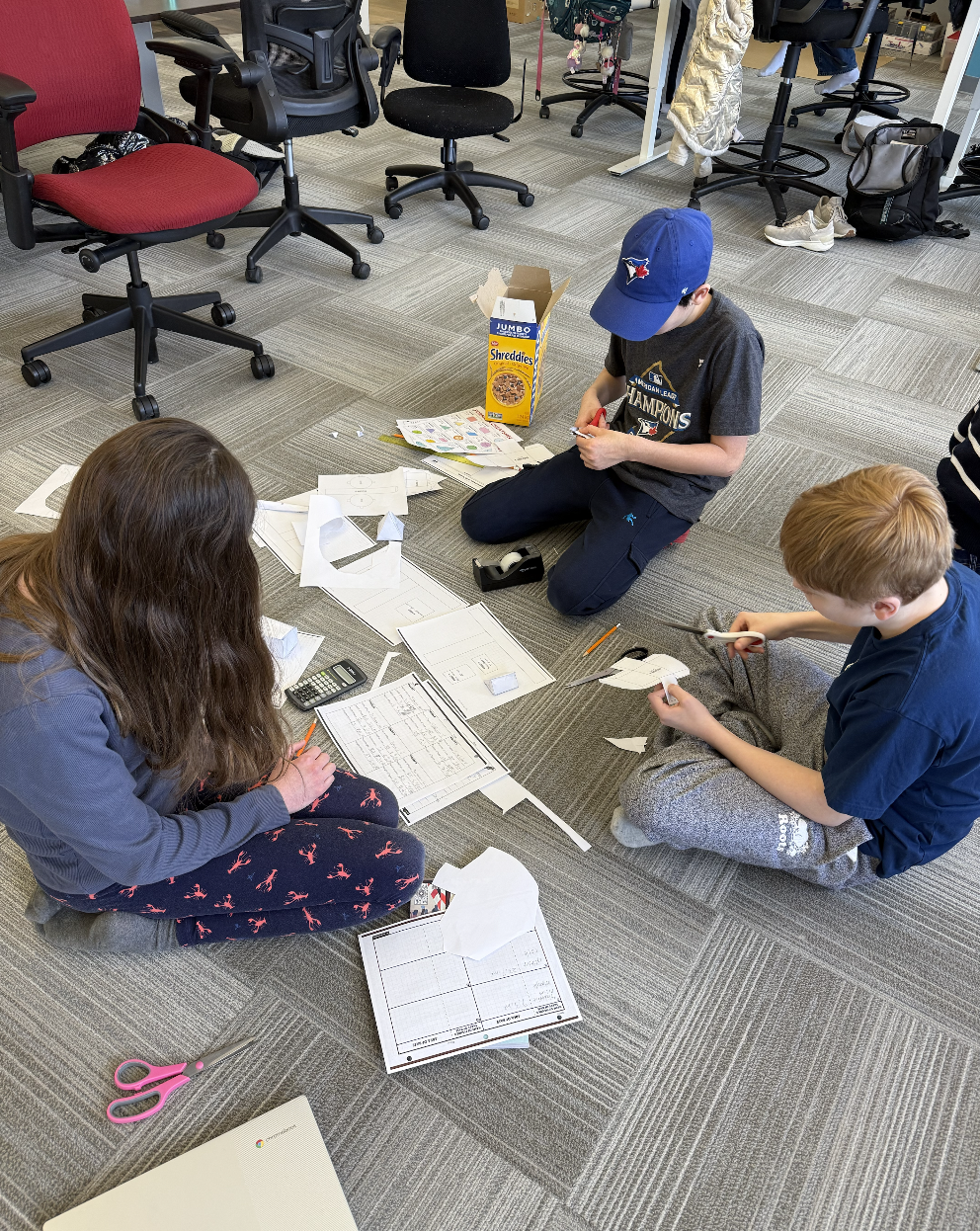
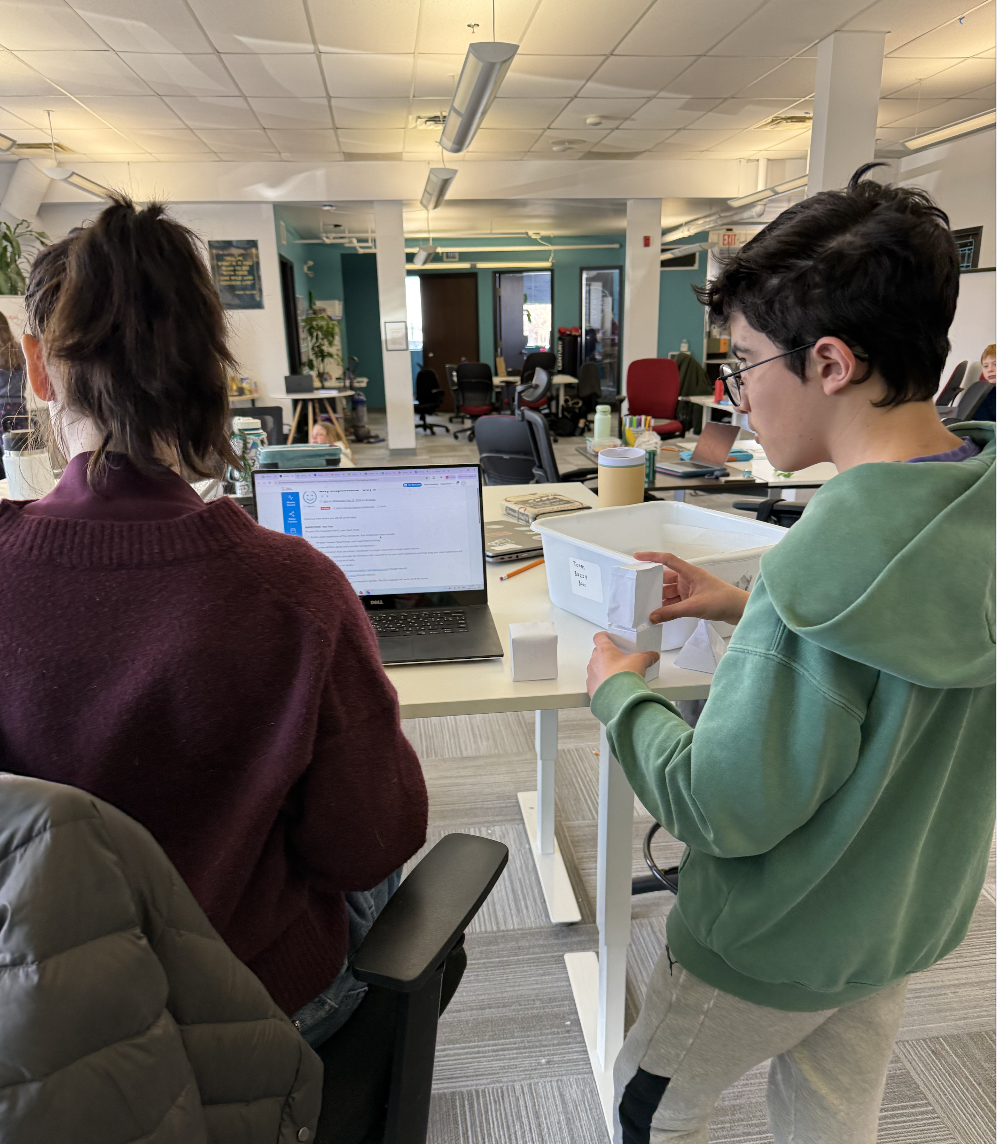
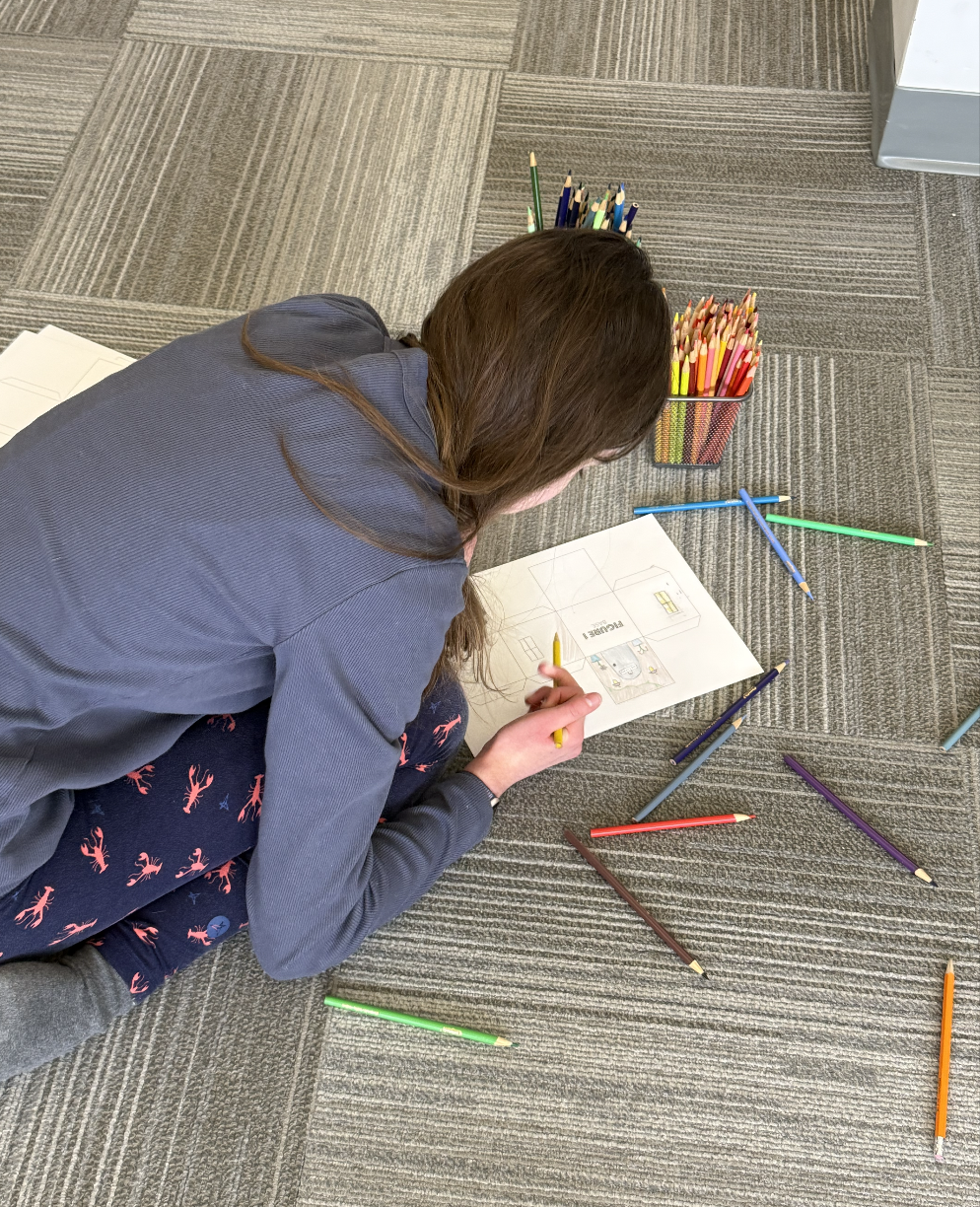
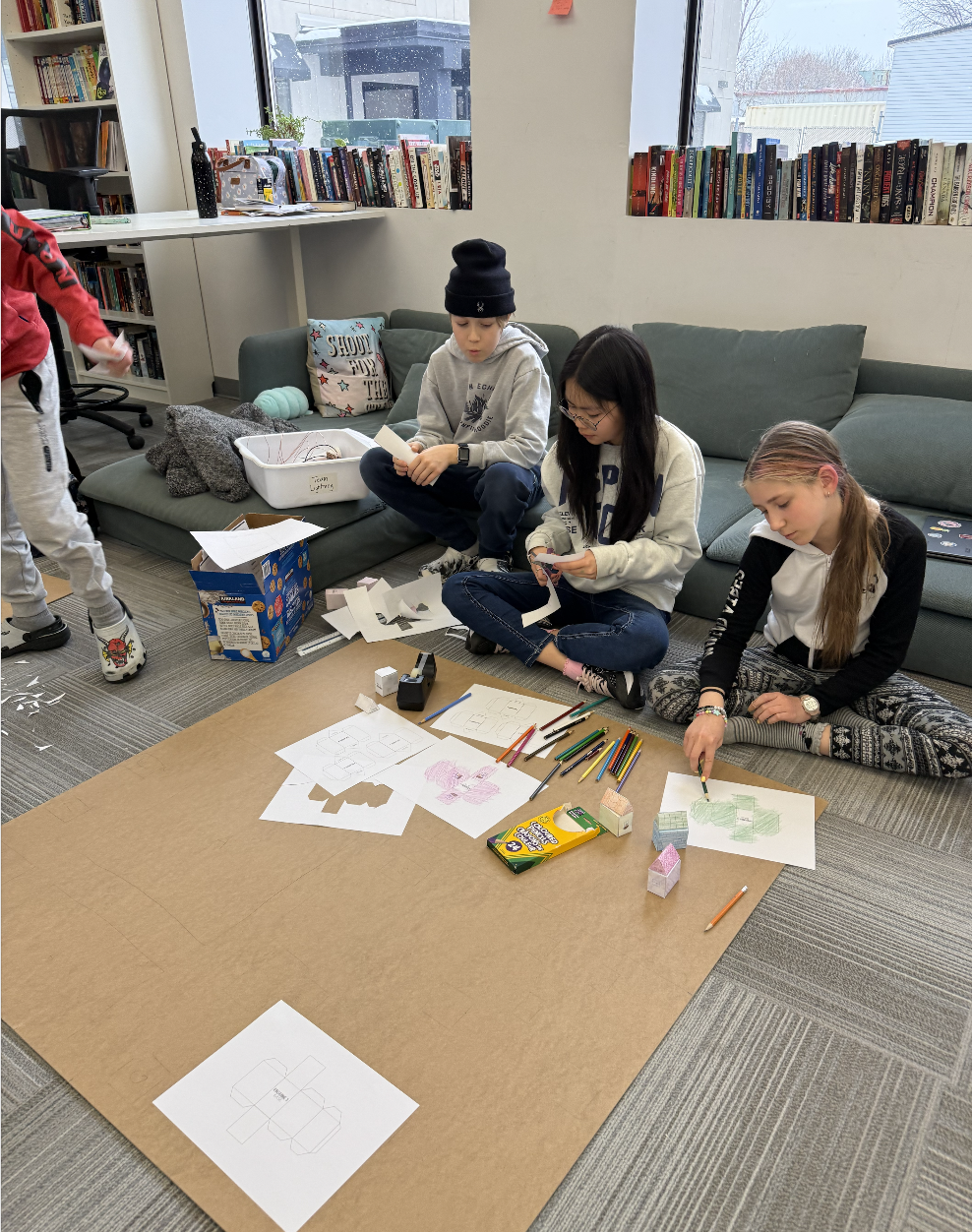
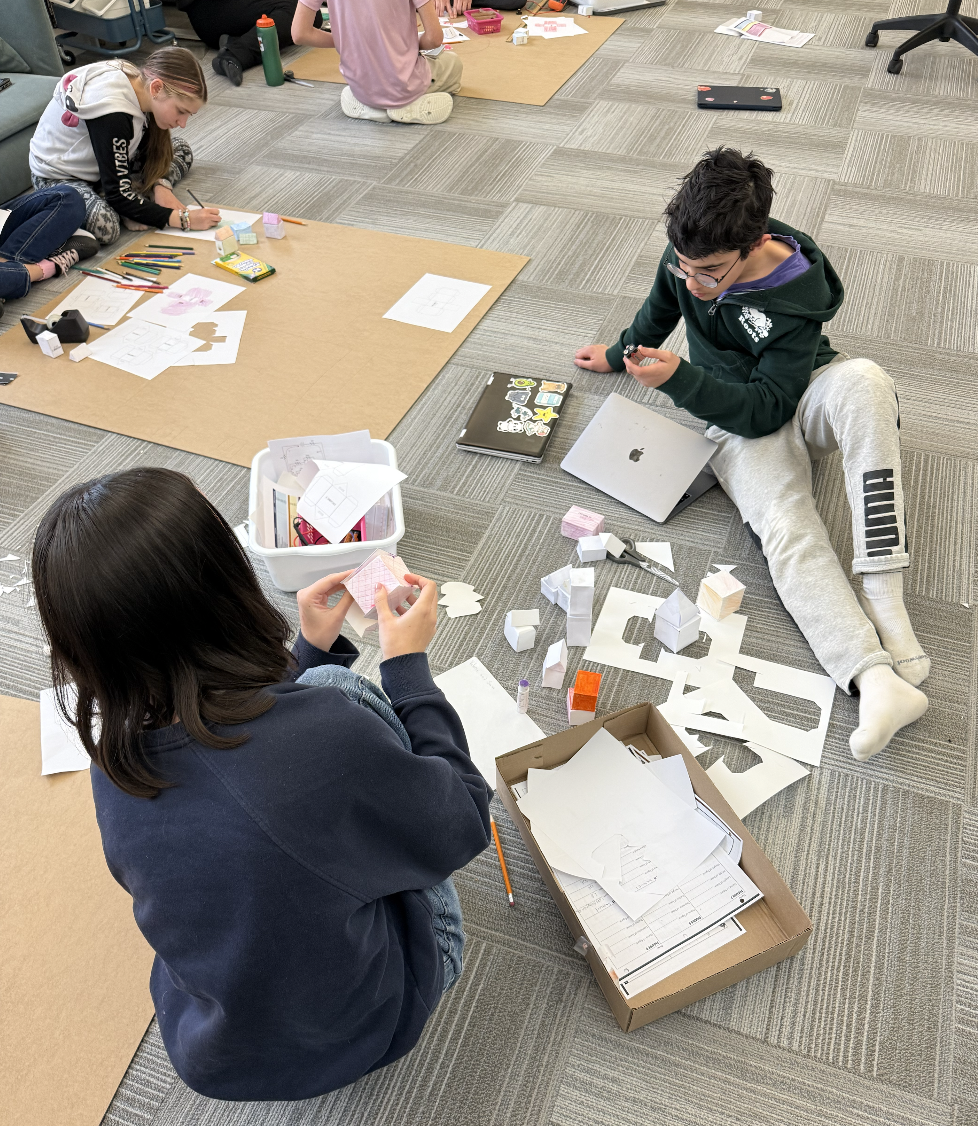
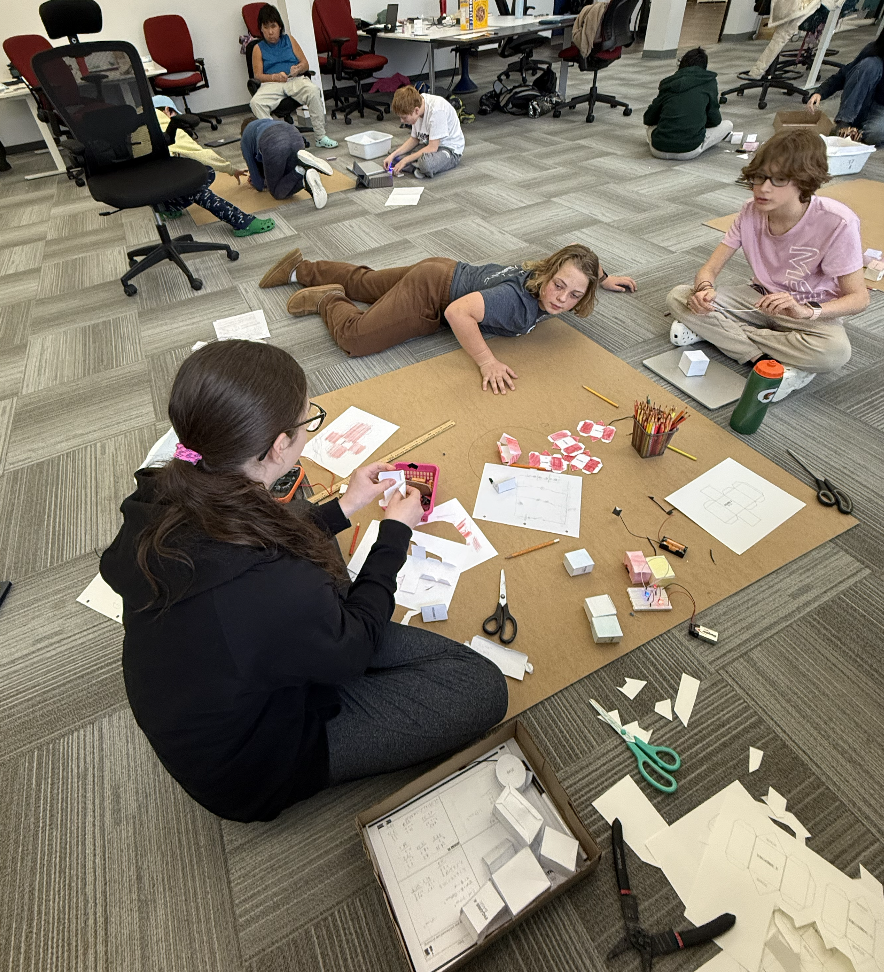
Rebels continued their Mathville project this week by identifying the base of each figure and calculating base area. Once finished, they had to calculate the surface area of two buildings each (excluding the base area), then the total surface area to find out how much paint/coating would be needed to cover each building.
French
This week in French, the Rebels participated in a word connection challenge, where they worked in teams to link together as many historical vocabulary words as possible. Each word was presented in the shape of a hexagon, making the task more complex, as every word needed to connect to six others. On Thursday, we celebrated International French Day (Journée de la Francophonie). Exploration Rebels watched a video showcasing the variety of French accents from around the world, helping them develop their listening skills and deepen their awareness of the richness of the French language. To conclude, our learners took part in a Kahoot quiz focused on key facts about La Francophonie, including important elements of the celebration and the different countries that are part of the Francophone world.
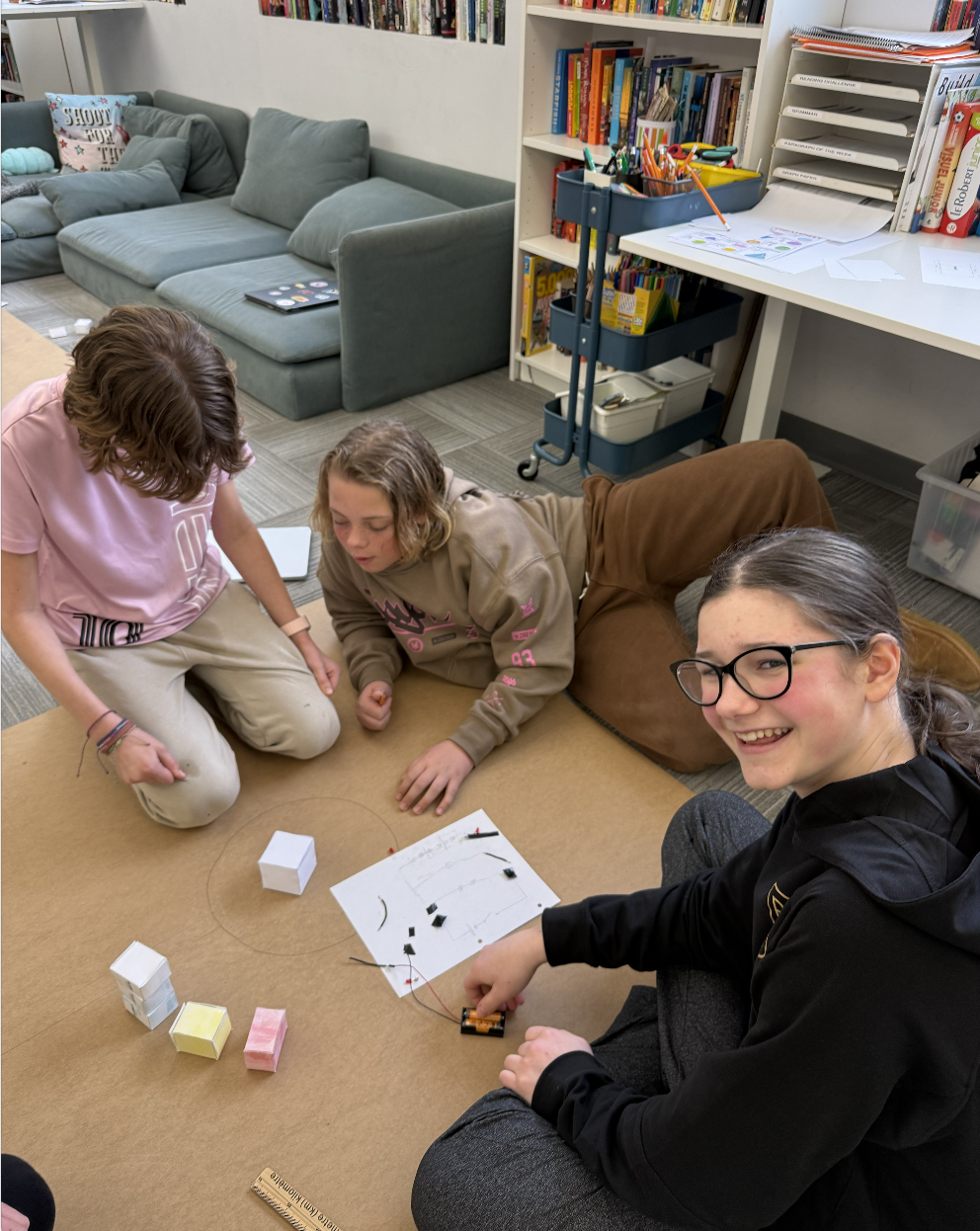
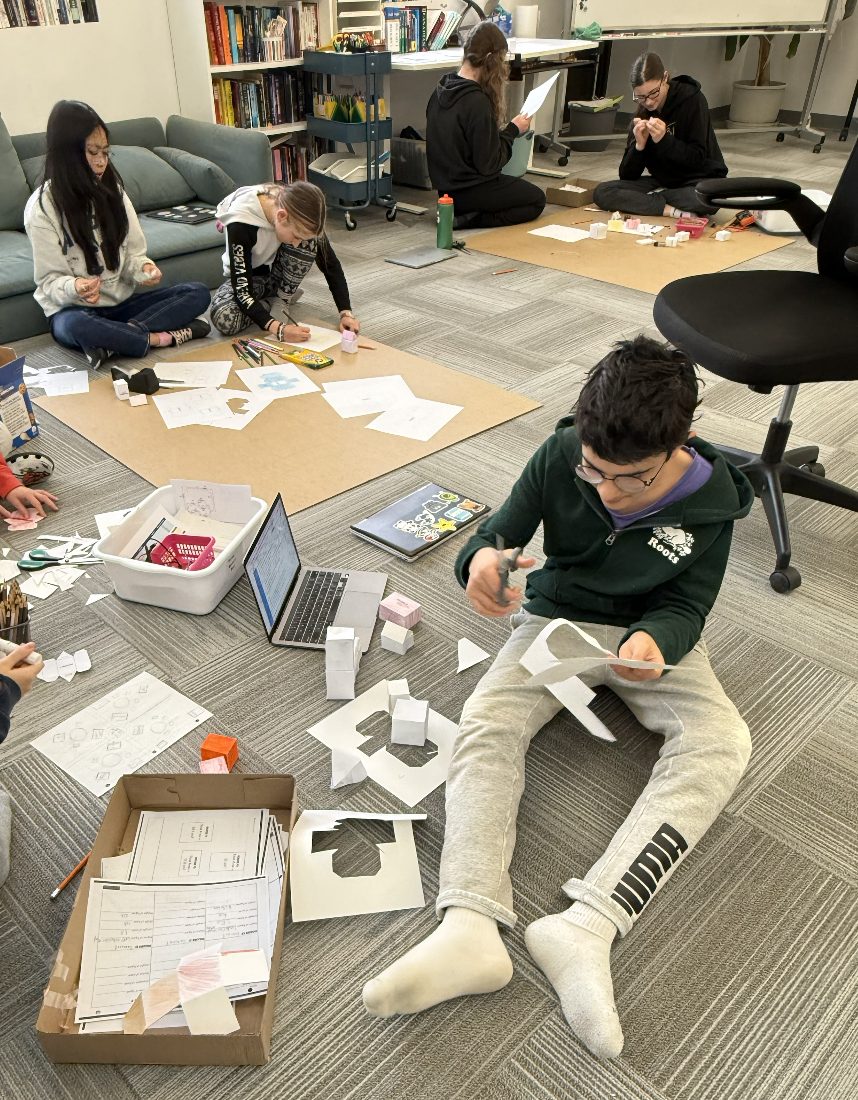
Quest - Light it Up!
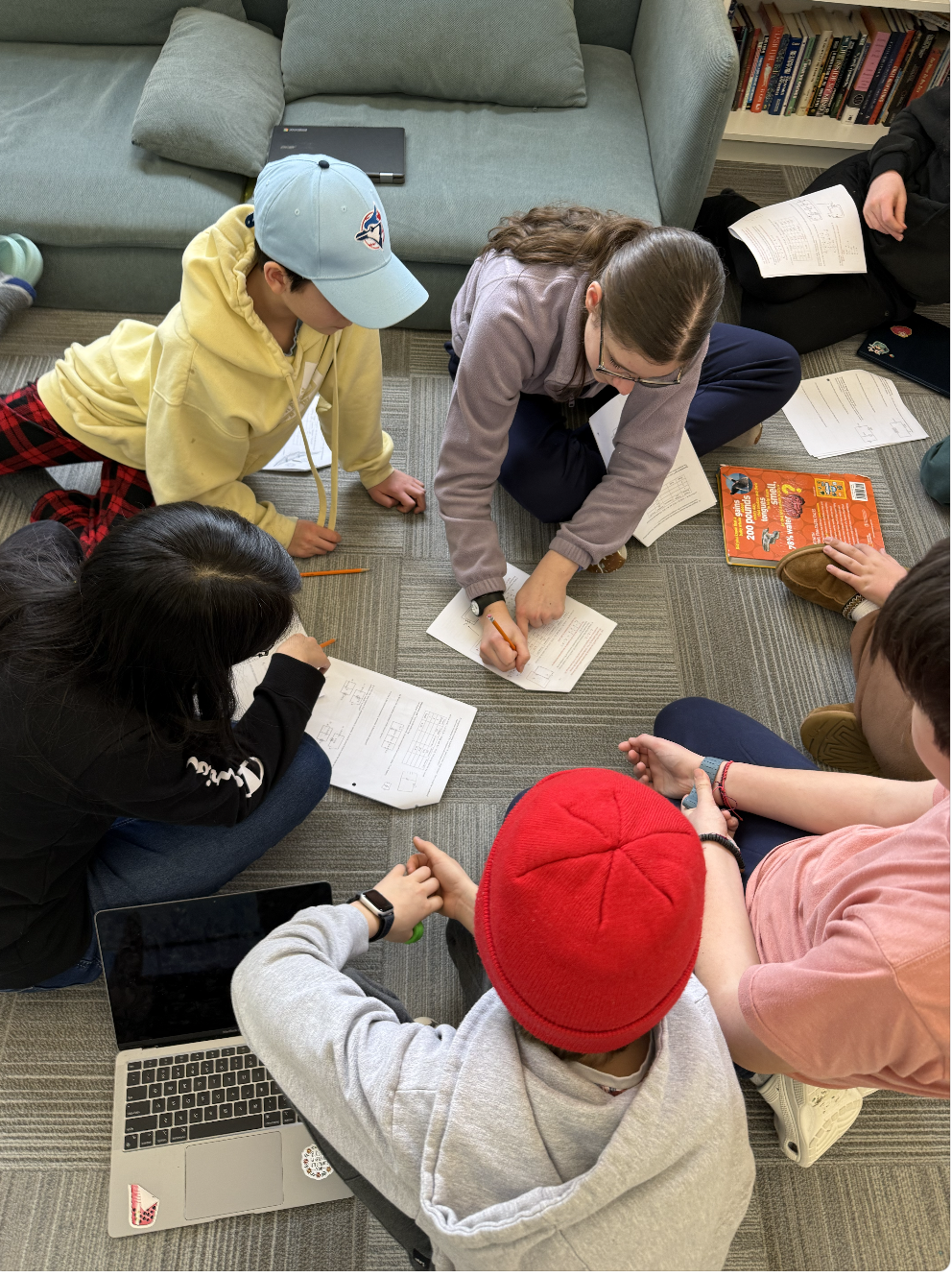
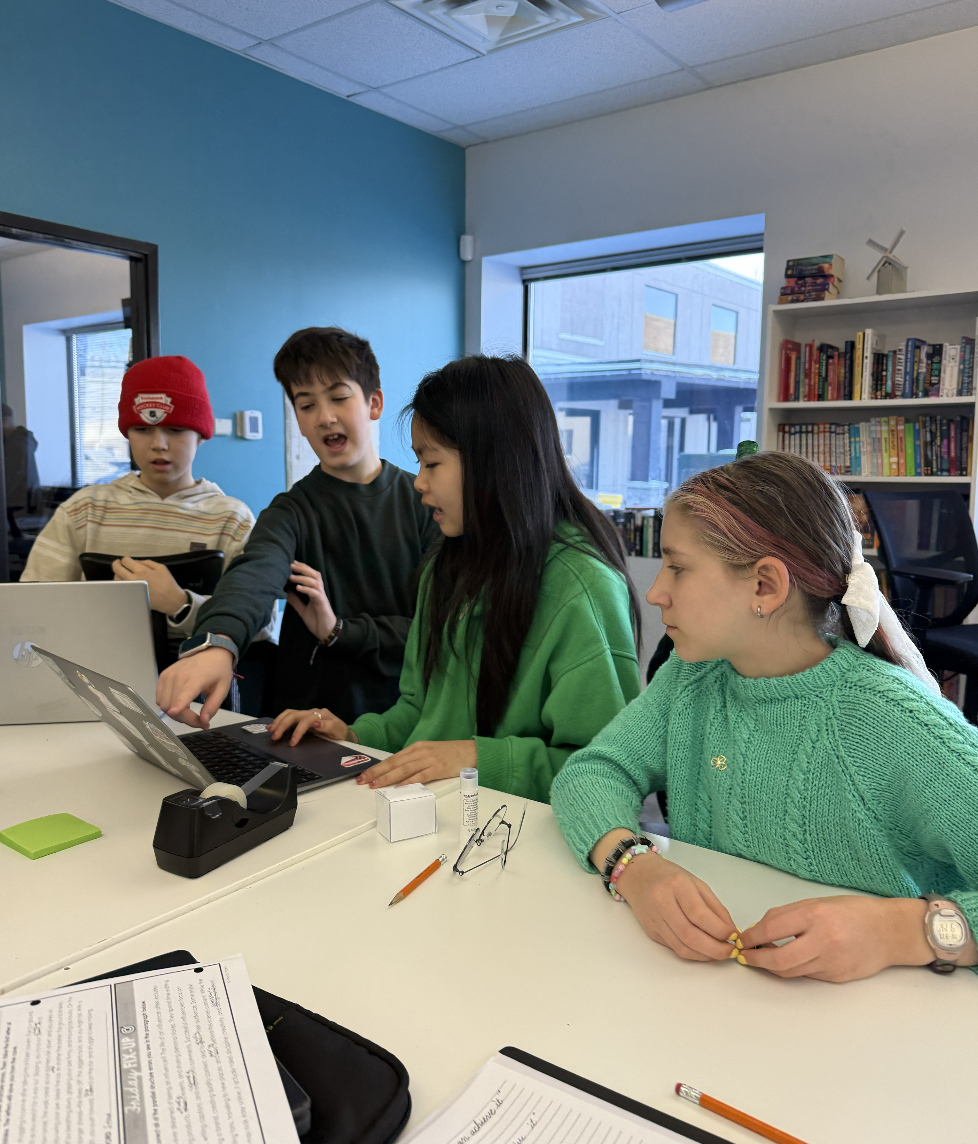
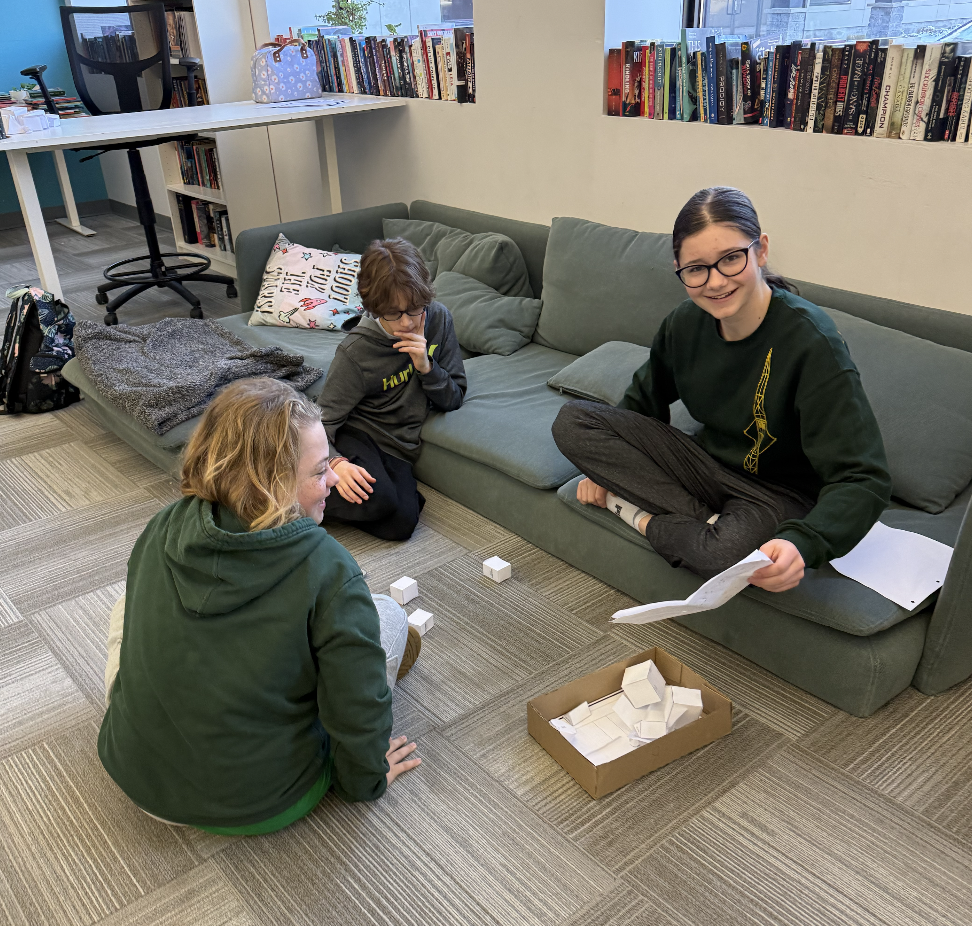
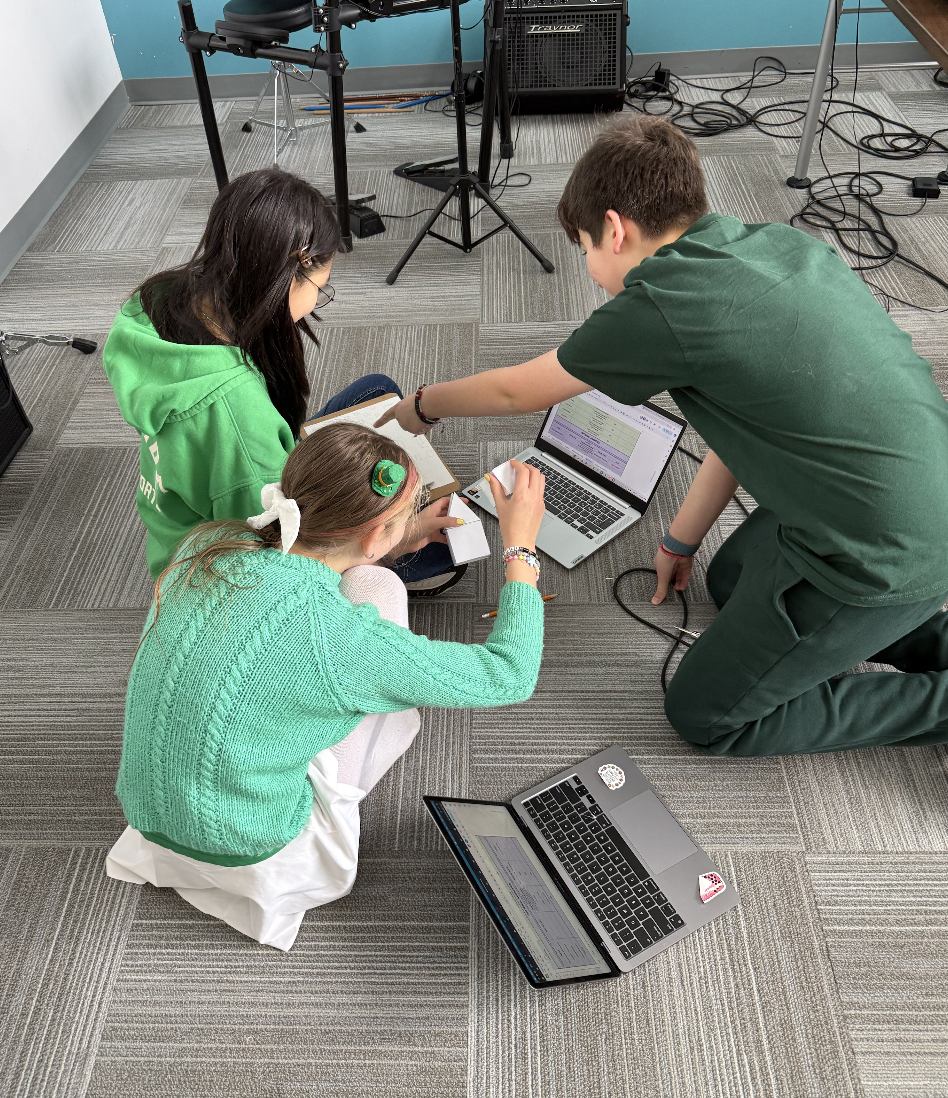
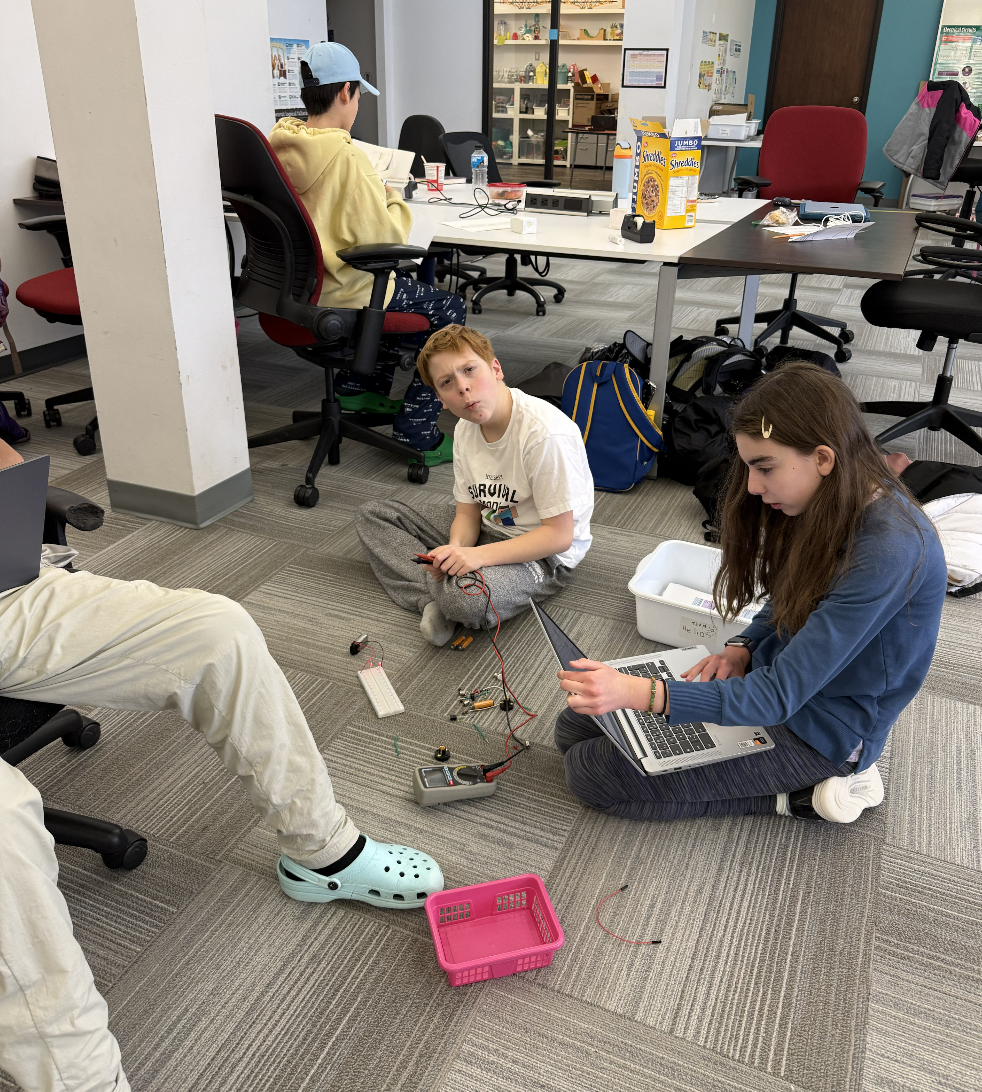
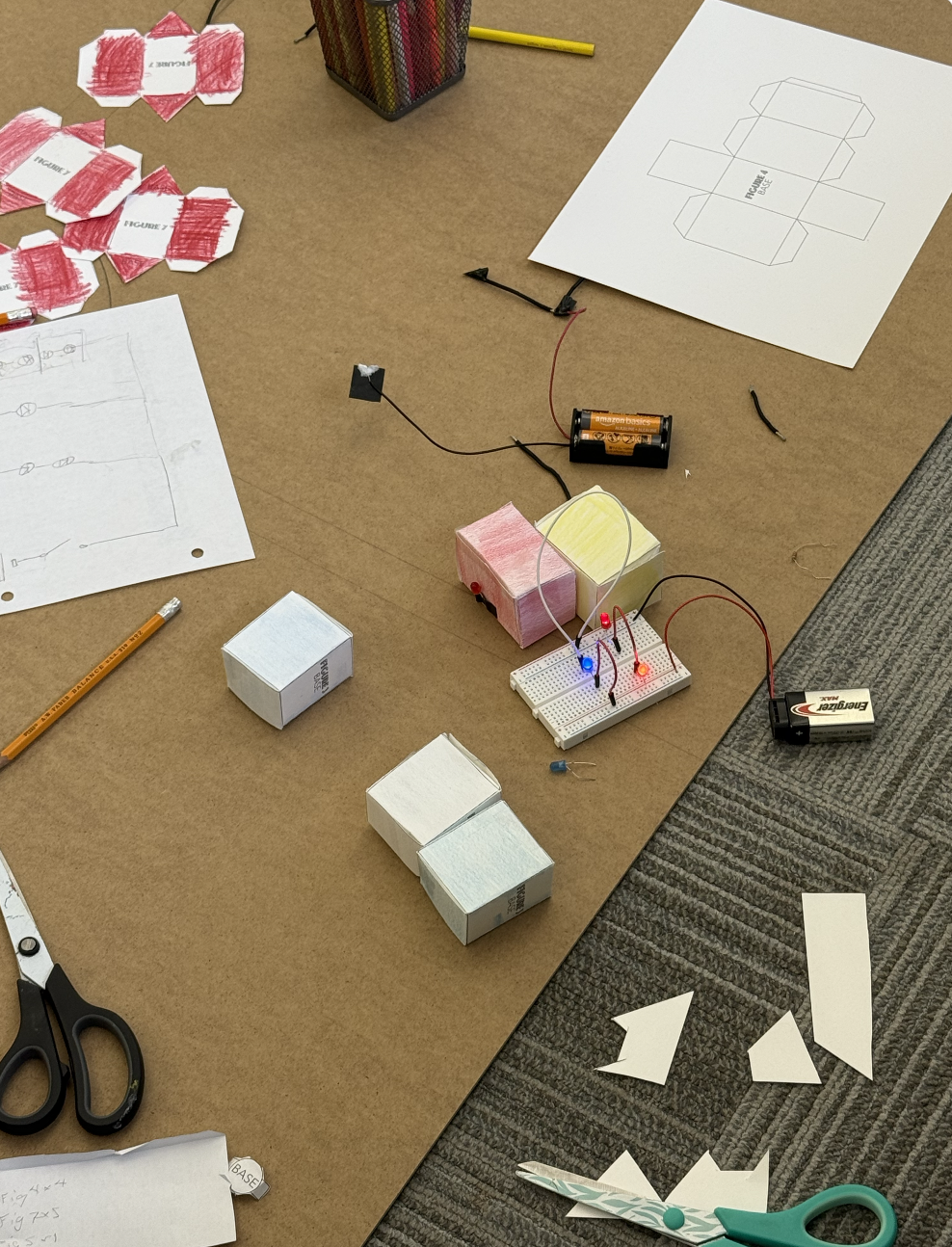
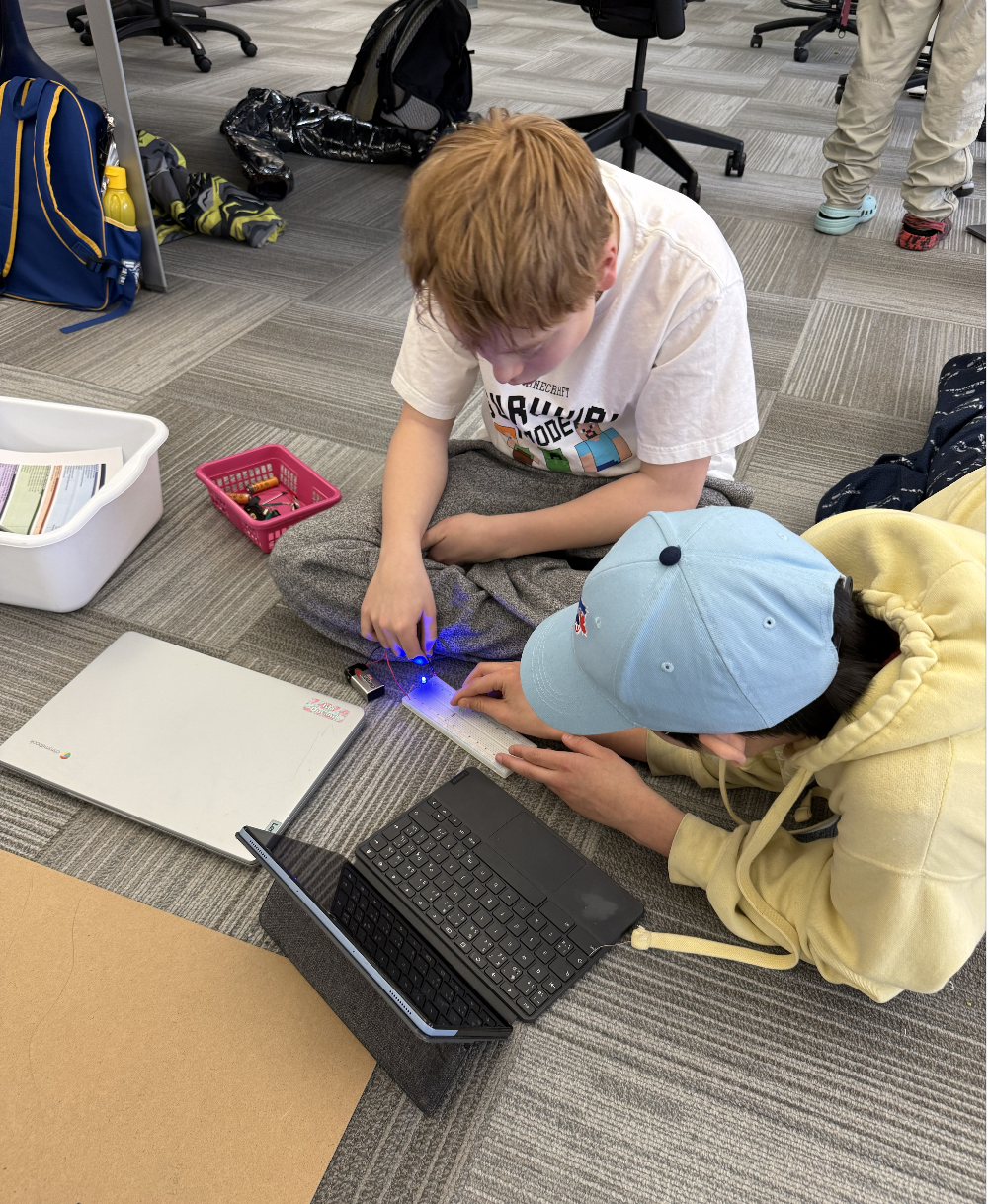
The first three weeks of the Quest were devoted to learning the fundamentals of electricity. While teams are always welcome to revisit any concepts from previous weeks, moving forward, each team's focus will pivot towards planning, building and electrifying their city! We began Quest on Monday by making final team alterations, bringing our five teams down to four. We then went over a few circuit problems before beginning our first inspection challenge. Thus far, learners have been successful in experimenting with wires, batteries, and circuits to light small prototypes. But there's no way the City's Building Inspector is going to let them wire a subdivision, much less an entire neighbourhood, unless they prove that they understand how electricity works and can create a safe design. In the first part of the inspection, learners had to work on another set of circuit problems and then calculate the voltage, resistance, or current as requested in either a series or parallel configuration. By the end of Monday's Quest period, each team had earned their Preliminary Building Certificate!
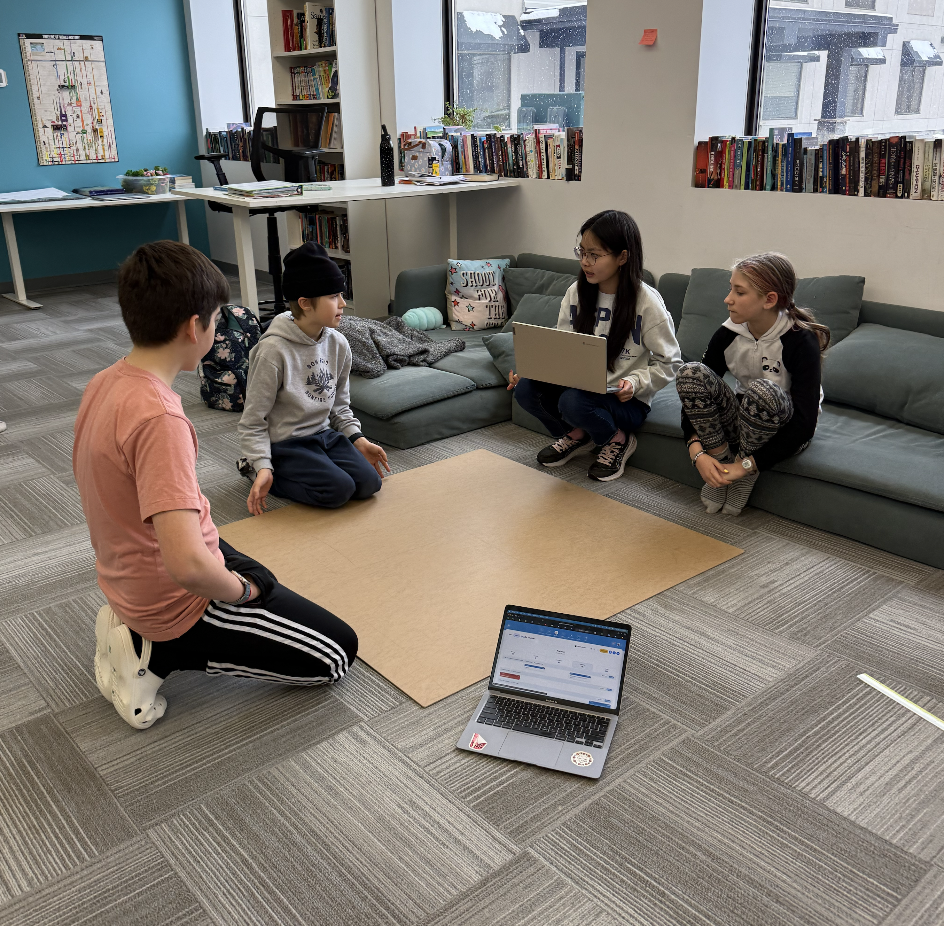
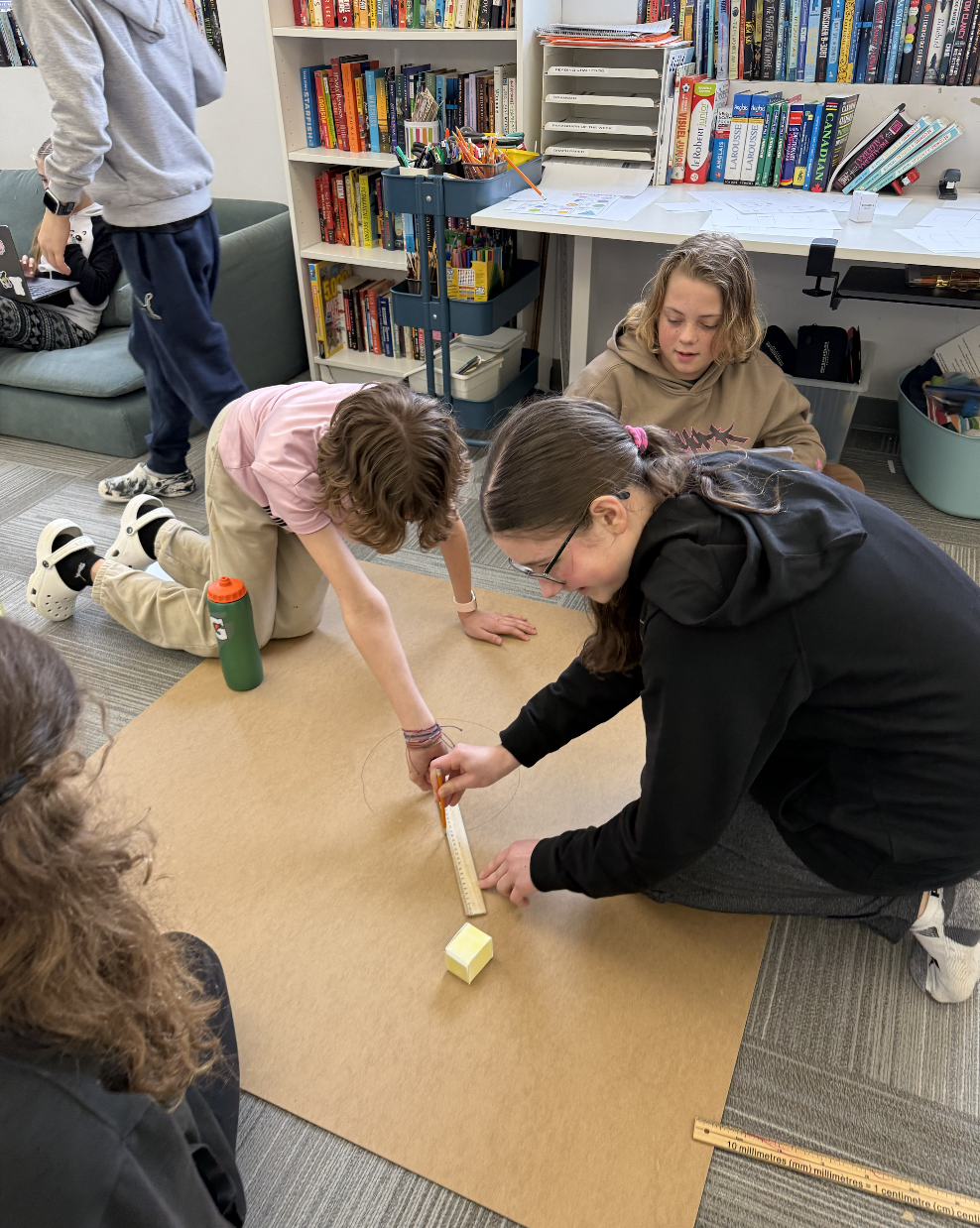
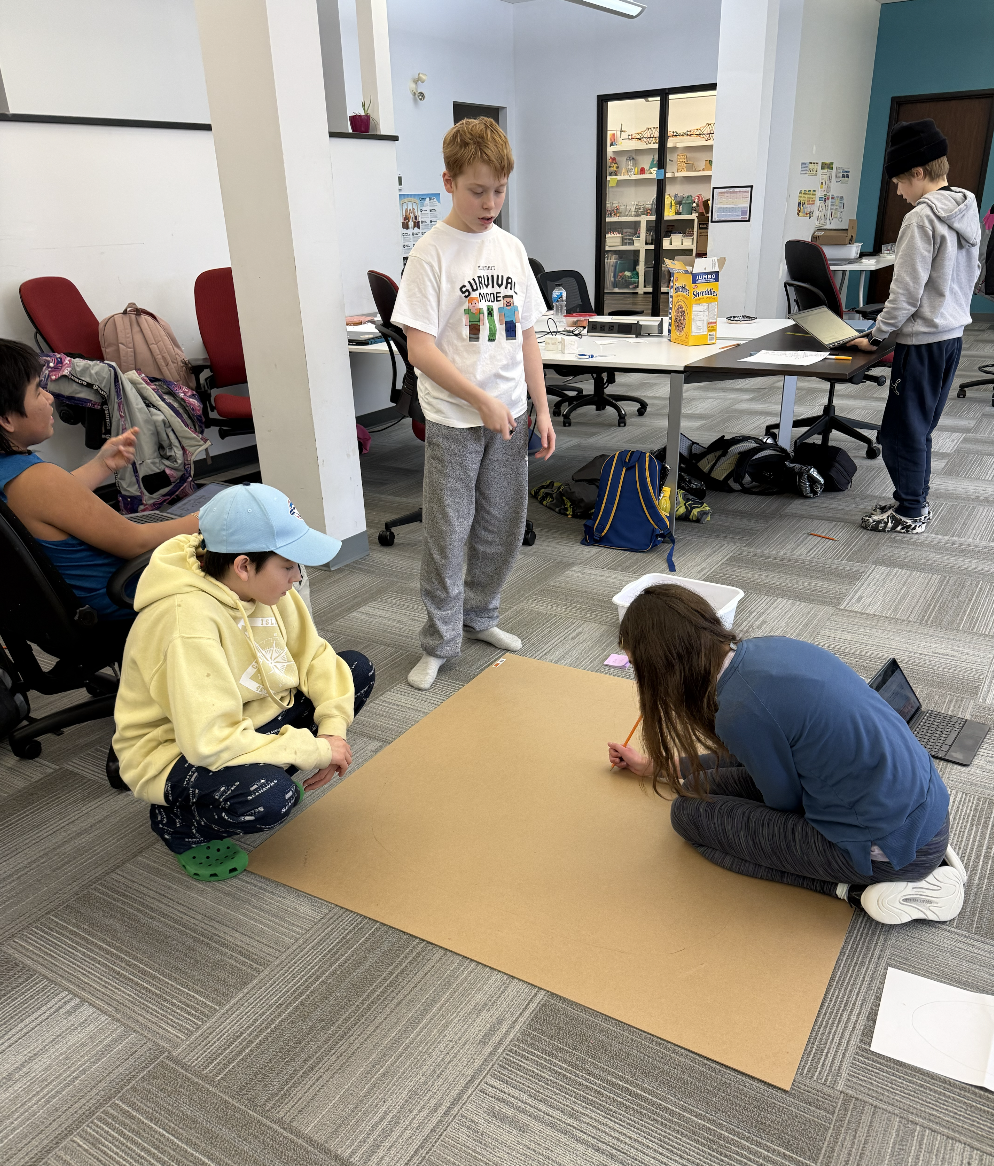
Are great cities planned, or do they emerge? Although the final build will likely differ from the team's initial plans, on Tuesday, they met to finalize what their city should look like to gain clarity on how to begin building. Each member of the group began by researching what makes cities "well planned" before creating a design and answering a series of questions together. For example, what percentage of the board should be dedicated to green spaces, such as parks, mountains, rivers, lakes, etc? Should we have a "downtown" area with tall buildings, or restrict building heights? Should neighbourhoods be close to or far from industrial areas, like airports, and commercial areas, like stores? Should our city be entirely a walking and biking city, or should our city be designed for cars? Teams then had to force-rank what was most important to them in their completed city: a working electrical grid, the city's beauty/theme, the city being finished (no incomplete portions of the board), the highest Neighbourhood Wealth, or the city's design and organization. Lastly, they created a drawing of their plans.
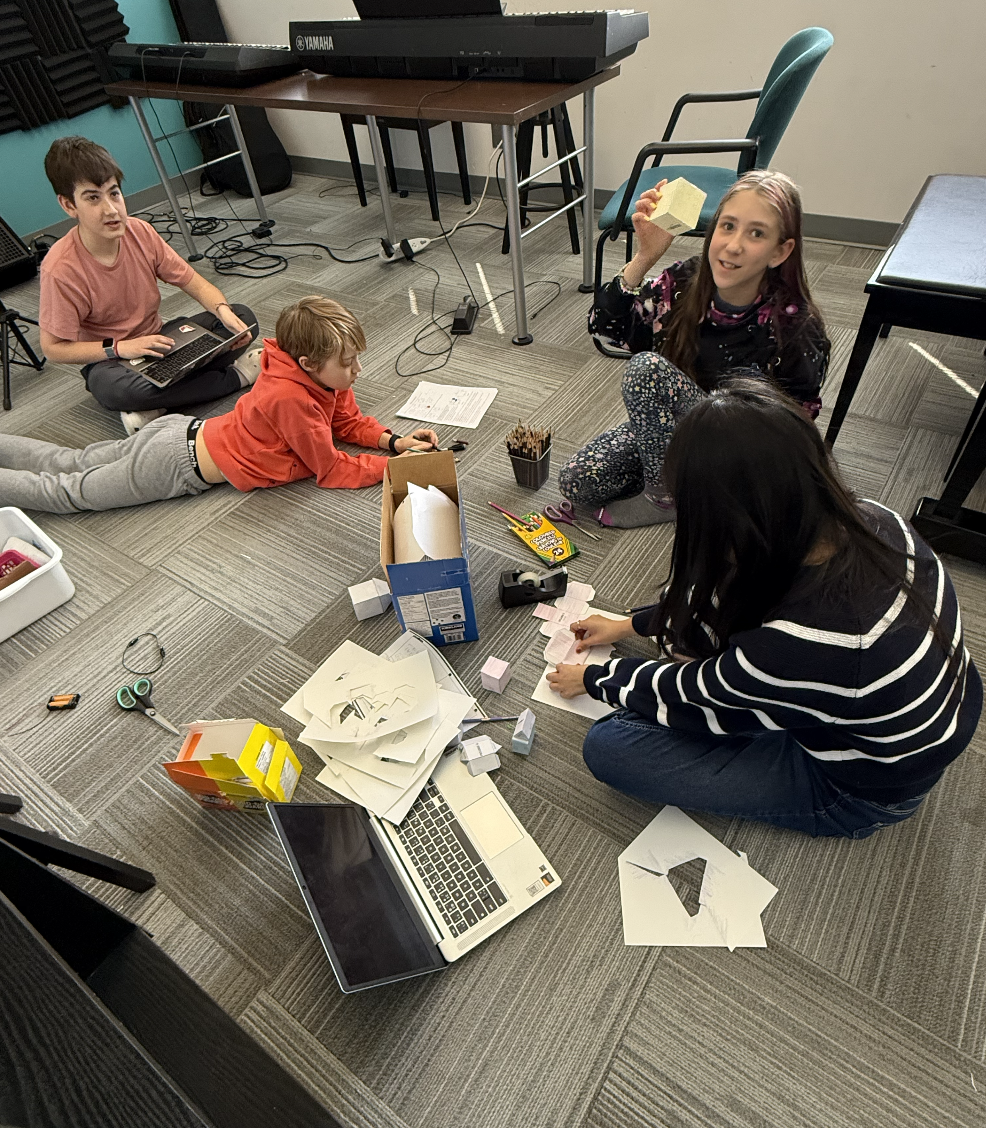
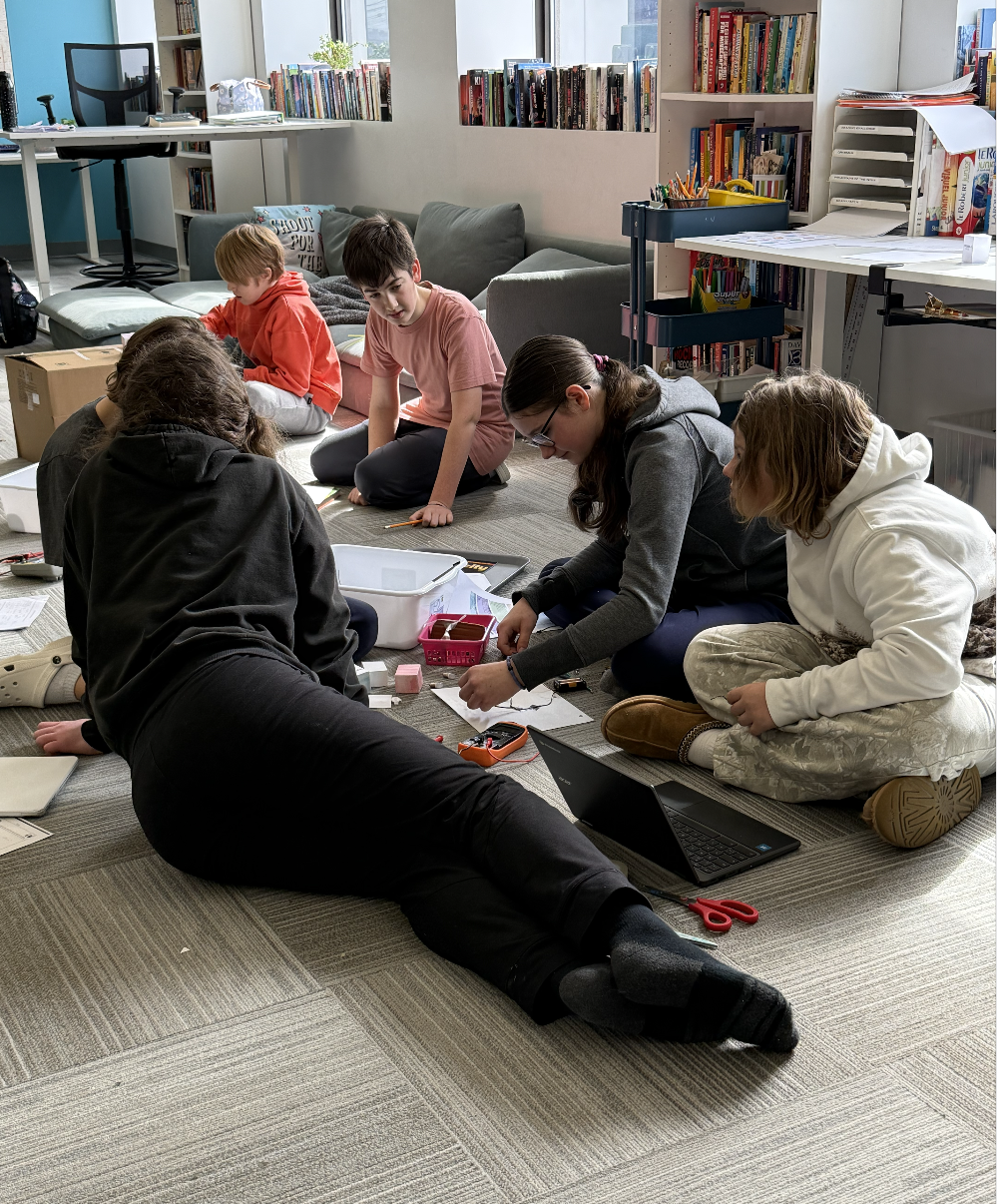
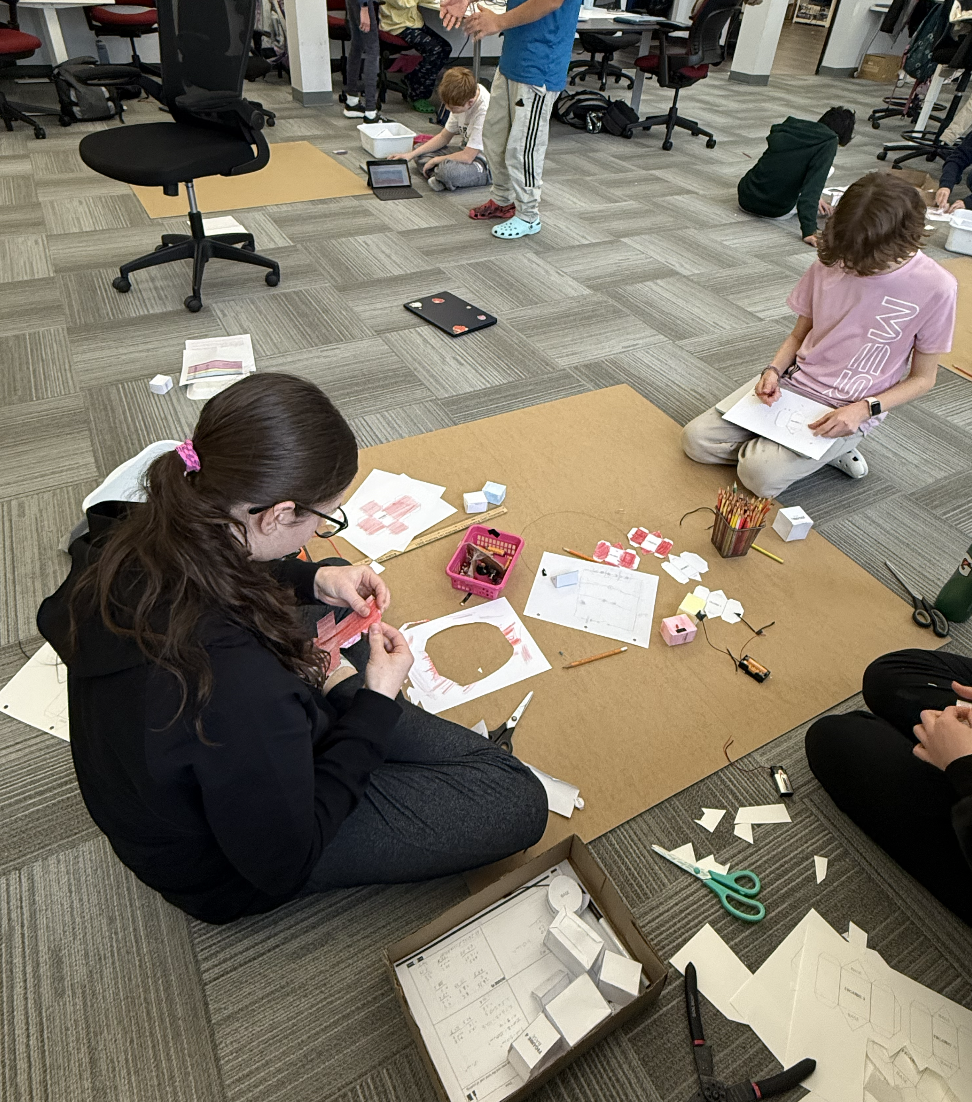
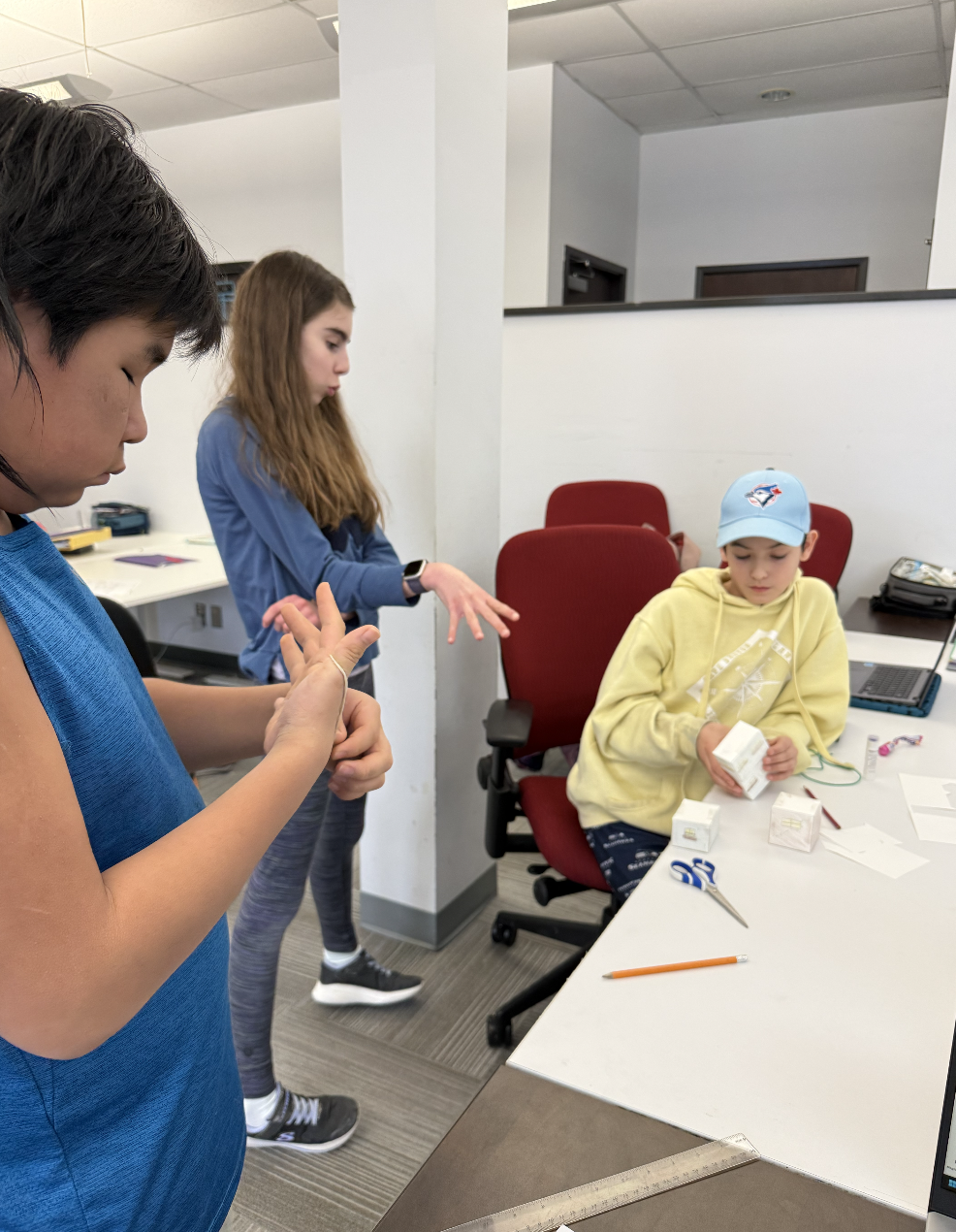
On Wednesday, teams began to work on their second inspection challenge. Teams now had to build a small subdivision of five structures, including at least 1 house, 1 townhouse, and 1 apartment building. They also needed to ensure there was both a series AND a parallel configuration. Rebels had to calculate the minimum volts required to run the small subdivision and how long it would stay lit with that amount of volts.
After viewing a series of world-class examples and learning the "Rules of the Game" for Exhibition, Rebels got right to work on finishing their second inspection challenge on Thursday. Teams made significant progress and worked really well together all week! Incredible work, Rebels!
Civilizations - Big History
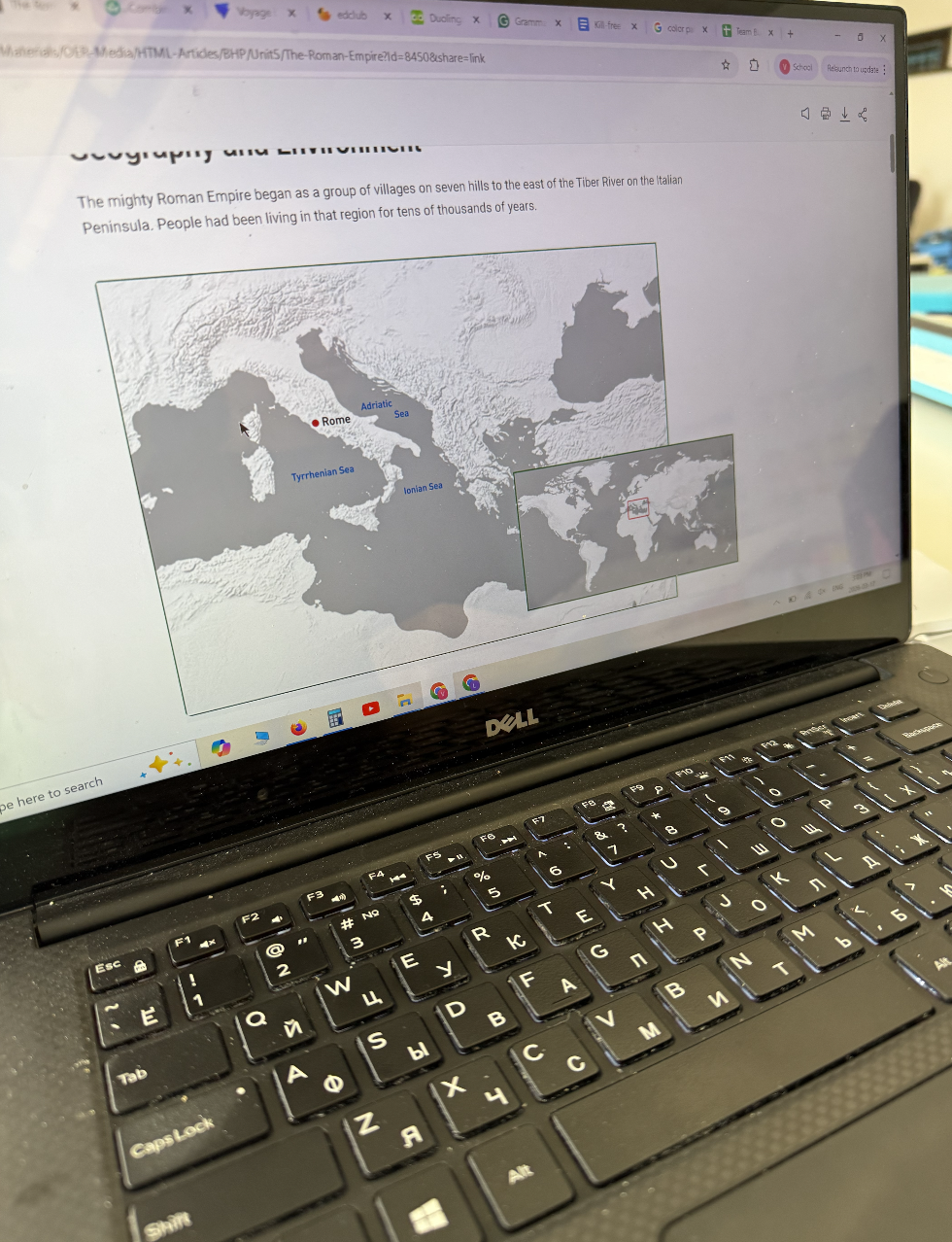
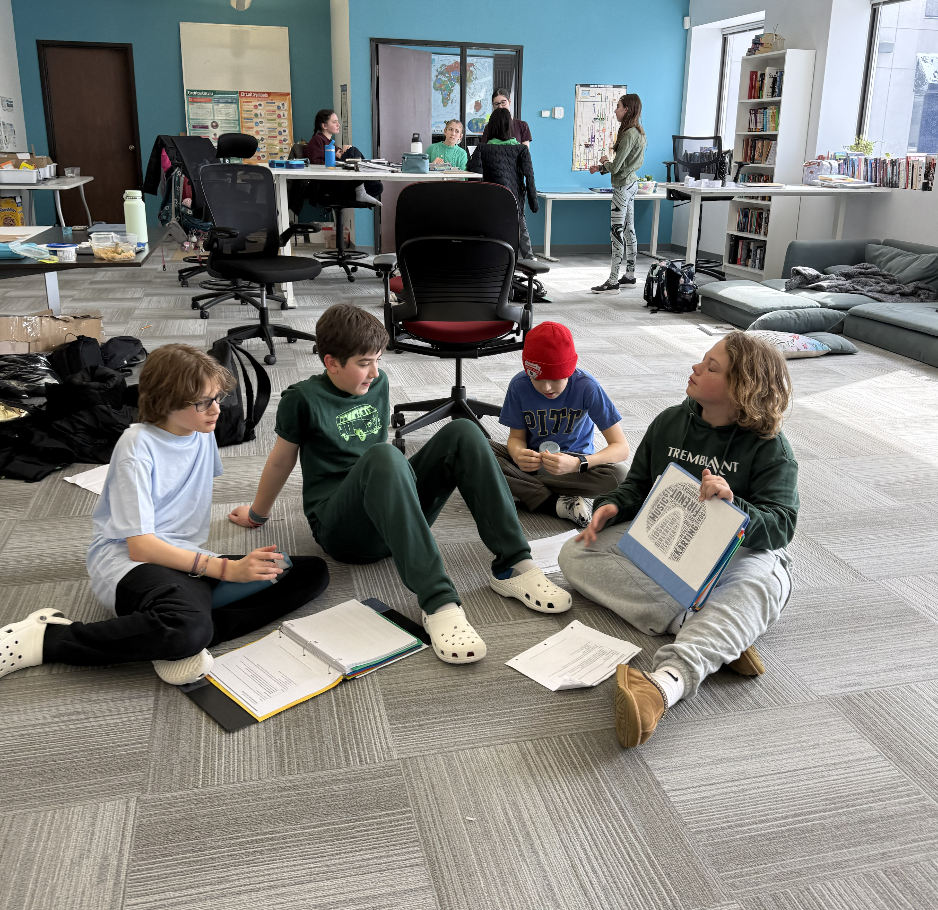
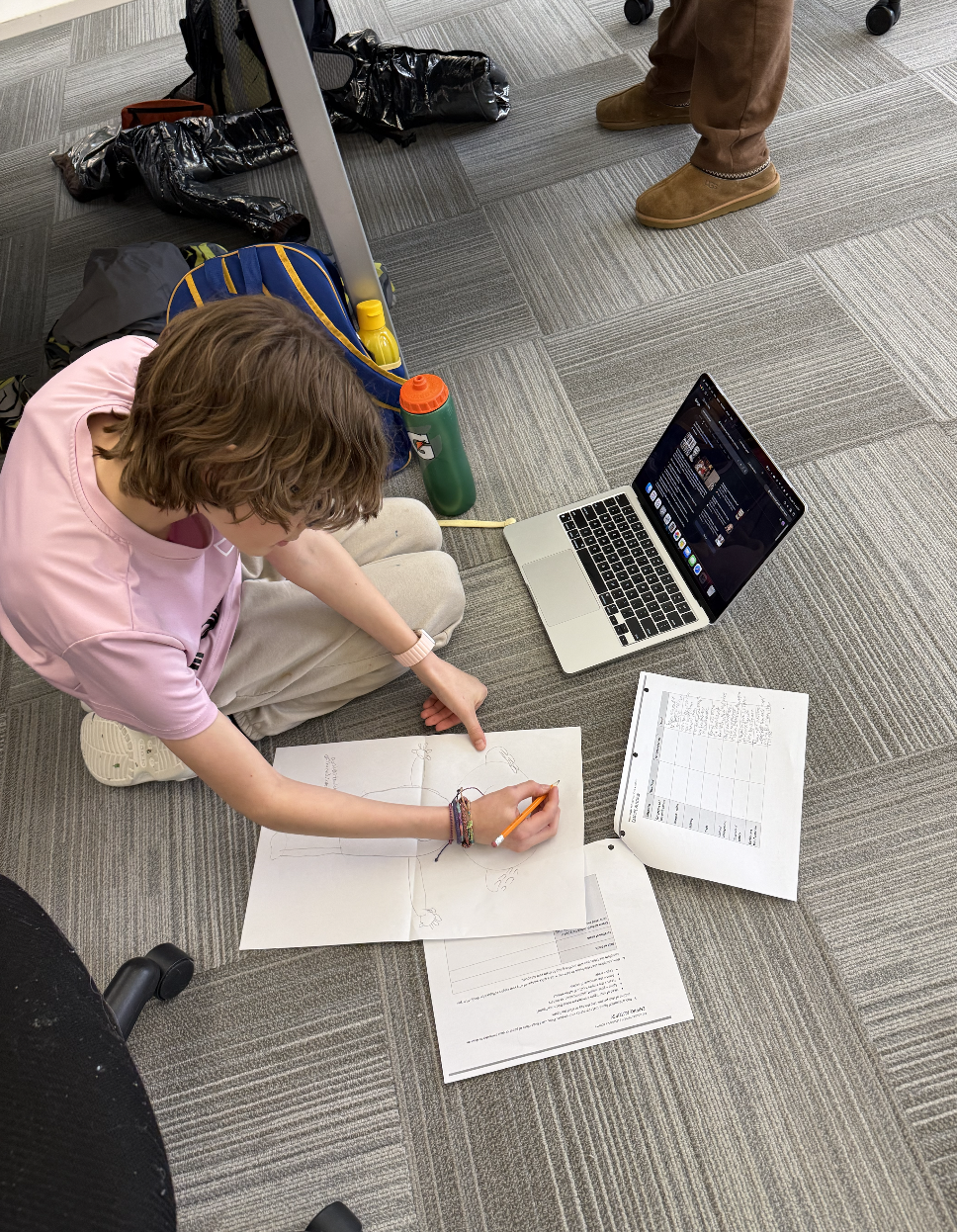
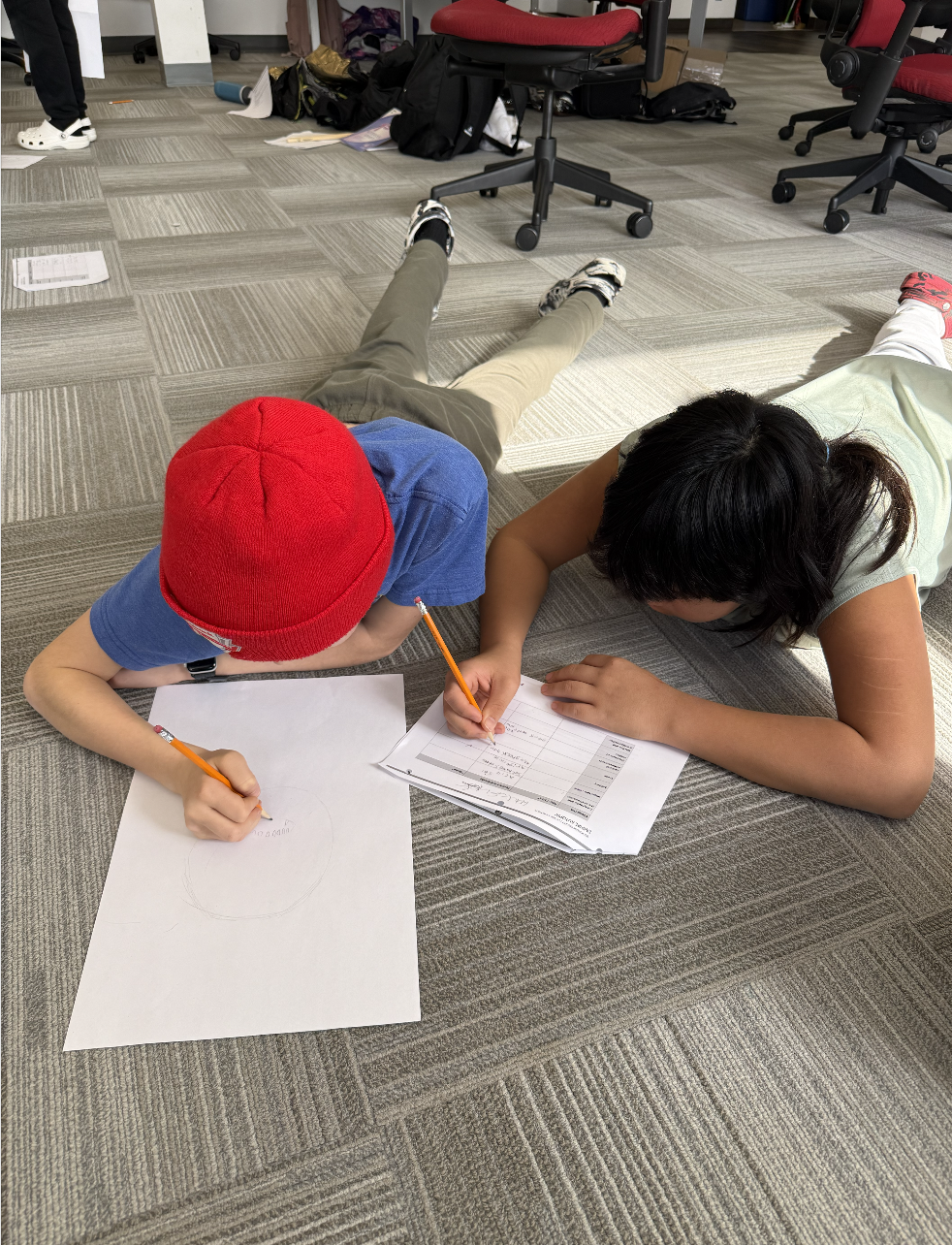
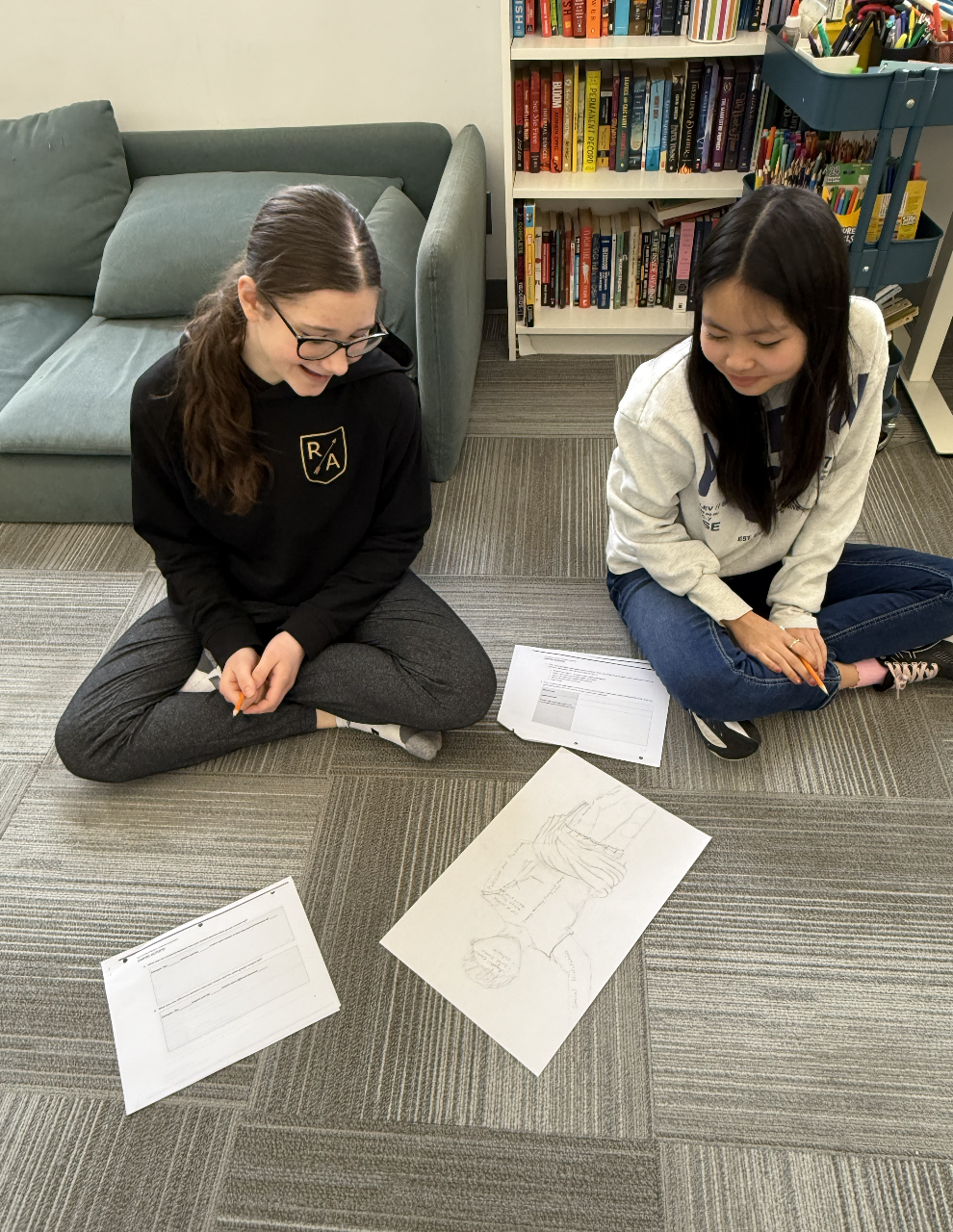
Why did some agrarian societies become empires? On Tuesday, Rebels learned how the rise of empires introduced a new level of complexity into human societies. Some empires were small and short-lived, but others spanned thousands of miles and lasted hundreds of years. We began with a warm-up discussion in which we imagined we were the leaders of an agrarian society, and that our civilization was running low on resources. Learners had to decide whether they should raise taxes on their citizens or conquer a neighbouring civilization. What are the pros and cons of each decision? We then watched the Big History video, Why Did Civilization Expand? before breaking into smaller groups for an Empire Autopsy activity. Individually, learners researched the Han Dynasty in China, the Persians and Greeks, and the Roman Empire to identify their geography, important rulers, military, trade, cultural achievements, social structures, and their decline and transformation. On Thursday, we reviewed our findings before participating in a Socratic discussion on the rise and fall of empires.
Potential Ideas and Questions to Ask Your Learner
Spark Studio:
What was your favourite part of your trip to the fire station? Would you like to be a firefighter some day? Do you know where we will meet outside in case there is an emergency at home? Can you show me all the fire alarms in our house? What number do you call in case of an emergency?
What are you most looking forward to with the new Spring season?
What three features did your group add to the fire station you built?
What materials did your group use to build the ramp? Did the cars go down? Did you need to make any changes to it?
Discovery Studio:
Which structure did your team enter for the compression contest: one made of toothpicks and candy or the one made from paper/cardboard/tape?
What type of failure did your team face this week and what was your most successful design change?
If we could visit anywhere in the world, which structure (e.g. a bridge or tower) would you most like to see in person?
How is your engineering proposal coming along for Reader/Writer? Have you labelled your bridge or play structure picture?
To help build up the Discovery ROE’s and Covenants, what ideas or strategies do you think would help the most?
Do you think it’s more important to take Rebel Bucks away for breaking the contracts, or to give Rebel Bucks to people for honouring them?
Exploration Studio
How are you orienting your city? (Fortress style, grid, parallel to river, centred)
Imagine you live in a historic home, over 100 years old, that has been beautifully renovated to blend historic styles with modern comforts. However, the garage has yet to be renovated and is old, unsightly, and increasingly dangerous. Renovation would require removing a 60-year-old tree planted after the house was built. The roots run under the garage and would be damaged beyond repair if a renovation were to occur. Which do you do?
Get zoning approval (permission) before the garage renovation, knowing it will very likely be denied and will take more time and cost more money.
Quickly renovate, hoping to finish before someone reports you, and justify that the end look will be better for your neighbourhood and your property value.
Is your Reader/Writer speech ready to read to the studio next week? If not, what do you need to finish to be ready?
Is it better today for a modern civilization to have a strong or weak central authority?
What matters most when making decisions about the future of our civilization: past events, lives of heroes, expert theories, or your judgment?
Do you believe your opinion will change as you grow older?
French: Which role did you play in the Upper or Lower Canada role-play?