Revel Recap: April 13-17
Important Upcoming Dates
Exploration Field Trip to the Diefenbunker - Thursday, April 30th
Session 6 Exhibitions
Discovery Exhibition - Tuesday May 12th, 4:00-5:00pm
Spark Exhibition - Wednesday May 13th, 4:00-5:00pm
*Due to the Overnight Trip there will not be an Exploration Exhibition this session
Sessional Break & “All Our Favourite Things!” Camp with Ms. Jenna - Tuesday, May 19th to Friday, May 22nd
Spark Studio
Mindfulness and Launch
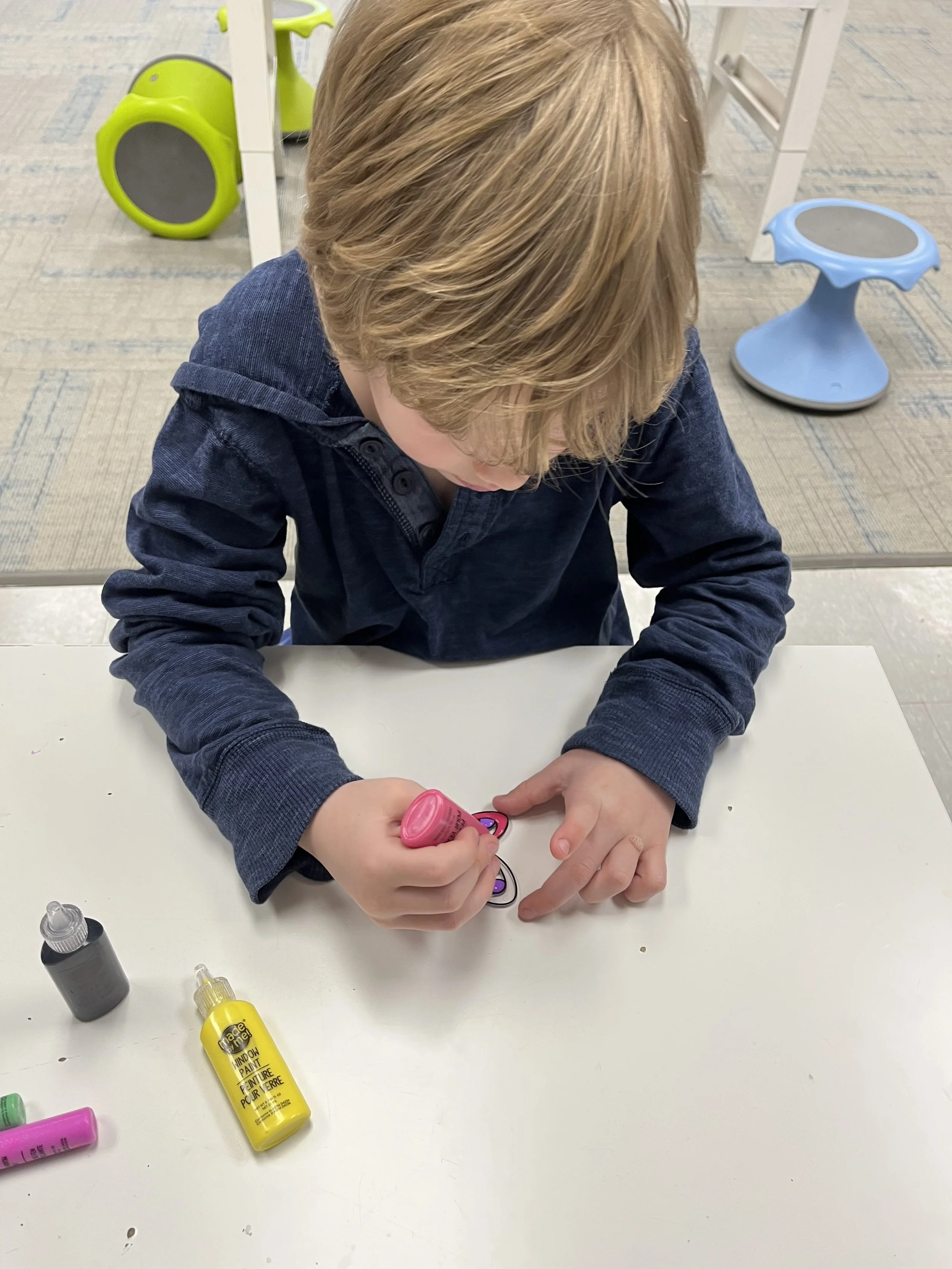
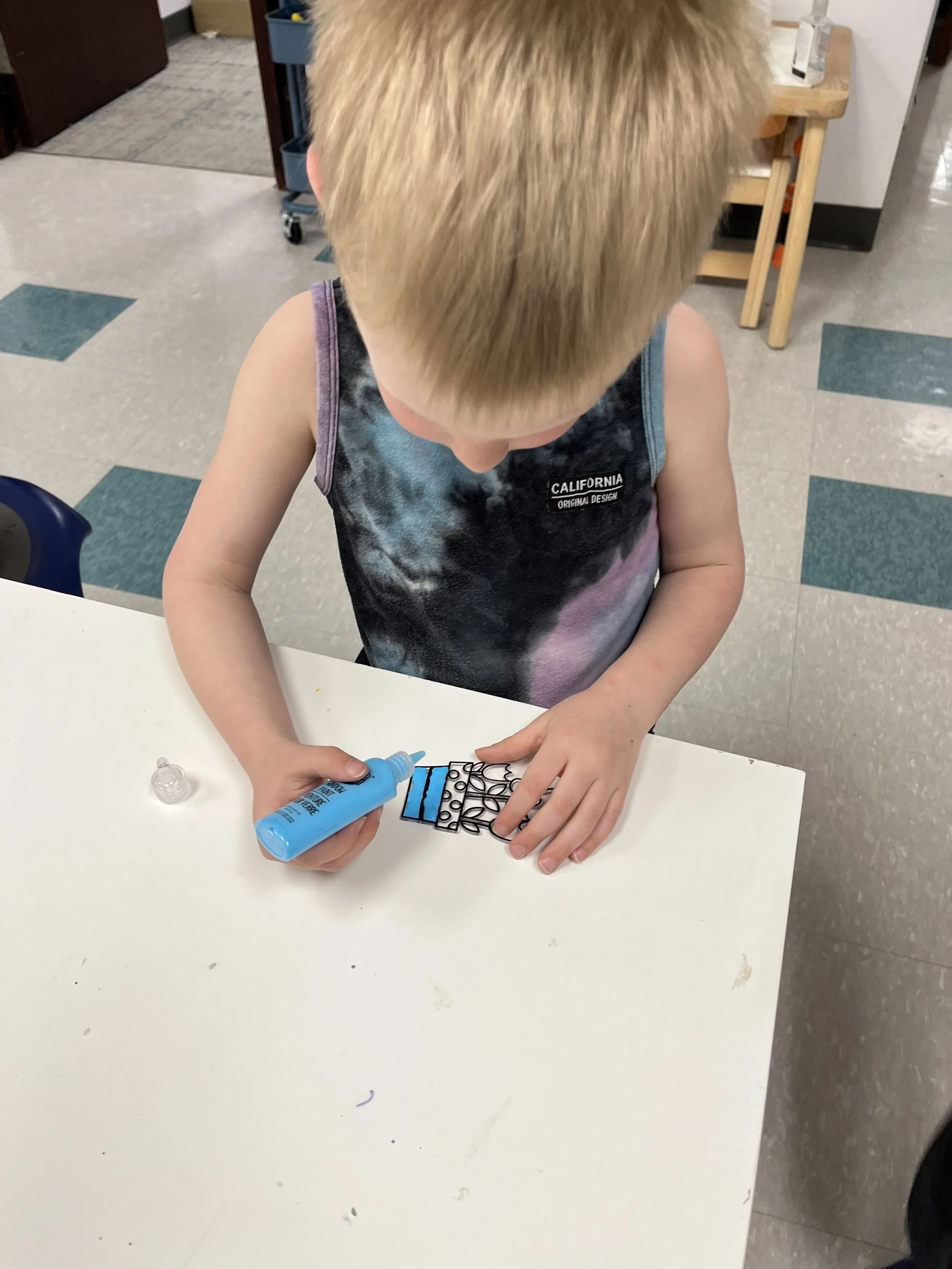
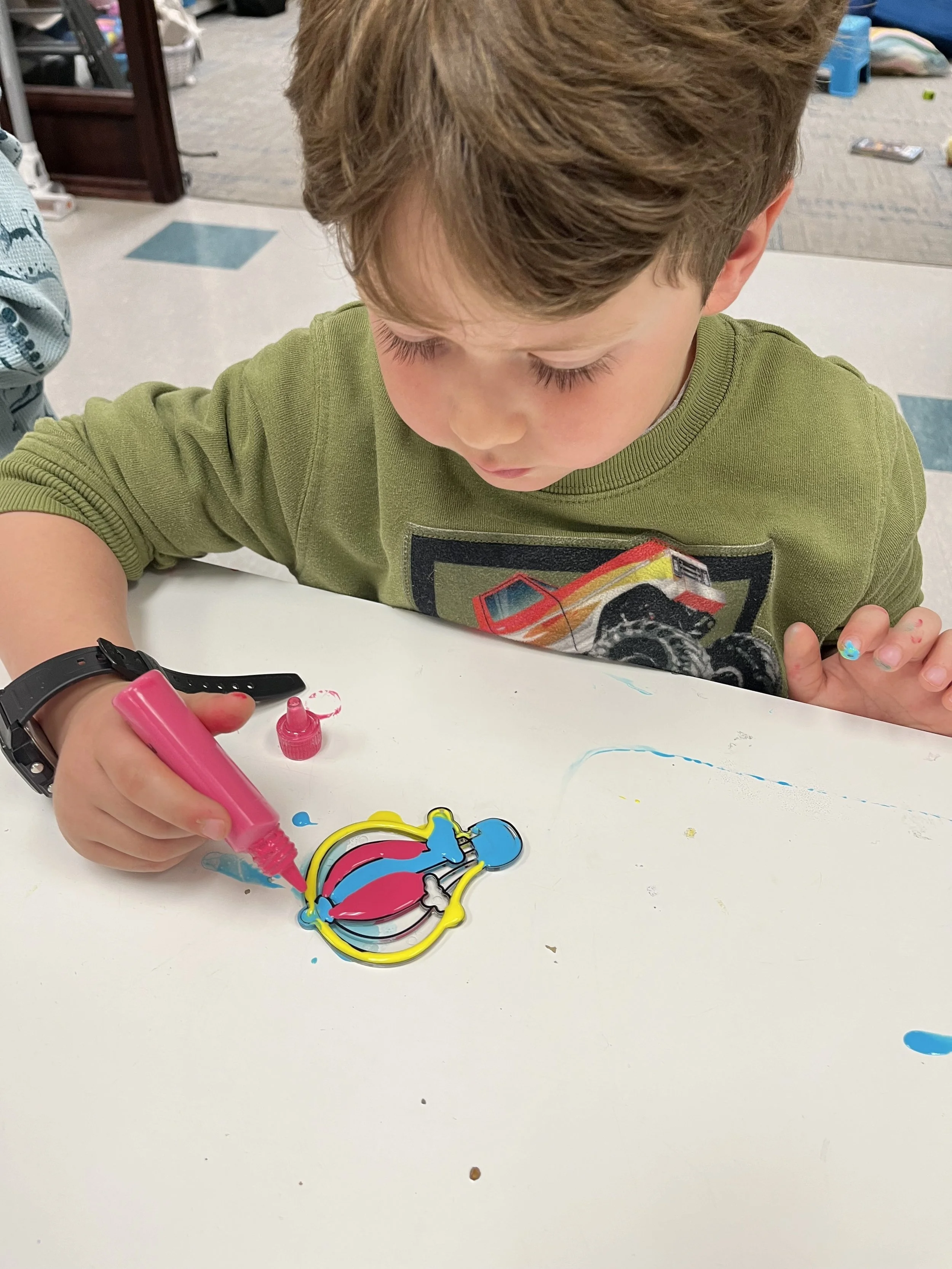
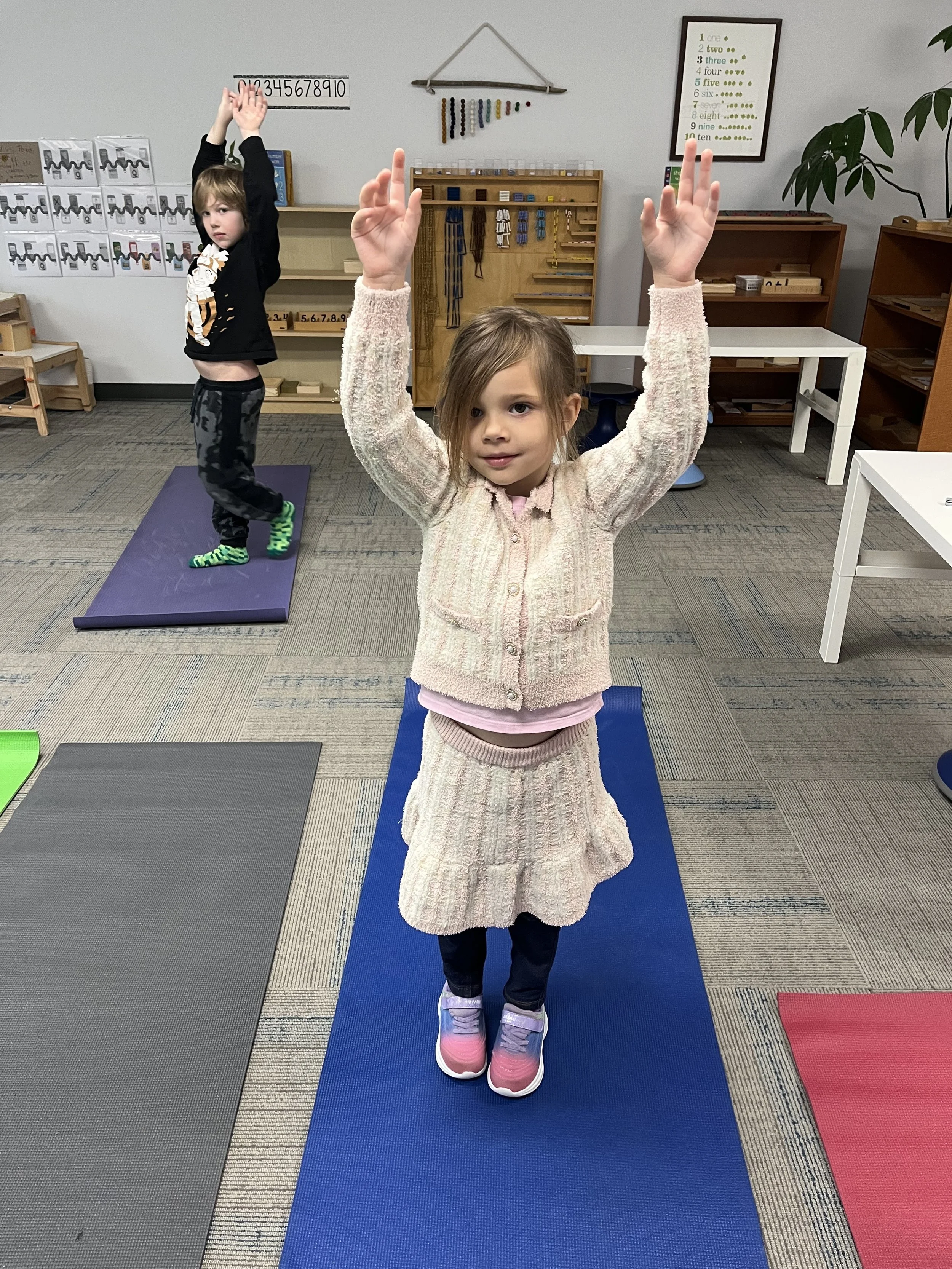
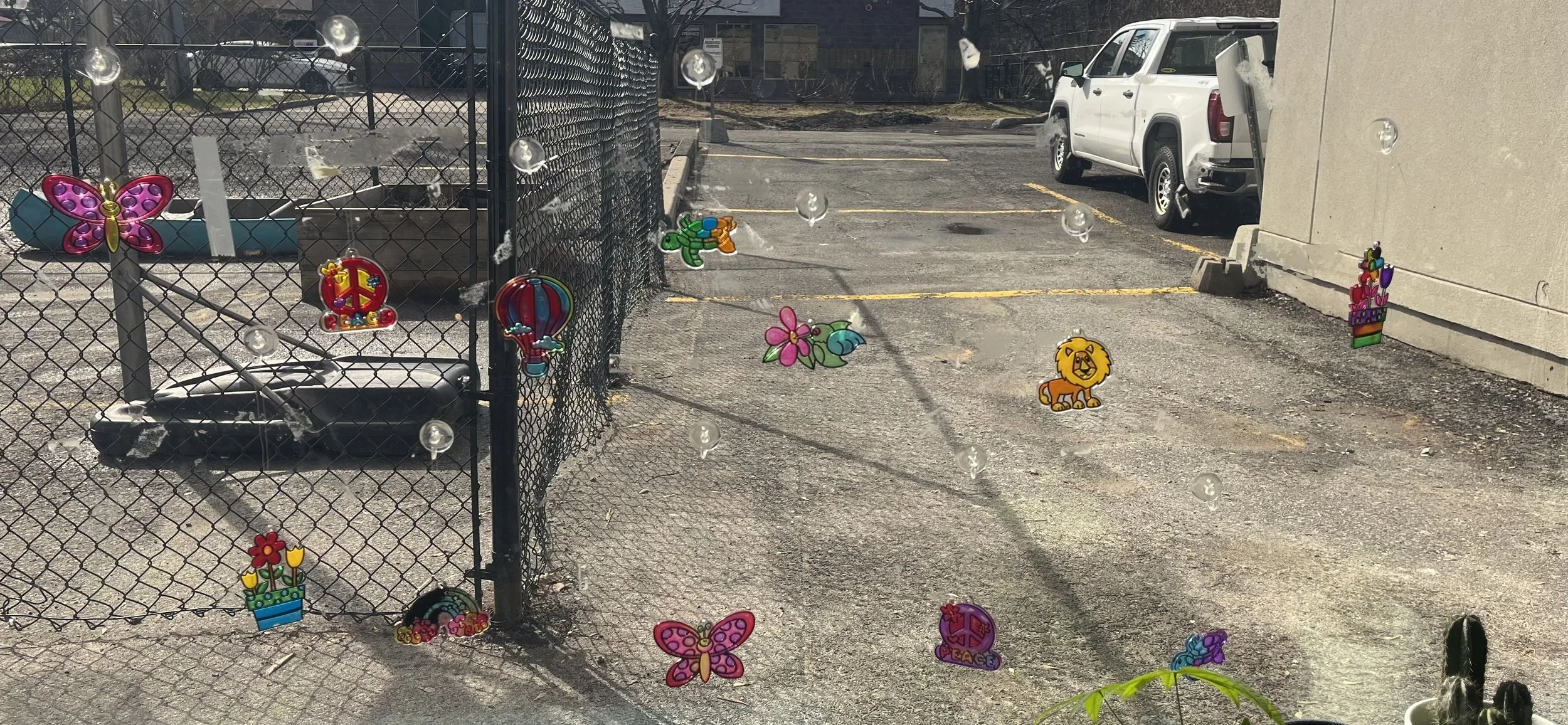
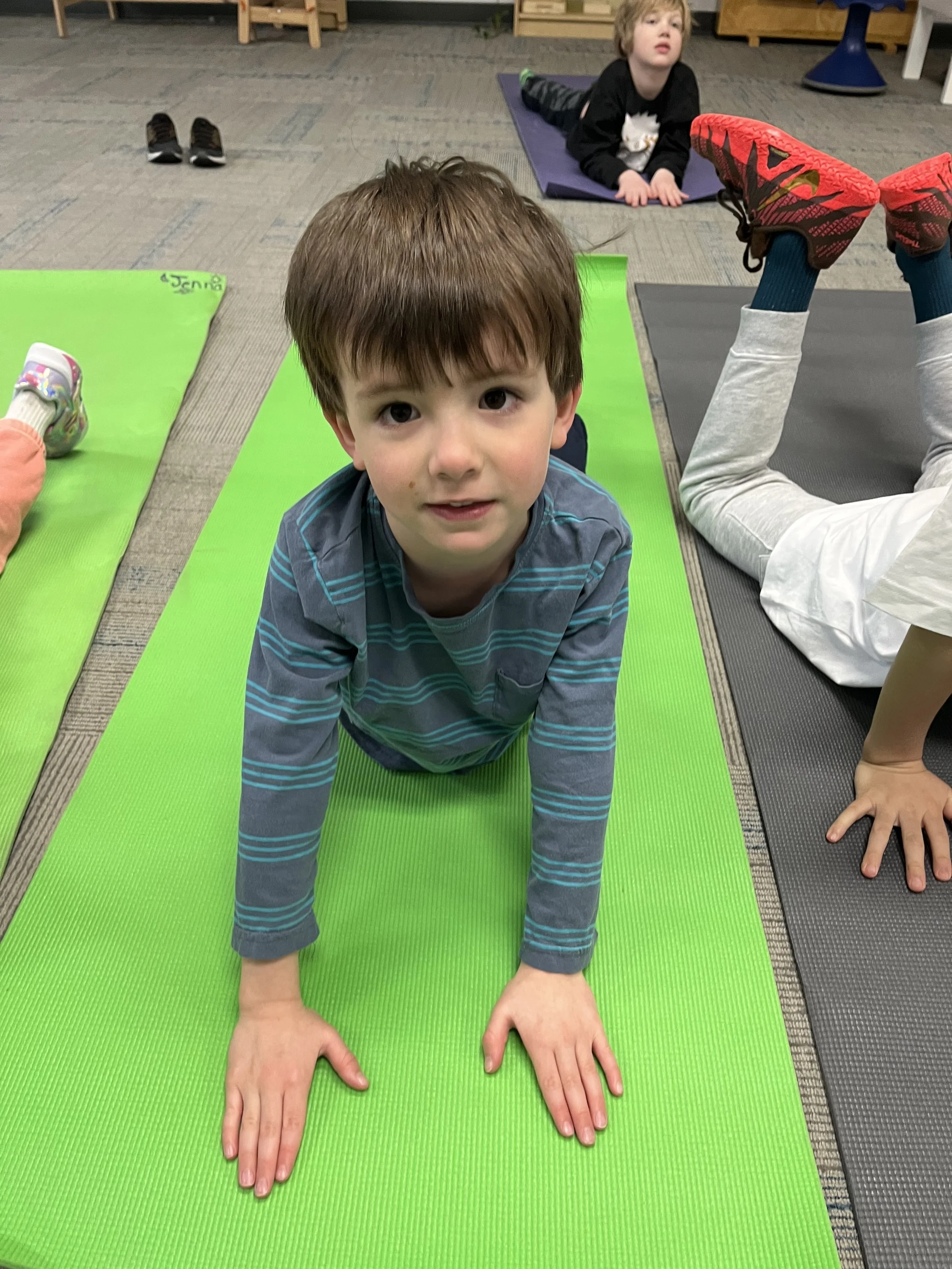
Welcome to Session Six! We kicked off the week with a fun game of “Stand Up If… – Break Edition.” Sparks were invited to stand up if they had done certain activities over the break, such as going to the park, watching a movie, or eating pizza. This was a great way for everyone to reconnect and share their adventures during the session break. We then introduced our new Quest topic: Space! To spark curiosity, we read the book Me and My Place in Space, which helped learners begin thinking about their place in the universe. Following the story, learners participated in a directed drawing activity focused on this week’s topics: the Sun, Earth, and Moon. On Tuesday, we began with calming breathing exercises inspired by our book Breathe Like a Bear. Afterwards, we played “Musical Reading,” a fun twist on musical chairs. The Sparks sat in a circle, passing around sight word cards while music played. When the music stopped, anyone holding a card read their word aloud, building confidence and reading fluency. Wednesday morning, Rebels participated in a Sun Salutation yoga sequence and then completed a sun-themed colouring page. Thursday’s activities were inspired by space exploration. We learned about a recent trip to the moon through videos and pictures, sparking curiosity and discussion. Learners then created their own moons using paint and aluminum foil, resulting in unique, textured artwork. Friday, we wrapped up the week with reflection and sharing. Each learner had the opportunity to “shine their light” by sharing something kind they did or something they felt proud of. We then completed a writing and drawing activity where learners expressed why they love Earth.
Quest
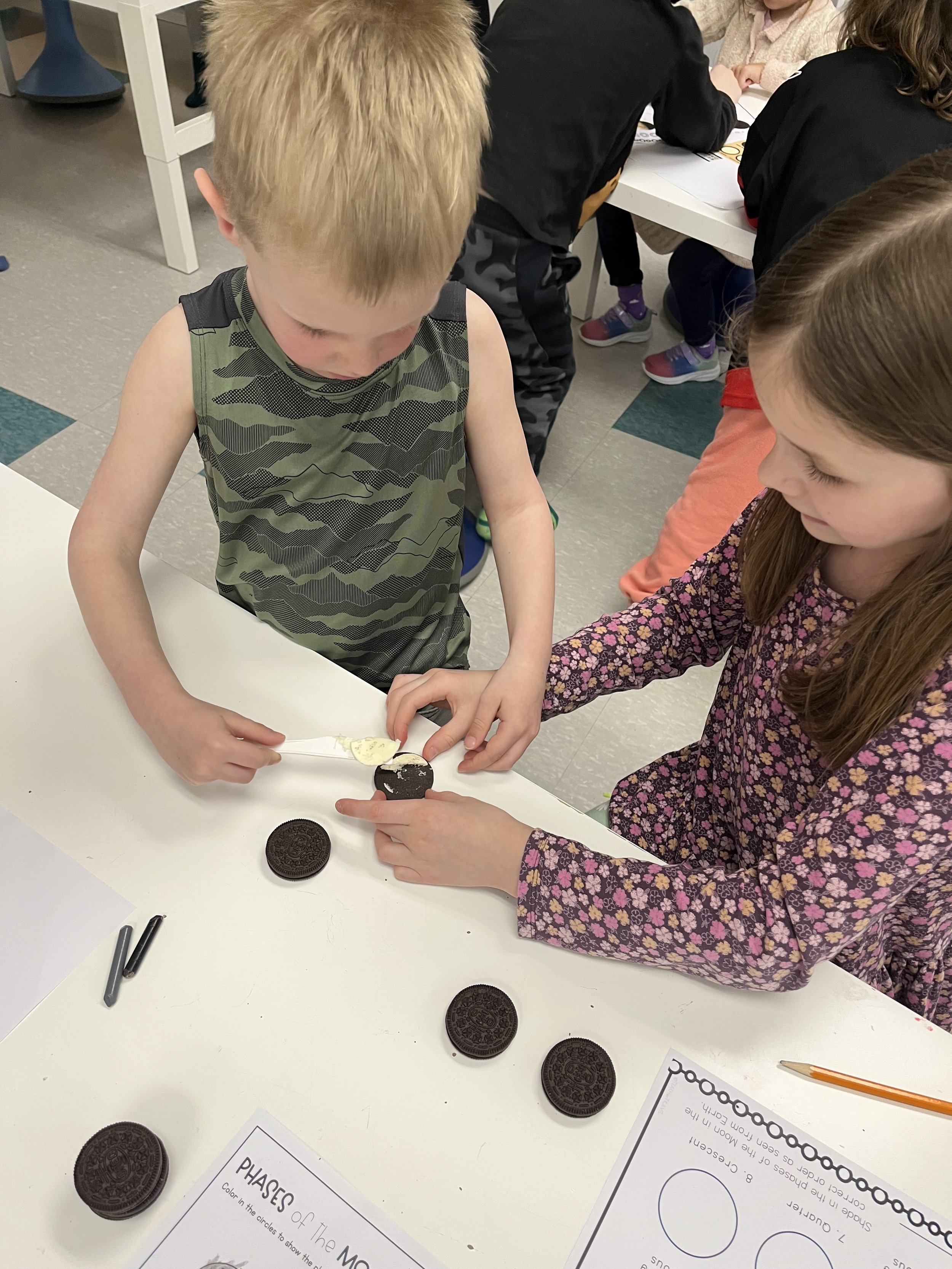
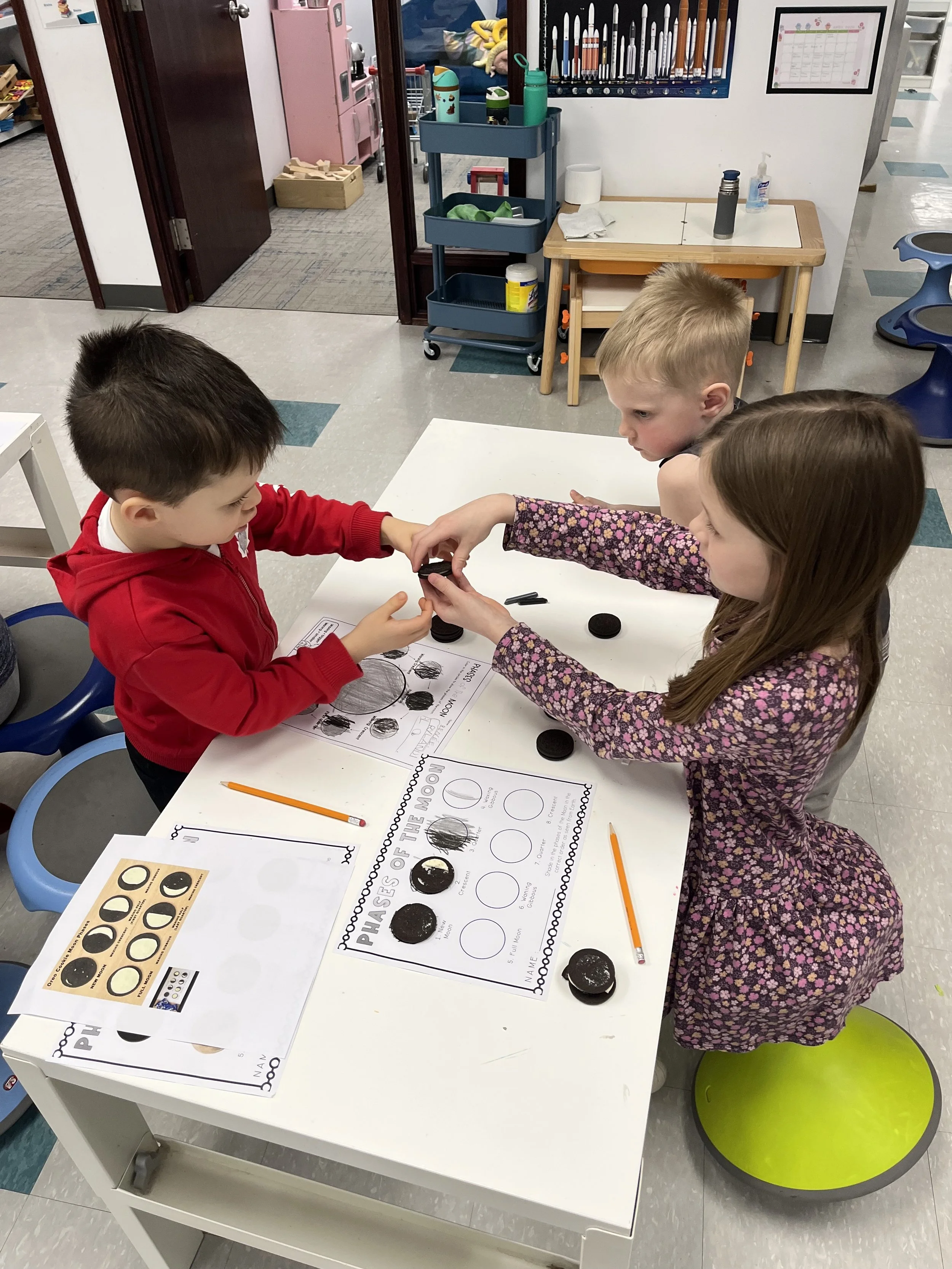
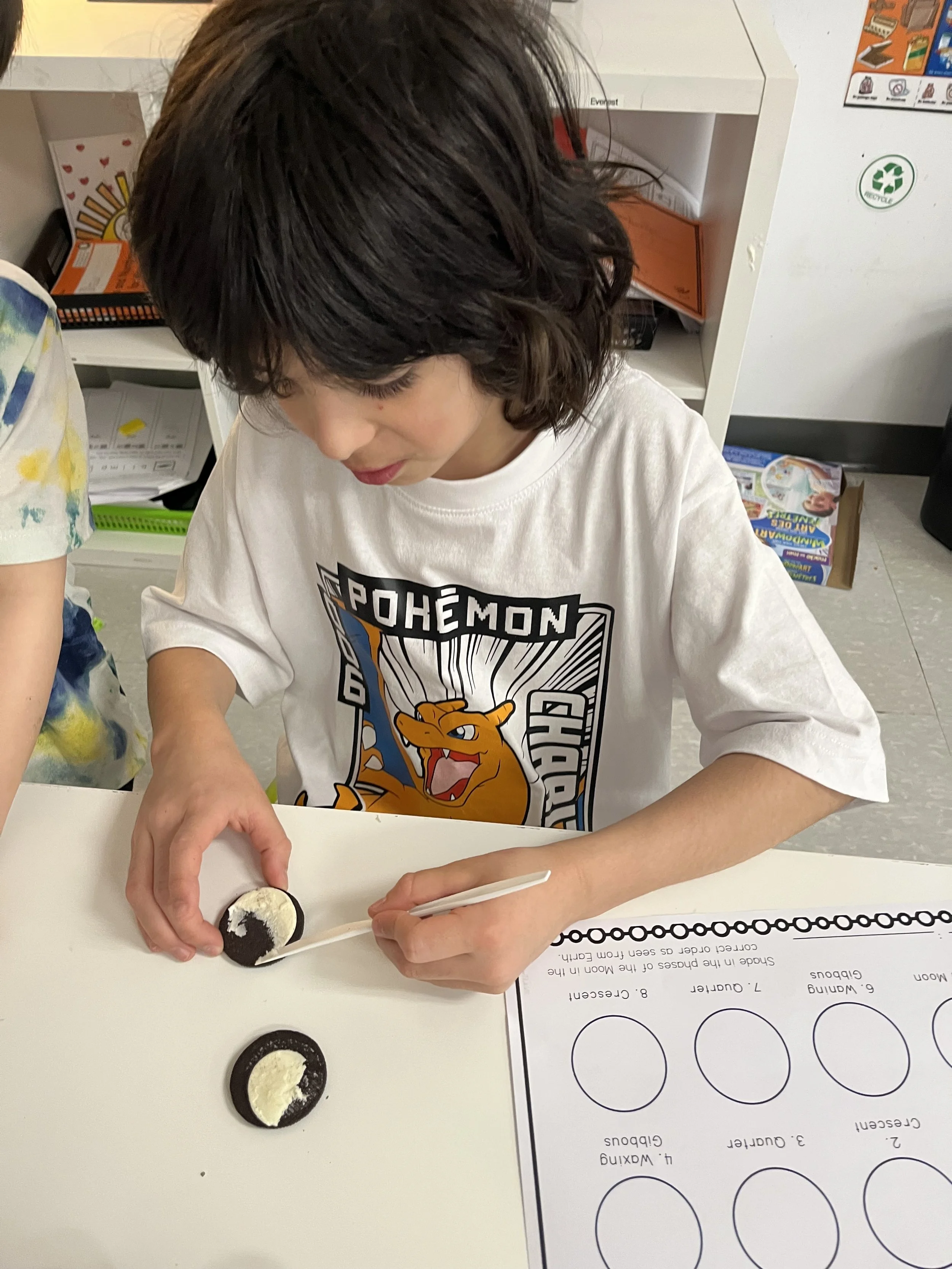
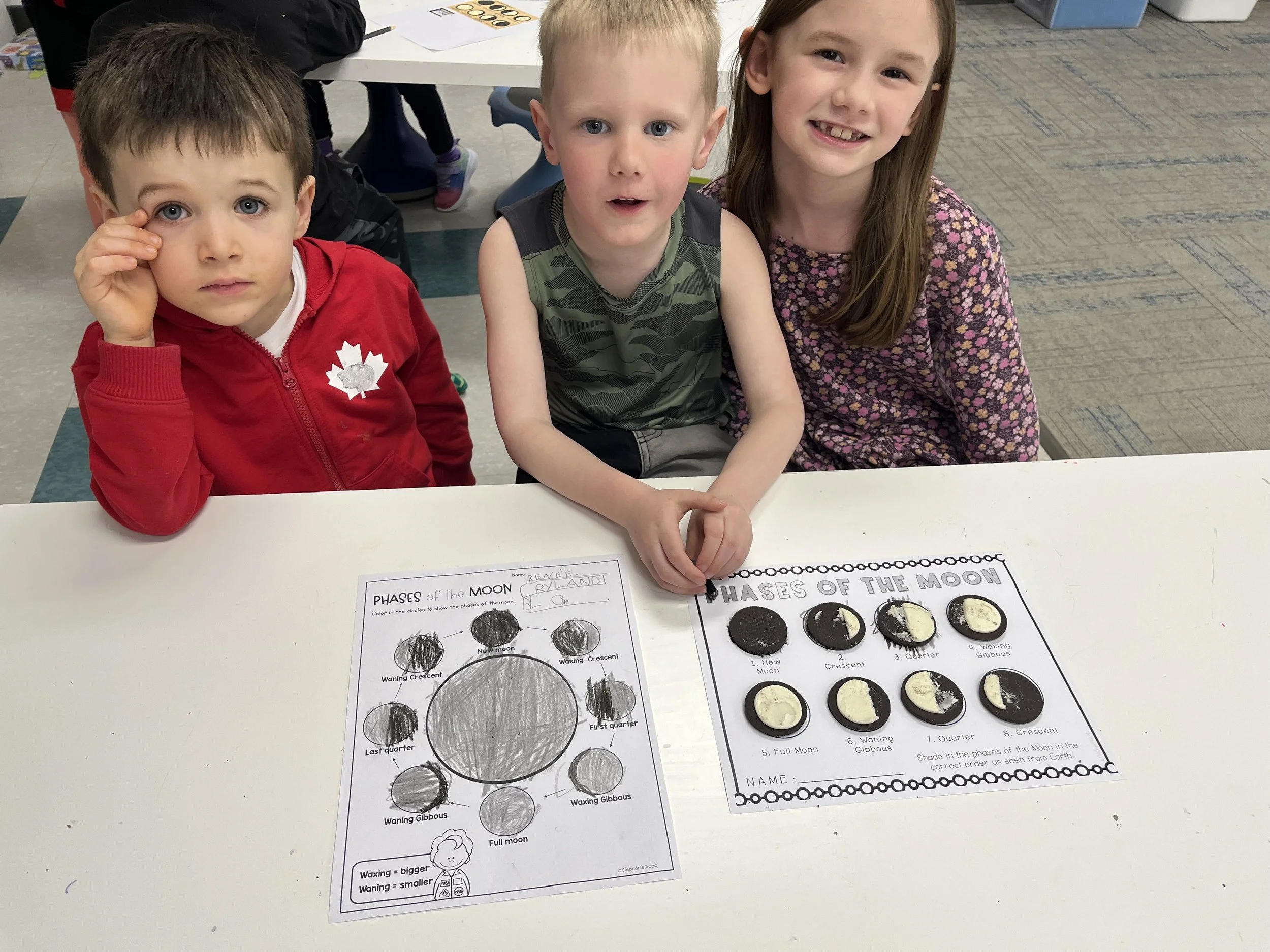
This week, we began our exciting journey through space by focusing on what is most familiar to us Earthlings: our planet Earth, the Sun, and the Moon. At the start of the week, we read Earth! My First 4.54 Billion Years, a fun story told from Earth’s perspective. The book takes learners on a journey through Earth’s history, explaining how our planet formed, how it has changed over time, and what makes it such a special place to live today. After reading, we brainstormed what makes our planet unique and created a collaborative poster filled with our ideas and drawings. The learners shared that Earth is amazing because it has air, sunshine, snow, trees, flowers, food, animals, water, and so much more. We also talked about how Earth is like the “Goldilocks planet”, it’s just right for life. It’s not too hot or too cold, and it has the perfect balance of air and water. To extend this learning, each learner completed an activity where they coloured the Earth and illustrated four things that make our planet special. The next day, we shifted our focus to the Sun. We began by discussing what we already knew and explored an interesting question: Does the Earth move up and down when the Sun rises and sets? We learned that this isn’t the case. Instead, the Earth rotates (spins) on its axis. This rotation makes it look like the Sun is moving across the sky, when really it’s the Earth that is turning!
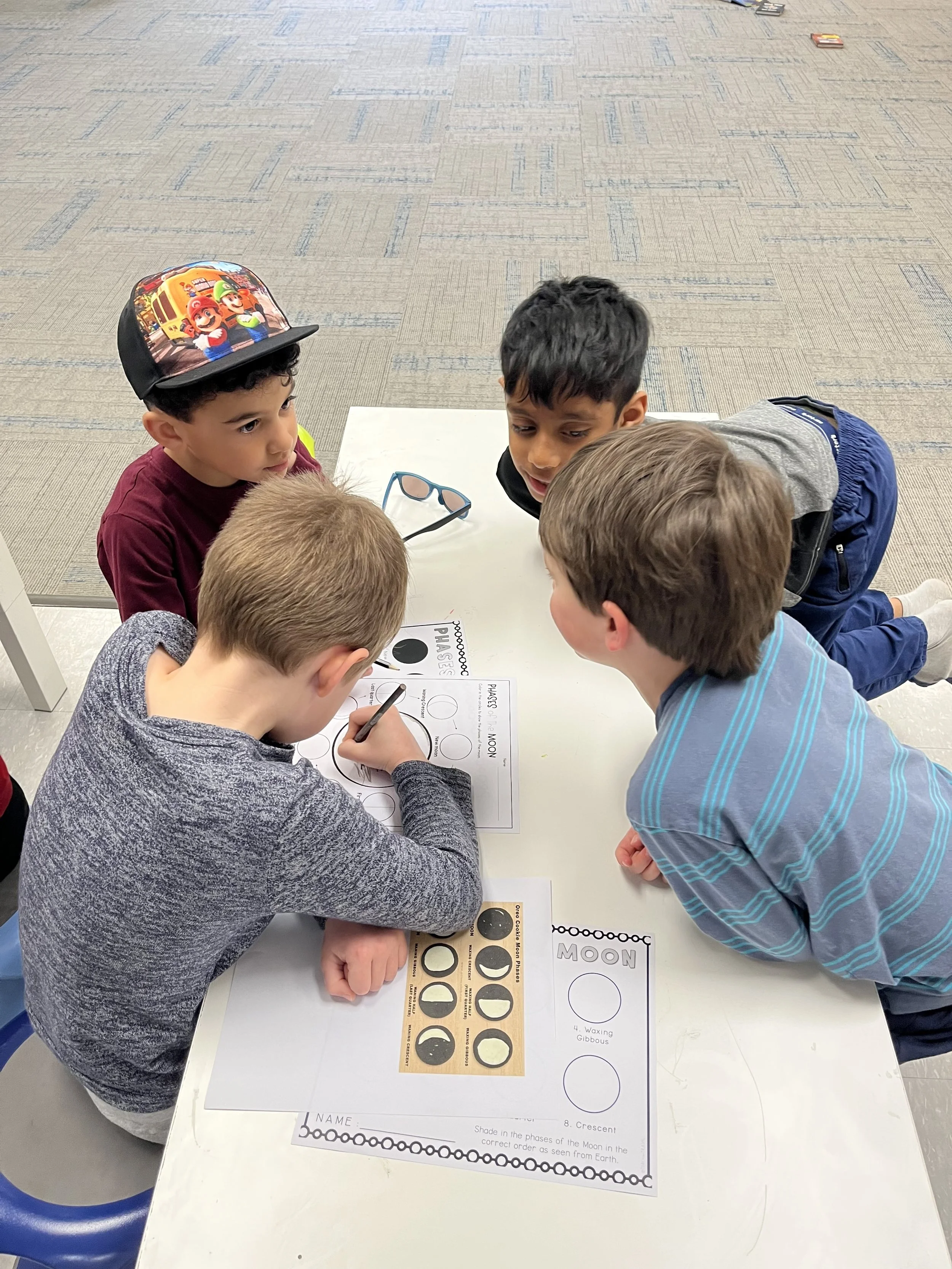
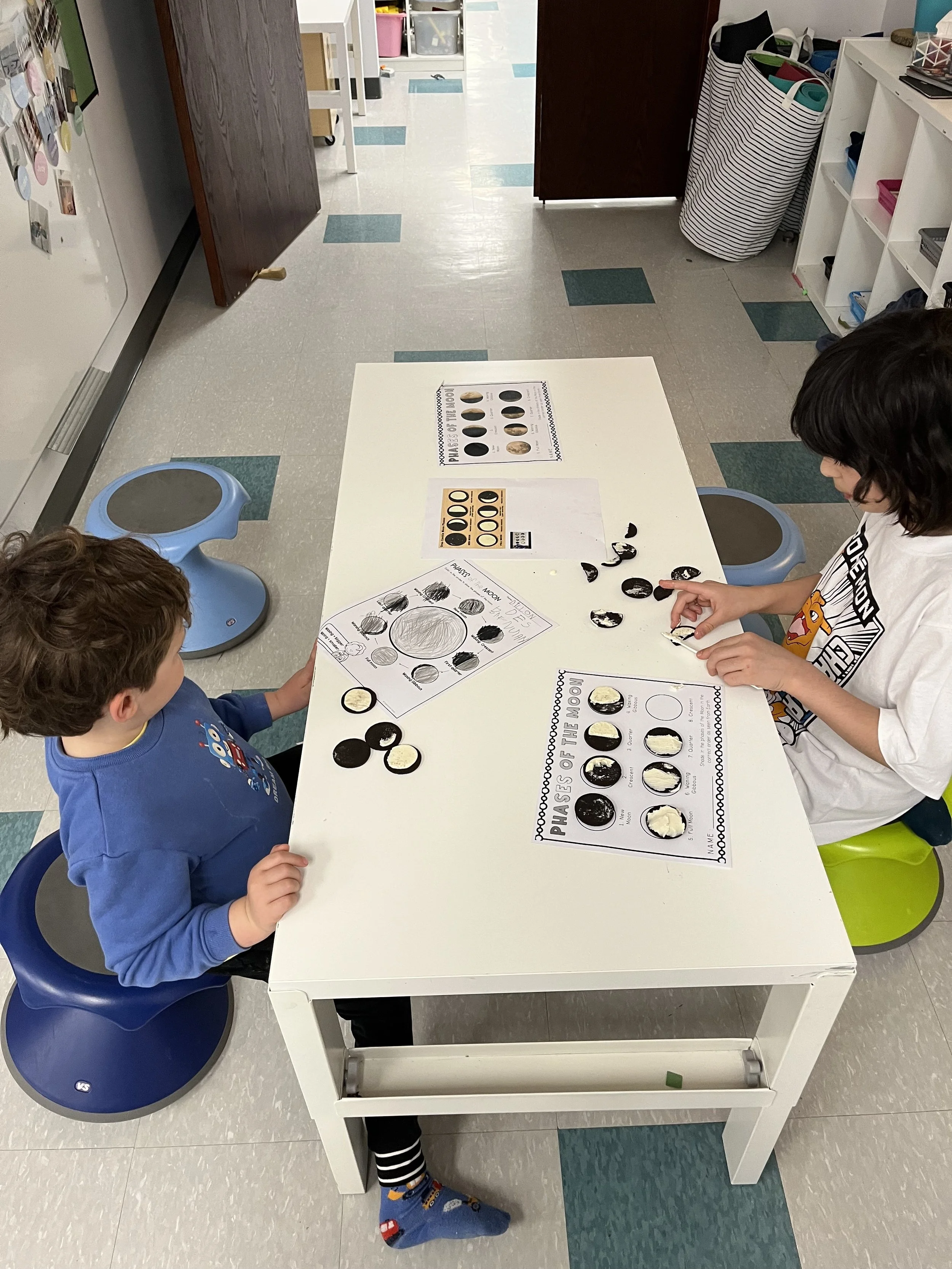
We then read The Sun – A Superstar to deepen our understanding. Afterwards, each learner completed a writing activity where they recorded facts about the Sun. We wrapped up the day with a creative suncatcher craft. Each learner painted their own, and they are now proudly displayed in our studio window, reflecting the sunlight beautifully. Next, we explored the Moon. We read So That’s How the Moon Changes Shape, along with sections from our First Encyclopedia of Space, to learn more. We focused on the eight different phases of the Moon and how its appearance changes over time. Working in groups, the learners first coloured the phases and then brought them to life using Oreo cookies! We learned so much this week and had a fantastic start to our Space Quest. We are excited to continue our journey next week as we explore the rest of the Solar System!
Art
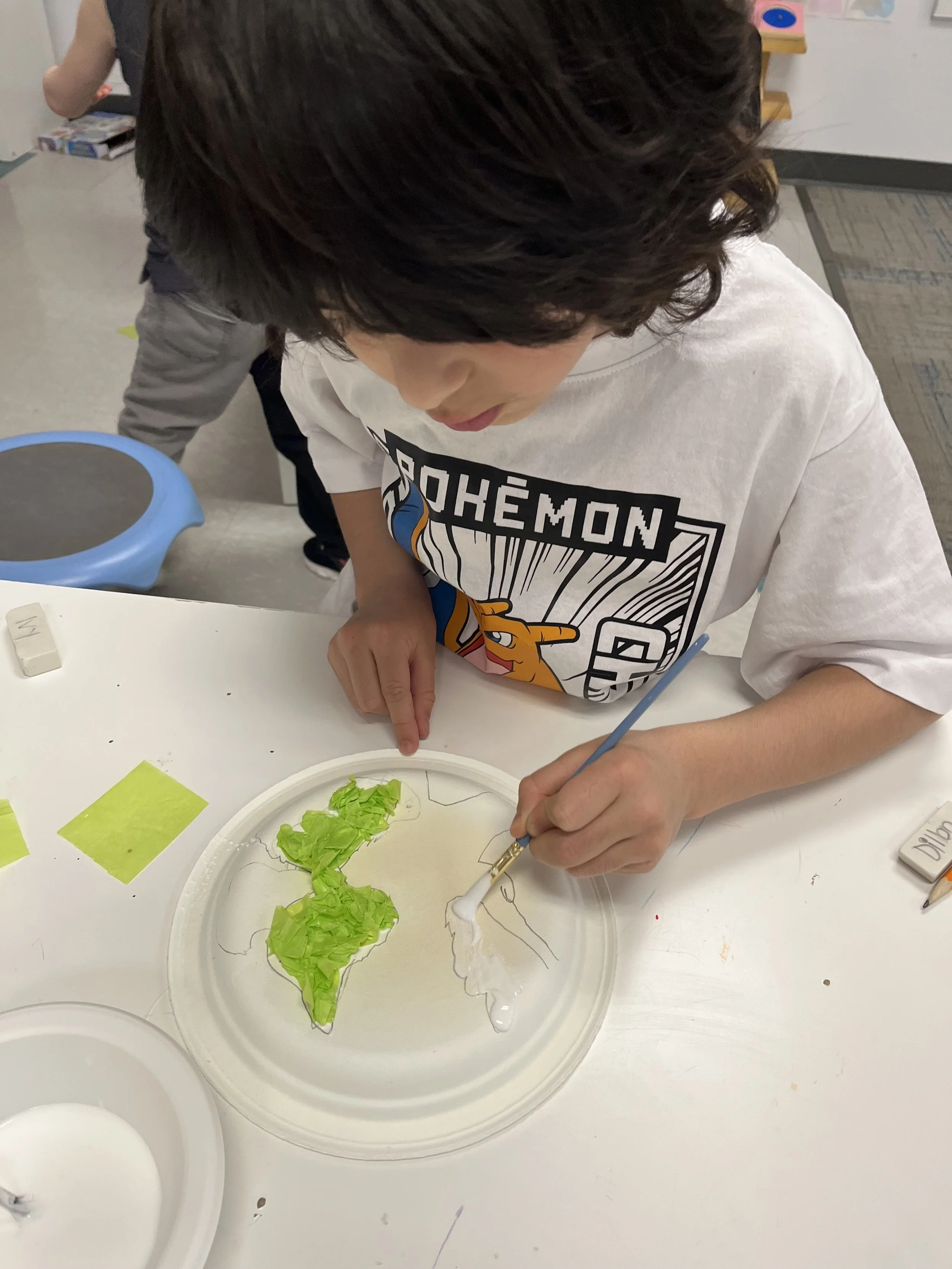
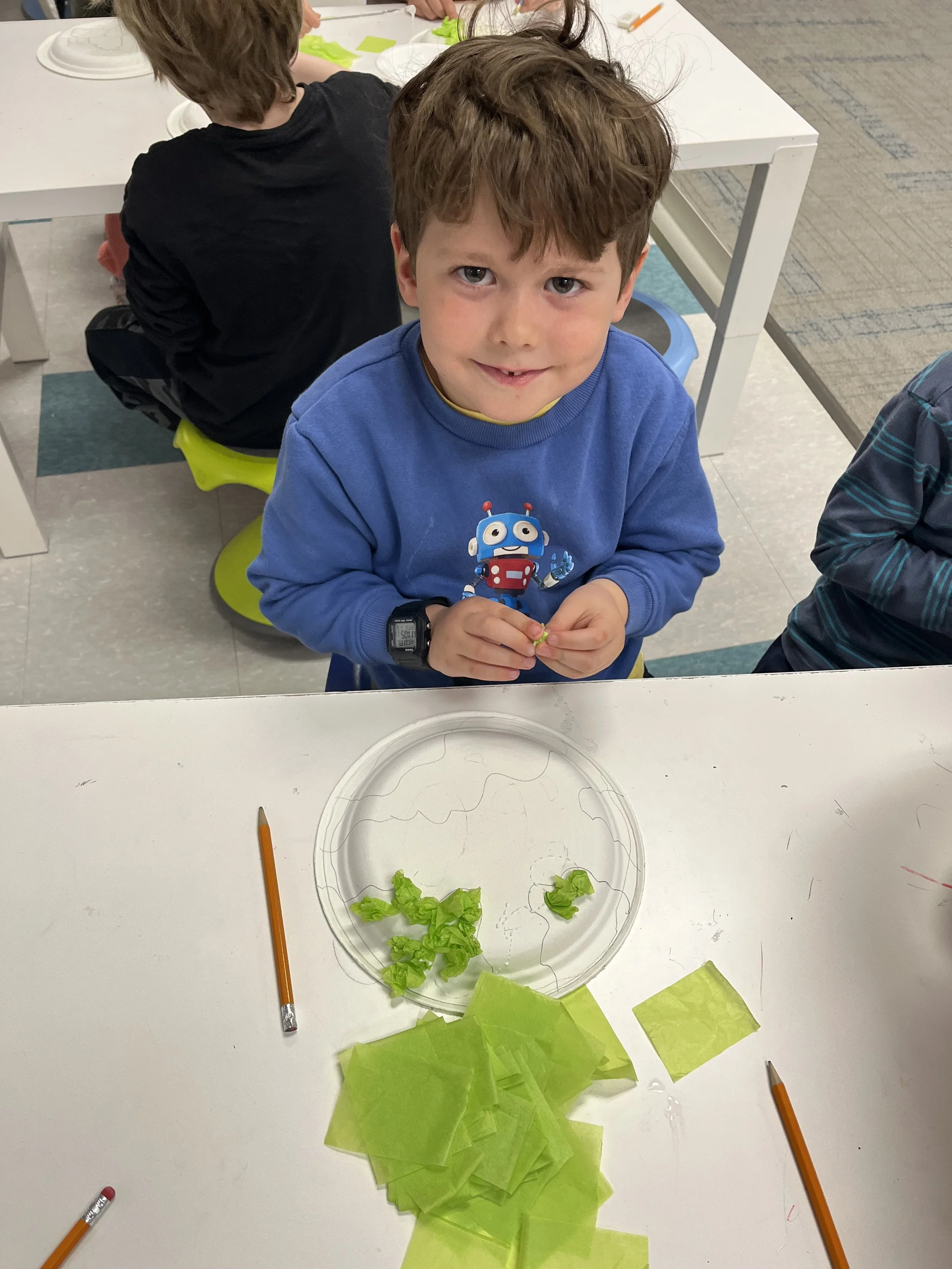
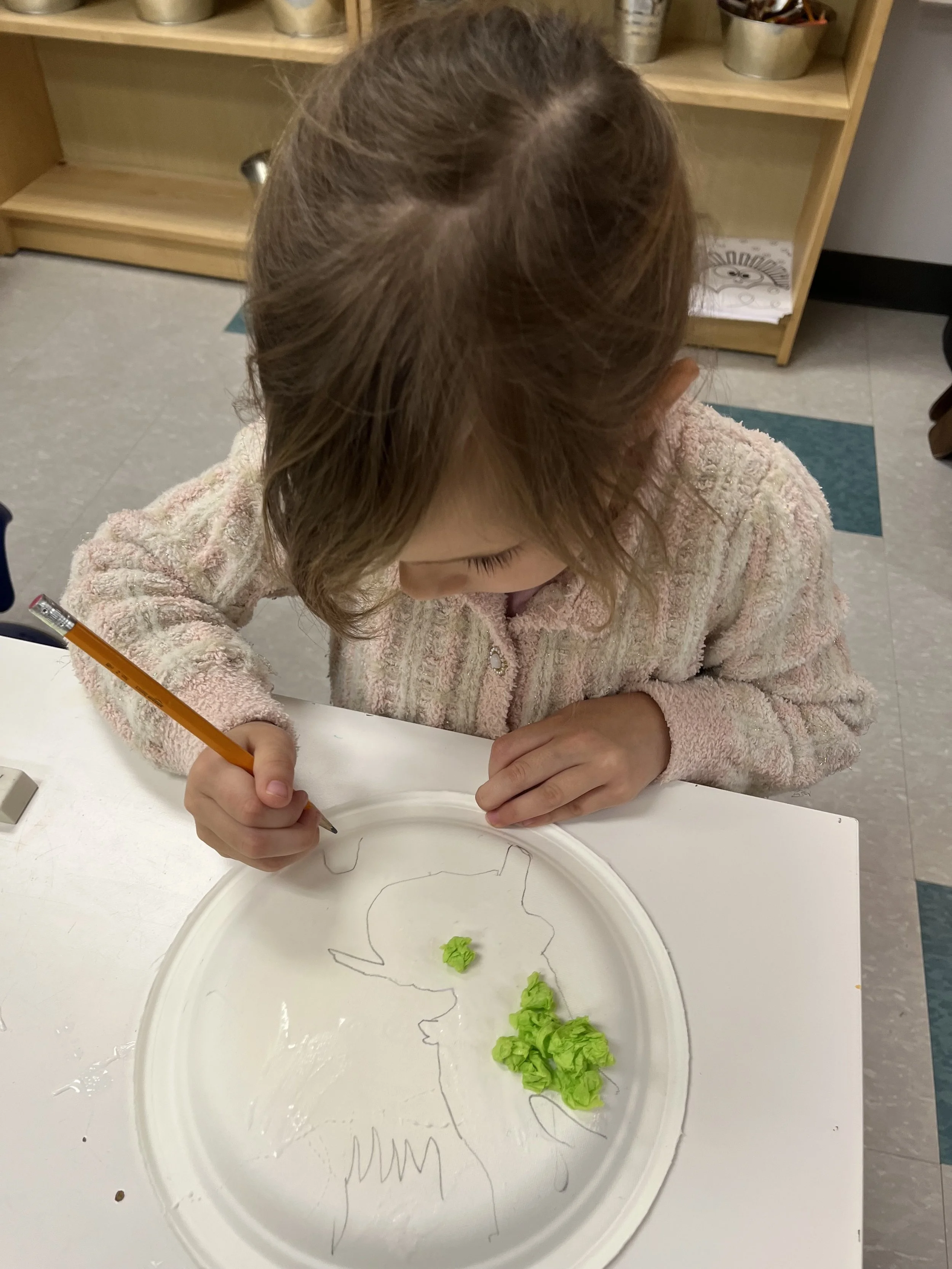
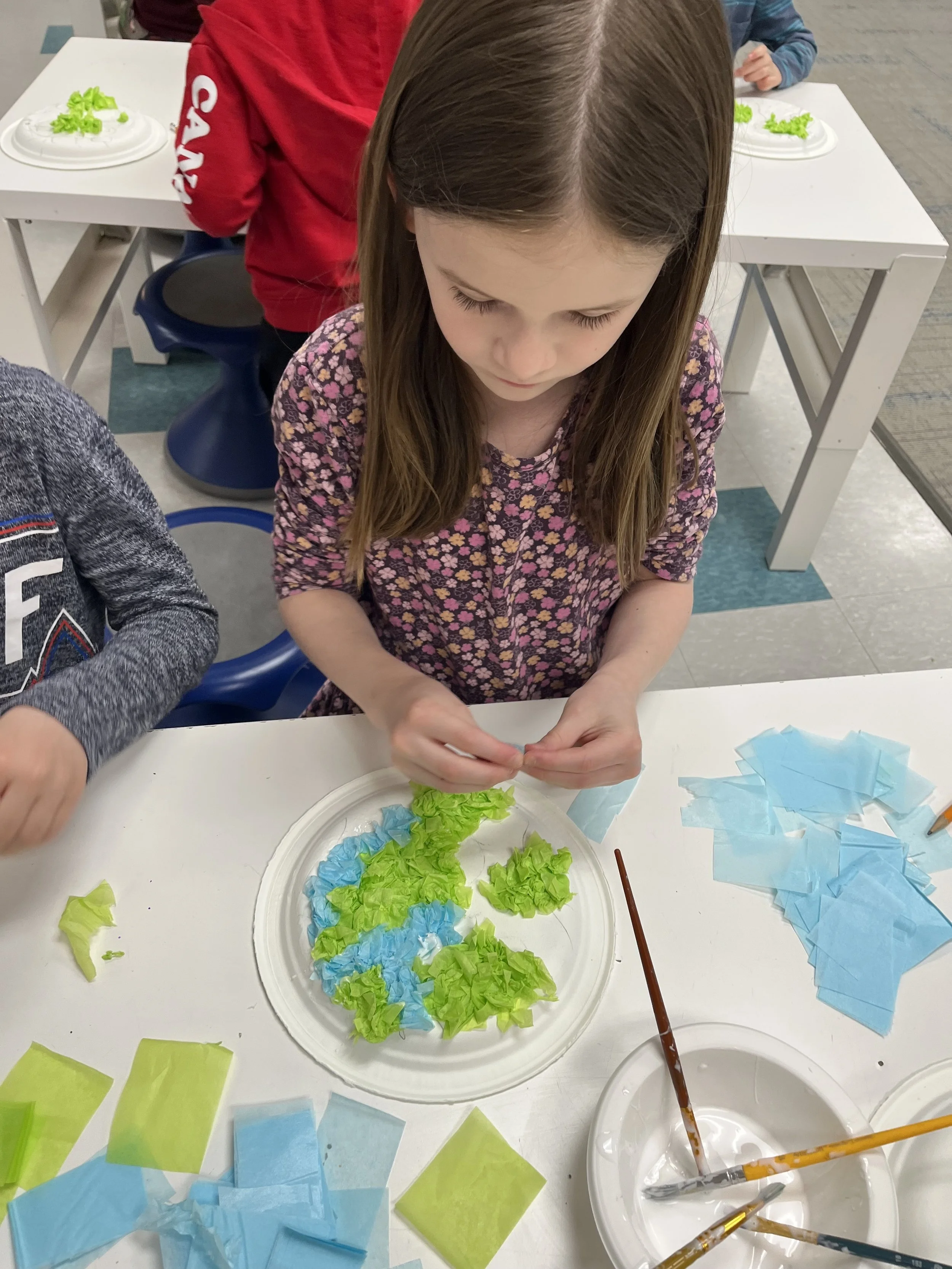
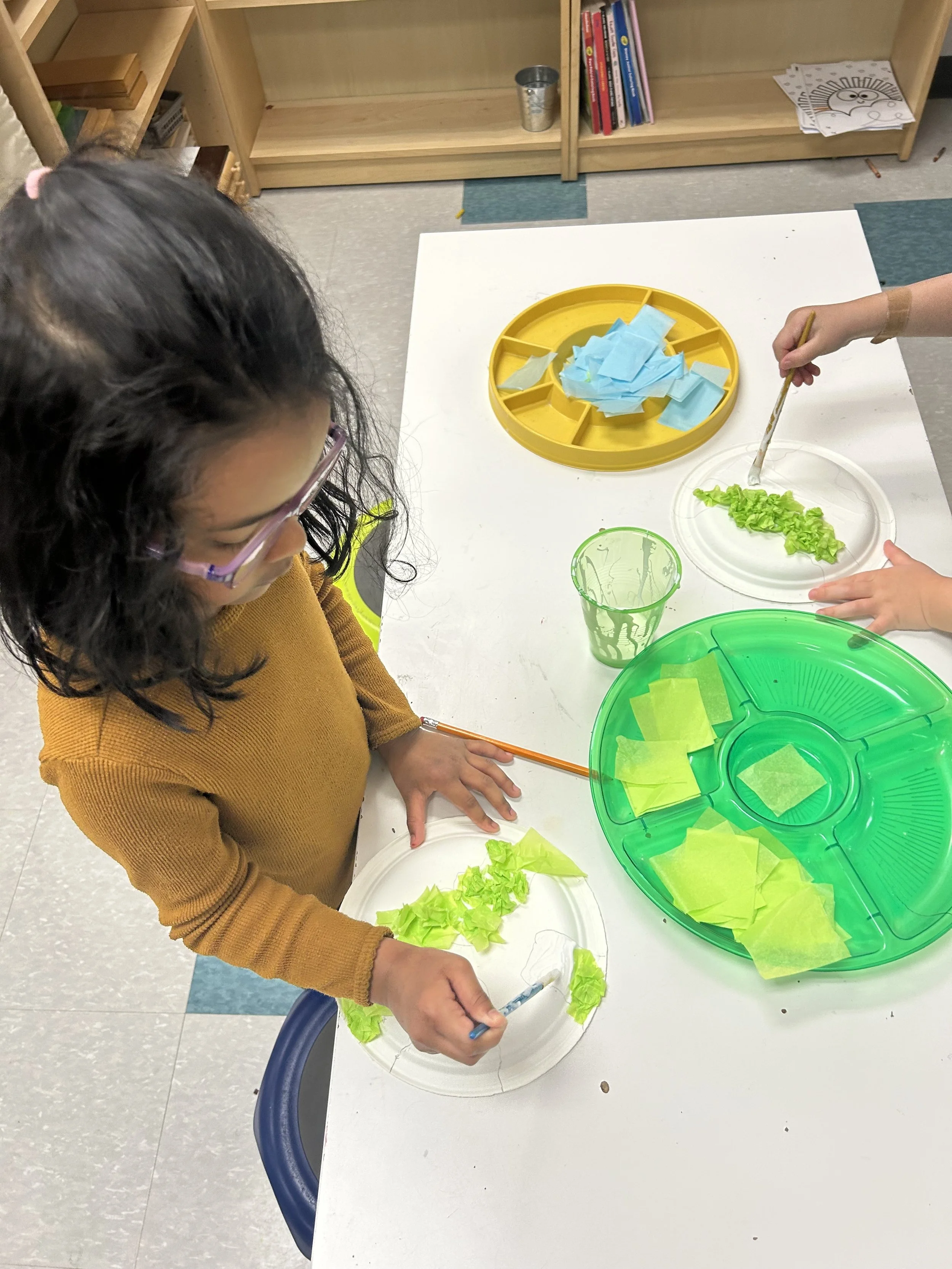
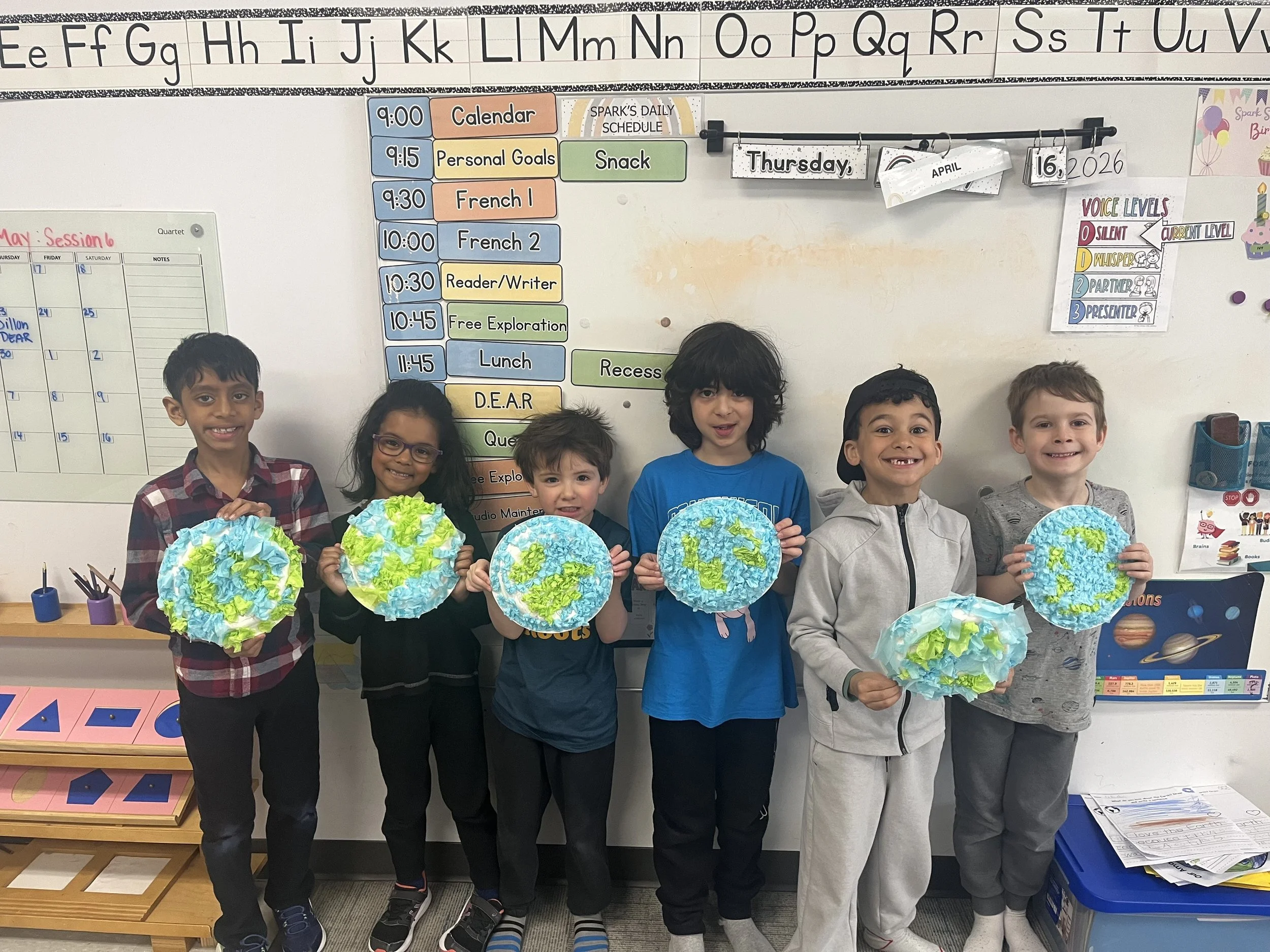
This week in our Art Workshop, we continued with our Quest theme by creating our very own versions of the Earth. The learners began by using paper plates as their base and drew the continents, thinking about the shapes and placement of land around the world. Next, the Sparks used crumpled tissue paper to bring their artwork to life, gluing blue and green pieces onto the plate to represent water and land. This hands-on technique added texture and made each piece unique.
The end results were truly “out of this world!” ✨
French
This week in French, Sparks began exploring vocabulary related to rooms in the house and the objects commonly found in each space. Our focus this week was on the kitchen, where learners were introduced to key vocabulary such as four (oven), frigo (fridge), table, chaise (chair), and lave-vaisselle (dishwasher). In addition, learners reviewed previously learned vocabulary related to food and tableware.
LA CUISINE | Objets de la maison | Vocabulaire pour les enfants
Reader/Writer Workshop
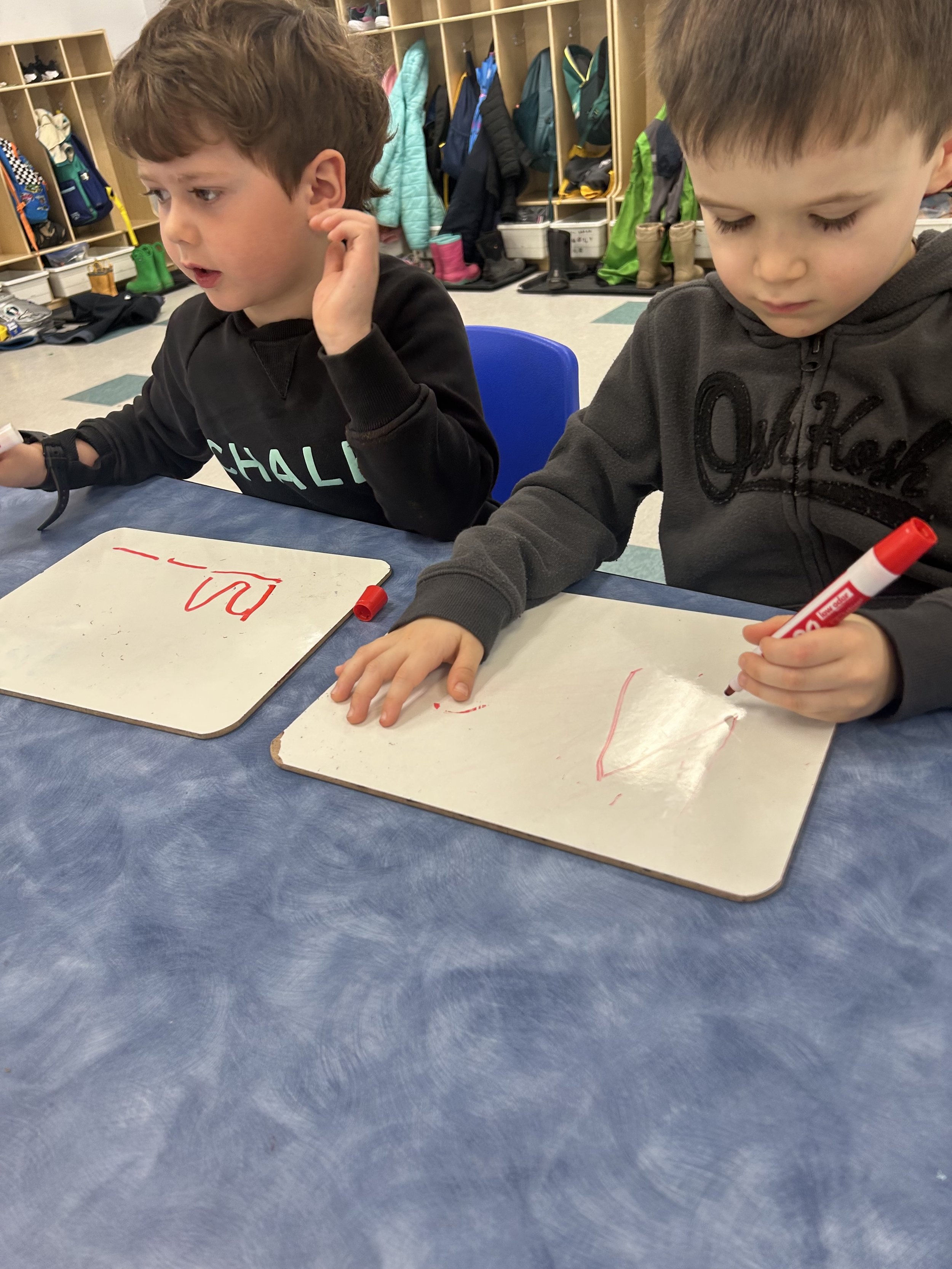
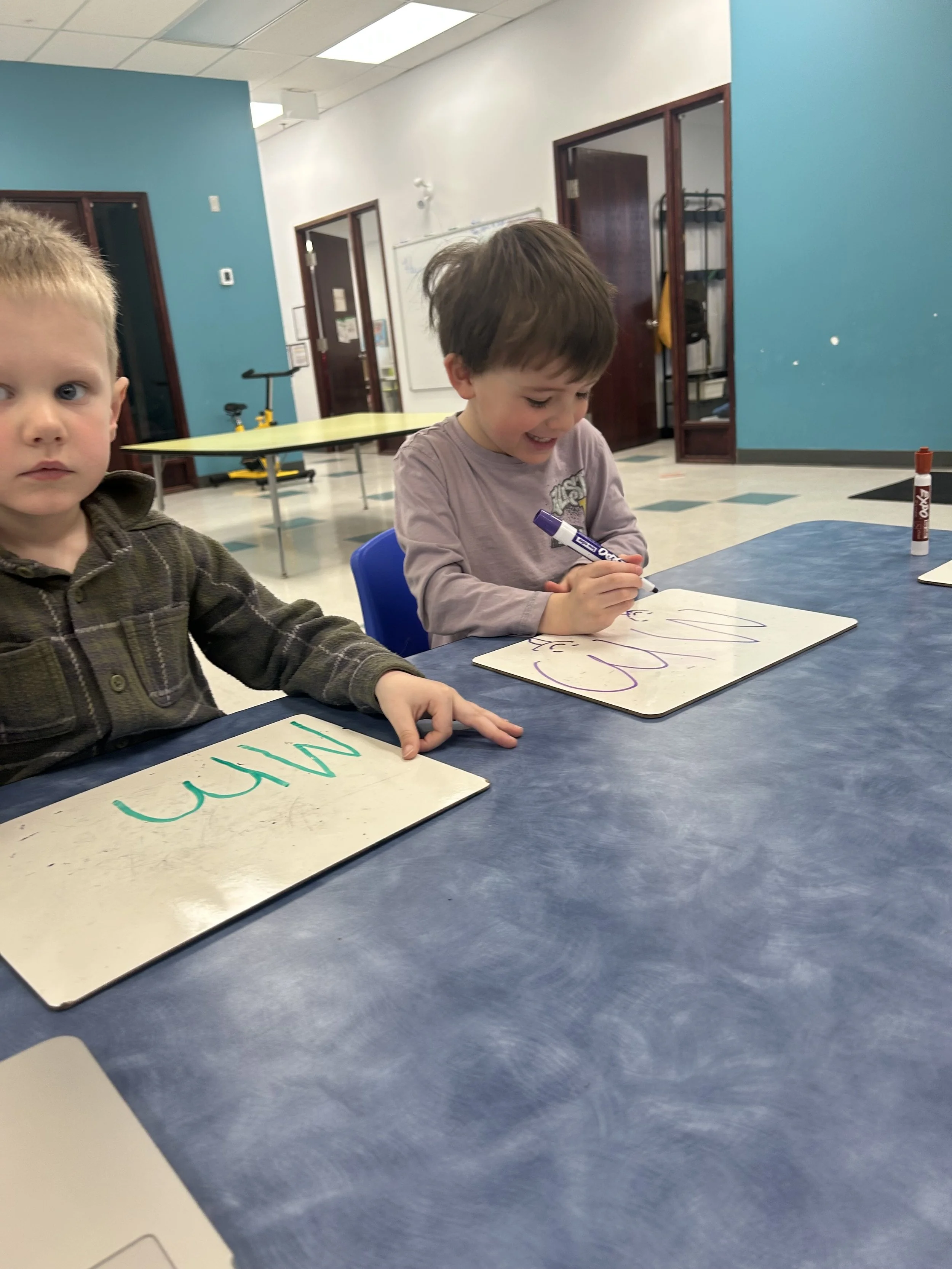
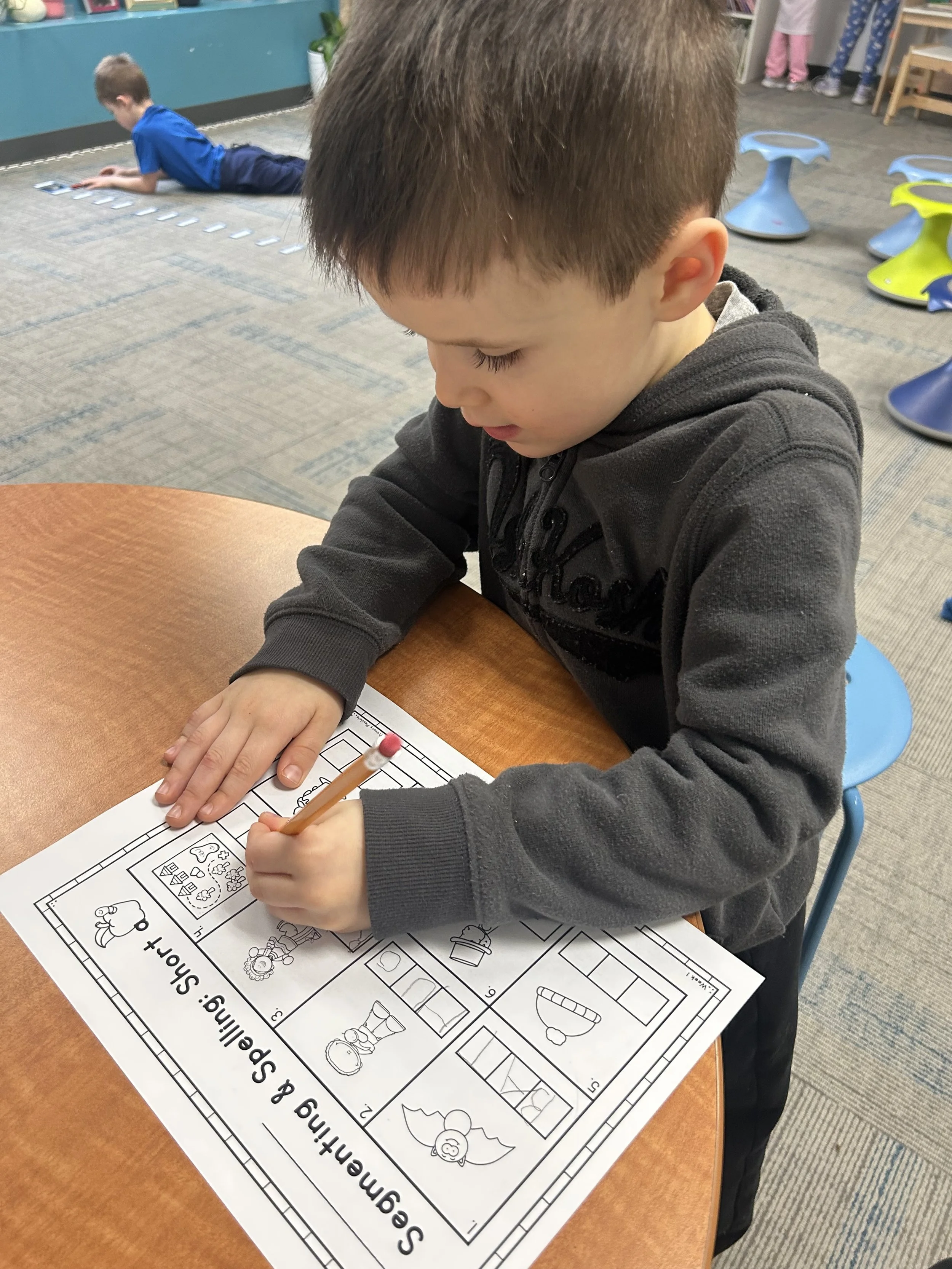
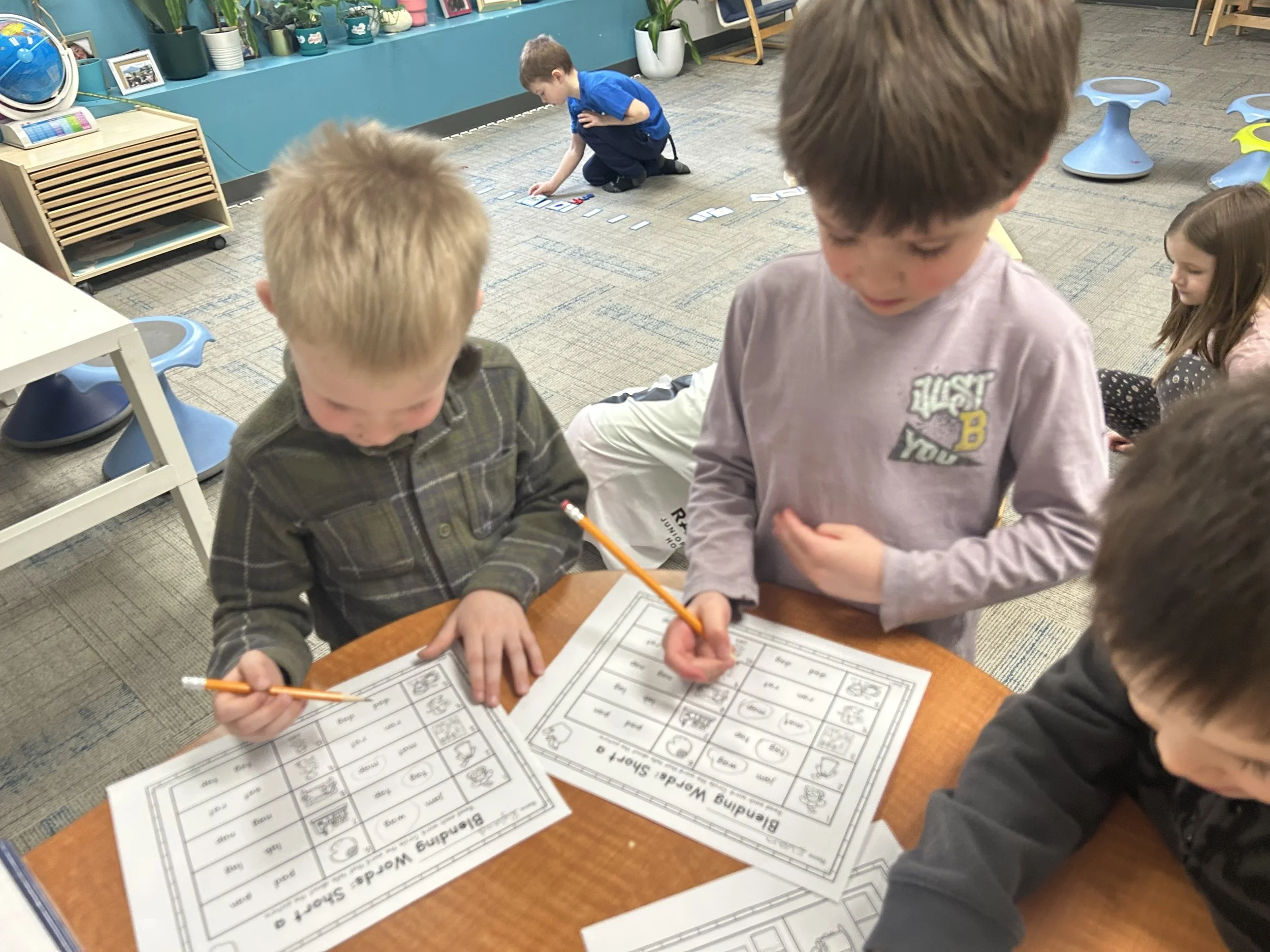
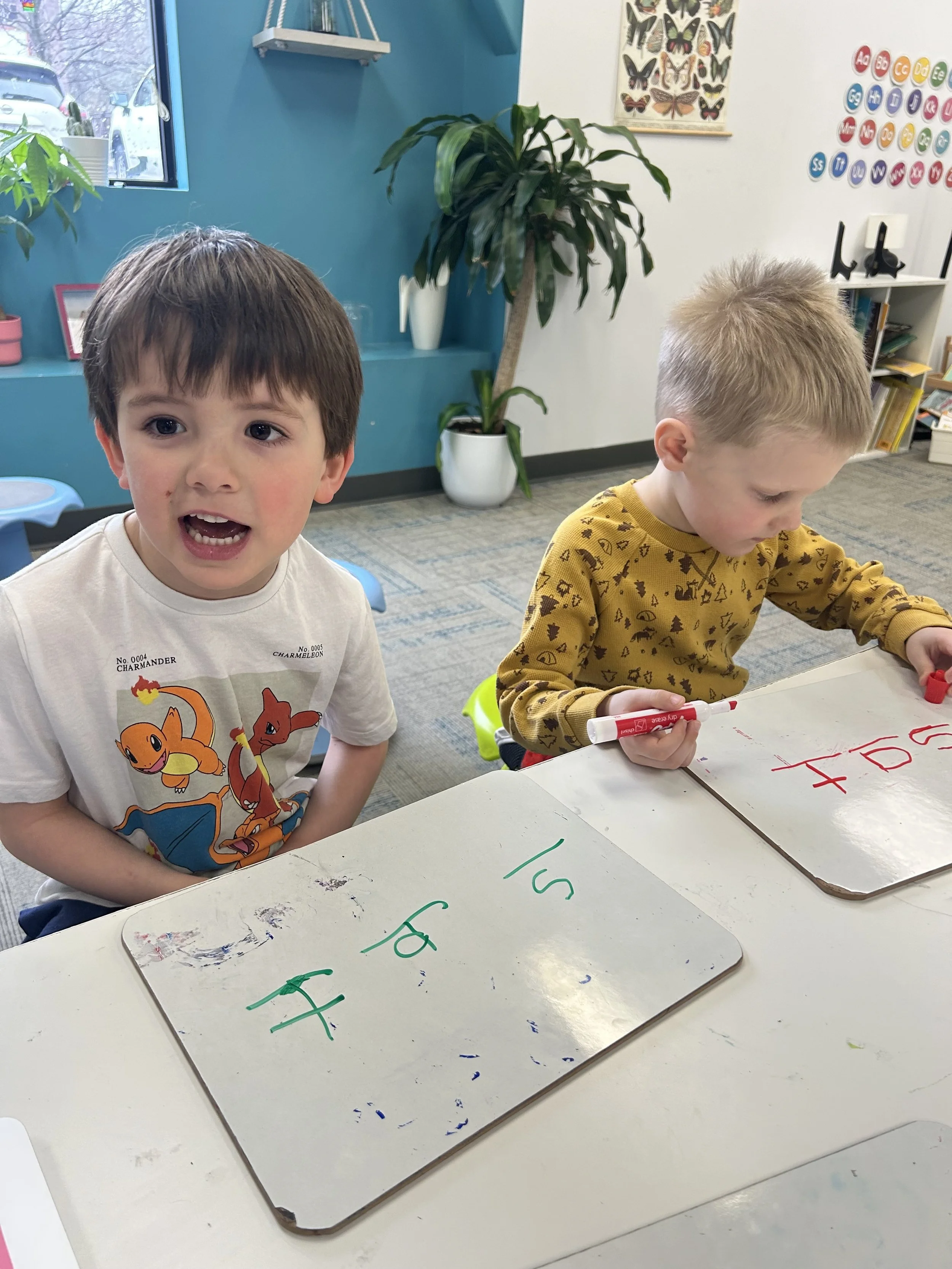
Group One is on a learning journey using the UFLI program. They are using this program to develop a stronger understanding of the alphabet, letter sounds, letter formation, and the ability to access this knowledge automatically. The lessons in this unit are designed to build the Sparks’ alphabet knowledge, as well as their decoding and encoding skills. The first three PowerPoint presentations focused on the letters a, m, and s. During these lessons, learners followed five steps: phonemic awareness, visual drills, auditory drills, blending drills, and new concepts (printing words—beginning, middle, end). Using their whiteboards, they drew three lines to guide letter placement (beginning, middle, end). These lessons also demonstrated how their mouths and lips should look when pronouncing each letter sound. Throughout the week, Group One also worked in their UFLI workbooks, completing one or two pages connected to their weekly lessons. This week, the Sparks focused on a letter maze and a colouring page. The Sparks showed great enthusiasm for these activities and often asked to do them again!
Group Two began their creative writing by exploring two books for inspiration: The Berenstain Bears on the Moon and Field Trip to the Moon. The second book does not include pictures, which encouraged learners to use their imagination to visualize what was happening on each page. Using these stories as inspiration, we responded to the writing prompt: “If I went to the moon…” We started by thinking about what we would pack for our trip. Learners came up with ideas such as Pokémon cards, books, water, iPads, and empty bottles and bags to collect moon rocks. Next, Rebels wrote about one activity we would do on the moon. Many learners were excited about the idea of jumping in low gravity, looking at Earth from space, reading, and playing. Throughout our writing, we focused on important skills such as using capital and lowercase letters correctly, forming letters with appropriate size, and adding punctuation. For spelling, we practiced sounding out words together to support independent writing.
Book Study
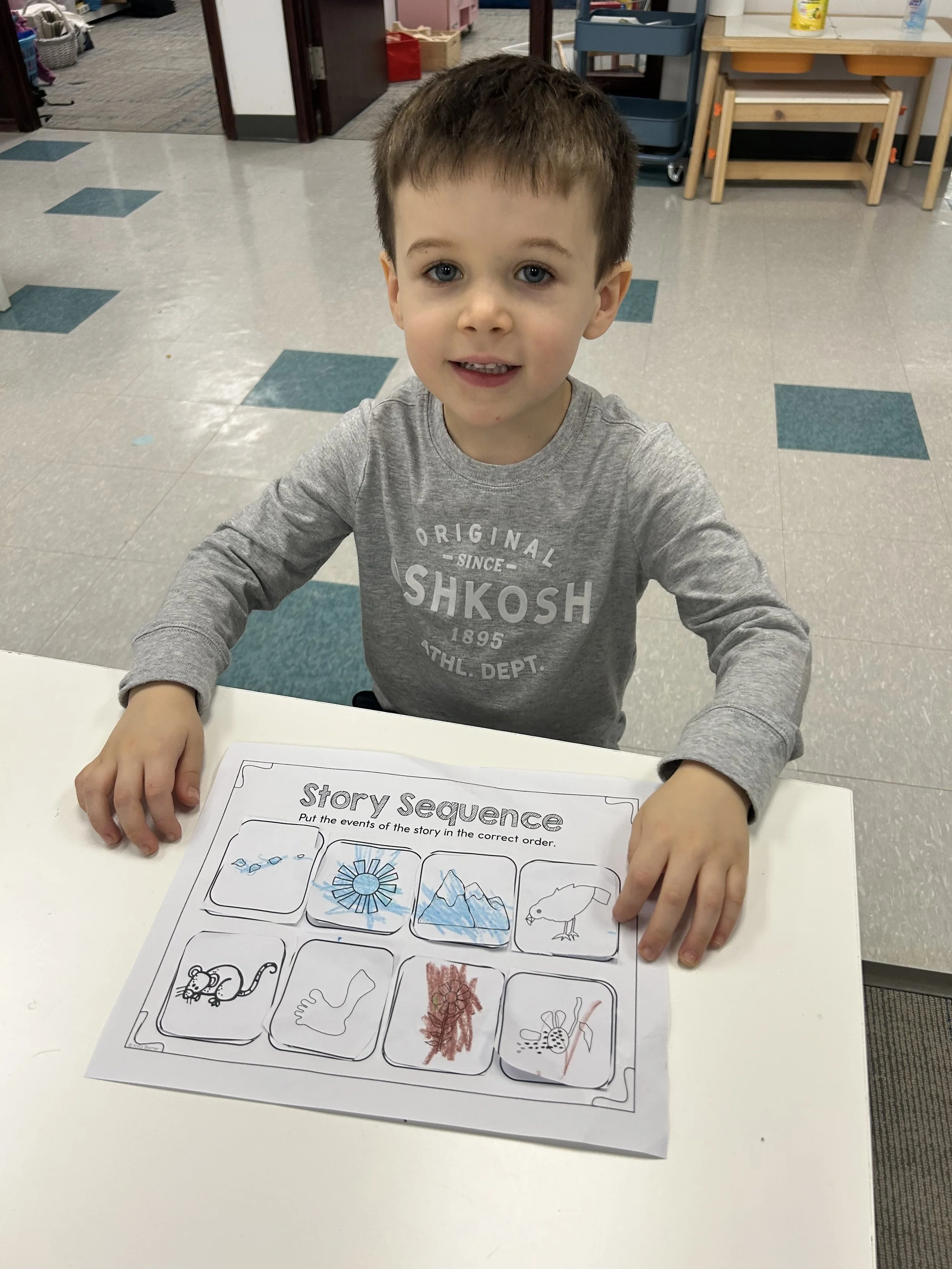
This session, we began a new book study with a spring theme: The Tiny Seed by Eric Carle. First, we read the story together. The book follows the journey of a tiny seed as it travels through the seasons, facing many challenges such as harsh weather, animals, and obstacles along the way. Despite these difficulties, the seed eventually grows into a beautiful flower, highlighting the life cycle of plants. After reading, learners received their booklets, which they will continue working on throughout the session. On the first page, they coloured pictures from the story, then cut and pasted them in the correct sequence to retell the events. This activity supported comprehension by encouraging the Sparks to recall and organize the main events of the story.
Math Workshops
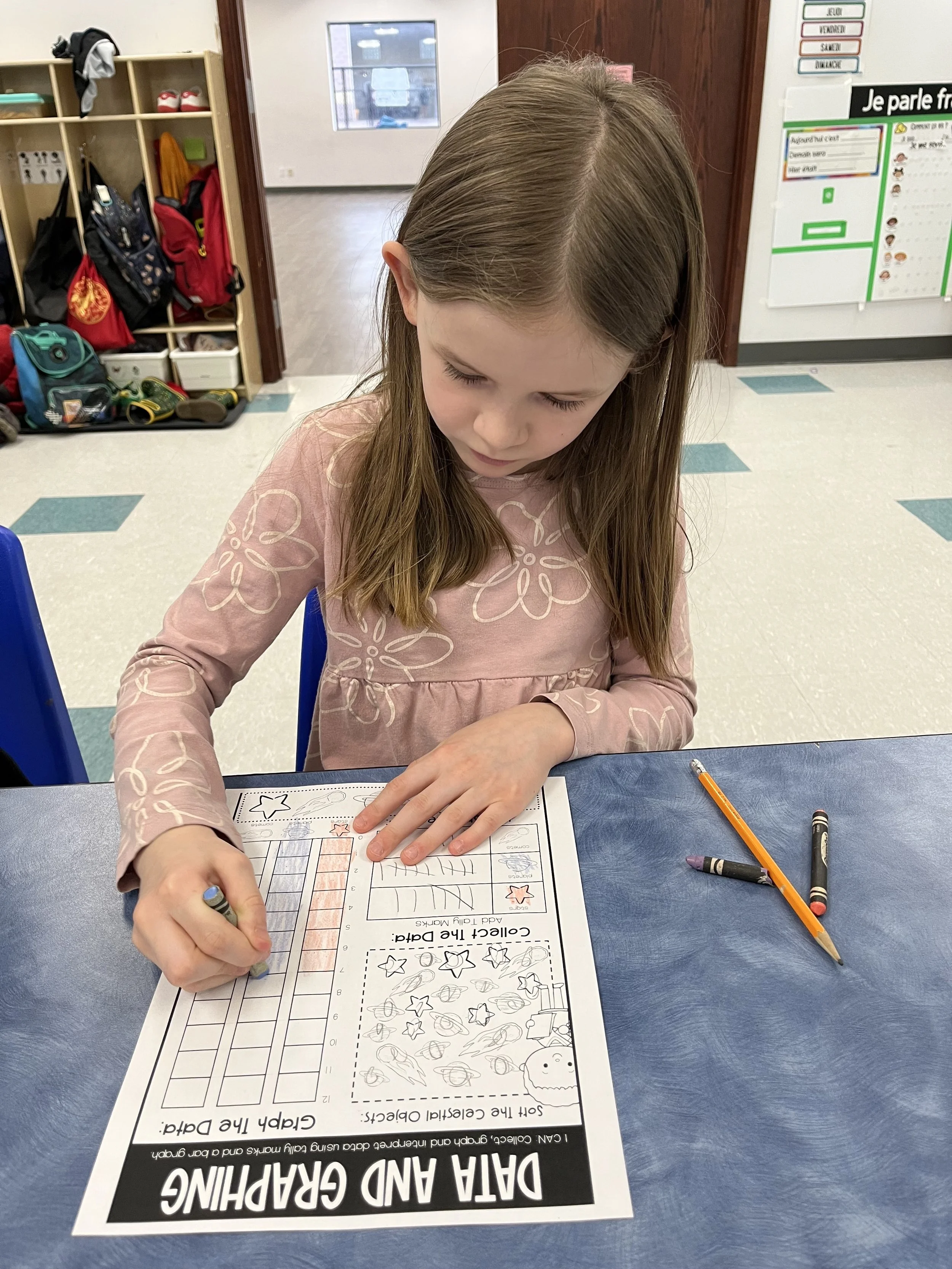
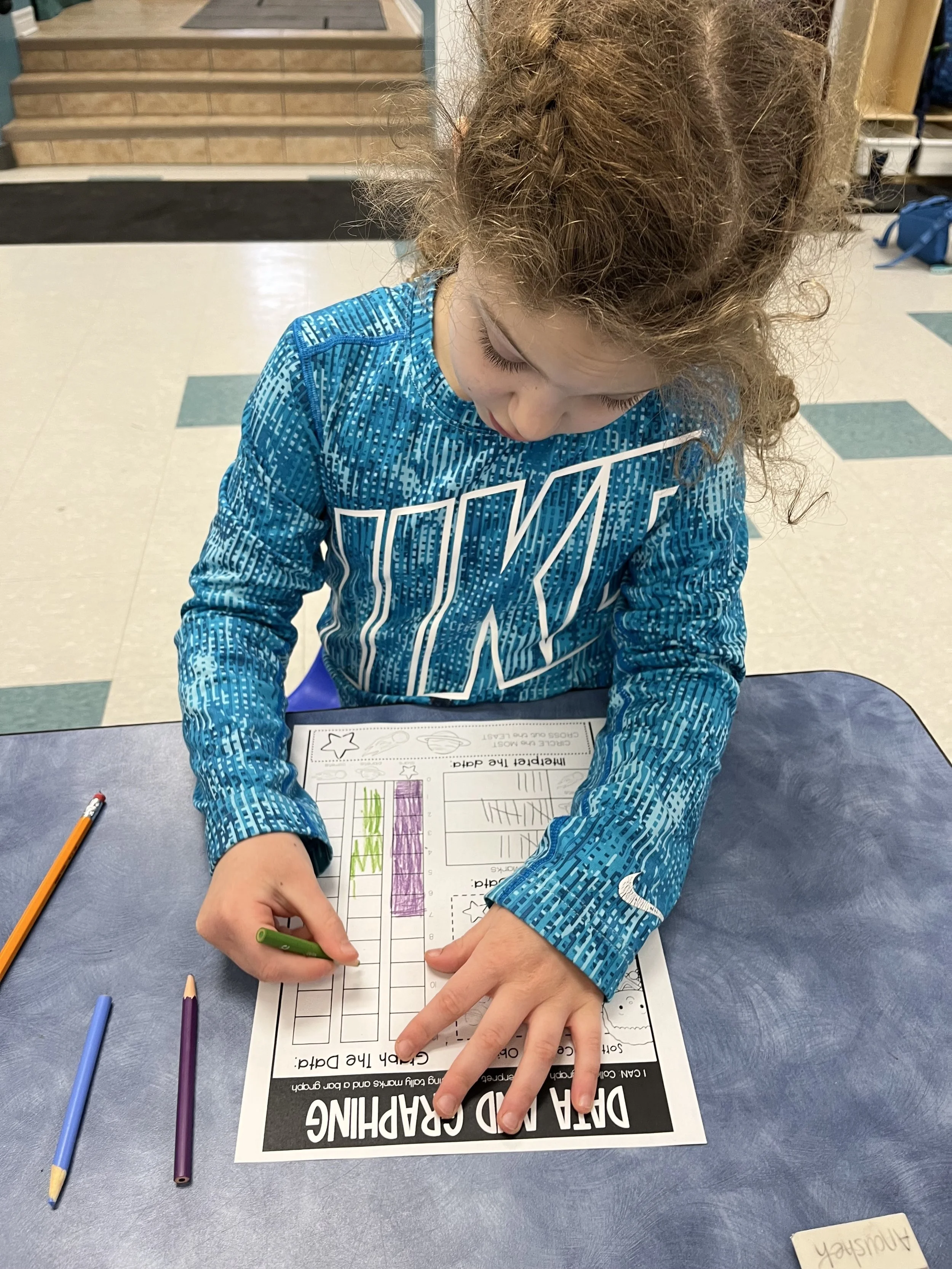
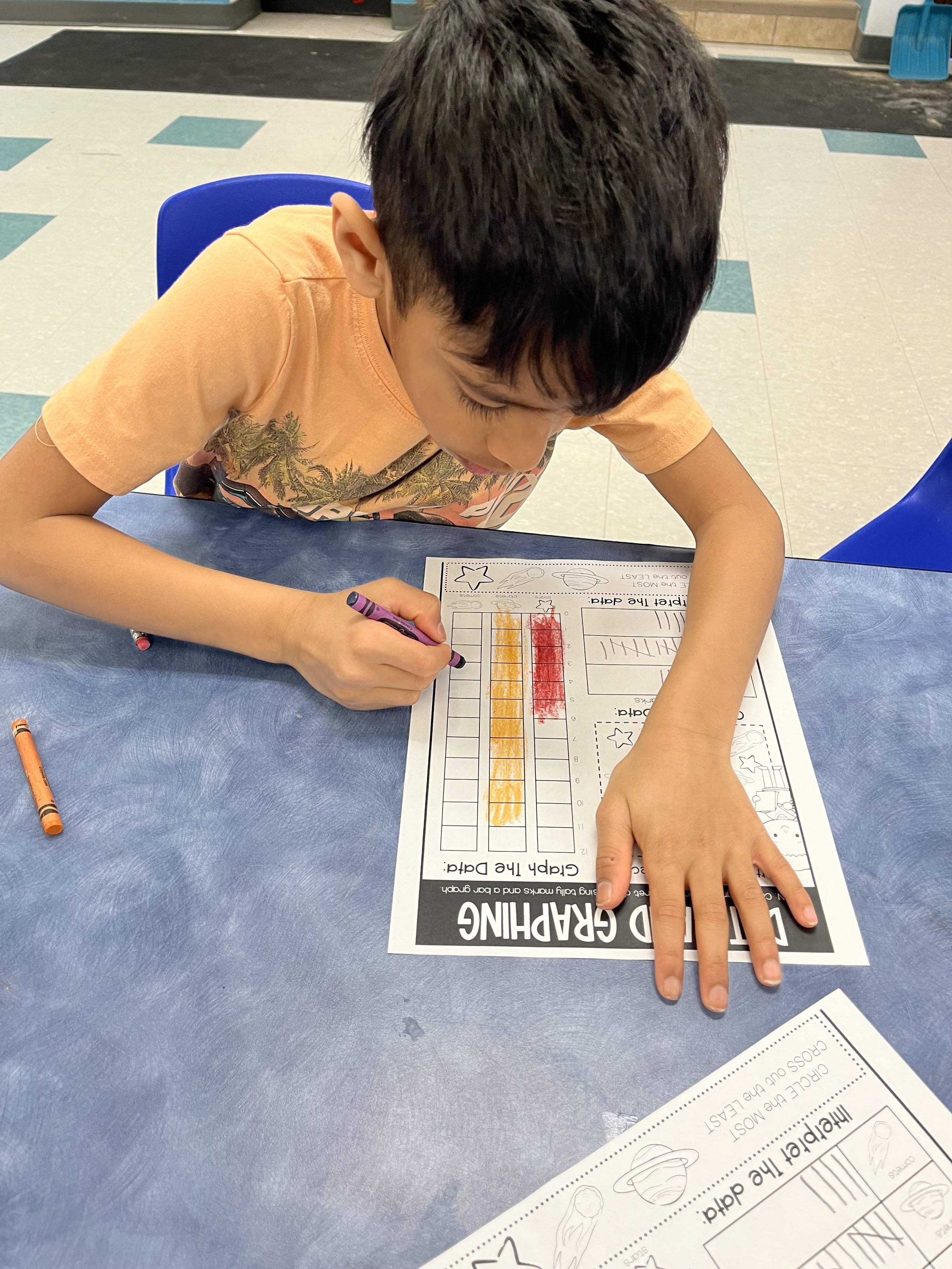
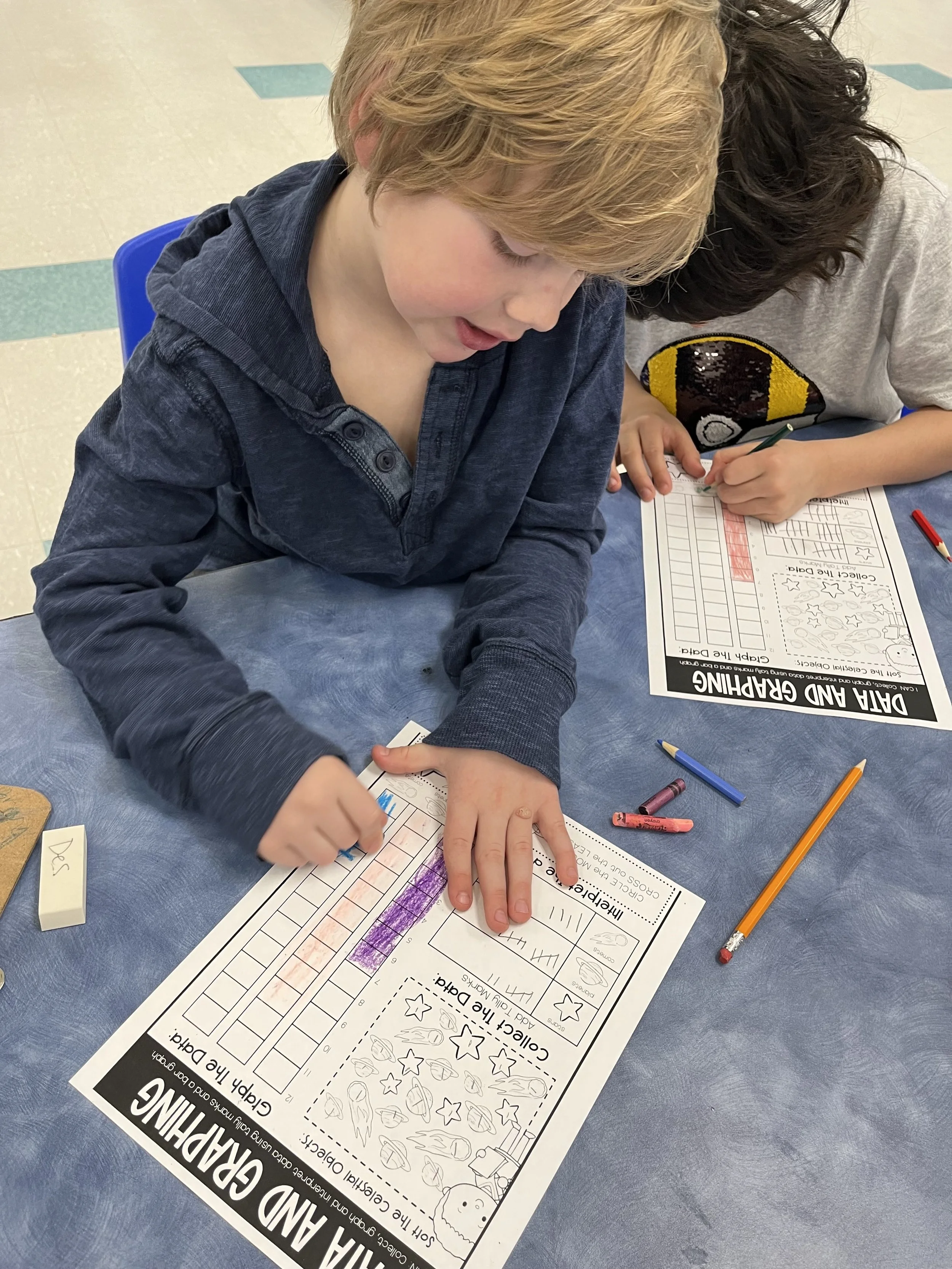
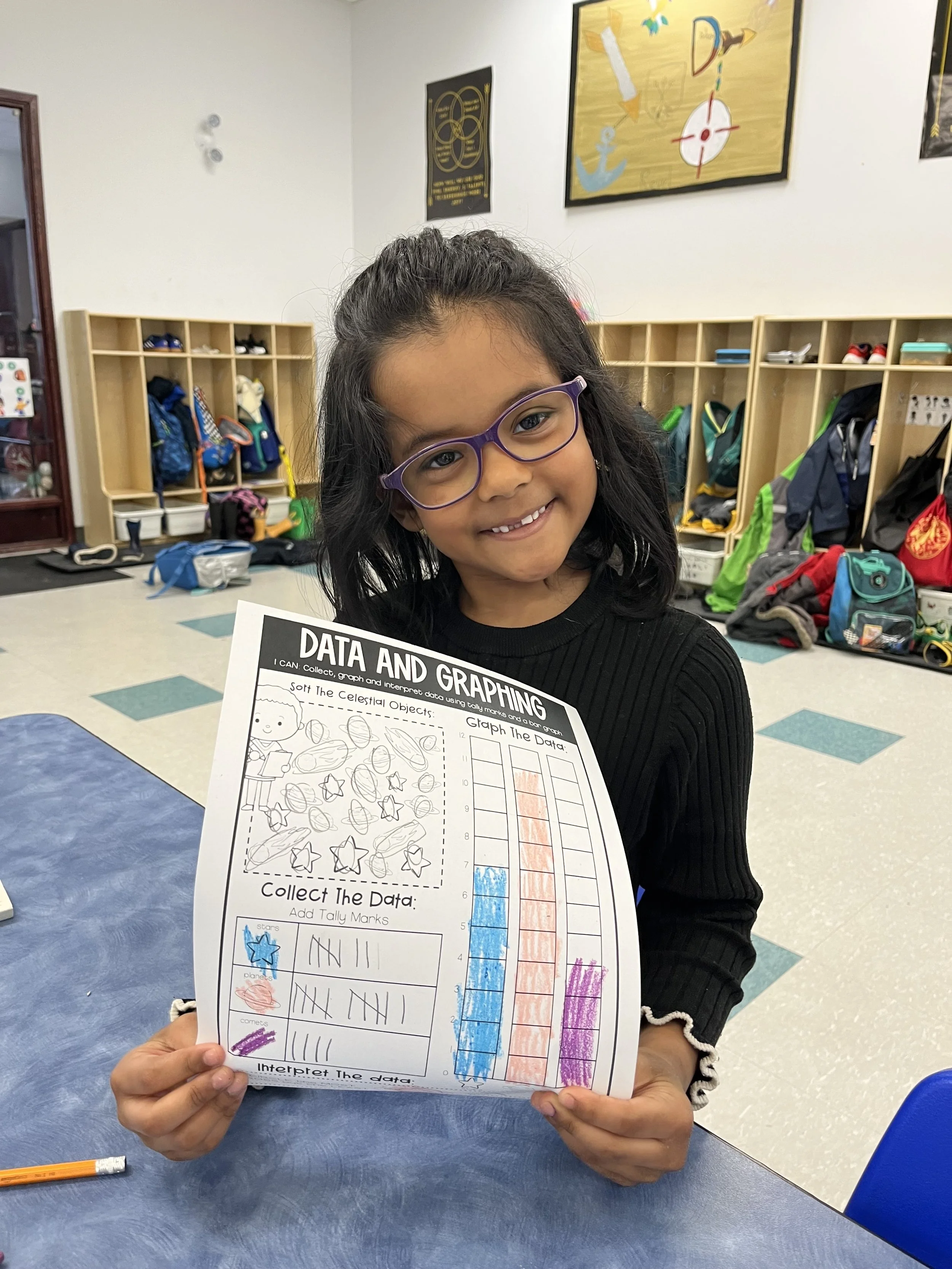
We began Math Lab as a whole studio this week. We started with a group discussion to introduce the focus of the session: exploring data. The Guides invited the Sparks to share their prior knowledge by asking if they had ever collected data before or if they were familiar with tally marks and bar graphs. Some learners shared that tally marks are grouped in sets of five to make counting easier. To build on the Sparks’ understanding of this session’s Math Lab, we watched Data! by Scratch Garden. The video provided an engaging review of tally marks and demonstrated how we can collect, organize, and visualize data. It also highlighted that asking questions is a way to gather information and represent results using pictographs.
Group One was provided with a bar graph indicating different types of weather—sunny, partly cloudy, cloudy, windy, rainy, and snowy. Each day, Group One will collect data on the weather throughout Session 6 (April 13–May 15). Group Two learners sorted different celestial objects into categories and then collected their data using tally marks. After organizing their information, they created a bar graph to visually represent their findings. Finally, they practiced interpreting the data by identifying which category had the most (circled) and which had the least (crossed out). This activity helped strengthen their understanding of sorting, counting, graphing, and analyzing data.
Discovery Studio
Mindfulness and Launch
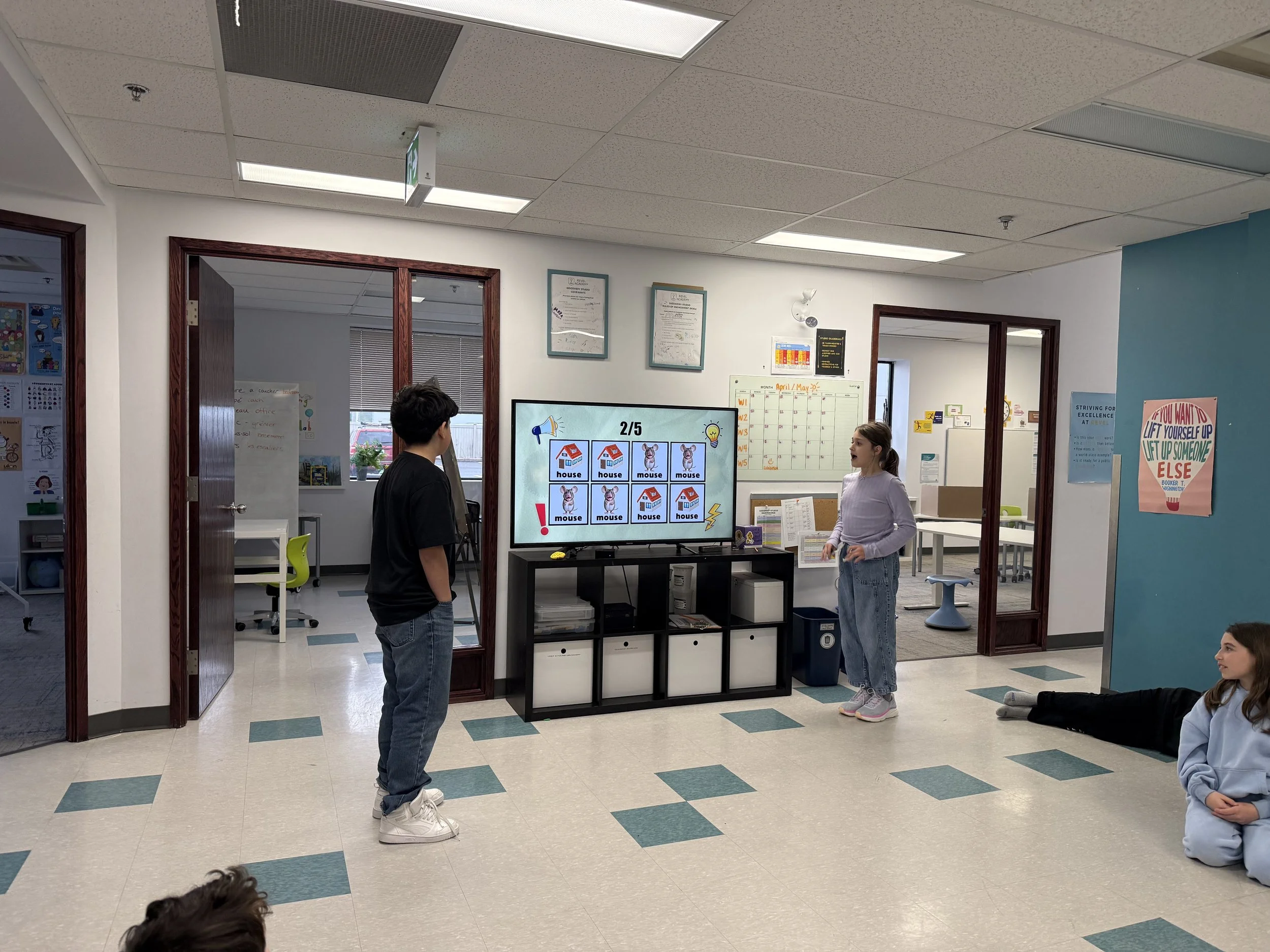
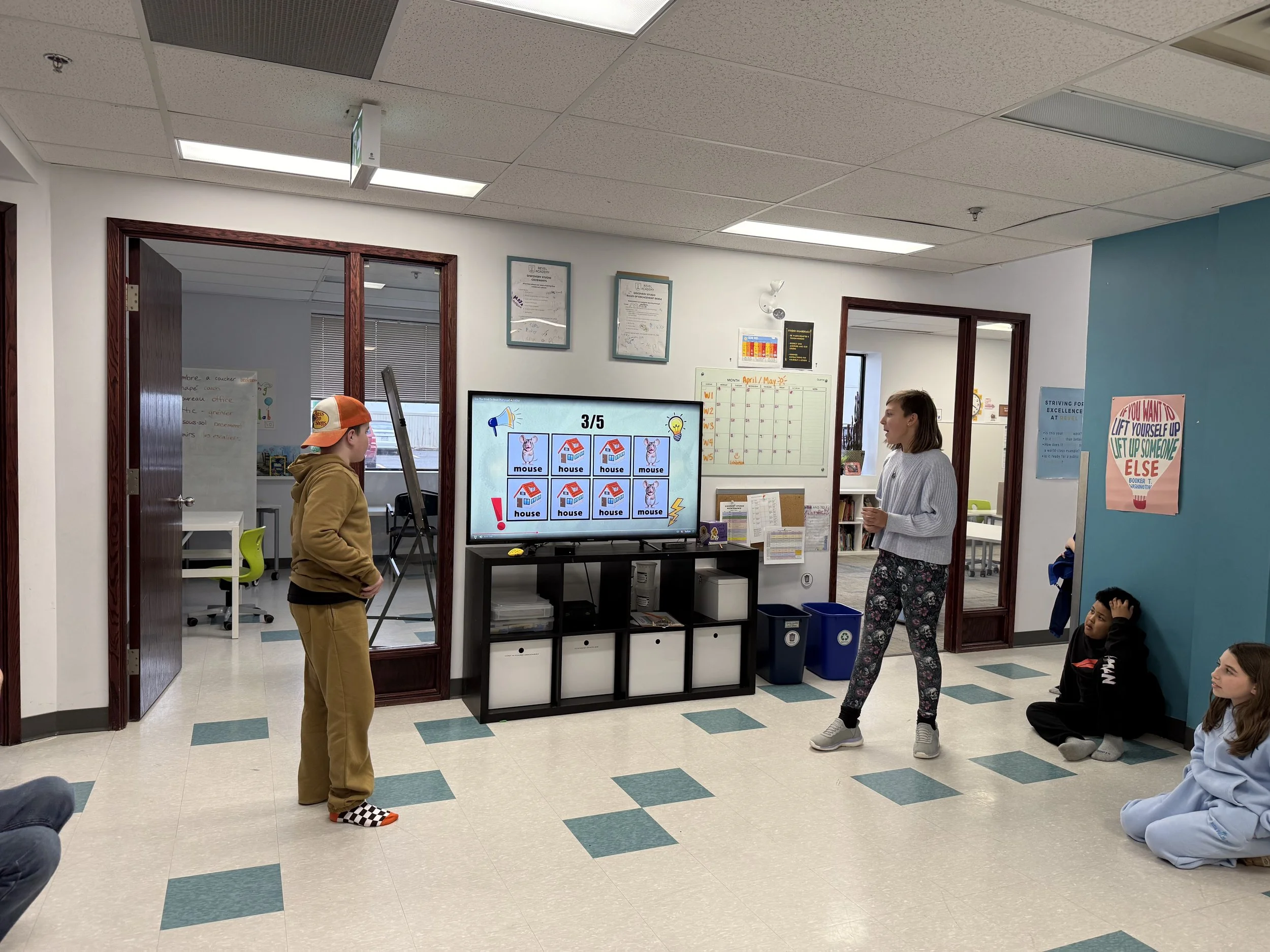
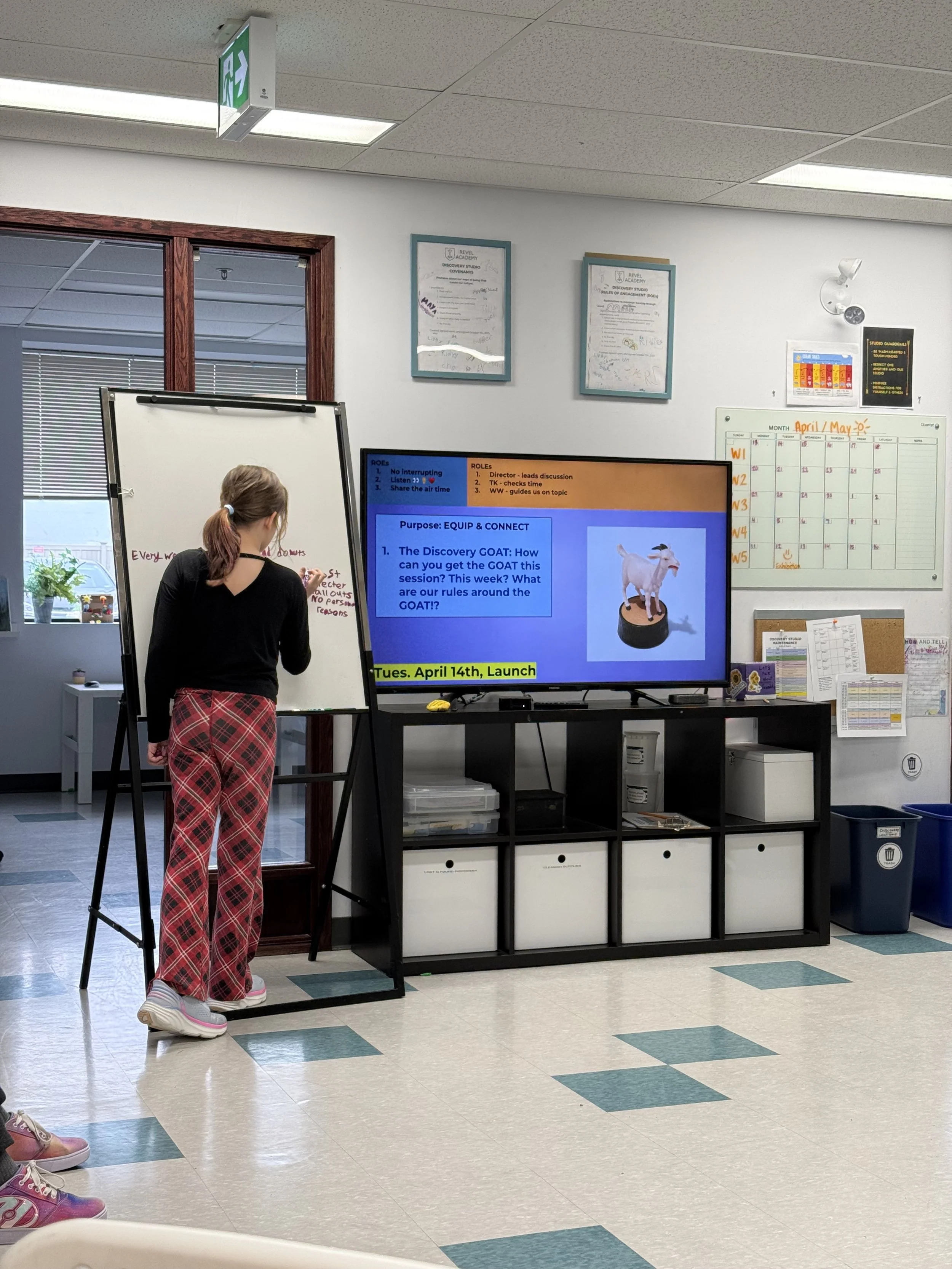
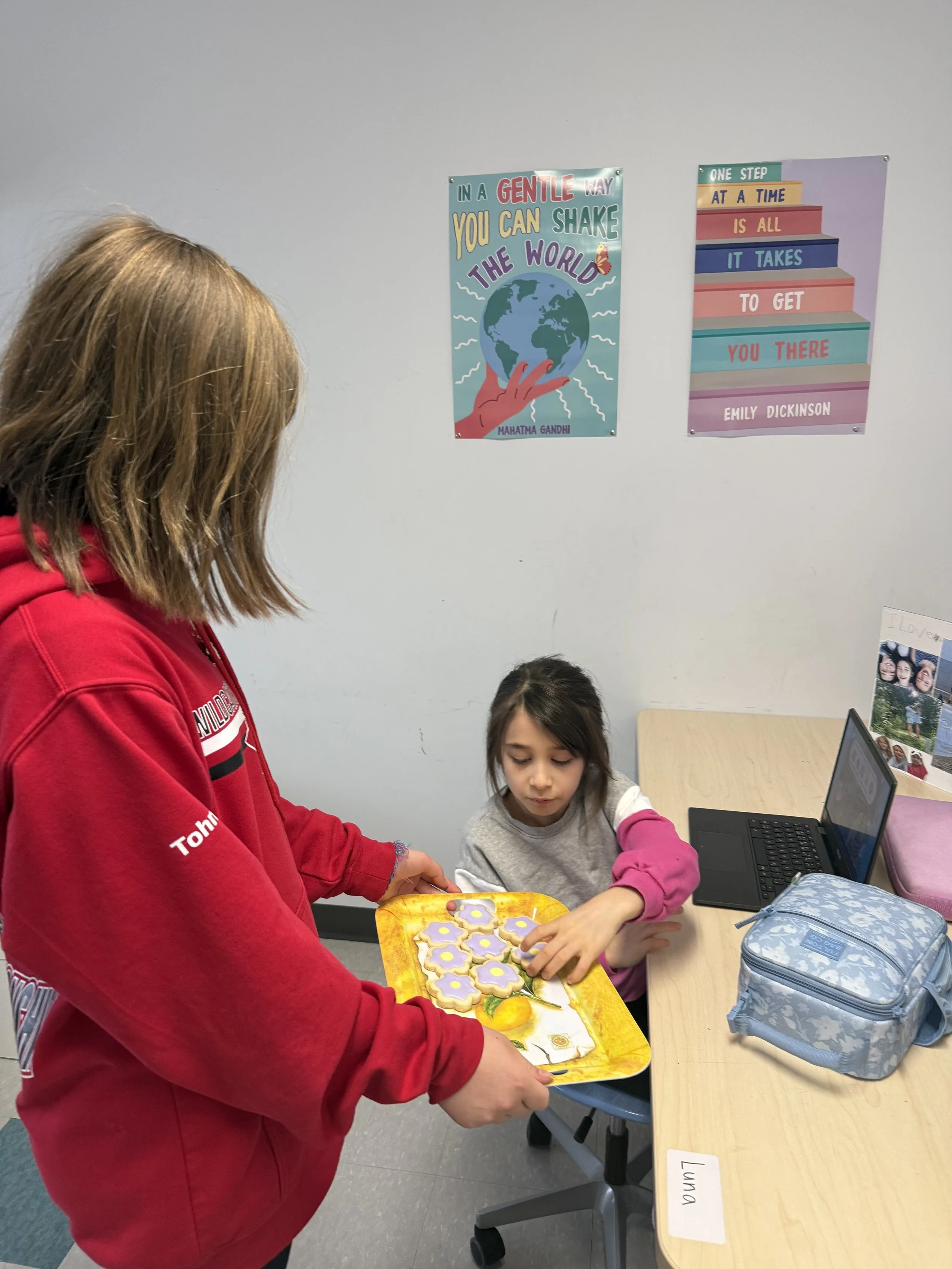
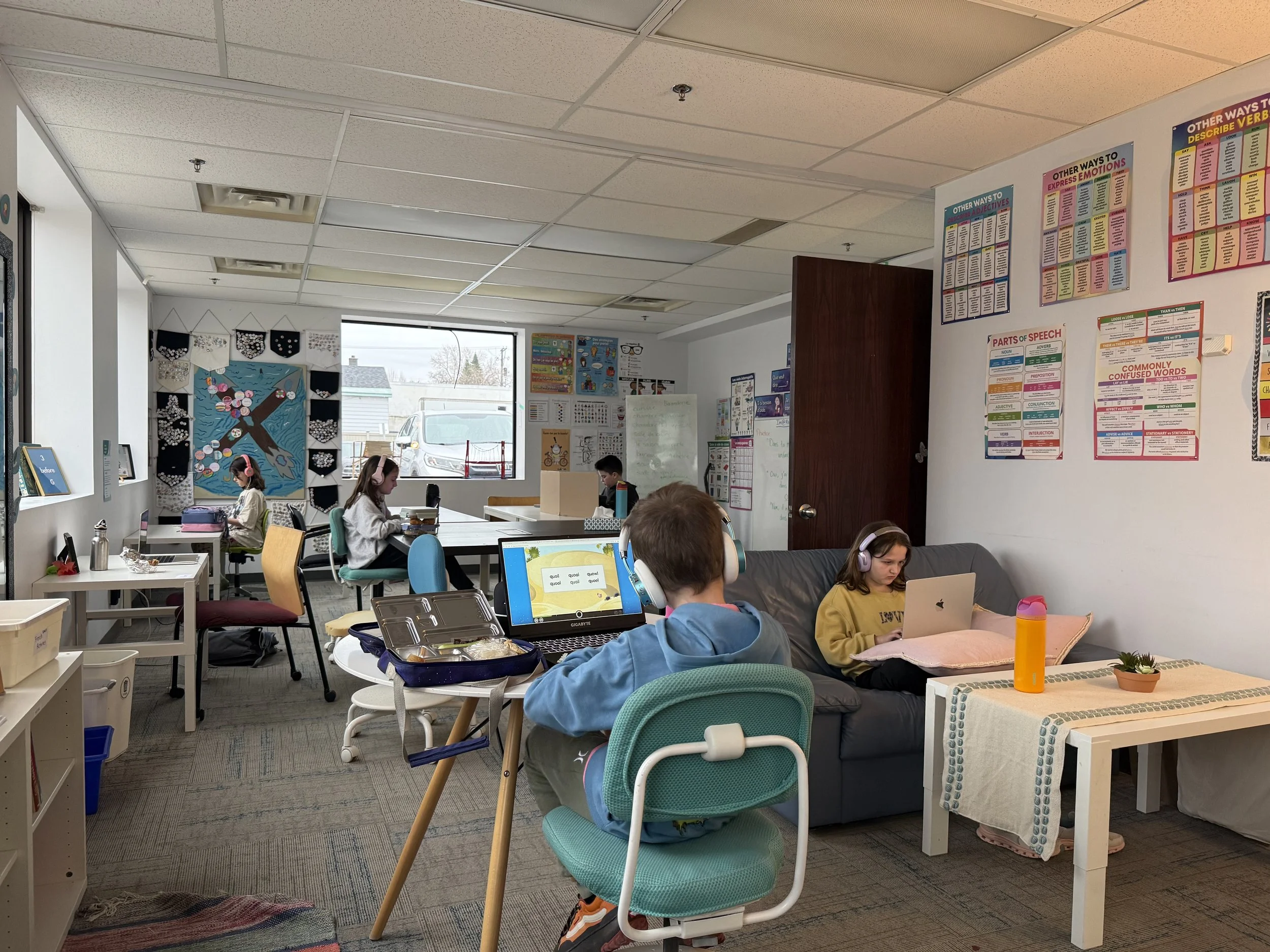
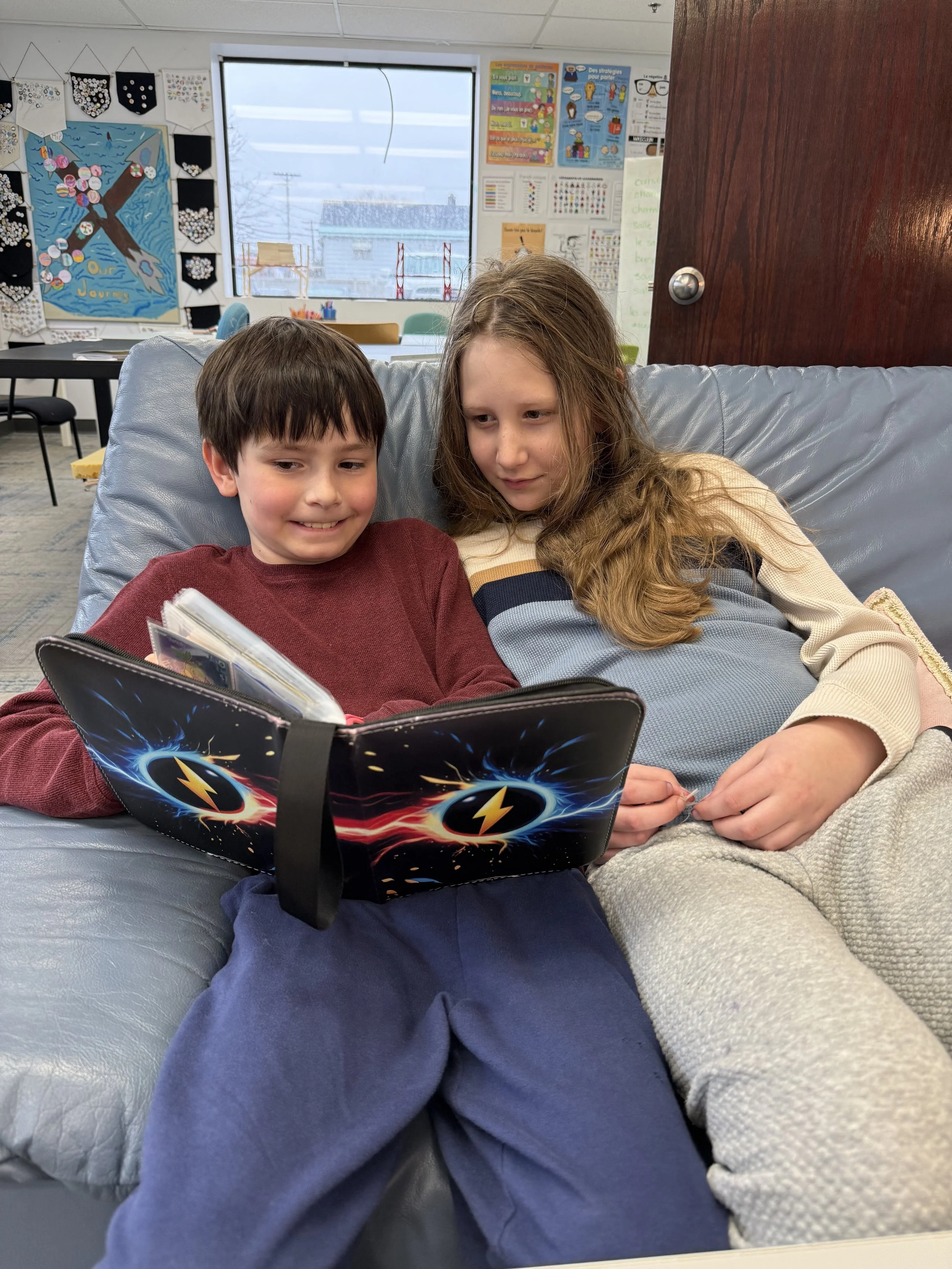
Welcome back to Session 6, Rebels! We kicked off our week with a mindful meditation about positive self-talk and thinking more intentionally about the things we say to ourselves. What do you tell yourself when you’re feeling anxious? What do you tell yourself when you’re feeling sad? What do you tell yourself when you’re happy or proud of yourself? Rebels listened to a guided meditation and then shared some of their self-talk mantras with their team. For Launch, we watched an inspiring clip from Artemis II team member Christina Koch’s speech on what it means to be a part of a “crew”. Rebels discussed how our studio functions similarly to a crew and discussed different ways they will contribute to our “crew” as we enter the last two sessions of the school year. Tuesday morning, we started our day with a morning yoga flow in the gym, followed by a learner-led launch about our Discovery Studio GOAT. How can a learner win the GOAT? What is the criteria for a GOAT nominee? Rebels discussed together and decided to include GOAT nominations as a part of their squad meetings on Friday afternoons. Wednesday Rebels completed our New York Times puzzles of the day before their first Squad Chicken meetings of the session with new squad members and leaders. Squad members checked in with each other to see how their weekly goals were going, and also to be intentional about giving out some hard earned Rebels bucks to fellow teammates who have taken ownership of their education or who have been serving the community this week. Thursday’s “Thank You for Sharing” included stories about special session break memories, who would be their ideal crew on a space mission to the moon, and what is one personal goal for themselves for Session 6. Rebels enjoyed an upbeat Boomwhackers session on Friday morning before Current Events, which featured a story about a baby camel, an artist who draws Pokemon using only their online descriptions, and how numeric ratings work in the world of chess.
Reader/Writer
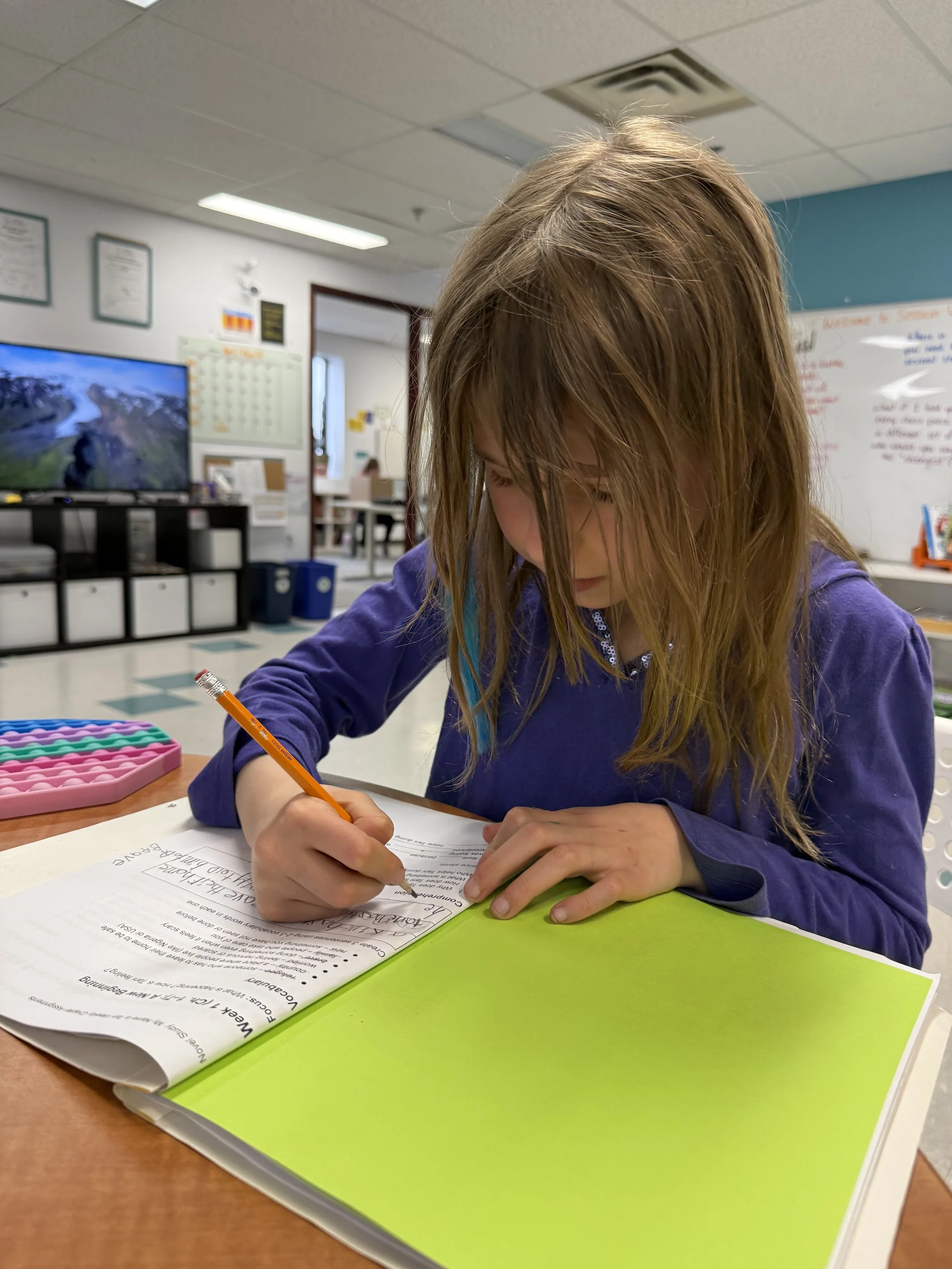
For our first joint workshop of the session, Rebels listened to the first seven chapters of My Name is Tani…and I Believe in Miracles (Young Readers Edition) together for read aloud on Monday, Tuesday and Wednesday during DEAR. We discussed different elements of the story such as plot, characters and new vocabulary (refugee, asylum, perseverance, terrorist, etc.). Our main character, Tani, has been through an overwhelmingly challenging few months with his family being uprooted from their home in Nigeria all the way to Dallas, Texas and then again to New York City. Rebels in both Aim & Release, and Draw & Anchor worked in separate groups to complete their first set of novel study challenges, creating sentences with different vocabulary words and answering a series of comprehension questions from the first seven chapters. Rebels in Aim & Release are focusing on writing longer, more detailed sentences for their responses, incorporating their new vocabulary in their answers. Draw and Anchor Rebels are focusing on writing in full sentences using proper punctuation and capitalization.
Math Lab
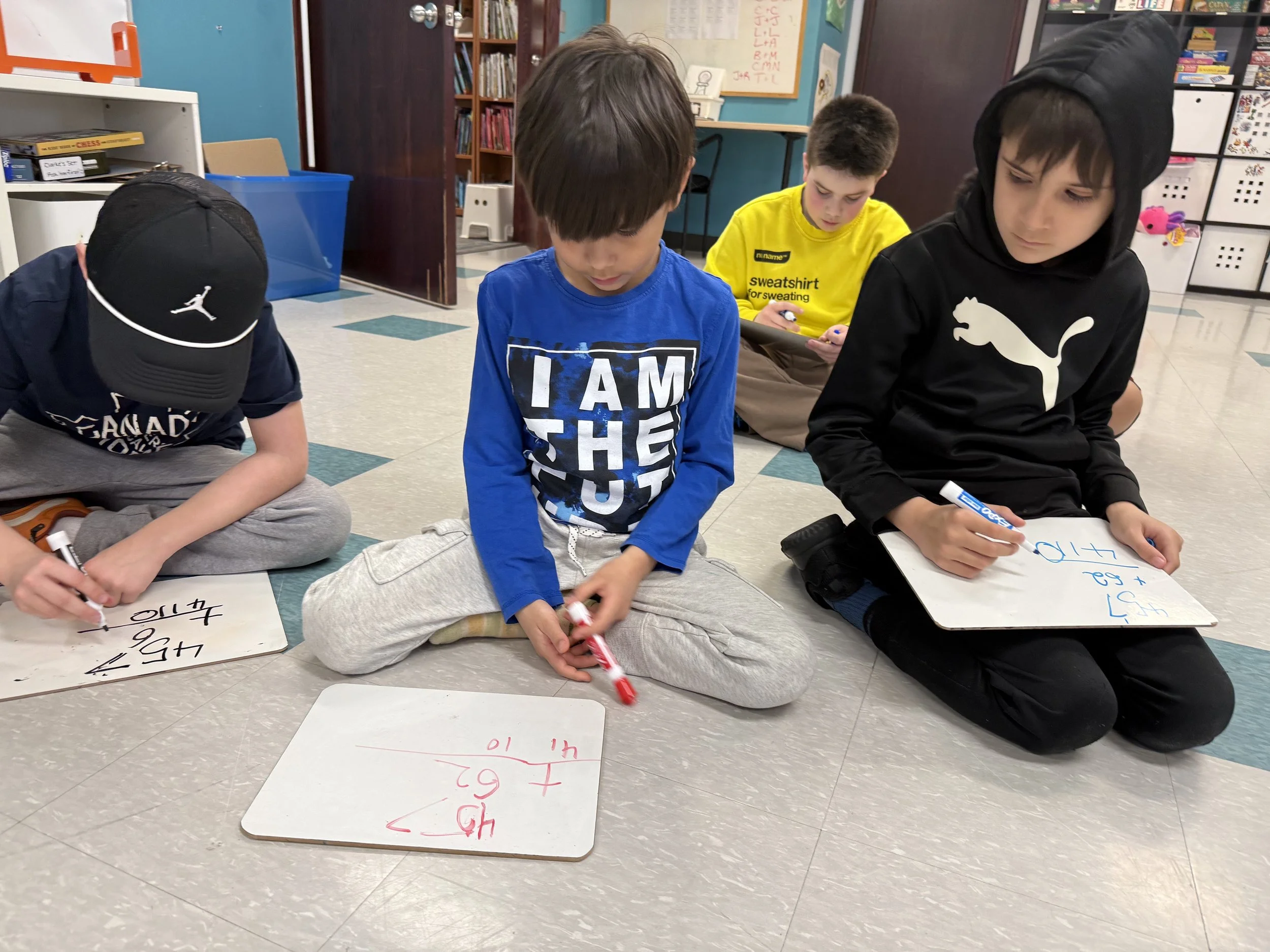
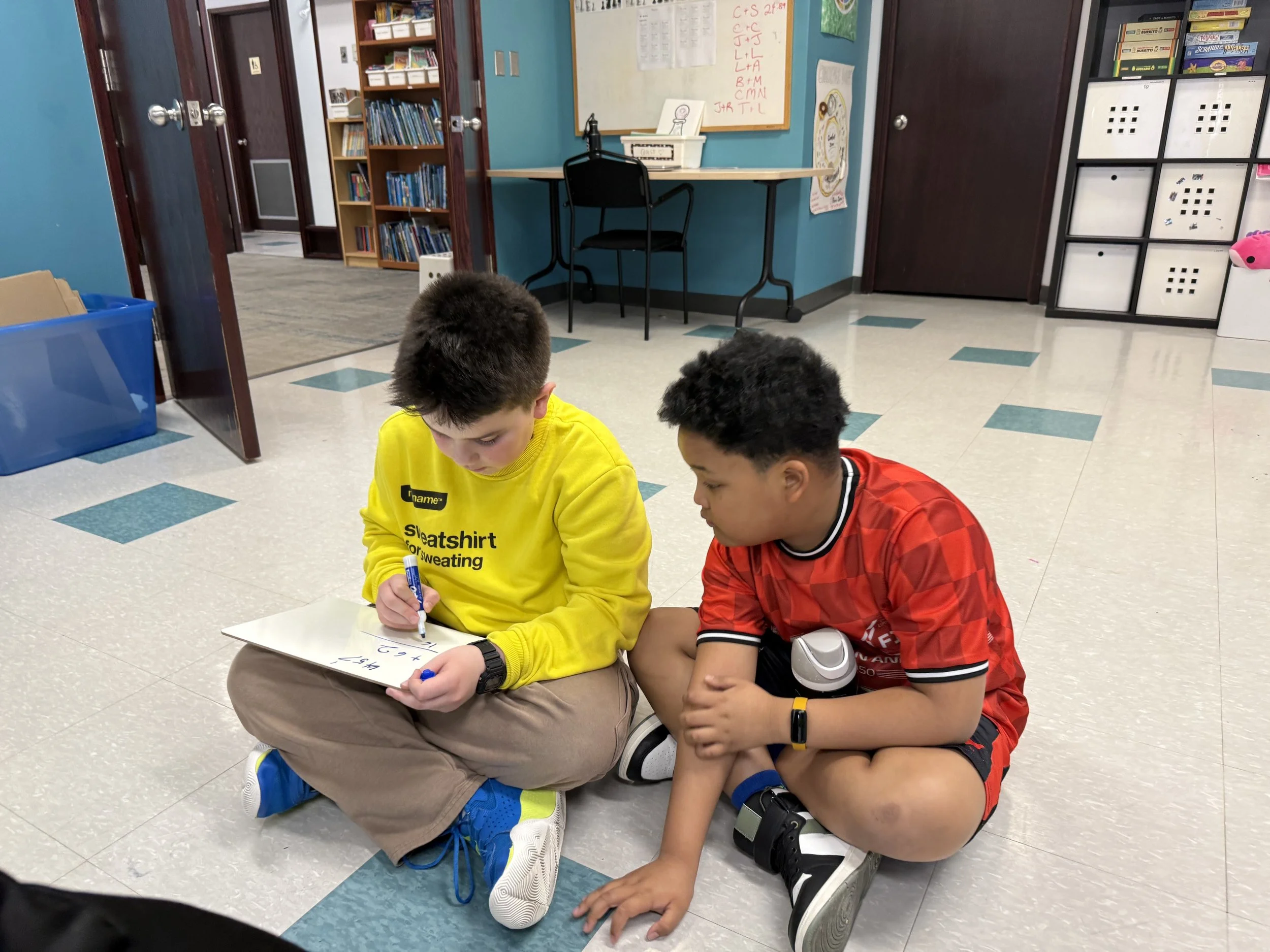
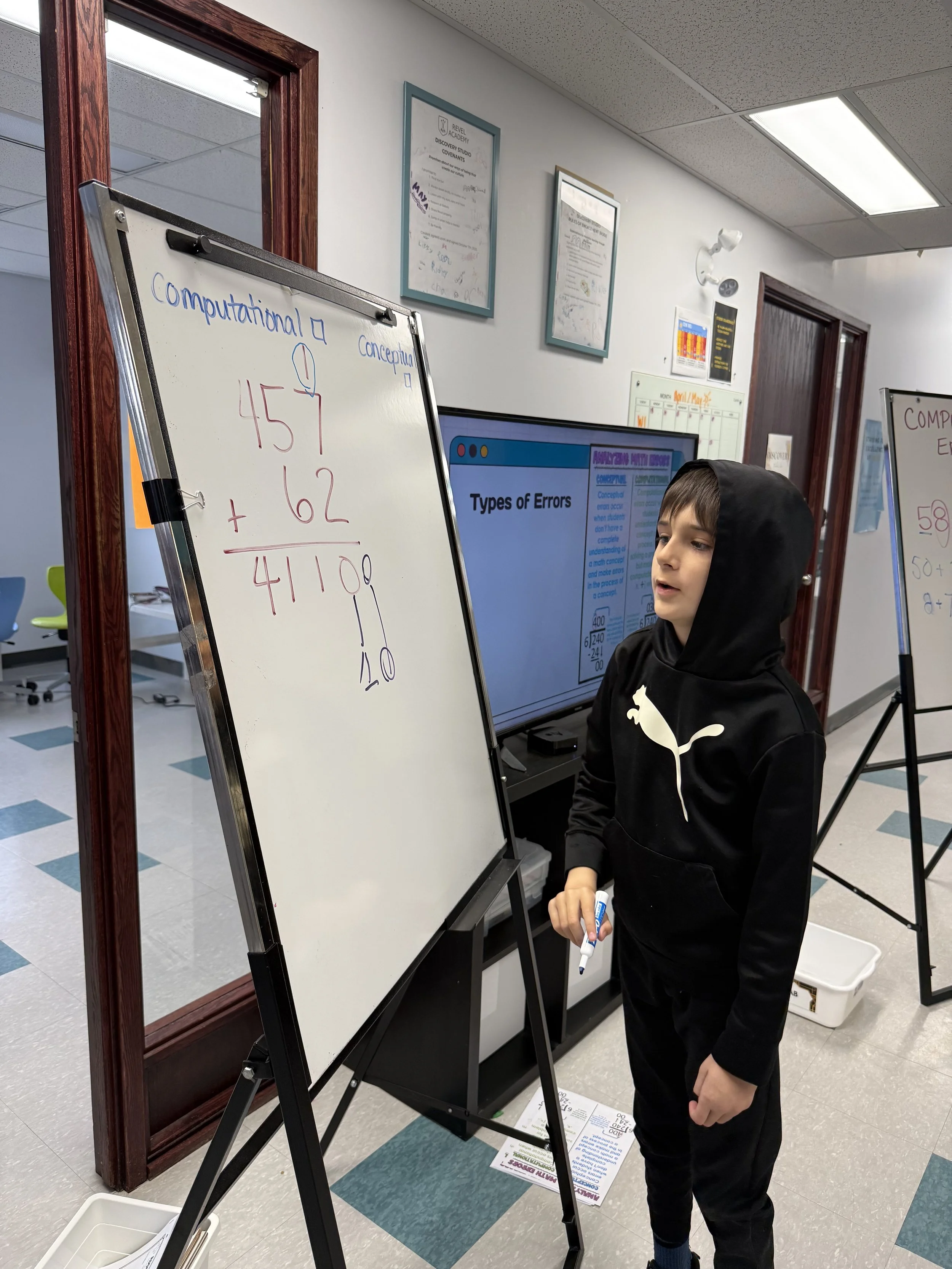
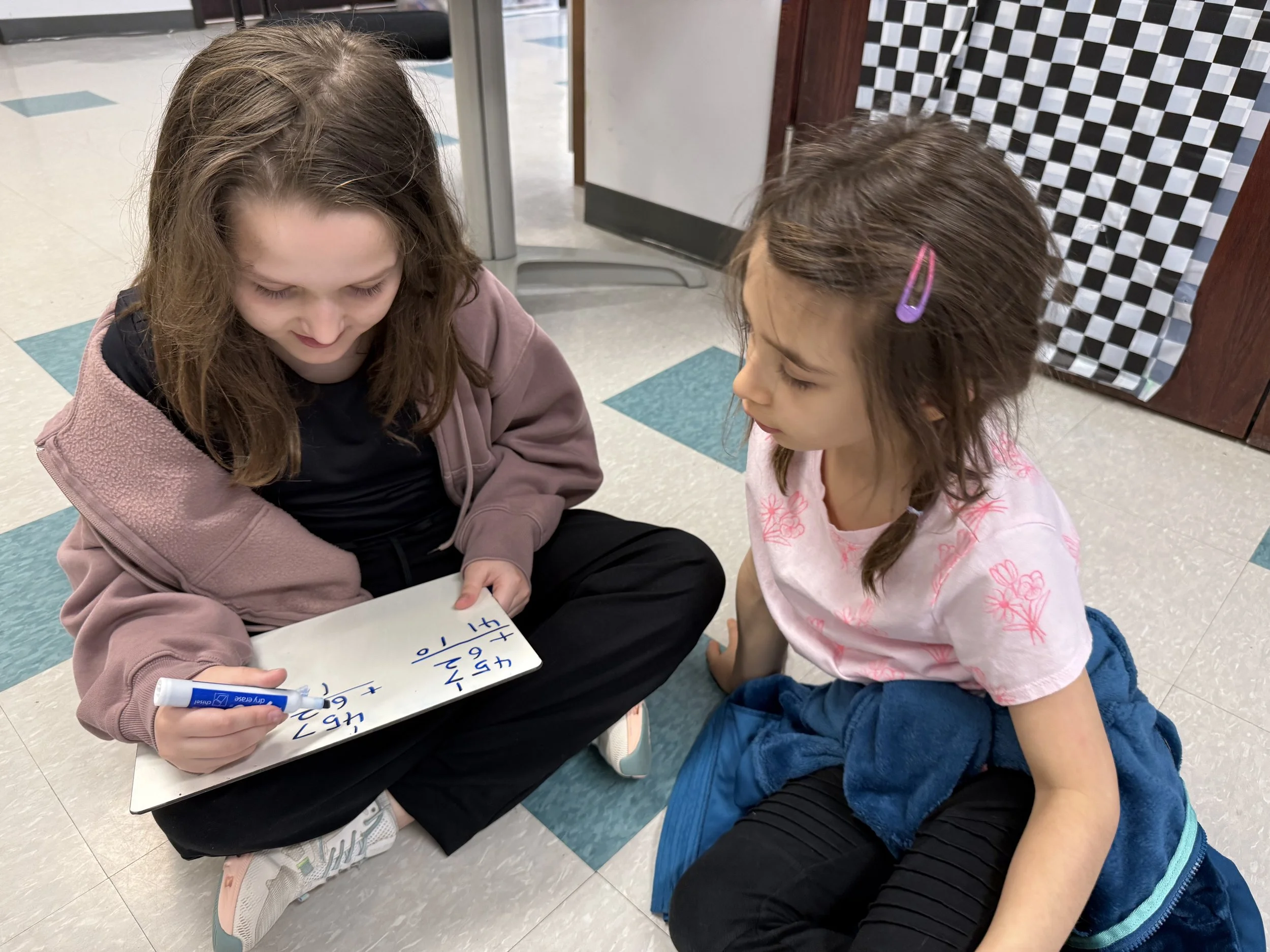
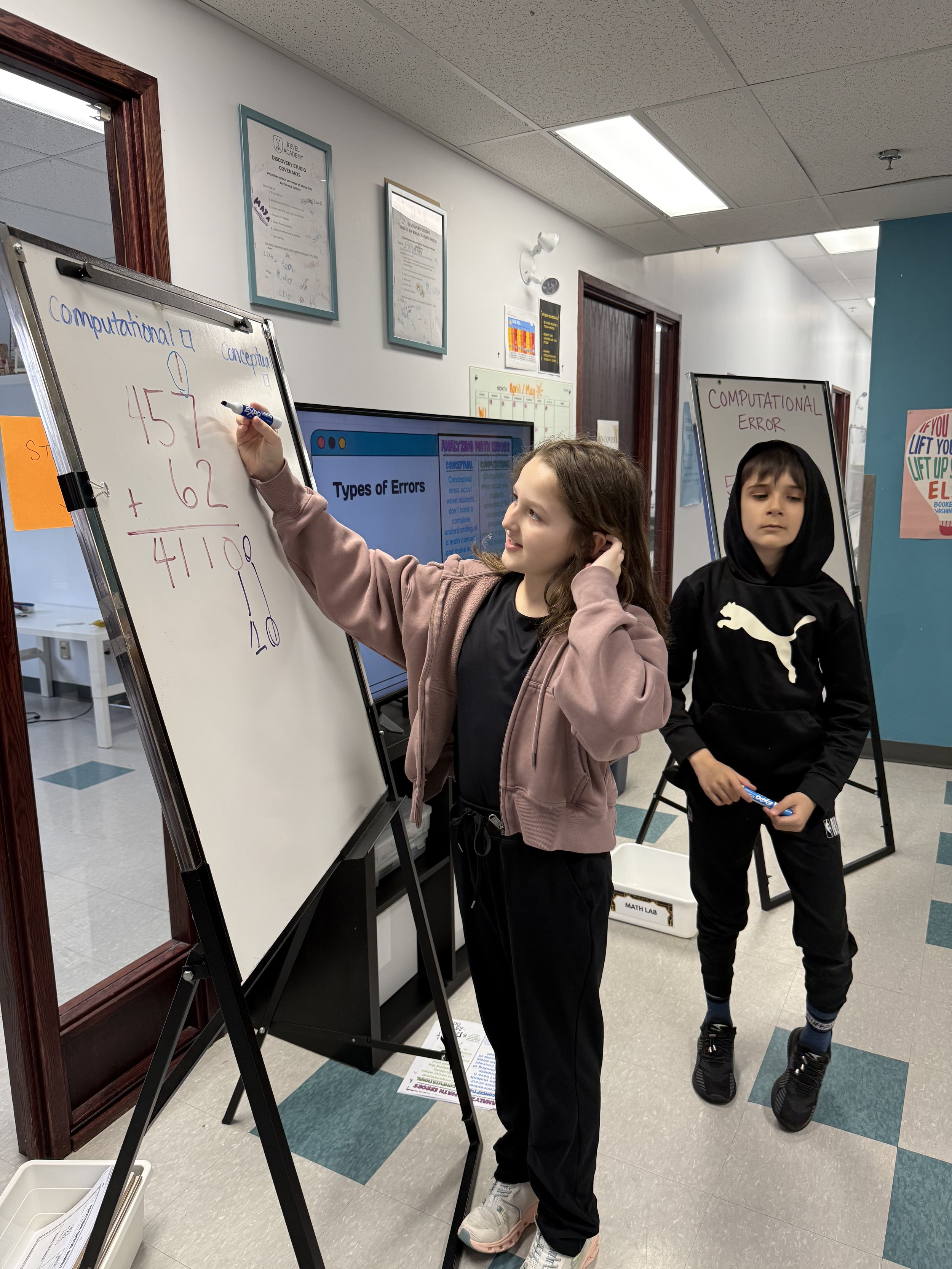
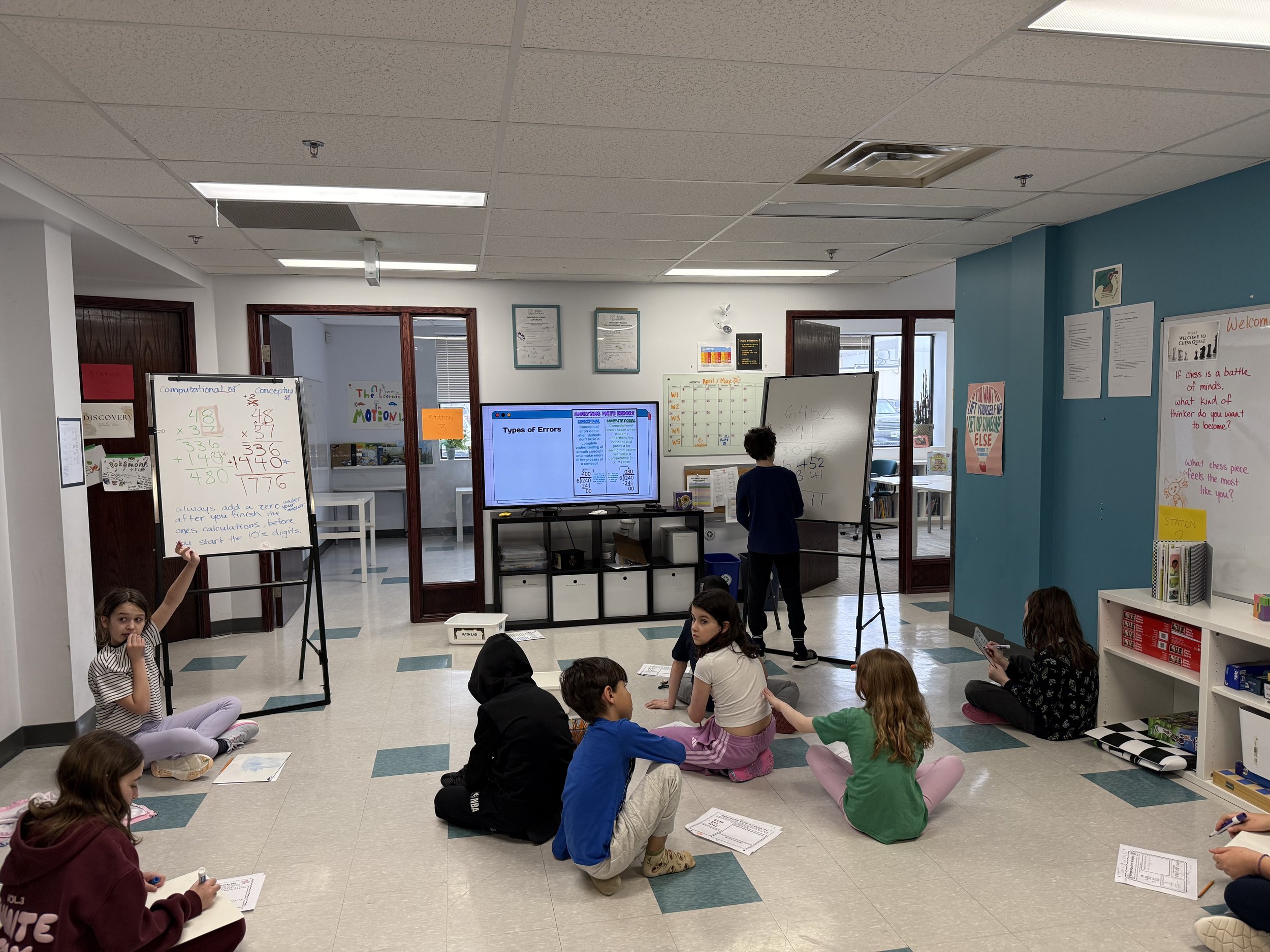
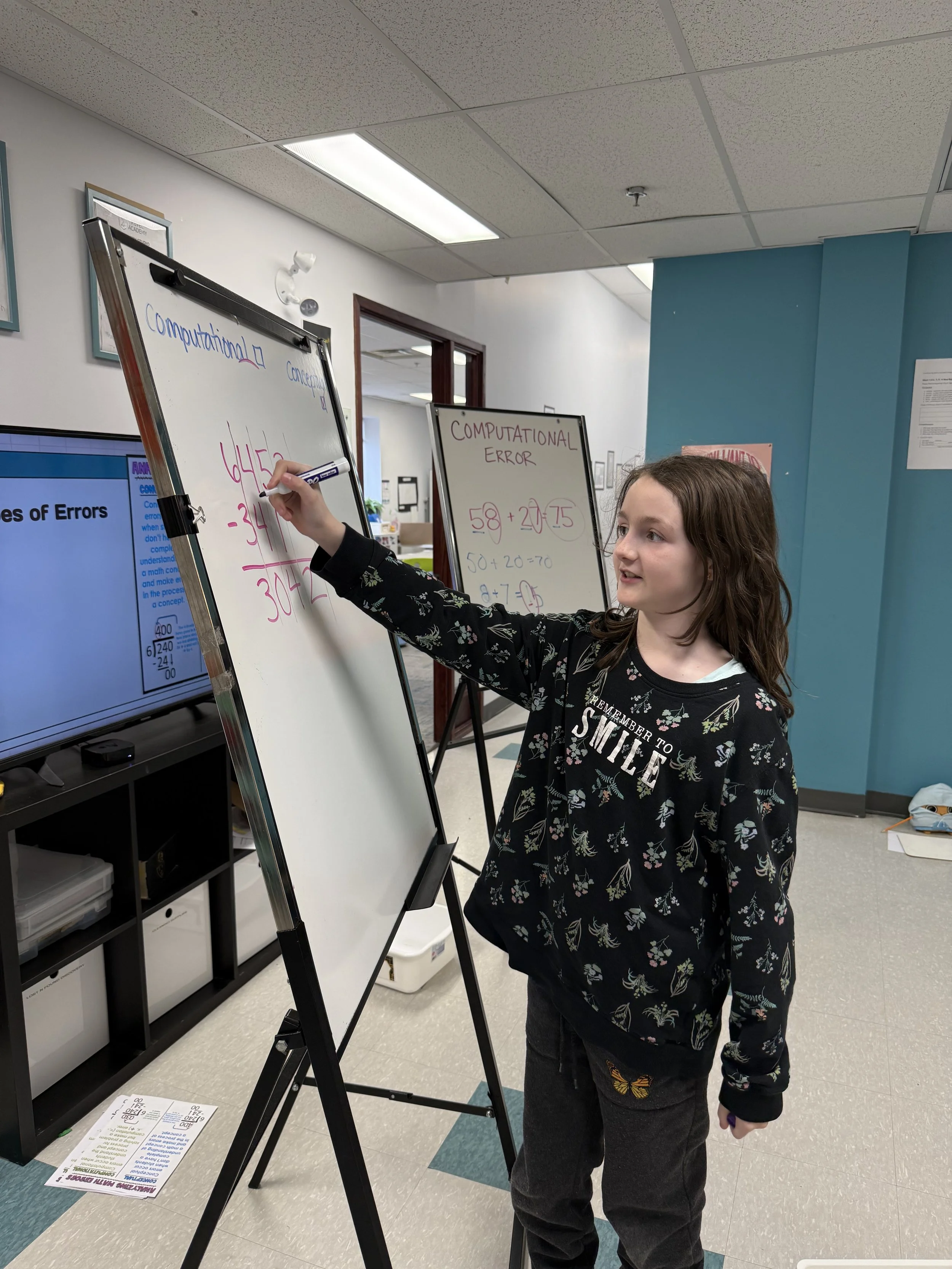
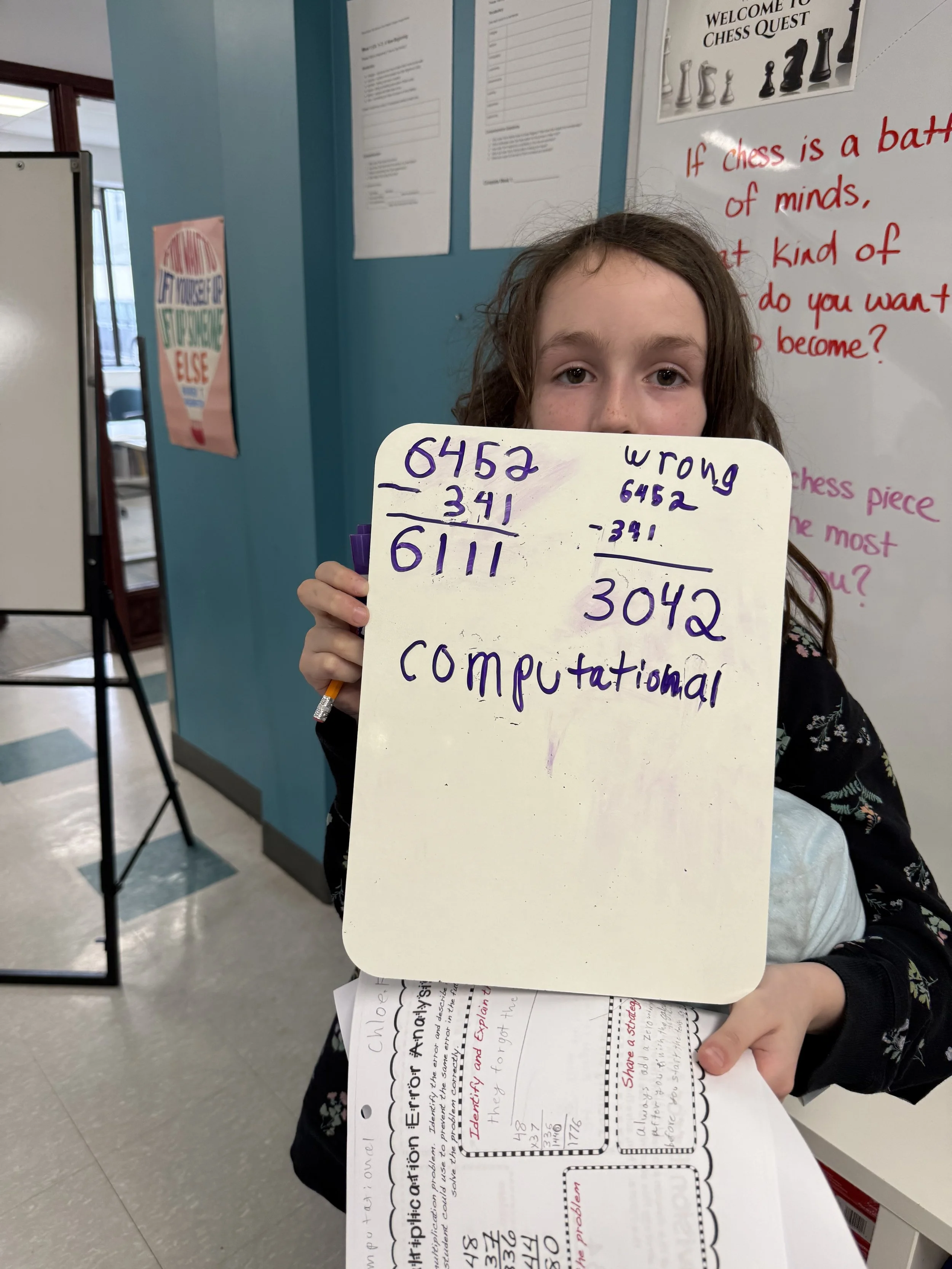
Welcome to Error Analysis! Rebels kicked off our workshop talking all about mistakes. What’s the error? Why did they make that error? How did they make that error? What kind of error is it? Why do you think that is? Splitting into small groups, Rebels were tasked with finding the error and then deciding whether or not that error was computational or conceptual. We discussed the meaning of these two categories of errors, and sorted our whiteboard problems into each one, with Rebels justifying their choices to the team. Rebels spent the rest of the workshop working independently or in pairs to begin their error analysis math packages, which they’ll aim to have on display at our next Exhibition. This session, Rebels will spend a lot of time examining and critiquing math problems, using their knowledge of a variety of concepts (fractions, numbers, operations, place value, measurement, etc.) to determine what went wrong and why.
French
This week, learners worked on house vocabulary by trying to identify and name as many rooms as possible on their own, showing what they already knew in a group setting. Rebels drew floor plans of favourite rooms in their own homes and labelled rooms and objects in French to the best of their abilities. They also began practicing simple sentence structures such as “I have a ___” and “I am in the ___”, helping them start building basic sentences in French. Learners then used a Kahoot quiz to check their understanding and review key vocabulary in a fun way.
Civilizations
This week’s reading focused on the Aryans of India. The Aryans were a group of people from Asia who migrated into ancient India, bringing new language, culture, and beliefs. We explored how their traditions blended with existing cultures to shape early Indian society, including the development of the caste system and the Vedas (sacred texts). The chapter highlighted how these influences became foundational to Hindu culture and early Indian civilization. Afterwards, we had a discussion about the four castes of ancient India and how one’s place in the system was determined. Lastly, as we explored the topic of Hinduism, we reflected on who Siddhartha Gautama was and why he left his palace to wander the world.
Quest
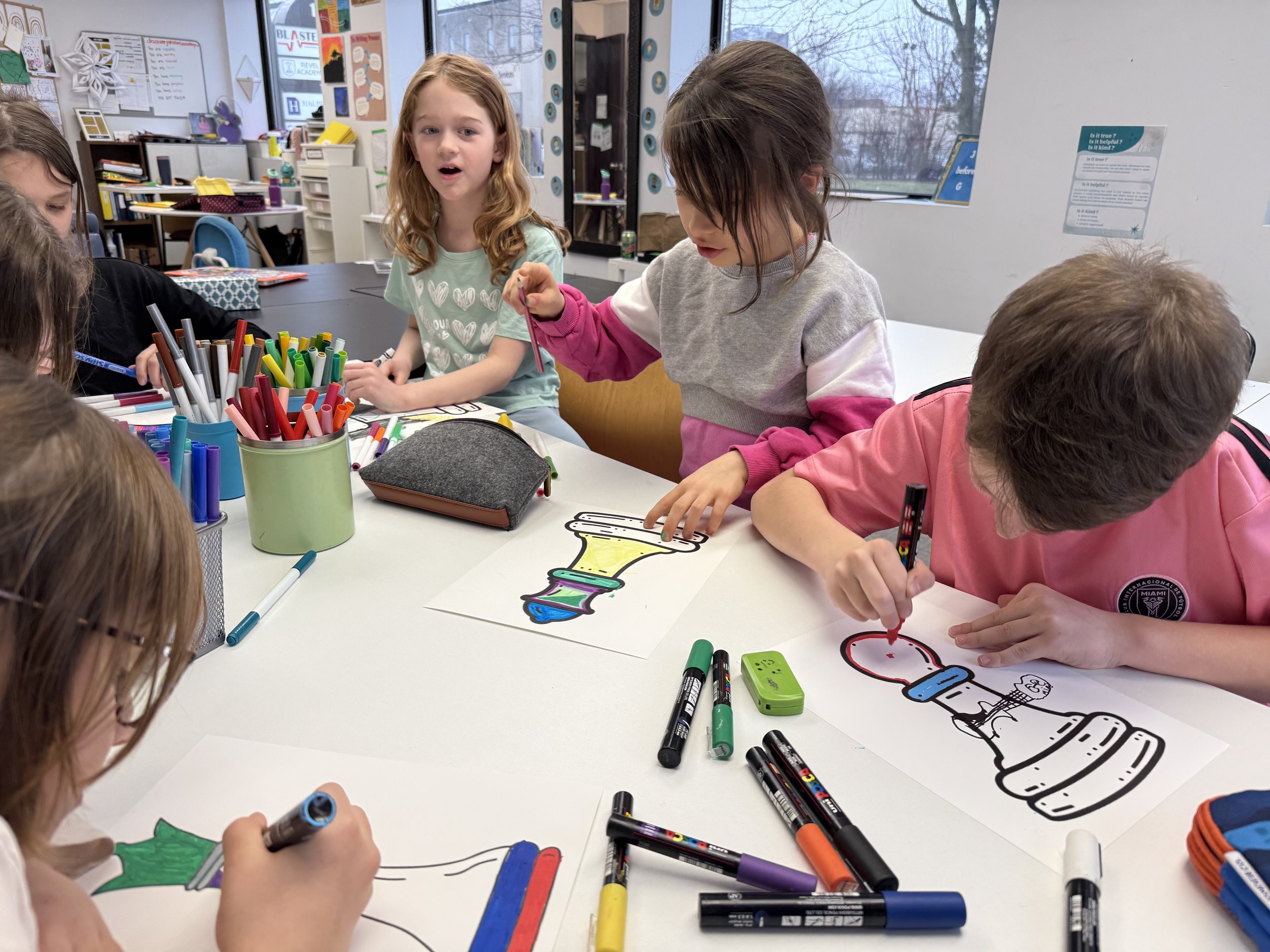
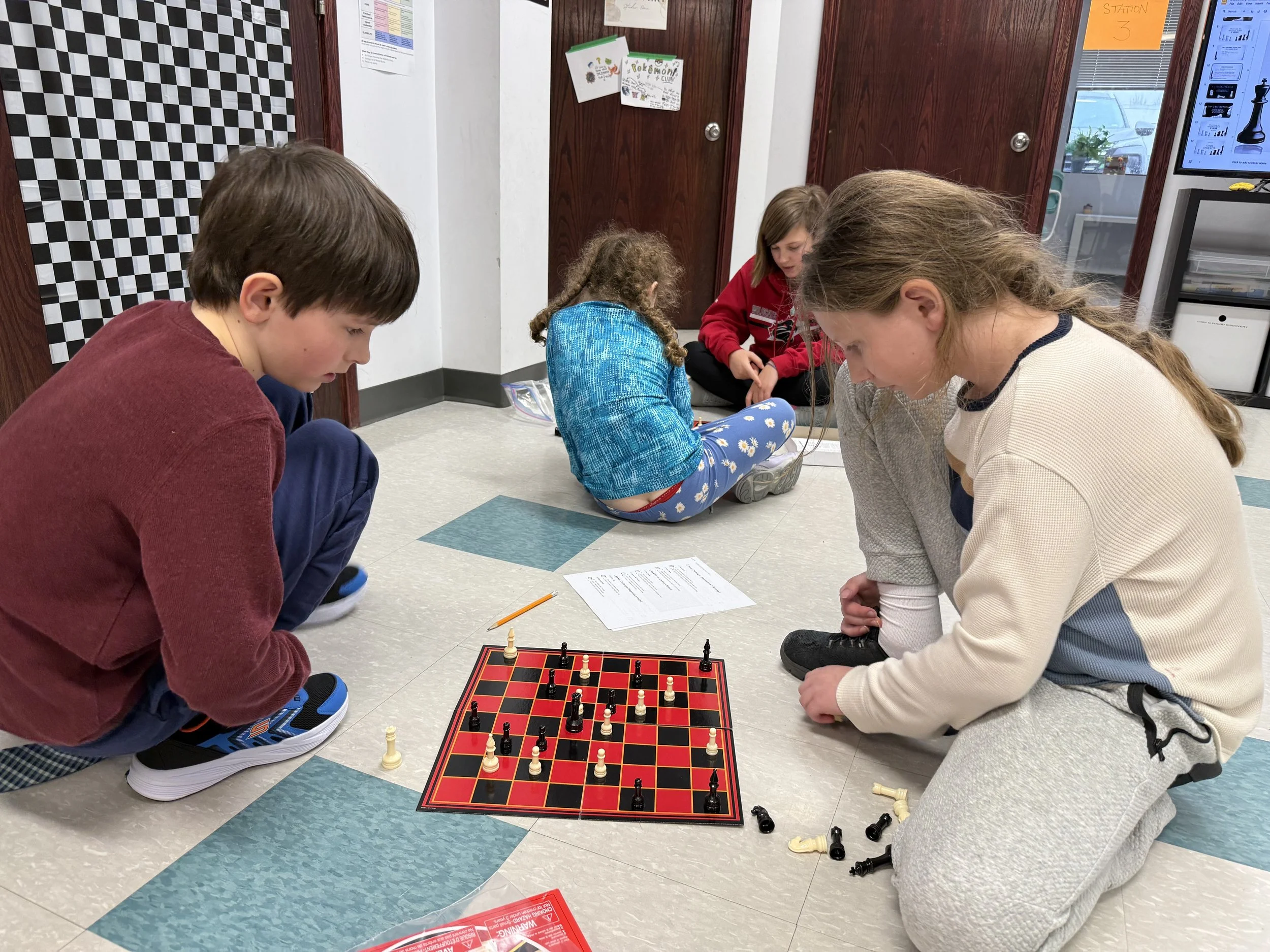
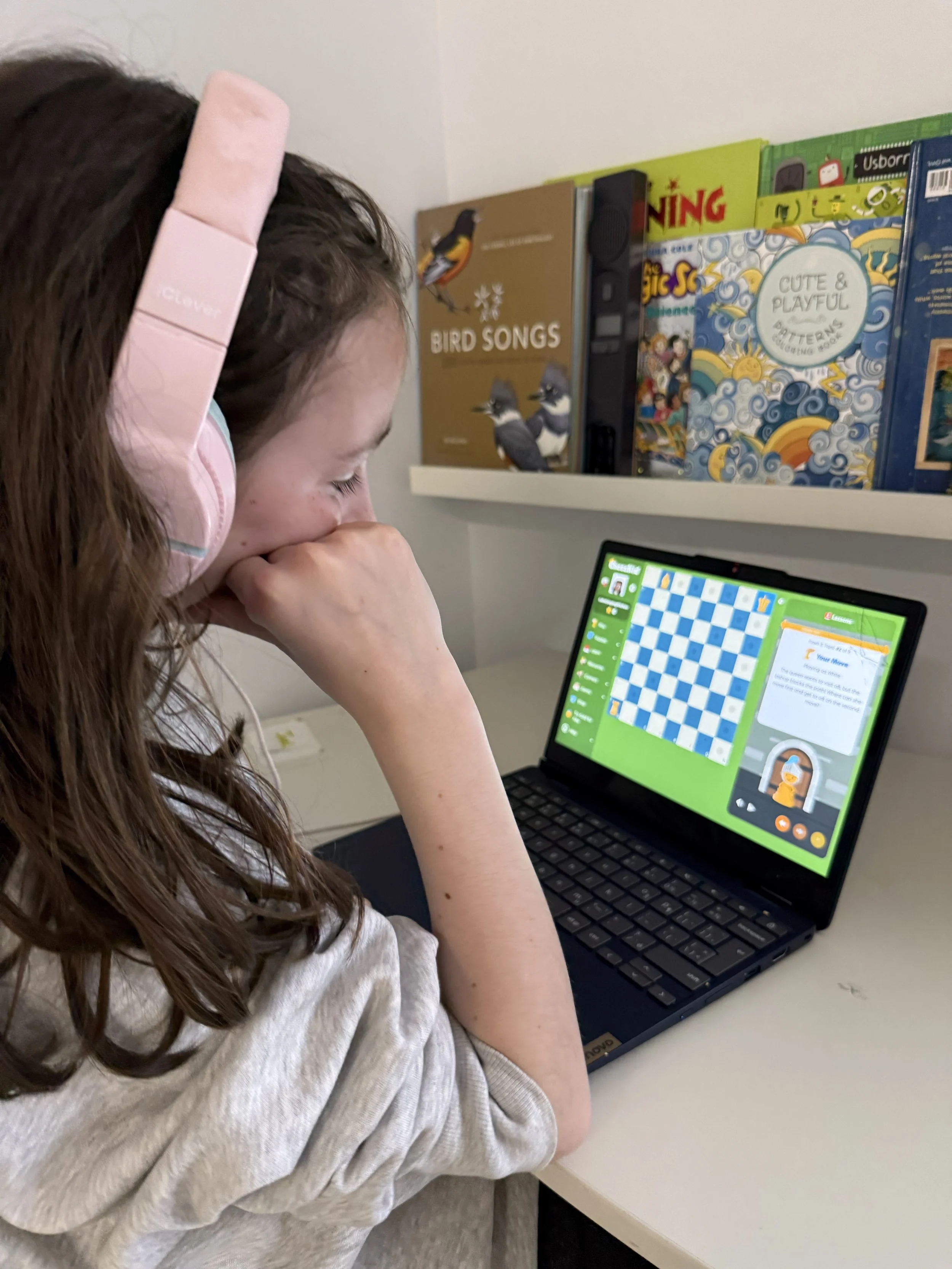
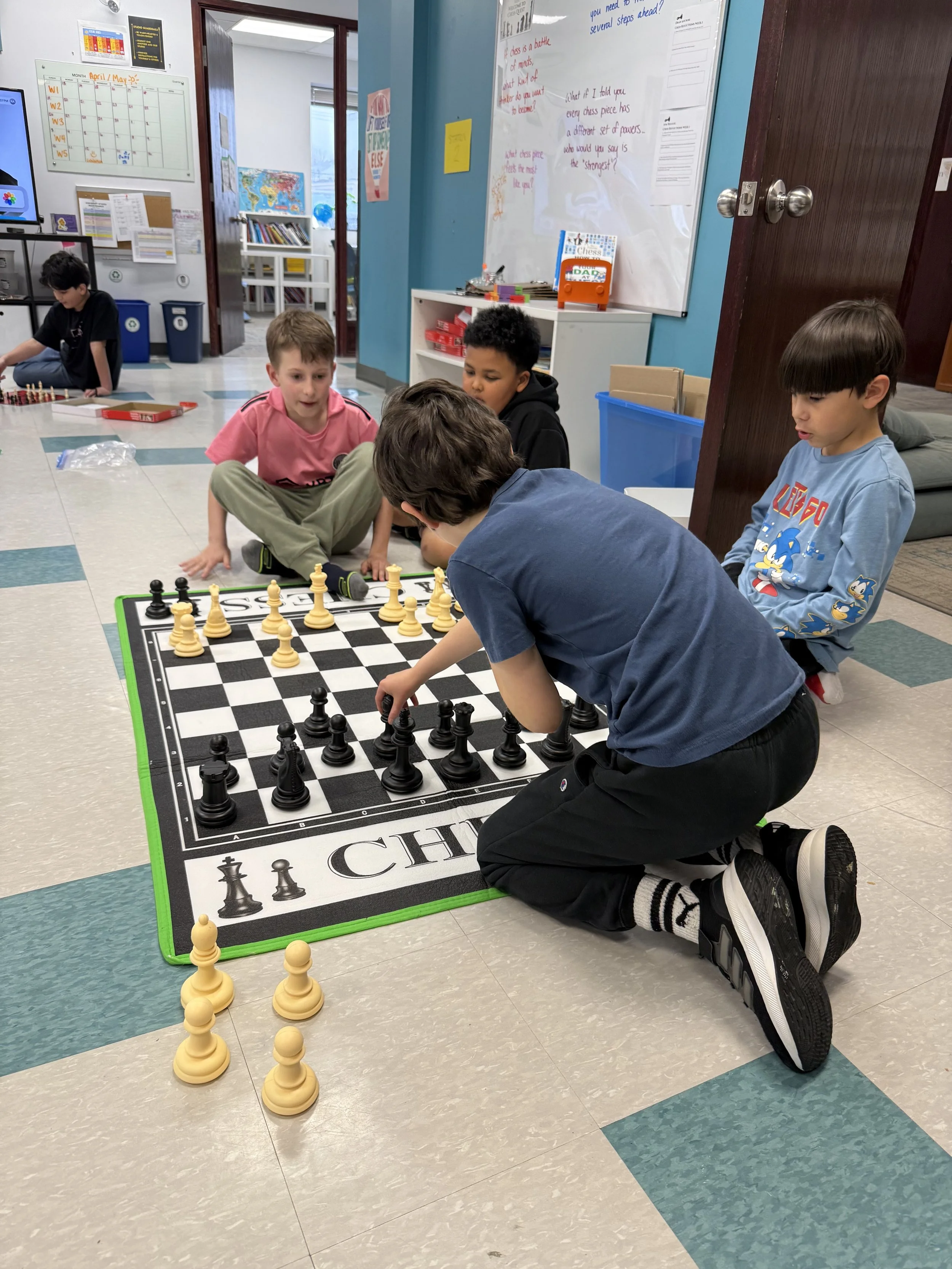
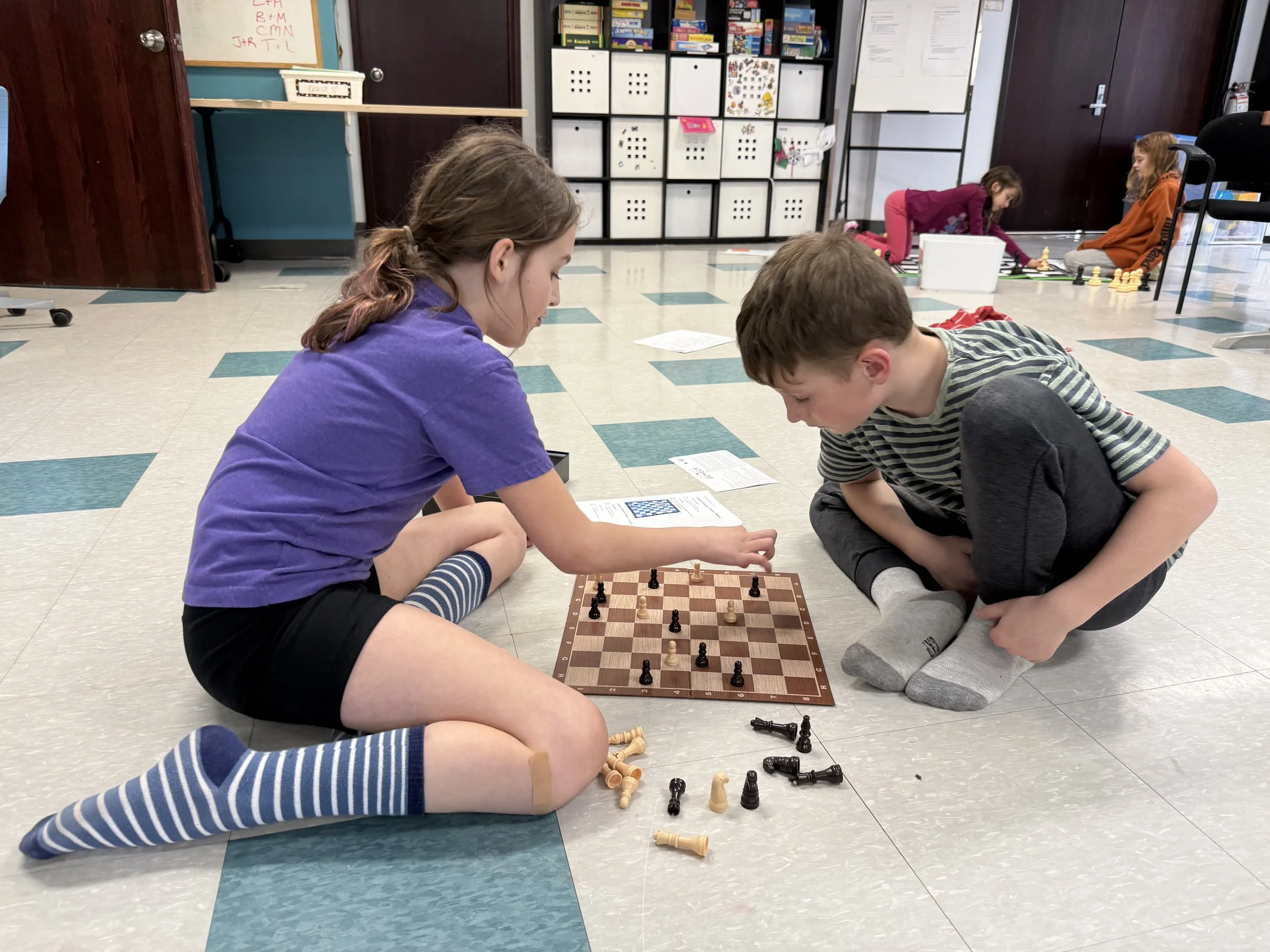
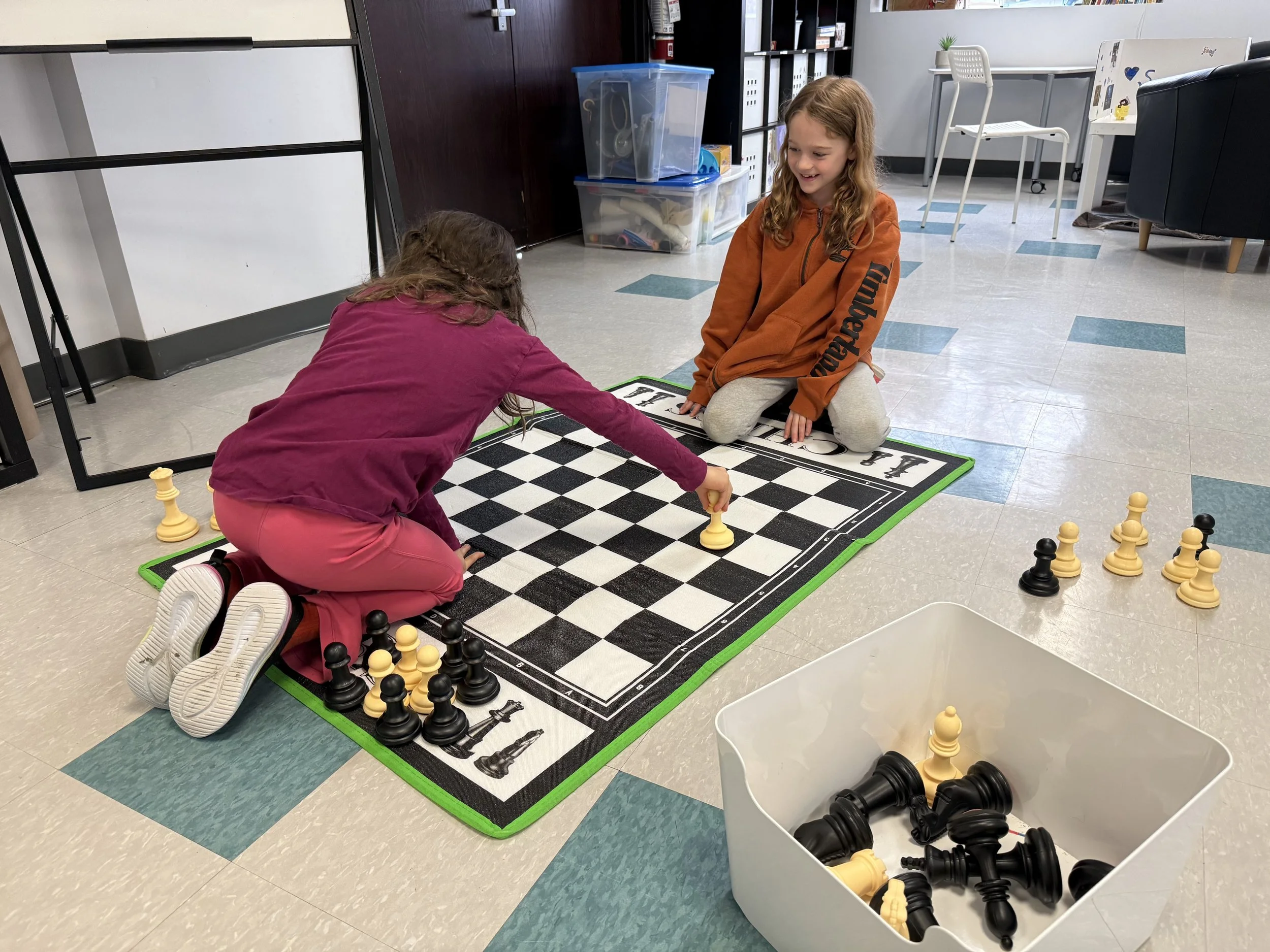
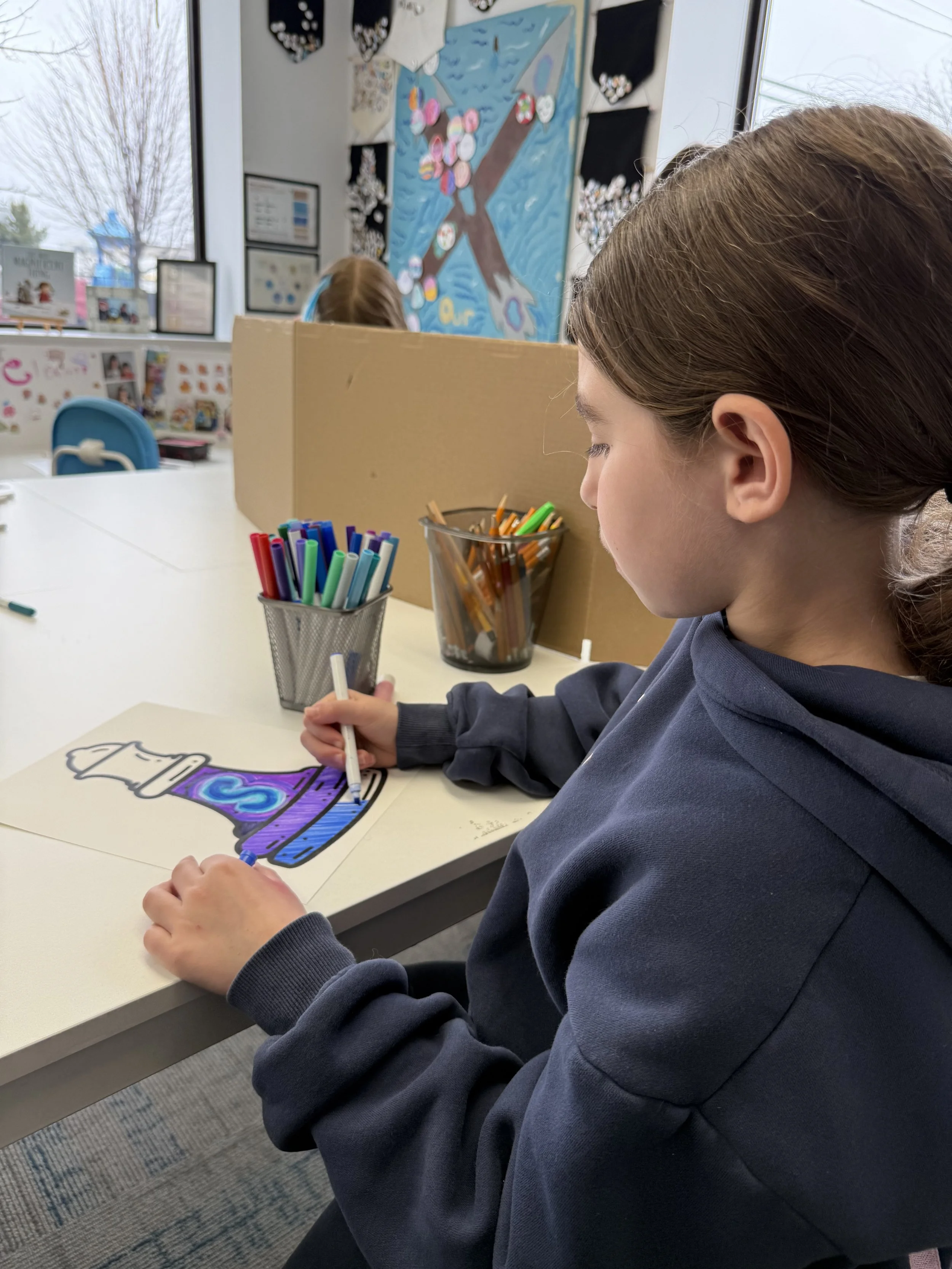
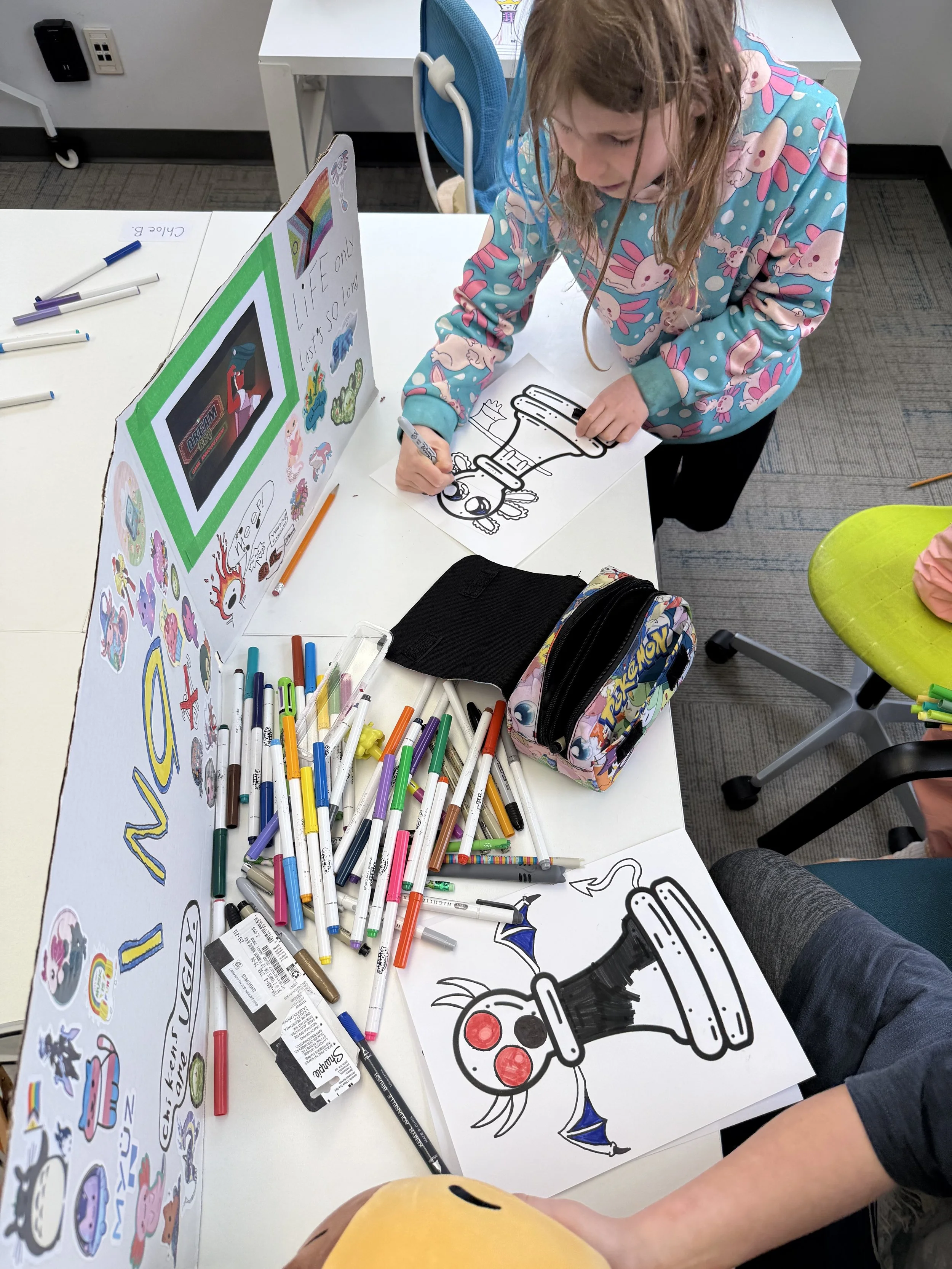
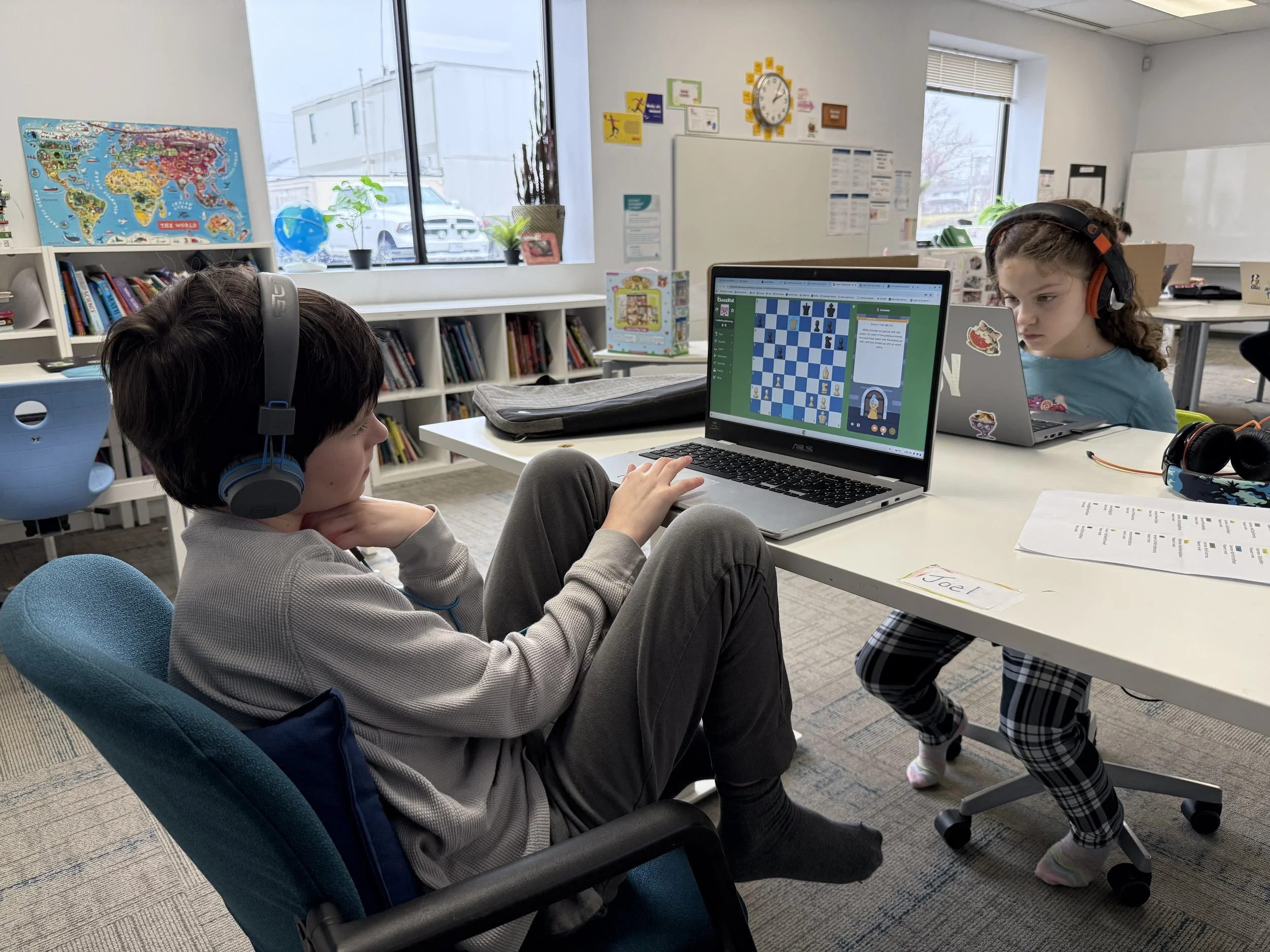
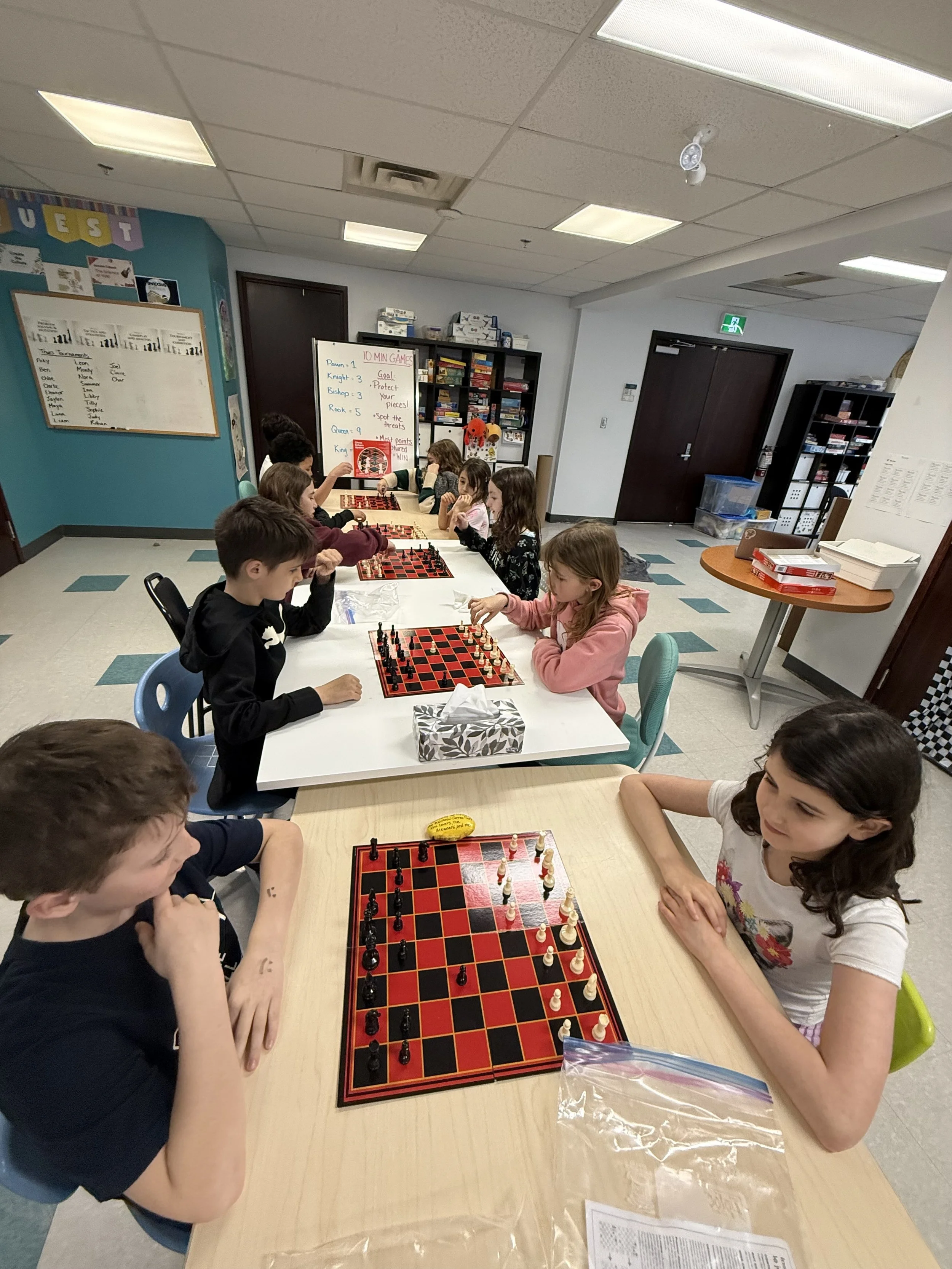
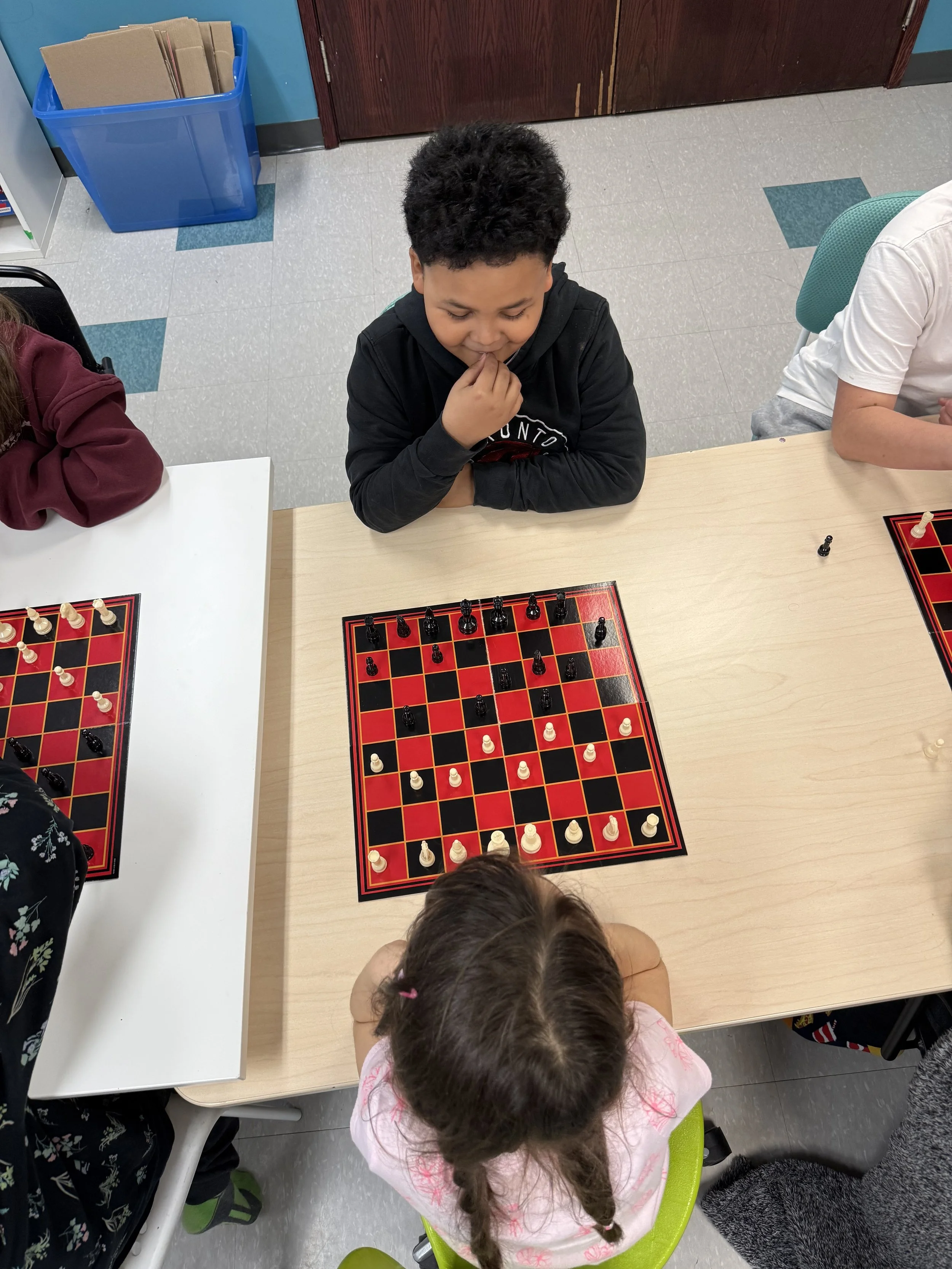
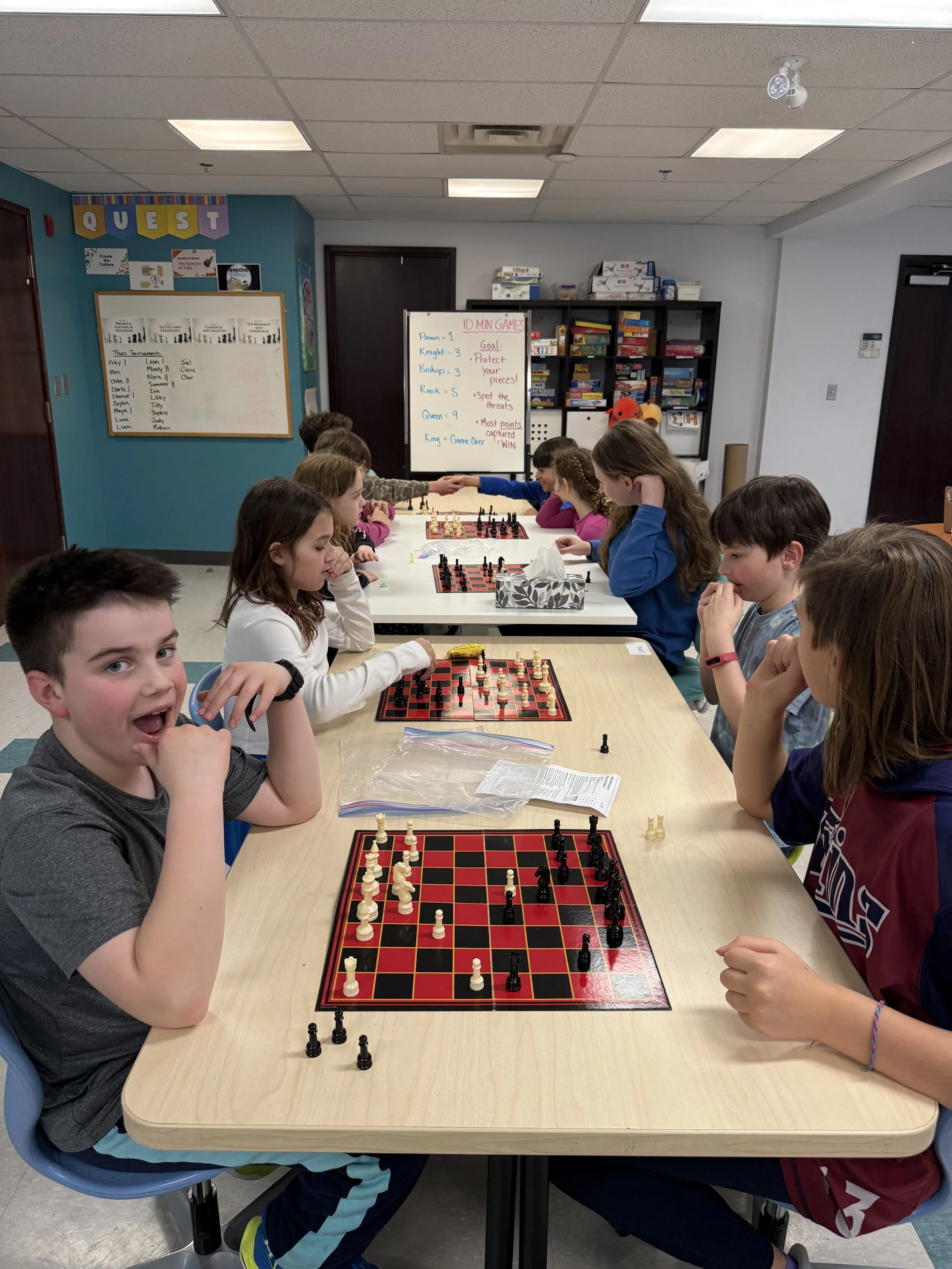
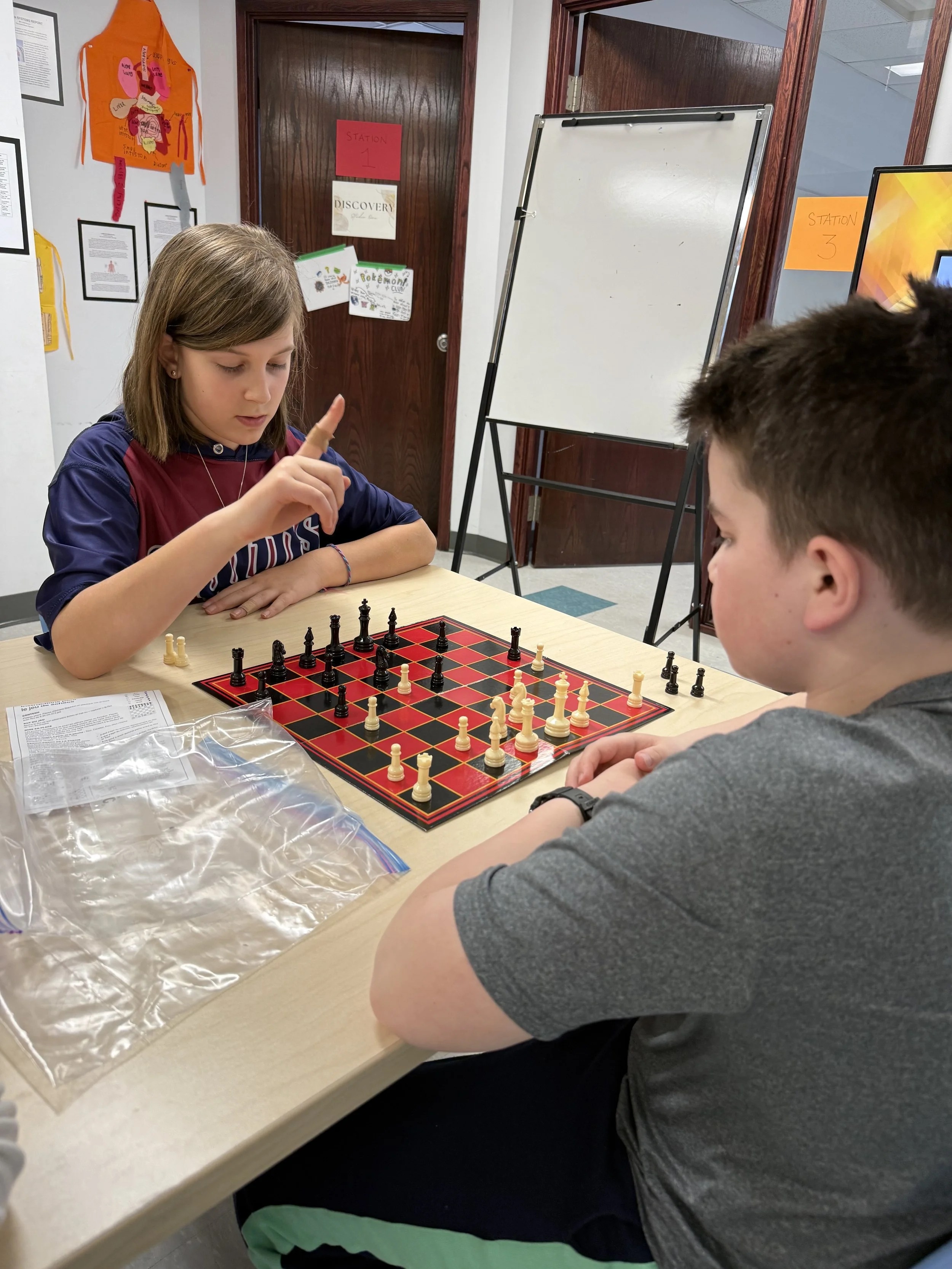
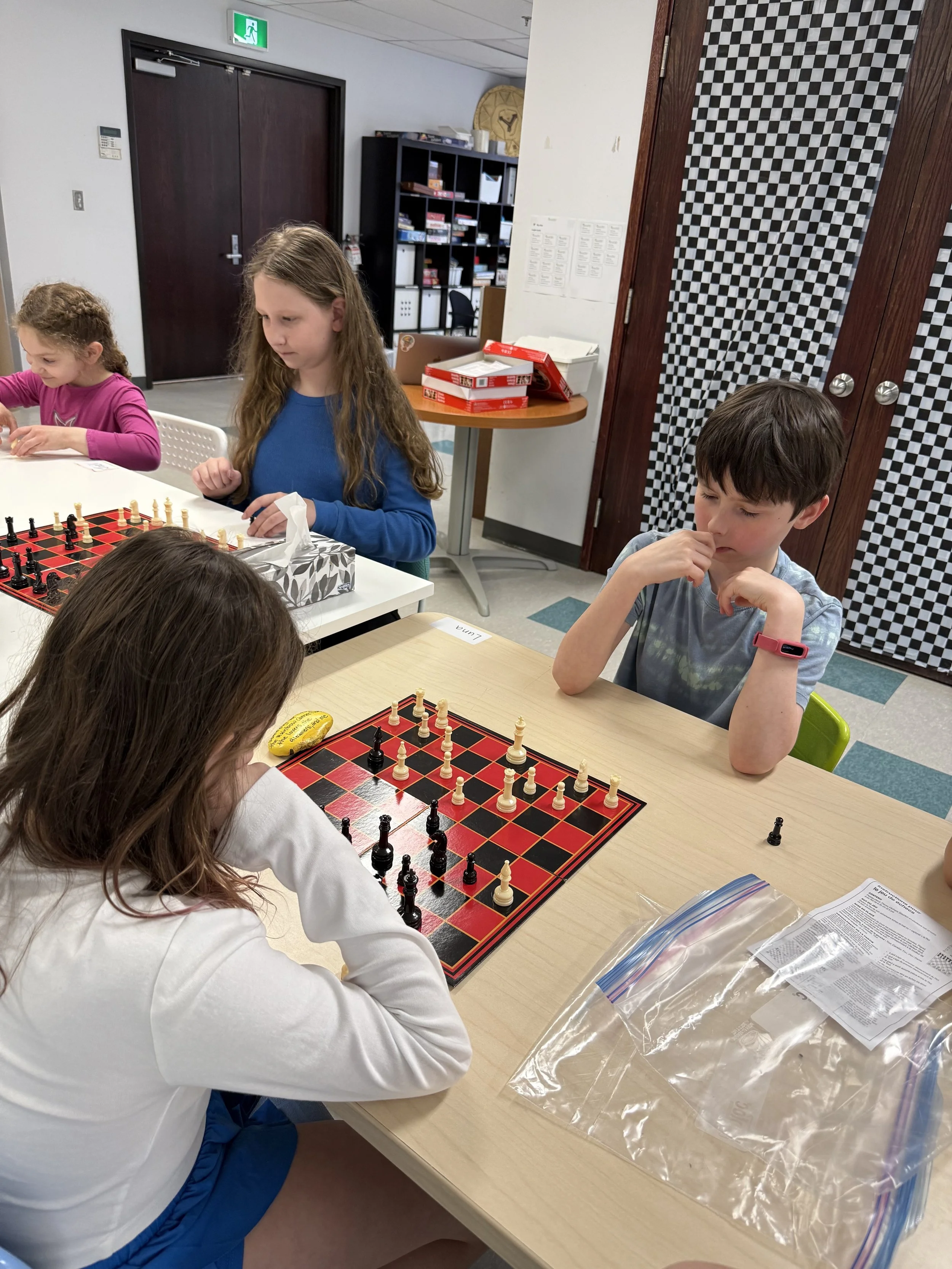
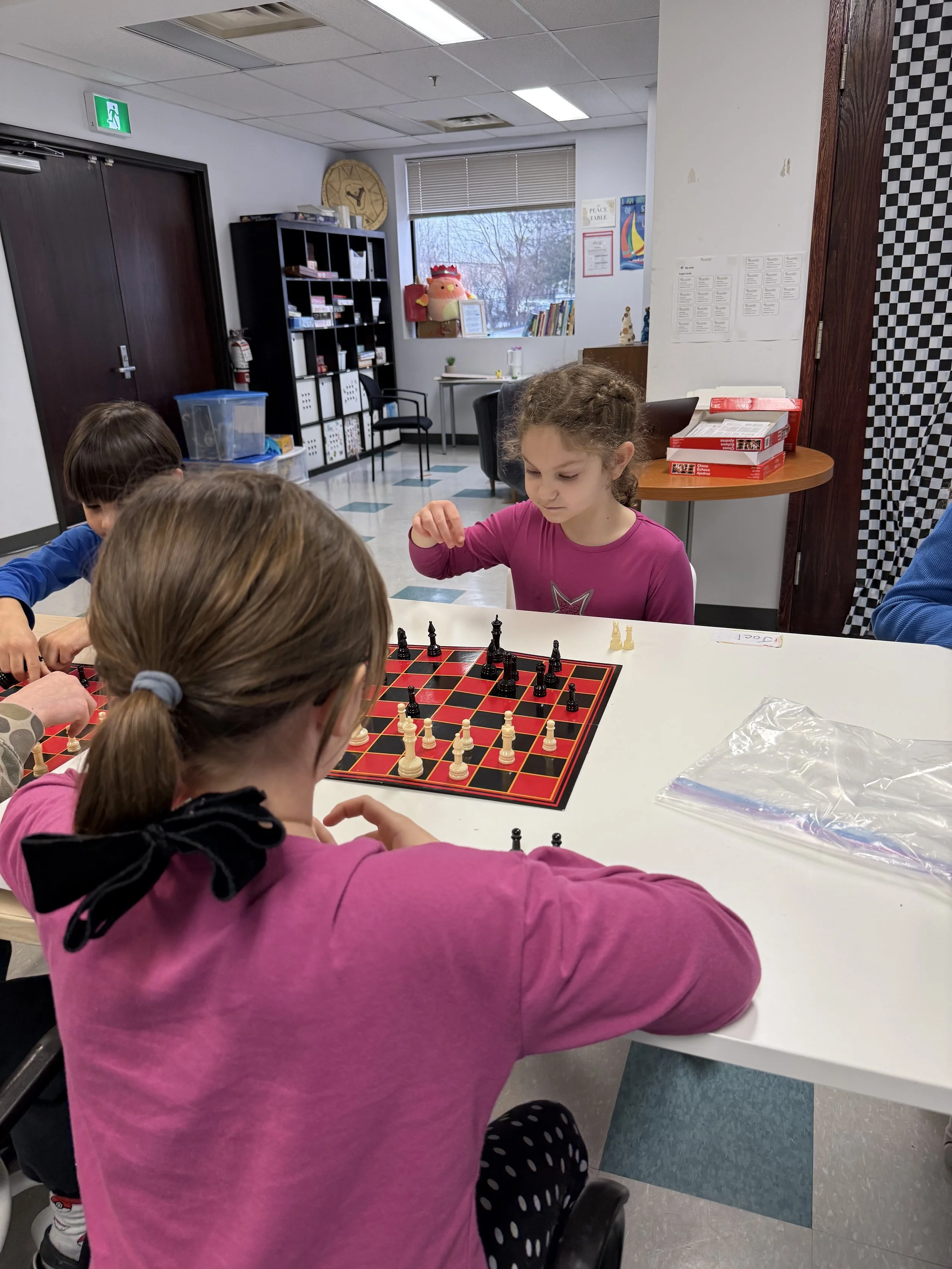
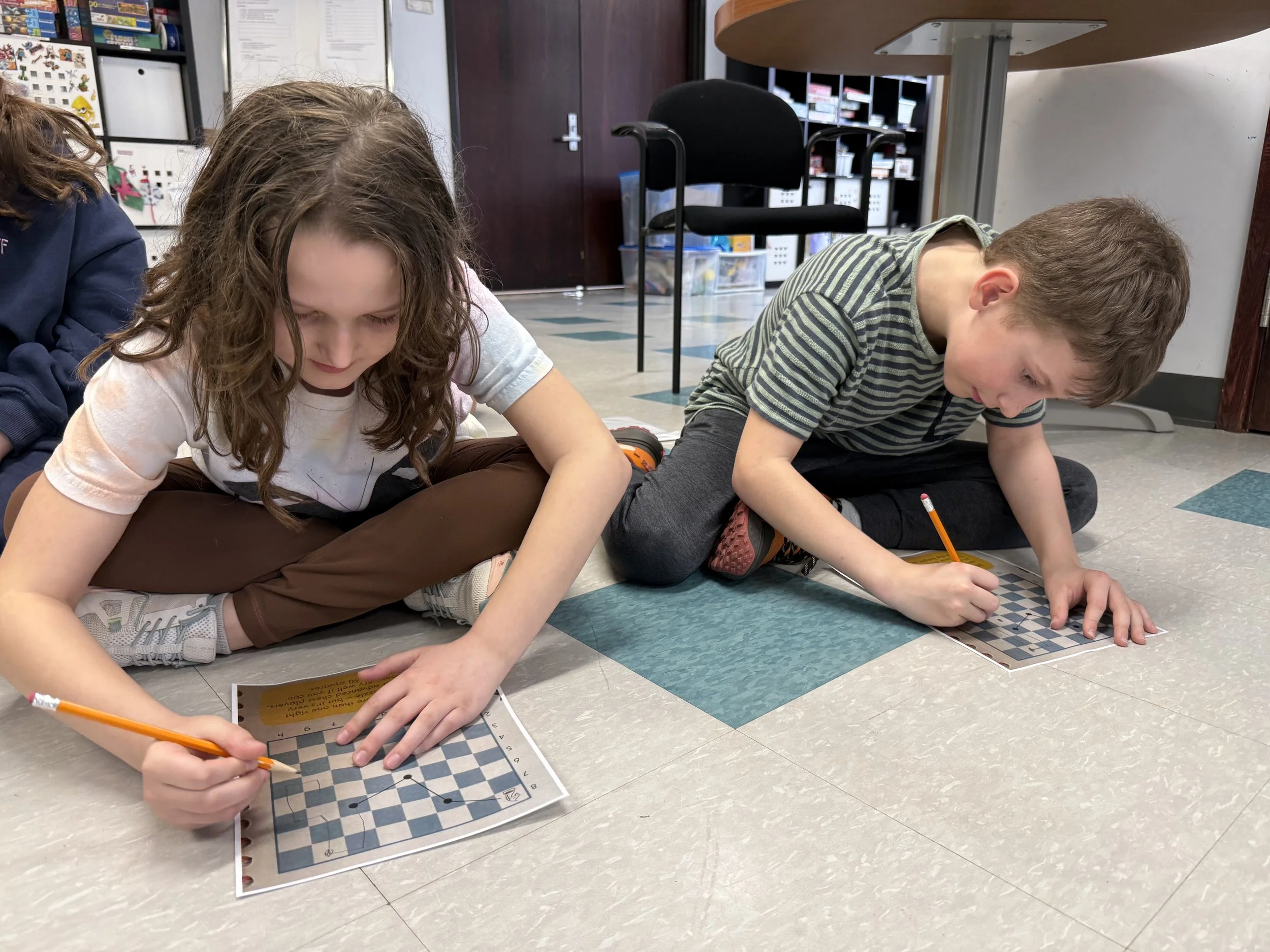
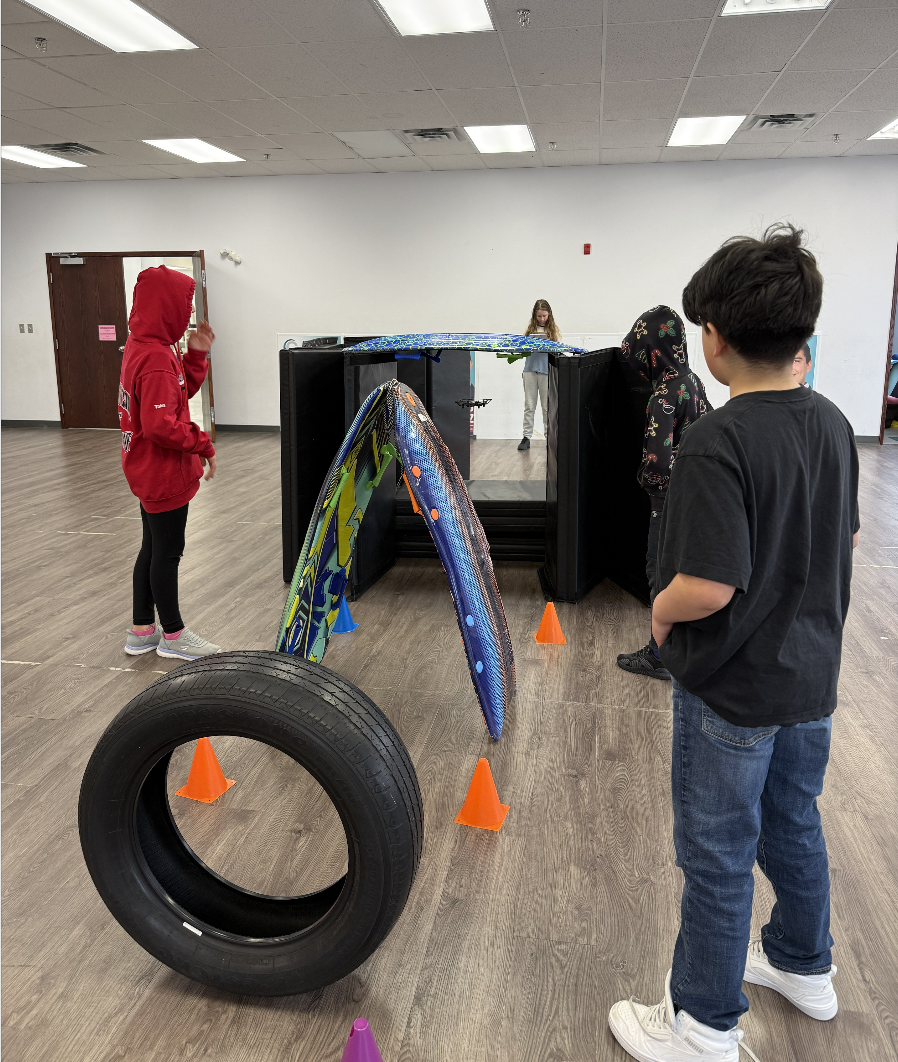
Welcome to the Chess Quest everybody! Week 1 of our Chess Quest was all about building strong foundations while sparking excitement for the game. Rebels began by exploring the origins of chess. Rebels were interested in the history of the game, and were impressed by a variety of facts such as the game dating back to as early as the 6th century, different versions of the game evolving in different continents of the world, and even the Persian origins of the name “chess”. Some historians say chess was derived from the Persian word “shah” which means king, and “shah mat” meaning weakened king. Rebels also identified themselves as beginner, intermediate, or advanced players, which allows for their learning challenges and tournament practice throughout this Quest to be geared towards their skill levels. As the week progressed, they dove into hands-on learning through rotating stations, using their ChessKid accounts to complete the first set of online lessons, designing personalized Chess Avatars, and tackling creative piece-specific challenges like Rook Races, Bishop Tag, Pawn Promotions, Queen Sweep, and King’s Court.
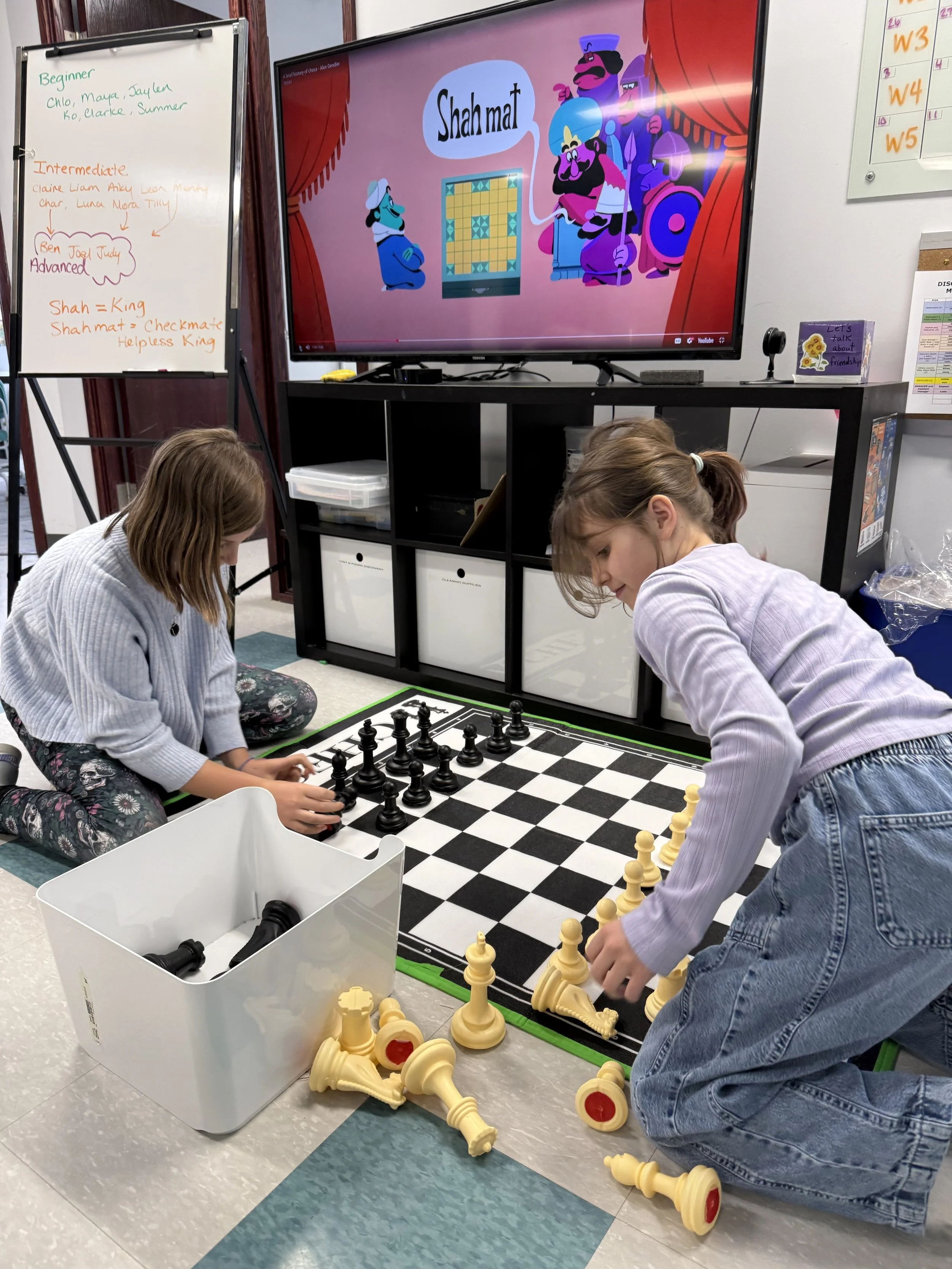
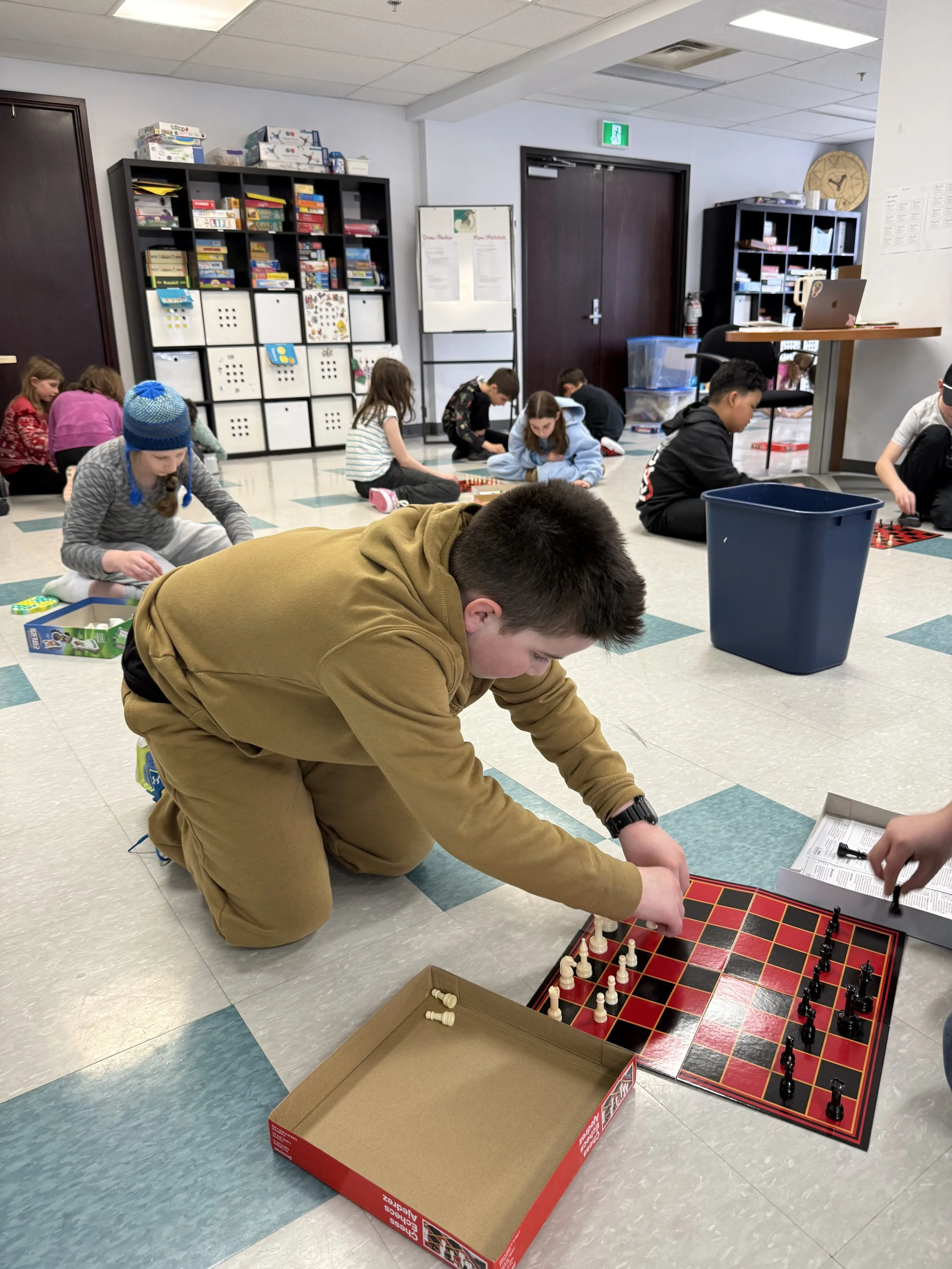
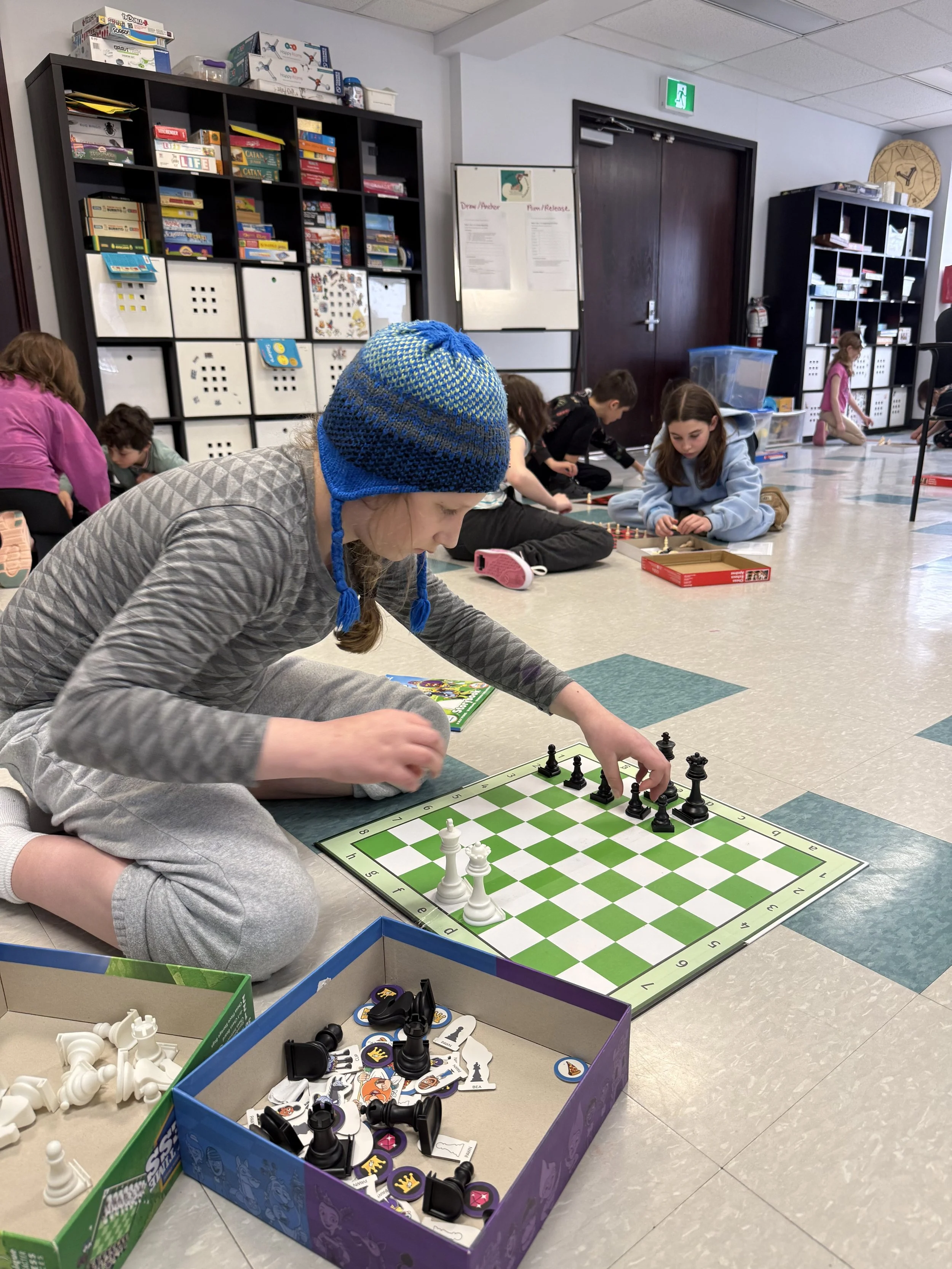
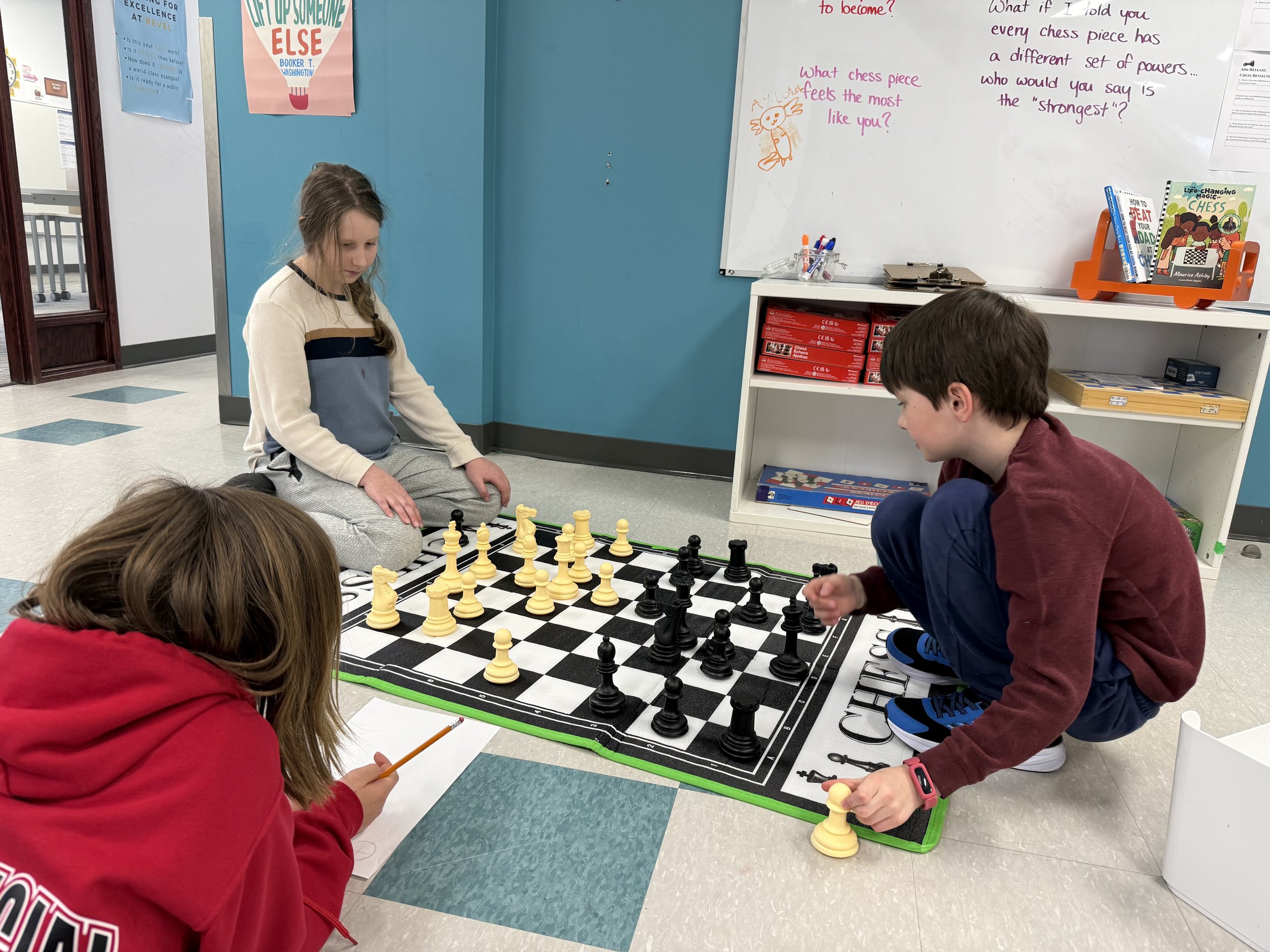
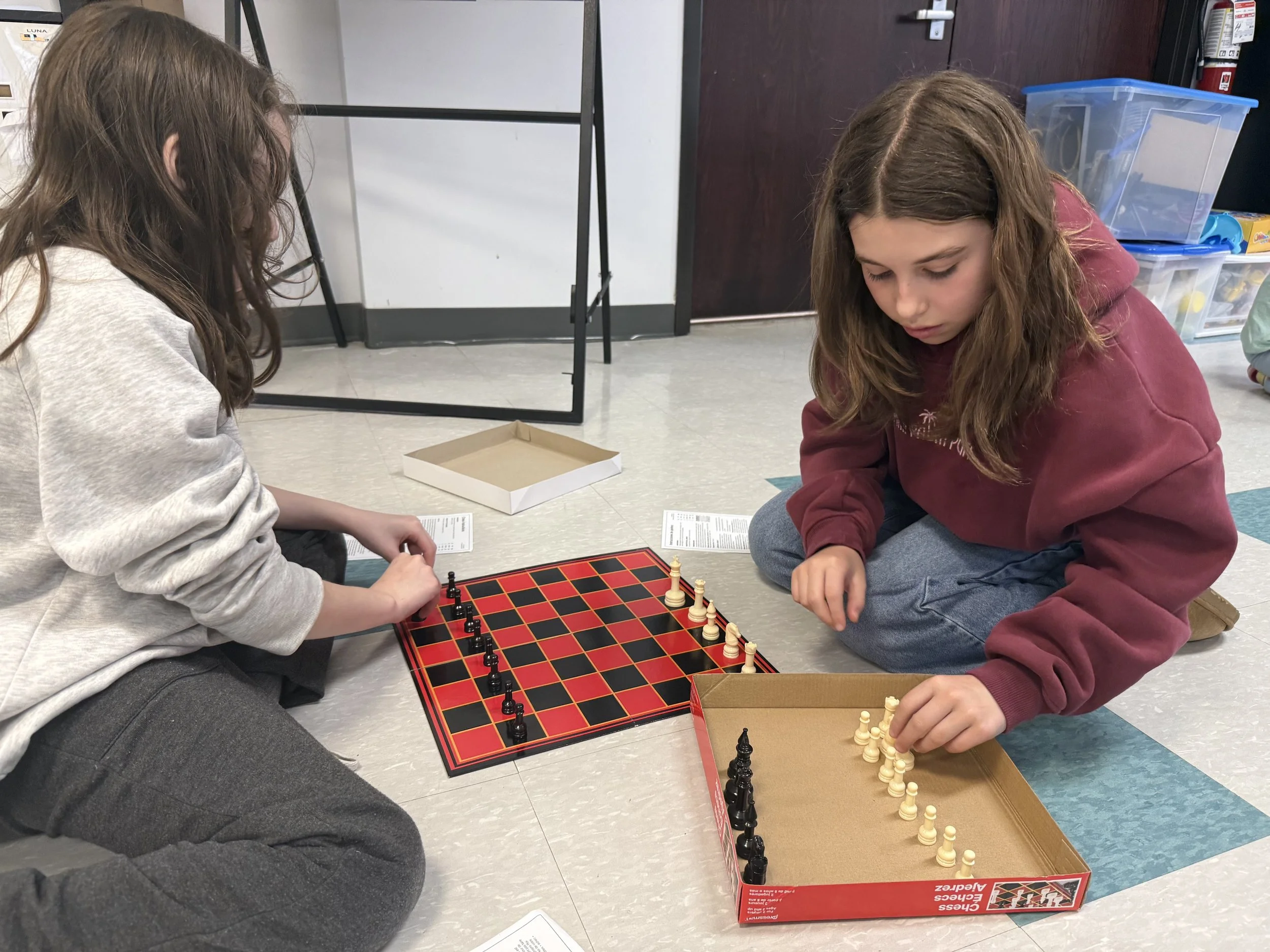
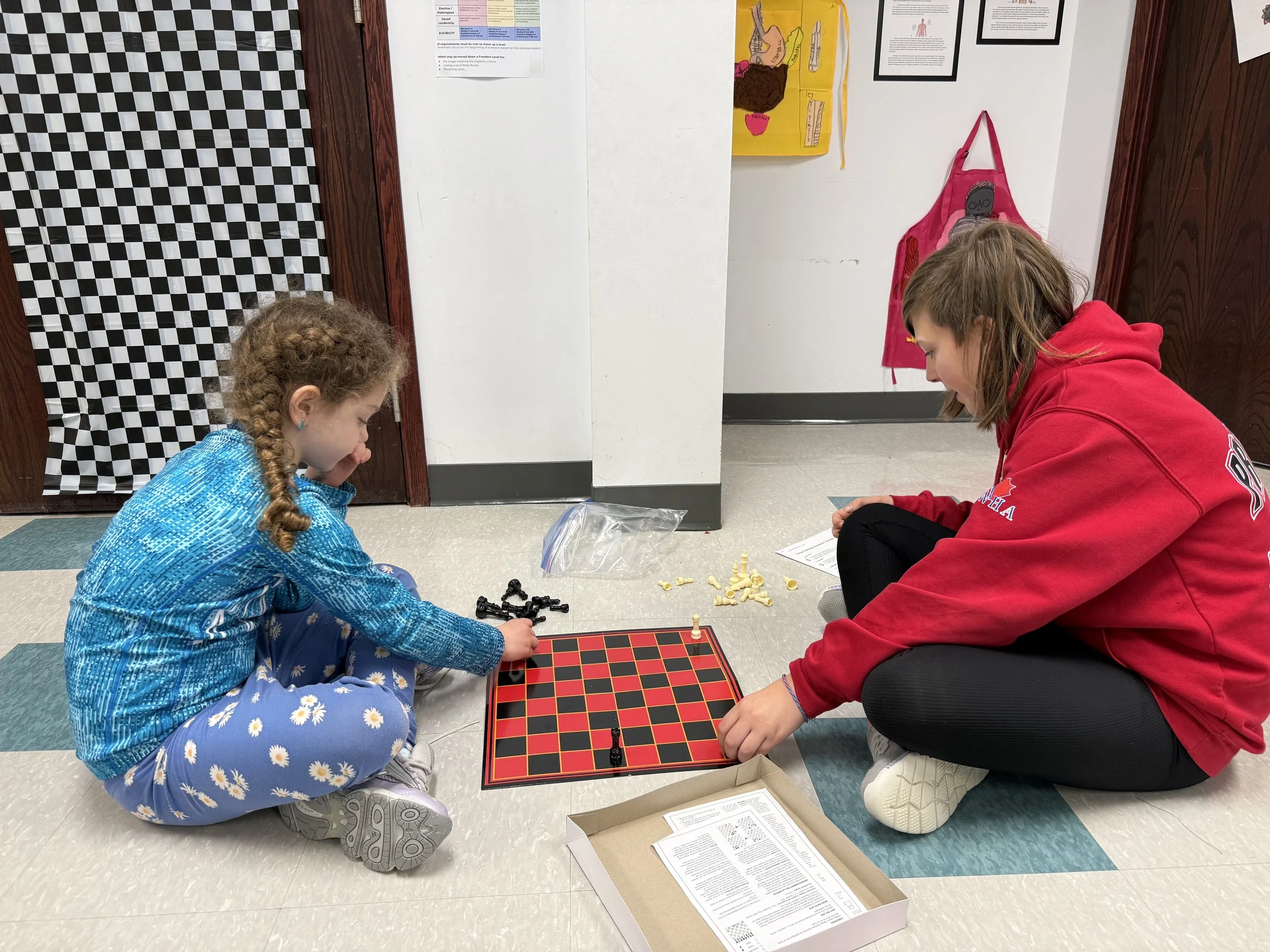
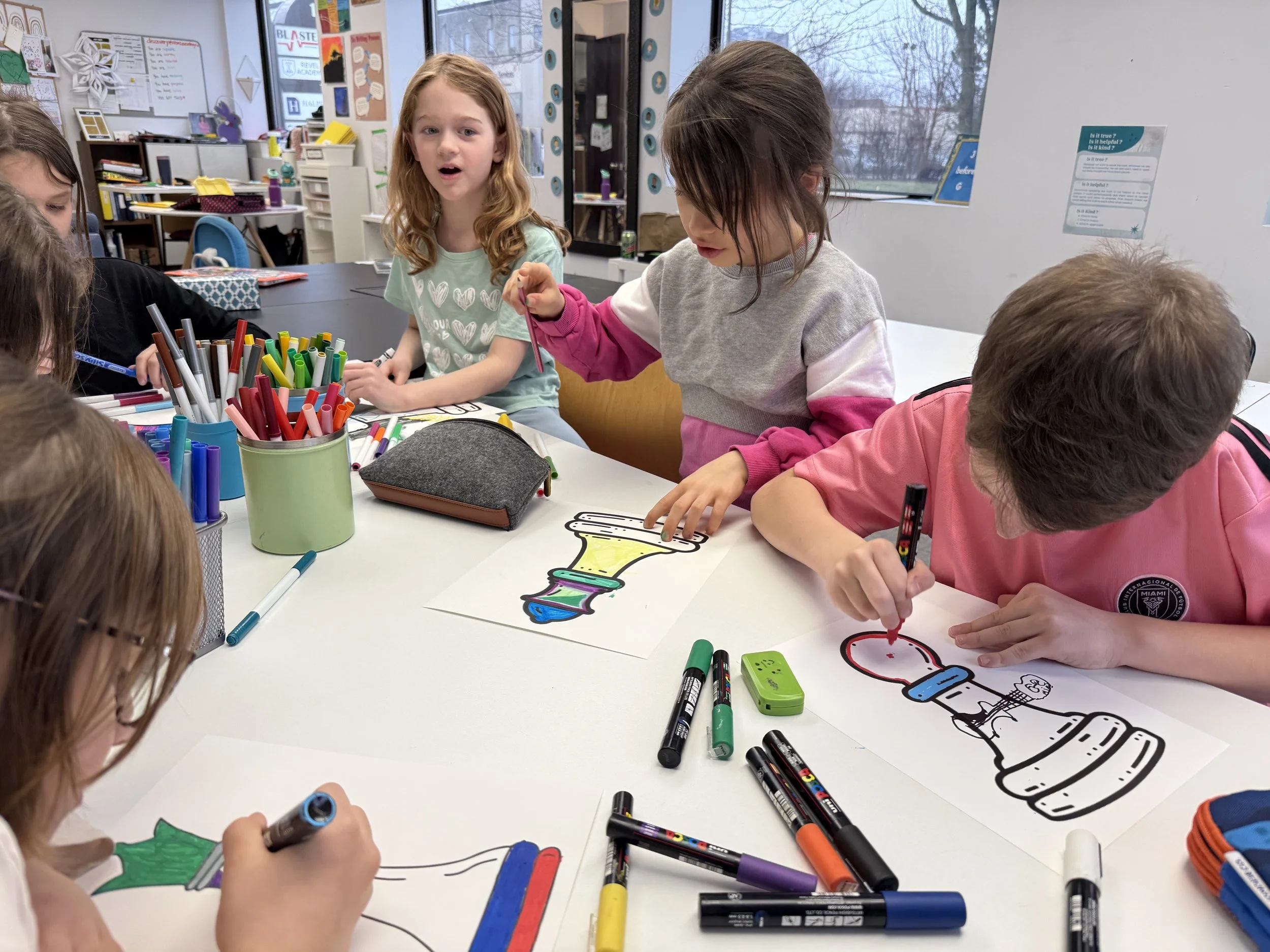
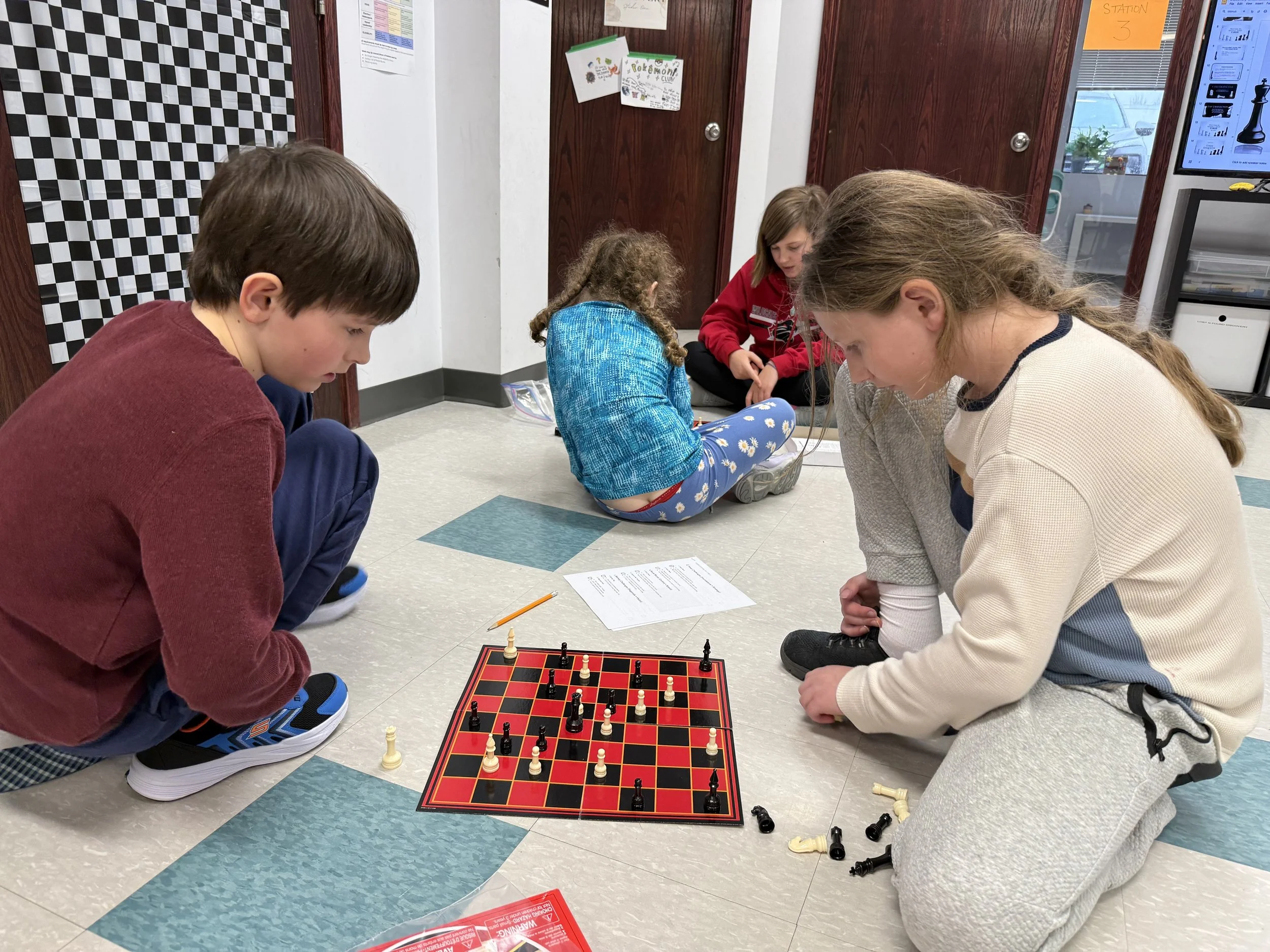
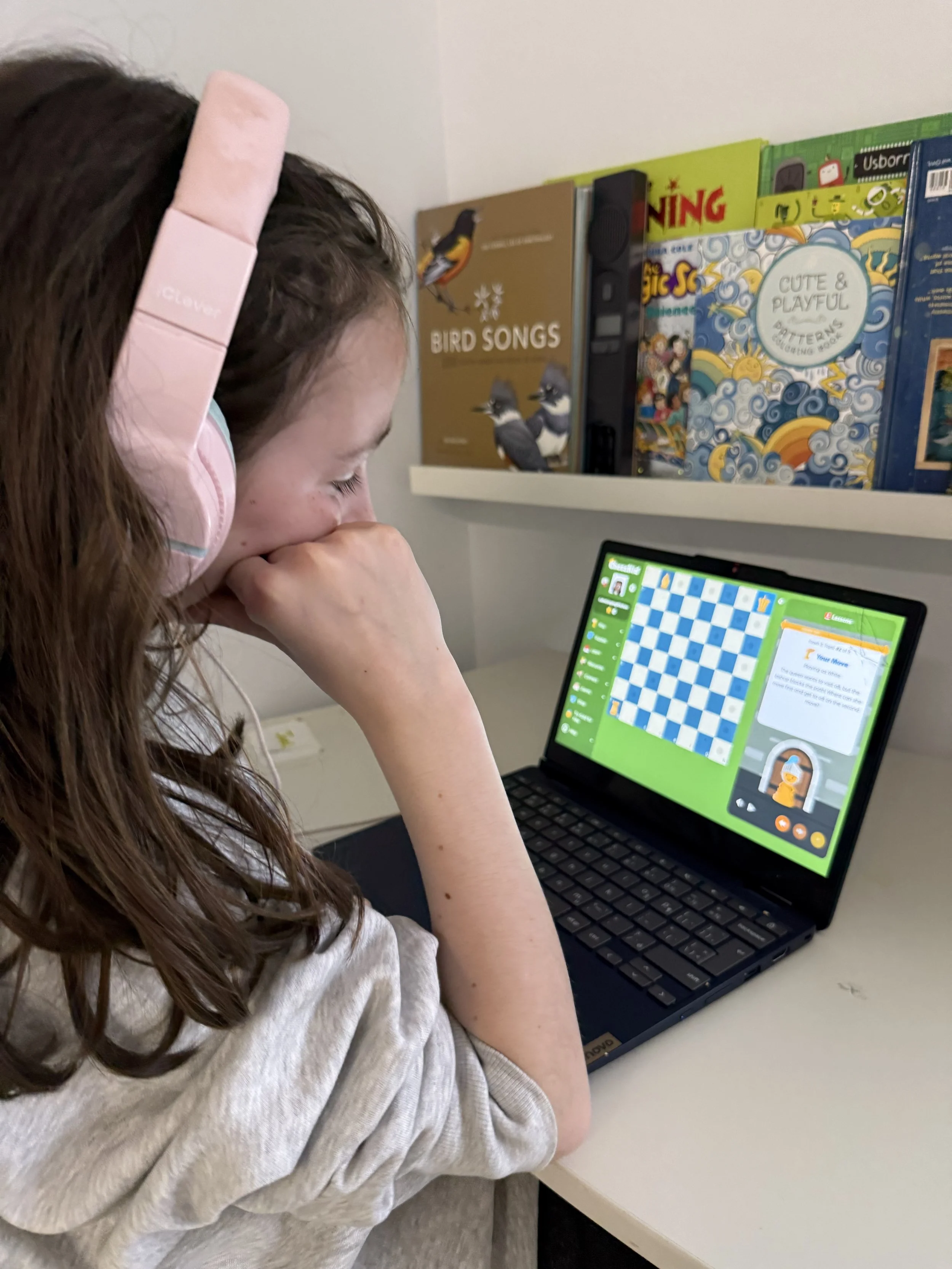
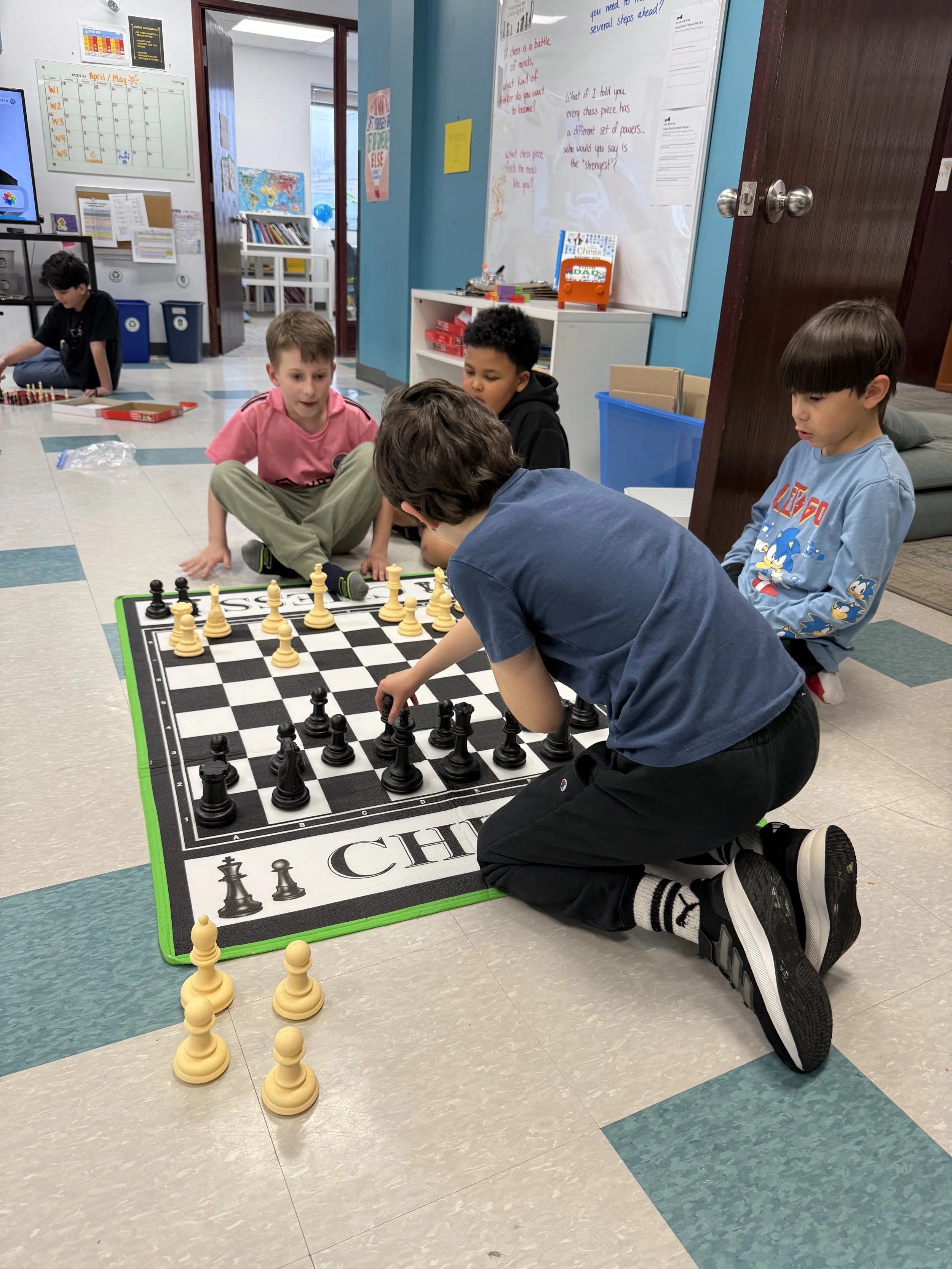
By midweek, Rebels had the opportunity to rotate through all stations, building confidence and familiarity with each piece’s movement and strategy. The week culminated in their very first full chess games which was such an exciting milestone! Moving forward, Rebels will participate in friendly Thursday matches to collect points throughout the session. They also completed thoughtful Week 1 reflections toward their Chess Badge, capturing their early learning and growth. It was a joyful, engaging start to the Quest, with curiosity, challenge, and community at the center.
Exploration Studio
Mindfulness & Launch
We began Session 6 with our Becoming a Critical Thinker lesson, "Framing the Argument: The Power of Context in Persuasion." Reading the brief where learners were introduced to "frames." Similar to art, where frames enhance how we receive artwork, a subject's frame is the way the information is delivered. For example, it could be the perspective of an instructor, the impersonal objectivity of a textbook, the carefully researched opinions found in an academic journal, or the vehicle of delivery. One way to get beyond the power of the frame is to name it and identify how it steers our first impressions. Rebels then spent the rest of their time selecting a source of information and answering a series of questions about its "frame" before reflecting.
On Tuesday, we sat in a circle and learned about the Seven Sacred Teachings as well as the animals that correspond to each one (Love = Eagle, Respect = Buffalo, Courage = Bear, Honesty = Sabe, Wisdom = Beaver, Humility = Wolf, and Truth = Turtle). Rebels were then encouraged to reflect on which of the Seven Sacred Teachings they wanted to work harder to honour to live a fuller and healthier life. During Launch, we learned about the Burden of Proof Fallacy. After a warm-up in which the Rebels learned what the burden of proof is, they worked to identify examples of the burden of proof fallacy in everyday situations and to learn how to respond when someone shifts the burden of proof.
On Wednesday, we began our photography study with a brainstorming session on what we'd like to learn and the skills we want to develop and showcase by the end of Session 7. We discussed available cameras and equipment, then looked at a series of the most famous photos in the world, discussing what made each image powerful. We ended our session thinking about what each learner was most interested in capturing and what their photography portfolio's theme or message could be.
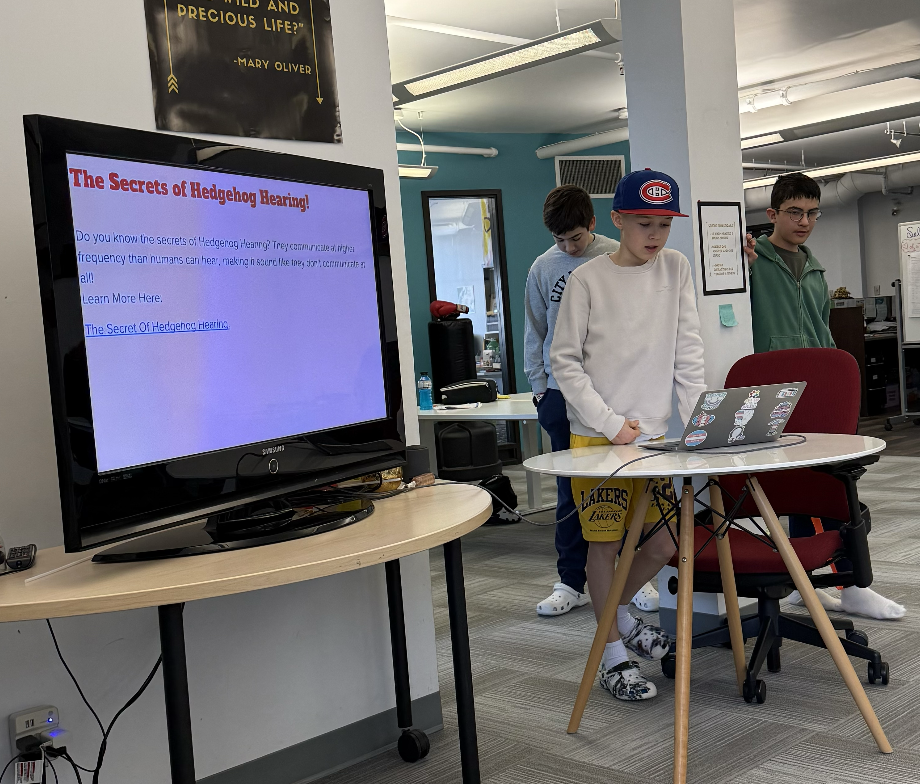
Thursday, the Rebels went for a walk in the overcast morning before returning to get ready for our field trip. Friday, one Rebel led our puzzle session before our Current Events Team filled us in on the risky asteroid that is now safer, the secrets of hedgehog hearing, loose pigs, and the world of sports!
Reader/Writer Workshop
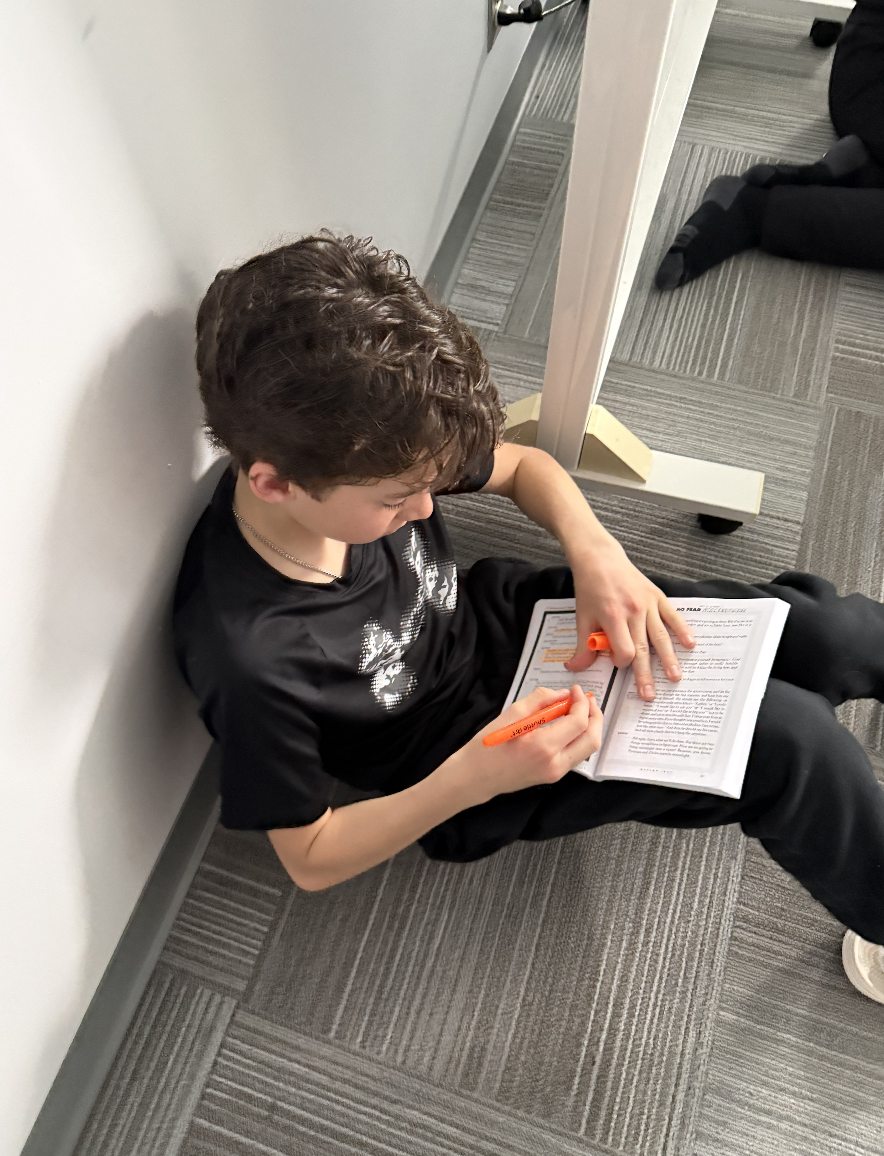
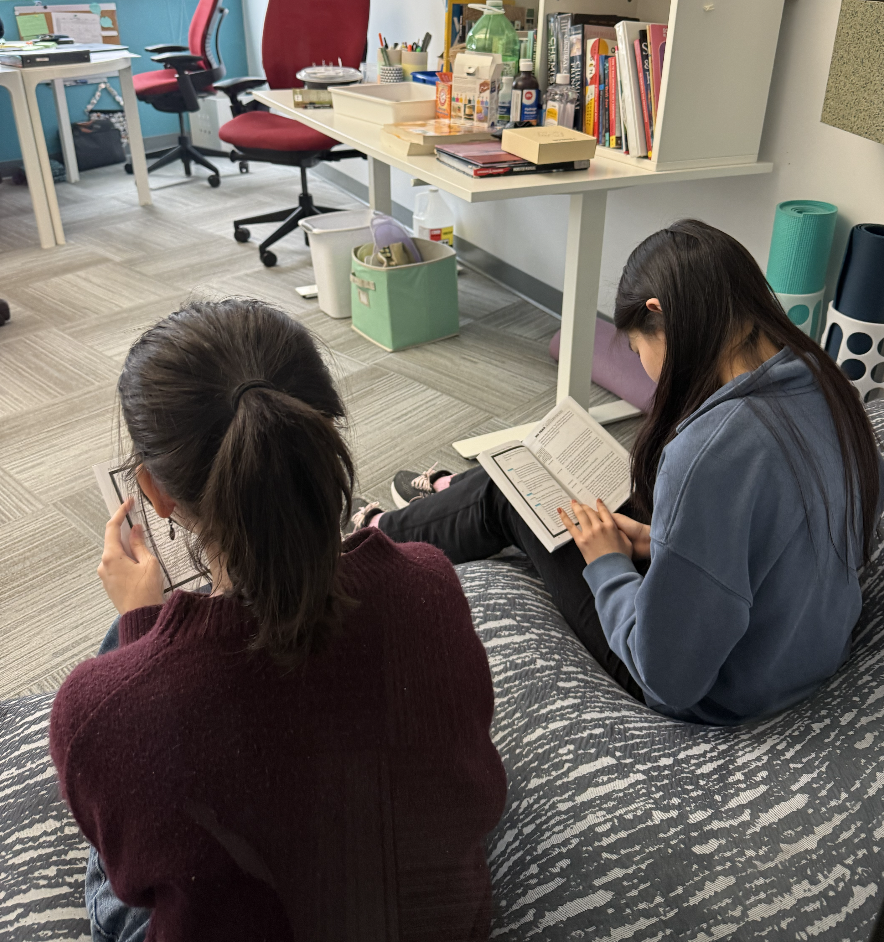
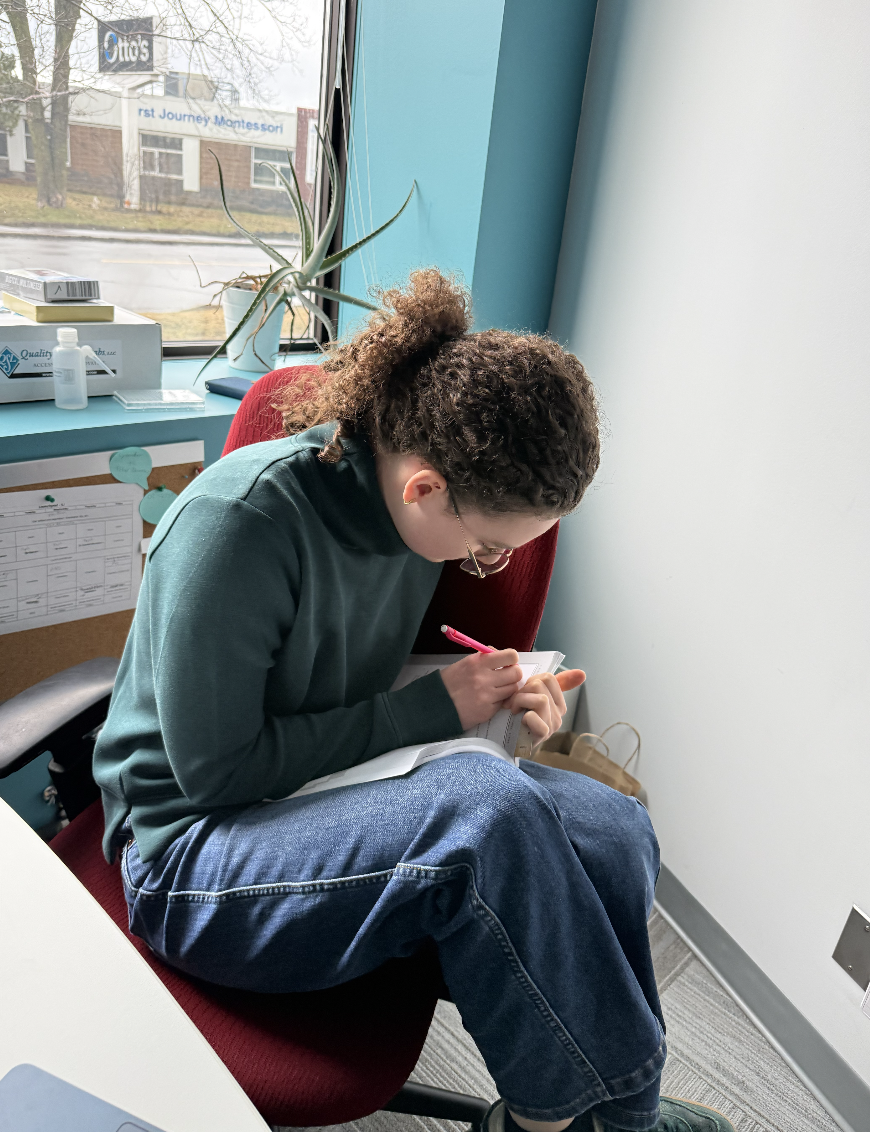
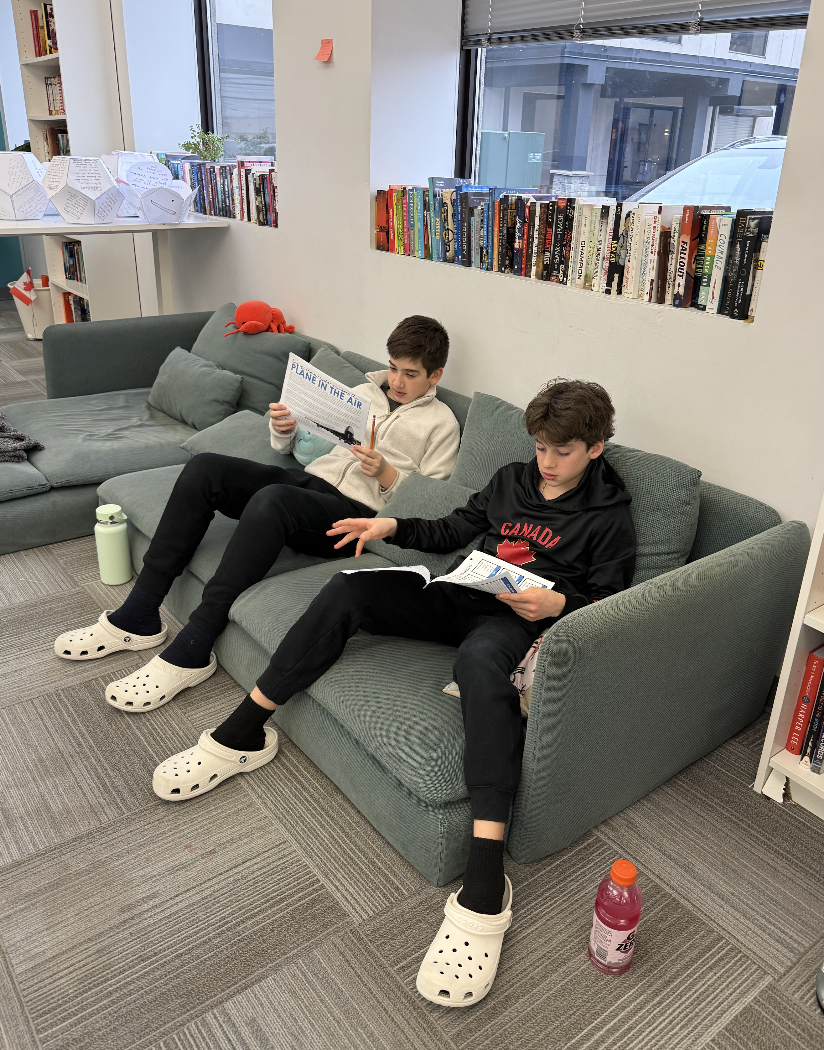
Welcome to our Short Story Boot Camp! This session, Rebels will read a series of short stories to strengthen their annotation and literary analysis skills. On Monday, we introduced the unit and reviewed the types of annotations we should use (highlighting, underlining, and margin notes). We then reviewed literary devices, narration, conflict, figurative language, and other elements before reading the story "Eleven" by Sandra Cisneros. We had a great conversation about the piece, including the deep characterization in so few pages and the emotions felt throughout the story. Rebels then reviewed the challenge guide and a model presentation to better understand the requirements for this session's badge, and after an introduction to each of the available stories, ranked them in order of preference. Each received their assigned story that afternoon and found out who their presentation partner would be.
While each Rebel is responsible for presenting one story, all learners need to read and annotate each piece. On Tuesday during DEAR, we read "The Lottery" aloud while learners took notes and discussed their thoughts on this dark tale, which may have inspired The Hunger Games.
A Midsummer Night's Dream
Our Midsummer Night's Dream group spent their Monday session reviewing roles, watching a version of the scene they'll be performing, and choosing the time and setting for their play. On Wednesday, they came up with a plan to memorize the lines and made a schedule so that each learner could practice throughout the week, attending sessions in which their character was involved.
Paragraph of the Week, Reading Challenge, and Grammar
This session, we are doing the paragraph of the week a little differently. Rebels will have three different prompts on Canadian history to choose from, research, and write a short answer paragraph. This week's prompts were: Share how the French, British or Aboriginal community helped impact and change Canada, What is a potlatch, and what was the importance of the potlatch to the Aboriginal people of Canada? or Write a paragraph explaining/summarizing the primary source (images) and why it is significant.
The Reading Challenge this week focused on imagery and how an author uses the five senses to paint a picture. After our lesson on Monday, the Rebels read six short pieces and identified which senses were used in each.
Semicolons are often misused or avoided altogether. To help Rebels feel more comfortable with semicolons, on Monday, we had a lesson on when to use a semicolon and when not to. Rebels then made necessary corrections to a series of sentences before editing full paragraphs by the end of the week.
Math Lab - Probability
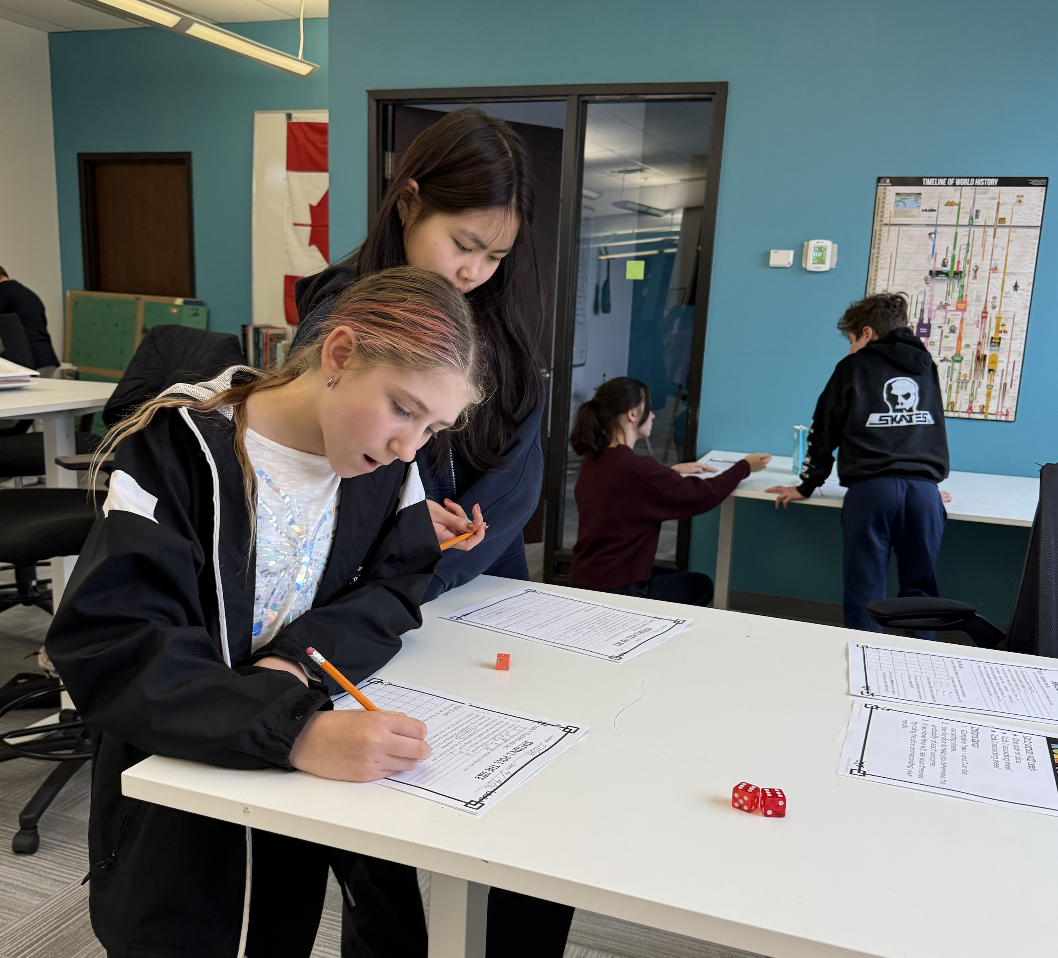
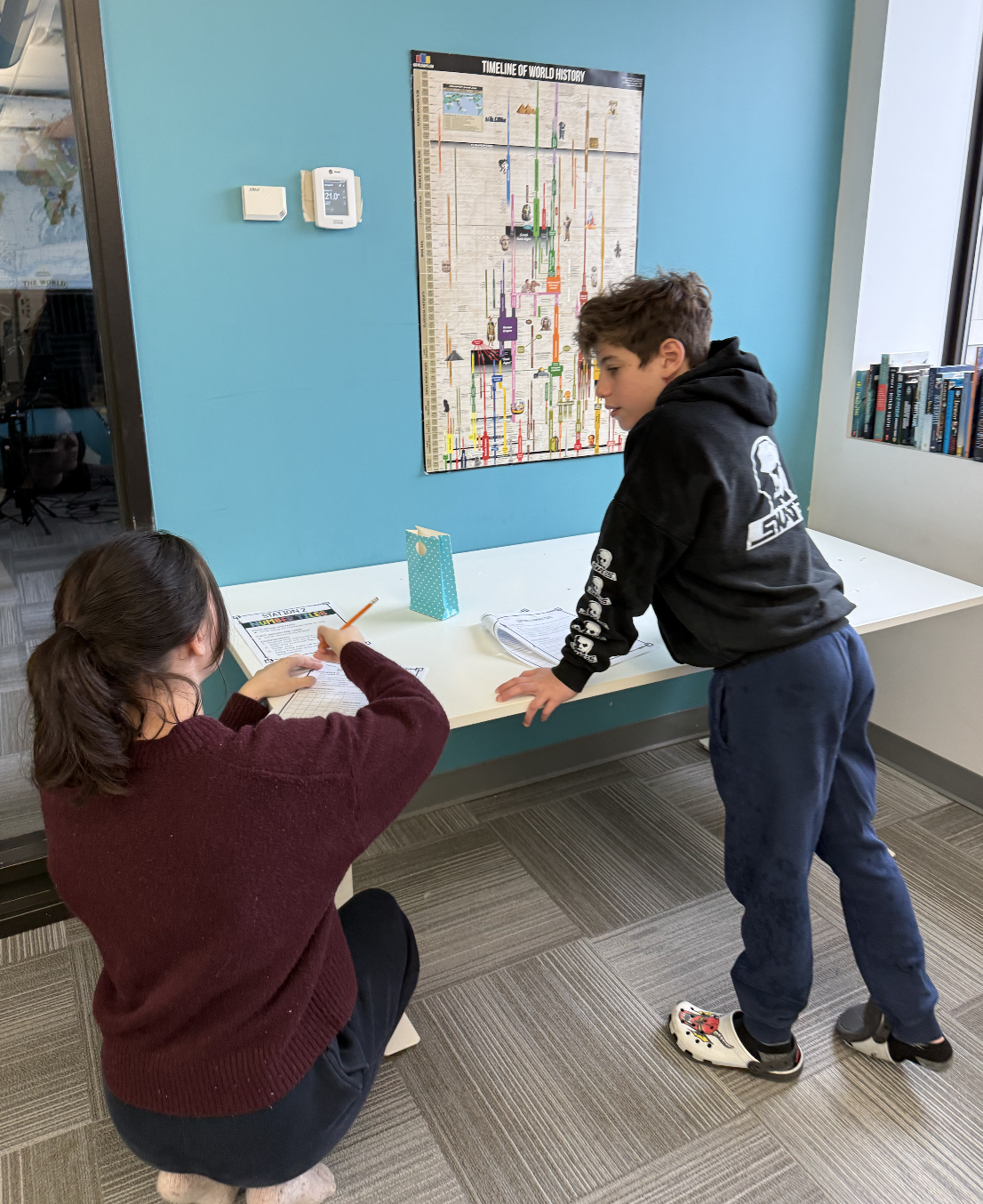
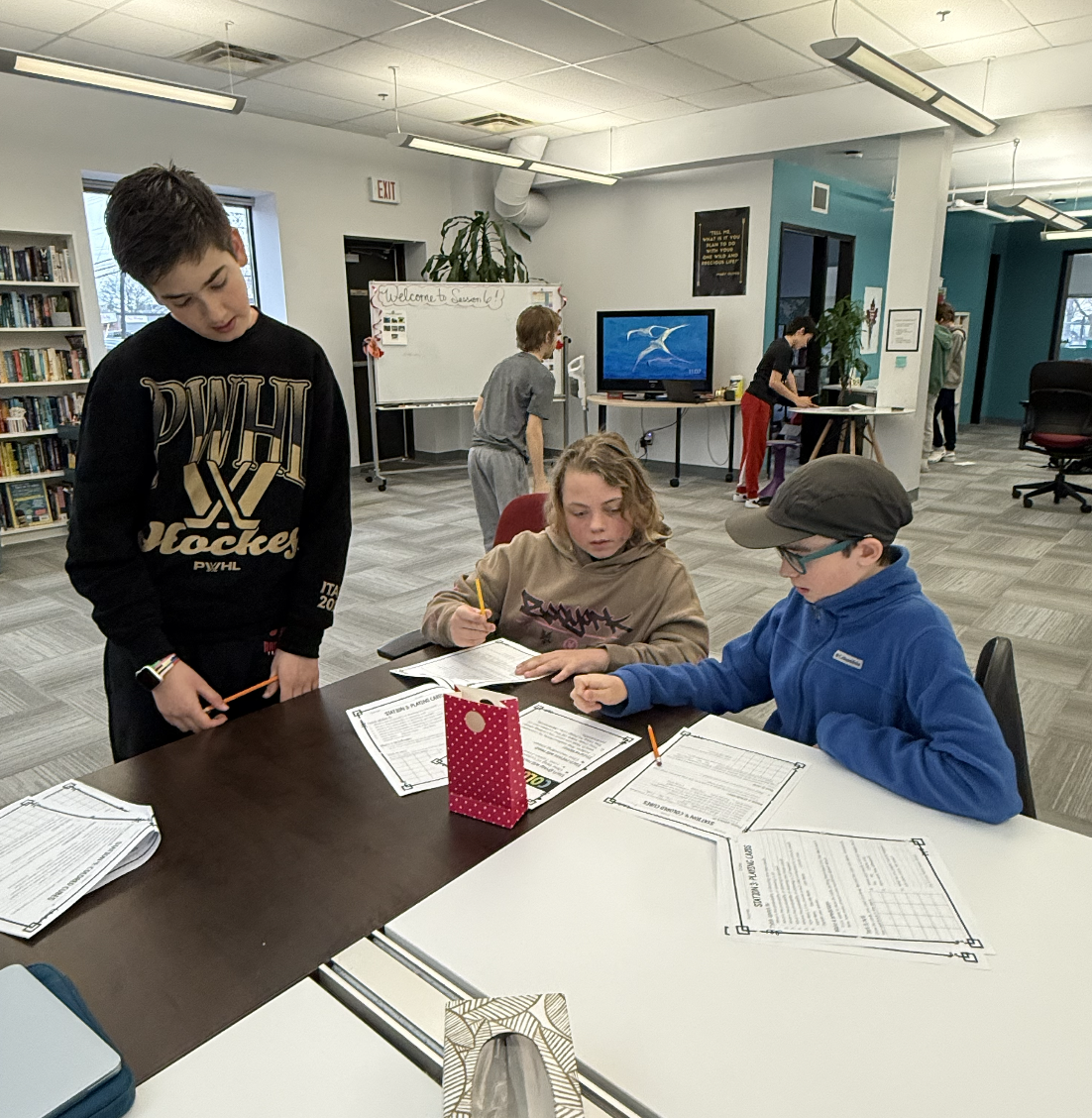
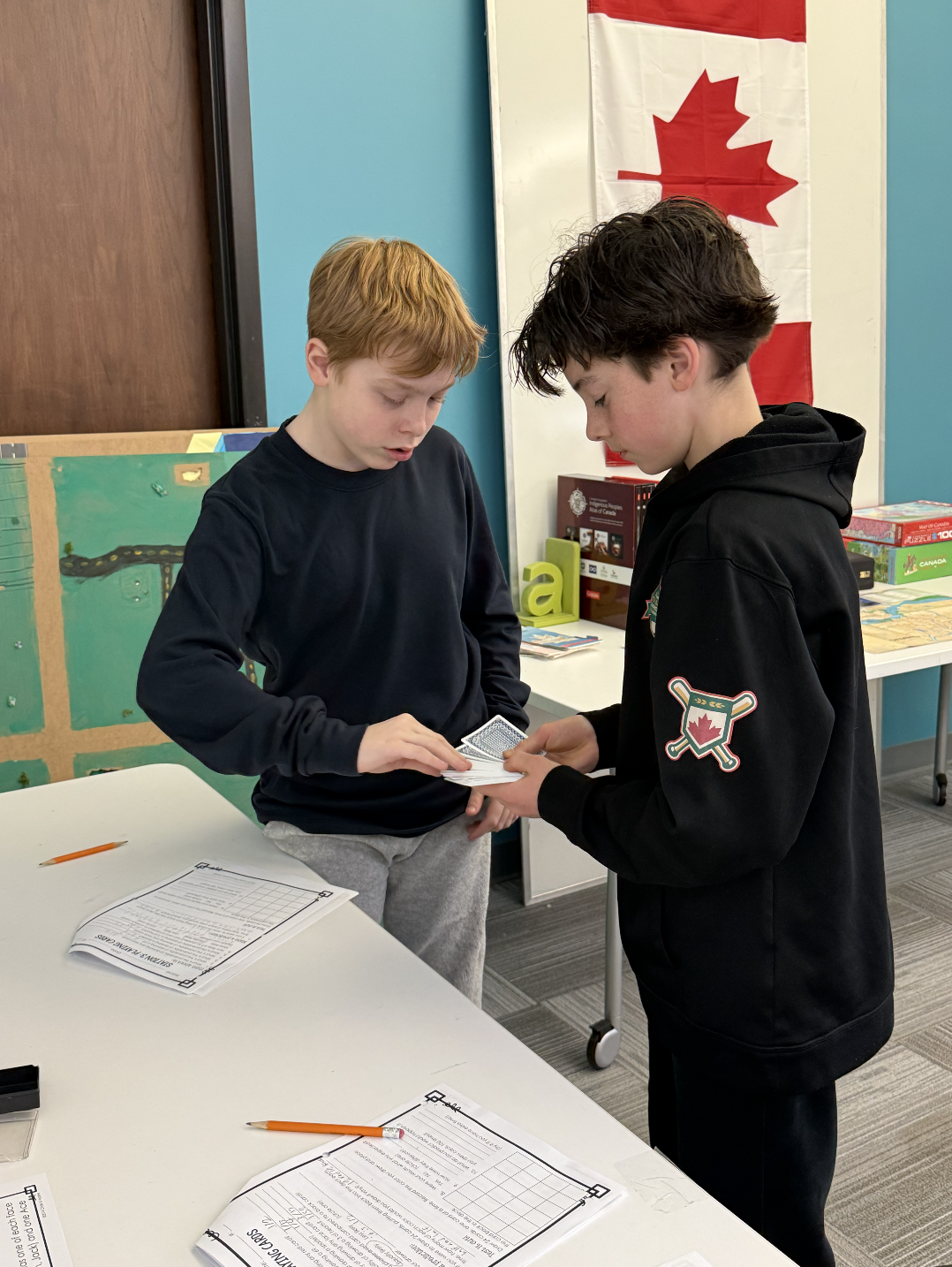
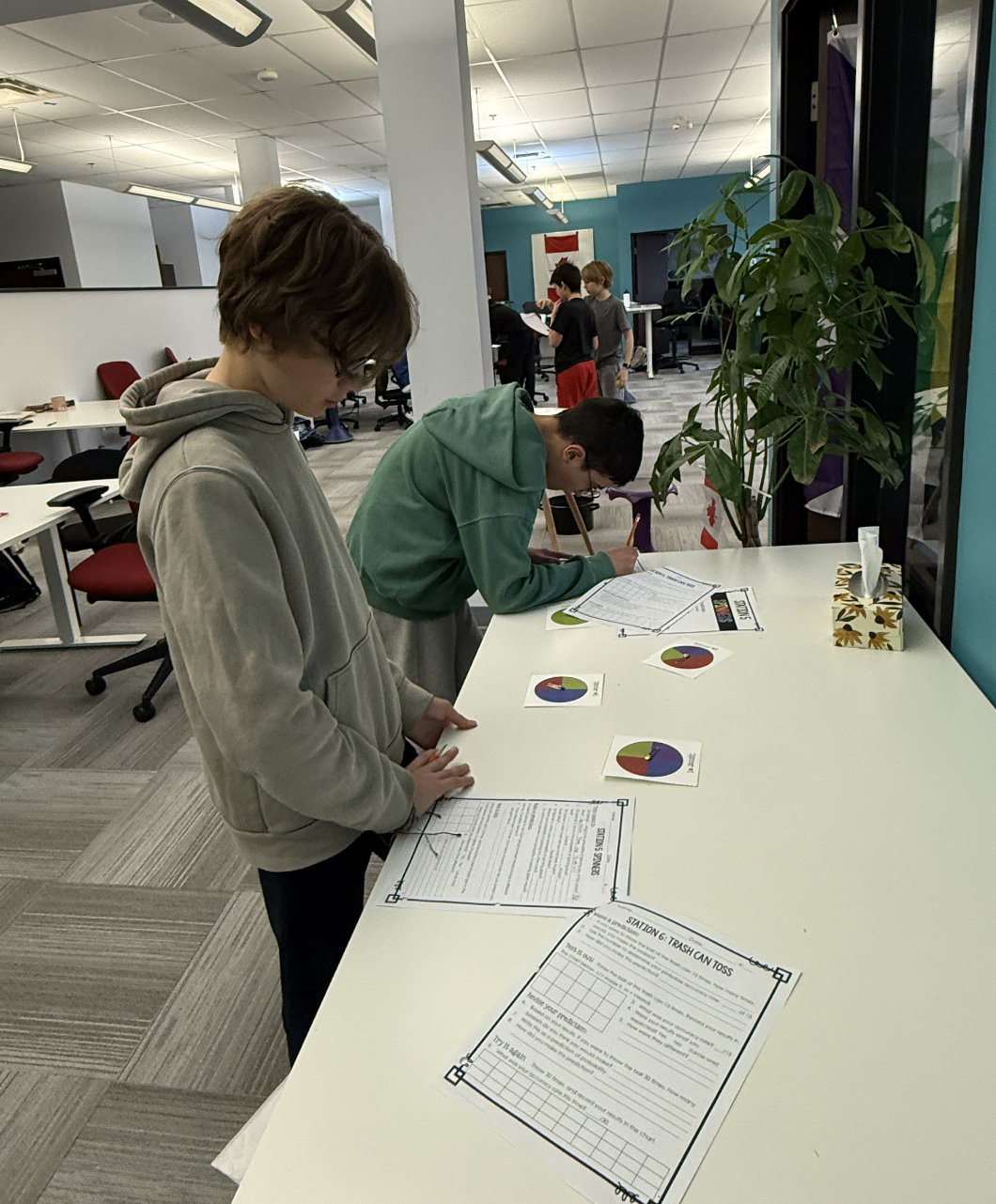
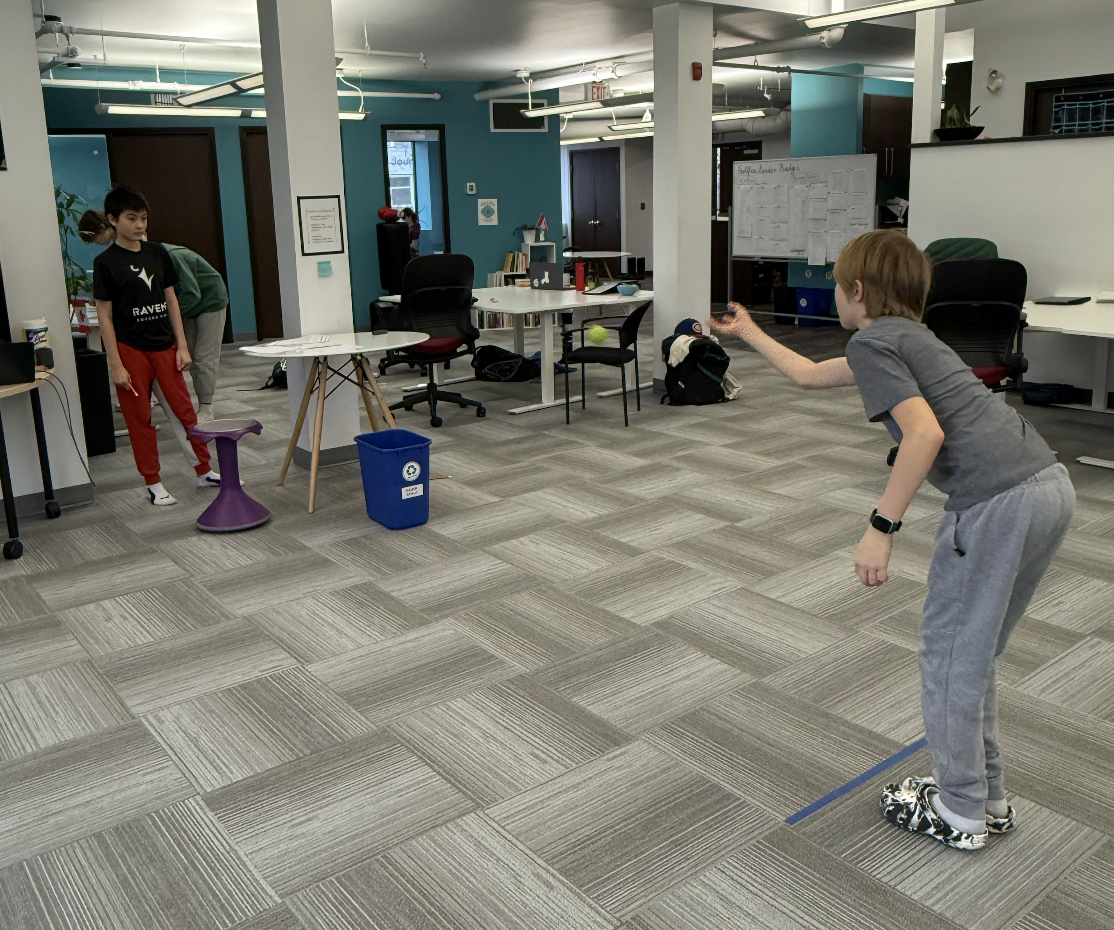
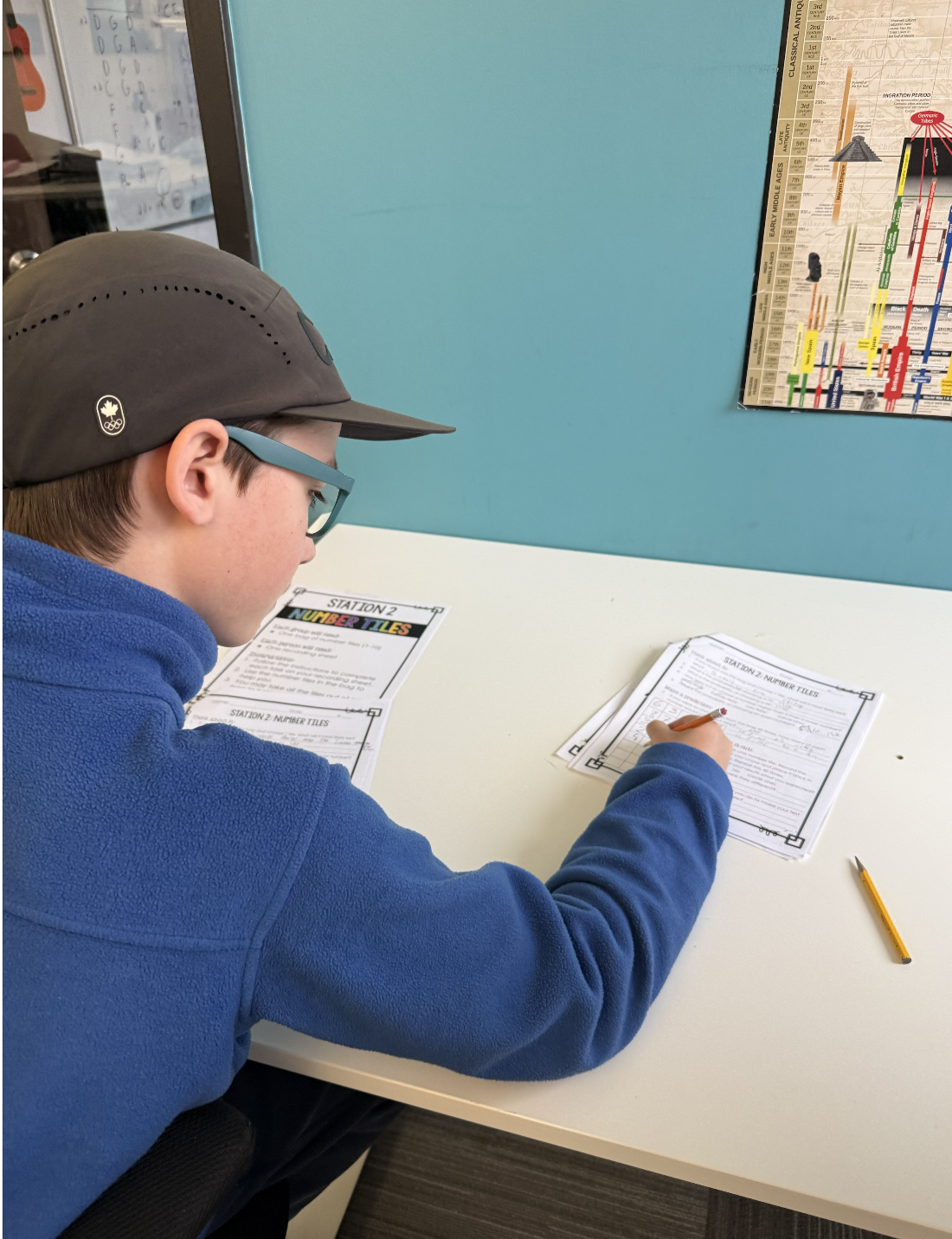
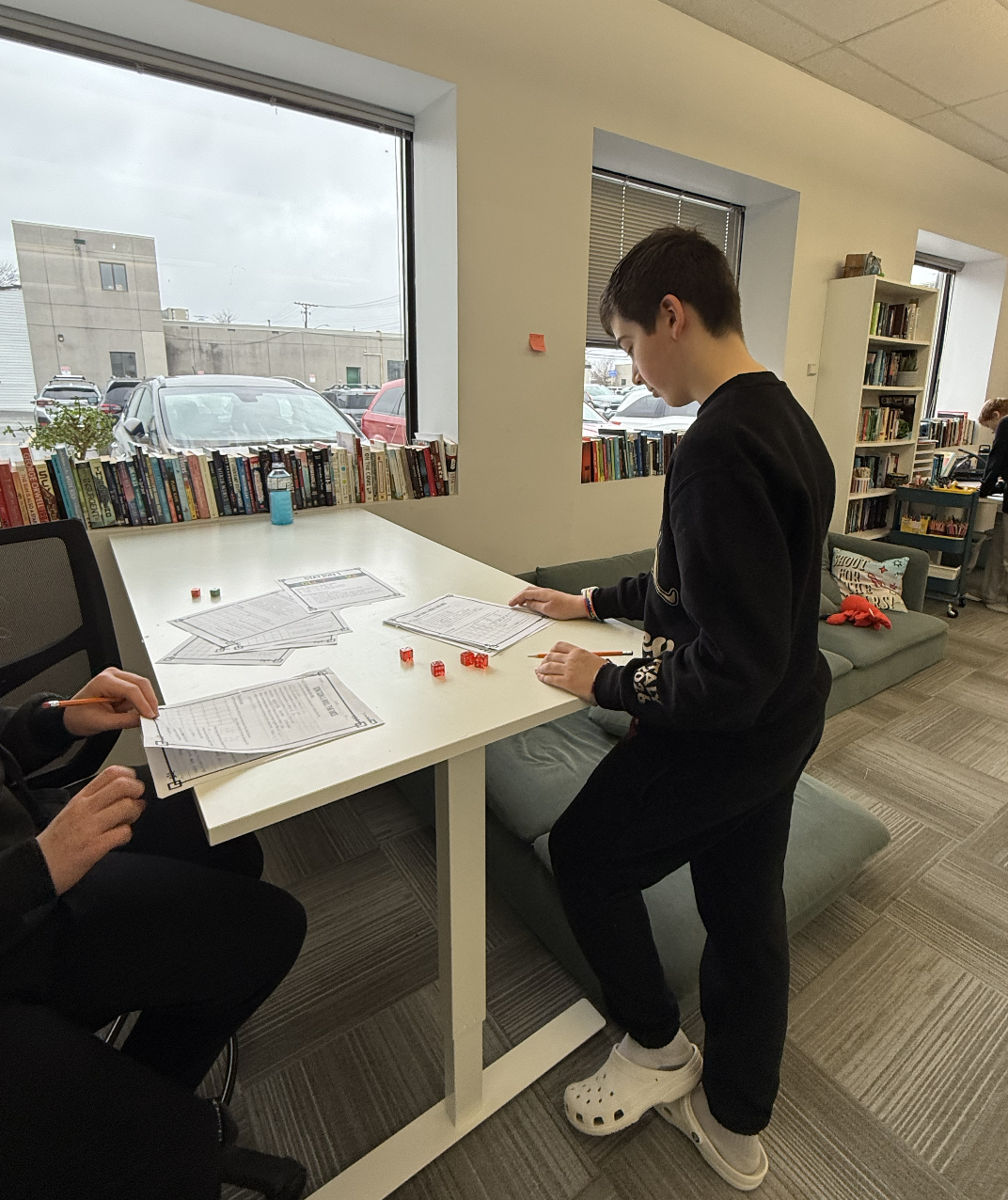
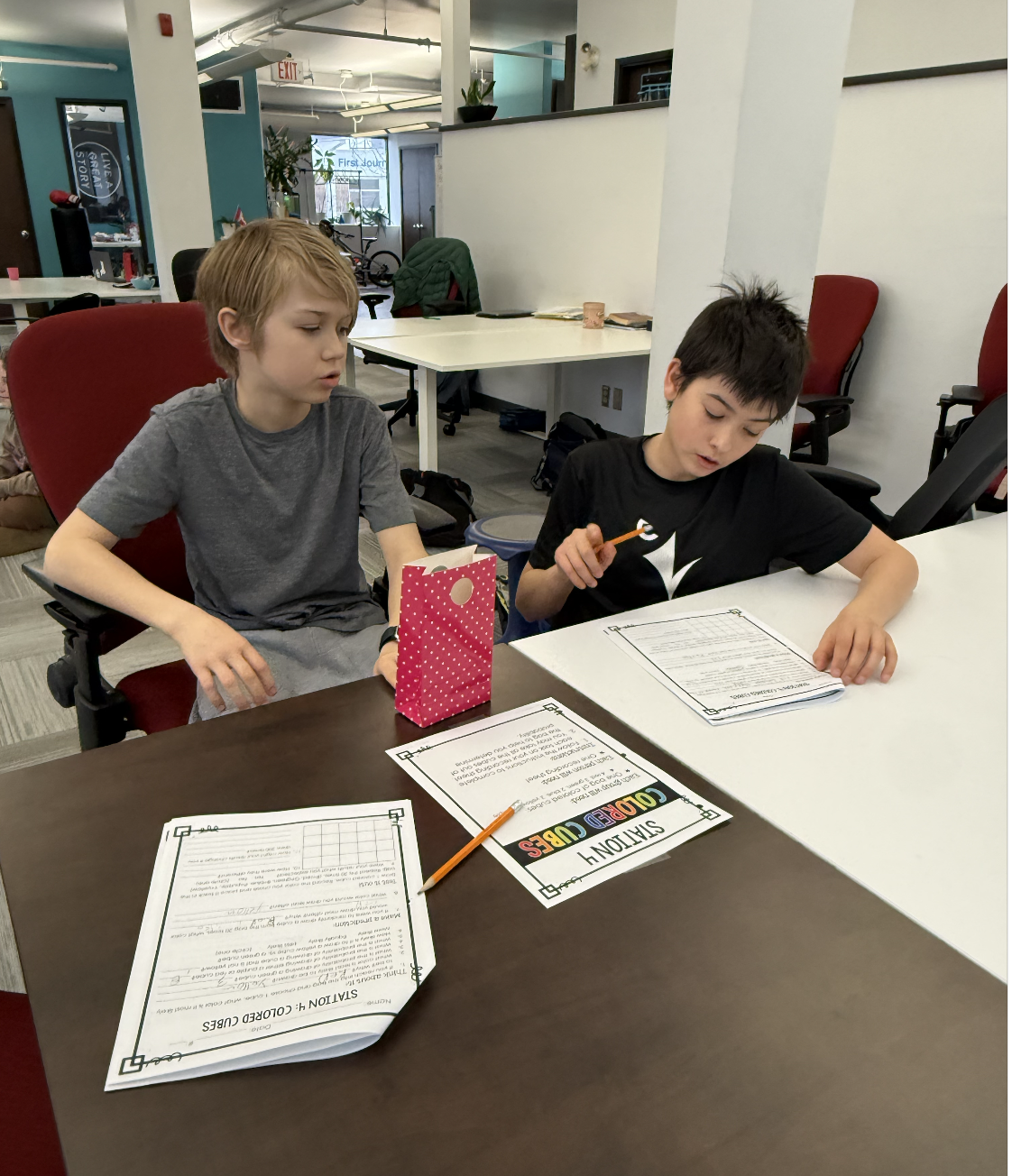
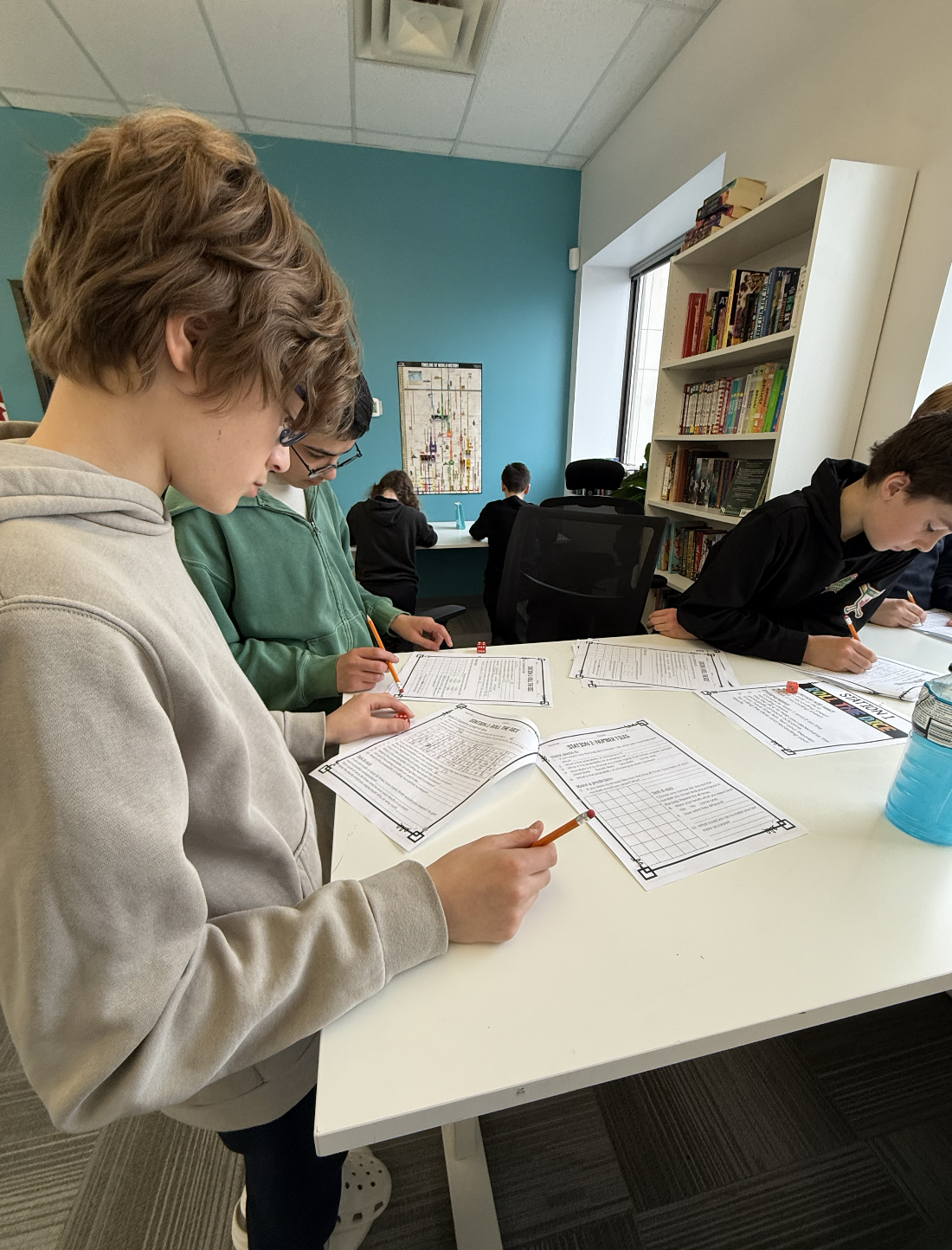
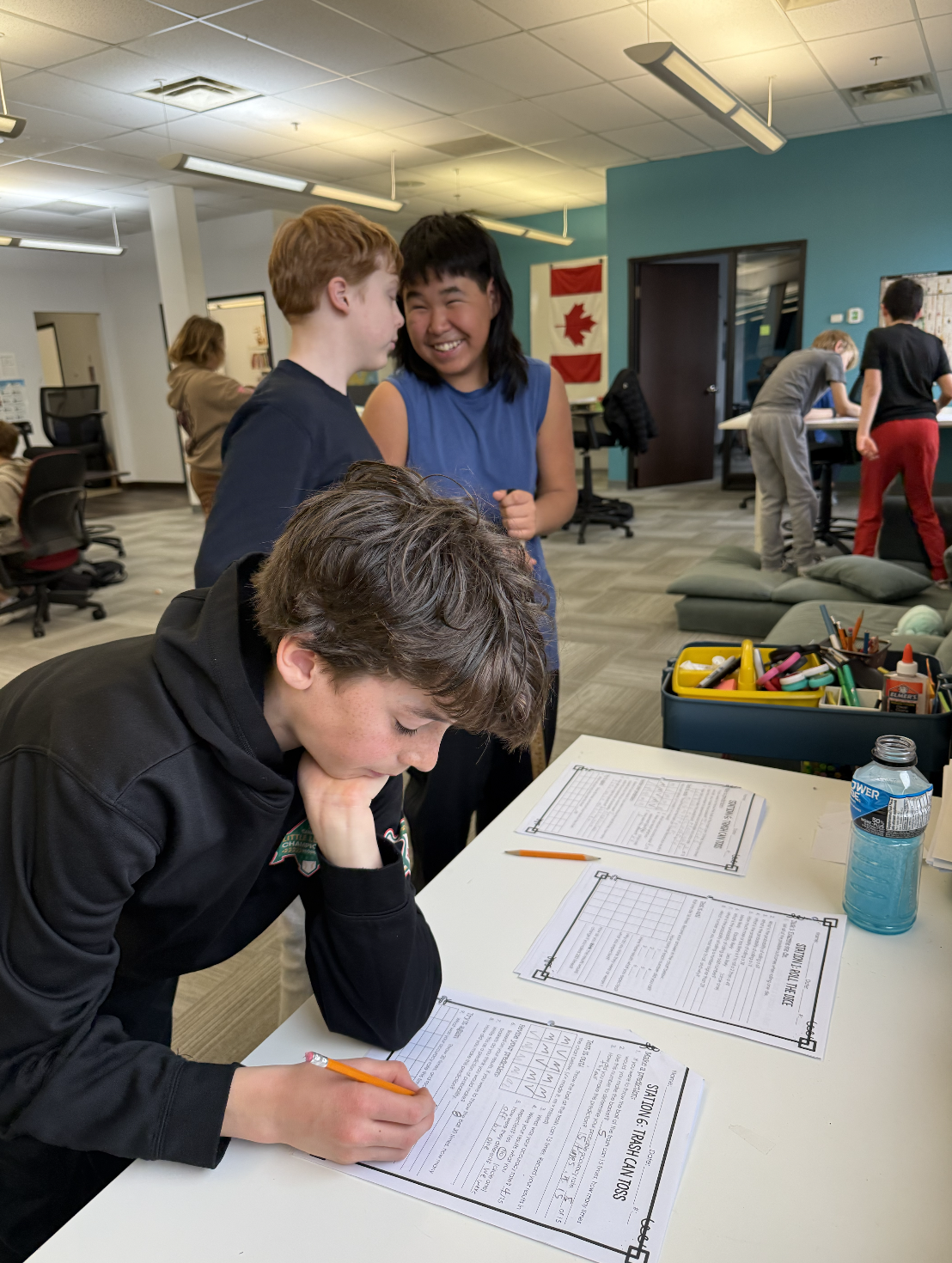
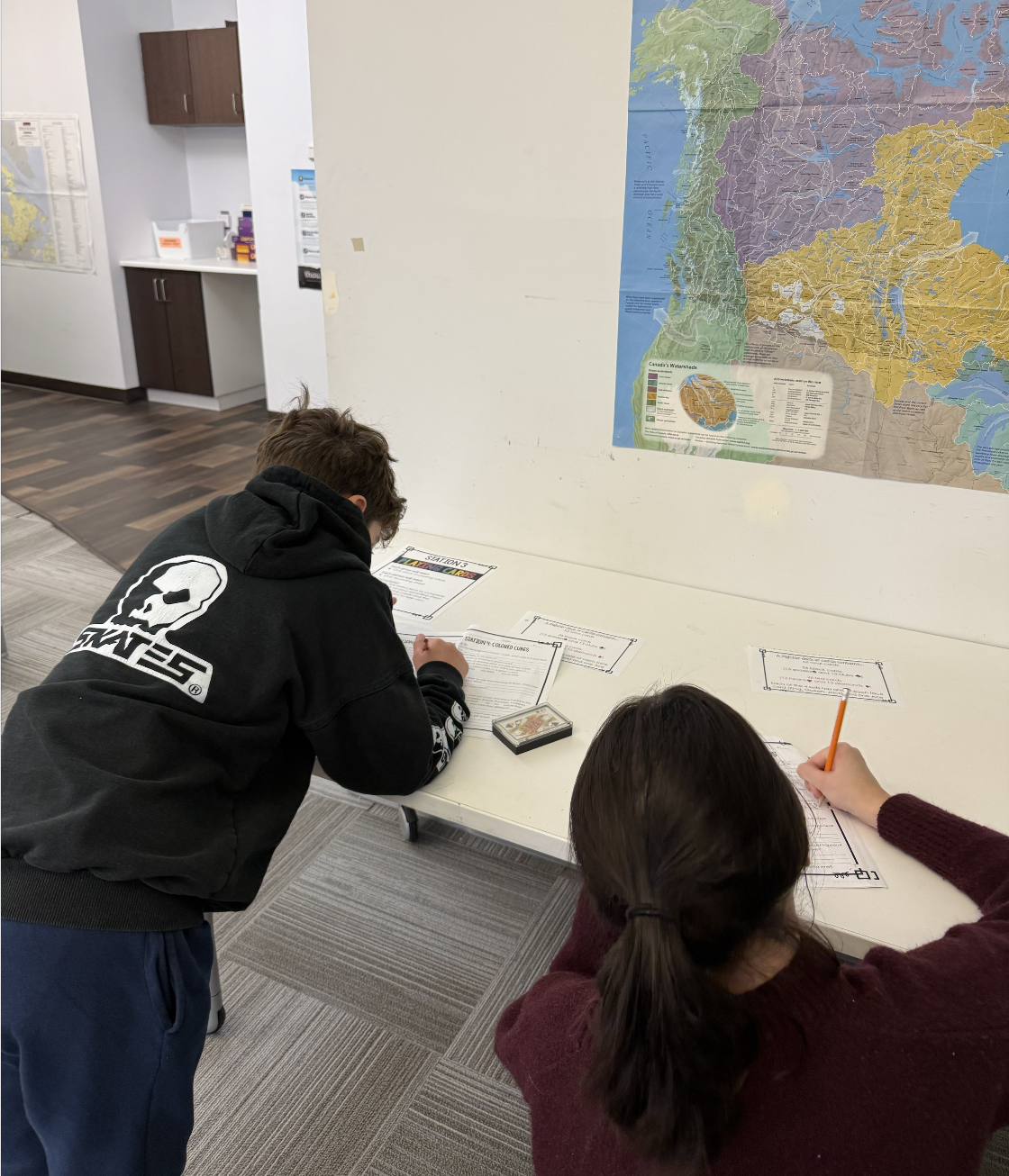
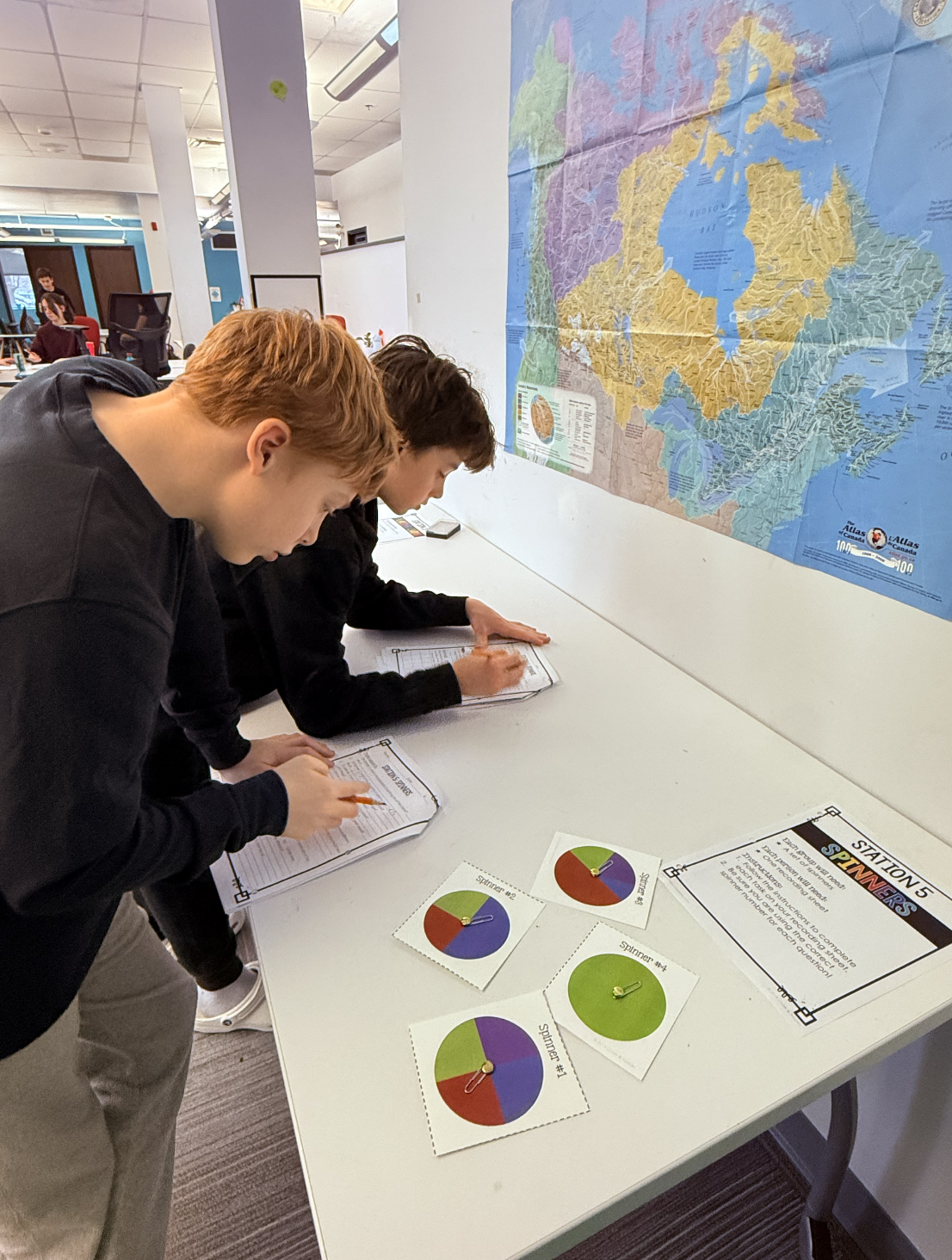
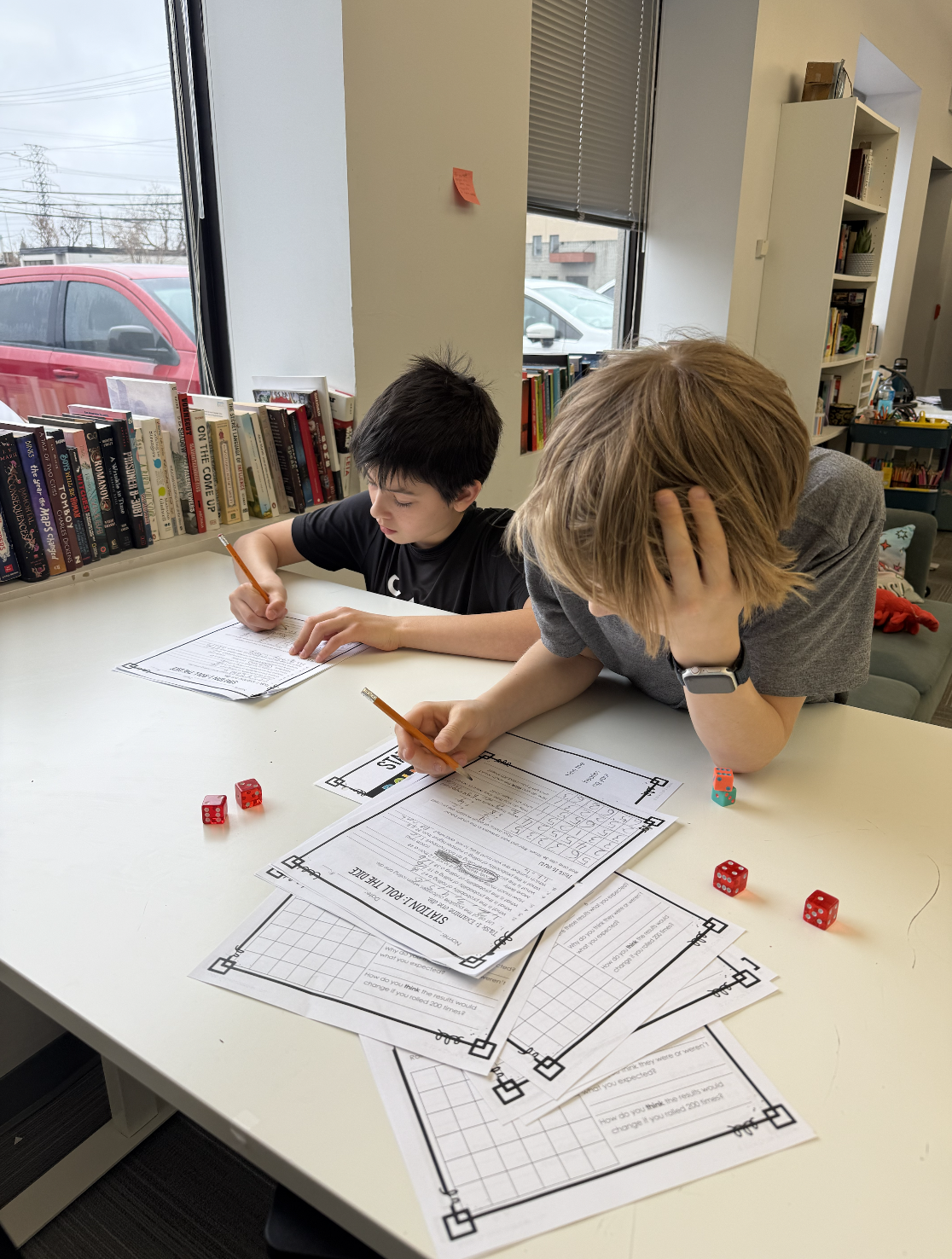
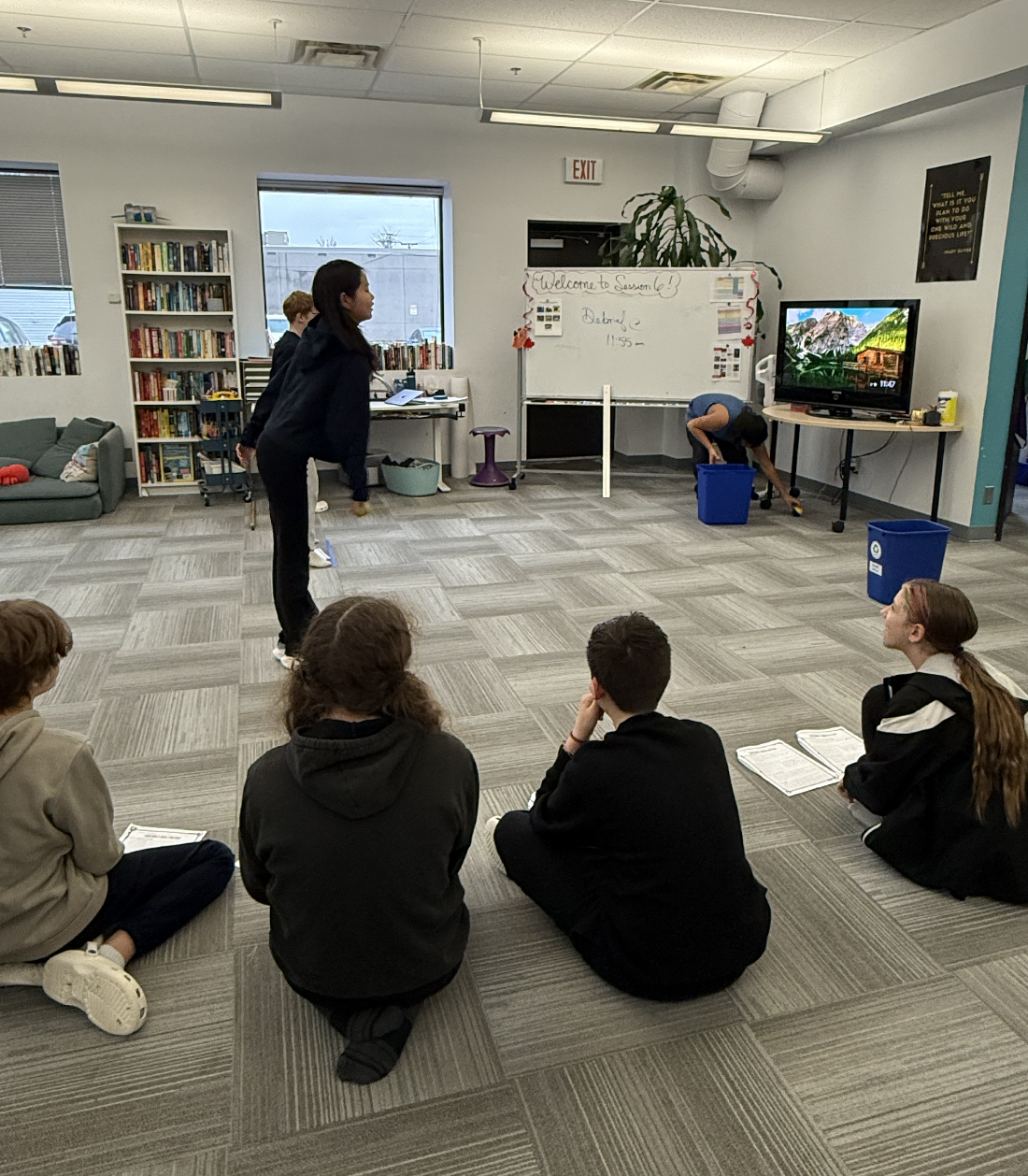
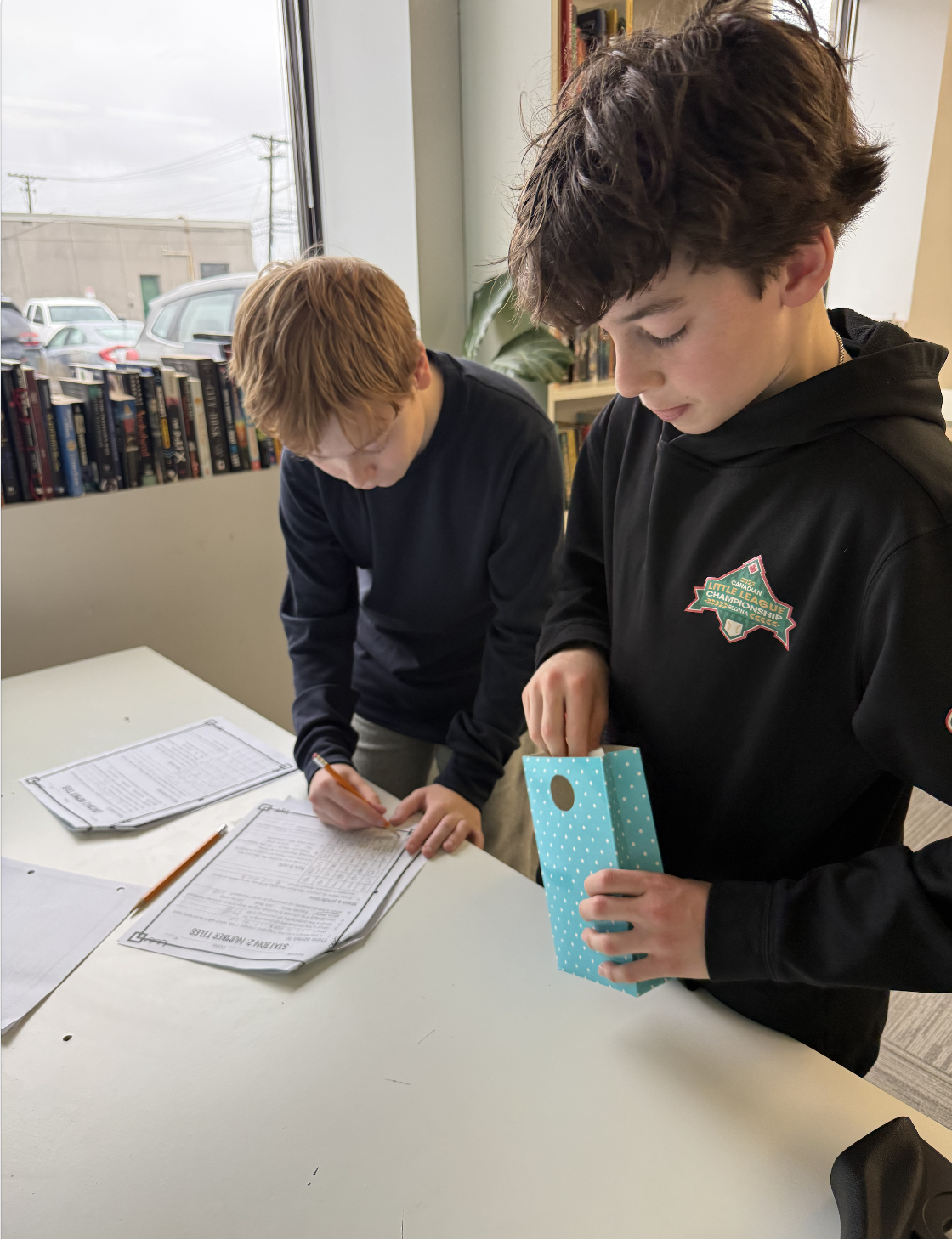
After a quick lesson on probability, Rebels worked through six stations in this week's Math Lab. They rolled dice, picked number tiles, used playing cards, chose coloured cubes, spun spinners, and tossed a ball into a trash can. At each station, learners answered a series of questions before experimenting and then tracked their actual results. It was a fun and active Math Lab! Next week, we'll finish the stations and debrief on our results.
French
This week in French, learners explored what is La loi 101 (Law 101) and what it means in Quebec. After discussing its purpose and what it involves, they put their learning into action by applying the law to our own studio/classroom. Exploration Rebels examined the bilingual signs around them and worked together to decide whether they would pass the “Law 101 test,” suggesting changes and improvements to make them compliant. Rebels then took part in a group challenge where they tried to guess the French translations of popular book and movie titles. This led to lively discussions as they compared versions and discovered how meanings can sometimes change or sound unusual in another language. Together, we explored the idea of what is called “lost in translation”, and how language and culture can influence the way we understand words and expressions.
Quest - Oh, Canada!
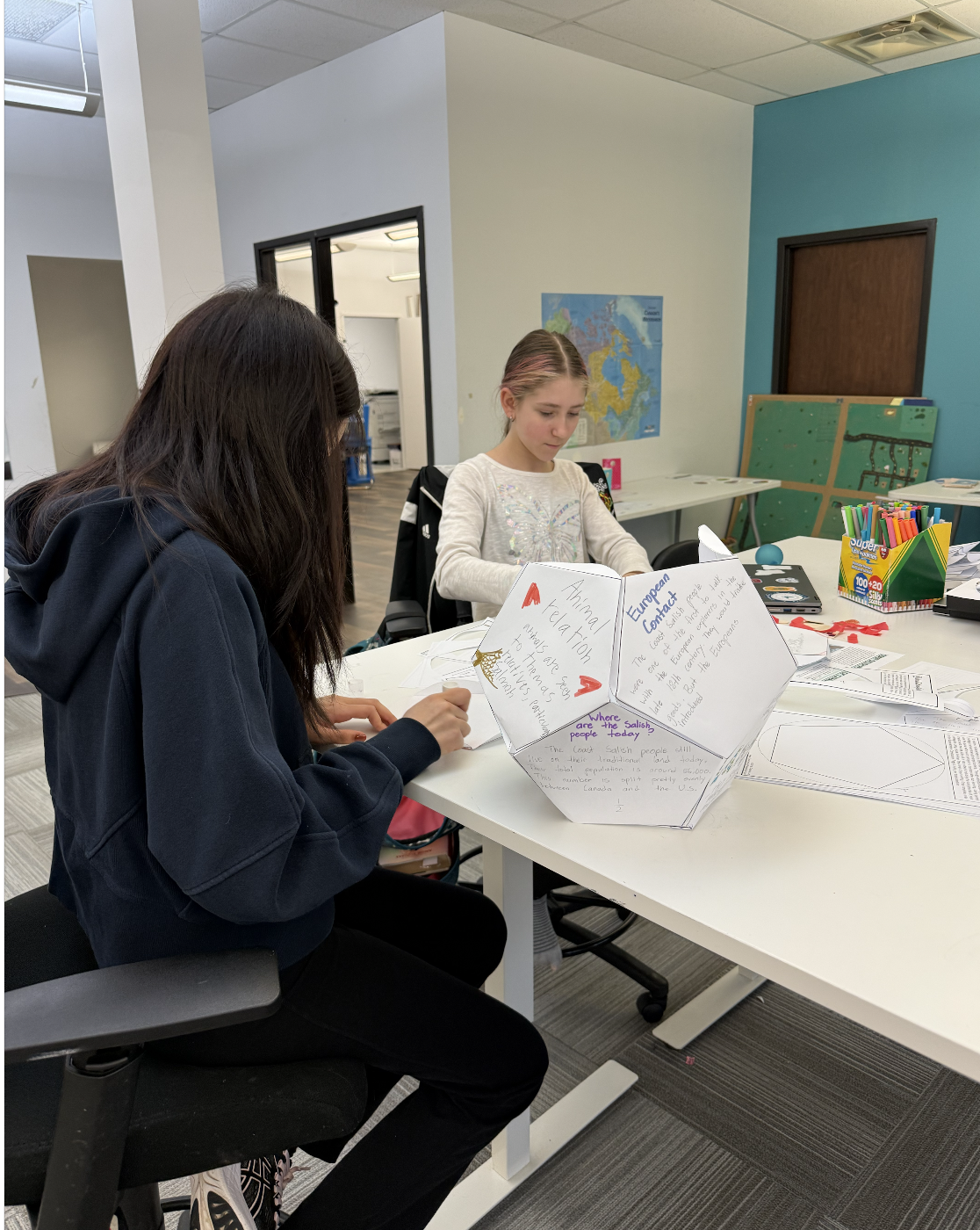
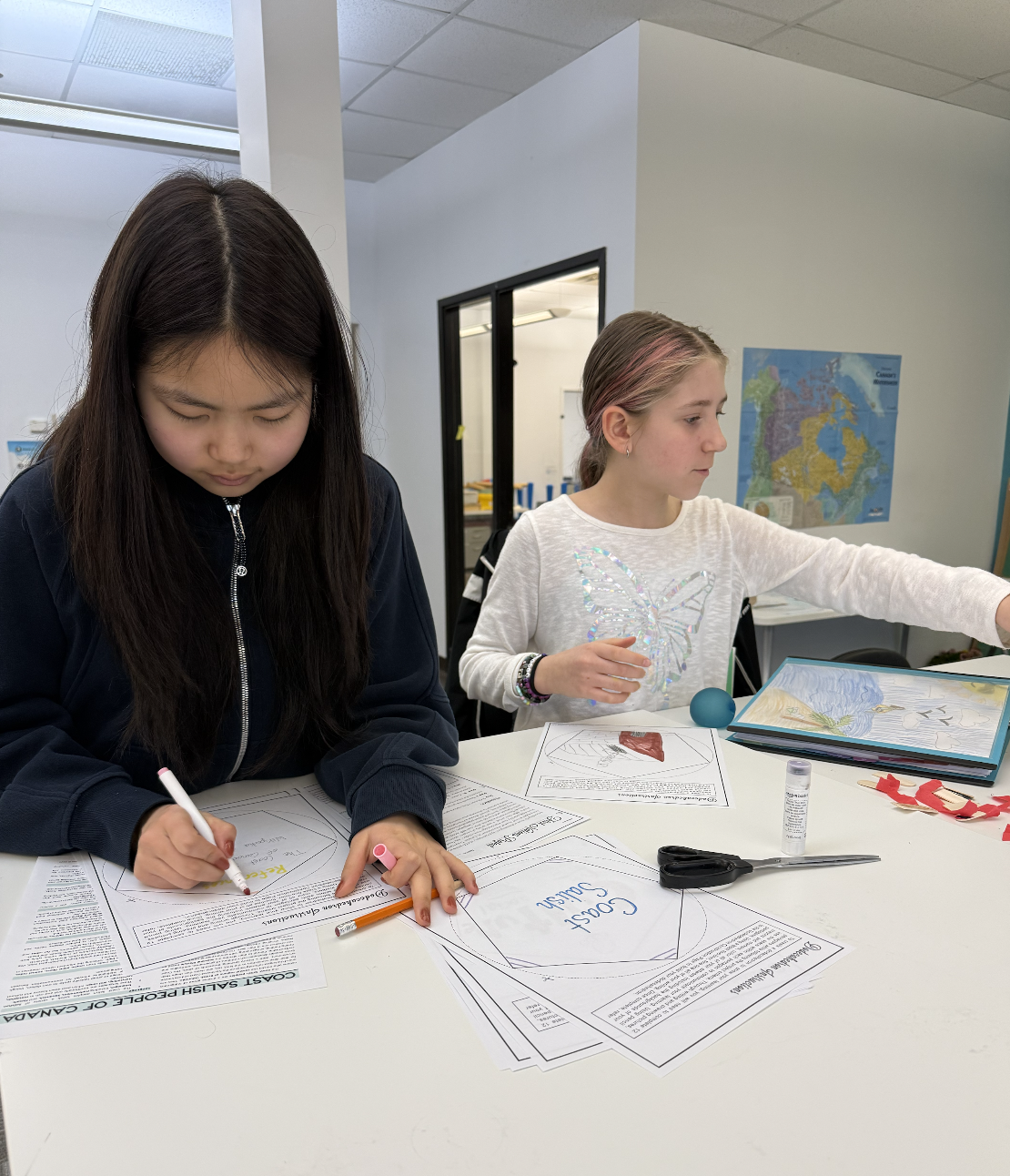
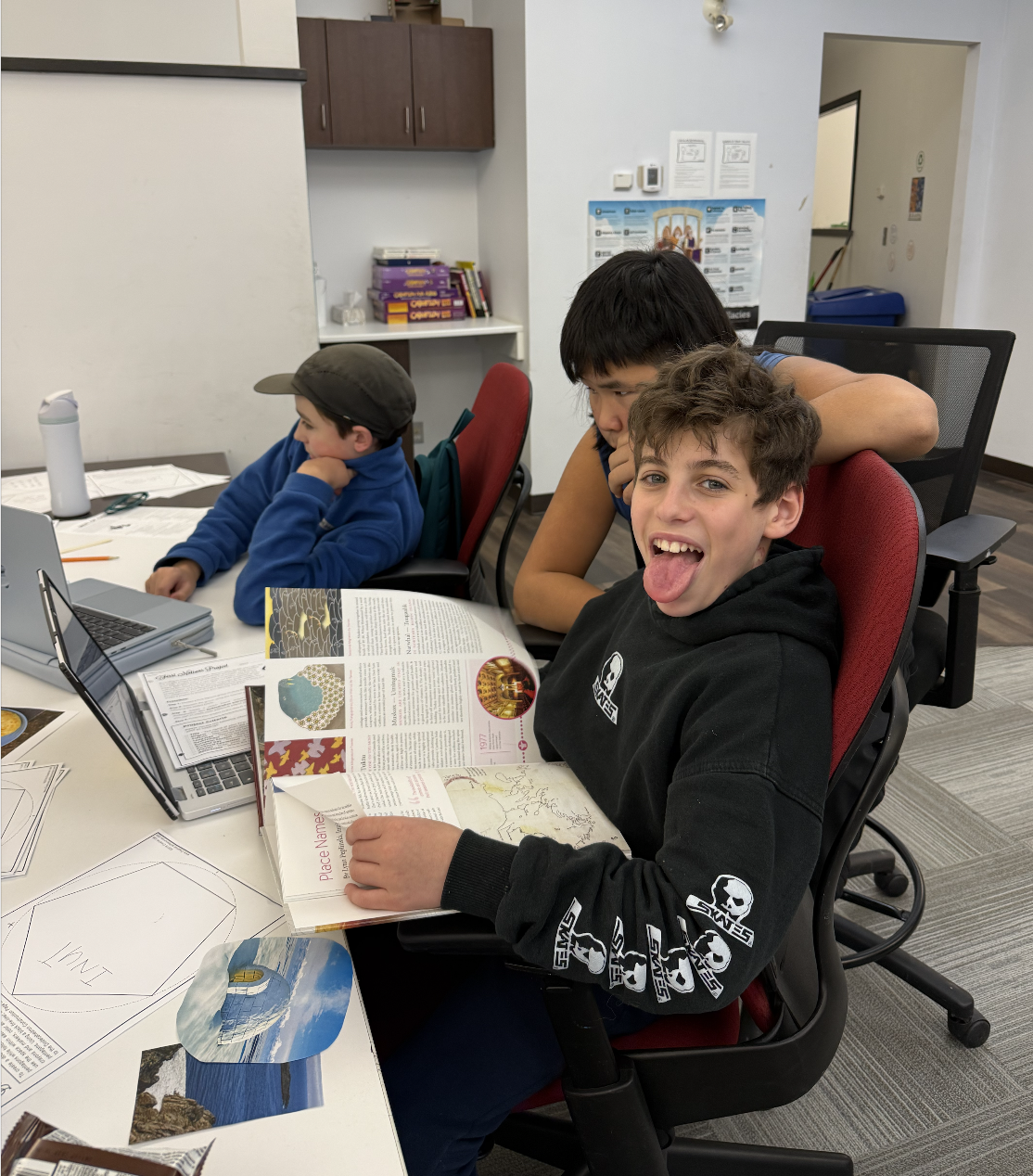
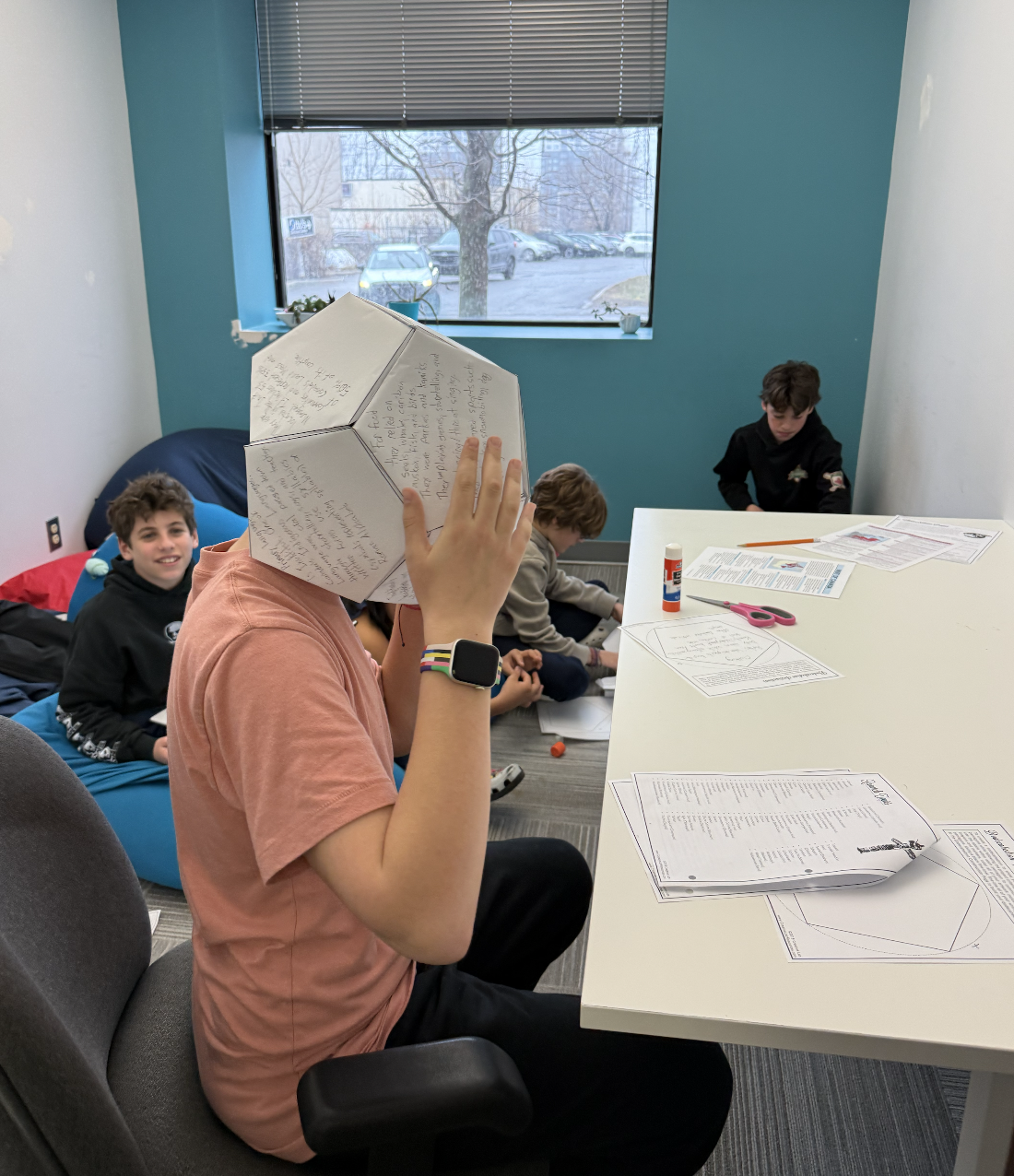
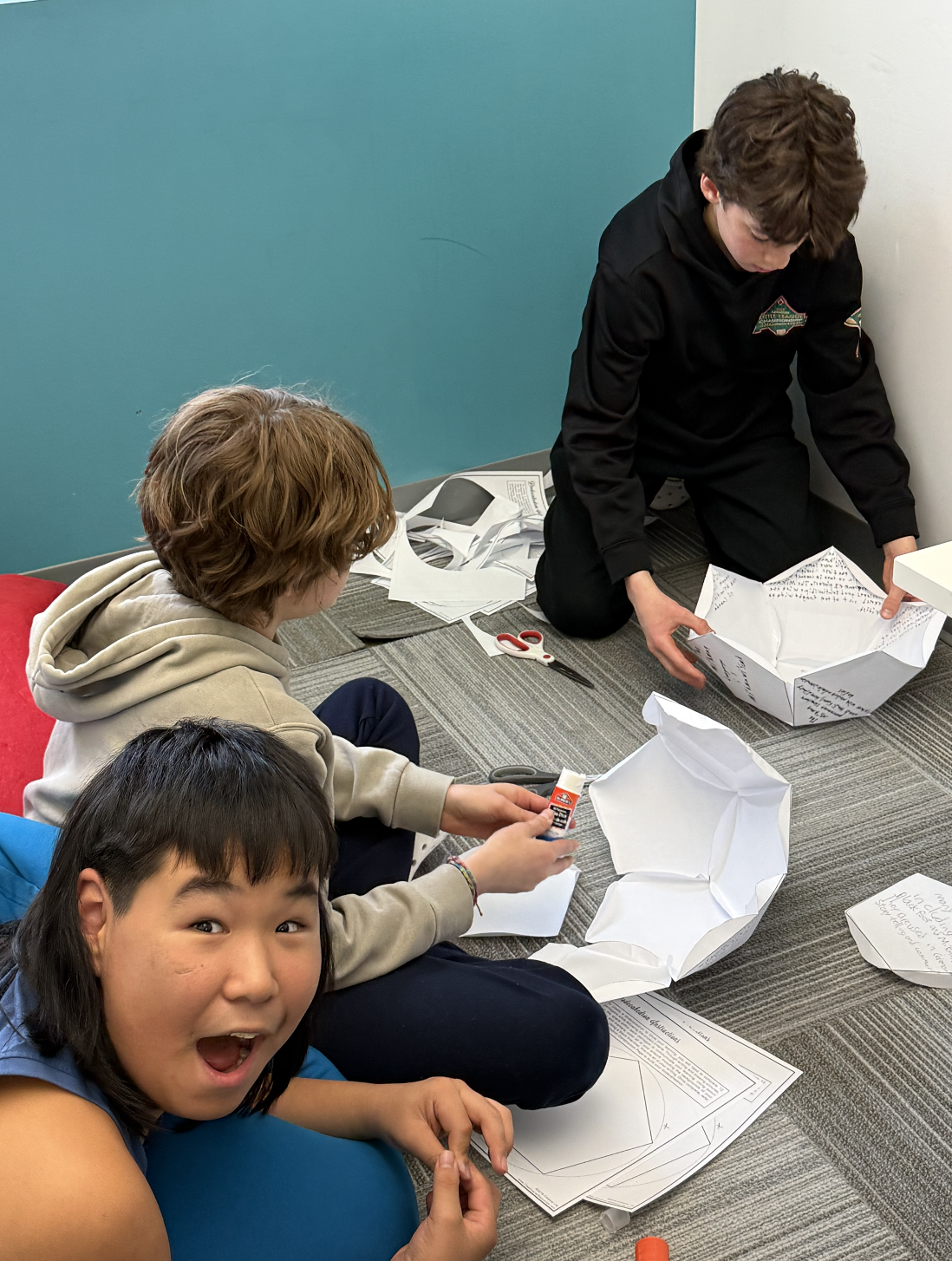
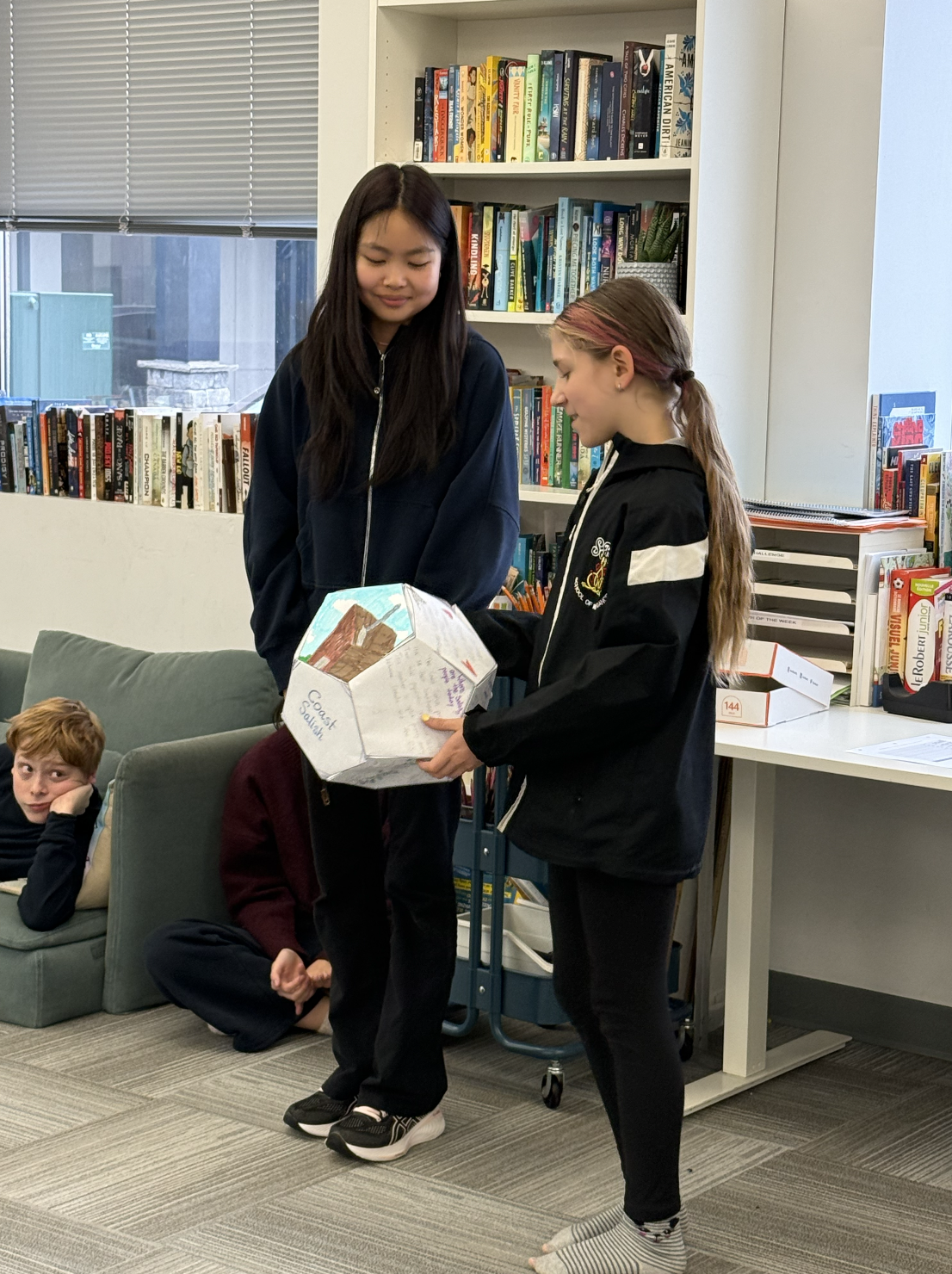
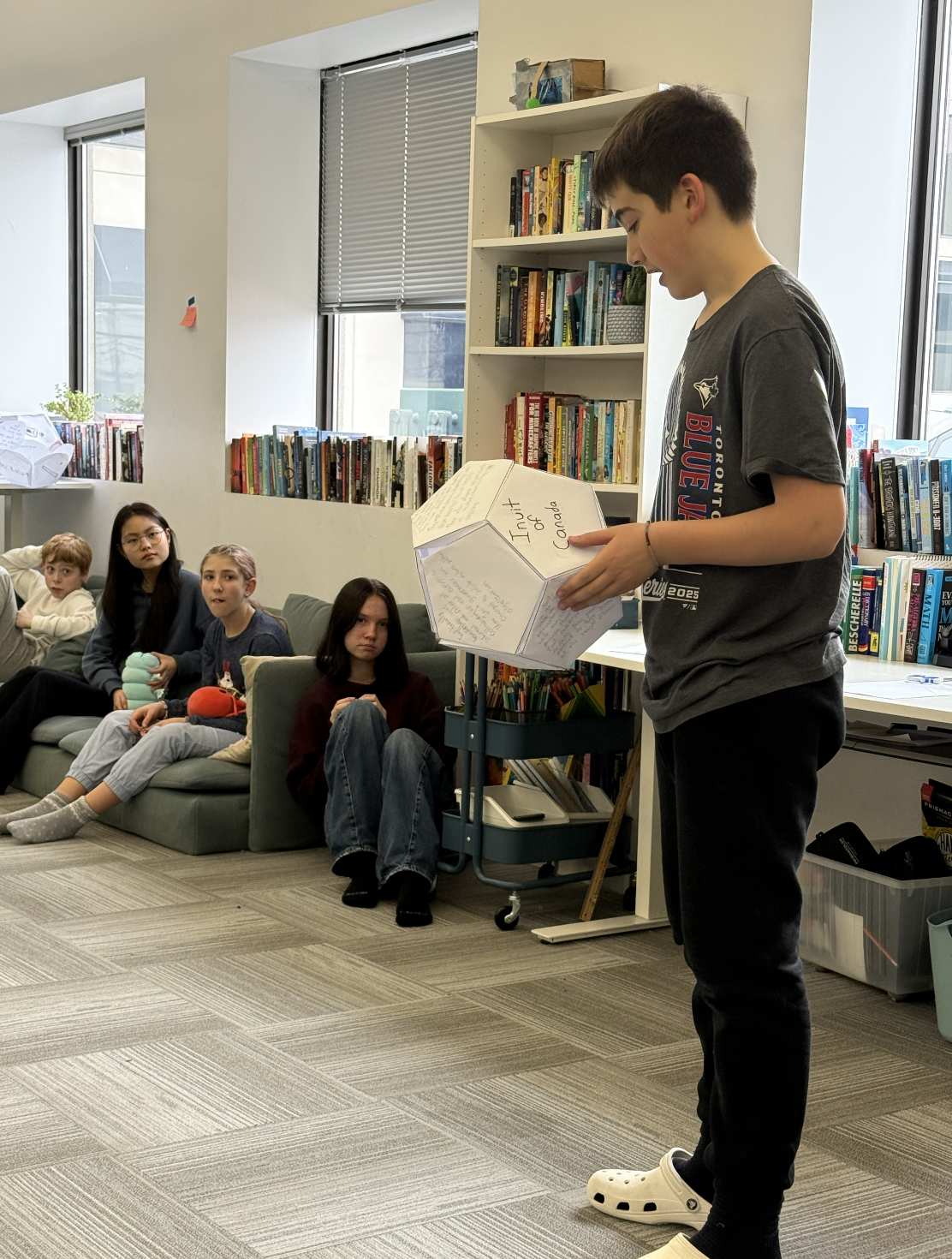
How did Indigenous societies organize themselves before European contact? According to most archaeologists, approximately 30,000 years ago, the first people arrived in what is now known as Canada. They travelled from Asia, possibly over a land bridge from modern-day Russia to Alaska. After their arrival, a vast variety of peoples, societies, and cultures flourished for millennia. With over 630 recognized groups within Canada and over 60 distinct languages spoken today, the variety within the First Peoples population is truly remarkable! For the Rebels' first challenge, they chose a First Nations group to study and create a dodecahedron. On each of the 12 sides, learners included images or information about the group's language, housing, ceremonies, first contact with Europeans, inventions, and other facts about their culture. Once complete, Rebels presented their findings to the studio to share what they've learned.
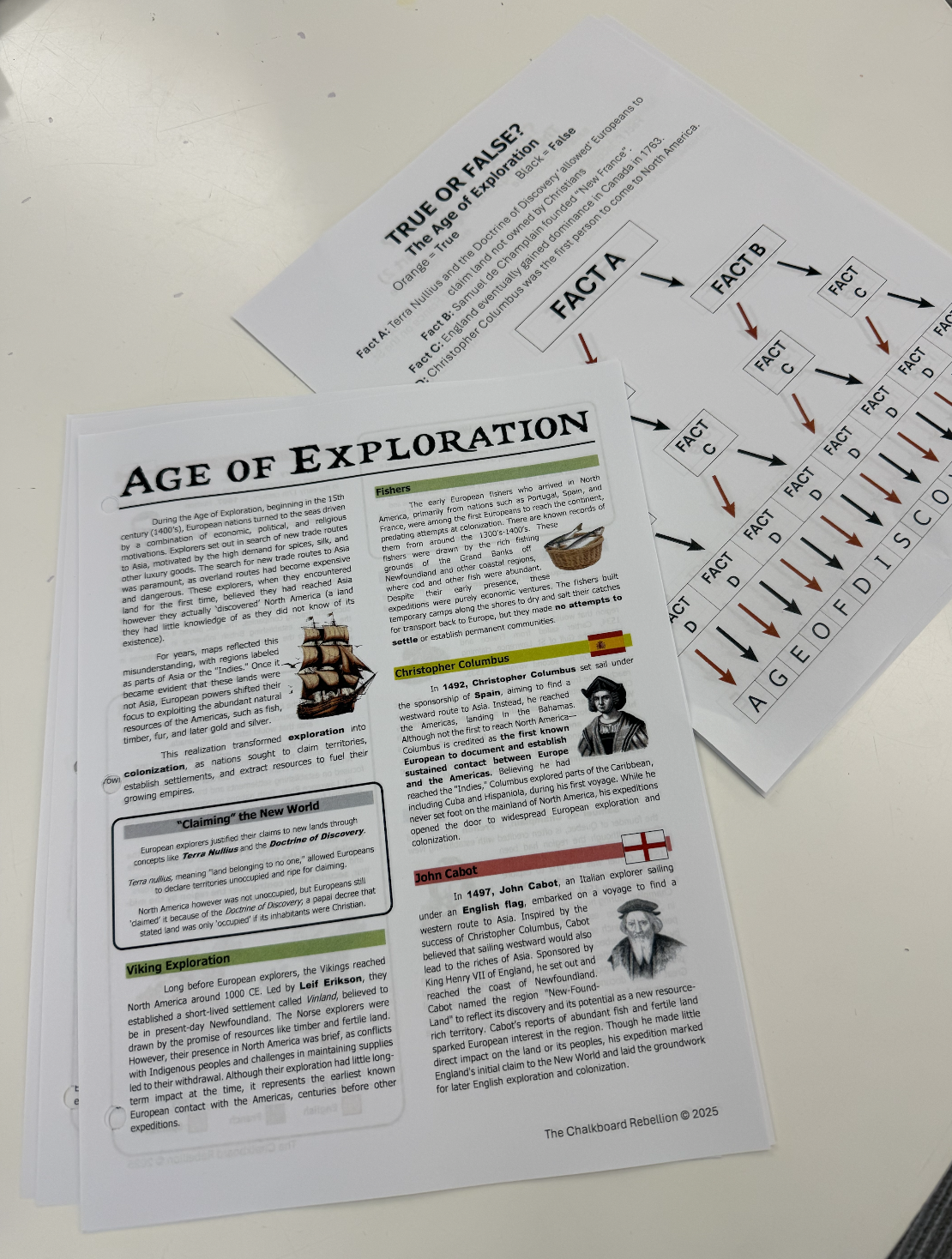
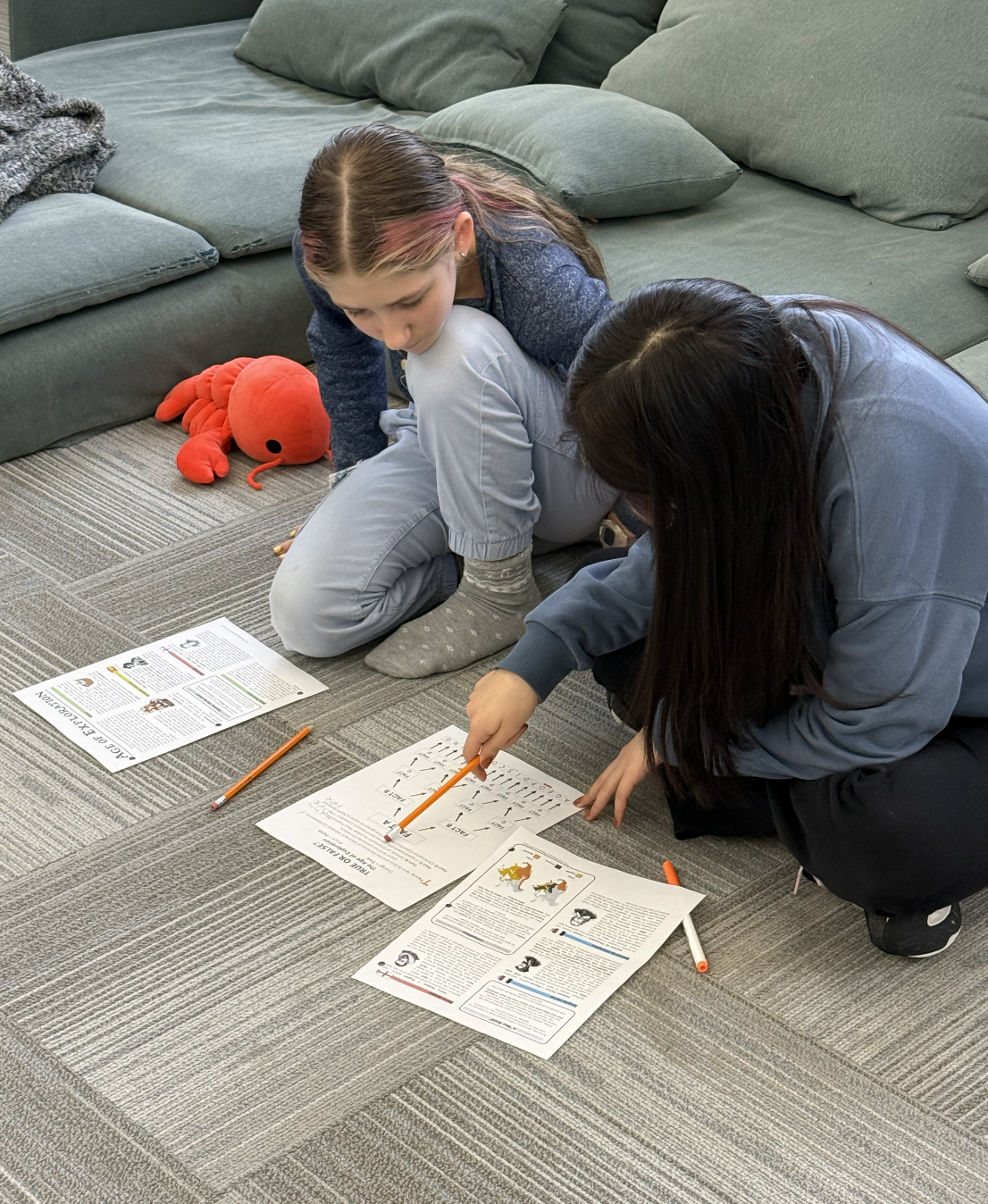
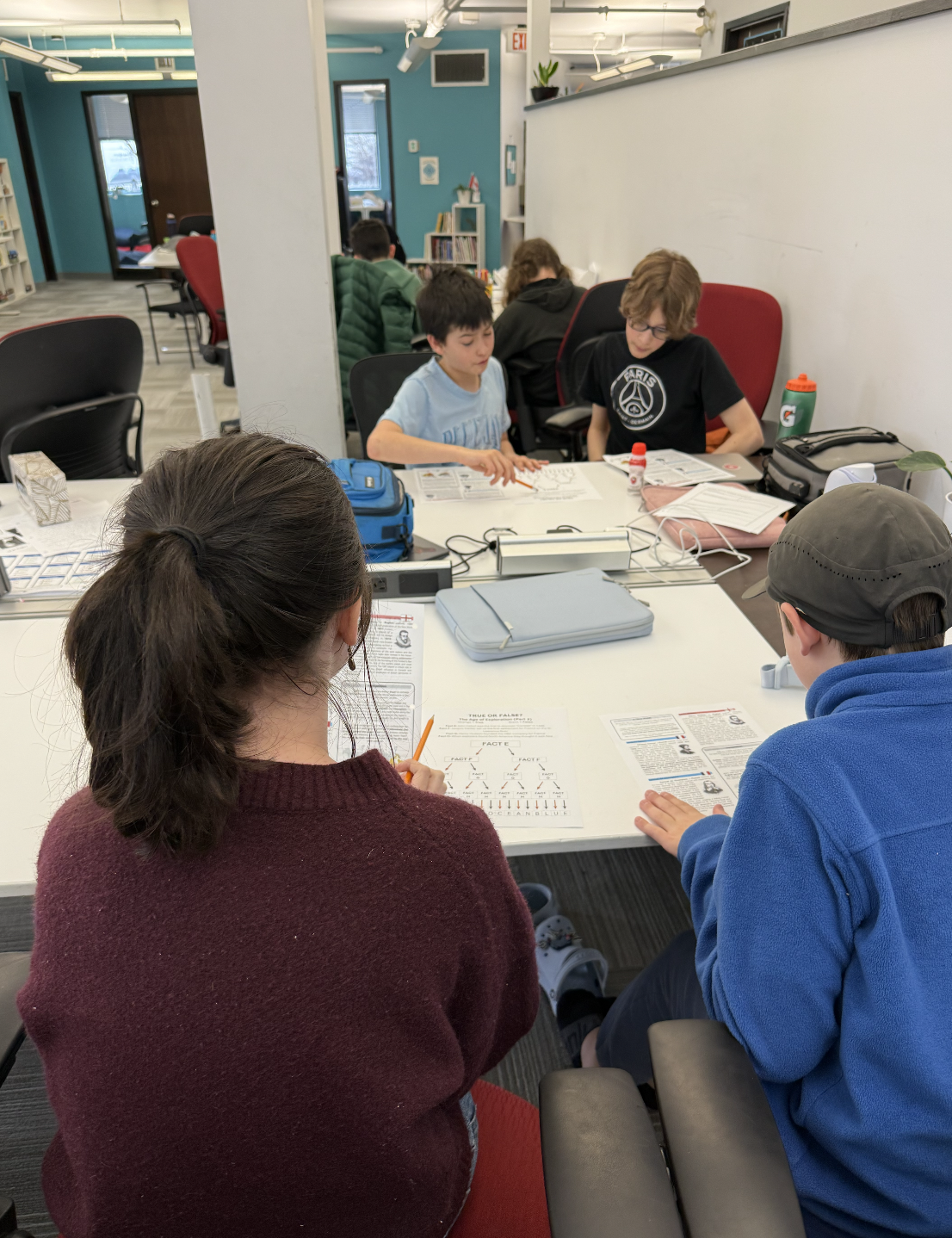
On Wednesday, we began Quest by viewing The History of North America: Every Year in order to visualize how our continent changed hands. In pairs, Rebels then worked their way through an Age of Exploration Escape Room. Using a written guide, Rebels read about the different explorers who came to the "new world" and terms such as 'Terra Nullius.' Through a True/False puzzle, a crossword, and a word search, Rebels came away knowing much more about the Vikings, Fishers, Christopher Columbus, John Cabot, Jacques Cartier, Samuel de Champlain, and Henry Hudson, which was evident from our quiz game at the end of the day! We also discussed the European view of land vs the Indigenous view, the motivations for contact, types of interactions, and shifting power dynamics between the Indigenous and Europeans.
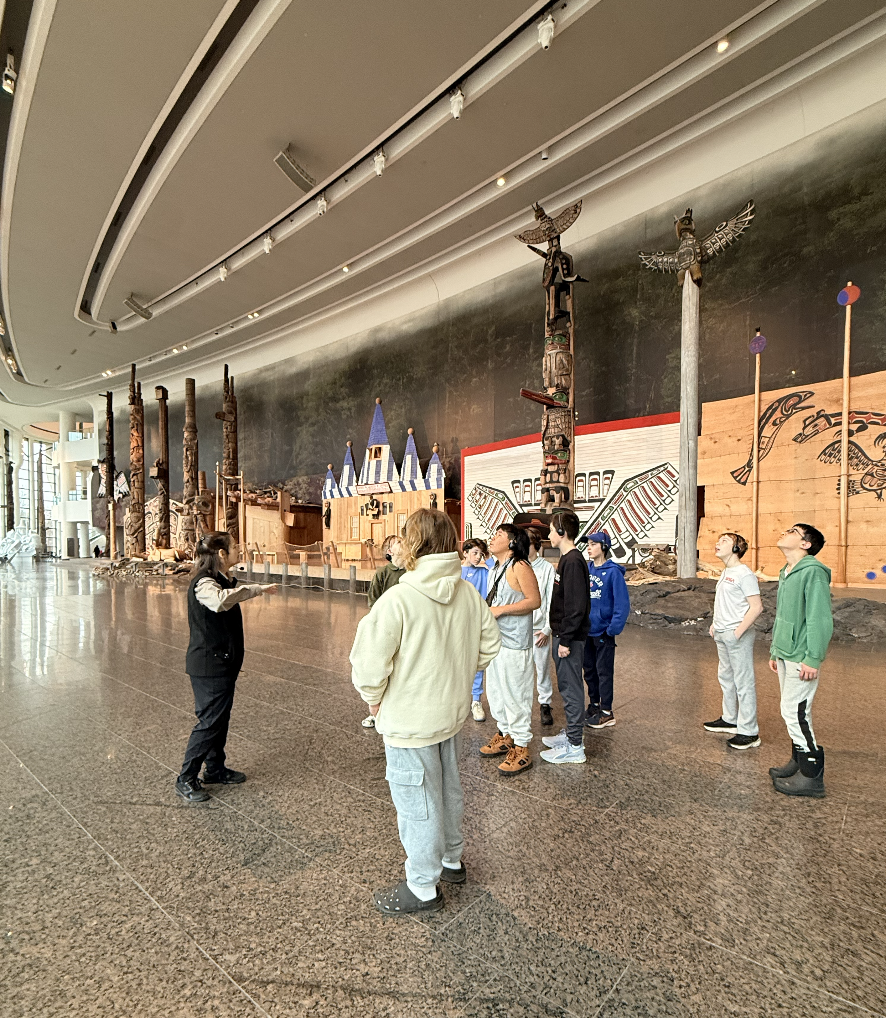
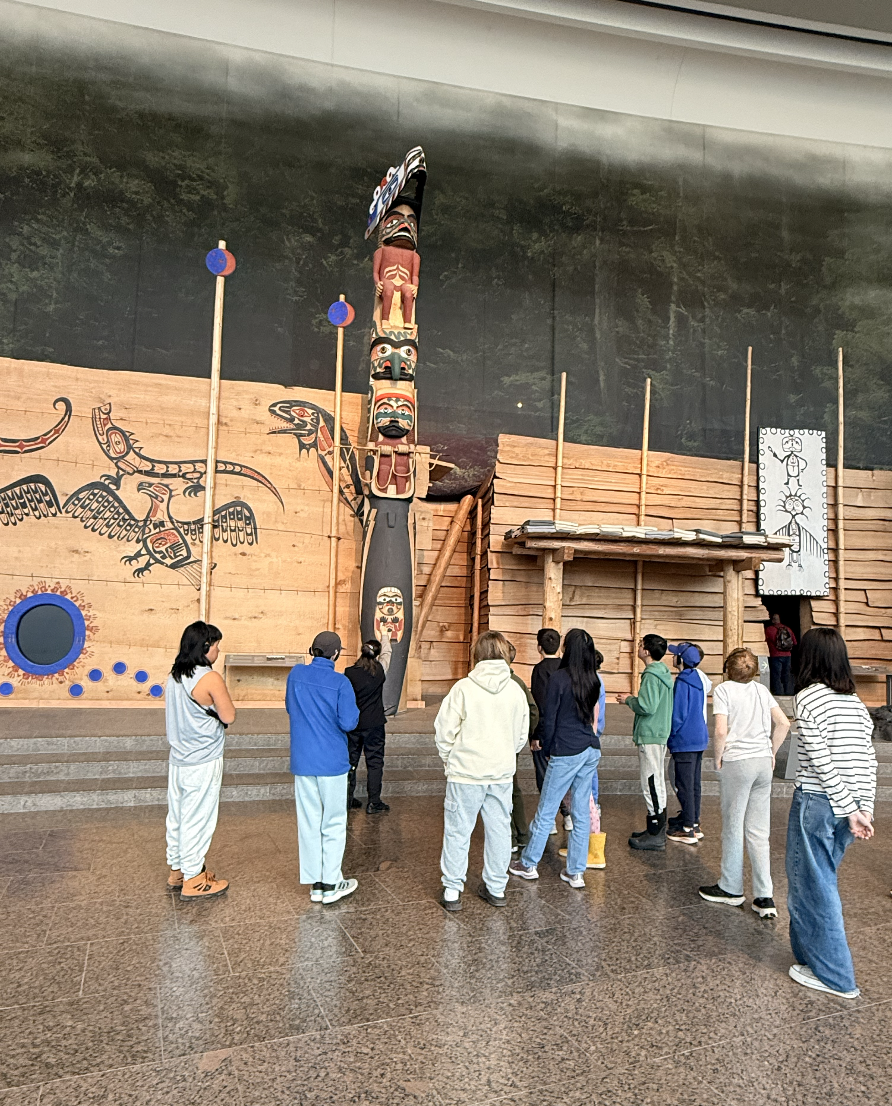
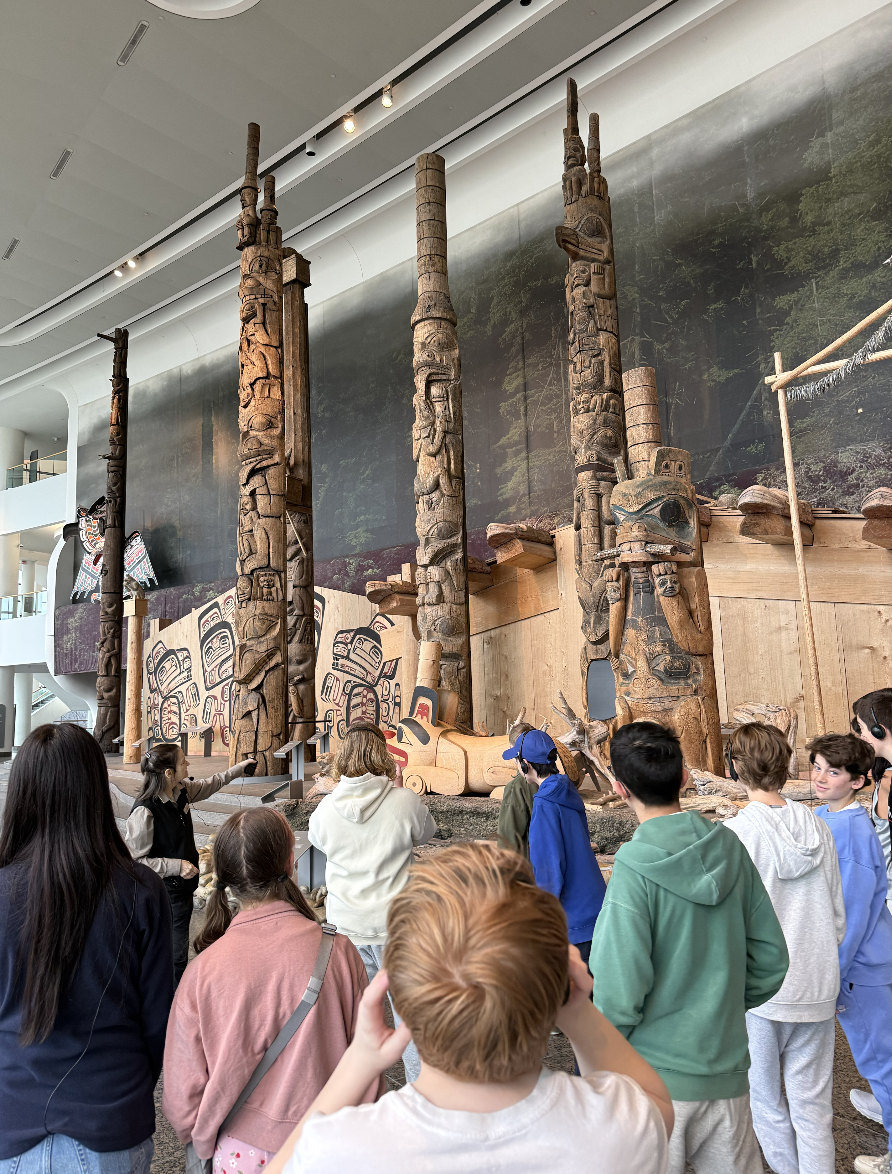
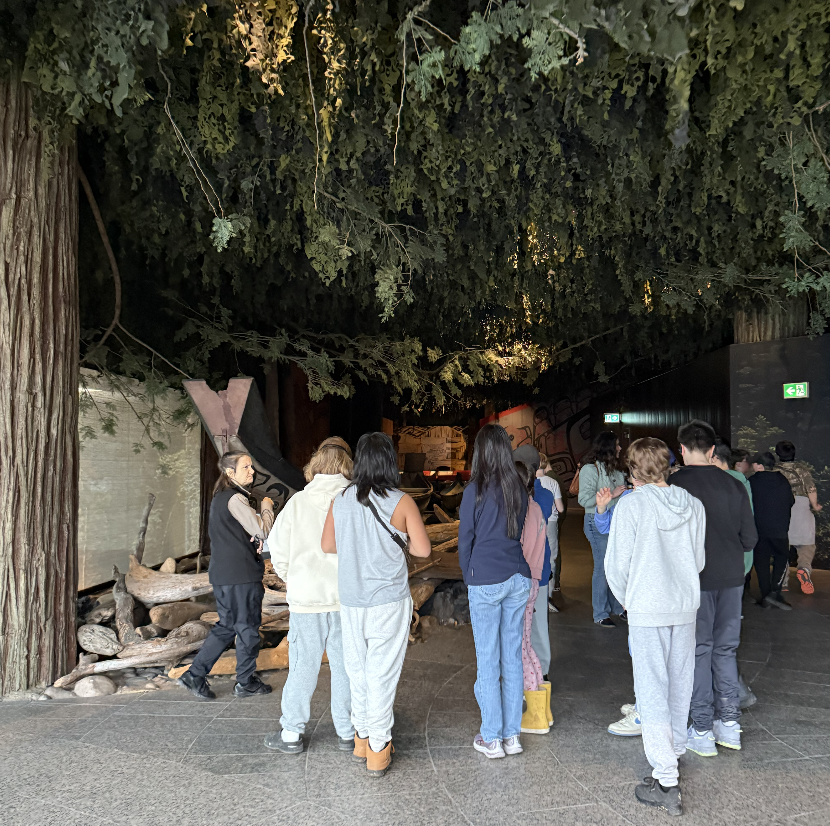
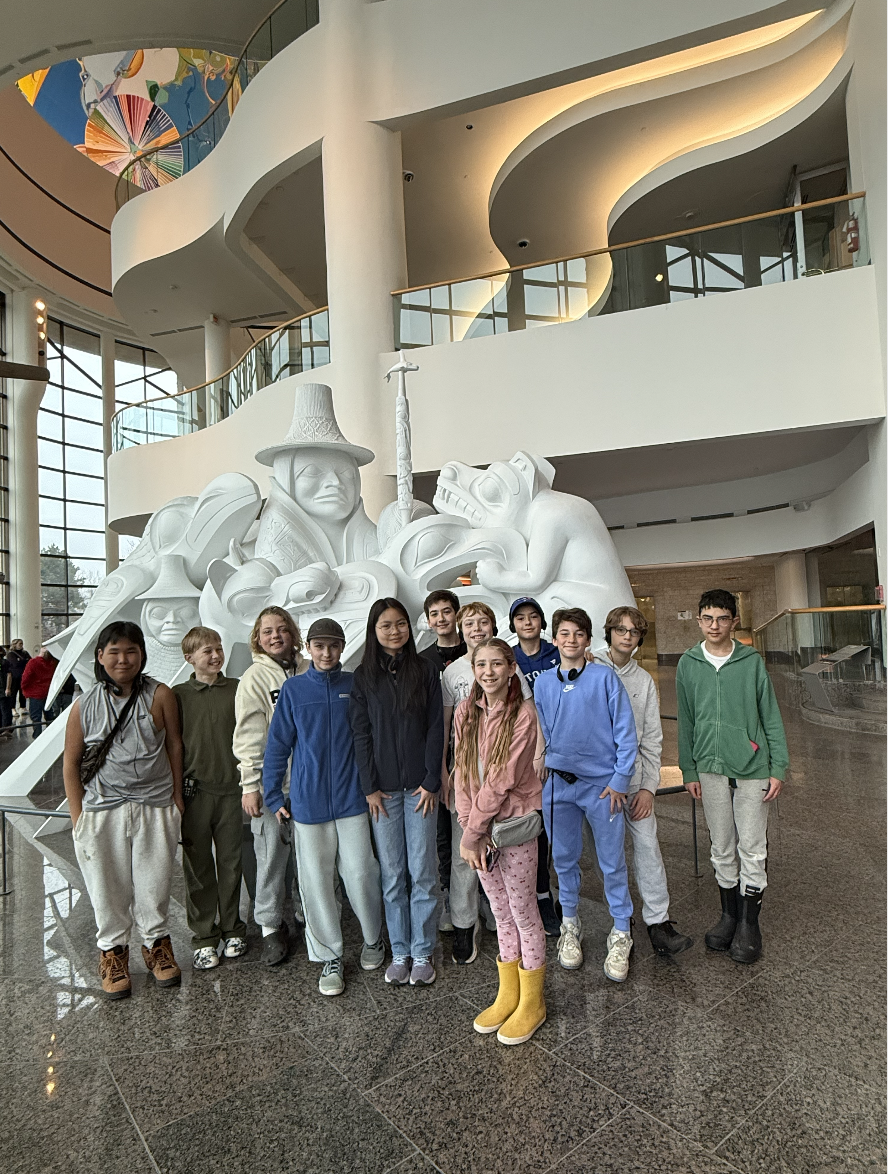
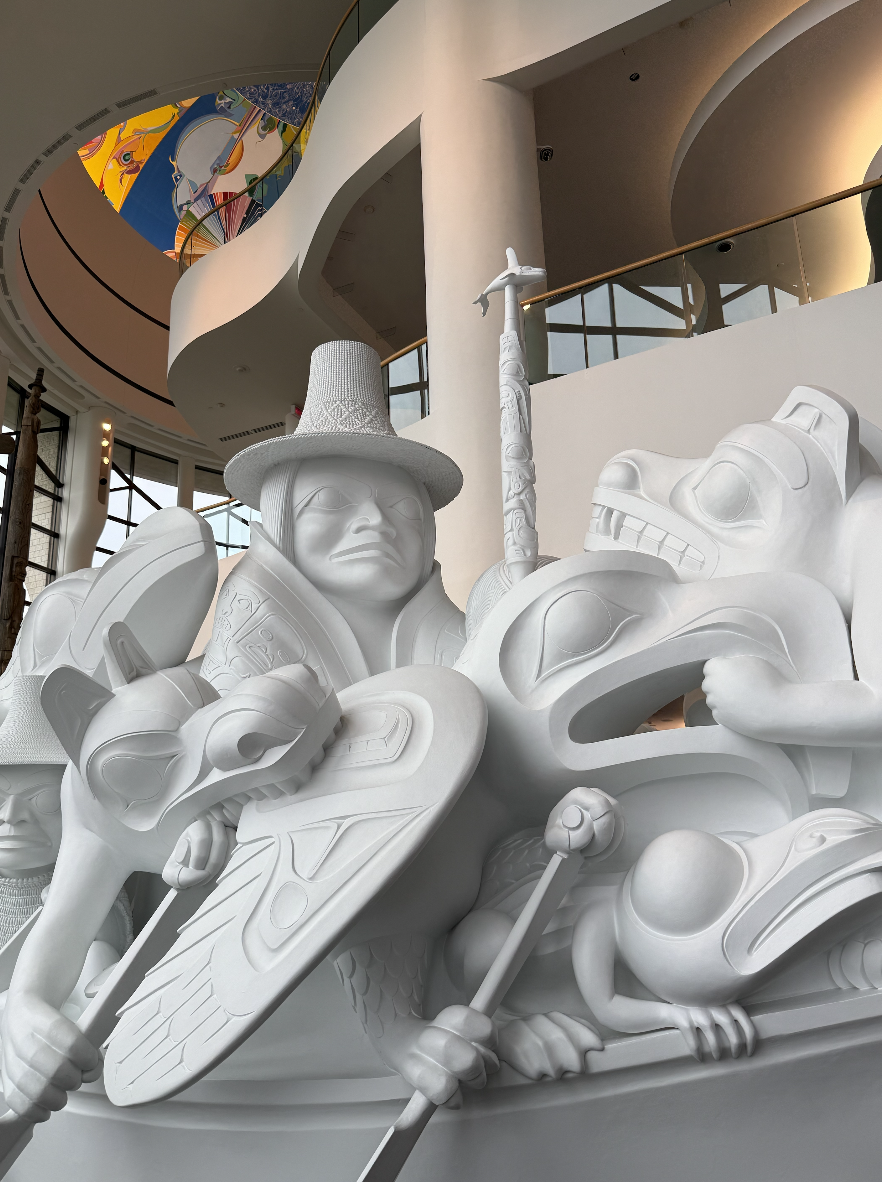
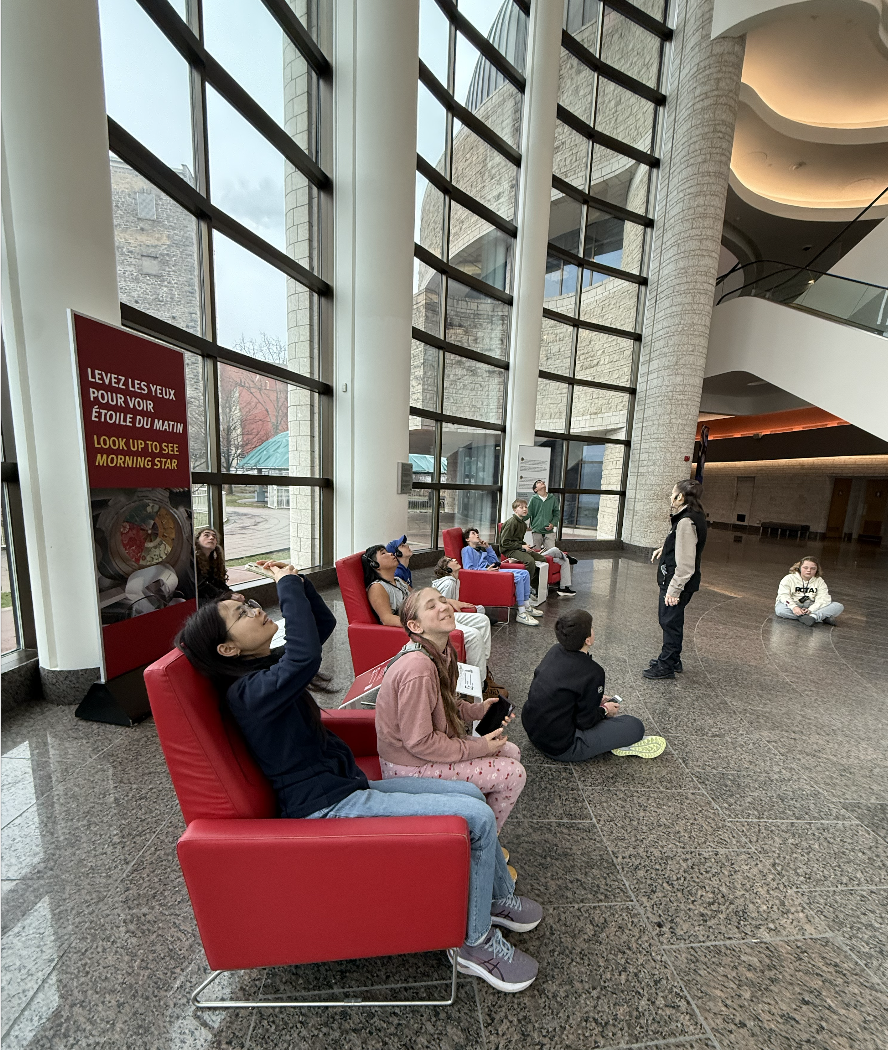
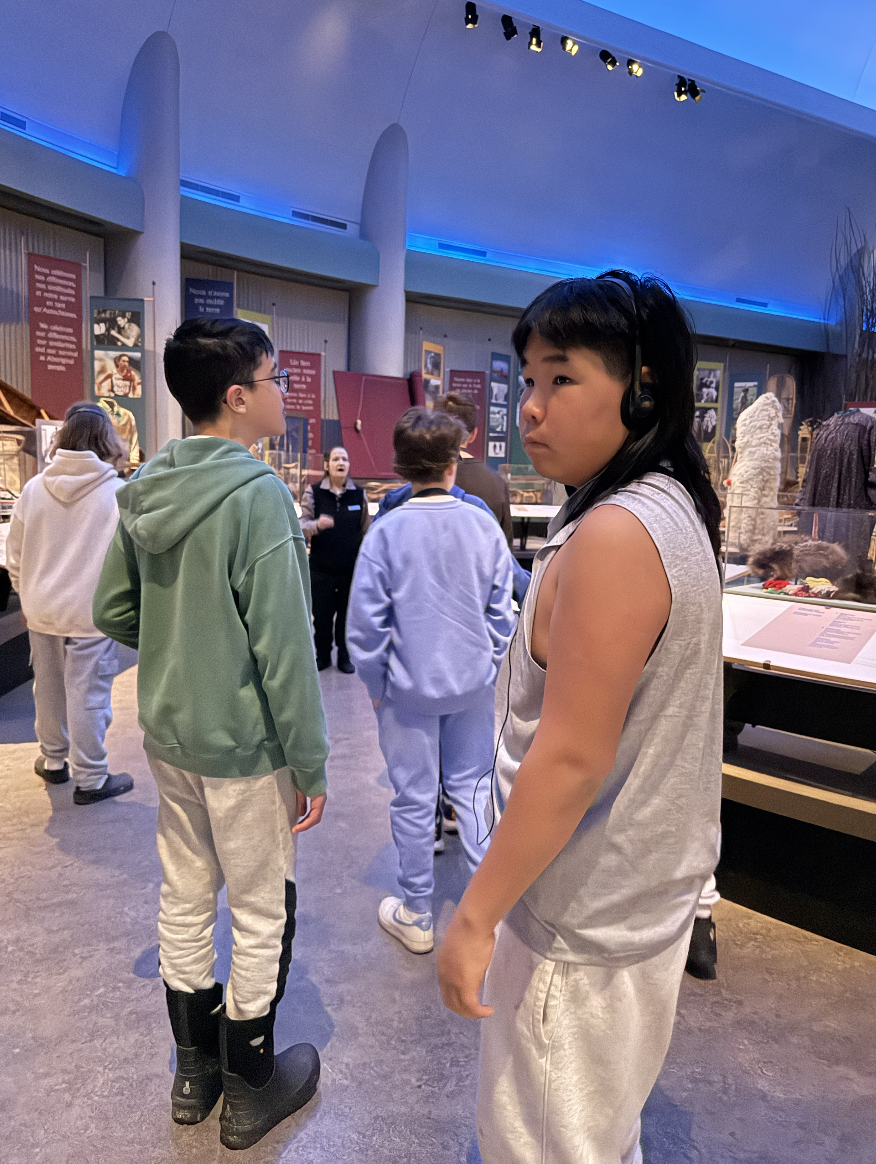
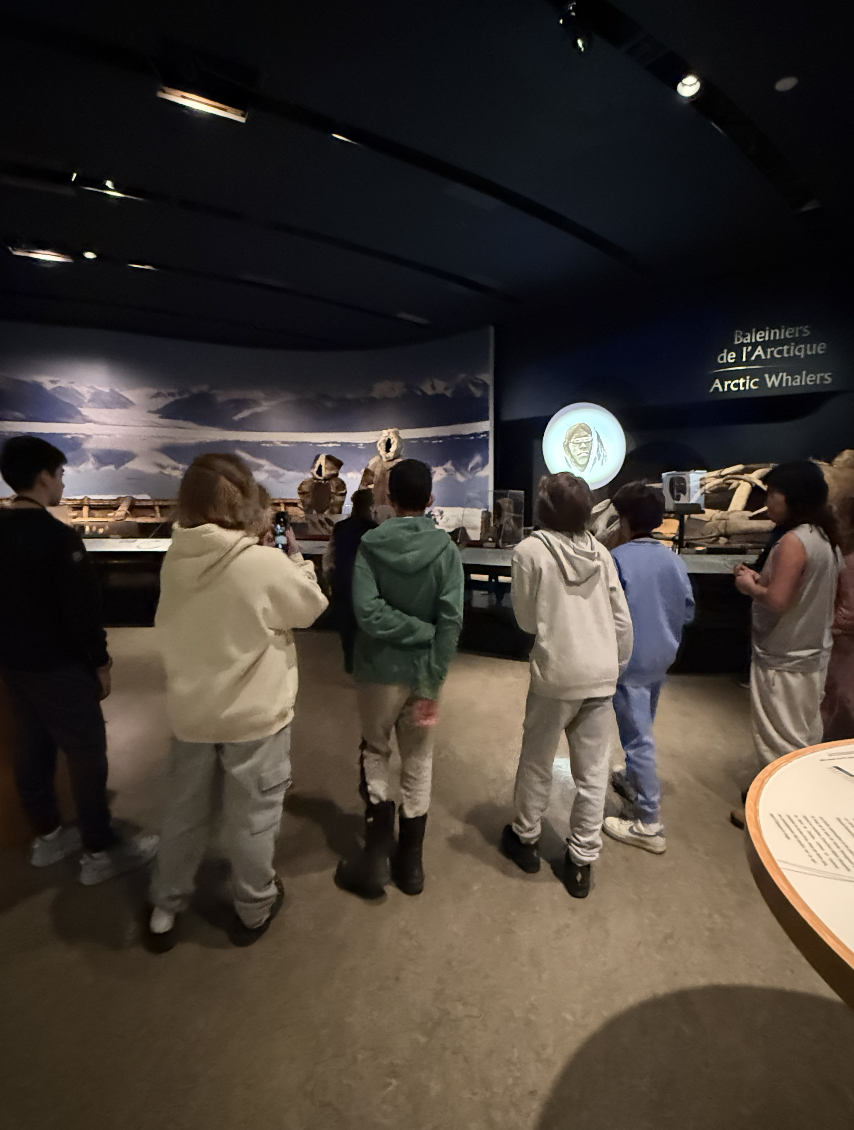
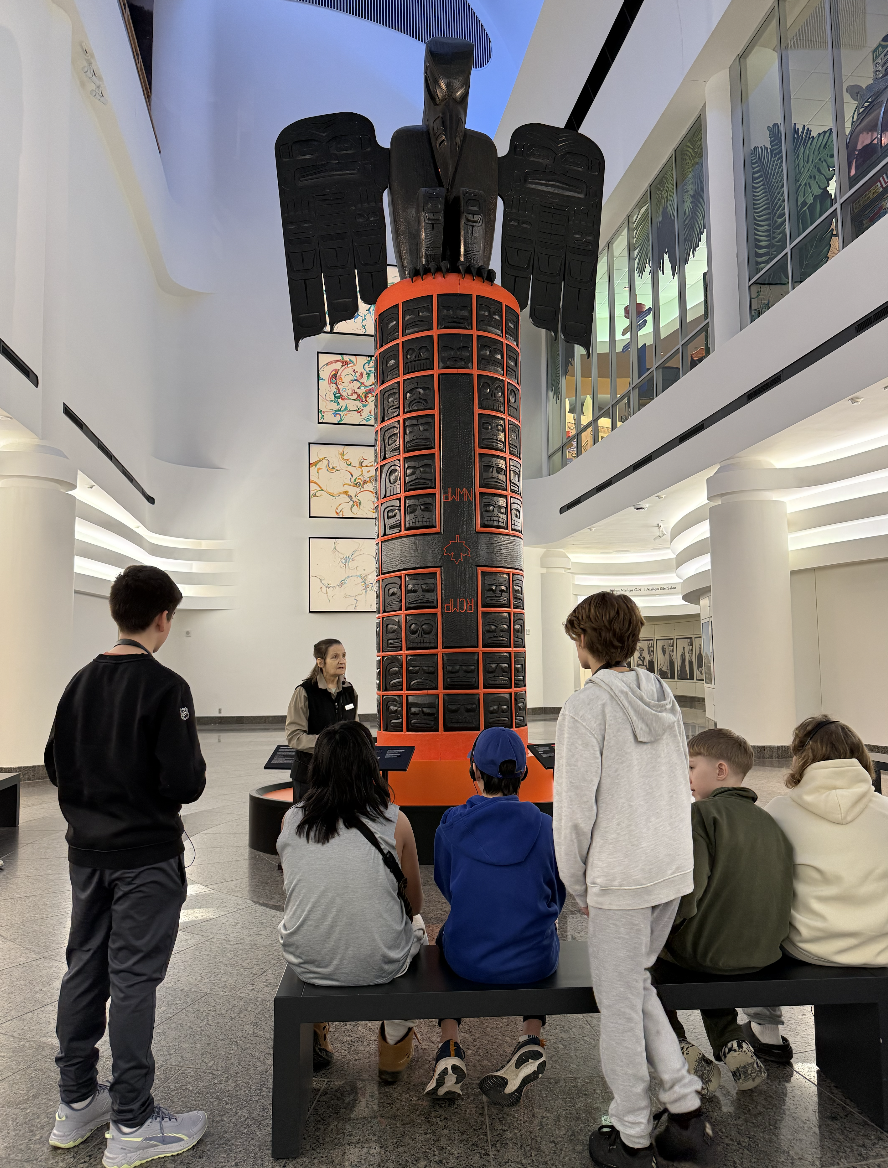
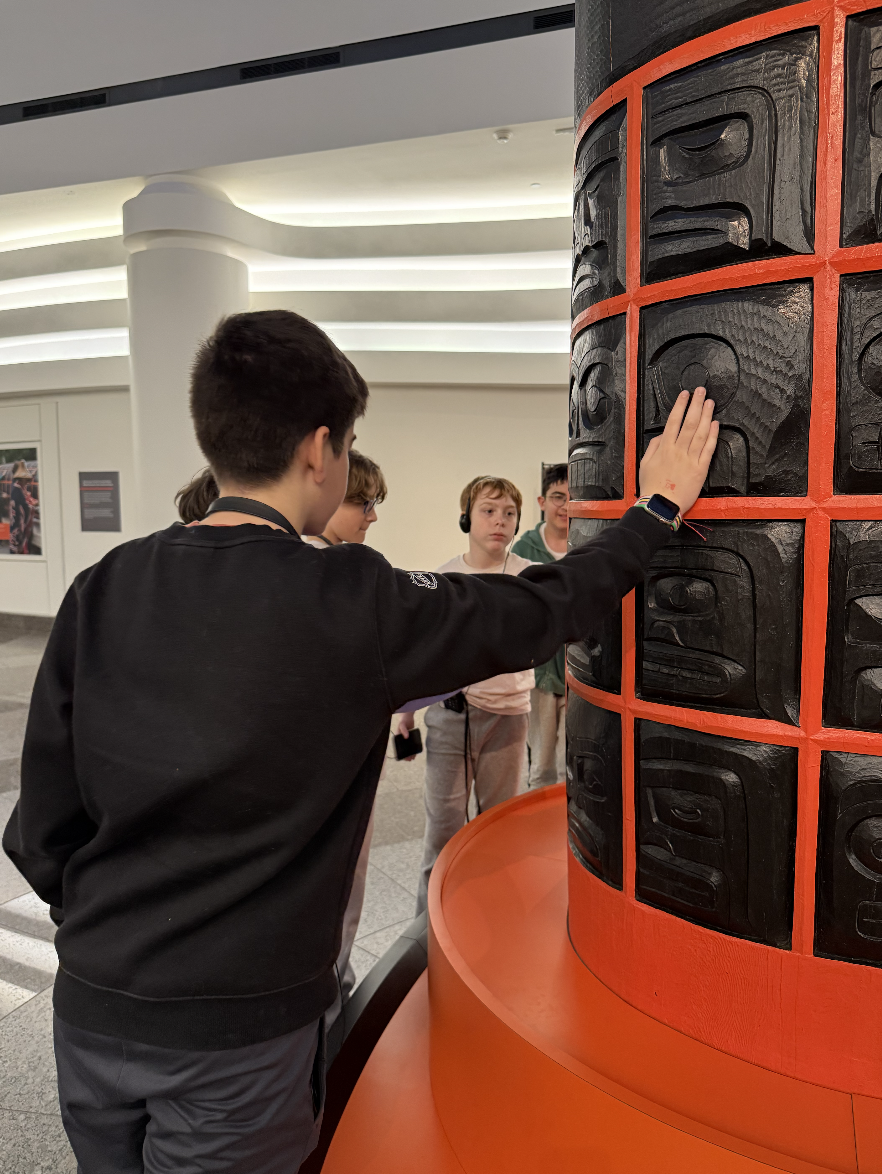
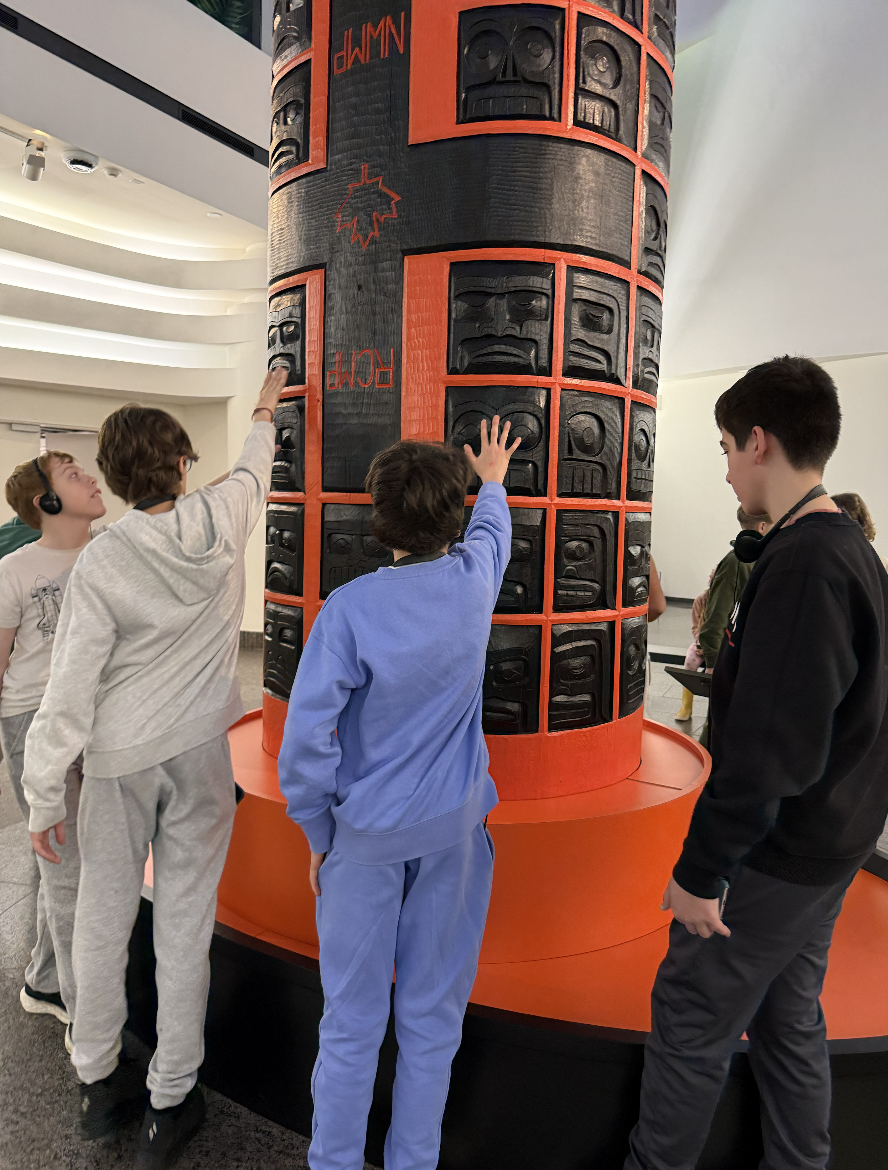
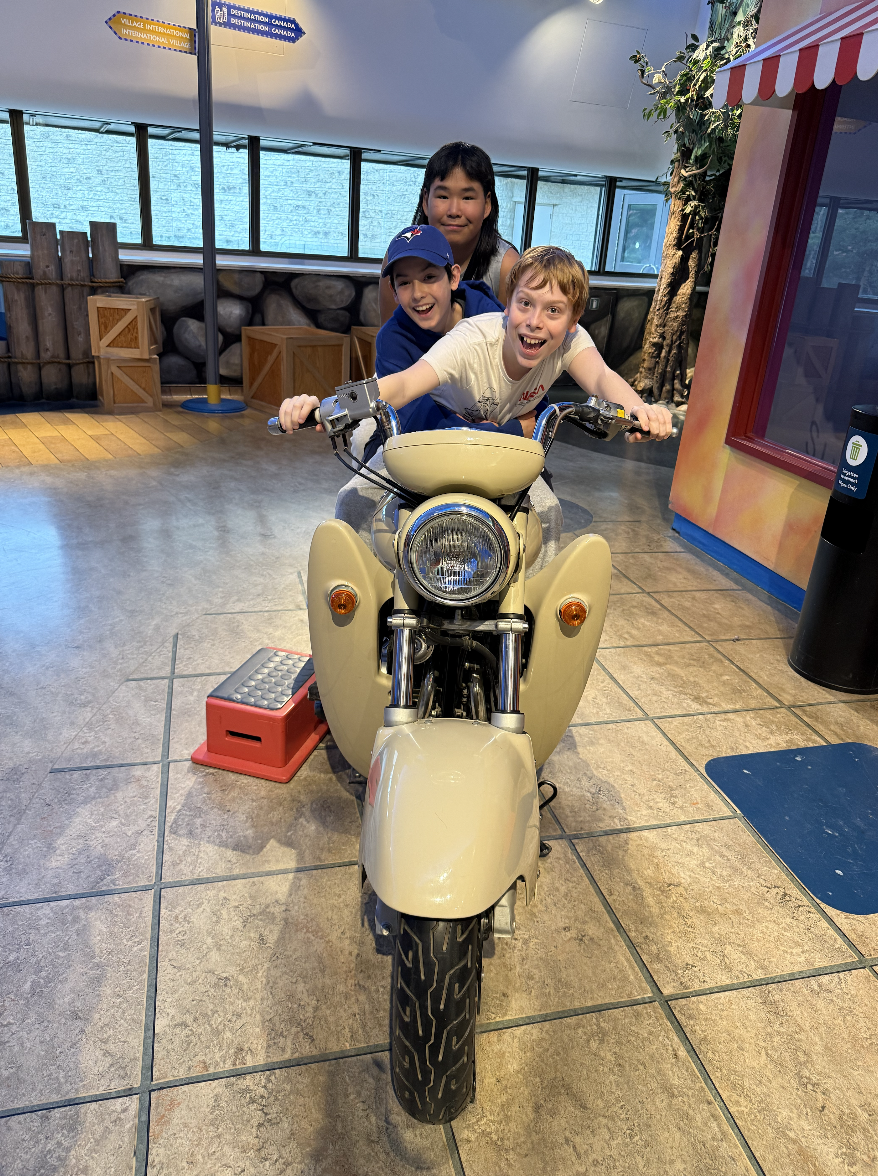
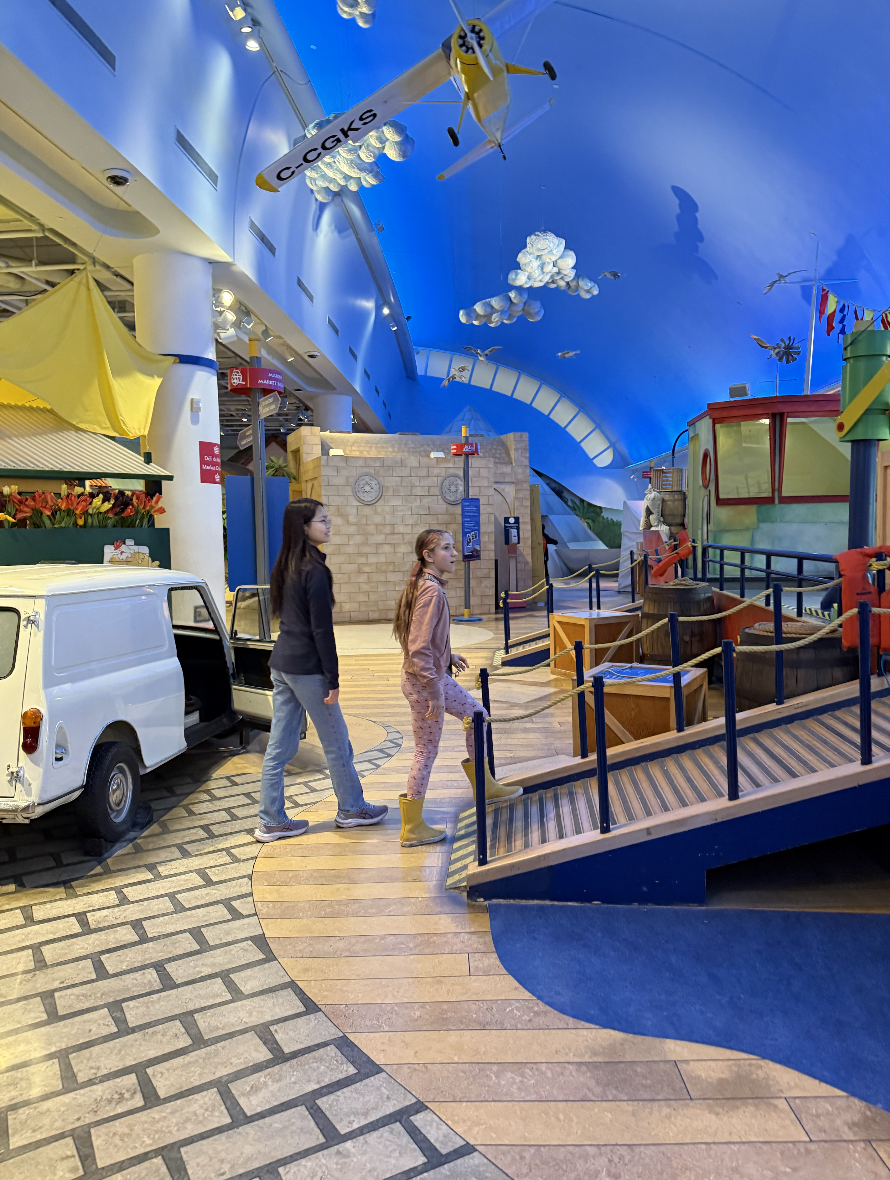
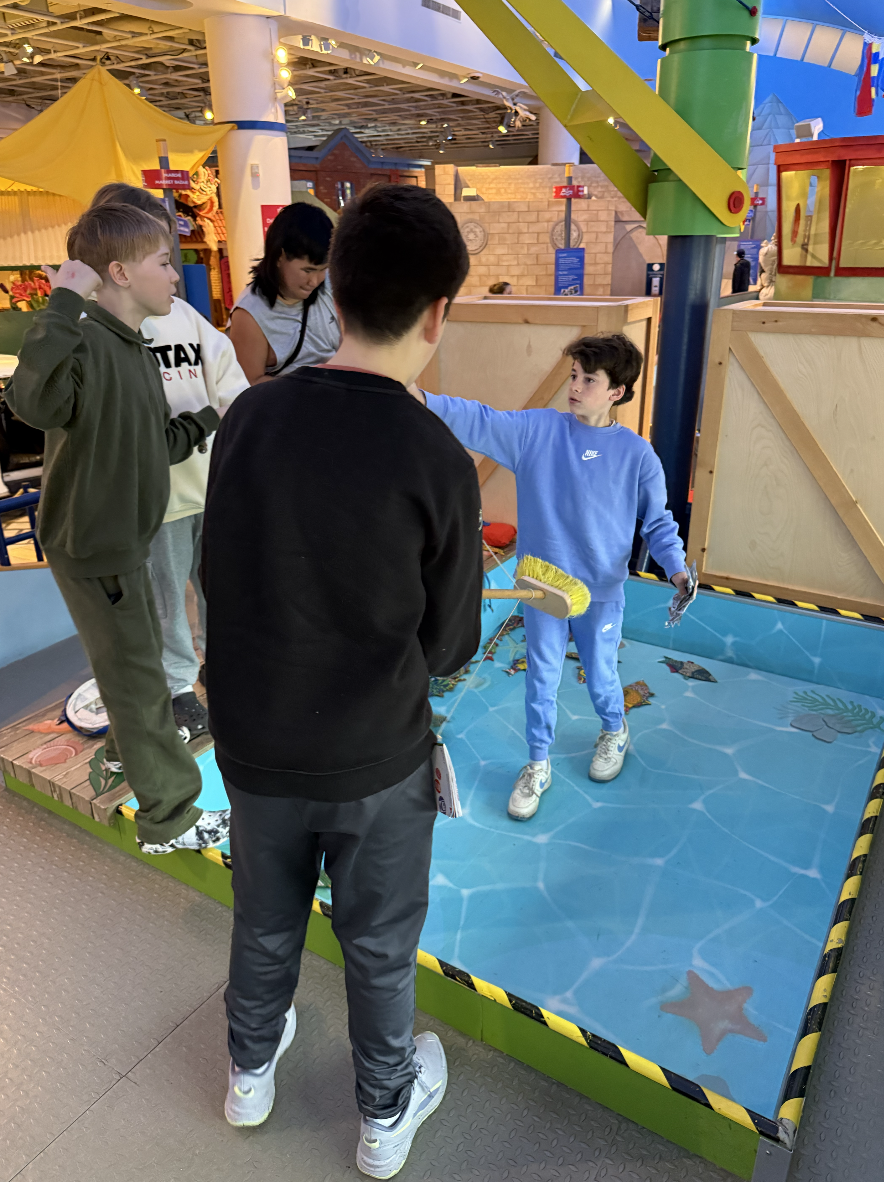
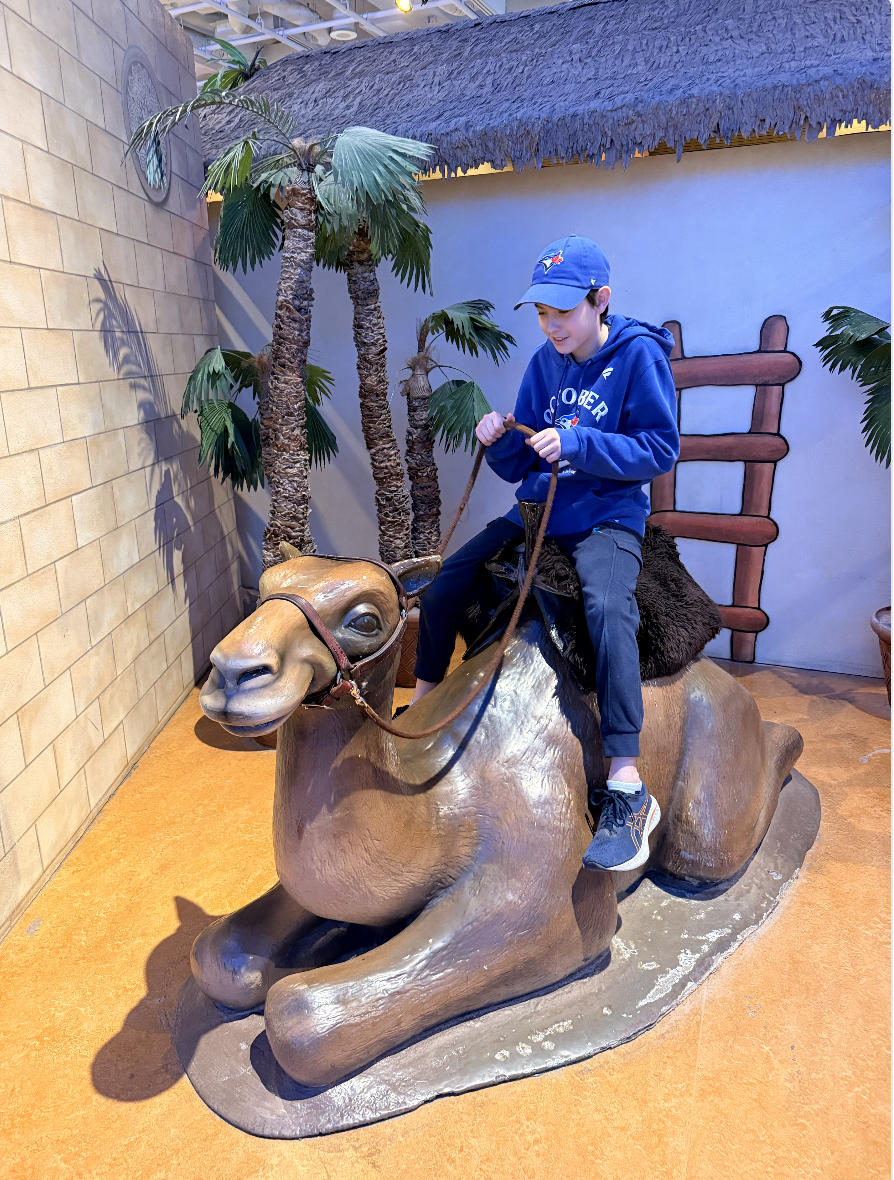
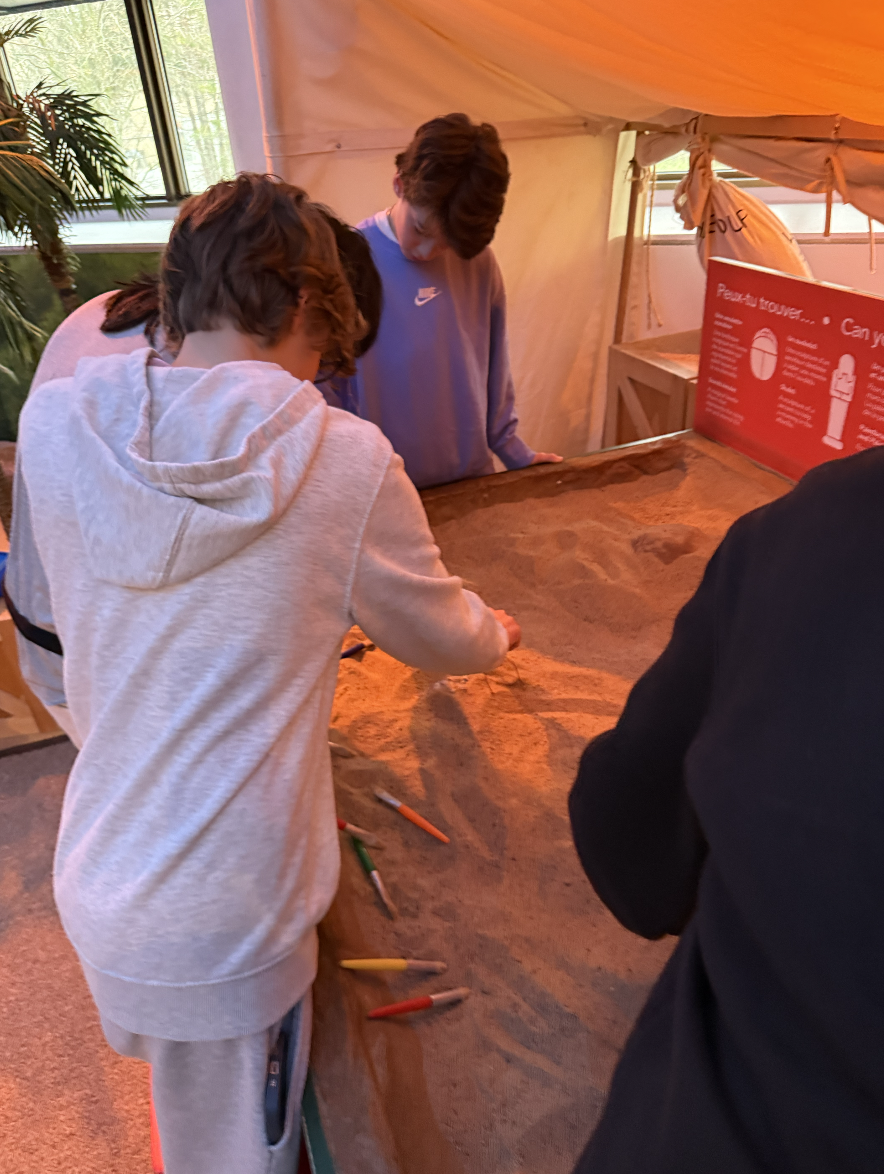
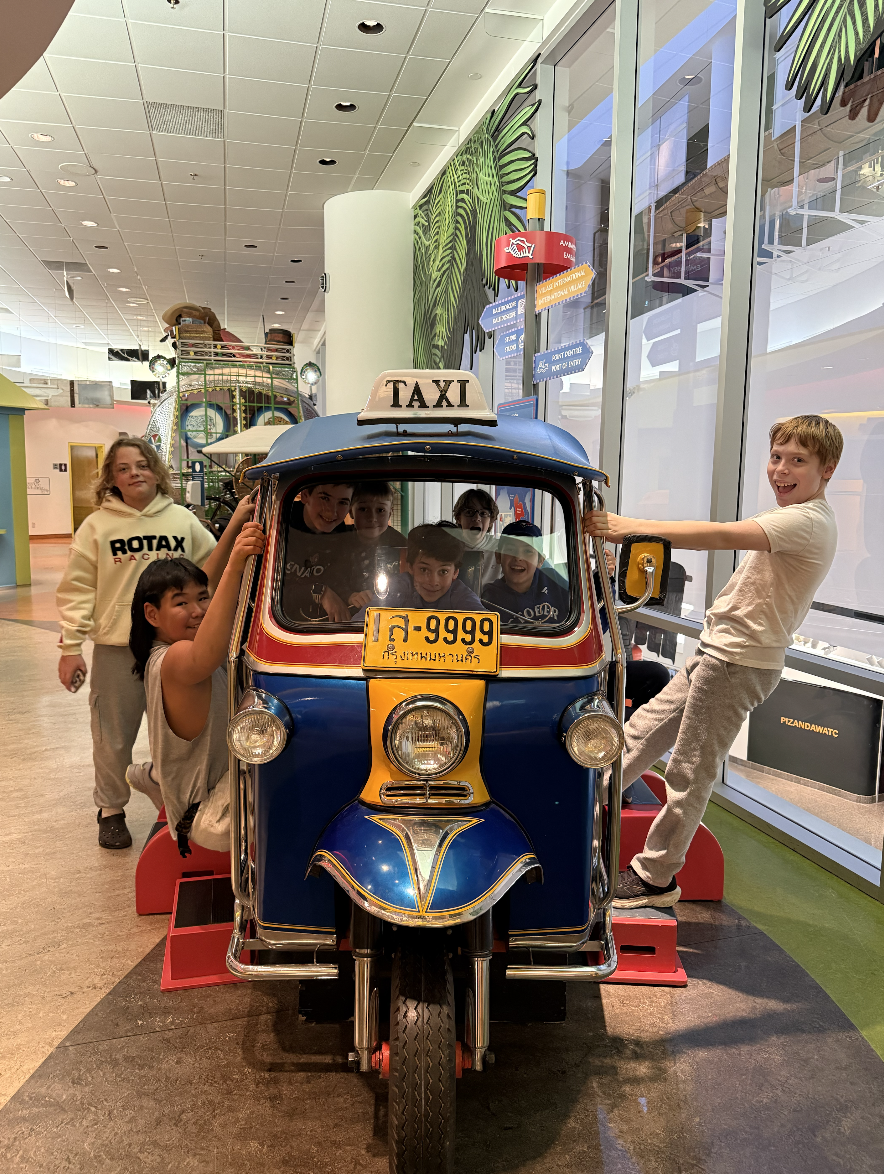
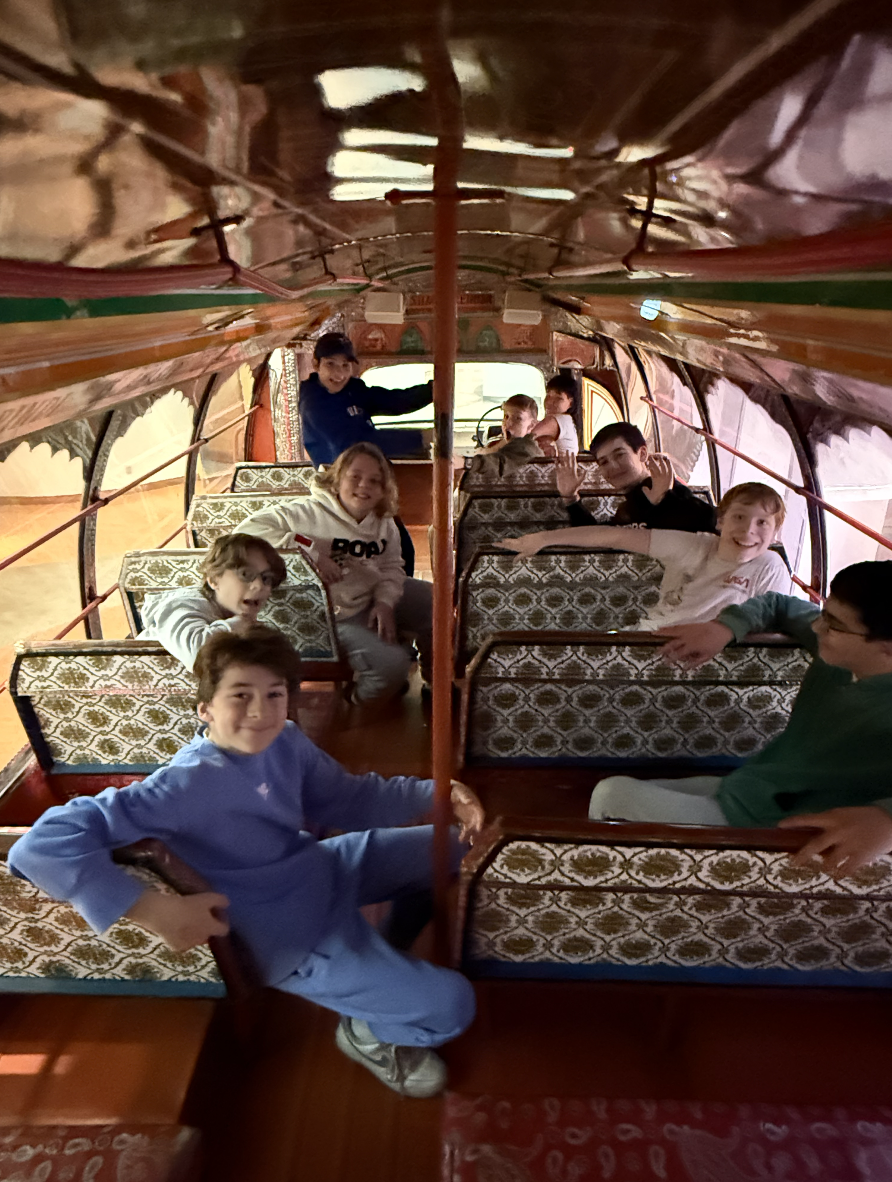
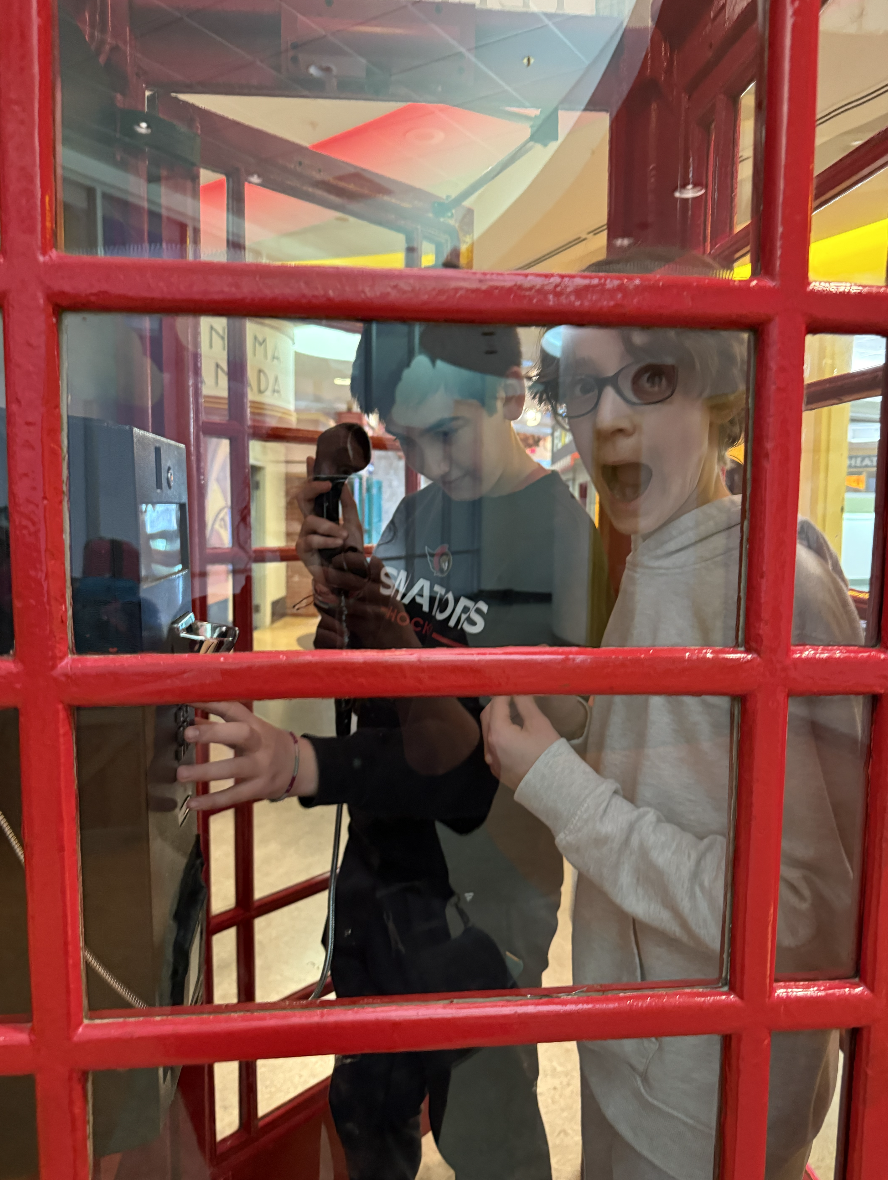
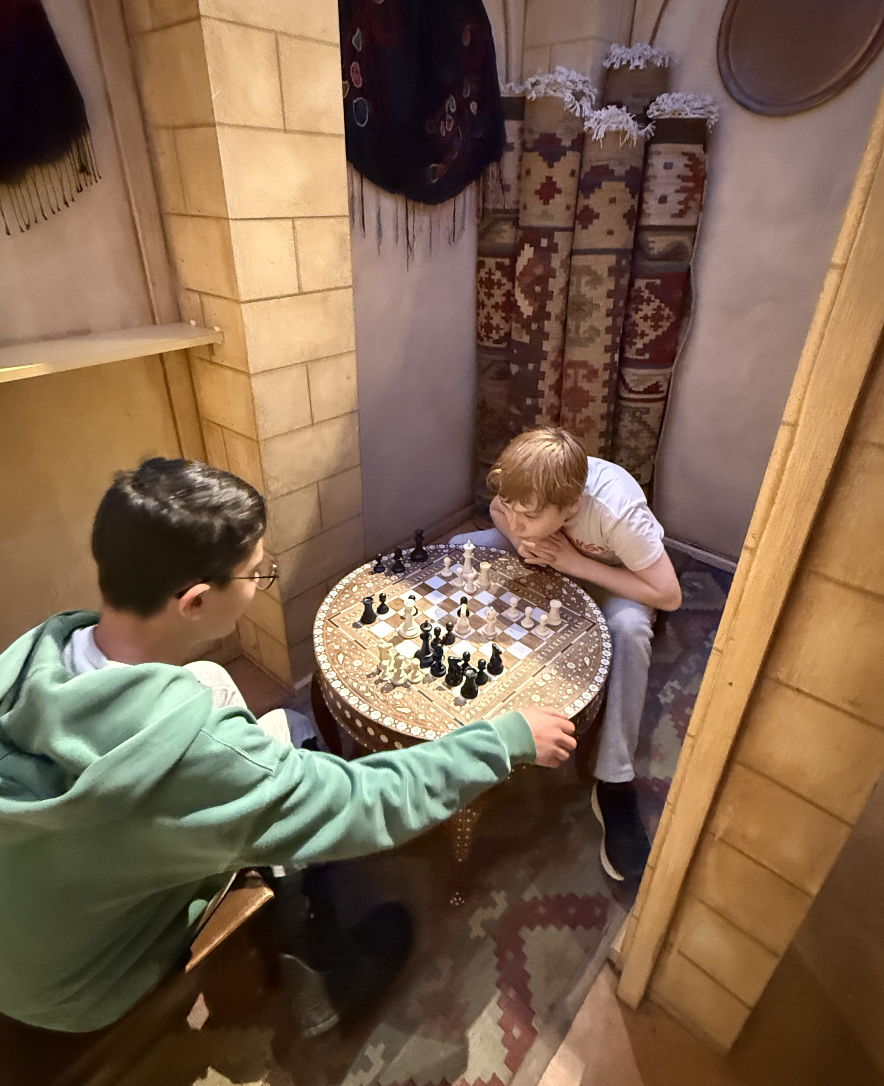
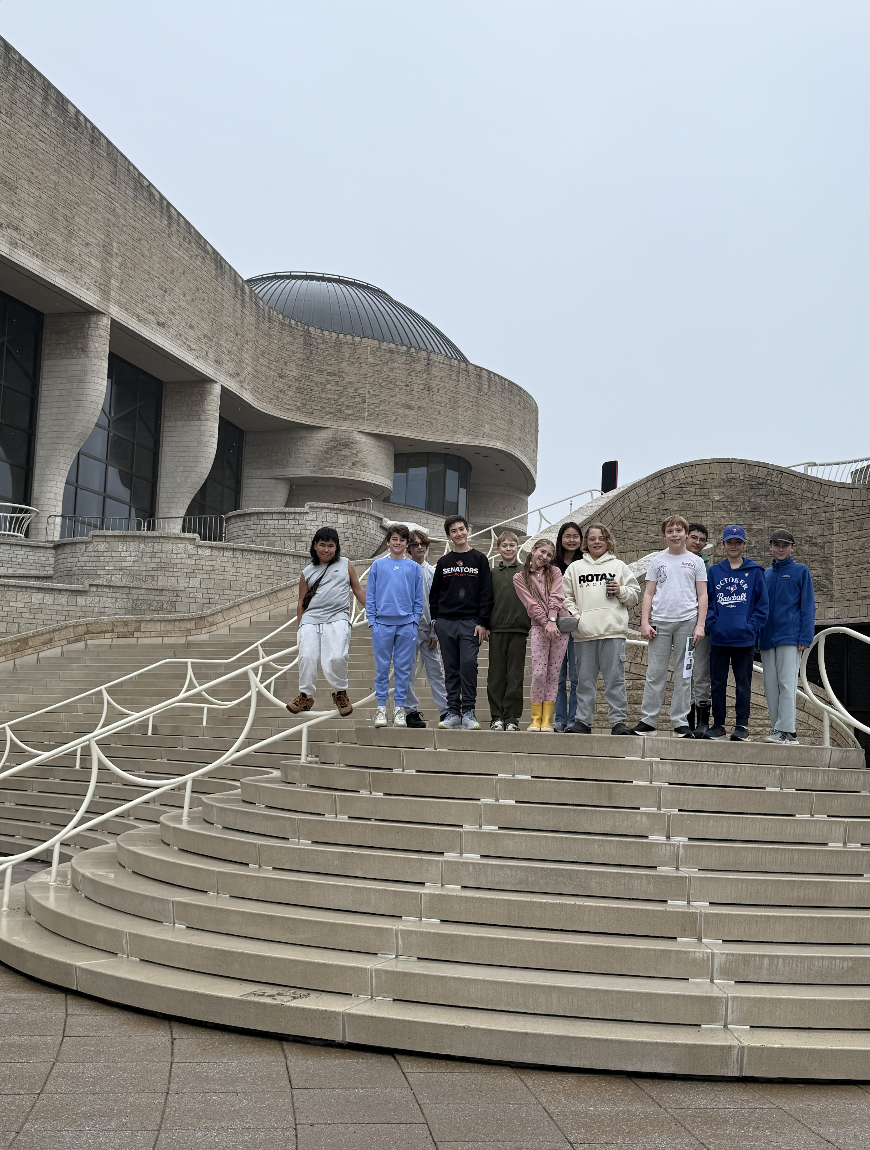
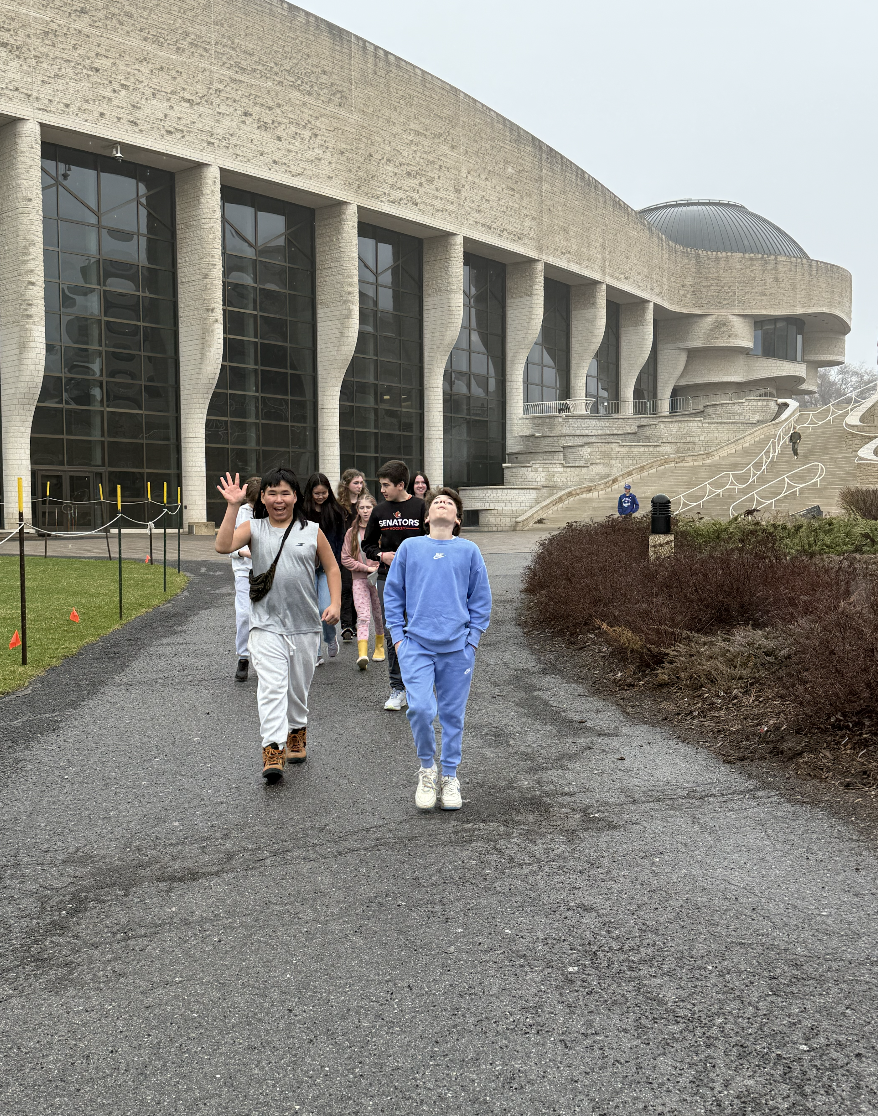
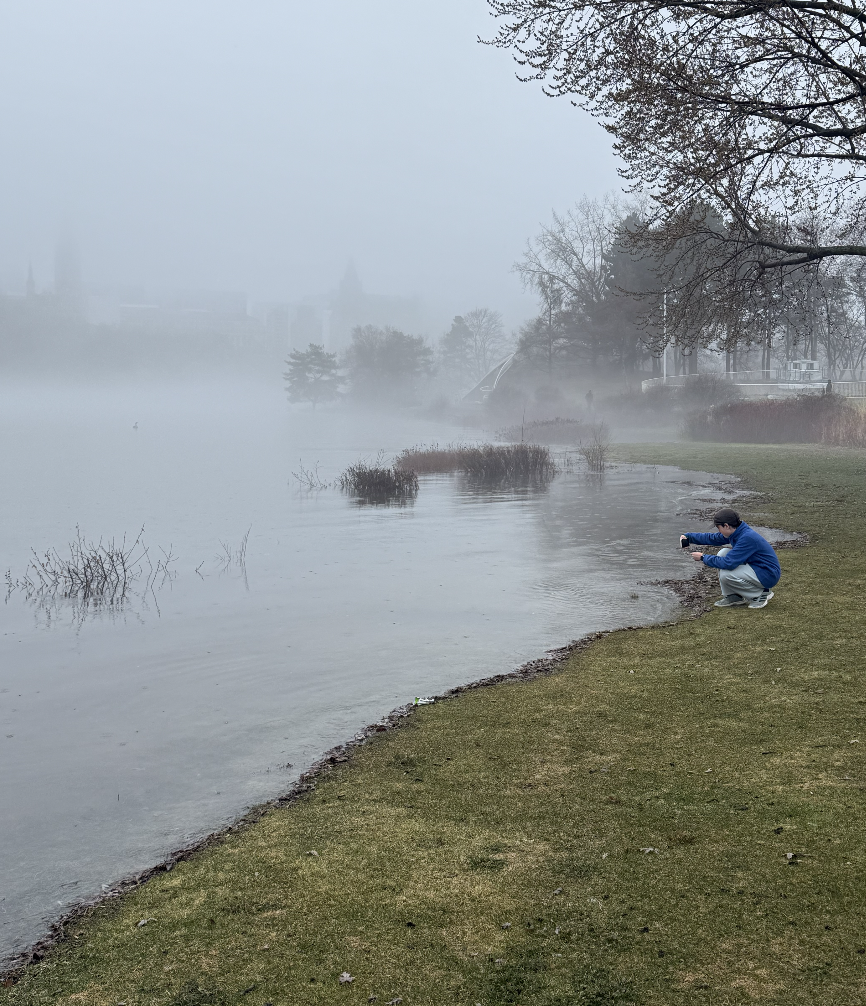
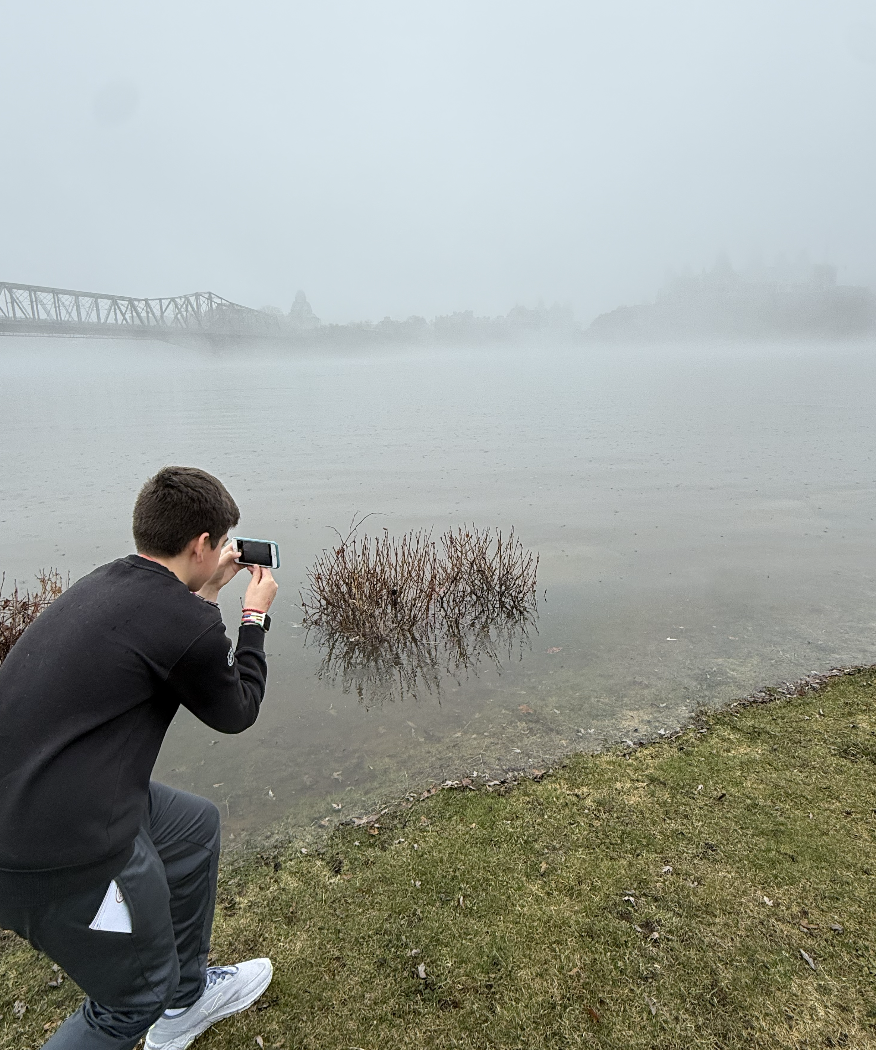
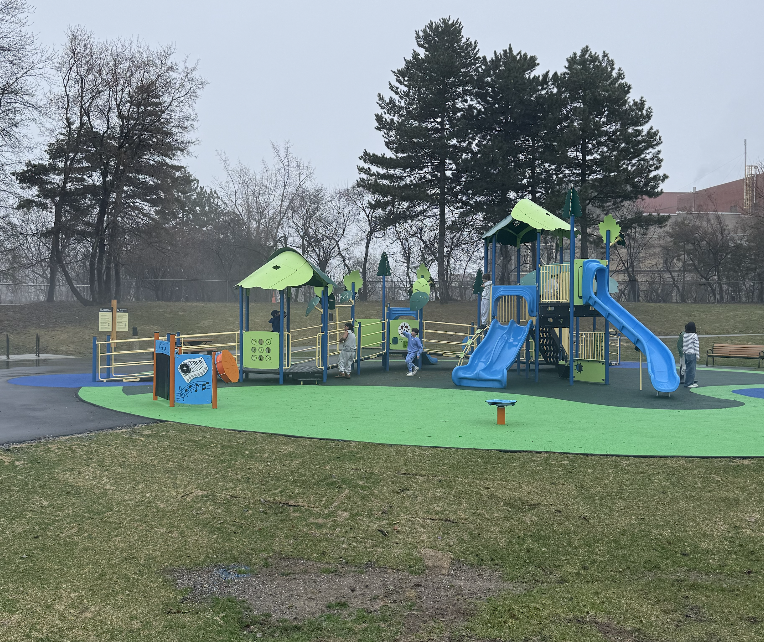
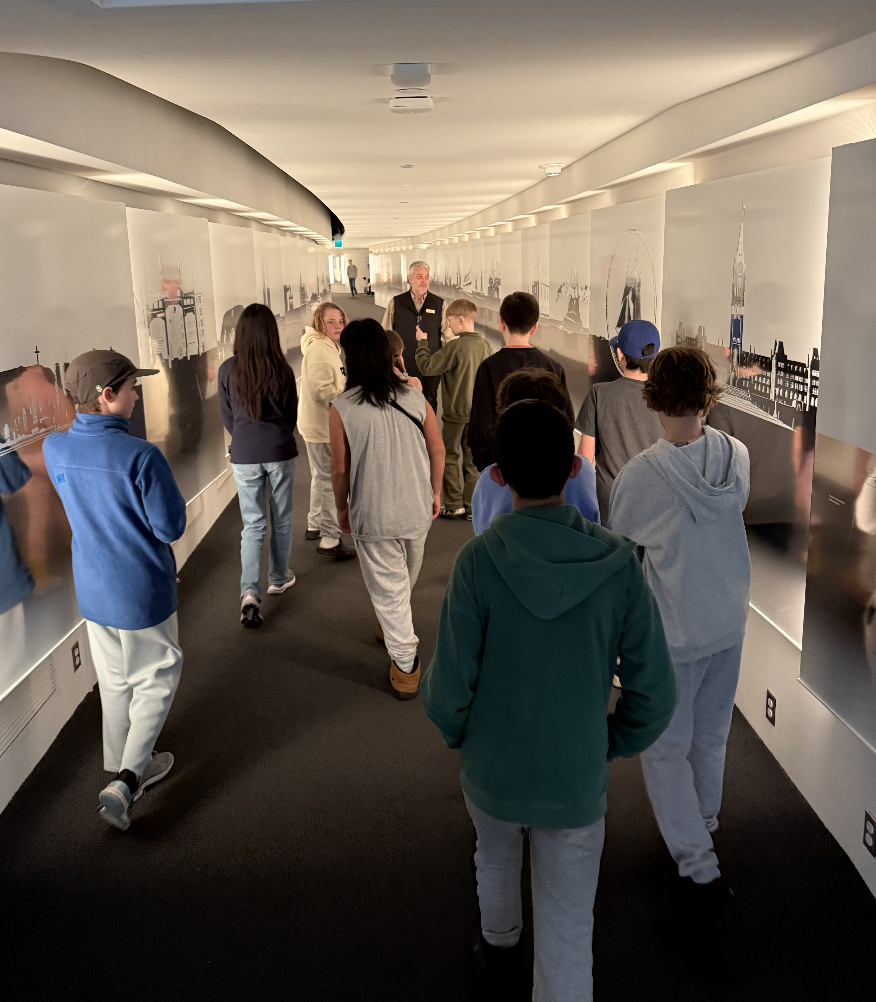
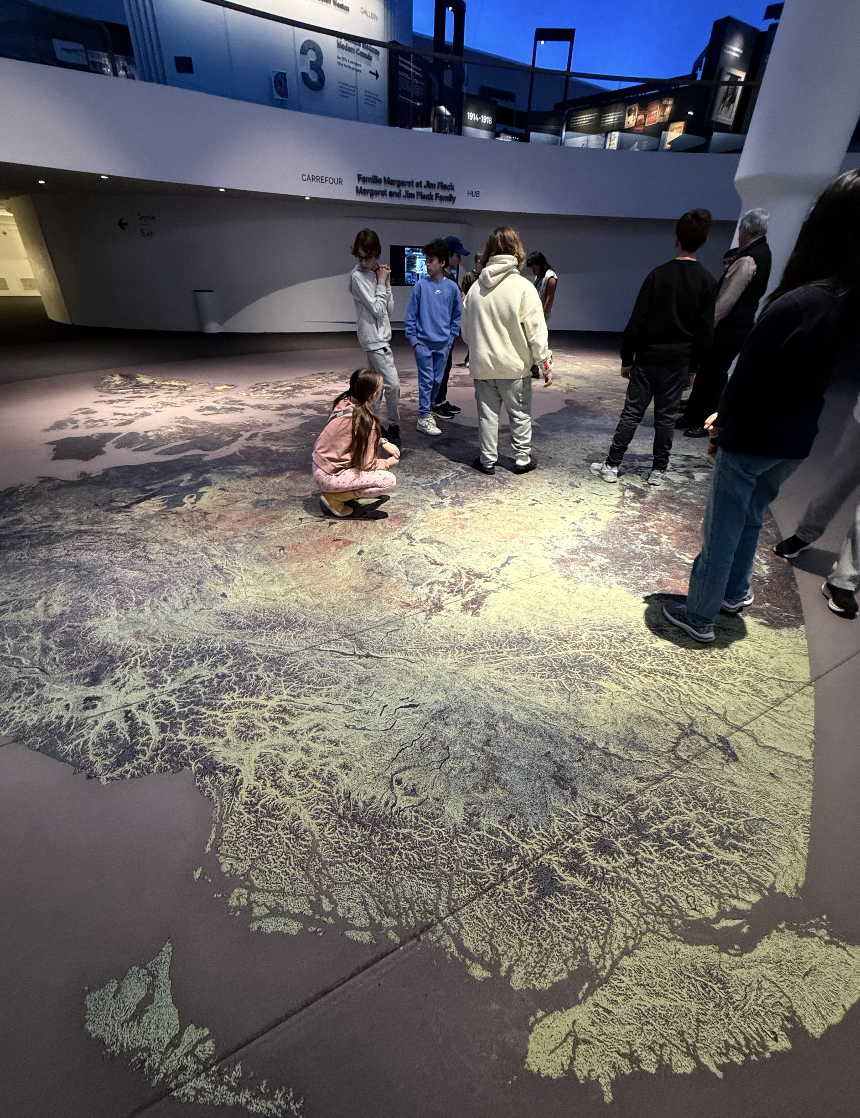
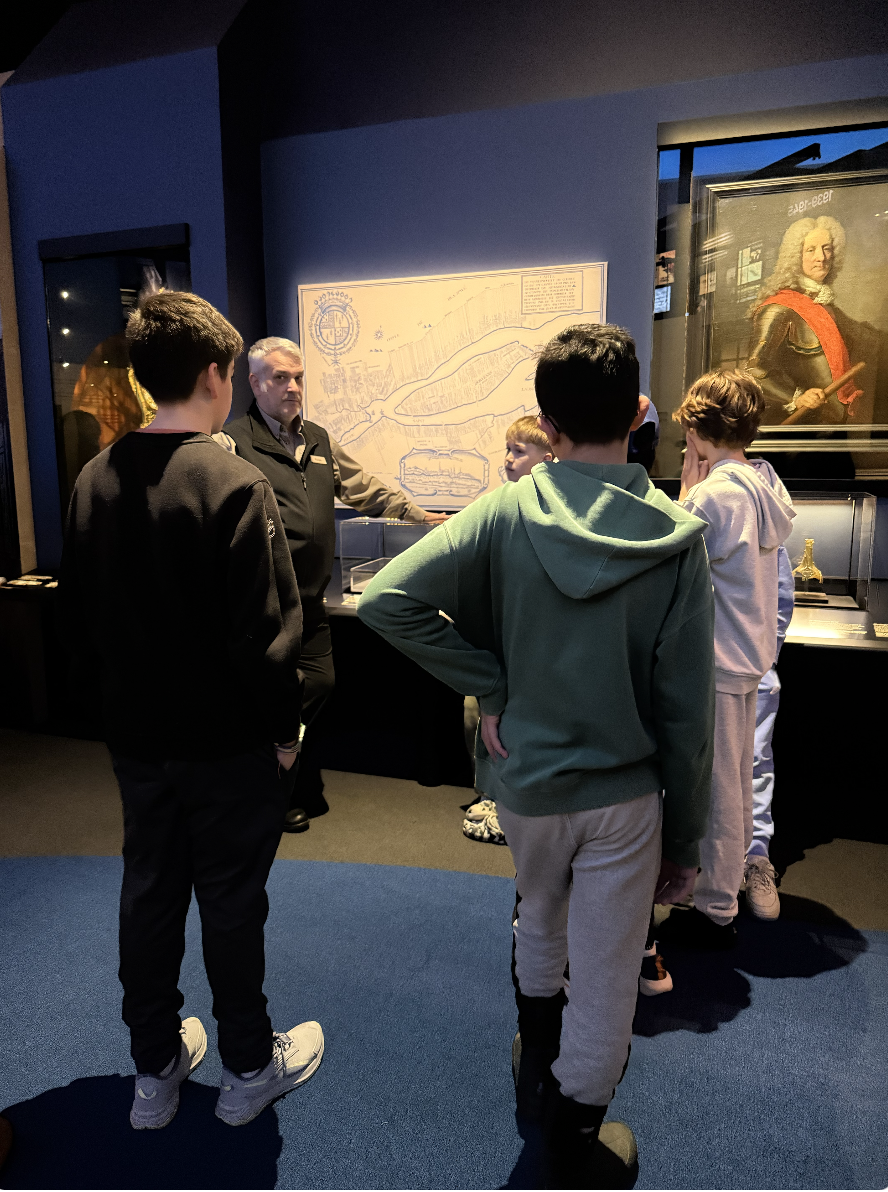
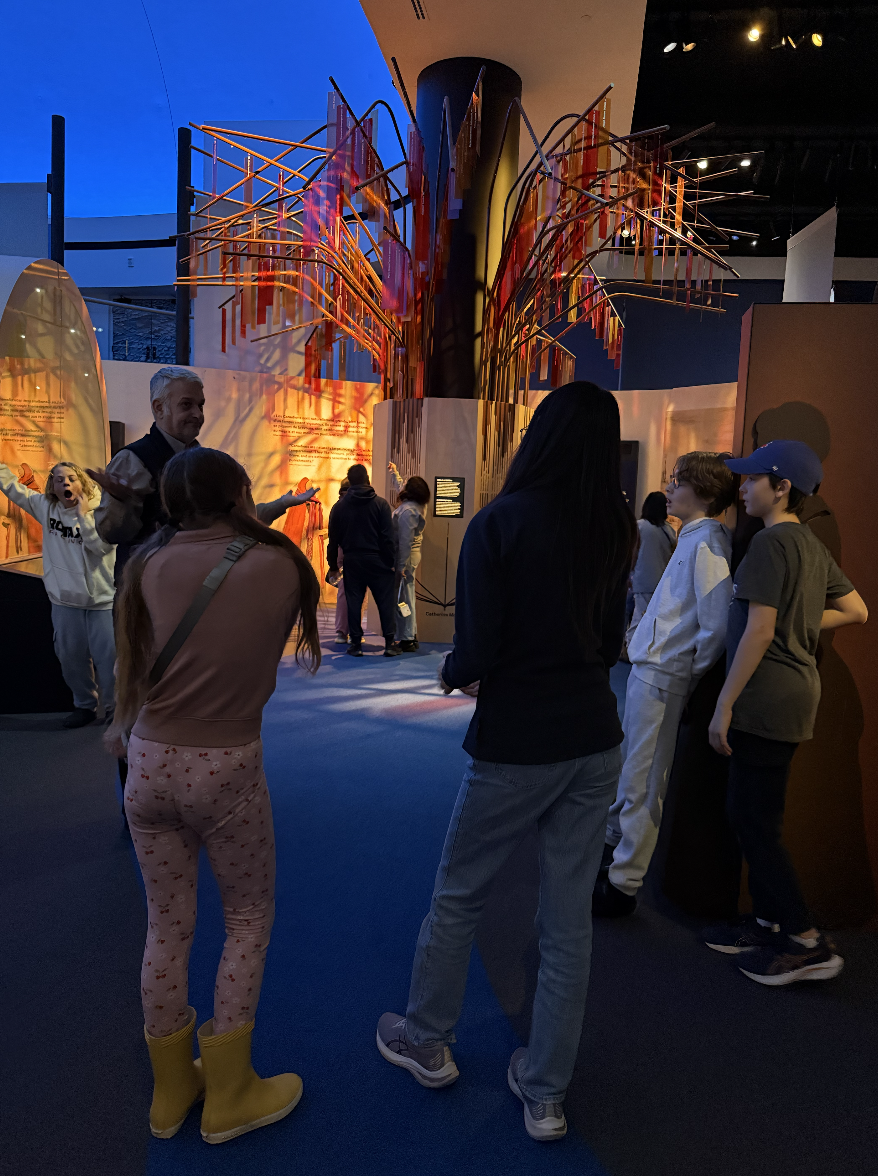
On Thursday, Rebels travelled to the Canadian Museum of History for the day. We began with an Indigenous Peoples guided tour where we learned about the incredible groups and their unique cultures across Canada. Rebels then journeyed back to their childhoods as they explored the beloved Children's Museum! It was fun to watch them play, pretend, and enjoy reminiscing about past visits. After lunch, we went outside to check out the museum's amazing architecture and the surrounding buildings. Unfortunately, it was very foggy, so only the outline of Ottawa and the Parliament could be seen. While it was sprinkling, the Rebels still enjoyed time outside, playing on the playground and working on their photography skills! We ended our day with a History of Canada guided tour, focusing on the founding of New France up to Confederation.
Civilizations - Big History
How did the world become more interconnected? Before the late 1400s, most people were farmers and lived in large, complex societies. But things began to change when the four world zones interconnected. Then, in the 1700s, new energy sources began powering machines, and everything changed. After completing their pre-unit warm-up, Rebels read an article and answered a series of questions on how much has changed in the last 500 years. We then learned about Threshold 8 - The Modern Age and the ingredients and Goldilocks Conditions that came together to create this new complexity.
Potential Discussion Ideas or Questions to Ask Your Rebel:
Spark Sudio
What do you love about Earth? What makes this planet special? Why do we call Earth the “Goldilocks planet”?
How many phases of the moon are there? If possible this weekend, learners could check out the moon and see if they can identify the phase it is in!
What does the sun give us here on Earth?
Discovery Studio
What is the difference between a computational error and a conceptual error?
How is your novel study, “My Name is Tani…and I Believe in Miracles” going? What is the story about so far?
What is the difference between a refugee and an immigrant?
Can you tell me about the Rook, the Bishop and the Knight and how they move around the chess board?
What is the difference between check and checkmate?
What is your favourite chess piece and why?
How did the first tournament go on Thursday afternoon? What are the point values of each piece?
Exploration Studio
What is the probability of rolling two of the same number using two dice?
Did you enjoy the short story "Eleven" or "The Lottery" more? What were they both about?
Which Indigenous group did you research? What was the most interesting fact that you learned?
How did the power dynamics between the Indigenous Peoples and the Europeans shift over time from their initial contact toward later colonization?
What was your favourite part of the field trip? Why?
What is the Burden of Proof Fallacy? Can you give me an example?