Revel Recap: Apr 20-24
Important Upcoming Dates
Exploration Field Trip to the Diefenbunker - Thursday, April 30th
Session 6 Exhibitions
Discovery Exhibition - Tuesday May 12th, 4:00-5:00 pm
Spark Exhibition - Wednesday May 13th, 4:00-5:00 pm
*Due to the Overnight Trip there will not be an Exploration Exhibition this session
Exploration Overnight Ottawa Adventure - Wednesday, May 13th to Friday, May 15th
Sessional Break & “All Our Favourite Things!” Camp with Ms. Jenna - Tuesday, May 19th to Friday, May 22nd (registration opens Monday, April 27th on Band)
Spark Studio
Mindfulness and Launch
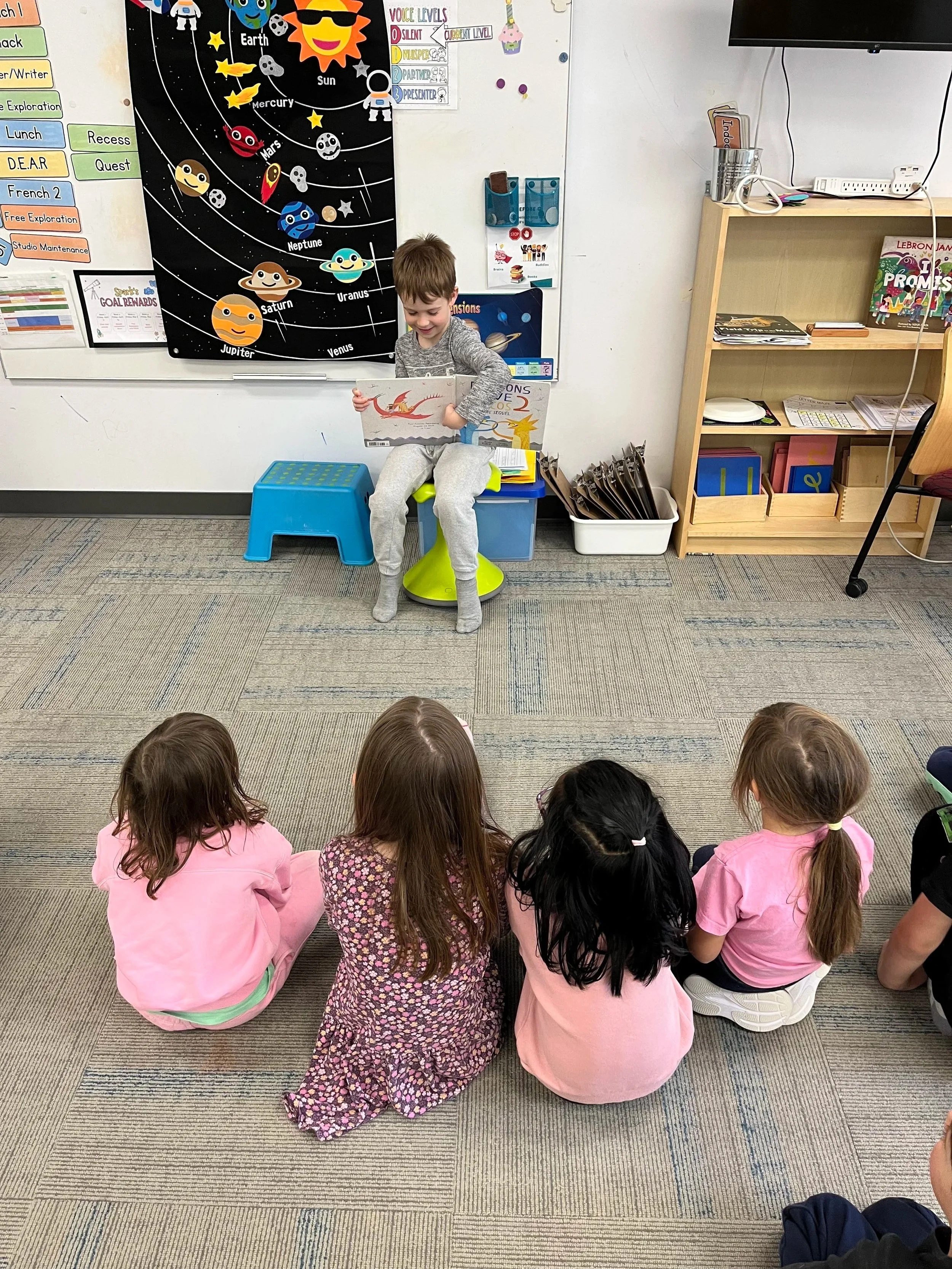
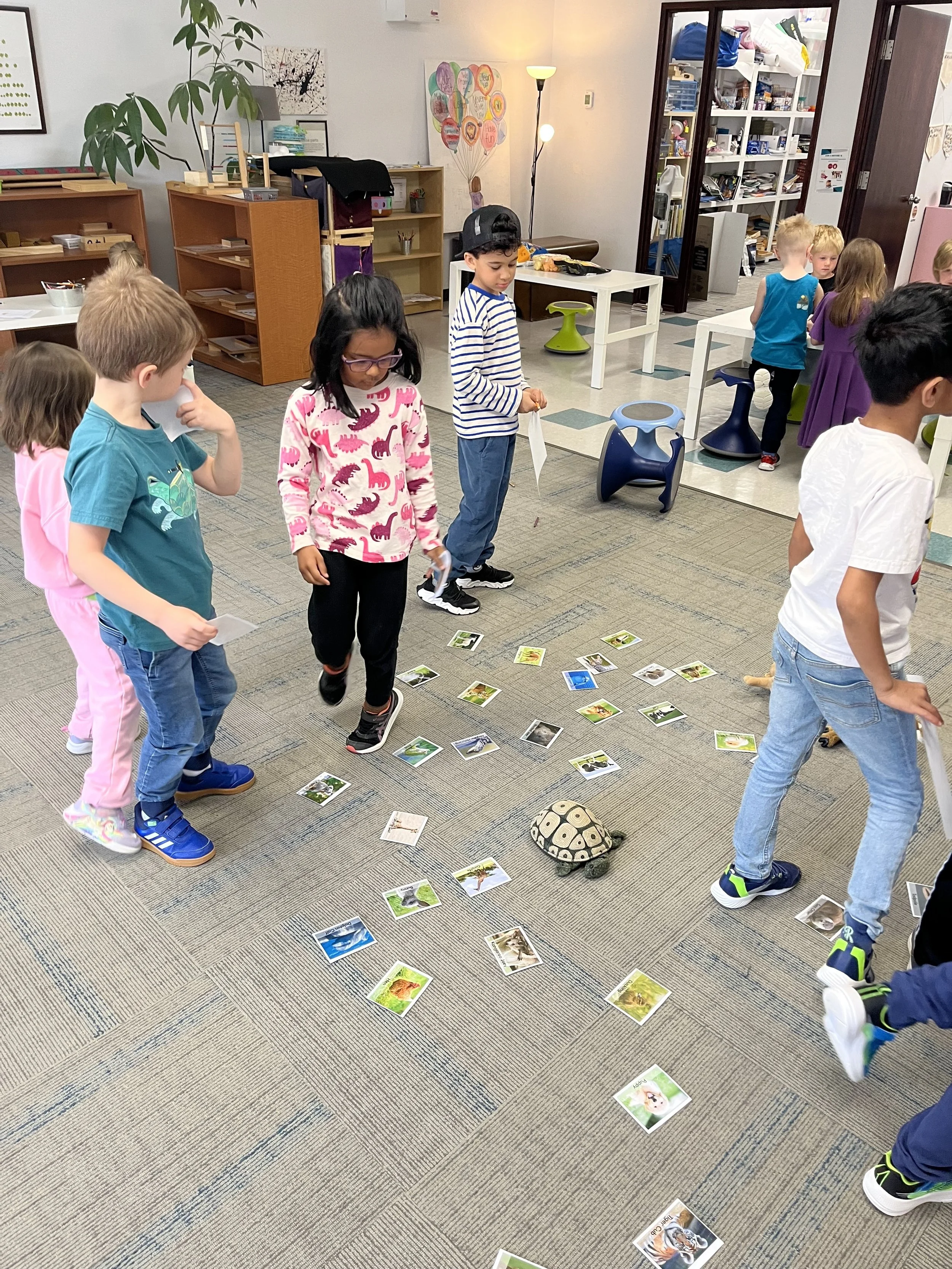
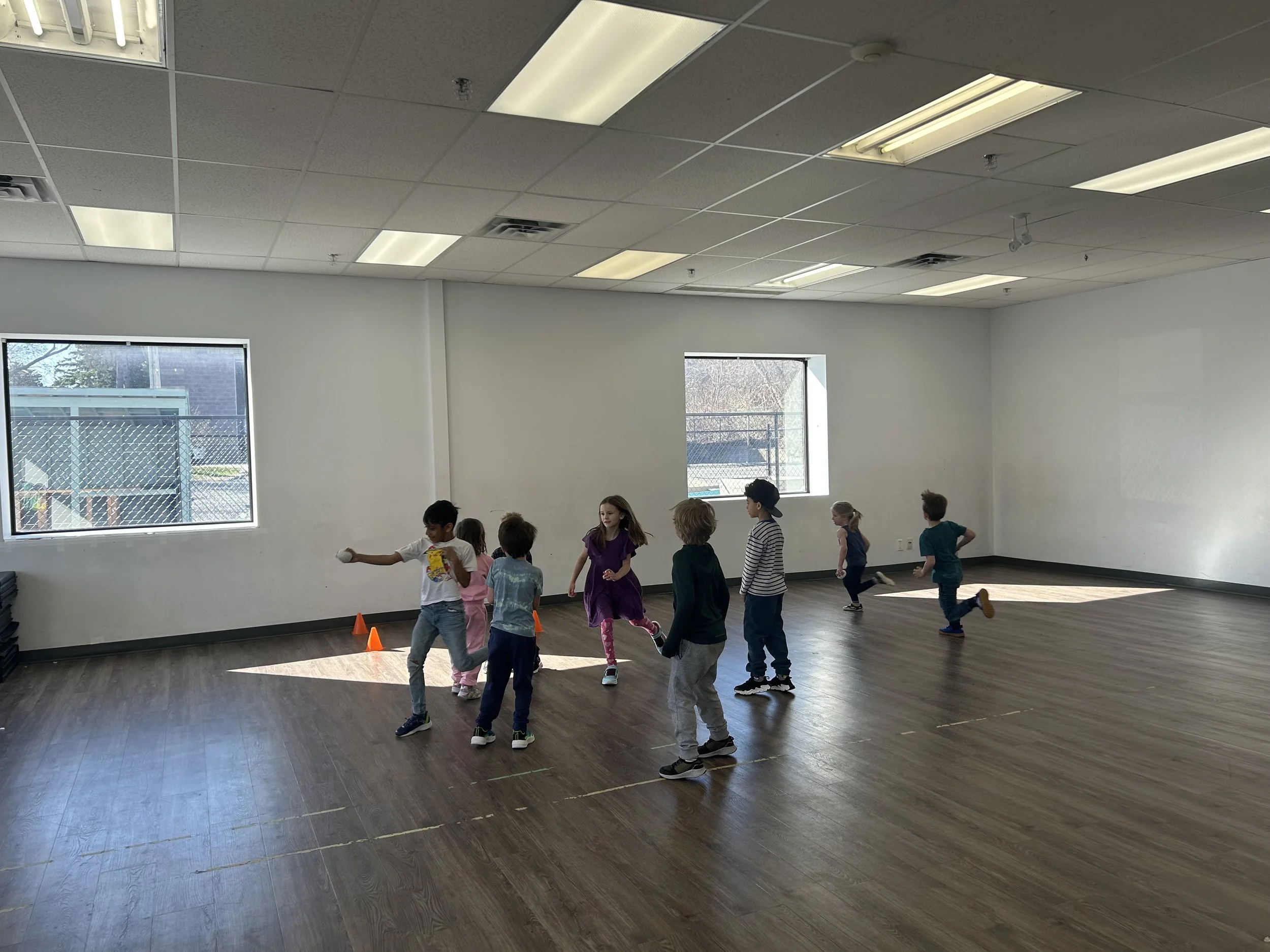
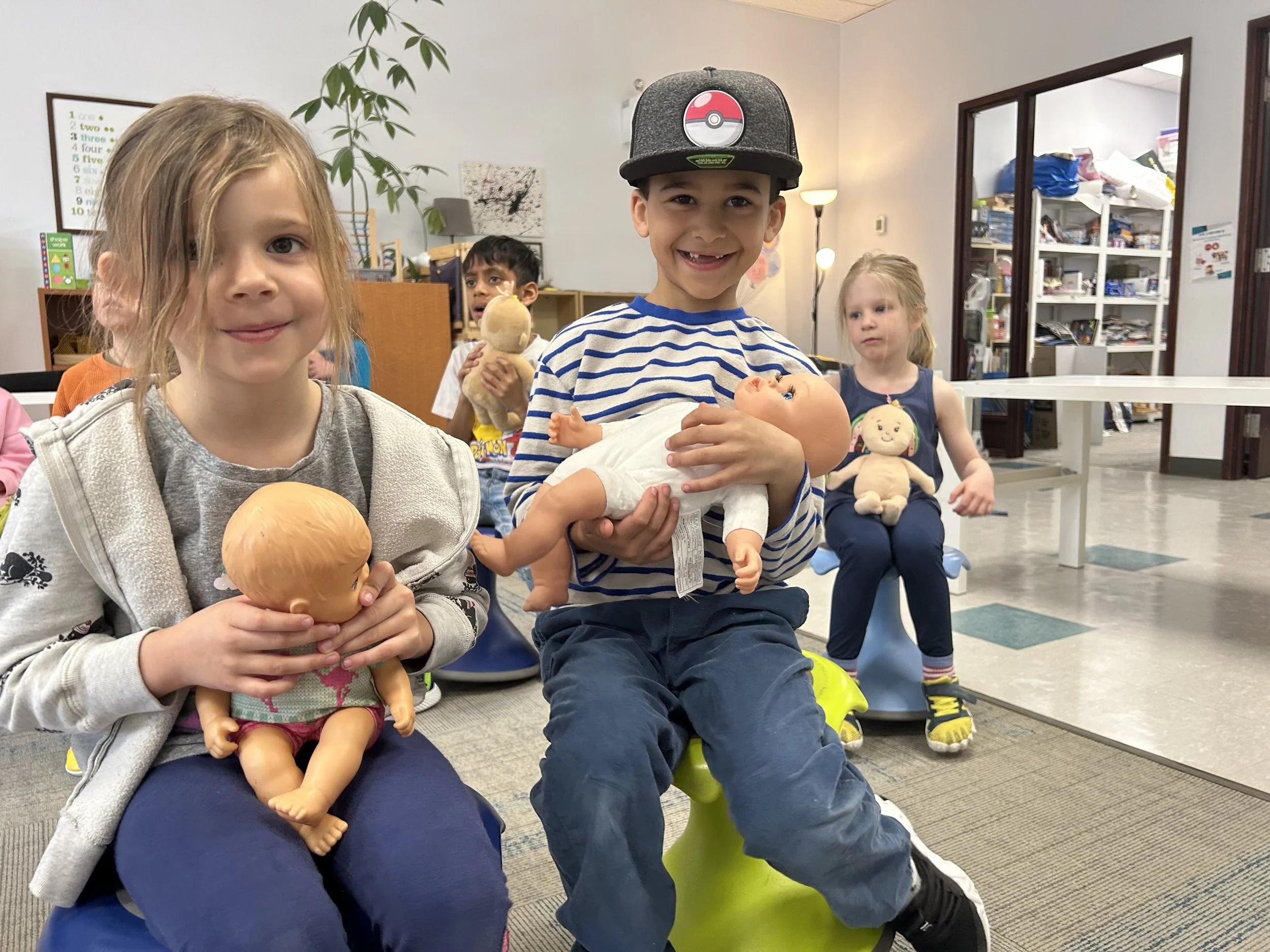
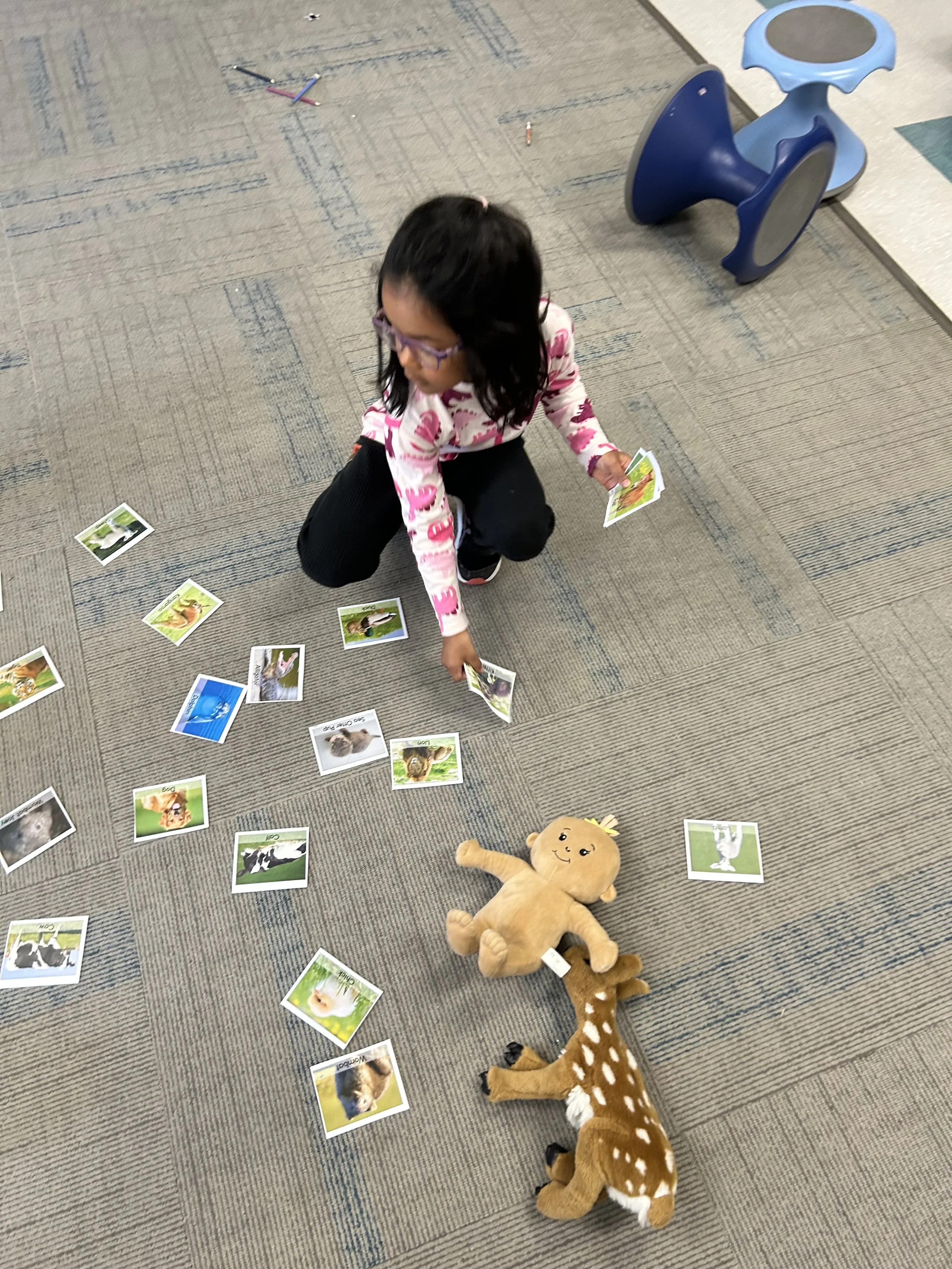
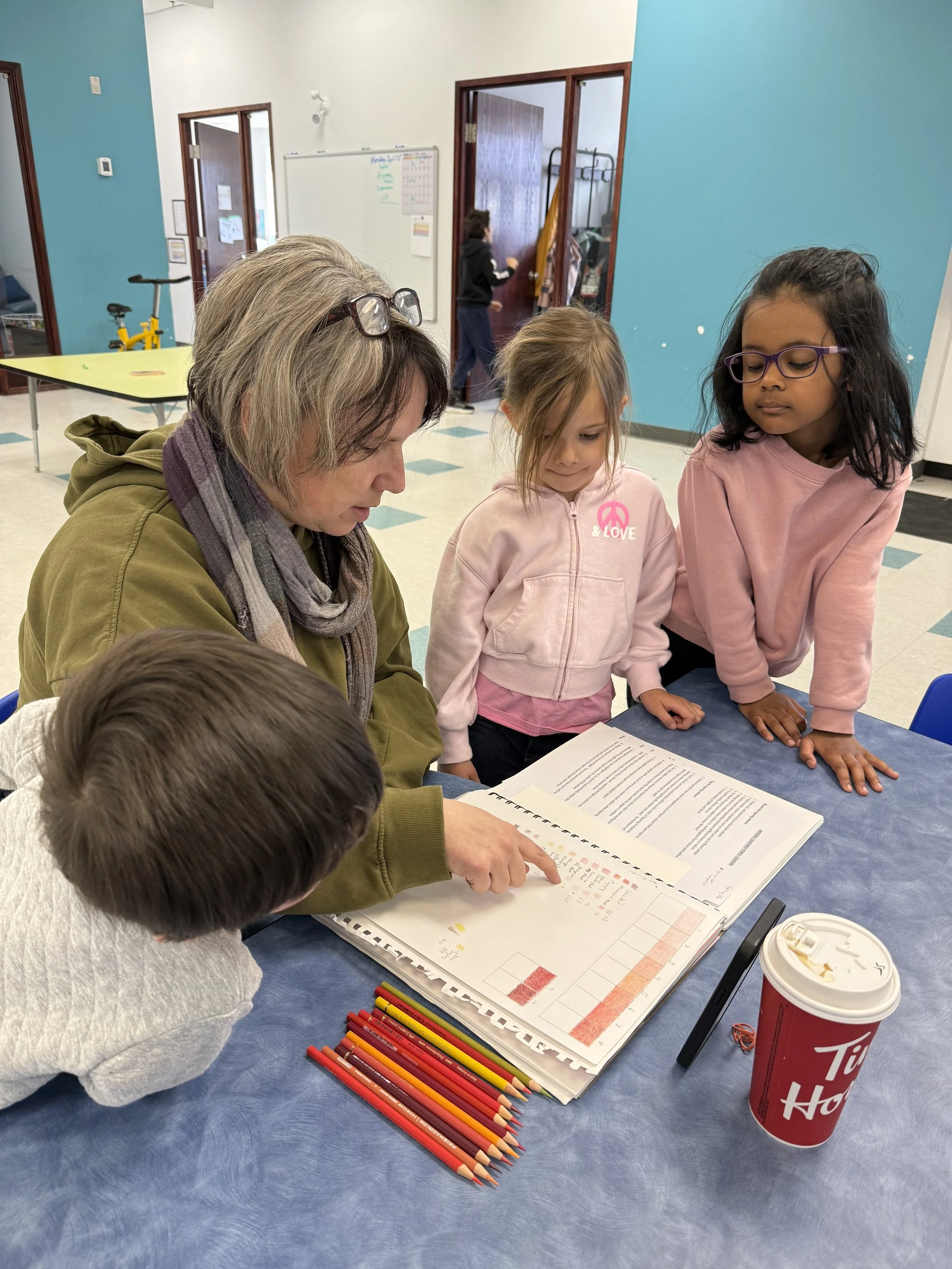
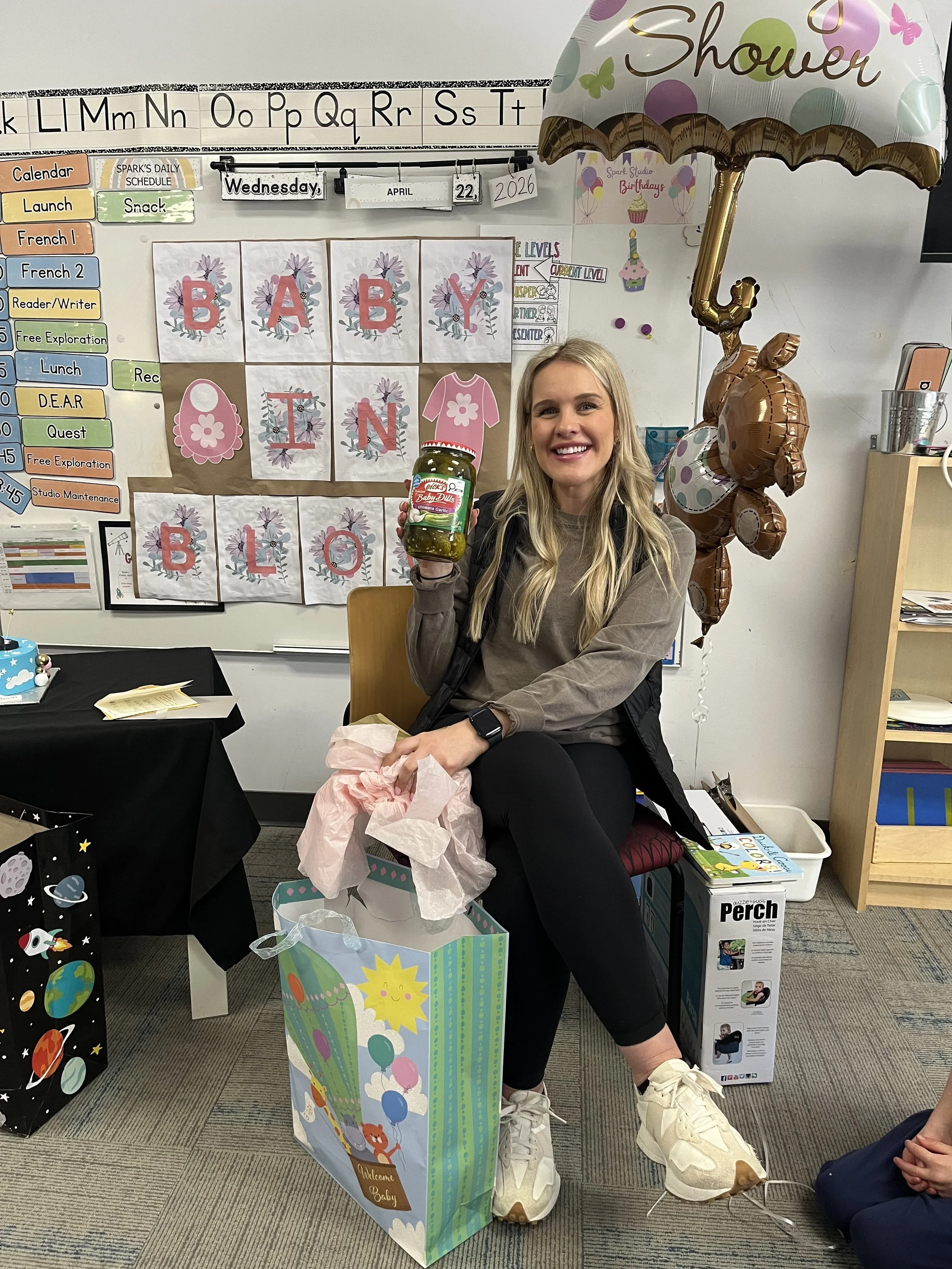
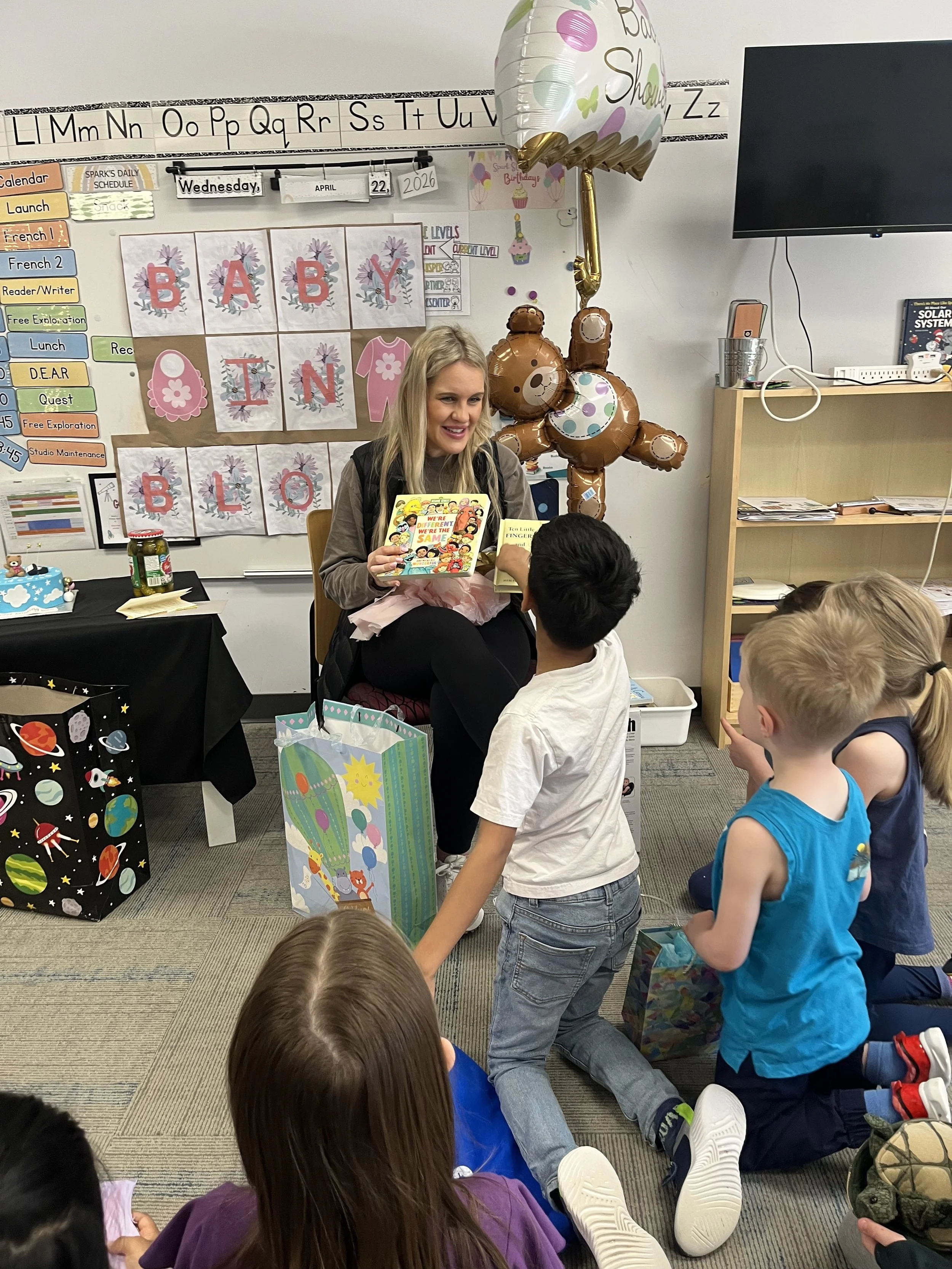
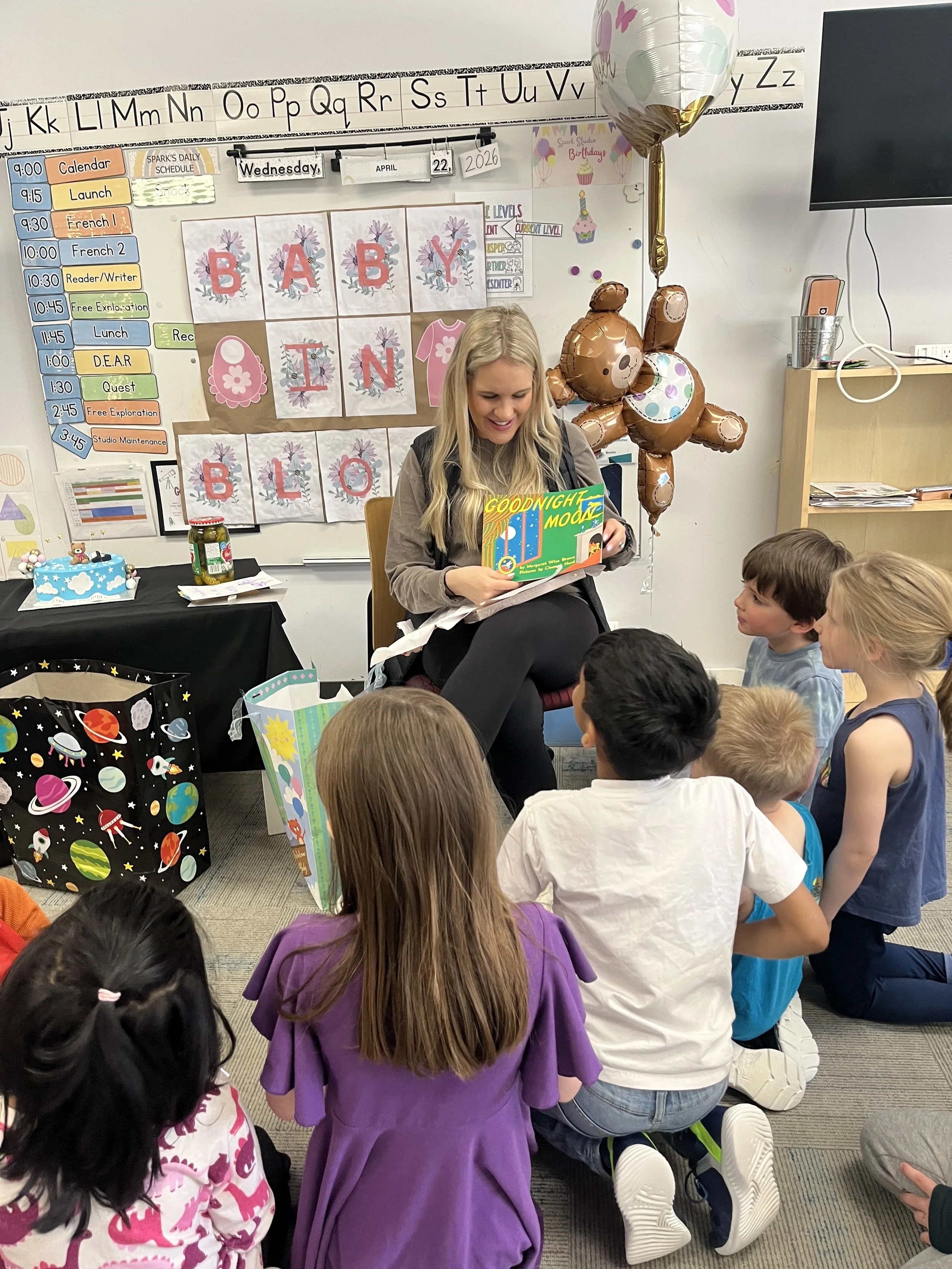
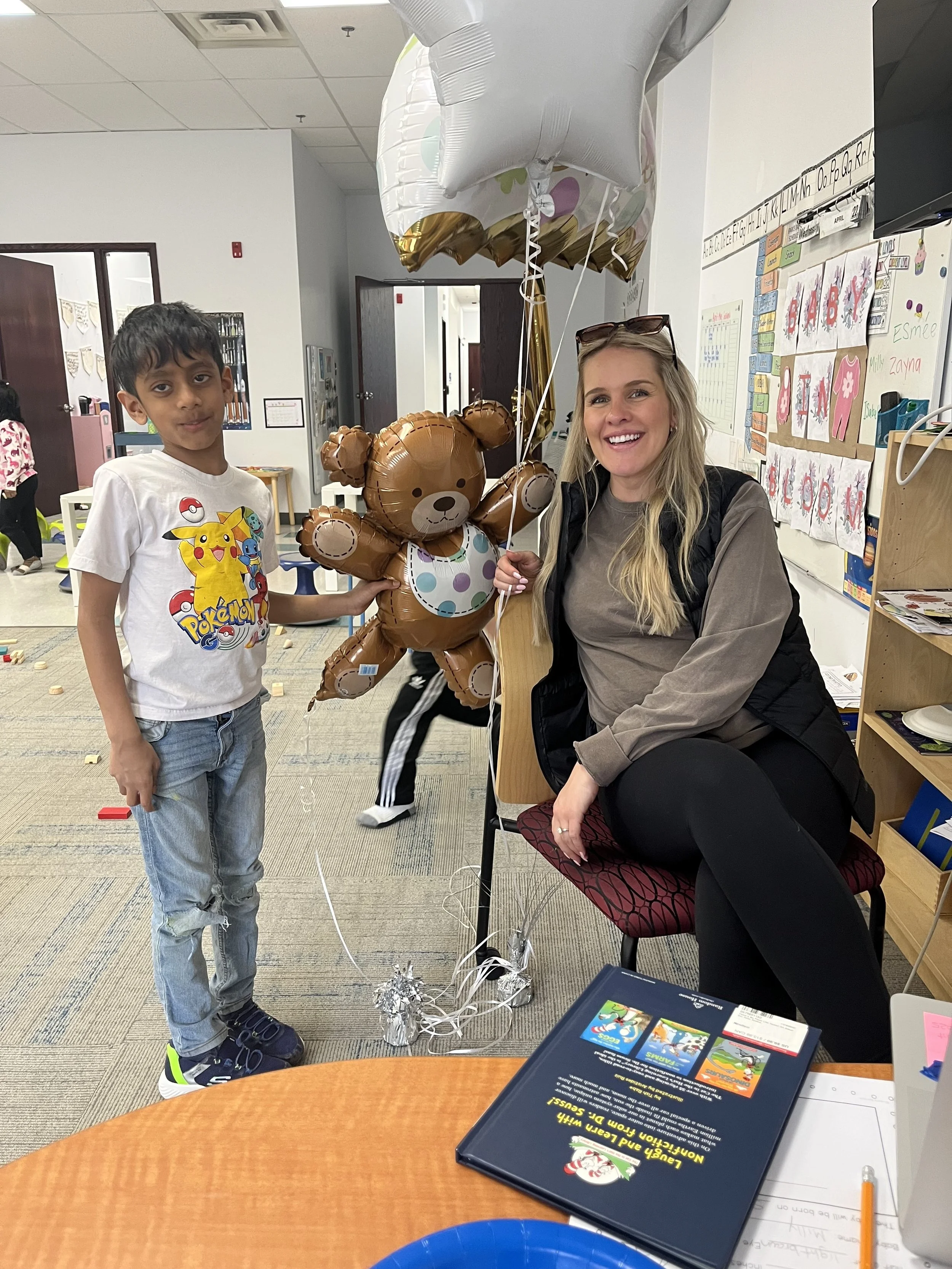
We welcomed Week Two with lots of sunshine! The Sparks had peaceful music playing in the background as two learners led a yoga session for the group. The following day, they participated in a directed drawing of the solar system. The planets showed great detail, and the Sparks did their best to name them in order from the sun. On Wednesday, April 22, 2026, we celebrated Earth Day. The Sparks read How the Crayons Saved the Earth by Monica Sweeney. The story follows seven special crayons who use teamwork and creativity to combat pollution. When smog and trash take over the environment, the colorful friends work together to brighten the world and inspire others to care for the planet. Afterward, we reviewed a PowerPoint about Earth Day, exploring topics such as pollution, deforestation, and climate change. The Sparks then engaged in a discussion about how they could help the Earth. Learners shared thoughtful ideas, including reusing water bottles, picking up garbage outside, recycling, planting trees. One learner even suggested replacing all engine-powered ships with canoes! The following day, everyone joined in for gym games, playing Capture the Flag and Four Corners. To end the week, the Sparks surprised one of their Guides with a wonderful baby shower. They played games, shared tips with the soon-to-be mom, offered name ideas, and enjoyed lots of goodies together.
Quest
We began our Quest by listening to a fun and engaging song about the eight planets. The song introduced interesting facts, such as Neptune being the windiest planet! Afterward, the Sparks gathered outside the studio to review the solar system poster displayed at the front entrance. This visual helped them see all the planets in order from the sun. Together, we counted the planets, practiced saying their names, and discussed their unique colours and features, including which planets have rings. The Sparks then worked collaboratively on a group activity using the planet felt board, placing the planets in the correct order to reinforce their understanding. They completed a corresponding worksheet to match their work. To wrap up their busy Monday Quest, the Sparks participated in a “Write the Room” activity. Planet images were placed around the studio, as well as in the school lobby, kitchen, and pod rooms. Learners wrote each planet’s name and carefully coloured it to match the image. It was an engaging and exciting first day of learning about the solar system! To close the day, the Sparks read There's No Place Like Space! All About Our Solar System, where they journeyed into outer space and discovered what makes each planet unique—learning that a million Earths could fit inside the sun, that astronauts have driven special vehicles on the moon, and so much more. On Tuesday, the Sparks explored the five dwarf planets. Starting with Pluto as a review, learners shared many interesting facts, including that it is no longer considered the ninth planet and that it is extremely cold.
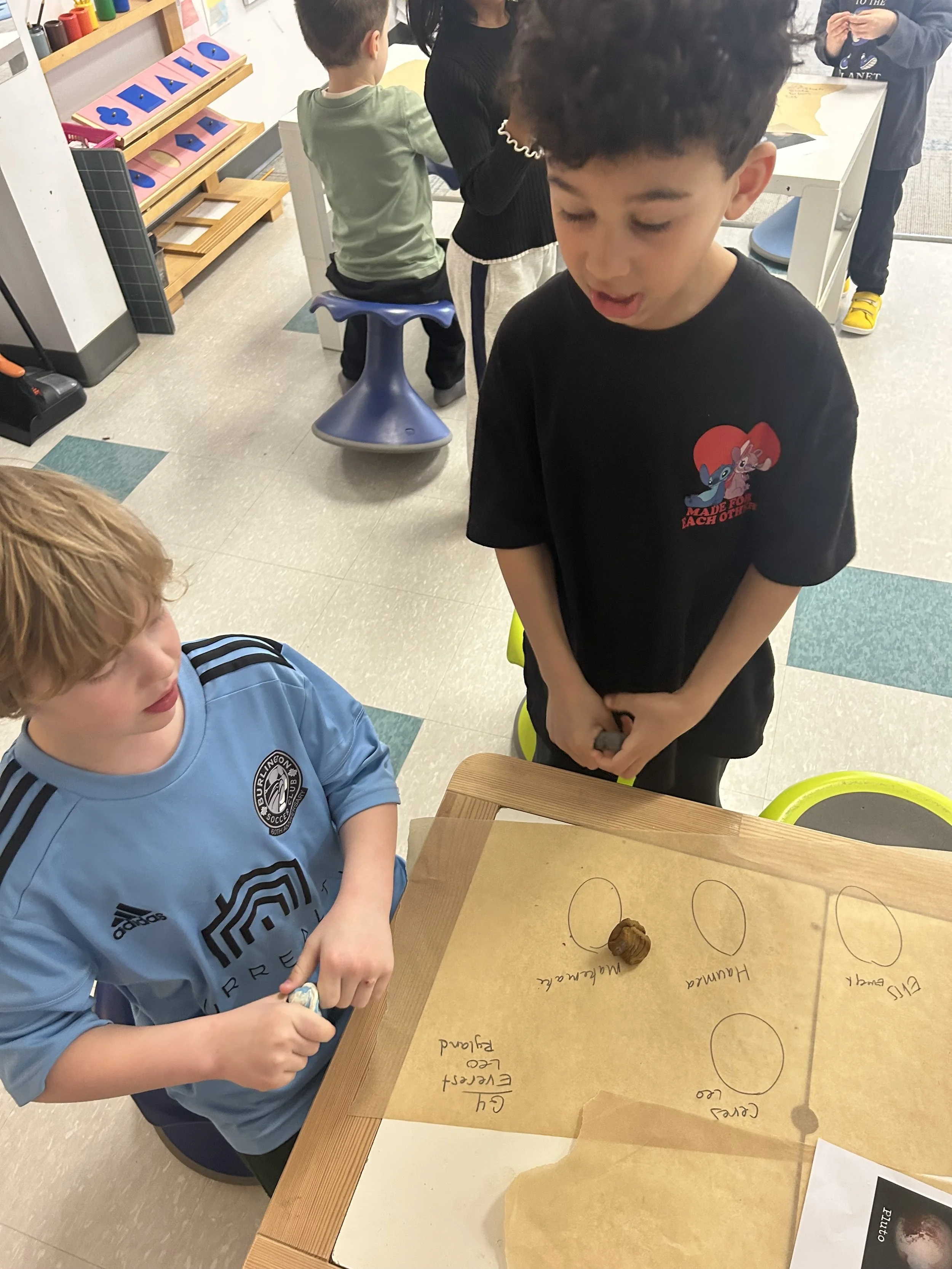
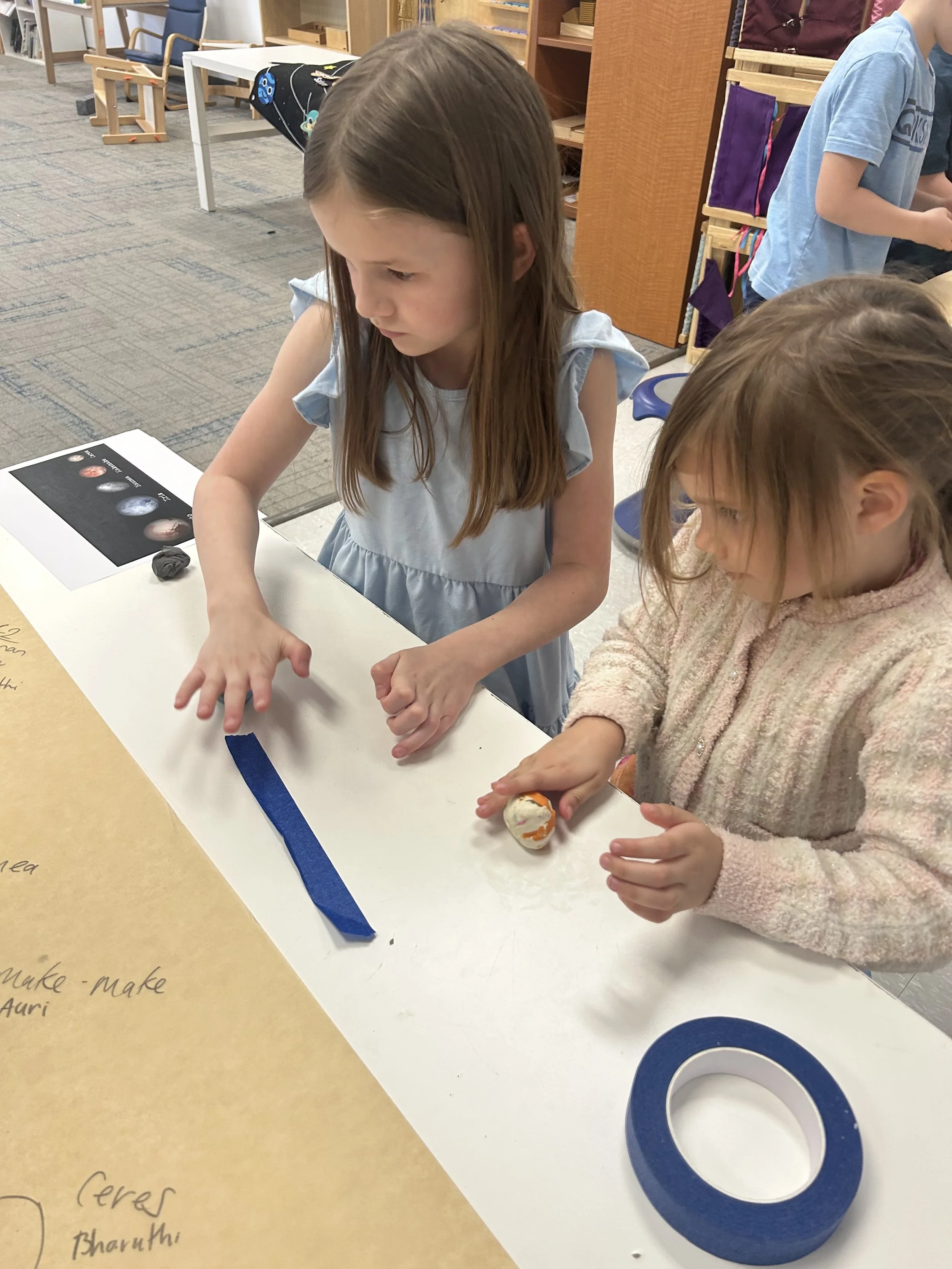
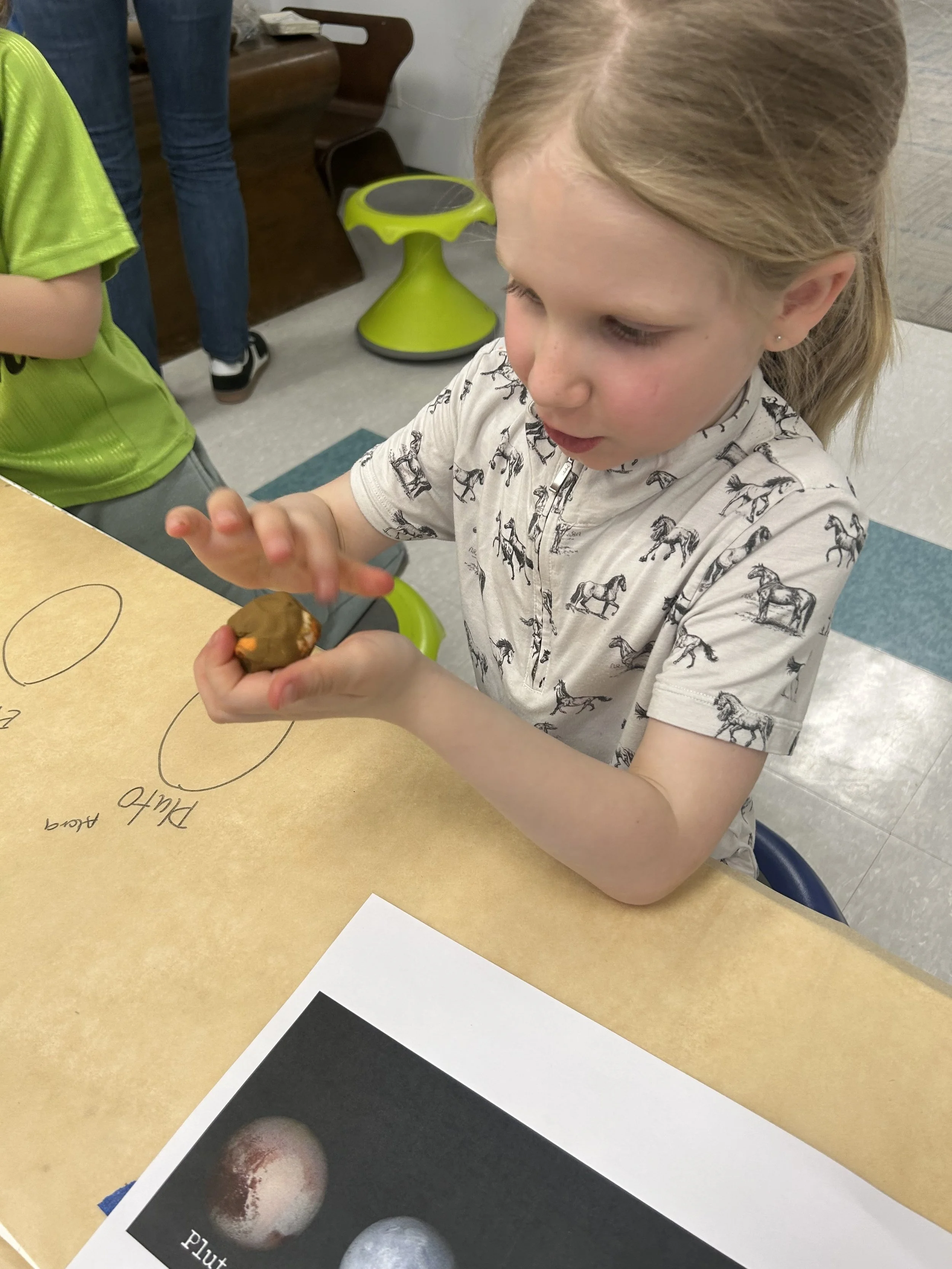
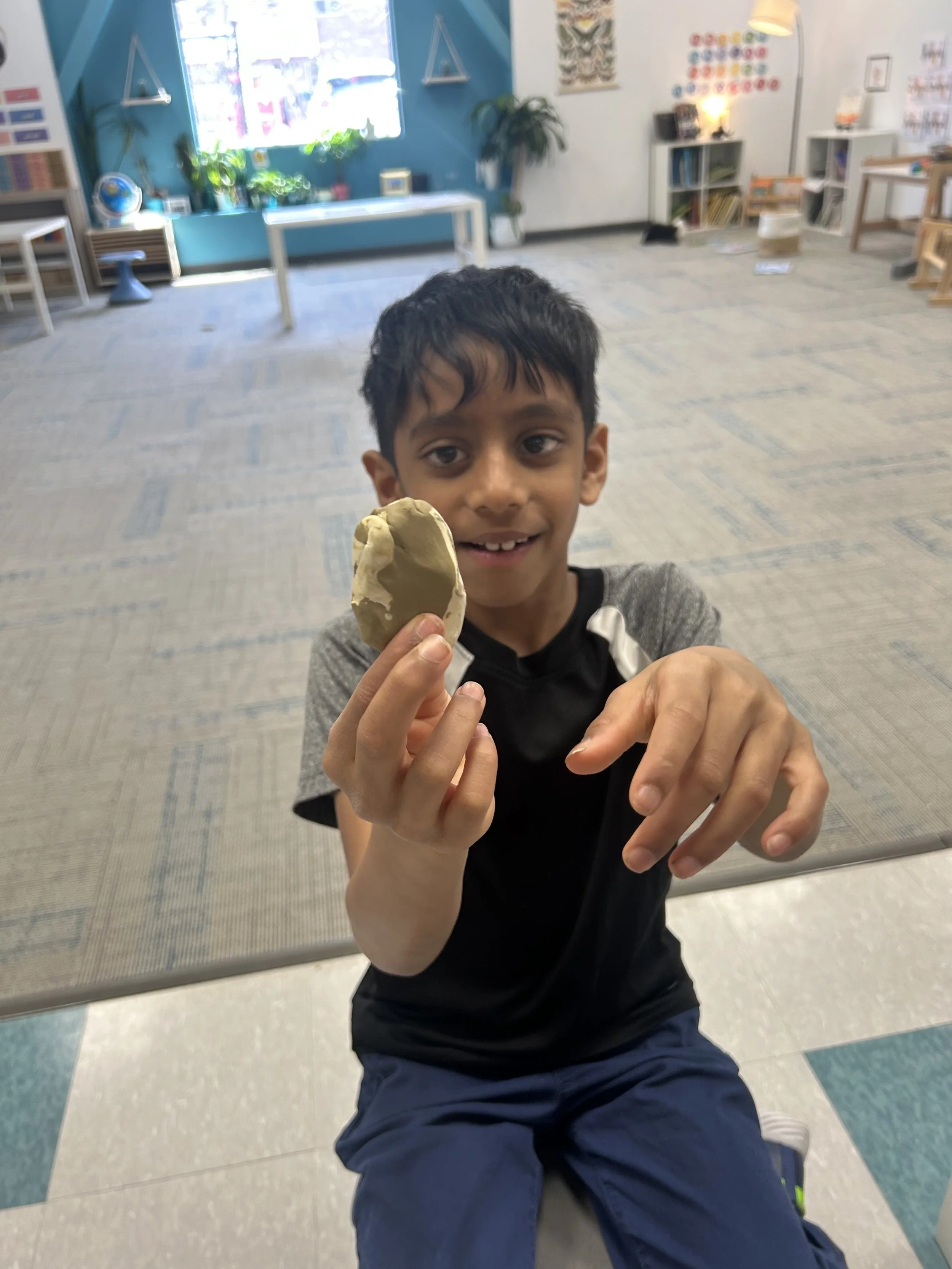
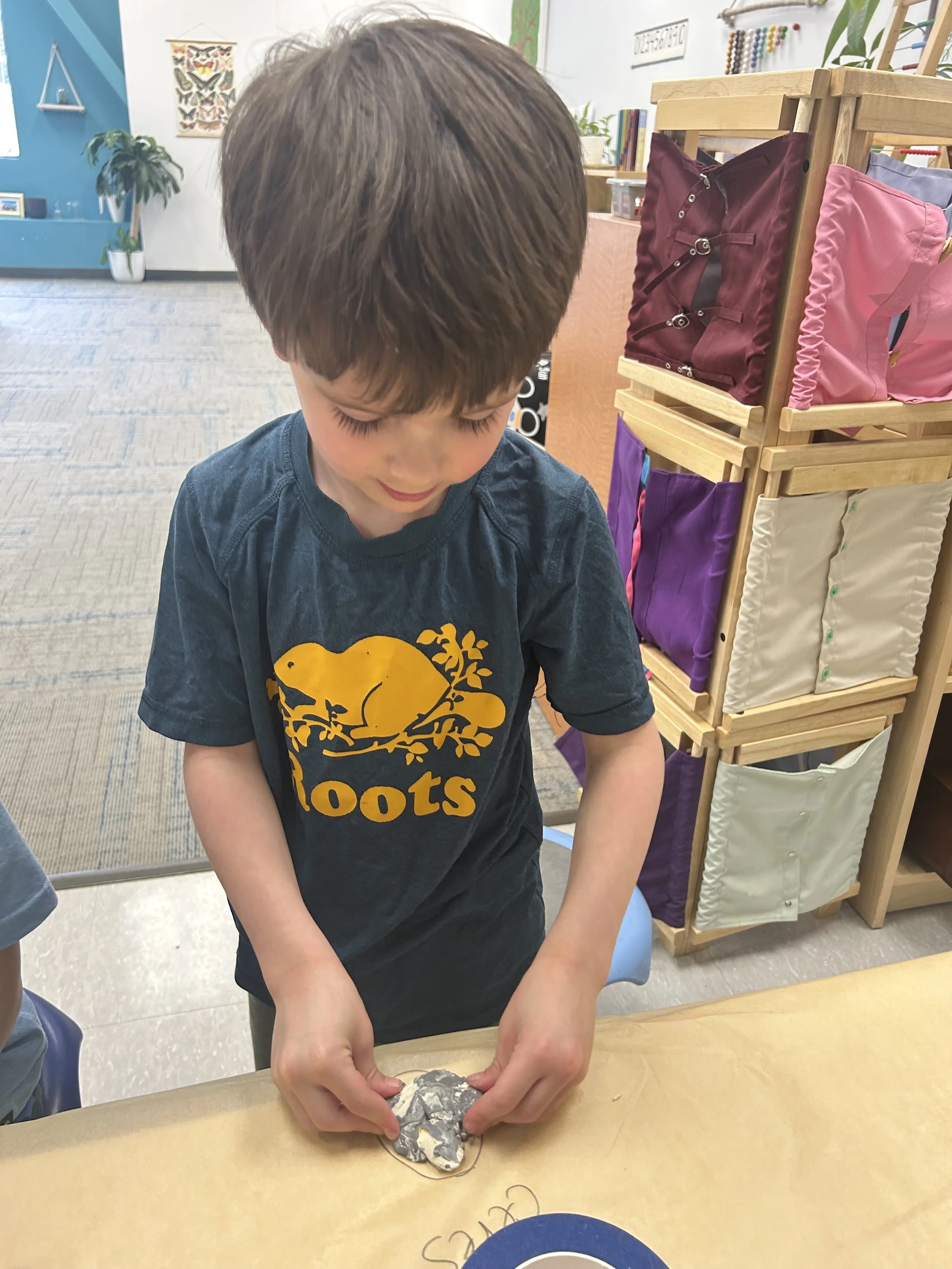
They then read All My Friends Are Planets: The Story of Pluto by Alisha Vimawala. This story explains key scientific concepts about the solar system, including the characteristics of rocky planets, gas giants, and what defines a planet. It also shares the moment in 2006 when astronomers, including Mike Brown, reclassified Pluto as a dwarf planet. The story thoughtfully explores Pluto’s feelings of isolation—until it connects with Makemake. Afterward, the Sparks used clay to create models of the five dwarf planets. To conclude the lesson, they explored fun articles and facts on the NASA website.
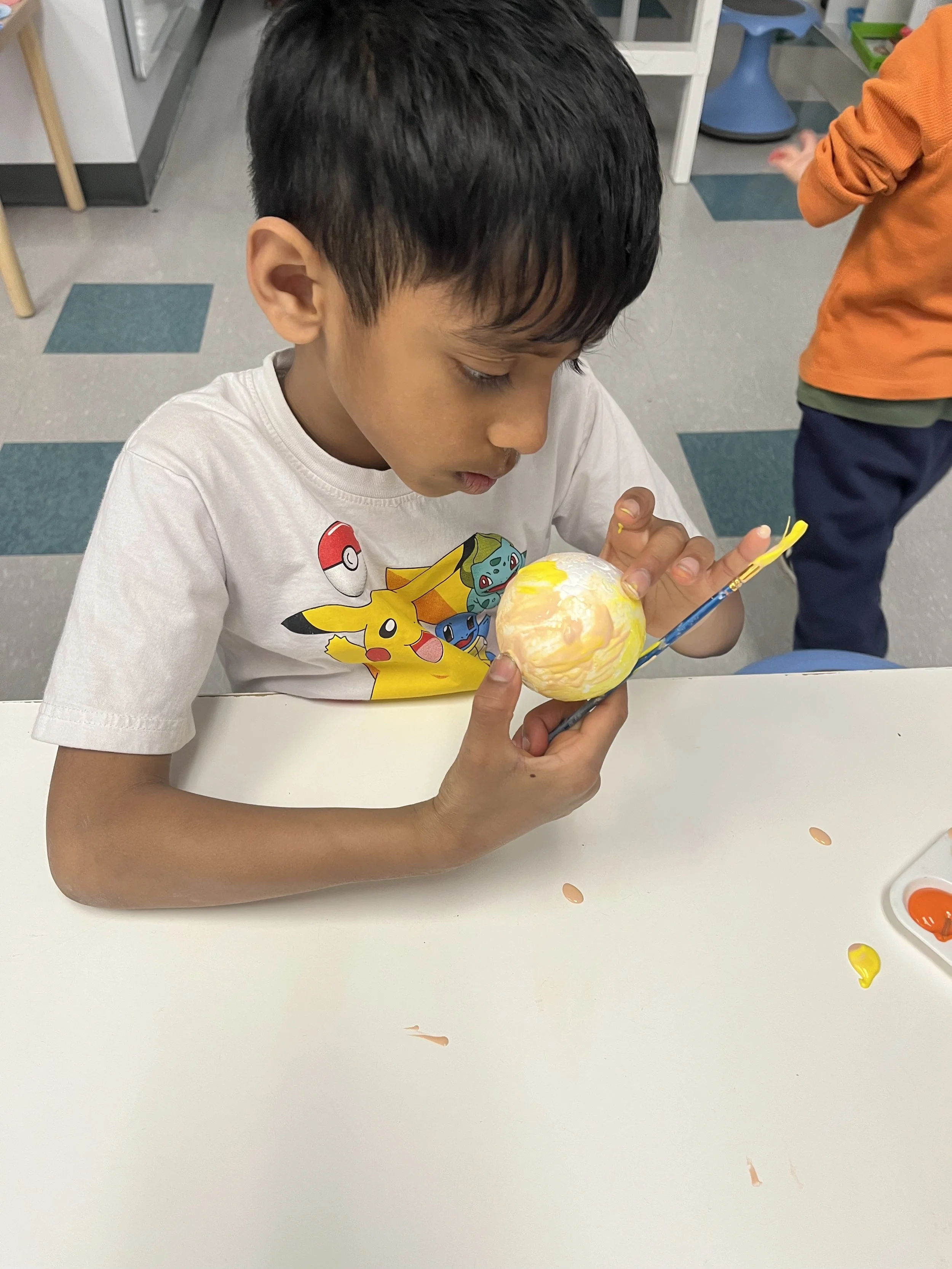
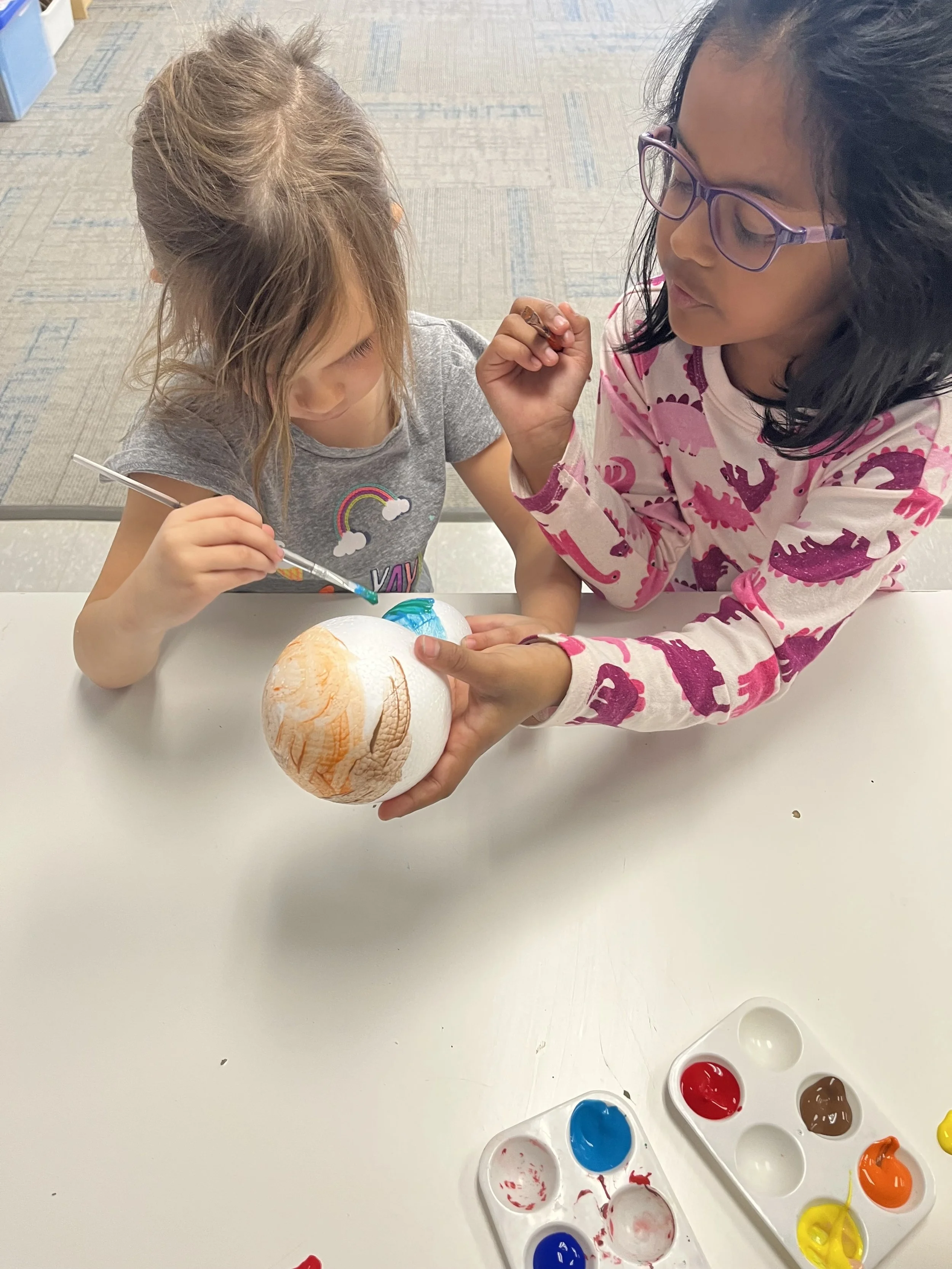
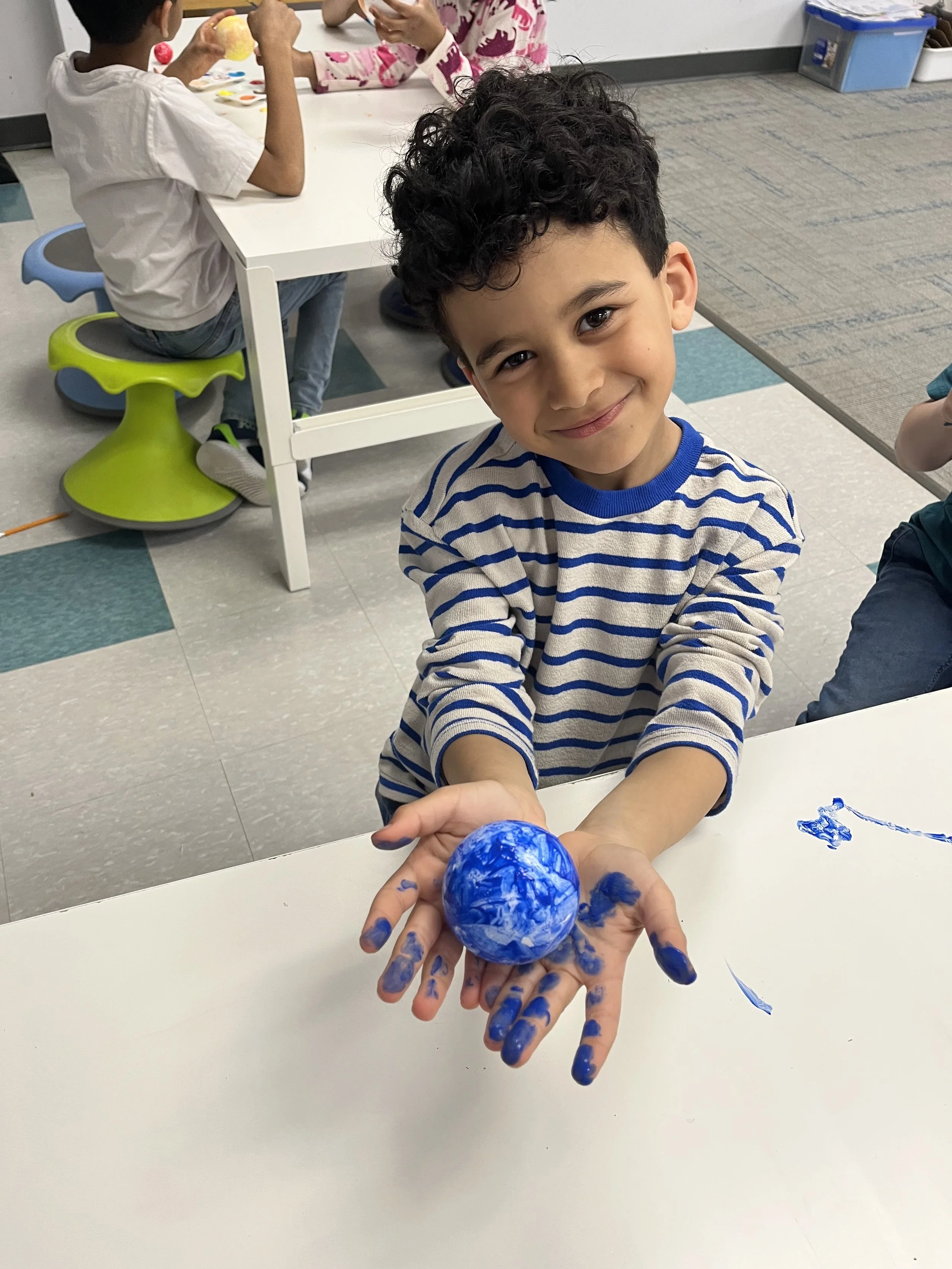
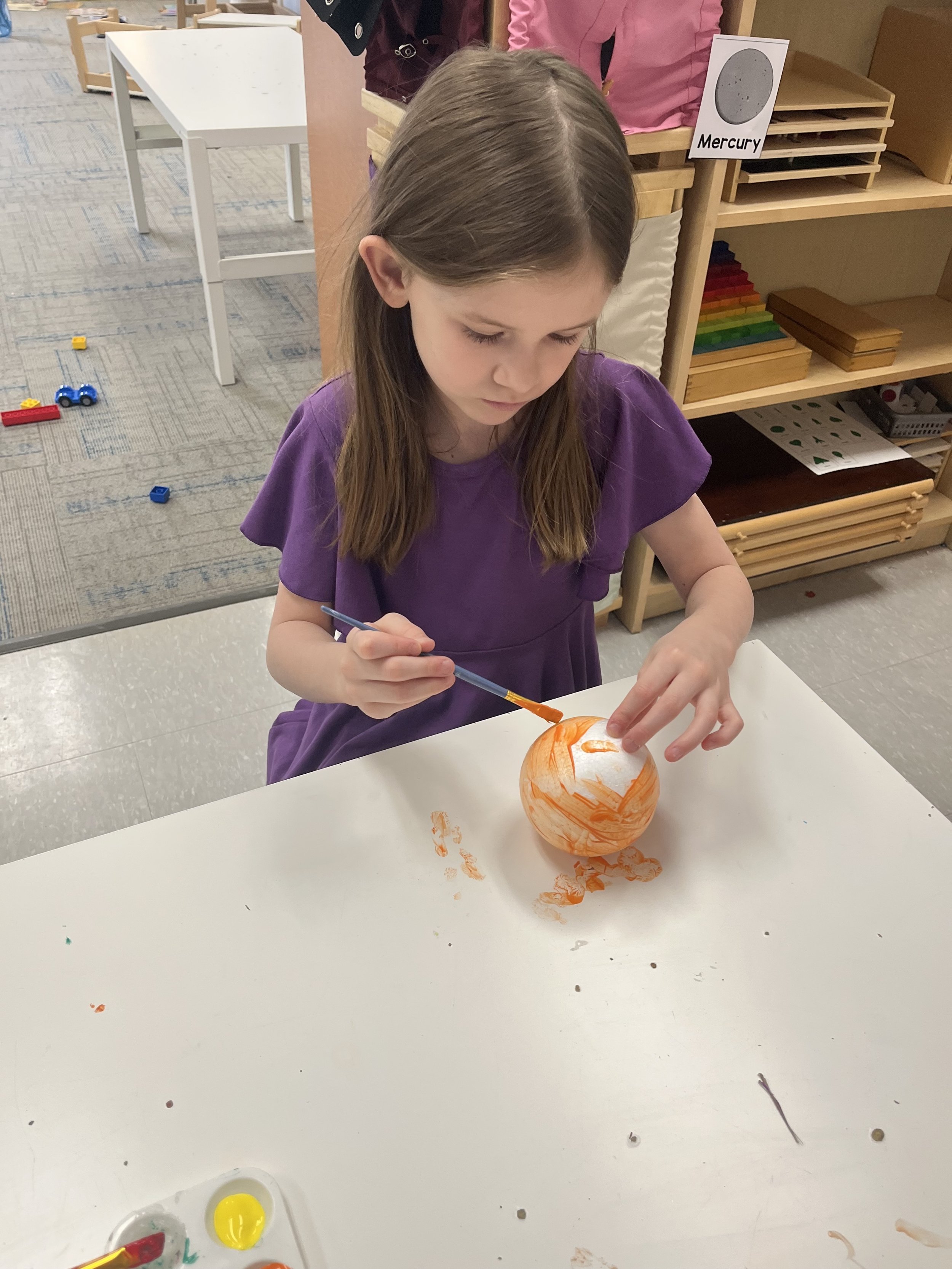
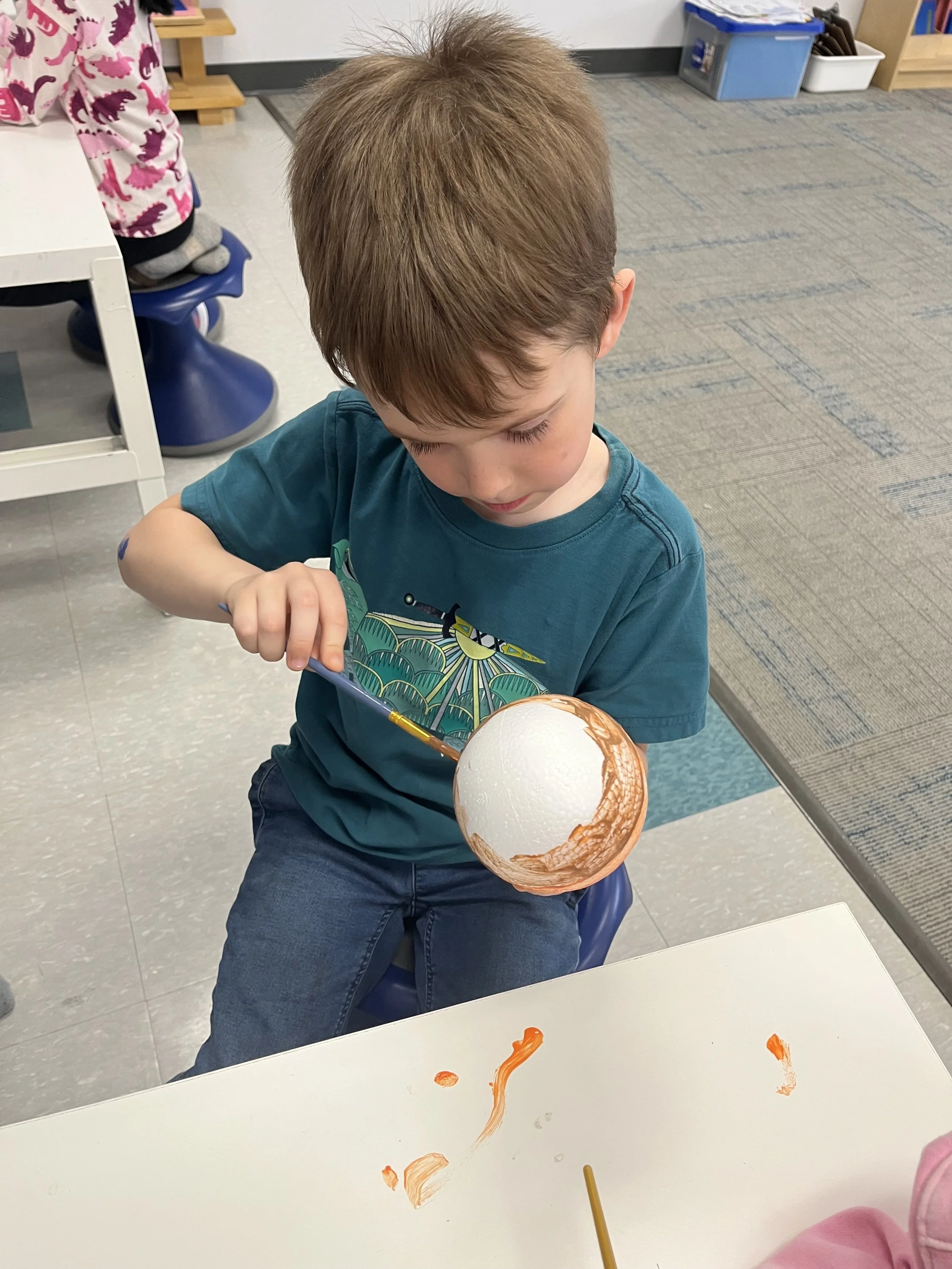
On Thursday and Friday, the Sparks worked hard on a 3D solar system project. In three groups, they collaborated to create all eight planets orbiting the sun. Using cardboard, foam balls, paint, and wooden sticks, they brought their models to life! This project required time, focus, and dedication. The Sparks paid close attention to accurately representing the colours and features of each planet. Each group’s work will be displayed at Exhibition, and we encourage families to engage with their learners by asking questions about each planet.
Art
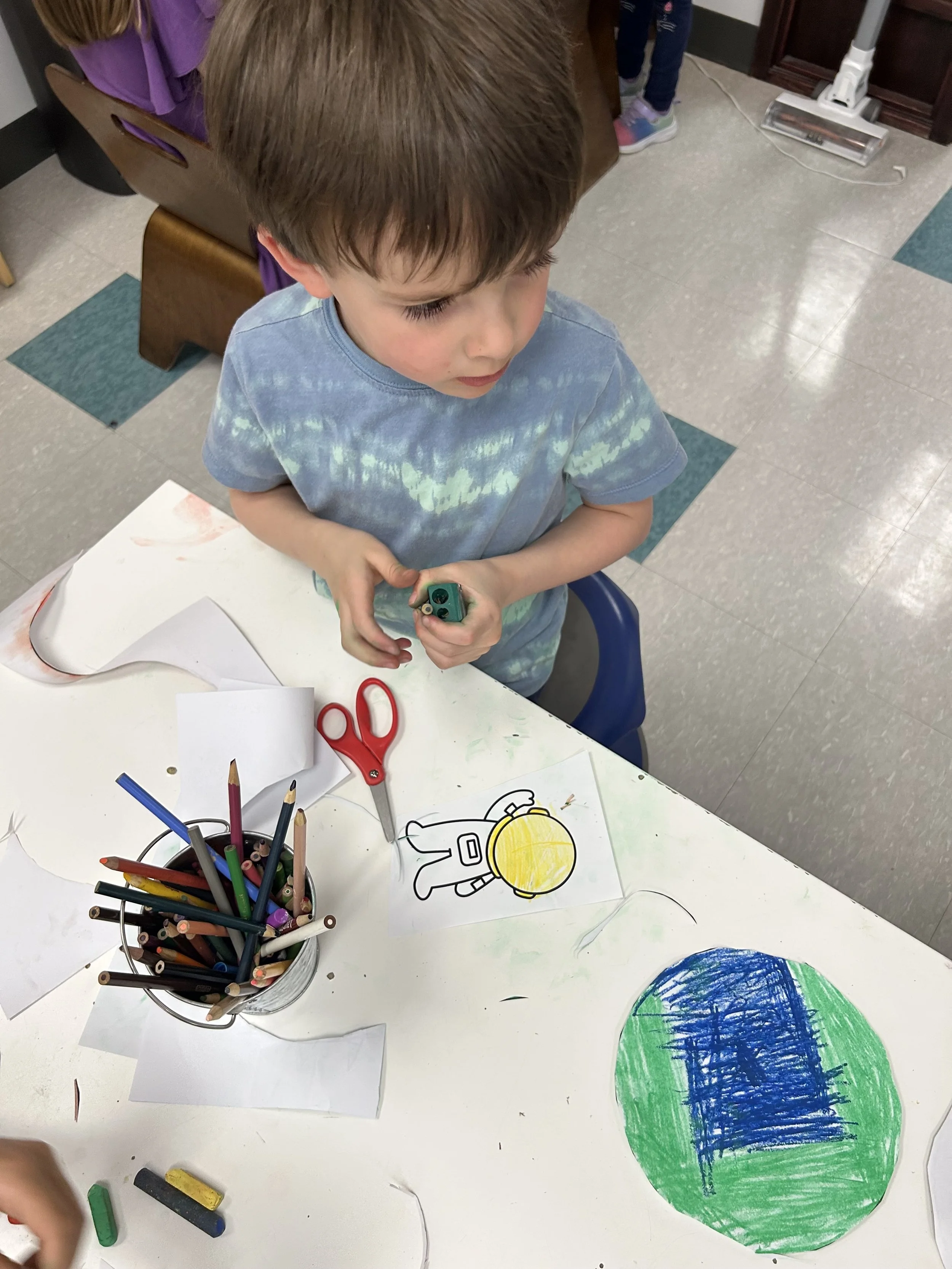
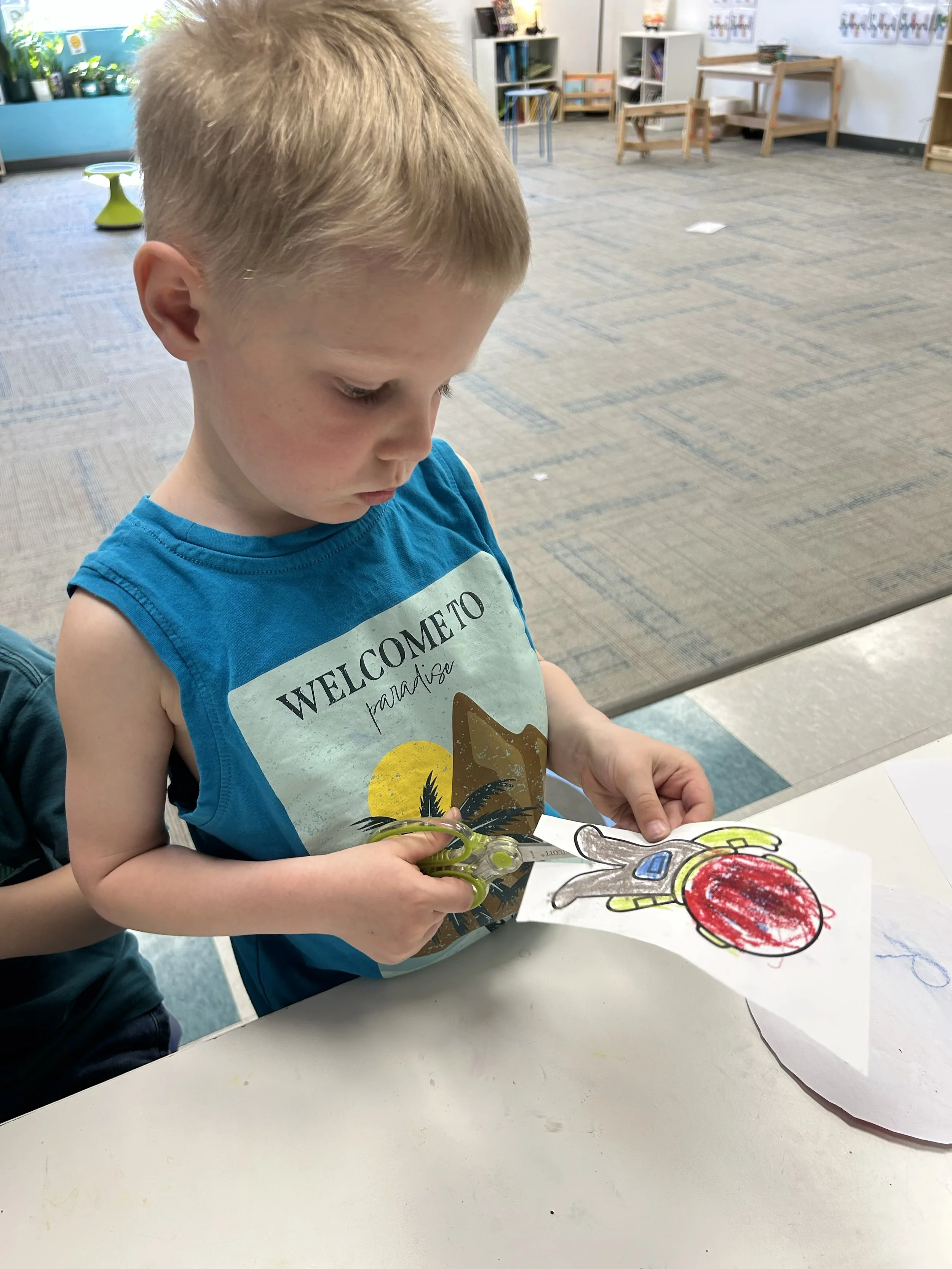
The Sparks combined storytelling, imagination, and creativity to explore the wonders of space. They began by reading Mousetronaut, written by astronaut Mark Kelly. The story shares how Kelly flew with “mice-tronauts” on his first spaceflight aboard the Space Shuttle Endeavour in 2001. In the book, a small mouse dreams of traveling to outer space. Despite being smaller than the others, he works just as hard, proving that determination and perseverance matter more than size. When an unexpected problem arises during the mission, it is the tiny mouse who plays a big role in saving the day. Inspired by this story, the Sparks moved into their own creative mission. Using pastels, they designed vibrant and imaginative versions of the planet Mars. Each learner then added themselves as an astronaut, ready to explore the world they had created. To deepen their creativity, the Sparks used their imaginations to answer questions about their own version of Mars: Who lives on your Mars? How many moons does it have? What is the weather like?
Book Study
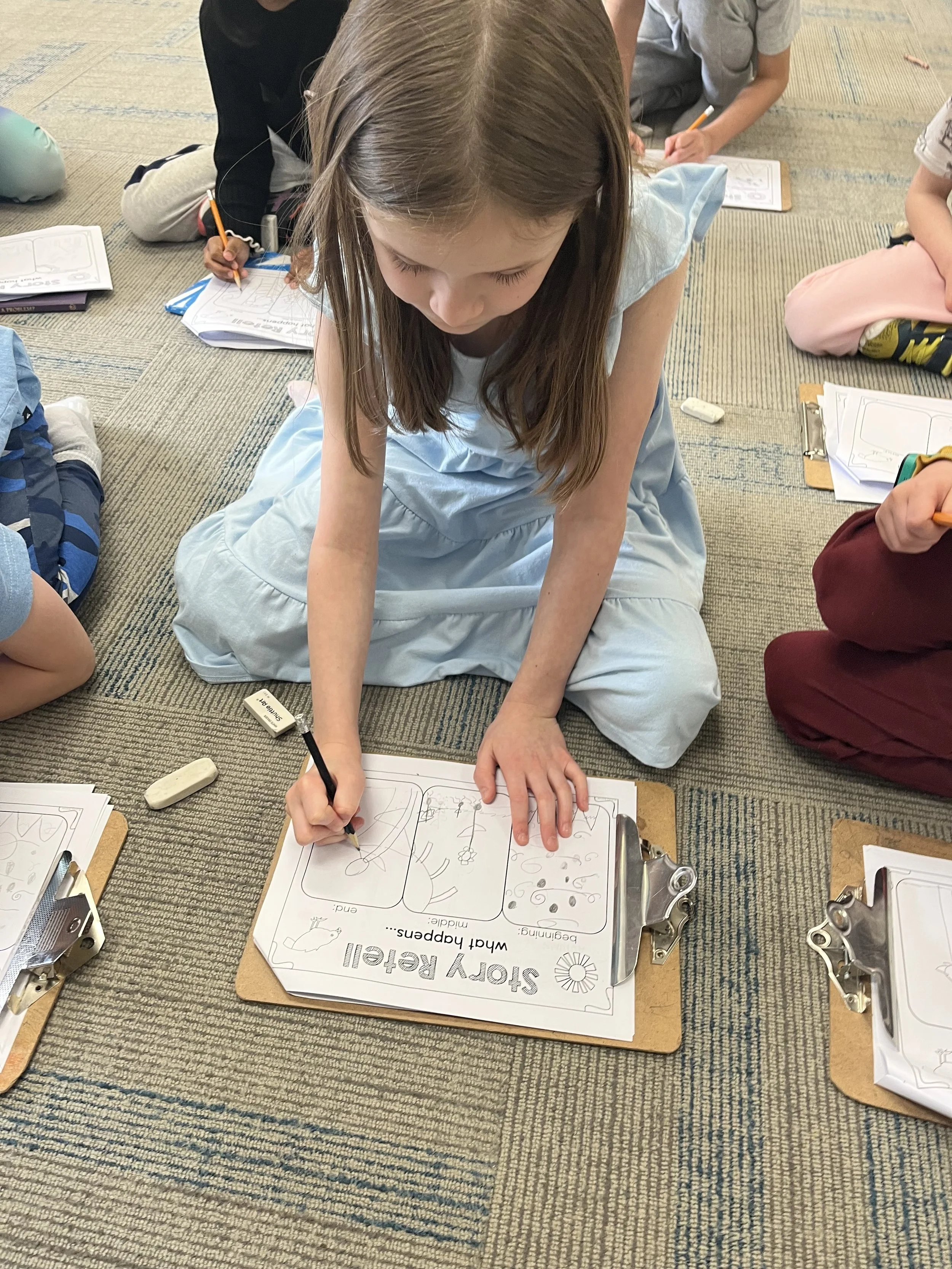
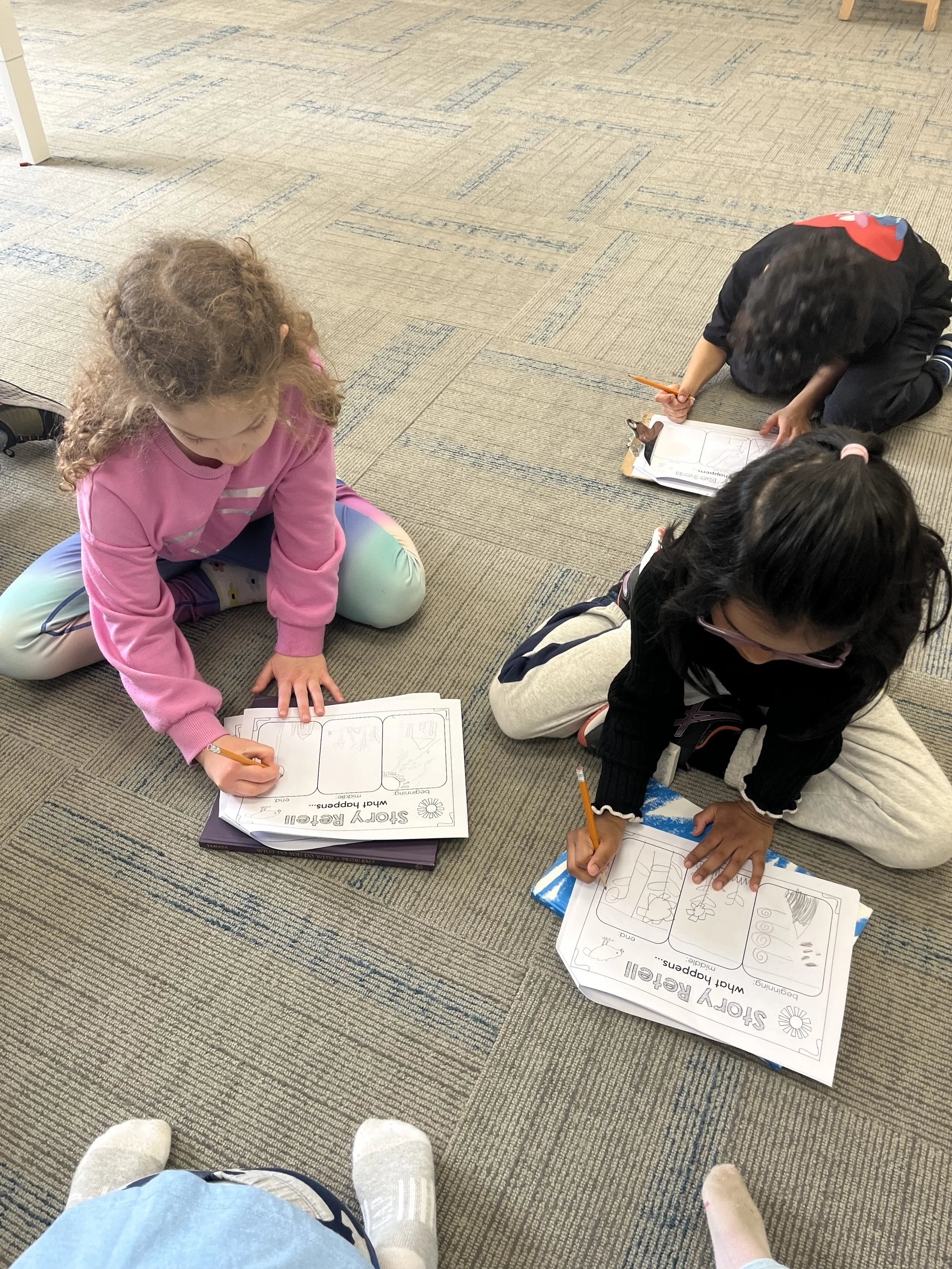
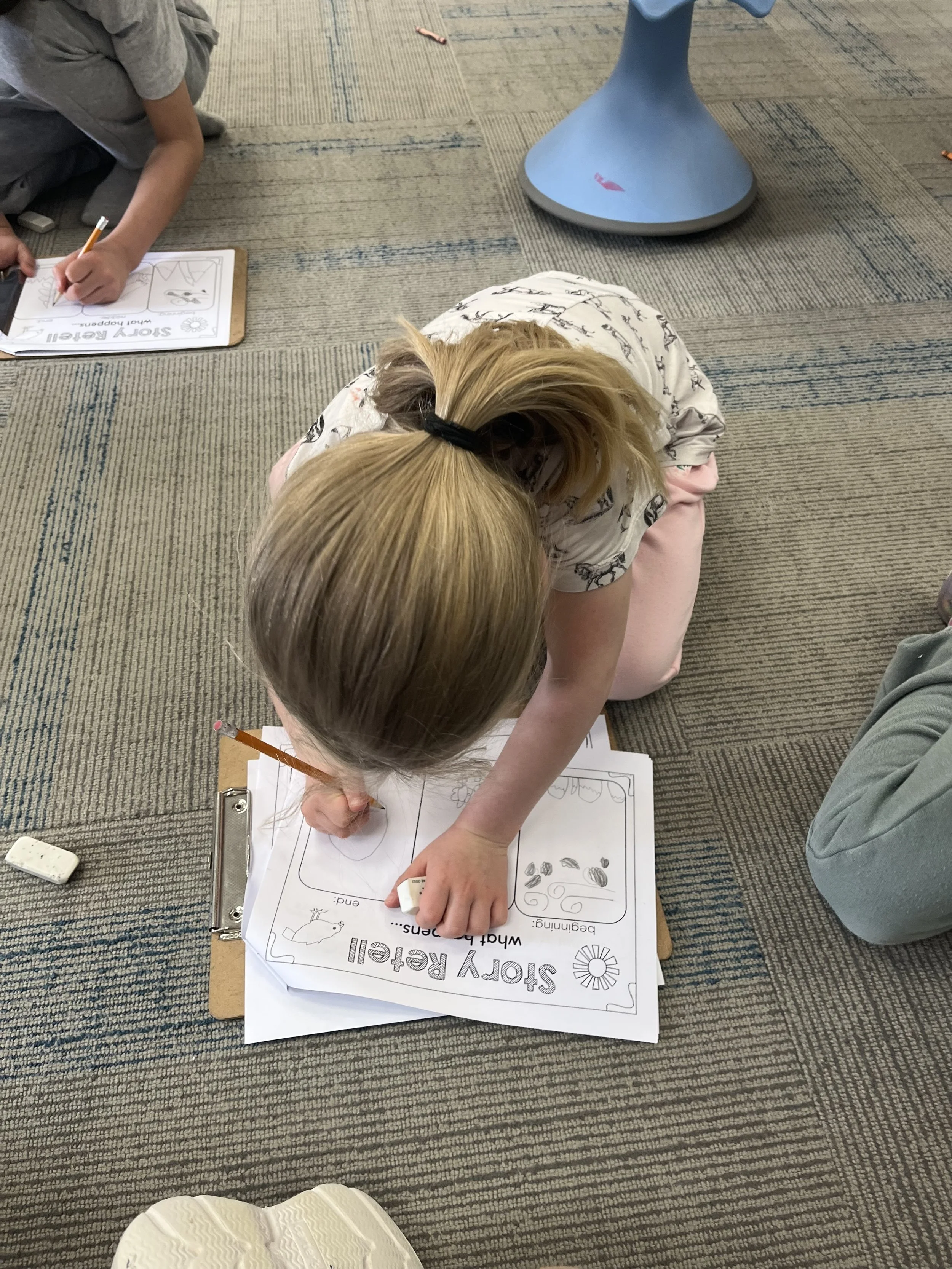
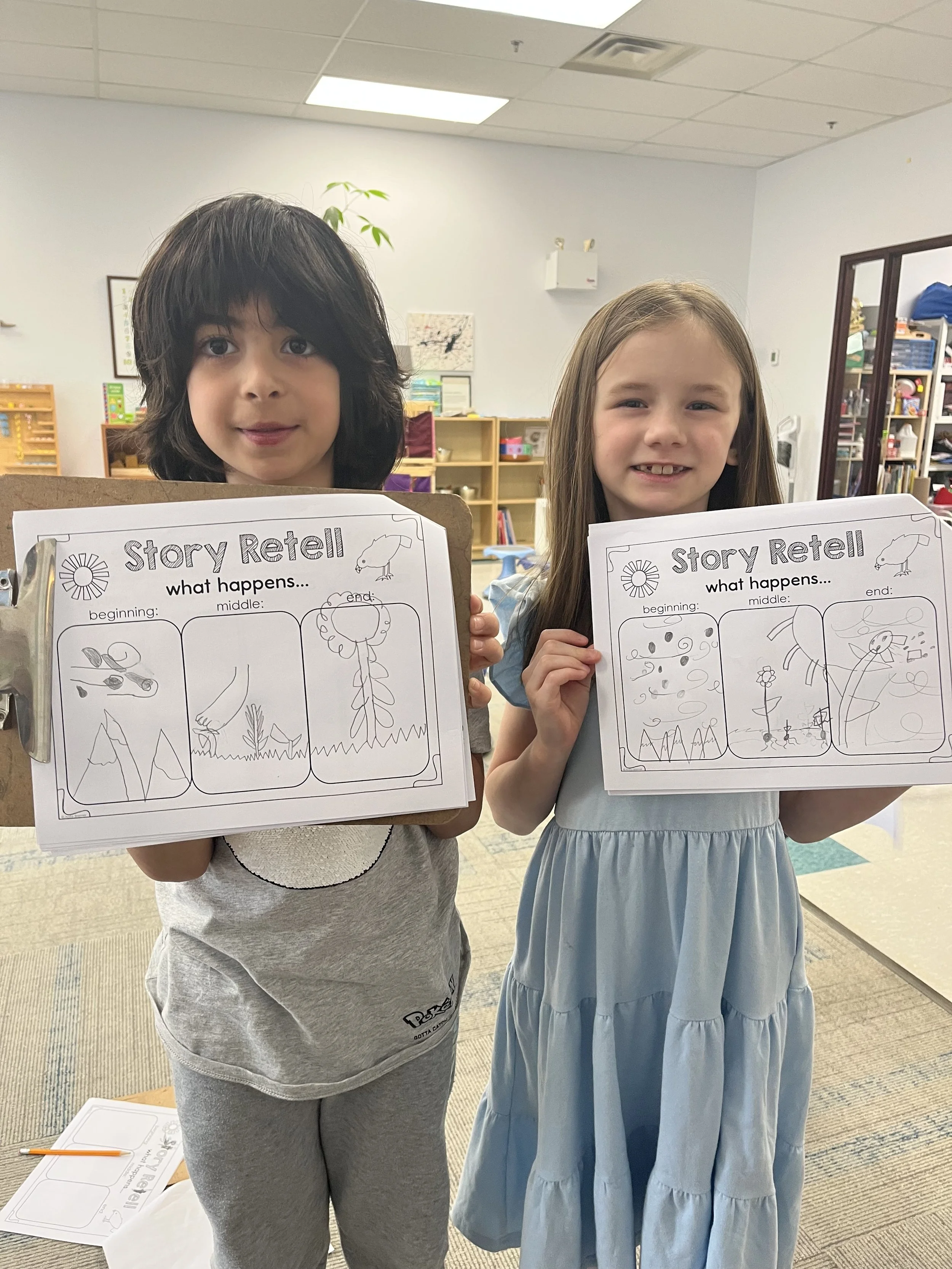
This week, our Sparks explored the story The Tiny Seed by Eric Carle through an animated read-aloud. After watching, we discussed what happened in the beginning, middle, and end of the story, focusing on key details and how the tiny seed’s journey unfolded. The Sparks then completed the next page in their booklets, creating a three-part drawing to represent the story:
Beginning: Seeds blowing in the wind, including the tiny seed drifting over mountains or water
Middle: The tiny seed sprouting into a small plant while the other sprouts around it grew much bigger
End: The tiny seed becoming a giant flower, with new seeds falling from it to show the life cycle beginning again
The learners put so much care into their illustrations. Their drawings were wonderfully detailed, and they did an excellent job remembering and representing the key parts of the story.
Reader Writer Workshop
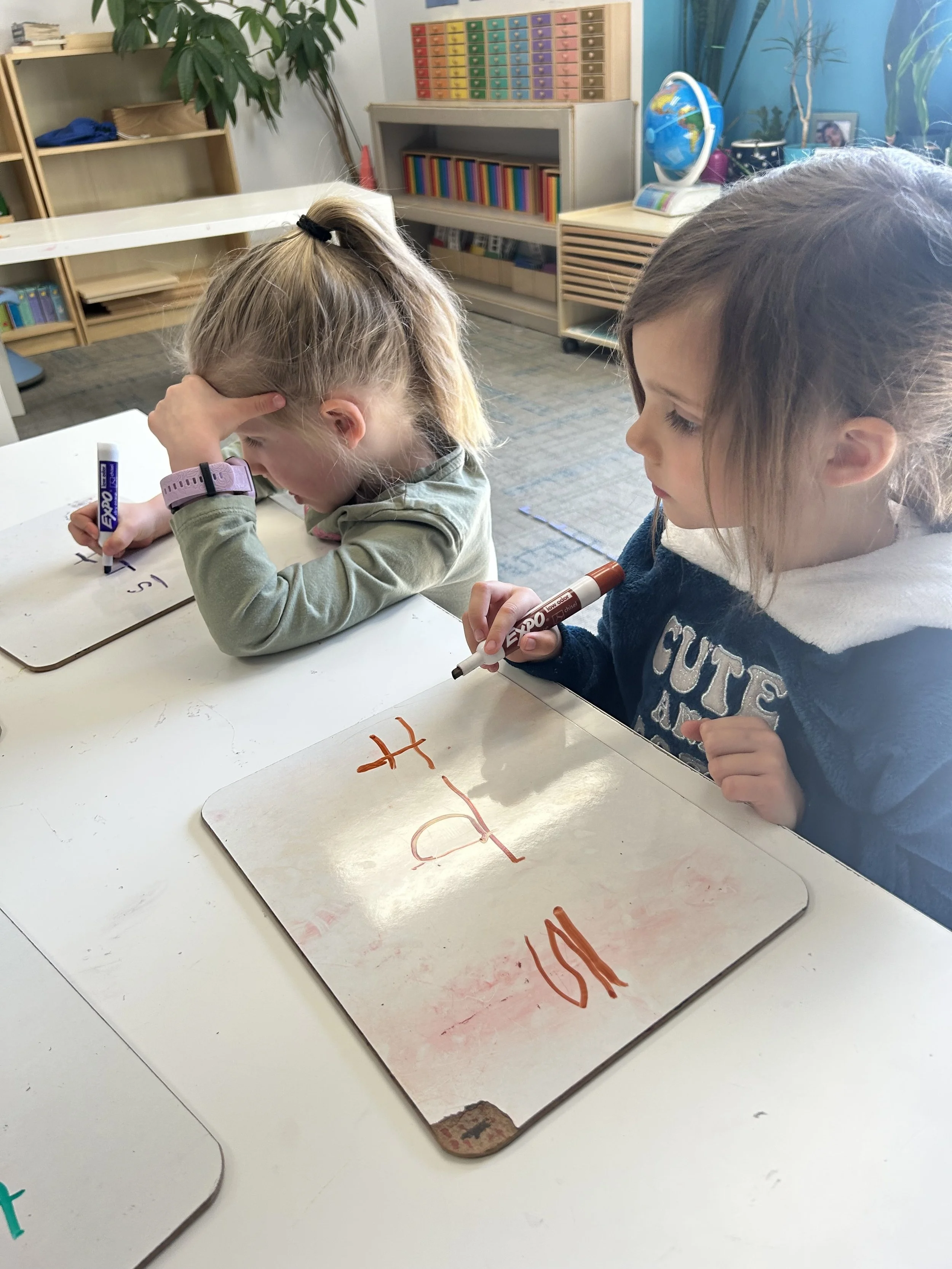
Group One continued working in small groups or independently to complete their UFLI and Explode the Code lessons. They are also progressing through a booklet focused on the letter sound P, practicing both sound identification and spelling CVC words that include it. This group is making wonderful progress in their early literacy skills. We are so proud of how hard they are working and how confidently they are growing as readers and writers.
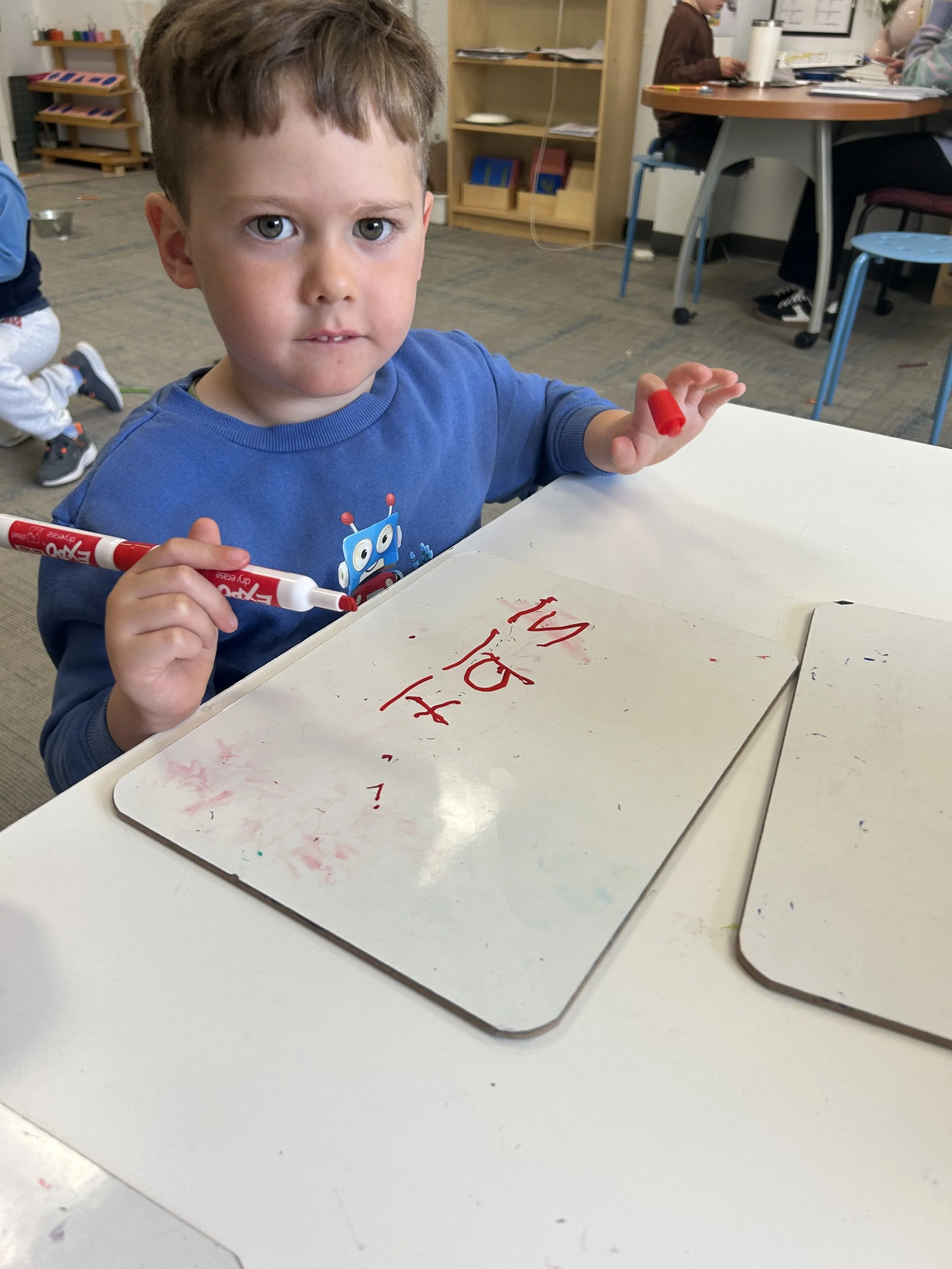
Group Two explored storytelling, imagination, and presentation skills through a fun, space-themed activity. We began by listening to Priscilla and the Pink Planet, a story about a young girl who visits a planet where everything is pink. The story follows her adventure as she discovers what life is like in a world filled with only one colour and how she responds to this unusual environment. After the story, the learners imagined that they had discovered a brand-new planet in our solar system. They created and coloured a picture of what their planet looks like, then answered questions such as: What is the planet’s name? What makes this planet special or interesting? Once their work was complete, each learner had the opportunity to present their planet to the group. This gave them a chance to practice speaking in front of others and sharing their ideas with confidence.
Math Workshops
Group One continued collecting daily weather data. So far, their bar graphs show more rainy days than sunny days, and only one windy day. On Tuesday, they explored the difference between bar graphs and tally charts. They practiced counting by 5s and worked on creating accurate tally marks. As a group, they analyzed a collection of books organized by the colour of their spines on a bookshelf. The Sparks created a tally chart by colour and recorded their data using tally marks. They worked collaboratively to determine which colour appeared most and least frequently.
Group Two continued strengthening their graphing skills. Building on last week’s work, they began by creating a simple data table with the names of the planets. Each learner then surveyed their peers by asking, “What is your favourite planet?” and recorded responses using tally marks. Once all the data was collected, they transformed their tallies into a bar graph. To wrap up, they answered questions about their results, such as identifying the most popular and least popular planets and calculating the total number of votes.
Additional Highlights
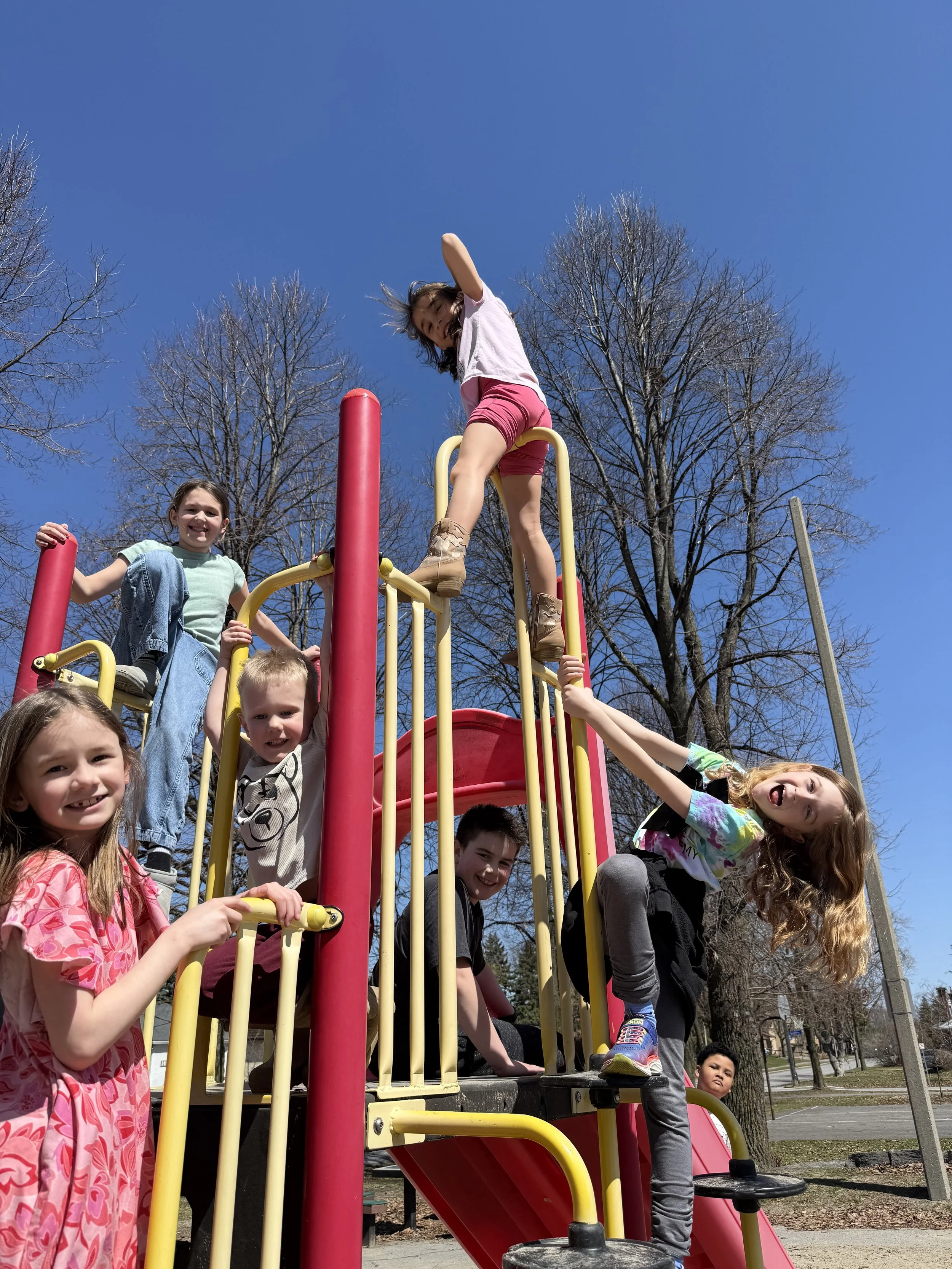
The Sparks enjoyed extra time outside this week with the wonderful weather! They played in the fenced in area playing pretend restaurant, basketball and using chalk. Having extra time in the gym during free exploration was also a hit for some of our learners who got to play with their balls they brought to school. To end fun Friday, they watched the Magic School Bus Goes to Space. This was a reward as all learners crushed their goals this week!
Discovery Studio
Mindfulness and Launch
We began our week with a fun icebreaker game to learn about a new friend visiting us for a few days in the Discovery Studio. Rebels shared their name and their favourite animal and/or their favourite place to shop for clothes. For Launch, we kicked off our week with a quick character call-outs session, followed by a discussion about ways that we can show up for our crew this week. What went well in Week 1? What could we work harder at or improve on to make this week even better?
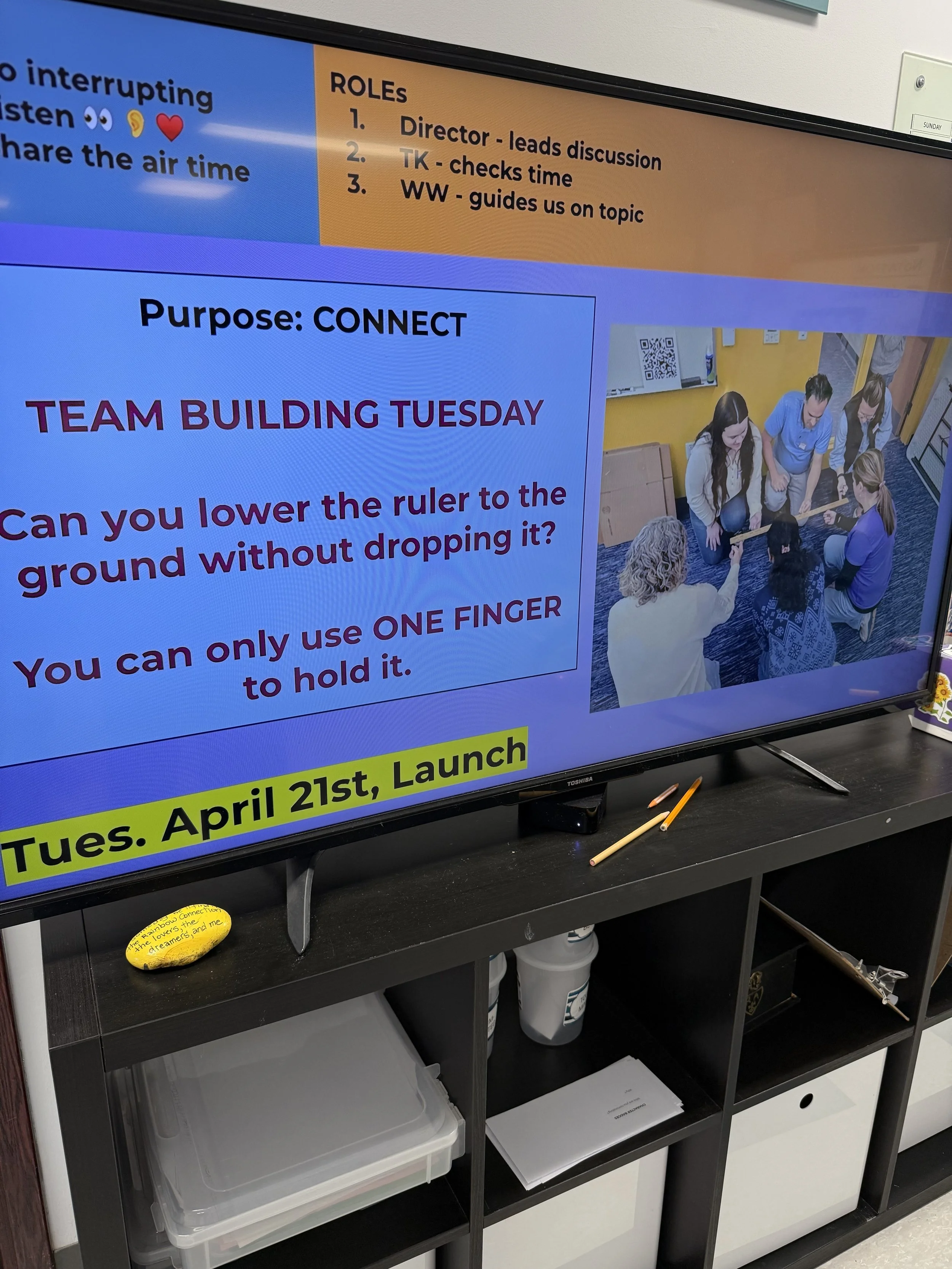
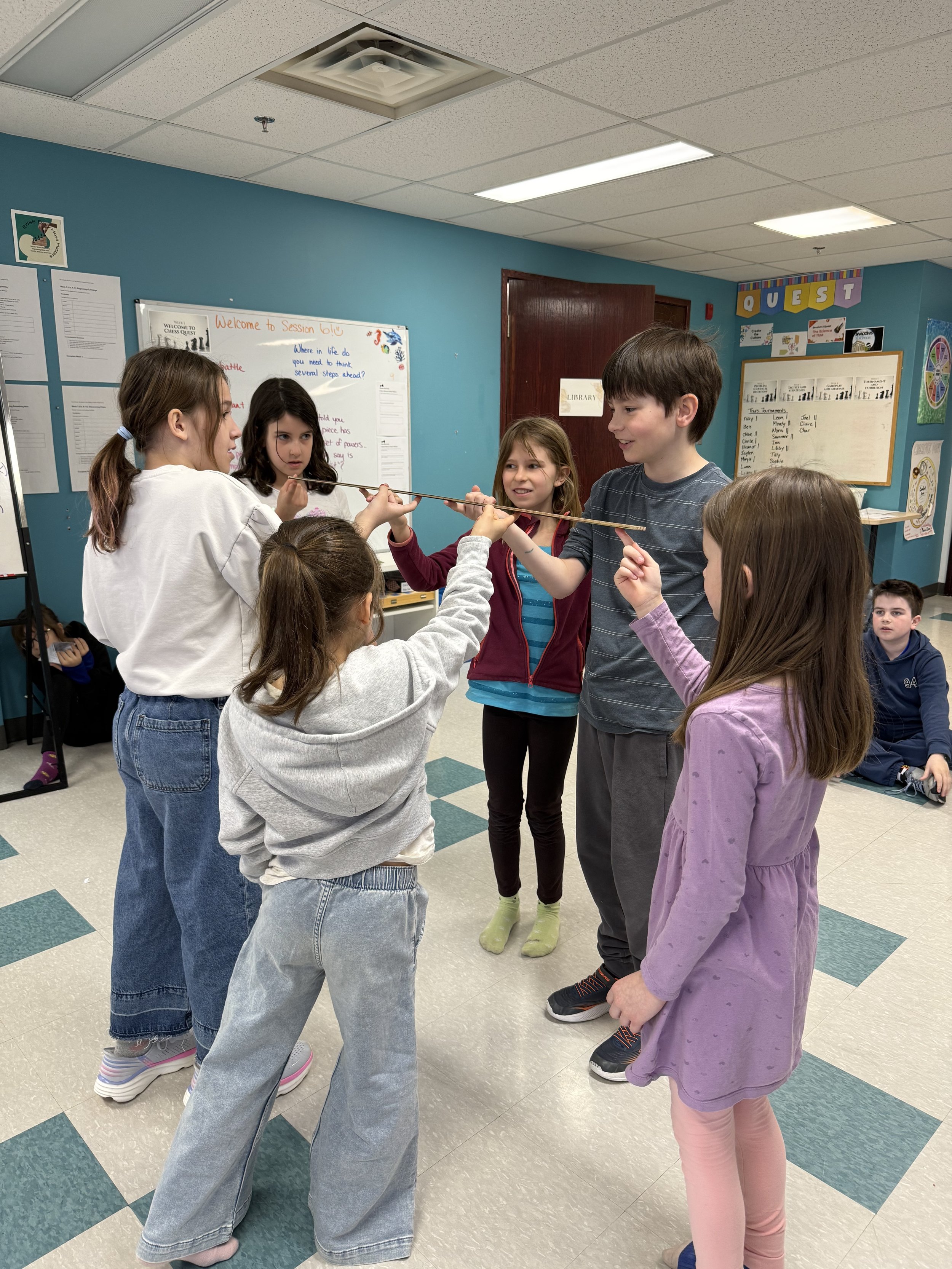
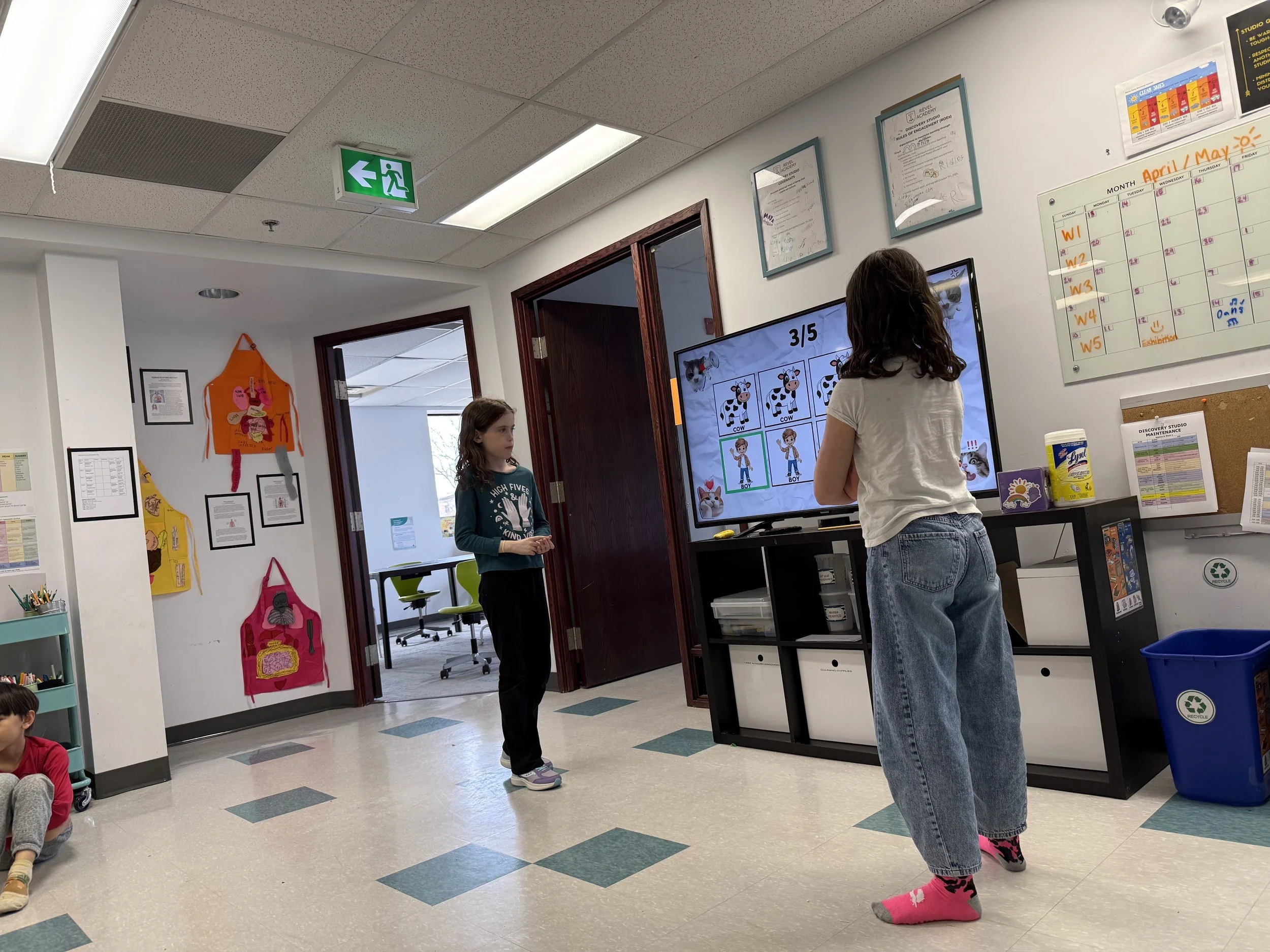
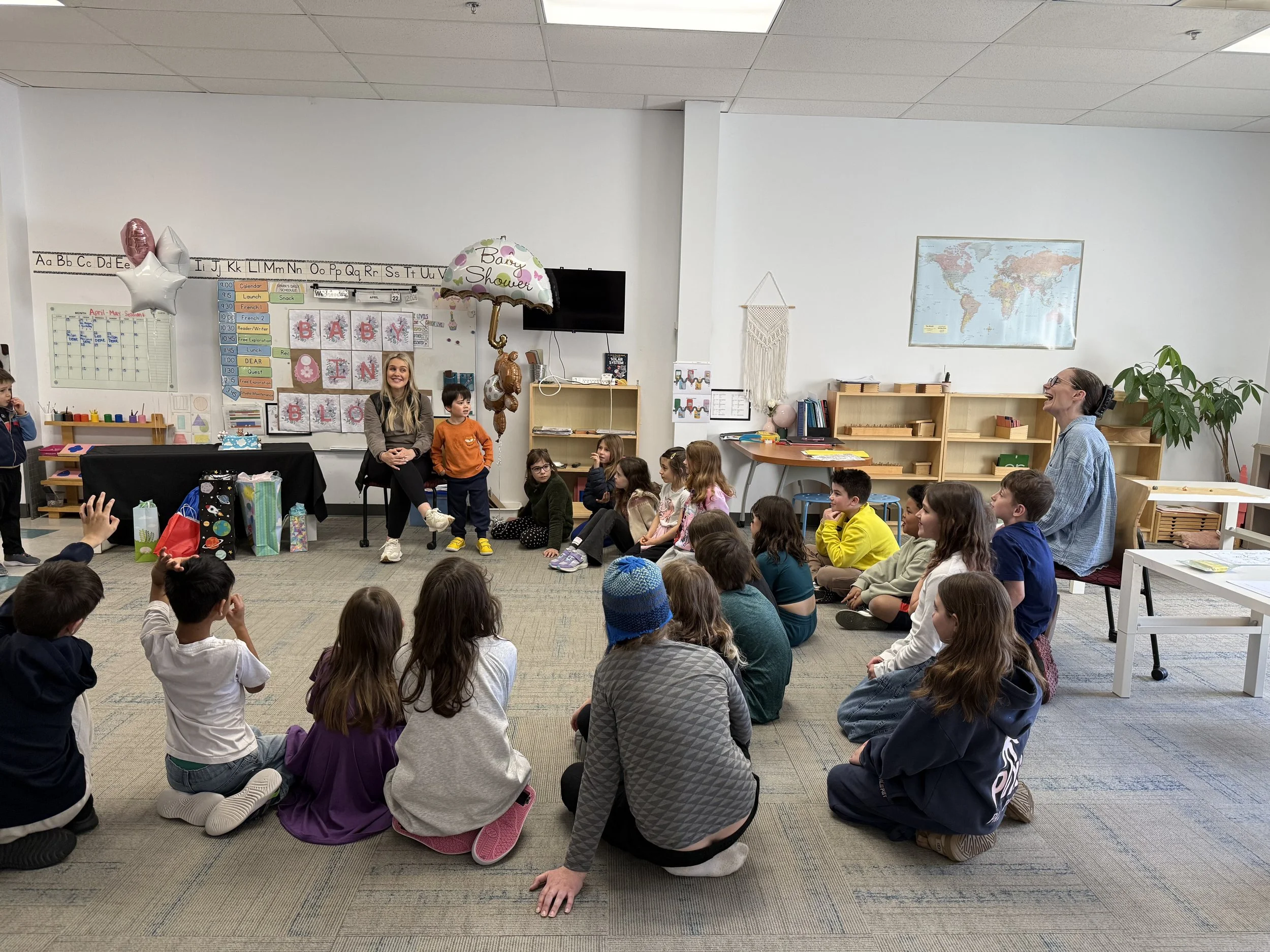
For Teambuilding Tuesday, Rebels attempted to lower a metre stick down to the ground while balancing it on one finger. In teams of six, Rebels exercised their communication and collaboration skills as they tried to bring the ruler to the ground. This was a lot harder than it sounded! On Wednesday, Rebels played a successful round of Wordle and lost in their attempt at this week’s categories game. For Squad Chickens, Rebels checked in with their squads, took time to see where everyone was at so far this week for completed goals, and discussed potential nominees for this week’s GOAT Rebel. Thursday was a very special mindfulness and launch where the Spark and Discovery Rebels came together to surprise one of our Guides with a baby shower! A very special thank you to our Spark families who planned and put together such a special surprise, and for the Spark studio for inviting the Discovery team to be a part of the celebration! Rebels had some wonderful advice for our soon-to-be mom, and decorated some adorable baby onesies! On Friday, our Boomwhackers session got Rebels in the groove before this week’s Current Events update that featured the history and origins of Earth Day, a mini biography about Gaylord Nelson, and a glimpse into the exquisite work that goes into carving handmade chess pieces.
Reader/Writer Workshop
This week in Reader Writer, Rebels joined Tani as he embarked on his first lessons in the game of chess at his new school. Rebels made excellent text-to-self connections to the main character but also to the concept of learning new things for the first time. Rebels participated in our weekly read aloud, listening along to the story and engaging in discussions about the story. Rebels shared Tani’s frustrations as he began working on his chess skills, being able to relate to how complicated it can be to learn each piece and how it moves around the board. Rebels noted some of the habits that Tani incorporated into his chess play and day-to-day to improve, such as reading about famous chess players and studying chess puzzles (like our chess lessons on Chesskid.com and studying our mentor texts around the studio). Rebels split off into Draw/Anchor and Aim/Release groups to complete their weekly novel study assignments and wrap up any unfinished questions from Week 1.
Math Lab
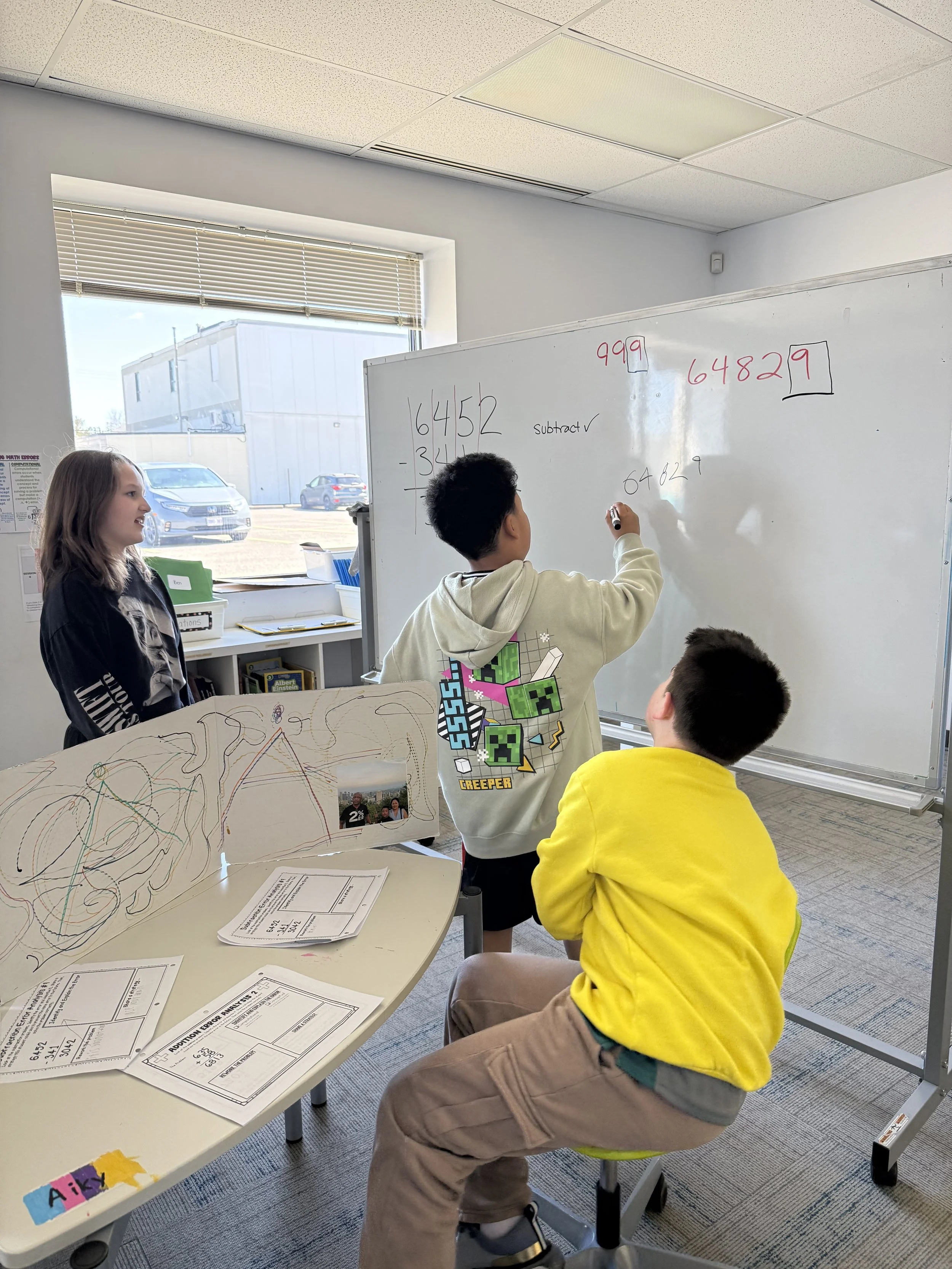
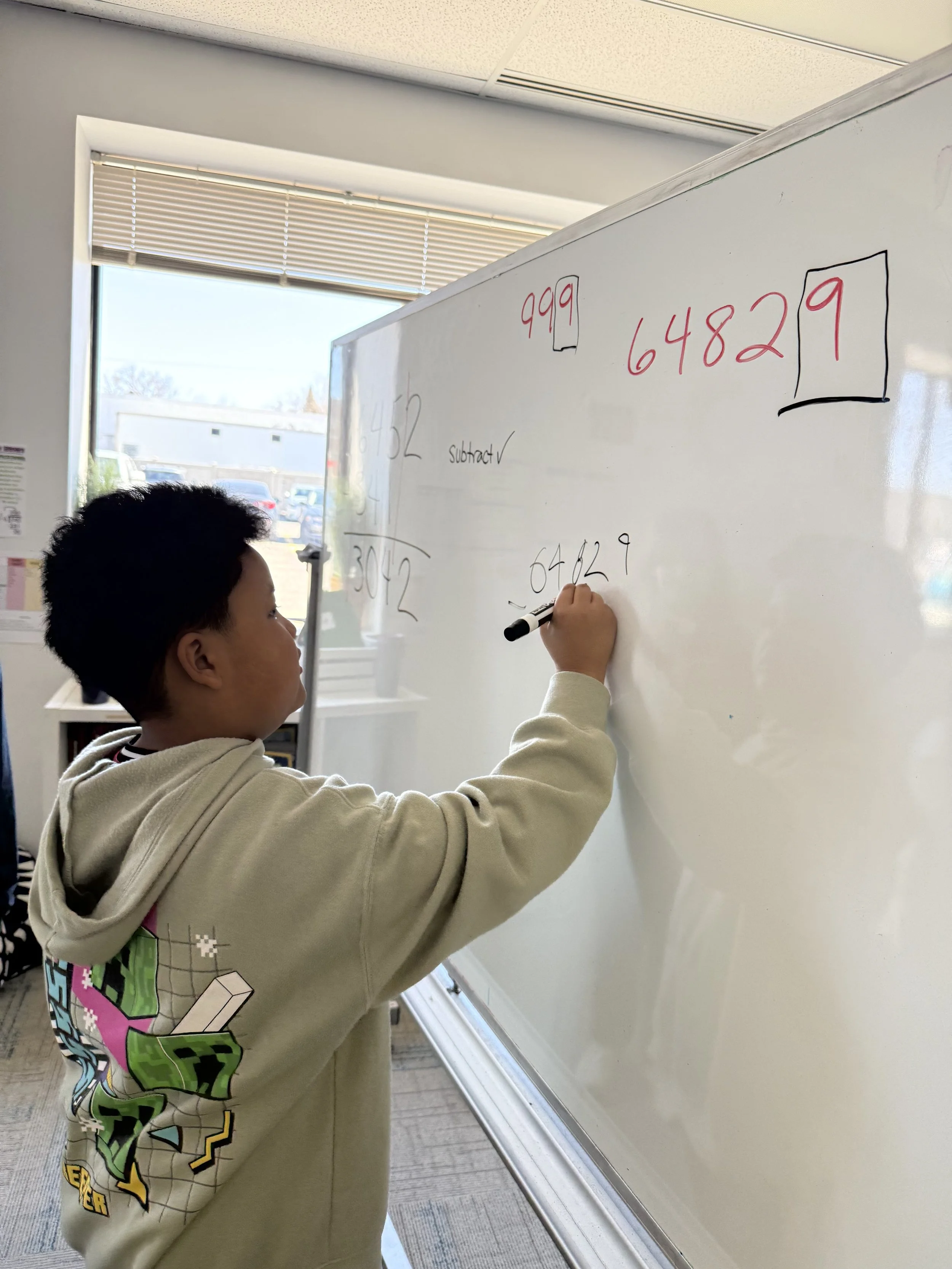
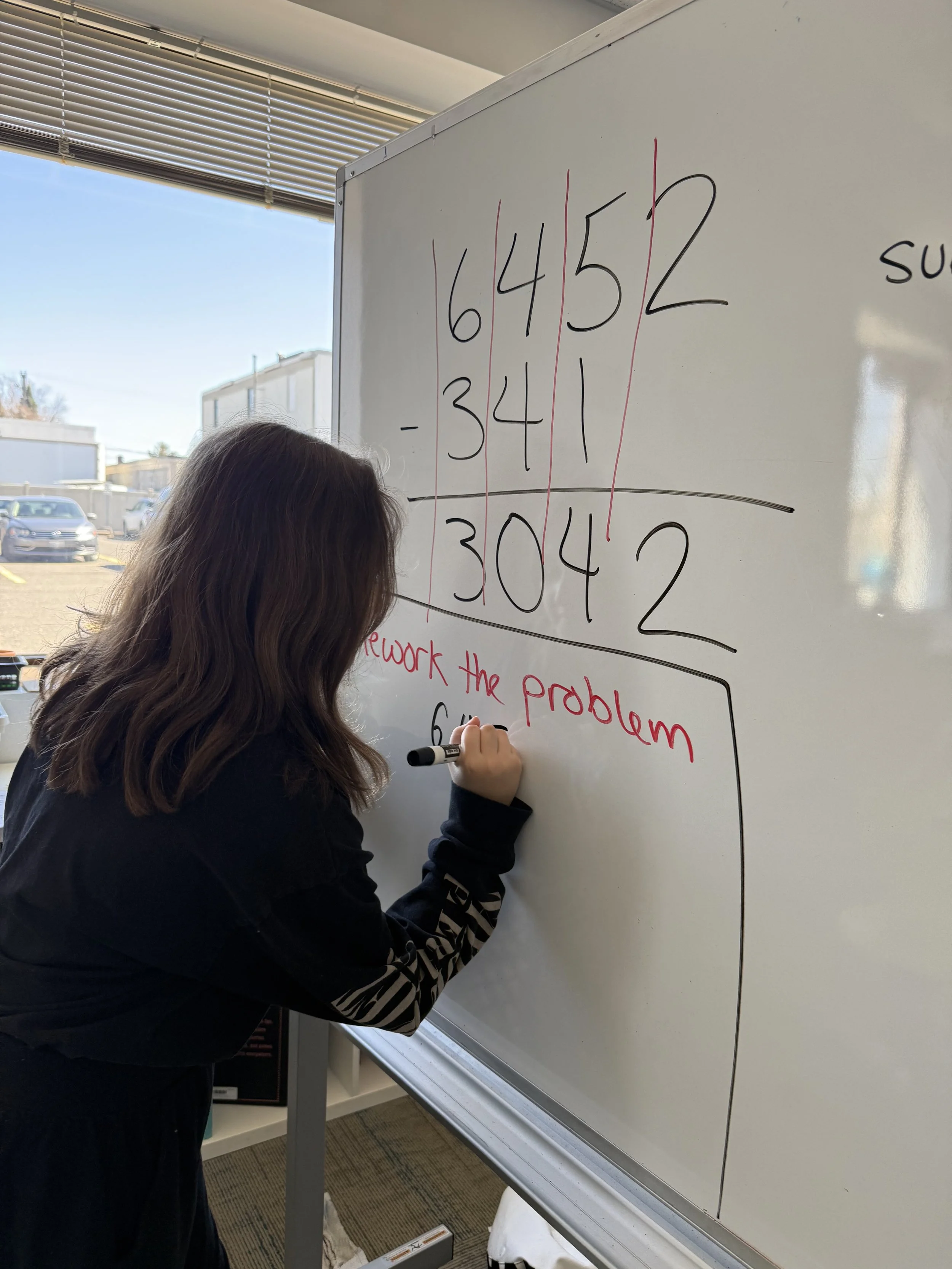
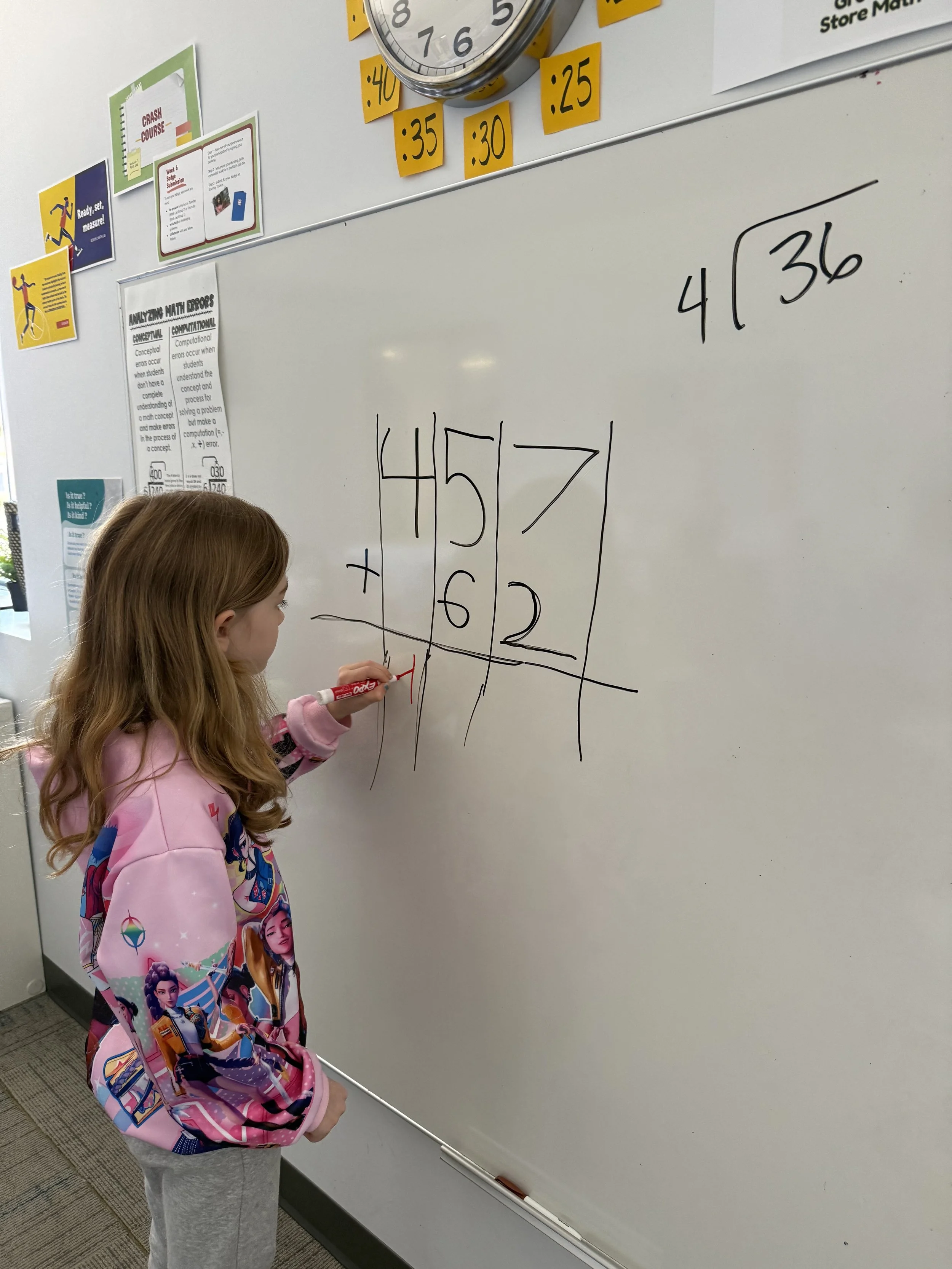
This week in Math Lab, Rebels jumped back into our error analysis packages, with Aim and Release Rebels working independently or in teams to complete their multiplication/division packets. Aim and Release Rebels were stumped by a double digit long division error. In teams, they utilized their Khan videos to review the steps and those who successfully completed the challenge by identifying the error did an excellent job coaching and supporting their teammates so they could complete the challenge, too! Draw and Anchor Rebels attempted several addition and subtraction challenges independently before working through them together as a team. Rebels discovered both computational and conceptual errors in a variety of multi-digit subtraction problems, from place value errors to regrouping mistakes, and took turns demonstrating where and how they thought the error was made. Rebels did an excellent job this week demonstrating their own problem solving skills, but also explaining why and how the error was made to their teammates! Great work, Rebels! Up next week, Rebels will be tasked with being Error Detectives as they attempt to solve a new series of challenges.
Civilizations
To start Civilization this week, the Rebels completed their mapping. They had to find the Ganges and Indus Rivers, cover the northern part of India and find the Arabian Sea, the Indian Ocean and the Bay of Bengal. Afterwards, they reviewed their buzz words, Chandragupta Maurya, Asoka, Kalinga war, Buddhism and Mauryan Empire. We read Chapter 31, The Mauryan Empire of India. It was focused on Emperor Ashoka who was known for his transformation after the Kalinga War. He adopted and promoted Buddhism and encouraged peace, nonviolence, and moral living. To end the lesson they completed a narration exercise of The Jataka Tales while listening to its story.
Quest
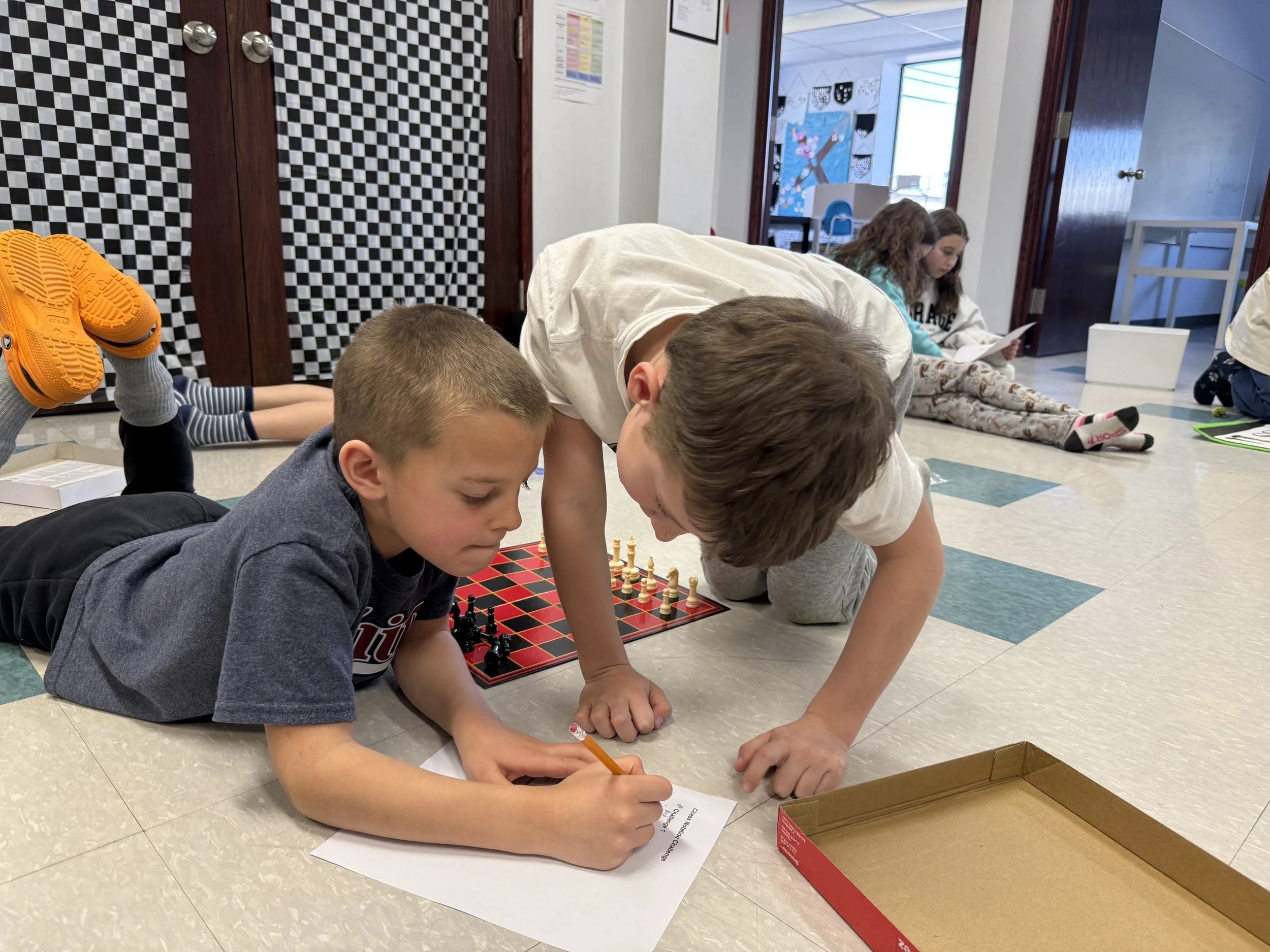
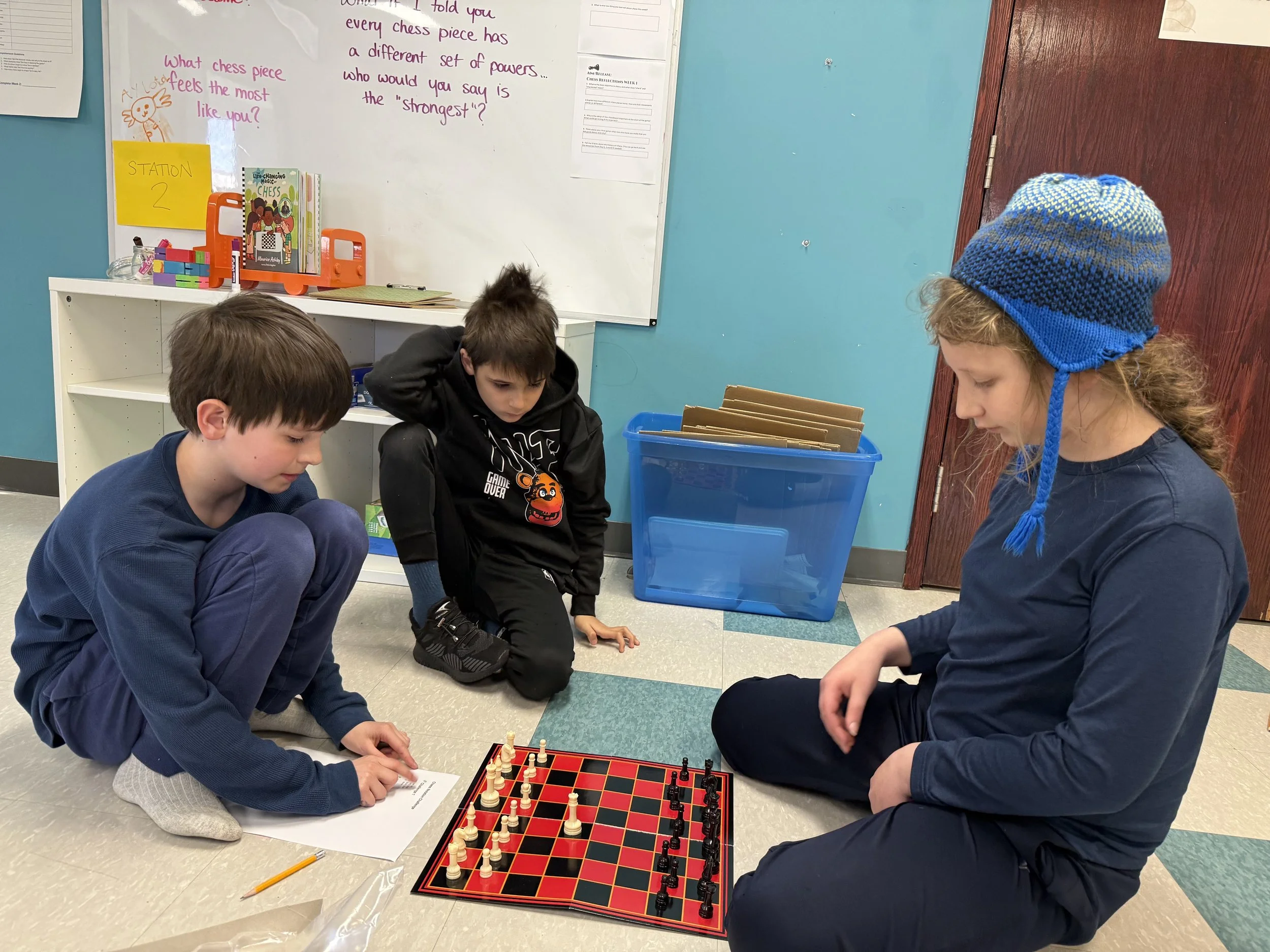
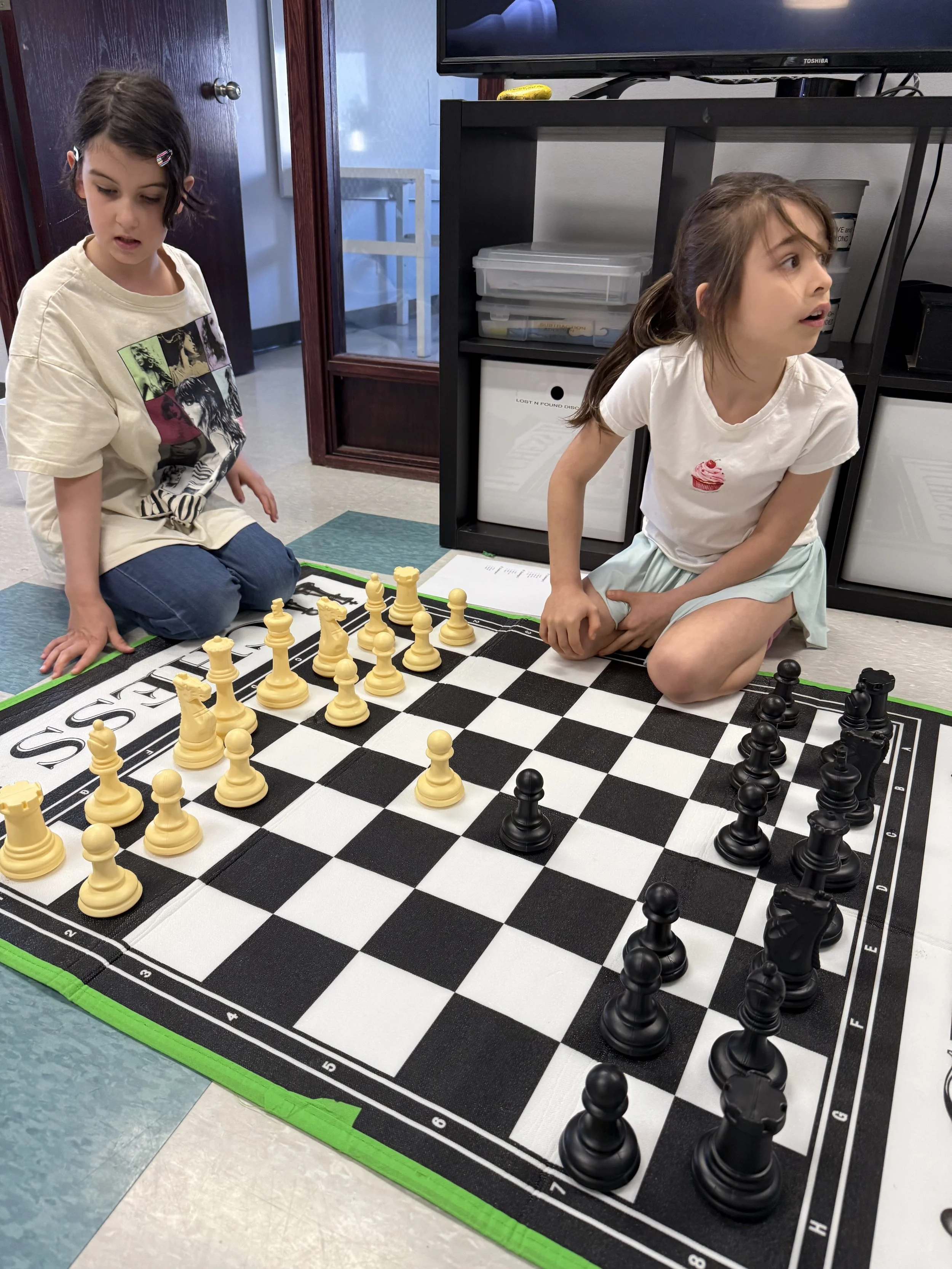
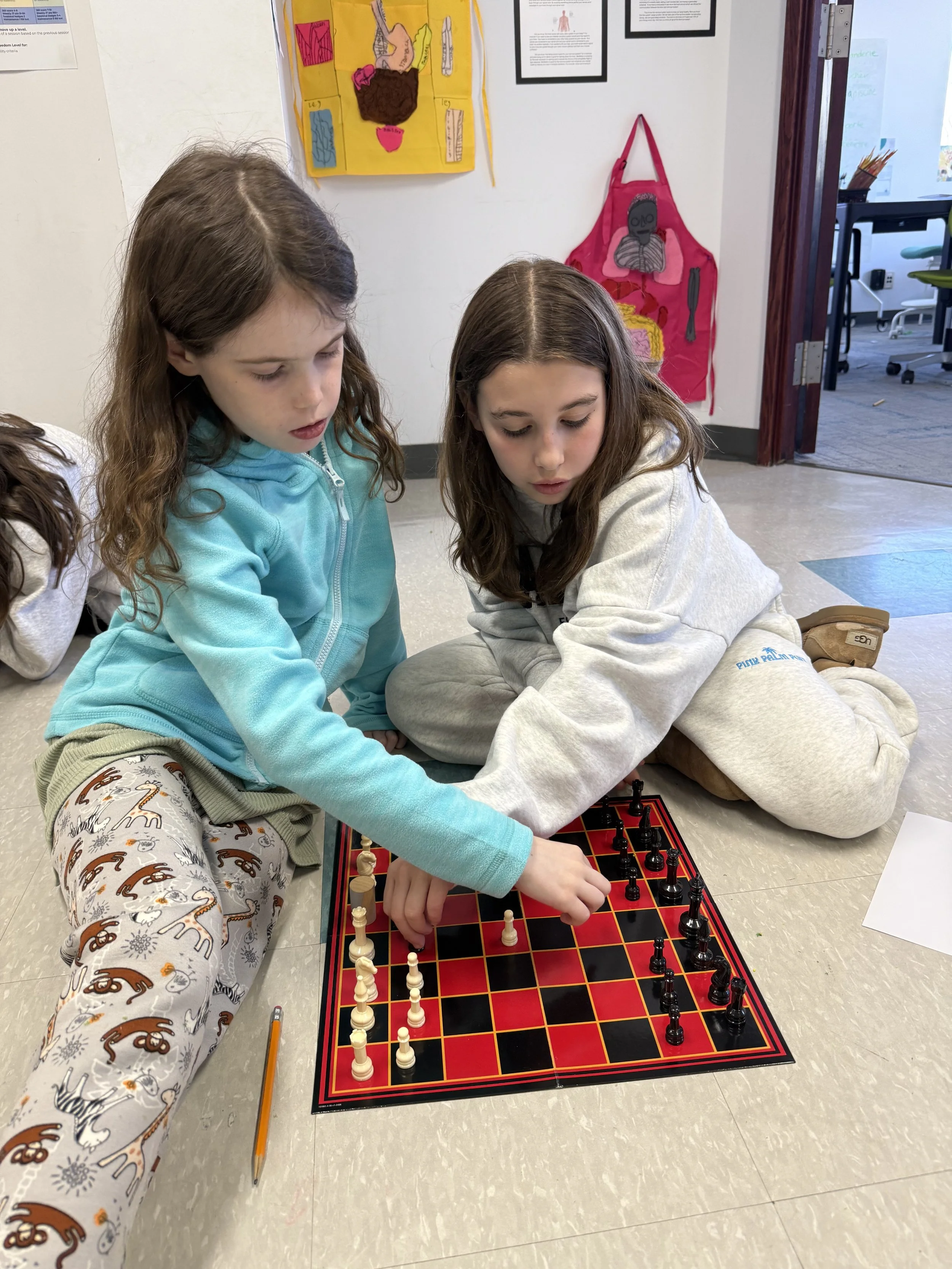
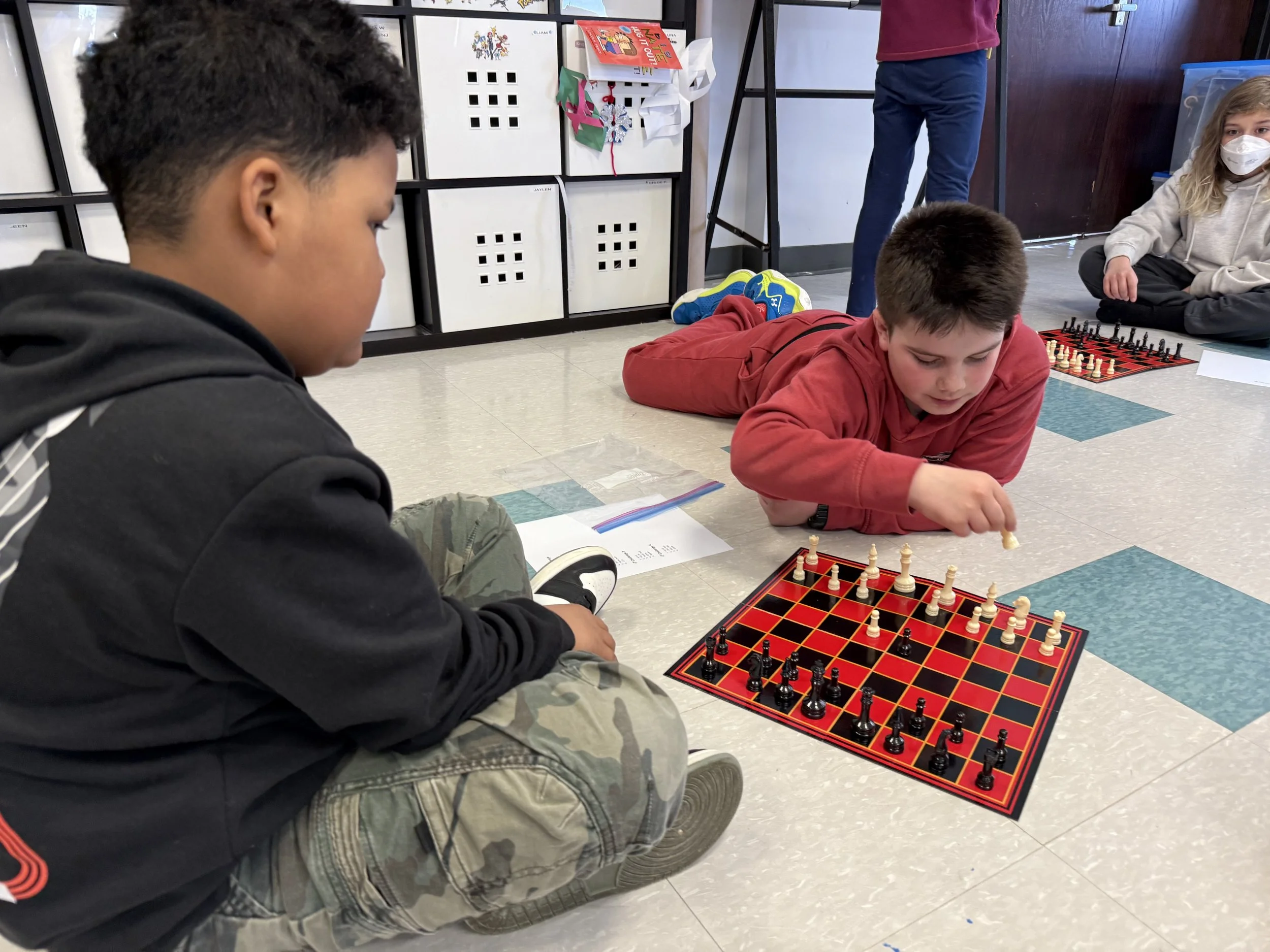
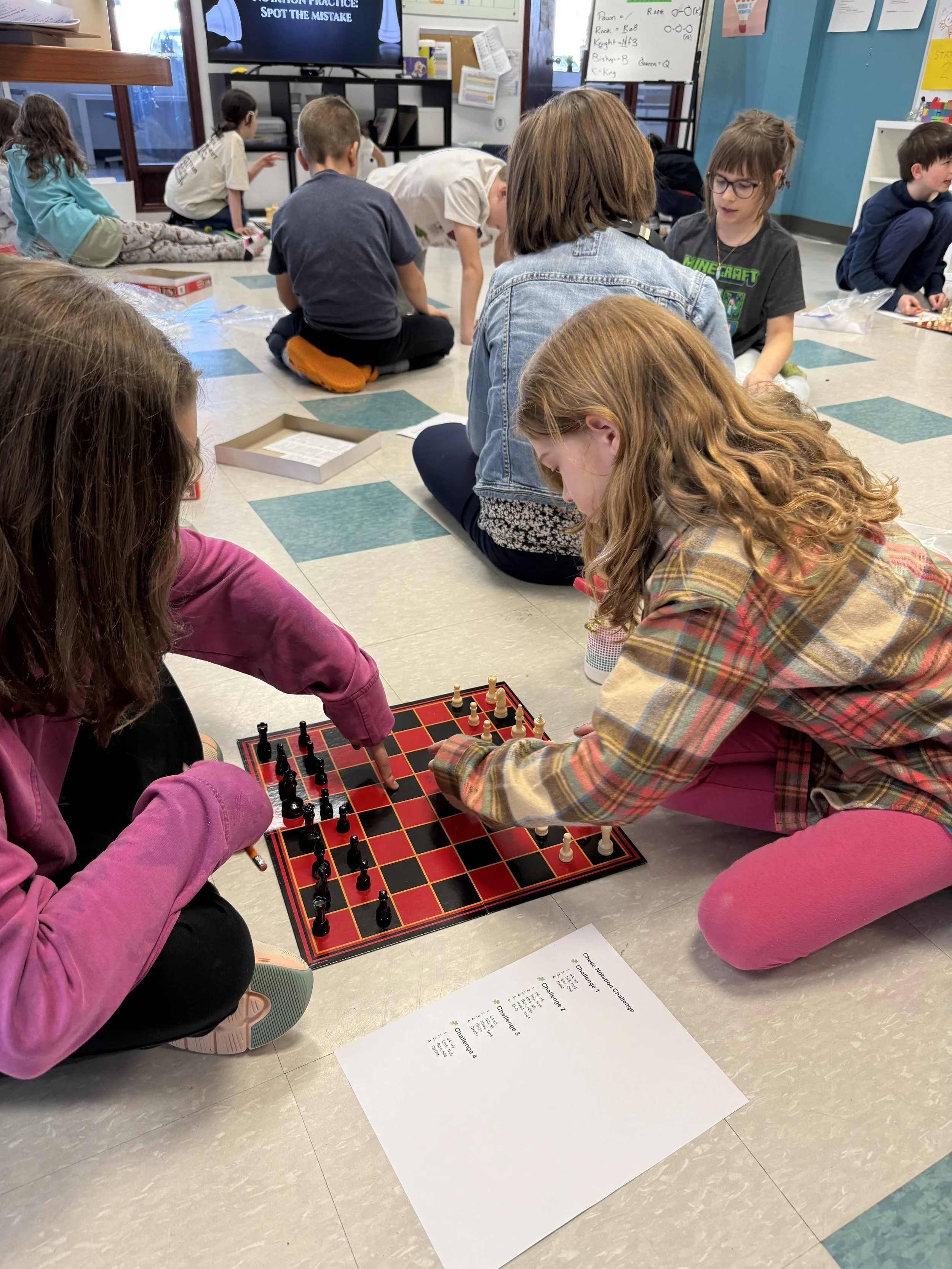
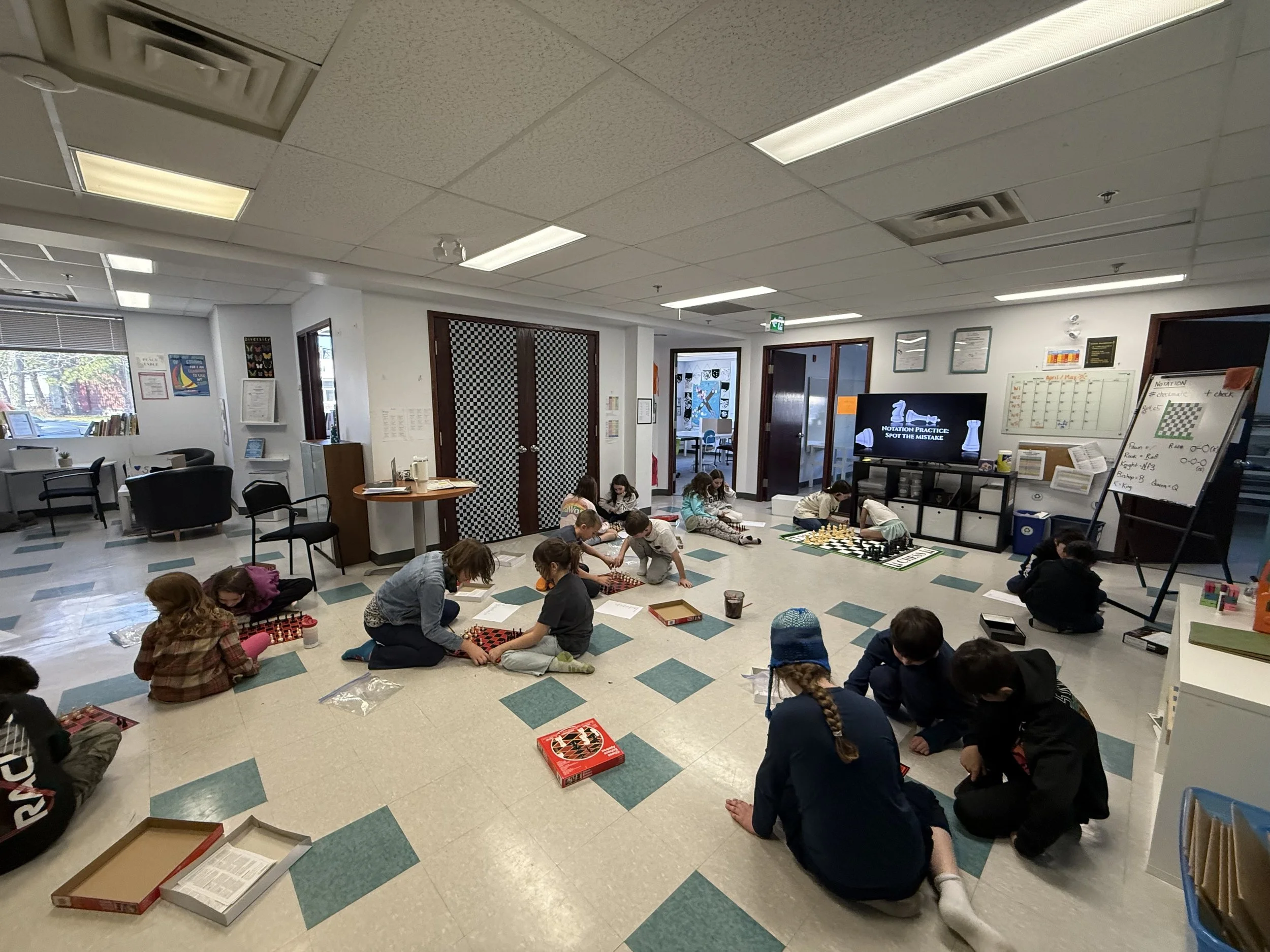
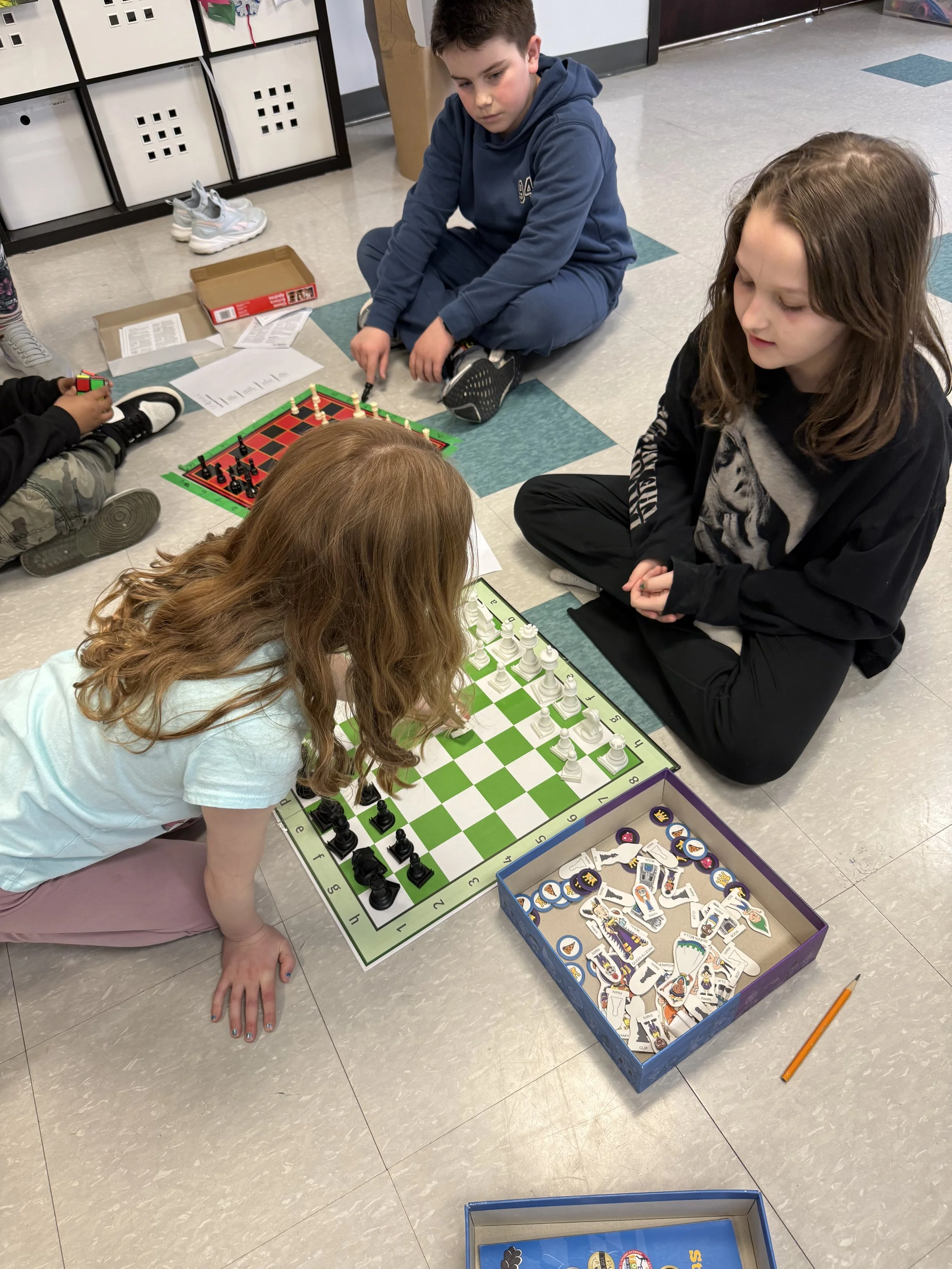
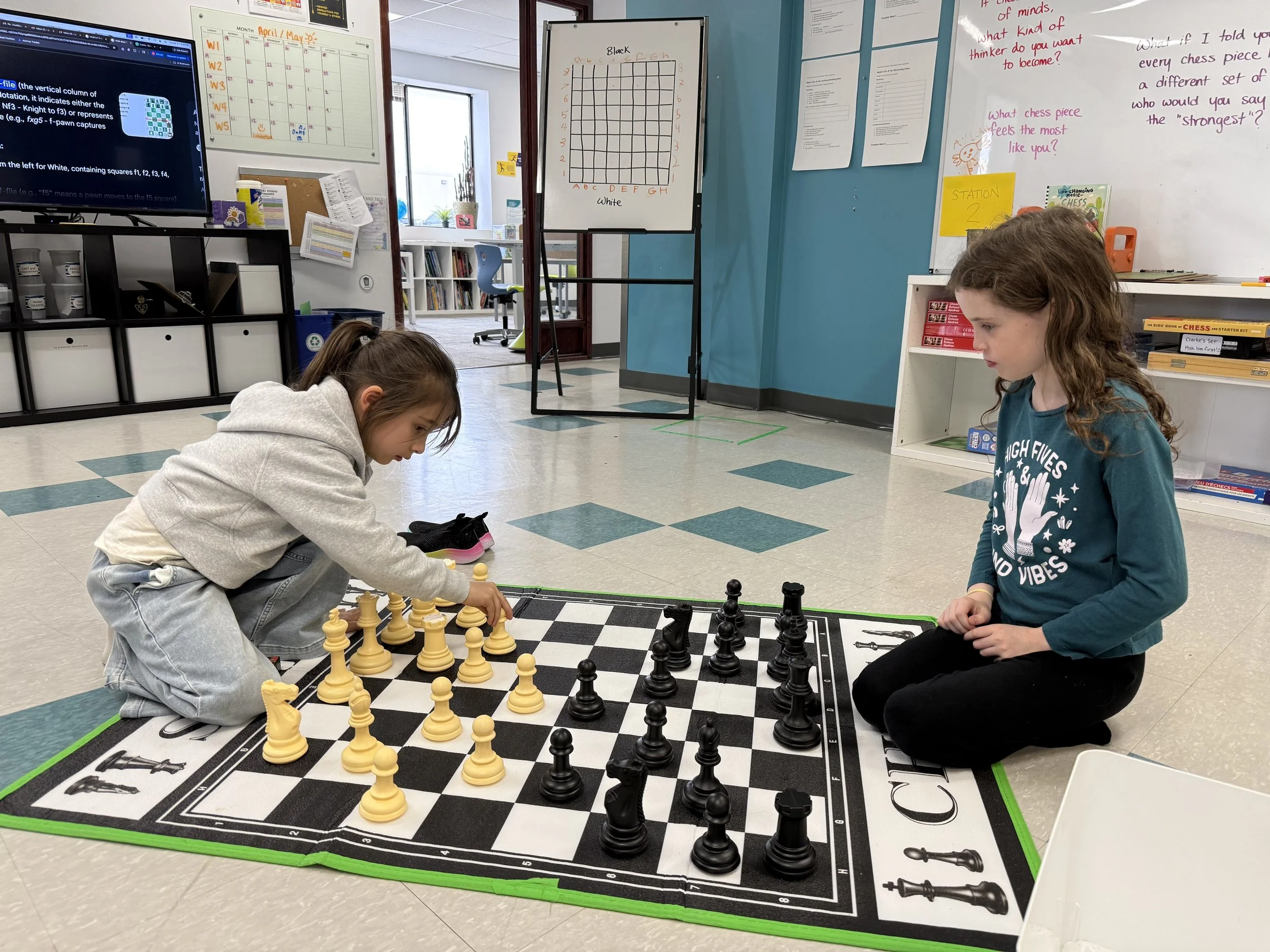
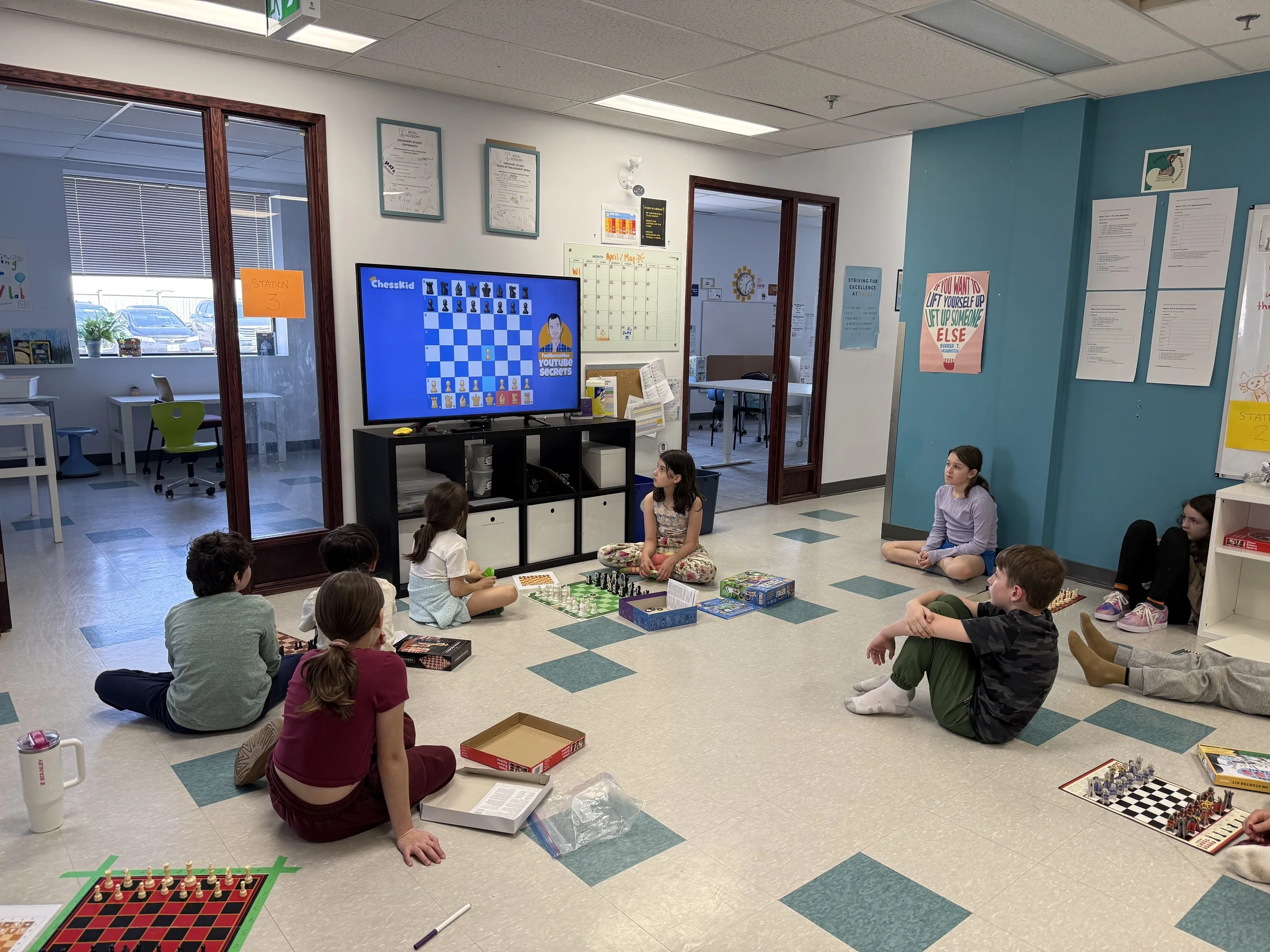
Week 2 of the Chess Quest saw Discovery Rebels learning all about notation, with a skill focus on castling and openings. On Monday, Rebels were introduced (or reviewed, for our more advanced players) the concept of castling in chess. Rebels learned about how/when a player can/should castle, and five rules that would prevent them from castling altogether (if there is not an open space between the Rook and King, or if the King and/or chosen Rook has already moved, etc.). After our castling launch, Rebels moved into a lesson on notation. We reviewed the letter and number grid of the chess board, which letters represented each piece, and what symbols represented different actions in the game (x = capture, + = check, # = checkmate). Rebels practiced calling out notations for different chess moves, and we wrapped up Monday’s workshop with a “Spot the Mistake” partner challenge, where Rebels reviewed and played out different notated games in an attempt to figure out which move was a mistake, illegal or led to checkmate.
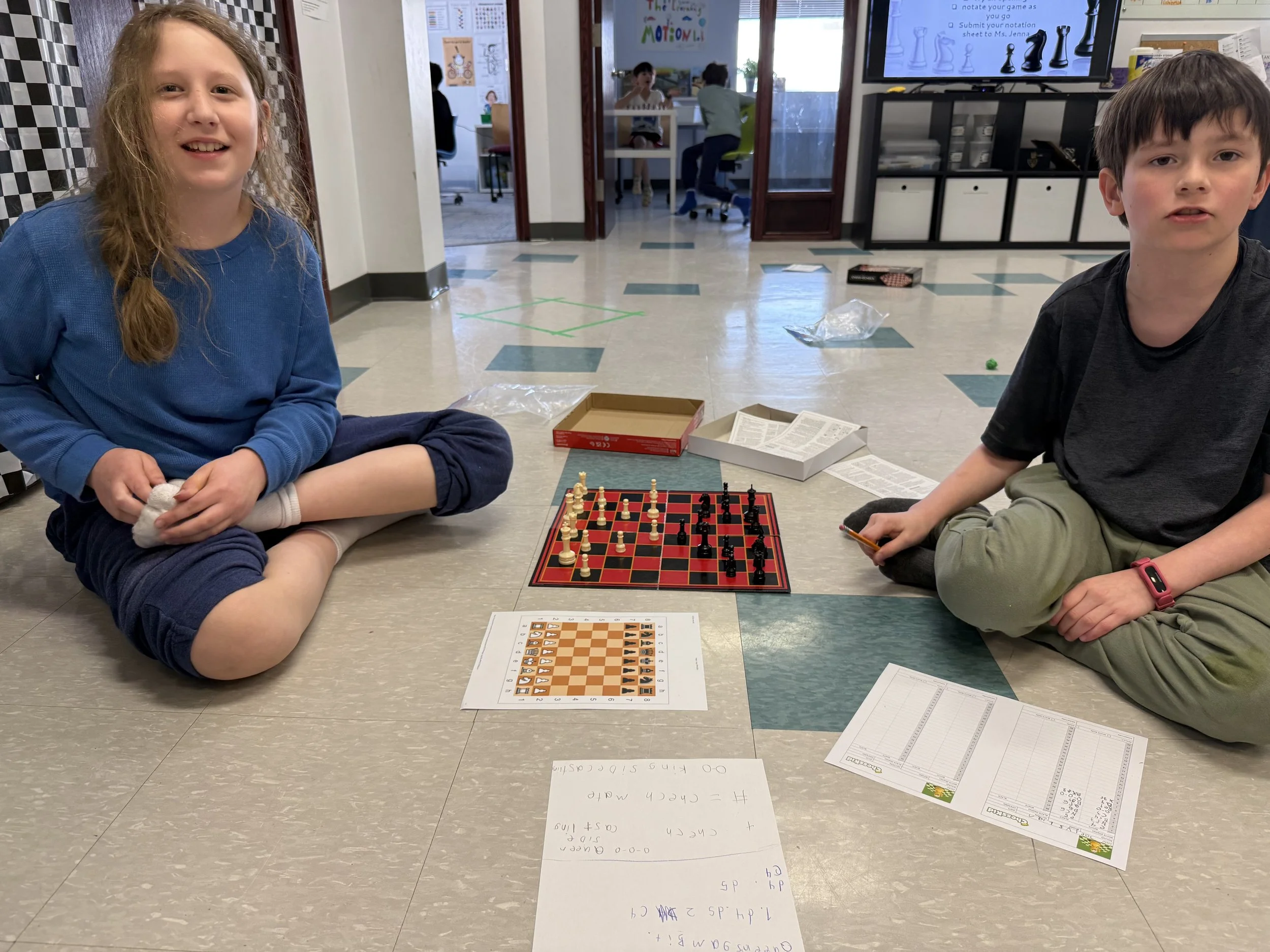
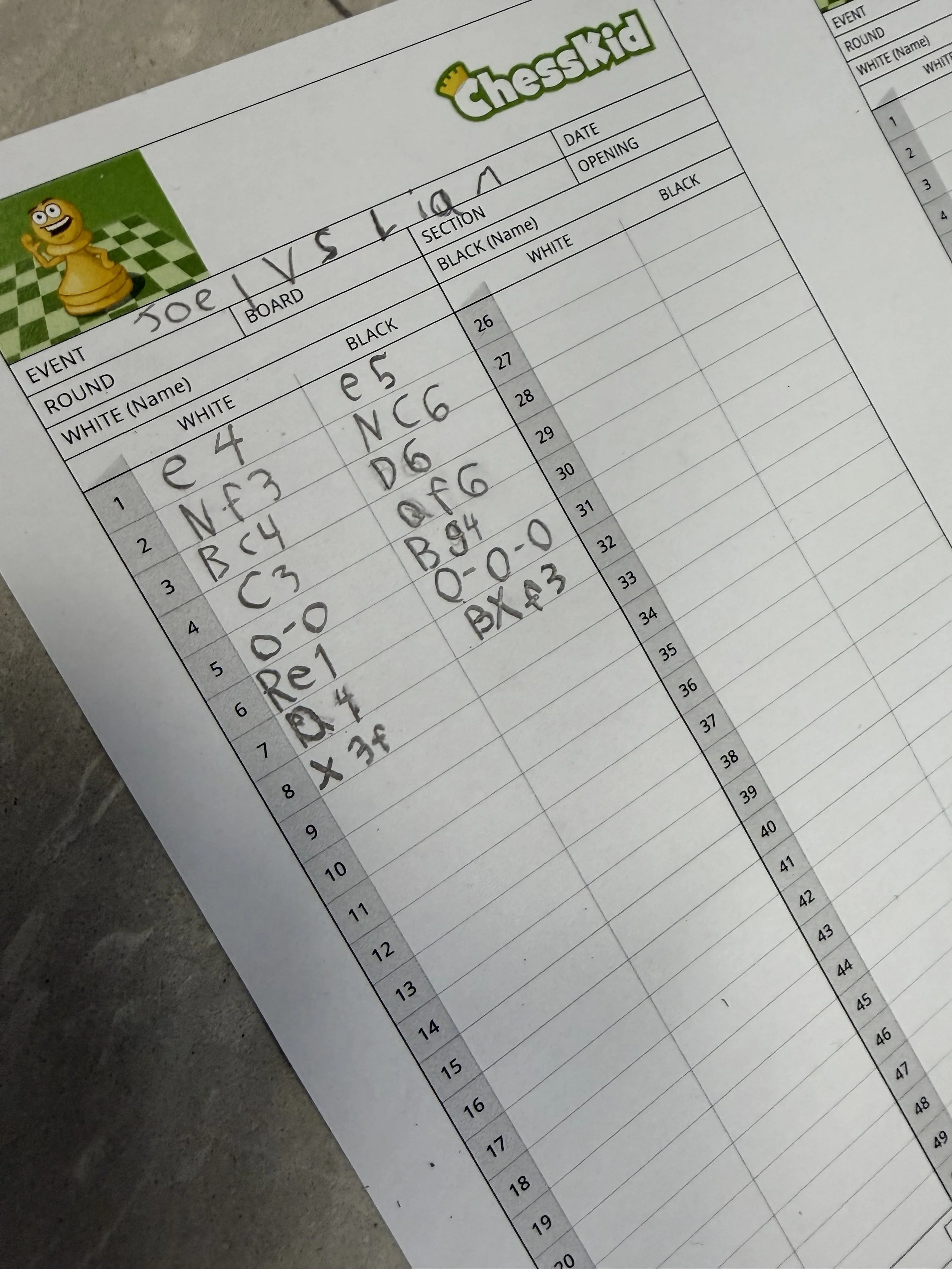
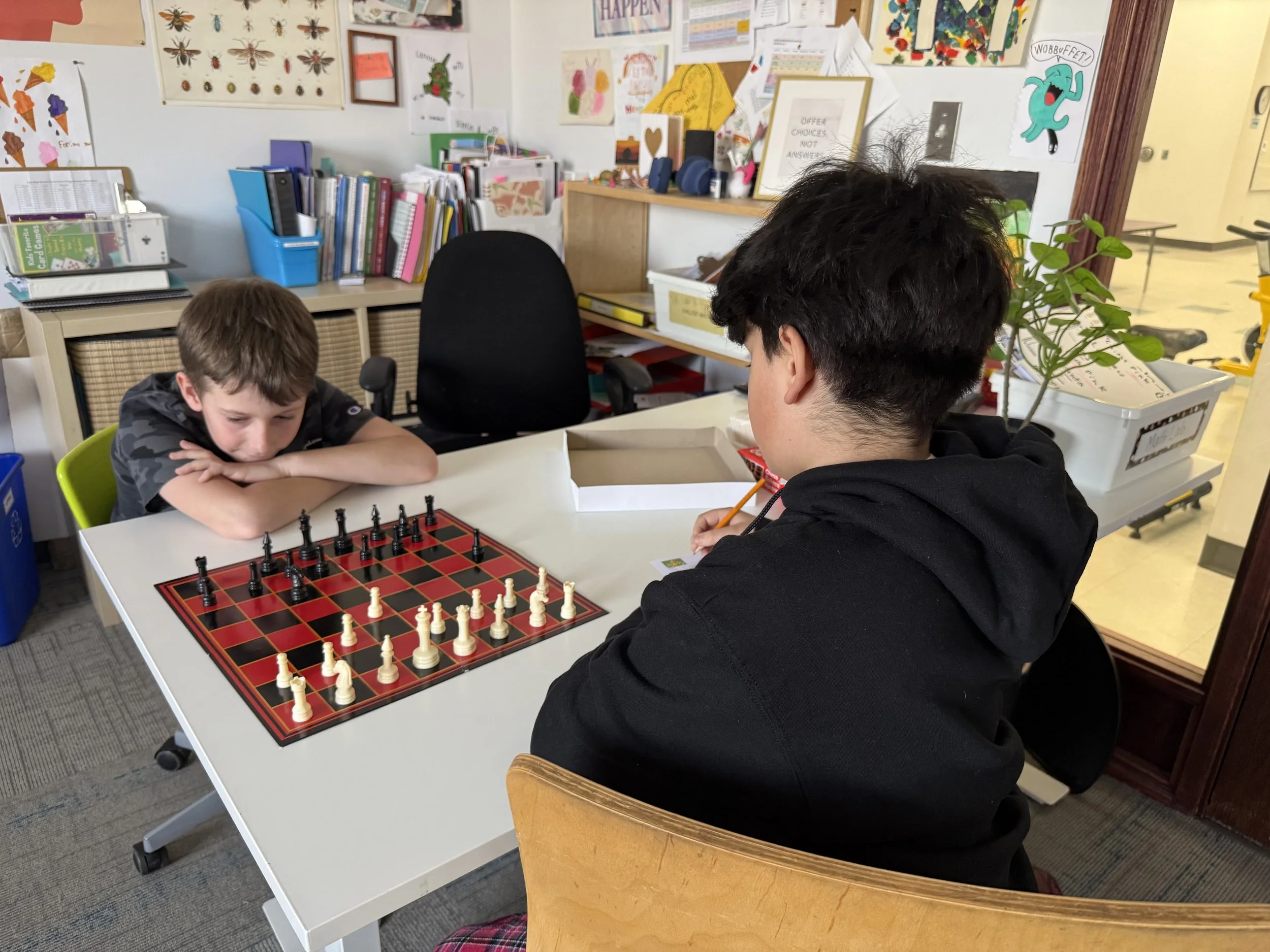
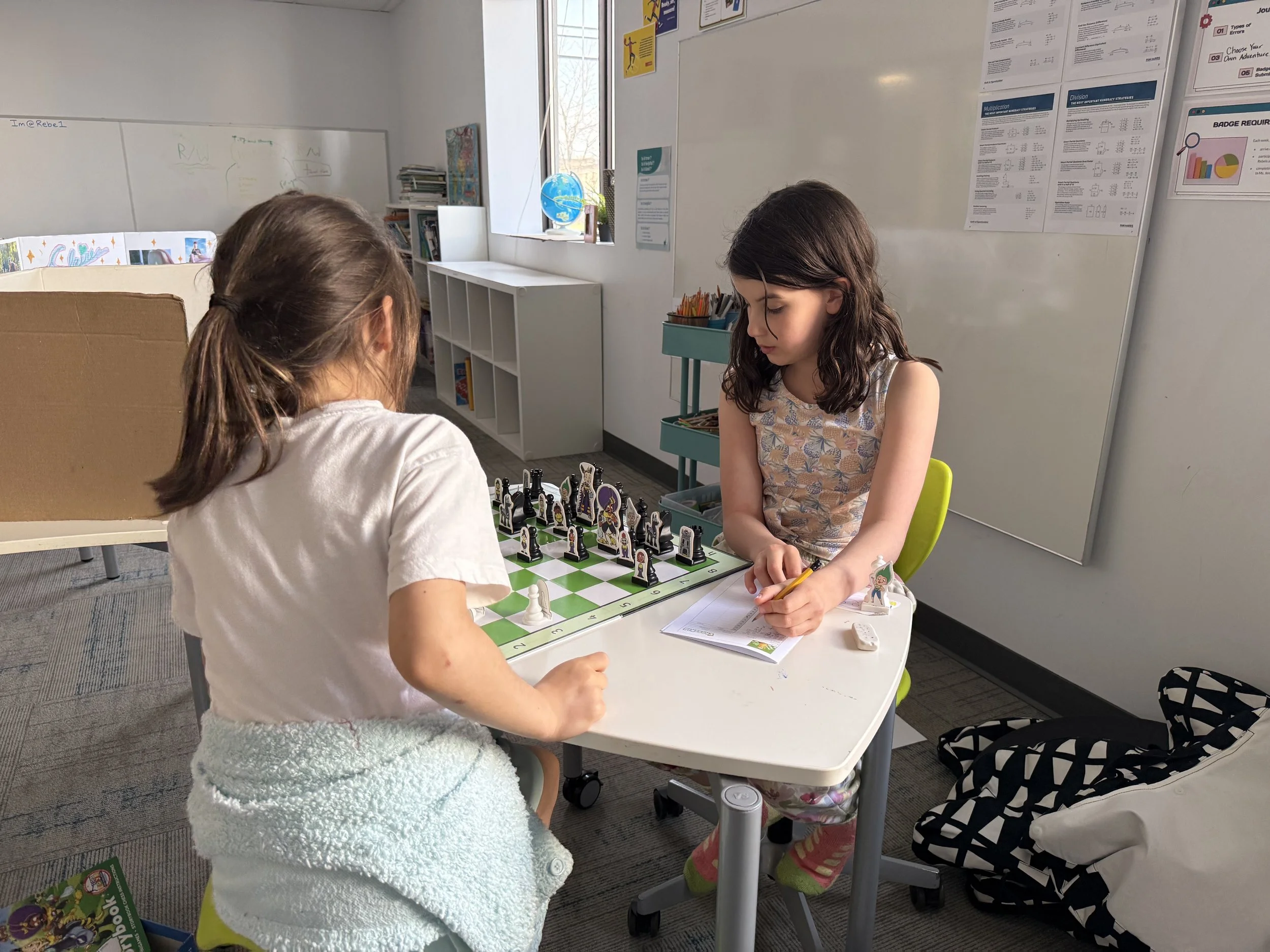
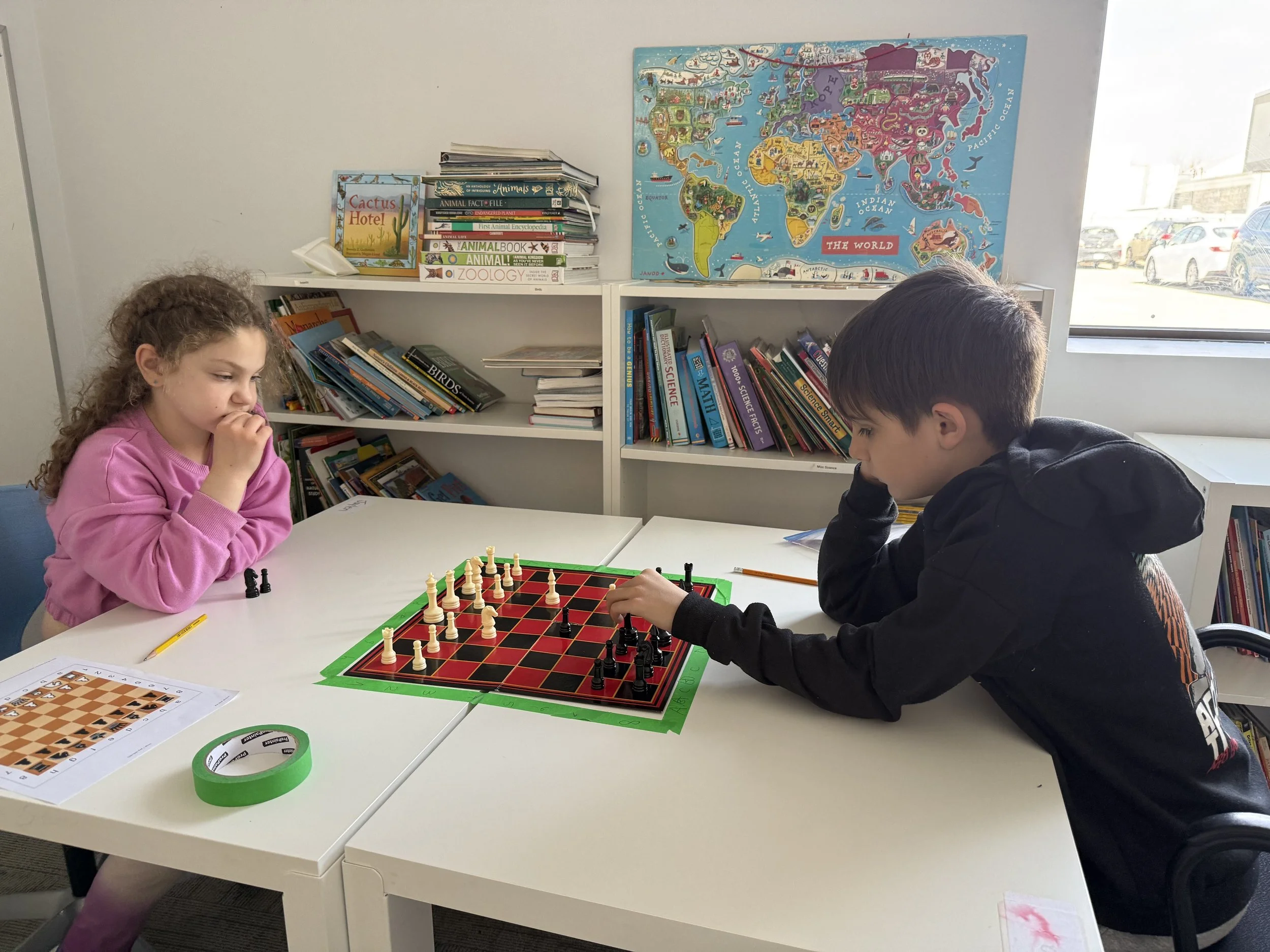
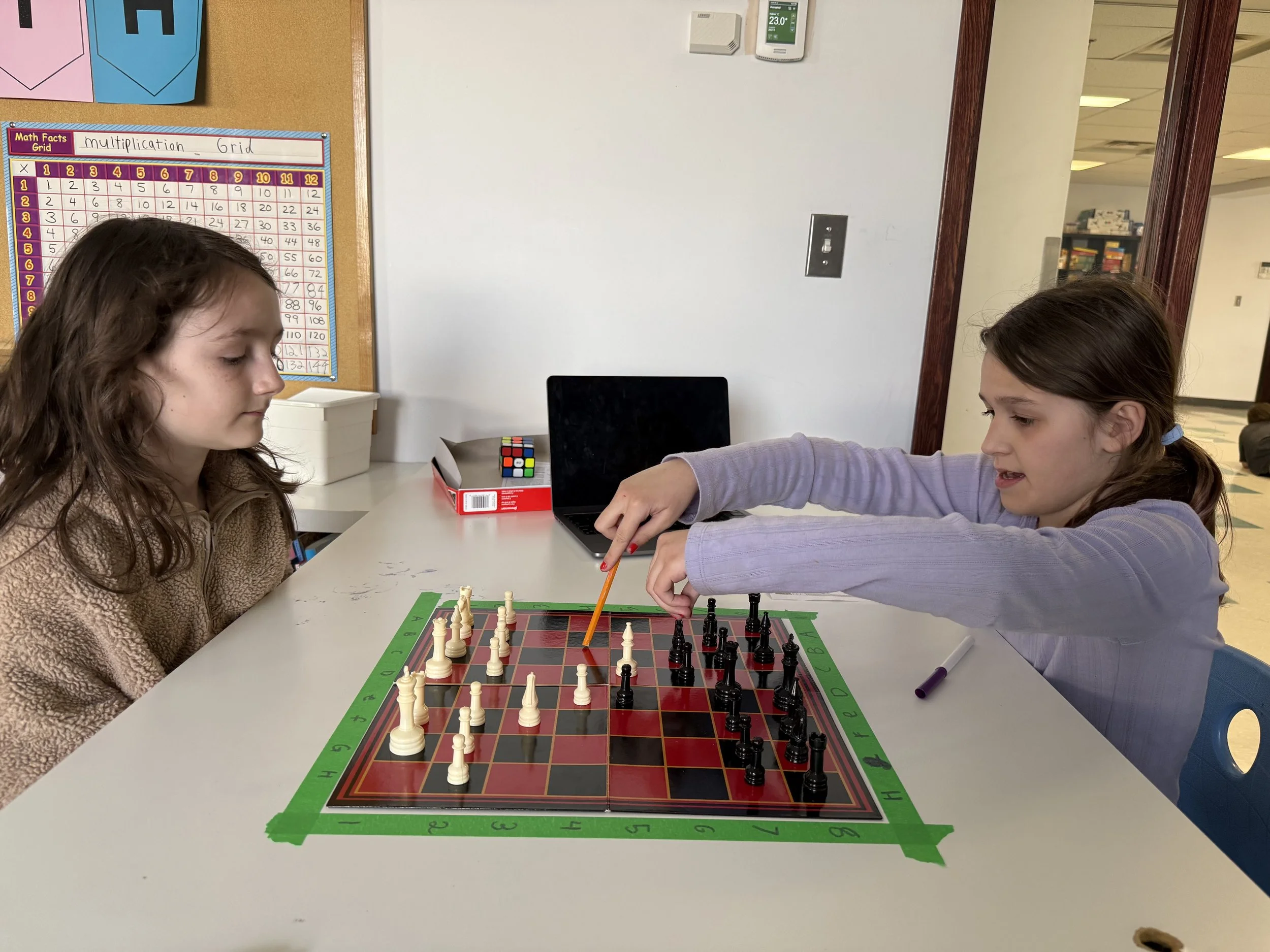
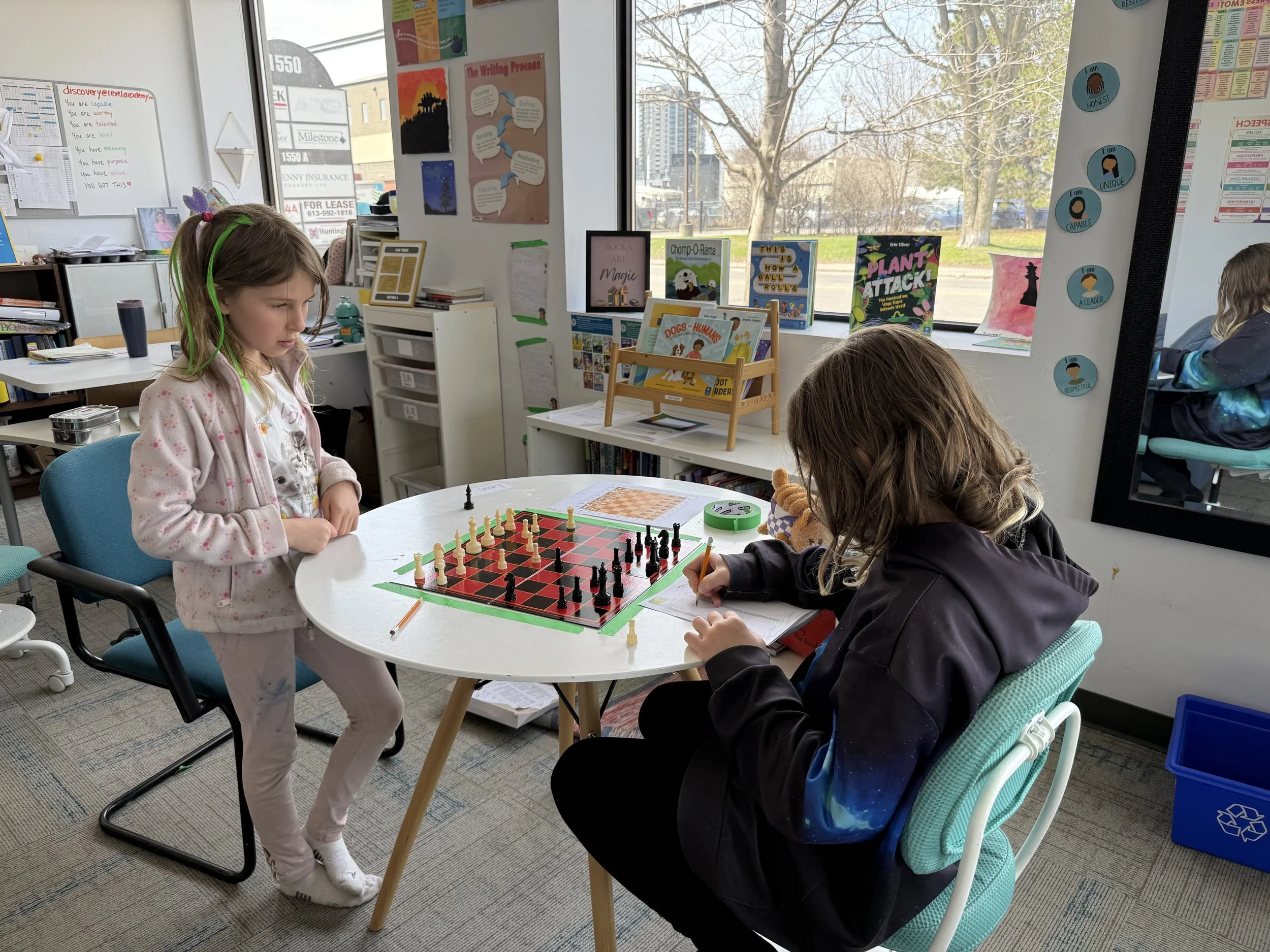
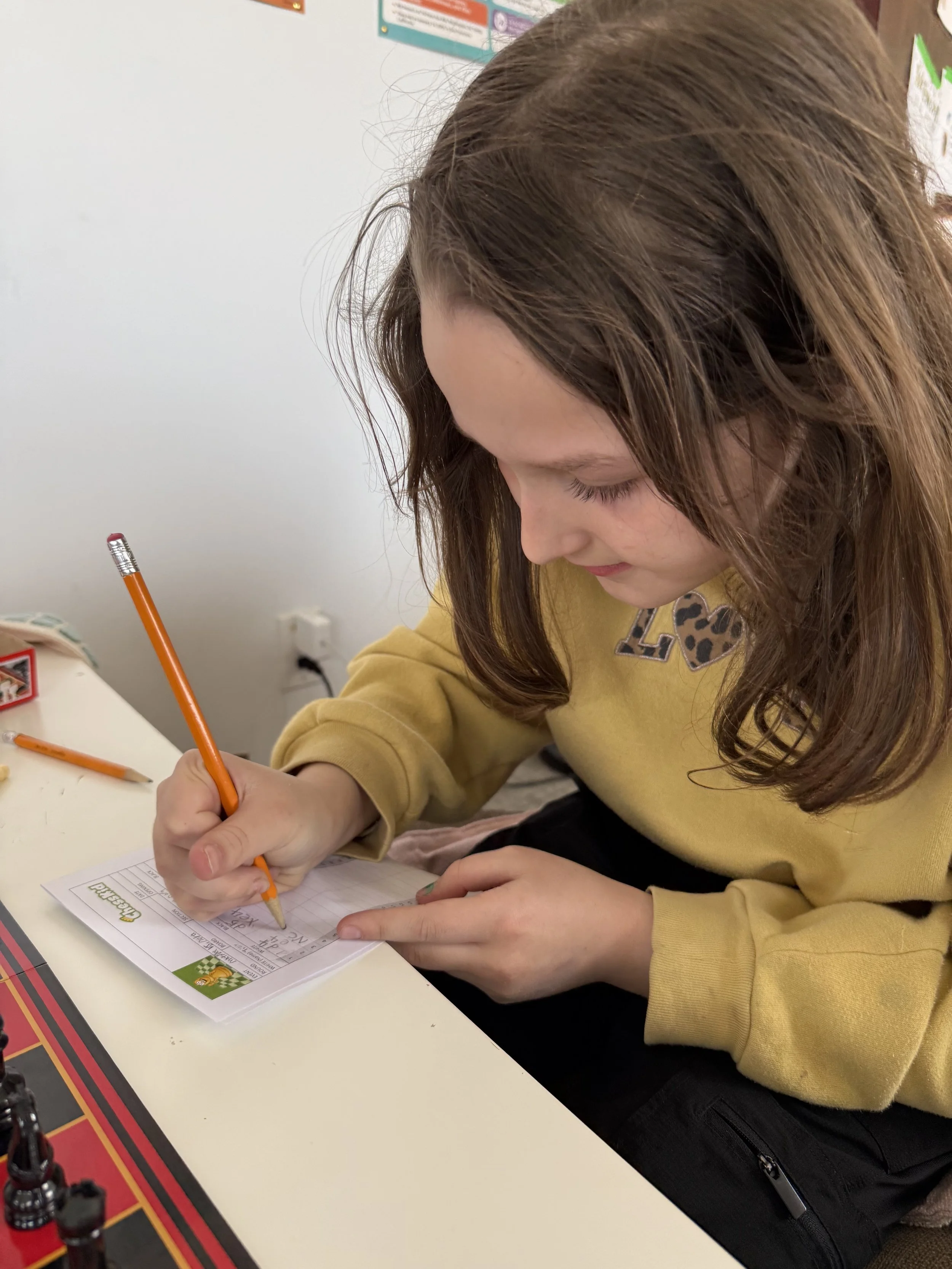
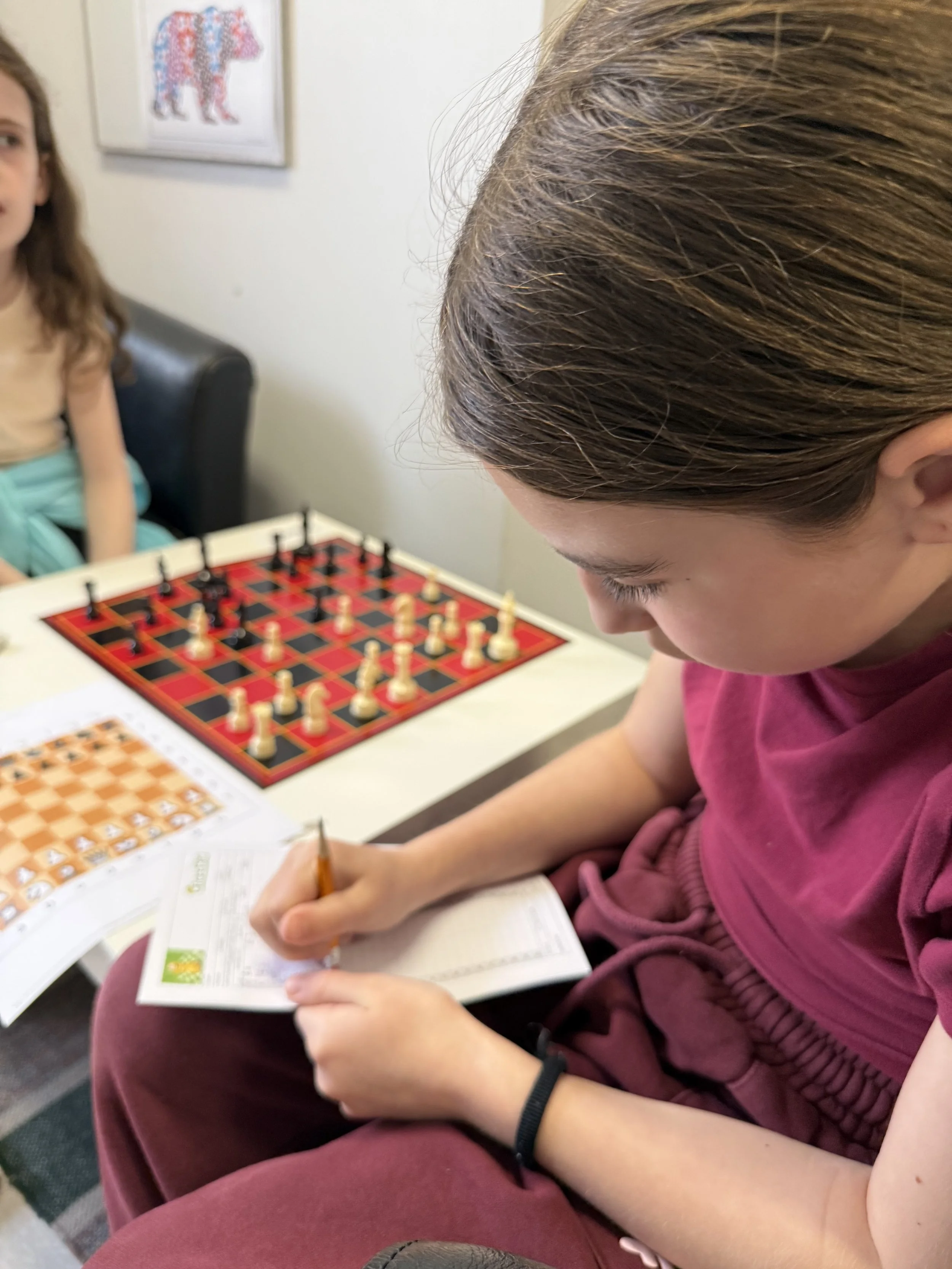
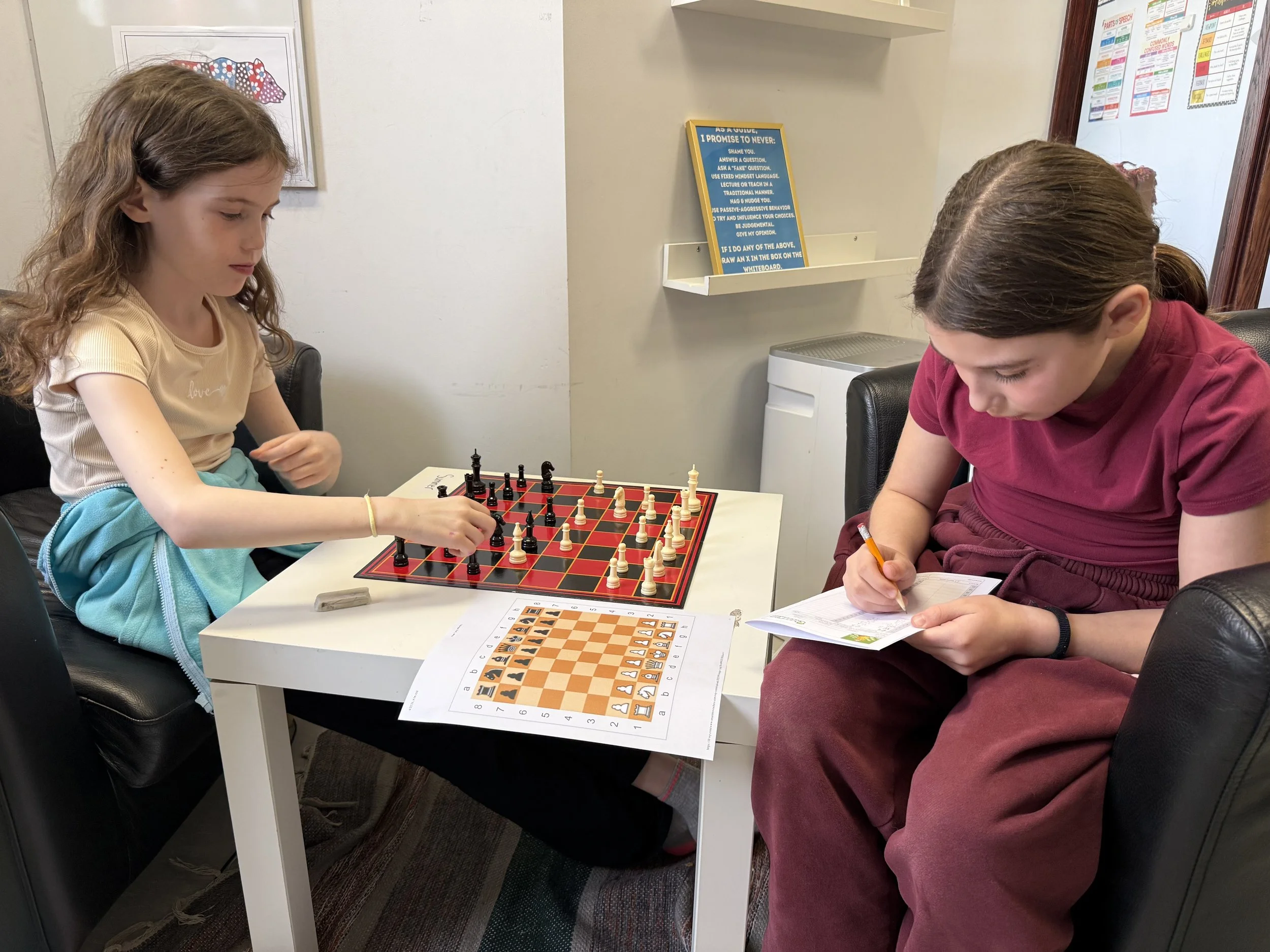
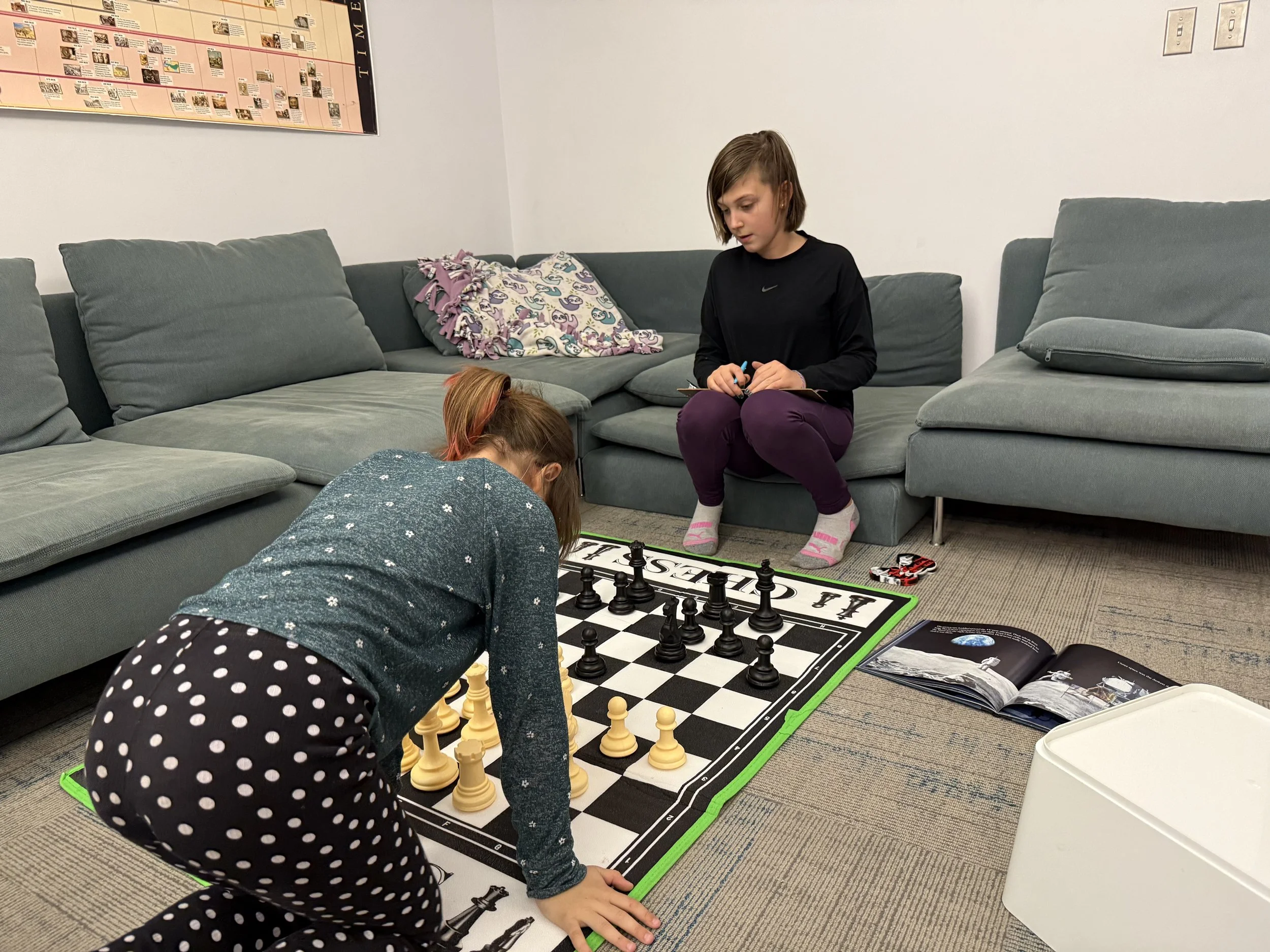
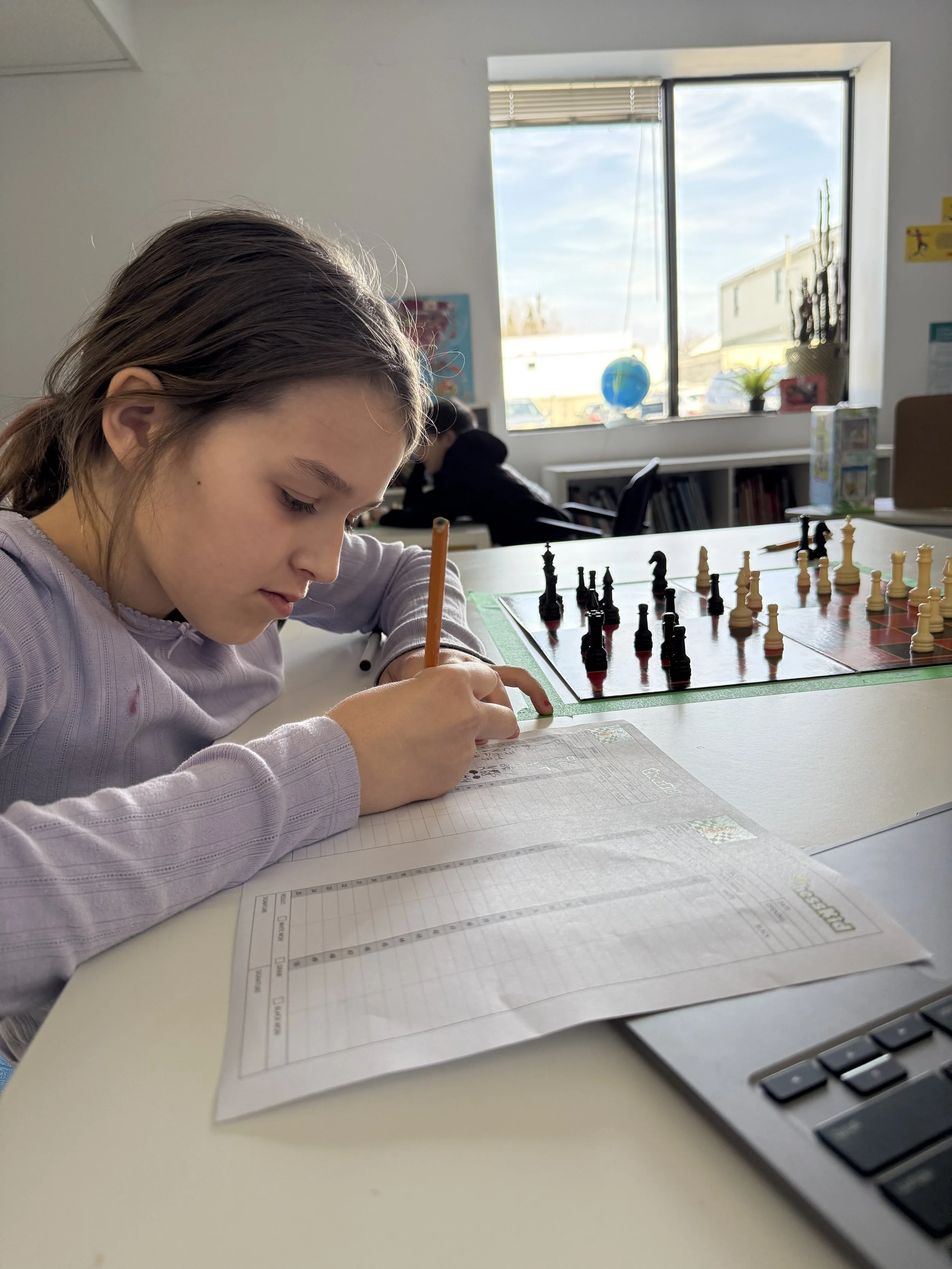
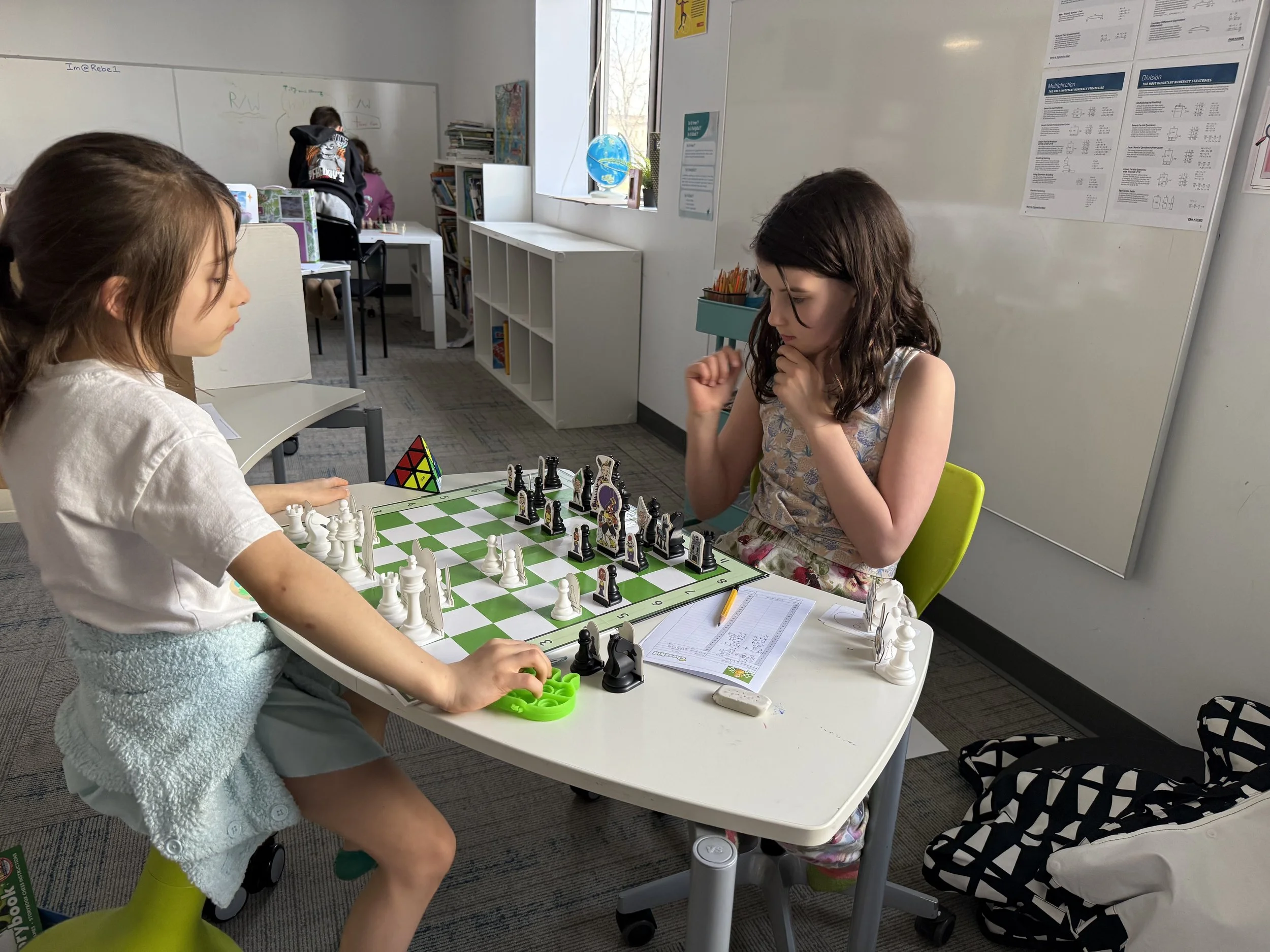
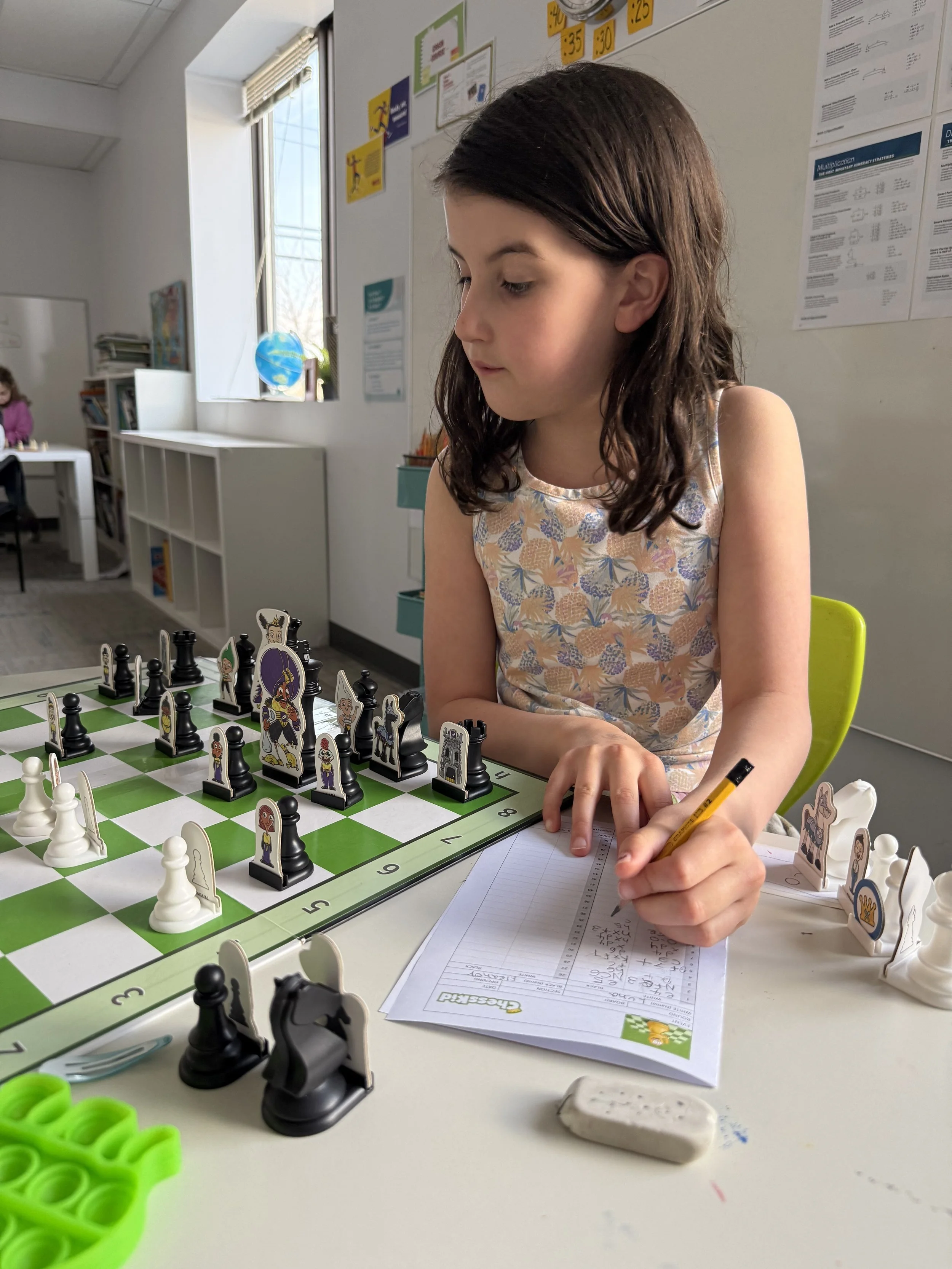
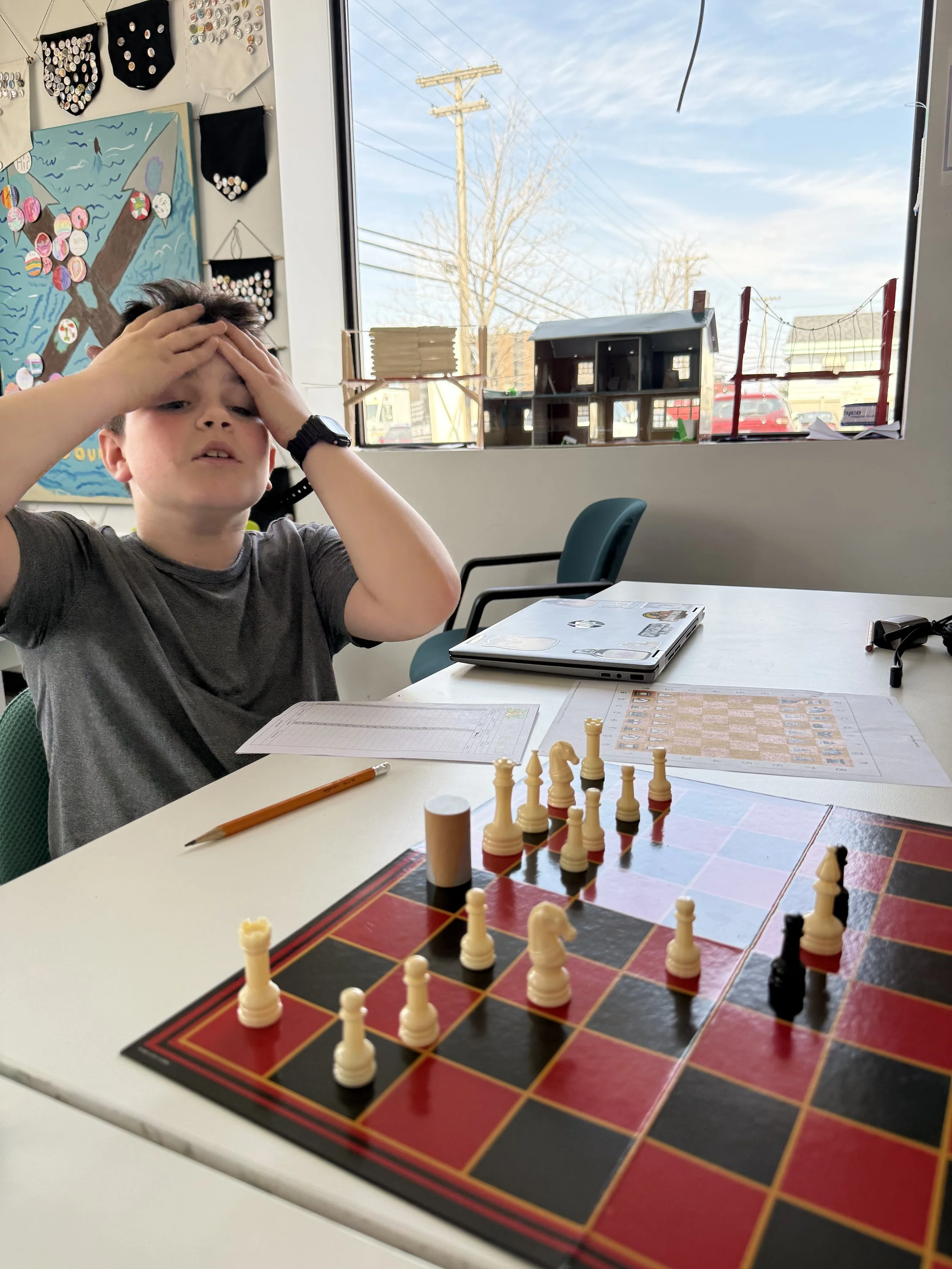
Tuesday, Rebels jumped back in with a castling puzzle where Rebels needed to determine if a player had castled correctly based on where certain pieces were located on the board. After that, we jumped back in where we left off on Monday, with Rebels attempting to figure out the “Spot the Mistake” challenges from Monday’s workshop. Rebels spent most of the period solving those challenges, with early finishers working ahead on their weekly ChessKid.com lessons. At the end of the period, Rebels came together as a whole studio to go over where the mistakes were in each of the notated games.
Wednesday’s skill focus was on openings, which allowed Rebels to learn about principles such as fast piece development and taking control of the centre of the board. We focused on three popular openings called The Italian Game, The Sicilian Defense and The Queen’s Gambit. Rebels followed the notations of each opening which led into a short 5 minute game against their opponent before trying the next opening. Early finishers started their Week 2 Chess Reflections, worked on ChessKid.com lessons, or closed loops from Week 1.
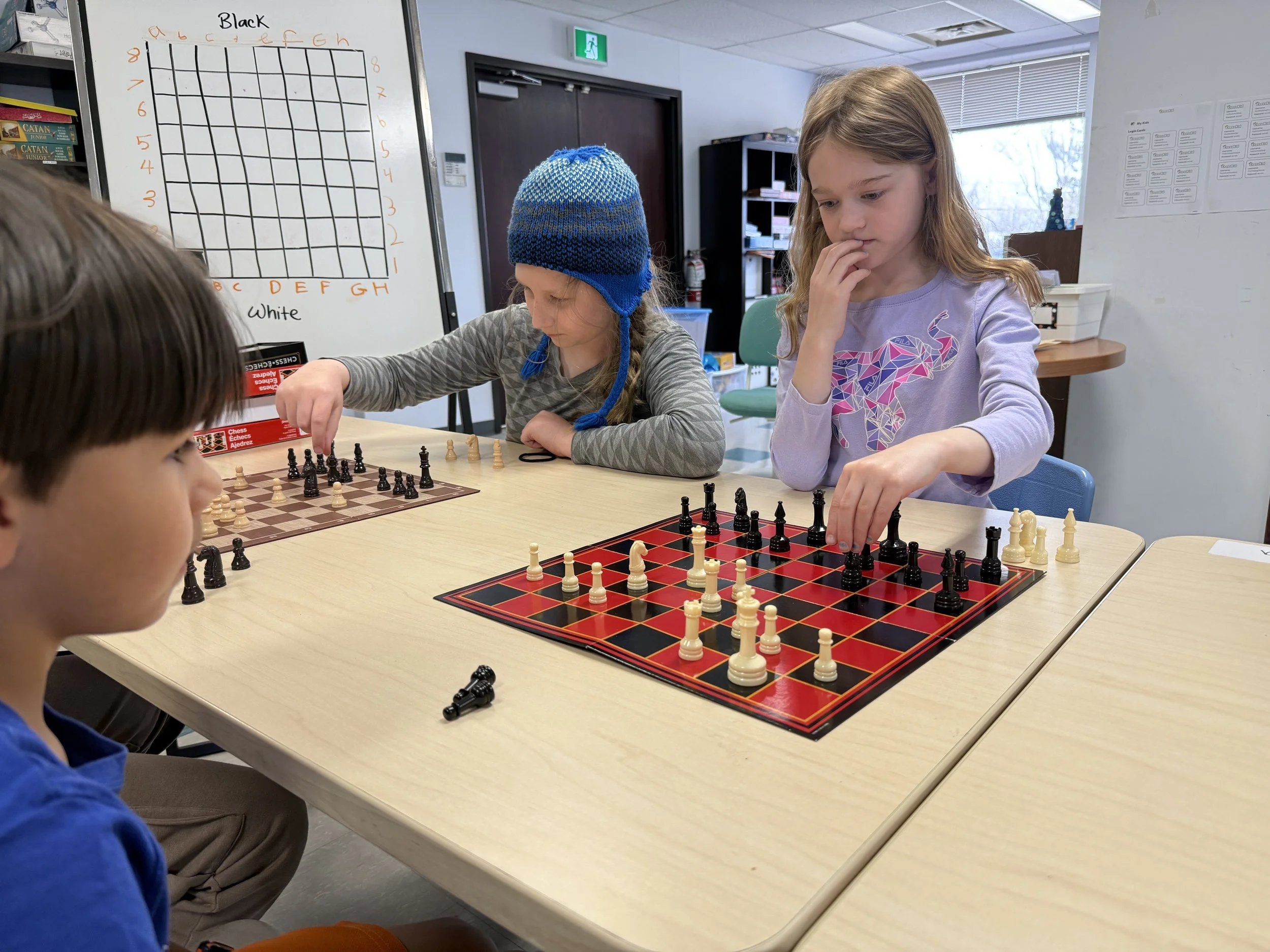
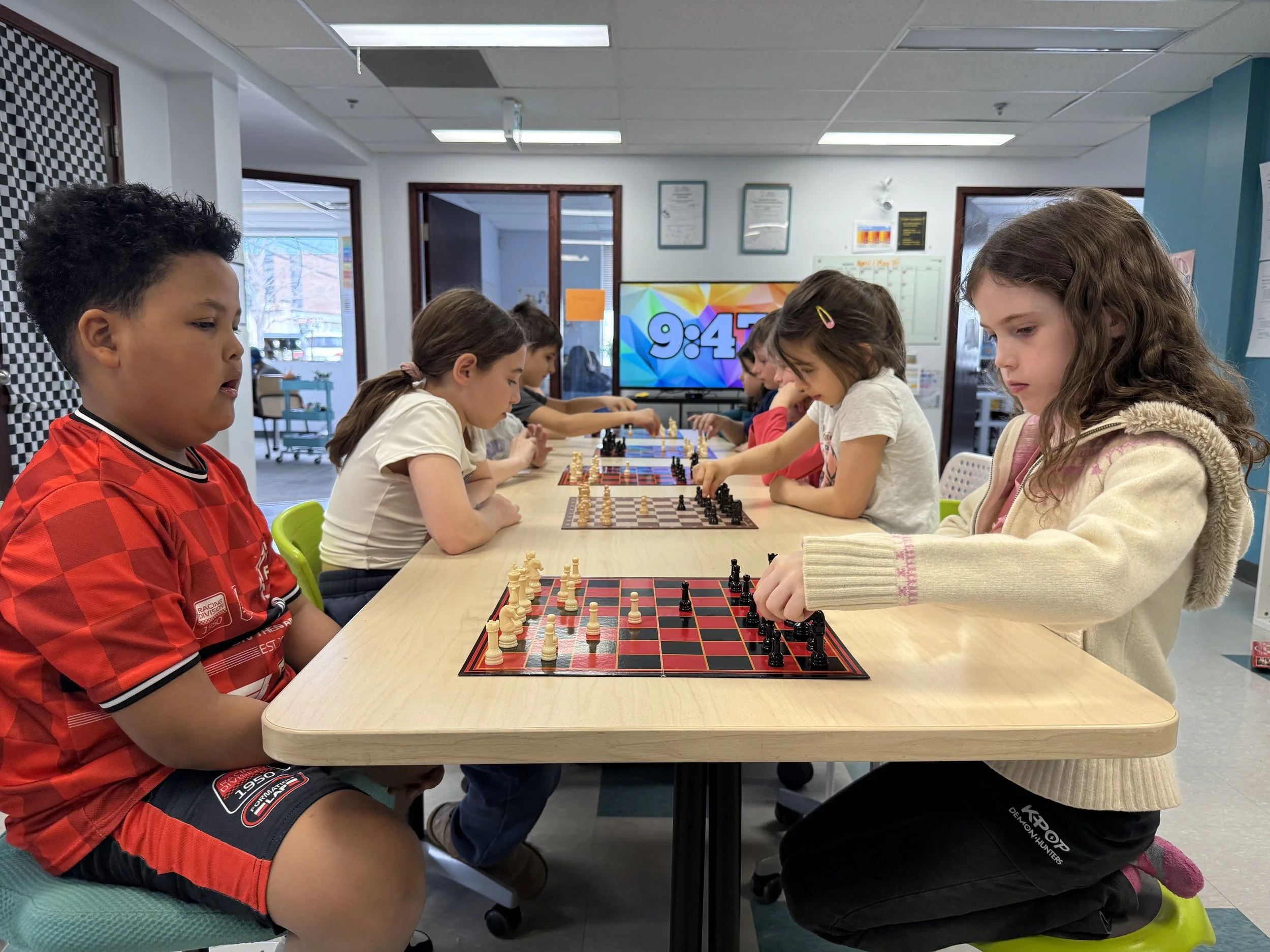
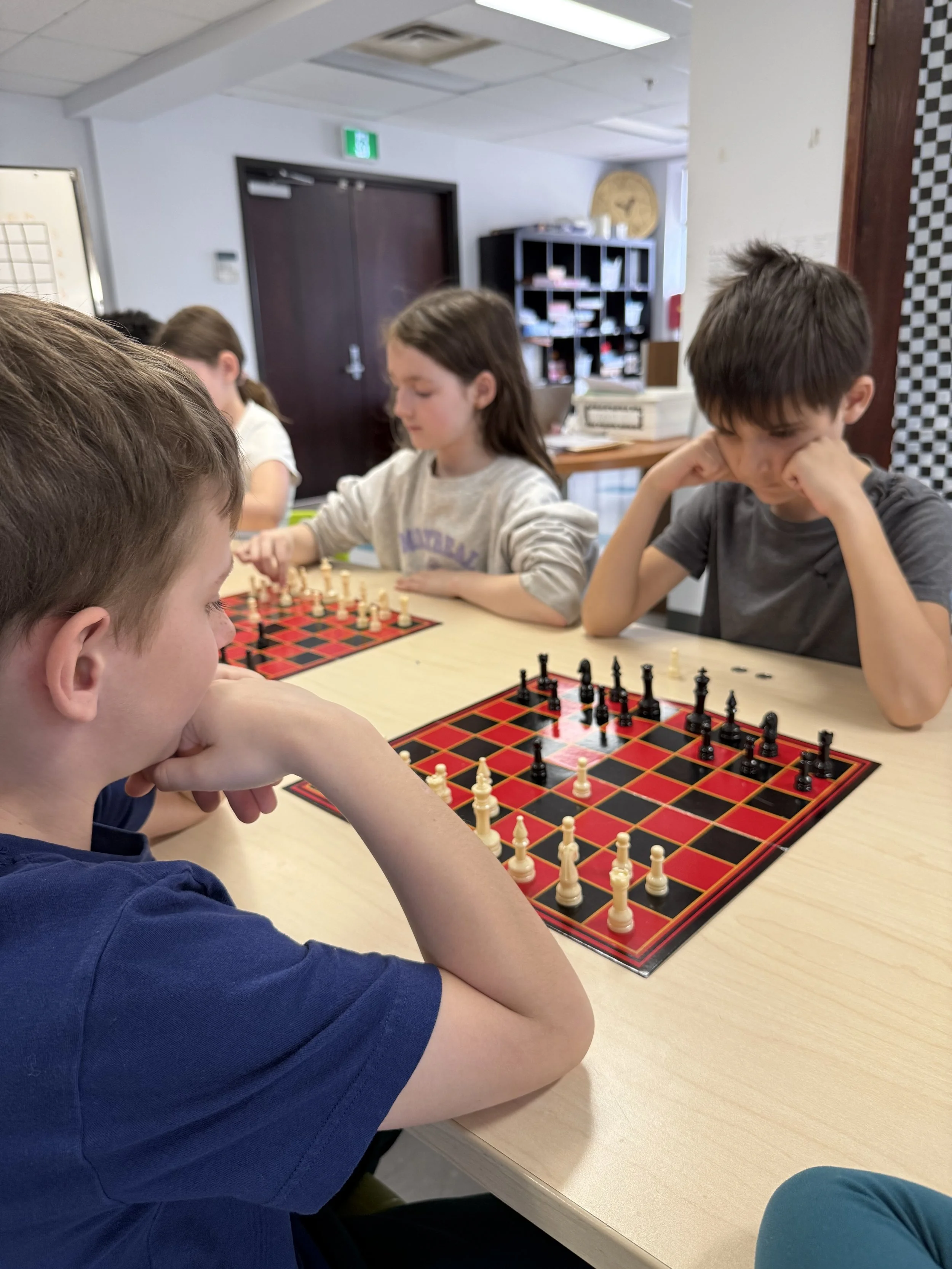
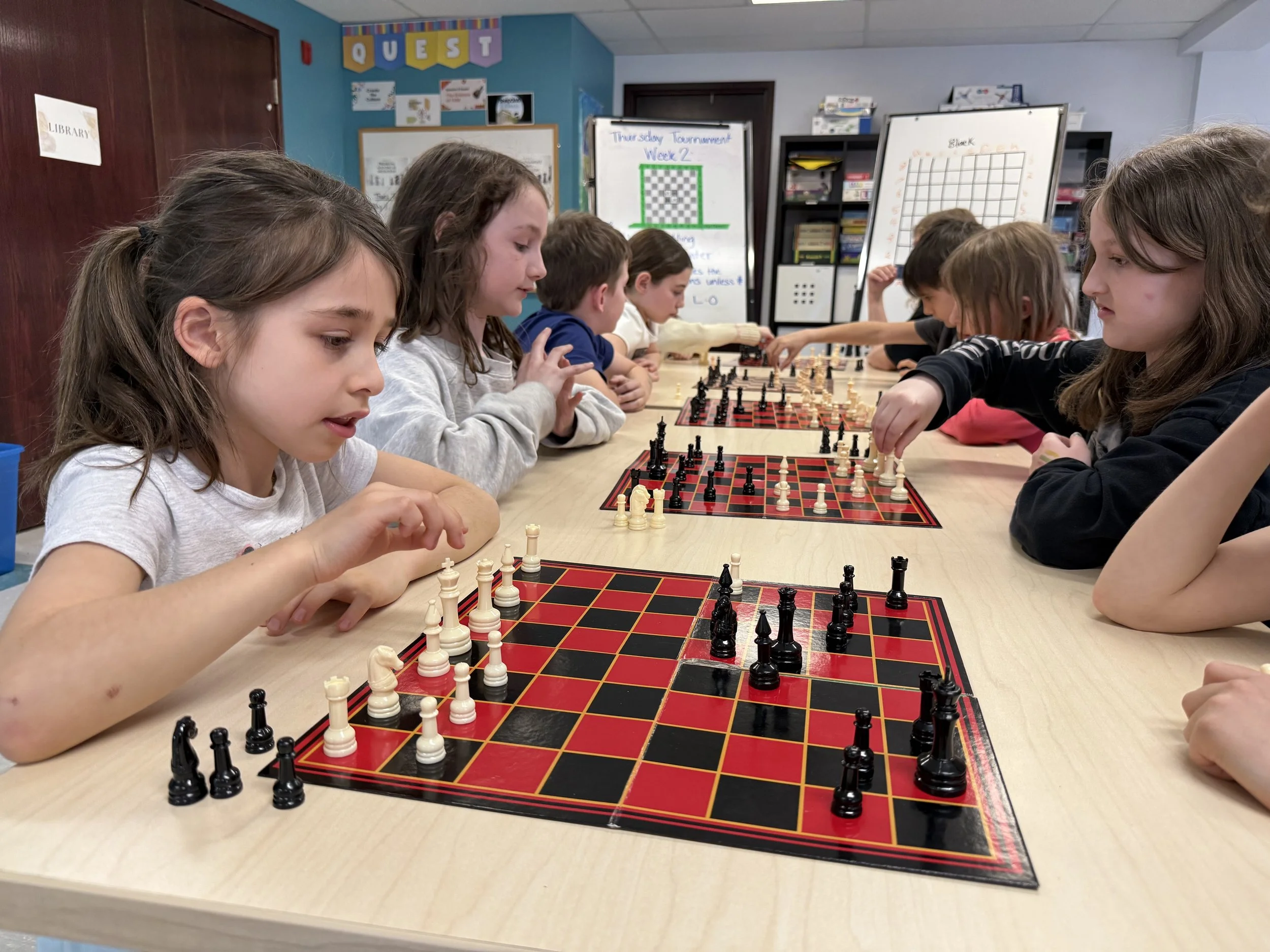
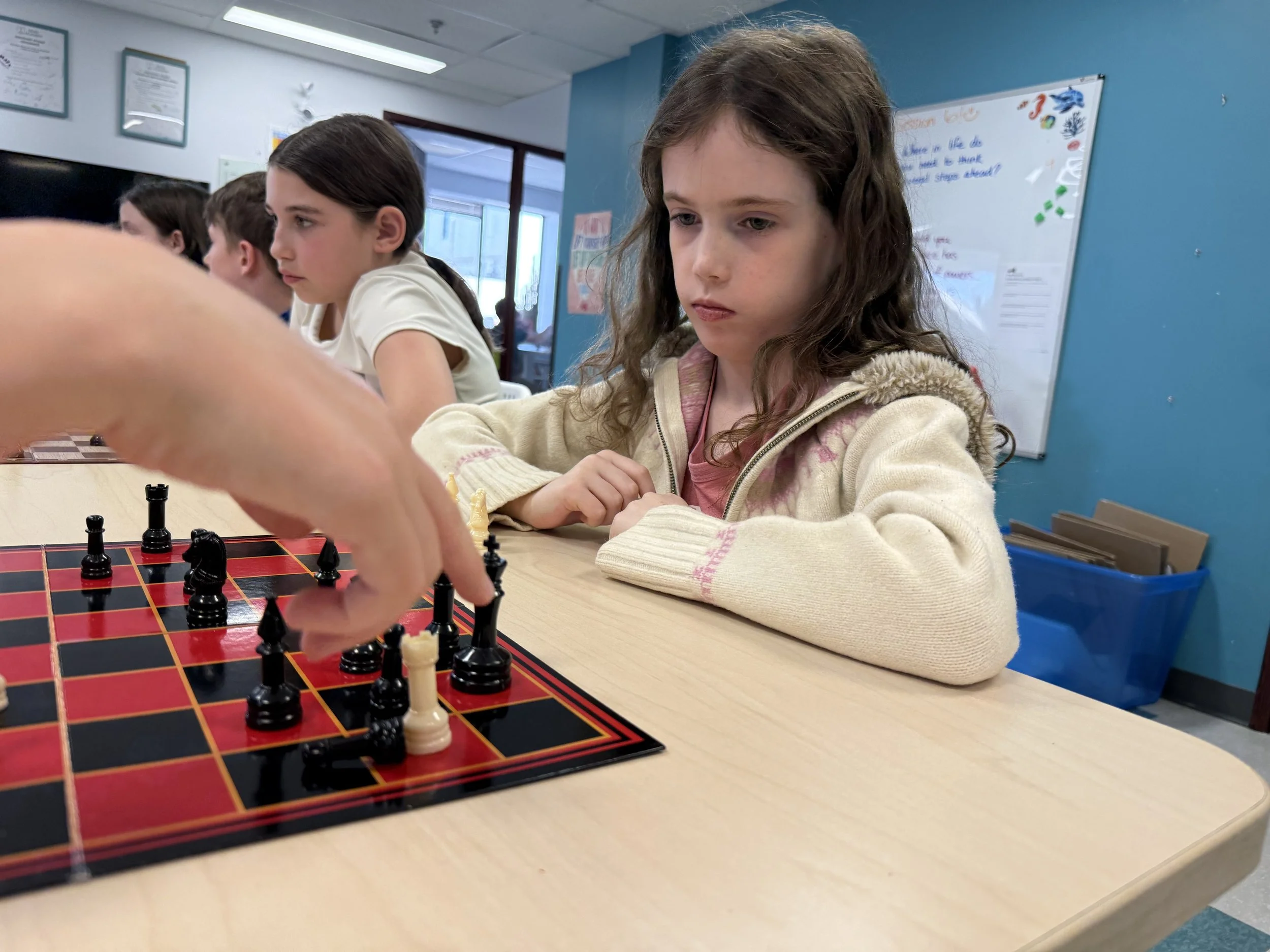
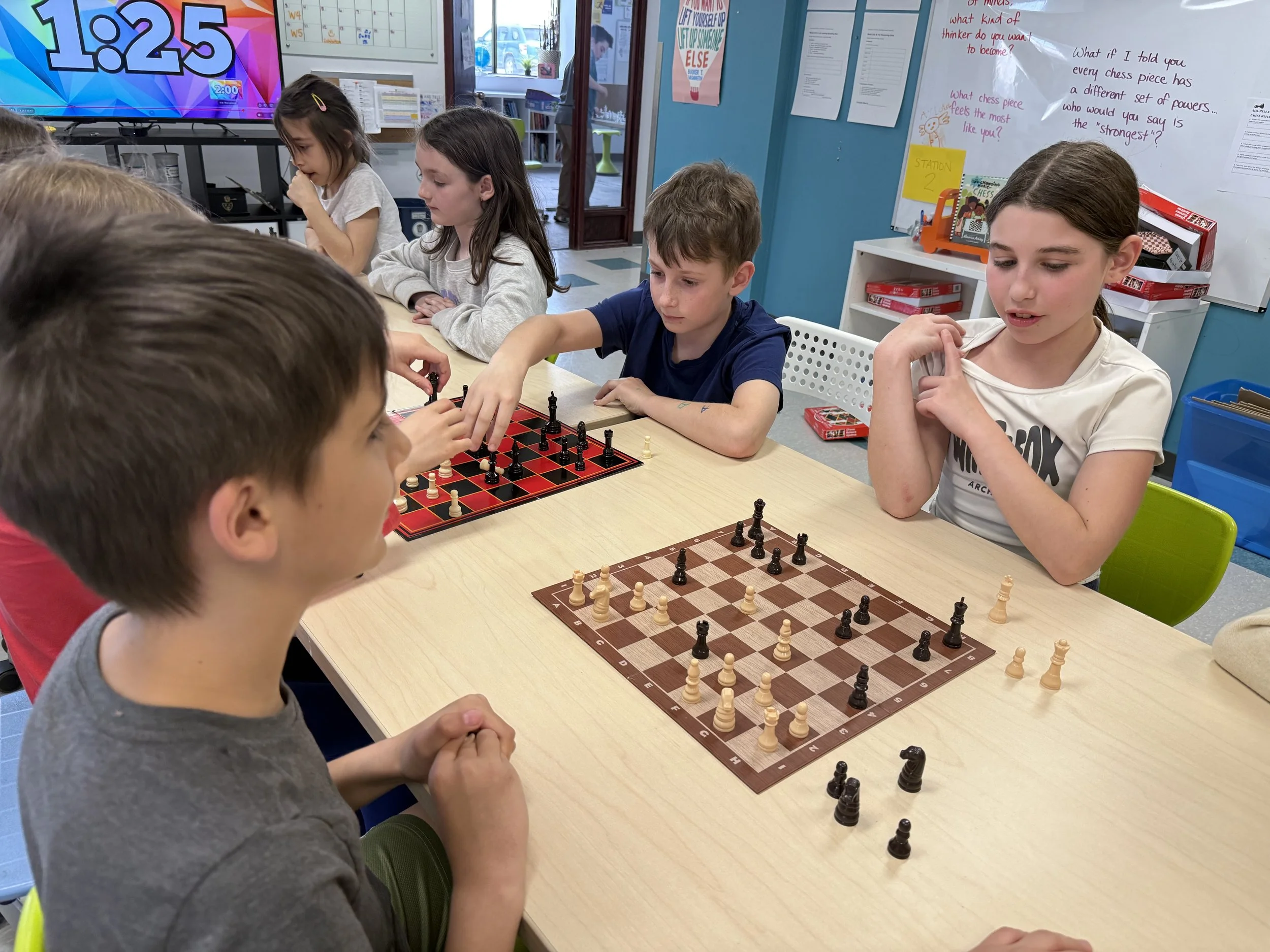
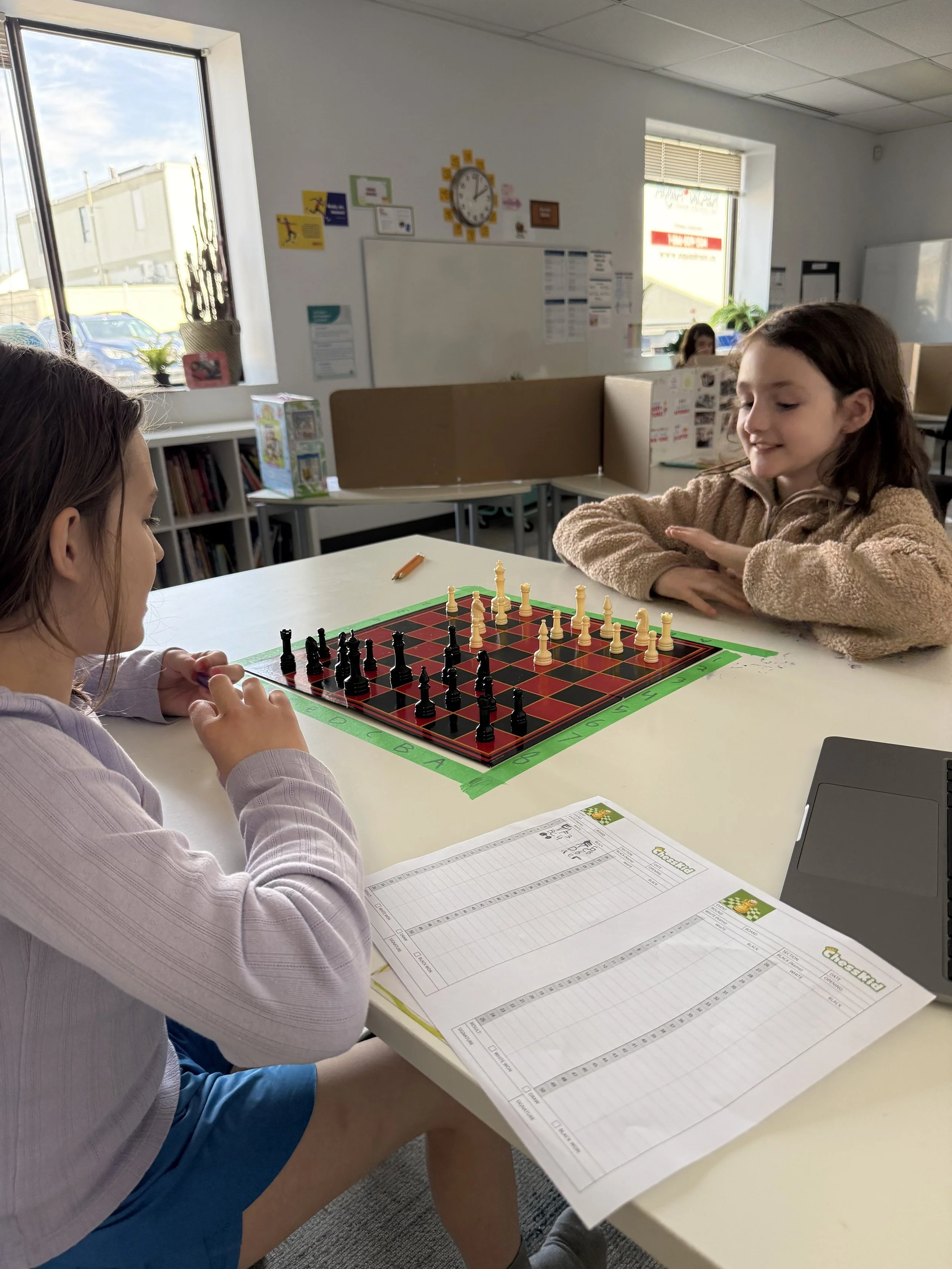
On Thursday we had our second practice tournament, where the objective of each game was to demonstrate what Rebels had learned this week: try one of the openings we learned about and try castling early in the game. In order to collect points this week, winning players had to capture as many pieces as possible, which led to more thoughtful movements in each match. Tournament games shifted this week, with Rebels taking more time between moves to think more critically about the road ahead for their chess army. We noticed that games were very close in every round, which led Rebels to reflect on how much their skill-level is improving, especially just over the past two weeks alone! Rebels who were waiting their turn to play in the tournaments finished their Week 2 reflections and exit tickets, worked on their chess avatars, and attempted 2-3 more lessons on ChessKid. Up next week we’ll move into tactics (specifically forks, skewers and pins) and special attacks to help make game play more intentional. We are also very excited to welcome some Revel alumni for a visit on Monday to help us with our first tactics lesson!
Additional Highlights
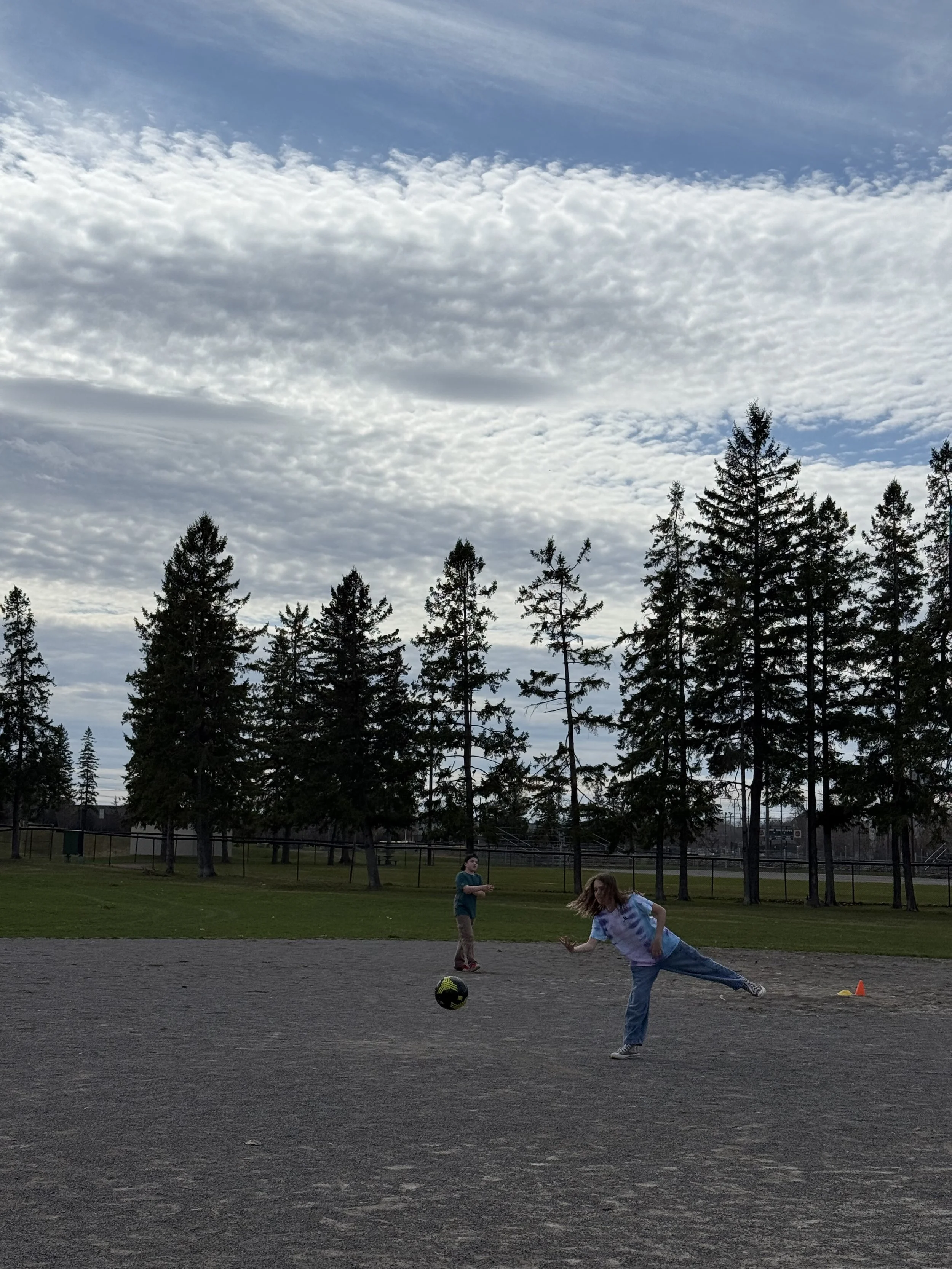
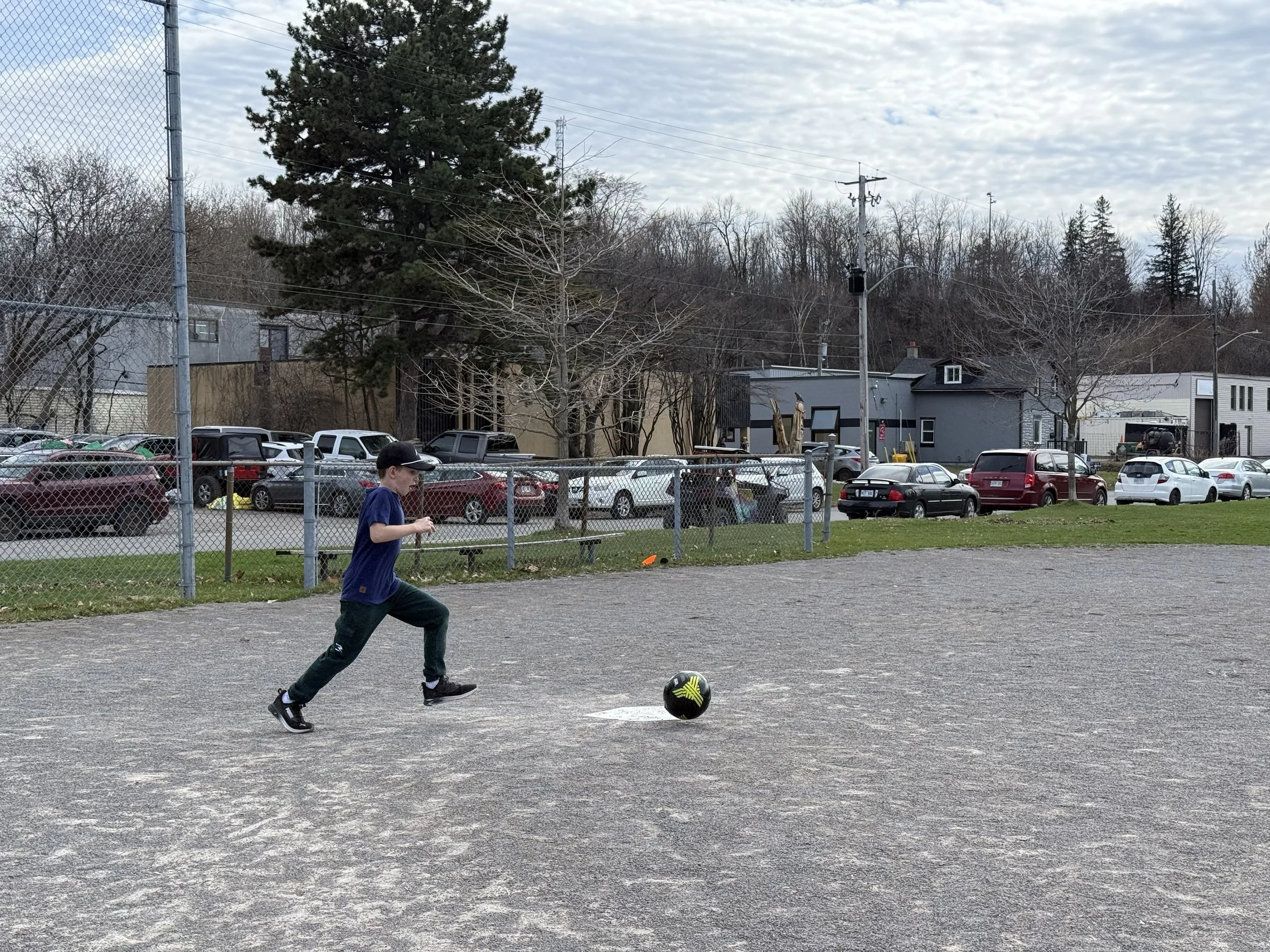
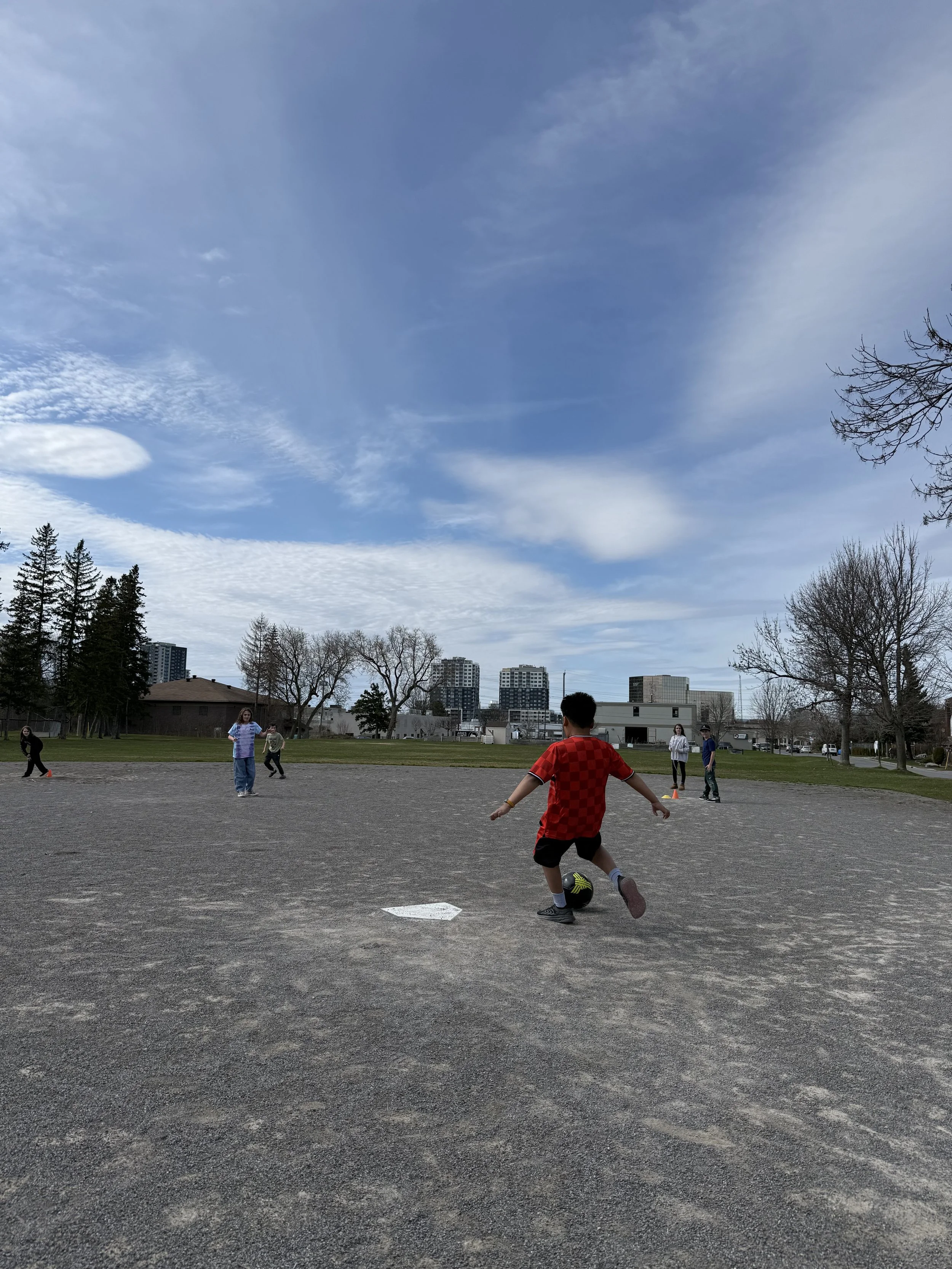
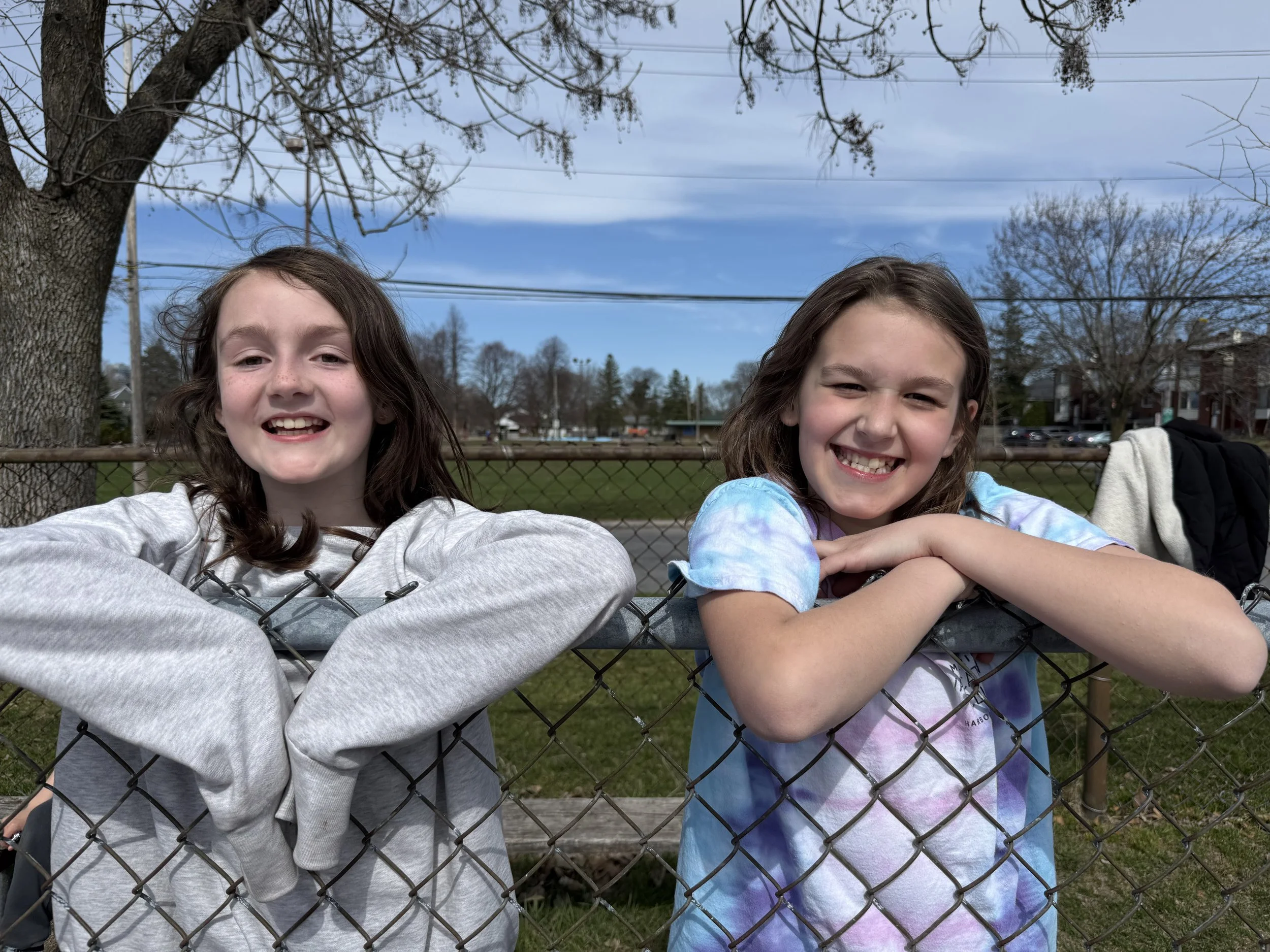
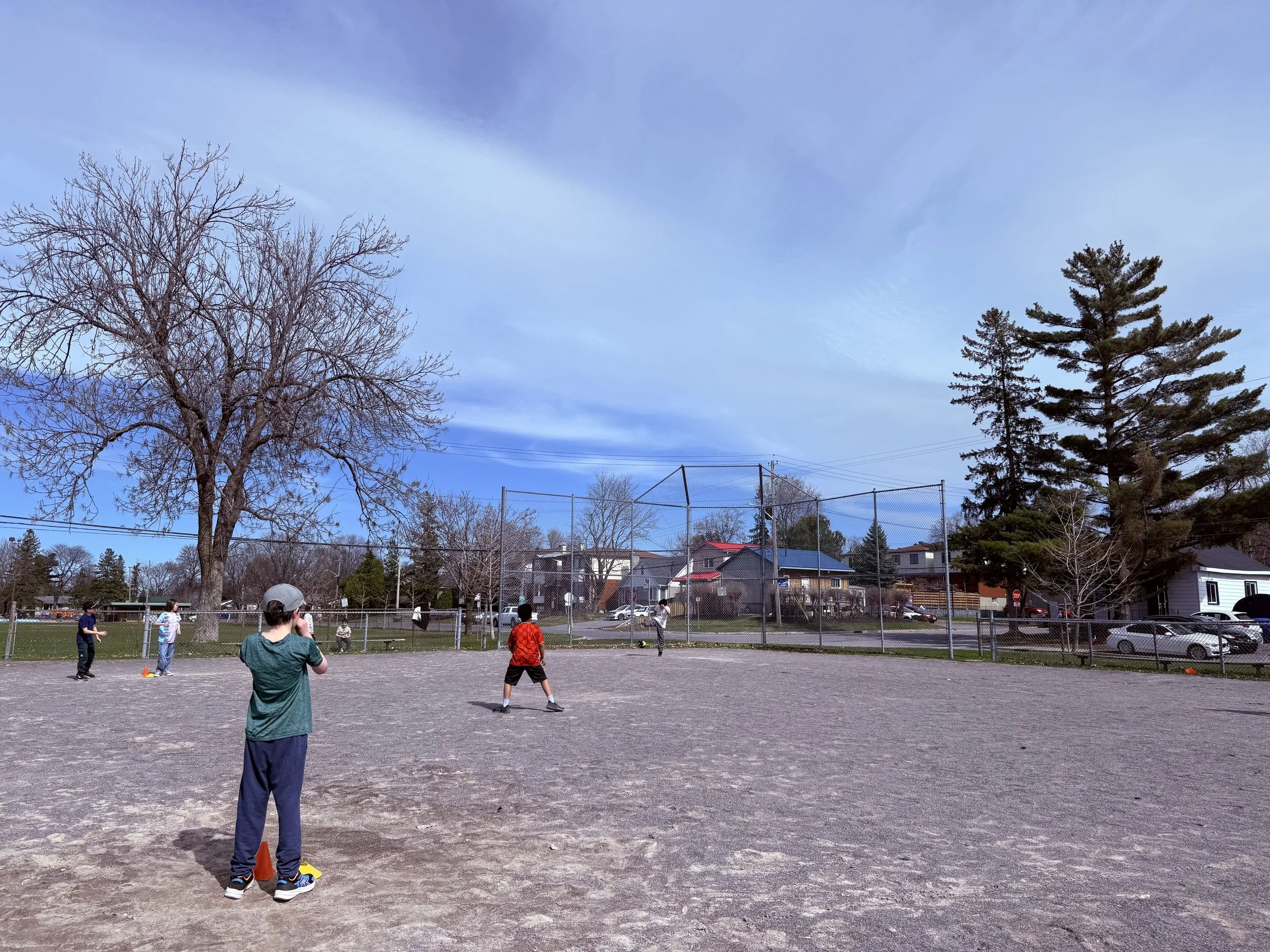
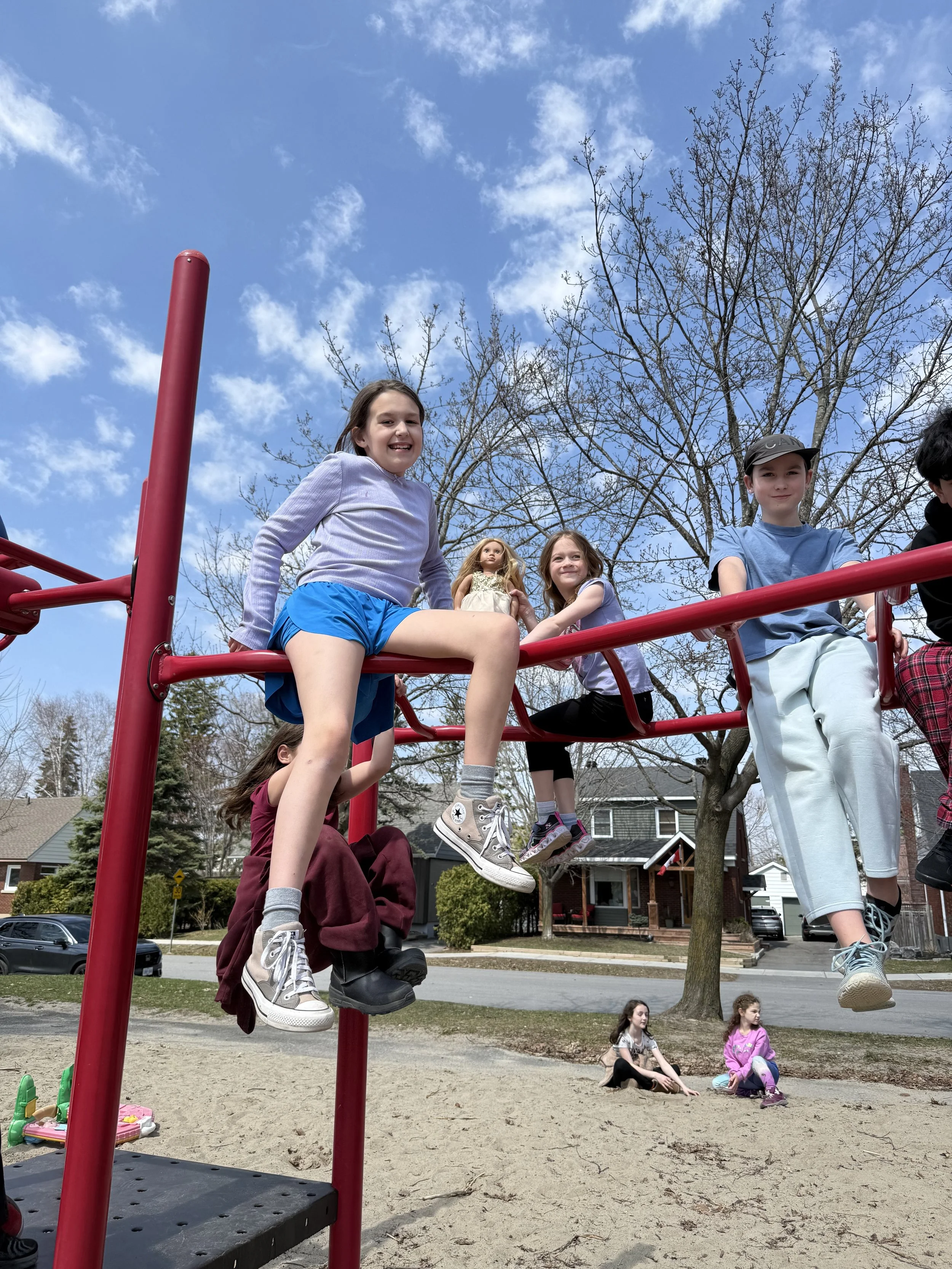
This week, we made the most of the beautiful weather (finally!) with some extended recesses, hikes around the neighbourhood and a few games of kick baseball during PE and Fun Friday. Rebels are starting to think about and plan a special visit to the bike track, so stay tuned over the next few weeks for a Rebel-led initiative to take our bikes up to the top of Carlington Hill! More details and information will be posted on Band.
Exploration Studio
Mindfulness & Launch
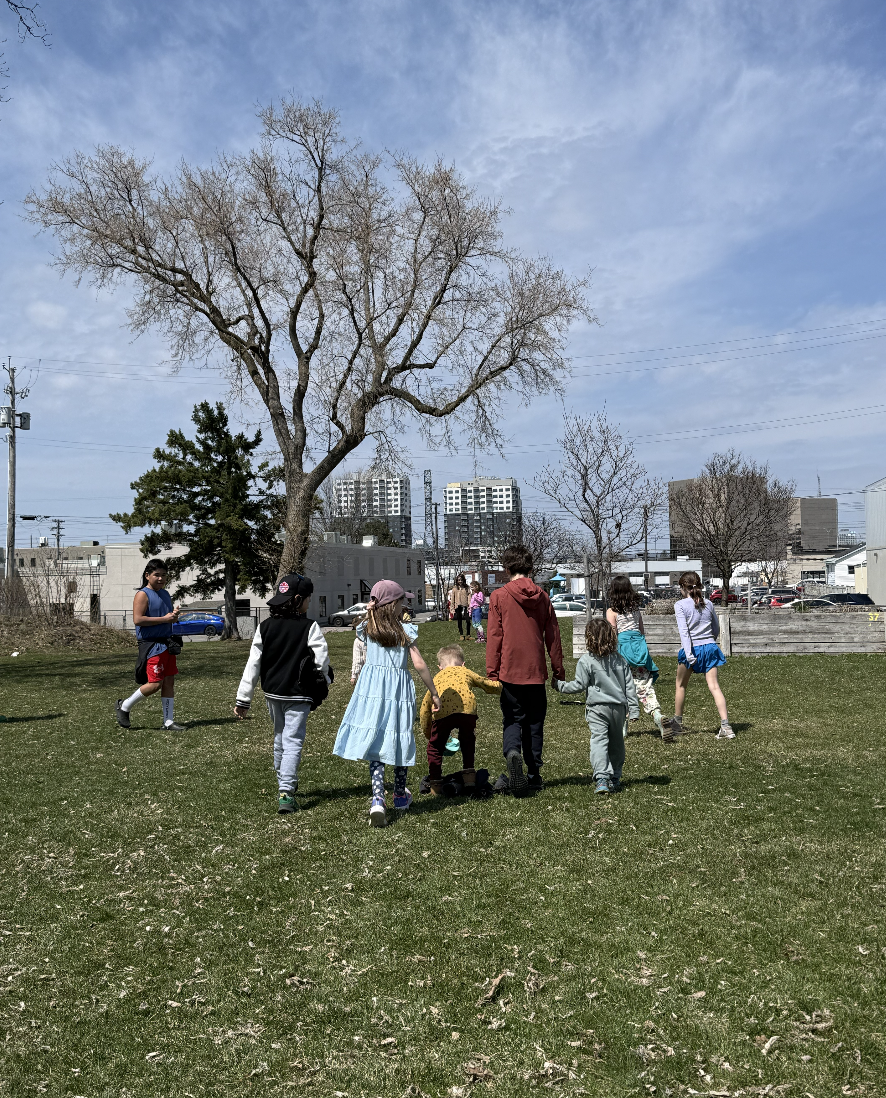
We welcomed a visiting learner on Monday morning, so we spent the first part of the day introducing ourselves and getting to know our visitor. We then started our third logical fallacy lesson. After listening to a couple of statements such as “You either love math, or you hate it,” and “If you don’t donate to cancer research, you don’t care about people with cancer,” we discussed whether we felt like there were other possibilities, or like neither option was right for them. We then learned the definition of a False Dilemma: a situation in which someone makes it seem as if only one of two options is possible when that is not true. Rebels then watched a Critikid video, answered some questions, and left feedback for the organization as beta testers! Tuesday, we started our day with a lesson on “Radical Difference: Choosing to Honour Another Perspective” from our Becoming a Critical Thinker workbook. Since many of our learners use their phones to take pictures, on Wednesday morning, we went over the top tips for capturing better photos with their smartphones. Rebels learned about the importance of cleaning their lens, focusing on their composition (Rule of Thirds, getting low, and looking for leading lines and reflections), paying attention to lighting, zooming with their feet (getting physically closer), the proper use of portrait mode, locking the focus, shooting fast, and, of course, editing. They were also encouraged to go with the flow, learn to delete, and do something important with their favourite images! Next week we’ll work on portraiture! With the weather getting nicer, the Rebels enjoyed their spring walk on Thursday, and after our morning puzzles, the Current Events team filled us in on the latest news stories on Friday.
Math Lab
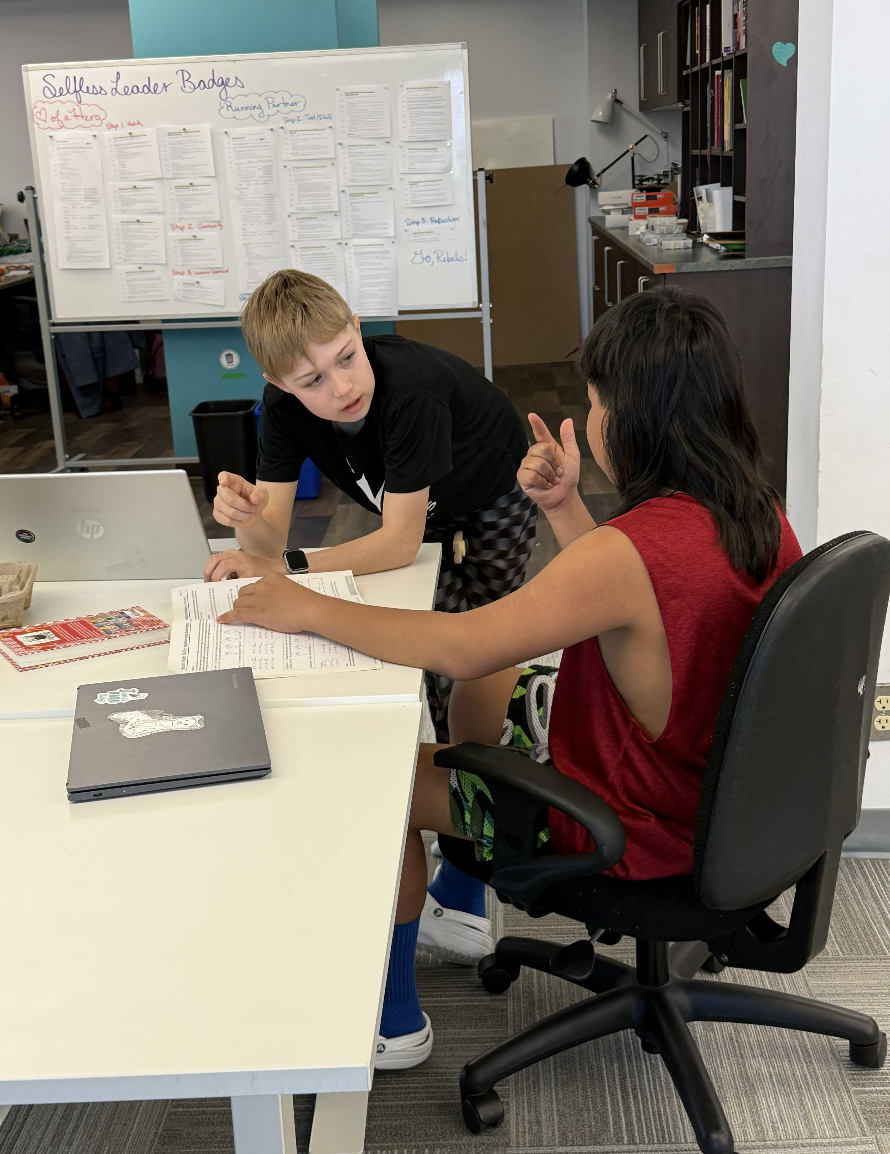
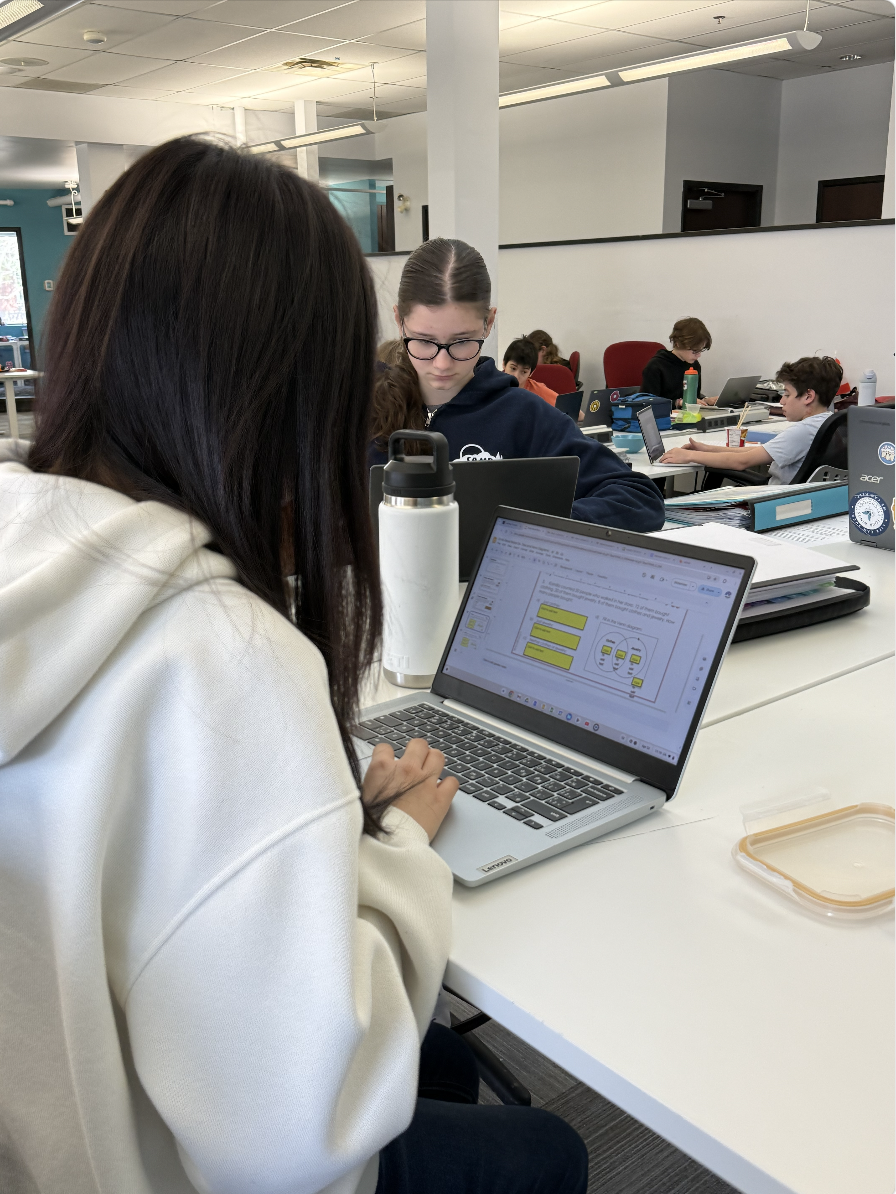
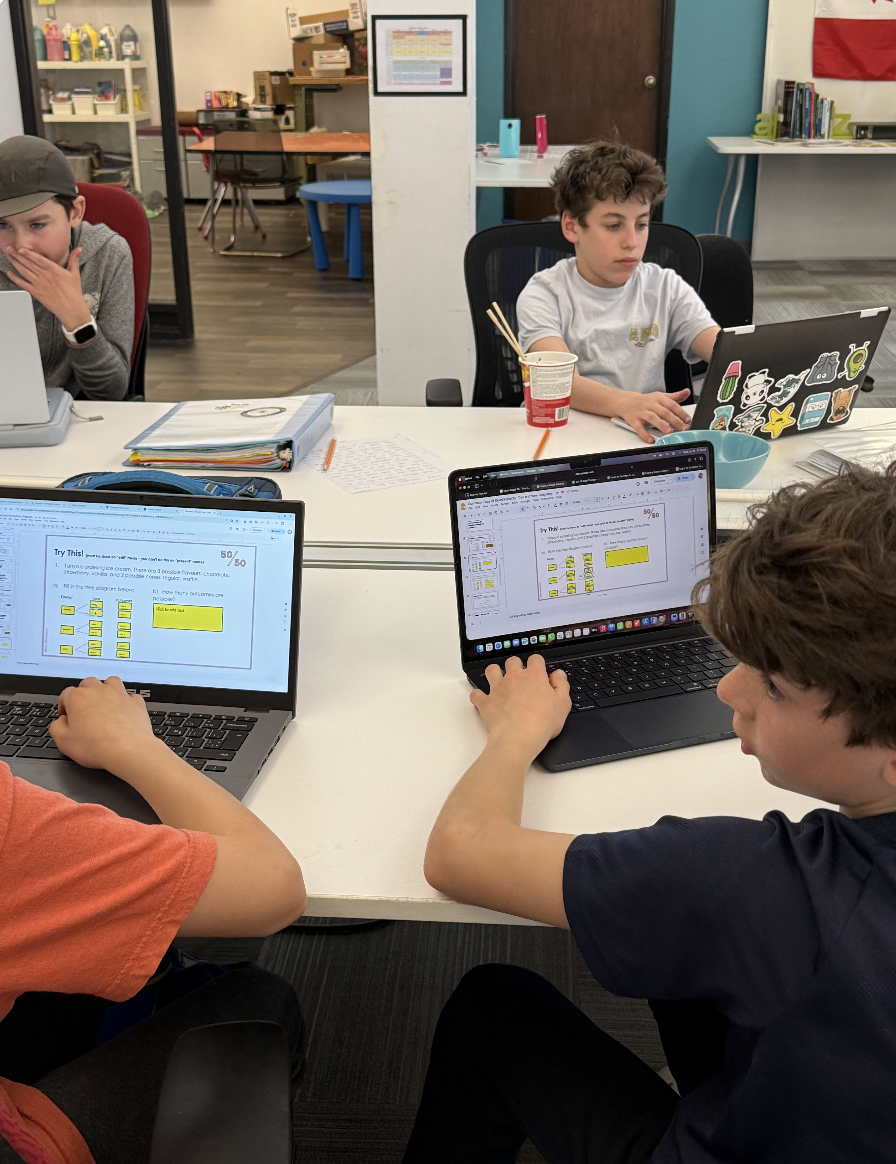
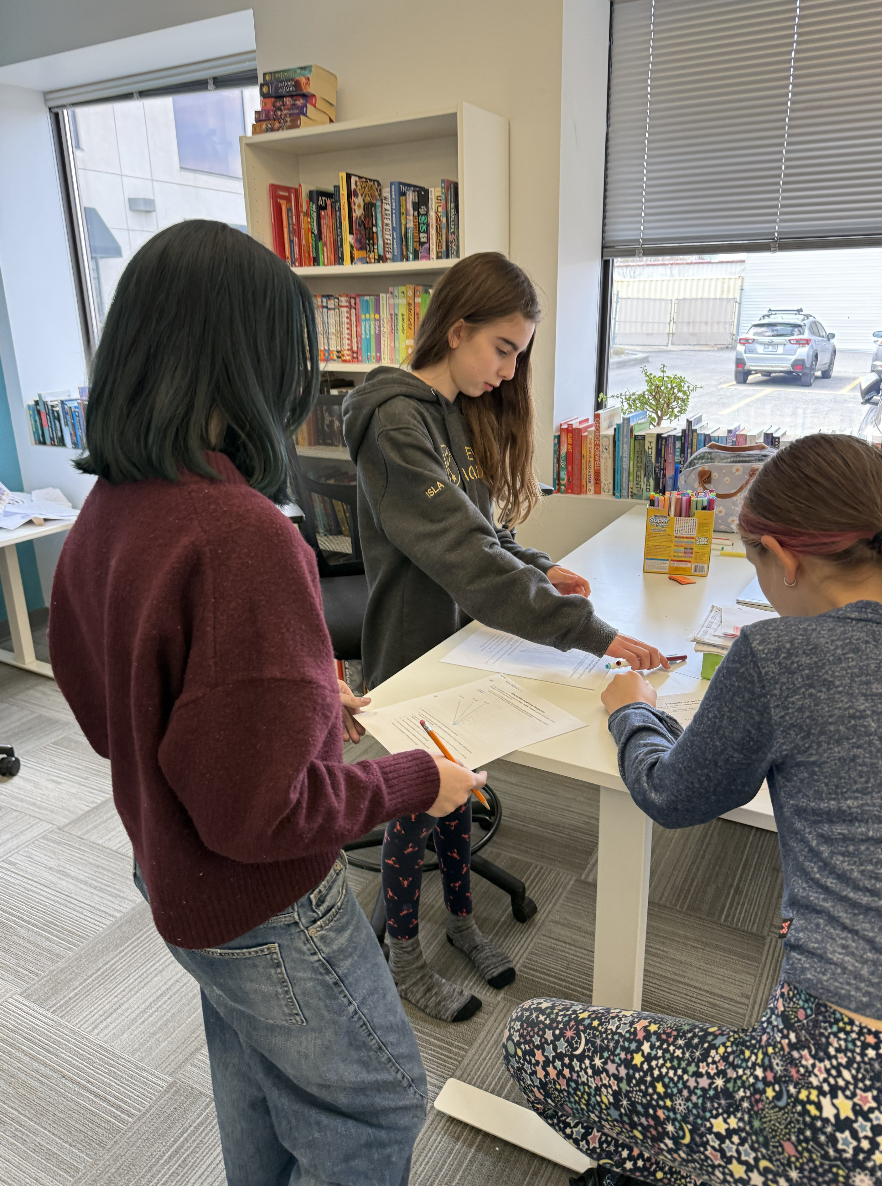
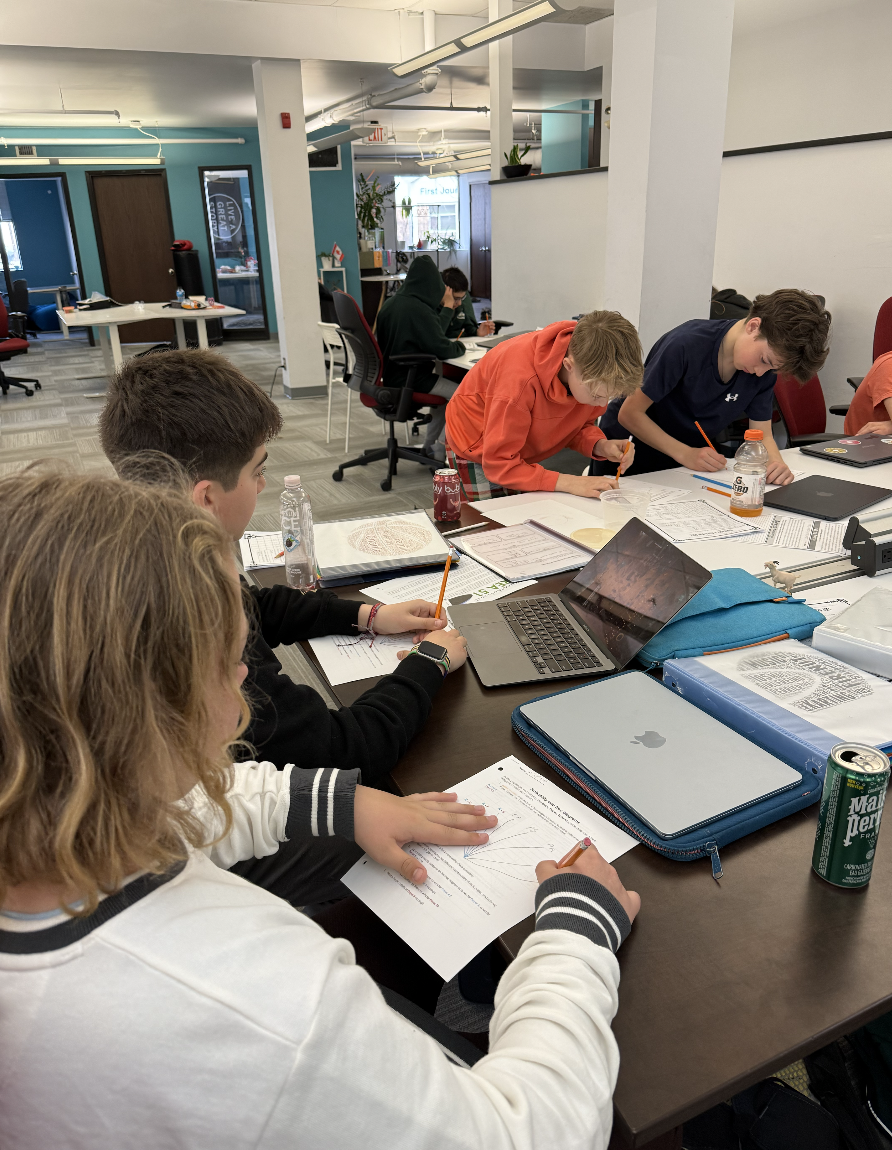
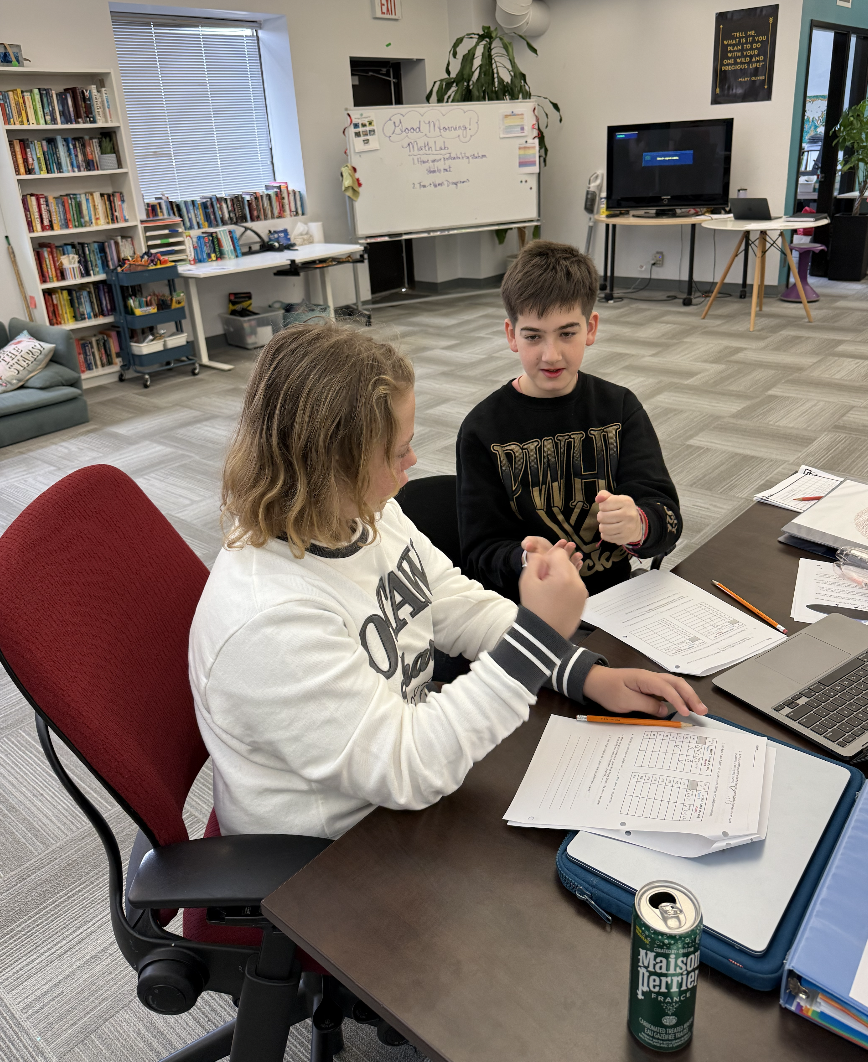
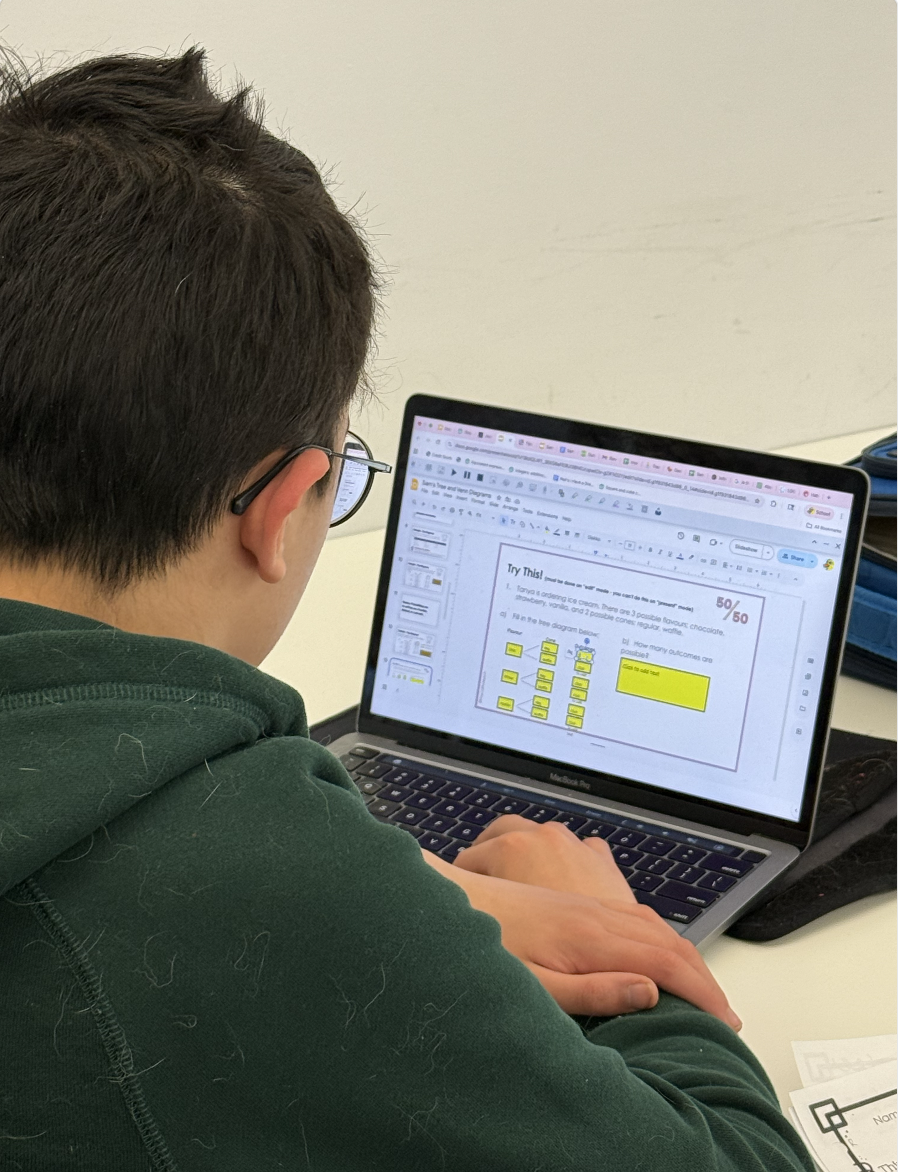
After last week’s stations, we took time as a full studio to learn about probability tools such as Tree and Venn diagrams. Once we reviewed each, Rebels solved a series of problems before moving on to a fun Rock, Paper, Scissors probability challenge in pairs.
Reader/Writer Workshop
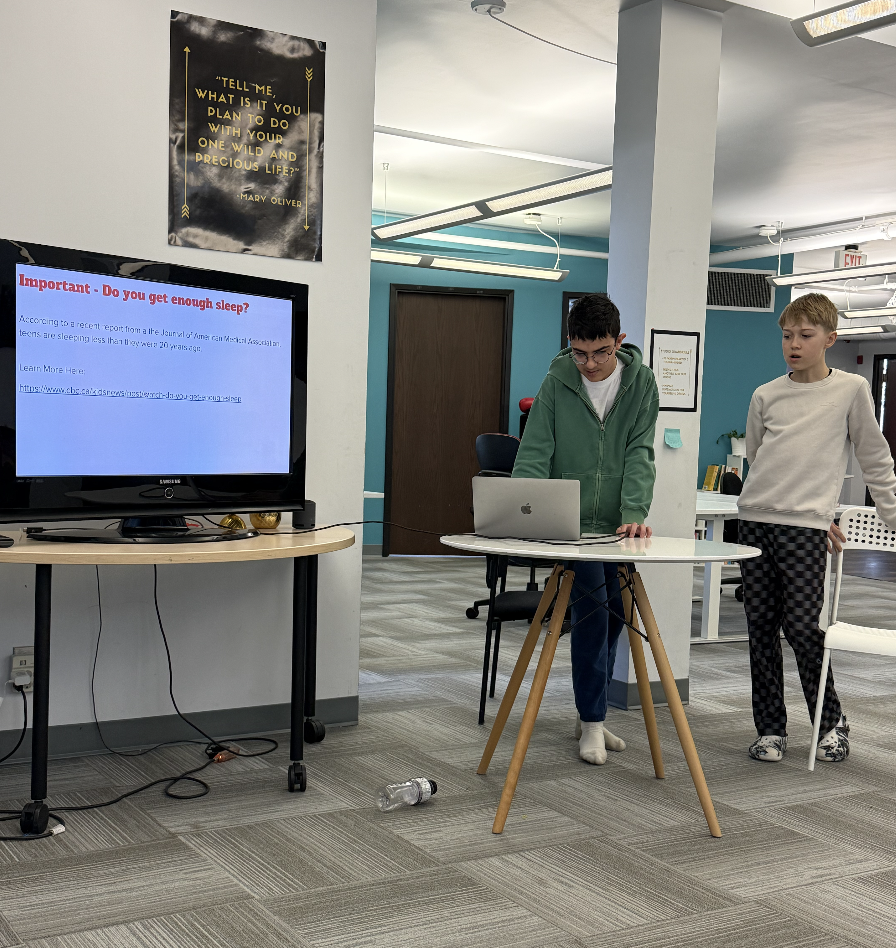
We began this week’s Reader/Writer Workshop by reviewing each of the literary devices and figurative language components that we hope to identify in our short stories this session. With each one, we tried to think of an example from a short story we’ve already read together or a piece of literature we’ve read personally. We then listened to the short story, “Click Clack the Rattle Bag,” read by the author Neil Gaiman. As a full studio, we analyzed the story, with learners mentioning imagery, foreshadowing, and onomatopoeia, and identified the narration and conflict! After another story was read, annotated, and analyzed, Rebels were ready to begin creating the presentation for their assigned short story. Using the provided template and the model slides from last week, Rebels got right to work.
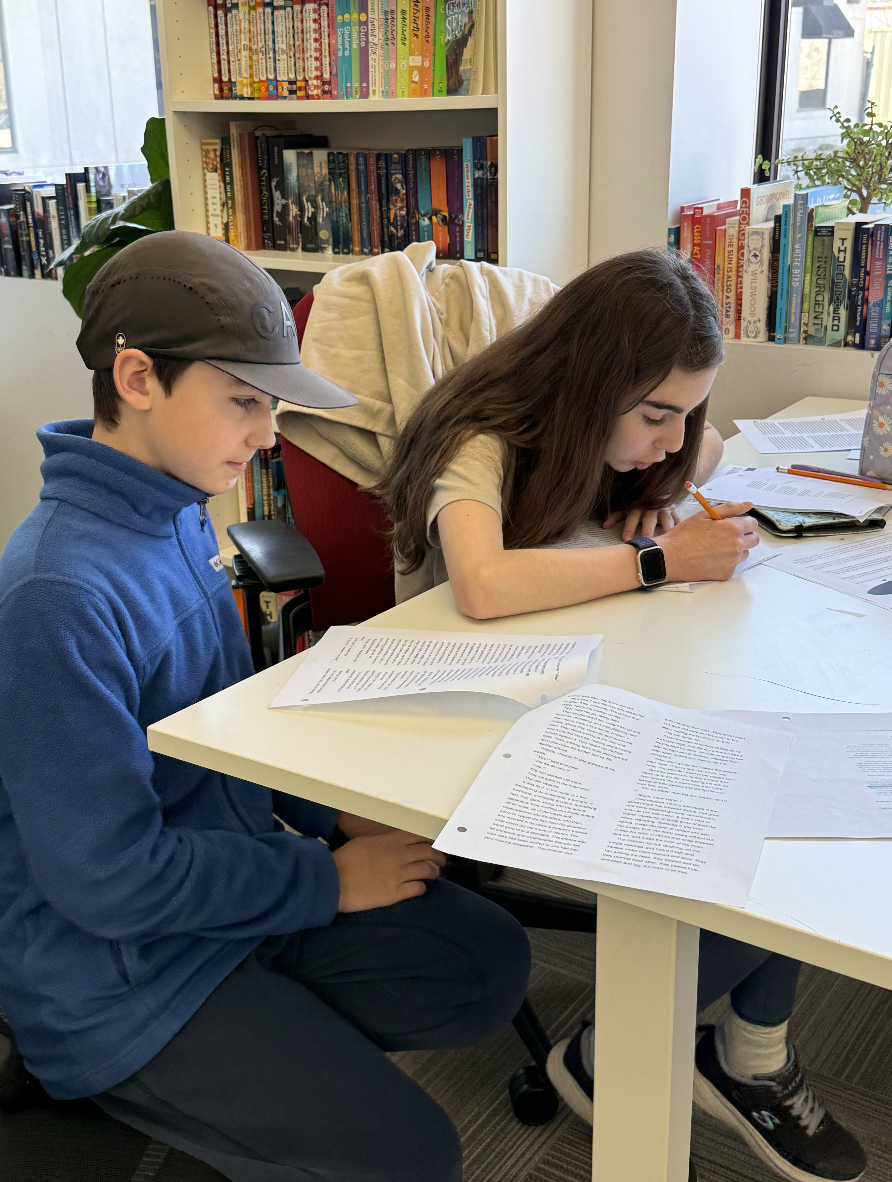
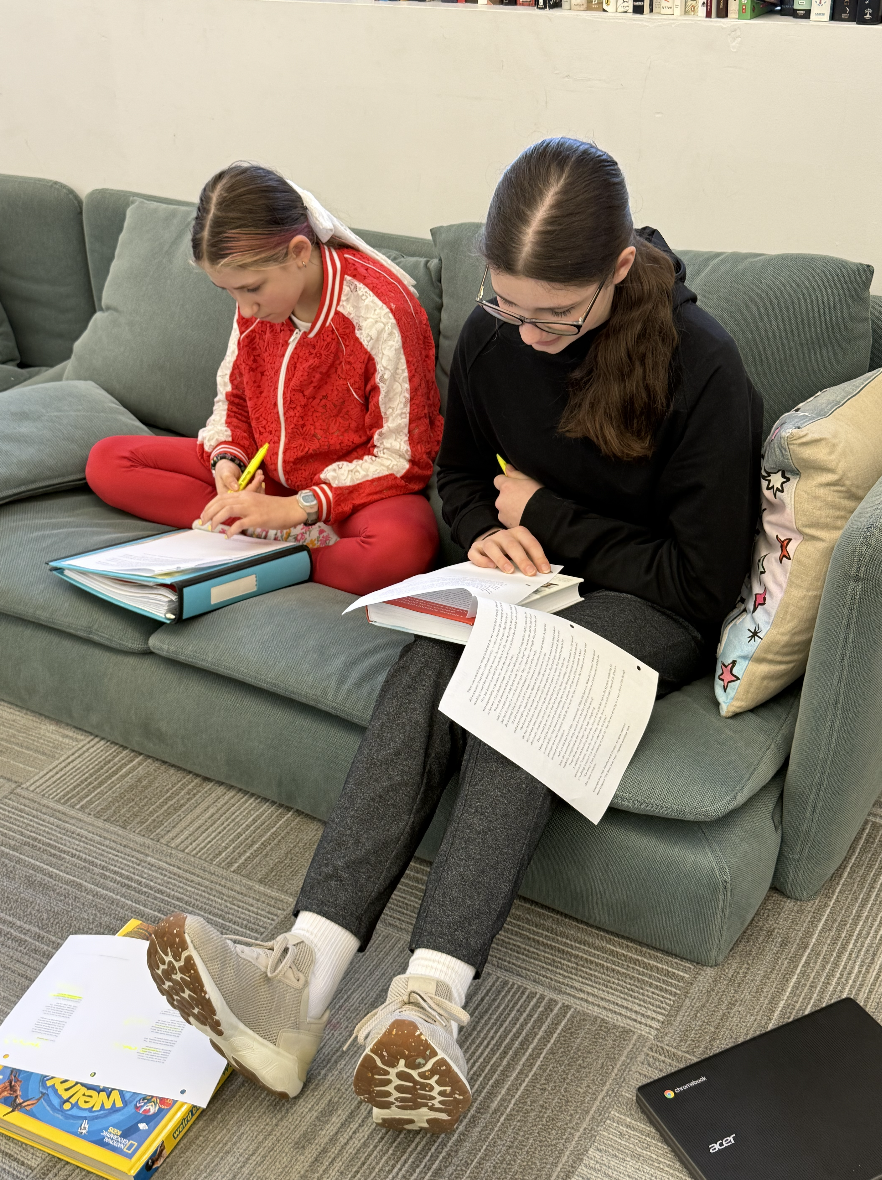
On Tuesday, during DEAR, we read Ray Bradbury’s “All Summer in a Day,” and on Wednesday, “The Monkey’s Paw.” With each short story session, learners are becoming increasingly comfortable identifying literary elements, making each discussion more engaging and deeper! Way to go, Rebels!
Reading Challenge, Paragraph of the Week, and Grammar
Allusion is a passing or indirect reference to a person, place, event, or piece of work without explanation. On Monday morning, we reviewed historical, classical, literary, religious, and pop culture allusions, and it was fantastic to hear the Rebels quickly call out an allusion they read in “The Monkey’s Paw!”
This week, learners had four paragraph prompts to choose from. The first option asked them to write a speech of apology to the Indigenous People of Canada for Residential Schools that included a list of things the government should do to help build a better relationship with the community moving forward. Rebels could also write about the habitants and their lives in New France, a piece on the Métis people and how the government of Canada treated them, or whether museums should be free to the public.
A colon is a punctuation mark that is used to introduce or emphasize information that follows a complete sentence. We use colons to introduce a list, a quotation, or an explanation, or to emphasize or expand on an idea. After our lesson on Monday, Rebels then corrected a series of sentences that misused or lacked colons before writing a paragraph incorporating colons and editing colon errors in a paragraph independently and together.
Quest - Oh, Canada!
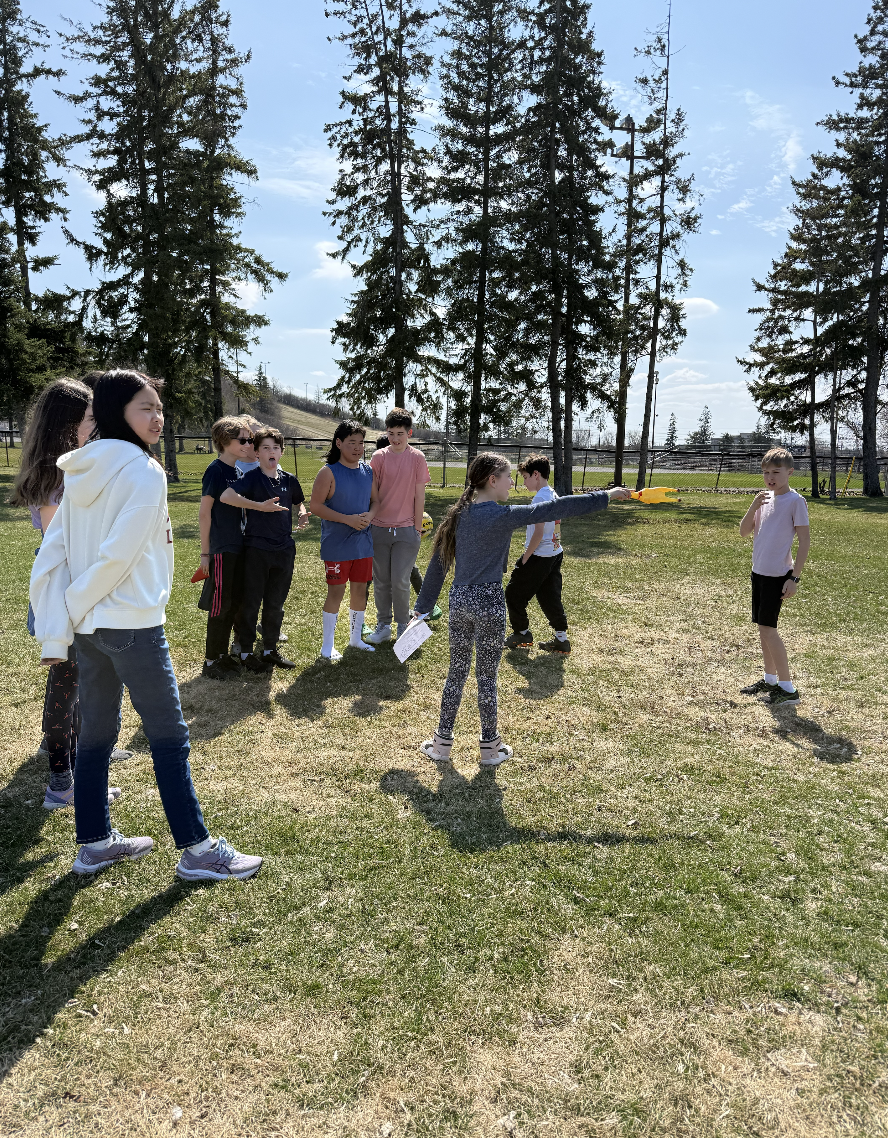
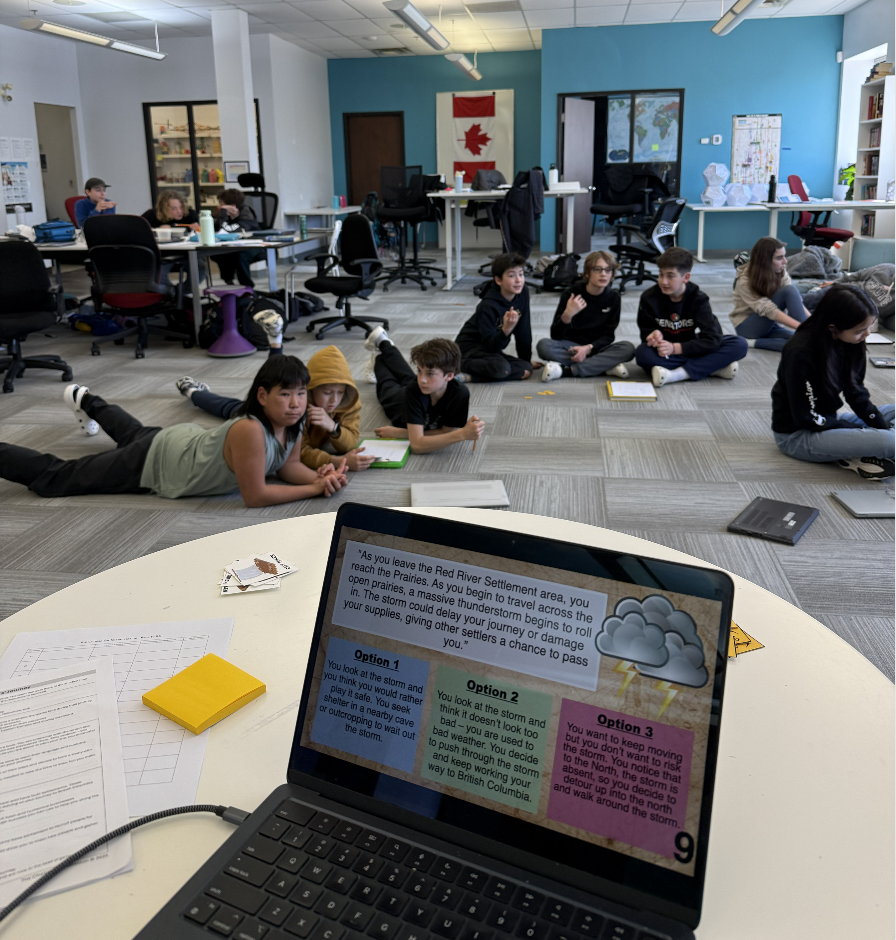
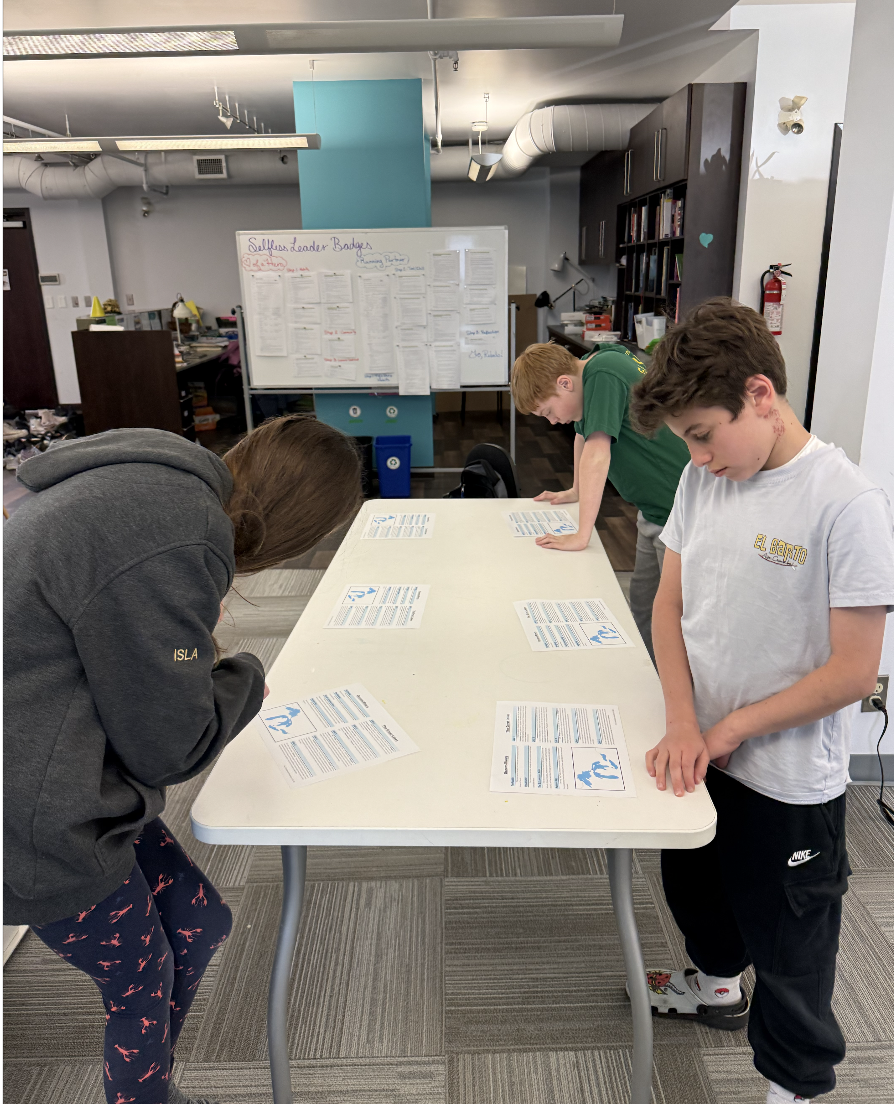
This week, the focus of our Oh, Canada Quest was on geography. We began the week with a quick refresh of provincial and territorial locations, followed by a review of Confederation and Provincial entry dates. After learning about topography, Rebels broke into teams of three for a fun simulation game where the goal was to be the first team to reach British Columbia! Through the activity, learners came to understand what it was like for settlers coming to North America, including the numerous decisions they had to make, the hardships of the journey across the continent, and the interactions they had with Indigenous peoples. Each group was presented with a scenario and 2-3 options. Once they chose an option, rewards or penalties were revealed (how many weeks it took, and whether they could get resource tokens, Guide tokens, and Raft tokens; all of which would be useful on their journey). The Rebels had a fun time making their way across the continent, learning from their choices along the way.
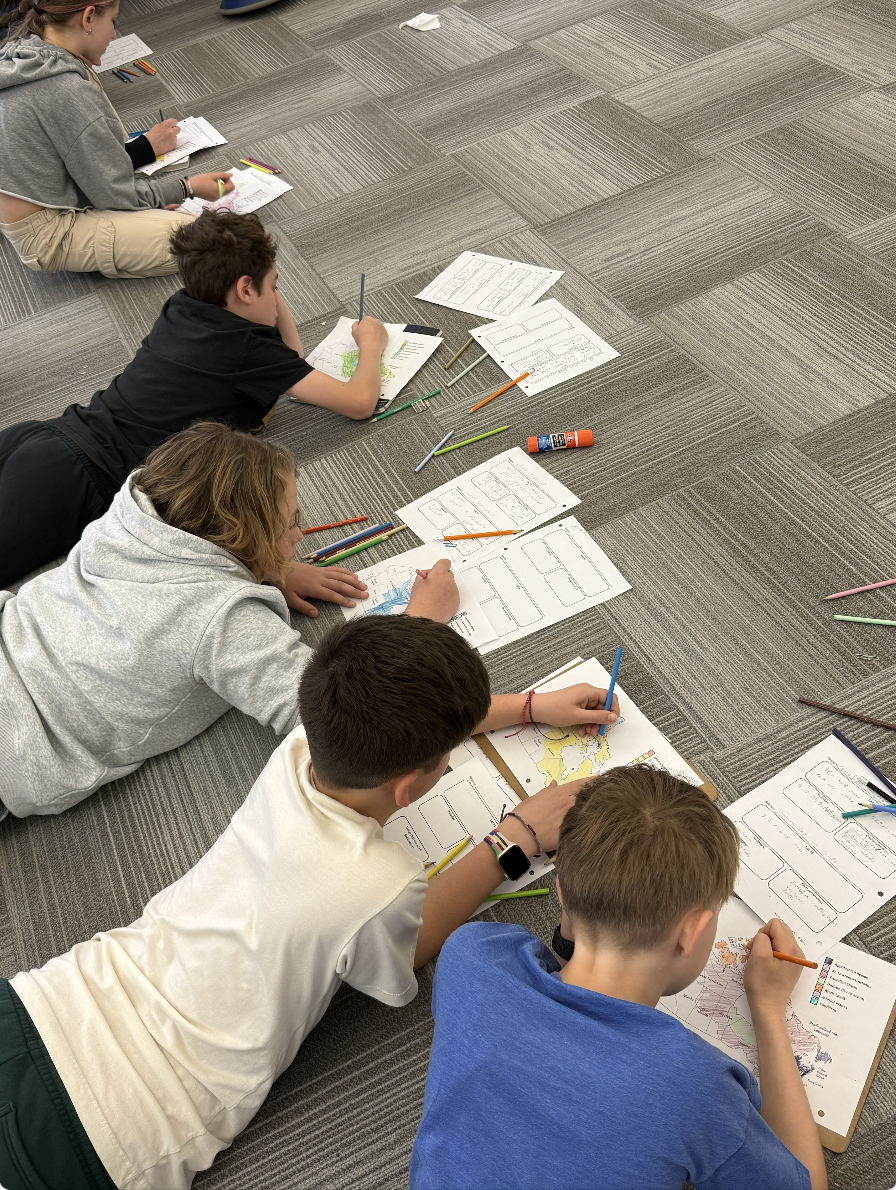
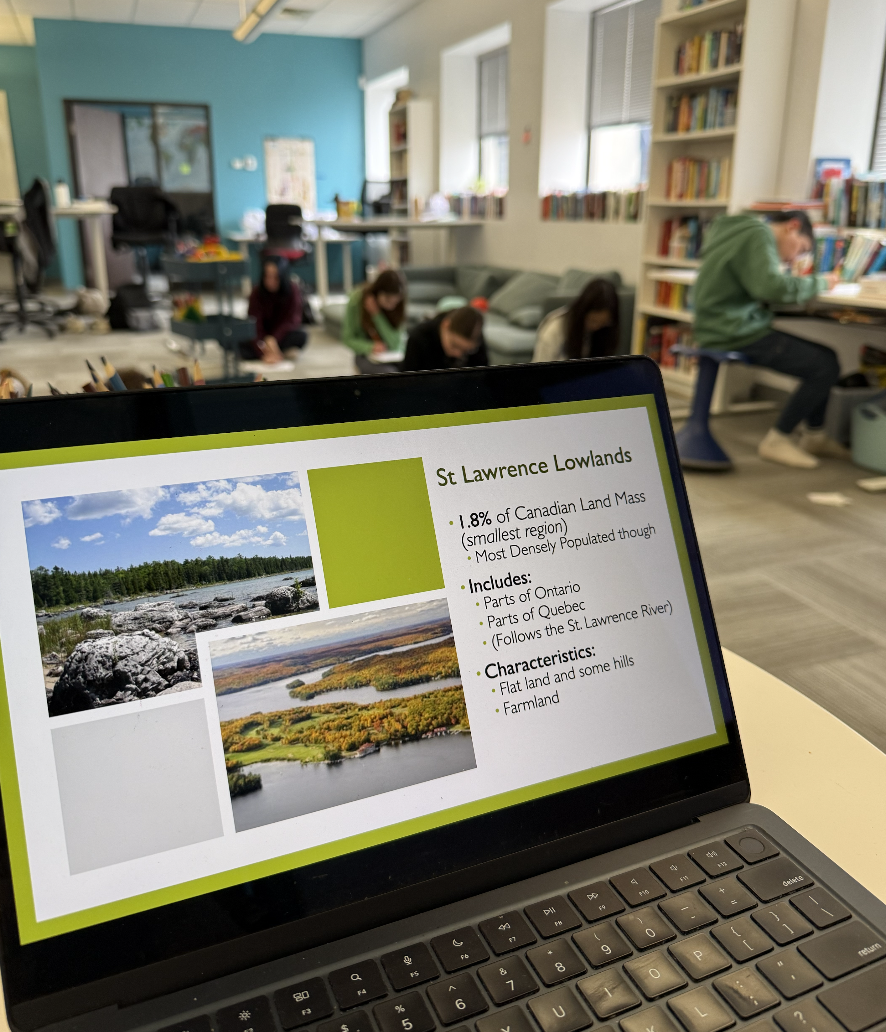
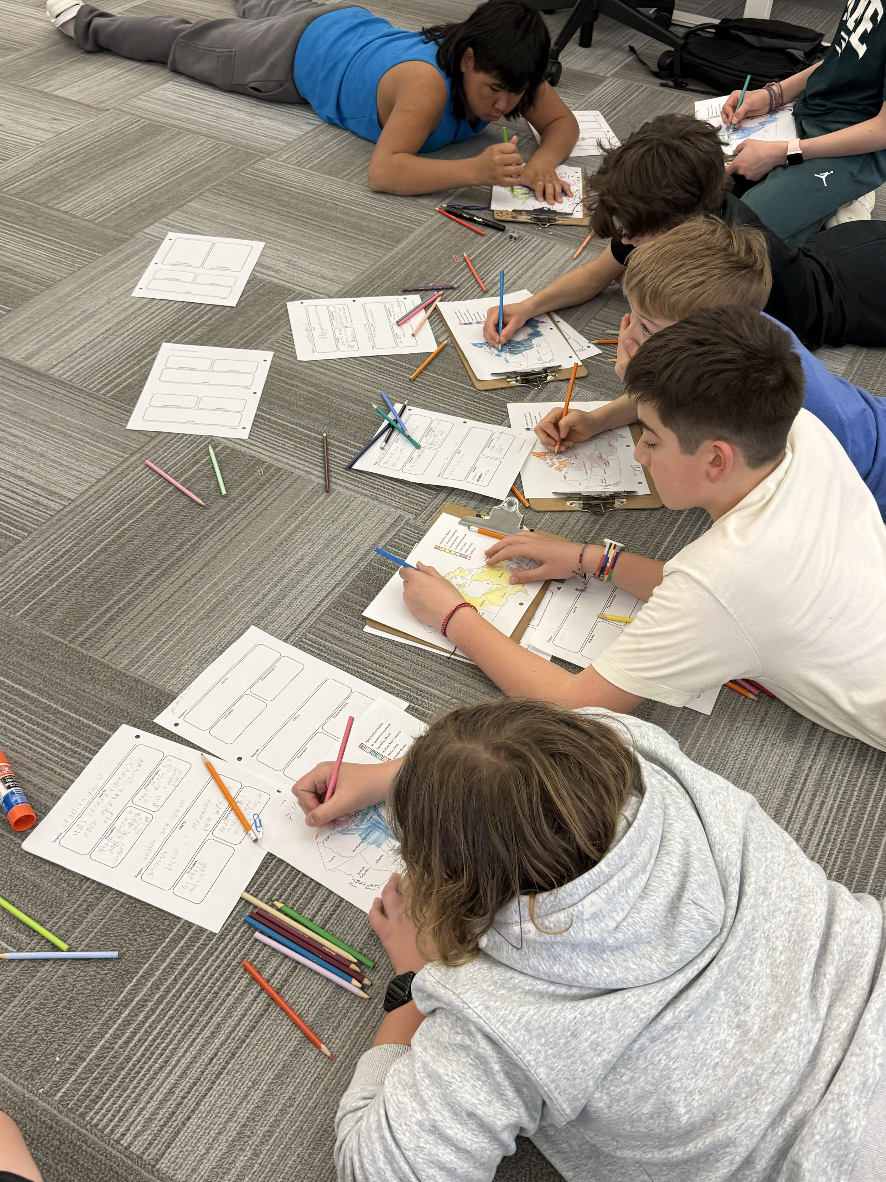
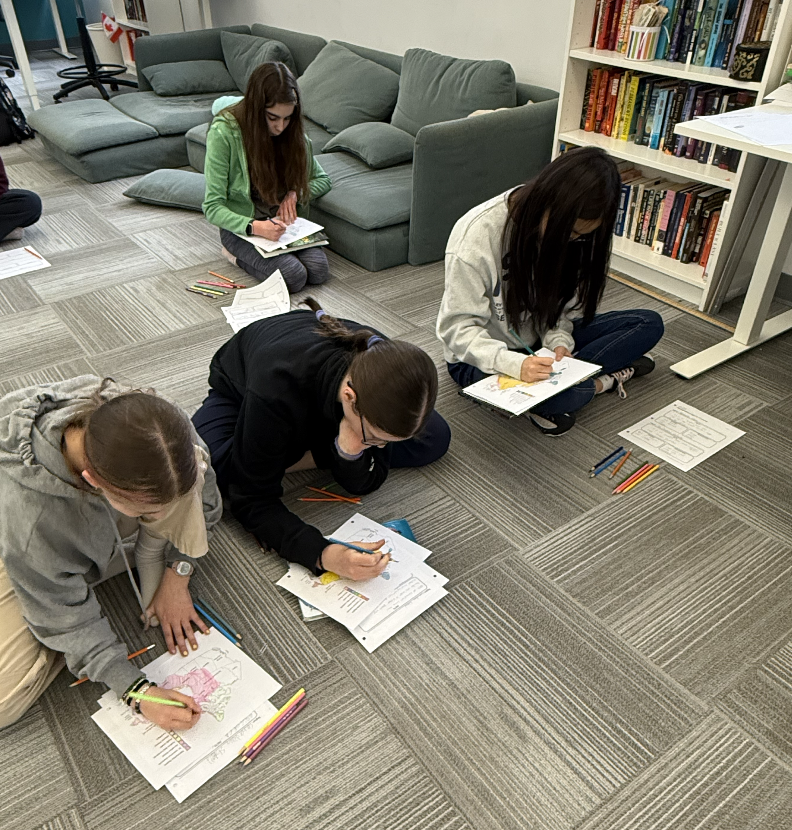
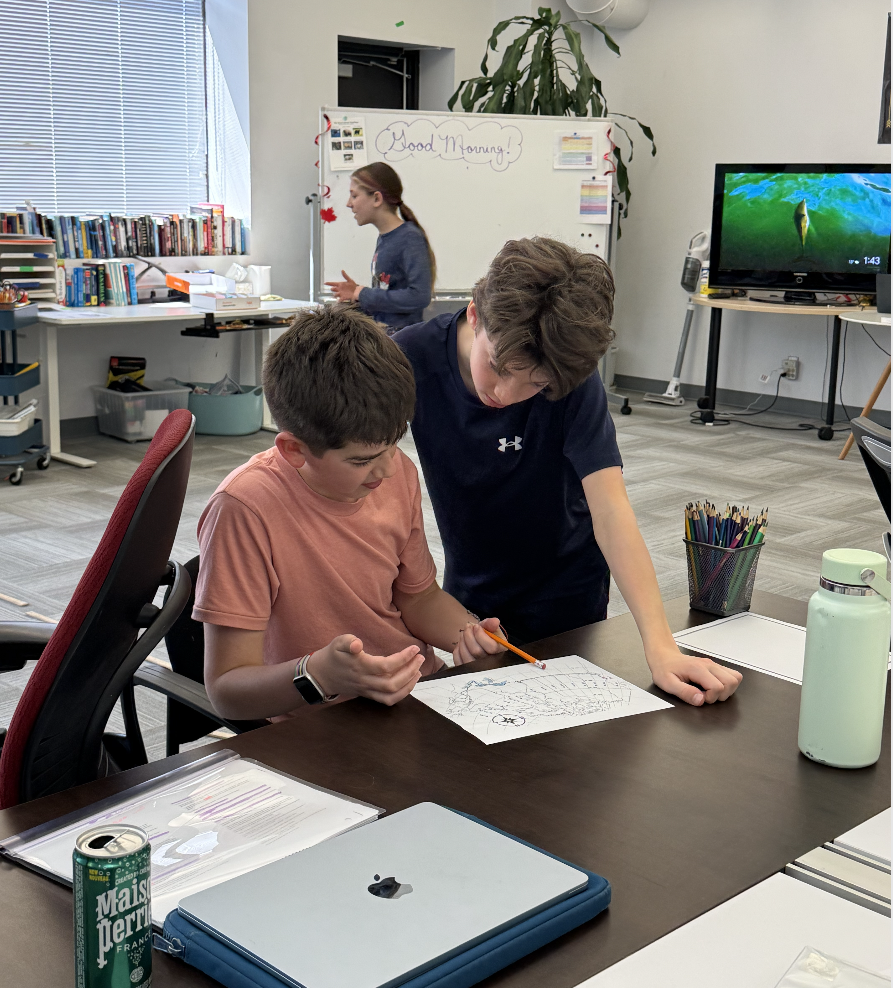
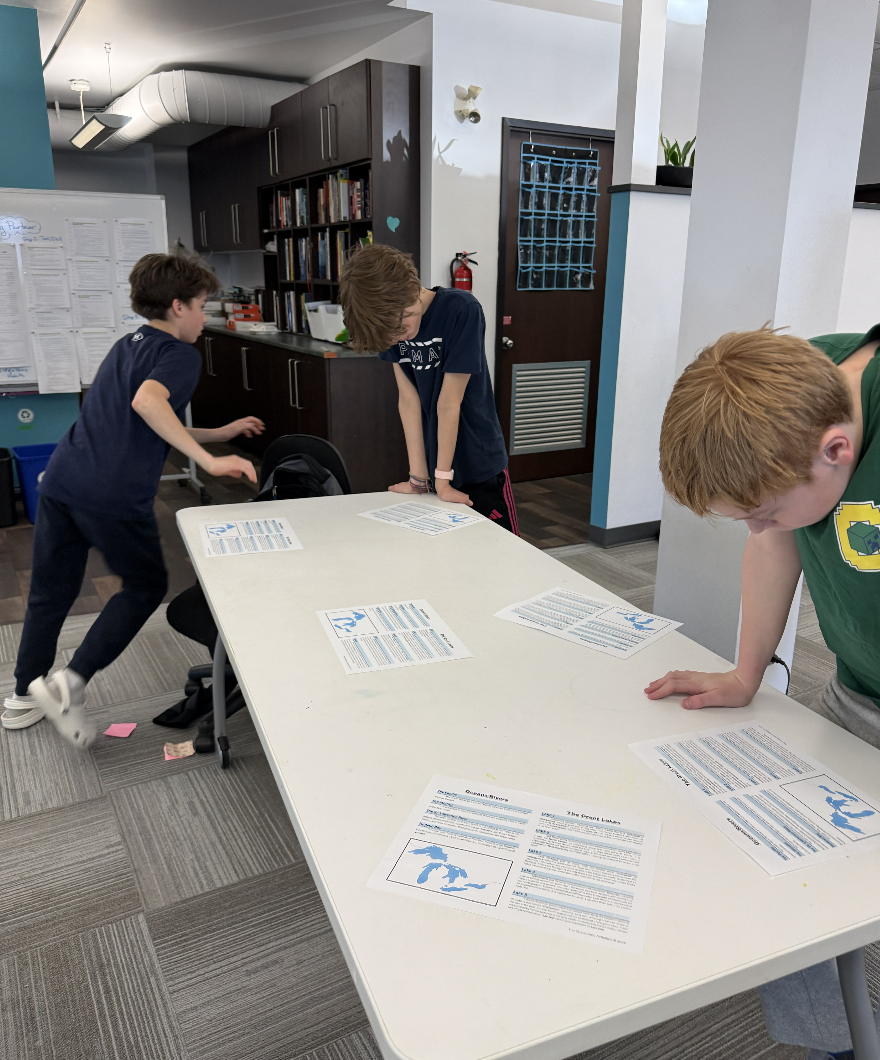
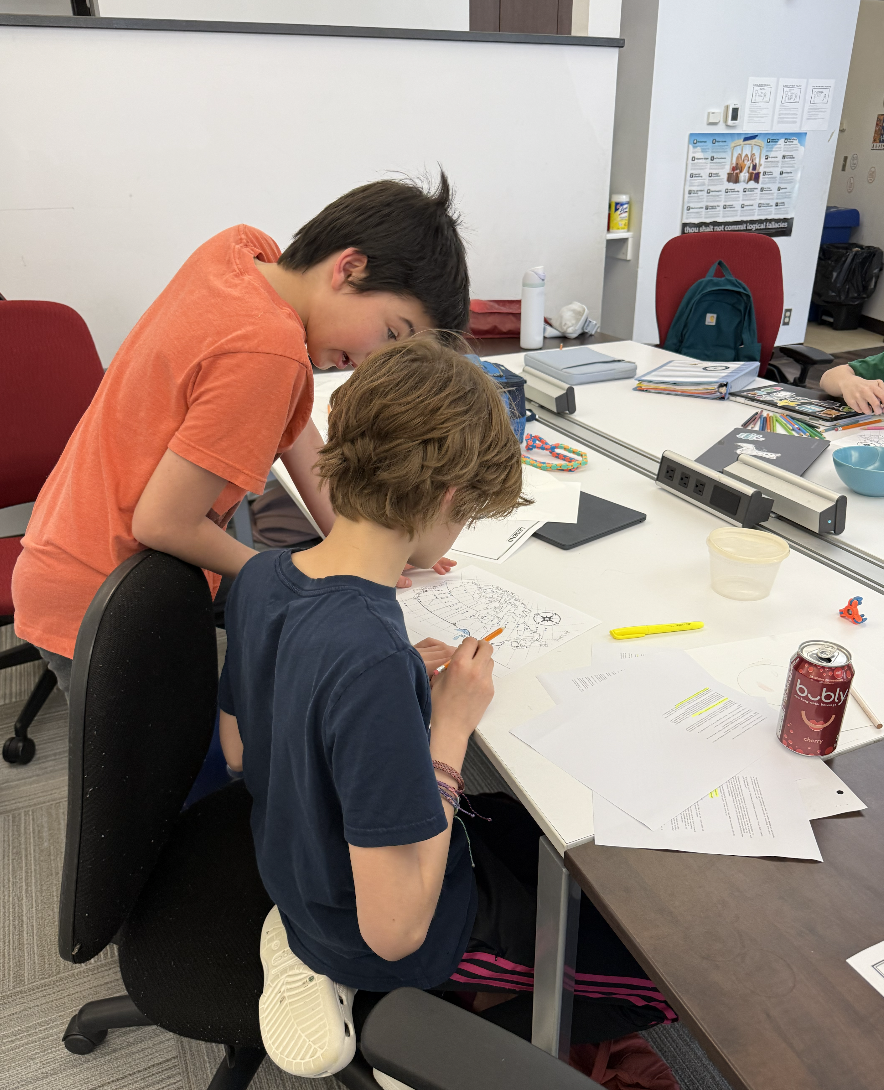
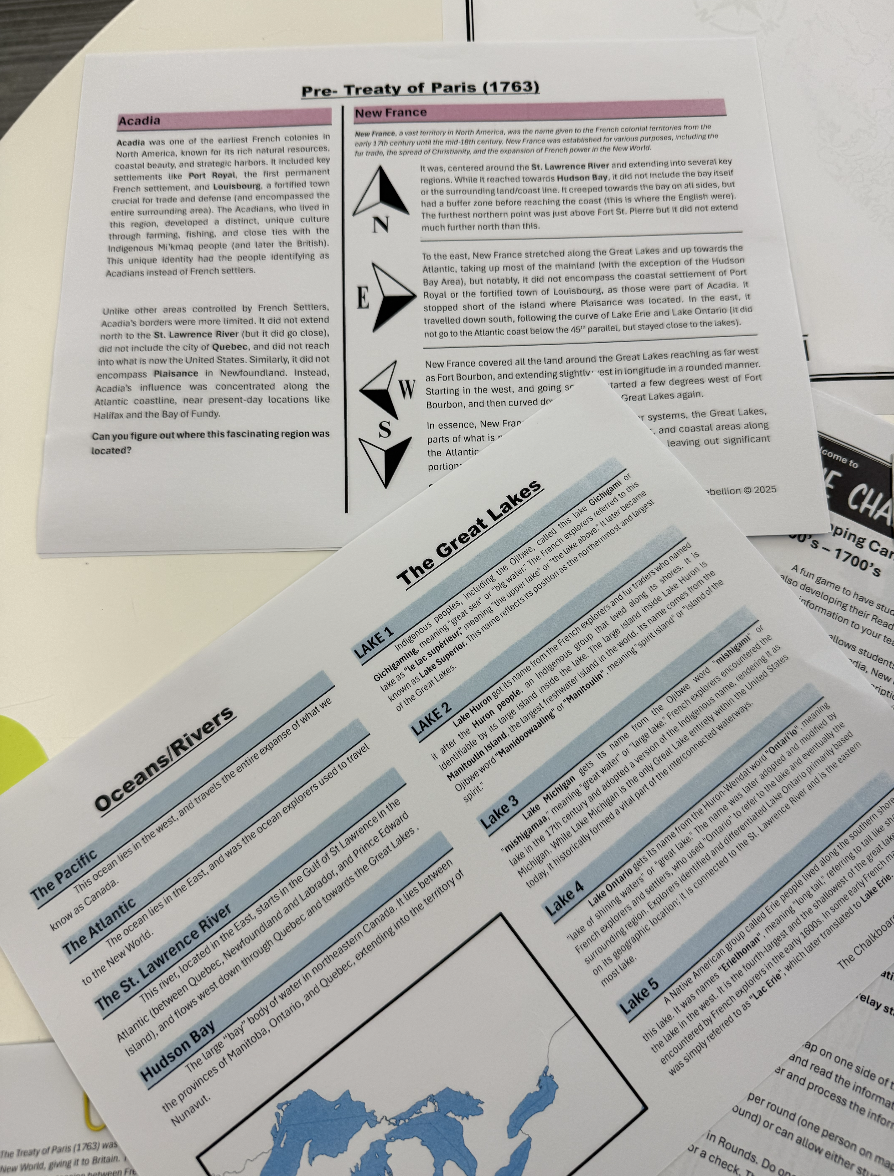
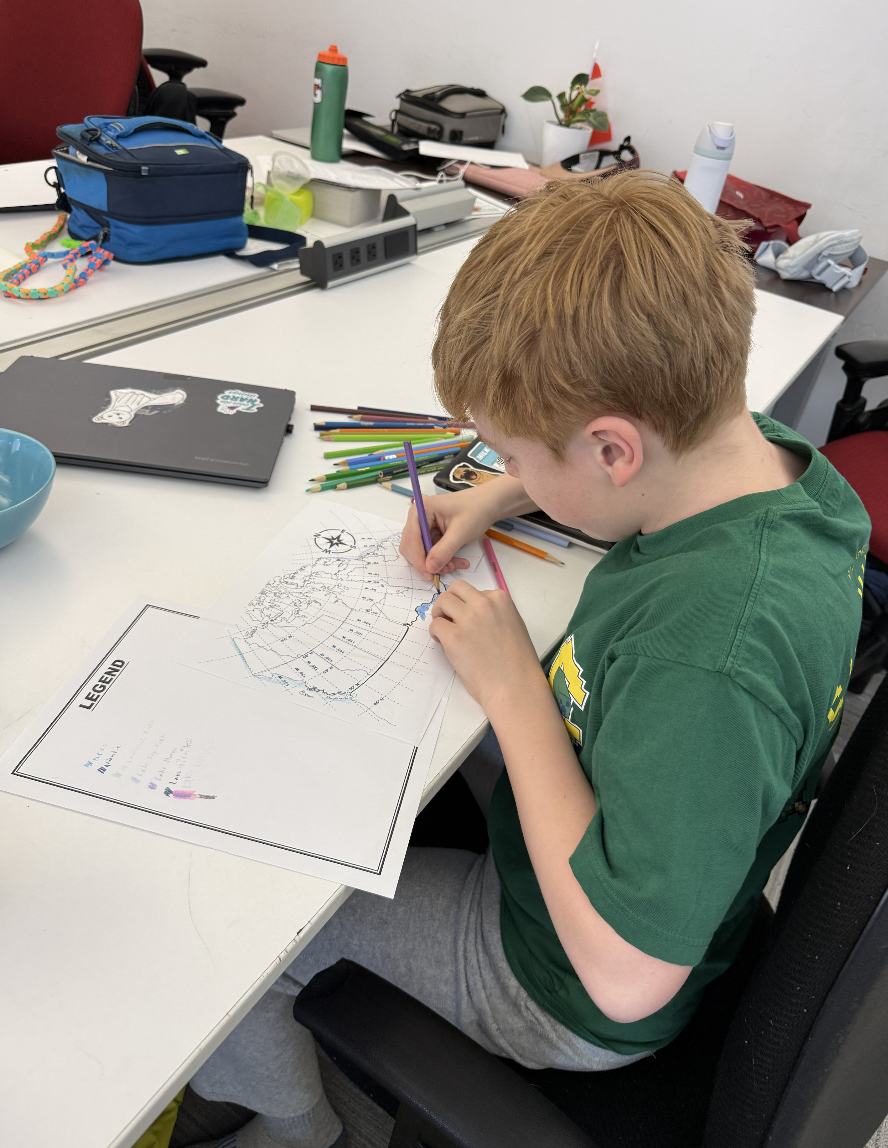
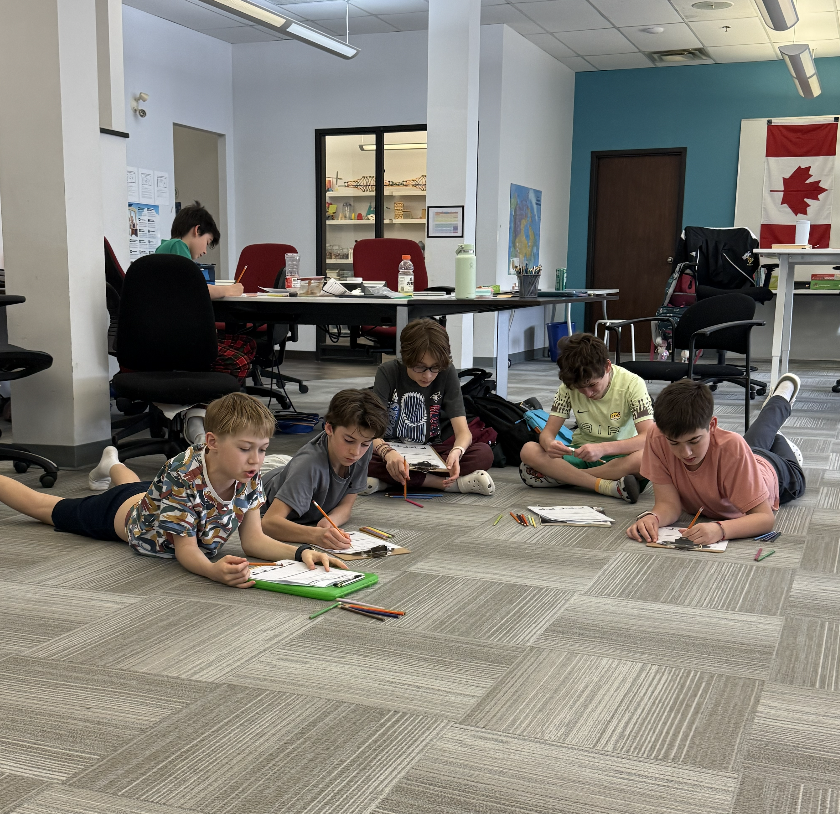
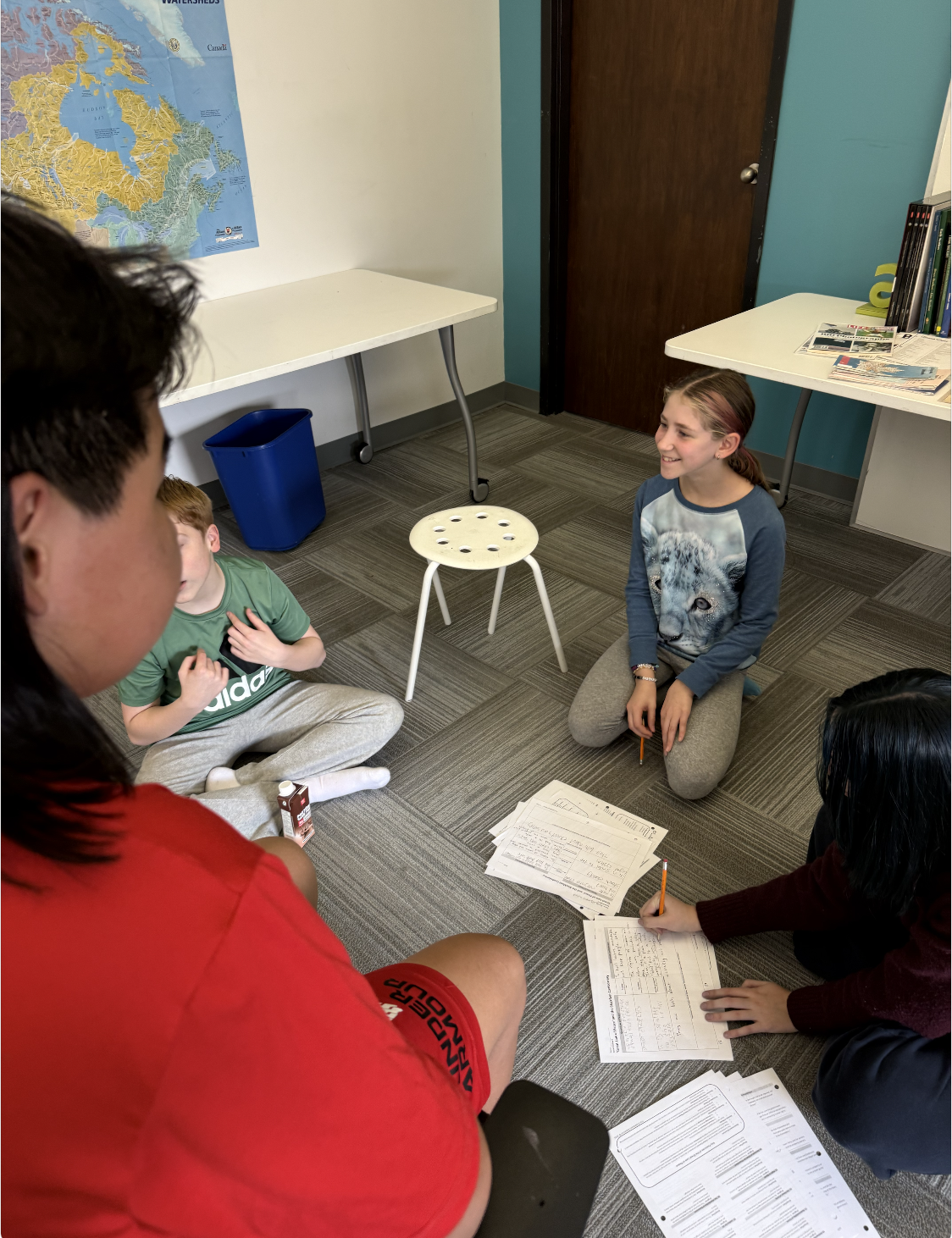
On Tuesday, Rebels learned about Canada's seven physiographic regions. Learners coloured a map and took notes on a graphic organizer about the Appalachian, Great Lakes and St. Lawrence Lowlands, Hudson Bay Lowlands, Great Plains, Canadian Shield, Arctic Lands, and Cordillera regions. We then discussed why we thought Canada was settled the way it was and which geographical feature underpinned the settlement pattern. Rebels found it really interesting that the St. Lawrence Lowlands are the most populated area and the smallest. On Wednesday, the Rebels worked in relay teams to map Canada in the 1600s –1700s. Learners were required to process how descriptions translate to locations on maps using details, compass directions, longitude, and latitude. From there, they learned how far different territories and boundaries extended, including Acadia, New France, Upper Canada, and Lower Canada. While the task could often be frustrating because only one partner was allowed at the instruction table at a time, the learners did a great job piecing together the information and labelling waterways, important cities and forts, and various territories of the time. Great job, Cartographers!
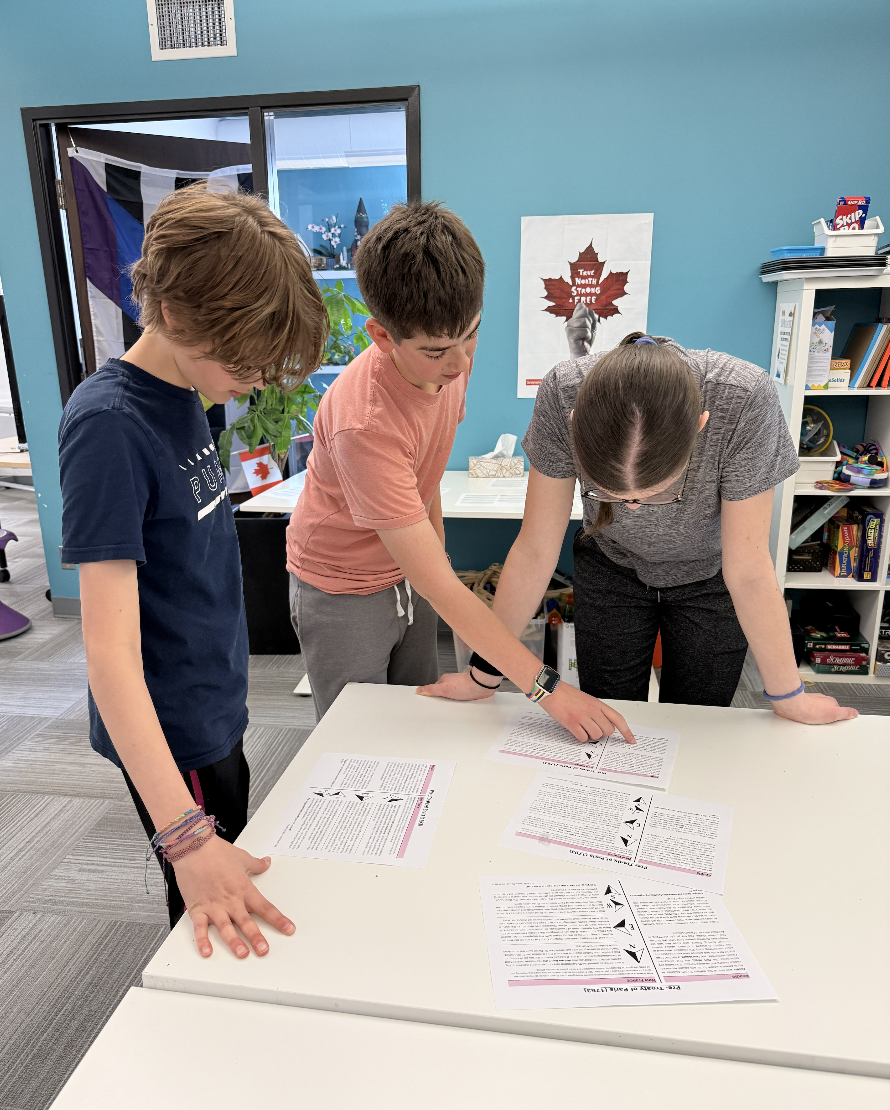
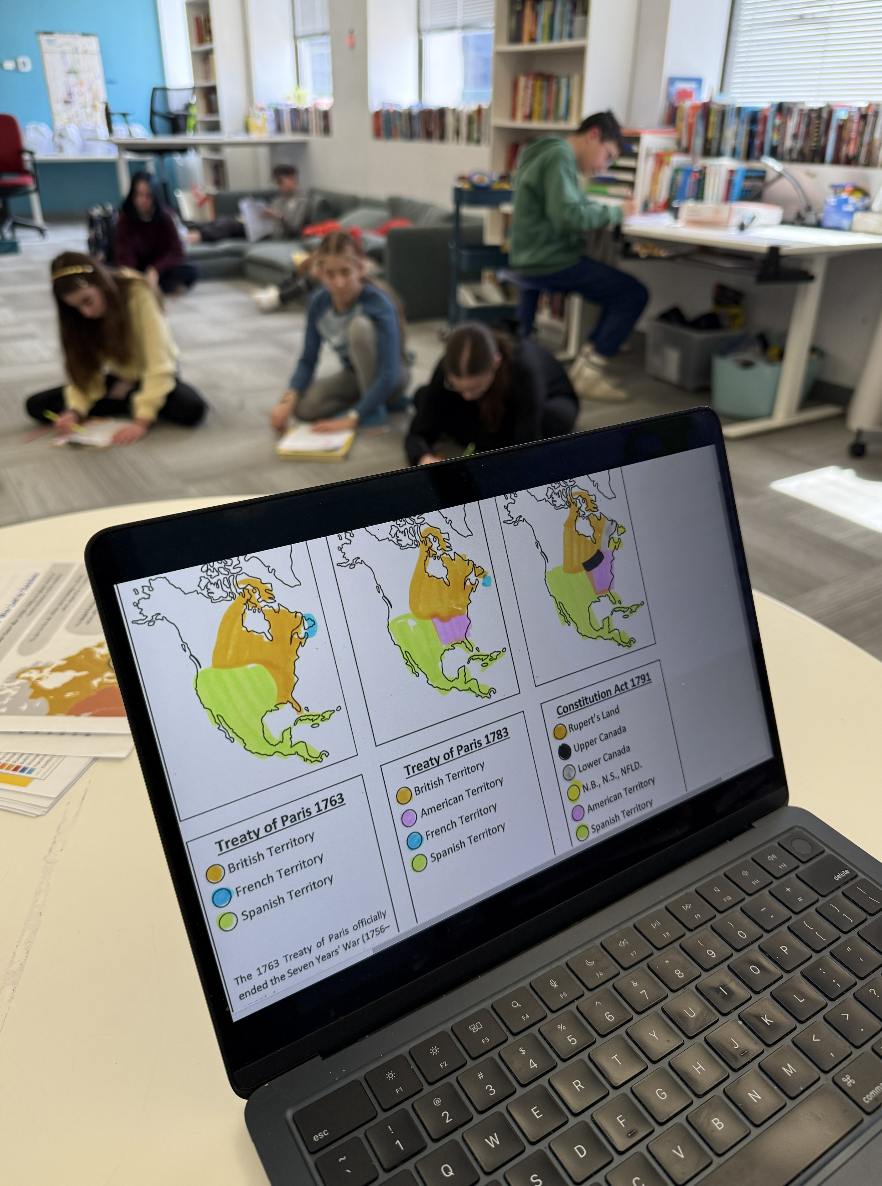
We ended our week learning about the transition from New France to Upper and Lower Canada. While reading about Acadia, Rebels mapped and labelled the important locations. We then took time to learn about how the various wars in Europe affected North America, taking notes on who was involved, what treaty ended each war, and the results of each (King William's War (War of the League of Augsburg), Queen Anne's War (War of Spanish Succession), and the Seven Years War). We also spent time learning more about the Treaty of Paris, the Royal Proclamation of 1763, the Quebec Act of 1774, the Treaty of Paris of 1783, and the Constitution Act of 1791.
At one of our closings, we introduced Heritage Minutes and, throughout the week, watched a handful, including the Vikings, John Cabot, Jacques Cartier, Irish orphans in Quebec, the expulsion of the Acadians, D-Day, and the liberation of the Netherlands. Rebels felt that there should be more commercials like these on TV, as they are interesting and educational!
Governance
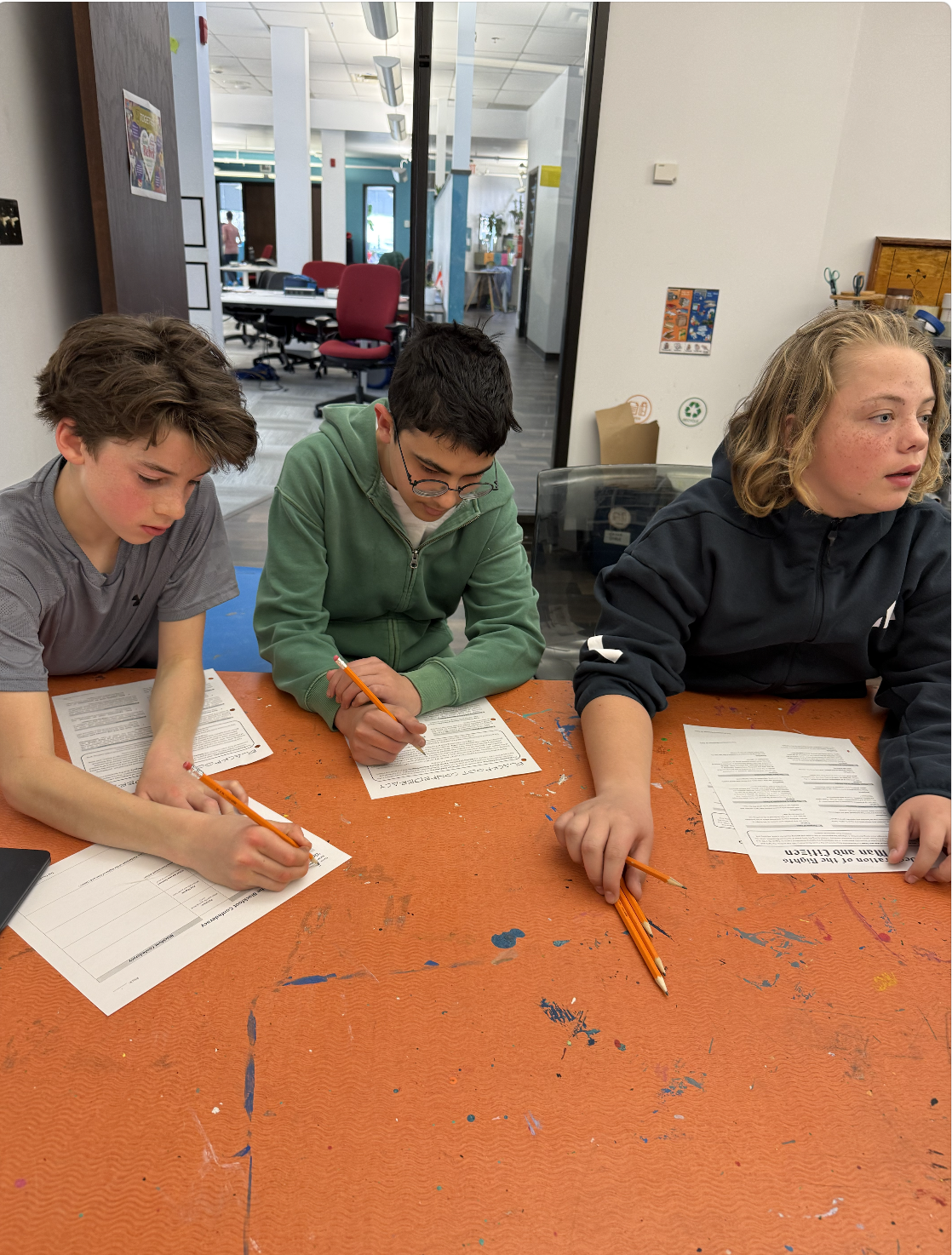
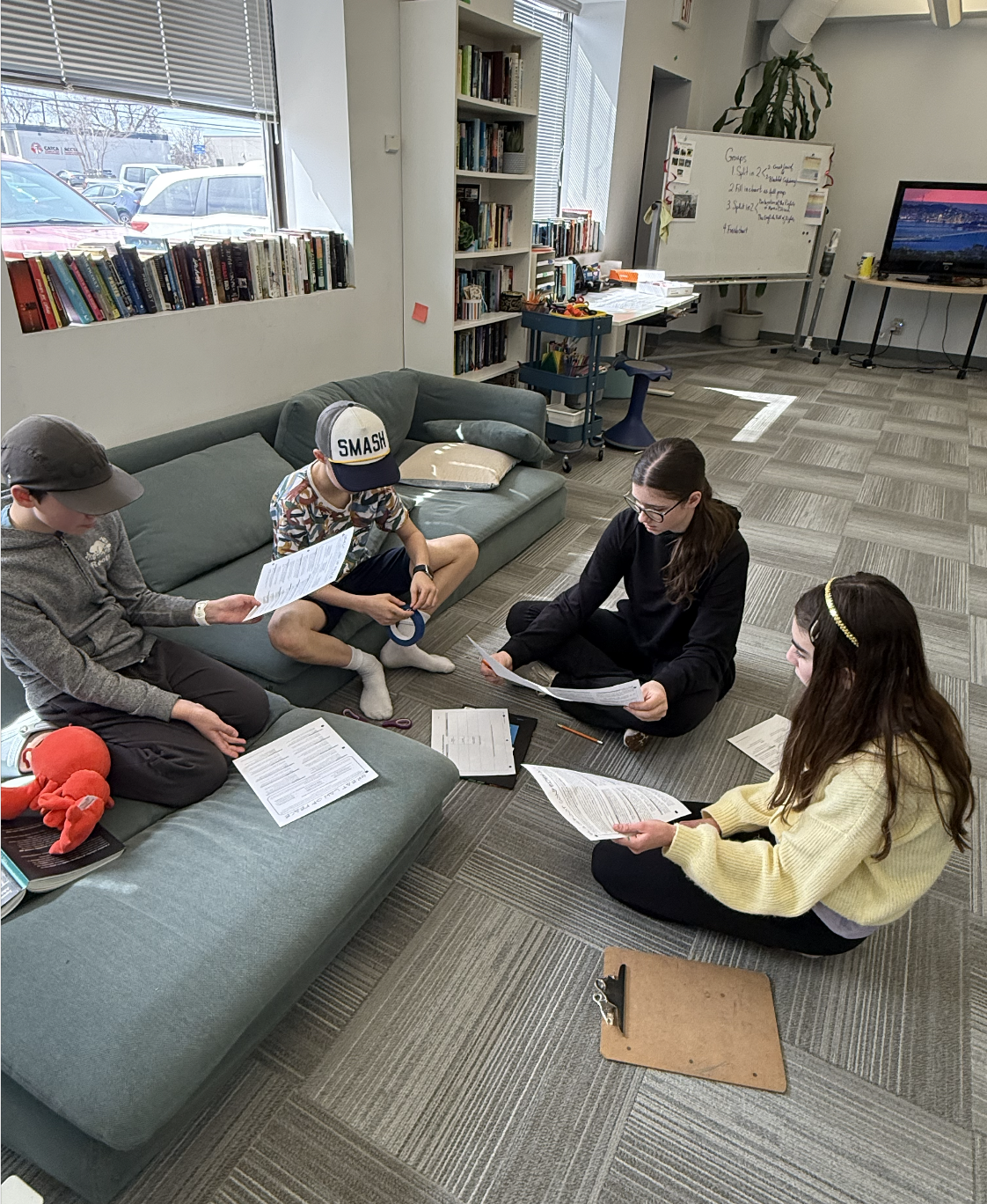
Before visiting the Parliament buildings in May, the Rebels are learning about governance. On Thursday, learners read a simplified, written version of the Great Law of Peace from the Haudenosaunee and the governance of the Blackfoot Confederacy. After analyzing the purpose and key rights, teams compared the two documents for similarities. Groups then split and read the English Bill of Rights and the Declaration of the Rights of Man and of the Citizen for further comparison. With our remaining time, learners reflected on which components they liked best in each document and created a set of guiding principles they believed would work best.
Civilizations - Big History
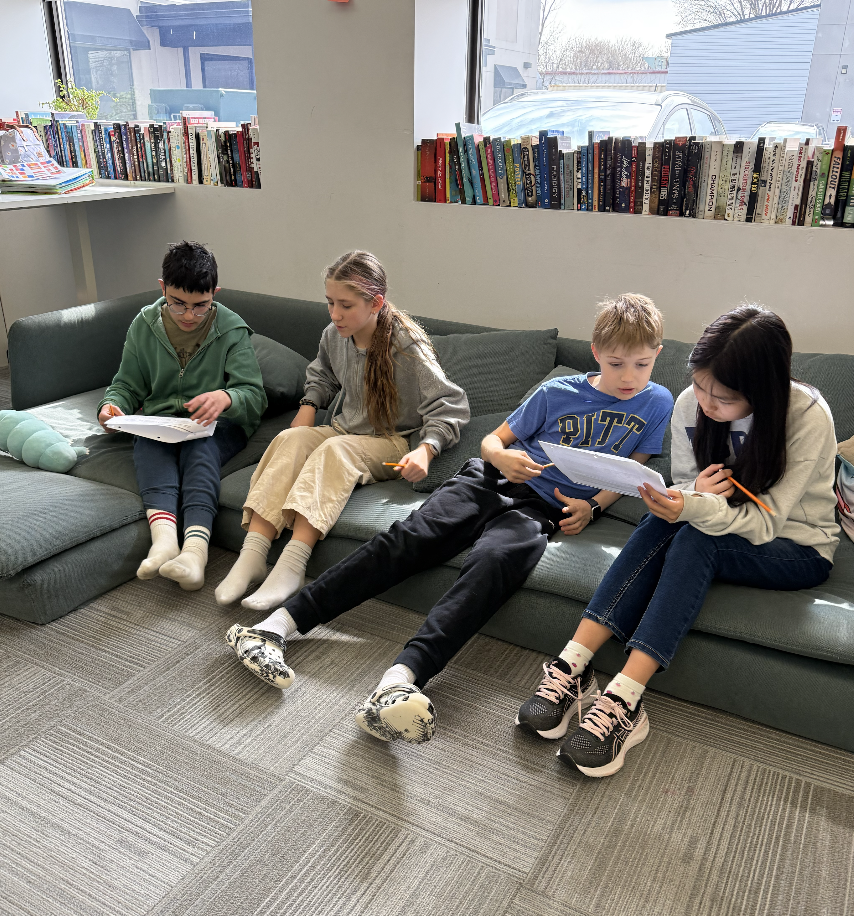
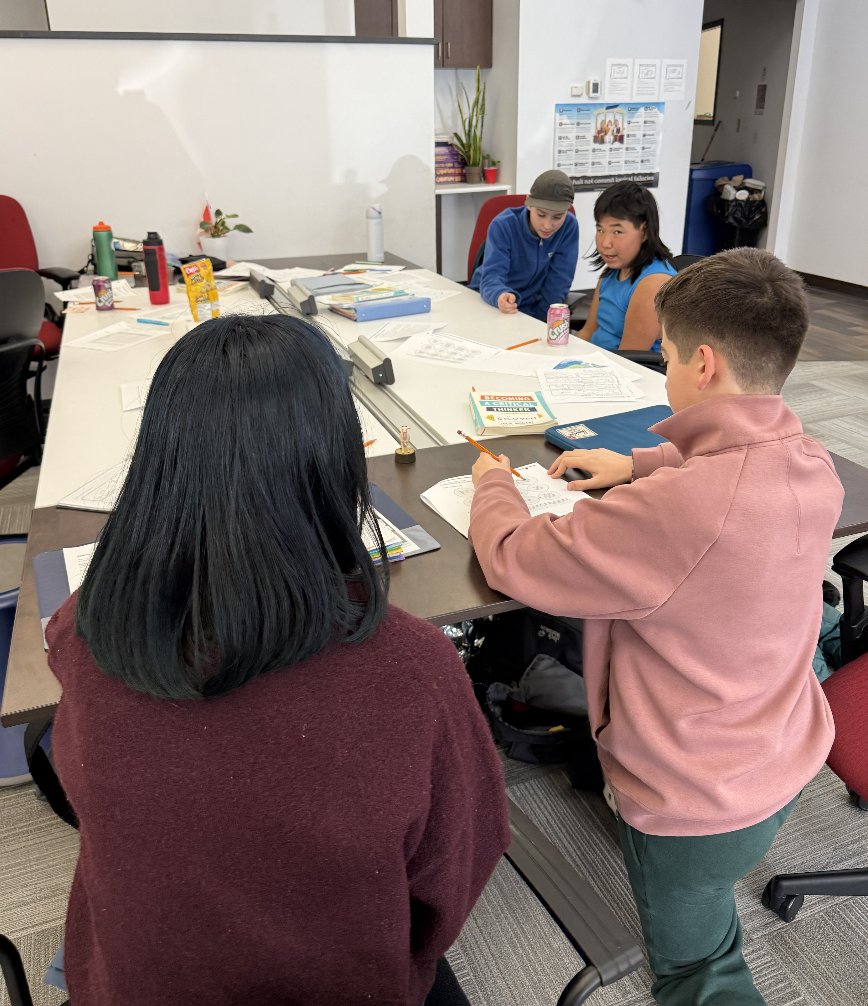
What are the pros and cons of the interconnection of the four world zones? How did connecting once-isolated continents reshape the world? On Tuesday, learners explored the ripple effects of the Columbian Exchange to uncover how the flow of goods, ideas, diseases, and people transformed global life and made it more complex than ever. Learners began by reviewing a list of goods and decided whether they came from the Afro-Eurasian world zone or the Americas world zone to gain insight into the lasting impact of the Columbian Exchange. It was fun to witness their shock when they discovered that both tomatoes and potatoes were from the Americas, as they immediately thought of Italy and Ireland when they were mentioned. We then read an article on the Four World Zones. We learned about the advantages and disadvantages of each zone, and how complexity increased as humans innovated and migrated to different zones. With their newfound understanding, Rebels completed an activity in which they discussed the important positive and negative impacts and consequences of the Columbian Exchange. After analyzing three cause-and-effect chains for the "weakest link" (the effect that doesn't logically follow from the cause before it), Rebels answered a series of questions on the movement of people and plants, as well as what the most important effect of the Columbian Exchange on the world today is.
Potential Questions and Ideas to Ask Your Learner
Spark Studio:
Can you tell me what happened in the beginning, middle and end of the story The Tiny Seed?
How many planets are in our solar system? Can you tell me the order they go in?
What did you learn about Pluto this week? How many dwarf planets did you learn about?
Discovery Studio:
What is “castling” in chess? When are you able to do this in a game and when are you not?
Why is it important to control the centre of the board in a chess game?
Did you enjoy notating your chess games this week? How did it change the experience of the game?
In your error analysis workshop for Math Lab, do you find it easier to find and explain computational errors or conceptual errors? Why?
What do you predict will happen to the main character, Tani, in your novel study?
Exploration Studio
Can you think of a time when something felt like an “either/or” choice, but there were actually more options? What could those other options have been?
What was your favourite Heritage Moments video you watched this week? Why?
How did decisions made far away in Europe end up changing life for people living in North America?
Which literary device (like imagery, foreshadowing, or onomatopoeia) do you think was most powerful in the short story you’re presenting, and how did it help shape the mood or meaning of the story?