Revel Recap: Apr 27-May 1
Important Upcoming Dates
Session 6 Exhibitions
Discovery Exhibition - Tuesday, May 12th, 4:00-5:00 pm
Spark Exhibition - Wednesday, May 13th, 4:00-5:00 pm
*Due to the Overnight Trip there will not be an Exploration Exhibition this session
Exploration Overnight Ottawa Adventure - Wednesday, May 13th to Friday, May 15th
Sessional Break & “All Our Favourite Things!” Camp with Ms. Jenna - Tuesday, May 19th to Friday, May 22nd
Spark Studio
Mindfulness and Launch
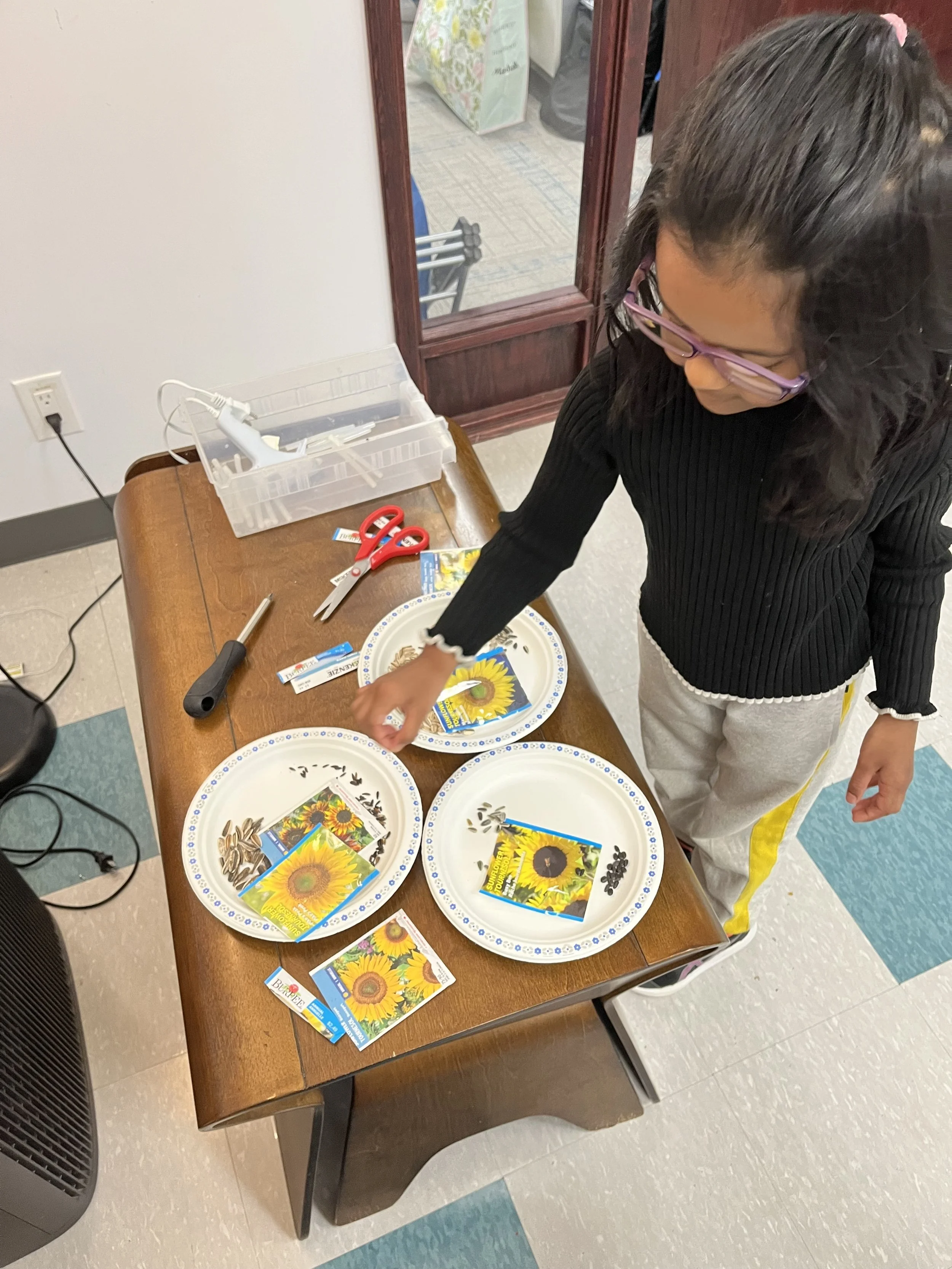
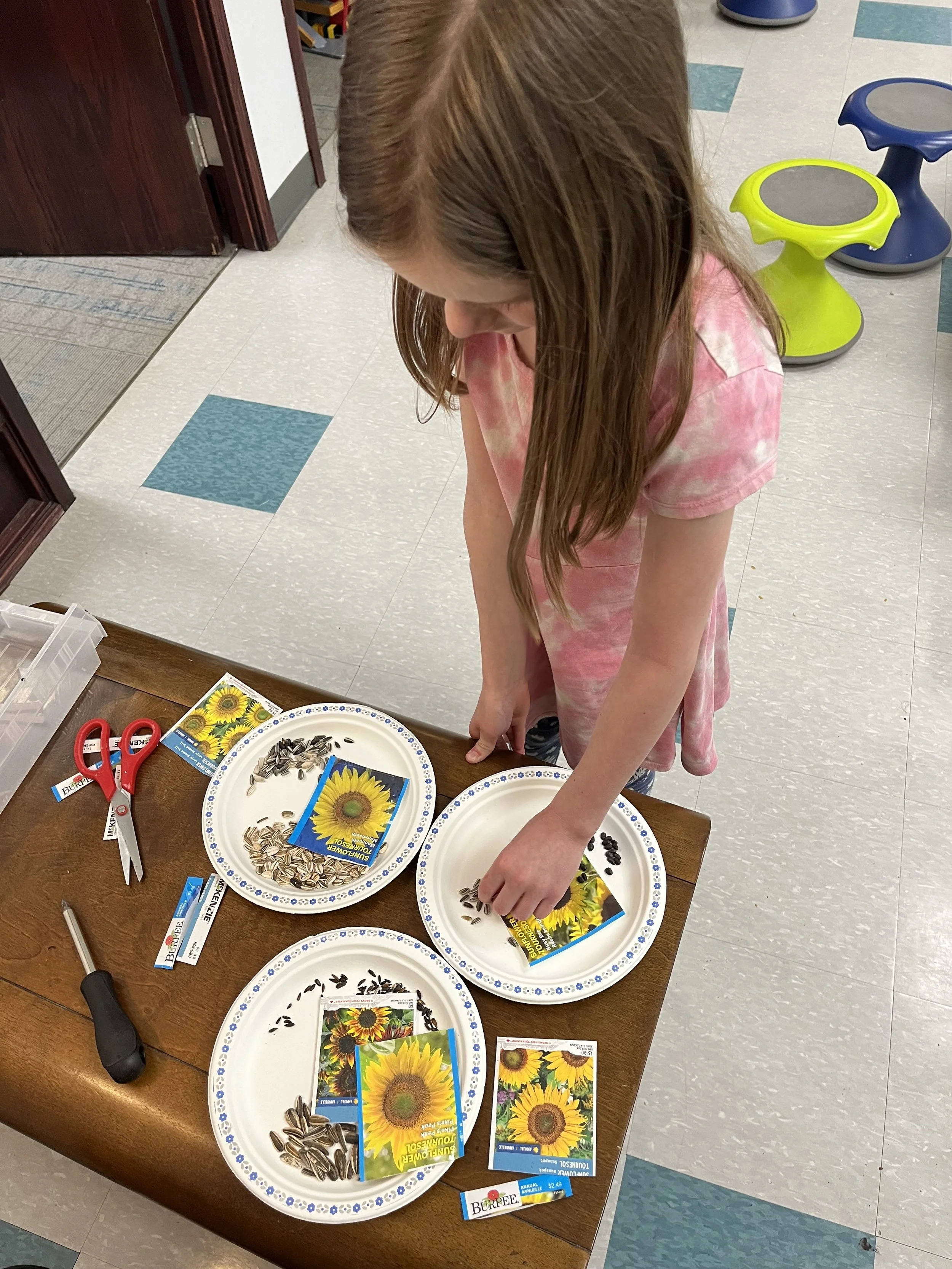
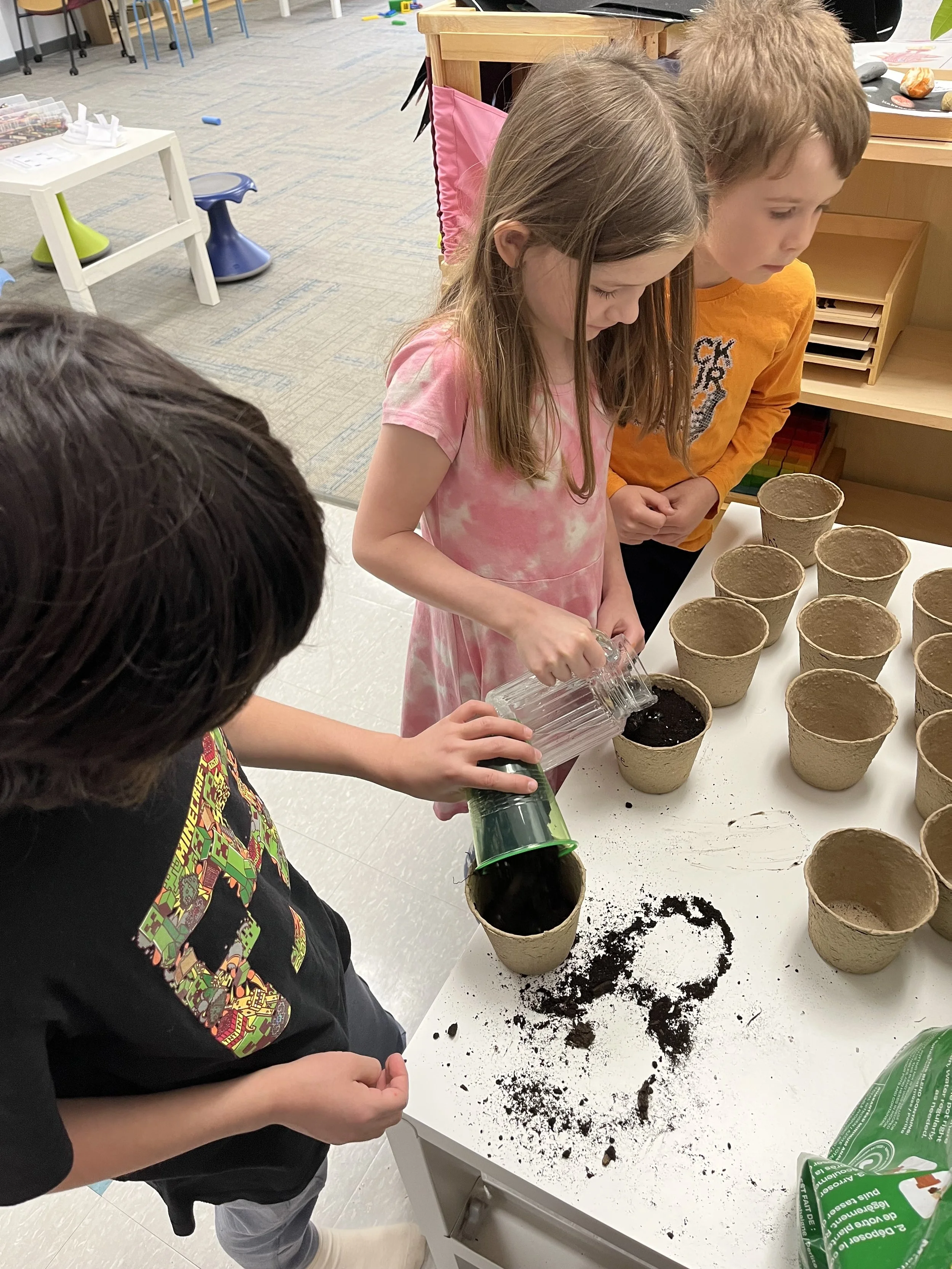
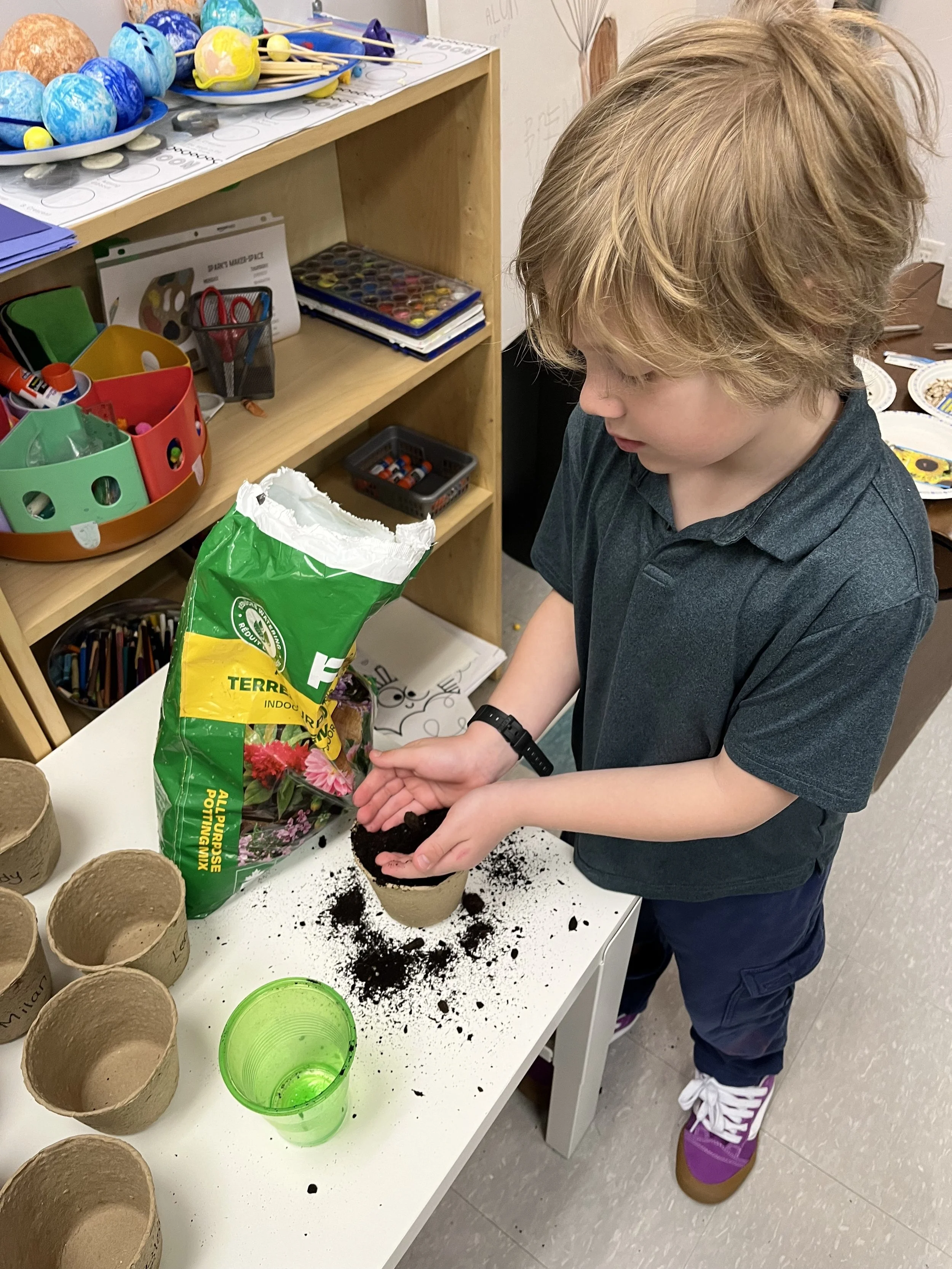
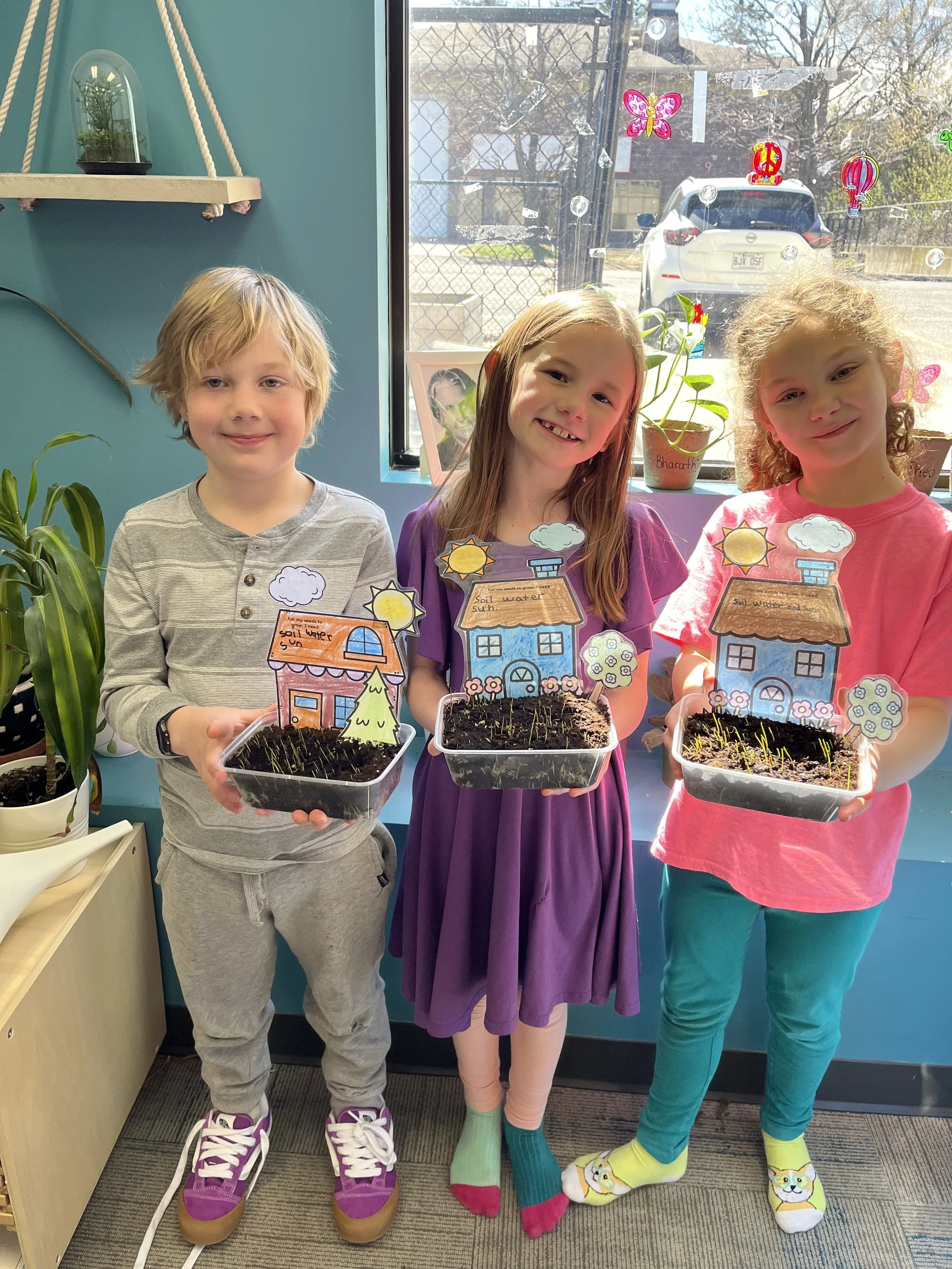
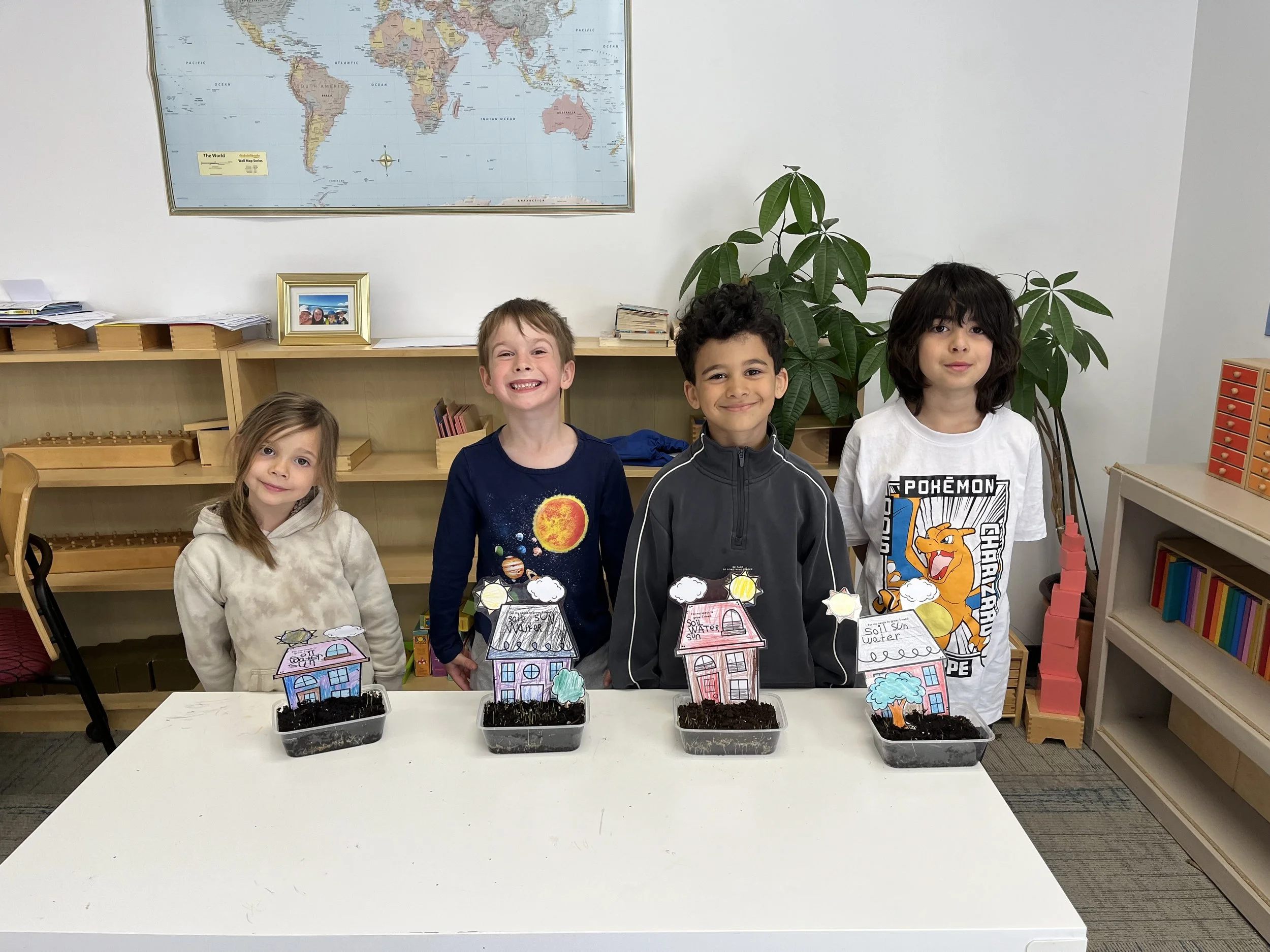
We started our week with beautiful sunshine and a conversation about gardening. The learners shared whether they had ever gardened at home, and together we explored the three things seeds need to grow: soil, water, and sunlight. Each Spark then chose a house to colour and laminate, planted grass seeds in a container, and placed their decorated house behind it. Everyone is excited to watch their little lawns begin to grow. On Tuesday, we played a fun circle game called Doggy, Doggy, Who’s Got Your Bone?, followed by a directed drawing of an astronaut. On Wednesday, the Sparks enjoyed a space-themed yoga sequence, and on Thursday, we learned about the life cycle of a sunflower before planting our own sunflower seeds and placing them in the window to sprout. We wrapped up the week on Friday with a calming Five Senses Meditation and a rocket-themed directed drawing.
Quest
To start this week’s new topic on astronauts, space travel, and the space station, the Sparks read a true story called Mae Among the Stars. This inspiring book tells the story of a young girl named Mae Jemison, who dreams of going to space, even when others tell her that her dream is too big. Mae believes in herself, works hard, and never gives up to make her dreams come true. Following this, the Sparks read an informational text about what astronauts do when they travel to space. They learned that anyone can become an astronaut, but it takes dedication, learning, and many years of training. Astronauts are scientists who spend years studying and preparing for their missions. They must also pass physical check-ups to ensure they are healthy and ready for space travel. After years of hard work, only a small number of people are chosen. The Sparks also explored the different roles astronauts can have, such as pilots and mission specialists. Mission specialists often conduct experiments on the International Space Station, helping us learn more about space and life beyond Earth. They also discovered how astronauts help launch satellites and take part in spacewalks. Some Sparks are already very interested in becoming astronauts!
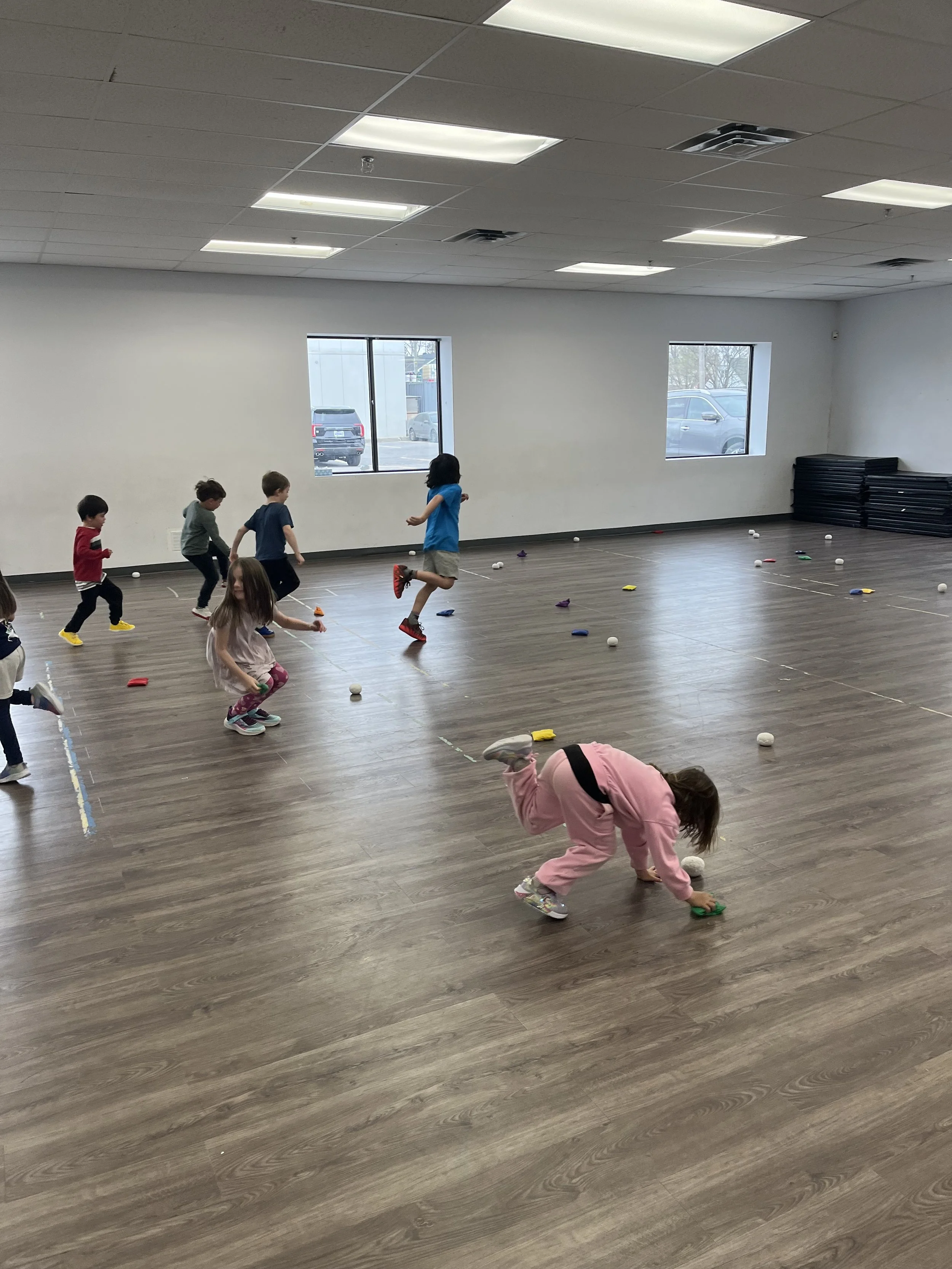
The Sparks then completed an activity where they answered whether they would like to be an astronaut and explained why or why not. After that, it was time to train like an astronaut! We learned that astronauts rely on core strength, balance, coordination, endurance, and the ability to solve problems under physical stress, and we practiced all of these skills through fun, high-energy activities in the gym. We began with Launchpad Prep, a warm-up that included deep breathing and stretching to get our bodies ready for “liftoff.” From there, we rotated through a series of astronaut-inspired challenges: Moon Rock Relay, where learners built agility and coordination as they navigated obstacles and transported “moon rocks”; Asteroid Dodge, which sharpened reaction time while keeping them light on their feet; and Command Centre Calls, combining quick thinking, agility, and fast responses to changing instructions. To wrap up our mission, we finished with a gentle Return to Earth cool-down to bring heart rates down and stretch our muscles. It was an exciting session that blended physical activity with imagination, teamwork, and a taste of what it takes to train for space travel.
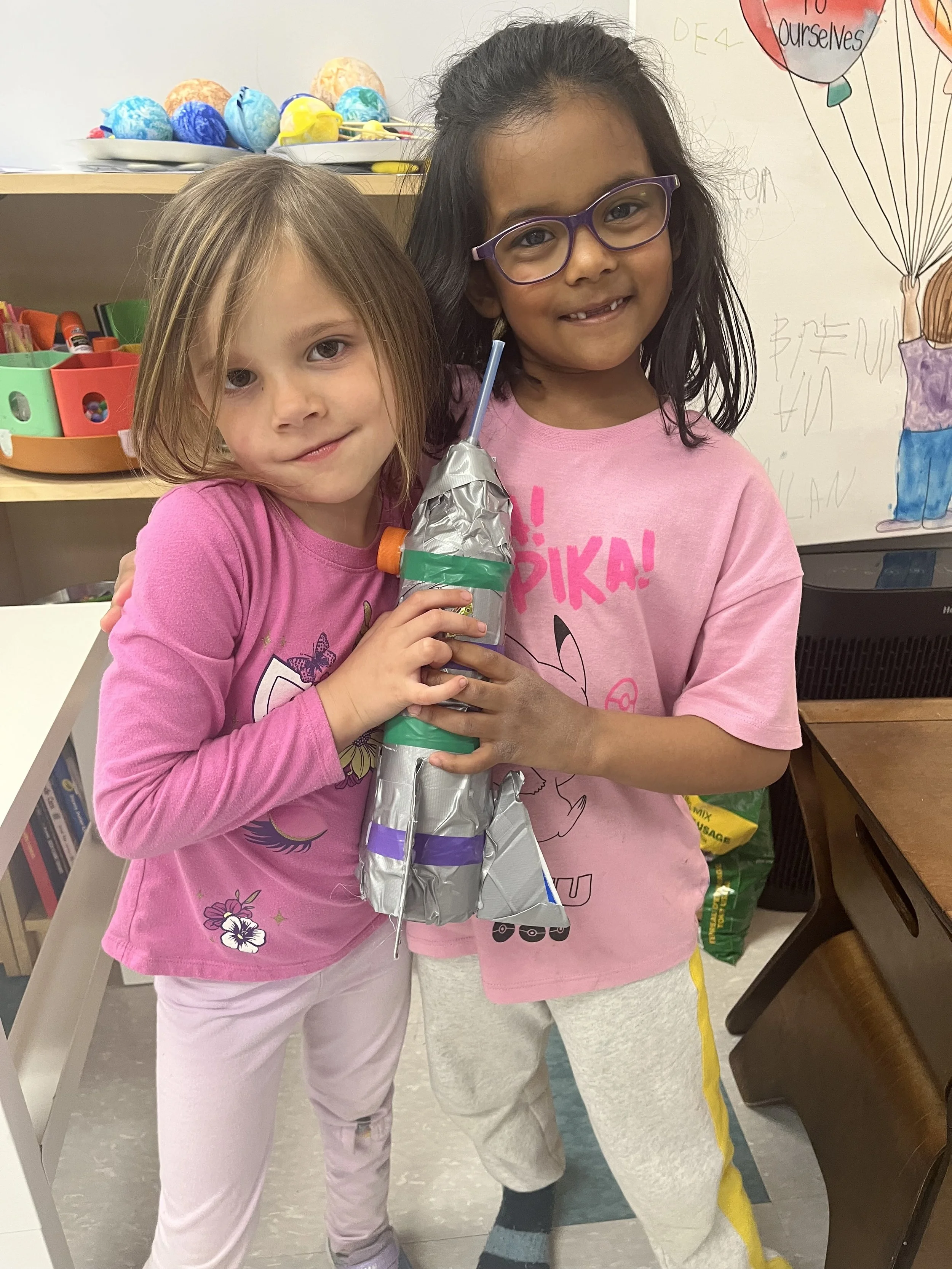
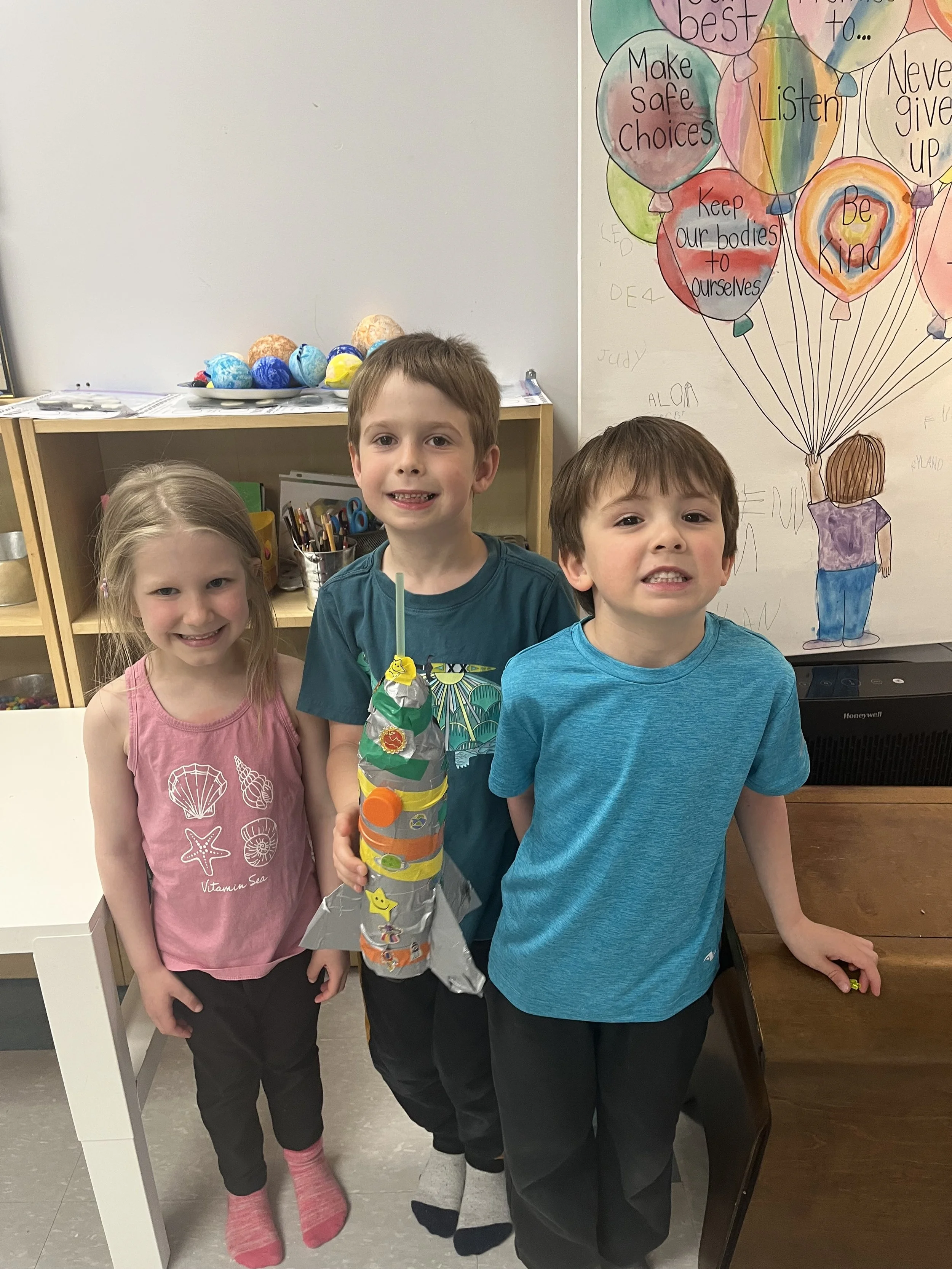
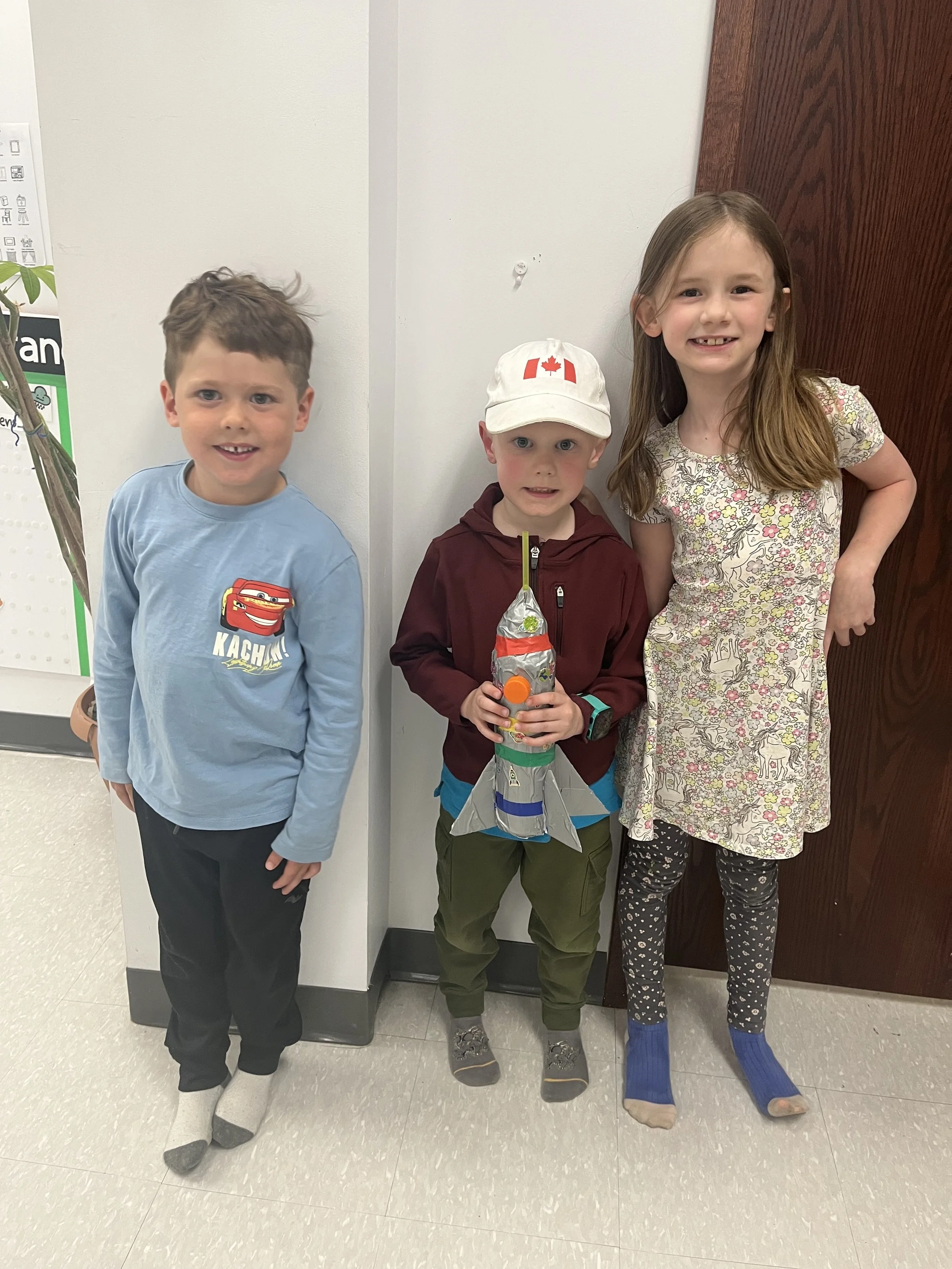
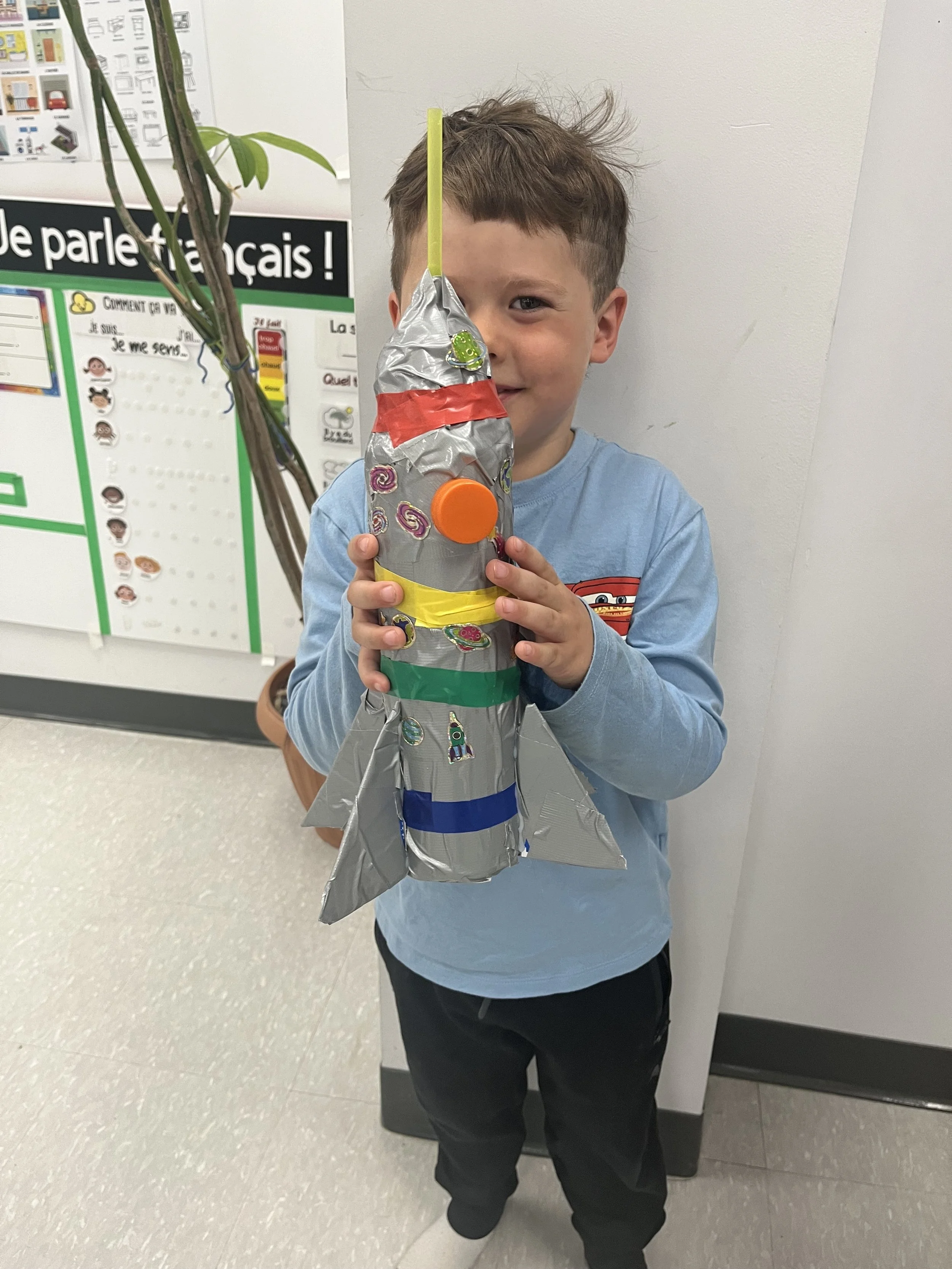
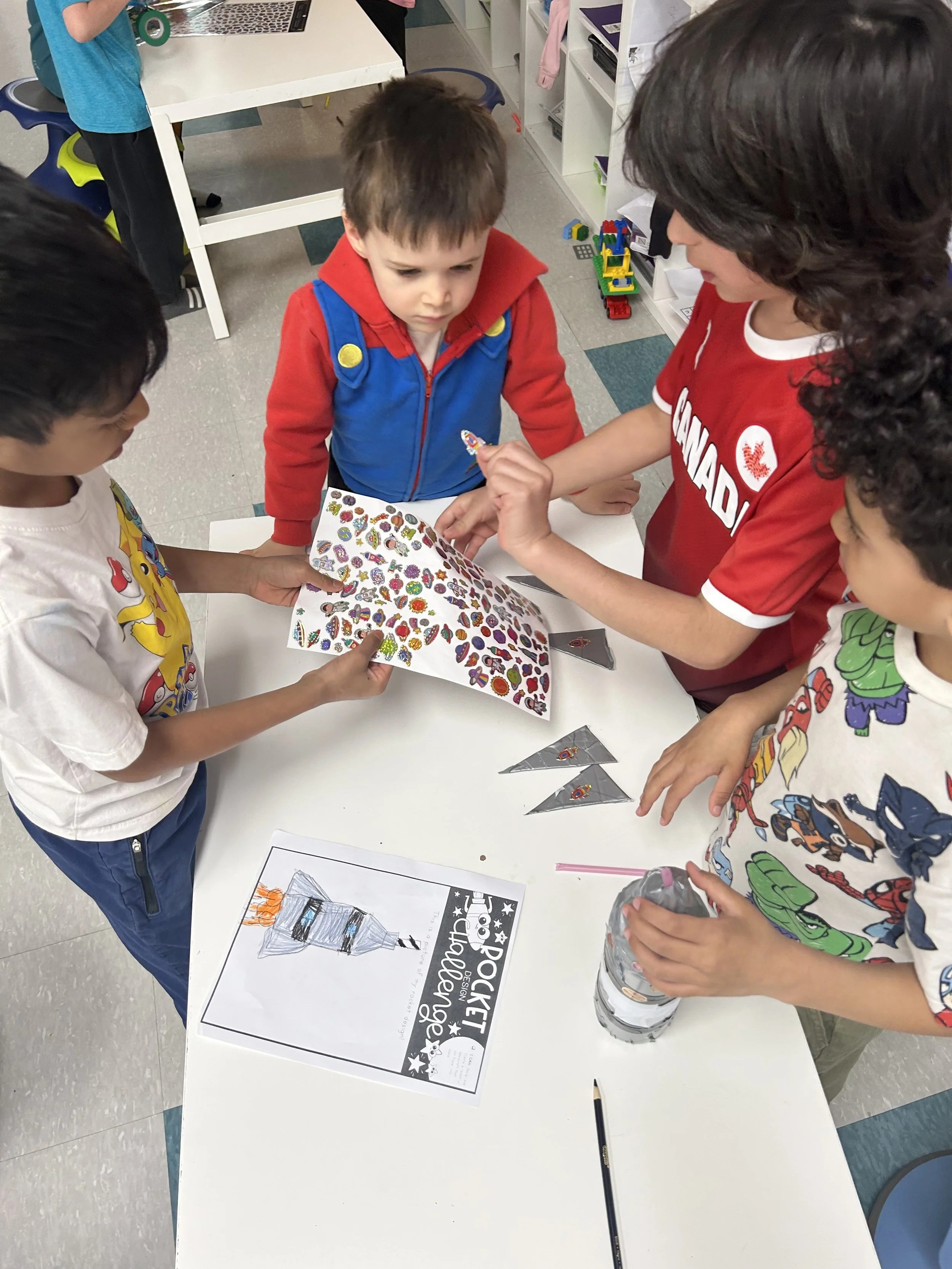
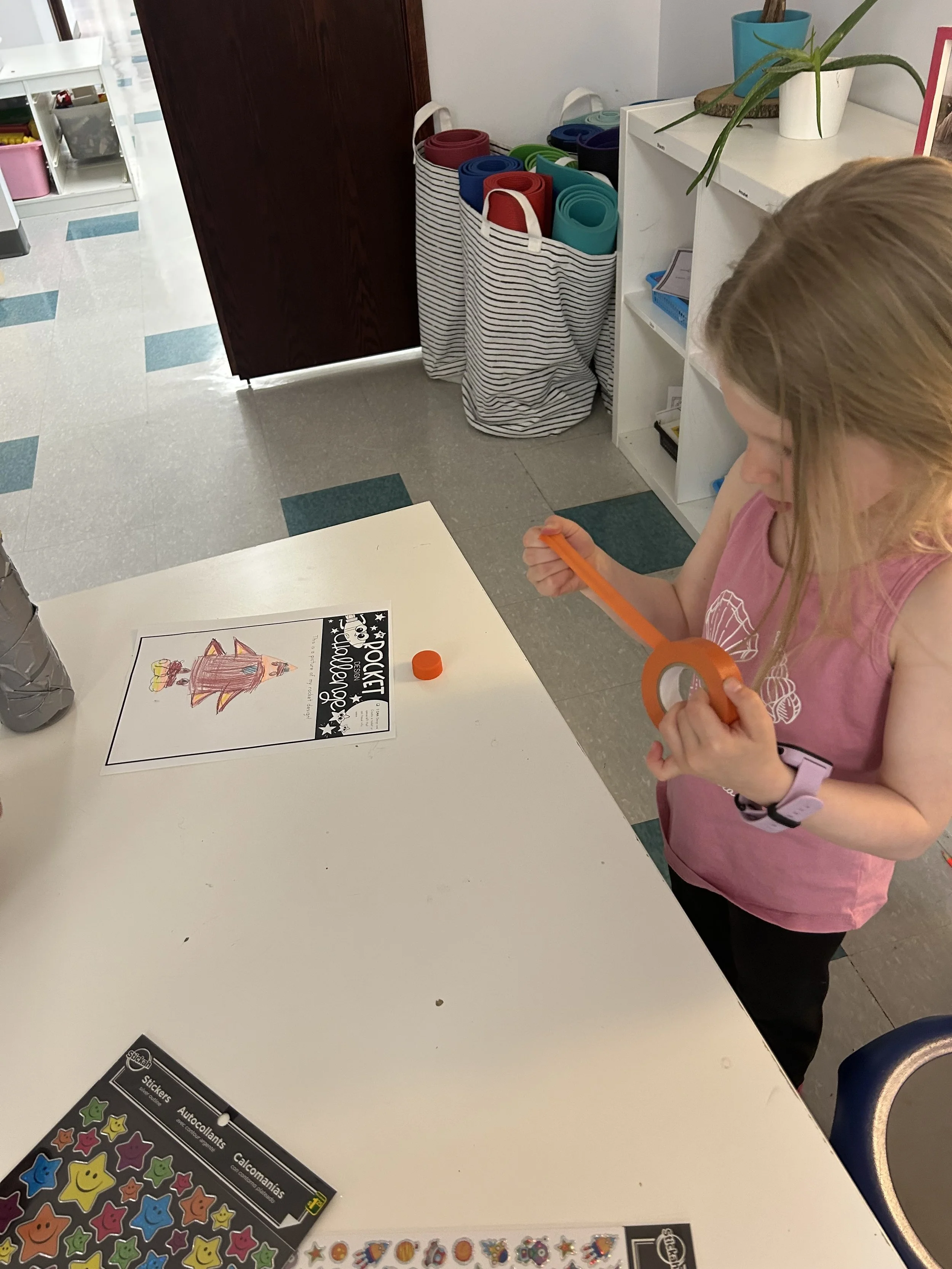
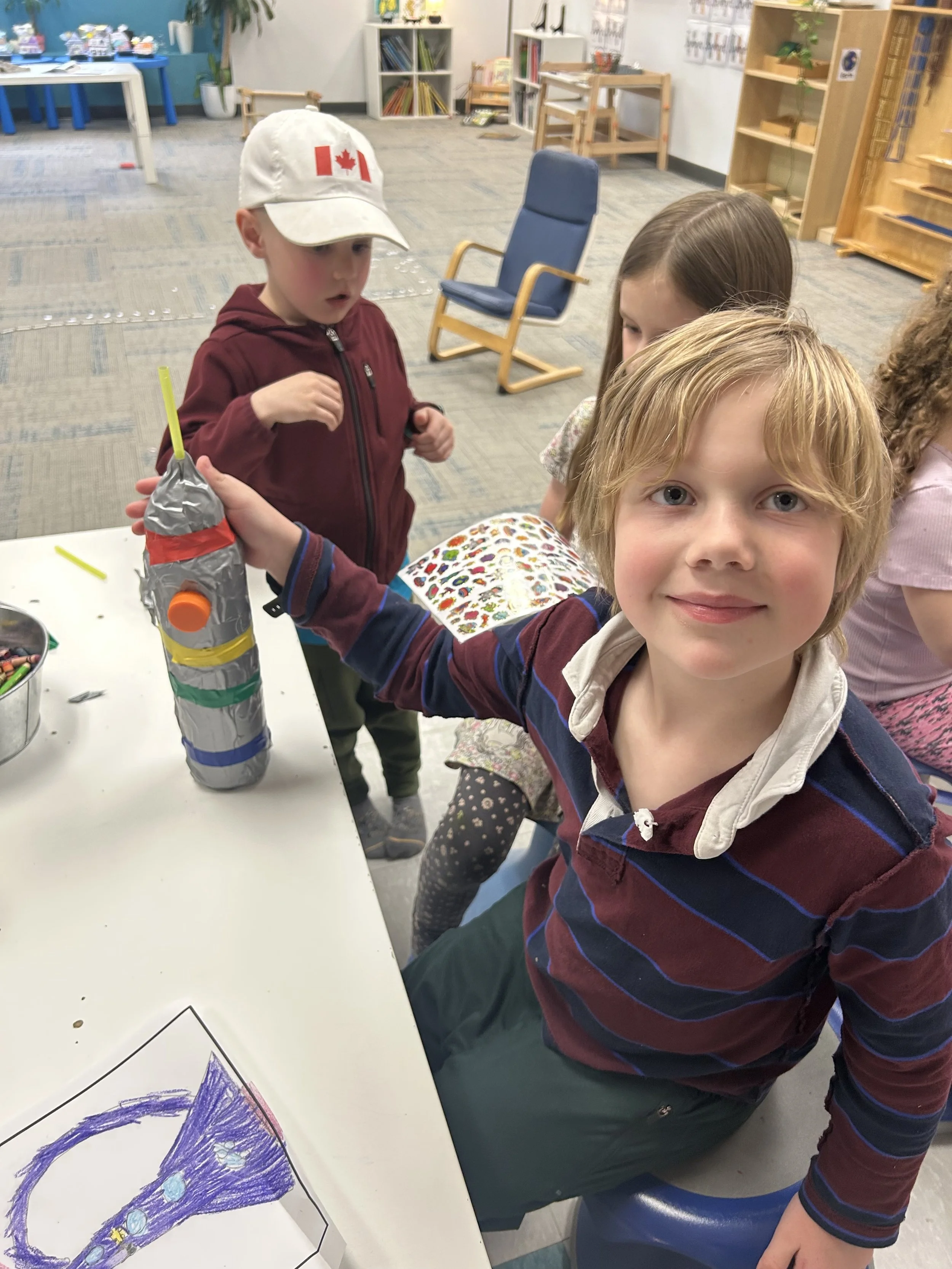
On Wednesday, the Sparks read a book called Spaceships by Julie Murray. The book shared fun facts, such as how, in orbit, a space shuttle travels about 28,000 km/h, and the crew can see the sun rise or set every 45 minutes. Afterwards, the Sparks worked together to design their own spaceships. They began by creating a blueprint of their model before building their own rocket ships using water bottles. The Sparks had access to duct tape, regular tape, stickers, straws, cardboard, and water bottles. Their models turned out wonderfully, and they are eager to showcase them at the Exhibition! On Thursday, we shifted our focus to the International Space Station (ISS). We began by reading Home Address: ISS International Space Station, an informative book that introduced us to what the ISS is, why it was built, and what life is like for the astronauts who live and work there. The book helped us understand how the ISS orbits Earth, how astronauts conduct experiments in microgravity, and how this incredible structure was assembled piece by piece in space. After reading, we watched real footage of astronauts aboard the ISS demonstrating everyday routines, such as how they wash their hair, brush their teeth, and sleep. We were fascinated to see how different even simple tasks become when there’s no gravity to hold things down. Next, we broke into groups to take on a hands-on engineering challenge: building our own ISS models using LEGO. Just like the real space station, our versions were constructed in separate modules that we connected at the end. Each group was responsible for designing and building a different part of the station, including the docking station, kitchen, sleeping quarters, exercise room, science laboratory, and solar panels.
The Sparks collaborated, problem-solved, and used their creativity to bring each module to life. It was a busy week, and we are looking forward to learning about stars next week!
Art
The Sparks launched their spaceships into an exciting art project this week! They created cosmic scenes using rockets, tissue paper, galaxies, stars, and planets for their backgrounds. Their work turned out bright and imaginative. Many Sparks also enjoyed adding astronauts to their scenes.
The Sparks also listened to a story called Sadie Sprocket Builds a Rocket. It’s about a girl named Sadie who has a big dream of going to Mars. She learns everything she can about the planet and space, then assembles her crew of trusty stuffed animals. Together, they build a rocket, prepare for their historic journey, and finally blast off!
Reader/Writer Workshop
This week, Group One focused on Lesson 7 of the UFLI program, exploring the letter “f.” During the lessons, they were introduced to the /f/ sound, practicing how to recognize, say, and write the letter “f.” They explored how the /f/ sound is made by gently pushing air between the lips and teeth. This was especially helpful, as they sometimes confuse the /th/ and /f/ sounds. The Sparks then practiced letter formation, carefully printing both uppercase and lowercase “f.” Afterwards, they used their beginning, middle, and end lines to create words. They decoded words such as fit, fat, and fun. Throughout the week, they also continued to practice letters from previous lessons.
French
This week in French, we continued exploring vocabulary related to the home. On Monday and Tuesday, learners created their own mini house books, illustrating different rooms and labeling them with the appropriate objects. This helped them make meaningful connections to the new vocabulary. On Wednesday, we reviewed this vocabulary through a “House Bingo” game, giving learners a fun and engaging way to recognize the words. On Thursday, we took our learning to the gym through movement-based activities, and the Rebels impressed us by counting all the way up to 50 independently.
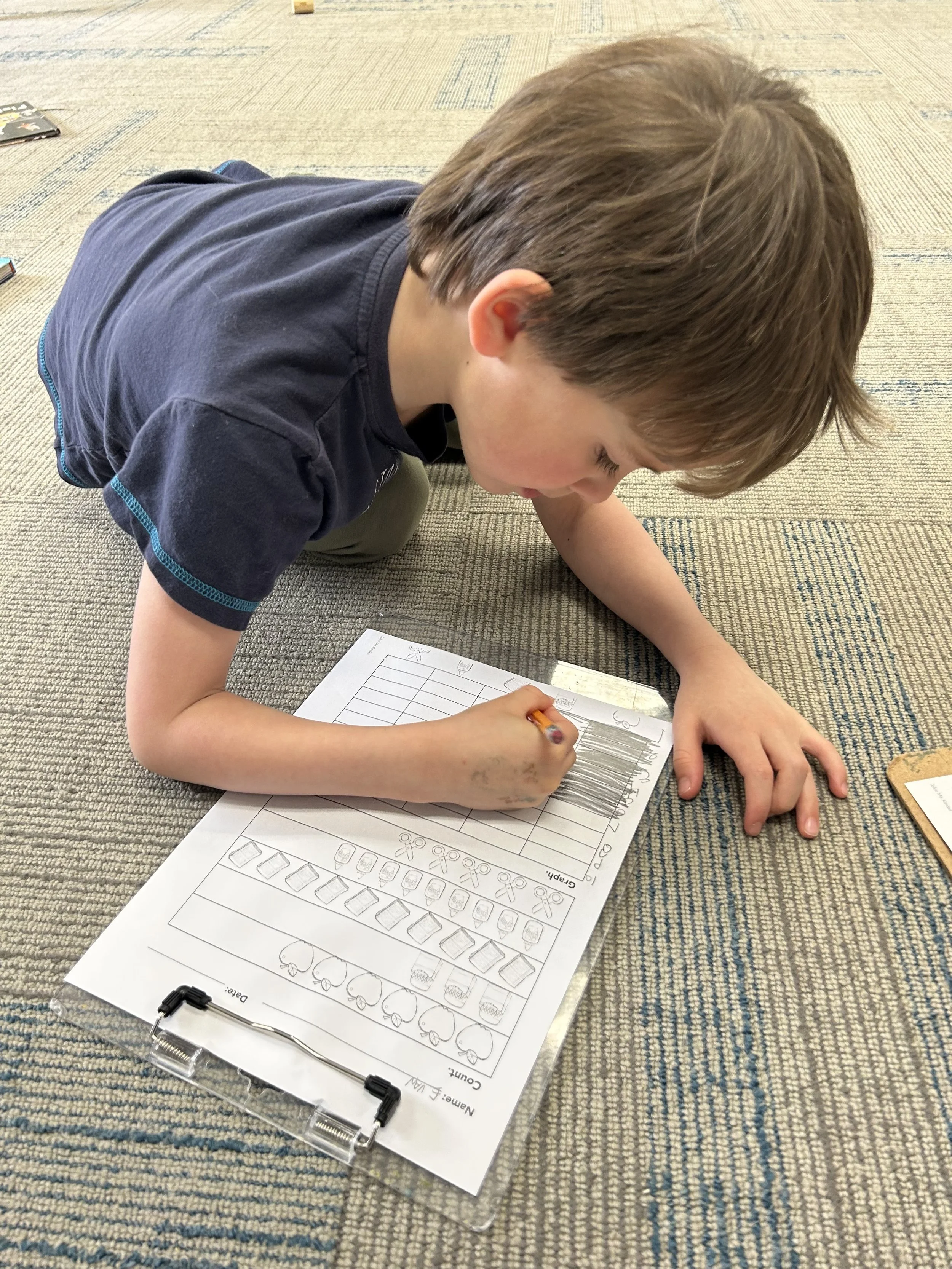
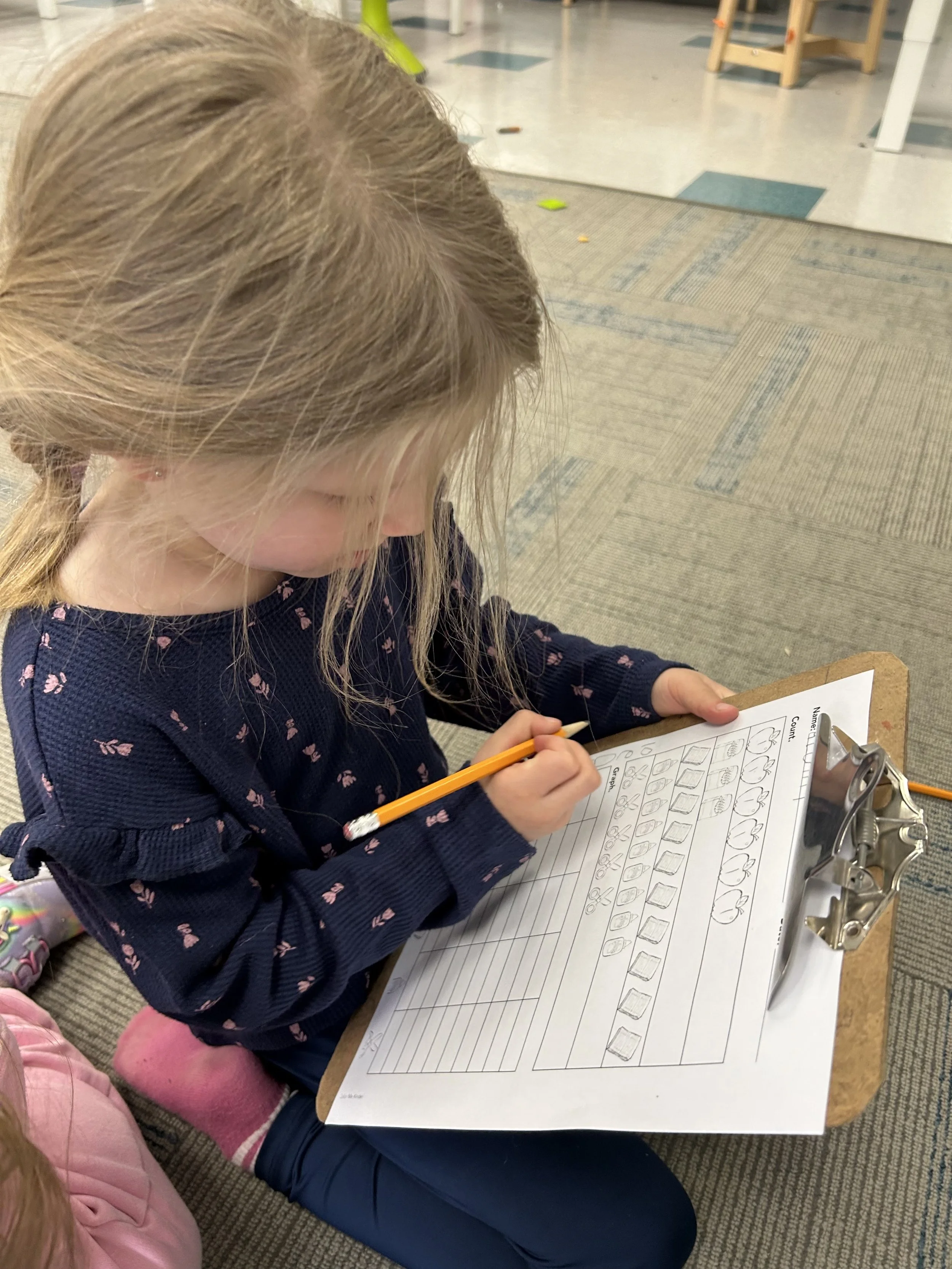
Group Two began by listening to a read-aloud of If I Were an Astronaut by Eric Braun. It was a special read-aloud, as it was read from the International Space Station by astronaut Serena Auñón-Chancellor. The learners were fascinated to hear a story read by someone actually living and working in space! Inspired by the story, we moved into our writing project for the week. The learners began by using a graphic organizer to brainstorm and organize their ideas about what they would do if they were astronauts. They each came up with three creative ideas, showing their thinking through both illustrations and point-form notes. Once their planning was complete, the learners used their graphic organizers to write a polished good copy. They focused on important writing skills such as using capital letters, finger spaces, punctuation, and sounding out unfamiliar words. Everyone worked thoughtfully and with great effort, and their final pieces show just how much their writing skills are growing. Their astronaut writing will be proudly displayed at Exhibition for families to enjoy.
Book Study
As we continued with The Tiny Seed by Eric Carle, the Sparks completed one page in their booklet. Together, they shared what happens to seeds during each season. The Sparks explored how, in the winter, seeds “go to sleep” in the earth, while the snow falls and covers them like a soft, white blanket. In the spring, the sun shines, rain falls, and the seeds grow round and full until they begin to burst open. In the summer, the plants continue to grow and grow, developing many leaves and stretching tall. The Sparks created detailed drawings of the seed in each season!
Math Workshops
To start, Group One examined a graph about a teacher planning a school trip. The learners had three choices: the zoo, aquarium, or museum, and there were 15 children in the class. The Sparks reviewed the bar graph and noticed that it had numbers along the side and the options labeled along the bottom. They explored how the positioning and labeling of a bar graph are important for understanding the data. Using the votes, the Sparks determined that the aquarium was the most popular choice, with 7 votes. Afterwards, they were presented with a completed chart showing how children get to school. They were asked questions such as: How many people ride the bus to school? What transportation is most popular? What transportation is least popular? The Sparks were able to answer these questions quickly using their prior knowledge of bar graphs—way to go, Sparks! To end the Math Lab, the learners created their own bar graphs. They were given a set of items to count and then recorded their data by building their own graphs.
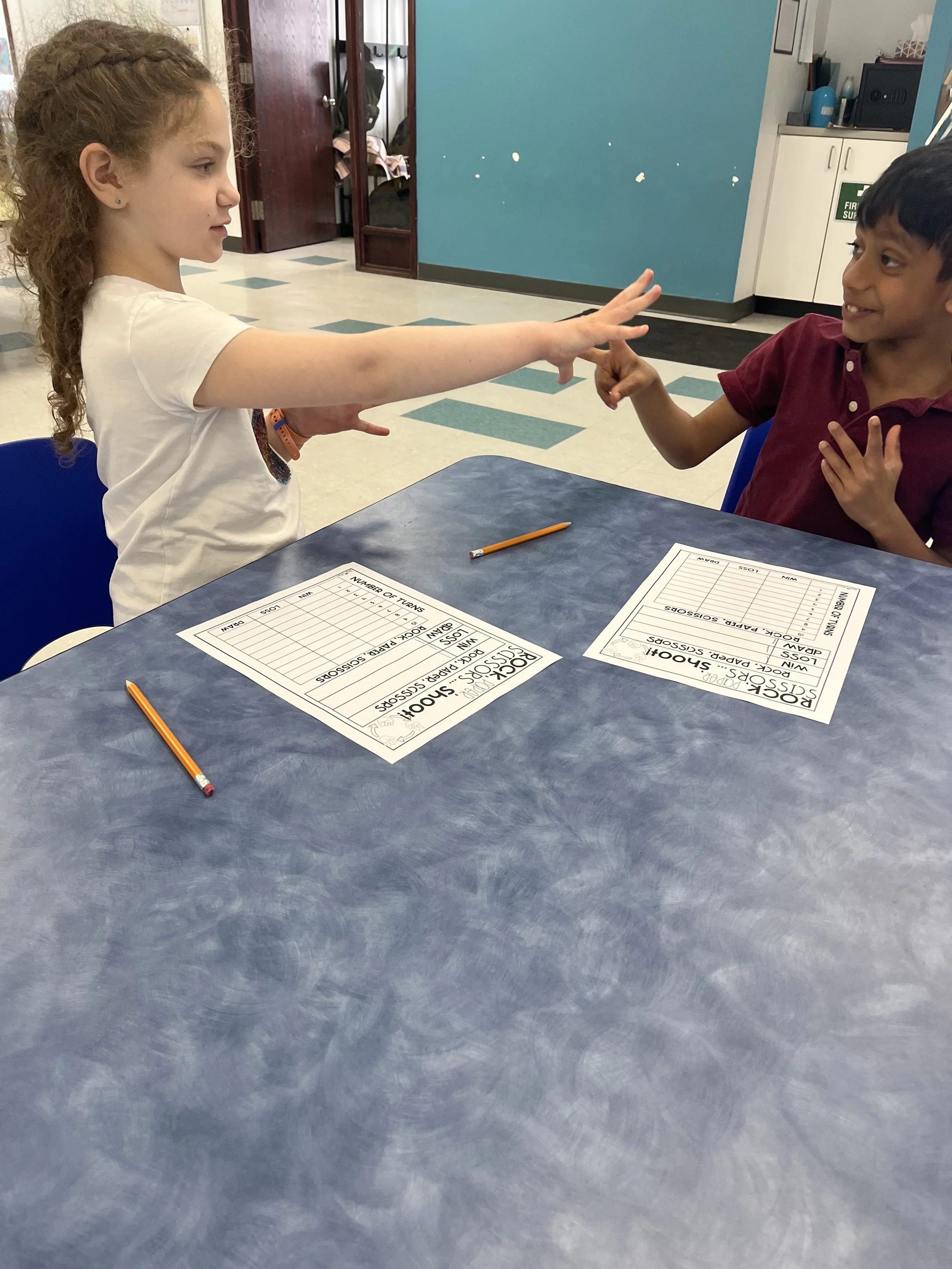
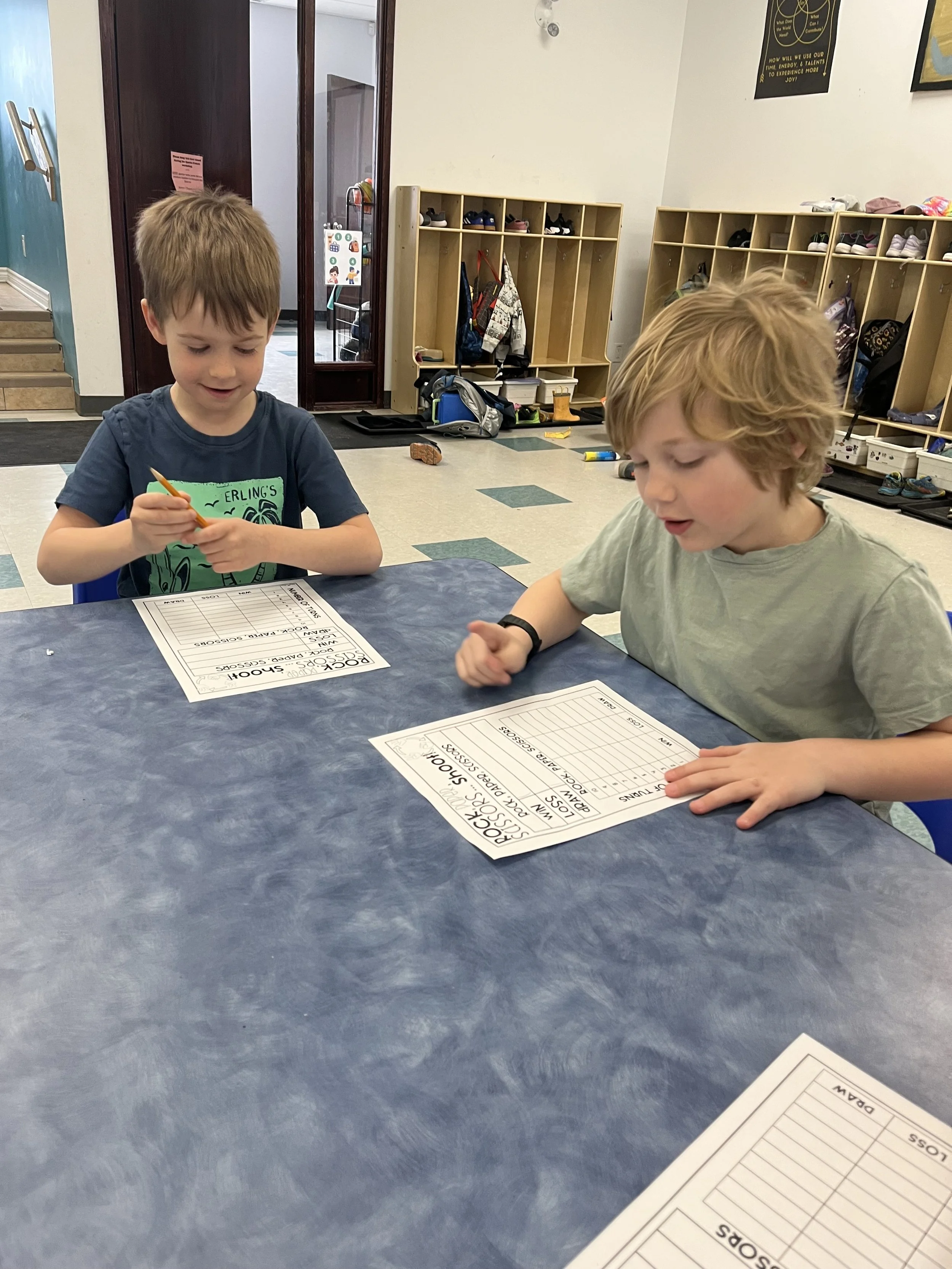
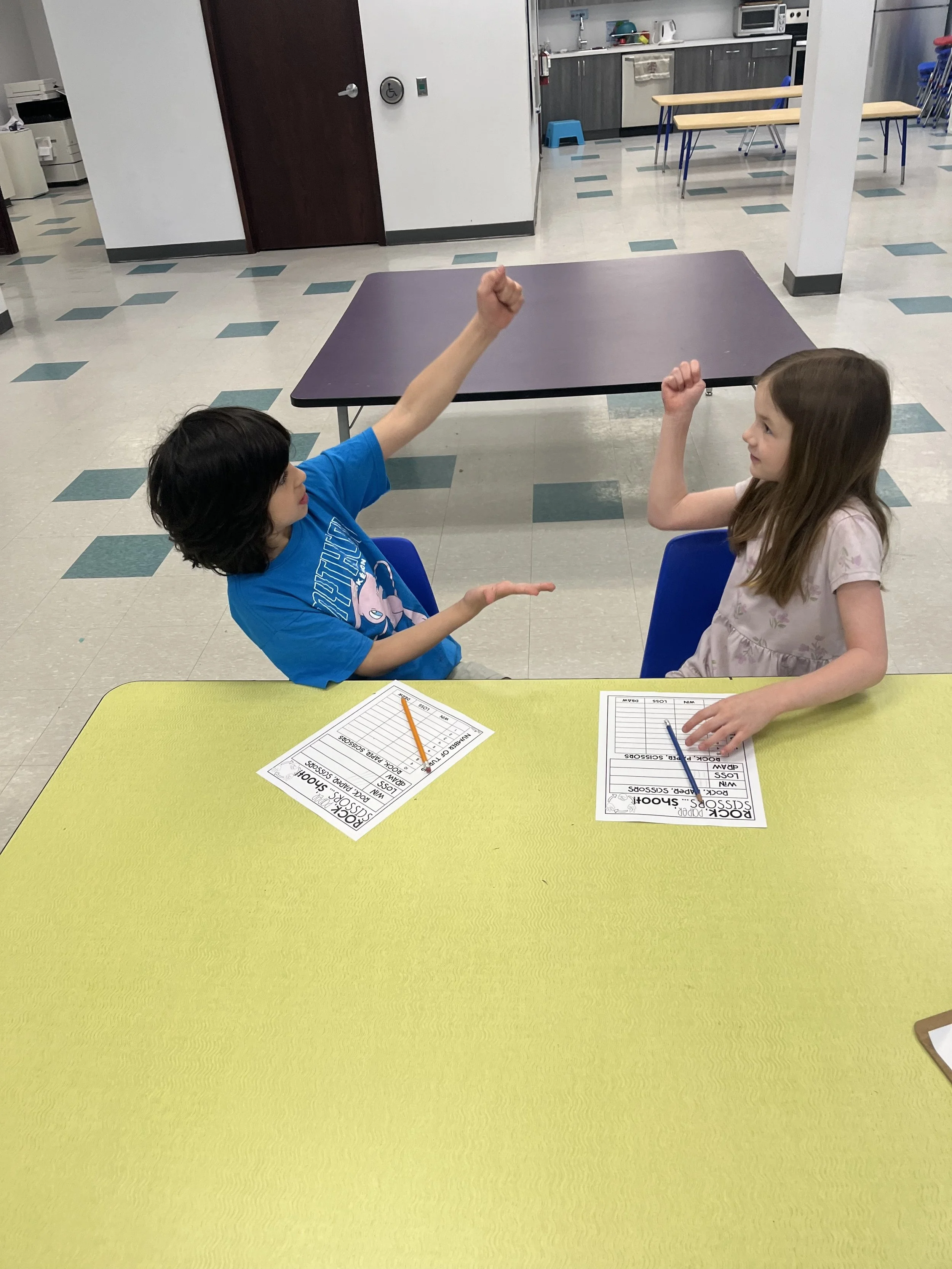
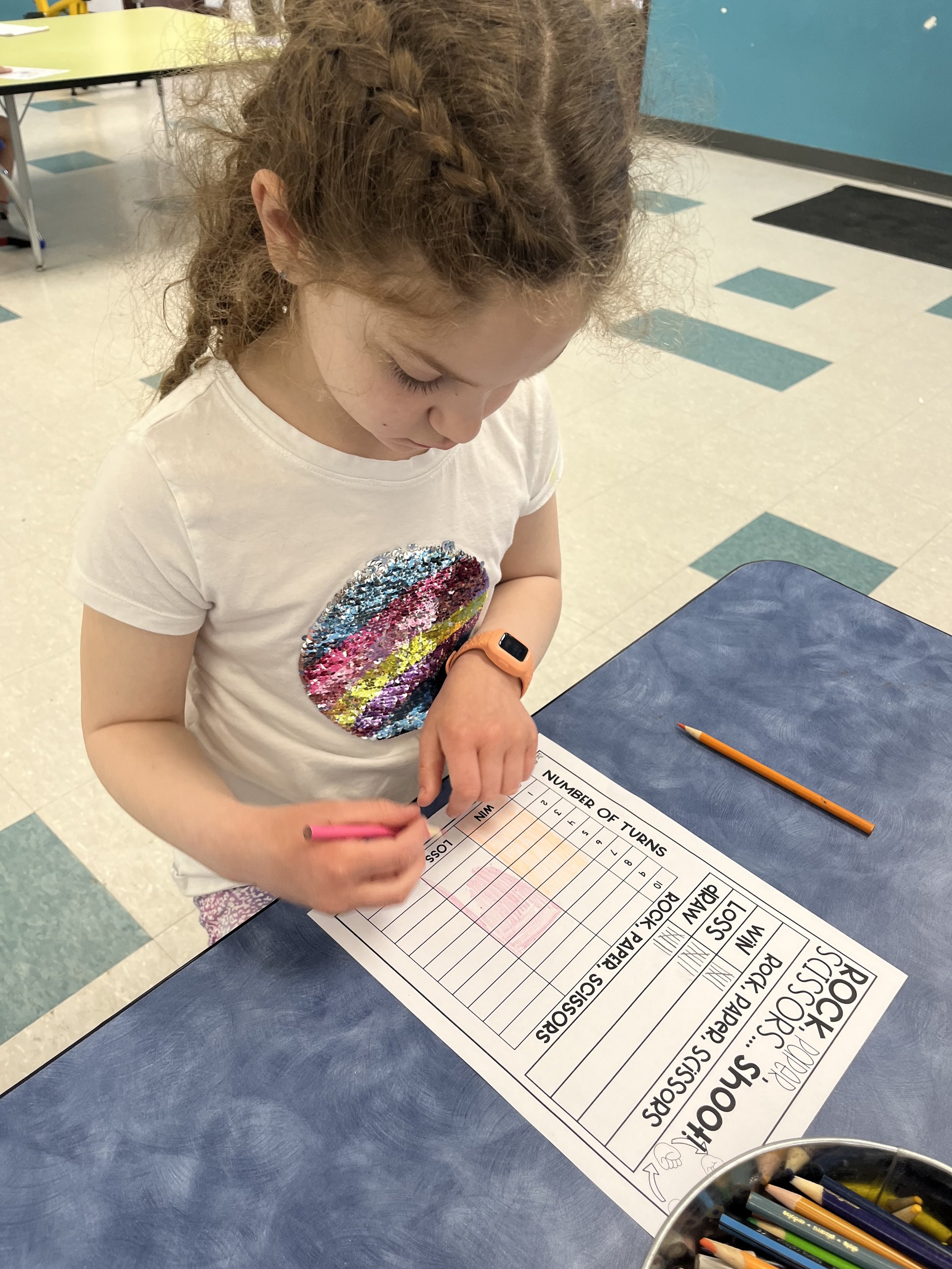
Group Two continued strengthening their graphing skills through a hands-on, engaging activity. Learners paired up and played multiple rounds of Rock, Paper, Scissors. As they played, each learner kept track of their wins, losses, and draws using tally marks. After completing twenty rounds, they organized their tallies and transformed the information into a bar graph. Once their graphs were complete, they analyzed the data by answering a series of questions that encouraged them to think critically about patterns, comparisons, and what their results showed.
Discovery Studio
Mindfulness and Launch
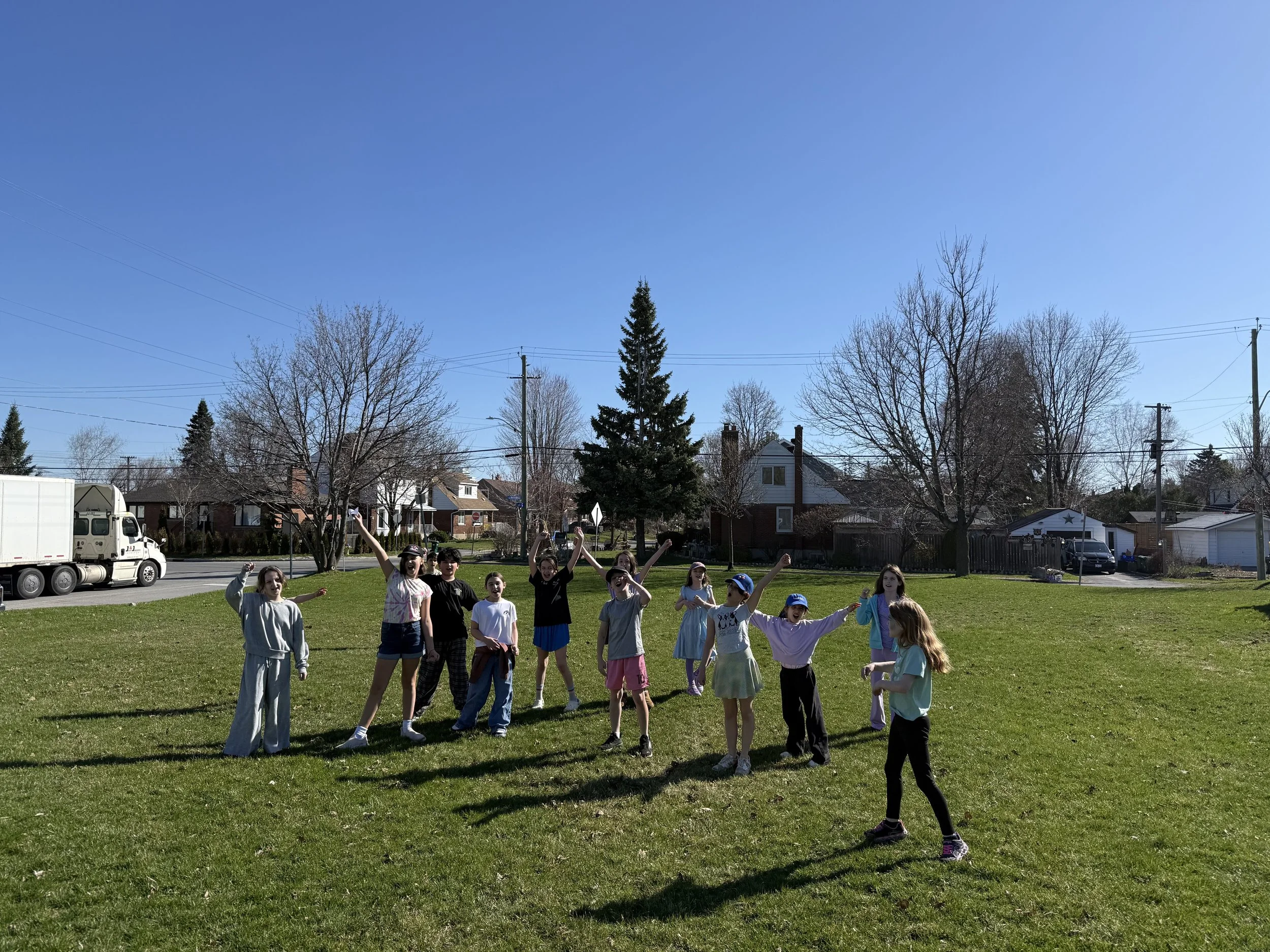
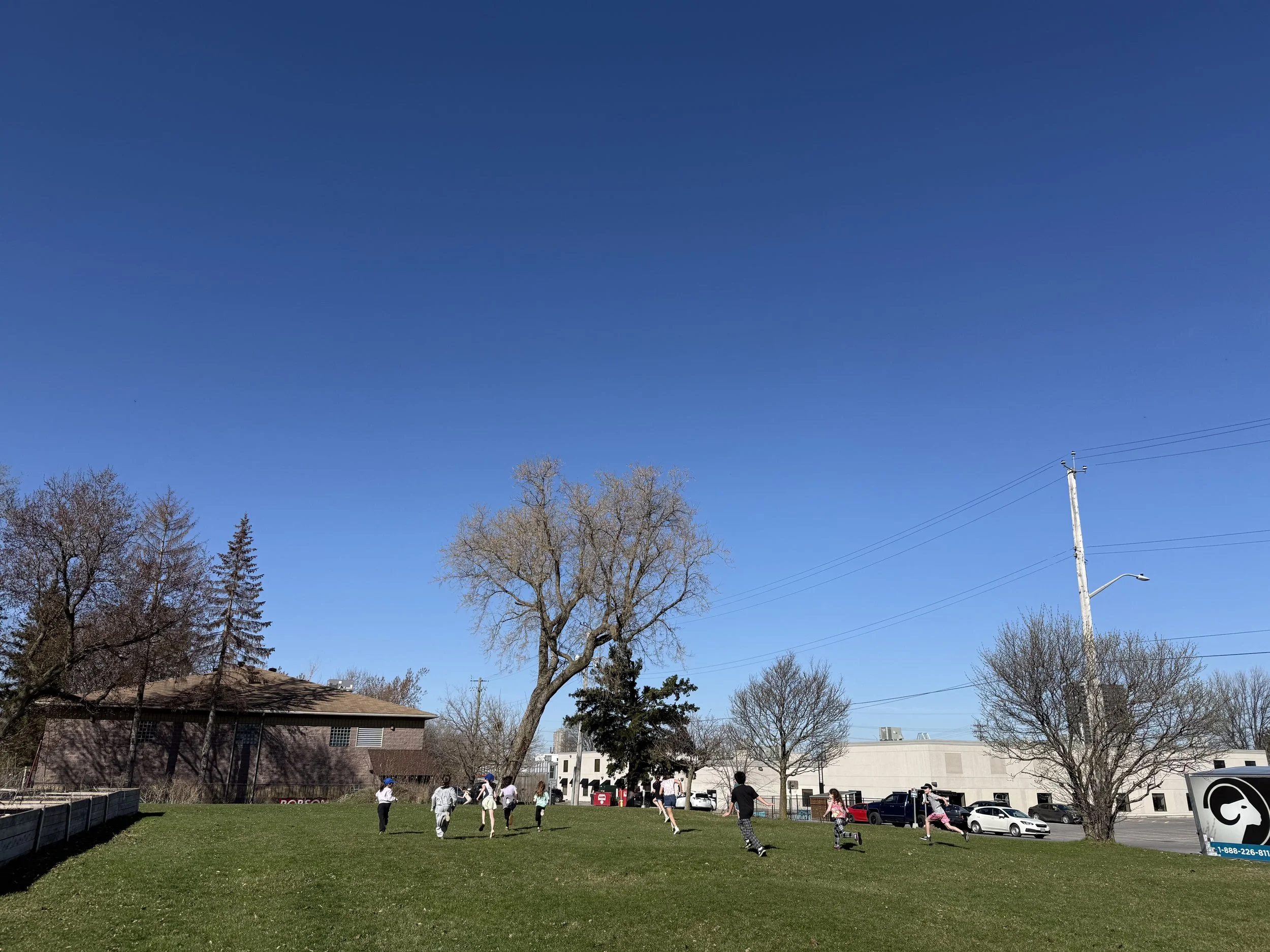
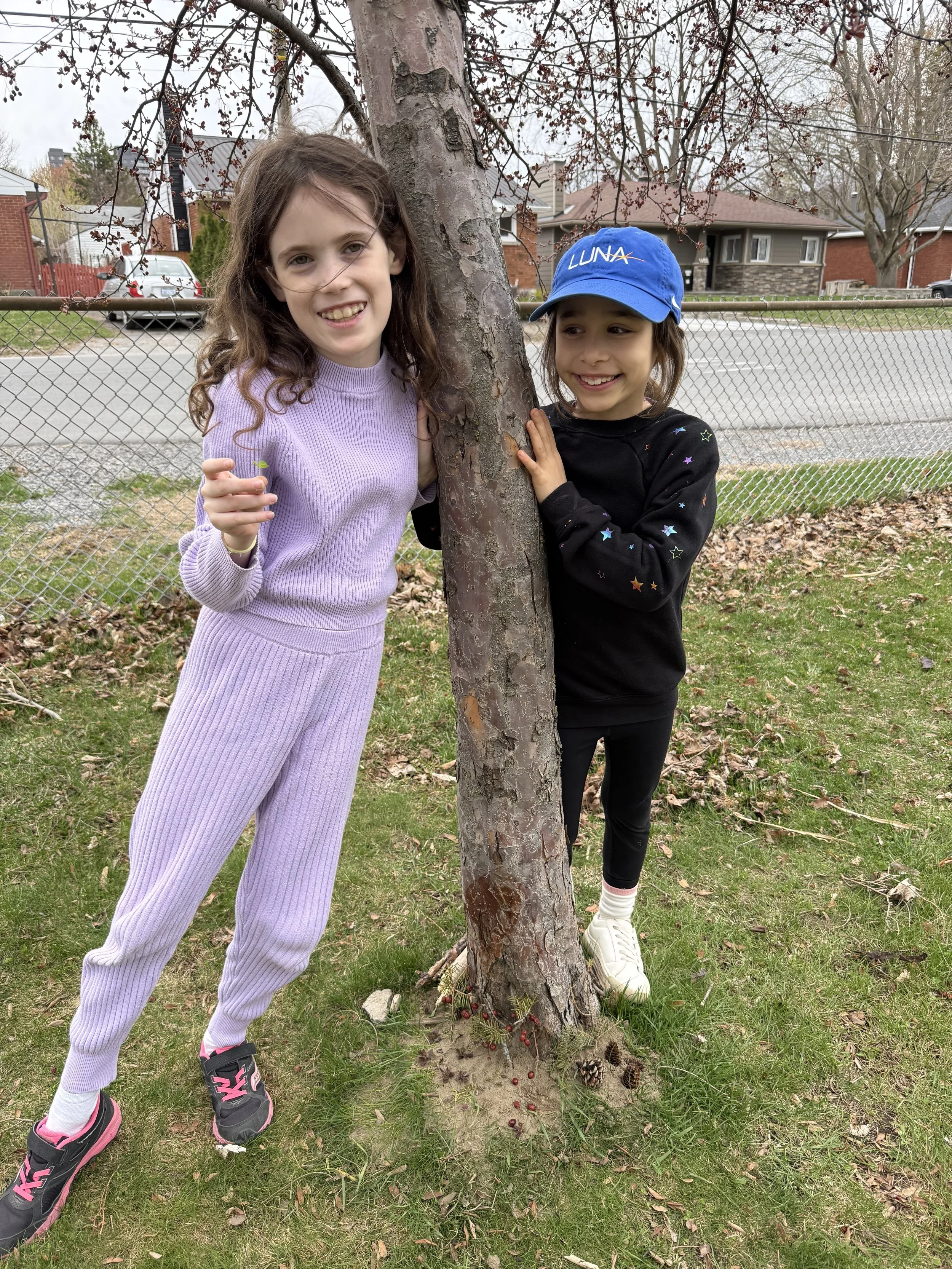
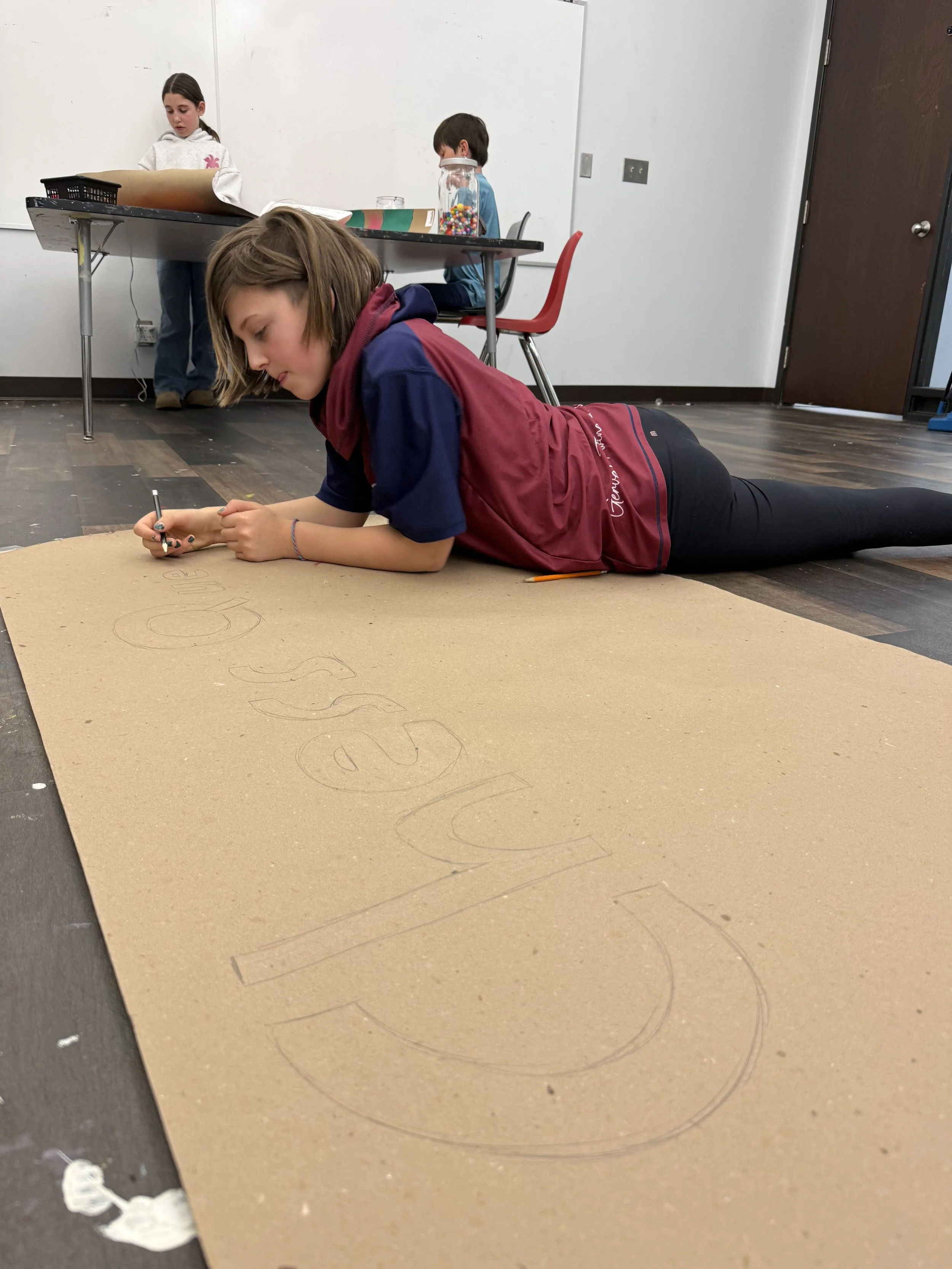
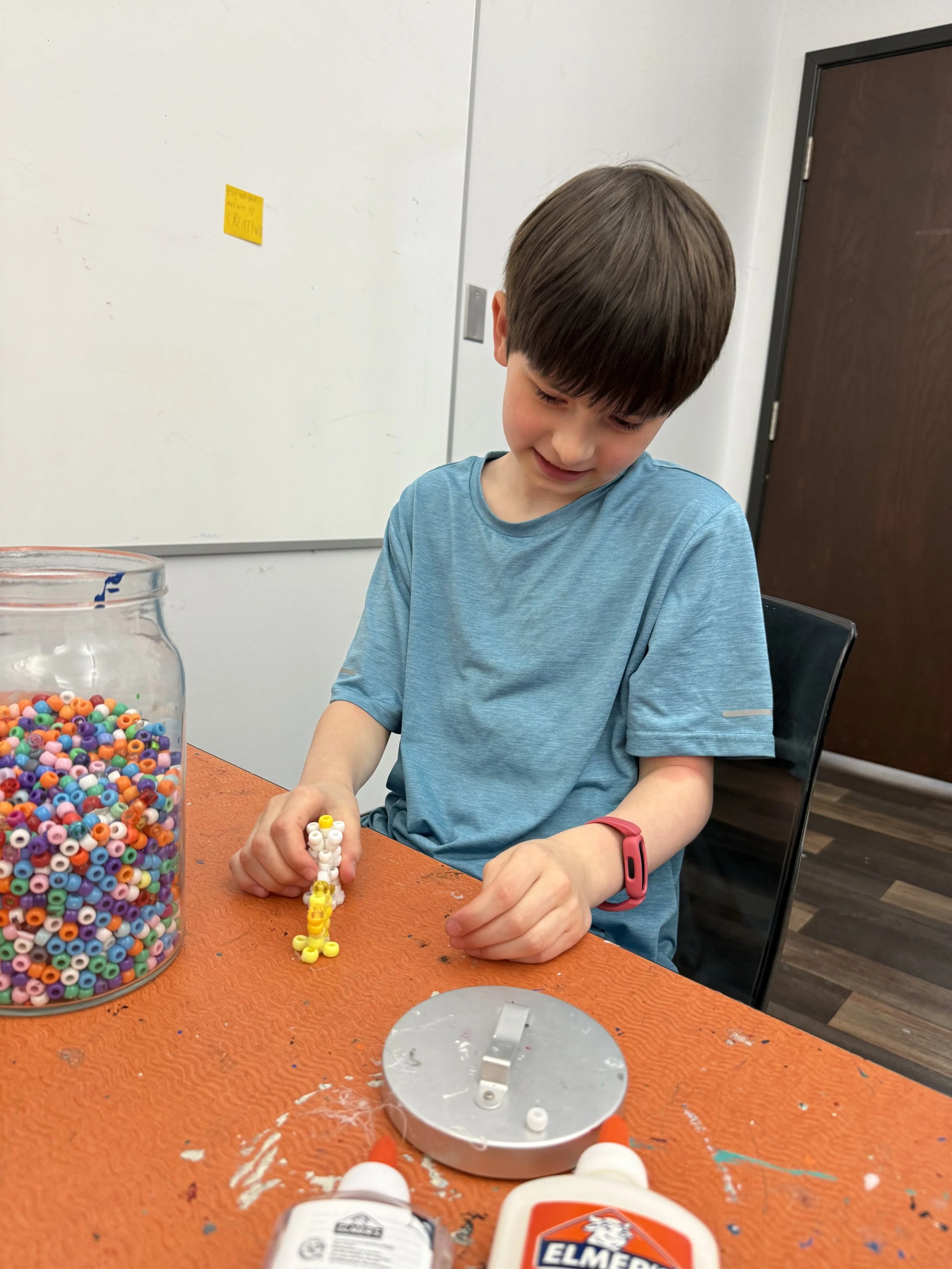
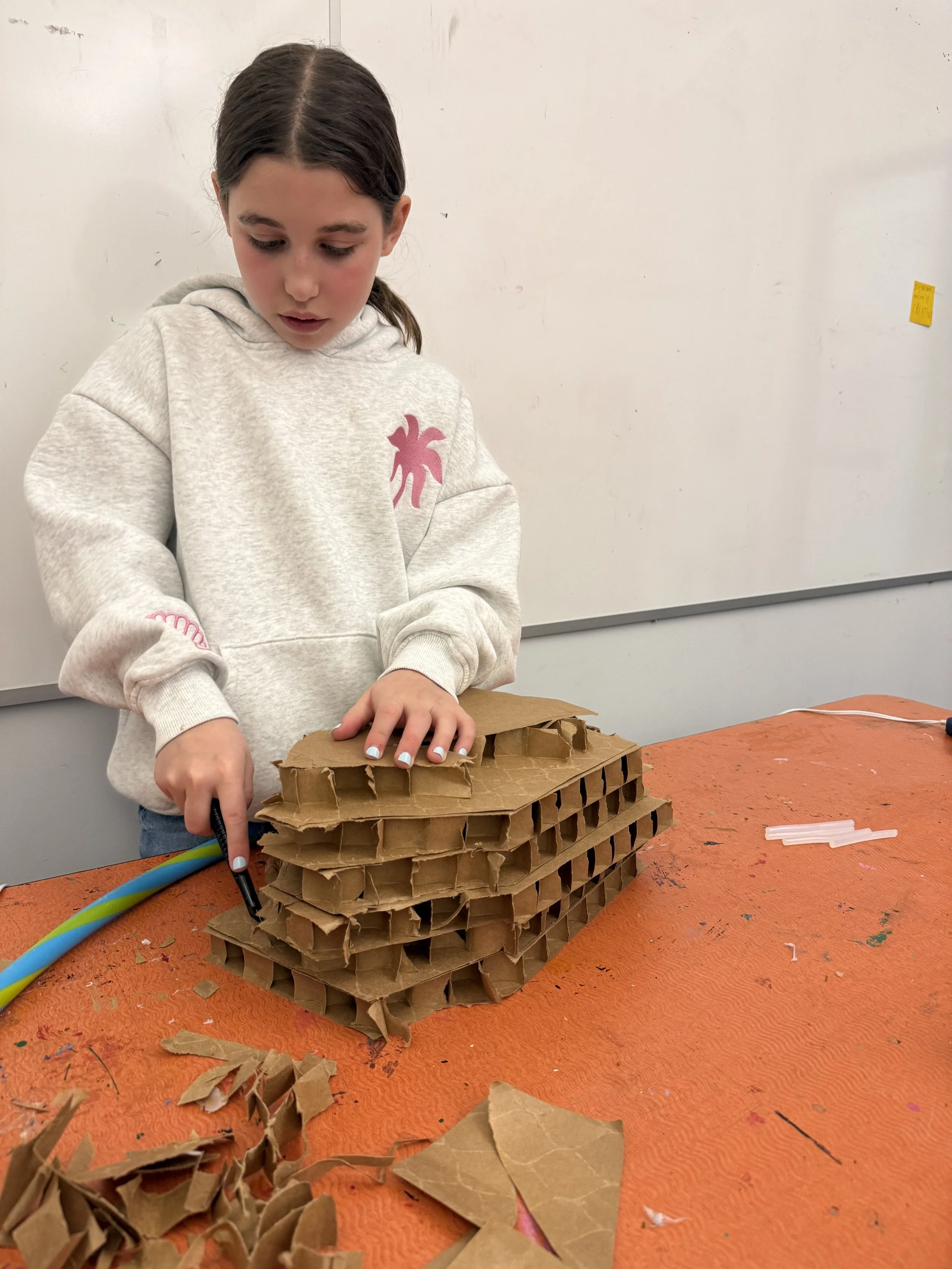
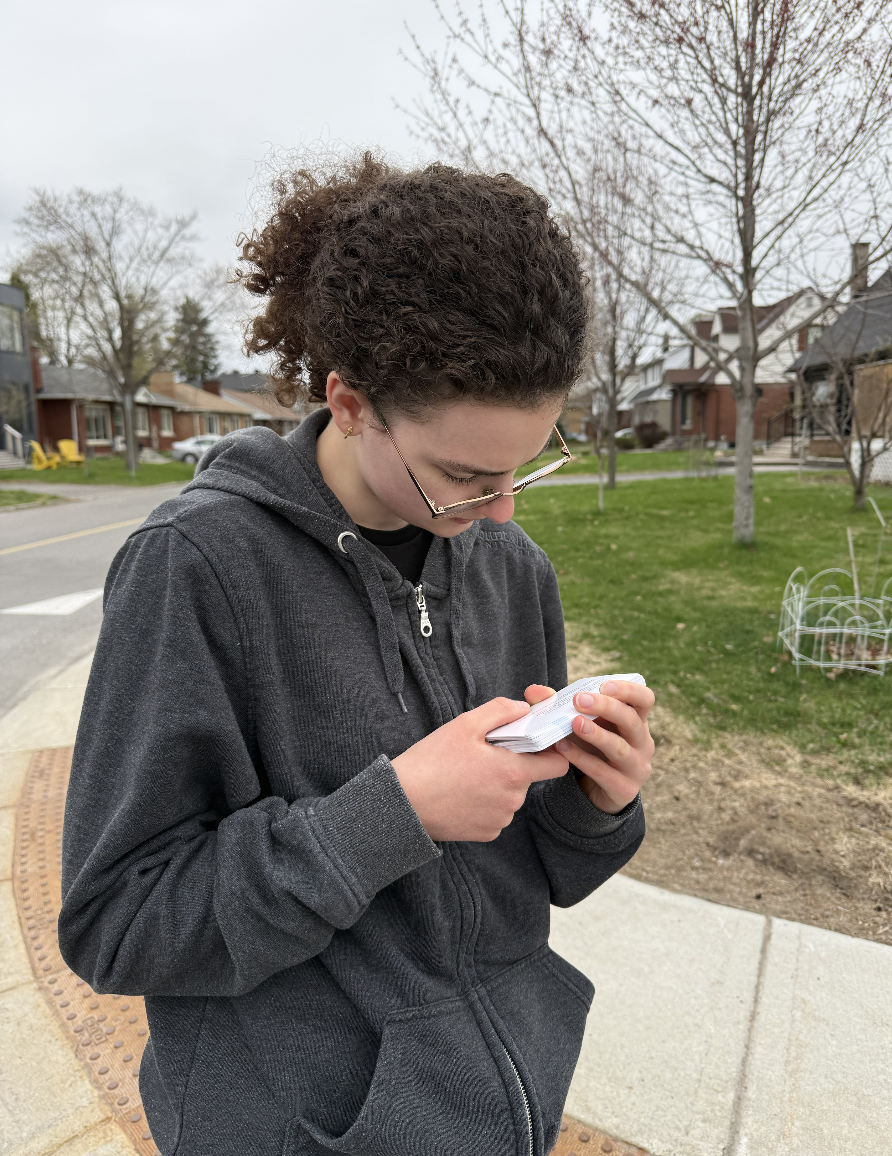
We kicked off our third week of the session with a beautiful morning walk outside around the neighbourhood as our mindful activity. Rebels came back refreshed and energized for launch, which featured a special interview from our novel study’s main character: Tani Adewumi! Tani mentions a quote that we discussed as a team, “your starting point doesn’t decide your future, your effort and your mindset do,”. Rebels talked about what they thought this meant in relation to Tani’s experience, but also talked about how this quote related to themselves and their Hero’s Journey this year. On Tuesday, Rebels started with a mindful search and find activity. We also had a new friend spending the day with us, so while the sun was shining we went back outside for a team icebreaker game and a round of Octopus in the field. Wednesday we had a very successful NYT puzzle round of Connections and Strands! We went 4/4 for categories and guesses in Connections, and found all 9 theme words with only one hint for Strands. Great work, Rebels! For Squad Chickens this week, Rebels looked over each other’s goals and as a squad, they gave a Rebel Buck to a teammate who has been an excellent role model this week. Thursday’s Thank You For Sharing asked Rebels about a small win/moment they’re proud of this week, if their mood was a weather forecast, what would it be?, and if you could give a piece of advice to our crew this week, what would it be and why? Friday’s Boomwhackers saw the Rebels fine-tuning and adding on to their version of “Zoo” by Shakira from the Zootopia 2 soundtrack. We followed up our musical performances with this week’s Current Events report, featuring a few stories on the most expensive chess sets in the world, how they were built and what materials they’re made of, as well as an NHL playoff update.
Reader/Writer
In Reader/Writer this week, Rebels listened to another set of chapters from My Name is Tani…and I Believe in Miracles. As we continue reading the biography together, Tani learns about some inspiring people like Malala Yousafzai, Paul Morphy and Magnus Carlsen on his journey down the checkered road. He begins making connections to how these people have overcome hardships in their life but also in how they’ve shown a lot of grit and perseverance. When a move doesn’t go your way in chess, what do you do next? How is that similar to what you do when something feels hard in your life? Rebels discussed together and shared some personal stories around overcoming challenges. We spent the rest of our workshop completing our written responses and vocabulary work for Week 3. As we come closer to the end of our novel study, Rebels started thinking about what they would like to do as a final writing project to display at Exhibition.
Math Lab
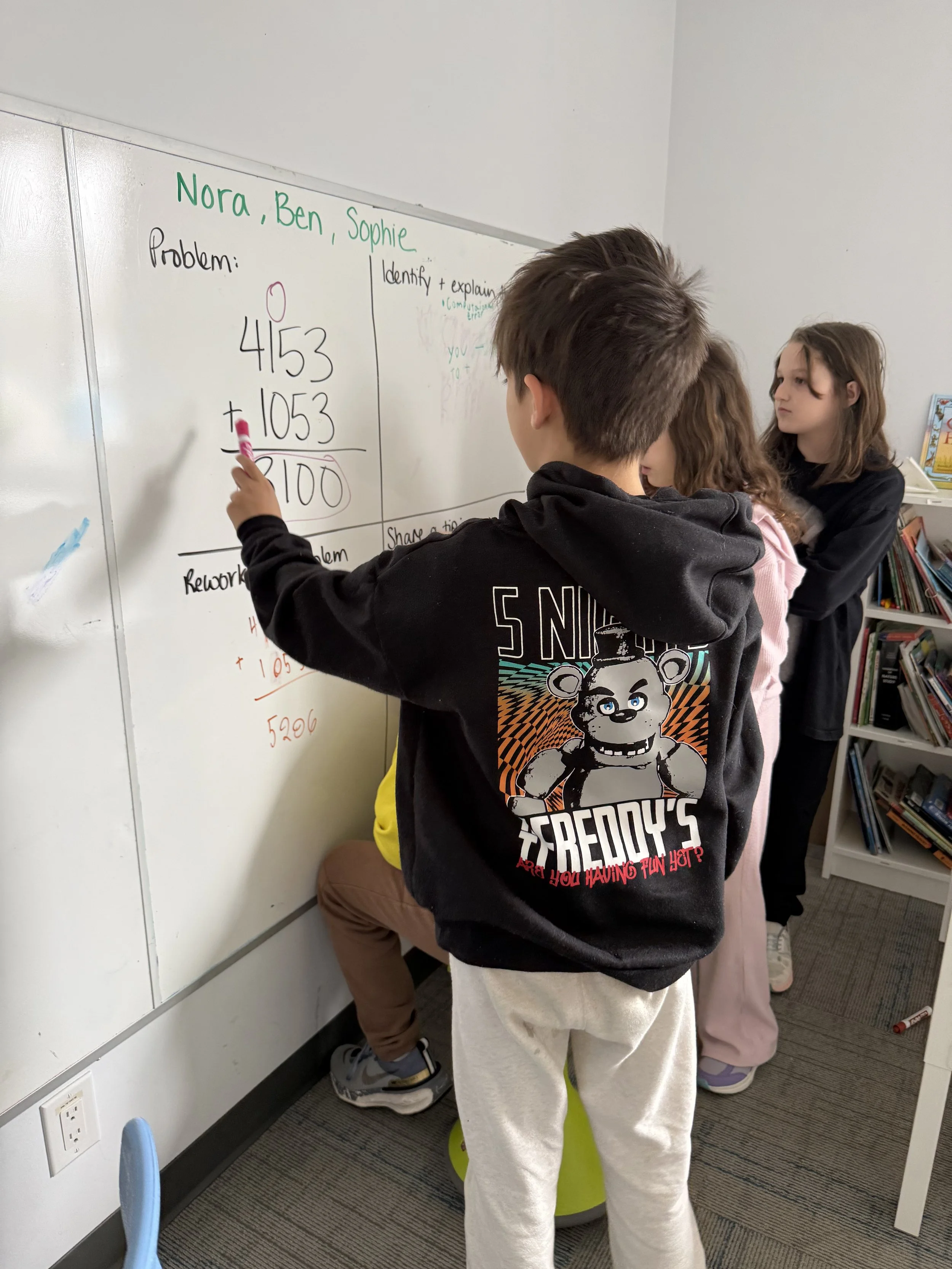
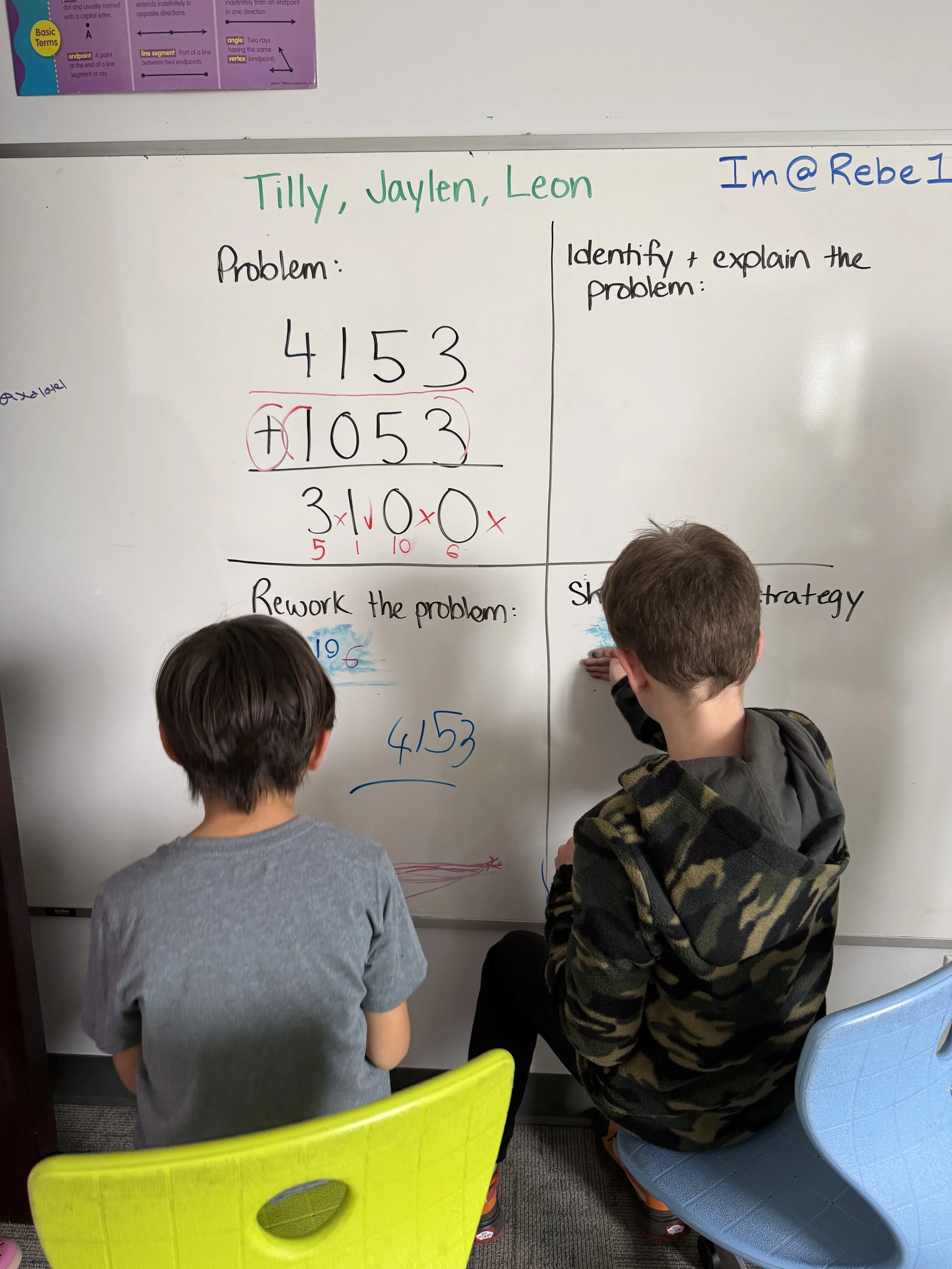
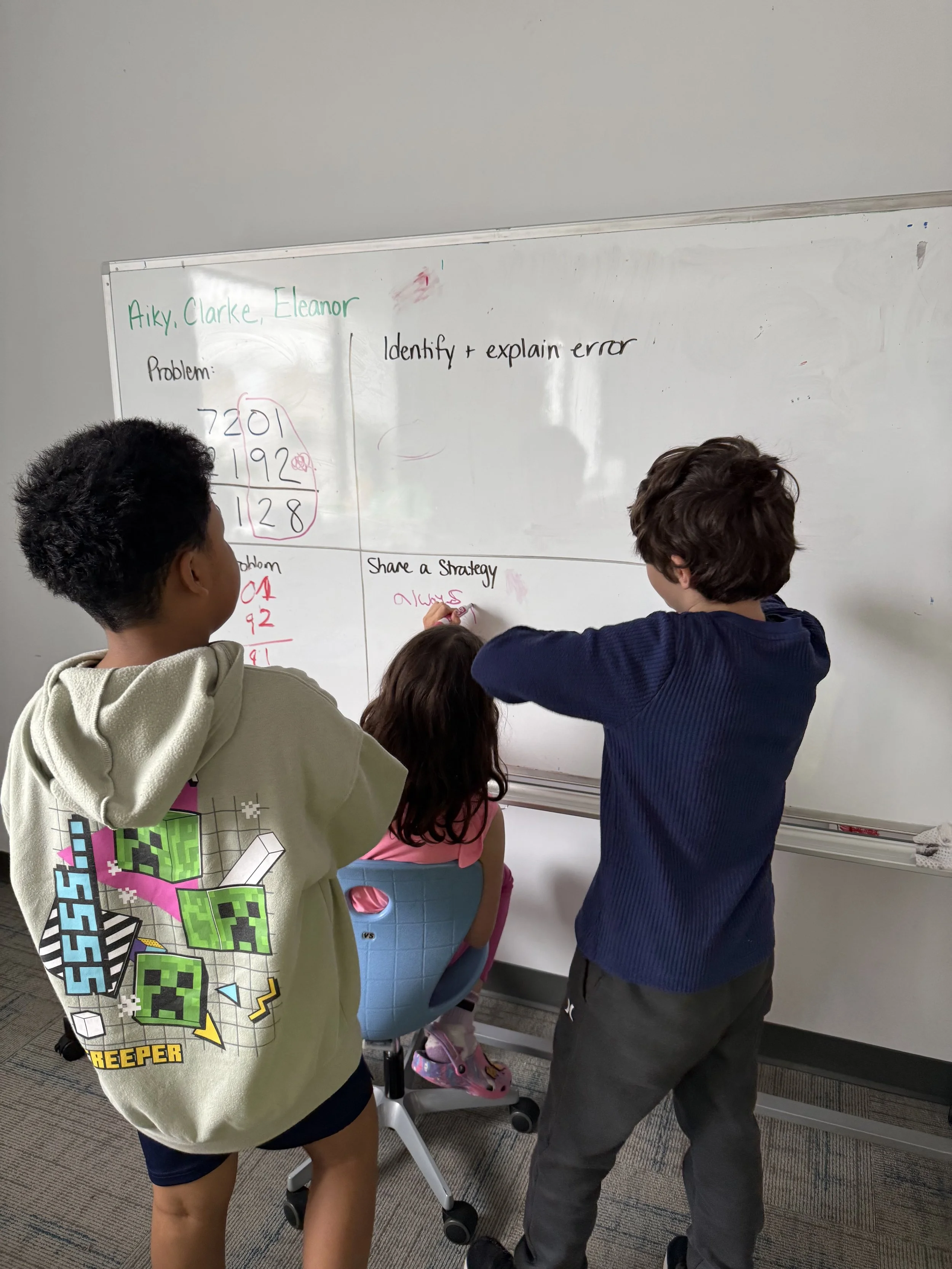
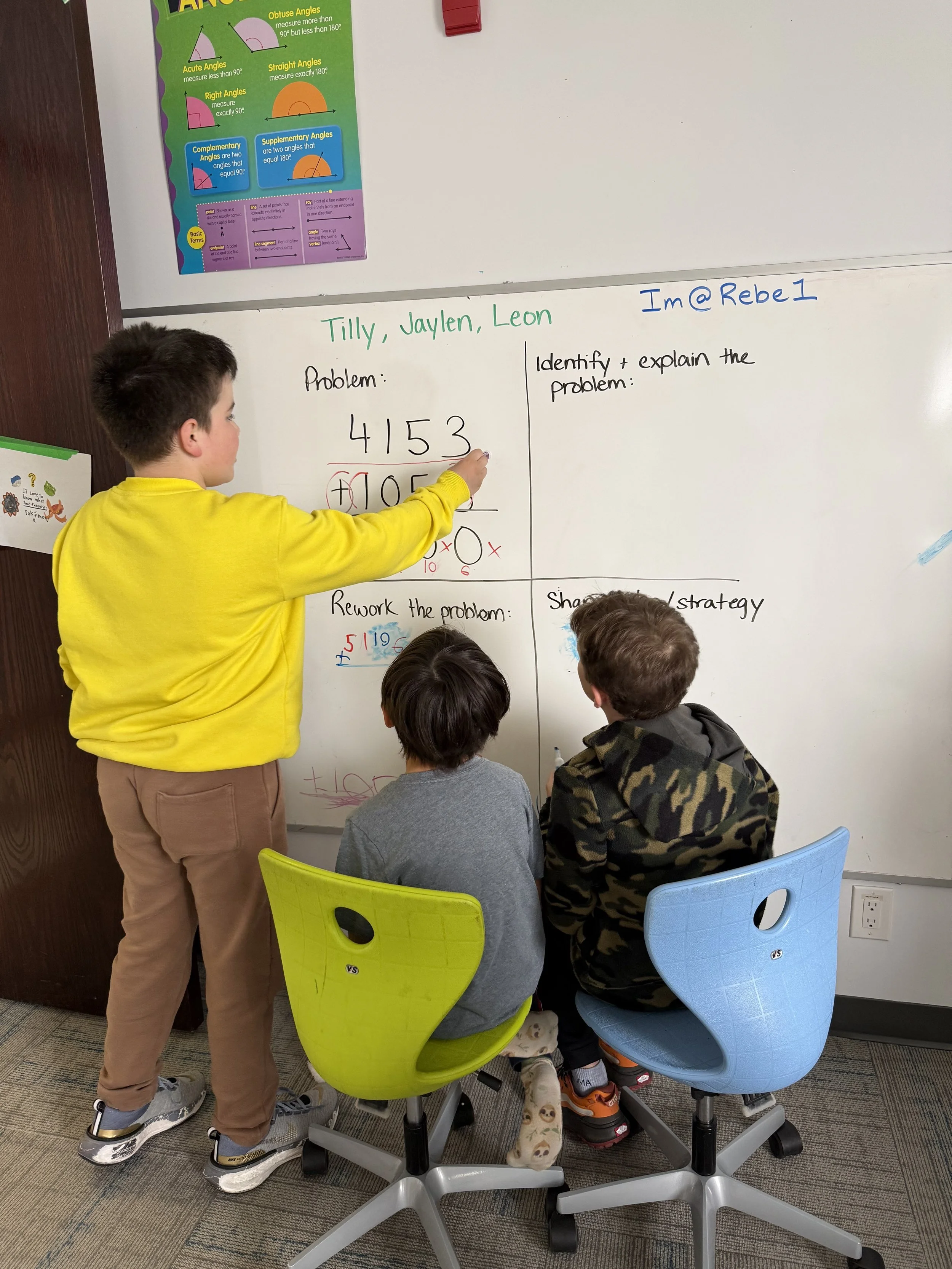
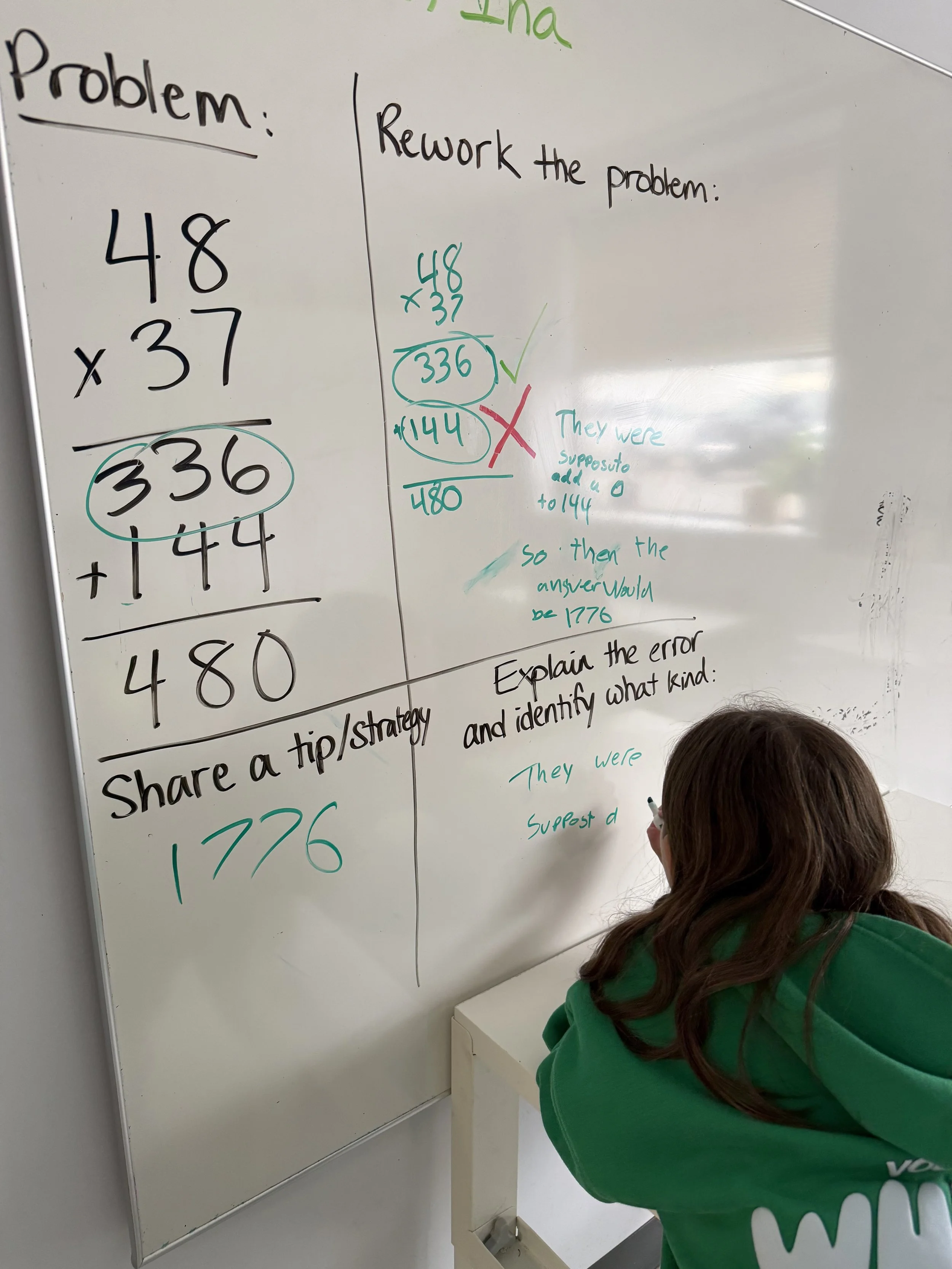
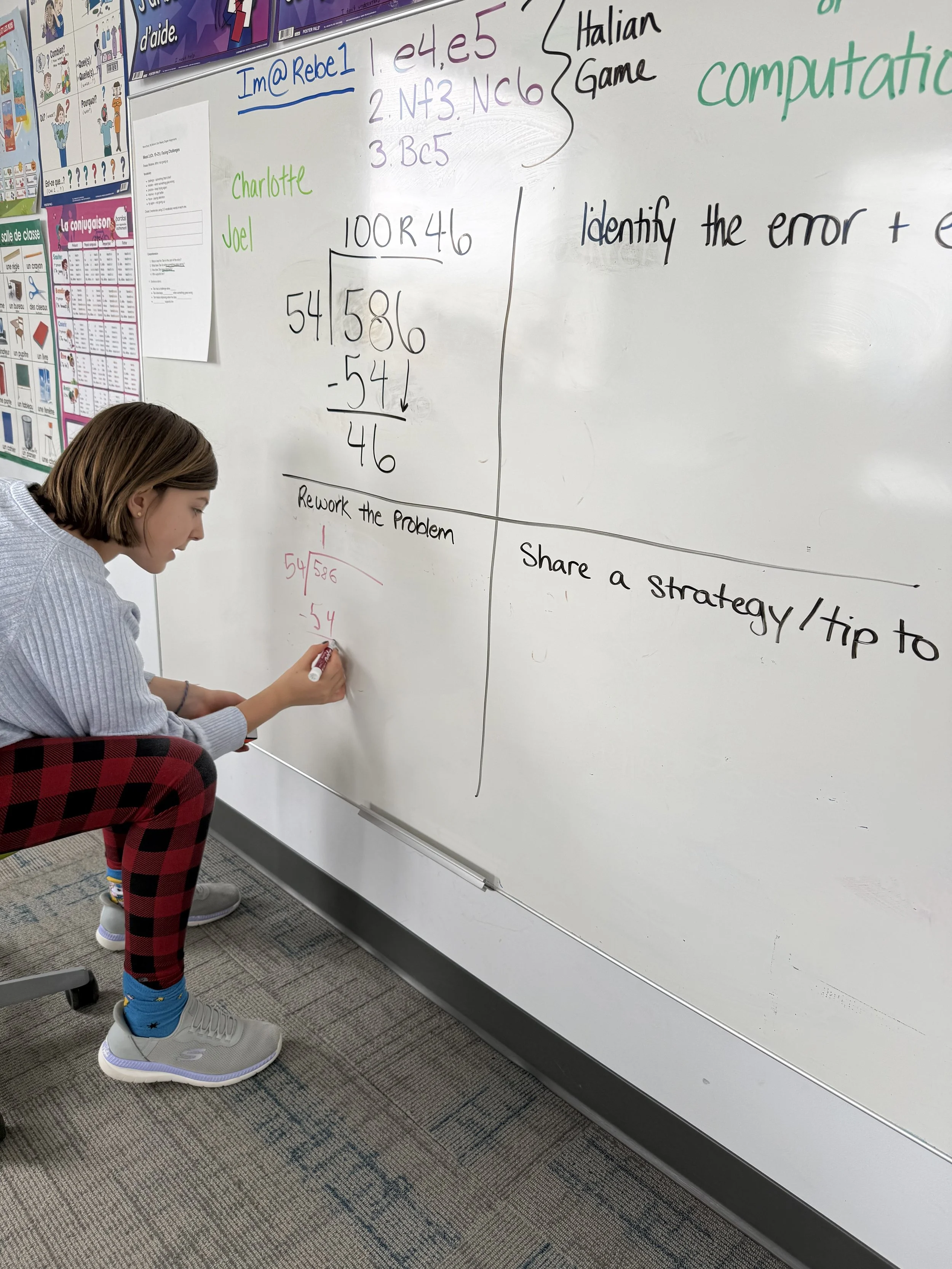
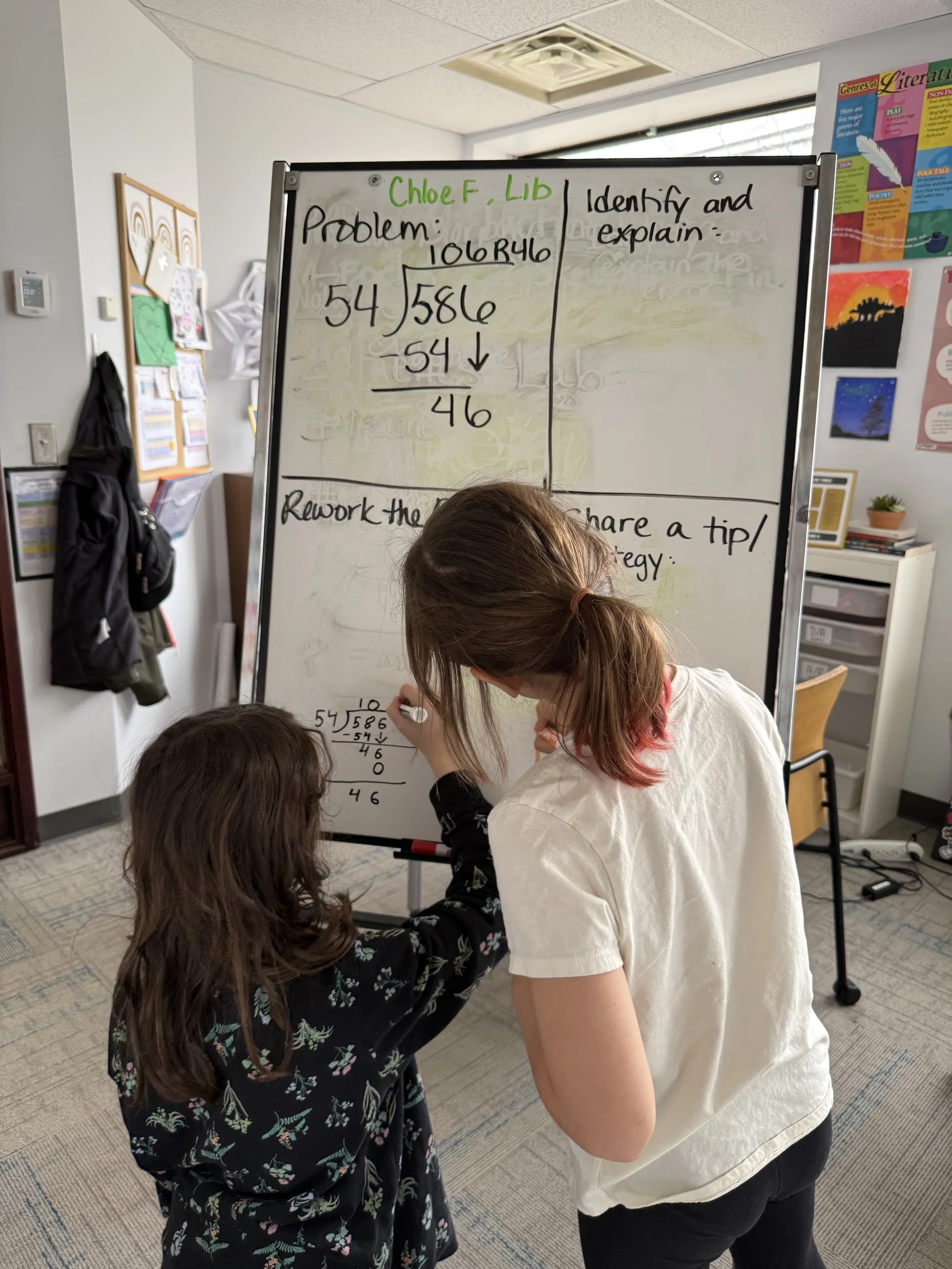
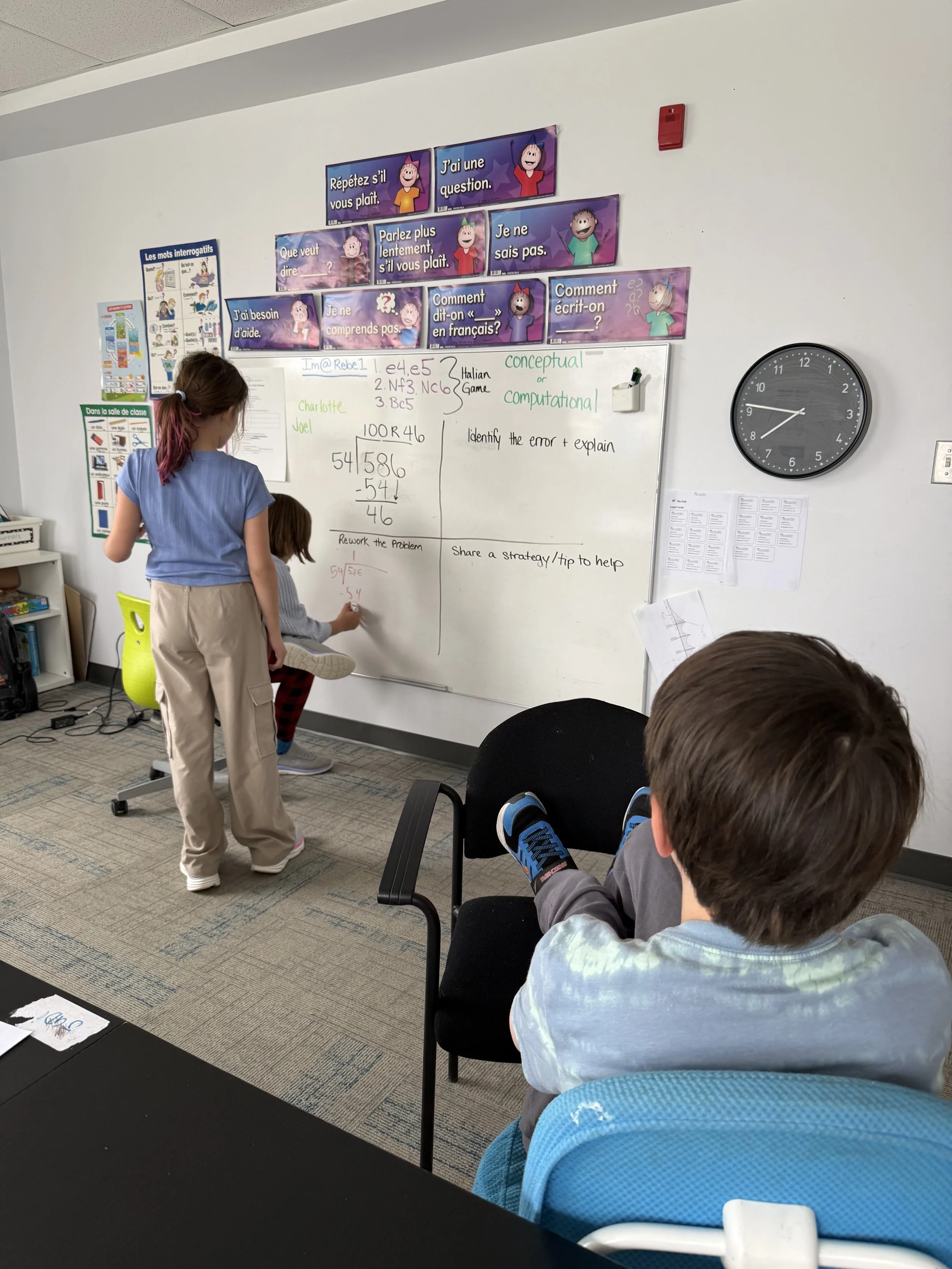
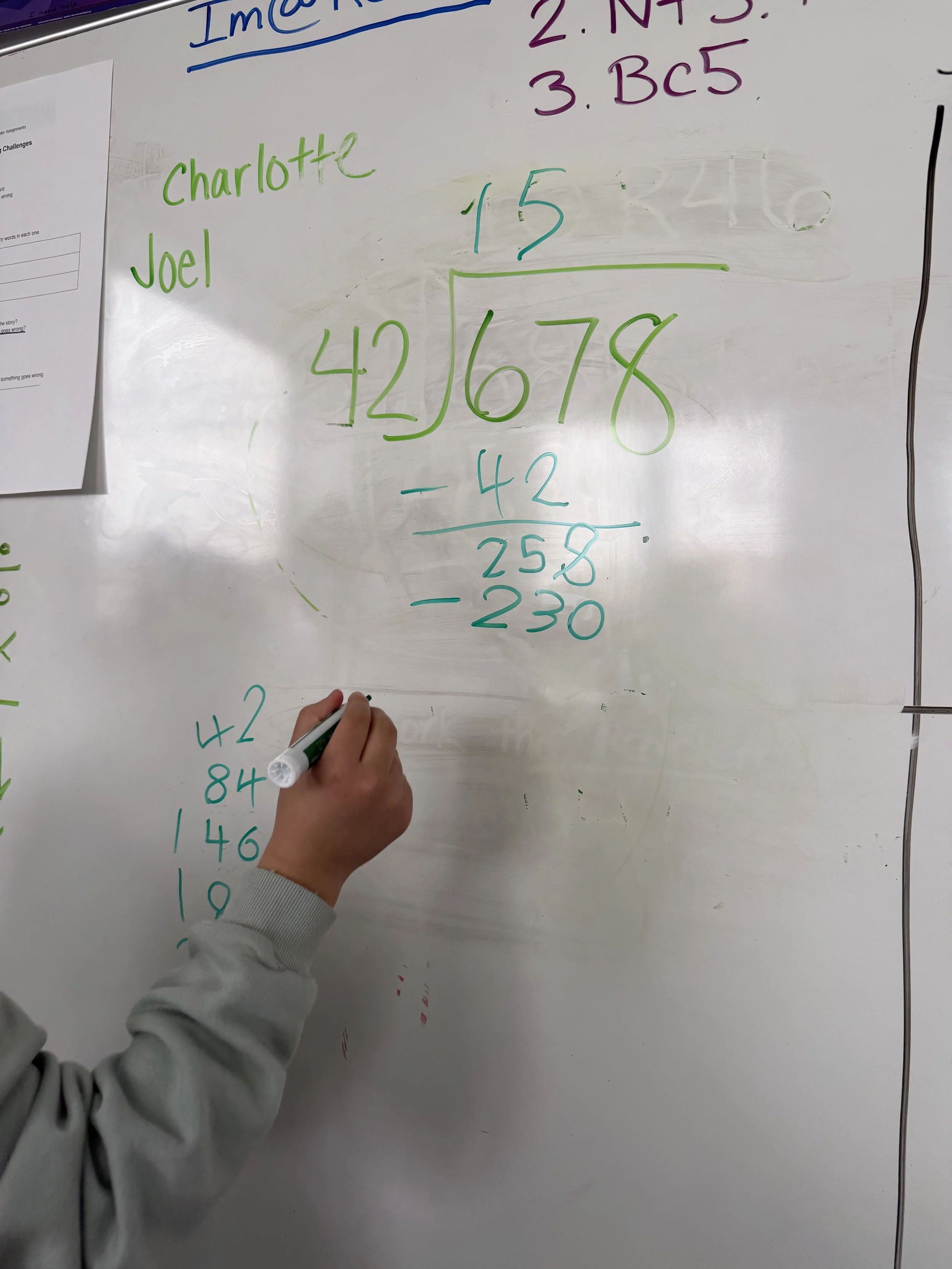
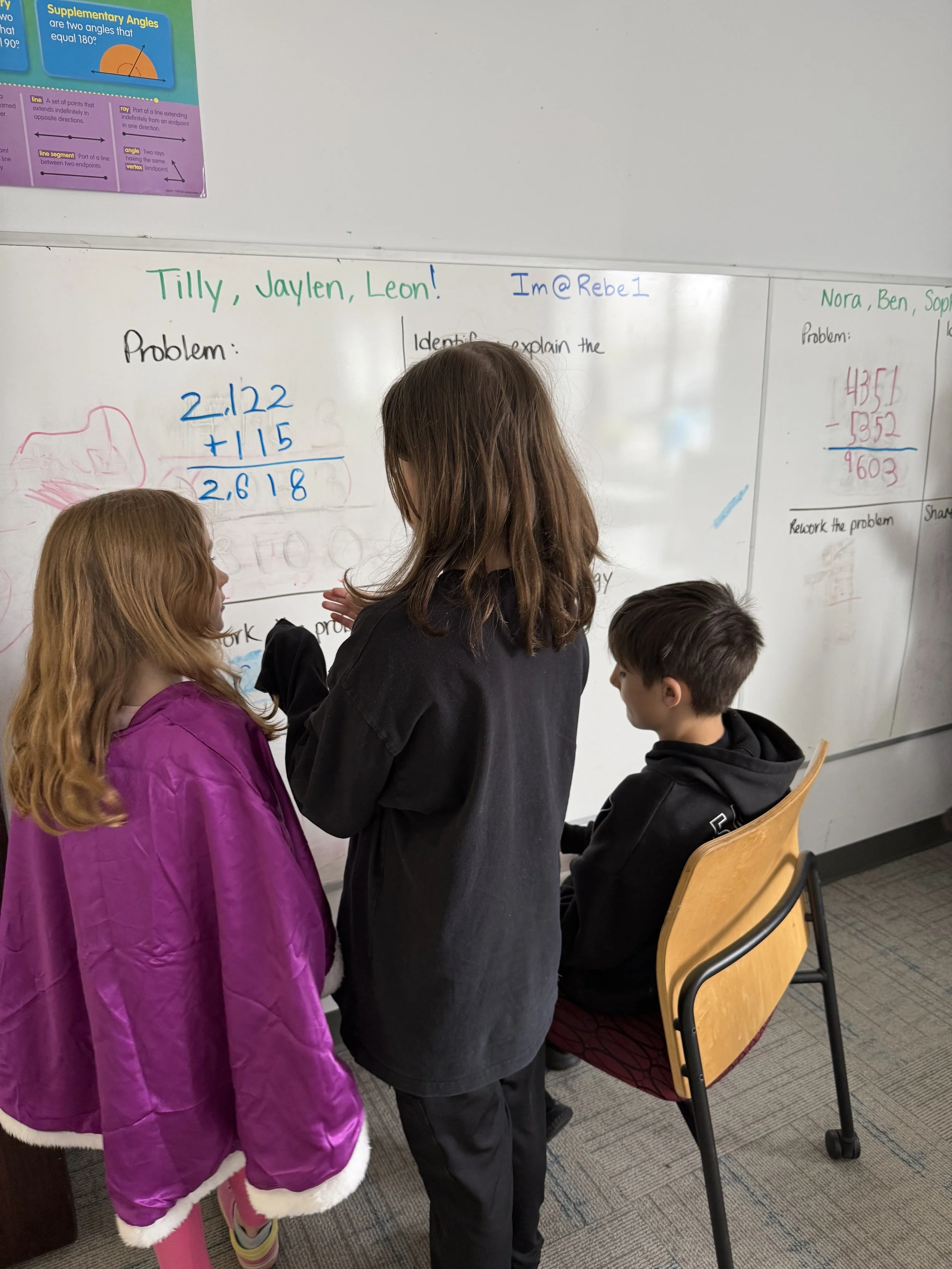
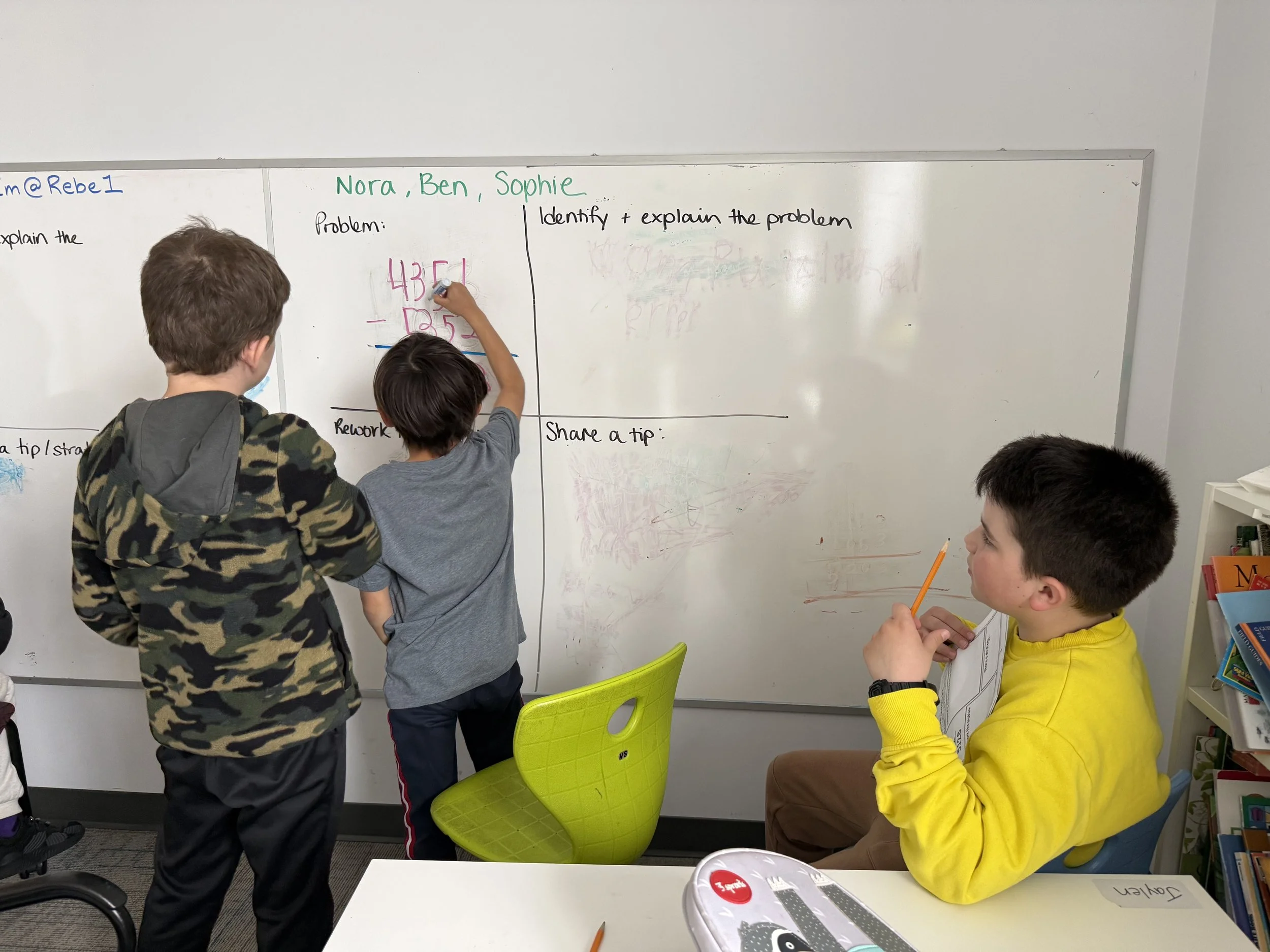
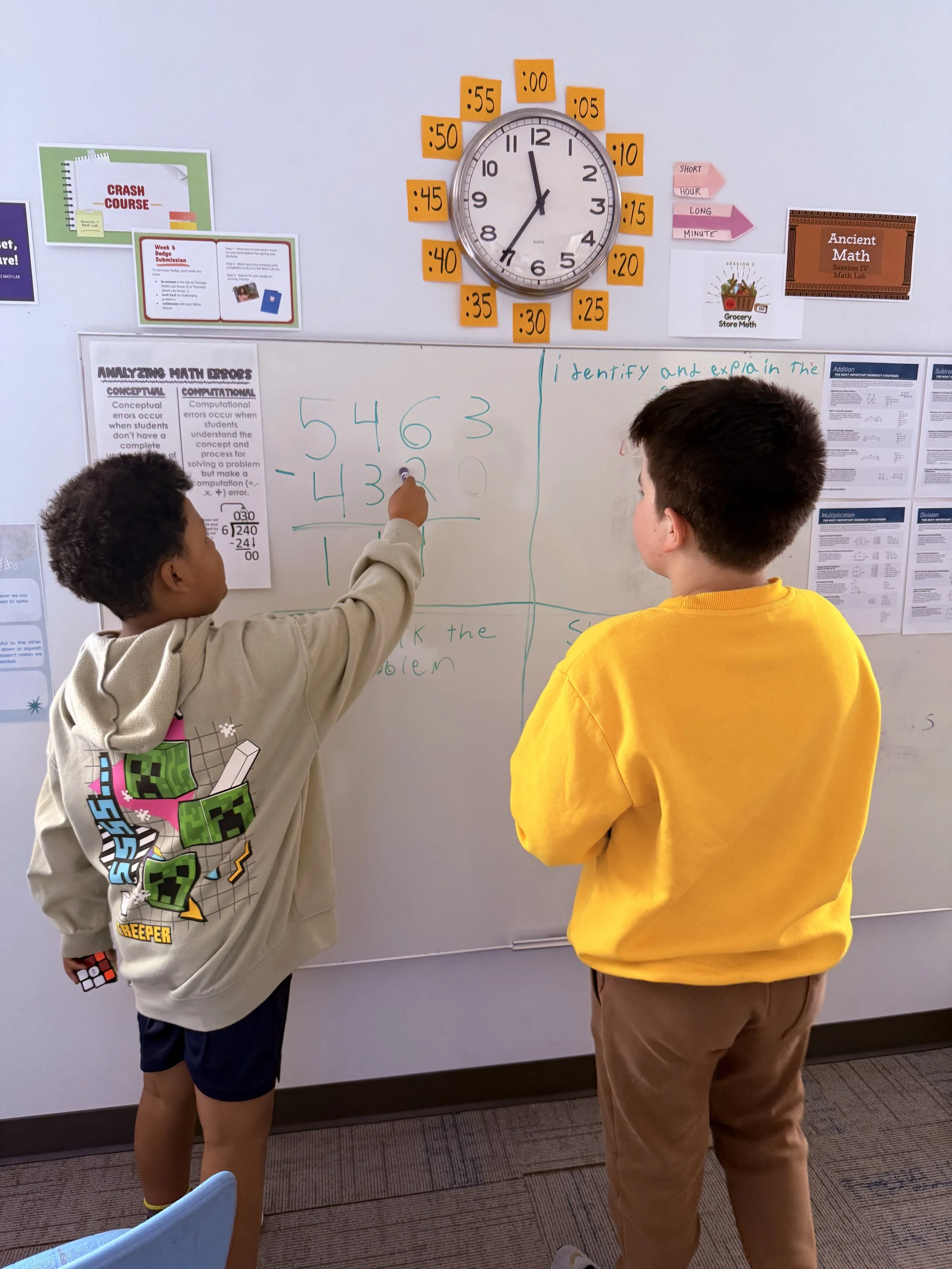
For this week’s workshop, Rebels broke off into small teams to identify, explain, and rework a few problems on the whiteboard, with the goal of presenting back to the whole group once completed. Rebels in Draw/Anchor solved addition and subtraction challenges with regrouping, and Aim/Release Rebels solved double digit multiplication and long division challenges. Rebels had the added challenge of a deadline: to complete their whiteboard task in 10 minutes or less. At the end of the timer, Rebels took turns showing their teams what they got, whether the error was conceptual or computational, and what strategy they would offer this learner to help them understand their mistake. Some Rebels returned to their error analysis packets, while others stepped into the role of Error Analysis Detectives, an enrichment challenge where Rebels have to solve a series of problems from a variety of math strands.
French
This week in French, we took our learning outdoors. The Rebels were challenged to expand our Clue game by inventing new locations, characters, and objects. Each Rebel created and illustrated five original cards, along with written descriptions. We then continued playing Clue to practise asking questions in French and using our sentence structures. To reinforce our vocabulary, we also played a “House Bingo” game, reviewing words related to rooms and household objects.
Civilizations
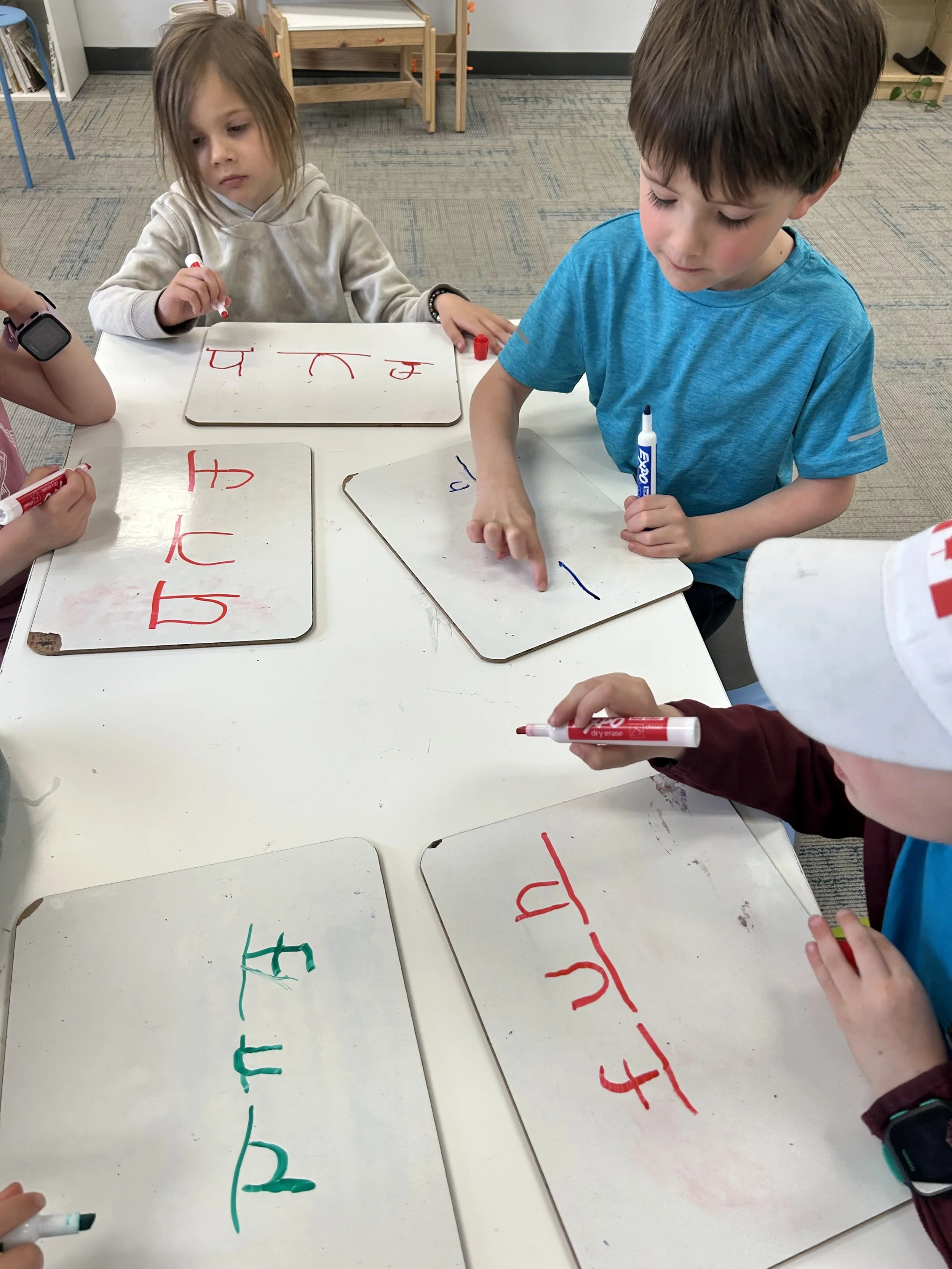
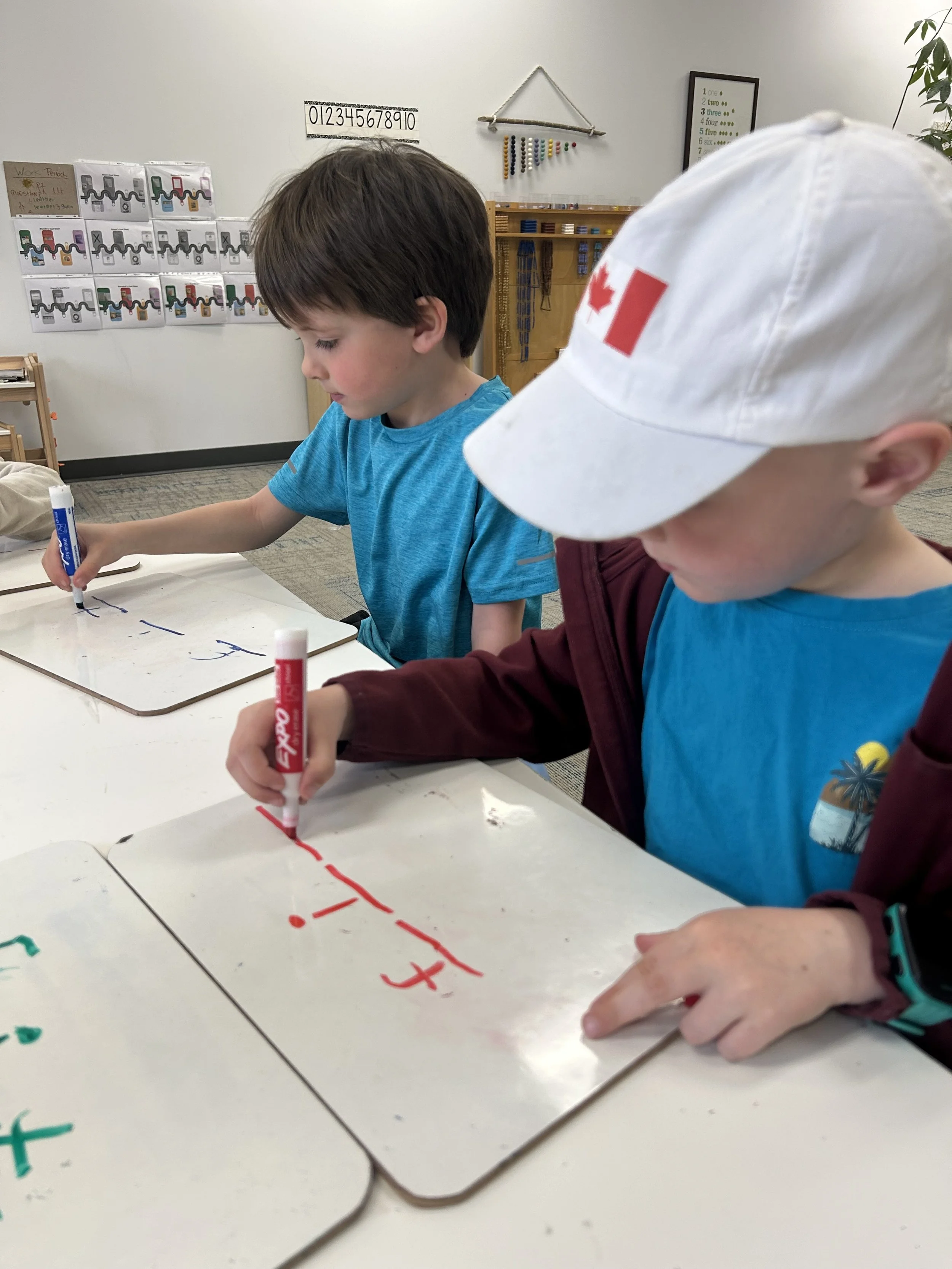
Discovery is slowly entering China through their Civilization labs this week. To start their labs they worked on mapping. They were to find the Great Wall of China, find the Qin Empire and find important rivers in the Qin Empire. Followed by this we read chapter 32 of The Story of the World Volume 1: China Writing and the Qin. This chapter explains how early Chinese writing developed as a way to record events and communicate across regions, eventually becoming a unifying system despite many spoken languages. It then introduces the rise of the state of Qin, whose ruler, Qin Shi Huang, conquered rival kingdoms and unified China. He standardized writing, measurements, and even road systems to strengthen control. The chapter also highlights his strict rule and the harsh laws of Legalism. Although his methods were severe, his changes helped shape a more unified Chinese civilization. Throughout the reading, the learners had the opportunity to practice calligraphy. They were provided with the seven fundamental strokes in Chinese calligraphy that are essential to mastering the art, which are also called the “Seven Mysteries”. When provided specific strokes they were to create the word that would go with it. For instance they had to try to make the word, field, woman and horse.
Quest
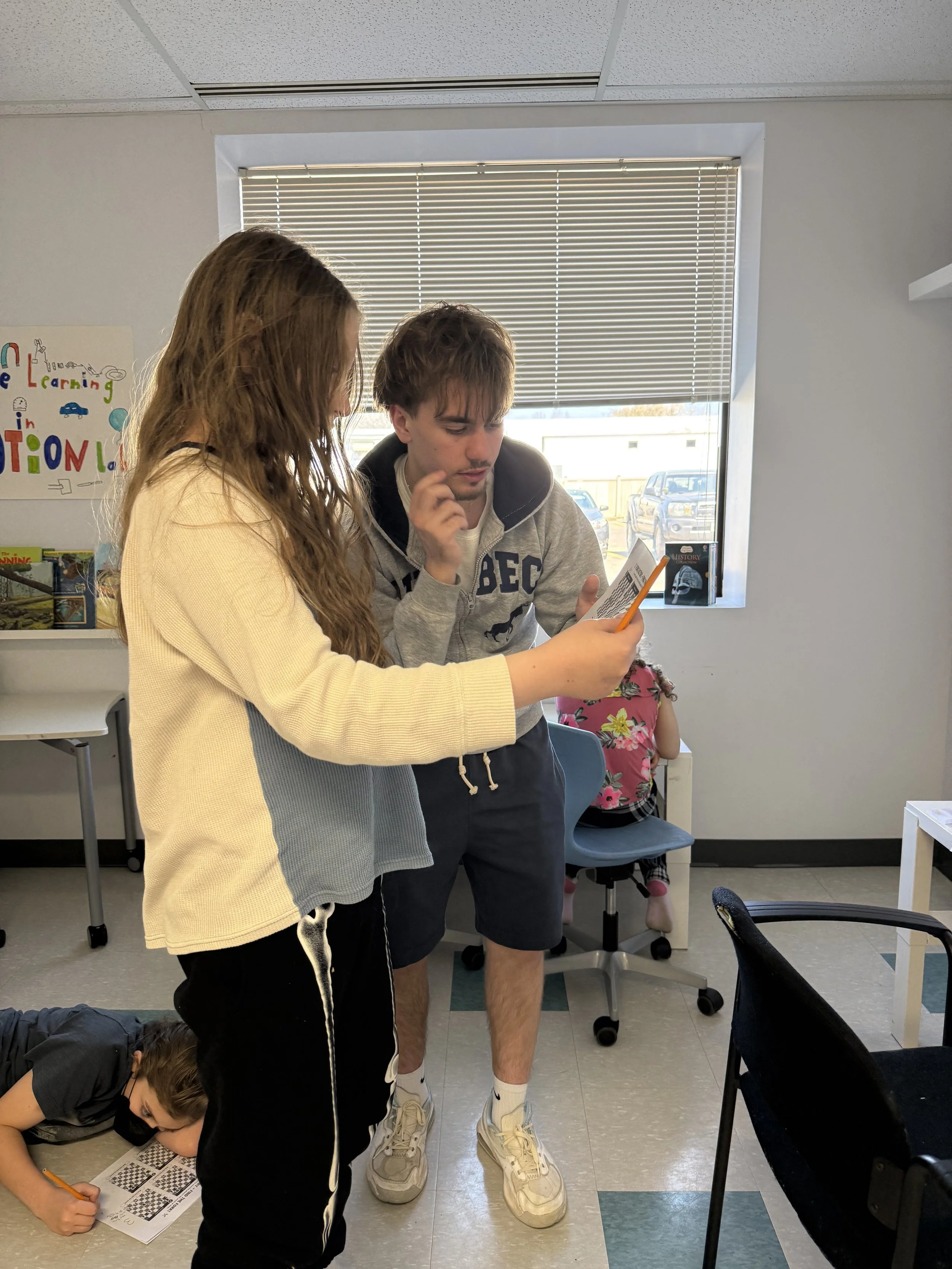
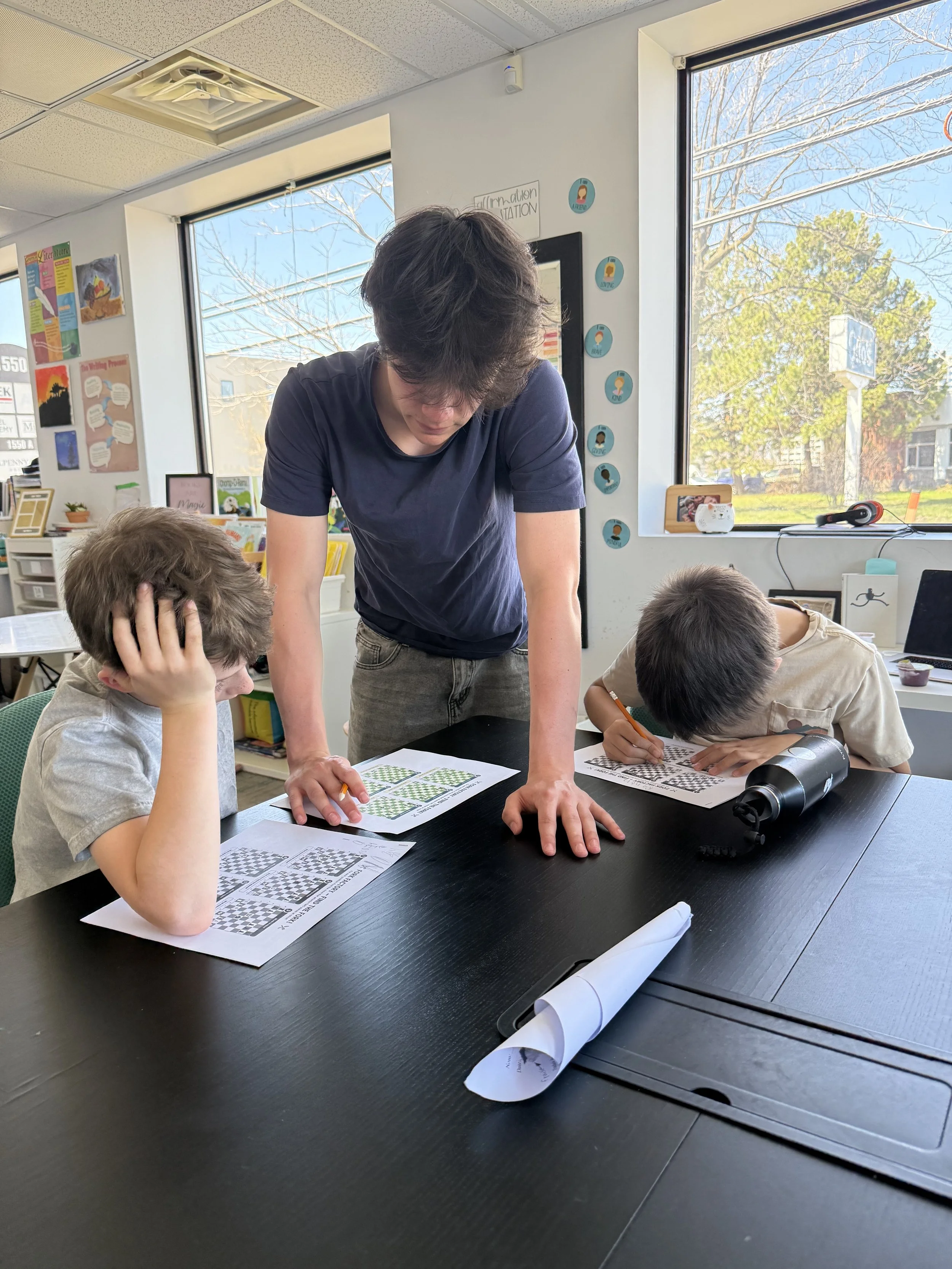
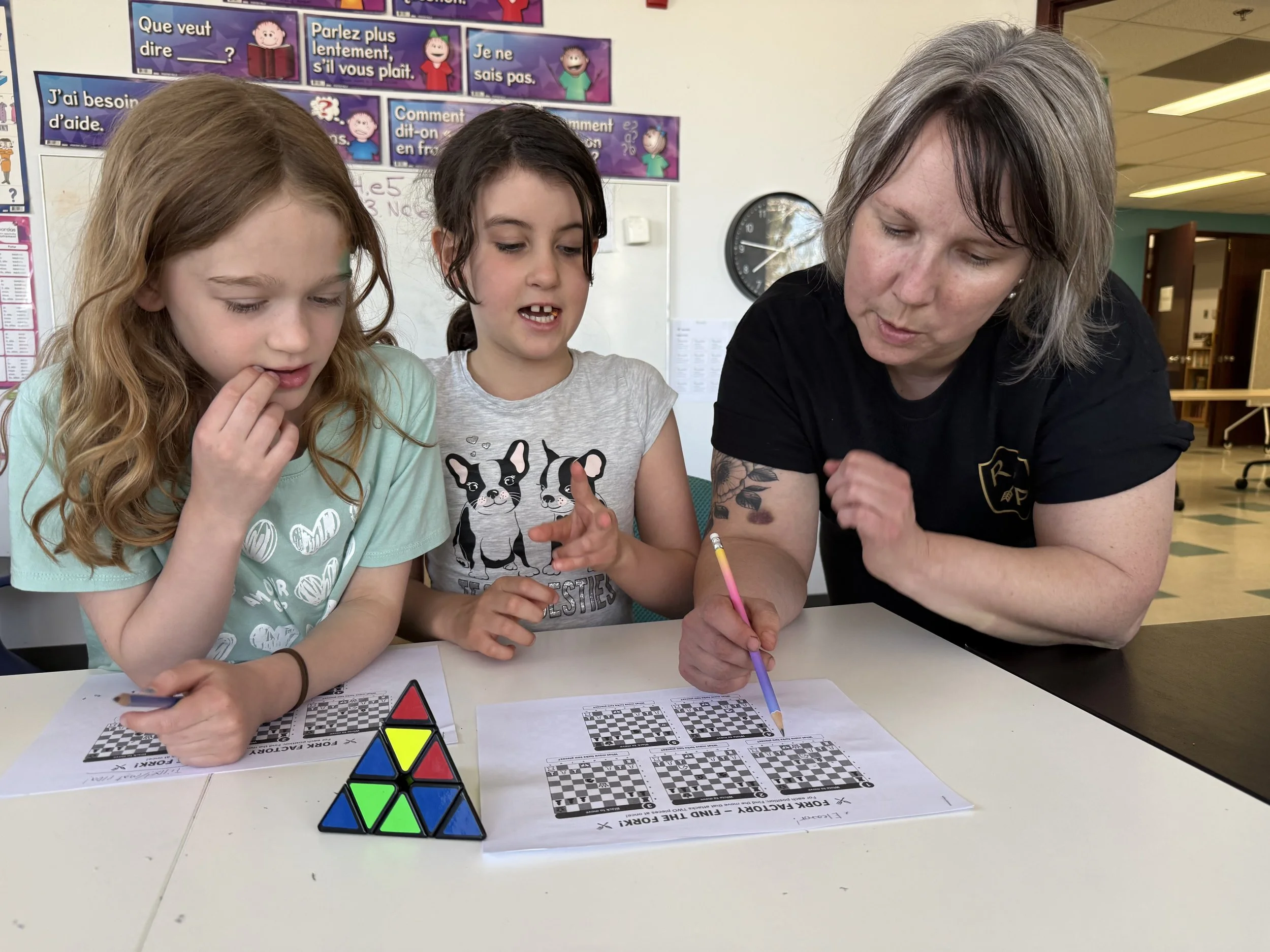
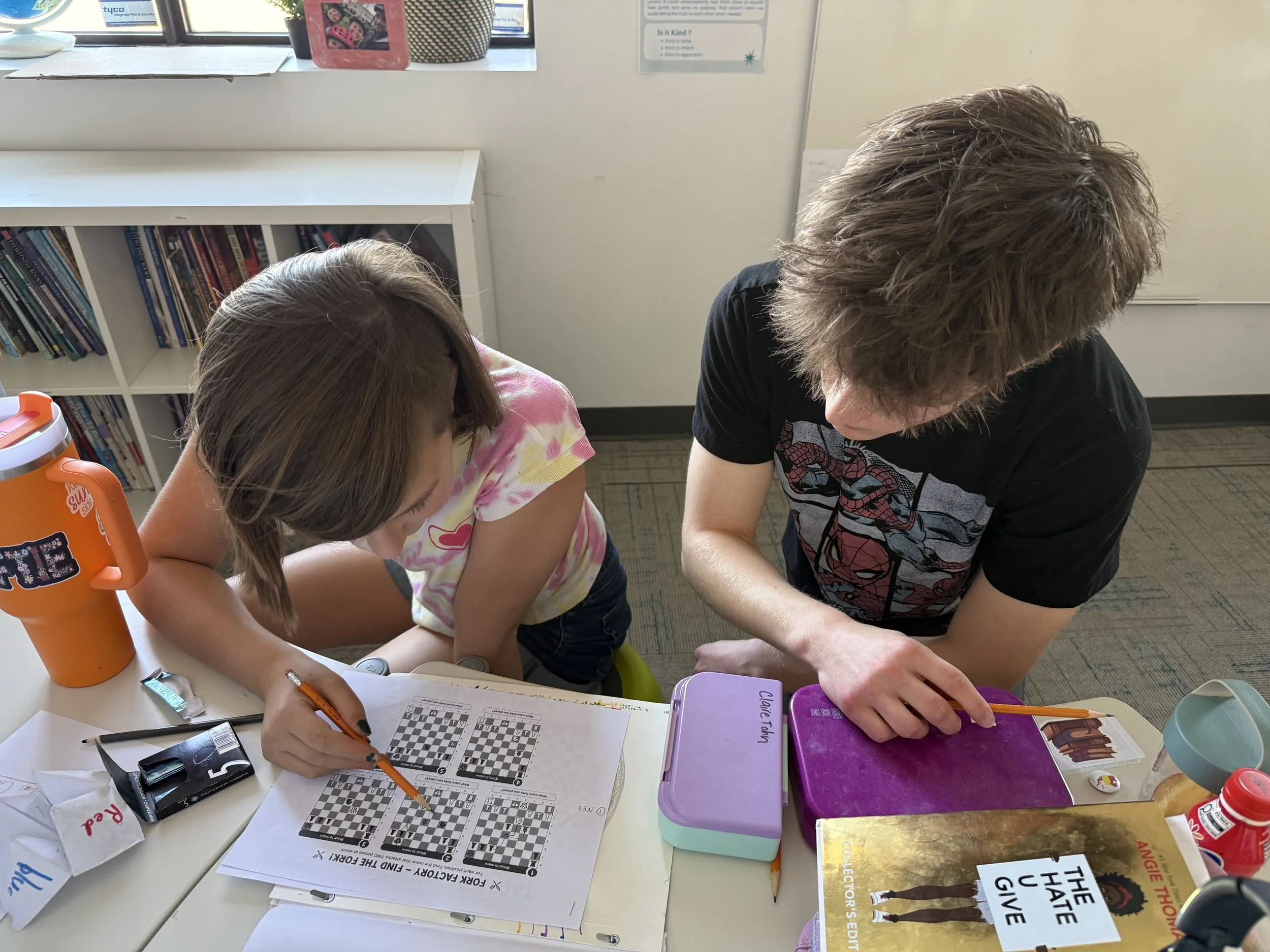
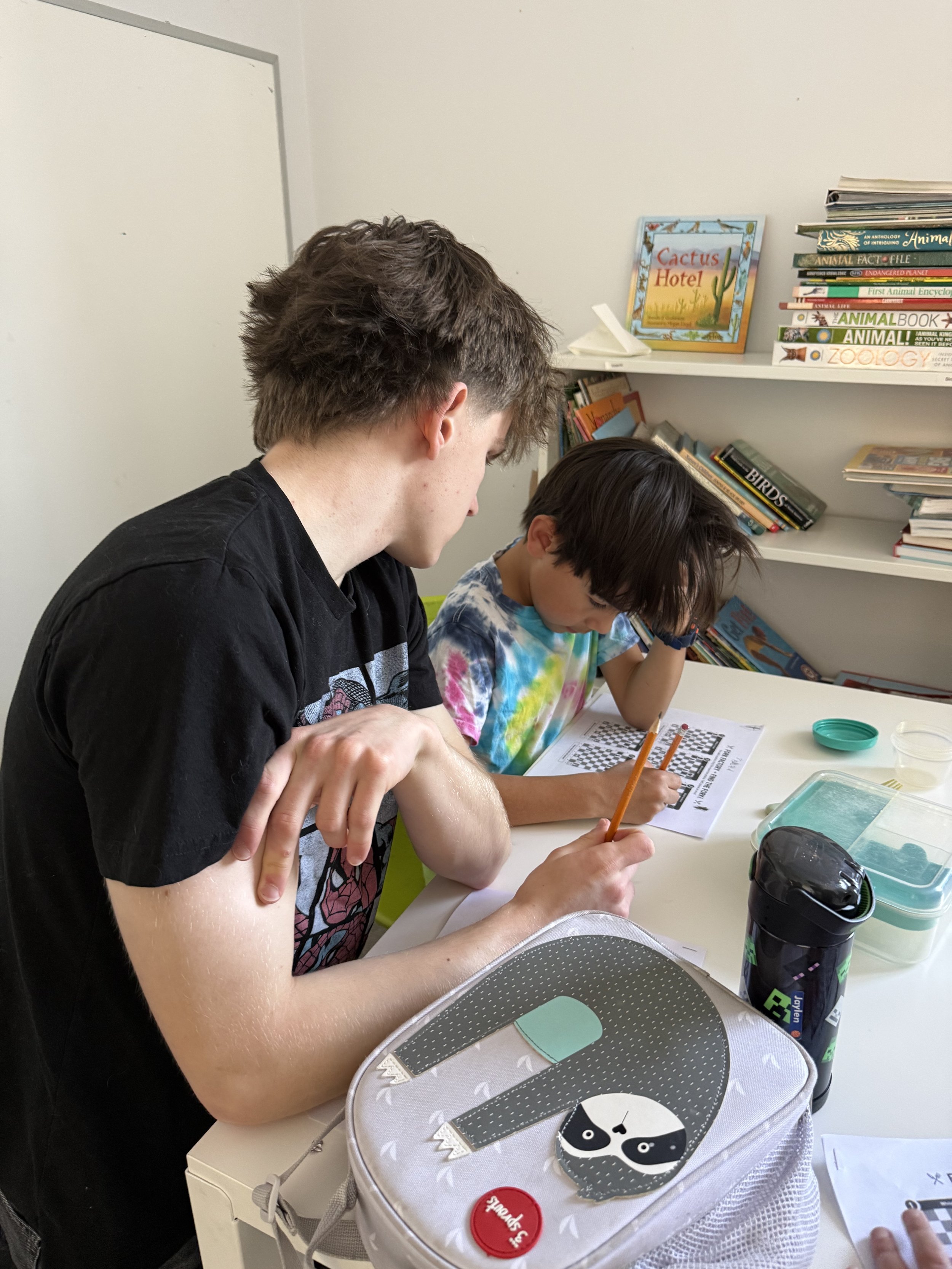
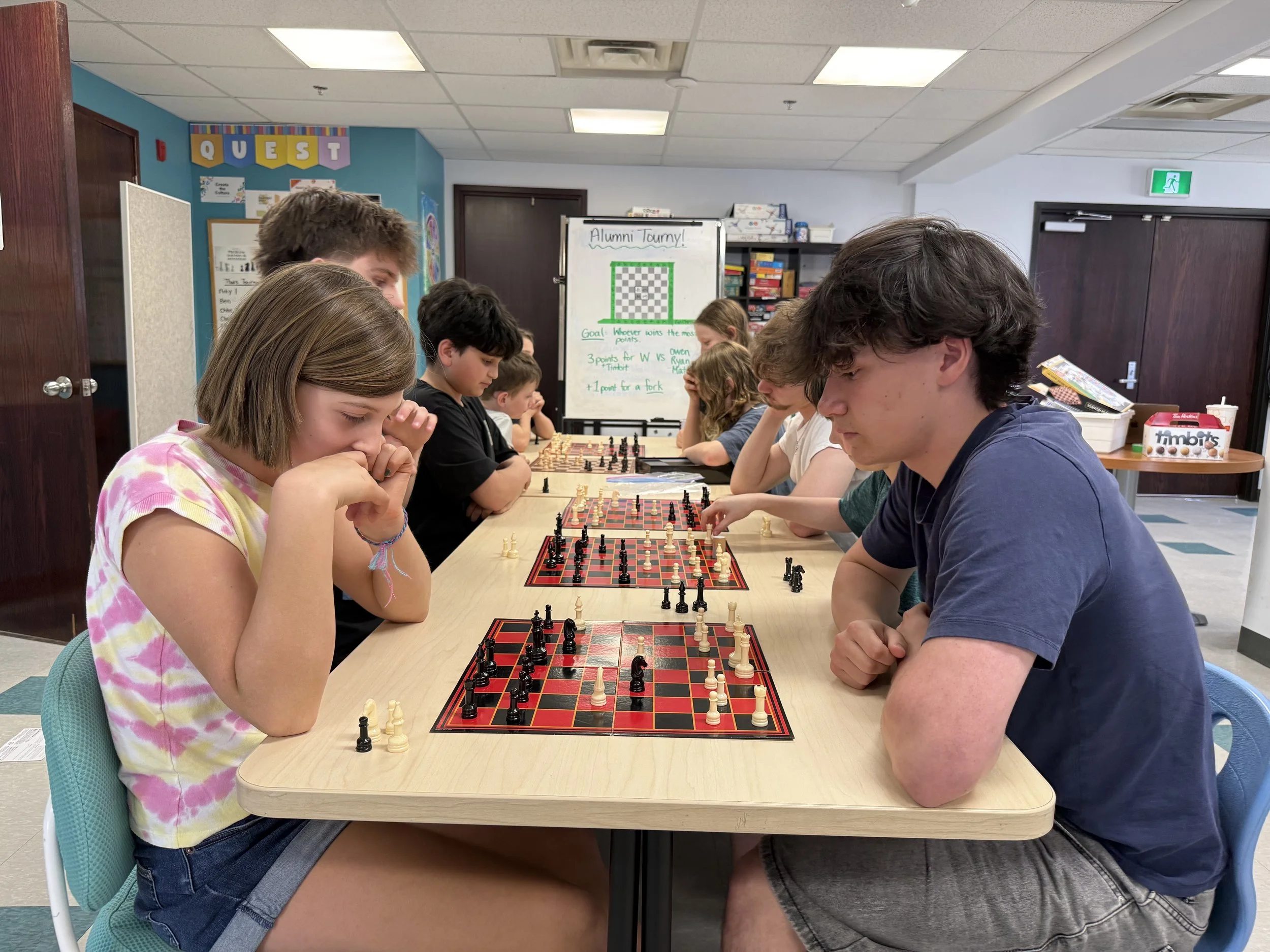
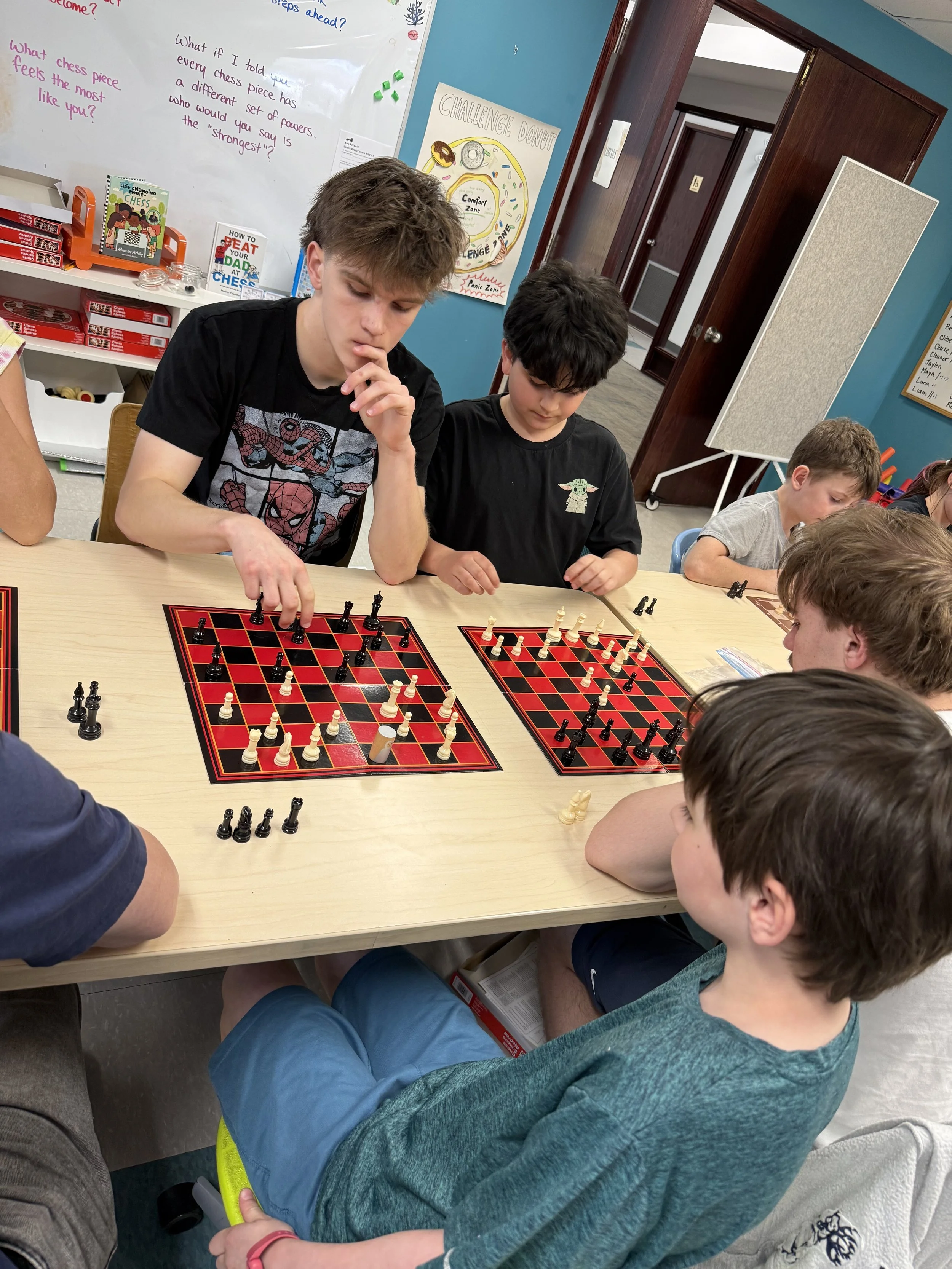
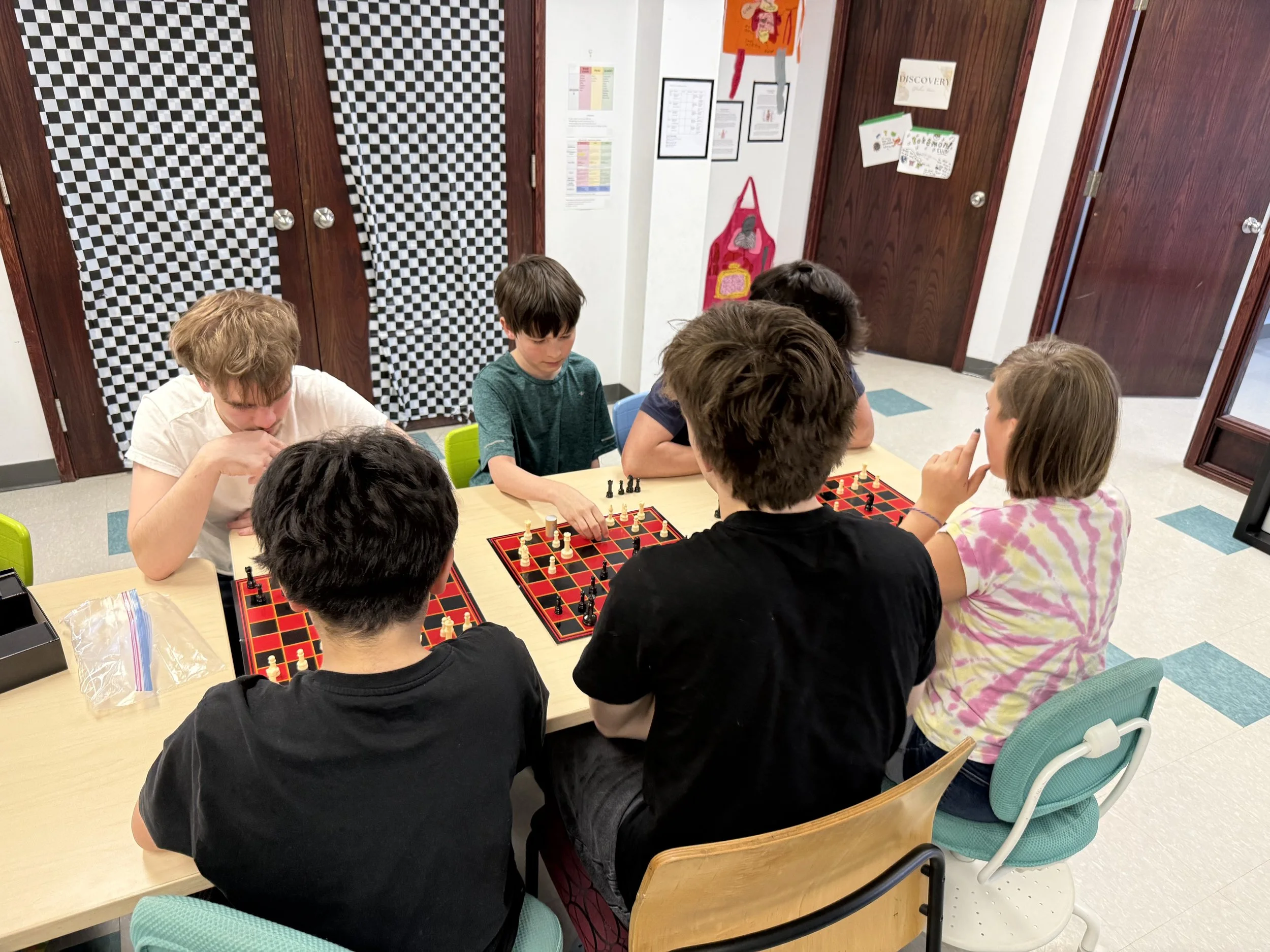
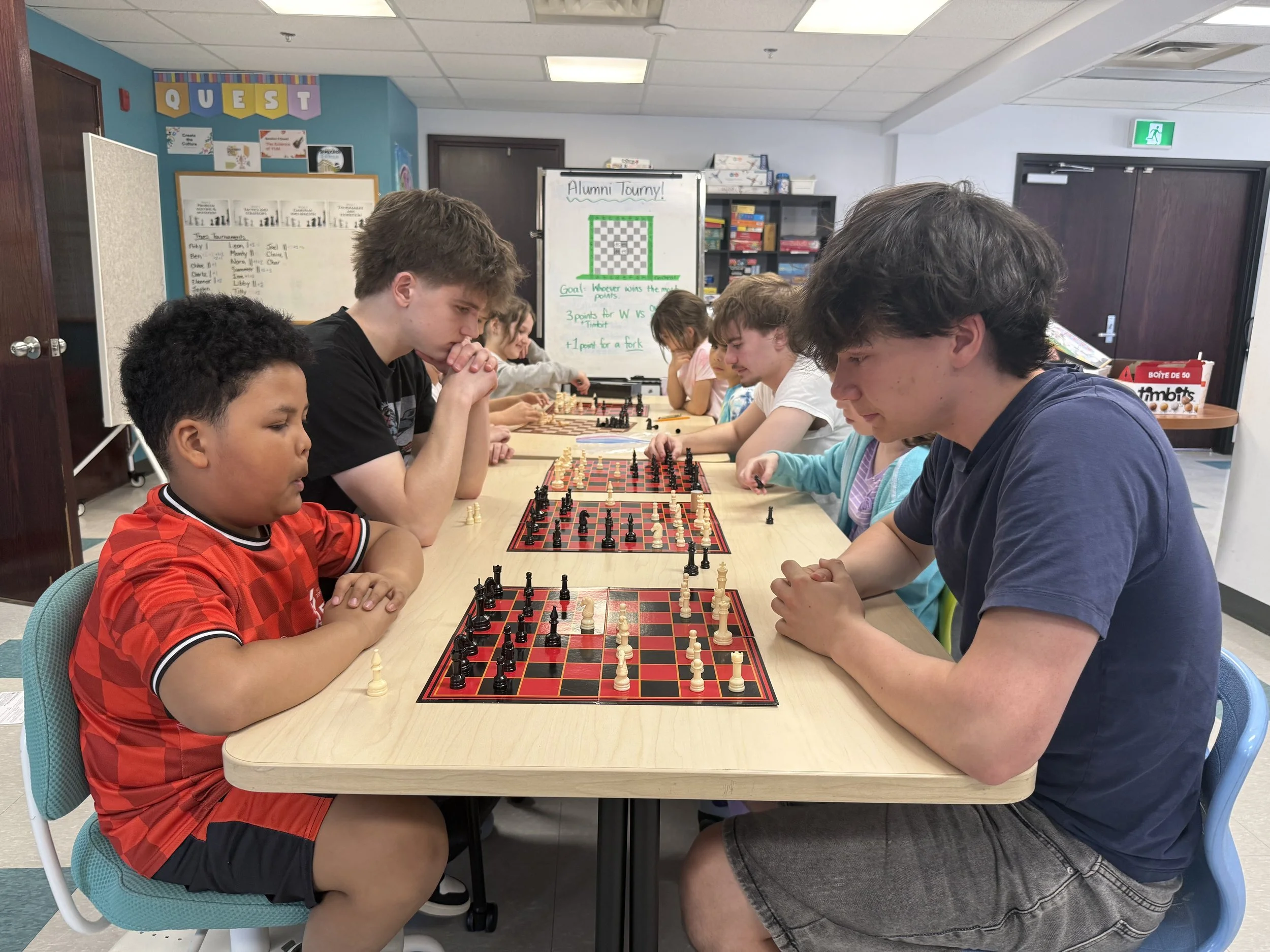
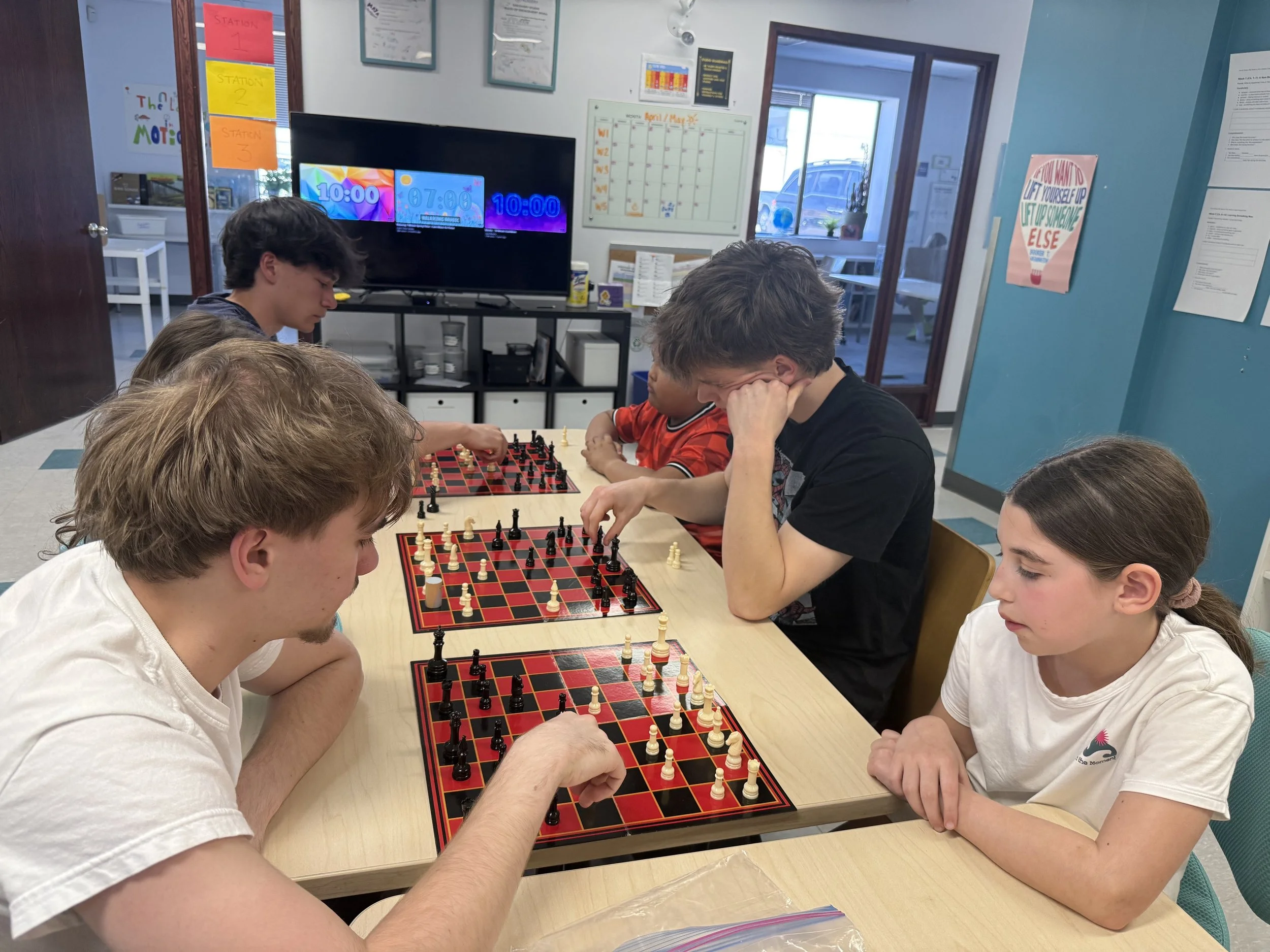
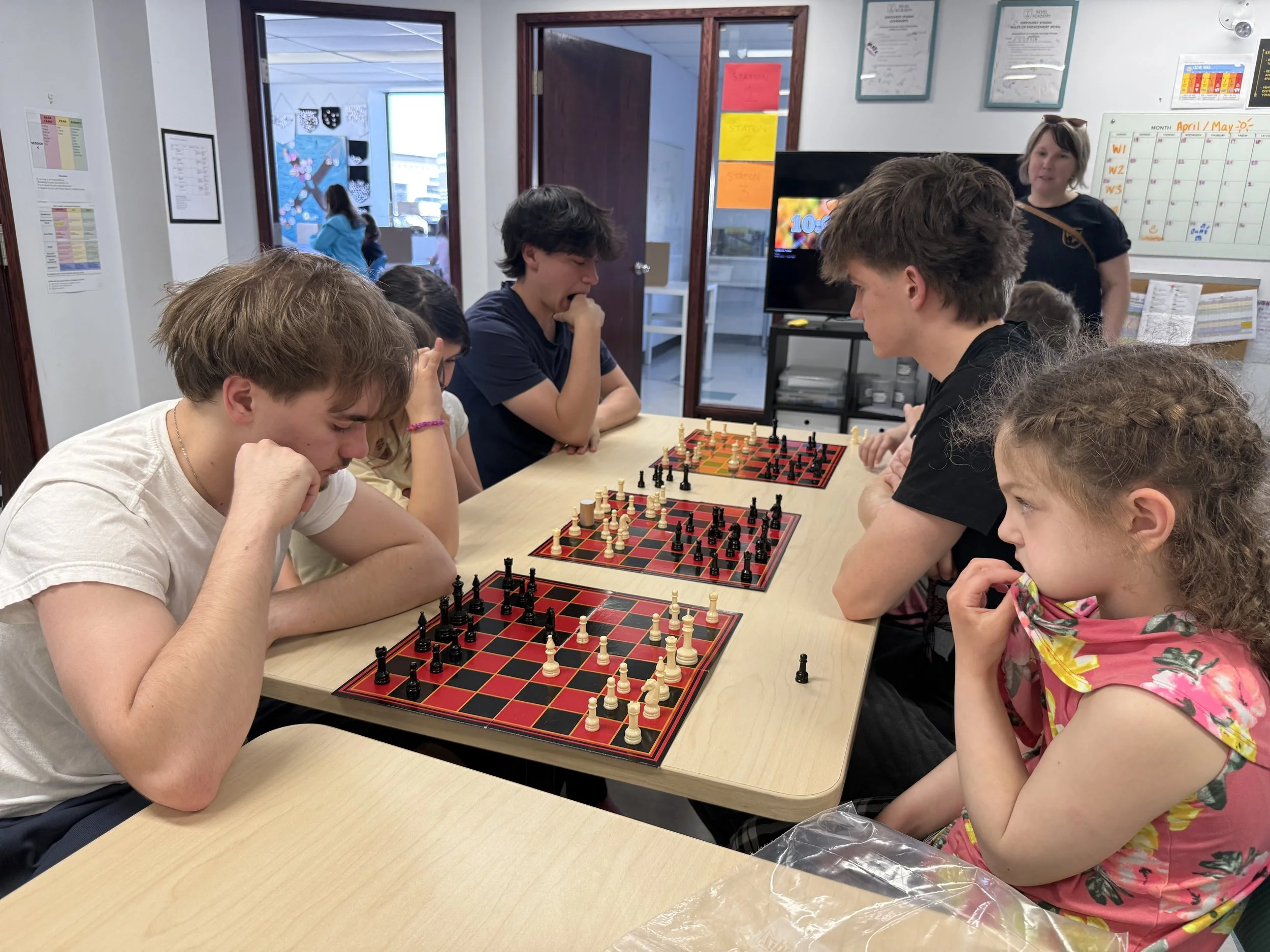
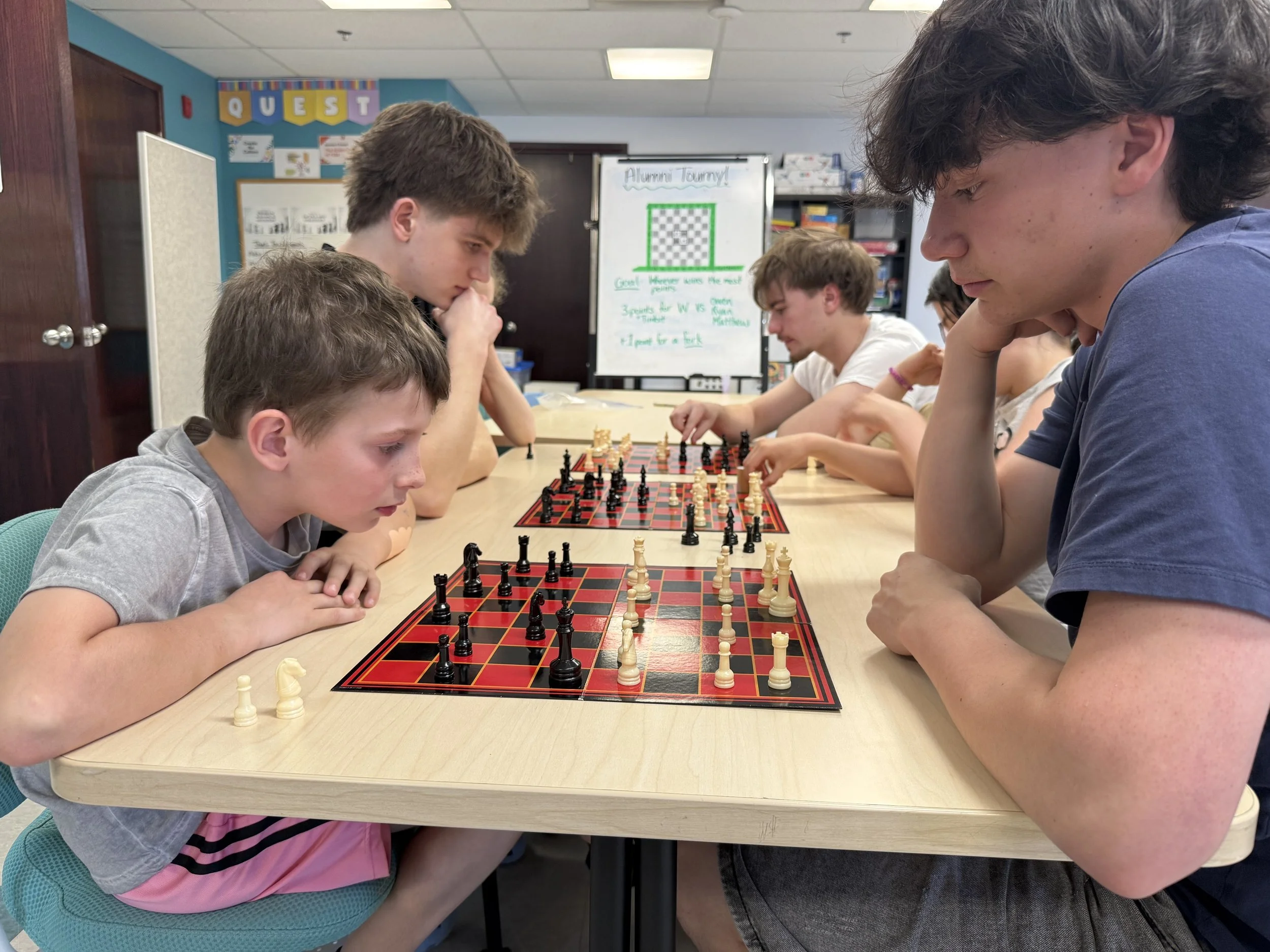
Is that just a move…or part of a plan? This week in Quest was all about tactics! Rebels were excited to host some special guests for a practice tournament on Monday! We had the pleasure of bringing in a few Revel Rebels who are now in highschool back to the Discovery Studio for some help during tutorials on tactics like the Fork, Skewers and Pins. Discovery Rebels split off into three groups, with one of our guests leading and supporting each group as they solved a variety of tactical puzzles to identify ideal positions for Forks and Skewers on the boards. After spending some time on the puzzles, Rebels took turns facing off against our alumni in a practice tournament with a focus of trying to use a Fork or Skewer tactic against their opponent! Rebels had so much fun and showed a lot of bravery going up against older and more experienced chess players! It was an awesome afternoon and we hope our alumni will visit us again soon!
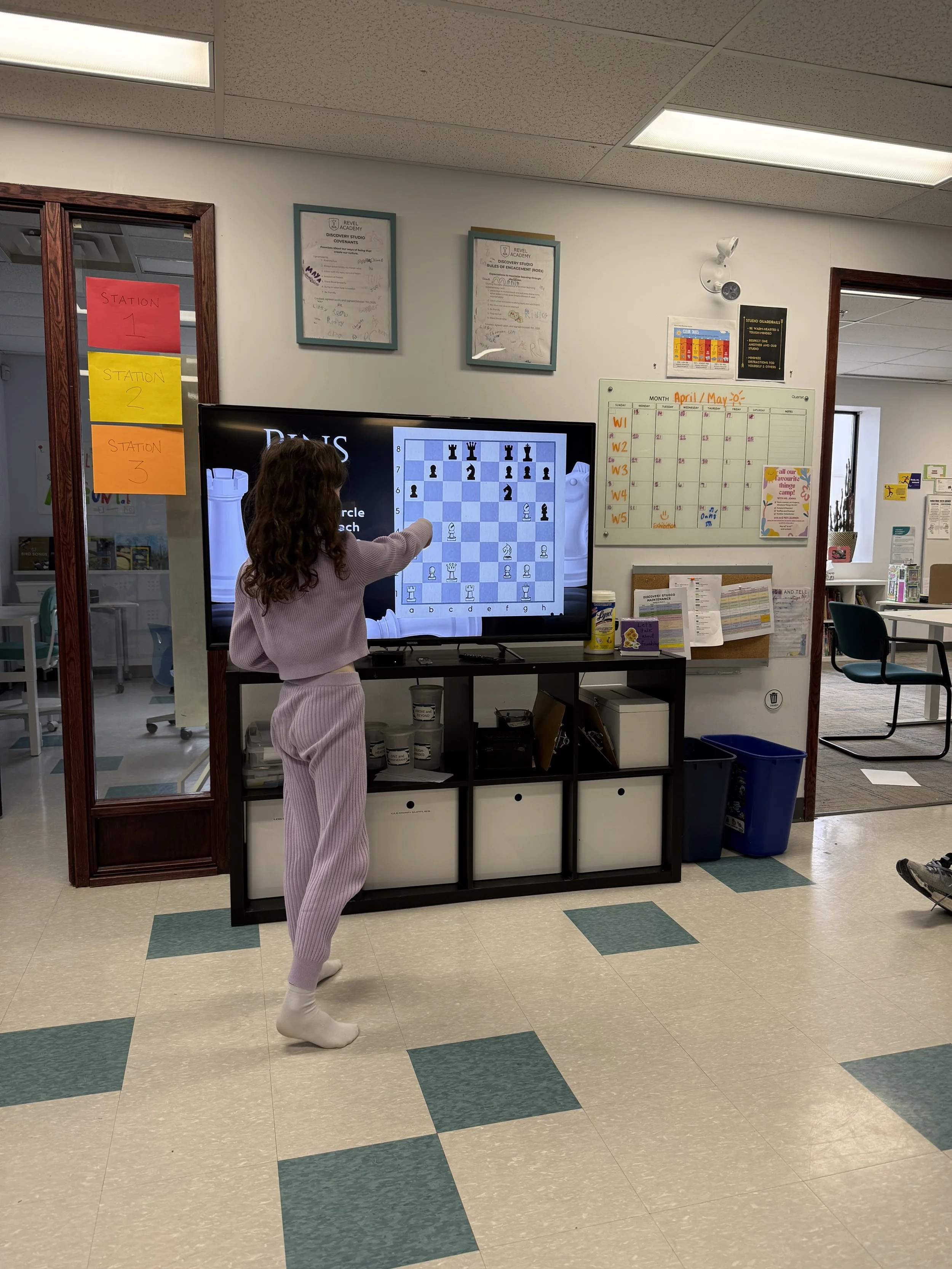
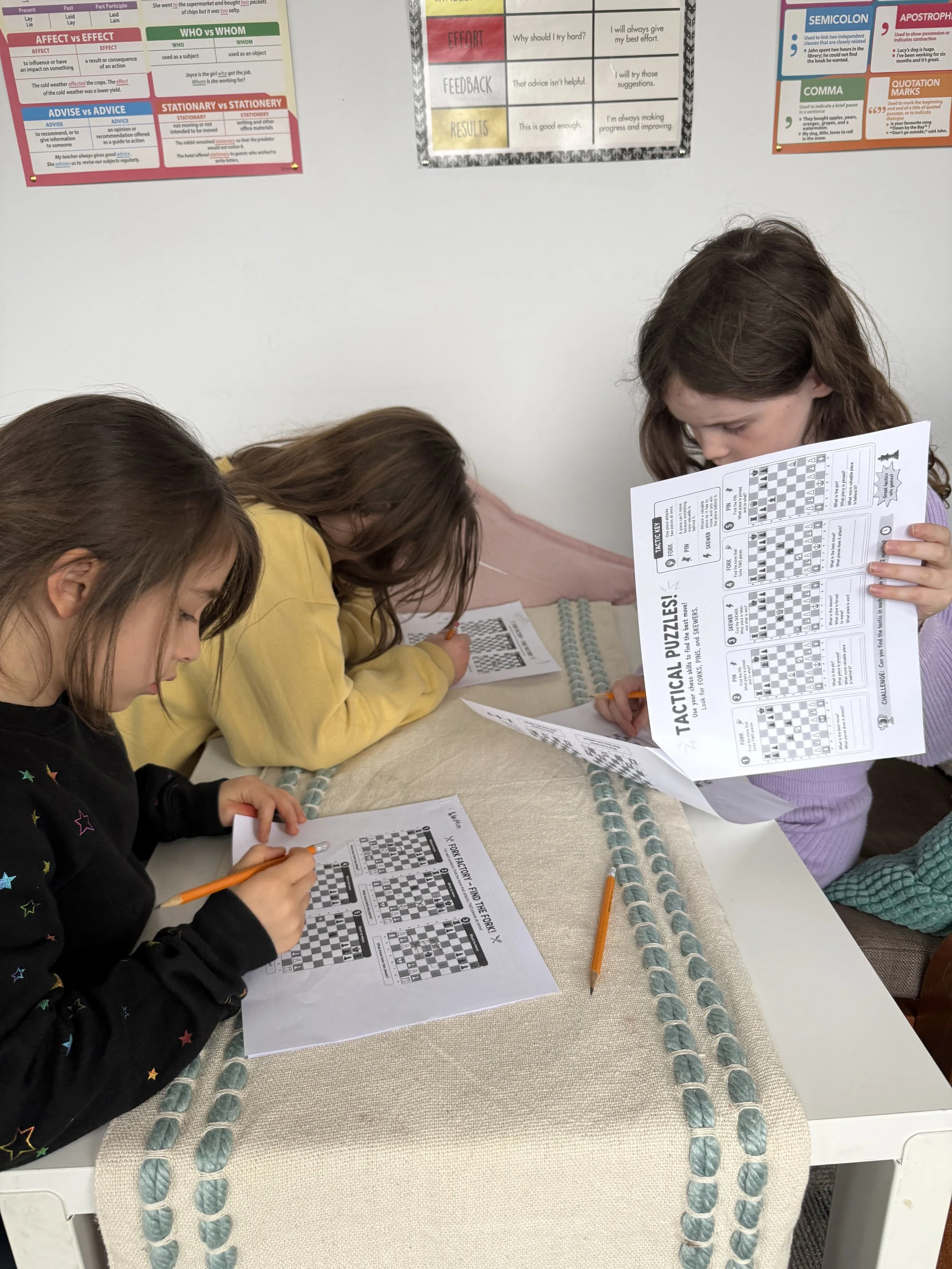
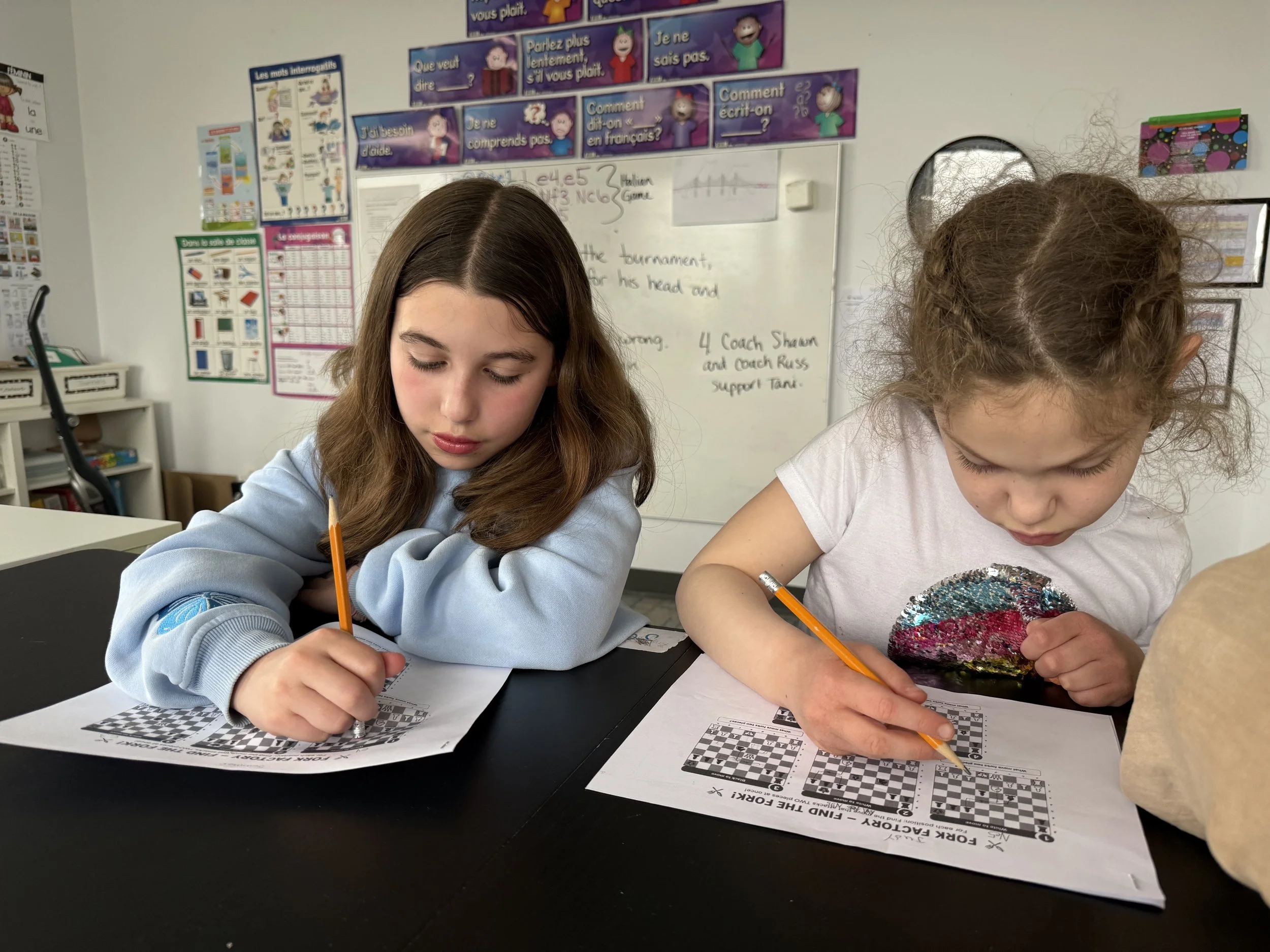
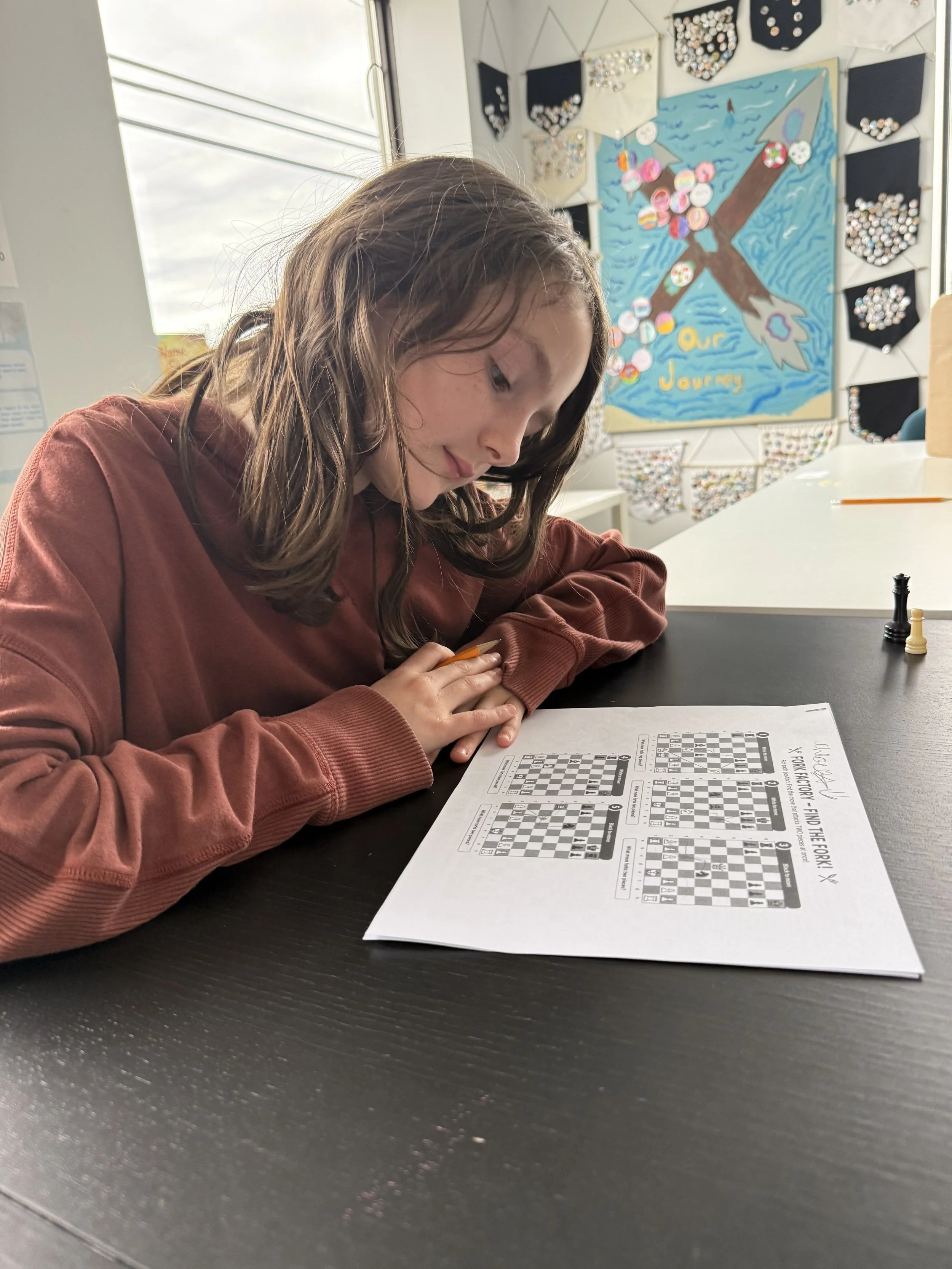
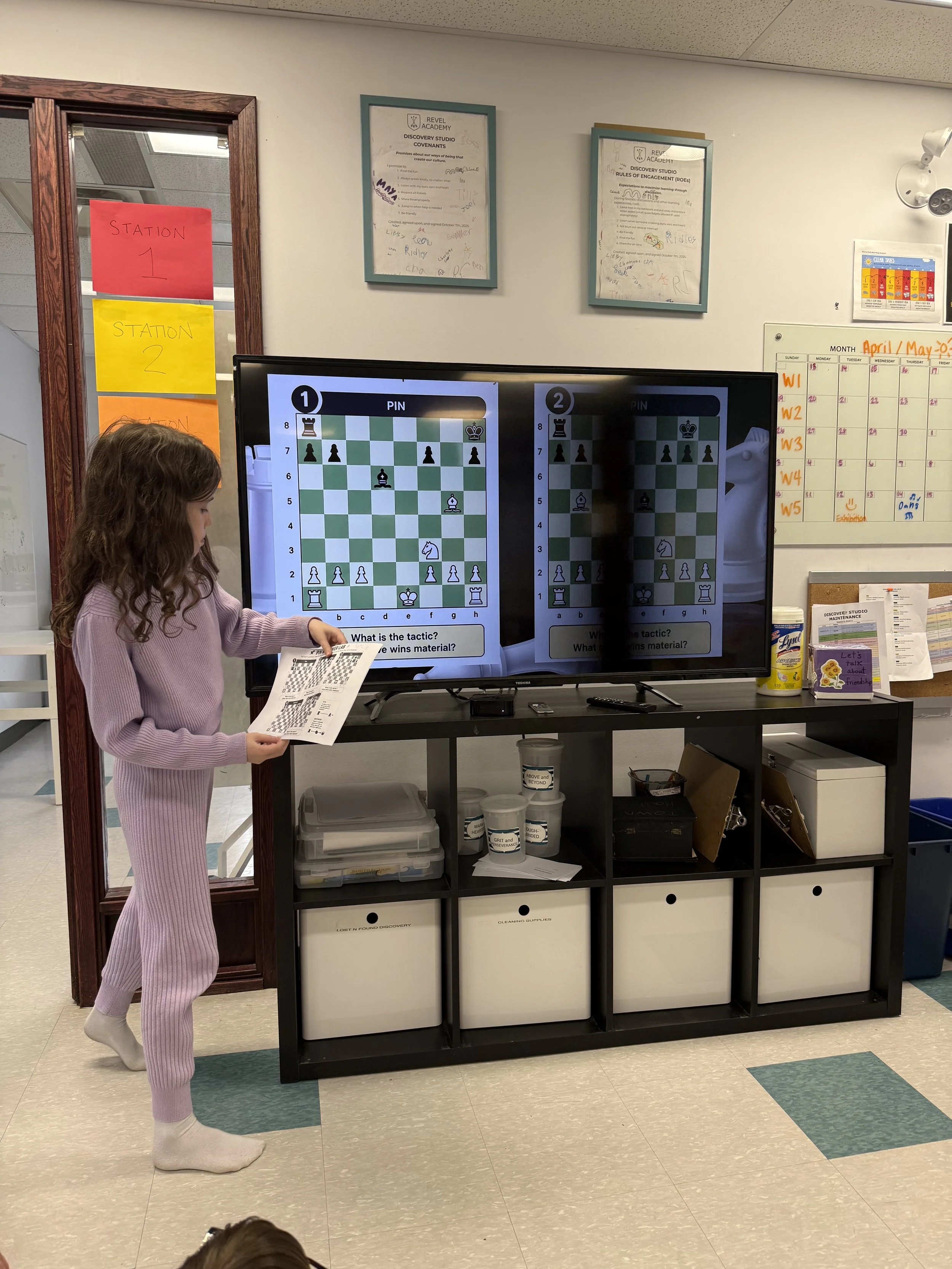
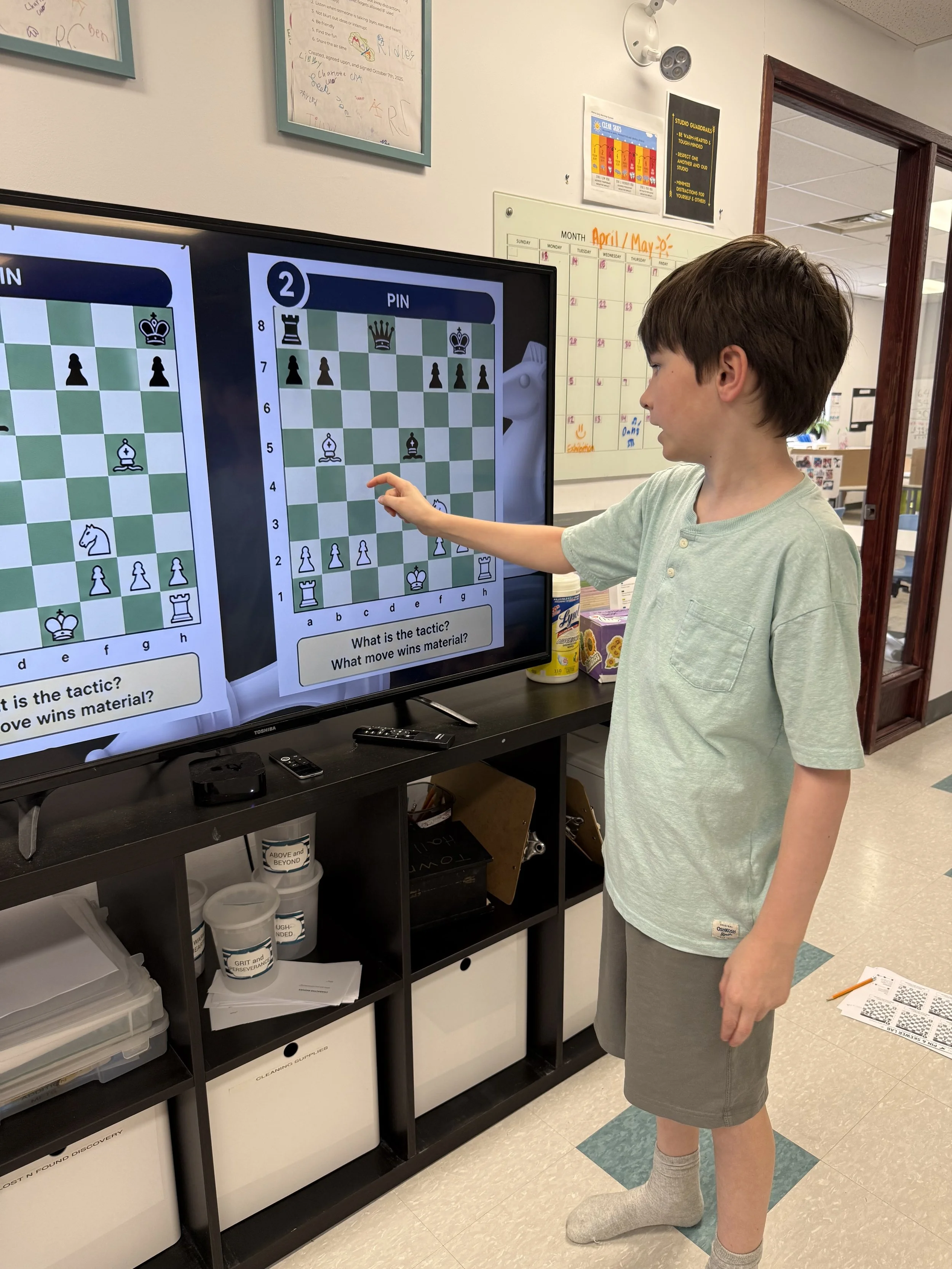
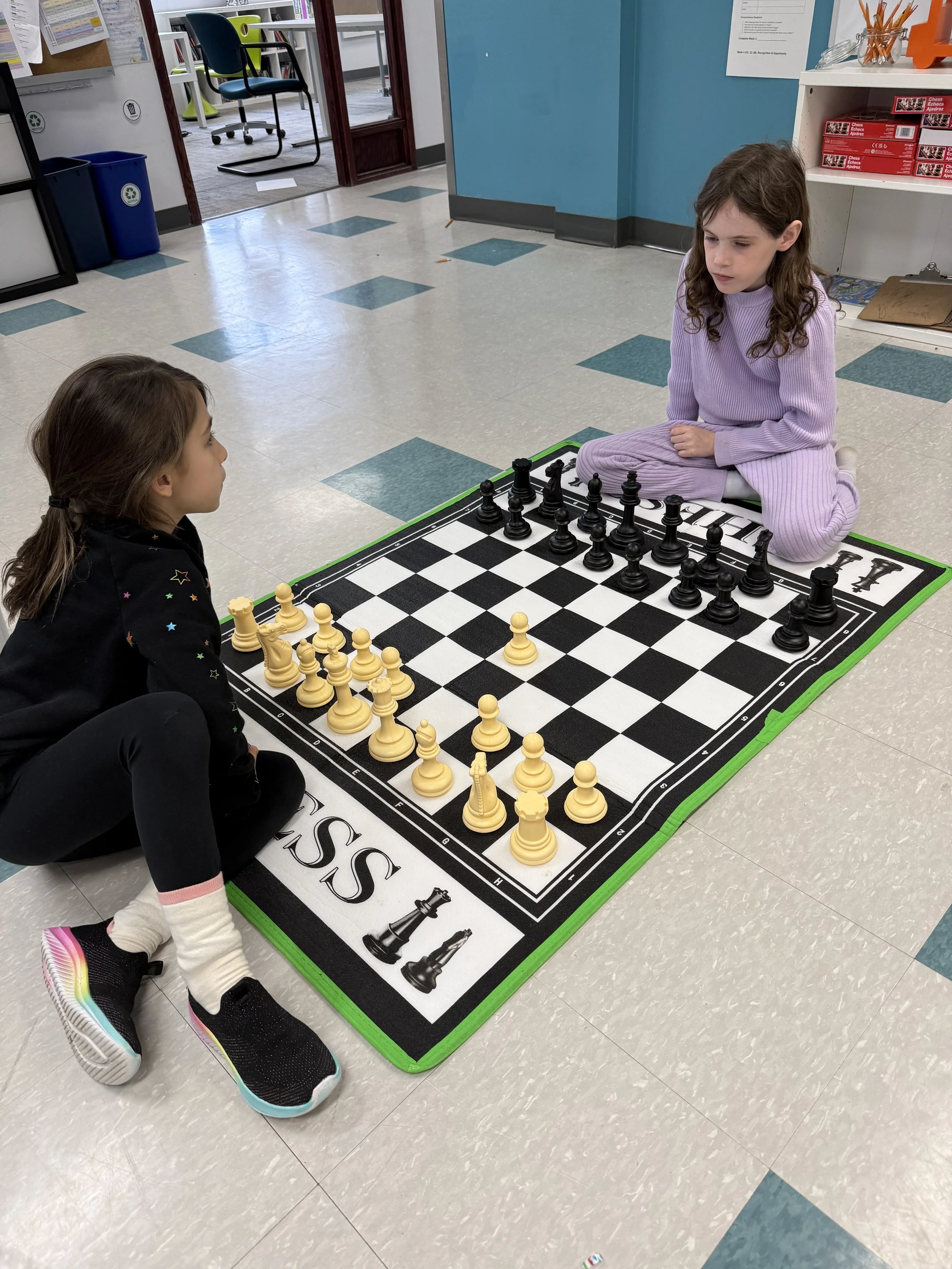
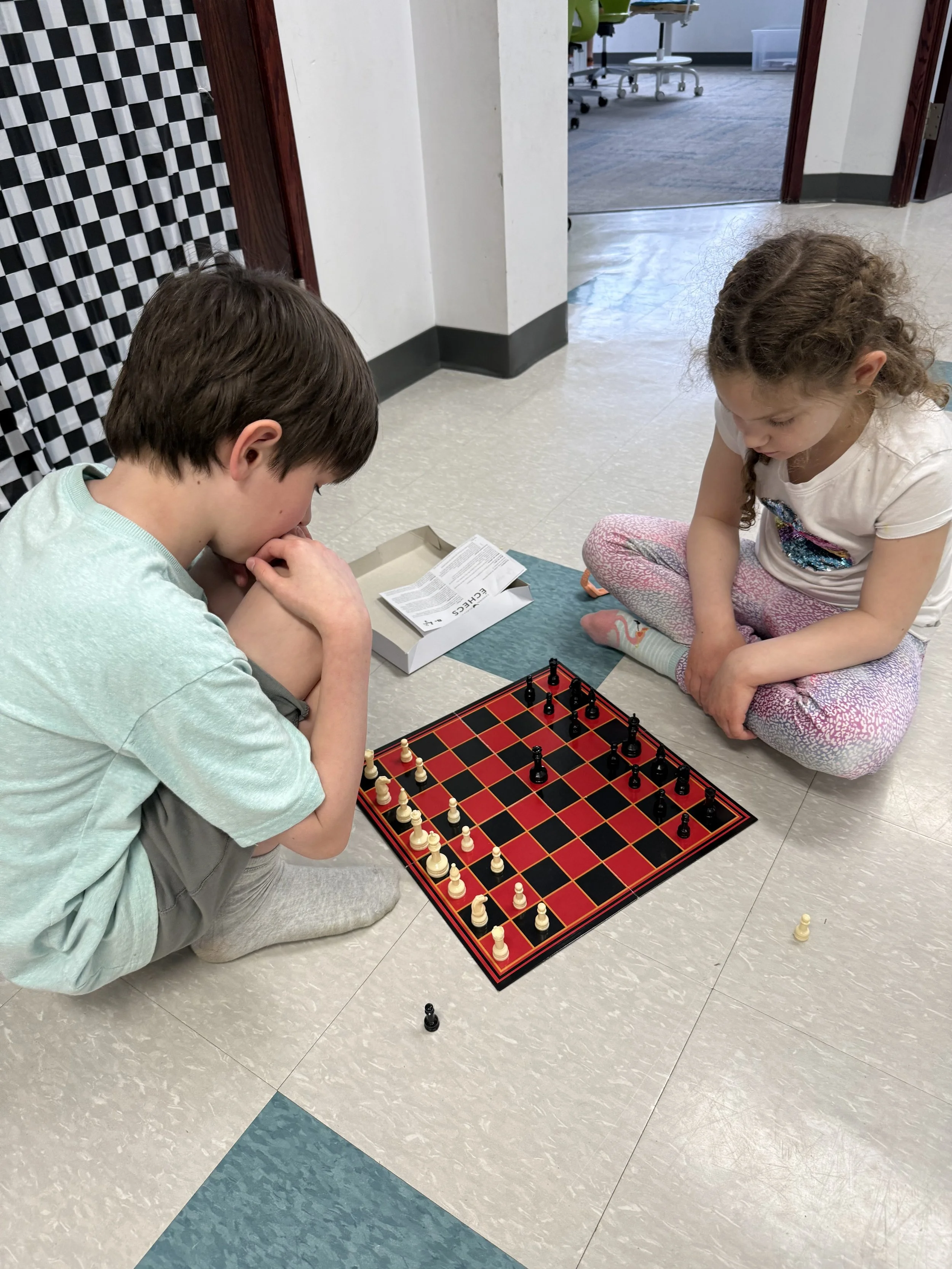
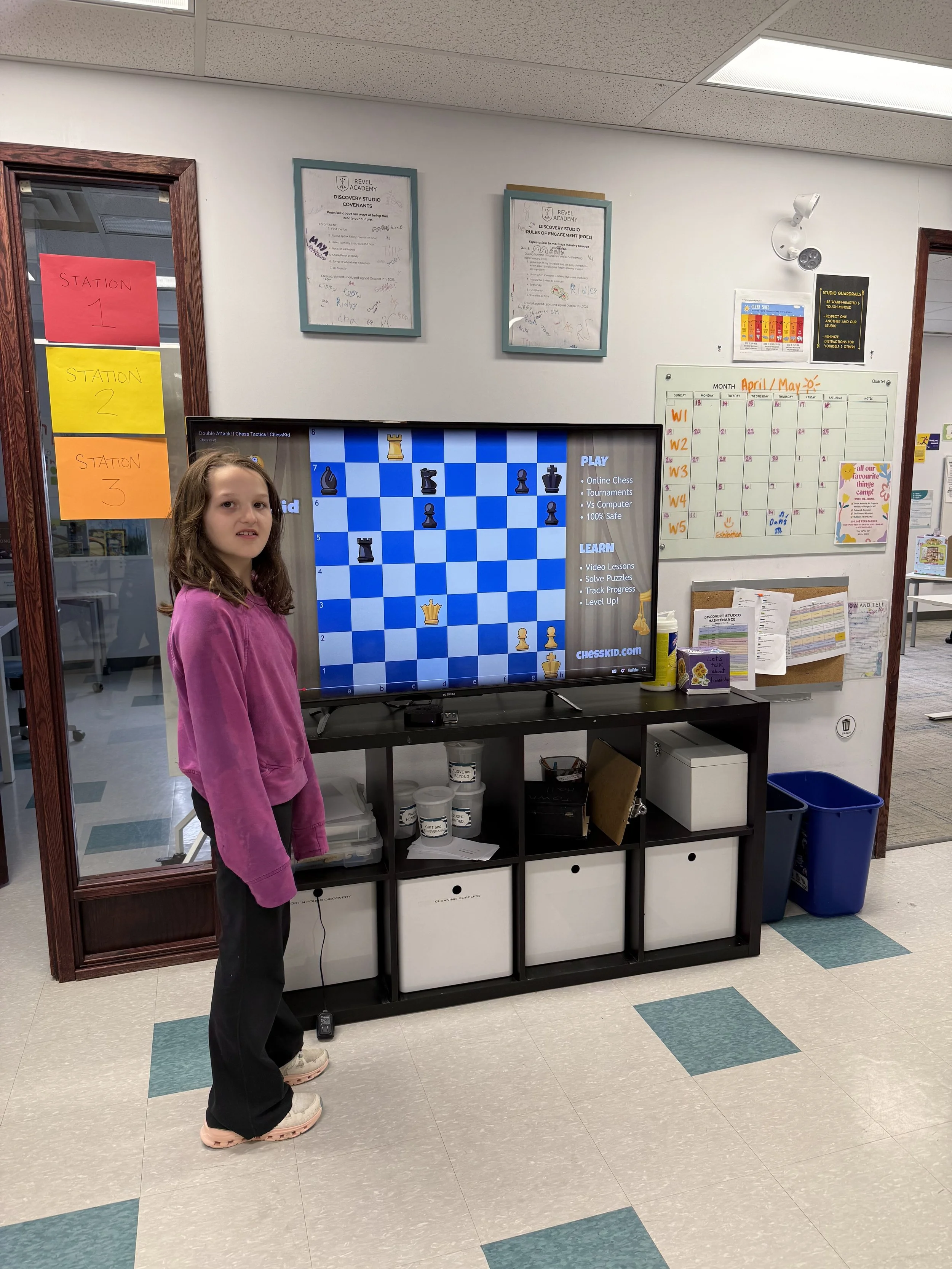
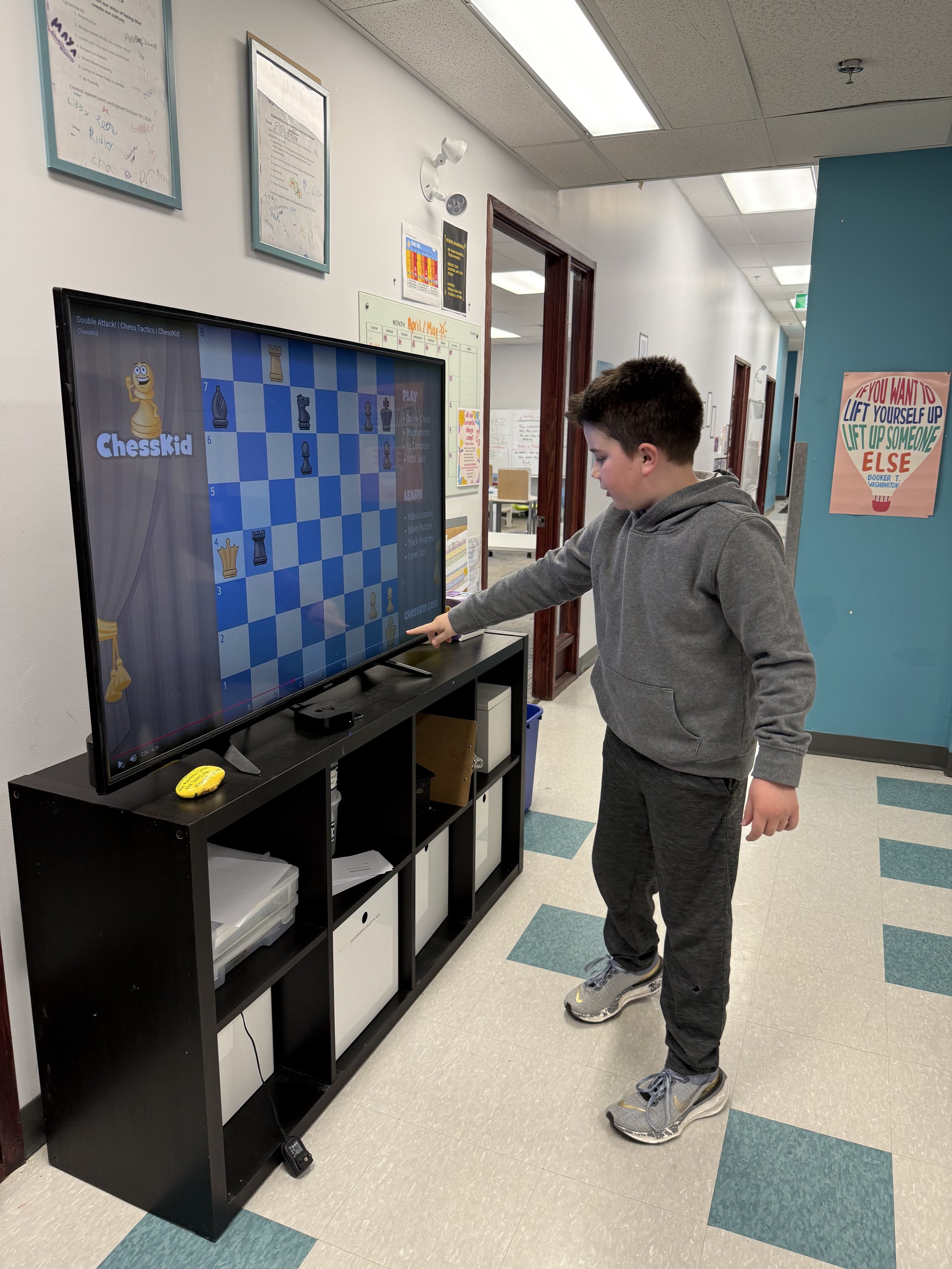
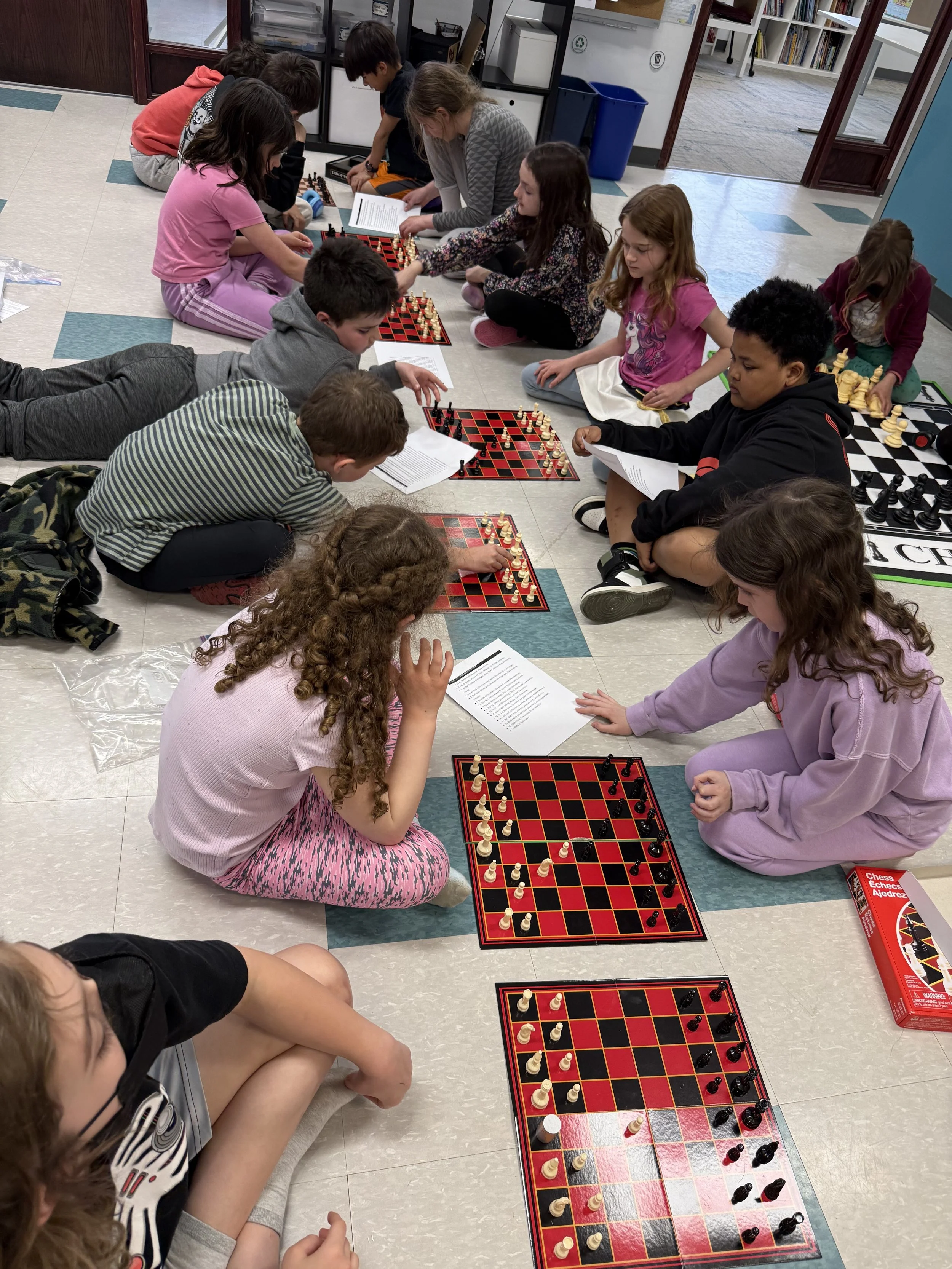
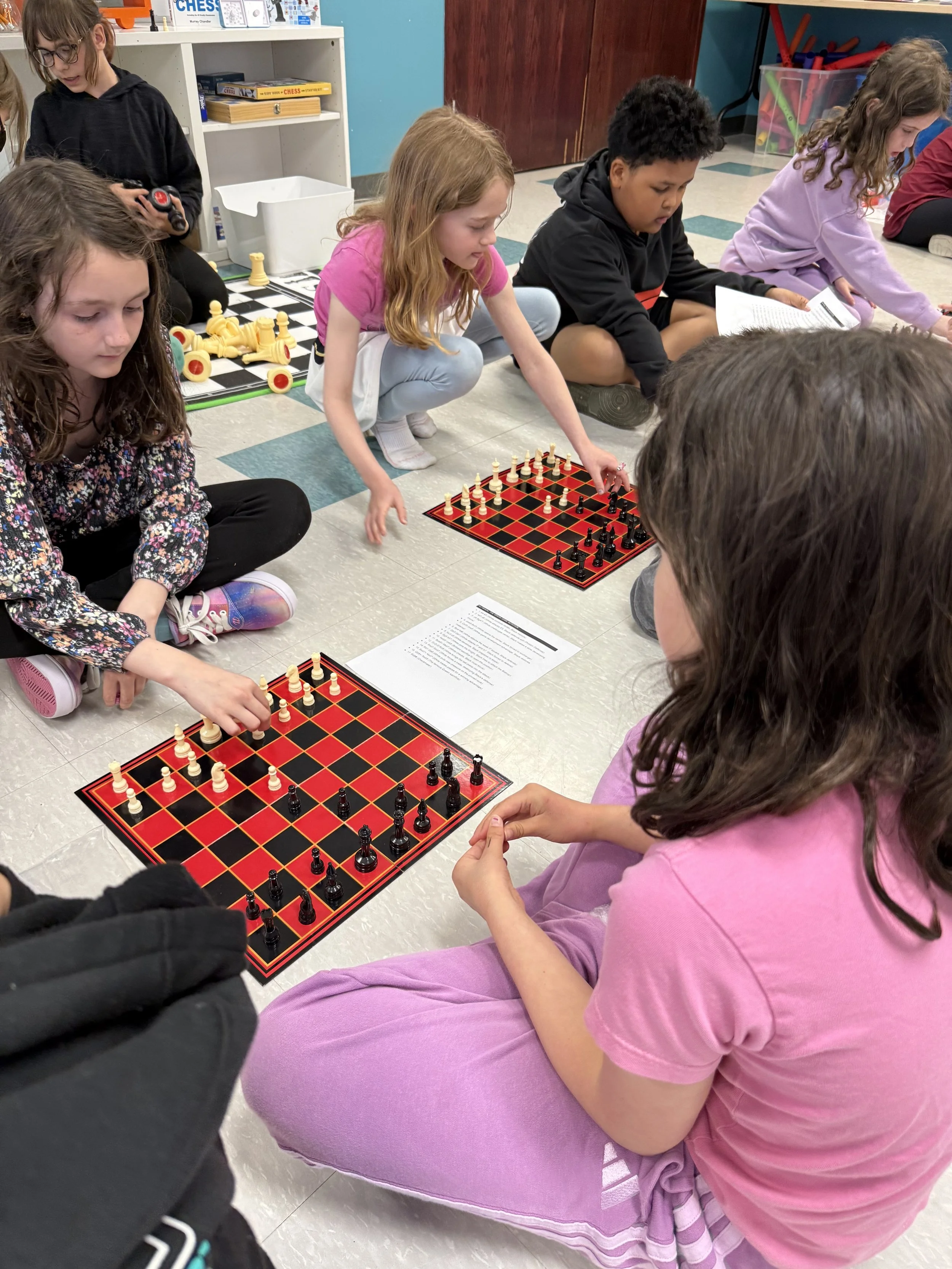
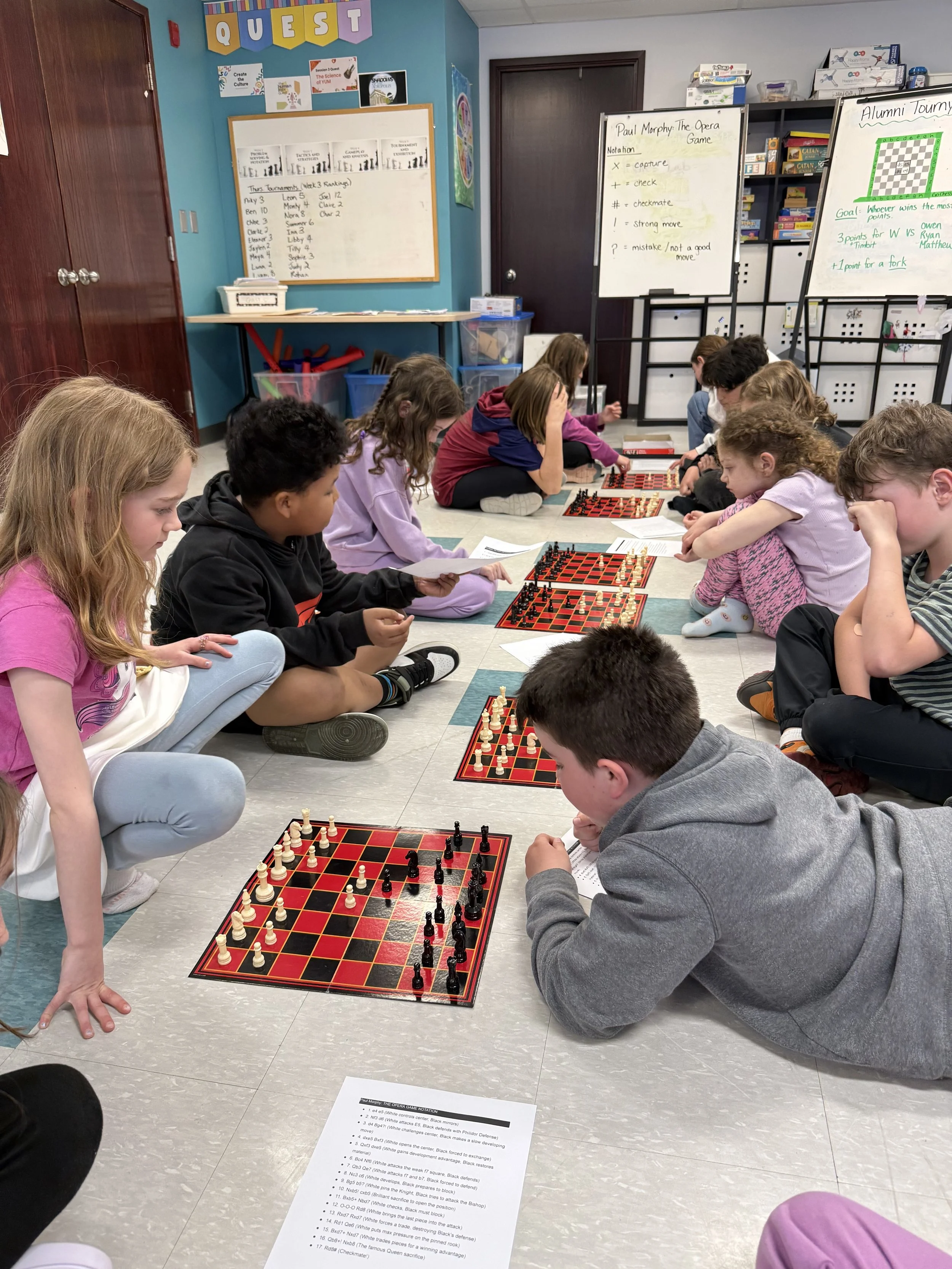
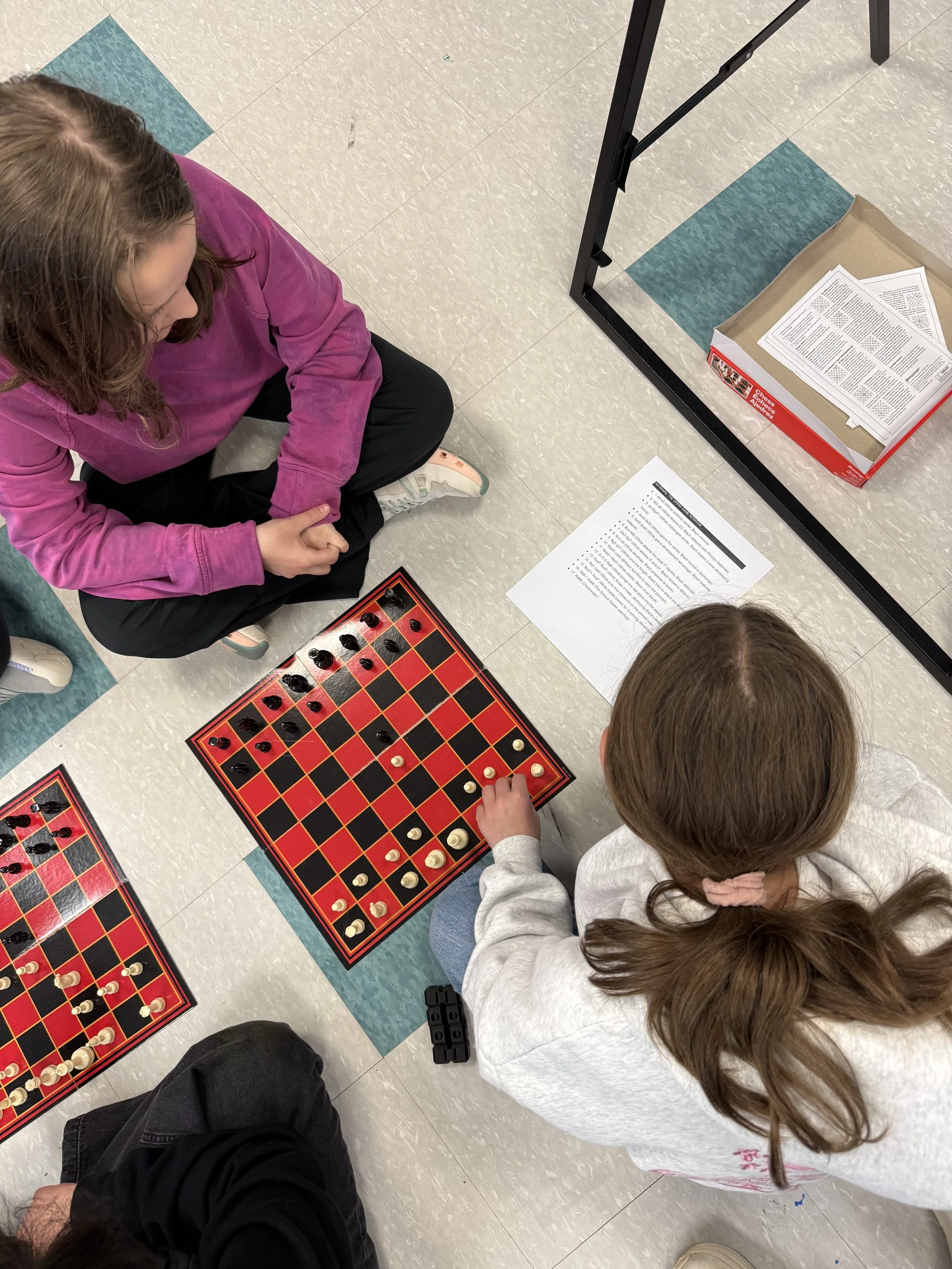
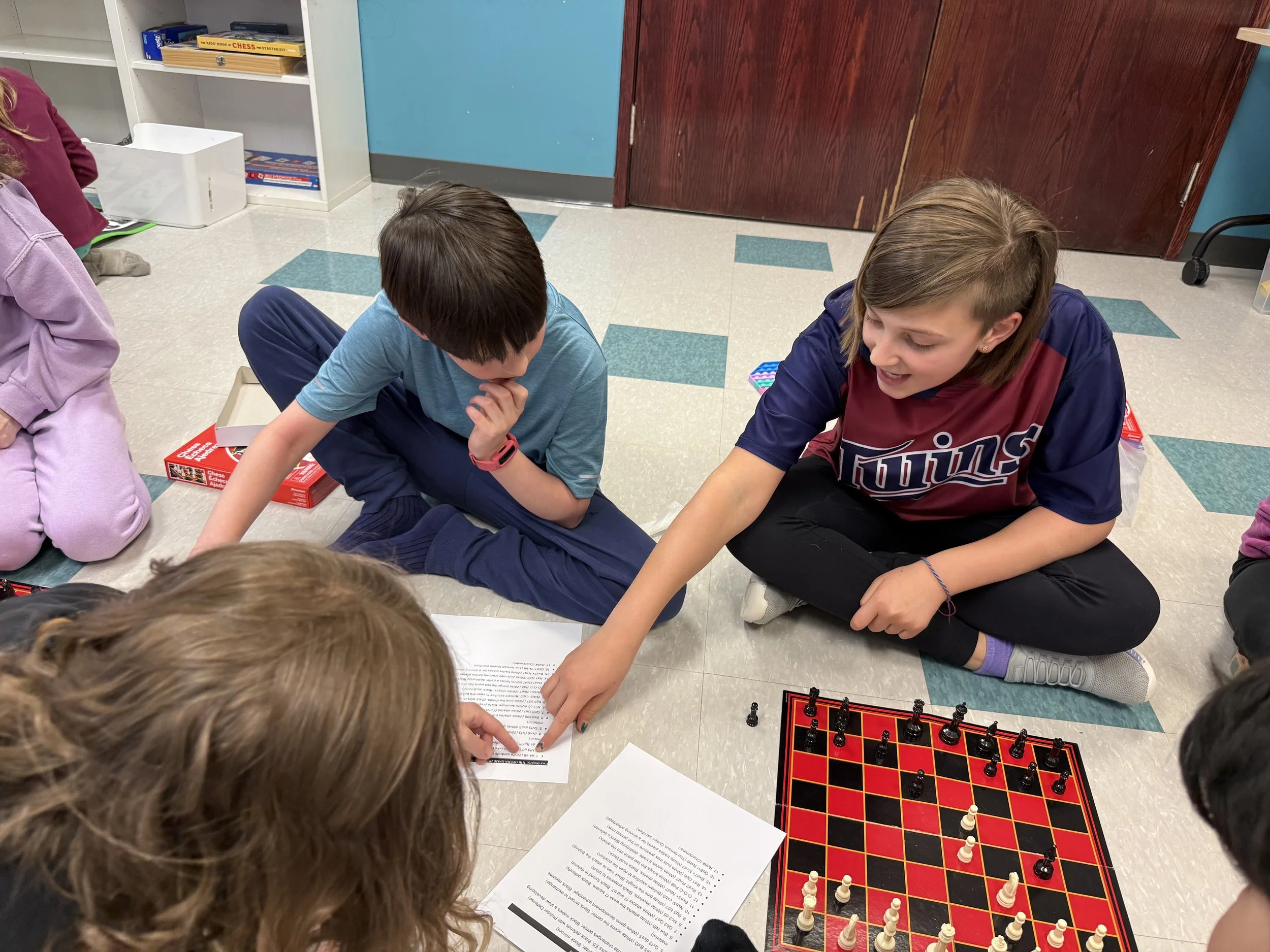
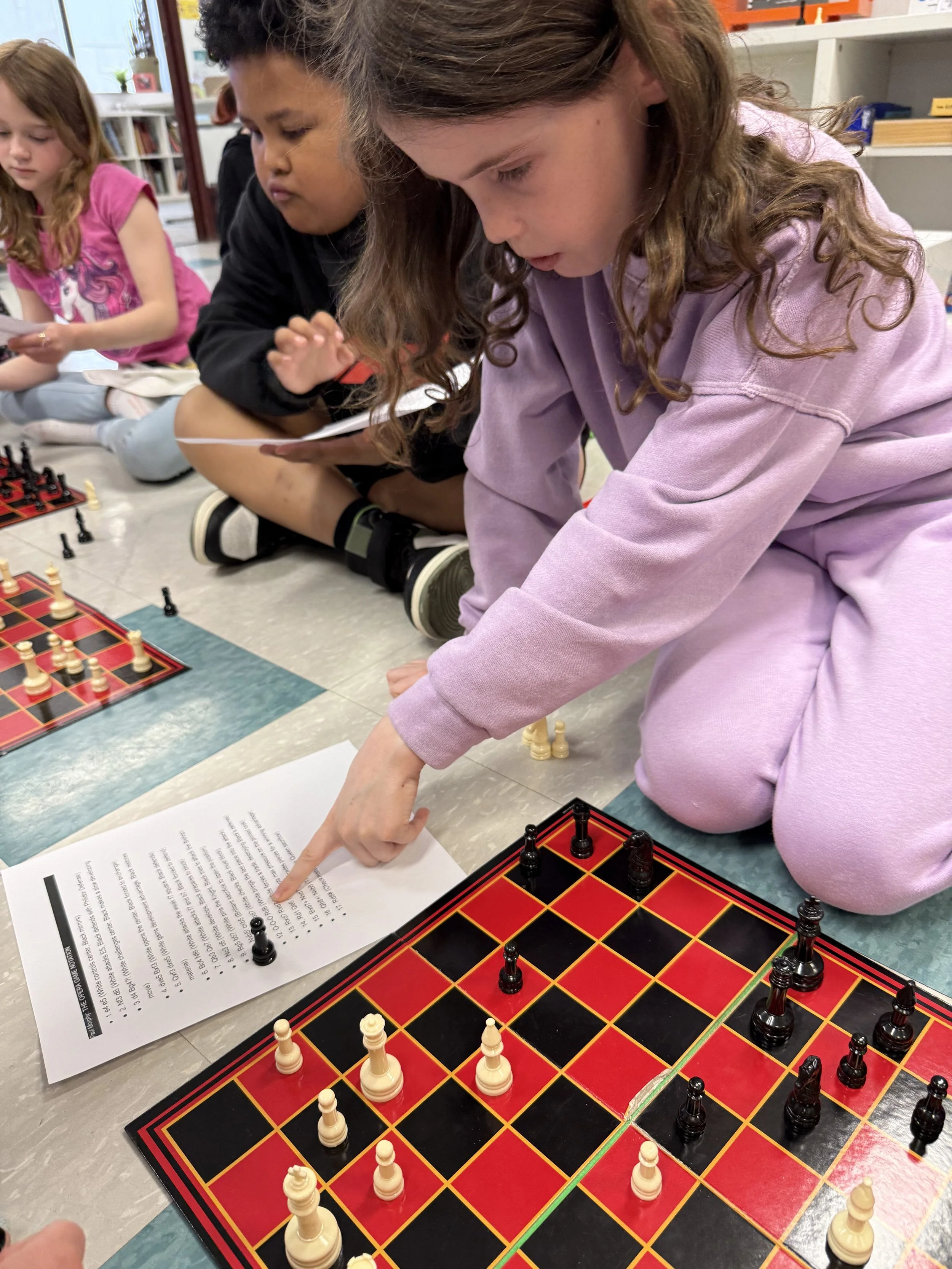
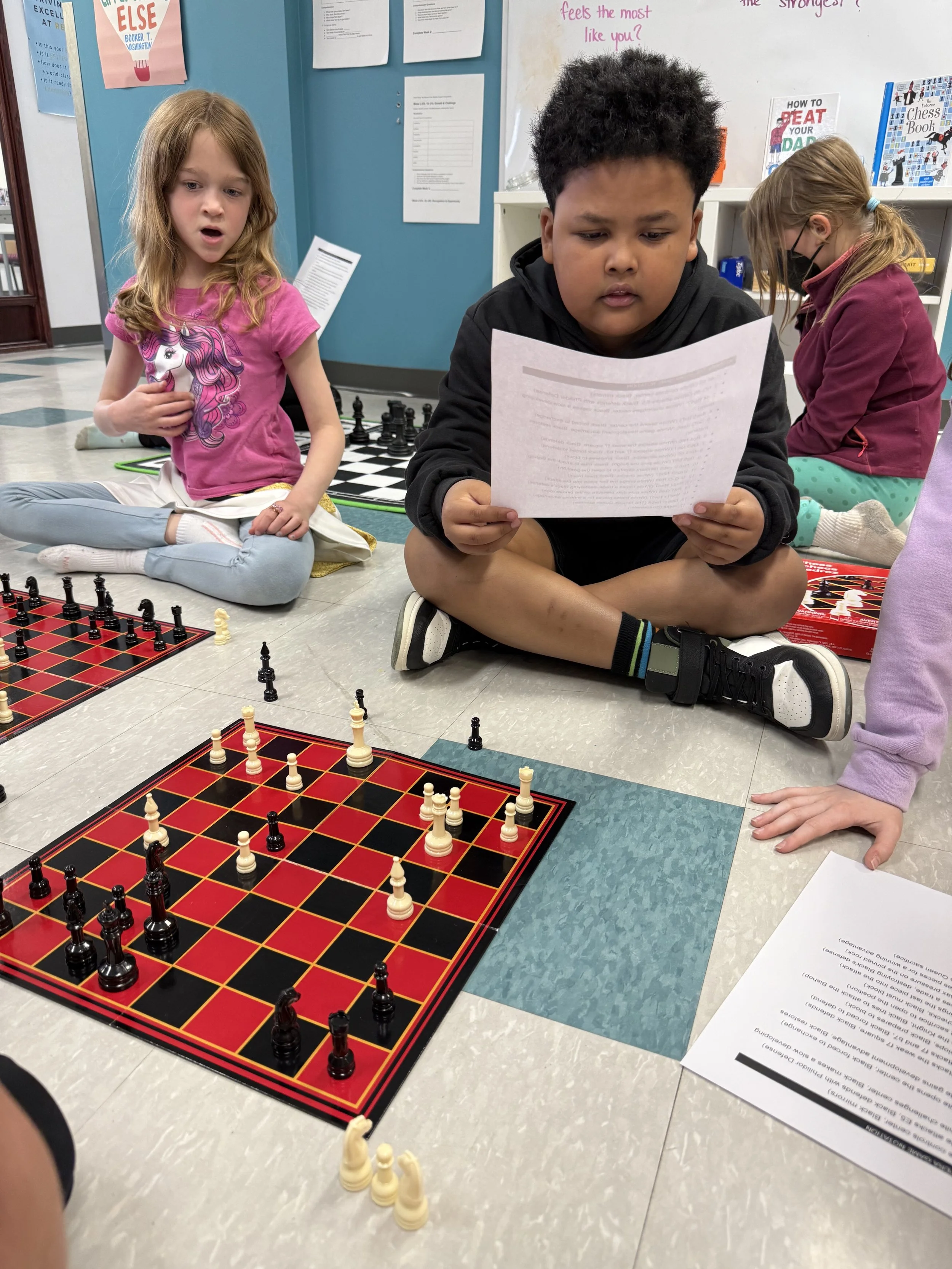
On Tuesday, Rebels came back to the tactics labs as we continued learning about Pins, how they differ from Skewers and how to identify them. Rebels noted that the main difference is that a Pin means a piece cannot move without exposing a more valuable piece behind it, and a Skewer puts a more valuable piece in the line of fire on an attack, and has to move. By moving, this causes another less valuable piece to be captured. Wednesday, Rebels learned about a famous chess player named Paul Morphy and the infamous Opera Game from our novel study. We incorporated this into our Quest block by having the Rebels play out the notated script of the Opera Game. Rebels had so much fun trying to figure out each move and ultimately, figure out which player was Paul Morphy! Rebels made connections to the theme of tactics and sacrifices, and discussed whether or not playing boldly is a good idea and worth the risk.
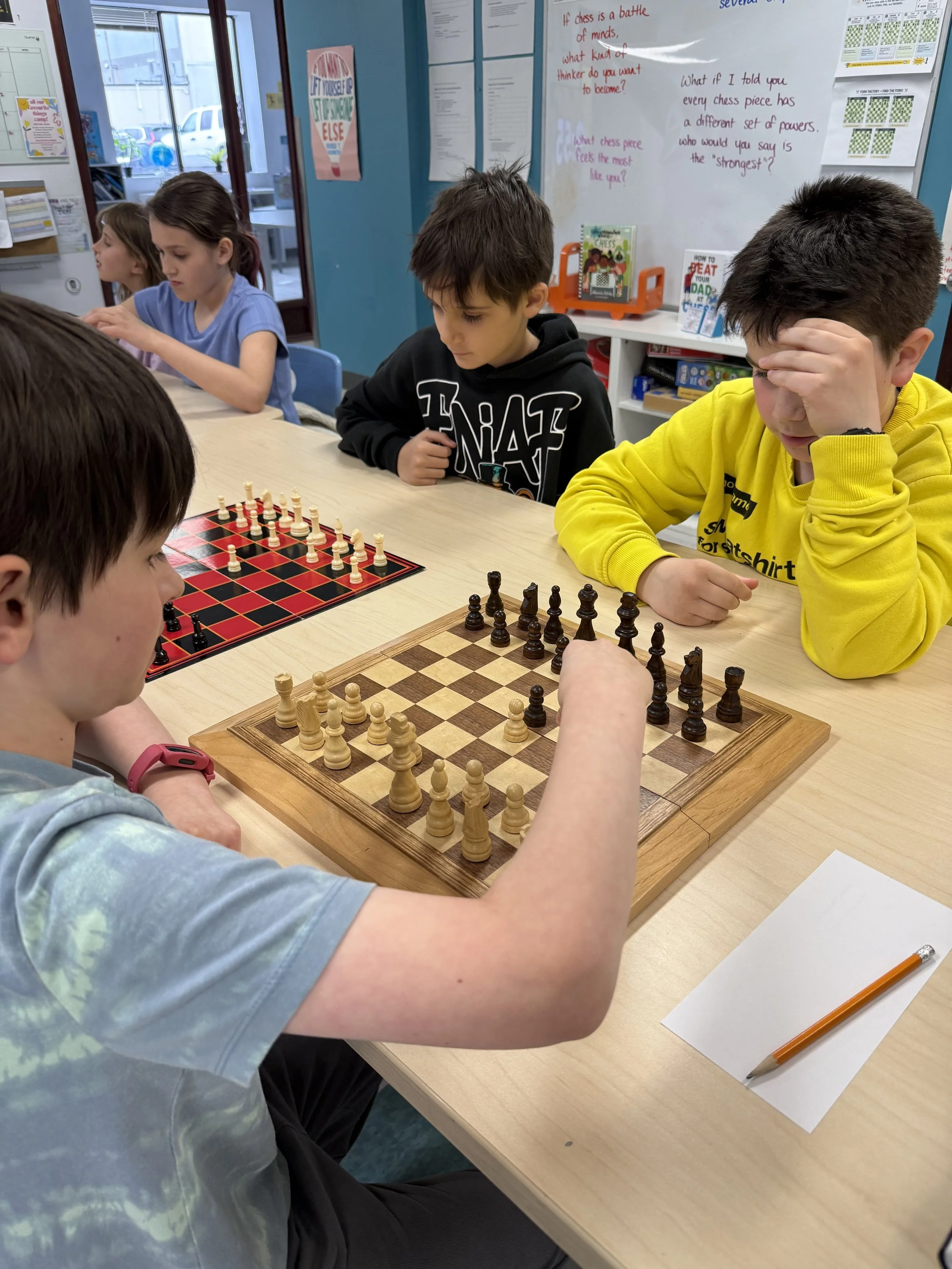
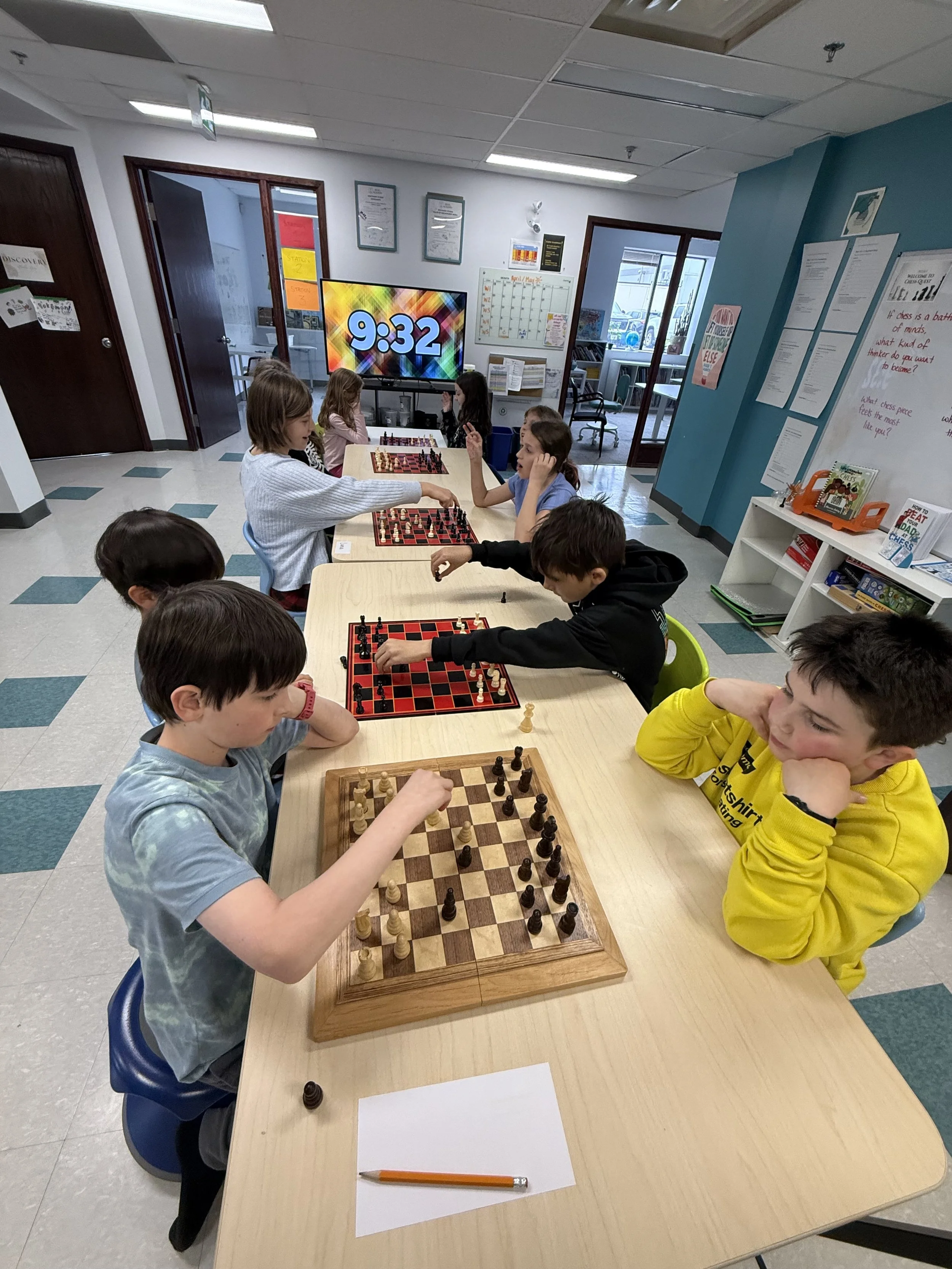
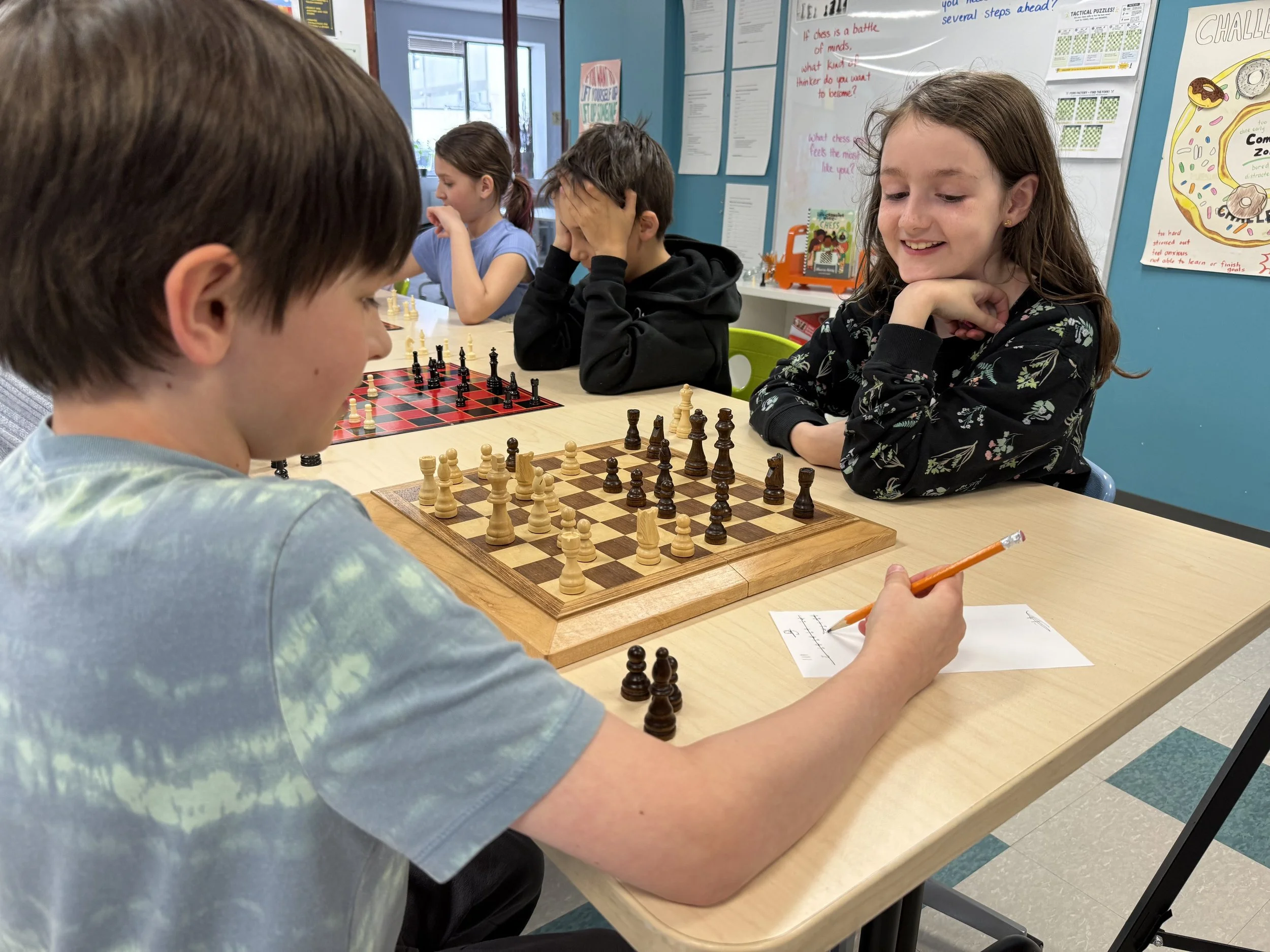
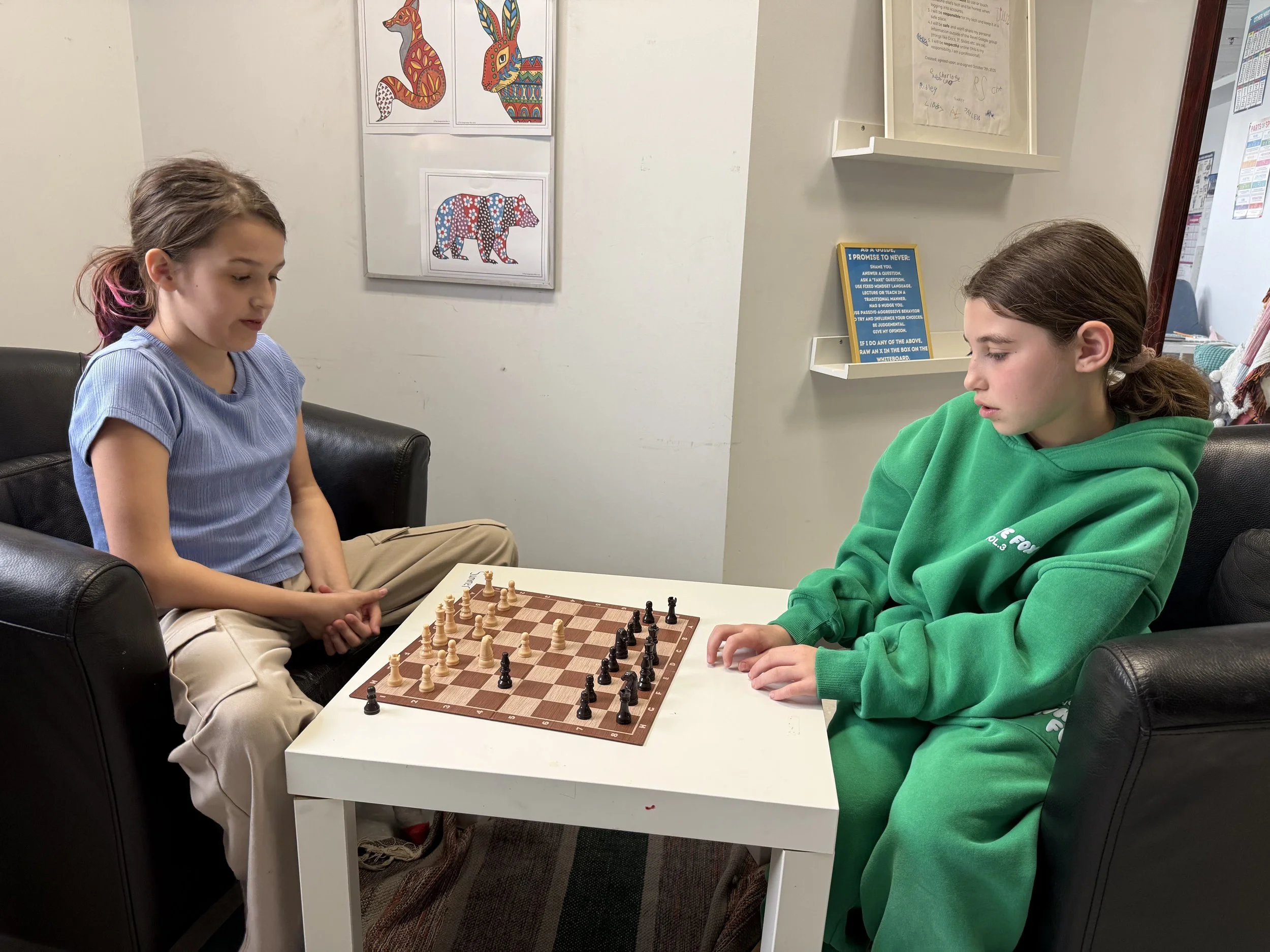
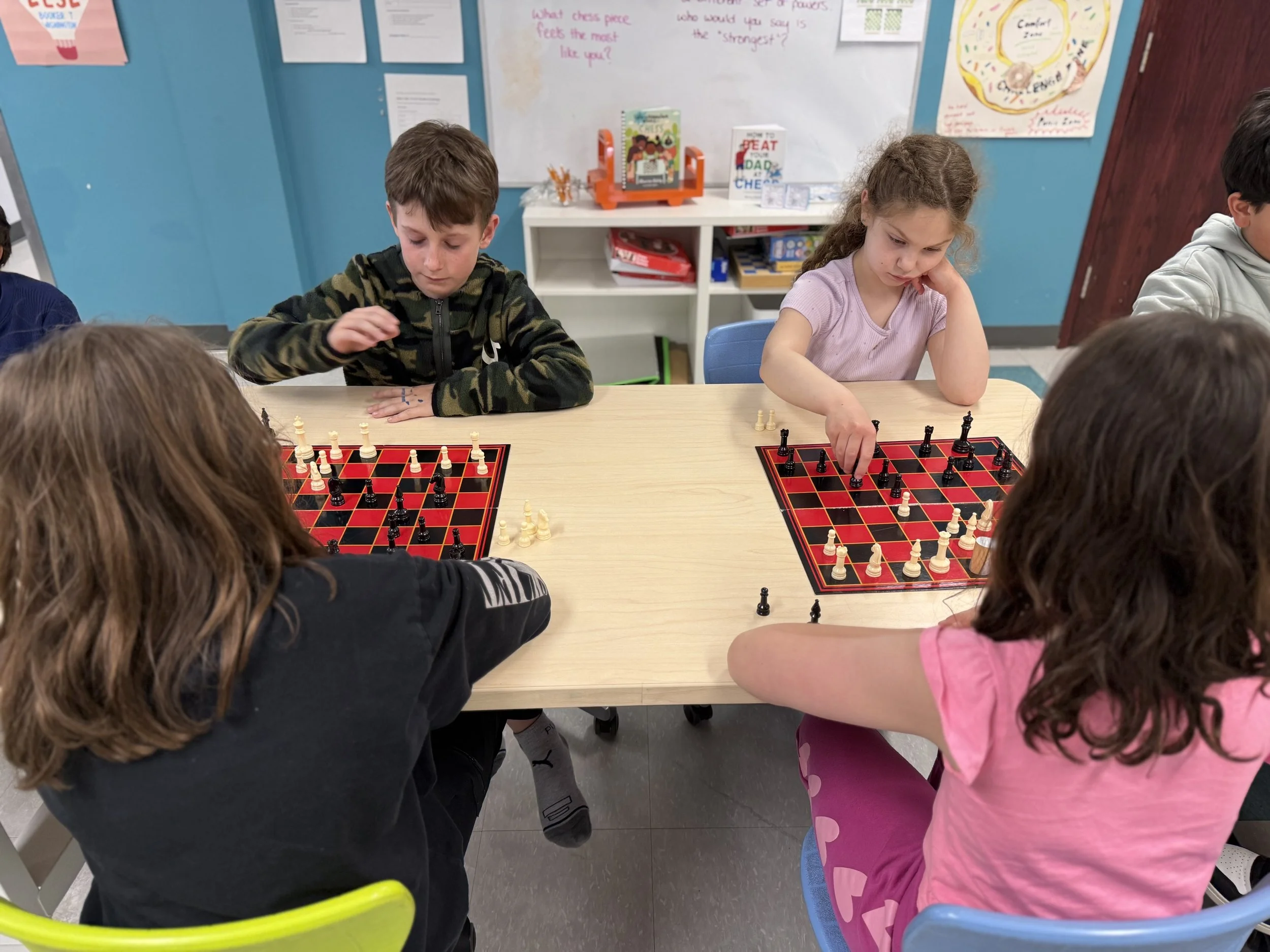
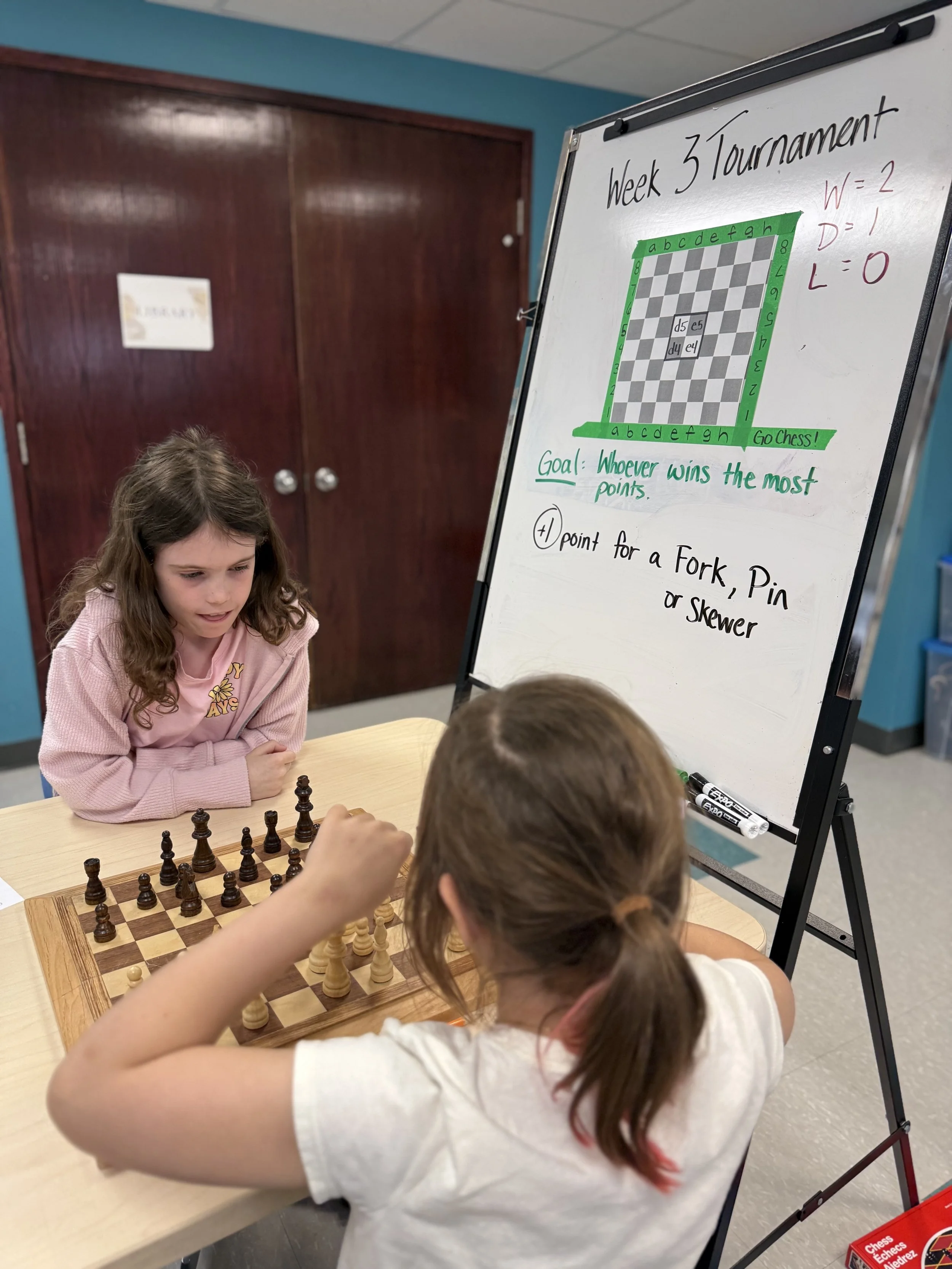
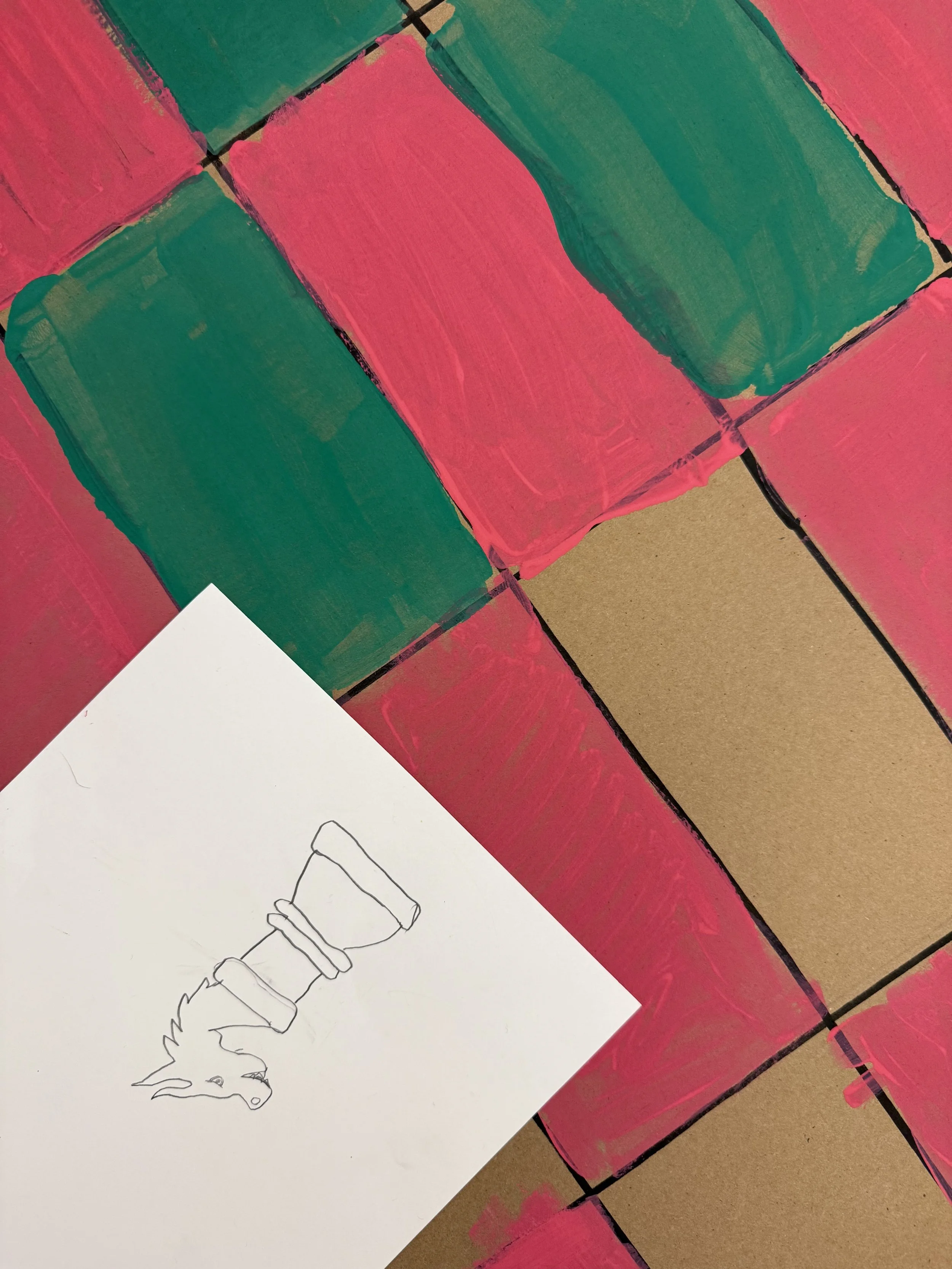
For Thursday’s catch up and practice tournaments, Rebels completed their Week 3 Reflections, levelled up in their ChessKid lessons and battled it out for higher rankings during some in-person games. With tactics being the area of focus this week, we saw a lot more intentionality in the way Rebels are playing chess against each other. We’ve also had some incredible family chess boards being brought in from home with beautiful stories behind the boards. Thank you to our community for contributing and enriching our Quest! Rebels have also started working on a variety of chess related projects to display at our upcoming Exhibition. From designing and building model chess pieces, creating artistic chess board designs, to designing a Hot Wheels chess series of cars, we think it is safe to say that the Discovery Rebels are ALL in on chess and are very excited to showcase their work in a few weeks!
Exploration Studio
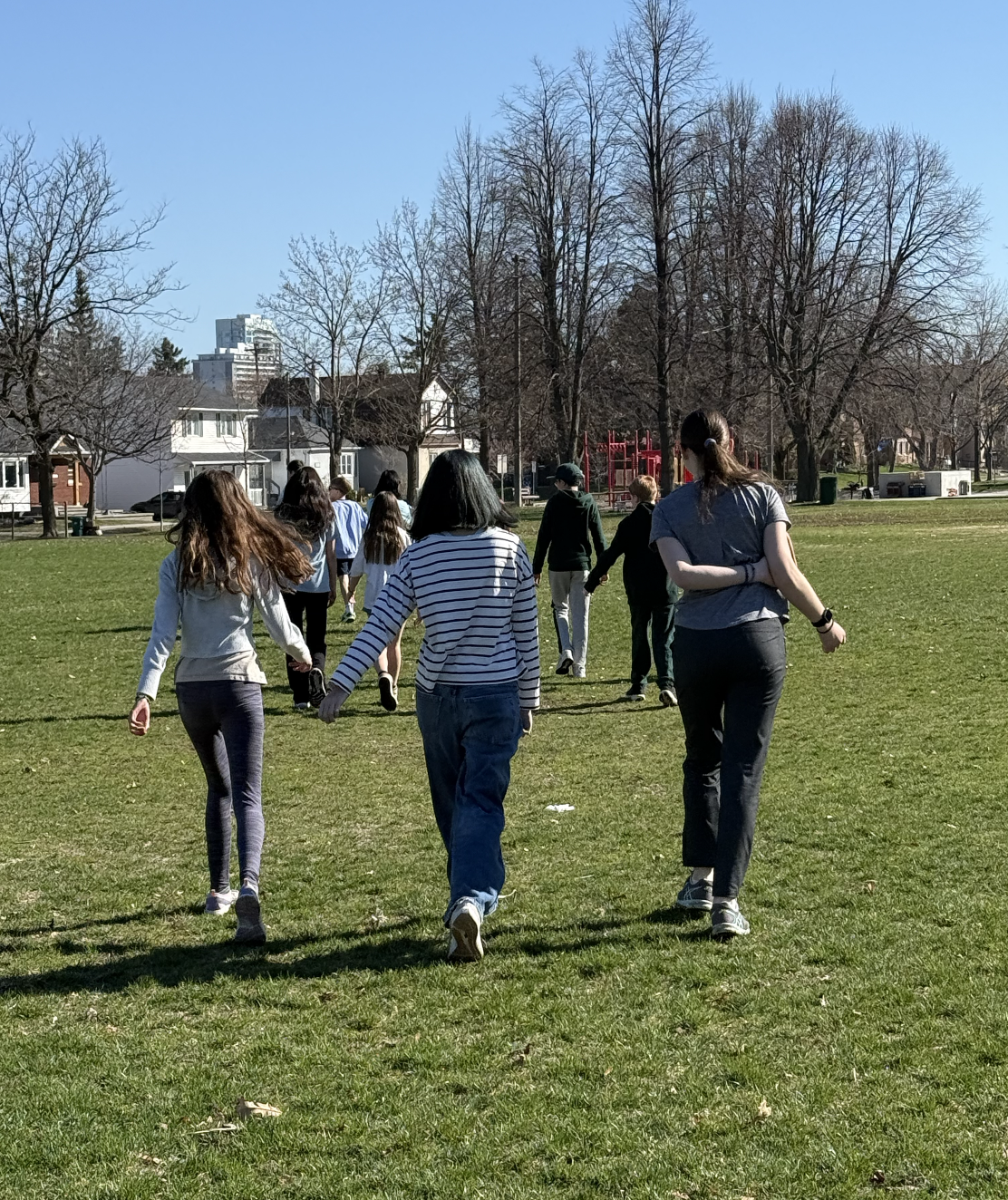
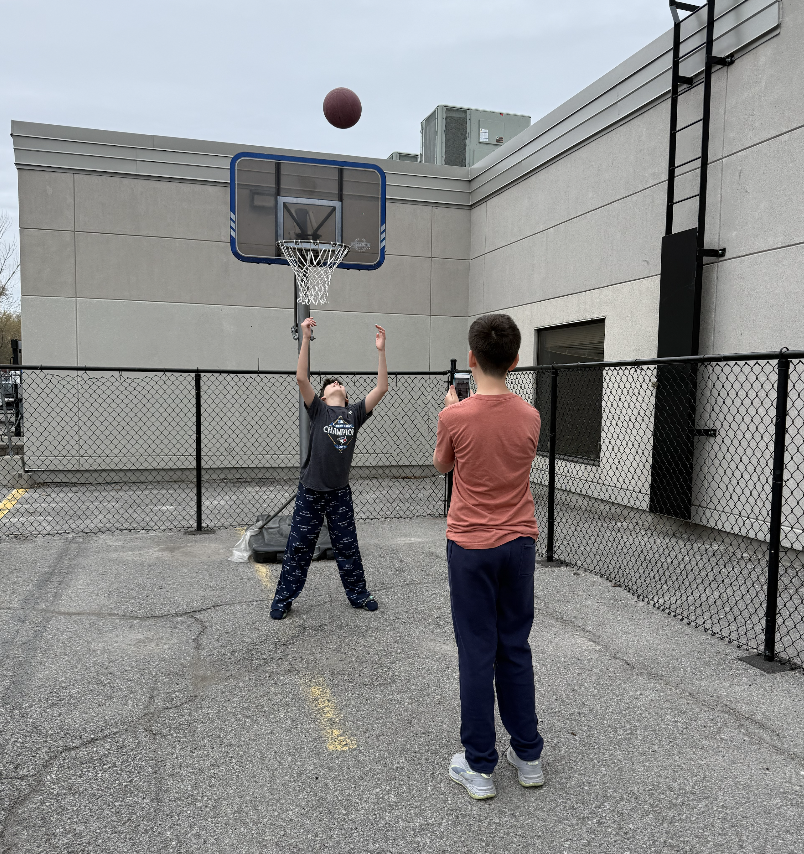
Mindfulness & Launch
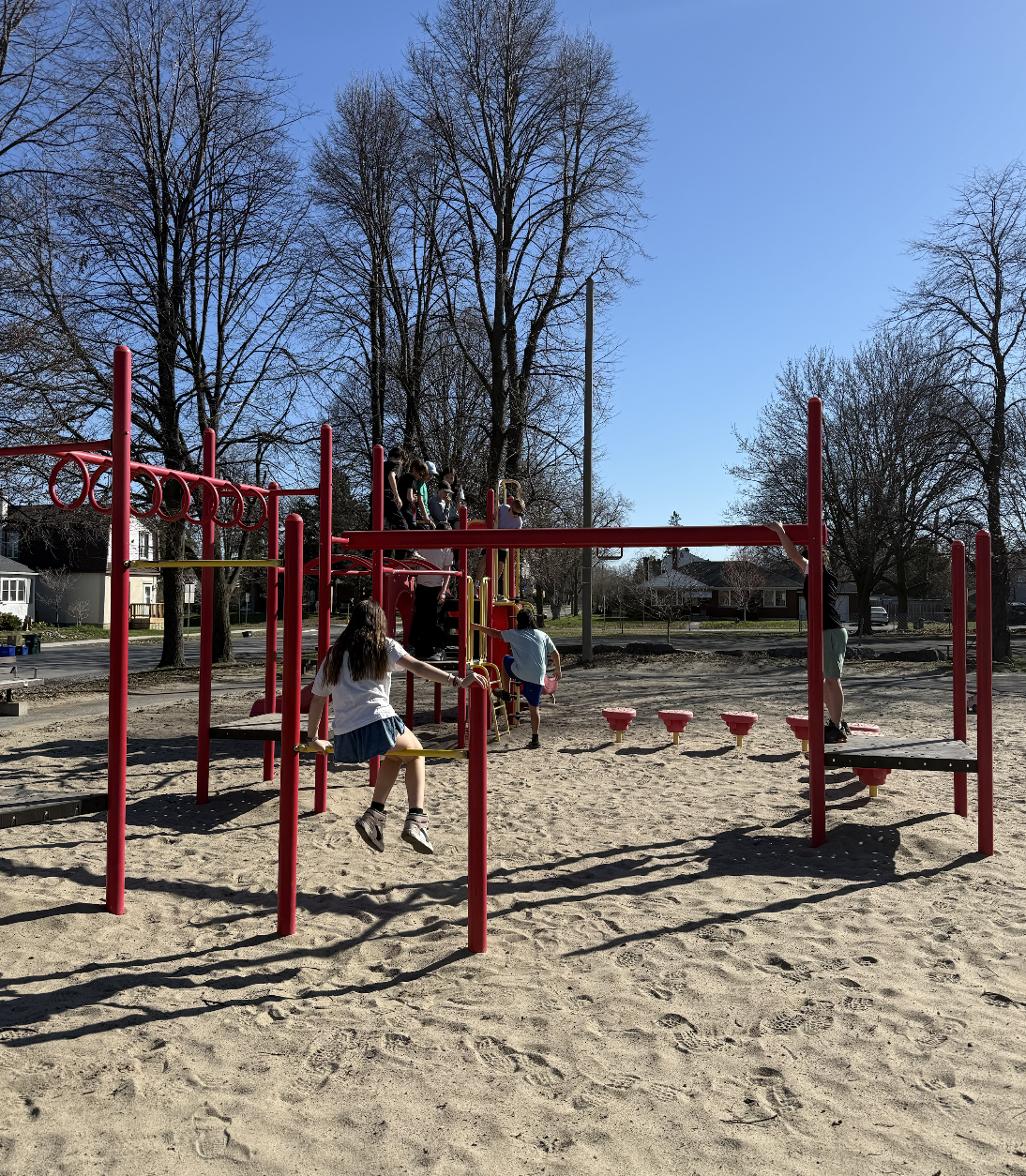
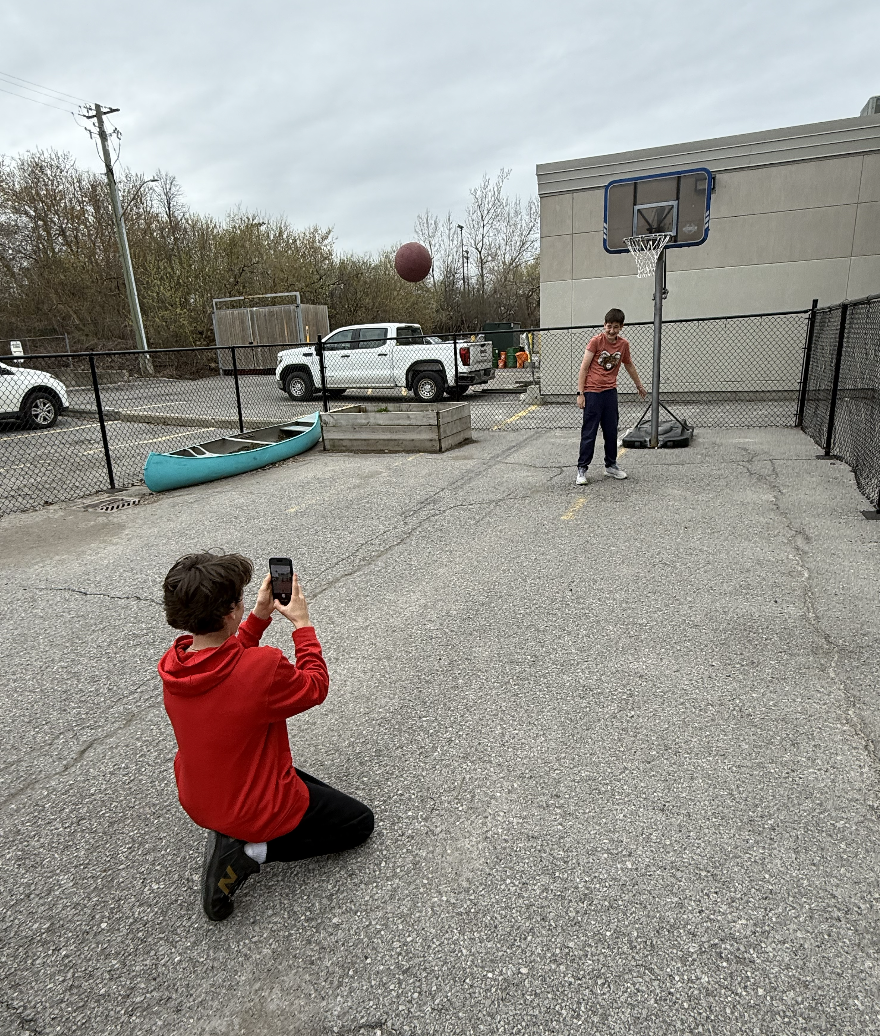
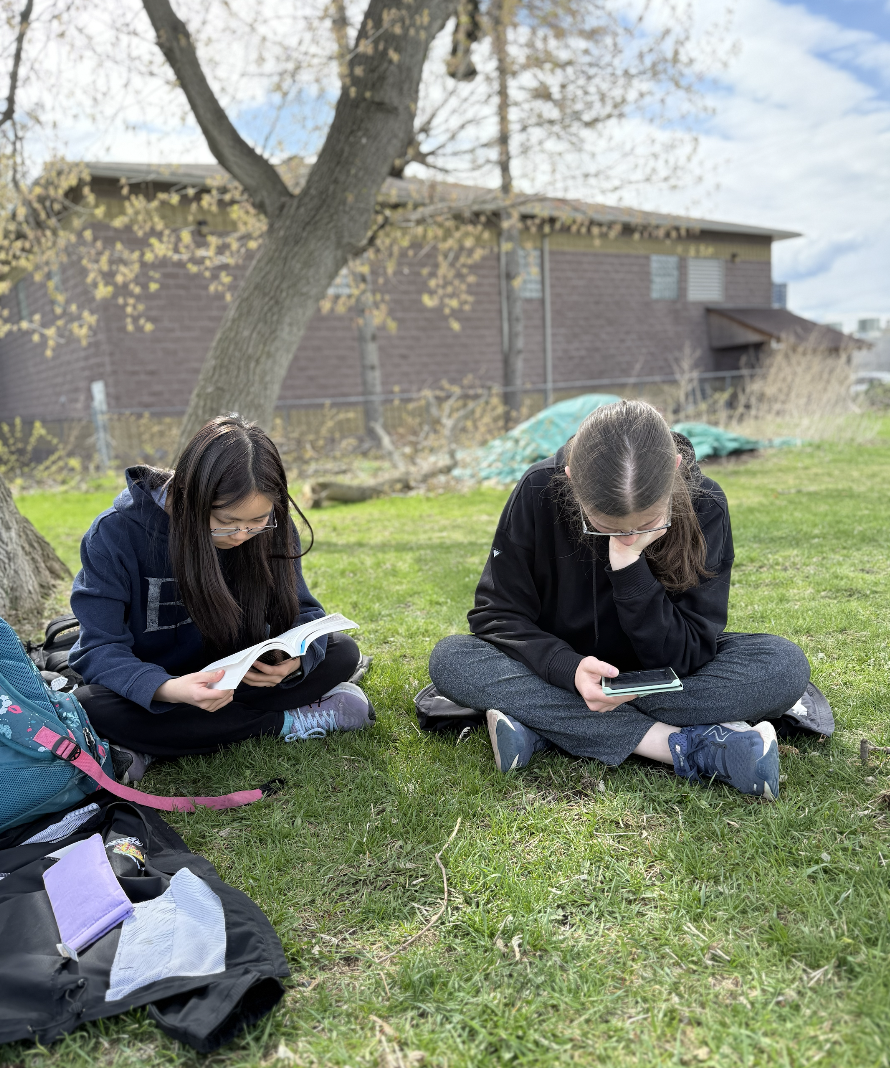
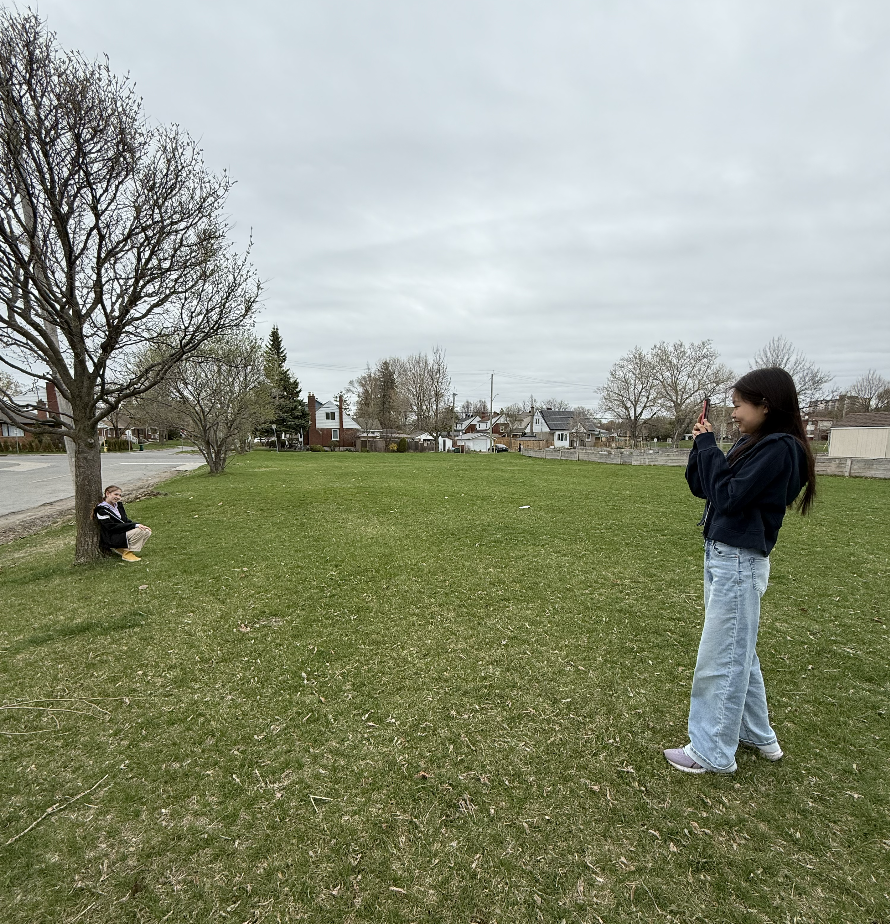
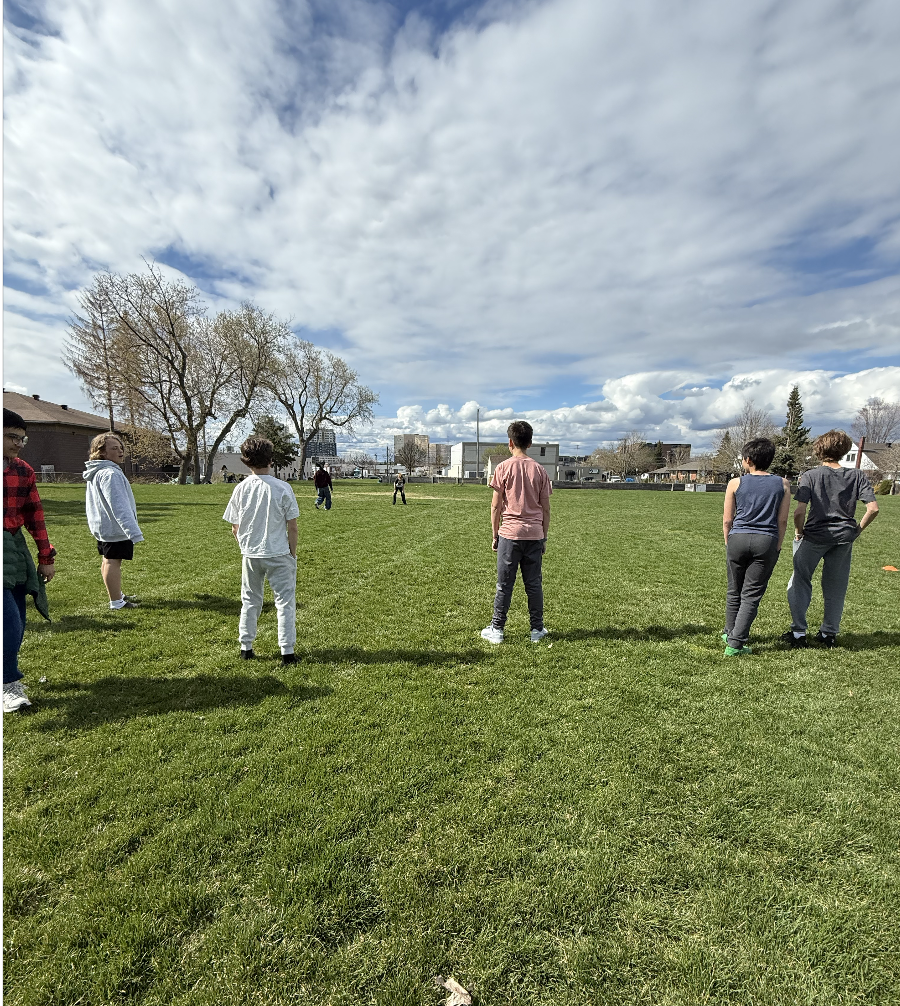
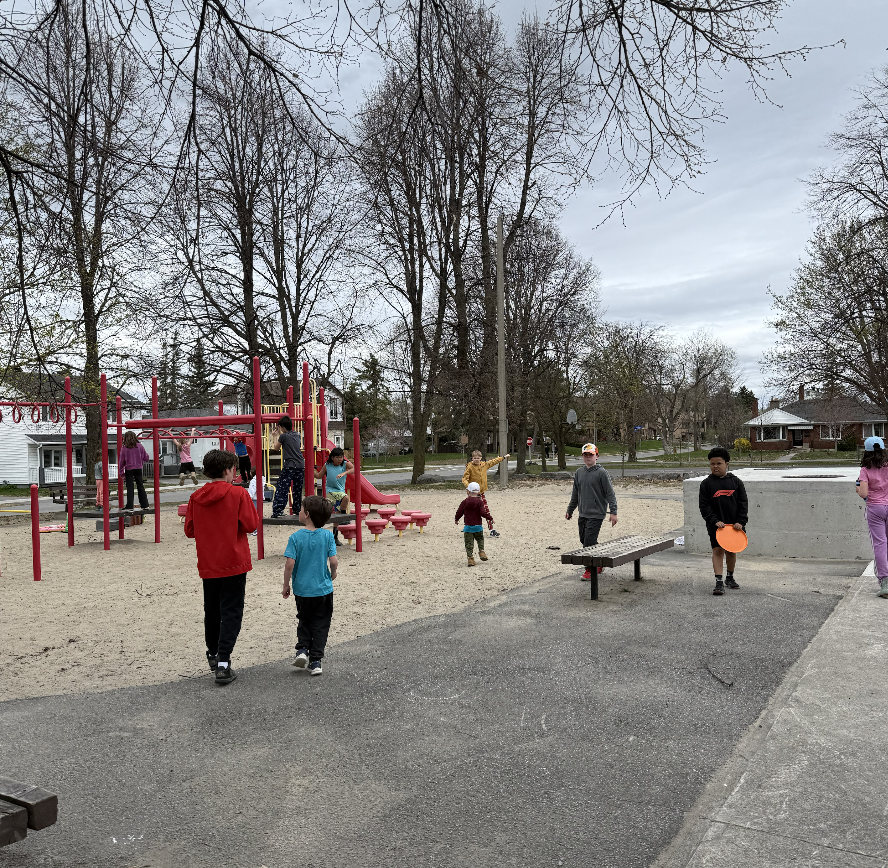
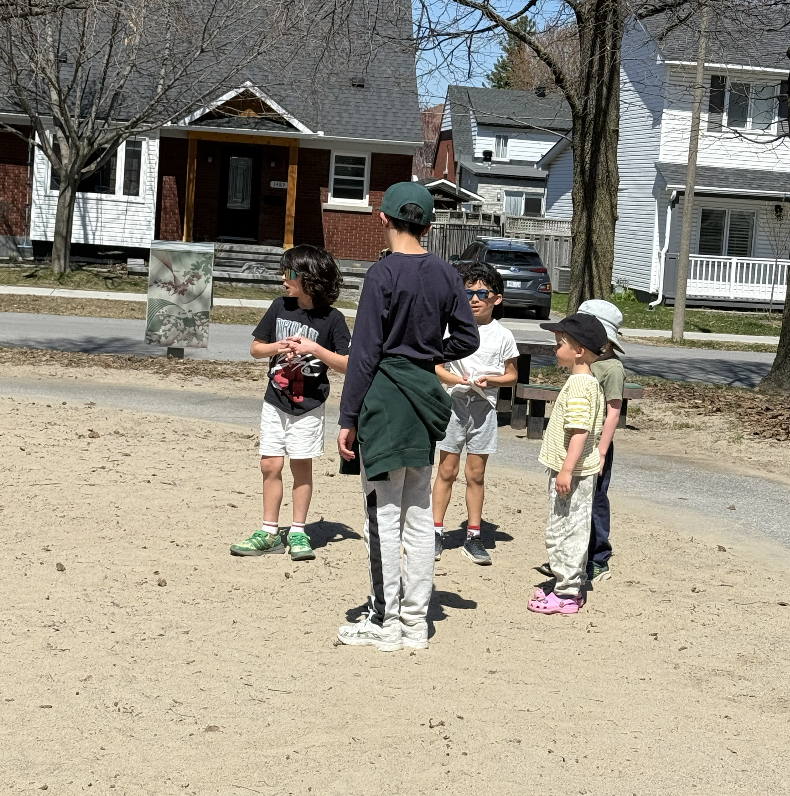
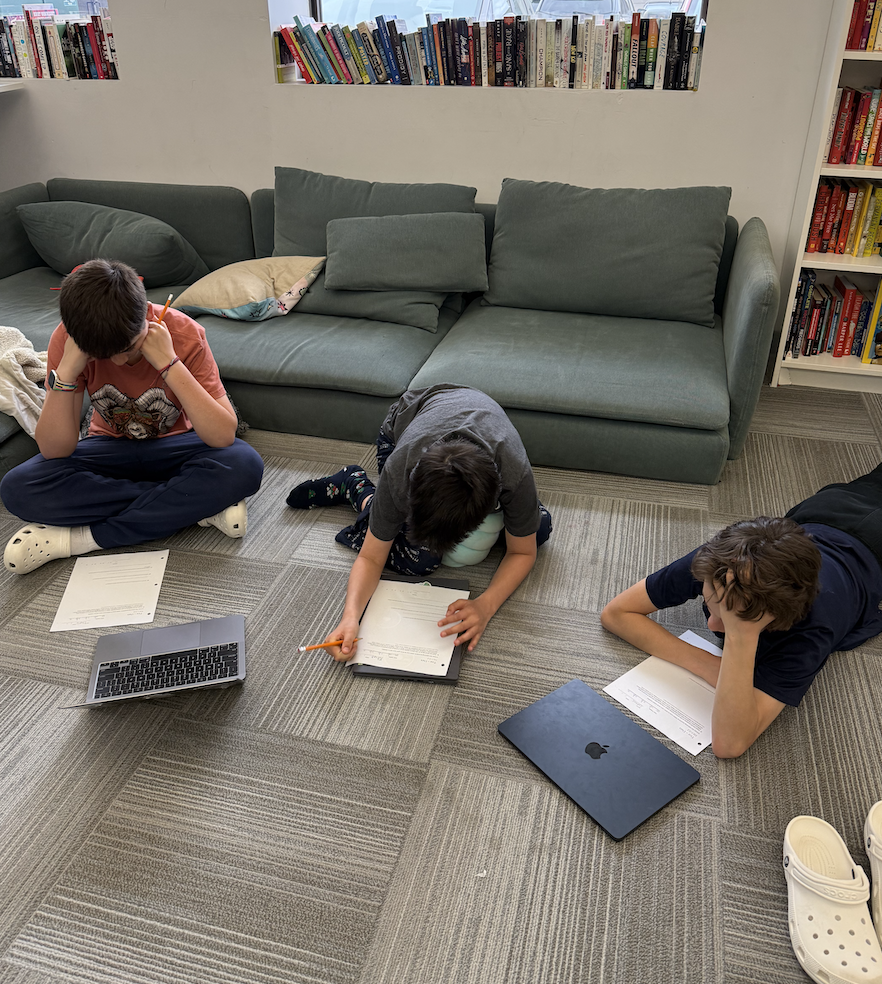
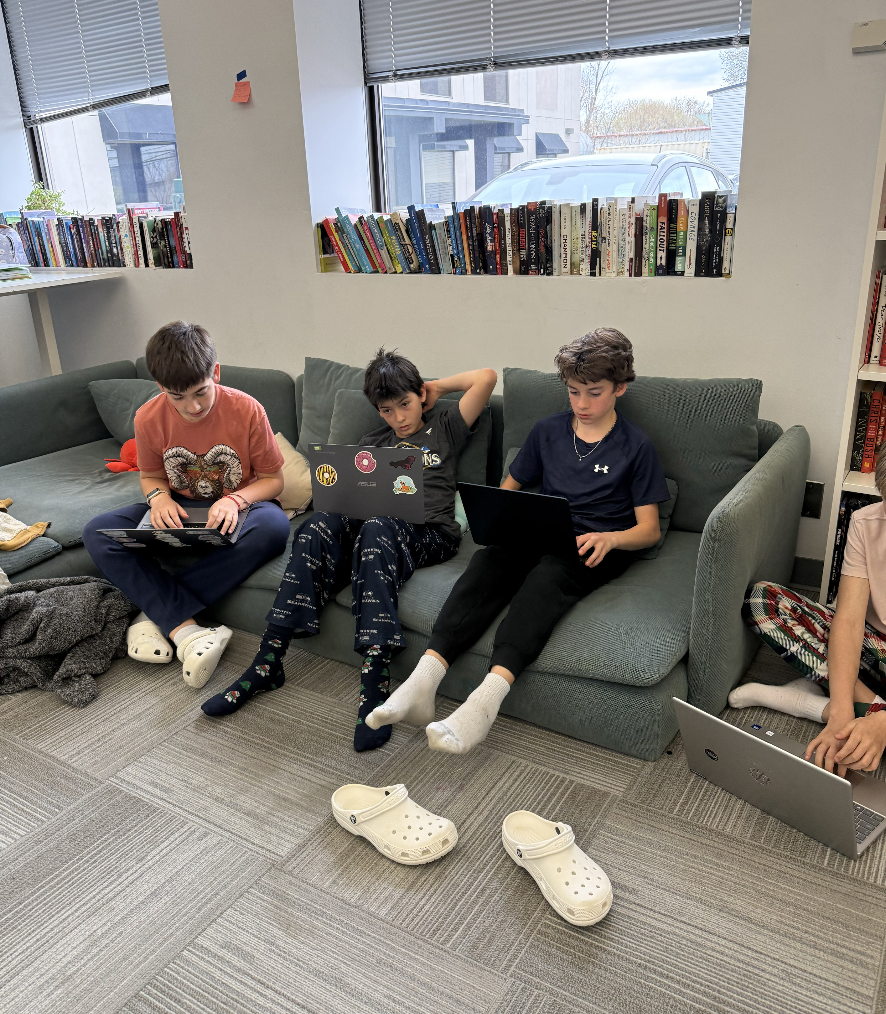
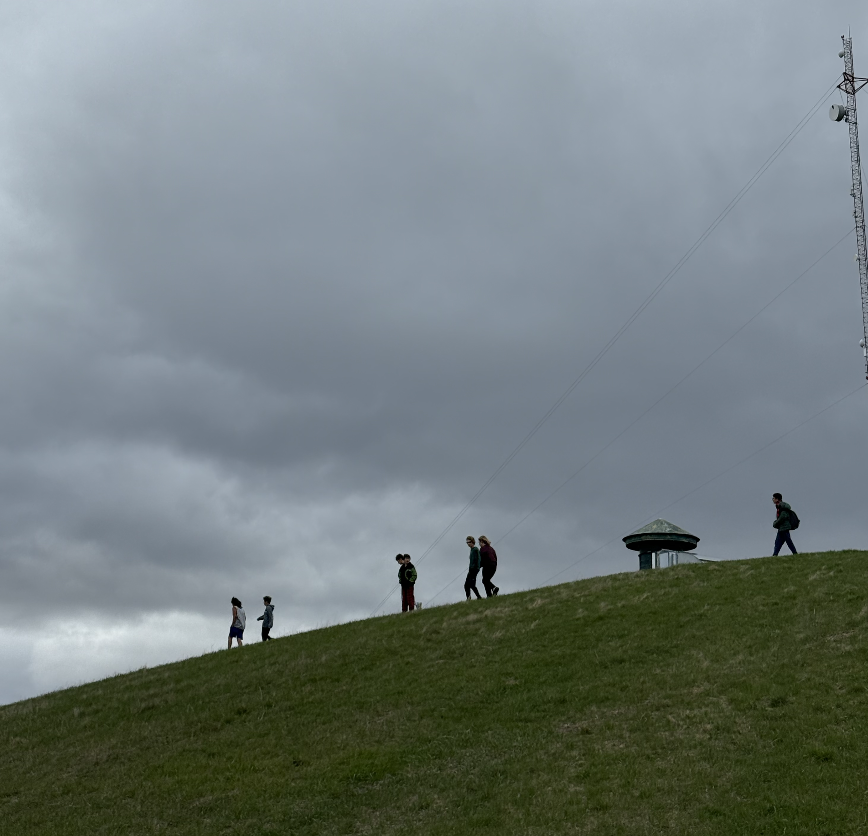
Since our Becoming a Critical Thinker lesson requires outside hours to watch a movie or a short, after going over the brief, Rebels went for a walk and time in the park! It was a gorgeous morning to spend outside as a community. To get our brains warmed up and tie in with our Math Lab focus on probability, we began Tuesday with the Monty Hall Paradox. Learners were told they chose one of three doors. Behind one is a car; behind the other two are goats. You pick Door 1, then you're asked whether you'd like to stay with your original door or switch. Most people mistakenly believe that because there are two doors left, the odds are 50/50. However, the host's action of opening a door with a goat provides new information. Specifically, the 2/3 probability that your car was in the "other" set of doors becomes concentrated on the single remaining door! After our probability lesson, we learned about the Tu quoque (You Too) logical fallacy, which is when you think someone's advice is bad just because they don't follow it themselves or when you don't listen to someone's criticism just because they do (or did) something similar. Rebels completed a Critikid online lesson, which helped them recognize examples of the tu quoque fallacy in everyday arguments and practice correcting them. On Wednesday, we talked about portraits in our photography lesson. We discussed how taking a great portrait can be a difficult task for a photographer. You have to make sure the lighting, composition, etc., are all strong while simultaneously keeping your subject relaxed and natural. After learning about three different portrait styles: classic, environmental, and lifestyle, Rebels headed outside to practice with the help of one another! Even though the weather wasn't the best, the Rebels enthusiastically went out on Thursday morning for their community walk. The intentionality in core skills afterward was stellar. Fresh air and exercise really are a great way to start the day! Friday, we took part in our regular puzzle and Current Events session before starting our last core skills period of the week.
Math Lab
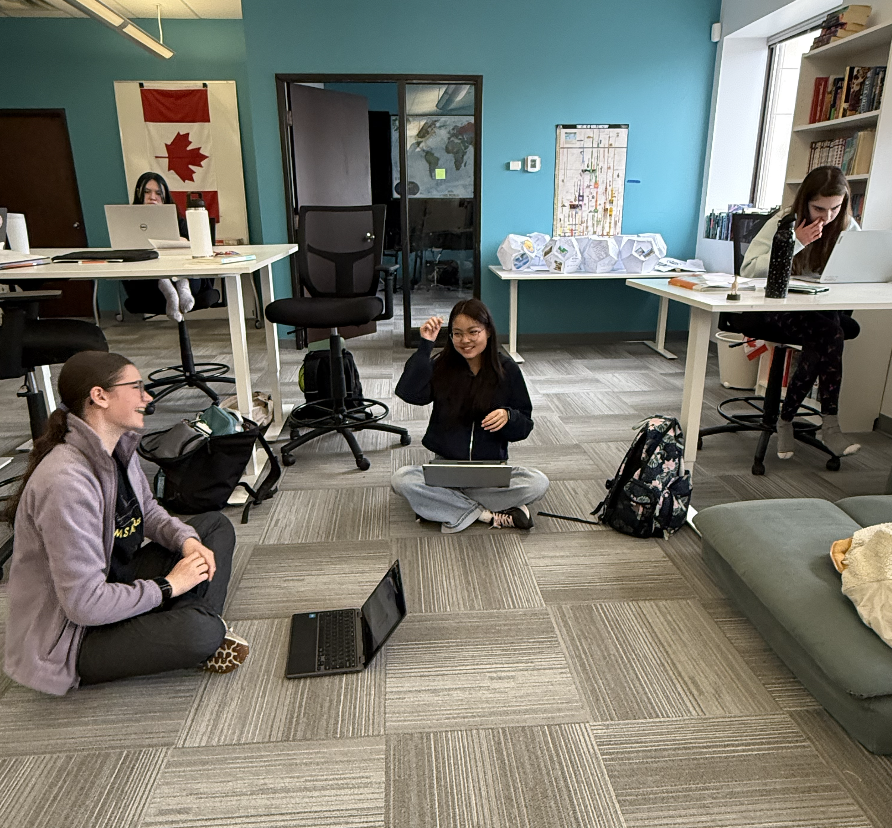
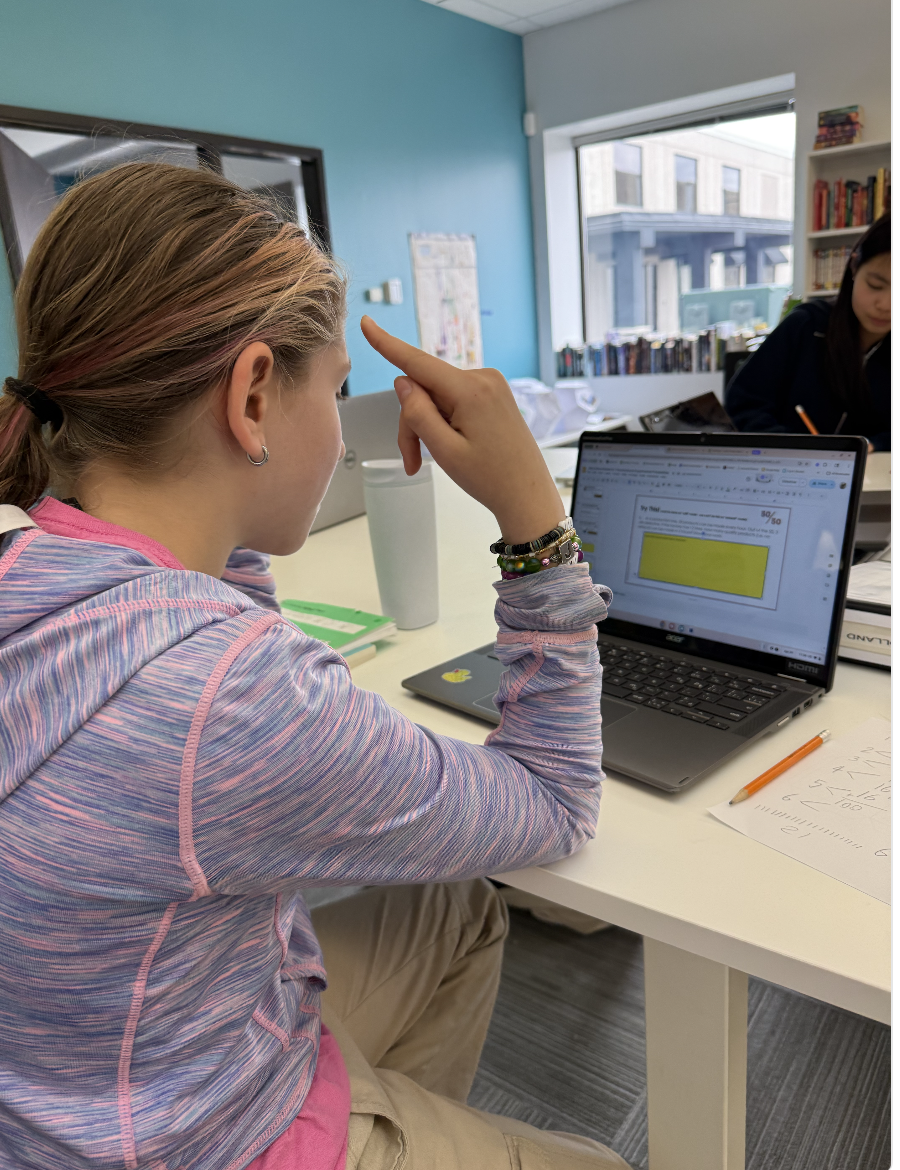
On Wednesday, we learned about the theoretical and experimental probabilities of multiple independent and multiple dependent events. After our lesson, the Rebels solved a series of problems independently or in pairs, before going over each one as a full studio. Rebels who finished early were able to move on to a level-appropriate quiz to test their knowledge. Next week, Rebels will test their math skills and their luck at our Math Casino!
Reader/Writer Workshop
As Monday was our last full class period to work on their Short Story Boot Camp slides, Rebels got right to work on their team presentations! Each group is responsible for creating a series of slides that showcase information about the author, the themes, the literary devices used, real-world connections, and their opinion on the text. Rebels also listened to a read-aloud of "The Lady, or the Tiger" and "The Bet" during DEAR, then analyzed and discussed each as a full studio.
Reading Challenge, Paragraph of the Week, and Grammar
We learned about comparing and contrasting this week in our Reading Challenge. This text structure focuses on an organization that highlights the differences and similarities between two things. We reviewed the definition as well as key signal words for both compare and contrast before reading a few examples as models. Rebels then worked independently or in small groups to complete the weekly challenge.
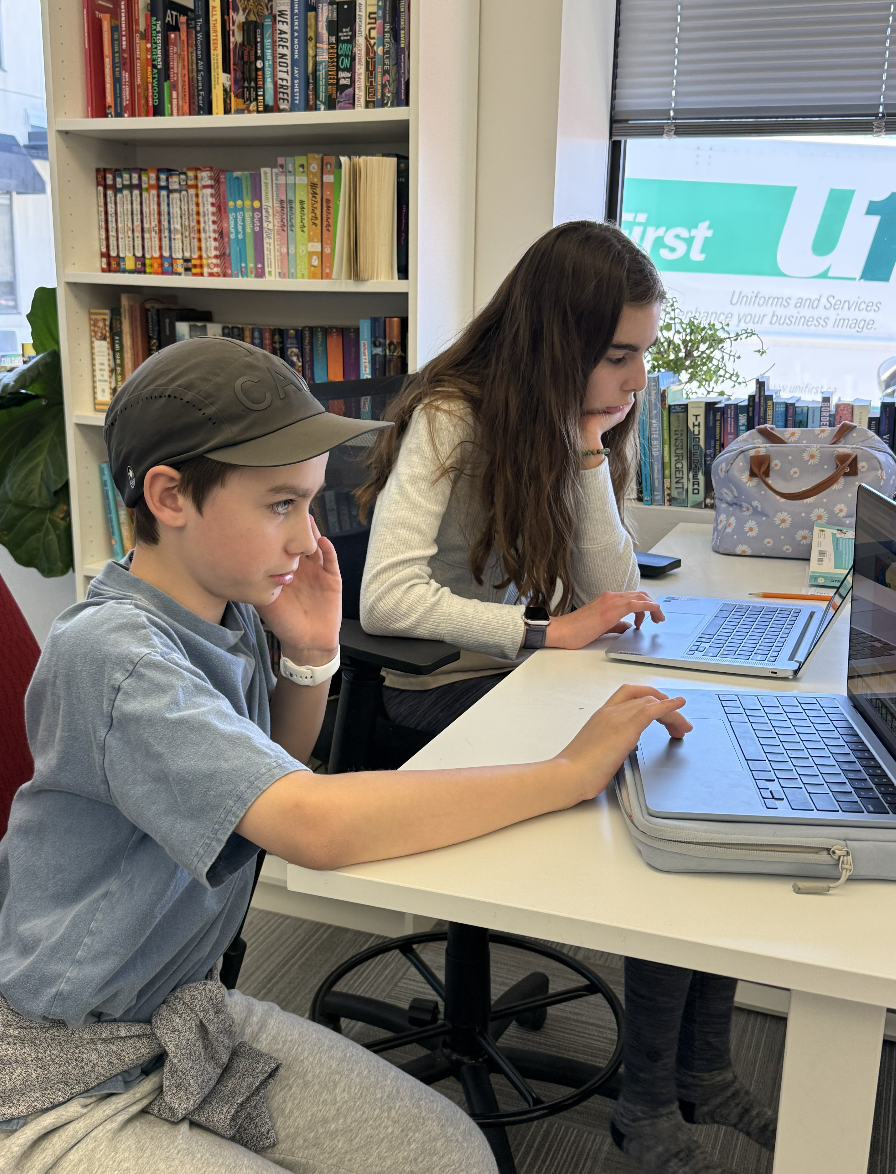
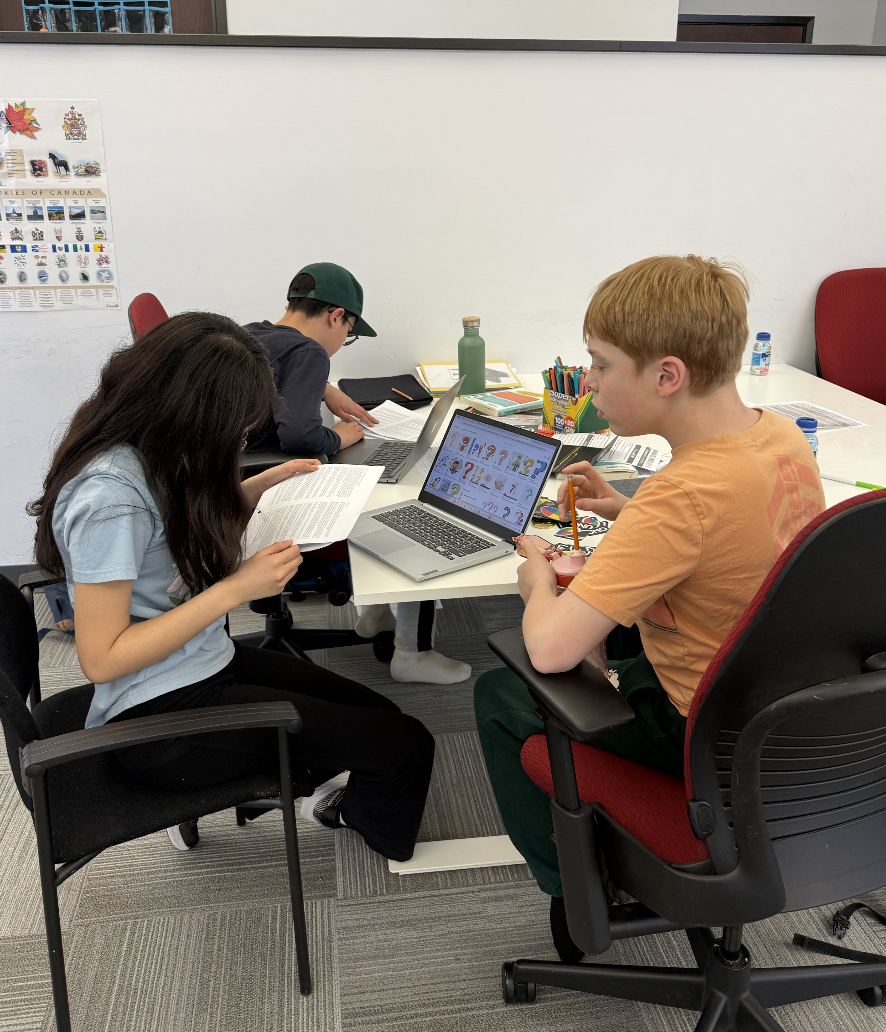
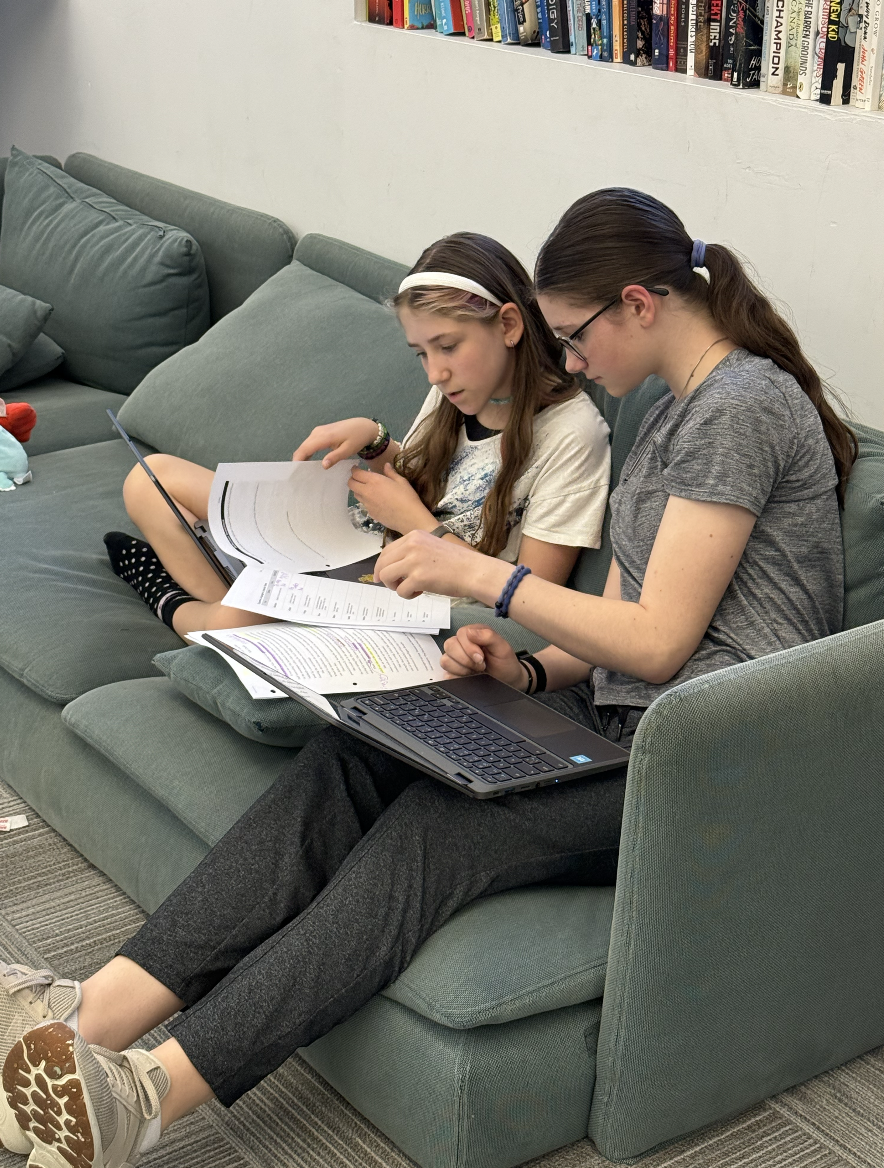
This week, Rebels completed research before writing their paragraph of the week on one of the three available prompts. They could write about the United Empire Loyalists and their contributions to Canada; the creation of the North West Mounted Police and its impact; or, lastly, the Great Migration and why Irish and Scottish immigrants came to Canada during that time period. Hearing the varying perspectives and new information they gleaned from their research was awesome!
Now that we've reviewed colons and semicolons, Rebels practiced using apostrophes this week. An apostrophe is used to show possession or to form contractions. After reviewing when to and when not to use apostrophes, learners spent their remaining grammar time locating and fixing errors in various sentences and paragraphs.
French
This week in French, we reviewed both our question structures and our learning about the history of the French language through a Jeopardy-style game.
Working in teams, learners practised forming and answering questions in French while revisiting key concepts such as the origins of the language, important historical figures, and how French has evolved over time. The game format encouraged participation, quick thinking, and collaboration, while reinforcing both vocabulary and comprehension in an engaging, interactive way.
Quest - Oh, Canada!
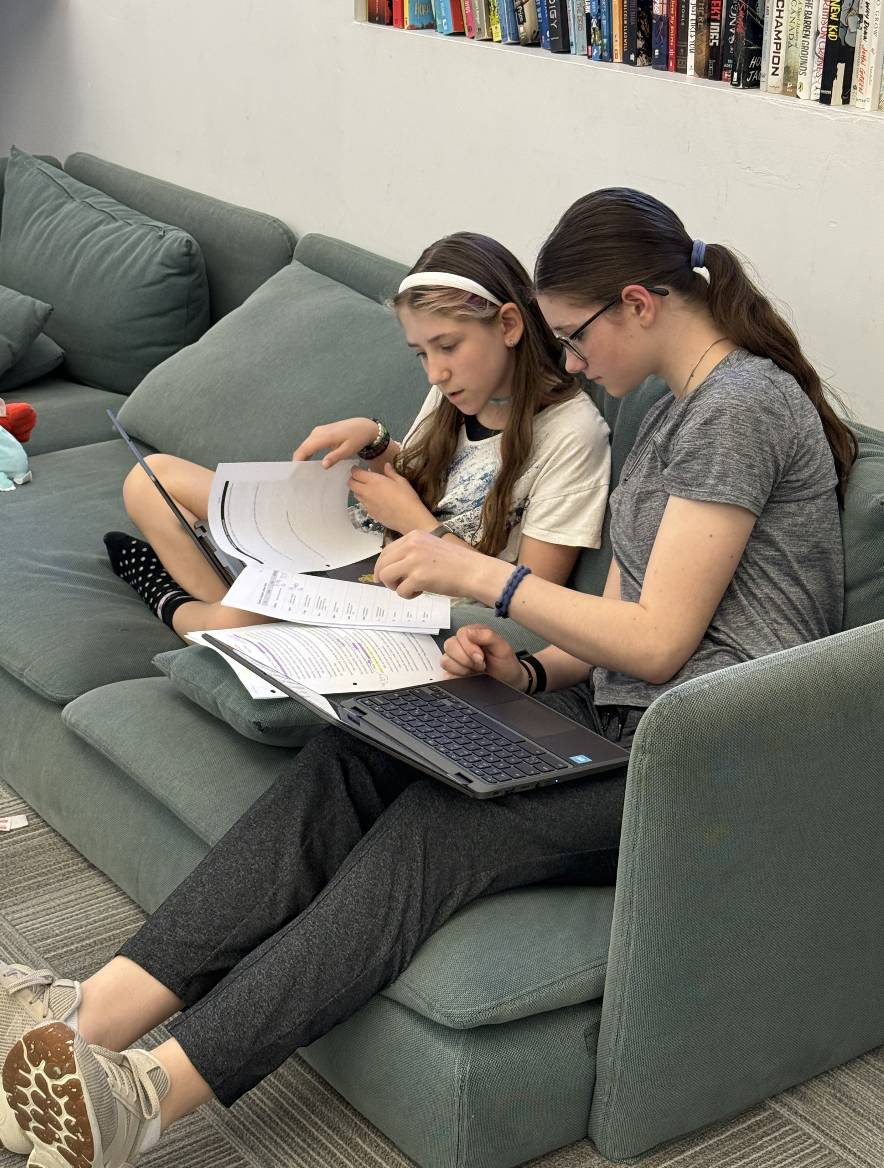
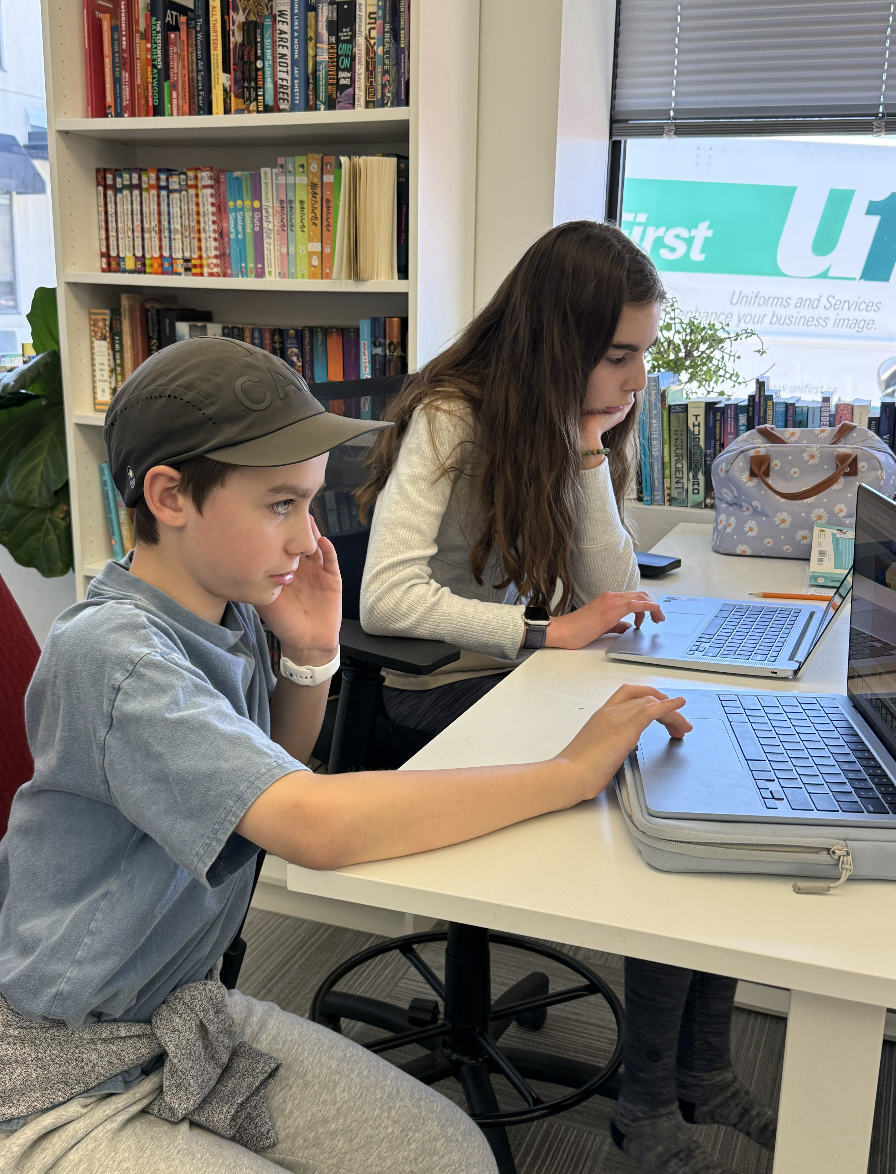
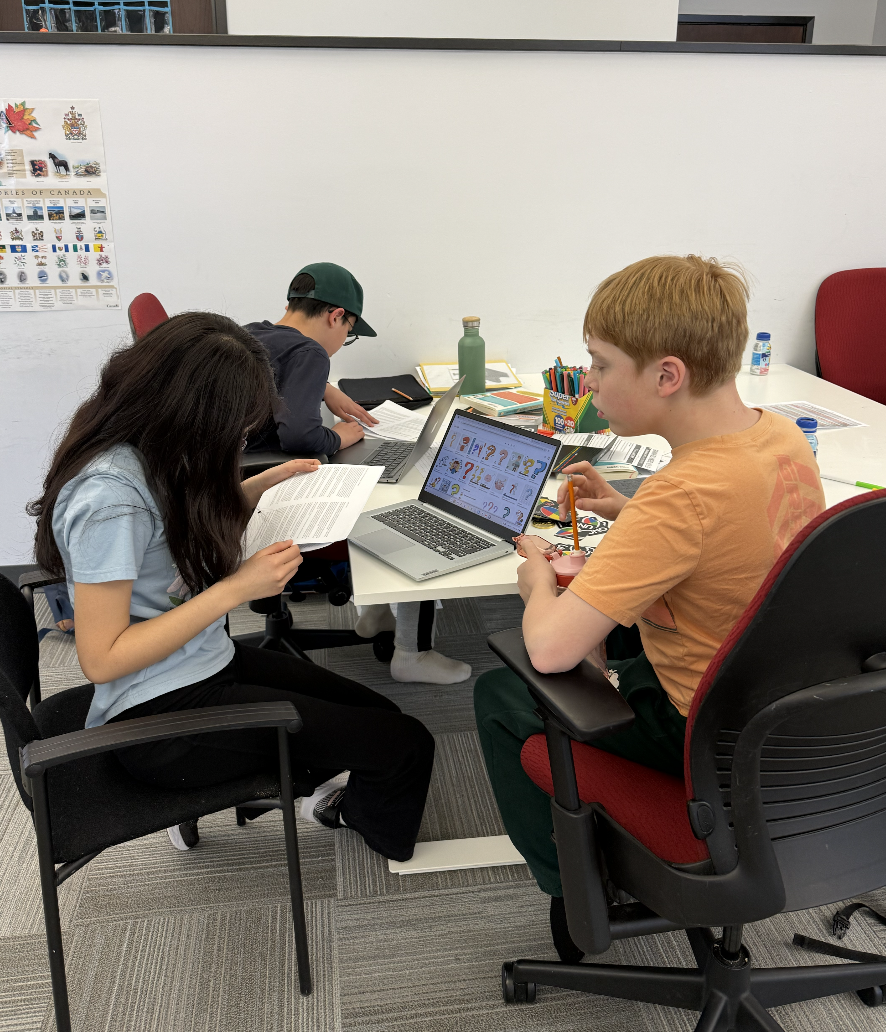
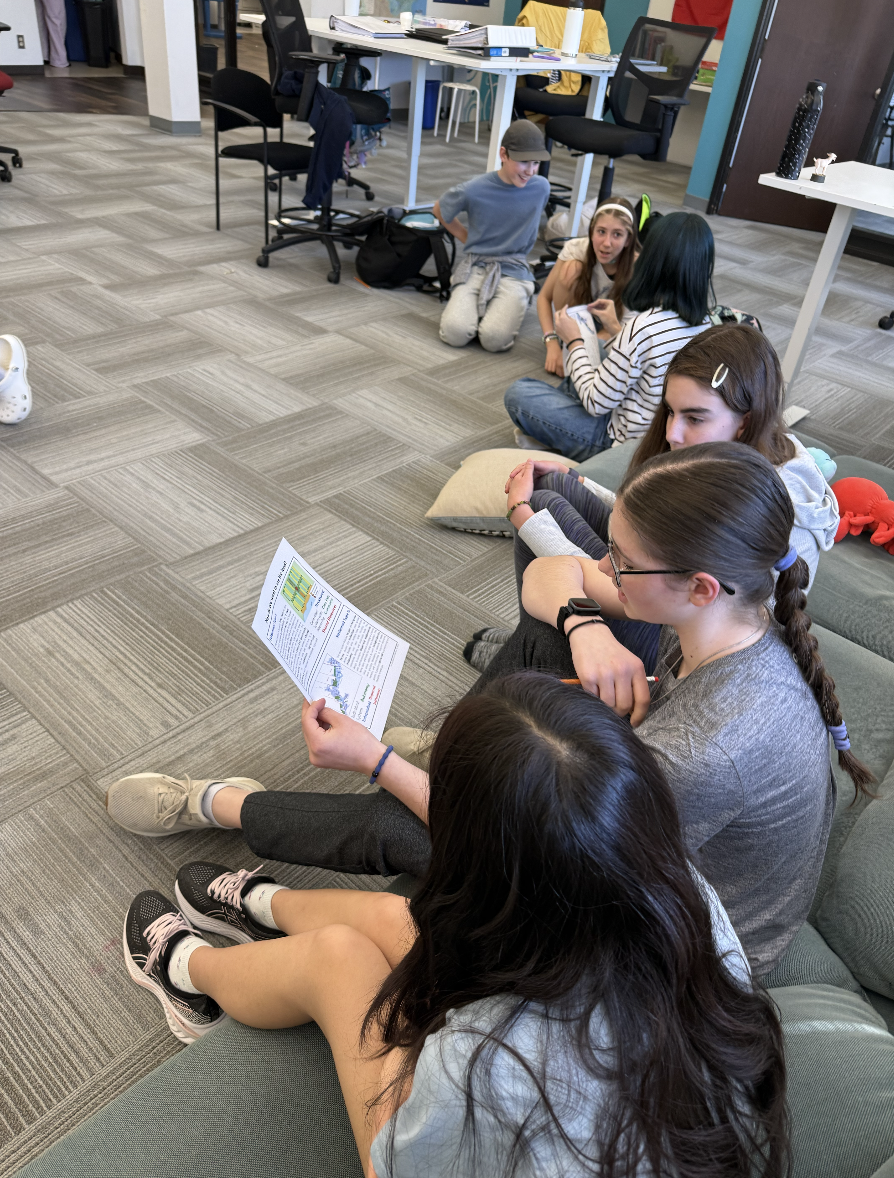
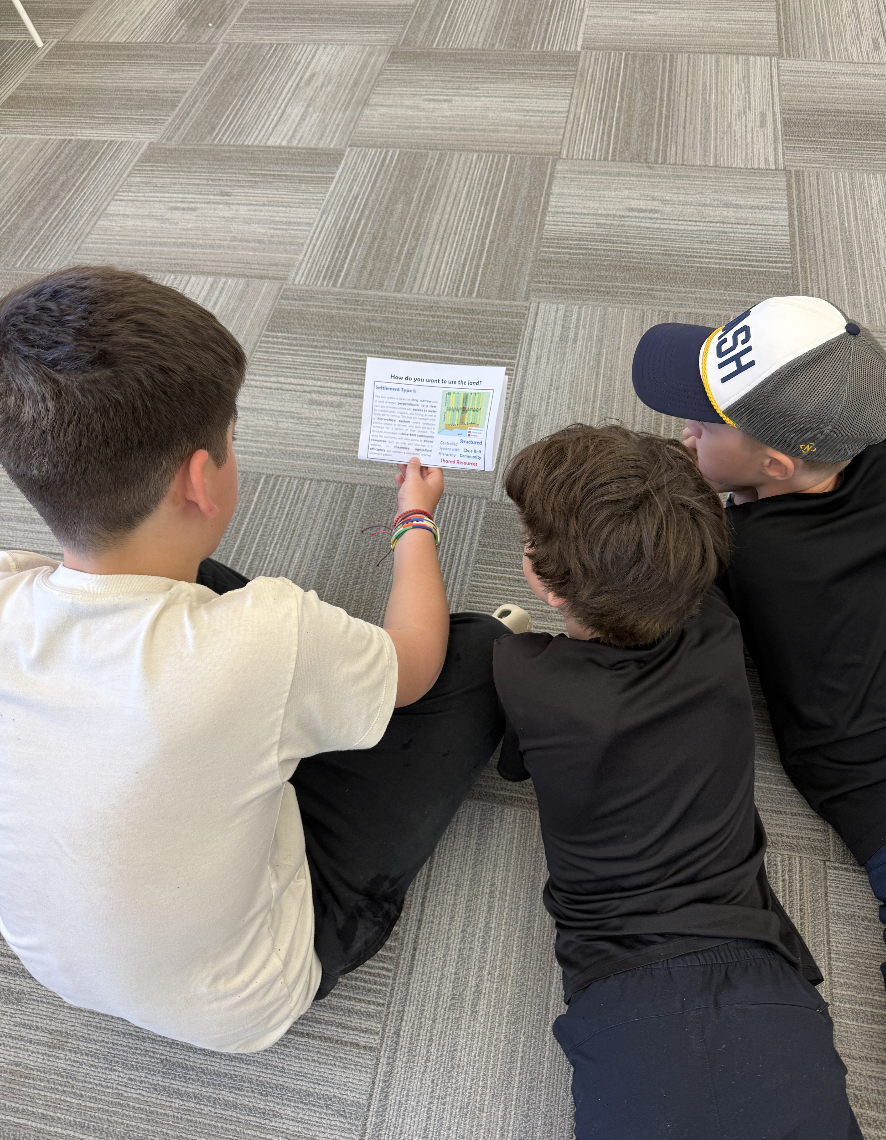
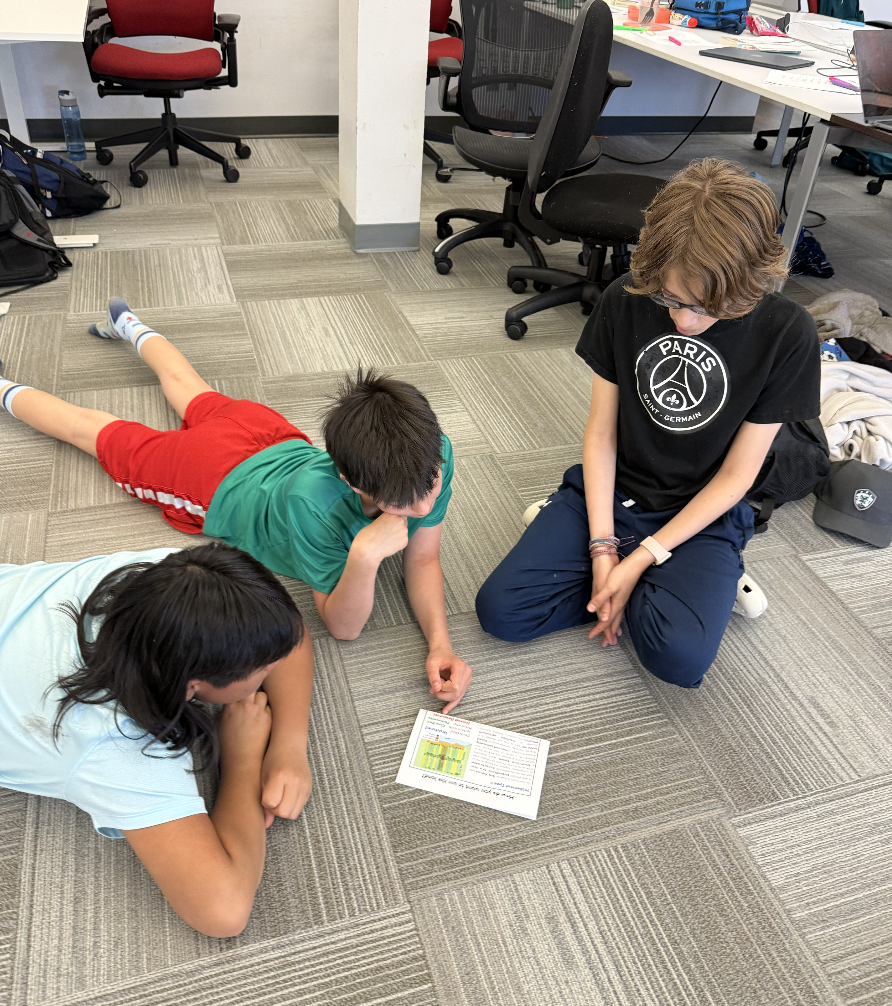
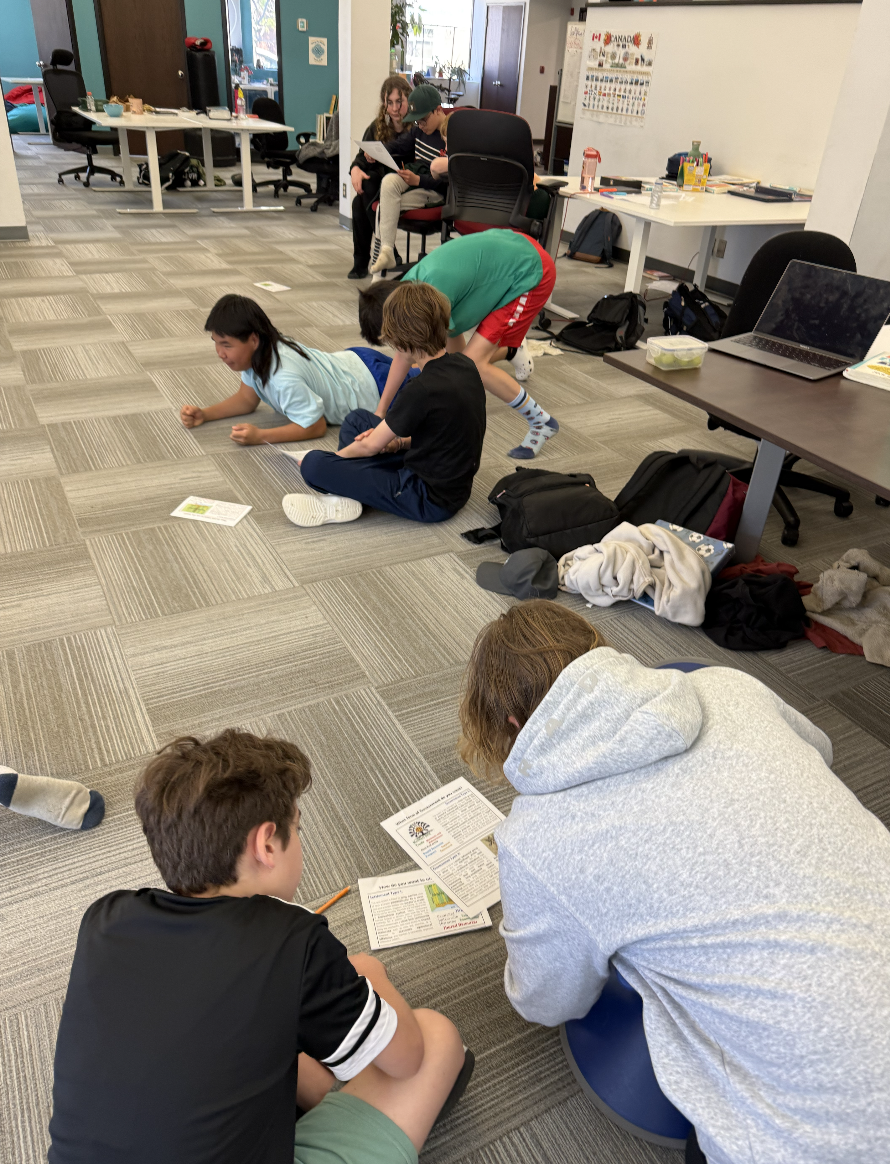
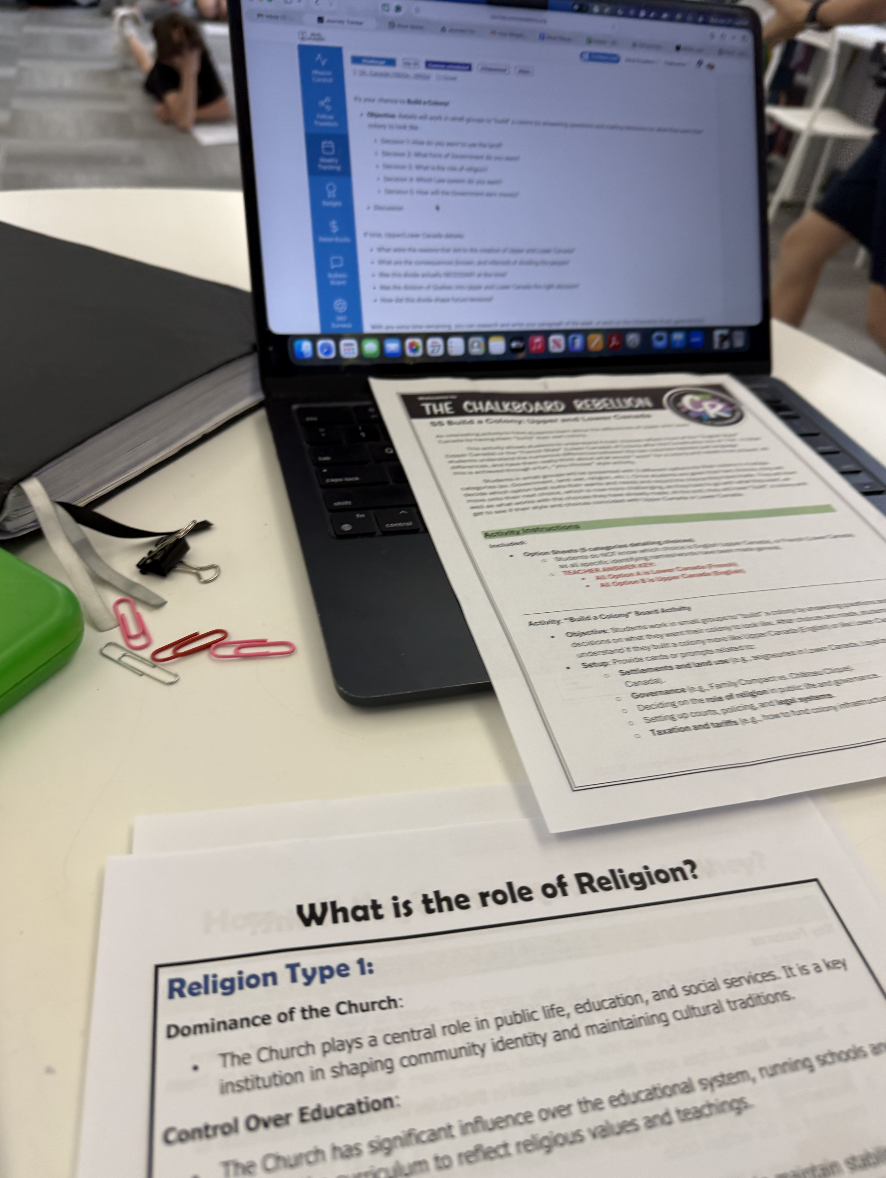
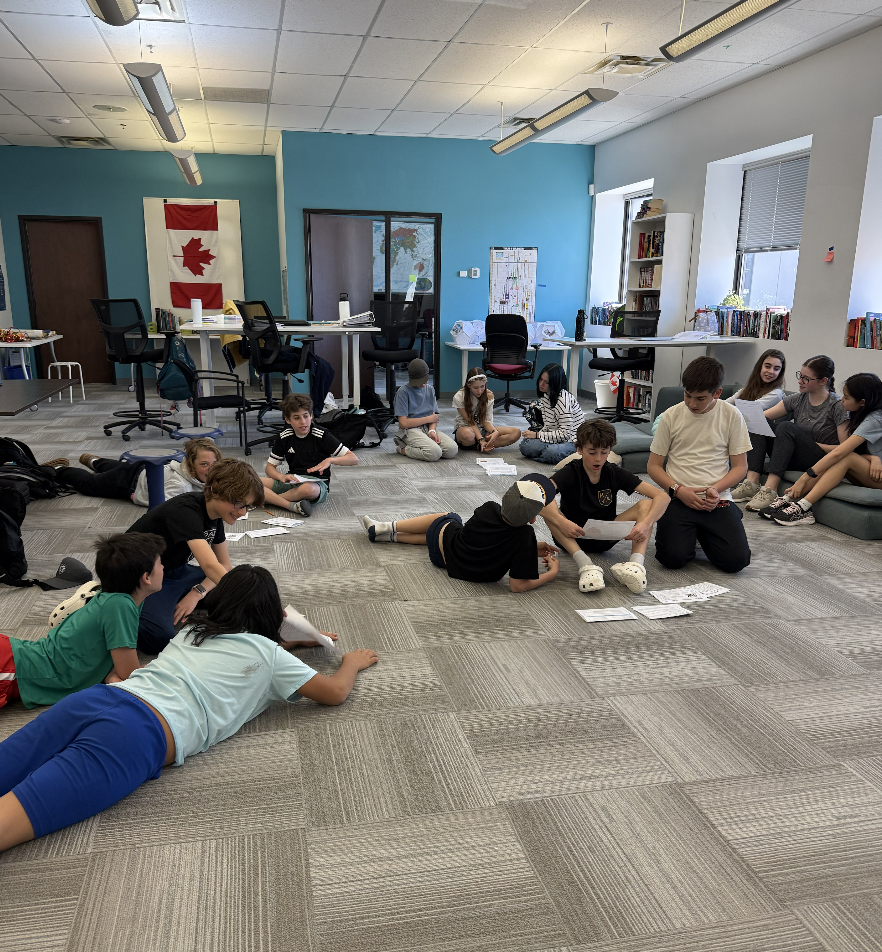
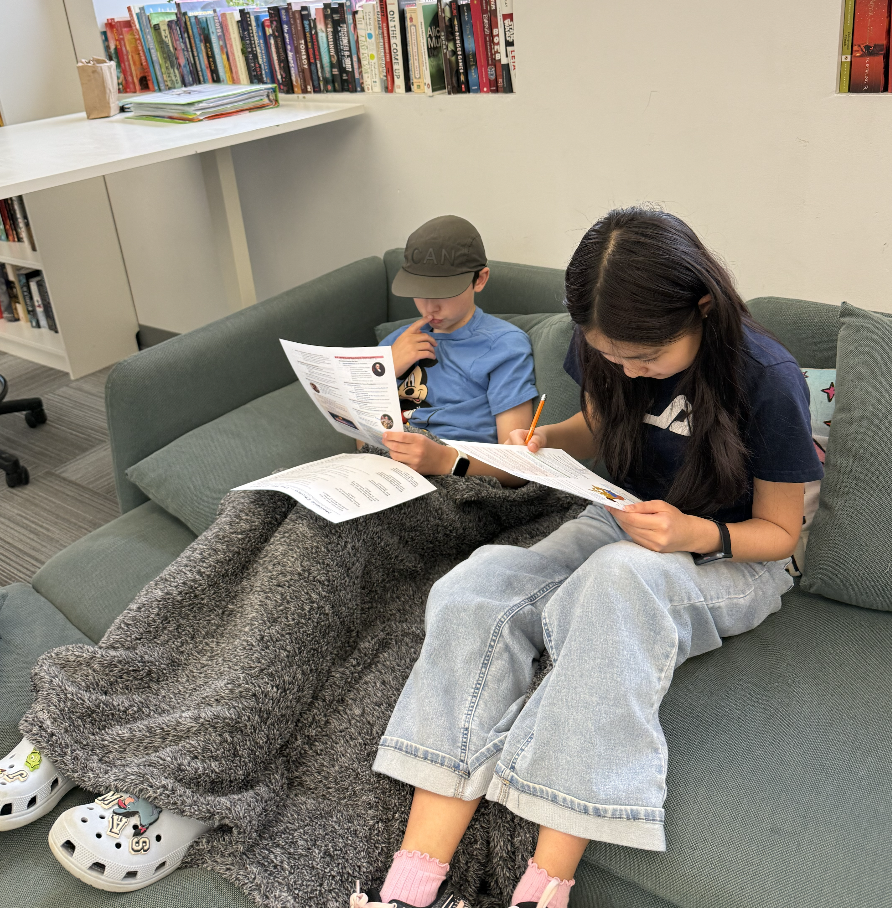
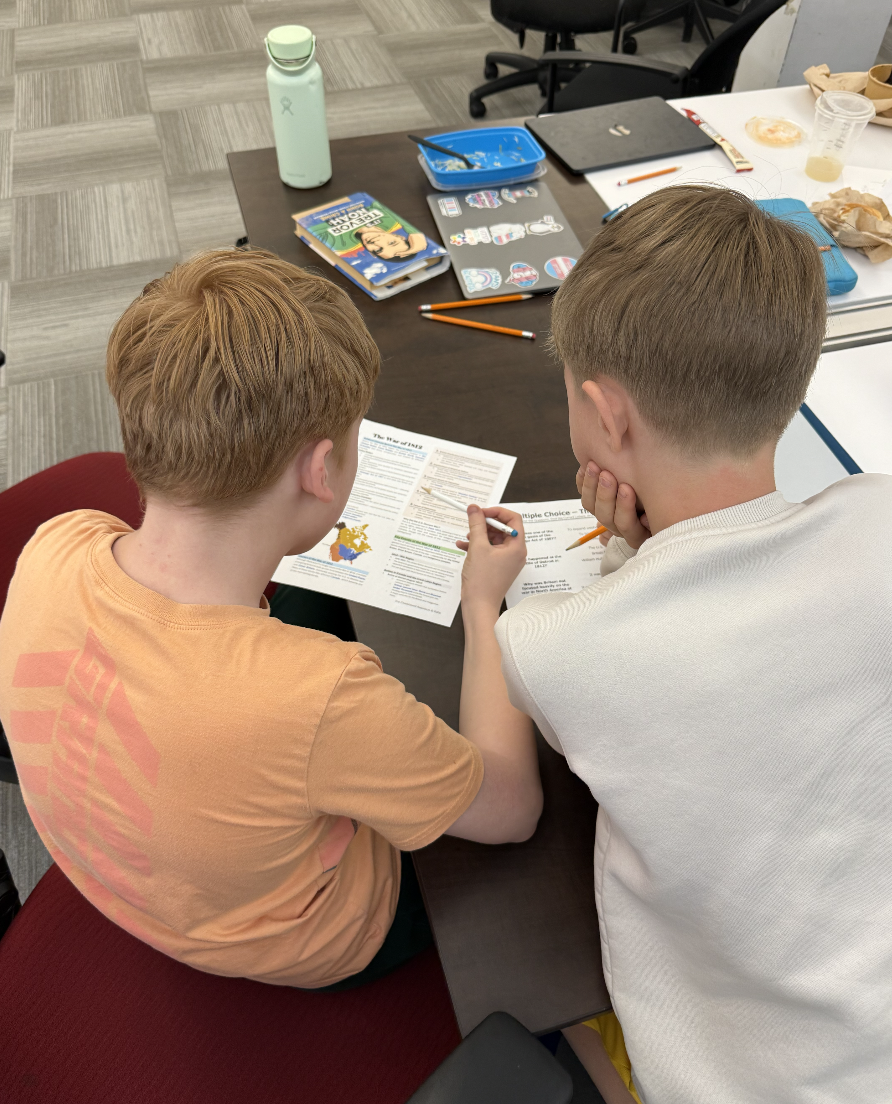
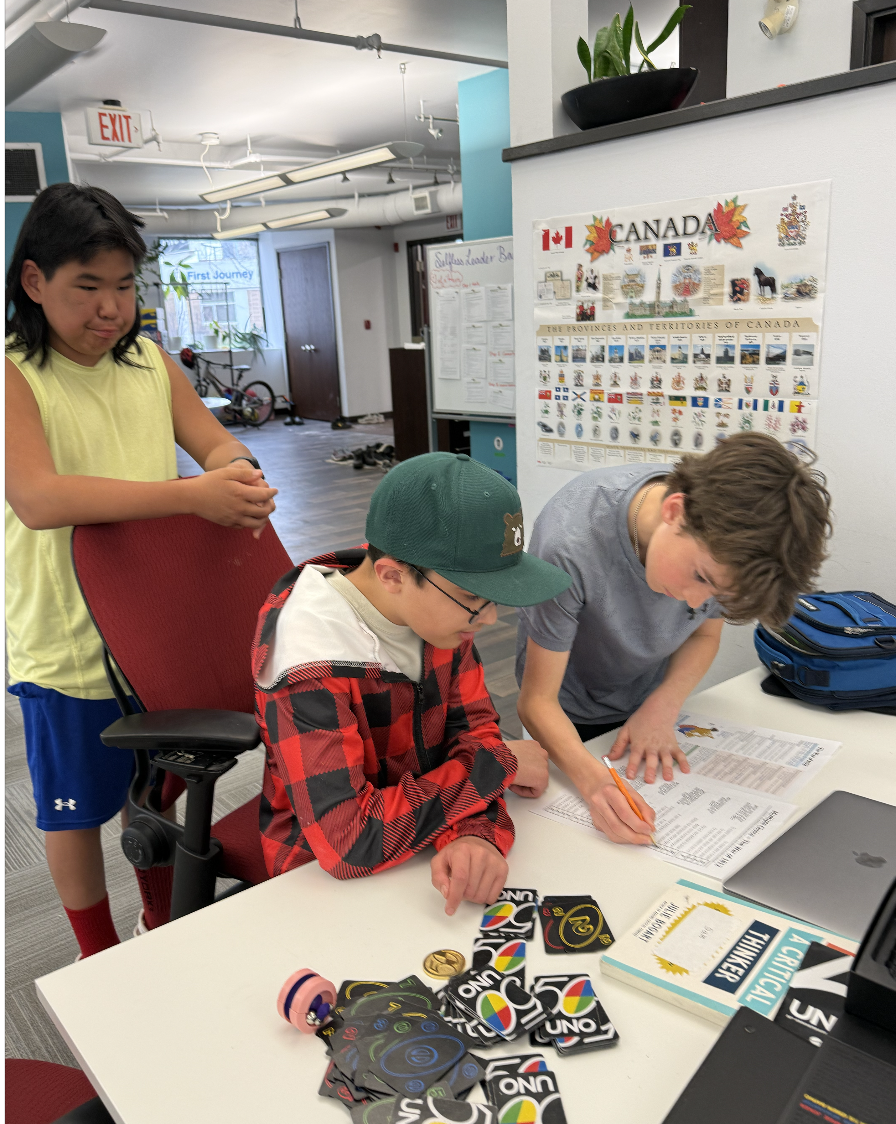
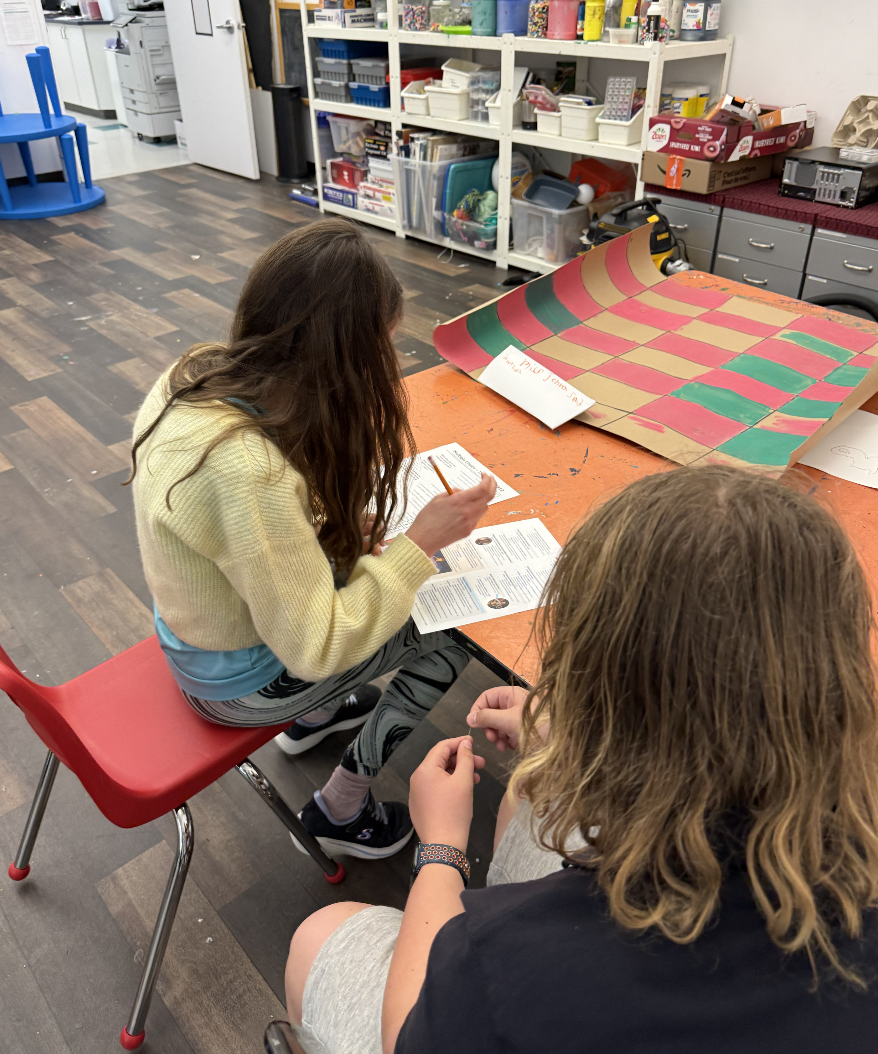
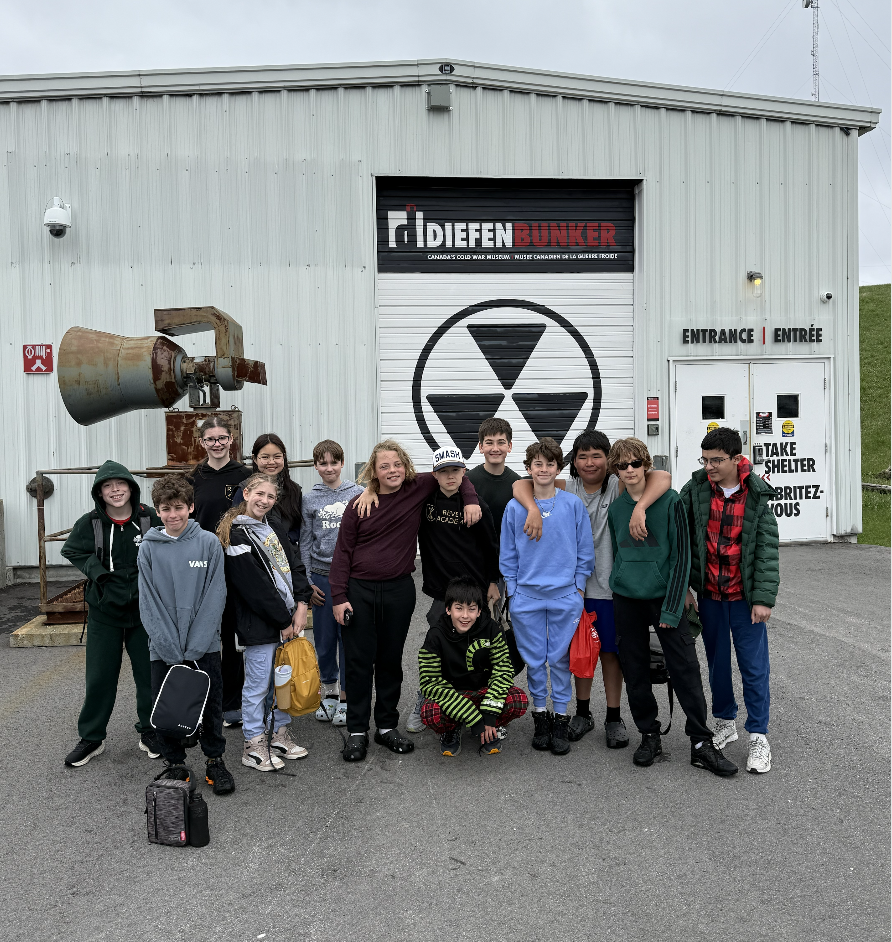
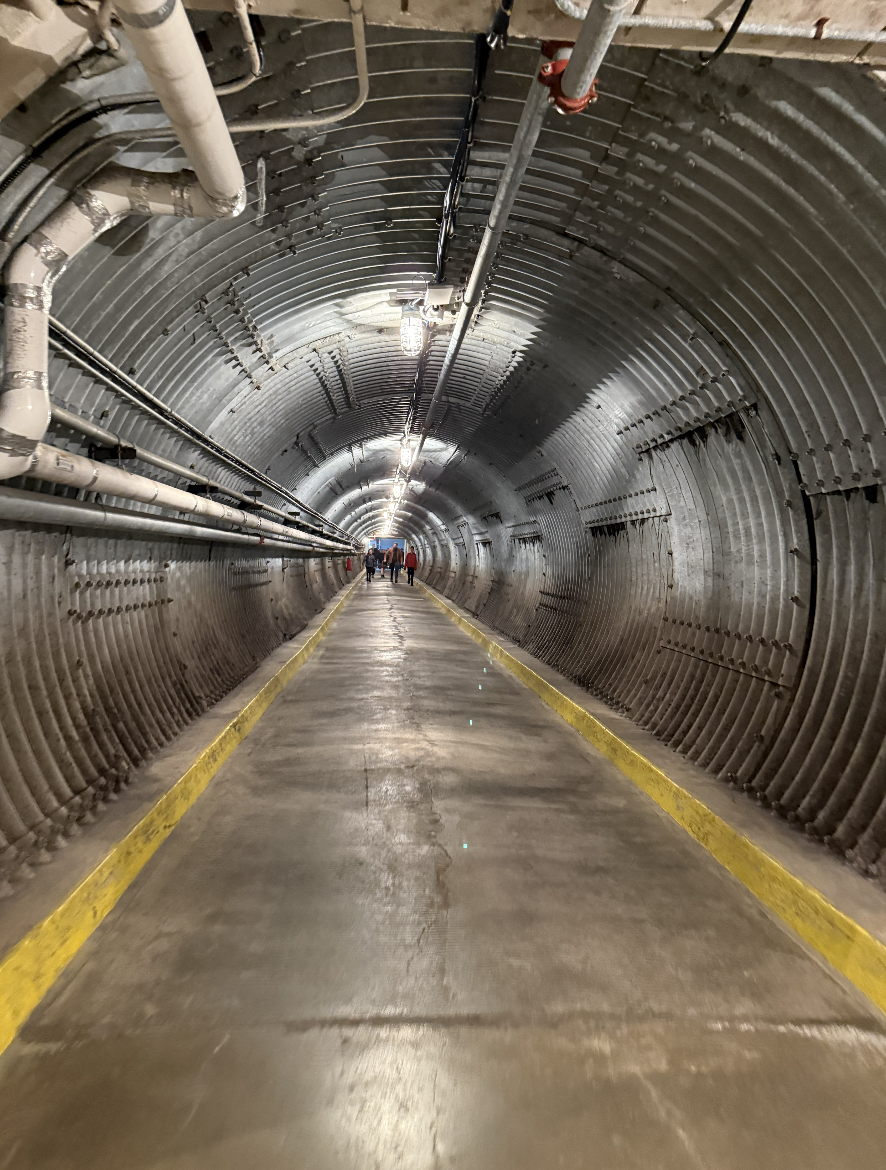
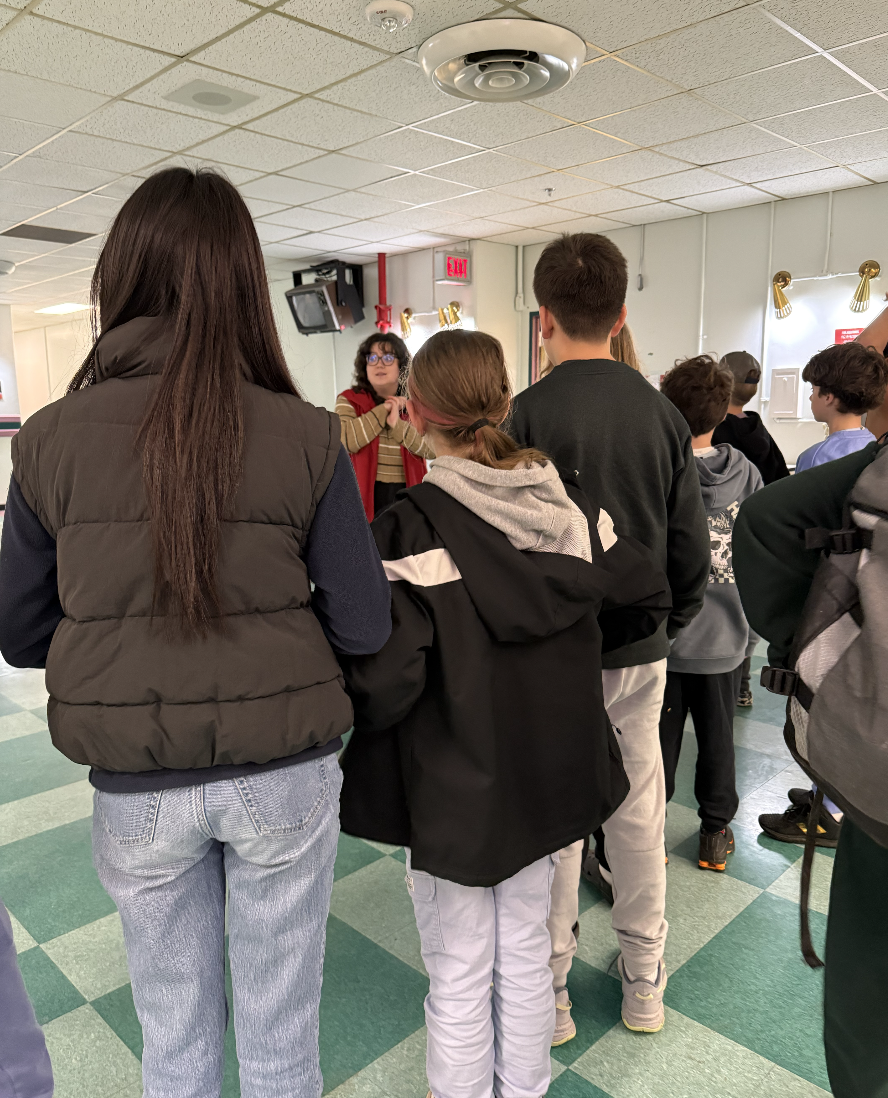
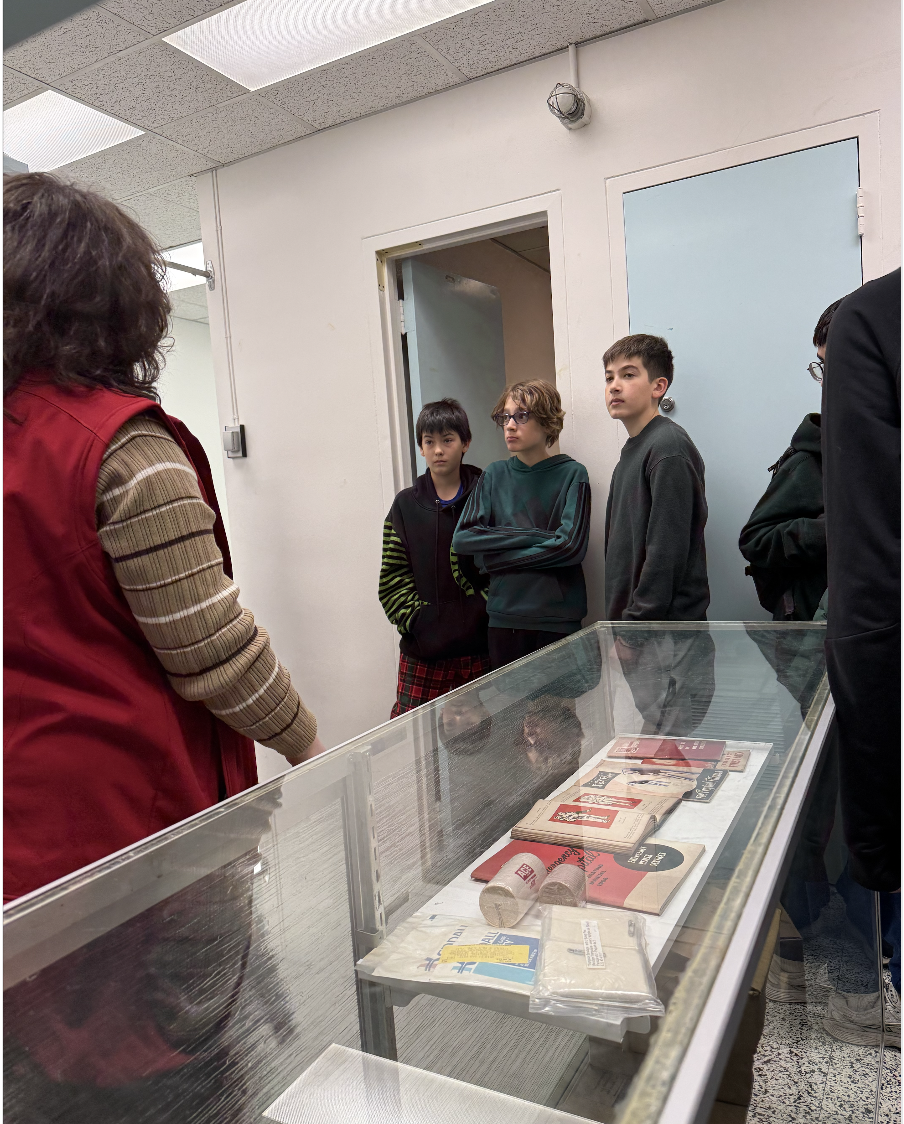
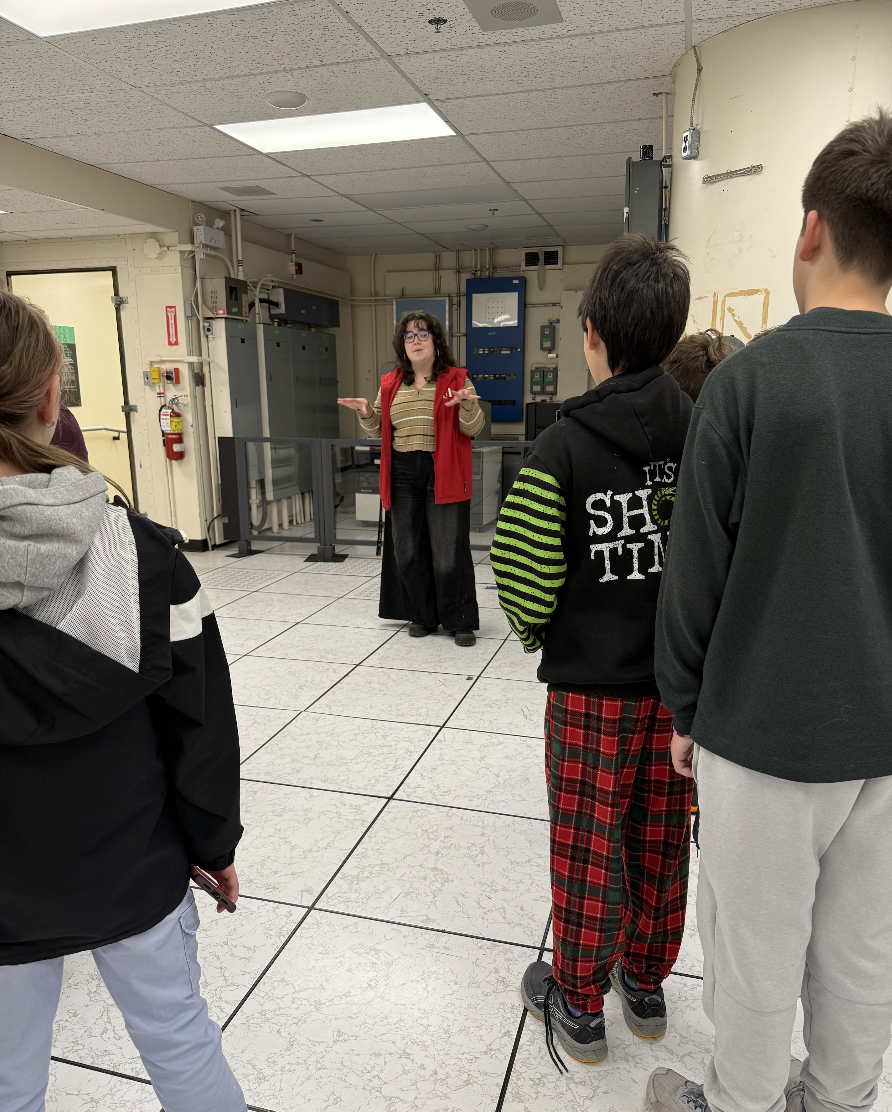
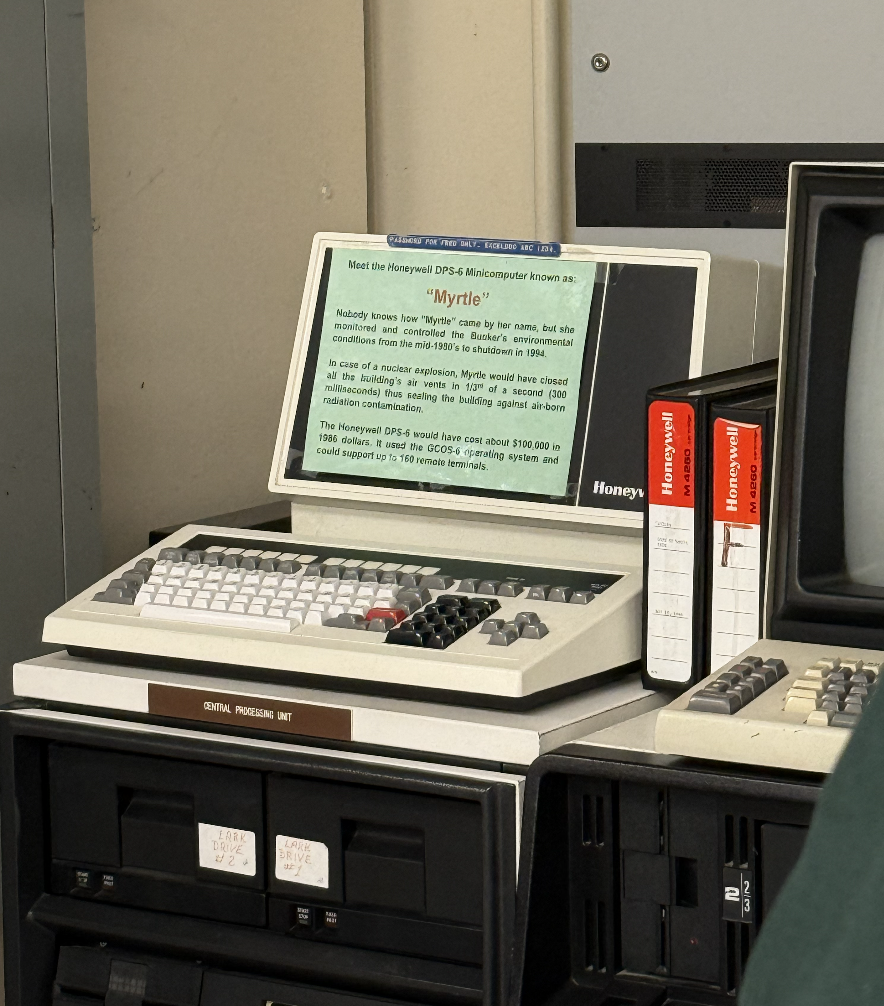
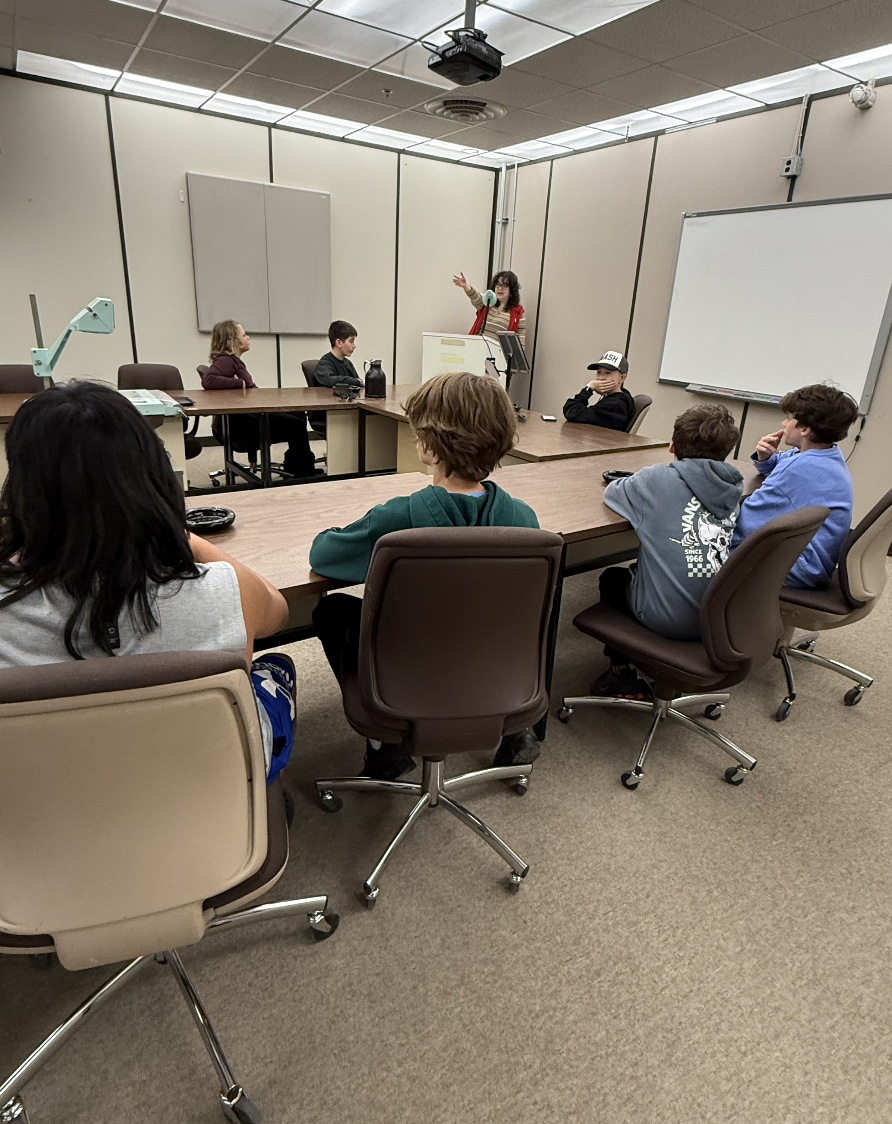
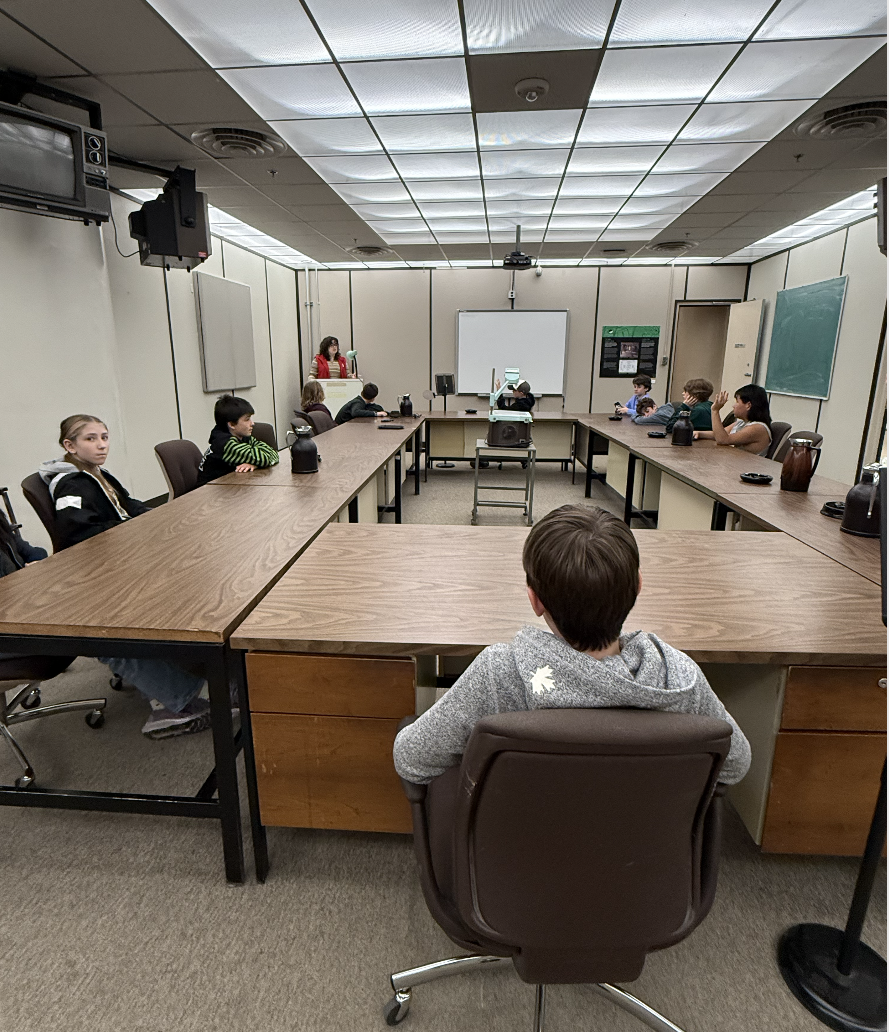
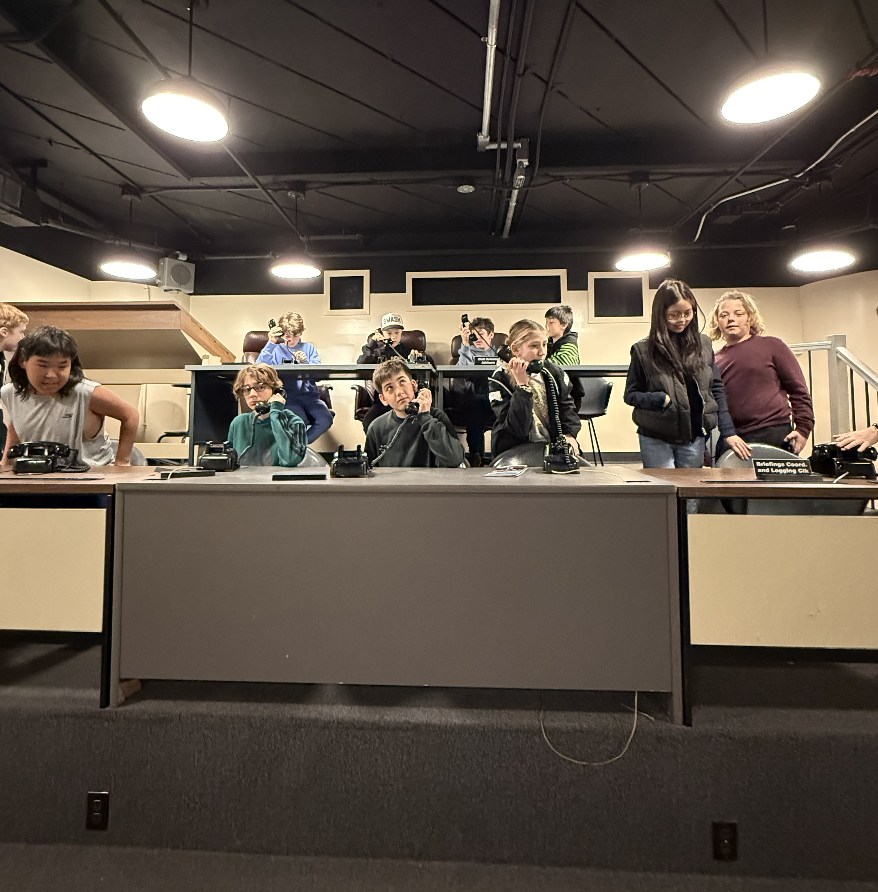
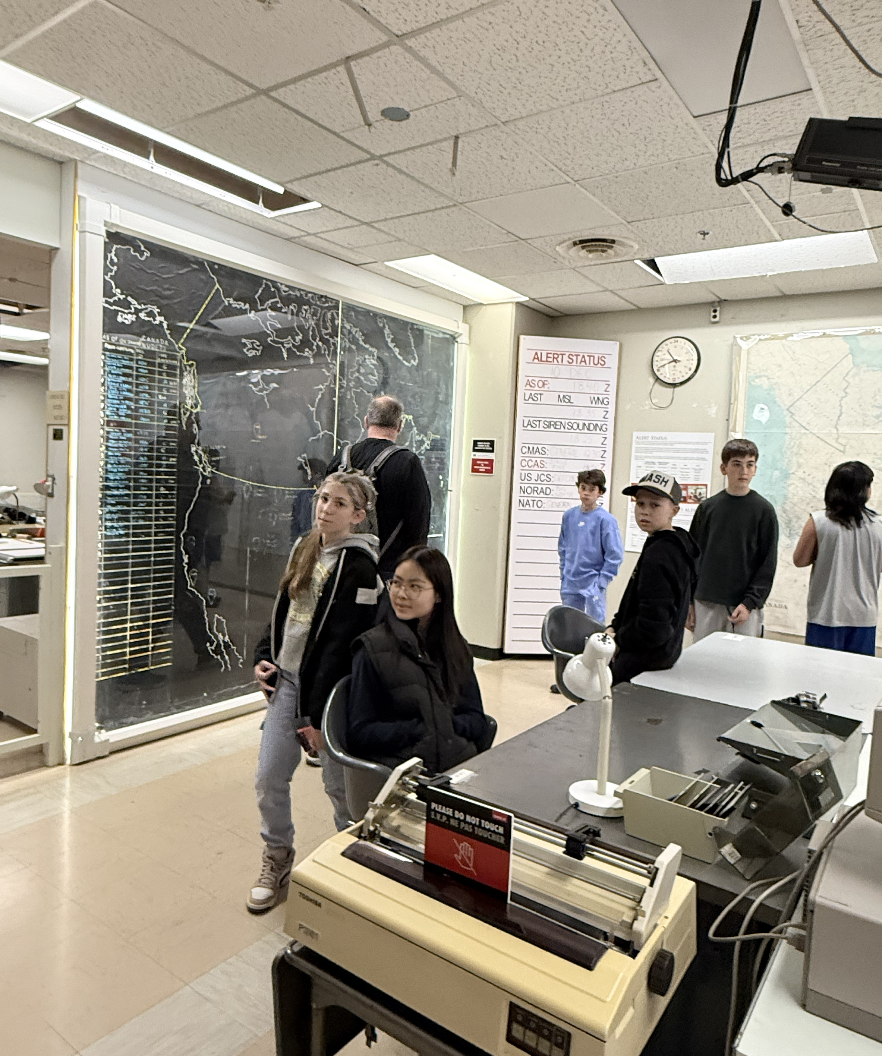
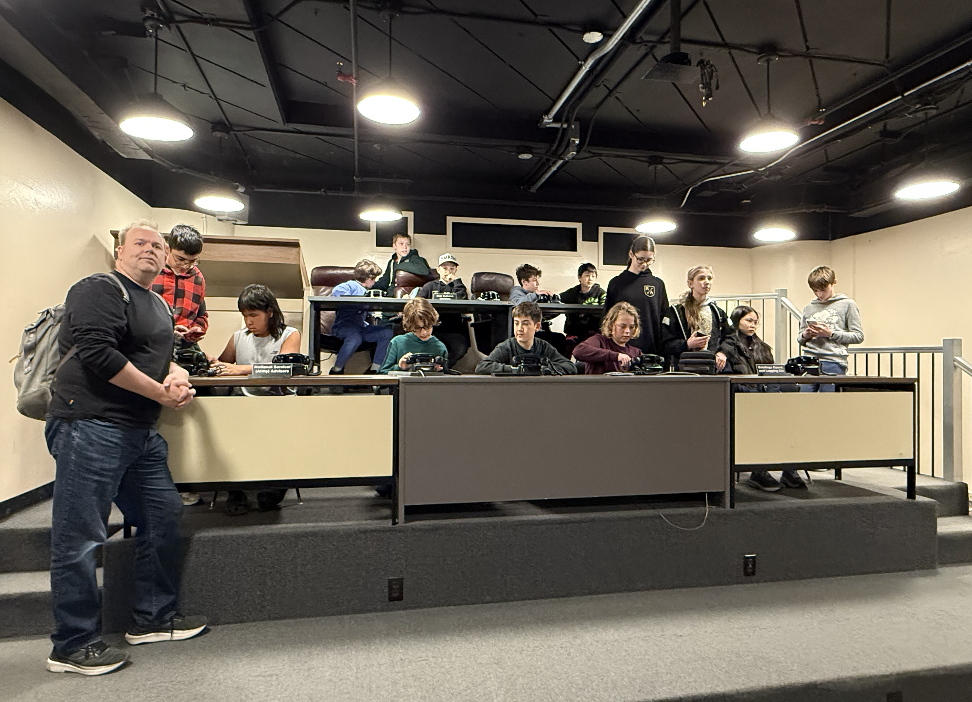
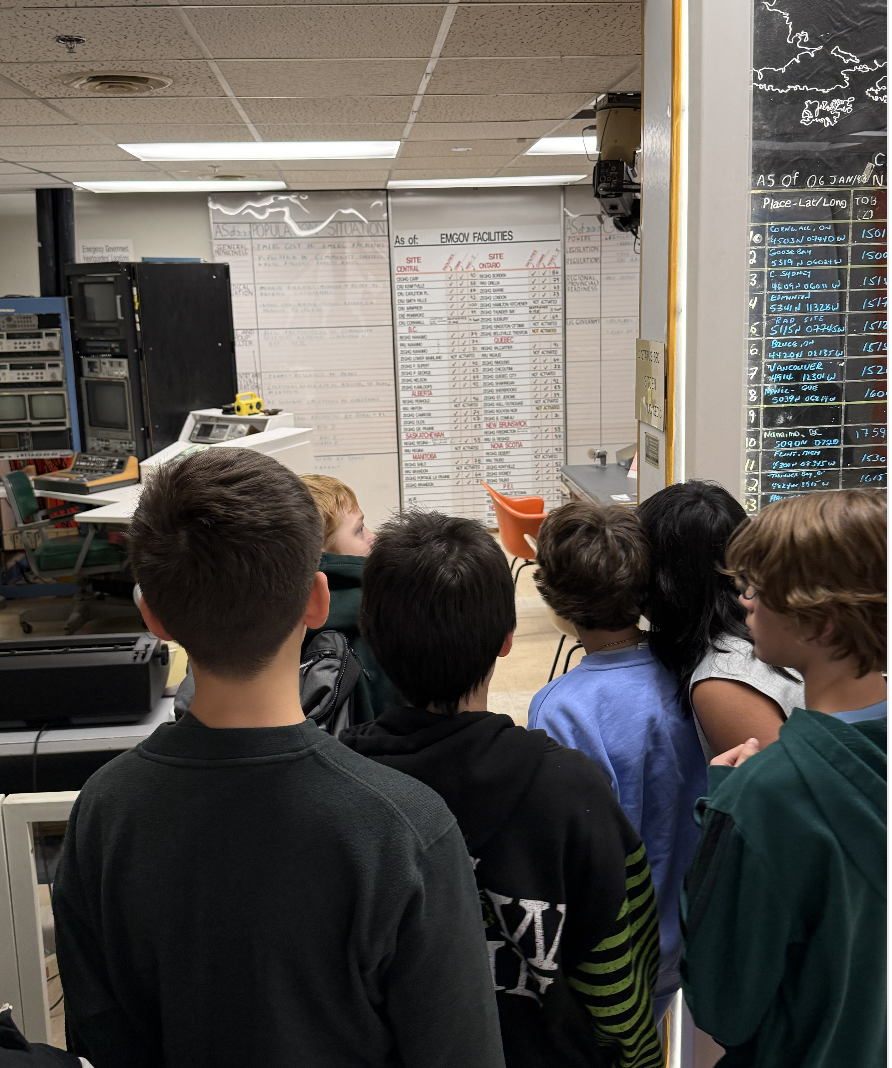
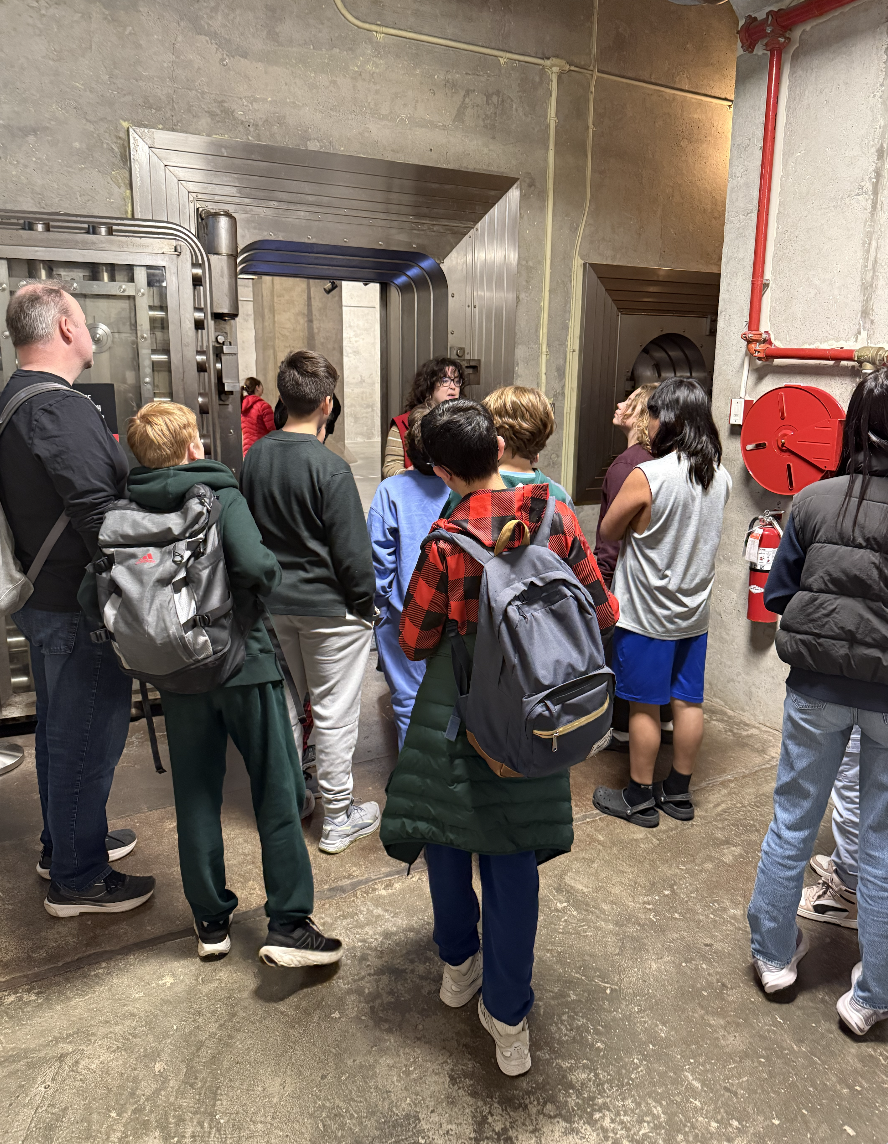
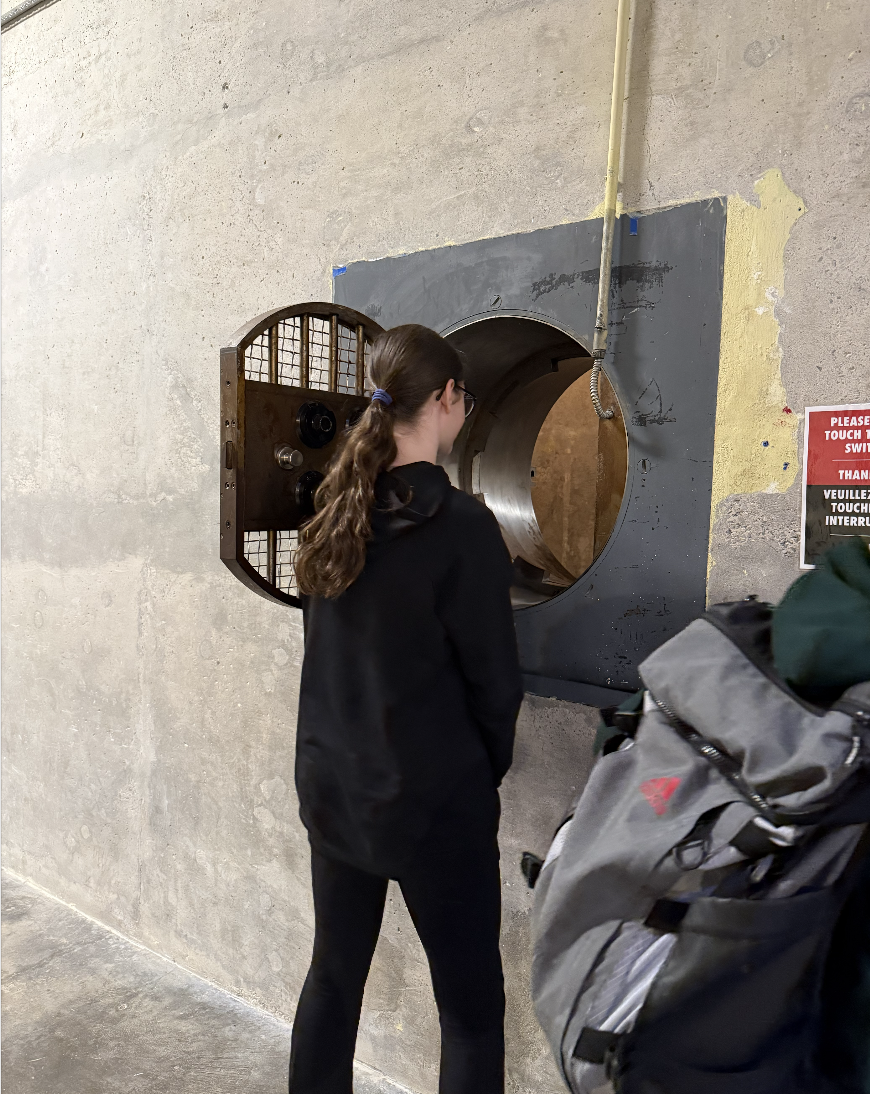
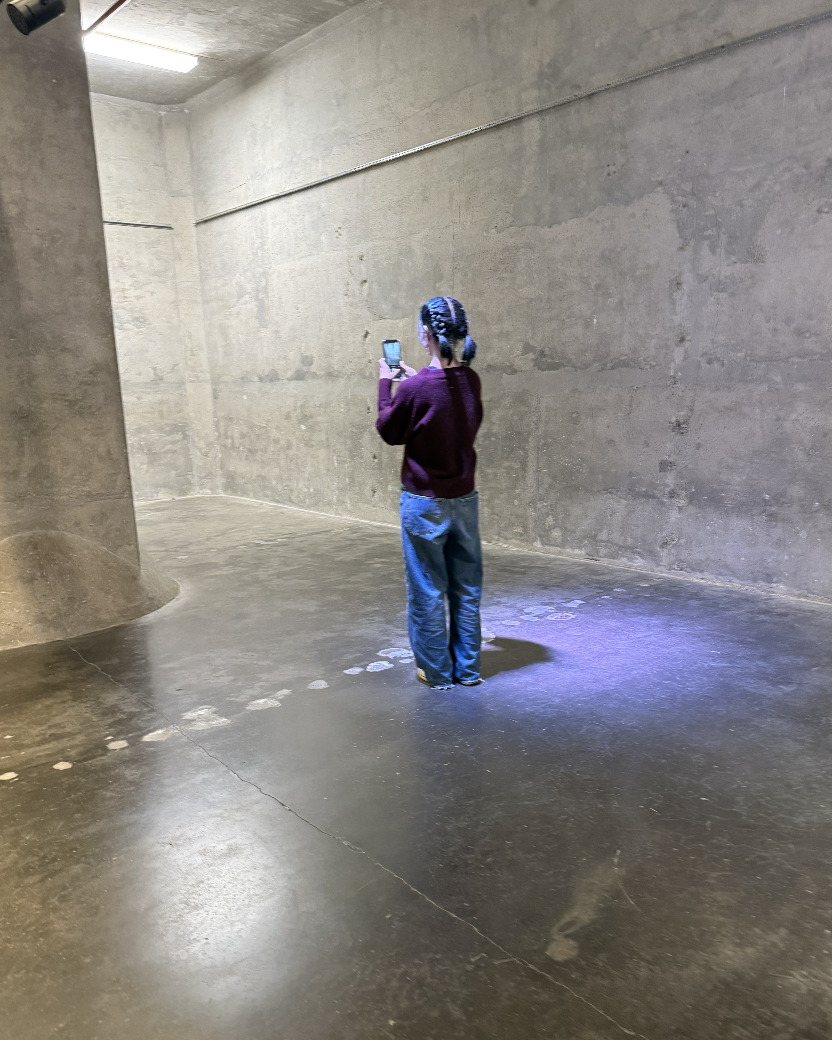
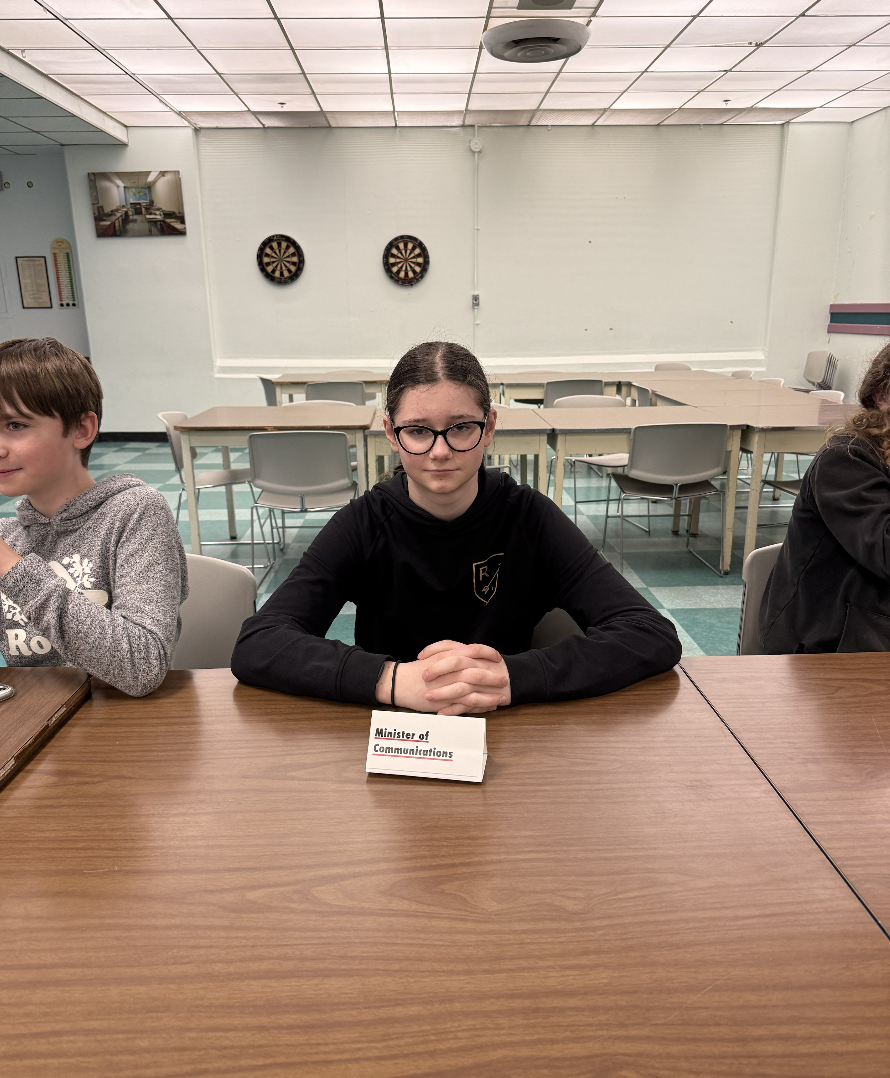
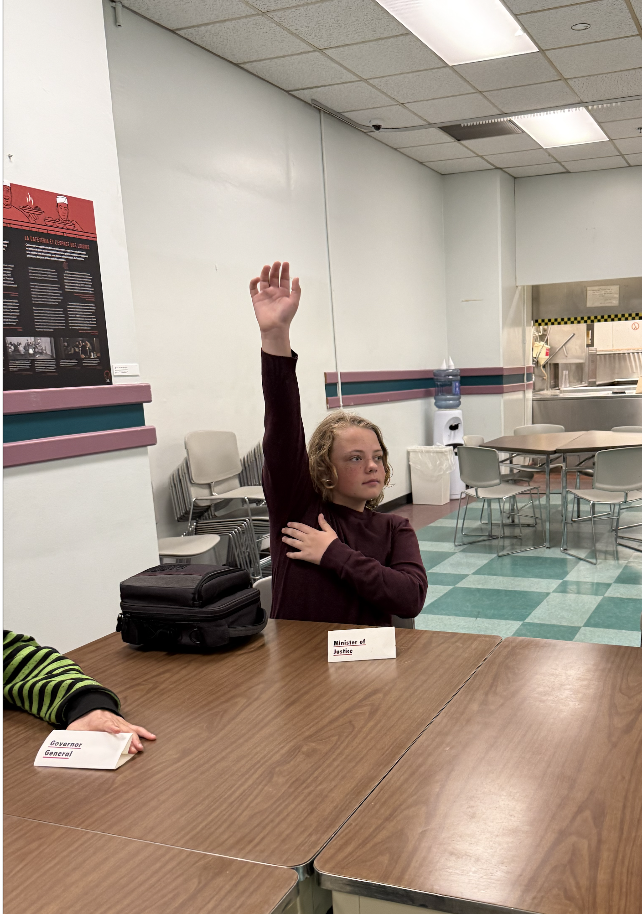
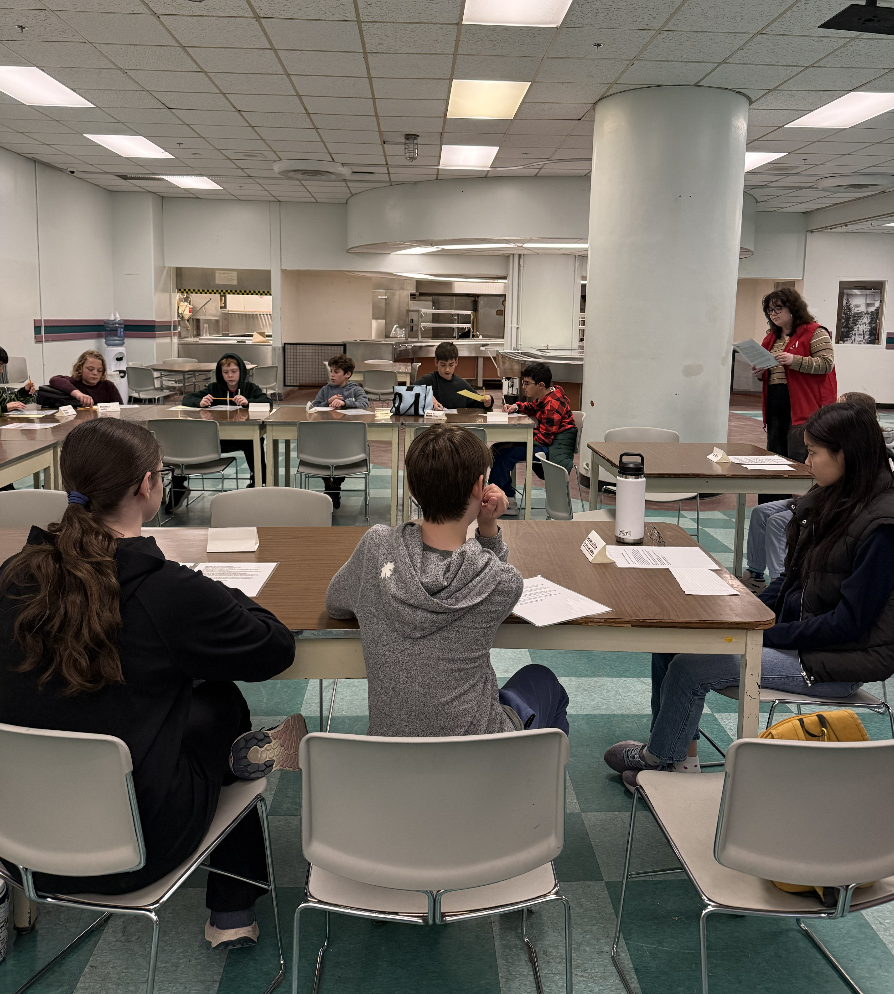
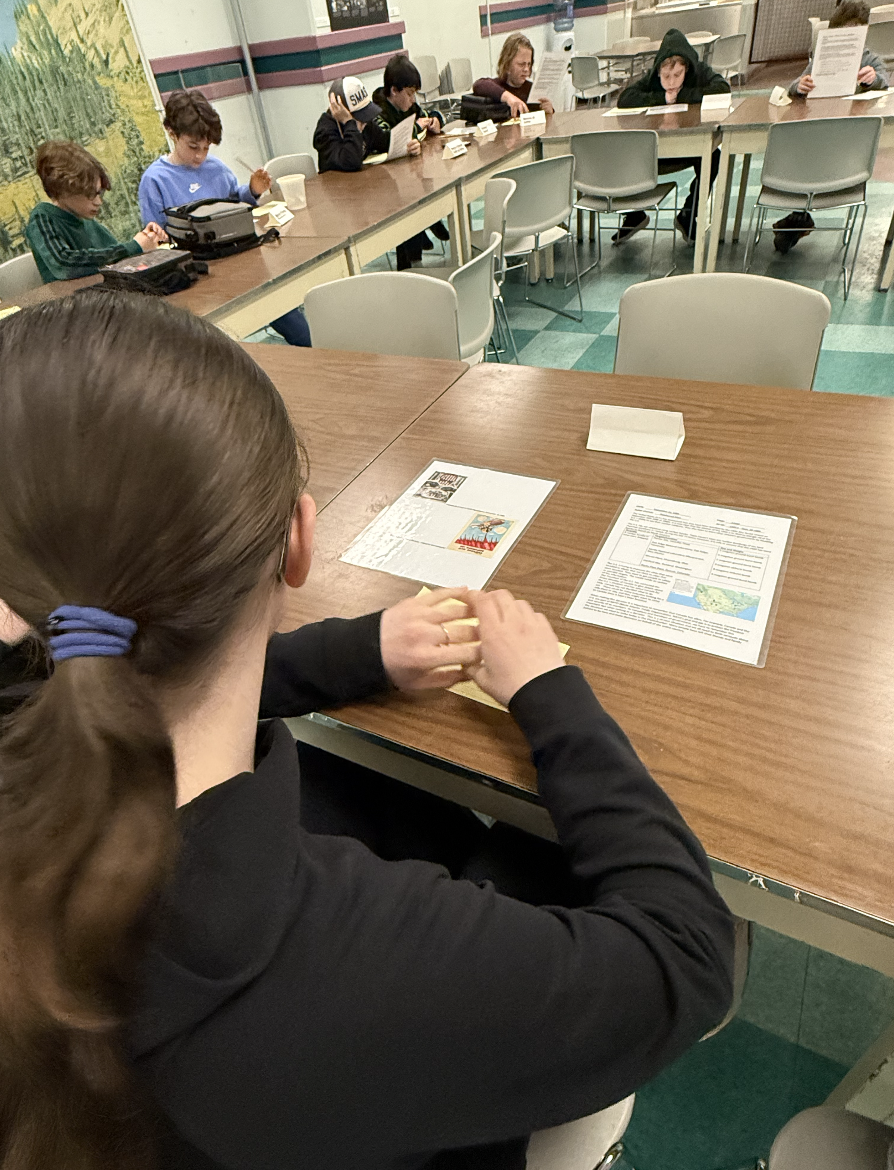
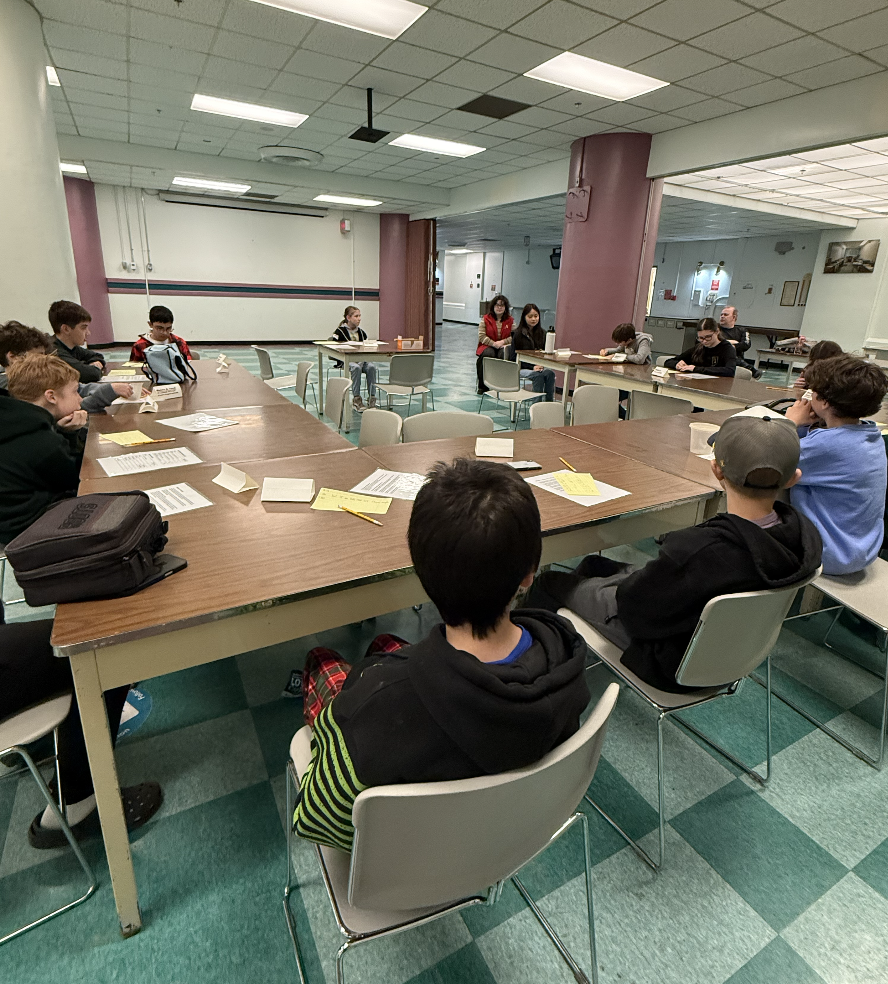
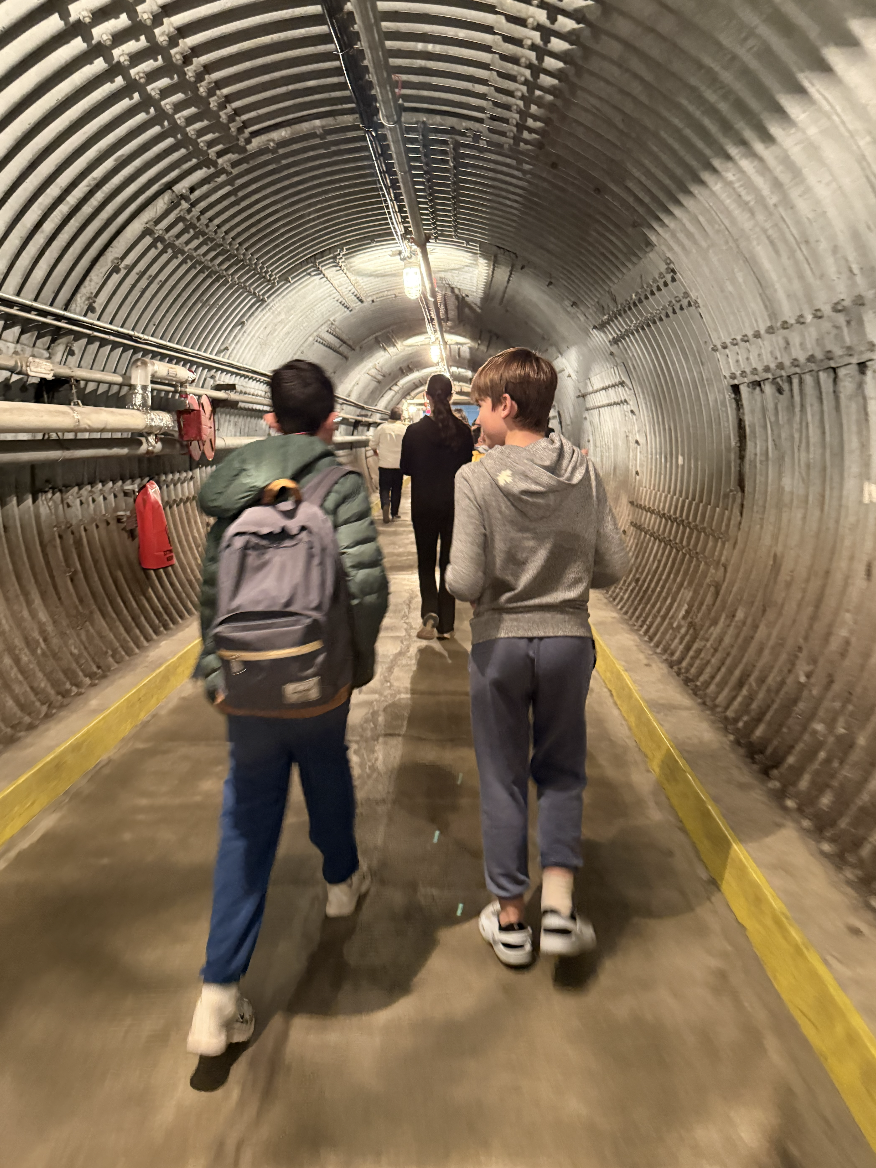
On Monday, Rebels had a chance to build a colony! Working in pairs or threes, learners were asked to make a series of decisions about how they wanted their colony to run, choosing from two options. They had to choose how to divide and use the land, what form of government they would adopt, the role of religion, the legal system (civil or common), and how the government would raise revenue. Once all their decisions were made, the Rebels discovered which options correlated with how Upper Canada ran and which matched Lower Canada. After a discussion of our findings and the consequences of dividing Upper and Lower Canada, the Rebels had 20 minutes to work on their paragraph of the week. On Tuesday, we learned about the War of 1812. After reading about the political climate before the war, the causes of the conflict, as well as the key dates, events, and people involved, in pairs, Rebels completed an escape room. Once again, they were up against the clock to complete three activities: a multiple-choice sheet with a code, a word scramble, and a crossword. It was evident that the learners gleaned the critical information as they crushed a consolidation quiz and Kahoot at closing! On Wednesday, Rebels blasted forward in time to learn about the Cold War in preparation for our field trip to the Diefenbunker Museum on Thursday! With the help of an informative PowerPoint and brief videos, learners were introduced to life after WWII, and heard about how allies became enemies, the Marshall Plan, and various events that occurred from the late 40's to early 90's. We also spent time learning about the Gouzenko Affair and the widespread propaganda and fear. Thursday, we drove to Carp to tour the Diefenbunker Museum! After a quick lunch in what was the dining hall, we were given a full guided tour. The Rebels enjoyed touring the various rooms in the 100,000 sq ft bunker and trying to dial on the rotary phones! We then participated in a Continuity of Government workshop, where learners were given roles such as Prime Minister, Governor General, and several ministers. The various ministers were then asked to answer a series of questions about what we should do in a crisis, and after everyone's input, vote on what Canada's role would be. Awesome job, Rebels!
Civilizations - Big History
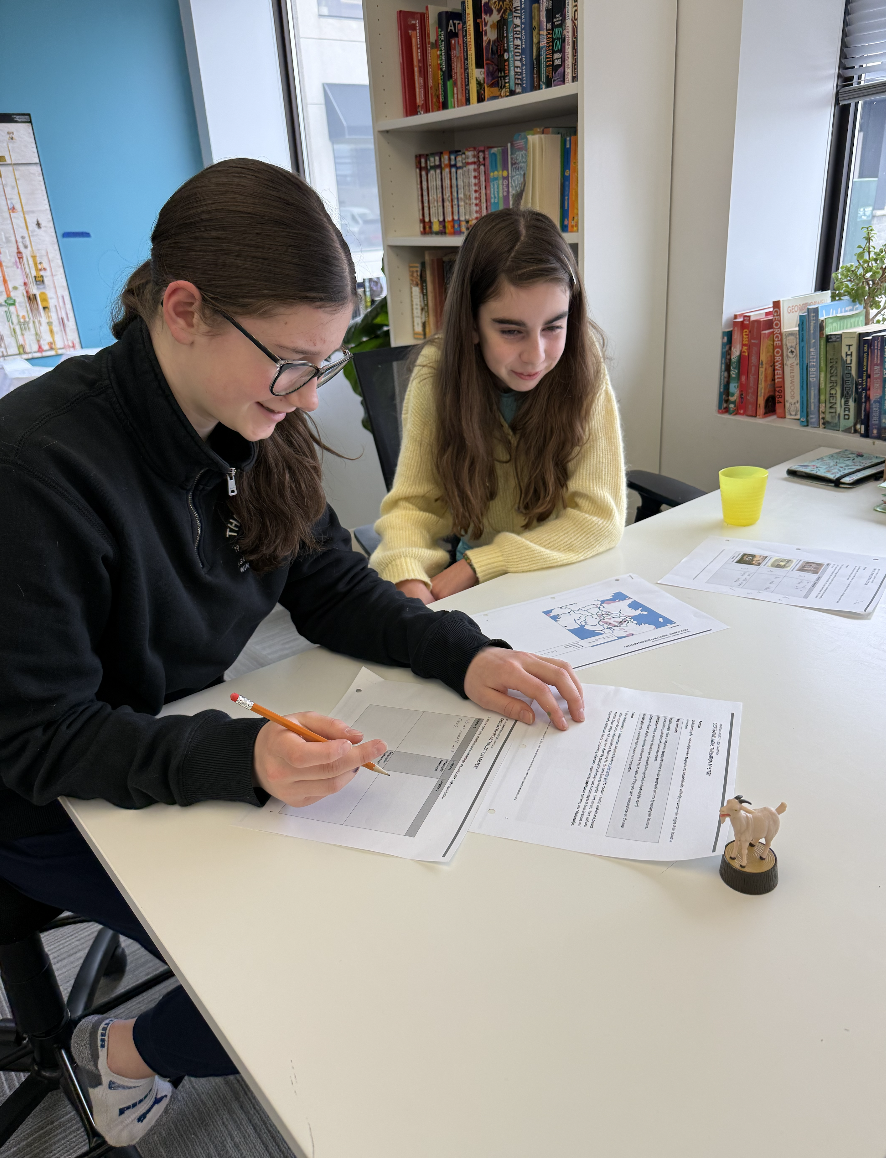
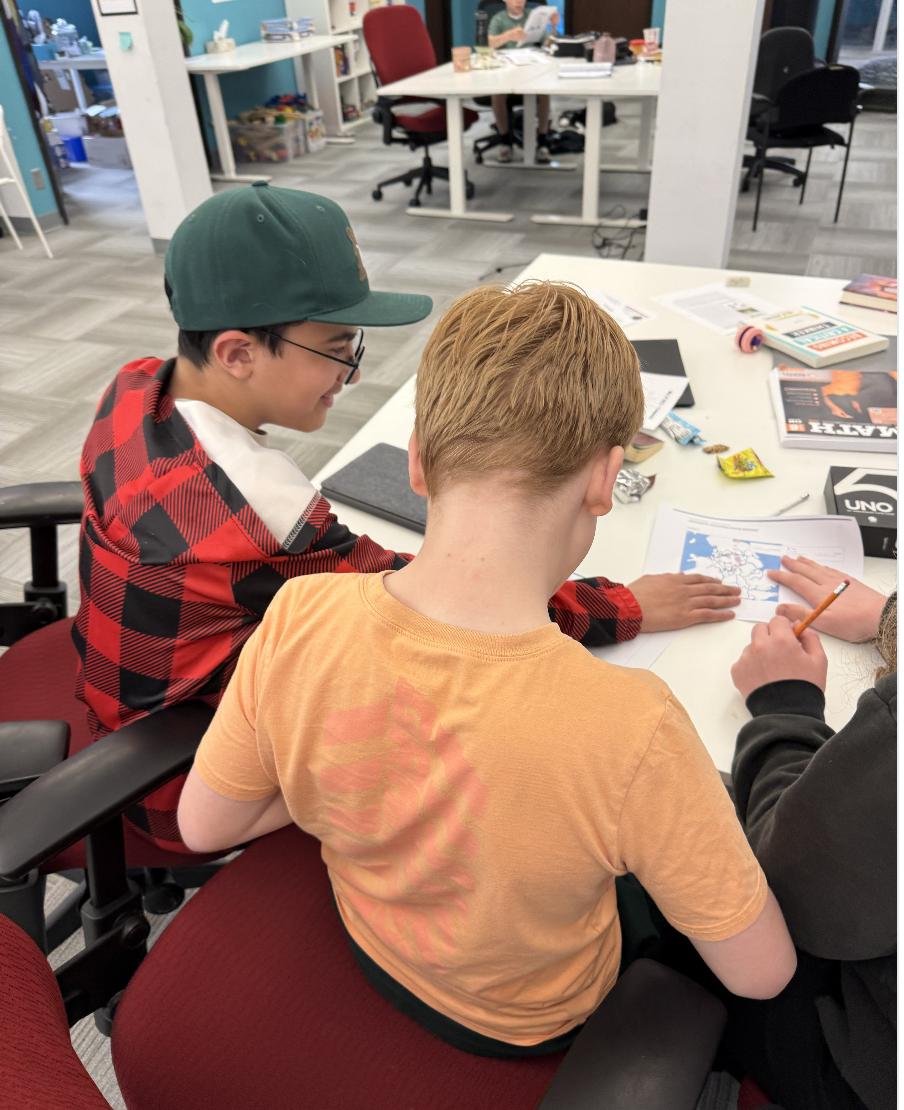
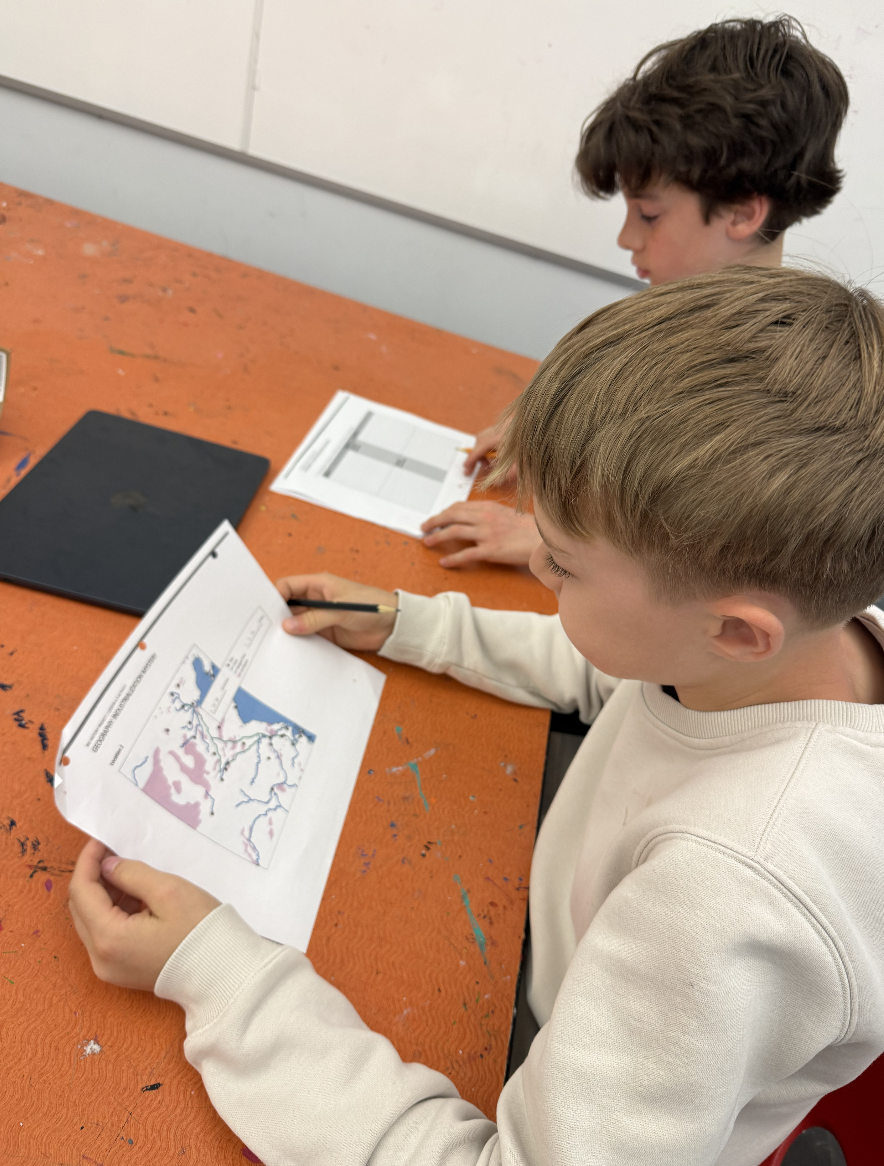
What were the positive and negative impacts of industrialization? Industrialization kicked off the Modern Revolution and brought forth changes that continue to impact our world. Rebels began by reviewing how we used various energy sources over time (sun, fire, agriculture, industrialization, renewable, and nuclear) before learning about how the Industrial Revolution was the product of centuries of global exchange and innovation, and about the global factors that led to it. They then conducted a spatial analysis of two mystery locations to predict which location industrialized first. Learners analyzed each map, considered the geographic advantages and disadvantages of both locations, and used evidence from the maps to support their claim.
Additional Highlights
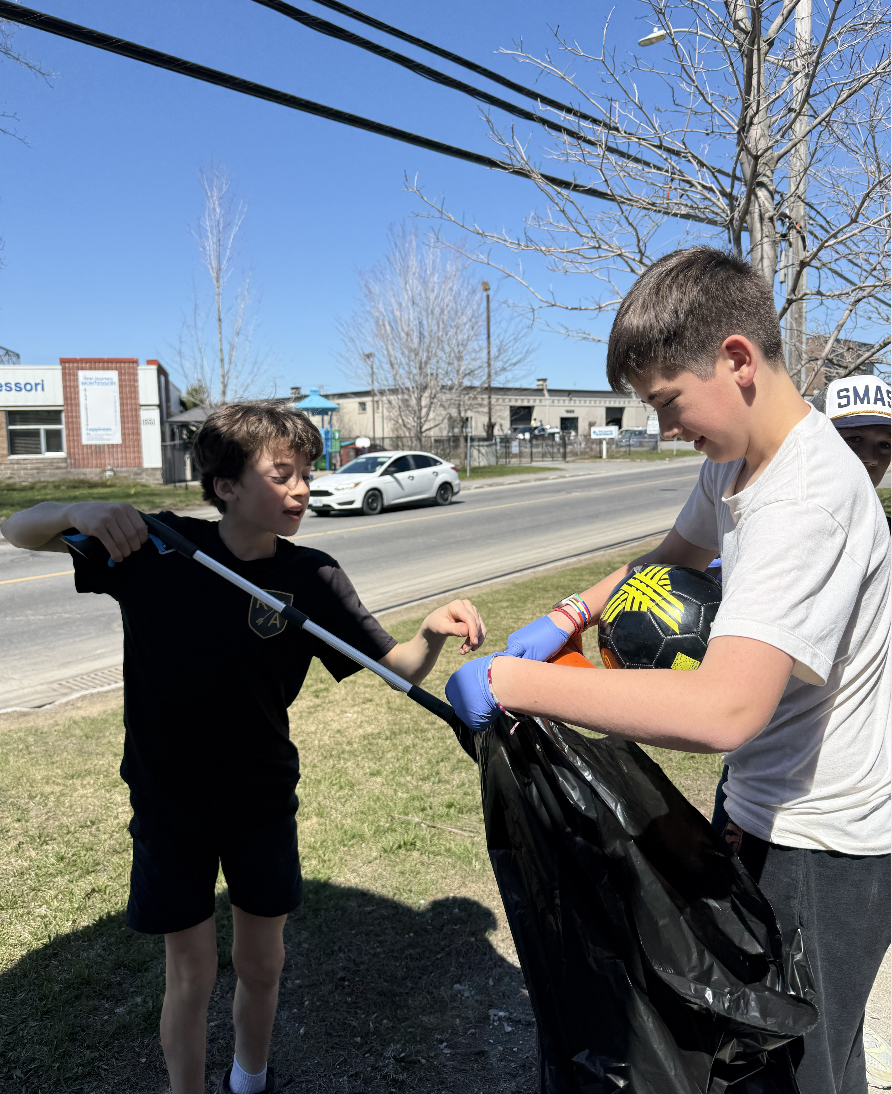
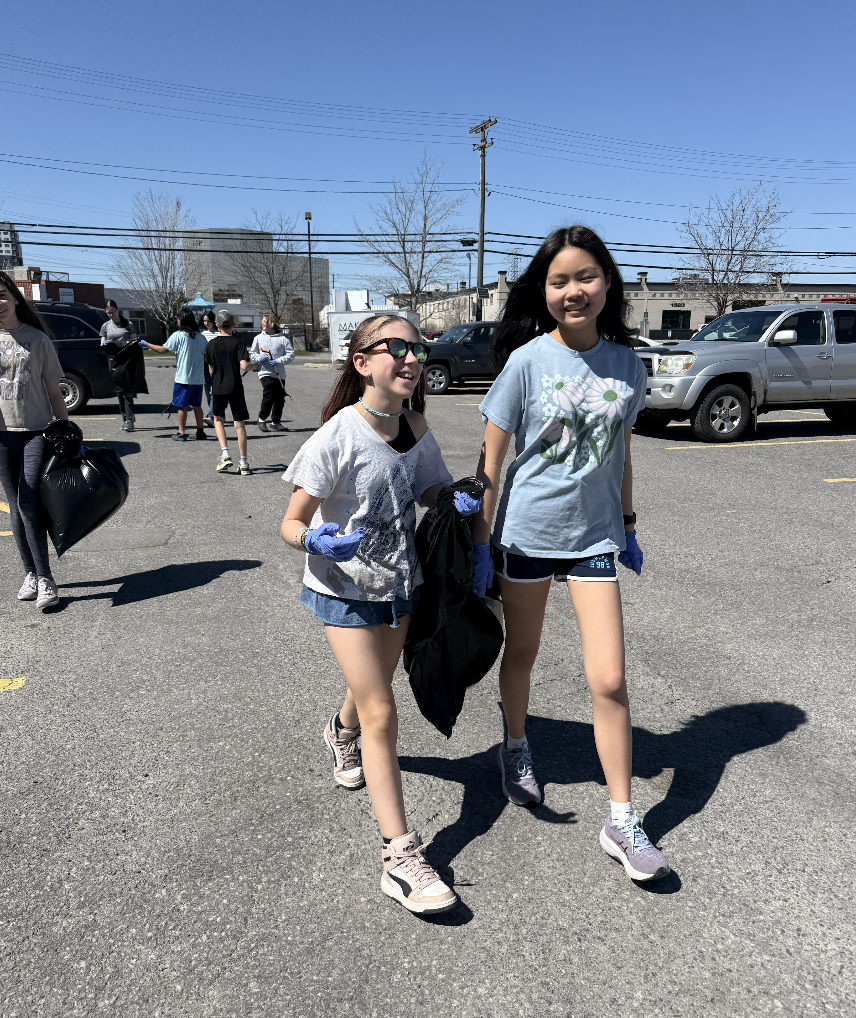
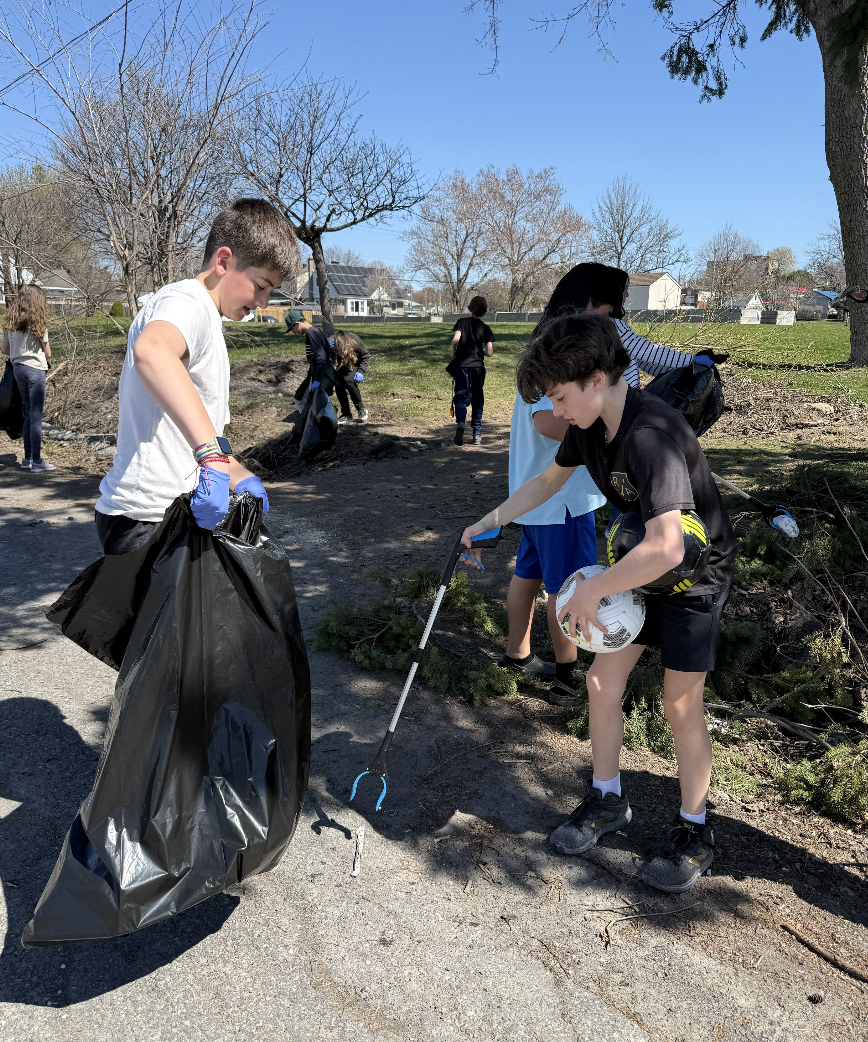
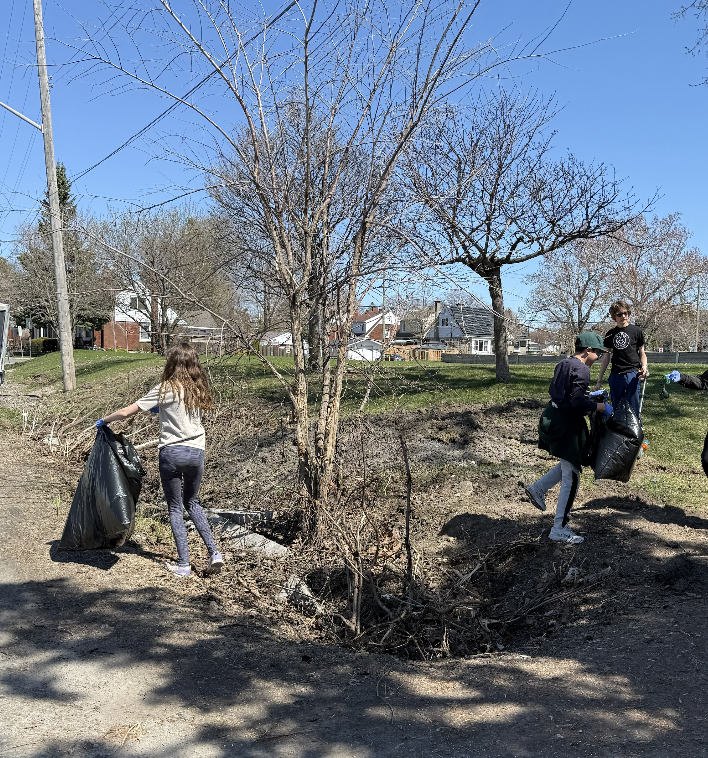
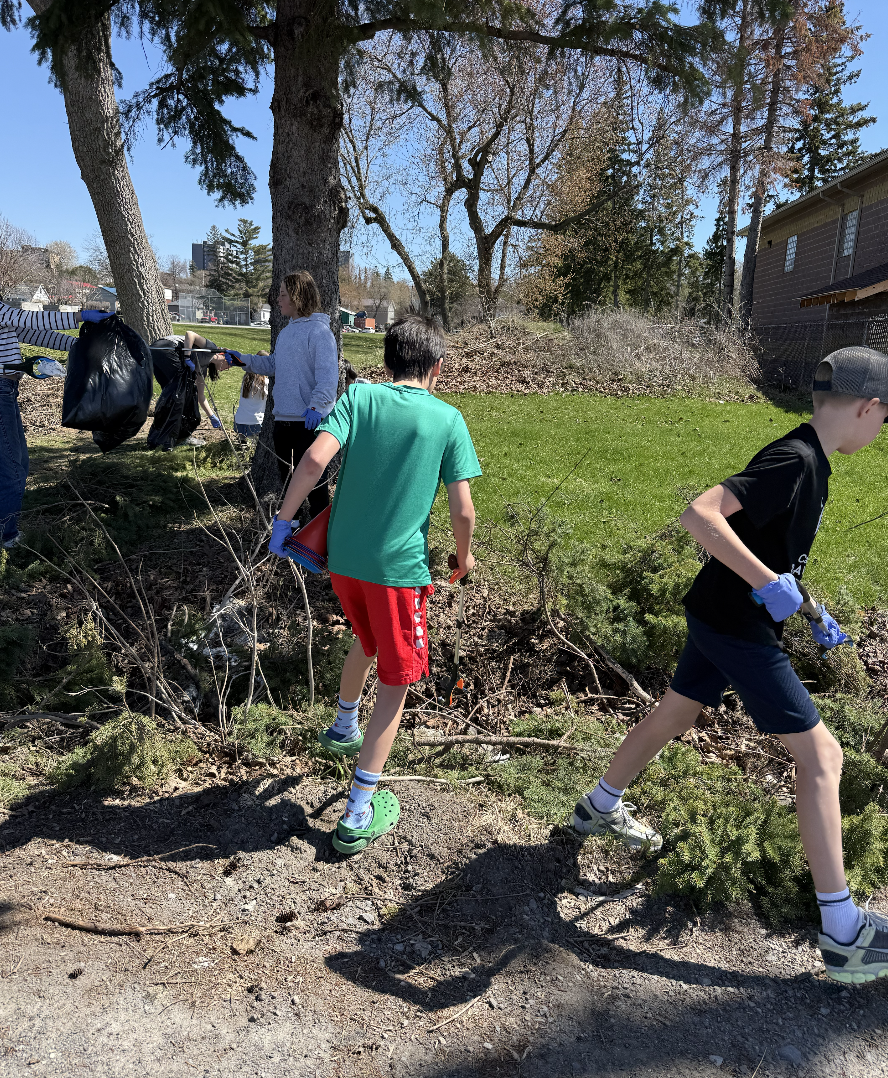
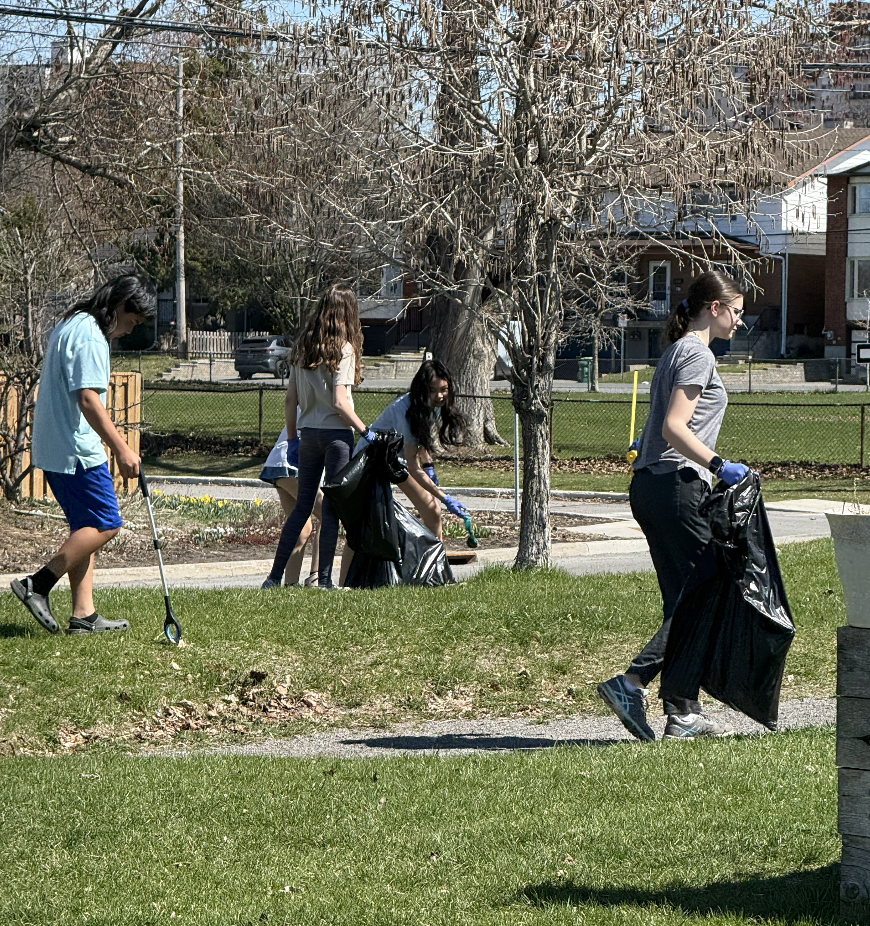
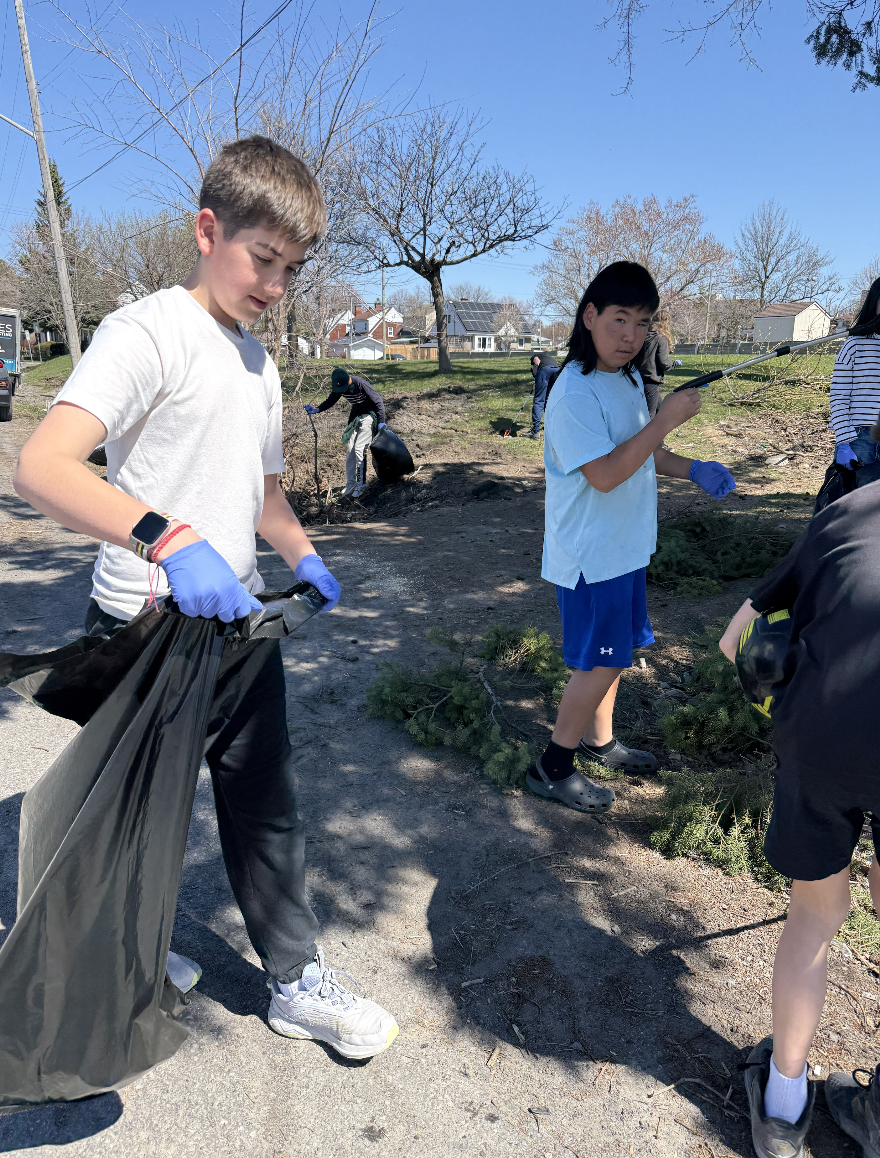
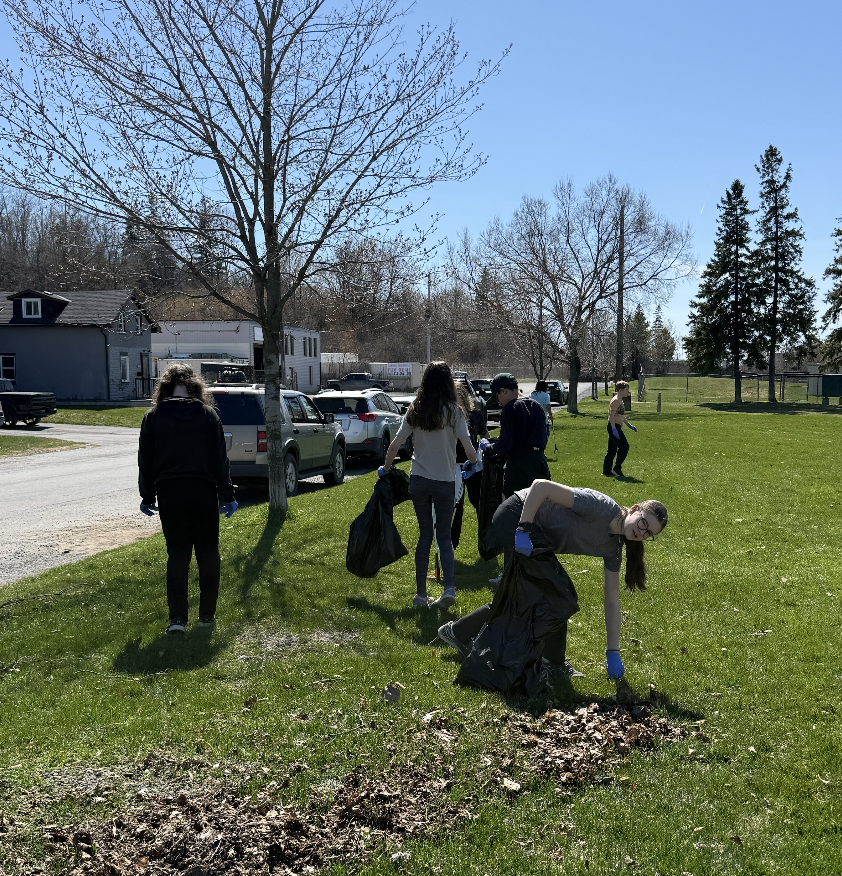
As part of the Clean Up the Capital Campaign, Exploration learners used some of their time this week to help clean up garbage in Carlington Park! Way to get dirty, to help clean up our neighbourhood, Rebels!
Potential Ideas/Questions to Ask Your Learner
Spark Studio:
How many years do you need to study to be an astronaut?
Would you like to be an astronaut? Why or why not?
What room did you build on your model of the International Space Station?
What is the lifecycle of a sunflower? Has your grass seeds started to sprout yet?
Discovery Studio:
Can you explain the following chess tactics:
What is a Pin?
What is a Skewer?
What is a Fork?
Who is Paul Morphy, and what makes “The Opera Game” unique as a historical chess match?
In your novel study, why do you think Tani is becoming such a strong chess player?
Based on your Civ discussions this past week, would you consider Qin Shi Huang a strong leader? Why or why not?
Exploration Studio
What are the consequences (known and inferred) of dividing people? (Ex. Upper and Lower Canada)
Can you explain the Tu Quoque fallacy? When have you witnessed this fallacy in action?
What was the coolest thing you saw or learned while touring the Diefenbunker? What was your role in the Continuity of Government workshop?
Can you explain the Monty Hall paradox to me?
Did you enjoy learning more about the War of 1812 or about the Cold War? Why do you think that is (method, content, time period)?