
Revel Recap: May 4-8
Important Upcoming Dates
Session 6 Exhibitions
Discovery Exhibition - Tuesday, May 12th, 4:00-5:00 pm
Spark Exhibition - Wednesday, May 13th, 4:00-5:00 pm
*Due to the Overnight Trip there will not be an Exploration Exhibition this session
Exploration Overnight Ottawa Adventure - Wednesday, May 13th to Friday, May 15th
Sessional Break & “All Our Favourite Things!” Camp with Ms. Jenna - Tuesday, May 19th to Friday, May 22nd
Spark Studio
Mindfulness and Launch
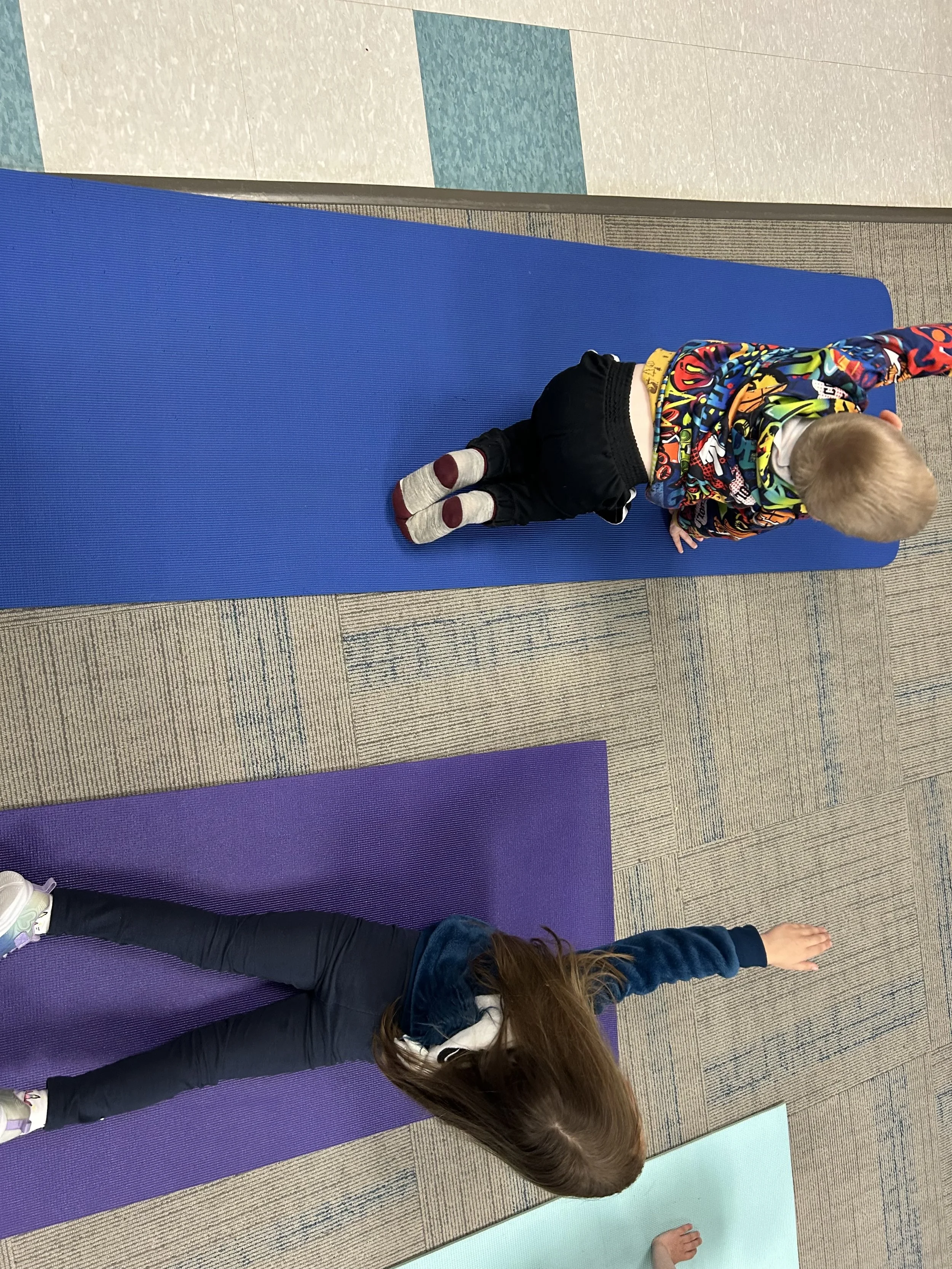
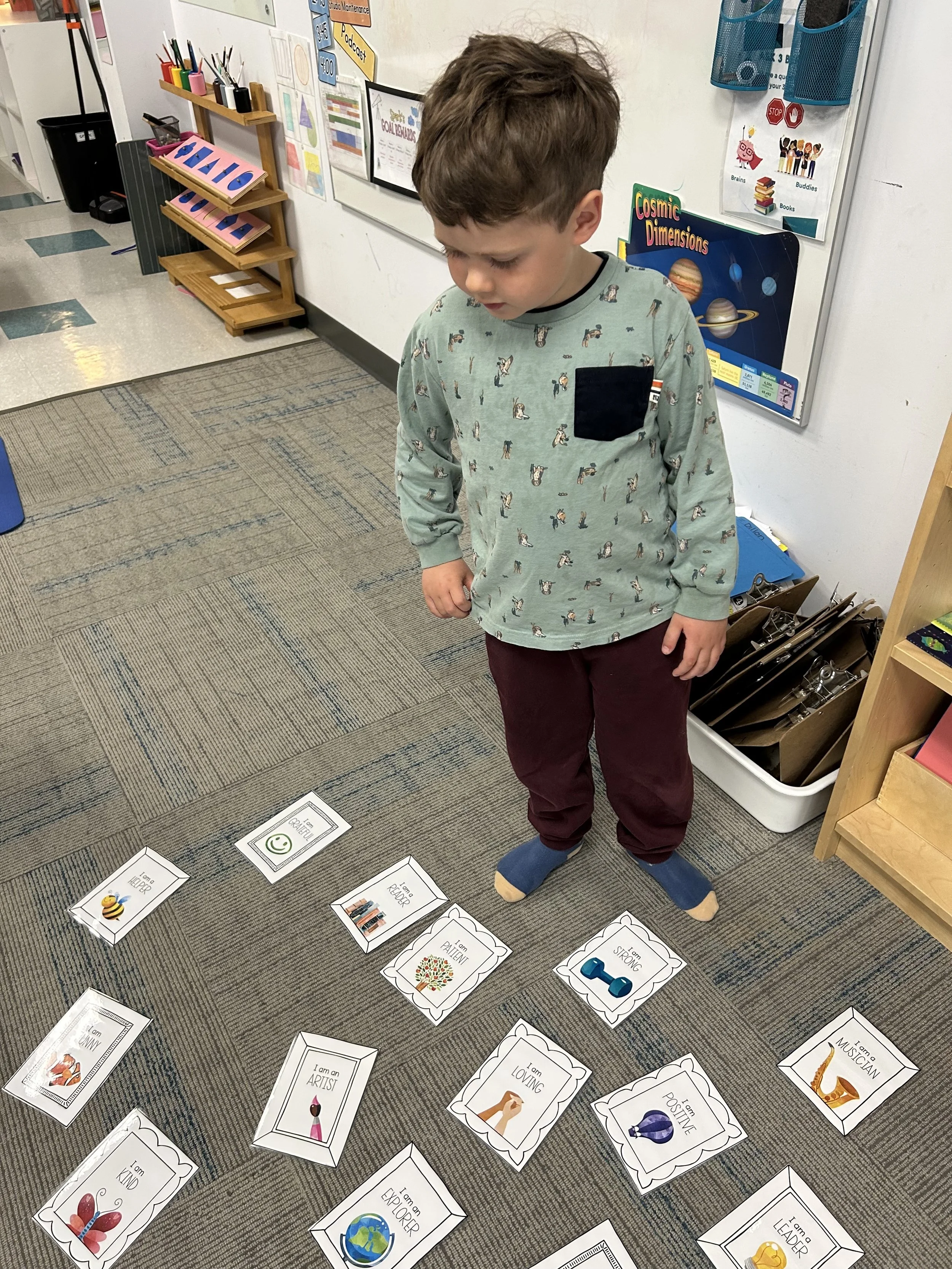
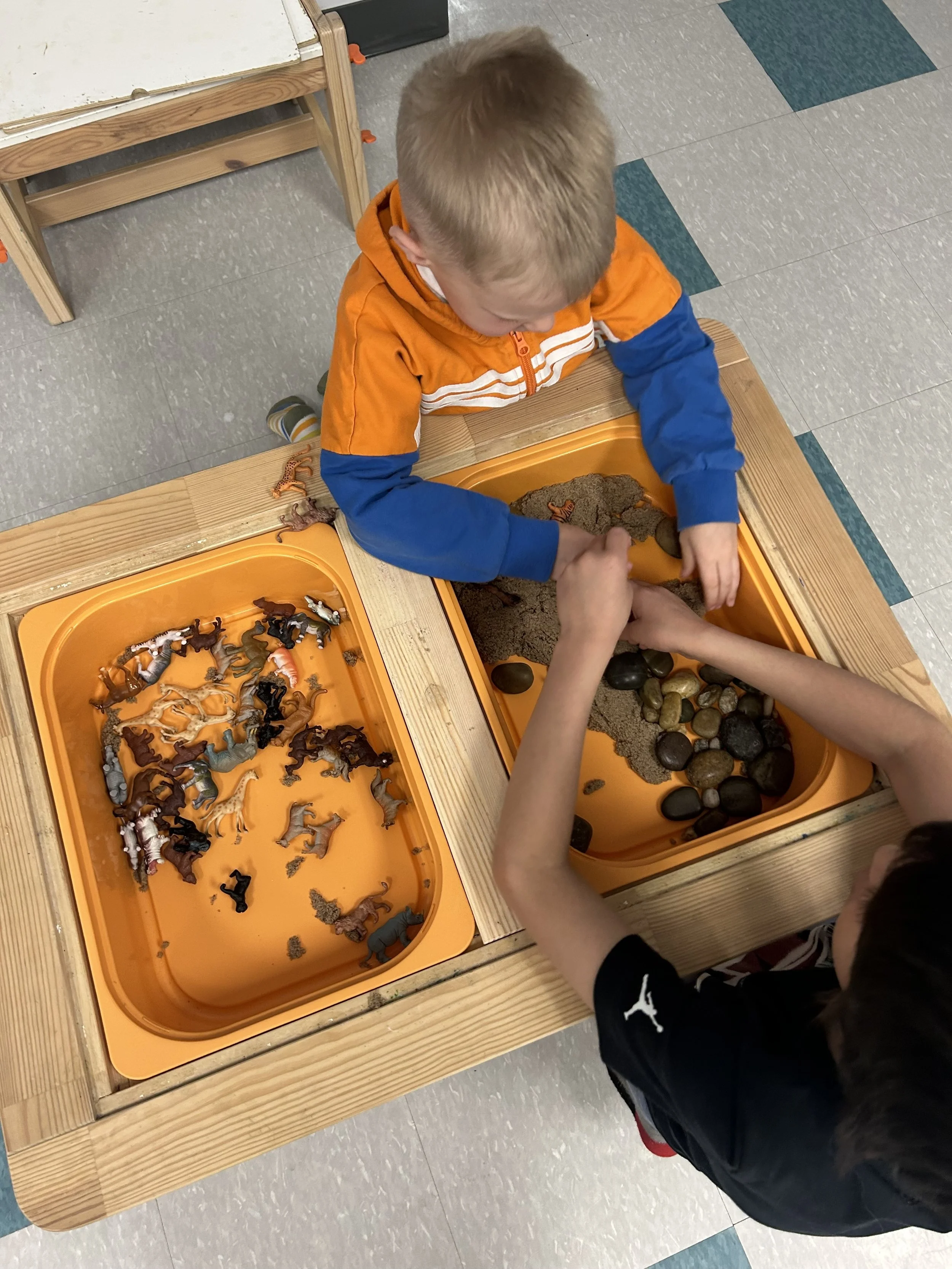
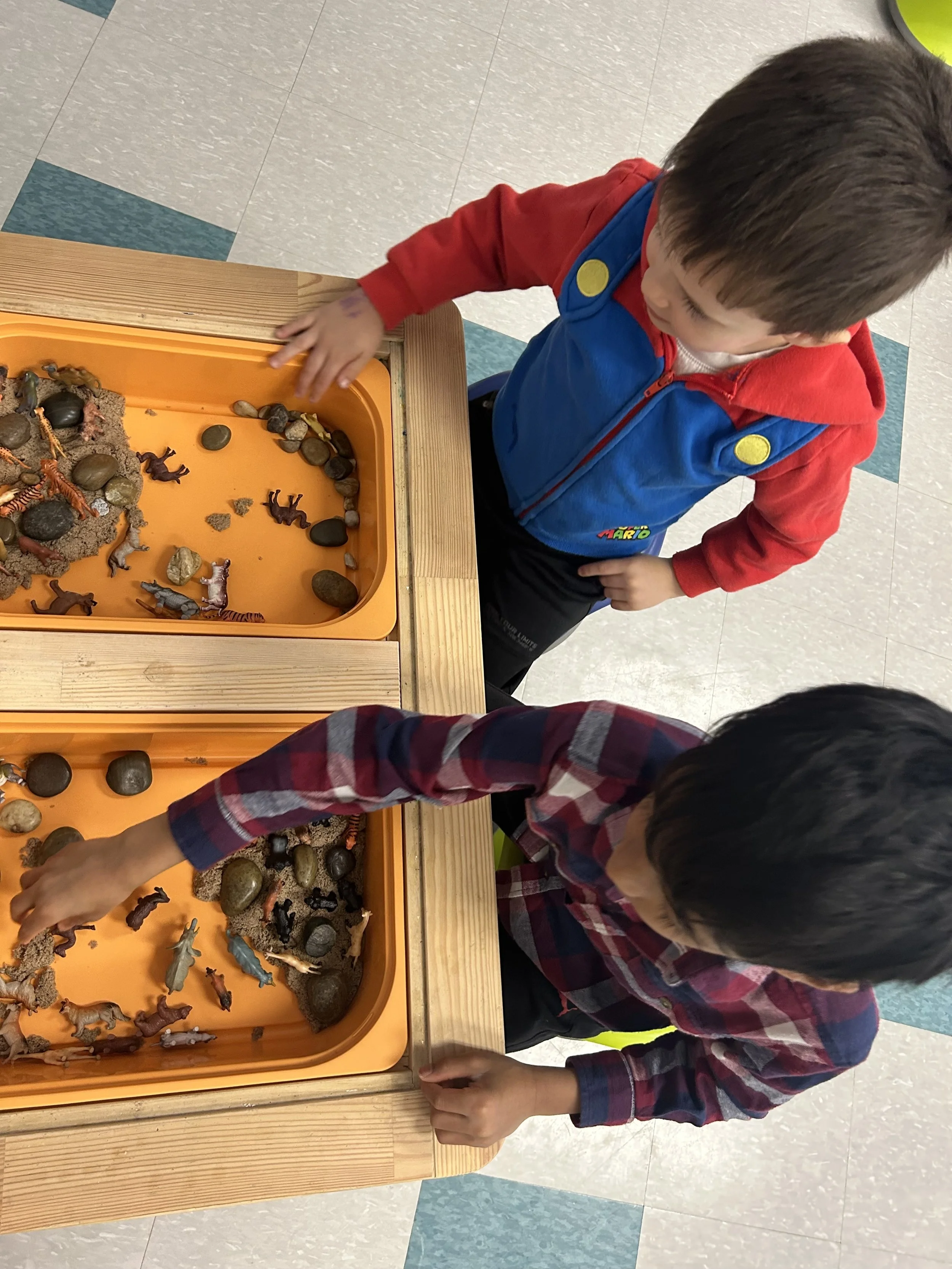
We kicked off our Monday morning with so much excitement as the Sparks rushed over to check on their grass seeds. They were thrilled to see how much their little lawns had grown over the weekend! We then moved into an Earth-themed yoga sequence. On Tuesday, the Sparks spent their morning playing active games in the gym before heading into the Studio to review the calendar and their daily goals. On Wednesday, the Sparks headed into the gym to complete a HIIT workout. They focused on a full-body exercise session that connected to soccer warm-ups and drills. Afterwards, the Sparks picked new affirmations for the Spark affirmation wall. Each learner shared their affirmation, and everyone repeated them together. Learners chose affirmations such as, “I am an artist,” “I am strong,” and “I am funny.” On Thursday, the Sparks listened to relaxing music and completed mindfulness colouring activities. To end the week, the Sparks explored two different stations: playdough and kinetic sand. At the playdough station, learners used cookie cutters and their imaginations to create items for a bakery. At the kinetic sand station, they used safari animals and other loose parts to build shelters for animals. To end our peaceful morning together, we completed a calming group meditation.
Art
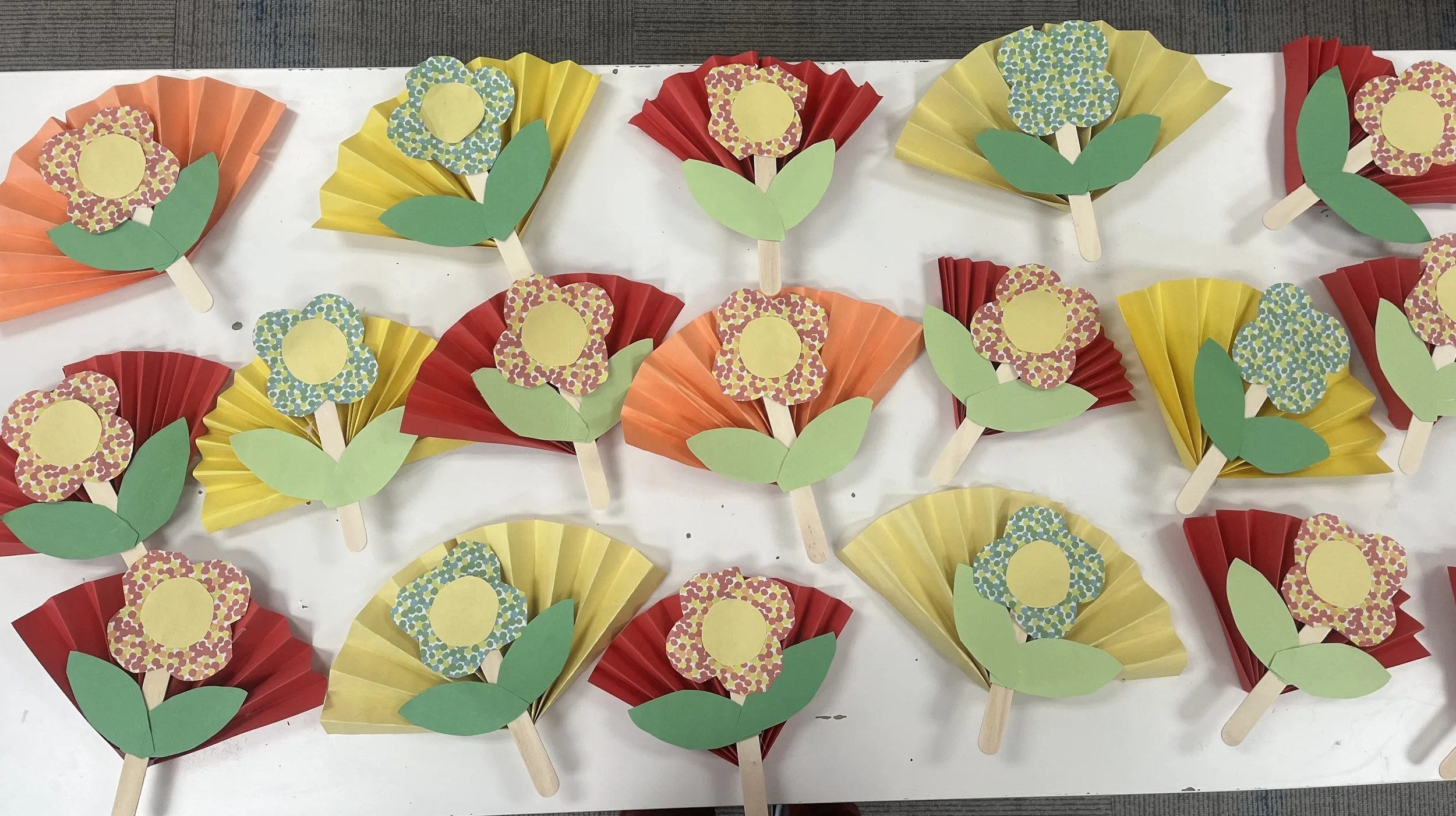
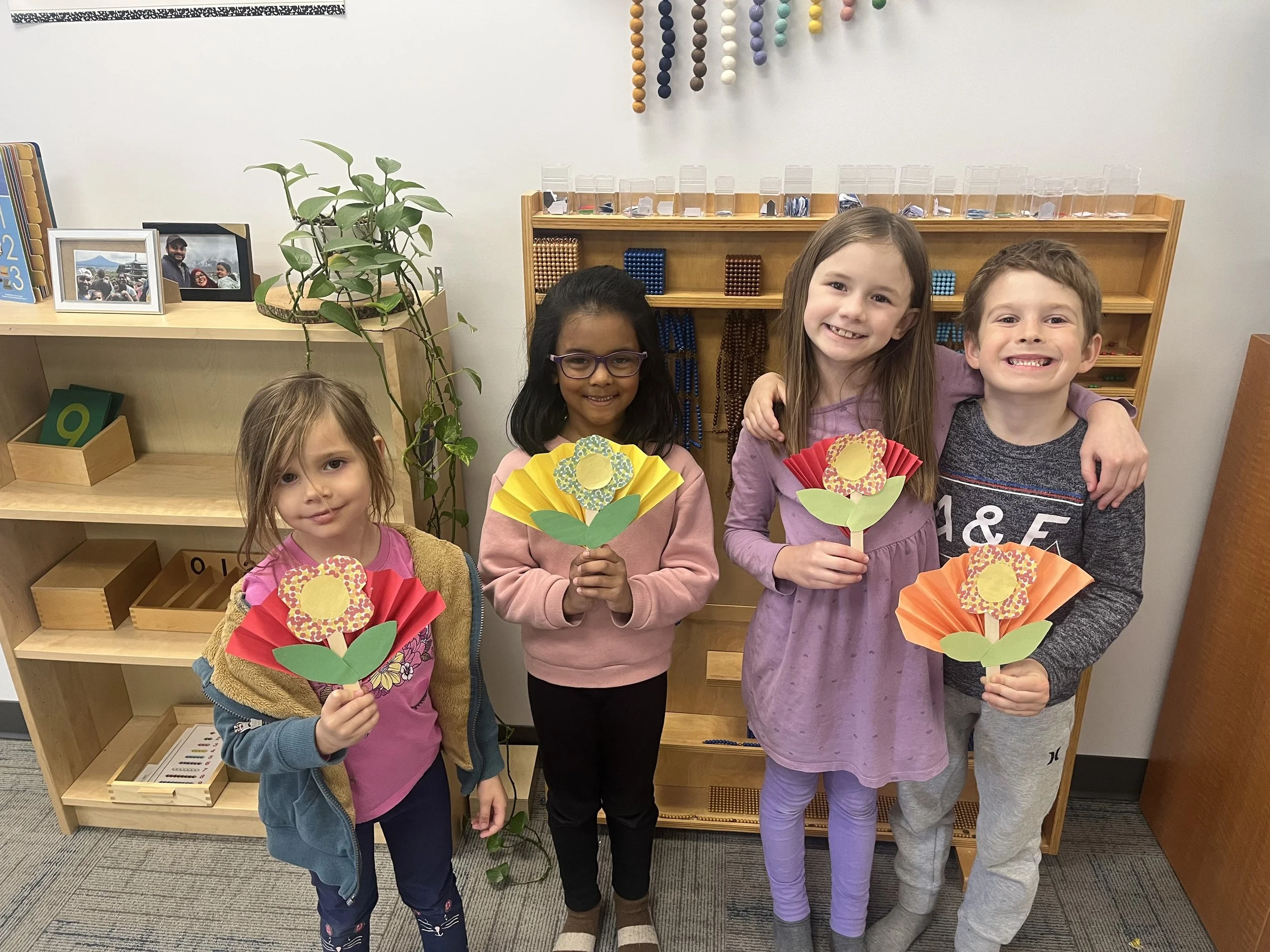
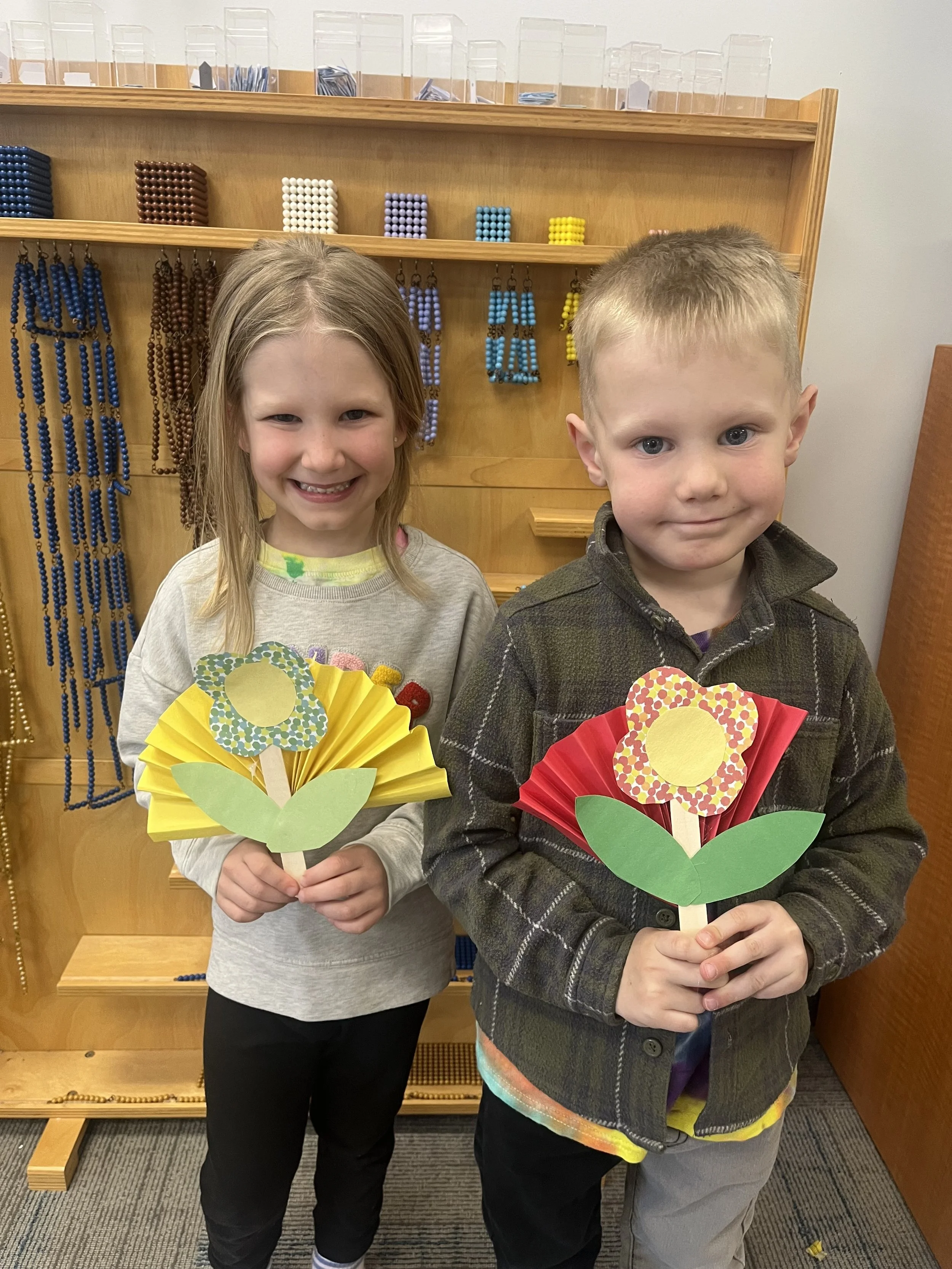
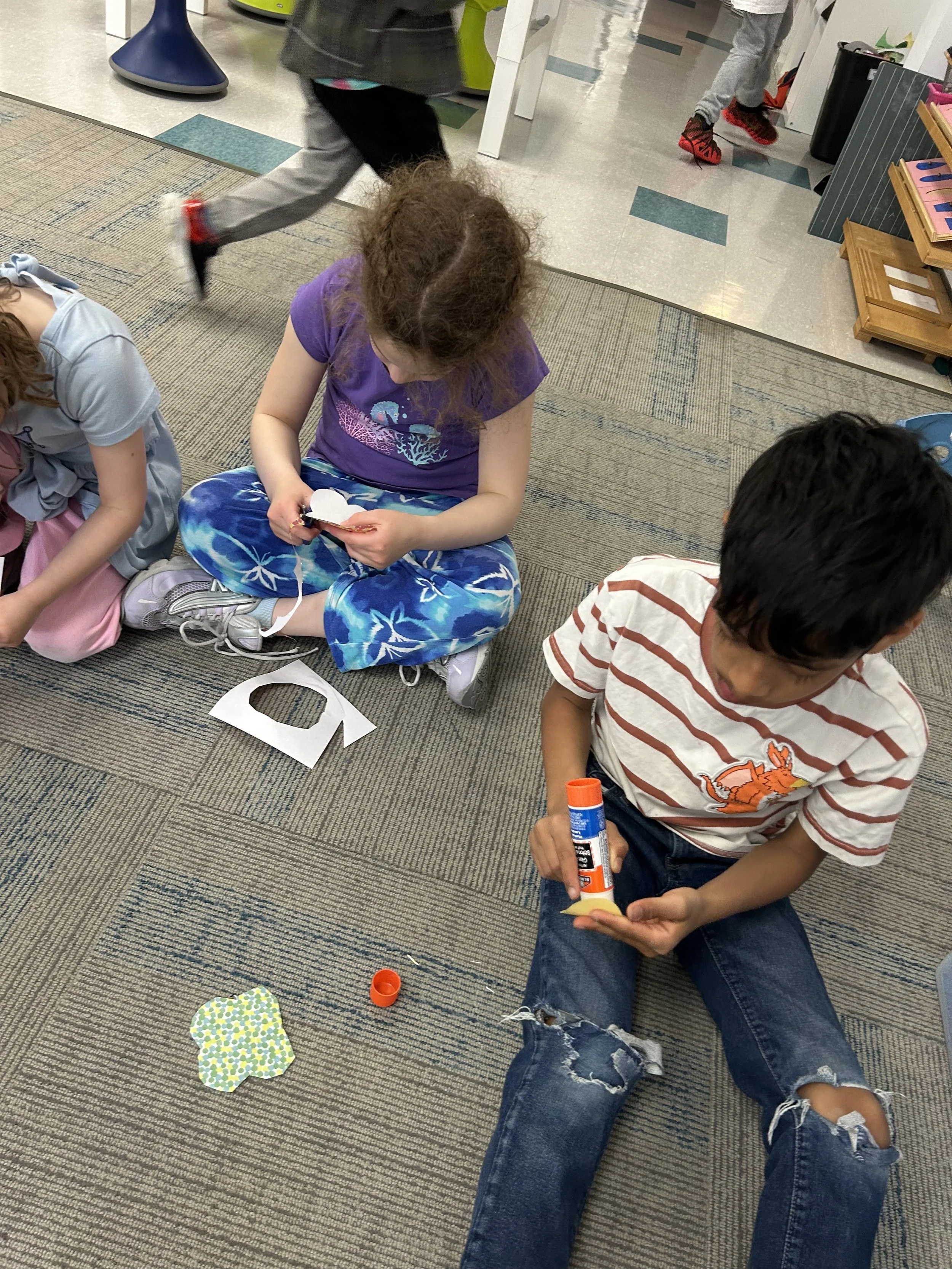
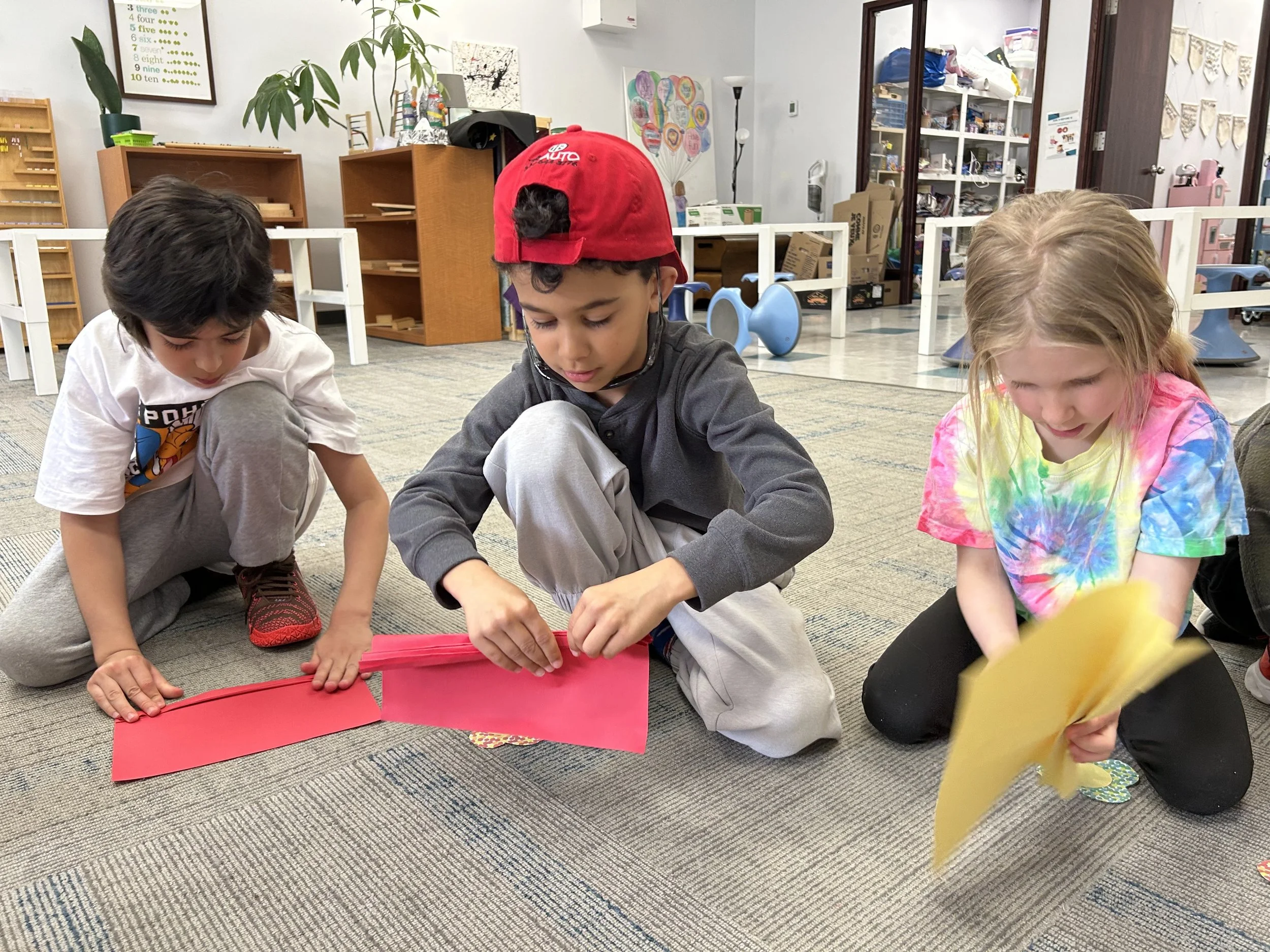
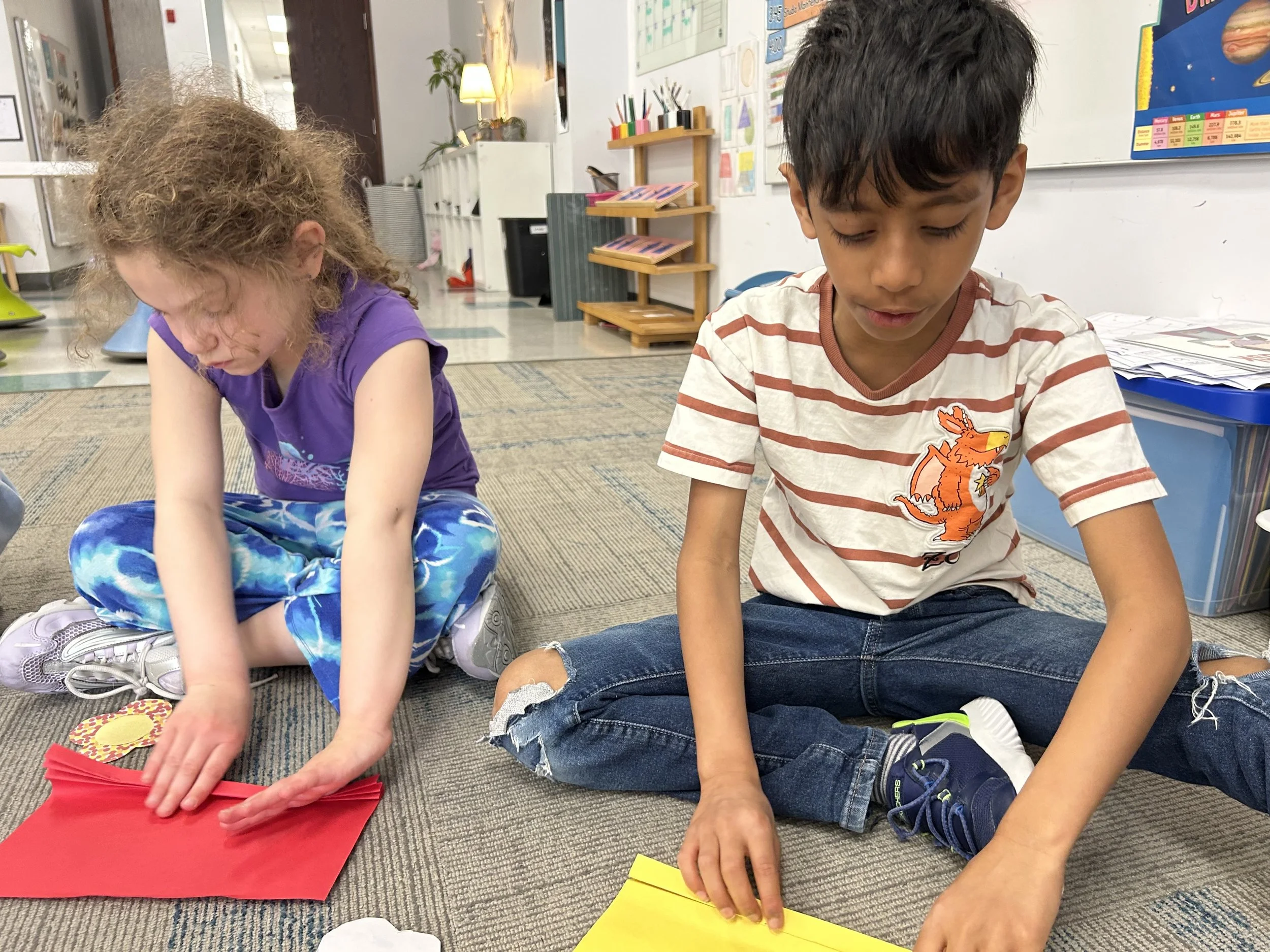
For Art this week, the Sparks focused on creating a special Mother’s Day craft. We began by reading The Night Before Mother's Day, a story about children preparing thoughtful surprises to celebrate their mothers and the people they love and care about on this special day. Afterwards, the Sparks completed a questionnaire all about their mothers and caregivers. They answered questions such as: What superpower would your mother have?, What is her favourite colour and food?, and What is a funny memory you share together? The Sparks then created a flower craft using paper, popsicle sticks, and ribbon. We hope your families love them!
Reader/Writer Workshop
Group One returned to their UFLI Foundations Lesson 5 this week. Throughout the lesson, the Sparks practised reading and building VC and CVC words using short vowel sounds. They then shifted their focus to heart words, which are high-frequency words that learners must memorize because some parts cannot easily be sounded out using regular phonics rules. This week’s heart words were I, said, and, and the. Learners discovered that while some parts of these words can be decoded, other parts simply need to be recognized automatically. To apply this learning in a hands-on way, the Sparks selected books of their choice from the library and went on a “heart word hunt,” searching for the words I, said, and, and the in real text. They spent two minutes searching through their books before creating a tally chart to document their findings. The Sparks discovered that the word the appeared the most often.
This week, Group Two enjoyed the story The Three Little Aliens and the Big Bad Robot. This space-themed twist on The Three Little Pigs follows three young aliens — Bork, Gork, and Nklxwcyz — as they leave home to build their own space houses. Each alien chooses a different planet to settle on, but trouble arrives in the form of the Big Bad Robot, who zooms through the galaxy trying to “crunch, crunch, crunch” their homes. The story served as the perfect springboard for our writing lesson. Using the prompt, “If I met an alien…”, Rebels brainstormed and wrote about what their alien might look like, what activities they would do together, and how they might communicate. Some Sparks imagined aliens with multiple eyes and colourful bodies, while others wrote about playing sports together, trading Pokémon cards, jumping on the moon, and going on exciting adventures through space.
Math Workshop
Group One continued developing their graphing abilities and put their skills to work outside of the studio. To begin, learners surveyed 10 Sparks by asking the question, “At school, I like to…” They were given three options to choose from: eating lunch, playing PE games, or having recess. Learners used tally marks to record responses and then transferred their findings onto a bar graph. To complete the activity, they were asked to write two observations they learned from their data. Once finished, learners expanded the activity into the Discovery Studio. This time, they surveyed learners using the question, “If I could have a fun day at school, it would be…” with the options of a PJ and movie day, a reading day, or a water day. At the end of their survey, many Sparks discovered that PJ and movie day received the most votes, while others noticed that the Sparks had a tie between eating lunch and recess in the first survey.
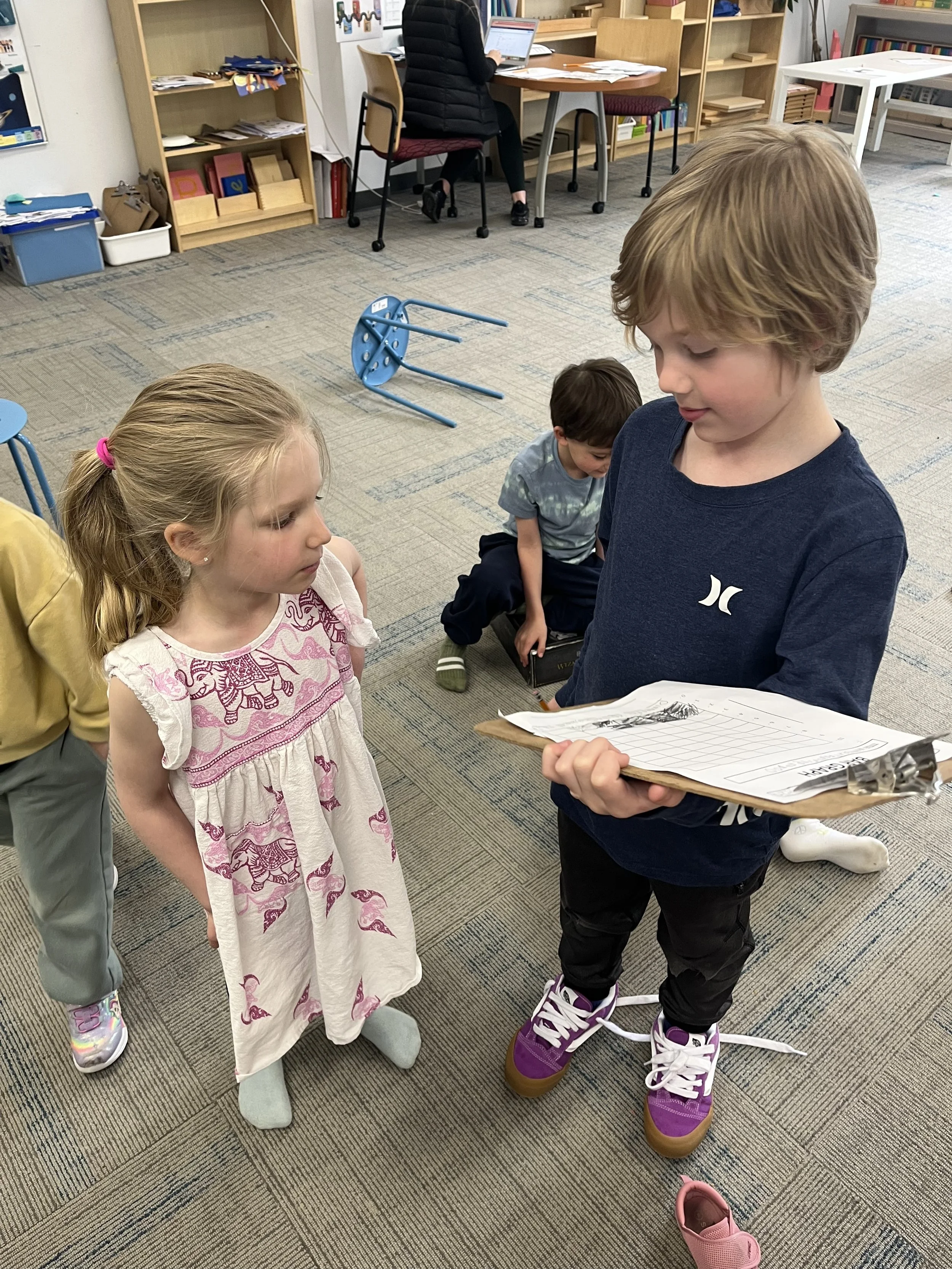
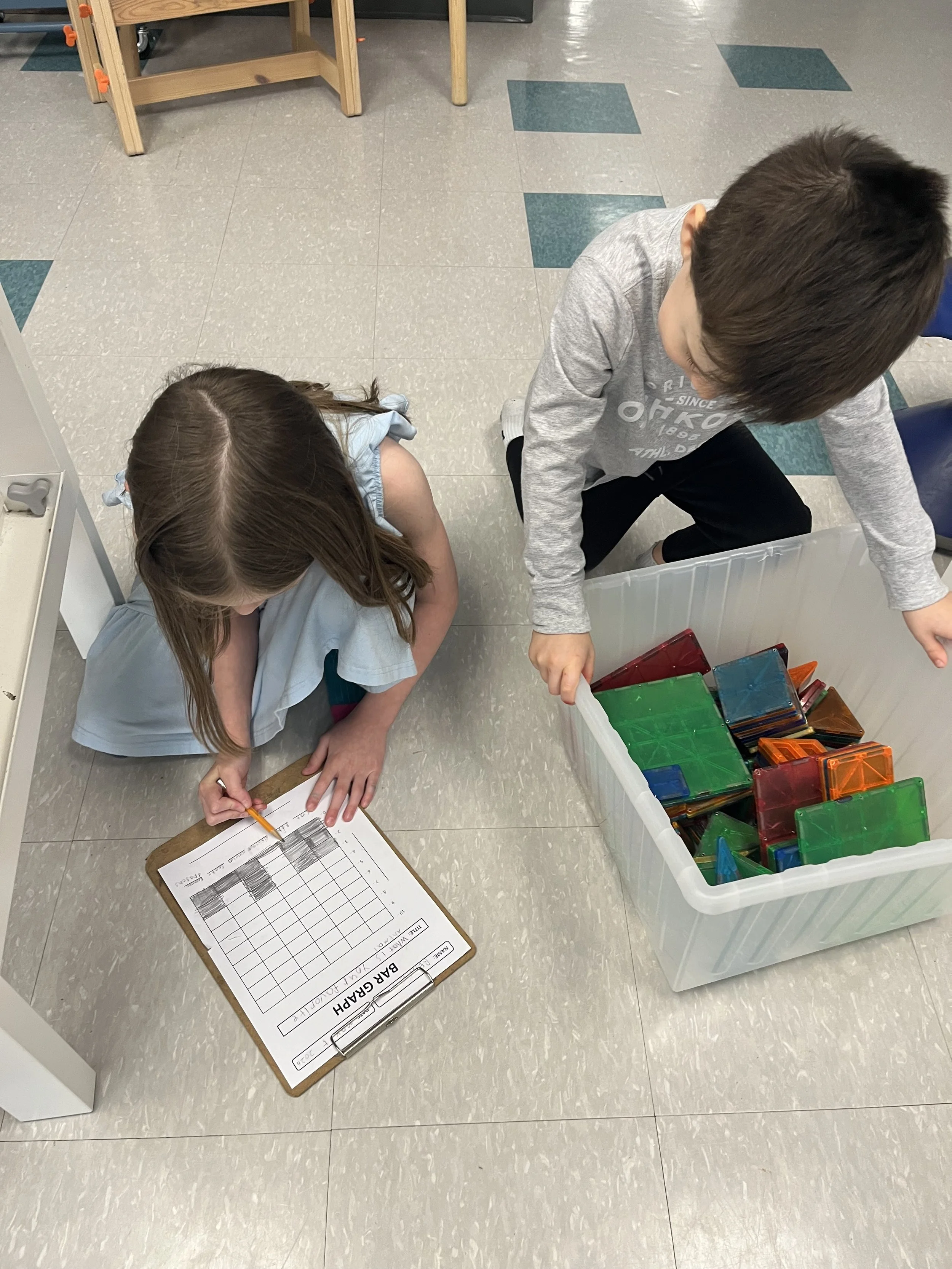
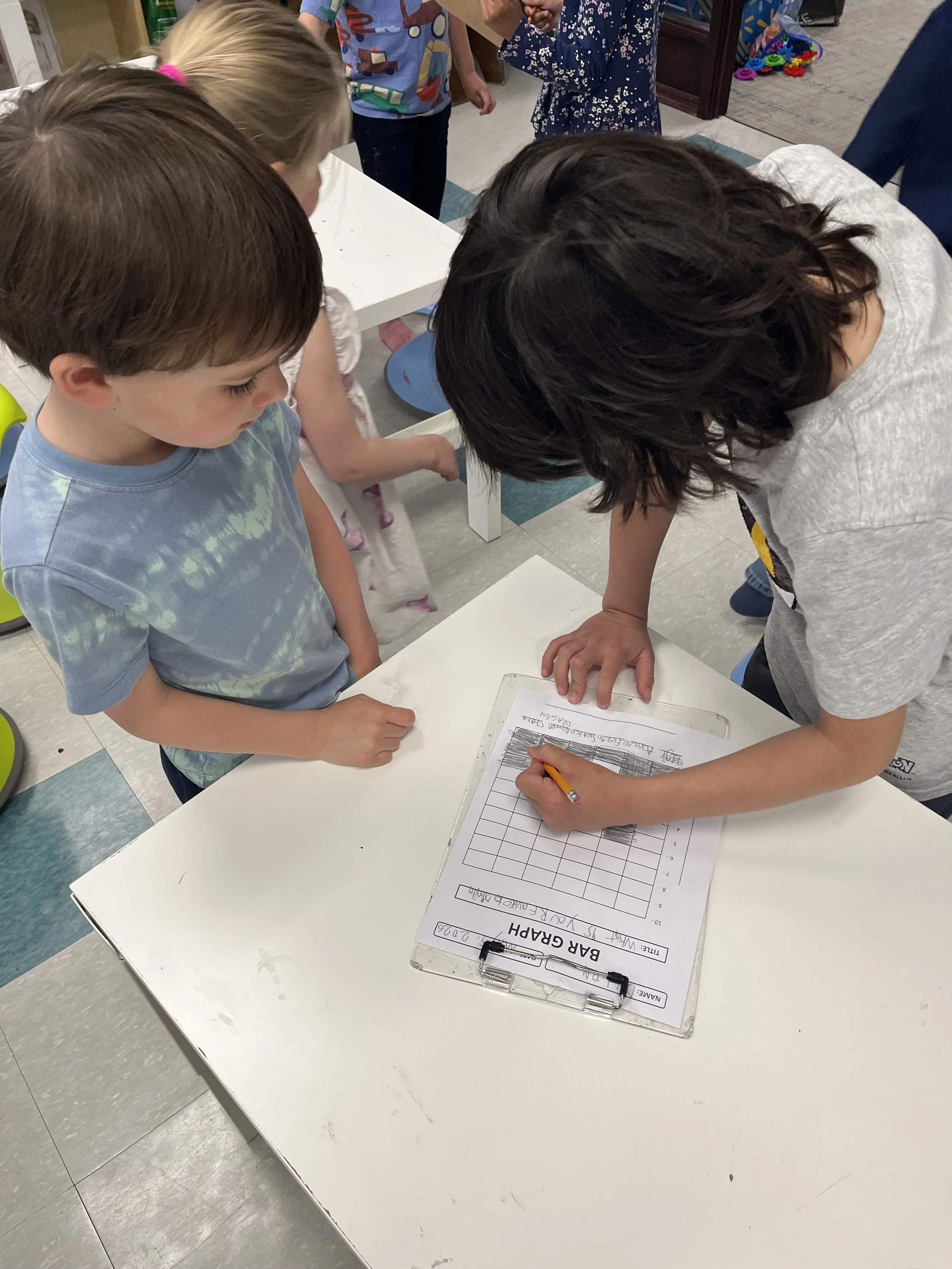
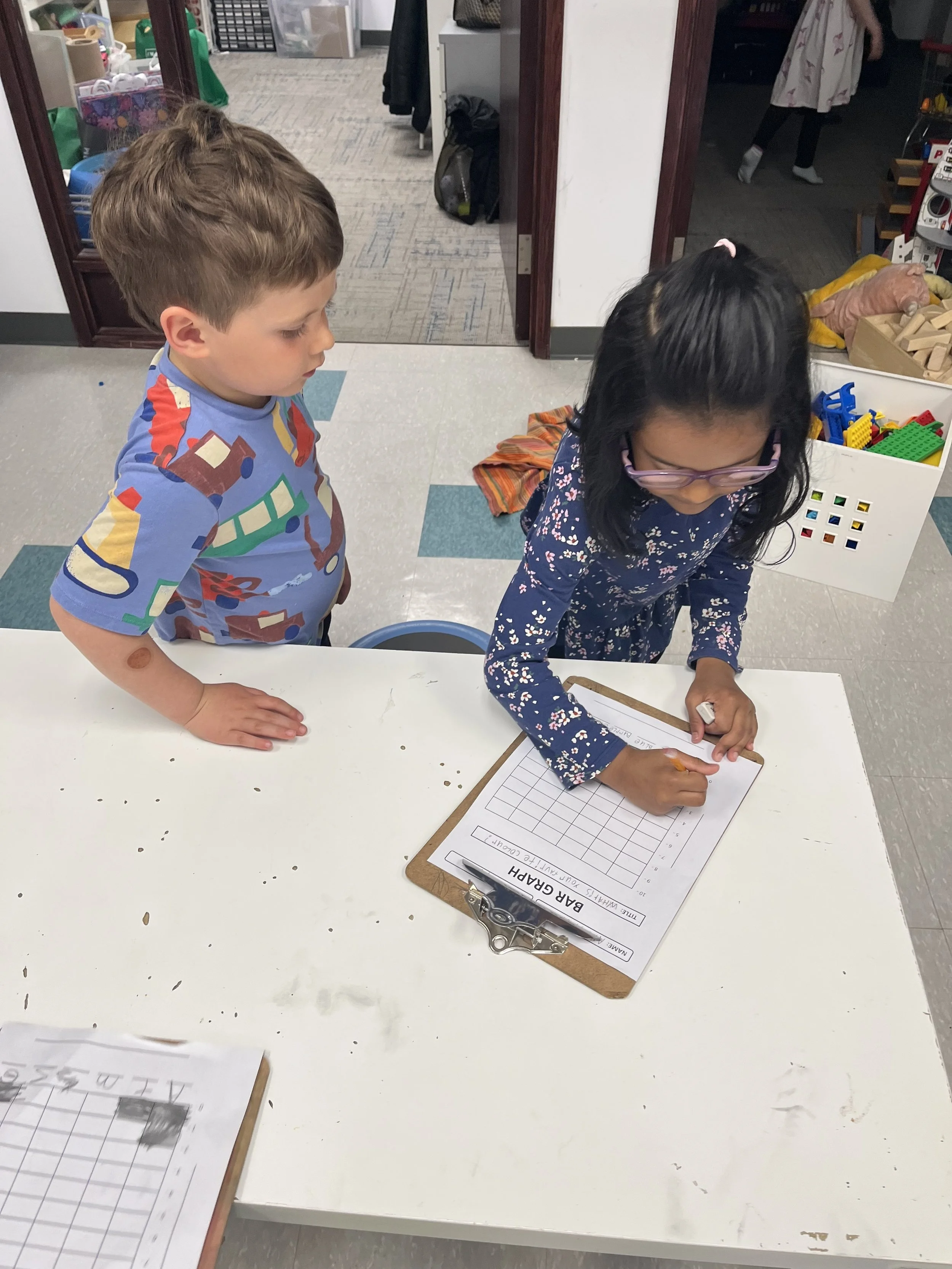
Group Two learners put all of their graphing skills into action by gathering real data and creating their very own bar graphs. Each Spark chose a question they were curious about, with favourite topics including shapes, colours, animals, foods, sports, and even letters. Learners loved travelling around the school to poll their peers and collect responses. After organizing their data and building their graphs, they demonstrated a strong understanding of how graphs help us make sense of information. It was a hands-on, engaging session, and learners should feel proud of the graphing skills they have built throughout the workshop!
Book Study
This week, we revisited the concept of syllables with the help of our favourite Scratch Garden video. We reviewed that a syllable is a beat in a word, or the different parts you hear when you say a word out loud. After our review, the Sparks explored a list of words from The Tiny Seed. Together, we sorted each word into either one-syllable or two-syllable categories. To help identify the number of syllables, the Sparks practised two different strategies: clapping the beats in each word and placing a hand under their chin to feel how many times it dropped as they spoke. The Sparks did a wonderful job listening carefully and using both strategies with confidence.
French
This week in French, we wrapped up our lessons on house vocabulary. On Monday, learners listened to and discussed the book Chez toi, chez moi by Marianne Dubuc, helping them discover different rooms and objects found in a home through stories and illustrations. On Tuesday, Rebels completed a bathroom-themed colouring activity to review vocabulary such as bath, shower, rug, curtain, and other household items. On Wednesday, we reinforced our learning through a “House Bingo” game, where the Sparks practiced recognizing and identifying vocabulary independently. On Thursday, we brought our learning to the gym by playing “Cross Canada,” an airport-themed movement game where learners reviewed colours, clothing, accessories, and simple questions while staying active and engaged.
Quest
On Monday, we kicked off Quest by reading Lives of Stars. This engaging nonfiction book explains how stars are born, how they shine, and what happens as they change over time. It sparked lots of curiosity as we began exploring our star theme for the week. On Tuesday, Squeeks the Mouse shared fun facts about constellations, including how a star’s colour can indicate its temperature, how constellations helped people in ancient times find their way home, and how much imagination is needed to visualize patterns in the night sky. Afterwards, we read Amazing Sights in the Sky: Constellations, which explores both the science behind stars and the history of how constellations were mapped.
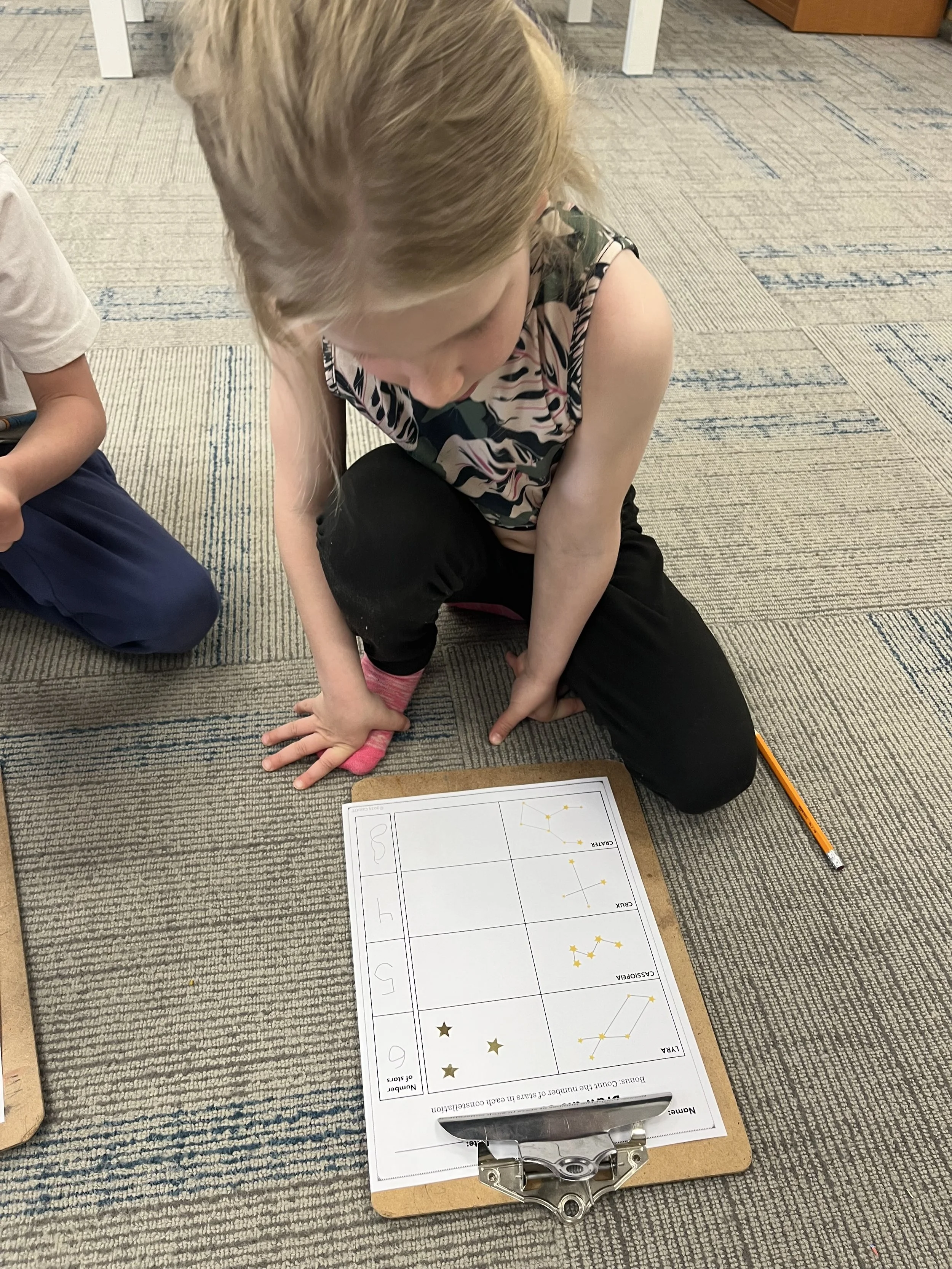

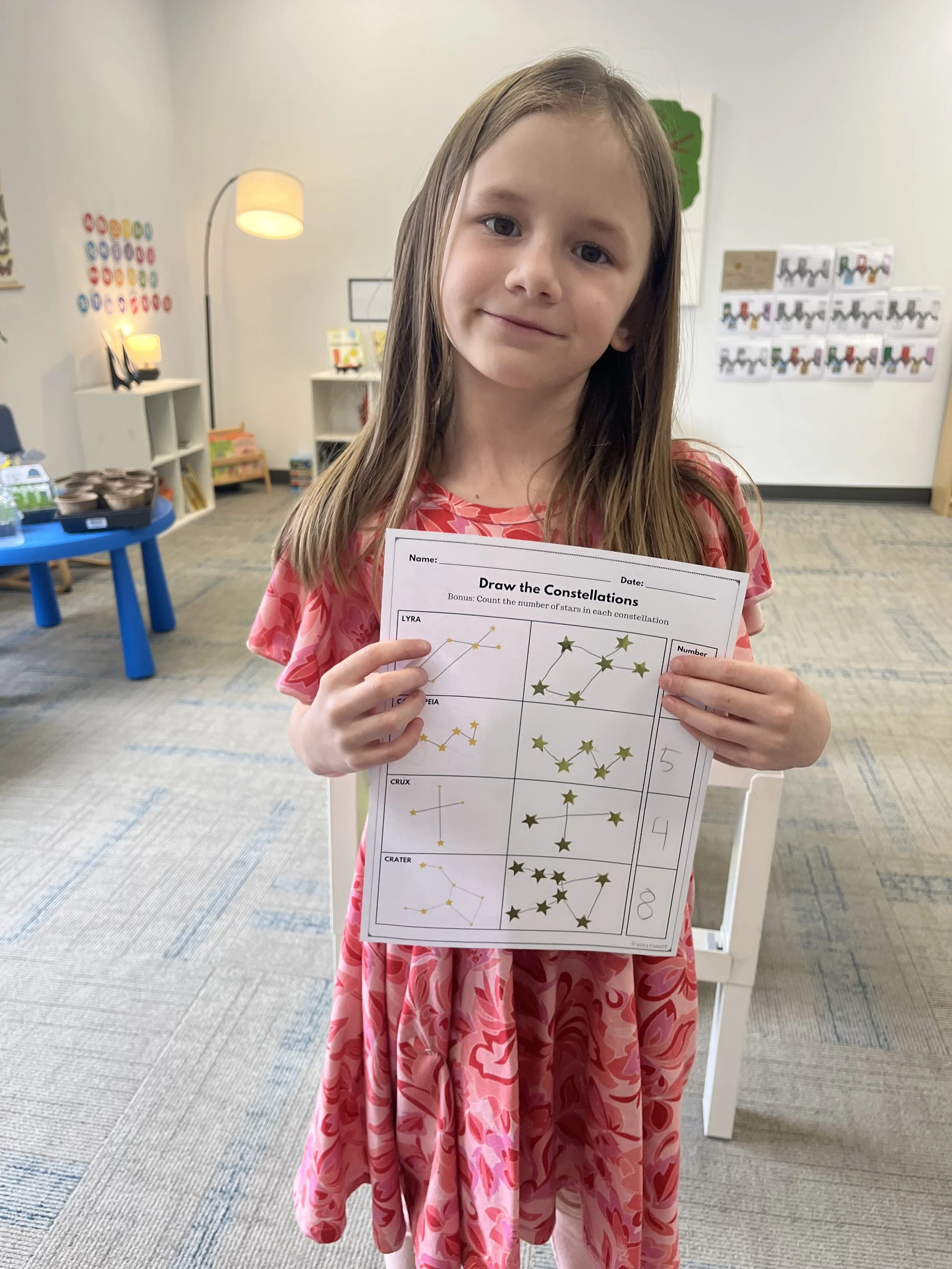
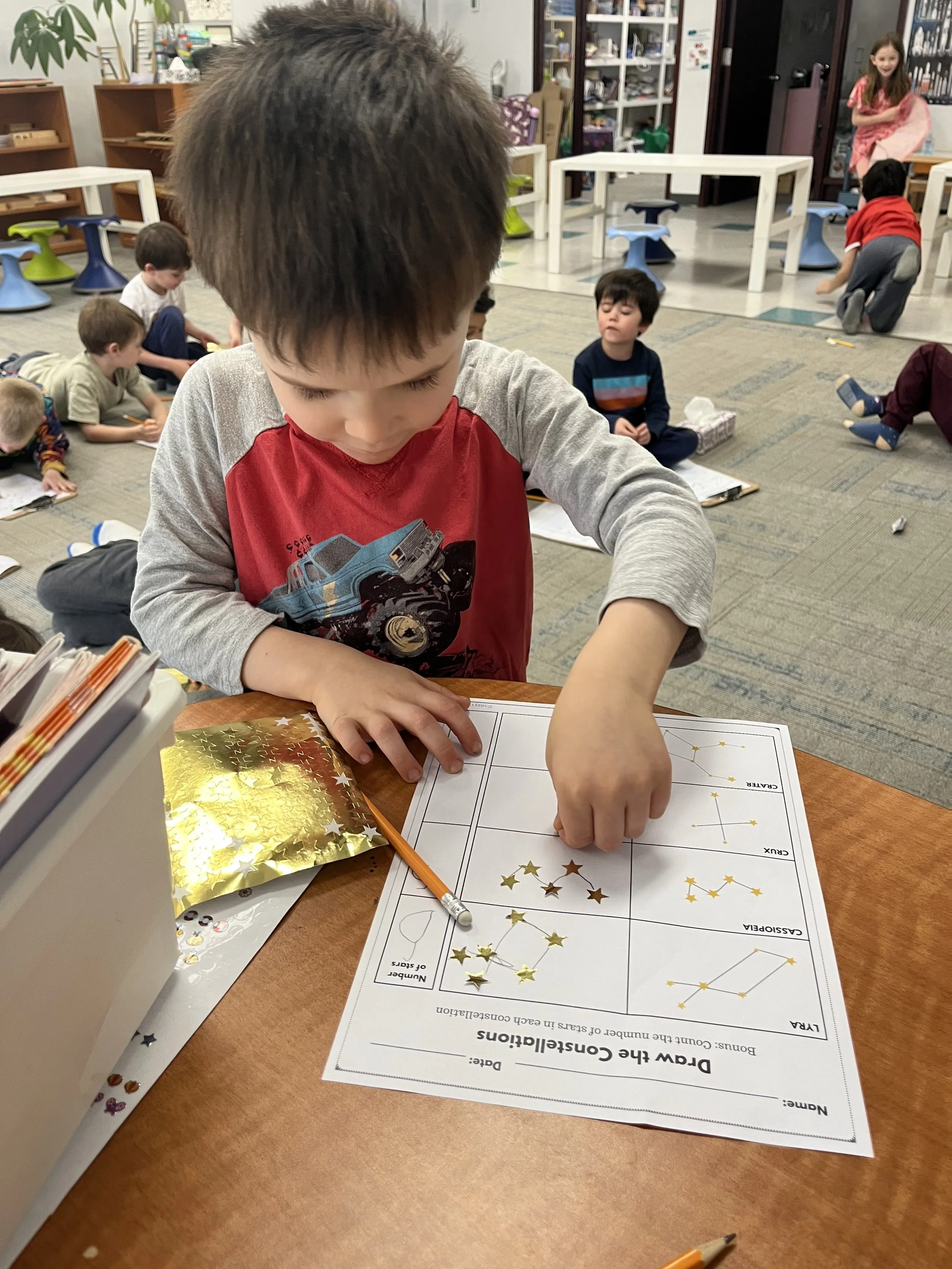
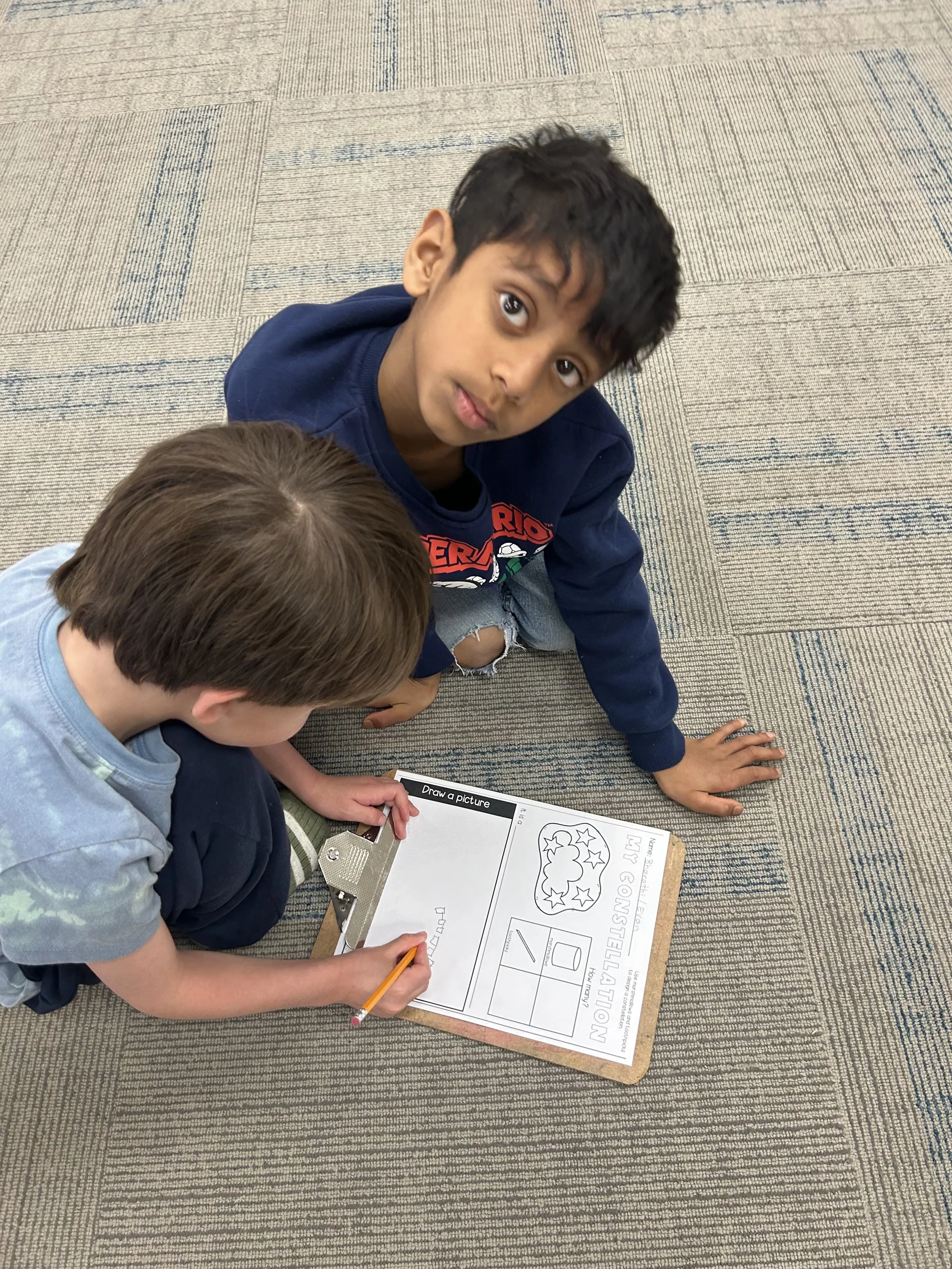
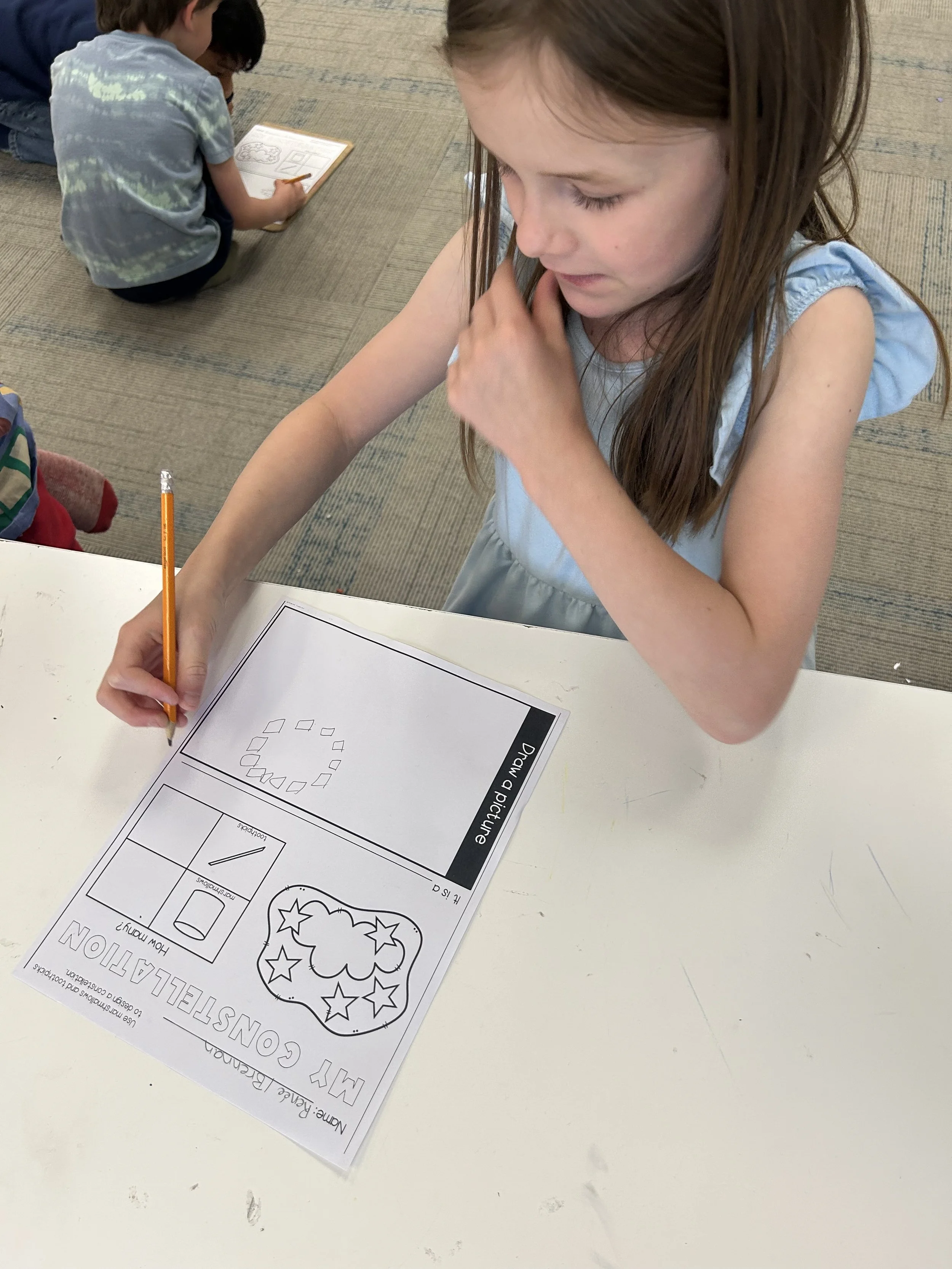
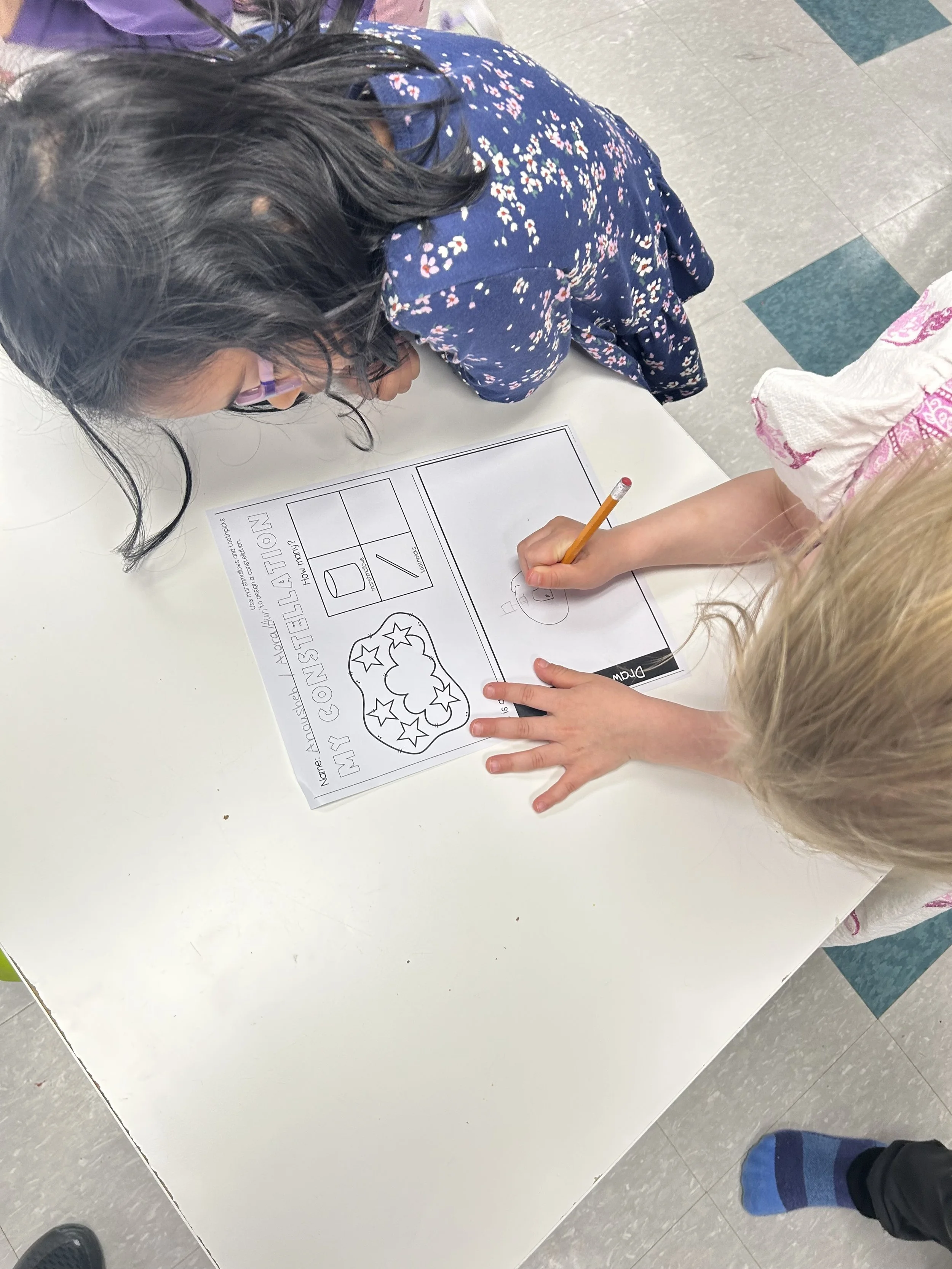
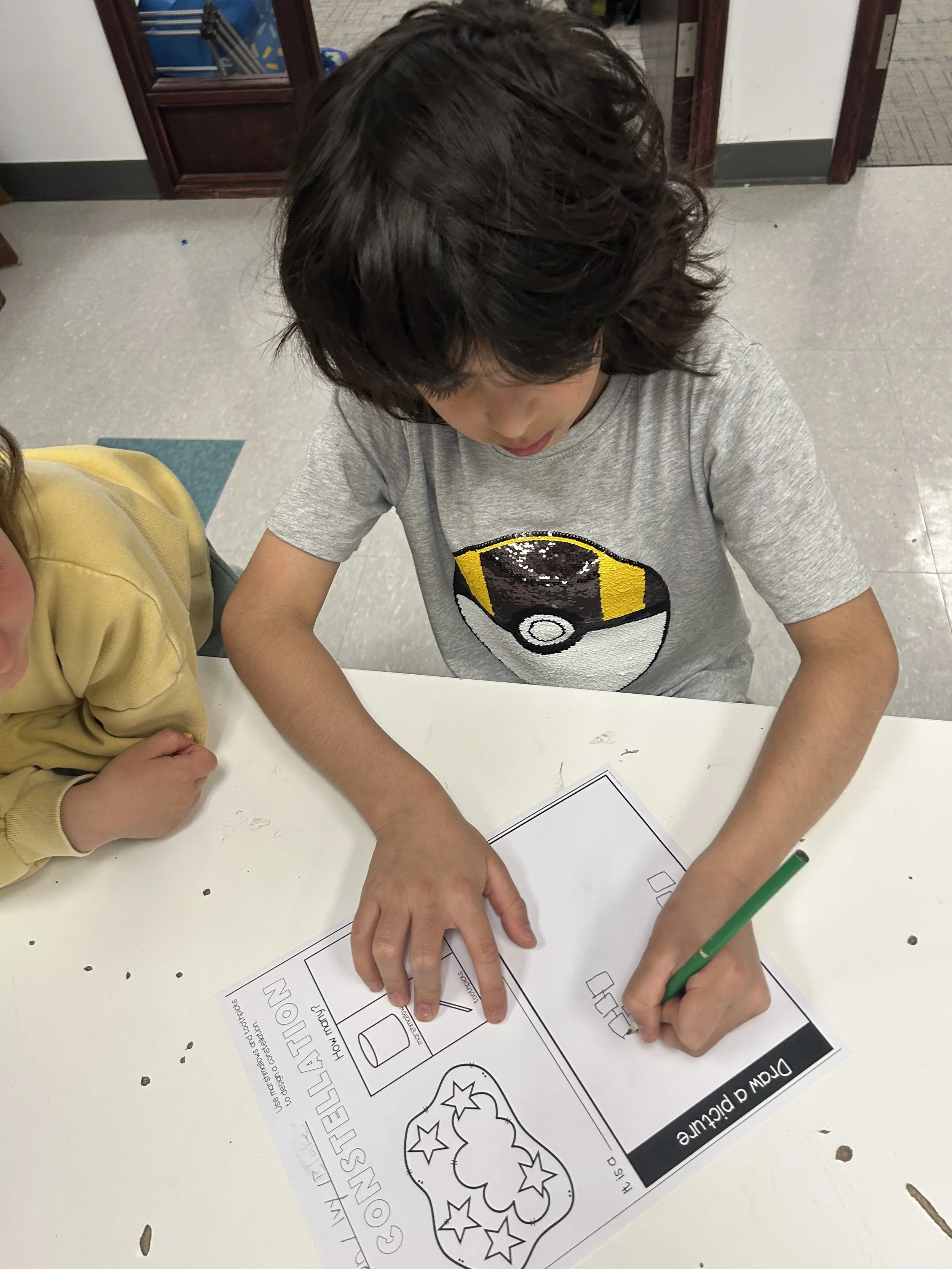

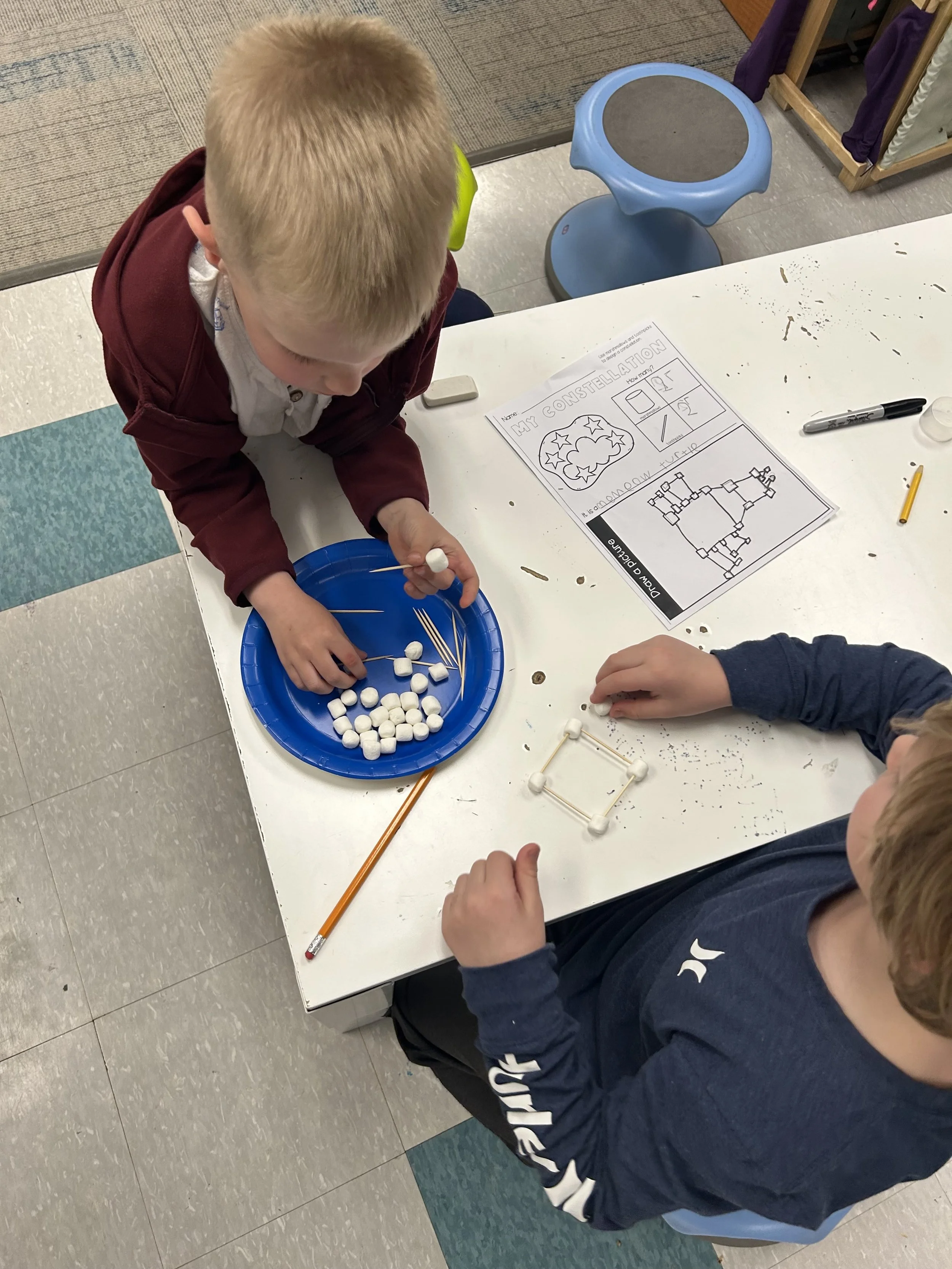
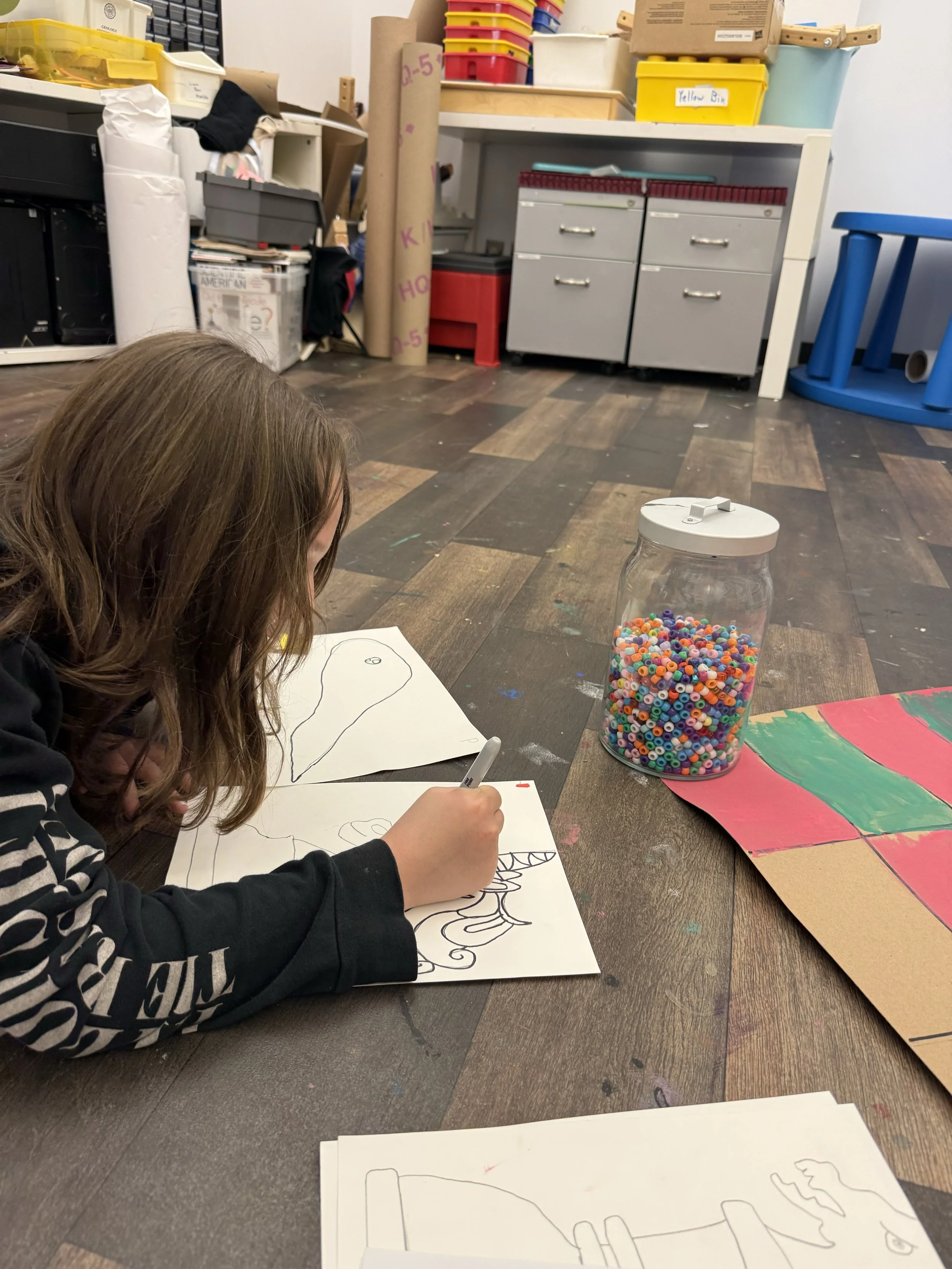
The Sparks then partnered up to design their own constellations. The Guides shared an example of an umbrella constellation to inspire learners’ imaginations and encourage creative thinking. Sparks first planned their designs on paper and counted how many marshmallows and toothpicks they would need before building their creations. Some of the imaginative constellations included dragons, puppies, unicorns, and even a sink with a pipe! On Wednesday, we read Our Stars. This story teaches learners how scientists use telescopes and satellites to study stars while also reminding us that stars are part of our world too… all we have to do is look up. Afterwards, the Sparks were challenged to create constellations of their own. They began by connecting dots to form constellation patterns and then used golden star stickers to recreate the constellations independently while counting how many stars were needed to complete each one. To end this week’s Quest, we made playdough from scratch using salt, cream of tartar, water, food colouring, and flour. The Sparks loved helping measure and mix the ingredients together to create their own colourful playdough. Learners also explored different zodiac signs and the constellations connected to their birthdays. In our Studio, we discovered that we have many Leos! The Sparks listened to the meanings behind their zodiac signs and discussed some of the personality traits connected to them. Afterwards, learners used their homemade playdough to create their own zodiac constellations. With the help of star-shaped cookie cutters and sculpting tools, the Sparks worked incredibly hard and demonstrated wonderful creativity throughout the activity.
Additional Highlights
This week, the Sparks enjoyed listening to two different podcasts at the end of the day. The first podcast was about the planet Saturn and explored how the gases surrounding the planet can make it “toot,” which gave the Sparks plenty of laughs. The second podcast was chosen through a group vote between an Arthur podcast and a Bluey podcast. Learners voted for the Arthur podcast, which focused on the importance of honesty and telling the truth. In the story, Arthur loses a library book and struggles with how to open up about misplacing it. For Show and Share, the Sparks split into three smaller groups to run their own mini sharing circles. Learners brought a variety of items to share, including Pokémon-themed objects, LEGO creations, and stuffed animals.
Discovery Studio
Mindfulness and Launch
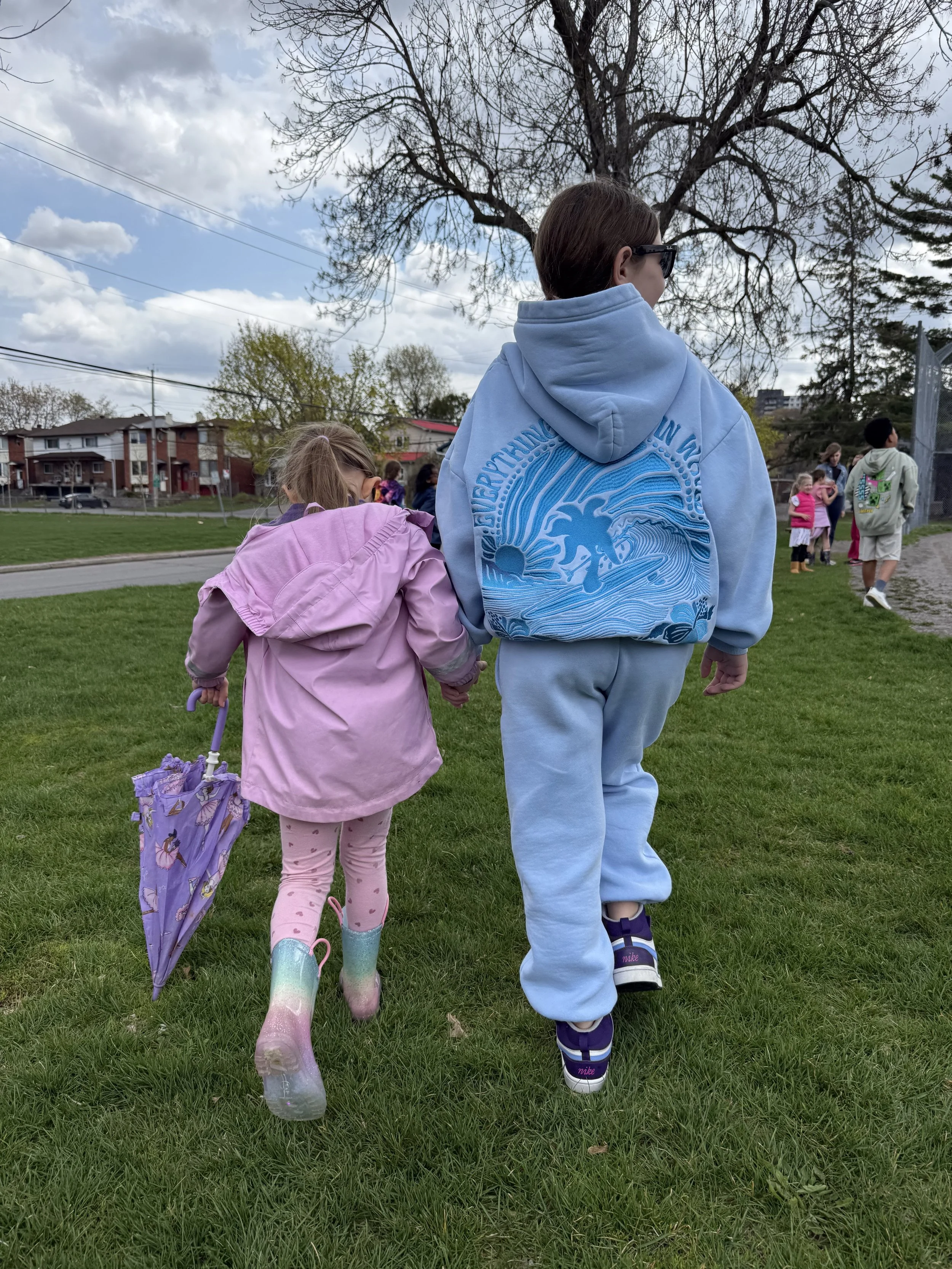
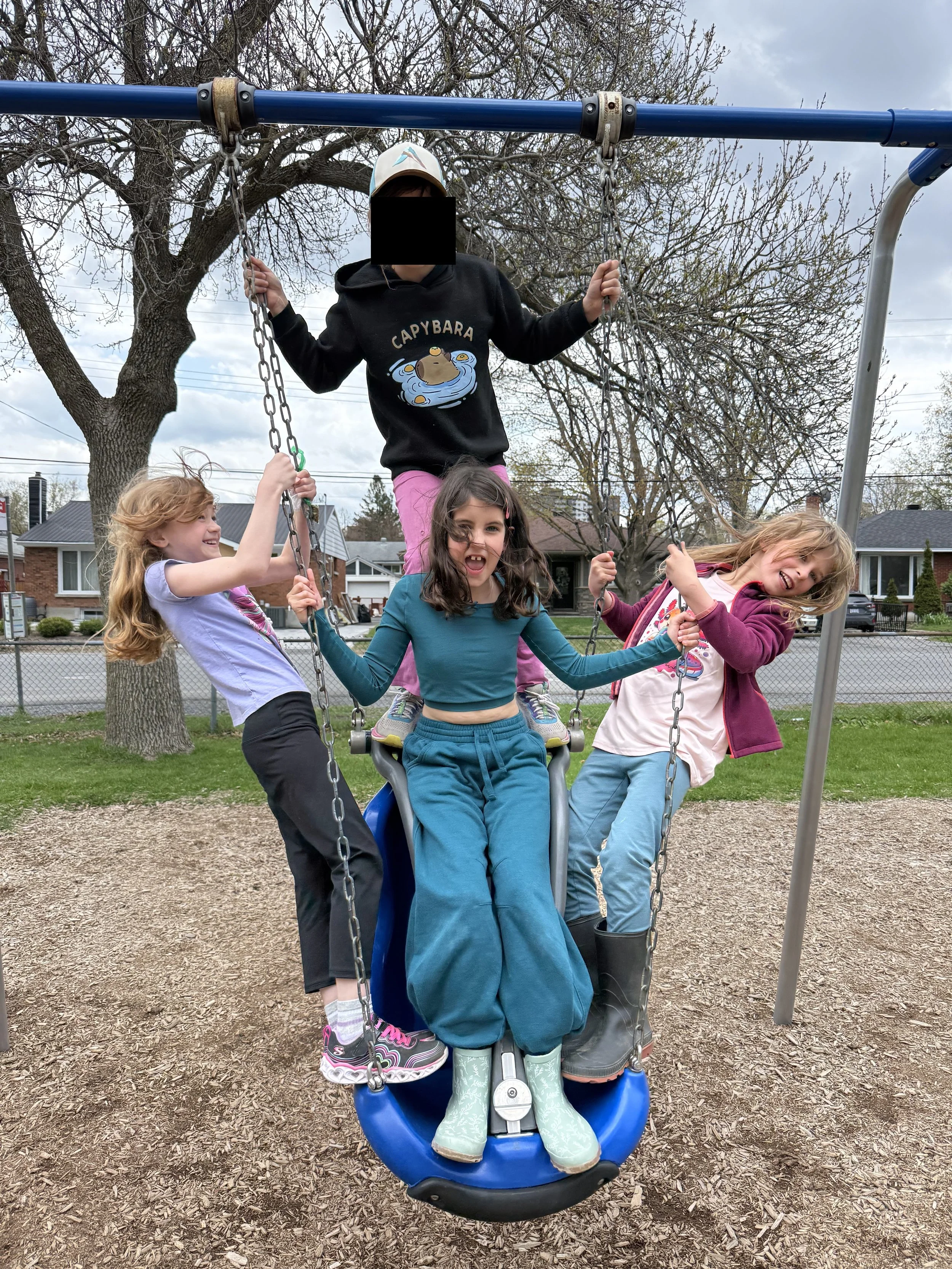
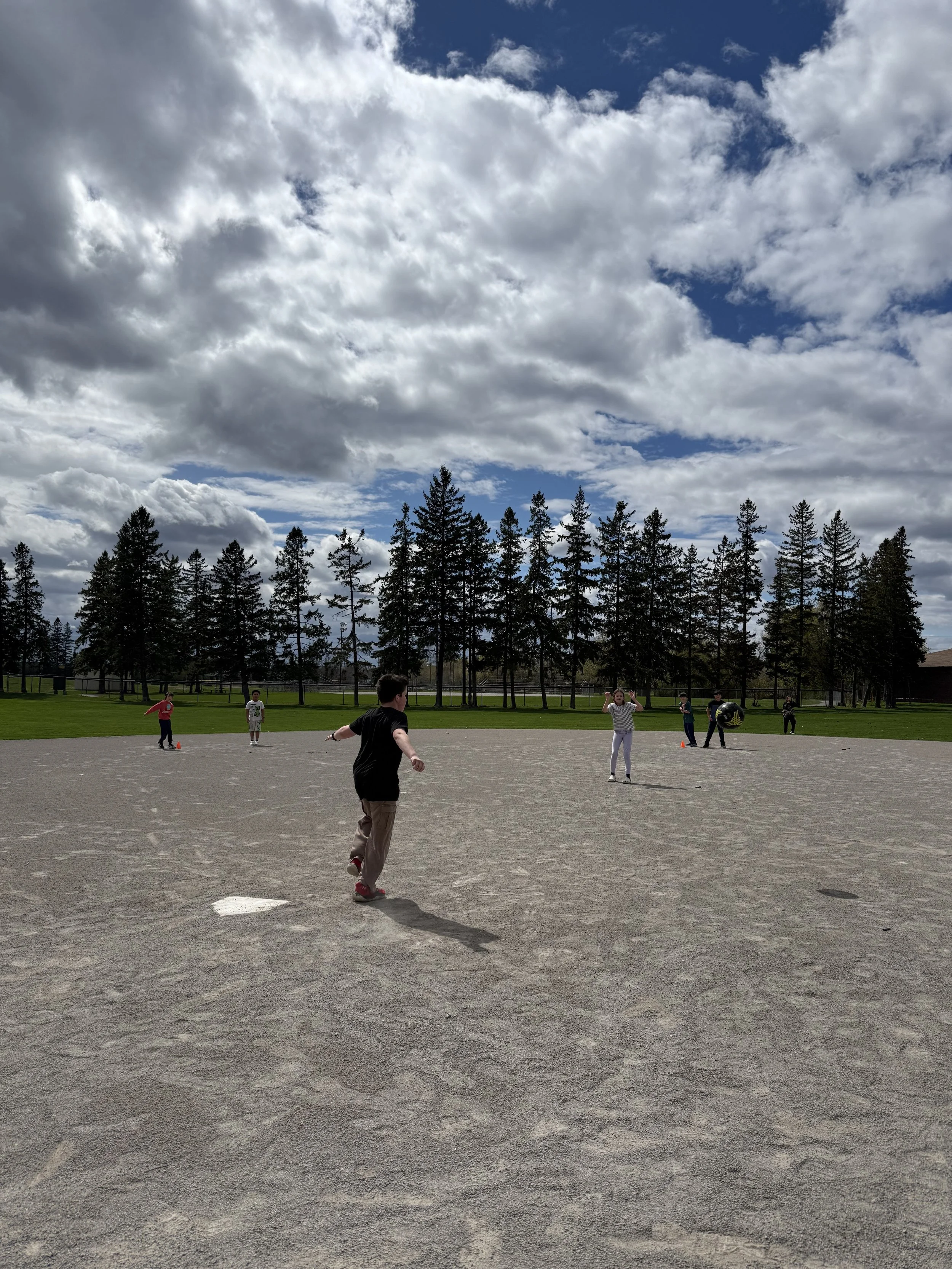
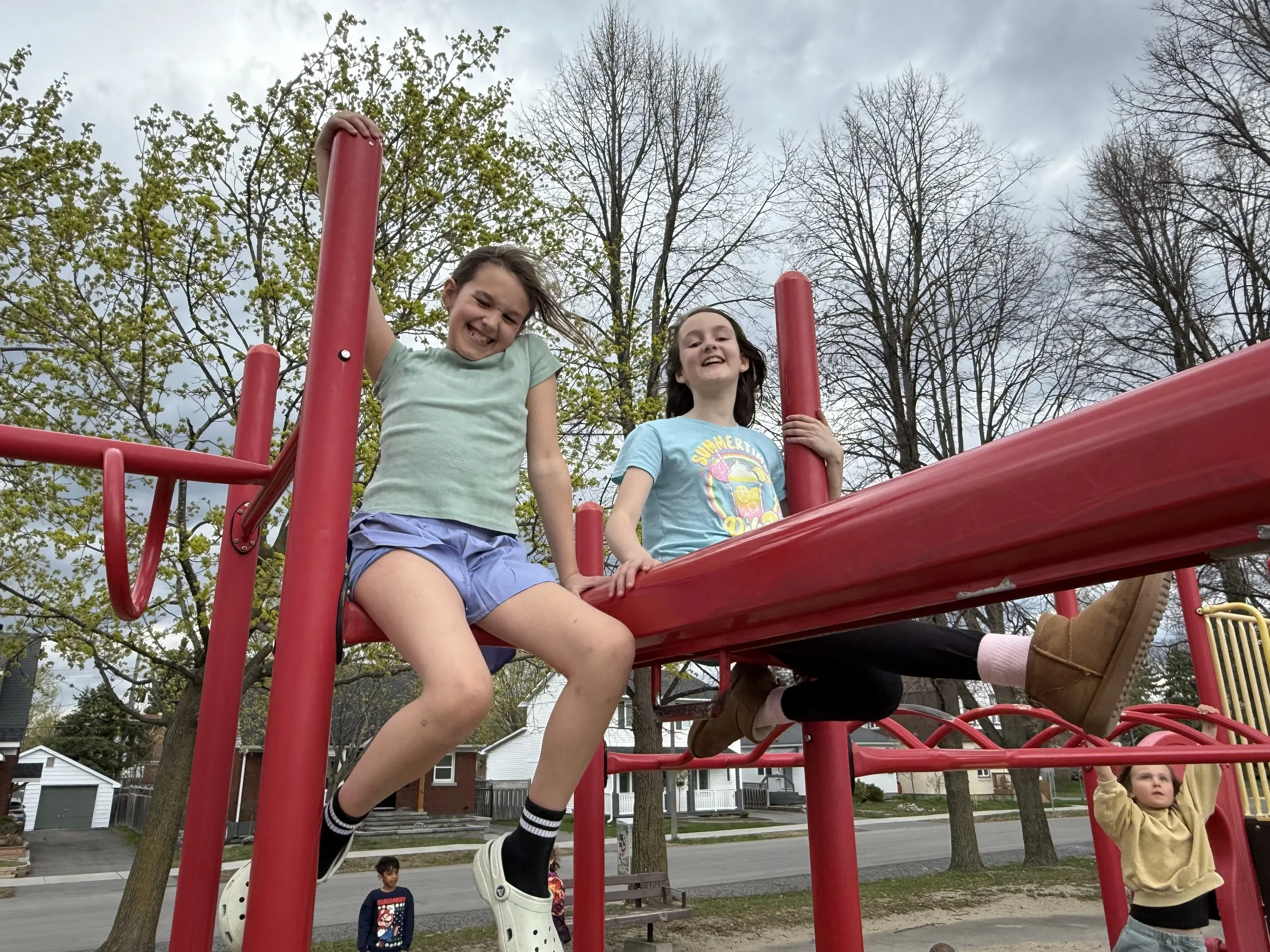
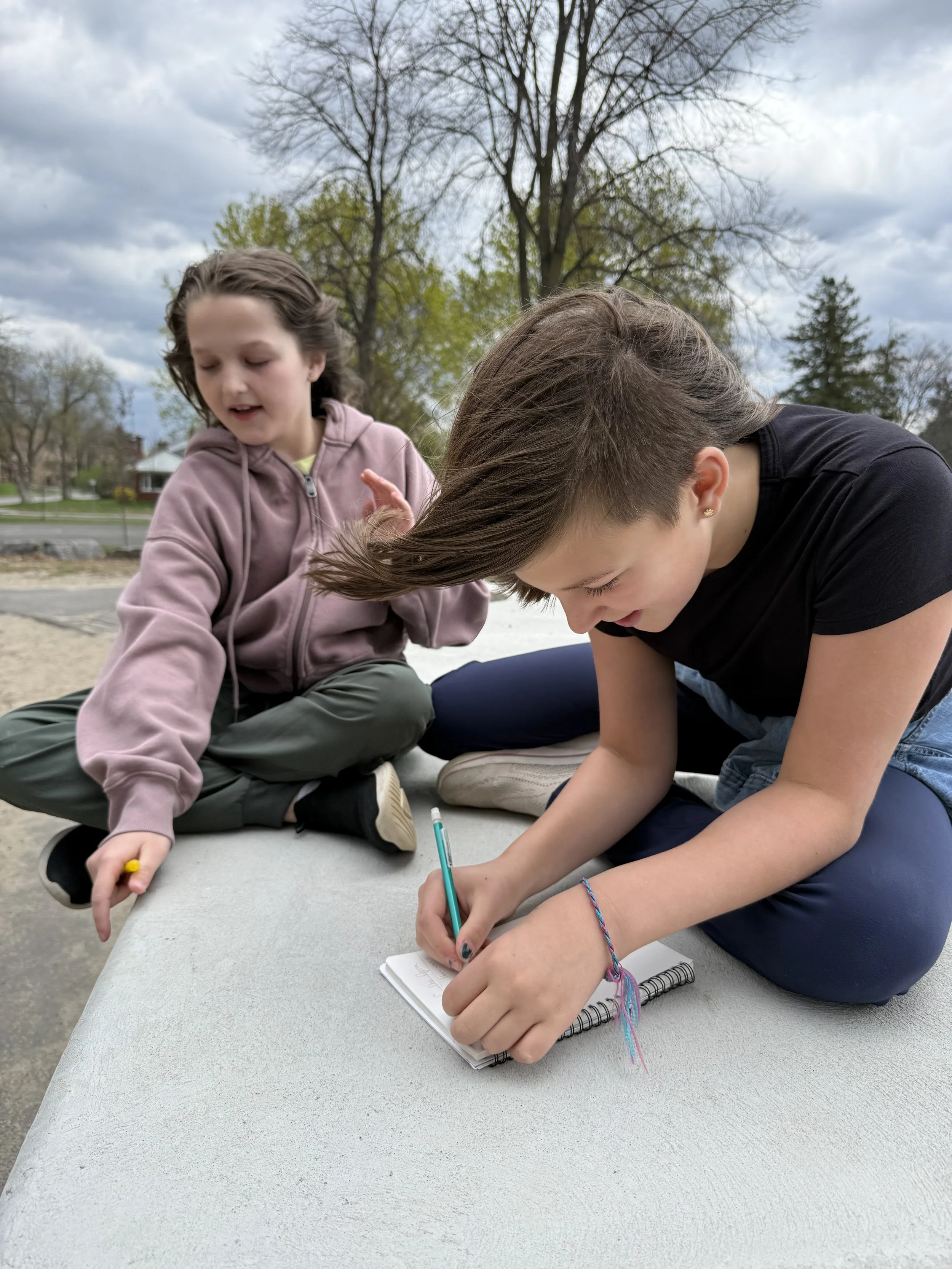
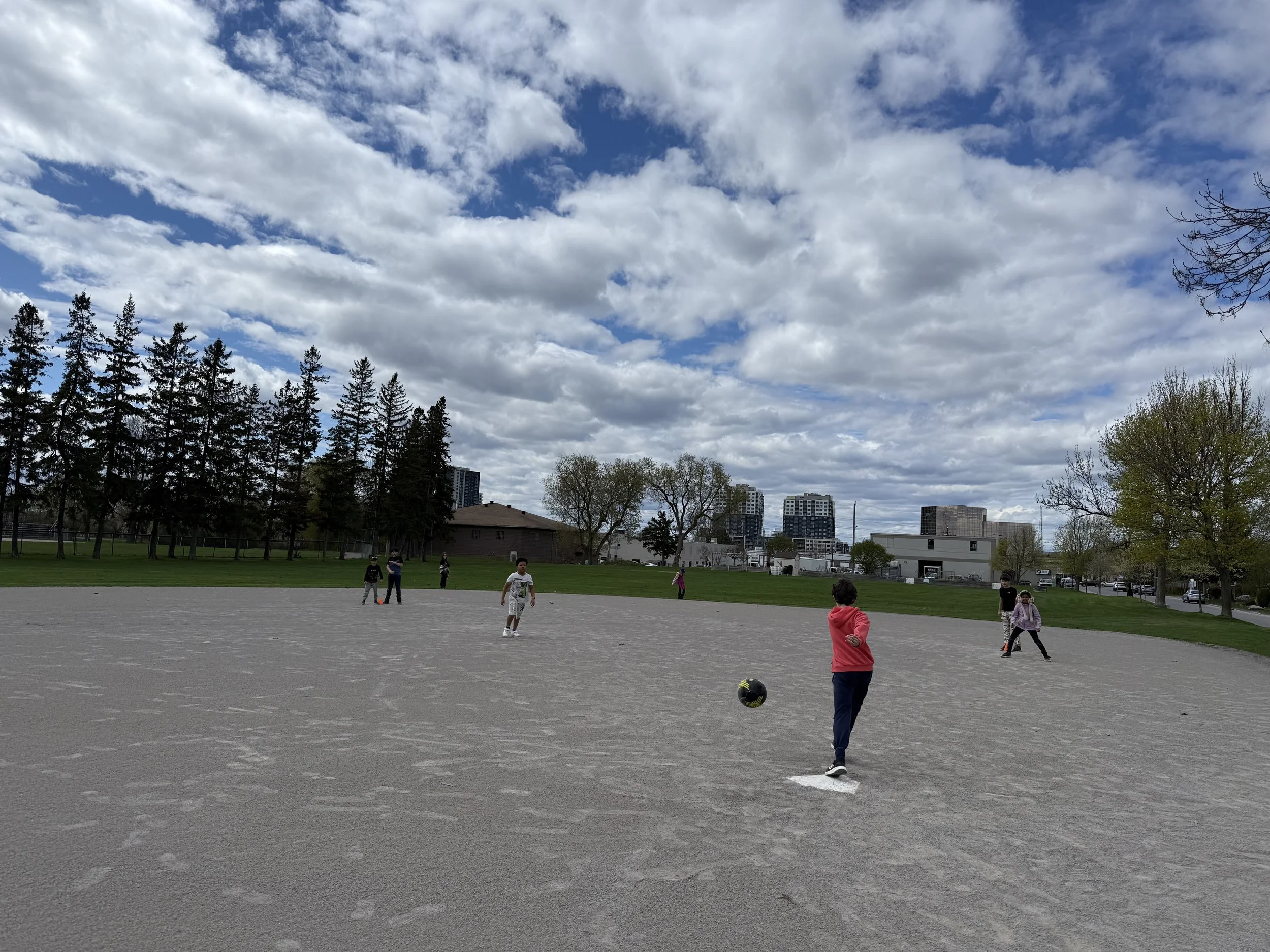
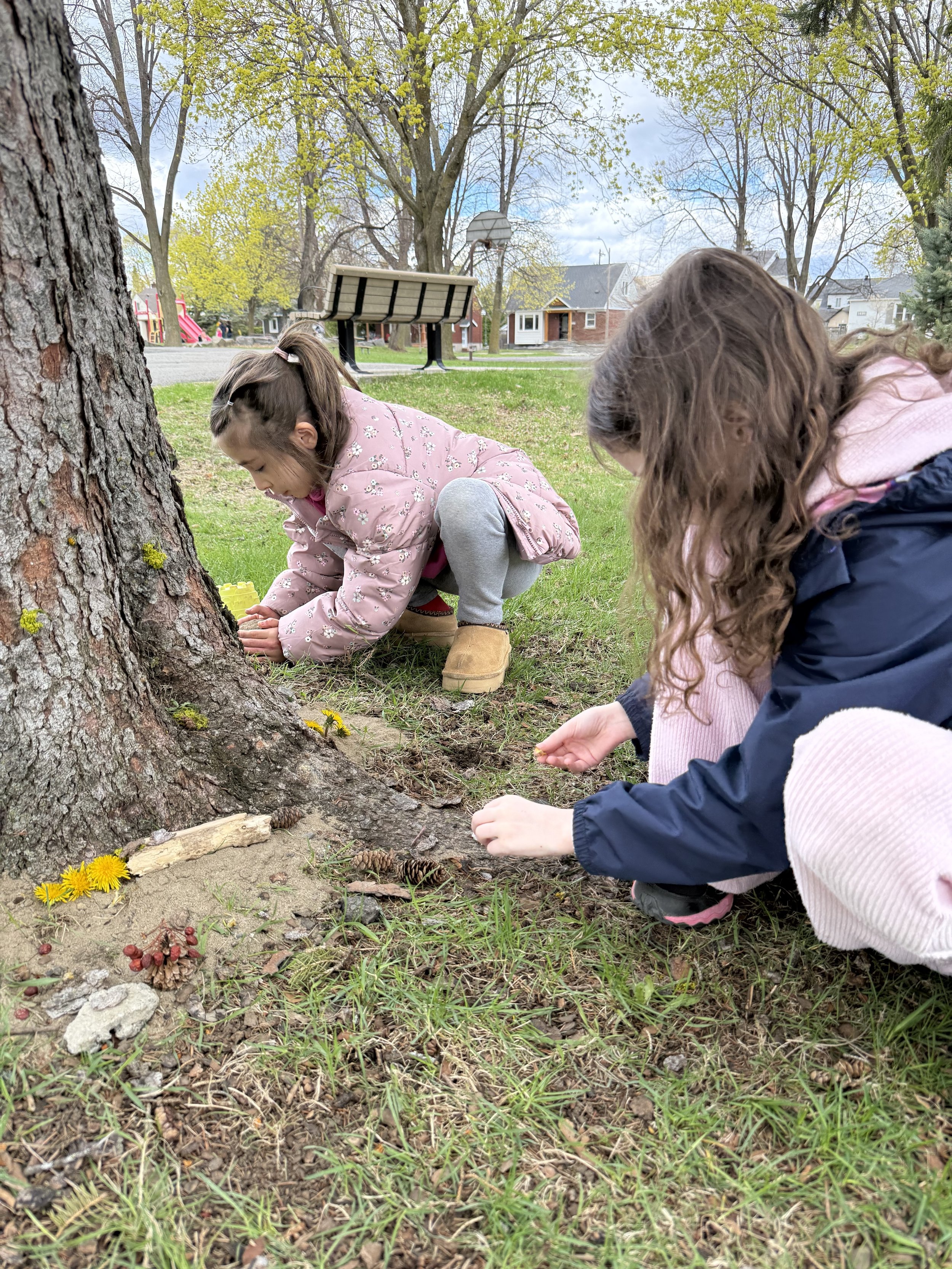
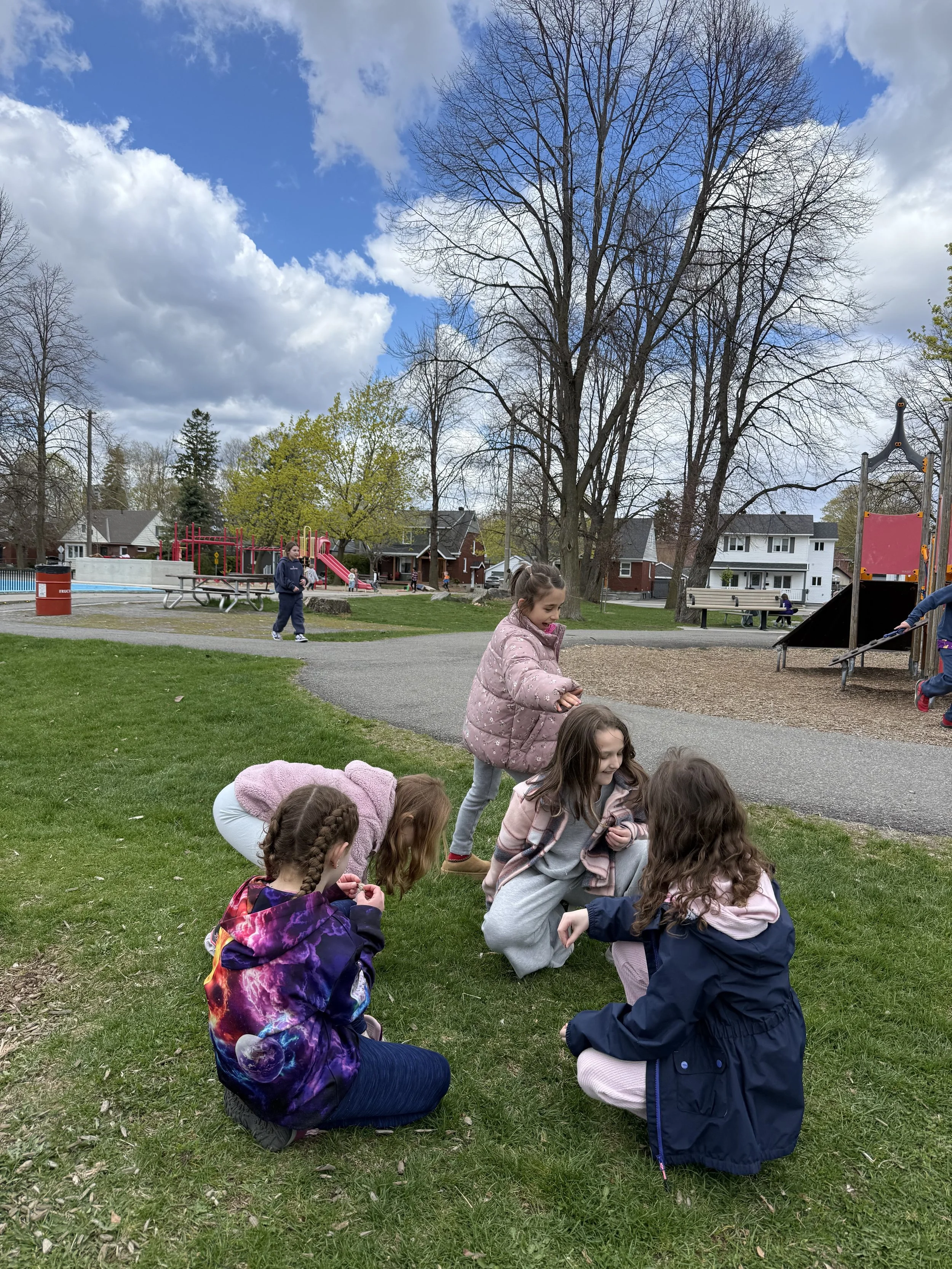
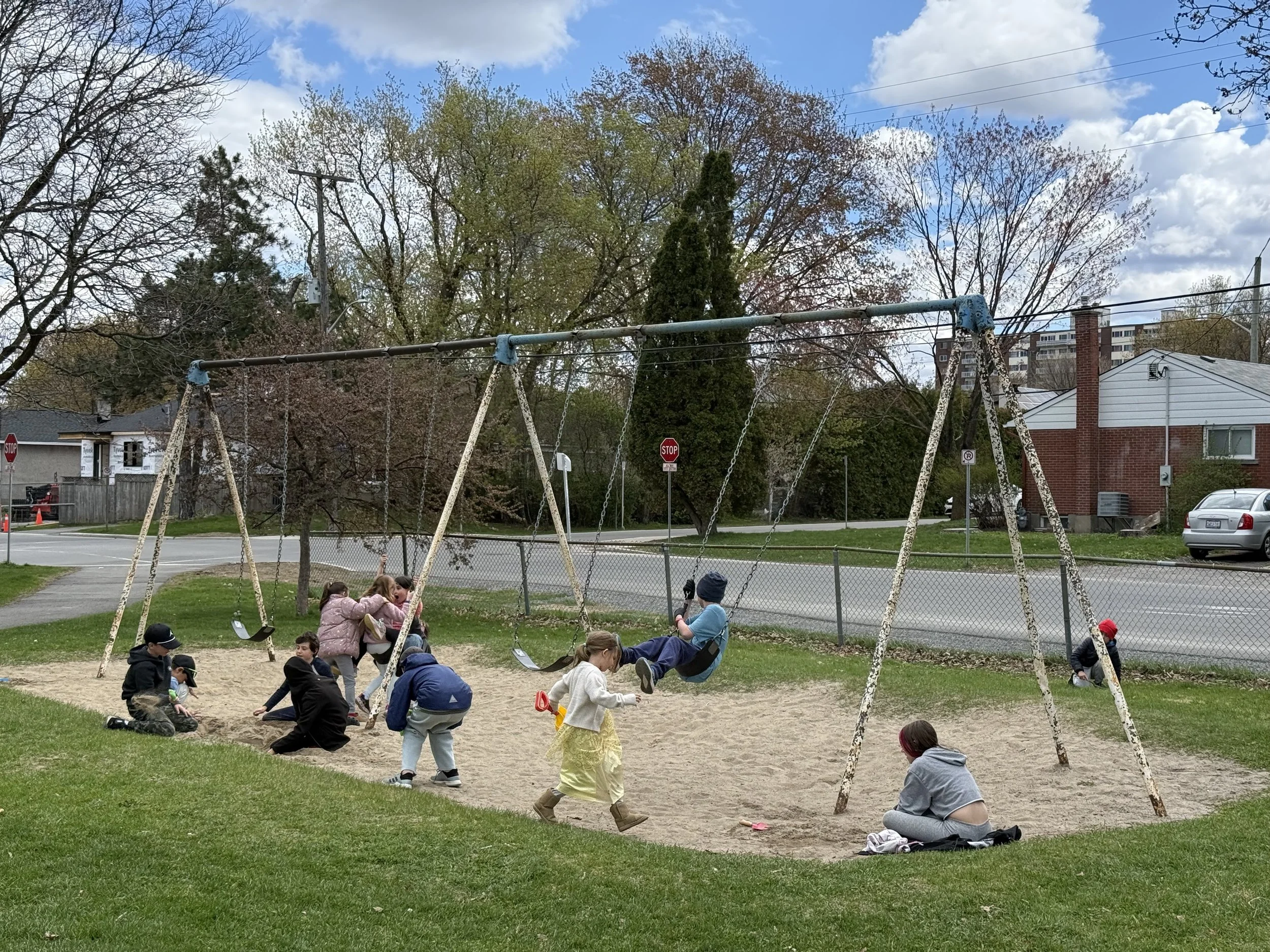
Rebels have been really enjoying our outdoor walks and morning games, soaking up some sun and fresh air before kicking off our launches on Monday and Tuesday mornings. Rebels used Monday’s launch as an opportunity to review their studio schedule, talk about some changes and additions they noticed (such as several Rebel-led closings), and discuss how they felt about this being the last full week ahead of our sixth Exhibition of Learning. Rebels expressed feelings of excitement and anxiety around the upcoming Revel Chess Tournament and began brainstorming what they wanted the exhibition to look and feel like. Many made connections to the tournaments described in our novel study, and we also agreed as a Studio that the 1st-, 2nd-, and 3rd-place Rebels would be awarded medals as tournament prizes. On Tuesday, Rebels participated in a deep discussion about how to make an apology sincere. Rebels talked about how not all conflicts necessarily require a Peace Table, with many situations being resolved through a straightforward and sincere apology. We reviewed the “5 R’s of an Apology” (Regret, Rationale, Responsibility, Repentance, and Repair), and Rebels discussed which “R” they felt was the most important part of an apology.
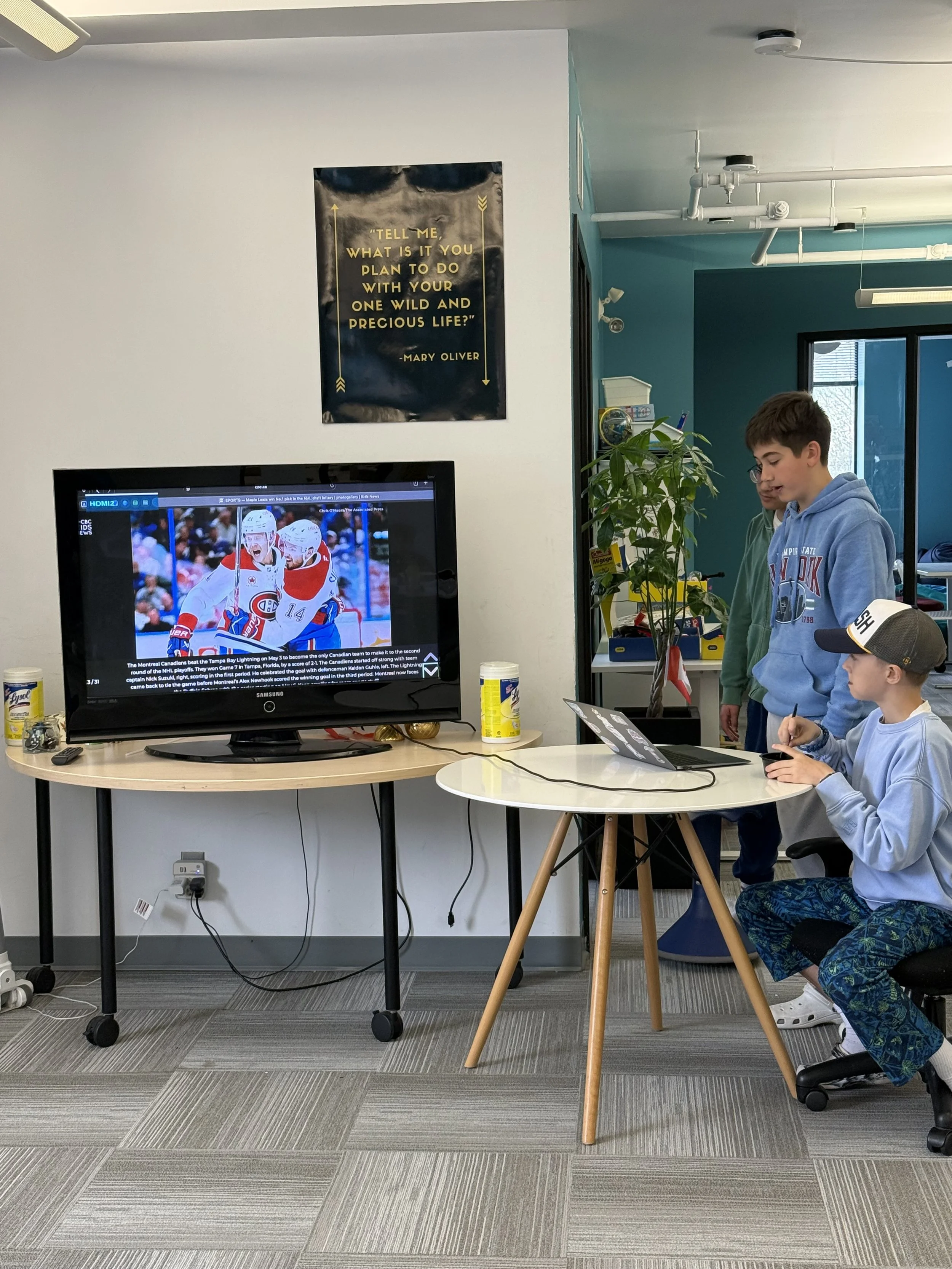
On Wednesday, Rebels had another successful round of NYT puzzles, completing both Strands (our new favourite!) and Connections within the allotted amount of time. Squad Chickens gave Rebels the opportunity to check in with each other, begin discussing this week’s GOAT nominees, and take some time to give Rebel Bucks to Rebels who have been excellent role models around the Studio lately. On Thursday, we had a new friend visiting the Studio for the day, so the Rebels opted for an introduction circle ahead of our Thank You for Sharing questions. This week, Rebels reflected on and debated whether they think the best leadership trait is being a confident speaker or an intentional listener. They also shared which ice cream flavour best matched their personality and explained why. Friday’s Current Events featured the new Toy Story 5 cereal collaboration from Kellogg's, which is bringing back toys in cereal boxes to promote the upcoming movie. Rebels also learned about a ten-year-old girl in the UK who rescued an endangered axolotl species and recapped the 2026 Stanley Cup Playoffs bracket before heading into Friday’s Core Skills period.
Reader/Writer workshop
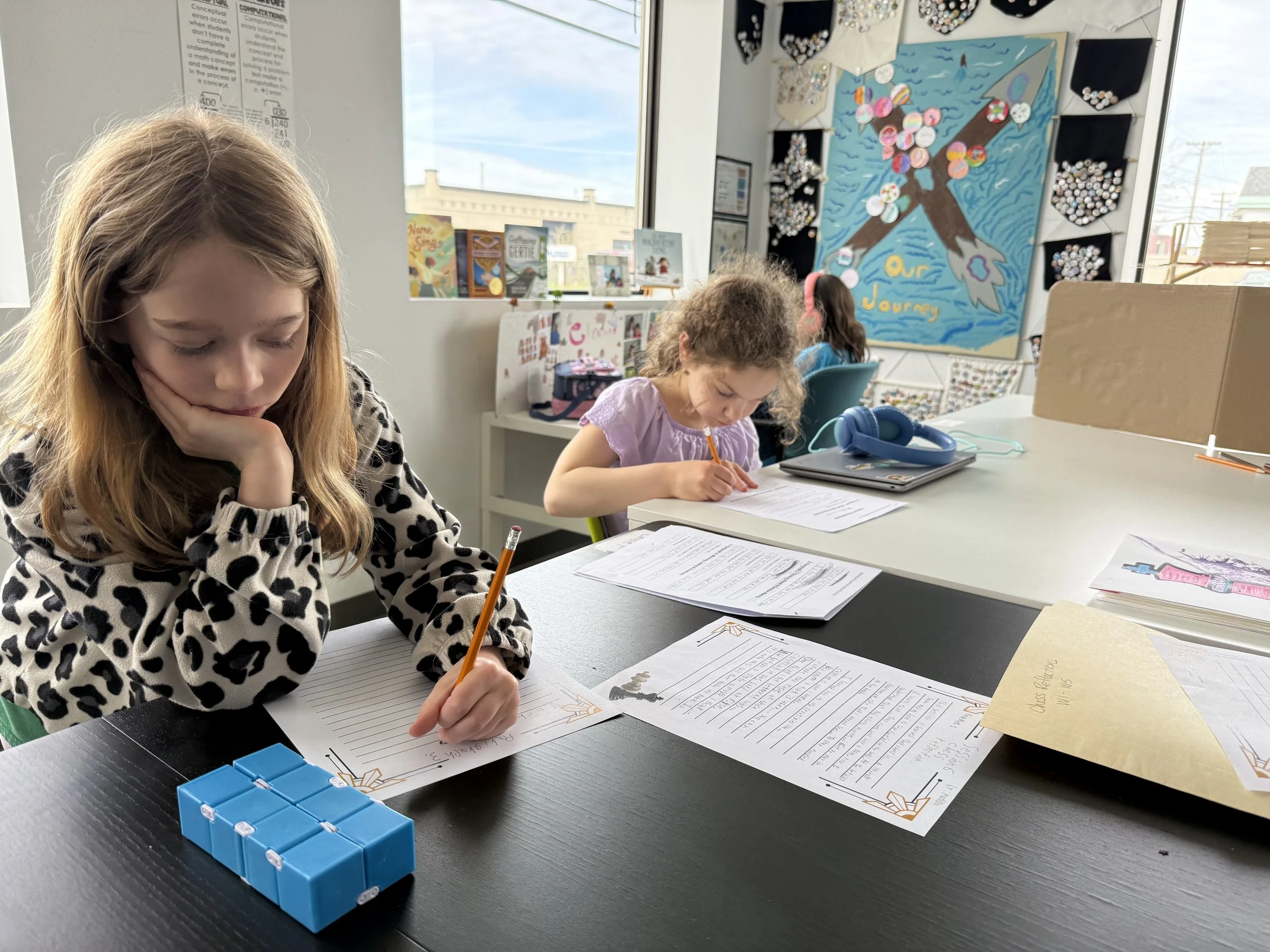
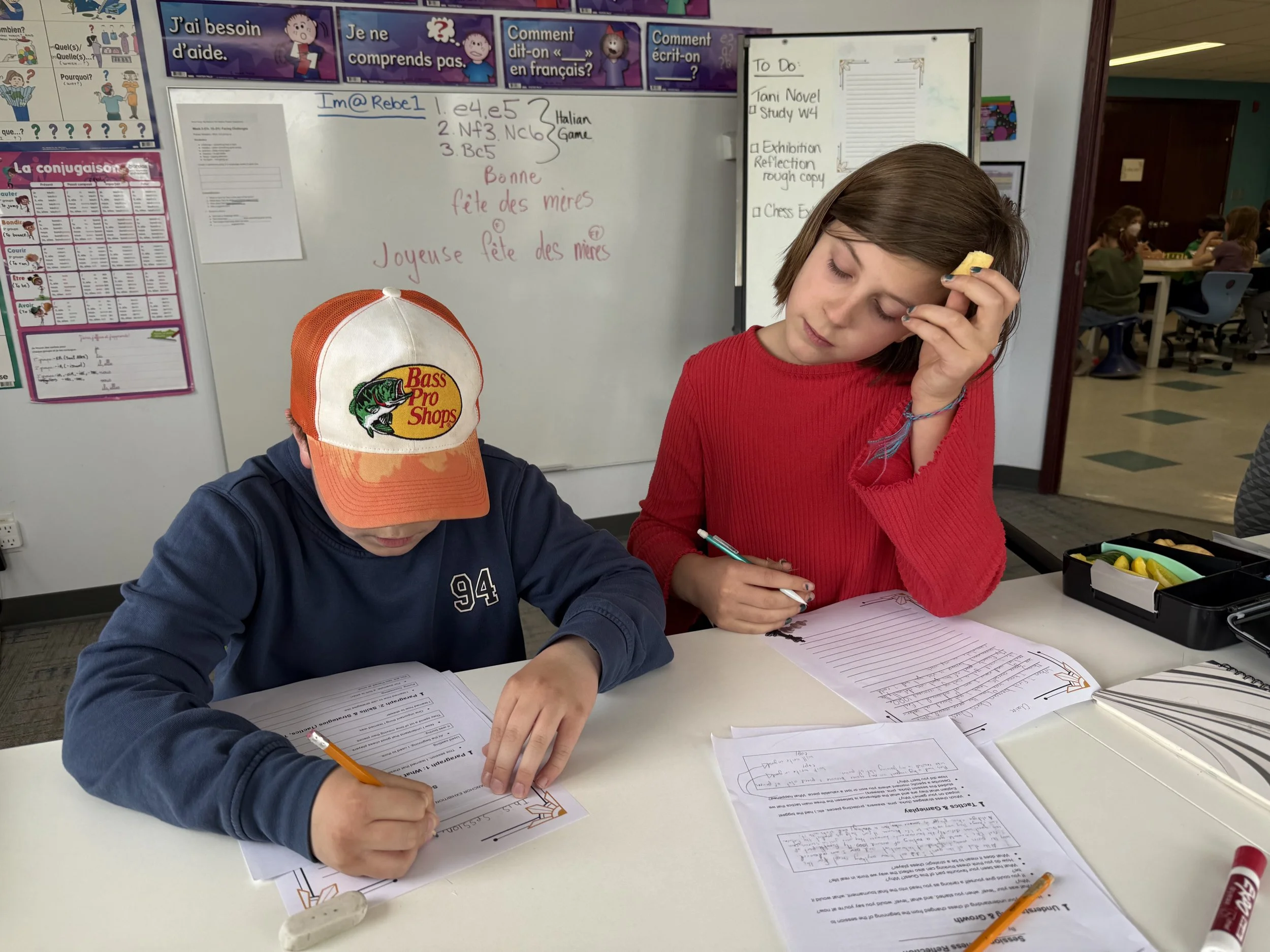
This week in Reader/Writer, we completed our novel study of My Name Is Tani... and I Believe in Miracles. Rebels were thrilled to listen to and discuss the final moments of the tournament that changed Tani Adewumi’s life. They could hardly believe the impact his accomplishments in chess had on his family’s future! After completing the novel, Rebels participated in a mini book club discussion to reflect on several powerful questions: What does Tani’s dedication and hard work teach us about mastery and perseverance? How did kindness and community play a role in his journey? What is one lesson from Tani’s story that could be applied to your own learning journey at Revel? Rebels made excellent connections to their own Hero’s Journey, as well as the journey they have been on while developing their chess skills throughout this session. Rebels also worked on their Week 4 and Week 5 novel study chapter assignments, while early finishers had the opportunity to begin working on the rough copies of their chess reflections.
Math Lab
Discovery Rebels came to Math Lab ready to work! As this was our last full workshop ahead of our upcoming Exhibition of Learning, Rebels spent the first 10 minutes revisiting the badge expectations and ensuring they had everything they needed to successfully complete the required badge criteria.
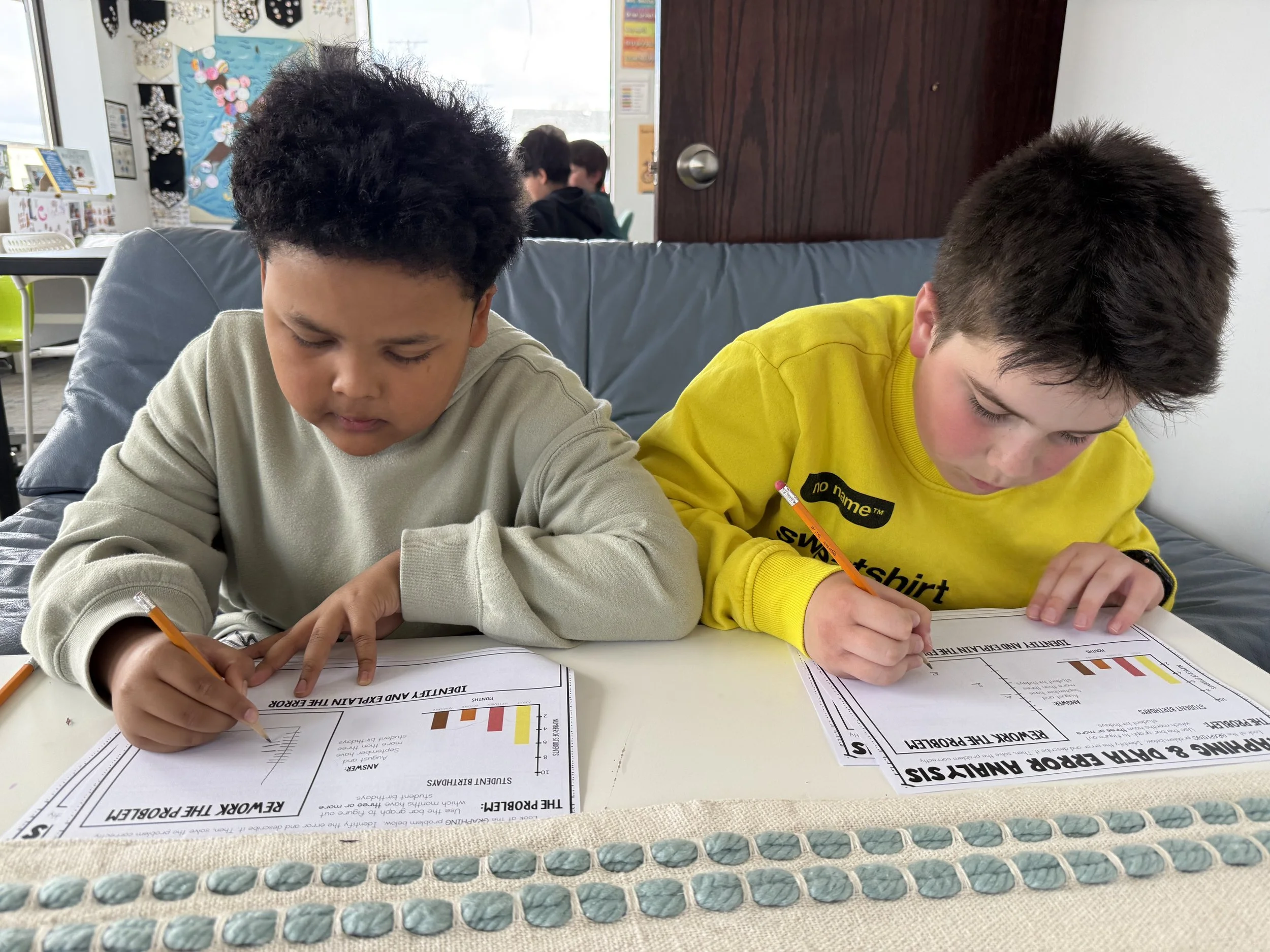
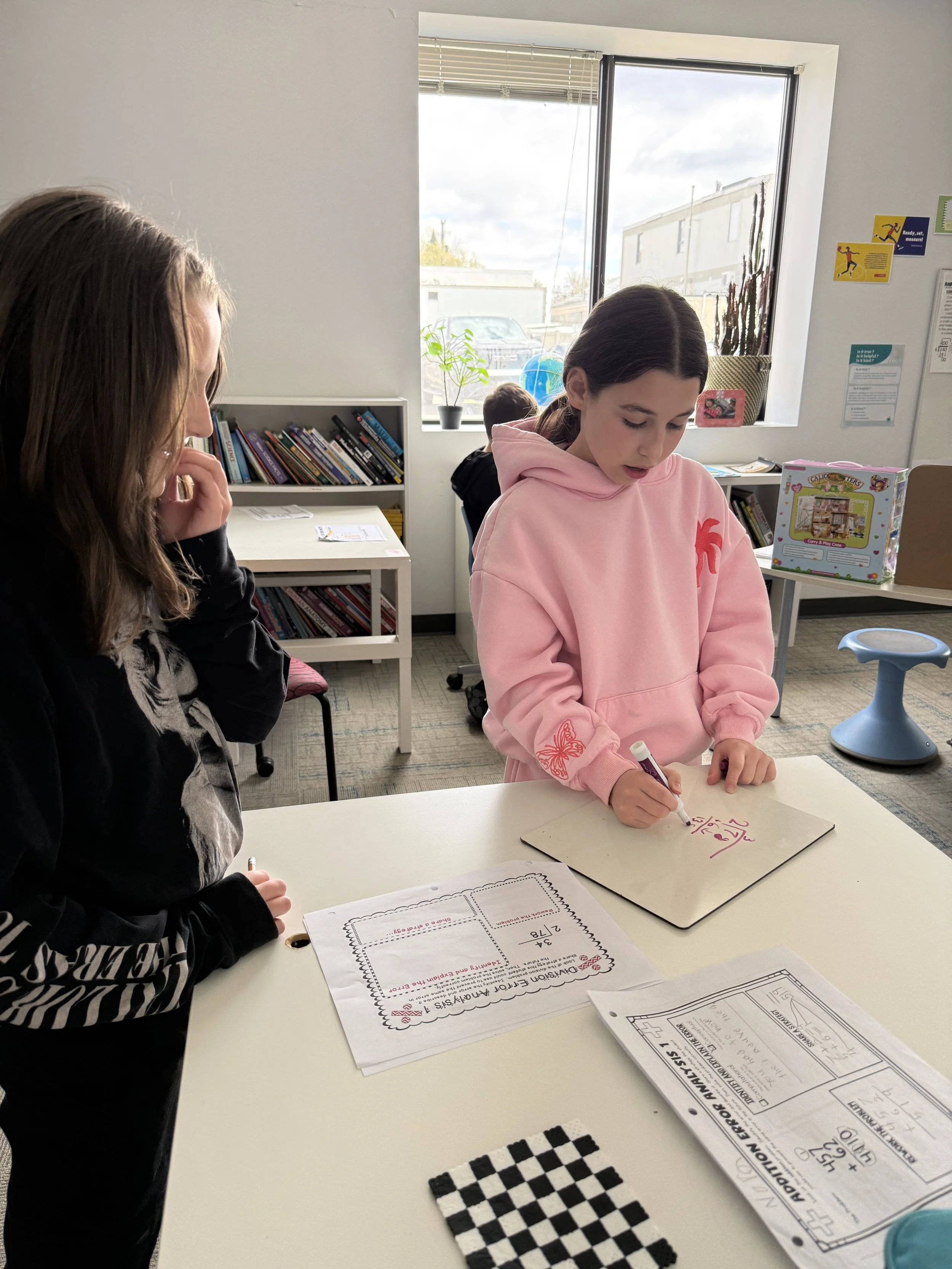
Rebels reviewed all of the error analysis problems and packets they had explored throughout this session, realizing that many still needed a few additional examples to fully demonstrate their understanding of conceptual and computational errors. Rebels had the opportunity to work through error analysis challenges connected to graphing and data management concepts, as well as a variety of fraction and decimal problems. When we came back together as a group to debrief how the workshop had gone, many Rebels were excited to share that they had completed ten error analysis challenges by the end of the hour. Others reflected on their game plans and next steps to ensure they would be able to complete and submit their badge requirements before next week’s deadline.
Civilizations
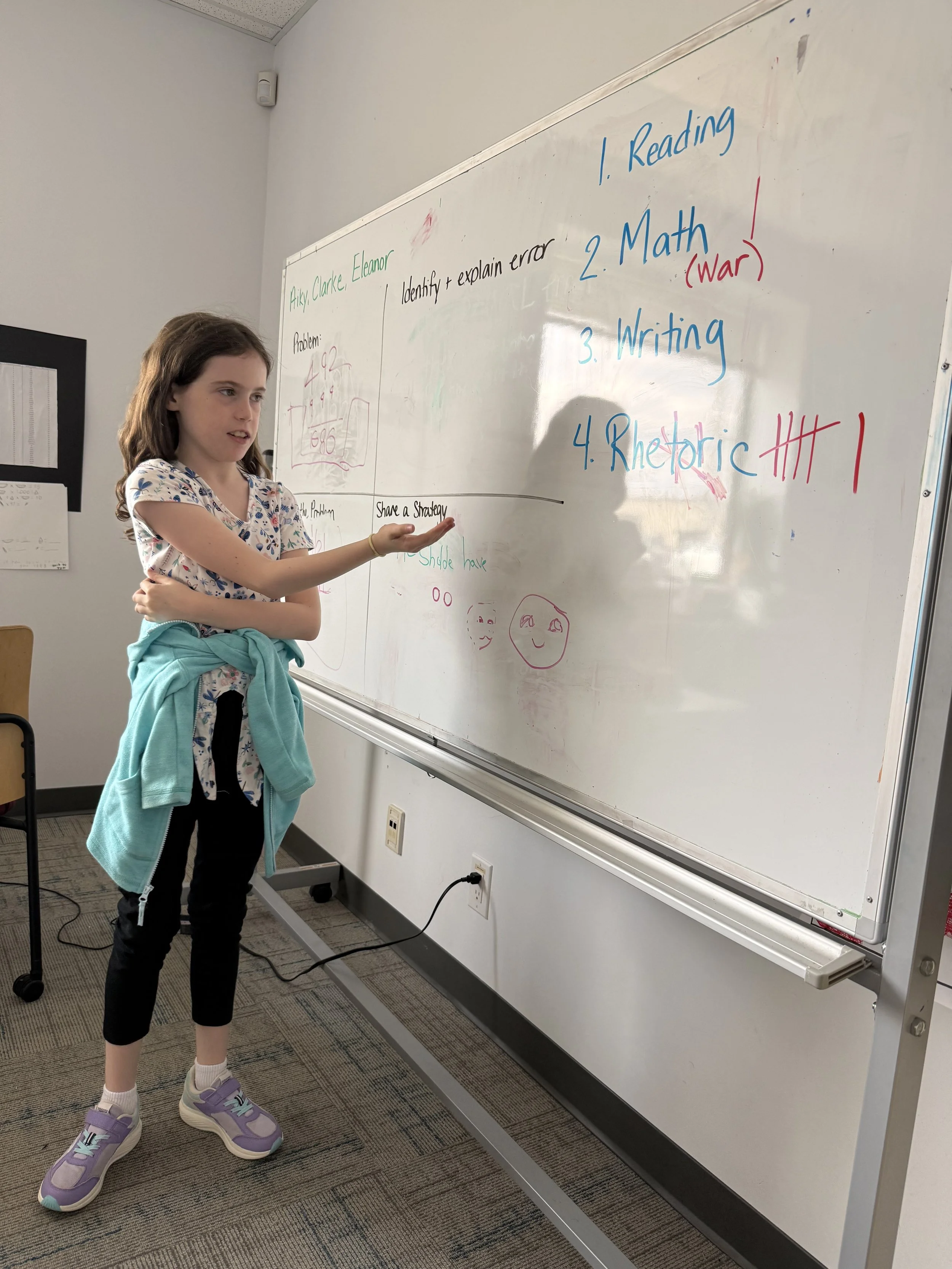
This week in Civilizations, our The Story of the World: History for the Classical Child, Volume 1 lessons brought us back in time to explore the incredible story of Julius Caesar. Rebels enjoyed a three-part story following Caesar’s rise on his journey to becoming one of the most powerful leaders in Rome. His story begins with a venture across the Mediterranean Sea that leads to him being captured by pirates. Instead of reacting with fear, Caesar jokes with the pirates, demands better food and living conditions aboard the ship, and even tells them they should ask for a higher ransom because he believes he is worth more than they originally requested. The pirates underestimate their captive, but once rescued, Caesar plots his revenge. He gathers ships and hunts down the pirates to make them pay for what they had done. Rebels agreed that this part of the story demonstrated Julius Caesar’s determination, confidence, and grit. Rebels were also introduced to a new vocabulary word: rhetoric, the art and science of communication and becoming a strong public speaker. This led into a heated debate amongst the Aim and Release Rebels, where they argued over which skill contributes most to strong leadership: reading, writing, math, or rhetoric.
French
This week in French, the Discovery Rebels completed and coloured their original Clue-inspired cards by inventing new characters, locations, and objects. Each learner also wrote short descriptions in French to accompany their creations, encouraging them to apply vocabulary creatively while practising sentence writing skills. Once the cards were finished, we used all of the learners’ original ideas to play a full-class game of Clue in French. Throughout the game, learners practised asking and answering questions, making guesses, and using their French vocabulary in an interactive and collaborative setting.
Quest
What a week! Rebels embarked on their fourth week of Chess Quest as we opened Monday’s Quest period with a big question: What does it mean to play in a tournament? Rebels reflected on how we have evolved from a group that was simply “learning how to play chess” into becoming true tournament players.
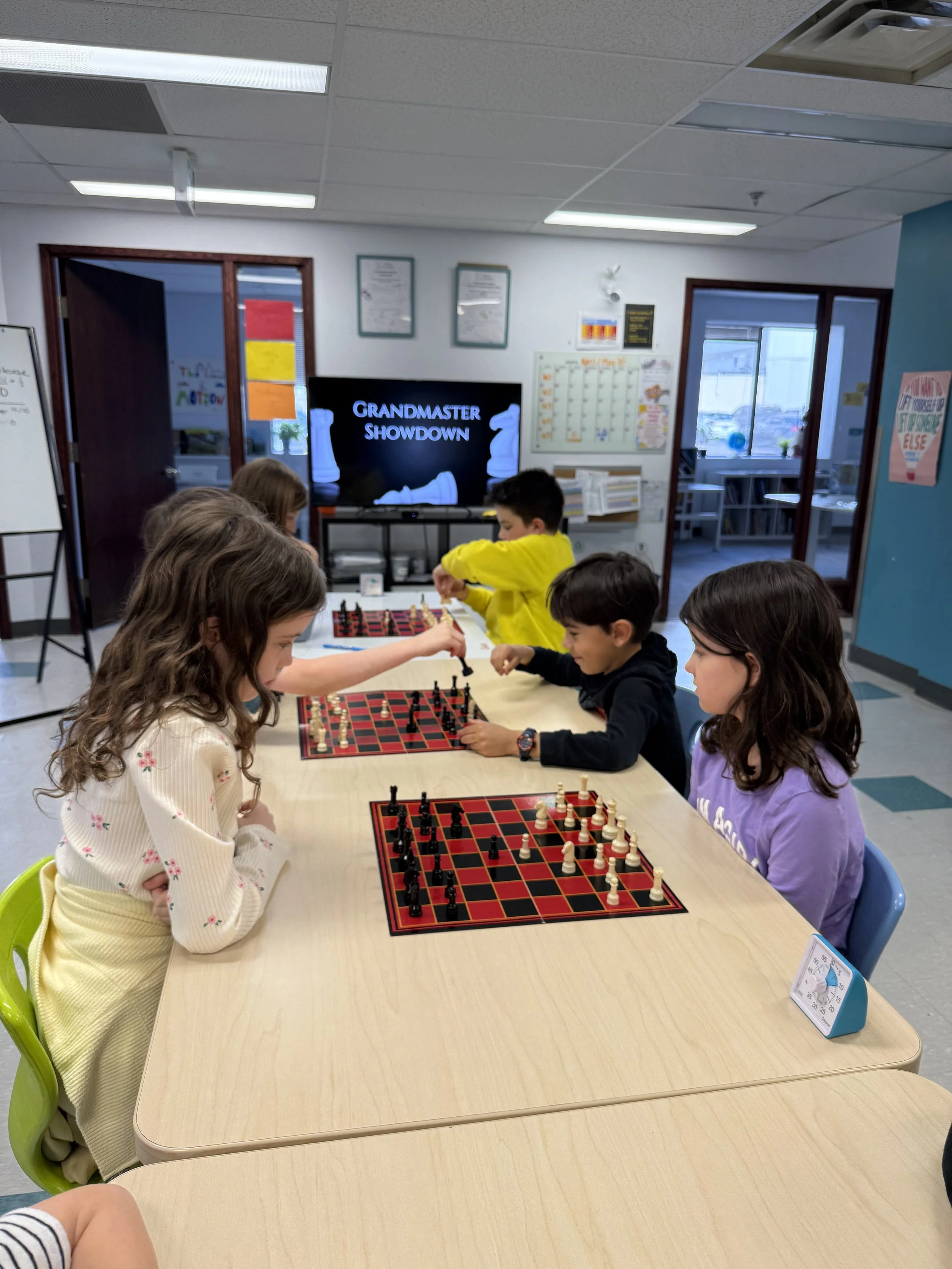
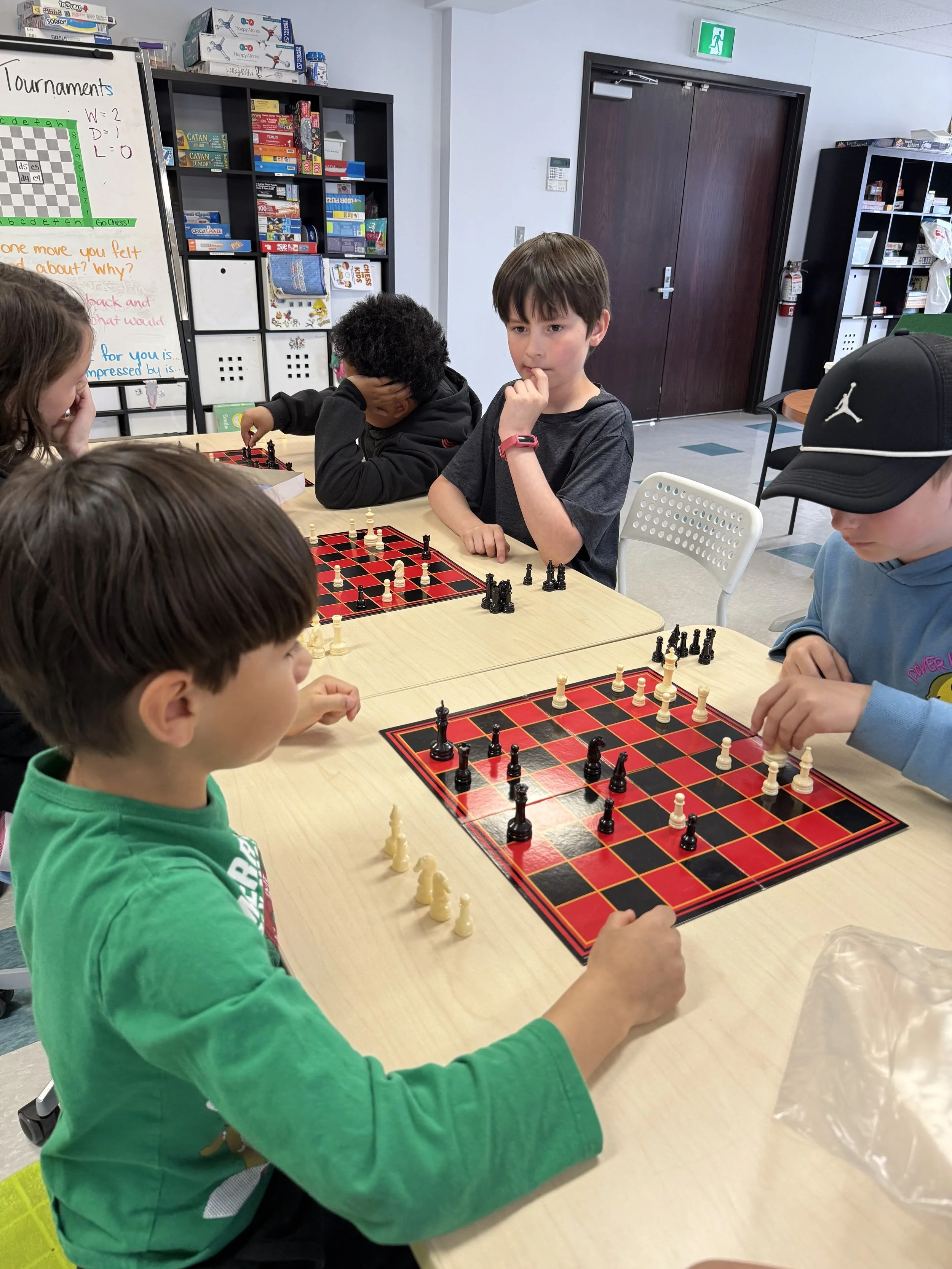
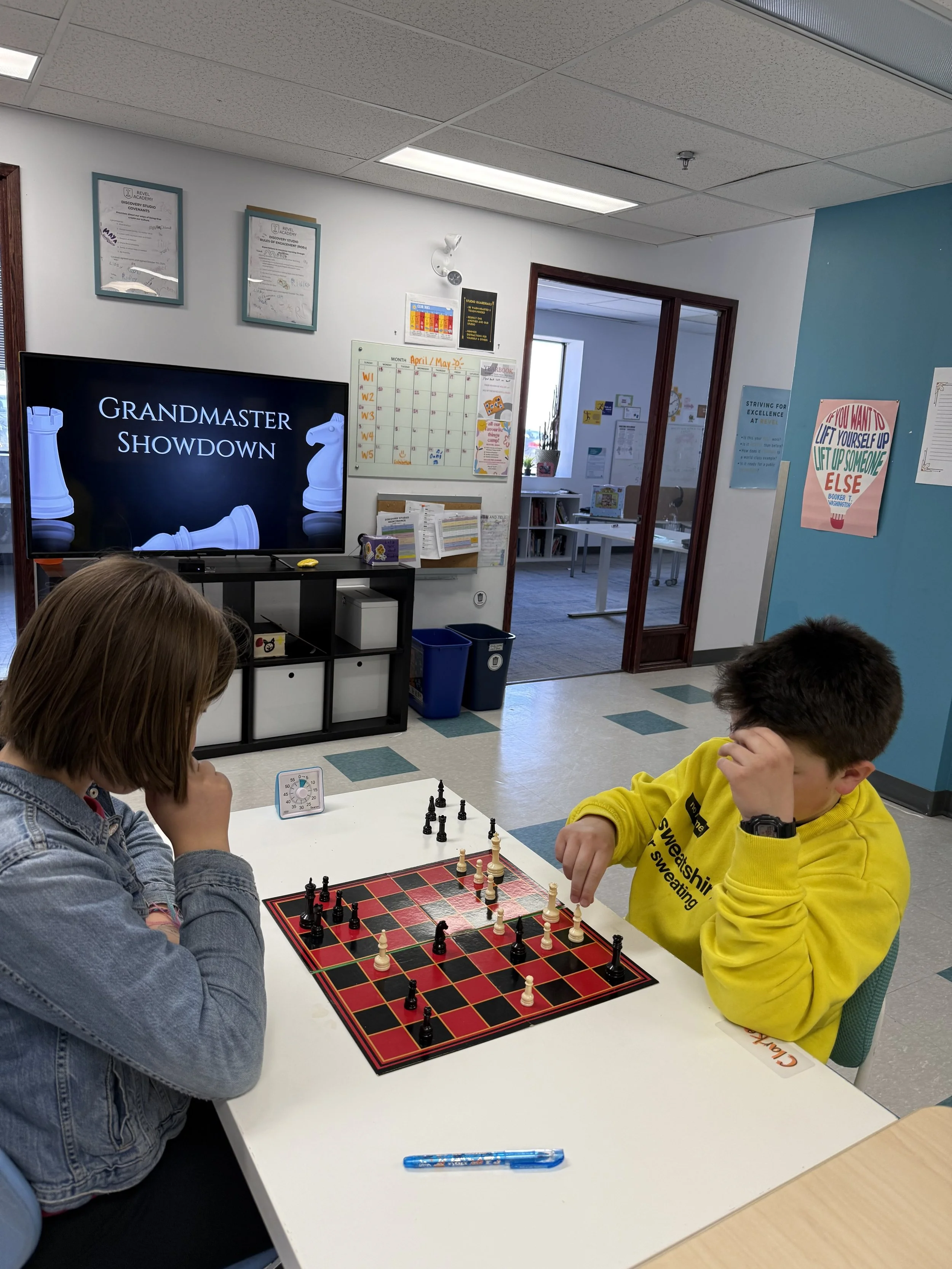

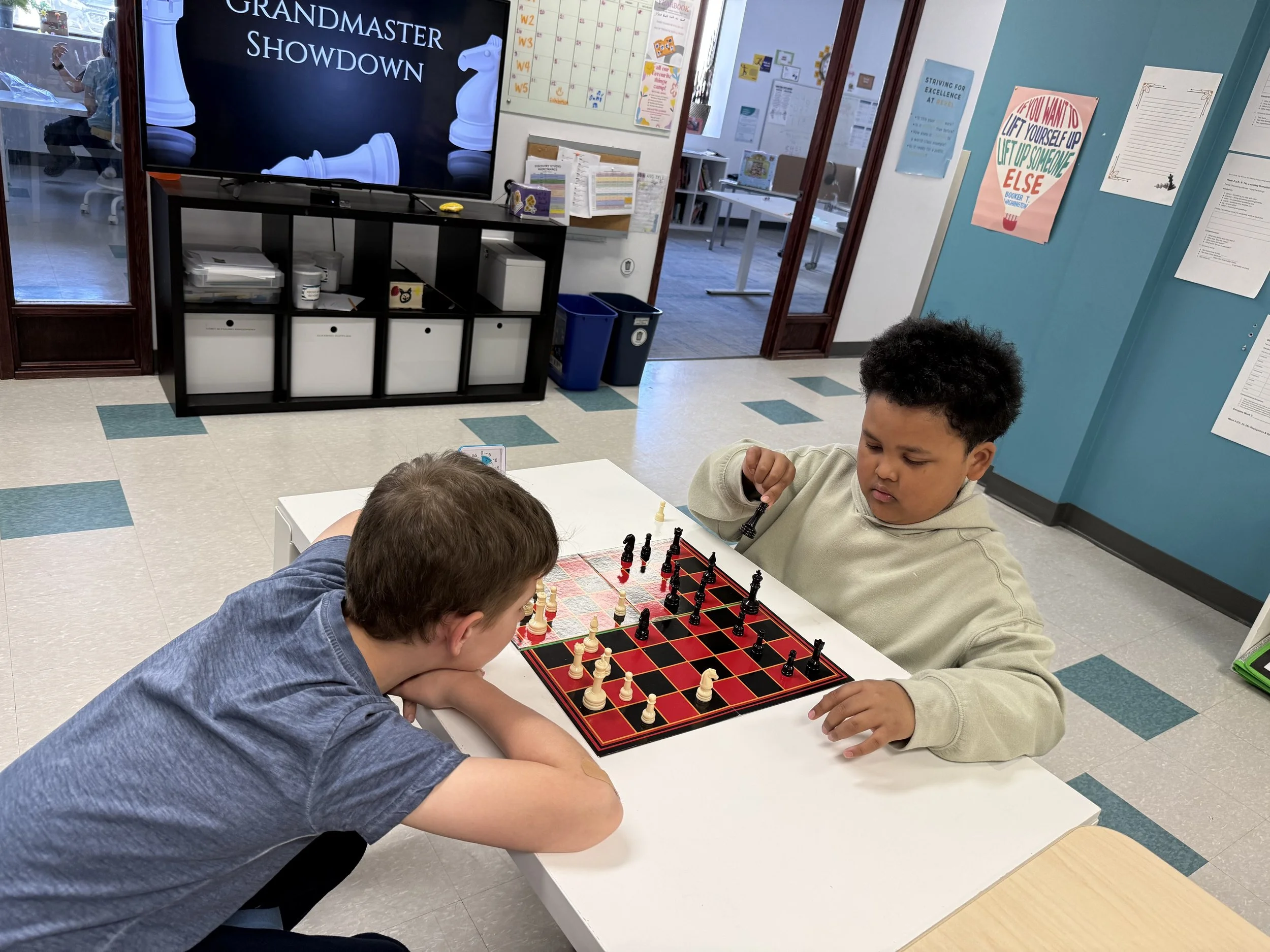
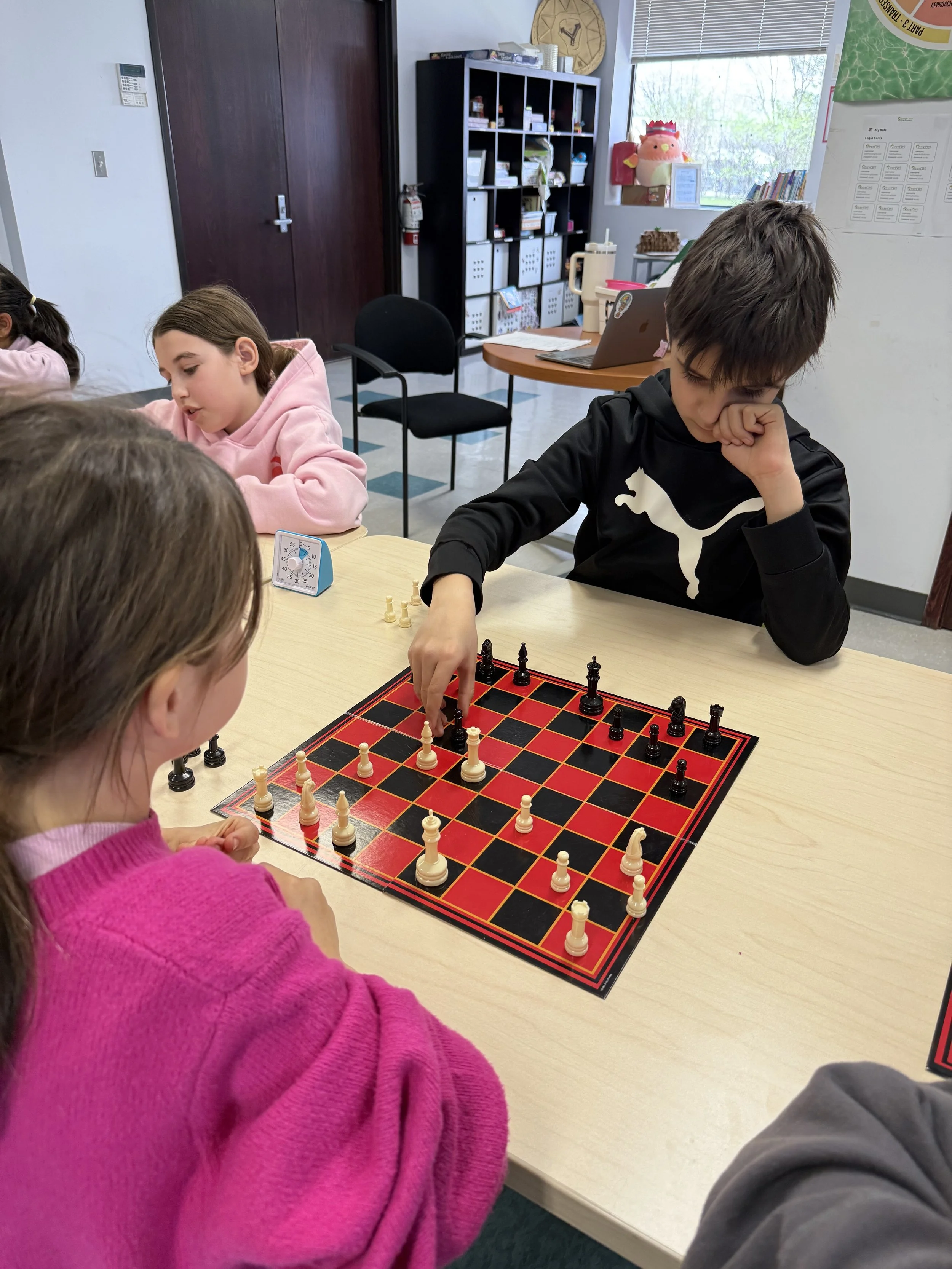

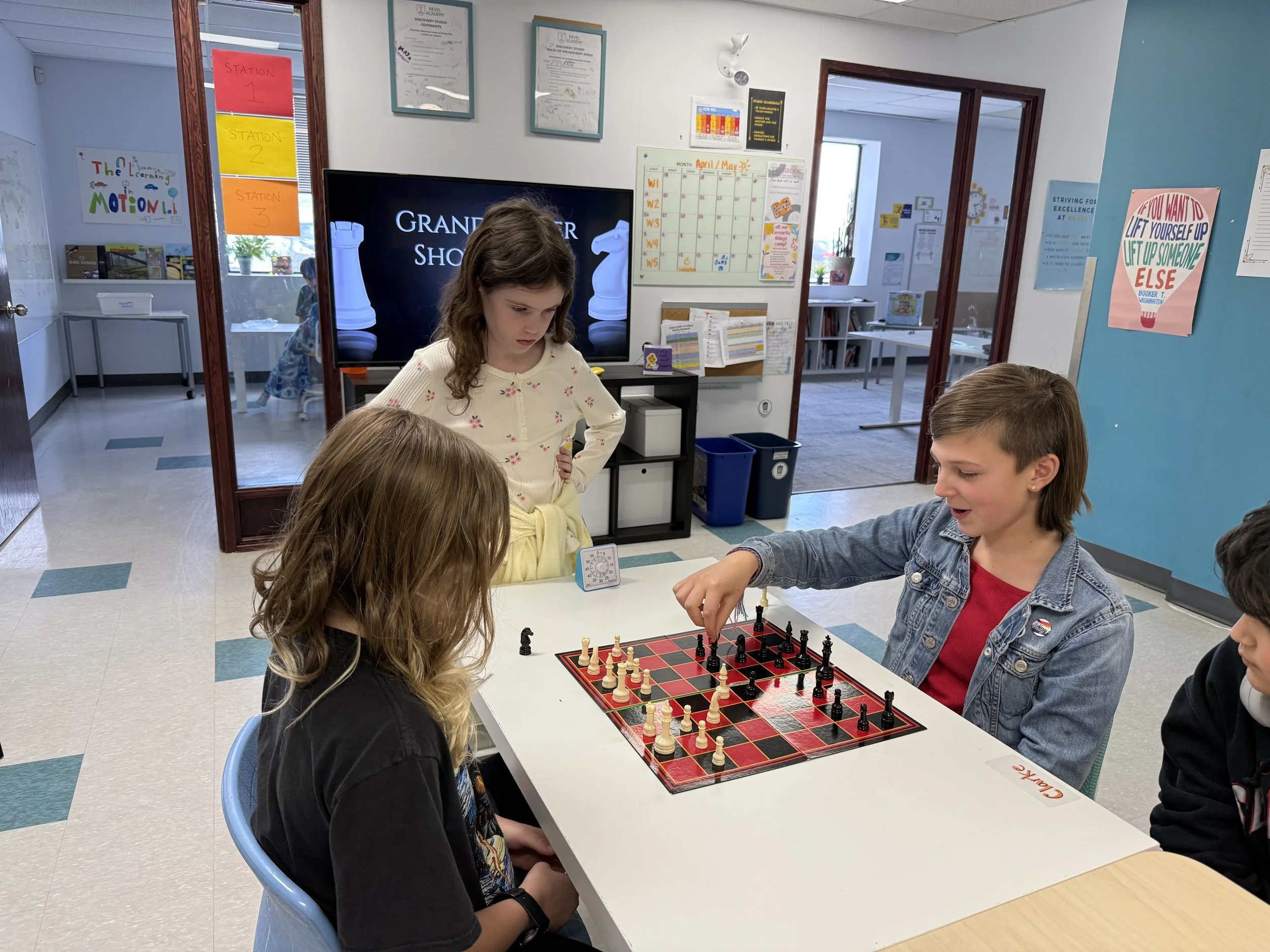
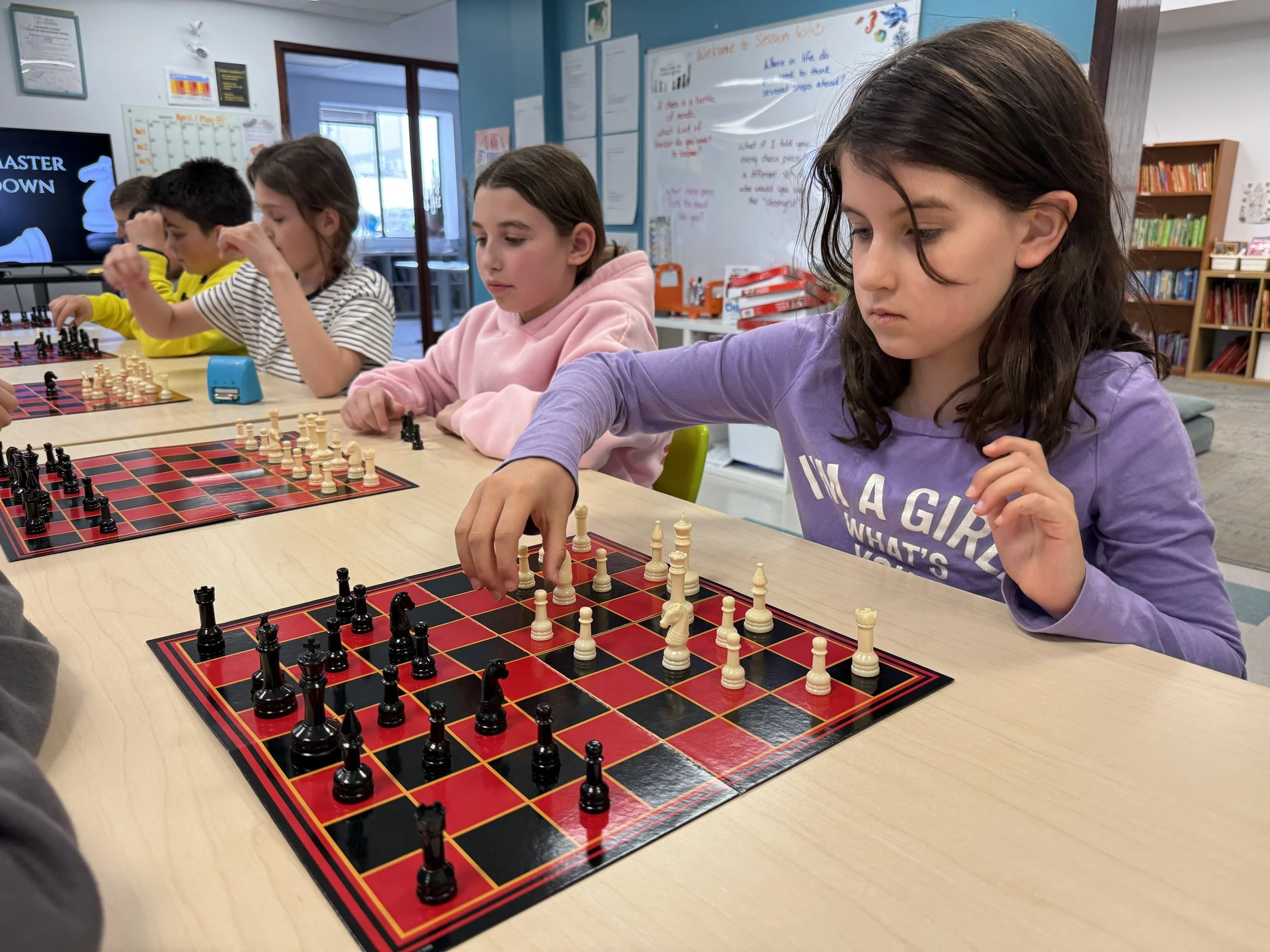
Rebels reviewed chess tournament rules and etiquette as we began planning how our Chess Exhibition would run next week. Taking inspiration from the tournaments we explored in Reader/Writer workshop this week, Rebels compared those experiences to what we are preparing for in our own community. Knowing each round would only be ten minutes long, Rebels discussed how that time limit might influence the way they play. Should they focus on checkmating their opponent, or capturing the most pieces and earning the most points? Would you rather checkmate later or capture a queen now? Most importantly, Rebels explored a strategic question that strong chess players constantly ask themselves: If I take this, what happens next? Encouraging Rebels to think two or three moves ahead significantly shifted the intentionality of their gameplay. Rebels were thrilled to learn that we would be playing mini tournament rounds during every workshop this week. We split into two groups, with one group competing in two ten-minute tournament rounds for points while the other worked on their Exhibition Chess Reflection. Rebels’ final written reflection challenged them to think deeply about their journey from Week 1 to Week 4 and consider how their perceptions of chess — and themselves as players, have changed over the past month.
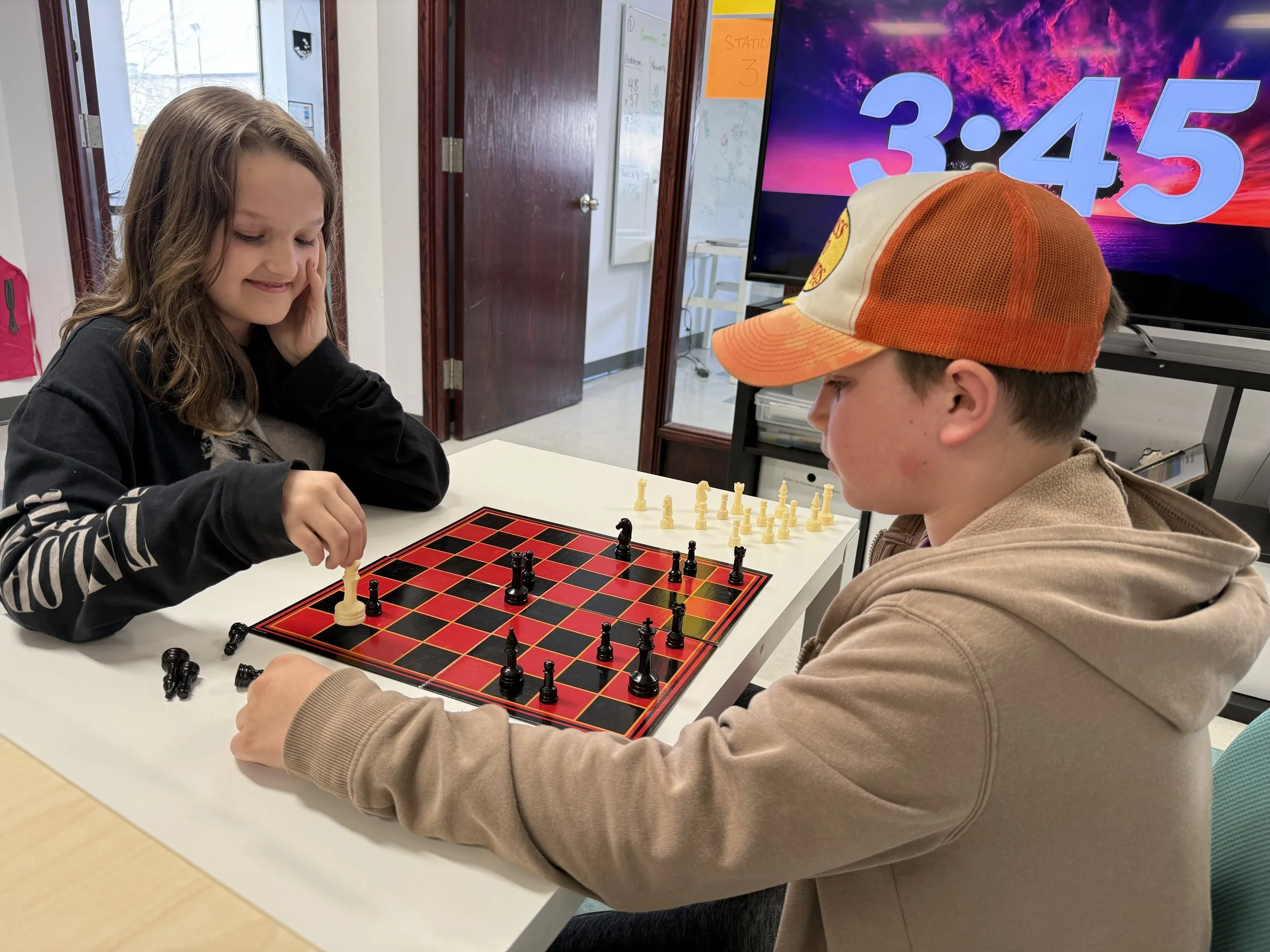
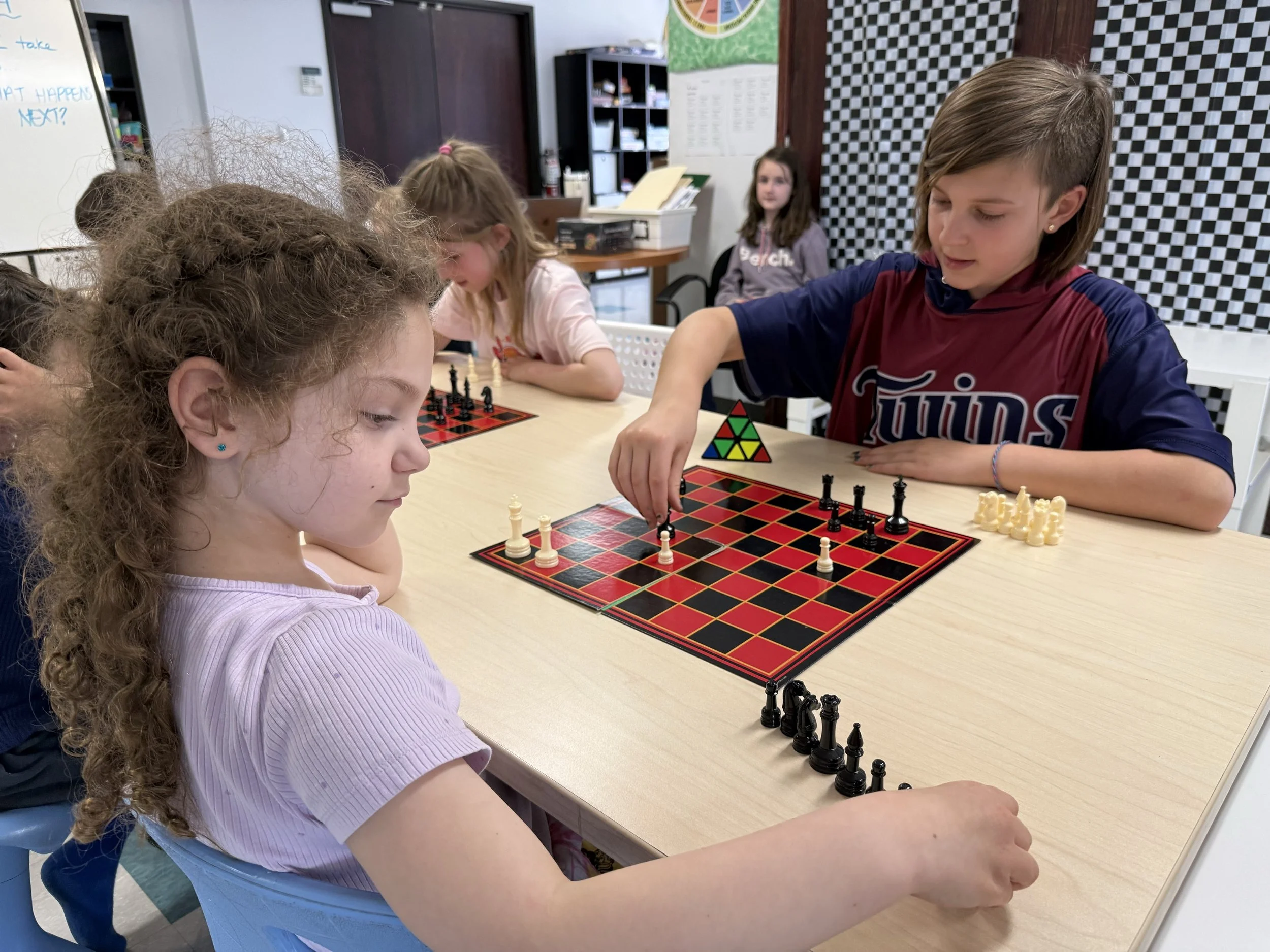
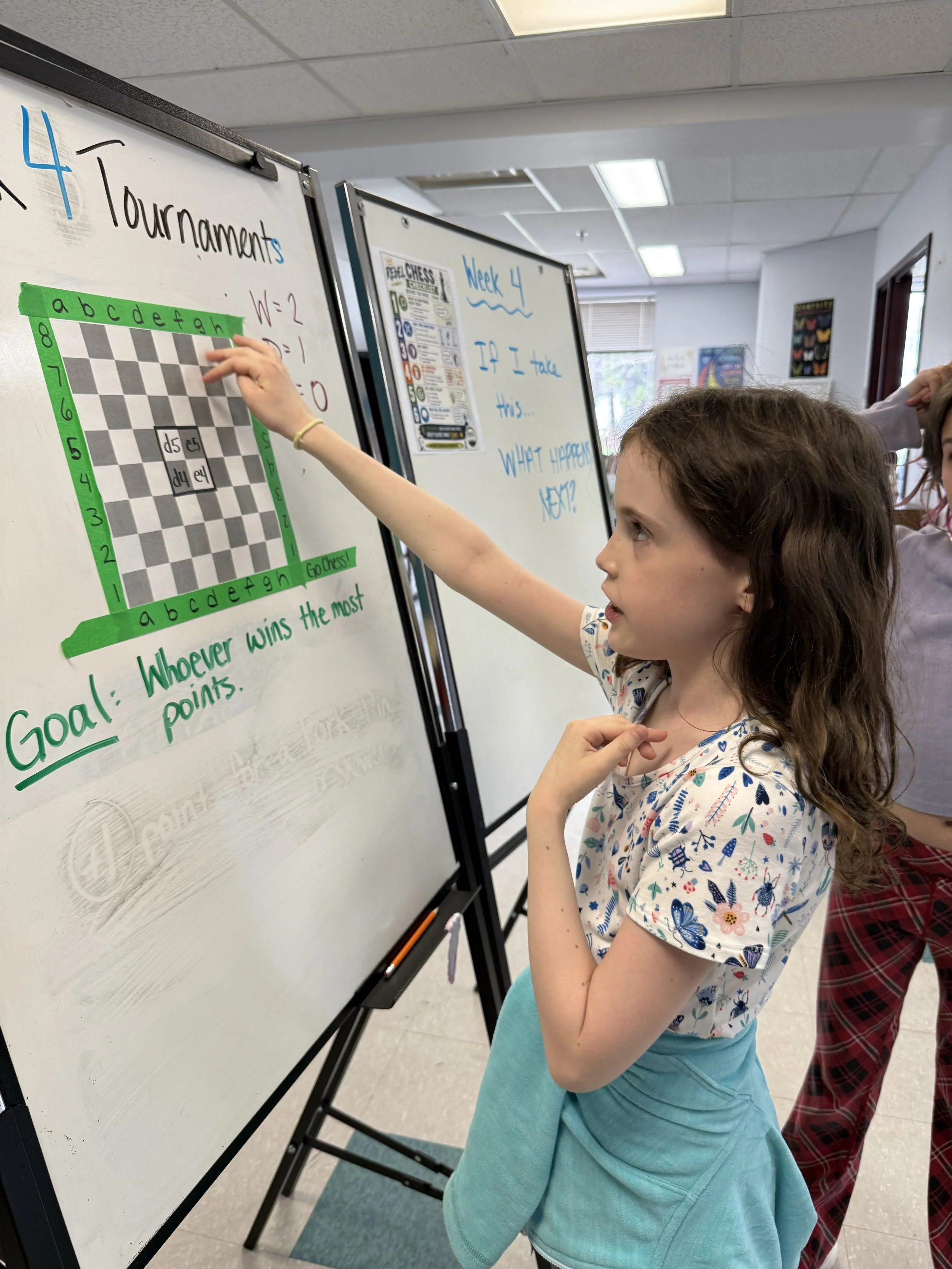
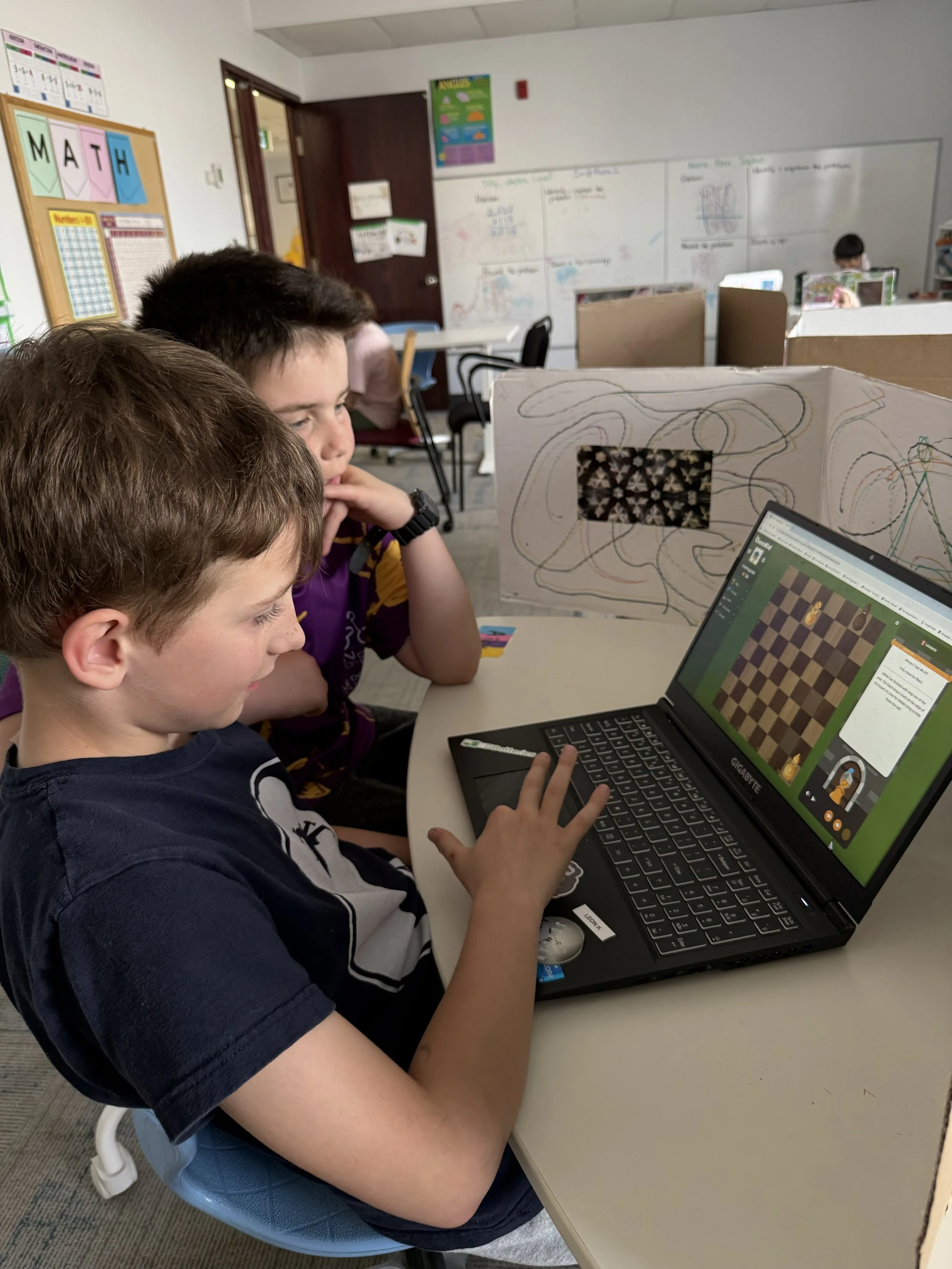
Tuesday’s workshop opened with Geri's Game, where the main character plays against himself while embodying two very different styles of players: fast and aggressive versus slow and thoughtful. After watching the short film, Rebels reflected on the quote, “The problem isn’t time… it’s panic!” Together, we discussed how to stay calm under pressure and developed some simple “tournament cues” to help guide us during games: stop… look… think… move. Wednesday and Thursday’s tournament matches allowed Rebels to compete in some fun and creative formats. Wednesday featured a “Draw and Duel” afternoon, while Thursday’s “Grandmaster Showdown” matched Rebels against opponents within similar ranking ranges. Thursday’s matches also introduced an added layer of complexity: a win earned two points, a draw earned one point, but a loss would cost a player one point. Rebels reflected on how the added pressure of potentially losing points might influence the way they approached strategy and risk-taking during gameplay.
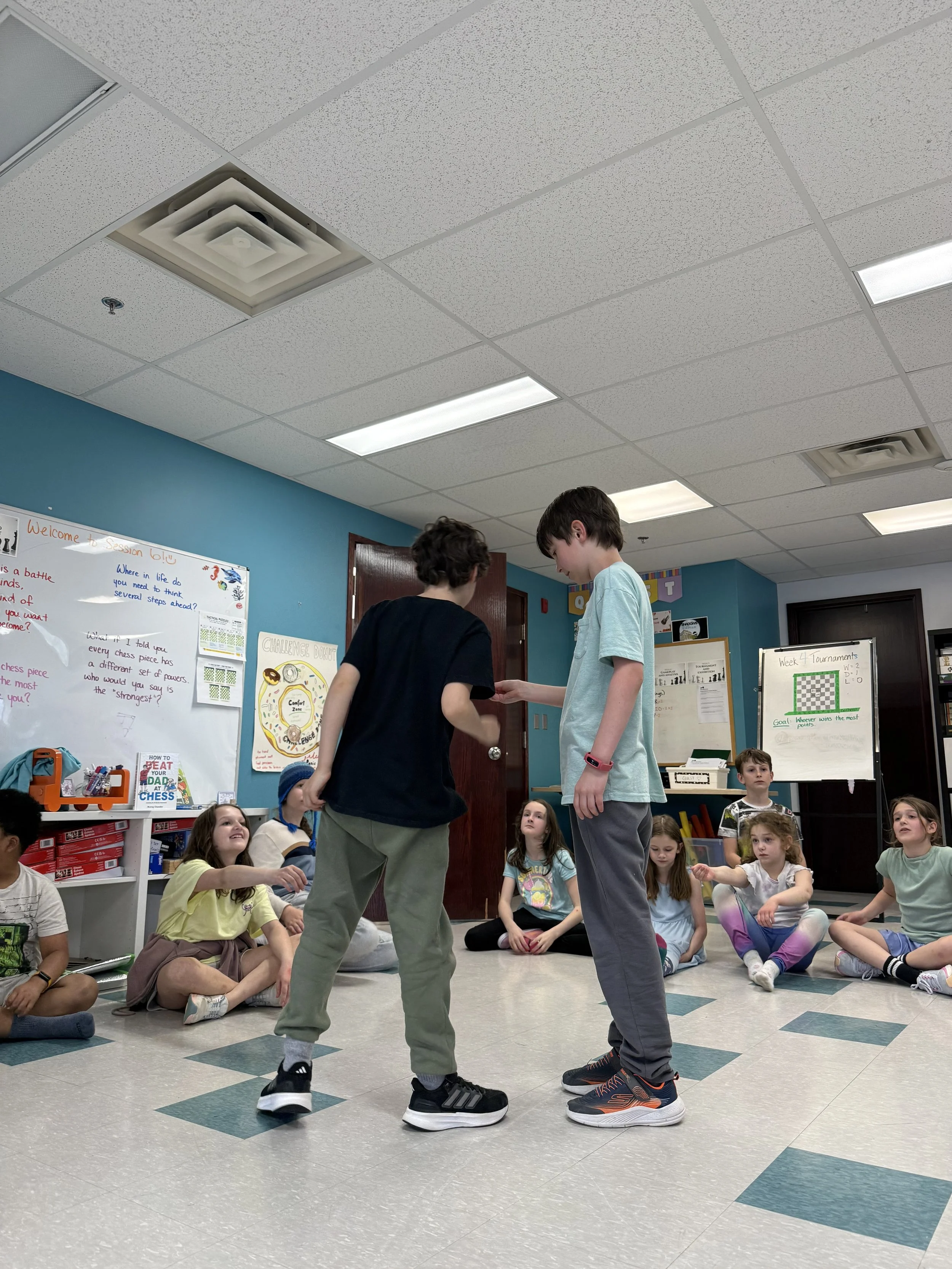
This week, Rebels demonstrated some of the strongest and most intentional gameplay of the entire session, showcasing incredible growth and mastery in a game some of them only began learning four weeks ago. We wrapped up the week feeling both excited and nervous about the upcoming tournament and spent time debriefing important details to help everyone feel prepared. We look forward to welcoming everyone to our Revel Chess Tournament on Tuesday!
Additional Highlights
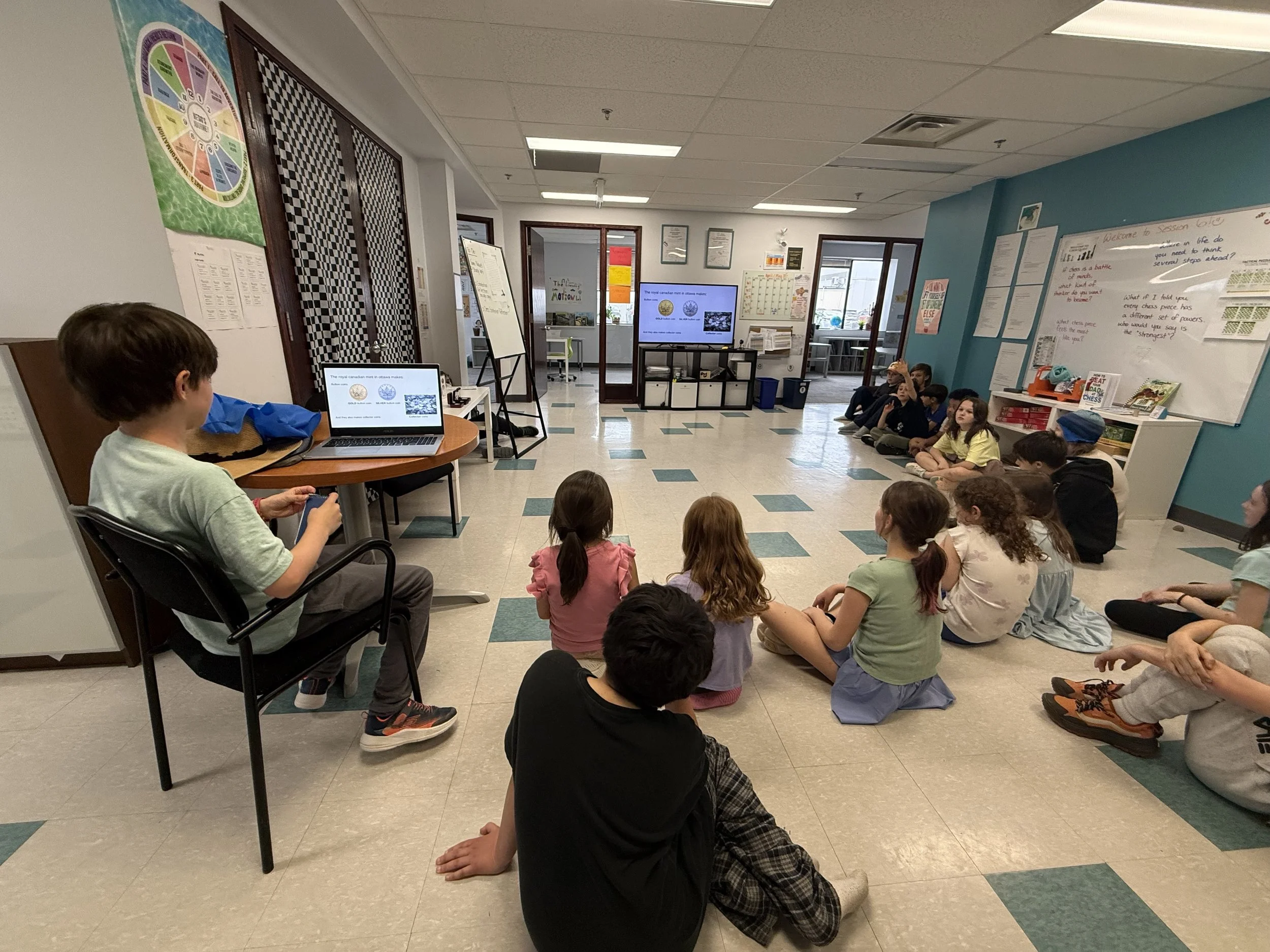
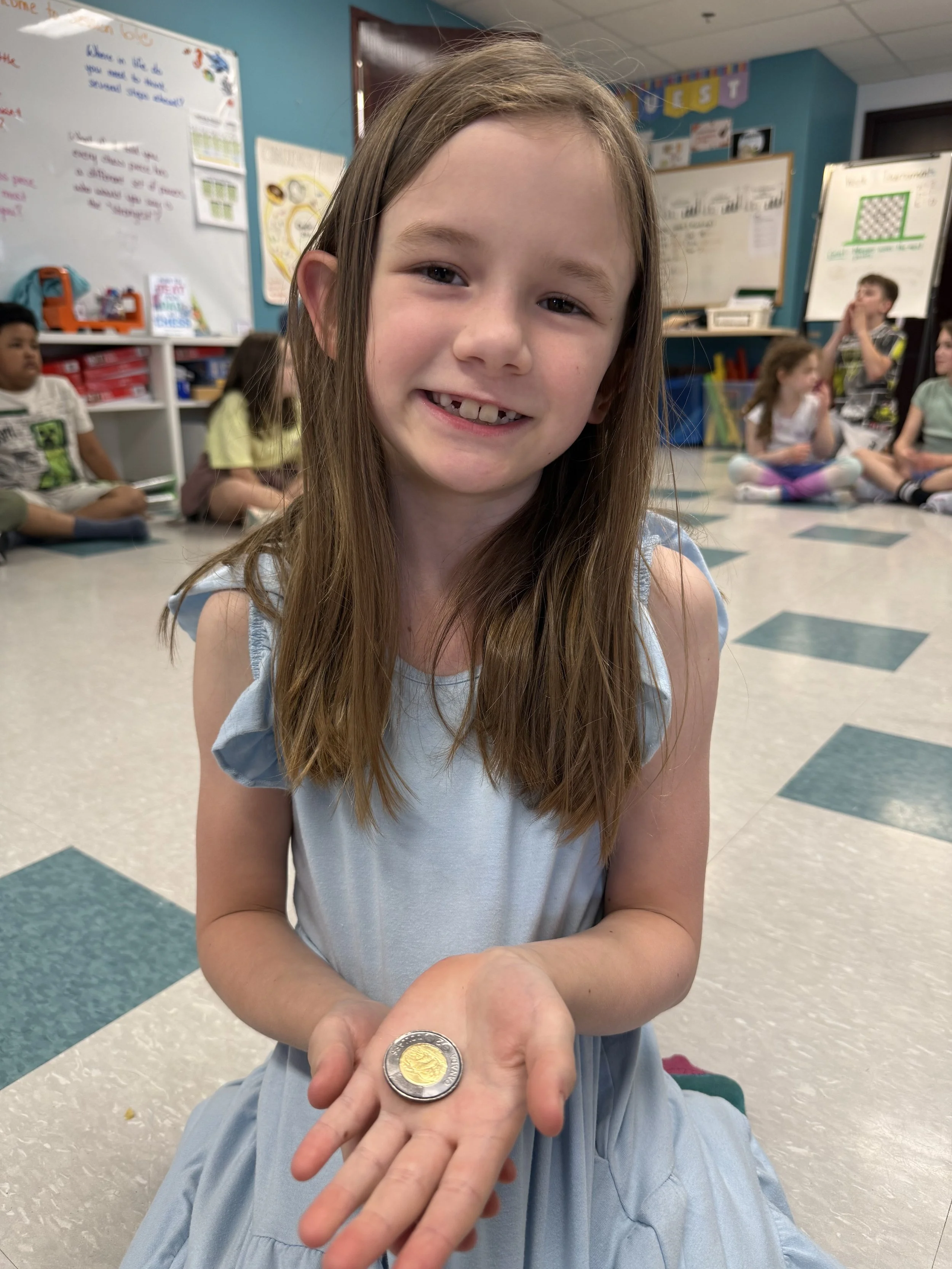
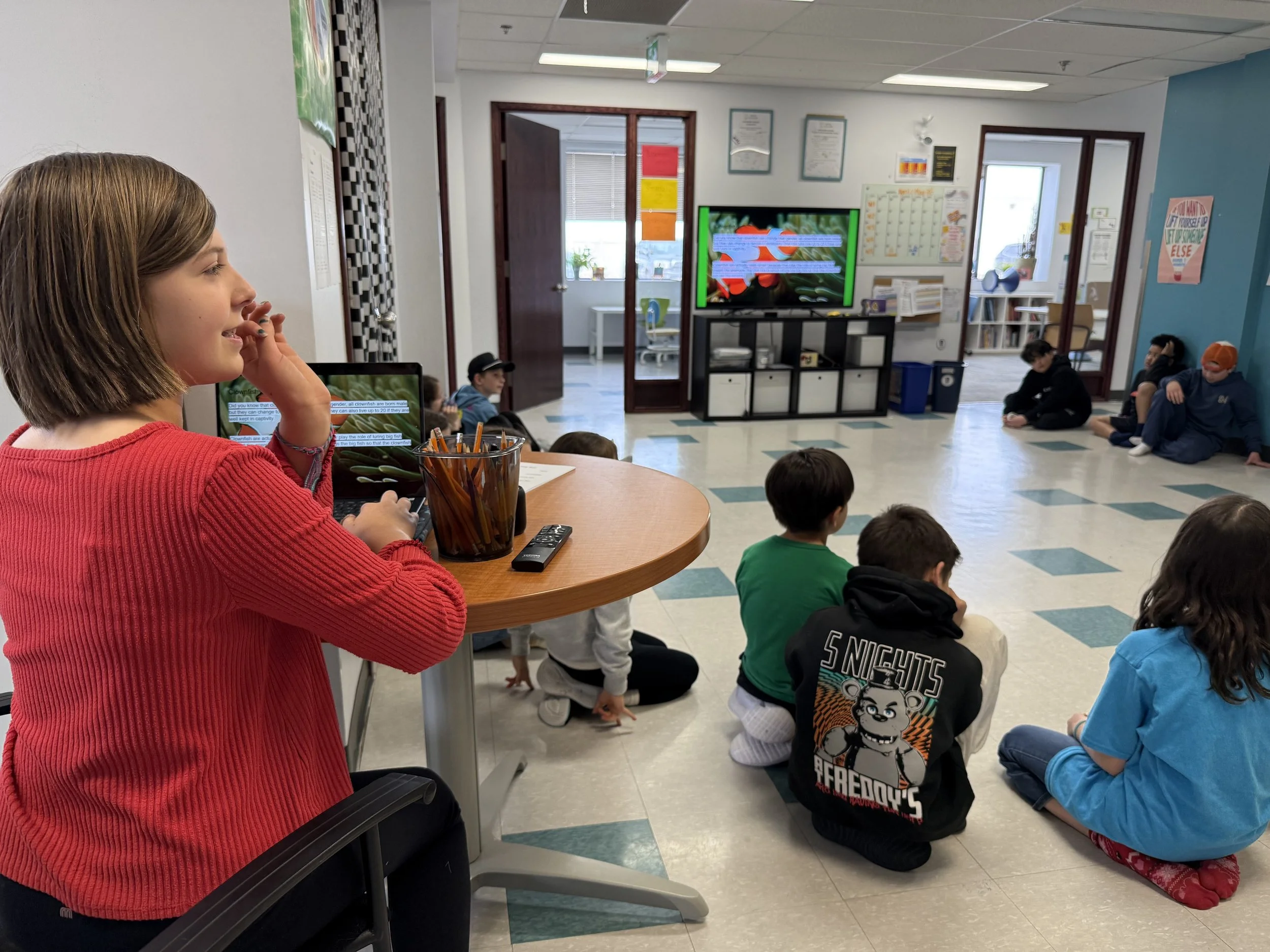
As we approach the end of the school year, we have several Discovery Rebels preparing for their Independent Learner Badges as they anticipate moving up to the Exploration Studio in the Fall. Part of the Independent Learner Badge is having Rebels lead more launches and closings, so we had a few Rebels on the schedule this week who lead two wonderful closings about collectable coins and different types of fresh and saltwater fish. It’s inspiring to see the Rebels step into this part of their learning journey!
Exploration Studio

Mindfulness & Launch
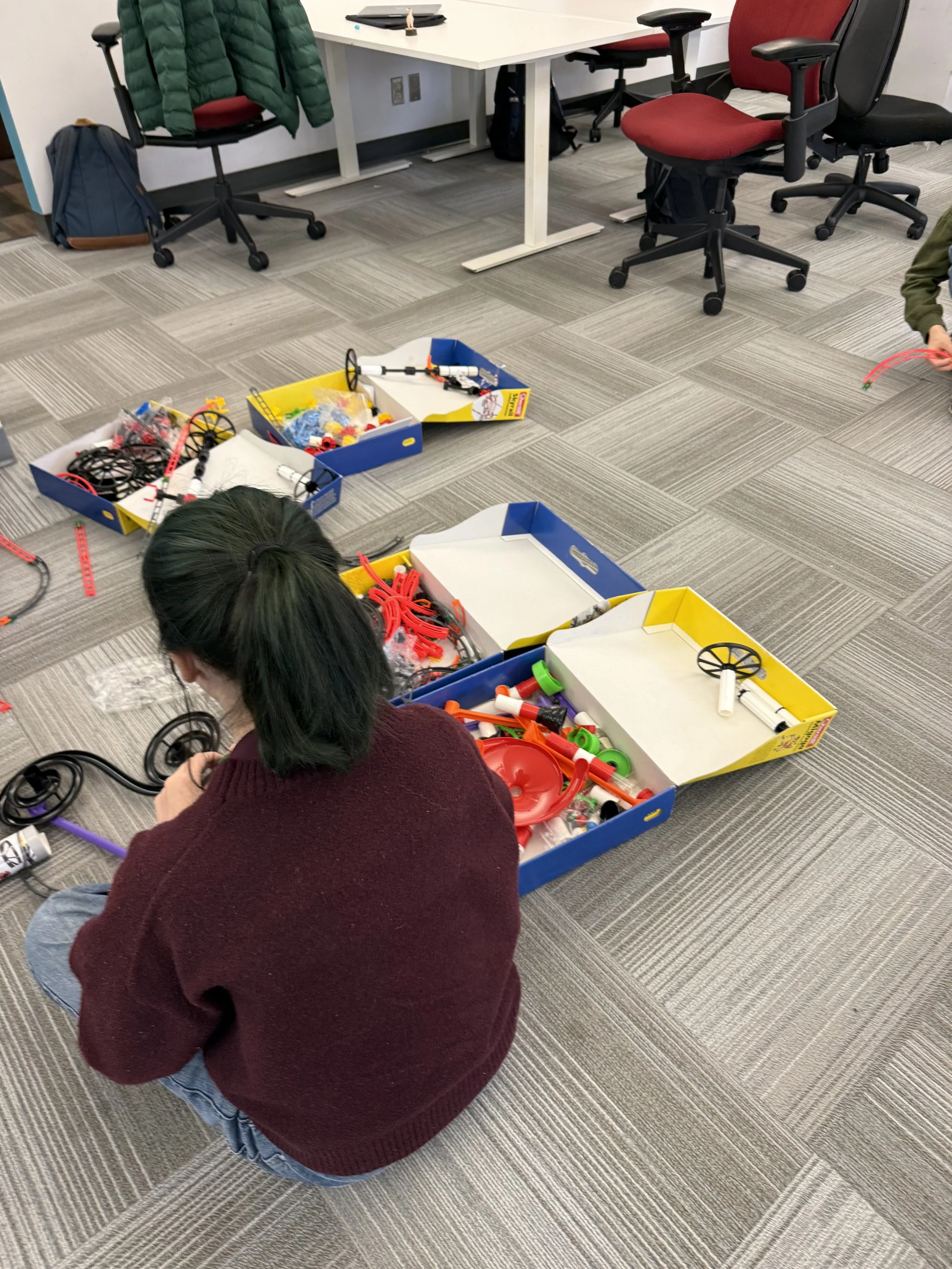
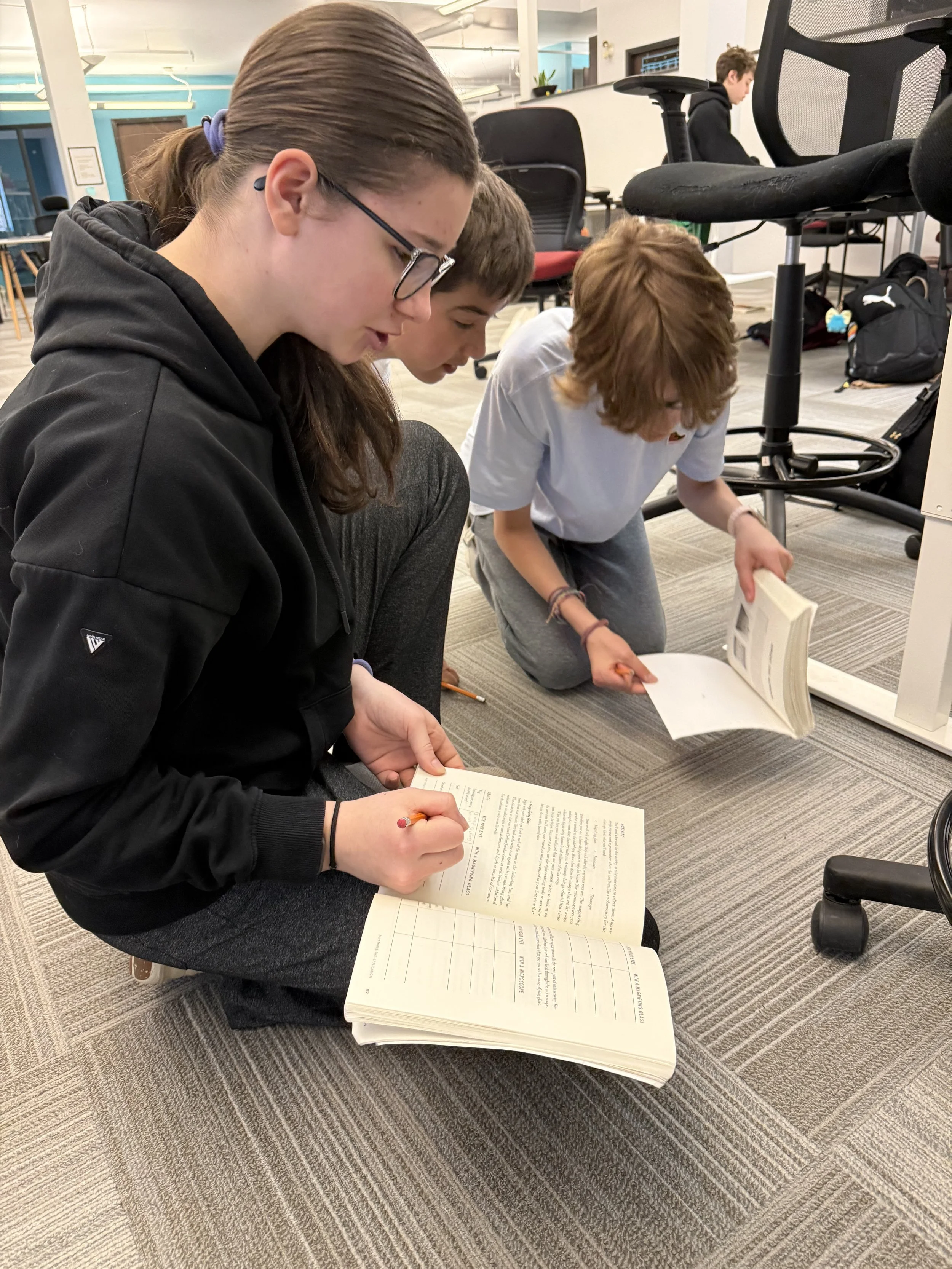
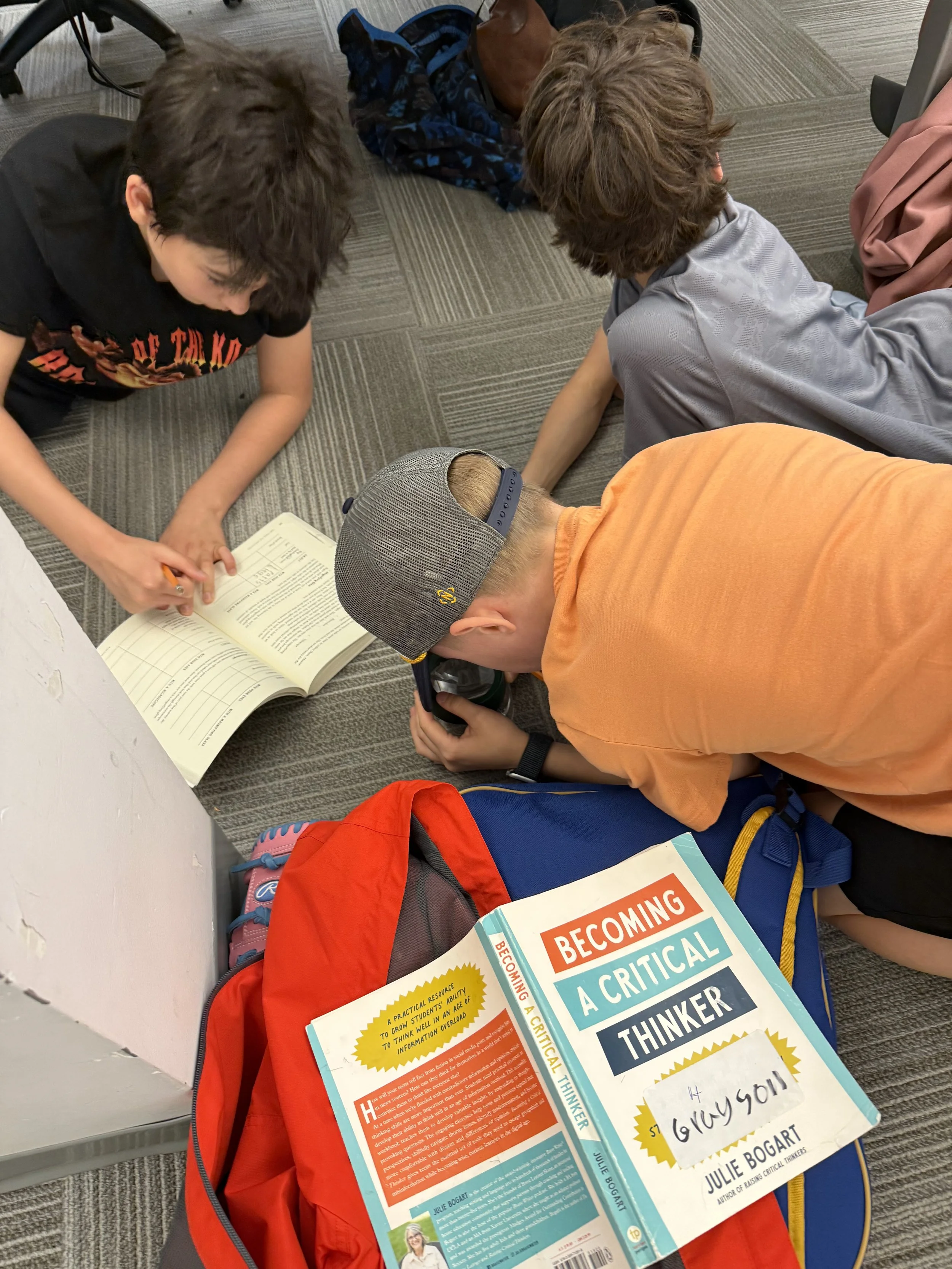
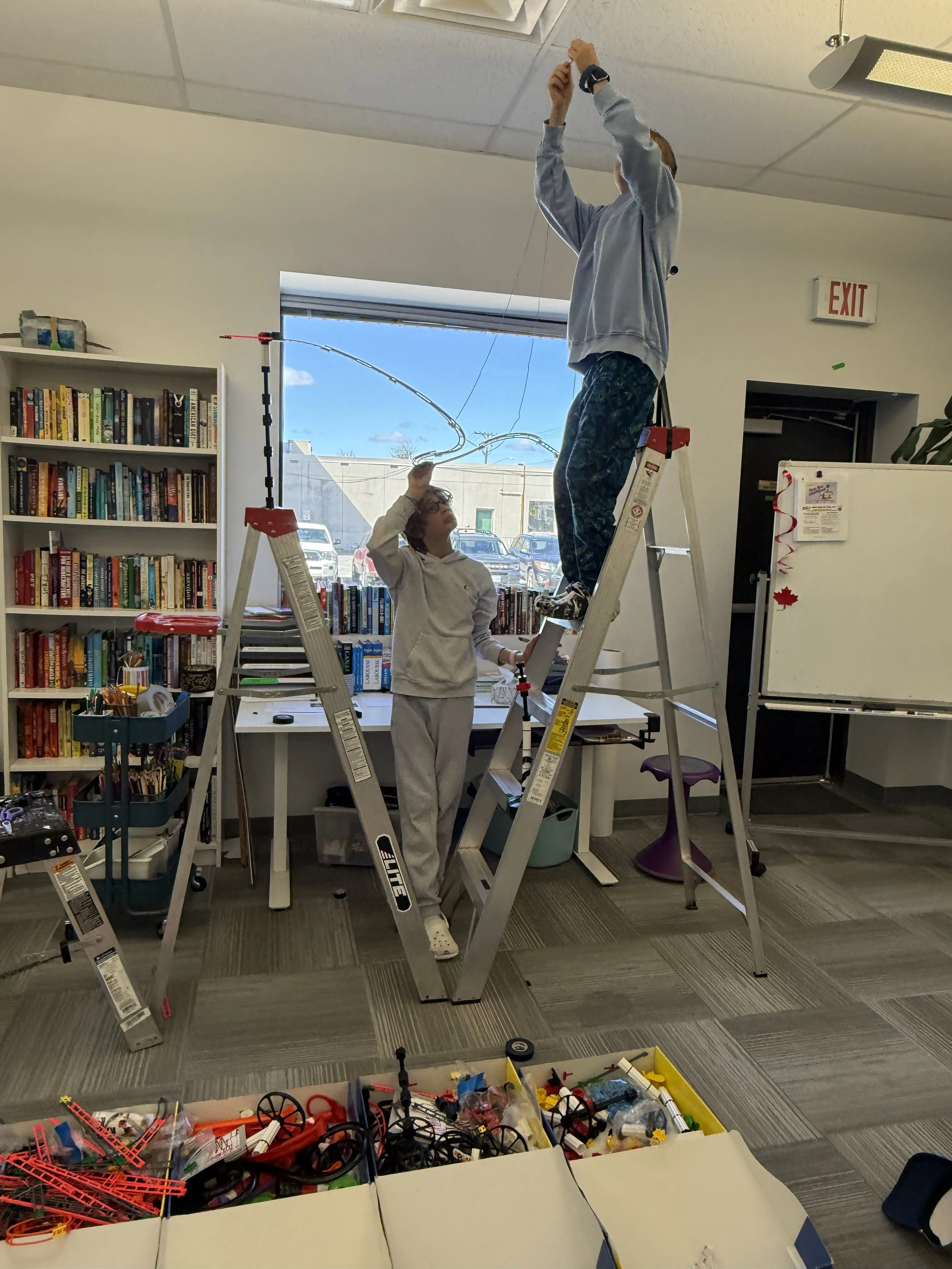
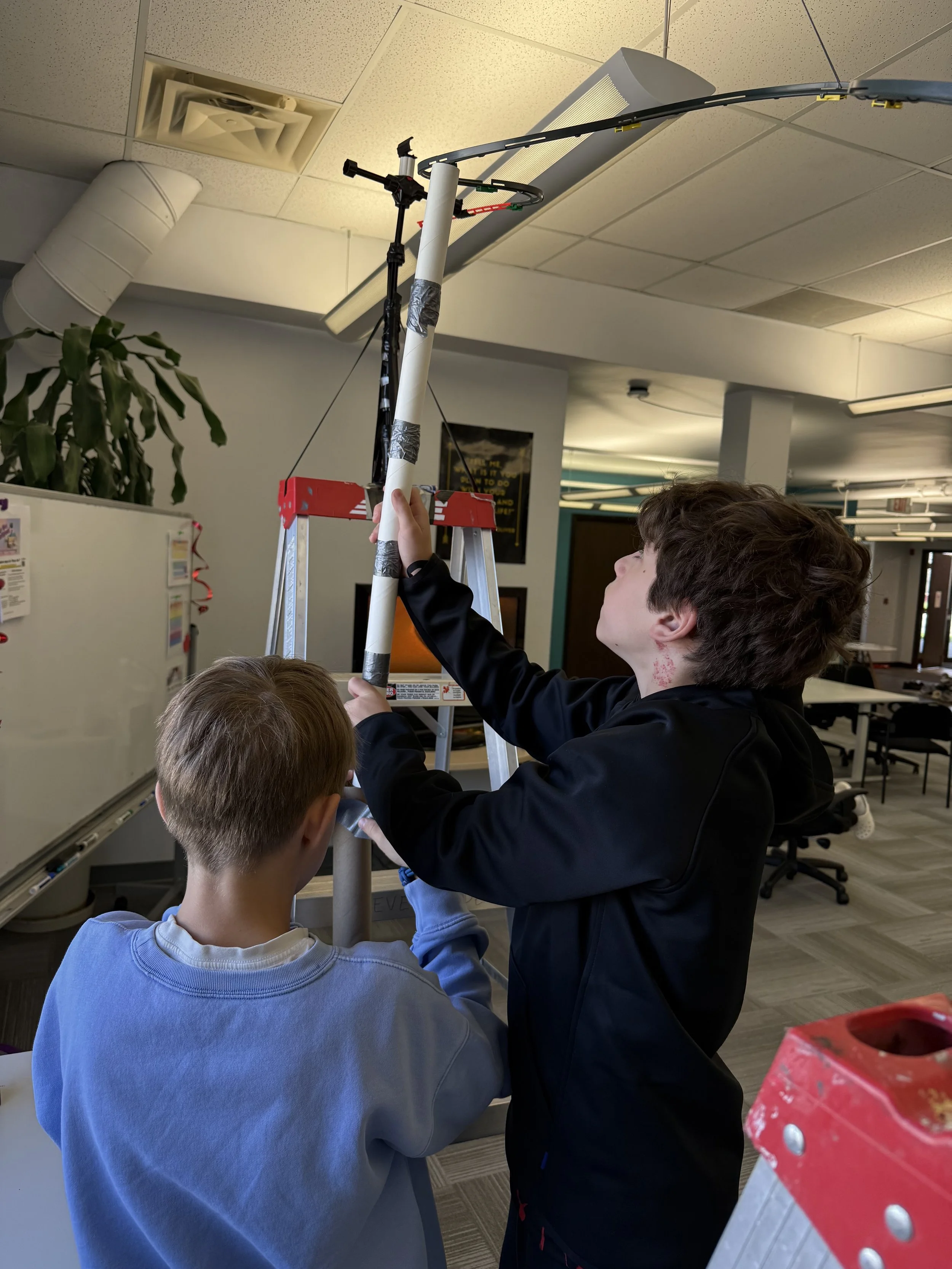
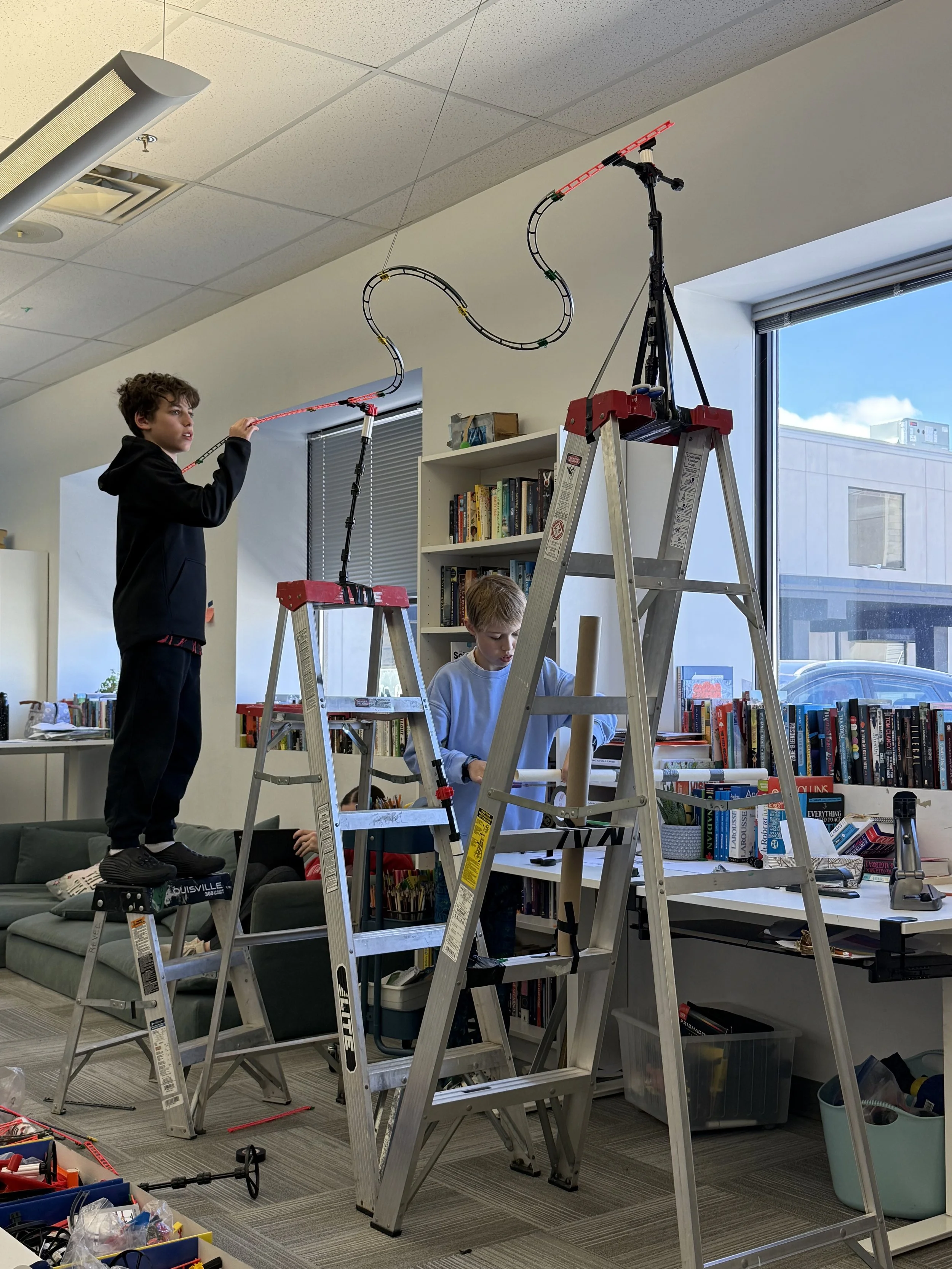
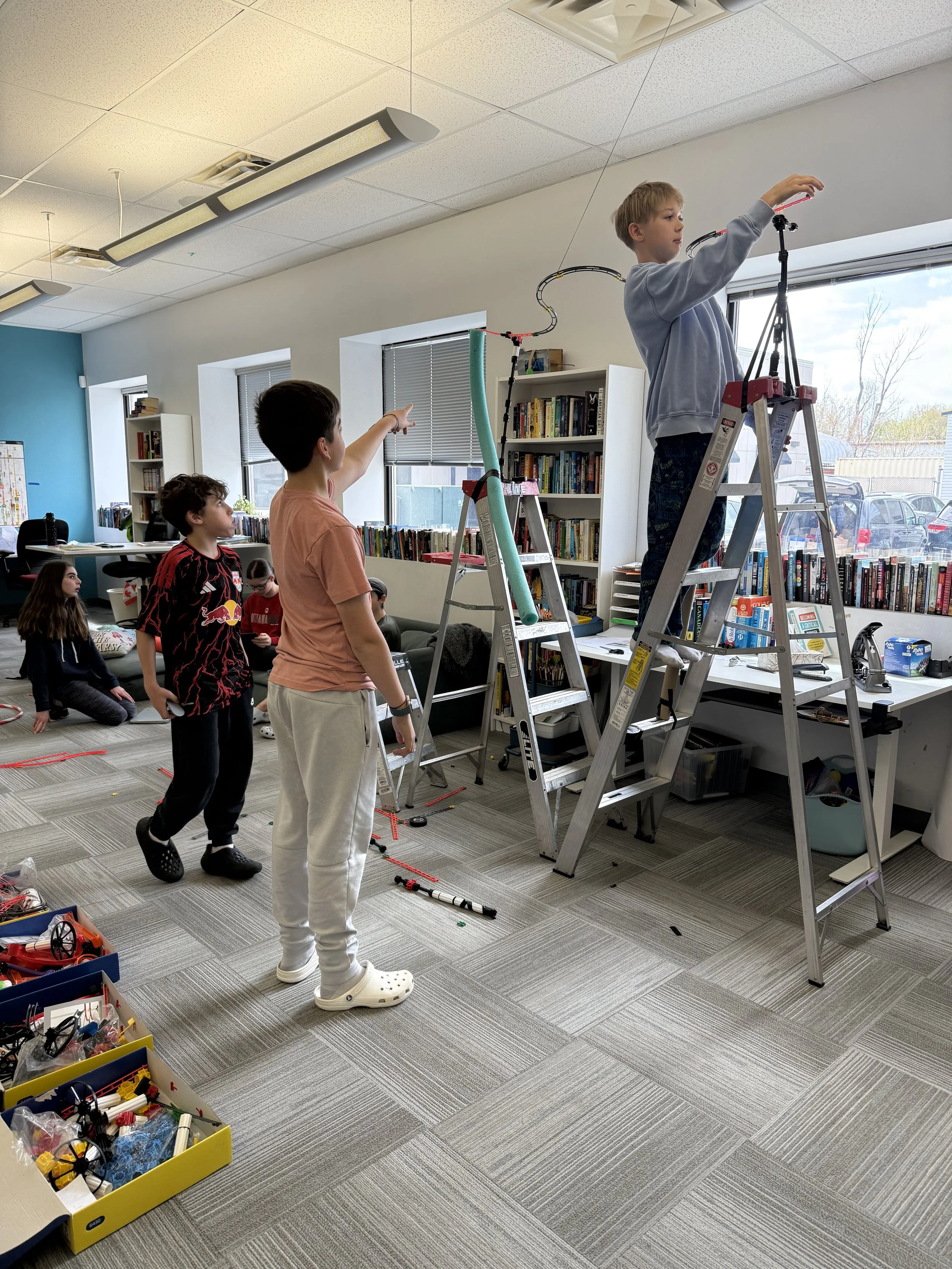
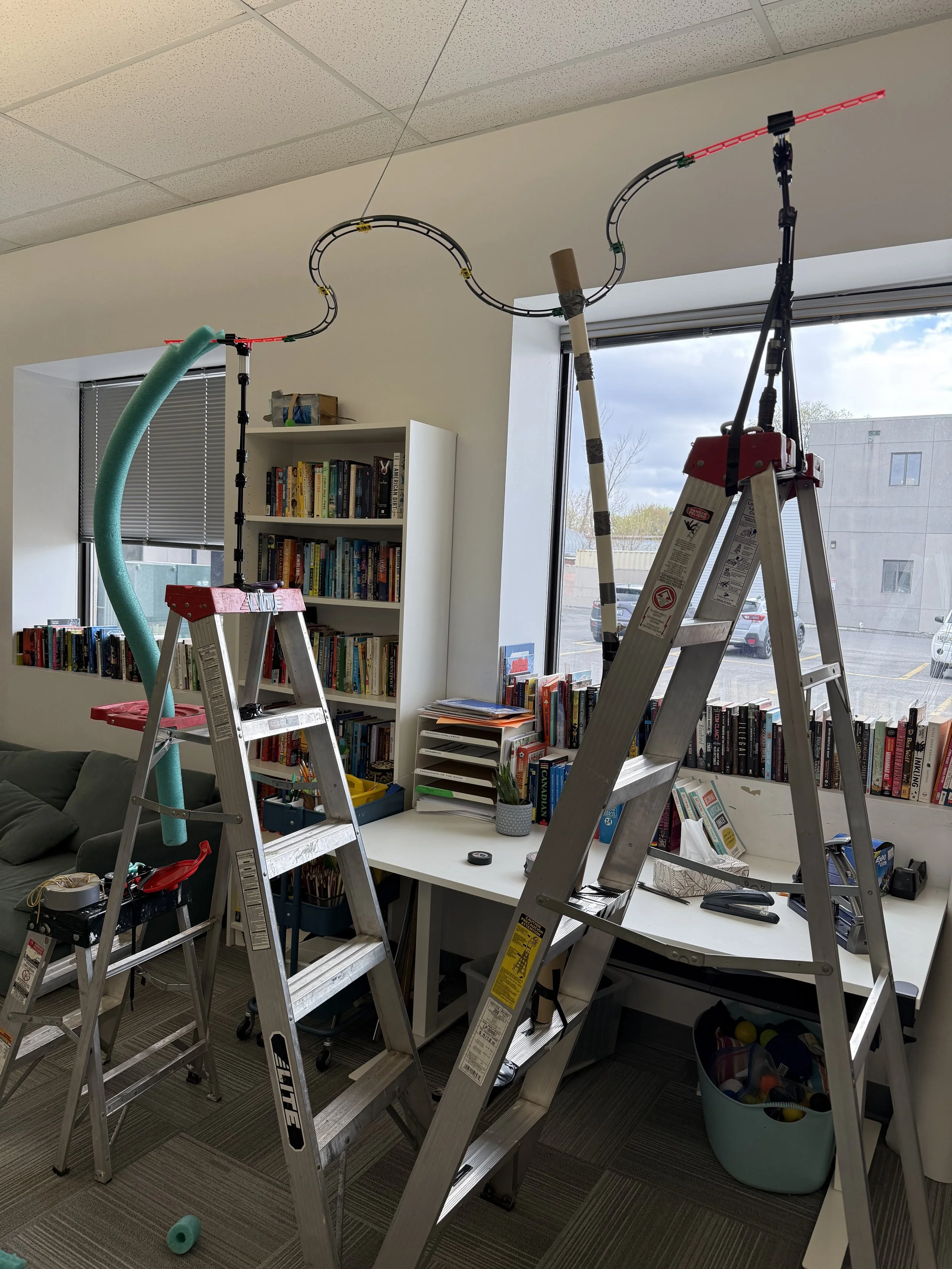
On Monday, we welcomed a visitor for the day with our traditional introduction circle. We then took part in a lesson on a logical fallacy: the "appeal to nature." This fallacy assumes that something is better or healthier just because it is more natural, or that something is worse because it is artificial. After discussing advertisements and brainstorming natural vs. unnatural products, Rebels completed their Critikid lesson. Then, to celebrate "May the Fourth," we watched a funny Bad Lip Reading video before heading off to core skills. Tuesday, learners began their Becoming a Critical Thinker lesson entitled A Lens with a View: Finding a Different Perspective. After observing with the naked eye, they used magnifying glasses and binoculars to examine things more closely, then reflected on the experience. On Wednesday, learners had the option to work on either their photography self-portraiture skills or a Marble Run, courtesy of GAPC. It was a creative and fun way to start our day! Thursday's walk was chilly but nice, and on Friday, after our puzzle session, we had a great weekly update in the news by our Current Events team!


Reader/Writer Workshop
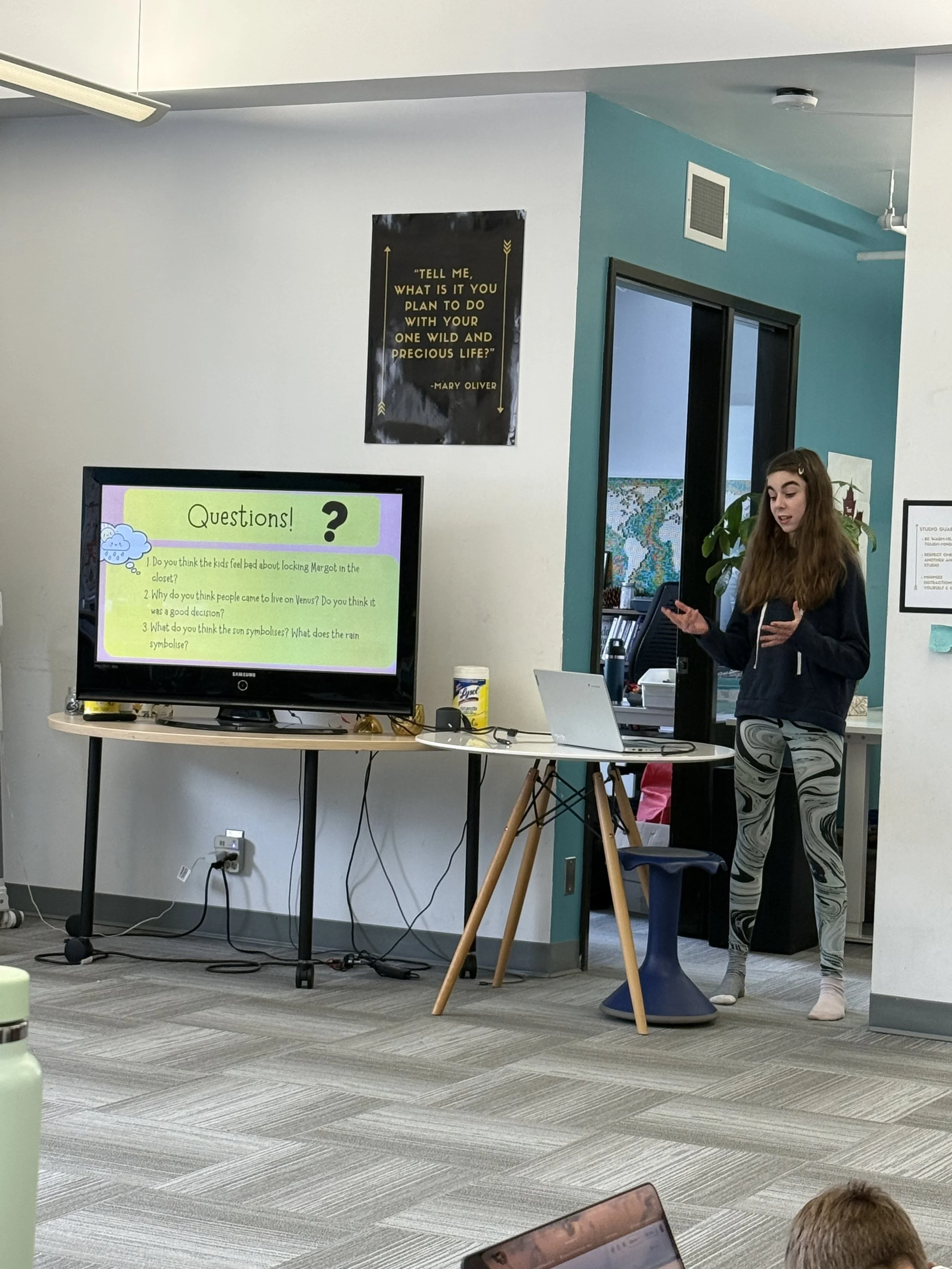
On Monday, four groups gave their Short Story Bootcamp presentations! The studio heard background information, personal opinions, literary analyses, and outside connections regarding "The Lottery," "All Summer in a Day," "The Monkey's Paw," and "The Lady, or the Tiger." Next week, we'll hear the remaining four and listen to a special oral story shared by one of our learners.
During DEAR, we listened to "The Story of an Hour" by Kate Chopin and "The Most Dangerous Game." Next week, the final four groups will present, and we'll wrap up our unit on short stories!
Reading Challenge, Paragraph of the Week, and Grammar
This week, learners wrote their paragraphs on either how rebellions shaped Canada, the role and treatment of early Chinese immigrants in Canada's development, or the Underground Railroad and its effects. The Reading Challenge this week was on Cause and Effect, which the Rebels completed with confidence.
Dialogue is a conversation between two or more characters. Rebels reviewed that when writing dialogue, it's important to use quotation marks and proper punctuation so readers know who's speaking. After going over the key rules, learners corrected a few sentences by adding the correct dialogue punctuation. They then worked to correct the missing dialogue punctuation (quotation marks and commas) in a couple of paragraphs.
Math Lab
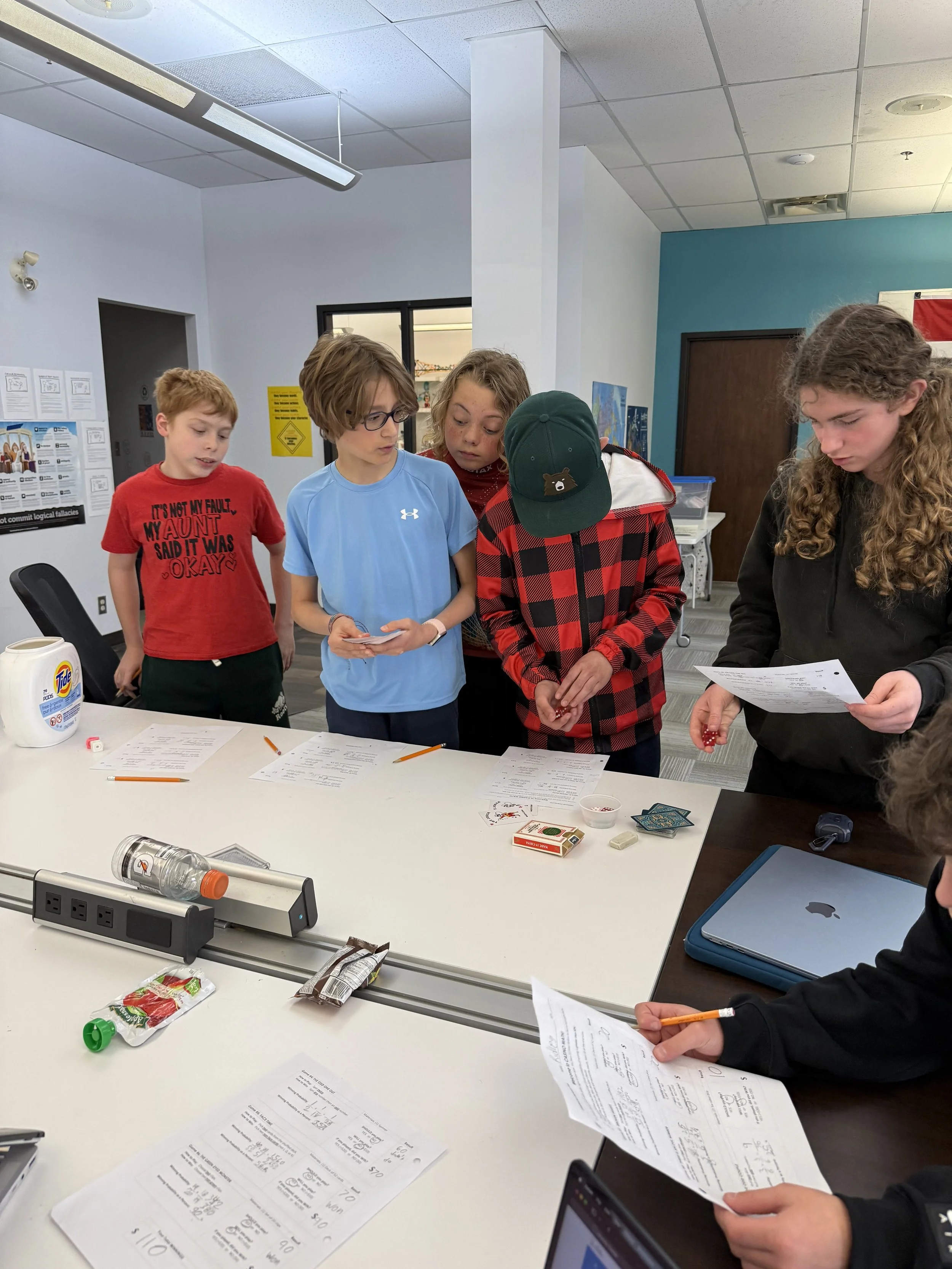
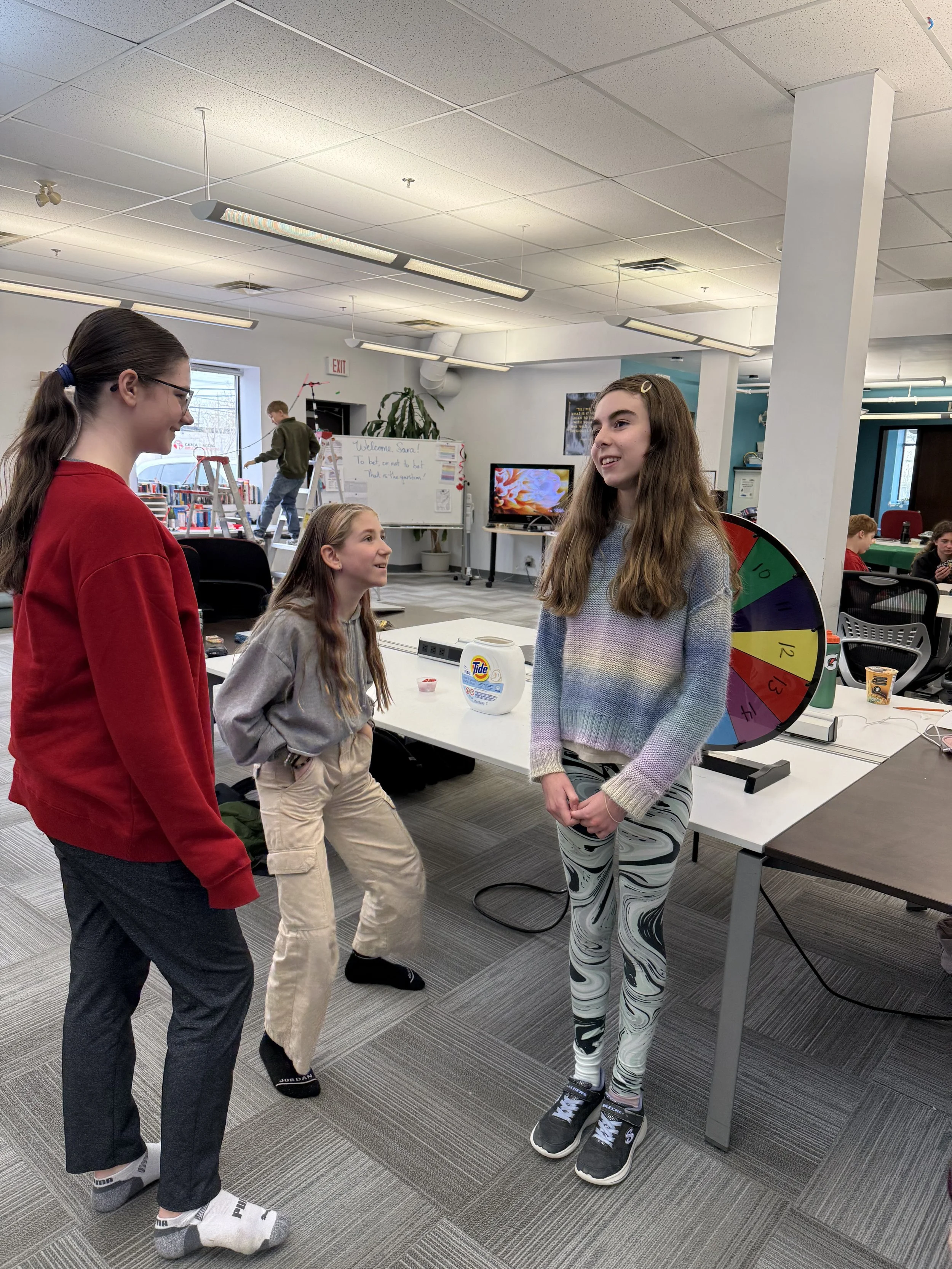
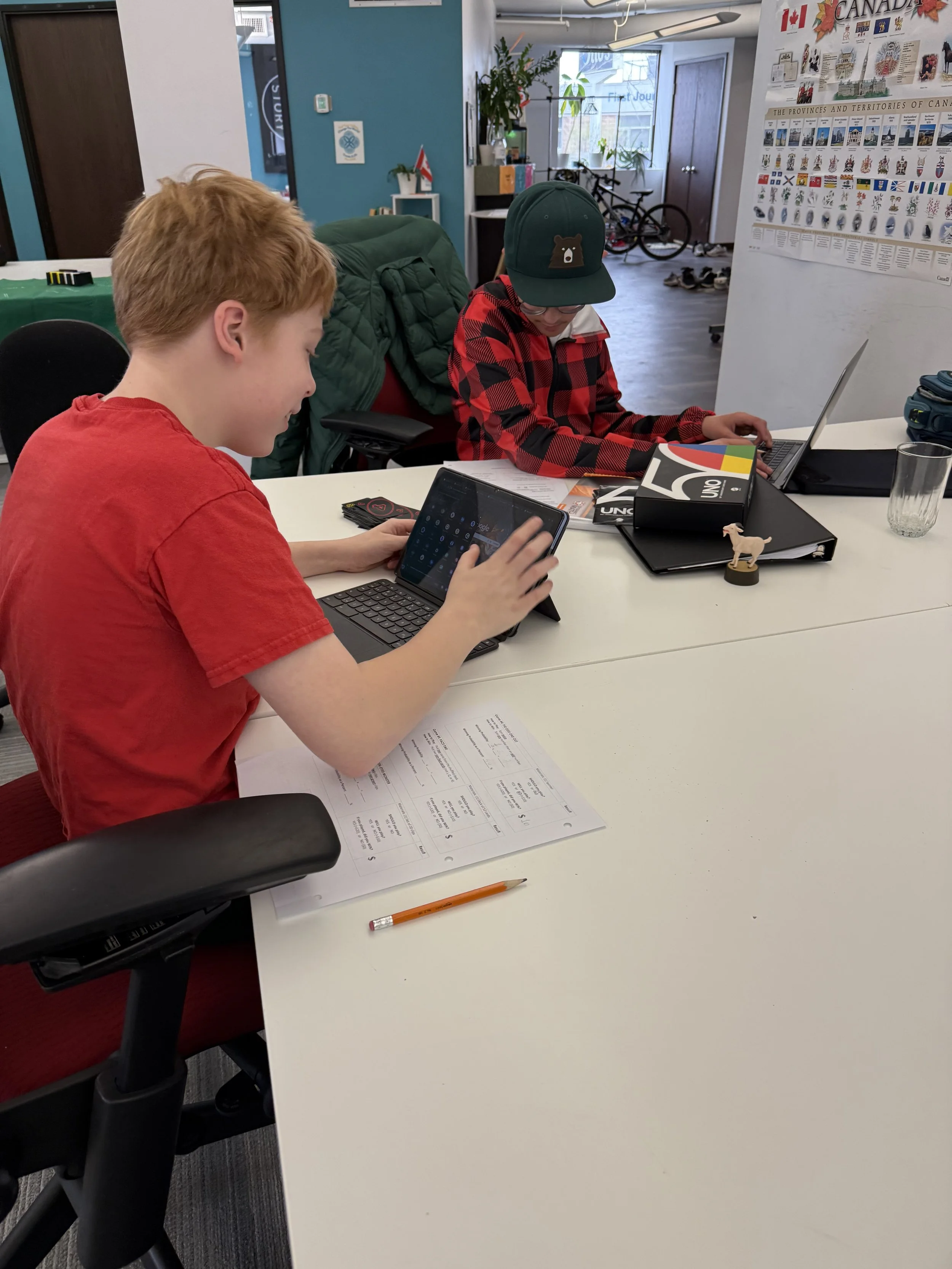
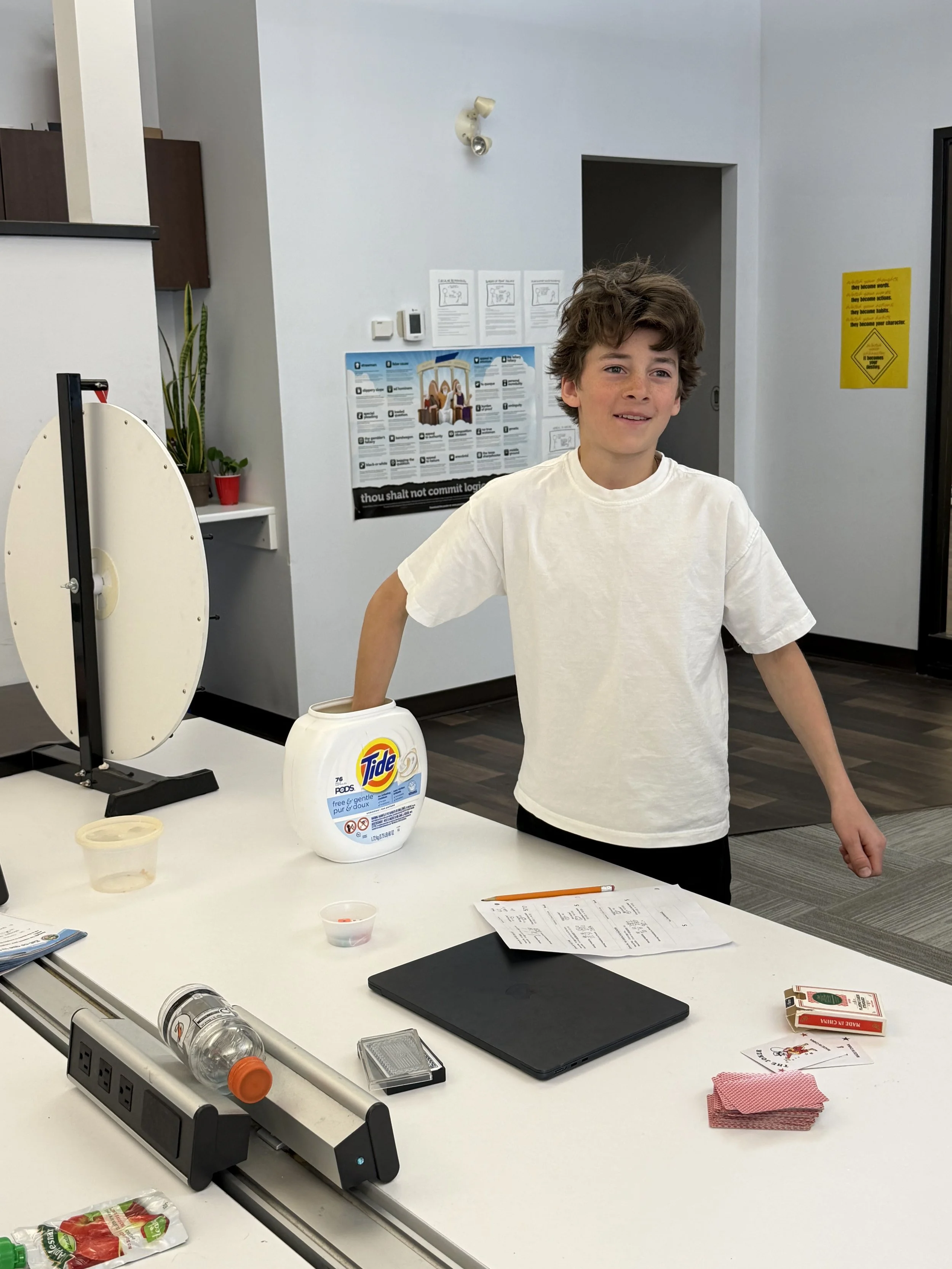
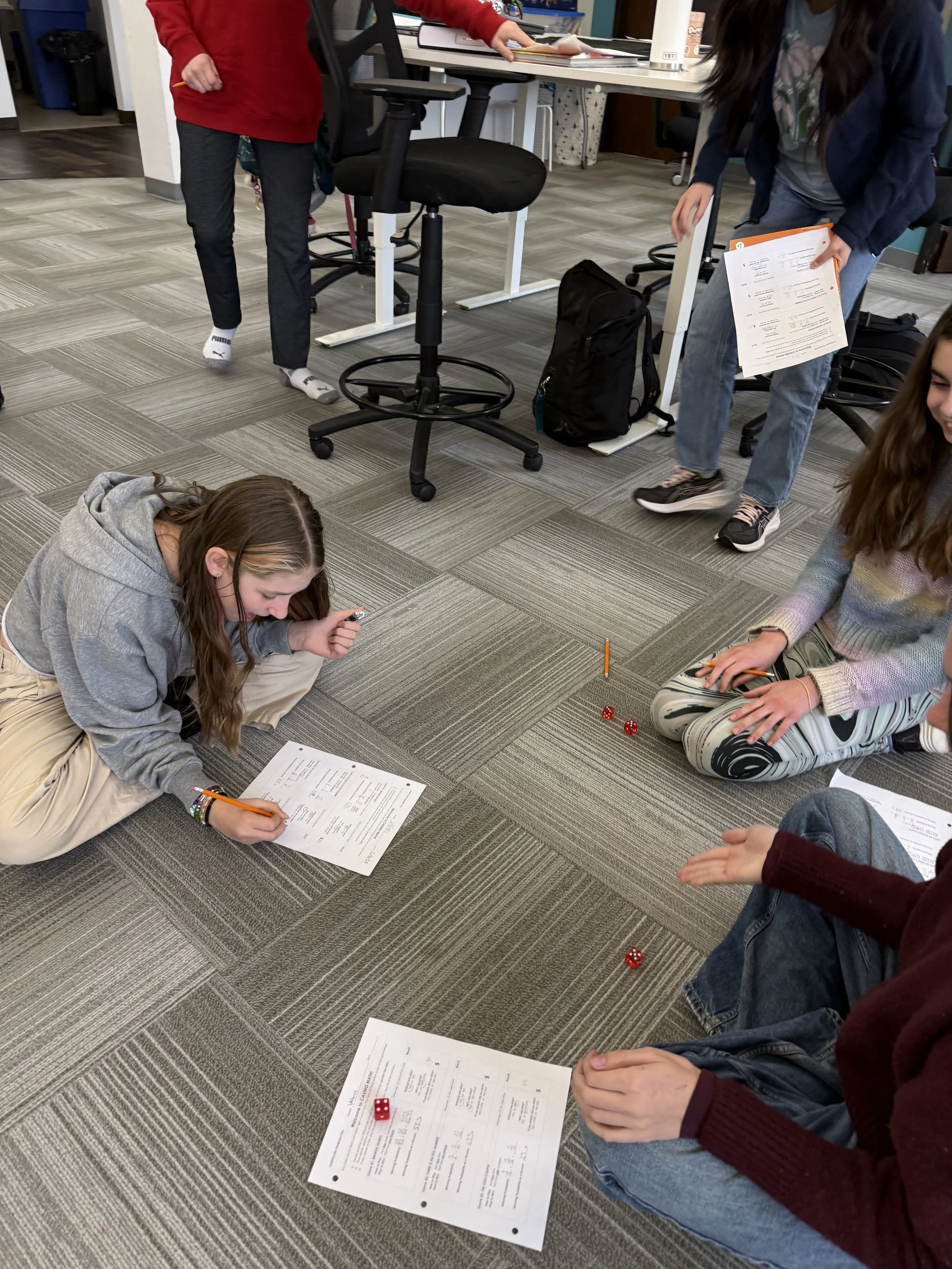
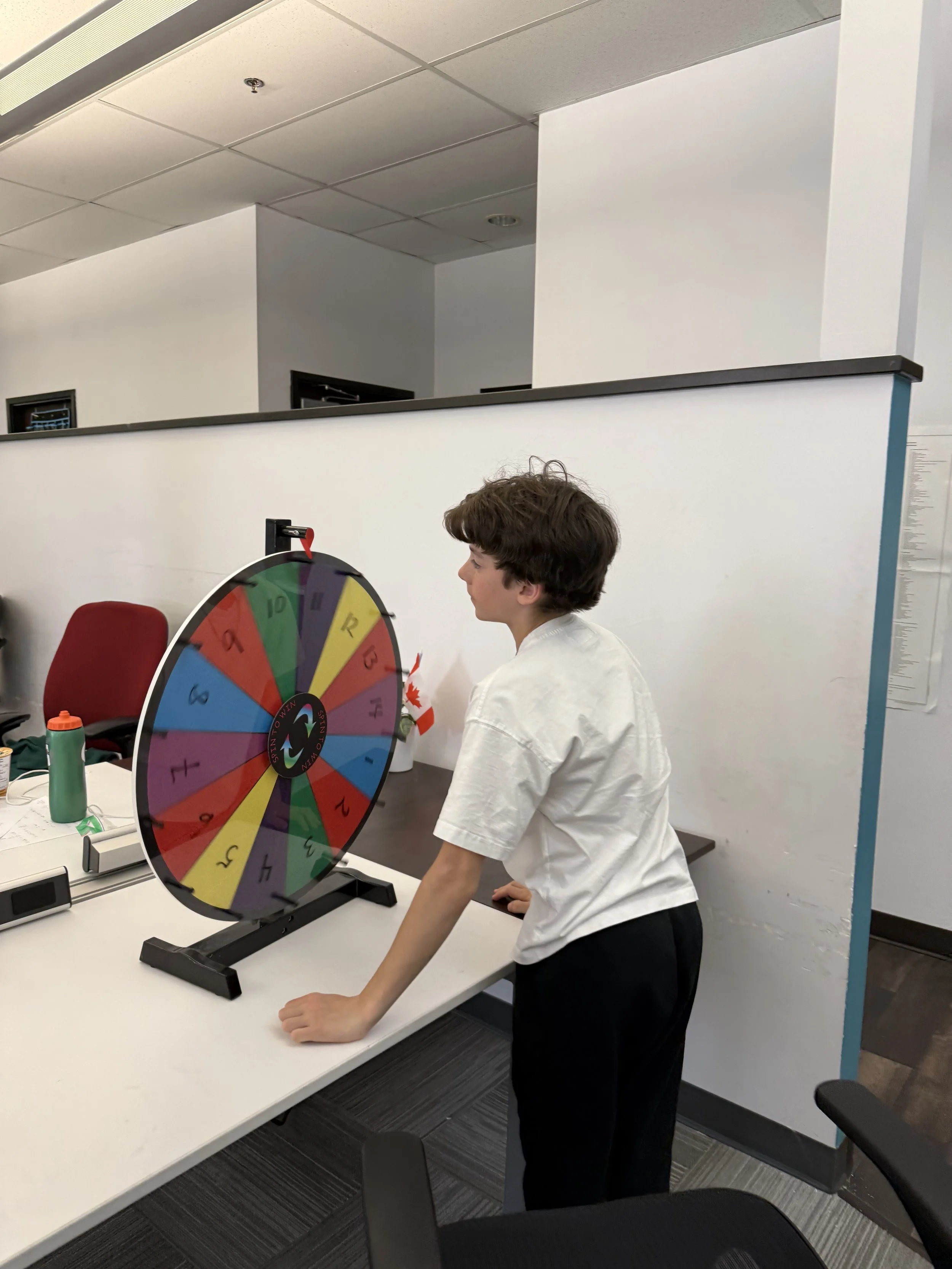
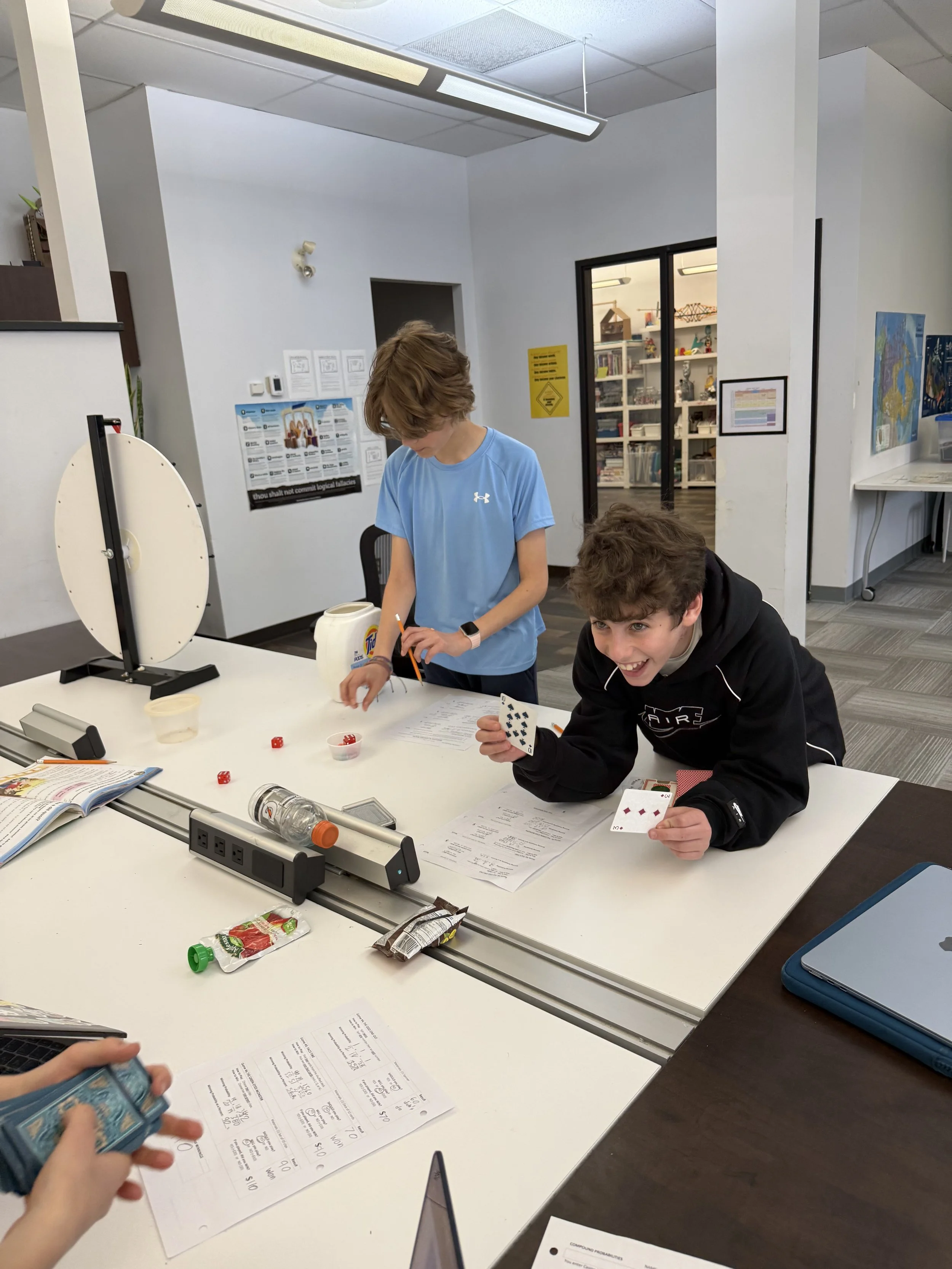
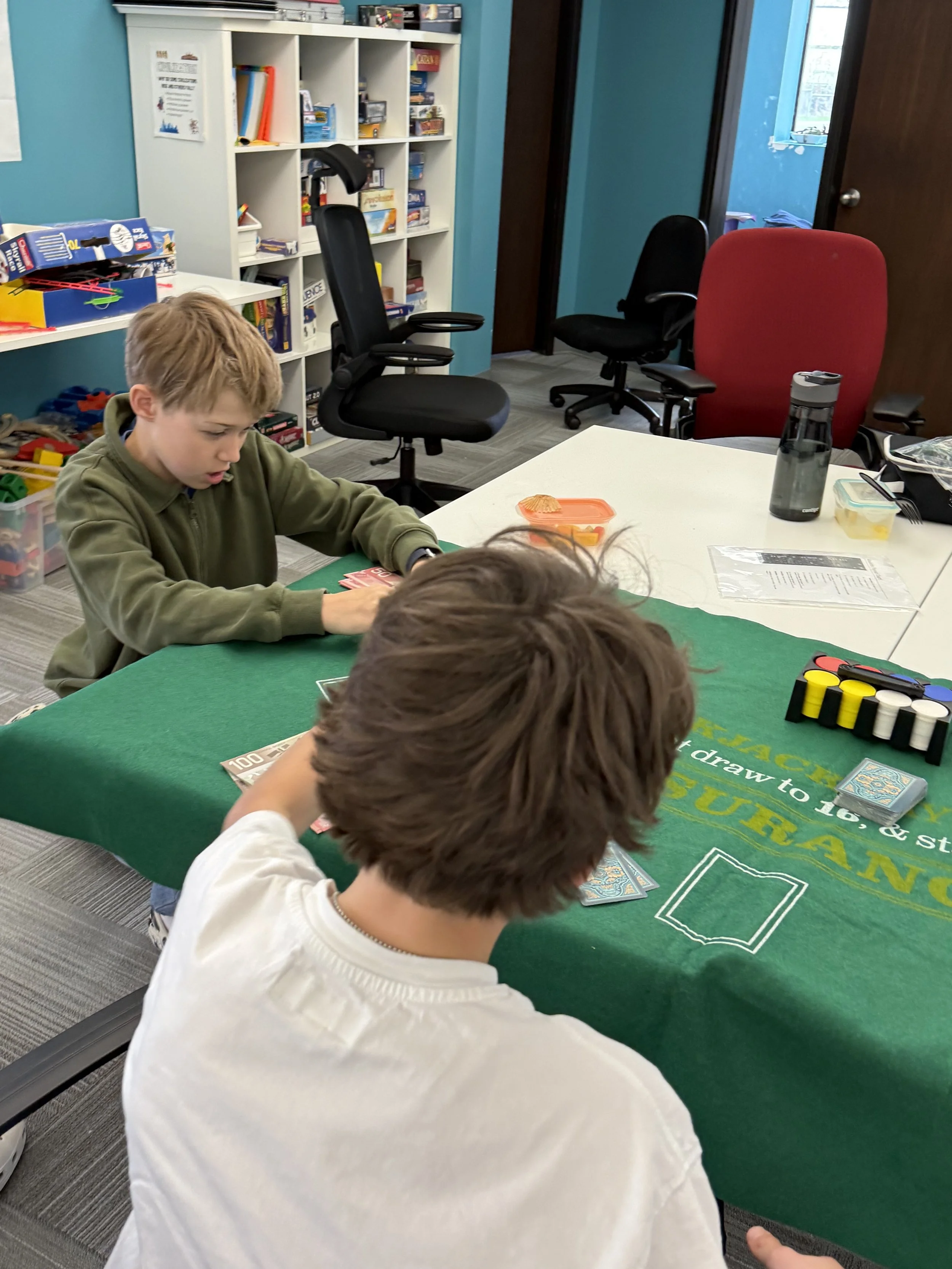
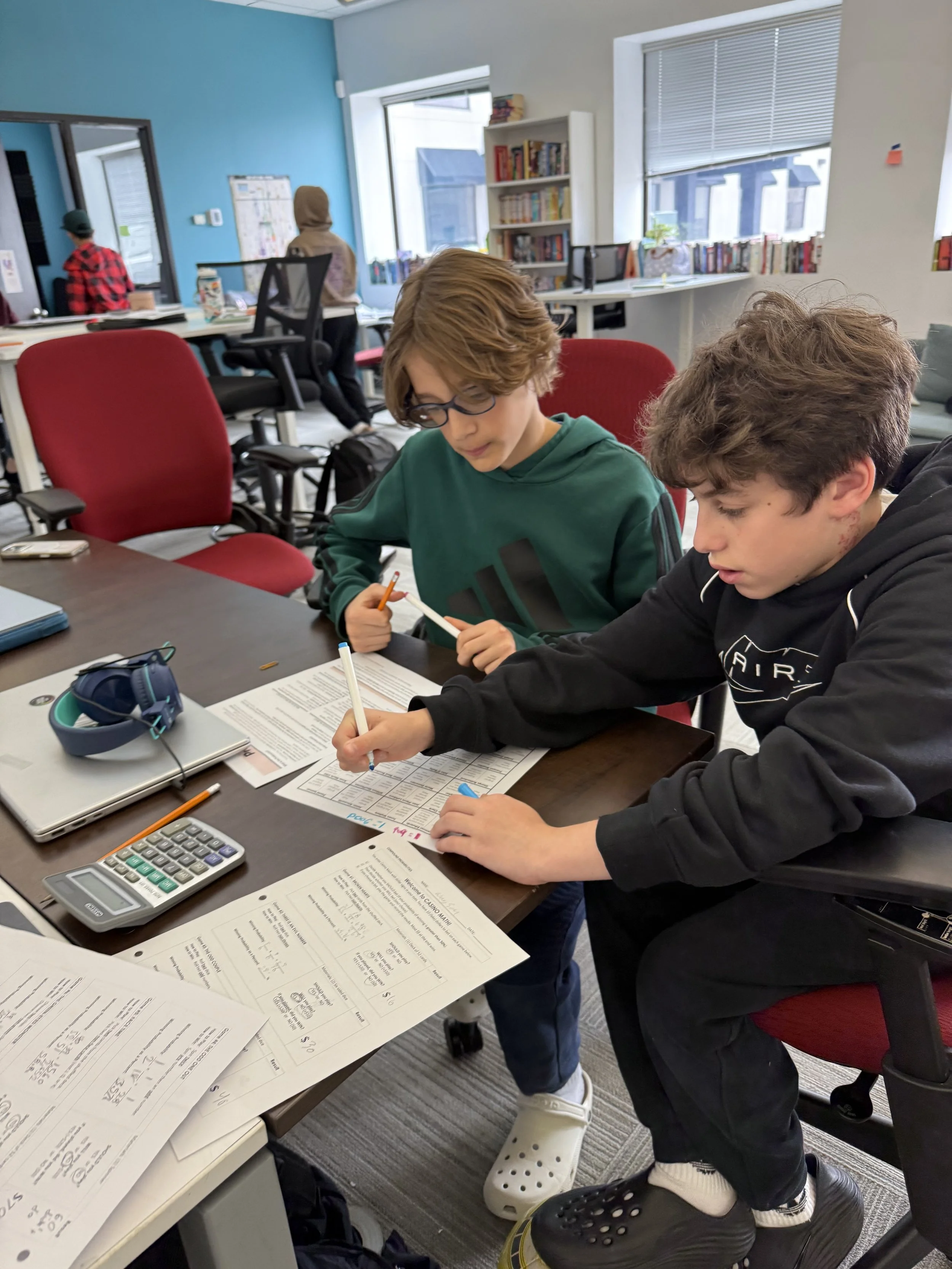
Before beginning our "Wanna Bet?!" Math Lab workshop, we began with cautionary tales. Sports gambling has become more popular than ever. Mobile apps make it easier to place bets anytime, anywhere, especially for young people, who make up the fastest-growing demographic. Rebels learned that sports betting apps work just like the games in a casino, built to ensure that the house always wins. After learning about the tricks apps use to keep people playing and paying, Rebels were given six game options to choose from. Before trying any of them, learners had to calculate the odds of winning and decide whether to bet or skip the game entirely. Between spinning a wheel, rolling specific numbers on dice, or pulling cards out of a deck, some Rebels won, while others were thankful only fake money was on the line.
Quest - Oh, Canada!
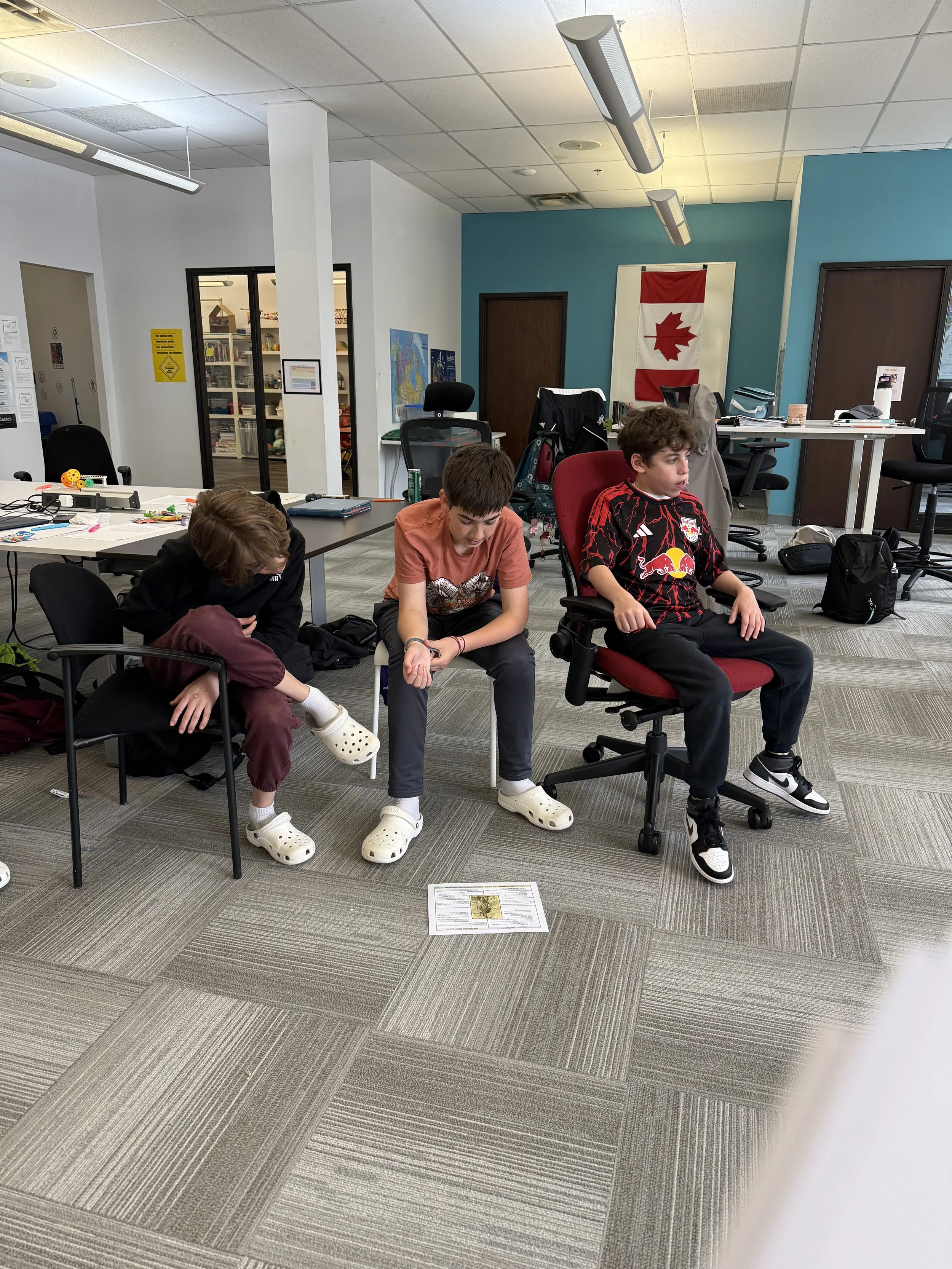
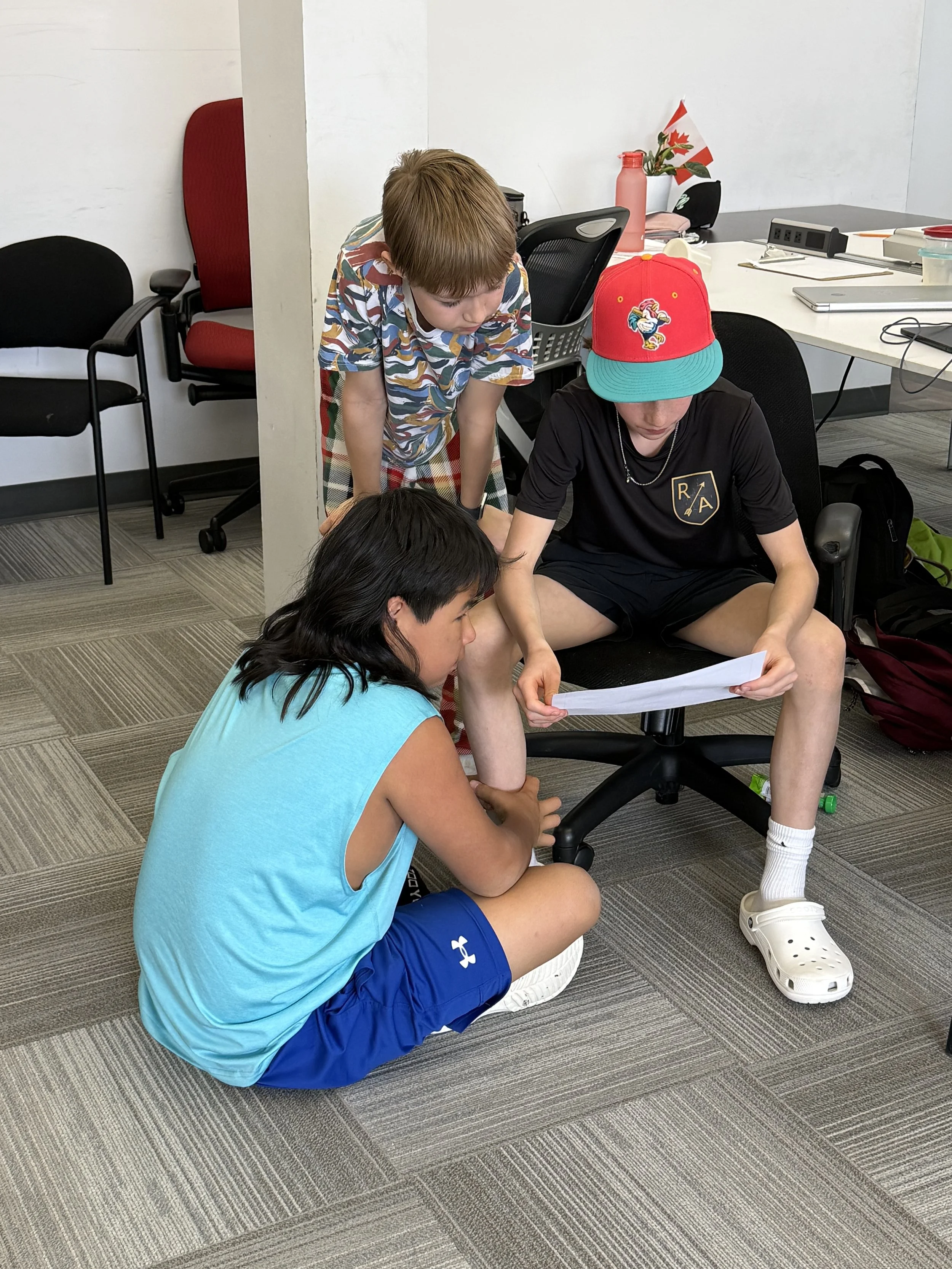
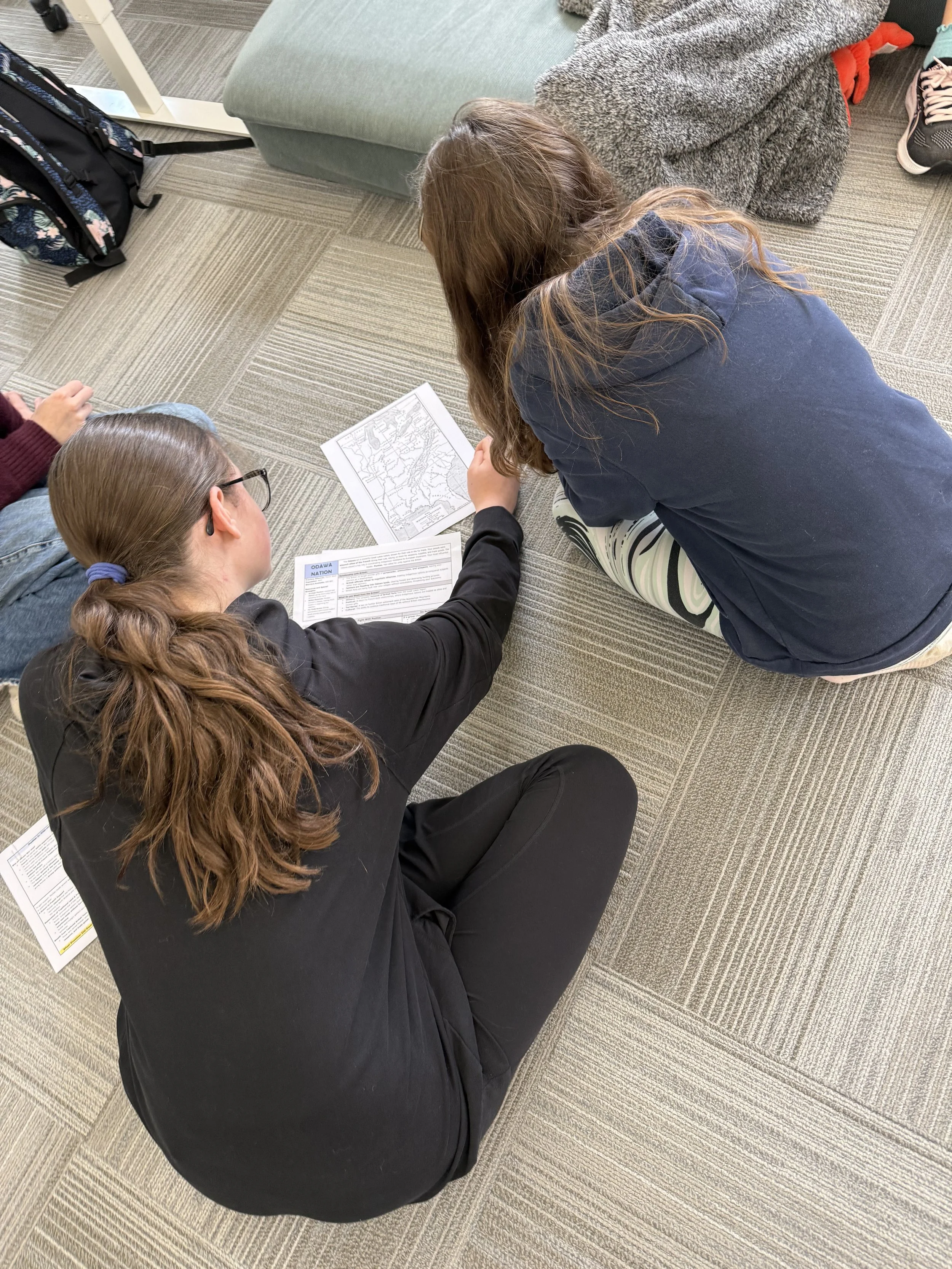
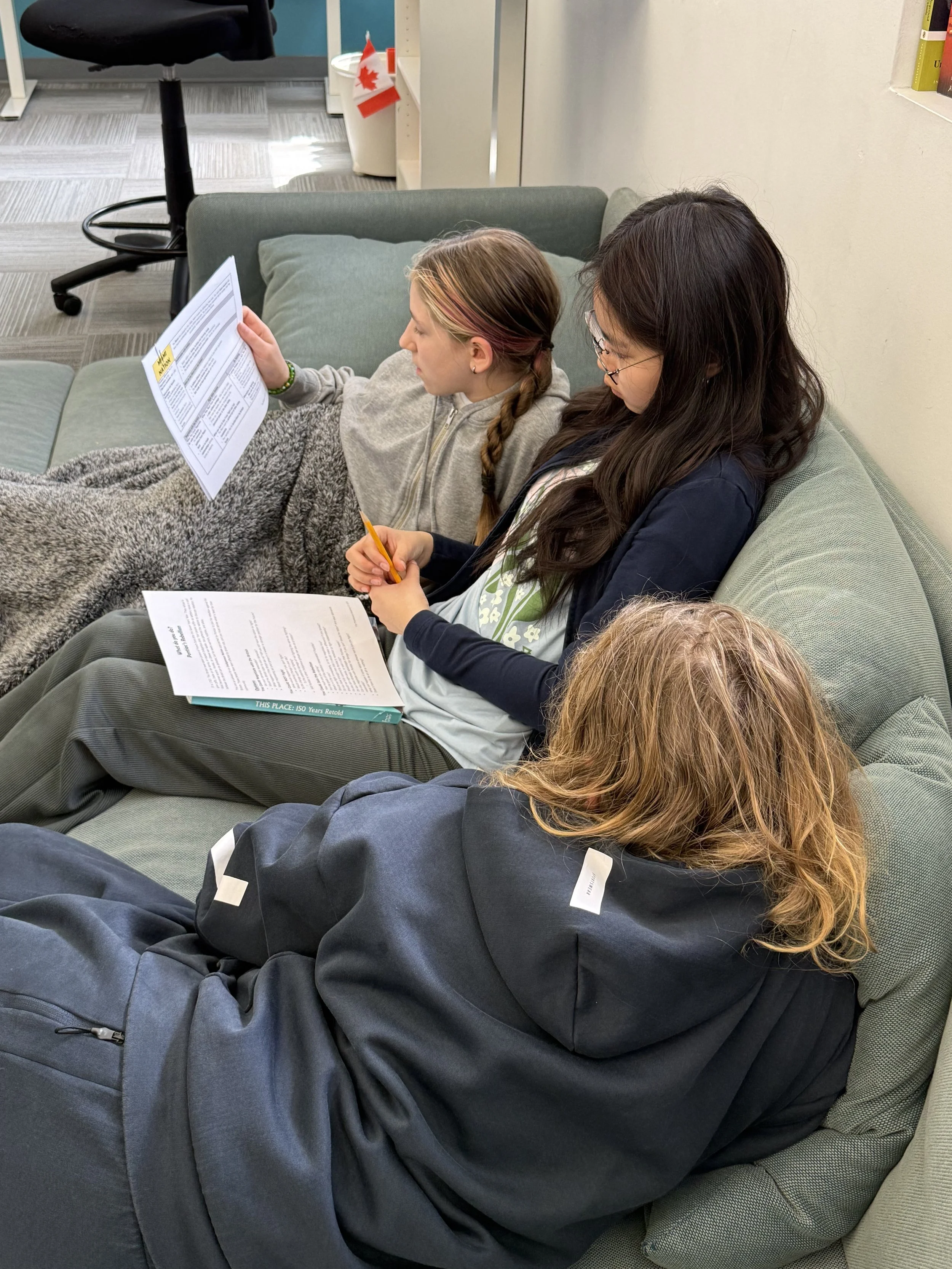
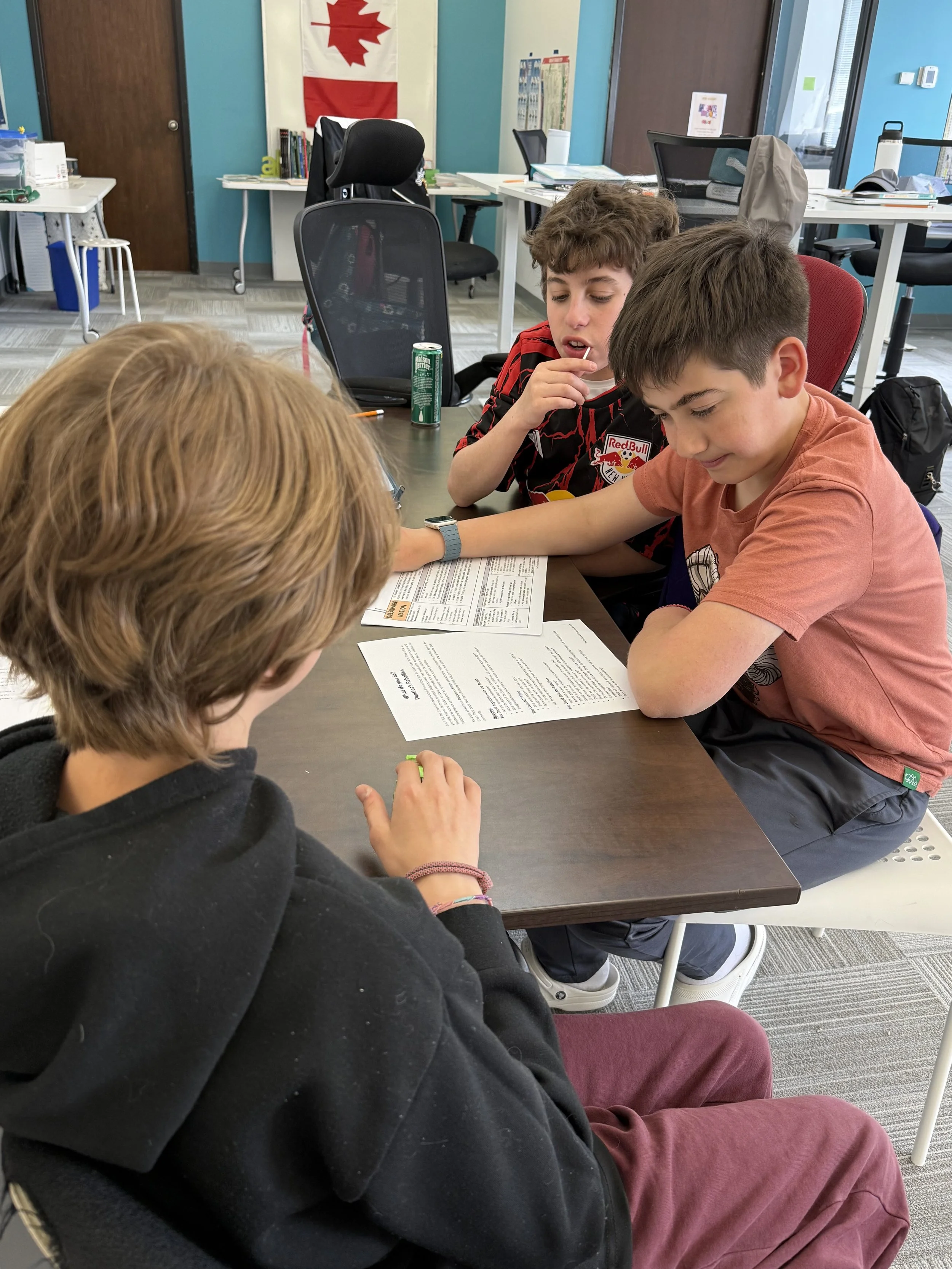
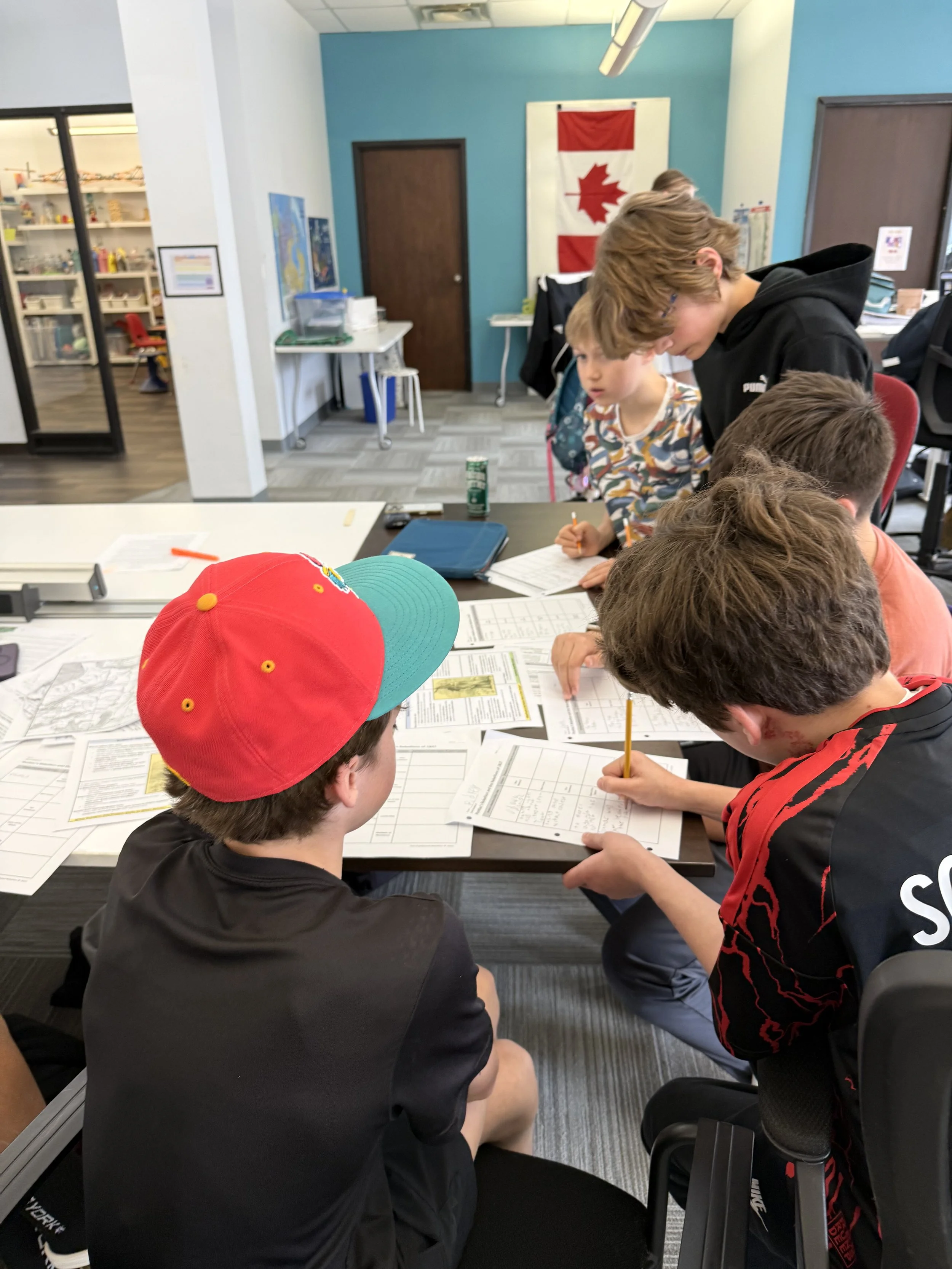
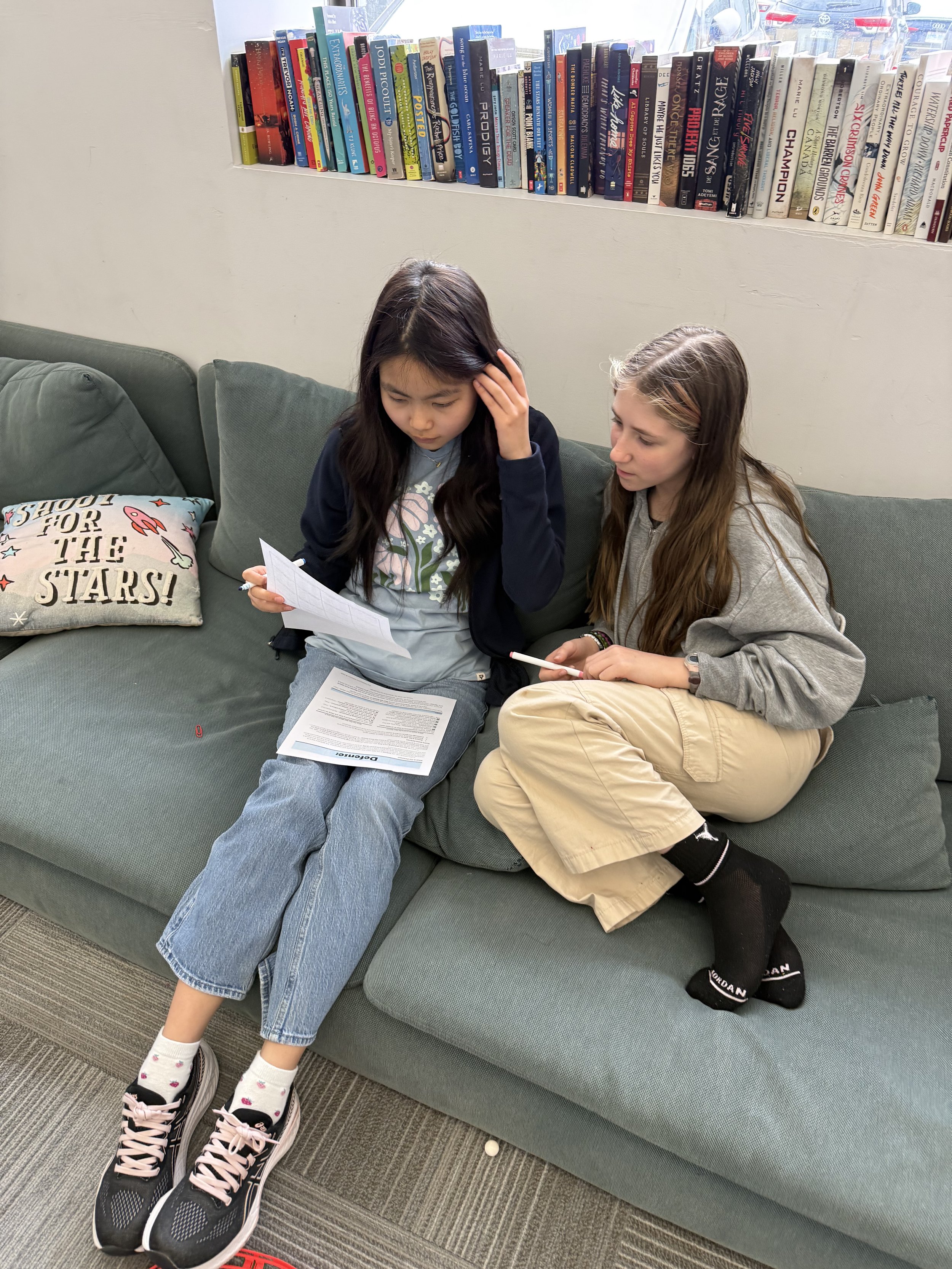
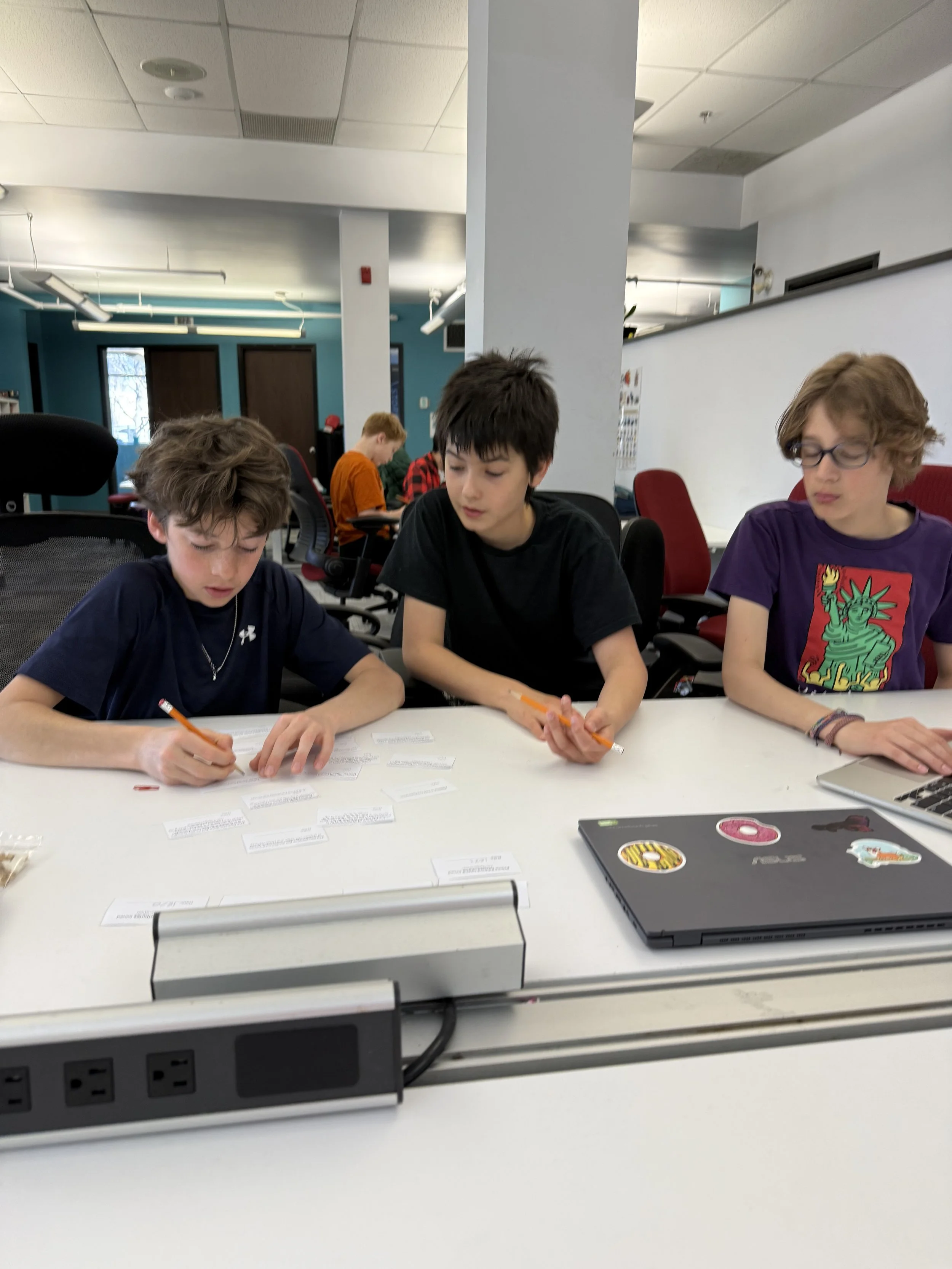
On Monday, we began our study of resistance and rebellion in Canada's history. After reviewing gift-giving fur trade practices, the consequences of the British victory in the Seven-Year War, and the reasons for the growing Indigenous frustrations, we learned about Pontiac, an Odawa leader. Rebels then took part in a War Council simulation in which they were assigned an Indigenous group and, with all the information provided, acted as advisors to decide whether joining Pontiac's Rebellion was the right decision for them. After their research and discussion, the groups representing the Odawa, Delaware, Seneca, Miami, and Shawnee met to discuss their decisions regarding the rebellion, the strategies they could use against the British, and how they should respond if the British offered peace. Once our War Council was complete, learners used the last ten minutes to work on an events timeline and comparison table.
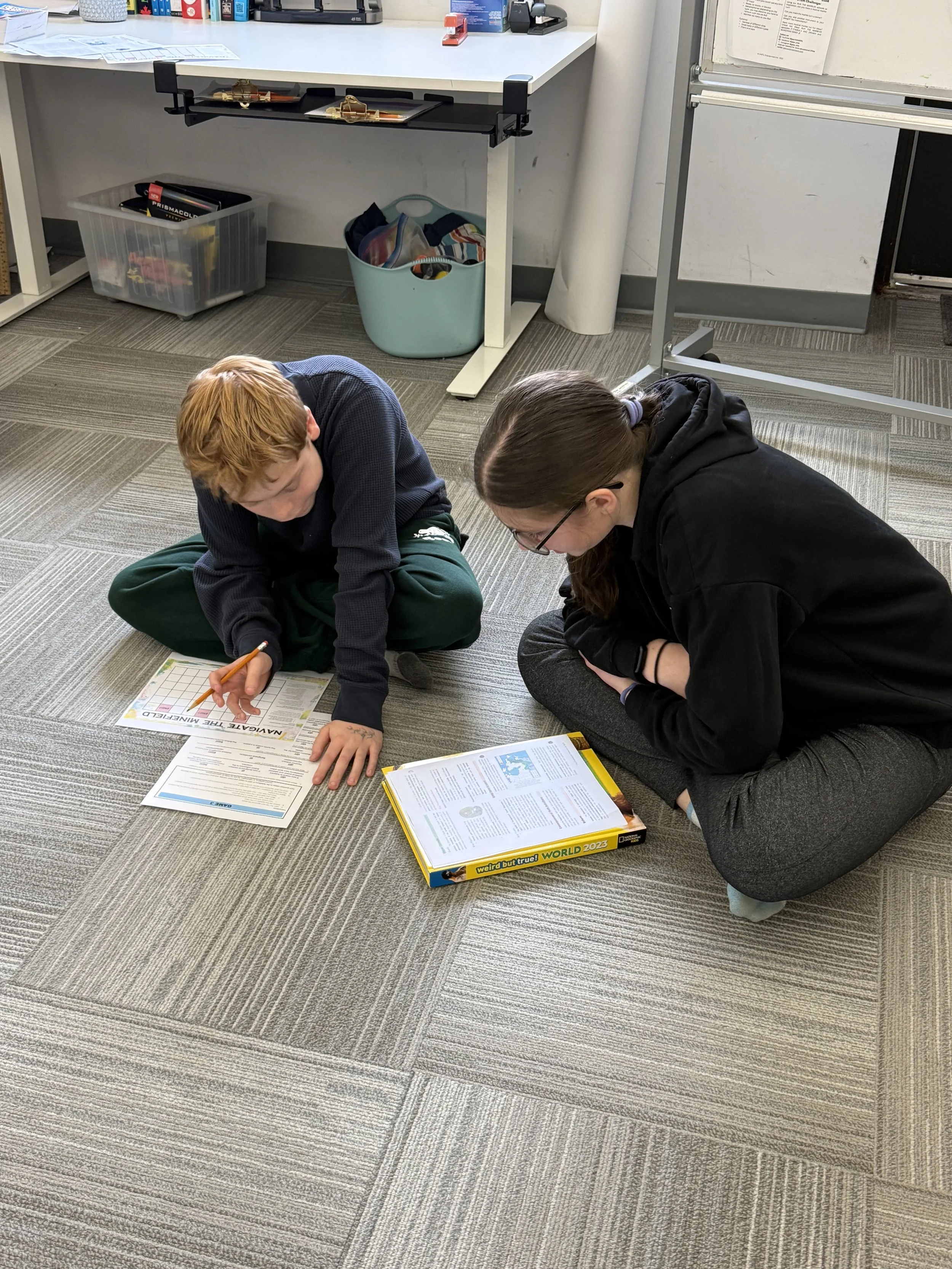
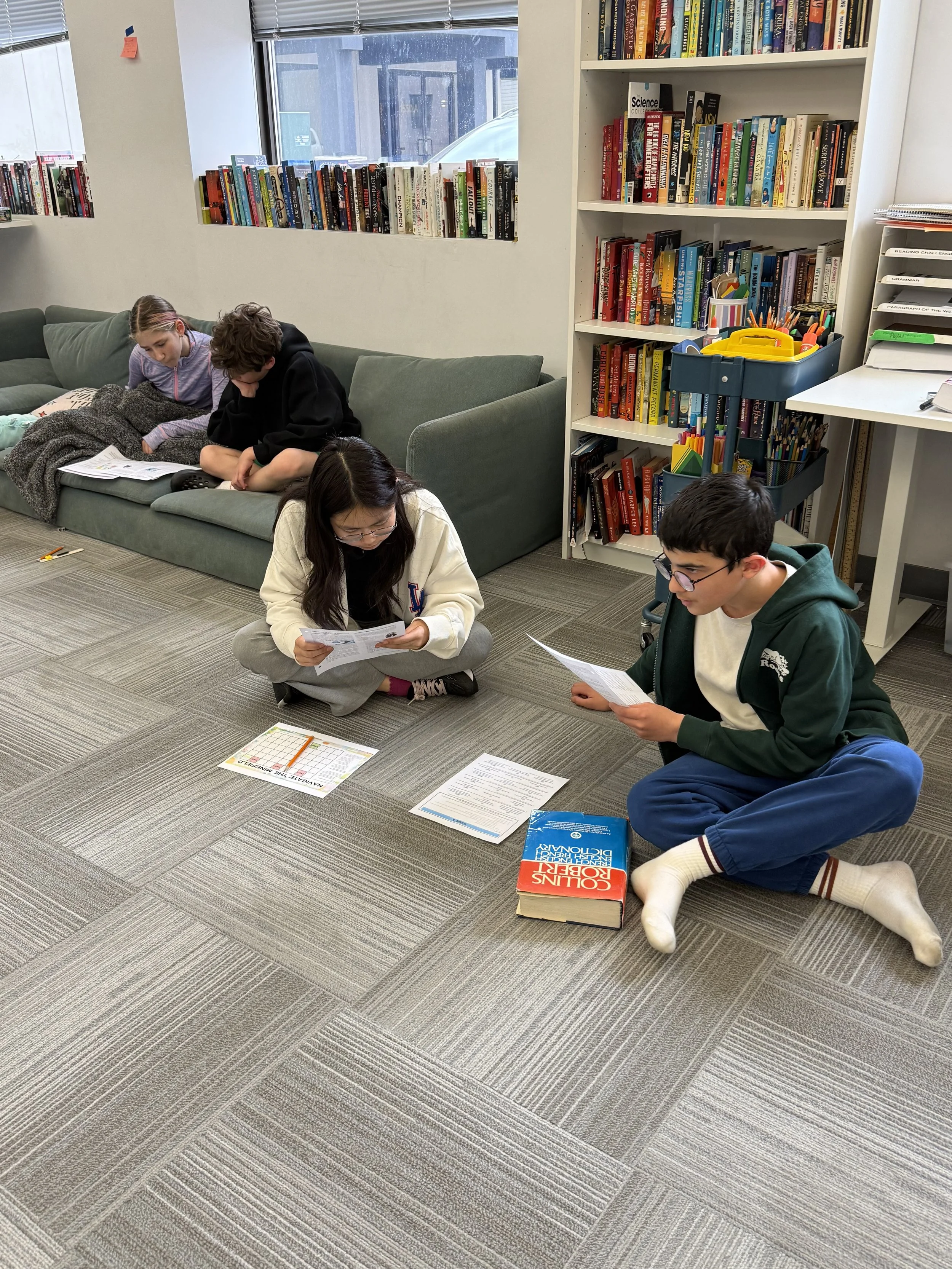
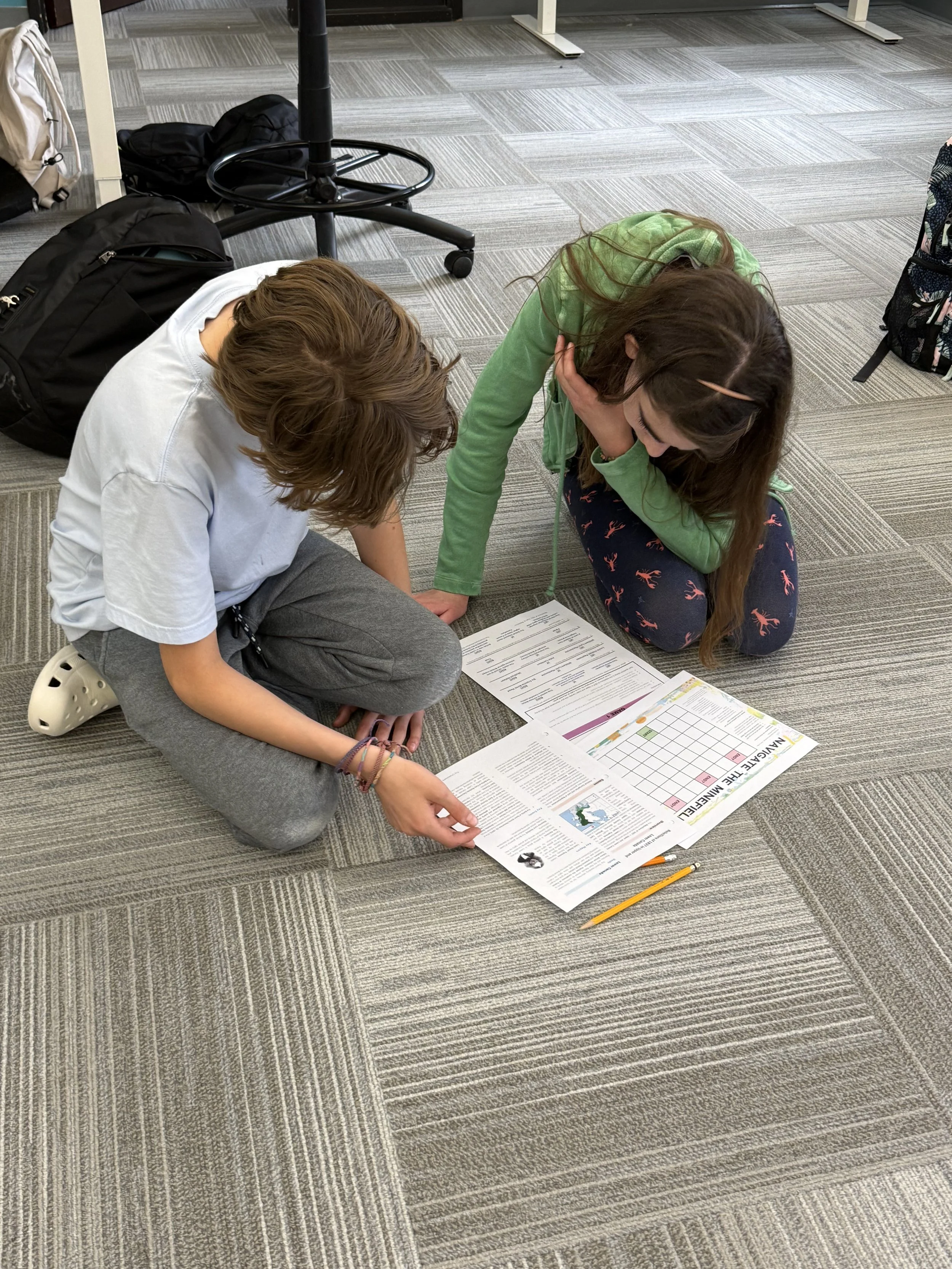
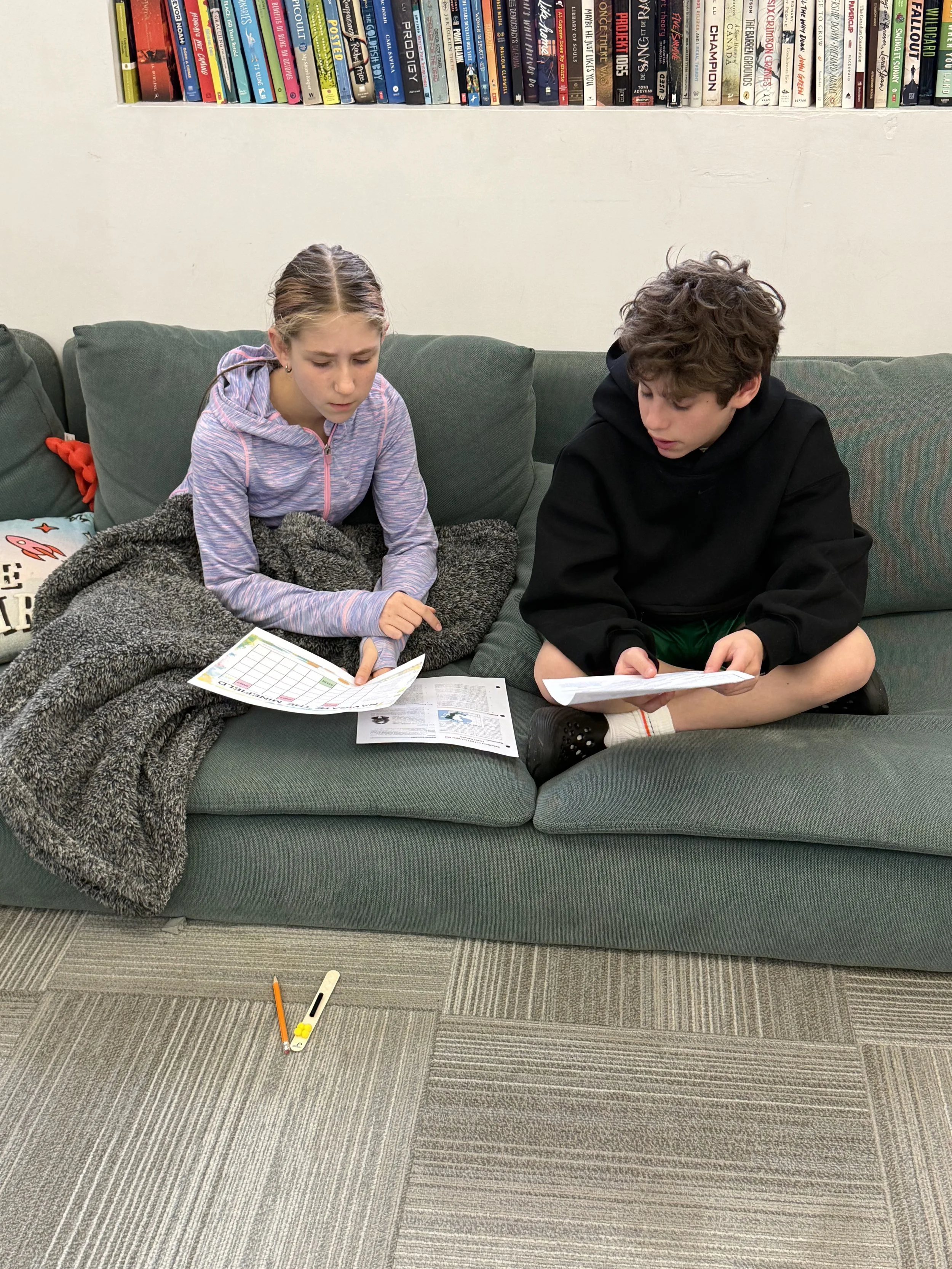
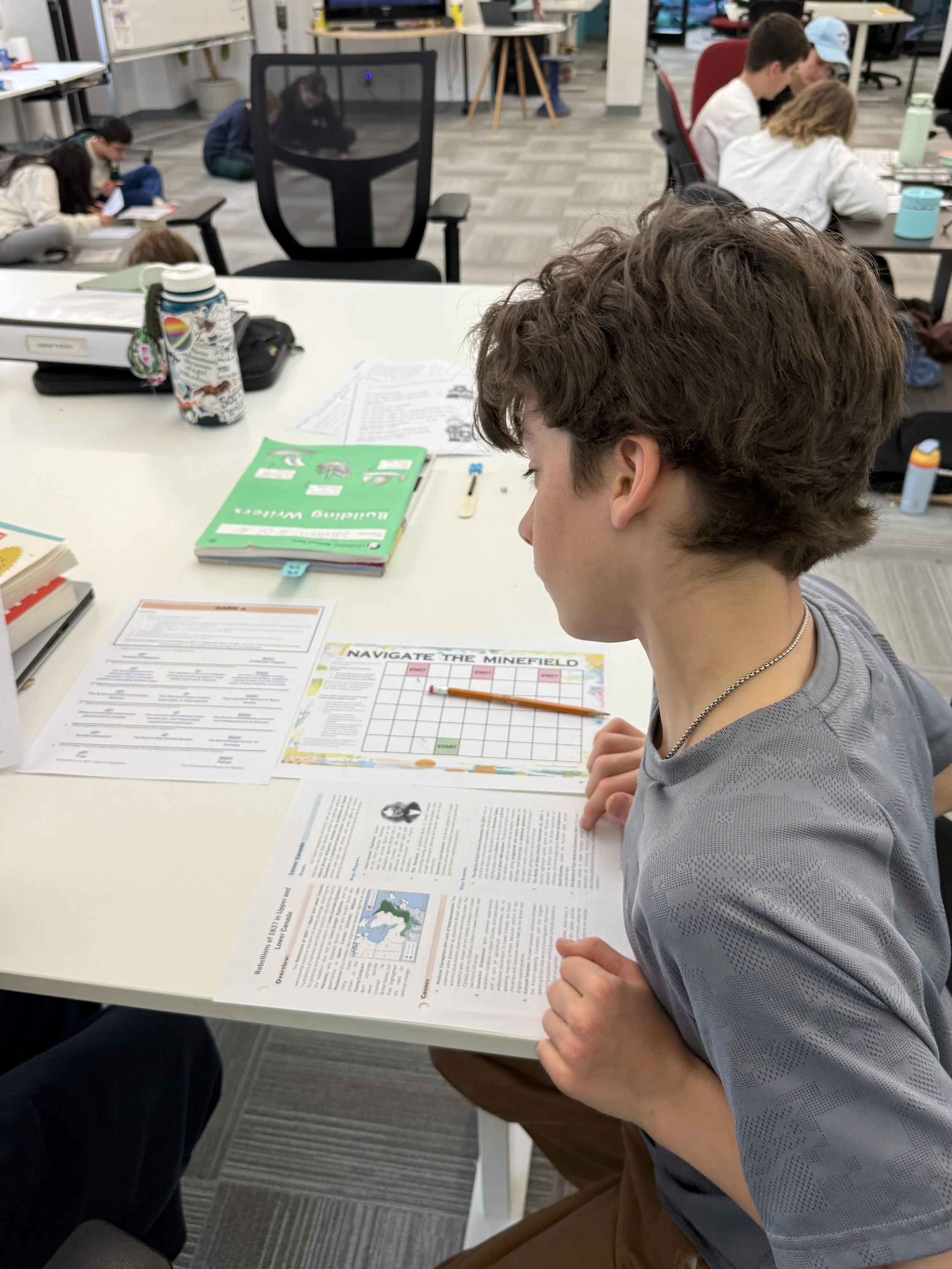
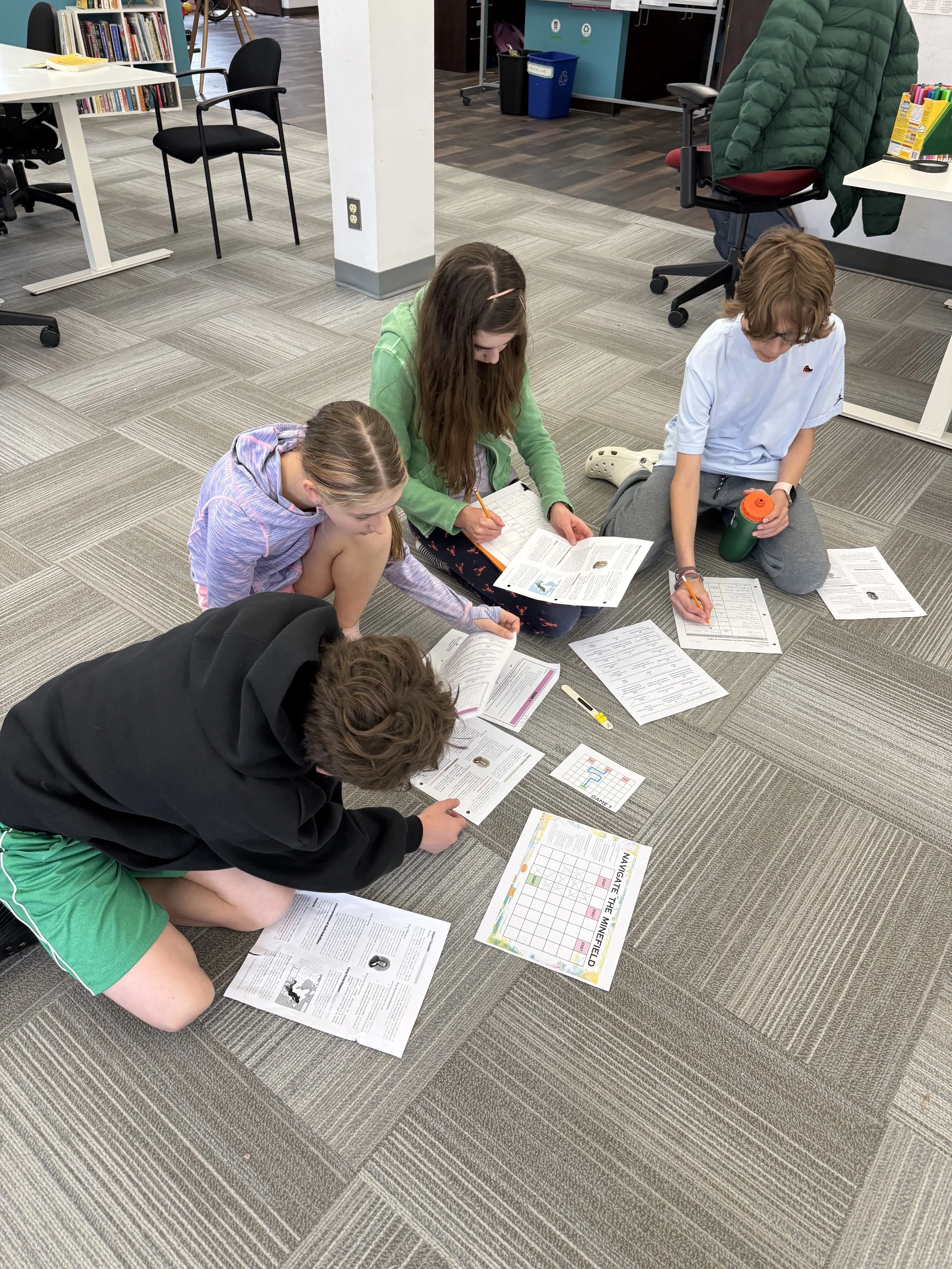
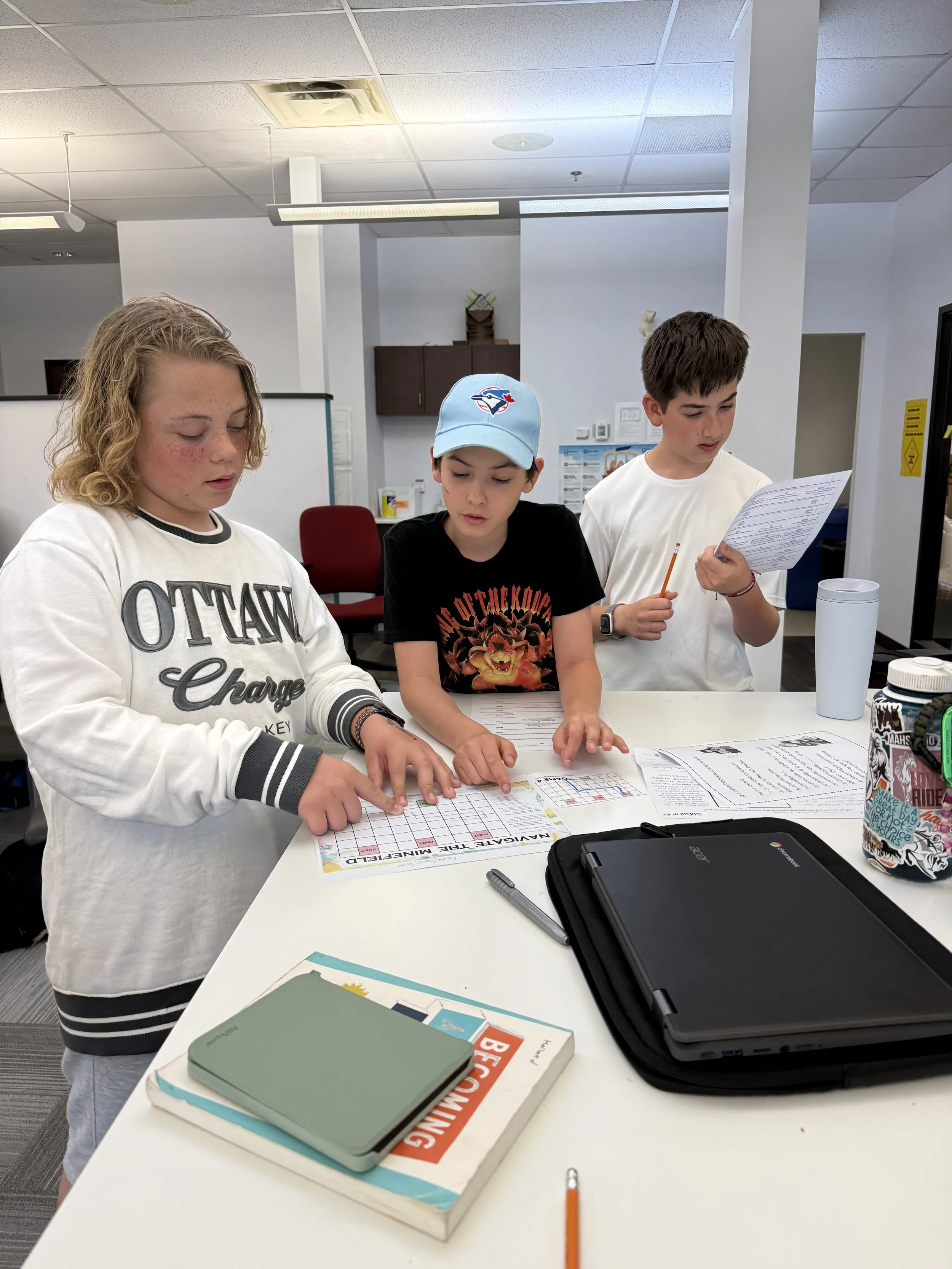
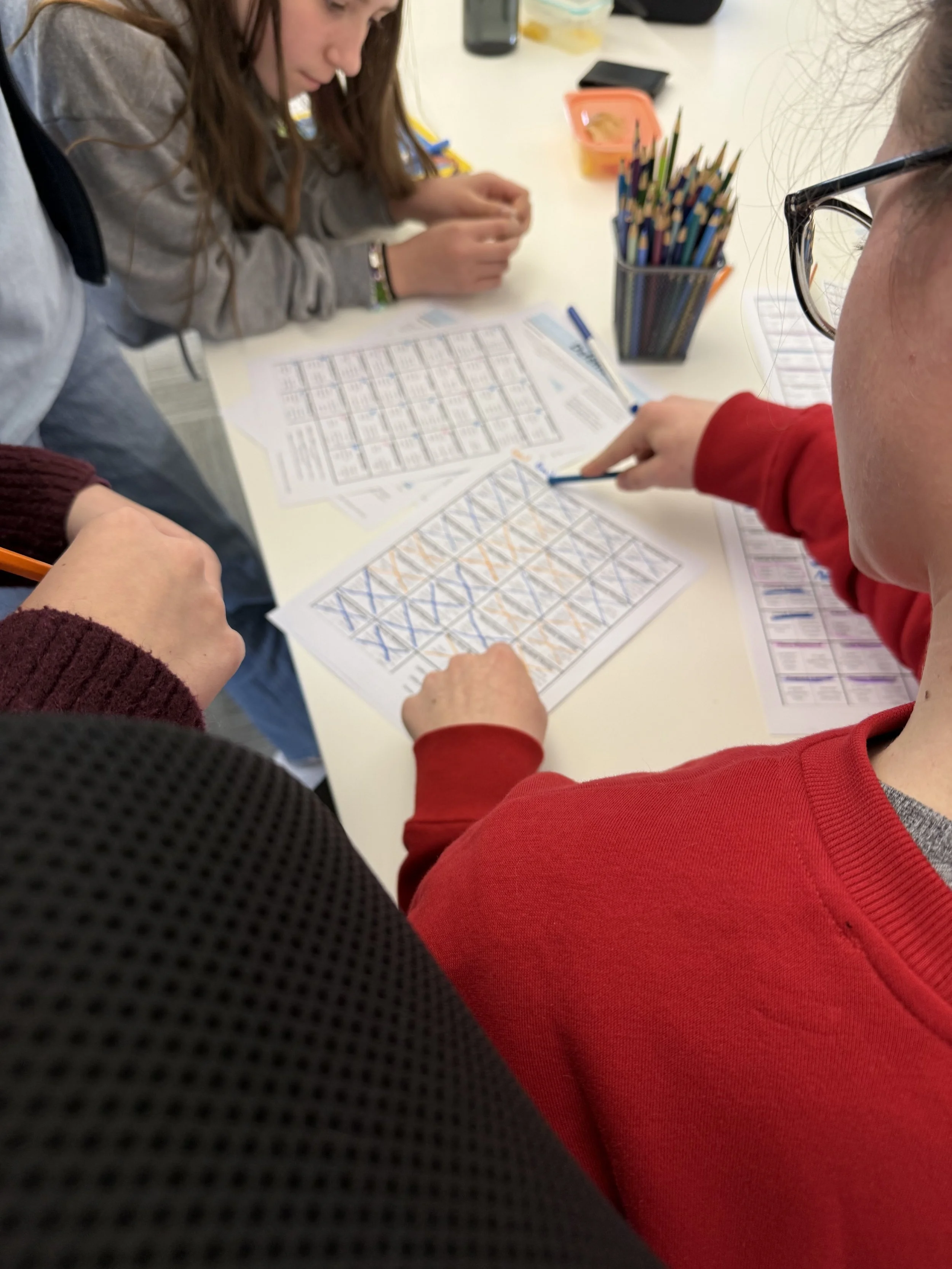
On Tuesday, we turned to the 1837 Rebellions in Upper and Lower Canada. After reading about the growing tensions, the Rebels played a Minefield Game in which they had to answer multiple-choice questions to navigate a map and reach the end successfully! Once they had "survived" the minefield, they finished their chart comparing Pontiac's Rebellion and the Rebellions of 1837, including who rebelled, the key grievances, goals of the Rebels, leadership, methods of resistance, British response, outcome for the Rebels, impact/long-term effects, allies/outside support, and what may have happened if they had succeeded.
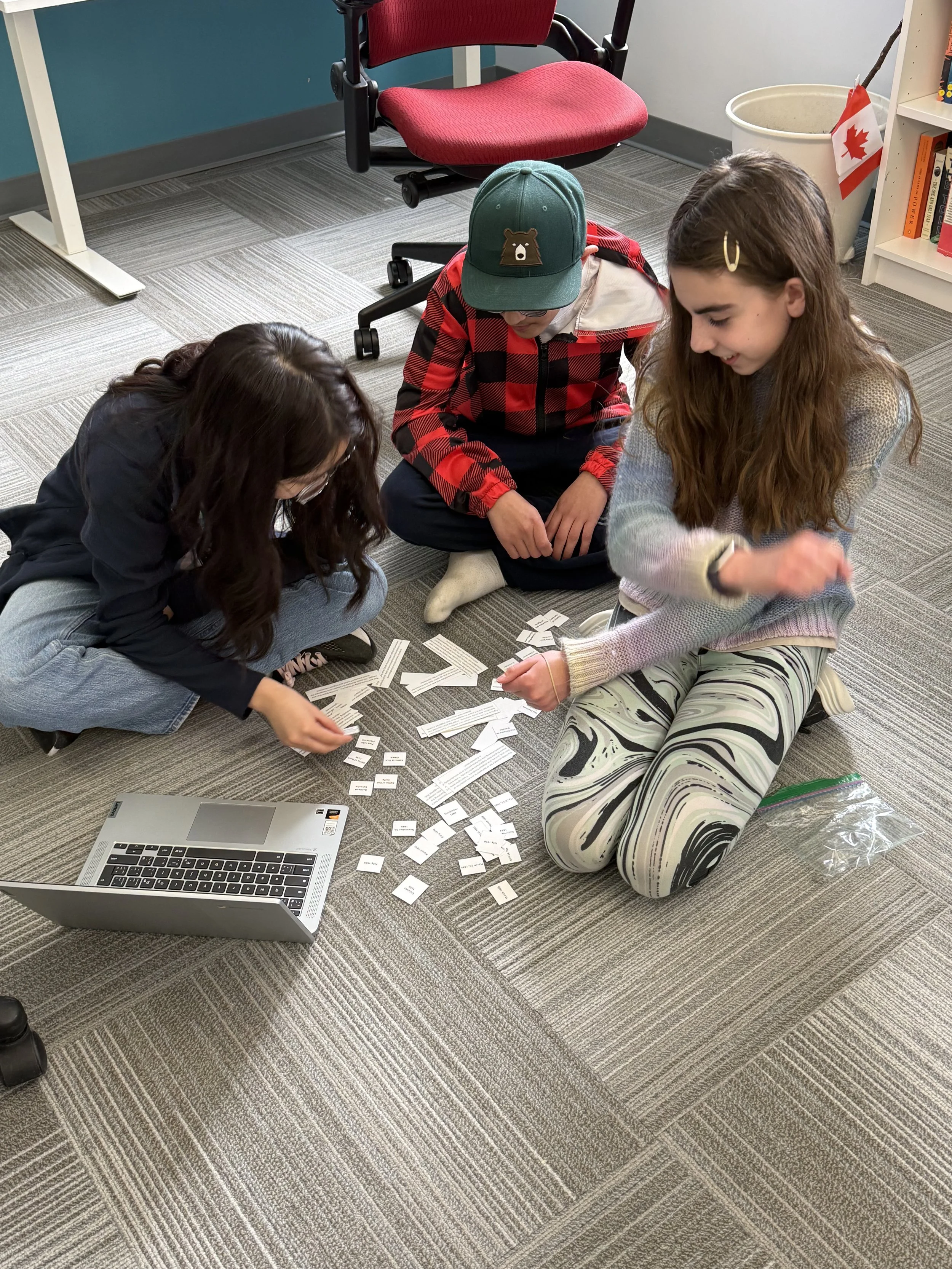
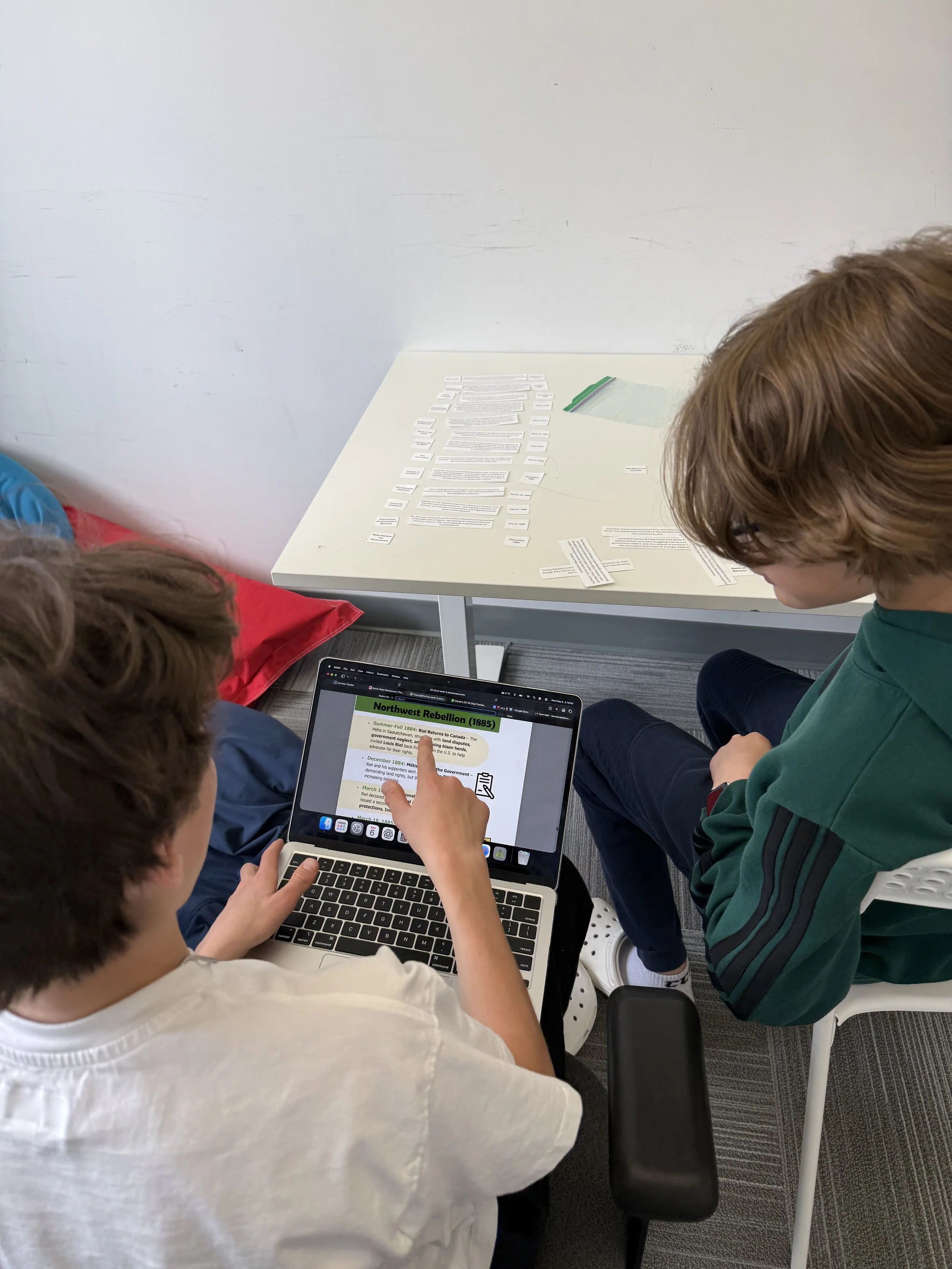
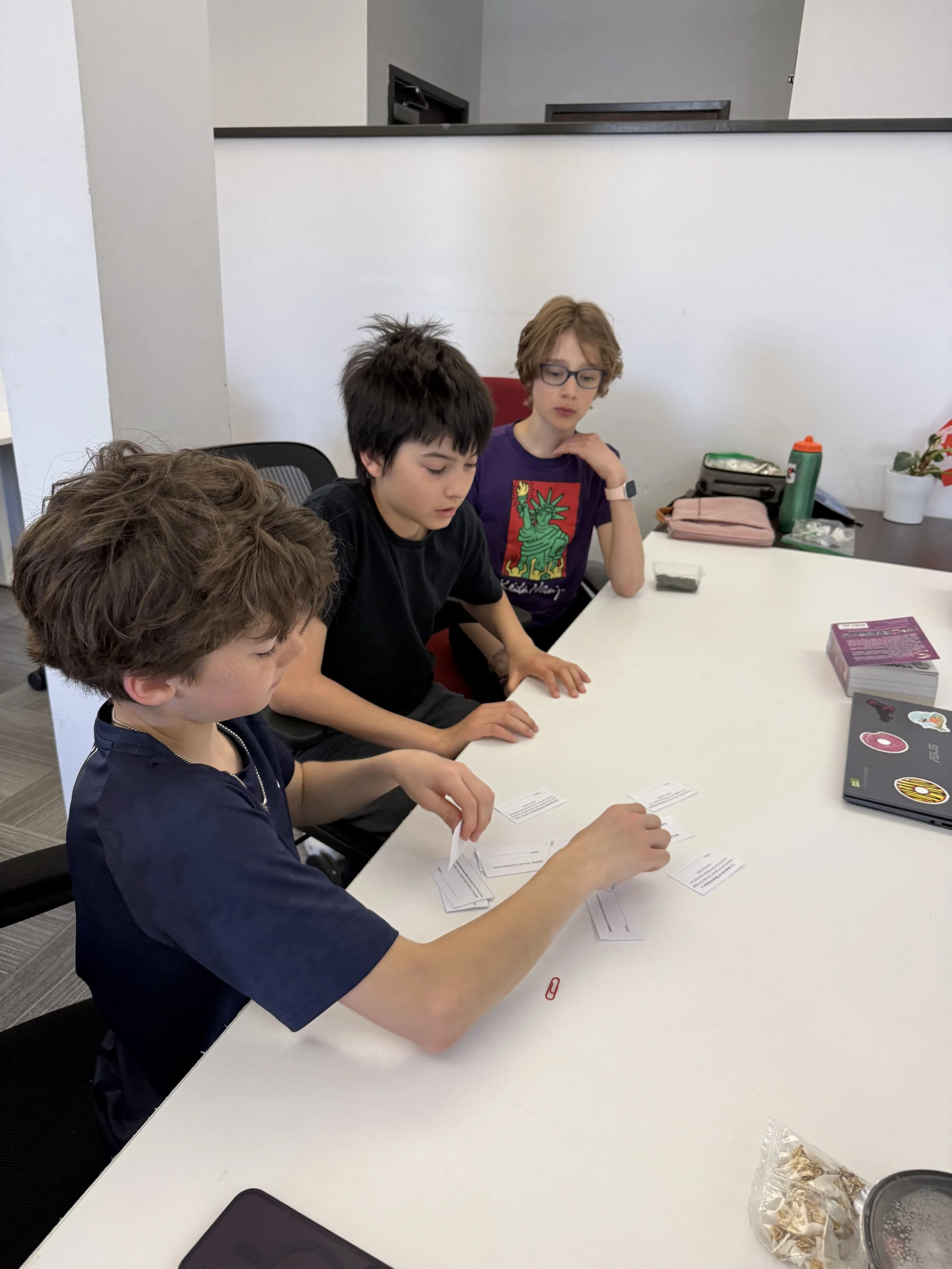
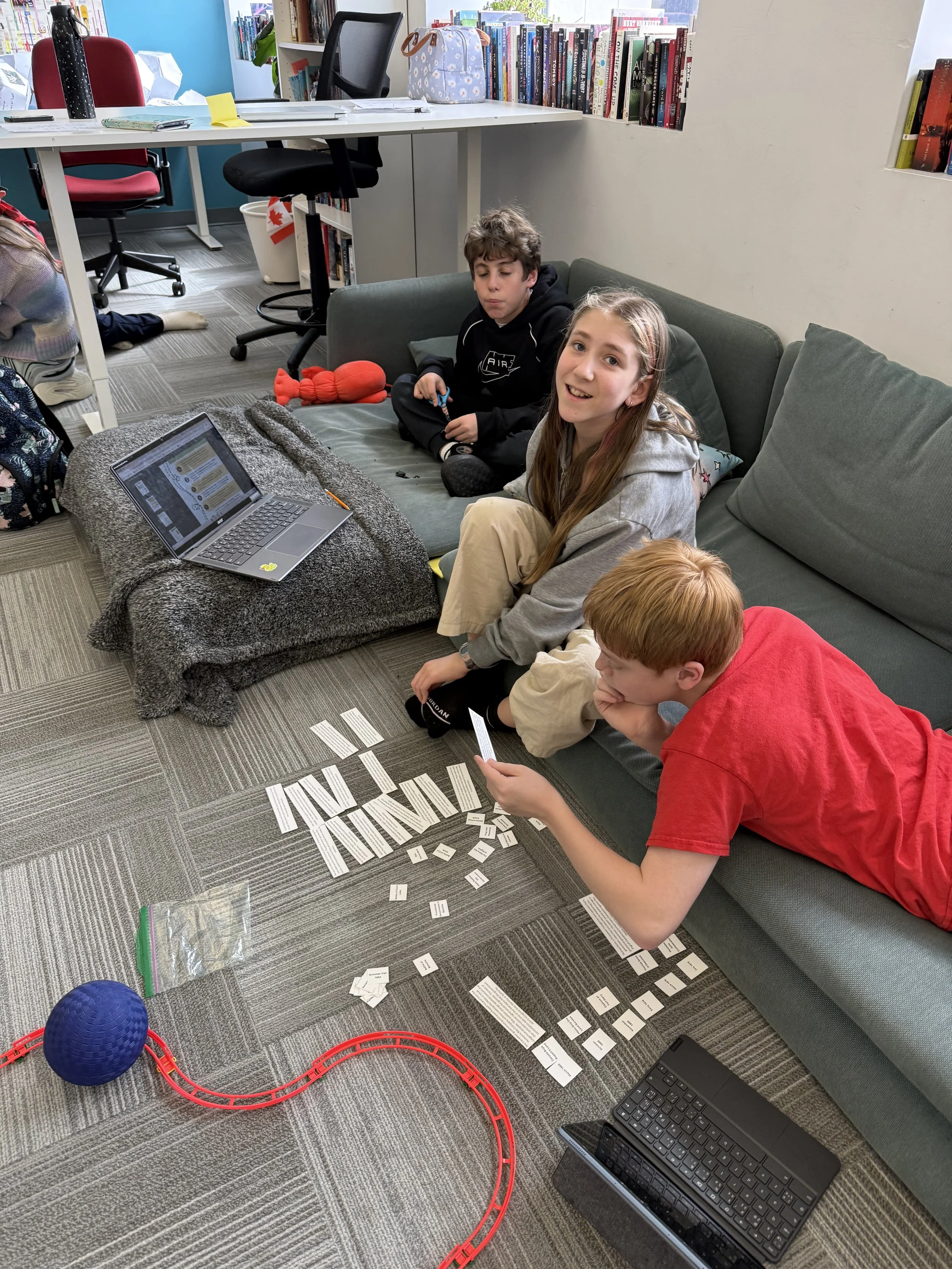
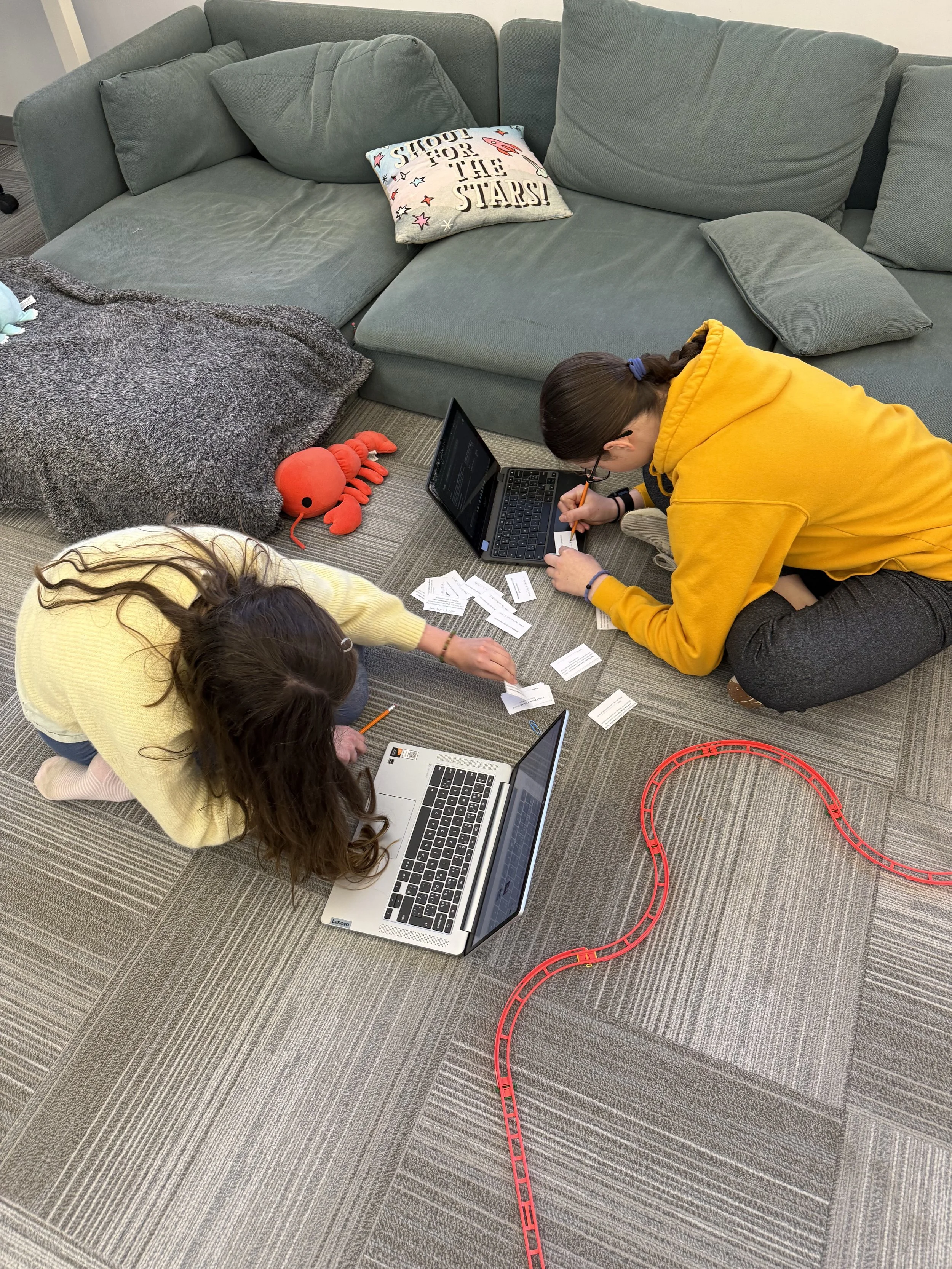
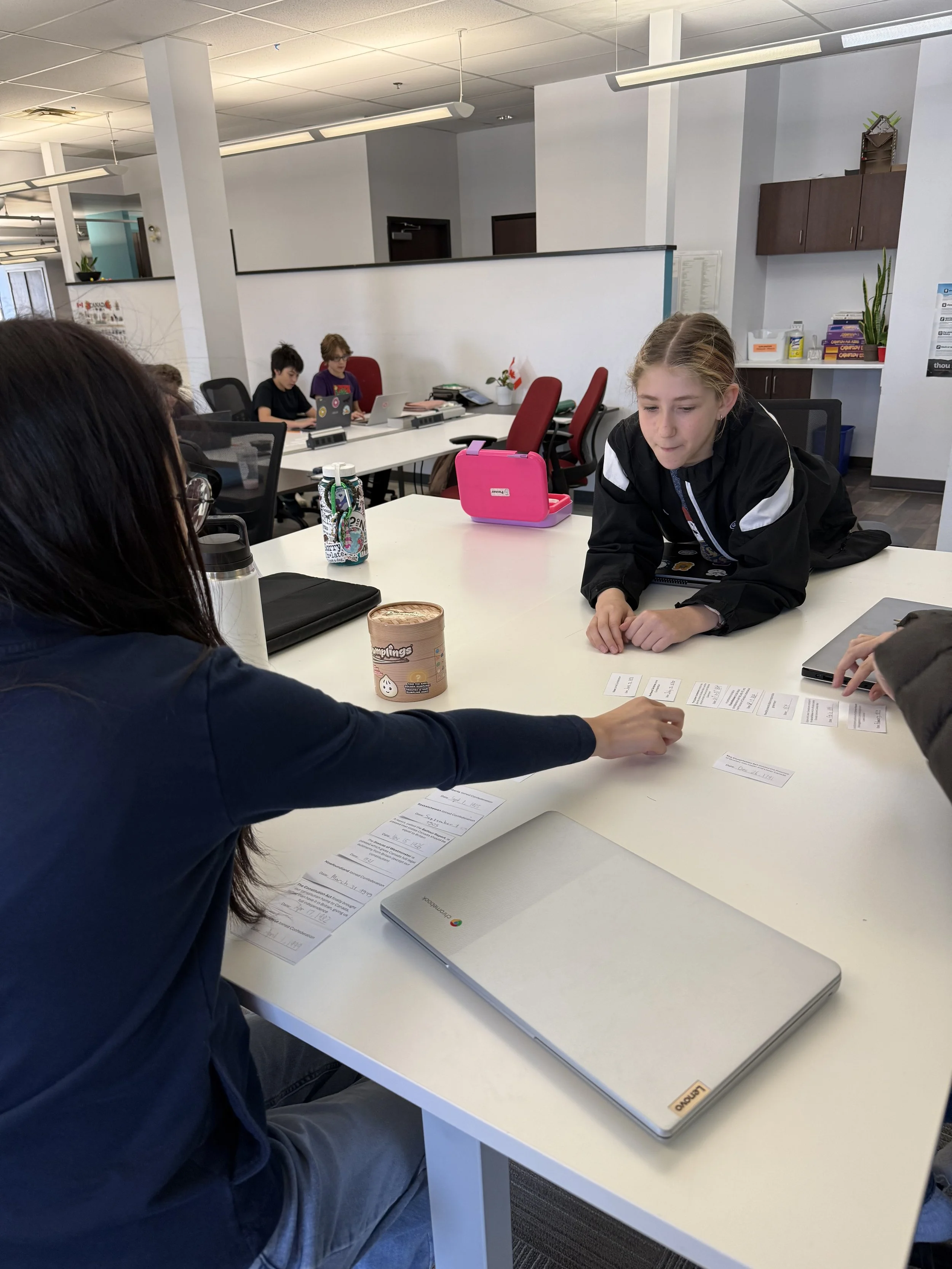
On Wednesday, we learned about the Métis, their culture, and the events that led to the Red River Resistance and the Northwest Rebellion. We then learned about modern law practices, tying them to the Trial of Louis Riel. Rebels read about the charges laid against Riel, the goals of both the prosecution and the defence, and then reflected on the type of jurors each side would want. Rebels were then assigned to either the defence or prosecution and assessed the thirty jurors, choosing which would be good to have on their panel and which would be harmful to their goals. Once the sides were ready, each side took turns striking two jurors from the board until we reached only ten remaining jurors. Learners then reflected on who remained and how well they thought the trial would go, based on the jury selected. After the Rebels selected their jury, we discussed how Riel's Trial was widely criticized for being unfair and politically motivated, failing to follow proper legal procedures in several ways, including biased jury selection, rushed trial and legal defence issues, charge and sentence bias, and political interference. Rebels then used their remaining Quest time to complete a Timeline Match of the Red River Rebellion and Northwest Rebellion.
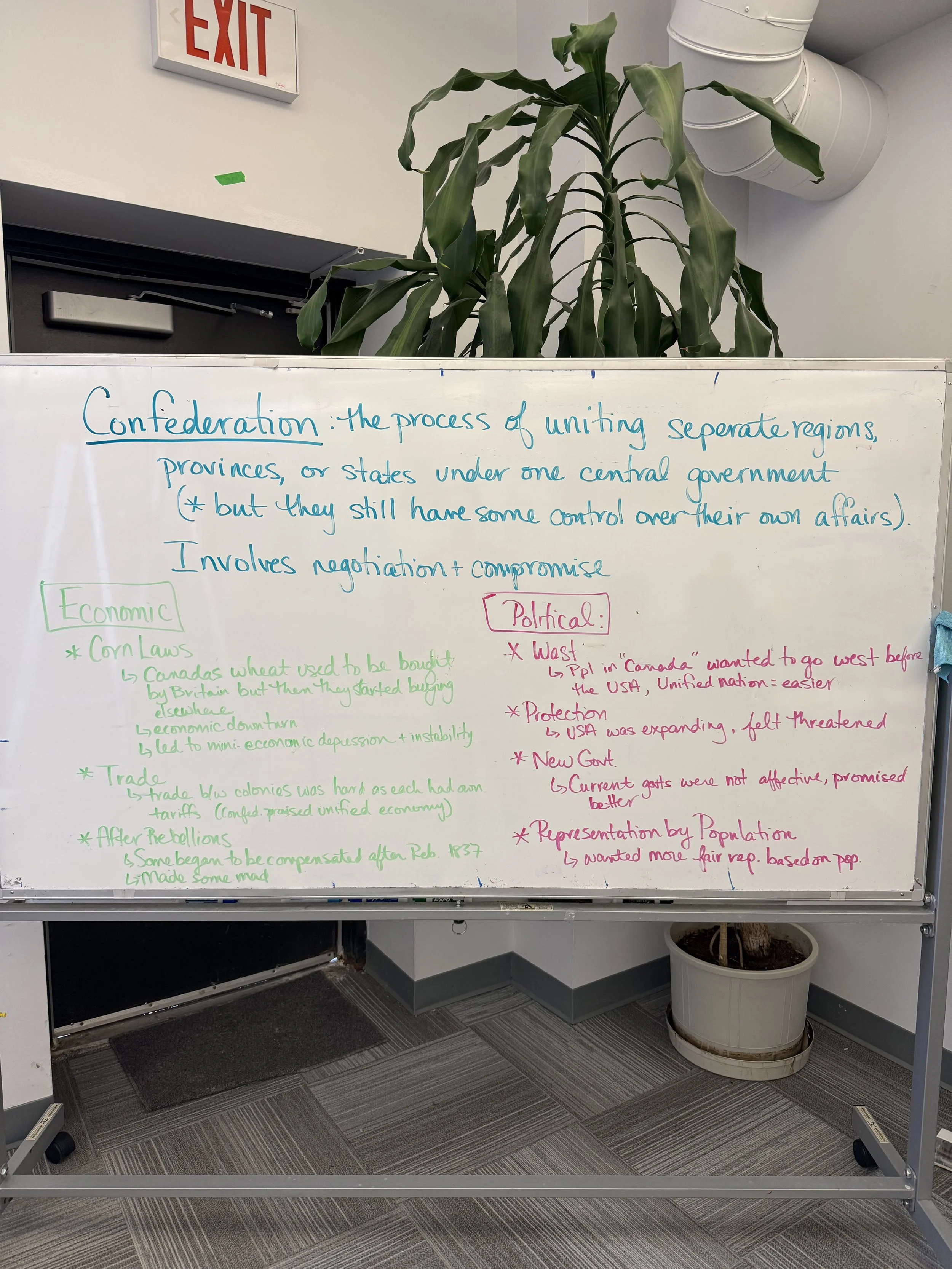
Welcome to Confederation! On Thursday, Rebels learned that in 1867, the British colonies of Nova Scotia, New Brunswick and the Province of Canada (Quebec & Ontario) joined to form the Dominion of Canada. Colonial leaders met at a series of conferences to discuss the nation's future, but left their Indigenous counterparts out of the negotiations. Over the years, six more provinces and three territories joined Confederation, creating the country of Canada as we know it. This process had profound impacts, including damaging policies which attempted to assimilate Indigenous peoples. After completing online research to fill in a timeline, we learned more about the economic and political reasons for Confederation, and read a series of correspondence for and against the union. We ended our Quest period learning about the choosing of our new Governor General and their role in our government.
Government
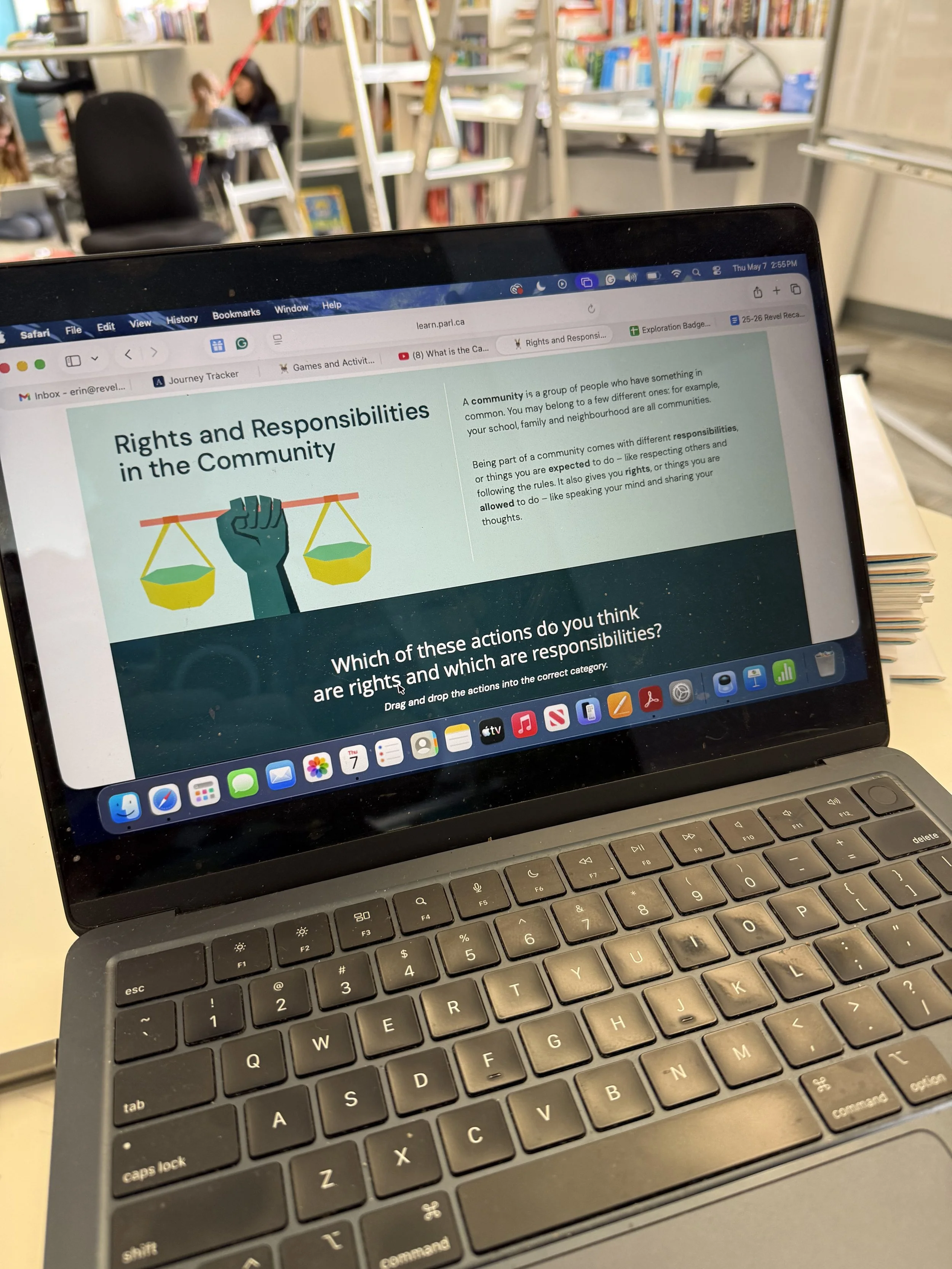
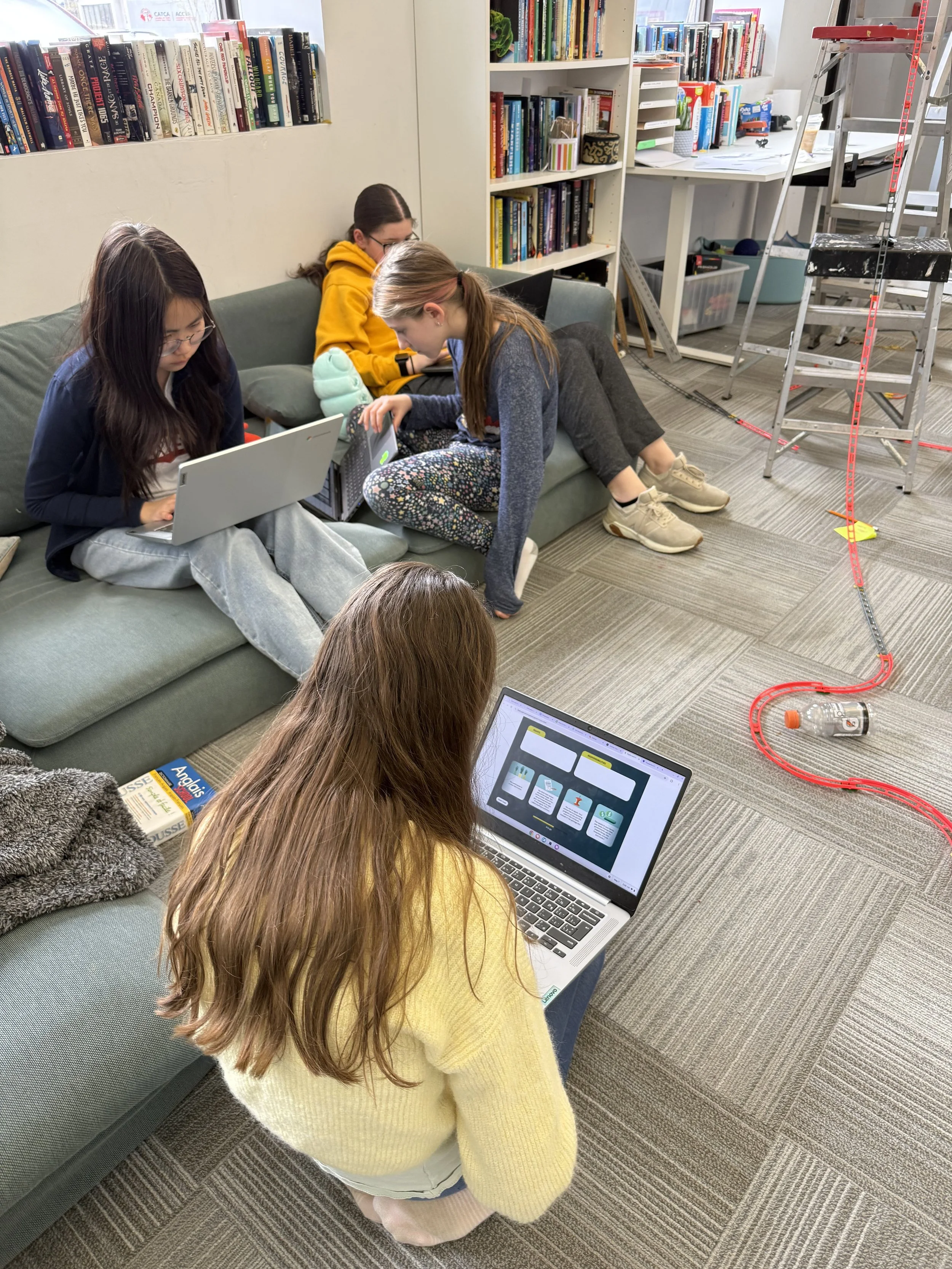
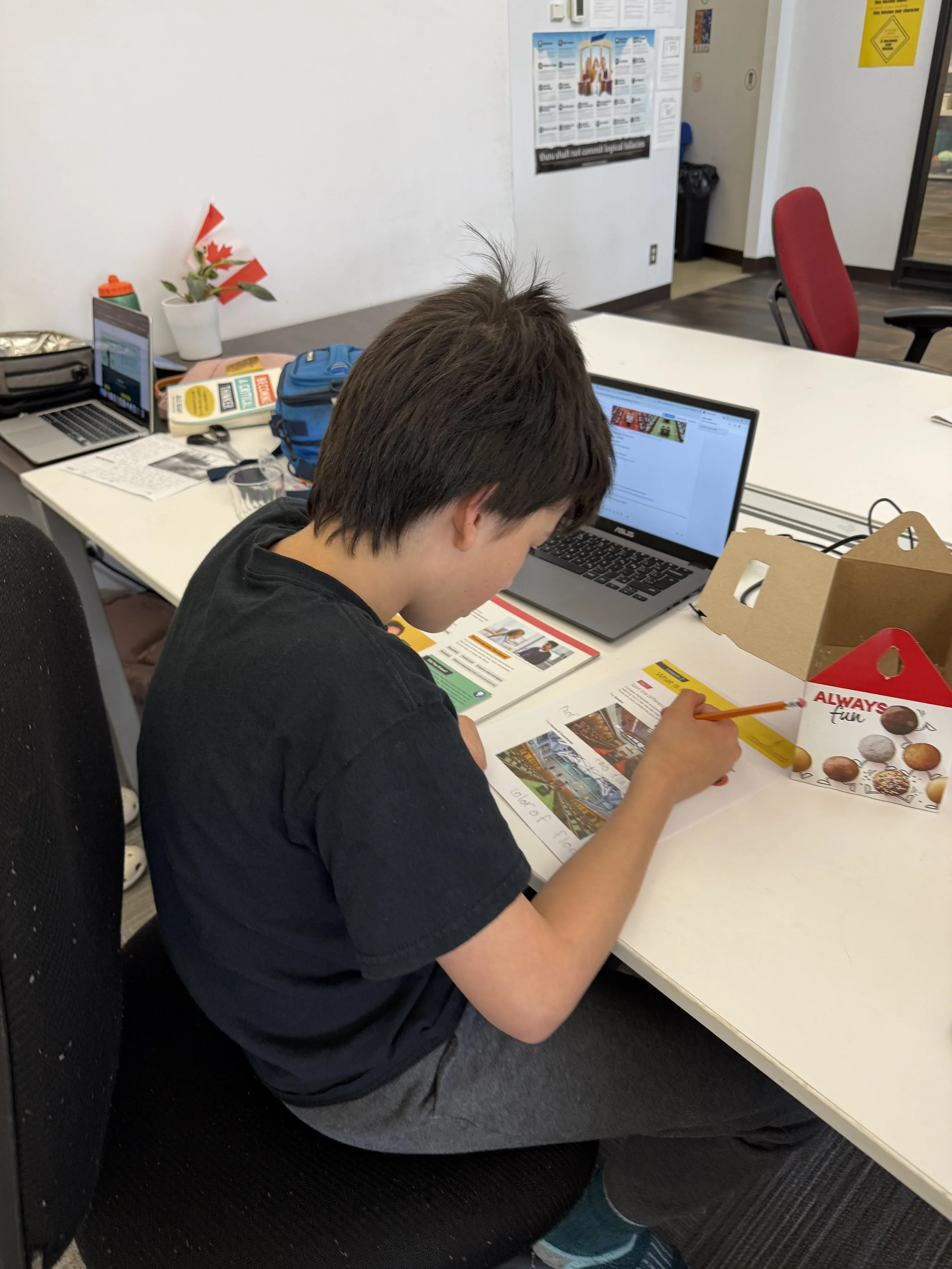
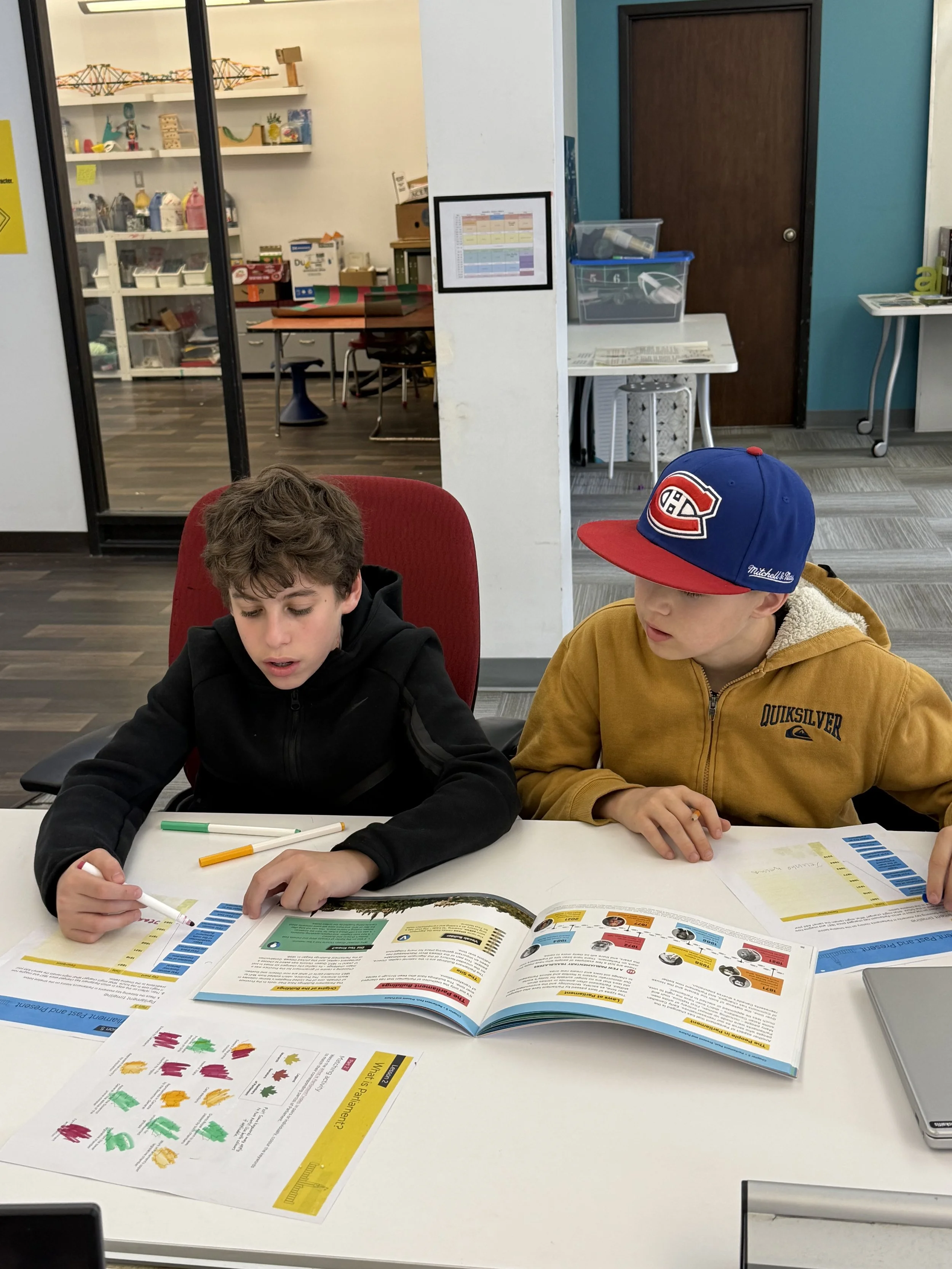
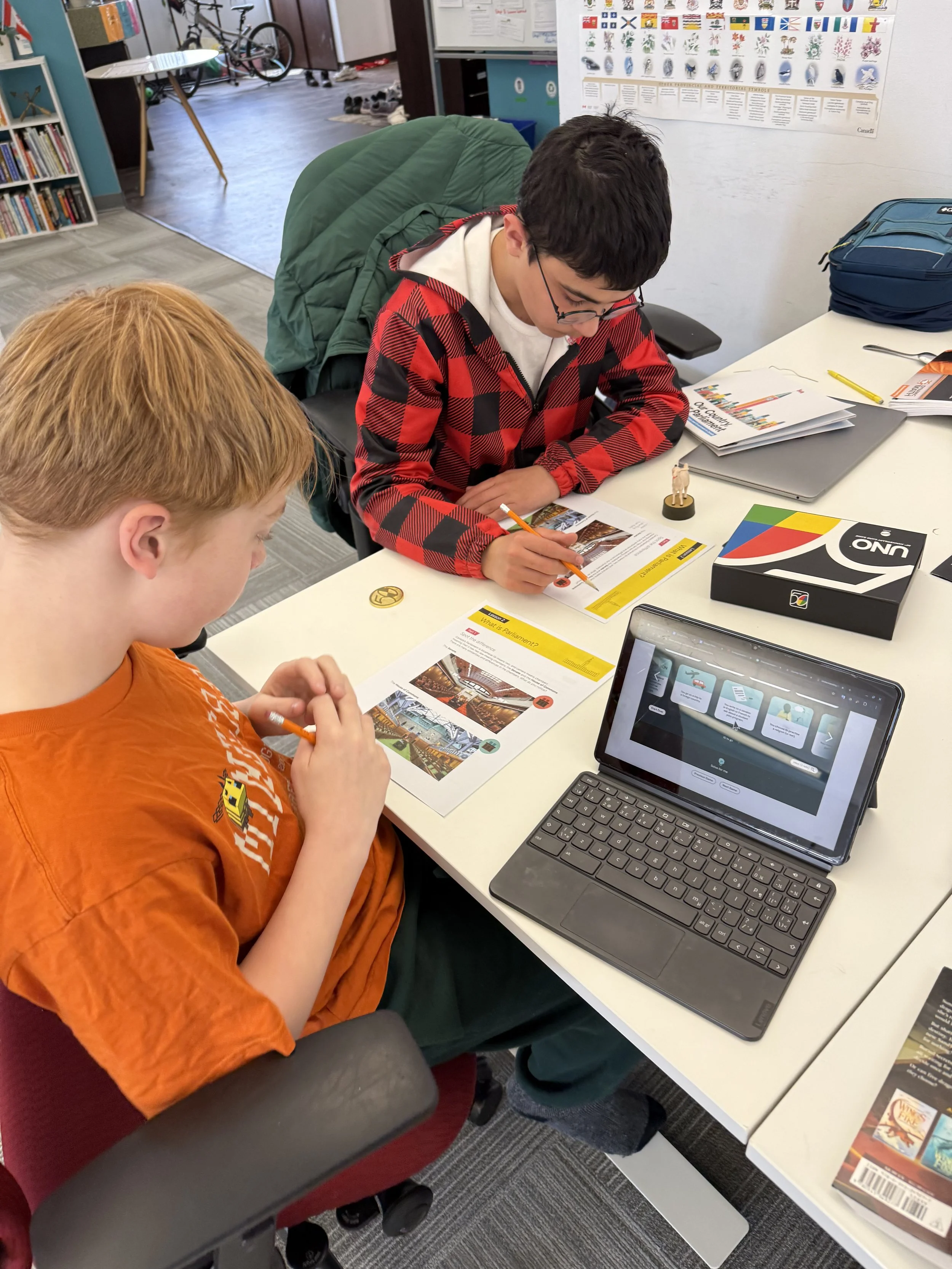
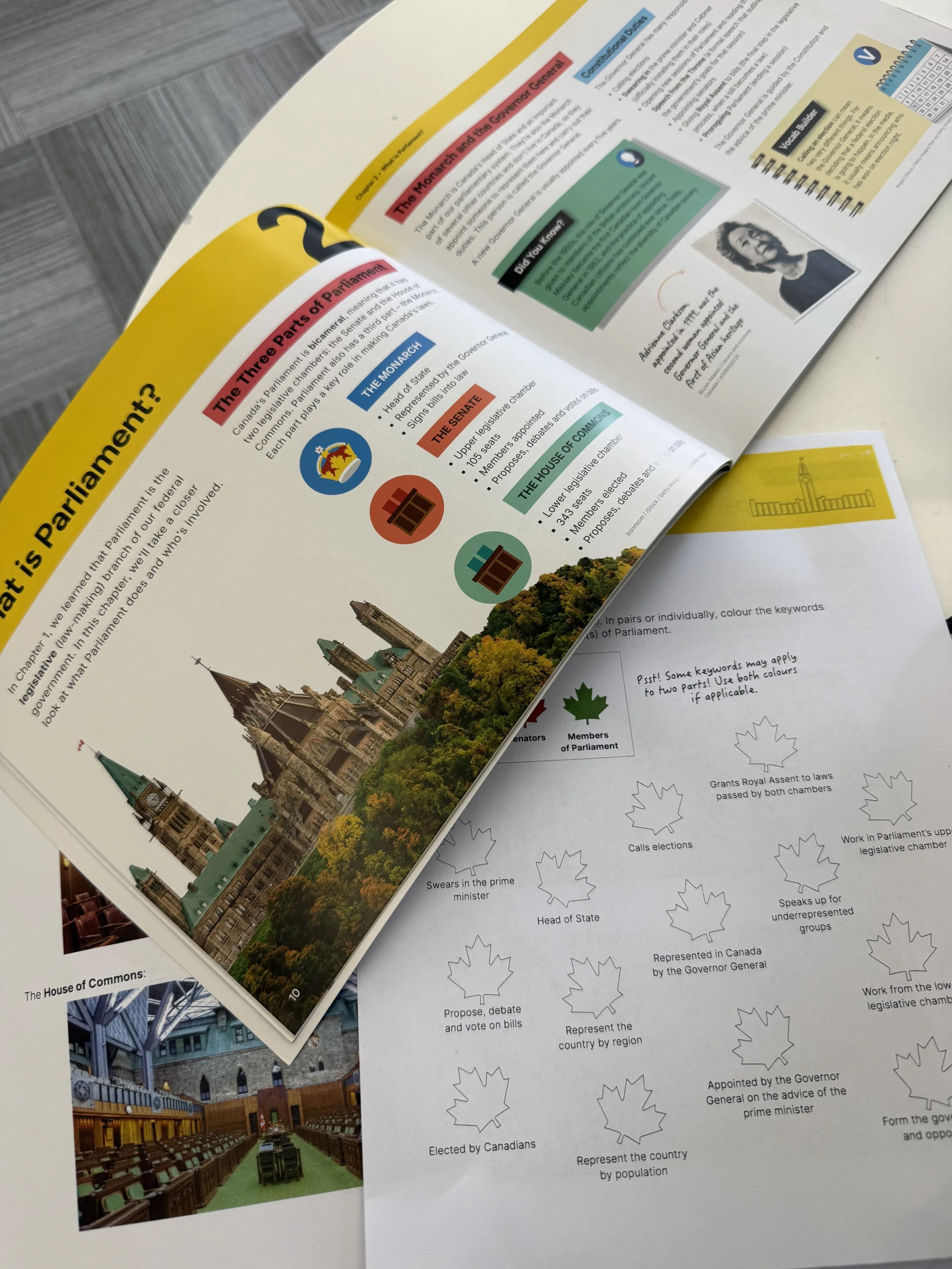
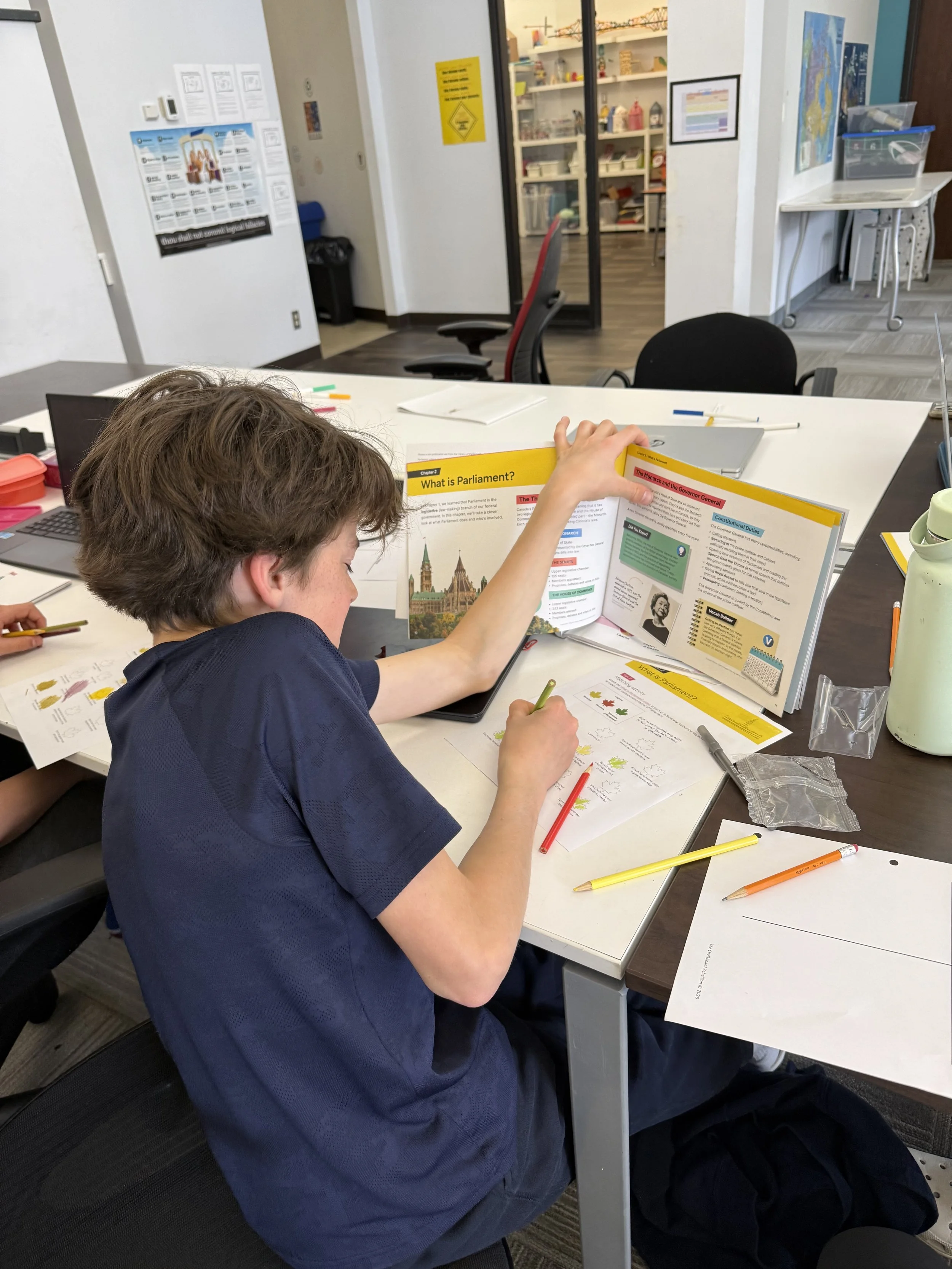
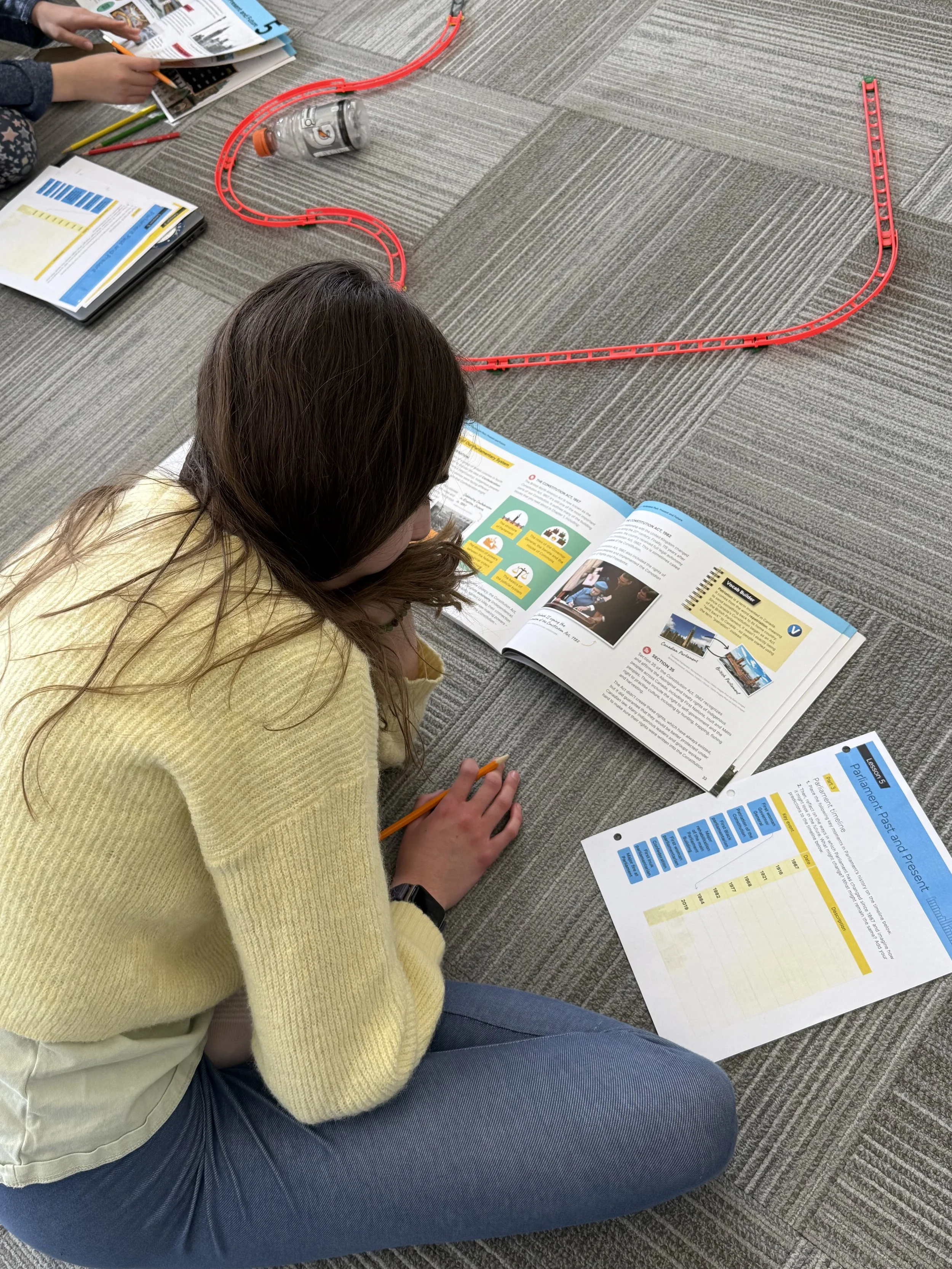
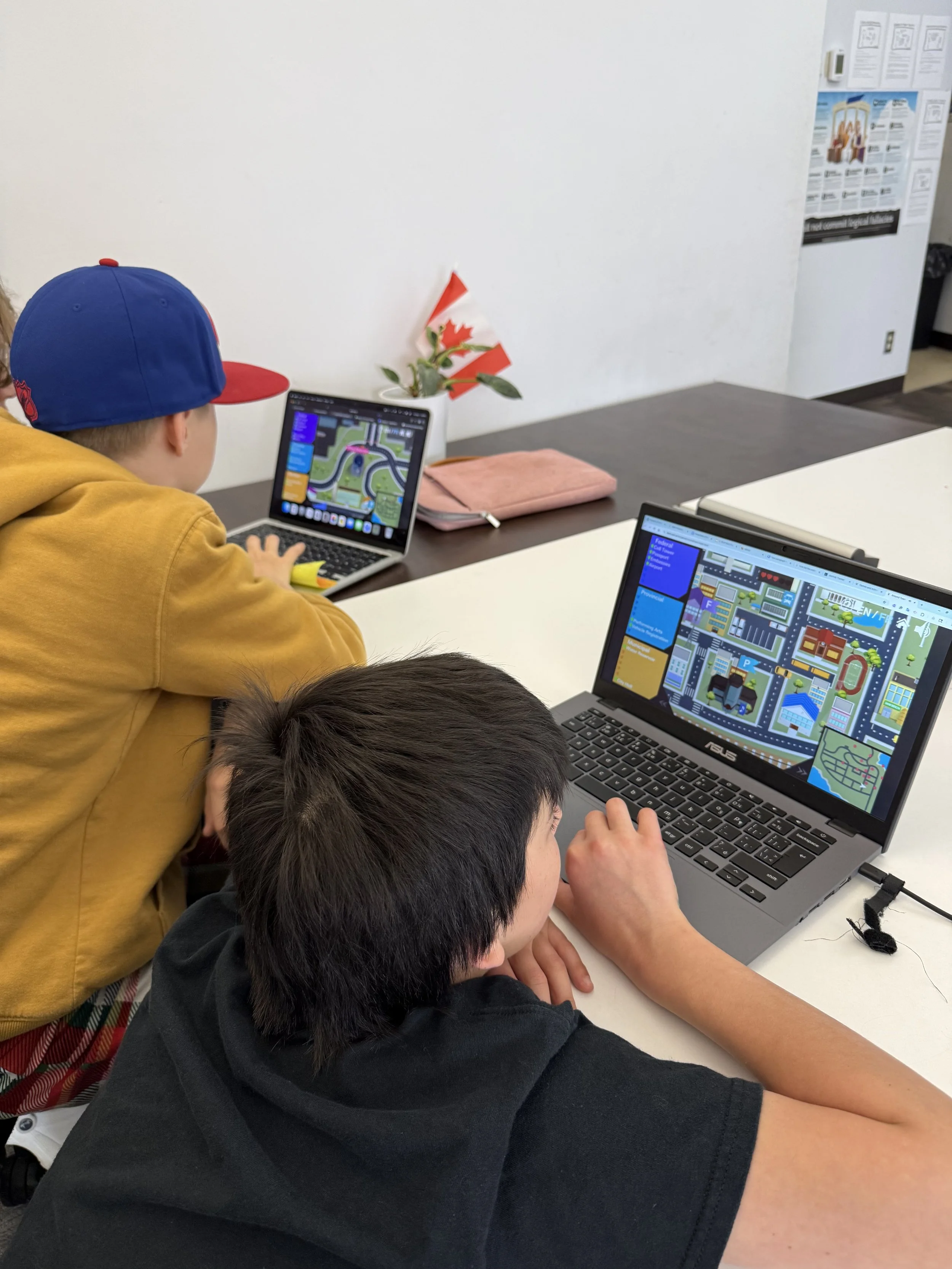
After learning about Confederation in Quest, we explored our current system in this week's Government workshop. We began learning about how Canada is a Representative Democracy and Constitutional Monarchy. We then learned about the Constitution, the highest law in Canada, before playing a game on our Rights and Responsibilities as citizens. A fun "Spot the Difference" image helped Rebels compare and contrast the Senate and the House of Commons, and they then had the opportunity to learn about the chambers' differences before learning more about Parliament and the roles of the monarchy, Senators, and Members of Parliament. Rebels then studied how a bill becomes a law before learning how elections affect Parliament. We ended class with a Parliamentary Timeline where they reflected on how Parliament has changed since 1867, including the major fire and Patriation of the Constitution. At Thursday's closing, Rebels had the opportunity to play multiple games, beginning with identifying important Canadian symbols visible at Parliament in advance of our visit and a sorting exercise on municipal, provincial, and federal responsibilities.
French
This week in French, we explored vocabulary and expressions for Mother's Day. Rebels discovered various French expressions containing the words mère and maternel, expanding both their vocabulary and their understanding of the language's culture. They also completed a crossword puzzle and created cards while practising writing compliments and thoughtful messages in French. To finish the week, we played a Jeopardy-style review game covering the different linguistic phenomena and concepts we have learned throughout the session. Learners worked together to answer questions about the development of the French language, vocabulary, and language history while reinforcing their comprehension in a fun and engaging way.
Civilizations - Big History
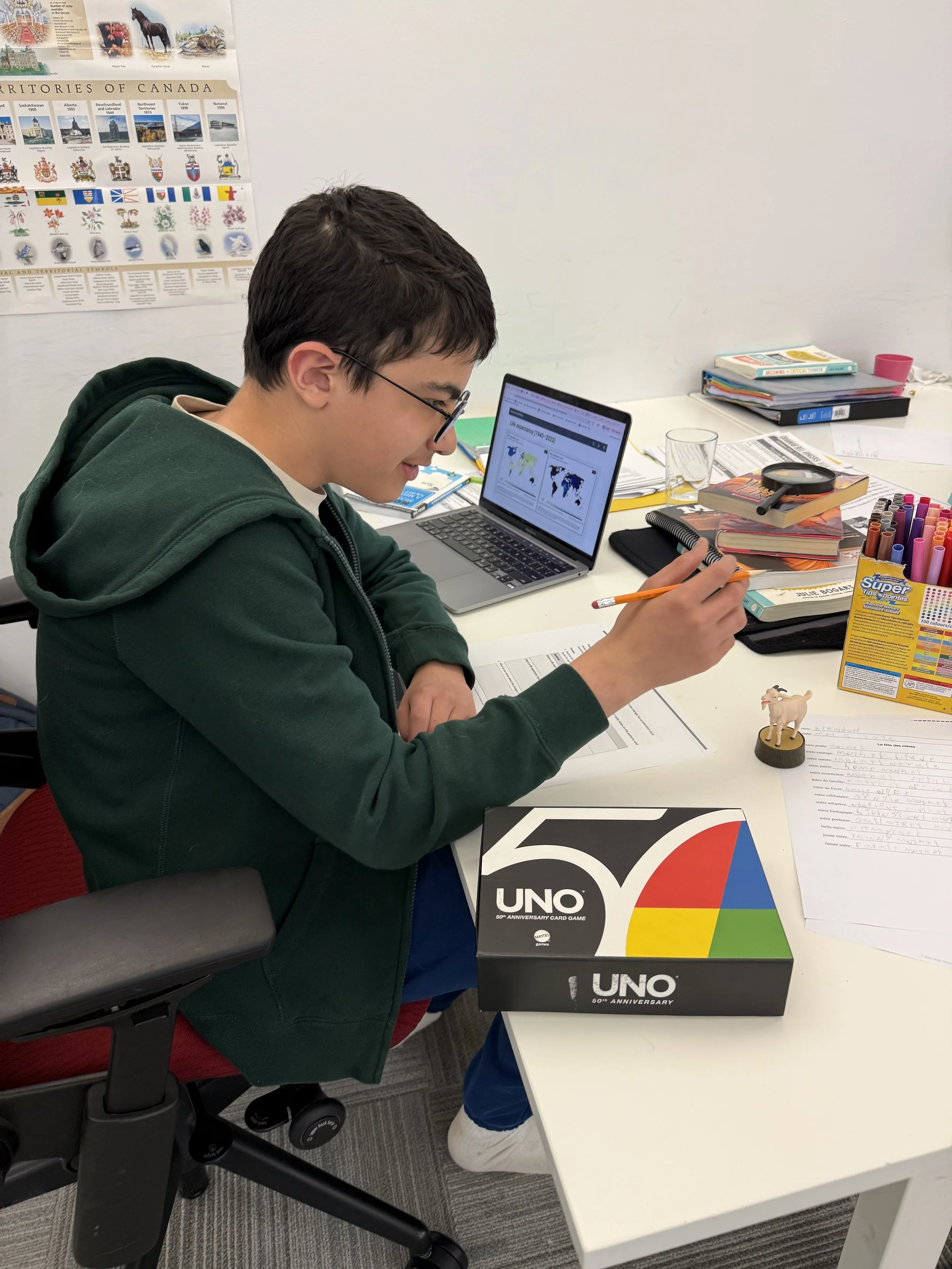
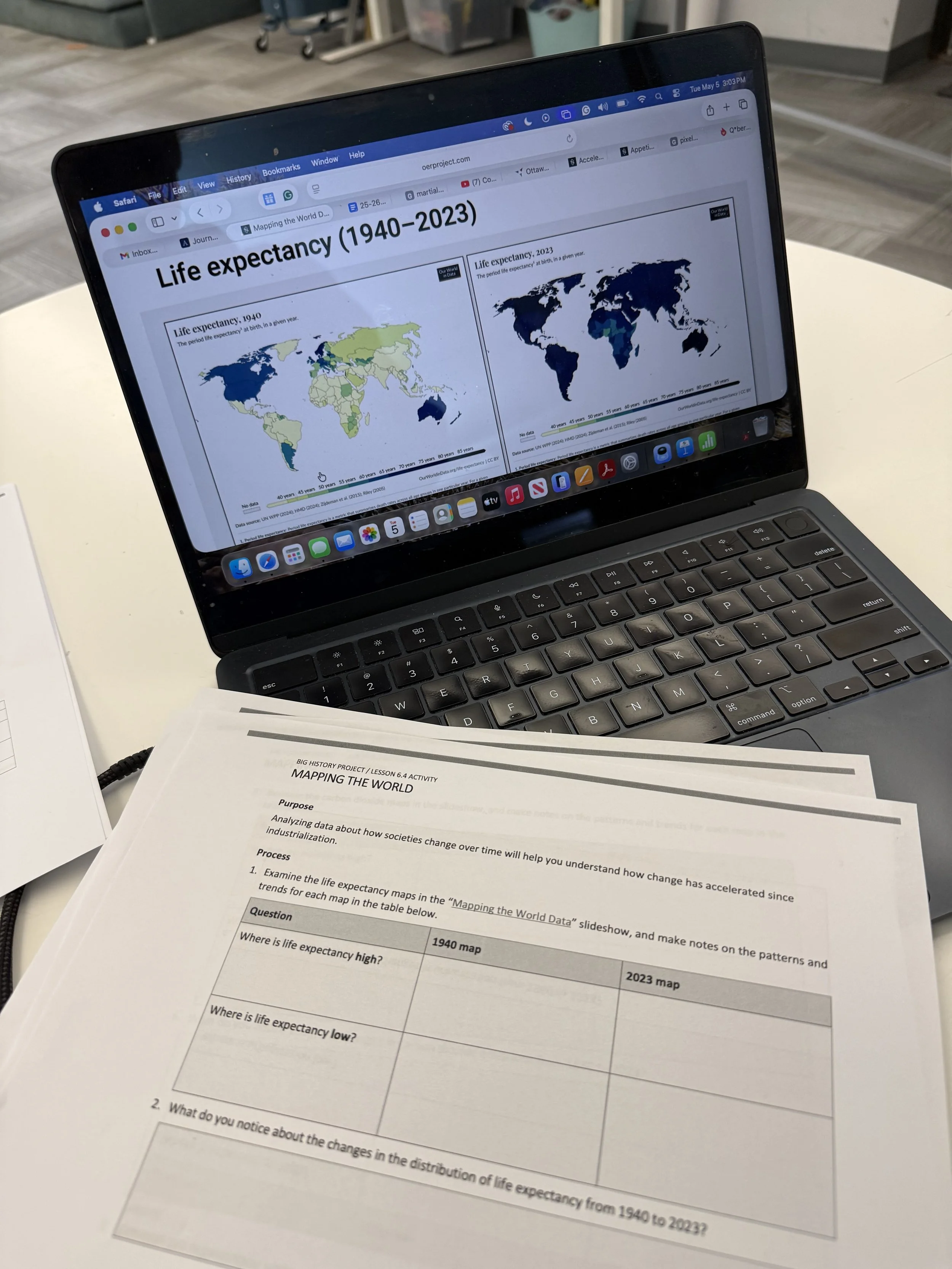
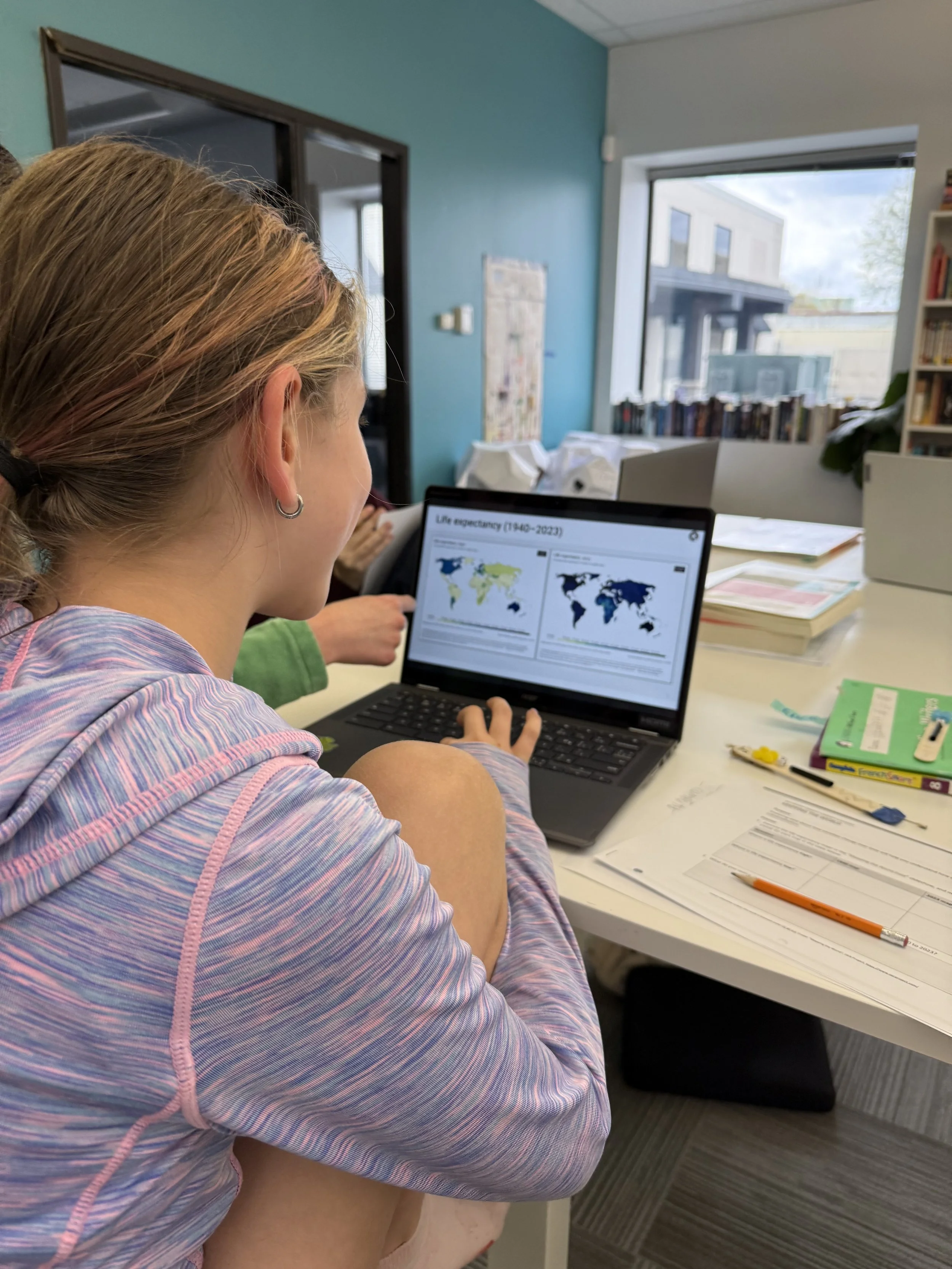
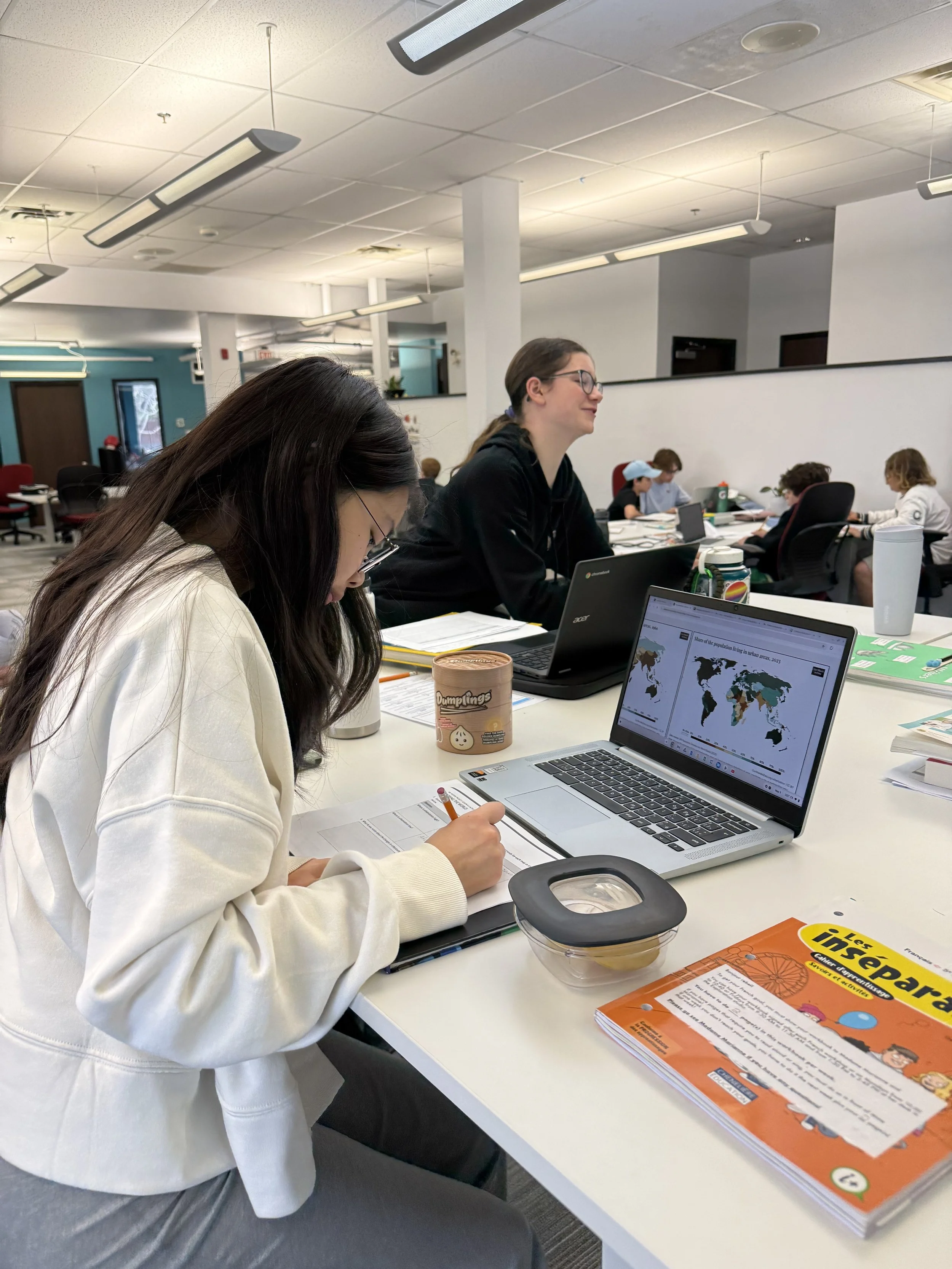
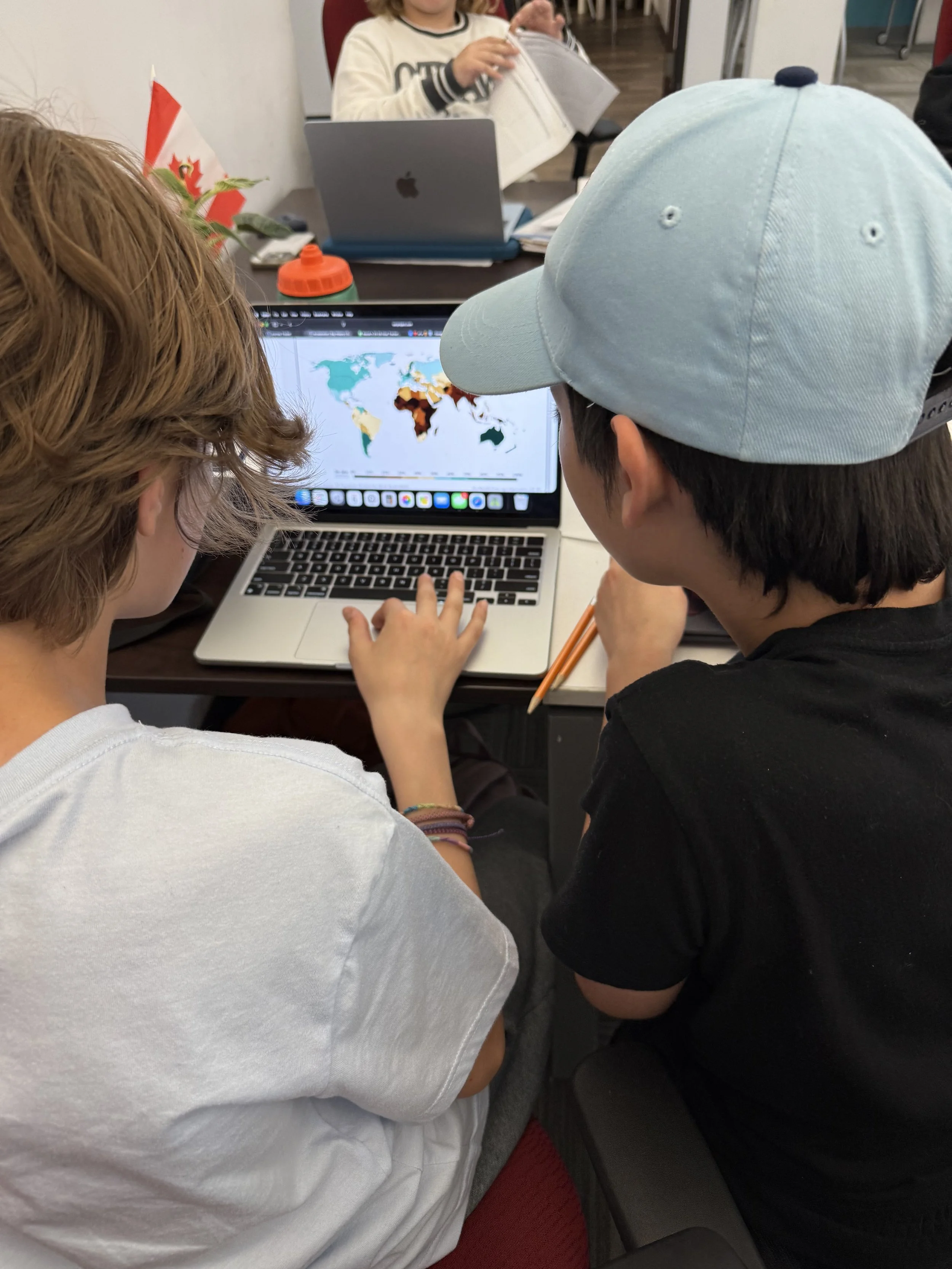
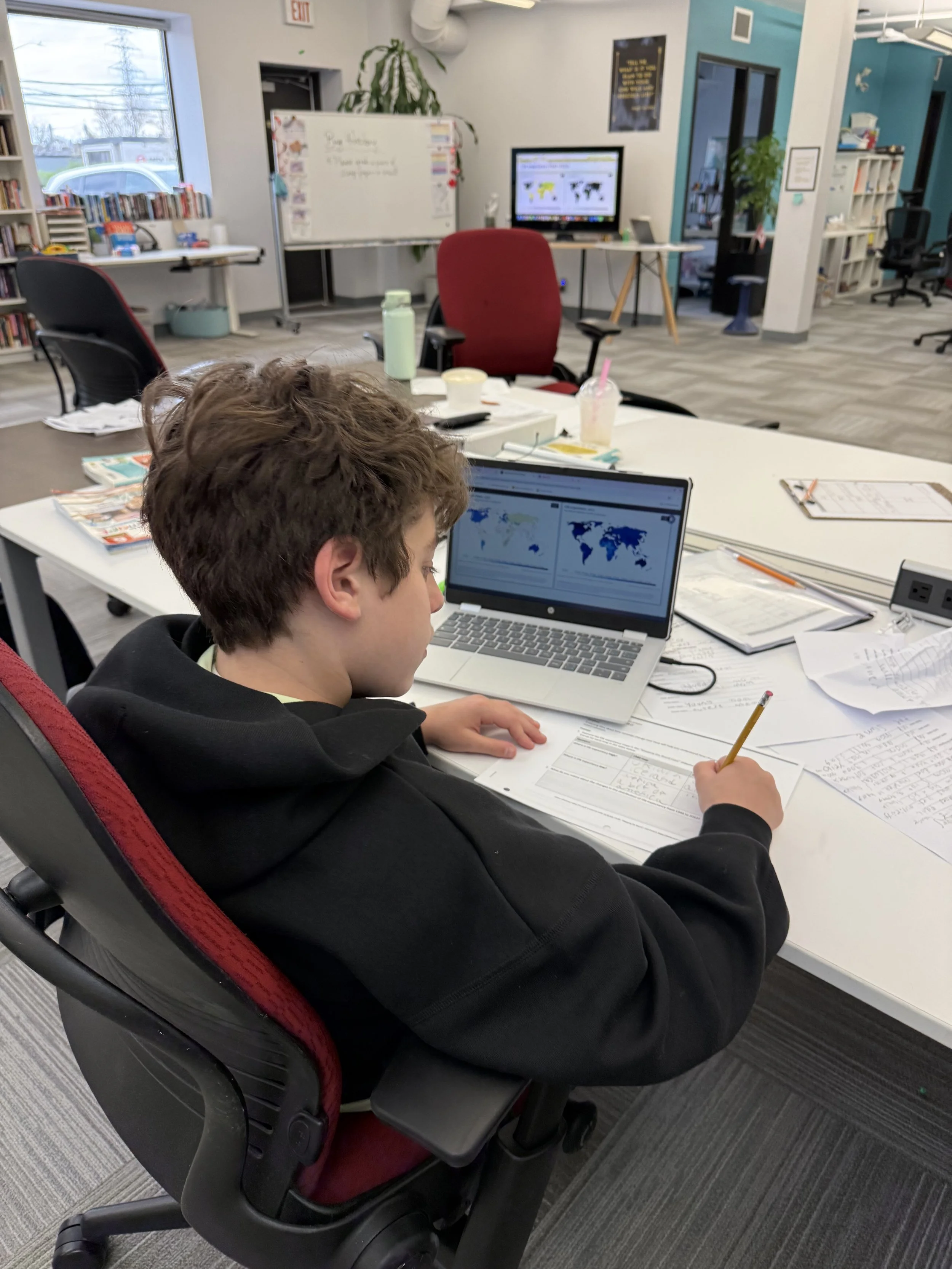
Just 500 years ago, we lived in four distinct world zones. Now, we're linked by a global network of information and commerce. How did this happen so quickly, and what challenges did this acceleration bring? After completing an energy audit over the past 24 hours, Rebels were asked to compare the amount and types of energy they use today with the energy sources used 500 years ago to assess how humans' use of energy has changed over time and how this acceleration impacts the Earth. Rebels then learned that closer connections between world zones led to more collaboration, innovation, and collective learning. Using a series of maps, Rebels then examined changes in life expectancy, urbanization, and carbon dioxide emissions over time worldwide. We ended class by reading an article about the impacts of acceleration, which is a double-edged sword, providing us with amazing technology while also enabling destructive weapons of global conflict.
Additional Highlights
As the Rebels have shown an immense interest in learning more about the Holocaust, we began reading the beautiful, emotional novel It Rained Warm Bread. The respect and thoughtful questions during our read-aloud demonstrated deep maturity and empathy.
Potential Discussion Ideas or Questions to Ask Your Rebel:
Spark Studio:
What was your favourite activity or project from this week, and why did you enjoy it?
What was the most interesting thing you learned about stars or constellations this week, and why did it stand out to you?
If you could create your own constellation in the night sky, what would it look like and what story would it tell?
After reading The Tiny Seed, can you think of another word that has one syllable? What about a word with two syllables?
Which strategy helped you count syllables best: clapping the beats or feeling your chin move? Why do you think it worked for you?
Discovery Studio:
How are you feeling about the upcoming chess tournament on Tuesday?
What type of gameplay/strategy do you think will help you play your best at the chess tournament? Slow chess or fast chess?
Do you think the strongest leaders should be most skilled in reading, writing, math or rhetoric?
In your error analysis workshops, what types of problems in Math have been the easiest to solve? Addition, subtraction, multiplication, division, graphing and data management or fractions?
Your studio achieved a full week without anyone losing a Rebel Buck! What do you think helped the team most to achieve this result?
Exploration Studio
Which of the short stories was your favourite? Why?
Whose voices were heard or silenced in the process of nation-building?
What are the dangers of gambling? How do you decide if it is a good bet?
What are you most excited about regarding the Overnight Ottawa Adventure?