
Revel Recap: Mar 9-13
Important Upcoming Dates
Spark Visit to Fire Station 23- Monday, March 16th: 1:00-2:00 pm
Spark, Discovery & Exploration Studios visit the Canadian Museum of Science and Technology - March 25th
Session 5 Exhibitions
Discovery Exhibition - Tuesday, March 31st
Spark Exhibition - Wednesday, April 1st
Exploration Exhibition - Thursday, April 2nd - Doors Open at 4:00 pm
Good Friday - No School - Friday, April 3rd
Easter Monday - No School - Monday, April 6th
Sessional Break - Tuesday, April 7th - April 10th
Cooking Camp with Mme. Marianne (registration info to follow, keep an eye out on Band in Week 4!)
Guardian Book Club: The Gardener and the Carpenter by Alison Gopnik - Thursday, April 16th
Spark Studio
Mindfulness and Launch
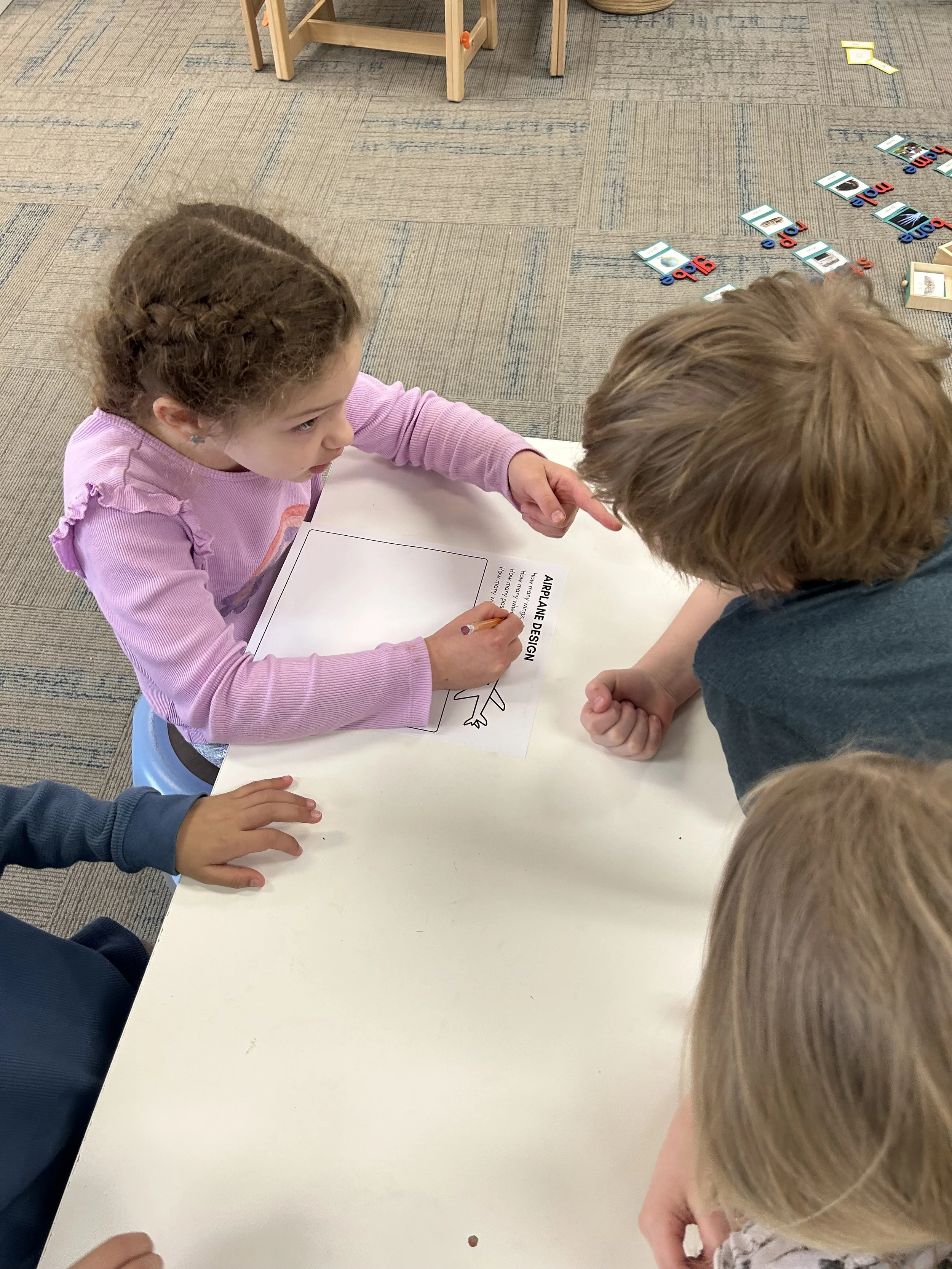
On Monday, we talked about International Women’s Day, which took place on March 8. We began by watching a short video that explained the history of this day and why people around the world celebrate it. Afterward, we read a book about the inspiring life of Jane Goodall and learned about her important work with chimpanzees and her dedication to protecting animals and the environment. To finish the activity, each Spark drew a picture and wrote about a woman they admire. It was wonderful to see the different women they chose and hear why these individuals are important to them. On Tuesday, the Sparks were introduced to another important woman, Amelia Earhart. She was the first woman to fly solo across the Atlantic Ocean and set many other flying records. We read two books about Amelia Earhart that encouraged the Sparks to ask many thoughtful questions, such as: What happened to her and her airplane? Have they ever found them? Afterward, the Rebels worked on directed drawings of airplanes for their timeline posters for Exhibition. On Wednesday, the Sparks participated in yoga and then used pattern blocks to create different forms of transportation. On Thursday, they enjoyed mindfulness colouring of transportation vehicles while listening to calming music. Many learners chose sports cars and emergency vehicle colouring pages. To end the week, we went to the gym to play soccer. On Tuesday, Thursday, and Friday, the Sparks also headed to the Exploration Studio, where they began their March Mammal Madness battles! The Rebels were excited to see that their vote for the assassin bug made it to the next round, bringing their total to 14 points.
Quest
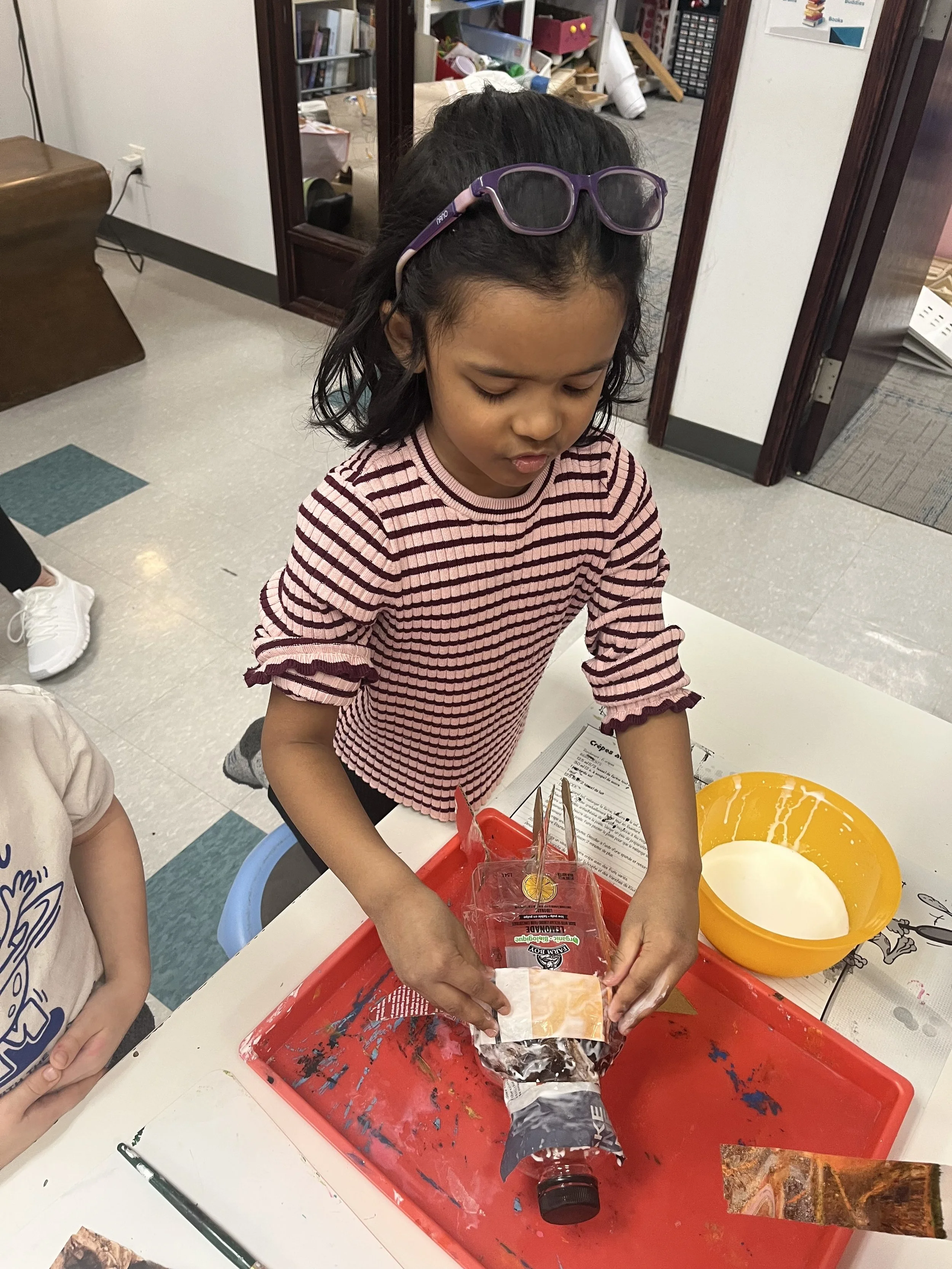
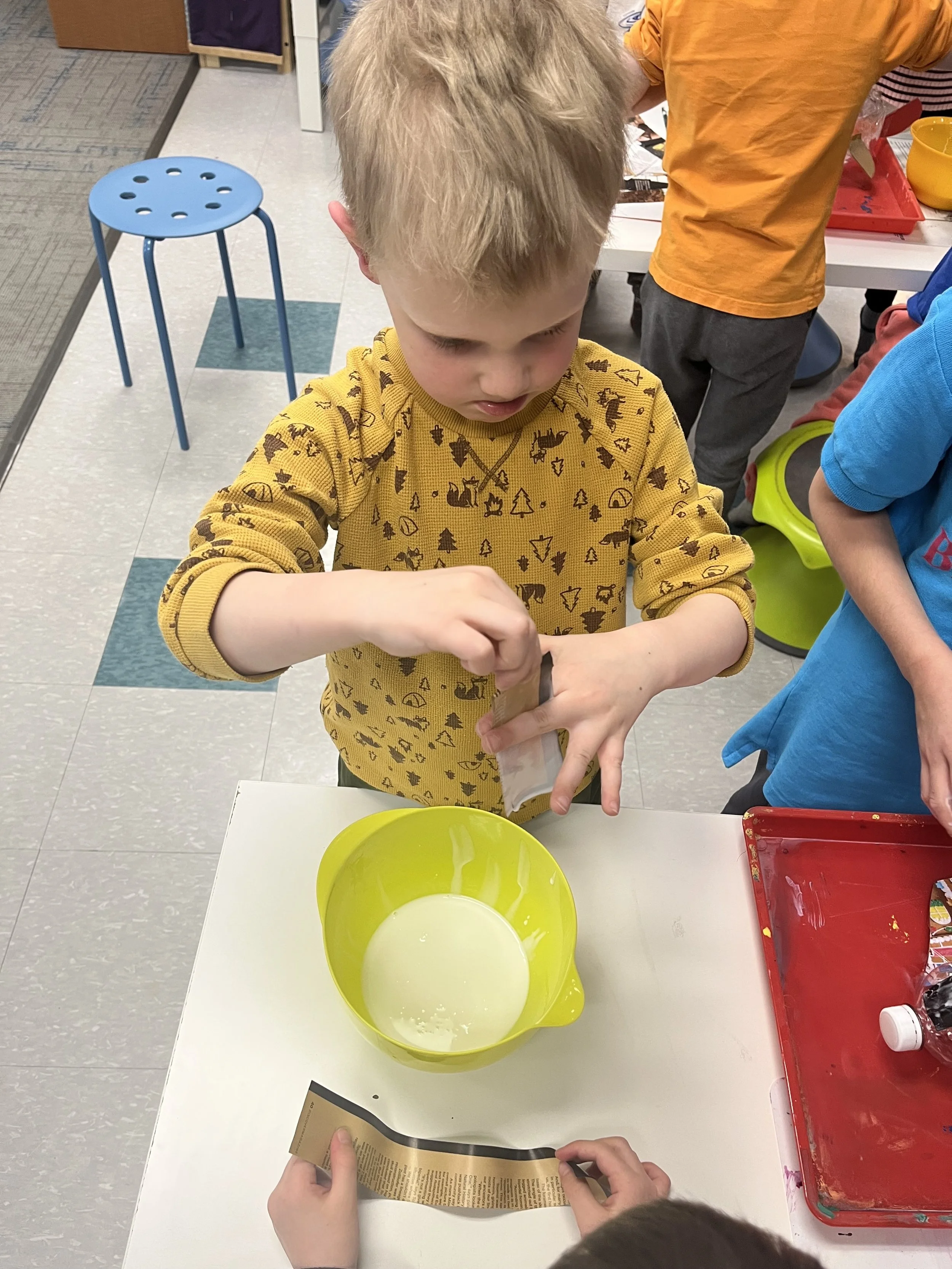
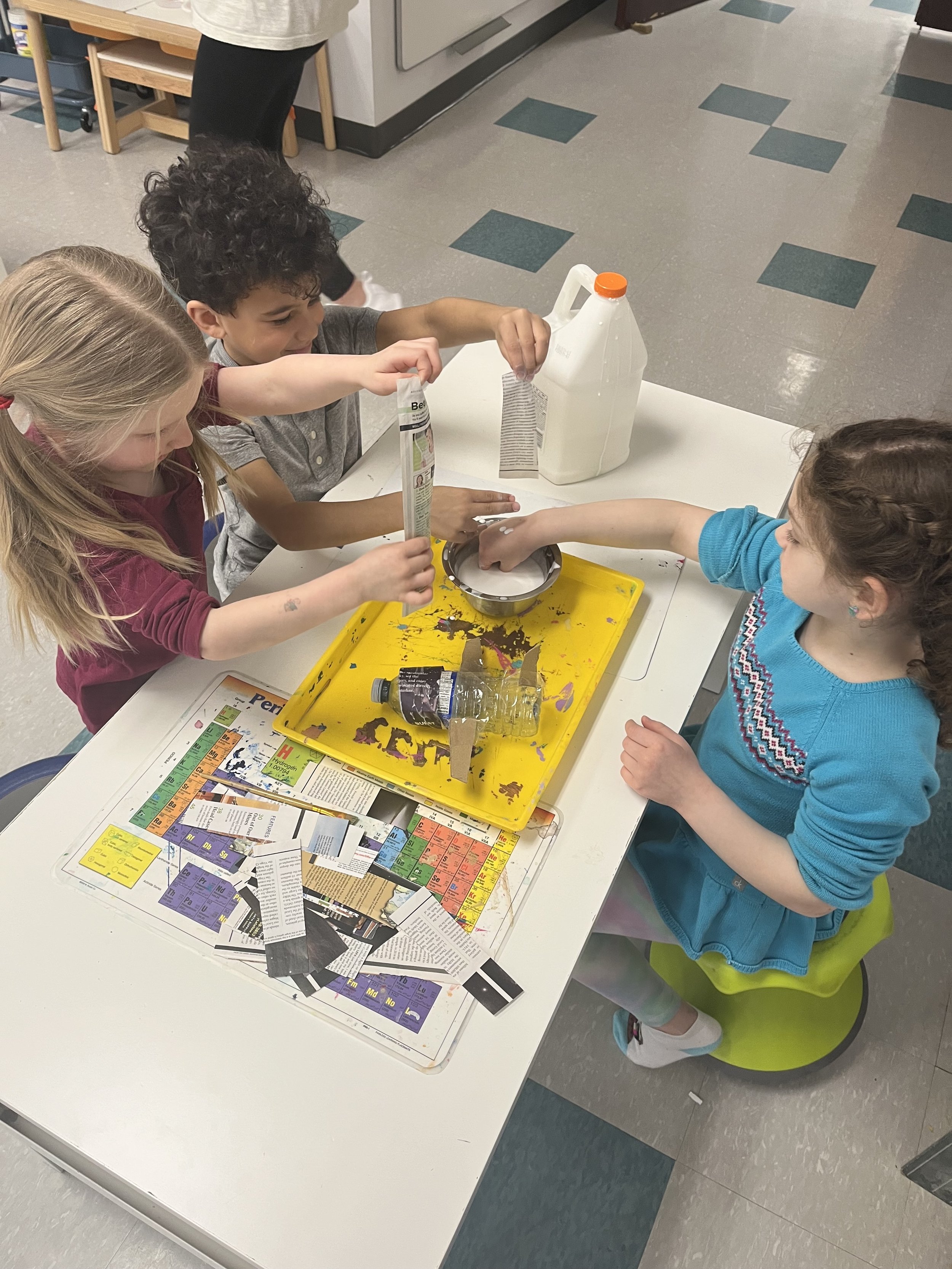
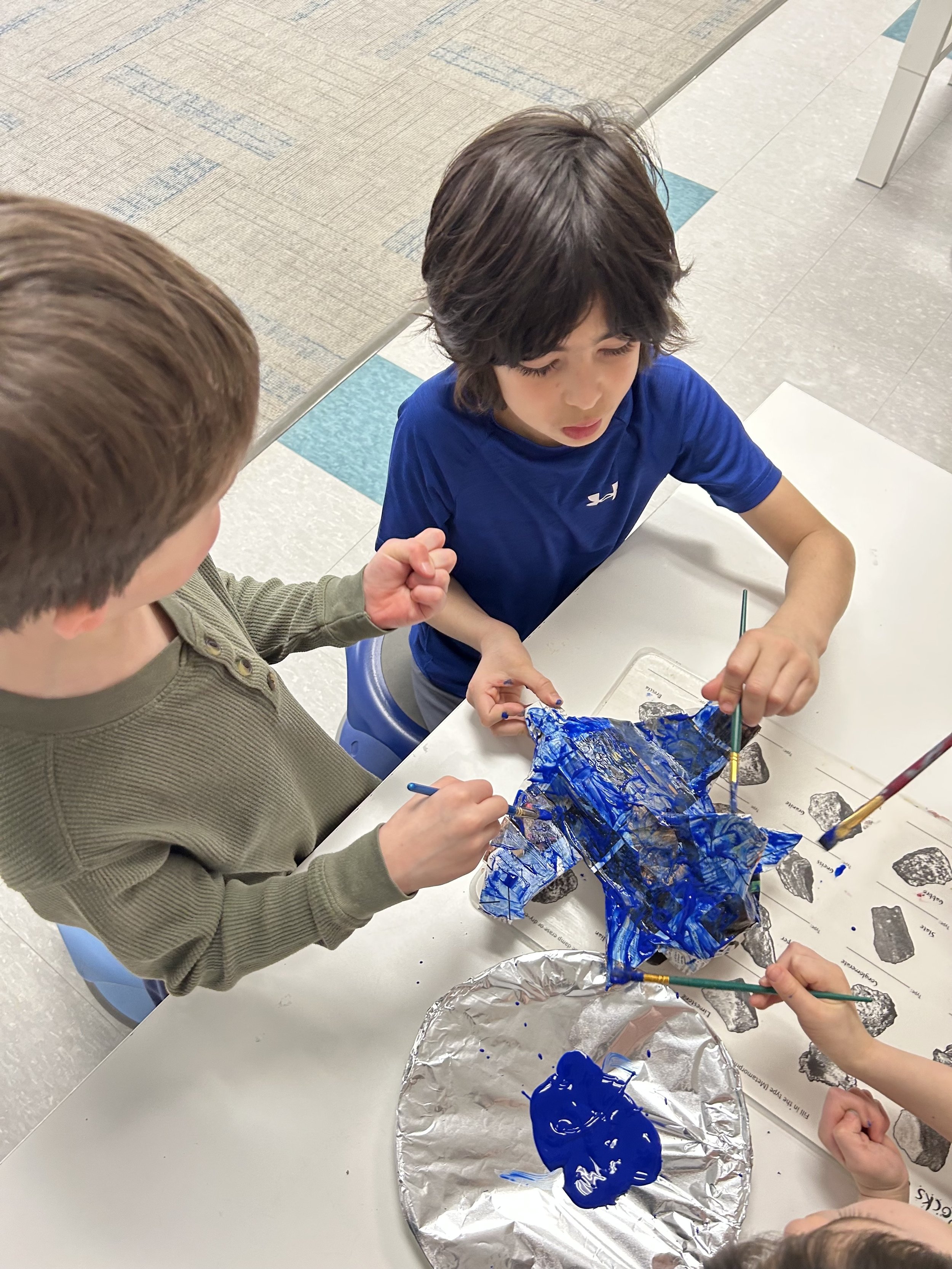
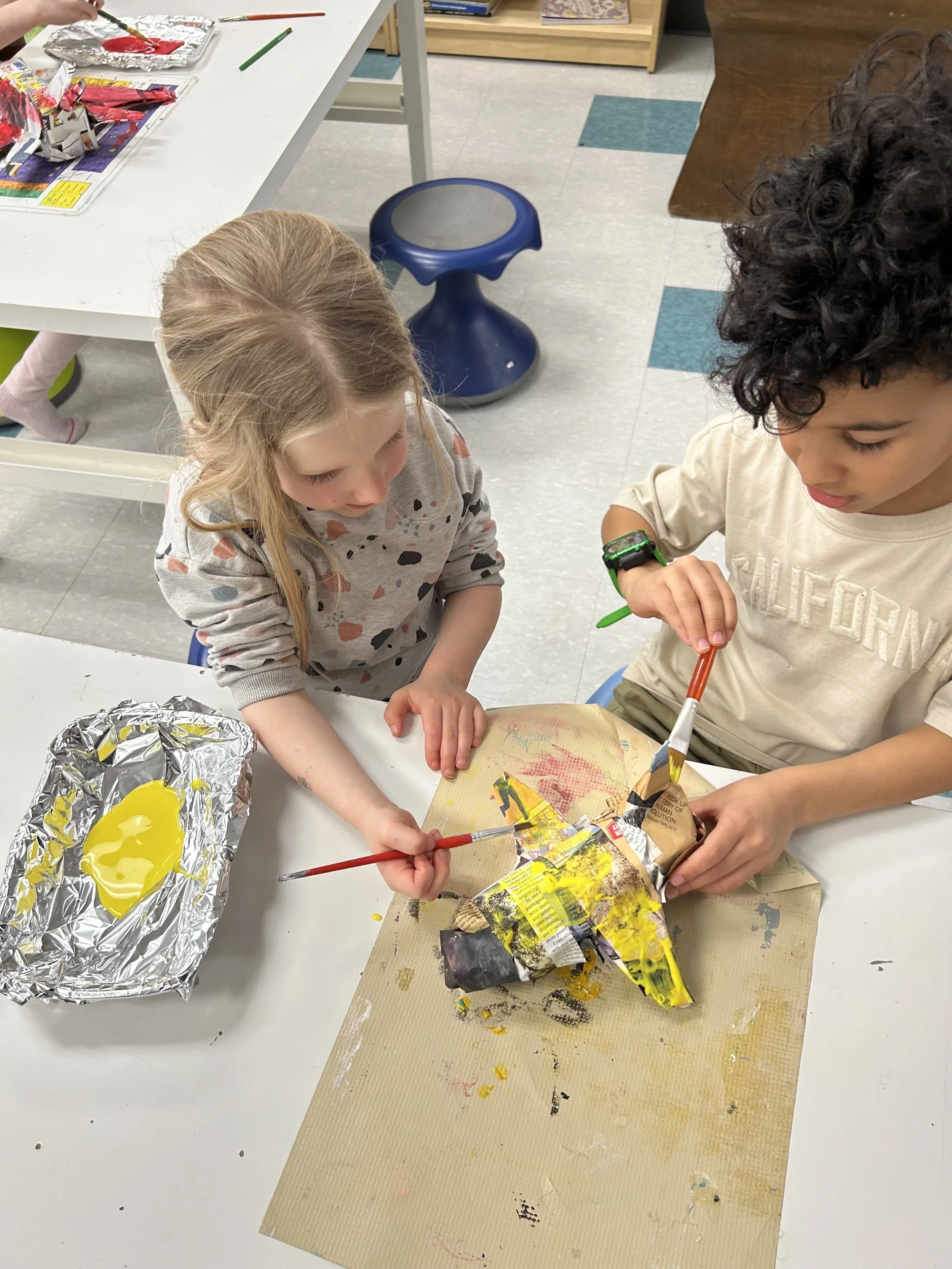
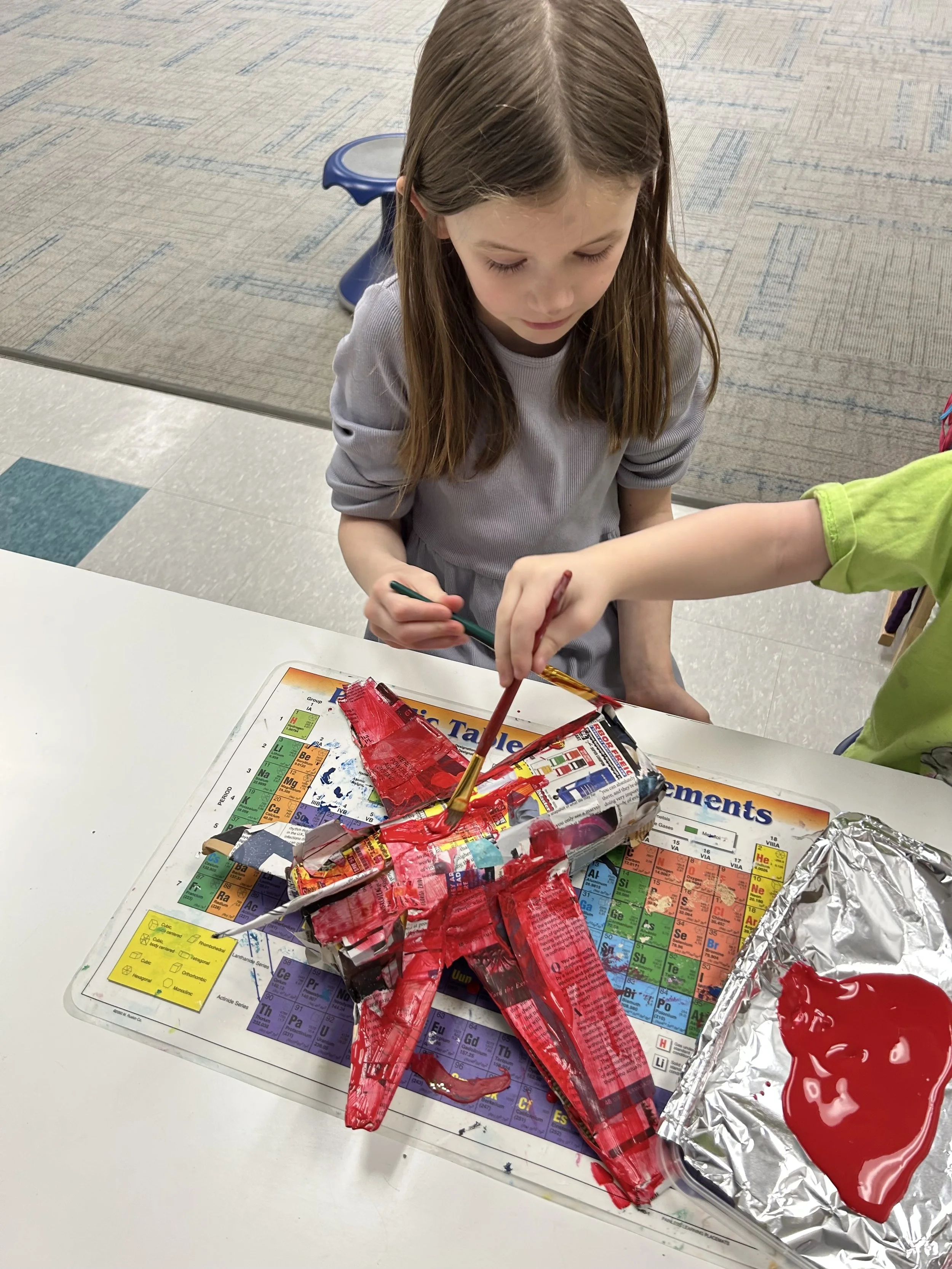
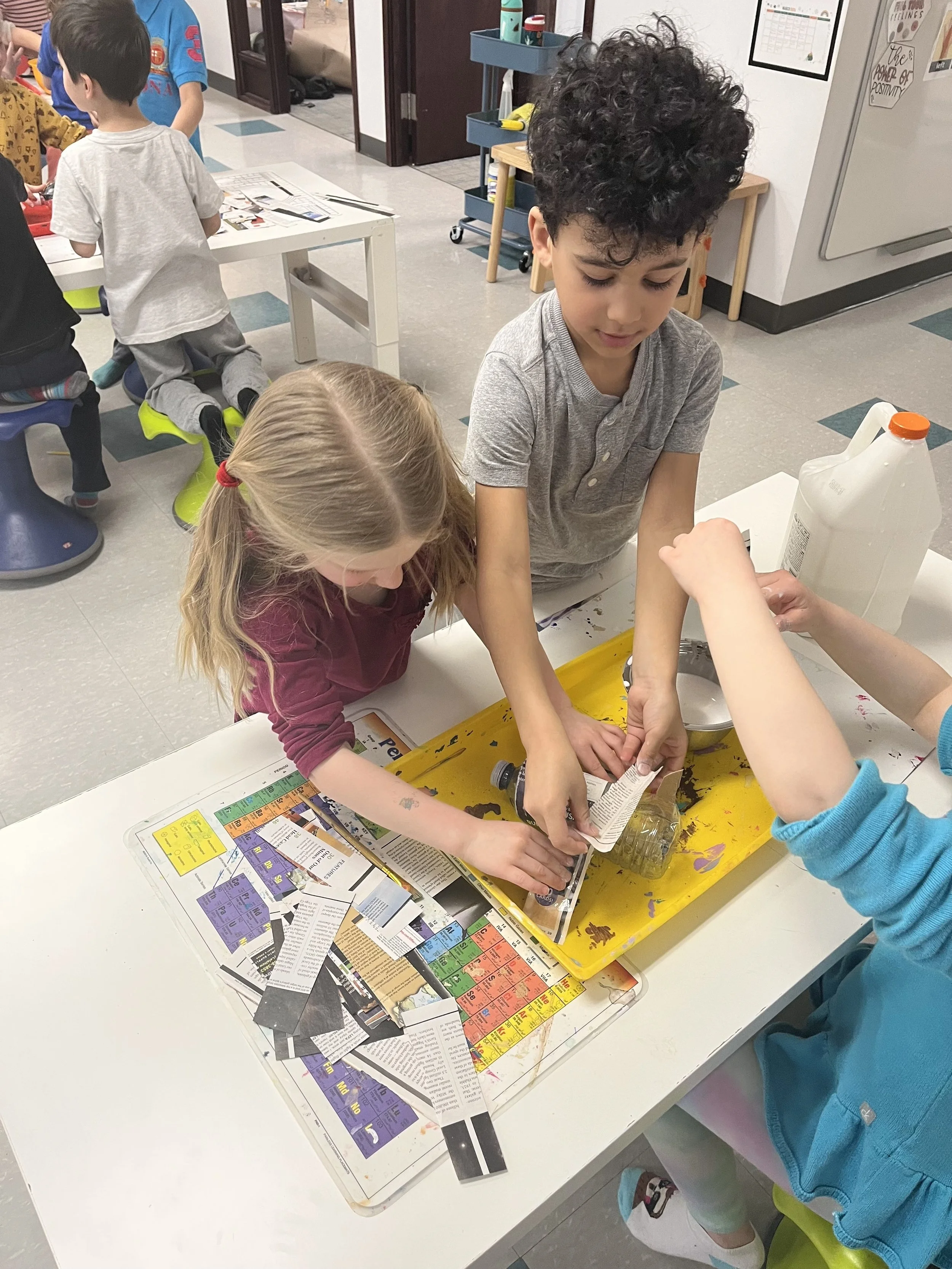
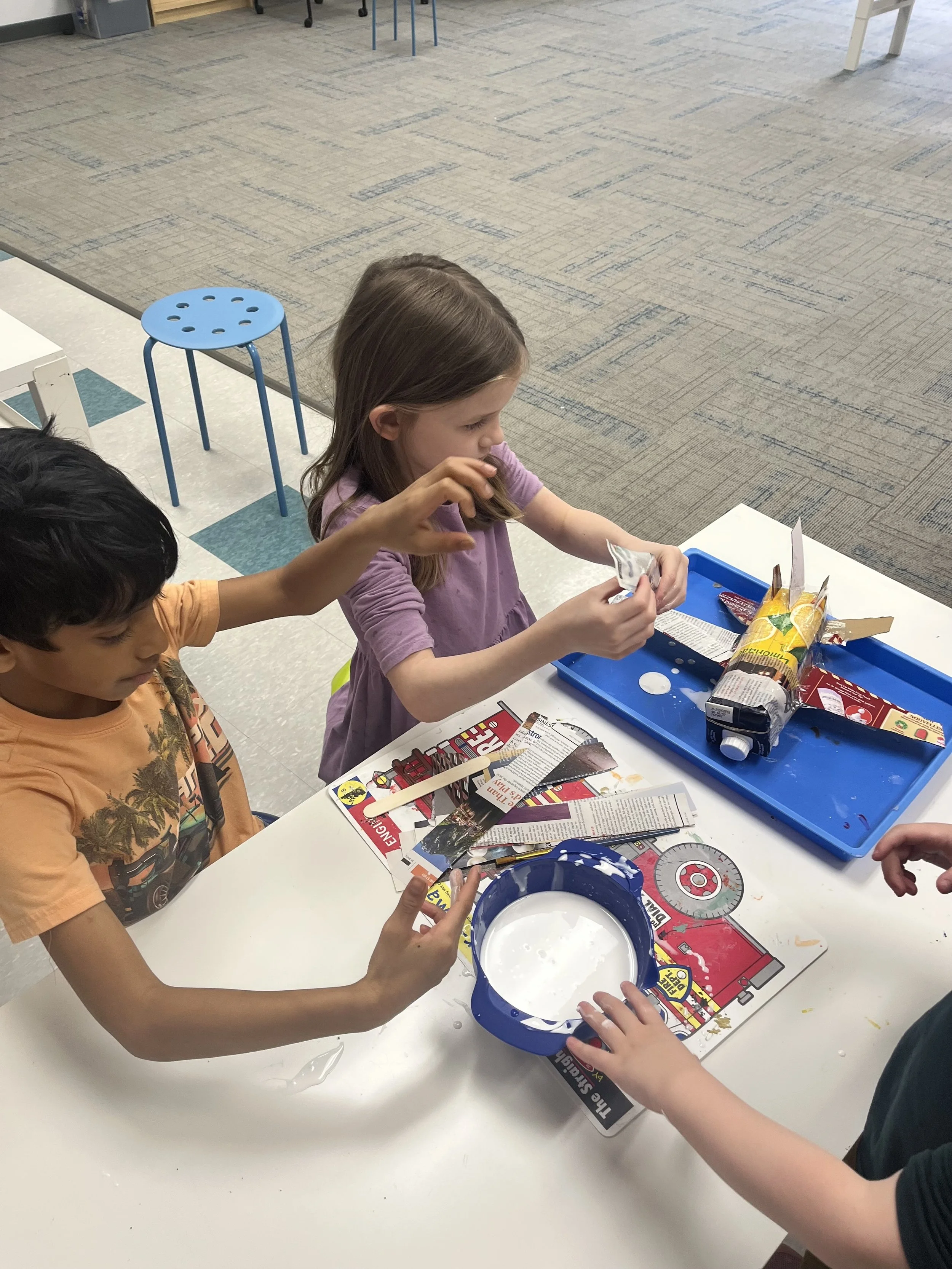
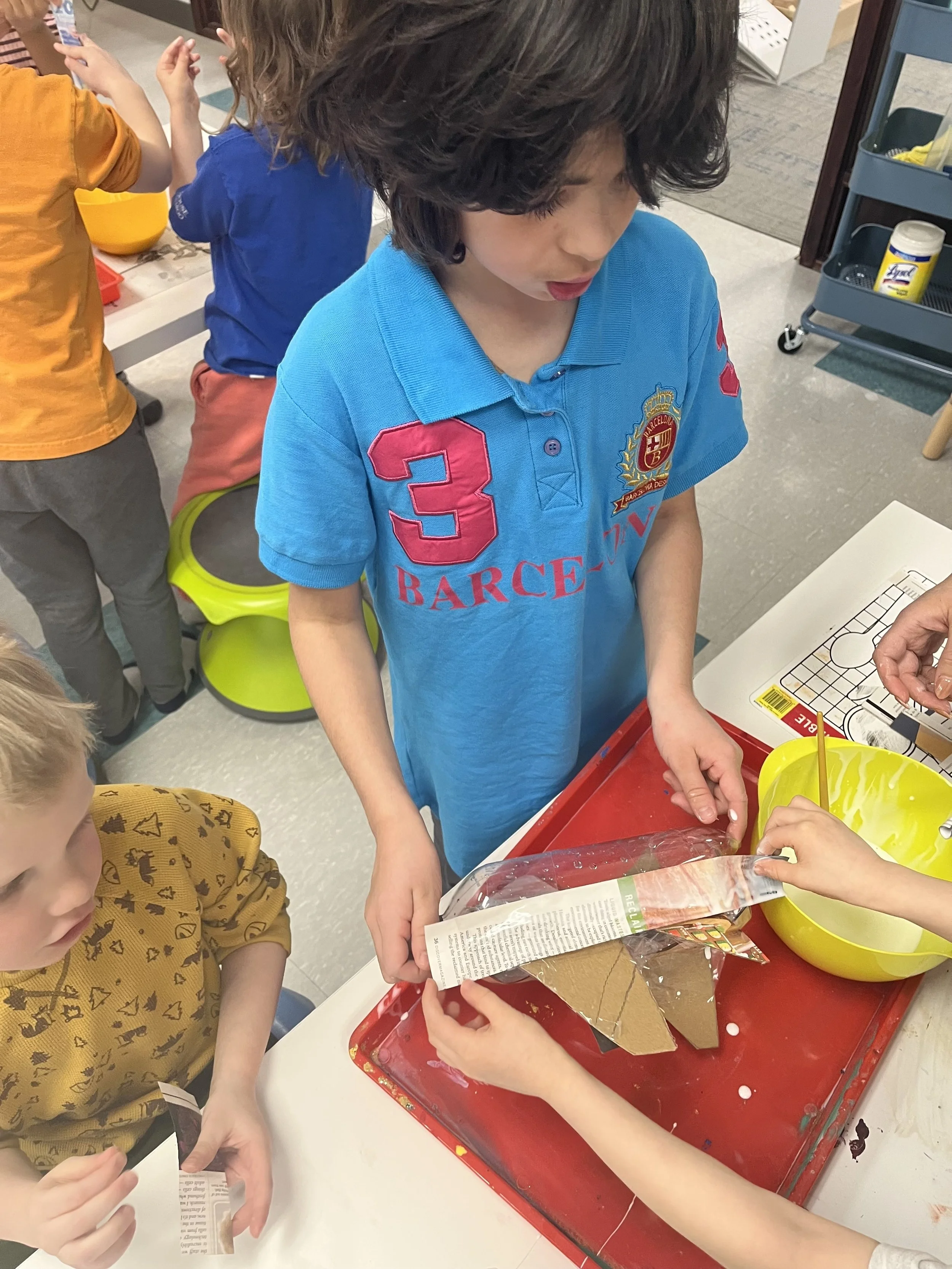
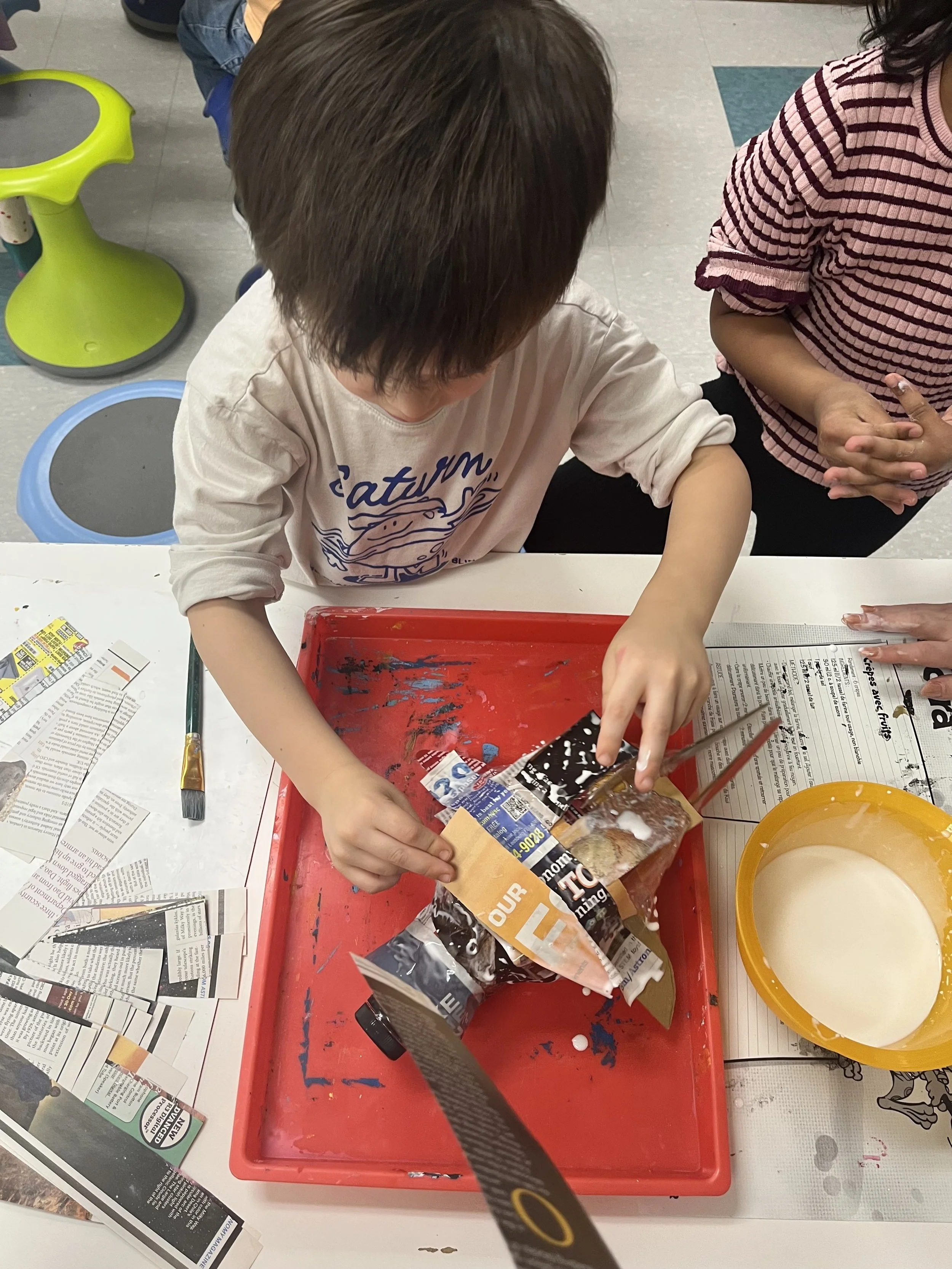
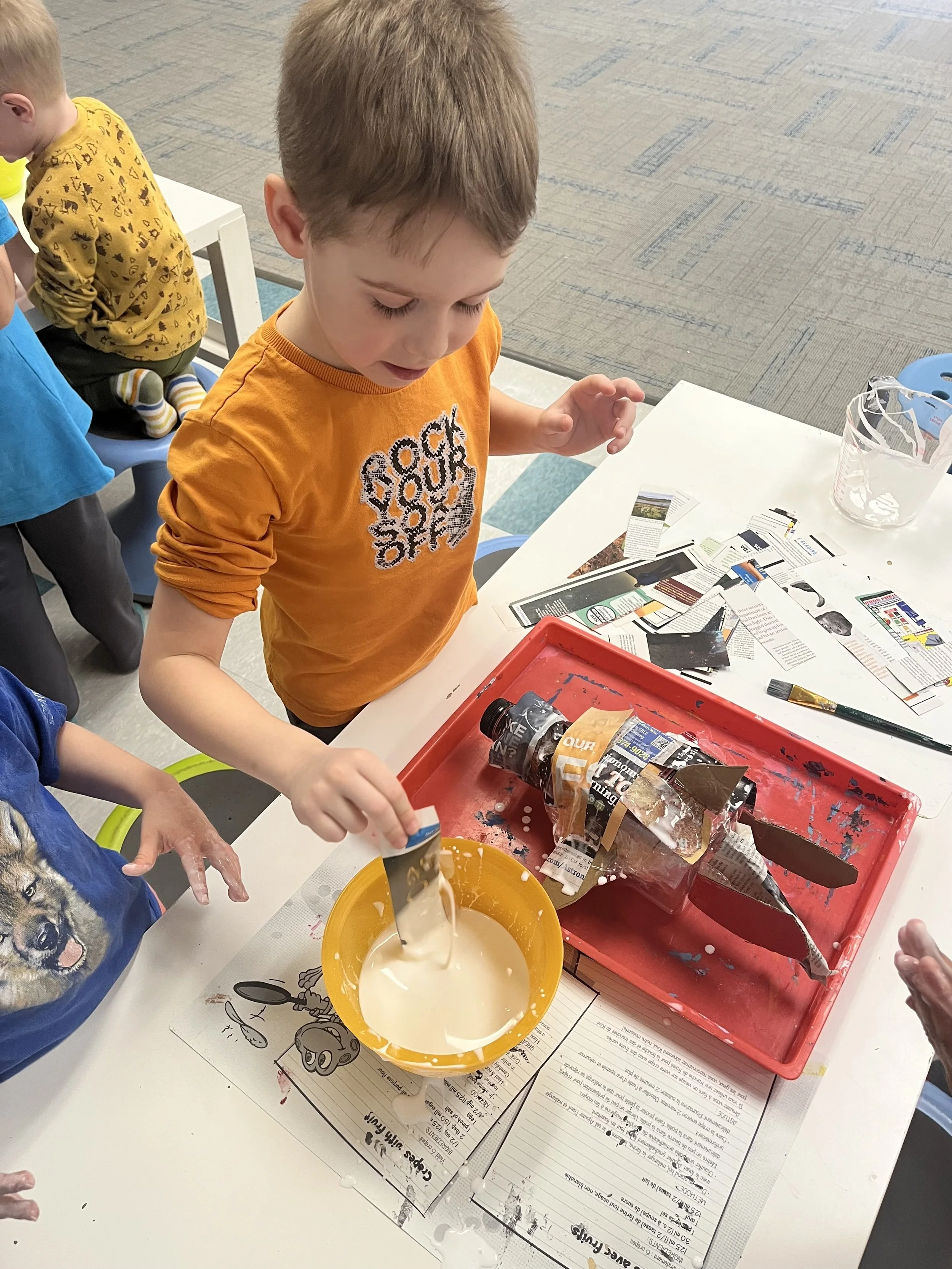
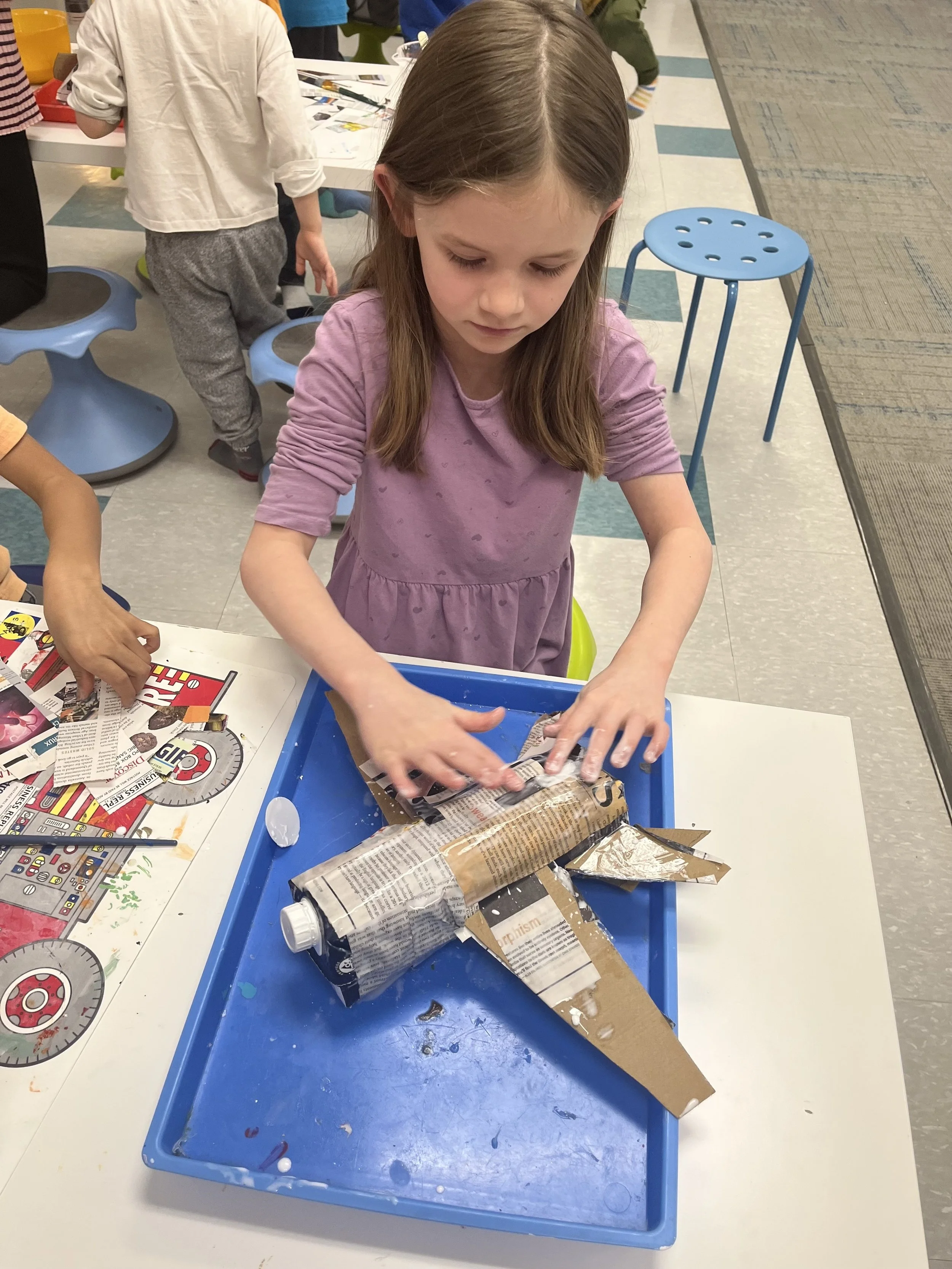
This week brought a new adventure in our transportation Quest as we moved from the ground to the sky and began exploring airplanes. The Sparks were introduced to the Wright brothers, bicycle mechanics from Ohio who invented the first successful airplane and completed the first powered flight, which lasted 12 seconds. Following this introduction, we read two stories about the Wright brothers using our online resource, Epic. This introduction prepared the Sparks to use their imagination to design their own papier-mâché airplanes. Working in four groups, the Rebels first designed their airplanes on paper, deciding how many wheels, wings, passengers, and windows they would like to include. Once their designs were approved, they gathered materials from the maker space and got straight to work. The learners used bottles for the airplane bodies, cardboard for the wings, and tape to assemble their structures. Their 3D models looked fantastic! Over the next two days, the Rebels used their papier-mâché mixture to cover their models and then painted them. On Friday, they added finishing touches such as wheels and engines. They are very excited to share their airplanes at Exhibition.
The Sparks also explored the importance of airplane safety, how airplanes fly, and the different roles of staff members on a flight. When discussing safety, the learners discovered that safety involves more than just what happens inside the airplane. Many workers help ensure that the airplane is safe for takeoff from the outside as well. We also reviewed what flight attendants share with passengers about safety materials located above, under, and in front of their seats. When learning about how airplanes fly, the Rebels discovered that it is not just the pilots controlling the plane. Airplanes use engines to gain speed and specially shaped wings to create lift, which helps the plane rise upward and overcome gravity. Finally, the Sparks completed a directed drawing of a jet, built paper airplanes, and created cut-out airplanes that they flew around the studio. Using their paper airplanes, the learners held a fun competition to see whose airplane could travel the farthest!
Math Workshops
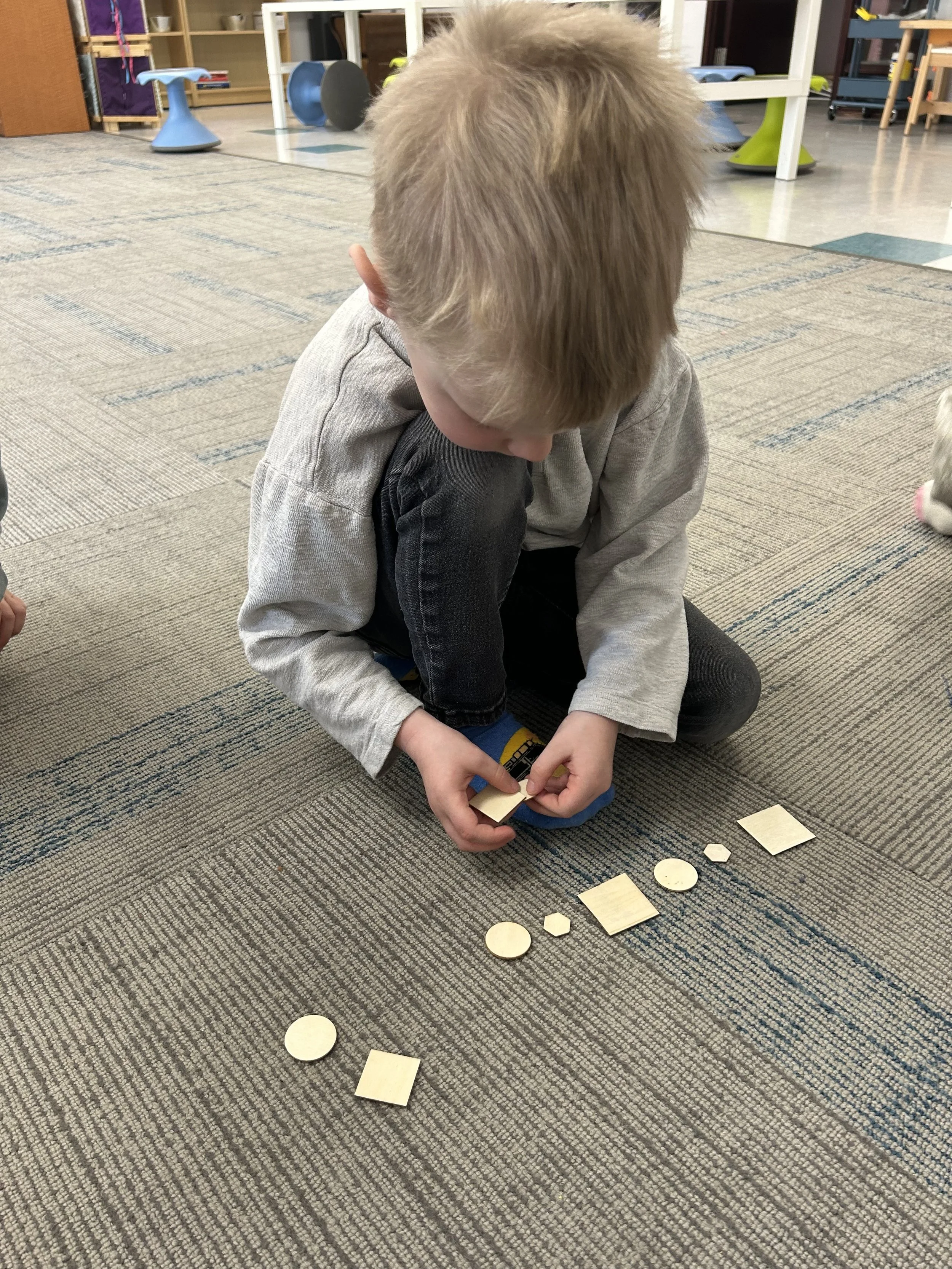
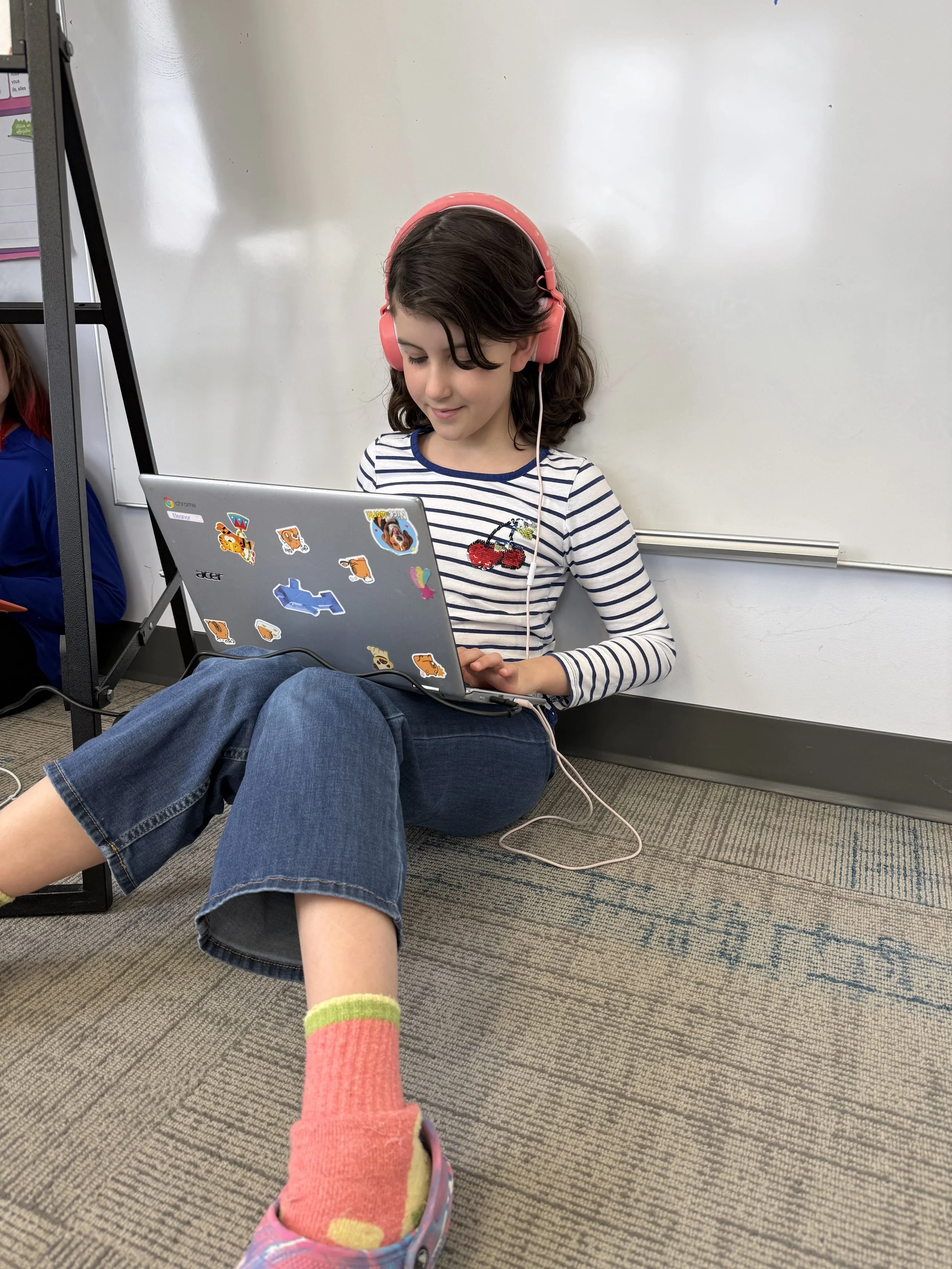
This week, Group One continued building their understanding of patterns by revisiting AB, ABB, and ABA patterns in their math booklets. After practicing these patterns on paper, we extended the learning with a hands-on activity using loose parts. Working with a partner, the Sparks challenged each other to recreate different patterns and then design their own. Their partner’s job was to carefully observe the pattern and identify what type it was. To further support pattern recognition, we explored how patterns can also be created through rhythm and movement. We played a game where one Spark would choose a movement, and together we built different repeating patterns using actions like clapping, snapping, and stomping. This exploration of patterns was an energetic and rhythmic experience!
Group Two began learning about number patterns. To start, we talked about some patterns we already know and see in everyday math. Next, we learned about the difference between growing patterns (numbers getting bigger) and shrinking patterns (numbers getting smaller) in number sequences. Together, we worked through a variety of task cards. For each pattern, learners discussed whether it was growing or shrinking, identified the rule in the pattern, and predicted the next three numbers. This led to some great thinking and discussion among the Sparks. Afterward, each learner worked independently on a worksheet where they continued identifying number patterns and determining which number comes next. Some learners used a 100 chart to help them count forward or backward to find the pattern. This activity provided a good challenge for our learners, and we are excited to continue exploring number patterns and sequences over the next few weeks.
Reader/Writer Workshop
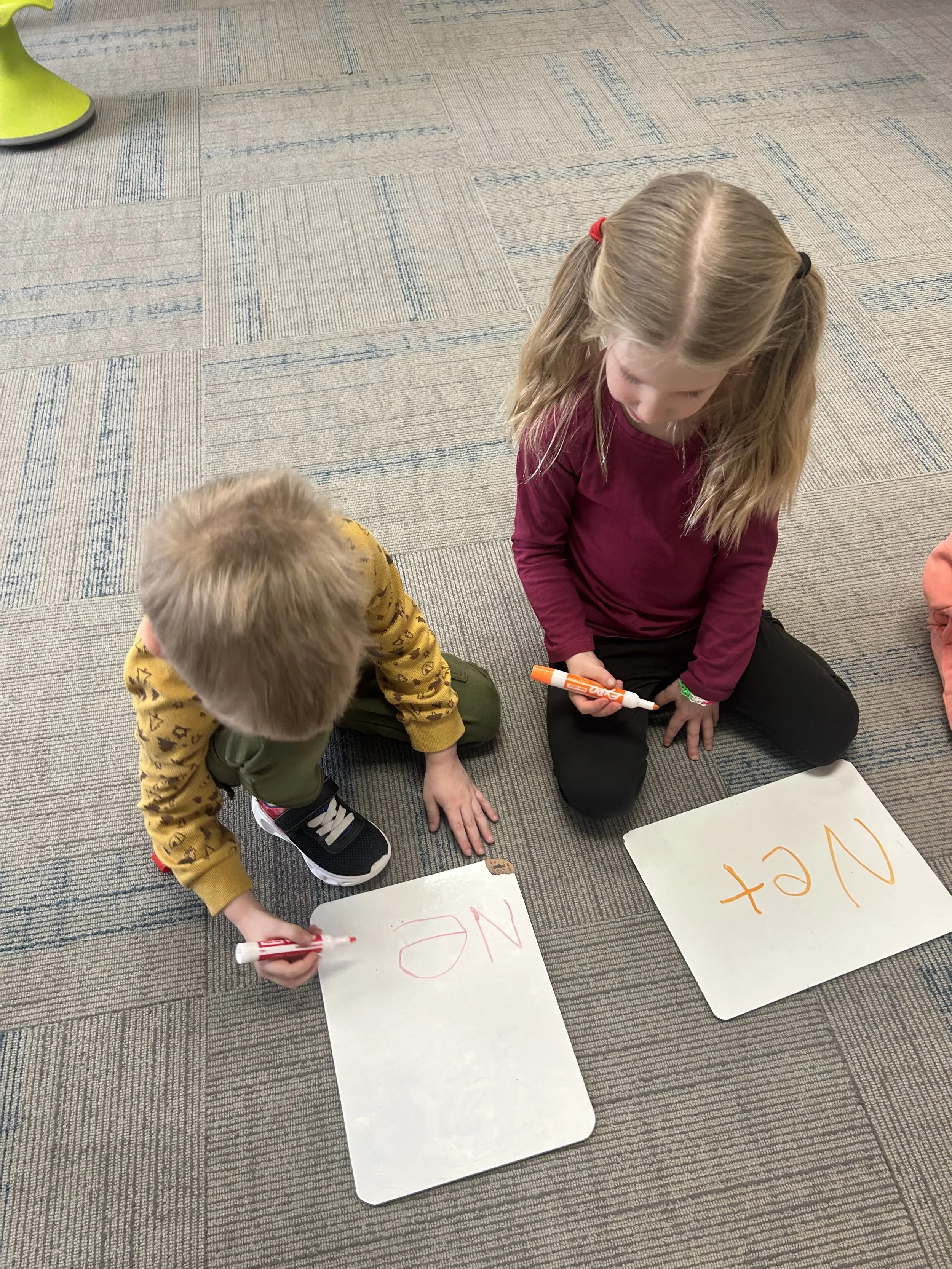
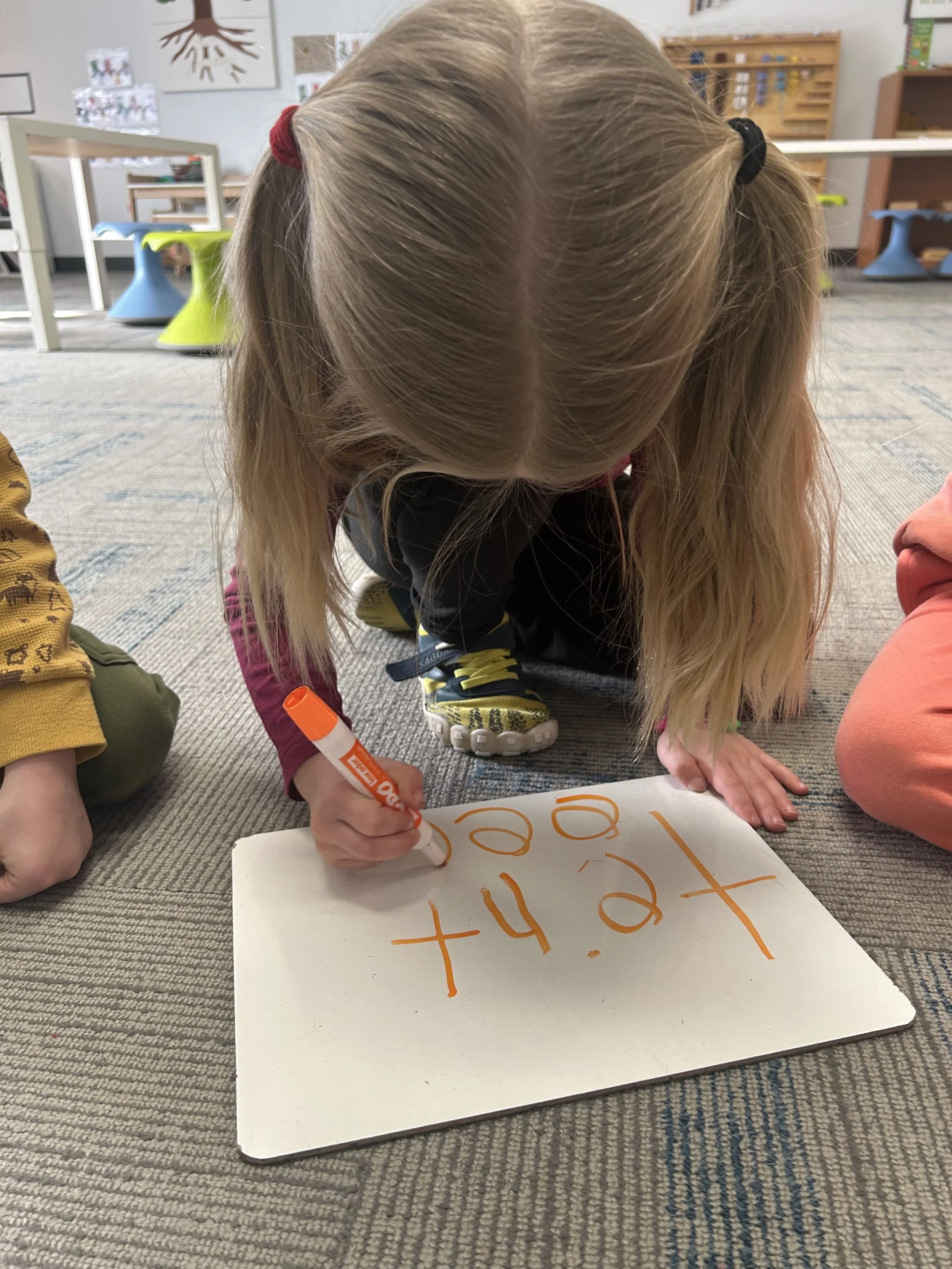
Group One worked together on the phonetic sound e. To get their brains activated, the learners listened to different phonetic sounds and used their whiteboards to print the corresponding letter. Together, they also brainstormed words that begin with the letter e. Afterward, we explored the red reading drawer for the letter e, where the Sparks practiced reading simple words such as hen, net, met, and wet. The Rebels printed each word on their whiteboards and practiced sounding them out. Throughout the week, they also continued working in their Explode the Code booklets, where they practiced the phonetic sound a.
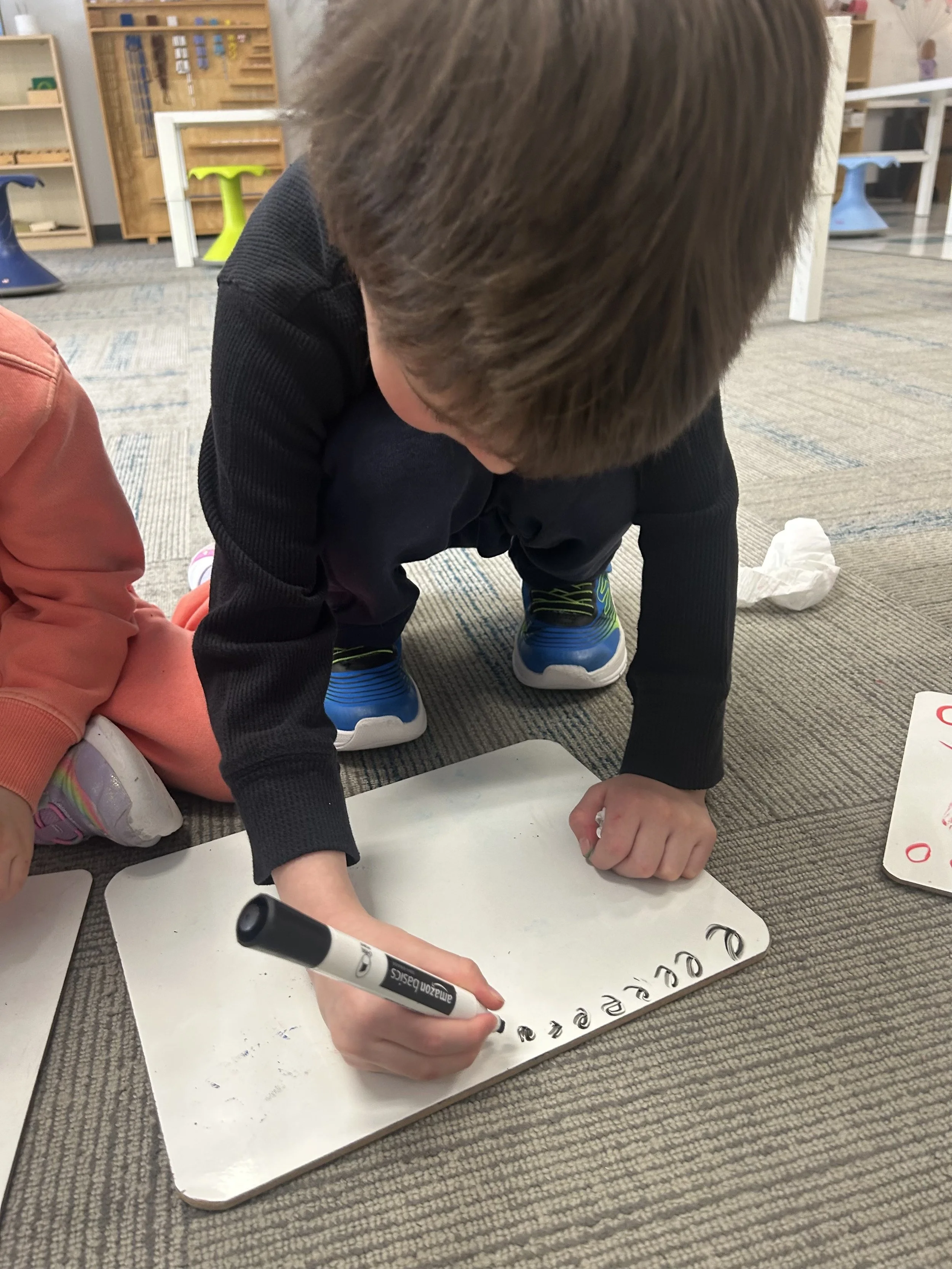
Group Two began the workshop by exploring the i_e vowel pattern. We talked about how the silent e at the end of a word changes the vowel sound, helping the i say its name. The learners practiced listening carefully to hear this sound in different words and identifying where it appeared. Using our Waseca reading booklets, the group first worked on recognizing and identifying the i_e pattern in a variety of words. We looked closely at the pictures and practiced saying each word slowly to hear the long i sound. After identifying the pattern, the group moved on to blending sounds together to read words. The Rebels practiced stretching the sounds and then blending them smoothly to read each word fluently. Once the Sparks felt comfortable reading the words, they practiced writing them, focusing on remembering the silent e at the end and placing the letters in the correct order. Together, the group practiced writing several i_e words, including dive, dine, vine, five, hide, smile, line, and time. The learners sounded out each word, blended the sounds, and then wrote them down. We will continue practicing this vowel pattern next week to help Group Two become even more confident recognizing and using it in their reading and writing.
French
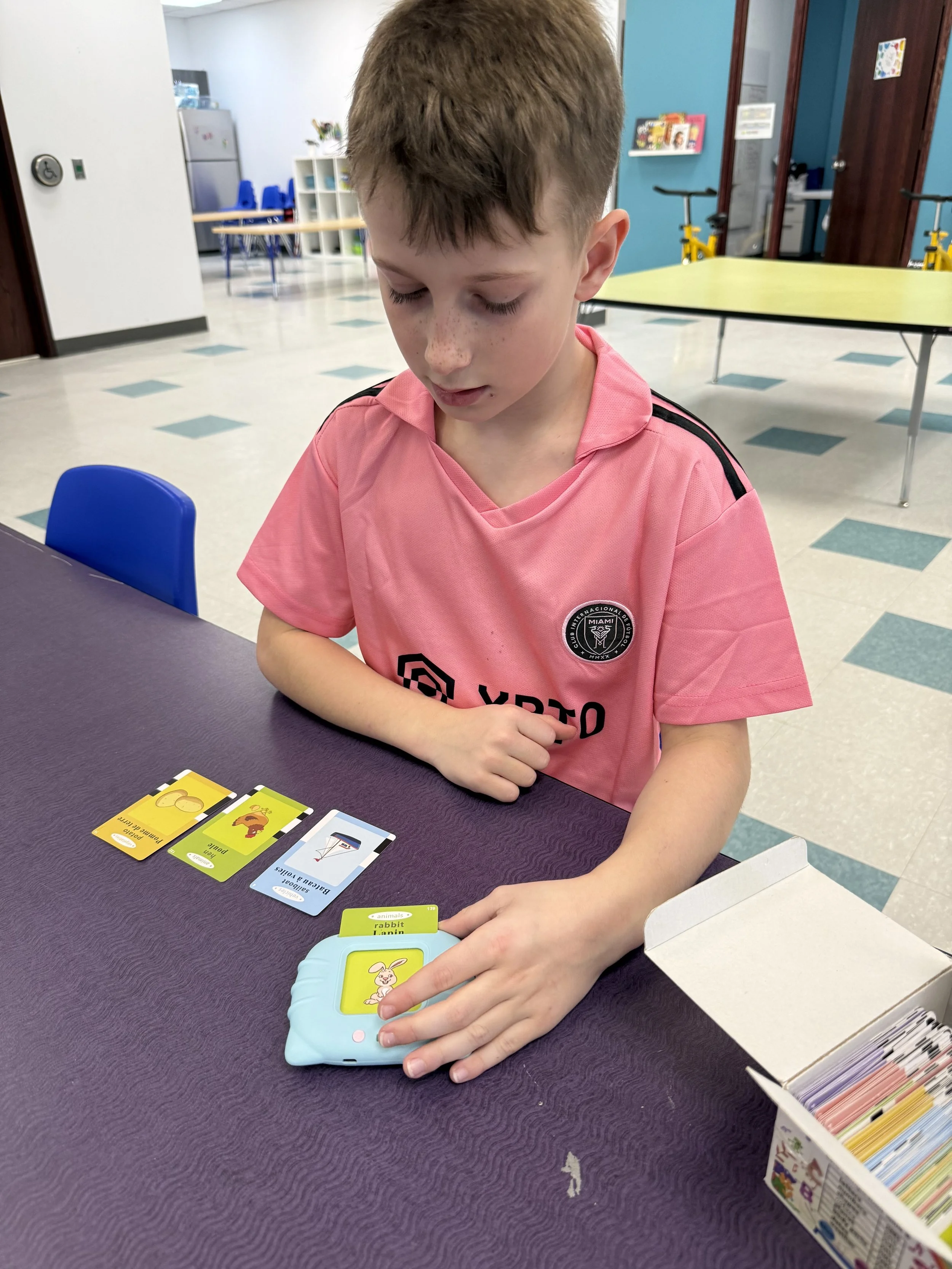
This week, the Sparks explored the theme of marine animals in French through a variety of engaging activities. On Monday, the learners watched short videos about sea animals and were introduced to new French vocabulary related to marine life. On Tuesday, the Sparks worked on a colouring activity featuring different underwater animals while practicing how to recognize and say their names in French. On Thursday, during gym time, the Rebels played an active charades game where they mimed different sea animals while their classmates guessed the animal in French. Through these activities, the Sparks practiced new vocabulary while building confidence in speaking and recognizing French words related to ocean animals.
Songs of the week:
LES ANIMAUX MARINS | Apprendre le vocabulaire pour enfants
Explorer l'océan – Animaux marins en français pour enfants - baleine crabe poisson dauphin pingouin
Book Study
This week in our book study, we reread Miss Nelson Is Missing! and paid extra attention to the characters in the story. We discussed how the different characters behave and how their actions help move the story forward. Afterward, the learners completed the next page in their booklet. They illustrated and wrote about their favourite character from the book and shared why they chose that character.
Additional Highlights
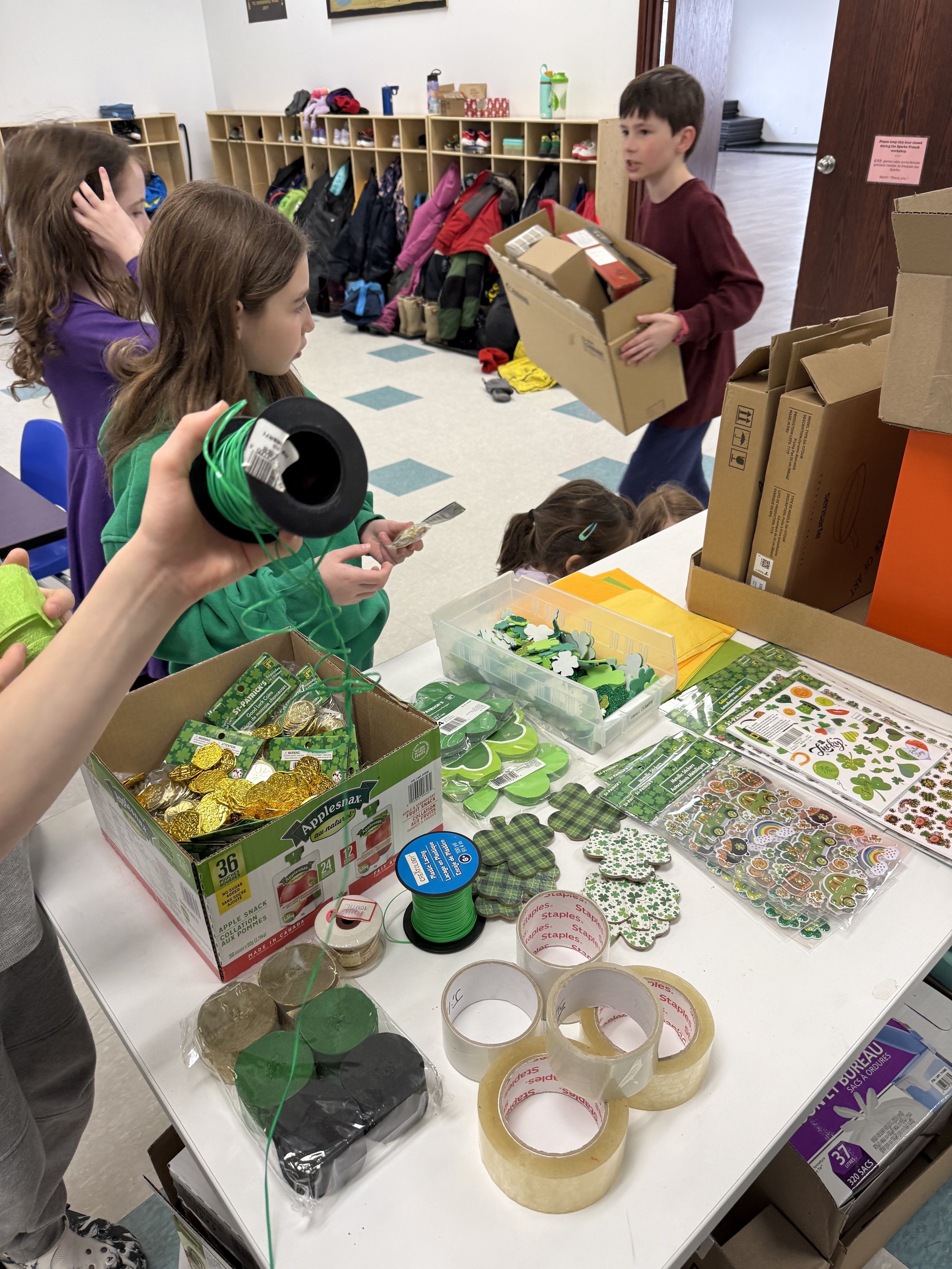
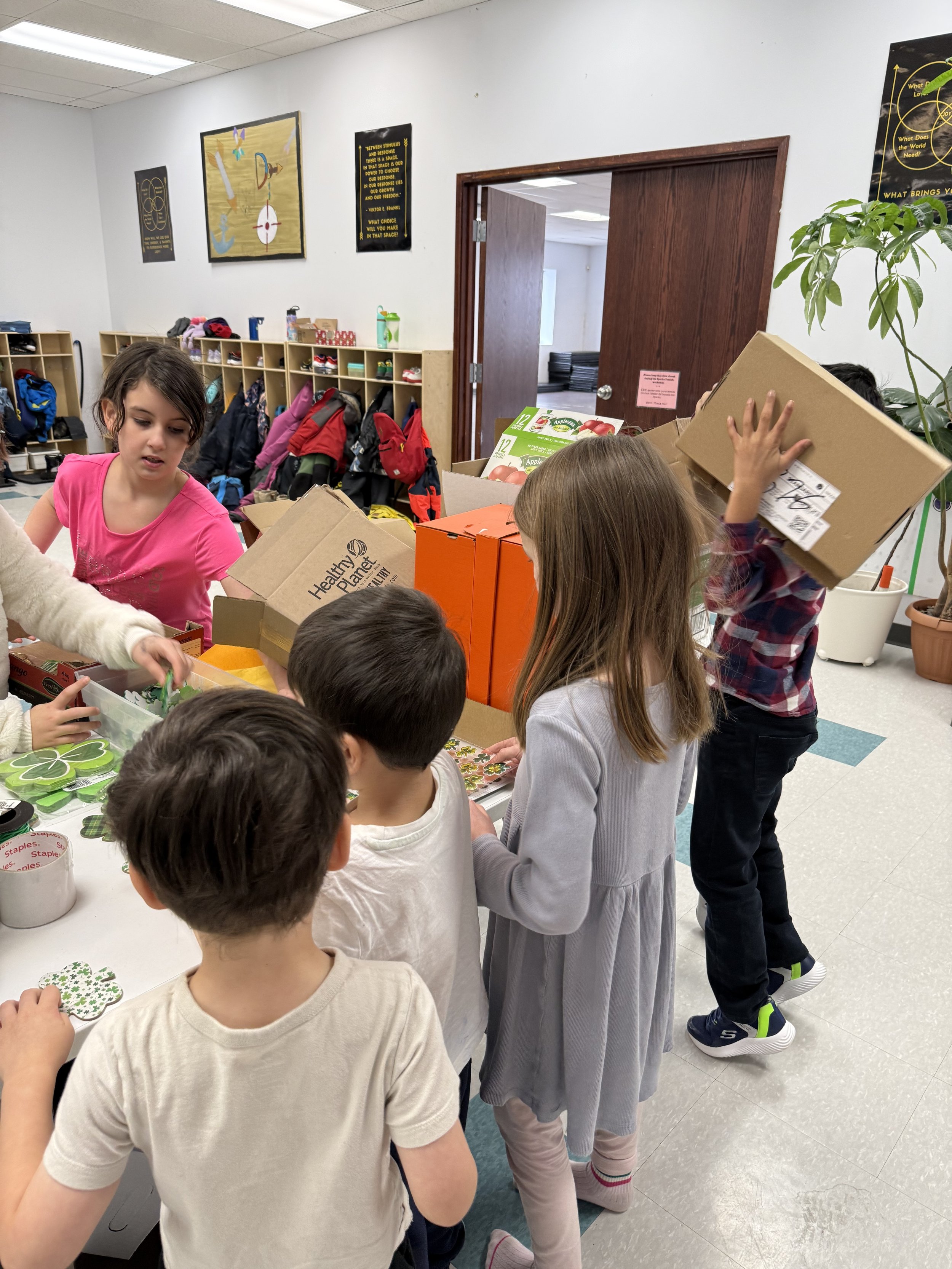
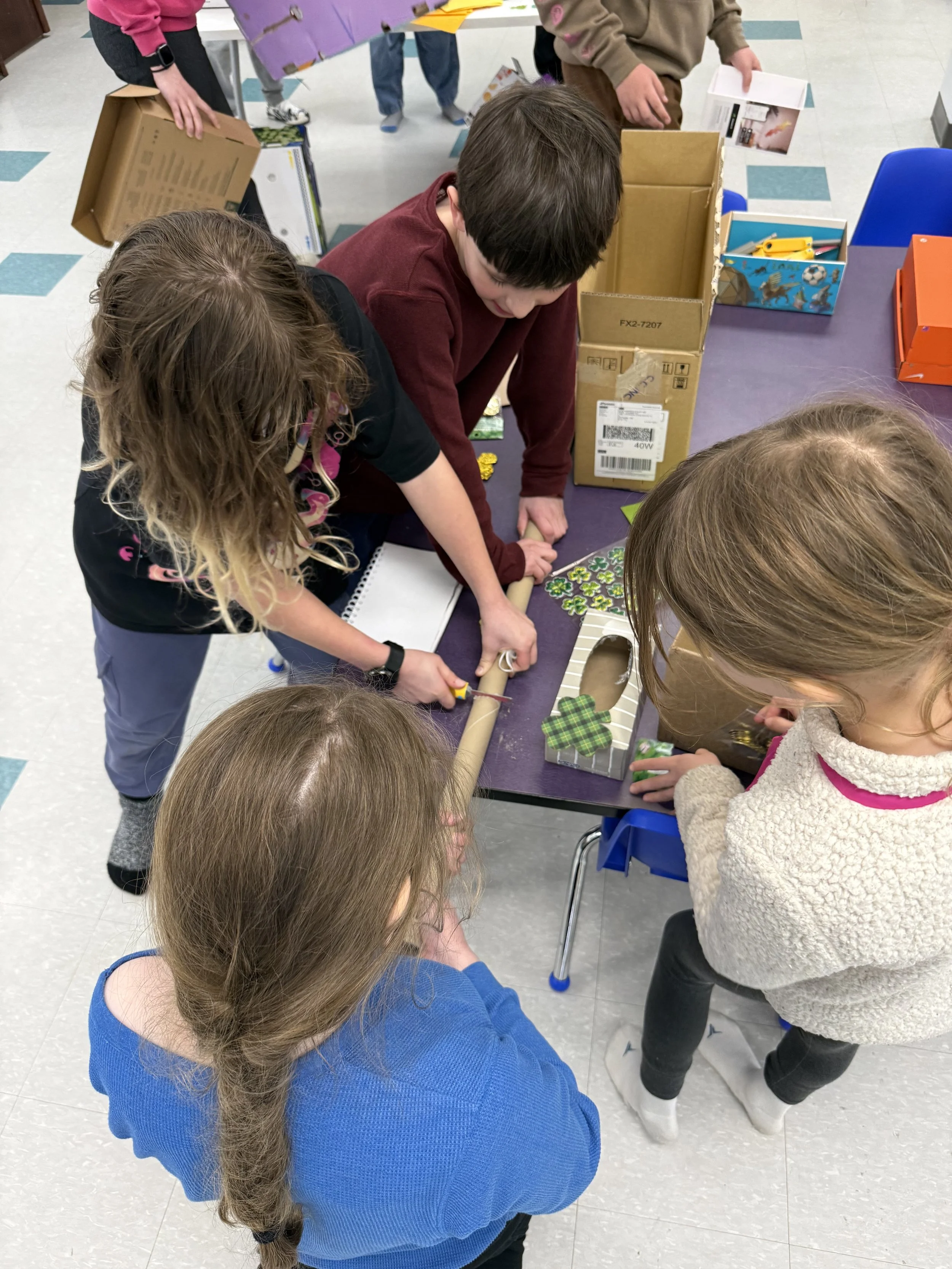
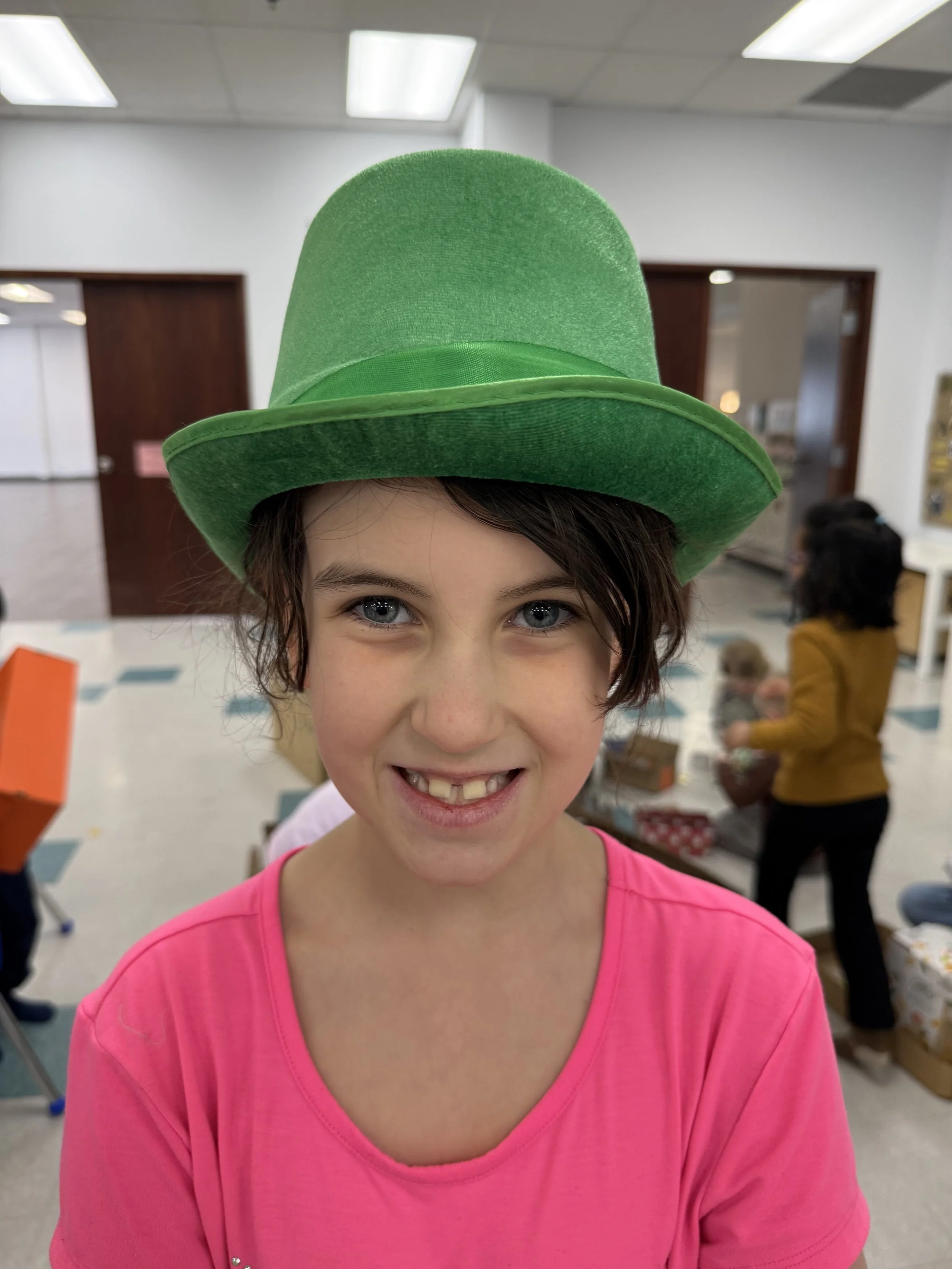
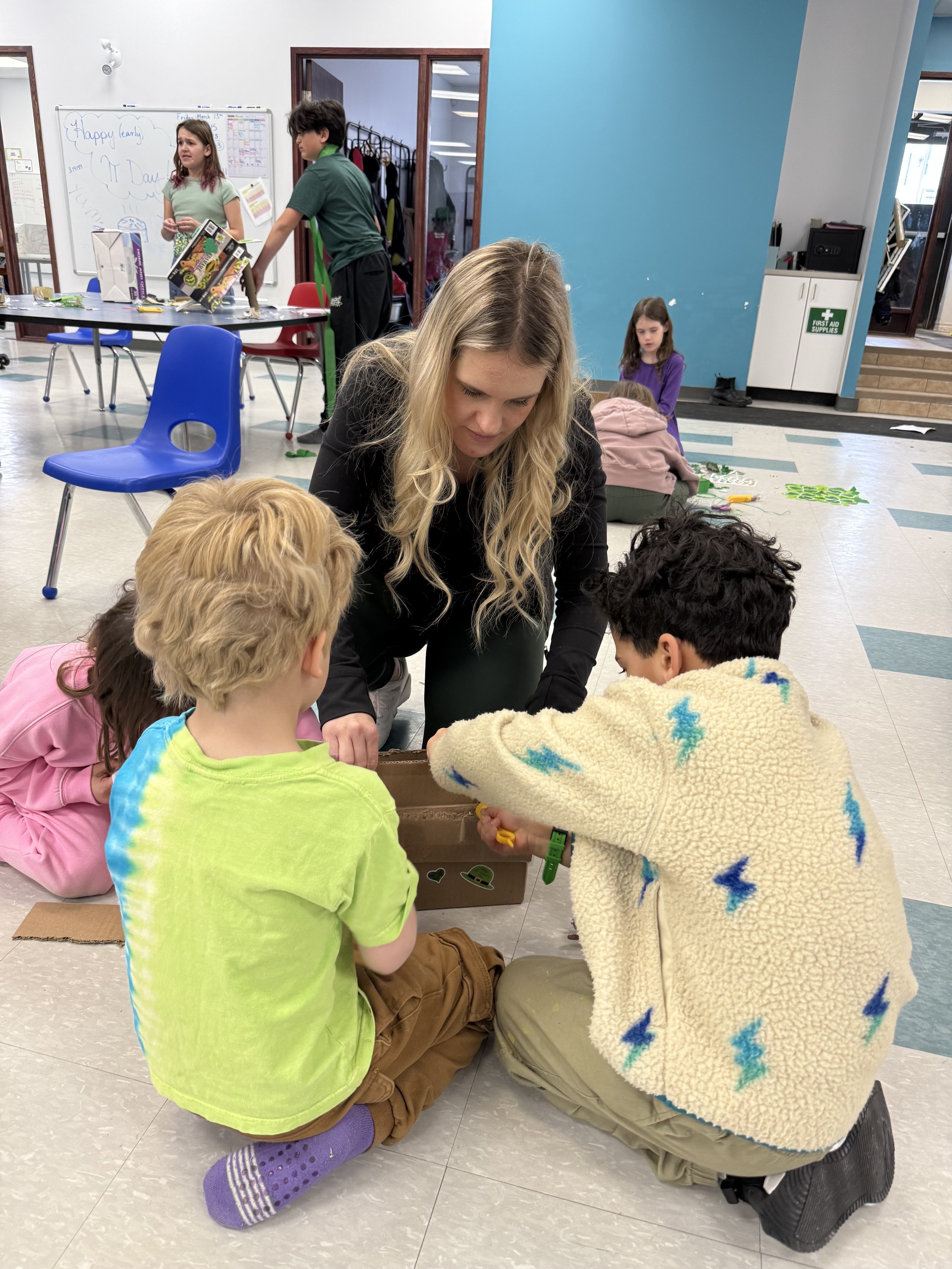
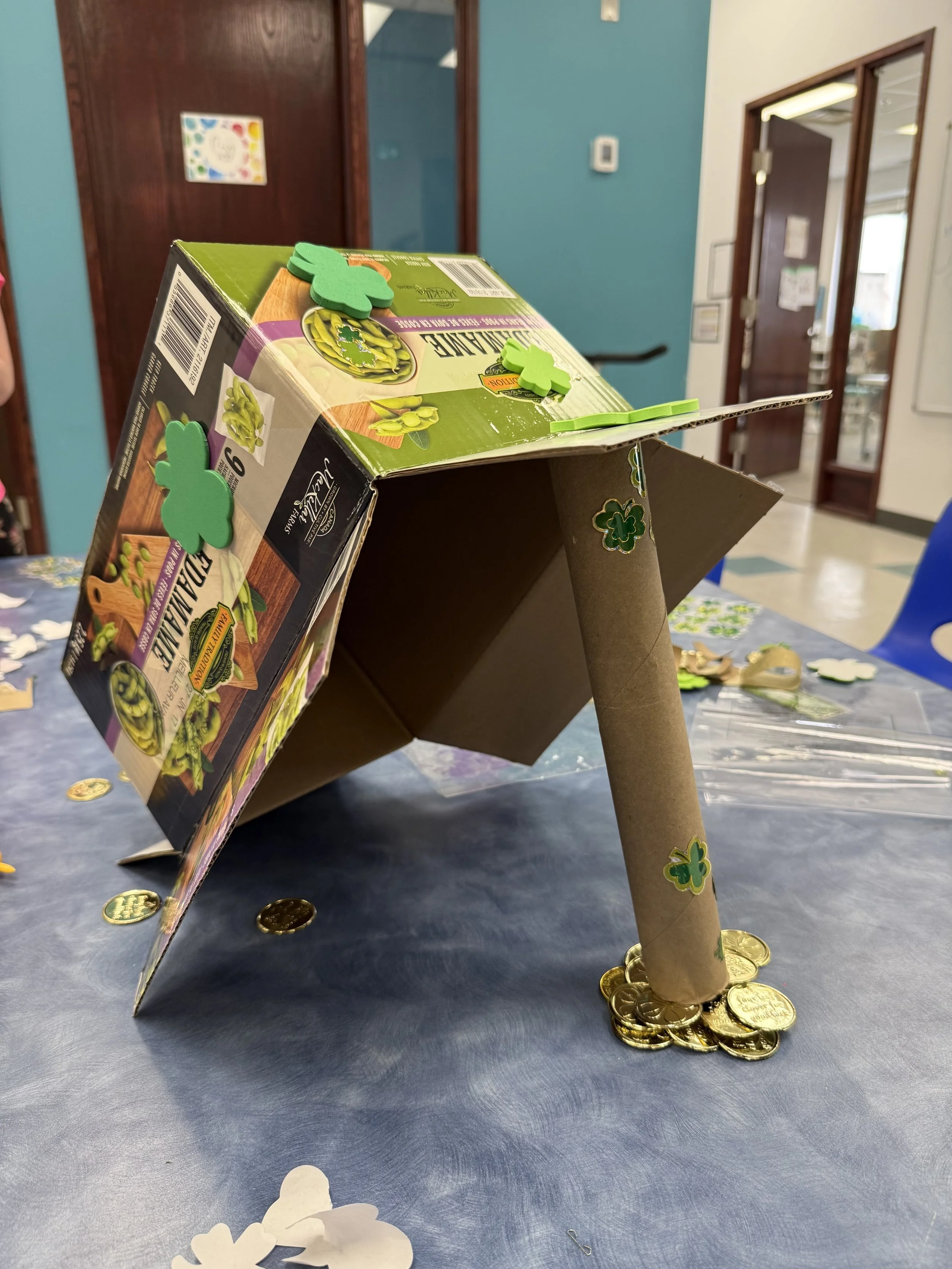
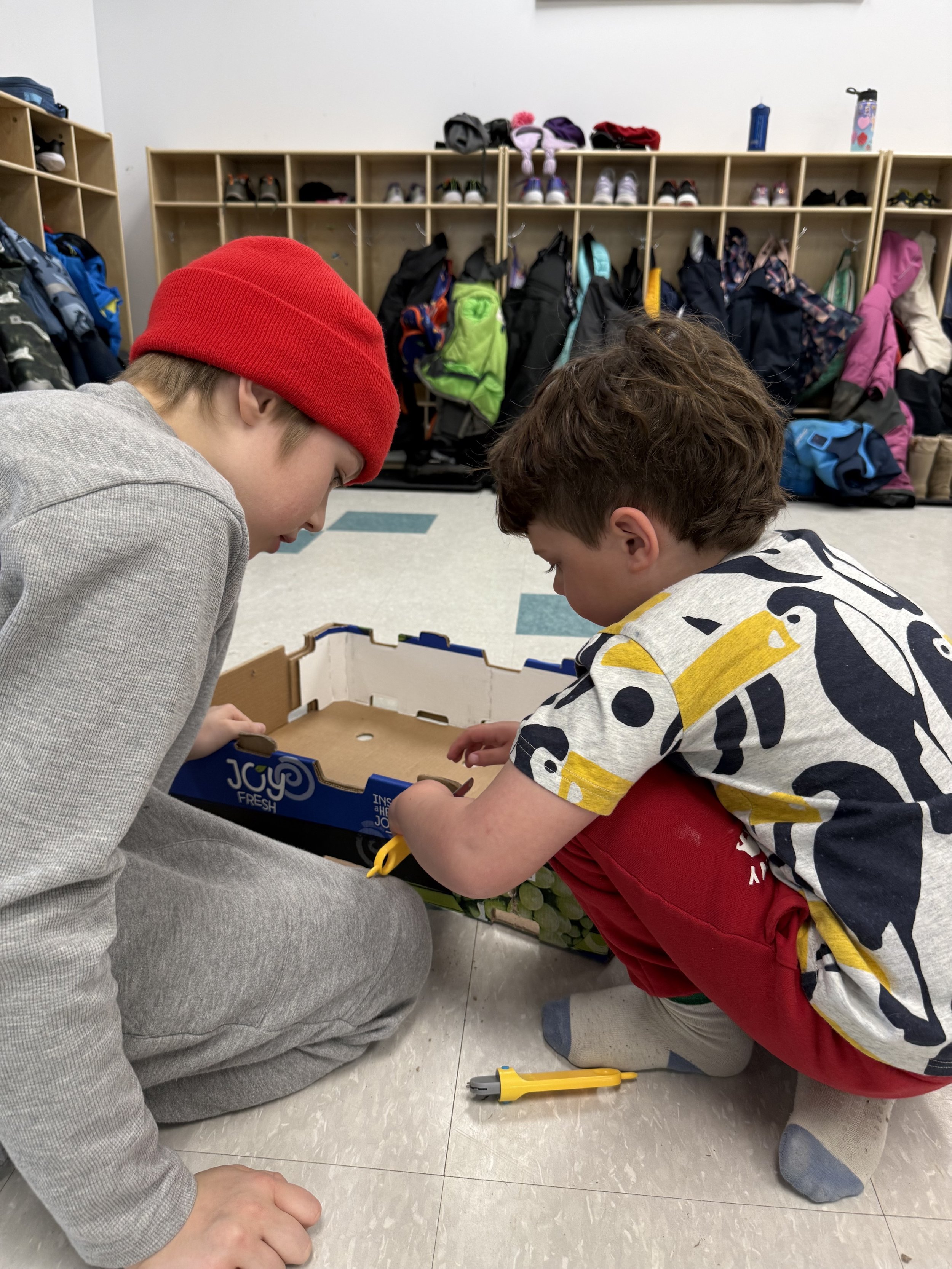
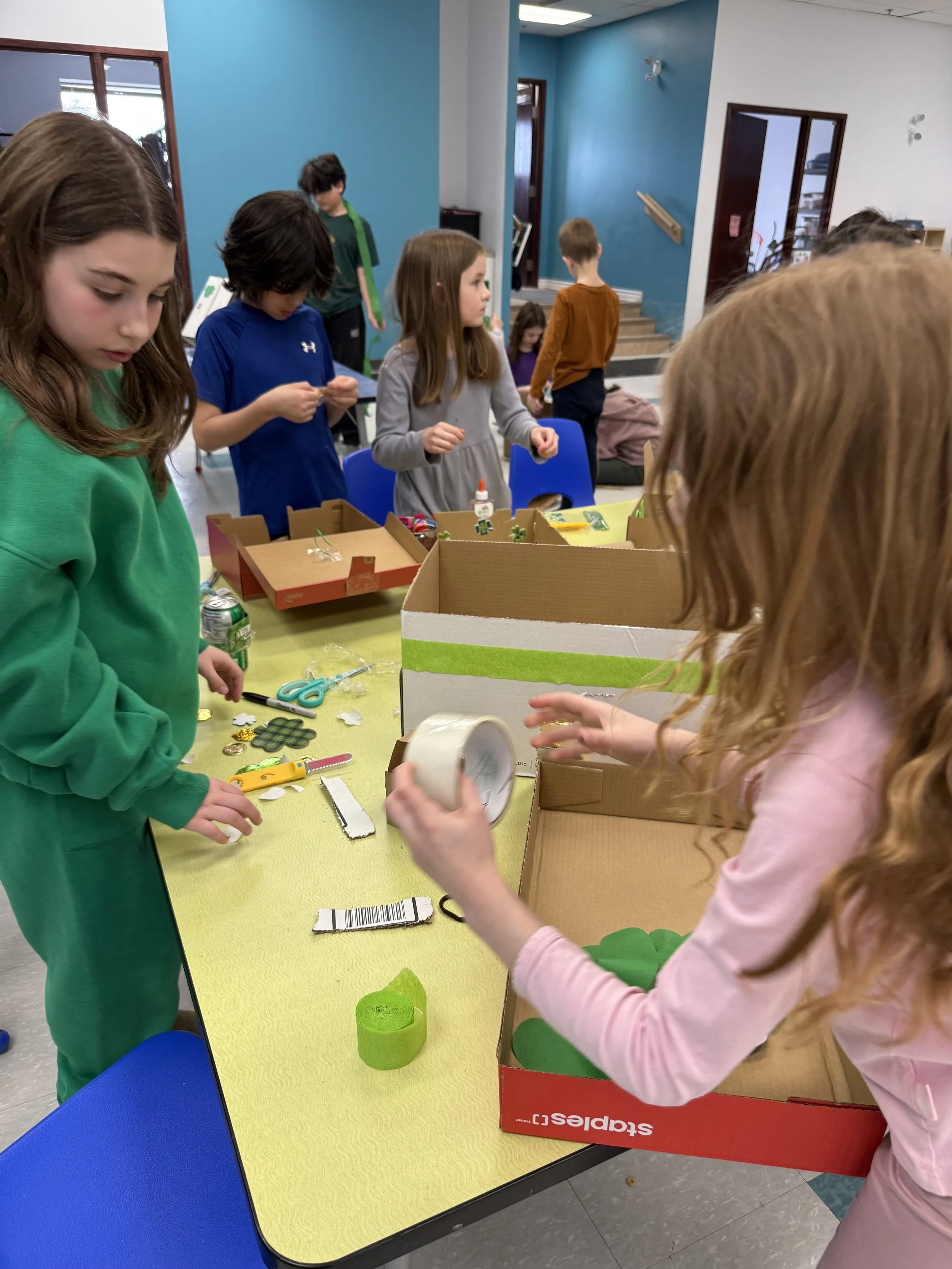
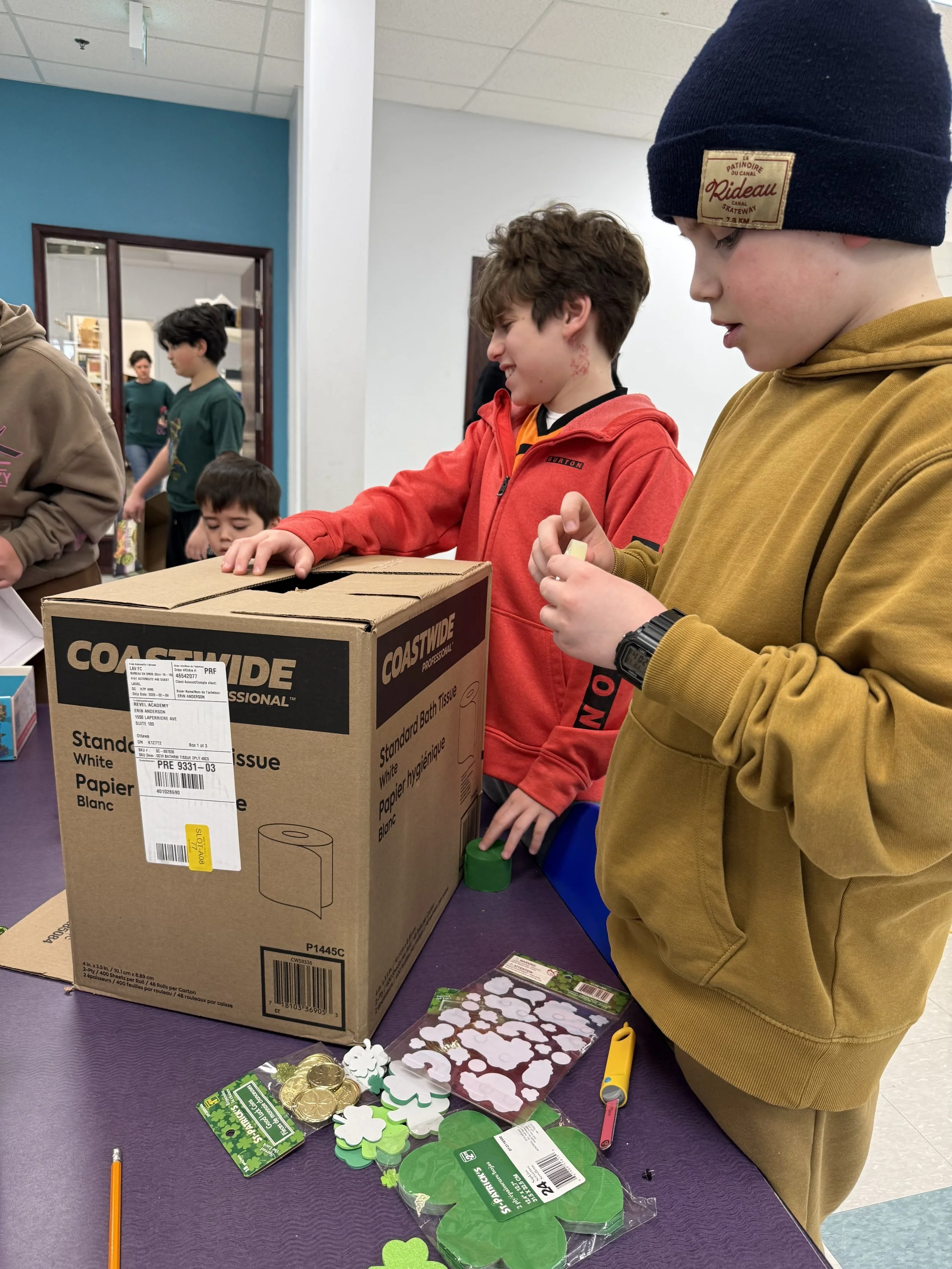
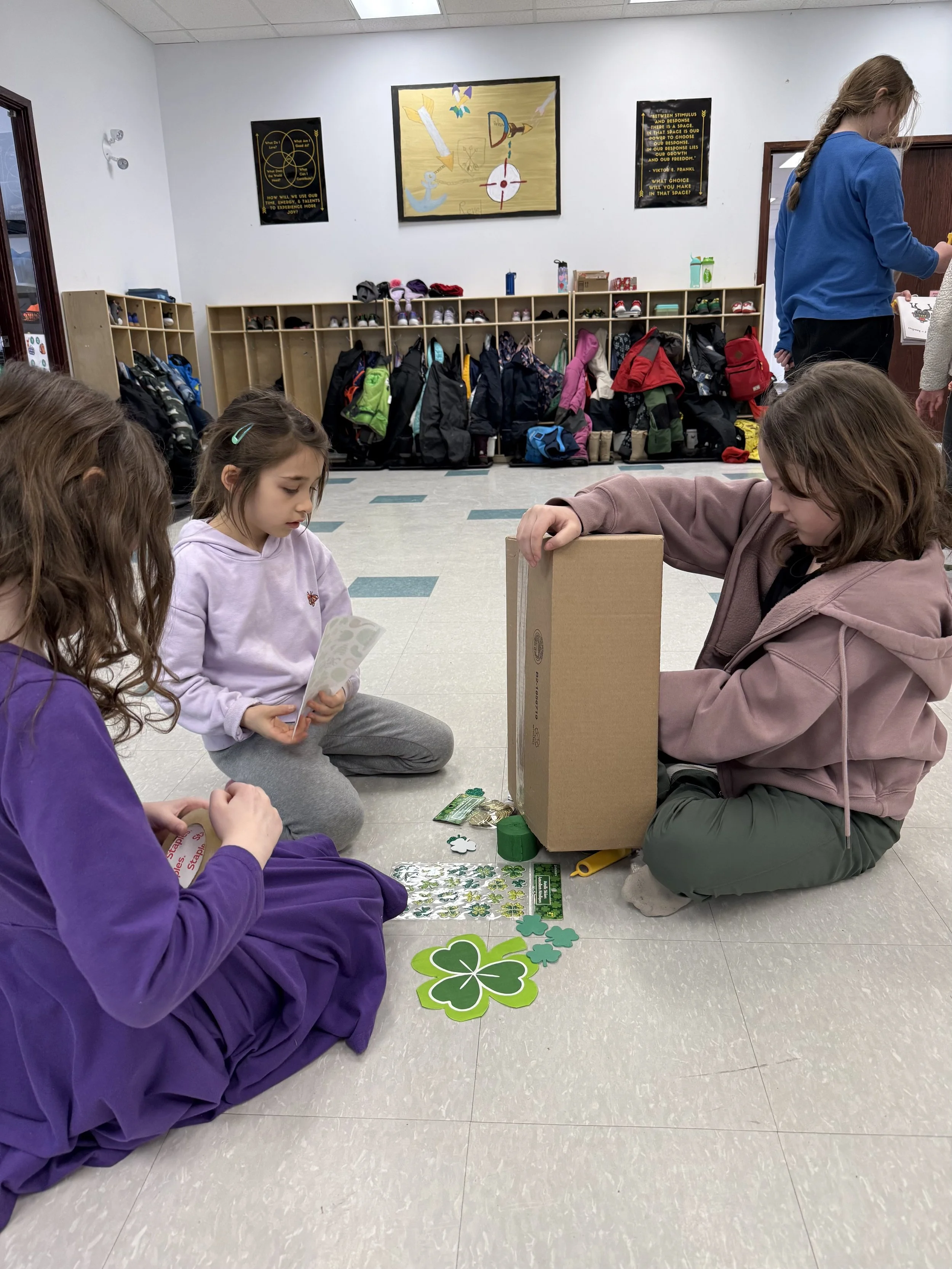
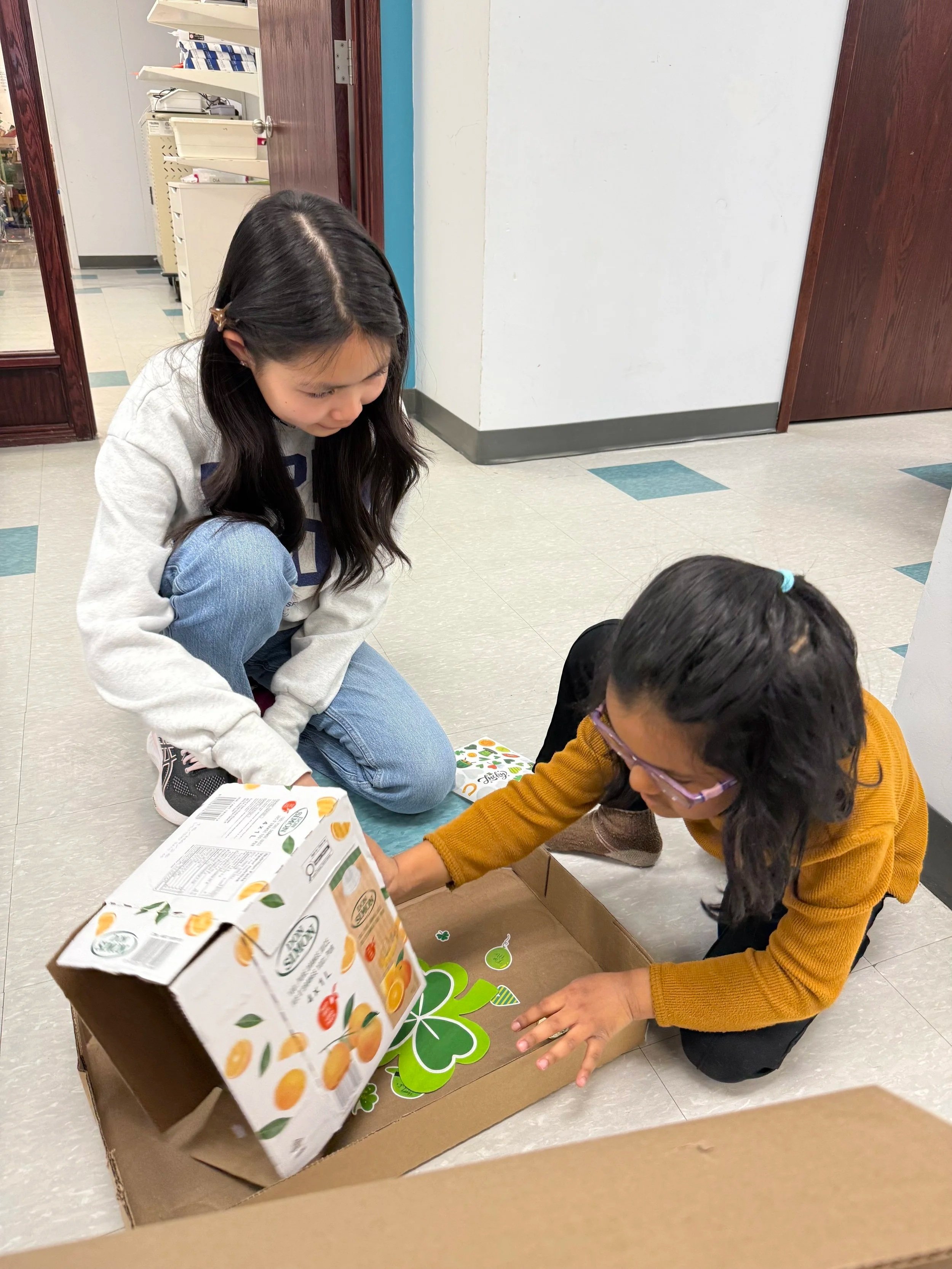
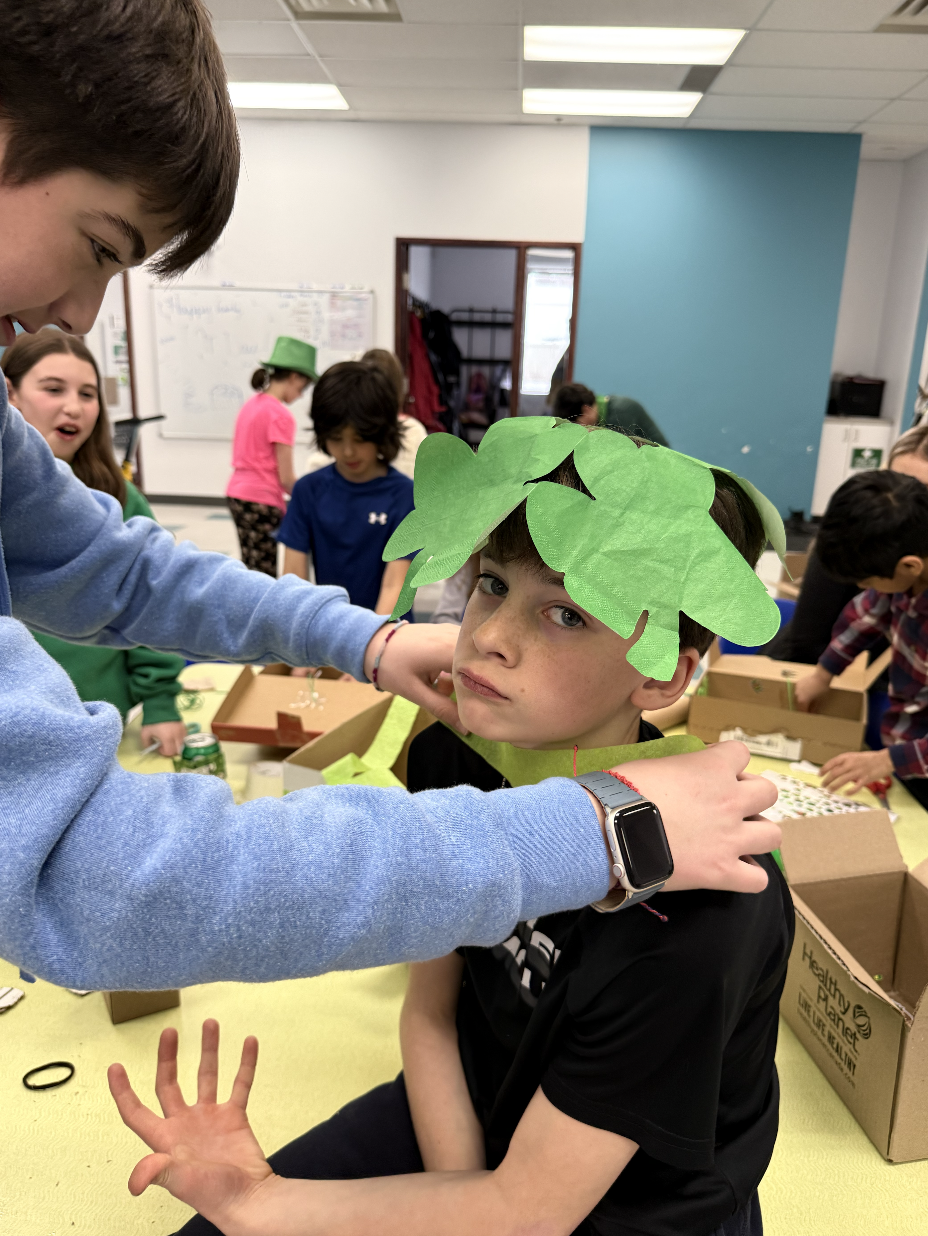
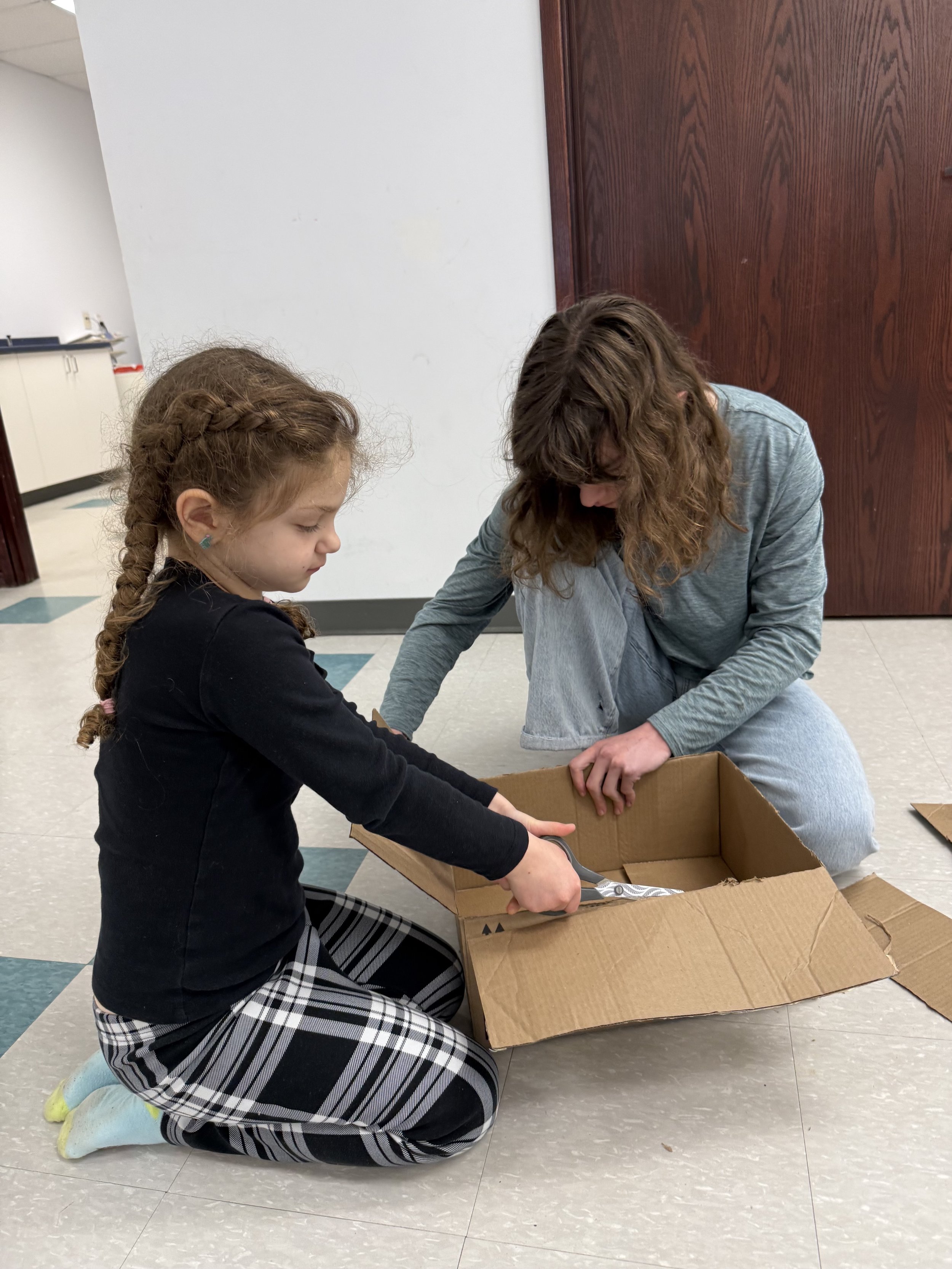
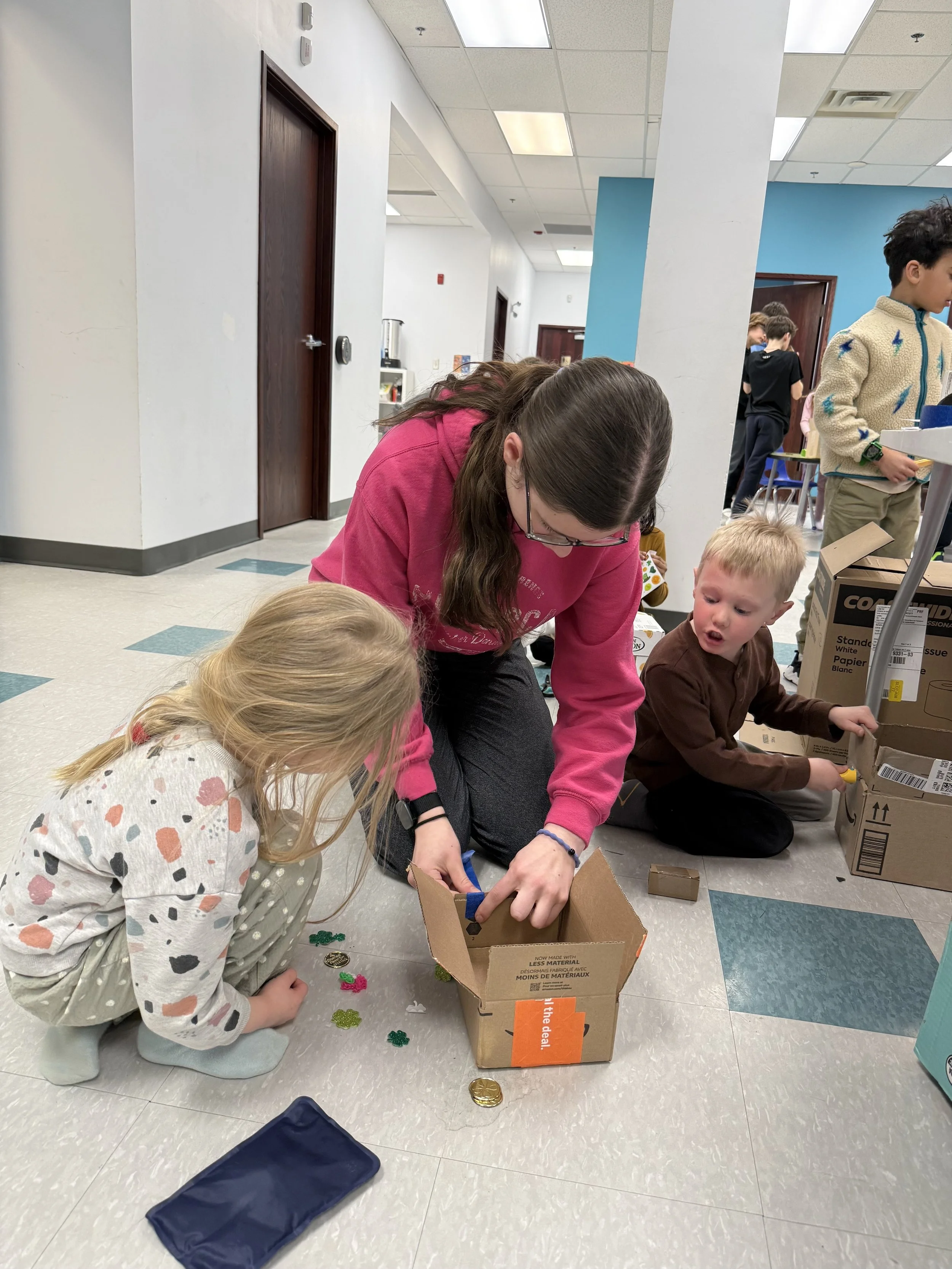
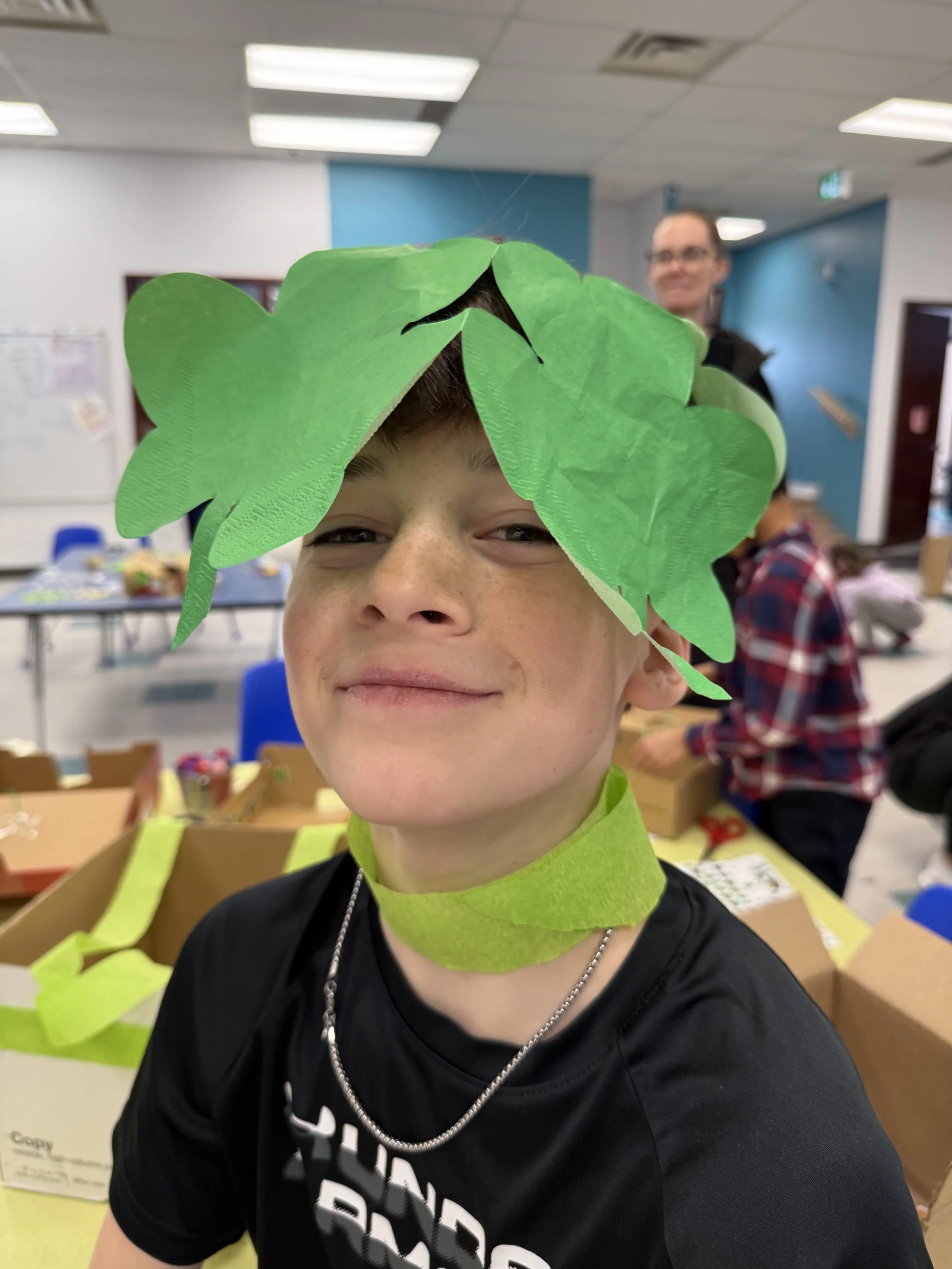
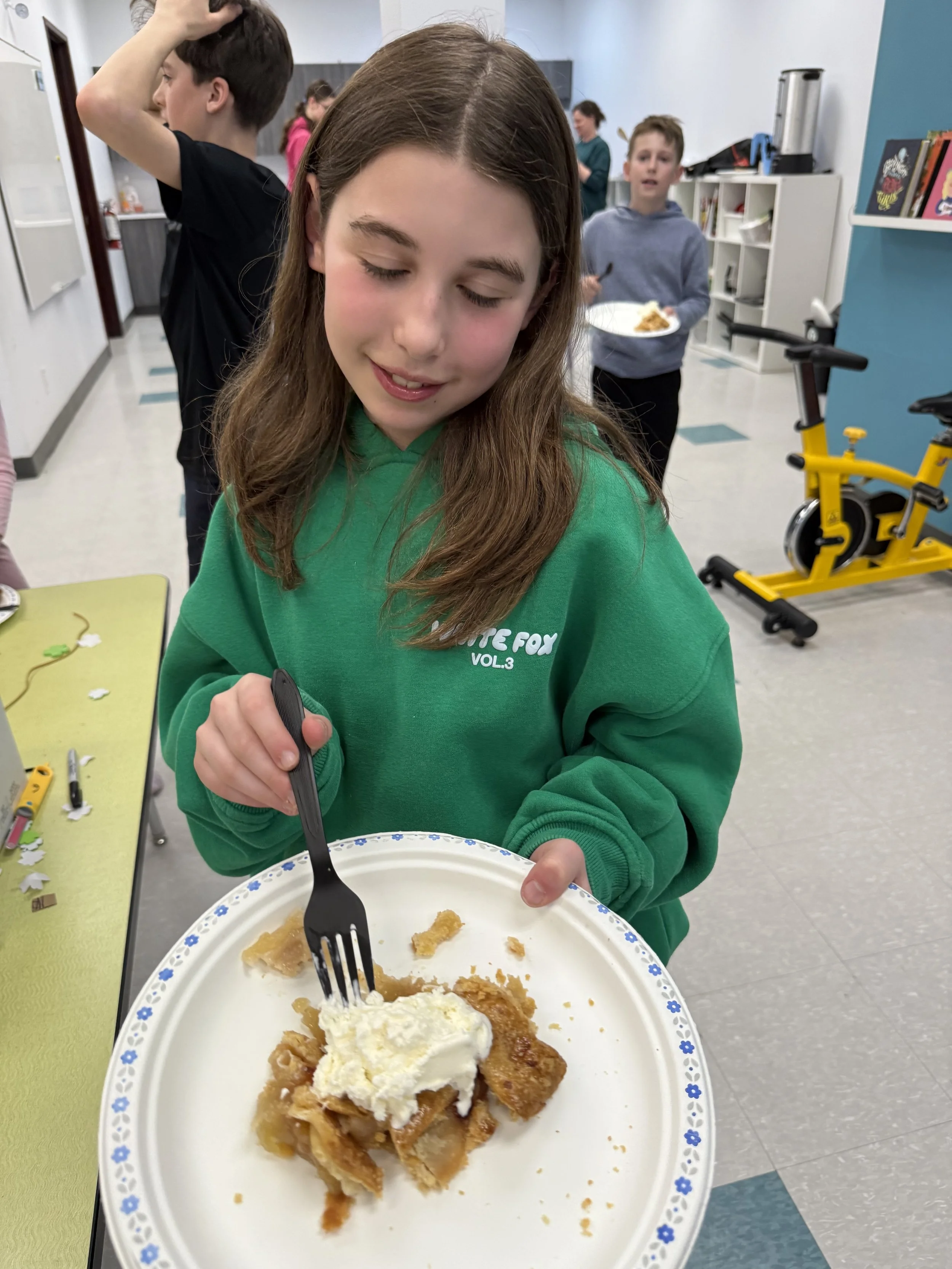
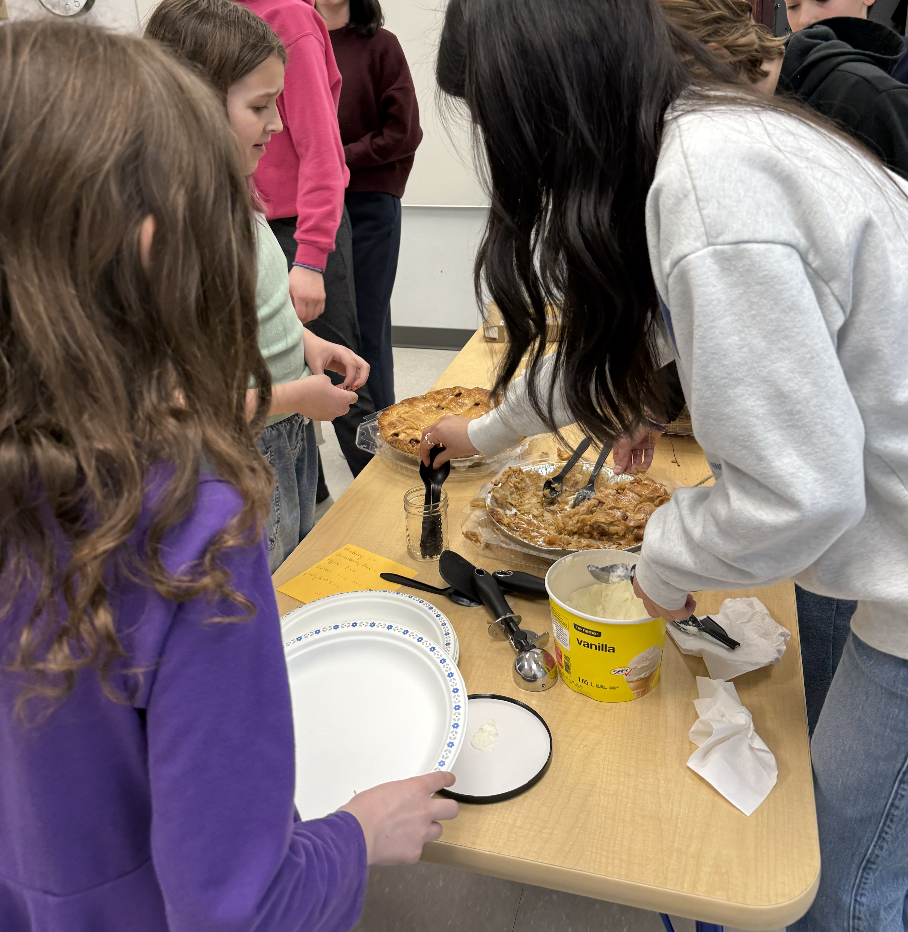
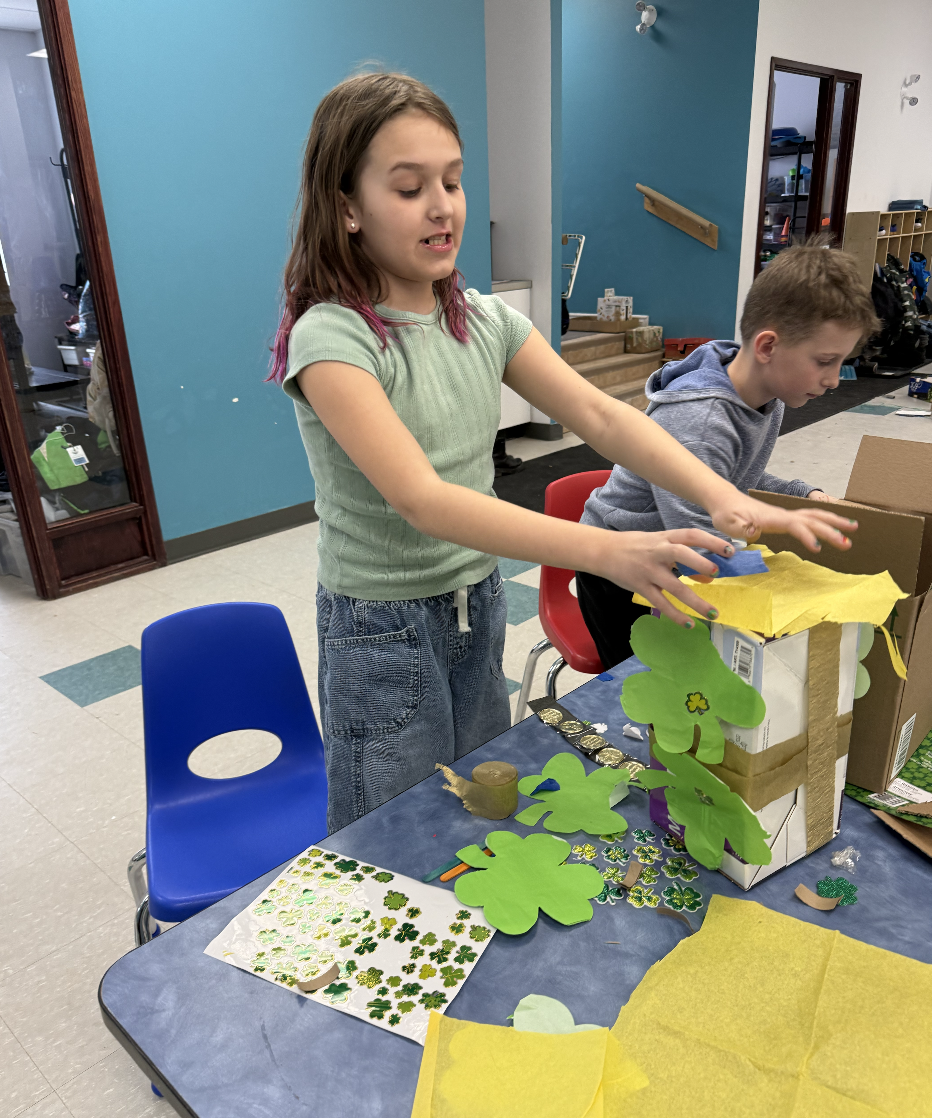
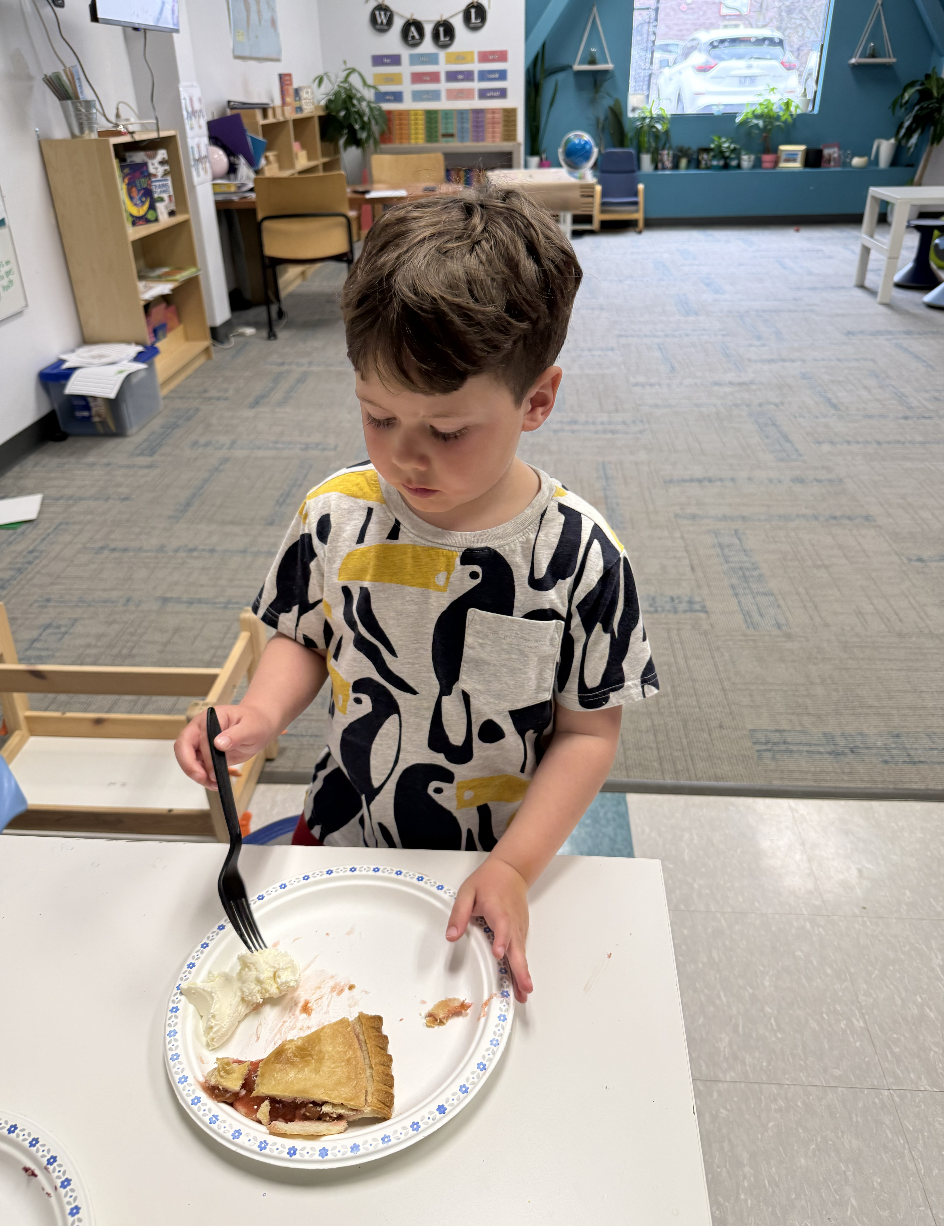
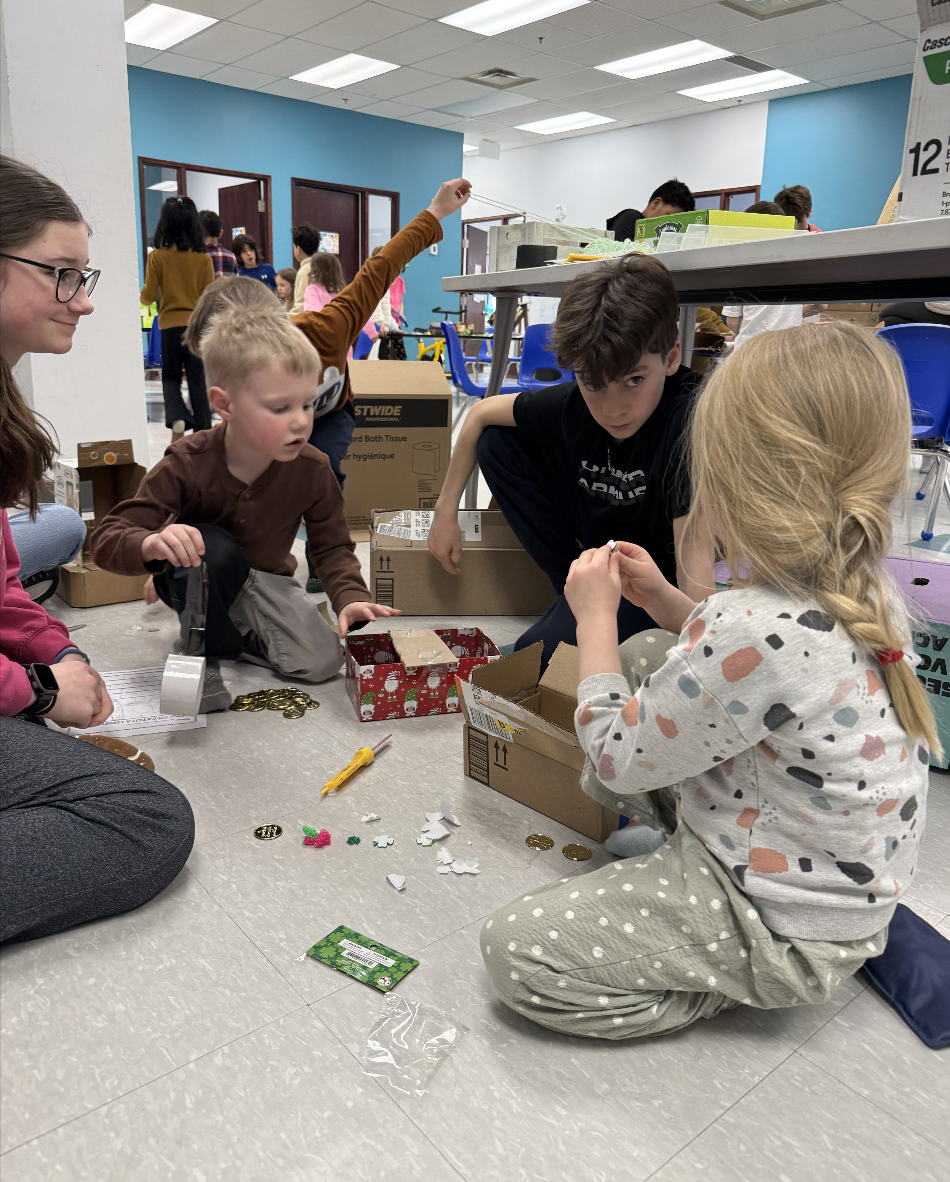
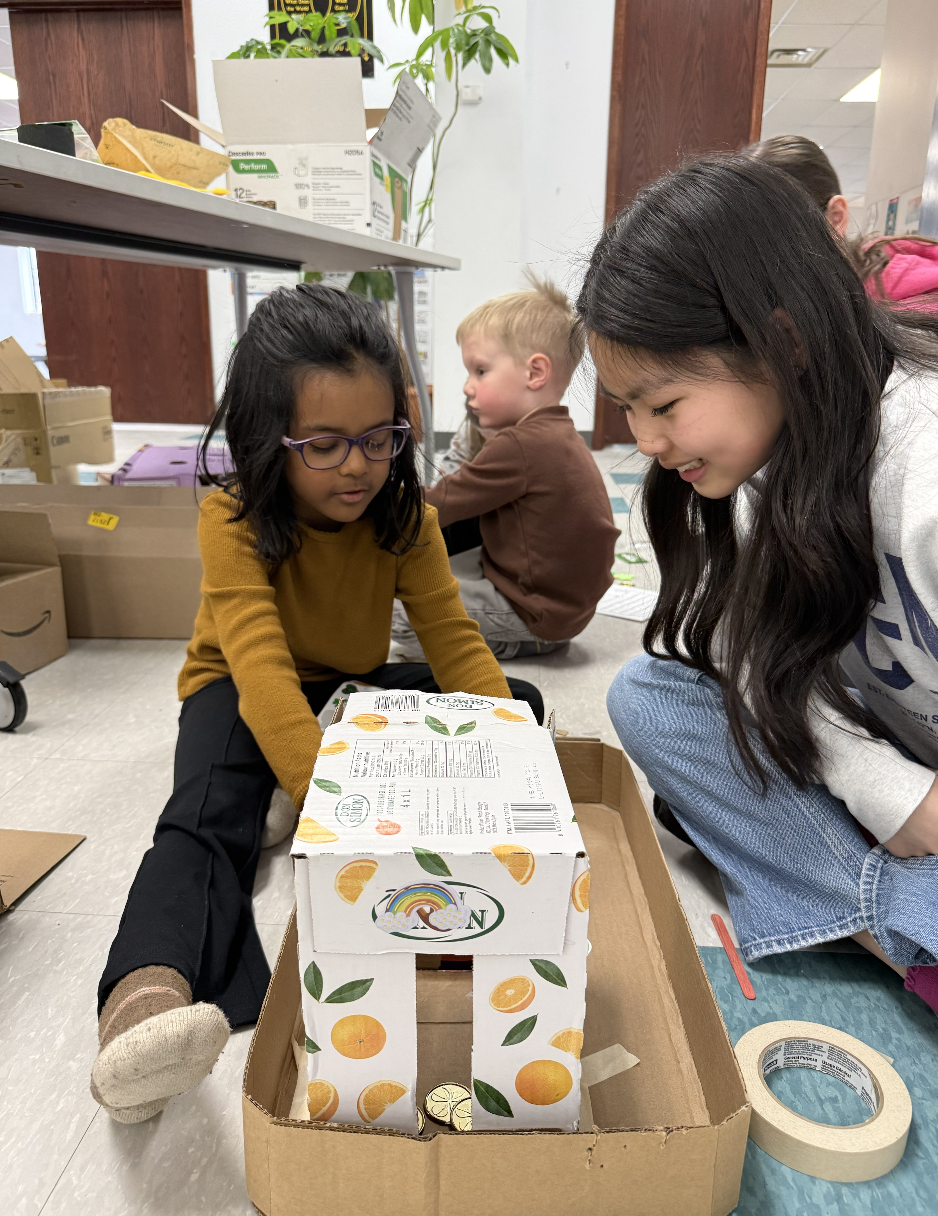
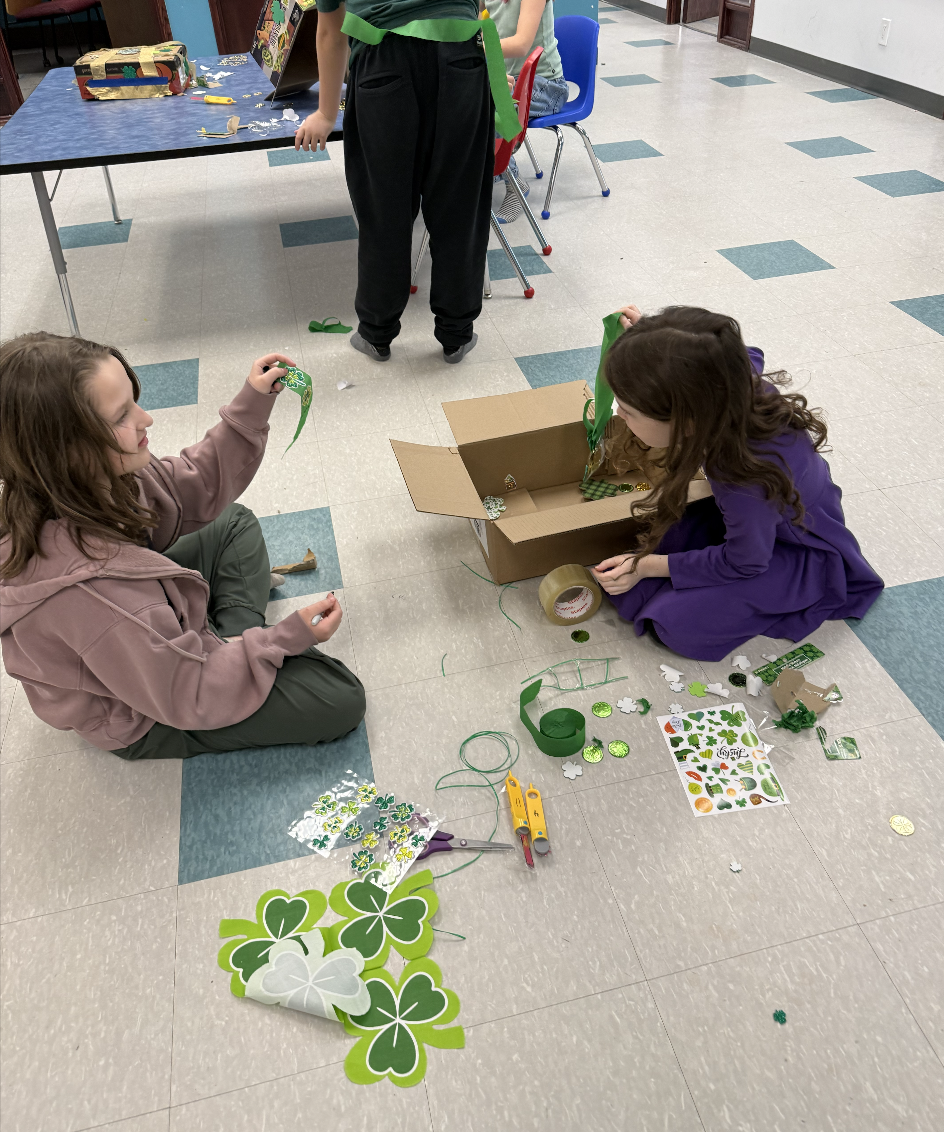
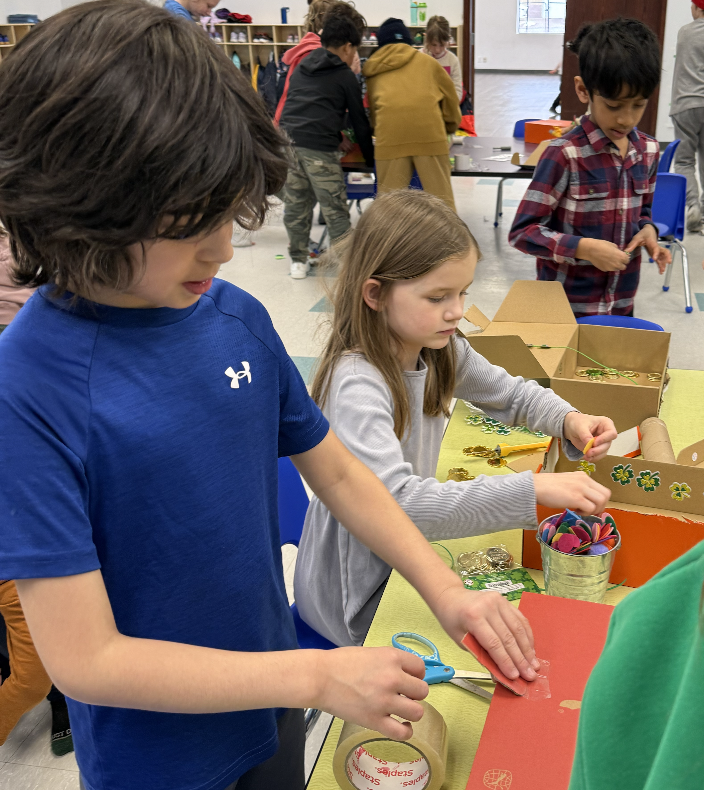
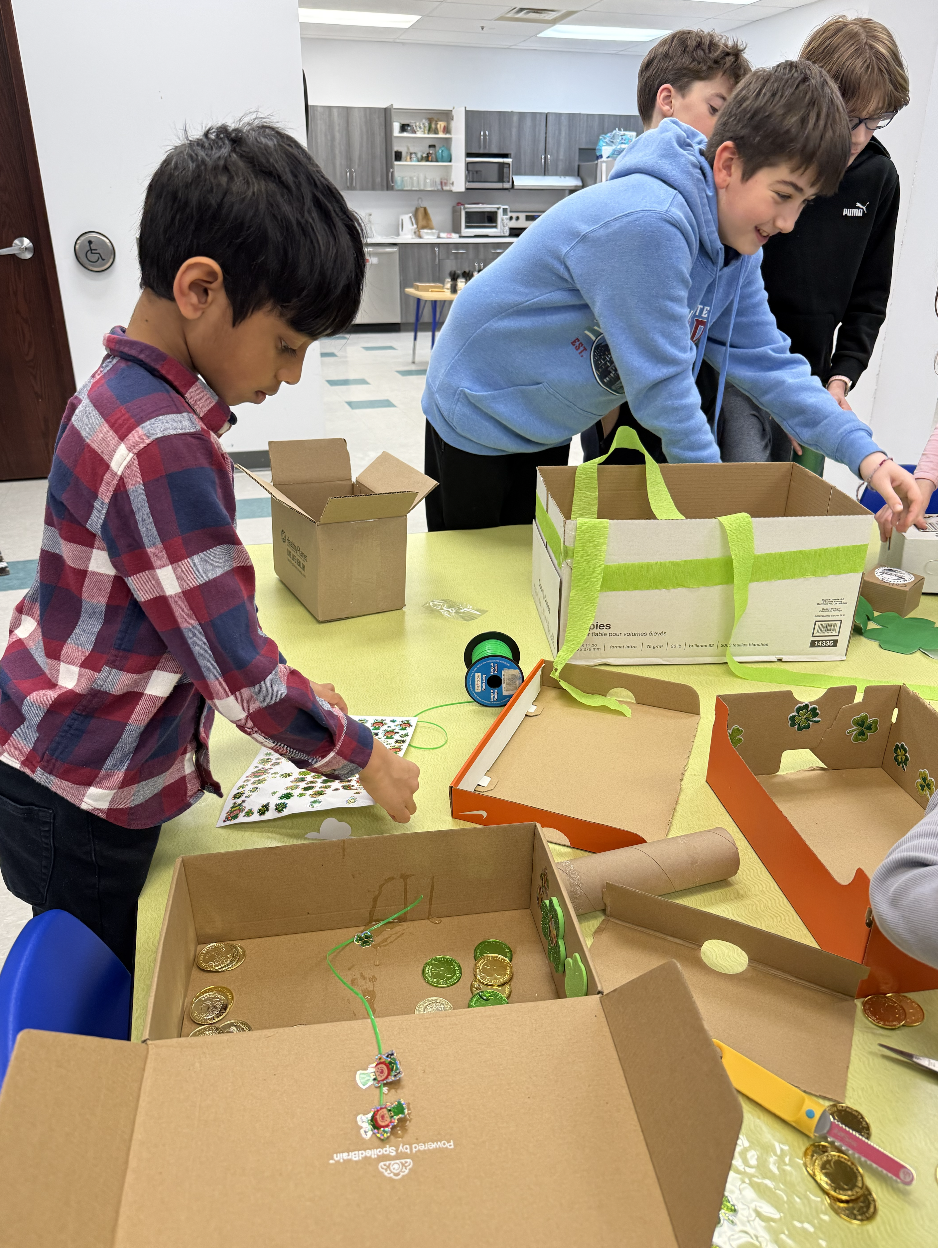
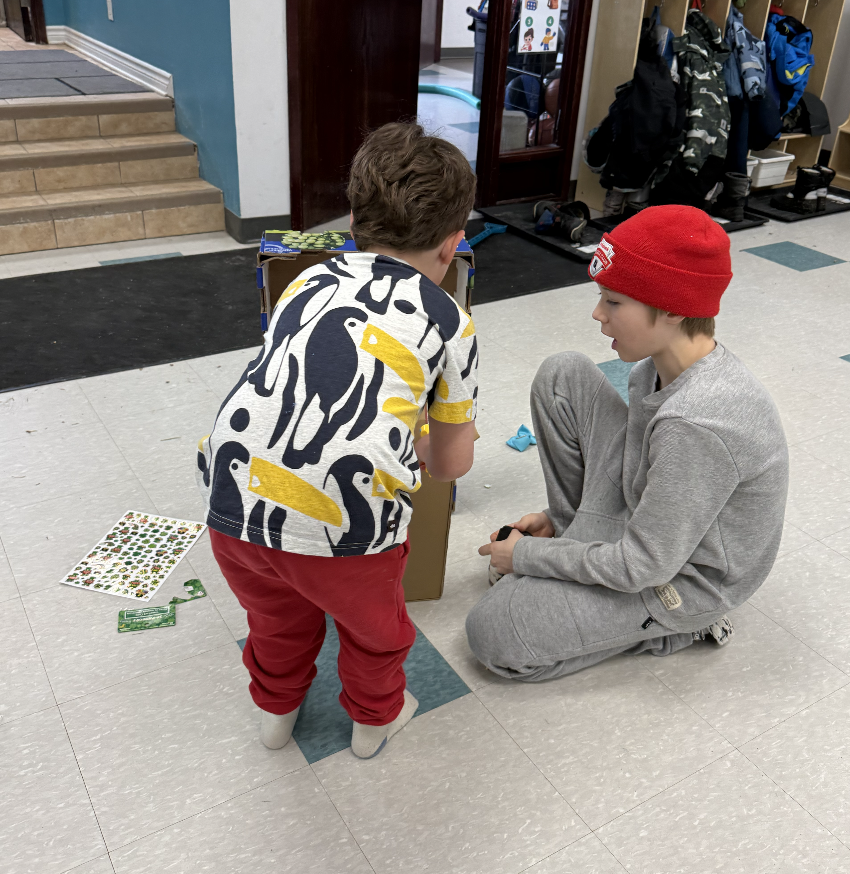
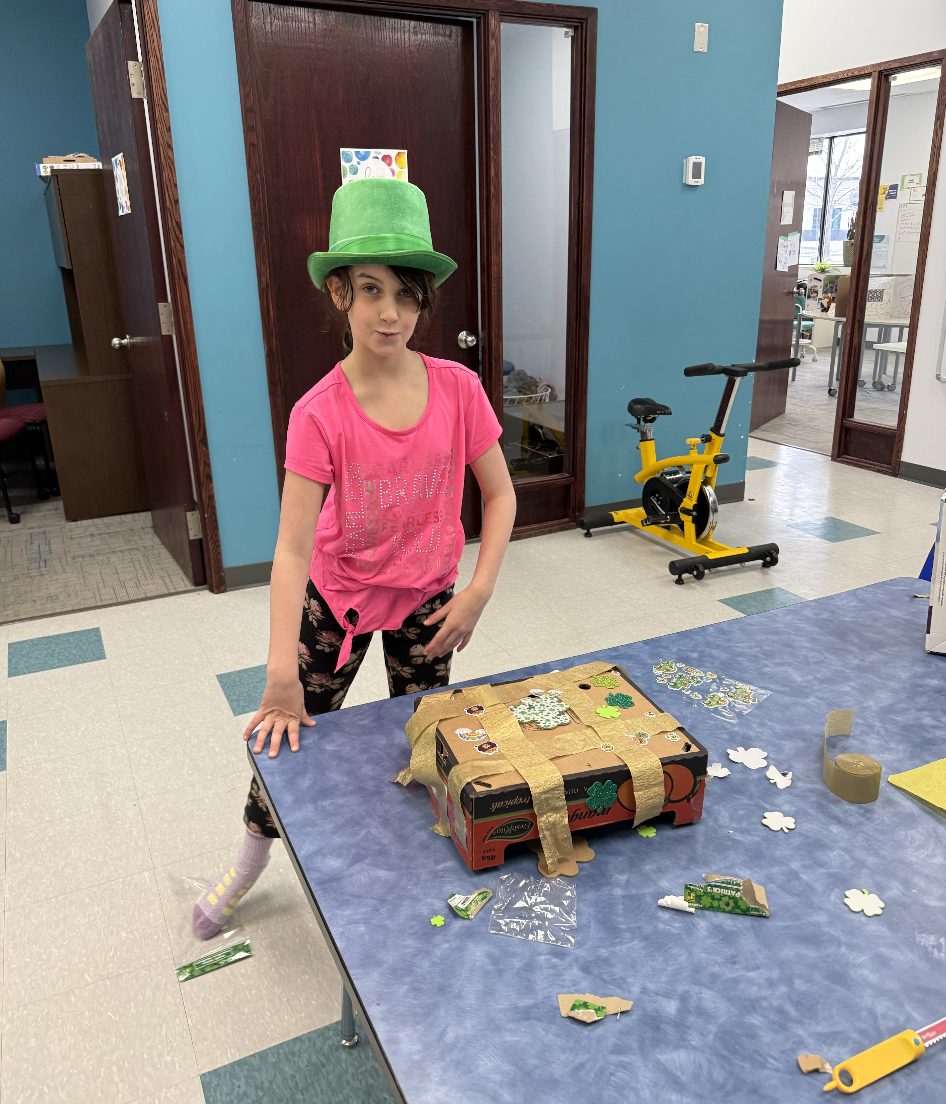
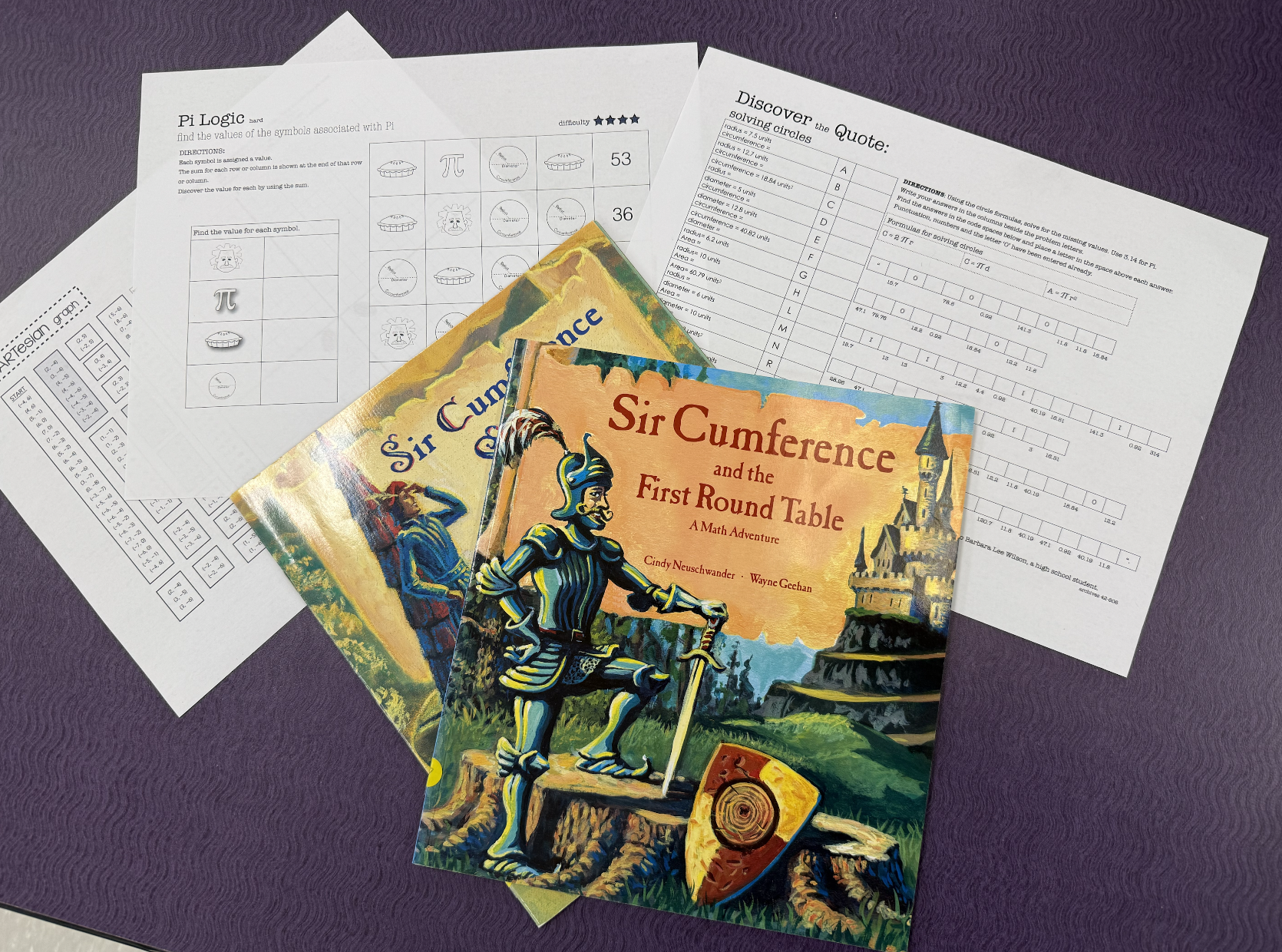
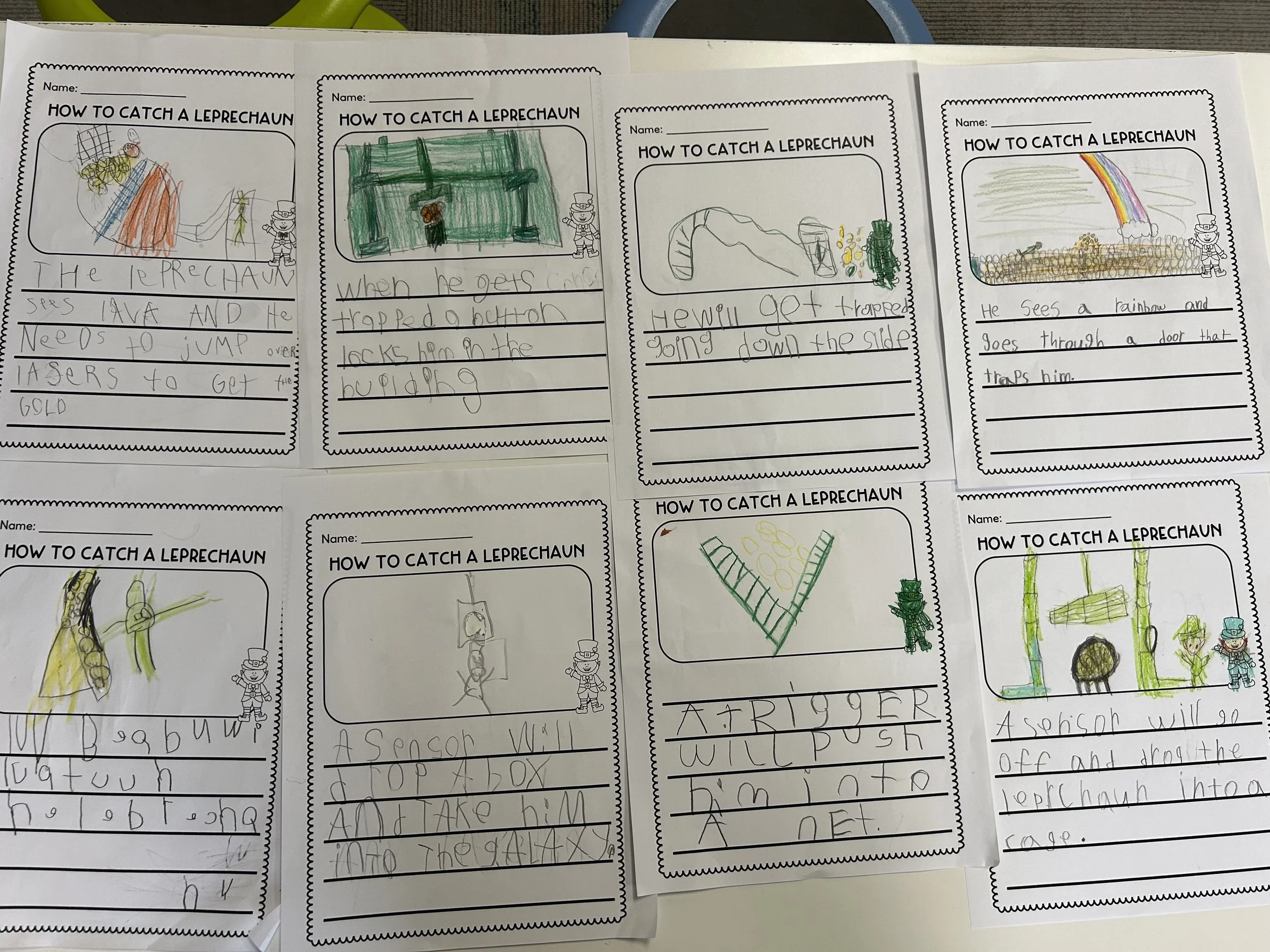
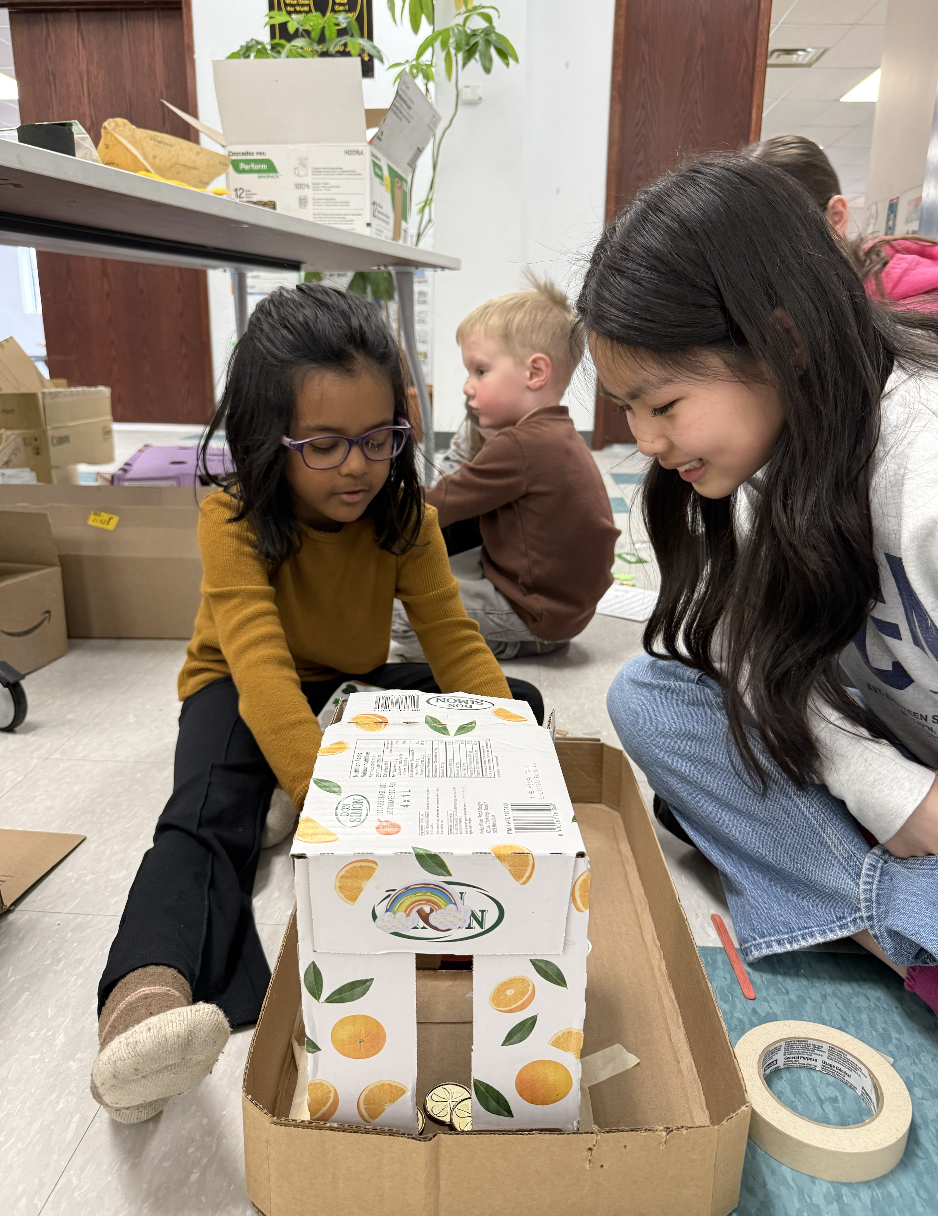
There was another birthday to celebrate in the studio this week! The learner shared that they are excited for a year filled with travel and swimming. They celebrated by sharing cake with the studio and telling the Rebels about some special milestones in their life. At the end of the week, the Sparks got down to business with an important question: How will we catch a leprechaun? The learners built creative traps using materials from the maker space, along with special stickers and gold coins from Ms. Erin. We also couldn’t head into the weekend without celebrating Pi Day! The Sparks enjoyed apple pie together and were very thankful for the delicious treat.
Discovery Studio
Mindfulness and Launch
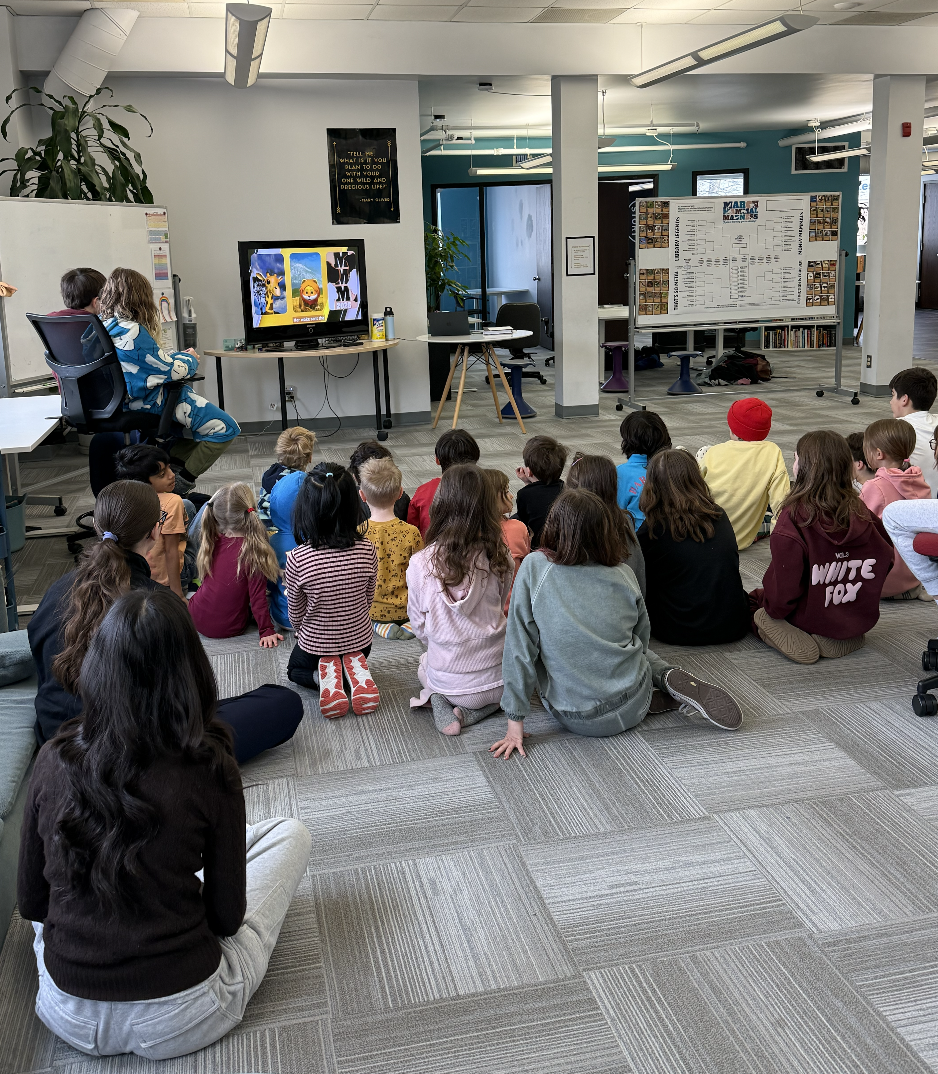
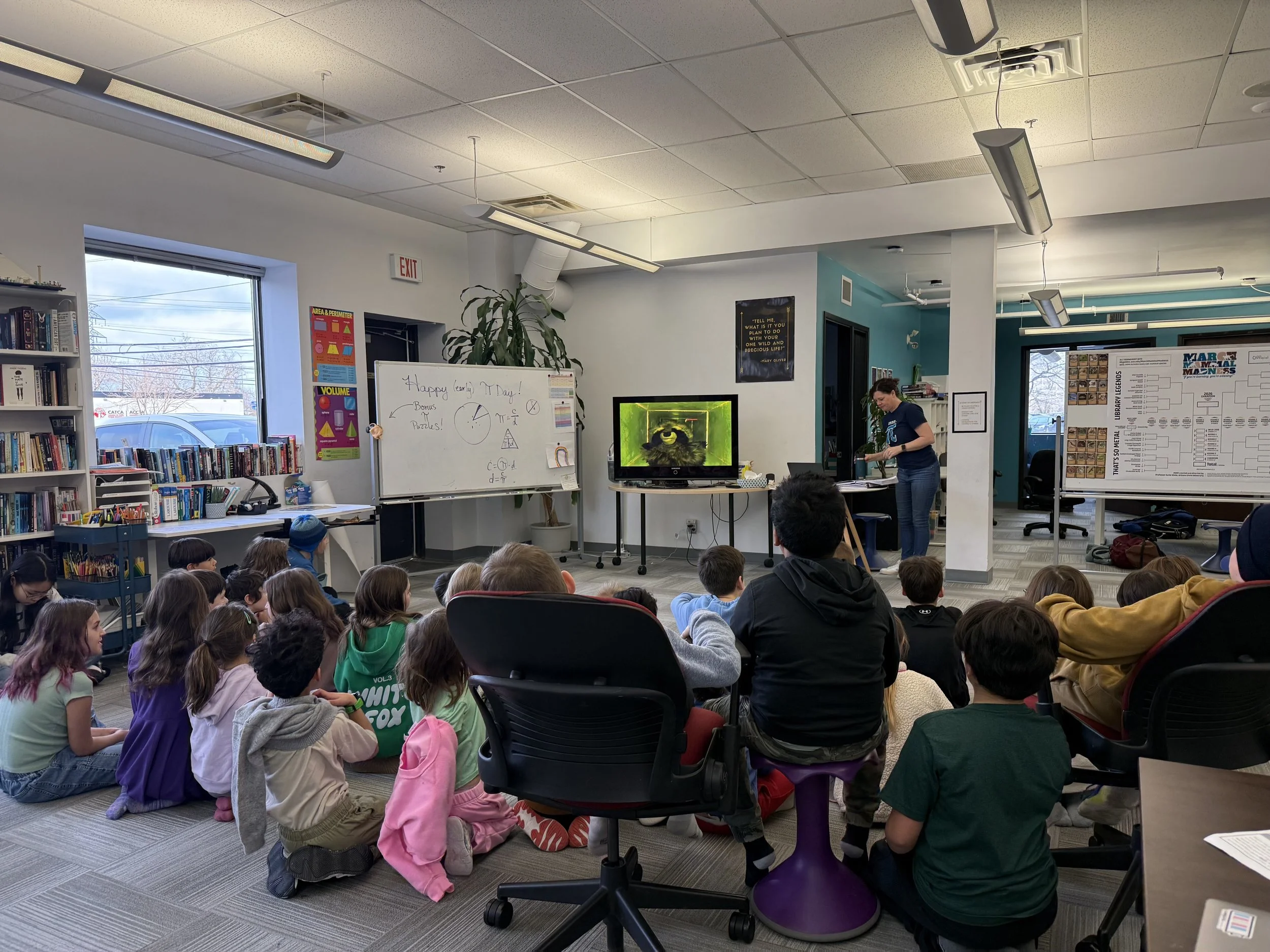
First thing Monday morning, the Rebels got to try a captivating musical challenge! Rebels explored the calming power of classical music through a finger tracing activity to symphonies by Mozart and Beethoven. Musical tracing helps learners practice fine-motor control, visual tracking and hand-eye coordination. Following the listening and tracing activity, learners discussed which instruments they noticed in the songs and what type of feelings matched the different sounds/melodies they heard. For launch, we closed the loop on last week’s physics contest with the third and final event, a literal launch: the elasticity bungee cord challenge. Rebels had to toggle the load/weight attached to their cord and the length of their design to reach a target stretched length of 37cm. On Tuesday morning, Rebels completed some mindful colouring. After the MMM Wildcard Rundown, we met briefly to watch the slow-mo “photo finish” results from Monday’s bungee contest. The closest team launched their cord 35cm! Due to the weather, on Wednesday morning, we had a combined mindfulness and launch with the Sparks in the gym! Rebels completed a relaxing yoga flow, which included several balancing poses and “box-breathing”. After yoga, Rebels voted on a quick Spark & Discovery game of Everybody’s It Tag! Thursday, Rebels participated in some beautiful discussions during Thank You For Sharing, with learners sharing about things they feel proud of themselves for. We also shared a few laughs as Rebels responded to the question: If you could trade places with one of the Guides for a day, who would you choose and what would you add/change in our schedule? Rebels shared ideas like “Fast Food Friday”, all-day Fun Friday, a video game marathon and no core skills for a week! Friday’s Current Events featured the longest wild snake in the world, the origins of Pi day, and Rebels adored learning about Punch the monkey! For Launch on both Thursday and Friday, we joined the other studios to watch the outcomes of the Library Legends and Money Mammals brackets from March Mammal Madness!
Reader/Writer & Math Lab Workshops
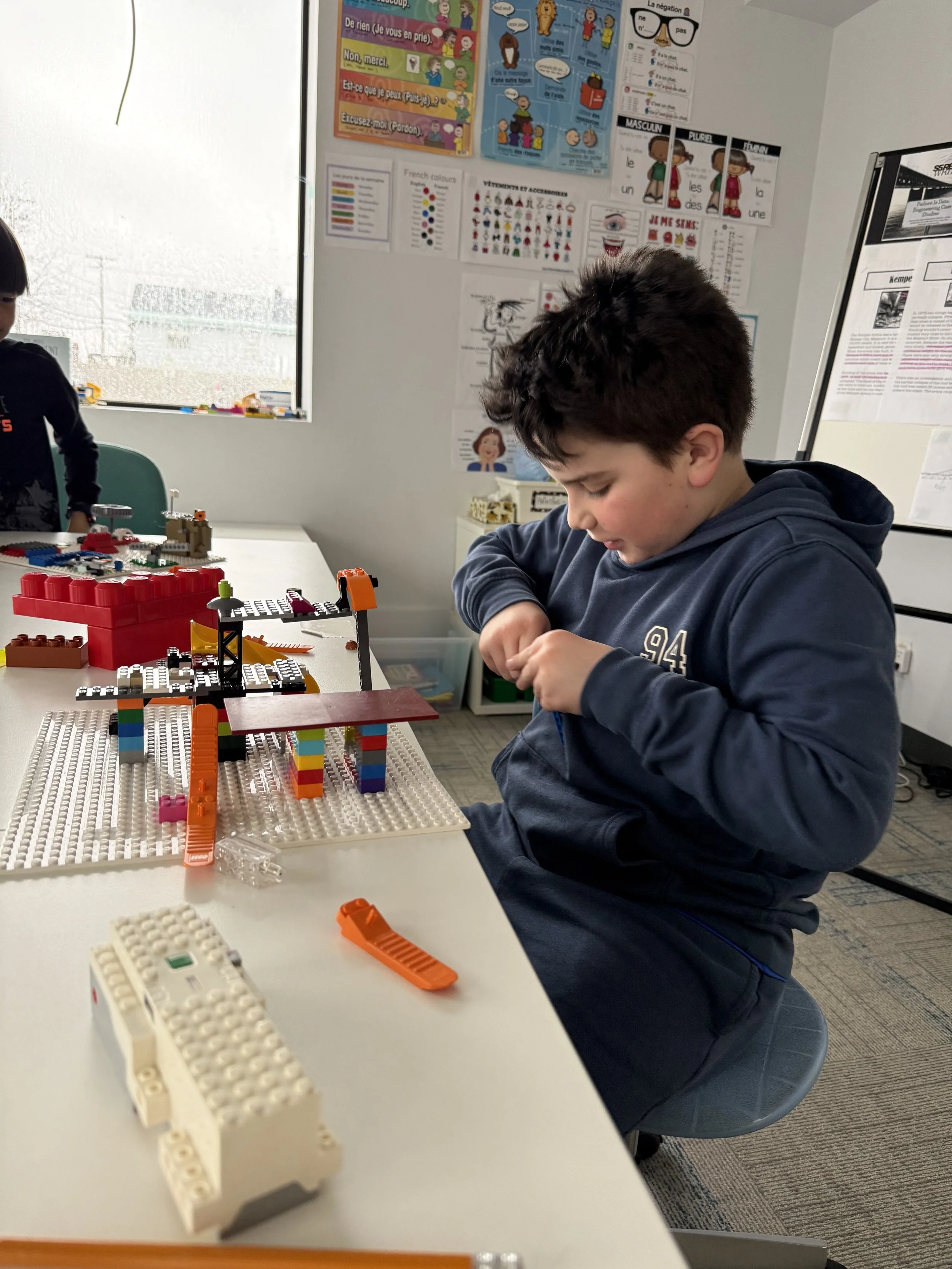
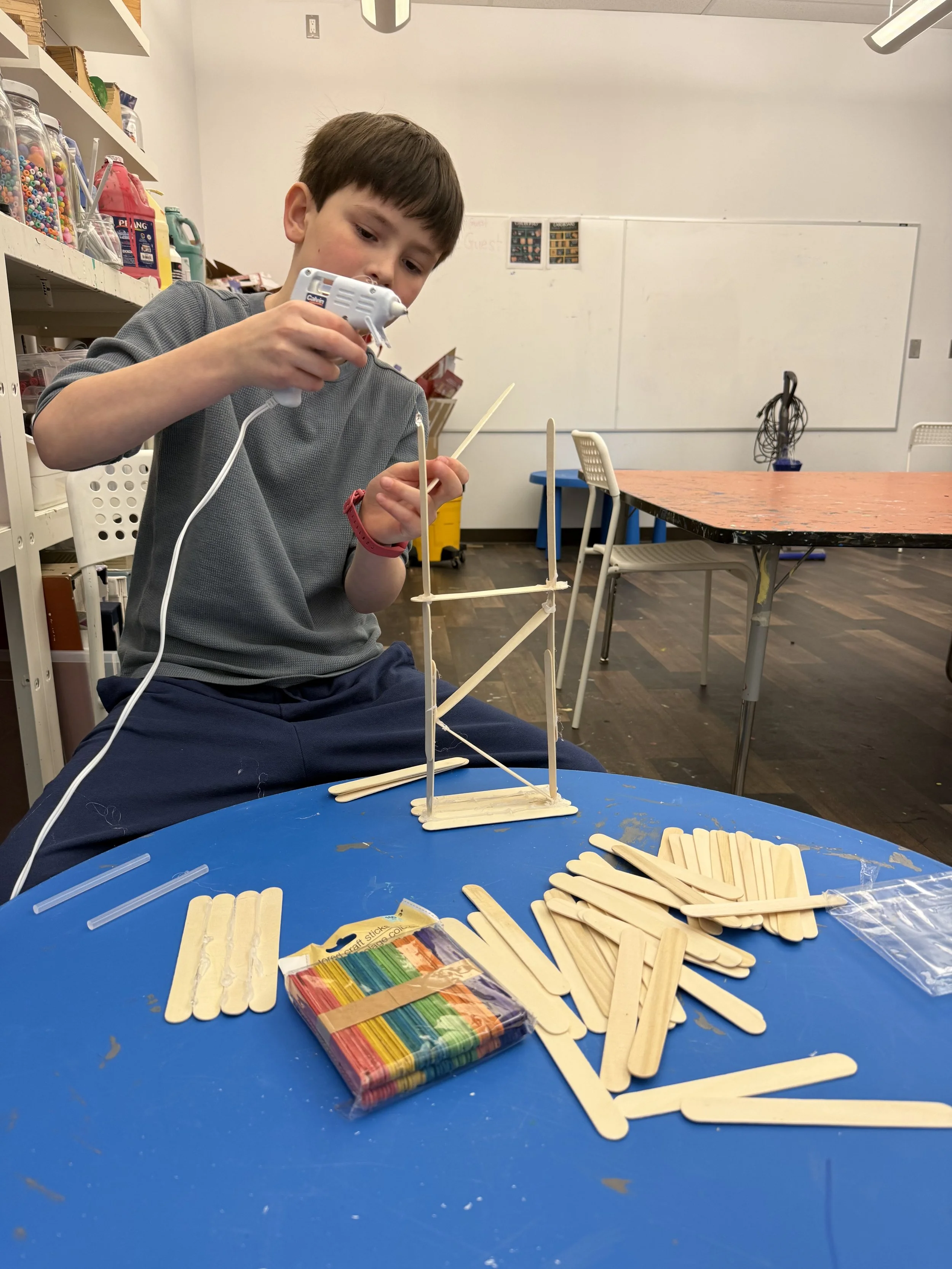
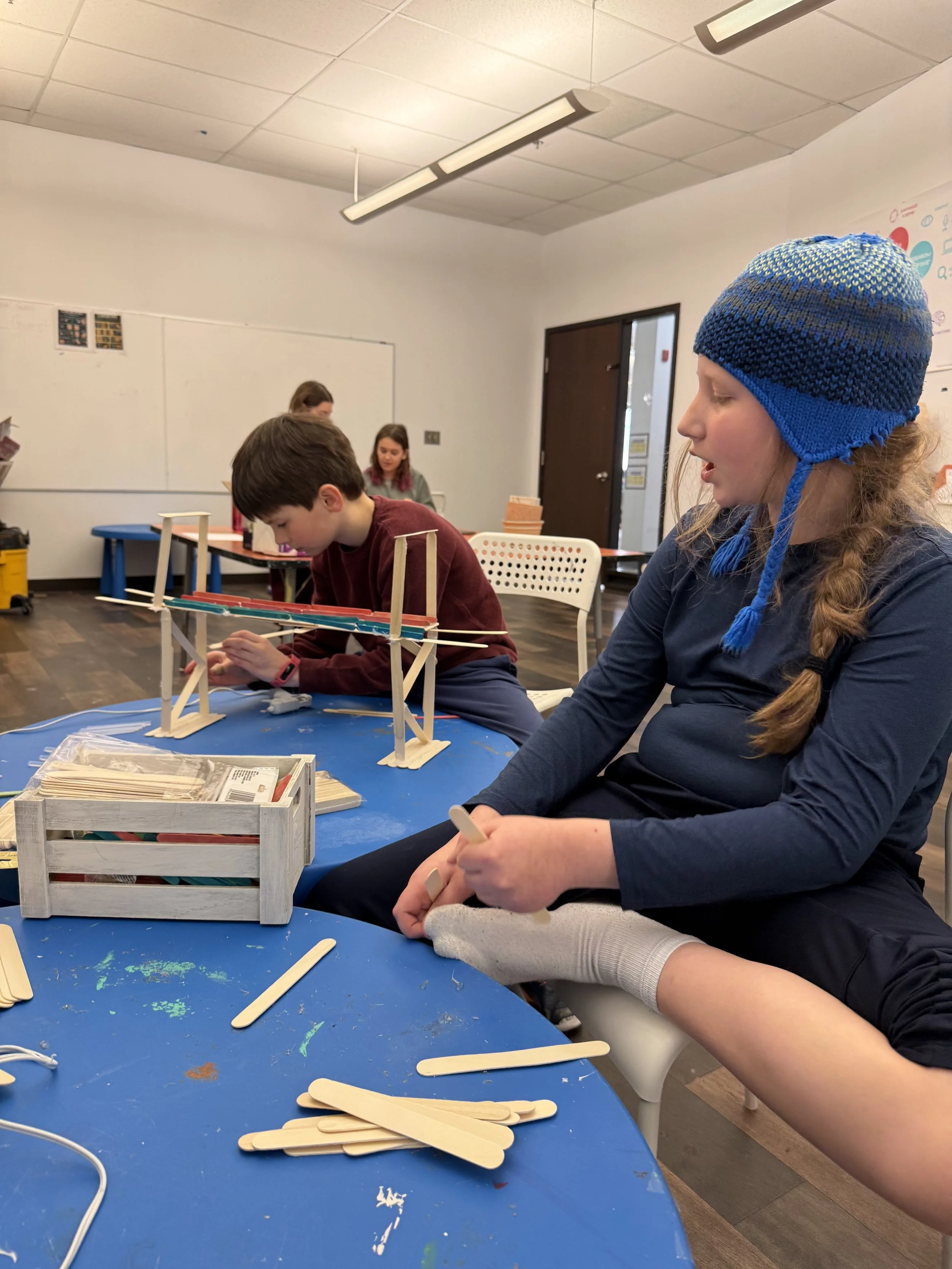
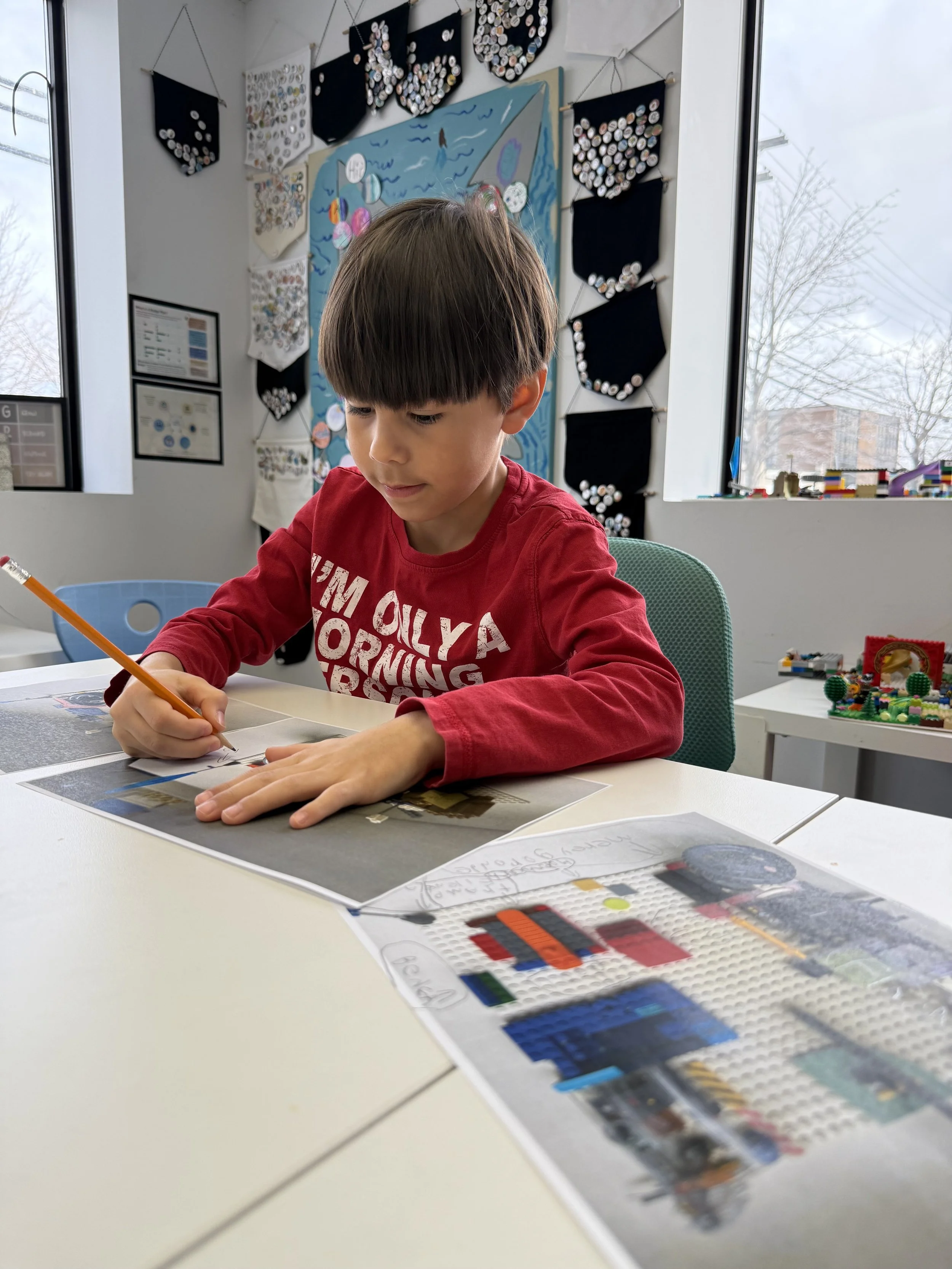
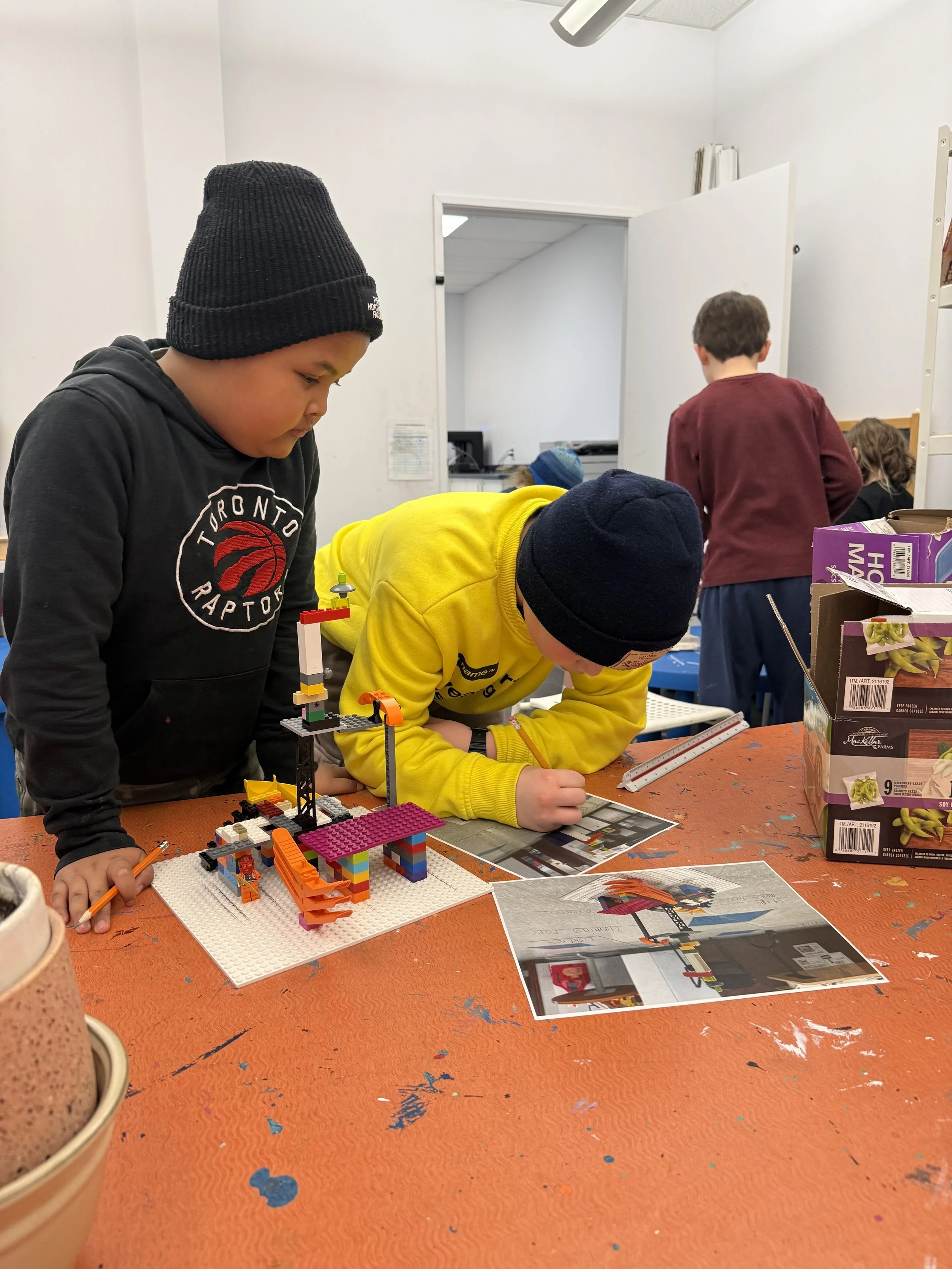
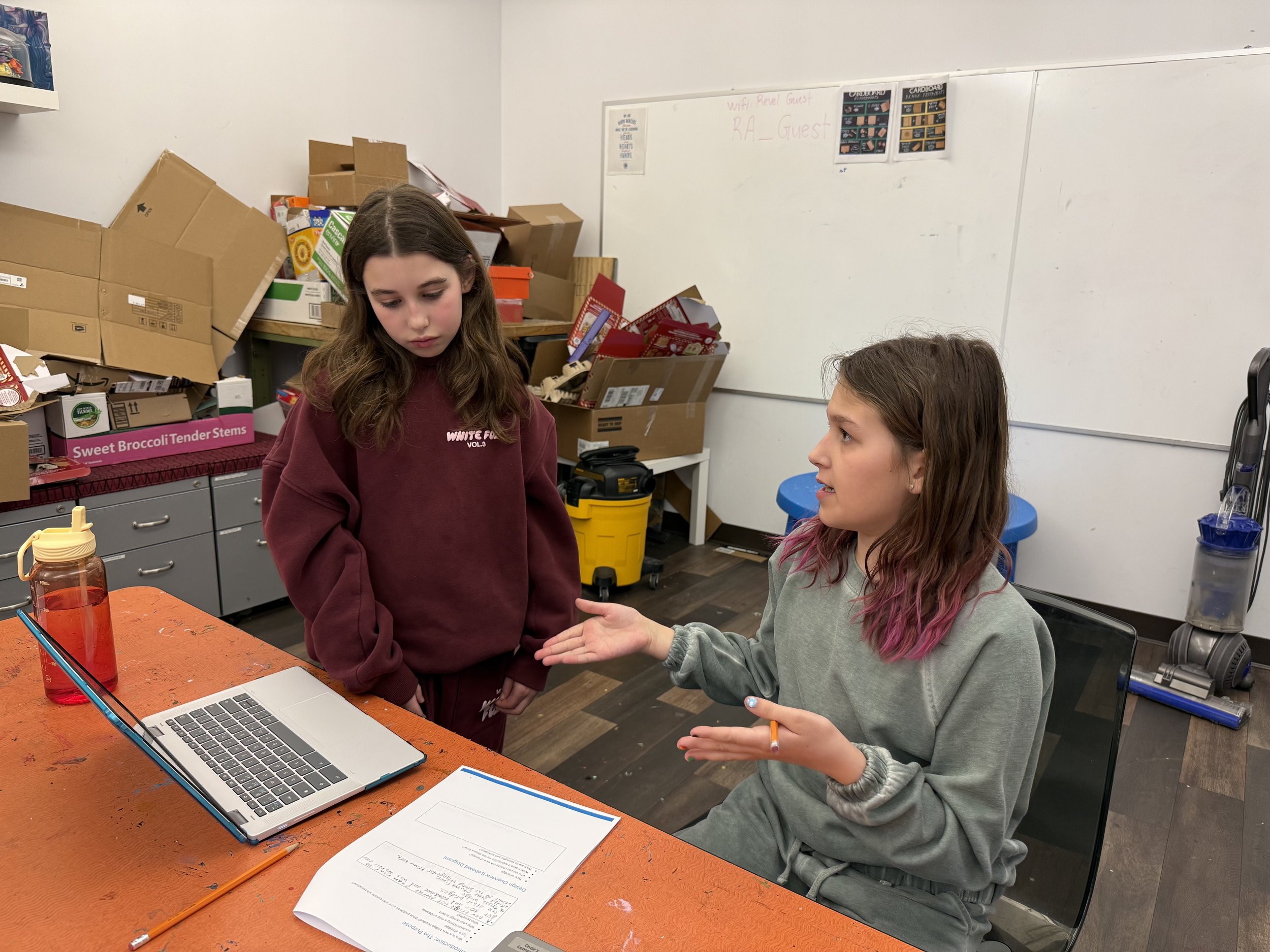
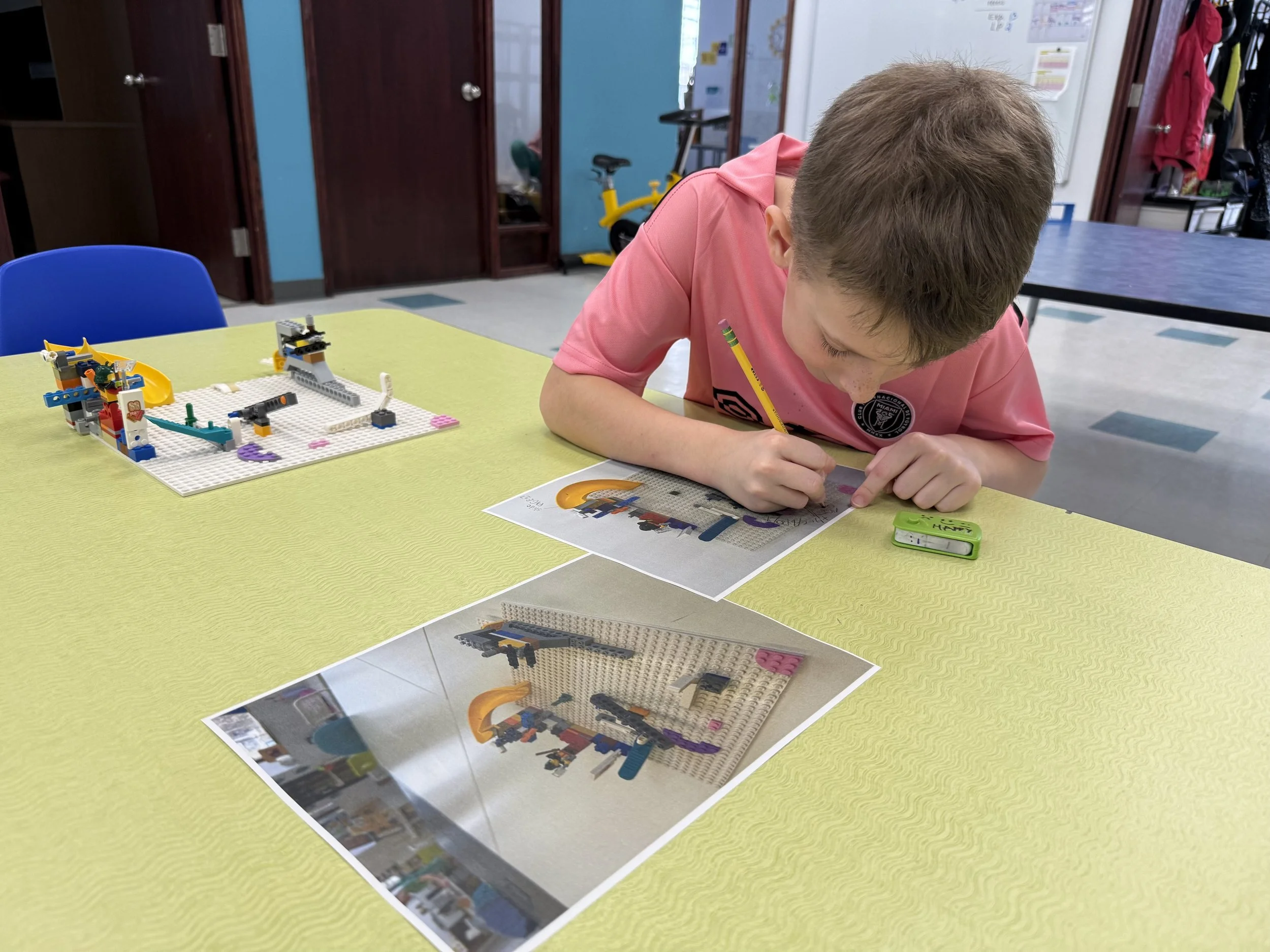
This week in Reader/Writer, Rebels kicked off their workshop with a “What do you notice?” activity, drawing inspiration from a mentor model play structure from a small town in Colorado. Rebels discussed the engineering choices made to create an inclusive play structure for a wide range of ages. Rebels noticed the musical theme across the play structure, how easily accessible many areas were, and discussed the spaces surrounding the play structure (ample seating for guardians, picnic tables, gazebos, green space, and more). Rebels moved over to the studio to do a team read aloud of a world class example engineering proposal written by our studio mascot, Mr. Flaming Yawn. Rebels examined the different sections of the proposal, from purpose to design overview, material choices, identifying failure points and a section for reflections/improvements. Rebels finished building their Lego model play structures, with some teams beginning to write the rough drafts of their engineering proposals.
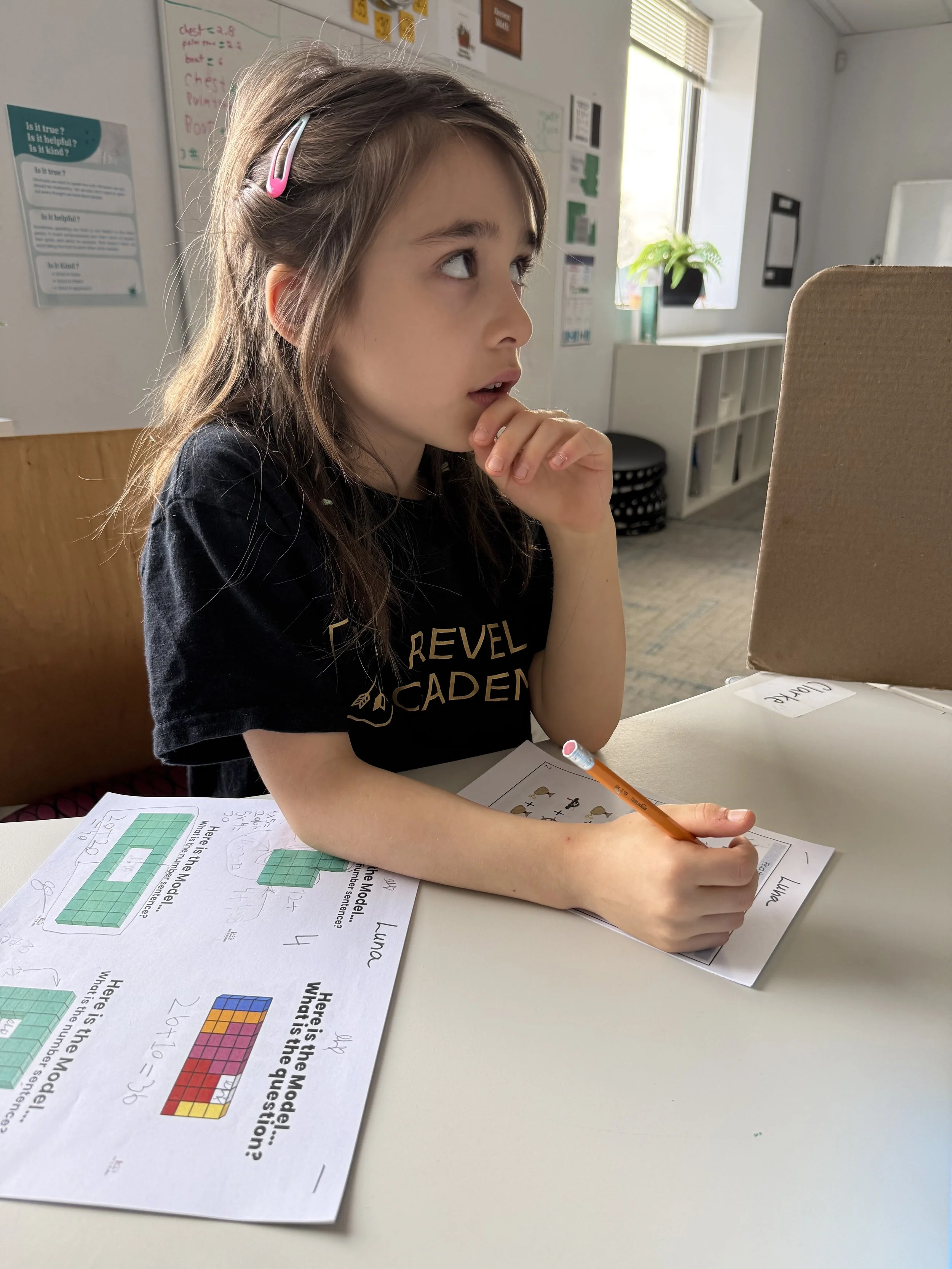
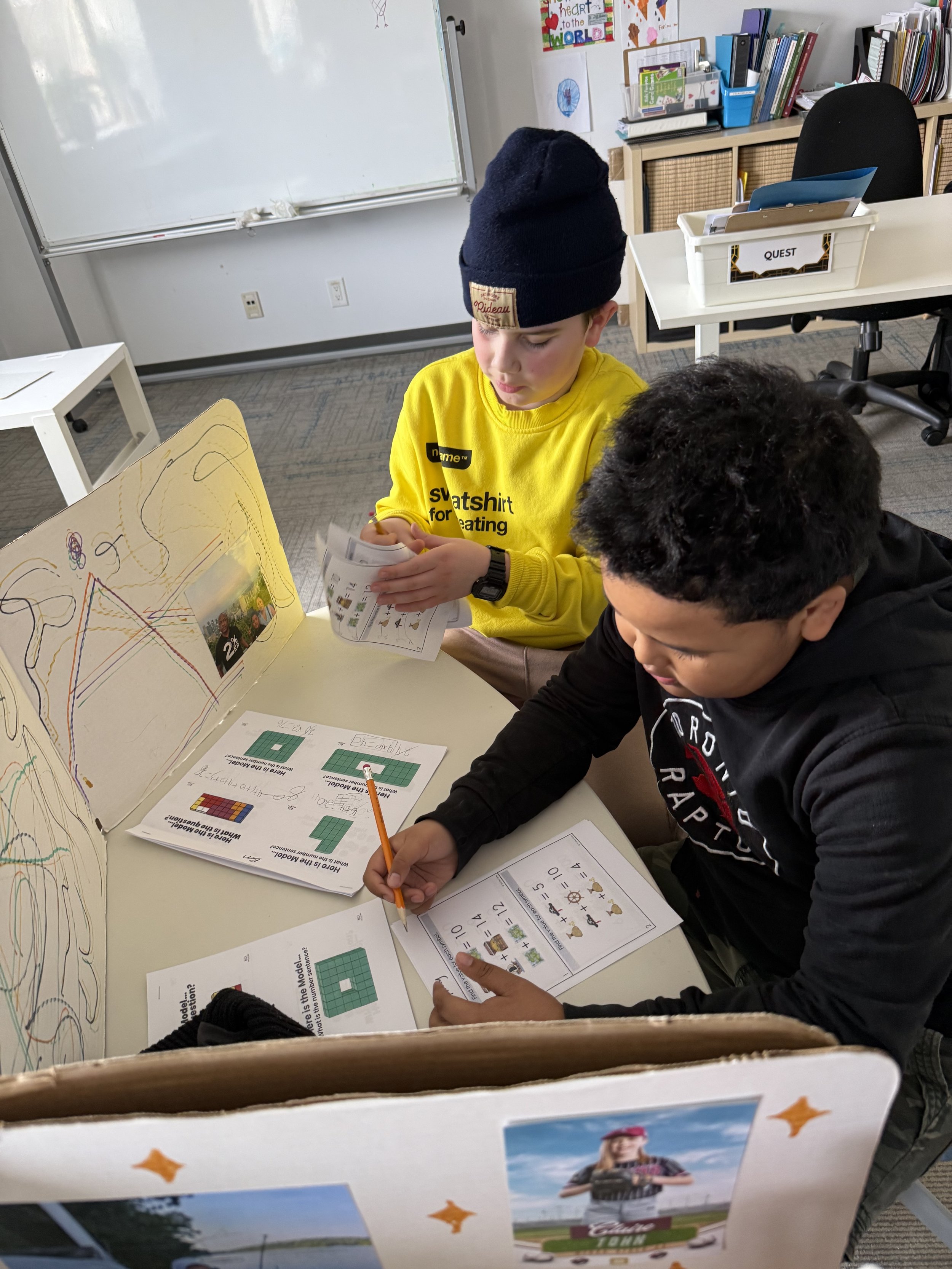
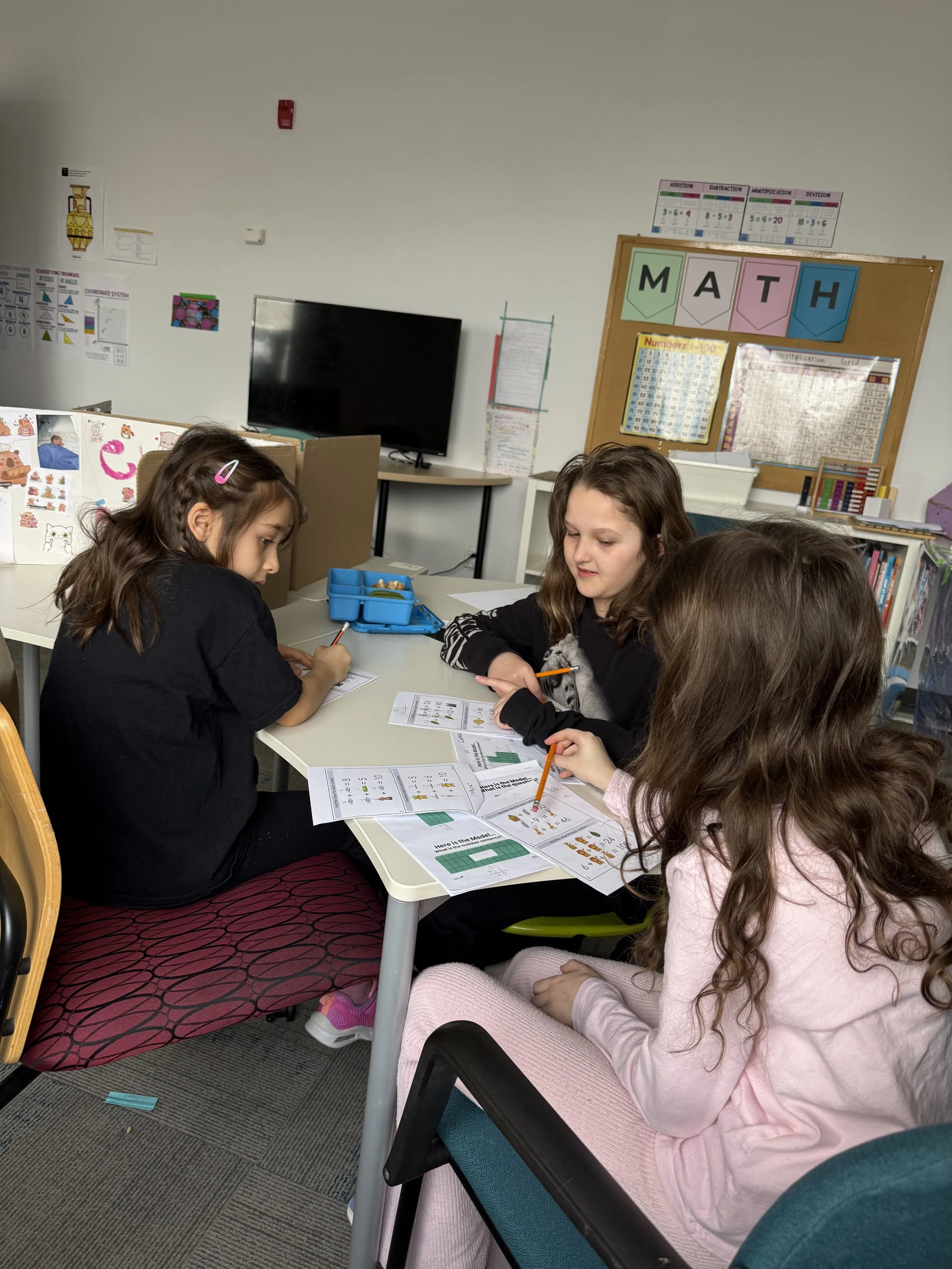
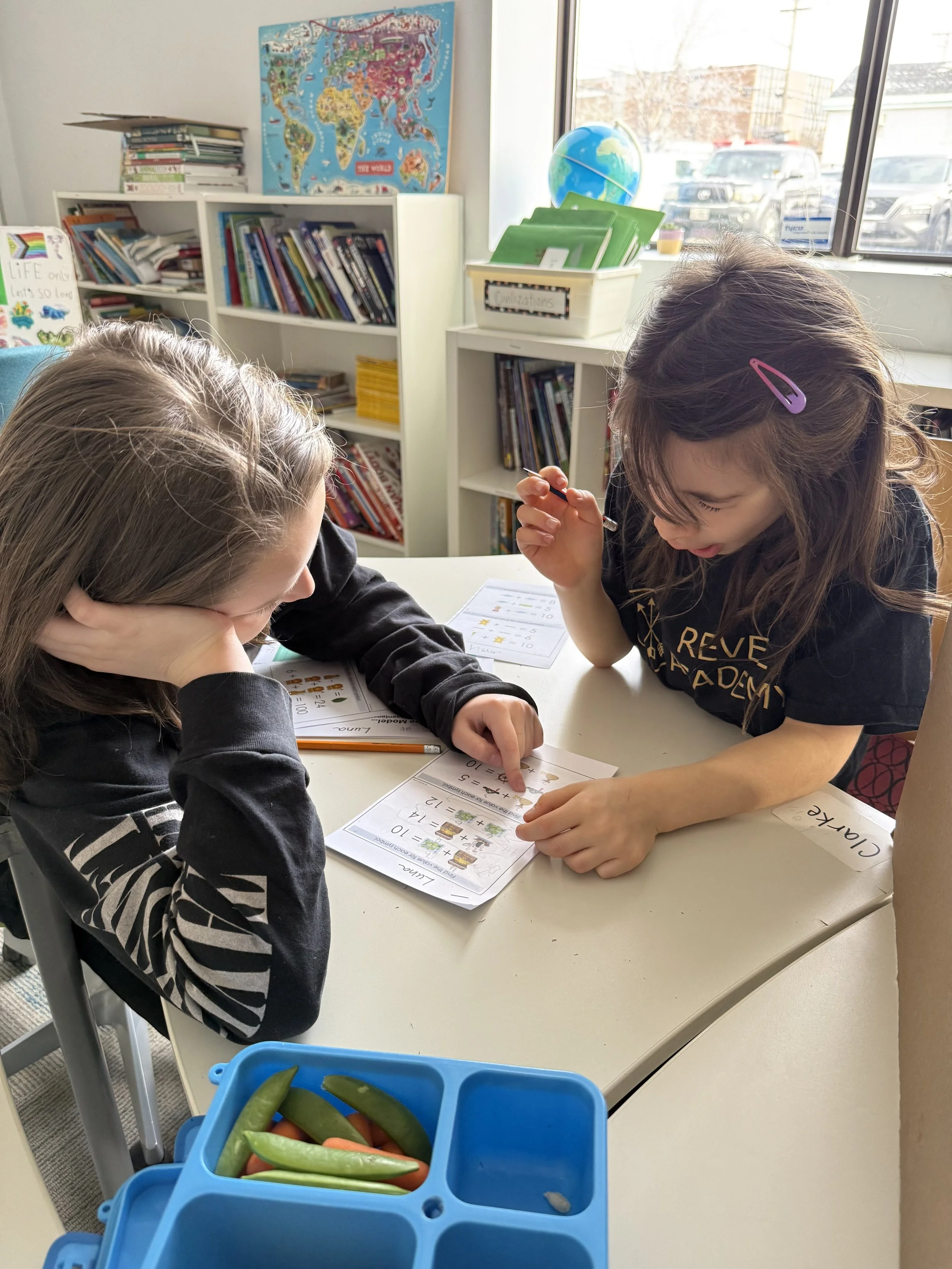
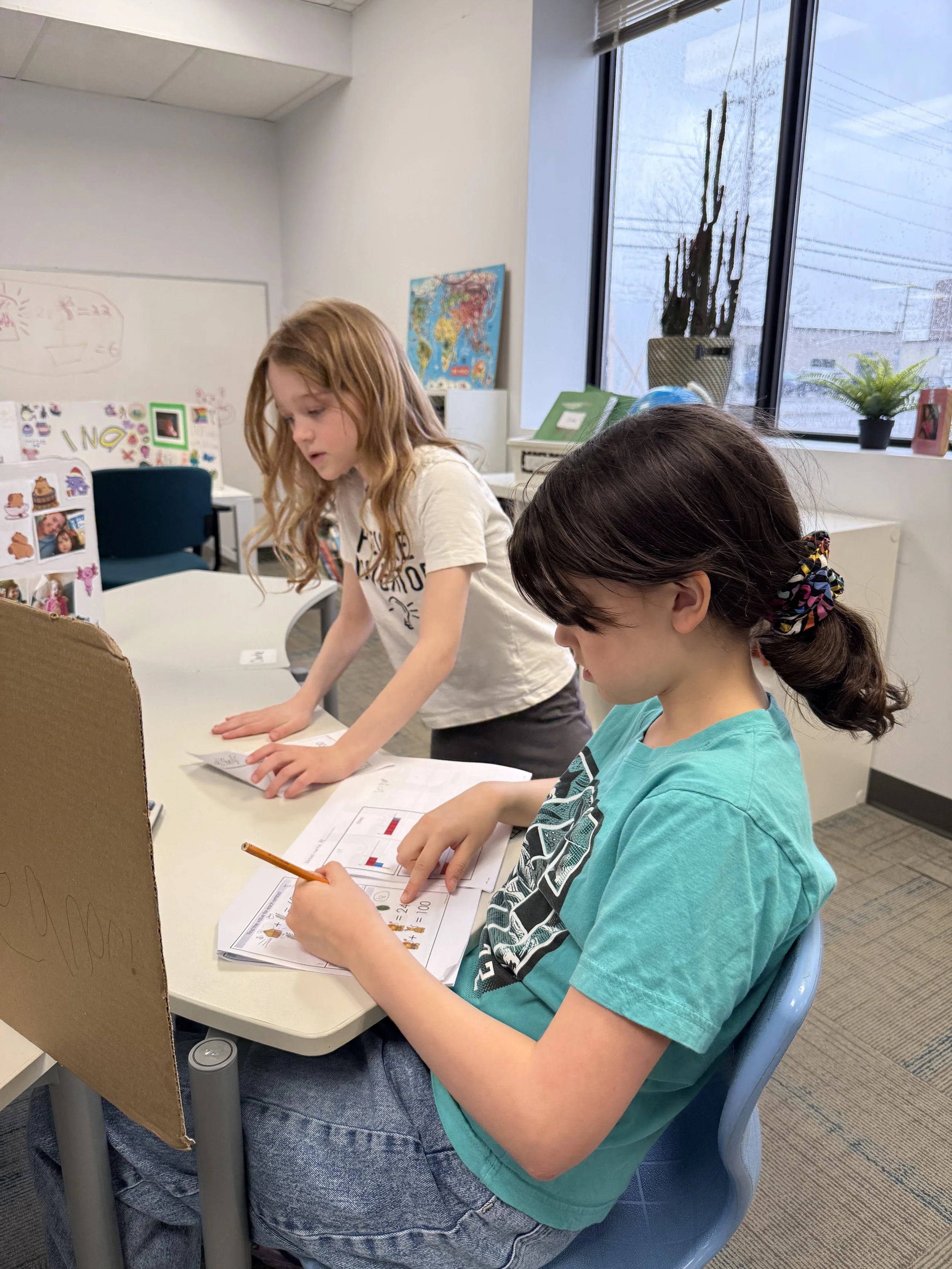
For Math Lab on Tuesday, Rebels tackled puzzles in the form of a series of equations with common variables, needing to use problem-solving strategies and logic (e.g. guess and check, fact family relationships, inverse operations) to help them isolate a variable and then deduce the value of all variables in a set. Rebels started out in pairs at our whiteboards with a set of warm-up puzzles, including decimal tenths. Each pair worked well together and then conferred with other pairs to check for discrepancies and correct any errors.
To accommodate for our wonky schedule and low attendance due to the ice storm on Wednesday, Rebels came into Thursday’s workshop with the goal of answering one question: What makes the most sense for YOU when it comes to utilizing the next hour in our schedule? Rebels reflected on their goals and schedule changes this week, and were given the opportunity to make their own plan that would set them up for success as we approach Fun Friday. They met with their squads and chose between working on variable challenges in Math Lab, building models and drafting engineering proposals for Reader/Writer, or catching up on Core Skills. Rebels worked incredibly hard during this hour, which reaffirmed that when learners are trusted with responsibility for their own learning, they often exceed our expectations. Great work, Rebels!
French
This week, Rebels explored l’Académie française through a role-play activity. They began by watching a video to understand how l’Académie française decides which new words are officially added to the French language, who can be elected as a member, and why this institution was created to preserve and guide the French language. After learning about l’Académie française, the learners invented their own French words and prepared presentations to try to have their words “accepted” by the Académie. They presented their proposals to their classmates, taking on the role of members of this prestigious institution. Through this activity, the Rebels practiced creativity, expanded their French vocabulary, and developed their speaking skills while also learning about French culture and the playful side of language invention.
Civilizations
Our chapter this week took us back across the Atlantic Ocean to Rome. Rebels learned about the Etruscans and mapped the location of Rome on the Italian peninsula as well as the surrounding region to show where the Etruscans lived. They heard the legendary story of Romulus and Remus, how these boys had similar upbringings to other leaders of the ancient world like Sargon and Cyrus the Great, and how ultimately, Rome is said to get its name from Romulus after he killed his brother so he could control the village they built. We then had some fun discussing what makes an empire more impressive: its physical size or how long it lasts. As we chatted, Rebels looked up maps of the Persian and Roman Empires to try and compare territory.
Quest
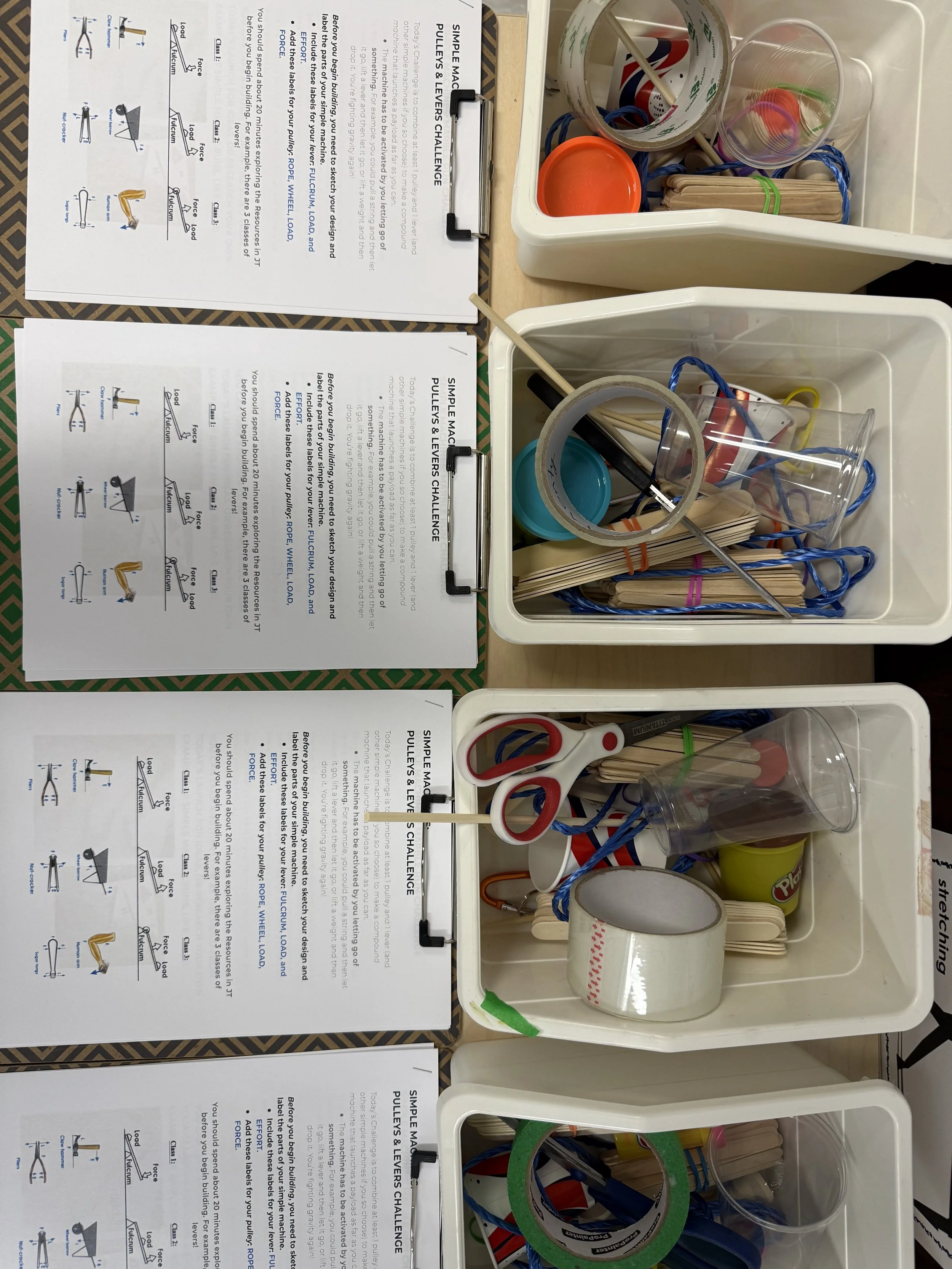
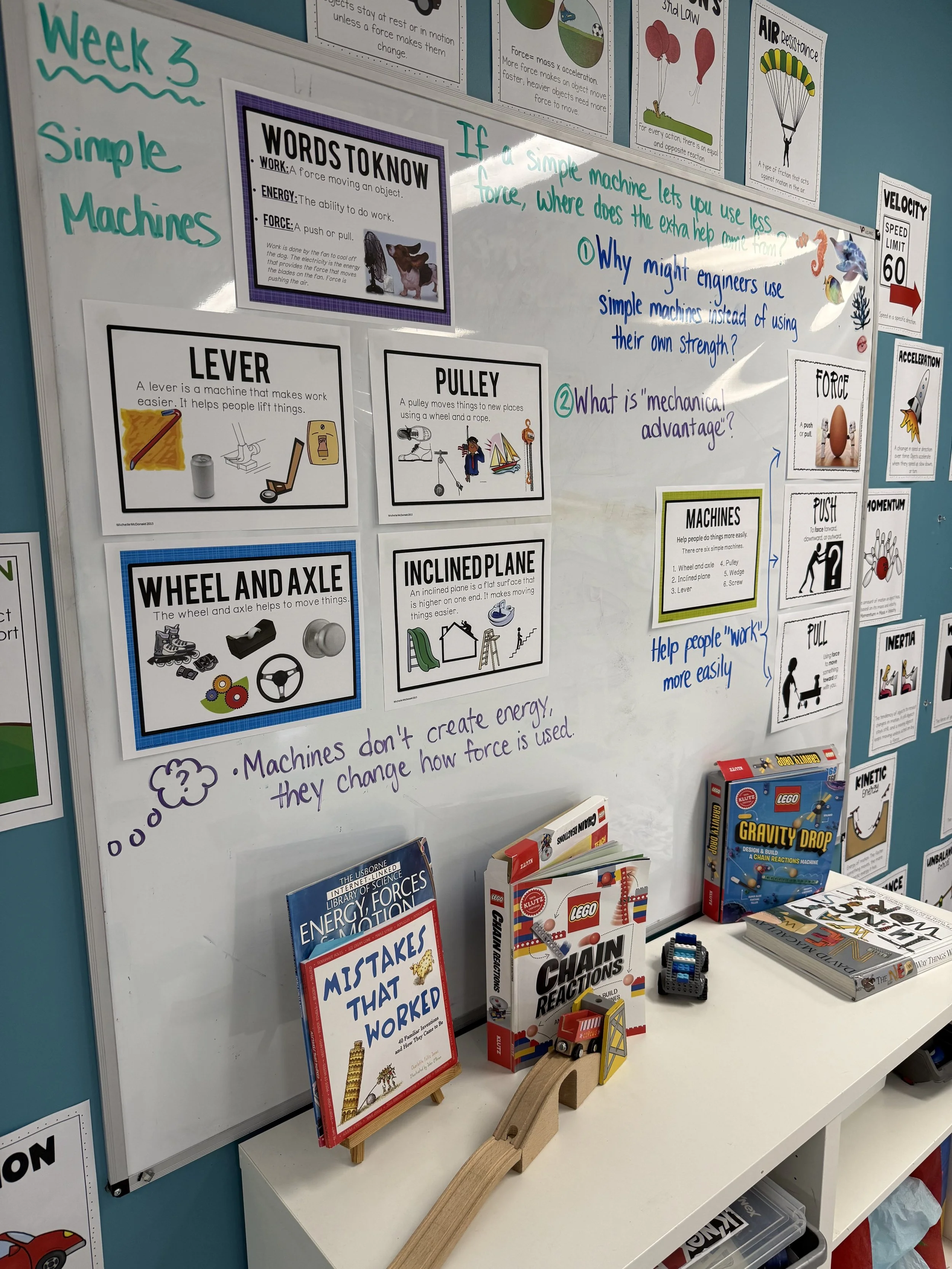
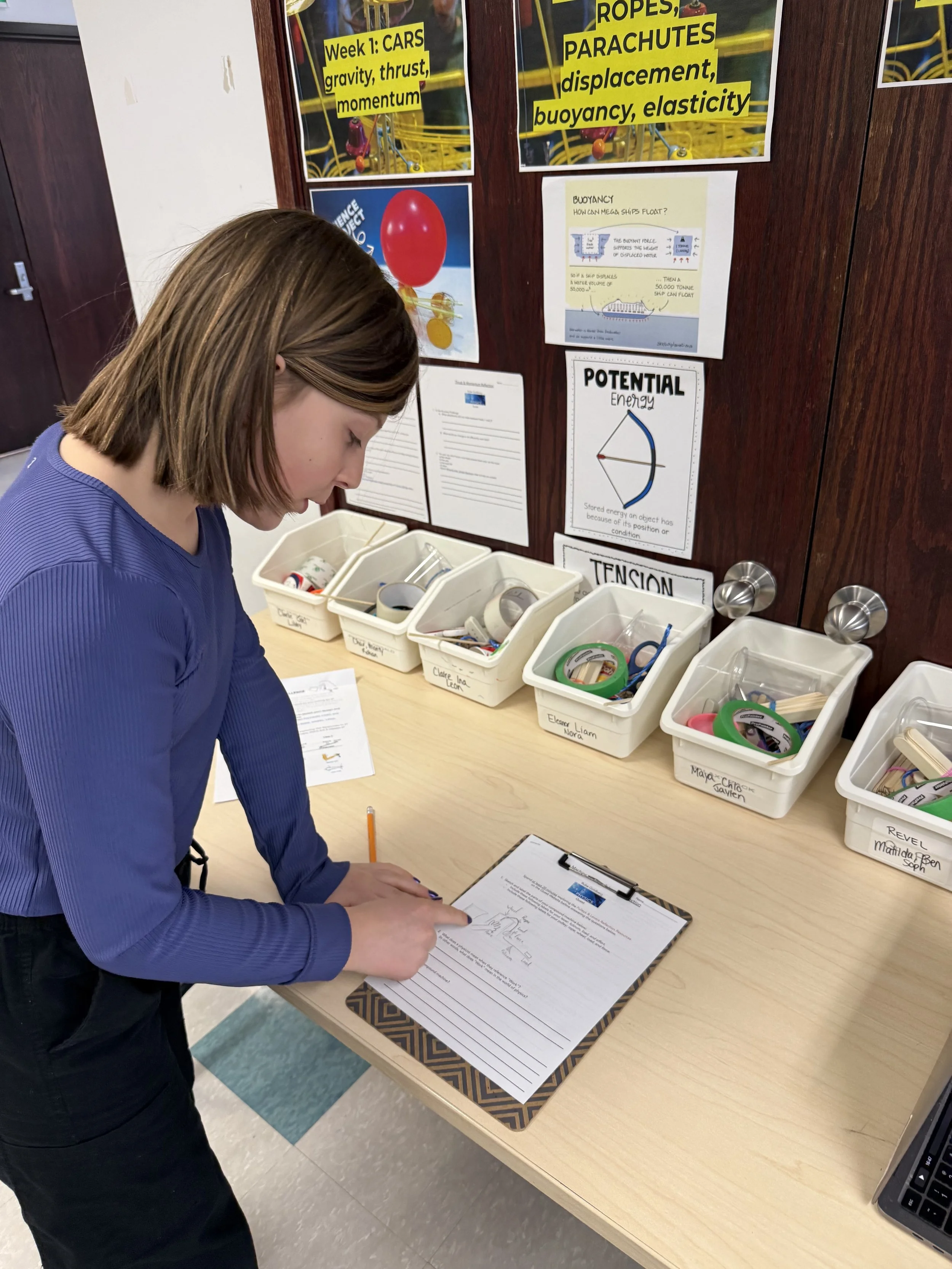
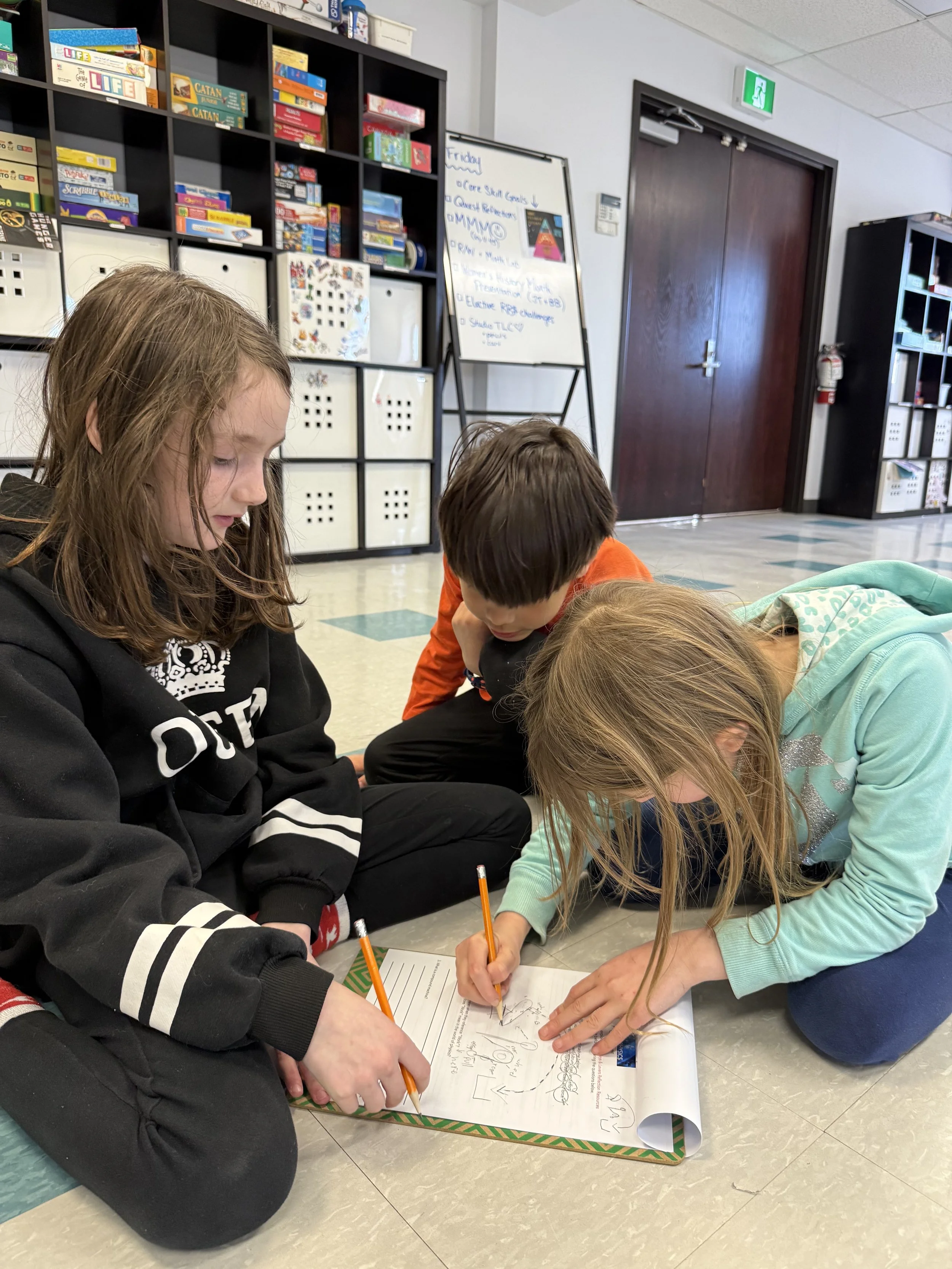
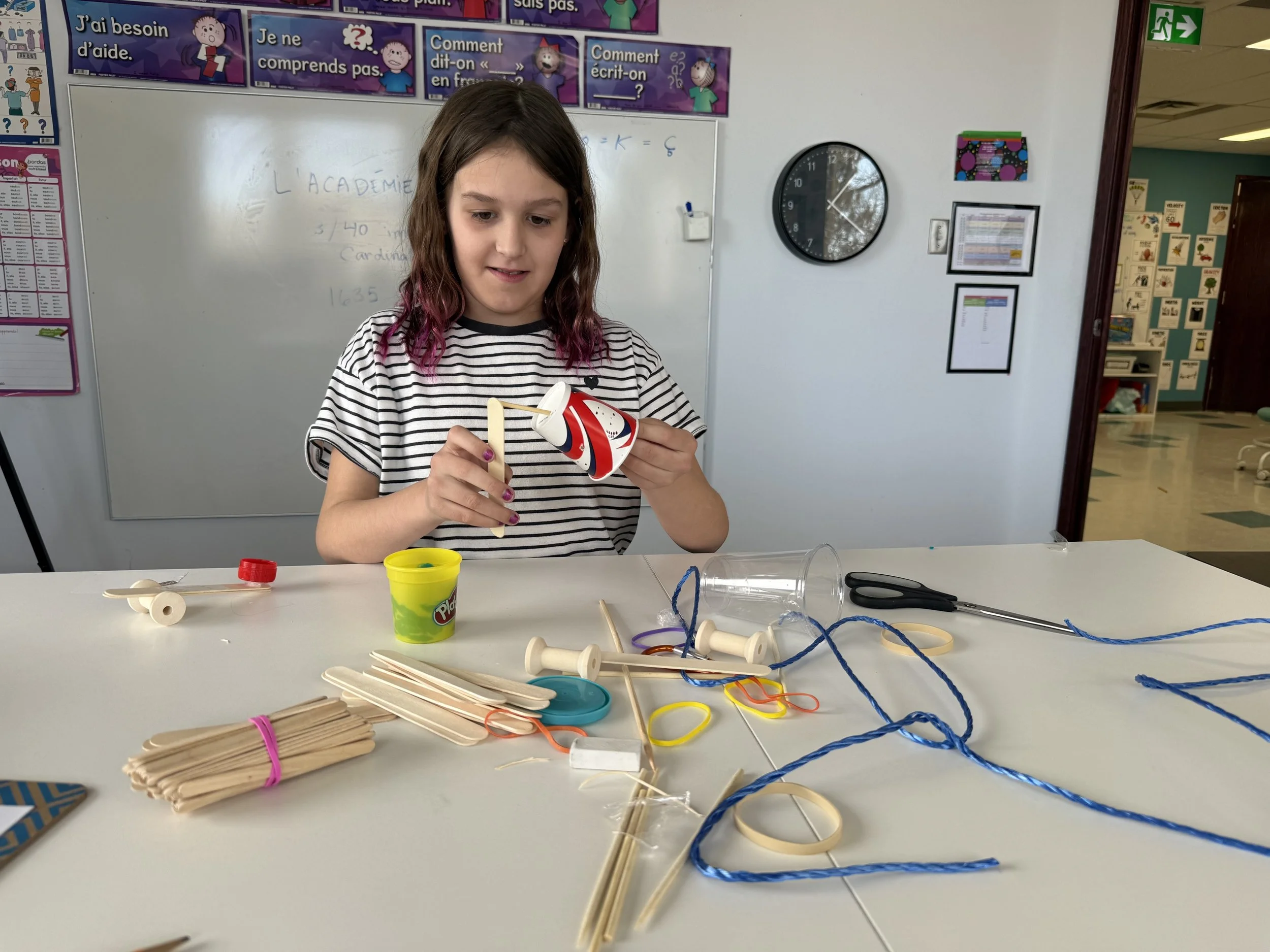
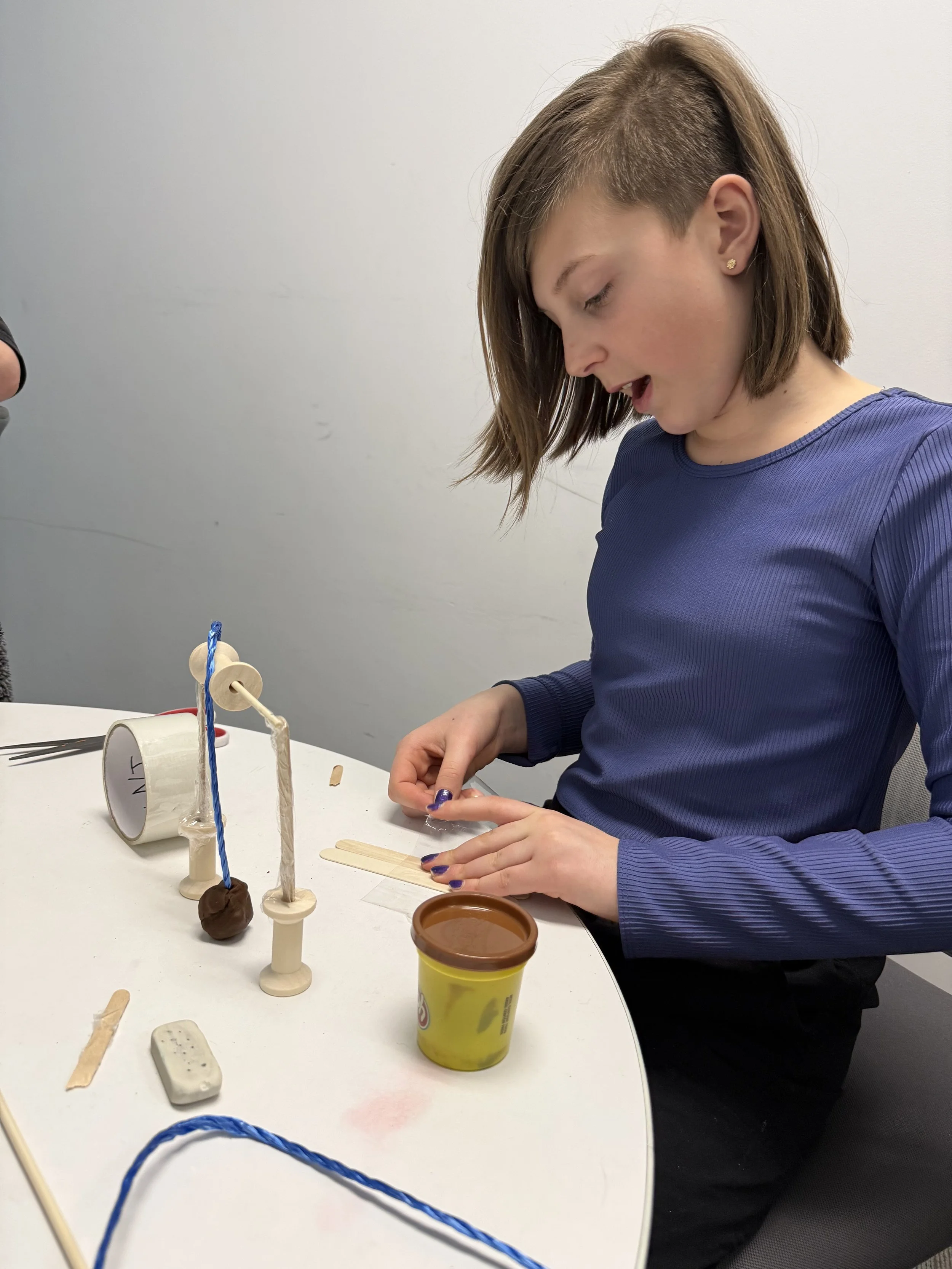
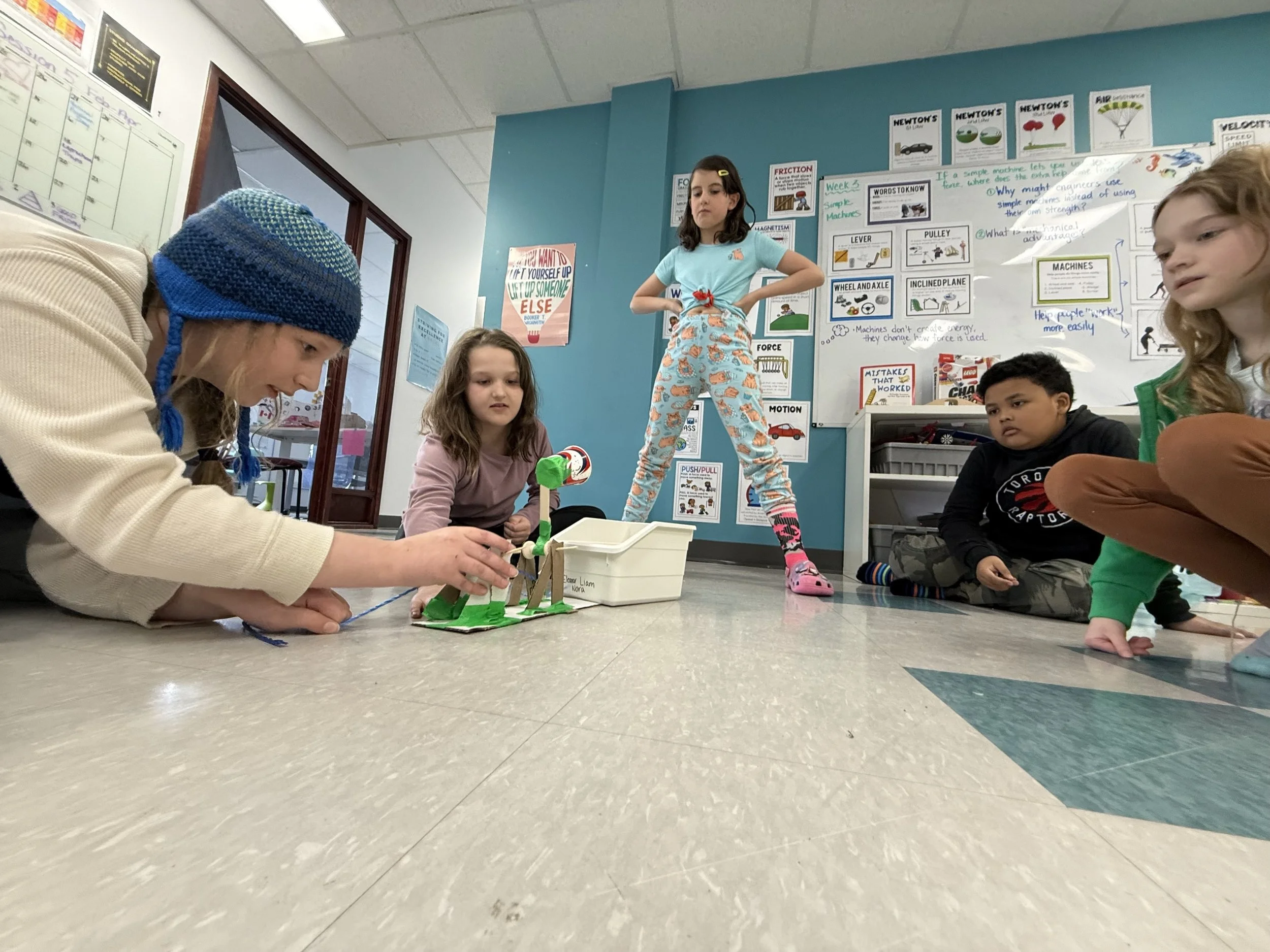
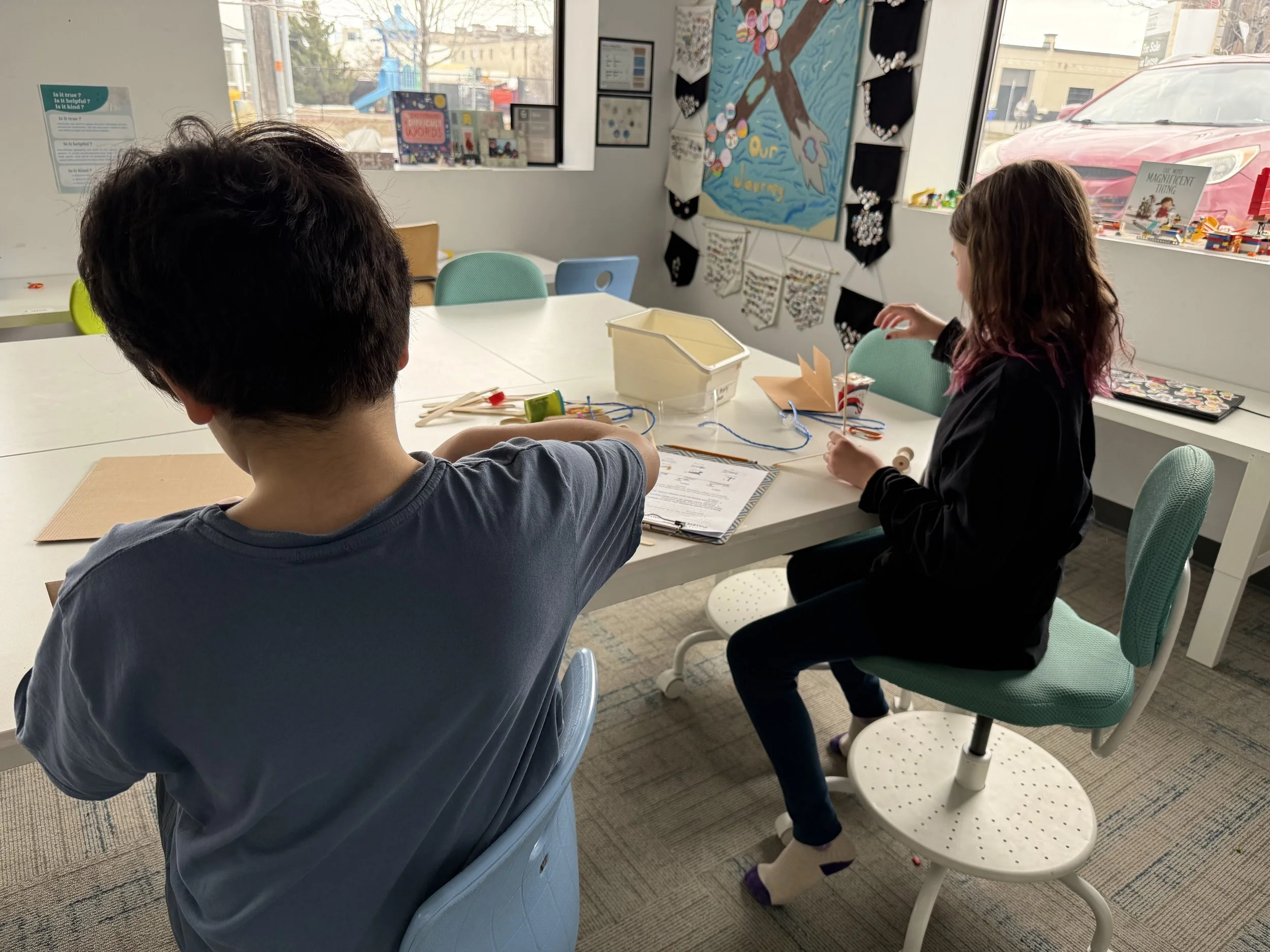
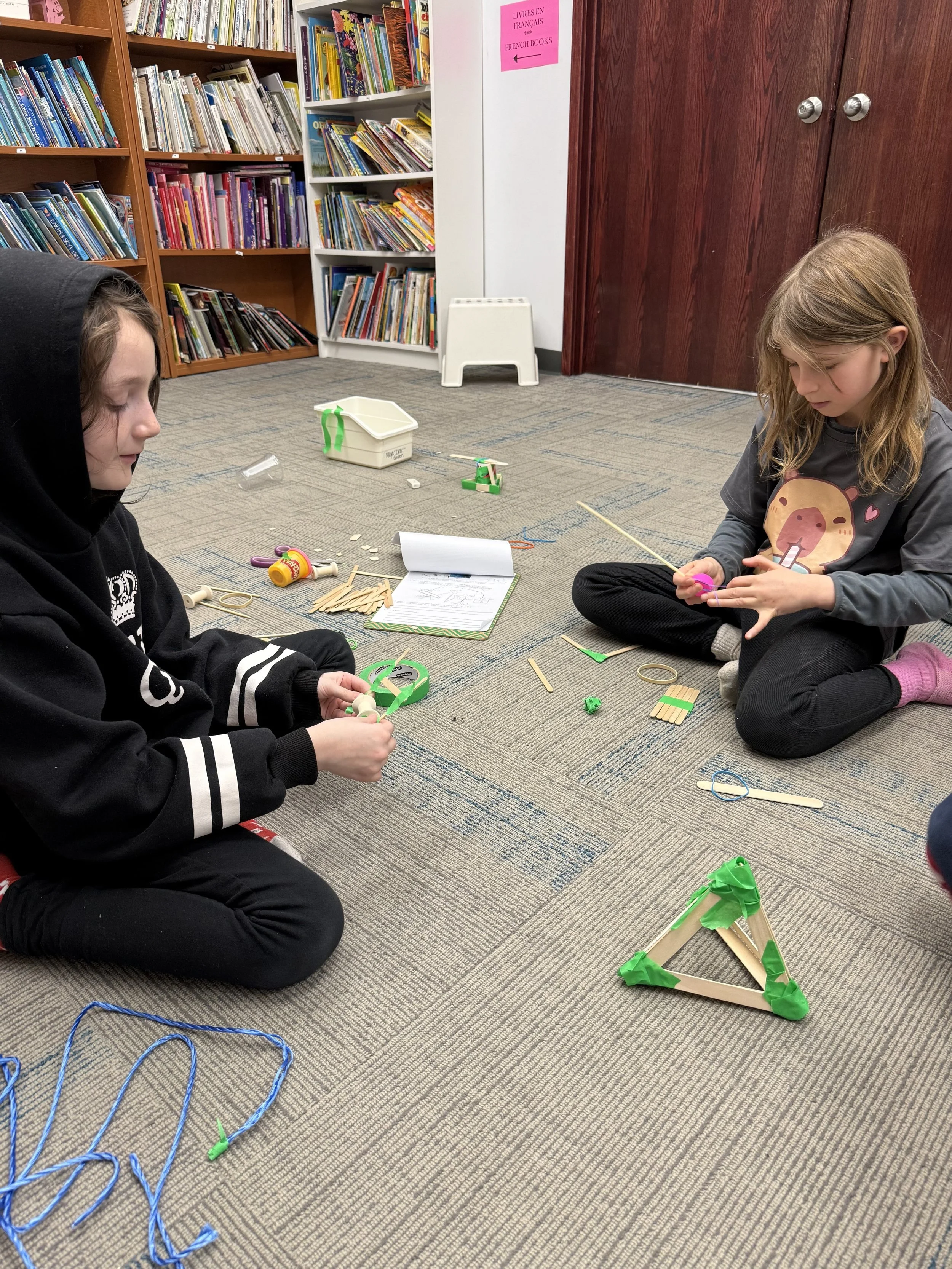
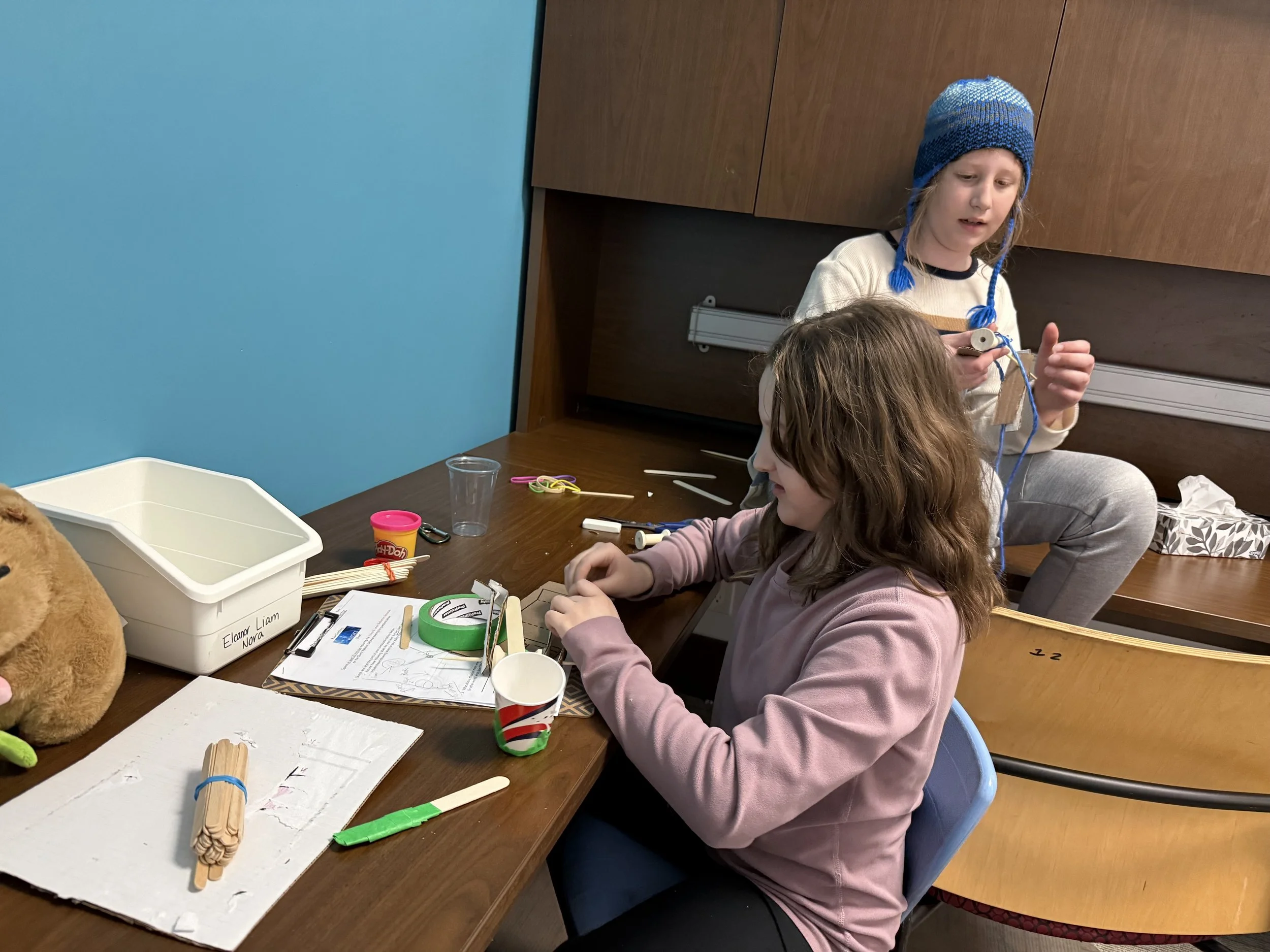
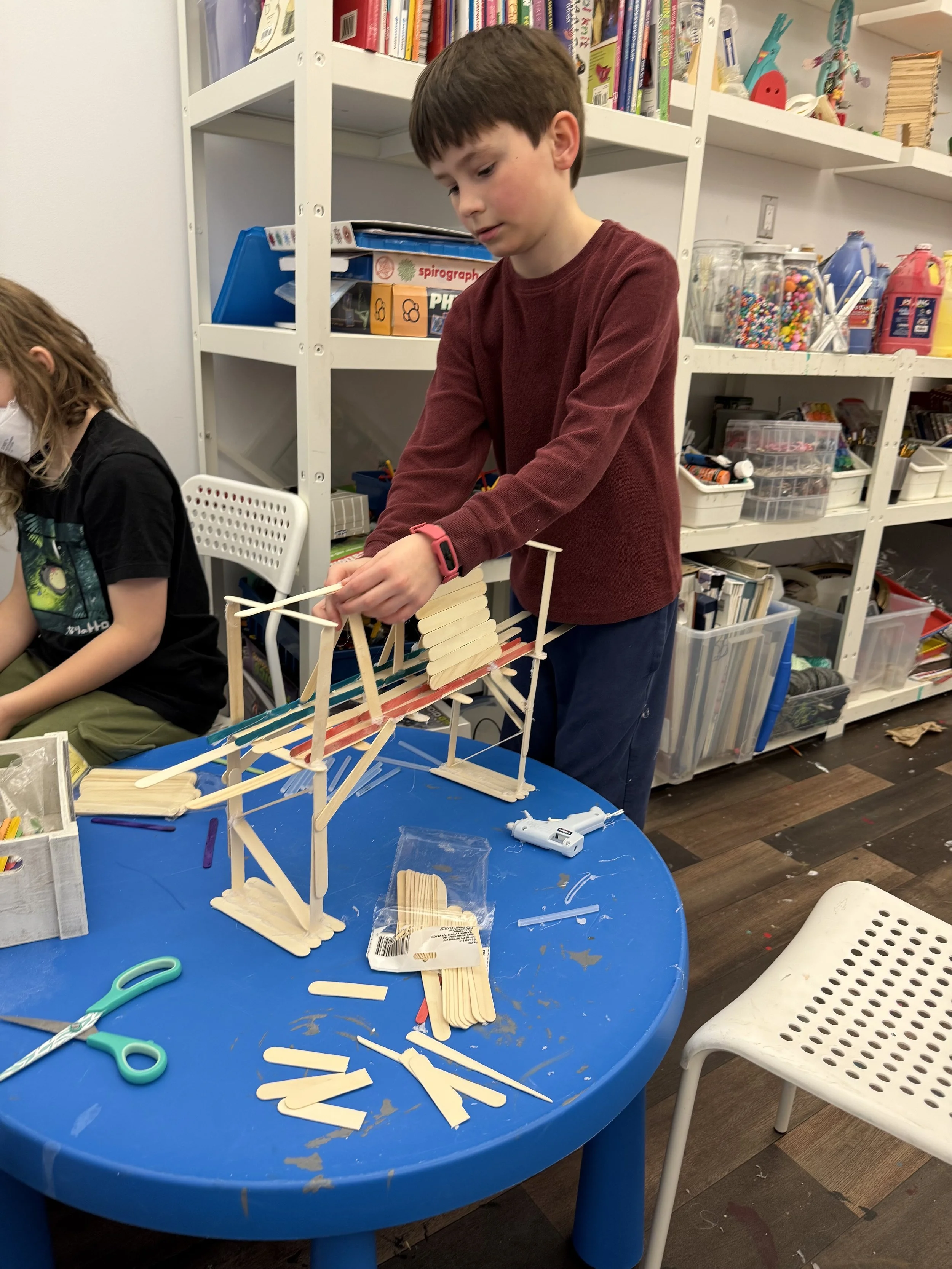
What is mechanical advantage? How do machines make work easier to complete? This week in our Rube Goldberg Quest, Rebels explored how engineers use pulleys, levers and compound machines to move objects in creative and efficient ways. The challenge for the week was clear: design a machine that could move an eraser into a bin. Learners began by researching and experimenting with pulley systems and levers, discovering how these simple machines can make work easier by changing the direction of force or increasing mechanical advantage. Through trial, testing and plenty of adjustments, they began building their own systems using inclined planes, marble runs and other moving parts.
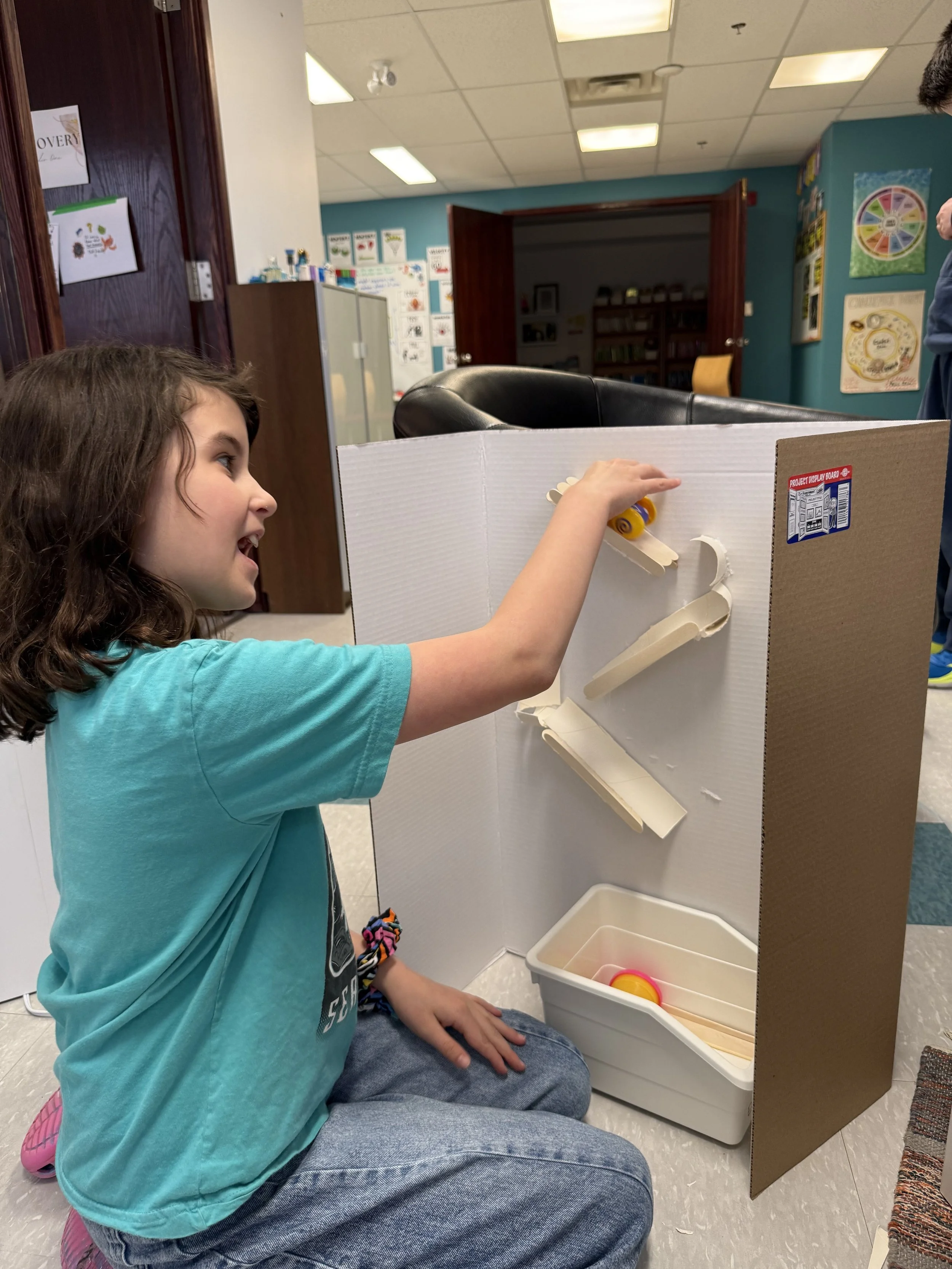
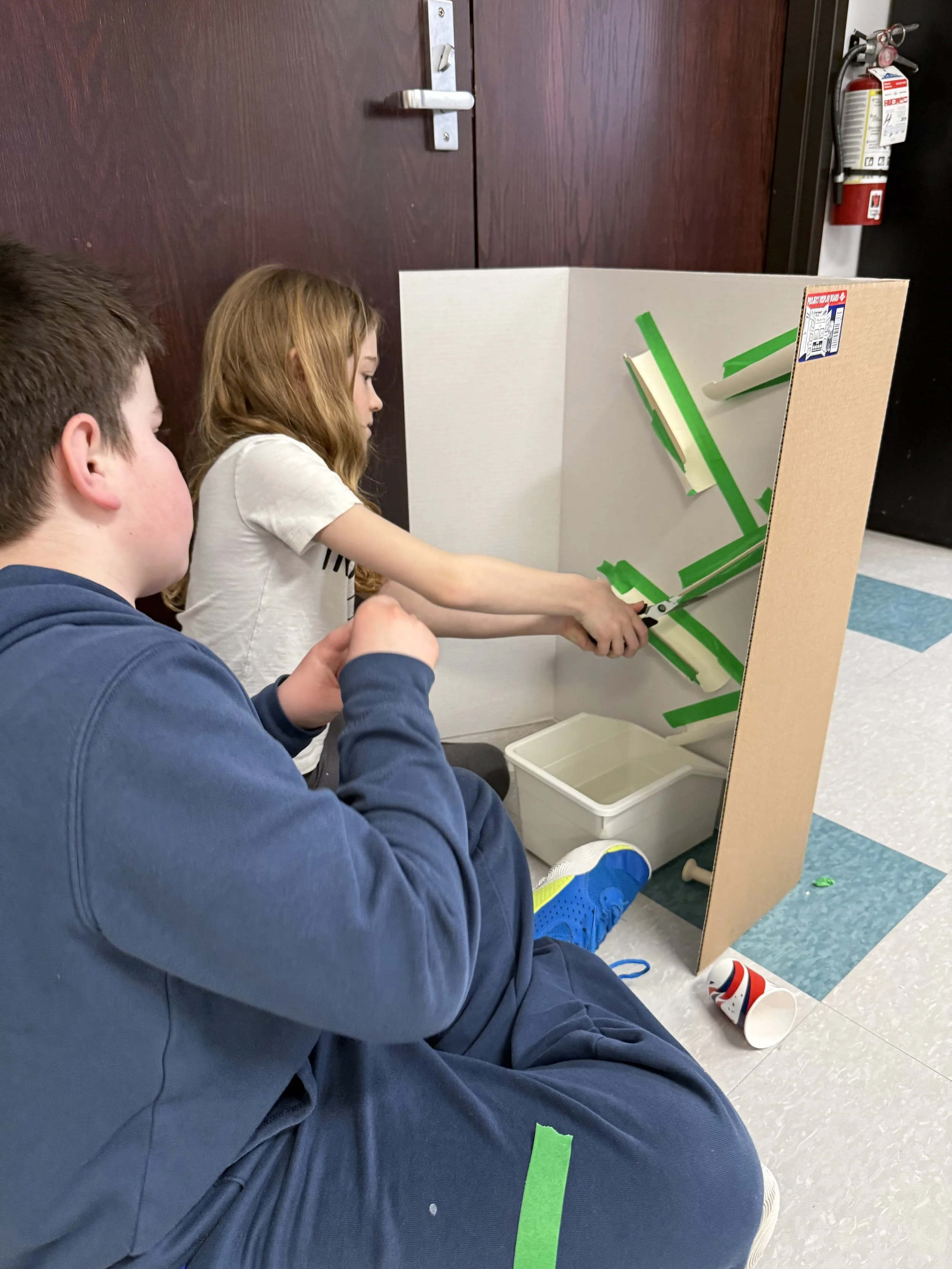
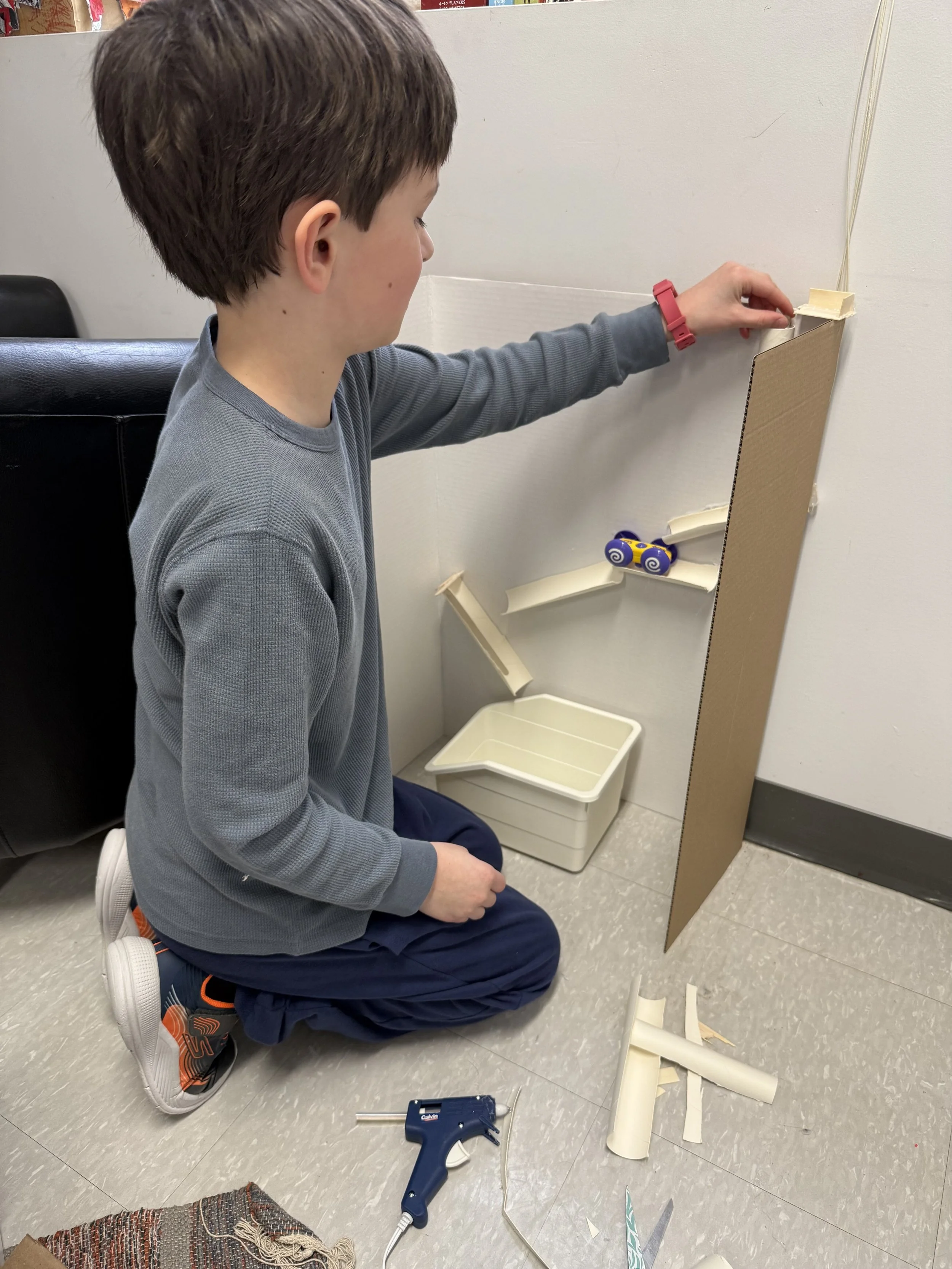
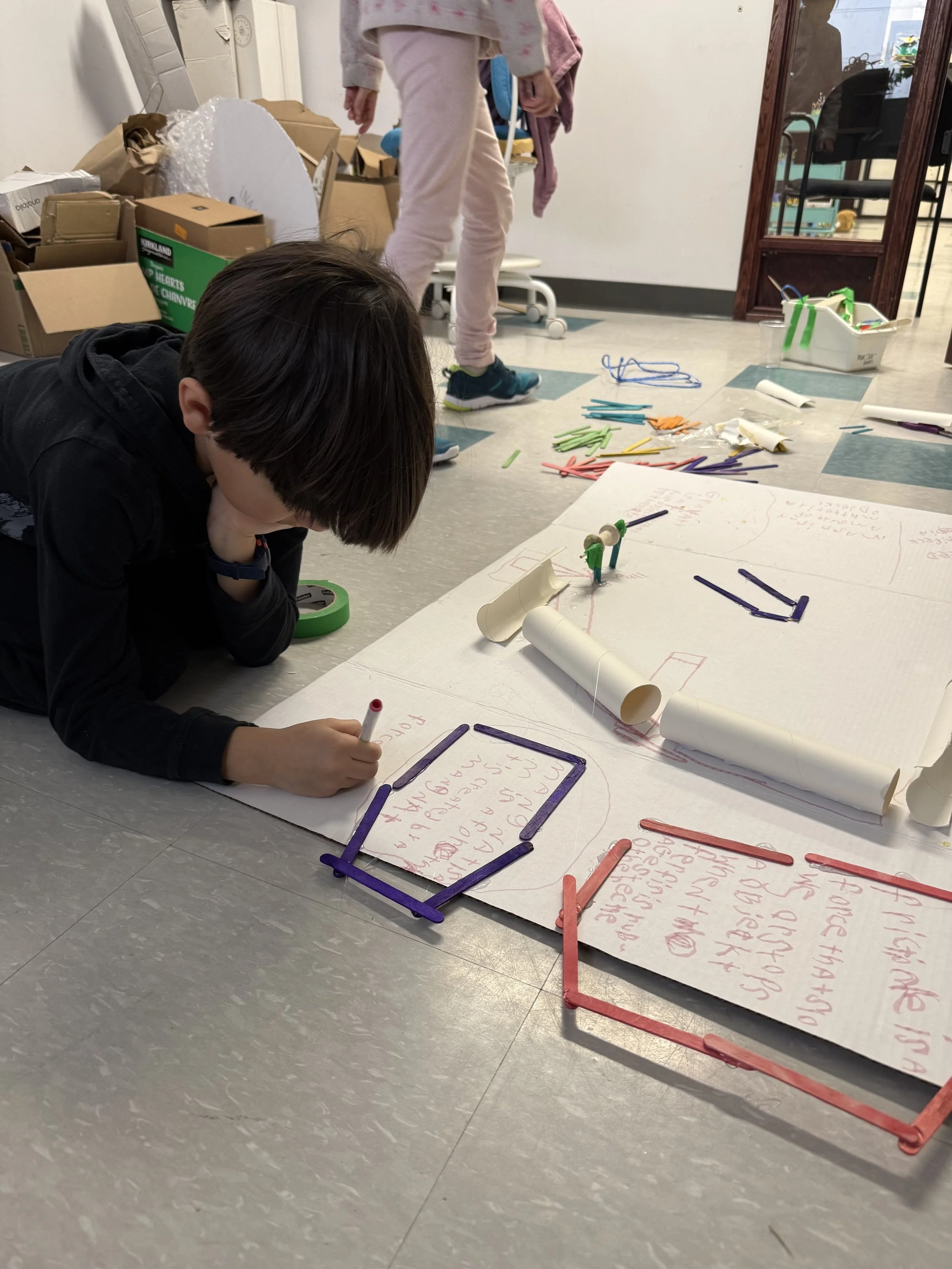
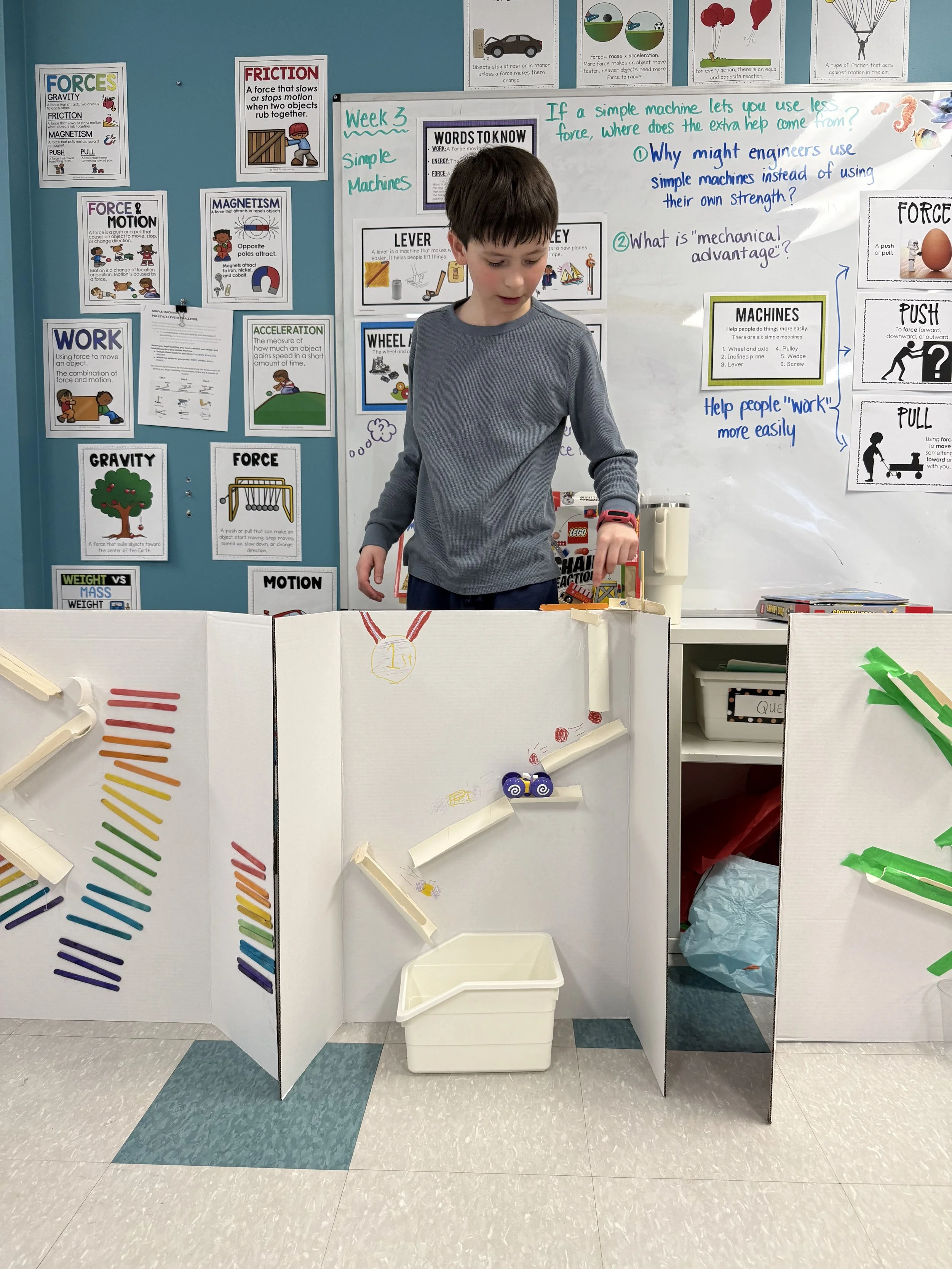
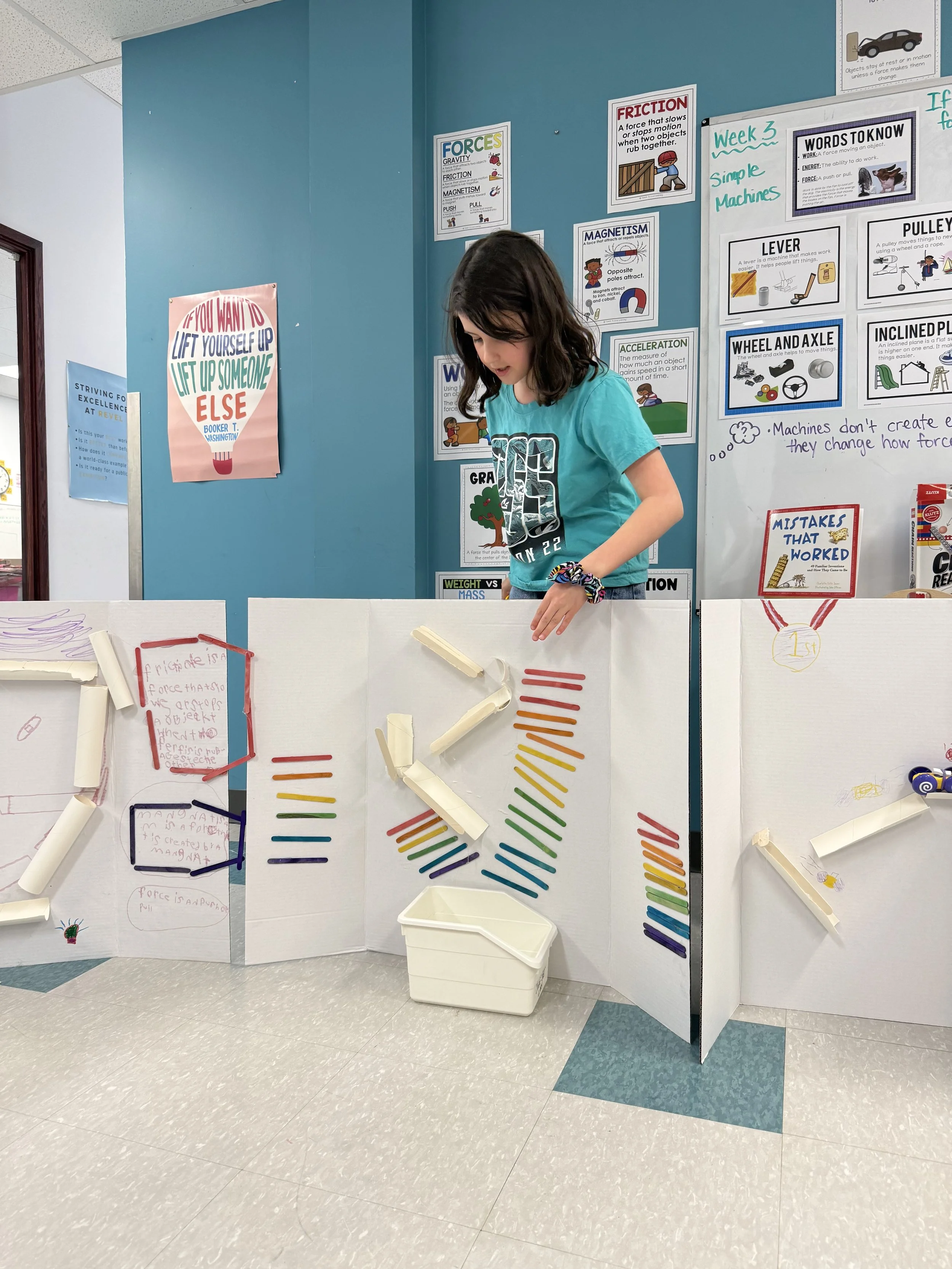
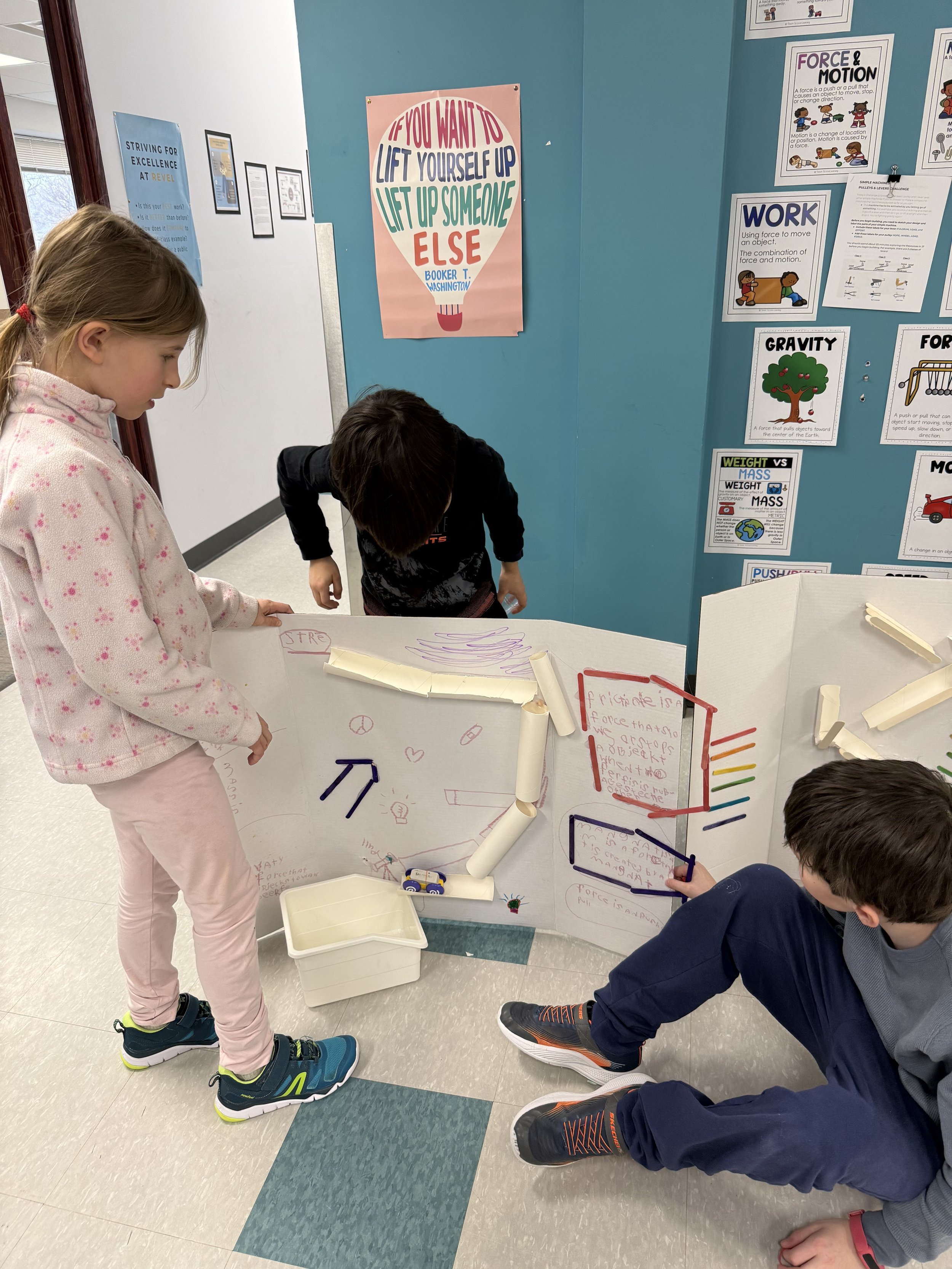
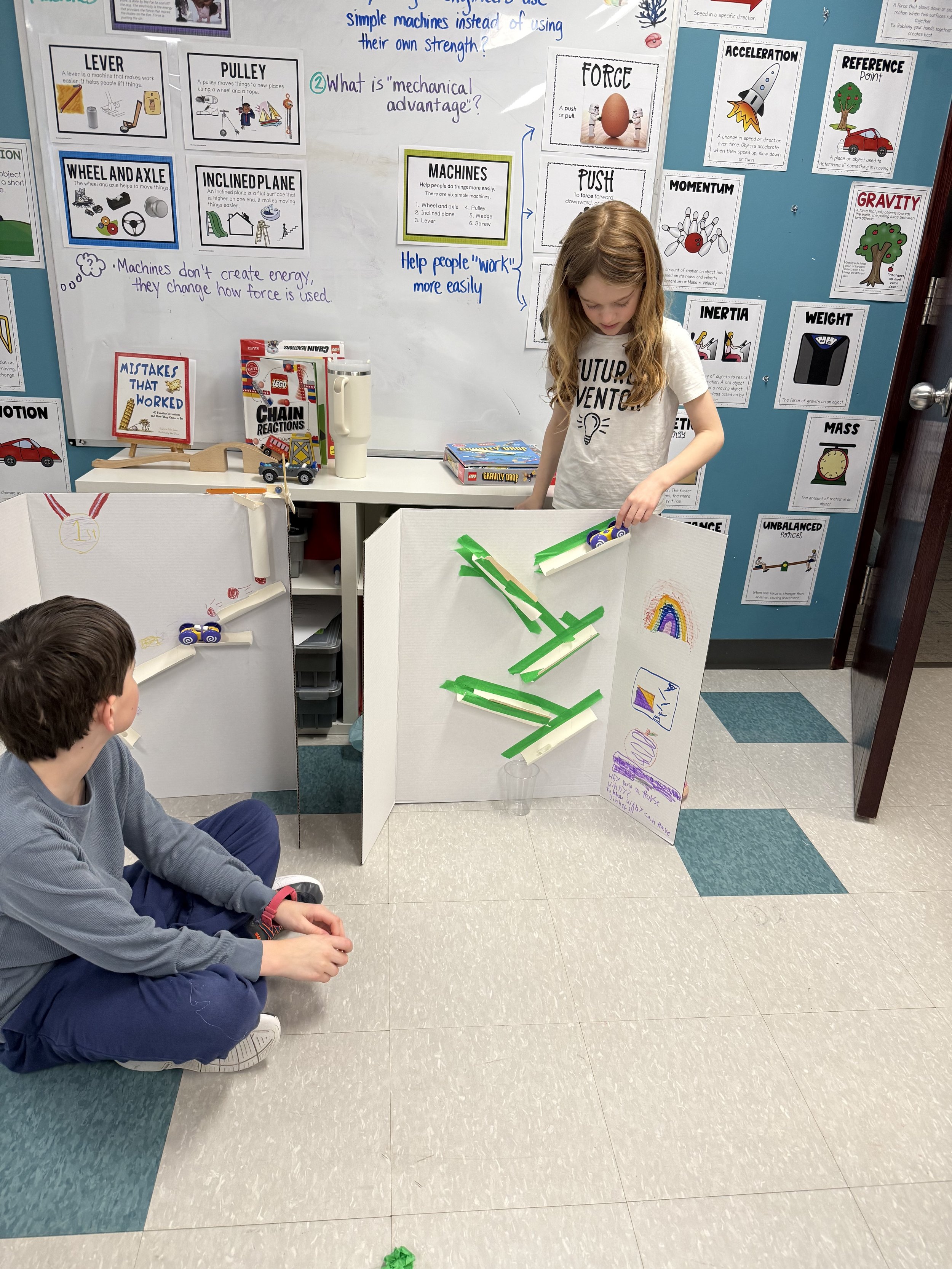
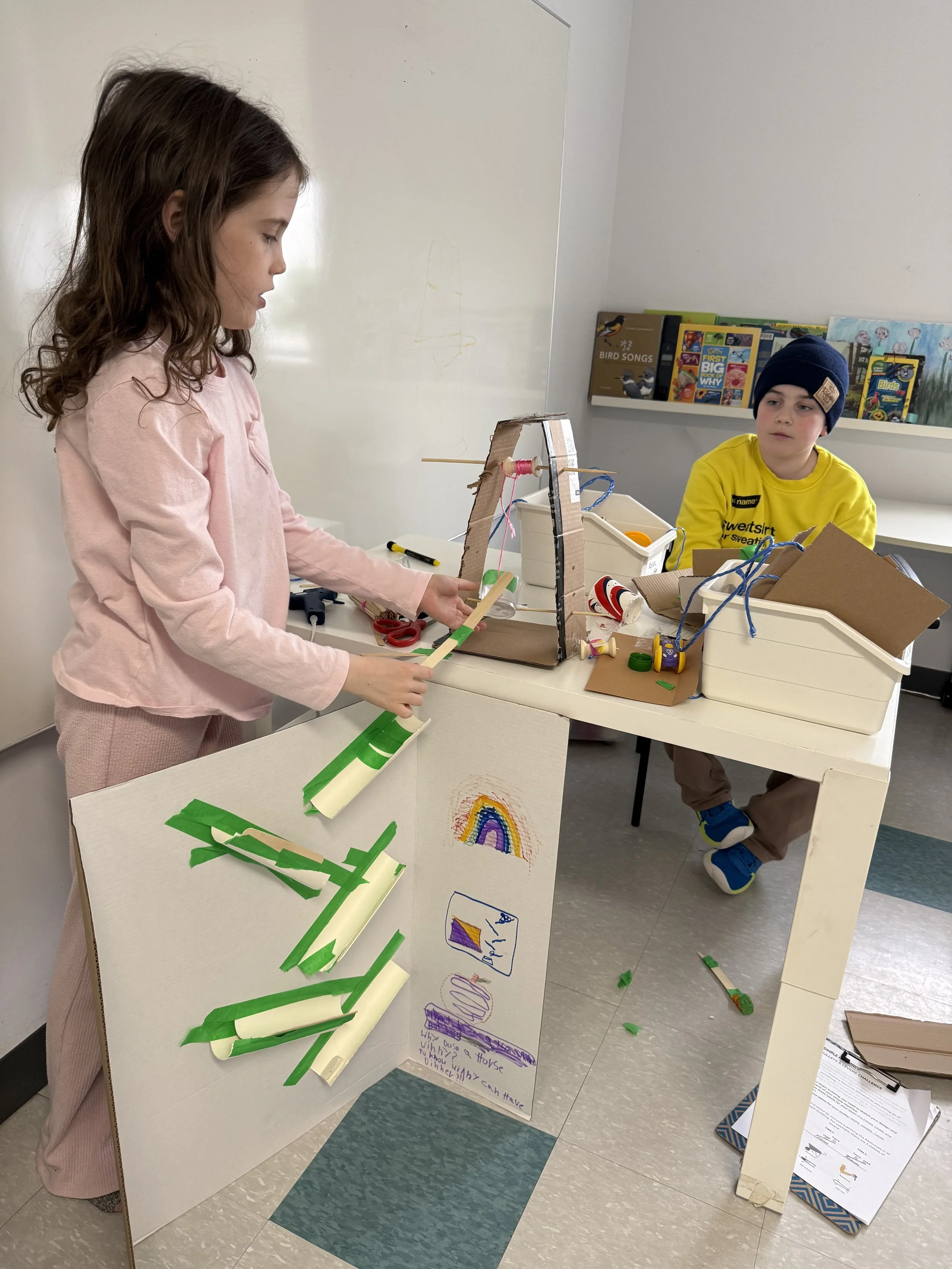
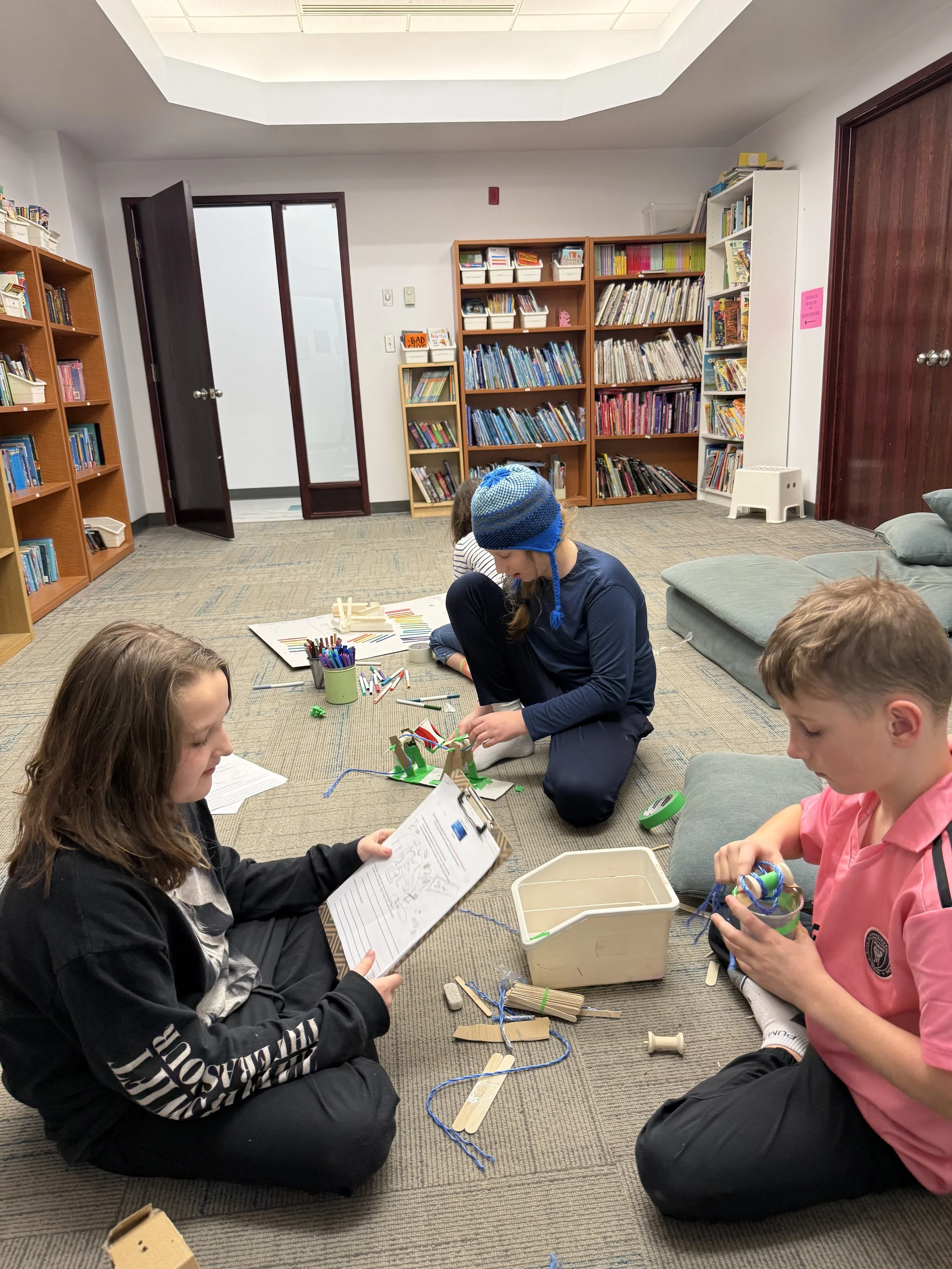
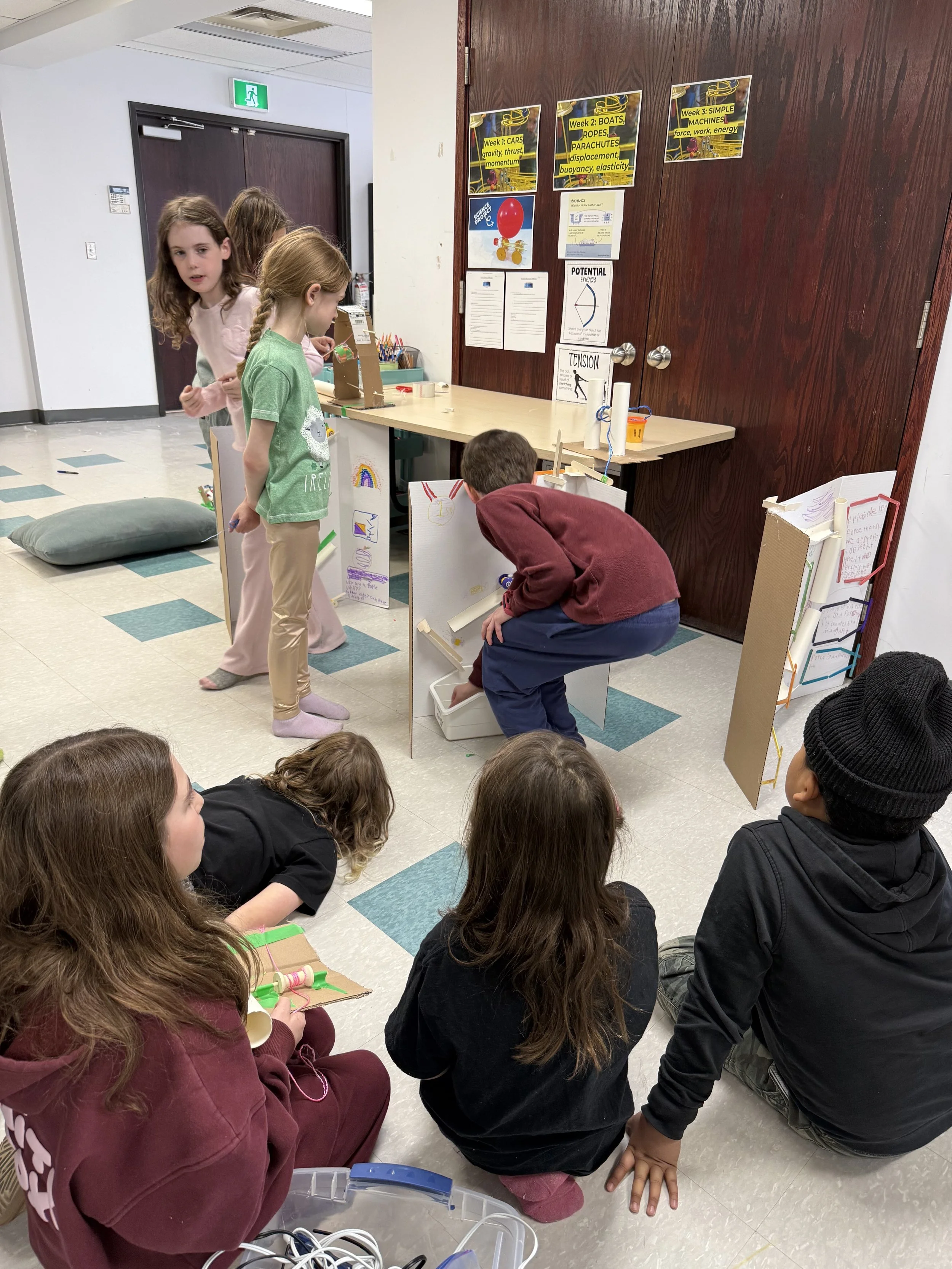
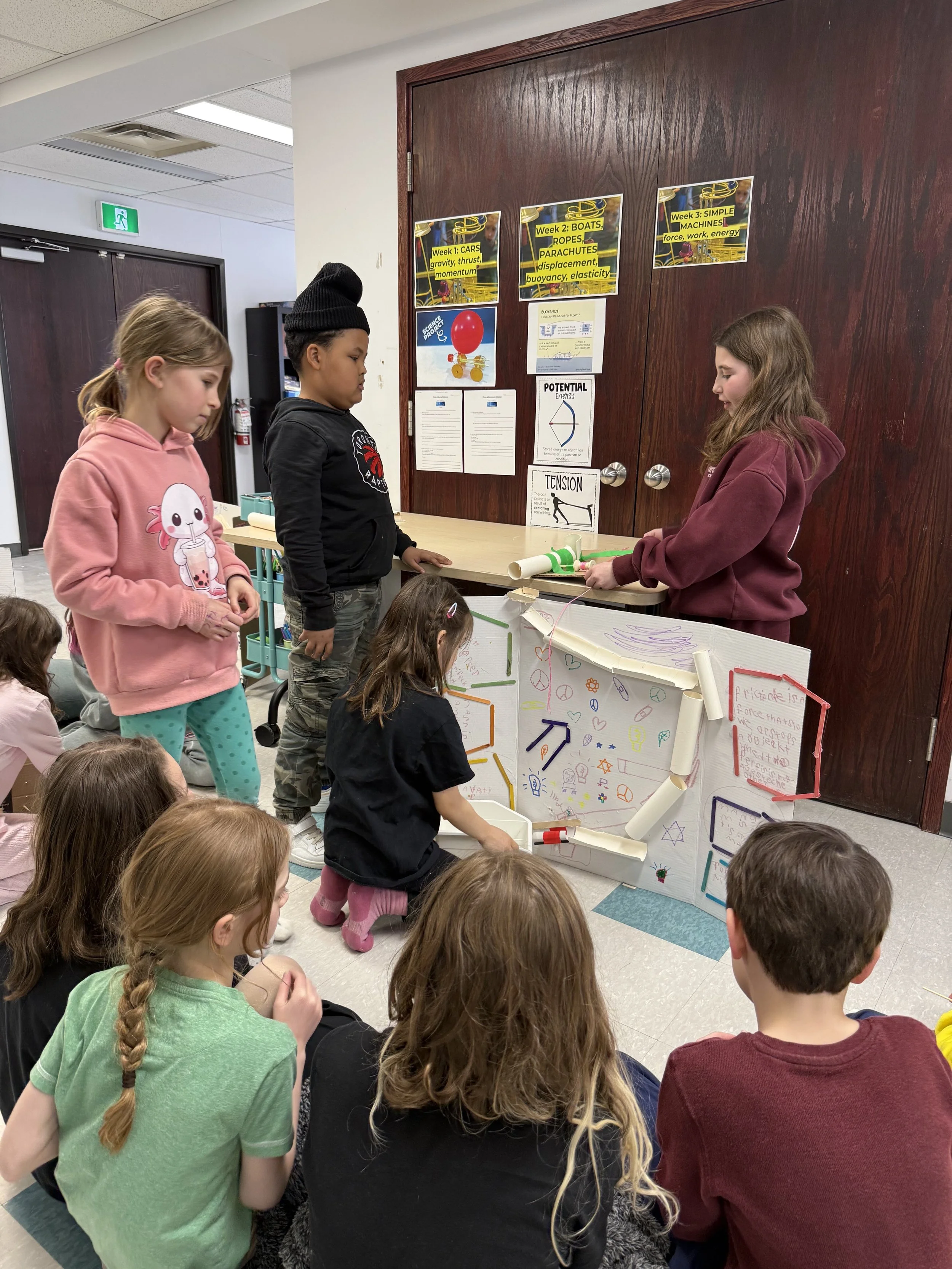
As their designs developed over the week, Rebels took a new challenge on Wednesday and Thursday: build a compound machine. Teams were asked to combine their inventions with another group’s design to create one larger system. This meant thinking carefully about timing, connections and how energy would move or transfer from one machine to the next. In some cases, a marble run triggered a lever, which then activated another section of the machine. Not every attempt worked the first try, in fact, no team succeeded in the first several tries! Rebels practiced using their engineer mindsets by identifying where their machines stalled or lost momentum, then redesigning sections to improve the chain reaction. By end of Thursday when we tested all of the machines and marble runs, the studio was full collaborative problem solving, creative engineering and some impressive chain reactions as teams worked together to successfully deliver the eraser into the bin!
Additional Highlights
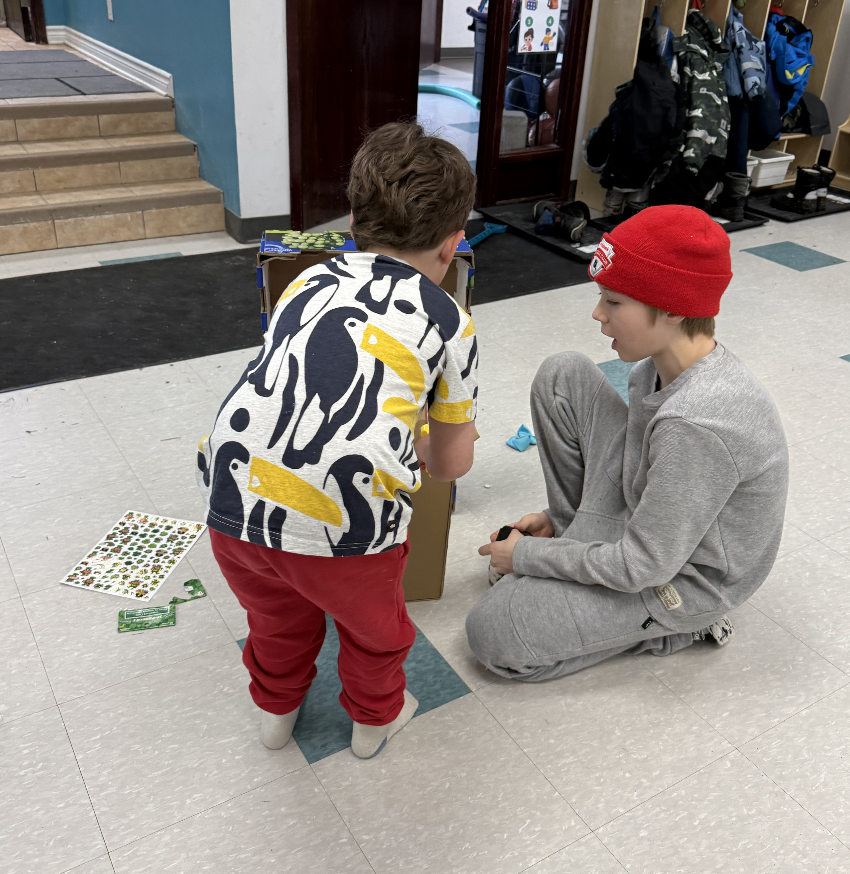
We had an incredible afternoon on Friday building Leprechaun Traps with the Spark and Exploration studios! Rebels used their “Quest brains” and incorporated simple machines we learned about in Quest into our traps. To celebrate Pi Day, the Rebels celebrated with a variety of delicious pies, from strawberry rhubarb to lemon meringue! Thank you for the sweet treats, Ms. Erin!
Exploration Studio
Mindfulness & Launch
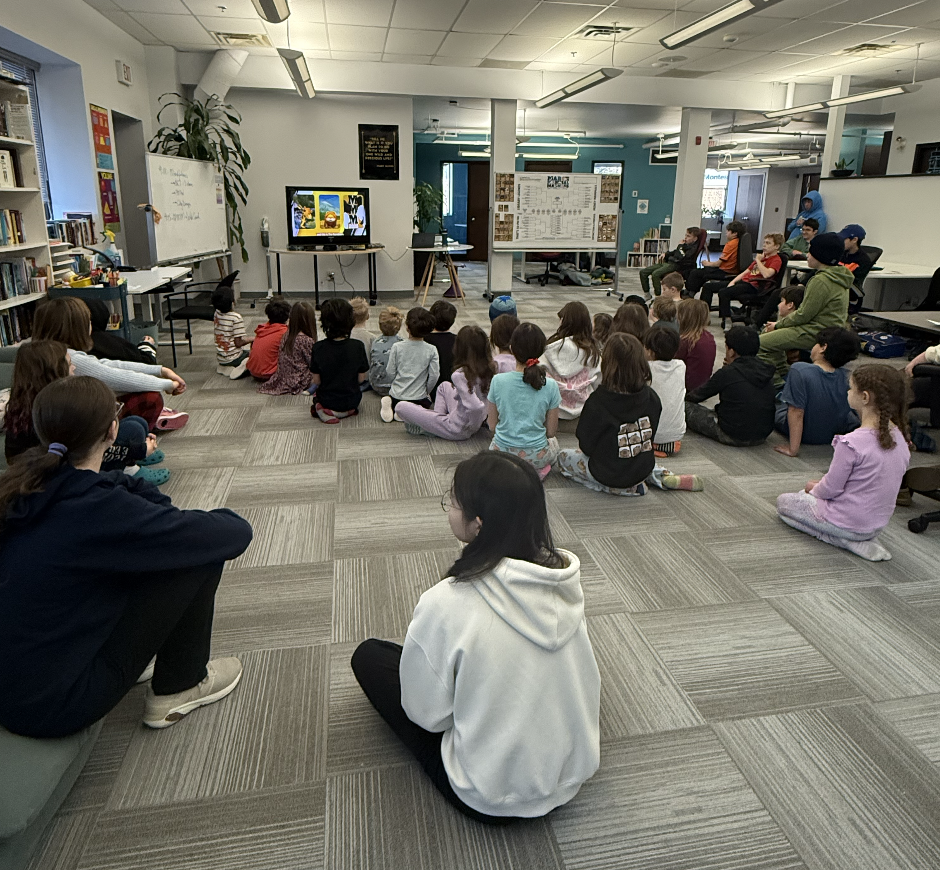
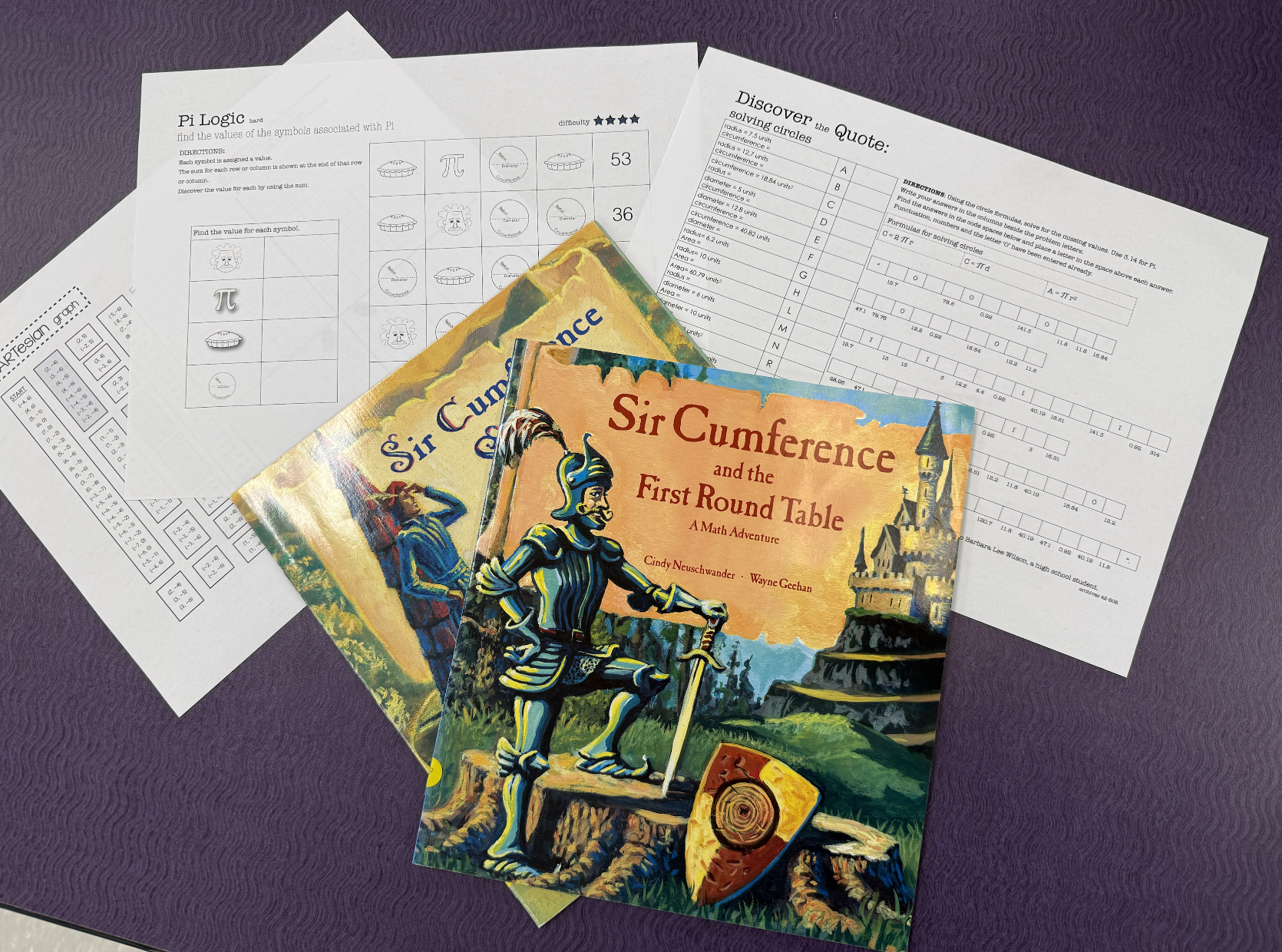
We began our week with a Welcome Circle on Monday, as we had a visiting learner for an Exploration Day. After introducing ourselves, we voted on what flavours of pie we enjoy most in preparation for our Pi Day celebration on Friday. Rebels then learned more about Malcom X and how his approach was controversial, as it both united and divided Americans. Tuesday, learners began their day by working on their Becoming a Critical Thinker lesson or solving the Problem of the Week. The full school then gathered to watch the March Mammal Madness Wild Card match! As the first majority of the learners had the Assassin Bug beating the Bone Collector Caterpillar, they were thrilled when the Assassin Bug was victorious! Wednesday morning, Rebels began working on their city art challenge! Each learner began sketching or designing what their art piece would look like, with some creating murals, a couple drafting sculptures, and others devising fountains or monuments. We can't wait to see their final product as a part of their Quest city at Exhibition. Thursday morning, Exploration Rebels met to review the day's plan and confirm expectations for our overnight trip. (The Rebels agreed that they needed to earn 7+ sessional badges in Sessions 5 and 6 to attend the trip!) They then met with their Quest group to confirm their art plan for next week. During Launch, the full school met to watch the Money Mammals Round 1 division in March Mammal Madness! While many animals fled the field of battle, a couple of upsets surprised the learners. As Pi Day (March 14th) falls on a Saturday this year, we celebrated the mathematical constant on Friday! We started the day with a review of the formula before learners worked to solve a series of math problems! For Launch, we watched the recap of the March Mammal Madness Library Legends division, with some Rebels disappointed by the loss of the mould combatant in this first round.
Reader/Writer Workshop
We began Reader/Writer by watching Franklin Delano Roosevelt's "Day of Infamy" speech, where he addresses the nation regarding Pearl Harbor on December 8th, 1941. While listening, learners were asked to identify the words and techniques used to engage and persuade the audience. Did FDR have a tagline? What were his takeaways? Was there a strong call to action? After analyzing, learners fleshed out their speech's main points, added a call to action, and worked to finish their speech rough draft in preparation for next week's feedback circle.
Reading Challenge and Grammar
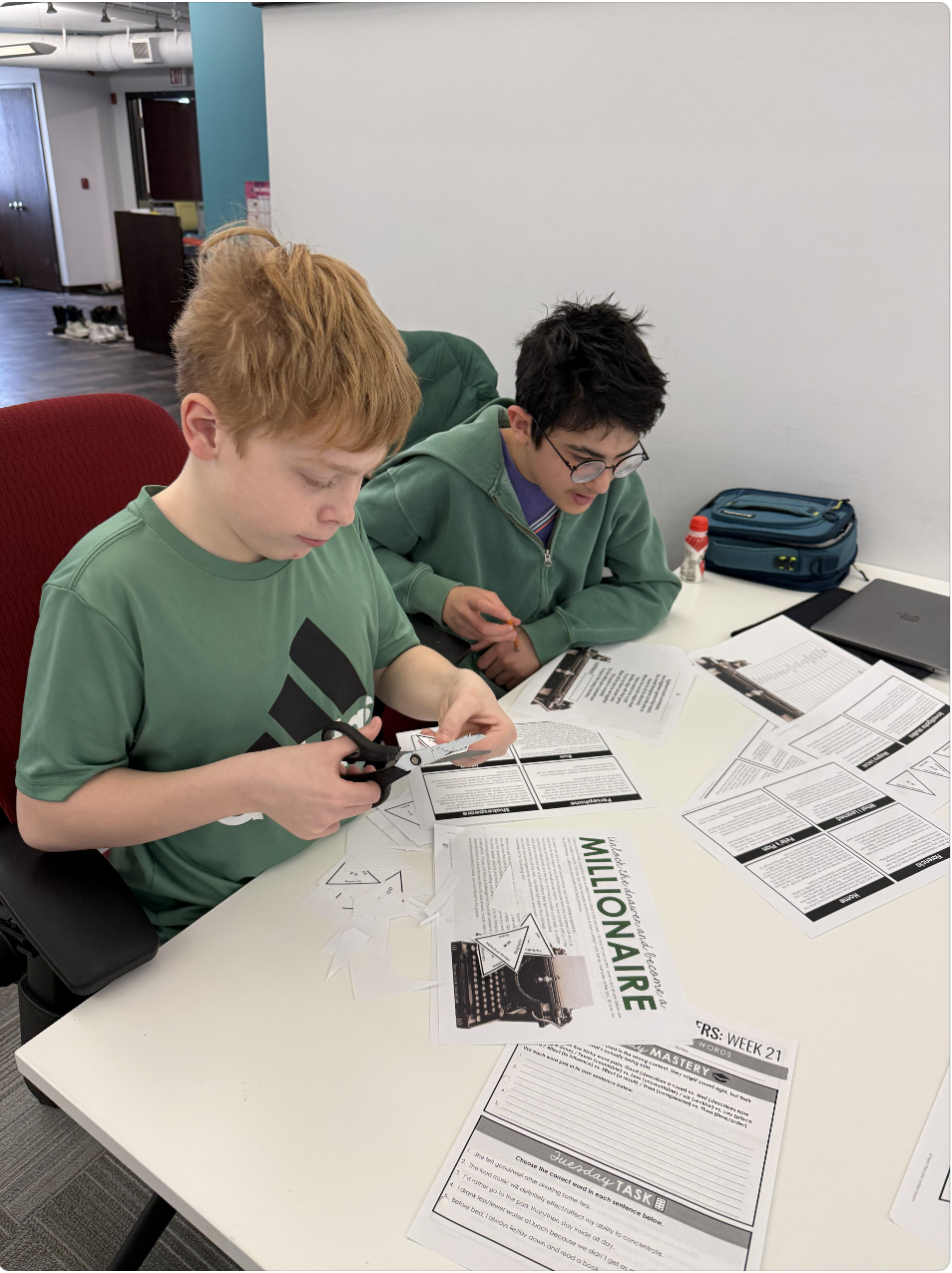
We tackled genres and subgenres in this week's Reading Challenge. After reviewing several genres, including biography, historical fiction, dystopian fiction, adventure, and bildungsroman, Rebels read a series of short pieces and identified the genre each belonged to.
This week's grammar challenge focused on words that are often misused. On Monday, learners reviewed these five tricky word pairs: affect vs. effect, lay vs. lie, good vs. well, fewer vs. less, and than vs. then. Rebels spent the remainder of the week using the pairs in sentences, correcting misused errors, and choosing the correct word to use in various scenarios.
Shakespeare Study - A Midsummer Night's Dream
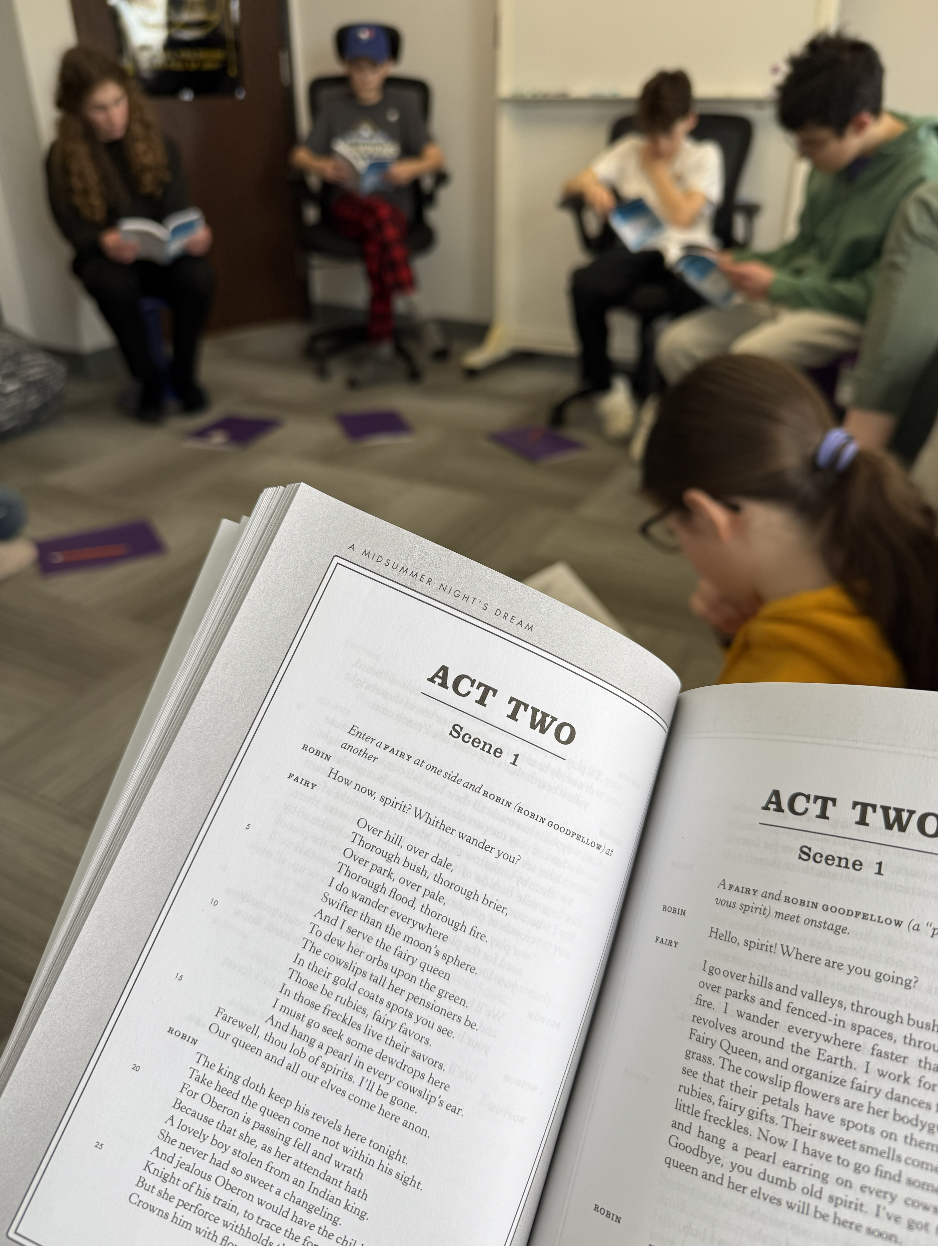
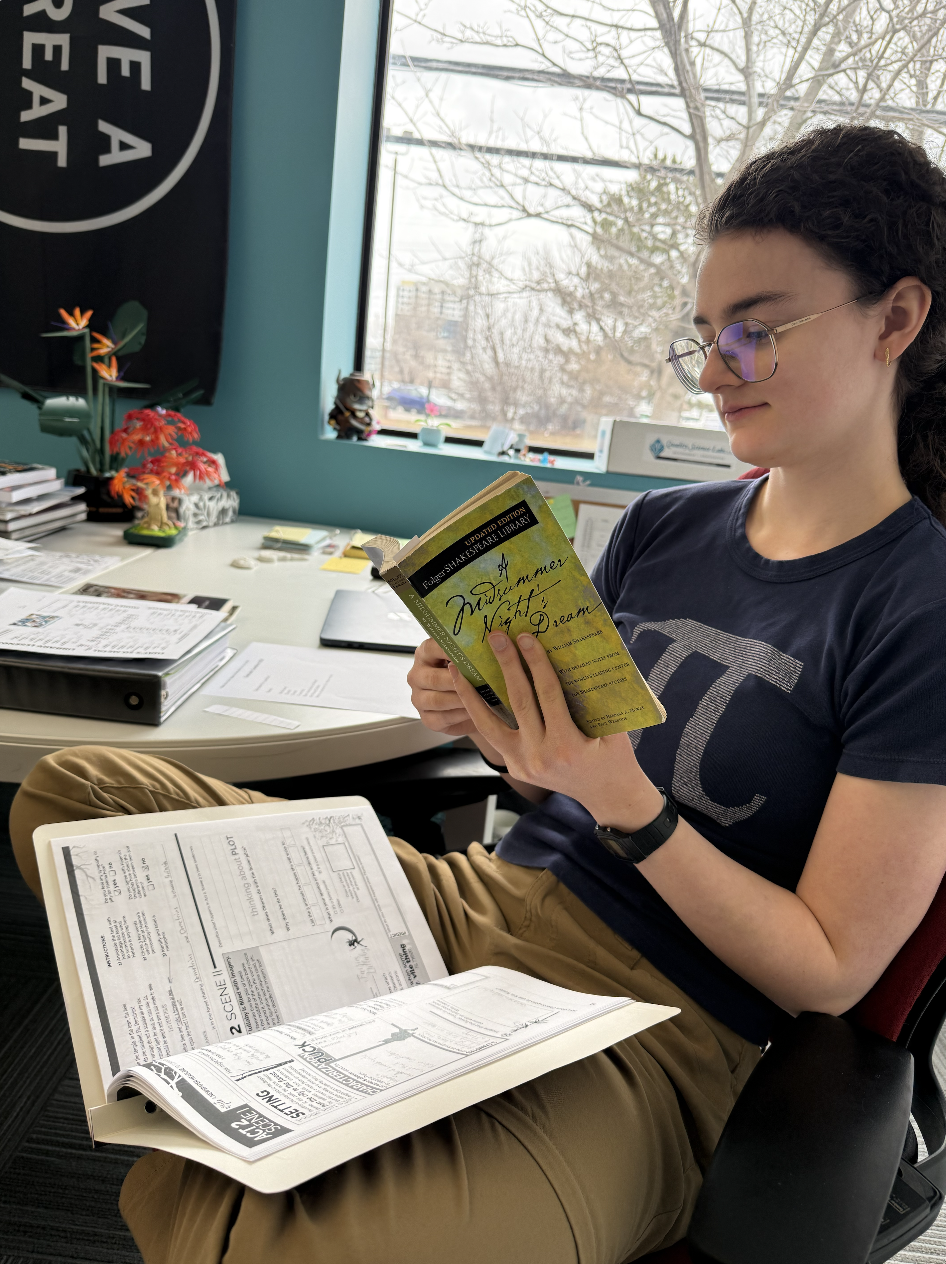
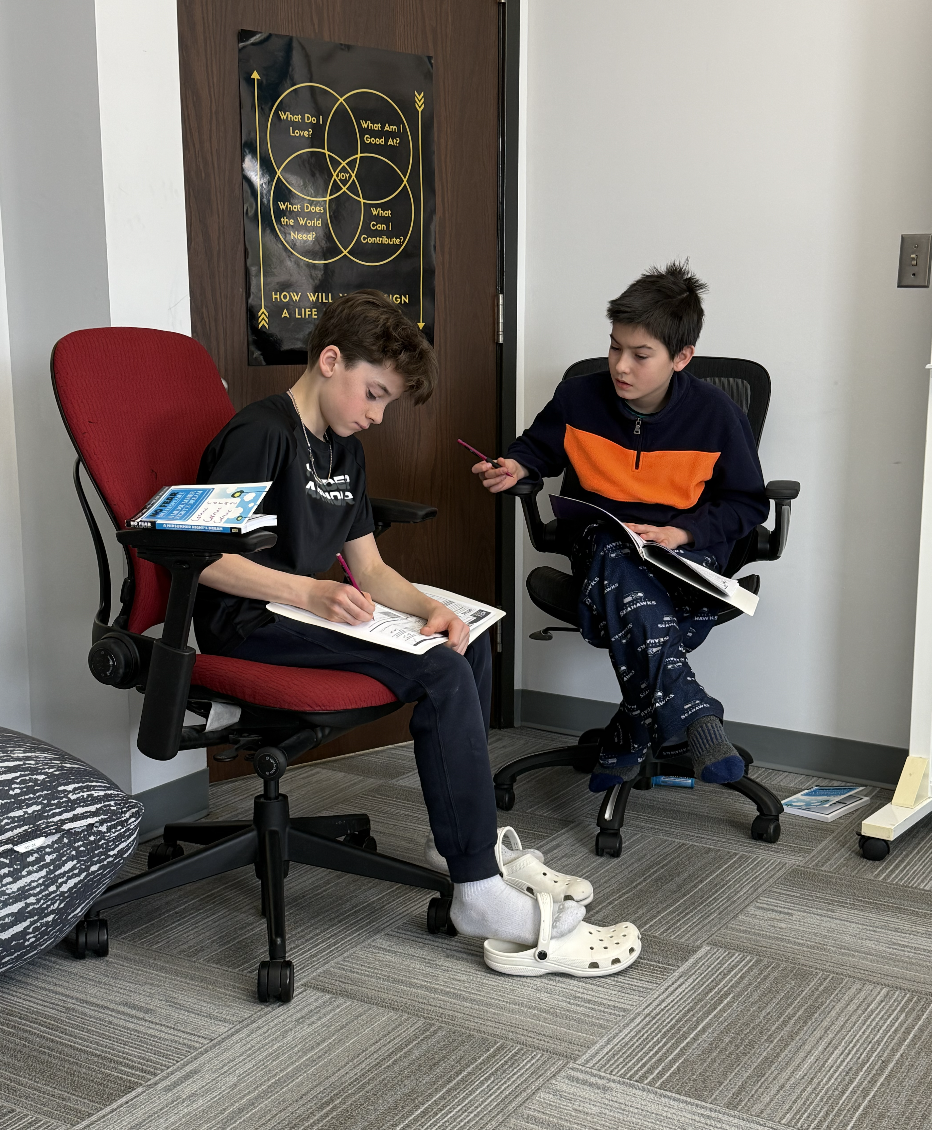
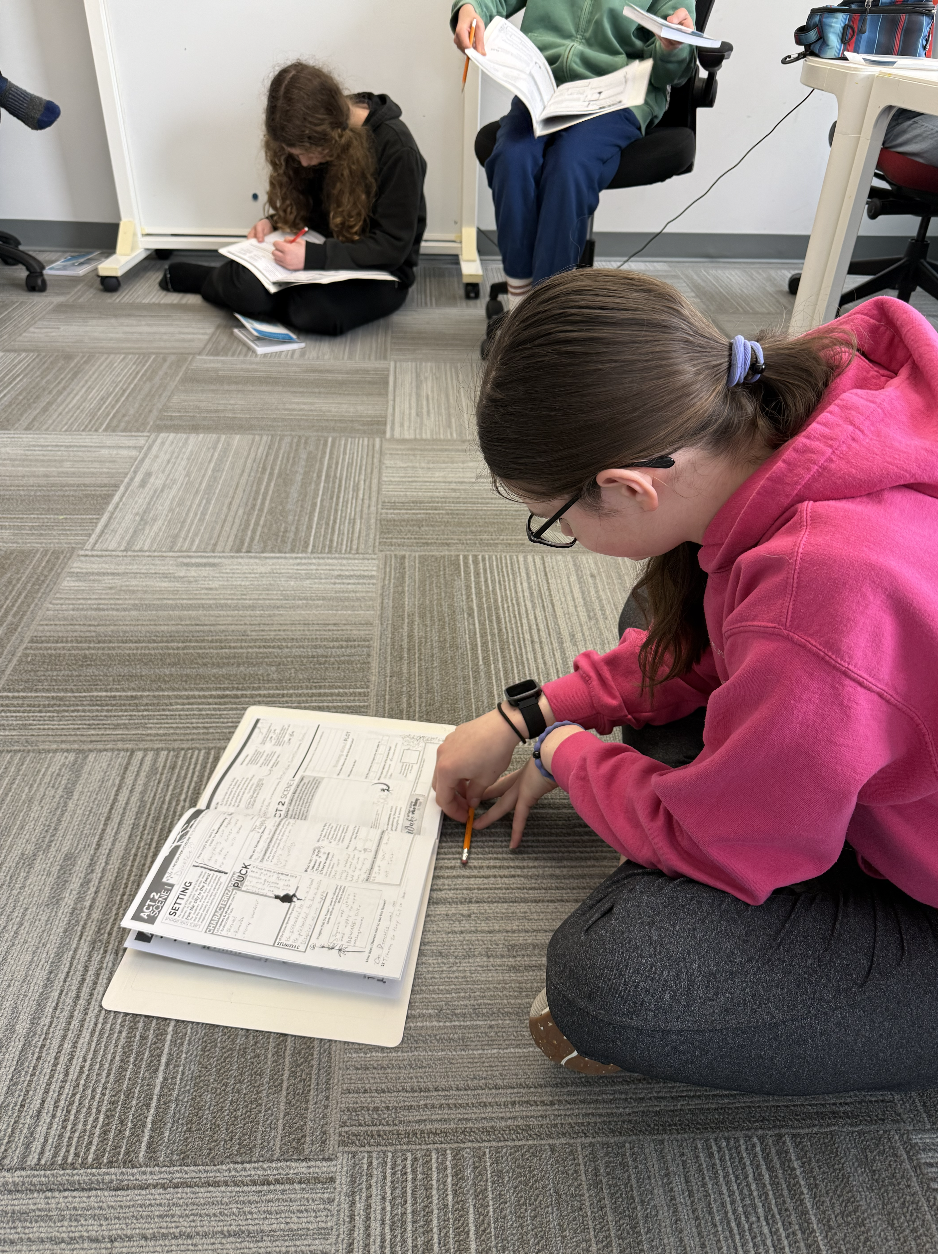
Monday, we reviewed Act 1 before reading Act 2, Scene 1 in Shakespeare's A Midsummer Night's Dream. The Rebels then answered questions about the setting and characterization before getting creative and writing a "Love-In-Idleness" instruction label. We read Act 2, Scene 2 on Friday due to Wednesday's winter storm. After the Rebels summarized the plot in their notebooks, they wrote about the imagery in the fairies' lullaby and discussed the dramatic irony in the scene. Our Shakespeare sessions have become some of our learners' favourite times of the week, and it has been so much fun to see their dramatic side emerge!
Math Lab
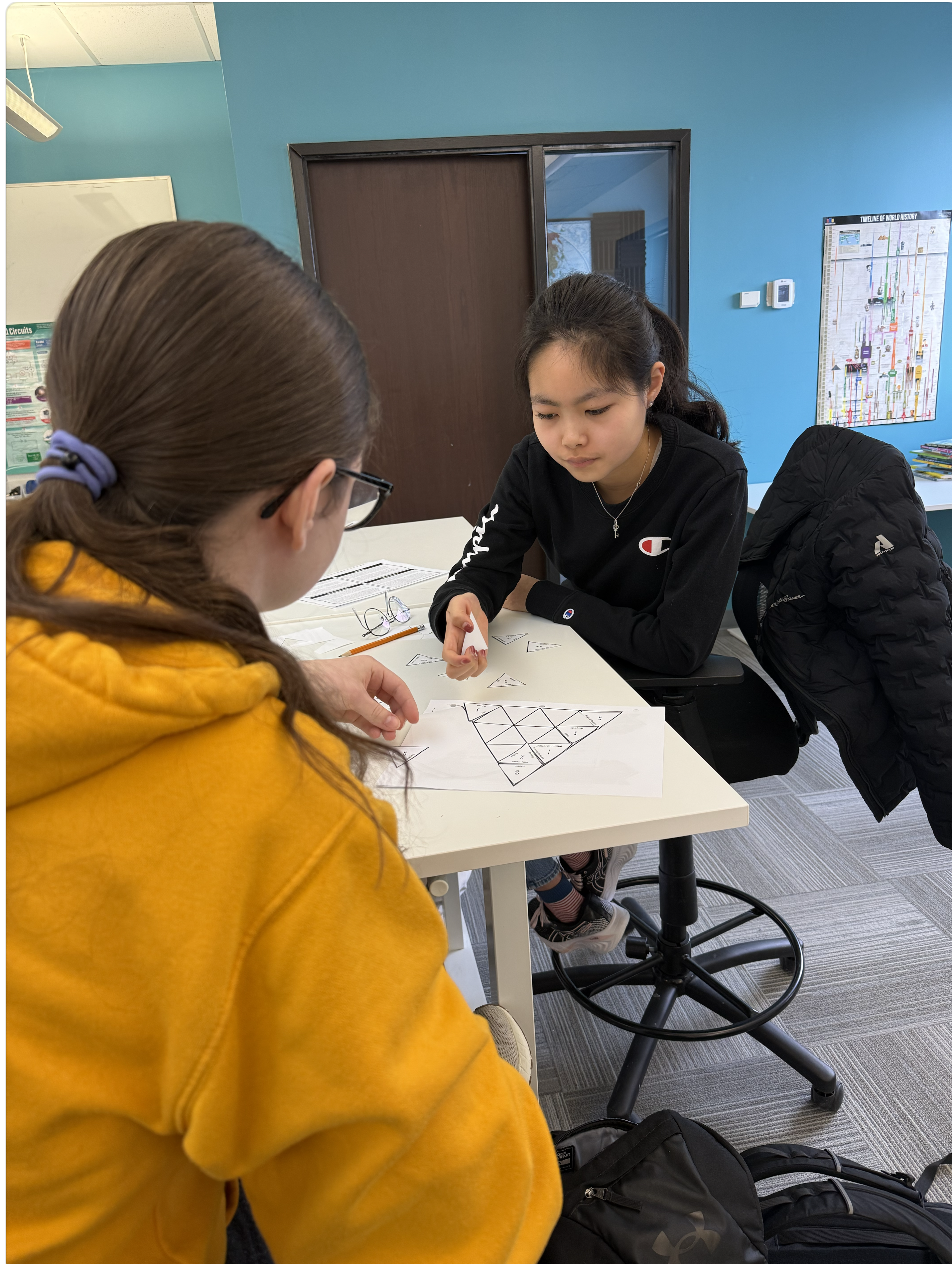
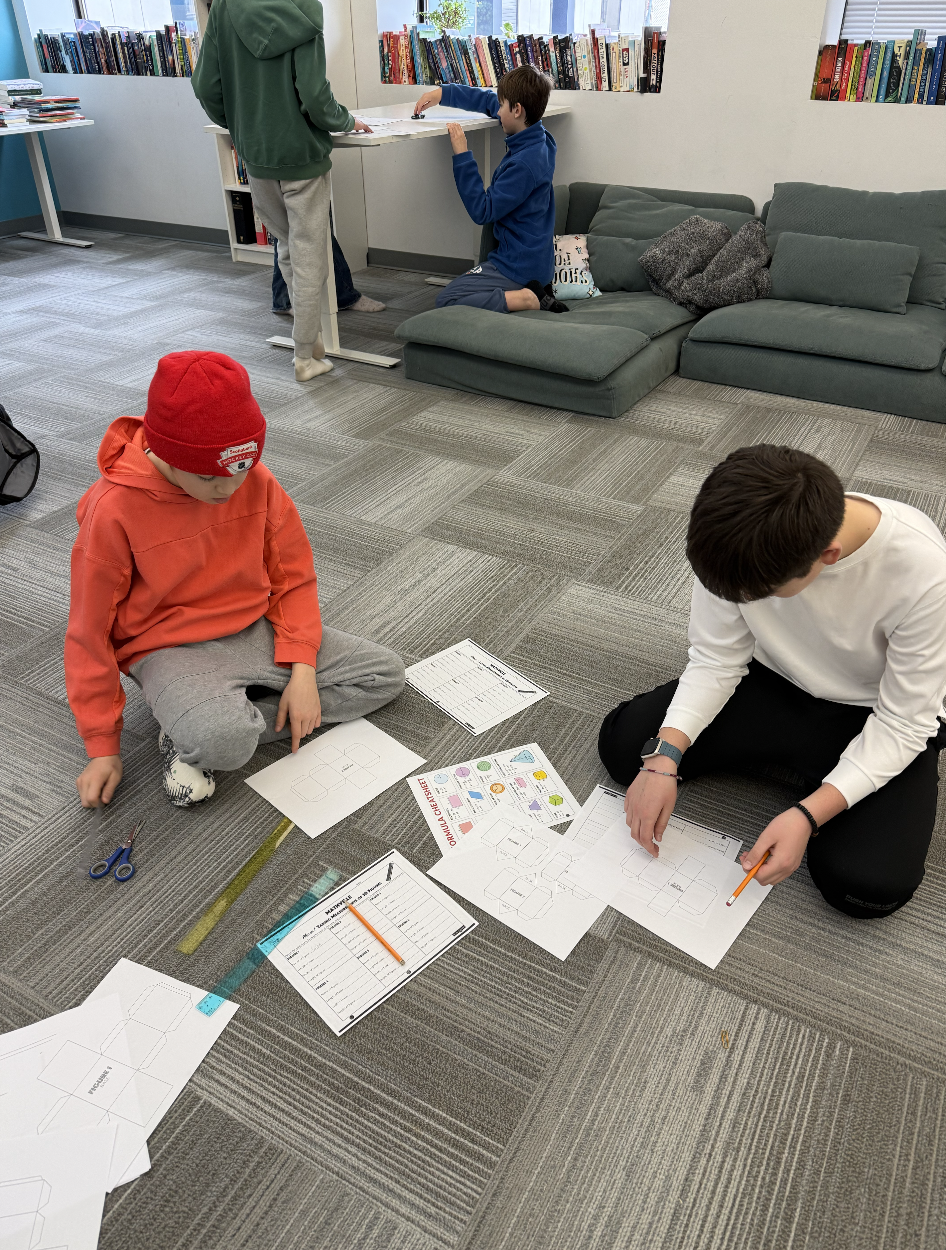
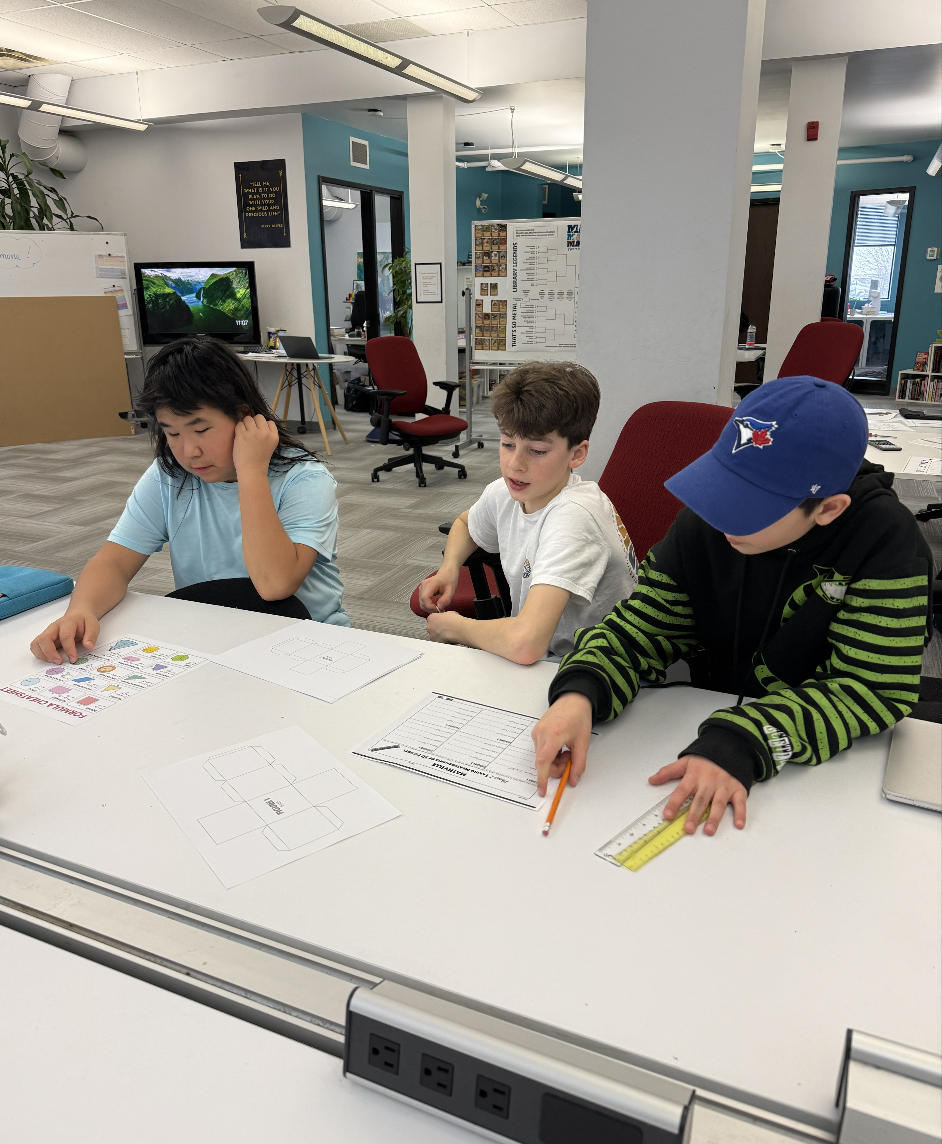
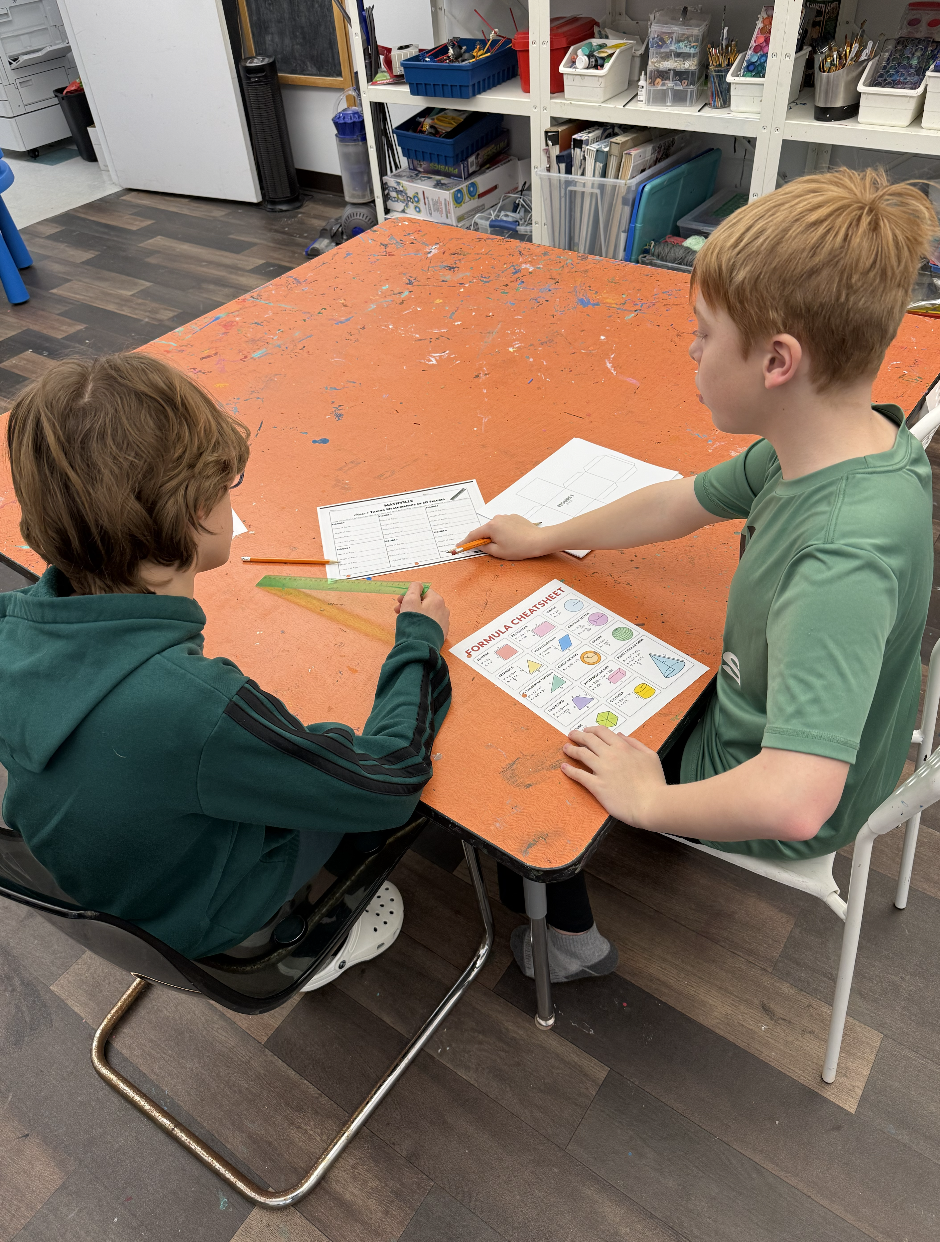
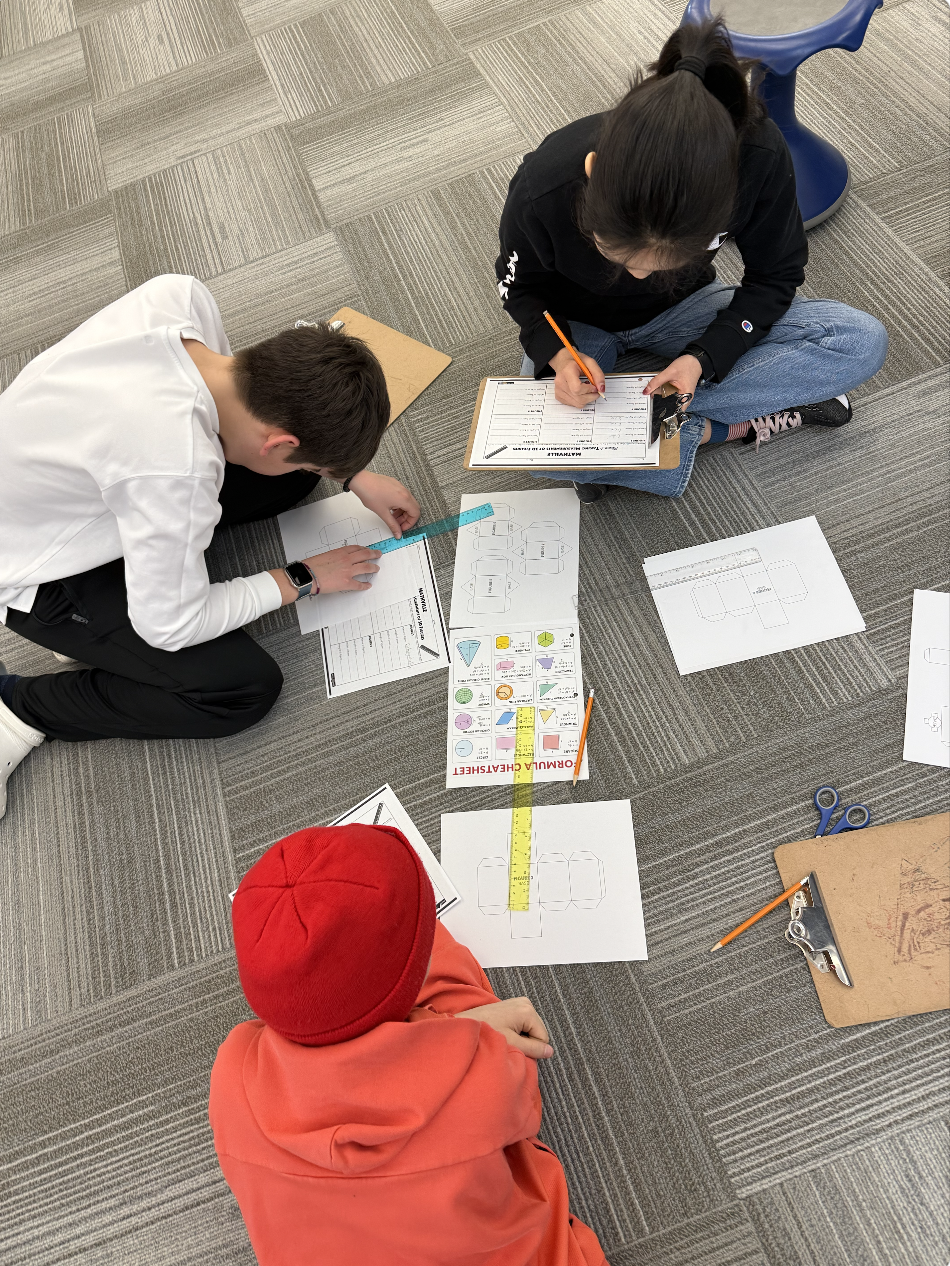
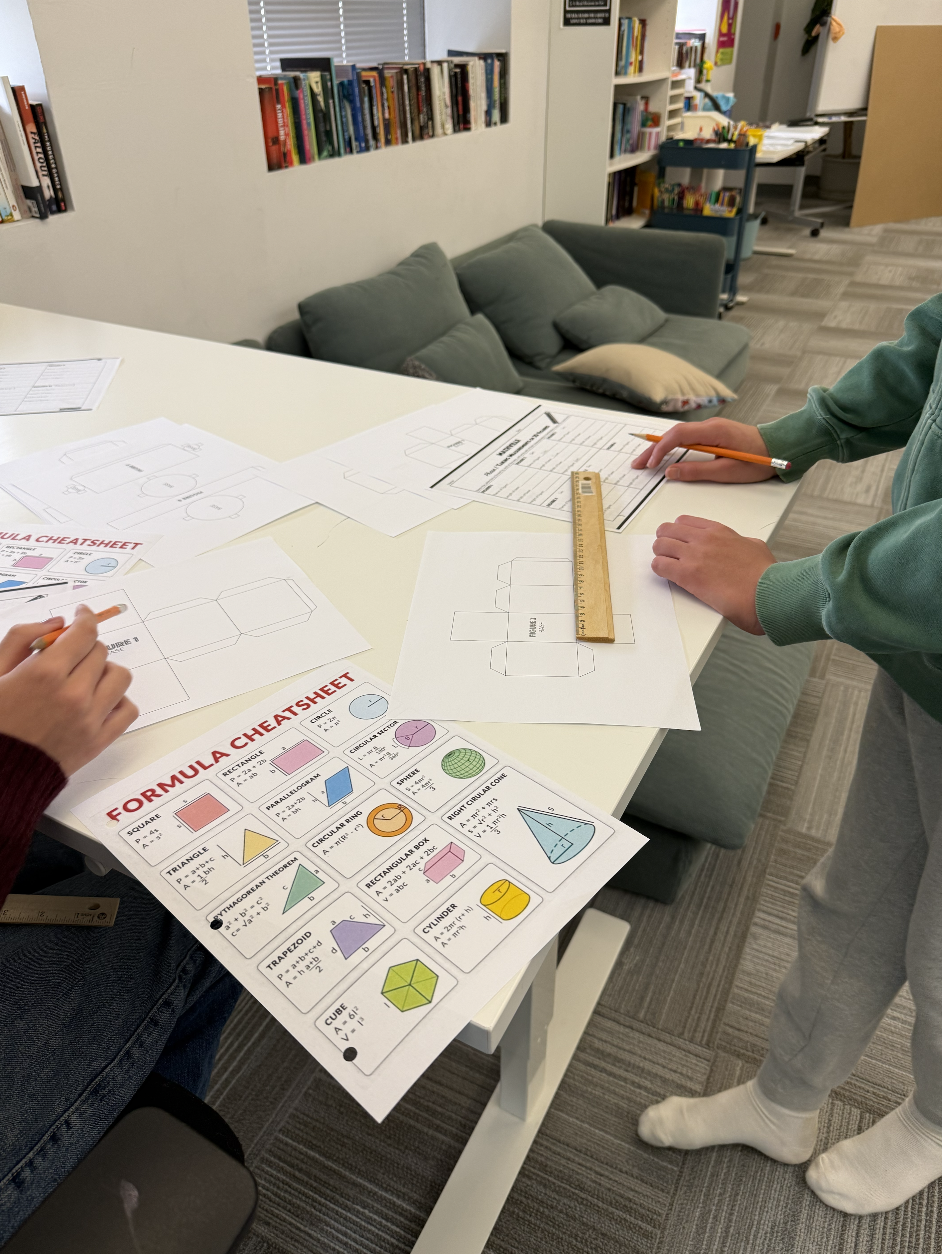
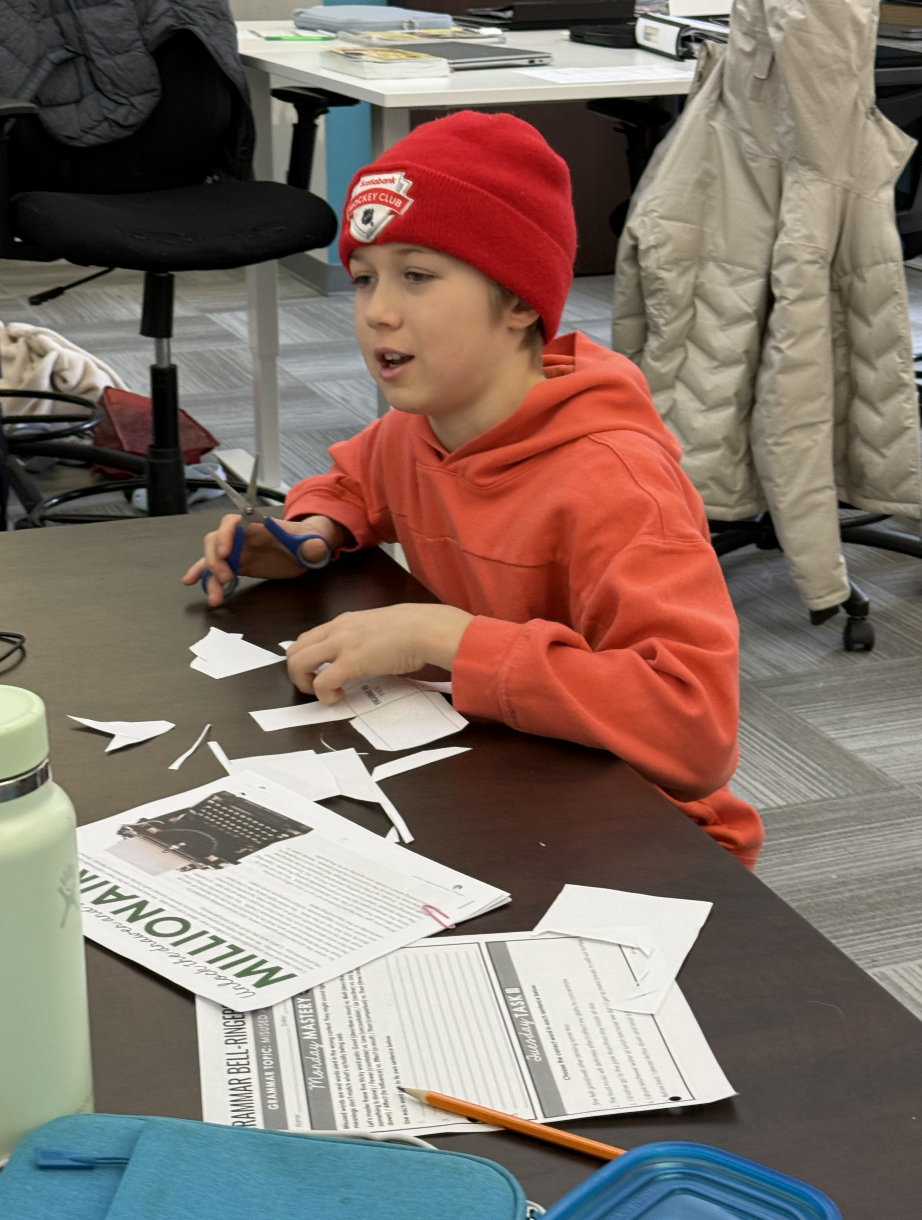
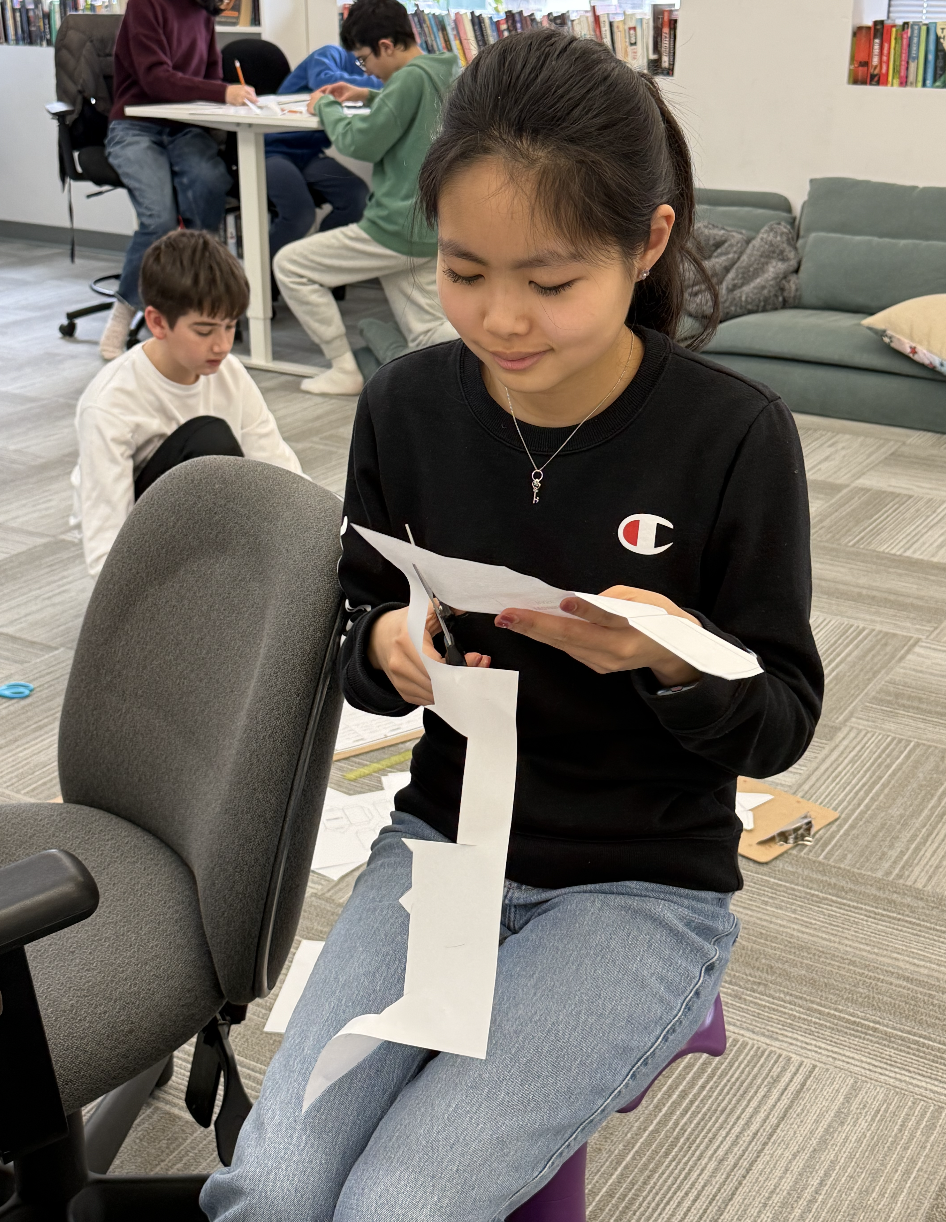
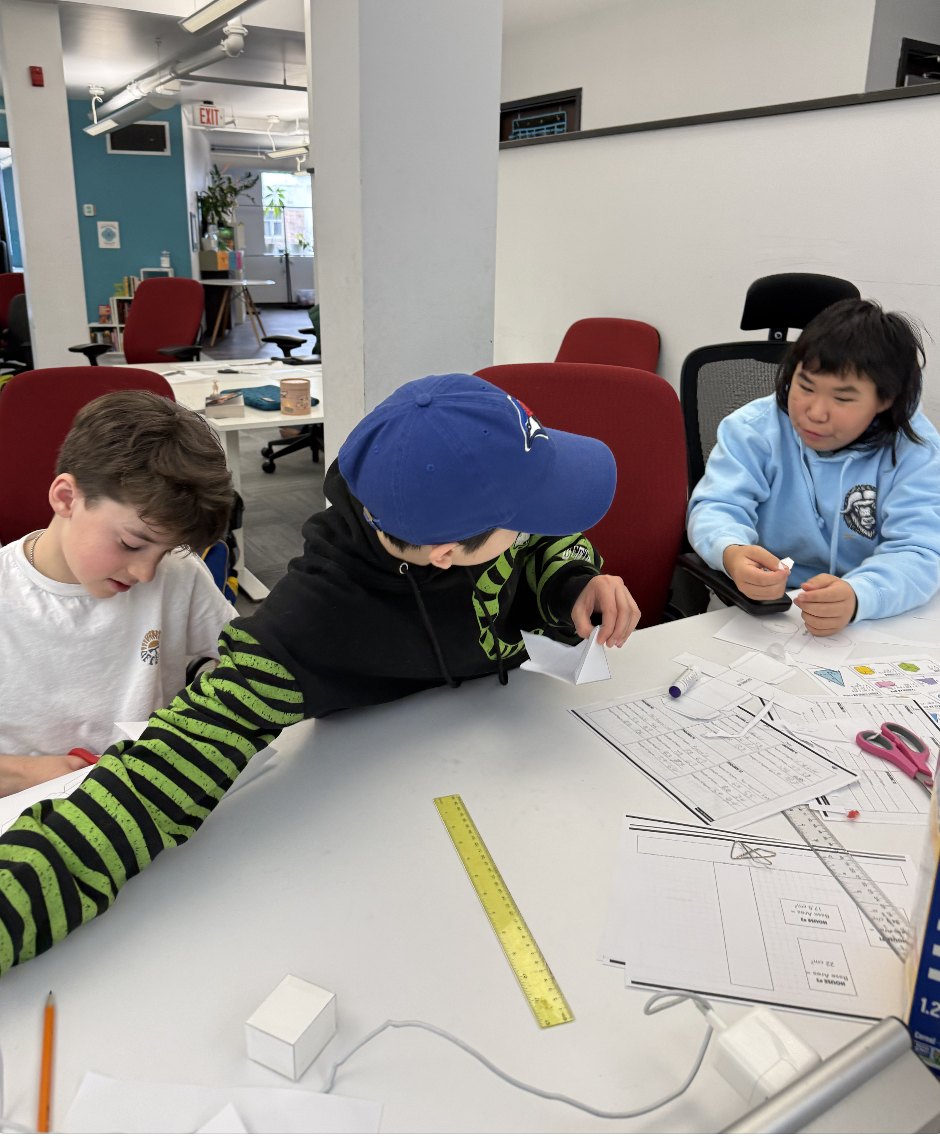
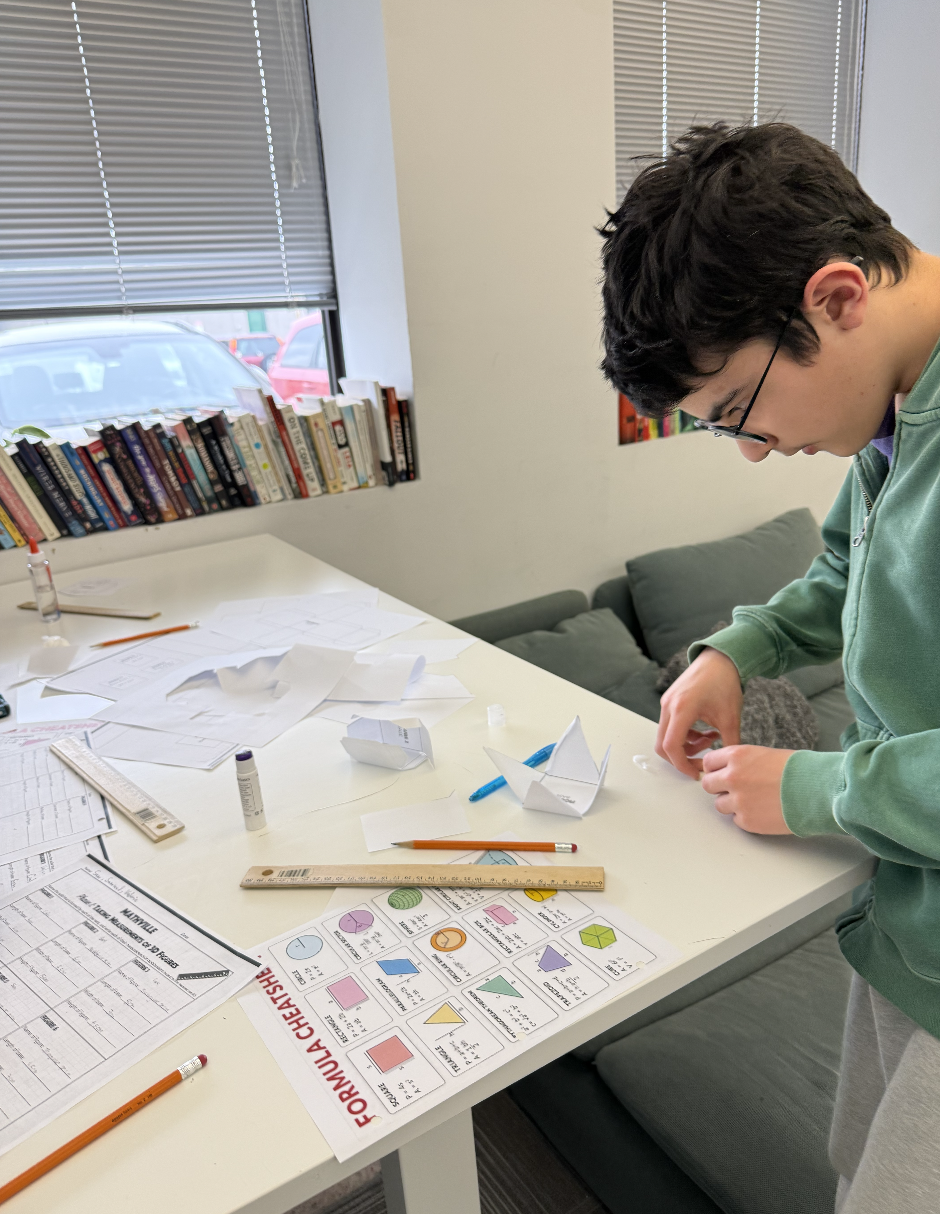
This week, learners began their Mathville project! In their Quest groups, learners identified the shapes of 12 nets before measuring each figure's base width, length, and height. It was a much needed measurment and geometry review for the learners! With the remaining time, teams began assembling the 3D shapes in preparation for next week's Math Lab and Quest.
French
We continued our exploration of why French is spoken in Canada. This week, Rebels participated in a role-play activity about Upper and Lower Canada, which helped them better understand the historical, cultural, and social differences between these two regions during the colonial period. At the same time, we focused on key vocabulary related to this period, including les colons (colonists), les missionnaires (missionaries), la royauté (royalty), and les peuples autochtones (Indigenous peoples). Learners used these words in discussions and interactive activities, strengthening both their historical understanding and their French-speaking skills.
Civilizations - Big History
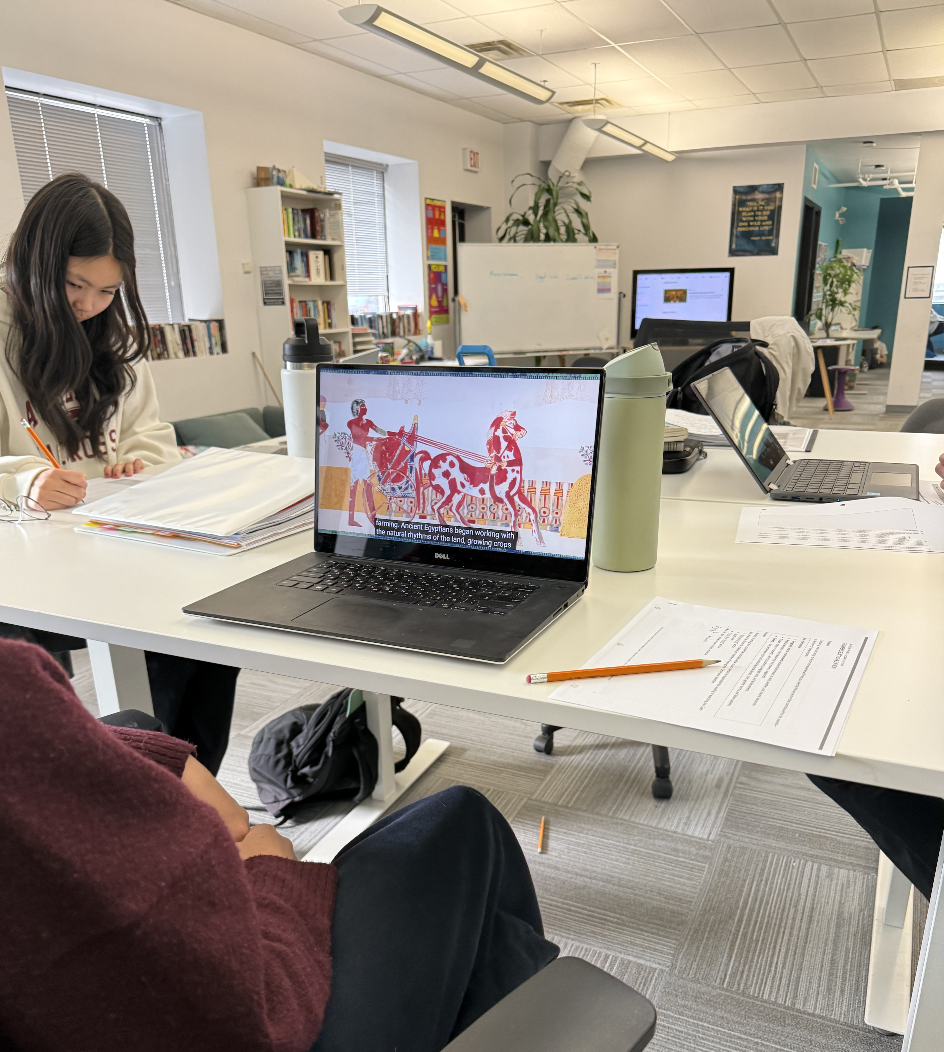
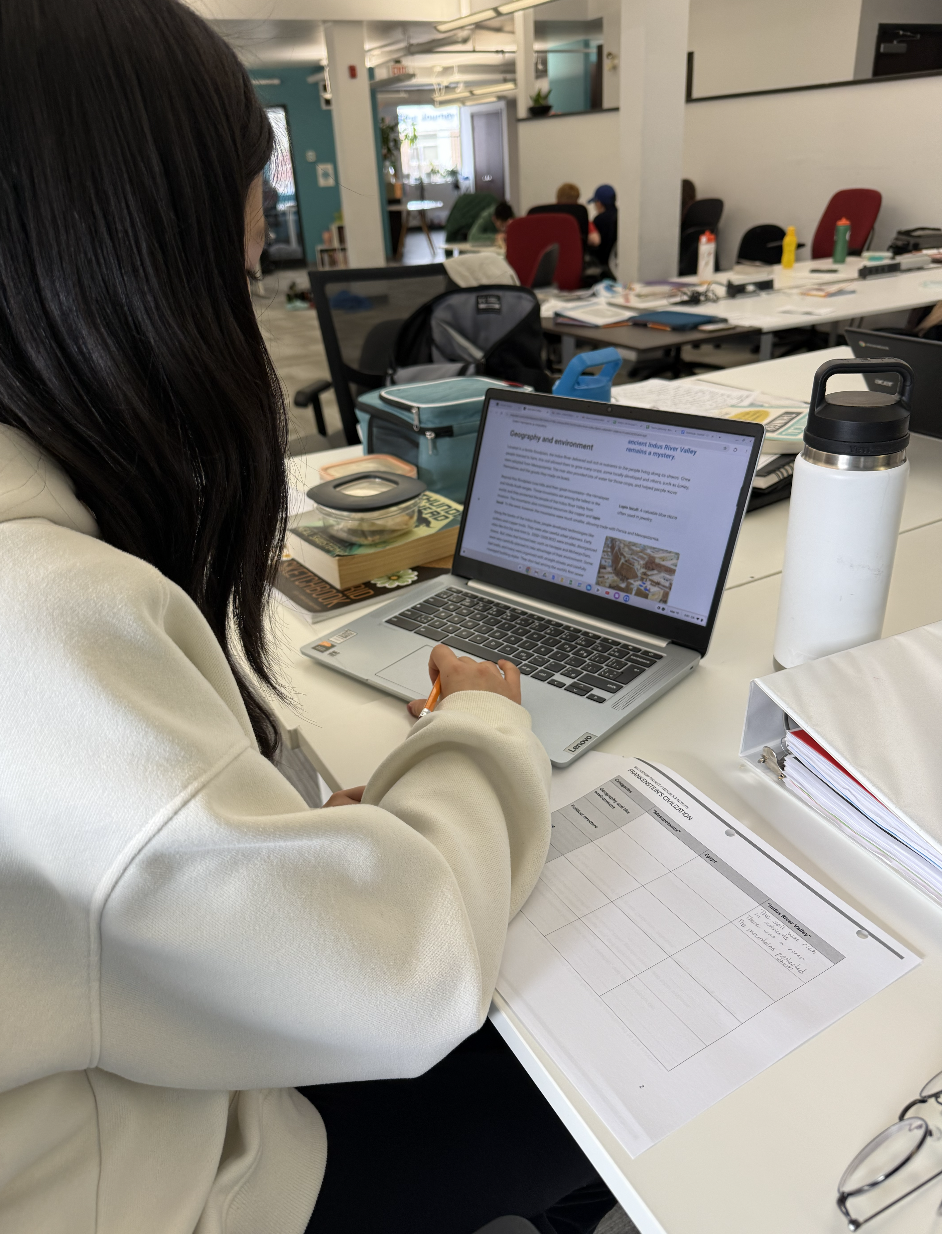
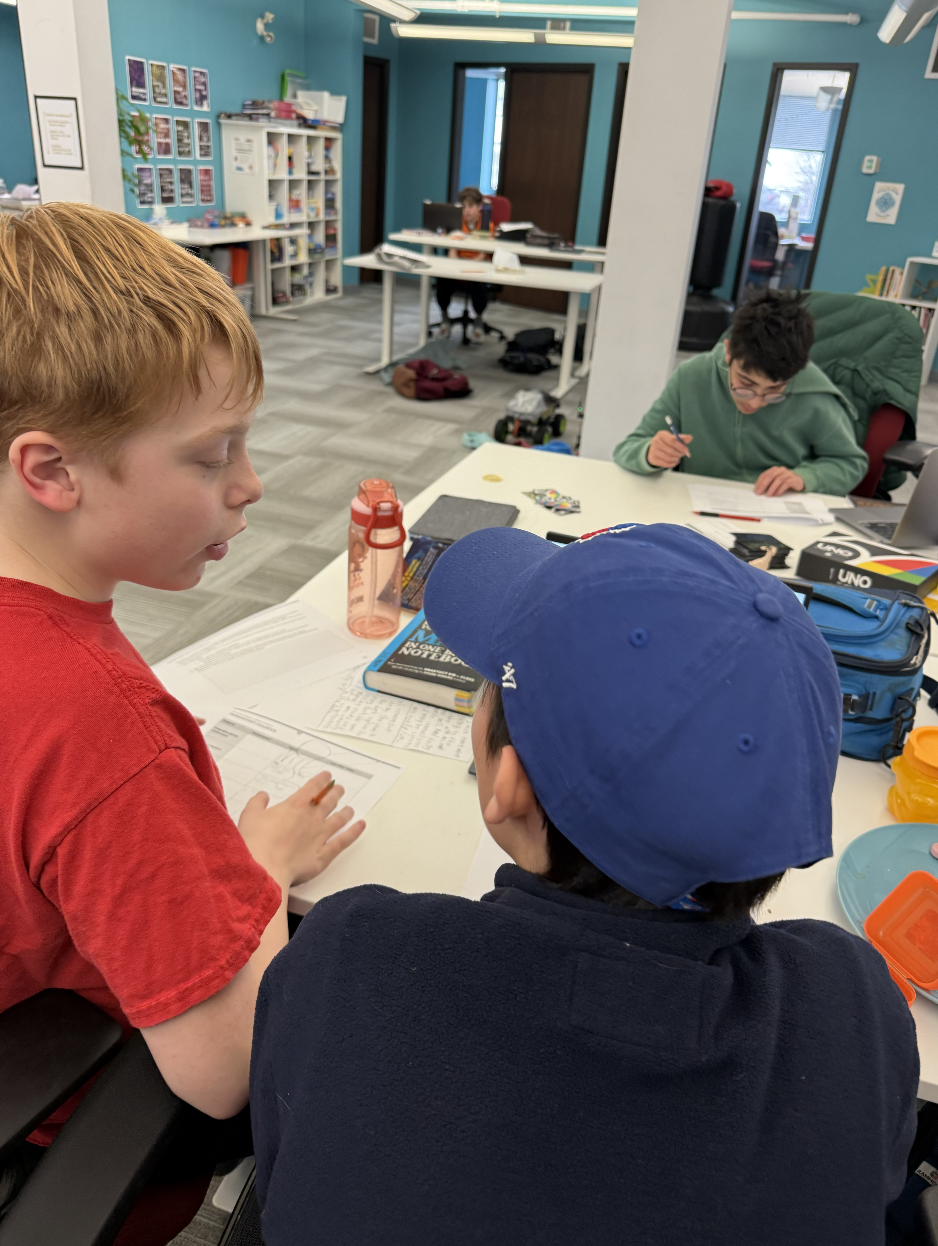
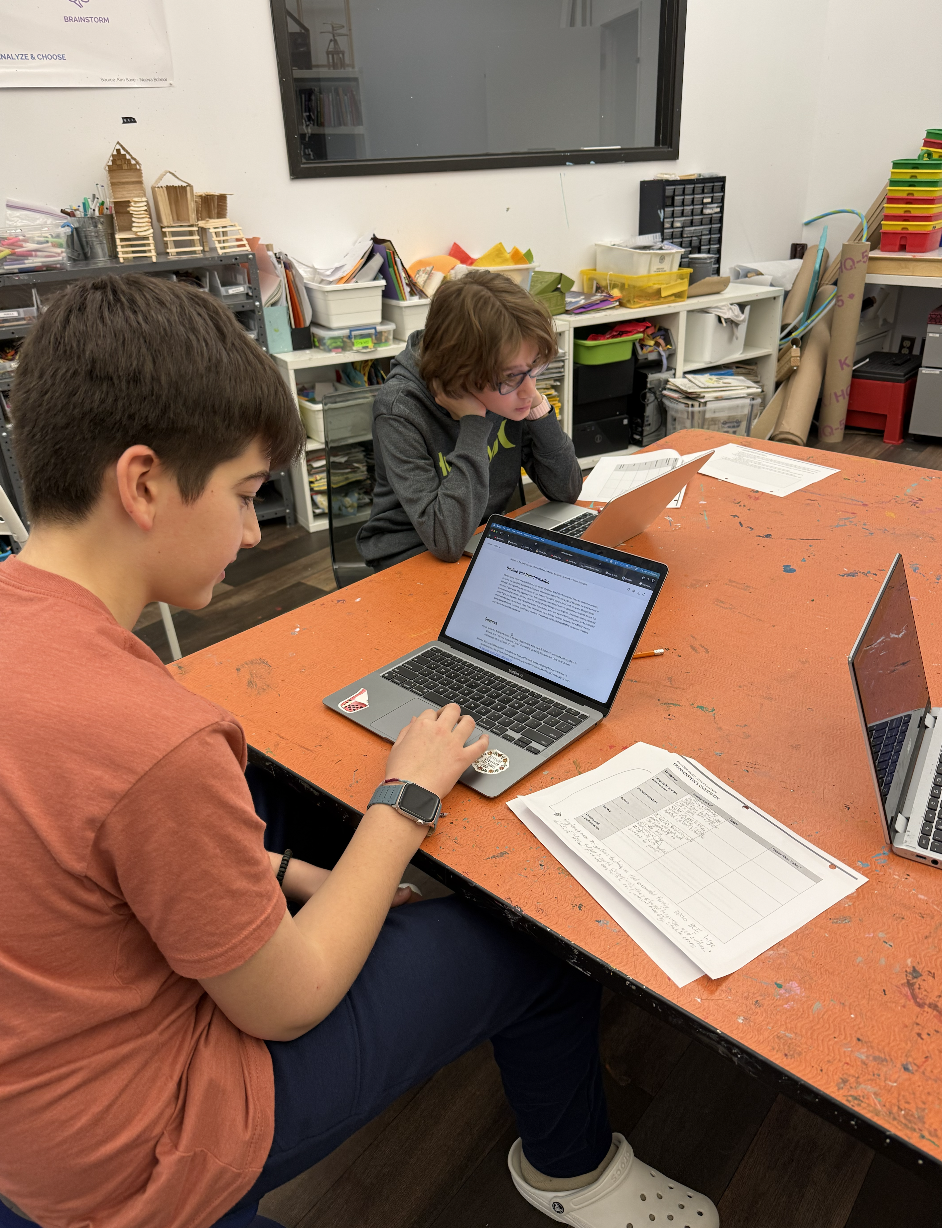
The invention of farming led to food surpluses and an increasing population. People began to settle down and develop large societies. These societies needed people to do other jobs and rulers to enforce laws, which led to the creation of the first agrarian societies. Rebels began their Big History lesson on Tuesday by learning about where the first cities and states appeared and why, before learners broke into teams of three to explore some of the earliest agrarian states. Teams researched Mesopotamia, Egypt, and the Indus River Valley to discover their unique geography and environments, political structures, cultures, societies, and their declines and transformations. Once they had researched individually, they came together to compare and then create the strongest possible society by combining the most successful elements of the historical civilizations above into a single "Frankenstein-style" society. Their empire needed to include a name, an image representing their society, its ruler, or another aspect of their society, as well as descriptions for each of the categories: geography, political structure, and culture.
Quest - Light it Up!
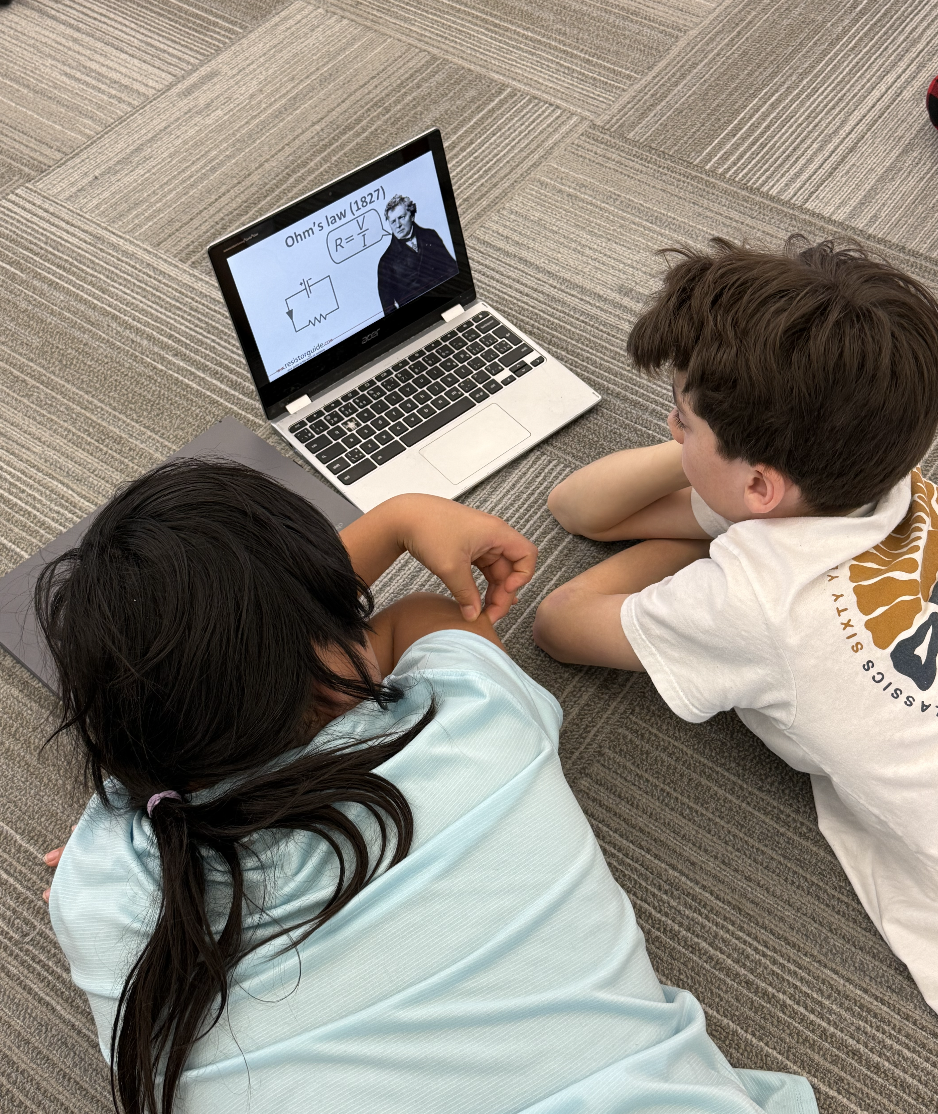
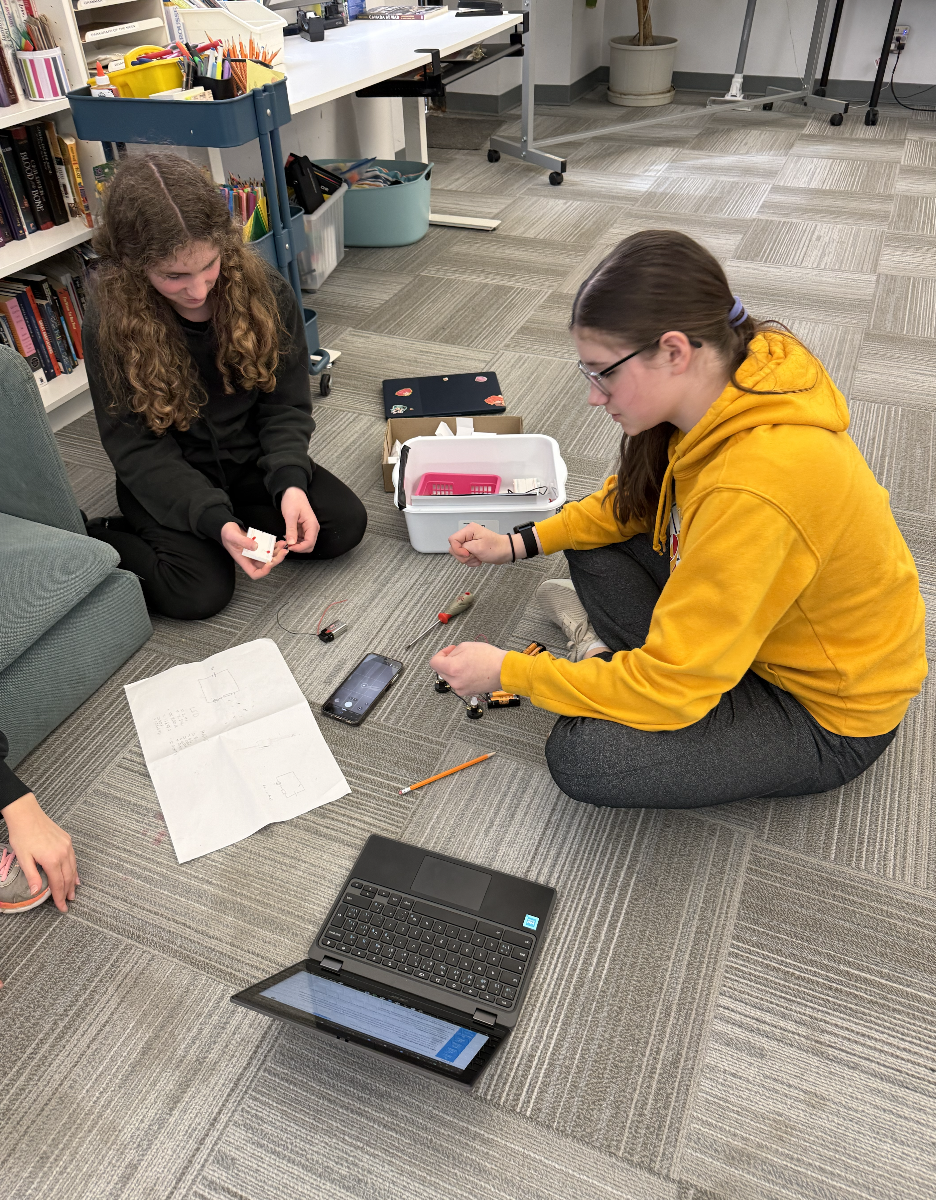
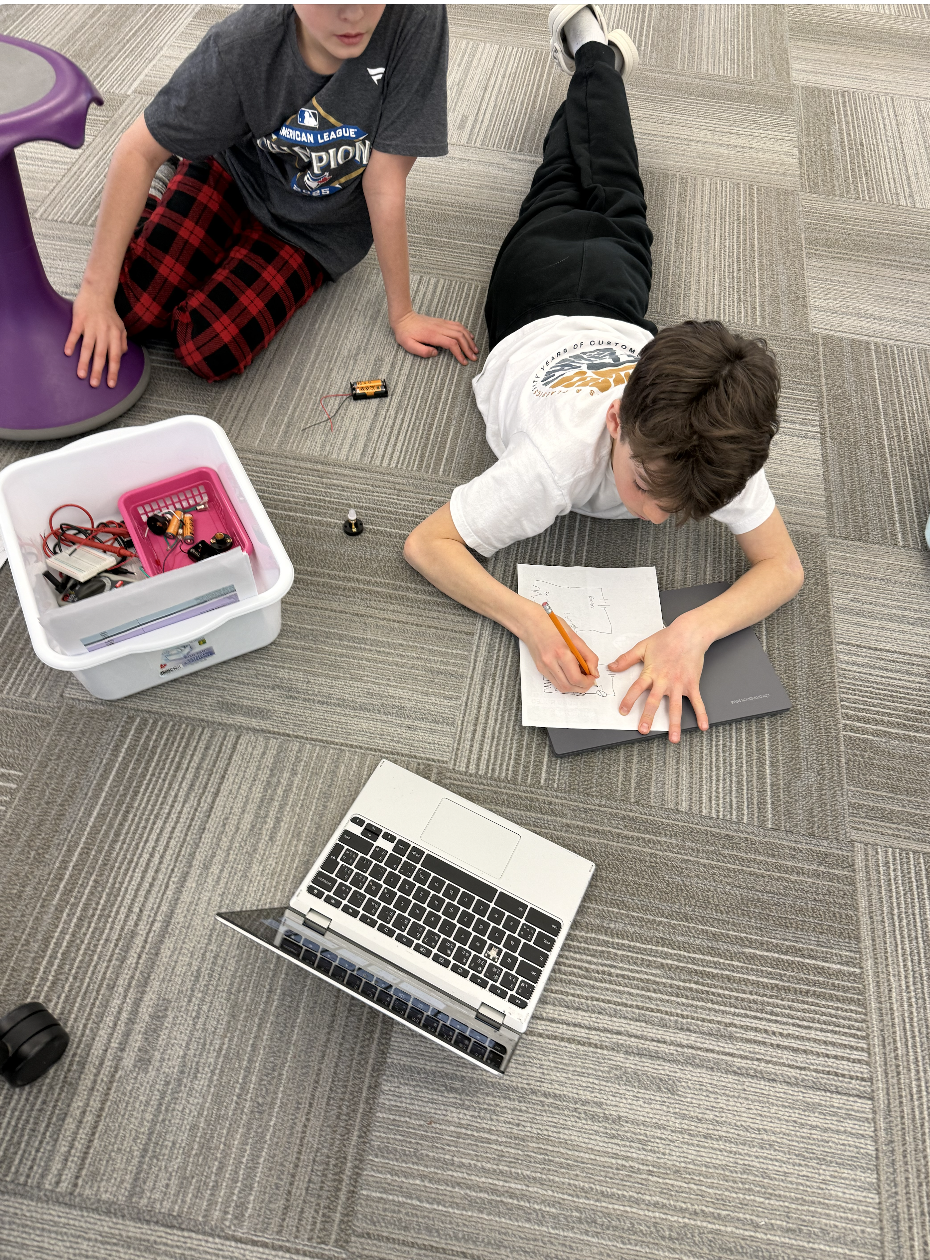
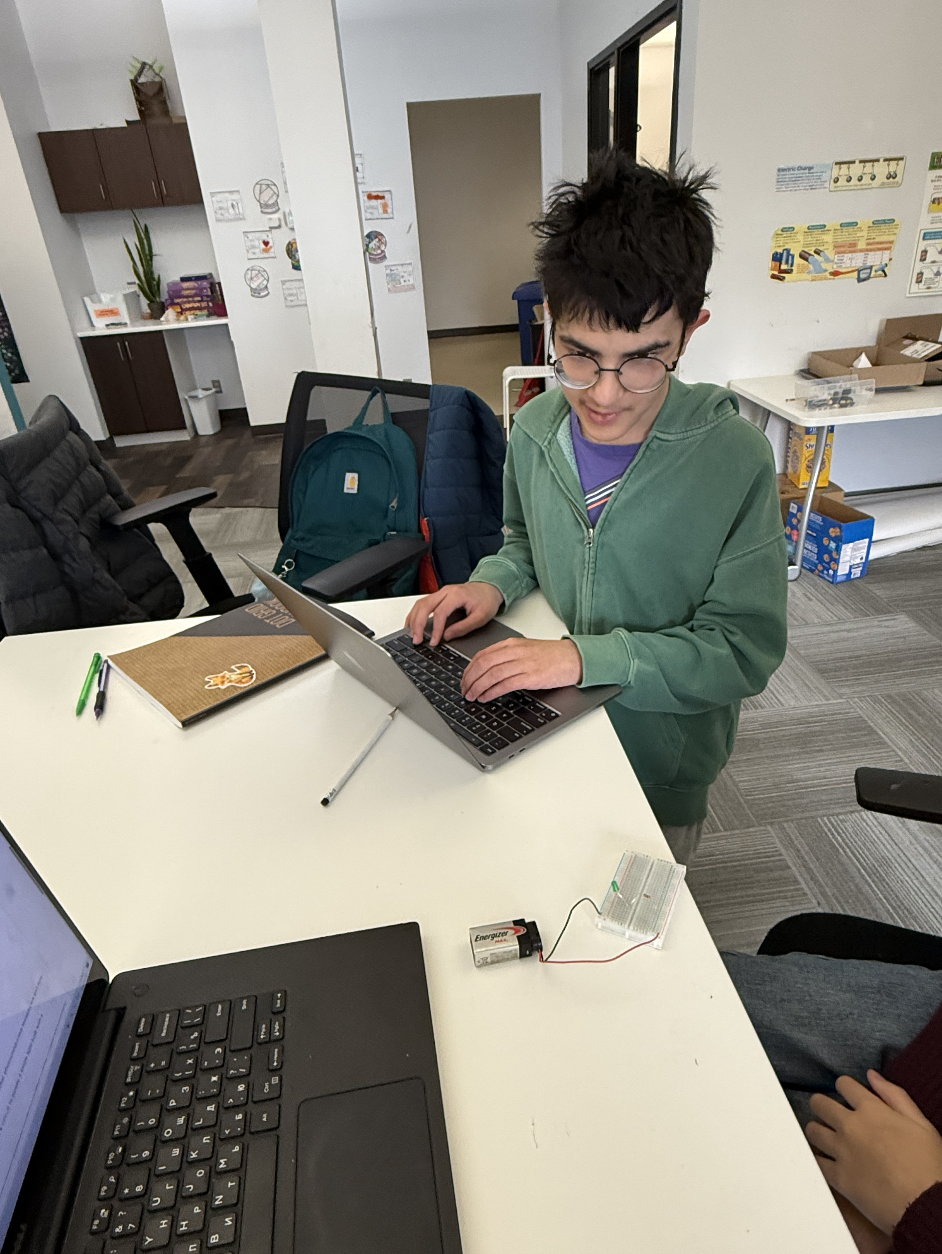
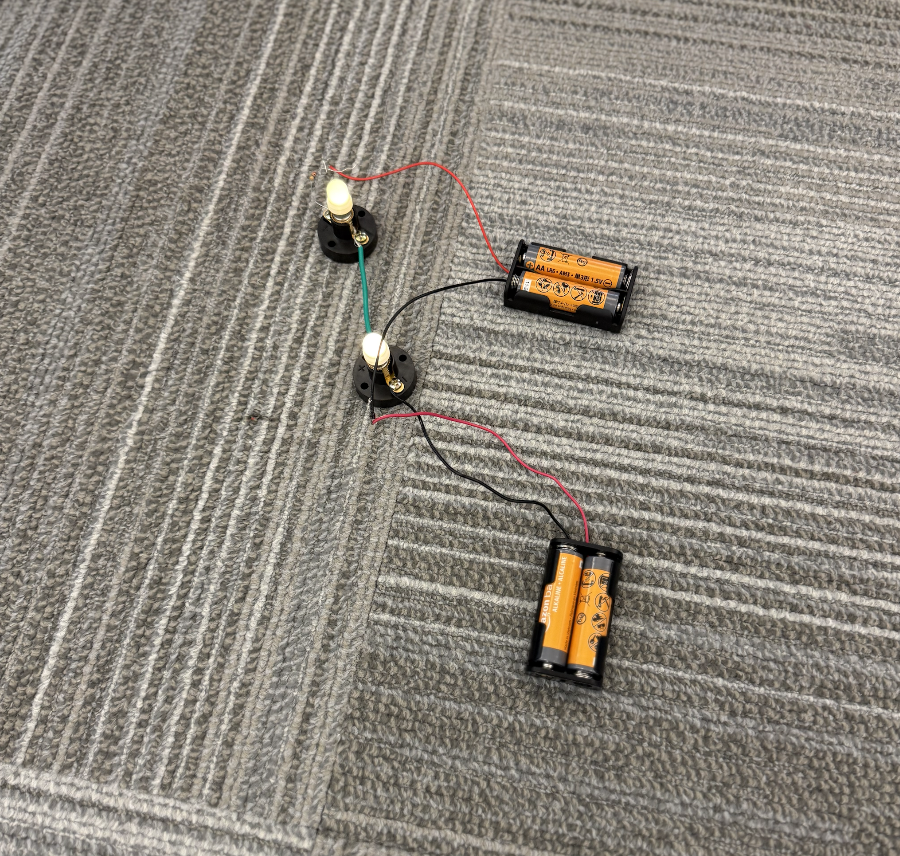
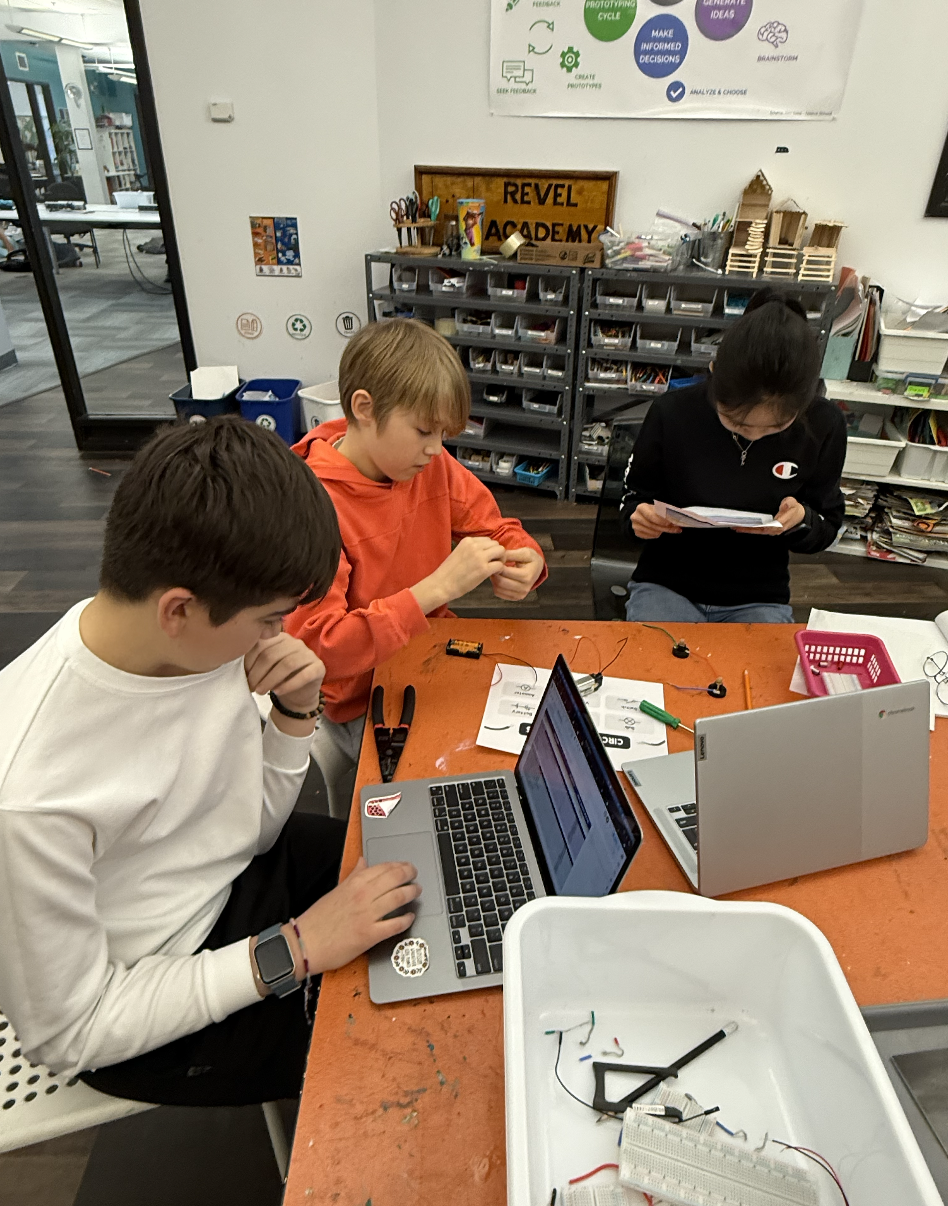
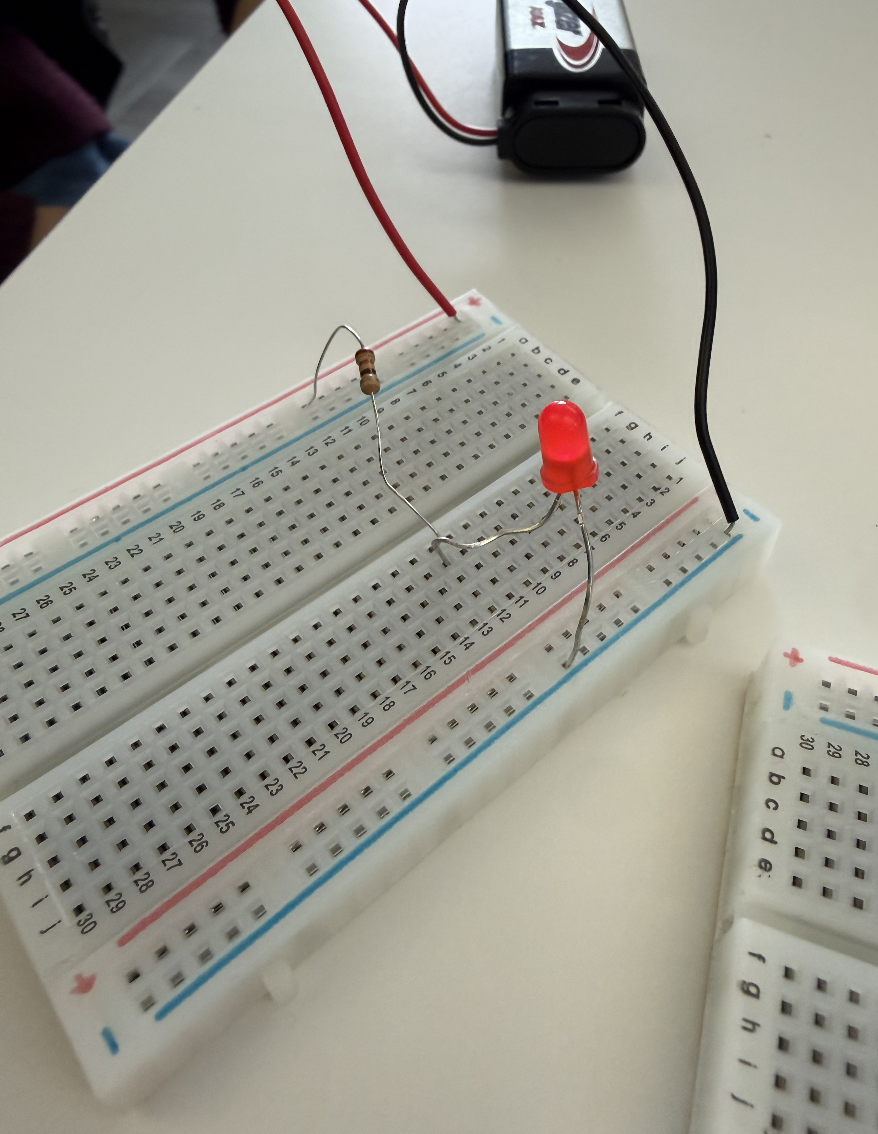
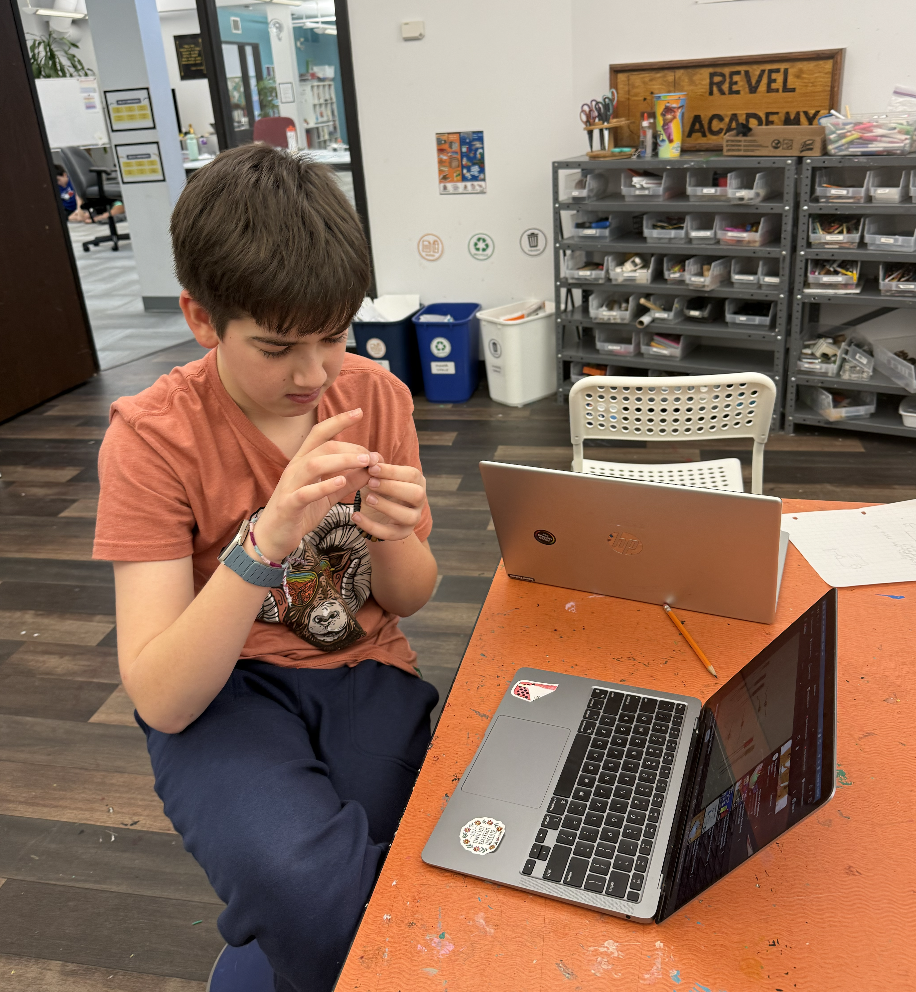
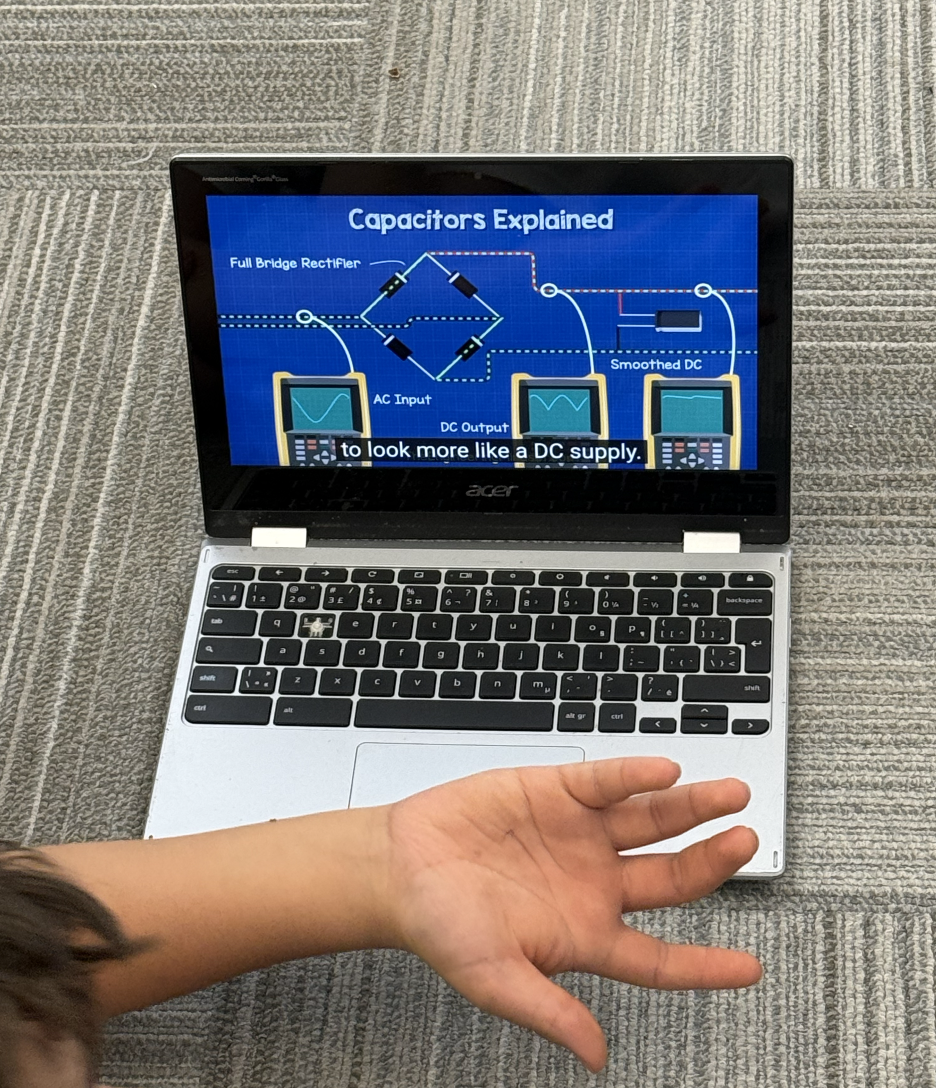
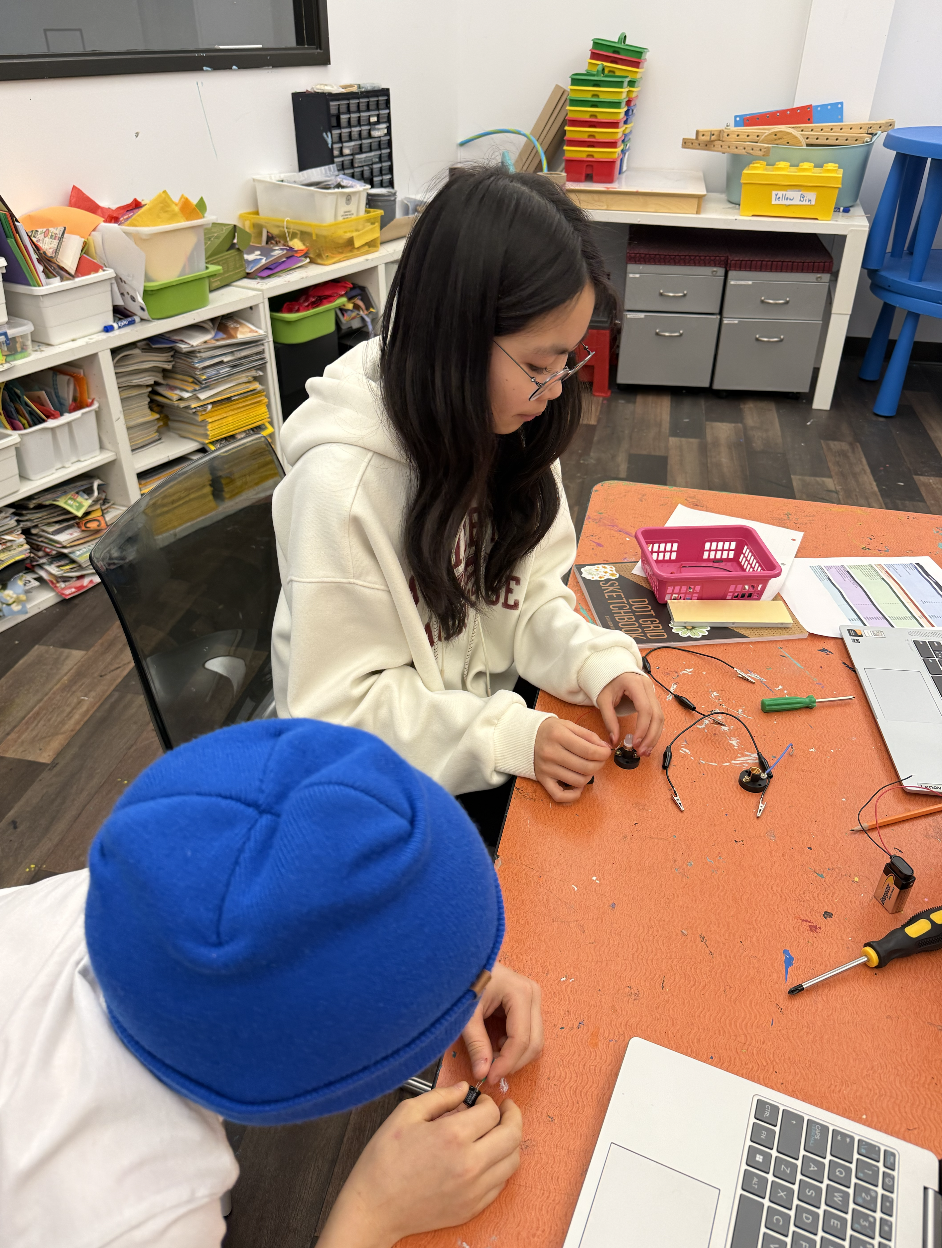
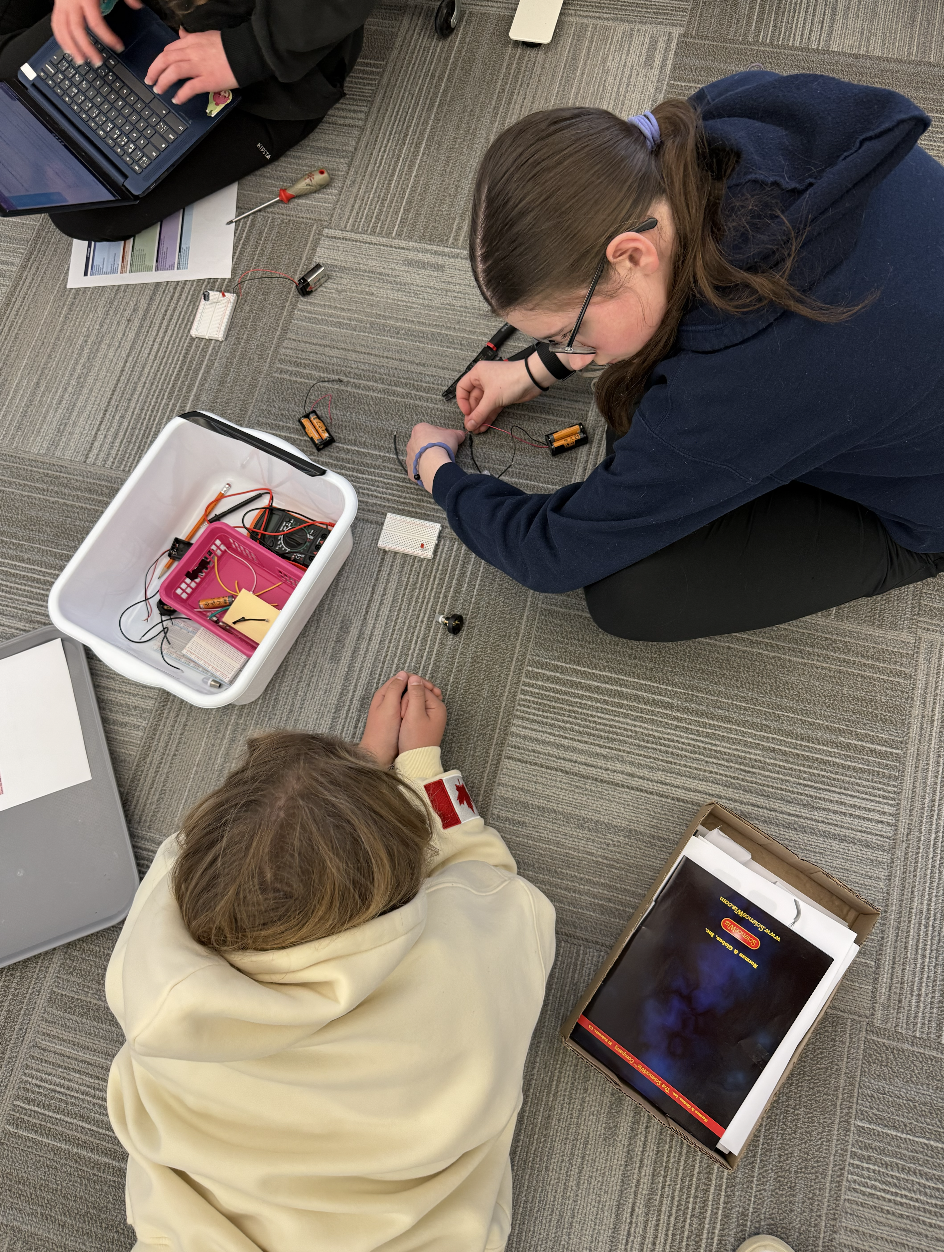
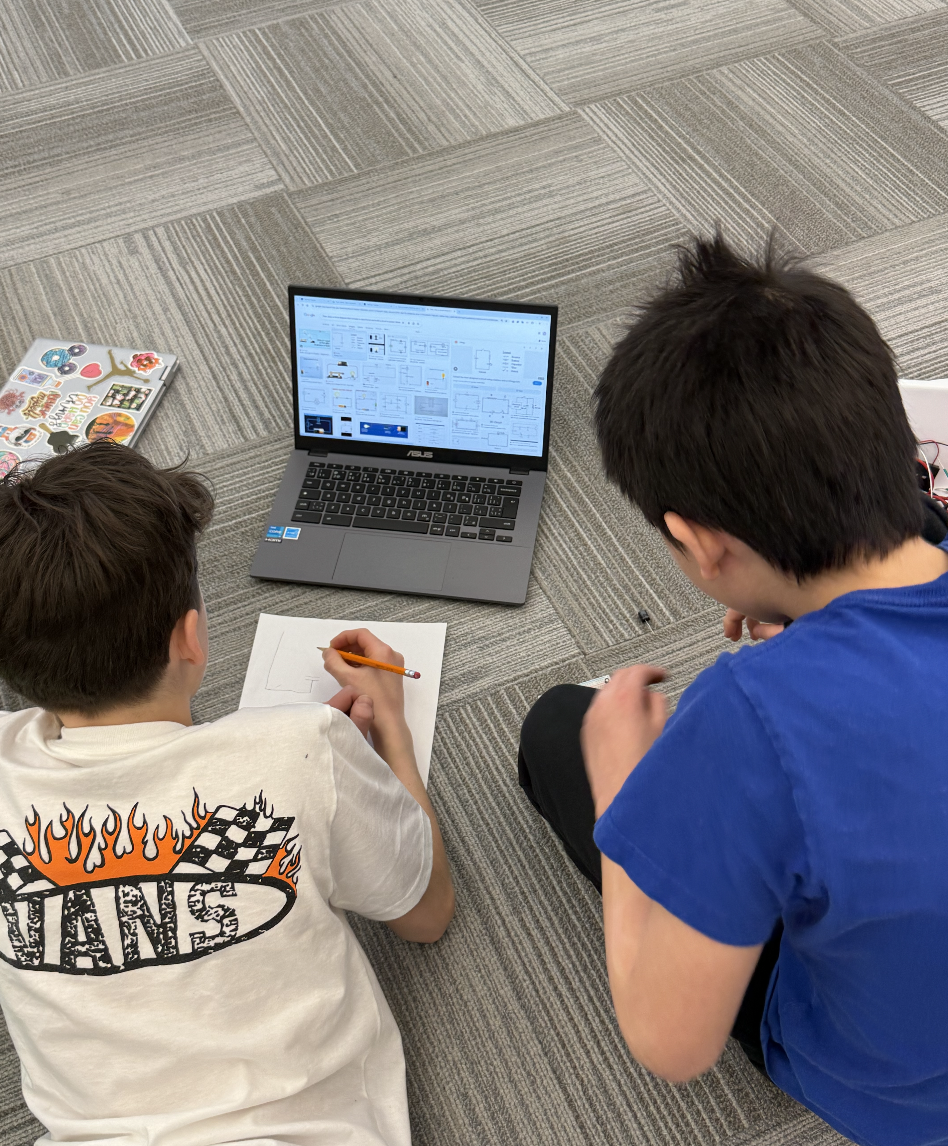
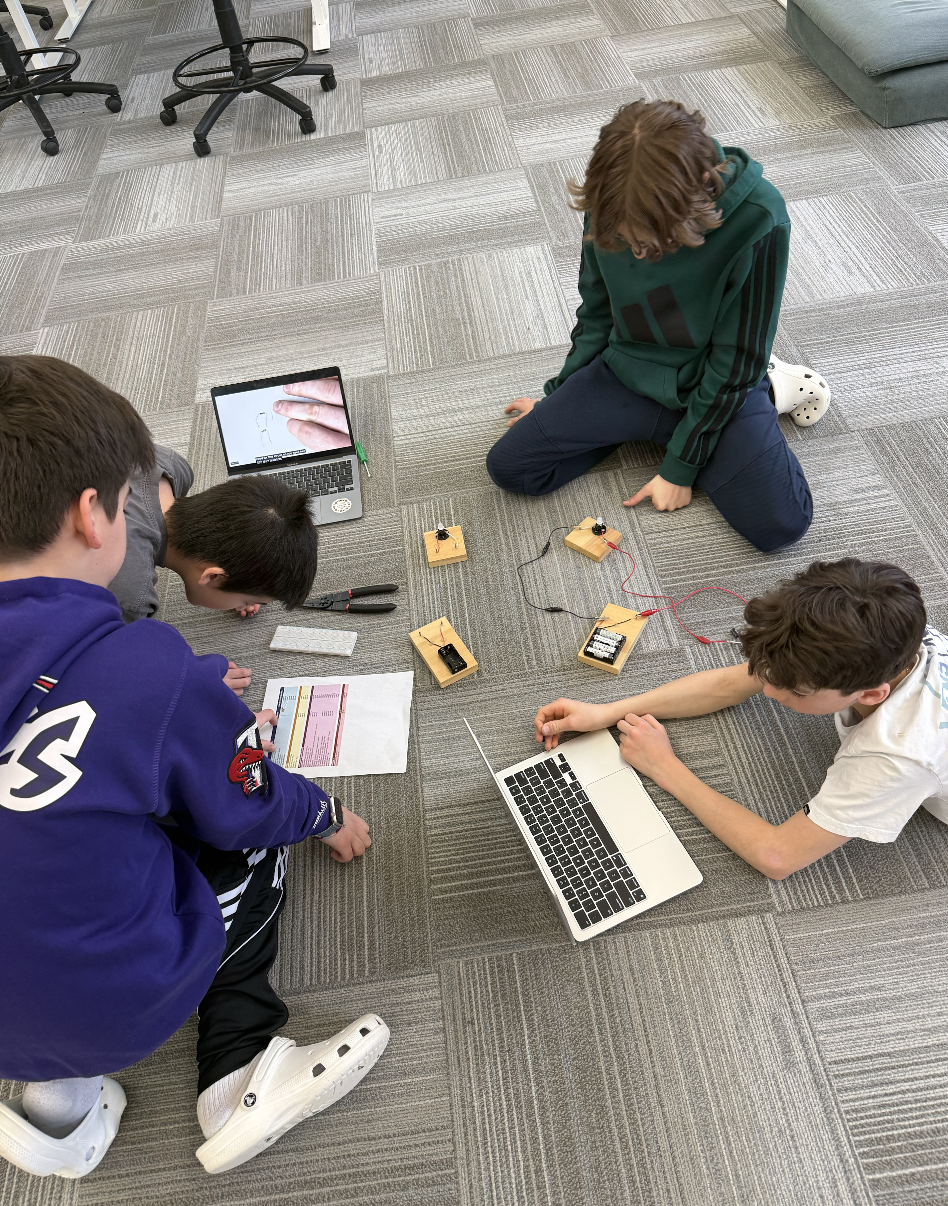
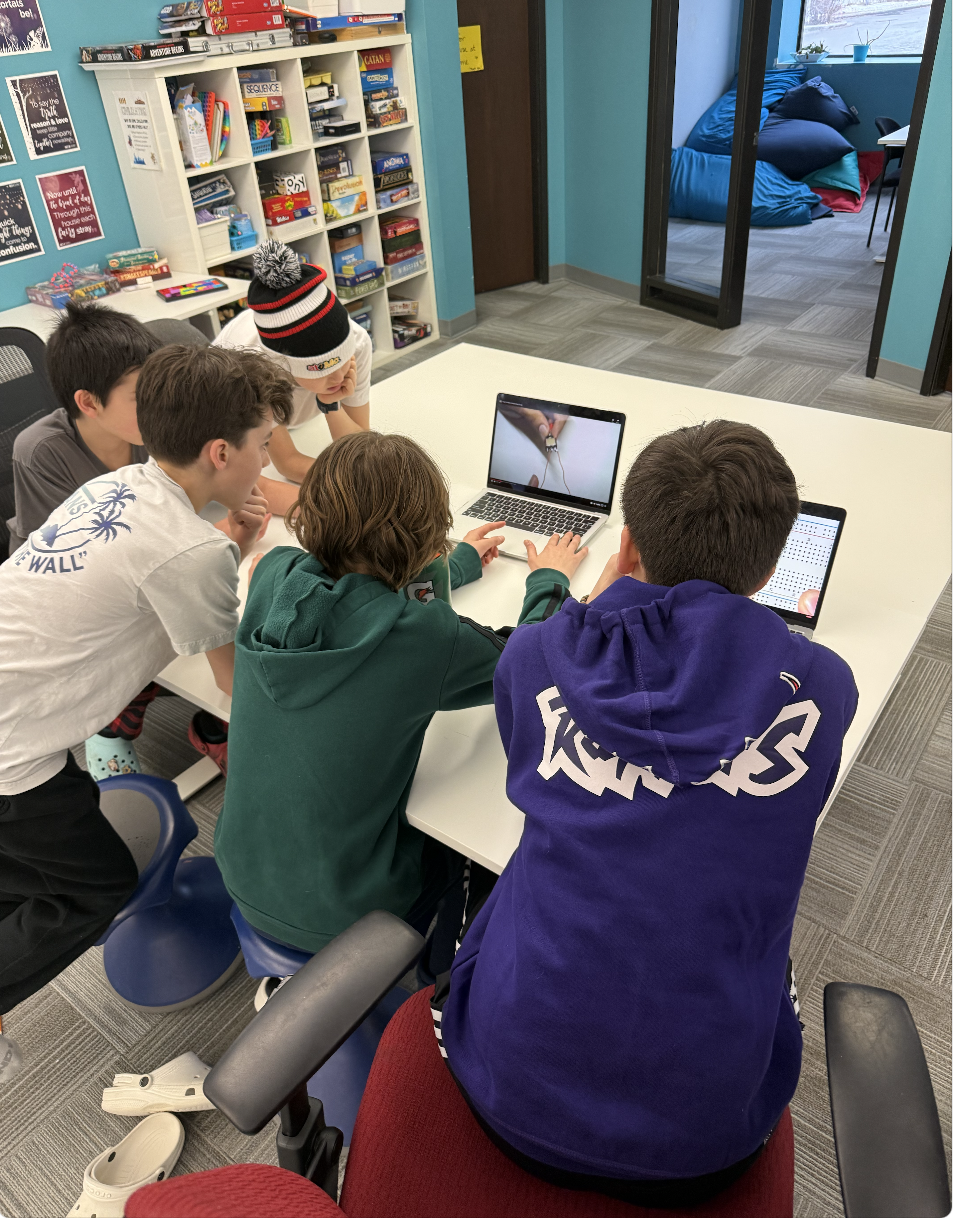
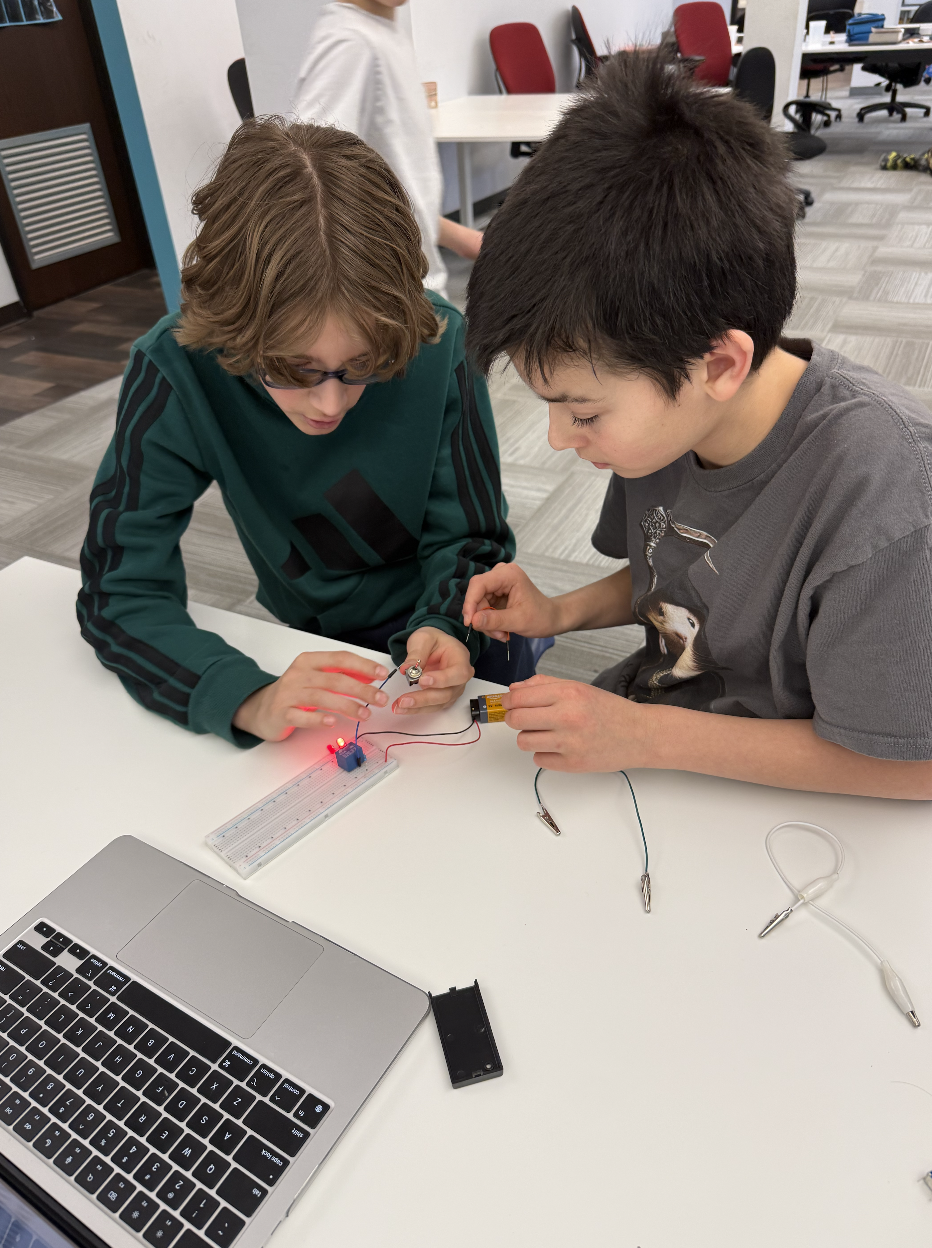
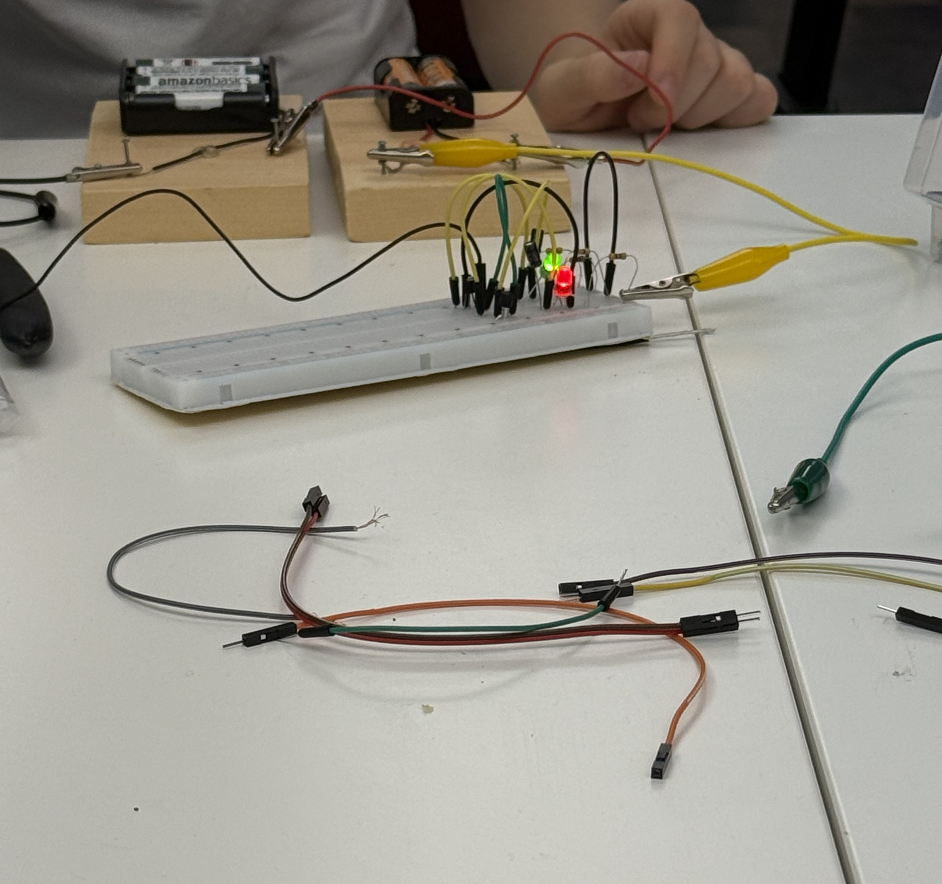
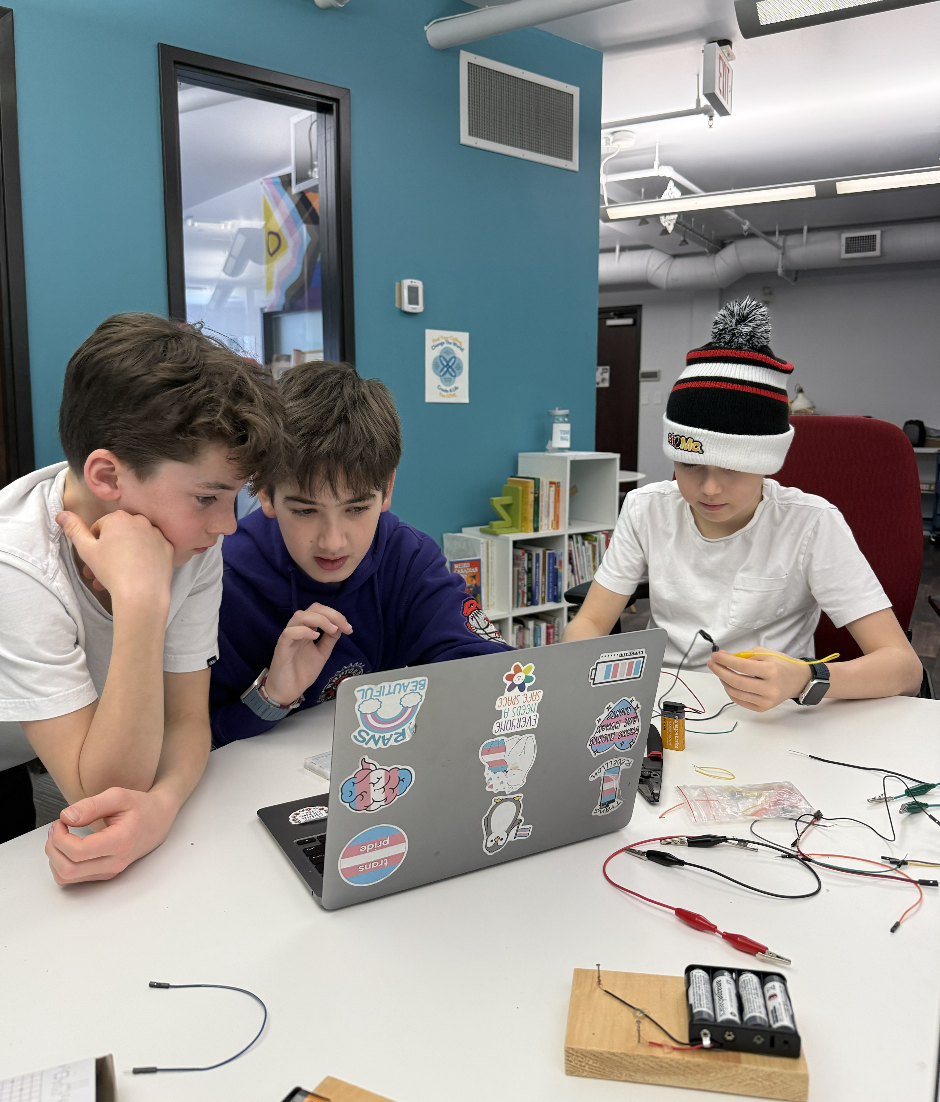
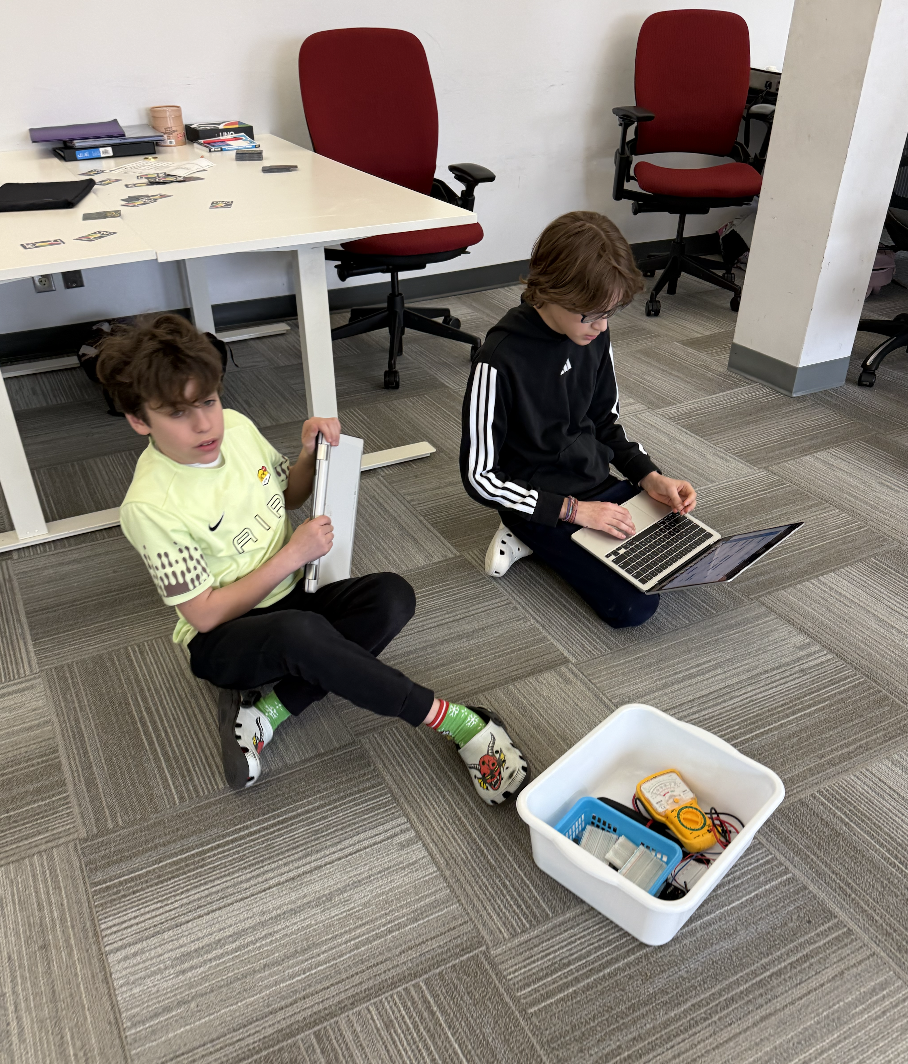
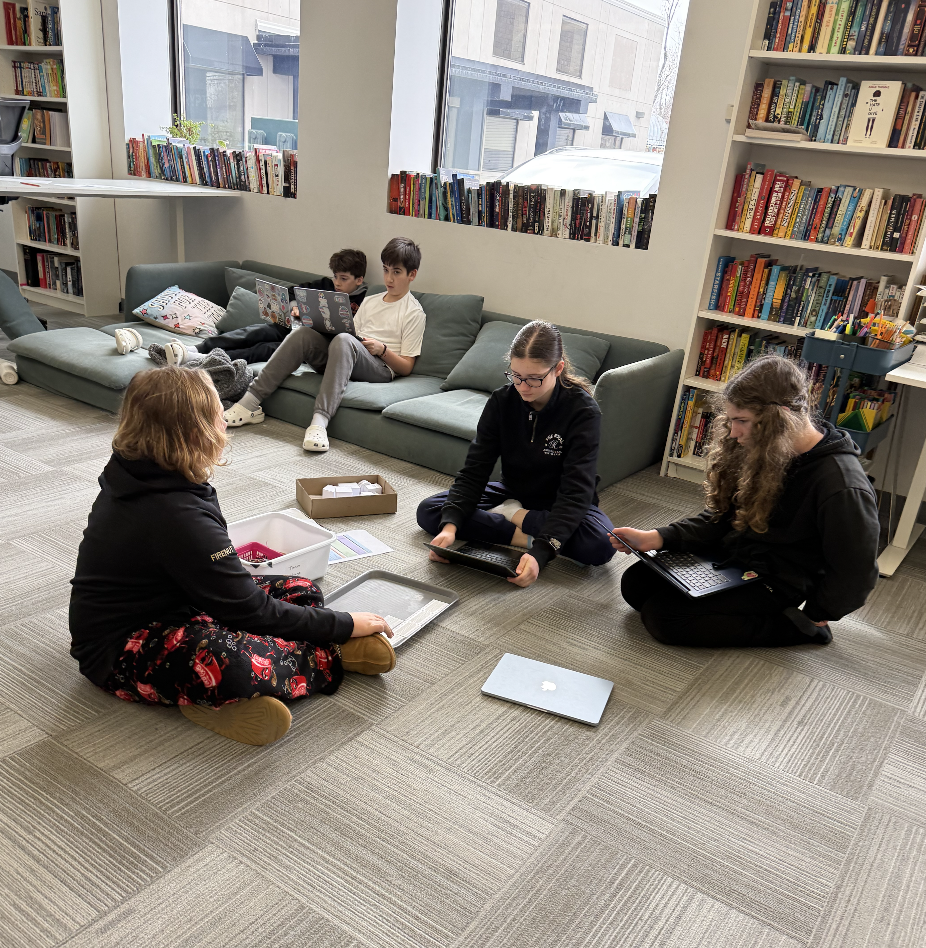
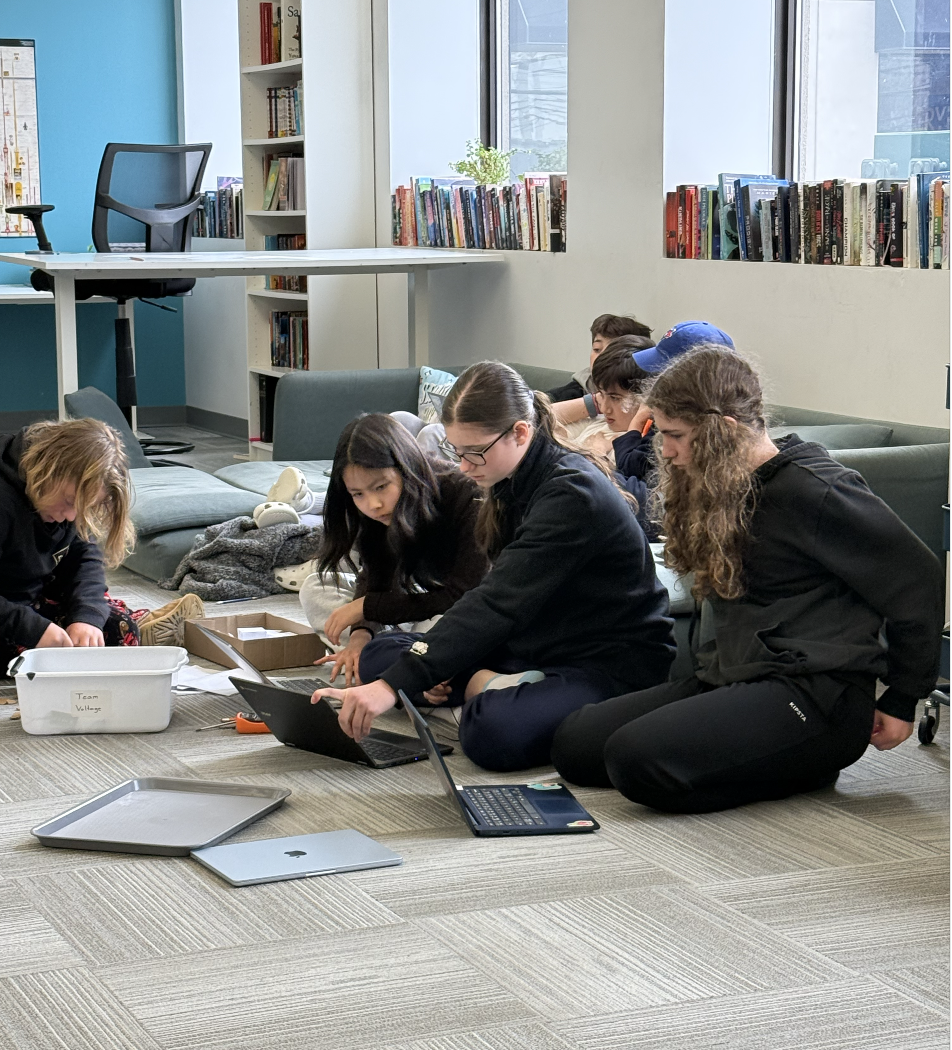
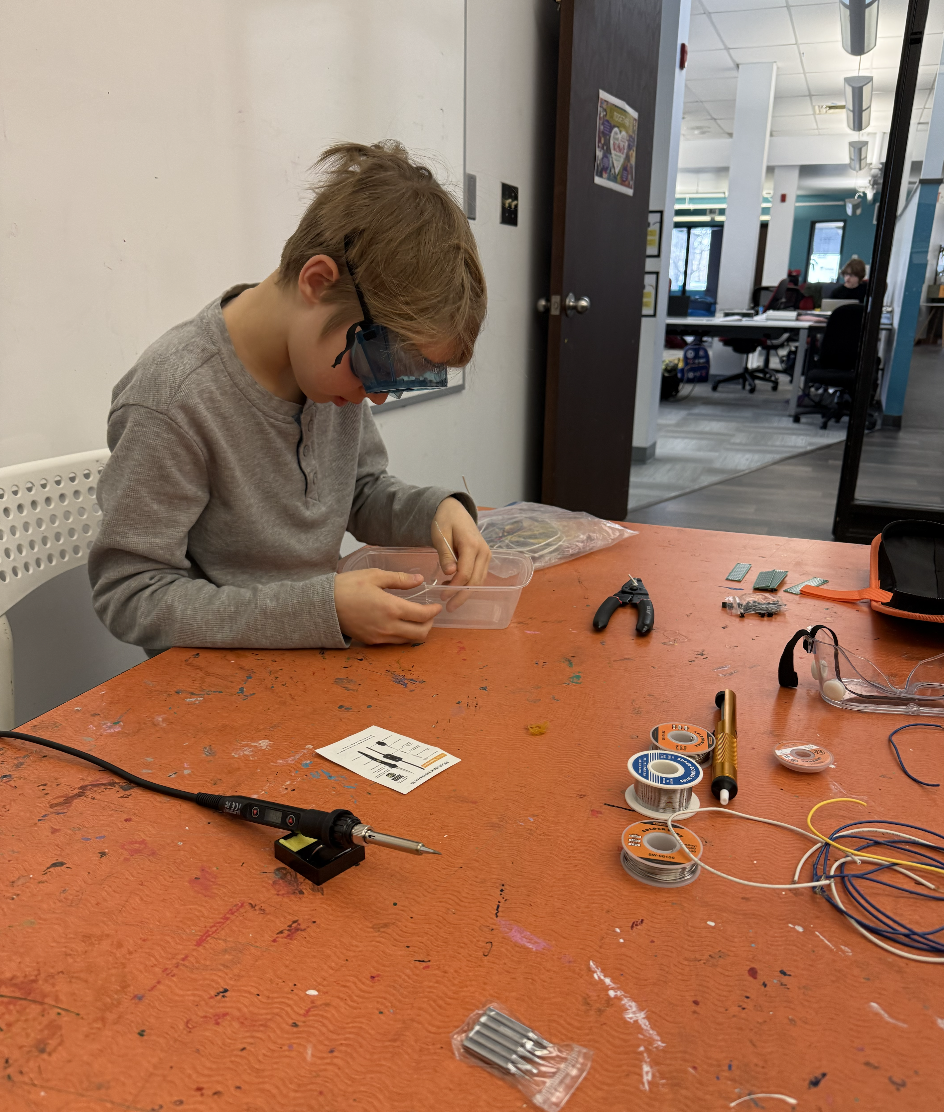
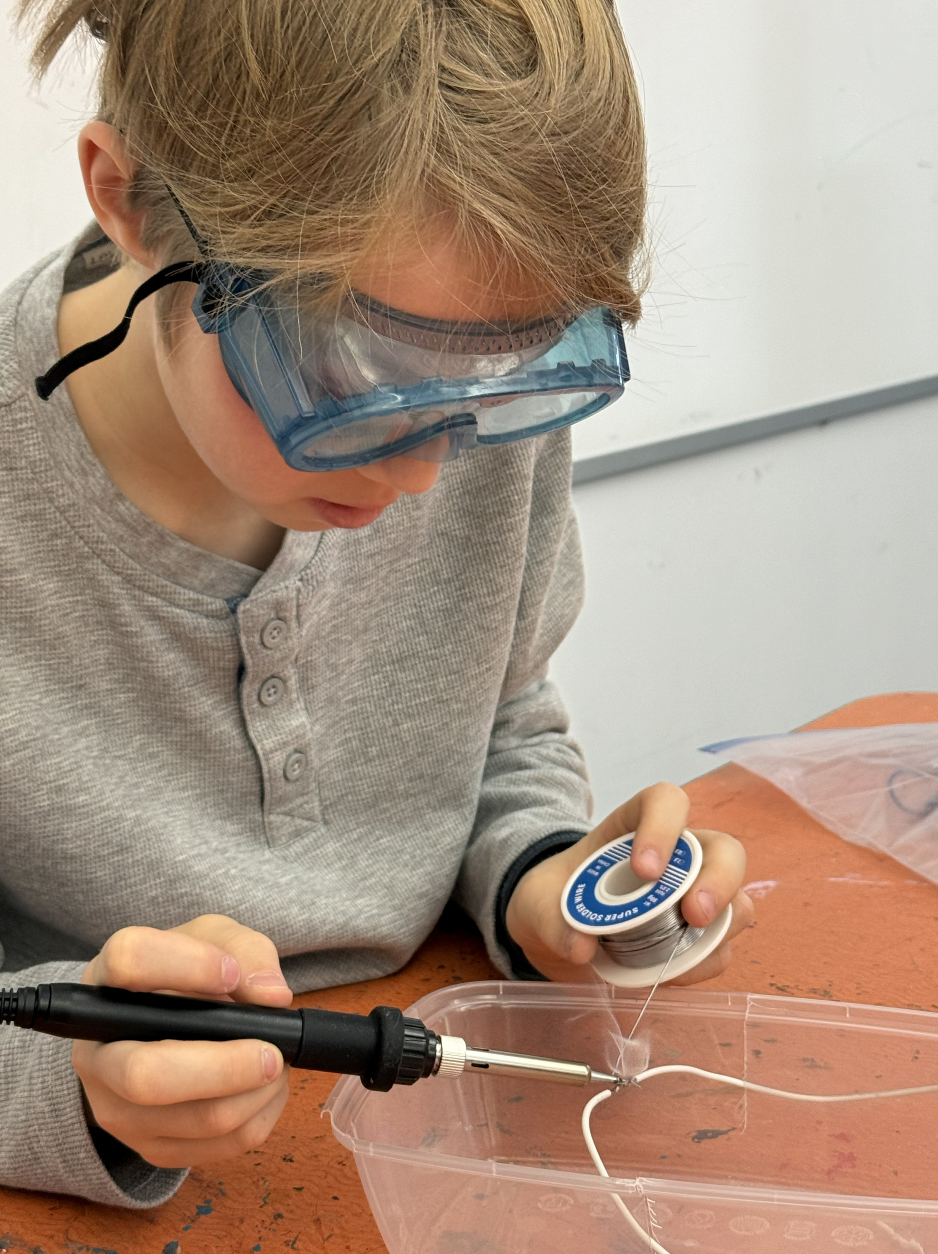
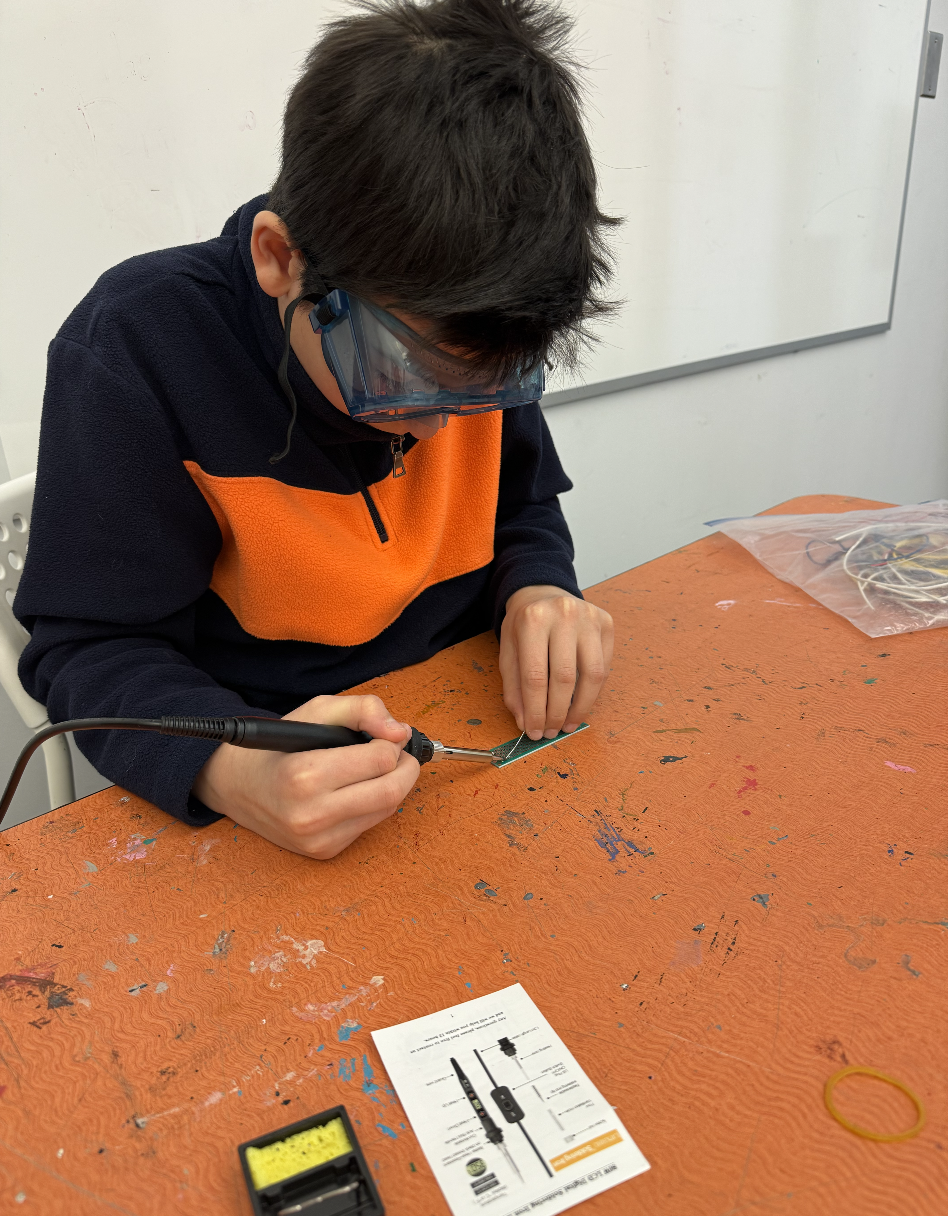
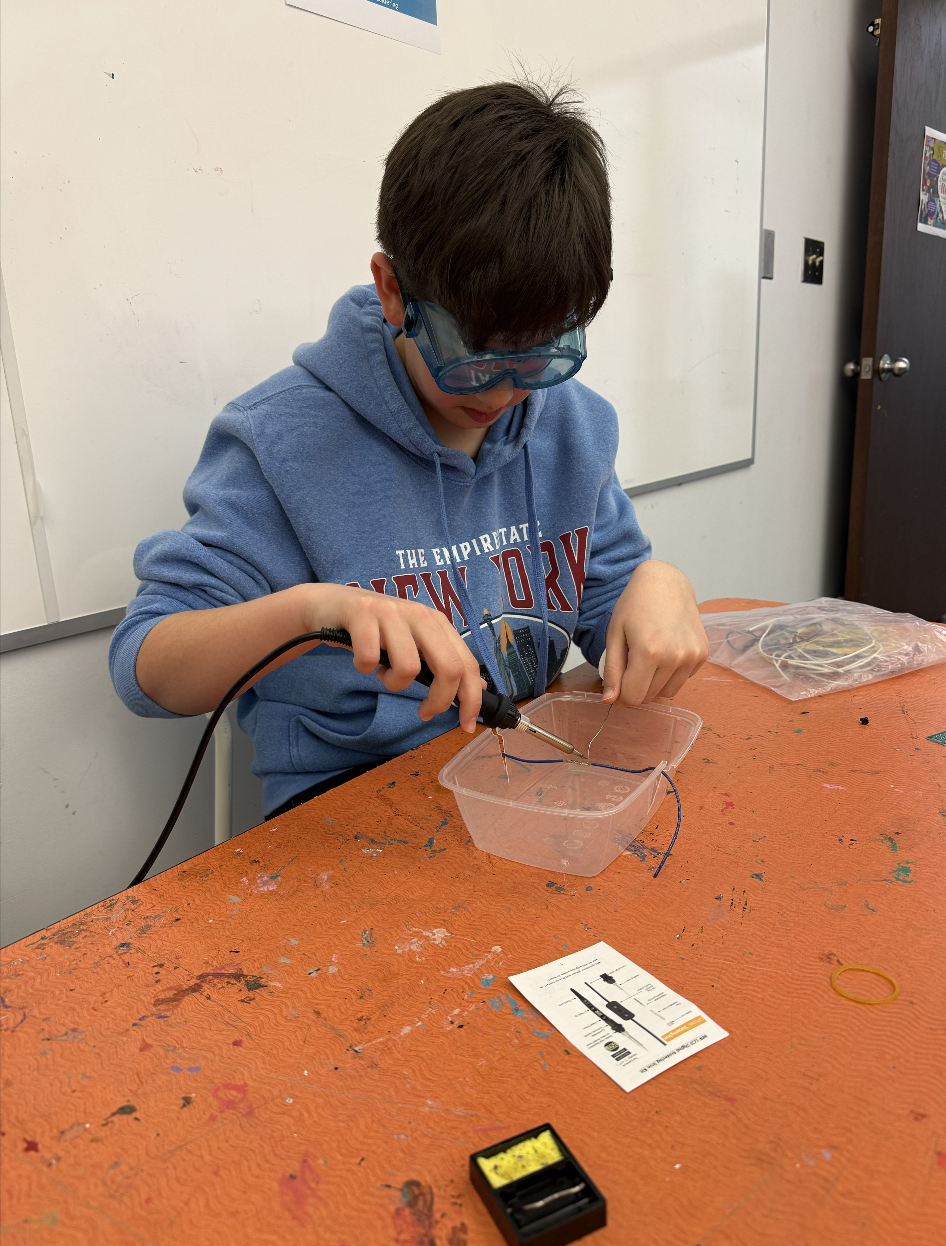
Welcome to Week Three of the Electricity Quest! This week will be the team's final dedicated week to exploring the fundamentals of electricity in preparation for designing, building, and electrifying! First, learners heard about a large study Google conducted to determine what makes teams successful. Rebels then made goals for their teams and got right to work learning about resistors. Resistors are a common electrical component that limit or even regulate the flow of electricity in a circuit. They can help ensure components receive the right amount of electricity, so they'll play an important role in our cities, preventing other components, like LEDs, from getting too much power and burning out! After researching how resistors work, teams drew circuit diagrams and built circuits that included at least one resistor and a single bulb, at least one resistor and two bulbs in a series, and at least one resistor and two bulbs in parallel. If they had time, teams chose three different wire gauges of the same length and used their DMM to test each wire to see which one carried the most current. On Tuesday, learners turned their attention to capacitors. Rebels were asked how robust the power grid in their neighbourhood is. Do they have redundant, automatic backup power systems that will trigger if the wind dies, a power plant malfunctions, or a power line is down? One way to add redundancy to our power grids without adding additional energy that would blow up your cost of living is to add capacitors, temporary storage devices for electrical charge. Once Rebels learned about capacitors, they learned how to use one in a circuit before drawing a circuit diagram that includes a capacitor(s) and building a circuit to power a single light bulb with the battery disconnected for at least 2 seconds. They were then tasked with building a flashing LED circuit using transistors and/or capacitors (and a 555 timer if they'd like). With the winter storm in effect on Wednesday, the Rebels in attendance used their time wisely to catch up on past Quest challenges and experiment with the various electronics components, especially switches. Lastly, on Thursday, they explored more complicated circuits. First, they read an article, paying particular attention to the visual diagrams that showed the flow of current across the different types of circuits. They then read through the example problems before completing two problem sets to test their knowledge of circuits, volts, amperage and resistance. Great work, Rebels!
Additional Highlights
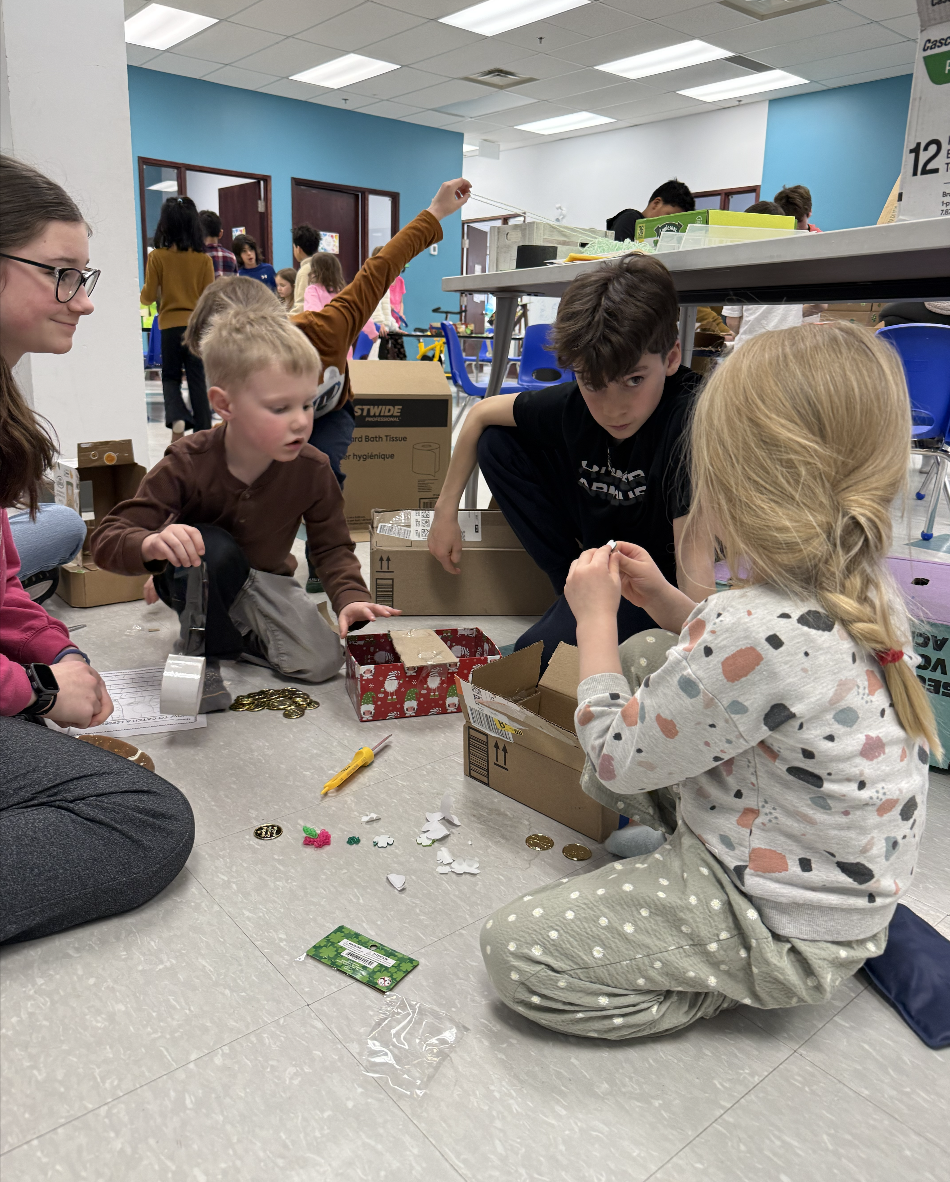
On Friday afternoon, Exploration Rebels helped the younger learners build Leprechaun Traps in preparation for St. Patrick's Day. As we were also celebrating Pi Day, learners took a break to enjoy some delicious pie and ice cream! A huge thank you to all of the Rebels who used their Fun Friday time to help others!
Potential Questions/Ideas to Ask Your Learner
Spark Studio
Who were the Wright brothers?
Can you make a pattern using materials in your home? Kitchen? Playroom?
Can you describe your design for your papier mache airplane? What materials did you use?
French: Which sea animal can you name in French?
Discovery Studio
What simple machines did you use in your designs this week?
What happened when your team combined your machine with another team’s machine? What challenges did you have to solve together?
If you had another week to improve or change your machine, what would you do differently?
How is your bridge or play structure design coming along for Reader/Writer?
How do you solve a series of equations variable puzzle?
French: Why do you think l’Académie Française exists, and do you think it is important for the French language?
Exploration Studio
Some, based on the Google Study, posited that personality types do not matter in teams, while others suggested they definitely do. Based solely on your experiences, are individual personas a small, moderate, huge, or non-factor in teams?
This is a very difficult Quest. How are you helping your team? Are you doing more of the research, accounting, or the hands-on components?
We spoke about improving the civility in the studio at Town Hall. What are you going to do next week to help our community?
As the studio plans the overnight adventure, what are you looking forward to most?
French: Which role did you play in the Upper or Lower Canada role-play ?