
Revel Recap: May 25-29
Important Upcoming Dates
Sunday, May 31, 2026 - Ottawa Children’s Business Fair 10 am - 1 pm
Friday, June 12, 2026 - Exploration Studio Late Night Hang
Tuesday, June 16, 2026- Spark & Discovery Field Trip to the National Gallery of Canada
Thursday, June 18, 2026 - Exploration (Grade 8) and Launchpad (Grade 12) Studio Graduation Ceremony 3 pm
Thursday, June 25th - Full School Session 7 Exhibition at 4:15 pm
Monday, June 29th - Rebel Olympics
Wednesday, July 1, 20206 - Canada Day - NO School
Thursday, July 2, 2026 - Summer Birthday Party, Swimming, and Mr. Sundae Ice Cream Truck!
Spark Studio
Mindfulness and Launch
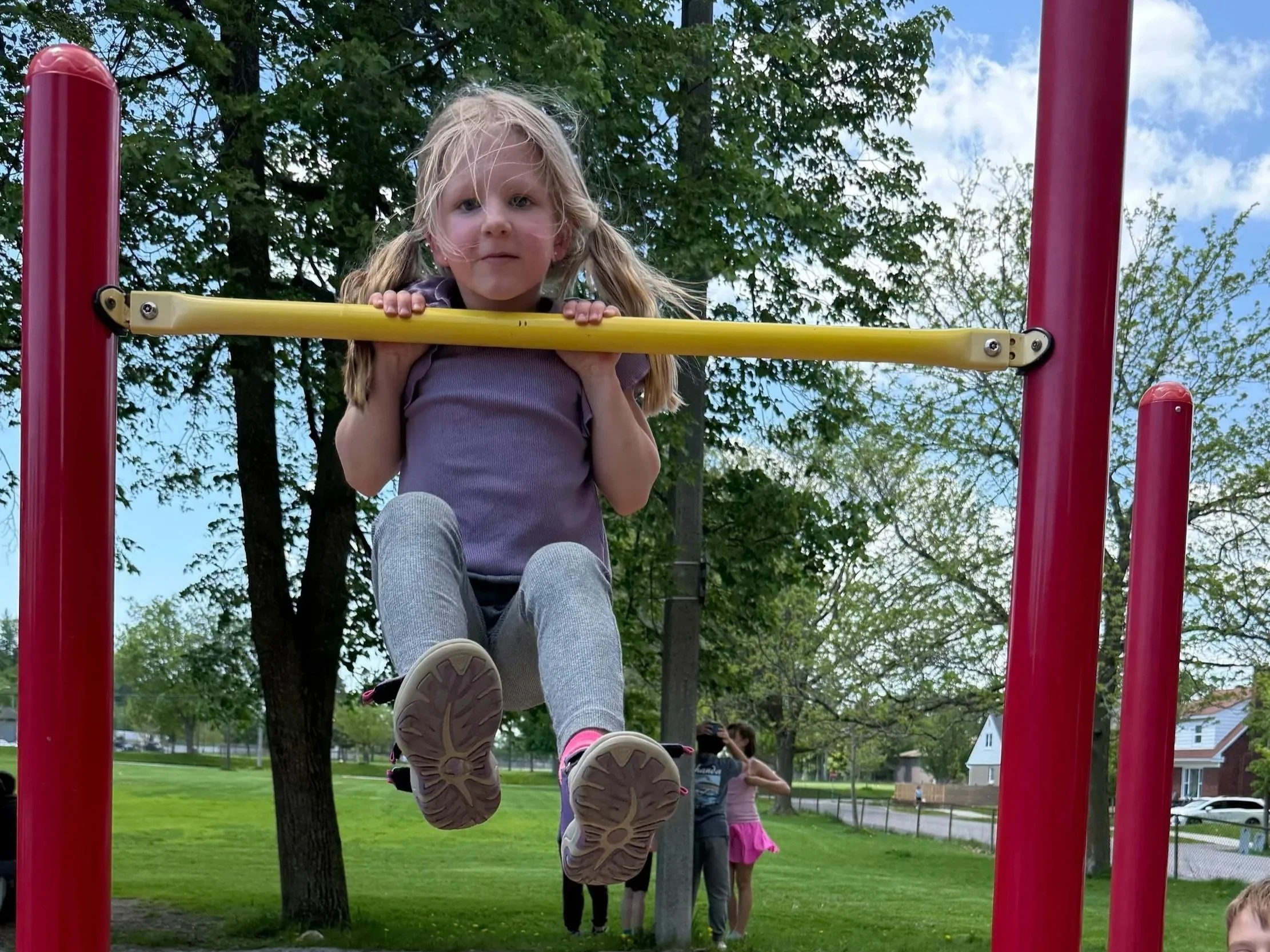
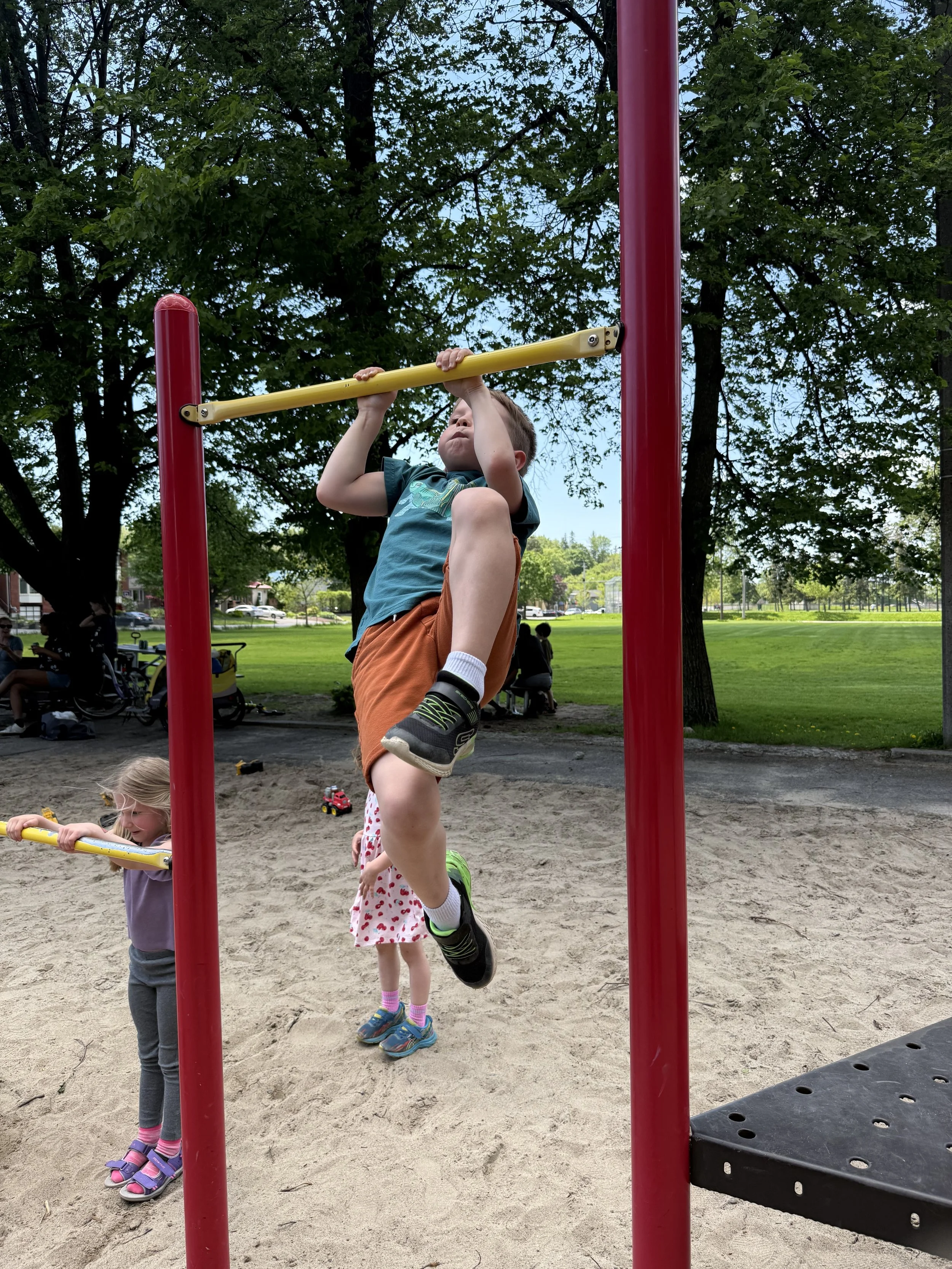
This week, many of our Mindfulness Mornings connected with our Quest theme as we explored some of the fundamental principles of art, helping the Sparks build both creative confidence and artistic vocabulary. On Monday, we learned about the colour wheel, focusing on primary and secondary colours, and the learners completed a directed drawing of a person holding a colour-wheel umbrella. Tuesday, we experimented with different types of lines, such as straight, curved, zigzag, and wavy lines, to create movement and expression. The learners then used these lines to create their own artwork. Wednesday began with an energizing workout before we designed imaginative creatures that the Exploration Studio will later transform into clay sculptures. Thursday, we learned about warm colours (reds, oranges, and yellows) and cool colours (blues, purples, and greens) and created artwork using these colour families. To finish off the week, the Sparks completed a "Meet the Artist" biography page all about themselves, which will be proudly displayed at our upcoming Art Museum Exhibition. This will give families a chance to learn more about the young artists behind the work!
Quest
The Sparks had a fantastic and colourful start to our Art Quest this week! Learners completed three hands-on abstract art projects that allowed them to explore different materials and techniques. First, they created bright 3D paper sculptures, putting their cutting, folding, and gluing skills to work. Using techniques such as paper rolling, accordion folds, bridges, fringe, and more, they arranged their creations on black cardstock for a striking visual effect. Next, the Sparks built stacked cardboard sculptures using clay, wooden sticks, cardboard pieces, beads, and Styrofoam balls. This open-ended process art activity was a big hit, and each sculpture turned out wonderfully unique.
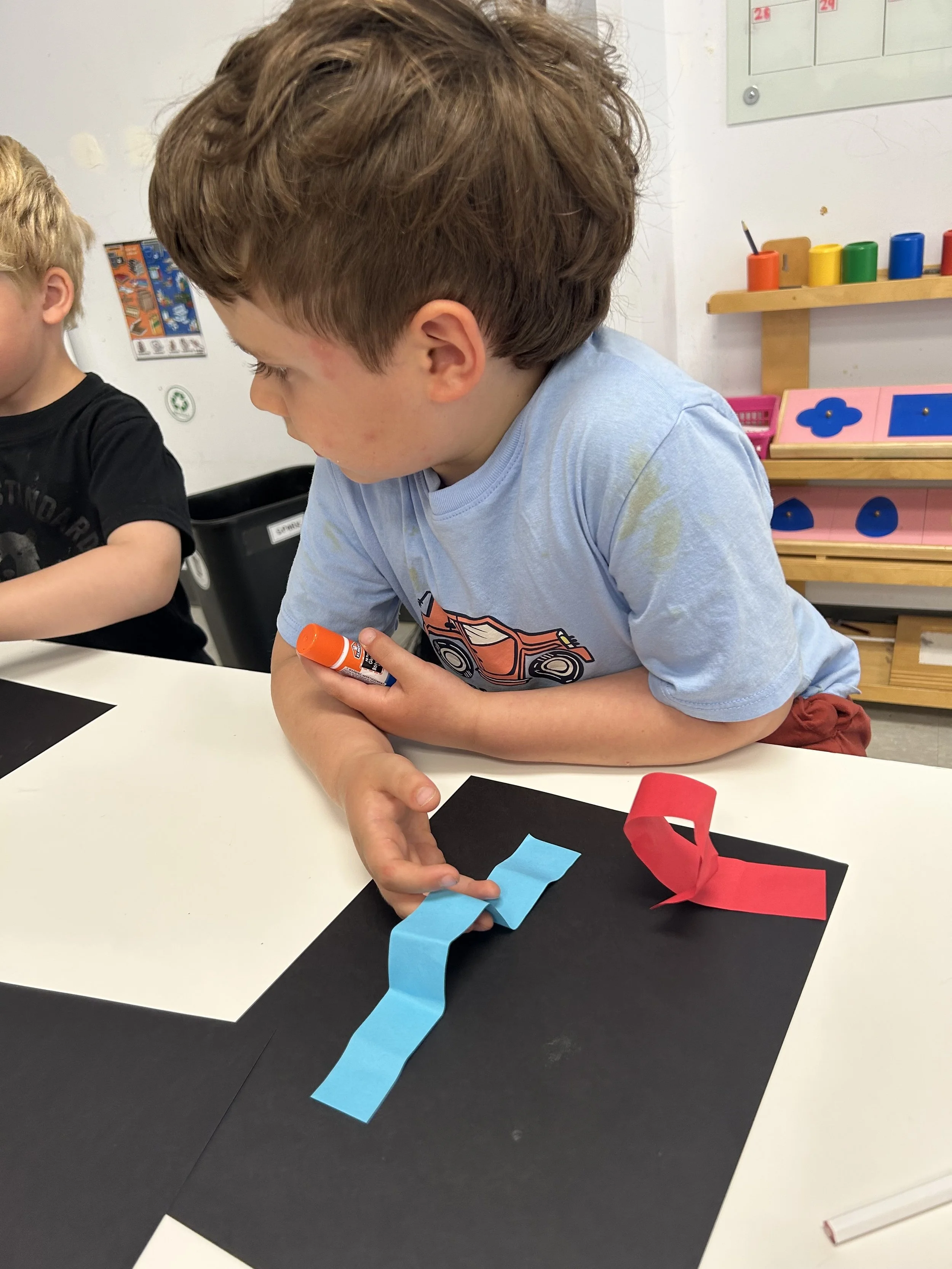
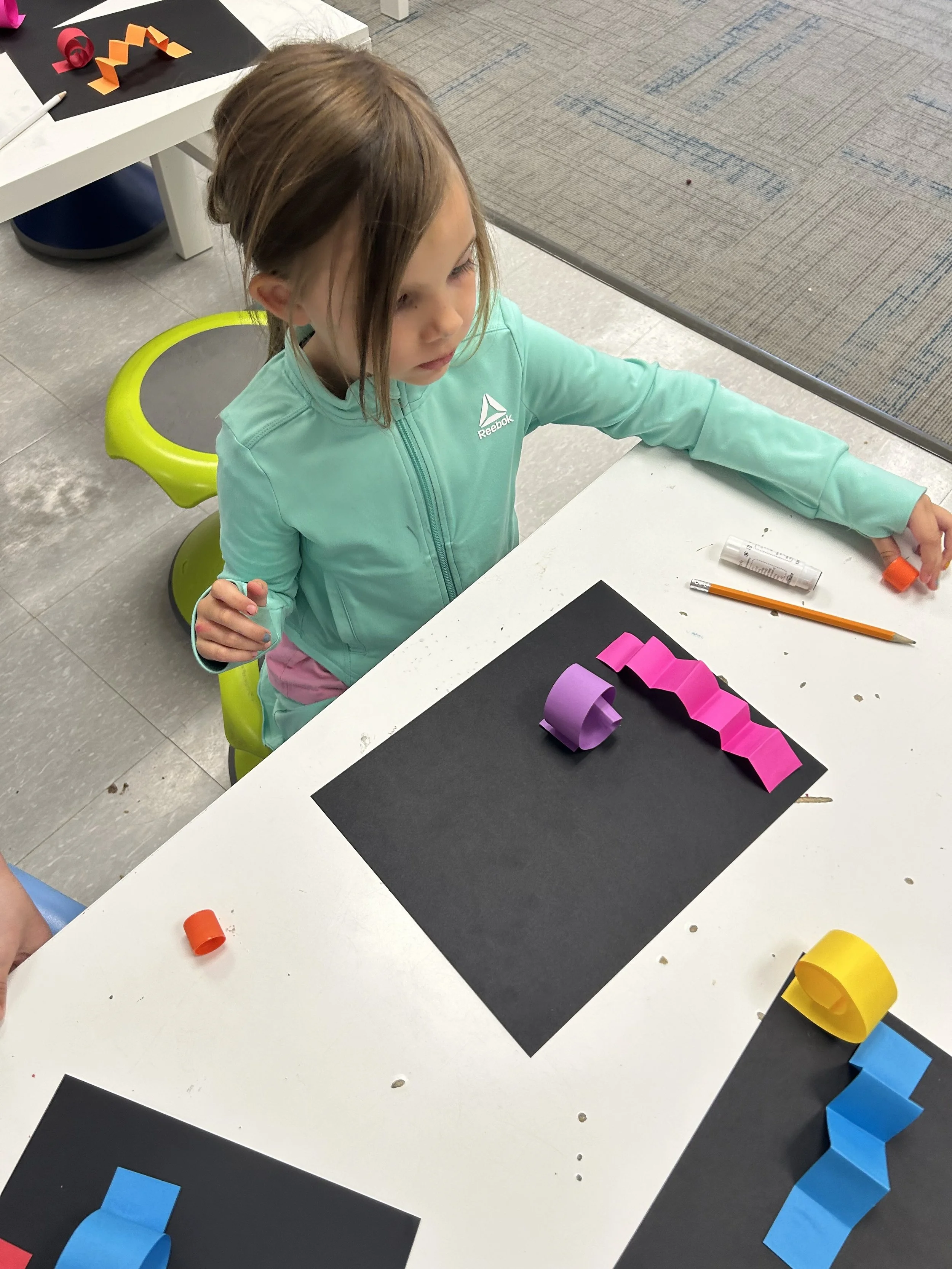
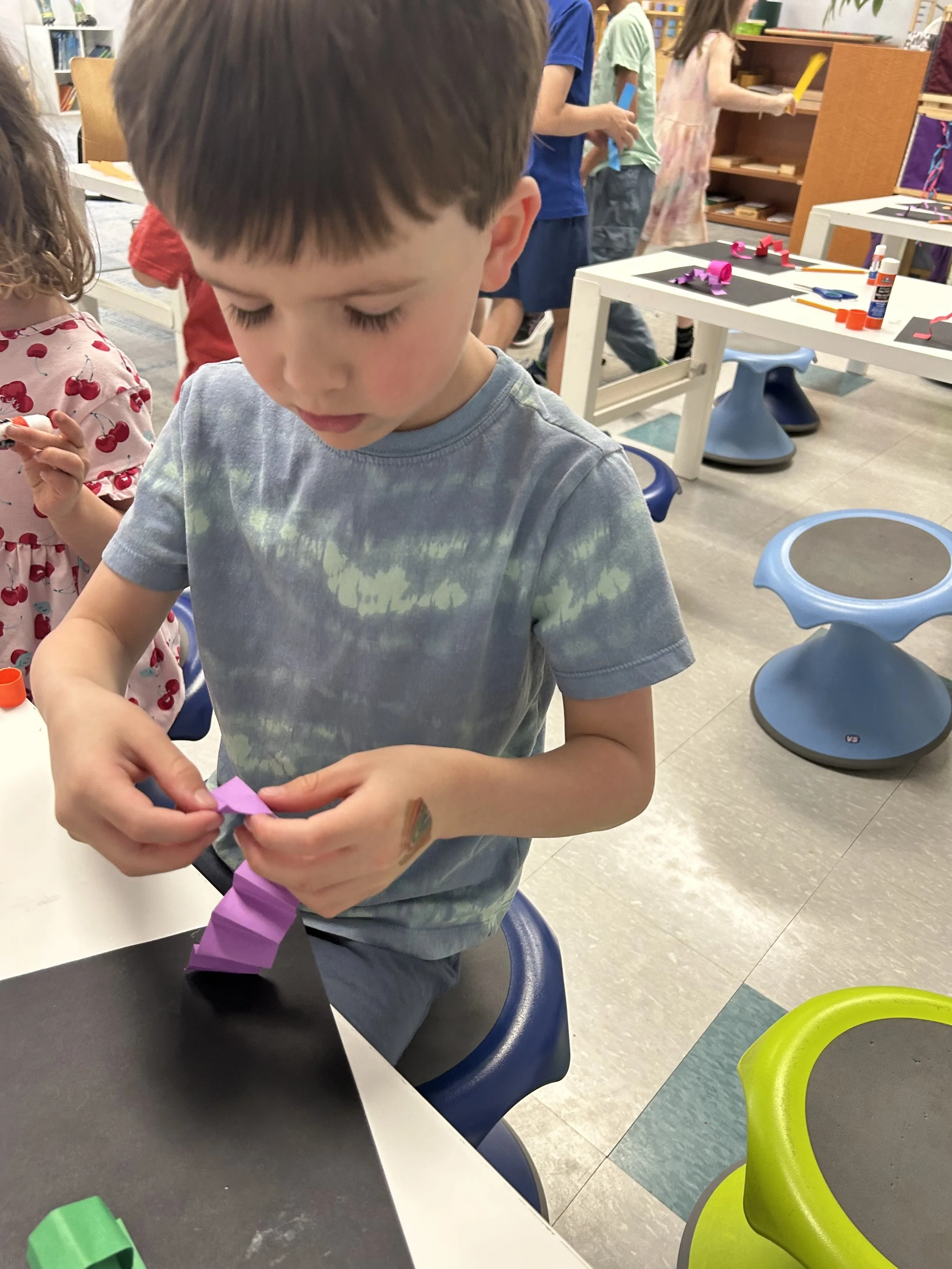
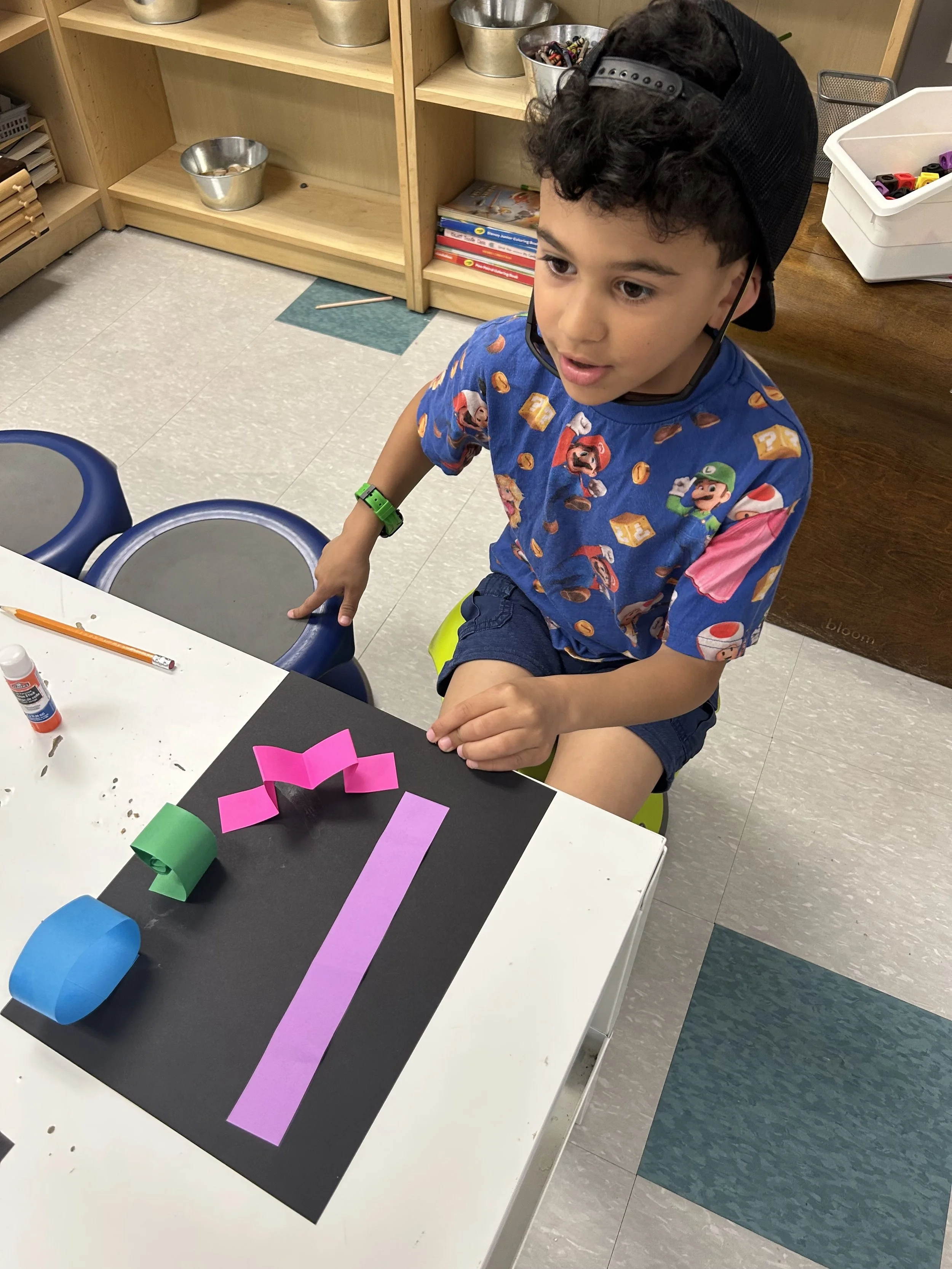
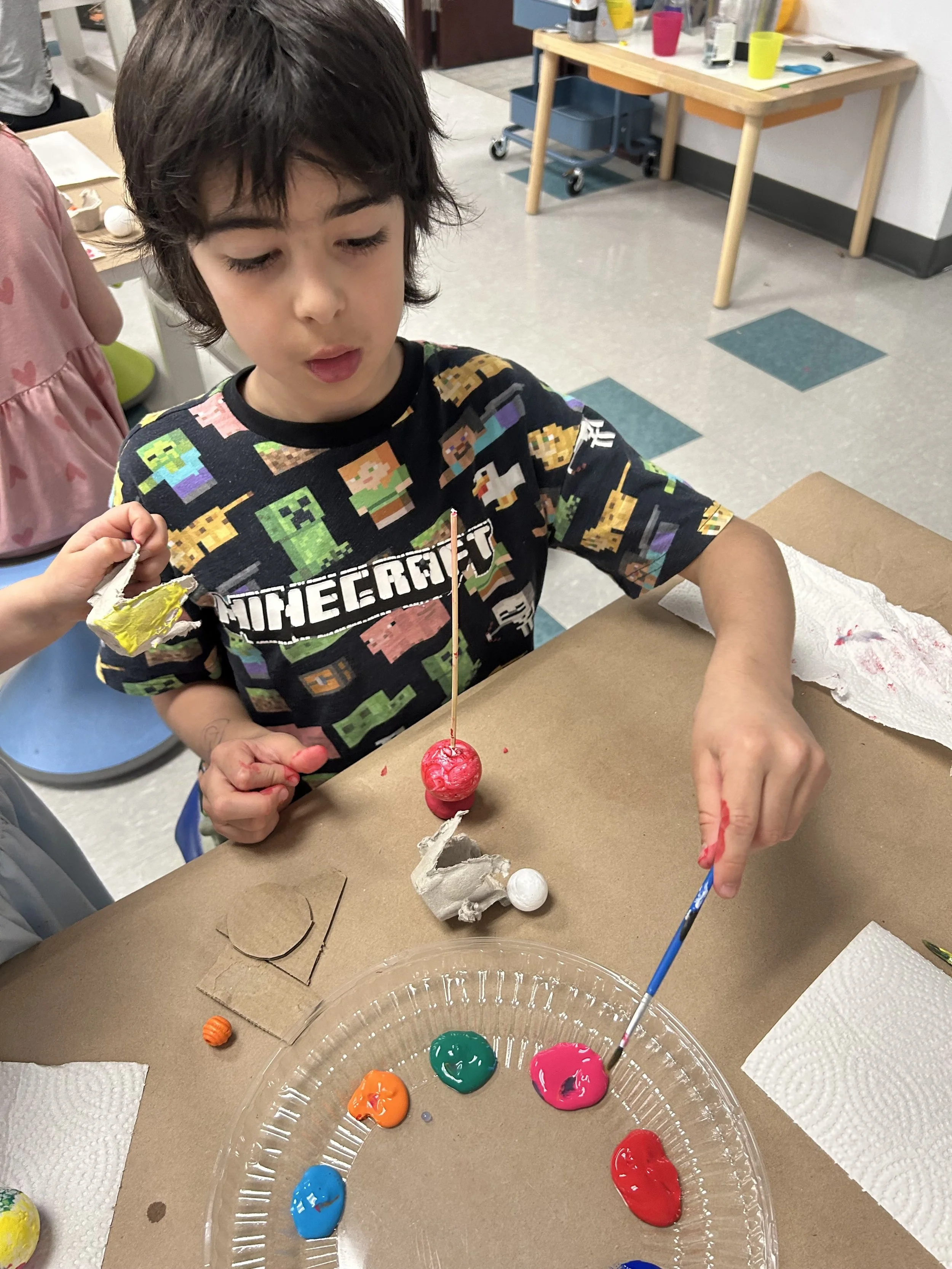
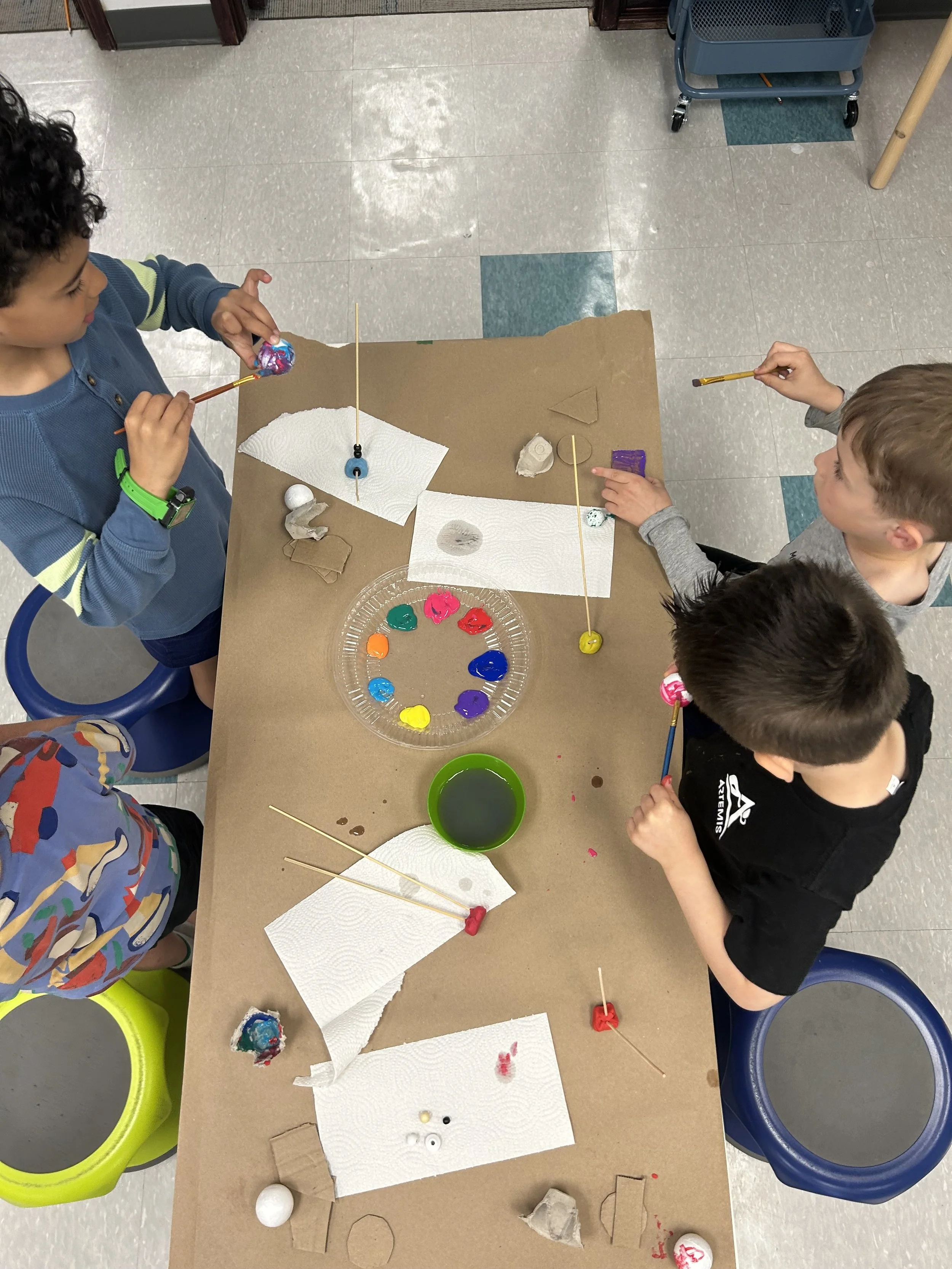
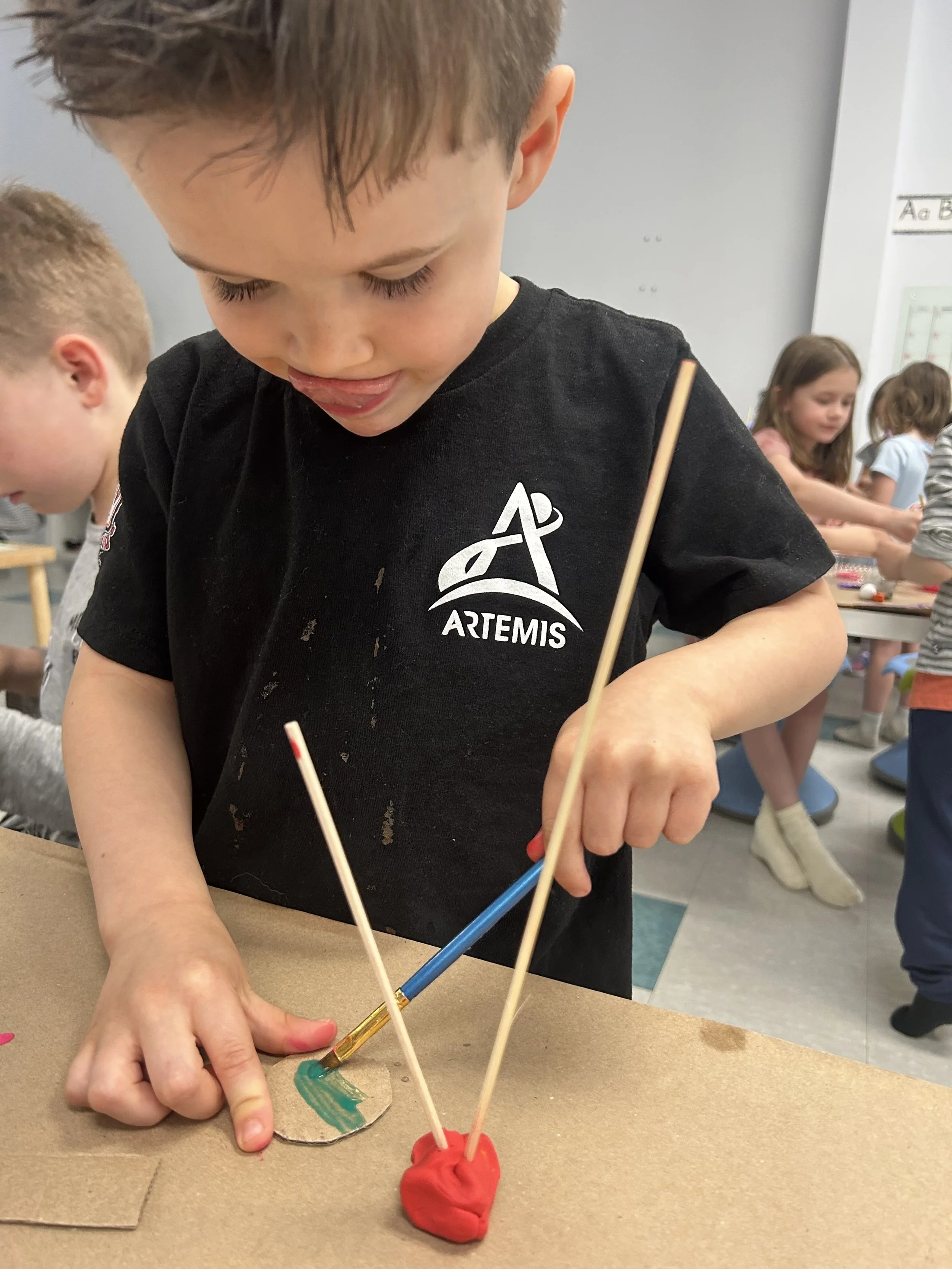
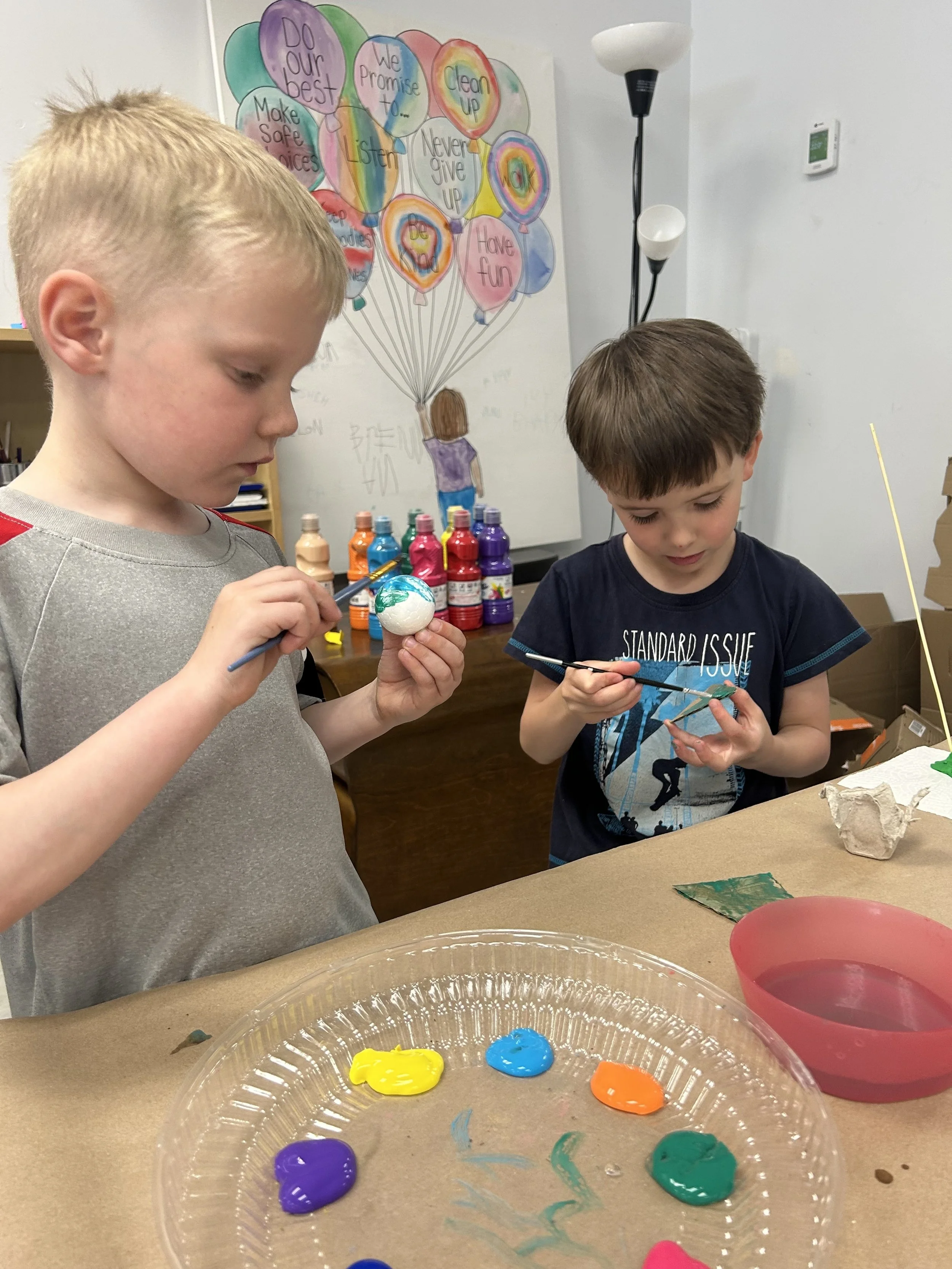
For their final project, the Sparks created rolled-paper sculptures by rolling strips of paper in different colours and sizes and gluing them onto cardboard to create vibrant, layered 3D artworks. It was an inspiring start to our Quest, and it was amazing to see so much creativity, imagination, and artistic risk-taking throughout the studio.
Canadian Geography
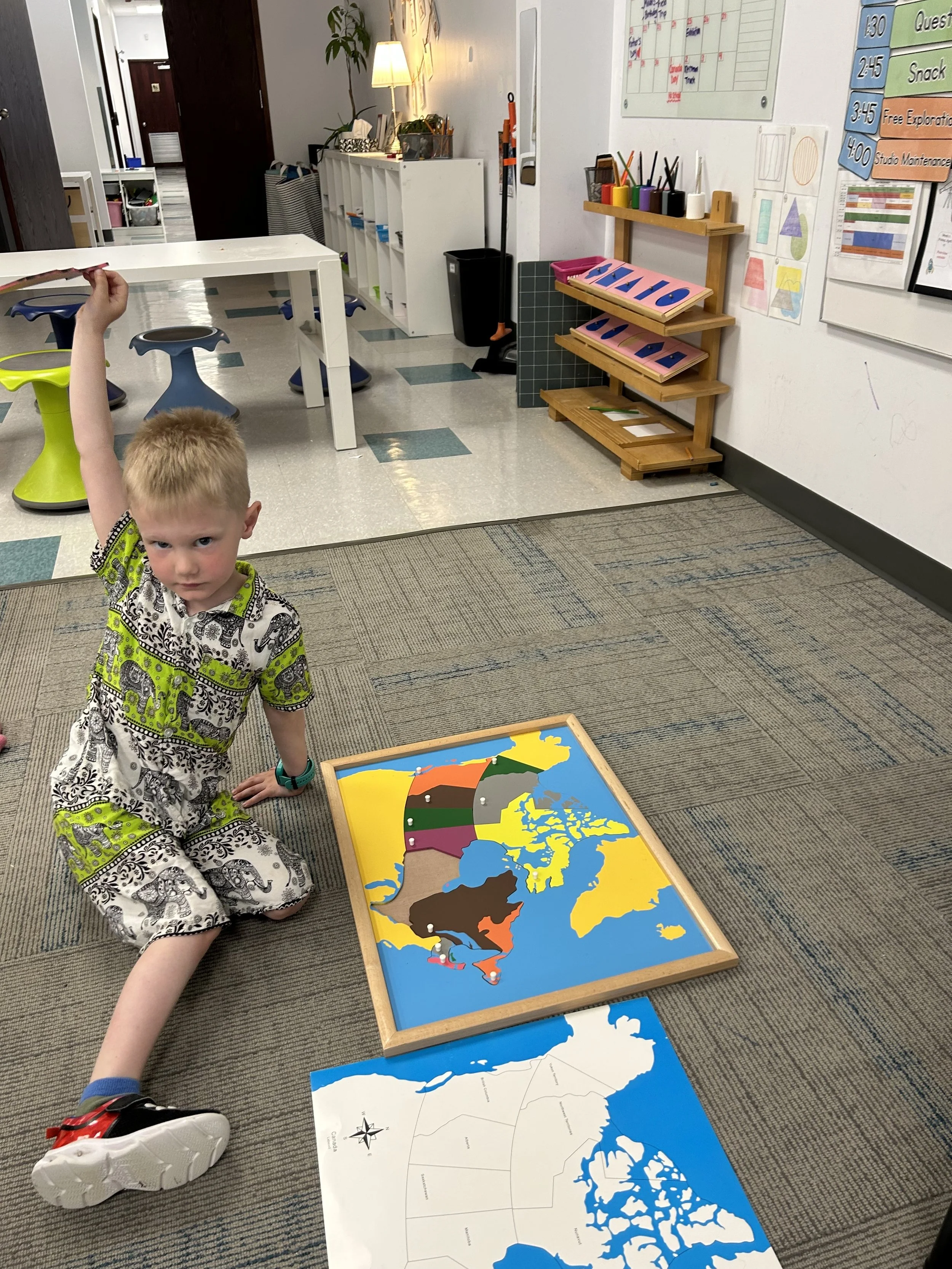
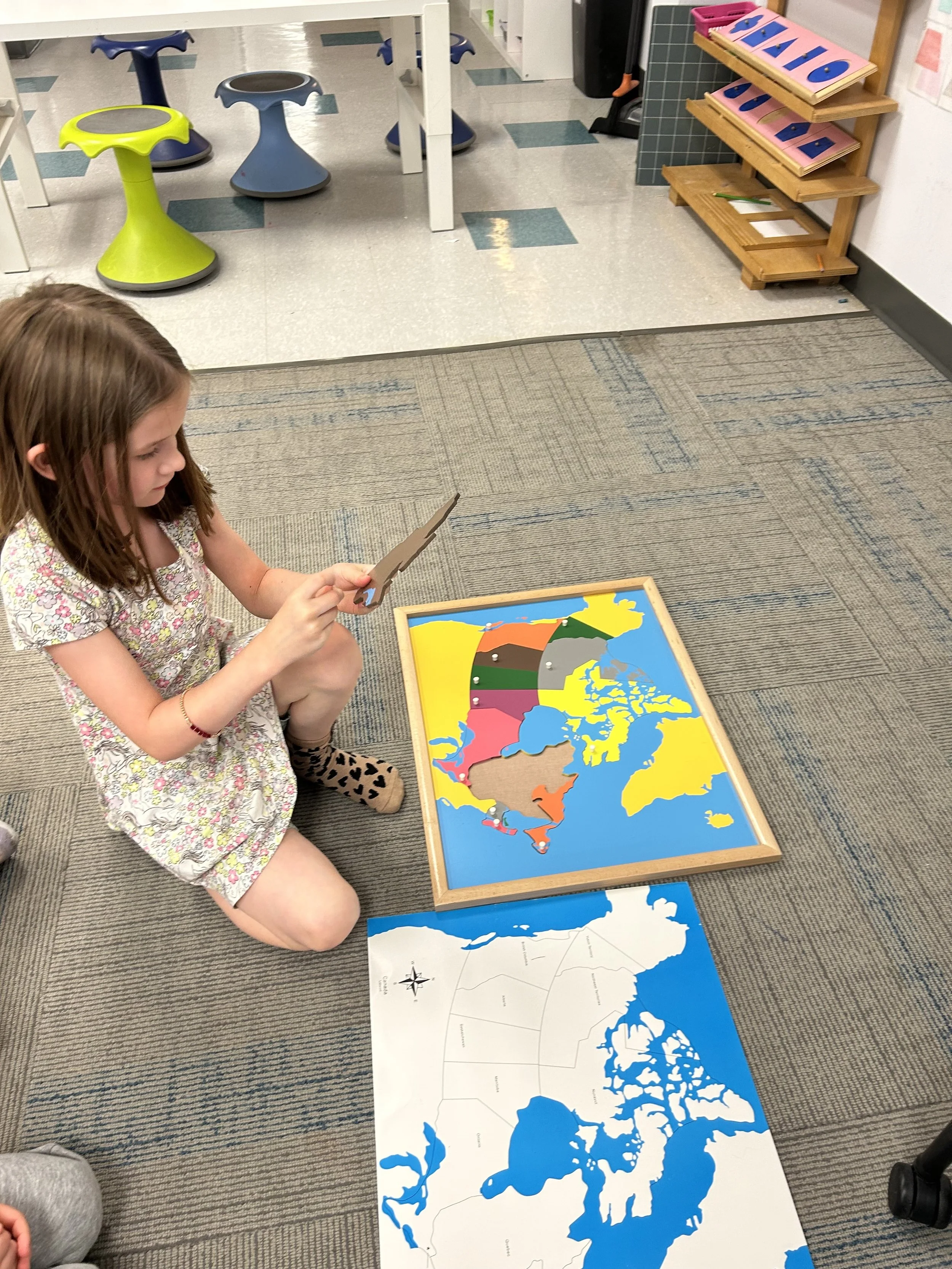
Our studio began an exciting new unit on Canadian Geography this week. We used our Canada puzzle map to spark discussions about familiar provinces and territories, and the learners enjoyed pointing out places they have travelled. After counting all the pieces—ten provinces and three territories—we listened to a song that shared interesting facts about each region. We wrapped up the workshop by beginning the first page of our geography booklet, colouring a map of Canada and labelling each province and territory. The Sparks are already showing great curiosity about our country, and we look forward to exploring more of Canada's geography in the weeks ahead!
French
This session in French, the Sparks are learning how to introduce themselves and talk about themselves in French. This week, we focused on the expressions « Je m’appelle… » ("My name is...") and « J’ai … ans » ("I am ... years old"). On Monday, the Sparks drew self-portraits and began describing themselves using simple vocabulary, such as the colour of their eyes (blue, brown, green, etc.). On Tuesday, they completed a similar activity by describing a friend using the same sentence structures. On Wednesday, we watched a video about introductions to help reinforce comprehension and pronunciation. Thursday, we headed to the gym and played a name-tag game that allowed everyone to review the expressions learned throughout the week in a fun and active way. Through games, art, conversation, and movement, the Sparks are building confidence in speaking French and are becoming more comfortable introducing themselves to others.
Book Study
This week, we began our final book study of the year with The Good Egg by Jory John and Pete Oswald. The learners enjoyed listening to the story, which follows a very responsible egg who tries hard to be perfect all the time and eventually learns the importance of balance and self-care. After reading the story, the Sparks worked on the first pages of their booklets. They completed the title page and the story elements page, where they identified and recorded the title, author, illustrator, setting, and main characters. The learners especially enjoyed the humour woven throughout the story, and we look forward to continuing our discussions and booklet activities as we progress through the book over the course of the session.
Reader Writer Workshops
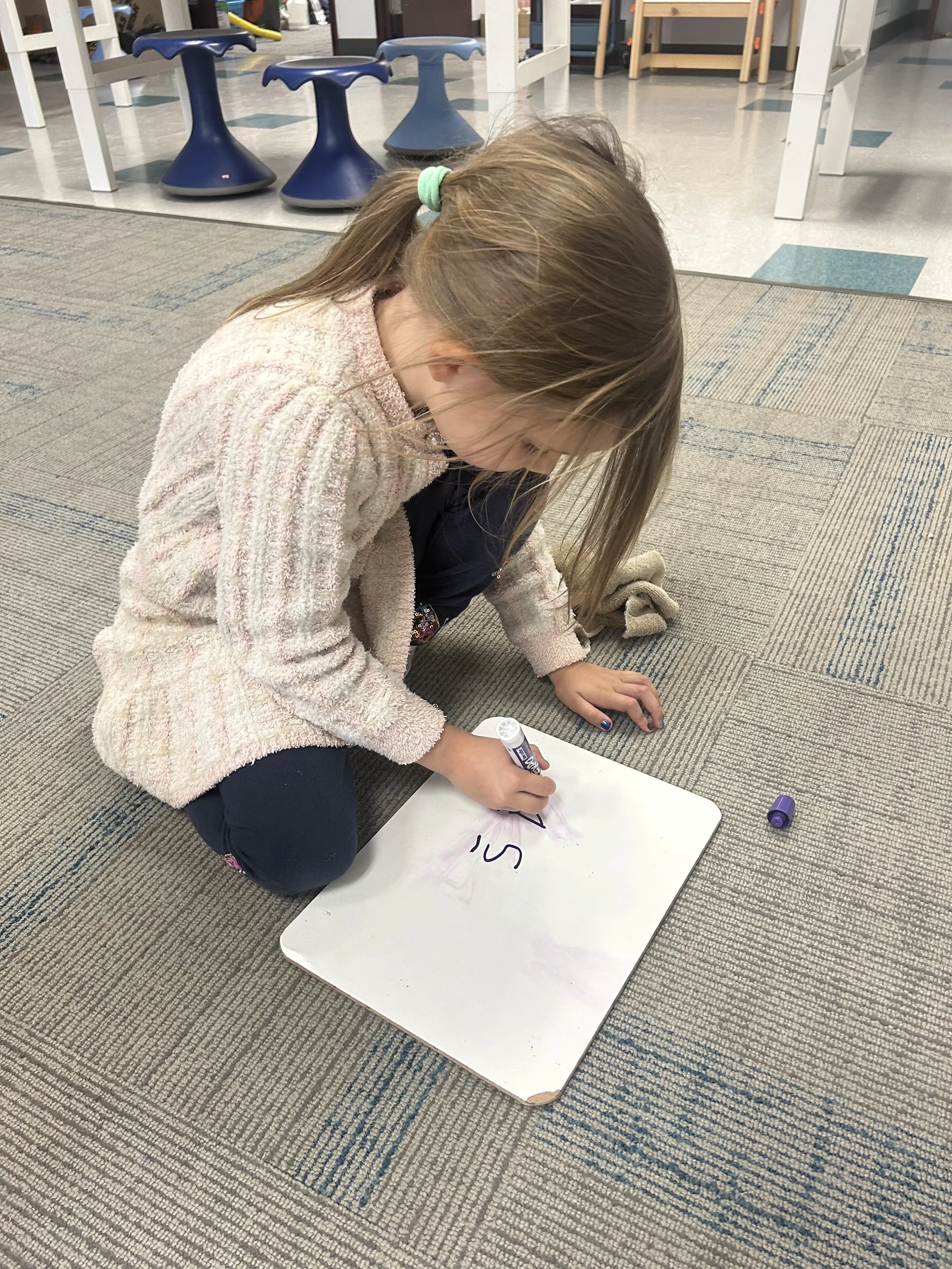
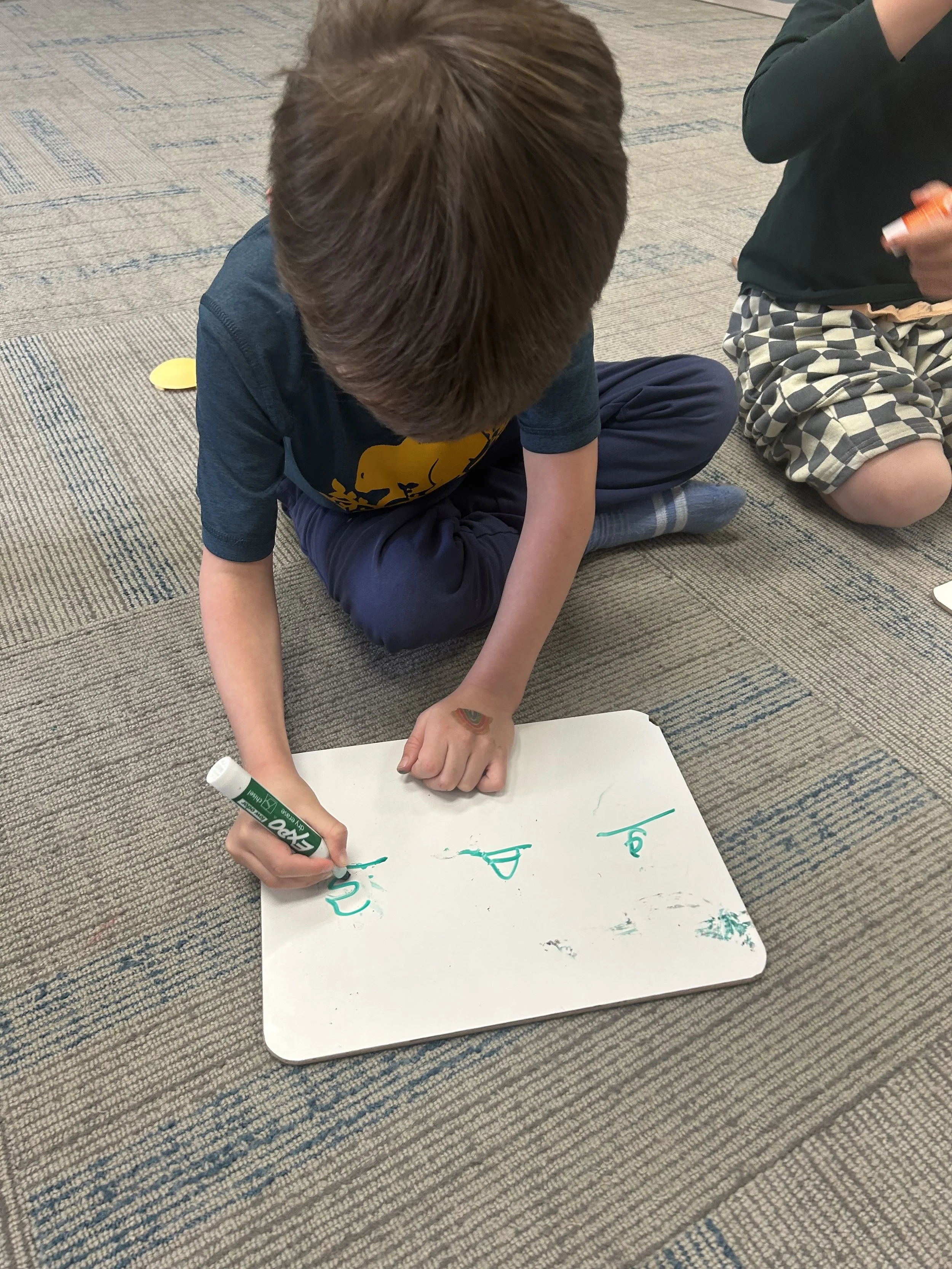
Group one continues to work on UFLI this session. Working on lesson g, they used their white boards to practice spelling CVC words using the letter g, practicing their upper and lower case g as well. Additionally, they have been dedicated to their Writing without Tears book and reading drawers!
Group Two worked on building their reading comprehension skills this week. Each learner read a short passage to a guide on a variety of topics and then answered a few questions to demonstrate their understanding of the text. This type of reading activity helps learners slow down, think critically about what they have read, and practise expressing their ideas clearly in writing. It is a supportive way to strengthen comprehension skills, build confidence, and help the Sparks grow into thoughtful, engaged readers. We will continue exploring new reading passages and comprehension activities throughout the session as learners further develop their reading and critical-thinking skills.
Math Workshops
This session, the groups came together for one workshop to review concepts and materials explored throughout the school year. To begin, the Sparks practised skip counting by 2s, 5s, and 10s together. The guide then asked the learners where in the studio they could find materials to help with skip counting, and they quickly pointed to the counting chains! After the group discussion, the learners branched into two smaller groups.
Group One worked closely with a guide to explore how to use the counting chains to count by 10s. Using the short 10 chain, they worked together to build the chain to 1,000. Once completed, they practised writing the numbers they counted and reviewed counting by 10s one more time together. Group Two partnered up to complete the "hanging" counting chains for 6s, 7s, and 8s. The learners matched the number tickets to the correct spots on the chains, counted their patterns aloud to a guide, and then practised printing the numbers in their math books. In addition, Group One has been working on counting to 50 to strengthen their number sense and counting skills. This practice supports number recognition, fine motor development through printing, and one-to-one correspondence. They will continue working on their math booklets over the next couple of weeks!
Discovery Studio
Mindfulness and Launch
Welcome to Session 7! We launched off with a Mindful and Launch activity focused on equipping our Rebels for the busy weeks ahead of our final session of the school year. Rebels looked through our session calendar together, signed up for Session 7 roles and responsibilities around the Studio for additional weekly Rebel Buck income, analyzed our daily schedule and discussed an overview of our new workshop and Quest themes.
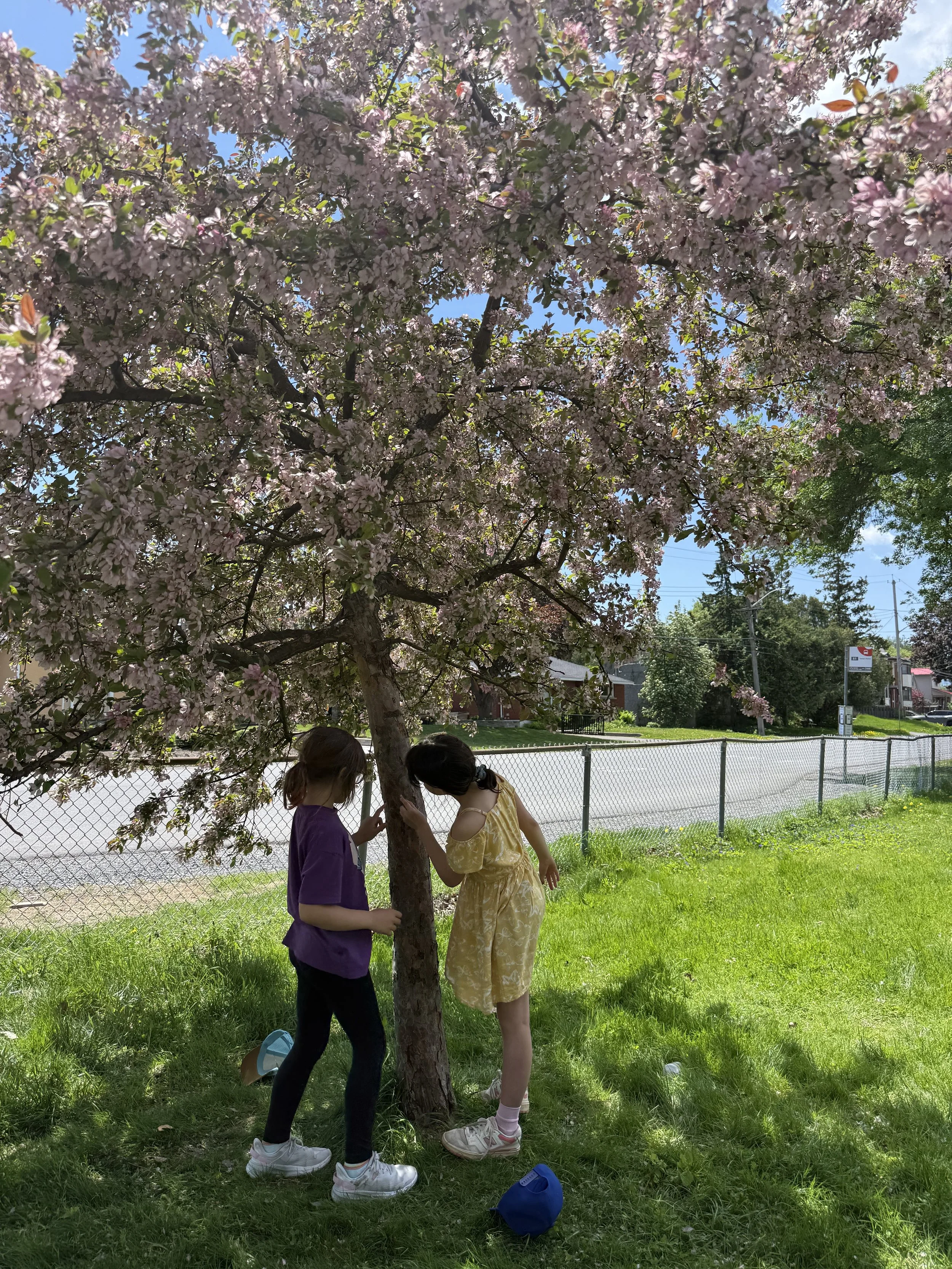
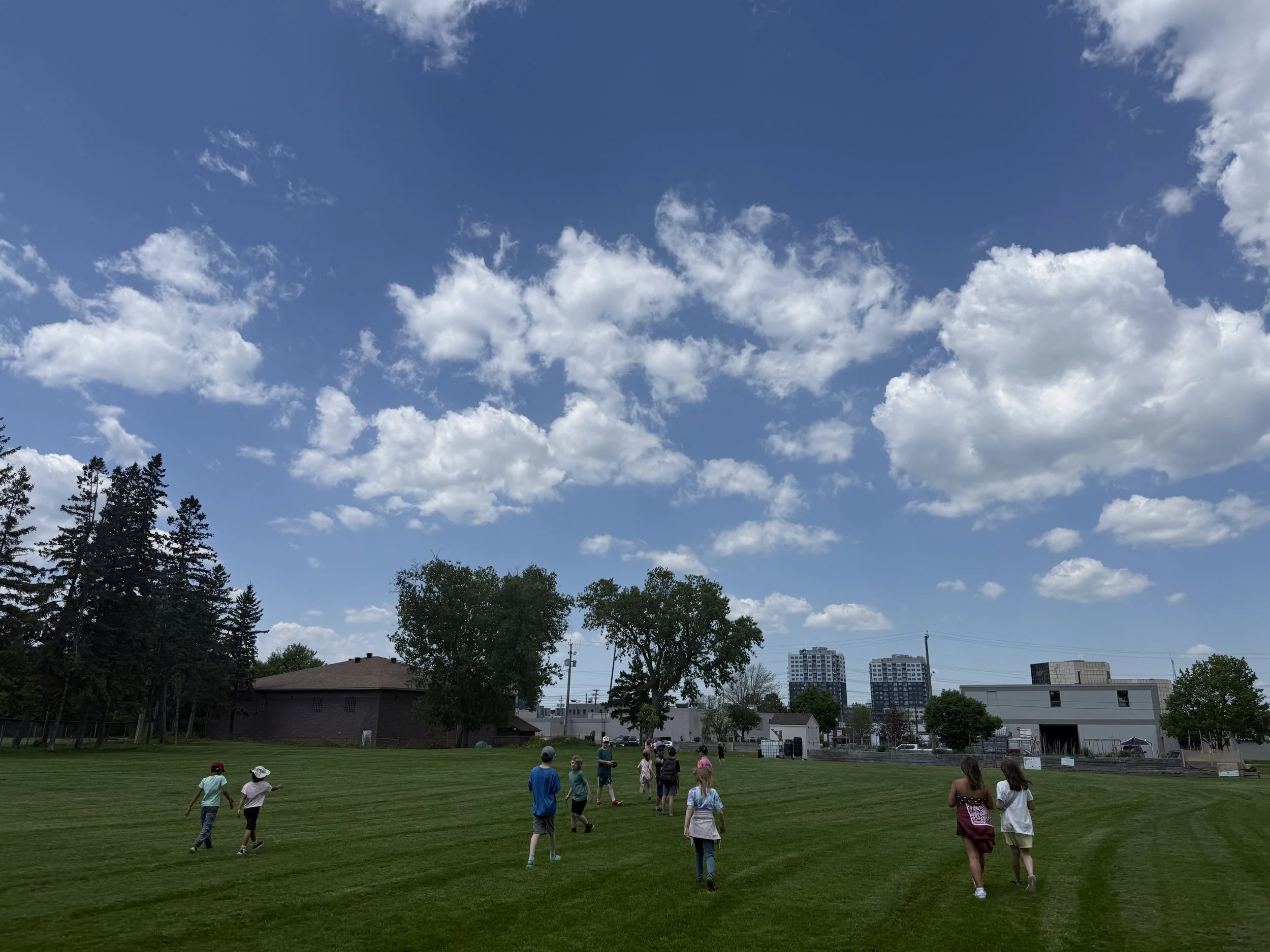
On Tuesday, we started a new recurring weekly launch called “Journey to Learning”, focused on a documentary called On The Way To School. Rebels will watch 10 minutes every Tuesday together and recap elements of the film that stood out to them. This week, Rebels made observations about two of the main characters, where they live around the world, and the distances these children have to travel every day or week just to get to school. We’ll continue to build a collaborative reflection of the documentary based on what we notice during the viewings this session. Wednesday’s New York Times puzzles, Connections and Strands, were very challenging this week, leaving our team stumped and unable to solve the puzzles in the allotted amount of time. There’s always next week, Rebels! Squad Chickens saw Rebels checking in with their new (and last!) squads of the year, going over their year end goals and sharing about their individual highlights from session break. Thursday’s Thank You For Sharing included questions about what kind of art they hope to create this session, what special activities or events they hope to do together before the end of the year, and debated about their favourite movies of all time. On Friday, Rebels continued rehearsals of their Zoo Boomwhacker performance, and have included some new instruments to their rehearsals! They are very excited to showcase their musical talents at this session’s Exhibition! Friday’s Current Events report featured Splash, the search and rescue otter, the national spelling bee and their incredible contestants, and an update on the NHL playoffs.
Reader/Writer
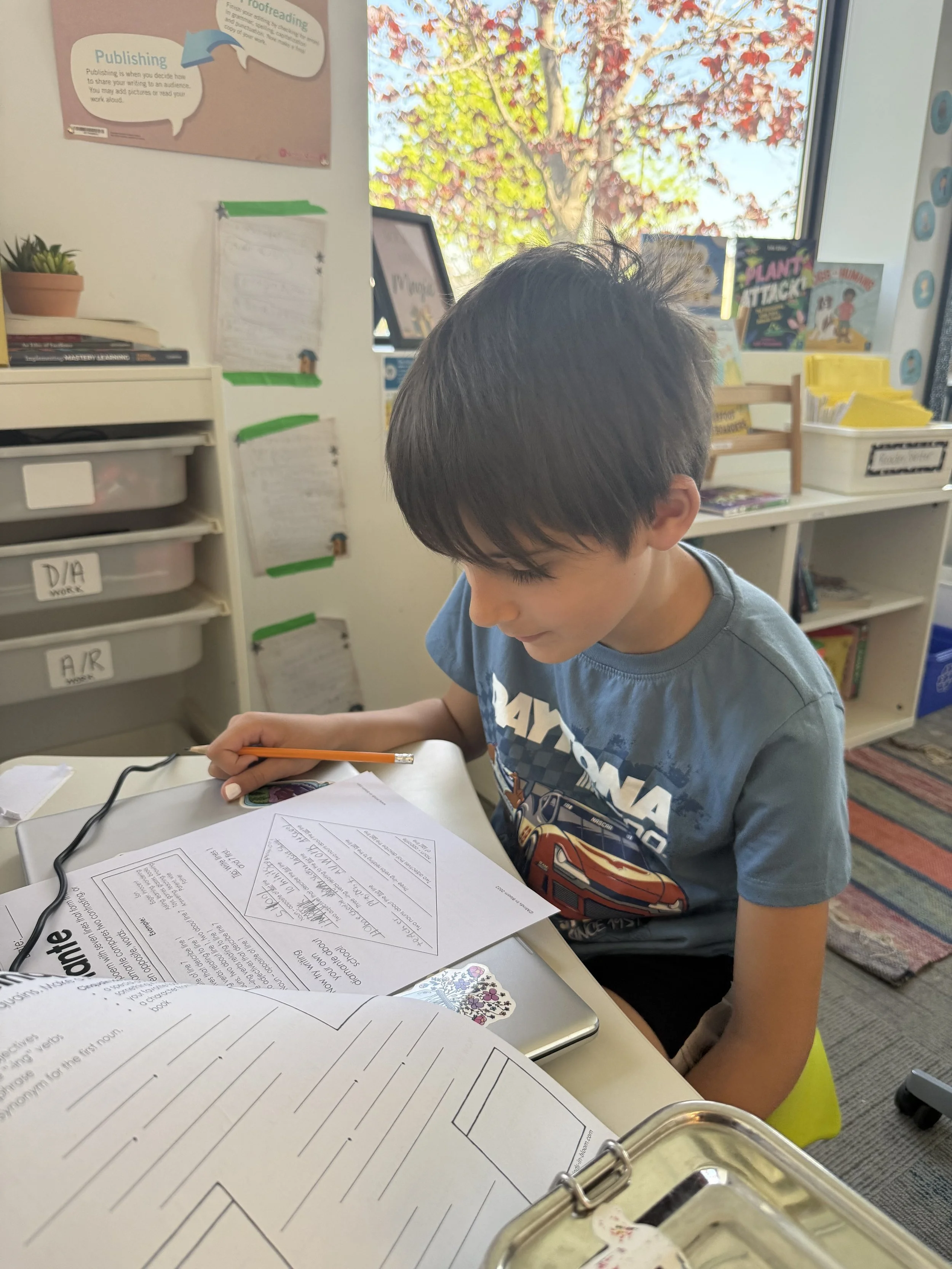
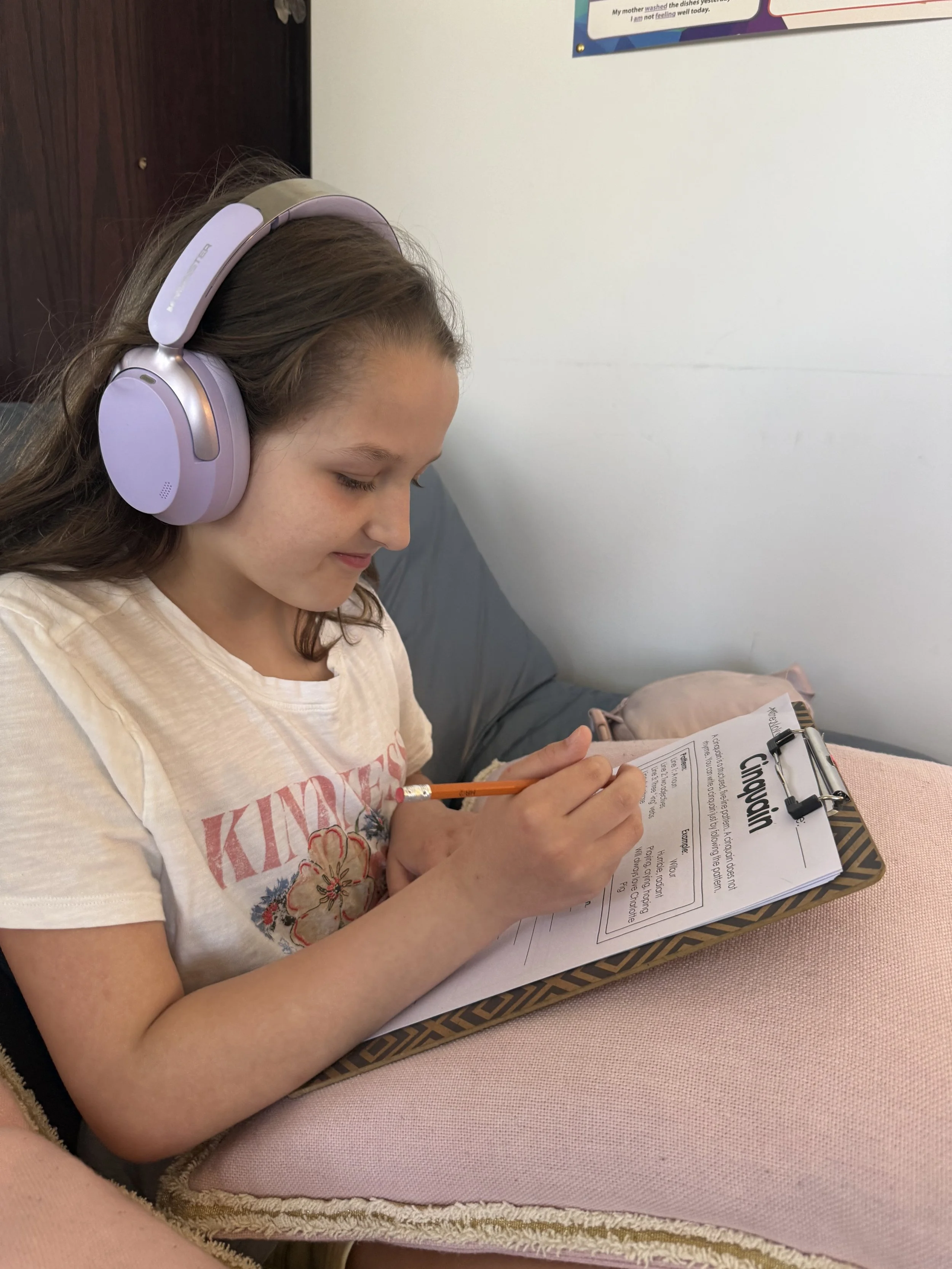
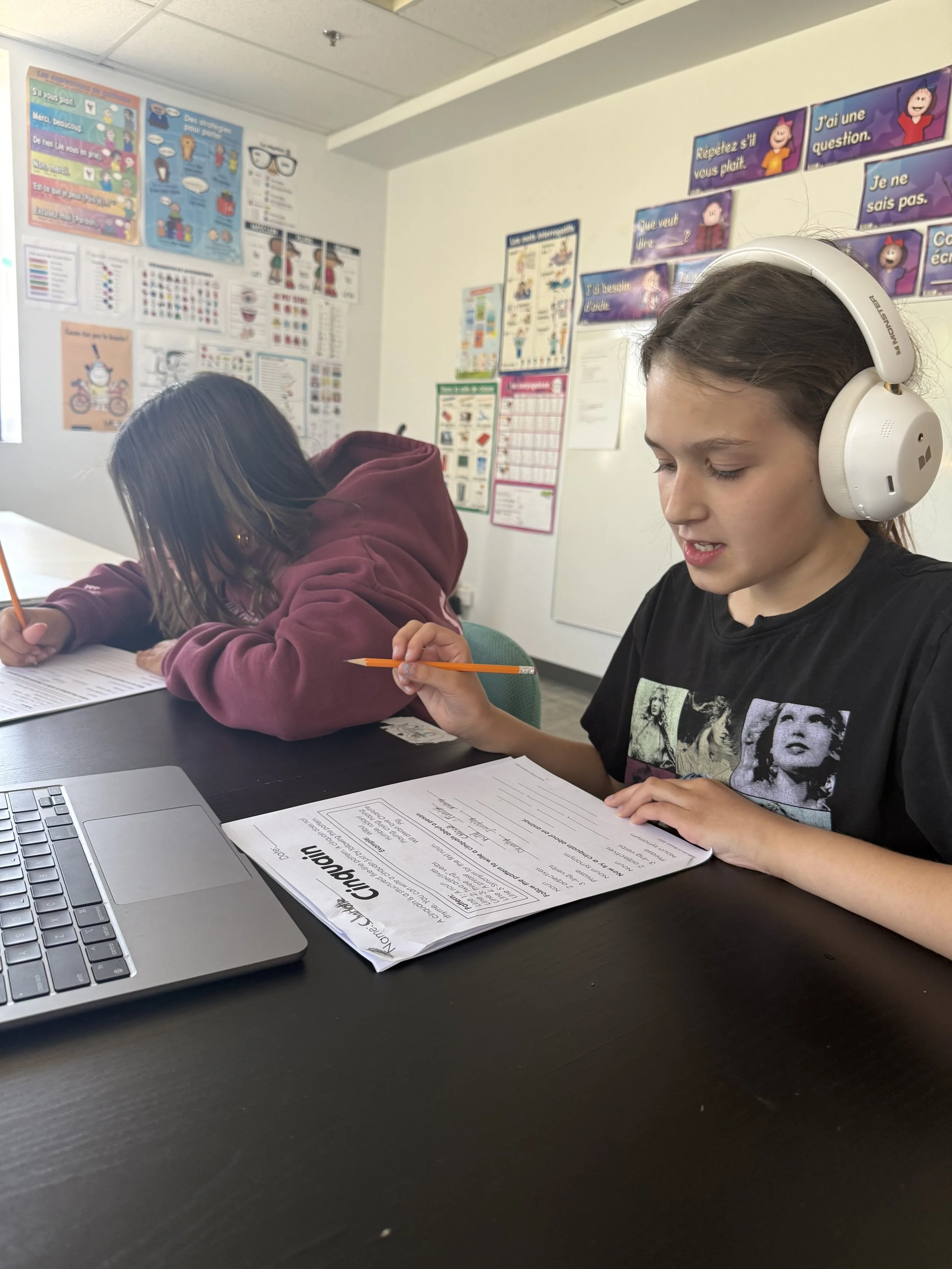
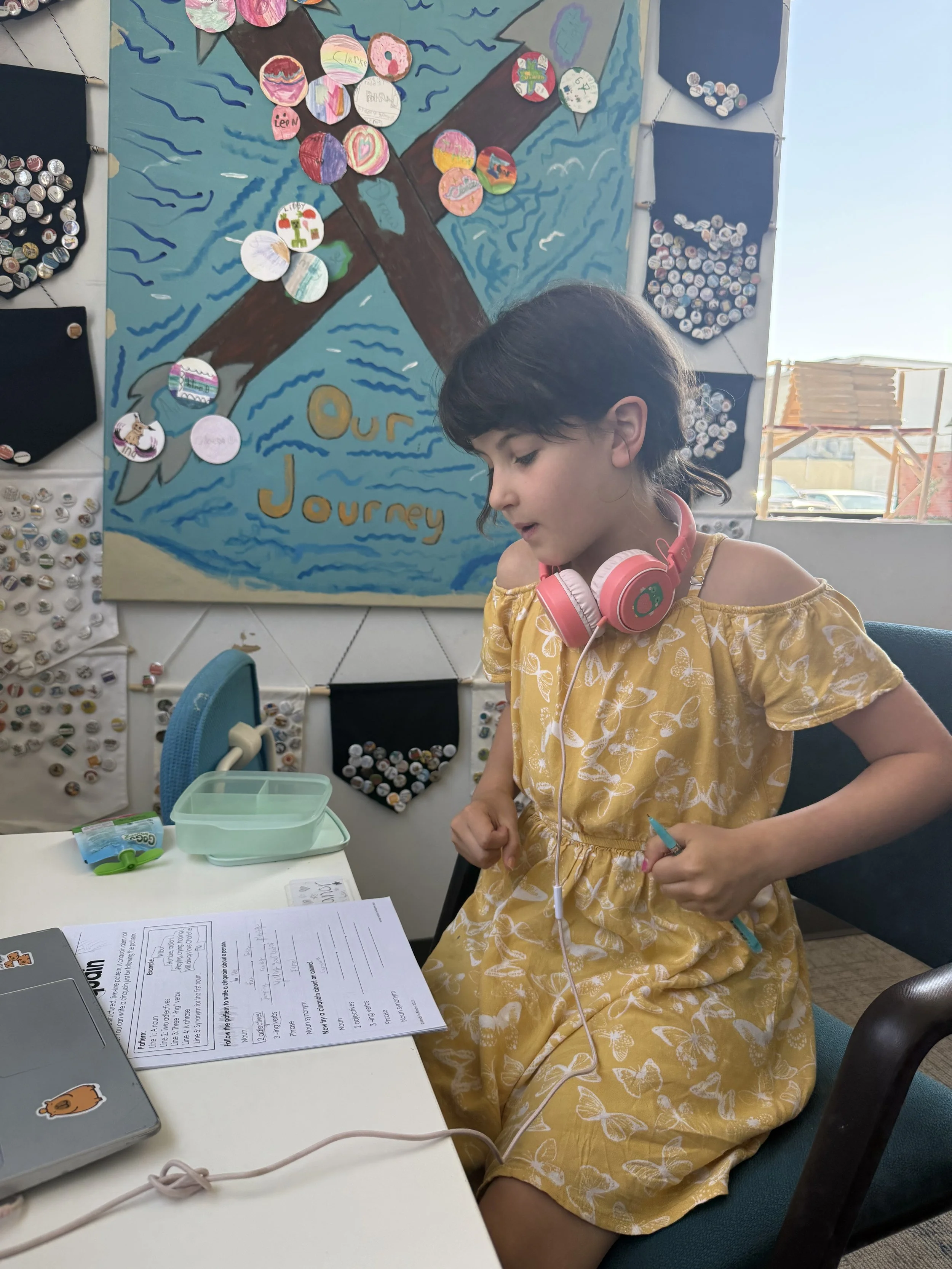
This week, the Rebels were introduced to our brand-new Poetry Badge and began exploring how poetry can be used to express ideas, emotions, and creativity in different ways. We kicked things off by studying three unique forms of poetry: Cinquains, Diamante poems, and Haikus. Discovery Rebels learned how each style follows its own structure and rhythm while still allowing space for imagination and personal voice. They experimented with descriptive language, word choice, syllable counts, and contrasting ideas as they crafted their own poems throughout the week. It was wonderful to see the creativity, humour, and thoughtful imagery that emerged as the Rebels explored poetry in new and exciting ways! Towards the end of the workshop, we reconvened as a group and some Rebels were brave enough to share some of their Haikus, Cinquains and Diamante poems with the rest of the team.
Math Lab
How do we explain math so clearly that someone else could learn from us? Rebels stepped into the role of Math Mentors for their seventh and final Math Lab of the school year! We opened our workshops with a discussion on mastery, and Rebels debated whether they agreed or disagreed with quotes such as, "You haven’t truly mastered a concept until you can guide someone else through it" and "A learner studies until they can understand, but a master studies until they can help someone else understand."
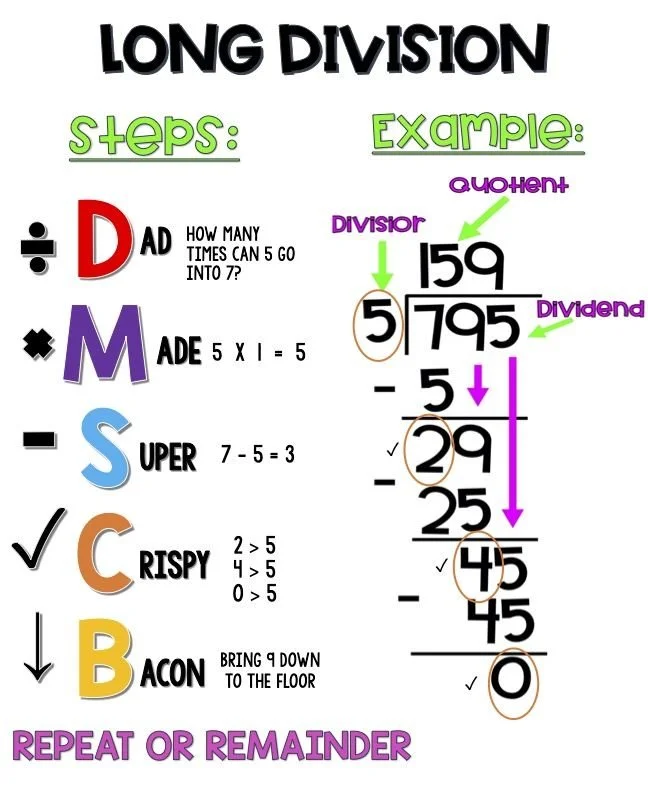
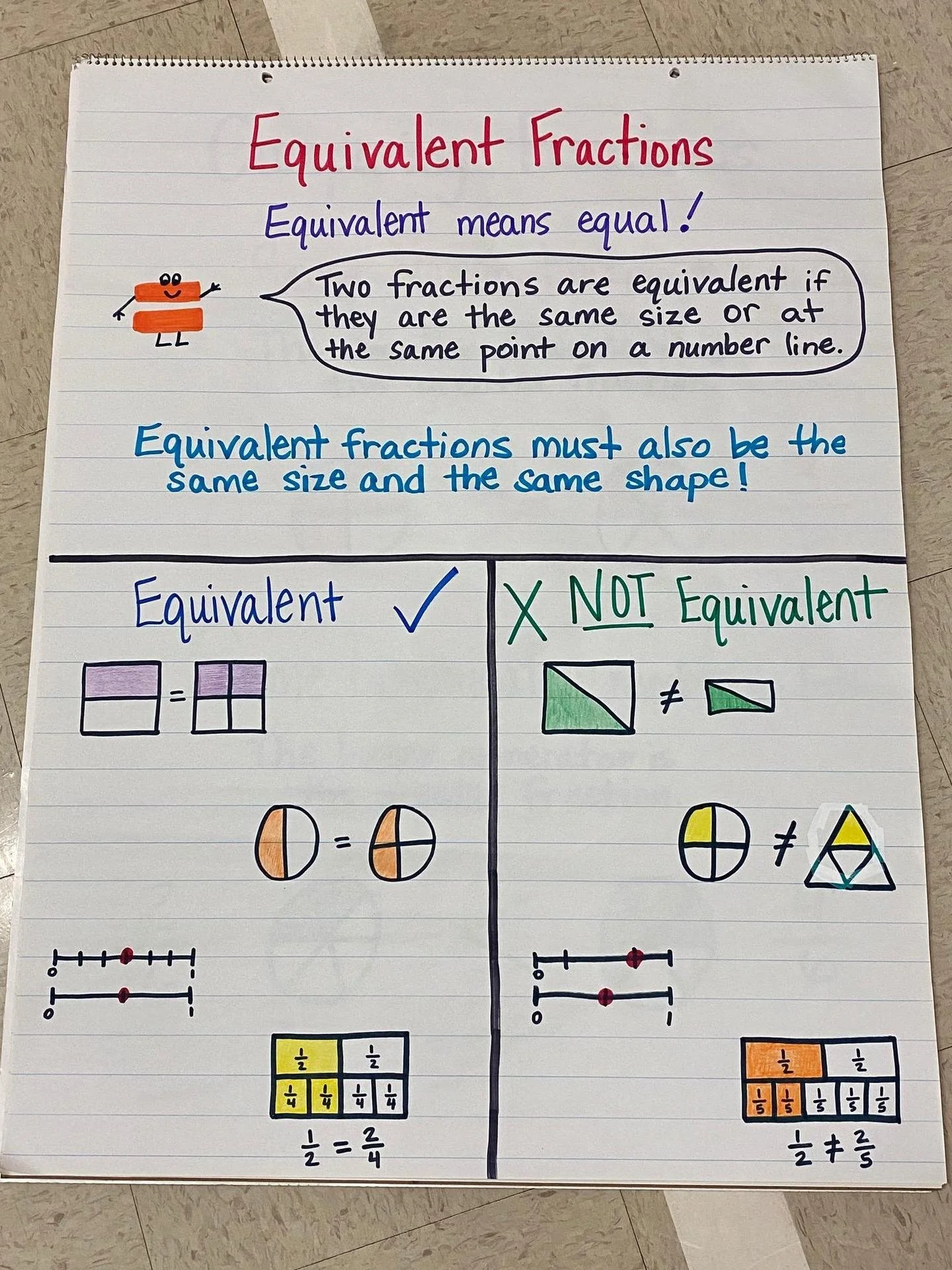
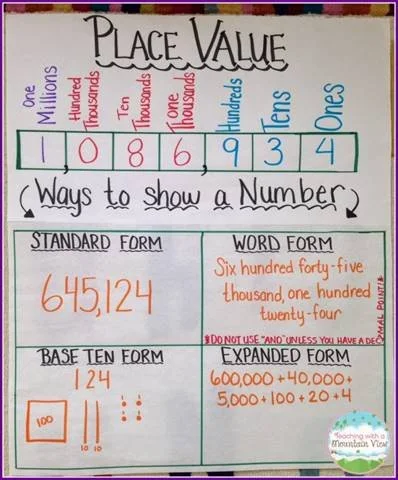
This session, Rebels will be selecting three math concepts of their choice from the various strands they have explored throughout the school year and creating three anchor charts that demonstrate their understanding. Rebels examined a variety of anchor charts, discussed their purpose, and ultimately developed a set of criteria that they will work toward as they create their own. Working individually or in pairs, Rebels selected topics ranging from reading data and graphing to polygons and quadrilaterals, long division and double-digit multiplication strategies, error analysis, measurement conversions, fractions, decimals, and more! The Discovery Rebels were excited as they began planning what their anchor charts would look like. What makes a great anchor chart? Rebels identified elements such as bold titles, organized and colour-coded subtitles, clear diagrams, and concise wording as important contributors to an effective math anchor chart. We compared world-class examples of both handmade and digitally designed charts, discussing the elements we liked from each example and offering suggestions for those we felt could be improved. Over the next four weeks, Rebels will have the option to design their anchor charts by hand or digitally using Canva or Google Slides, allowing them to test their creativity while showcasing their mastery of mathematical concepts.
French
This session in French, Discovery is working on a project in which they must invent a game to help review and practice French language skills. This week, Rebels worked in pairs to brainstorm and propose an original game idea. They then described their game and wrote the rules in French, practicing their writing skills while thinking creatively about how to make learning both fun and engaging. This project encourages learners to apply their French vocabulary and sentence structures in a meaningful way while also developing collaboration, problem-solving, and creative thinking skills. Next week, each team will begin building and creating their game from scratch.
Civilizations
Discovery has a big final session ahead during their Civilizations workshops! This week, Rebels were officially introduced to their final project of the year. As the school focuses on art this session, Rebels will be connecting their Civilizations learning to visual art through the creation of mosaic pieces. They were introduced to mosaic art and learned that it is a technique used to create images, patterns, or decorative surfaces by assembling small, individual fragments such as coloured glass, stone, or ceramic. To simplify the process for the studio, Rebels will instead be using paper from magazines to create their mosaics. Before receiving their canvas, each Rebel first had to have their image model approved. To connect their project to Civilizations, each art piece must relate to one of the chapters from the book they have been reading throughout the year.
This week’s reading focused on Chapter 36: The First Roman Prince. Rebels learned about the assassination of Julius Caesar, the years of conflict that followed in Rome, and how Octavian, Caesar’s adopted son, eventually defeated his rivals and gained control of the empire. The Senate gave him the title “Augustus,” meaning honoured or majestic, and referred to him as “First Citizen” or “princeps,” which is where the word “prince” comes from. The chapter also highlighted how Augustus brought peace to Rome and helped make the empire richer and stronger.
Quest
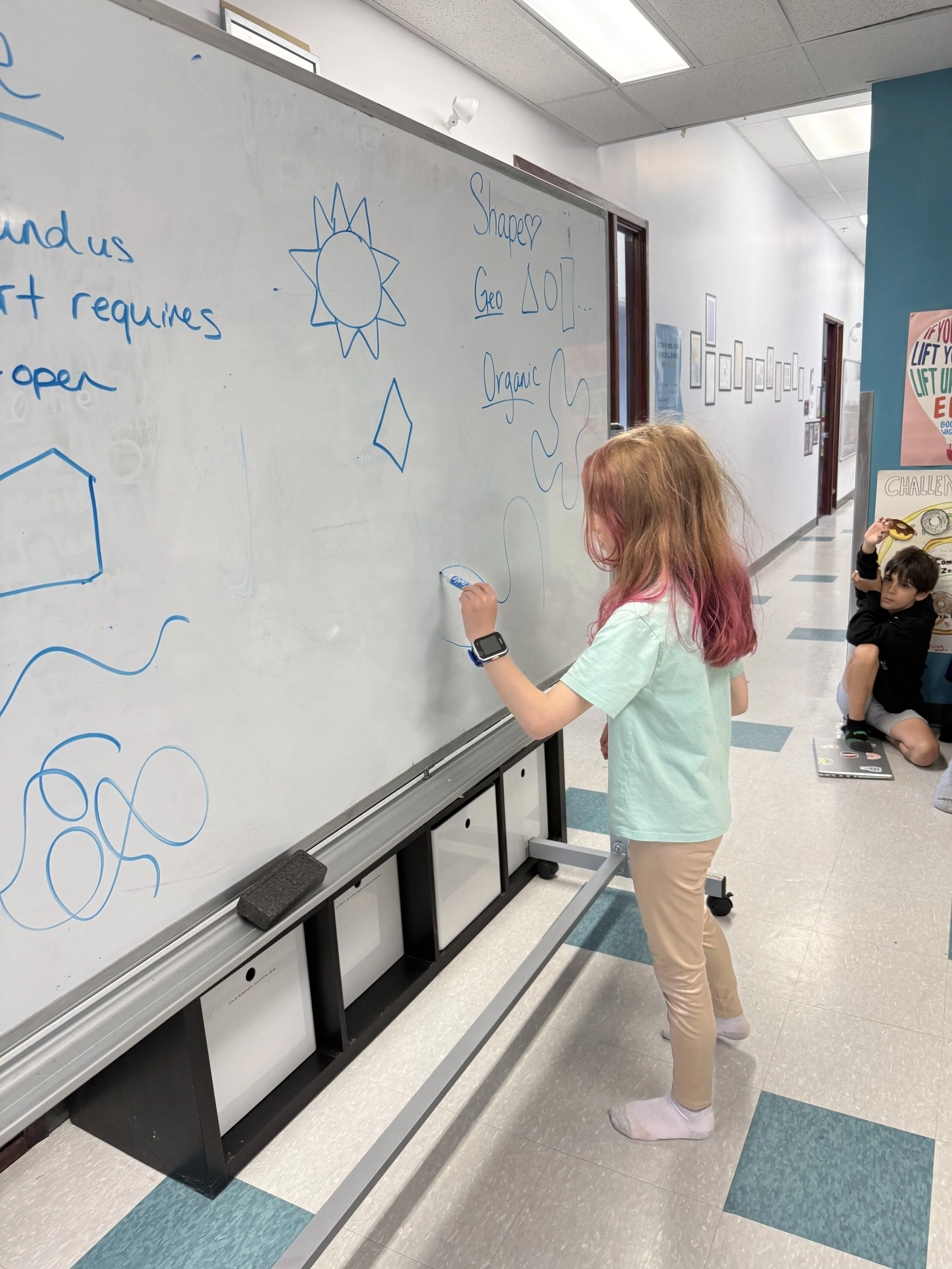
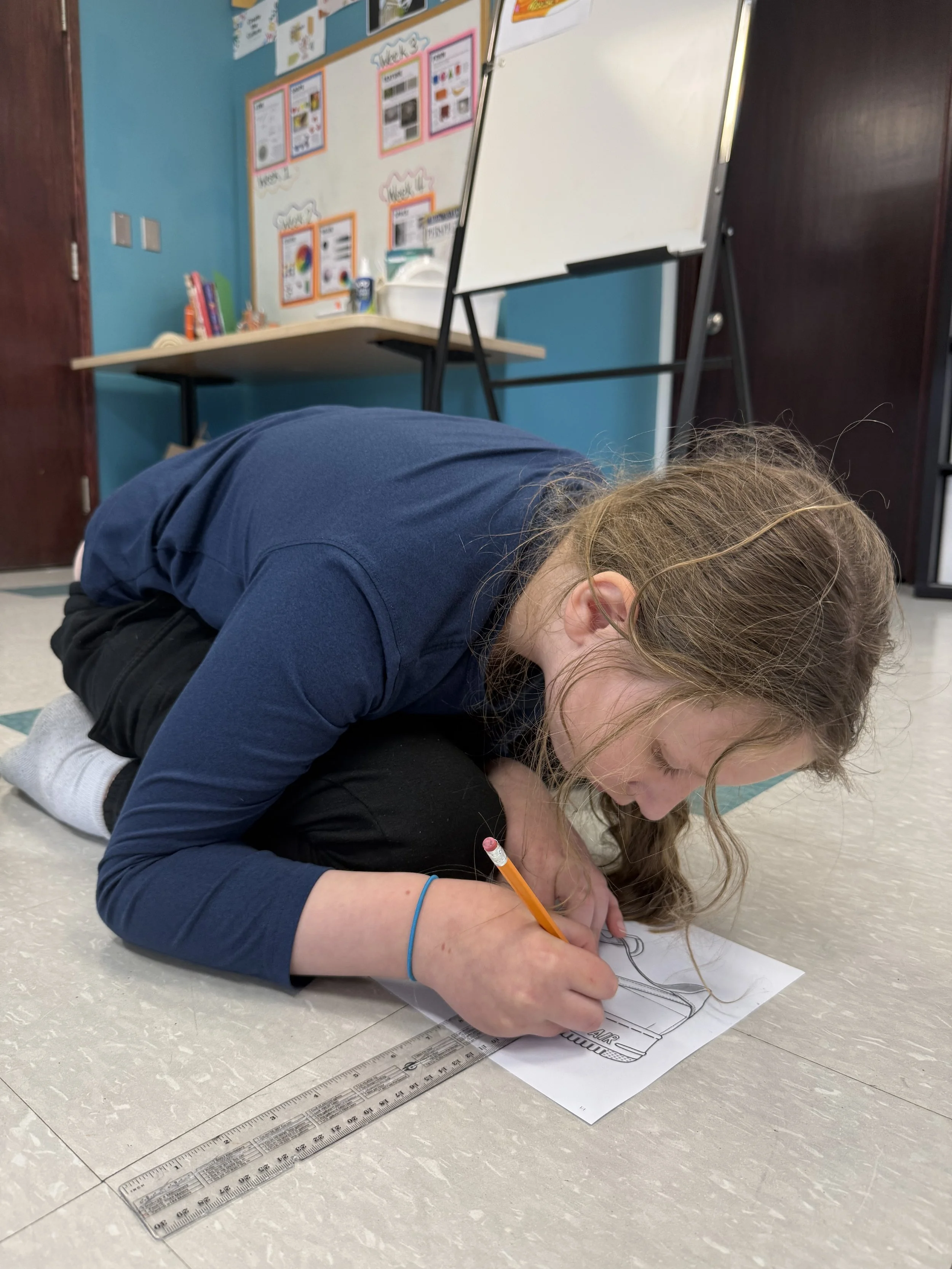
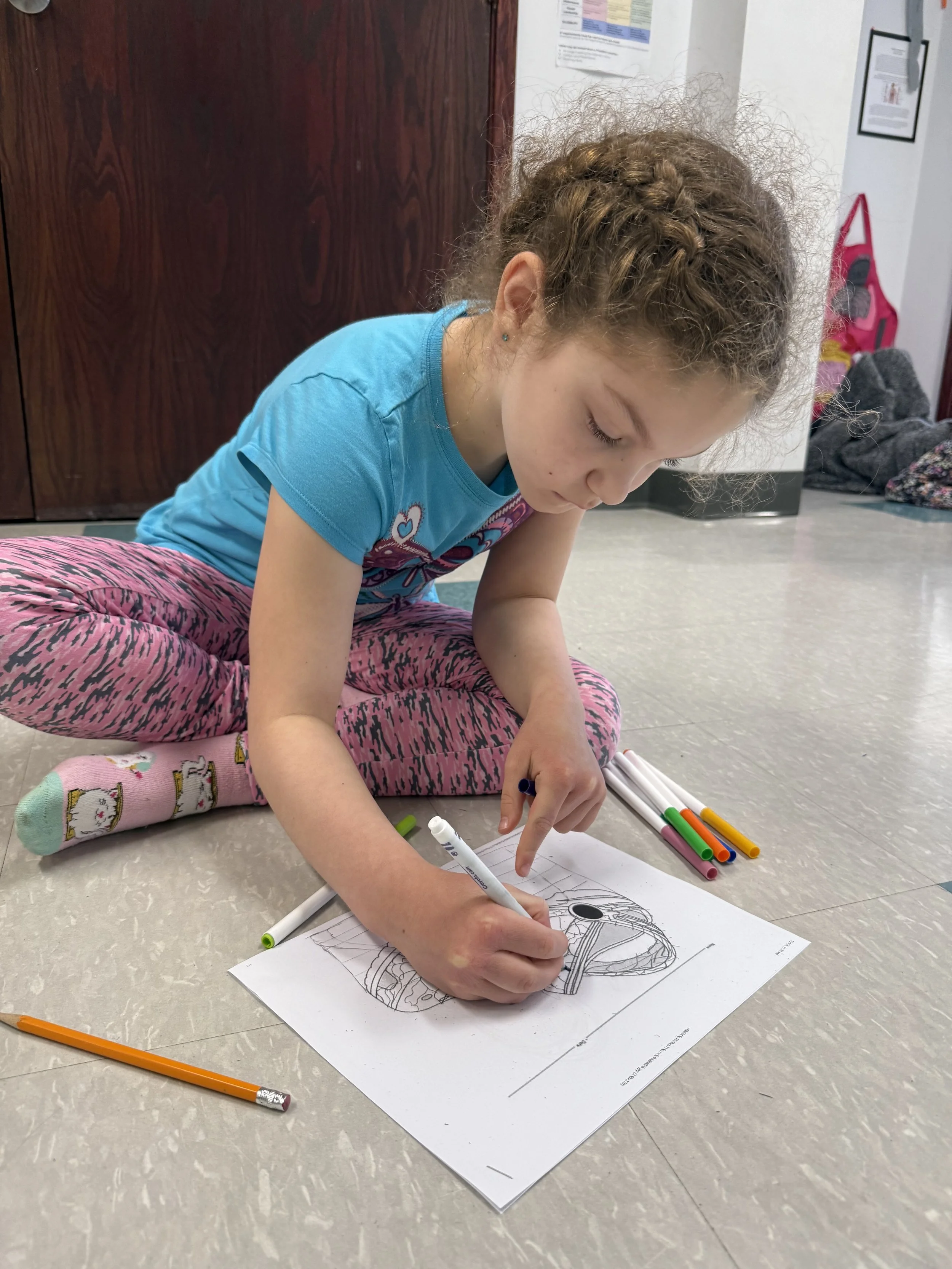
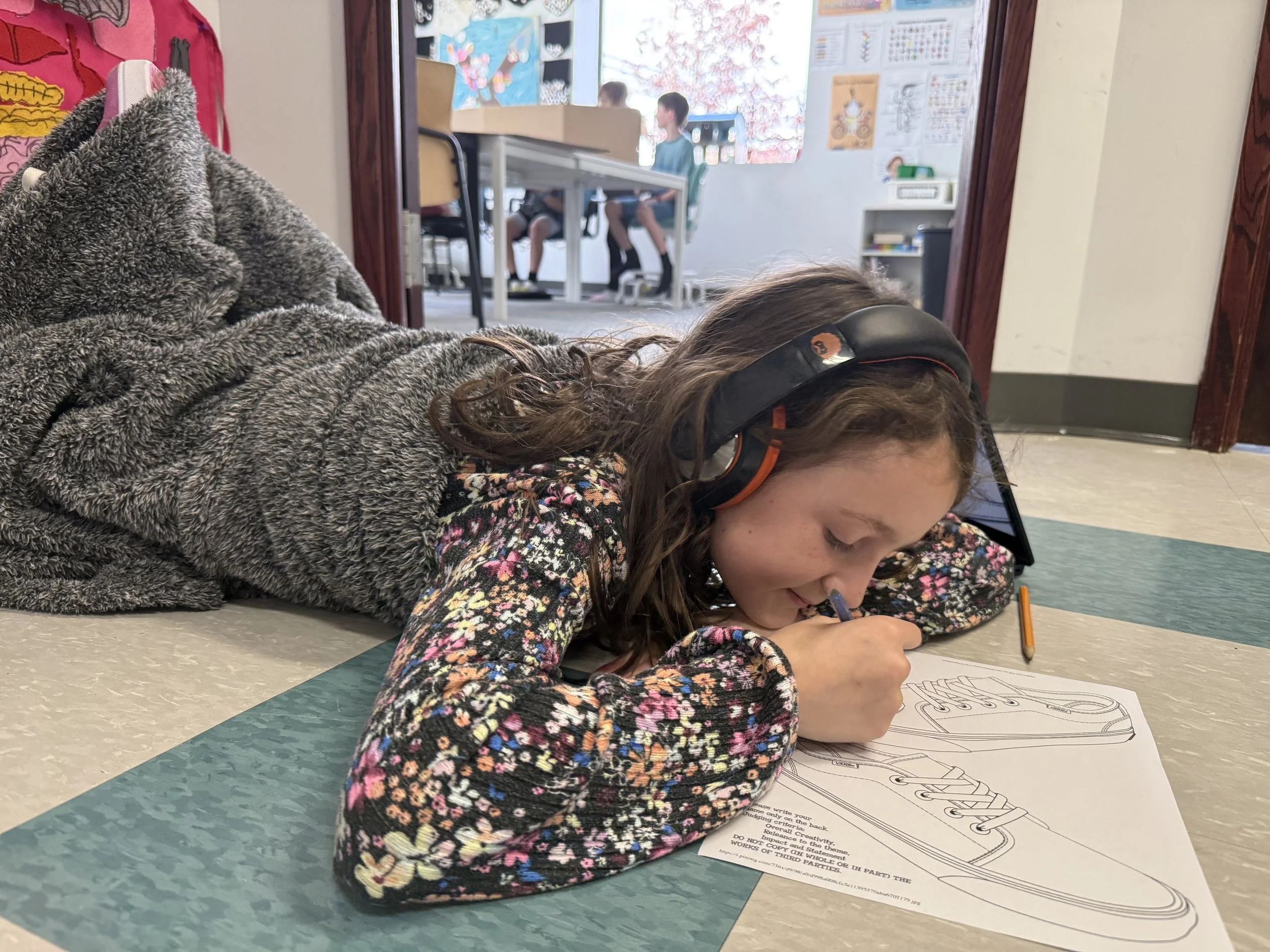
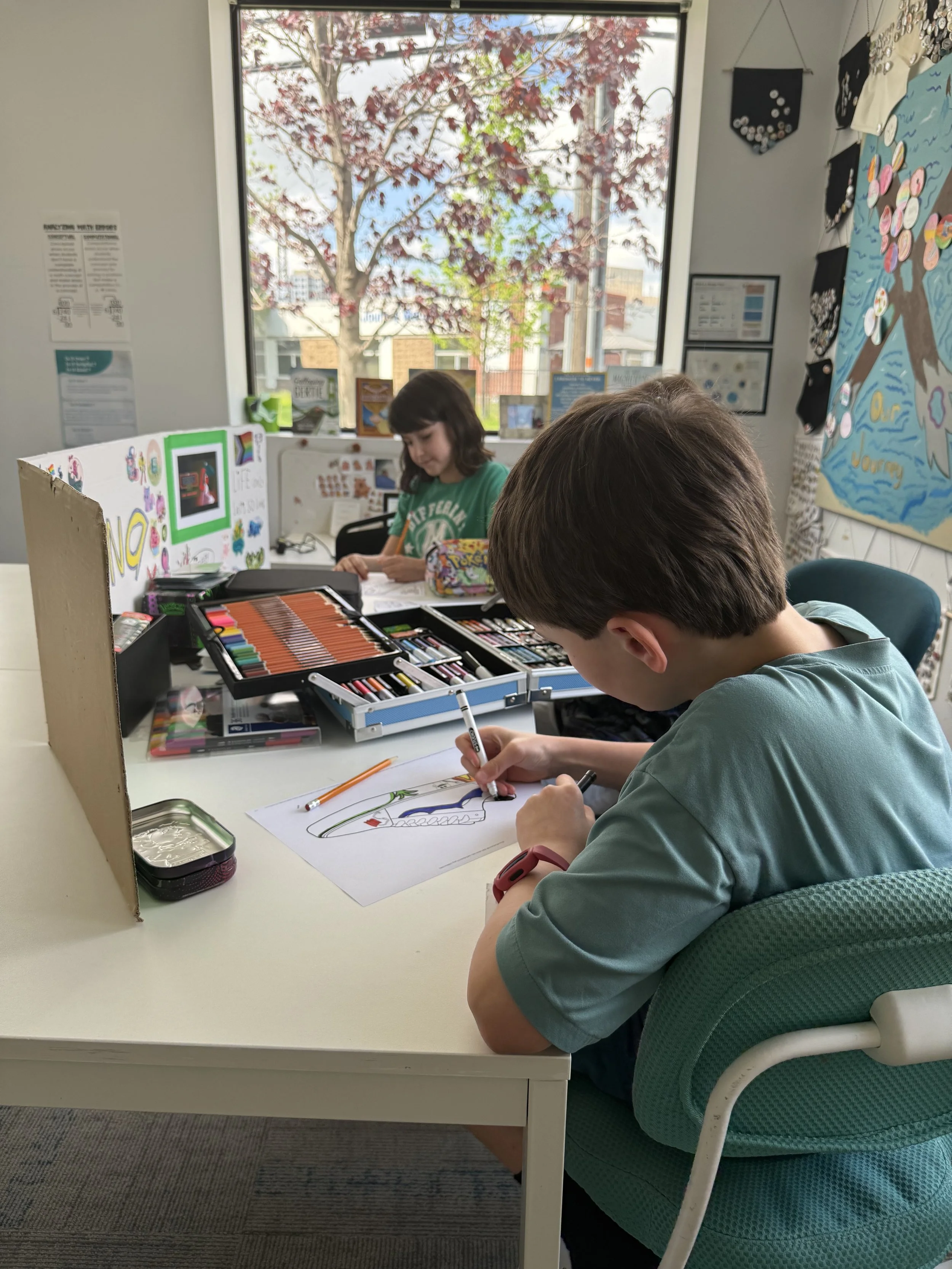
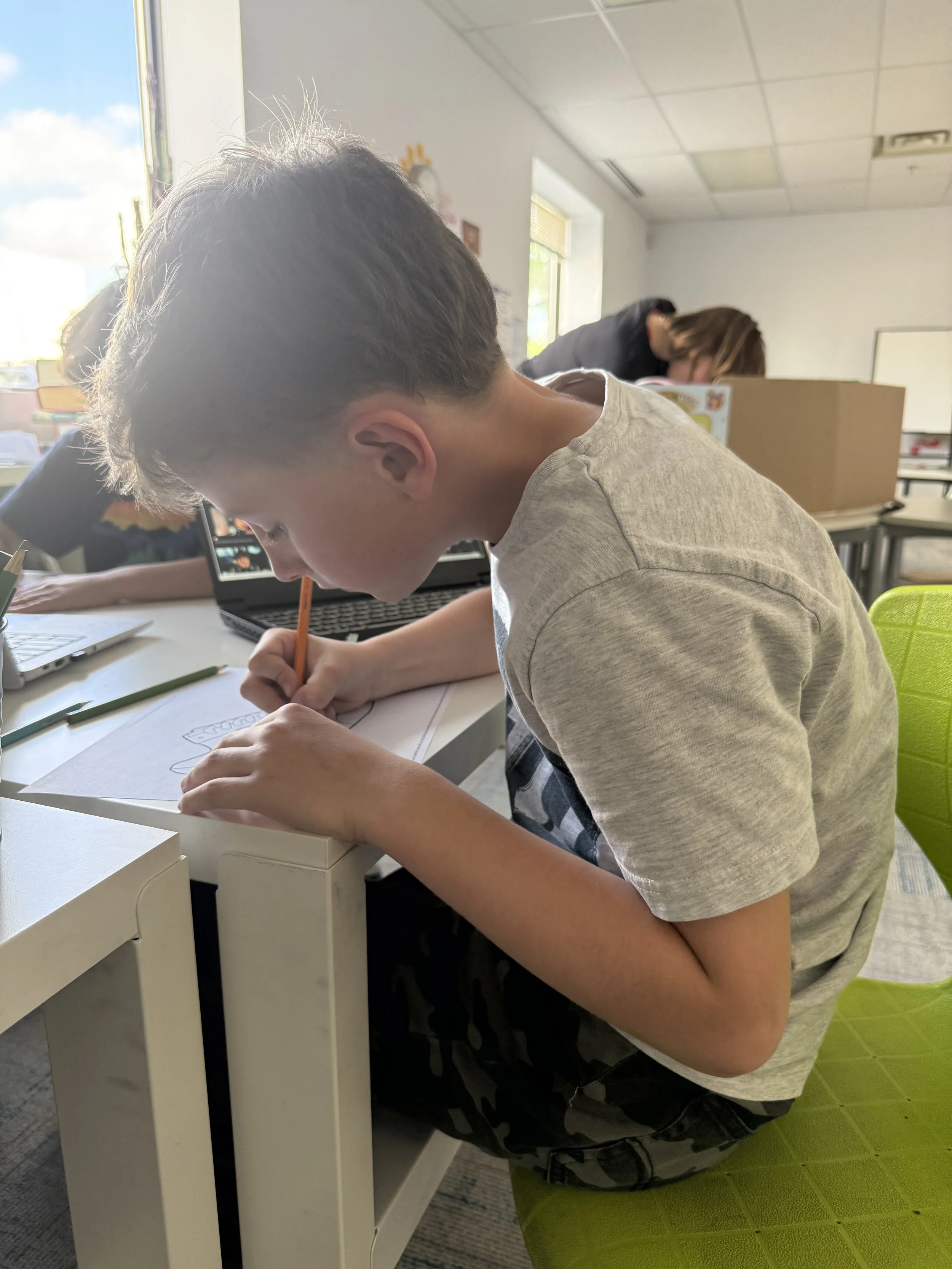
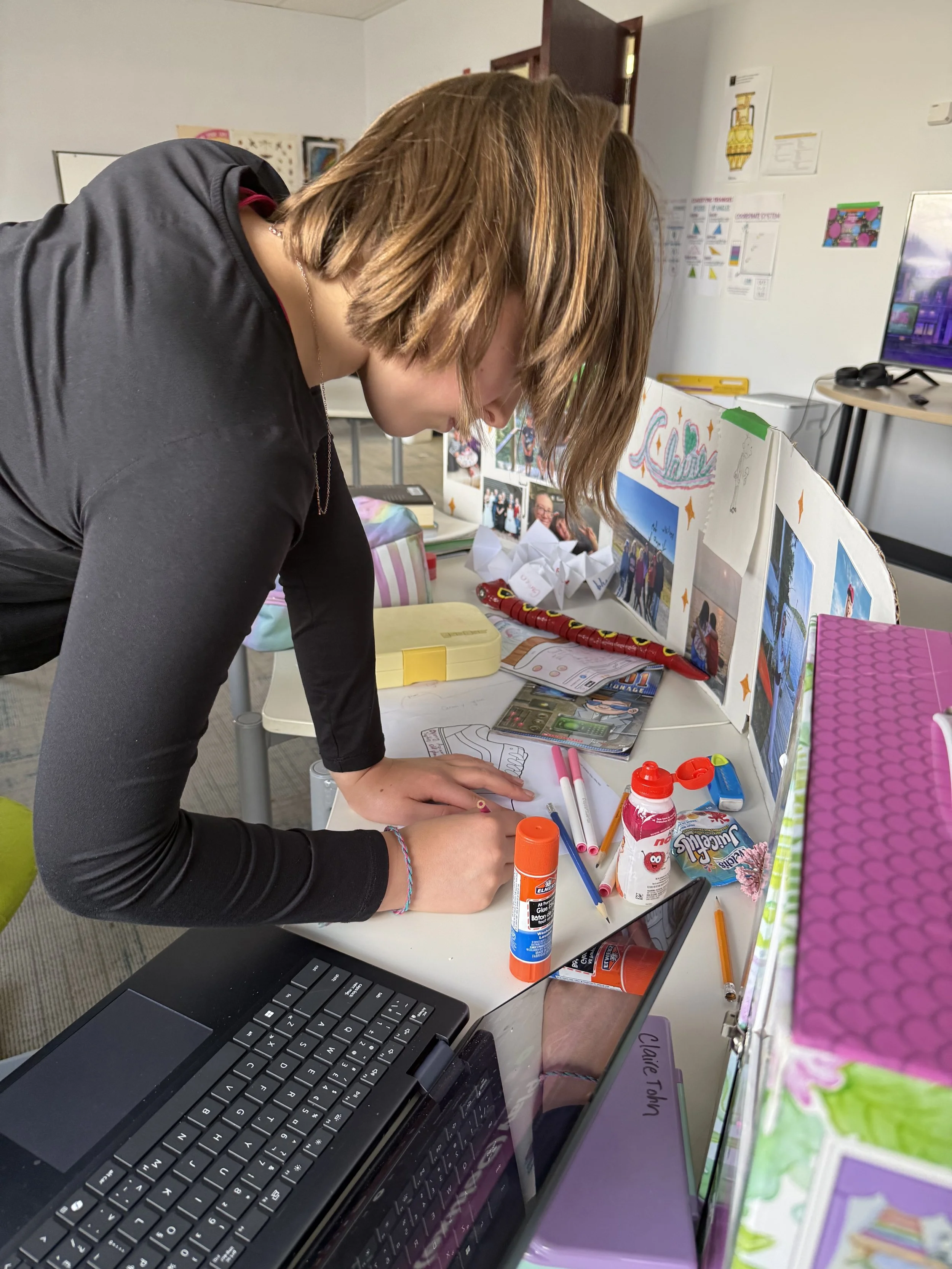
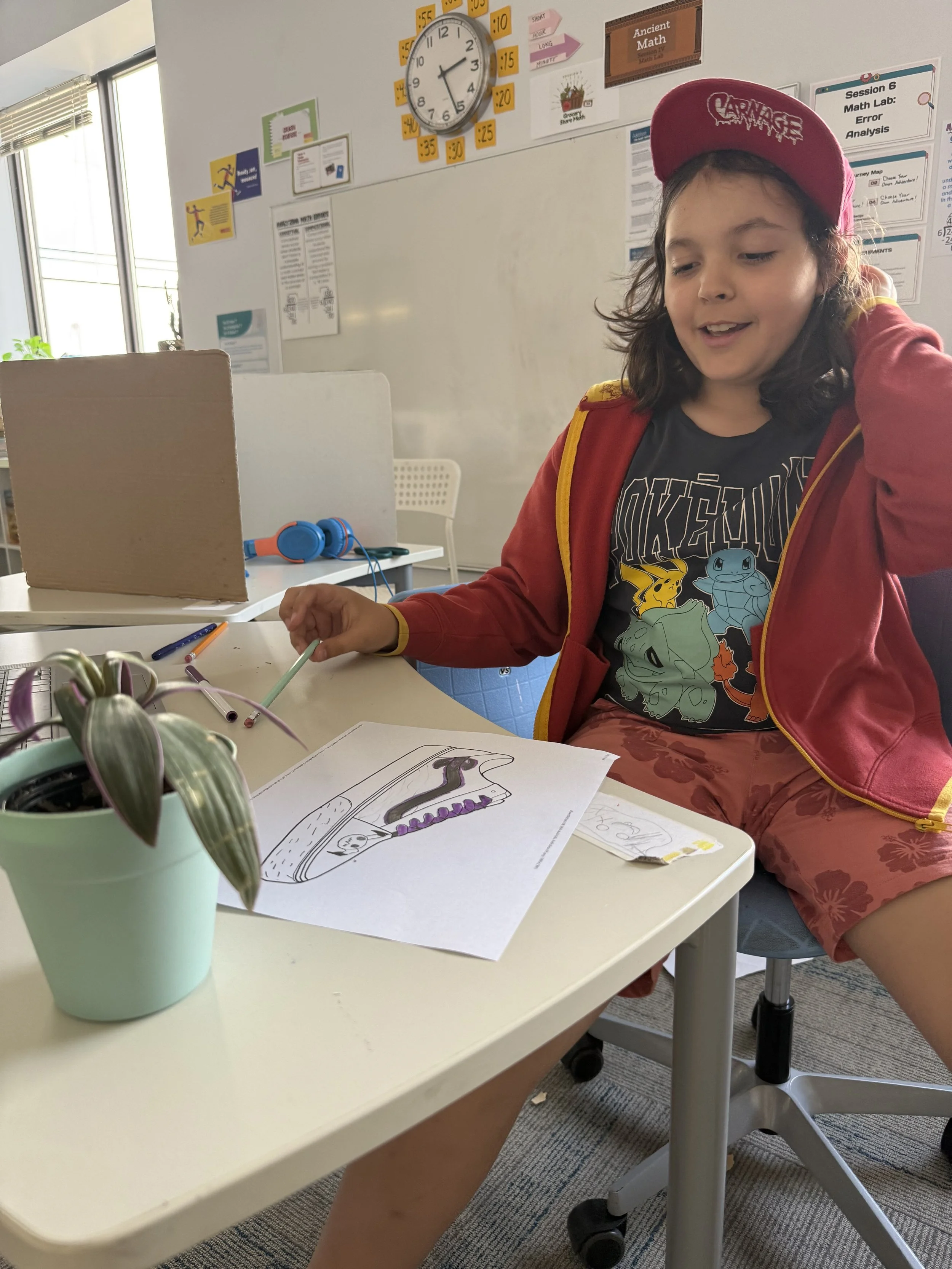
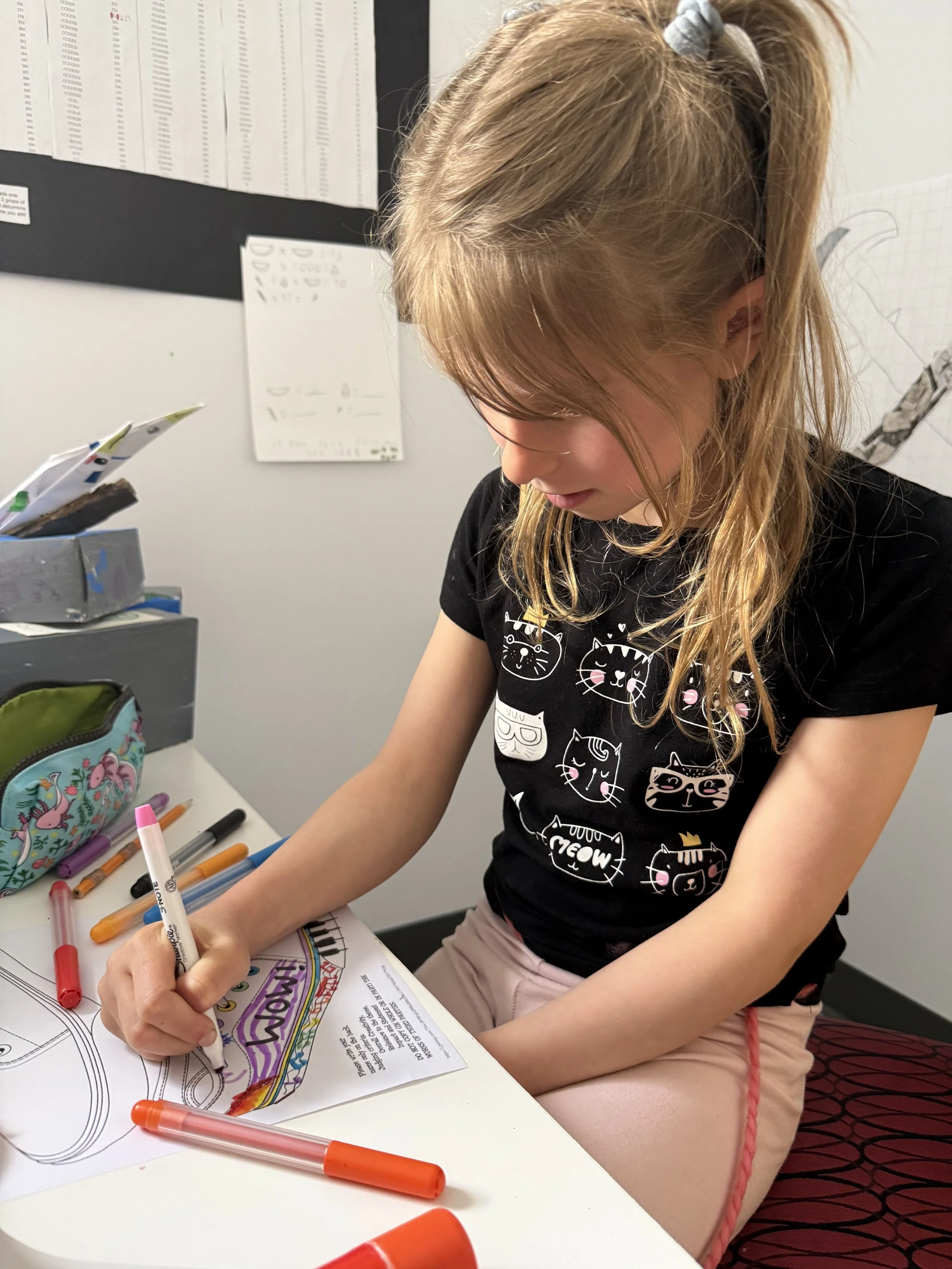
“Creativity takes courage,” - Henry Matisse. For our final Quest of the year, Rebels began their journey into the world of visual arts. We introduced the Arts Quest badge as well as an overview of the journey map, starting off with Week 1: Line and Shape, moving into Colour and Value for Week 2, Texture and Form in Week 3, then Shape and Perspective in Week 4, culminating with our full-school Revel Art Gallery Exhibition at the end of the session! Each week, Rebels will be exploring a new element of art, artists that are influential and well-known for using those elements in their works, and a project that challenges Rebels to exercise their creativity skills using those specific elements. This week, we started off by asking Rebels what they think of art, and what does it mean to them? Rebels agreed that art is subjective to each individual, their likes and dislikes, their passions, and more. Moving into the Guide-led lesson component of the workshop, Rebels debated how line and shape could convey a variety of emotions, taking turns drawing examples of lines that looked like joy, anger, sadness, exhaustion, excited, nervous, anxious, etc. We wrapped up Monday’s workshop analyzing the line and shapes used to design custom Vans, Nikes and Crocs, before using those elements to create their own shoe designs. On Tuesday, Rebels were introduced to their sketchbooks that they’ll refer back to and use throughout the session, and worked on building their skills using lines and shapes, as well as continued working on their shoe designs.
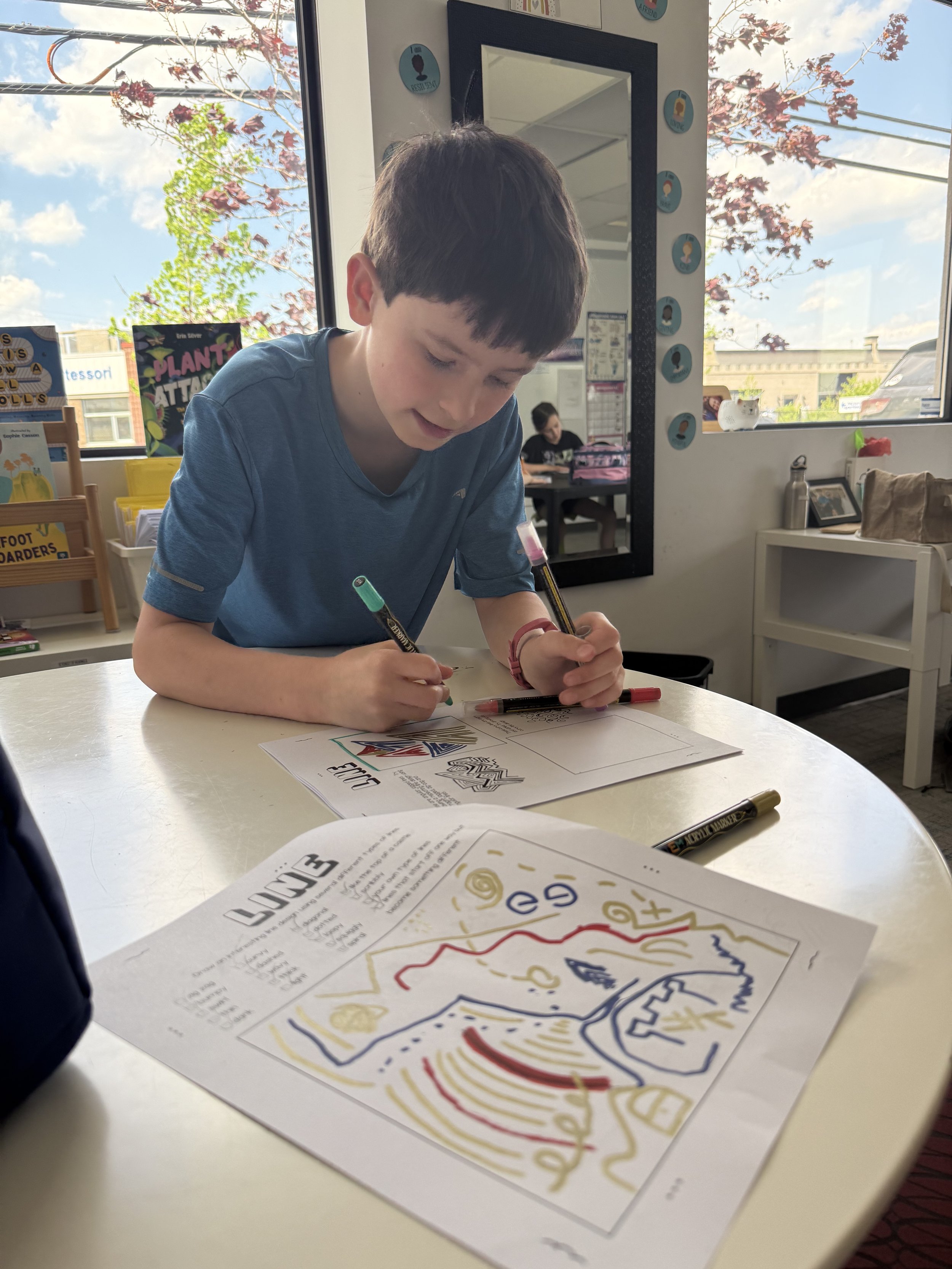
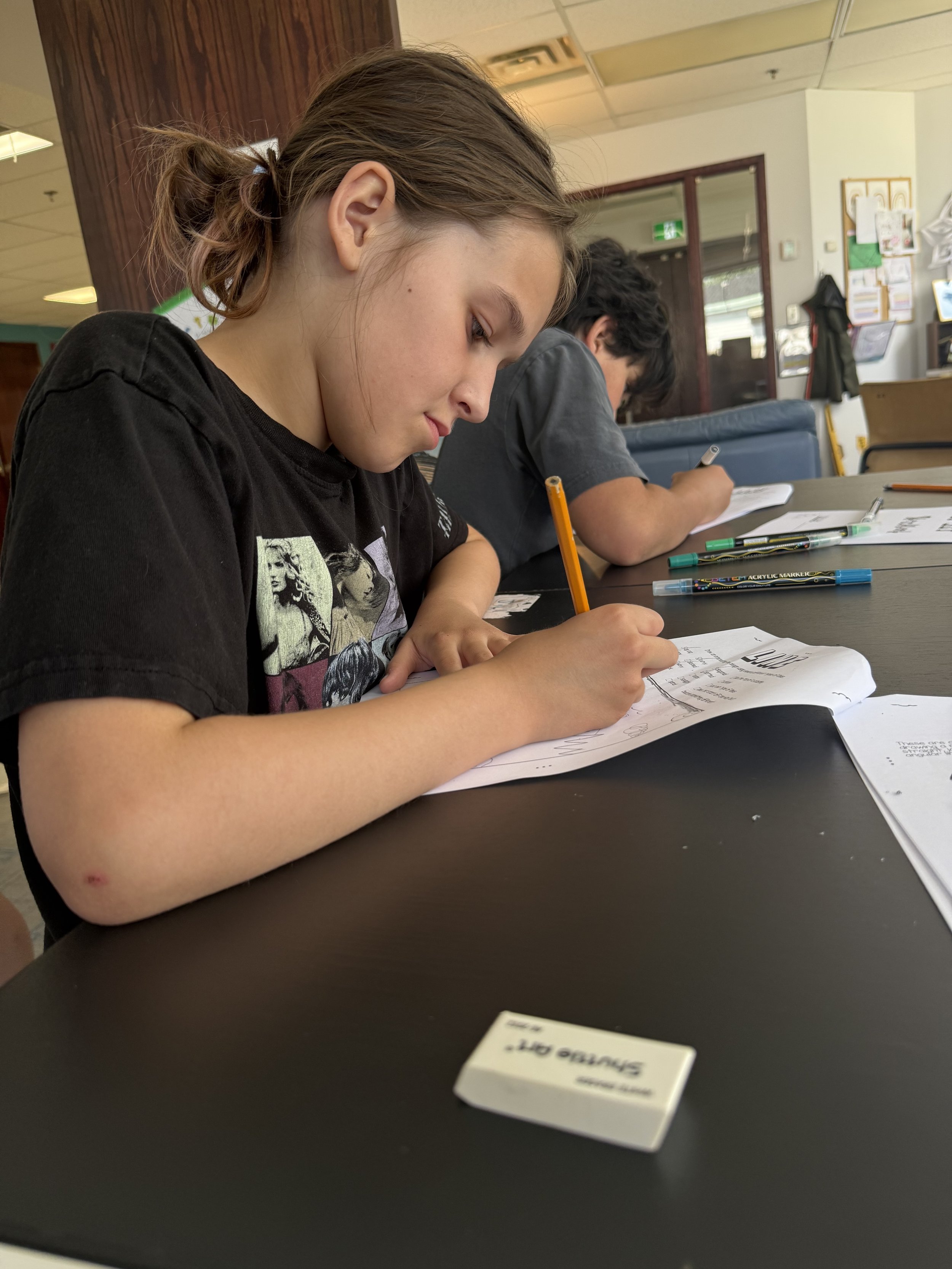
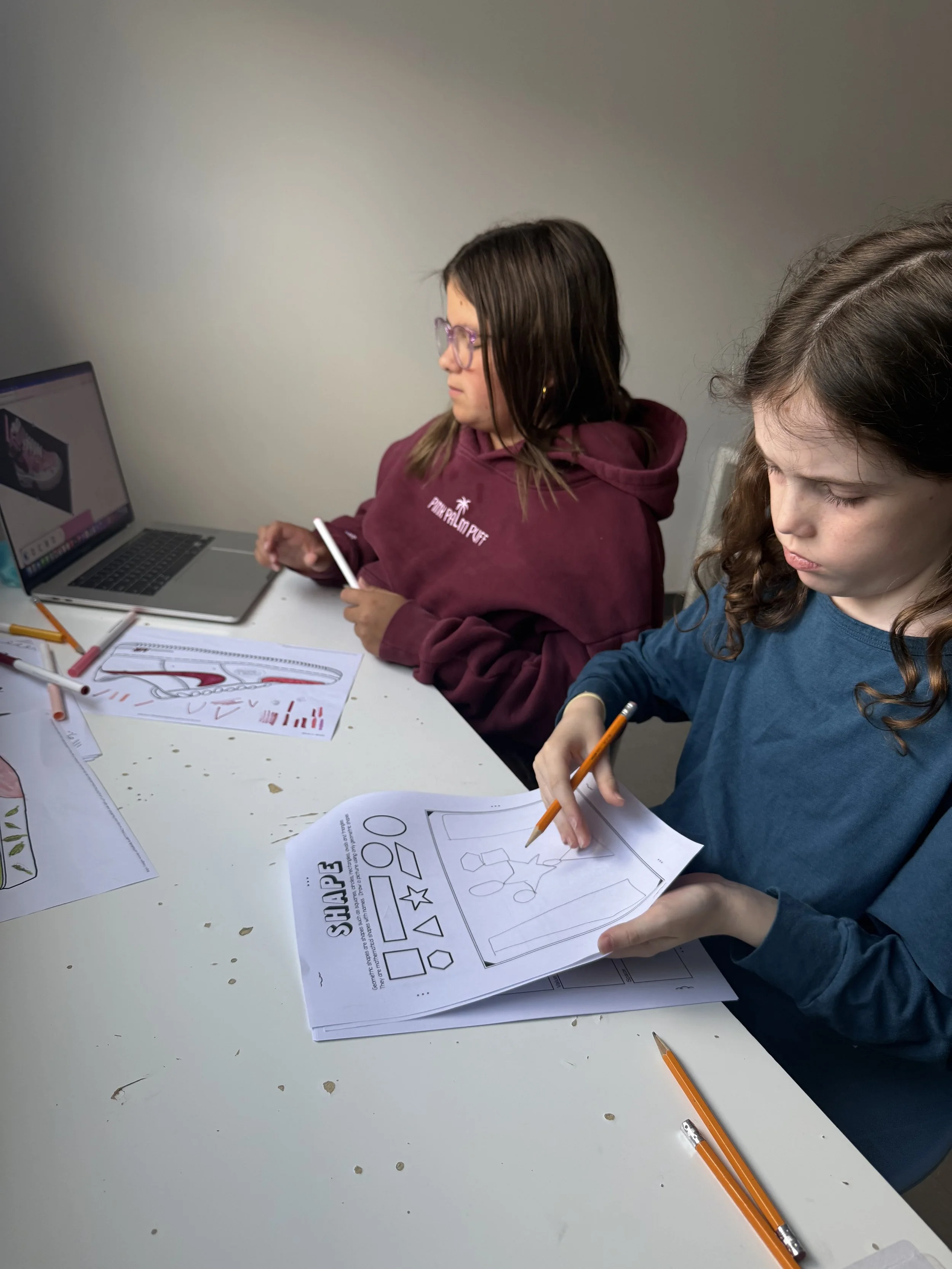
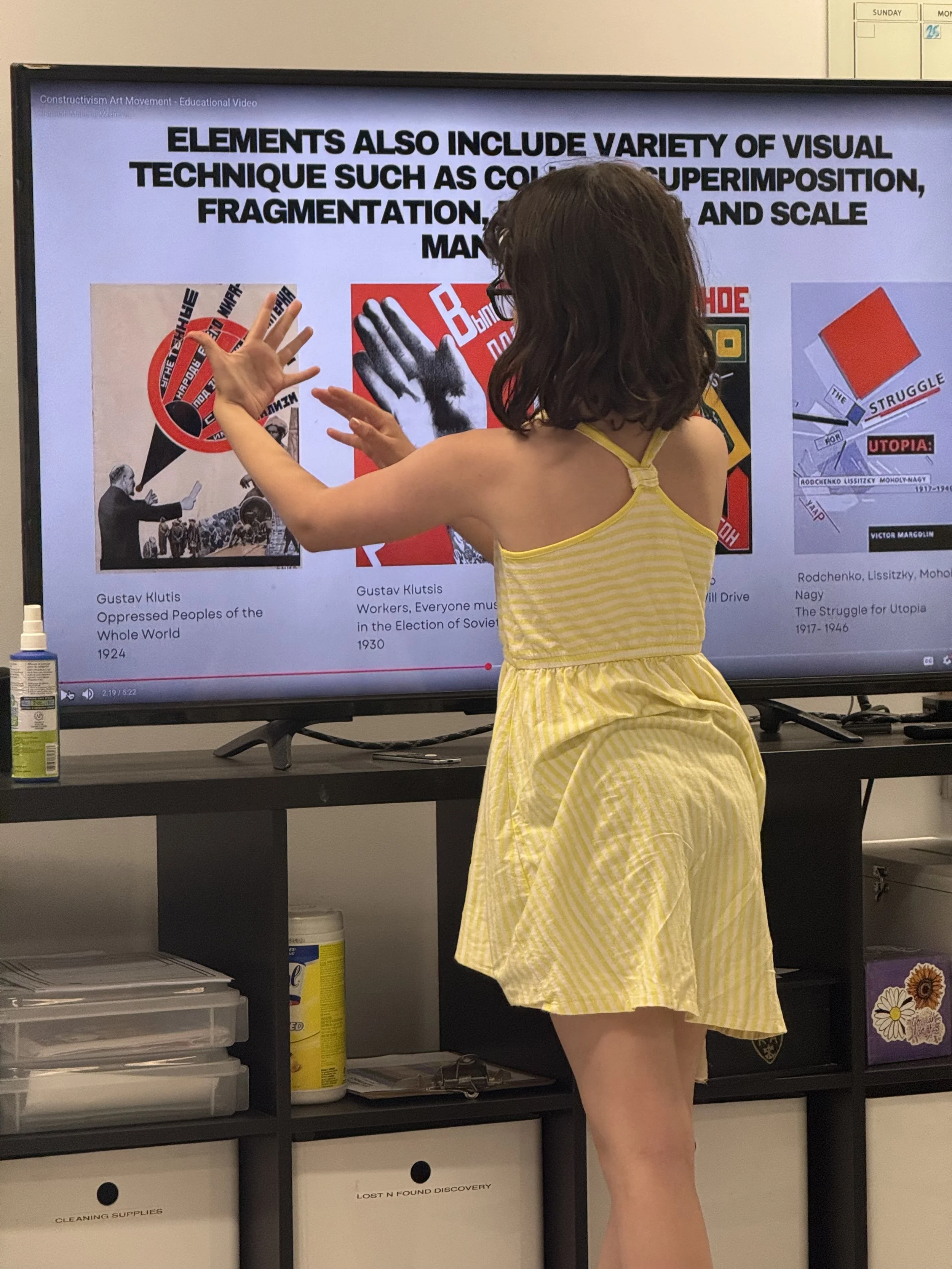
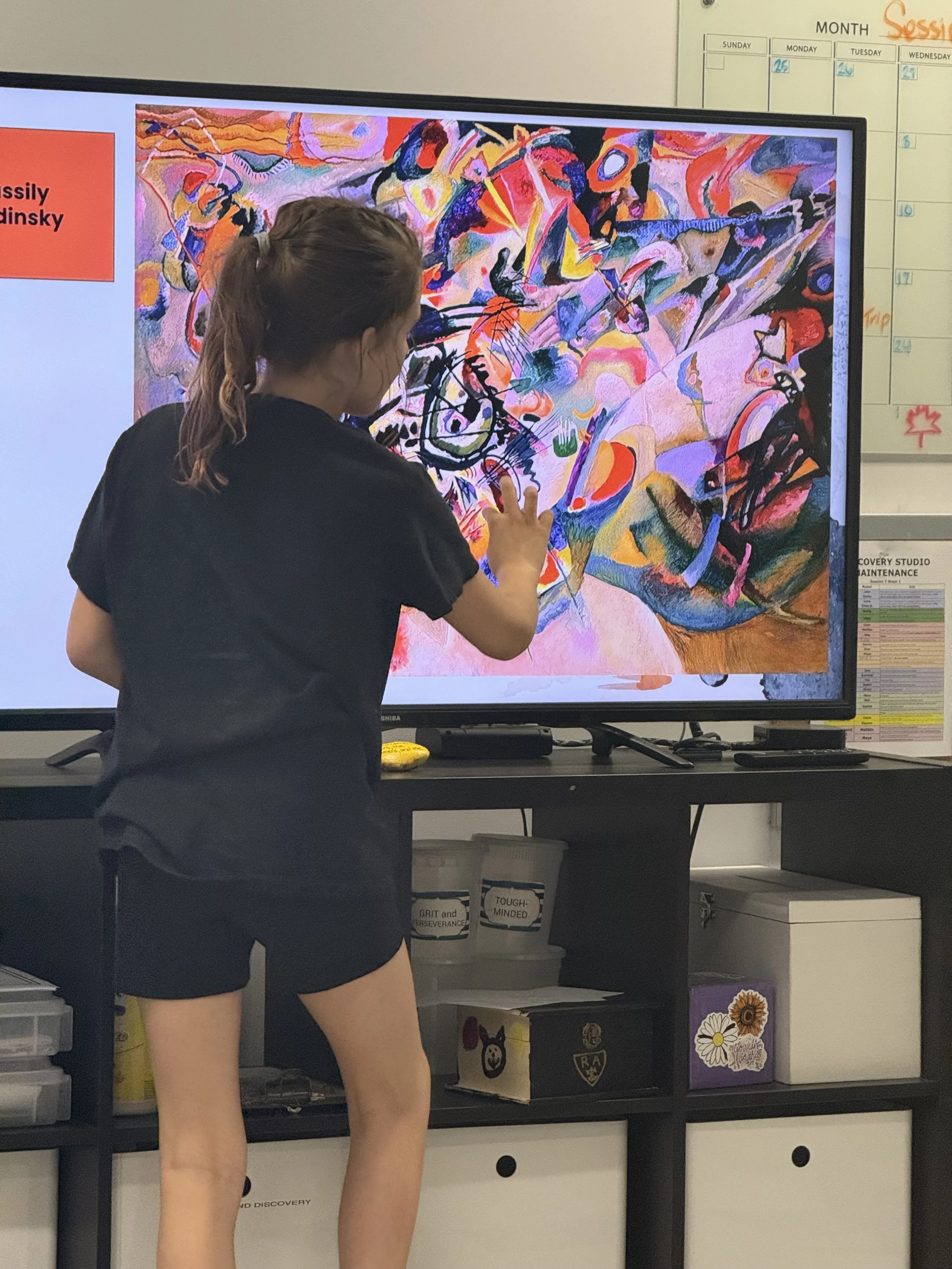
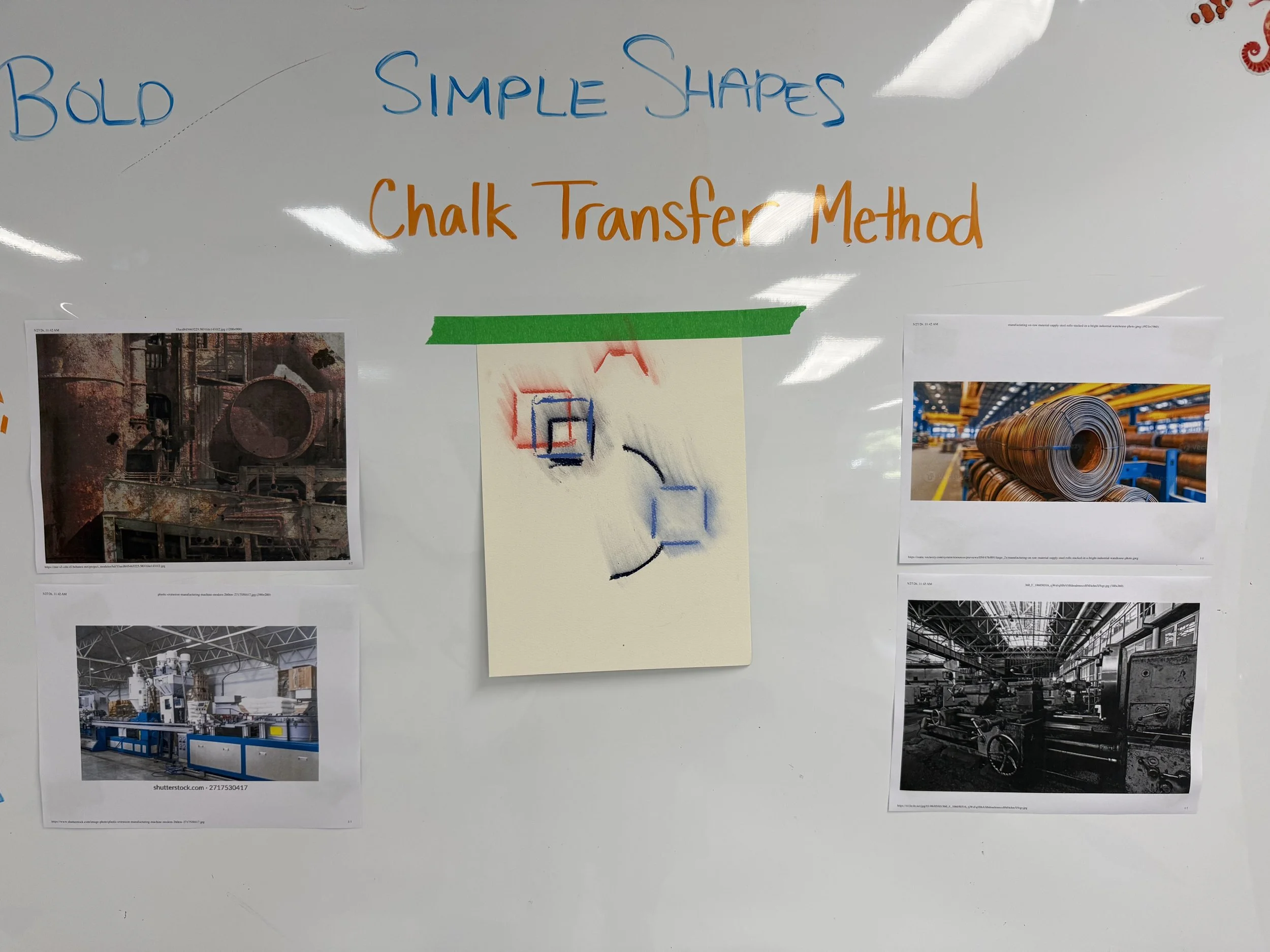
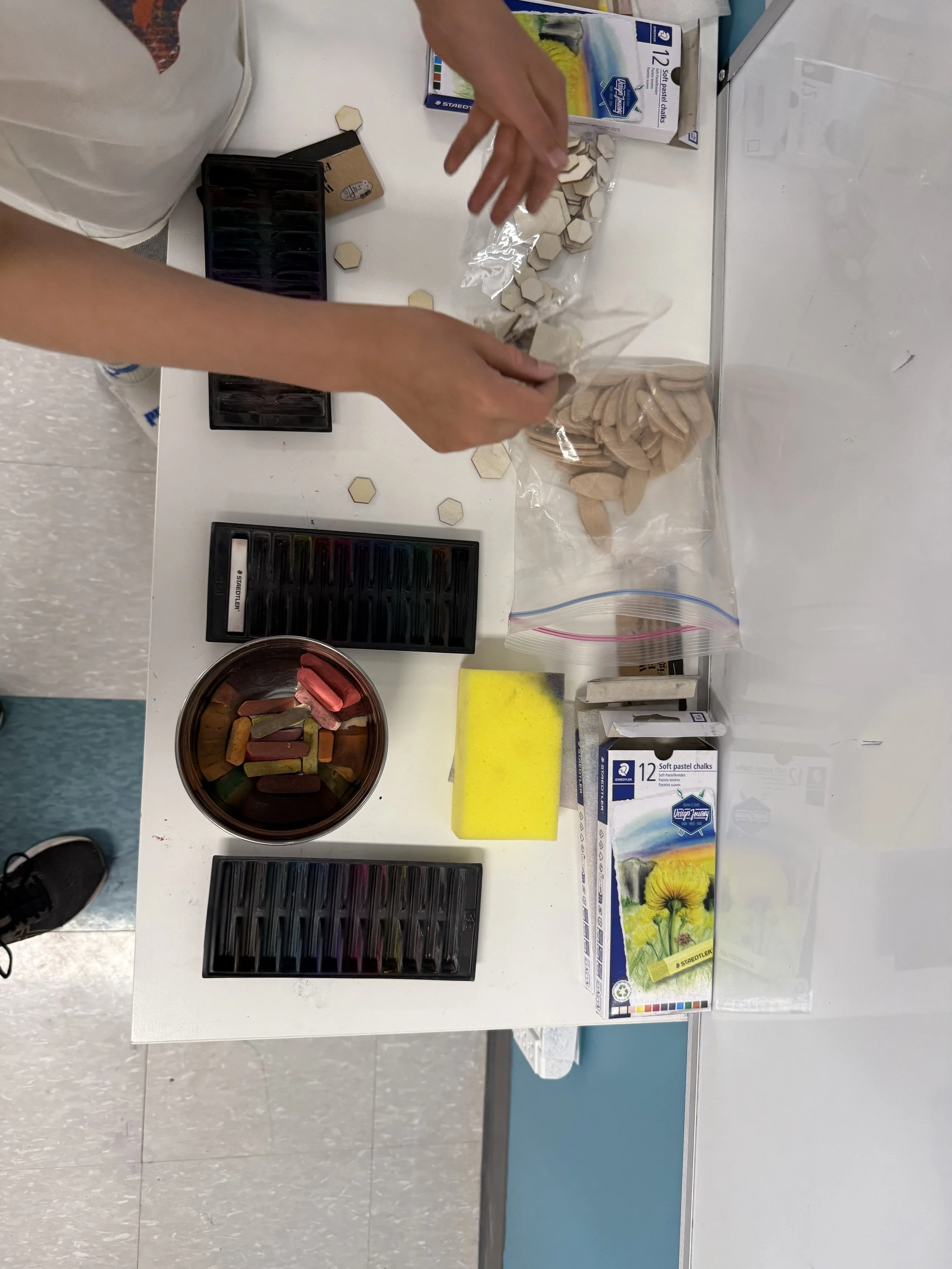
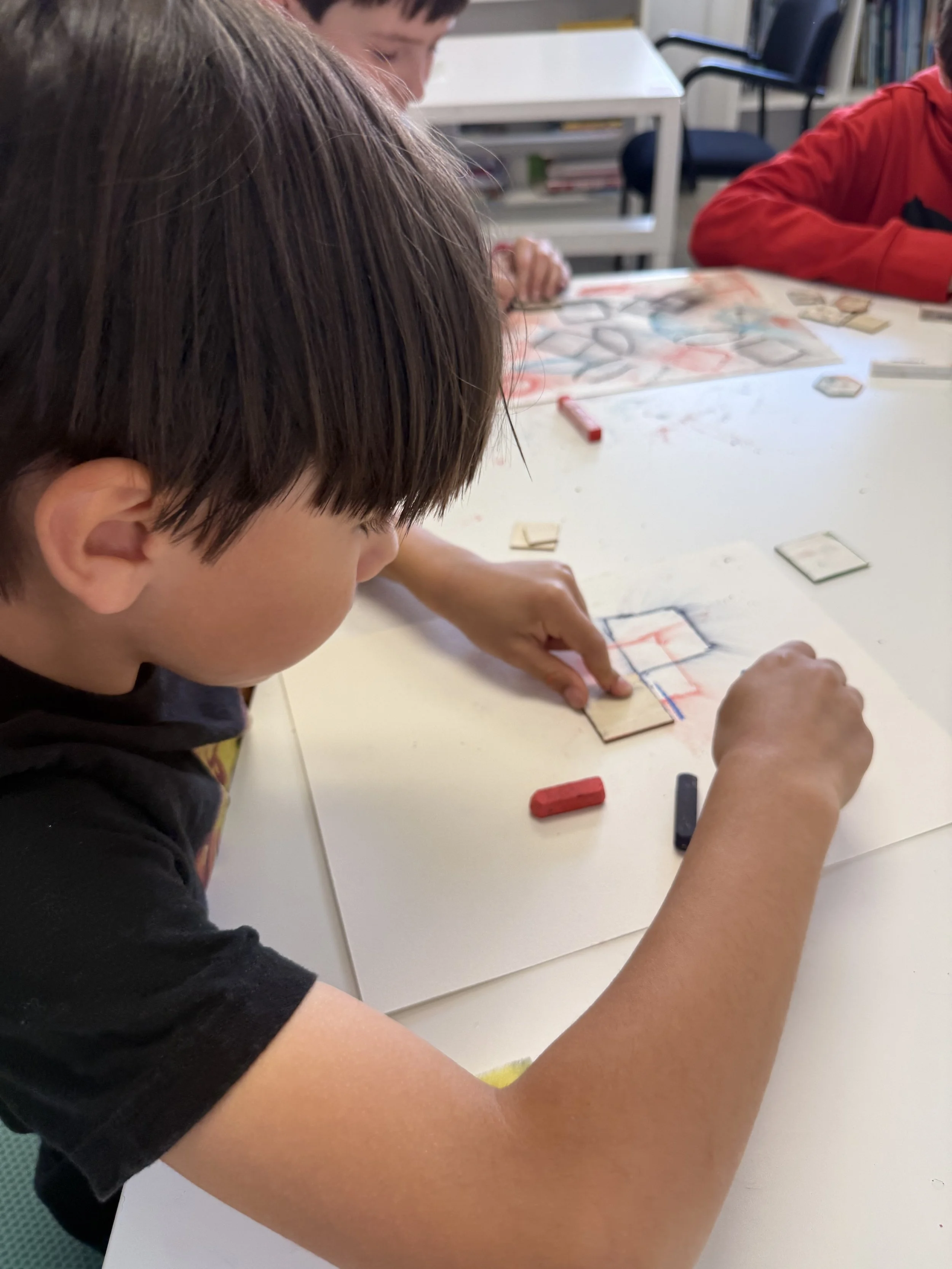
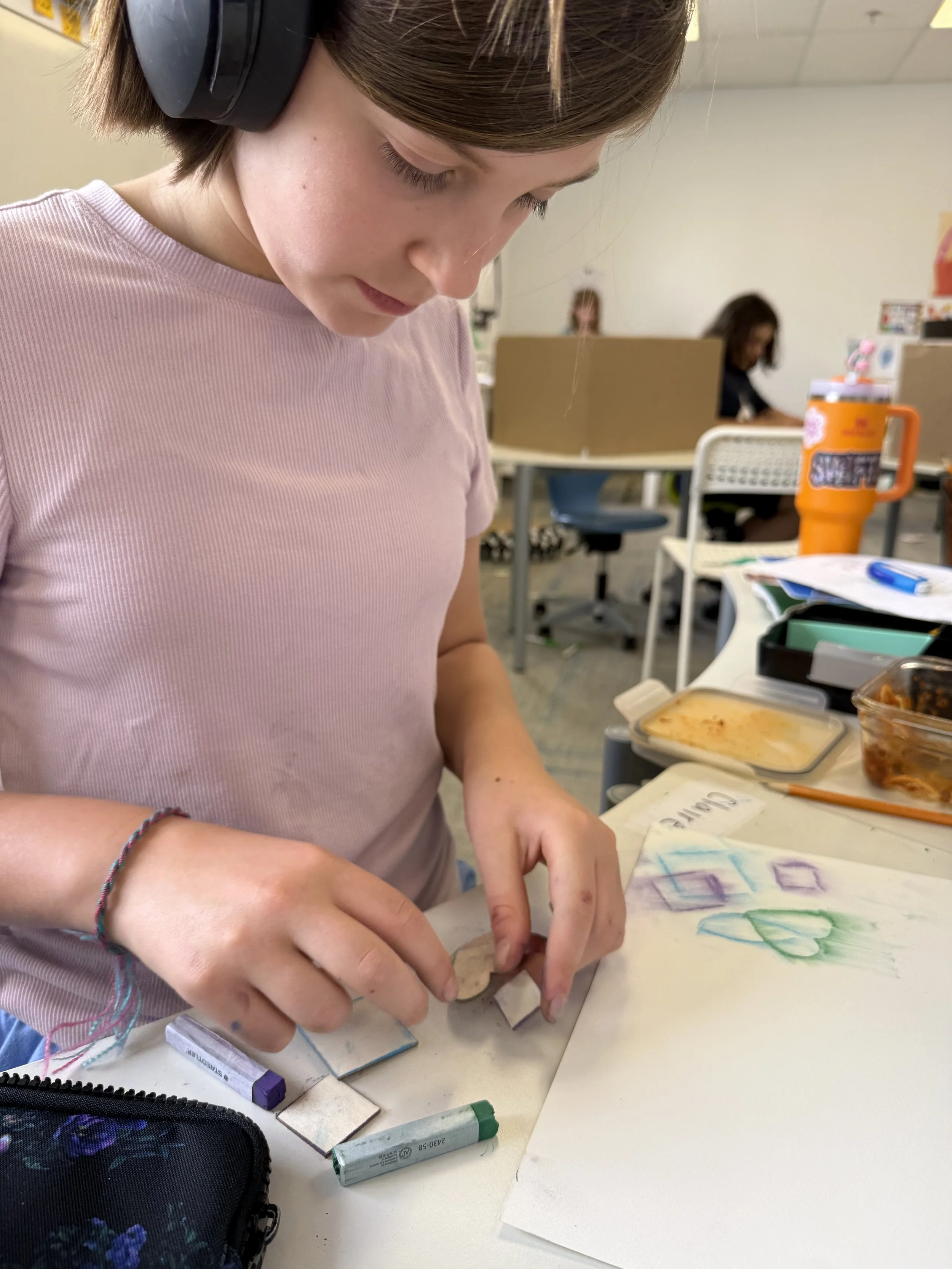
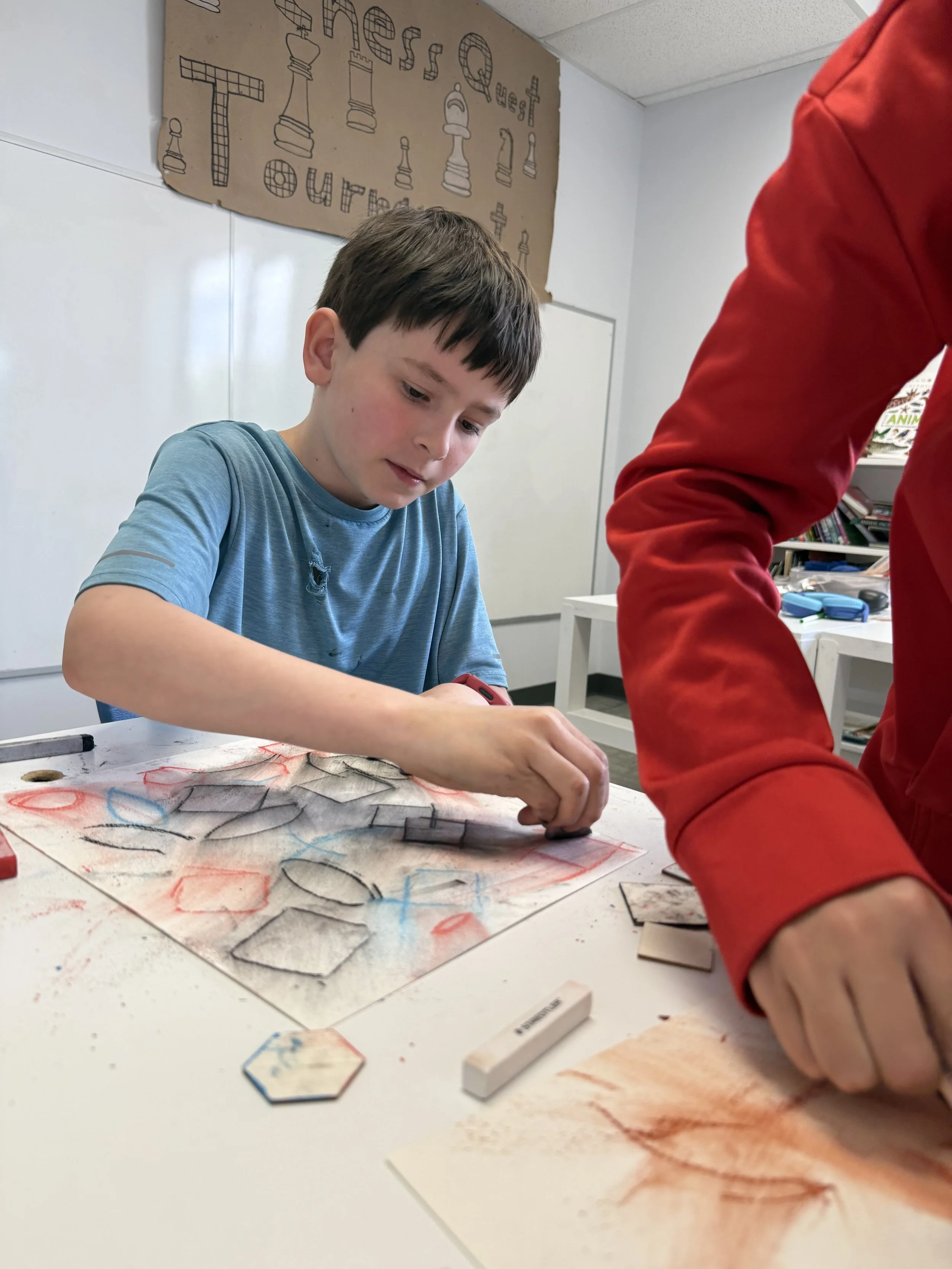
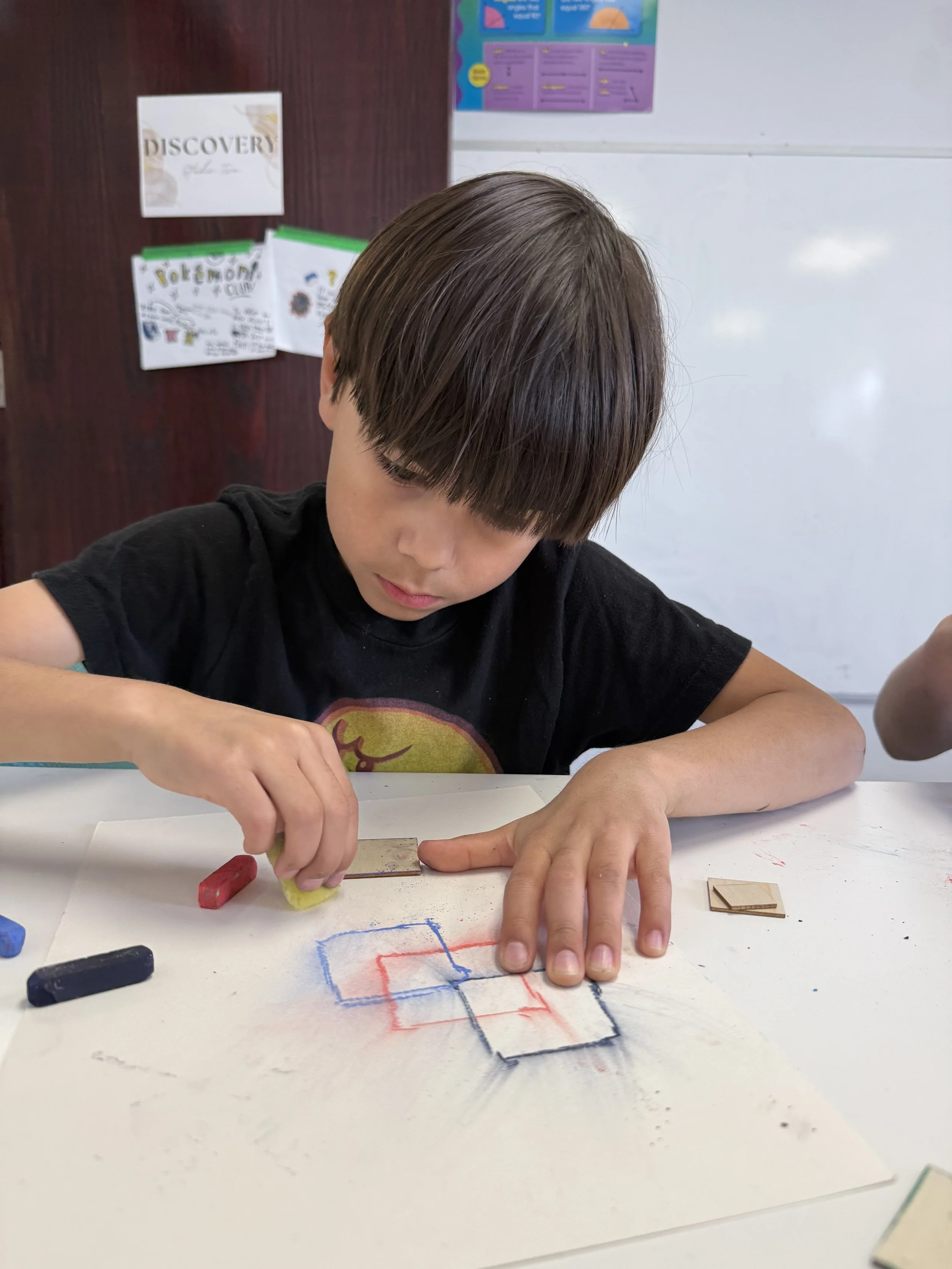
Wednesday, we began our Line and Shape project of the week, Constructivist Chalk Shape Transfer. We opened our workshop with a lesson on the constructivist art movement which was incredibly popular in Russia and greatly influenced by the work of many Russian artists (Wassily Kandinsky, El Lissitzky and Lyubov Popova). Rebels learned that constructivist art was heavily inspired by industrial structures and shapes found in factories. We examined different artwork from this period of time, and discussed characteristics of constructivist art such as bold lines, geometric shapes, using repetition and collage/layering techniques, and using colours like red, black and yellow. Inspired by the bold and innovative work of Constructivist artists, Rebels made the connection how simple elements such as line and shape can be combined to create powerful visual compositions. We then introduced our materials and techniques to design our own constructivist wooden shape constructivist artwork.
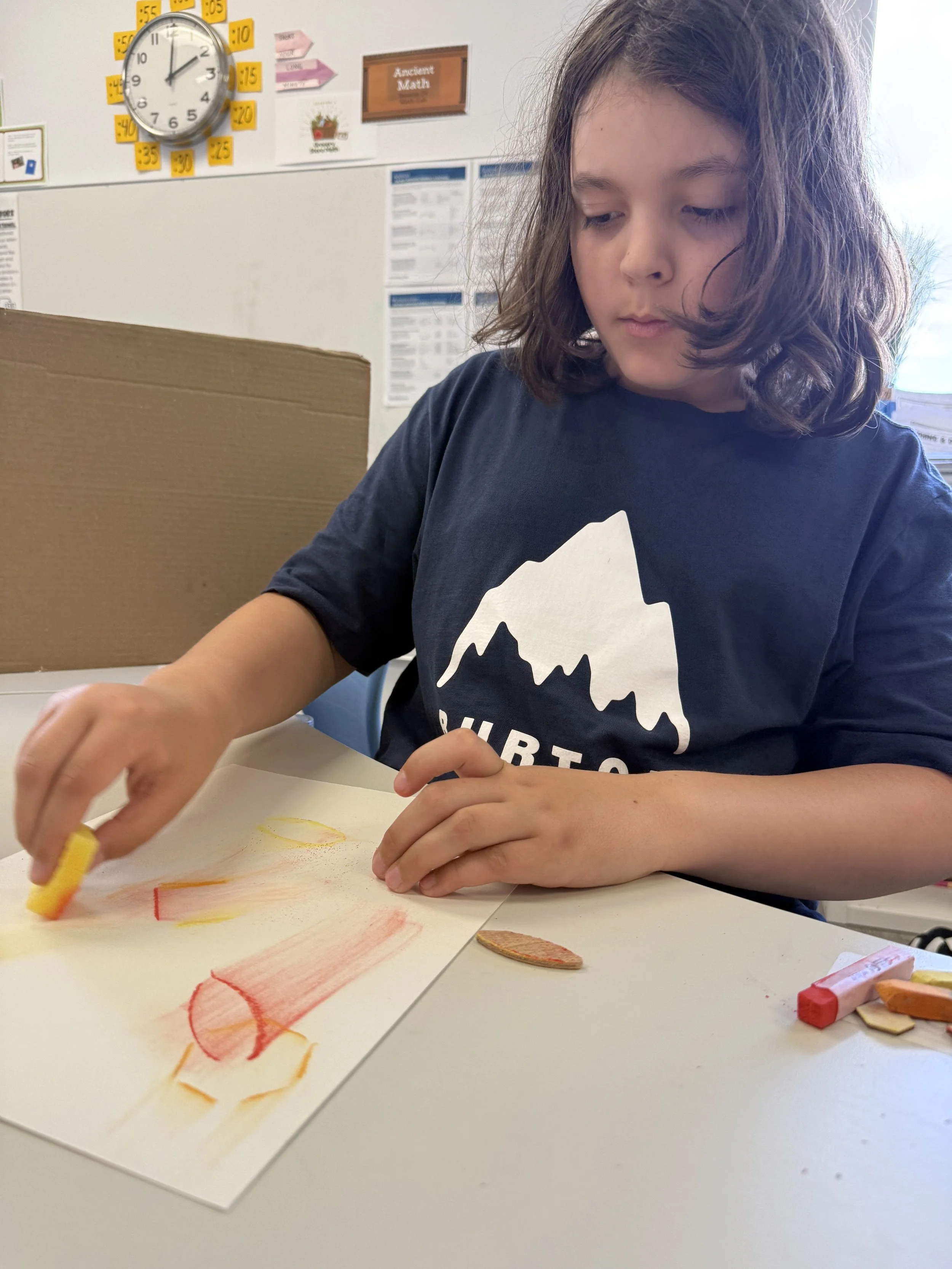
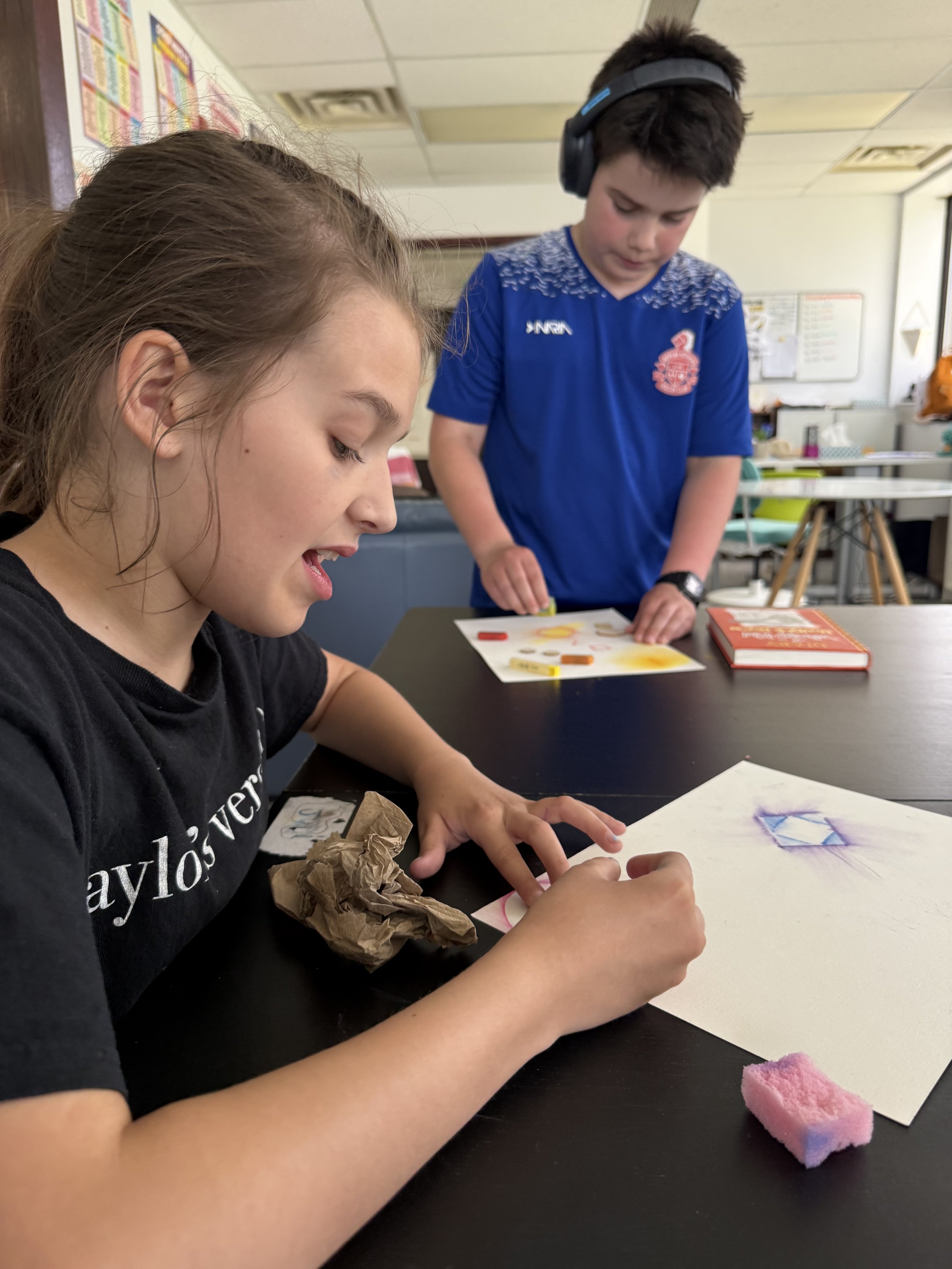
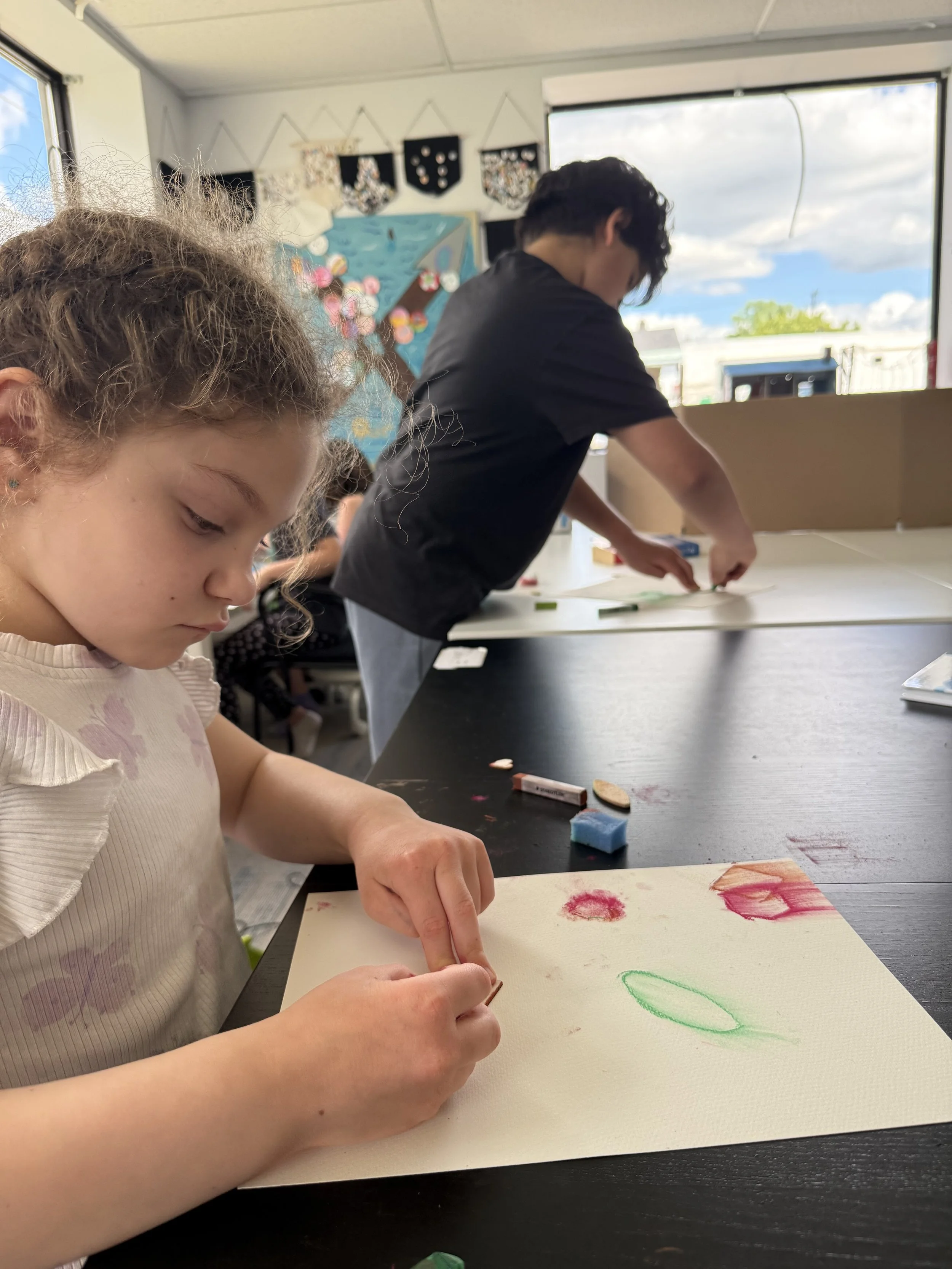
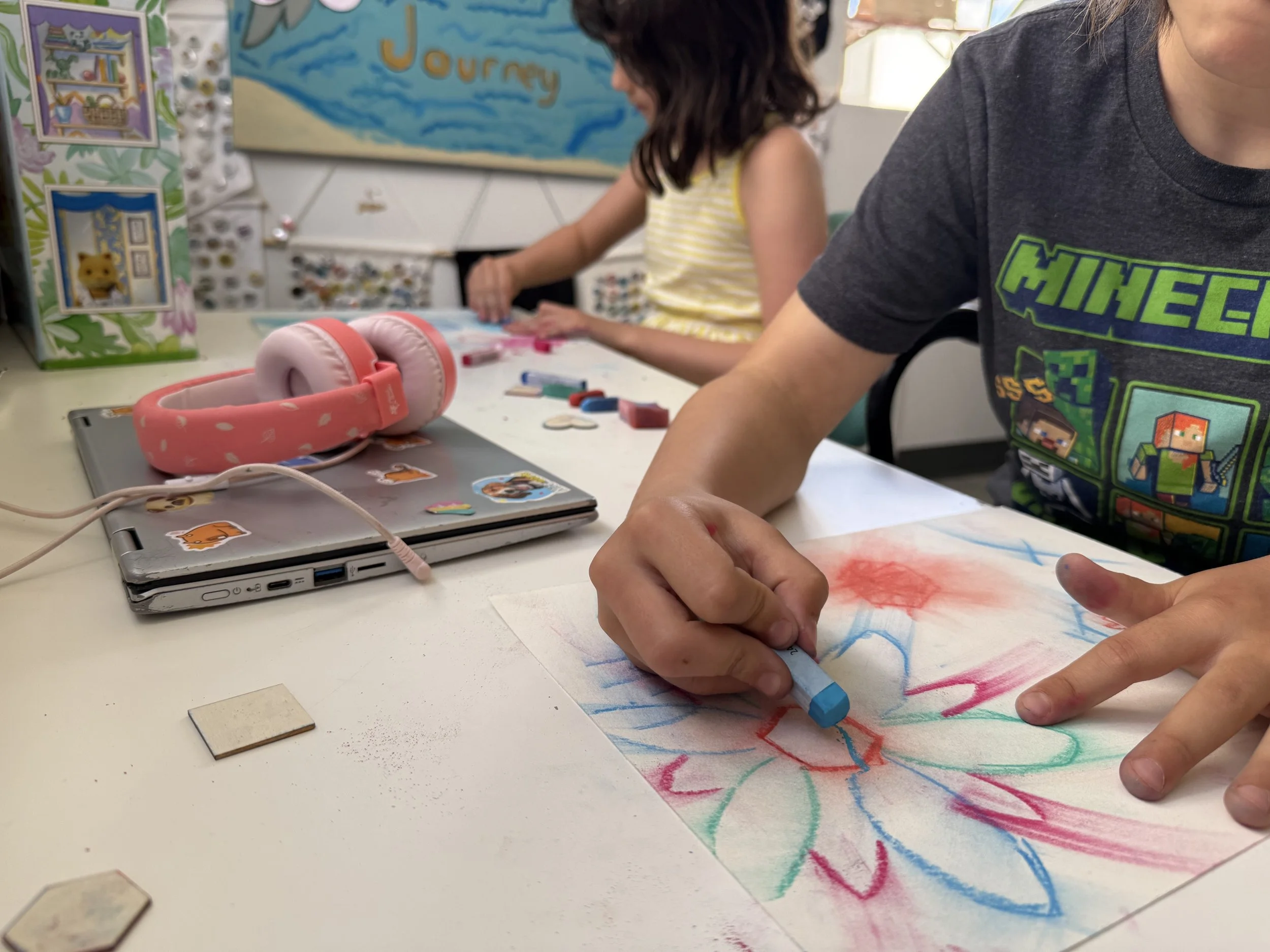
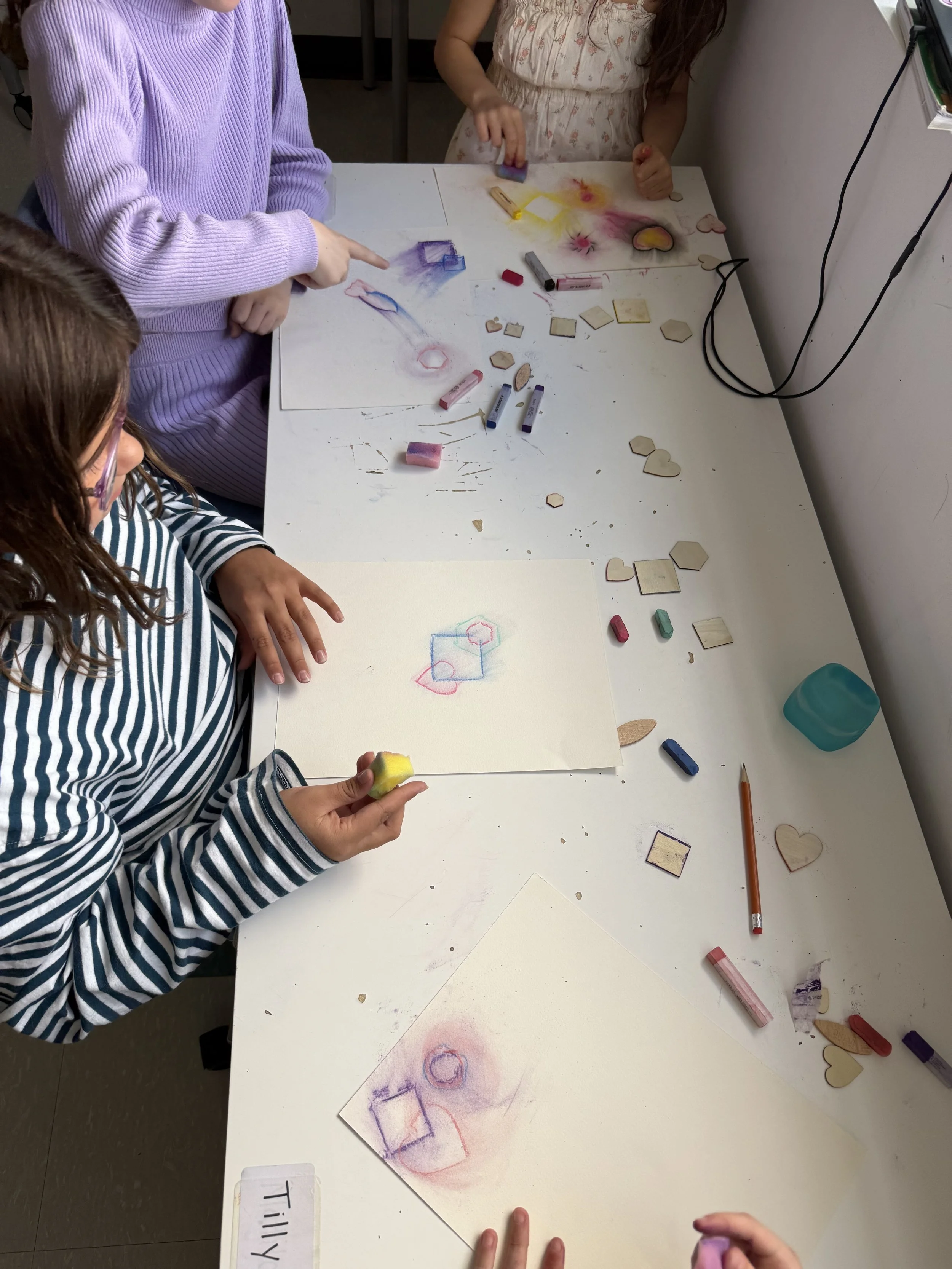
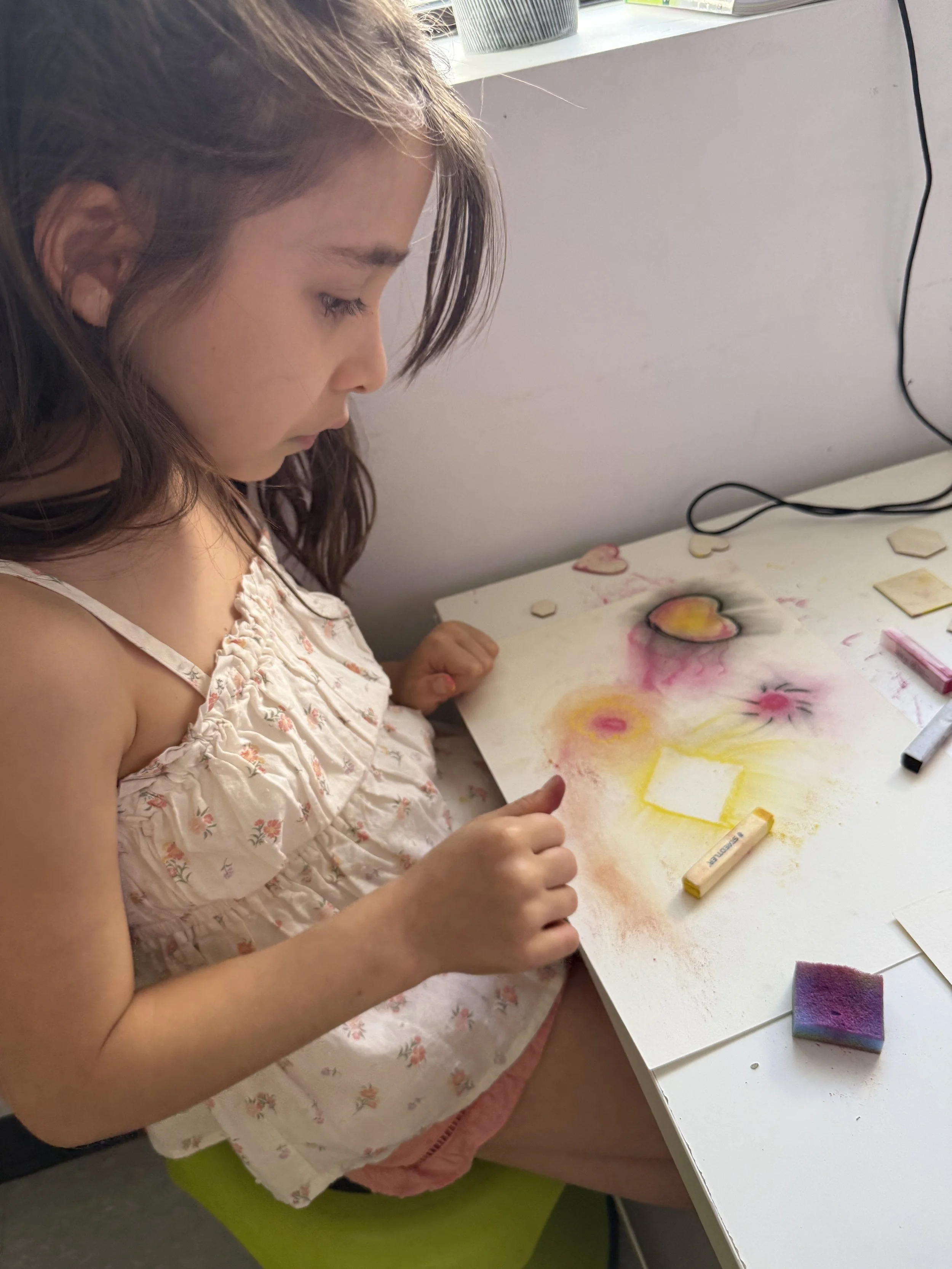
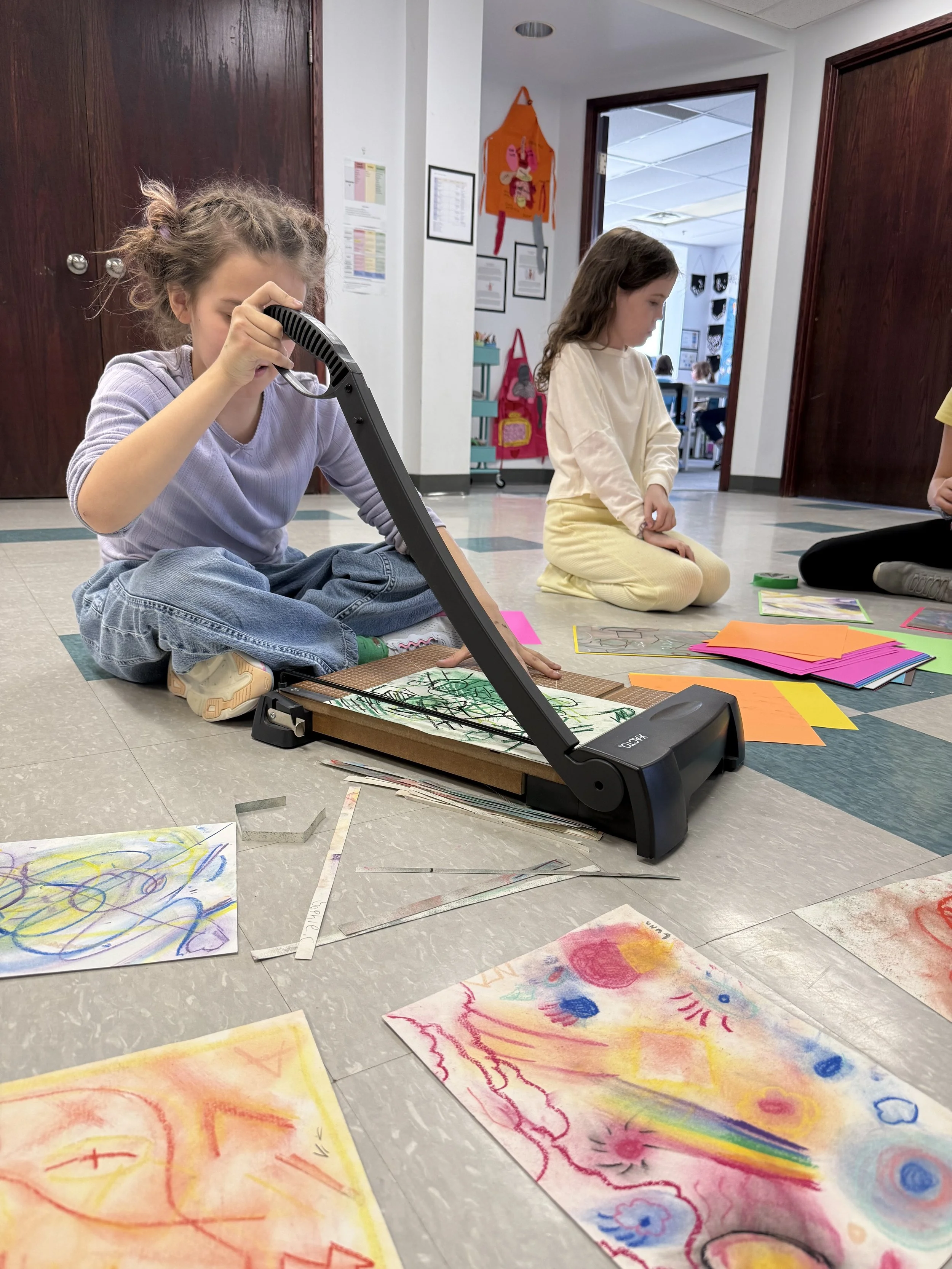
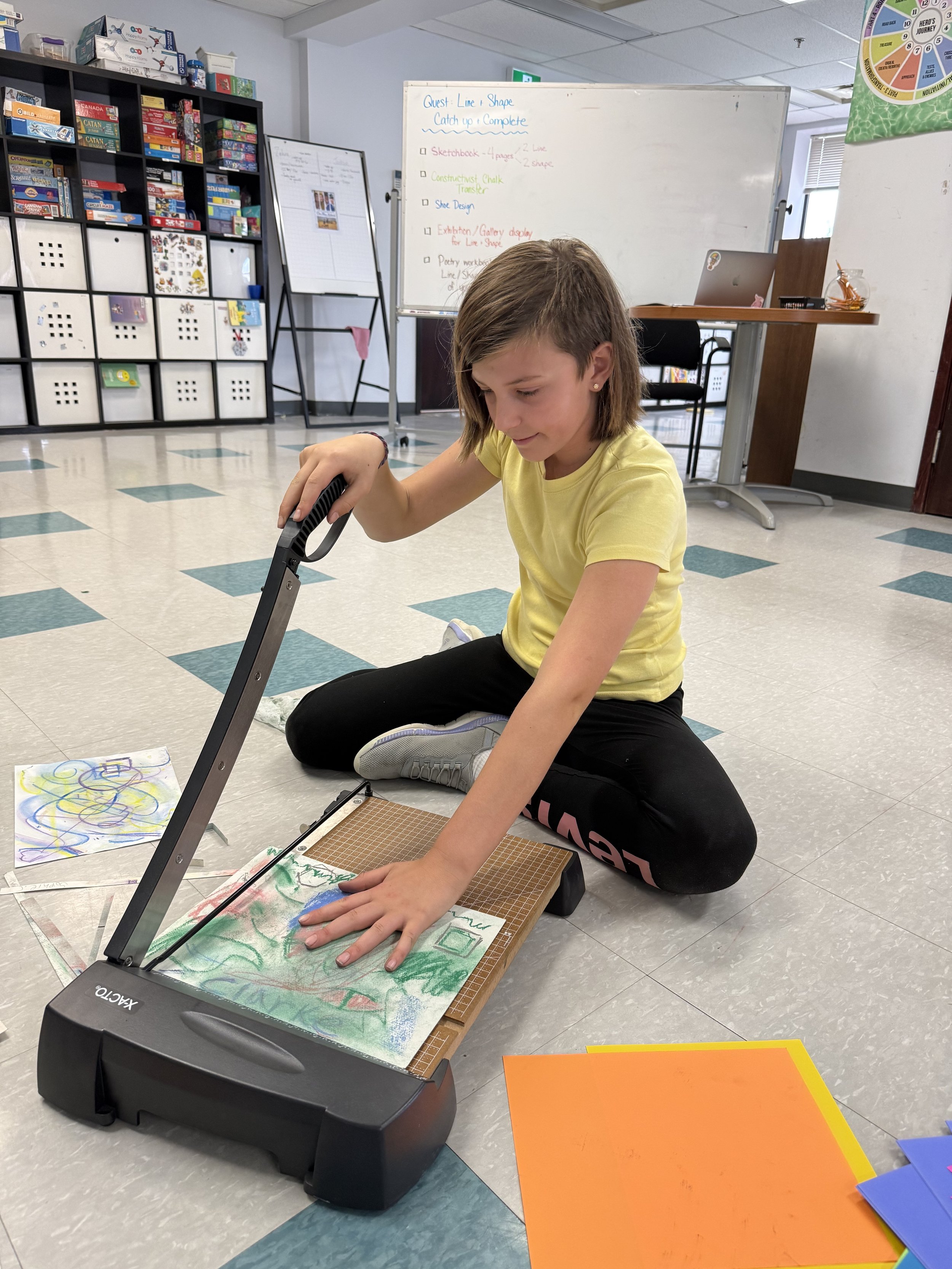
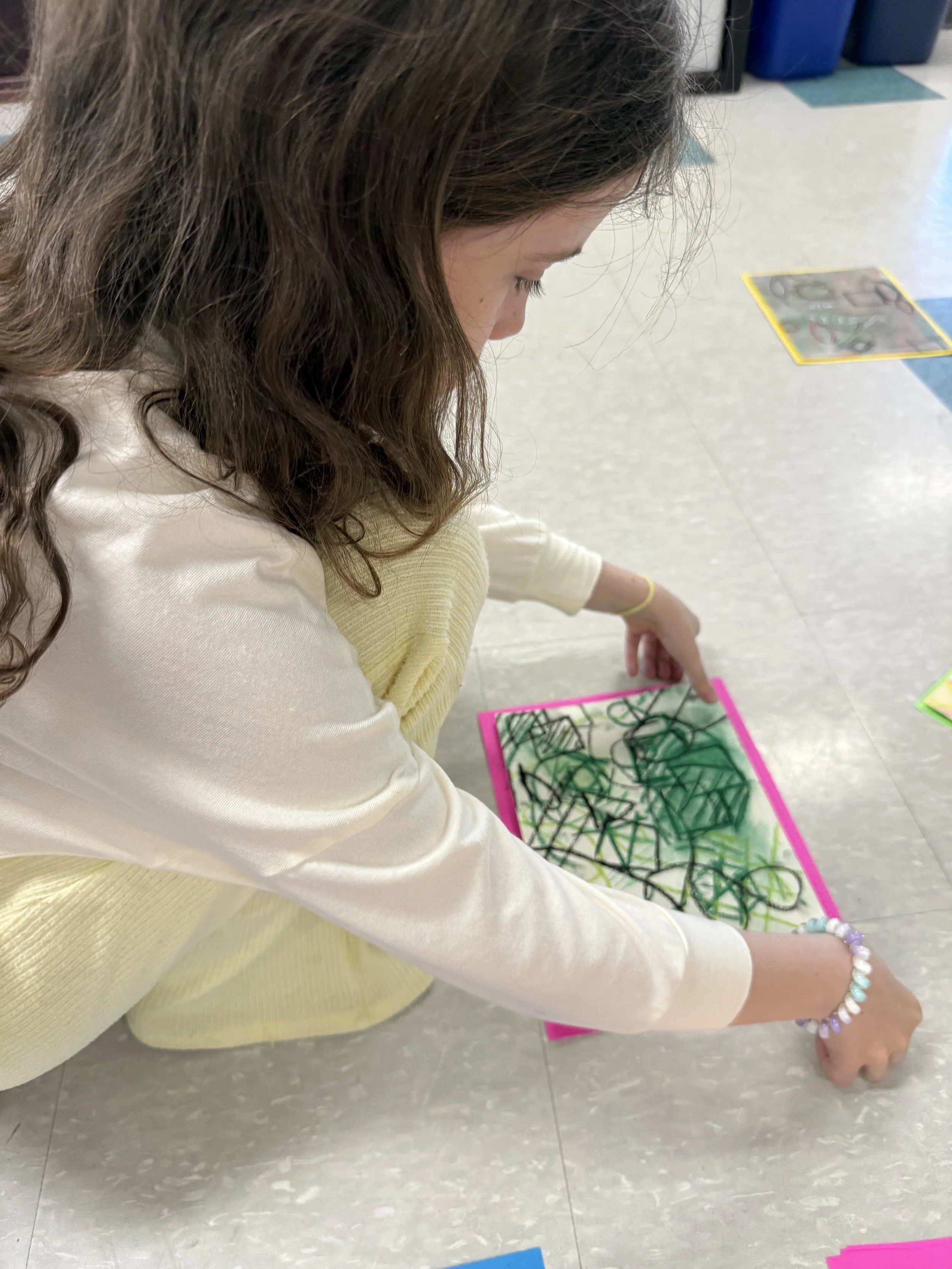
Rebels had so much fun tracing and designing overlapping lines and shapes using a selection of different chalk pastels, wooden shapes (both geometric and organic) as well as using sponges or tissues to add movement and fading to their work. Thursday, Rebels had the opportunity to catch up and complete all of their artwork from Week 1, with some Rebels starting to design the Exhibition display for our Constructivist Chalk Shape Transfer. We had a group of Rebels who also stepped into the role of gallery curators, working on cutting and framing Rebels’ completed artworks to prepare a display of our Line and Shape creations. It is going to be such an exciting session getting to watch what the Rebels create each week!
Additional Highlights
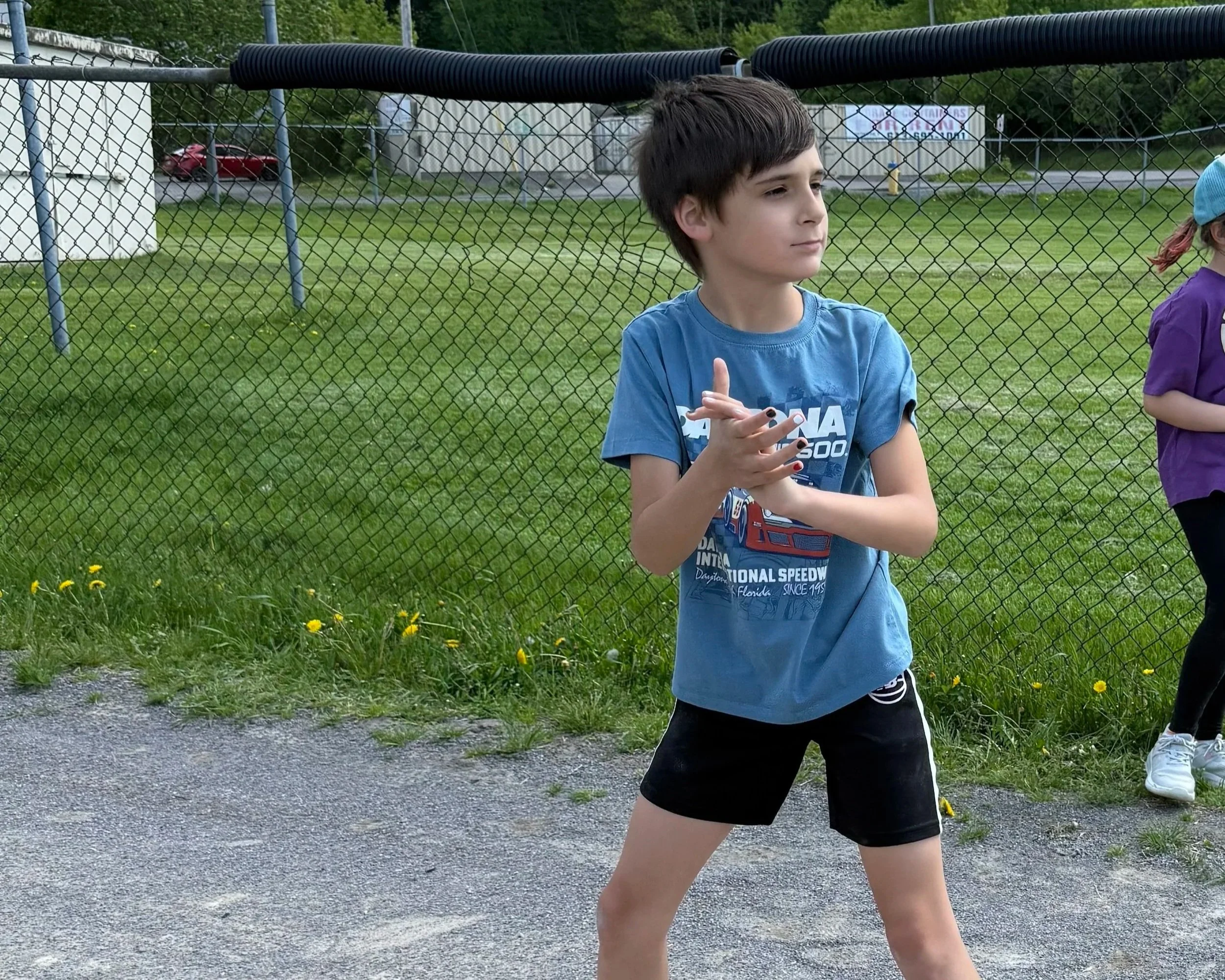
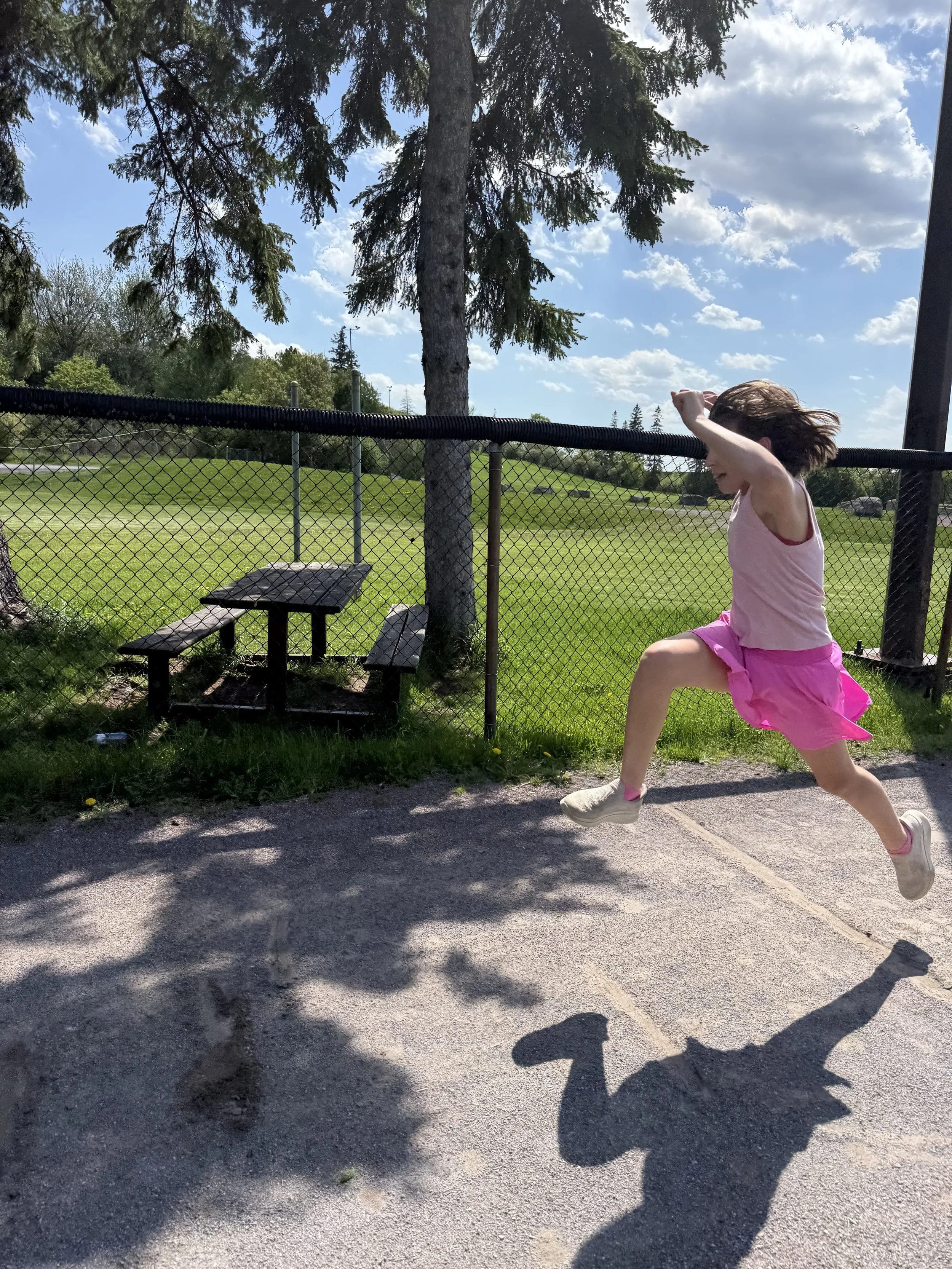
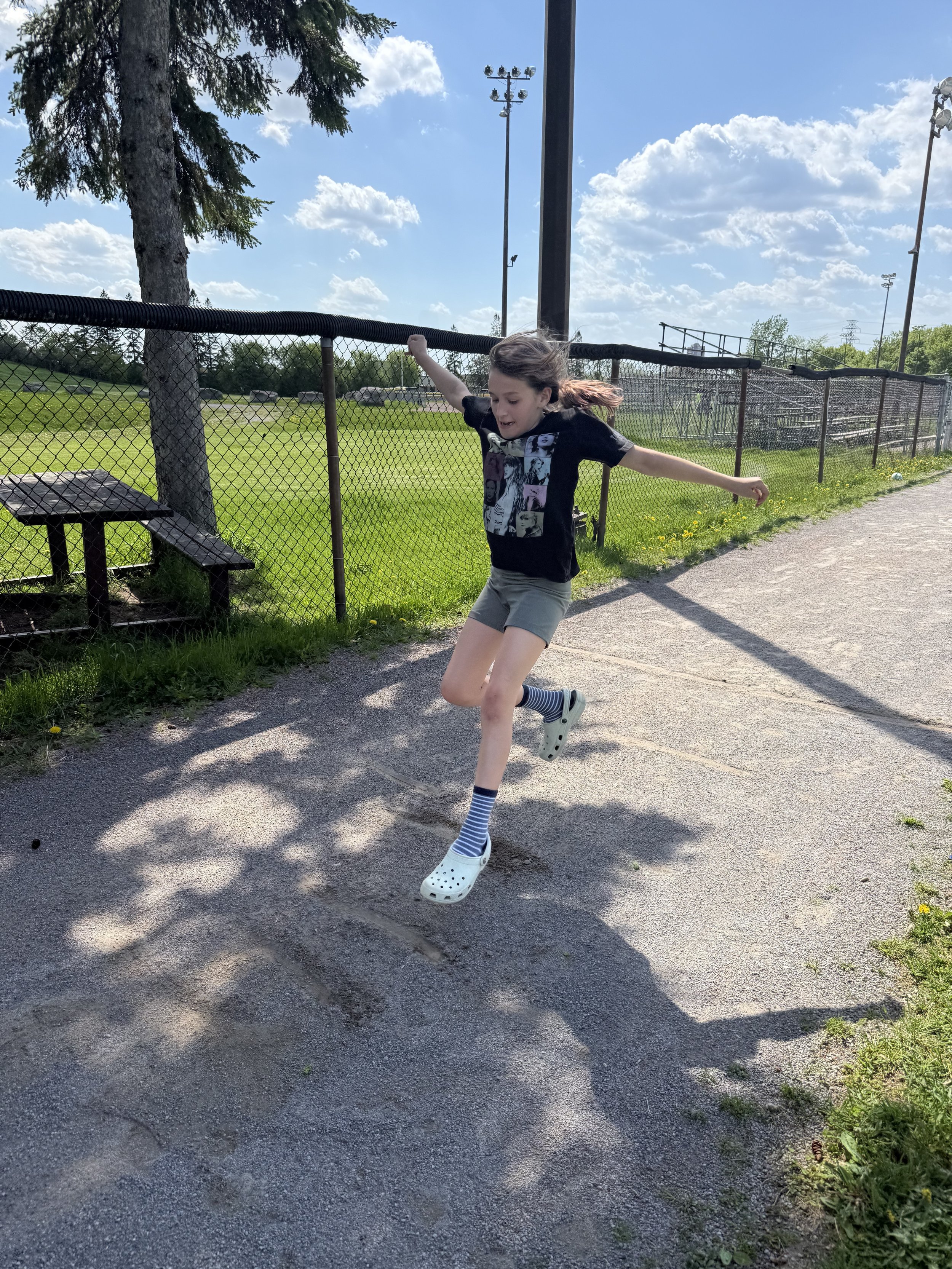
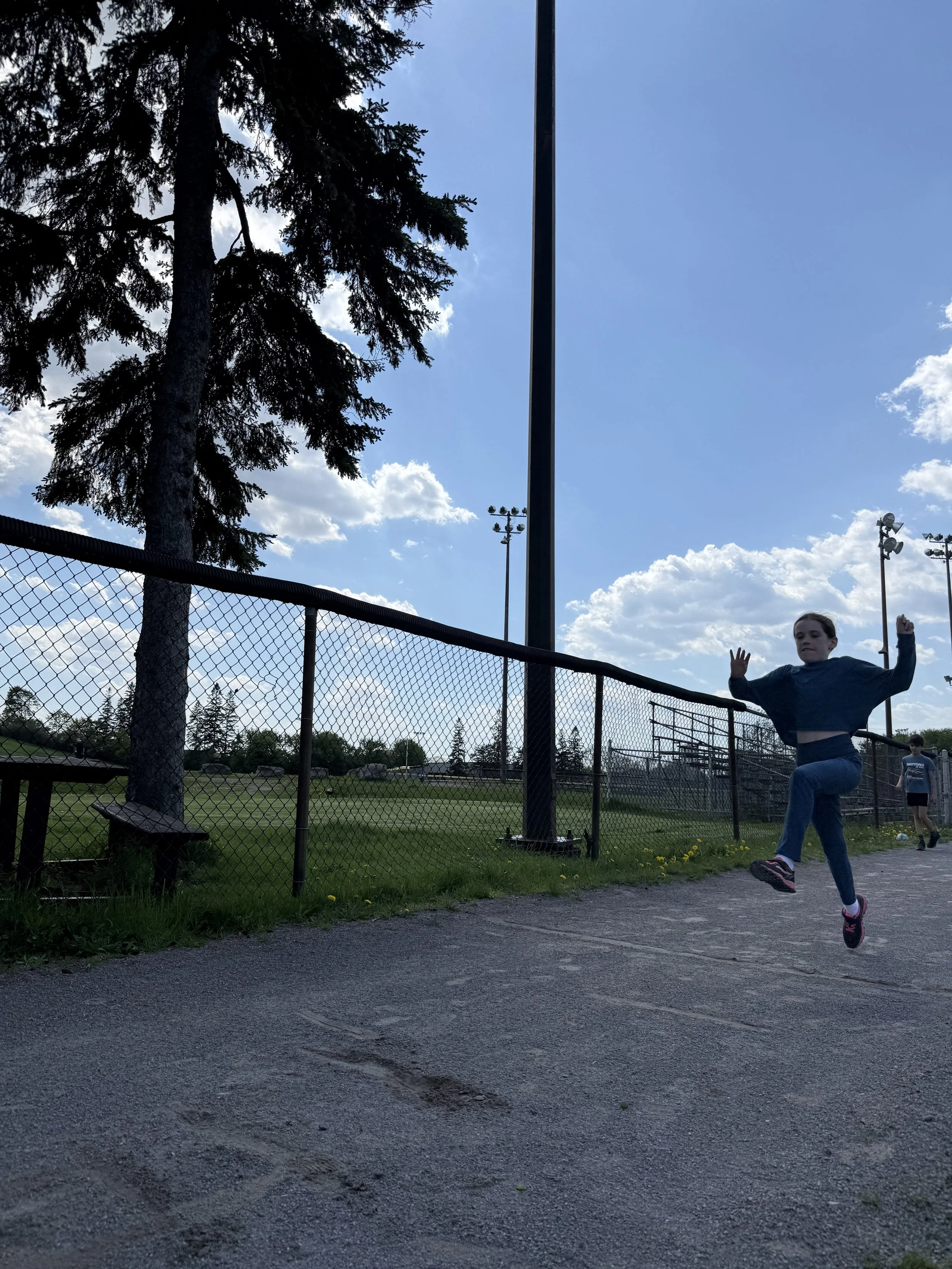
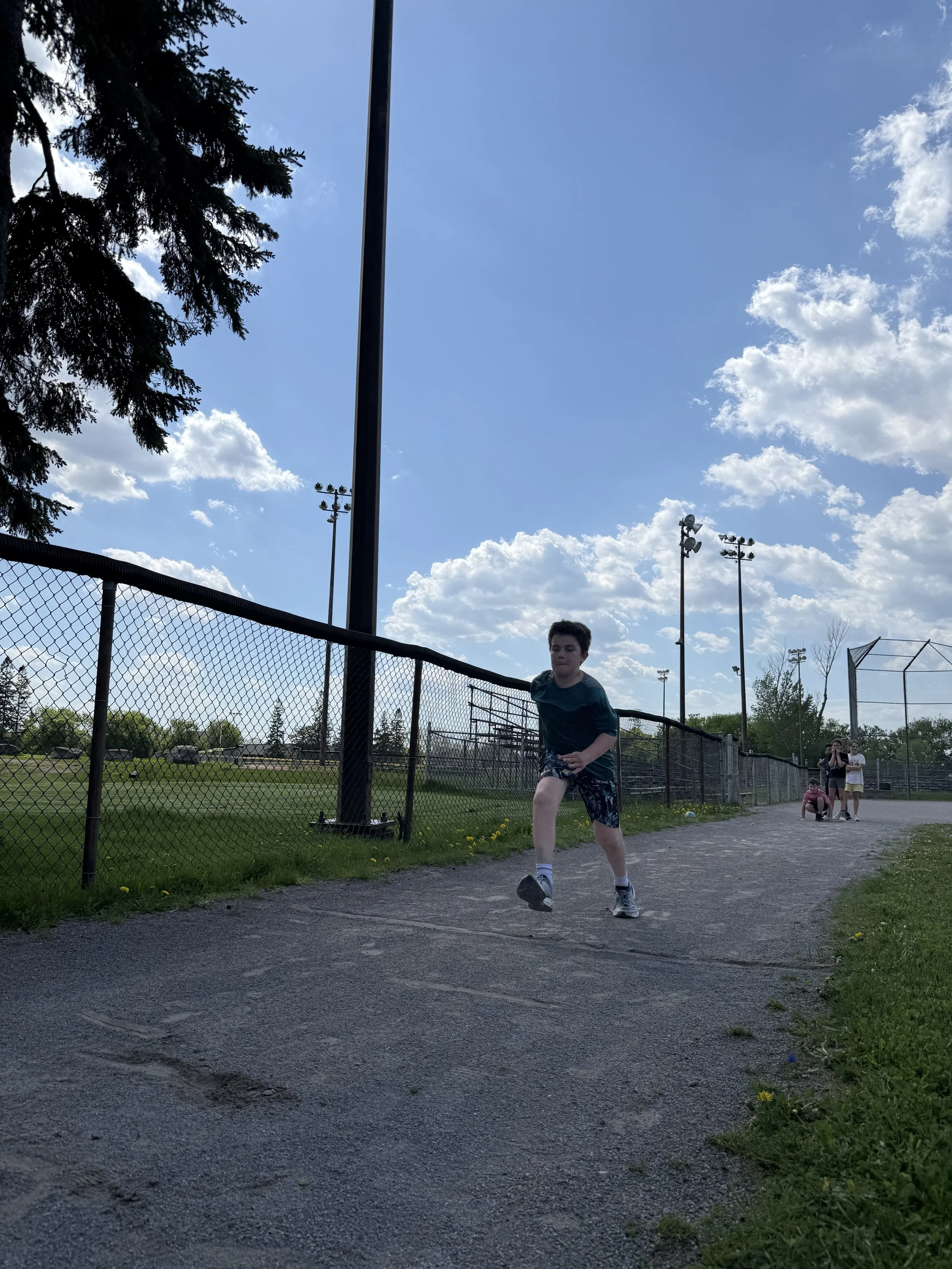
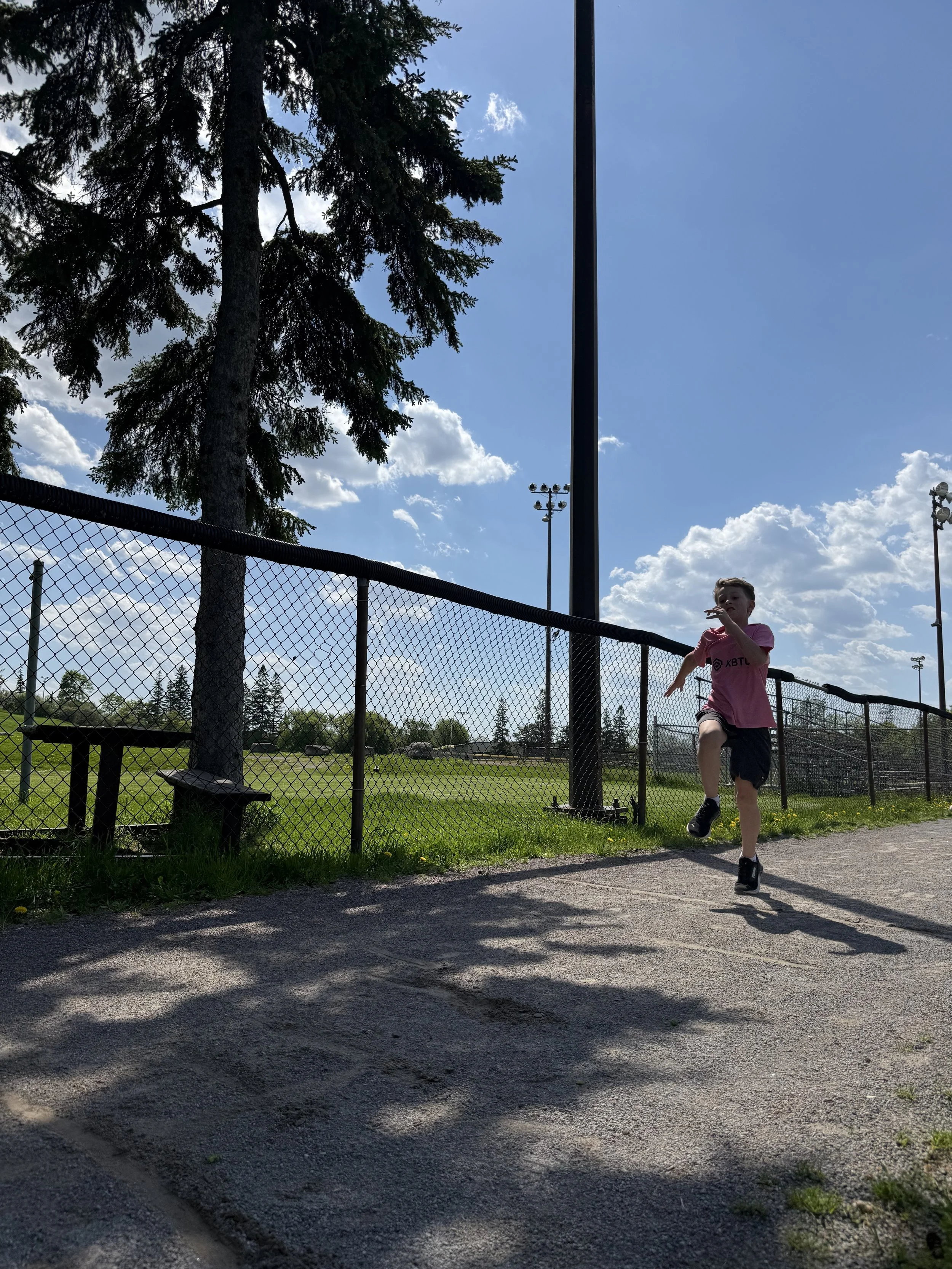
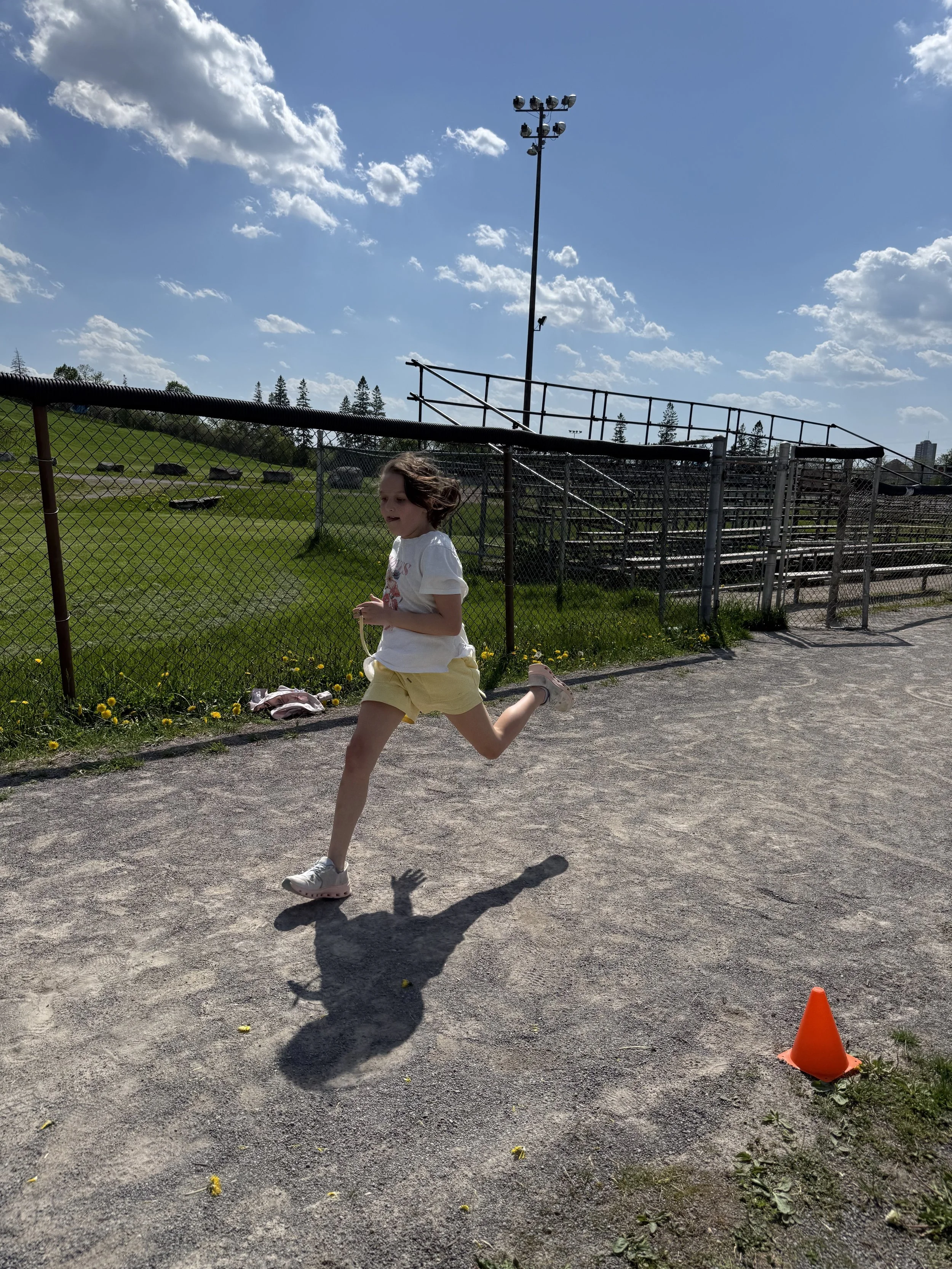
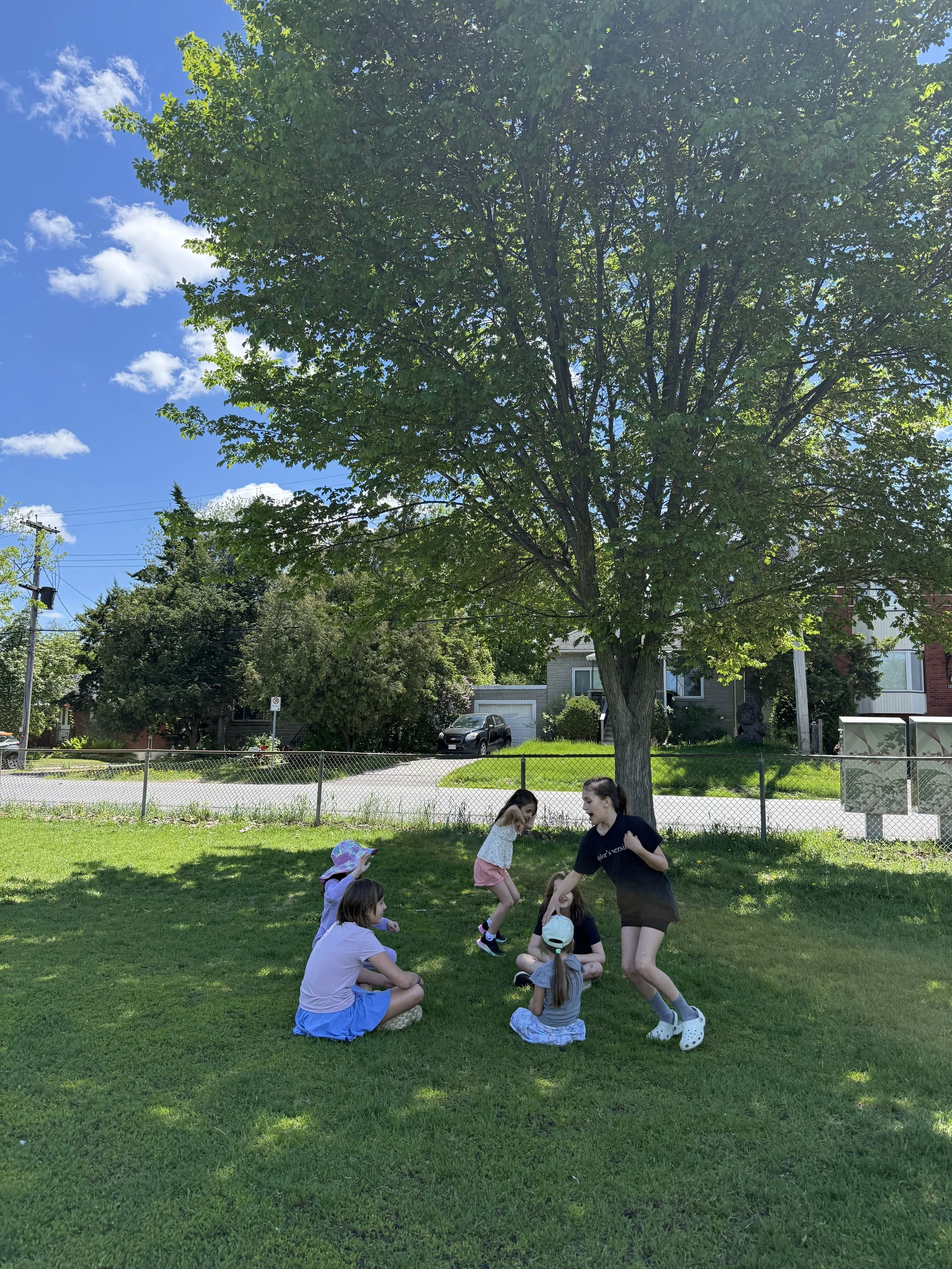
This session, we have so many incredible team-building celebrations on the calendar, outdoor PE workshops focusing on track and field, and an upcoming field trip to the Ottawa Art Gallery. This week, Rebels who opted for the track and field PE workshops went over to one of the tracks by Carlington Hill to test their skills at 4x100m relays, long jump and 100m dash. Rebels focused on movements such as squats and supportive landings for long jump, ensuring they’re landing with two feet and knees bent to absorb impact. Rebels also reflected on pacing during their sprints, reflecting on who should be positioned where during a 4x100 run, and why it’s important to pace when running longer distances. We also have a special Rebel-led PE workshop being planned at the Carlington Hill Pump Track before the end of the school year, so keep an eye out on BandApp for more information coming soon!
Exploration Studio
Mindfulness, Launch, & Closing
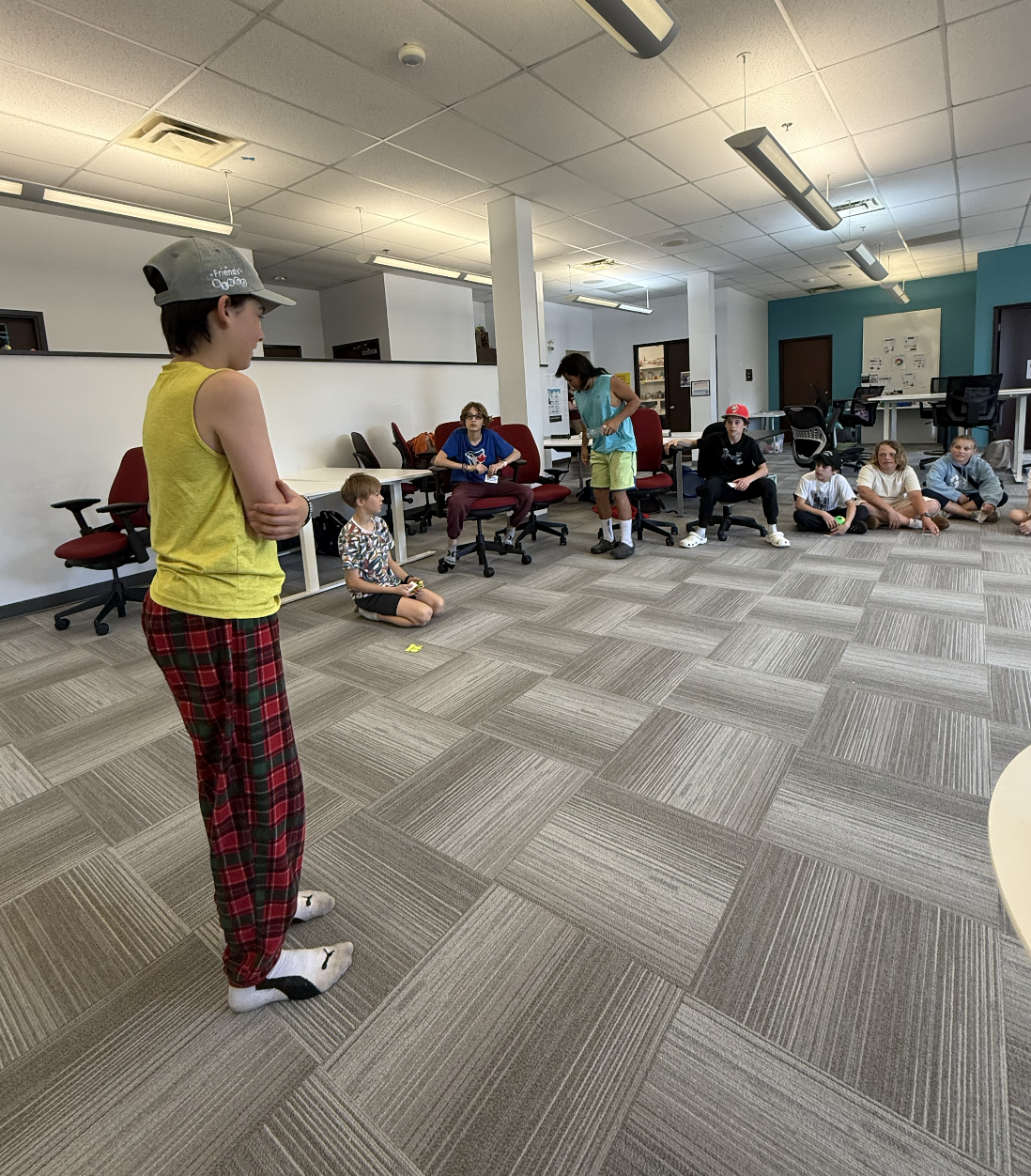
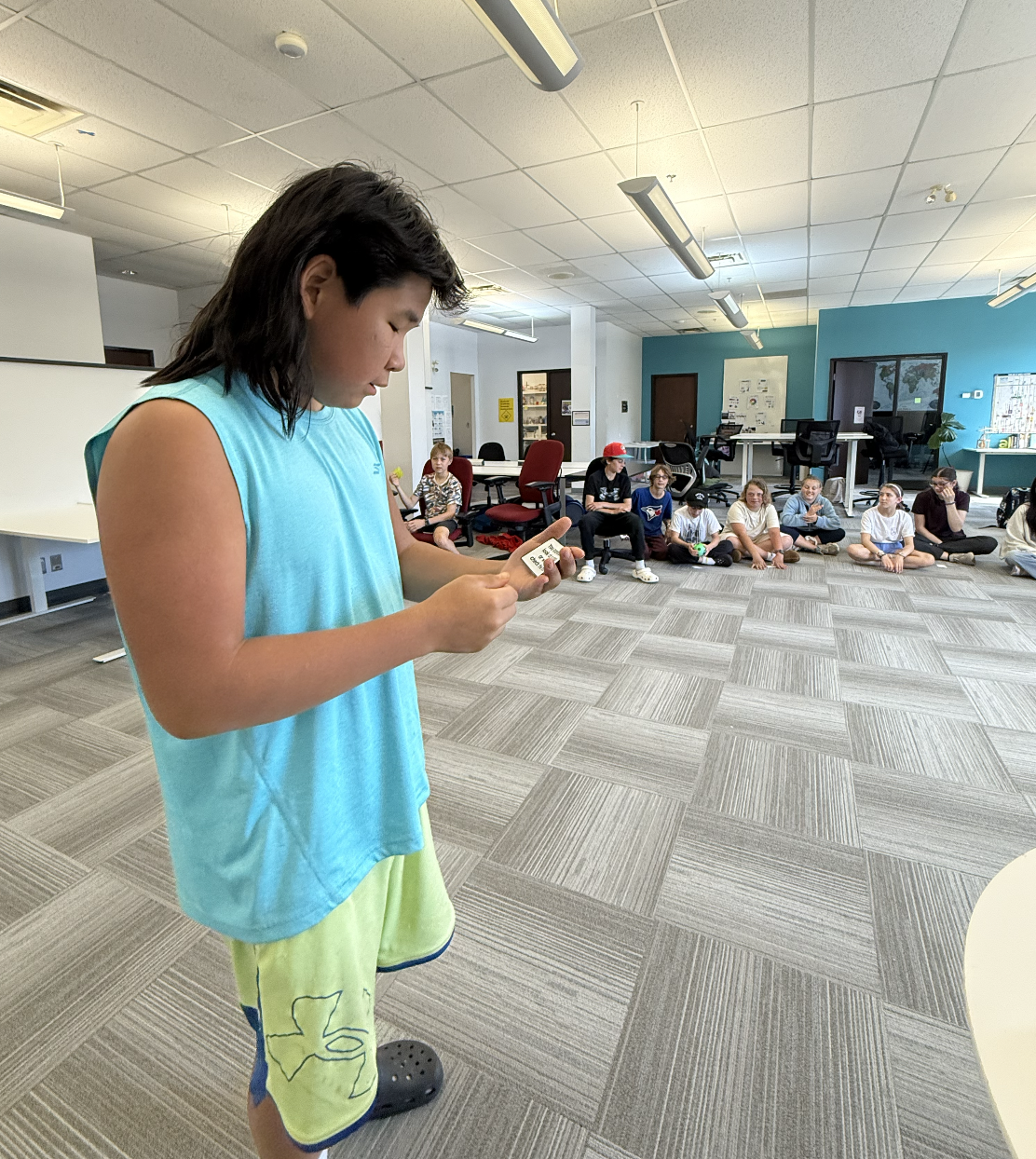
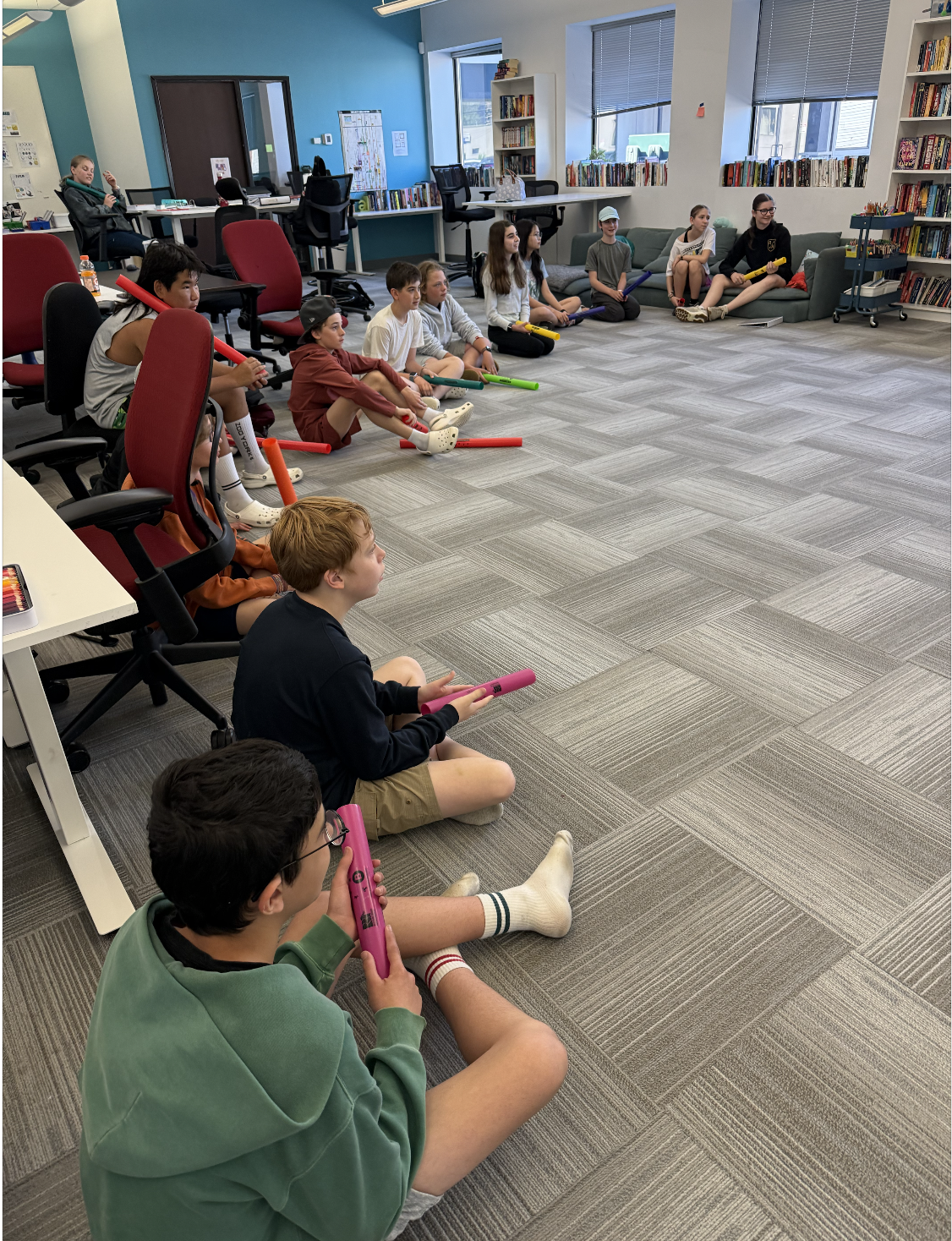
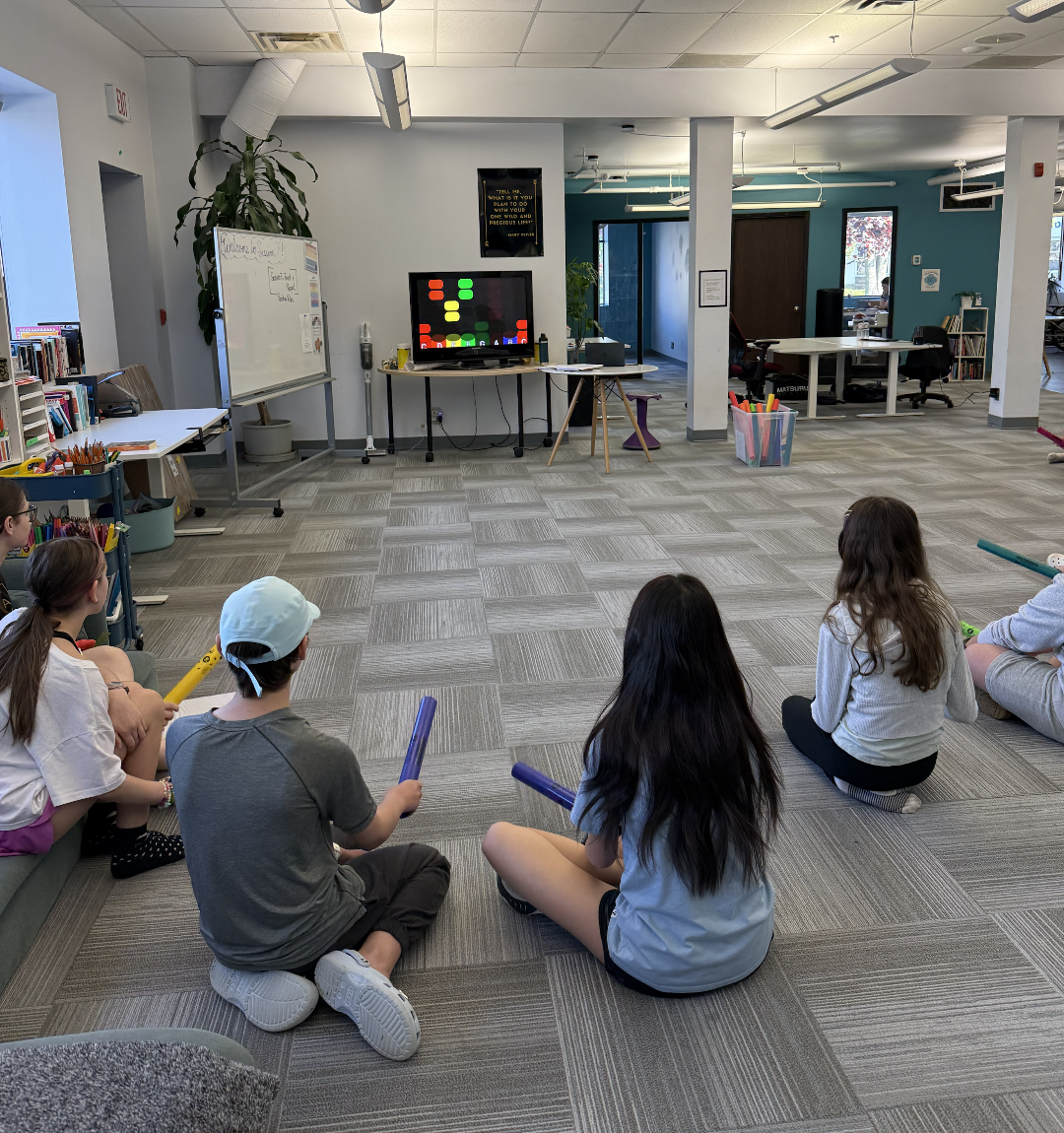
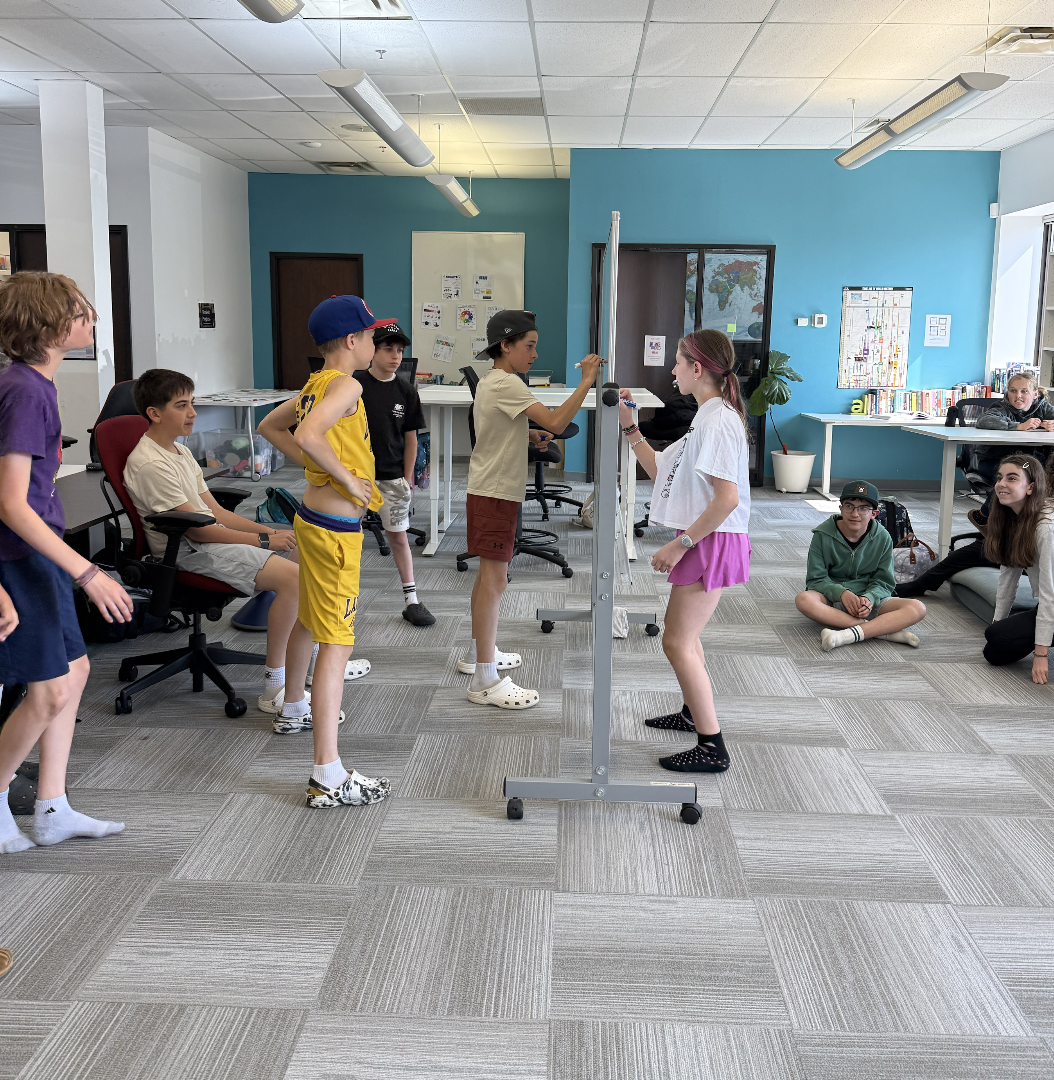
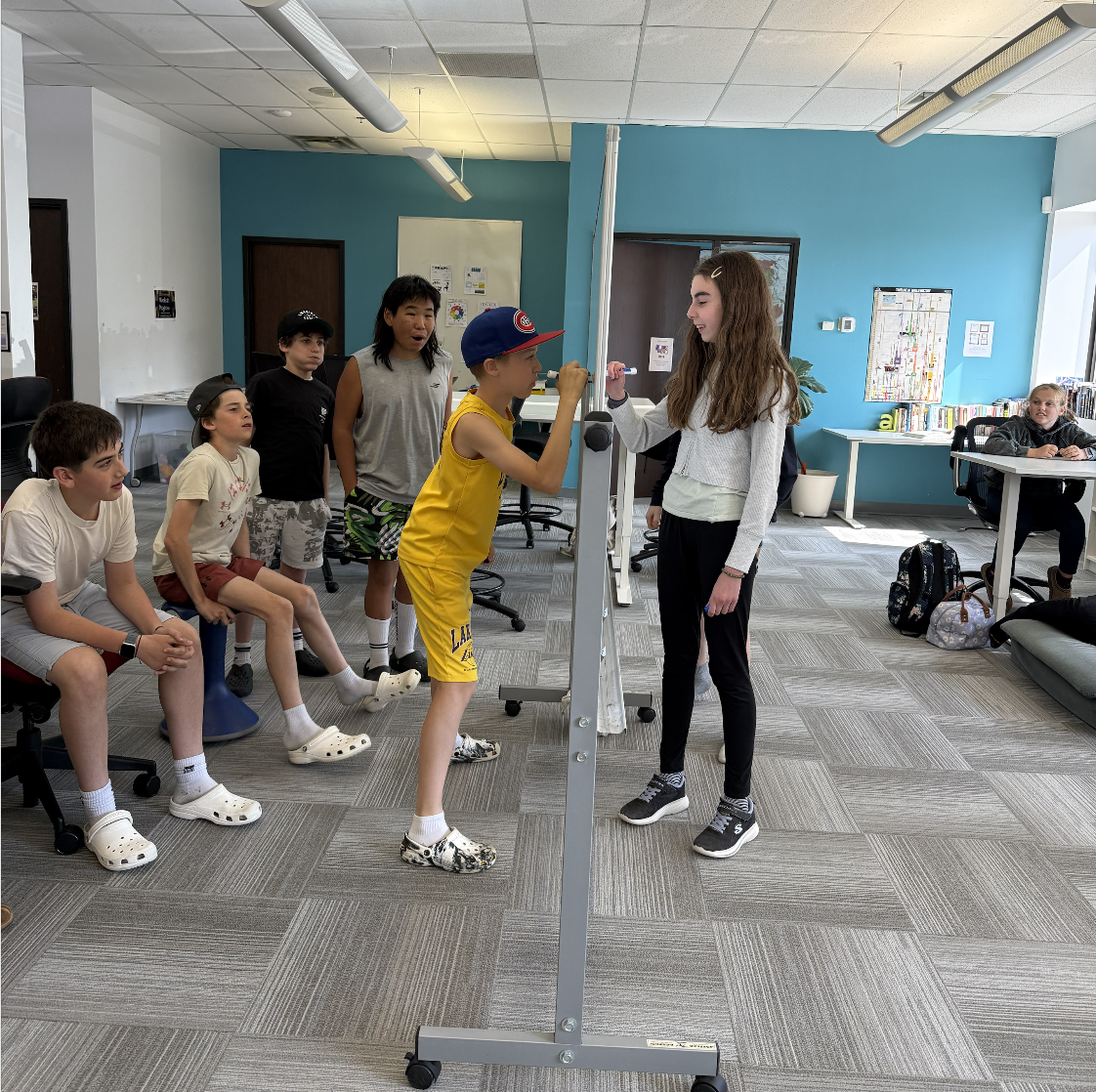
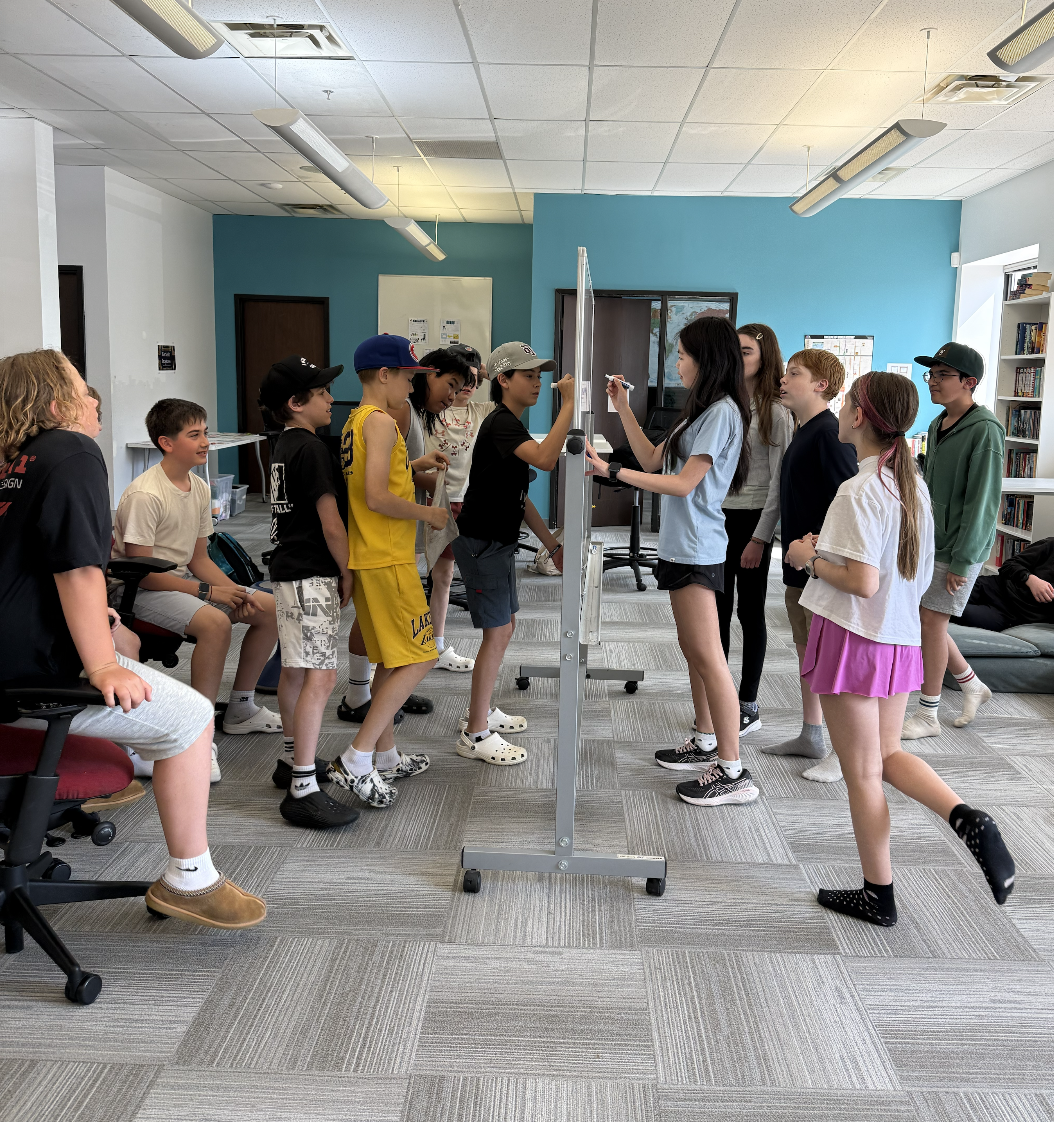
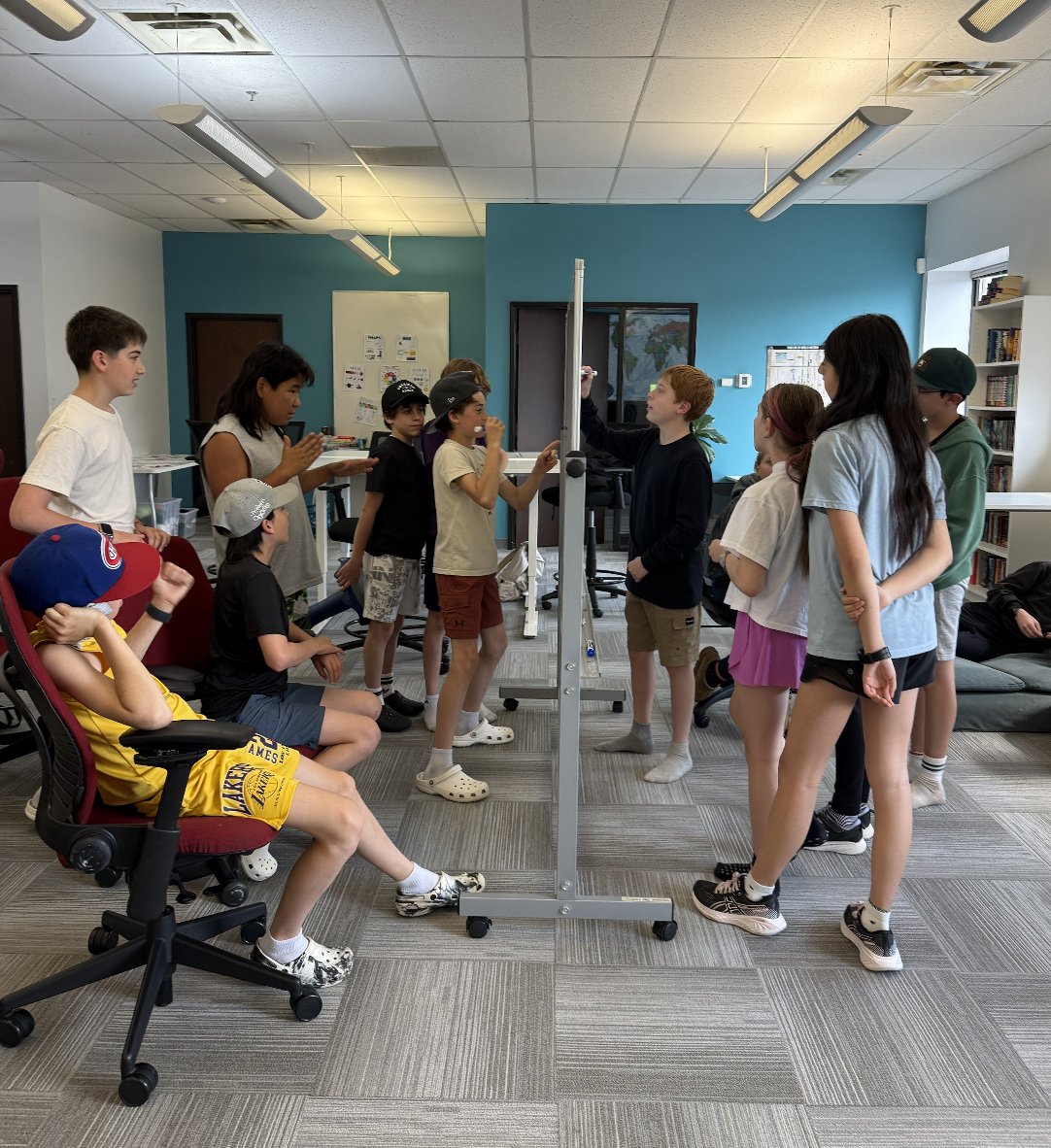
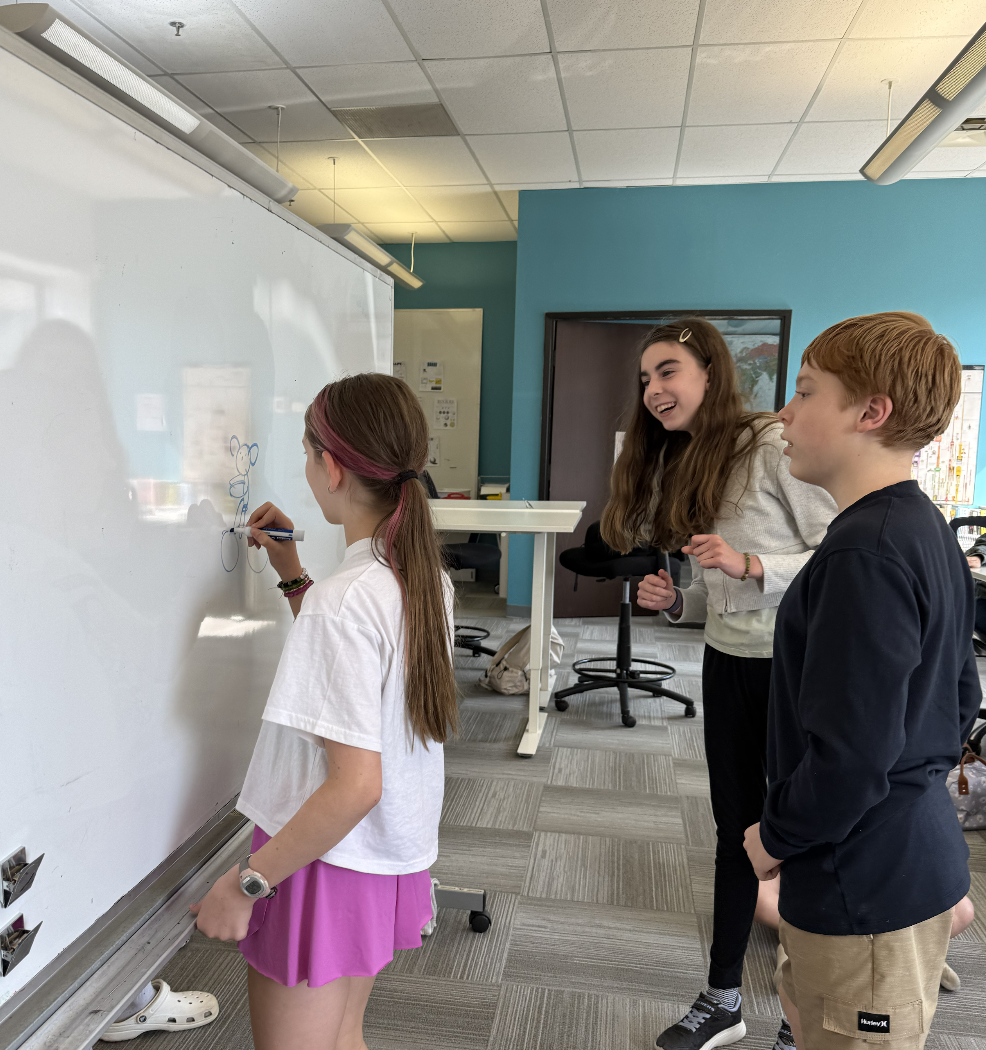
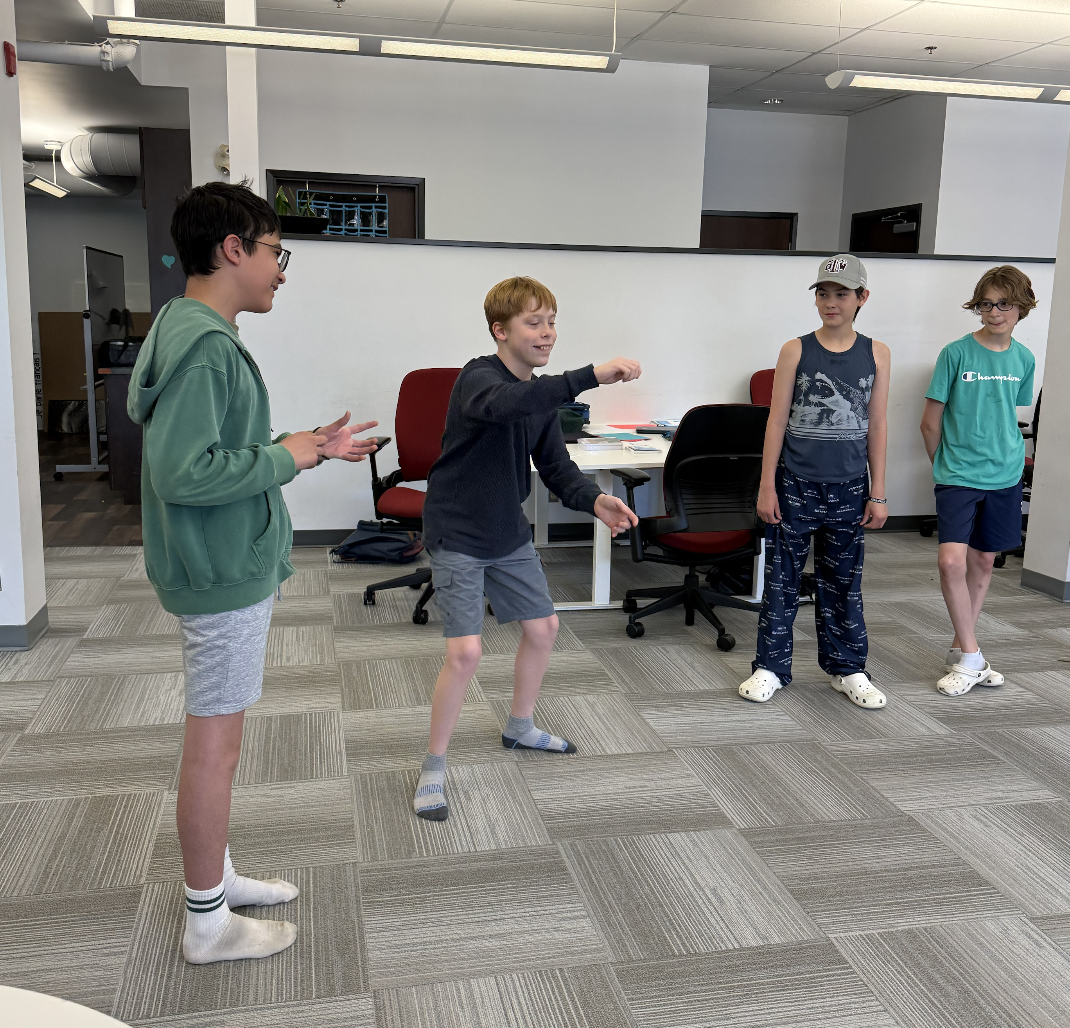
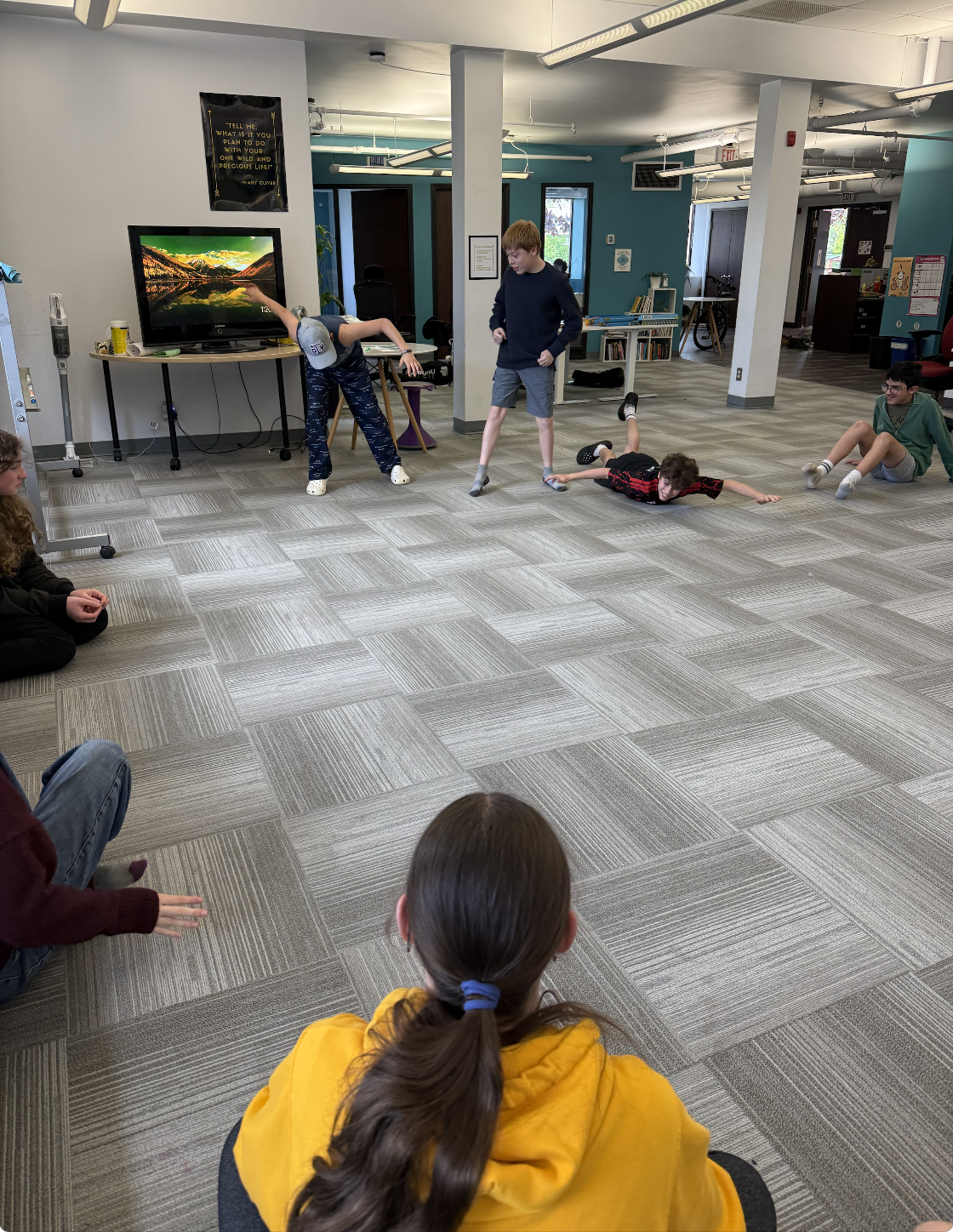
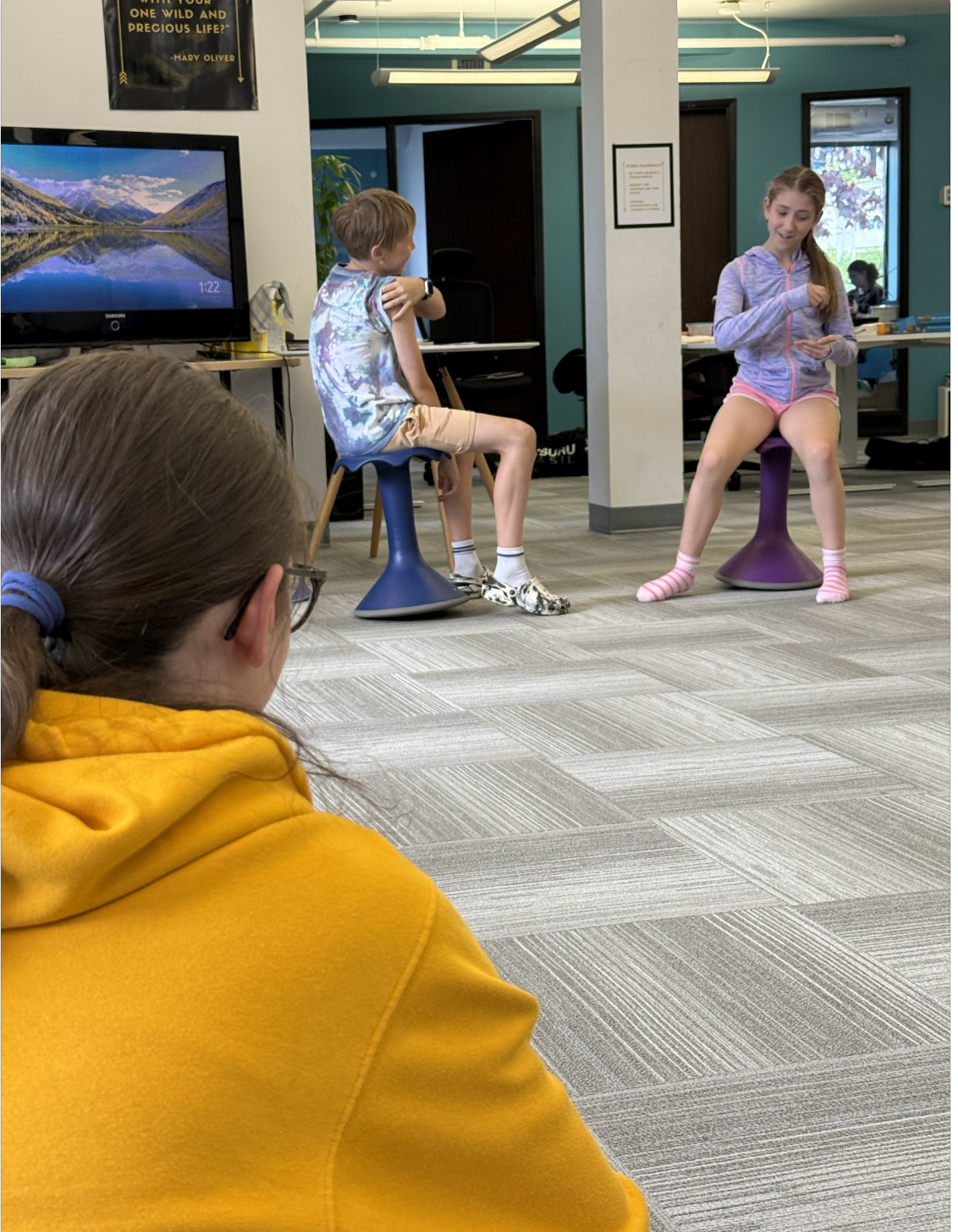
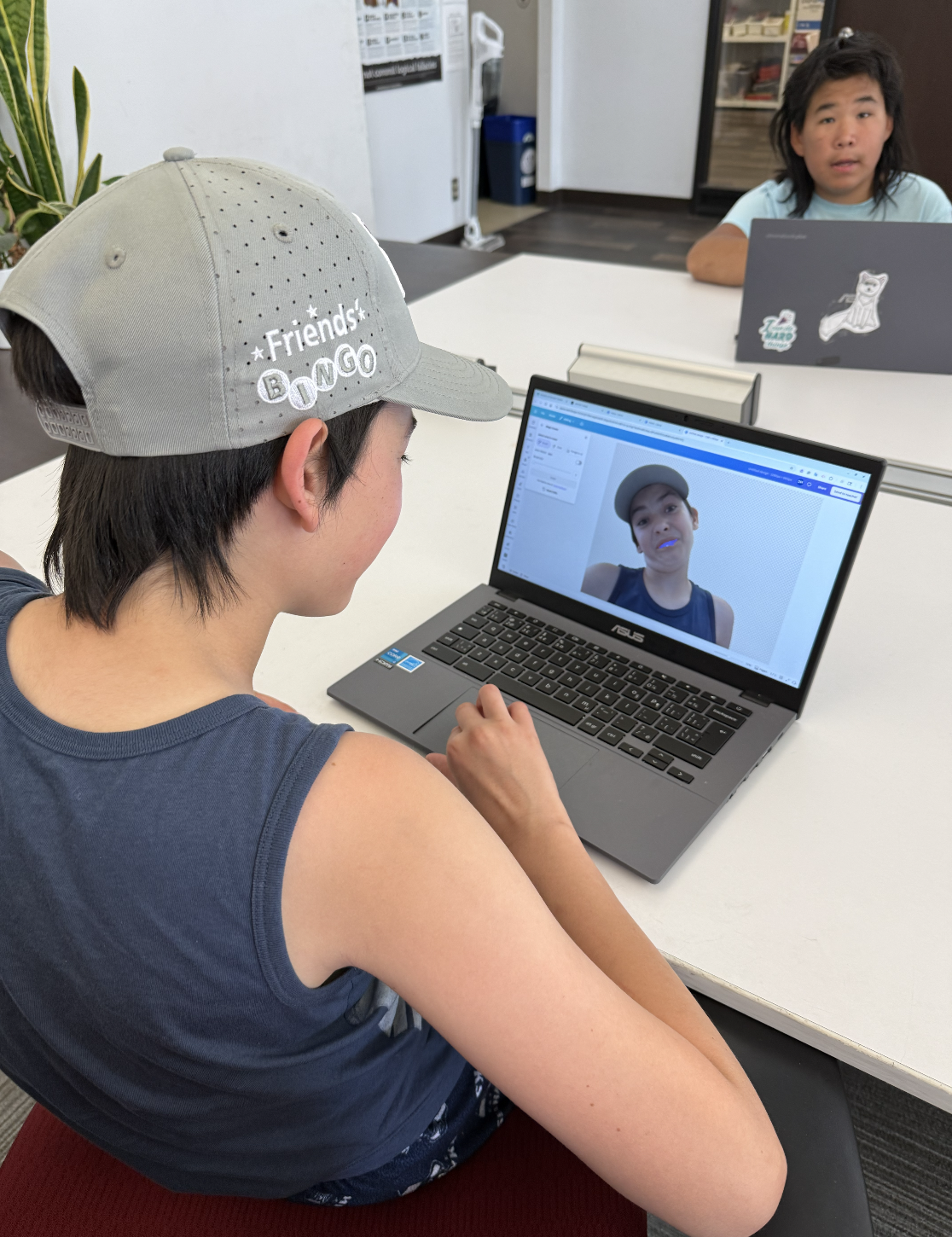
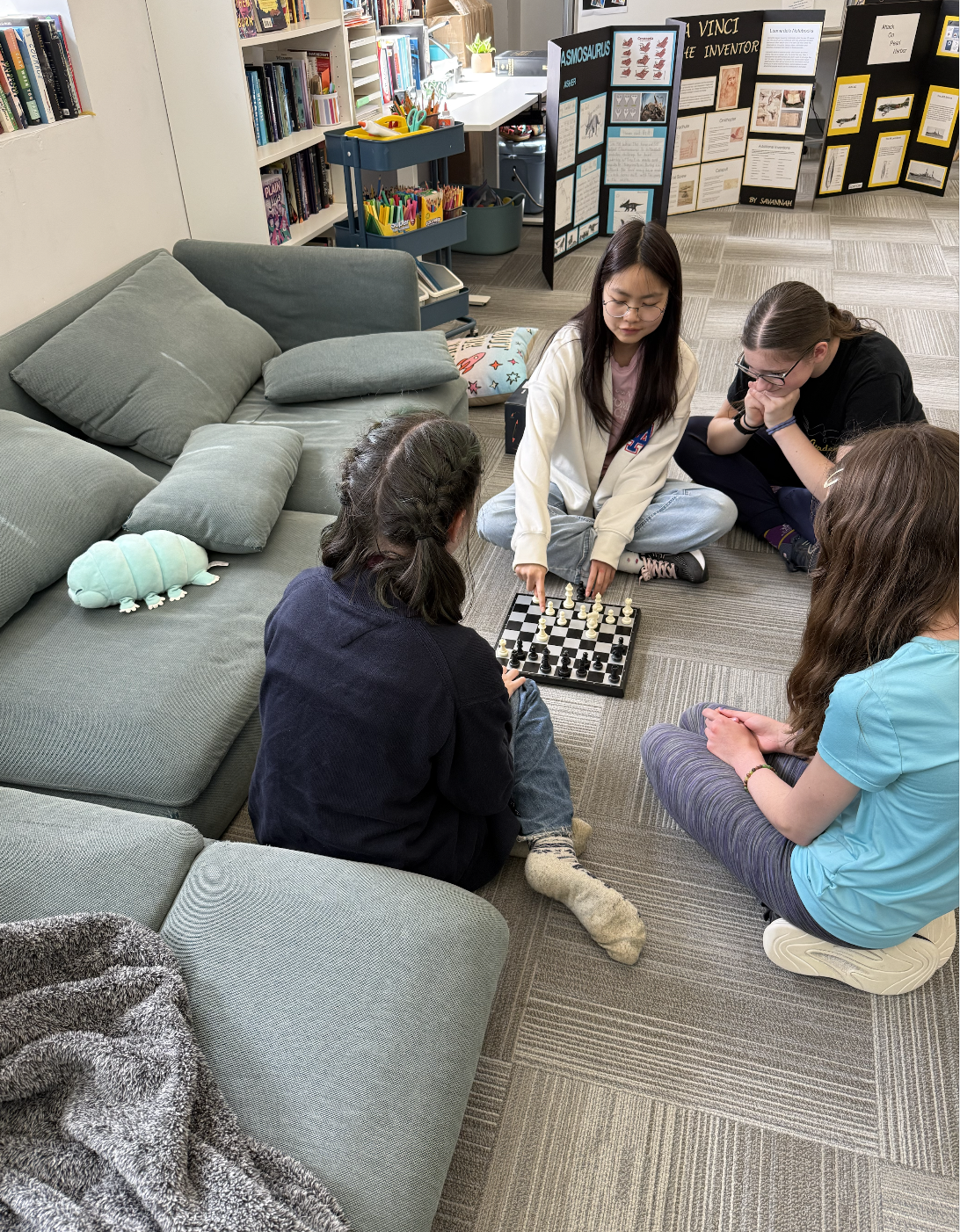
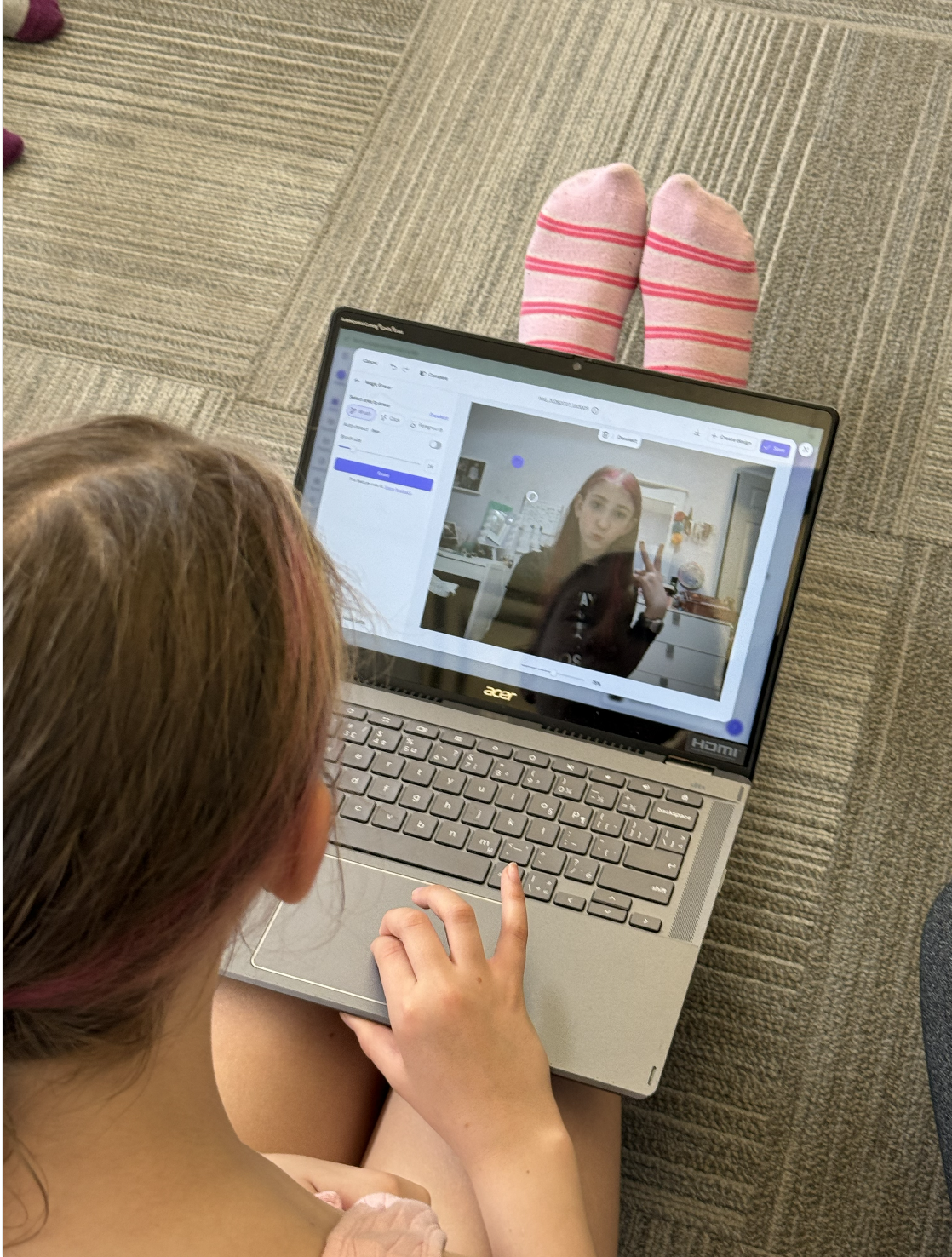
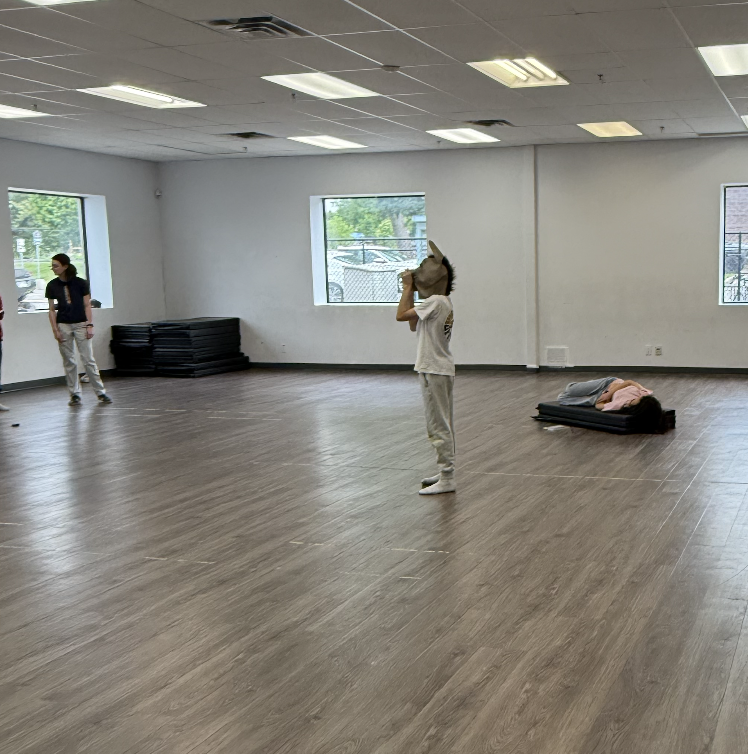
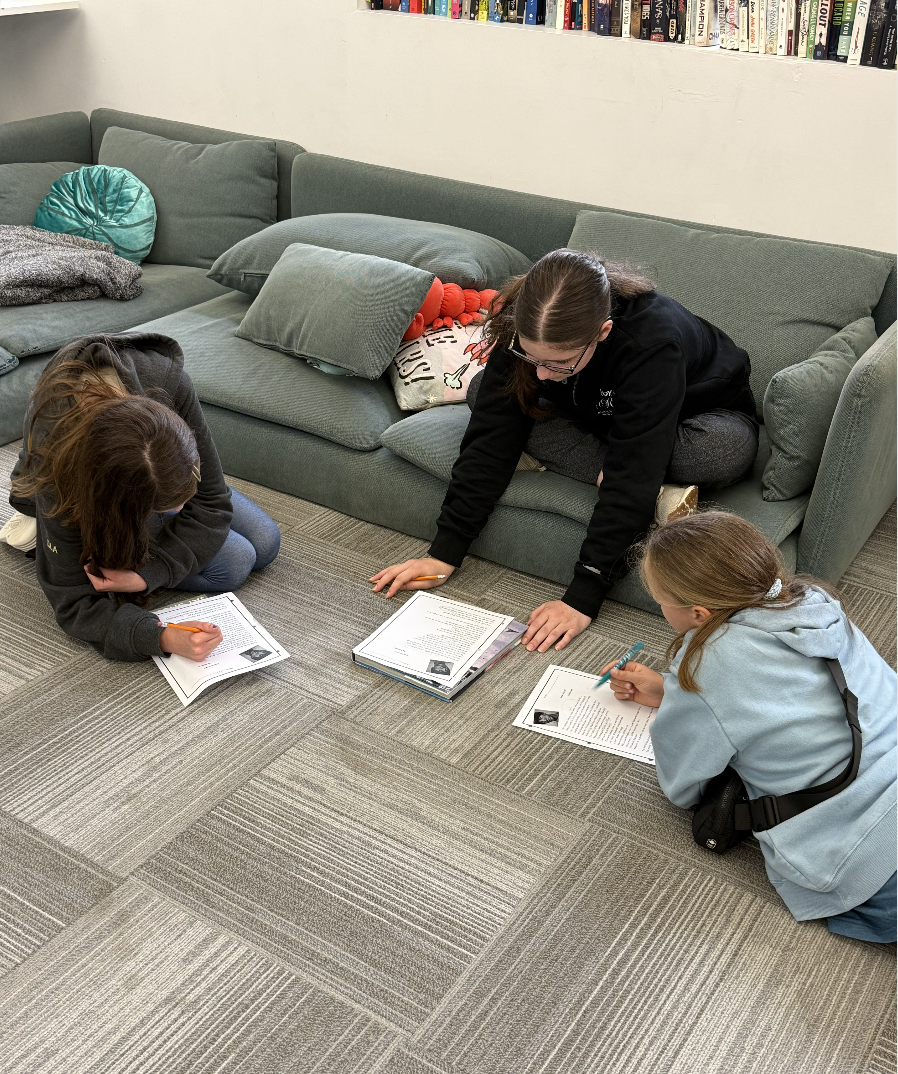
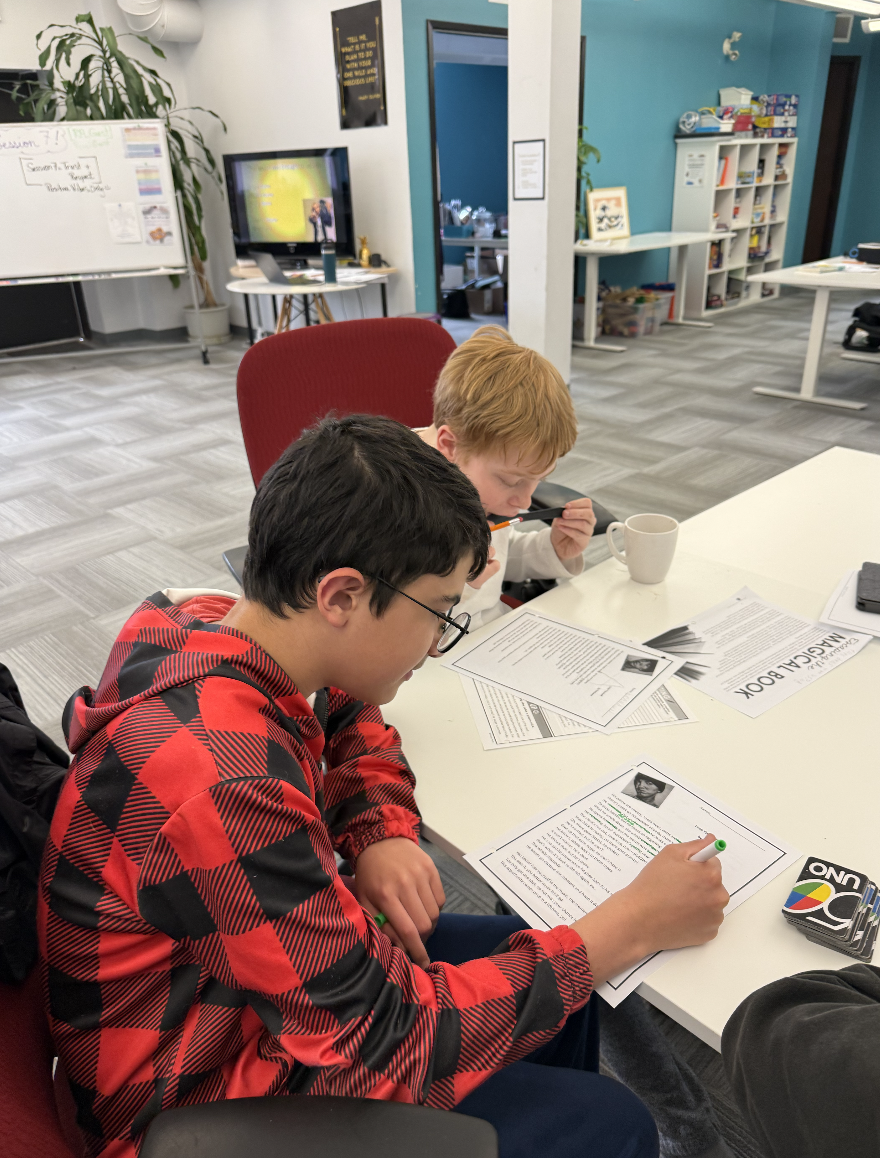
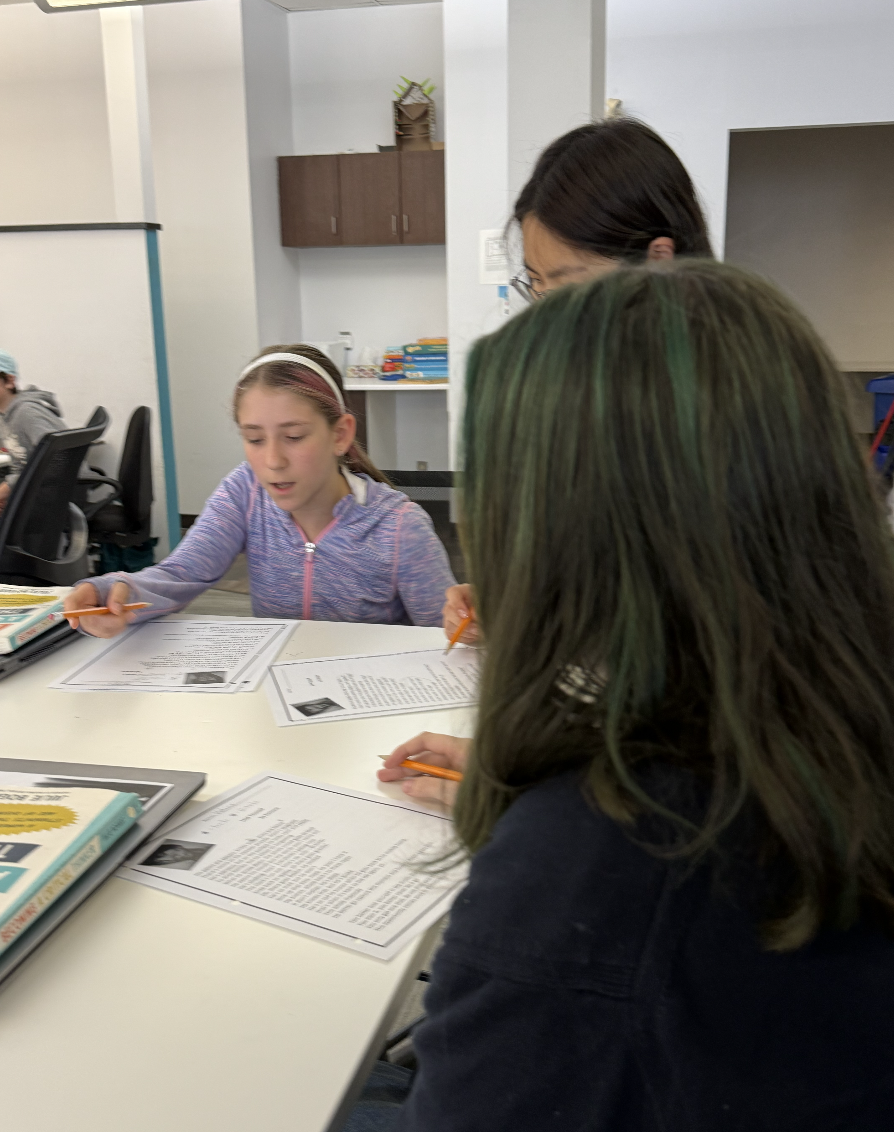
After reviewing the weekly schedule and priorities for the last six weeks of the school year (trust, respect, and good vibes), Rebels worked on the lesson "Account for Everyone: Problem-Solving by Including as Many Perspectives as Possible" in their Becoming a Critical Thinker workbook. During Monday's Closing, one-at-at–time, each Rebel came forward to act out the bad speaking habit printed on their card while the rest of the studio tried to guess the problem. The purpose of the activity was to become more aware of our bad speaking habits and to remember to avoid them when speaking in front of an audience. Tuesday morning, we began our day with Boomwhackers! After a quick scale warm-up, Rebels played "Popular" from Wicked, "Soda Pop" from K-Pop Demon Hunters, and "Sky Full of Stars" from Sing 2! They did a fantastic job of staying on beat, especially as it was the first time we've played in quite a while! We then completed the seventh Critikid lesson on the Guilt by Association Fallacy, which is when someone thinks a person or idea is bad because they're connected with someone who is viewed negatively. At closing, we played Whiteboard Pictionary, and the laughter was contagious! On Wednesday morning, Rebels began with either DEAR or Midsummer Night's Dream play practice. Then, in our Drama workshop, we began discussing expectations before pairing off for a game of "1, 2, 3," where partners counted from one to three over and over, then, instead of saying "one," clapped their hands while still saying "two" and "three" aloud. Once that was mastered, instead of saying "three," they bent their knees, clapped for one and said "two." We then discussed how it was a great exercise, especially for improving our observation skills and partner work. We then played "What Are You Doing?," "Three World Sentences," the "Adverb Game," and ended with a few drama role-plays. It was a fun session full of laughter and creativity! We ended our day exploring the photo editing tools on Canva and reflecting on which pictures we’d like to display at Exhibition. On Thursday morning, the Rebels went for their weekly walk and at closing, we took part in a few art quiz games. After our Friday morning puzzles session, our Current Events crew reported on Rec Room, OneCourt, sports and Pokémon.
Reader/Writer
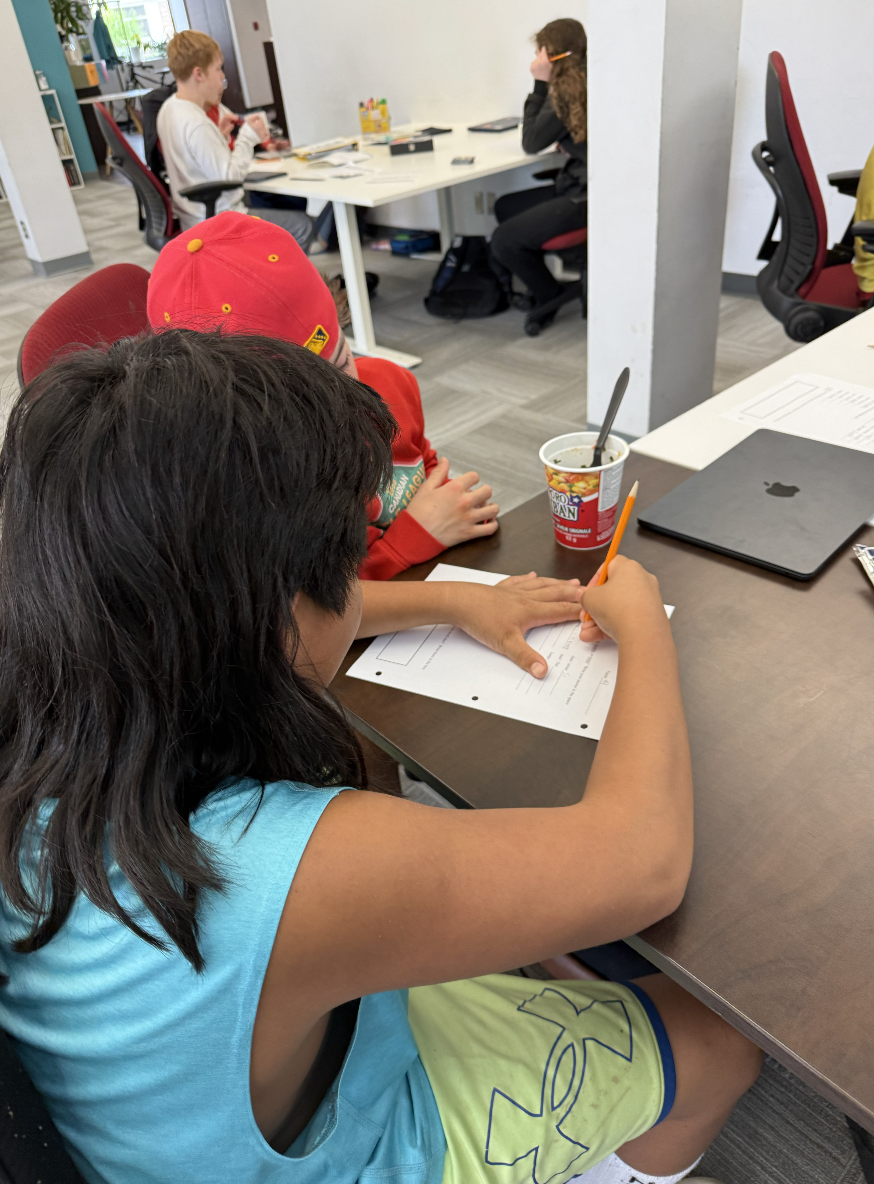
In our Reader/Writer workshop, we learned about types of rhyme, including single, double, triple, inner, and end rhyme. Then, using Eminem's song "Lose Yourself," Rebels identified the different rhyme types in the lyrics, noting the cleverness of some of the inner rhymes. We then reviewed alliteration and assonance using Shel Silverstein's poem, "Sarah Cynthia Sylvia Stout."
Instead of writing a paragraph of the week this session, learners will write a different poem each week. To get us started, learners reviewed the requirements for a haiku and watched a funny "Haiku Battle" to get in the mood to write. Rebels were encouraged to challenge themselves, use rich vocabulary, and go deeper in their content choices. They then wrote a series of haikus and picked at least one for their weekly submission.
To further enhance our Poetry session, our Reading Comprehension challenges will also focus on this artful writing form. This week Rebels learned tackled poetry comprehension with a review of what to look for before (activate prior knowledge, make predictions, define unknown words), during (note poetic devices and figurative language, pay attention to punctuation, focus on one stanza at a time, examine the form)and after (as questions, identify the theme and authors purpose, and summarize the main ideas) reading a poem. After discussing annotation skills, Rebels worked on the challenge throughout the week before going over their progress on Friday.
This week's grammar lesson was on active vs. passive voice. Active voice is when the subject in the sentence is doing the action. Passive voice is when the subject of the sentence receives the action. Rebels read a series of passages to identify which was which and worked to change the passive statements to active to make the writing clearer.
Math Lab
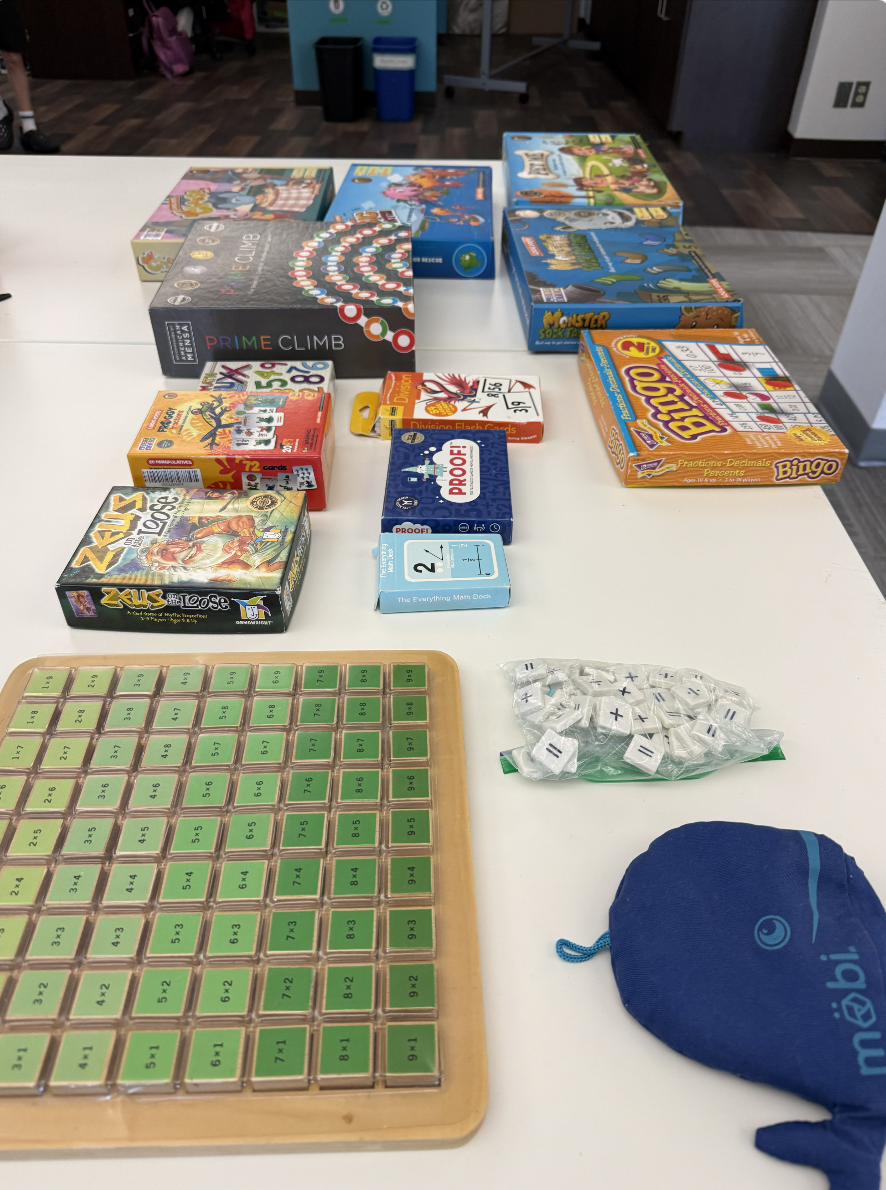
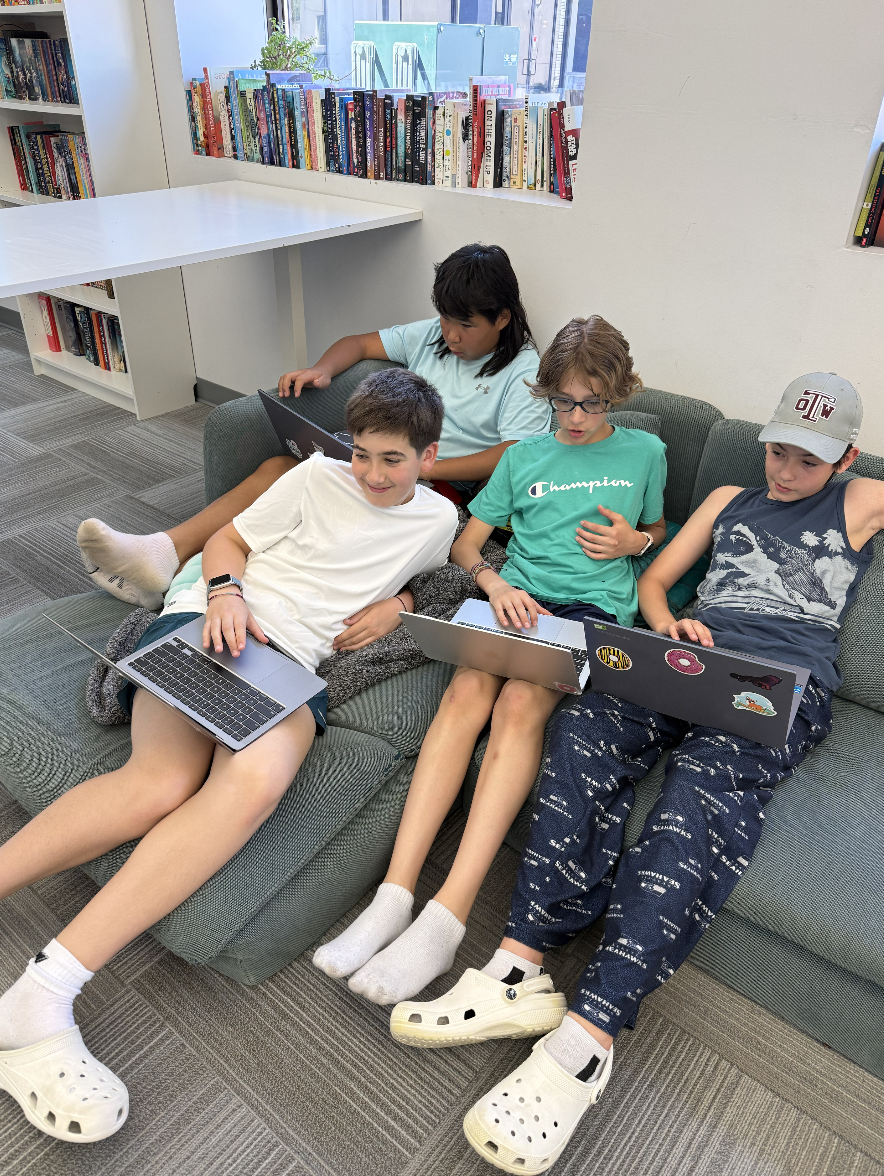
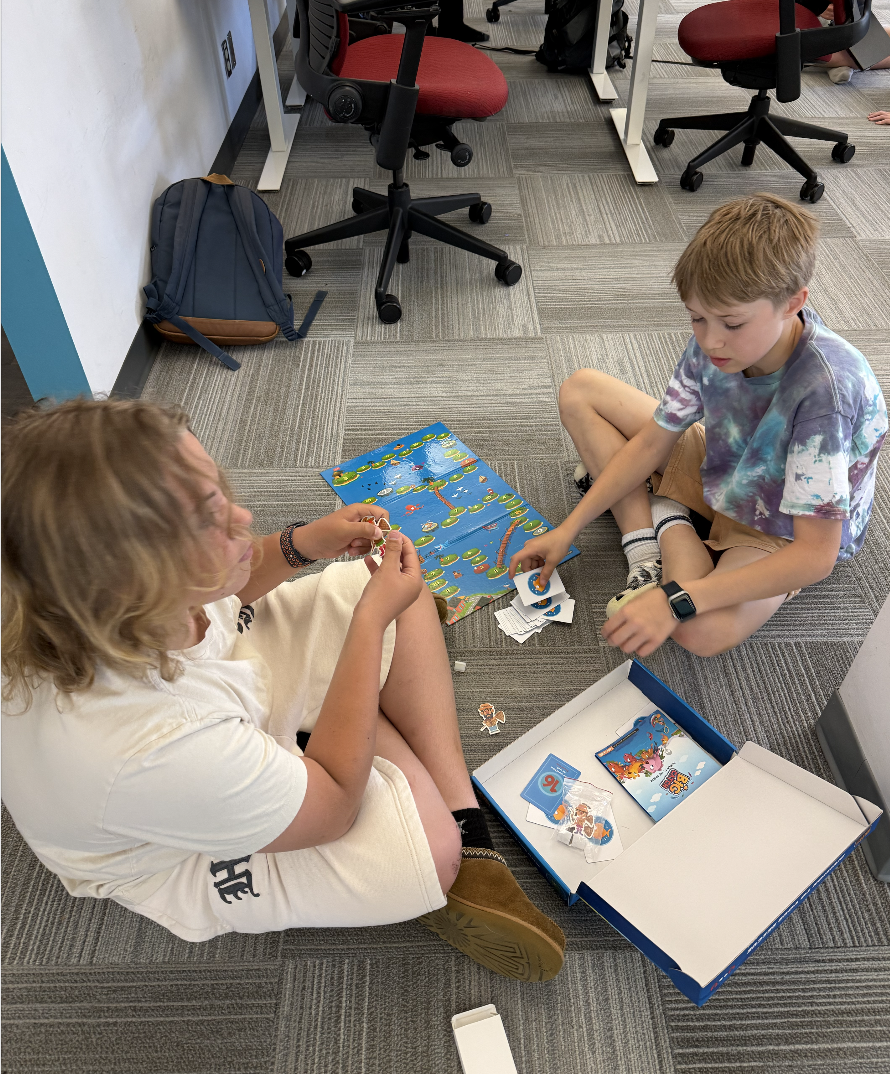
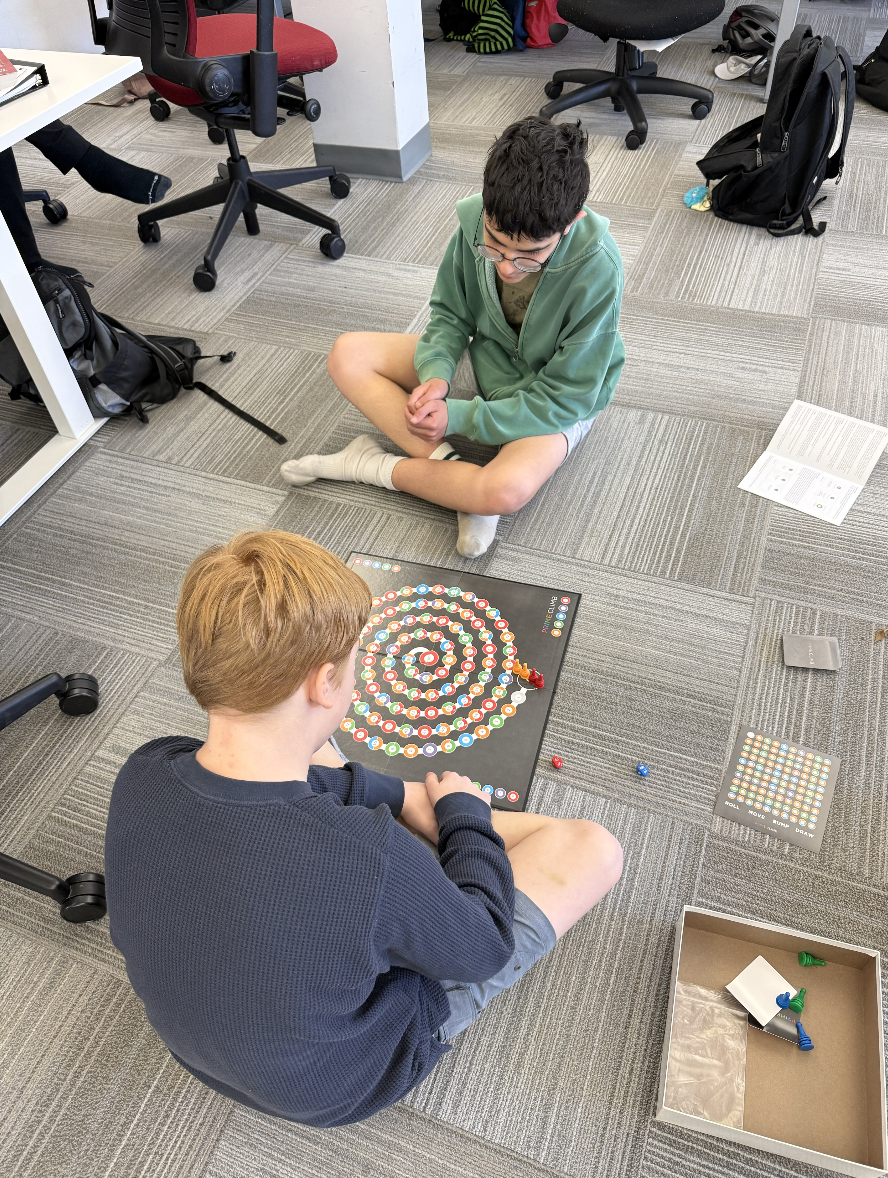
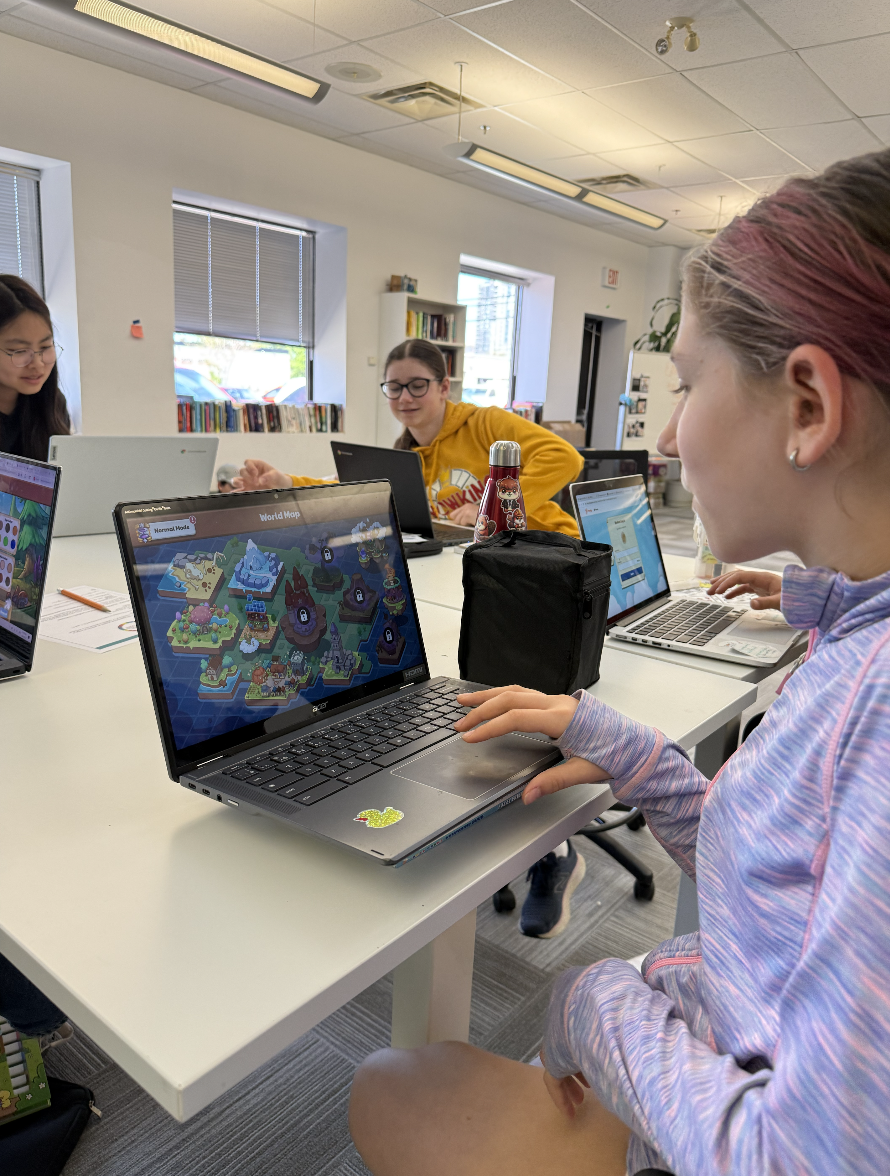
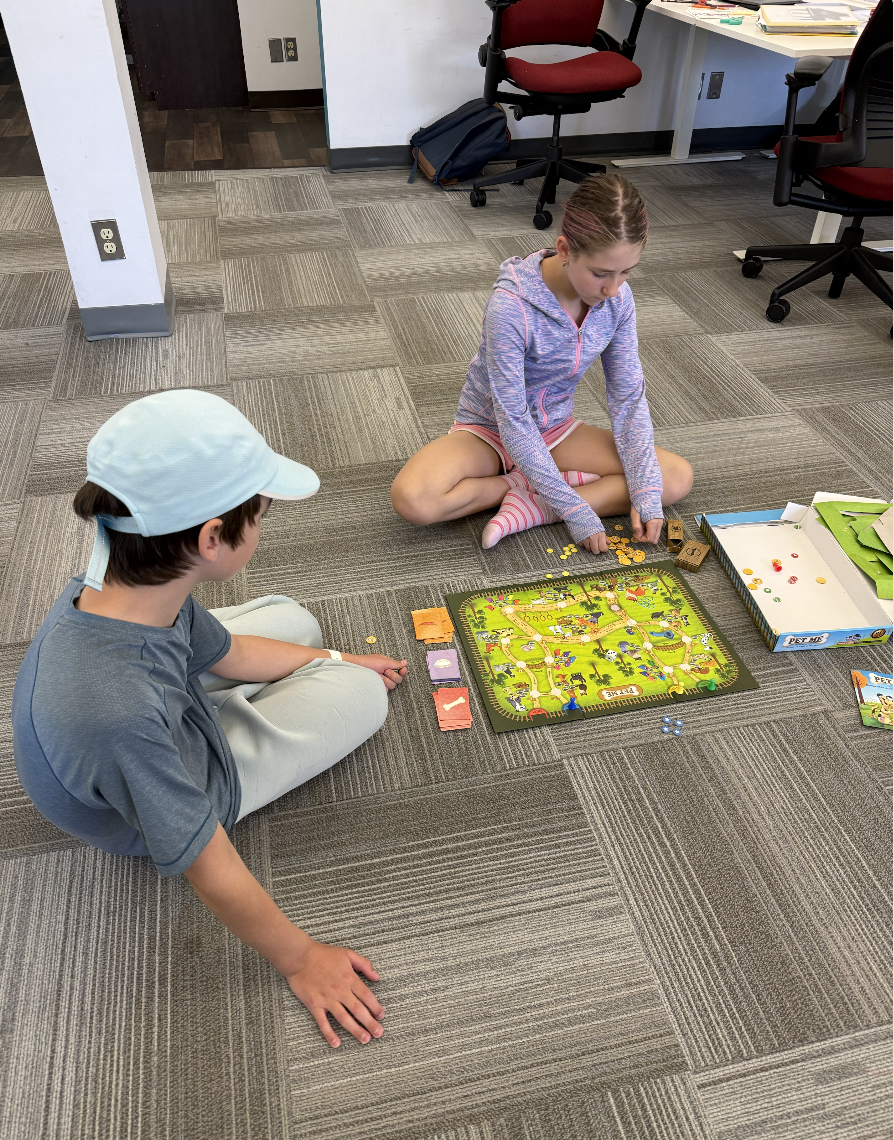
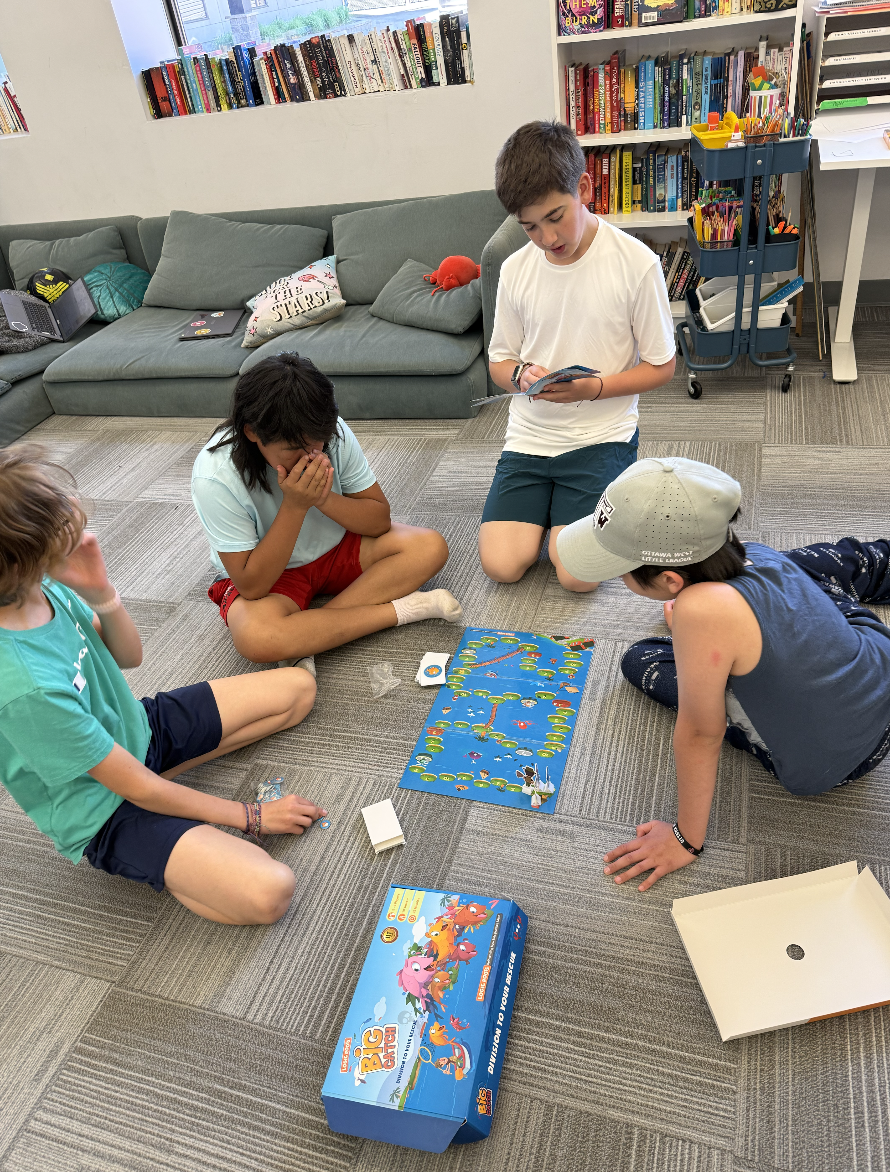
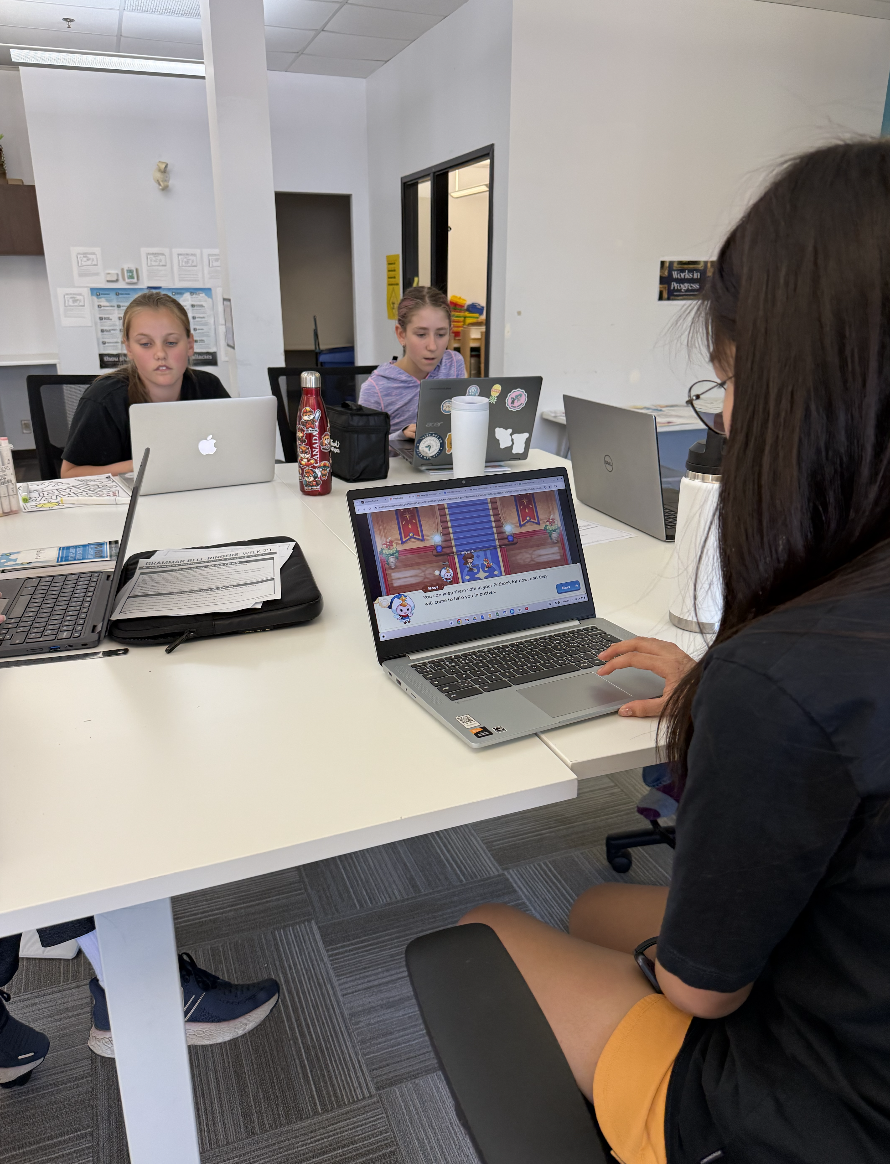
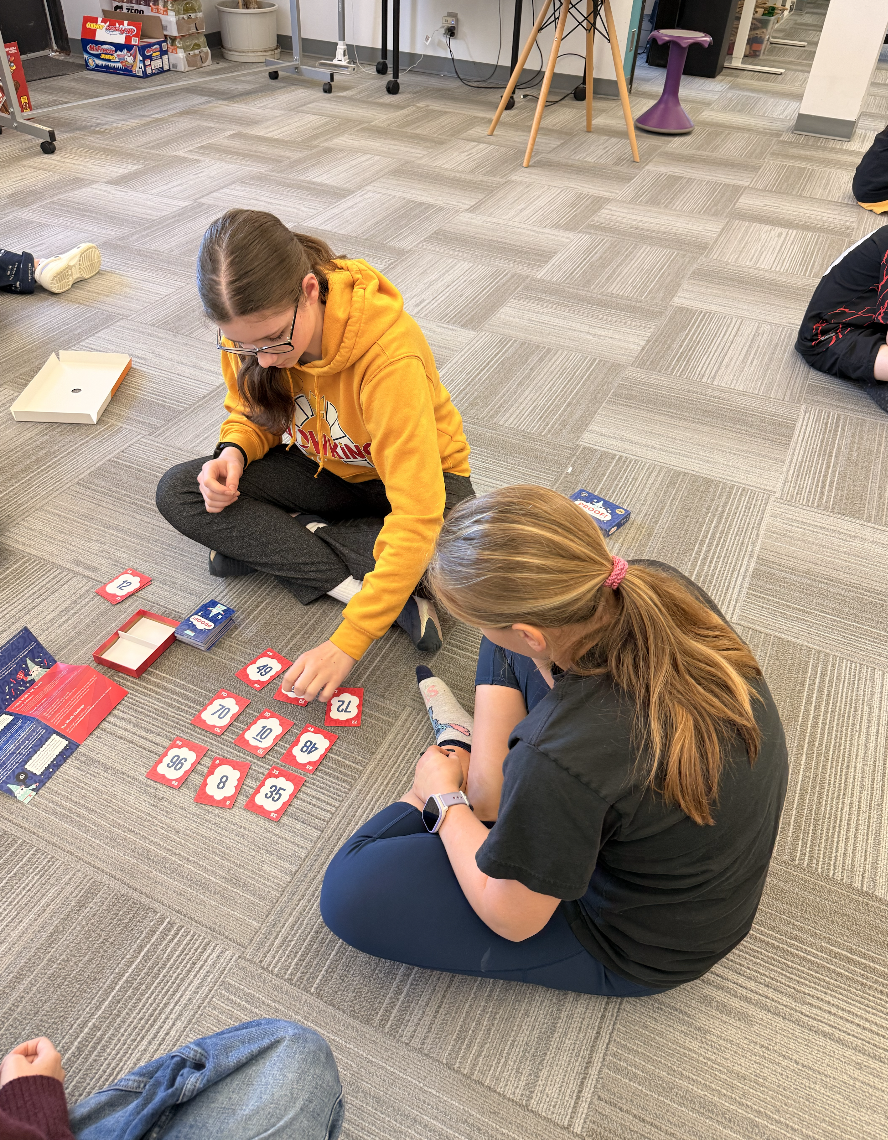
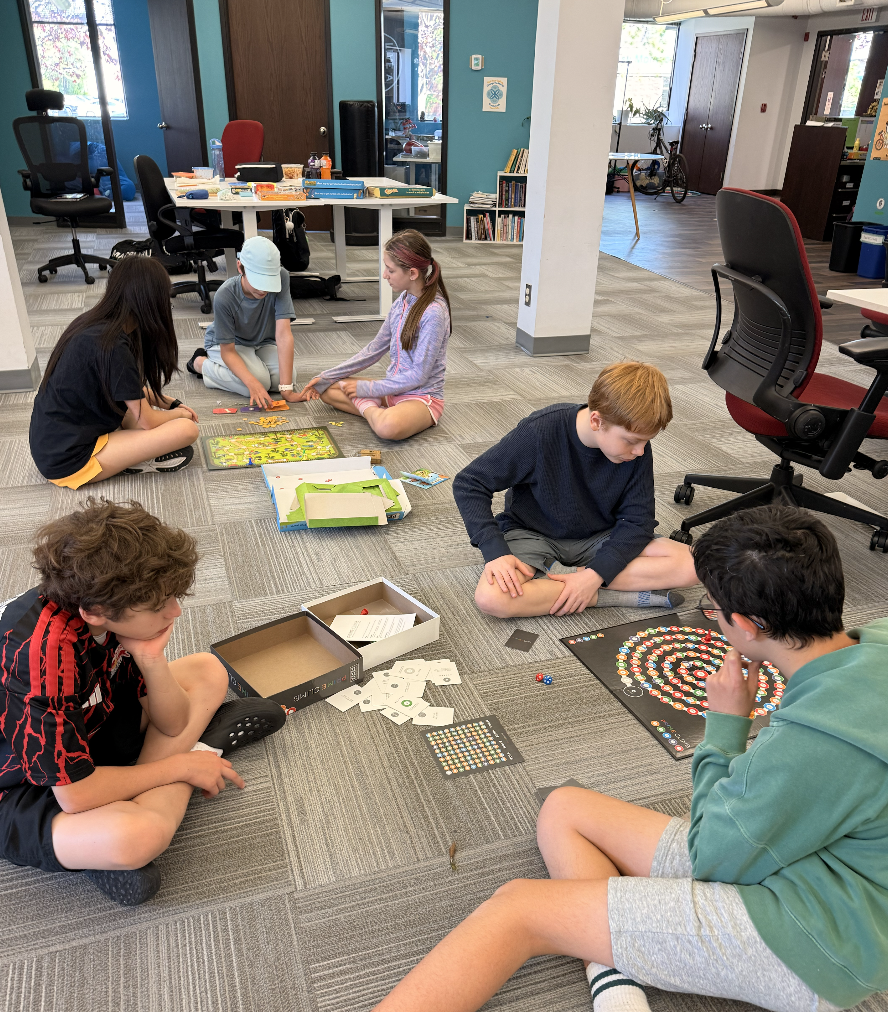
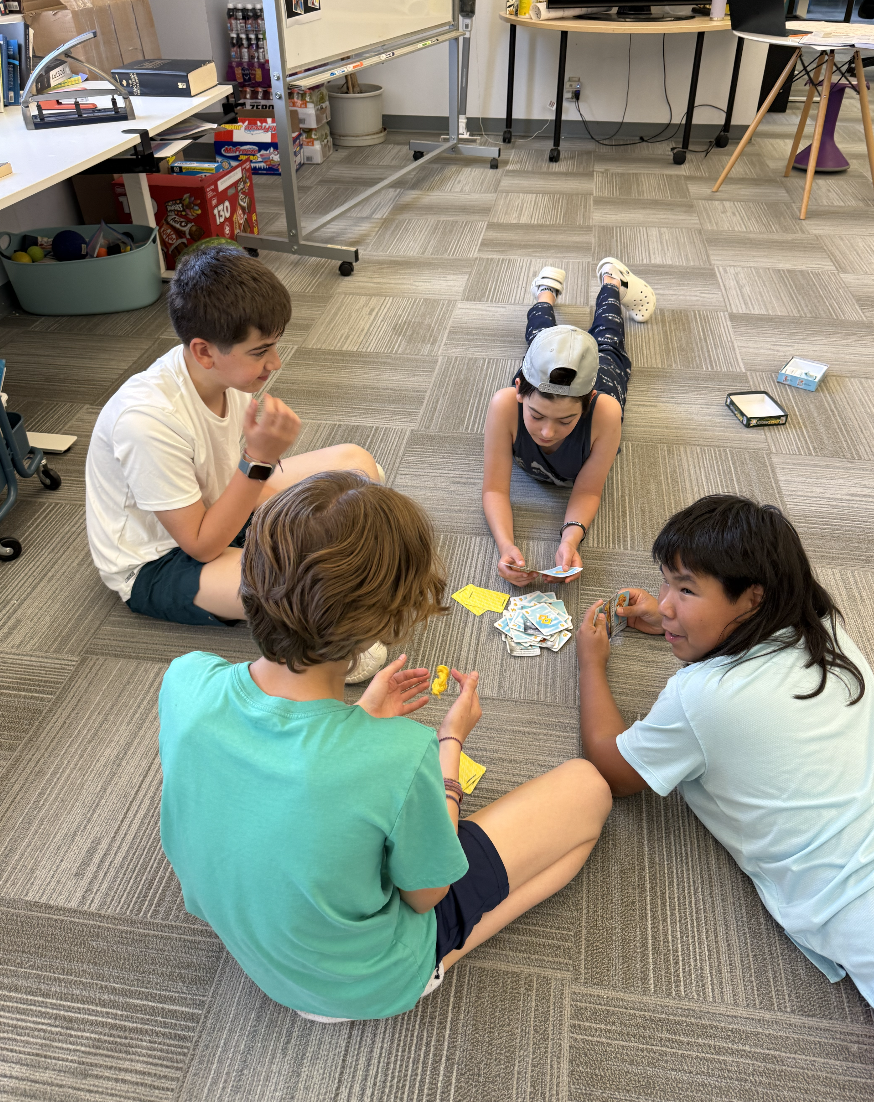
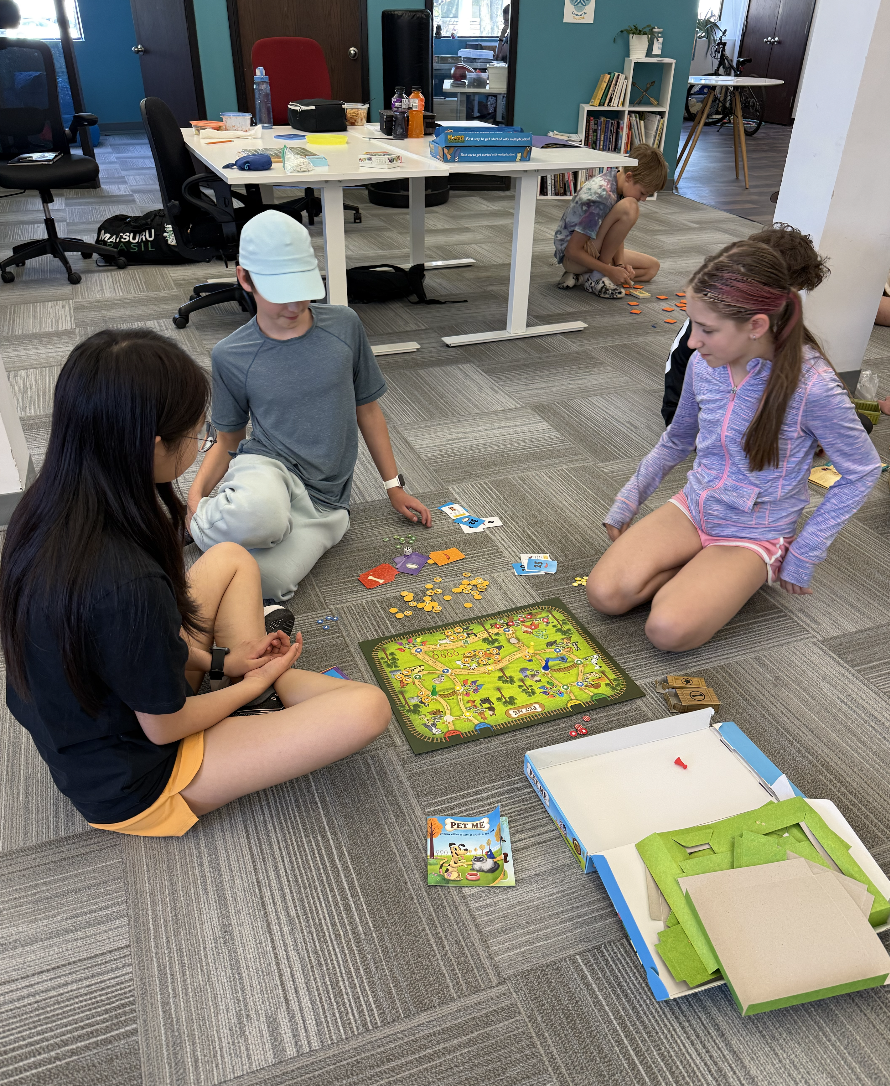
In this session, Rebels will be creating a math game to help others review middle school math concepts! Before designing, we used our workshop this week to play a series of board, card, and online math games. Rebels played Prime, Zeus on the Loose, Prodigy, Fraction, Decimal, and Percent BINGO, and more! At the end of class, learners reflected on which games they enjoyed most, the strategies they used to learn while staying engaged, and their initial ideas for their own mathematical game.
French
This session in French, the Rebels are discovering who Molière was and why he is such an important figure in French literature. On Tuesday, the Rebels watched a video about Molière’s life and completed a questionnaire to deepen their understanding of his background, his famous plays, and his contributions to French theatre. On Thursday, we reviewed our learning by playing a Kahoot! quiz about Molière’s life, which helped reinforce key facts in a fun and interactive way. Through these activities, learners began to understand why Molière is still widely studied today and why his influence on the French language and theatre remains so significant. By exploring his life and work, the Rebels gained a deeper appreciation for one of France’s most celebrated writers and the lasting impact he has had on literature and the performing arts.
Quest - Art & Creativity
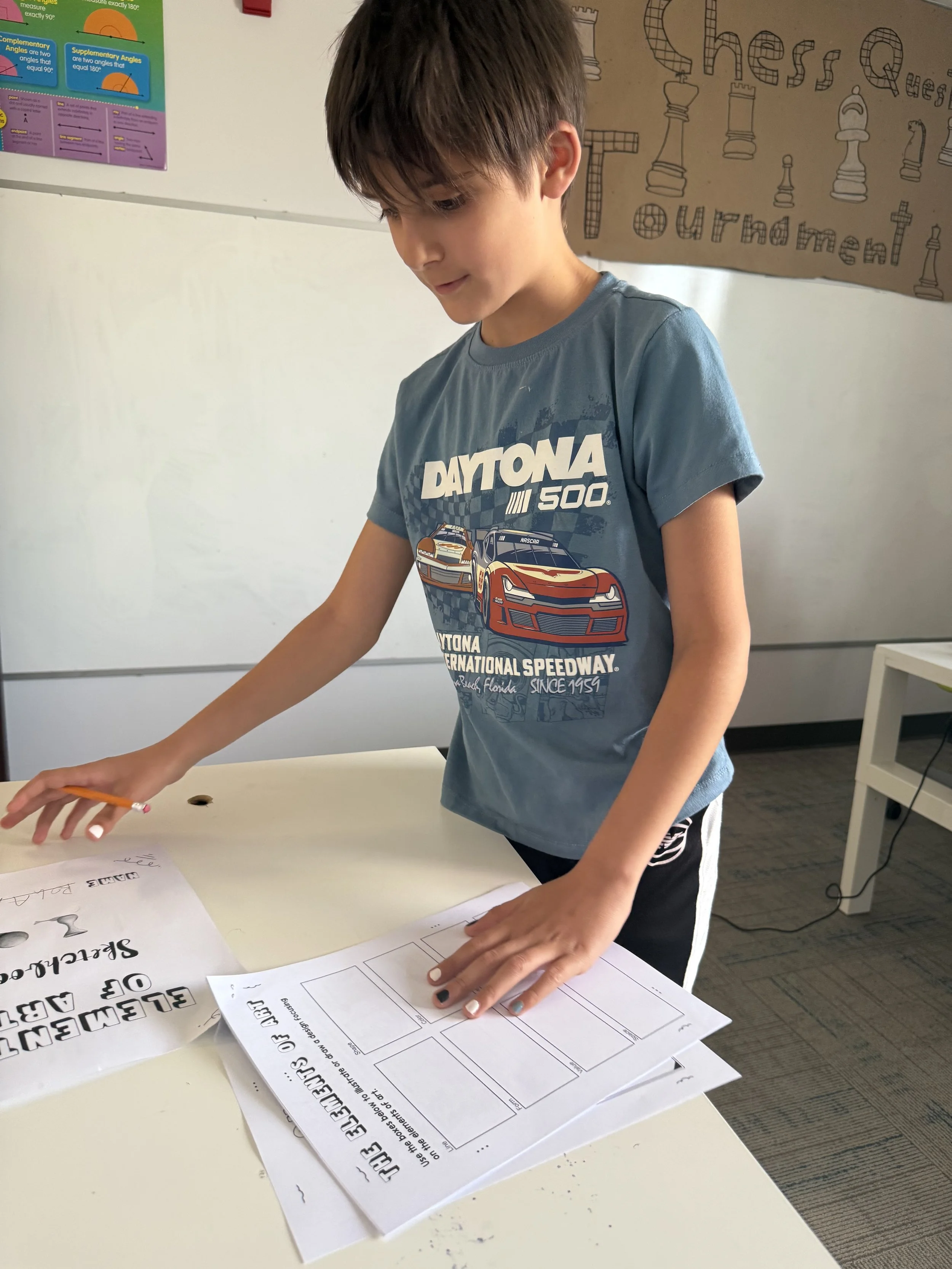
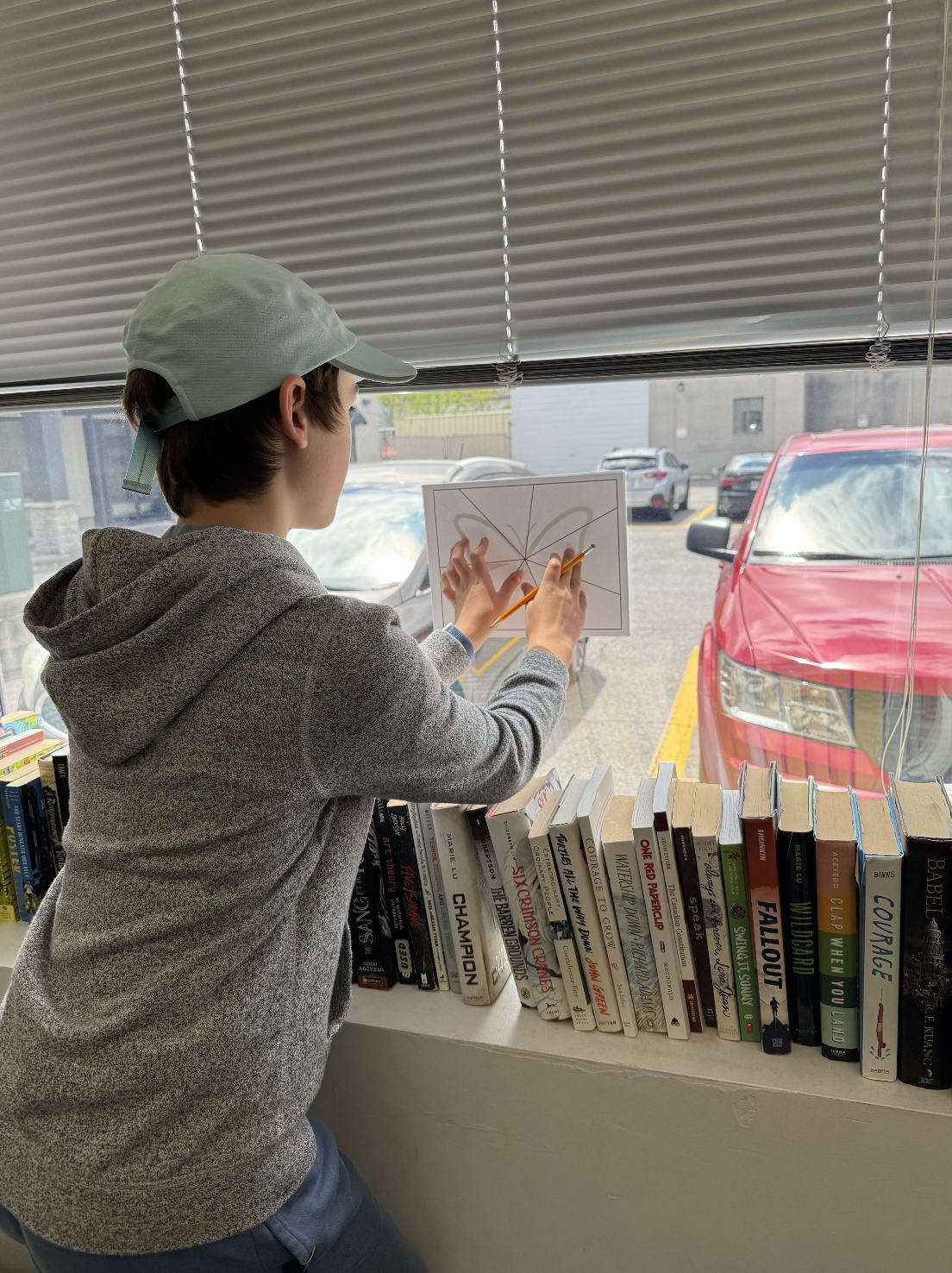
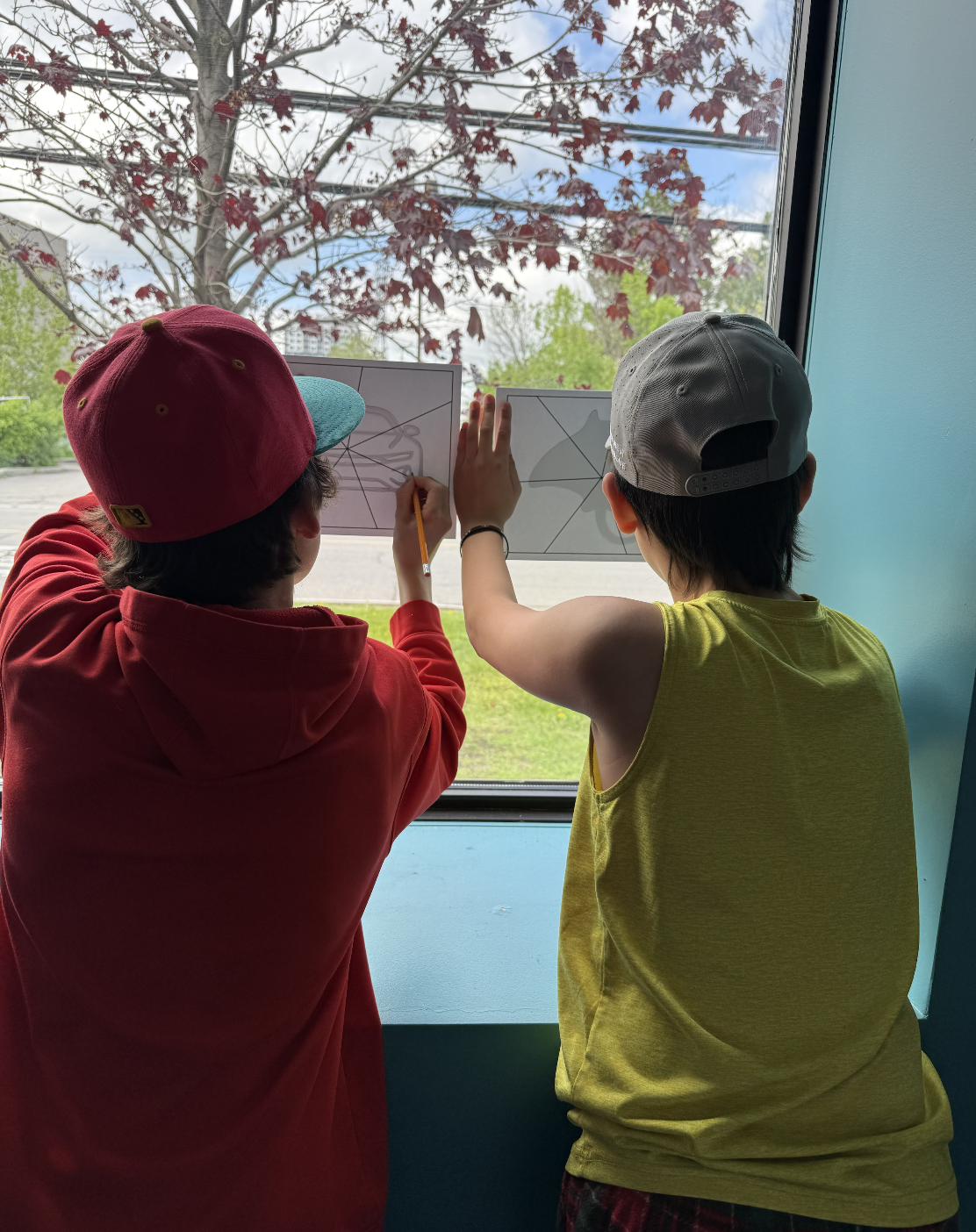
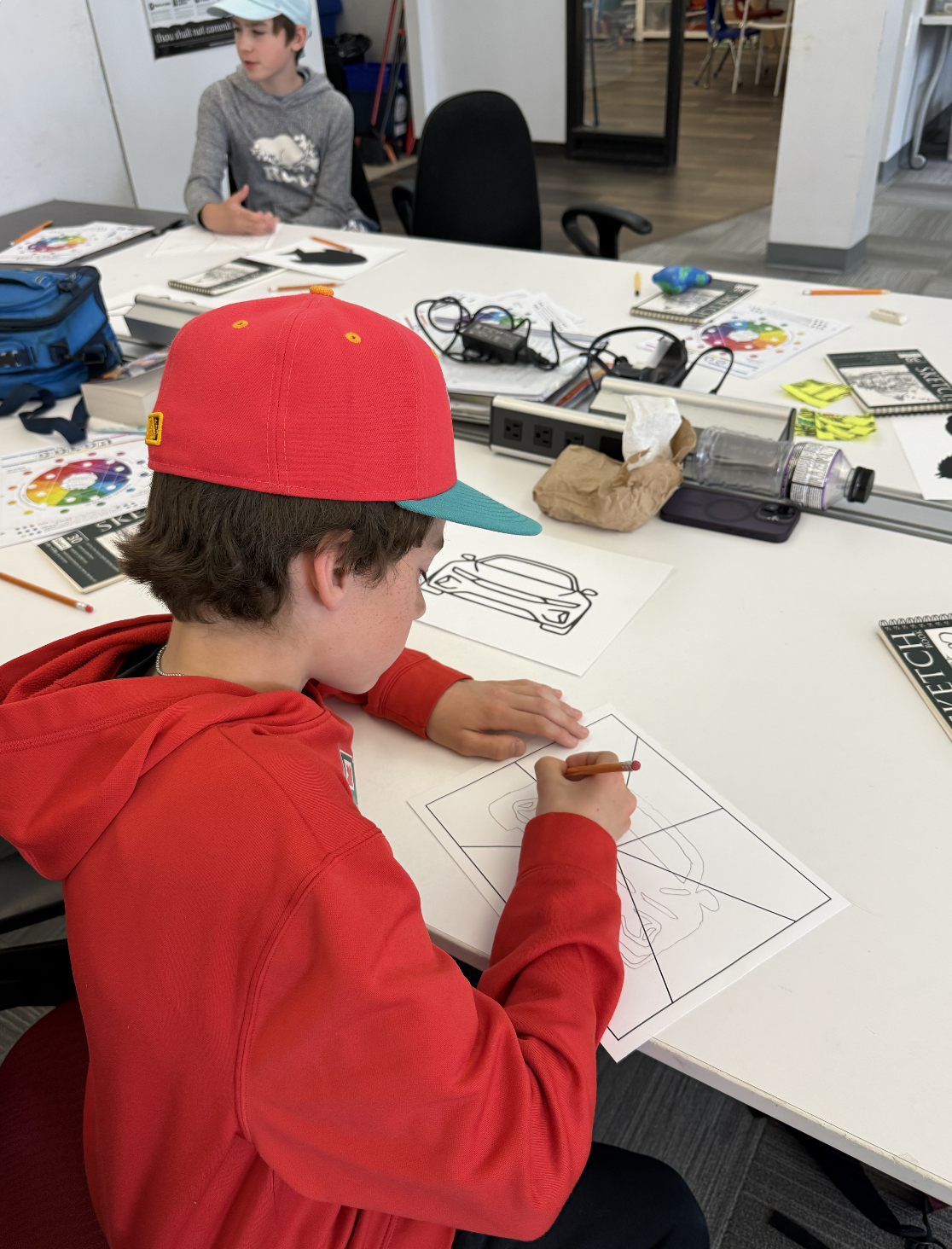
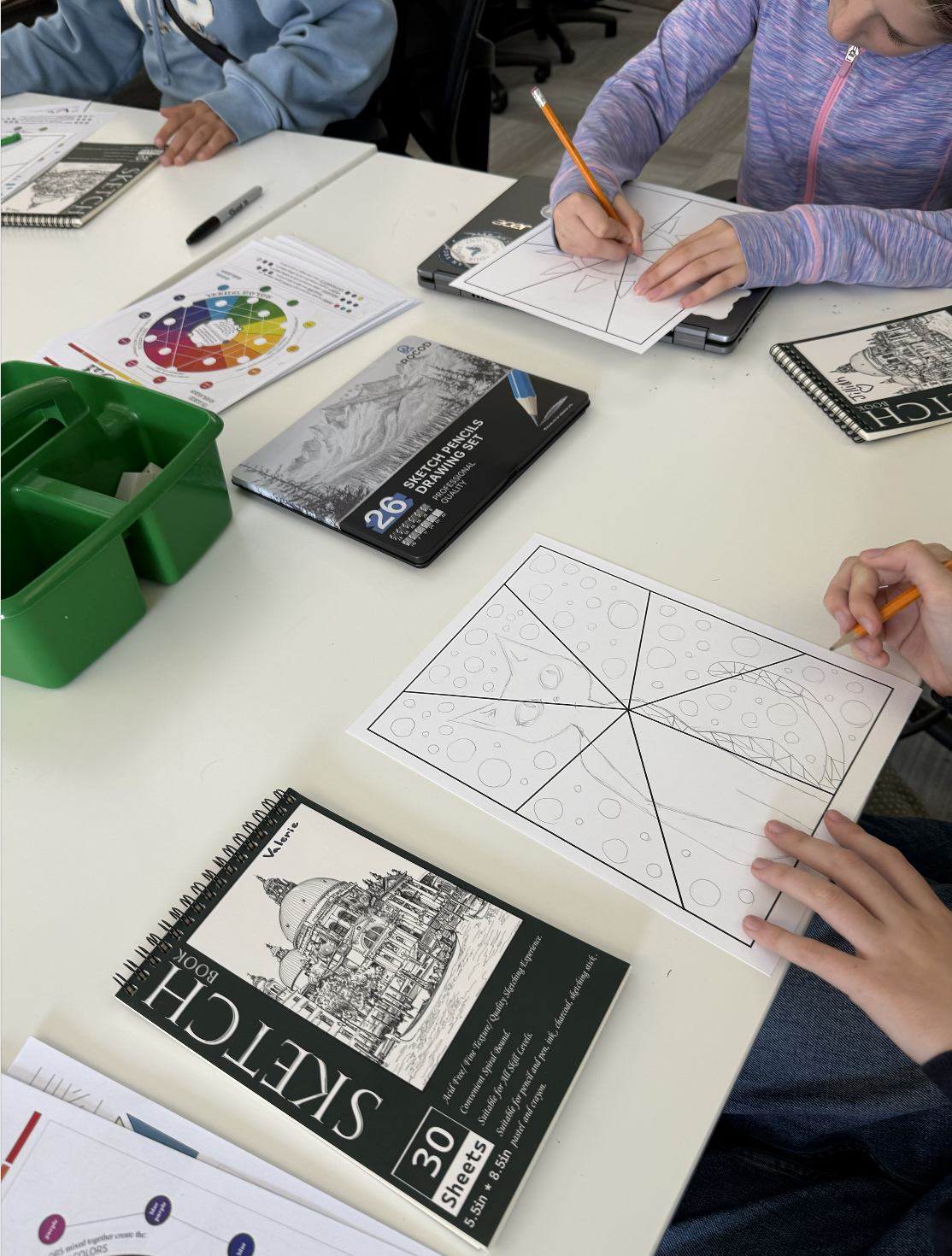
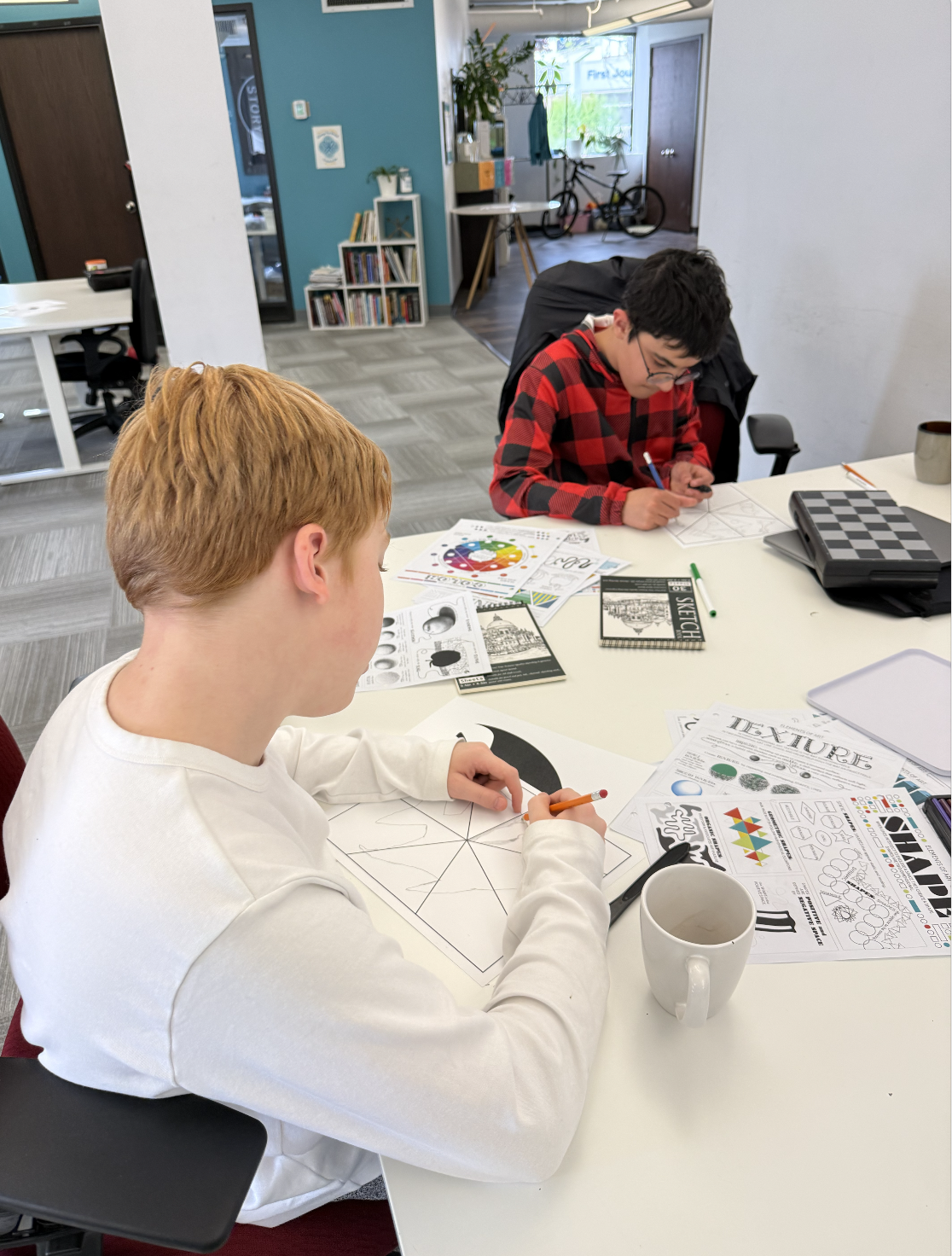
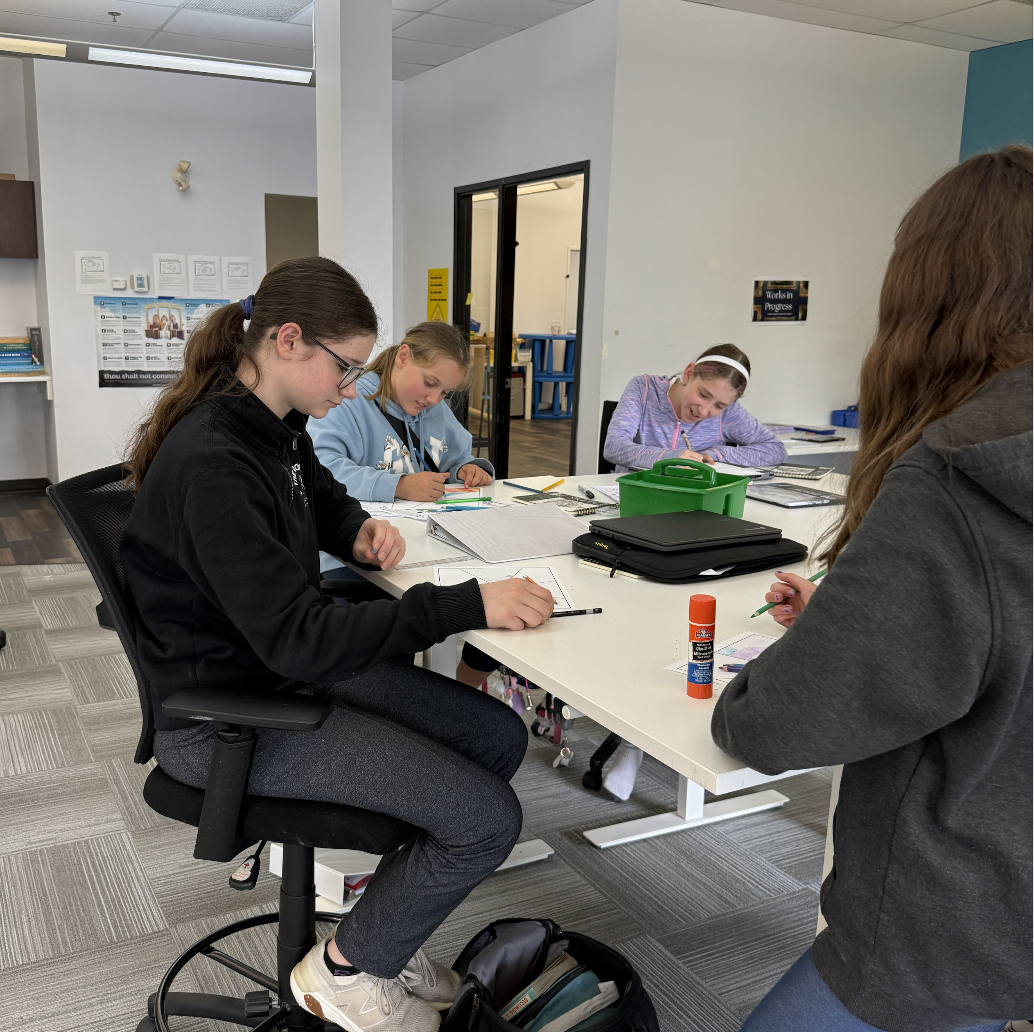
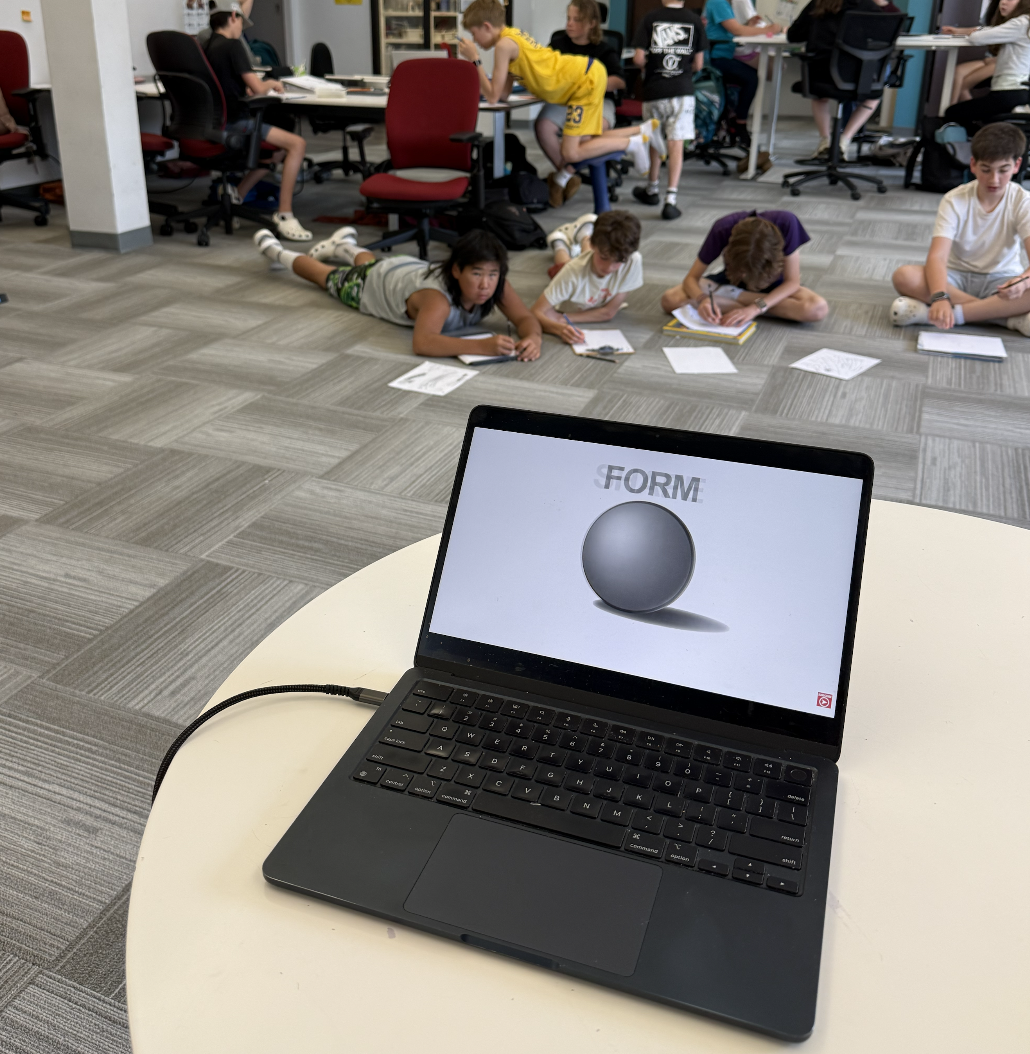
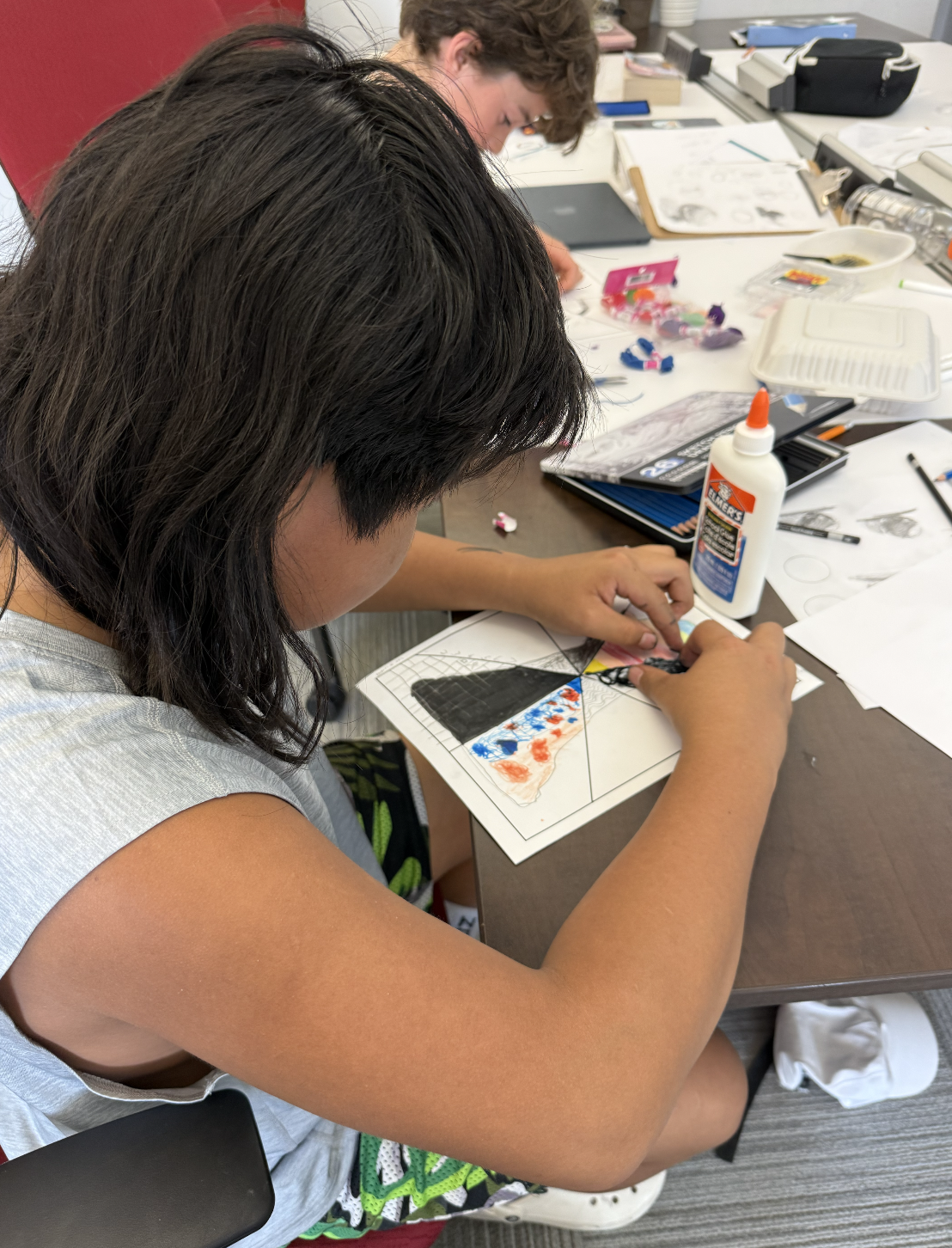
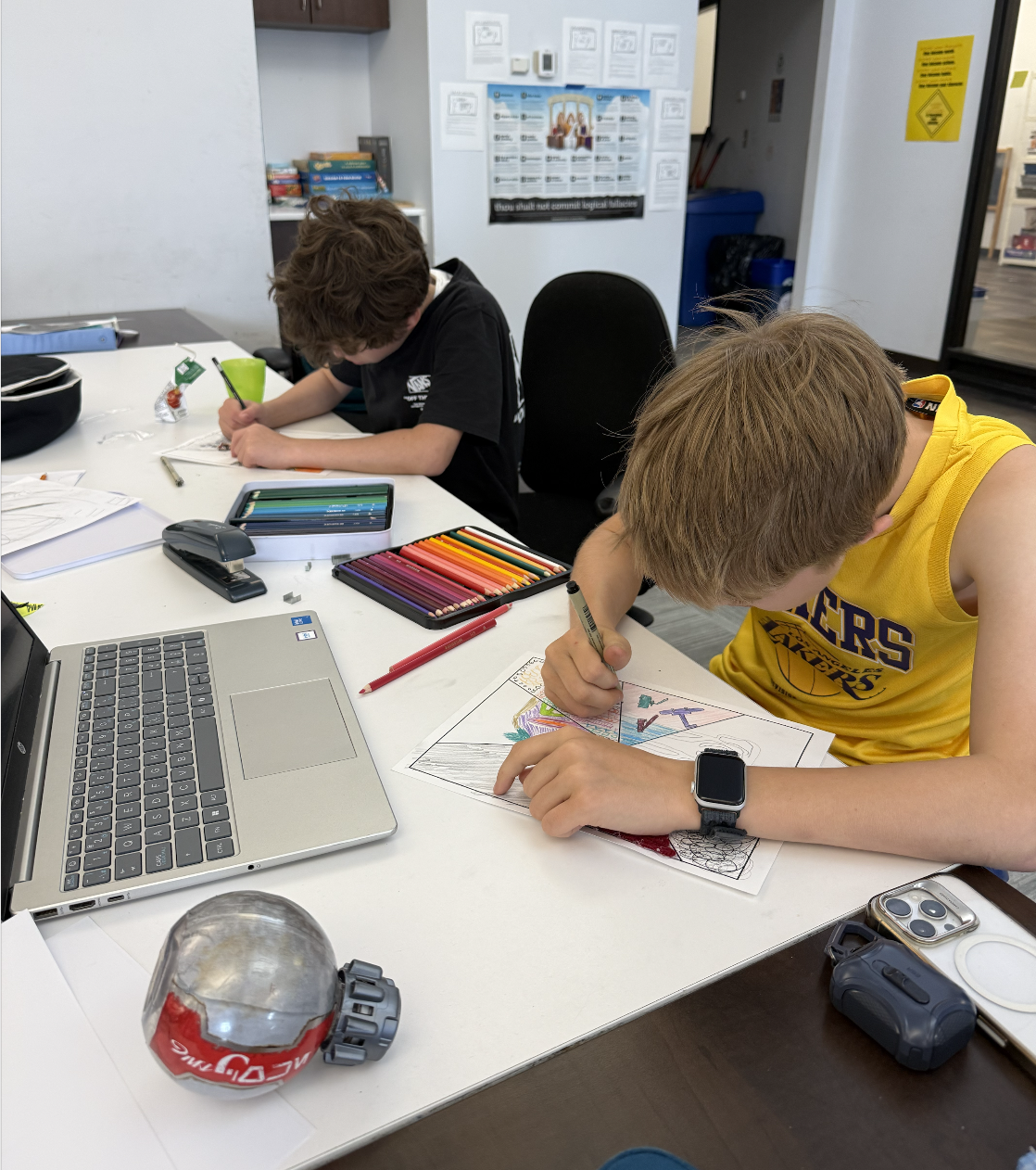
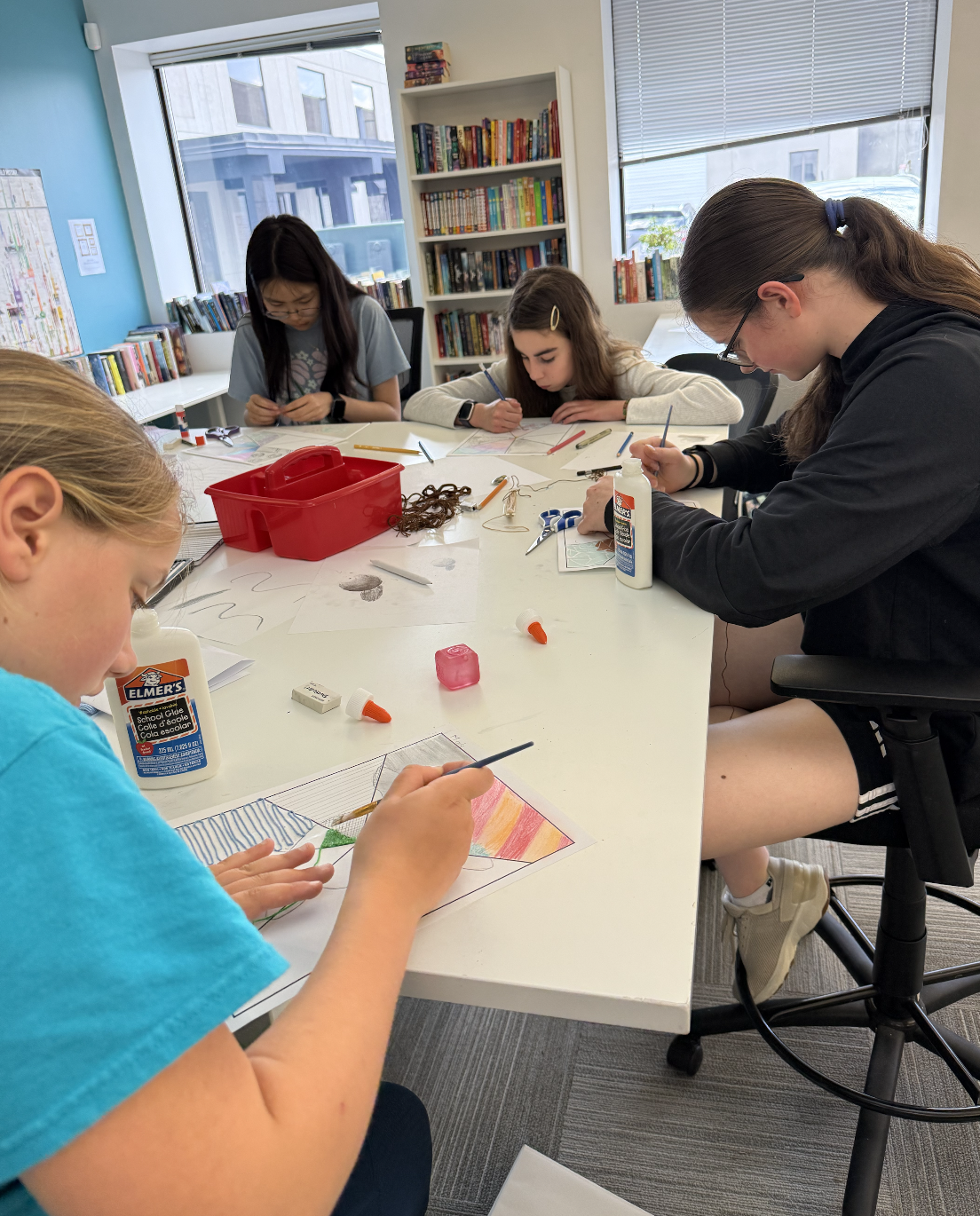
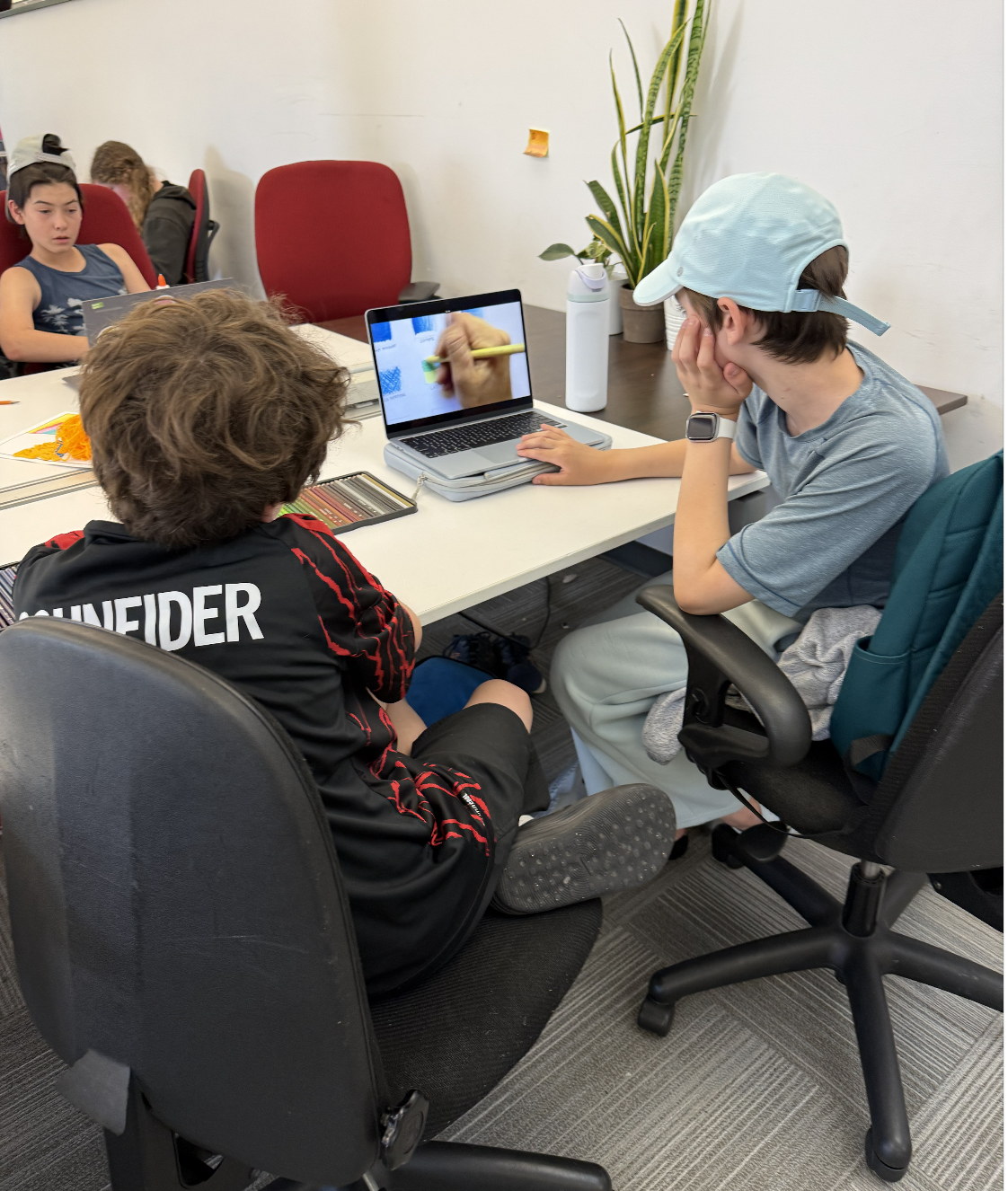
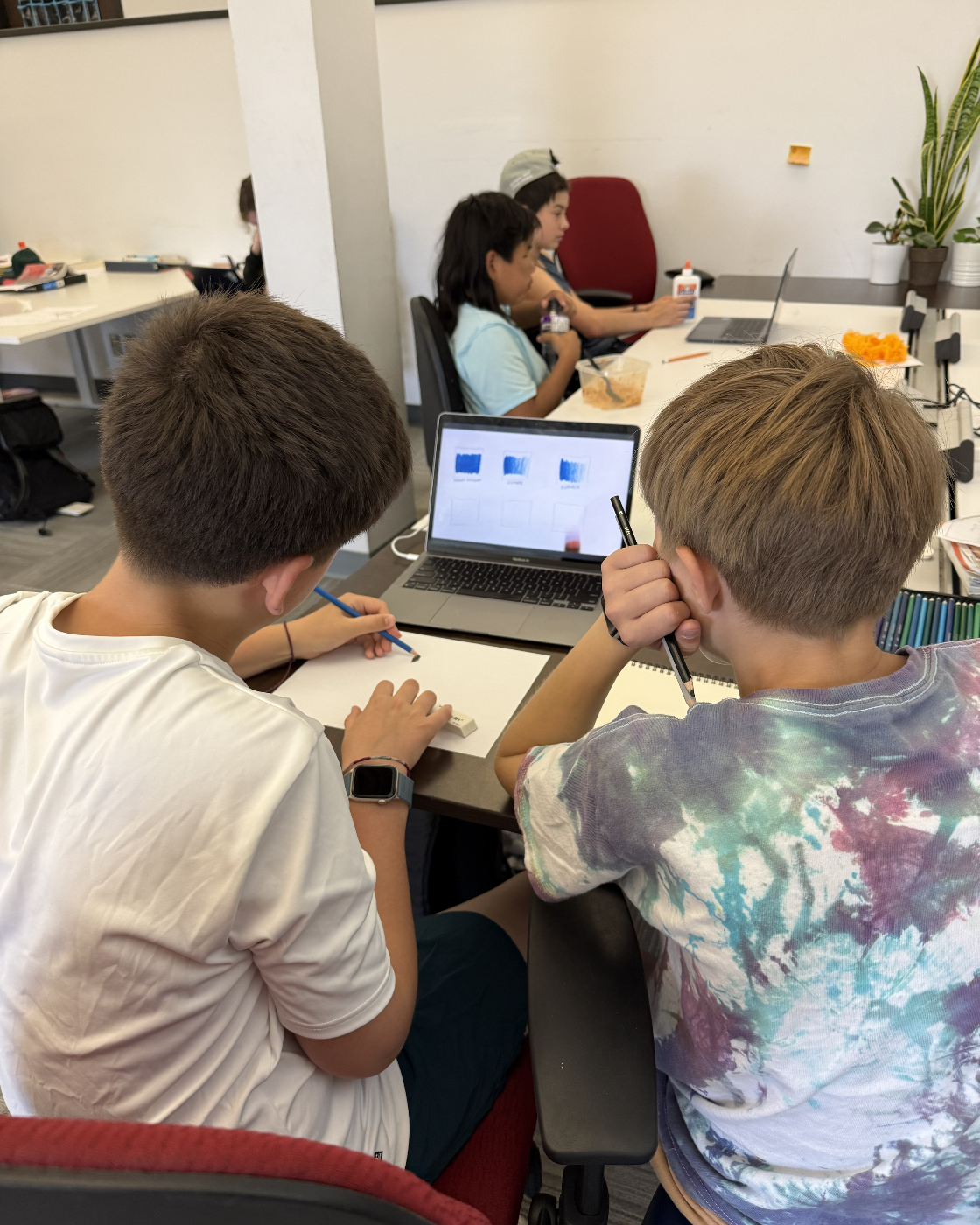
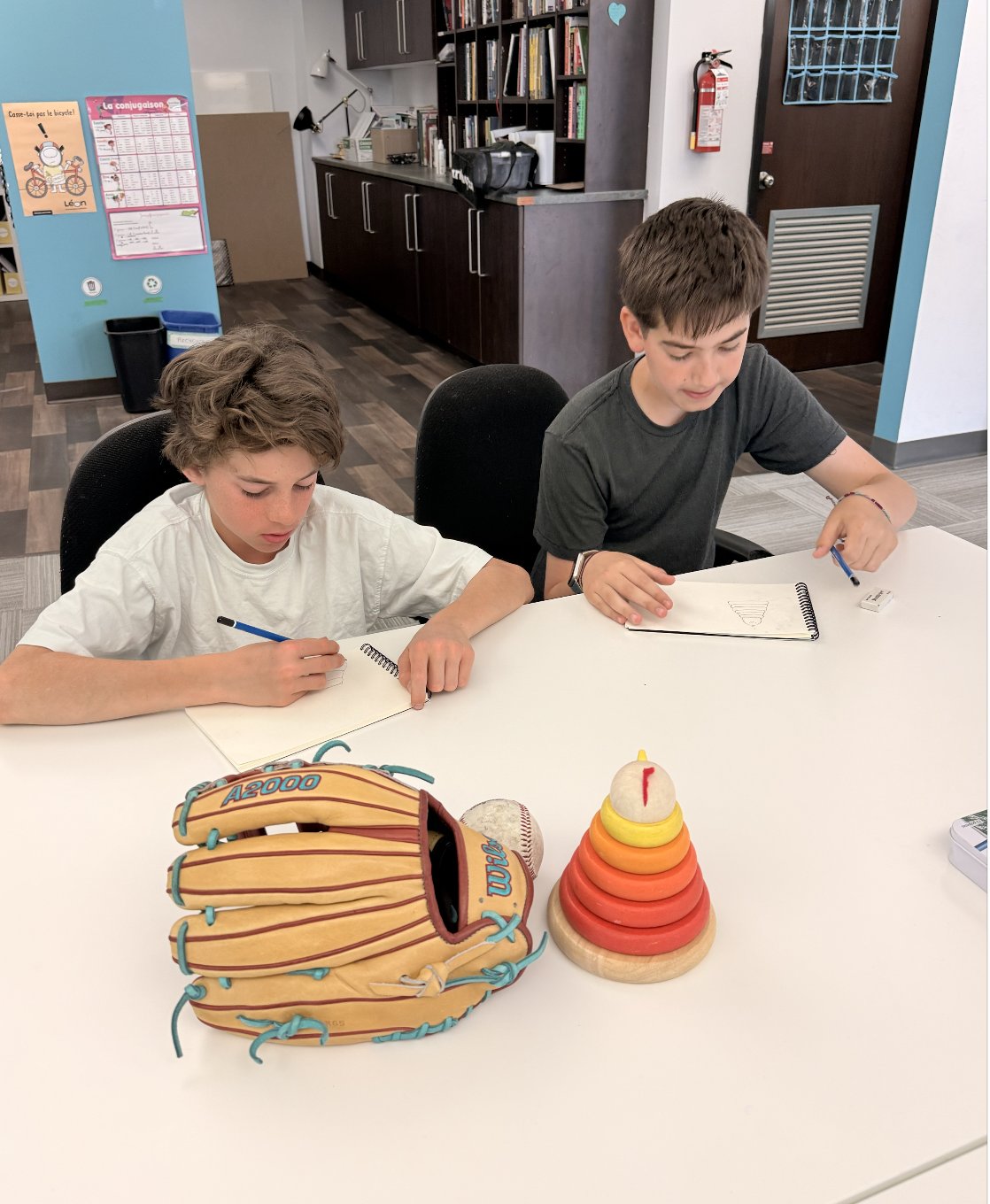
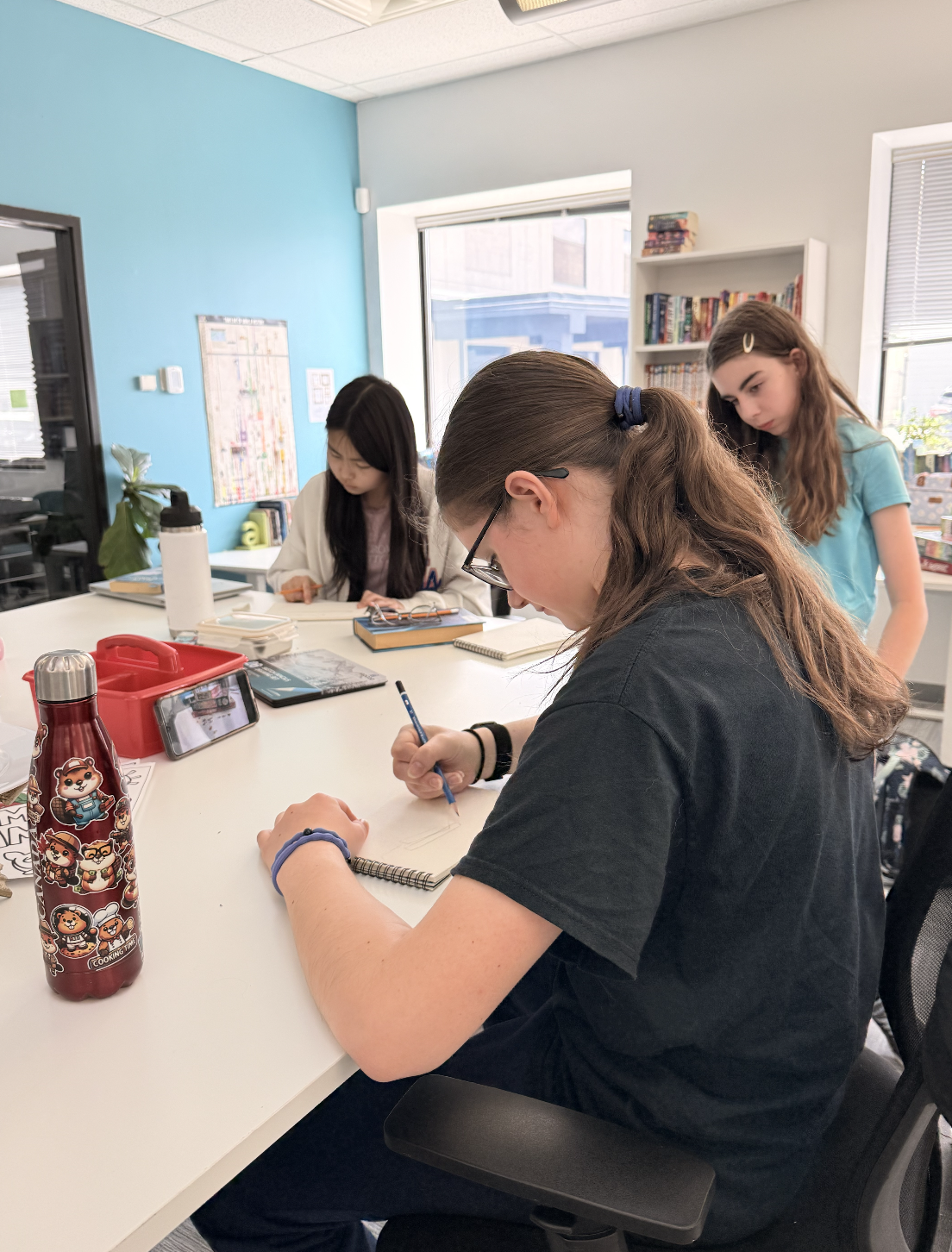
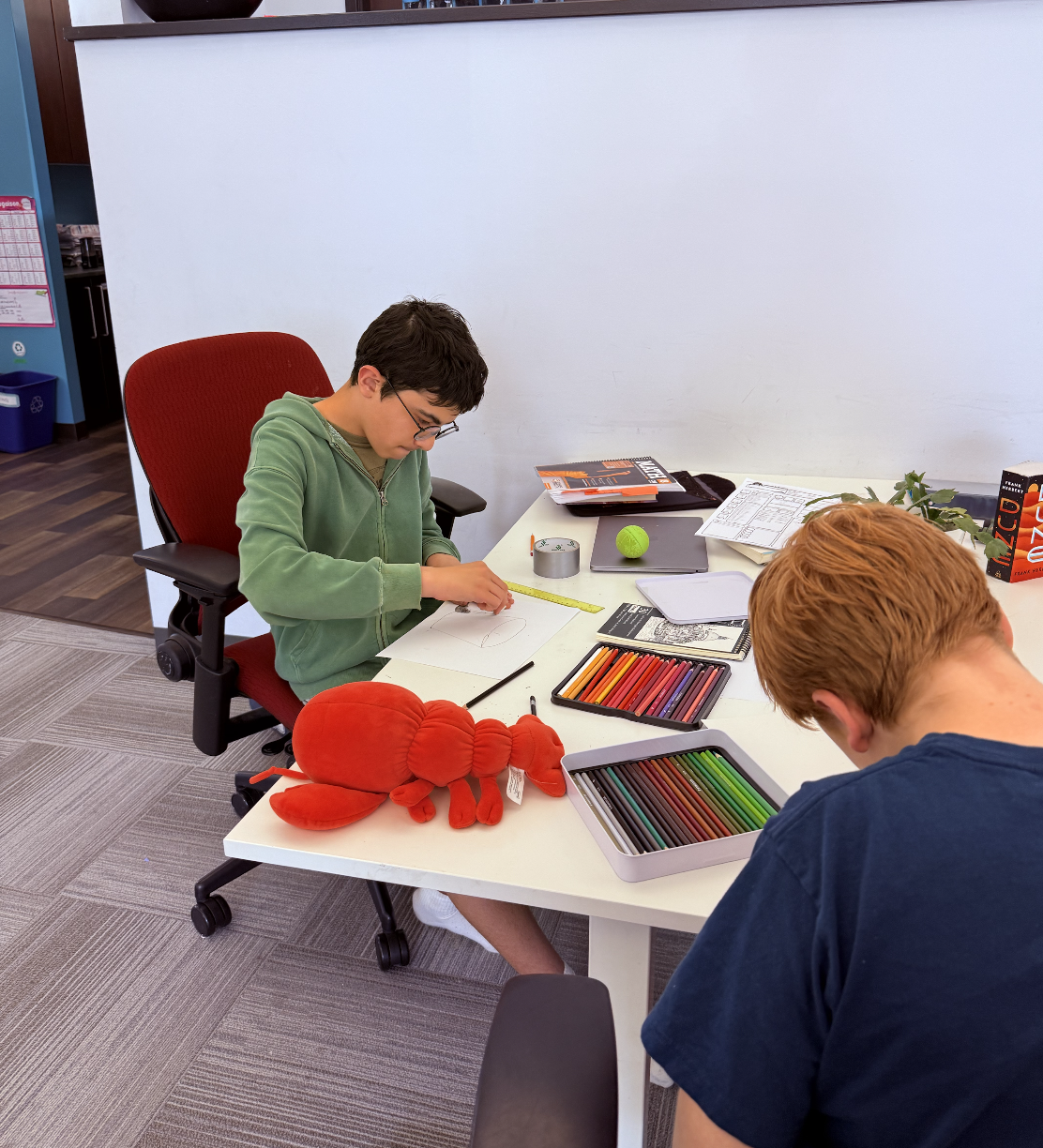
For our last session of the year, we are focusing on taking risks, being brave, and having fun, all while making art! On Monday, we reviewed the badge requirements, Quest expectations, and the session plan. We then learned about the seven elements of art (line, value, shape, colour, space, form, and texture) before taking on an art challenge. Each learner picked a silhouette, transferred it onto a template, and then worked to create each element in one of the seven spaces! Tuesday, we began developing some new drawing skills. With the help of some tutorials, Rebels learned a few basic tips on materials, how to hold and control their pencils, and how to complete basic sketches. They then had time to explore, drawing lots of lines: long, short, light, dark, straight, curvy, thick, thin, and so on. They tried a variety of grips as well as using their whole arm, not just their wrist. Rebels then tried their hand at creating more realistic drawings with shading, the use of various shades of grey to simulate light and shadow on an object. Learners all tried to fill a page with basic geometric forms (sphere, cube, pyramid, cylinder, cone) of varying sizes and proportions. We turned toward colour on Wednesday. After watching a tutorial, Rebels chose a subject and created a monochromatic drawing using a single colour (with varying shades and saturations). Next, they created two more drawings of the same subject, each using two colours: the first with two analogous colours and the second with two complementary colours. With any remaining time, they worked on their Seven Elements art piece from Monday. On Thursday, it was time to apply all we've learned thus far to a more in-depth still-life piece. The goal was realism; trying to observe and reflect exactly what they saw in their drawing. Rebels began by finding 3-5 objects they found interesting and arranging them. After looking at a series of examples, Rebels got right to work, using light lines to lay everything out and ensure the proportions were correct. They then added value to the objects to create the illusion of form, just like they did with the geometric shapes. Next week, we'll spend our Quest periods creating a mixed media piece for Exhibition!
Civilizations - Museum Exhibit
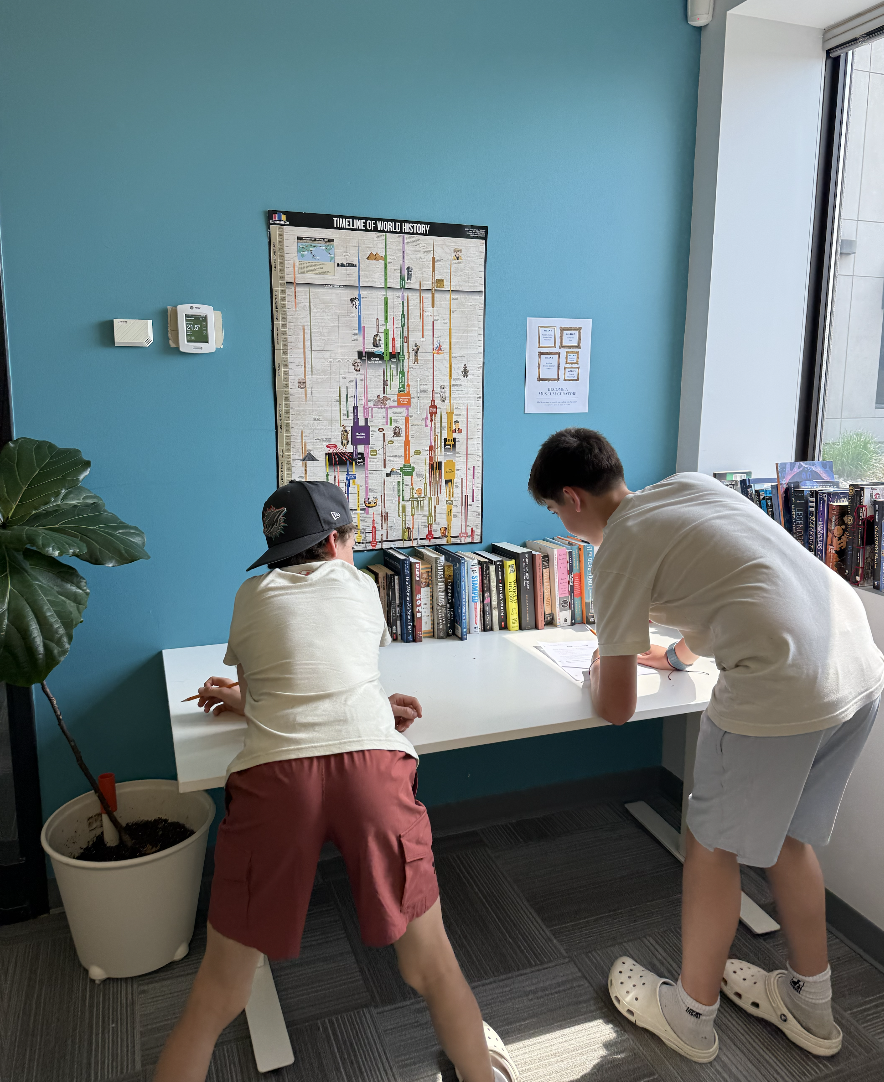
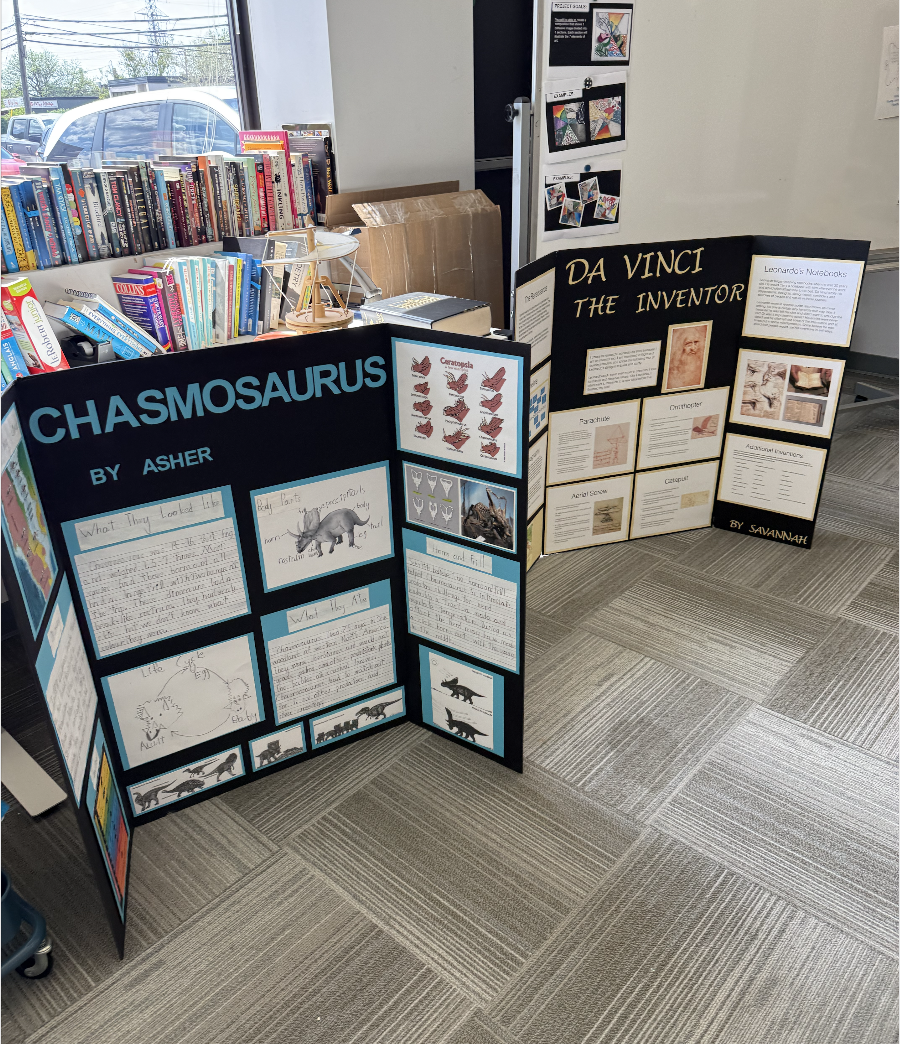
Welcome Curators! In this session, Rebels will create a museum exhibit on an event, a person, or a historical topic of their choice. To get started, learners began by completing a historical exploration using books, timelines, and posters, arriving at five potential topics for their display. They then narrowed their search to three, then to their final choice, after looking at a variety of resources and pitching their idea. Before beginning their research, learners were reminded that it was much easier to keep track of their sources as they went and reviewed Chicago formatting for their Works Cited page. On Thursday, Rebels began gathering their background research using a graphic organizer. They looked for information for their timeline, map, potential artifact ideas, and additional facts that would bring their exhibit to life. From the Space Race to Van Gogh to the history of cricket and ancient Celtic festivals, our history museum at Exhibition is sure to be engaging!
Potential Questions and Ideas to Ask Your Learner
Spark Studio:
What was your favourite art project this week?
What are the primary colours? What are the secondary colours?
What kinds of images would you draw if you were using warm colours?
How many provinces and territories are there in Canada? Which province do we live in?
French: How do you say your name and age in French? (“Je m’appelle…” and “J’ai … ans.”)
Discovery Studio:
Can you tell me some of the features of a Cinquain, Diamante or Haiku poem?
What math concepts did you choose to make anchor charts for this session? Why?
What is Constructivist Art? Can you tell me something about it?
Can you name all of the Elements of Art?
What is the difference between an organic and a geometric shape?
How can lines express emotions?
What type of shoe design did you create this week?
French: What is the name of your game, and how do you play it?
Exploration Studio:
What do you find most difficult about creating art?
Coming up with an idea
The patience to see it through
Your skill doesn't match up with your ideas yet
The understanding that it may not turn out exactly how you had pictured
Or something else?
Where were you in your Comfort Zone, Challenge Zone, and Panic Zone this week?
What topic did you choose for your Museum Exhibit?
Do you know what type of math game you'd like to make? What mathematical concepts will it help your peers to learn?
Why is French sometimes called the language of Molière, and what did you learn about him this week?