
Revel Recap: Jun 1-5
Important Upcoming Dates
Friday, June 12, 2026 - Exploration Studio Late Night Hang (Earned Privilege)
Tuesday, June 16, 2026- Spark & Discovery Field Trip to the National Gallery of Canada
Thursday, June 18, 2026 - Exploration (Grade 8) and Launchpad (Grade 12) Studio Graduation Ceremony 3 pm
Thursday, June 25th - Full School Session 7 Exhibition at 4:15 pm
Monday, June 29th - Rebel Olympics
Wednesday, July 1, 20206 - Canada Day - NO School
Thursday, July 2, 2026 - Summer Birthday Party, Swimming, and Mr. Sundae Ice Cream Truck!
Spark Studio
Mindfulness and Launch
Each morning, the Sparks began their day by gathering for circle time. Together, they discussed the weather, completed their calendar routine, and shared something they were looking forward to at school that day.
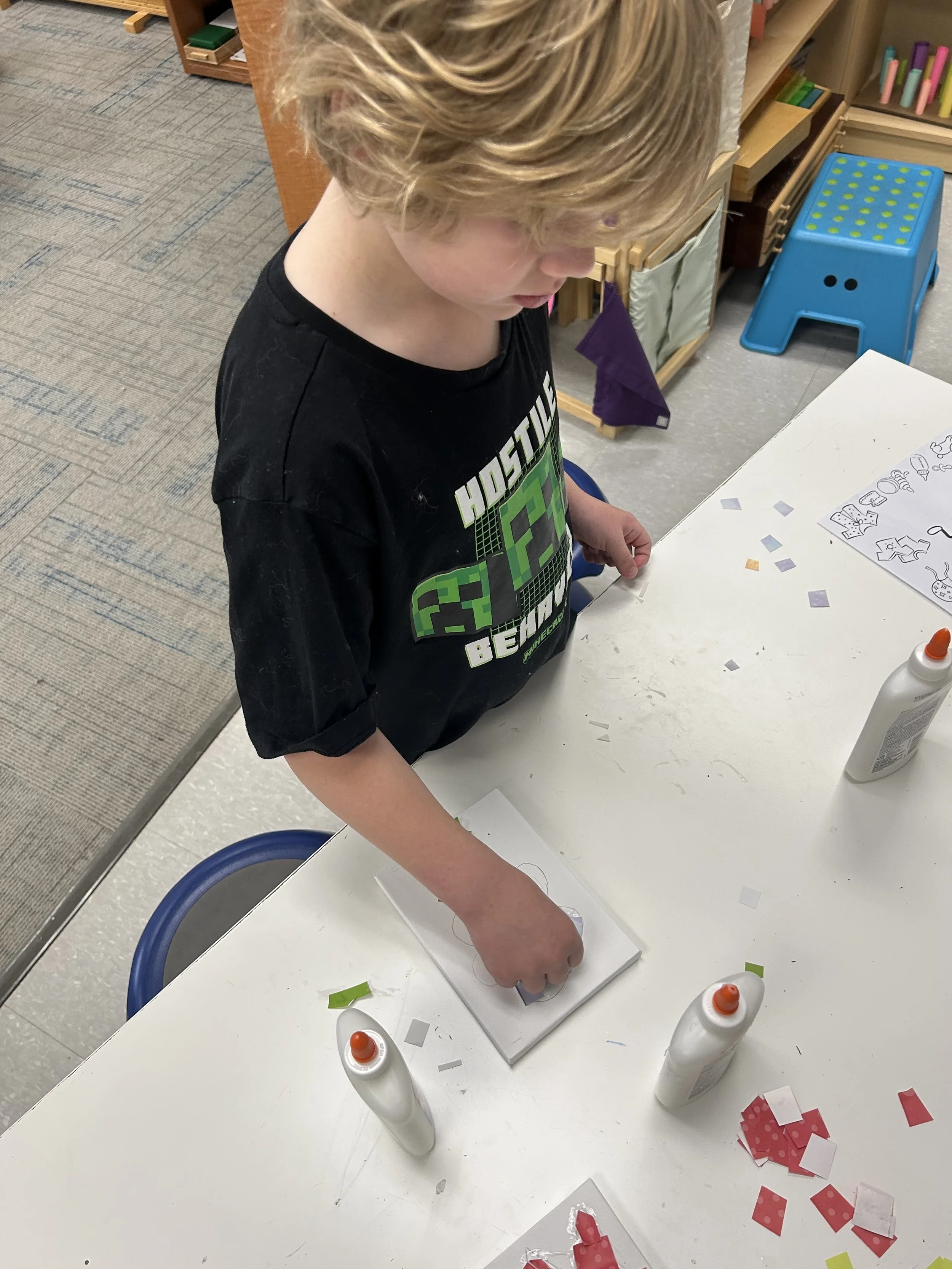
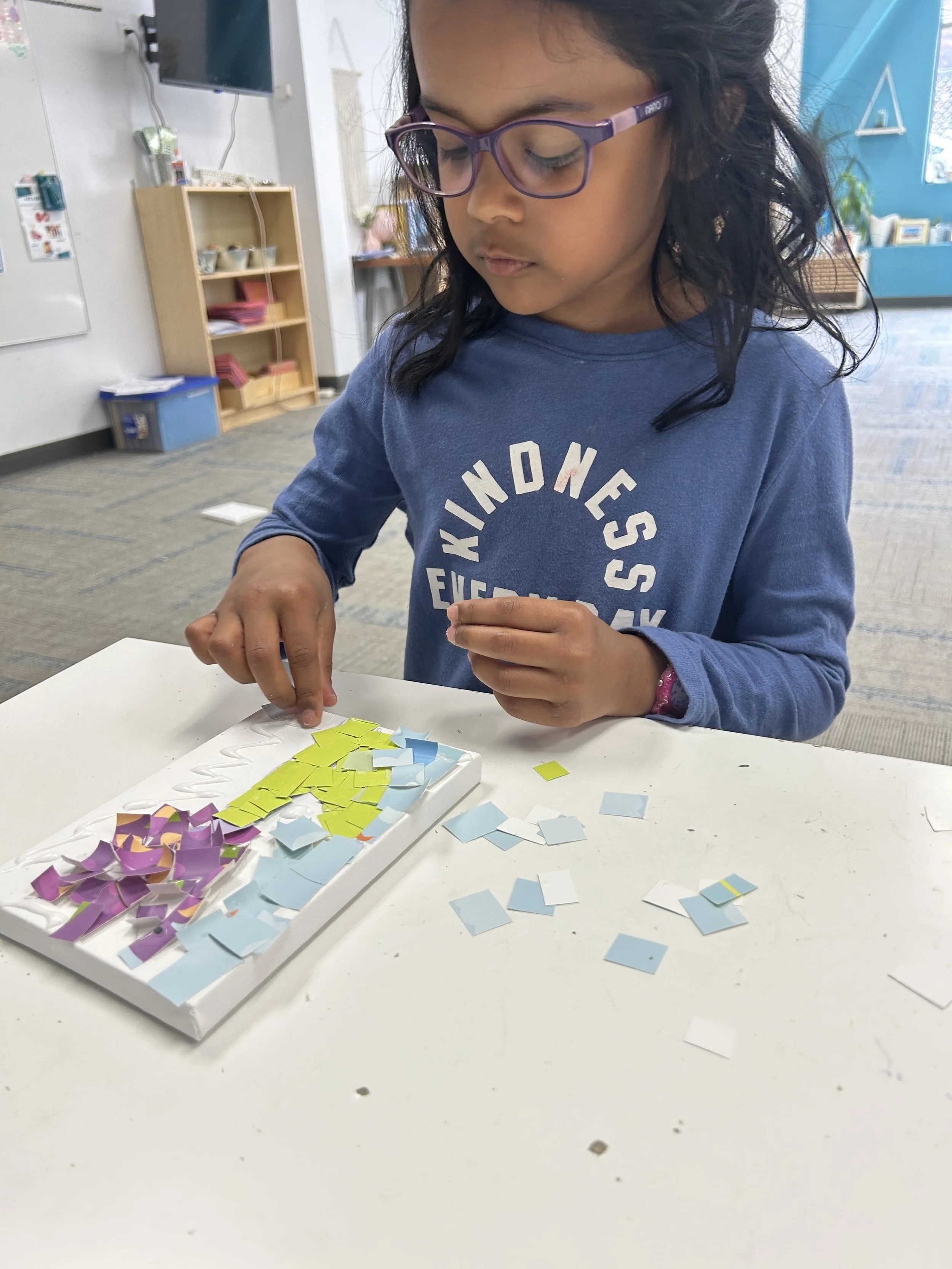
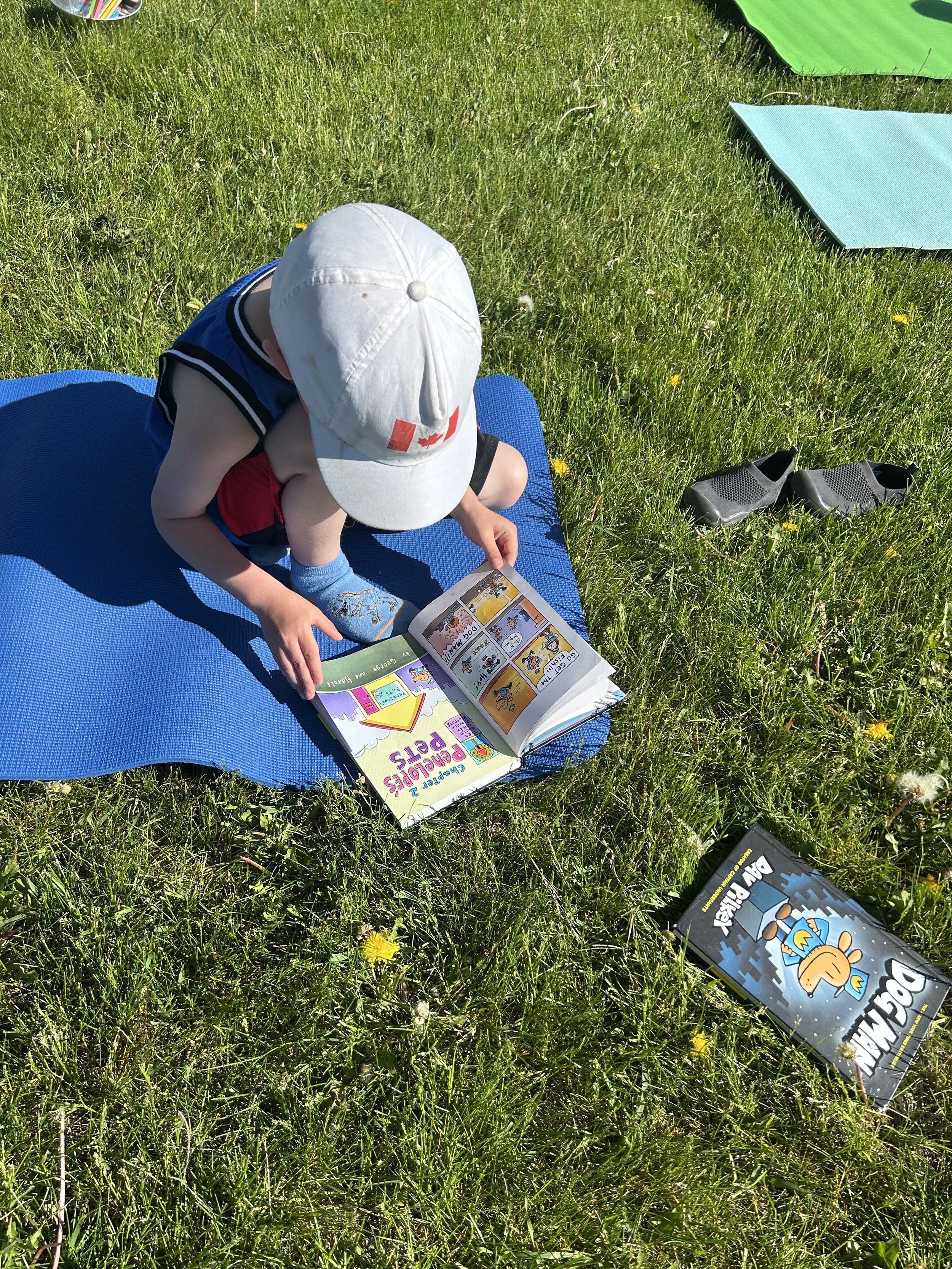
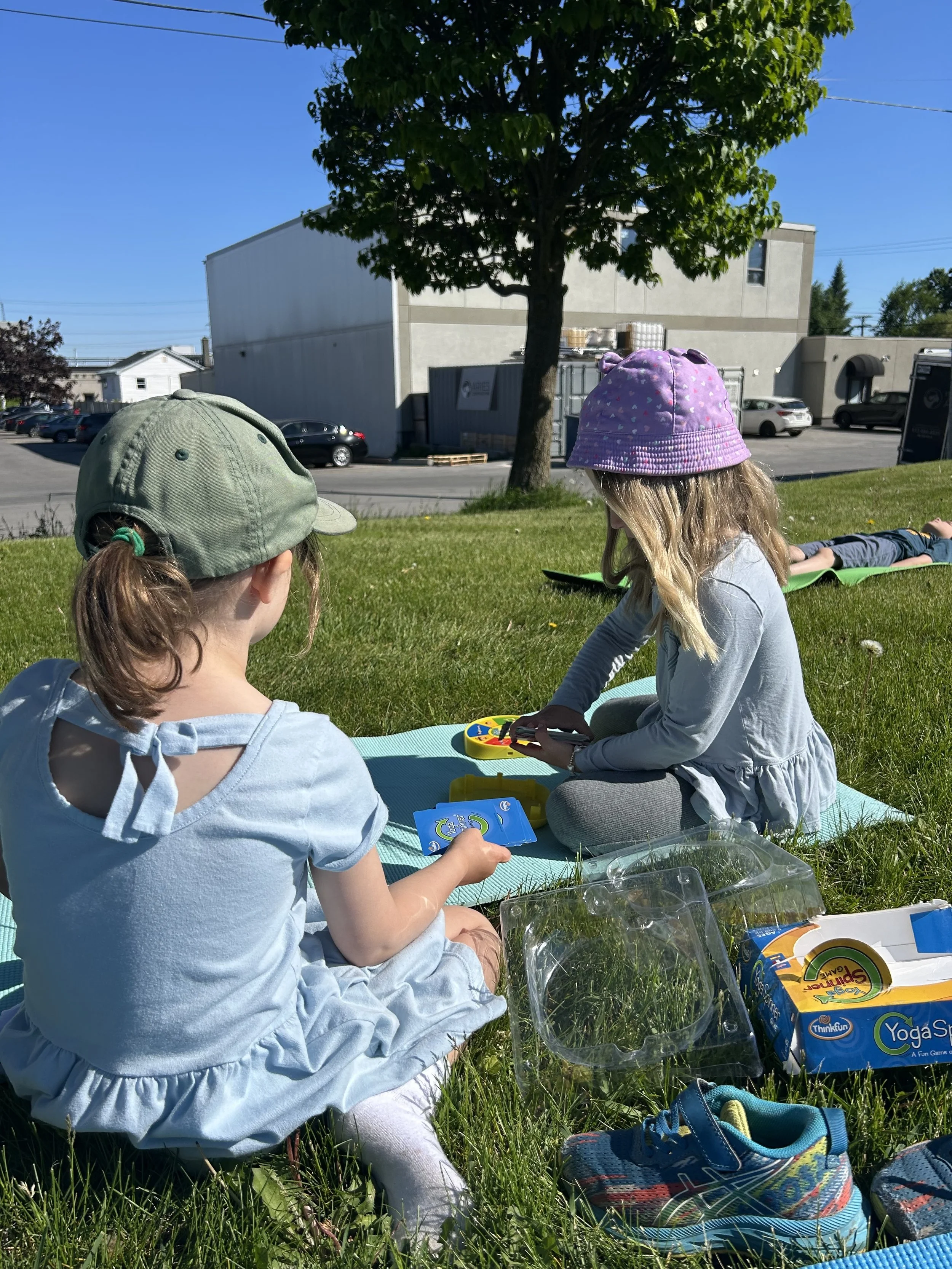
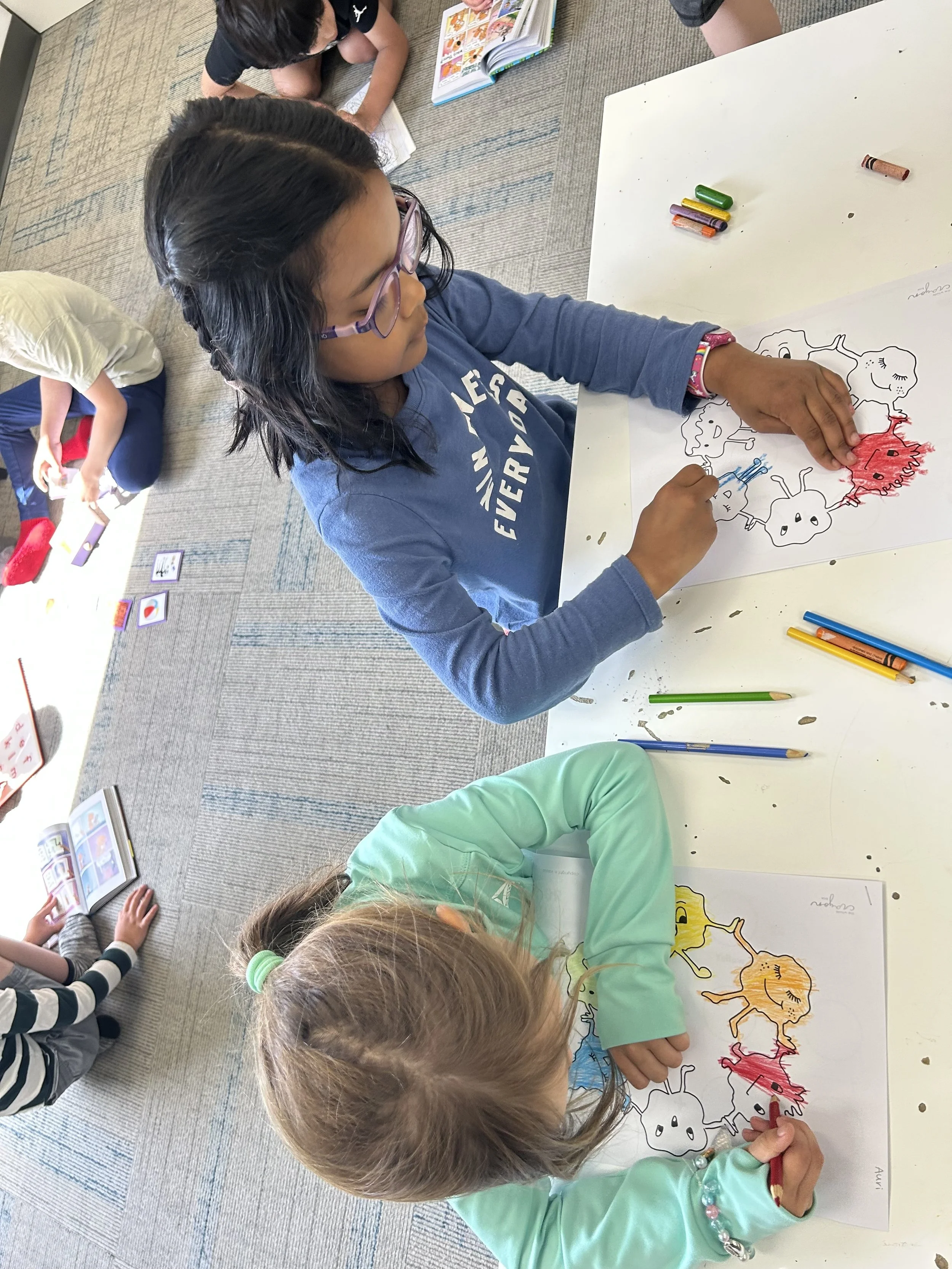
This week was filled with creativity and fun! On Monday, the Sparks learned how to draw a friendly dragon. On Tuesday, they explored recycled gift bags from birthdays, baby showers, and other special occasions to create colourful flowers with a partner. Wednesday and Thursday brought us outdoors for relaxing mornings of colouring, yoga, and reading. The Sparks loved spending time creating in the fresh air while practicing mindfulness and movement. On Friday, the Sparks continued to develop their artistic skills by creating pool noodle monsters. Using materials such as pom-poms, googly eyes, and pipe cleaners, they designed imaginative and unique creatures. To wrap up the week, the Sparks then followed a directed drawing to create watermelon sharks. This time, they had the opportunity to paint their artwork, adding bright colours and personal touches to their creations!
Quest
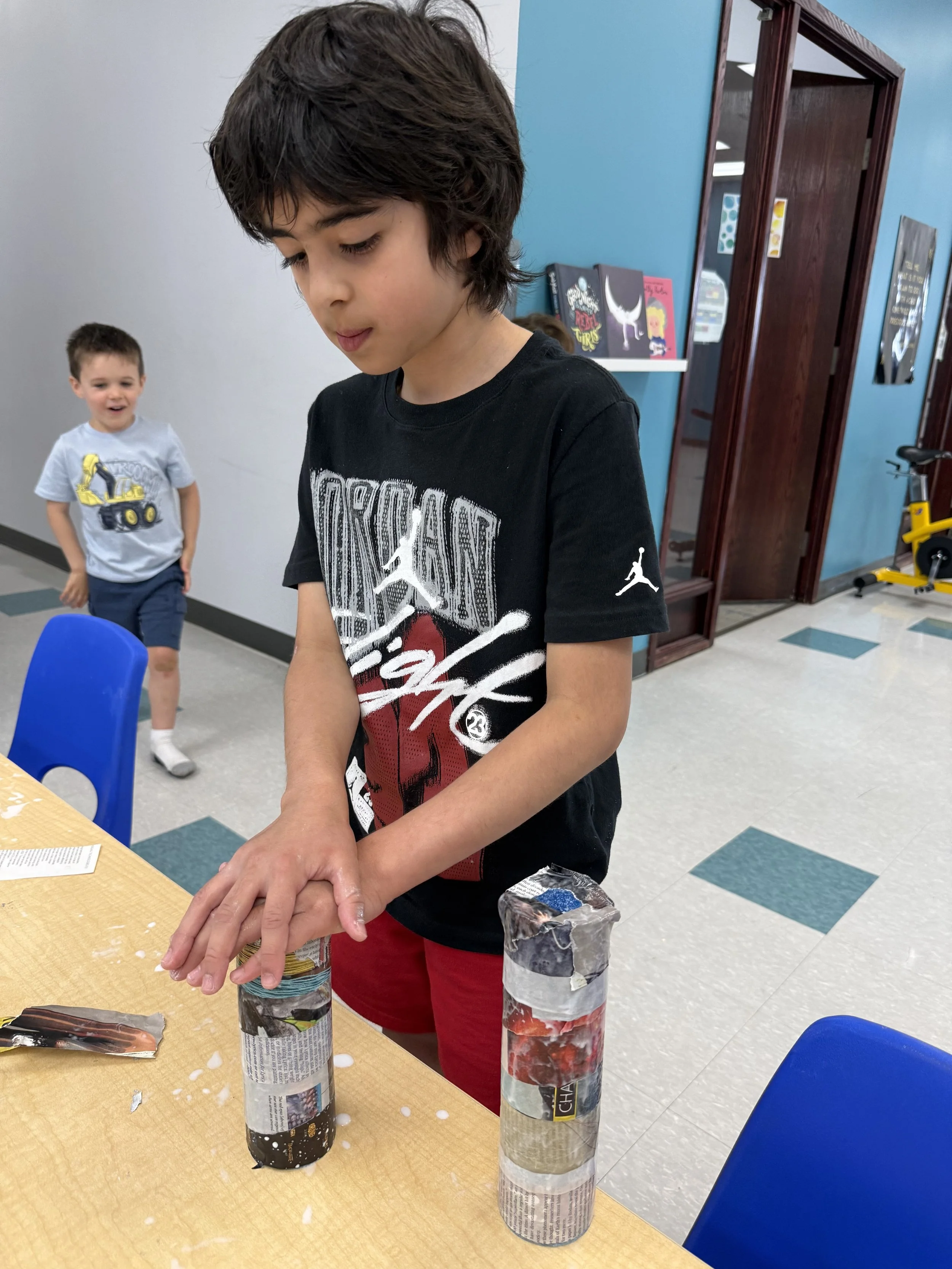
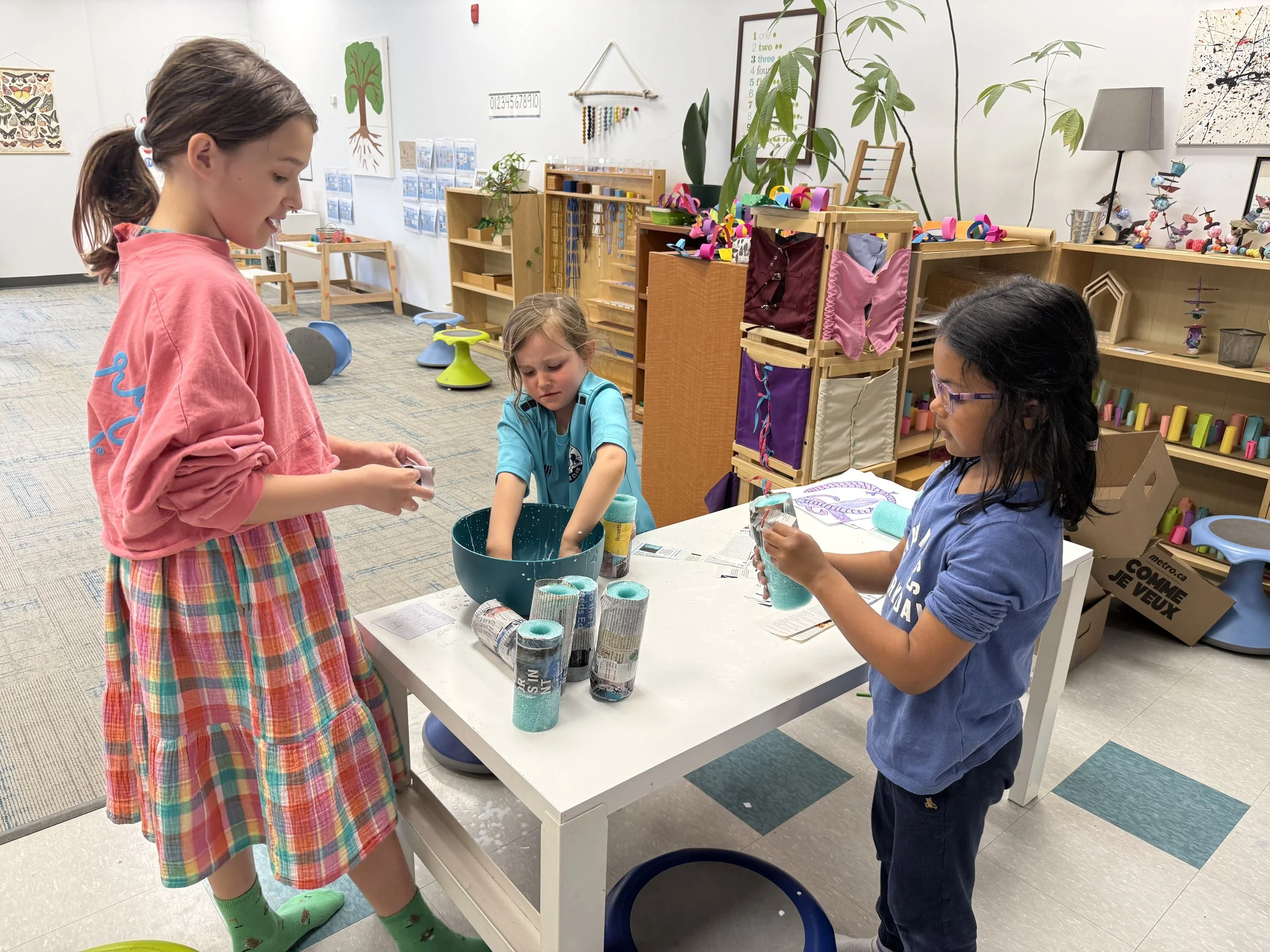
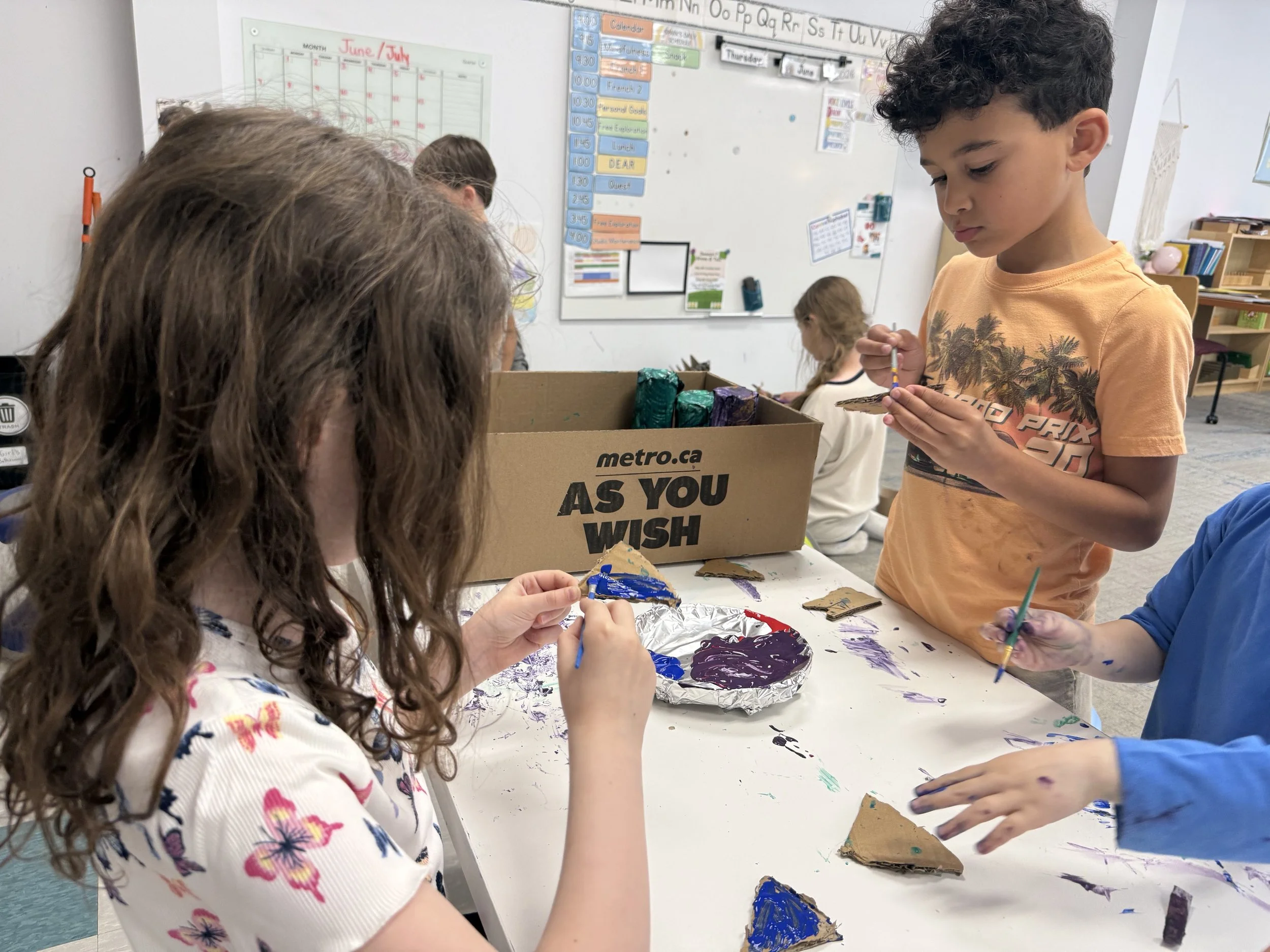
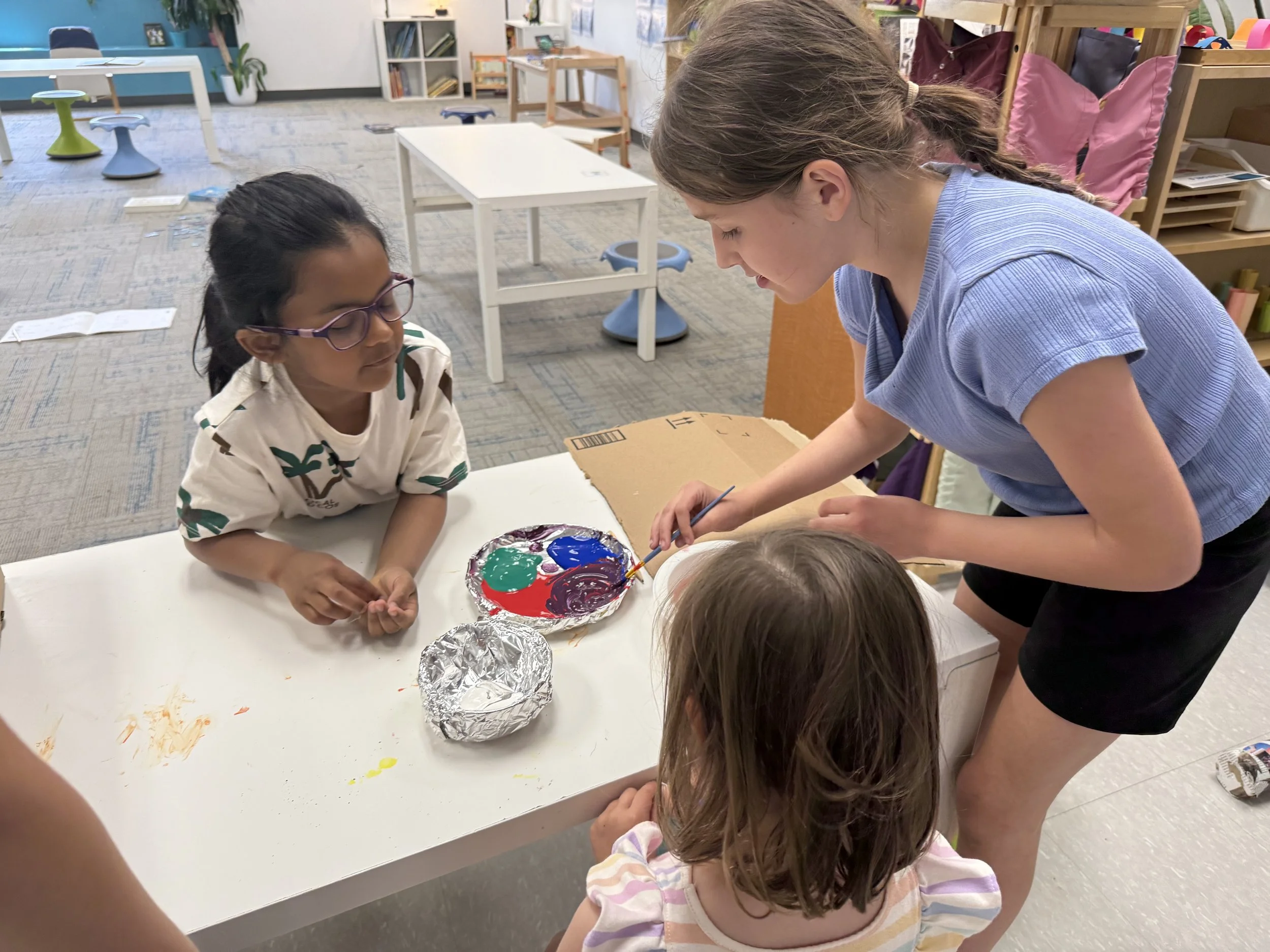
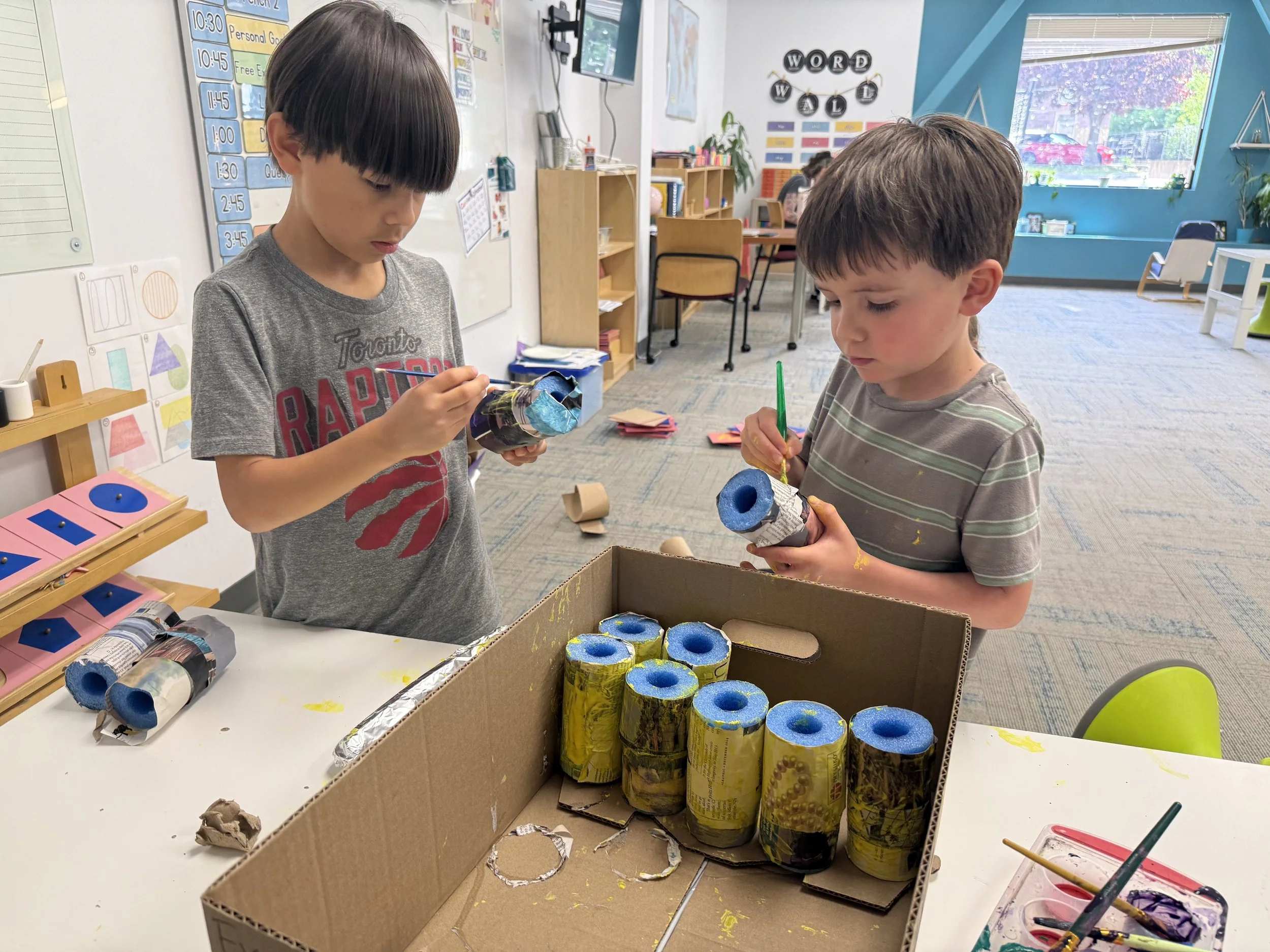
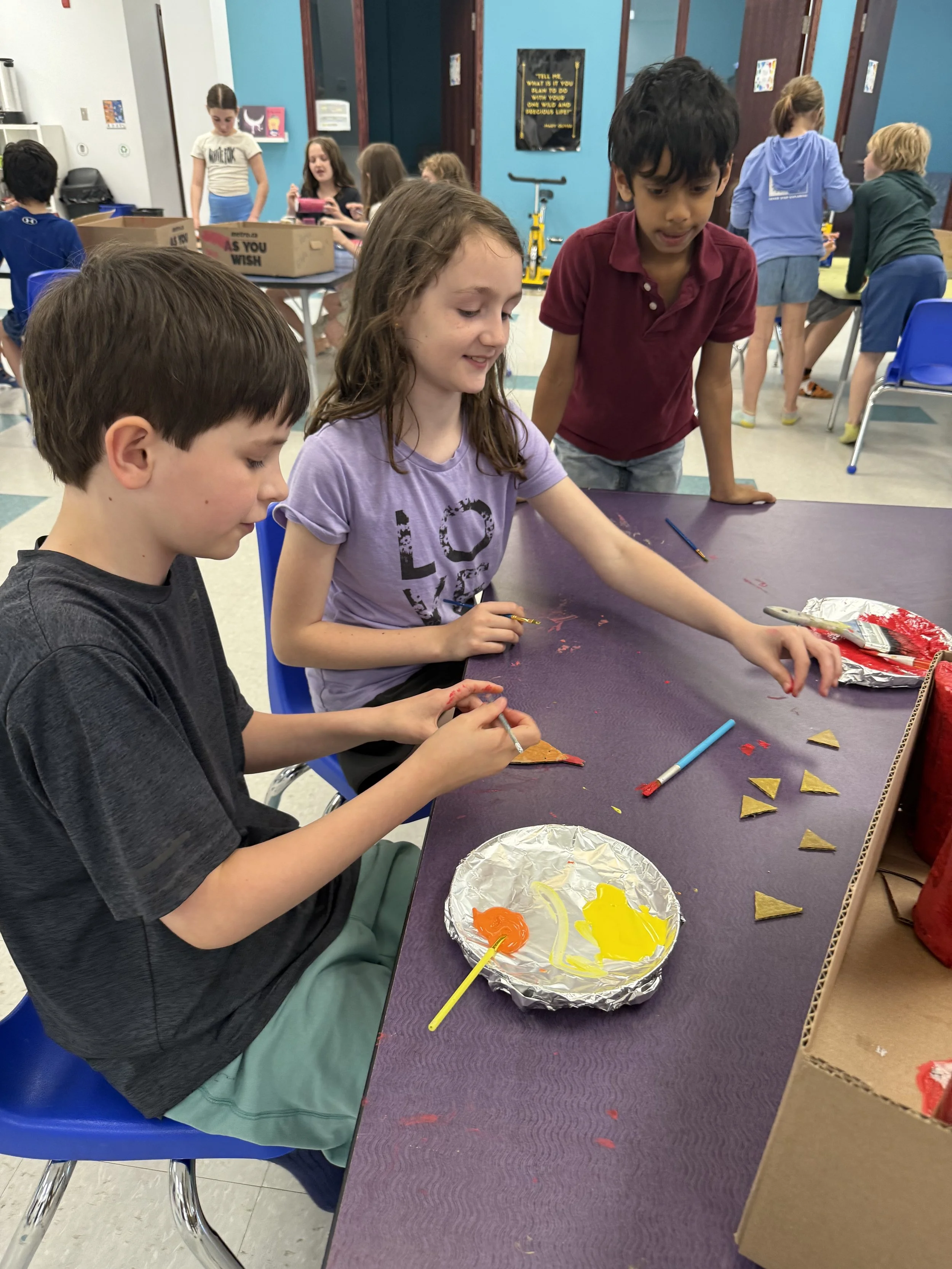
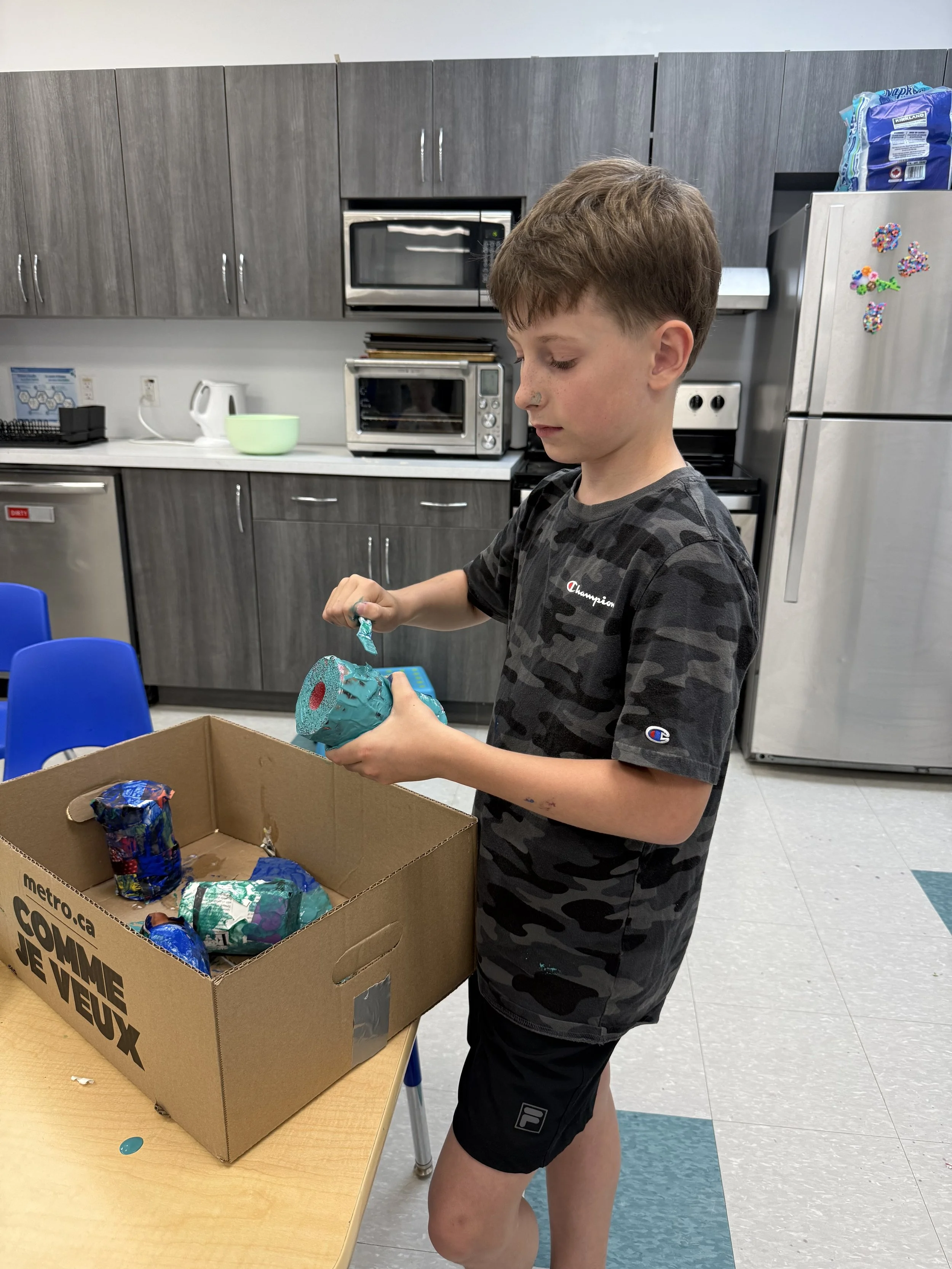
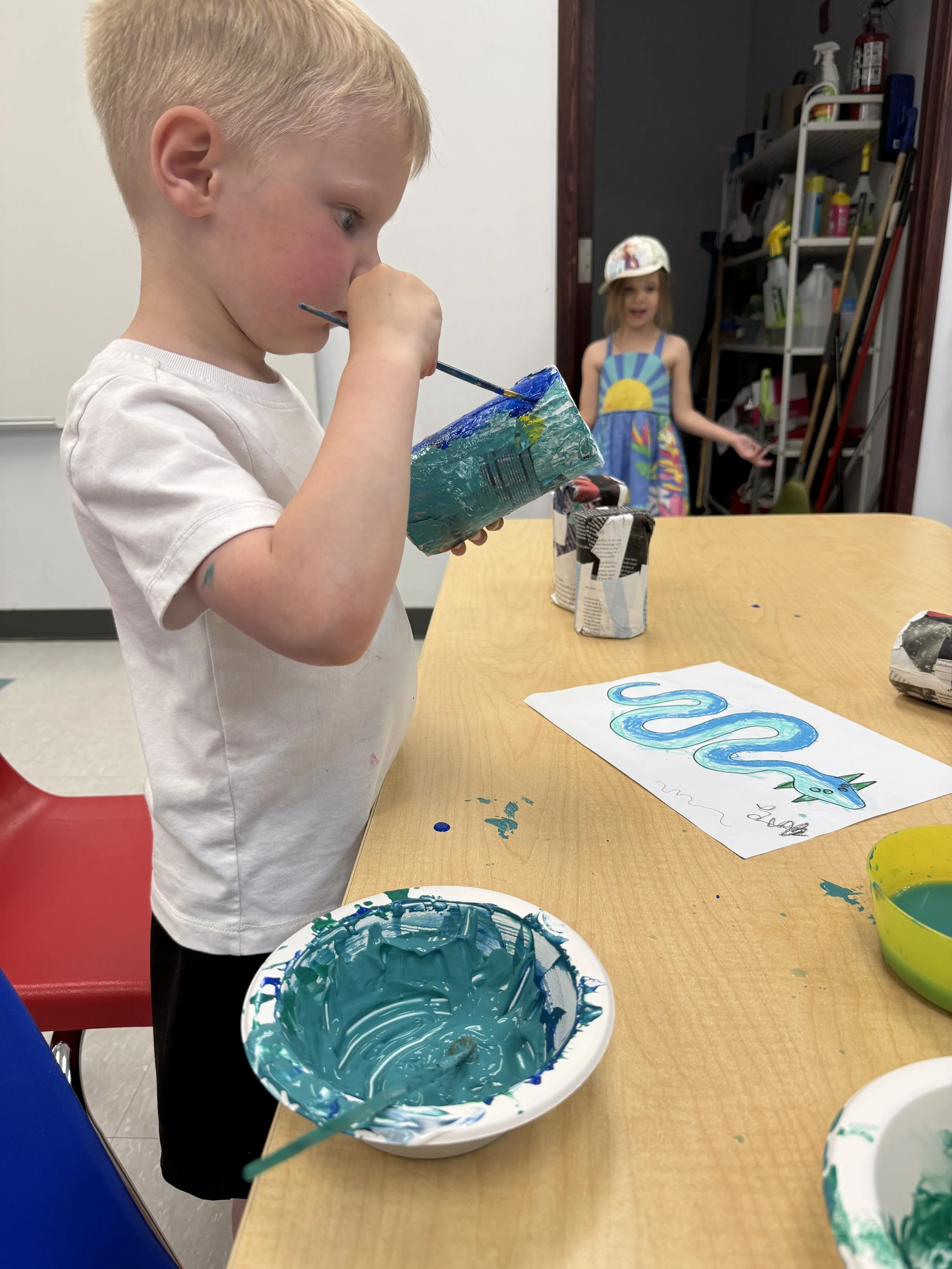
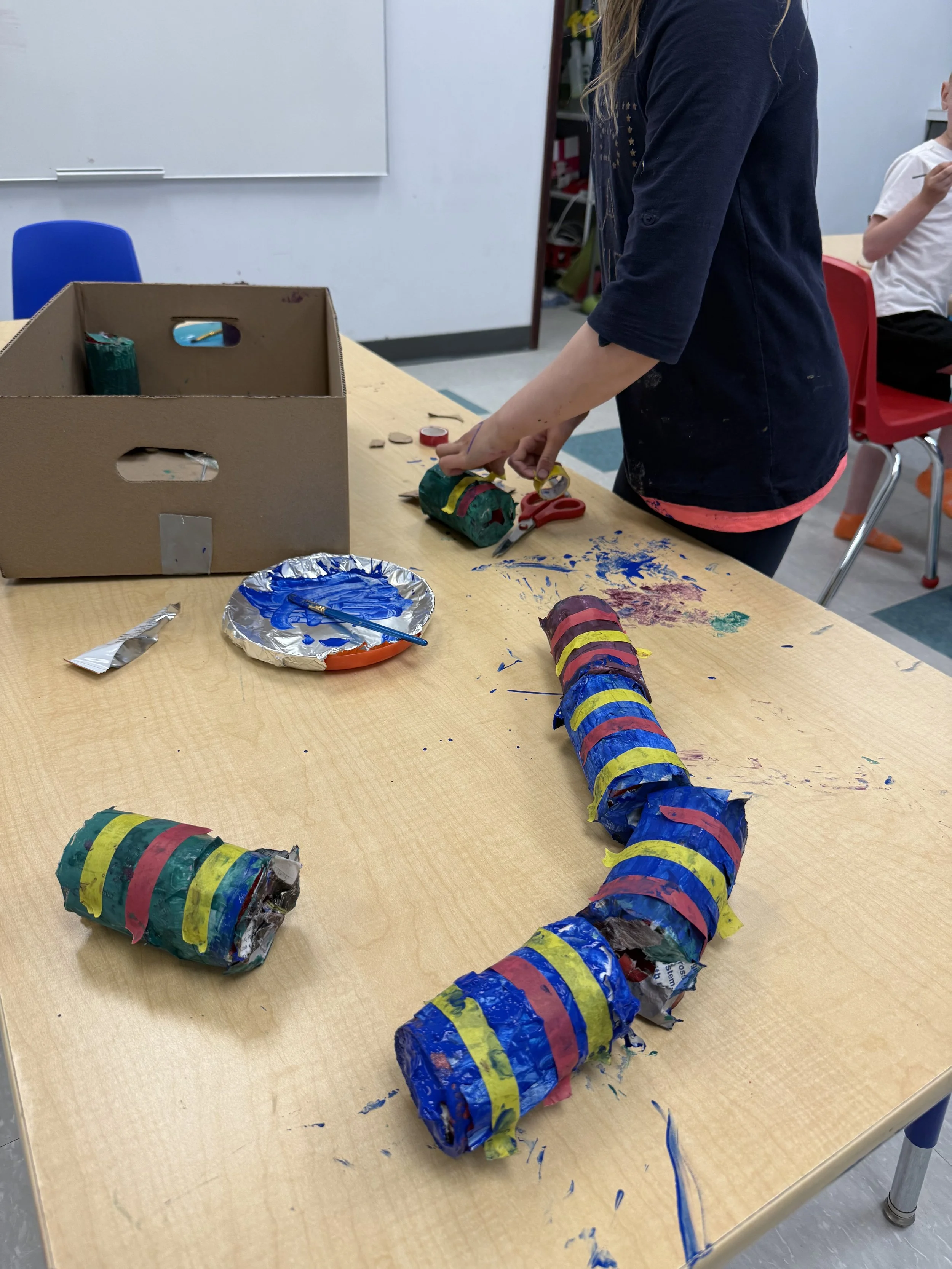
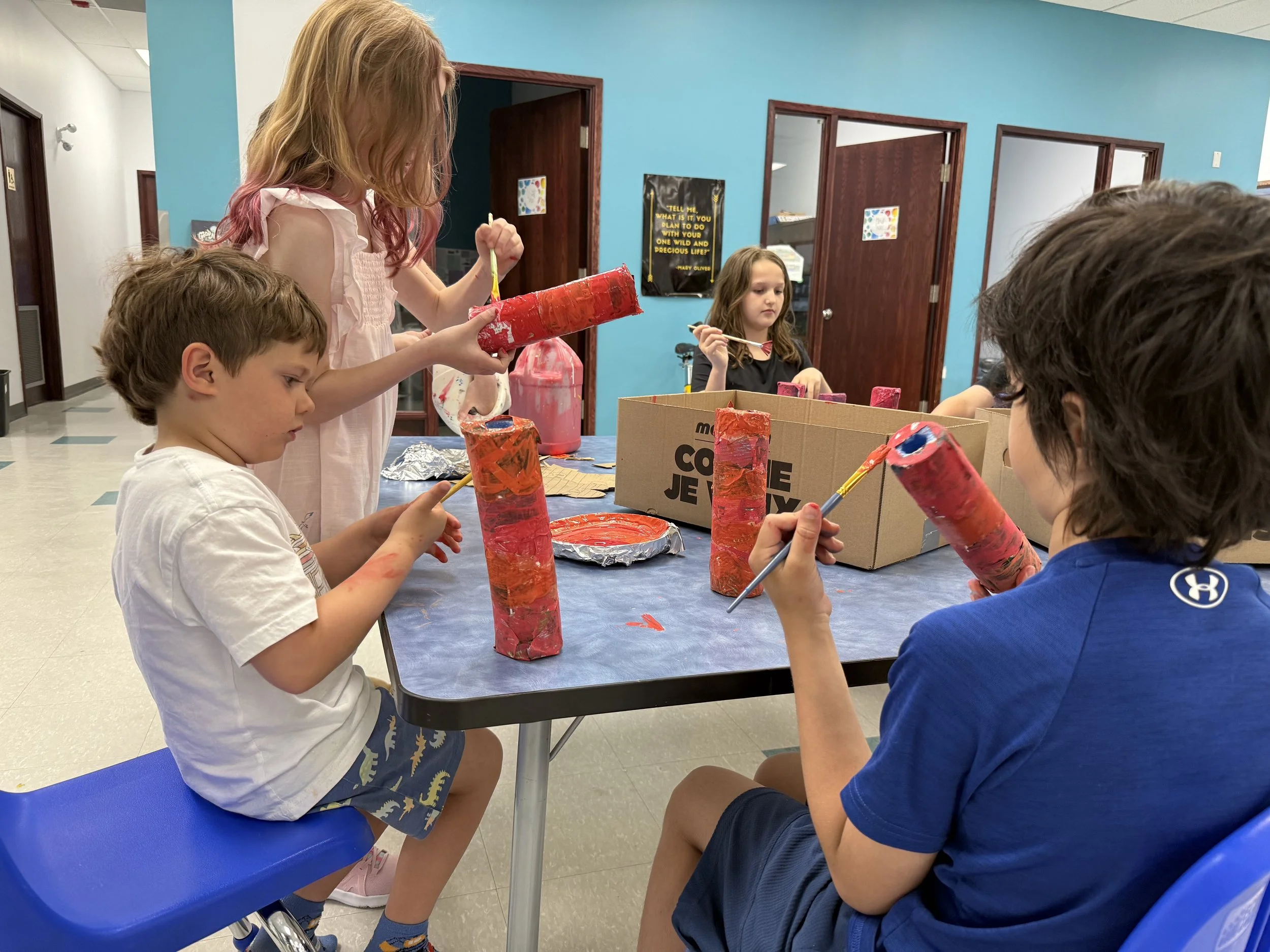
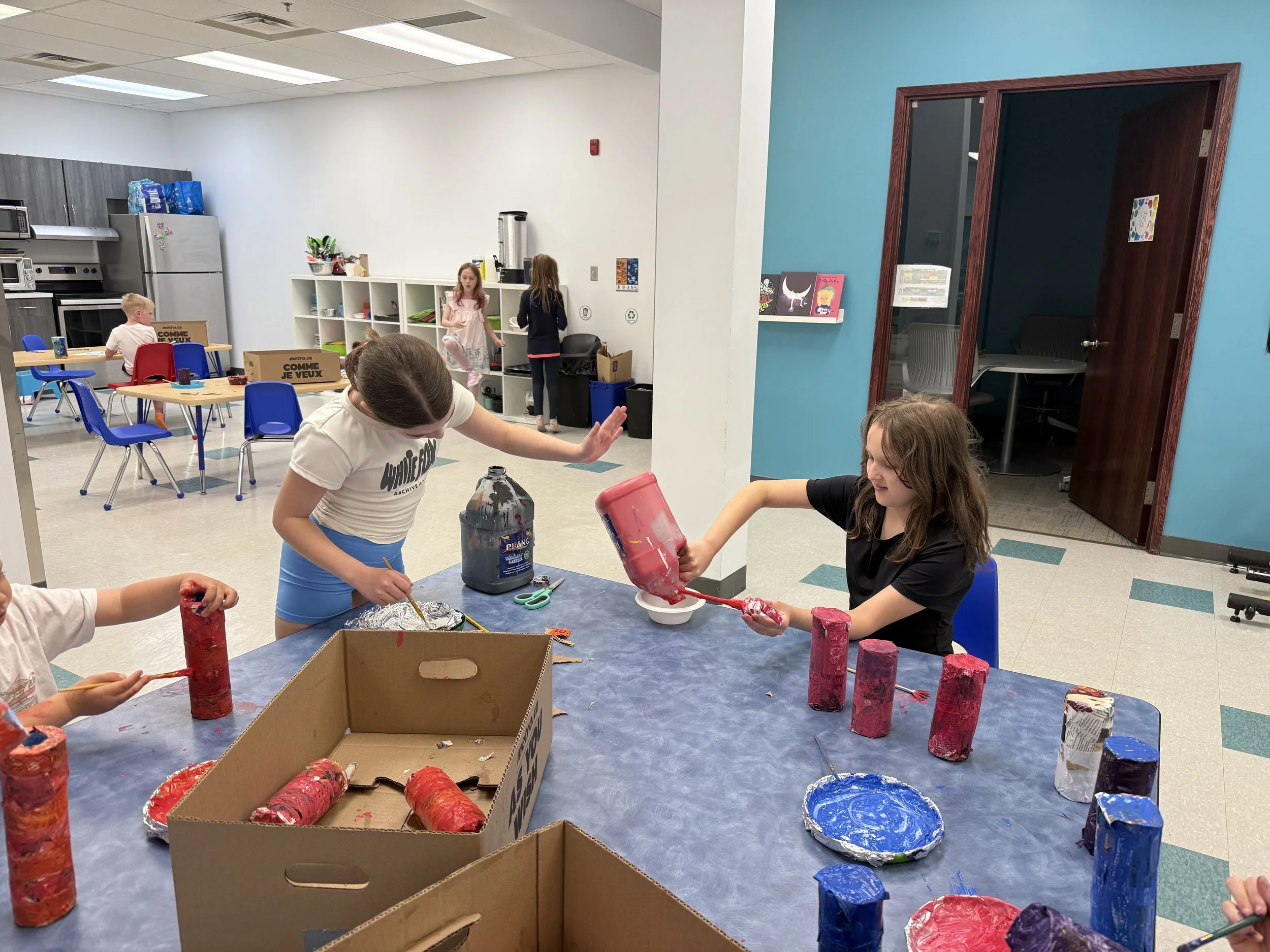
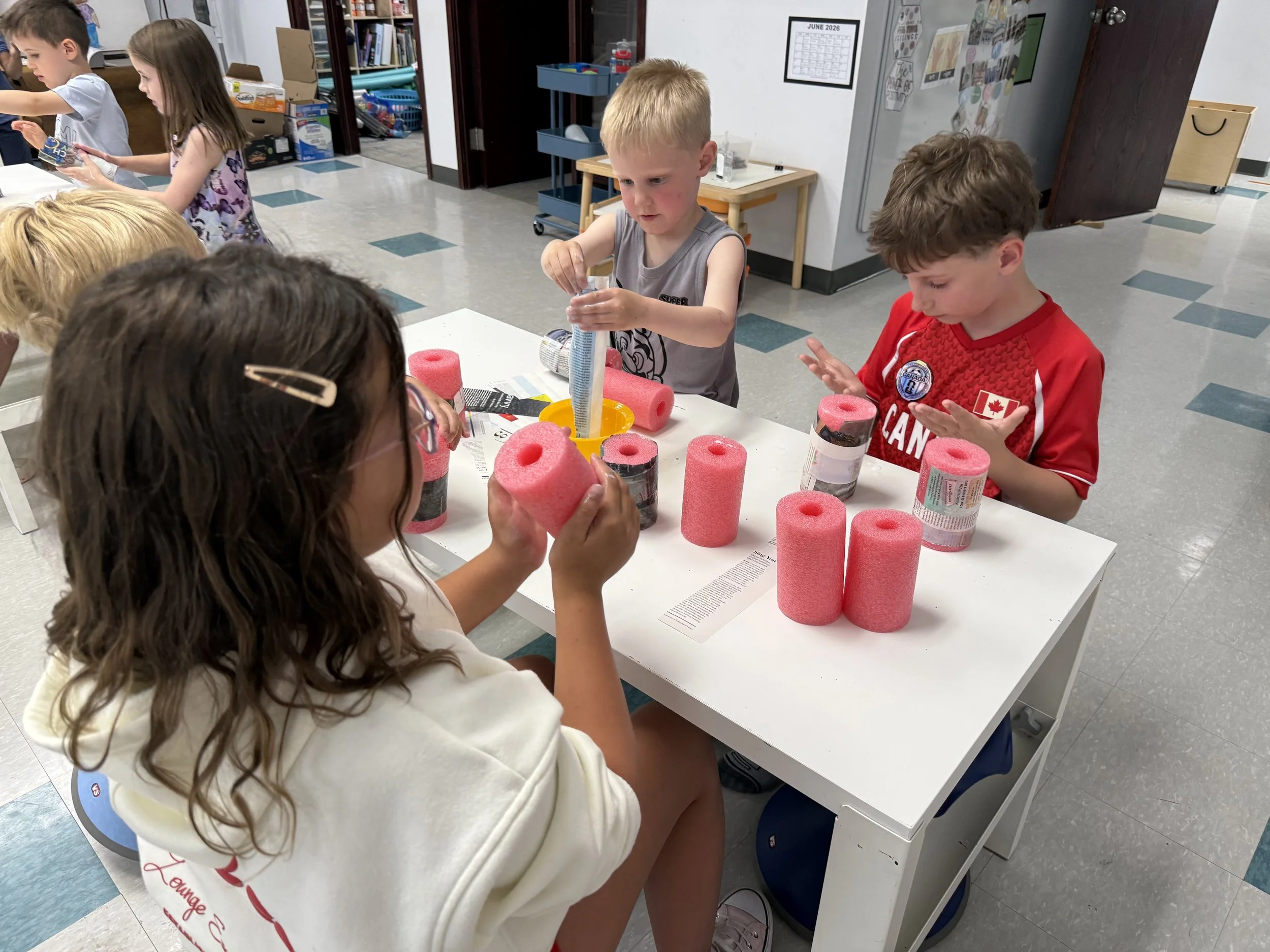
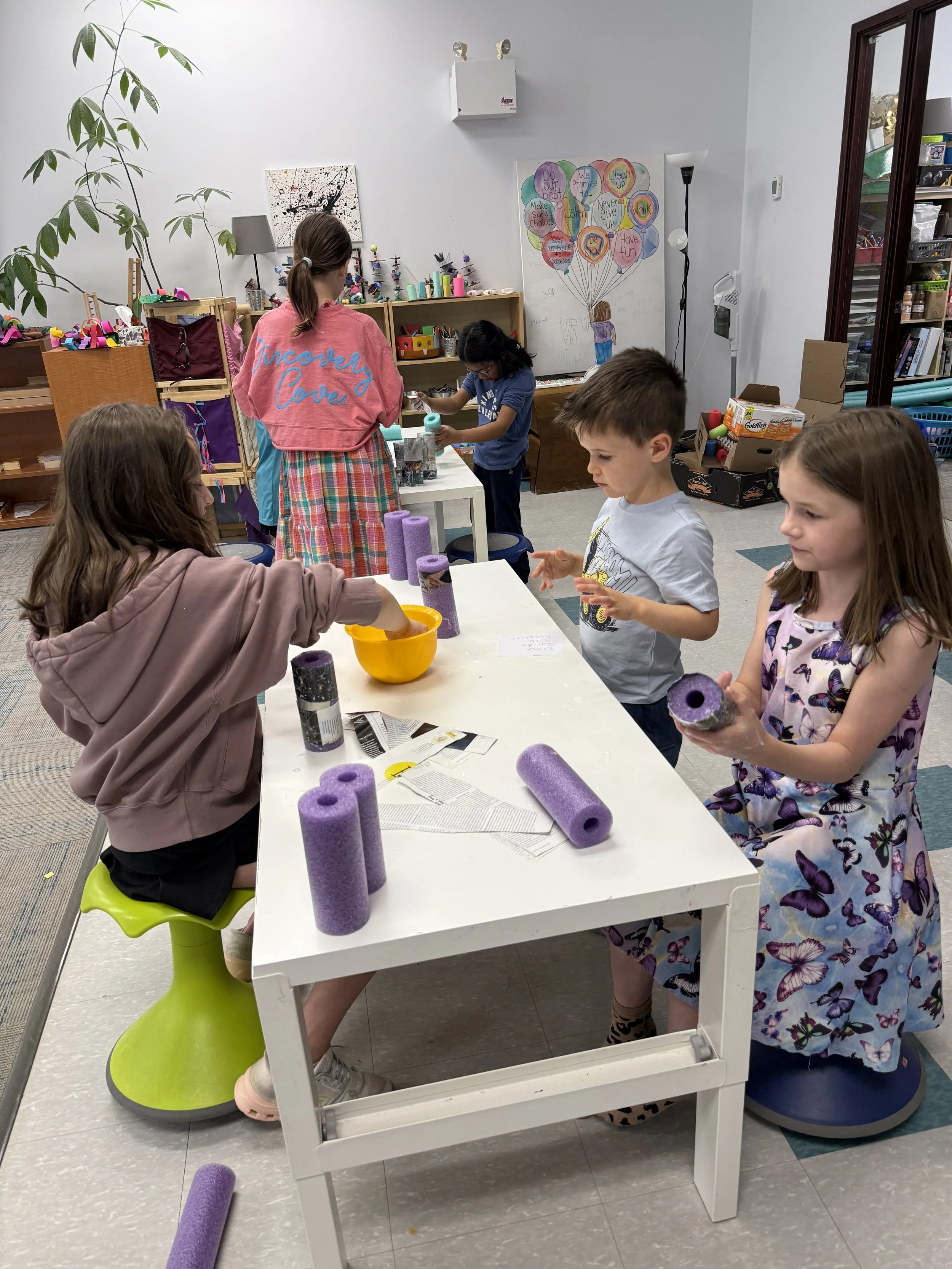
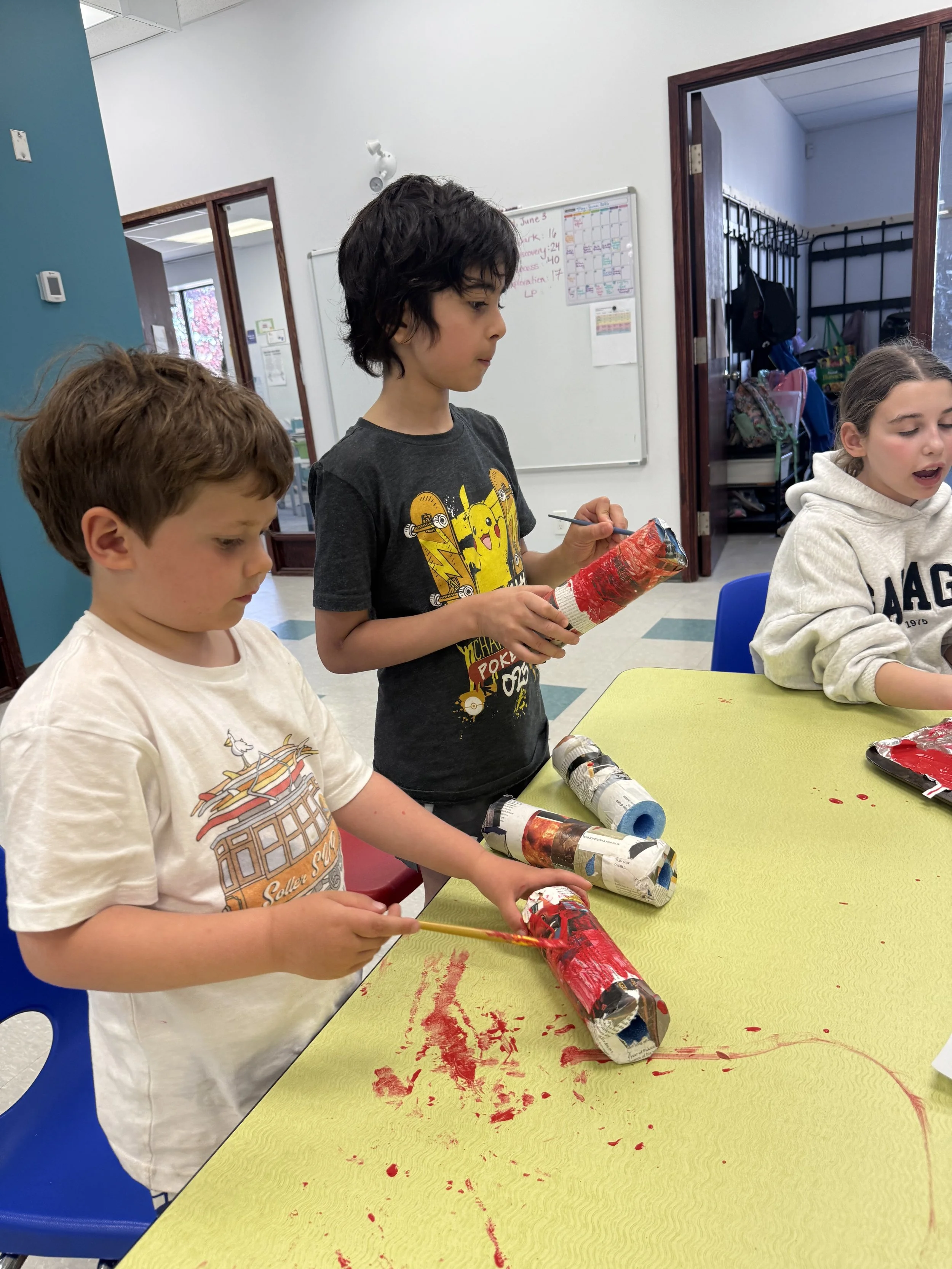
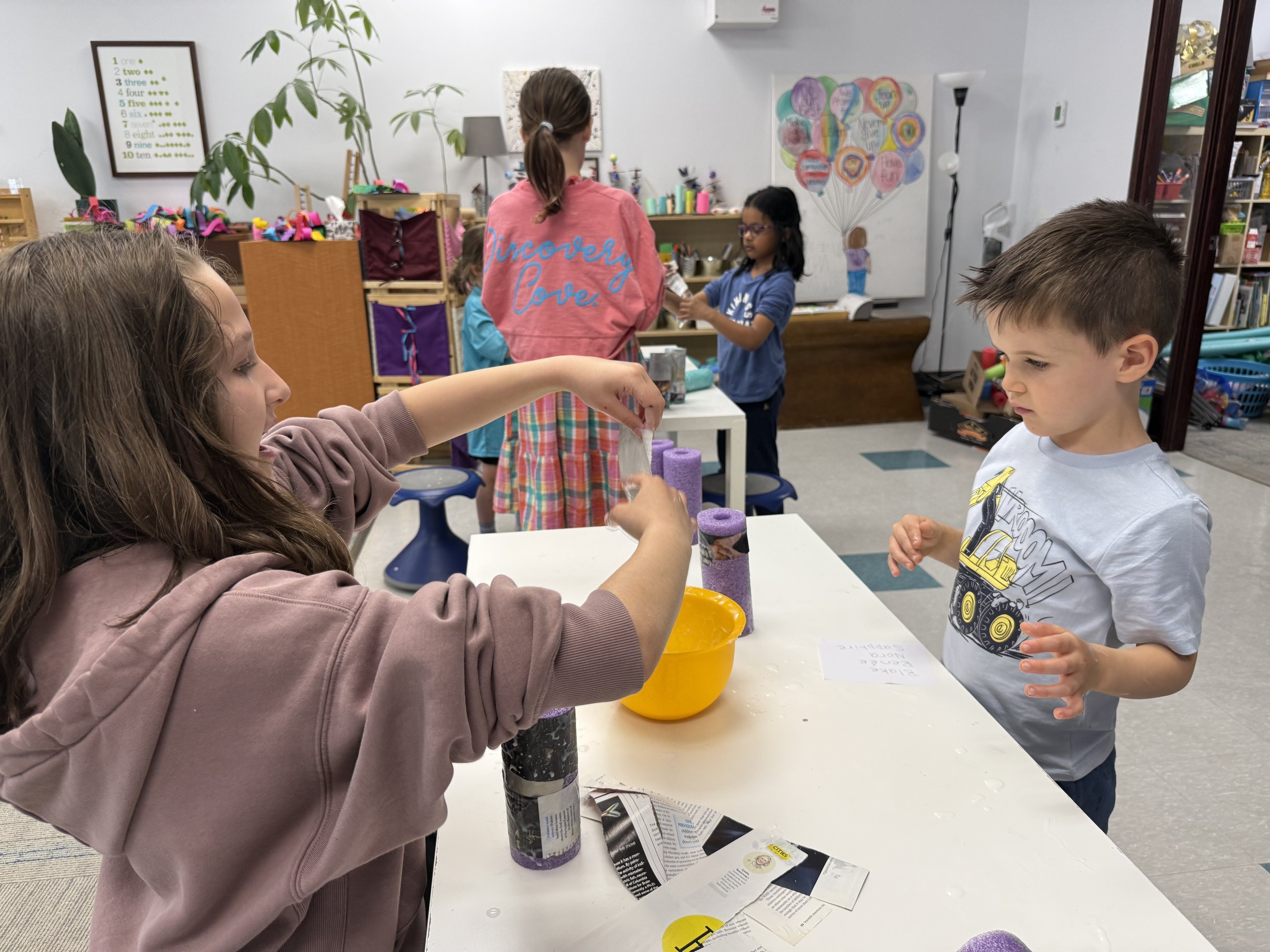
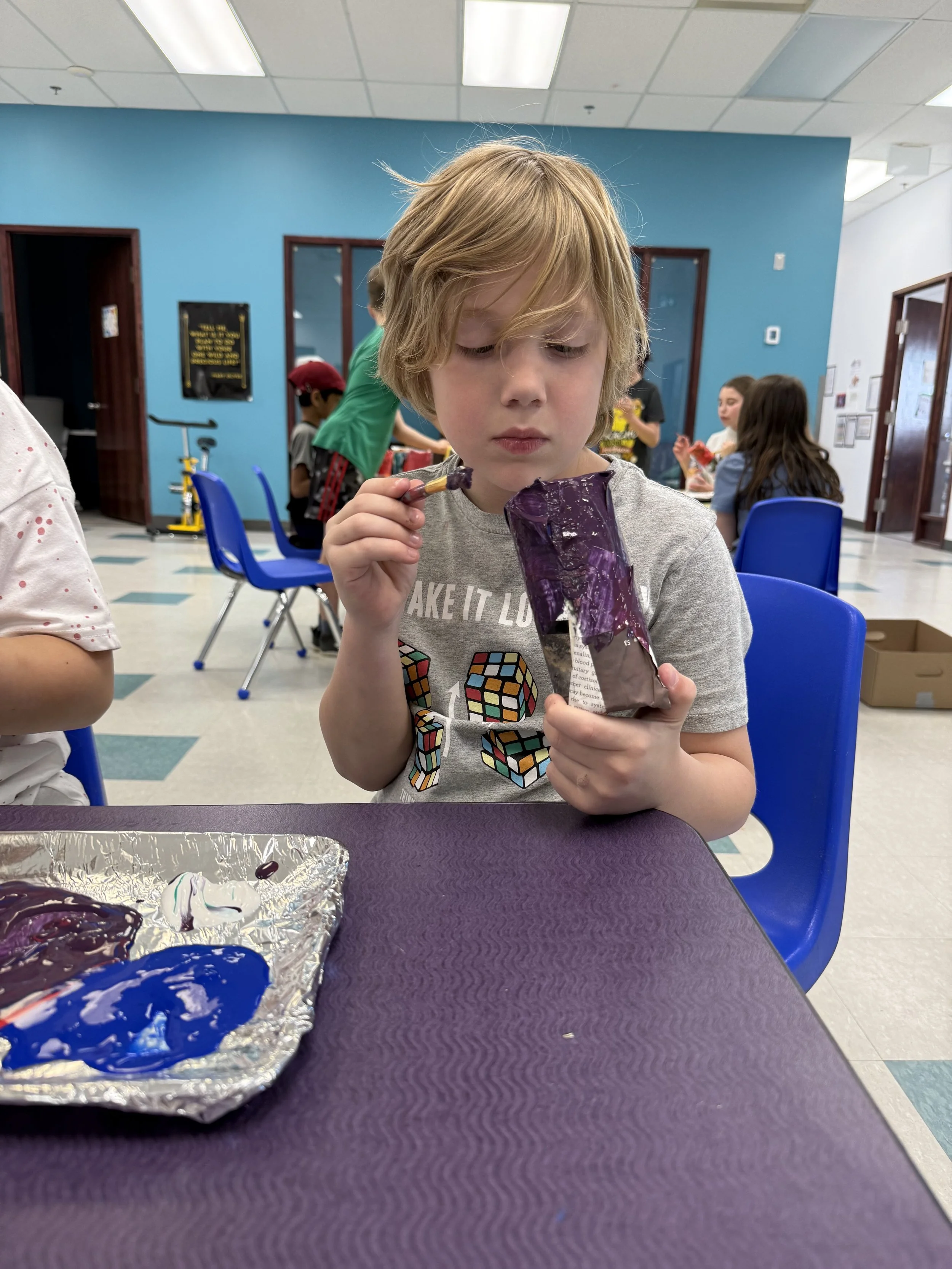
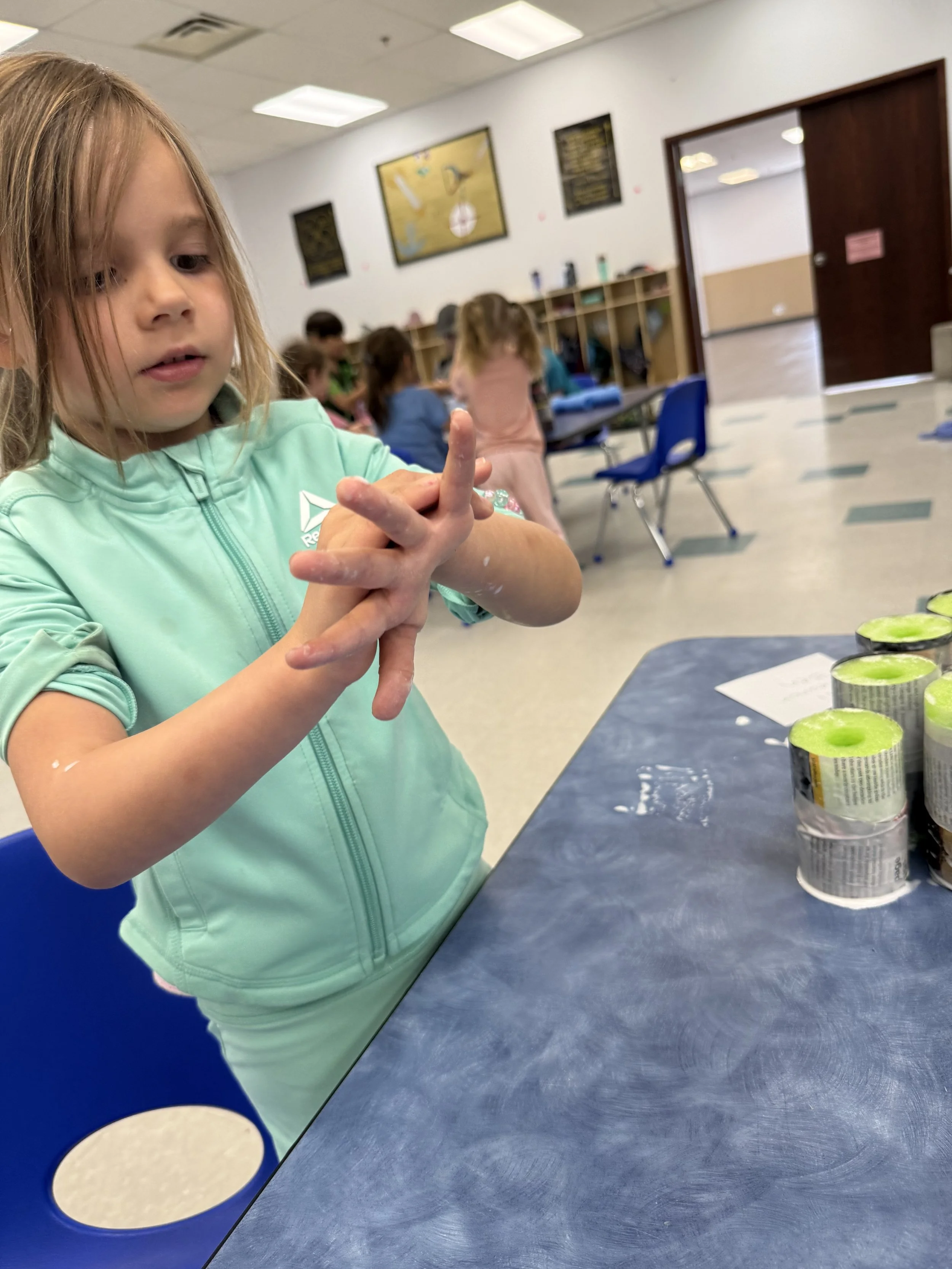
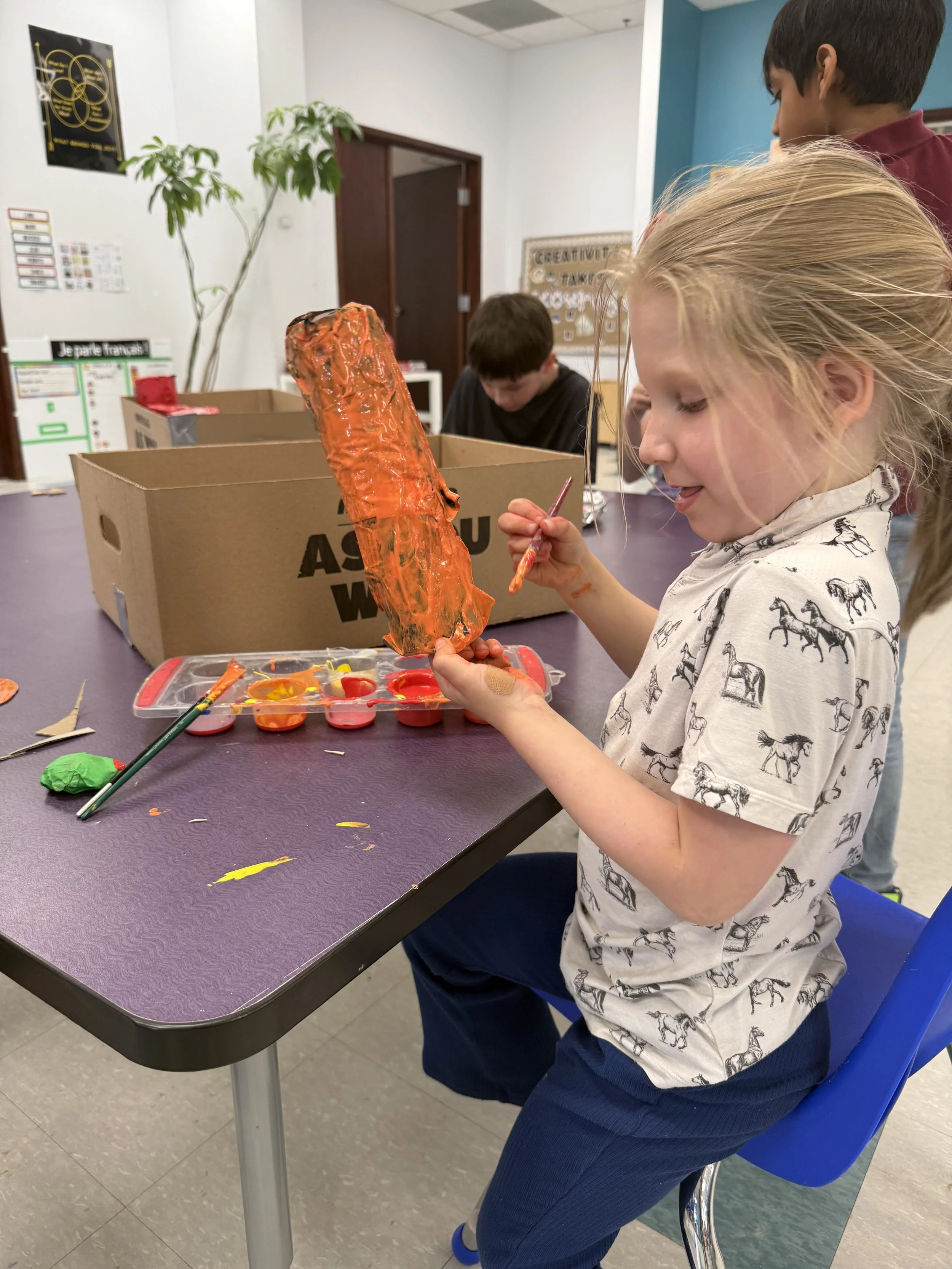
This week, the Sparks had an exciting opportunity to collaborate with the Discovery Studio on a creative pool noodle art project. Building on last week's lessons about the colour wheel and warm and cool colours, the Sparks designed imaginative snakes that they felt would be exciting to create with their Discovery partners. To begin the project, each Spark shared their rough draft snake designs with their groups. The creativity was incredible! Some learners incorporated spikes, scales, wings, multiple heads, and many other unique features. Working together, each group reviewed their designs, discussed which elements they wanted to keep, and combined their ideas into one final plan.
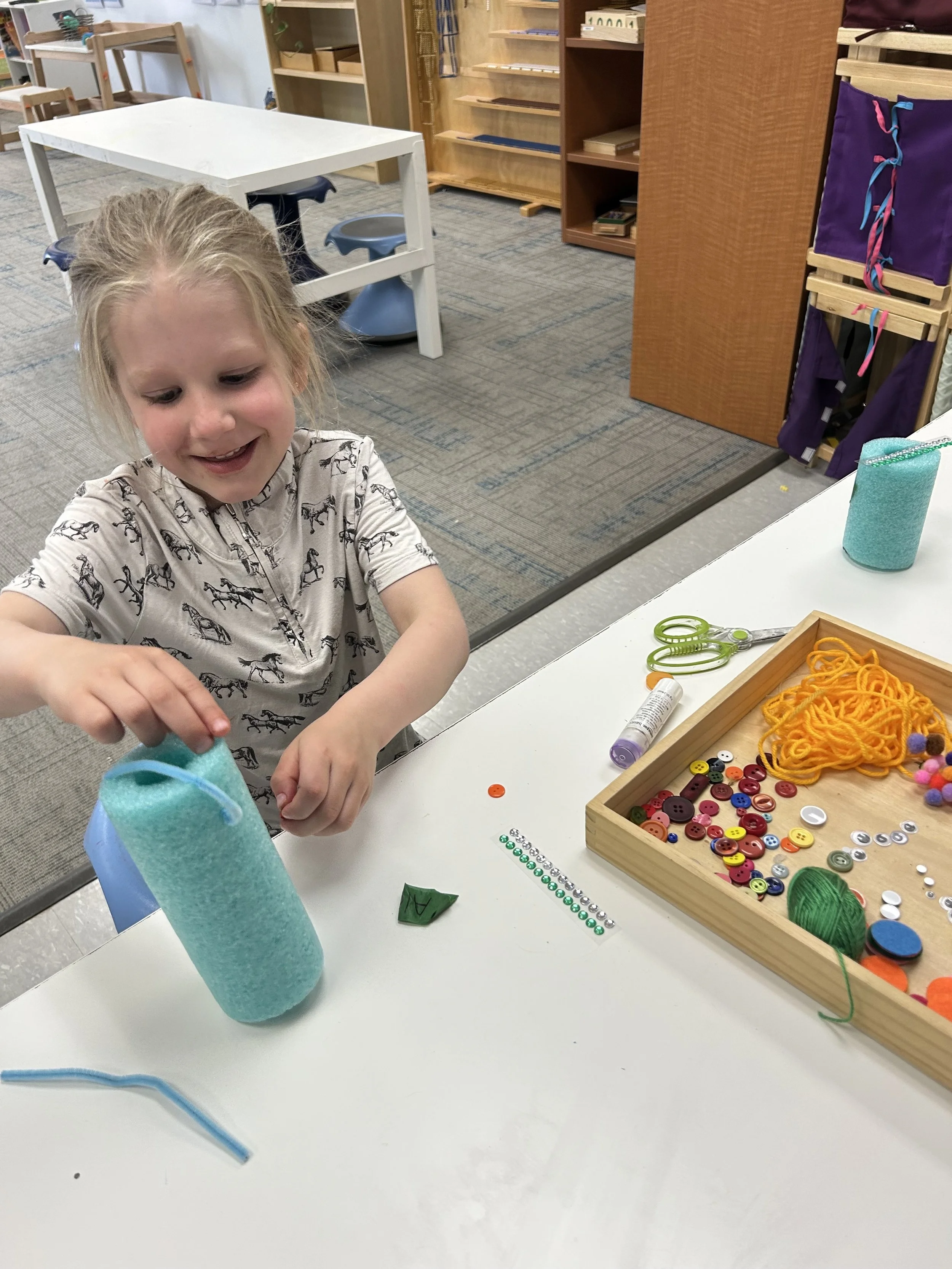
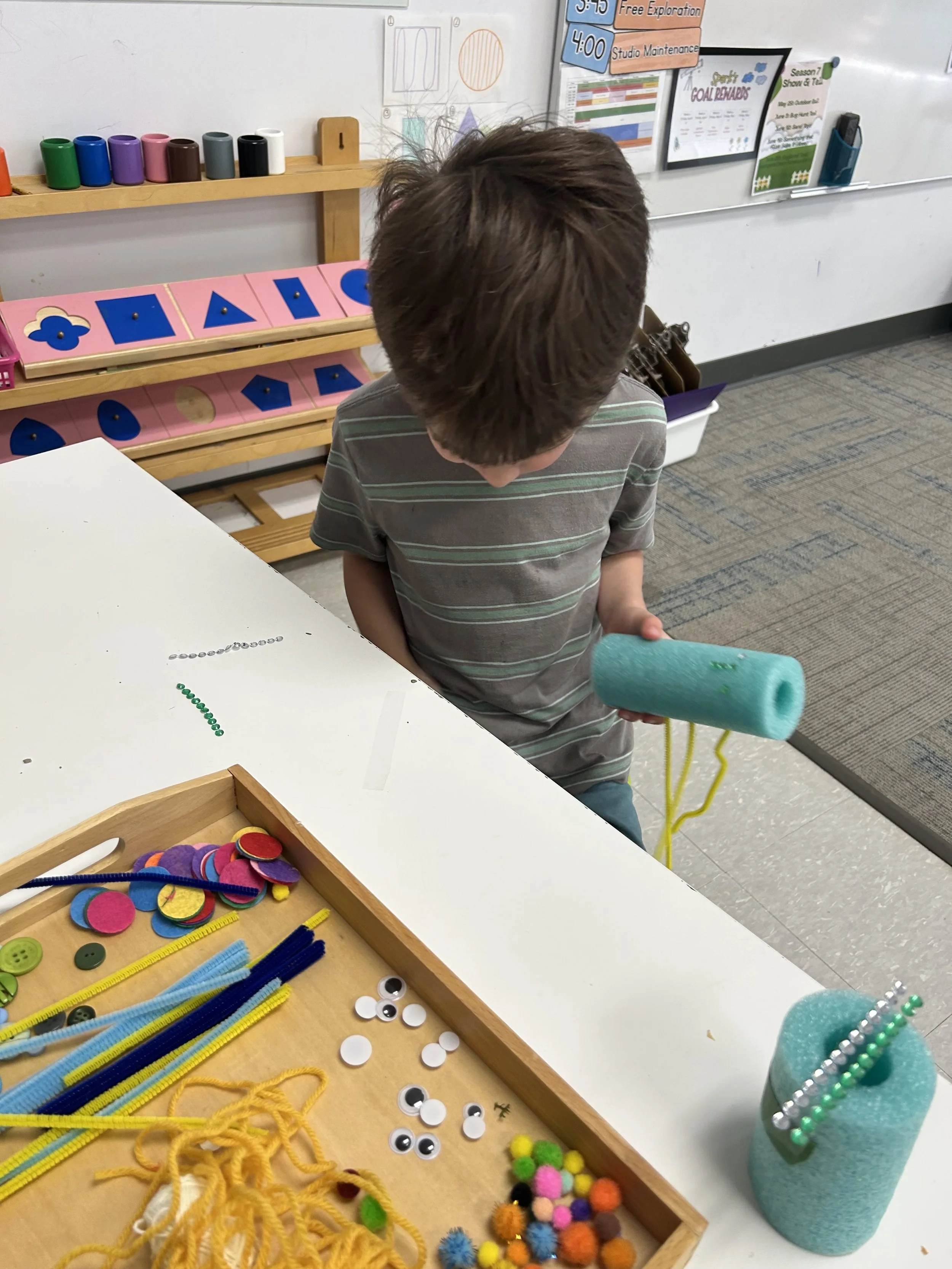
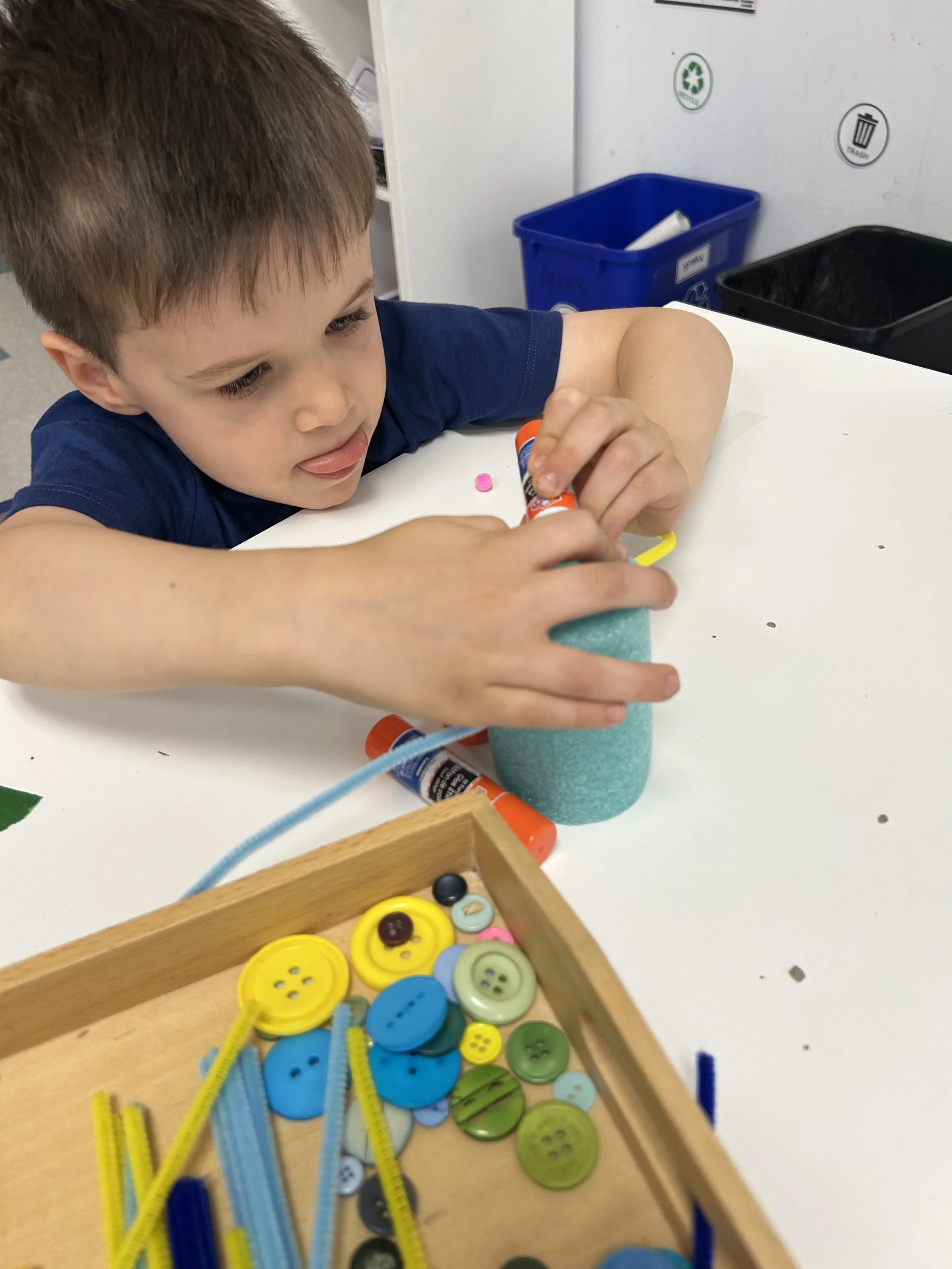
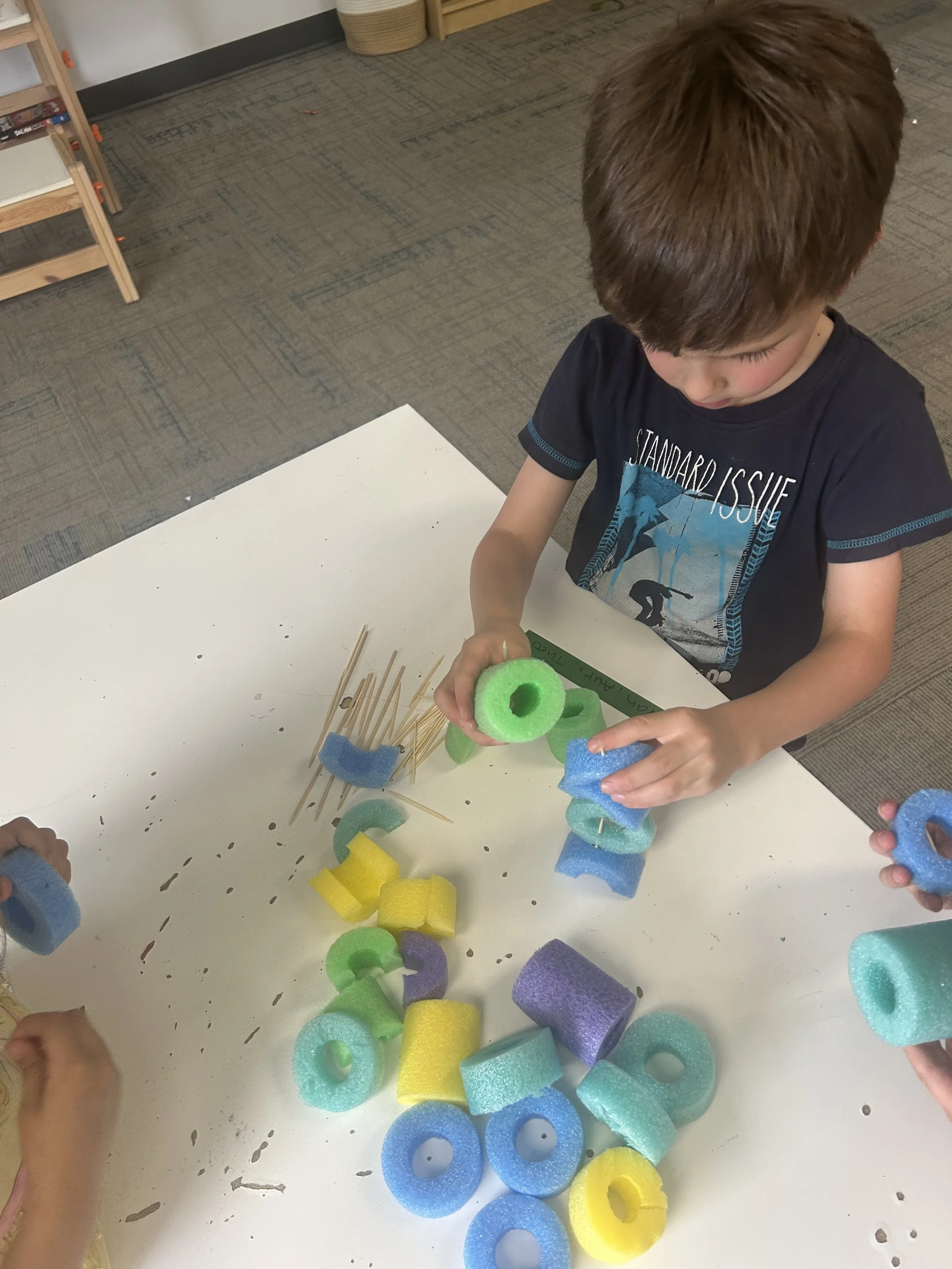
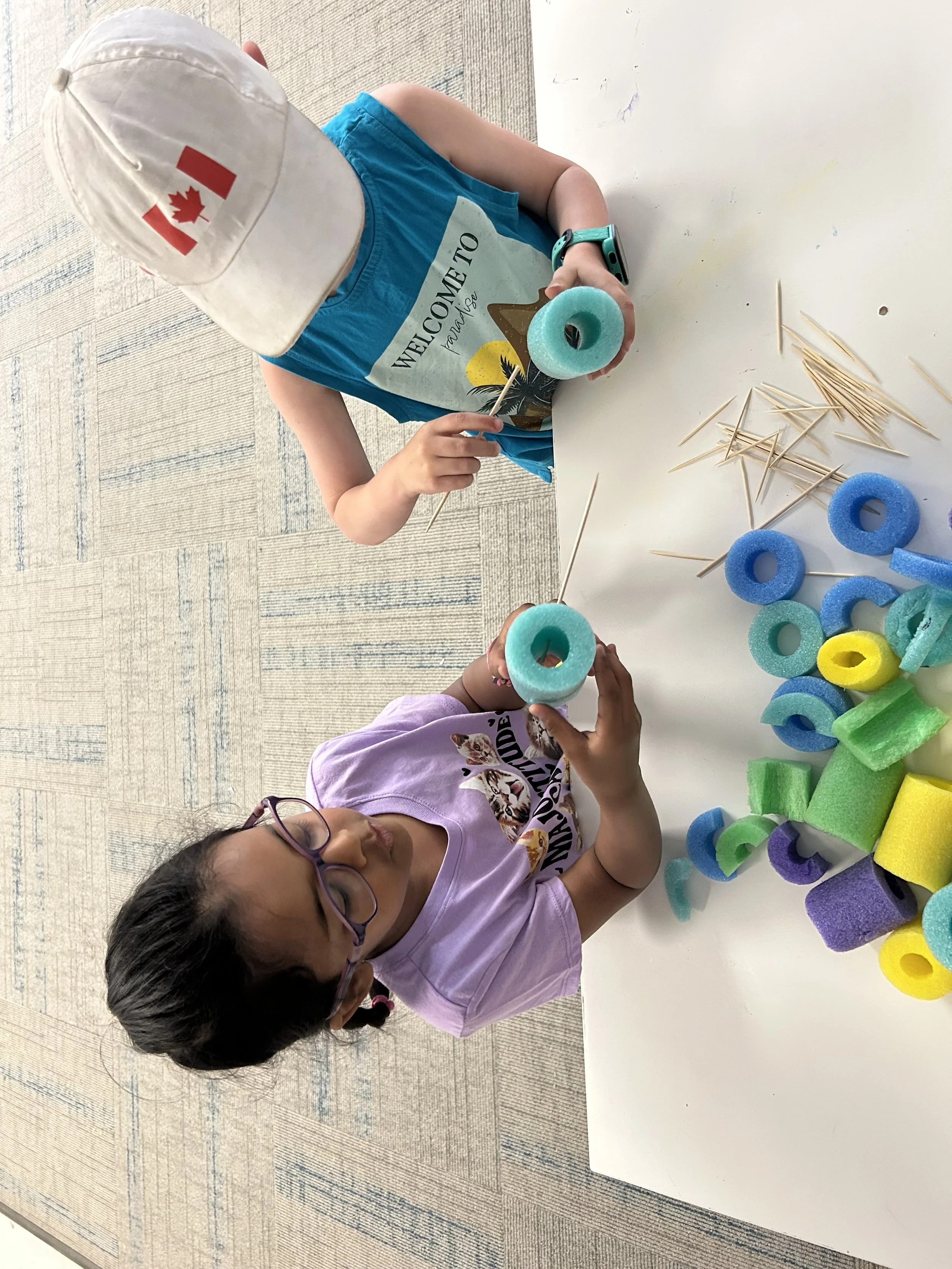
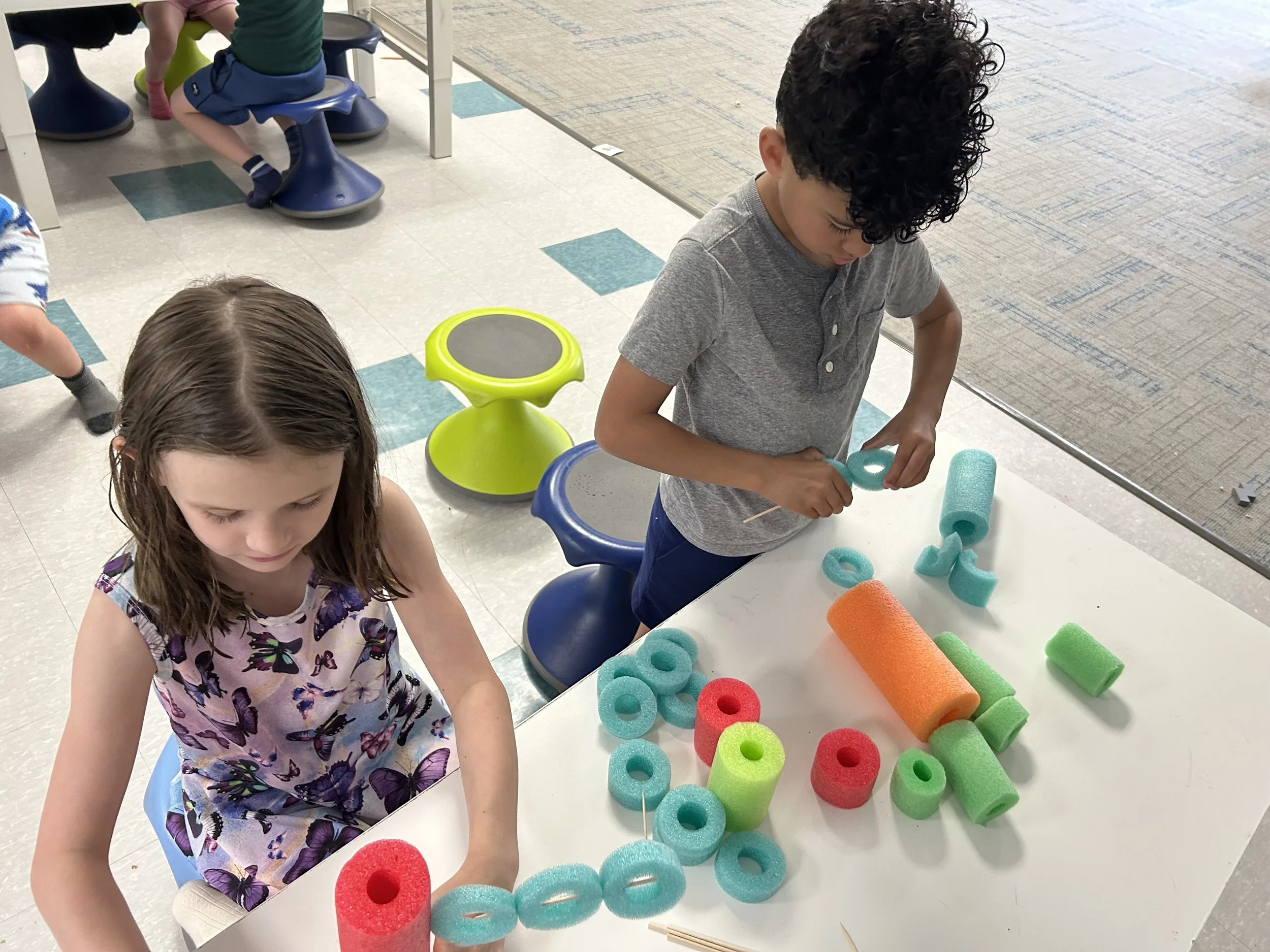
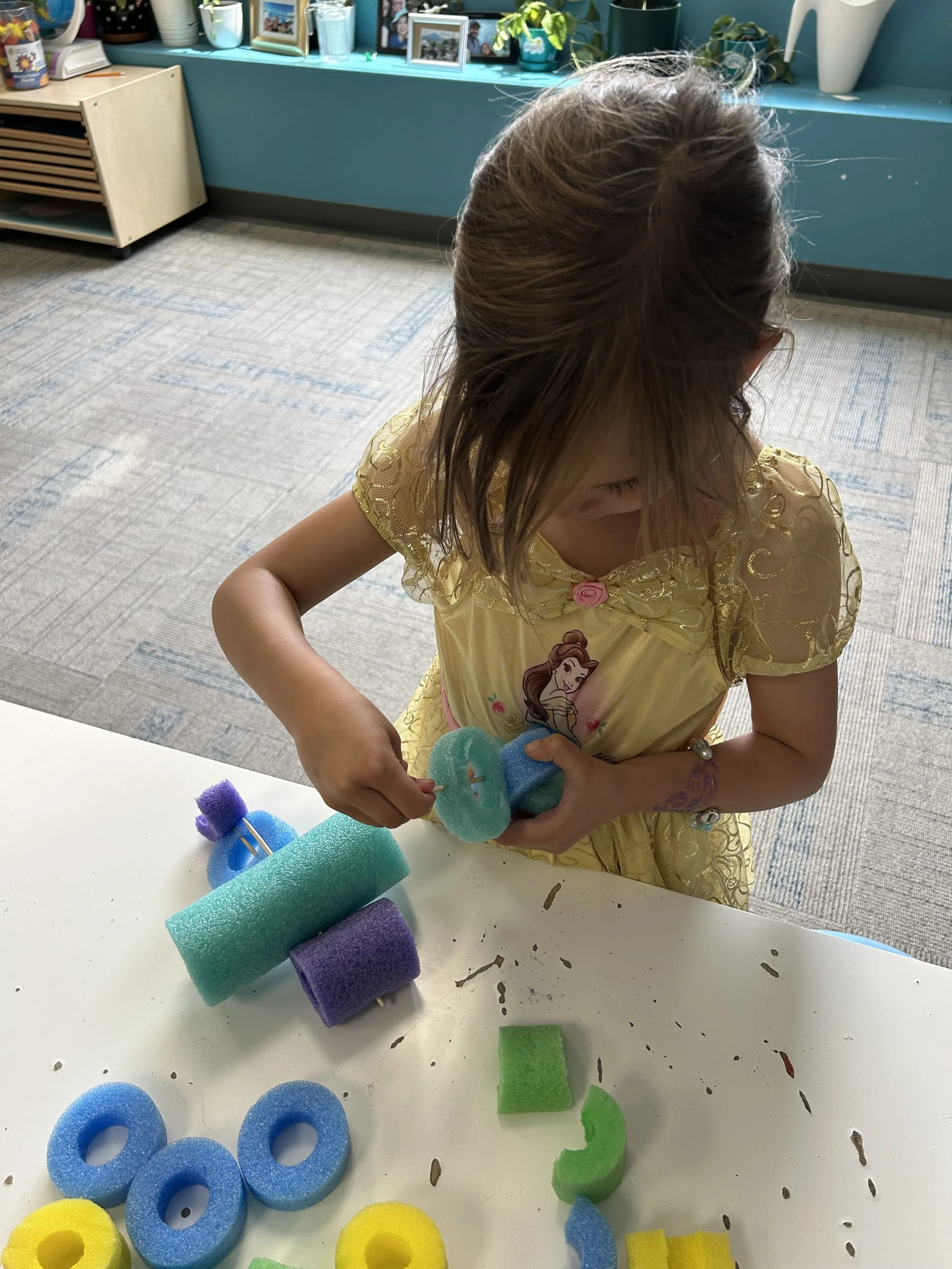
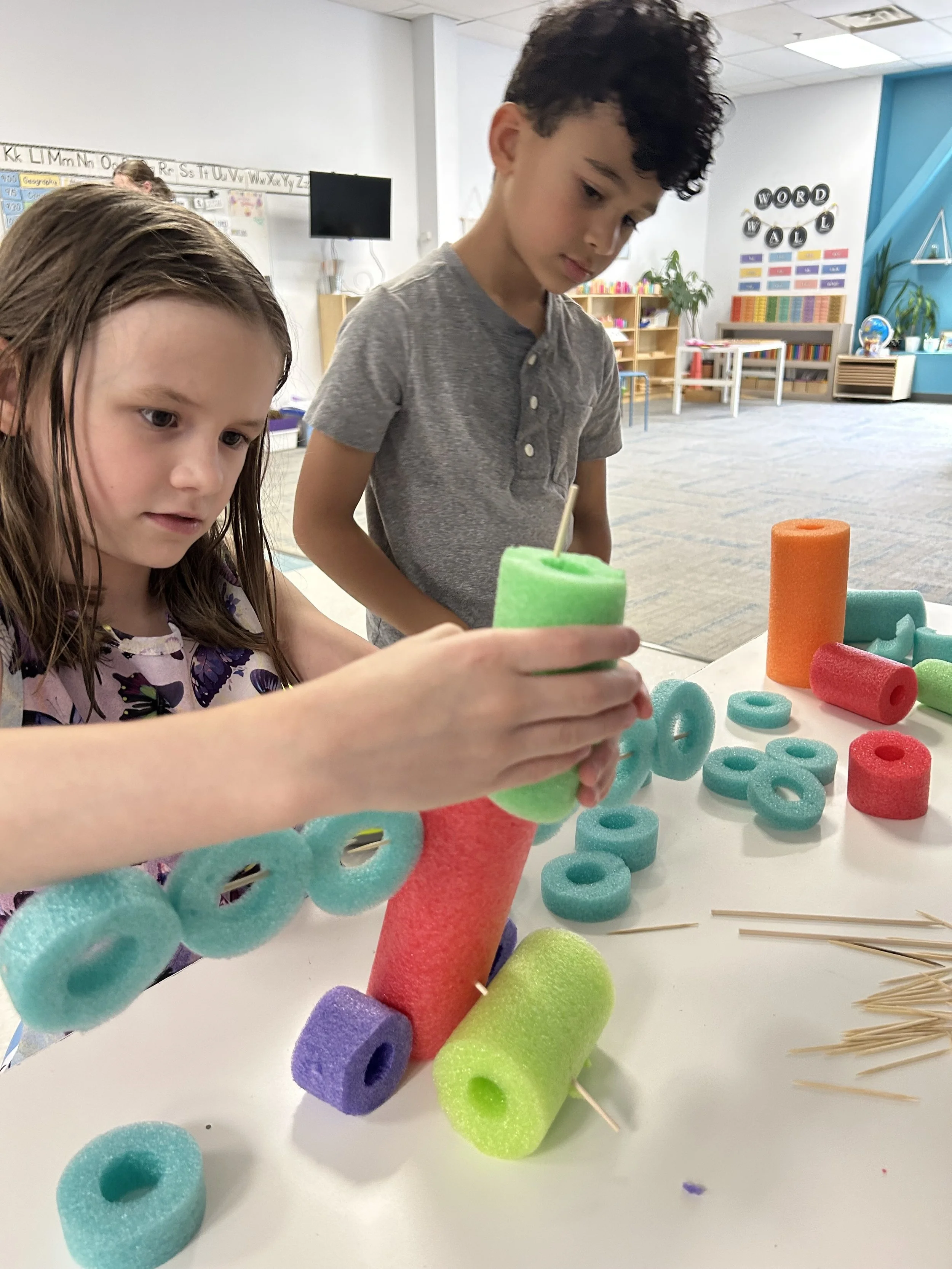
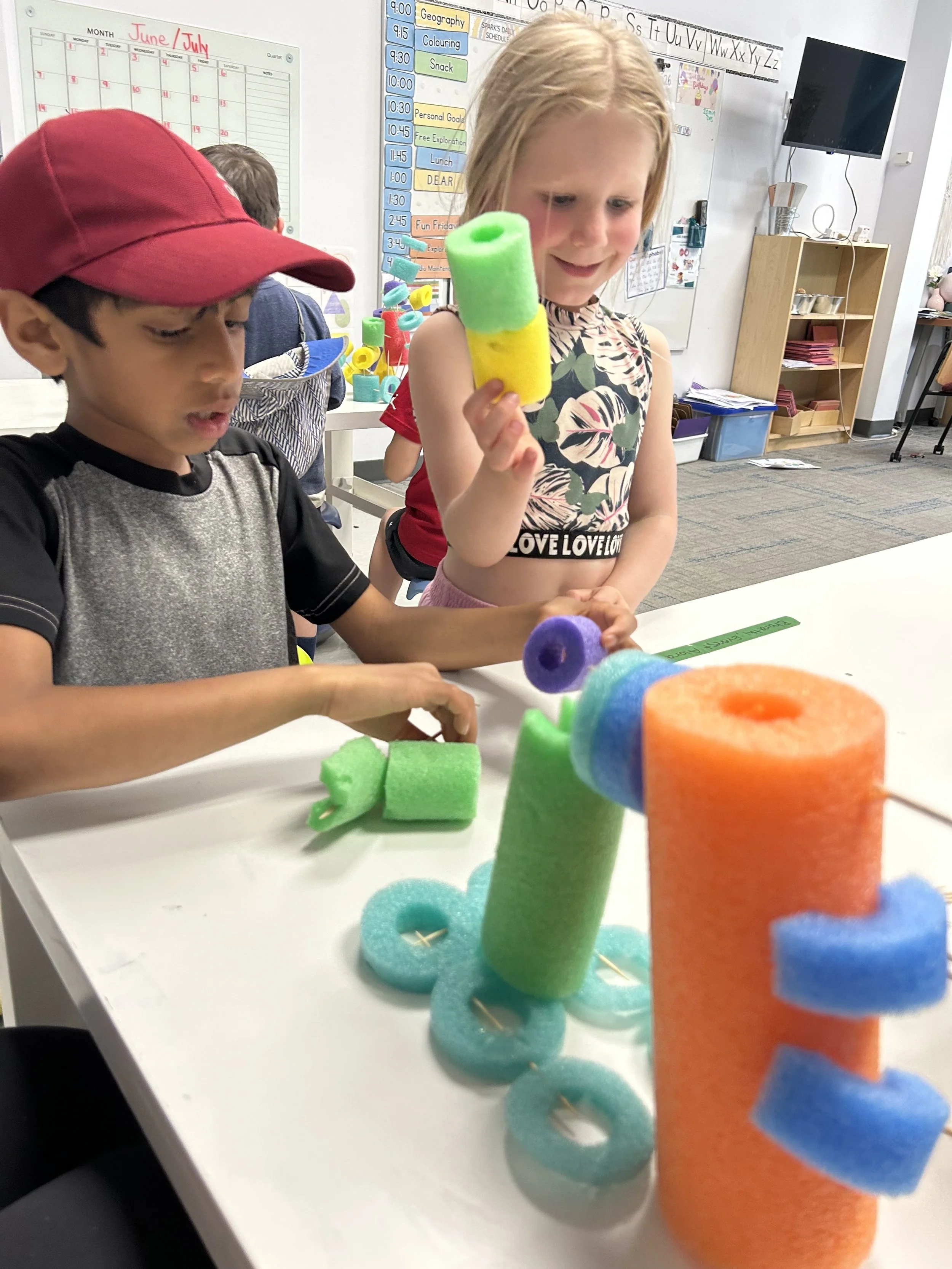
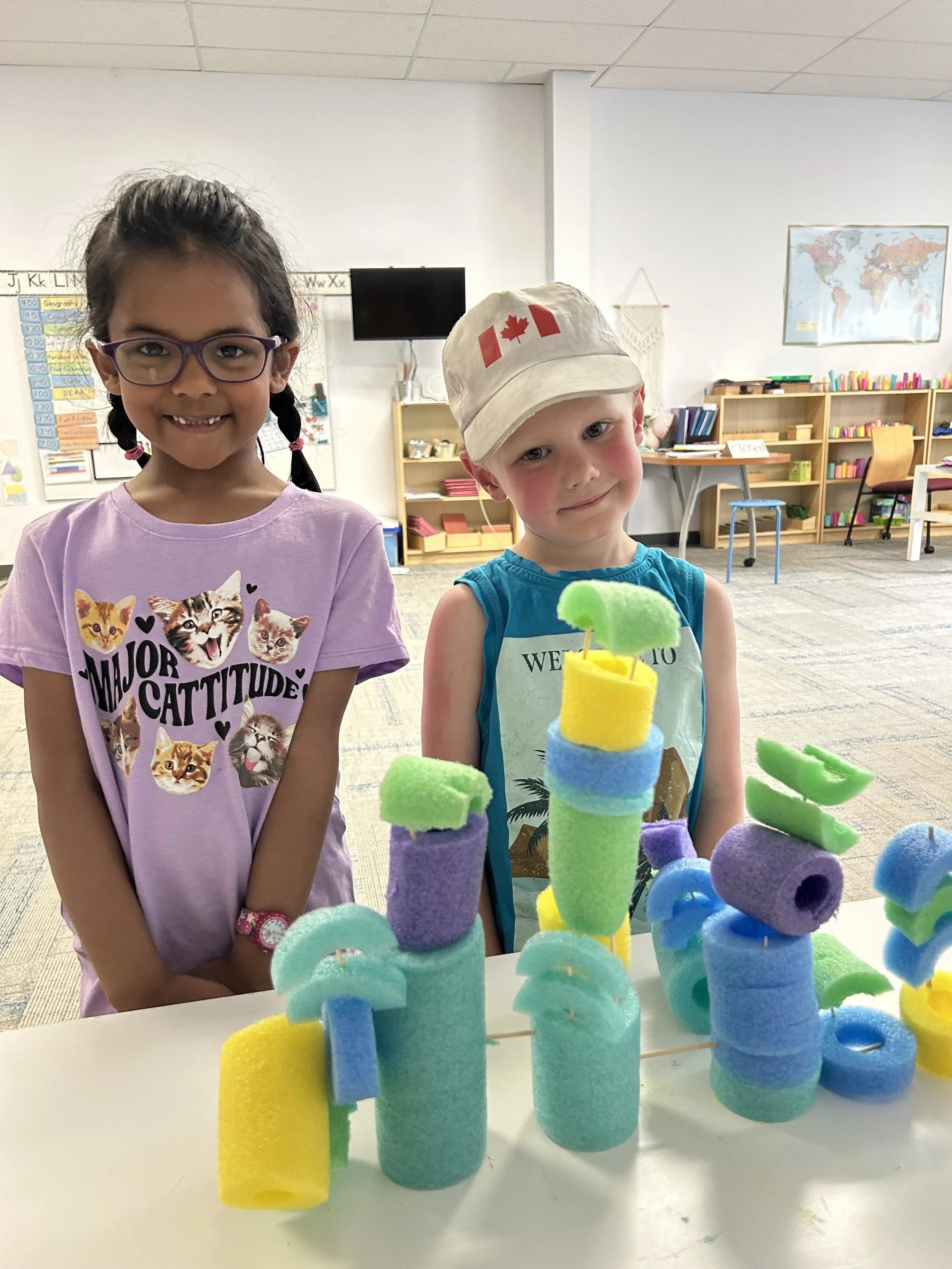
Over the next two days, learners used pool noodles, papier-mâché, and paint to bring their snake creations to life. On Thursday, they focused on adding details and assembling their snakes. On Friday, the groups gathered to put on the finishing touches and proudly selected names for their creations. To end the week, the Sparks explored sculpture-making independently. Using pool noodles cut into a variety of shapes and sizes, along with toothpicks, they designed and built their own unique three-dimensional sculptures. This collaborative project provided learners with opportunities to share ideas, problem-solve as a team, and express their creativity while bringing their colourful snake creations to life.
Reader/Writer Workshop
Group One continued to work on their UFLI program, reading drawers, and Handwriting Without Tears workbooks. Learners were also intrigued by cursive letters and used the sandpaper letters to practice forming them.
Group Two worked hard to complete their weekly literacy goals, and their focus and enthusiasm really showed. They could be seen diving into Bob Books, exploring their reading drawers, and practicing fluency with UFLI passages. On the writing side, they enjoyed creating their own stories and completing pages in their Handwriting Without Tears booklets. It was a productive week—way to go, Sparks!
French
This week in French Workshop, the Sparks learned how to describe clothing in French using expressions such as je porte (“I wear”), il/elle porte (“he/she wears”), and tu portes (“you wear”). On Monday and Tuesday, the Sparks completed a paper doll colouring activity where they identified and named the clothing items they were colouring in French. On Wednesday, the Sparks watched a Mini Soleil episode about clothing to reinforce vocabulary and listening comprehension. On Thursday, they headed to the gym to play Cross Canada, a customs-themed movement game where the Sparks answered questions in French about what they were wearing and what was inside their suitcase. Through these activities, Rebels continued building their confidence using French vocabulary in both spoken and written contexts while having fun through movement and play.
Geography
The Sparks continued their Canadian studies this week. They began by reviewing a map of Canada, identifying the provinces and territories and discussing where they are located within the country. The Sparks then took a closer look at the Canadian flag and practiced creating their own maple leaves. After learning about the symbols and meaning behind Canada's flag, they were challenged to design a personal Canadian flag of their own. Learners had the opportunity to either draw their own images or use cut-and-paste materials to bring their ideas to life. They selected Canadian symbols that they felt best represented Canada, including geese, Mounties, hockey, beavers, Canadian coins, maple syrup, and maple leaves. Their creativity truly shone throughout the activity as they thoughtfully incorporated symbols that reflected their understanding of Canadian culture and identity.
Book Study
This week, the Sparks continued working on their book study, The Good Egg. To begin, we reread the story, paying close attention to the main character and how he thinks, feels, and acts throughout the book. This week's task in the booklet focused on character traits. The Sparks were immediately curious and asked, "What is a character trait?" The Guides explained that a character trait is an internal quality or personality attribute that describes how a person or animal thinks, feels, and behaves. To deepen their understanding, we explored a few examples together:
"If I share my toys with a friend, that shows I am kind and sharing."
"If I keep trying even when a puzzle is difficult, that shows I am determined."
The Sparks then reflected on their own personalities and chose a character trait that they felt described themselves. This discussion helped learners better understand the concept and prepared them to identify traits of the main character in the story. Using evidence from The Good Egg, the Sparks created a list of character traits to describe the main character in their booklets. They identified traits such as kind, brave, helpful, calm, and confident.
Math Workshops
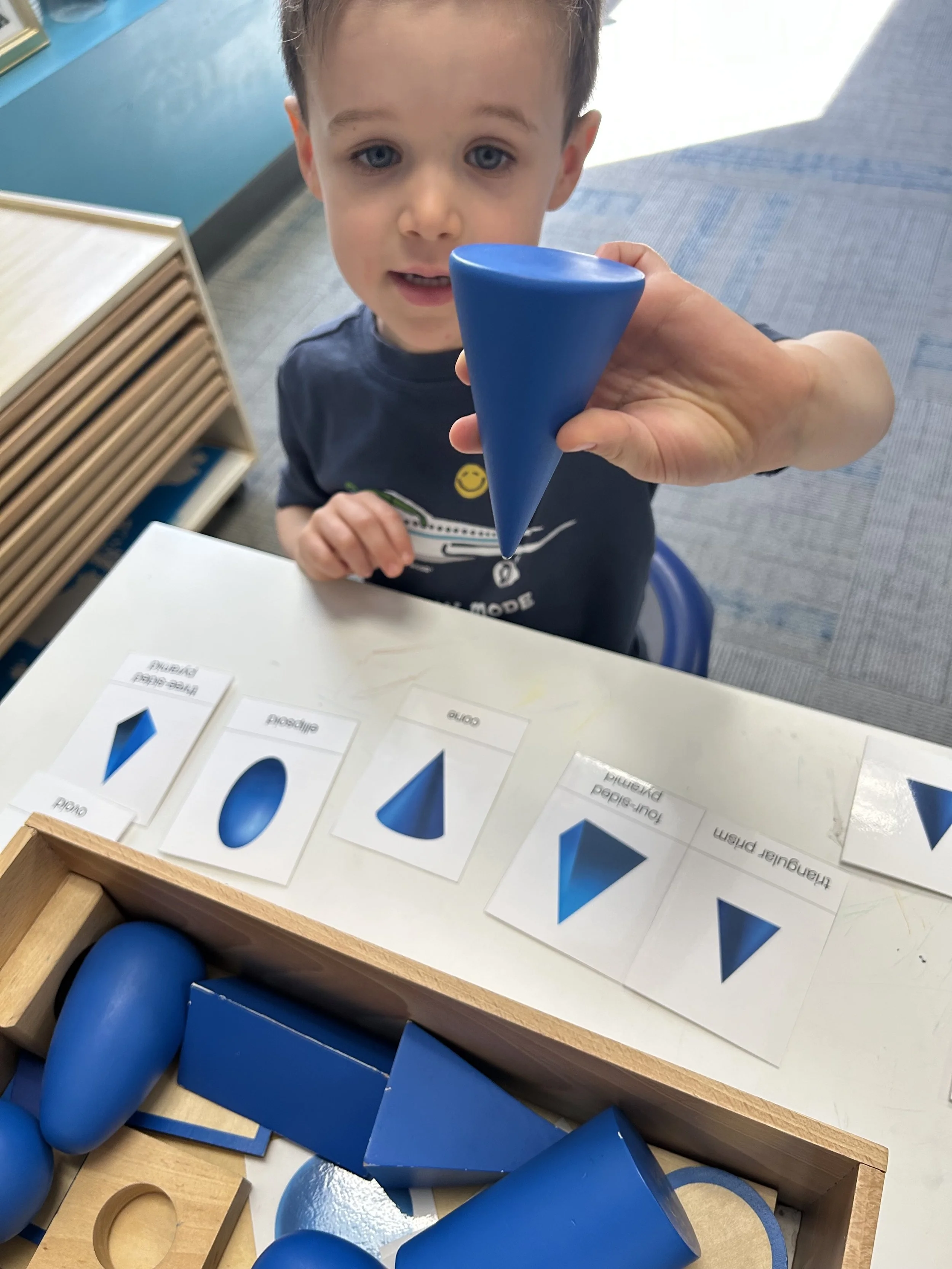
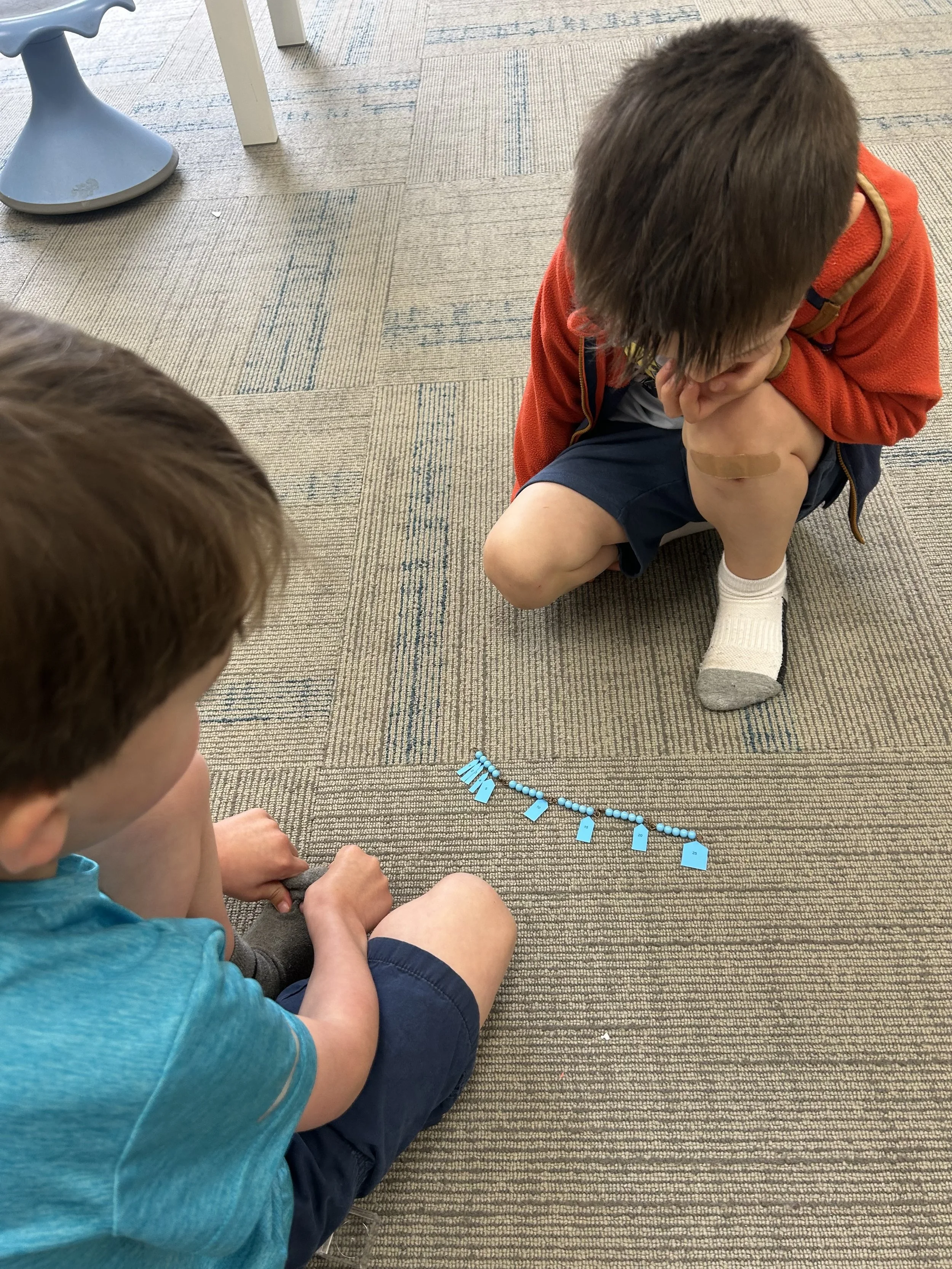
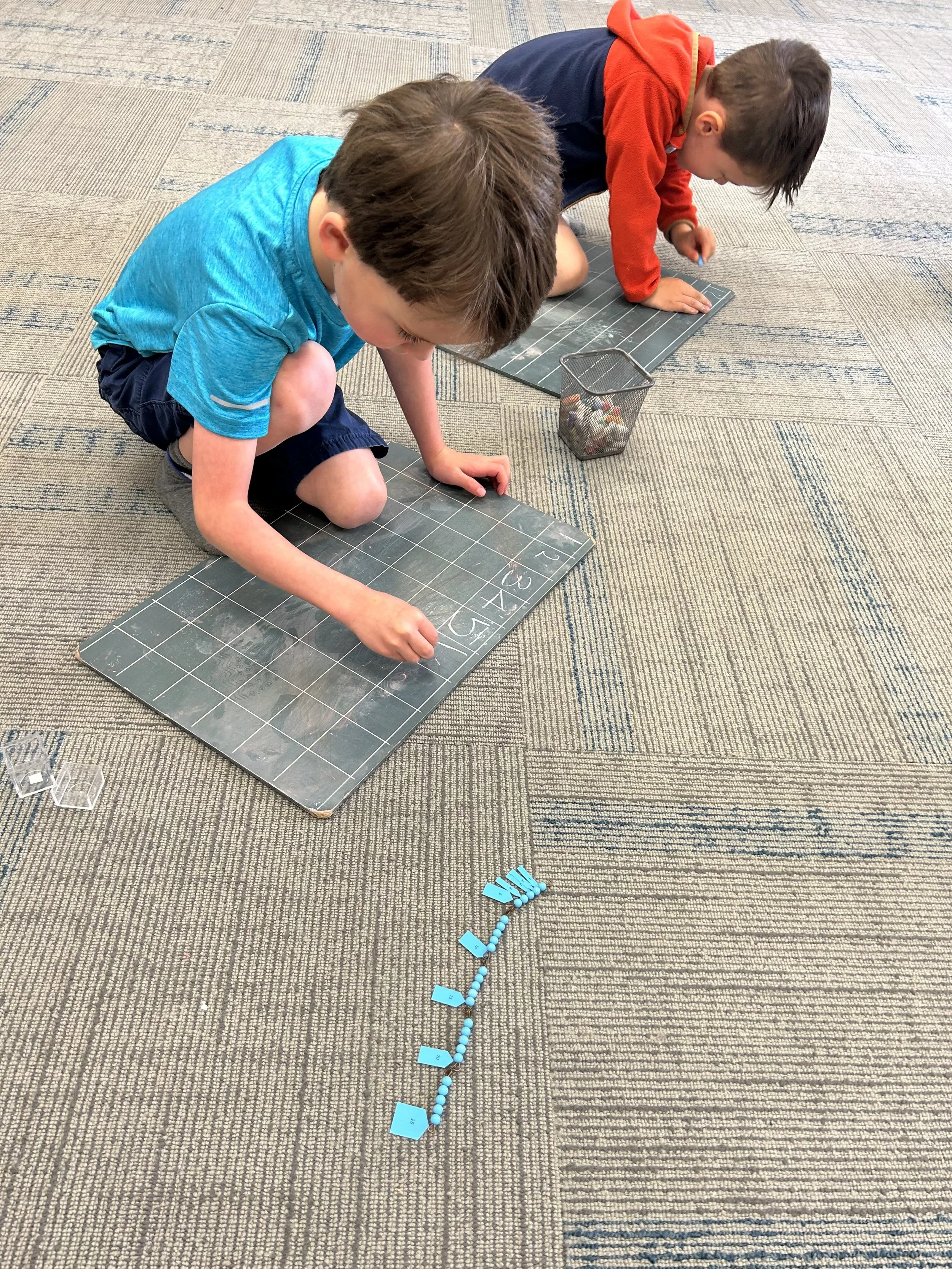
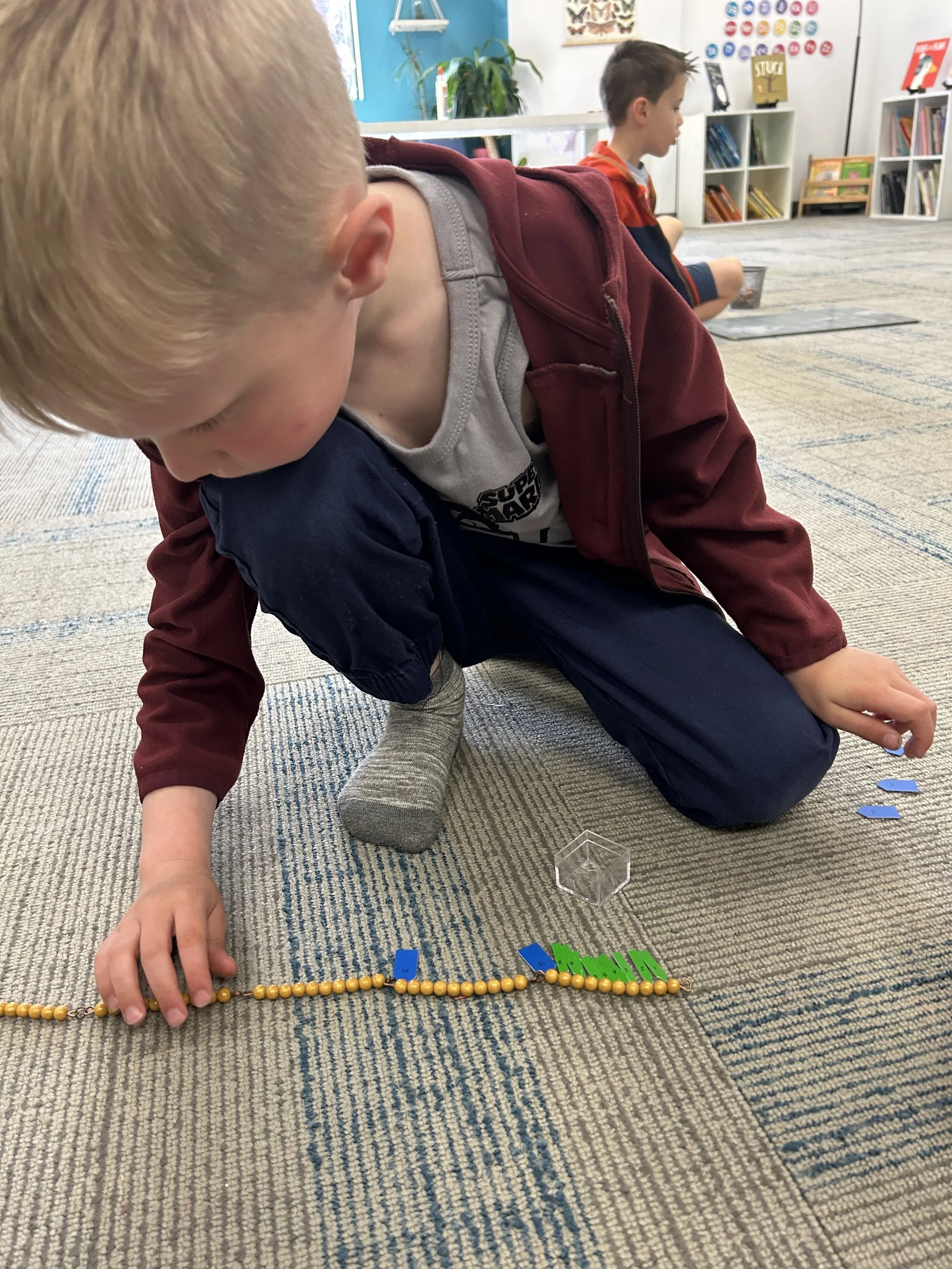
This week, the Sparks reviewed both 2D and 3D shapes as a Studio. To begin, they explored the Geometric Solids Box, which contains a variety of shapes including a cylinder, cube, ellipsoid, cone, sphere, square-based pyramid, triangular-based pyramid, ovoid, rectangular prism, and triangular prism. The purpose of this material is to develop the Sparks' stereognostic sense, which is the ability to create a mental picture of an object through touch. This activity helps learners become more aware of the basic geometric shapes they encounter in their everyday environment. After reviewing the geometric solids, the Sparks completed a "Write the Room" activity, where they searched for images representing a sphere, cube, rectangular prism, cone, cylinder, and pyramid. As they located each shape, they recorded their findings and practiced identifying the characteristics of each solid. Throughout the week, learners also completed shape hunts during their independent work periods. This activity connected their learning about 2D shapes with last session's unit on graphing. For ten minutes, Sparks searched the Studio for shapes such as circles, squares, triangles, and ovals. They then organized their findings by creating both a bar graph and a tally chart, practicing important data collection and graphing skills.
Additionally, Sparks continued working through their Singapore Math workbooks, used the counting chains to practice skip counting, and explored patterning by creating designs with wooden shape materials. It was a week filled with hands-on learning as Sparks strengthened their understanding of geometry, graphing, number patterns, and mathematical observation skills.
Additional Highlights
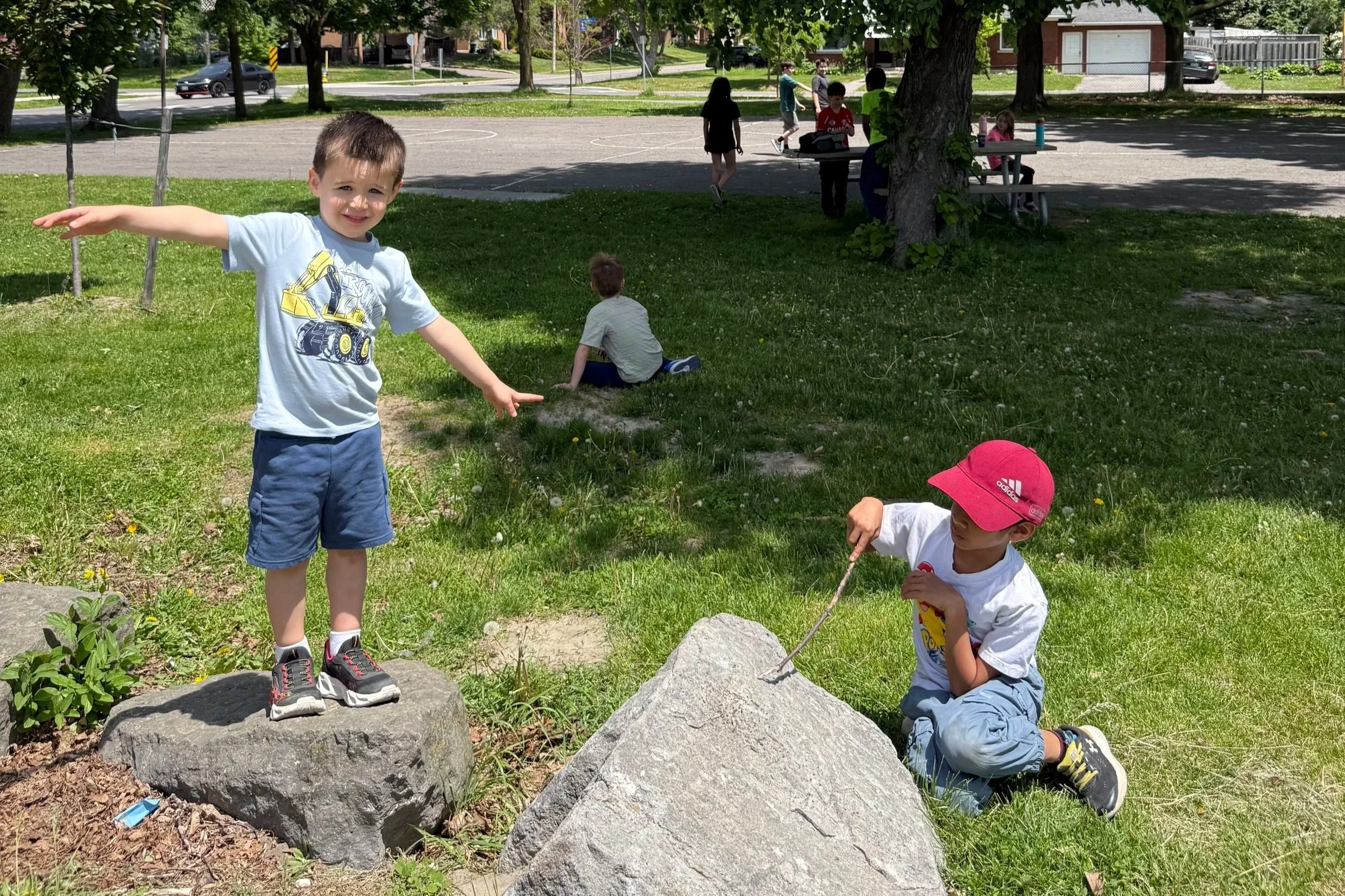
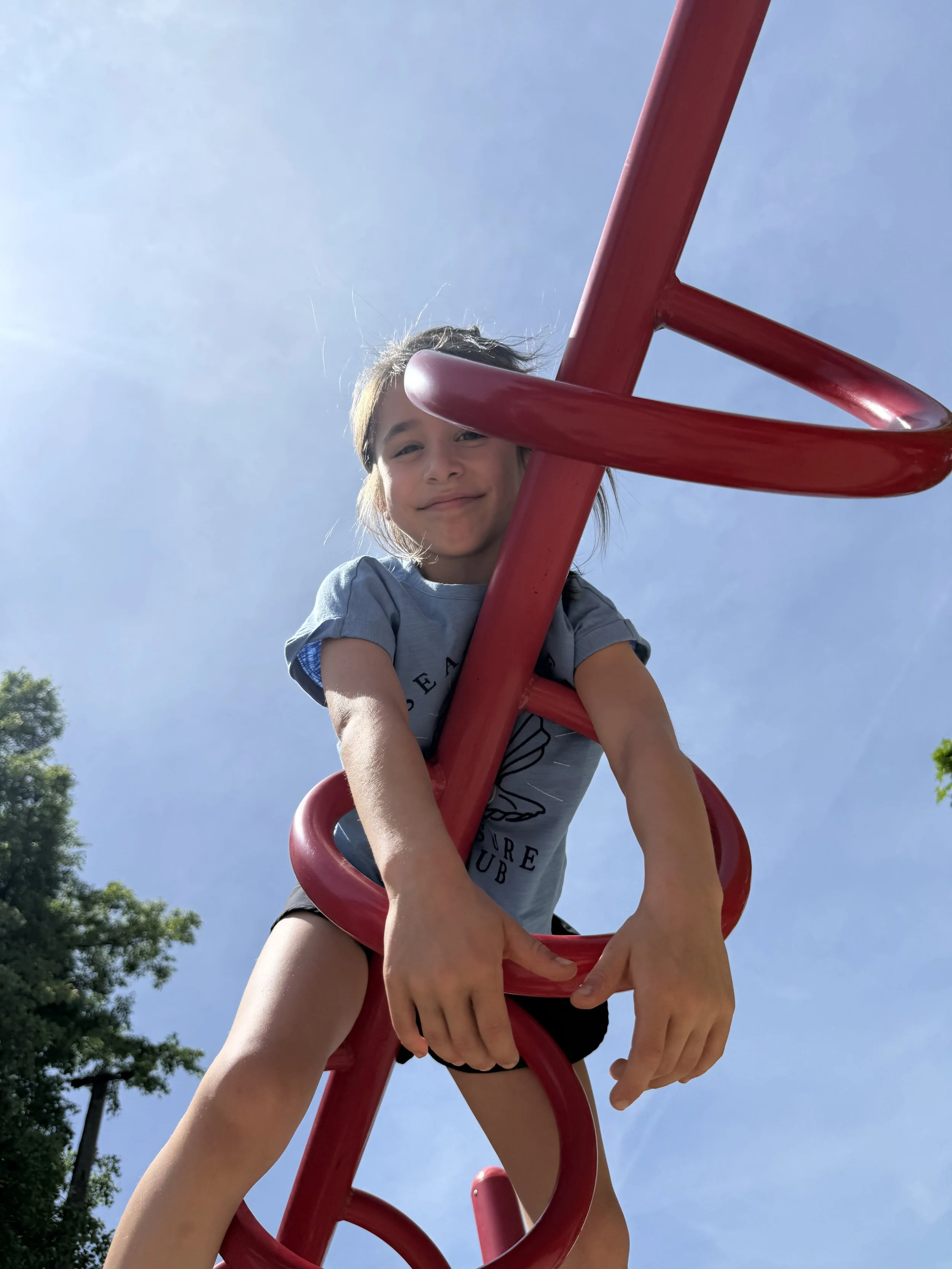
As the weather continues to warm up, the Sparks have been spending lots of time outdoors enjoying nature and active play. This week's Show and Share invited learners to bring bug-hunting tools, which were a huge hit during recess! The Sparks loved exploring our outdoor spaces, searching for insects, and sharing their discoveries with friends.
A friendly reminder that, with our increased time outdoors, learners should come to school with sunscreen already applied and a hat packed each day. Thank you for helping us keep everyone safe, comfortable, and ready to enjoy the beautiful spring weather!
Discovery Studio
Mindfulness and Launch
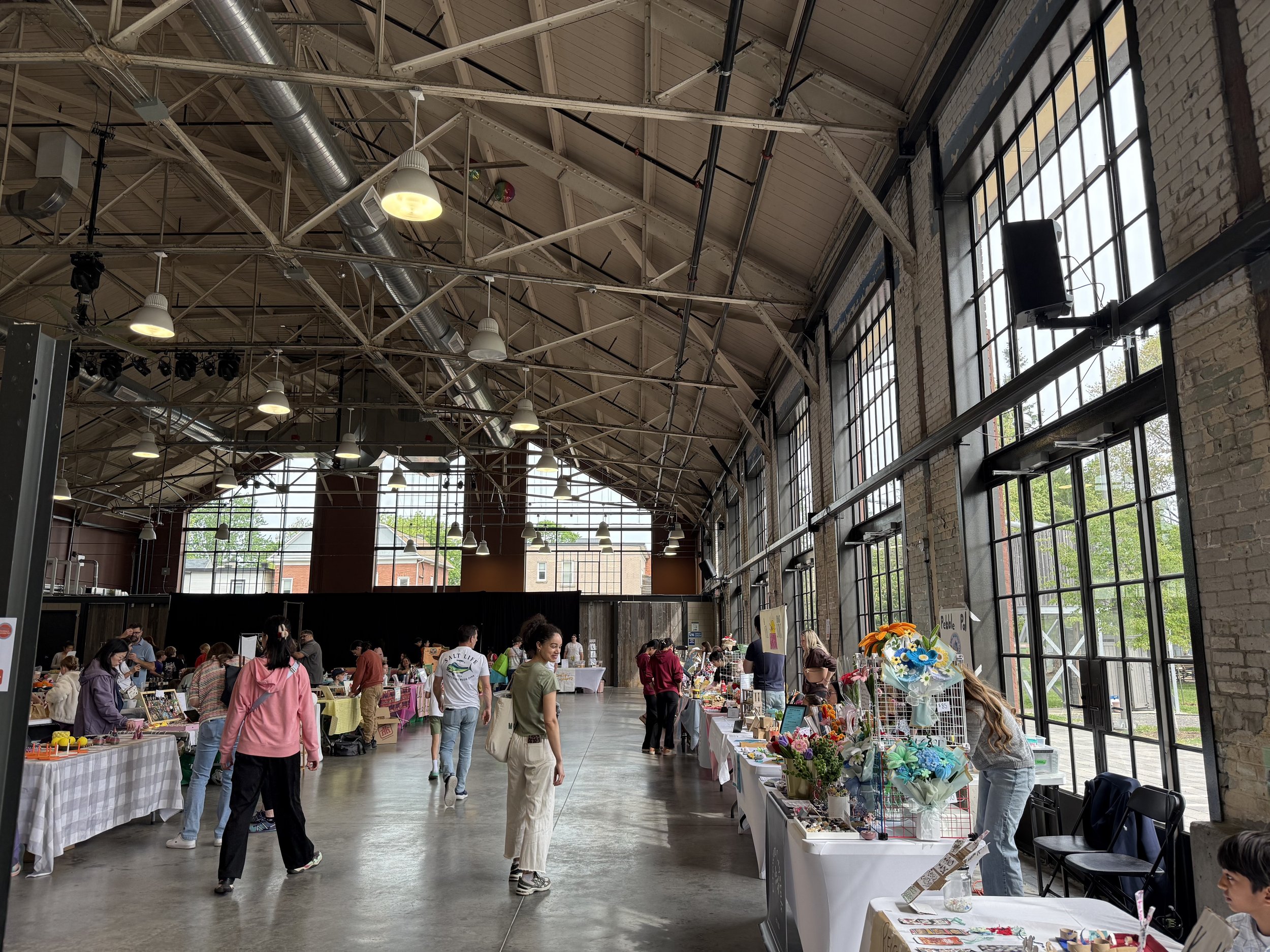
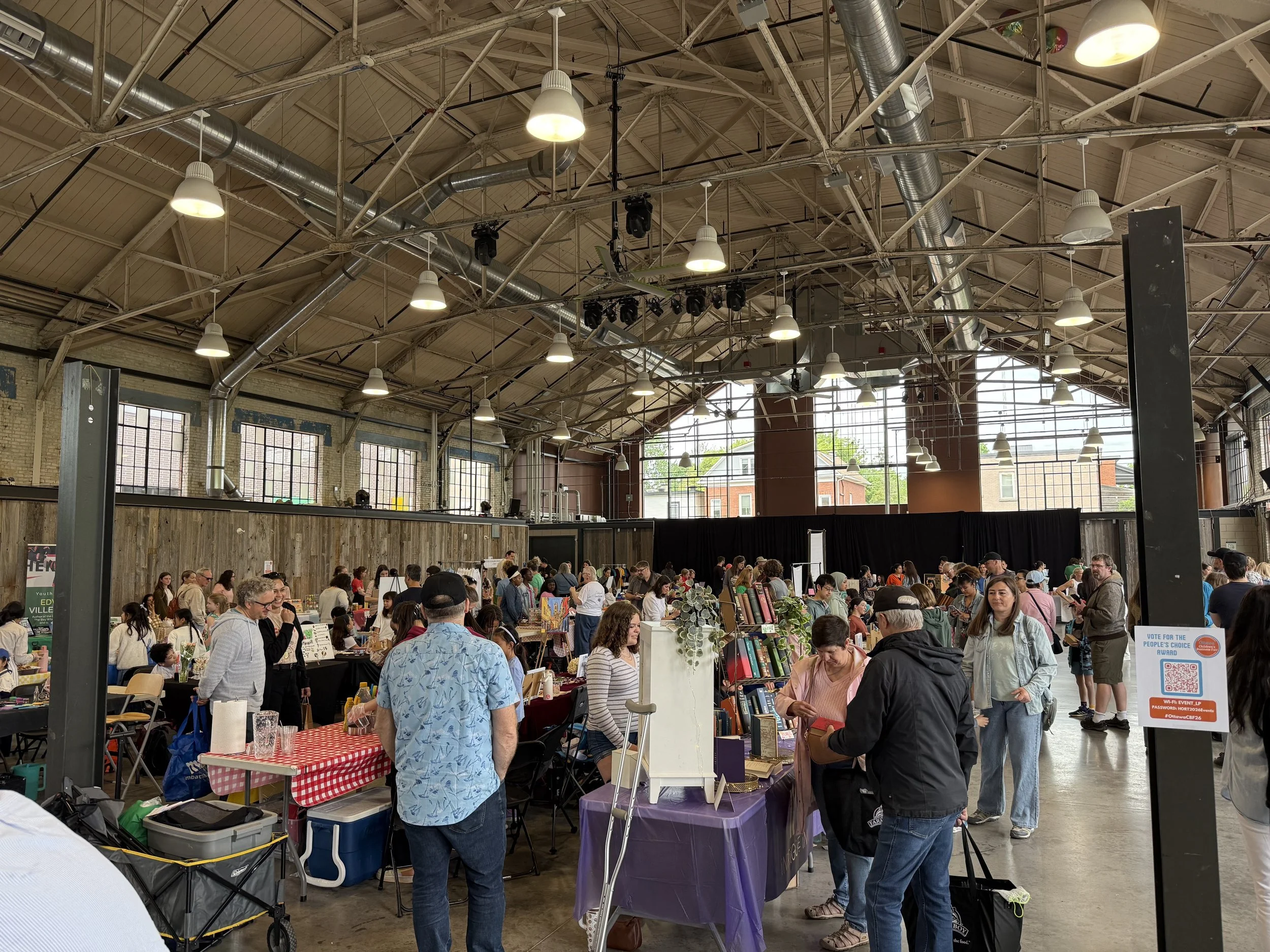
We kicked off a very sunny week with a walk around our green space and a few rounds of team-building games in the field. Rebels reflected on and discussed their weekend plans, with many sharing their experiences from the Ottawa Children’s Business Fair! The Rebel entrepreneurs who had booths at the Business Fair this past weekend had the opportunity to discuss an important question with the Studio once we returned for Launch: "What makes someone an entrepreneur: having an idea, taking a risk, or creating something of value?" Rebels shared their biggest lessons from the day, noting that regardless of financial profits or losses, many were proud to say they had improved their presentation, communication, and problem-solving skills by participating in the event. Way to go, Rebels! For Tuesday’s Launch, we revisited our Journey to Learning documentary series, On the Way to School. This week, Rebels met Carlos, an eleven-year-old from Patagonia, Argentina, who travels with his sister on horseback for an hour and a half (approximately 18 km) every day to and from school. Rebels began comparing the environments of the different children featured in the documentary, noting similarities between Patagonia and Morocco’s mountainous terrain. They also observed that all of our main characters make the long journey to school with a sibling or friend. Rebels agreed that the journeys would be much more bearable (and safer!) with a buddy!
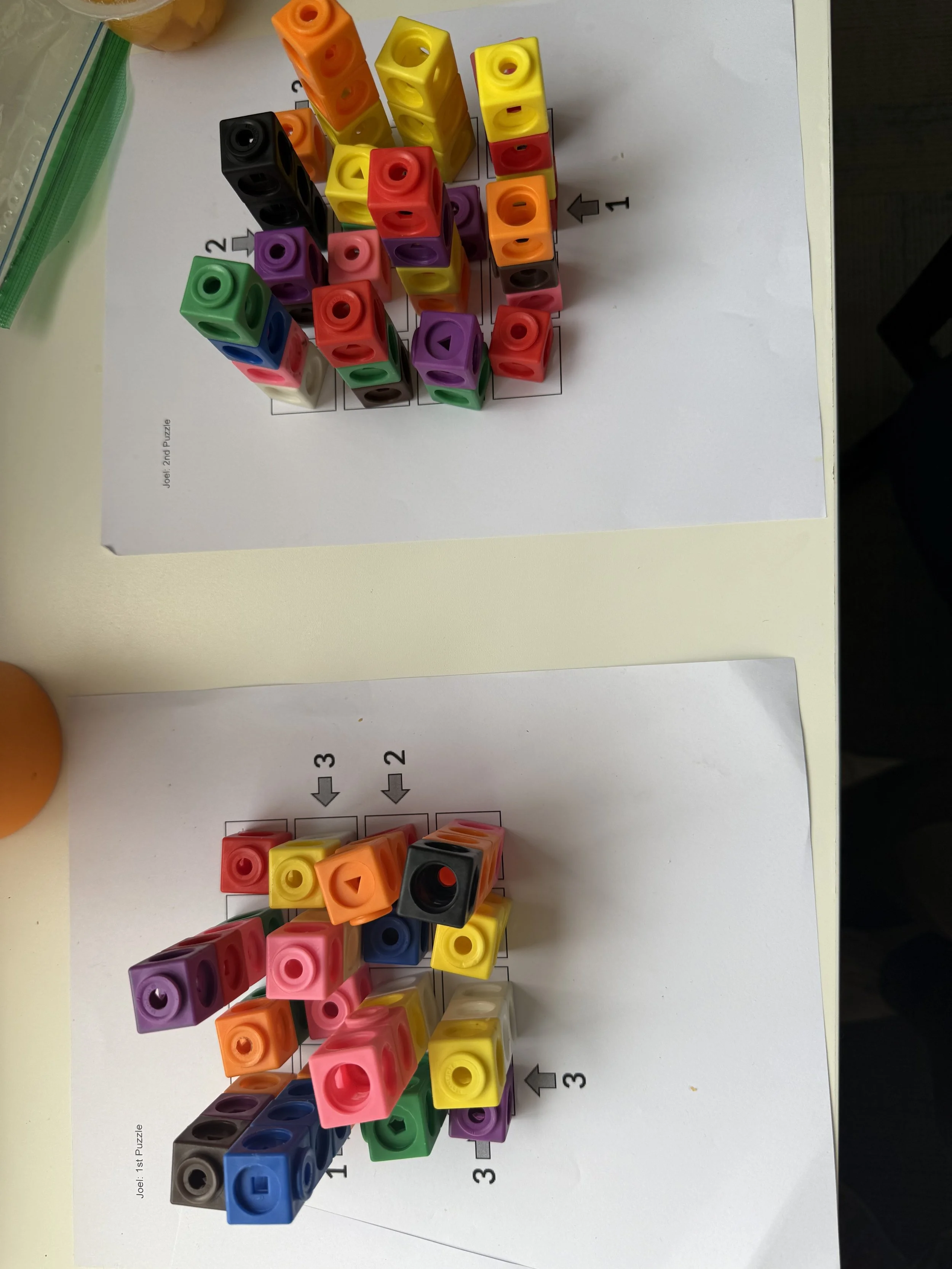
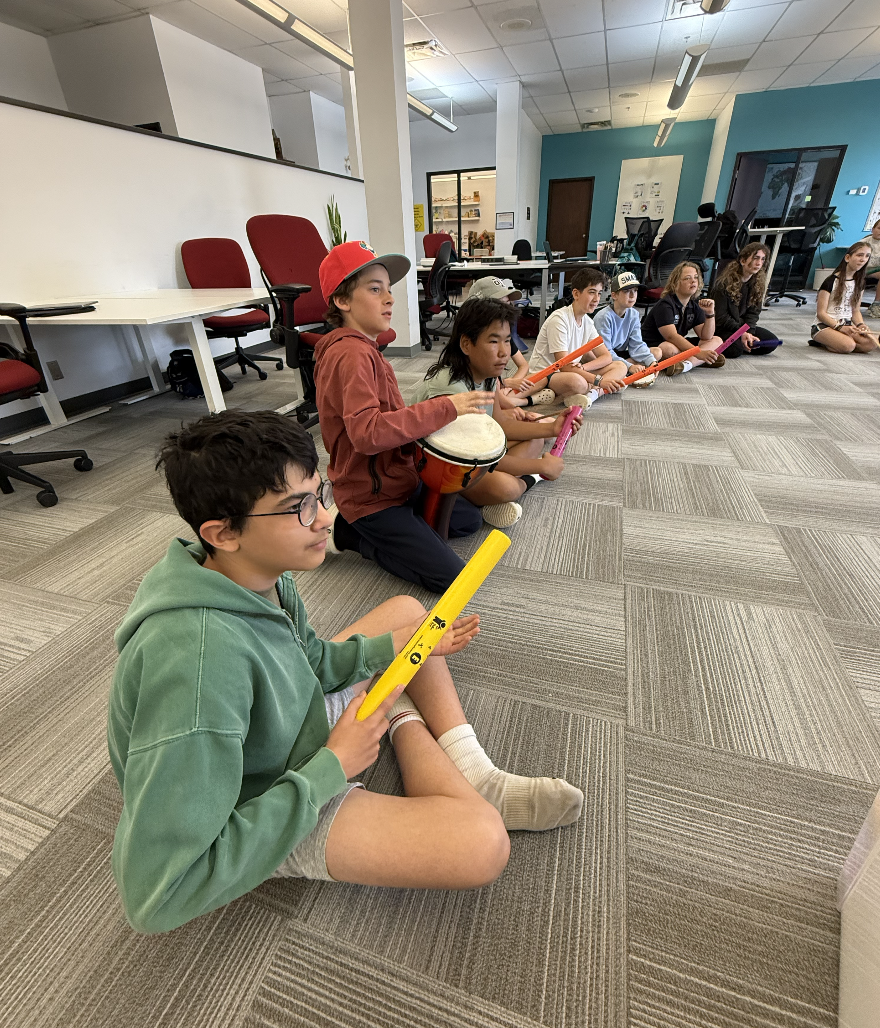
Wednesday’s New York Times puzzles challenged the Rebels this week, but by working together and using some early-morning brainpower, they successfully solved both the Connections and Strands puzzles. Squad Chickens provided an opportunity for Rebels to check in on their goals, as well as reflect on, discuss, and vote on whether bringing back midday maintenance would benefit our Studios. Rebels agreed to restart personal maintenance time at lunch, ensuring tables were cleared, lunch bags were put away, and chairs were pushed in so that transitions into afternoon activities could happen more efficiently. Thursday’s Thank You for Sharing was an inspiring share circle, with Rebels opening up about the people in their lives they are most grateful for and why, a favourite song they couldn't get out of their heads, and which Rule of Engagement or Covenant they would like to be more intentional about following for the remainder of the school year. Friday’s ZOO Boomwhacker practice was incredible to see! We have quite the musical bunch this year, and the Rebels have loved adding drums, maracas, tambourines, and güiros to their performance. Current Events featured Universal Studios’ new plans for theme parks geared toward younger audiences, David Attenborough’s 100th birthday, a Stanley Cup Finals update, and a fun activity where Rebels were tasked with spotting complementary colours in various logos and designs.
Reader/Writer
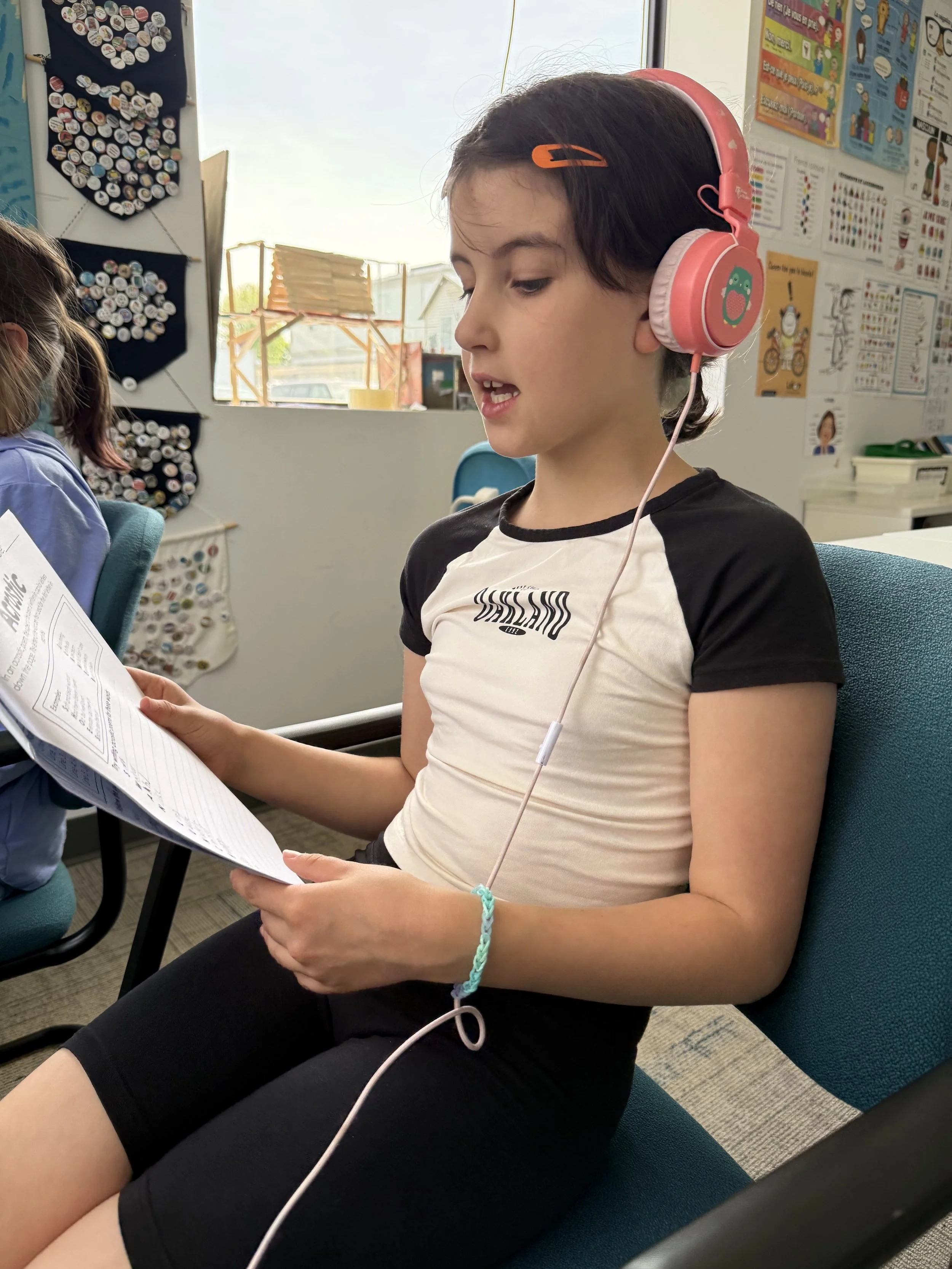
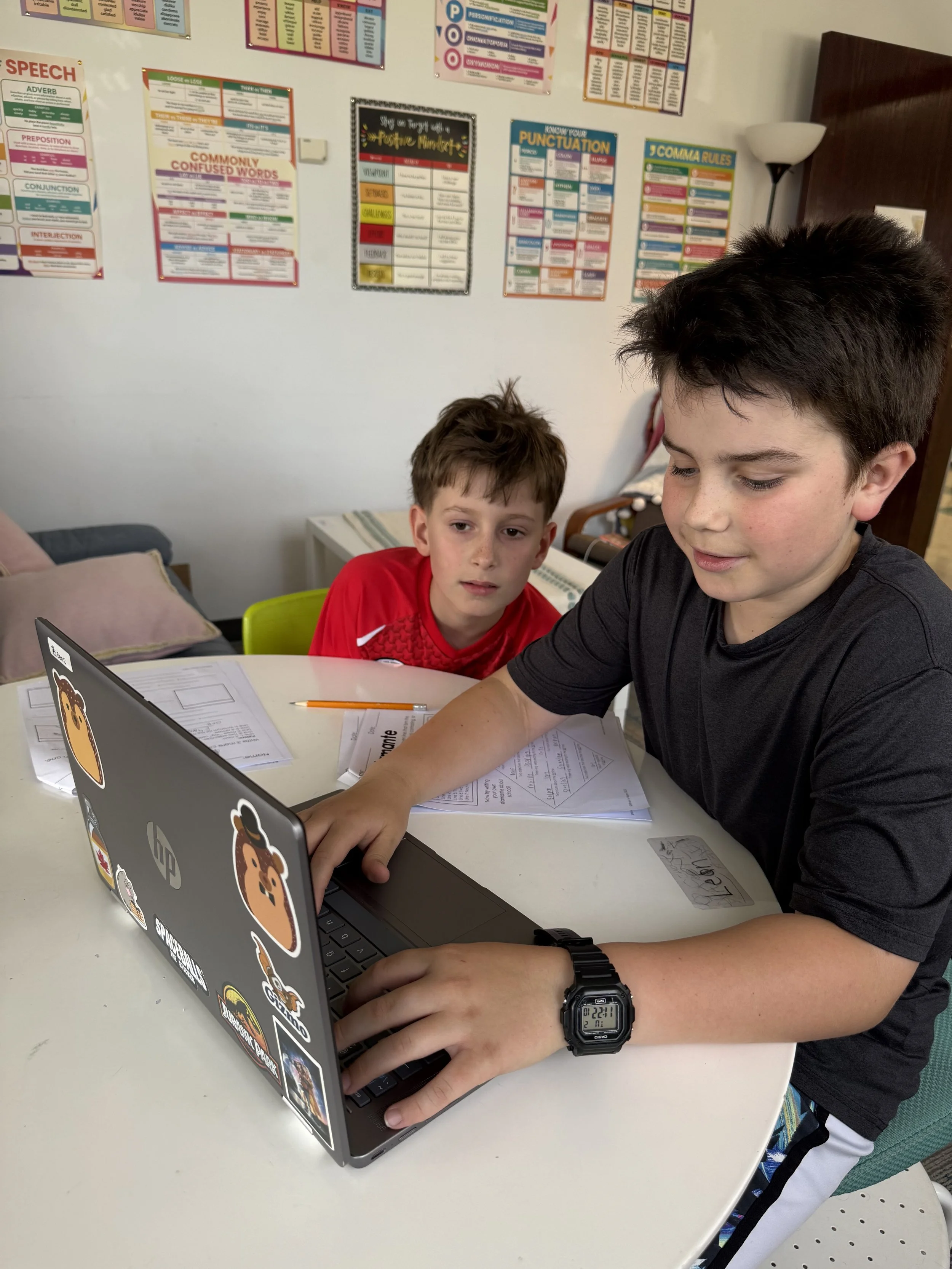
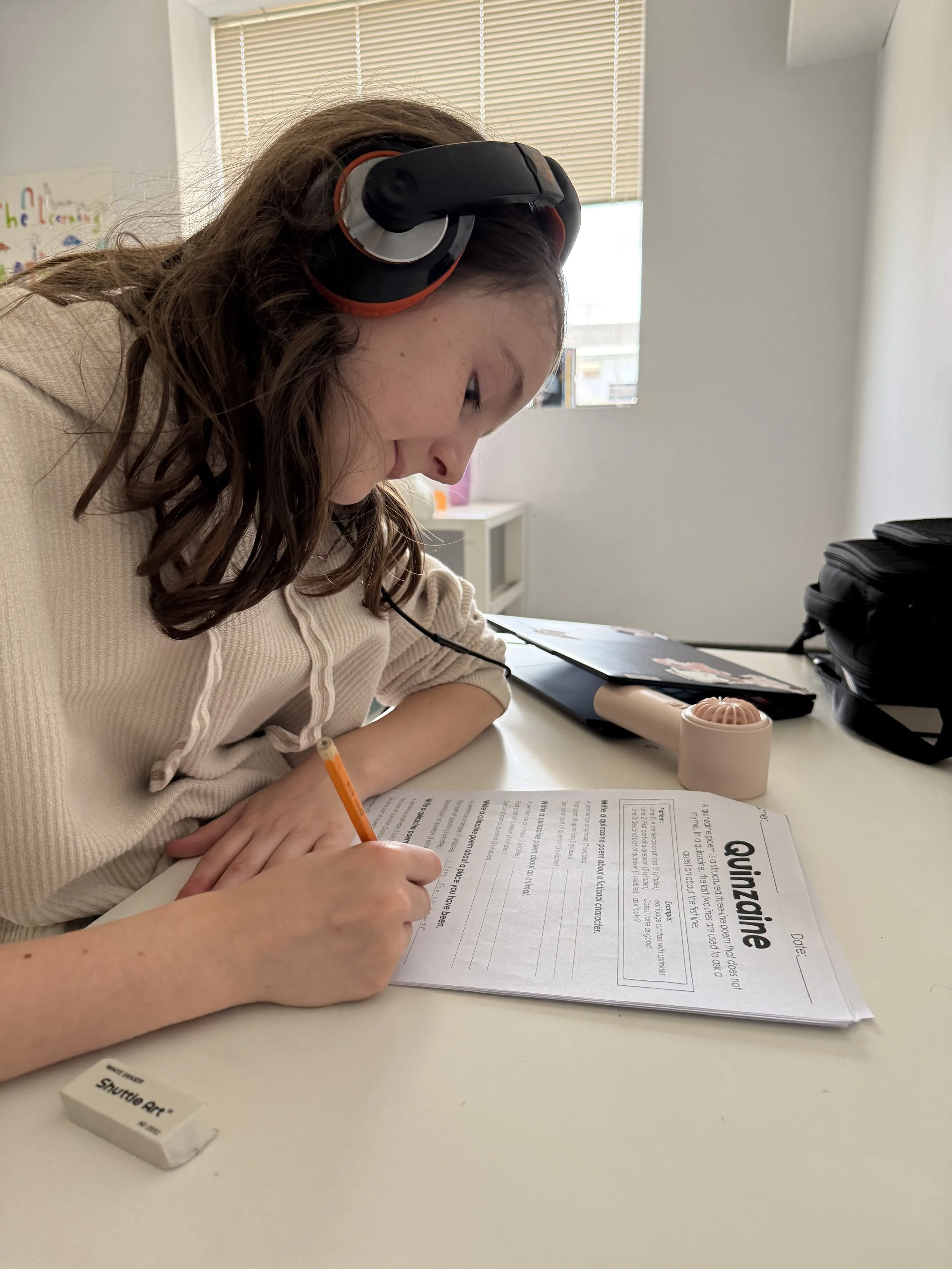
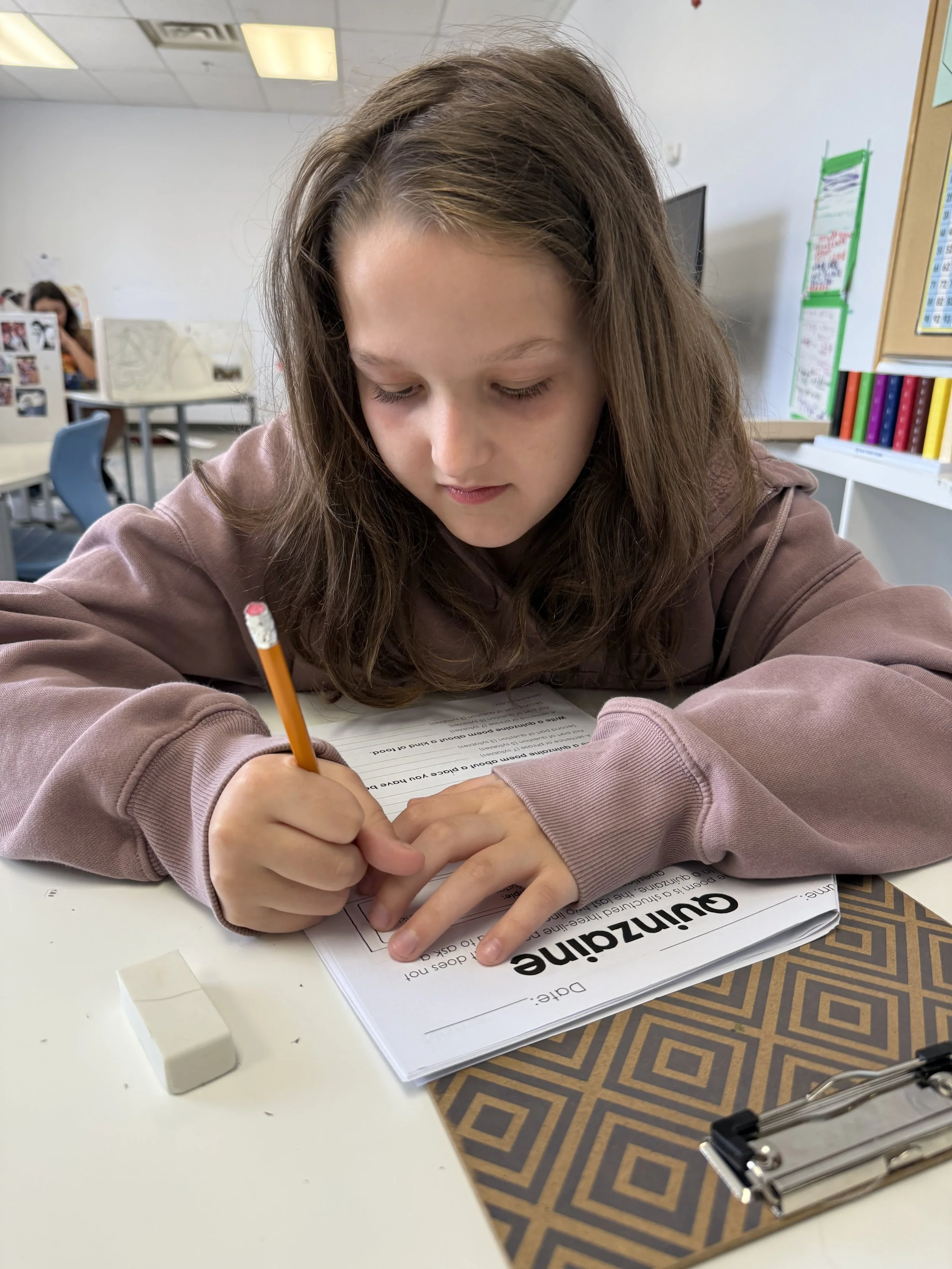
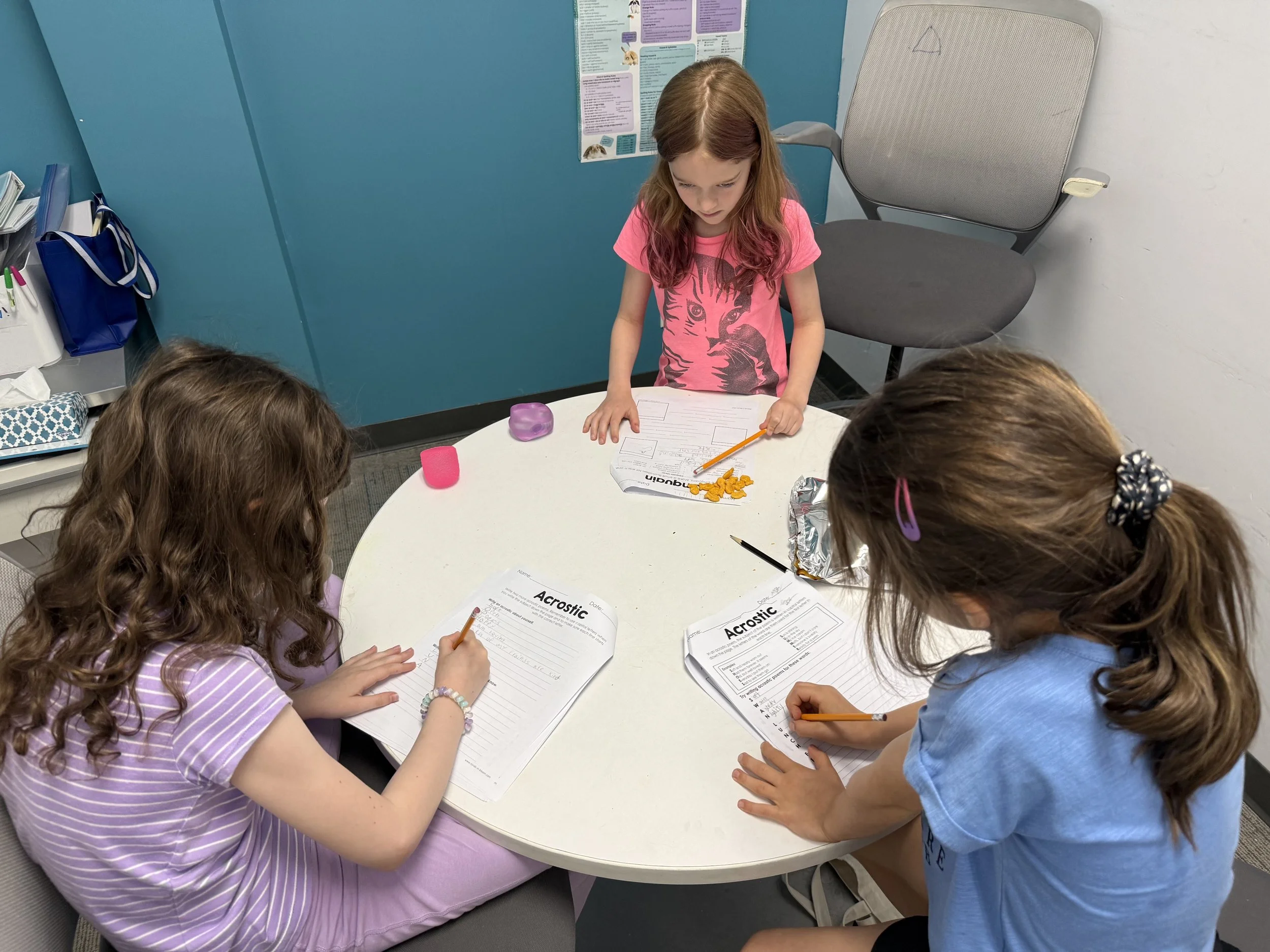
In week two, Rebels were introduced to acrostic, quinzaine and septet poems in our poetry unit. As a team, we came together to review the different elements of each poem individually. Rebels co-created an acrostic poem using the word FLOWER as the subject, noting that the subject of this poem has to be in capital letters, as they will be the first letters of vocabulary relevant to the topic. For Quinzaine and Septet poems, we dove back into the wonderful world of syllables. As part of the Poetry Badge, Rebels are learning that syllables are one of the building blocks of poetry. Understanding syllables helps poets create rhythm, flow, and structure within their writing. Many forms of poetry, such as haikus and cinquains, rely on specific syllable patterns, which challenge writers to choose their words carefully and express ideas with precision. By counting and working with syllables, learners strengthen their phonological awareness, vocabulary, and word choice while developing a deeper appreciation for how language sounds and feels when read aloud. This skill not only supports poetry writing but also contributes to stronger reading and communication skills overall. Rebels then split off around the studio to work on their own examples of each poem, as well as catching up on completing their haikus, diamantes and cinquains from last week.
Math Lab
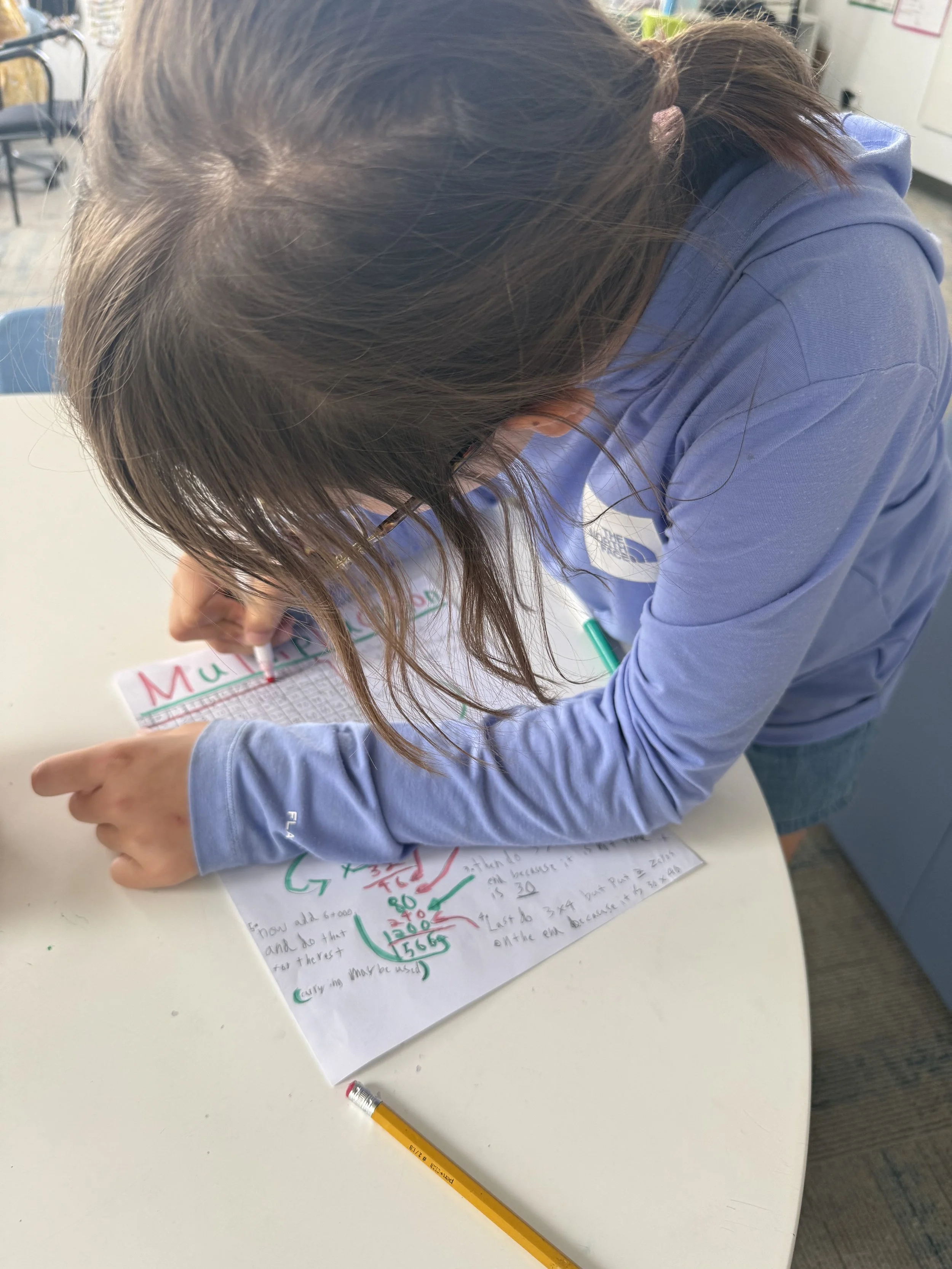
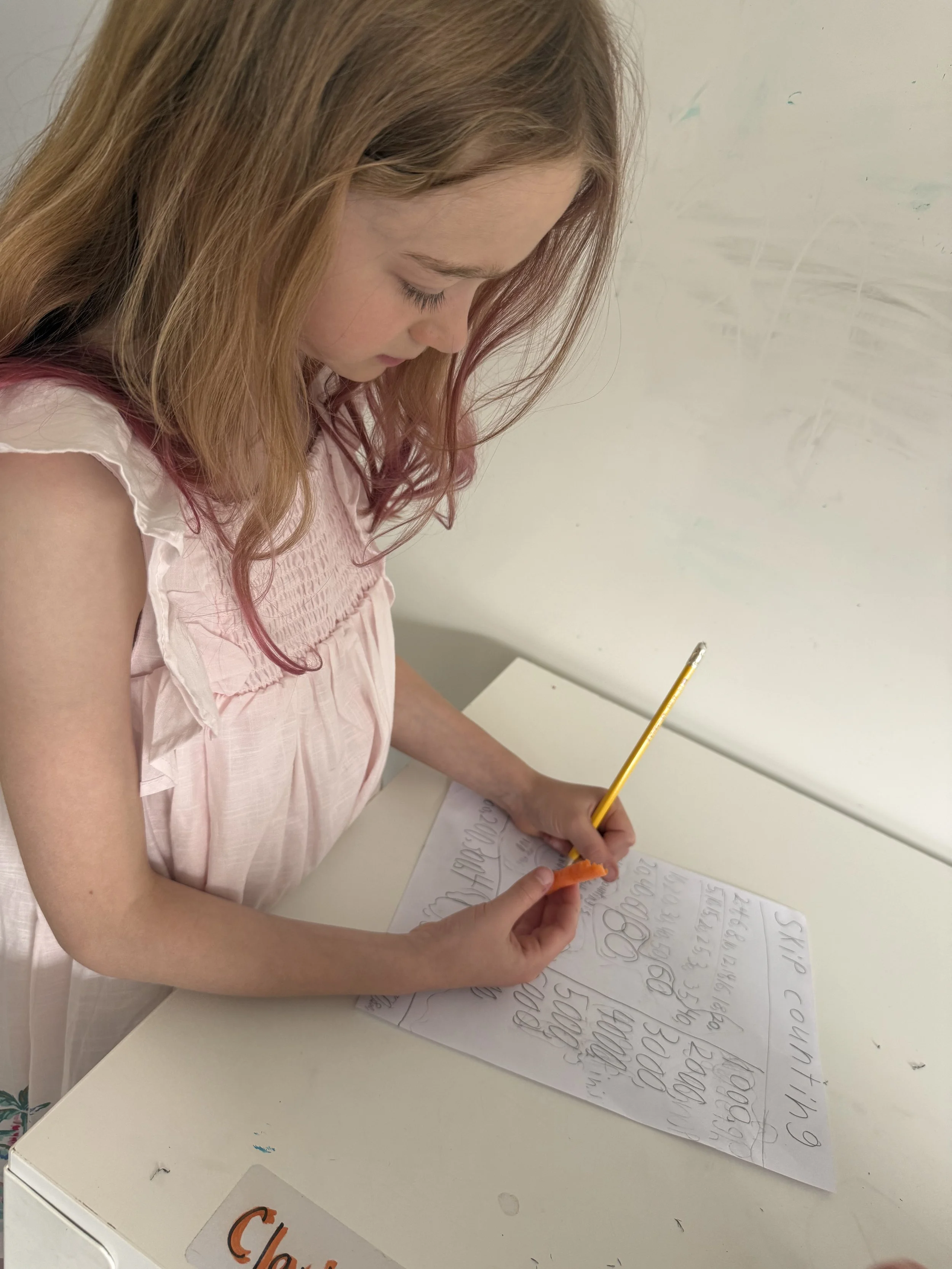
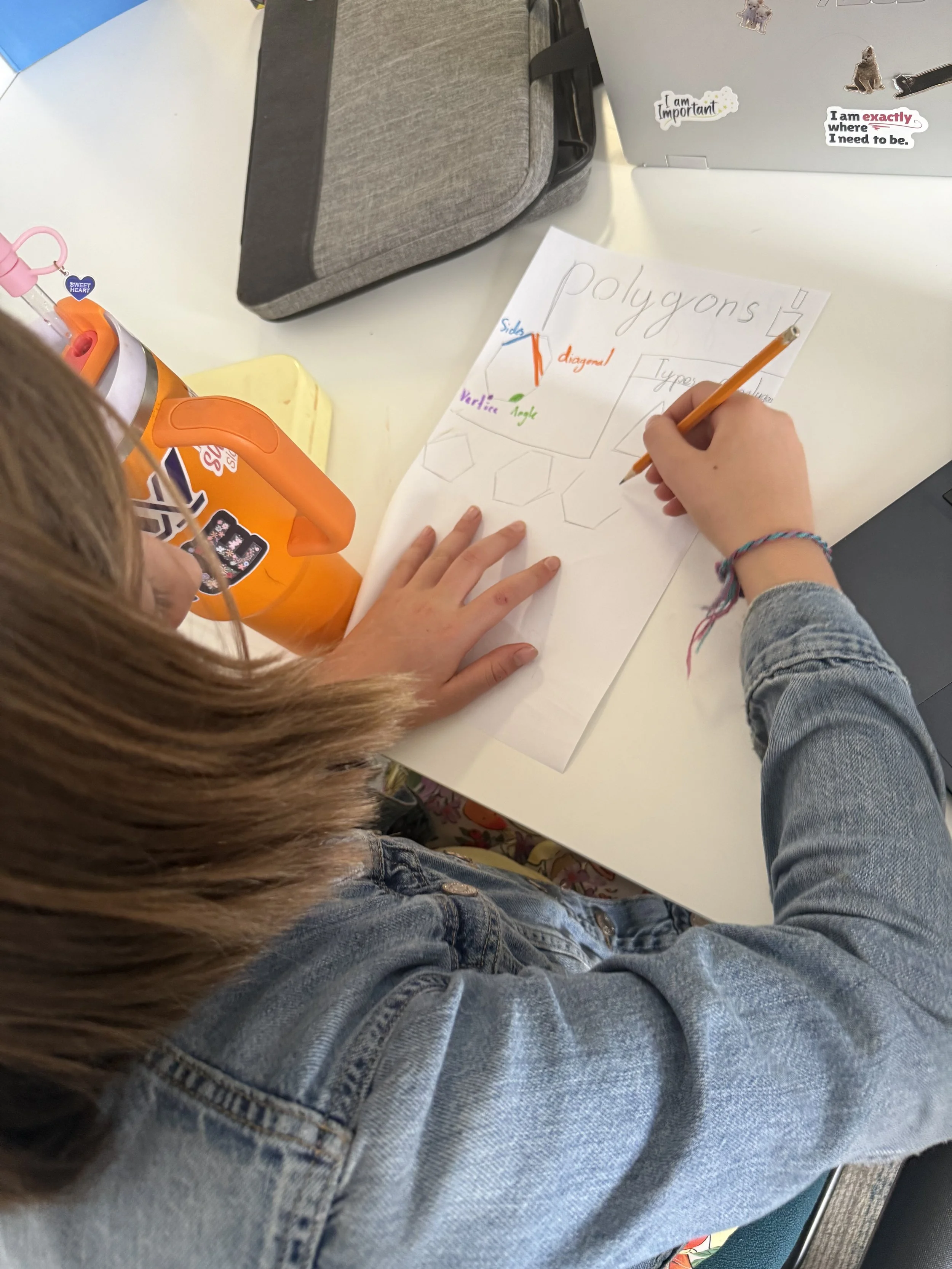
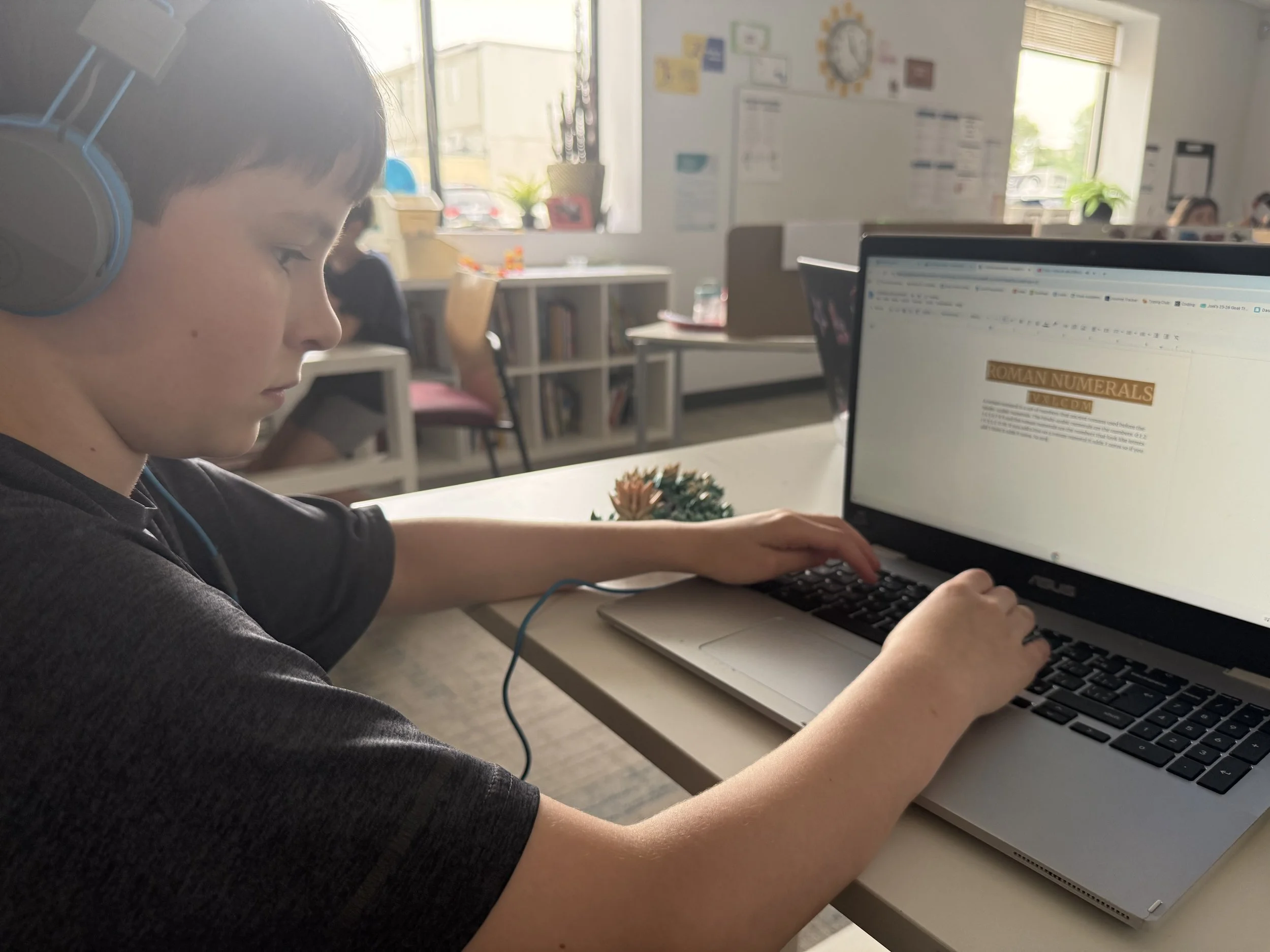
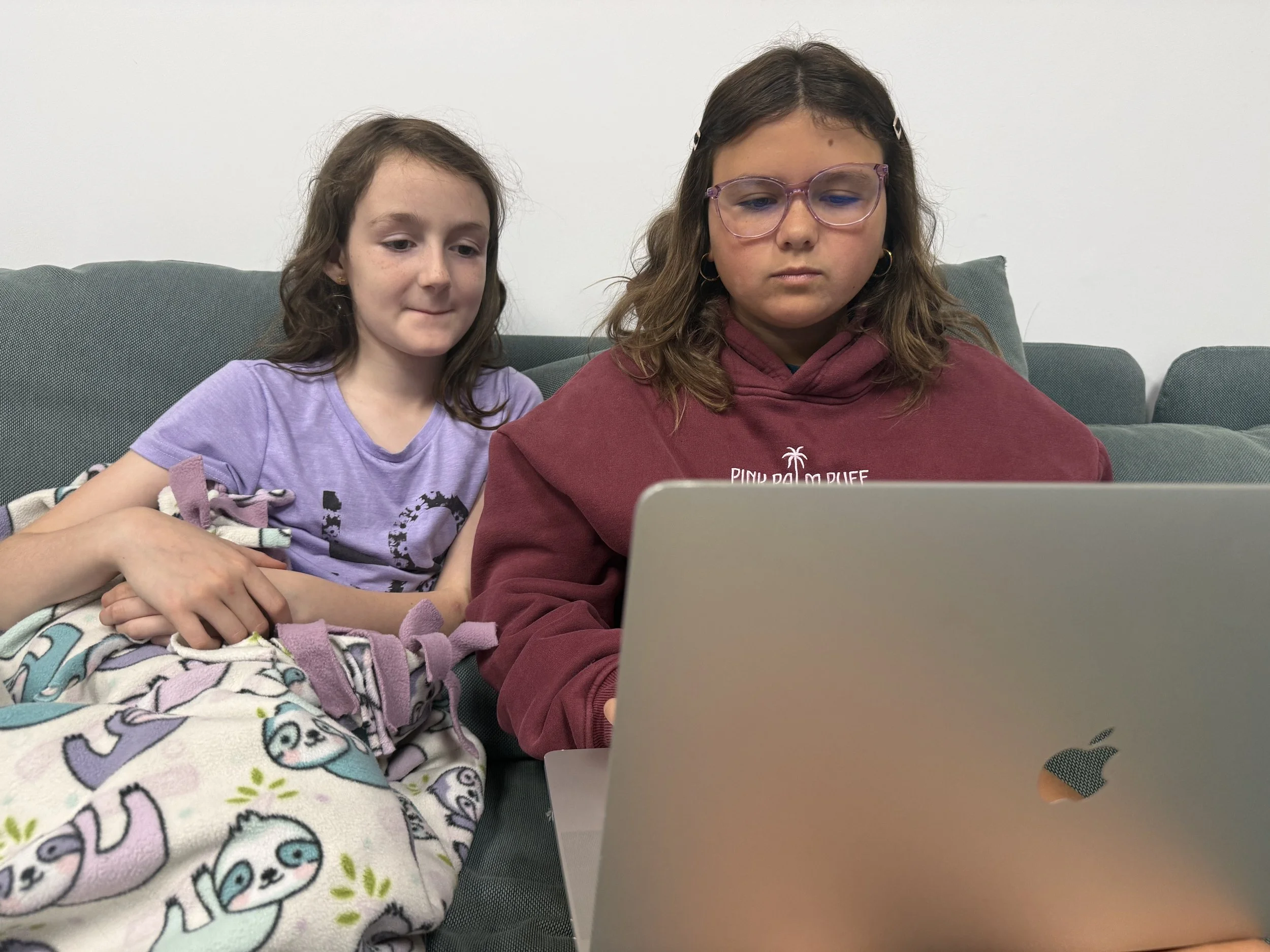
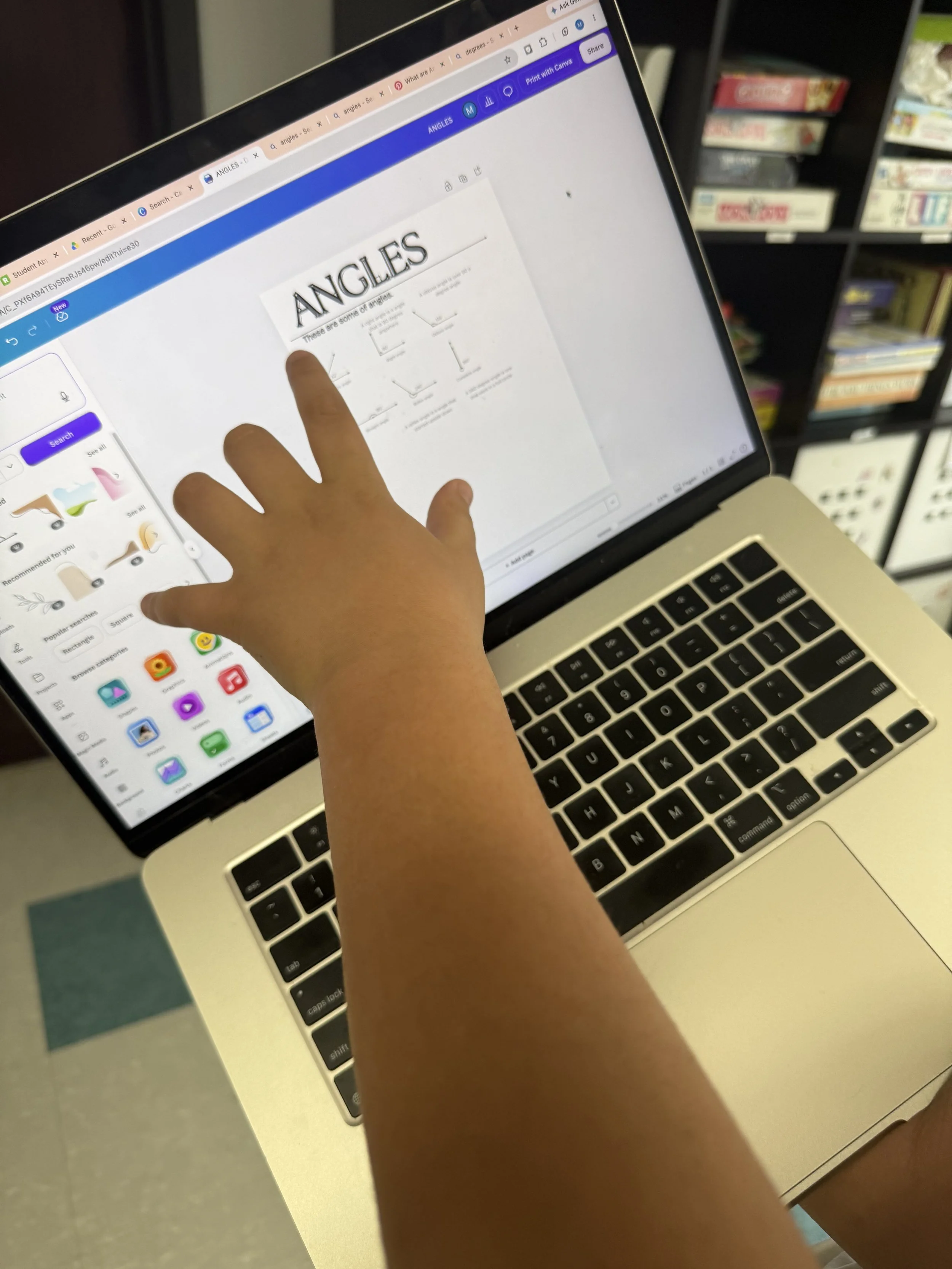
For Math Lab this week, Rebels came together for a brief check-in at the beginning of our workshop to confirm the three topics they will be using to create their math anchor charts. We also reviewed the criteria for a successful anchor chart and worked through a quick example together, demonstrating how to transfer ideas from a smaller rough draft onto a larger presentation paper or poster board. Once the planning was complete, Rebels got to work, spending the remainder of the workshop creating their first drafts, collaborating with one another, sharing ideas, and brainstorming ways to make even the smallest details of their anchor charts reflect their chosen math concepts. Some Rebels designing anchor charts about angles even incorporated angle symbols into the lettering of their titles! The creativity, attention to detail, and mathematical thinking on display this week were impressive. The drafts are already looking incredible, and we can't wait to see the finished products showcased at Exhibition in just a few weeks.
French
This week in French, Discovery finished writing the rules for their original games and began bringing their ideas to life in the makerspace. Throughout the project, teams continued practicing French vocabulary, writing skills, and collaboration as they transformed their concepts into real, playable games. The Rebels demonstrated creativity, perseverance, and problem-solving skills while designing, organizing, and constructing their projects from scratch. It has been exciting to see learners apply their French language skills in such a hands-on and meaningful way.
Civilizations
As we branch into week two, Discovery is continuing their mosaic art work during their civilization readings. Before they got started they completed their mapping and reviewed the previous chapter. This week Chapter 37, "The Beginning of Christianity," in Susan Wise Bauer’s The Story of the World, Vol. 1: Ancient Times, introduces the origins of Christianity by connecting the life of Jesus Christ to the Roman Empire's Pax Romana. The chapter is divided into two primary sections, The Birth of Jesus and Jesus Crucified and Resurrected. The birth of Jesus section is based around the backdrop of the Roman peace, Caesar Augustus ordered a census. Because of this census, Mary and her fiancé Joseph traveled to Bethlehem. During the second section it shares that as an adult, Jesus traveled and taught the people, delivering famous messages like the Sermon on the Mount, which emphasized love, mercy, and peace. Then during the execution: Jesus grows popularity and claims alarmed Roman and local Jewish leaders. Lastly, the Resurrection part shares that according to the Gospels, Jesus rose from the dead three days after his burial. He appeared to his followers, instructing them to spread his teachings.
Quest
This week in Quest, Rebels explored our next Elements of Art: Colour and Value.
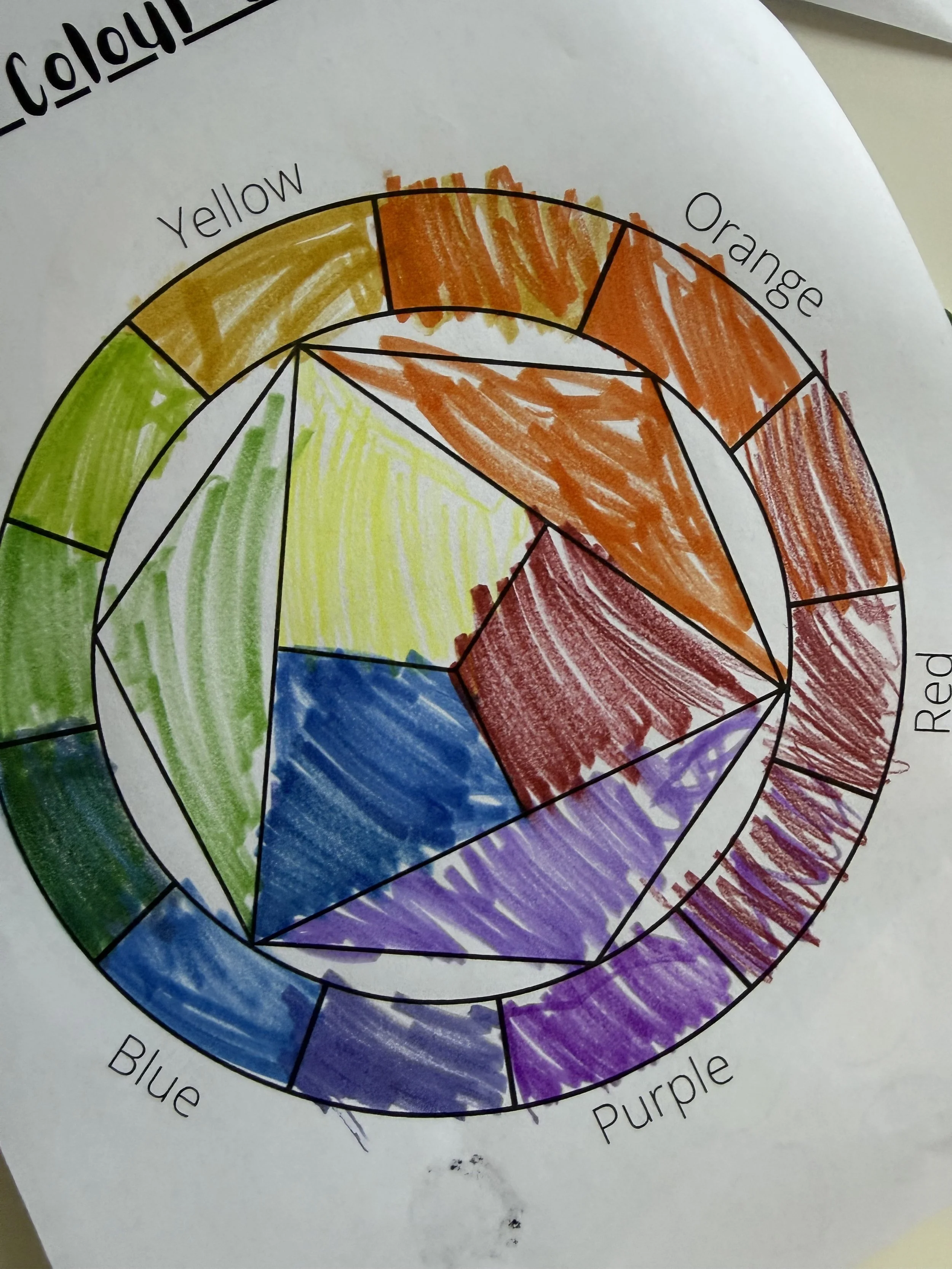
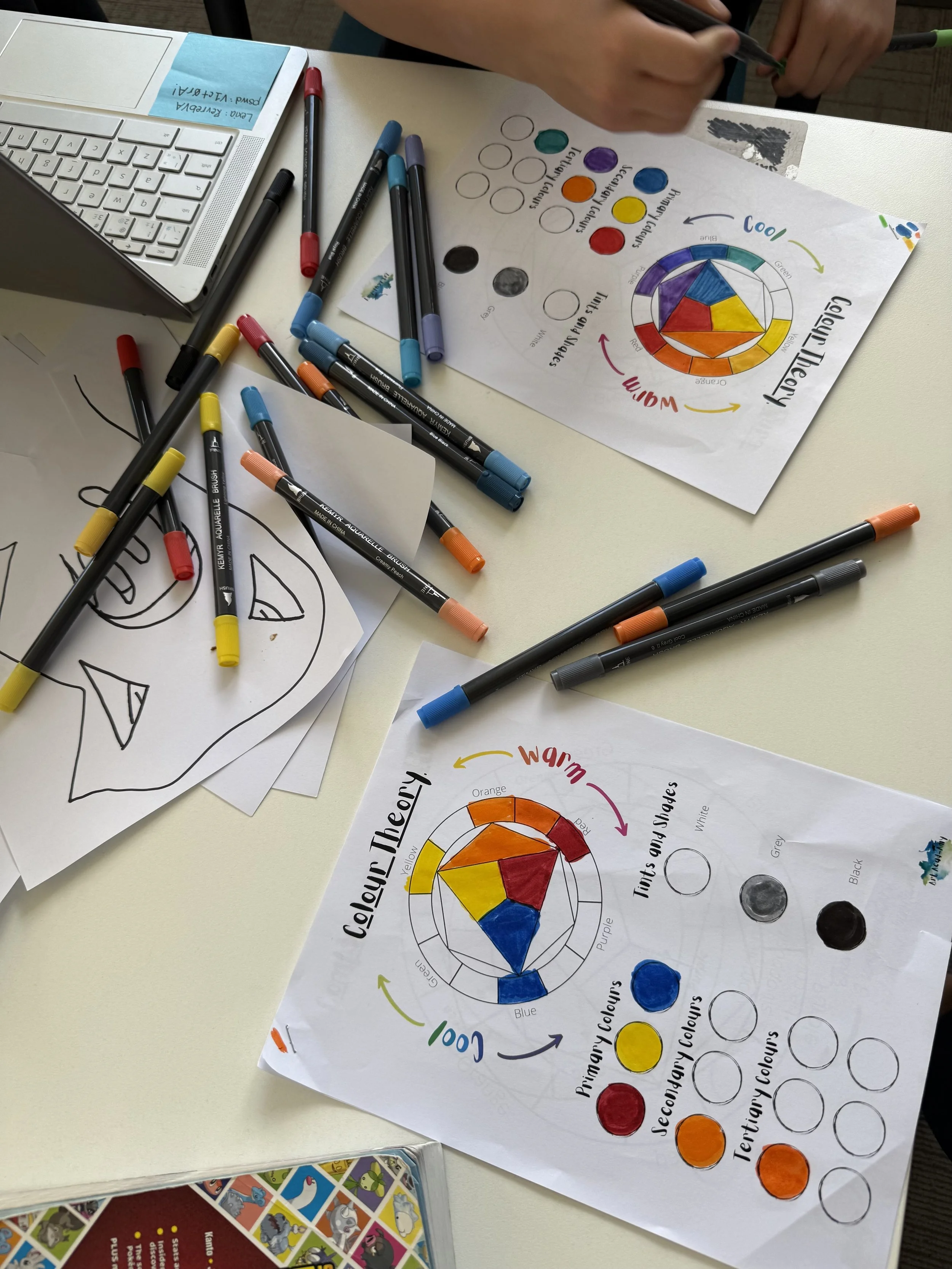
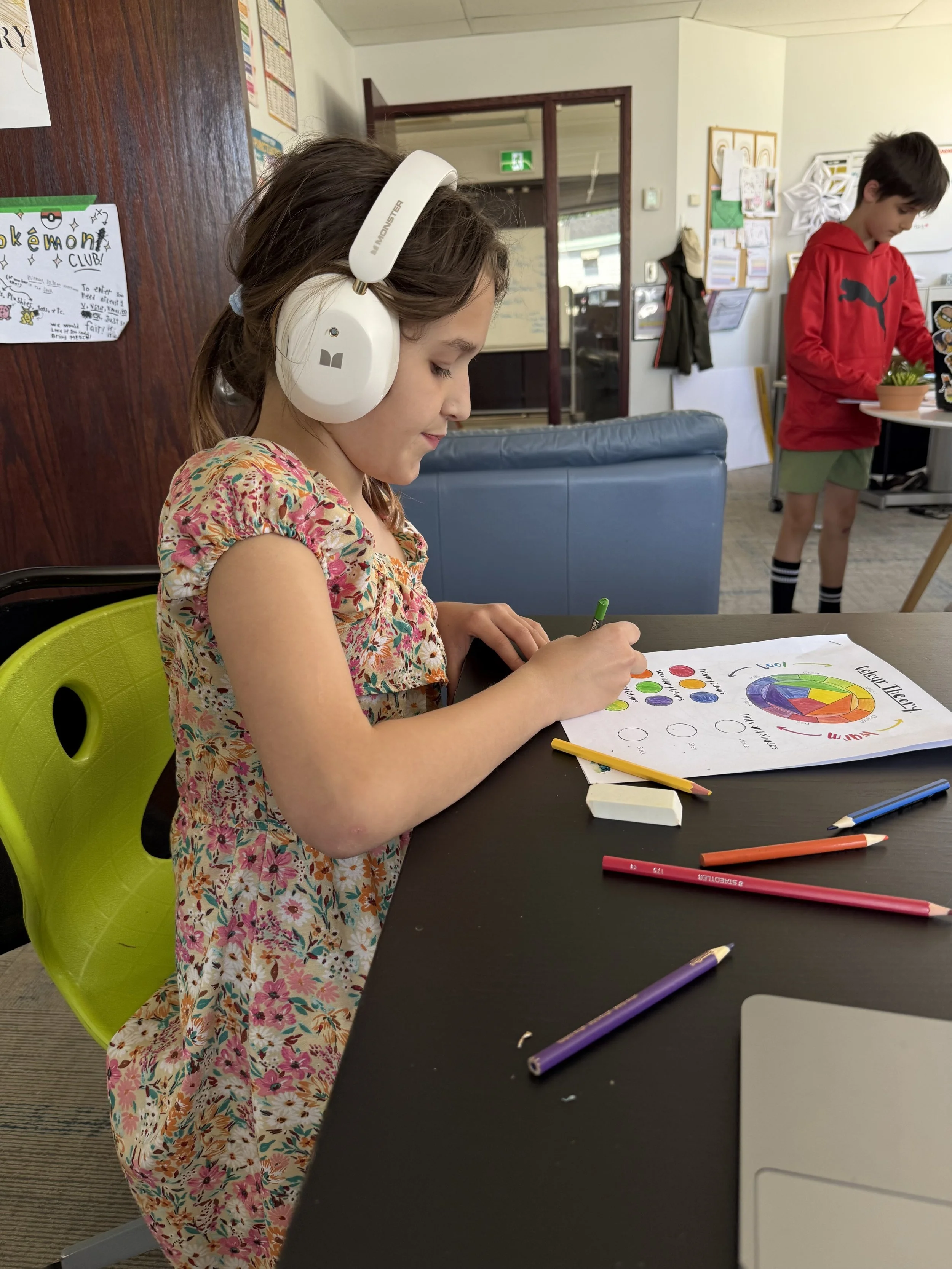
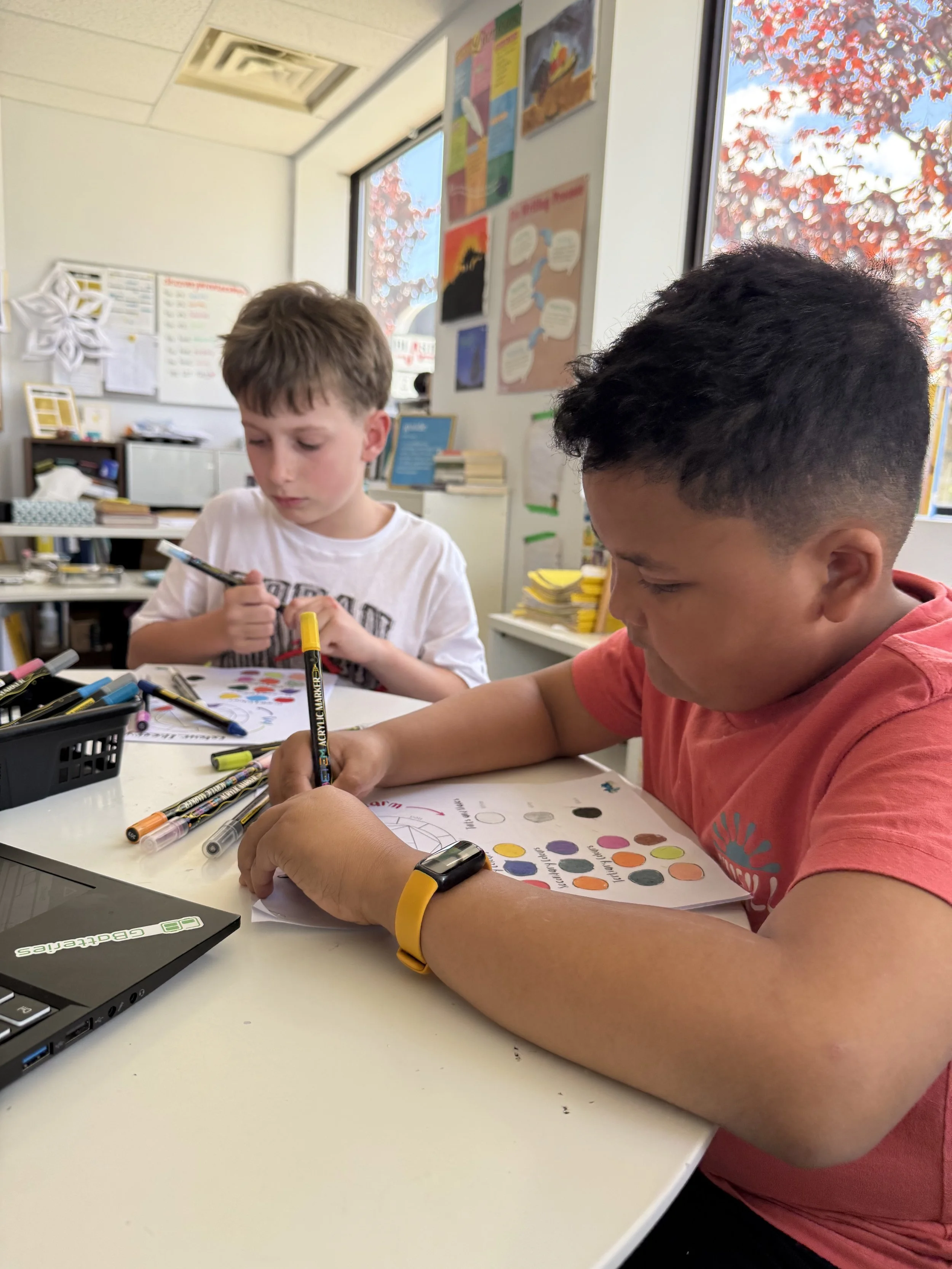
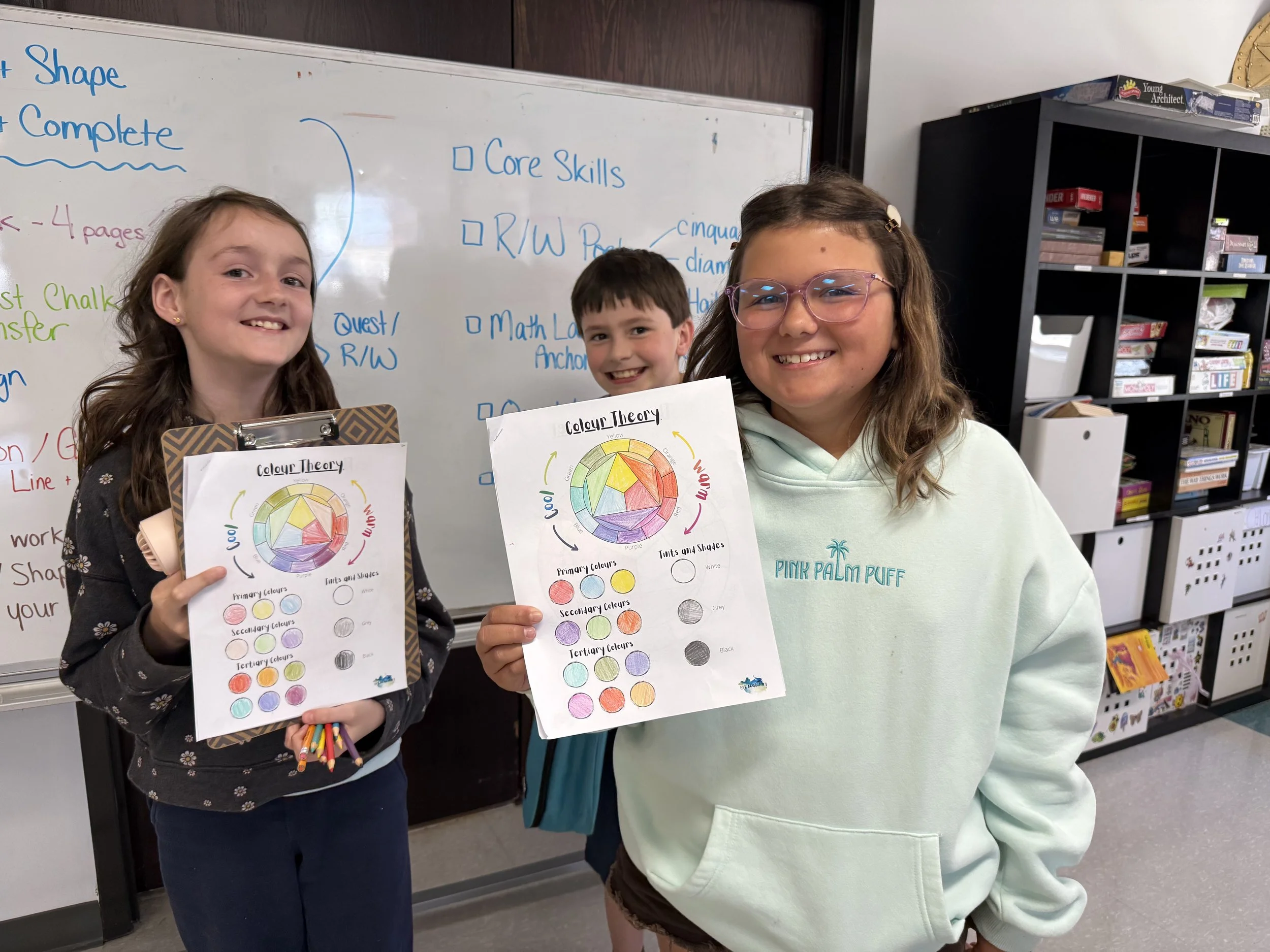
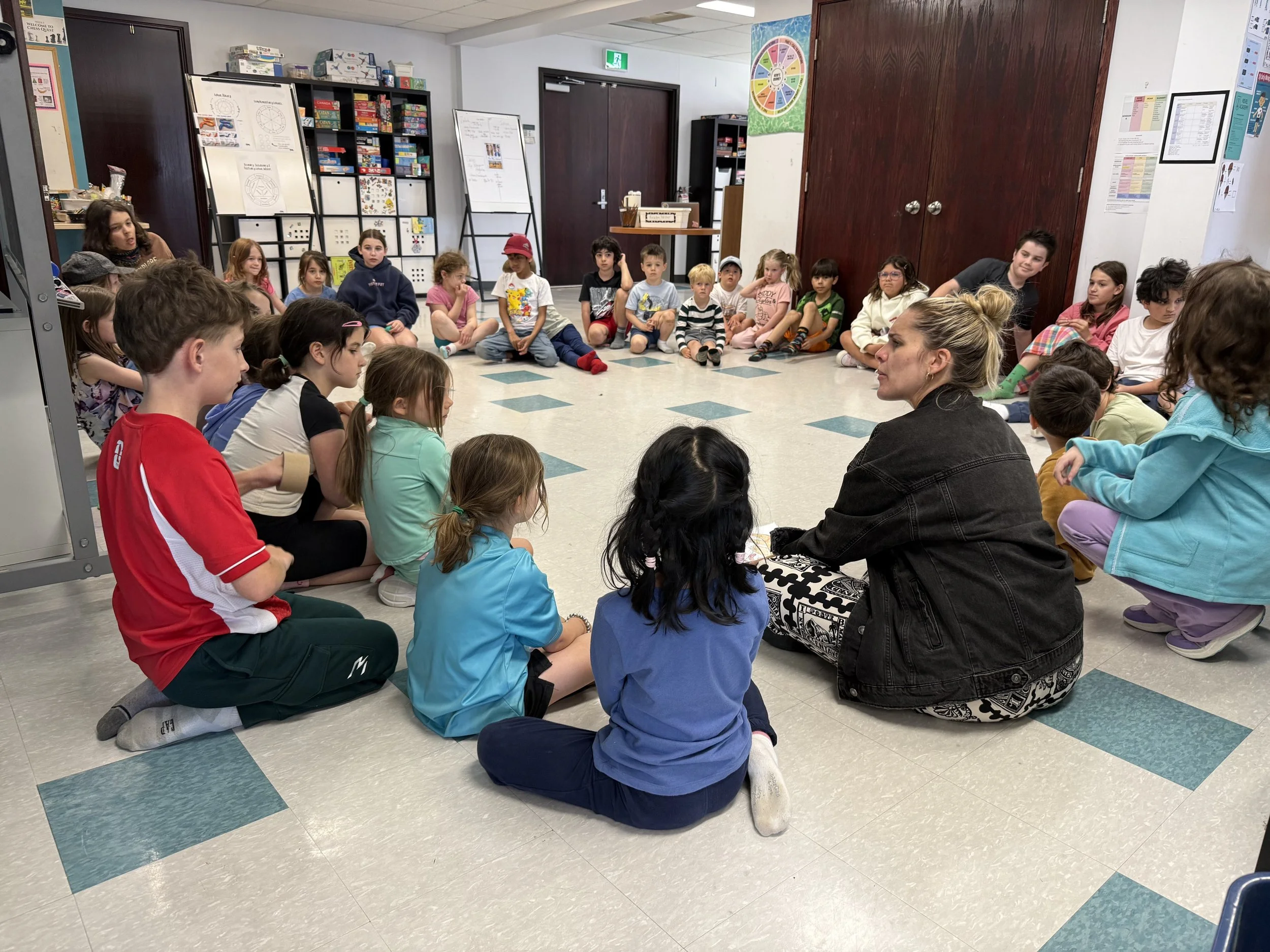
We began the week with a lesson on how colour choices can influence mood and emotion, and how artists often use colour intentionally to communicate ideas and feelings. Rebels discussed how the use of colour can completely transform an artwork and were fascinated to discover how colour affects the way we experience art. We also took a deeper dive into Value, learning how shades, tints, and tones can transform primary, secondary, and tertiary colours. Monday's workshop concluded with an exploration of the colour wheel, where Rebels learned why colours are arranged the way they are, how colours relate to one another, and why opposite colours are called complementary colours.
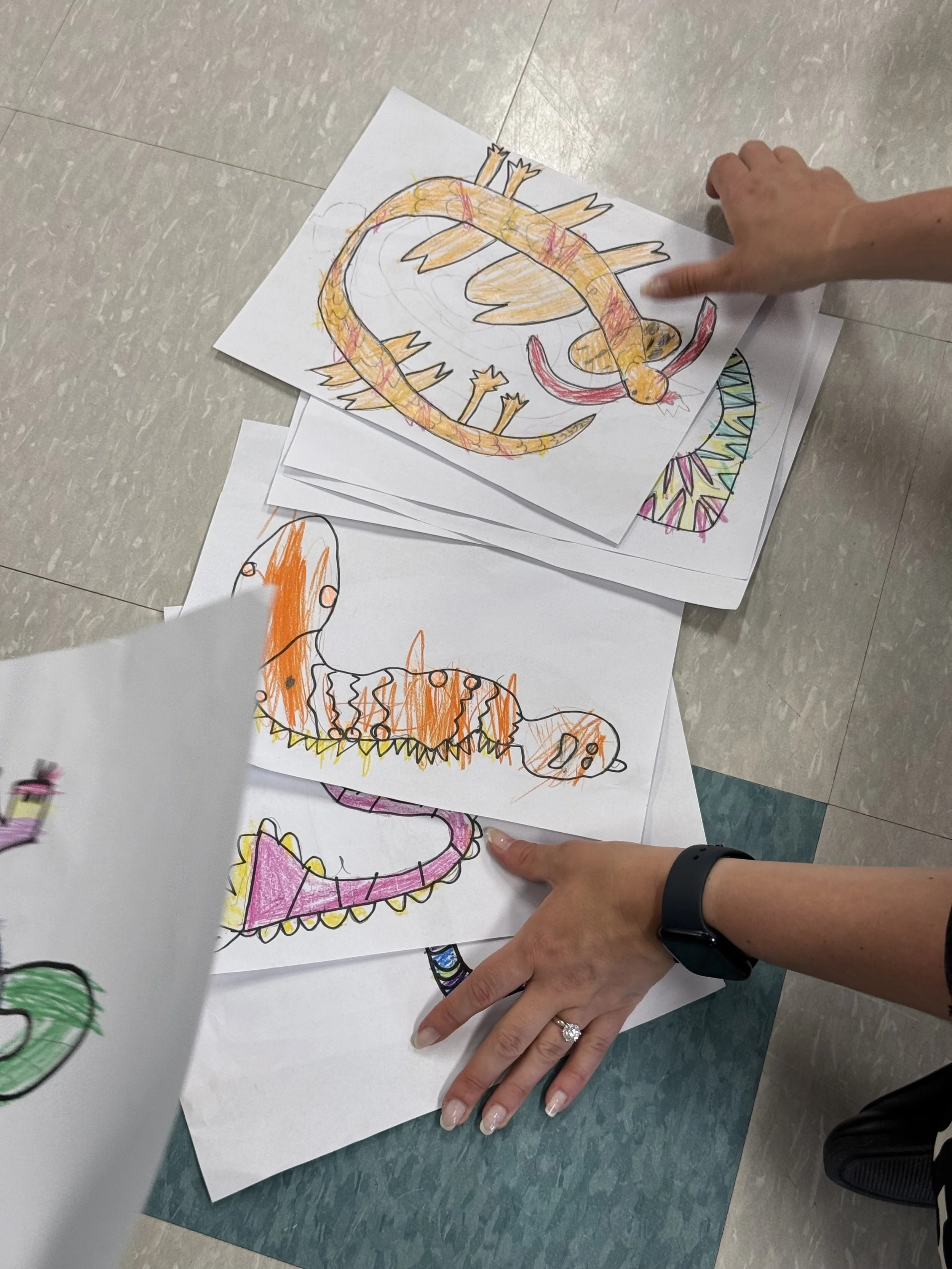
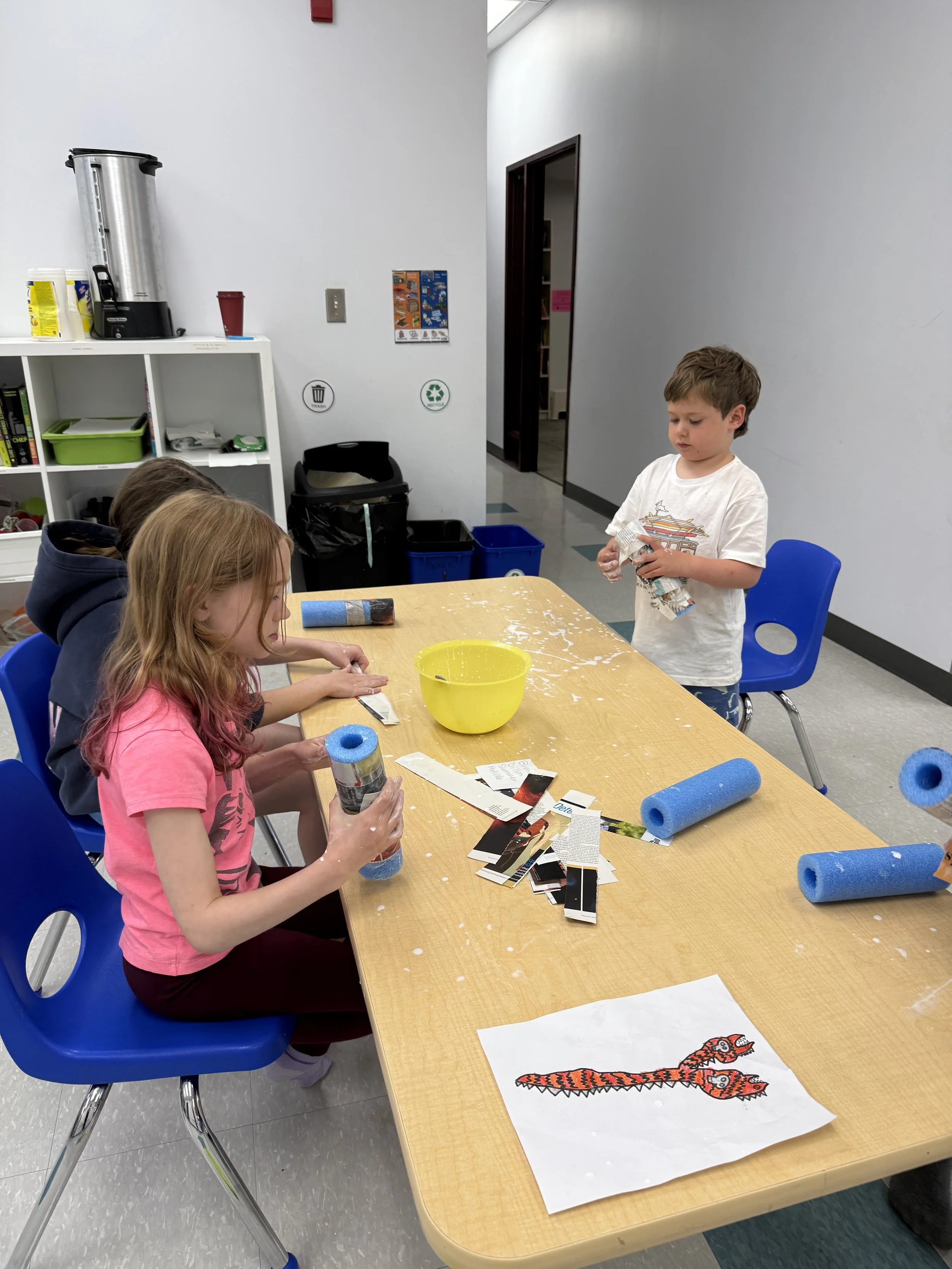
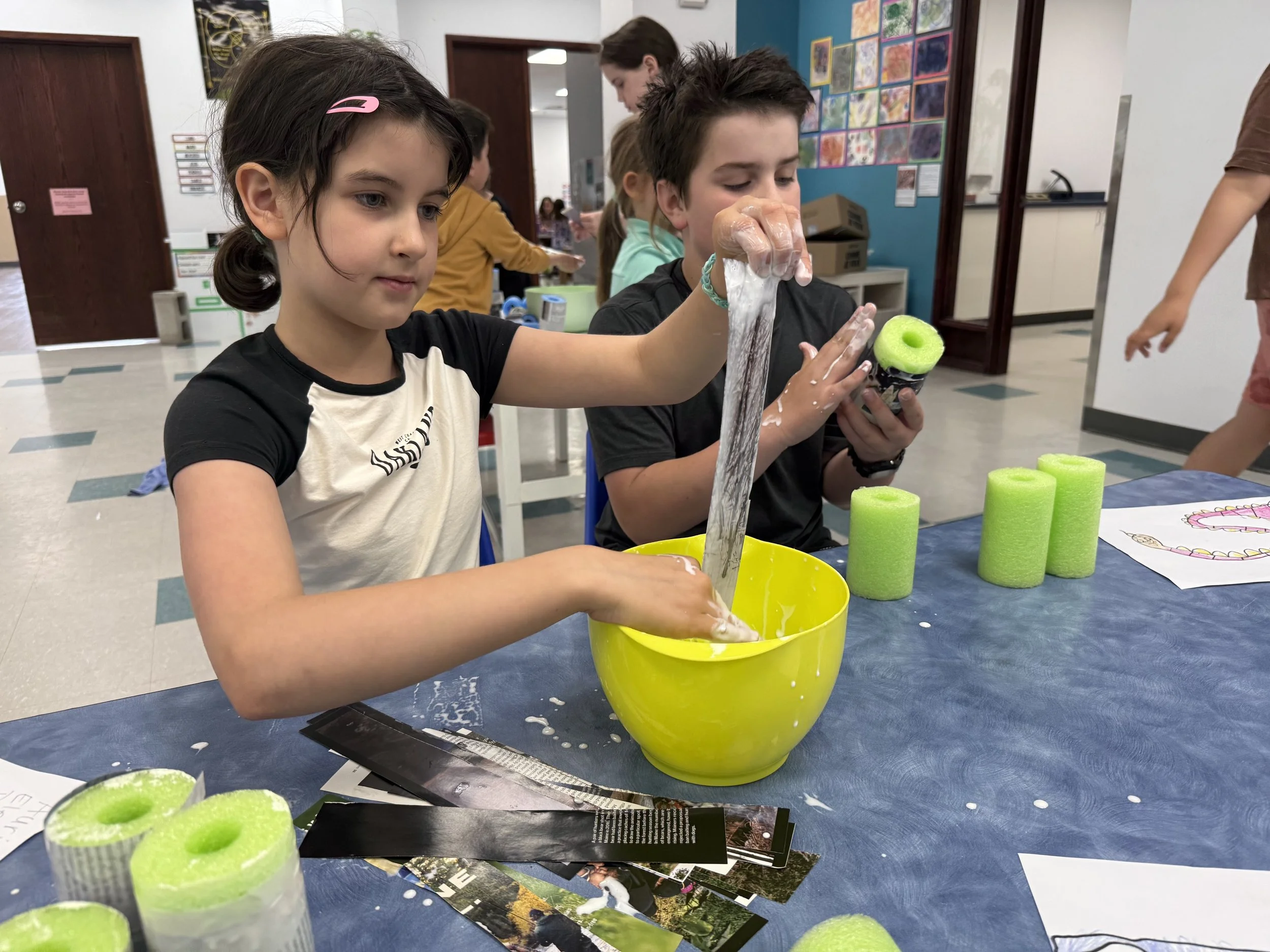
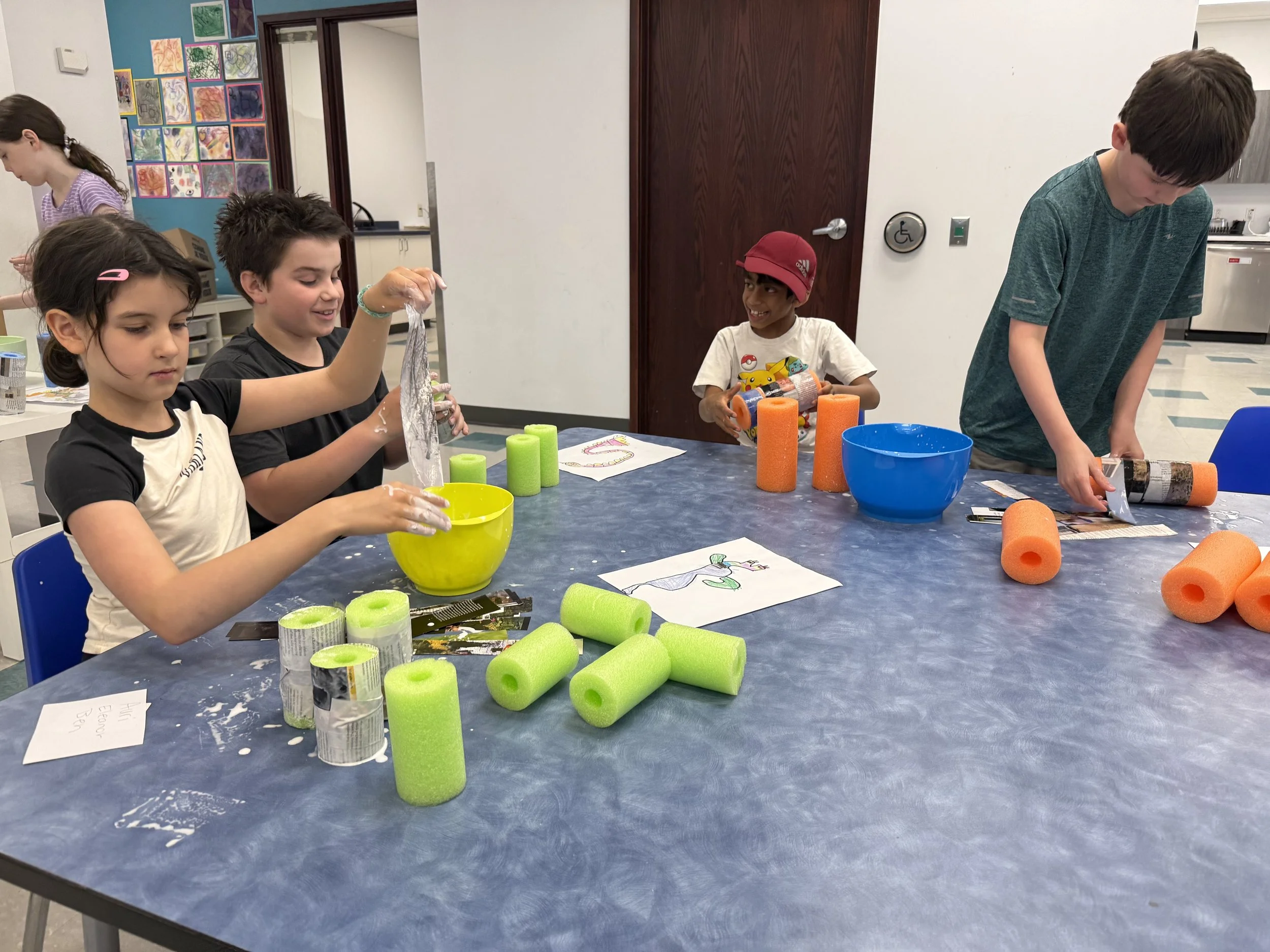
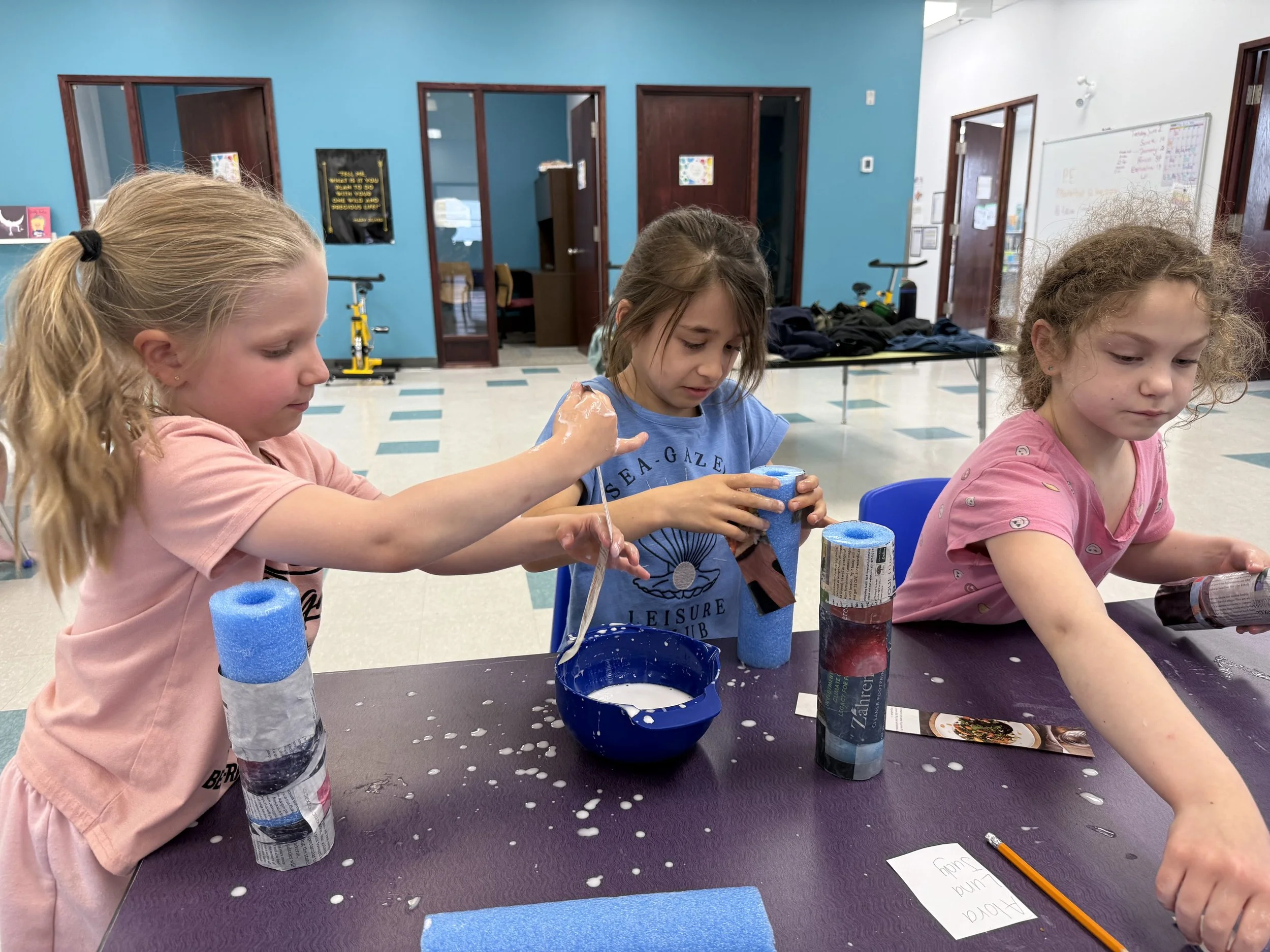
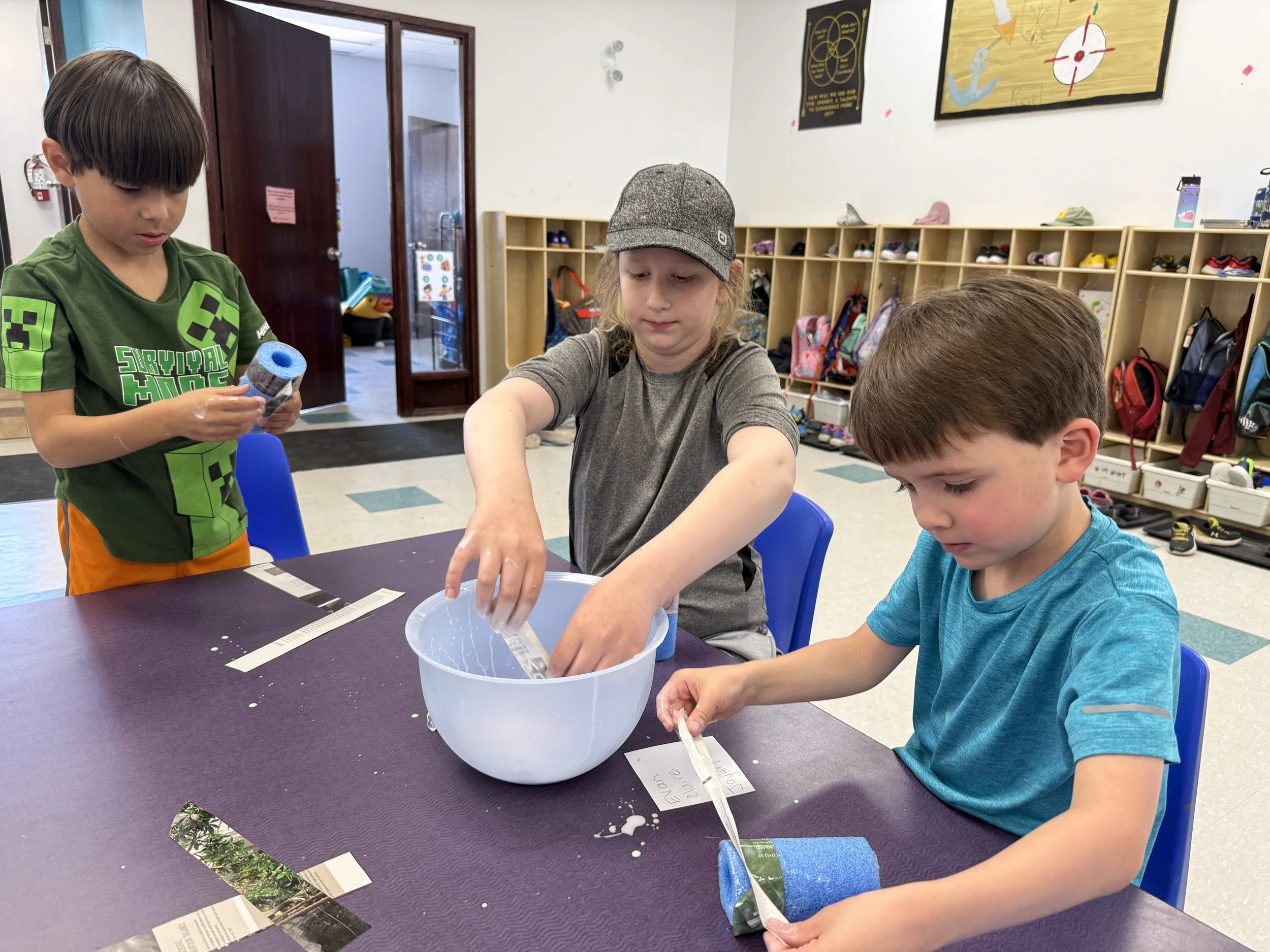
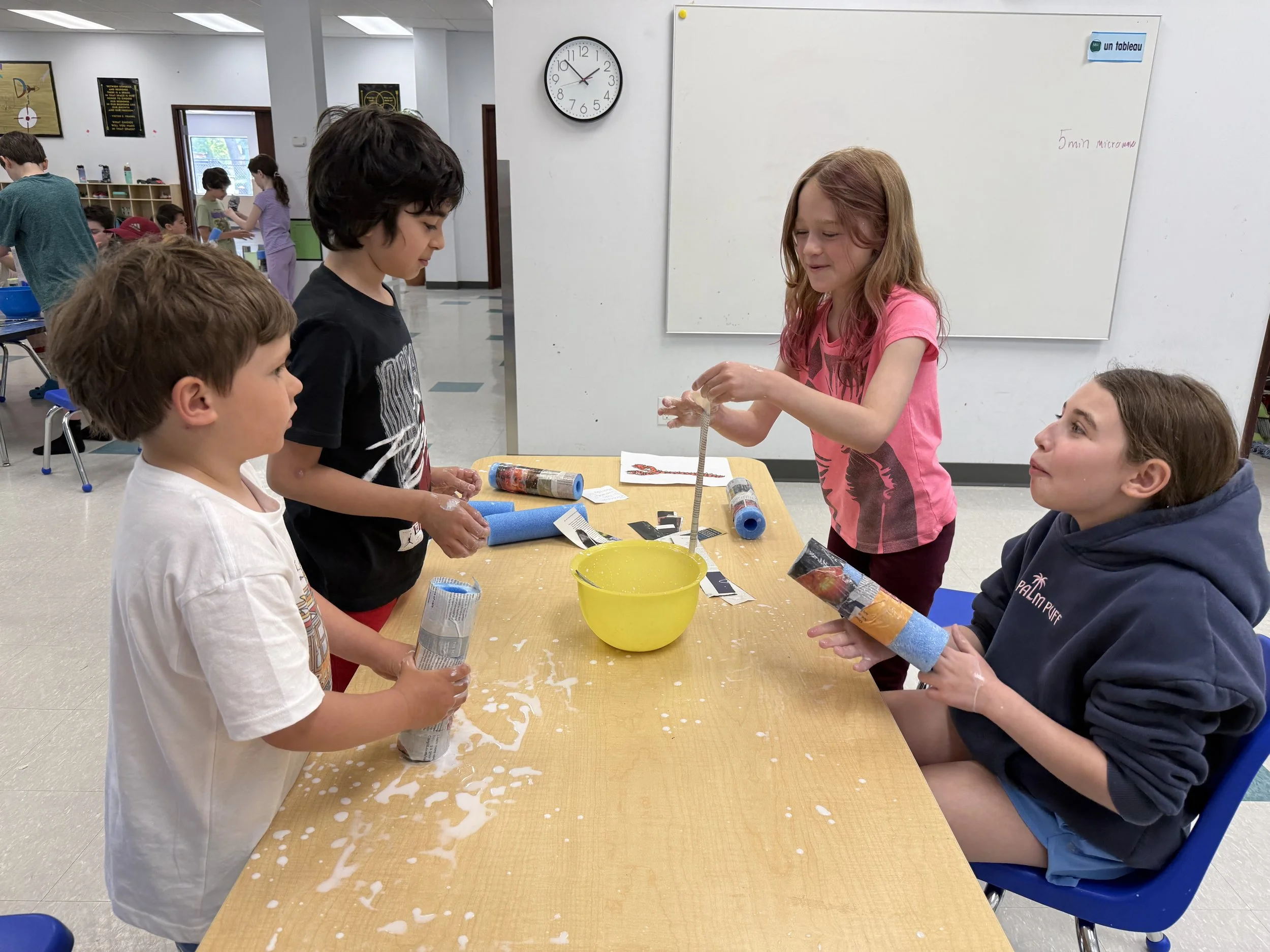
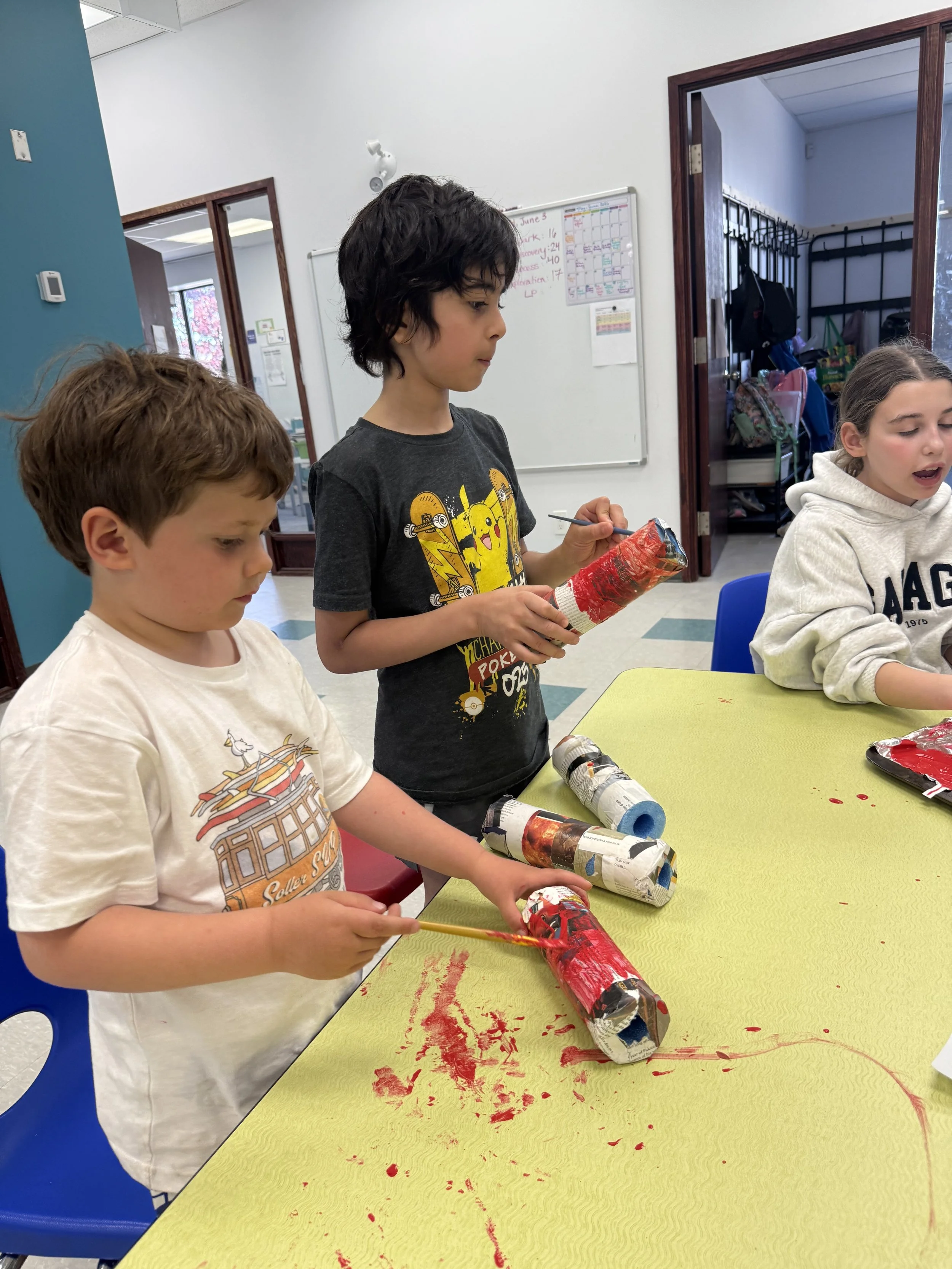
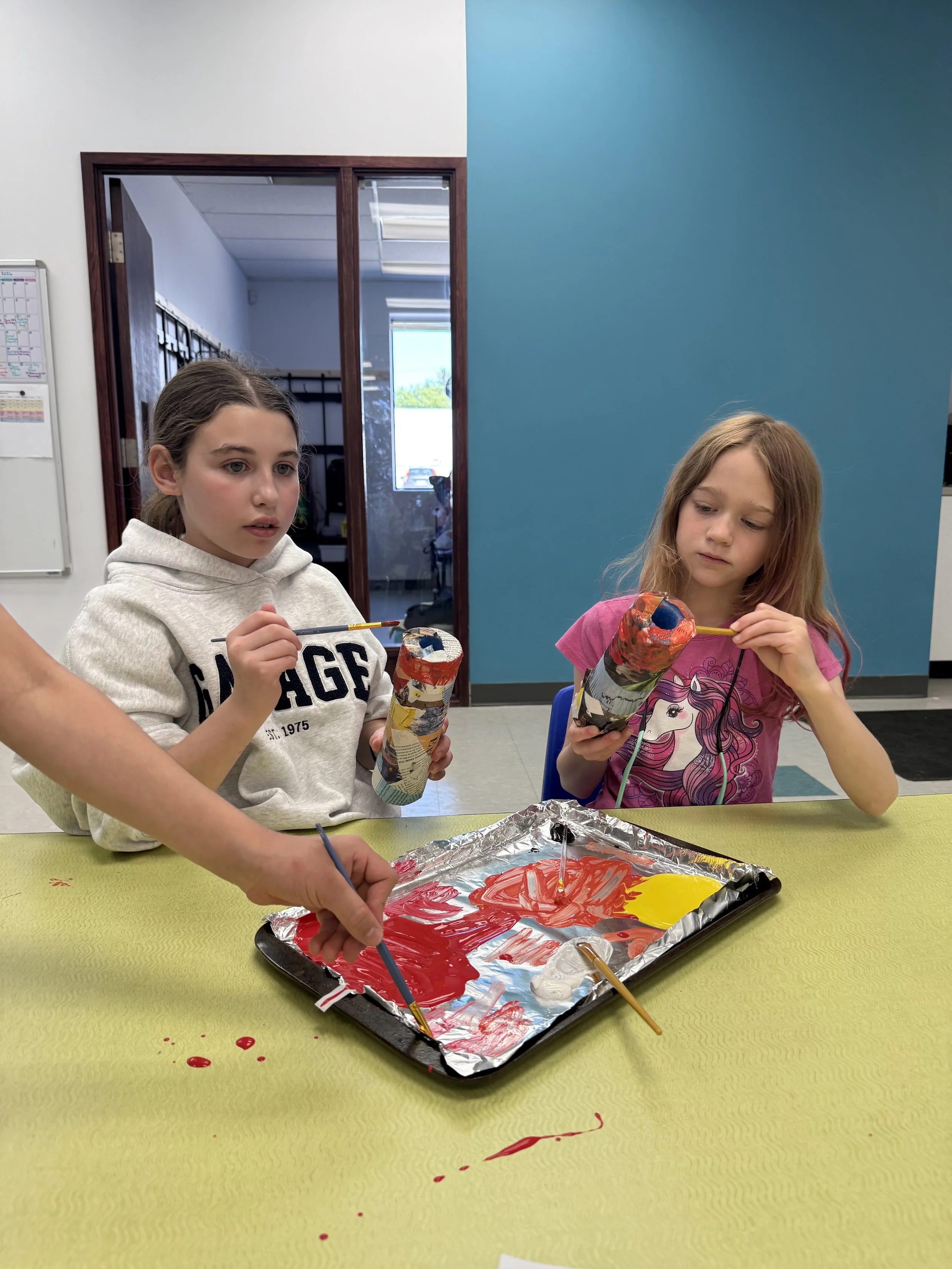
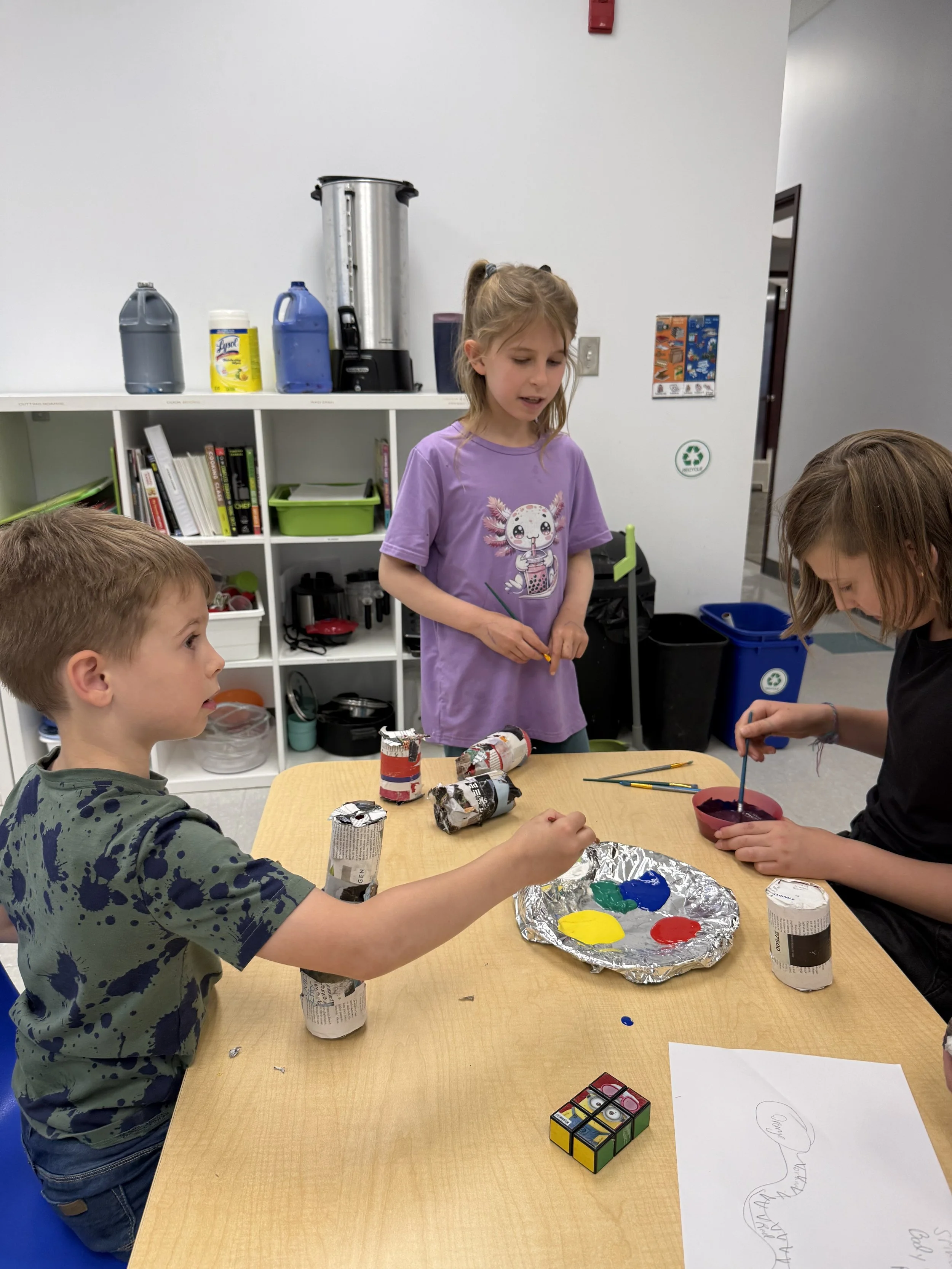
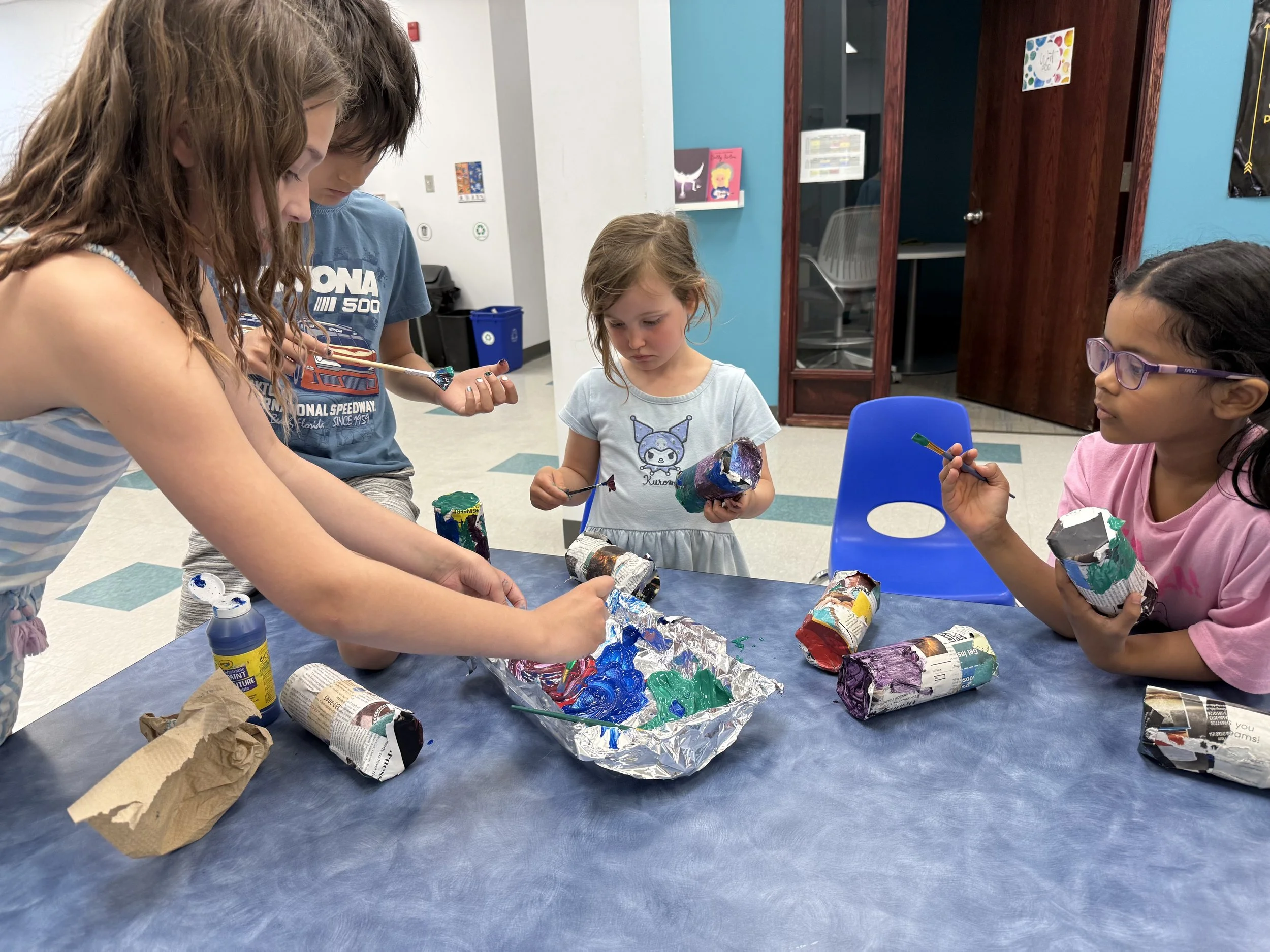
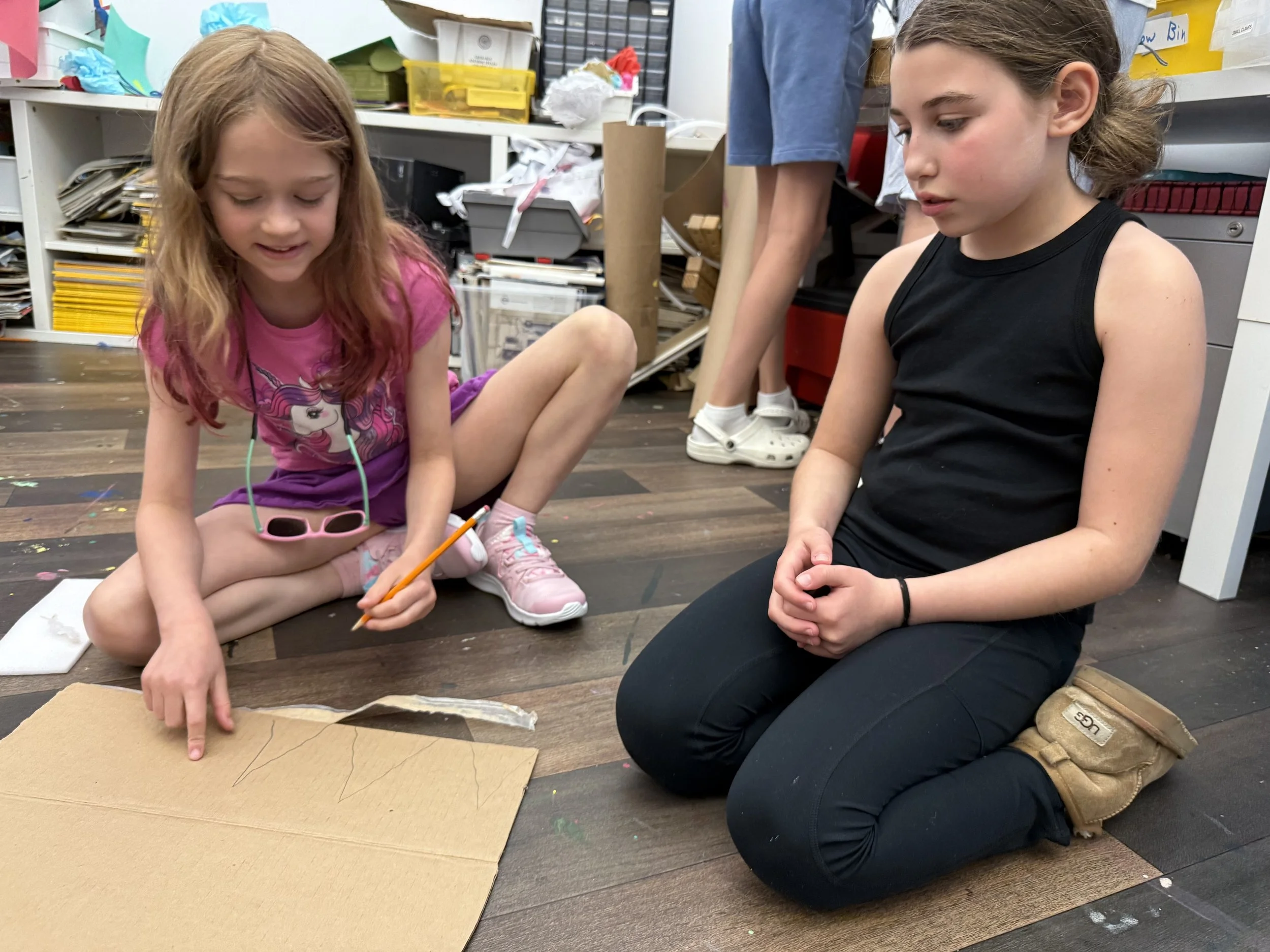
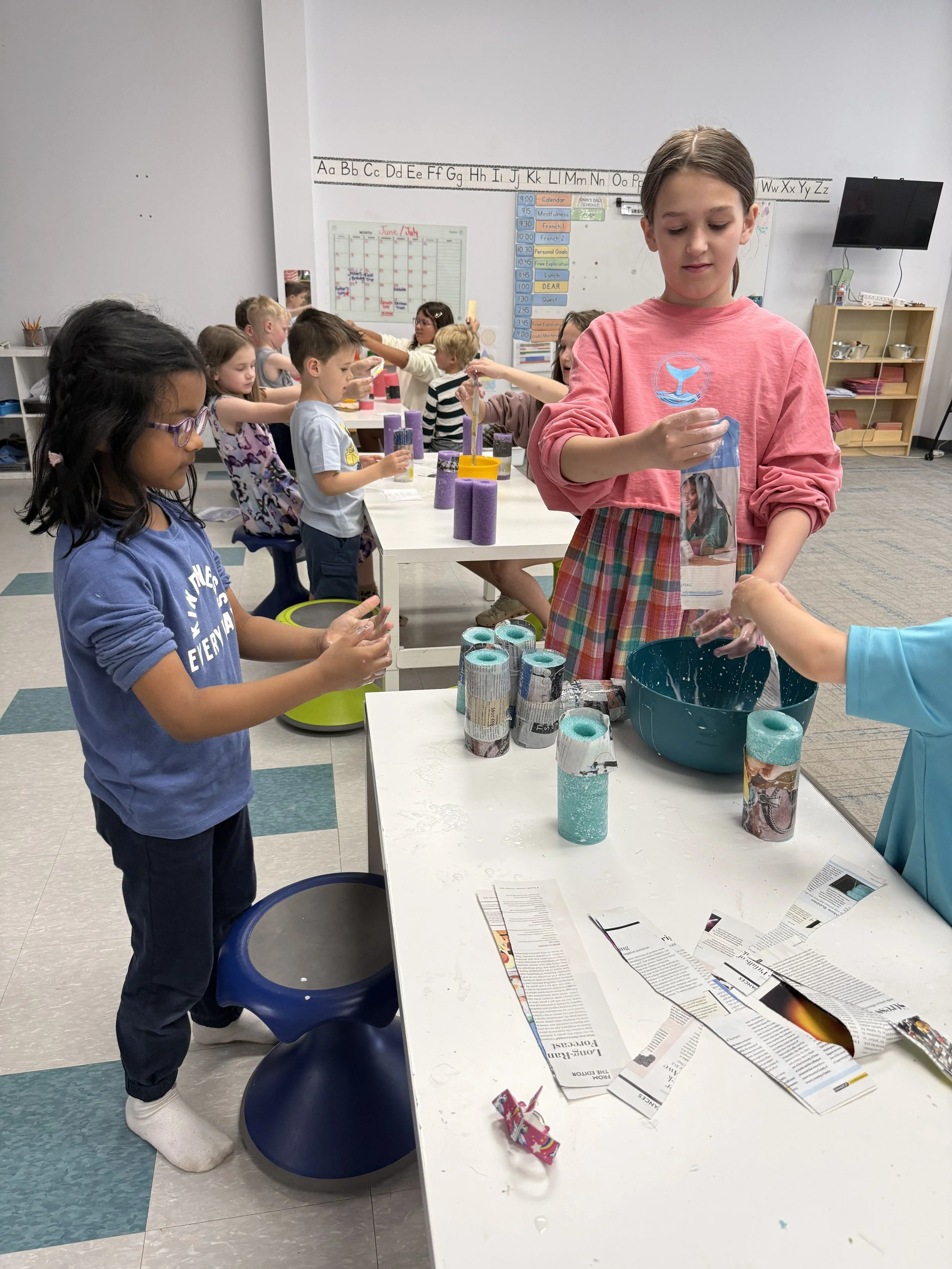
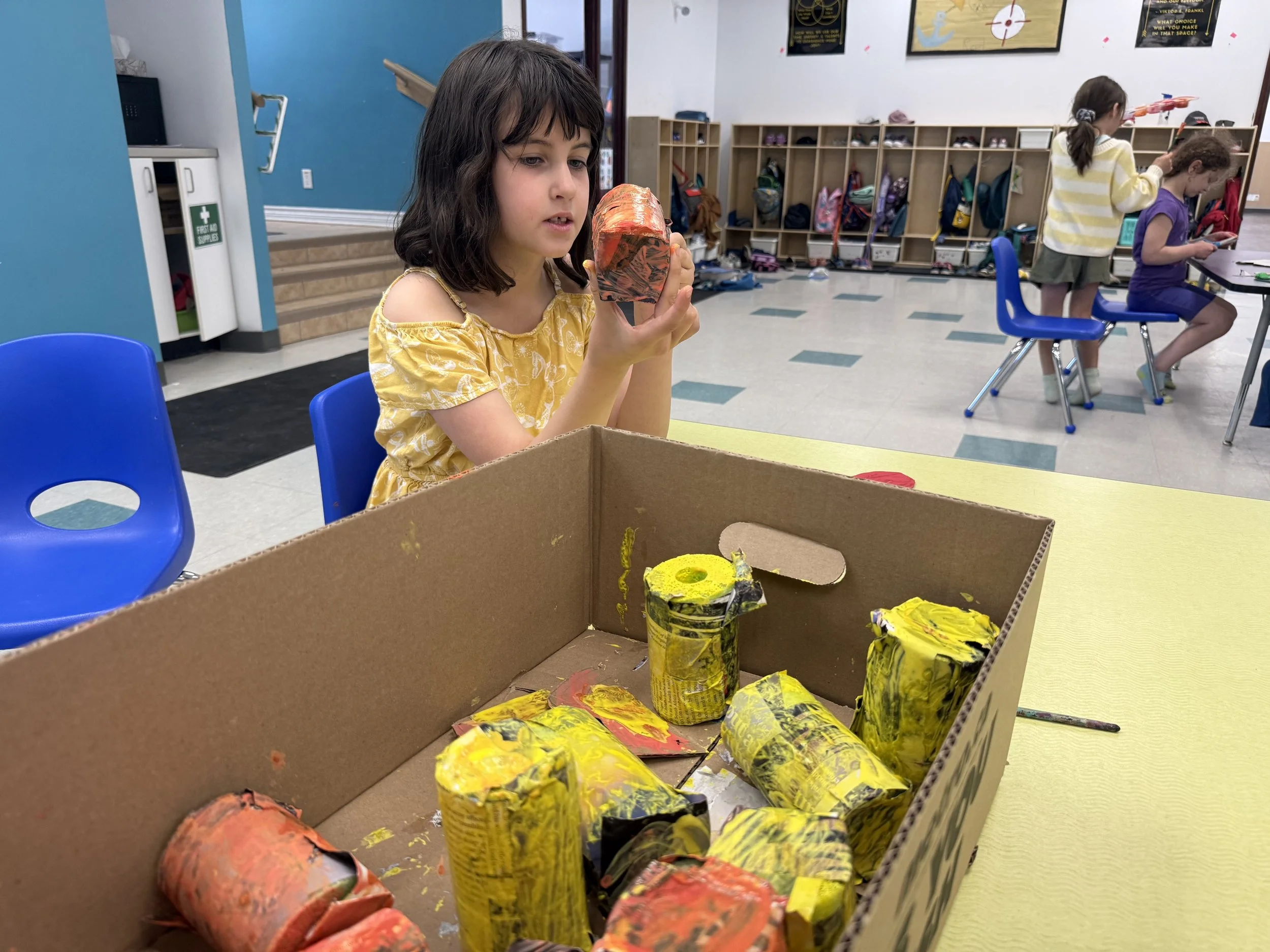
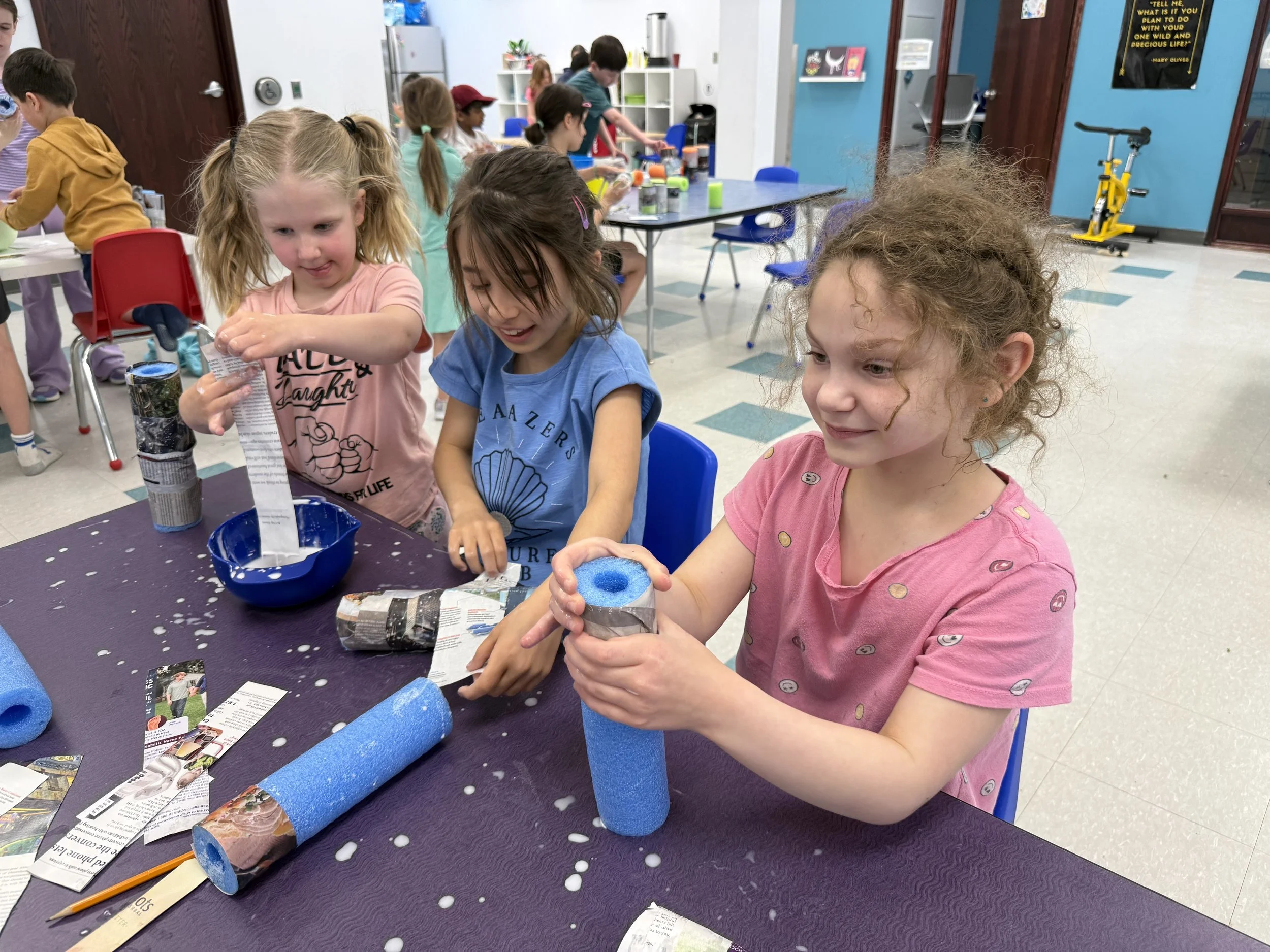
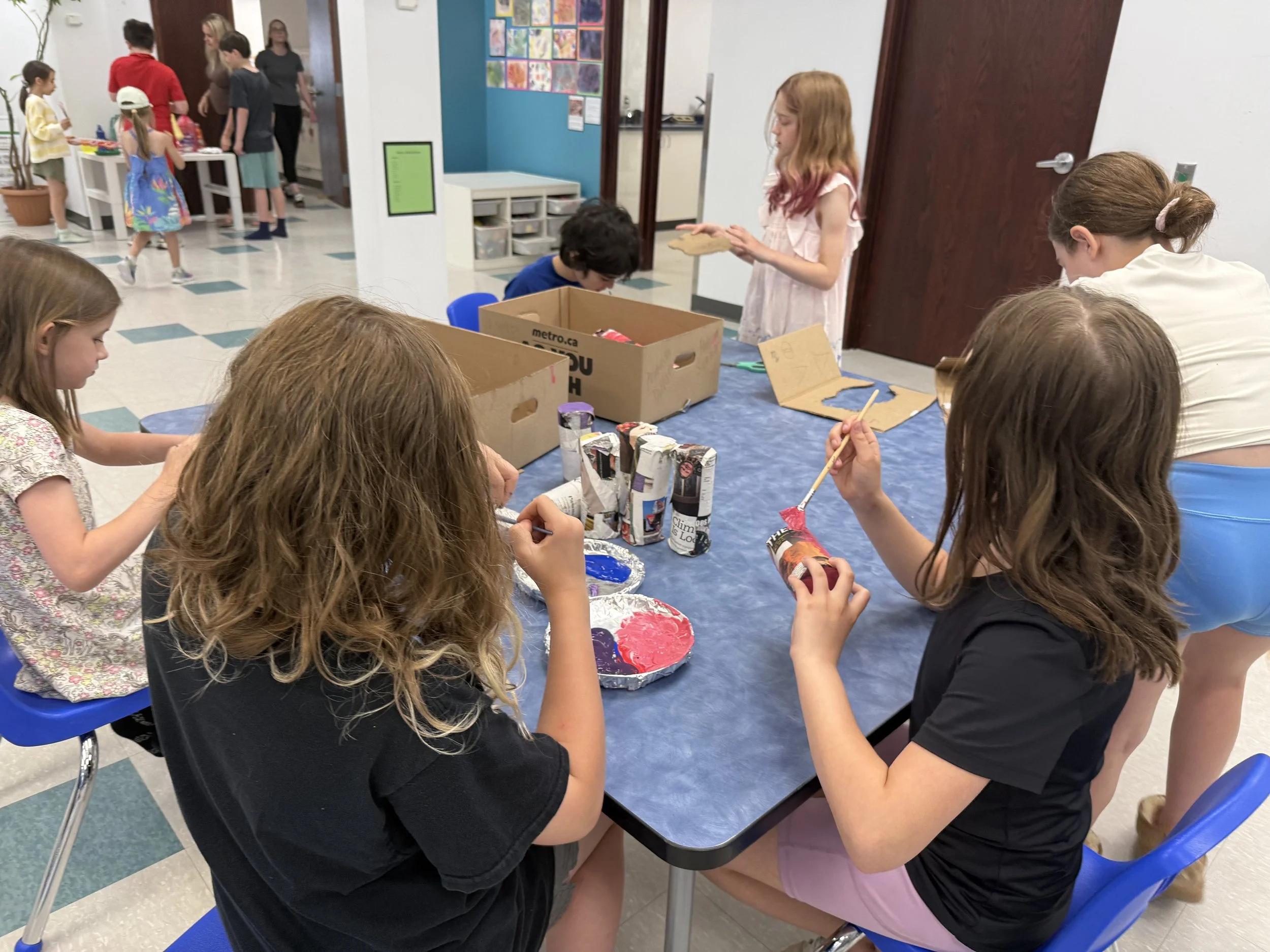
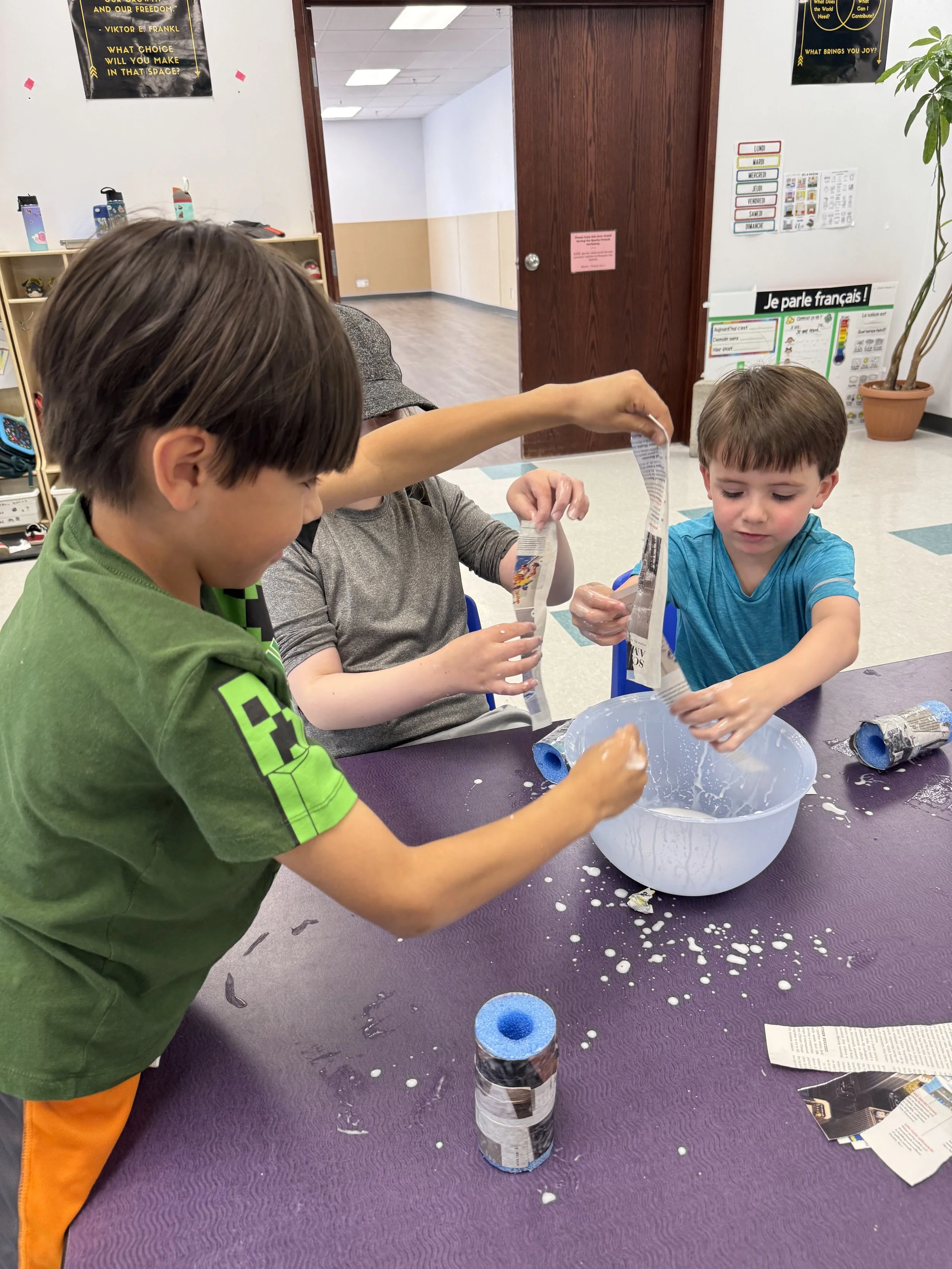
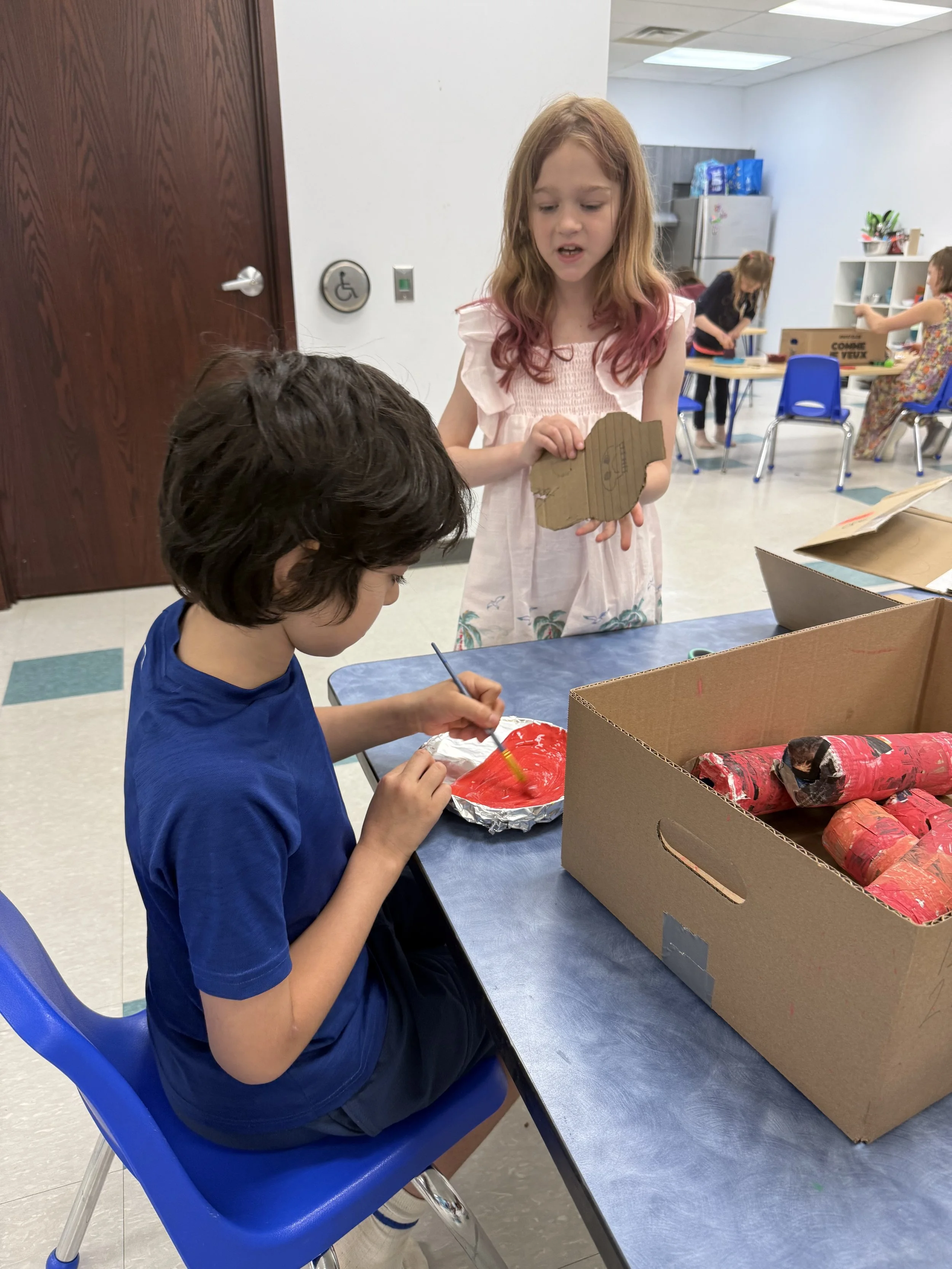
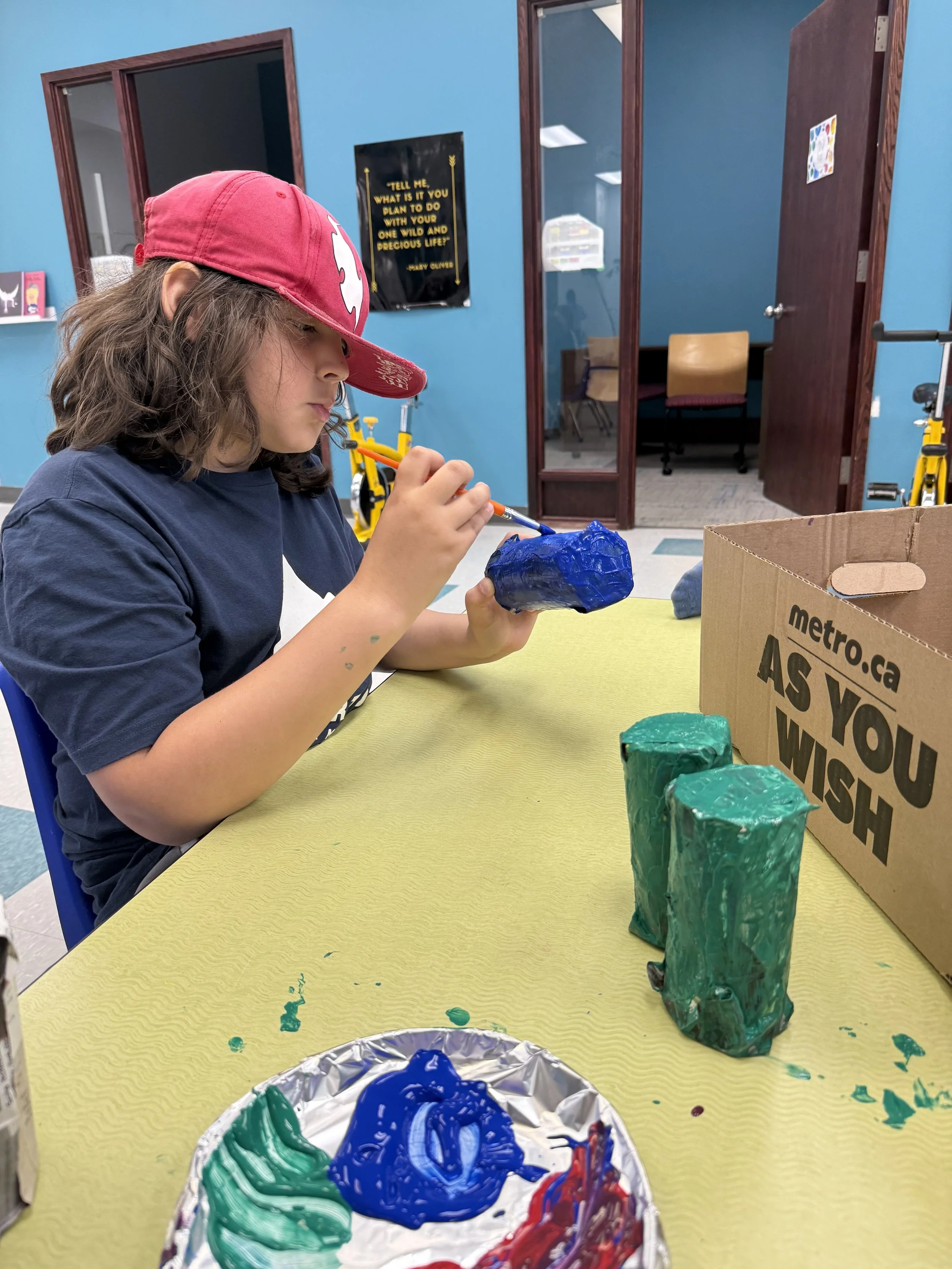
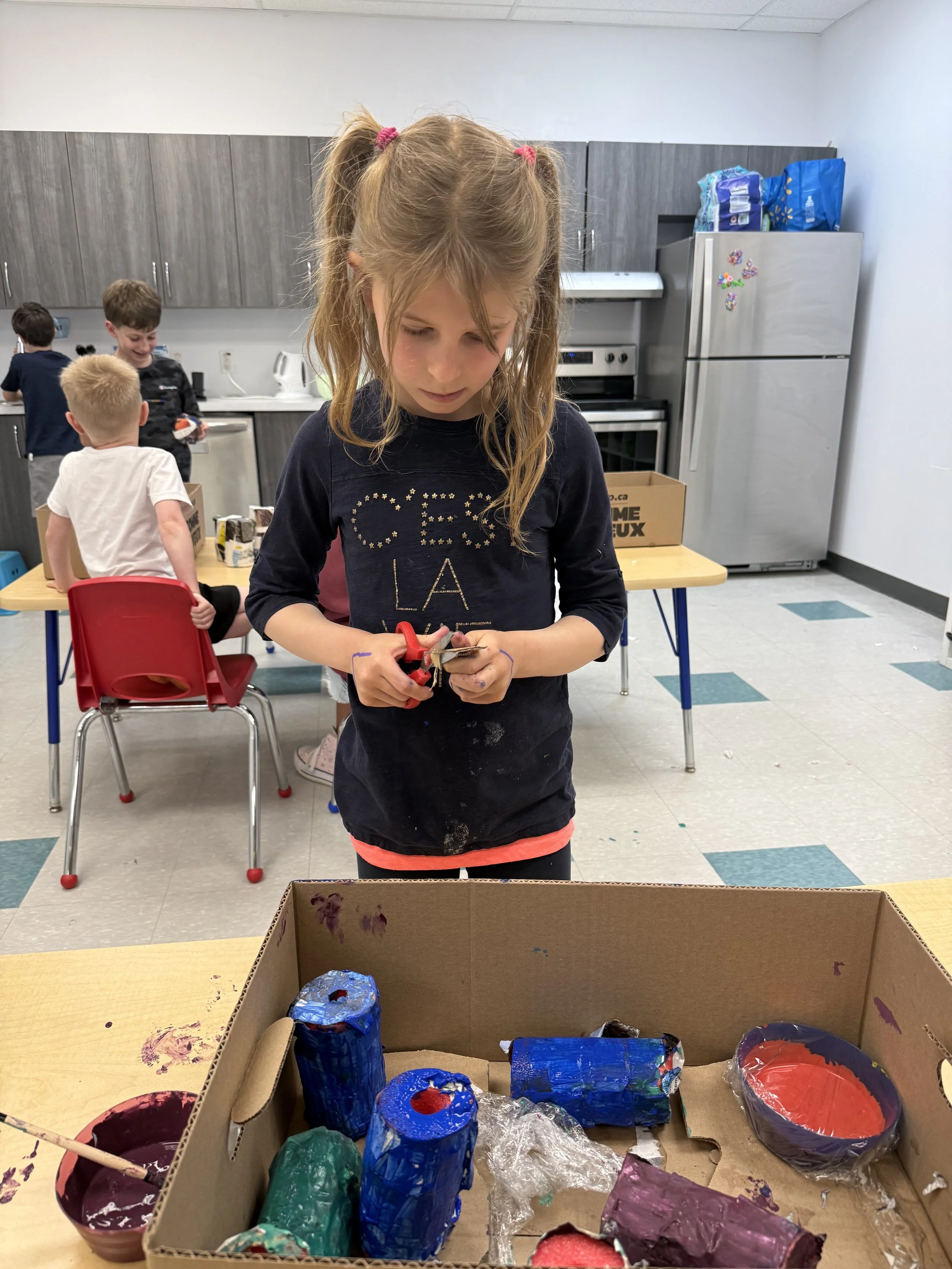
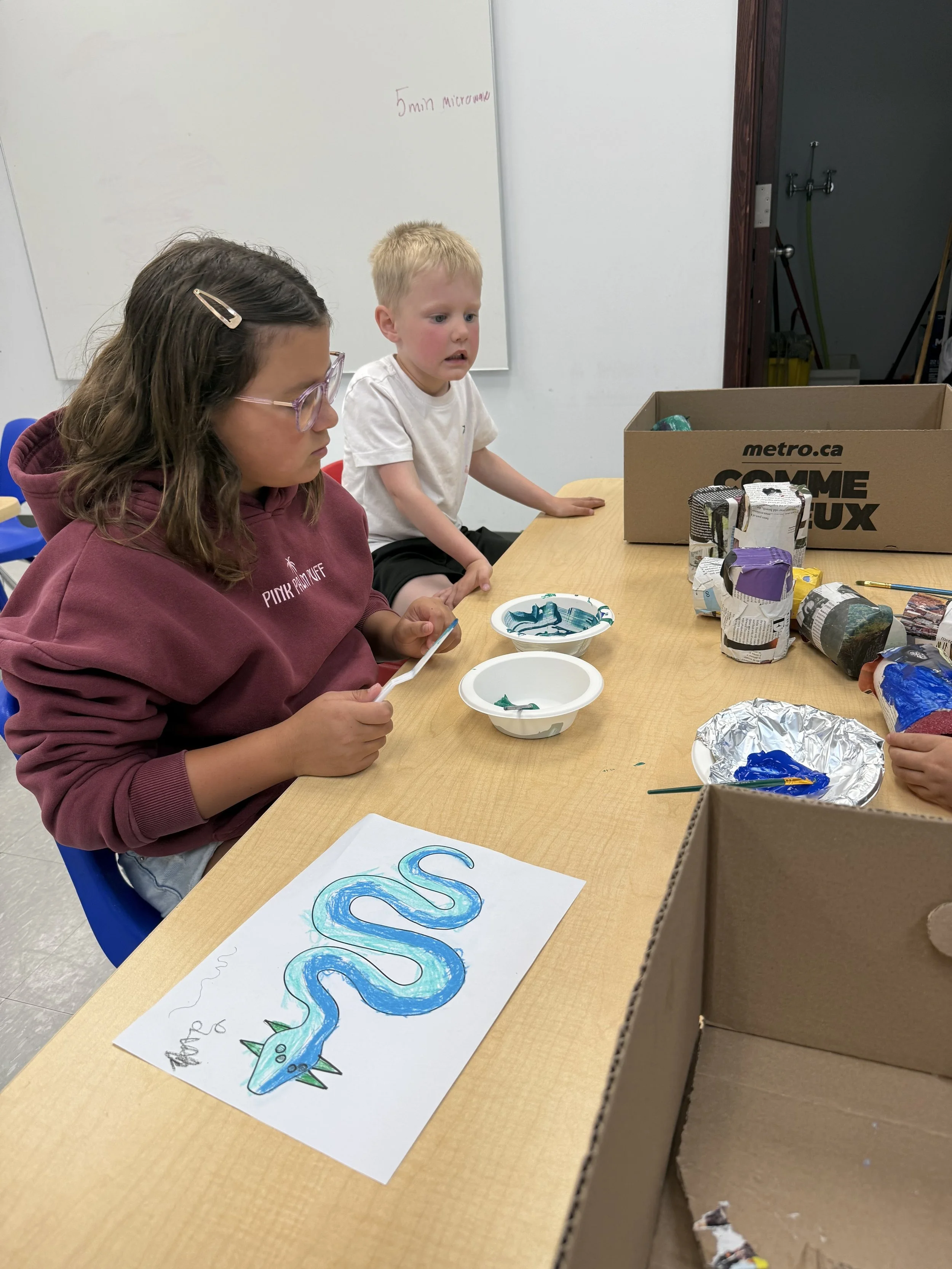
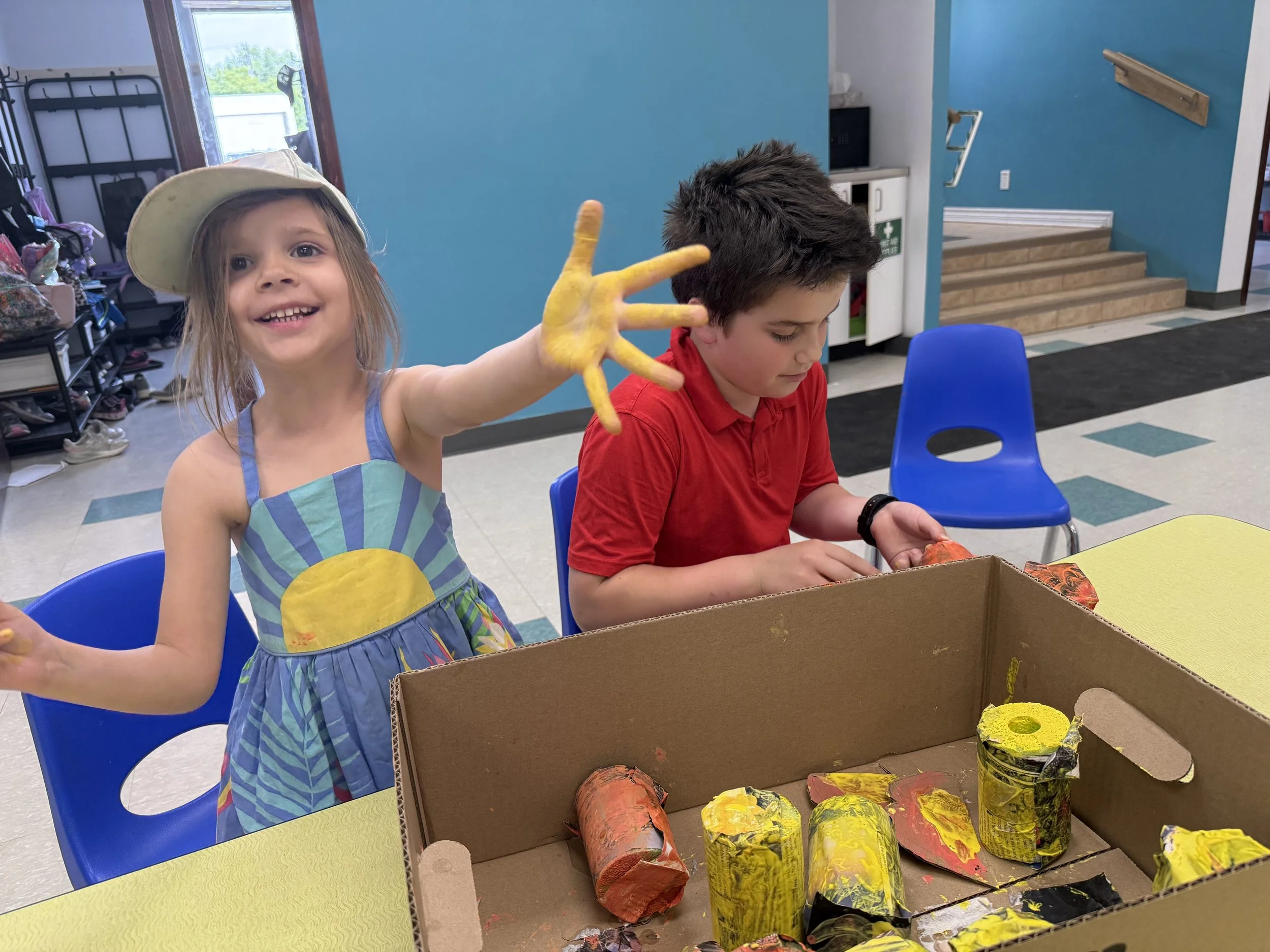
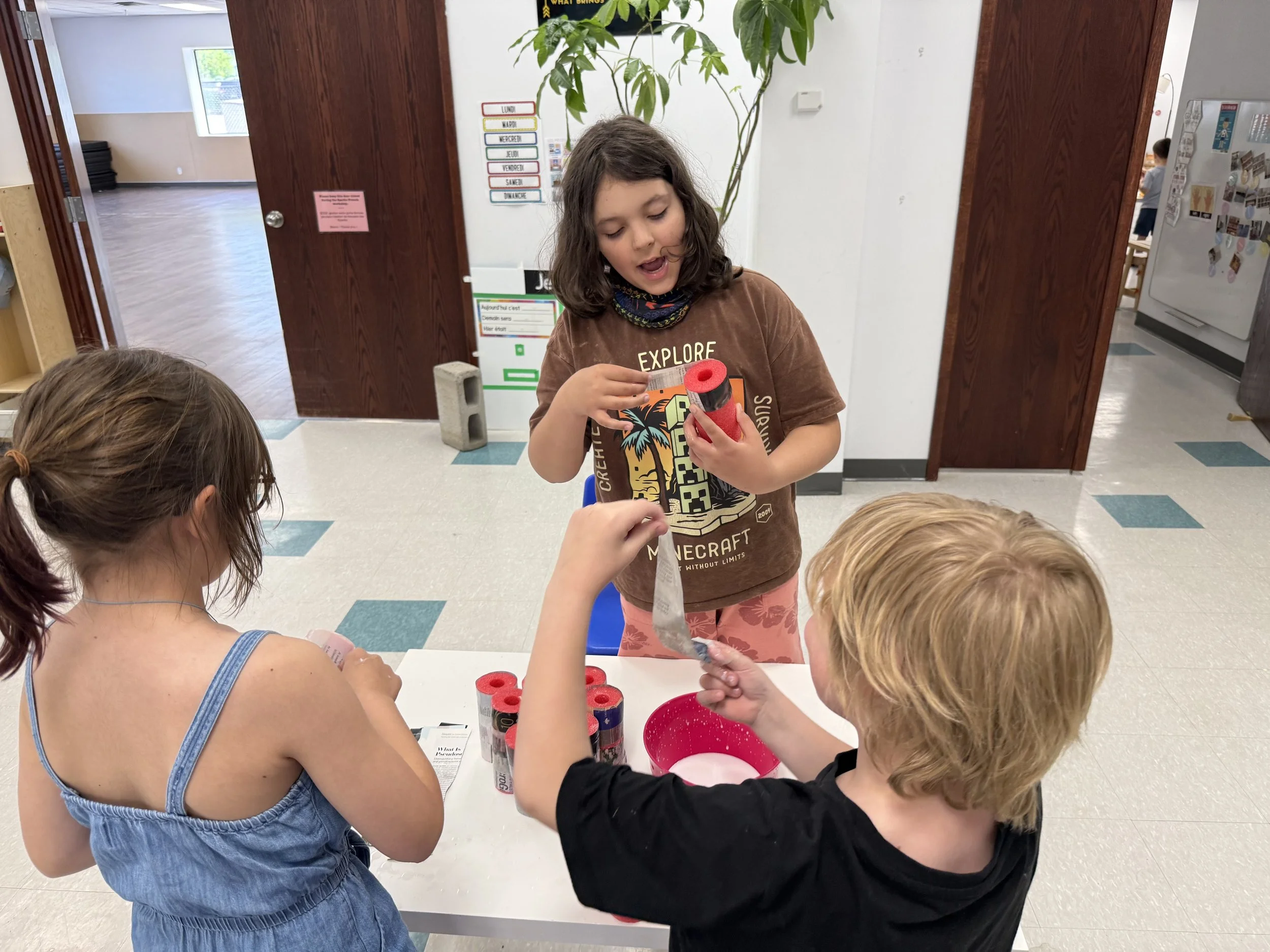
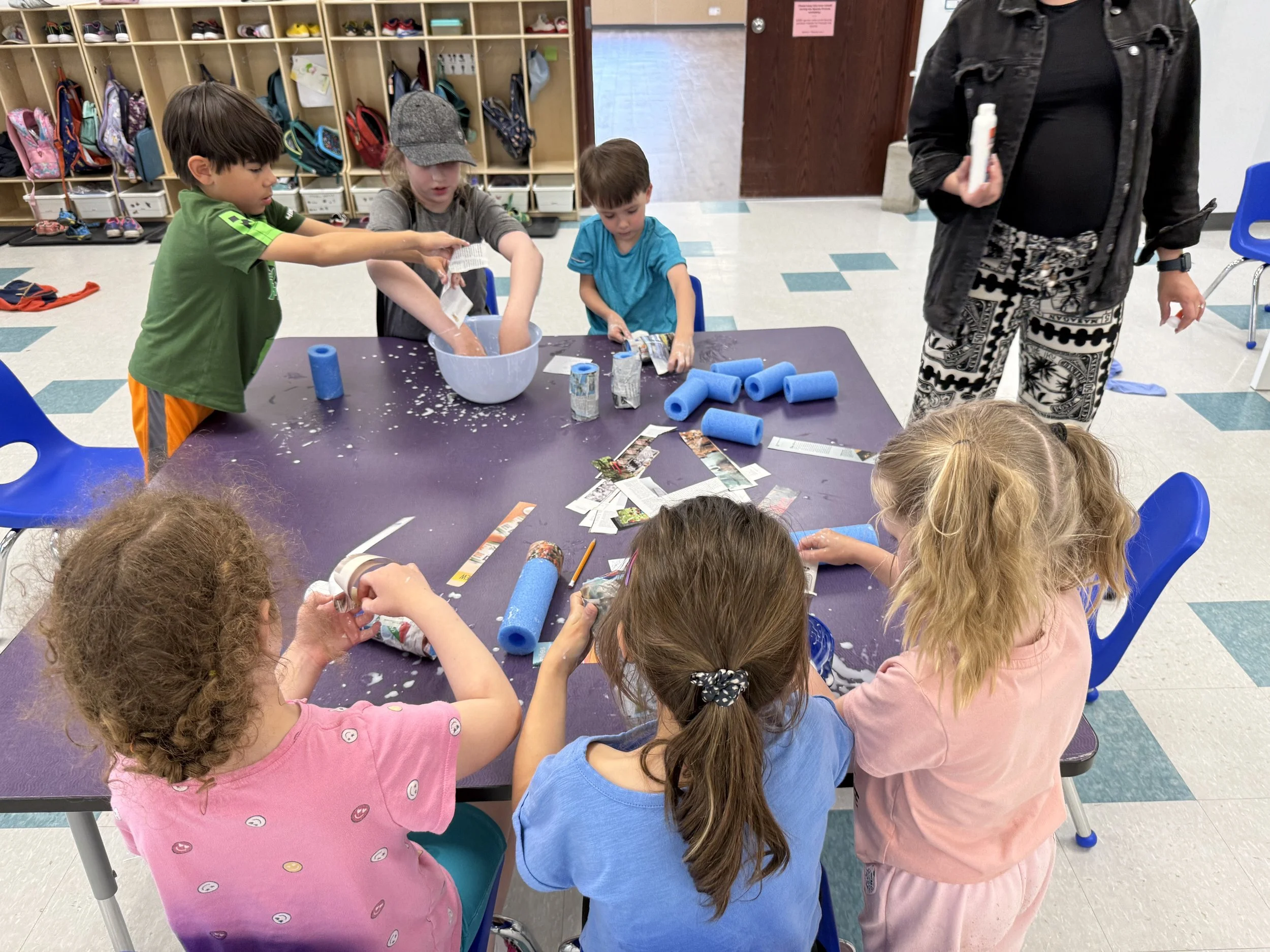
On Tuesday, Wednesday, and Thursday, we had the opportunity to collaborate with the Sparks on a special Colour Wheel Snake Sculpture project! Spark and Discovery Rebels joined forces to create papier-mâché snakes featuring either warm or cool colour schemes. Discovery Rebels were given the added challenge of incorporating Value into the designs created by the Sparks. Could they transition a colour from light to dark? Could they create new shades and tints through colour mixing? Could they alter a colour's value while maintaining harmony within the overall design? This colour theory activity was incredibly fun to watch unfold, especially as our mixed-age studios came together to spark creativity, support one another, and share plenty of smiles throughout the collaborative process.
Rebels wrapped up the week by continuing work on their colour wheel assignments and completing sketchbook pages focused on both Colour and Value. Up next: Form and Texture, featuring some exciting dragon eye sculptures!
French
Additional Highlights
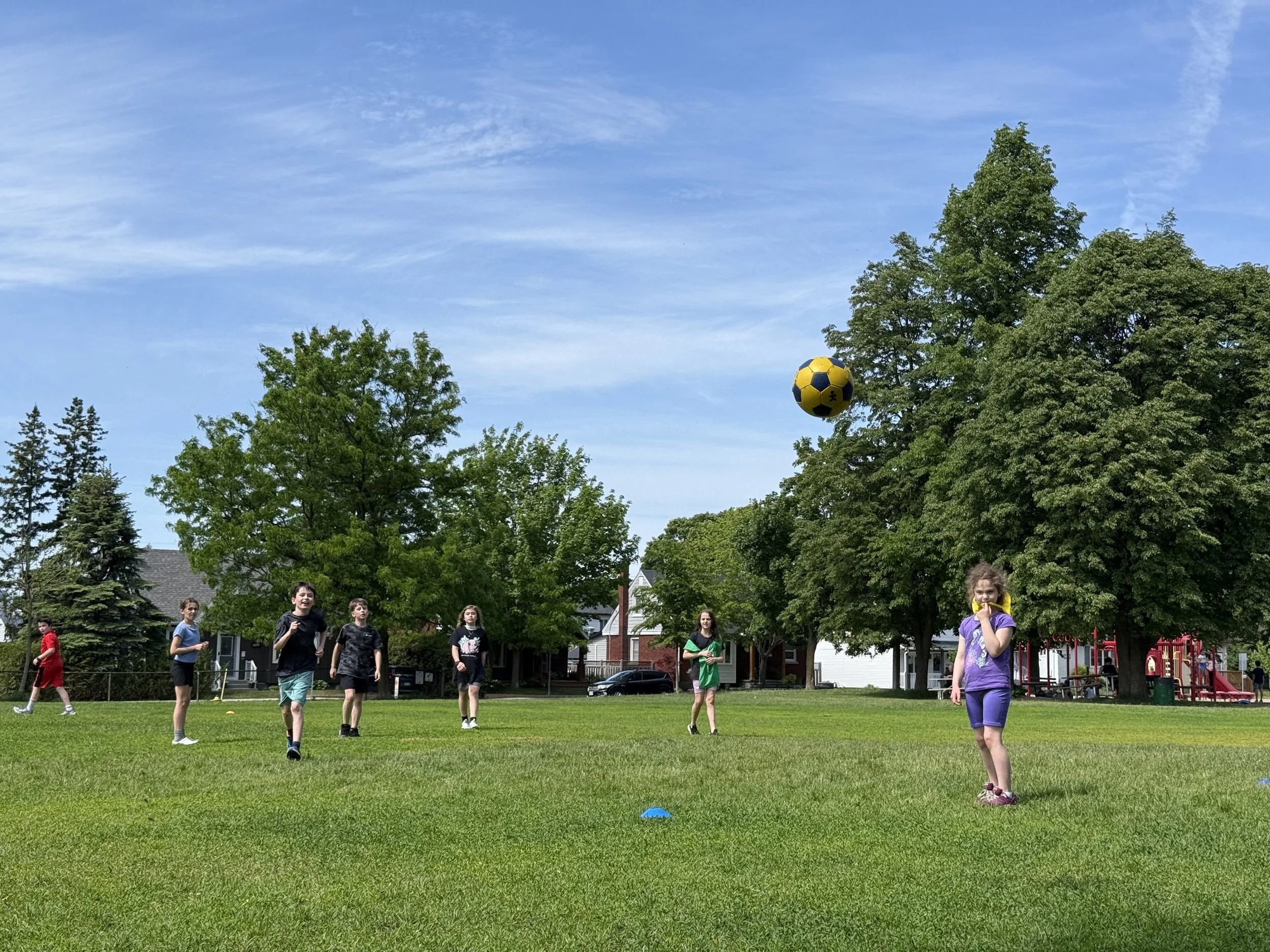
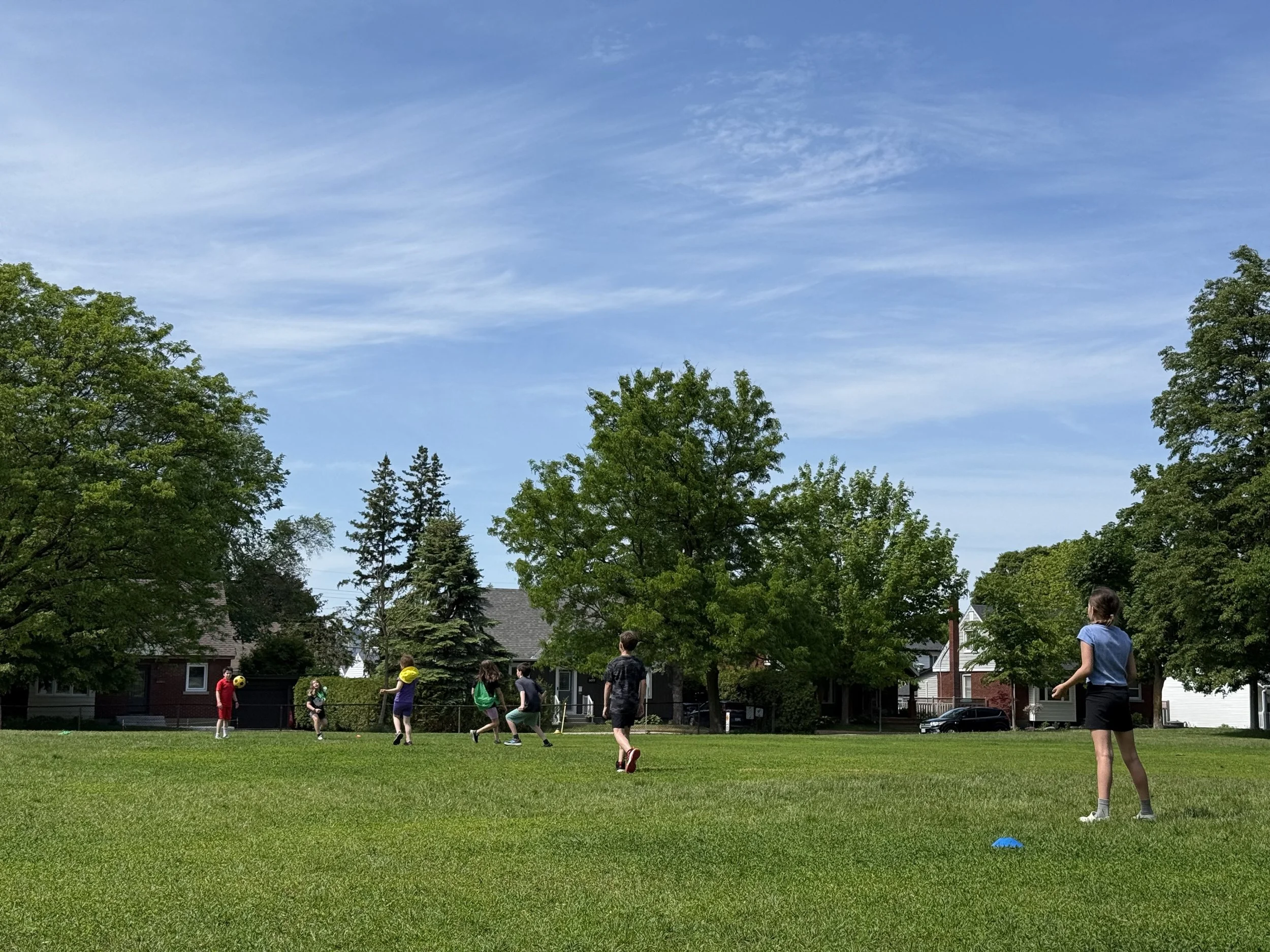
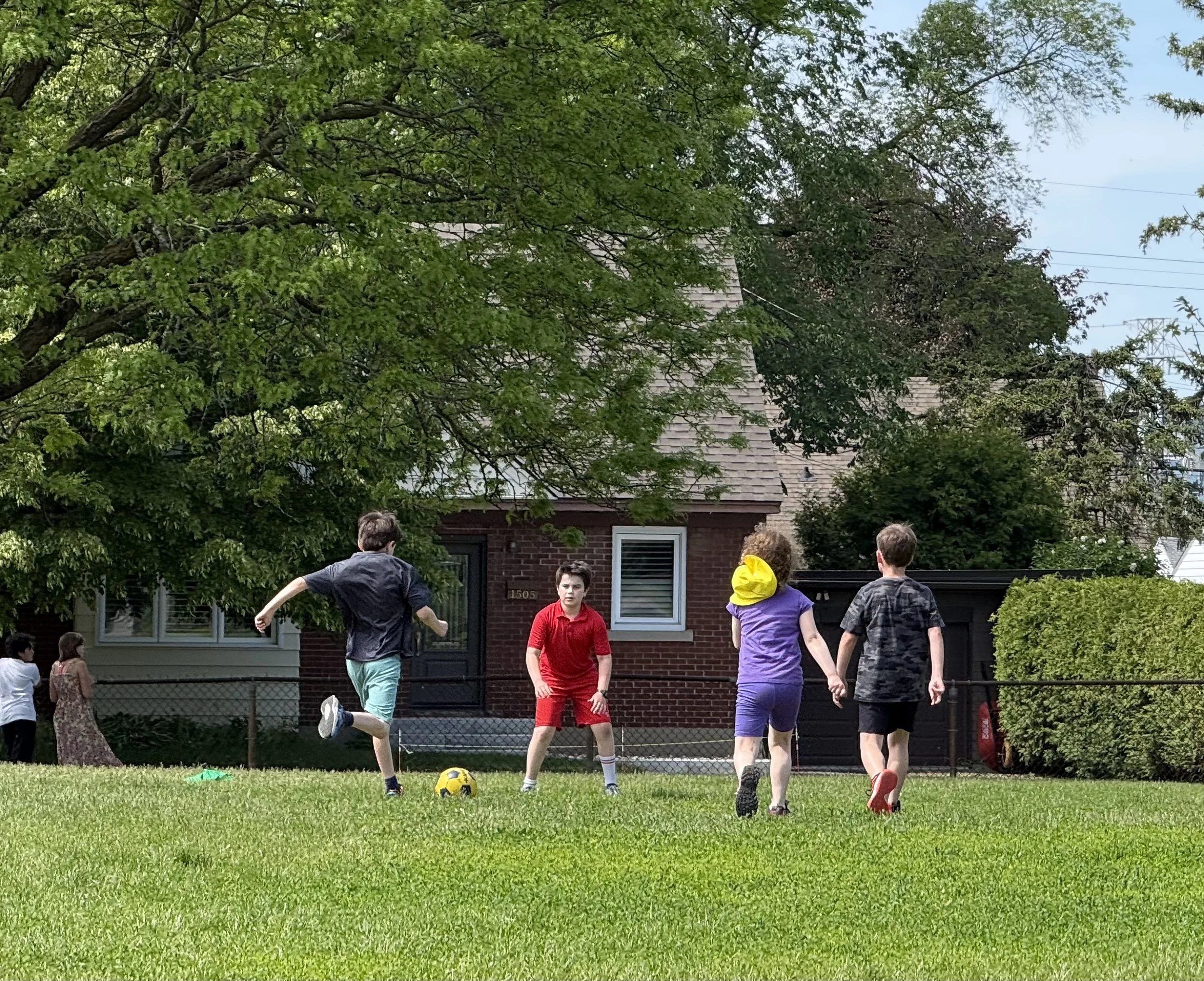
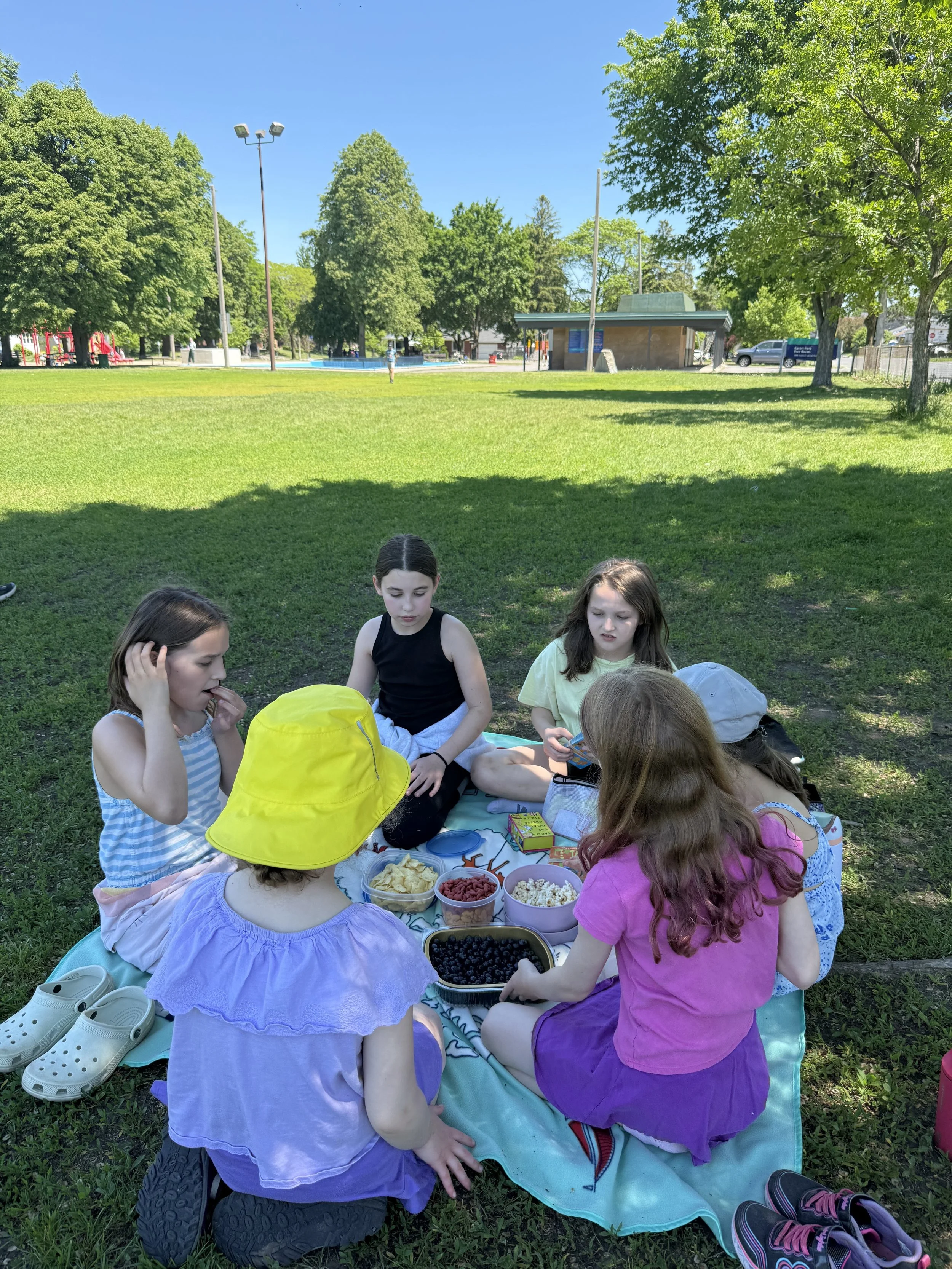
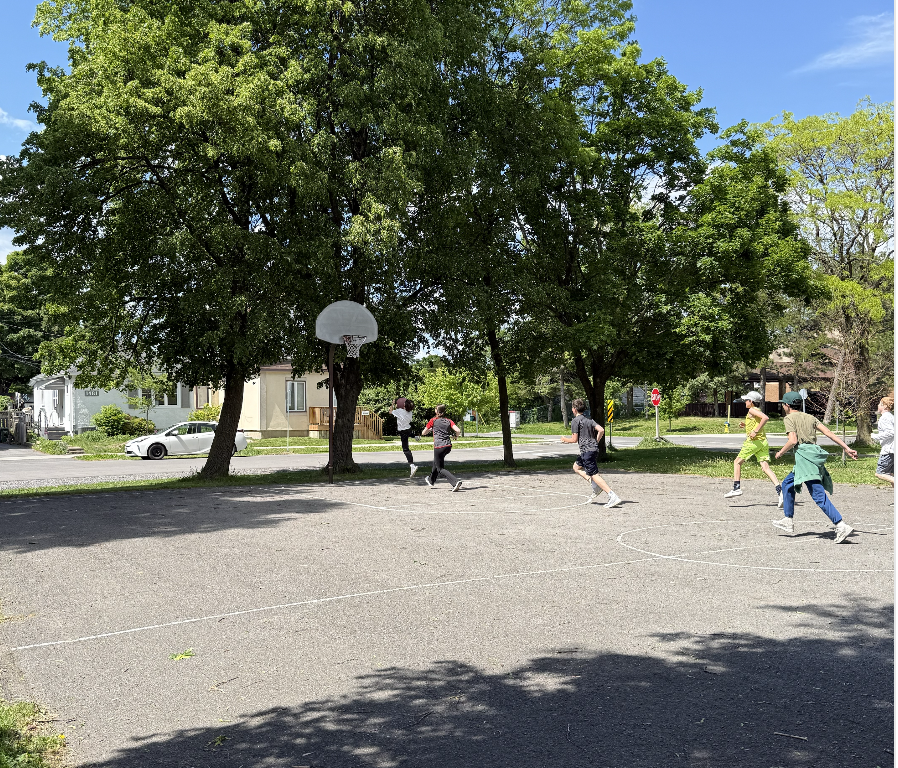
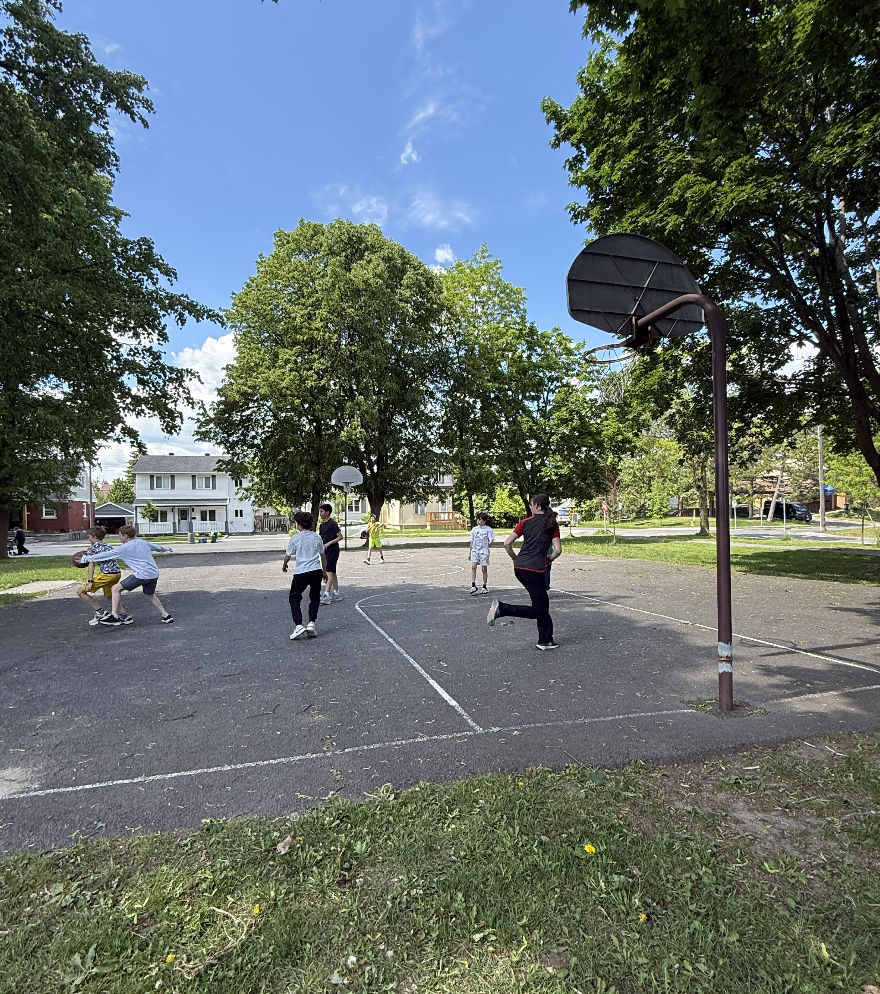
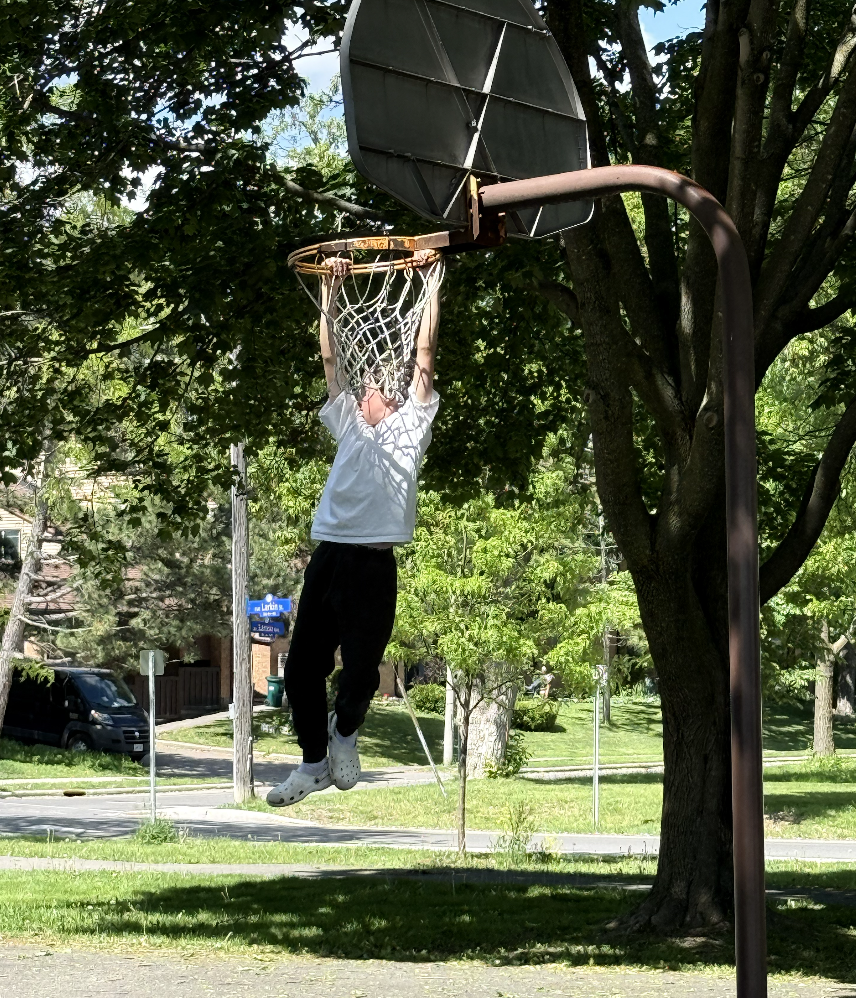
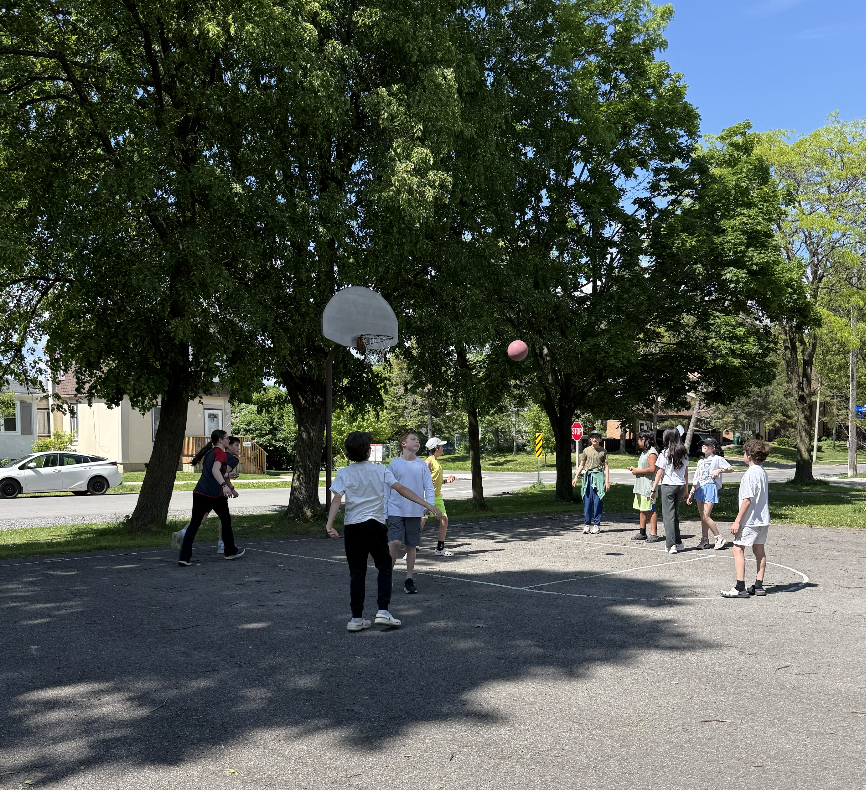
What an incredible week of weather! We couldn’t help but spend as much time as we possibly could outside in the sun! For PE workshops this week, Rebels had the option of playing basketball or soccer, going on a hike or enjoying some exciting rounds of Man Hunt at the park. Coming up next week, we have a very special Pump Track PE workshop planned by one of our very own Discovery Rebels! Please check out our Discovery Rebels Band App for more details on next week’s PE workshops.
Exploration Studio
Mindfulness & Launch
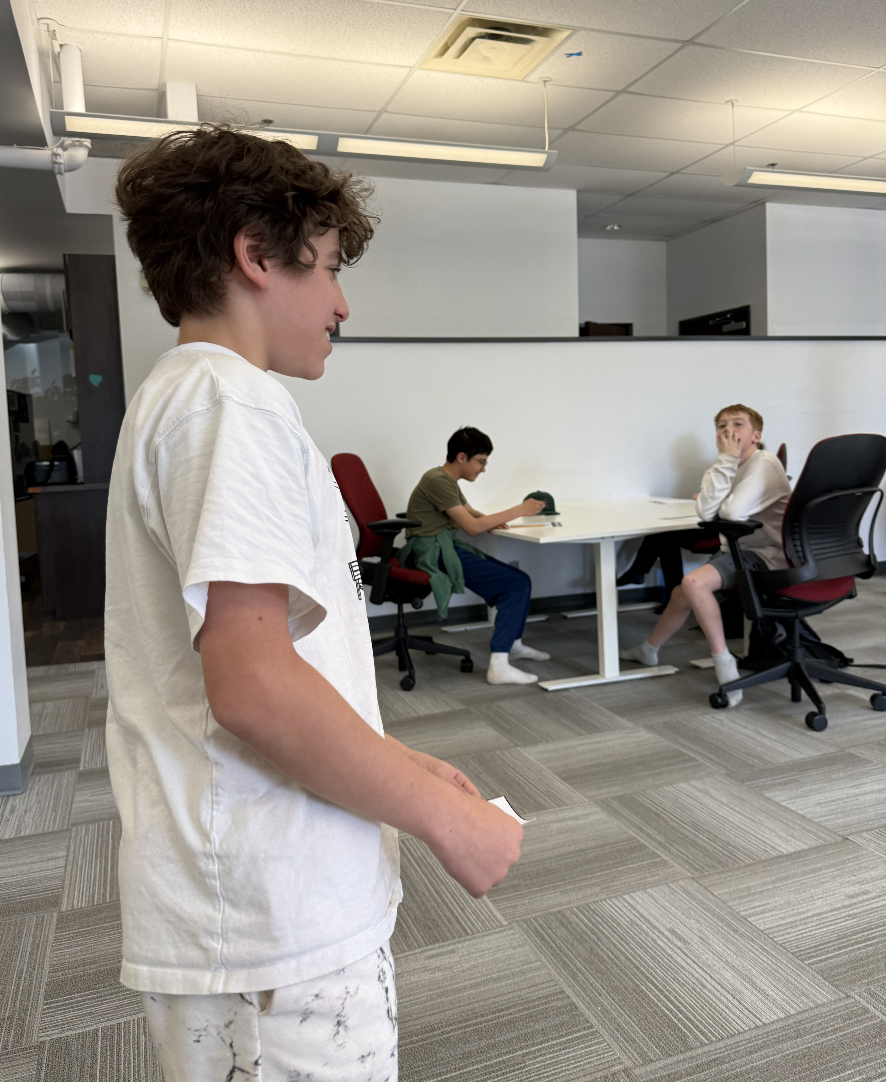
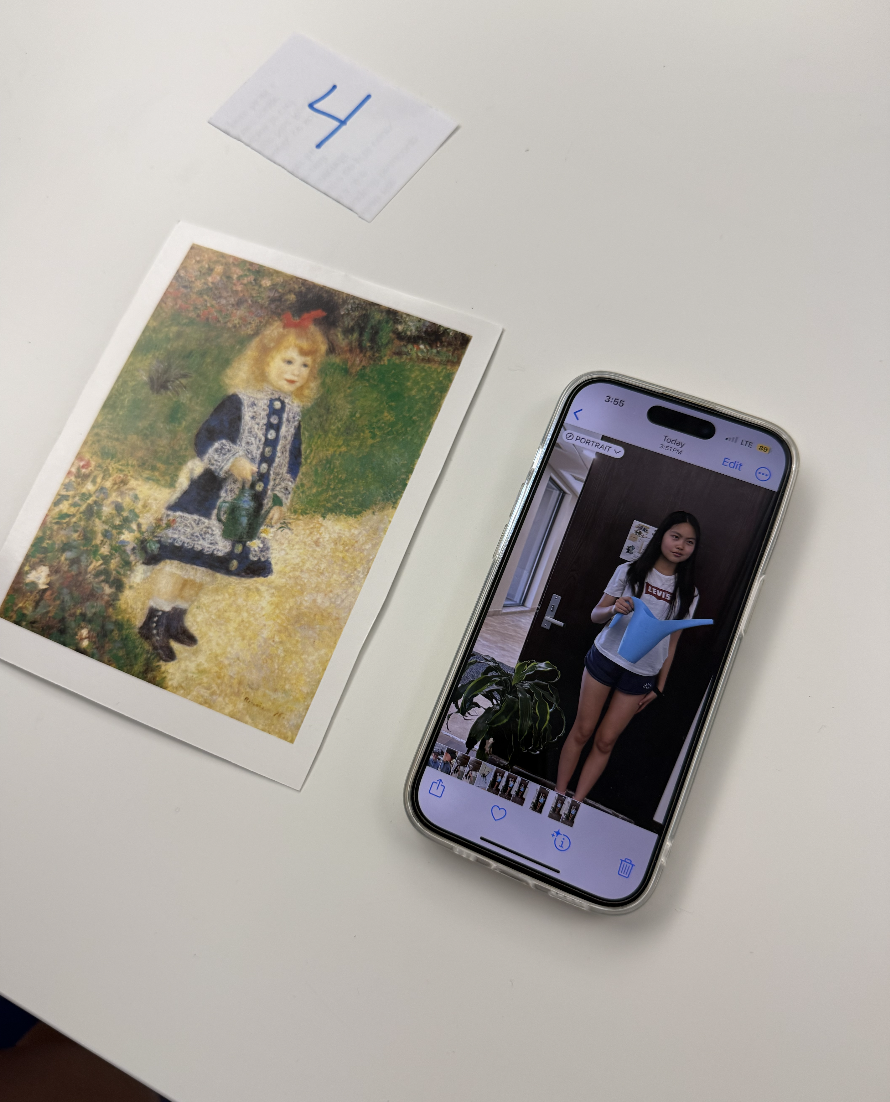
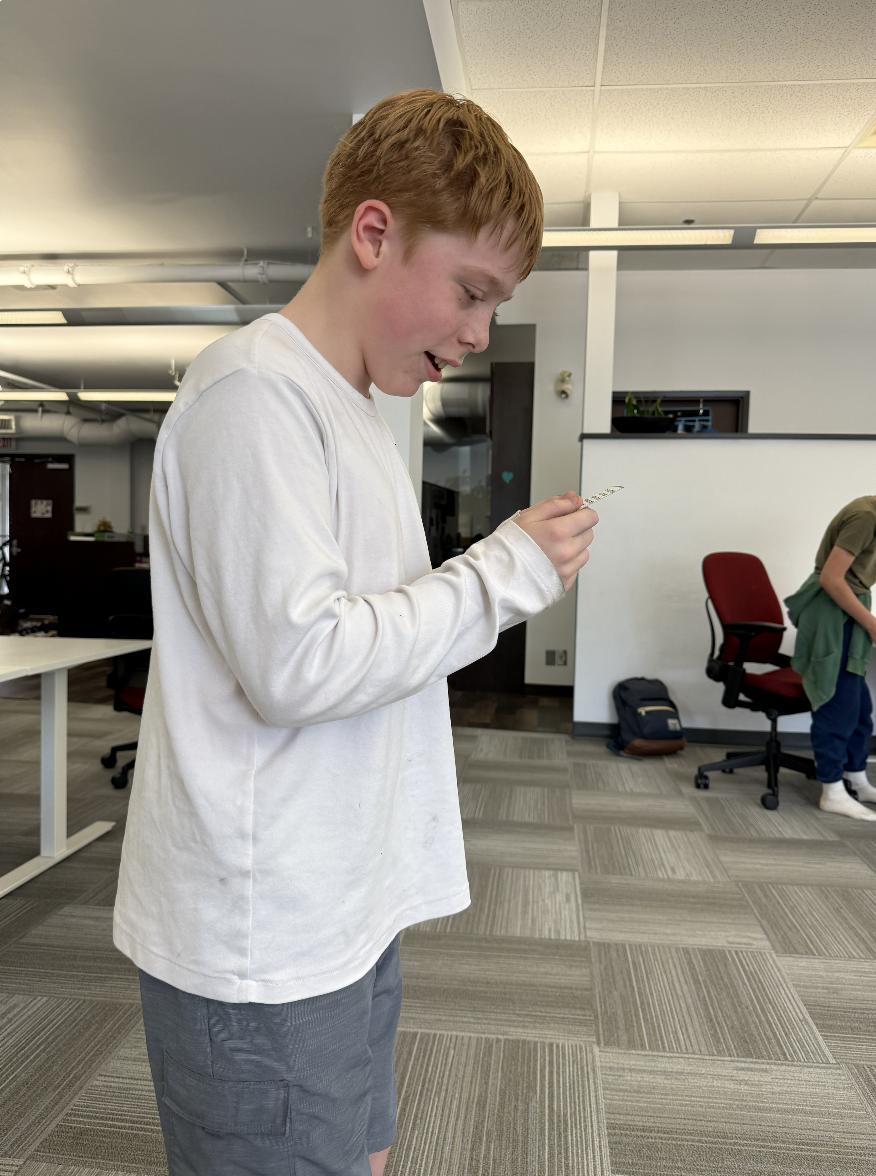
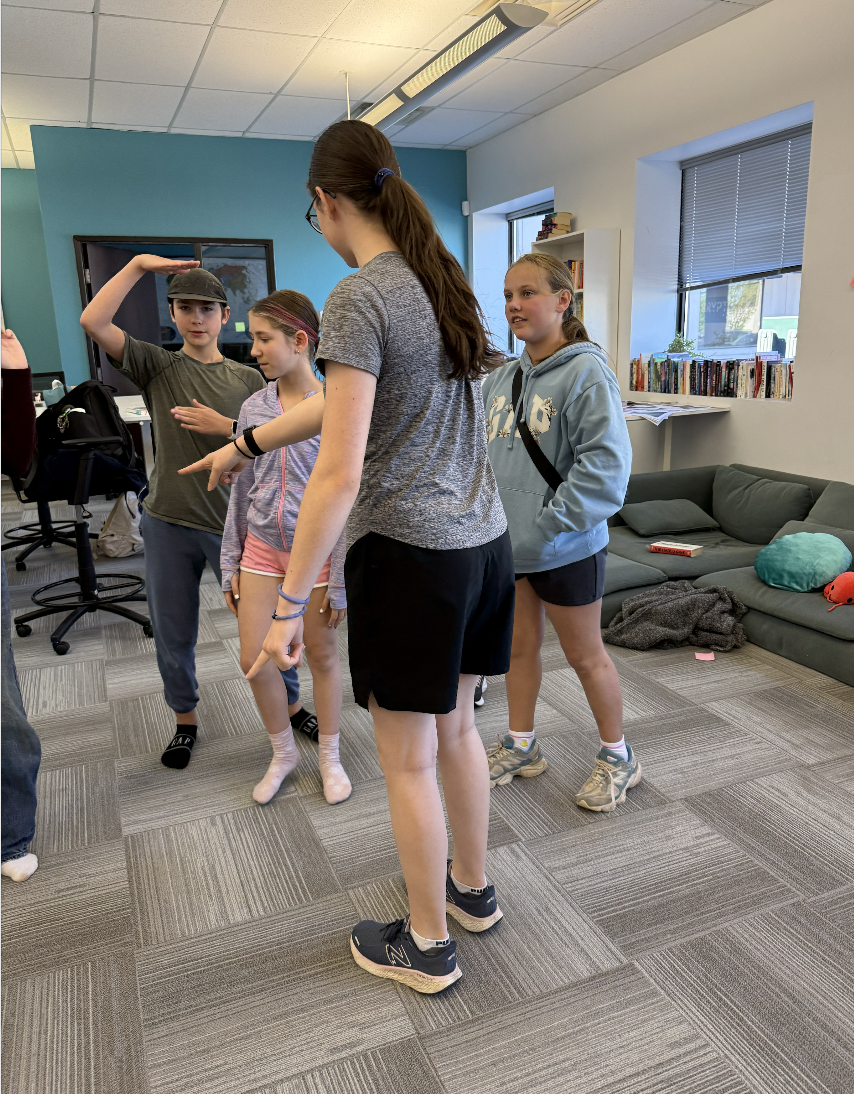
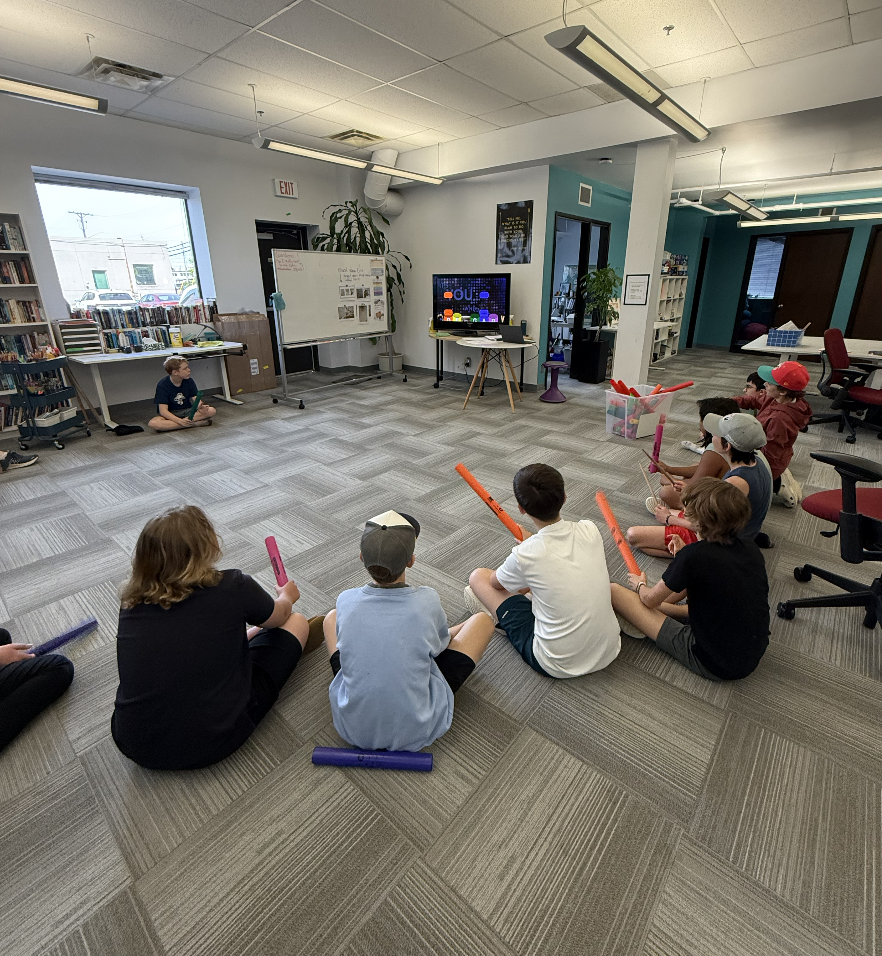
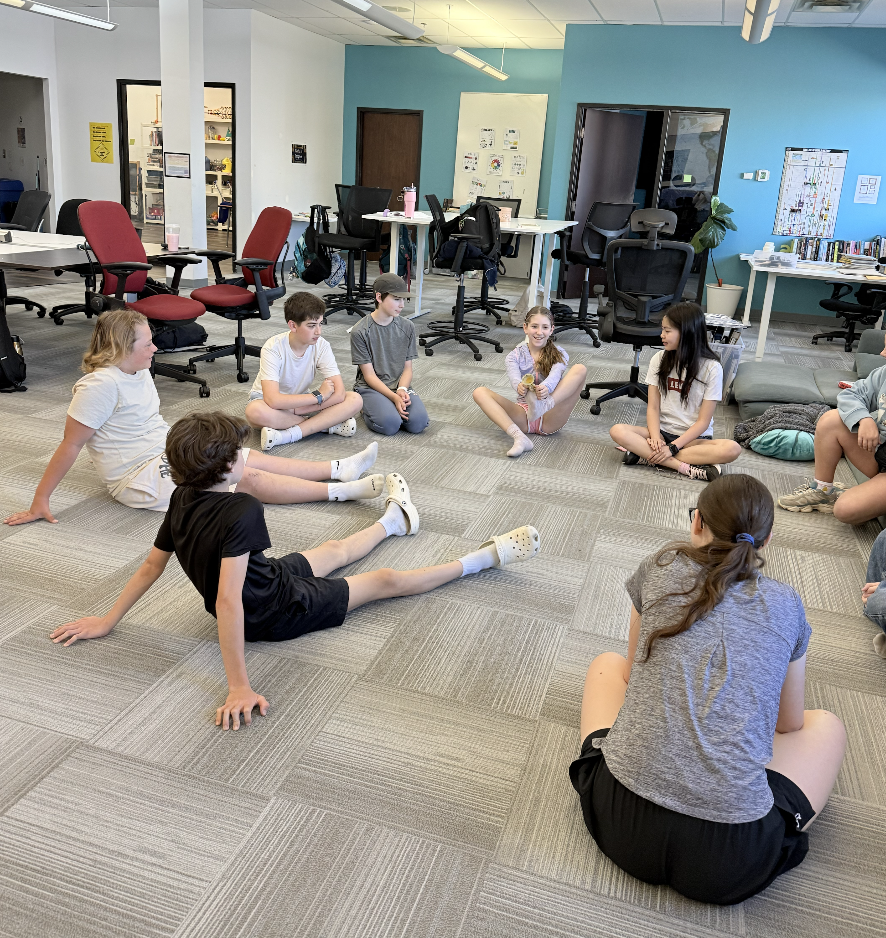
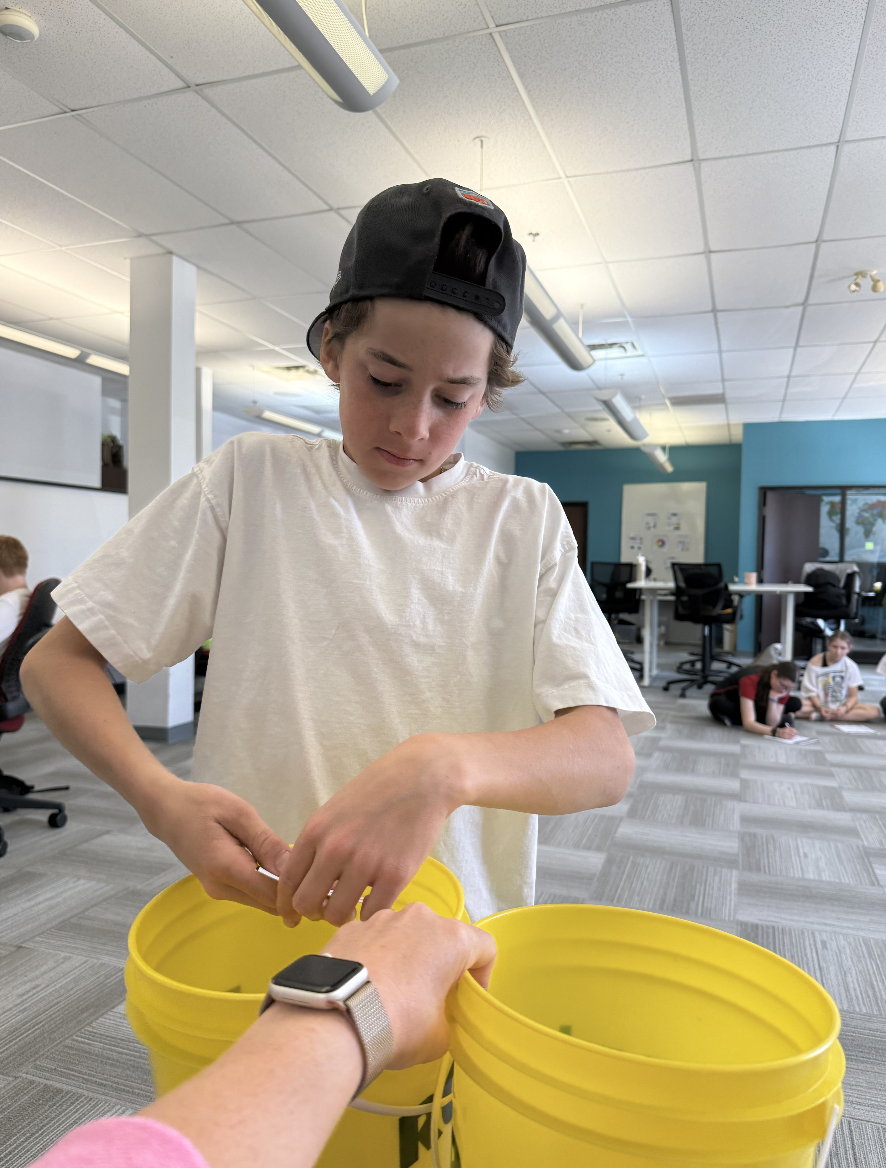
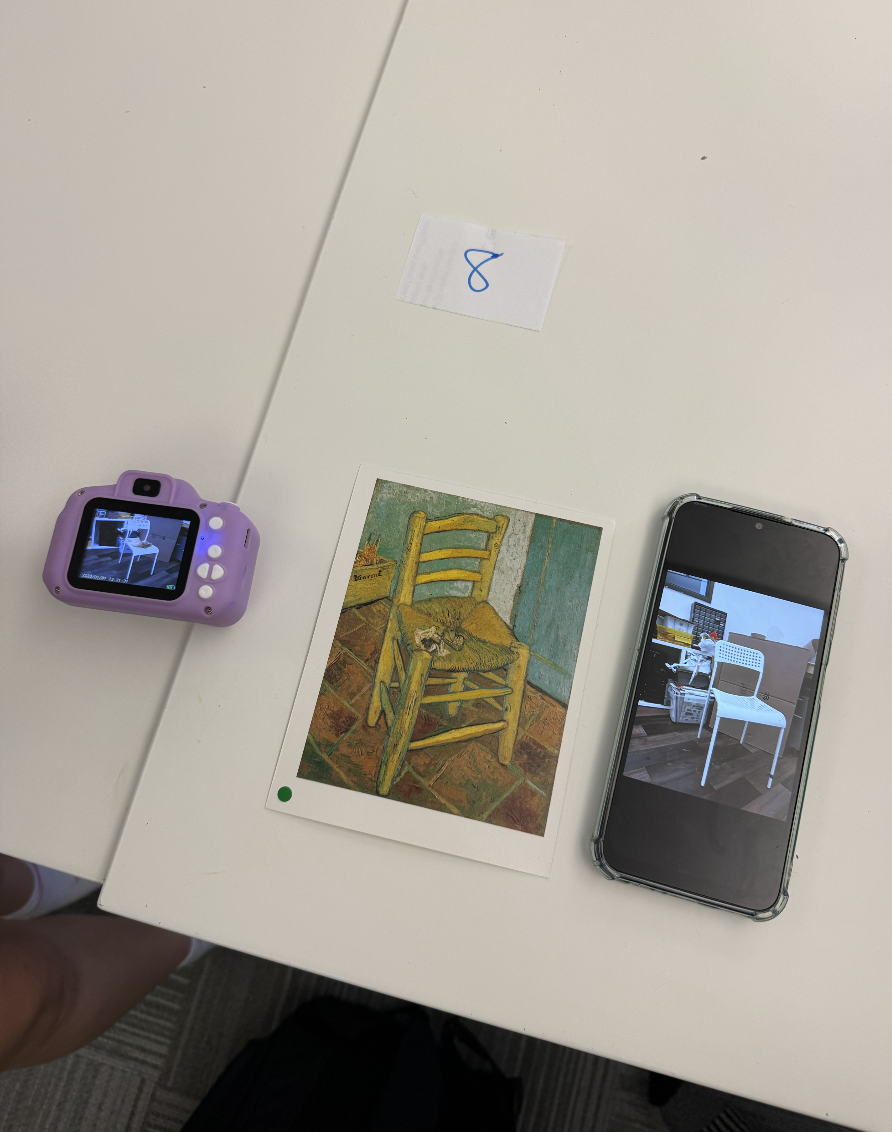
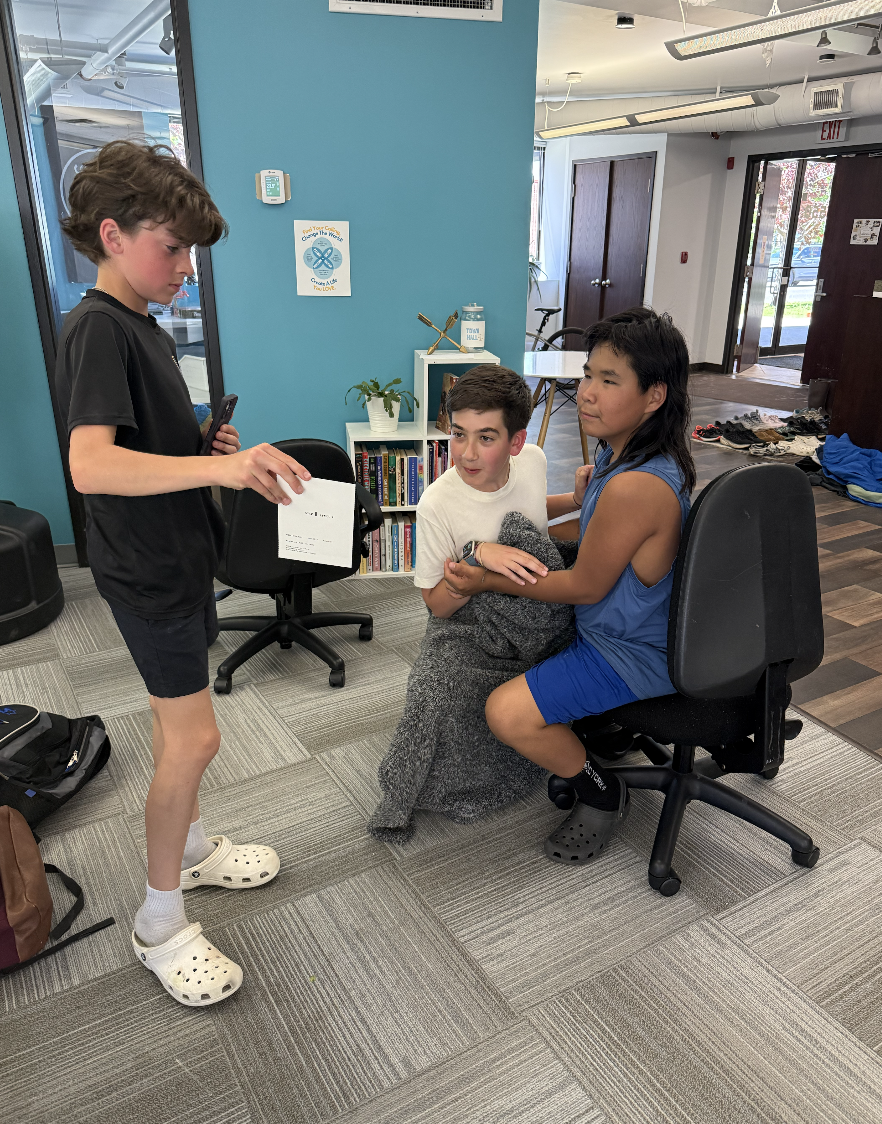
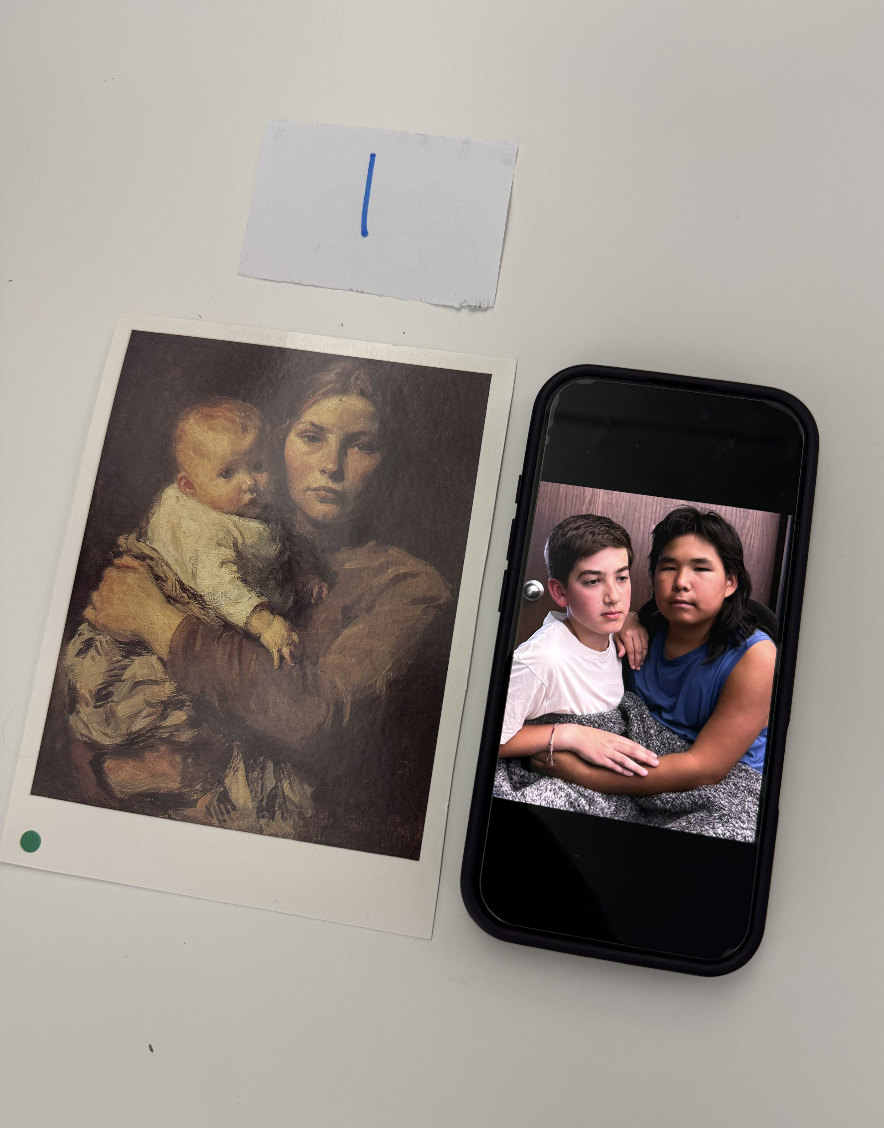
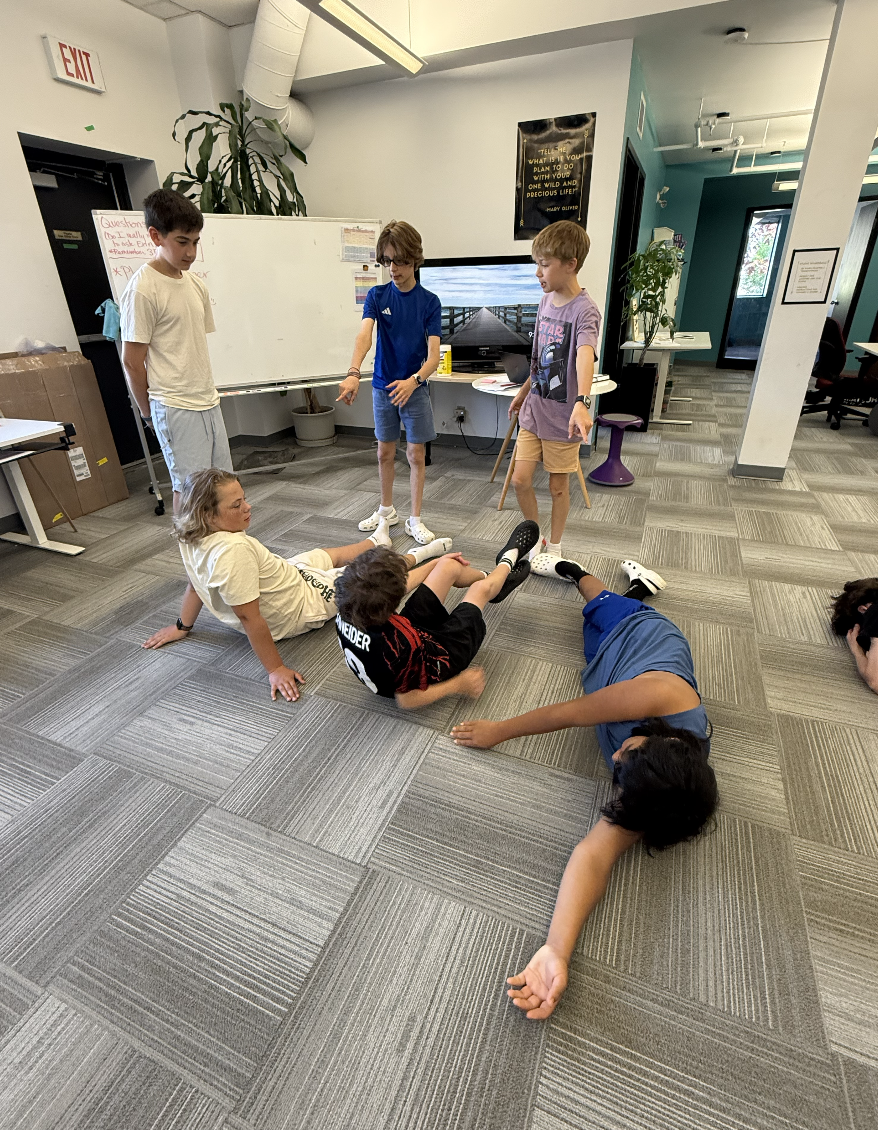
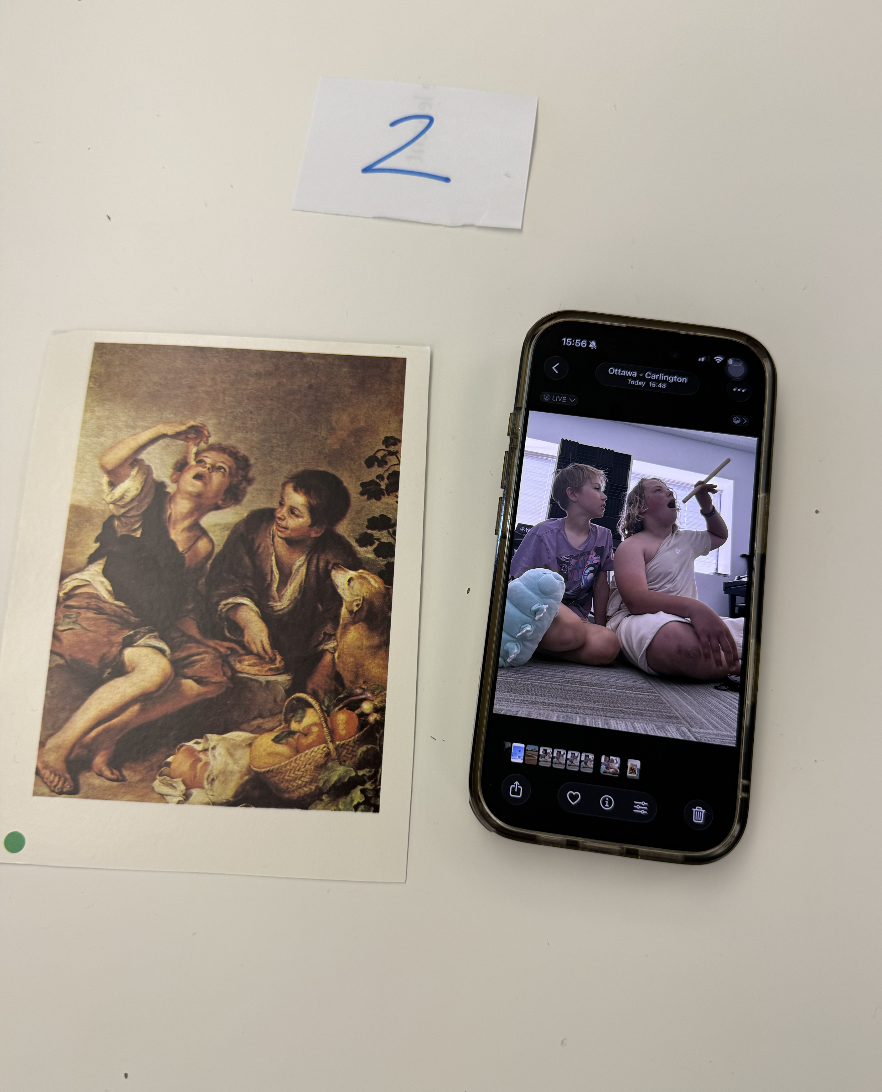
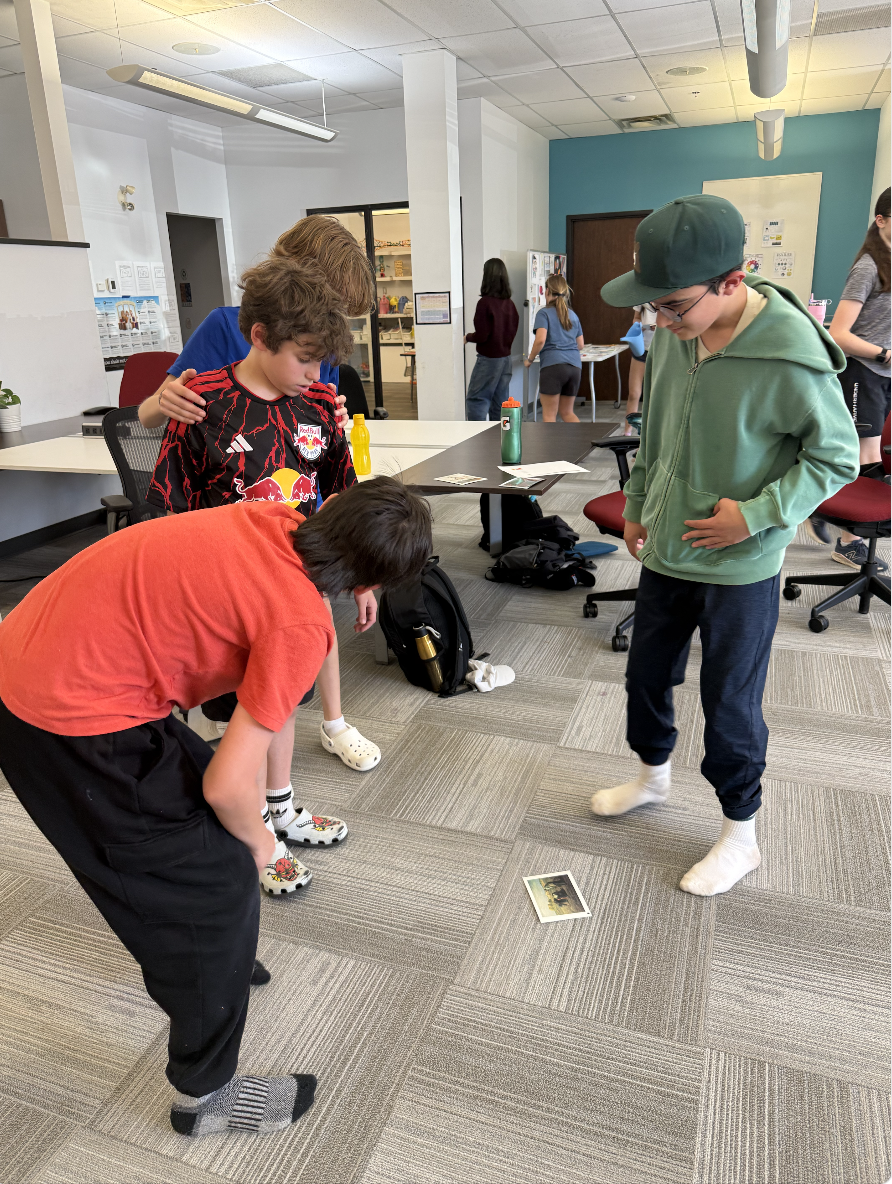
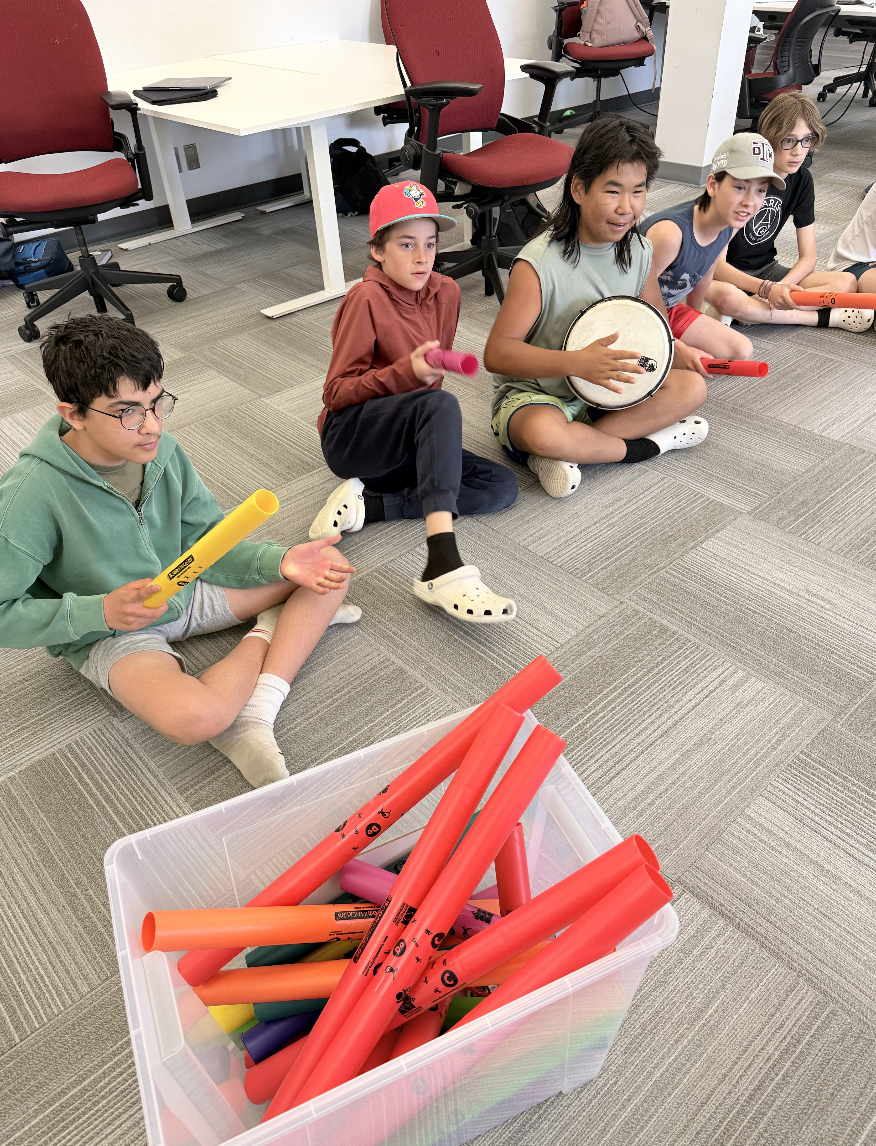
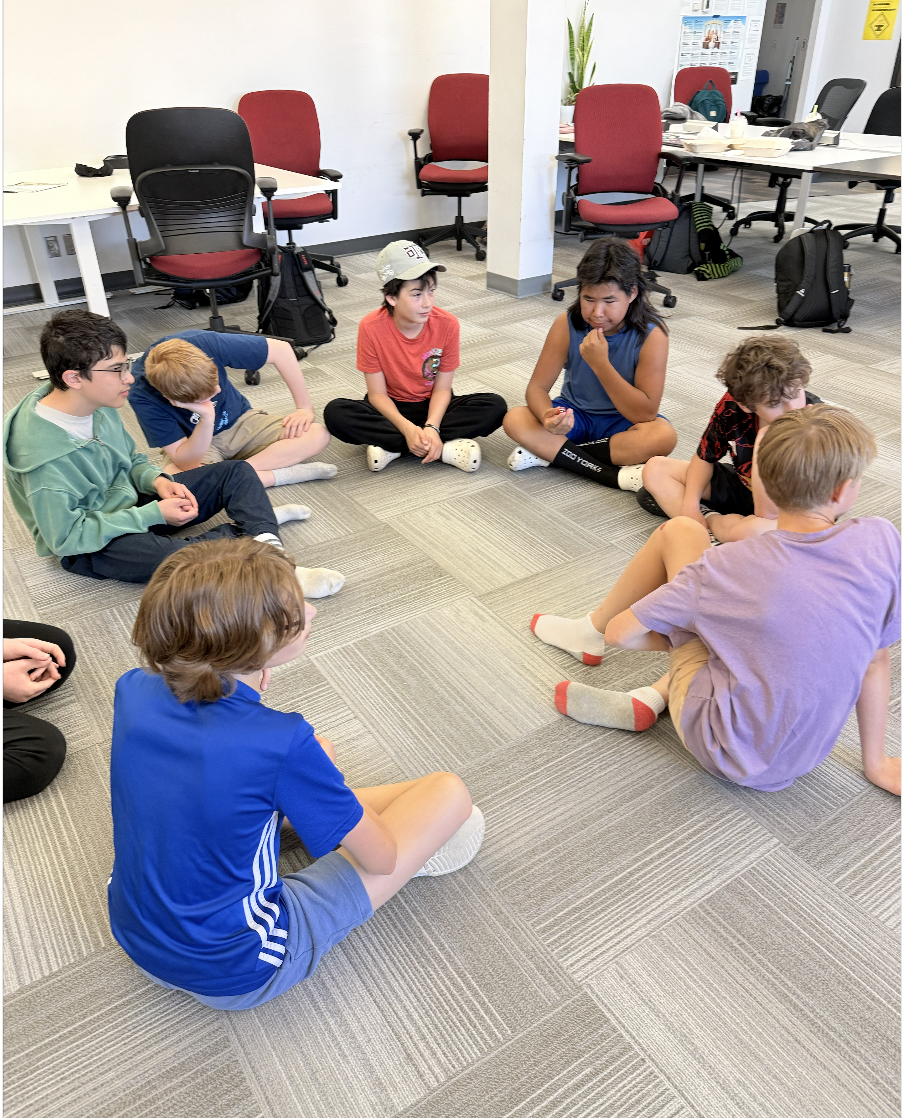
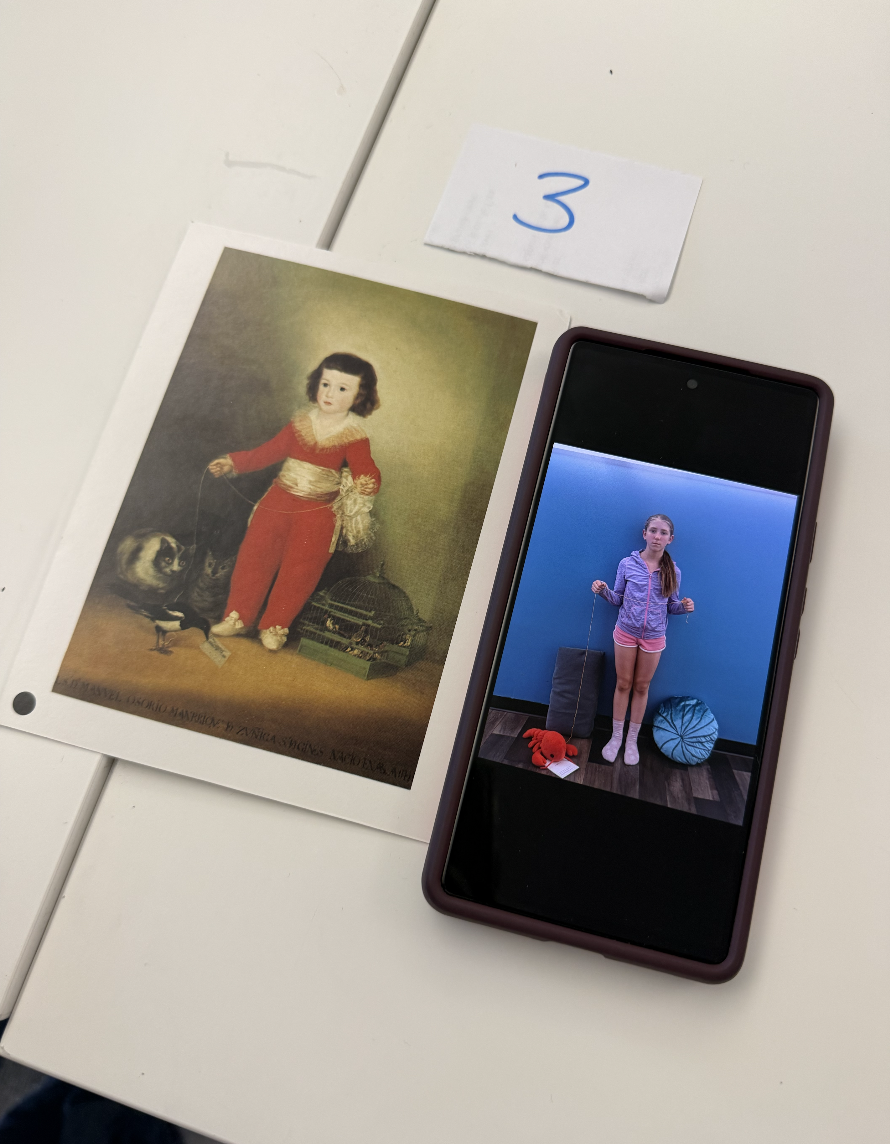
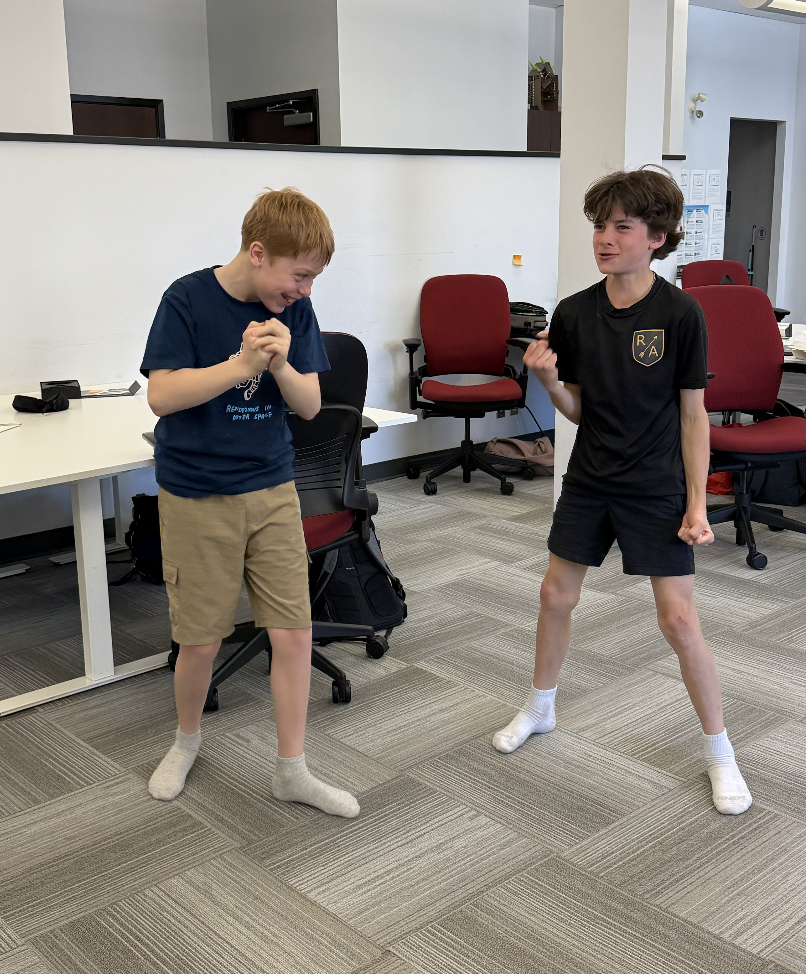
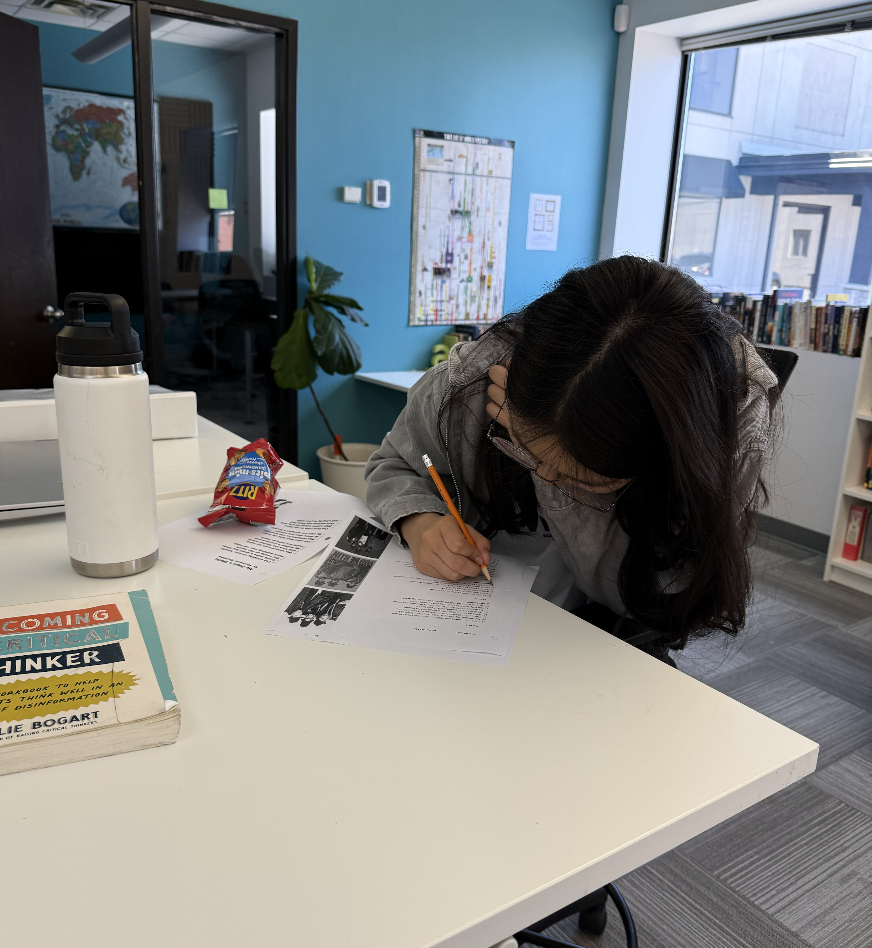
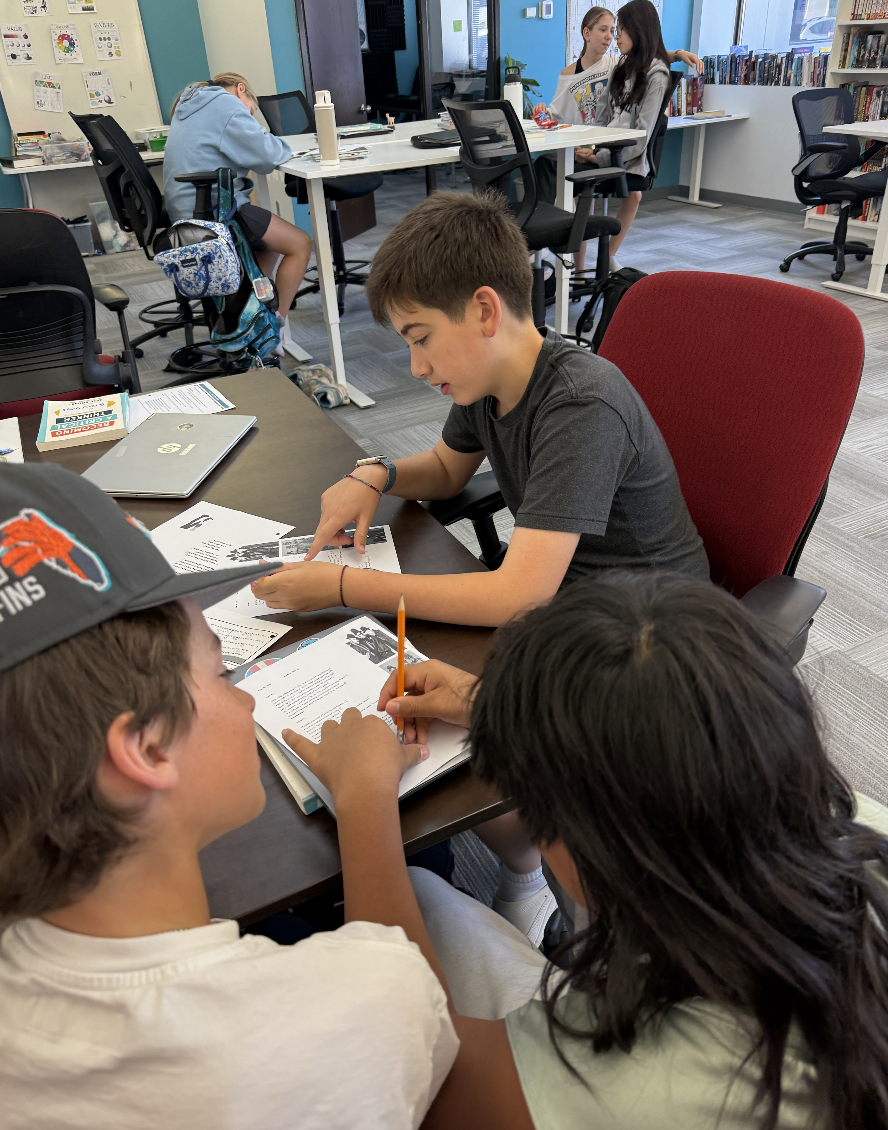
Throughout the year, Rebels have examined many viewpoints in their Becoming a Critical Thinker course. Monday morning, instead of examining their own thoughts, they were challenged to sit with a perspective they don't hold with a lesson entitled "Believing Game: Flipping the Script from Doubt to Belief." At the end of the day, Rebels played the Expression Game to improve their public speaking skills. Each Rebel picked an expression card out of a bucket and a famous quote out of another bucket. They then read the famous quote, using the expression on the selected card. After they read their quote, the other learners tried to guess which expression they were portraying. Learners recognized the difficulty of portraying specific emotions, especially when using someone else's words. On Tuesday, Rebels warmed up with a descending scale on their Boomwhackers before playing "Zoo" from Zootopia, "Could Have Been Me" from Sing 2, and "Butter" by BTS. Rebels then learned about the Middle Ground Fallacy, which occurs when someone thinks the truth lies somewhere between two ideas, or that compromise is always the best solution. We began our Drama Workshop on Wednesday morning with a warm-up called "Shoe Shuffle." To further develop our imagination and miming skills, we passed around an everyday object, and learners used it, changing it into a different object each time. We then played "There is Only One Liar," a fun, psychological group-dynamics game in which they guessed who was tapped once they opened their eyes. In the first round, no one was tapped; in the second, everyone was. It was interesting to hear the learners' observations about who they suspected based on changes in expression, increased giggling, not making eye contact, etc. Our drama workshop ended with a game where Rebels created a tableau to illustrate an object, setting, or event. The learners did an awesome job of working together to create a circus, word, and fitness class! At Wednesday's Closing, Rebels took on a recreating challenge in which learners chose a famous artwork to recreate in a photo. Check out some of their awesome 10-minute recreations! On Thursday, Rebels enjoyed their morning walk, and on Friday, they quickly solved a series of puzzles before their Current Events presentation.
Reader/Writer Workshop
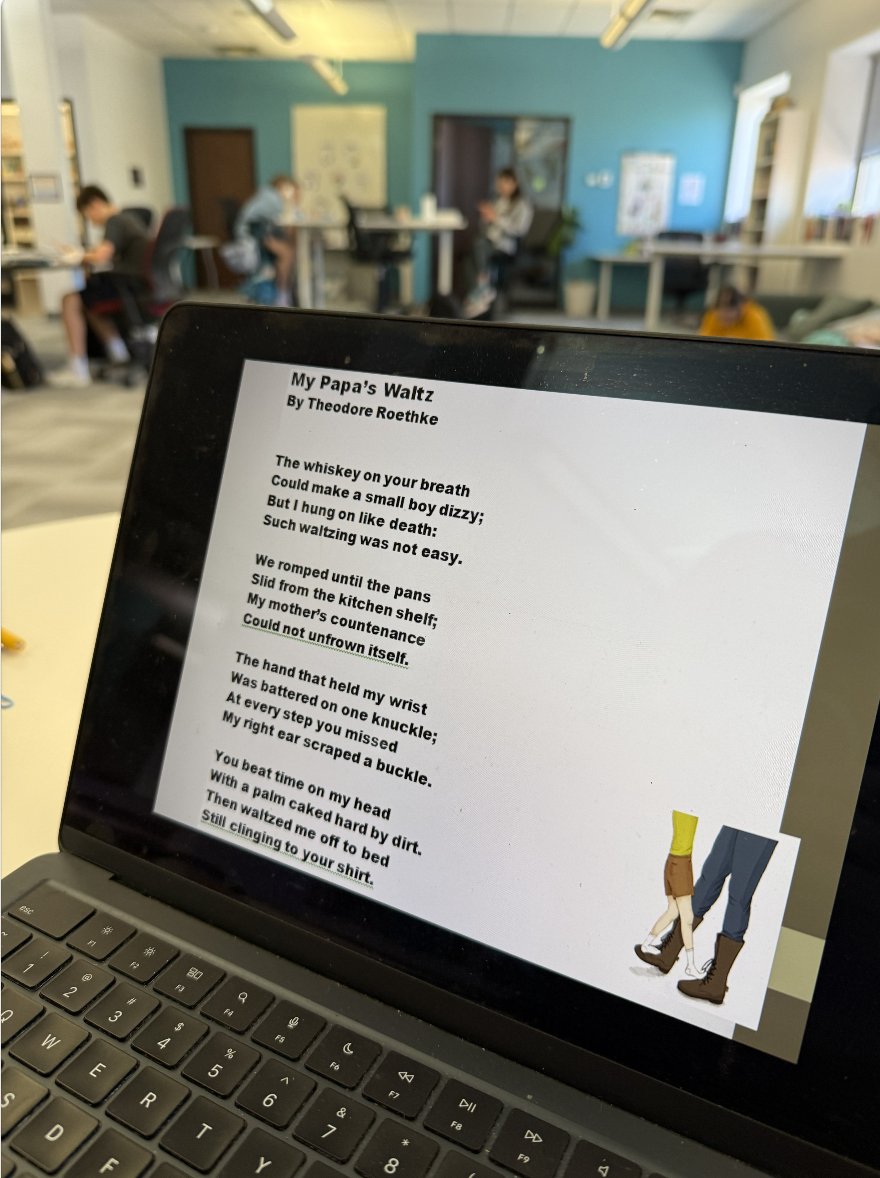
This week, Rebels turned their focus to Rhyme Scheme! We began with a full studio lesson, using a series of examples to label the rhyme scheme. Learners then labelled the poem "My Papa's Waltz" before listening to and labelling Run DMC's song "You Be Illin." To end the class, Rebels reviewed limericks before trying their hand at writing their own!
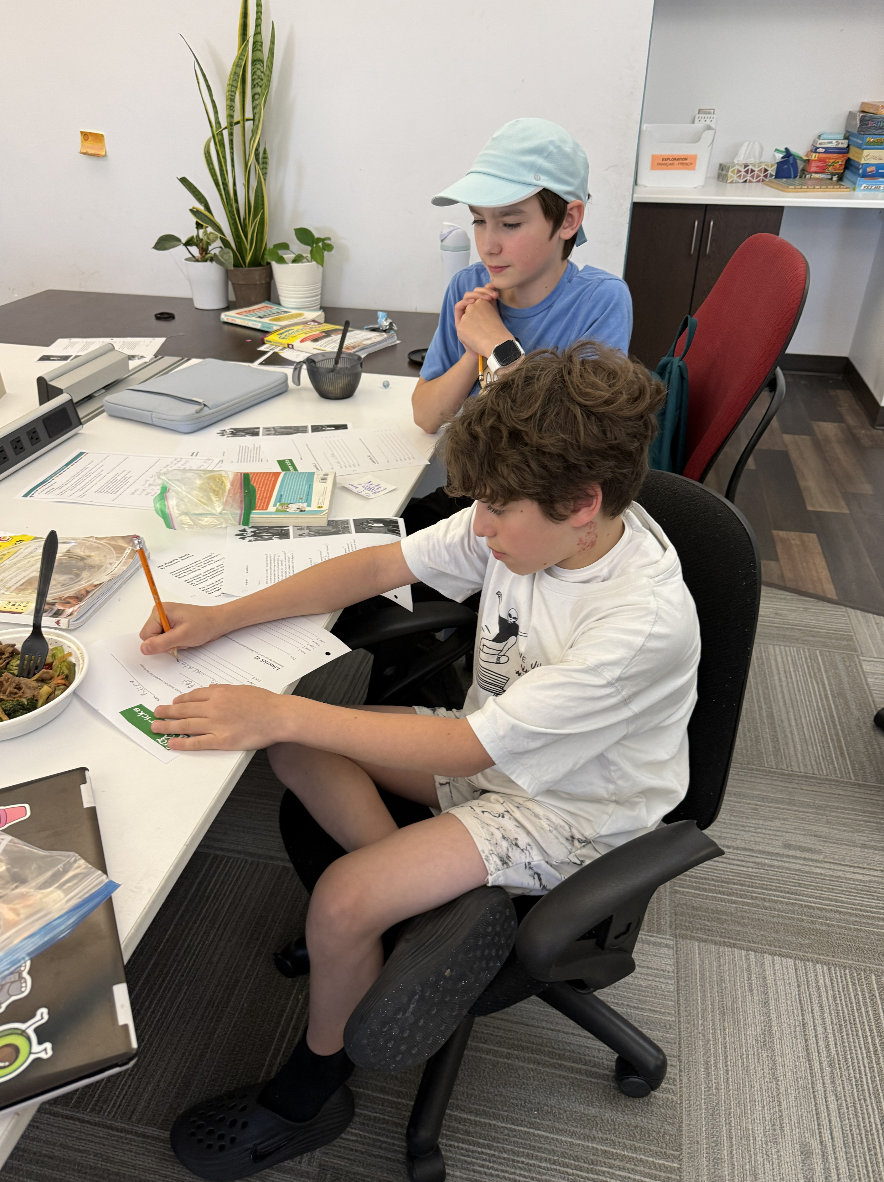
Poem of the Week, Poetry Challenge, and Grammar
Besides Limericks, Rebels also wrote a seven-line cascading poem. First, they wrote a sentence with seven words, and then each subsequent line started with the next word of the first sentence. (When you read the first words of each line going down, they should be the same sentence as the first line.) It's always a pleasure to read what the learners so obviously care about.
The Reading Challenge was a really tricky one this week! This week, we focused on Poetry Meter. English is a rhythmic language; the pitch in our voice is always going up and down depending on the words we use. Meter describes the patterns of stressed and unstressed syllables in lines of poetic verse. Rebels were introduced to some meter patterns we may encounter as we read poetry, such as Iambic, Trochaic, Anapestic, Dactylic, and Spondaic. We also learned how to count the number of feet we put together in a line to identify whether it was a Monometer, Dimeter, Tercet/Trimeter, Tetrameter, Pentameter, Hexameter, Heptameter, or Octameter. After going over examples of each meter, Rebels worked together to attempt the weekly challenge.
This week's grammar was on parts of speech. Rebels reviewed nouns, pronouns, verbs, adjectives, adverbs, prepositions, conjunctions, and intersections before completing a variety of tasks, including labelling several words with their parts of speech. We also played three rounds of MadLibs at Thursday's Closing to help consolidate our knowledge.
Math Lab - Game On!
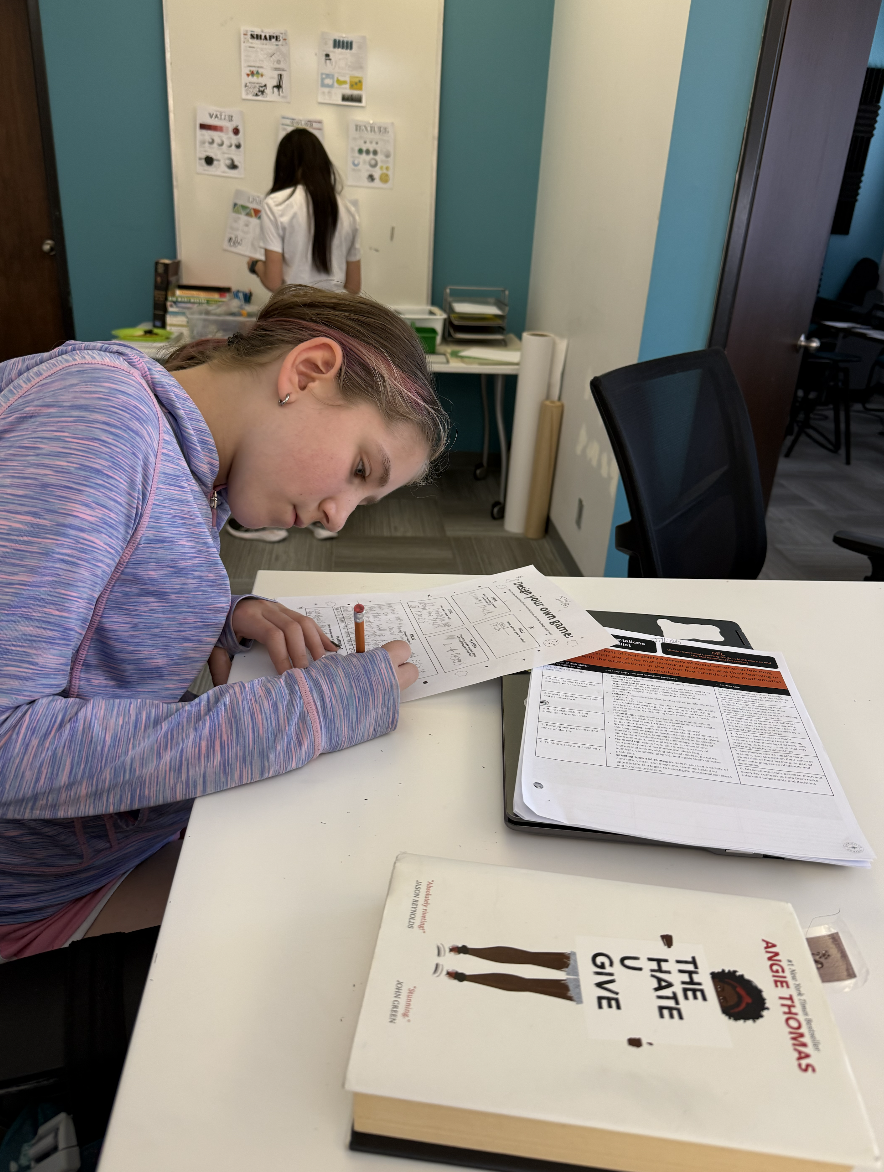
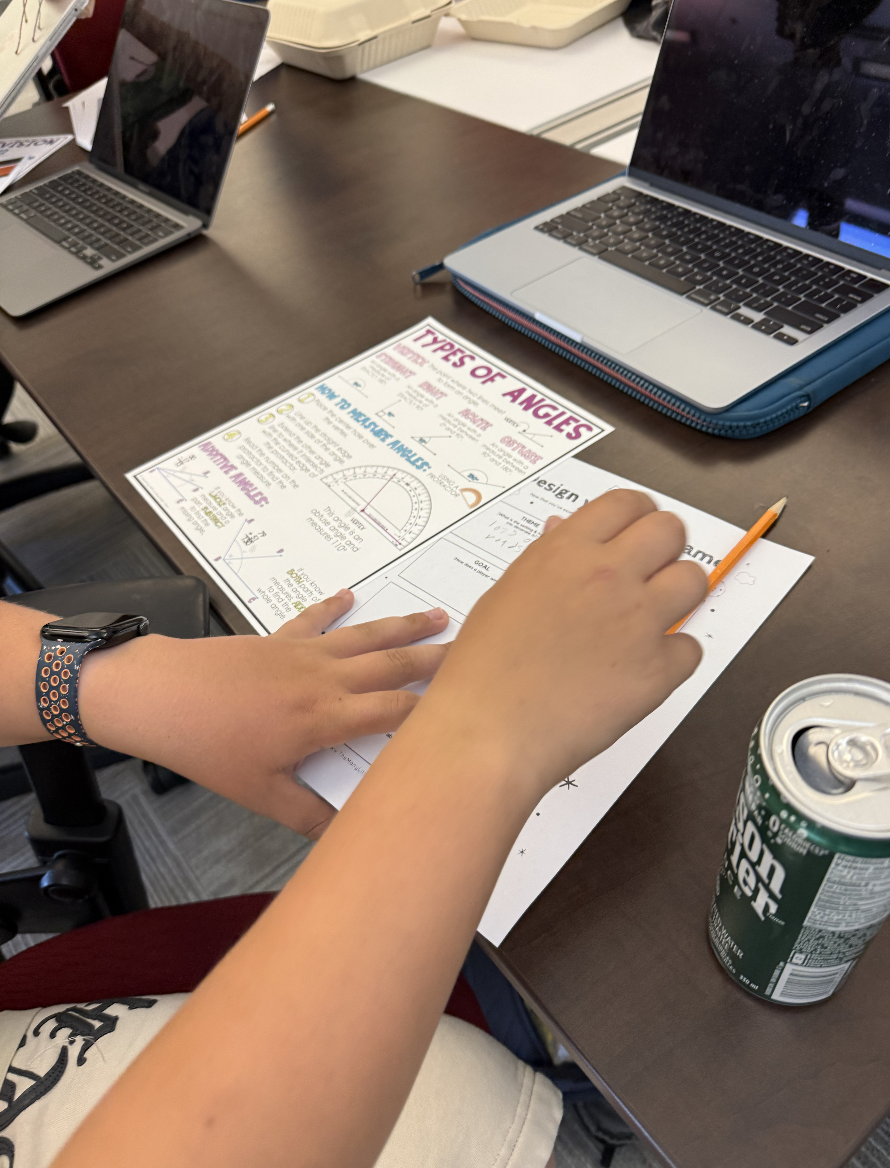
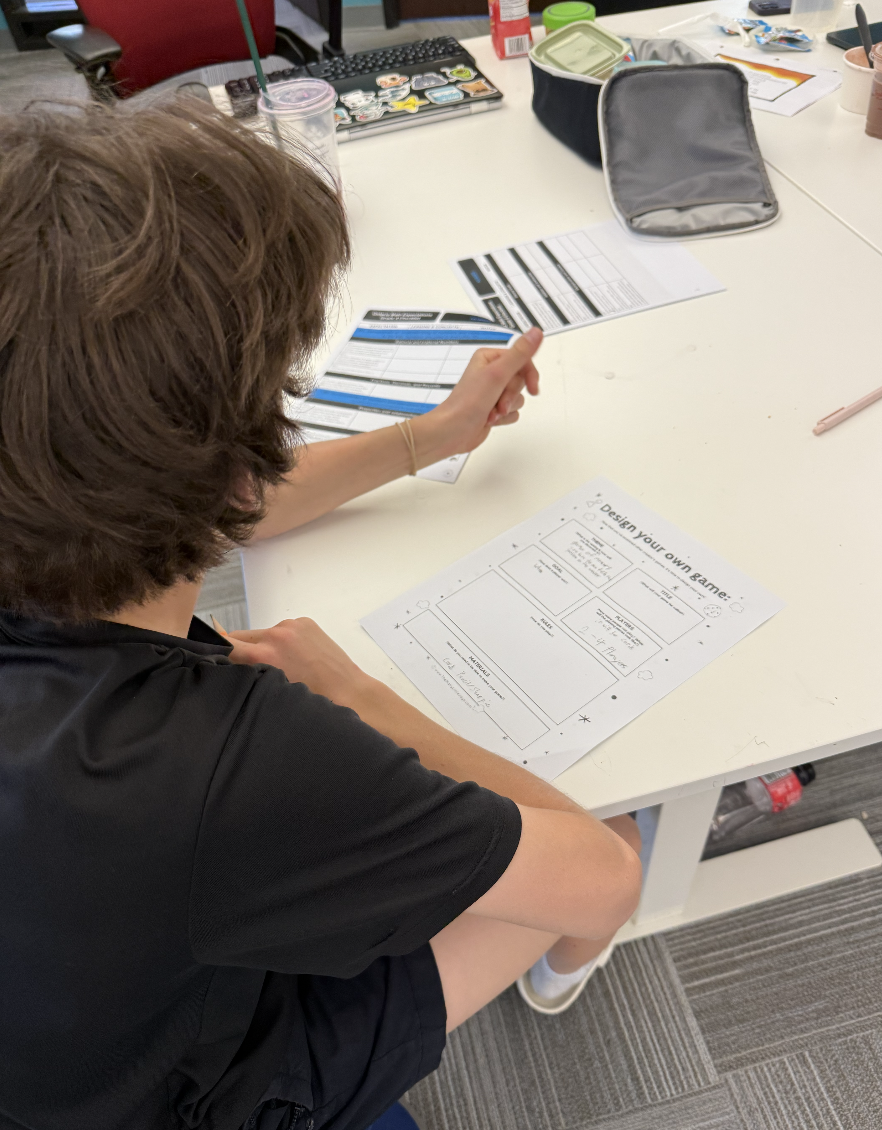
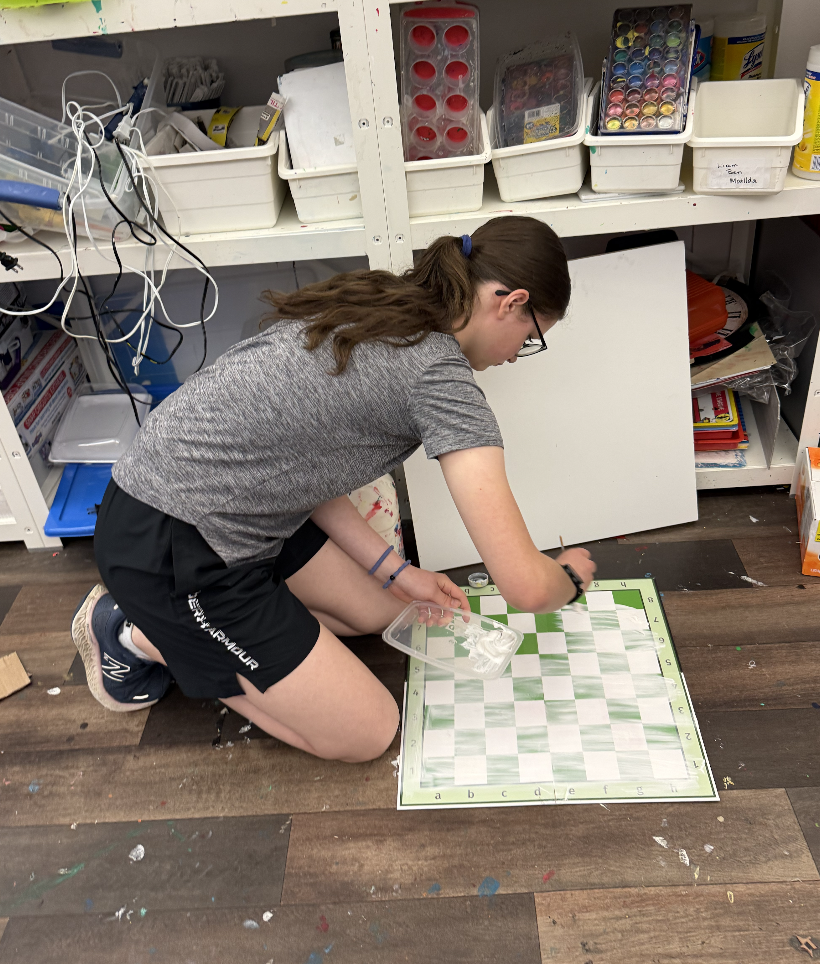
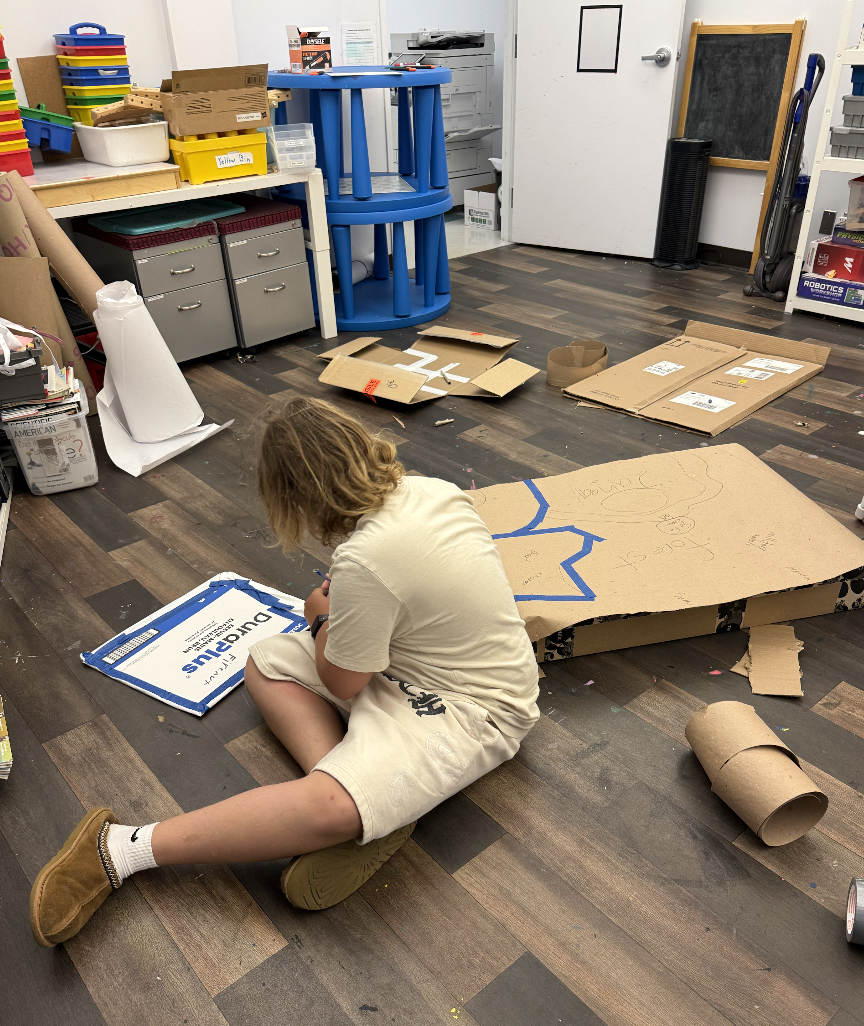
This week, Rebels began designing their mathematical review game. After choosing the math concept(s) and curriculum expectations their game would cover, they completed a design sheet detailing the format (board, cards, etc.), theme, required materials, and basic rules. If they had time remaining, learners began creating their game.
Civilizations - Museum Exhibit
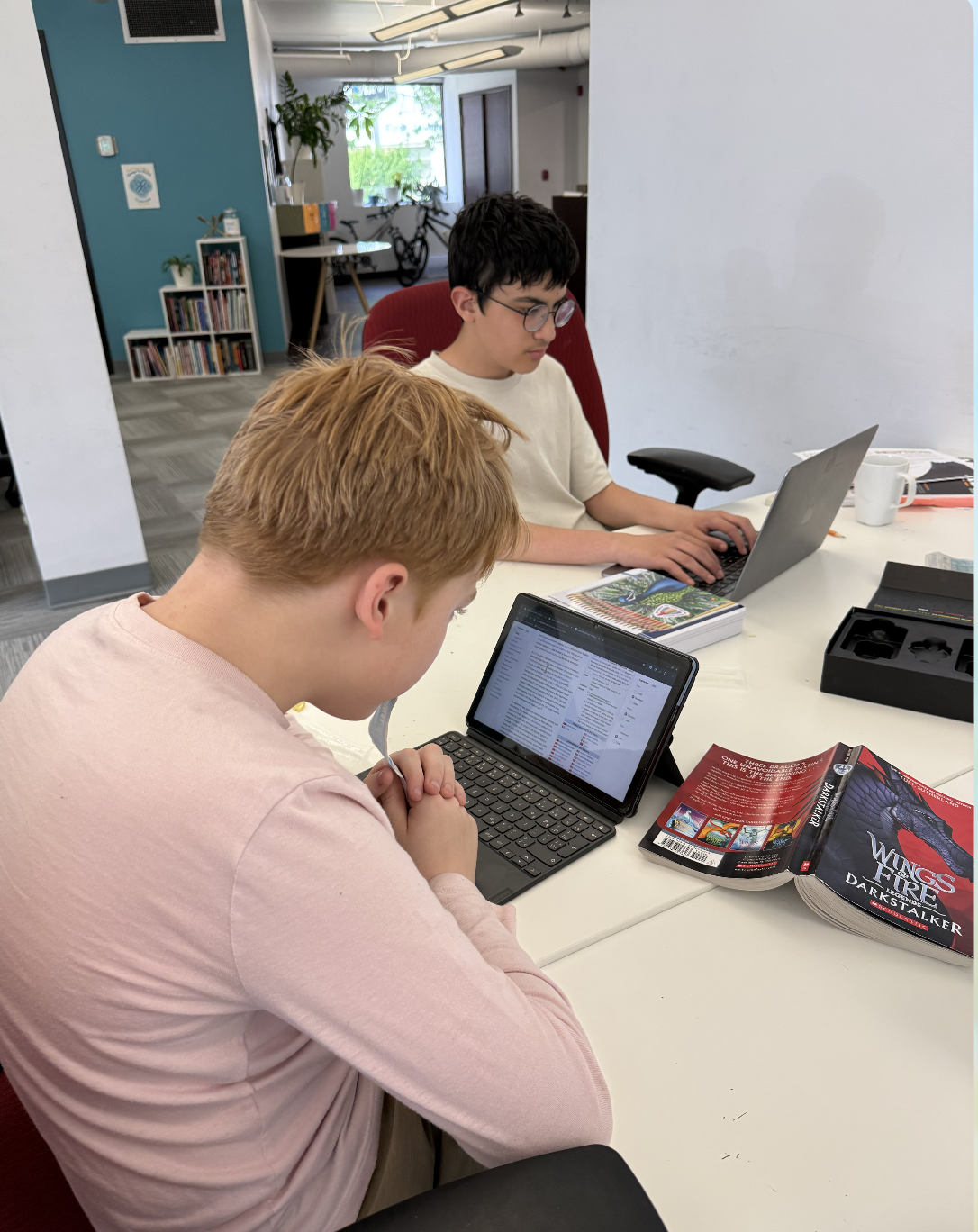
This week, the Rebels got right to work on the research for their museum exhibits. To help learners who struggle with large-scale projects, we broke the requirements down and focused our time on Tuesday on creating the timeline. Rebels began by identifying at least five events and writing down a date, a heading, a brief description, and images, if helpful. We also discussed how to use colour coordination and ensure the timeline was cohesive, clear, and uncluttered. Thursday, Rebels worked on finding or making a map. What did the world look like when their civilization took place? Where did specific events occur? Next week, they'll continue their research and identify an artifact for their display.
Quest - Art & Creativity
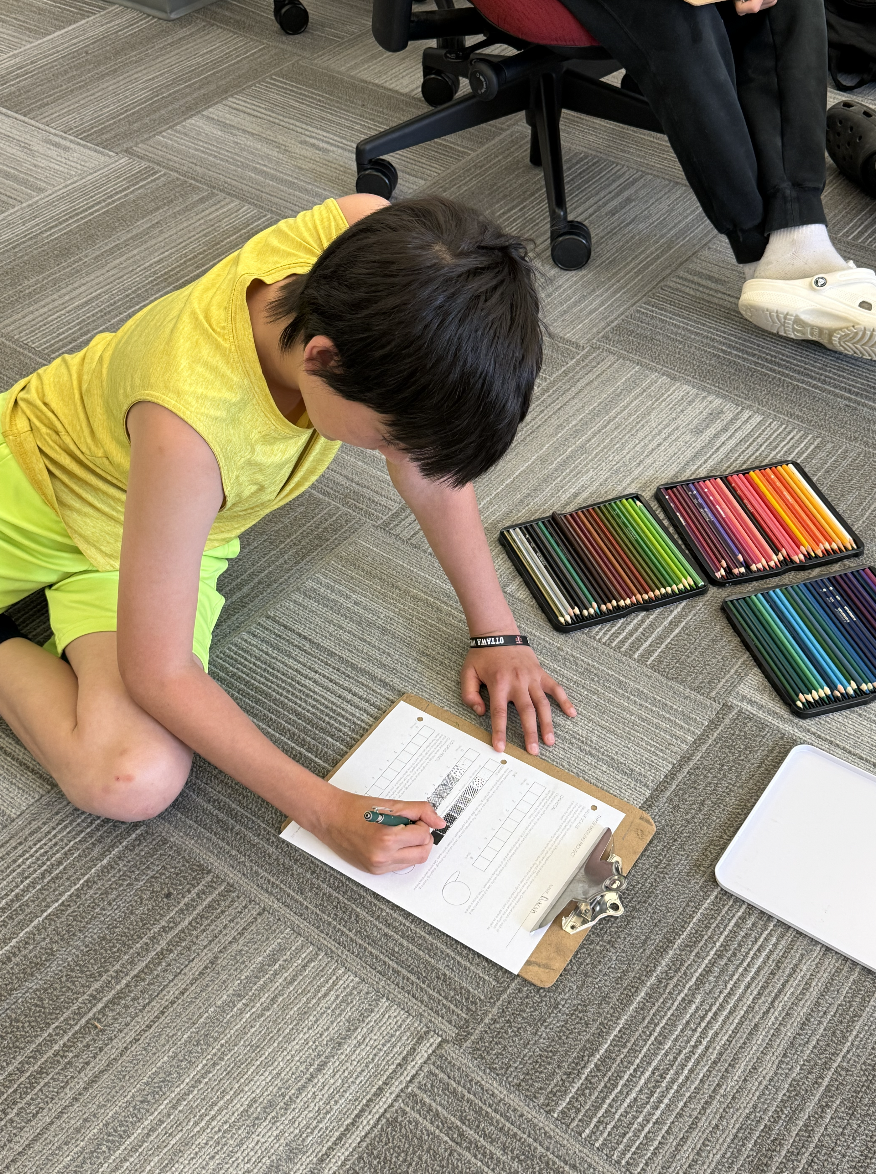
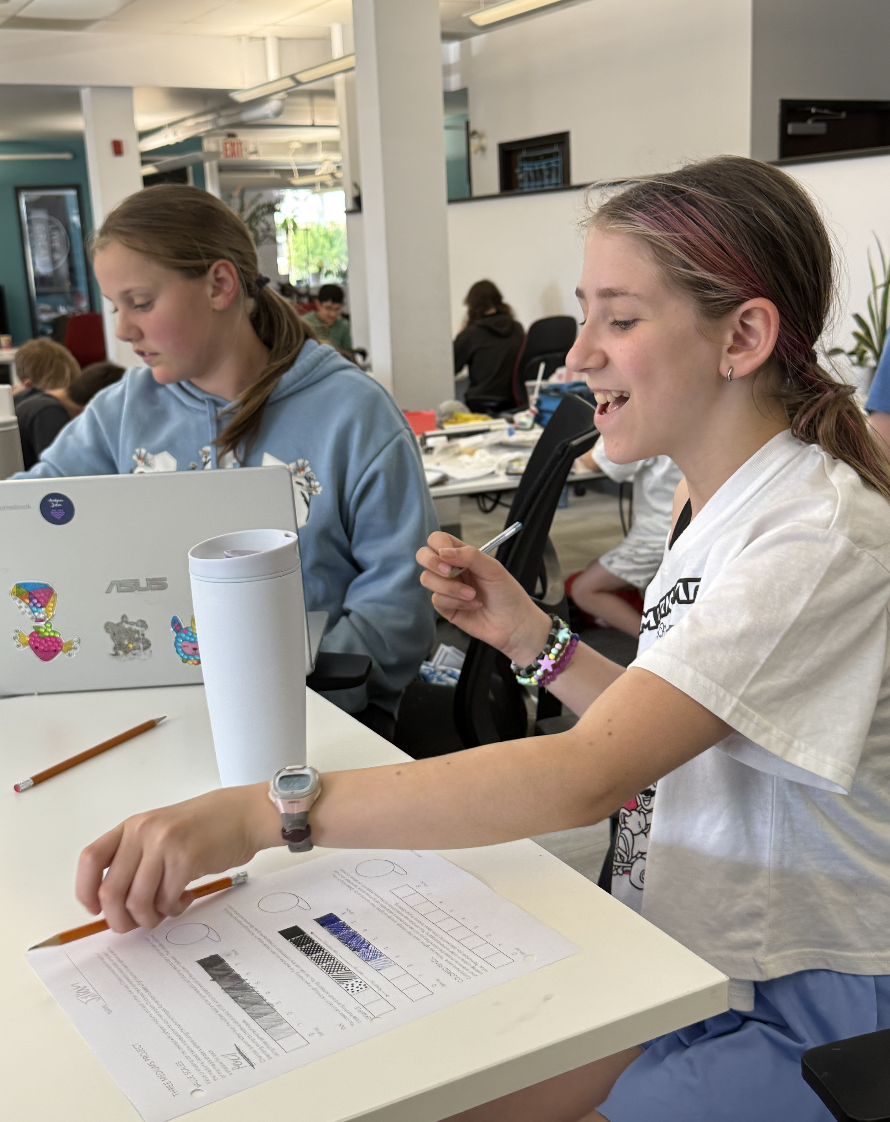
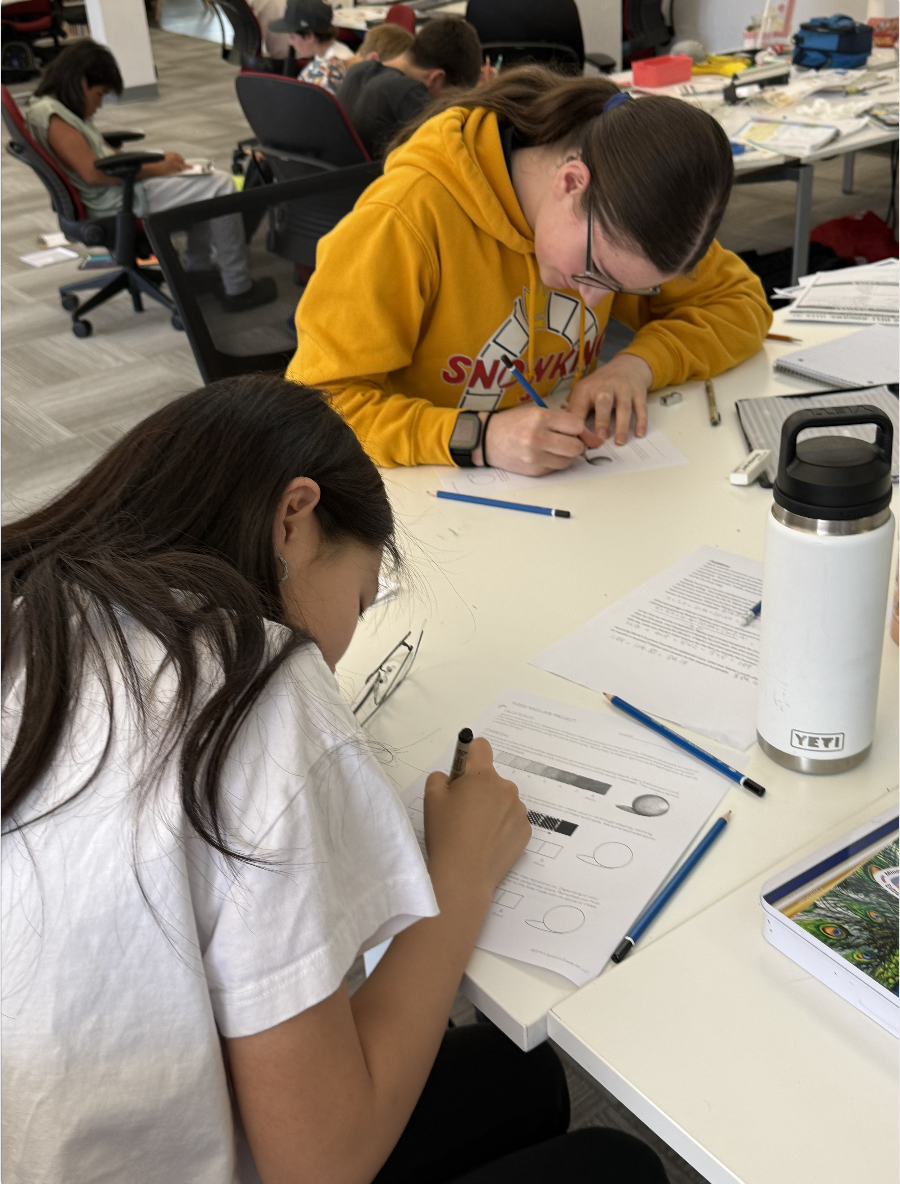
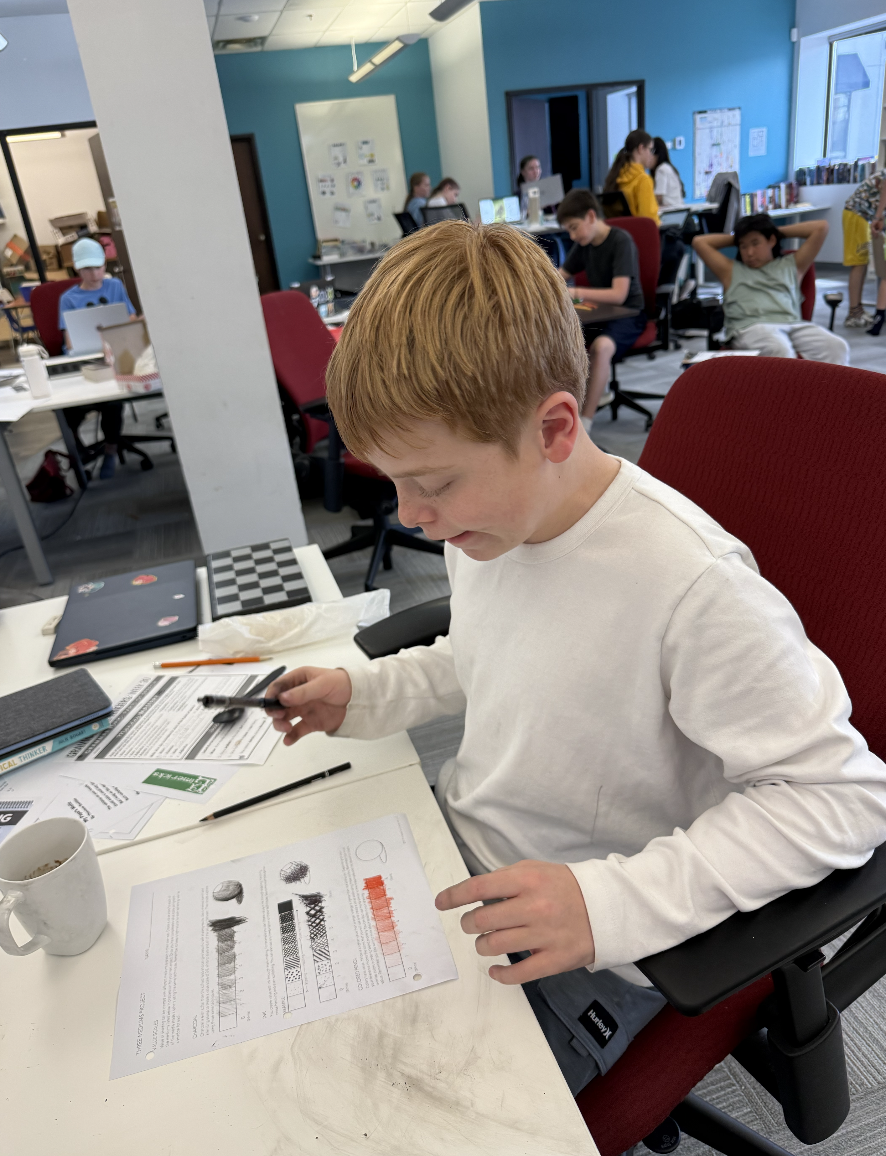
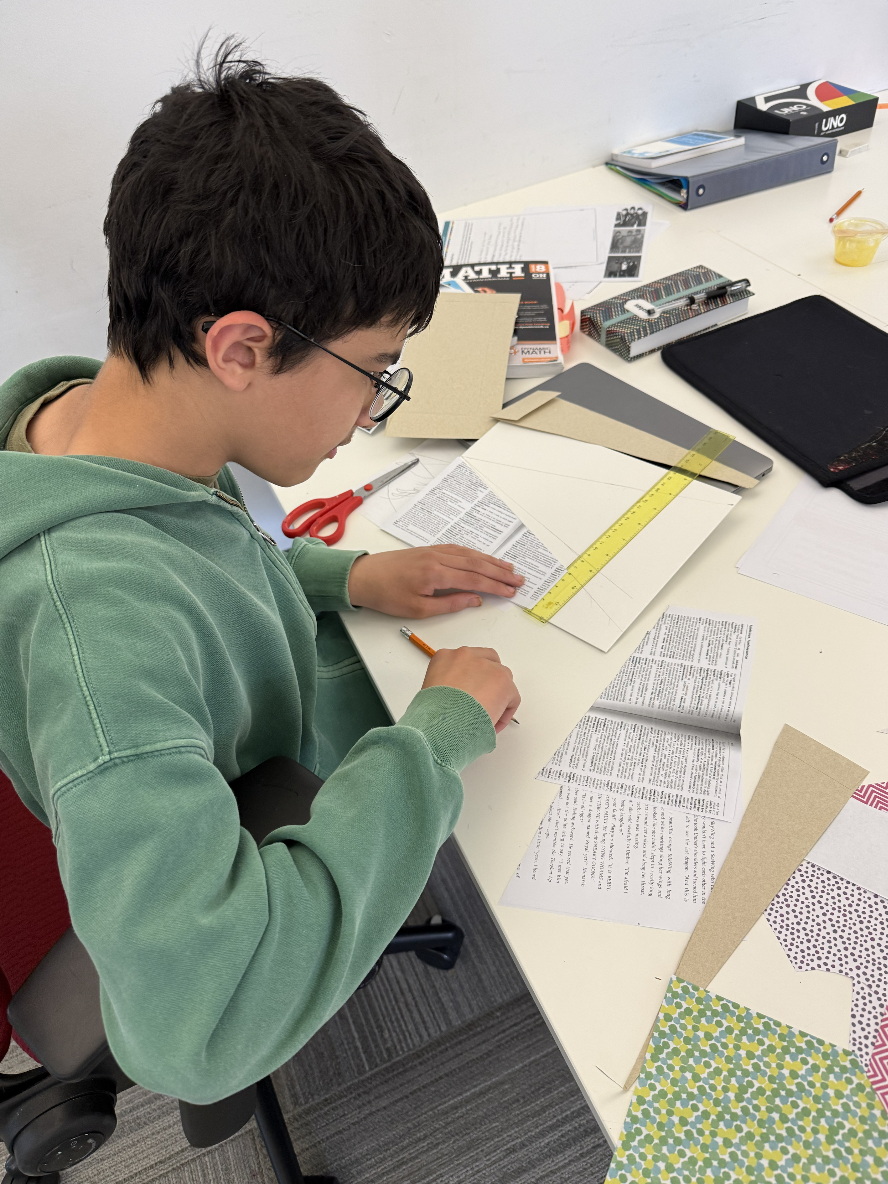
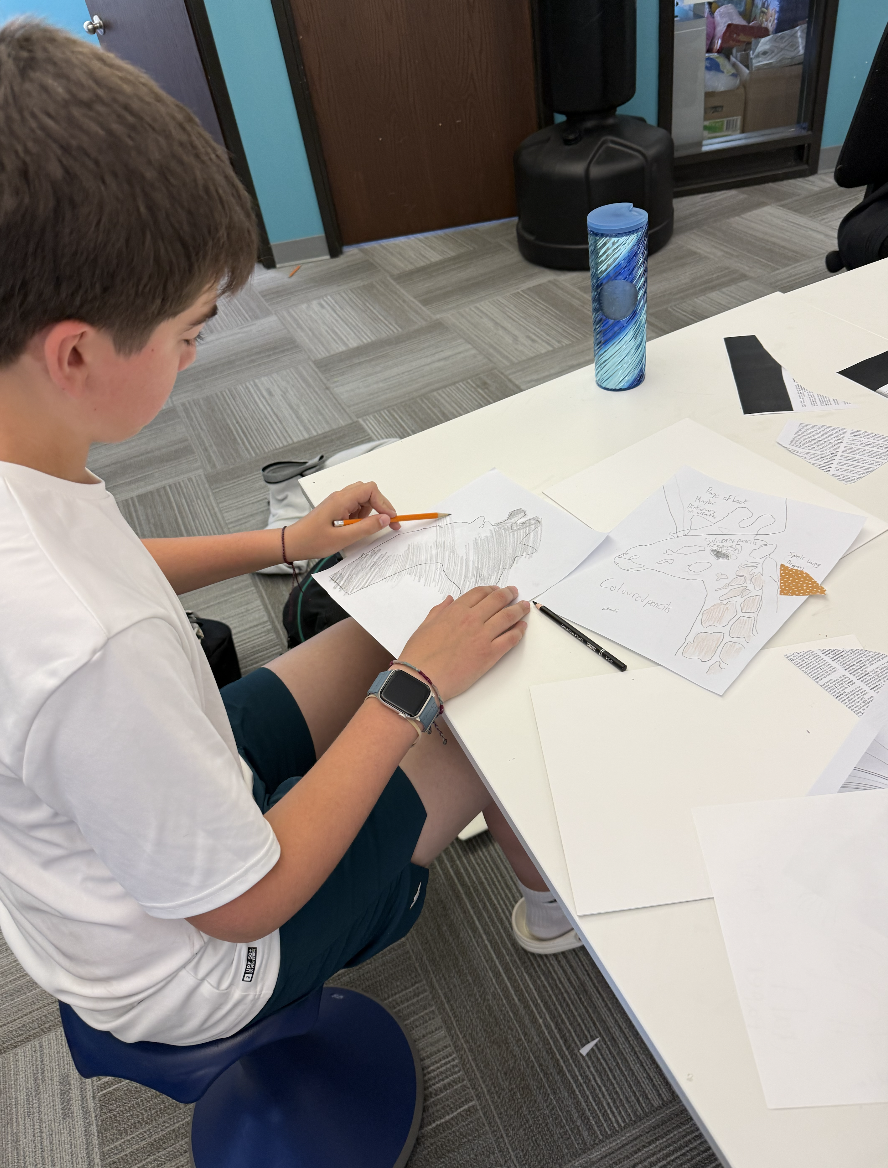
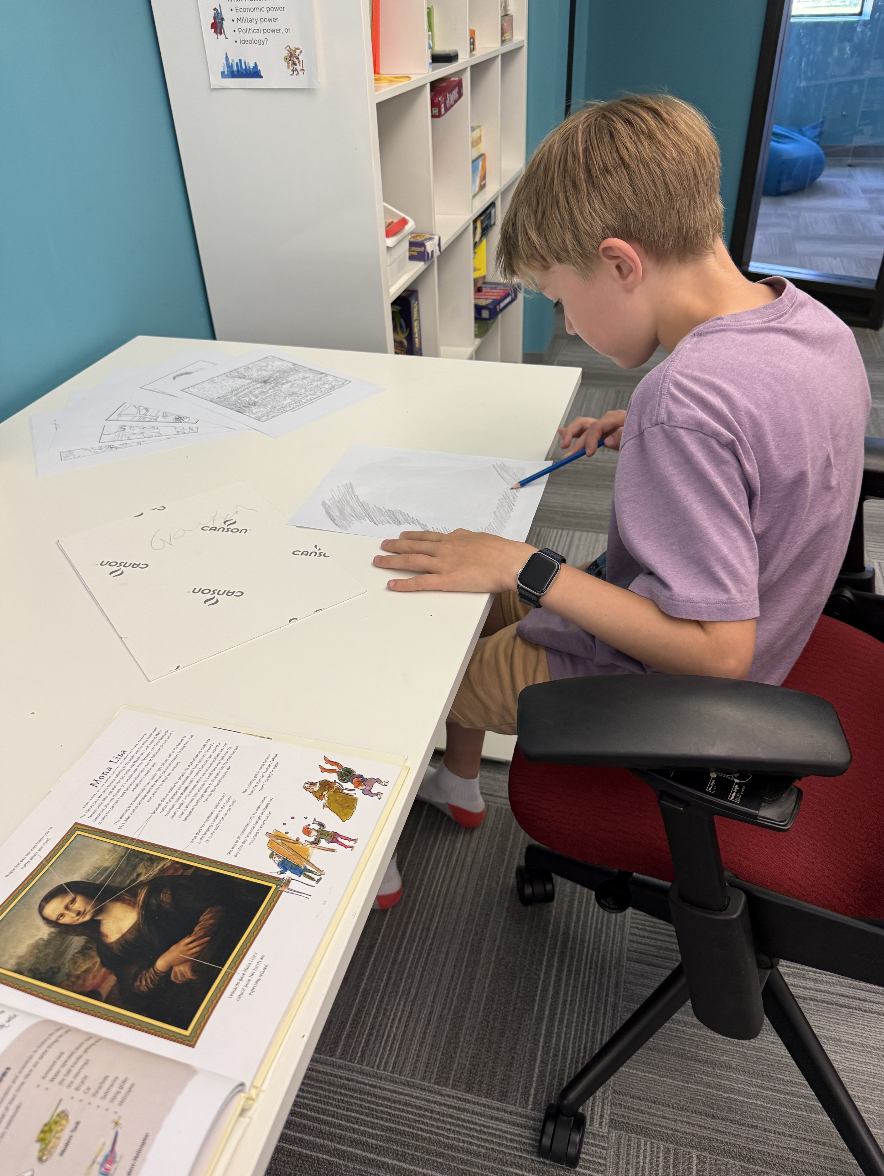
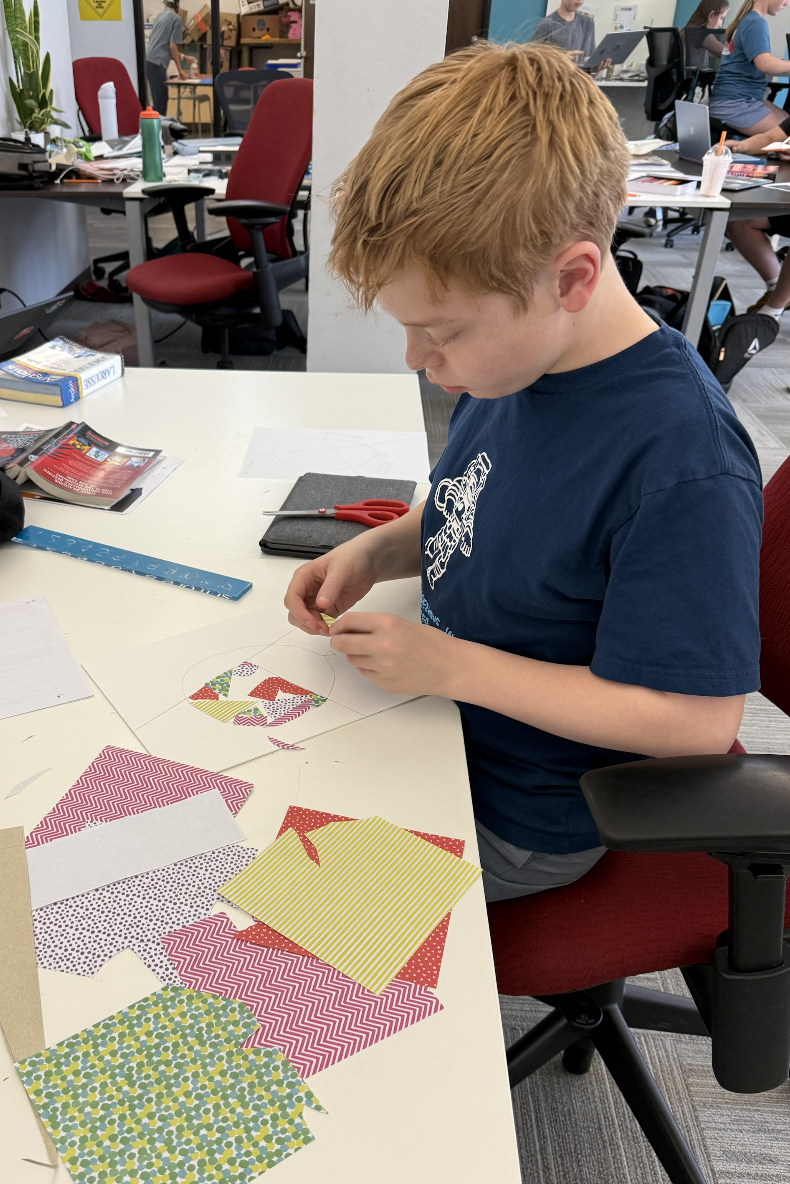
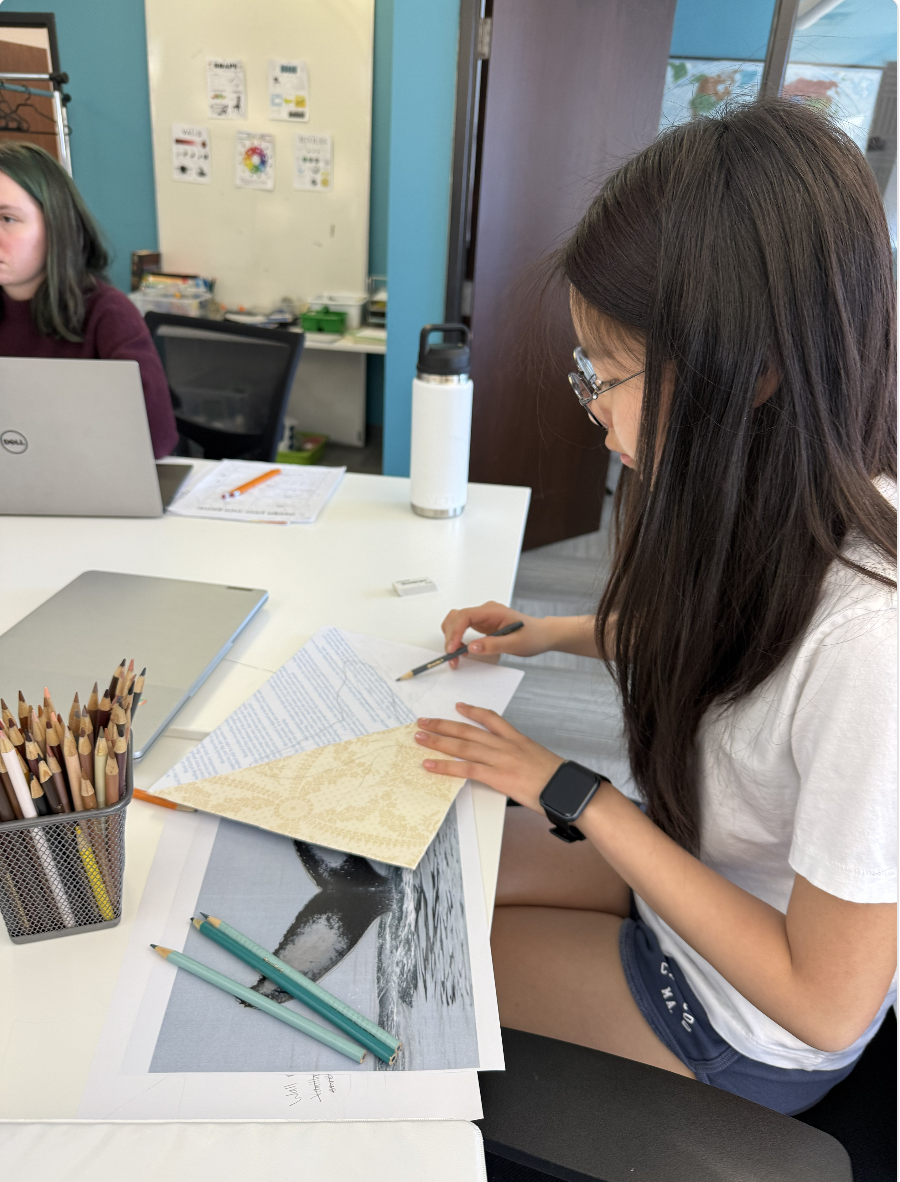
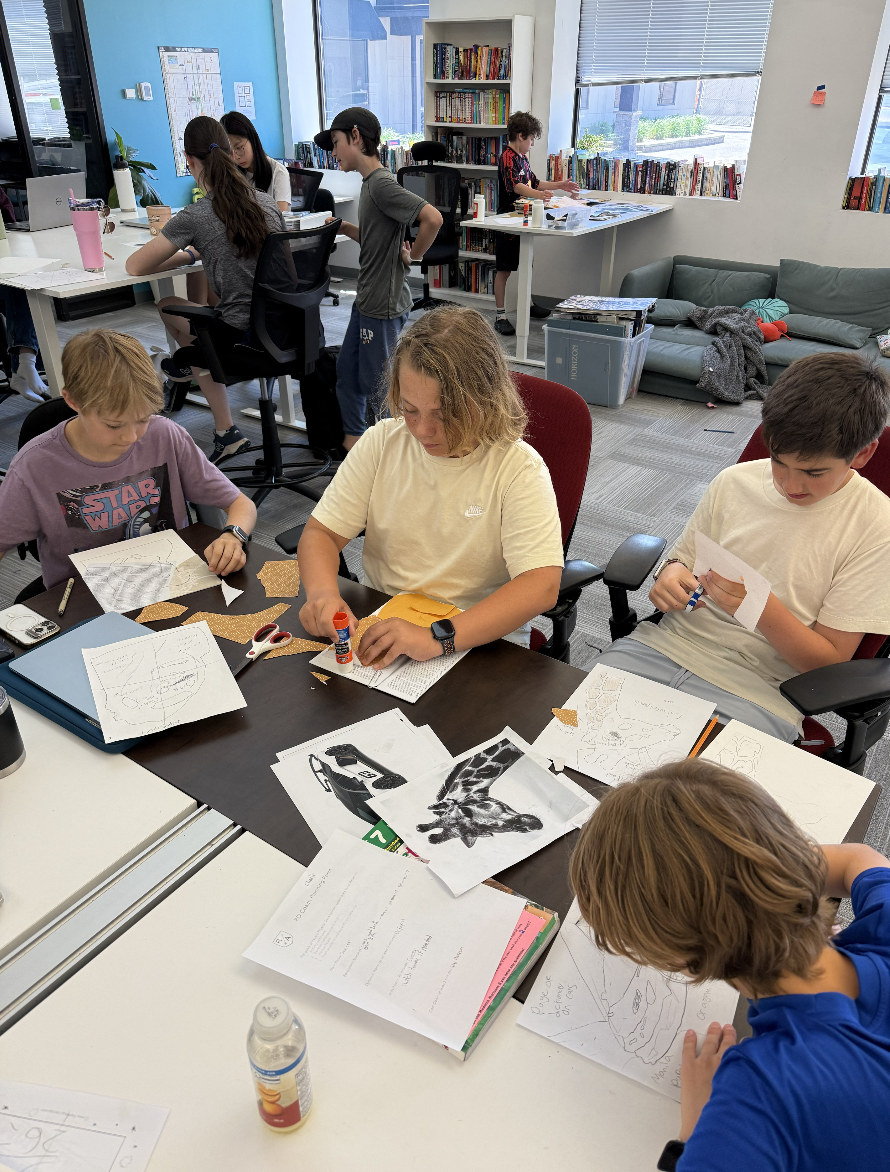
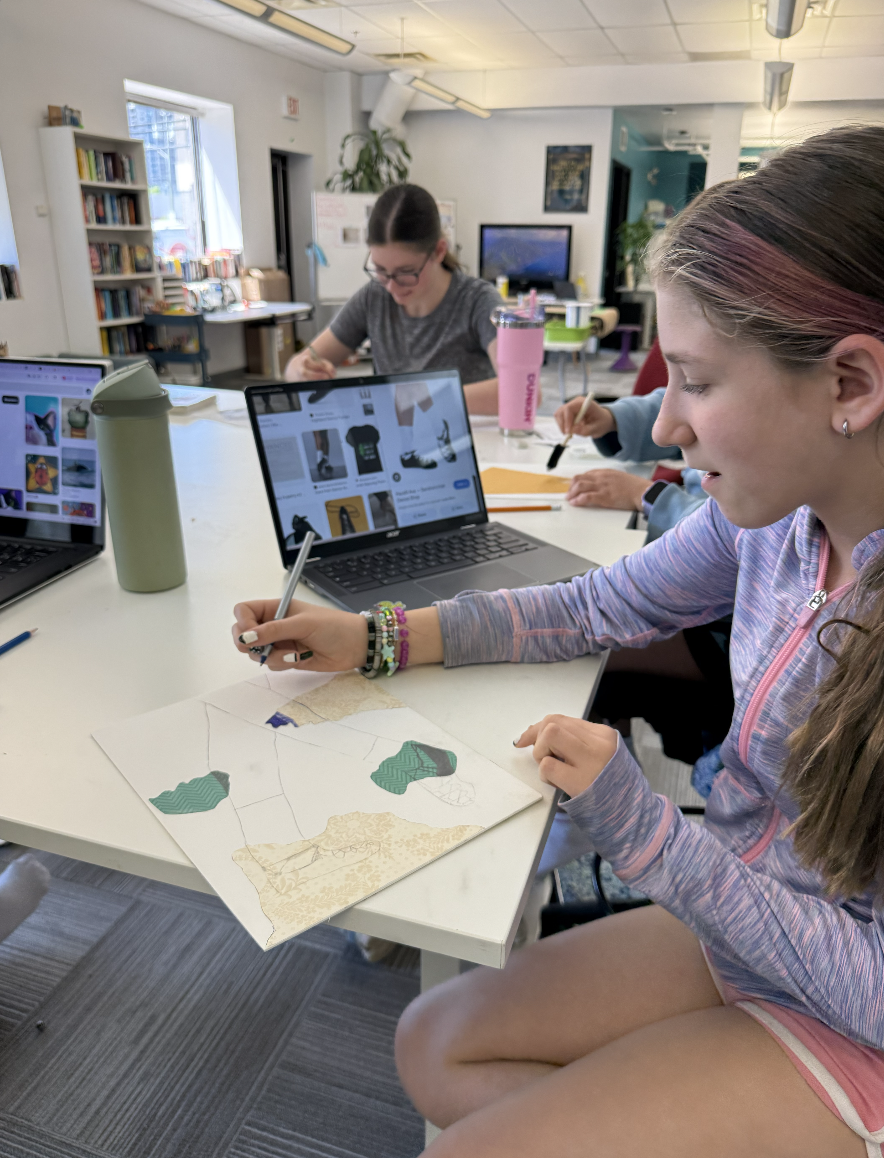
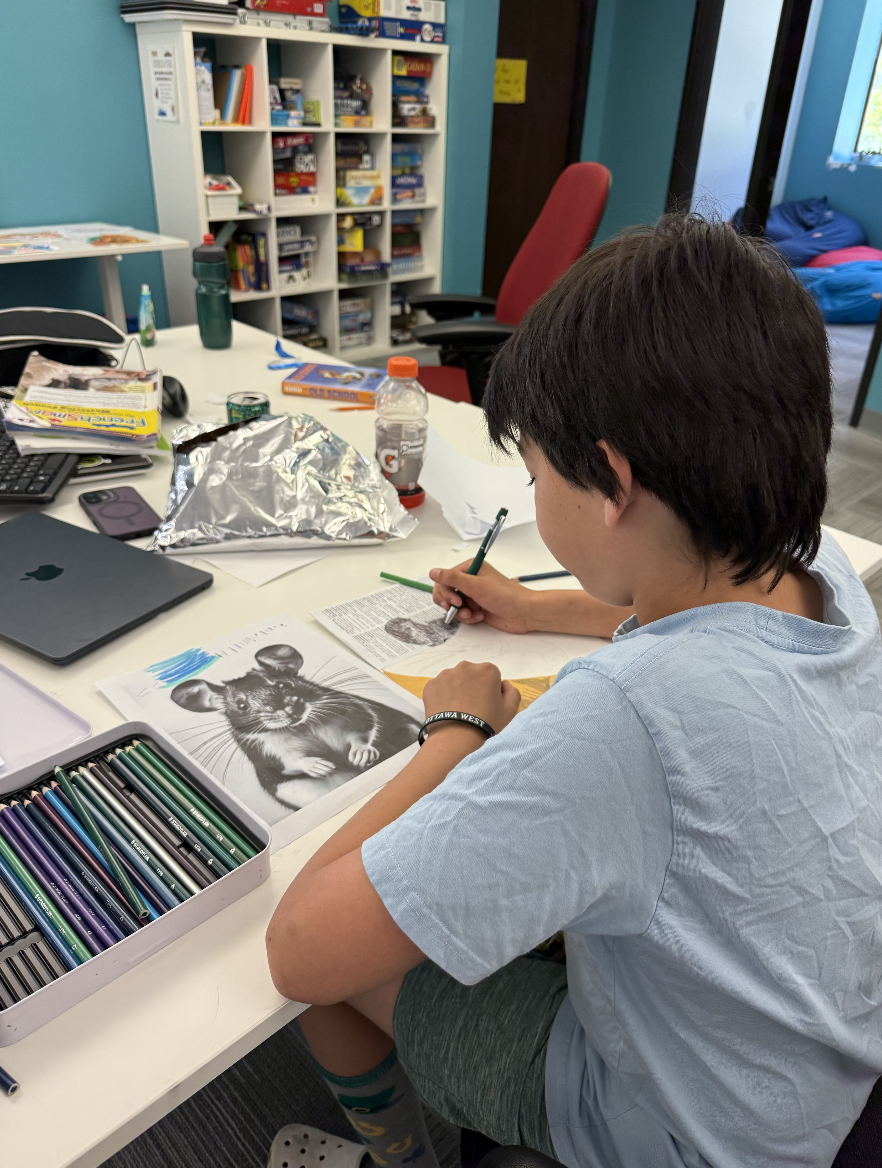
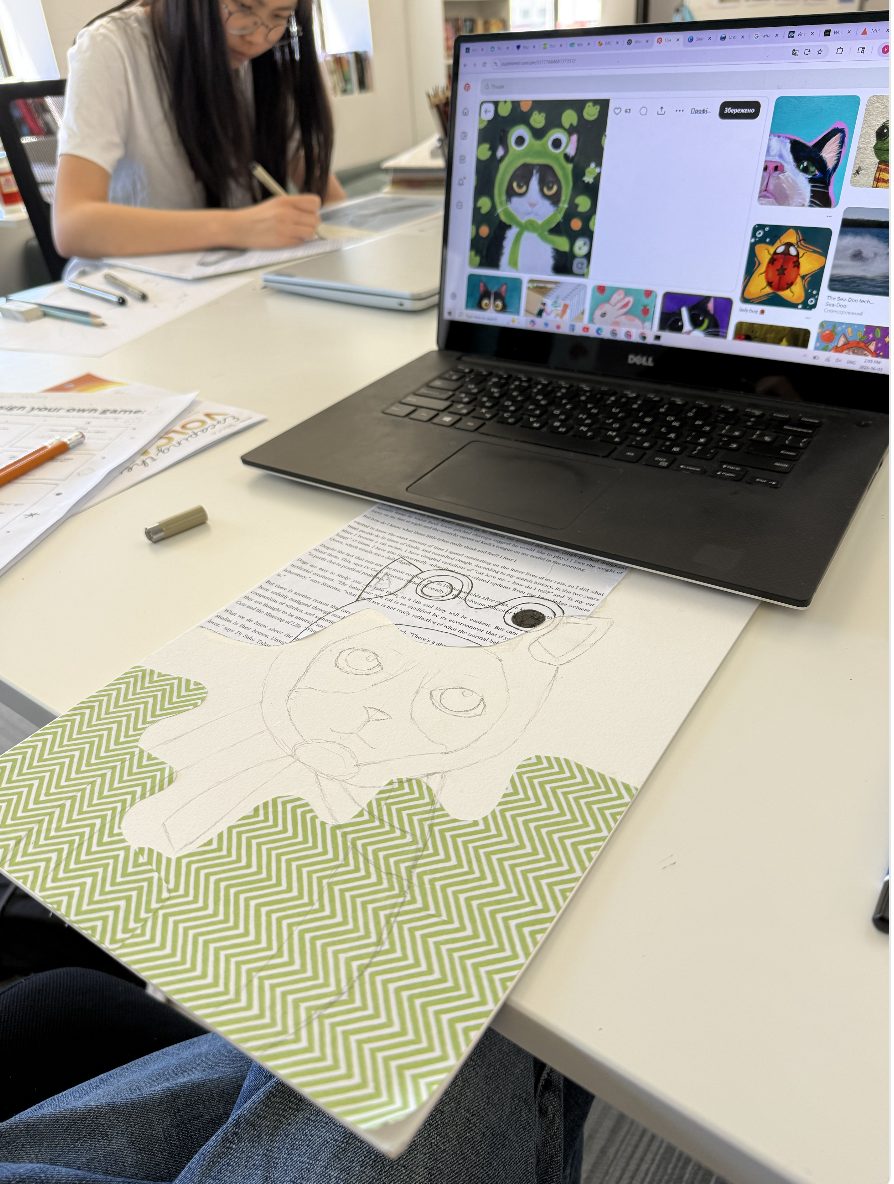
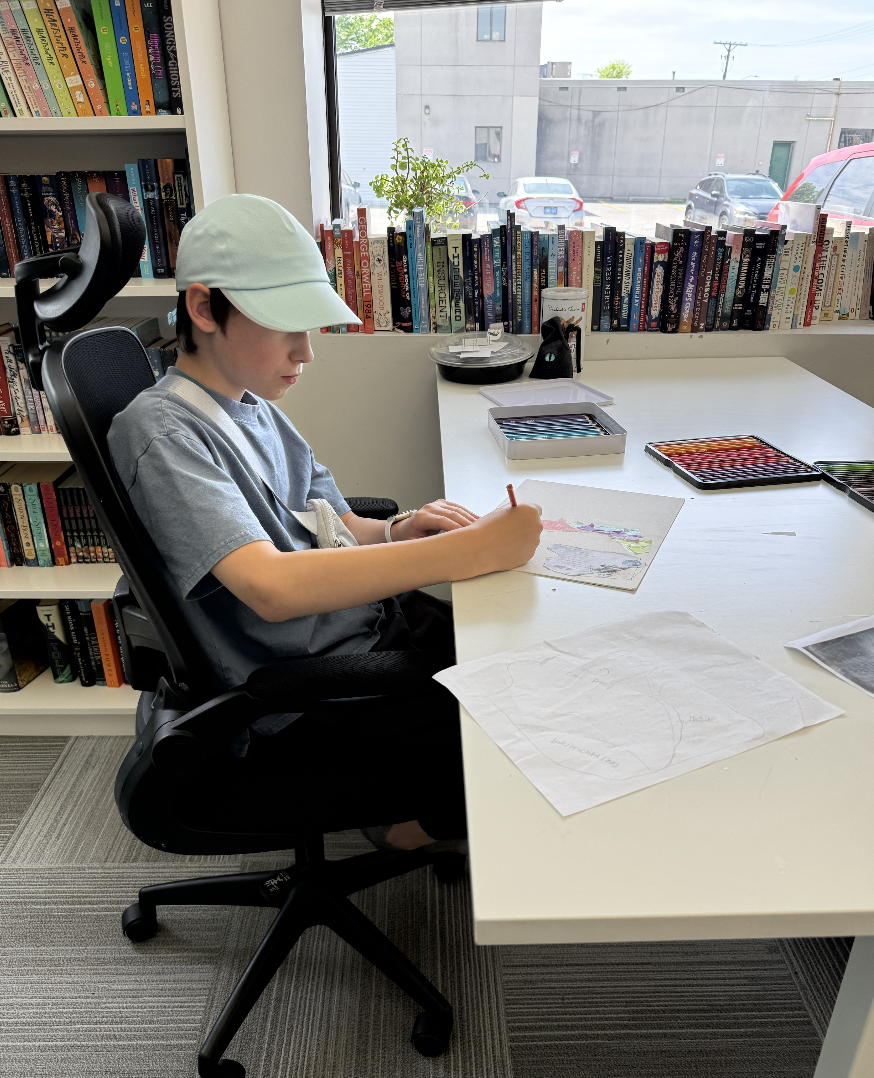
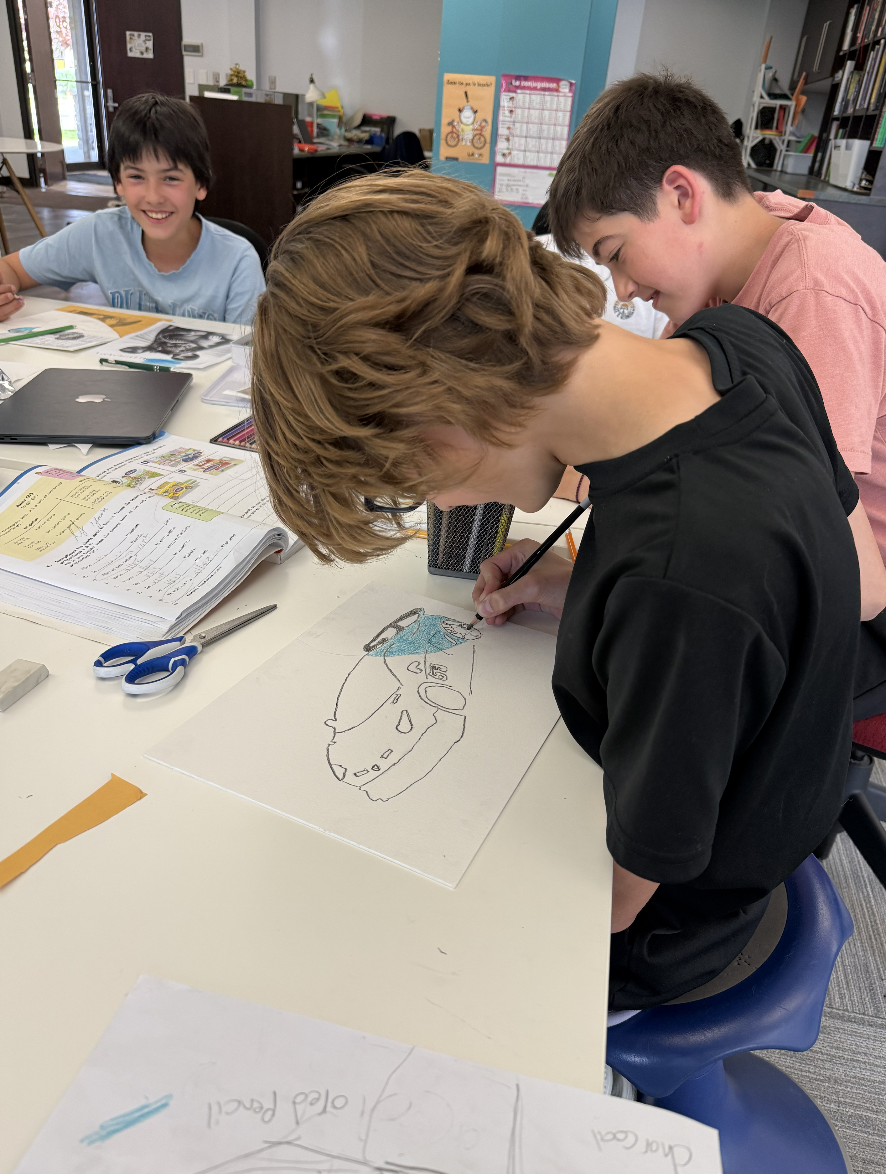
With the Seven Elements of Art under our belts, Rebels took on a Three-Medium Challenge this week! For this project, learners were tasked with using three different mediums to create a shaded, unified piece with a dynamic composition. On Monday, we began by learning how different materials and mediums (variety/unity/contrast) can enhance a piece of art. After an introductory slideshow outlining the challenge's goals, Rebels used a handout to demonstrate that they could create a value scale in charcoal, ink, and coloured pencils from 0-8, as well as a sphere in each. On Tuesday, learners found a high-resolution image for their reference picture and then created a plan sketch to decide how to apply their chosen papers and materials. Once their sketch was approved, they were given their mixed-media board to begin gluing down their papers. Once dry, they transferred their drawing onto the board, keeping placement and composition in mind. The remainder of their Quest time was used completing their project, and we were impressed with their patience and willingness to try new techniques!
French
This week in French, Exploration watched L’Avare by Molière, starring Louis de Funès, to learn more about French culture and discover one of Molière’s most famous plays. While watching the film, the Rebels completed a comprehension bingo activity to help them stay engaged and better understand the story, characters, and key moments. This activity introduced the class to classical French theatre while making the experience more interactive and accessible.
Questions or Ideas to Ask Your Learner
Spark Studio:
What is a character trait to describe yourself? What character trait do you think describes the Good Egg?
How was it working with the Discovery Studio this week for your pool noodle snakes?
Did you choose a warm colour or cool colour palette for your snake?
French: Can you describe what you are wearing in French?
Discovery Studio:
Can you tell me some of the features of a Septet, Quinzain or Acrostic poem?
What math concept did you start working on for your anchor charts this week? Did you create a digital or hand-drawn one?
What is Value in Art? How does shading or tinting change a colour?
What’s a primary, secondary and tertiary colour?
Can you explain the intentionality behind where colours are placed on the colour wheel?
How do logos incorporate complementary colours?
French: What is the name of your game, and how do you play it?
Exploration Studio
Were you able to complete your Three Mediums art piece? Are you proud of your effort and progress?
Which do you prefer writing: Haikus, Limericks, or Cascading poems? How do you write a Cascading poem?
French: Why is French sometimes called the language of Molière, and what did you learn about him this week?
Have you earned your way into the Late Night Hang? If not, what do you need to do?